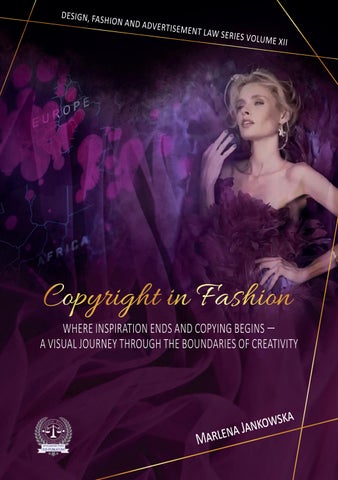
WHERE INSPIRATION ENDS AND COPYING BEGINS — A VISUAL JOURNEY THROUGH THE BOUNDARIES OF CREATIVITY
Copyright in Fashion: Where Inspiration Ends and Copying Begins — A Visual Journey Through the Boundaries of Creativity
Design, Fashion and Advertisement Law Series volume XII
Prawo autorskie w modzie: Gdzie kończy się inspiracja, a zaczyna kopiowanie –Wizualna podróż przez granice twórczości
Seria Prawa Designu, Mody i Reklamy tom XII
Katowice 2025
In collaboration with the Center for Design, Fashion and Advertisement Law at the University of Silesia in Katowice.
We współpracy z Centrum Prawa Designu, Mody i Reklamy w Uniwersytecie Śląskim w Katowicach.
Publication co-financed by the KOPIPOL Association’s Creative Artists Support Fund
Publikacja dofinansowana ze środków Funduszu Wsparcia
Twórców Stowarzyszenia KOPIPOL
CC-SA licence
Reviewer / Recenzent Translation / Tłumaczenie
Dr Anna Górczyńska, University of Lodz Marlena Jankowska
Faculty of the University of Lodz in Tomaszów Mazowiecki
Graphics for the book cover / Grafika okładkowa Typesetting / Skład by Joanna Koczyba via Pixabay Joanna Koczyba lawinstyle.us.edu.pl
ISBN no. 978-83-66922-43-3
Publisher / Wydawca
IUS PUBLICUM Publishing House
Instytut Prawa Gospodarczego Sp. z o.o. ul. 3 Maja 26, 40-096 Katowice
Spis treści
Author’s Note
Look at your closet. Chances are, you own something ‘inspired by’ a designer piece—a handbag that echoes a luxury brand, jeans cut like those from a high-end label or a dress that captures this season’s runway trends at a fraction of the price. The fashion industry thrives on this constant dance between imitation and innovation, where yesterday’s original becomes today’s trend and tomorrow’s ‘fast fashion’.
But behind every copied zipper placement, every borrowed silhouette and every ‘homage’ to a designer ’s work lies a complex web of legal rules, industry customs and unwritten social norms. This is the world of copynorms—the informal rules that govern what can and cannot be copied in fashion, rules that often matter more than the law itself.
This book takes you on a visual journey through the fascinating intersection of intellectual property law and fashion, comparing how different countries and cultures draw the line between inspiration and infringement. Through photographs, illustrations and case studies, we will explore why a dress design might be protected in France but freely copied in the United States, how streetwear brands and luxury houses play by different rules and what happens when traditional legal frameworks collide with an industry built on constant reinvention.
You will discover that fashion’s relationship with copying is far more nuanced than ‘original good, copy bad’. Sometimes copies democratize style. Sometimes they destroy small designers. Sometimes the industry itself does not want copyright protection. And sometimes, what looks like a copy is actually an inspiration.
Whether you are a fashion enthusiast, a designer, a business student or simply curious about how creativity and commerce collide, this book will change how you see every garment, every trend and every shopping decision. Welcome to the world where law, culture and style intersect—and where the rules are never quite what they seem.
In 2024, Routledge published my academic monograph Intellectual Property Rights, Copynorm and the Fashion Industry: A Comparative Analysis—a comprehensive legal study examining how different countries regulate copying in fashion and how the industry creates its own informal rules. The book explored complex legal doctrines, comparative frameworks and theoretical concepts that help us understand why fashion operates so differently from other creative industries.
Od autora
Zajrzyj do swojej szafy. Jest spora szansa, że posiadasz coś ‘zainspirowanego’ projektem znanego projektanta – torebkę nawiązującą do luksusowej marki, dżinsy skrojone jak te z ekskluzywnej kolekcji czy sukienkę, która oddaje tegoroczne trendy z wybiegów za ułamek ceny. Przemysł mody kwitnie dzięki temu nieustannemu tańcowi między imitacją a oryginałem, gdzie wczorajszy oryginał staje się dzisiejszym trendem, a jutrzejszą ‘szybką modą’.
Jednak za każdym skopiowanym umiejscowieniem zamka błyskawicznego, każdą zapożyczoną sylwetką i każdym ‘hołdem’ złożonym dziełu projektanta kryje się złożona sieć przepisów prawnych, zwyczajów branżowych i niepisanych norm społecznych. To świat norm kopiowania (copynorms) – nieformalnych reguł określających, co można, a czego nie można kopiować w modzie; reguł, które często mają większe znaczenie niż samo prawo.
Niniejsza książka zabiera Czytelnika w wizualną podróż przez fascynujące skrzyżowanie prawa własności intelektualnej i mody, porównując sposób, w jaki różne kraje i kultury wyznaczają granicę między inspiracją a naruszeniem. Poprzez fotografie, ilustracje i studia przypadków zbadamy, dlaczego projekt sukienki może być chroniony we Francji, ale swobodnie kopiowany w Stanach Zjednoczonych, jak marki streetwearowe i domy mody grają według różnych reguł oraz co się dzieje, gdy tradycyjne ramy prawne zderzają się z przemysłem zbudowanym na ciągłym kopiowaniu.
Przekonasz się, że relacja mody z kopiowaniem jest o wiele bardziej złożona niż prosty schemat ‘oryginał dobry, kopia zła’. Czasami kopie demokratyzują styl. Czasami niszczą małych projektantów. Czasami sam przemysł nie chce ochrony praw autorskich. A czasami to, co wygląda jak kopia, w rzeczywistości stanowi inspirację.
Niezależnie od tego, czy jesteś entuzjastą mody, projektantem, studentem biznesu, czy po prostu osobą ciekawą tego, jak kreatywność i handel ze sobą kolidują, ta książka zmieni sposób, w jaki postrzegasz każdą część garderoby, każdy trend i każdą decyzję zakupową. Witamy w świecie, gdzie prawo, kultura i styl się przecinają – a reguły nigdy nie są takie, jakimi się wydają.
W 2024 roku nakładem wydawnictwa Routledge ukazała się moja monografia akademicka Intellectual Property Rights, Copynorm and the Fashion Industry: A Comparative Analysis –kompleksowe studium prawne badające sposób, w jaki różne państwa regulują kopiowanie w modzie oraz jak branża tworzy własne nieformalne reguły. Książka zgłębiała złożone doktryny prawne, ramy prawnoporównawcze i koncepcje teoretyczne pozwalające zrozumieć, dlaczego moda funkcjonuje tak odmiennie od innych branż kreatywnych
1
But there was something missing.
Academic publishing has its constraints. While I could describe landmark court cases, analyze legal texts and explain the nuances of copynorms across jurisdictions, I could not show you what I was talking about. The pictures—the dresses, the designs, the side-by-side comparisons that make these abstract legal concepts come alive—had to be left out1 .
This book corrects that omission.
What you are holding is a visual companion to the academic work—an album that brings the legal analysis to life through images, photographs and illustrations. Here, you will finally see the designs at the heart of famous lawsuits, the subtle differences between ‘inspiration’ and ‘infringement’ and the visual evidence of how fashion’s copying norms actually work in practice.
Whether you have read the original academic work or are discovering these ideas for the first time, welcome to the visual journey through fashion’s relationship with copying, creativity and the law. Because in fashion – as you will see – not everything that appears to be a copy actually is and not everything original stays in fashion.
This book serves as a visual companion to Jankowska, M. (2024). Intellectual Property Rights, Copynorm and the Fashion Industry: A Comparative Analysis. Routledge. Throughout the text, you’ll find references to specific chapters and sections of the original work for readers who wish to explore the legal analysis in greater depth.
Ale czegoś brakowało.
Publikacje akademickie mają swoje ograniczenia. Choć mogłam opisać precedensowe sprawy sądowe, analizować teksty prawne i wyjaśniać niuanse norm kopiowania w różnych jurysdykcjach, nie mogłam pokazać, o czym mówię. Obrazy – suknie, projekty, zestawienia porównawcze, które ożywiają te abstrakcyjne koncepcje prawne – musiały zostać pominięte.
Niniejsza książka wypełnia tę lukę.
To, co trzymasz w rękach, to wizualny kompan do pracy akademickiej – album, który ożywia analizę prawną poprzez obrazy, fotografie i ilustracje. Tu wreszcie zobaczysz projekty będące przedmiotem głośnych procesów sądowych, subtelne różnice między ‘inspiracją’ a ‘naruszeniem’ oraz wizualne dowody na to, jak normy kopiowania w modzie działają w praktyce.
Niezależnie od tego, czy czytałeś oryginalną pracę akademicką, czy odkrywasz te idee po raz pierwszy, witamy w wizualnej podróży przez relację mody z kopiowaniem, kreatywnością i prawem. Bo w modzie – jak się przekonasz – nie wszystko, co wygląda na kopię, nią jest, a nie wszystko, co oryginalne, pozostaje w modzie1
1 Niniejsza książka stanowi wizualne odniesienie do: M. Jankowska (2024). Intellectual Property Rights, Copynorm and the Fashion Industry: A Comparative Analysis. Routledge. W tekście znajdują się odniesienia do konkretnych rozdziałów i sekcji oryginalnej pracy dla Czytelników pragnących zgłębić analizę prawną.
Part I
1. From Social Norm to ‘Copynorm’
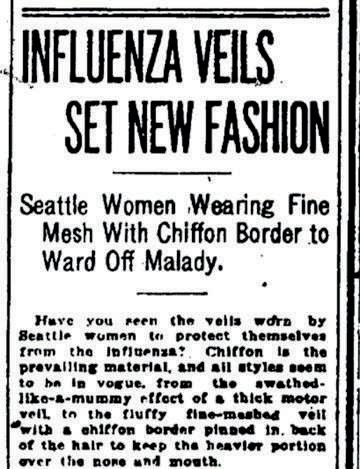
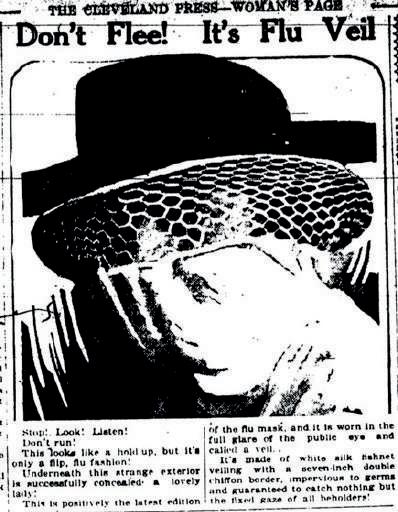
As it turns out, establishing a norm for copying is far from easy. The influenza epidemic that swept through Europe and America serves as the perfect illustration of this challenge. Even when faced with a deadly pandemic and clear public health imperatives, people resisted conforming to a single standard. The result was not uniformity but rather an explosion of individual interpretations – thick motor veils, fluffy fine-meshed coverings, chiffon variations – proving that even survival instincts cannot easily override personal expression and resistance to standardization.
1. Od normy społecznej do ‘normy kopiowania’
Jak się okazuje, ustanowienie normy kopiowania wcale nie jest łatwe. Epidemia grypy, która przetoczyła się przez Europę i Amerykę, stanowi doskonałą ilustrację tego wyzwania. Nawet w obliczu śmiertelnej pandemii i jasnych imperatywów zdrowia publicznego, ludzie opierali się podporządkowaniu jedynemu standardowi. Rezultatem nie była jednolitość, lecz raczej eksplozja indywidualnych interpretacji – grube woalki motoryzacyjne, puszyste osłony o drobnej siatce, warianty z szyfonu – co dowodzi, że nawet instynkt przetrwania nie może z łatwością przezwyciężyć osobistej ekspresji i oporu wobec standaryzacji
Figure 1. An article about face masks published in the Seattle Daily Times on Oct. 18, 1918, p. 9/ Artykuł na temat maseczek opublikowany w Seattle Daily Times dnia 18 października 1918 r., s. 91
Figure 2. Another article promoting the new face mask style, published in The Cleveland Press on Nov. 11, 1918, p. 22/ Kolejny artykuł promujący nowy styl masek na twarz, opublikowany w The Cleveland Press 11 listopada 1918 r., s. 222.
2. Fashion as Cultural Norm
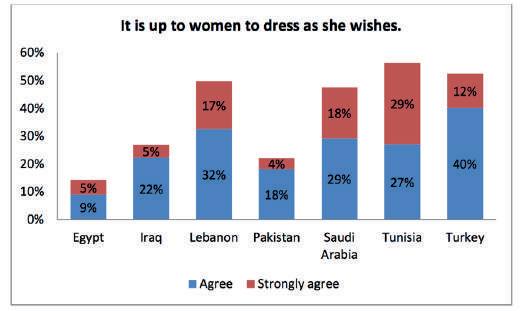
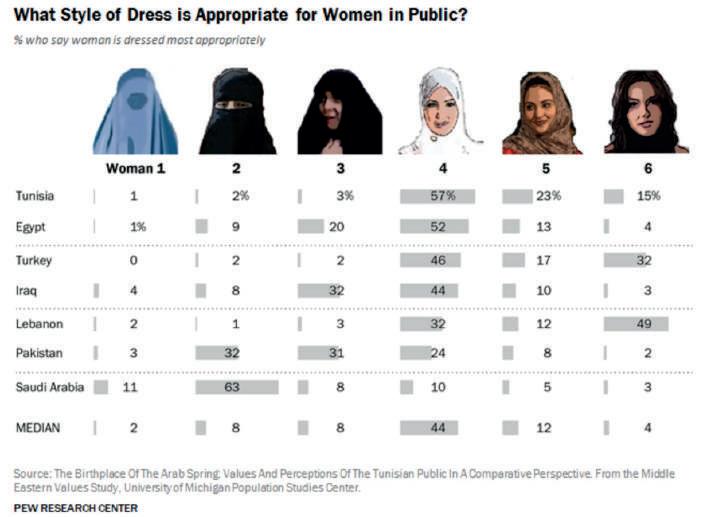
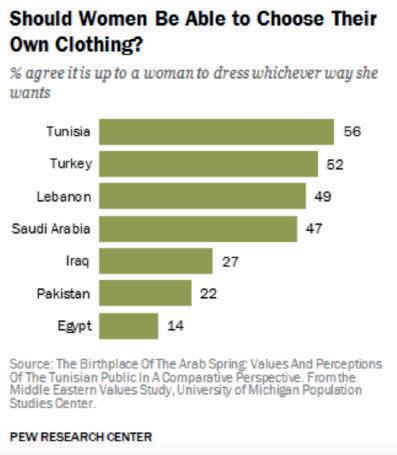
Fashion operates as one of culture’s most visible normative systems, and the hijab in Islamic countries provides a particularly intriguing lens through which to examine the push-and-pull between individual expression and collective conformity. In Muslim societies, women’s head coverings exist at a fascinating intersection – simultaneously religious obligation, cultural identifier, and fashion object – generating a complex terrain where the boundaries between ‘copy’ and ‘original’ become remarkably slippery.
The economic dimension adds another layer of complexity: wealthier Muslim societies display a kaleidoscope of styles, colors and materials, while their less affluent counterparts gravitate toward standardization3 .
Here’s the twist that makes this so compelling: what registers from an outsider’s perspective as ‘pure replication’ – millions of women apparently wearing ‘the same thing’ – reveals itself upon closer inspection as a rich field of personal creativity and cultural negotiation. Turkish tesettür operates in an entirely different aesthetic universe than Saudi niqab; Lebanese hijab speaks a visual language worlds apart from Iranian chador Each iteration fulfills the same foundational purpose, yet embodies distinctly localized readings of the norm. These are not photocopies – they are more like jazz variations on a standard, each riffing on the core theme while asserting its own identity.
2. Moda jako norma kulturowa
Moda stanowi jedną z najbardziej widocznych norm kulturowych, a hidżab w krajach islamu doskonale ilustruje napięcie między indywidualizmem a kolektywną standaryzacją. W społeczeństwach muzułmańskich nakrycie głowy przez kobiety funkcjonuje jednocześnie jako norma religijna, kulturowa i modowa – tworząc złożony system, w którym ‘kopie’ i ‘oryginały’ przeplatają się w nieoczywisty sposób. W bogatszych społeczeństwach muzułmańskich obserwujemy większą różnorodność stylów, kolorów i materiałów, podczas gdy w uboższych regionach dominuje uniformizacja. Paradoksalnie, to co z zewnątrz wygląda na ‘kopię’ – miliony kobiet noszących ‘podobne nakrycia głowy’ – w rzeczywistości stanowi pole intensywnej indywidualnej ekspresji. Tureckie tesettür różni się znacząco od saudyjskiego nikabu, libański hidżab ma inny charakter niż irański czador. Każda z tych form, choć spełnia podobną funkcję, reprezentuje lokalne interpretacje normy – są to kopie tej samej idei, ale nie identyczne reprodukcje.
(styles: #1 – fully-hooded burka; #2 – niqab; #4 and #5 – less conservative hijab) (style: nr 1 – burka zakrywająca całą sylwetkę; nr 2 – nikab; nr 4 i nr 5 – mniej konserwatywny hidżab)
Figures 3-5. In Islamic countries, the type of head covering worn by women is a topic of public debate, involving both women and men/ W krajach Islamu rodzaj nakrycia głowy kobiety jest przedmiotem debat publicznych, w których biorą udział zarówno kobiety, jak i mężczyźni4
3. Fashion as Normative Provocation
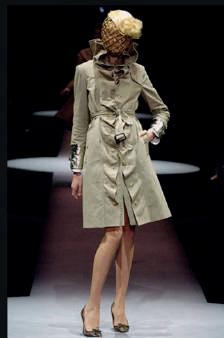
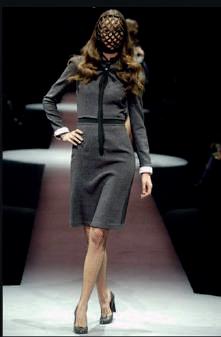
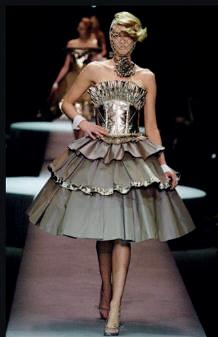
In fashion there have been many references to Muslim clothing norms, though generally unacknowledged by the designers. One such case was when the Dutch duo Viktor & Rolf presented their 2006 collection. The editor of International Herald Tribune, Suzy Menkez, saw the veils, hoods and long dress lengths as a ‘muslimization of fashion’, which, it was speculated, could have been an artistic reaction to wars in Afghanistan and Iraq or the riots in Paris. At one point, the collection was interpreted as an attempt to address consumers in different parts of the world.
3. Moda jako prowokacja normatywna
W modzie pojawiło się wiele odniesień do muzułmańskich norm odzieżowych, choć generalnie nie zostały one przyznane przez projektantów. Jednym z takich przypadków było zaprezentowanie przez holenderski duet Viktor & Rolf kolekcji z 2006 roku. Redaktorka International Herald Tribune, Suzy Menkes, dostrzegła w welonach, kapturach i długich sukniach ‘muzułmanizację mody’, która, jak spekulowano, mogła być artystyczną reakcją na wojny w Afganistanie i Iraku lub zamieszki w Paryżu. W pewnym momencie kolekcję zinterpretowano jako próbę dotarcia do konsumentów w różnych częściach świata.
Figues 6–8. Viktor & Rolf 2006. Collection, Autumn5 .
The bikini perfectly captures how societies wrestle with cultural norms—and sometimes lose spectacularly. Take July 2020’s #MedBikini movement, which erupted after someone had the audacity to suggest that women in healthcare should ‘care about their image’. Translation: medical professionals caught posting ‘unprofessional content’—lingerie shots, Halloween costumes, or gasp bikinis—were apparently damaging the dignity of their profession.
The internet’s response? Swift. Thousands of women flooded social media with their best bikini pics, making it abundantly clear that policing women’s bodies is not about professionalism—it is about control. The movement became equal parts protest and party, exposing how concerns about ‘appropriate behavior’ often mask deeper discomfort with women’s autonomy.
Bikini doskonale pokazuje, jak społeczeństwa zmagają się z normami kulturowymi—i czasem spektakularnie przegrywają. Weźmy ruch #MedBikini z lipca 2020 roku, który wybuchł po tym, jak ktoś miał czelność zasugerować, że kobiety pracujące w służbie zdrowia powinny ‘dbać o swój wizerunek’. Tłumaczenie: pracownice medyczne przyłapane na publikowaniu ‘nieprofesjonalnych treści’— zdjęć w bieliźnie, kostiumach halloweenowych czy, o zgrozo, bikini—rzekomo szkodziły godności swojego zawodu.
Odpowiedź internetu? Szybka. Tysiące kobiet zalały media społecznościowe swoimi najlepszymi zdjęciami w bikini, jasno dając do zrozumienia, że kontrolowanie kobiecych ciał nie ma nic wspólnego z profesjonalizmem—chodzi o kontrolę. Ruch stał się w równej mierze protestem i świętem, obnażając, jak troska o ‘właściwe zachowanie’ często maskuje głębszy dyskomfort wobec kobiecej autonomii.
Figures 9–106.
4. Fashion and Dress Norms
Scholars have extensively studied how colors, clothing styles, and dress codes communicate meaning in cognitive processes7
4. Moda jako norma biurowa
Badacze obszernie zajmowali się zagadnieniem, w jaki sposób kolory, style odzieży i kody ubiorowe przekazują znaczenie w procesach poznawczych.
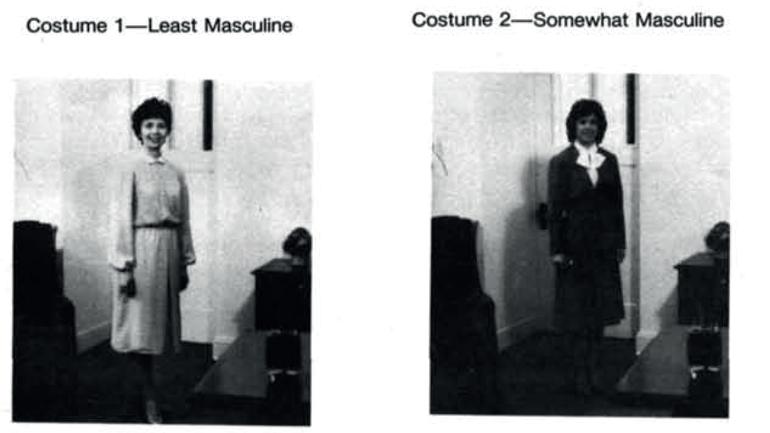
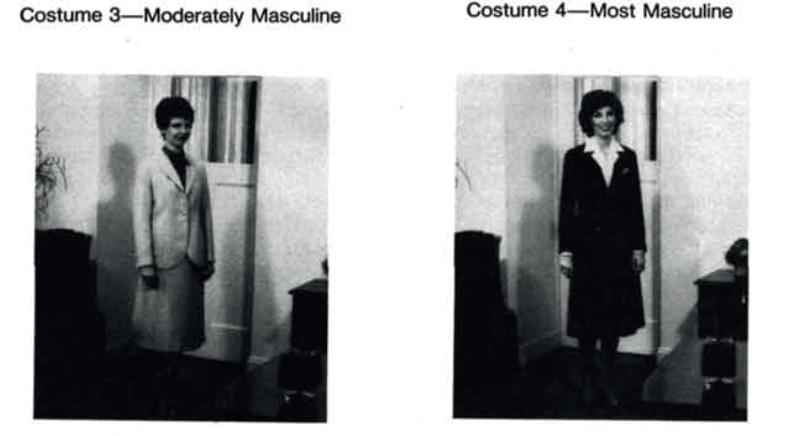
One study revealed that the moderately masculine outfit (the third option) garnered the most positive response. Results showed that for women pursuing managerial roles, dressing somewhat more masculine presents less risk than appearing overly feminine. These findings confirmed that individuals can leverage their wardrobe choices to shape others’ perceptions and thereby boost their chances of achieving desired outcomes.
Jedno badanie wykazało, że umiarkowanie męski strój (trzecia opcja) zebrał najbardziej pozytywne opinie. Wyniki pokazały, że dla kobiet ubiegających się o stanowiska kierownicze ubiór nieco bardziej męski wiąże się z mniejszym ryzykiem niż wyglądanie zbyt kobieco. Te odkrycia potwierdziły, że jednostki mogą wykorzystywać swoje wybory garderoby do kształtowania postrzegania ich przez innych, a tym samym zwiększania swoich szans na osiągnięcie pożądanych rezultatów.
Figure 11. An overview of the outfits used in the research/ Zestawienie strojów użytych w badaniu8
5. Fashion as Emotional Norm
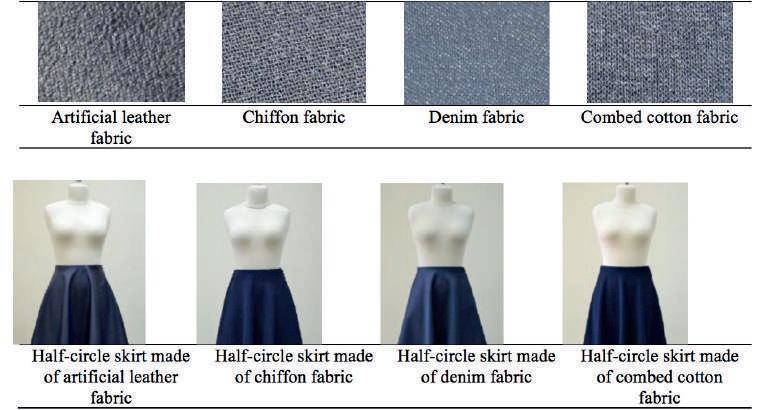
Another research consisted of two components aimed at determining overall fabric preferences and how fabrics interact with design elements. Four aspects of consumer response were evaluated: 1) fabric aesthetics, 2) aesthetic compatibility between fabric and design, 3) emotional connotations linked to both fabric and the fabric-design relationship, and 4) thematic factors influencing likes and dislikes. Artificial leather emerged as the clear favorite with scores ranging from 27 to 37, while chiffon scored 24-31 and denim 16-32.
5. Moda jako norma emocji
Inne badanie składało się z dwóch komponentów mających na celu określenie ogólnych preferencji dotyczących tkanin oraz sposobu, w jaki tkaniny współdziałają z elementami projektu. Oceniono cztery aspekty reakcji konsumentów: 1) estetykę tkaniny, 2) estetyczną kompatybilność między tkaniną a projektem, 3) konotacje emocjonalne związane zarówno z tkaniną, jak i relacją tkanina-projekt, oraz 4) czynniki tematyczne wpływające na upodobania i niechęci. Sztuczna skóra okazała się zdecydowanym faworytem z wynikami w przedziale od 27 do 37, podczas gdy szyfon zdobył 24-31 punktów, a dżins 16-32.
Figure 129.
6. Fashion as School Norm Rebellion
Miss Pearl Pugsley became ‘Joan of Arc of the Lipstick War’, testing her right to powder her nose (Pugsley v. Sellmeyer, 158 Ark. 247, decided April 9, 1923). Her rebellion was crushed—the court sided with the school, establishing that institutional norms trumped individual expression.
6. Moda jako sprzeciw wobec regulacji szkolnych
Miss Pearl Pugsley stała się ‘Joanną d’Arc wojny o szminkę’, testując swoje prawo do pudrowania nosa (Pugsley v. Sellmeyer, 158 Ark. 247, orzeczenie z 9 kwietnia 1923 r.)
Jej bunt został stłumiony—sąd opowiedział się po stronie szkoły, przesądzając, że normy instytucjonalne przeważają nad prawem do indywidualnej ekspresji.
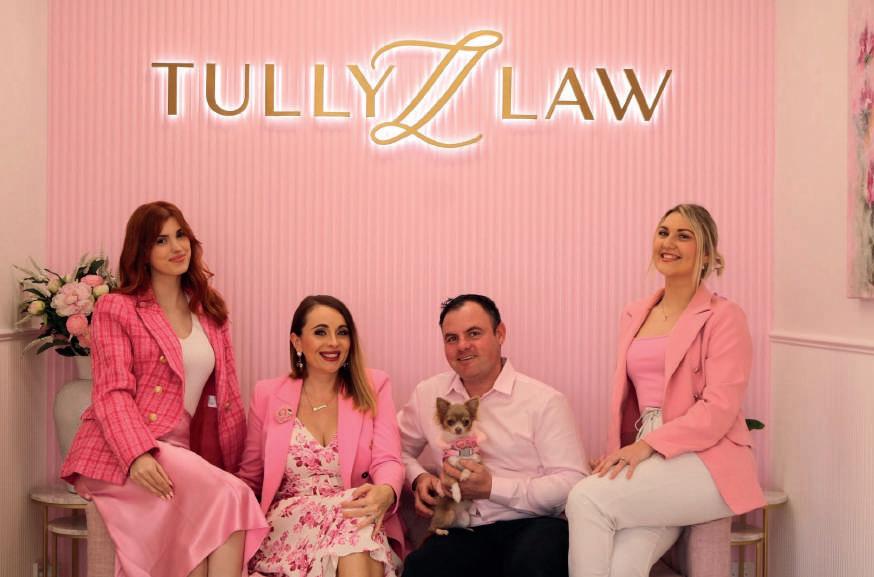
The norms of workplace appearance and color are slowly changing their shade. Pink can absolutely work as an office color — in some cases, it even becomes a defining part of a company’s identity. For example, in Texas, attorney Kathleen Martinez launched an all-pink law practice, complete with pink suits and pink-themed branding, to challenge conservative norms in the legal world — proving that pink can represent professionalism and individuality. Similarly, the Australian firm Tully Law opened a new office with a pink-centred design (including an attached café), explaining that pink symbolizes ‘hope’ and calm — showing that pink can help create a welcoming, modern, and emotionally resonant workspace. Because of these examples, using pink in an office setting does not have to feel unprofessional; it can communicate warmth, uniqueness, and confidence.
7. Moda jako norma nowoczesności
Normy dotyczące wyglądu i kolorów w miejscu pracy powoli zmieniają swój odcień. Róż zdecydowanie może sprawdzić się jako kolor biurowy — w niektórych przypadkach staje się wręcz elementem definiującym tożsamość firmy. Na przykład w Teksasie adwokat Kathleen Martinez stworzyła całkowicie różową kancelarię, z różowymi garniturami i różowym brandingiem, aby przełamywać konserwatywne normy w świecie prawniczym — udowadniając, że róż może symbolizować zarówno profesjonalizm, jak i indywidualność Podobnie australijska firma Tully Law otworzyła nowe biuro w różowej aranżacji (wraz z przylegającą kawiarnią), podkreślając, że róż symbolizuje ‘nadzieję’ i spokój — pokazując, że ten kolor może tworzyć przyjazną, nowoczesną i emocjonalnie kojącą przestrzeń. Dzięki takim przykładom użycie różu w miejscu pracy nie musi wydawać się nieprofesjonalne; może wręcz komunikować ciepło, wyjątkowość i pewność siebie.
Part II
1. Forgotten Ateliers of France
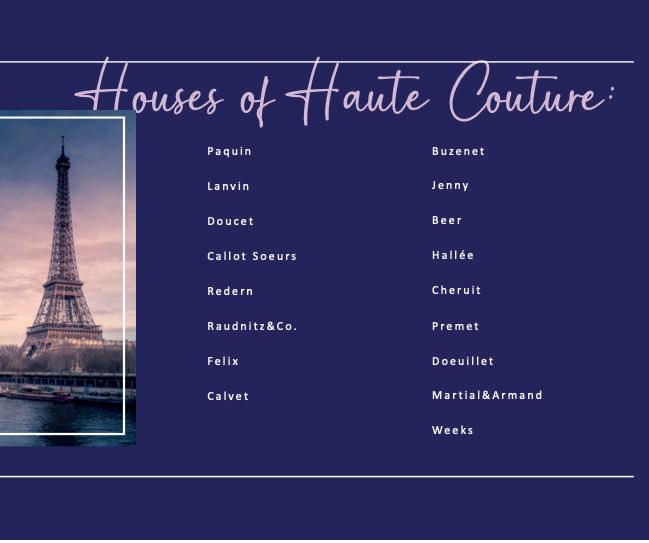
Charles Frederick Worth, often regarded as the father of haute couture, laid the foundations of the Parisian couture system in 1858, sparking an industry that would flourish for decades. By the post-war period, Paris boasted around 106 fashion houses officially recognized as haute couture, reflecting the height of exclusivity, craftsmanship, and bespoke design. Yet this golden era was not to last: by 1970 the number of couture houses had fallen to just 19. The dramatic decline was driven by the rise of mass production, the expansion of ready-to-wear fashion, and shifting consumer expectations that favored accessibility over the labor-intensive traditions of couture.
1. Zapomniane Atelie Francji
Charles Frederick Worth, często uznawany za ojca haute couture, położył podwaliny pod paryski system mody wysokiej w 1858 roku, zapoczątkowując branżę, która przez kolejne dekady dynamicznie się rozwijała. W okresie powojennym Paryż mógł poszczycić się około 106 domami mody oficjalnie uznanymi za haute couture, co odzwierciedlało szczyt ekskluzywności, rzemiosła i projektowania na zamówienie. Jednak ta złota era nie trwała długo: do 1970 roku liczba domów couture spadła zaledwie do 19. Ten dramatyczny spadek był skutkiem wzrostu masowej produkcji, ekspansji mody prêt-à-porter oraz zmieniających się oczekiwań konsumentów, którzy coraz częściej wybierali dostępność zamiast pracochłonnych tradycji couture.
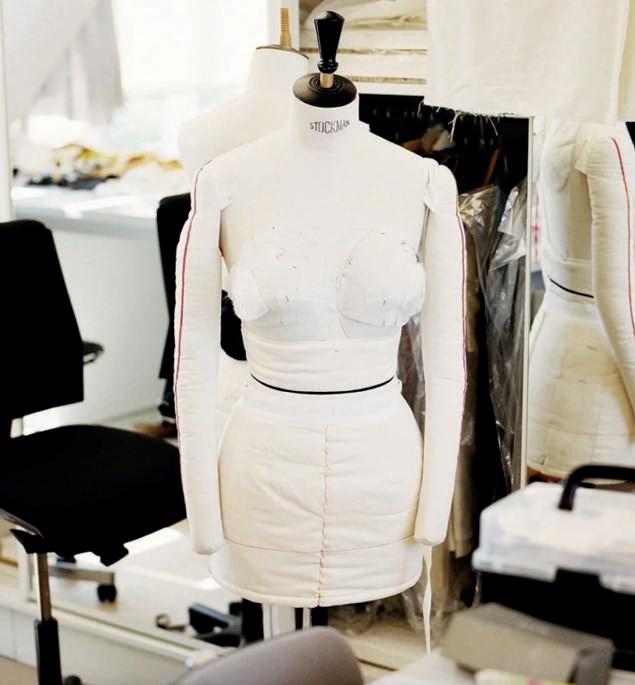
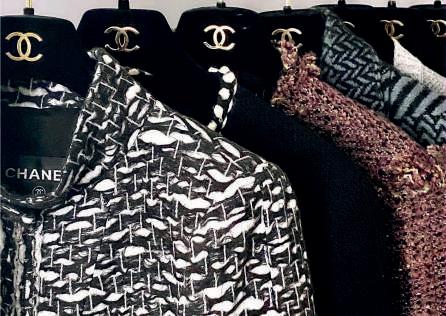
Figure 16. Chanel atelier12
2. Charles Frederick Worth (1826 – 1895)
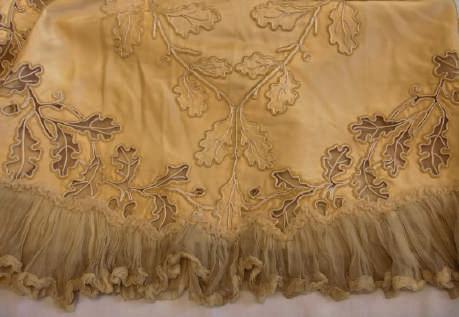
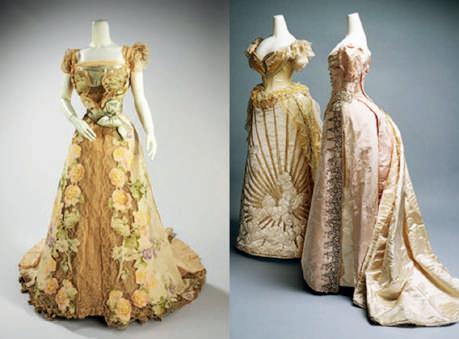
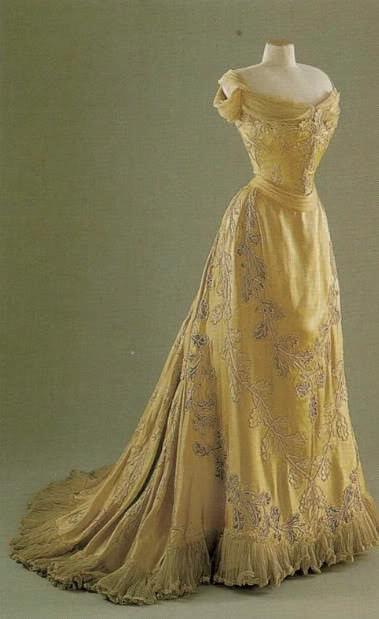
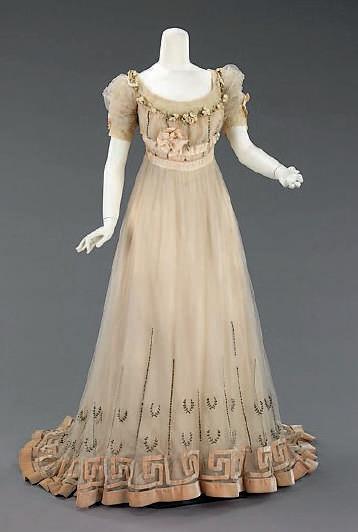
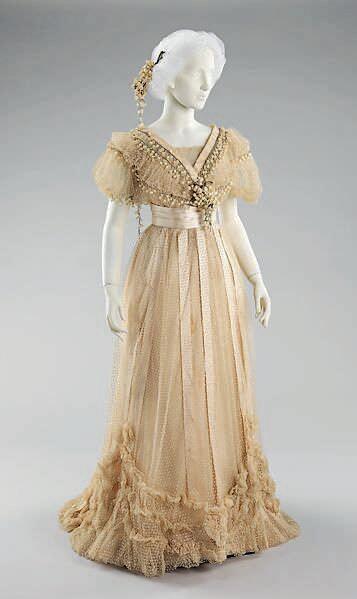
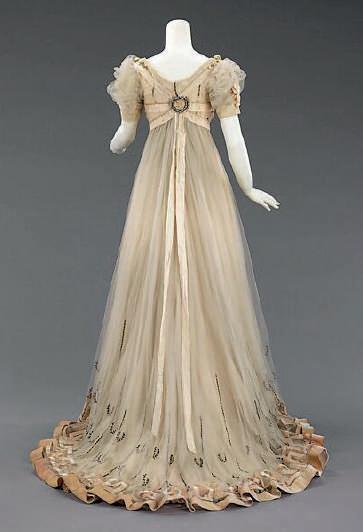
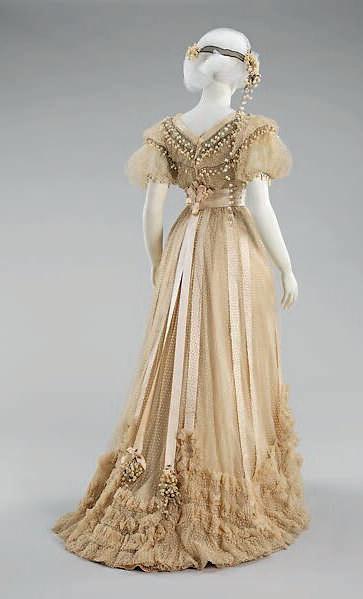
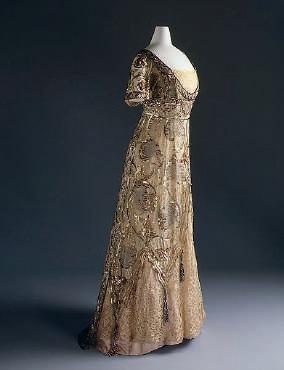
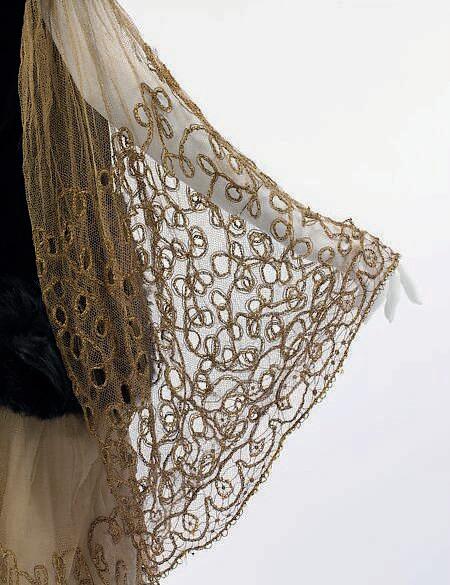
His innovative approach meant that certain elements of his designs, particularly fabric patterns of sufficient originality, embroidery, beading and lace work, would have qualified for copyright protection under modern standards. Worth’s gowns were meticulously composed works of art that implemented a perfect play of colors and textures created by carefully chosen textiles and trims—these ornamental features, being separable from the garment’s utilitarian function, represented precisely the kind of creative expression copyright law aims to protect. Recognizing that his artistic innovations needed institutional safeguarding, Worth founded the Chambre Syndicale de la Haute Couture in 1868 to protect French couture designs from copying. His dual focus on both the sculptural form of his silhouettes and the elaborate surface ornamentation established the foundation for modern fashion copyright debates—demonstrating that fashion could be art deserving legal protection, not merely functional clothing.
Jego innowacyjne podejście oznaczało, że pewne elementy jego projektów, szczególnie wzory tkanin o wystarczającej oryginalności, haftowanie, zdobienie paciorkami i koronkowa praca, kwalifikowałyby się do ochrony prawnoautorskiej według współczesnych standardów. Kreacje Wortha były skrupulatnie skomponowanymi dziełami sztuki, które realizowały doskonałą grę kolorów i tekstur stworzoną przez starannie dobrane tkaniny i ozdoby—te dekoracyjne elementy, dające się oddzielić od użytkowej funkcji ubioru, reprezentowały dokładnie ten rodzaj twórczej ekspresji, który prawo autorskie ma chronić. Uznając, że jego artystyczne innowacje wymagają instytucjonalnego zabezpieczenia, Worth założył w 1868 roku Chambre Syndicale de la Haute Couture, aby chronić projekty francuskiej haute couture przed kopiowaniem. Jego podwójne skupienie zarówno na rzeźbiarskiej formie sylwetek, jak i na wyszukanych zdobienia powierzchniowych, ustanowiło fundament dla współczesnych debat o prawie autorskim w modzie—demonstrując, że moda może być sztuką zasługującą na prawną ochronę, a nie tylko funkcjonalnym ubraniem.
Worth’s designs are notable for his use of lavish fabrics and trimmings, his incorporation of elements of historic dress and his attention to fit/J. Krick
Projekty Wortha charakteryzują się wykorzystaniem luksusowych tkanin i dekoracji, włączaniem elementów historycznych strojów oraz szczególną dbałością o krój/J. Krick
Figures 17–20. Charles Frederick Worth design13
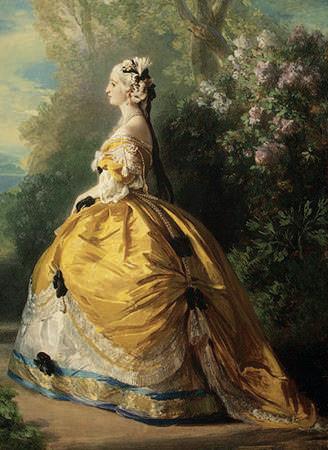
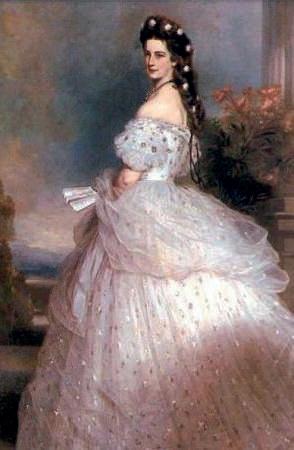
Today success is measured in exposure, but back then a court commission was the ultimate seal of prestige.
Dziś o sukcesie decydują media, lecz dawniej to zamówienie z dworu stanowiło najwyższe potwierdzenie prestiżu.
Figures 21–22. Worth-dressed empresses, as shown in the portraits of Eugénie of France and Elisabeth of Austria (Sisi) painted by Franz X. Winterhalter in 1854 and 1965 / Cesarzowe odziane w kreacje autorstwa Charles’a Fredericka Wortha, przedstawione na portretach Eugenii Francuskiej oraz Elżbiety Austriackiej (Sisi), wykonanych przez Franza Xaviera Winterhaltera w latach 1854 i 186514 .
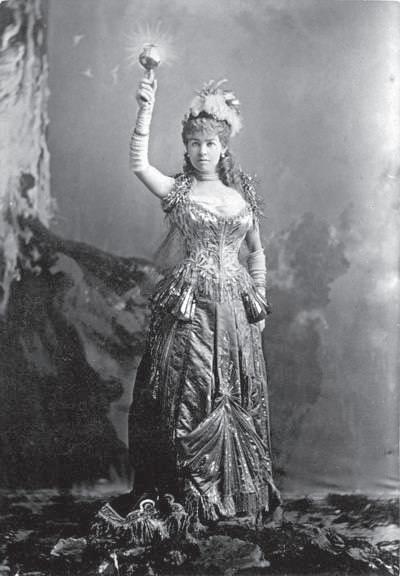
Worth also knew how to conquer American high society. In 1883 he designed a dress for Alice Vanderbilt, the wife of Cornelius Vanderbilt for the Vanderbilt Costume Ball, known as ‘Electric Light’ dress.
Worth potrafił również zdobyć serca amerykańskiej wyższej sfery. W 1883 roku zaprojektował suknię dla Alice Vanderbilt, żony Corneliusa Vanderbilta, na słynny Vanderbilt Costume Ball. Kreacja, znana jako suknia ‘Electric Light’, wzbudziła ogromne zainteresowanie.
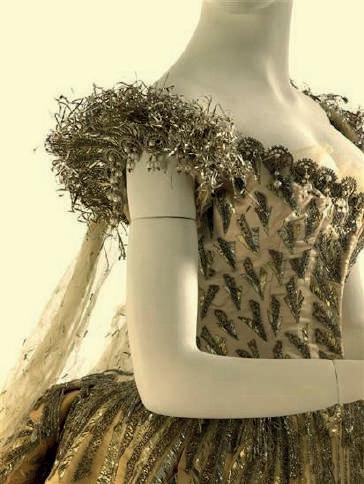
The dress was also embellished at the shoulders with gold metallic tinsel and beaded tassels with golden fringe at the neckline and golden tulle attached at the shoulders that flowed down the back of the dress. The dress cleverly featured hidden batteries so that Alice would be able to switch on to light up the dress like an electric light bulb, which was a recent invention of Thomas Edison/ B. Jones
Suknia była ozdobiona na ramionach złotą metaliczną lametą oraz frędzlami z koralików, miała złote wykończenie dekoltu i złoty tiul upięty na ramionach, który spływał w dół pleców. Co więcej, projekt sprytnie ukrywał baterie, dzięki czemu Alice mogła włączyć światło i rozświetlić suknię niczym żarówkę elektryczną — nawiązując do niedawnego wynalazku Thomasa Edisona / B. Jones.
He toyed with electricity back when it bordered on magic. In that spark, one can glimpse the first flicker of FashTech.
Figures 23–24. ‘Electric dress’15 .
Manewrował elektrycznością w czasach, gdy przypominała magię. W tej iskierce można dostrzec pierwszy przebłysk FashTech.
3. Jeanne Paquin (1869-1936)
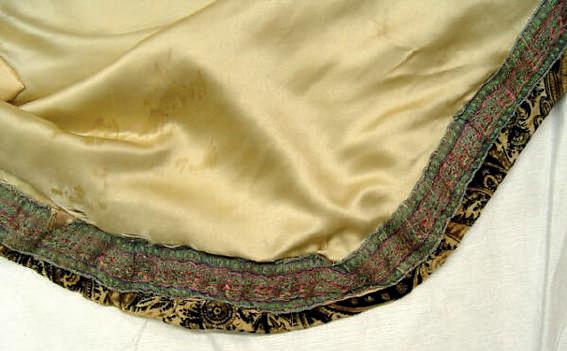
Jeanne Paquin’s couture innovations also carried legal significance within the evolving framework of design protection in France. Her lavish use of embroidery, beadwork and appliqué—ornamental elements clearly separable from a garment’s functional purpose—would today fall within the scope of copyrightable artistic expression. During Paquin’s career, French designers were increasingly concerned with unauthorized copying and she became one of the prominent couturières advocating for stronger institutional protections. As an active member (and later vice-president) of the Chambre Syndicale de la Couture Parisienne, Paquin supported the organization’s efforts to regulate design authorship, document original creations and pursue legal actions against counterfeiters. Her work therefore contributed not only to the artistic evolution of couture, but also to the early legal structures that recognized fashion as creative property deserving protection rather than mere utilitarian apparel. Her commitment to both the aesthetic integrity and institutional protection of couture helped shape early debates about fashion as an art form—affirming that garments could embody originality worthy of legal recognition, not simply craft or commerce.
Figures 24–29.
Jeanne Paquin designs16 .
Innowacje haute couture Jeanne Paquin miały również znaczenie prawne w kontekście rozwijających się we Francji mechanizmów ochrony wzornictwa. Jej bogate zastosowanie haftów, koralikowych zdobień i aplikacji — elementów ornamentalnych wyraźnie oddzielnych od użytkowej funkcji ubrania — według współczesnych standardów mieściłoby się w zakresie ochrony prawa autorskiego. W okresie jej działalności francuscy projektanci coraz bardziej obawiali się nieuprawnionego kopiowania, a Paquin stała się jedną z czołowych kreatorek opowiadających się za silniejszą ochroną instytucjonalną. Jako aktywna członkini (a później wiceprezes) Chambre Syndicale de la Couture Parisienne wspierała działania organizacji na rzecz regulowania autorstwa projektów, dokumentowania oryginalnych kreacji oraz podejmowania kroków prawnych przeciwko naśladowcom. Jej praca przyczyniła się więc nie tylko do artystycznego rozwoju couture, lecz także do kształtowania wczesnych struktur prawnych, które zaczęły postrzegać modę jako własność twórczą zasługującą na ochronę, a nie jedynie jako odzież użytkową. Jej zaangażowanie w estetyczną integralność i instytucjonalną ochronę couture pomogło ukształtować wczesne debaty o modzie jako formie sztuki — potwierdzając, że kreacje mogą ucieleśniać oryginalność wartą prawnego uznania, a nie tylko rzemiosło czy handel.
4.
Marie Callot Gerber (1870– 1927),
Marthe Callot Bertrand (1895–1937),
Regina Callot Tennyson-Chantrell
(1895–1937)
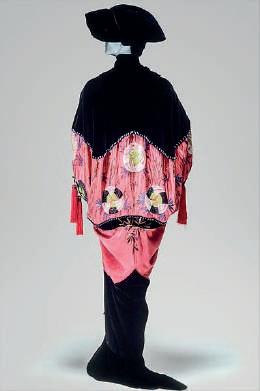
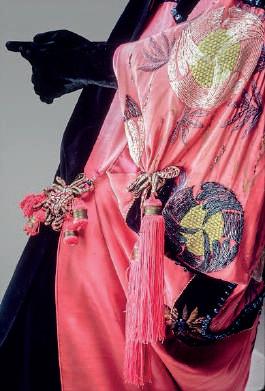
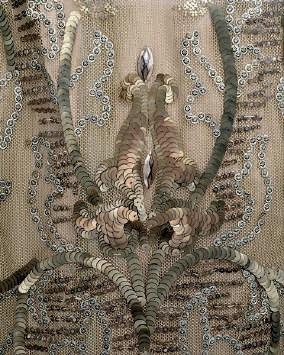
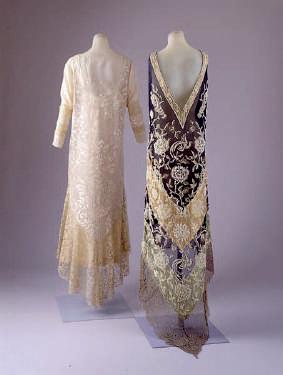
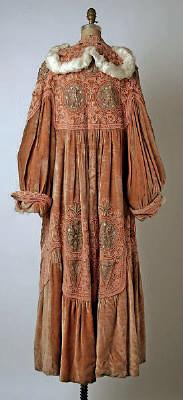
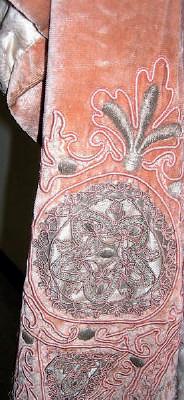
They were the driving creative force behind the renowned Parisian fashion house Callot Soeurs, which in the early twentieth century was regarded as one of the most innovative ateliers in Europe. The sisters became famous for their masterful combination of luxurious fabrics, delicate lace, orientalist motifs and intricate decorative techniques, giving their designs an instantly recognizable artistic character. Their creations stood out not only for their meticulous craftsmanship but also for the originality of their compositions—marked by asymmetry, unconventional construction and a richness of detail that set them apart from the dominant trends of the period. Today, many of these elements would be considered expressions of individual authorship and could qualify for copyright protection, as the ornamental and decorative structure of their designs was clearly distinct from the garment’s utilitarian function. Callot Soeurs shaped the aesthetics of the Belle Époque, but—like other pioneers of couture they also expanded the understanding of fashion as a field in which originality and artistic expression constitute values worthy of legal protection.
Tworzyły serce i umysł słynnego paryskiego domu mody Callot Soeurs, który na początku XX wieku uchodził za jedno z najbardziej innowacyjnych atelier w Europie. Siostry zasłynęły mistrzowskim łączeniem luksusowych tkanin, delikatnych koronek, orientalistycznych motywów i skomplikowanych technik zdobniczych, co nadawało ich projektom natychmiast rozpoznawalny, artystyczny charakter. Ich kreacje wyróżniały się nie tylko precyzją wykonania, lecz także oryginalnością kompozycji — asymetrią, nieoczywistą konstrukcją i bogactwem detalu, które odróżniały je od dominujących trendów epoki. Współcześnie wiele z tych elementów zostałoby uznanych za przejaw indywidualnej twórczości i mogłoby podlegać ochronie prawnoautorskiej, ponieważ ornamentyka i struktura dekoracyjna ich projektów były wyraźnie odrębne od czysto użytkowej funkcji odzieży. Callot Soeurs nie tylko kształtowały estetykę Belle Époque, lecz także — podobnie jak inni pionierzy couture — poszerzały rozumienie mody jako dziedziny, w której oryginalność i artystyczna ekspresja stanowią wartość wymagającą ochrony.
Figures 30–35. Callot Soeurs designs17 .
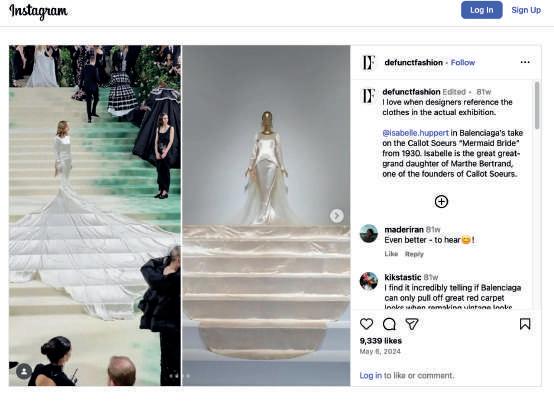
Figure 36. Knock-off or tribute?/ Plagiat czy hołd18?
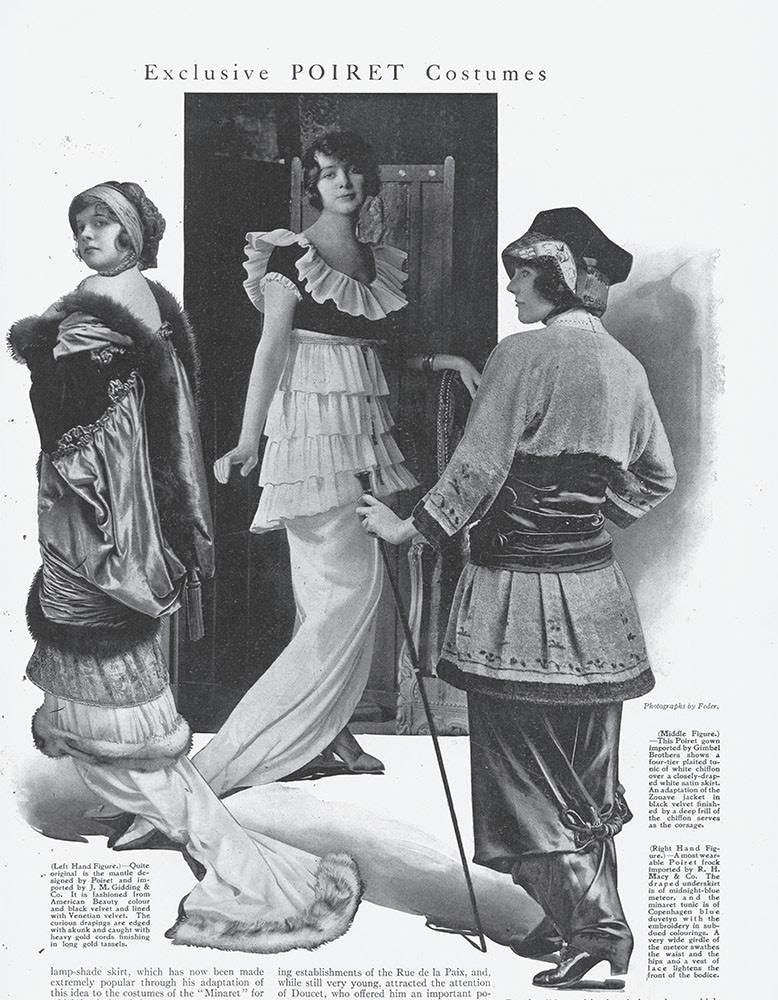
5. Paul Poiret (1879– 1944)
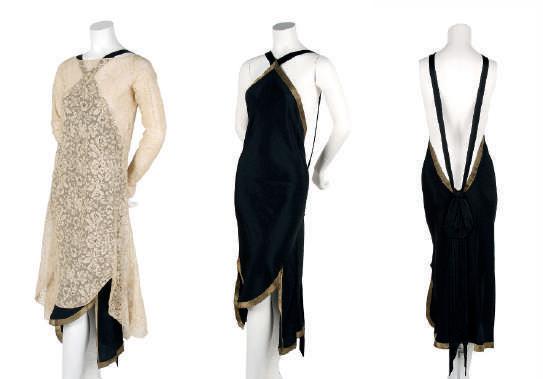
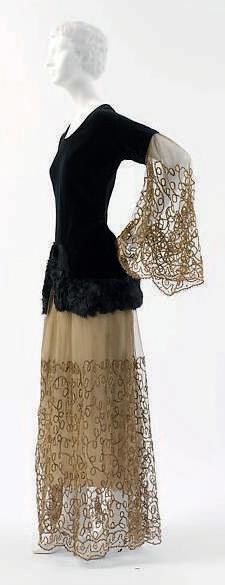
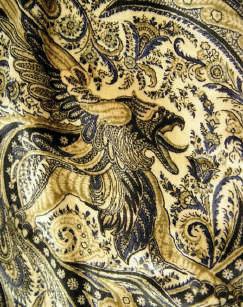
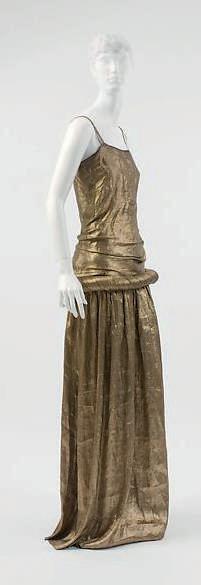
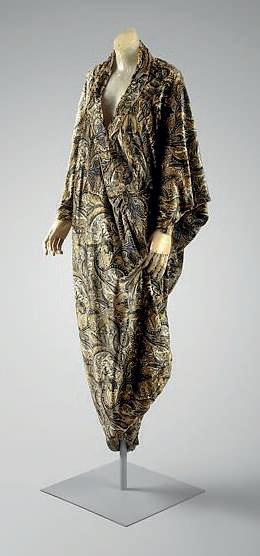
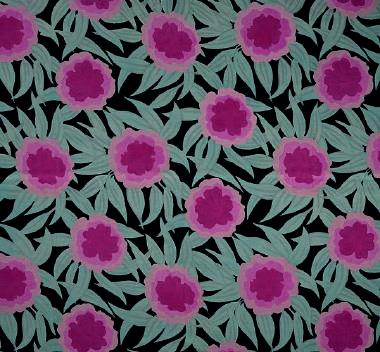
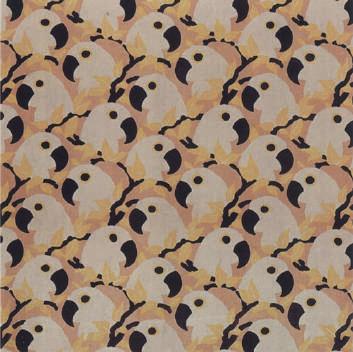
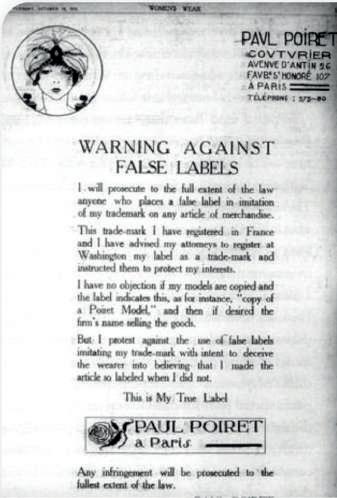
His radical reinvention of early twentieth-century fashion also had clear implications for the legal understanding of originality in design. His hand-painted textiles, richly patterned jacquards and elaborate embroideries were produced through commissioned artwork and proprietary motifs, which—under modern copyright doctrine—would qualify as protectable two-dimensional artistic works independent of the garment’s functional cut. Poiret was one of the first couturiers to formally register many of his textile patterns and prints with French design-deposit systems available at the time, in an effort to combat the rampant copying of his most successful creations. He also publicly condemned counterfeiters and pressed for clearer standards that would distinguish artistic authorship from mere manufacture. By treating fashion design as intellectual property and insisting on legal acknowledgment of creative ownership, Poiret helped establish the foundations for contemporary debates about the copyrightability of fashion—affirming that couture could embody original expression deserving statutory protection.
Jego radykalne przeobrażenie mody początku XX wieku miało również wyraźne konsekwencje dla prawnego rozumienia oryginalności w projektowaniu. Ręcznie malowane tkaniny, bogato wzorzyste żakardy i kunsztowne hafty Poireta powstawały na podstawie zamawianych dzieł sztuki i zastrzeżonych motywów, które — według współczesnych standardów prawa autorskiego — kwalifikowałyby się jako chronione, dwuwymiarowe utwory artystyczne, niezależne od użytkowego kroju odzieży. Poiret był jednym z pierwszych projektantów couture, którzy formalnie rejestrowali swoje wzory tkanin i nadruki w dostępnych wówczas francuskich systemach depozytu projektów, aby przeciwdziałać powszechnemu kopiowaniu jego najpopularniejszych kreacji Publicznie potępiał także naśladowców i apelował o wyraźniejsze standardy pozwalające odróżnić autorstwo artystyczne od zwykłej produkcji Traktując projekt mody jako własność intelektualną i domagając się prawnego uznania twórczej własności, Poiret przyczynił się do ukształtowania podstaw współczesnych debat o ochronie praw autorskich w modzie — potwierdzając, że couture może ucieleśniać oryginalną ekspresję zasługującą na ustawową ochronę
Figures 39–42. Paul Poiret design19 .
Figure 45 and 46. Poiret’s warning against false labels and Harper’s Bazaar’s advertisement demonstrating how sought-after Poiret’s designs were (this content reflects garments offered for sale by Macy’s, Gimbel’s and J.M. Gidding)/ Przestroga Poireta przed kopiowaniem jego modeli i znaku towarowego oraz reklama z „Harper’s Bazaar”, ukazująca, jak bardzo pożądane były projekty Poireta (treść ta przedstawia ubrania oferowane na sprzedaż przez Macy’s, Gimbel’s i J.M. Gidding)21.
Figures 43–44. Textile designs by Poirert (feat. Maison Martine)20
i
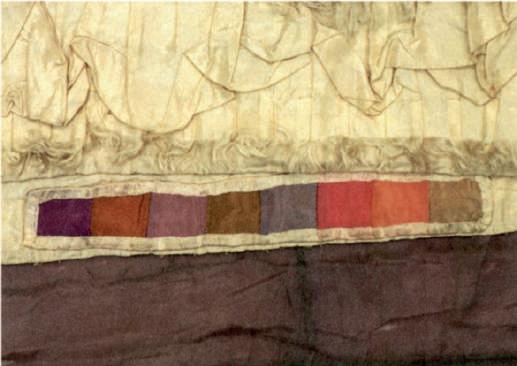
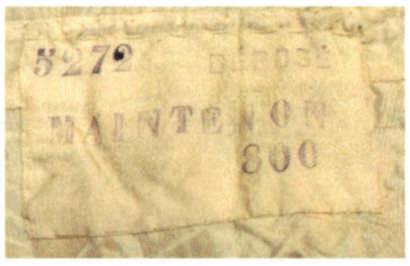
Figure 47. Paul Poiret: dress label with model registration and colour swatch (1909)/ metka sukni z rejestracją modelu
wzornikiem kolorów (1909)22.
6. Potpourri
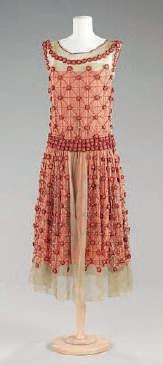
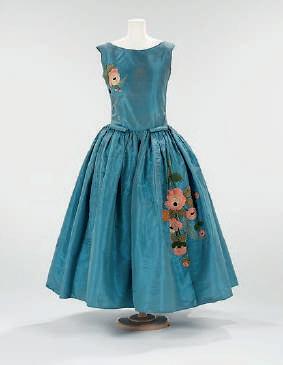
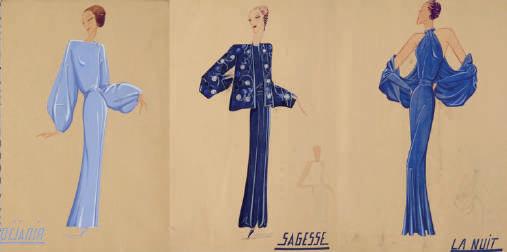
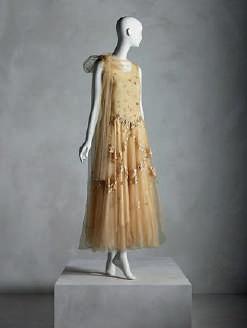
Figure 48–50. Art of naming models/ sztuka nadawania nazw modelom: Lanvin’s ‘Roseraie’ (1923), ‘Jolibois’ (1922–23) & ‘Phèdre’ (1933)23.
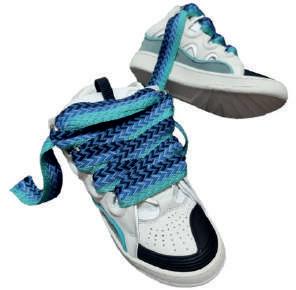
Figures 51–53. ‘Jolibois’ (Fig. 45) was the first model for the ‘Lanvin Blue’—a color that made lanvin famous—and for a house that operated its own dye factory, allowing jeanne lanvin to create custom shades with literally unique chemical formulas/ ‘Jolibois’ staje się pierwszym modelem sukni w kolorze ‘Lanvin Blue’ — barwy, która uczyniła dom Lanvin sławnym — oraz marki posiadającej własną farbiarnię, co pozwalało Jeanne Lanvin tworzyć autorskie odcienie o naprawdę unikatowych formułach chemicznych24
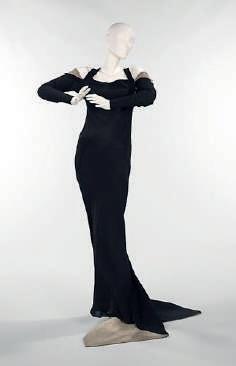
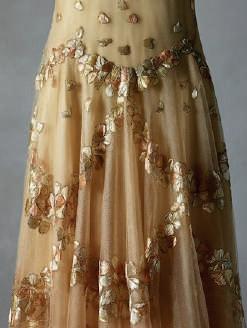
Figures 54 and 55. Madeleine Vionnet (1867 – 1946) revolutionized fashion with the bias cut, but the technique itself cannot be copyrighted and is free for anyone to use/ Madeleine Vionnet zrewolucjonizowała modę cięciem ze skosu, jednak sama technika nie podlega ochronie prawem autorskim i może być swobodnie wykorzystywana przez każdego25.
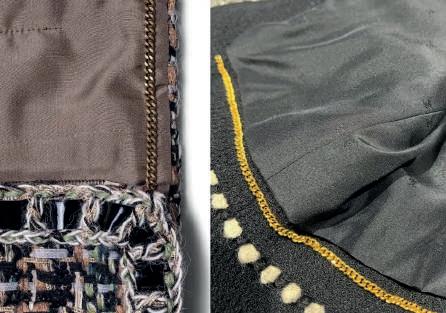
Figures 56 and 57. Chanel popularized the hem chain, but she did not invent it — and the technique cannot be copyrighted/ Chanel spopularyzowała łańcuszek w obszyciu, lecz go nie wymyśliła — a sama technika nie podlega ochronie prawem autorskim26
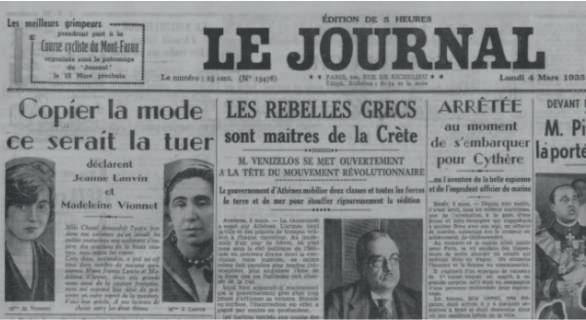
Figure 59. A Direct Response to Chanel: Vionnet and Lanvin Defend Fashion’s Right to Protection/ Bezpośrednia odpowiedź na słowa Chanel: Vionnet i Lanvin bronią prawa mody do ochrony28.
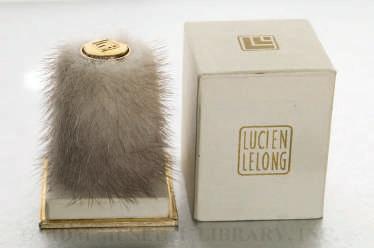
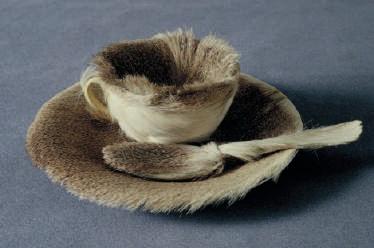
Figures 60–61. A fashion homage to surrealism/ Moda jako hołd dla surrealizmu? Lucien Lelong (c. 1935–1942) feat. Meret Oppenheim (1936)29.
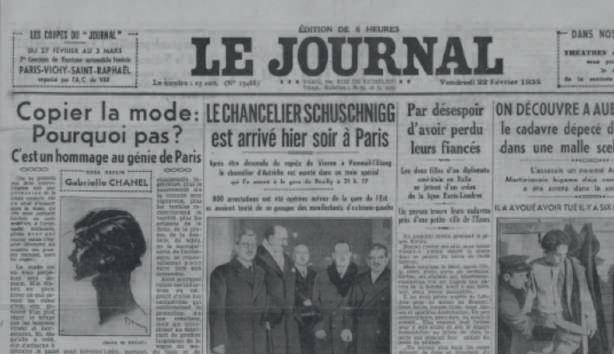
Figure 58. ‘The Genius of Paris Cannot Be Stolen’/ ‘Geniuszu Paryża nie da się ukraść’ — Coco Chanel27
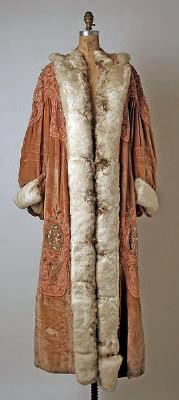
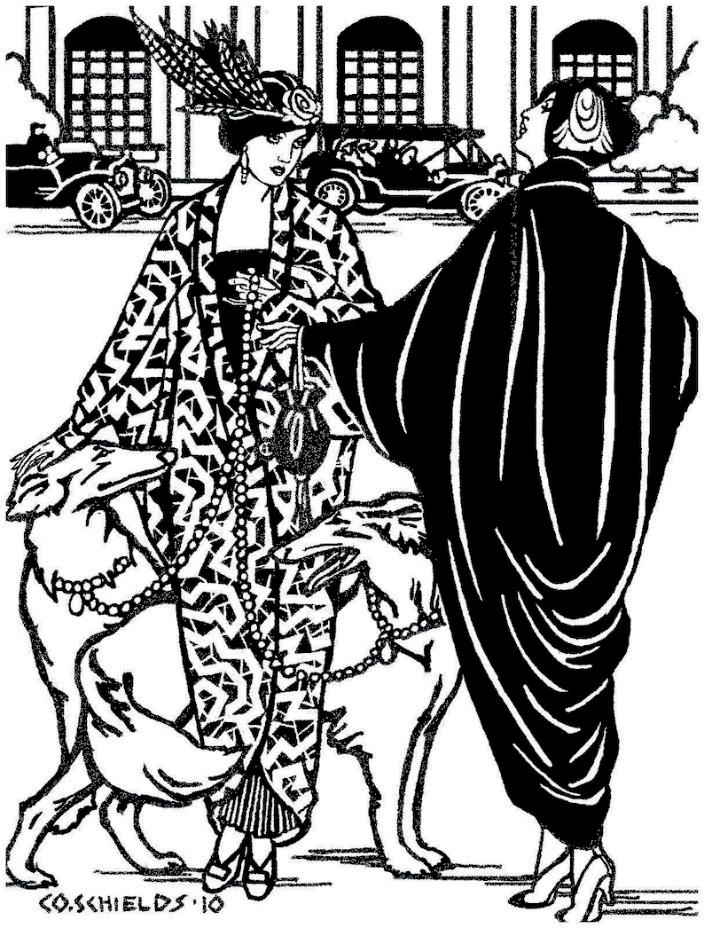
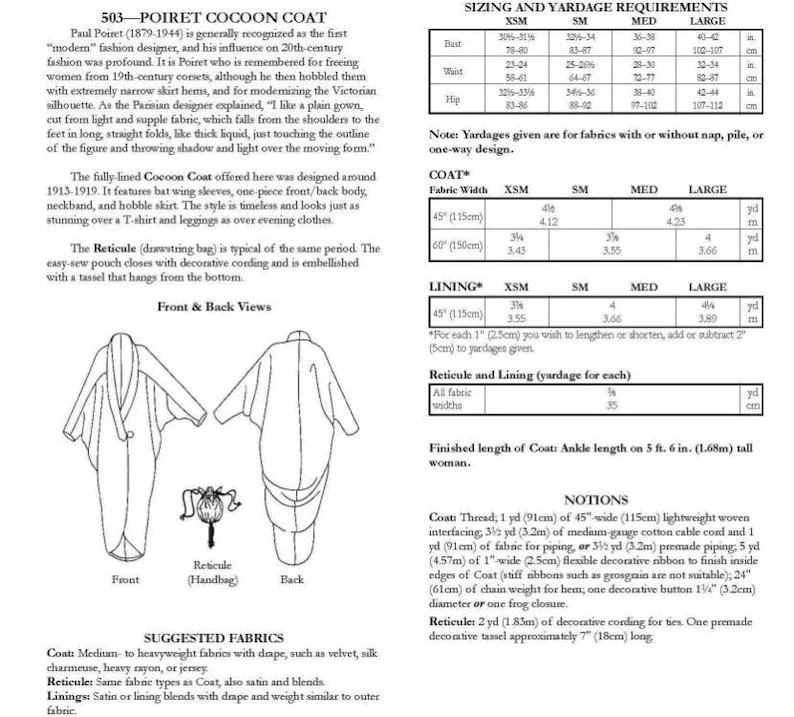
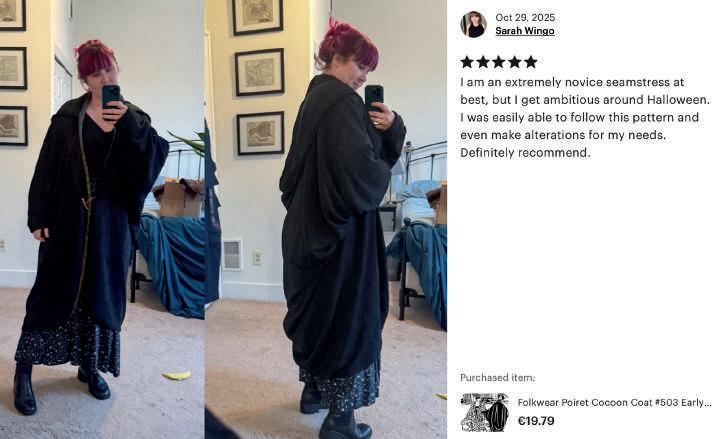
Figures 62–64. Knock-off or tribute? The Cocoon Coat can still be made today exactly as Poiret designed it in 1913/ Plagiat czy hołd? Płaszcz kokon można do dziś uszyć dokładnie tak, jak zaprojektował go Poiret w 1913 r.30
Figure 65. Some ateliers of the early 20. century/ Wybrane atelia wczesnego XX wieku.
innovation intertwines secrets. In the 10th Fashion, and Advertiseembark on a journey that ateliers. From grounlegal frameworks, from techniques, this volushaped the landscape intersection of creativity ingenuity and inspiration.
TOM I. Egzogeniczne i endogeniczne uwarunkowania rachunkowości
French Copyrig ht Law and the Pursuit of Fashion Elegance: Lost Jewels of Haute Couture
French Copyright Law
and the Pursuit of Fashion Elegance: Lost Jewels of Haute Couture
Figure 66. French Copyright Law and the Pursuit of Fashion Elegance: Lost Jewels of Haute Couture by Marlena Jankowska, Miriam Meghaichi-Mimouni, Mirosław Pawełczyk and José Geraldo Romanello Bueno presents Volume 10 of the Design, Fashion and Advertisement Law Series (2023), Instytut Prawa Gospodarczego Sp. z o.o., 2023 - 148 pp., offering a captivating insight into the forgotten ateliers and legal innovations that shaped the heritage of haute couture. The book is freely available in open access on the Center’s website.
French Copyright Law and the Pursuit of Fashion Elegance: Lost Jewels of Haute Couture autorstwa Marleny Jankowskiej, Miriam Meghaichi-Mimouni, Mirosława Pawełczyka i José Geraldo Romanello Bueno stanowi tom 10 serii Design, Fashion and Advertisement Law (2023), Instytut Prawa Gospodarczego Sp. z o.o., 2023 - 148 pp., odsłaniając fascynujący świat zapomnianych atelier oraz prawnych innowacji, które ukształtowały dziedzictwo haute couture. Książka jest dostępna w otwartym dostępie na stronie Centrum.
The book is freely available in open access on thelawinstyle.us.edu.pl website.
Książka jest dostępna w otwartym dostępie na stronie lawinstyle.us.edu.pl
Marlena Jankowska, Miriam Meghaichi-Mimouni, Mirosław Pawełczyk, José Geraldo Romanello Bueno
Part III
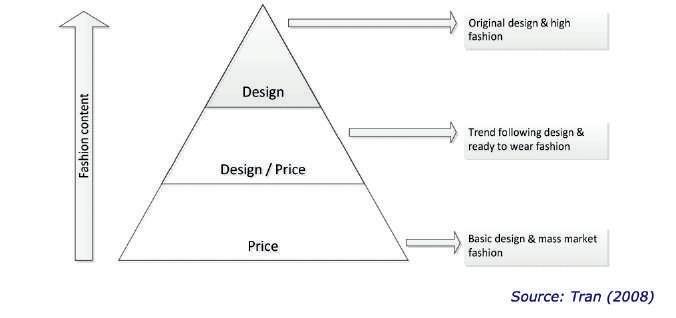
As design intensifies, price follows like a shadow—proof that imagination, when injected into fashion design, quietly turns itself into revenue. With this in mind, we now turn to examples from across the globe—examining how fashion and jewelry law has unfolded in landmark cases from the USA, Italy, France, the Netherlands and Poland.
Figure 67. Market segments in TCLF industry/ Segmenty rynku w branży TCLF31 .
Gdy design się intensyfikuje, cena podąża za nim jak cień — dowód, że wyobraźnia wpleciona w projekt modowy potrafi po cichu przemienić się w przychód. Mając to na uwadze, przyjrzymy się teraz przykładom z różnych krajów — analizując, jak prawo mody i biżuterii kształtowało się w kluczowych sprawach z USA, Włoch, Francji, Niderlandów i Polski.
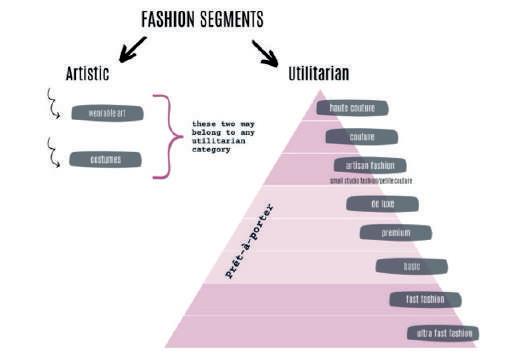
Figure 68. Fashion segments/ segmenty mody32.
1. USA
In the USA, the garden-variety doctrine draws a clear boundary: designers may wander through the garden for inspiration, but they cannot simply pick flowers as they are—only by reshaping nature into something distinctly new does their work gain protection. Strictly geometric or commonplace shapes are not enough; the law demands creative transformation, not mere selection.
In the United States, the so-called useful article test is applied to assess whether a design contains sufficiently separate, purely artistic features to qualify for copyright protection.
W USA doktryna garden-variety wyznacza wyraźną granicę: projektant może przechadzać się po ogrodzie w poszukiwaniu inspiracji, ale nie może po prostu zrywać kwiatów w ich naturalnej formie — dopiero twórcze przekształcenie natury daje szansę na ochronę. Czysto geometryczne czy powszechne kształty nie wystarczą; prawo wymaga kreatywnej transformacji, a nie samego wyboru.
W USA stosuje się tzw. useful article test, czyli test przedmiotu użytkowego, którym mierzy się, czy dany element posiada wystarczająco odrębne, czysto artystyczne cechy, aby mógł zostać objęty ochroną prawnoautorską.
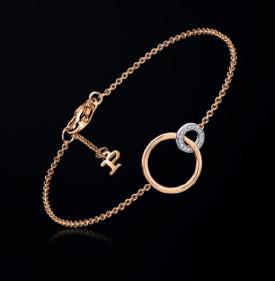
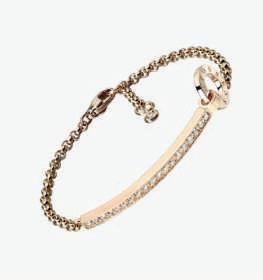
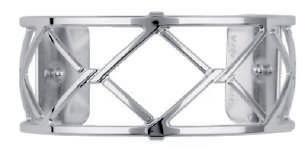
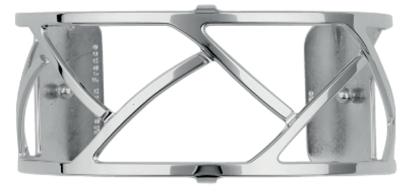
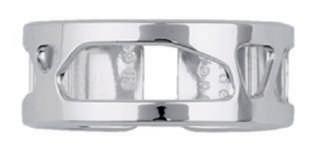
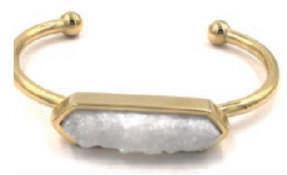
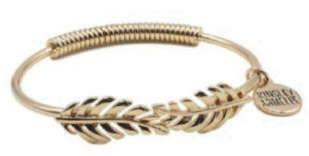
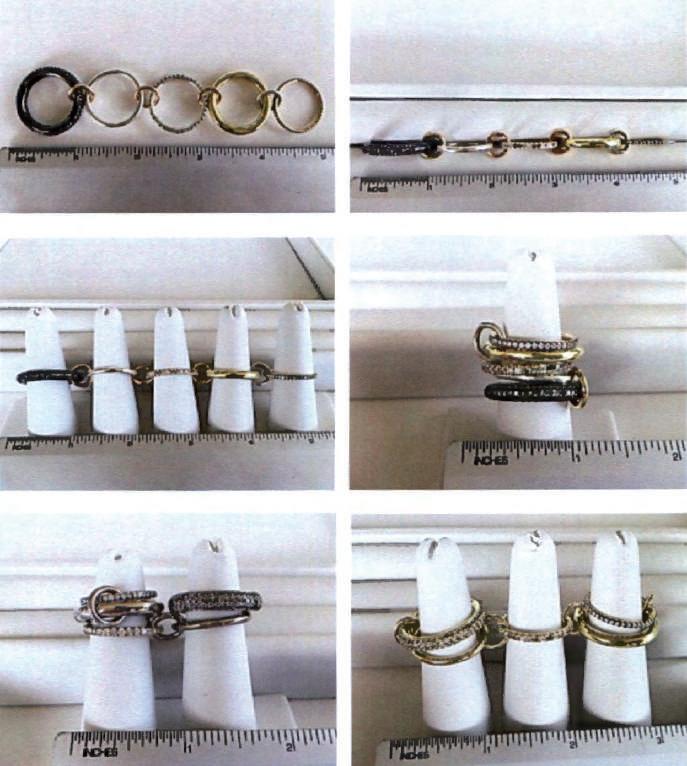
So which of these designs actually cross the line into copyright protection— and which stay on the ‘nice try’ side of the law for being too ordinary?
Które z tych projektów faktycznie przekraczają próg ochrony prawnoautorskiej, a które zostają po stronie ‘miły pomysł, ale za mało’, bo są zbyt zwyczajne?
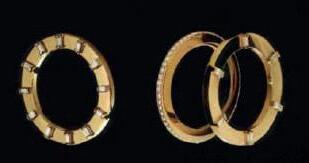
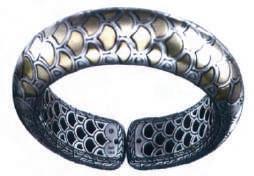
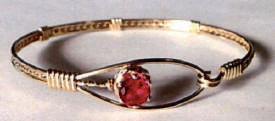
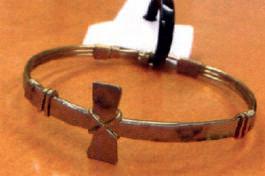
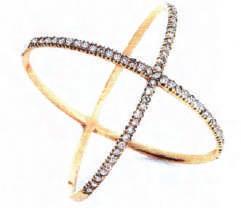
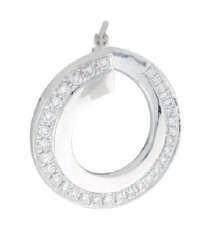
Figures 69–70. Bracelets/ bransolety ‘POSSESSION TOI & MOI BRACELET 1’ and ‘POSSESSION TOI & MOI BRACELET 2’33 .
Figures 122–125. Can a trademark be copyrightable?/ Czy znak towarowy może być utworem?: ‘TB Diamond Logo’; ‘Tommy Hilfiger Flag’; ‘Adidas 3-Bars logo’; ‘American Airlines logo’43 .
Figure 139. ‘Overlay for glove’/ osłona na rekawicę46 .
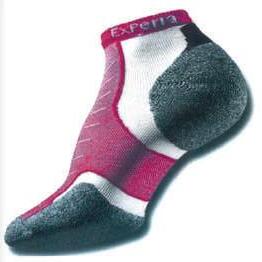
Figure 140. ‘Experia sock design’/ projekt skarpety48
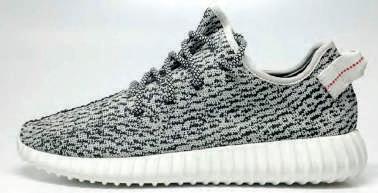
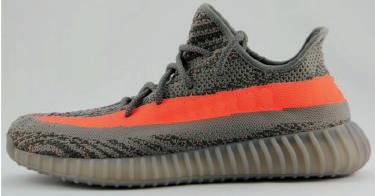
Figures 142 and 143. ‘Yeezy Boost 350 Version 1’s’ shoe design, ‘Yeezy Boost 350 Version’ shoe design/ projekt buta49
Figure 141. ‘Crosshatch band’/ pasek ze wzorem krzyżowej siatki47 .
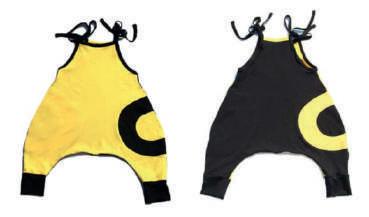
Figures 144–147. ‘Air Mesh Tank Design’, ‘Clothing with a Stylized “C”’/ projekt podkoszulka oraz projekt podkoszulka z literą C50 .
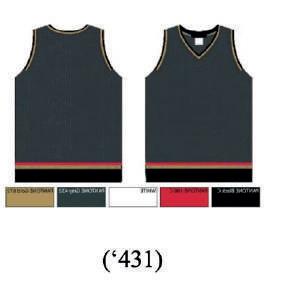
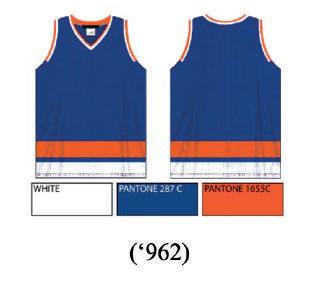
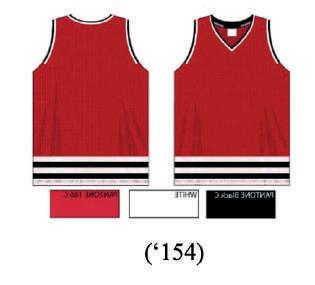
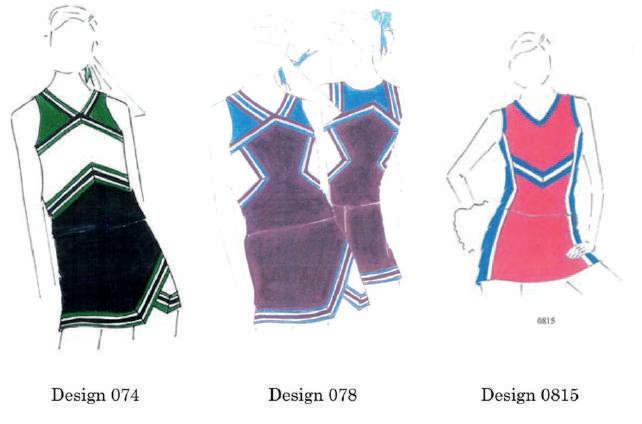
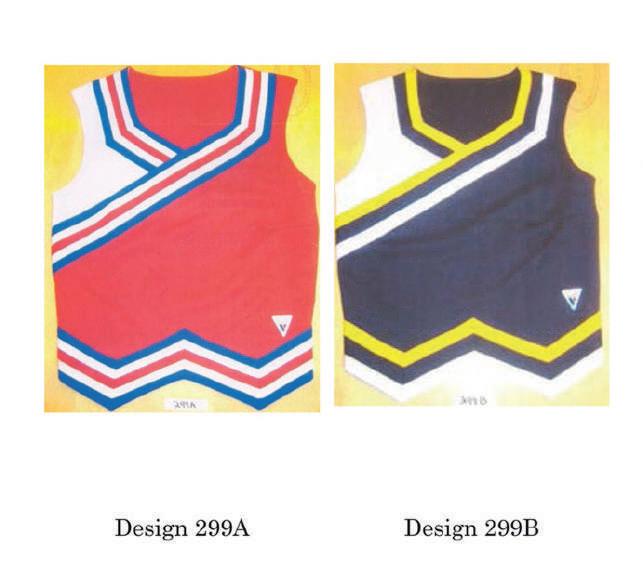
Figures 148–152. Star Athletica, LLC v. Varsity Brands, Inc., 137 S. Ct. 1002, 1007 (2017). Cheerleader uniform/ strój cheerleaderki51 .
2. Italy
Under Italian copyright law, protection for fashion and design items is afforded only to works that possess carattere creativo e valore artistic, meaning that creativity must be accompanied by an inherently artistic quality. Mere originality or novelty is not sufficient; as noted by Beatrice Ferraro, It is insufficient for a work merely to differ in shape or display a more whimsical character than existing market offerings; it must instead establish a new point of reference in design, to the extent of forming a new paradigm and stimulating inspiration among future designers52 . Consequently, only designs that fulfil this elevated artistic threshold may be recognized as copyright-eligible works.
Zgodnie z włoskim prawem autorskim ochrona dla wytworów mody i wzornictwa przysługuje jedynie tym dziełom, które wykazują carattere creativo e valore artistico, a więc łączą kreatywność z właściwością o charakterze artystycznym Sama oryginalność czy nowość formy nie wystarcza; jak zauważa Beatrice Ferraro, nie jest wystarczające, aby dzieło miało odmienny kształt lub było bardziej fantazyjne niż inne dostępne na rynku, lecz powinno wprowadzać nowy punkt odniesienia w projektowaniu, aż do stworzenia nowego paradygmatu i pobudzania inspiracji wśród przyszłych projektantów. W rezultacie jedynie projekty spełniające ten podwyższony próg artyzmu mogą zostać uznane za utwory kwalifikujące się do ochrony prawnoautorskiej.
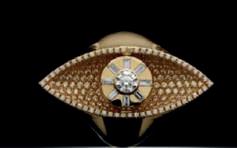
Which of these designs genuinely rise to an artistic standard deserving copyright protection, and which fall short for being too artistically unremarkable?
Które z tych projektów rzeczywiście osiągają poziom artystyczny uzasadniający ochronę prawnoautorską, a które jej nie zdobywają, ponieważ są zbyt mało wyróżniające się artystycznie?
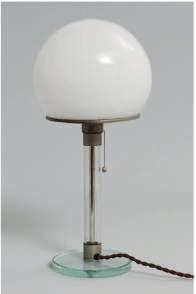
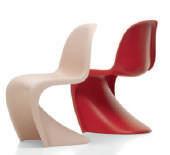
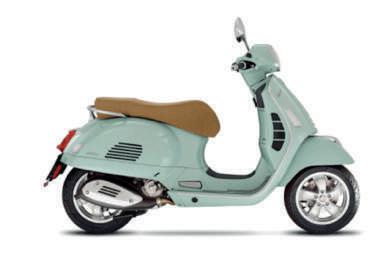
Figures 153–157. Bauhaus lamp by Wilhelm Wagner and Carl Jakob Kucker designed 19231924; Arco floor lamp designed by Achille and Pier Giacomo Castiglioni in 1962; Panton Chair by Vitra designed in 1960, Chase-longue LC4 designed by Le Corbusier in 1928, Vespa designed by Piaggio 1945-6053
Figures 158–159. Metalco S.p.A. et al. v. City Design S.p.A. Bench design/ project ławki54 .
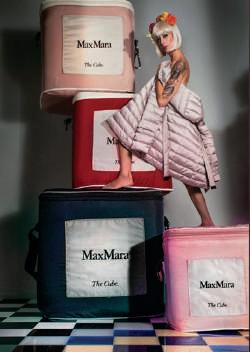
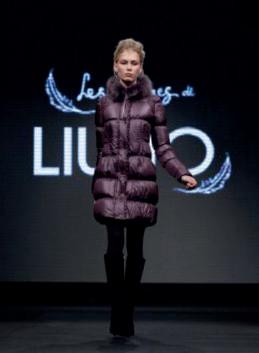
Figures 165 and 166. Max Mara The Cube collection and Liu.Jo Les Plumes collection57
Figures 160 and 161. Pier Giacomo Castiglioni case. Lamp design/ projekt lampy55
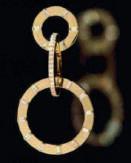
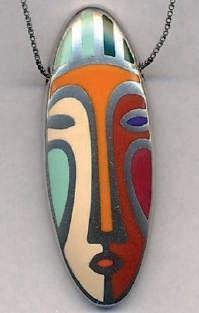
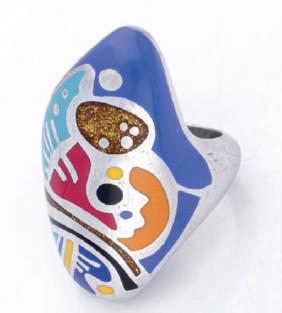
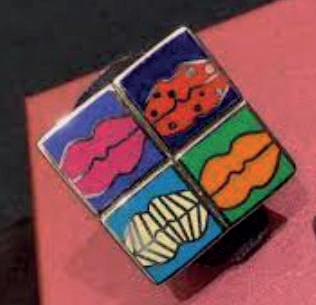
Figures 162, 163 and 164. Martino e Menegatti F.lli S.p.A. v. Gioielli & Magie S.R.L. case. Jewelry design/ project biżuterii56 .
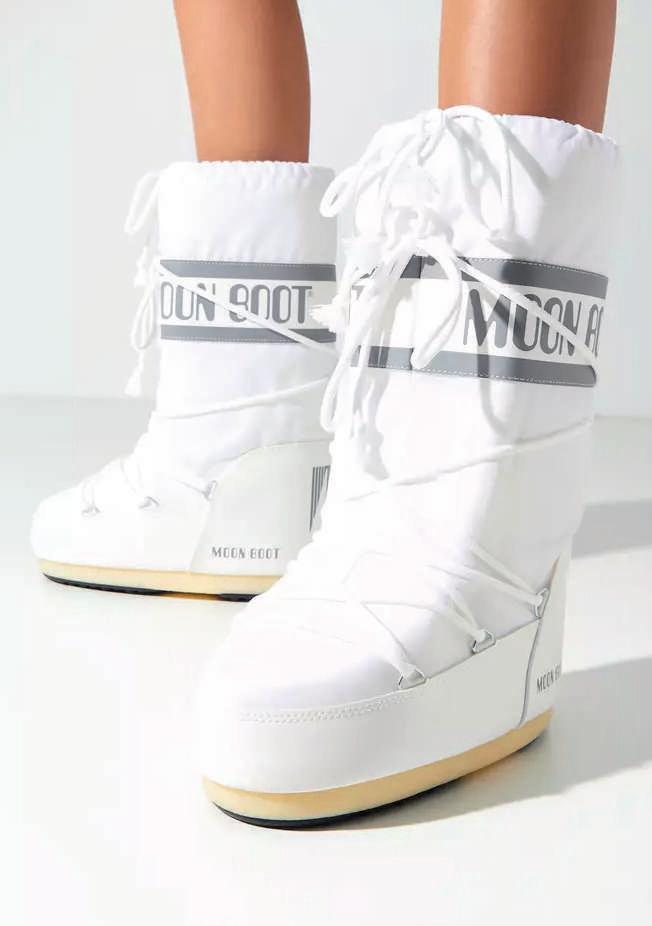
Figures 167 and 168. Moon Boots design by Tecnica Group s.p.a. versus Anouk design by Gruppo Aniel SNC Di Simeoni Anna & C. and Chiara Ferragni58
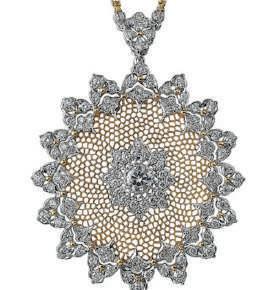
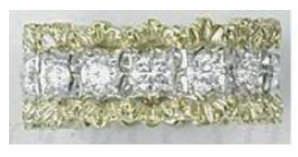
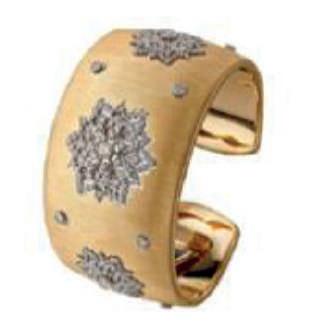
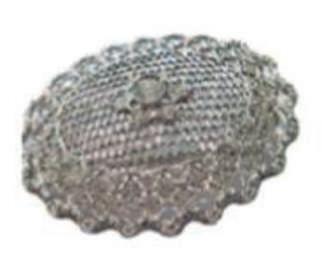
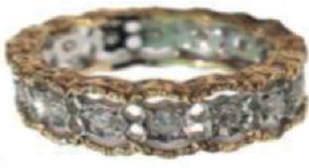
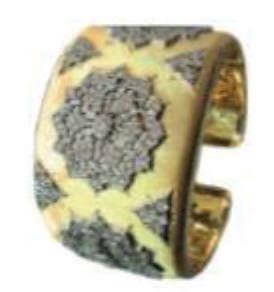
Figures 169–174. Buccellati (‘Broche Tulle’, ‘Eternelle Sagome Quadre’, ‘Bracciale Cuff con Rosoni’) design vs. Meini design59
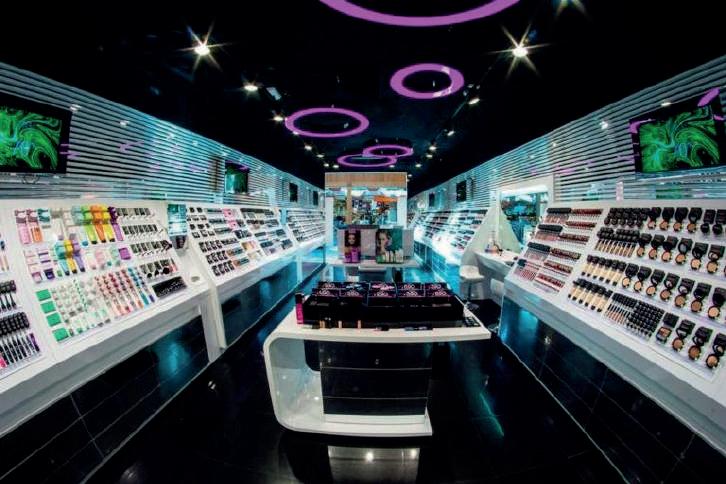
Figures 175–176. Kiko vs. Wycon concept store
3. France
In French copyright law, originality in fashion and design is closely linked to the personnalité de l’auteur, reflecting the long-standing personality theory that sees a creative work as an extension of its maker’s individuality. Rather than requiring artistic merit or aesthetic elevation, French courts ask whether the design bears the ‘stamp of the author’s personality’, a notion resonant with Lamartine’s 1842 assertion that a work of authorship is a form of personal property, inseparably united with the author’s thought. As a result, even utilitarian objects in the realm of fashion or industrial design can obtain protection, provided they manifest a creative choice that expresses the designer’s subjective and identifiable imprint.
We francuskim prawie autorskim oryginalność w modzie i wzornictwie ściśle wiąże się z personnalité de l’auteur, czyli z koncepcją, wedle której utwór stanowi ekspresję indywidualności twórcy. Zamiast wymogu podwyższonego poziomu artyzmu, sądy francuskie badają, czy dany projekt nosi ‘piętno osobowości autora’, co koresponduje z wypowiedzią Lamartine’a z 1842 roku, że dzieło twórcze jest własnością osobistą, nierozerwalnie zjednoczoną z myślą jego autora. W konsekwencji nawet przedmioty użytkowe z zakresu mody czy wzornictwa mogą uzyskać ochronę, o ile zawierają element twórczego wyboru, który odzwierciedla subiektywny i rozpoznawalny ślad projektanta.
Figure 178. Stainless steel nail clipper (cążki do paznokci) by Vitry Frères Paris62
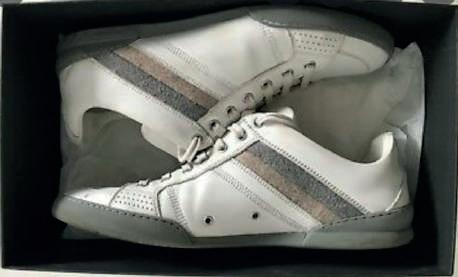
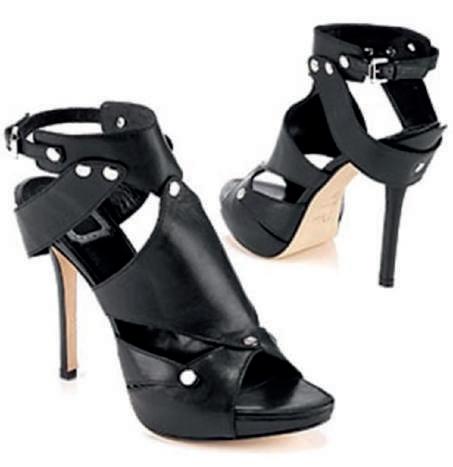
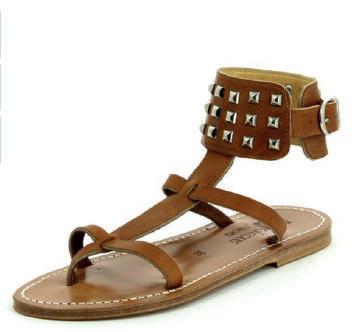
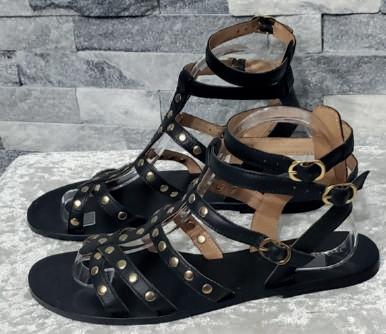
Figures 182–183. K. Jacques Forban sandal and Minelli black stud gladiator sandals65
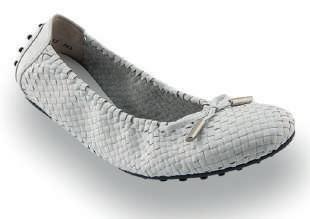
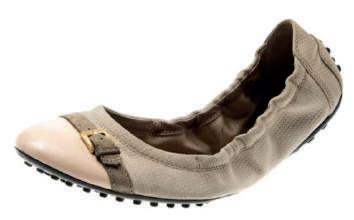
Figures 188 and 189. Santiago Pons Quitana Ballerina and Tod’s Dee Fibbietta67
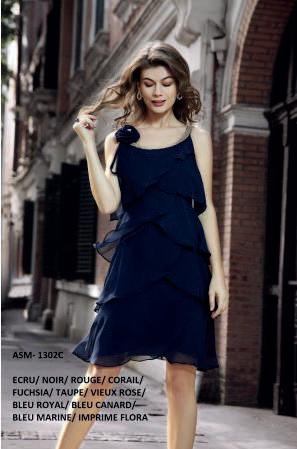
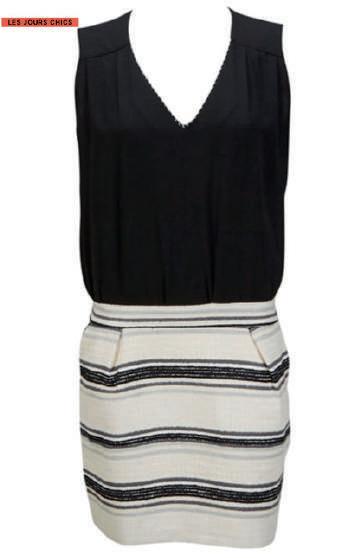
Figure 190. ASM 1302 C dress by ASHWI68
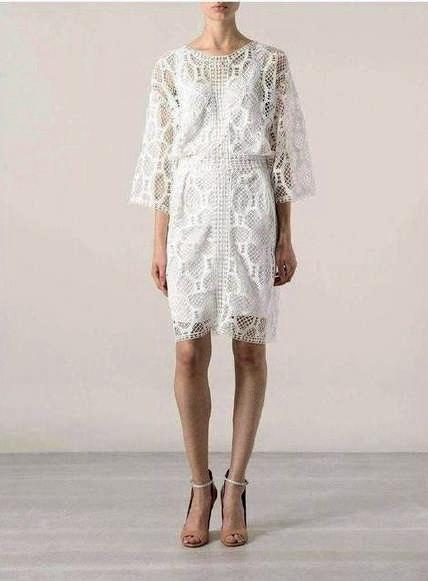
Figure 193. Dress no. 23035573 by Chloé70 .
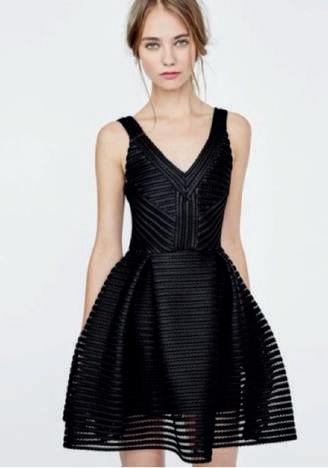
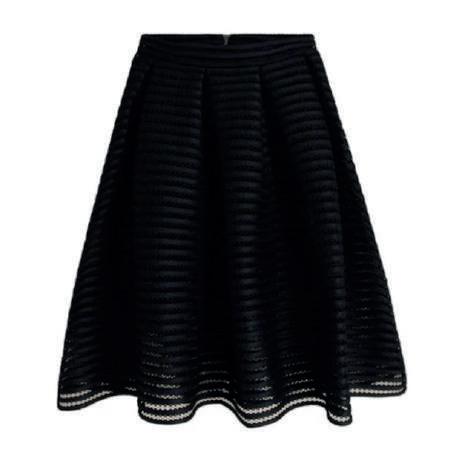
Figures 191–192. Rayure dress by Maje and Jam skirt by Maje69
French Copyright Law and the Pursuit of Fashion Elegance: Protection of
Figure 19673.
French Copyright Law and the Pursuit of Fashion Elegance: Protection of Fashion Design by Marlena Jankowska, Miriam Meghaichi-Mimouni, José Geraldo Romanello Bueno and Mirosław Pawełczyk presents Volume 11 of the Design, Fashion and Advertisement Law Series (2024), Instytut Prawa Gospodarczego Sp. z o.o., 2023 - 178 pp., offering an insightful look into how French copyright law shapes the world of haute couture. The book is freely available in open access on the Center’s website.
French Copyright Law and the Pursuit of Fashion Elegance: Protection of Fashion Design autorstwa Marleny Jankowskiej, Miriam Meghaichi-Mimouni, José Geraldo Romanello Bueno oraz Mirosława Pawełczyka stanowi tom 11 serii Design, Fashion and Advertisement Law (2024), Instytut Prawa Gospodarczego Sp. z o.o., 2023 - 178 pp., oferując wnikliwe spojrzenie na to, w jaki sposób francuskie prawo autorskie kształtuje świat haute couture. Książka jest dostępna w otwartym dostępie na stronie Centrum.
Marlena Jankowska, Miriam Meghaichi-Mimouni, Mirosław Pawełczyk, José Geraldo Romanello Bueno
Figure 194. Long Boucle Dress by L’Onkel Paris71 .
Figure 195. Mamouchka Ness Noir Dress72.
4. The Netherlands
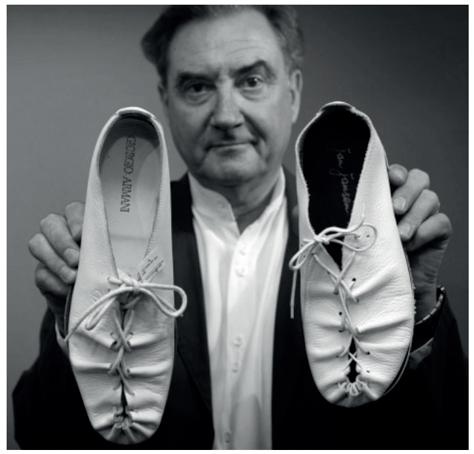
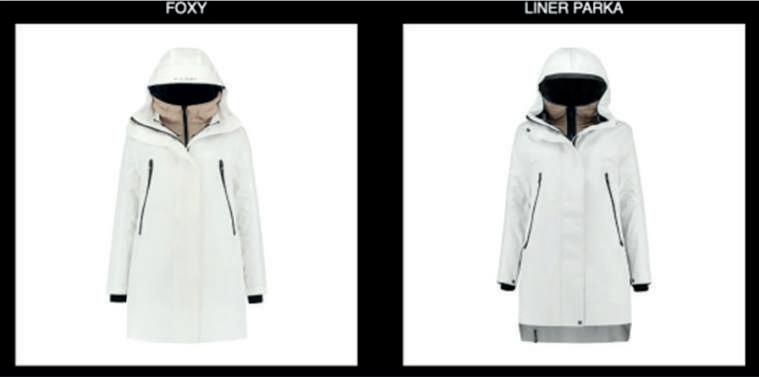
In Dutch copyright law, originality in fashion and design is assessed primarily through the lens of the overall impression/ totaalindruk that a work conveys to the informed observer. Dutch courts do not require artistic merit or a heightened level of creativity; rather, they examine whether the design’s composition, proportions, and chosen elements reflect the designer’s creative freedom and bear an individual character. If, when viewed against other works in the same category, the design produces a distinctive and recognizable overall impression attributable to its creator, it is considered to meet the threshold of originality necessary for protection.
W prawie niderlandzkim oryginalność w odniesieniu do mody i wzornictwa oceniana jest przede wszystkim przez pryzmat ogólnego wrażenia, jakie projekt wywołuje na odbiorcy (overall impression / totaalindruk). Holenderskie sądy nie wymagają artystyczności ani szczególnej twórczej głębi, lecz badają, czy całość formy — w jej kompozycji, proporcjach i doborze elementów — odzwierciedla swobodę twórczą projektanta i wykazuje indywidualny charakter. Jeżeli odbiorca, konfrontując projekt z innymi w tej samej kategorii, dostrzega w nim odrębne i rozpoznawalne piętno twórcy, uznaje się, że osiągnięto poziom oryginalności niezbędny do ochrony.
Figure 197. Jansen design vs. Armani design (‘Tutti Piedi’)74 .
Figures 198 and 199. The Sting’s design by Distrikt Foxy vs. Krakatau’s original design by Liner Parka75 .
Figure 200. Jewelry design by Melano77
Figure 201. Wickerwork Lampen76 .
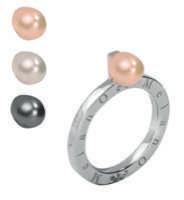
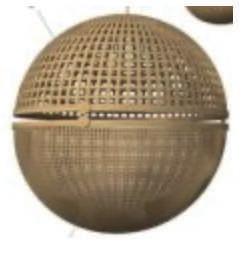
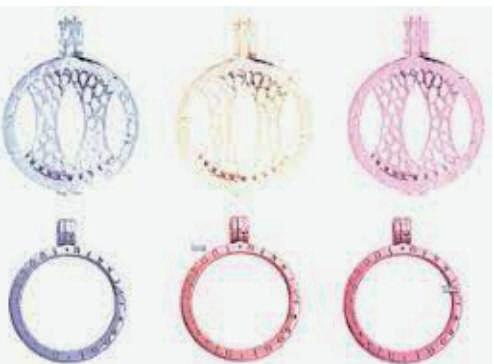
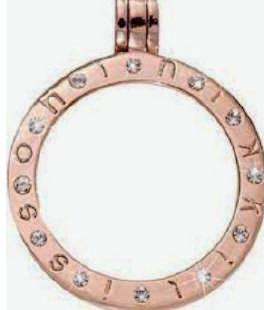
Figures 202–204. Mi Moneda design by All Round v. Nikki Lissoni design by Simstar78 .
5. Poland
In Polish copyright law, originality in fashion and design is understood through the presence of a creative result of the author’s own intellectual effort (przejaw działalności twórczej o indywidualnym charakterze). Polish courts emphasize that a work need not be artistically elevated nor aesthetically sophisticated; it must, however, reflect the author’s autonomous creative choices and differ in a meaningful way from standard or commonplace solutions. In the field of fashion and industrial design, protection will therefore arise only where the form, composition, or stylistic decisions go beyond technical or functional determinism and manifest a discernible element of personal creativity attributable to the designer.
W polskim prawie autorskim oryginalność w zakresie mody i wzornictwa rozumiana jest poprzez wymóg przejawu działalności twórczej o indywidualnym charakterze. Sądy podkreślają, że utwór nie musi cechować się podwyższonym poziomem artyzmu ani szczególną wyrafinowaniem estetycznym; powinien jednak odzwierciedlać autonomiczne wybory twórcze autora i w sposób istotny odróżniać się od rozwiązań typowych czy powszechnych. W obszarze mody i designu ochrona przysługuje więc jedynie tym projektom, w których forma, kompozycja lub decyzje stylistyczne wykraczają poza techniczne lub funkcjonalne uwarunkowania i ujawniają dostrzegalny element osobistej kreatywności projektanta.
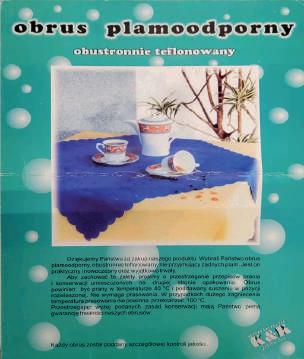
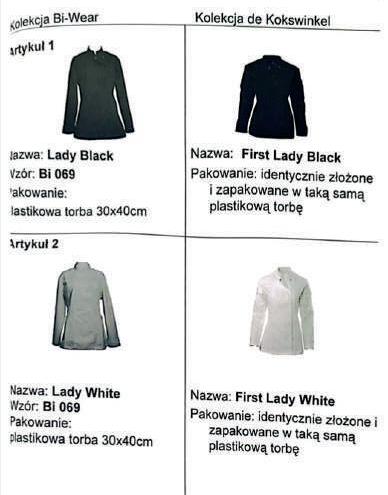
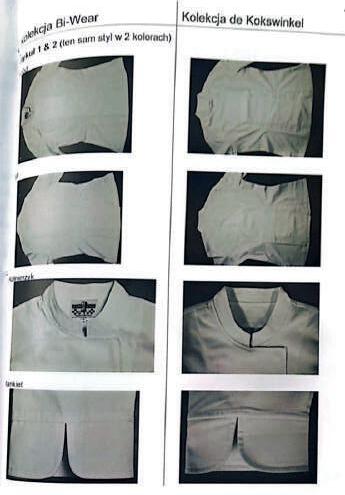
Figures 205–210. When a small designer takes on a fashion giant/ gdy mały projektant staje do walki z modowym gigantem79 .
Figures 211–212. Etiquette/ etykieta80
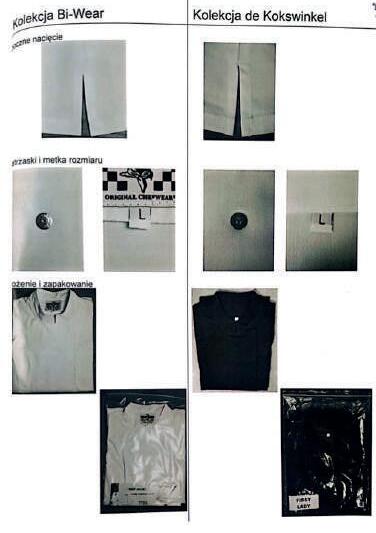
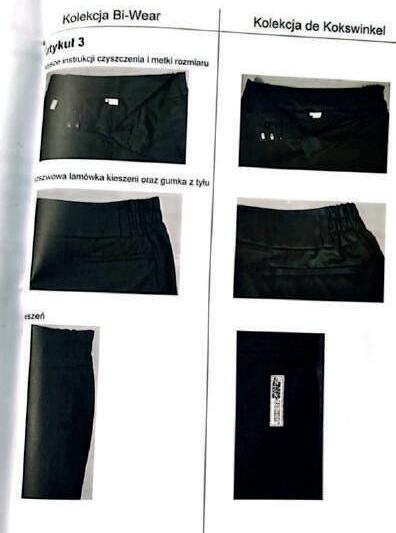
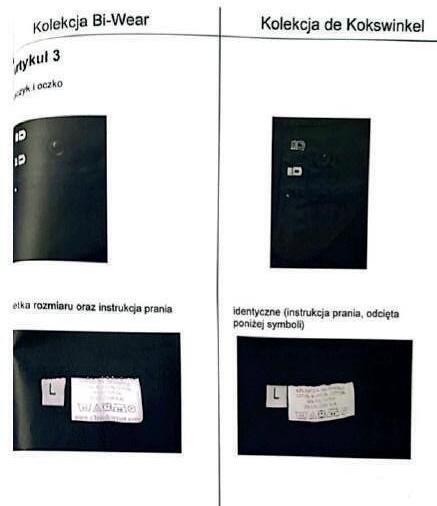
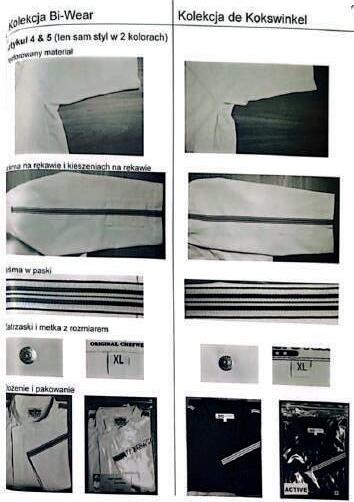
Figures 213–218. Copyright in the kitchen - can chef’s wear become a protected work?/ Prawo autorskie w kuchni - czy strój szefa kuchni może stać się utworem chronionym81?
6. Summary. Copyright in fashion
Copyright in fashion can be far more complex than it appears at first glance. The line between mere craftsmanship and protected creative work is often exceptionally thin—sometimes as delicate as a haute couture seam. On the one hand, garments and accessories must fulfil a functional role; on the other, they can carry individual expression, a recognizable style, or even a designer’s personal artistic vision. Fashion is precisely the field where the tension between the practical and the creative becomes most visible—and where the law is often tasked with deciding on which side a given design falls.
6. Podsumowanie. Prawo autorskie w modzie
Prawo autorskie w modzie bywa znacznie bardziej złożone, niż mogłoby się wydawać na pierwszy rzut oka. Granica między zwykłym rzemiosłem a chronionym utworem twórczym jest często niezwykle cienka — czasem delikatna niczym szew haute couture. Z jednej strony ubrania i akcesoria muszą spełniać funkcję użytkową; z drugiej mogą nieść w sobie indywidualny wyraz, rozpoznawalny styl, a nawet osobistą wizję artystyczną projektanta. Moda jest właśnie tą dziedziną, w której napięcie między praktycznym a kreatywnym ujawnia się najbardziej — i w której to prawo często musi rozstrzygać, po której stronie jest.
Copyrightability of fashion design in US and EU law
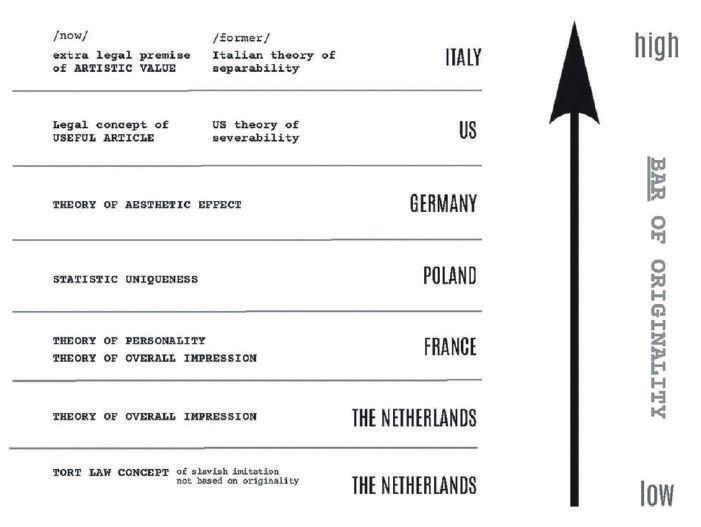
Figure 219. Juxtaposition of differentiated rungs of creativity for design reflecting various theories of originality in the US, Italy, France, the Netherlands, Germany and Poland. Own study / Zestawienie zróżnicowanych szczebli originalności dla projektowania, odzwierciedlające różne teorie oryginalności w USA, we Włoszech, Francji, Niderlandach, Niemczech i Polsce. Badanie własne.
Copyright in fashion often requires not only legal expertise, but also an understanding of design language, material technologies, production processes and the broader logic of the creative industries. For that reason, when questions arise, professional advice becomes essential—both from legal experts and from specialists familiar with the realities of fashion, design and advertising.
Prawo autorskie w modzie często wymaga nie tylko prawniczego spojrzenia, ale także zrozumienia języka projektowania, technologii materiałów, procesów produkcyjnych i samej logiki funkcjonowania branży kreatywnej. Dlatego w sytuacjach wątpliwych tak ważne jest profesjonalne doradztwo — zarówno osób znających prawo, jak i specjalistów obeznanych z realiami mody, designu i reklamy.
CentrumPrawaDesignu
Dominik Górny
Marlena Jankowska Augustyn
Górczyńska
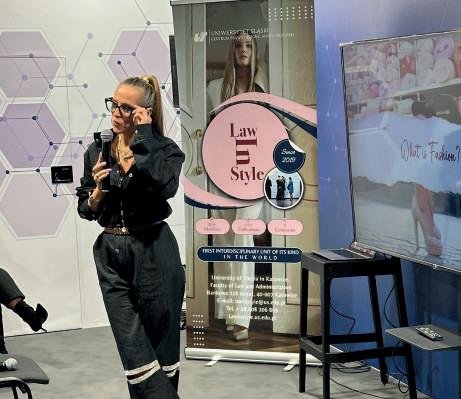
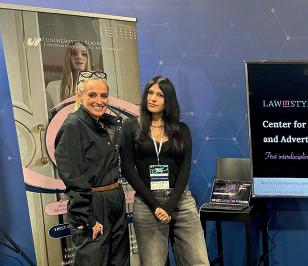
In Poland, a particularly important role in this field is played by the Center for Design, Fashion and Advertisement Law at the University of Silesia in Katowice. It is the first interdisciplinary academic unit in the country that brings together law, design, marketing, business and material sciences. The Center conducts research, analysis, training and expert projects related to the legal protection of fashion, intellectual property, product design, branding and the functioning of the creative industries. Through collaboration with designers, lawyers, technologists and entrepreneurs, LAWinSTYLE has become a space where theory meets practice and where academic knowledge responds directly to the needs of the creative sector.
W Polsce szczególną rolę w tej przestrzeni pełni Centrum Prawa Projektowego, Modowego i Reklamowego Uniwersytetu Śląskiego w Katowicach. To pierwsza interdyscyplinarna jednostka akademicka w kraju, która łączy prawo, wzornictwo, marketing, biznes i nauki materiałowe. Centrum prowadzi badania, analizy, szkolenia i projekty eksperckie dotyczące prawnej ochrony mody, własności intelektualnej, projektowania produktu, brandingu oraz funkcjonowania branż kreatywnych. Dzięki współpracy z projektantami, prawnikami, technologami i przedsiębiorcami LAWinSTYLE stało się miejscem, w którym teoria spotyka się z praktyką, a wiedza akademicka — z realnymi potrzebami środowiska twórczego.
5 continents since 2019
First interdisciplinary unit of its kind in the world
Center for Law of Design, Fashion and Advertisement LAW in STYLE
The world’s first interdisciplinary center combining law, business, art and technology in the fields of fashion, design and advertising!
Pierwsza na świecie interdyscyplinarna jednostka łącząca prawo, biznes, sztukę i technologie w obszarze mody, designu i reklamy!
Implementation of companies operating at the intersection of art, law, and modern technologies. / Wdrożenia firm działających na styku sztuki, prawa i nowoczesnych technologii.
Workshops, training sessions and courses for creators, entrepreneurs and creative-industry professionals. / Warsztaty, szkolenia i kursy dla twórców, przedsiębiorców i profesjonalistów kreatywnych.
Why colaborate?
Expert research in intellectual property law, creative industries, digital transformation, sustainability, and advertising ethics. / Eksperckie badania naukowe nad prawem własności intelektualnej, cyfryzacją twórczości, zrównoważonym rozwojem i etyką reklamy.
Dlaczego warto z nami współpracować?
Conferences and lectures that bring together academics and industry practitioners. / Konferencje i wykłady, które łączą środowiska akademickie z praktykami branżowymi.
Legal opinions and expert consultations for companies and institutions. / Ekspertyzy i opinie prawne oraz rekomendacje dla firm i instytucji.
Inspiring educational initiatives, such as Jankowska Academy – where law meets fashion and creativity. / Inspirujące projekty edukacyjne jak Jankowska Academy –gdzie prawo spotyka modę i kreatywność.
Where Moments Become Expertise Chwile, które tworzą naszą eksperckość
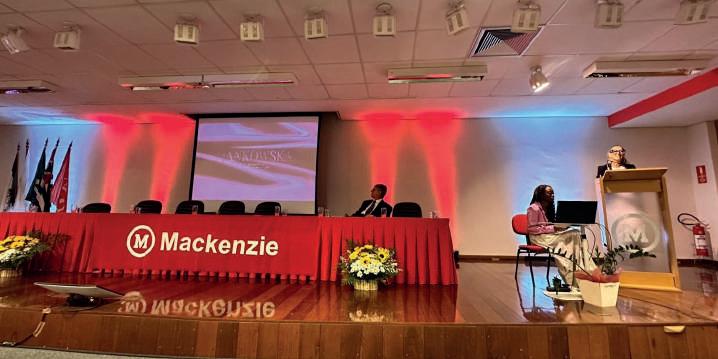
The first edition of the JankowskaAcademy Fashion Law Academy was launched in cooperation with Mackenzie Presbyterian University in São Paulo–Campinas, courtesy of Professor José Geraldo Romanello Bueno and his wife, Dr. Michely Vargas Del Puppo Romanello, in October 2025
Pierwsza edycja Jankowska Academy Fashion Law Academy została zainaugurowana we współpracy z Uniwersytetem Prezbiteriańskim Mackenzie w São Paulo–Campinas, dzięki uprzejmości profesora José Geraldo Romanello Bueno oraz jego żony, dr Michely Del Puppo Romanello, w październiku 2025 roku
Where Moments Become Expertise
Chwile, które tworzą naszą eksperckość
Marlena Jankowska Augustyn was an honorary guest at the Józef Wilkoń opening reception in September 2025
Marlena Jankowska Augustyn była gościem honorowym wernisażu Józefa Wilkonia we wrześniu 2025 roku
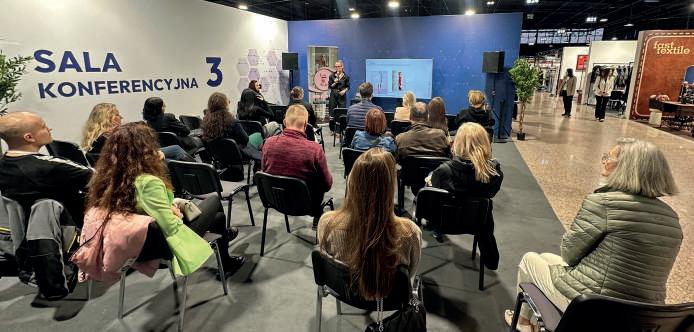
Expert Panel at EXPO Textile Rzgów, November 2025
Panel ekspercki podczas EXPO Textile Rzgów, listopad 2025 roku
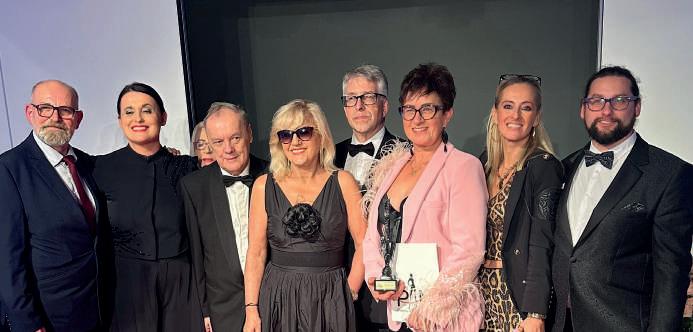
A regular presence at the Polska Akademia Mody Gala Stała obecność na Gali Polskiej Akademii Mody
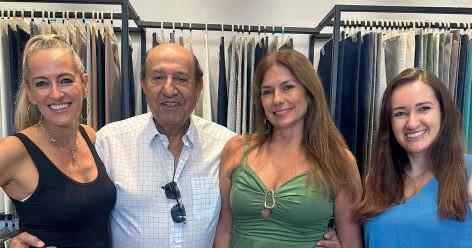
Study visit to FIAMA TECIDOS, textile producer, Campinas (São Paulo), held in October 2025 Wizyta studyjna w firmie FIAMA TECIDOS, producencie tekstyliów, Campinas (São Paulo), zrealizowana w październiku 2025 r.
Continuous cooperation with Pawełczyk Law Firm, ranked No. 1 as the largest law firm in Silesia Stała współpraca z Kancelarią Pawełczyk, nr 1 jako największa kancelaria prawna na Śląsku
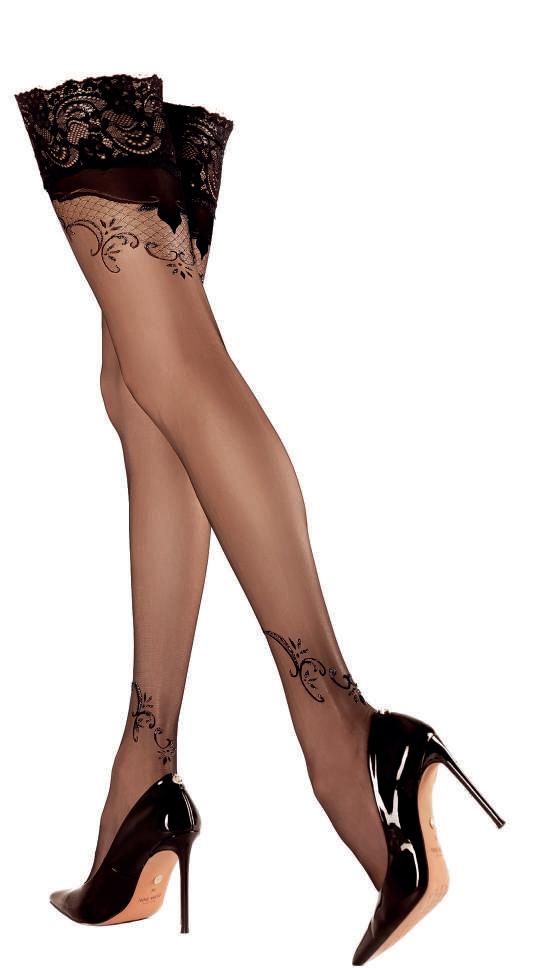
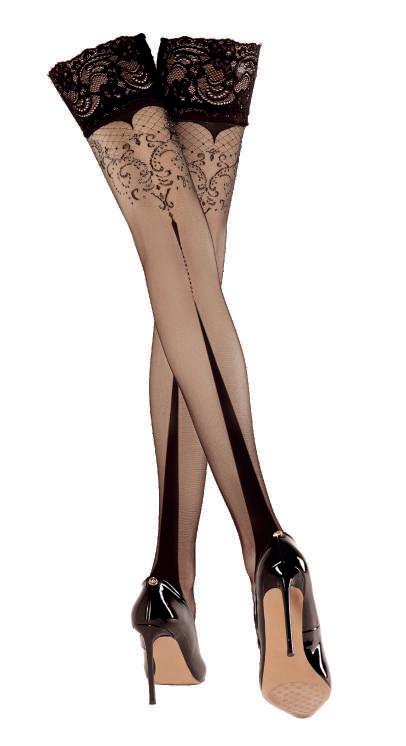
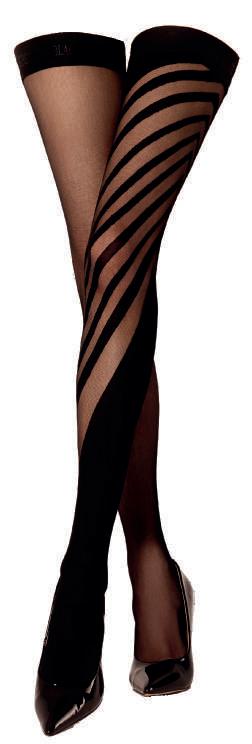
Tights pattern as a boundary between inspiration and copying
How a small brand can protect designs before a copy appears? How a small brand can document authorship and limit the risk of copying?
Keep a project journal: sketch → variants → final version (dates).
Archive source files and samples (photos of stages).
Publish in a provable way (dates, archive, mailing).
Record technical parameters of the pattern (grid, proportions, spacing).
If copying is suspected: document „side-by-side” comparisons + source + dates.
Secure rights to external elements (graphics, lace, photos).
Have a short response process prepared (contact, demand letter, platforms).
Wzór rajstop jako granica między inspiracją a kopiowaniem
Jak mała marka może zabezpieczać wzory zanim pojawi się kopia? Jak mała marka może dokumentować autorstwo i ograniczać ryzyko kopiowania?
Archiwizuj pliki źródłowe i próbki (zdjęcia etapów).
Prowadź dziennik projektu: szkic → warianty → wersja finalna (daty).
Publikuj w sposób możliwy do udowodnienia (daty, archiwum, mailing).
Przy podejrzeniu kopii: dokumentuj porównania „obok siebie” + źródło + daty.
Miej przygotowany krótki proces reakcji (kontakt, wezwanie, platformy)
Zabezpieczaj prawa do elementów zewnętrznych (grafiki, koronki, zdjęcia).
Black Secret Stockings is an authorial hosiery brand by Agnieszka Wesecka, where pattern becomes art — a hand-designed composition on the leg, created in short, unique series in Poland. The brand’s President graduated from the Accademia di Belle Arti di Bologna (Italy) and currently develops her own brand: designing and producing tights and stockings with original patterns in Poland (from sketch to finished product).
Black Secret Stockings creates tights and stockings as small works of applied art. Each model begins with an original sketch and is developed as a thoughtful composition: line, rhythm, proportion, and detail work on the silhouette like an illustration. This is a brand that doesn’t follow mass trends but builds its own visual language — sensual, mysterious, and recognizable. Production in Poland allows for the creation of short series and perfecting every element to perfection.
Black Secret Stockings also collaborates with designers and companies in creating collections and artistic projects, where the pattern on tights and stockings serves as a creative compositional element.
The woman in the Black Secret world is strong, distinctive, and conscious of her own style — she stands out through uniqueness: instead of mass repetition, she creates refined, short series and pays attention to detail, visible in the finishing and cohesive aesthetic of the entire collection. — the woman in the Black Secret world is strong, distinctive, and conscious of her style.
Production in Poland provides full quality control and the ability to consistently build the brand’s recognizable, artistic DNA.
Black Secret Stockings to autorska marka pończosznicza Agnieszki Weseckiej, w której wzór staje się sztuką — ręcznie projektowaną kompozycją na nodze, tworzoną w krótkich, unikatowych seriach w Polsce. Pani Prezes ukończyła Accademia di Belle Arti di Bologna (Włochy), a aktualnie rozwija własną markę: projektuje oraz produkuje w Polsce rajstopy i pończochy z autorskimi wzorami (od szkicu po gotowy produkt).
Black Secret Stockings tworzy rajstopy i pończochy jak małe dzieła sztuki użytkowej. Każdy model zaczyna się od autorskiego szkicu i powstaje jako przemyślana kompozycja: linia, rytm, proporcja i detal pracują na sylwetce jak ilustracja. To marka, która nie podąża za masowym trendem, tylko buduje własny język wizualny — zmysłowy, tajemniczy i rozpoznawalny. Produkcja w Polsce pozwala tworzyć krótkie serie i dopracować każdy element do perfekcji.
Black Secret Stockings współpracuje również z projektantami i firmami przy tworzeniu kolekcji oraz w projektach artystycznych, gdzie wzór na rajstopach i pończochach pełni rolę twórczego elementu kompozycji. Kobieta w świecie Black Secret jest silna, wyrazista i świadoma własnego stylu — wyróżnia się unikatowością: zamiast masowej powtarzalności tworzy dopracowane, krótkie serie i dba o detal, który widać w wykończeniu oraz w spójnej estetyce całej kolekcji. — kobieta w świecie Black Secret jest silna, wyrazista i świadoma swojego stylu.
Produkcja w Polsce daje pełną kontrolę jakości i możliwość konsekwentnego budowania rozpoznawalnego, artystycznego DNA marki.
Przygotowała: Agnieszka Wesecka
Authorship as the Boundary Between Inspiration and Copying
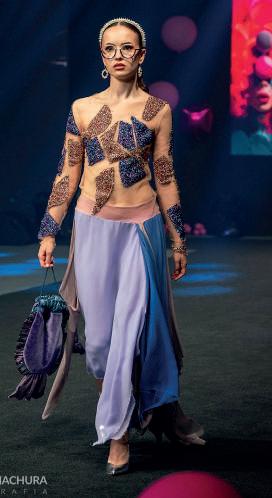
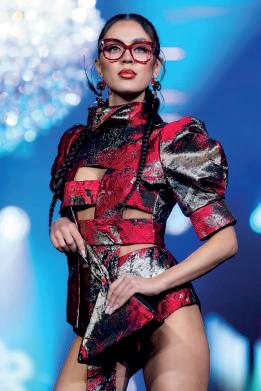
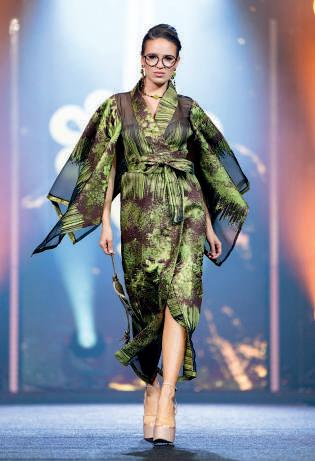
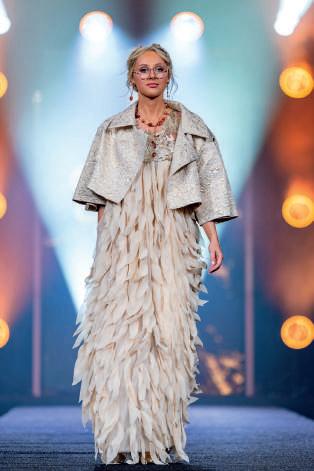
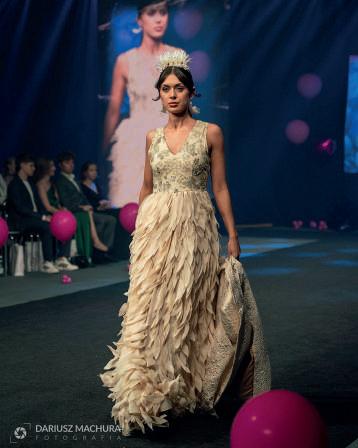
Mariola Turbiarz, designer and founder of the brand Prysznic Modowy, creates unique zero-waste fashion, treating clothing as an authorial artistic statement. Her practice operates at the intersection of fashion, art, and sustainable development.
The line between inspiration and plagiarism
Inspiration: working with reclaimed materials, process-based thinking, narrative, and conceptual ideas.
No copying: avoidance of replicating ready-made forms, cuts, or recognizable details created by other designers.
Final outcome: an individual form with the qualities of an original work.
Authorship and protection
Designs are produced as one-of-a-kind pieces or in very short series.
Every stage (concept, form, detail) results from a conscious creative decision.
The garment can be regarded as a work protected by copyright law.
Norms and responsibility
Rejection of seasonality and mass repetition. Transparency of process and respect for authorship.
Sustainability understood broadly: environmentally, culturally, and legally.
Expansion of the creative field
Warsaw Fashion Shower as an авторial conceptual whole (fashion + performance + art).
An example of ethical collaboration and clear attribution of authorship.
Conclusion
Mariola Turbiarz’s practice demonstrates that authorial fashion can clearly define the boundary between inspiration and plagiarism, and that sustainable development strengthens—rather than weakens—the protection of creative work and the norms of design culture.
Prepared by: Mariola Turbiarz
Autorstwo jako granica między inspiracją a kopiowaniem
Mariola Turbiarz, projektantka marki Prysznic Modowy, tworzy unikatową modę zero waste, traktując ubranie jako autorską wypowiedź artystyczną. Jej praktyka sytuowana jest na styku mody, sztuki i zrównoważonego rozwoju.
Wniosek
Granica inspiracja–plagiat
Inspiracja: praca z materiałem z odzysku, ideą procesu, narracją i koncepcją.
Brak kopiowania: brak powielania gotowych form, krojów czy rozpoznawalnych detali innych twórców. Efekt końcowy: indywidualna forma o cechach oryginalnego dzieła.
Autorstwo i ochrona
Projekty powstają jako pojedyncze egzemplarze lub krótkie serie.
Każdy etap (koncepcja, forma, detal) jest wynikiem świadomej decyzji twórczej.
Ubranie może być traktowane jako utwór chroniony prawem autorskim.
Normy i odpowiedzialność
Odrzucenie sezonowości i masowej powtarzalności. Transparentność procesu i poszanowanie autorstwa. Zrównoważony rozwój rozumiany szeroko: ekologicznie, kulturowo i prawnie.
Przykład etycznej współpracy i jasnego przypisania autorstwa.
Praktyka Marioli Turbiarz pokazuje, że moda autorska może wyznaczać czytelną granicę między inspiracją a plagiatem, a zrównoważony rozwój wzmacnia – a nie osłabia – ochronę twórczości i normy kultury projektowej.
Footnotes / Przypisy końcowe
1 See M. Jankowska, (2024). Intellectual…, pp. 3 and the literature cited therein; Influenza Veils Set New Fashion, „Seattle Daily Times”, 18 October 1918, p. 10, http://hdl.handle.net/2027/spo. 1170flu.0010.711 (accessed: 20.11.2025).
2 See M. Jankowska, (2024). Intellectual…, p. 3 and the literature cited therein; Don’t Flee! It’s Flu Veil, “The Cleveland Press”, 11 November 1918, http://hdl.handle.net/2027/spo.5480flu.0002.845 (accessed: 20.07.2020).
3 See M. Jankowska, (2024). Intellectual…, p. 11 and the literature cited therein.; M. Moaddel, A Report. The Birthplace of the Arab Spring: Values and Perceptions of Tunisians and A Comparative Assessment of Egyptian, Iraqi, Lebanese, Pakistani, Saudi, Tunisian, and Turkish Publics, 15 December 2013, https://mevs.org/wp-content/ uploads/2019/12/Tunisia_FinalReport.pdf (accessed: 20.11.2025).
4 See M. Jankowska, (2024). Intellectual…, p. 11 and the literature cited therein; J. Poushter, How people in Muslim countries prefer women to dress in public, https://www.pewresearch.org/fact-tank/2014/01/08/what-is-appropriate-attire-for-women-in-muslim-countries/ (accessed: 20.11.2025).
5 See M. Jankowska, (2024). Intellectual…, p. 11 and the literature cited therein.; https://www.vogue.com/fashion-shows/fall-2006-ready-to-wear/viktor rolf/slideshow/collection#37 (accessed: 20.11.2025).
6 See M. Jankowska, (2024). Intellectual…, p. 14 and the literature cited therein; https://fotoblogia.pl/medbikini-lekarki-pokazuja-sie-w-bikini-to-protest-przeciwko-seksizmowi,6794327353239681a (accessed: 20.11.2025).
7 See M. Jankowska, (2024). Intellectual…, pp. 14–15 and the literature cited therein; S.M. Forsythe, M.F. Drake, Ch.E. Cox, Influence of Applicant’s Dress on Interviewer’s Selection Decision, “Journal of Applied Psychology” 1985, vol. 70, no. 2, p. 374.
8 See M. Jankowska, (2024). Intellectual…, pp. 14–15 and the literature cited therein.
9 See M. Jankowska, (2024). Intellectual…, pp. 20–21 and the literature cited therein; P. Göklüberk Özlü, S. Dengin Sevinir, Aesthetical and Emotional Effects of Material on Clothing Design, “The Turkish Online Journal of Design, Art and Communication”, 2019, vol. 9 issue 1, p. 43.
10 See M. Jankowska, (2024). Intellectual…, pp. 30–31 and the literature cited therein.
11 https://martinezimmigration.net/about/; https://tullylaw.com.au/ tully-law-meet-the-team/ (accessed: 25.11.2025); cf. M. Jankowska, (2024). Intellectual…, pp. 14-19 and the literature cited therein.
12 See M. Jankowska, (2024). Intellectual…, pp. 57-92 and the literature cited therein; https://www.thestylehistorian.com/articles/the-history-of-haute-couture-9wj85?utm_source=chatgpt.com (accessed: 25.11.2025).
13 See M. Jankowska, (2024). Intellectual…, pp. 60–63 and the literature cited therein; http://monarchyofstyle.blogspot.com/2015/05/ eugenie-worth.html; https://niezlasztuka.net/o-sztuce/franz-xaver-winterhalter-cesarzowa-elzbieta-austriacka-w-dworskiej-sukni/ at: https://www.metmuseum.org/toah/hd/wrth/hd_wrth.htm (accessed: 25.11.2025).
14 See M. Jankowska, (2024). Intellectual…, pp. 60–63 and the literature cited therein; https://www.metmuseum.org/art/collection/ search/437942; https://niezlasztuka.net/o-sztuce/franz-xaver-winterhalter-cesarzowa-elzbieta-austriacka-w-dworskiej-sukni/ (accessed: 25.11.2025).
15 See M. Jankowska, (2024). Intellectual…, pp. 60–63 and the literature cited therein; https://theenchantedmanor.com/charles-worth-and-the-house-of-worth/ (accessed: 25.11.2025).
16 See M. Jankowska, (2024). Intellectual…, pp. 64–66 and the literature cited therein; https://www.metmuseum.org/art/collection/search/ 155792; https://www.metmuseum.org/art/collection/search/159 012; https://www.metmuseum.org/art/collection/search/87016 (accessed: 25.11.2025).
17 See M. Jankowska, (2024). Intellectual…, pp. 66-68 and the literature cited therein; https://www.metmuseum.org/art/collection/search/ 81139; https://www.metmuseum.org/art/collection/search/106 443; https://www.metmuseum.org/art/collection/search/86014; https://freemansauction.com/new-noteworthy/callot-soeurs (accessed: 25.11.2025).
19 See M. Jankowska, (2024). Intellectual…, pp. 68-73 and the literature cited therein; https://www.metmuseum.org/art/collection/search/ 105660; https://www.metmuseum.org/art/collection/search/81 562; https://www.metmuseum.org/art/collection/search/136302 (accessed: 25.11.2025).
20 See M. Jankowska, (2024). Intellectual…, pp. 68-73 and the literature cited therein; https://www.metmuseum.org/art/collection/search/ 487282; https://www.metmuseum.org/art/collection/search/487 320 (accessed: 25.11.2025).
21 See M. Jankowska, (2024). Intellectual…, pp. 68-73 and the literature cited therein; P. Poire (Oct. 14, 1913), Warning against False Labels, “Women’s Wear”, p. 3; http://susannaives.com/wordpress/ 2019/11/friday-fashions-from-harpers-bazaar-1913/ (accessed: 25.11.2025).
22 See M. Jankowska, (2024). Intellectual…, pp. 68-73 and the literature cited therein; cf. Musée Galliera Archives.
23 See M. Jankowska, (2024). Intellectual…, pp. 70, 72, 74 and the literature cited therein; https://www.metmuseum.org/art/collection/search/ 156020; https://www.metmuseum.org/art/collection/search/157 483; https://www.metmuseum.org/art/collection/search/156071 (accessed: 25.11.2025).
24 See M. Jankowska, (2024). Intellectual…, pp. 73-75 and the literature cited therein; https://www.pinterest.com/pin/914862420739772/; https://www.journalduluxe.fr/fr/mode/lanvin-modifie-son-bleu-signature; https://www.vestiairecollective.com/men-shoes/trainers/ lanvin/blue-leather-lanvin-trainers-36190121.shtml?srsltid=AfmBOoobx_2RqoXq0PXjwhVCJ3gOoU4s3Bfb-83Iac7DGP0JQWadx5bK (accessed: 25.11.2025).
25 See M. Jankowska, (2024). Intellectual…, pp. 76-79 and the literature cited therein; https://www.metmuseum.org/art/collection/search/765647 (accessed: 25.11.2025).
26 See M. Jankowska, (2024). Intellectual…, pp. 82-86 and the literature cited therein; https://www.codogirl.com/blogs/news/how-to-authenticate-vintage- chanel-jacket?srsltid=AfmBOopBX2AFd2yE_xRHBdR0 xCgI94C2xyWRMiQuoUVlbj4zaUX5_IrE (accessed: 25.11.2025).
27 G. Chanel (1935). Copier la mode: Pourquoi pas? C’est hommage au génie de Paris. Le Journal, 22 February, p. 1. gallica.bnf.fr; See M. Jankowska, (2024). Intellectual…, pp. 82, footnote 167 and the literature cited therein.
28 M. Vionnet, J. Lanvin (1935). Copier la mode ce serait la tuer. Le Journal, 4 March, p. 1. gallica.bnf.fr; ; See M. Jankowska, (2024). Intellectual…, pp. 86, footnote 189 and the literature cited therein.
29 See M. Jankowska, (2024). Intellectual…, p. 80, footnote 189 and the literature cited therein; https://www.pinterest.com/ pin/132152570290631066/; https://www.moma.org/collection/ works/80997 (accessed: 25.11.2025).
30 See M. Jankowska, (2024). Intellectual…, pp. 68 -72 and the literature cited therein; https://www.etsy.com/no-en/listing/589050083/ folkwear-poiret-cocoon-coat-503-early (accessed: 25.11.2025).
31 See M. Jankowska, (2024). Intellectual…, p. 106, footnote 27 and the literature cited therein.
32 See M. Jankowska, (2024). Intellectual…, p. 48 and the literature cited therein.
33 See M. Jankowska, (2024). Intellectual…, pp. 174-175, footnotes 1315 and the literature cited therein.
34 See M. Jankowska, (2024). Intellectual…, pp. 176-177, footnotes 1821 and the literature cited therein.
35 See M. Jankowska, (2024). Intellectual…, pp. 177-178, footnotes 2227 and the literature cited therein.
36 See M. Jankowska, (2024). Intellectual…, pp. 178-179, footnotes 2939 and the literature cited therein.
37 See M. Jankowska, (2024). Intellectual…, pp. 178-179, footnote 44 and the literature cited therein.
38 See M. Jankowska, (2024). Intellectual…, p. 178, footnote 31 and the literature cited therein.
39 See M. Jankowska, (2024). Intellectual…, p. 180, footnote 54 and the literature cited therein; https://www.therealreal.com/products/ jewelry/earrings/hoop/earrings-charles-garnier-18k-diamond-swirl-hoop-earrings-azvna (accessed 25.11.2025).
40 See M. Jankowska, (2024). Intellectual…, p. 181, footnotes 57-58 and the literature cited therein; https://www.thestar.com/entertainment/visual-arts/canadian-artist-sues-damien-hirst-alleging-copyright-infringement/article_359d5af6-dd81-5380-82fd-0c0275997987.html (accessed 25.11.2025).
41 See M. Jankowska, (2024). Intellectual…, p. 181, footnotes 59-60 and the literature cited therein; https://www.jdsupra.com/legalnews/the-crown-jewels-how-to-protect-your-46967/ (access: 25.11.2025).
42 See M. Jankowska, (2024). Intellectual…, pp. 183 - 185, footnotes 7586 and the literature cited therein.
43 See M. Jankowska, (2024). Intellectual…, p. 182, footnotes 68-70 and the literature cited therein; B.W. Clark (August 27, 2021). Can I Copyright My Logo?, Lexology, https://www.lexology.com/library/detail.aspx?g=58c53591-98e8-4769-a1e6-667fc6c169d6&utm_source=Lexology+Daily+Newsfeed&utm_medium=HTML+email+-+Body+-+General+section&utm_campaign=Lexology+subscriber+daily+feed&utm_content=Lexology+Daily+Newsfeed+2021-08-31&utm_term= (accessed: 25.11.2025).
44 See M. Jankowska, (2024). Intellectual…, p. 185, footnotes 87-88 and the literature cited therein.
45 See M. Jankowska, (2024). Intellectual…, pp. 191-191, footnotes 121129 and the literature cited therein.
46 See M. Jankowska, (2024). Intellectual…, p. 191, footnote 120 and the literature cited therein.
47 See M. Jankowska, (2024). Intellectual…, p. 192, footnote 130 and the literature cited therein.
48 See M. Jankowska, (2024). Intellectual…, p. 194, footnote 138 and the literature cited therein.
49 See M. Jankowska, (2024). Intellectual…, p. 187, footnote 100 and the literature cited therein.
50 See M. Jankowska, (2024). Intellectual…, pp. 192 -193, footnote 131 and the literature cited therein.
51 See M. Jankowska, (2024). Intellectual…, pp. 190 -195, footnotes 116 – 140 and the literature cited therein; https://blogs.loc.gov/copyright/2017/04/u-s-supreme-court-clarifies-separability-analysis-in-its-ruling-on-star-athletica-llc-v-varsity-brands-inc/ (accessed: 25.11.2025).
52 See M. Jankowska, (2024). Intellectual…, p. 206, footnote 119 and the literature cited therein.
53 See M. Jankowska, (2024). Intellectual…, pp. 206-207, footnotes 204-211 and the literature cited therein; https://www.moma.org/ collection/works/4056; https://usa.flos.com/modern-floor-lamps; https://www.vitra.com/en-us/product/panton-chair?gclid=Cj0KCQiApL2QBhC8ARIsAGMm-KGw48PyKFsXjt7NQKy5PgNx-8uK9uaPwate4noN0OZUxCW2hy7qETMaAq-0EALw_wcB; https://www. architonic.com/en/product/cassina-lc4/1001968; https://www. vespa.com/pl_PL/ (accessed: 25.11.2025).
54 See M. Jankowska, (2024). Intellectual…, p. 207, footnote 212 and the literature cited therein; metalcodobrasil.com.br (accessed: 25.11.2025).
55 See M. Jankowska, (2024). Intellectual…, p. 208, footnote 214 and the literature cited therein; https://designwrites.twobirds.com/ post/102jawo/the-italian-supreme-court-clarifies-conflicts-in-protection-of-artistic-work-in-i (accessed: 25.11.2025).
56 See M. Jankowska, (2024). Intellectual…, p. 209, footnotes 217-219 and the literature cited therein.
57 See M. Jankowska, (2024). Intellectual…, p. 210, footnote 221 and the literature cited therein; https://twitter.com/maxmara/status/1216374271917817857/photo/2; https://www.the-spin-off. com/news/stories/LIU-JO-WITH-FIRST-DOWN-JACKET-COLLECTION-4893 (accessed: 25.11.2025).
58 See M. Jankowska, (2024). Intellectual…, pp. 210-211, footnote 224 and the literature cited therein; https://www. moliera2.com/1/product/1782738-biale-sniegowce-moon-boot.html?srsltid=AfmBOooHMQLKqiQpVQUWtutnPPRAGoaFn20A2ZWBTAMBwHer7ciIF1vc https://www.pinterest.ie/ pin/773422935980377914/?amp_client_id=amp-qMgyEzoji9AmthGWPk_2mQ&mweb_unauth_id=89990000887f47239c966843aecdffa7&simplified=true&_url=https%3A%2F%2Fwww.pinterest. ie%2Famp%2Fpin%2F773422935980377914%2F (as of 25.11.2025).
59 See M. Jankowska, (2024). Intellectual…, pp. 212-213, footnote 230 and the literature cited therein.
60 See M. Jankowska, (2024). Intellectual…, p. 214, footnote 237 and the literature cited therein.
61 See M. Jankowska, (2024). Intellectual…, p. 220, footnote 269 and the literature cited therein; bodum.com (accessed: 25.11.2025).
62 See M. Jankowska, (2024). Intellectual…, p. 220, footnote 271 and the literature cited therein; vitry.com (accessed: 25.11.2025).
64 See M. Jankowska, (2024). Intellectual…, p. 226, footnote 295 and the literature cited therein; https://www.pinterest.com/ pin/355010383095865628/ (accessed: 25.11.2025).
65 See M. Jankowska, (2024). Intellectual…, pp. 224-225, footnotes 289290 and the literature cited therein; https://www.kjacques.fr/fr/ forban-cuir-pul-naturel; https://poshmark.com/listing/Minelli-Black-Stud-Gladiator-Sandals-616f2539c693bd442ba23c64 (accessed: 25.11.2025).
66 See M. Jankowska, (2024). Intellectual…, pp. 225-226, footnotes 291-293 and the literature cited therein; https://www.zalando.pl/ repetto-baya-czolenka-amande-rep11b00y-j11.html; https://www. amazon.com/Repetto-Gitane/dp/B085TMGR9N; http://anyageorgijevic.com/2011/02/shoe-wednesdays-repetto-garbo-pump.html; https://poshmark.com/listing/Repetto-Judith-Satin-Bootie-5e3c63ce1153bae22138116b; (accessed: 25.11.2025).
67 See M. Jankowska, (2024). Intellectual…, p. 226, footnote 294 and the literature cited therein; https://www.schuhwahnsinn.de/ lieferanten/pons-quintana/pons-quintana-ballerina-flecht-weiss-13983.html; https://theluxurycloset.com/women/tods-beigepale-pink-textured-leather-buckle-detail-scrunch-ballet-flats-size-385-p211594; (accessed: 25.11.2025).
68 See M. Jankowska, (2024). Intellectual…, pp. 227-228, footnote 298 and the literature cited therein; https://discount.cheapsalesstore2022.ru/content?c=ashwi%20robe&id=2 (accessed 25.11.2025).
69 See M. Jankowska, (2024). Intellectual…, p. 228, footnotes 300-301 and the literature cited therein; https://www.pinterest.com/ pin/477522366731517979/; https://www.galerieslafayette.com/p/ jupe+jam-maje/25339475/320 (accessed 25.11.2025).
70 See M. Jankowska, (2024). Intellectual…, p. 229, footnote 302 and the literature cited therein; https://www.tradesy.com/p/chloe-white-crochet-lace-cotton-short-casual-dress/2004193/ (accessed: 25.11.2025).
71 See M. Jankowska, (2024). Intellectual…, p. 229, footnotes 303-304 and the literature cited therein; https://lonkelshop.com/en/new-in-22/66-dress-boucle-long.html?search_query=boucle-l&results=2 (accessed: 25.11.2025).
72 See M. Jankowska, (2024). Intellectual…, p. 229, footnote 305 and the literature cited therein; https://www.des-marques-et-vous.com/ mamouchka/femme/robe/ness-noir-98459742-21.html (accessed: 25.11.2025).
73 More https://books.google.pl/books?id=rfsJEQAAQBAJ&printsec=copyright&hl=pl#v=onepage&q&f=false.
74 See M. Jankowska, (2024). Intellectual…, p. 238, footnote 352 and the literature cited therein.
75 See M. Jankowska, (2024). Intellectual…, p. 239, footnotes 355-357 and the literature cited therein.
76 See M. Jankowska, (2024). Intellectual…, p. 235, footnote 342 and the literature cited therein; https://www.boek9.nl/items/ iept20100519-rb-amsterdam-sevv-v-ay-illuminate (accessed: 25.11.2025).
77 See M. Jankowska, (2024). Intellectual…, p. 239, footnote 358 and the literature cited therein; https://www.ie-forum.nl/dossiers/ ie-forum/slaafse-nabootsing/overig (accessed: 25.11.2025).
78 See M. Jankowska, (2024). Intellectual…, p. 239, footnote 358 and the literature cited therein; https://www.ie-forum.nl/artikelen/ hr-eigen-gezicht-van-hangers-kan-afnemen-en-zelfs-verwateren; https://www.pinterest.ie/vsinead/mi-moneda/; https://www.bol. com/nl/nl/p/nikki-lissoni-p05rgs-hanger-s/9200000037360342/ (accessed: 25.11.2025).
79 See M. Jankowska, (2024). Intellectual…, pp. 254-258, footnotes 405420 and the literature cited therein.
80 See M. Jankowska, (2024). Intellectual…, pp. 258-261, footnotes 421430 and the literature cited therein.
81 See M. Jankowska, (2024). Intellectual…, pp. 261-270, footnotes 431449 and the literature cited therein.
63 See M. Jankowska, (2024). Intellectual…, p. 223, footnote 288 and the literature cited therein; https://www.ebay.com/itm/224796806402; https://picclick.fr/baskets-Sneaker-DIOR-B18-blanc-et-gris-taille-183588708959.html (accessed: 25.11.2025).
This publication was co-financed by the Creators Support Fund of the KOPIPOL Association.
Publikacja dofinansowana ze środków Funduszu Wsparcia Twórców Stowarzyszenia KOPIPOL
The KOPIPOL Association is a collective management organization representing the copyright interests of authors of scientific and technical works. It was established in 1995 on the initiative of representatives of the academic community. Its aim is to protect the interests of creators of scientific and technical works, to support Polish academic communities, and to promote knowledge about copyright law.
KOPIPOL operates on the basis of the Act on Copyright and Related Rights and the Act on Collective Management of Copyright and Related Rights. It grants licenses for the use of scientific works, collects fees from manufacturers and importers of reprographic equipment, blank media, and so-called photocopying points. The collected funds are distributed and paid to authors under a system known as repartition. Through grants from the Creators Support Fund, the KOPIPOL Association helps authors and institutions carry out valuable initiatives of a scientific, cultural, and educational nature.
Detailed information about the Creators Support Fund and a search engine for authors entitled to receive remuneration from the repartition system can be found on the Association’s website: www.kopipol.org.pl.
Stowarzyszenie KOPIPOL jest organizacją zbiorowego zarządzania prawami autorskimi twórców dzieł naukowych i technicznych. Powstało w 1995 roku z inicjatywy przedstawicieli świata nauki. Jego celem jest ochrona interesów twórców utworów naukowych i technicznych, wsparcie polskich środowisk naukowych oraz promowanie wiedzy na temat prawa autorskiego.
KOPIPOL działa na podstawie ustawy o prawie autorskim i prawach pokrewnych oraz ustawy o zbiorowym zarządzaniu prawami autorskimi i prawami pokrewnymi. Udziela licencji na korzystanie z dzieł naukowych, pobiera opłaty od producentów i importerów urządzeń reprograficznych, czystych nośników oraz tzw. punktów ksero. Zainkasowane pieniądze dzieli i wypłaca twórcom w ramach systemu zwanego repartycją. Poprzez dofinansowania z Funduszu Wsparcia Twórców Stowarzyszenie KOPIPOL pomaga autorom i instytucjom realizować wartościowe inicjatywy o charakterze naukowym, kulturalnym i edukacyjnym.
Szczegółowe informacje o Funduszu Wsparcia Twórców oraz wyszukiwarka autorów uprawnionych do wypłaty wynagrodzenia z systemu repartycji znajdują się na stronie Stowarzyszenia: www.kopipol.org.pl.
An advocate, habilitated doctor and university professor at the University of Silesia in Katowice. Her academic portfolio also spans an MBA in Supply Chain Management from Deakin University, Melbourne (graduating with High Distinctions), ongoing master’s studies at Rutgers University in New York and postgraduate qualifications in Intellectual Property from Jagiellonian University and Branding from the Warsaw School of Economics. She leads the Center for Design, Fashion and Advertisement Law at the University of Silesia. Her role as Ambassador to the Polish Academy of Fashion reflects her expertise at the intersection of creativity and law. With over 100 publications and lectures delivered from Philadelphia to Hong Kong and Melbourne, she has established herself as a respected voice in international intellectual property law.
Adwokat, doktor habilitowany i profesor uczelniany na Uniwersytecie Śląskim w Katowicach. Jej dorobek akademicki obejmuje także studia MBA w zakresie Supply Chain Management na Deakin University w Melbourne (ukończone z ze średnią 6.0), kontynuowane studia magisterskie na Rutgers University w Nowym Jorku oraz kwalifikacje podyplomowe w dziedzinie własności intelektualnej z Uniwersytetu Jagiellońskiego i brandingu ze Szkoły Głównej Handlowej.
Kieruje Centrum Prawa Wzornictwa, Mody i Reklamy na Uniwersytecie Śląskim. Jej rola jako Ambasadorki Polskiej Akademii Mody odzwierciedla ekspertyzę na styku kreatywności i prawa.
Z ponad 100 publikacjami i wykładami wygłoszonymi od Filadelfii przez Hongkong po Melbourne, ugruntowała swoją pozycję jako uznany głos w międzynarodowym prawie własności intelektualnej.