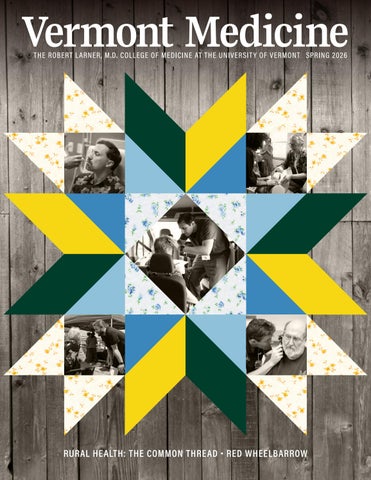
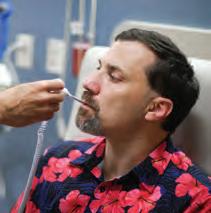
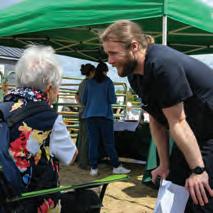
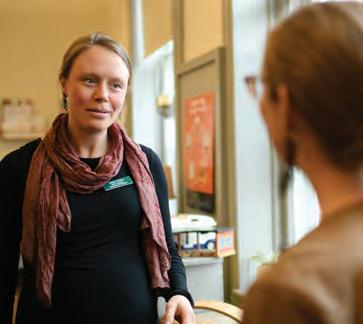
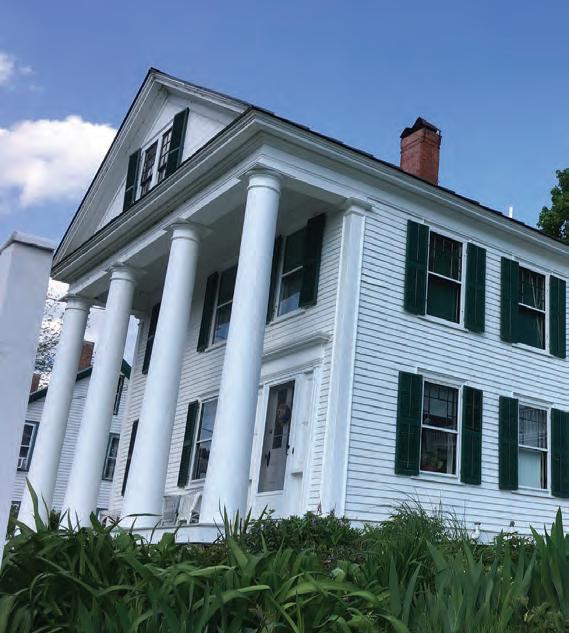
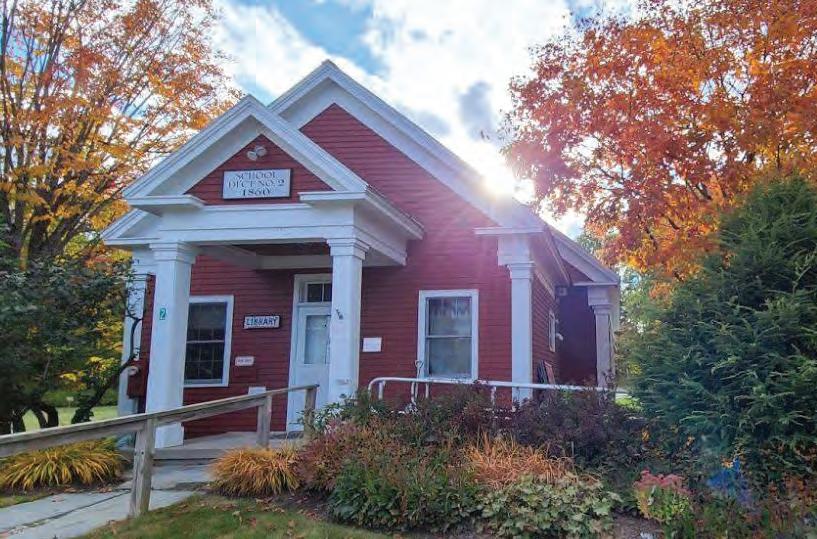
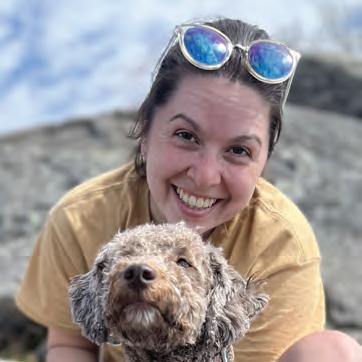
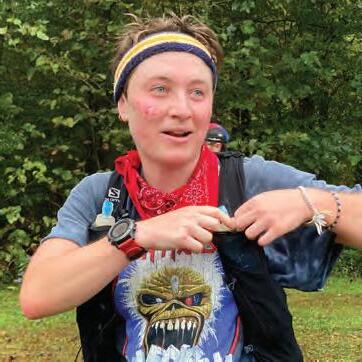
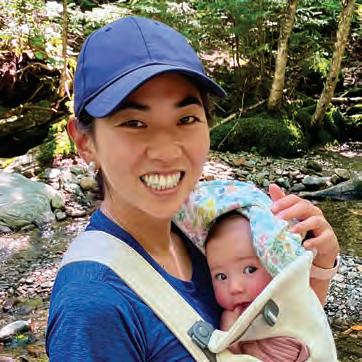
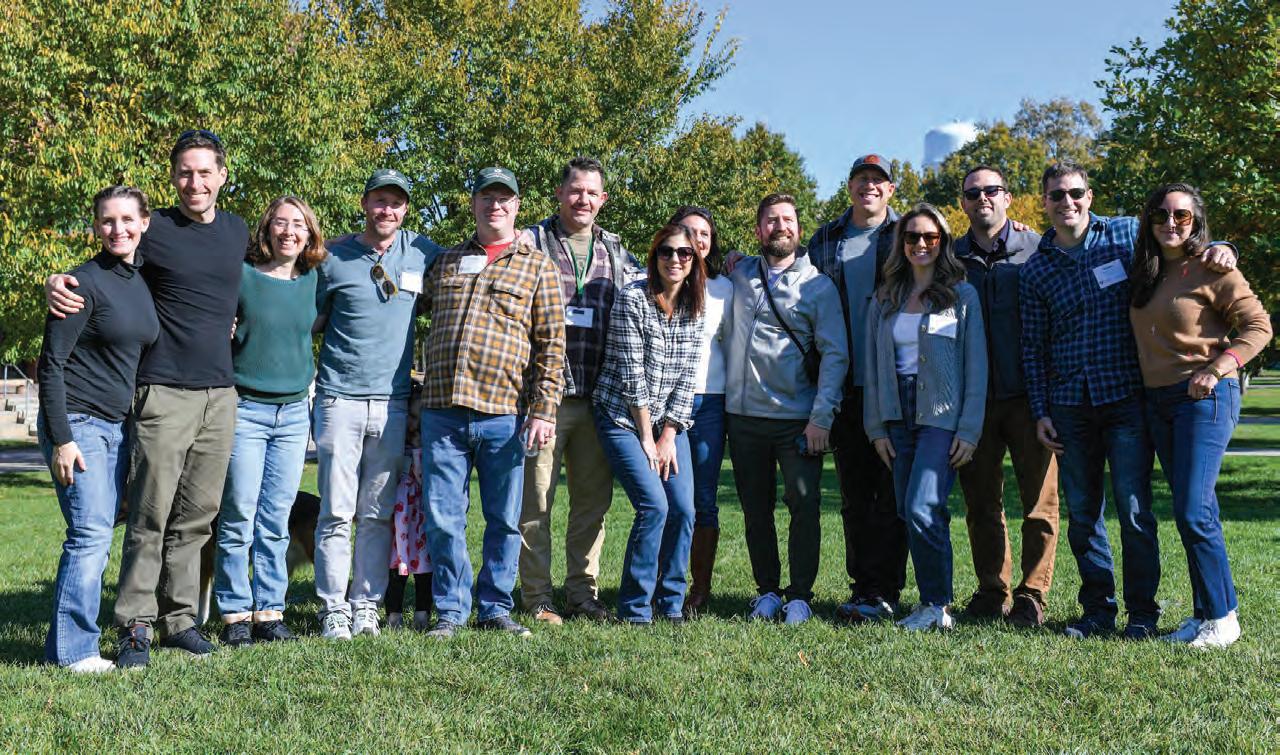
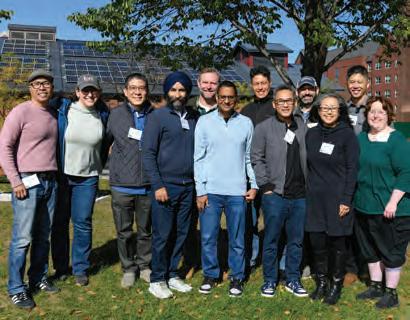
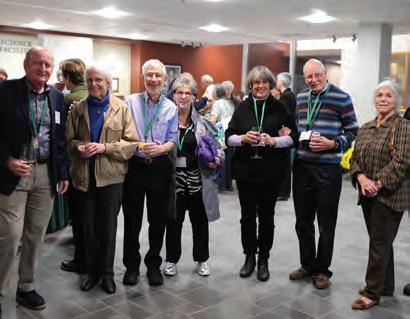
On the cover Rural Health: The Common Thread. Read the stories, beginning on page
Here in Vermont, like the quilts that adorn barns throughout the countryside, our population is spread to all corners. While we embrace the statistic that we are the most rural state in the US, this brings challenges in health care delivery. Much of this edition of Vermont Medicine describes how our Larner College of Medicine responds to the unique geography and demographics (the common thread, if you will) of our beautiful state. Even with six hospitals in the UVM Health network, three in Vermont, we cannot expect our patients to always come to us. To the contrary, the drive may be long (and difficult during the winter), many of our patients who need us most do not have the capacity to get to the hospital for routine care. In these pages we describe ways we are addressing these issues and studying how to bring care to where it is needed. For example,
• Our college is collaborating with the College of Nursing and Health Sciences (CNHS) and UVM’s Leahy Institute for Rural Partnerships to pilot a new program for school nurses to administer and track treatment for asthma.
• Telehealth is a potential solution for access in rural communities, although not everyone has the technology available. Here is where our local public libraries, working with experts at UVM Medical Center, the Larner College of Medicine and CNHS, can provide a location and reliable internet connection.
• Our Office of Primary Care and Area Health Education Centers (AHEC) are working to offset the tuition for medical students and attract the next generation of primary care providers.
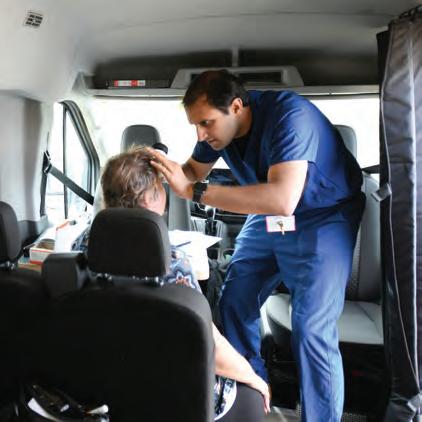
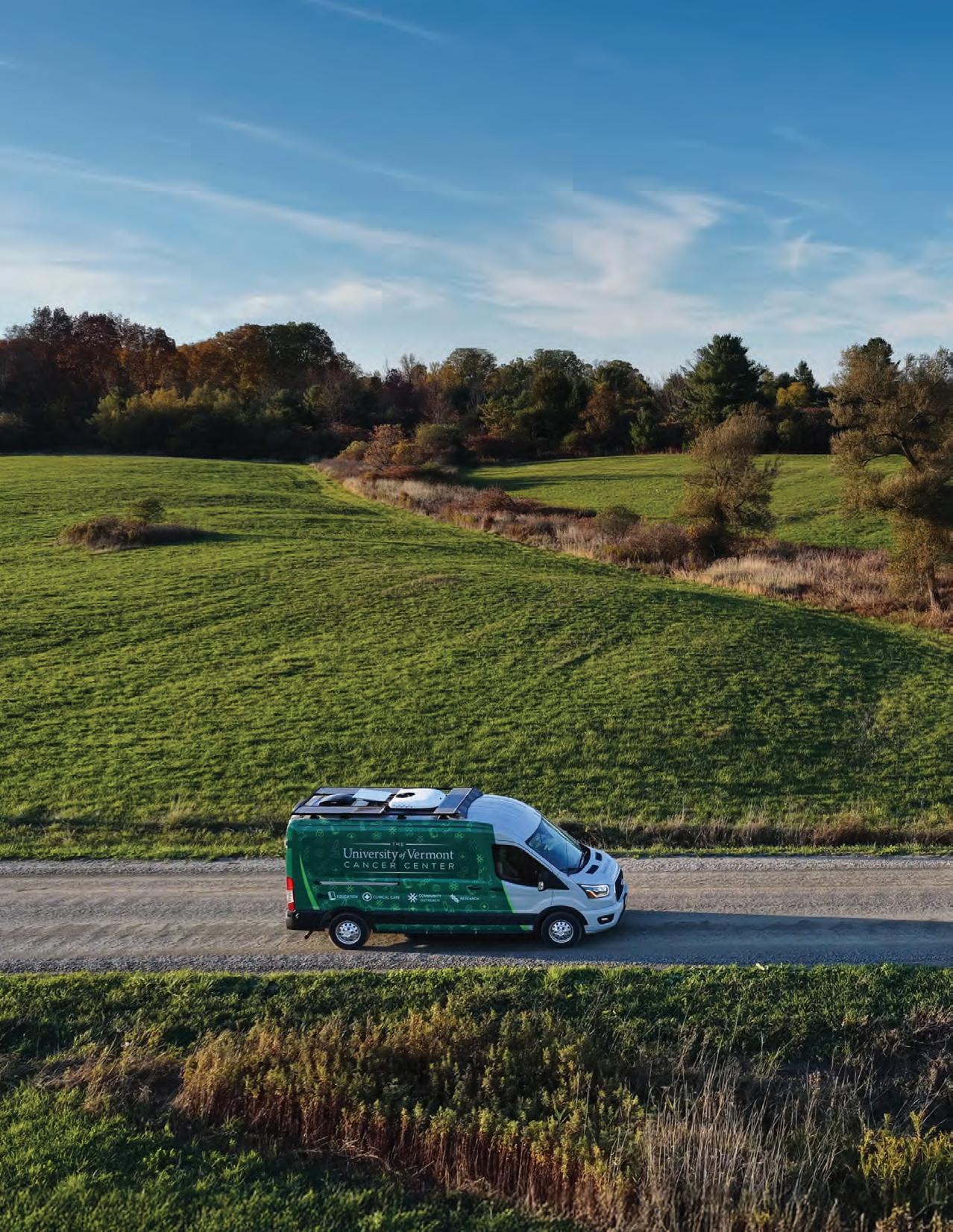
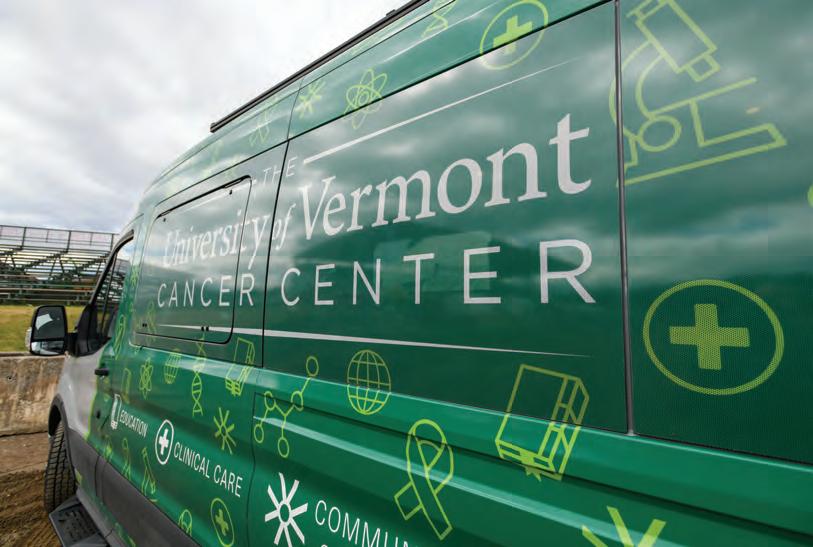
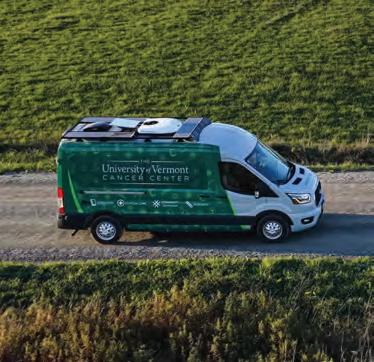
• The UVM Cancer Center provides state-of-the-art diagnostic and treatment modalities for a region. When possible, the mission is to bring cancer education and services to the population we serve. The UVM Cancer Center Outreach and Education Van, made possible by grants and generous philanthropy, achieves this objective through outreach, education, and even on-site evaluation and testing.
• Even as we innovate as above, we are conducting research on how to improve rural health care through two NIH-funded programs: the Northern New England Clinical & Translational Research Network; and our new collaboration with colleagues at the University of Southern Maine, the Northeast Rural Health Research Center.
This edition also highlights a milestone for the UVM Children’s Hospital. With a transformative $25 million naming gift, the Golisano Children’s Hospital at University of Vermont Health is receiving critical funding for programs and patient care. Just as important, as part of the Golisano Children’s Alliance, we look forward to further collaboration and support. The timing for this generous gift is perfect, as it supports the upcoming transition from Dr. Lewis First’s three decades as Pediatrics Chair to the next era for the department under new leadership.
Please also make note of the investiture of the first endowed Green and Gold Professor in Microbiology and Molecular Genetics, and our recruitment of the next holder of the Holly and Bob Miller Chair in Memory and Aging.
I hope you enjoy reading about these and other recent accomplishments. So much of what we accomplish is thanks to the generosity of our friends and alumni. Especially in times of financial uncertainty, whether it supports an endowed position, research, tuition, or general operations, any gift can make a difference.
Thank you for reading, and for all you do in support of the important work at the UVM Larner College of Medicine.
Warm regards,
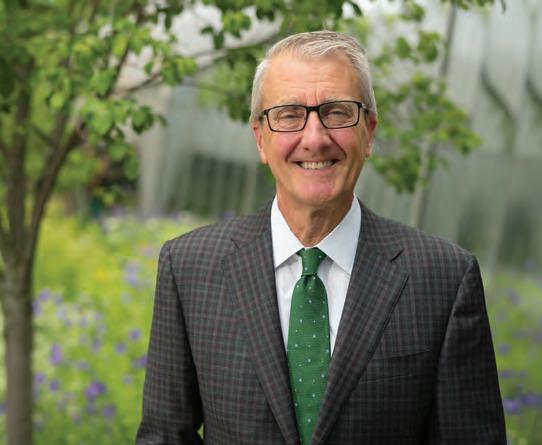
RICHARD L. PAGE, M.D. Dean
Much of this edition of Vermont Medicine describes how our Larner College of Medicine responds to the unique geography and demographics (the common thread, if you will) of our beautiful state.
Larner Alumna Elected to National Academy of Medicine
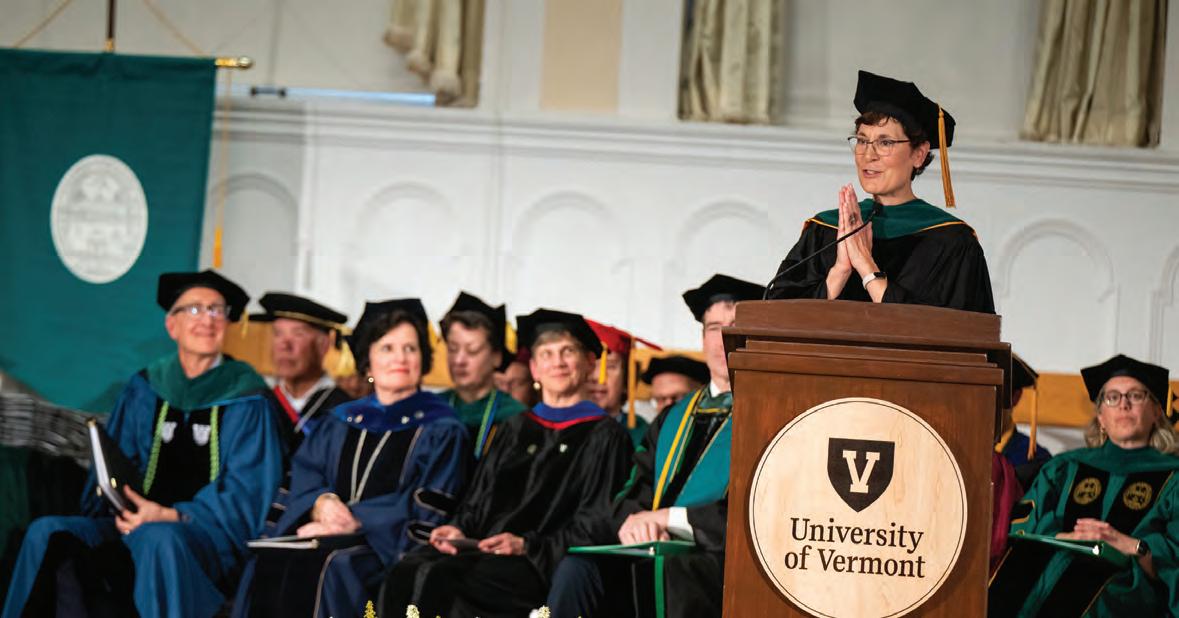
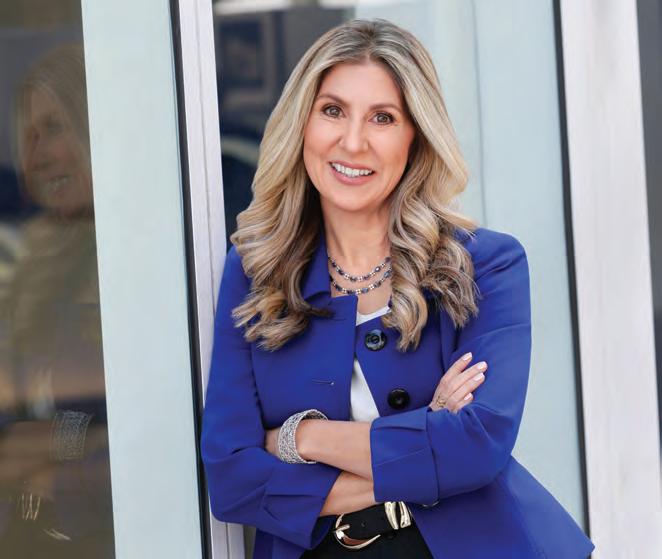
UVM College of Medicine alumna and 2025 commencement speaker Maureen Phipps, M.D.’94, M.P.H., professor emerita of obstetrics and gynecology at the Warren Alpert Medical School of Brown University and chief executive officer of MGP Strategies, LLC, in Maine, was recently elected to the National Academy of Medicine (NAM) in recognition of her leadership in women’s health.
Dr. Phipps earned a place on the prestigious list “for her visionary academic and executive leadership in women’s health, and her transformative contributions to pressing health care challenges across state, national, and global contexts,” NAM wrote in a news release.
Phipps is widely recognized for advancing reproductive
New Leadership
and maternal health, championing evidence-based care, and informing policy solutions through trusted leadership, thoughtful research, and strategic collaboration. NAM also cited Phipps’s research focus on improving outcomes for vulnerable or underresourced women and families.
“I feel deeply honored to join the National Academy of Medicine and profoundly grateful to the University of Vermont, where my journey began,” said Phipps. “The values and collaborative spirit I encountered there continue to shape my leadership and fuel my commitment to driving meaningful change.”
Elected on October 20, Phipps joins Larner professor and chair of neurological sciences Peter Calabresi, M.D., as a newly elected regular member.
Leffler named CEO of UVM Health
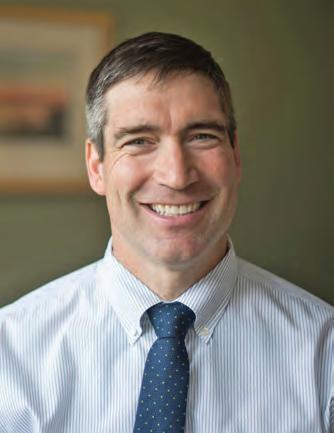
Larner College of Medicine alumnus and Professor of Emergency Medicine Stephen Leffler, M.D.’90, president and chief operating officer of the UVM Medical Center and interim CEO of UVM Health since last fall, has been named permanent CEO of UVM Health. A 30-year veteran of the UVM Health system, Dr. Leffler says he is honored to take on the responsibility at this “pivotal moment” for health care.
“Steve is a steady and proactive leader who is widely trusted and respected across the region,” said Tom Golonka, chair of
the UVM Health Board of Trustees. “With health care at a crisis point in Vermont and northern New York—in terms of both access and affordability—the board has concluded that he has the skills and approach necessary to work in collaboration with stakeholders across the health care ecosystem to address those challenges.”
Leffler grew up in Leicester, Vermont, earned his medical degree at the Larner College of Medicine, and completed his residency training in emergency medicine at the University of New Mexico. He joined the University of Vermont faculty in 1993 and later earned a master’s in health care delivery science from the Tuck School of Business at Dartmouth.
Maureen Phipps, M.D.’94, M.P.H.
Alumna Recognized
Appointment
Carney to Lead the American College of Physicians
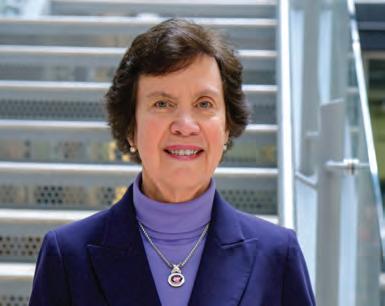
Jan K. Carney, M.D., M.P.H., will become president of the American College of Physicians (ACP), the largest medical specialty organization and second-largest physician group in the United States, upon the conclusion of their annual Internal Medicine Meeting on April 18, 2026.
Dr. Carney is associate dean for public health and health policy, professor of medicine, and chief of the Division of Public Health, Department of Medicine, at the Larner College of Medicine. She completed medical school at the University of Cincinnati College of Medicine and a residency in internal medicine at the Medical Center Hospital of Vermont, where she also held the role of chief resident. She earned a master of public health degree from the Harvard School of Public Health. She is certified by the American Board of Internal Medicine and the American Board of Preventive Medicine (public health and general preventive medicine).
A Fellow of the ACP since 2003, Carney was elected to Mastership, an honor in recognition of her outstanding and extraordinary career accomplishments and notable contributions to medicine, in 2019. Prior to serving on ACP’s Board of Regents since 2021, she was governor of ACP’s Vermont chapter from 2015 to 2019. Carney is the second Larner faculty member to hold the ACP presidency. Virginia Hood, professor of medicine in the Department of Nephrology, was ACP president in 2011–2012.
ACP membership includes 163,000 internal medicine physicians, related subspecialists, and medical students in more than 172 countries worldwide.
New Larner Leadership
Schaechter Appointed Pediatrics Chair
Judy Schaechter, M.D., MBA, division director at the Centers for Disease Control and Prevention’s National Center for Injury Prevention and Control, Division of Violence Prevention and professor emerita of Pediatrics at the University of Miami, has been appointed as the chair of the Department of Pediatrics at the Larner College of Medicine and UVM Health, and chief of pediatrics at the Golisano Children’s Hospital at UVM Health, effective July 1, 2026.
Dr. Schaechter was president and chief executive officer of the American Board of Pediatrics (ABP) and the ABP Foundation. From 2012 to 2020, Schaechter held the George E. Batchelor Endowed Chair in Child Health and served as Chair of the Department of Pediatrics at the University of Miami Miller School of Medicine.
Dr. Schaechter is a Fellow of the American Academy of Pediatrics and an elected member of the American Pediatric Society, Academic Pediatric Association, and National Medical Association. She also spent a year as a Robert Wood Johnson Foundation Health Policy Fellow, participating in the policy process with the United States Senate Health, Education, Labor and Pensions Committee, Subcommittee on Children and Families, now the Subcommittee on Education and the American Family.
She earned her M.D. from the Stanford University School of Medicine and holds an MBA from the University of Miami School of Business and certification in Public Policy from the Harvard Kennedy School.
Dr. Schaechter succeeds Lewis First, M.D., M.S., who joined the University of Vermont in 1994 as professor and chair of Pediatrics and has served in these roles ever since, making him the longest-serving pediatric department chair in the nation.
Judy Schaechter, M.D., MBA
A New Name for a New Era in Pediatric Health Care: ‘Golisano Children’s
Hospital at UVM
Health’
$25 million gift to UVM Children’s Hospital from entrepreneur, philanthropist, and civic leader Tom Golisano builds on a long history of transformative support for children’s health care
On October 28, 2025, a new name for the UVM Children’s Hospital was unveiled in recognition of a $25 million gift from entrepreneur, philanthropist, and civic leader Tom Golisano of Rochester, New York: Golisano Children’s Hospital at University of Vermont Health. UVM Children’s Hospital was selected for this gift because of its high-quality care, collaborative culture, strong leadership, and far-reaching regional impact on patients and families. The gift will be distributed as $5 million annually over five years.
Golisano also announced the formation of the Golisano Children’s Alliance, launching with a total of $253 million in donations to UVM Children’s Hospital, as well as West Virginia University Children’s Hospital, Connecticut Children’s Hospital, Penn State Health Children’s Hospital, Kentucky Children’s Hospital, and University of Maryland Children’s Hospital. They join University of Rochester Medicine’s Golisano Children’s Hospital, Upstate Golisano Children’s Hospital at SUNY Upstate Medical University, Golisano Children’s Hospital of Southwest Florida, and the John R. Oishei Children’s Hospital, which became the Golisano Children’s Hospital of Buffalo in January 2026.
These hospitals in the Golisano Children’s Alliance aim to elevate pediatric care by expanding services, strengthening collaboration and sharing best practices, and ensuring that children and families have access to the highest quality medical attention close to home.
Recognition Larner Professor and Chair of the Department of Neurological Sciences Elected to National Academy of Medicine
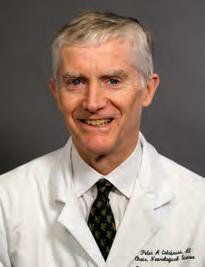
Peter A. Calabresi, M.D., professor and chair of the Department of Neurological Sciences at the Larner College of Medicine and University of Vermont Health, has been elected to the National Academy of Medicine (NAM). An international thought leader in multiple sclerosis (MS) pathogenesis and therapies, Dr. Calabresi was elected “for his innovative work on the anterior visual pathway using optical coherence tomography for diagnosis, clinical prognosis, and for pathogenesis research, which has highlighted progressive retinal neurodegeneration as an ongoing but treatable feature of MS.”
Membership in NAM recognizes individuals who have demonstrated outstanding professional achievement and commitment to service and is considered one of the highest honors in the fields of health and medicine, according to the academy. Calabresi was among 90 regular members and 10 international members elected during NAM’s annual meeting on October 20.
“It is a tremendous honor to be elected to the National Academy of Medicine,” Calabresi said. “Such a distinction is only possible through the collaborative efforts of teams of people. In my role as a National Academy of Medicine member, I will continue working with my colleagues to further health care quality, access, and affordability by promoting advances in science and technology to support evidence-based clinical guidelines.”
Calabresi’s specific laboratory research interest lies in understanding the mechanisms by which effector memory T cells interface with glial cells in the brain to mediate neurodegeneration.
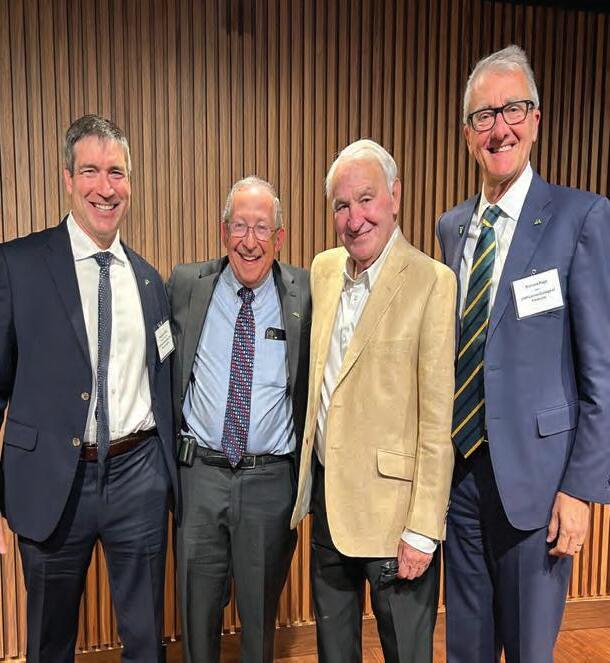
(left to right) Steve Leffler, M.D., Lewis First, M.D., Tom Golisano, Richard L. Page, M.D.
UVM-Tested Dengue
Vaccine Gains First Major Approval
Novel treatment for dengue illness also shows promise
The world’s first single-dose vaccine to prevent dengue fever has been approved for licensure in one of the largest countries affected by the disease, following 16 years of research contributions by scientists at the UVM Vaccine Testing Center, in partnership with the U.S. National Institutes of Health (NIH) and the Johns Hopkins Bloomberg School of Public Health (JHSPH).
Dengue is the most common mosquito-borne disease worldwide, with nearly half the world’s population living in places with the risk of dengue. With more than 100 million cases reported annually, dengue poses a growing risk throughout the globe, including in the United States.
The new vaccine has now been licensed for use in Brazil, and on November 26, 2025 it was announced that the vaccine will be incorporated into Brazil’s national immunization program.
In addition to the vaccine approval, a promising new antiviral medication designed to prevent infection and illness in individuals exposed to dengue virus will now advance, thanks to clinical trials at the UVM Vaccine Testing Center and JHSPH.
These milestones represent a turning point in global dengue prevention and treatment. We are proud of the role UVM has played in advancing science that will save lives worldwide.”
– BETH KIRKPATRICK, M.D.
Clinical Simulation Lab on Connecticut Campus Earns National Accreditation
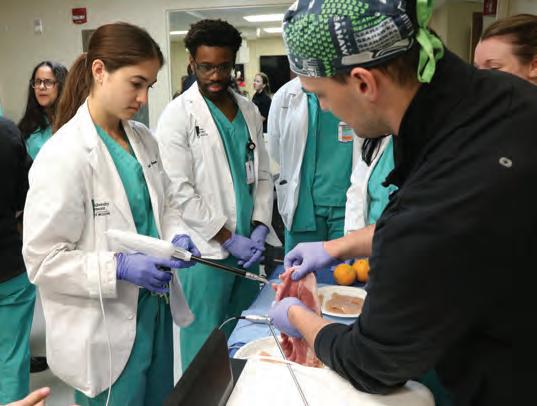
Larner’s clinical branch campus in western Connecticut, Danbury Hospital’s Harold A. Spratt Center for Simulation and Clinical Learning recently achieved five-year accreditation from the American College of Surgeons as a Focused Accredited Education Institute. This prestigious accreditation shines a light on the institution’s commitment to advancing patient safety and high-quality surgical care through innovation in education.
Medical students and residents use the Spratt Center to build hands-on skills in suturing, laceration repair, endoscopic and laparoscopic procedures, robotic-assisted surgery, trauma care and even clinical, patient, and family communication—all in a safe environment to equip them for real-world scenarios.
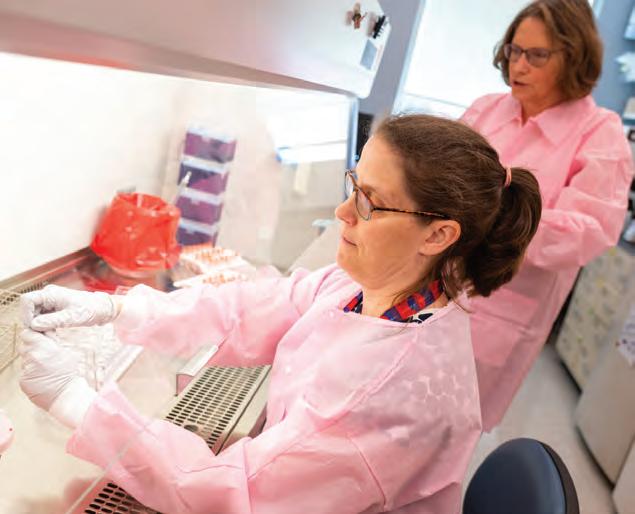
In the Vaccine Testing Center, lab manager Marya Carmolli (left) works with blood samples from dengue vaccine clinical trial volunteers, as Beth Kirkpatrick, M.D., looks on.
Naomi Burhans ’27 (left), Jake Ayisi ’27 (center, looking on), and other medical students and residents practice using laparoscopic instruments at Larner’s Connecticut campus simulation lab.
Investiture
Sylvie Doublié, Ph.D., Invested as Inaugural Green and Gold Professor in Microbiology and Molecular Genetics
Structural biologist and biochemist Sylvie Doublié, Ph.D., a professor in the Department of Microbiology and Molecular Genetics and a member of the UVM Cancer Center, was invested as the inaugural holder of the Green and Gold Professorship in Microbiology and Molecular Genetics on January 12, 2026, at a formal ceremony at the Larner College of Medicine.
Dr. Doublié’s academic journey began in France at the University of Paris and took her to the University of North Carolina at Chapel Hill, where she studied the mechanism of aminoacyl-tRNA synthetases and received a Ph.D. in biochemistry and biophysics. After two postdoctoral fellowships at the European Molecular Biology Laboratory in Grenoble, France, and Harvard Medical School, she joined the Department of Microbiology and Molecular Genetics at UVM as an assistant professor in 1998. She was named associate professor in 2004 and became a full professor in 2009. In 2014 she was honored as a UVM University Scholar and in 2022 she was named Research Laureate at the UVM Larner College of Medicine. She is an elected member of the Vermont Academy of Sciences and a member of the Academy’s Board of Directors.
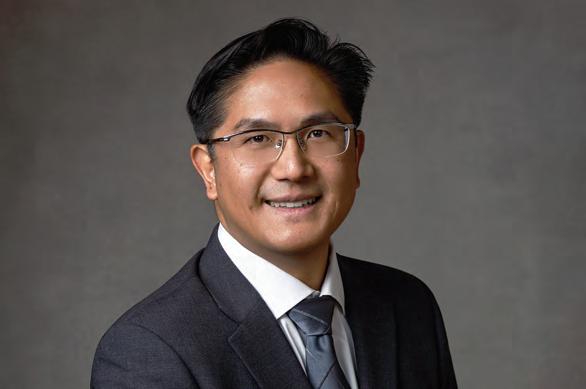
Dr. Fred Chau-Yang Ko
Named New Director of UVM Center on Aging
Fred Chau-Yang Ko, M.D., M.S., formerly of the Icahn School of Medicine at Mount Sinai and the James J. Peters VA Medical Center in New York, joined the Larner College of Medicine and UVM Health as director of the UVM Center
Doublié is internationally recognized for her structural biology research combining biochemistry and X-ray crystallography to illuminate fundamental cellular mechanisms underpinning important questions in protein/nucleic acid interactions, especially in DNA replication and repair. Throughout her career, Doublié and her team have solved more than 89 separate structures.
The Green and Gold Professorship in Microbiology and Molecular Genetics was established through the generosity of a donor who wishes to remain anonymous.
on Aging, the Holly and Bob Miller Chair in Memory and Aging and division chief of geriatric medicine in the Department of Medicine on March 16, 2026.
Ko completed his M.D. at George Washington University School of Medicine, residency in internal medicine at George Washington University Hospital, and fellowship training in geriatrics and gerontology at the Johns Hopkins University School of Medicine; he also holds an M.S. in physiological science from the University of California–Los Angeles and an M.S. in clinical research from the Graduate School of Biomedical Sciences at the Icahn School of Medicine at Mount Sinai.
He is a nationally recognized physician-scientist whose work spans from mouse models for age-related inflammation and frailty, translational studies of inflammation and stress gene influence on pain and functional outcome after surgery in aged mice and older adults, to the development and implementation of novel clinical models to enhance care in vulnerable aging populations. His research, funded by the National Institutes of Health, the Centers for Disease Control, and foundation grants, has been published in leading geriatrics and gerontology journals.
As geriatric medicine division chief, he will lead efforts to advance geriatric care across UVM Health, foster interdisciplinary aging research, and expand educational programs that prepare the next generation of health care professionals to meet the needs of our region’s aging population.
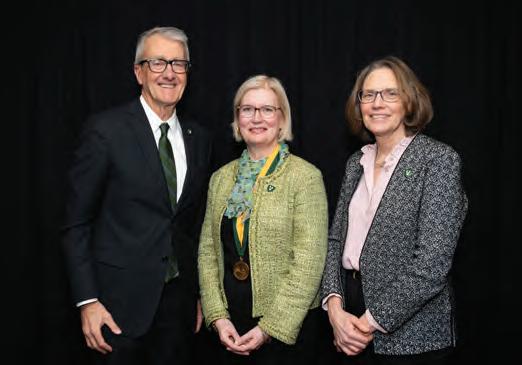
(left to right) Larner Dean Richard L. Page, M.D., Professor Sylvie Doublié, Ph.D. and Professor Beth Kirkpatrick, M.D.
The microscopy they perform results in astoundingly beautiful images of the biological systems we study.” – TODD CLASON, M.S c.
Meet Todd Clason
Medical researchers’ microscopic imaging needs are highly complex and specialized. Departments at the Larner College of Medicine such as pharmacology and molecular physiology and biophysics rely on research that involves living systems, necessitating tailored and diverse instrumentation.
The Customized Physiology and Imaging Core (CPIC) for the Vermont Center for Cardiovascular and Brain Health (VCCBH) at the college meets the needs of such research, allowing investigators to procure cellular-level images and electrophysiological data that inform research, provide visual evidence, and ideally, confirm findings. The VCCBH also hosts the Molecular Epidemiology and Biostatistics Core, and together, these facilities have supported more than 100 UVM researchers across 90+ projects, leading to 40+ peerreviewed articles since inception in 2020.
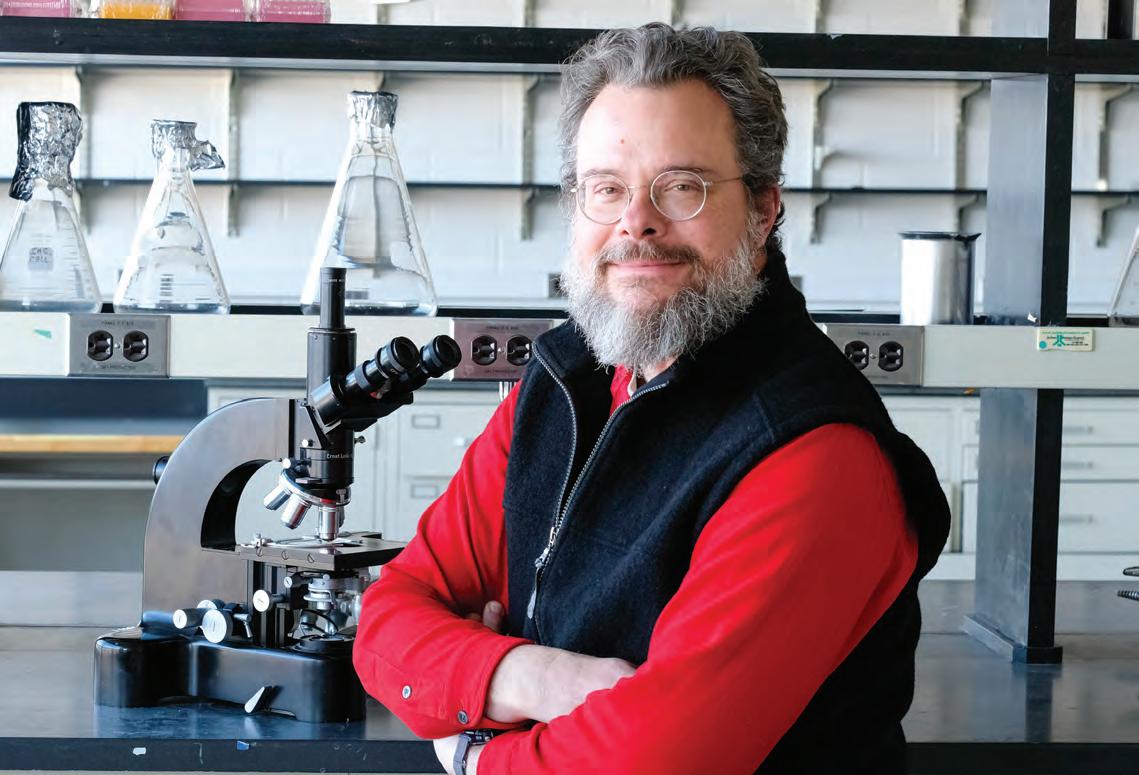
Hired by the anatomy and neurobiology department in 2007 as manager of their imaging facility, Todd Clason, M.Sc., director of the CPIC, has been the keeper of the high-end microscopes and electrophysiology equipment since that time.
Beginning in 2020, the imaging core has been funded
under a Centers of Biomedical Research Excellence grant to the VCCBH, co-led by Mary Cushman, M.D., and Mark Nelson, Ph.D. Under the current structure, the Larner community, including graduate students, technicians, and research project leaders, are welcome to use the facility. Clason ensures that potentially intimidating systems in what is known as “Core C”—such as wide-field fluorescence, confocal, spinning disc, and multi-photon microscopes—are accessible to all through consultation and training.
“I train them on what can be imposing pieces of technology and assist researchers to construct a data pipeline that helps them build the data connections they need,” Clason said. “The more people know about the system, the better they’re going to use it.”
Besides providing training and imaging project consultation in the Core, Clason and Doug Taatjes, Ph.D., professor of pathology and laboratory medicine and director of the Microscopy Imaging Center (MIC), teach the Techniques in Microscopy course, which introduces graduate students to all the different kinds of systems that are available in Core C and at the MIC. “Human beings are visual, so if you have data that is visual on your poster or publication, that often engages folks. The microscopy they perform results in astoundingly beautiful images of the biological systems we study,” said Clason.
Todd Clason, M.Sc., with a Leitz Ortholux research microscope from the 1960s.
The man behind the lens, aka the microscope man
Childhood Stories of Saigon
Two generations connect at one hospital
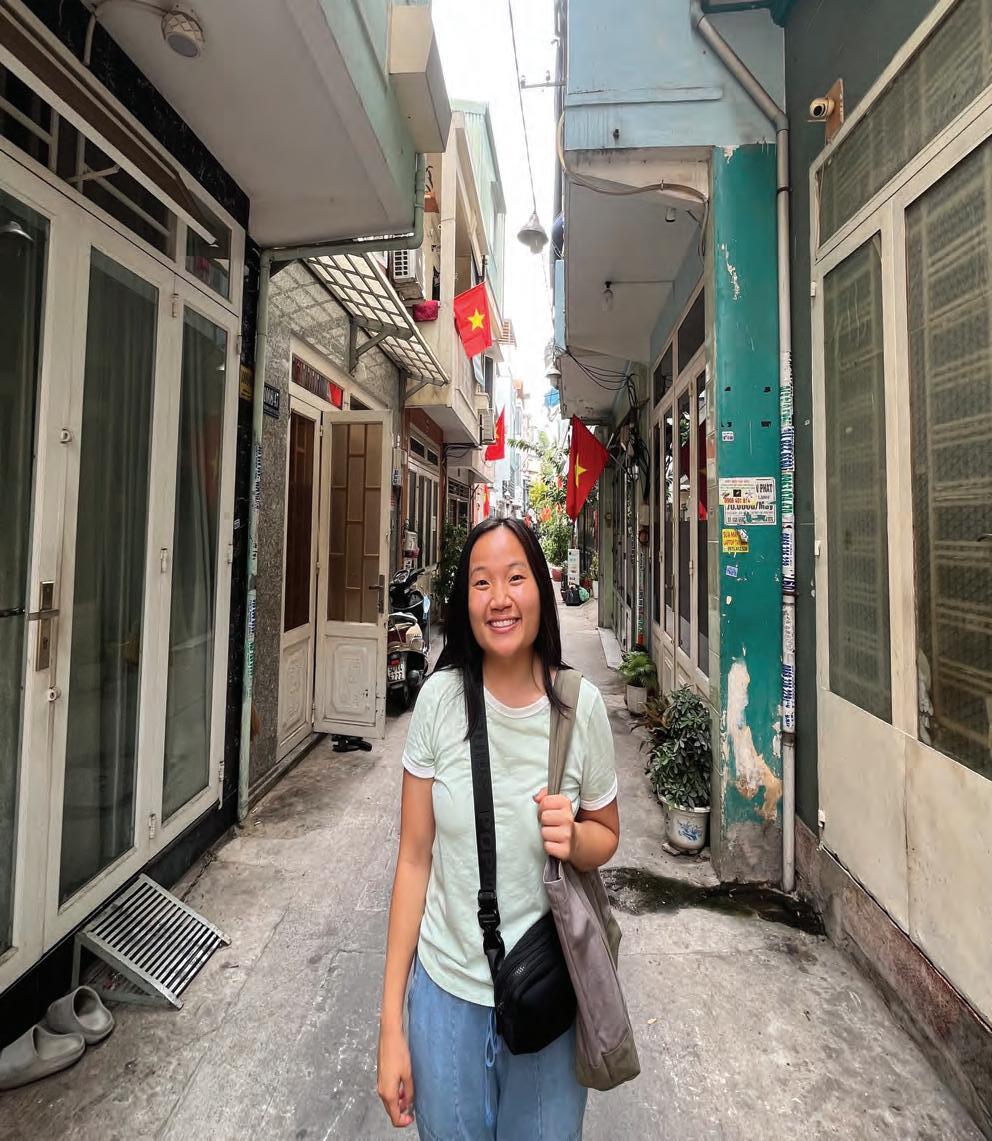
Prior to my global health experience in Vietnam, I was nervous. I had never set foot in Asia before, and the last time anyone in my immediate or extended family was in Vietnam, it was under entirely different circumstances. Fifty years ago, my parents left Vietnam to start a new life in the United States. They have not returned since. The weight of that reality made this experience feel surreal. Everything I had known about Vietnam had come from the stories my dad would tell me—stories of growing up in District 3 of Saigon, playing soccer until sunset, and cooking steaming bowls of
pho with his mother and sisters. But Vietnam has changed drastically since my parents left.
For as long as YouTube and travel vlogs have existed, I’ve caught my mom watching videos of modern-day Vietnam— the bustling restaurants, the speeding motorbikes, the lively shopping districts. But, for her, these videos depict a country she no longer recognizes. The streets she once called home are now unfamiliar, and she continues to watch out of curiosity for a place that has become foreign to her. She often says that if she were to return, she would feel more like
Karena Nguyen, M.D.’25, stands outside her father’s childhood home in District 3 of Saigon, Vietnam.
It
is surreal that my dad and I now share the experience of having served the community at Cho Ray Hospital— two generations connected by a place that now means so much to both of us.”
– KARENA NGUYEN, M.D.’25
a tourist than a native. My dad shares that sentiment. In many ways, my decision to attend the Larner College of Medicine and apply for this global health elective was inspired by my dad. While preparing for my medical school interview, I remember researching Larner and being drawn to the opportunity to participate in a global health rotation in Vietnam. When I shared this with my parents, my dad immediately recognized the name Cho Ray Hospital. It was the same hospital where, at just 10 years old, he had served as an altar boy at the chapel. That moment connected so many pieces for me. I was reminded of the stories my dad told—of blessing the ill and dying alongside the priests, of witnessing both suffering and compassion within those hospital walls. And now, I have my own memories and experiences of the place that had shaped so much of his childhood.
The Cho Ray Experience
During my global health rotation at Cho Ray Hospital in Ho Chi Minh City, I worked with the liver tumor, chemotherapy, and general medicine teams. I strengthened my ultrasound skills, learned to read CT scans, and compared approaches to conditions like breast cancer, GI bleeds, and pancreatitis between Vietnam and the U.S. I saw firsthand the challenges of delivering cancer care in a high-volume, resourcelimited setting, where clinicians often treated more than 20 patients in just a few hours. These experiences deepened my understanding of the structural and cultural differences in global oncology care. I also attended Cho Ray’s annual medical conference, where physicians from Vietnam and neighboring countries presented the latest research across multiple specialties.
What struck me most about the community at Cho Ray Hospital was the enthusiasm to engage with us visiting students both inside the hospital and outside the hospital. Different providers would pull me aside to share
an interesting case or show a unique CT scan. They would extend me invites to birthday celebrations at lunch time or home-cooked meals at their homes. They appreciated my curiosity about medicine, and I appreciated their curiosity about how medicine is practiced in the US and how it differs from Vietnam.
Walking in Their Footsteps
Outside the hospital, I reconnected with extended family and explored parts of Vietnam tied to my family’s history— visiting Da Lat, where my mom spent her summers, and walking the streets of my dad’s childhood neighborhood in District 3. I was surprised to learn that my great-uncle lives directly across from Cho Ray, in the same home where my grandmother once lived. Visiting them after my hospital shifts added a personal and especially meaningful dimension to the rotation. Now, months later, I continue to reflect on my time in Vietnam and what I learned from both the healthcare system and the people.
When I was accepted into Larner I had set a goal: to participate in this global health elective and study at the same hospital where my dad spent his formative years. I keep using the word “surreal” to describe this experience. It is surreal that a dream I had before even starting medical school has finally come true. It is surreal that my dad and I now share the experience of having served the community at Cho Ray Hospital—two generations connected by a place that now means so much to both of us. I am several months into my internal medicine residency at UC–San Diego, and one of the things about the program that excites me the most is the opportunity to participate in global health. I hope I can continue fostering the connections I made with the community I found at Cho Ray Hospital. Global health in Vietnam was an unforgettable experience, and I hope to return soon.
Find all the 2026 Match Day information and video at go.uvm.edu/matchday
Match Day 2026
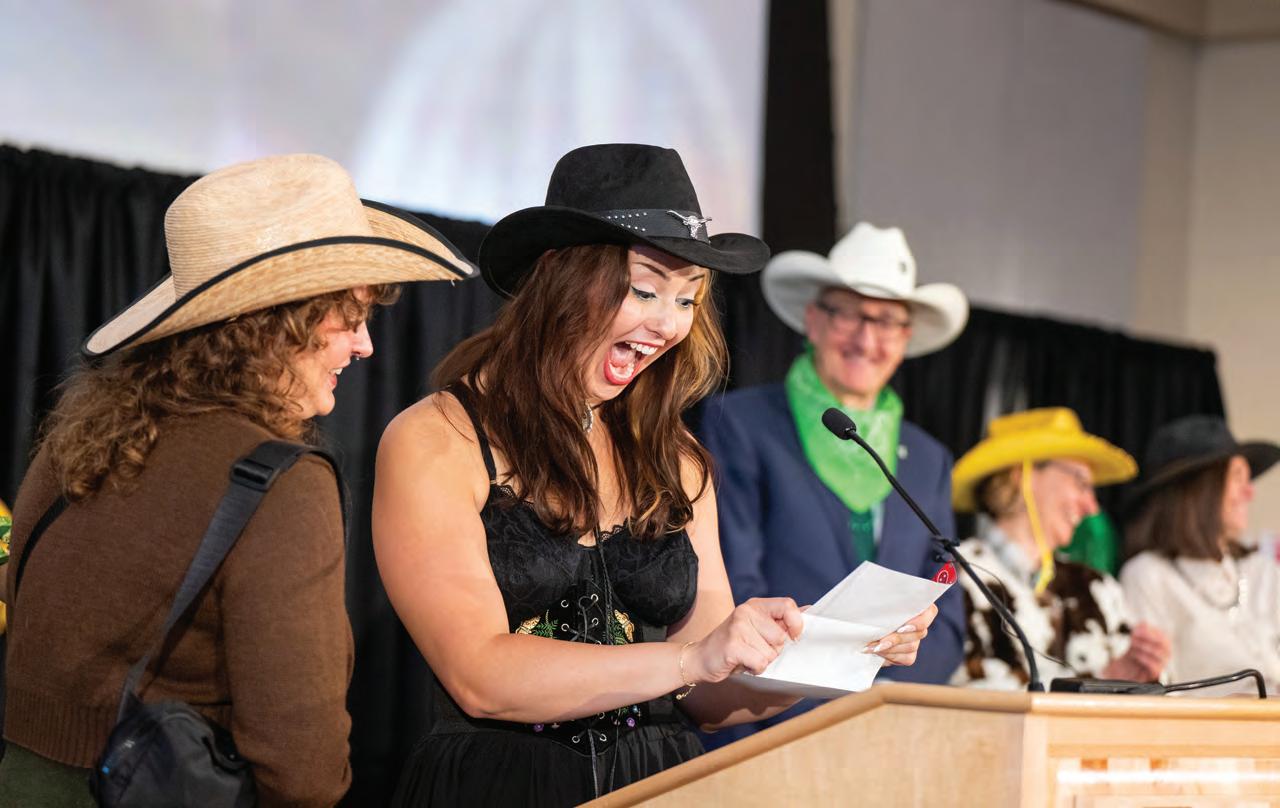
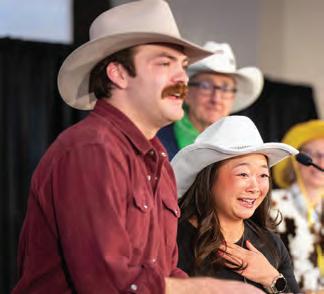
On March 20, the Larner College of Medicine joined medical schools all across the country in celebrating Match Day, when more than 38,000 graduating medical students learned what their next step is after medical school. Larner’s Class of 2026—decked out in their finest Western wear, from cowboy boots and hats to suede and fringe in keeping with the “Ridin’ Into Residency!” Match Day theme—gathered with hundreds of family members and friends to discover their futures.
Anticipation built throughout the morning and peaked at noon, when the National Resident Matching Program released the results of its 2026 Main Residency Match, revealing where this year’s new physicians will begin their training. All 118 students, or 100% of the class, who participated in a residency matching program matched, discovering their residency destinations. The Class of 2026 will graduate on May 17, 2026.
118 students matched • 100% of participants matched • 18 specialties* 74 institutions • 42 matched in primary care • 8 matched in Vermont
*Not including preliminary medicine, preliminary surgery, or transitional year
ANESTHESIOLOGY
William Clark
Maine Medical Center
Steven Hepp University of Vermont Medical Center
Ruja Kambli N Y Presbyterian Hospital-Columbia University Medical Center
Anna Landis University of Vermont Medical Center
Wais Makaj Maine Medical Center
Hosna Mohabbat University of Washington Affiliated Hospitals
CHILD NEUROLOGY
Mikaela Joy Martin University of Michigan Hospitals–Ann Arbor
DIAGNOSTIC RADIOLOGY
Ty Bever Maine Medical Center
Joshua Le Riverside University Health System
EMERGENCY MEDICINE
Connor Barton UMass Chan Medical School–Baystate
Brian Fellenstein Vanderbilt University Medical Center
Kyle Gorman Boston University Medical Center
Tyler Hastings University of Texas Southwestern Medical Center–Dallas
Anton Krutyakov Icahn School of Medicine at Mount Sinai, Morningside-West
Wendy Memishian Mass General Brigham
Katina Messier Yale-New Haven Hospital
Trevor Watkins University of Utah Health
FAMILY MEDICINE
Tucker Angier University of Vermont Medical Center
Michaela Busch Oregon Health & Science University
Molly Hurd Oregon Health & Science University
Angelina Kuzina
Florida State University College of Medicine
Taylor Lamarre Sutter Health
Jasmine Macias Institute for Family Health–New York
Amanda Nattress Cheshire Medical Center/Dartmouth Health
Neeki Parsa University of Washington Affiliated Hospitals
Gurkiranjit Rattu University of Vermont Health Champlain Valley Physicians Hospital
GENERAL SURGERY
Molly Greenblat University of Vermont Medical Center
Maisie Laud NYU Grossman School of Medicine
Shruthi Santhanakrishnan MedStar Georgetown University Hospital
Lauren Tien Brown University/Rhode Island Hospital
Ryan Trus University of Utah Health
Abigail Wootton University of Minnesota Medical School
INTERNAL MEDICINE
Haley Bayne UMass Chan Medical School
Julia Bernier Dartmouth-Hitchcock Medical Center
Jackson Bressor Mayo Clinic School of Graduate Medical Education
Avery Campbell University of Utah Health
Elliana Cunningham UMass Chan Medical School
Caitlin DeCara Mayo Clinic School of Graduate Medical Education
Jacquelyn Ferguson Scripps Clinic/Green Hospital
Akhil George
UMass Chan Medical School
Devin Hebert Montefiore Medical Center/Einstein
Sarah Krumholz Yale-New Haven Hospital
Kassandra Mastras University of Arizona College of Medicine–Tucson
Khadija Moussadek Brown University/Rhode Island Hospital
Kenny Nguyen Ohio State University Medical Center
Susanna Schuler University of Washington Affiliated Hospitals
Alyssa Tenney University of North Carolina Hospitals
Peter Vien UC San Diego Medical Center
Meron Yishak University of Maryland Medical Center
Muhammad Zeb Brown University/Rhode Island Hospital
MEDICINE-PEDIATRICS
Shrey Patel University of Rochester Medical Center
Surya Radhakrishnan University of Miami/Jackson Health System
NEUROLOGICAL SURGERY
Casey Norton Maine Medical Center
NEUROLOGY
Jenna Clark
Dartmouth-Hitchcock Medical Center
Cassidy Cottle University of Virginia Medical Center
Jiayi Luo Harbor-UCLA Medical Center
Christopher Pham Oregon Health & Science University
Ava Siegel Beth Israel Deaconess Medical Center
Isabella Sutherland N Y Presbyterian Hospital-Weill Cornell Medical Center
OBSTETRICS & GYNECOLOGY
Caroline George University of Vermont Medical Center
Julia Halvorson-Phelan University of Utah Health
Timothy Hwang Madigan Army Medical Center at Joint Base Lewis-McChord
Thuymy-Michelle Nguyen Rush University Medical Center
Kara Pflaster UMass Chan Medical School–Baystate
Julianne Scholes University of Colorado School of Medicine–Denver
Regan Staudenraus University of Wisconsin Hospital and Clinics
Kathleen Waeldner S tanford Health Care
OPHTHALMOLOGY
Caroline Duksta Brooke Army Medical Center
ORTHOPAEDIC SURGERY
Hikmat Chmait University of Southern California
Christopher Lin University of Washington Affiliated Hospitals
Adam Thompson Mayo Clinic School of Graduate Medical Education
OTOLARYNGOLOGY
Christopher Kruglik Emory University School of Medicine
John Rustad University of Minnesota Medical School
PATHOLOGY
Seth Brownmiller Yale-New Haven Hospital
Sarah Tran University of Colorado School of Medicine-Denver
PEDIATRICS
Julia Adelman University of Utah Health
Anika Advant N Y Presbyterian Hospital-Weill Cornell Medical Center
Jasmine Bazinet-Phillips University of Maryland Medical Center
Sarah Caffry University of Utah Health
Jeyna Doshi University of Utah Health
Jason Ludlow Yale-New Haven Hospital
Henry Mitchell UPMC Medical Education
Zoe Nicozisin Yale-New Haven Hospital
Nicole Salib Nor thwestern McGaw/Lurie Childrens
Deepinder Singh MGB-Massachusetts General Hospital
PRELIMINARY MEDICINE
Ashley Lucero University of Vermont Medical Center
Aryan Naik UMass Chan Medical School
Josephine Yalovitser University of Vermont Medical Center
Cole Zweber Sutter Health
PRELIMINARY SURGERY
Emma Fleming University of Connecticut School of Medicine
Ian Strohbehn University of Vermont Medical Center
Anthony Vejar UMass Chan Medical School
PRIMARY MEDICINE
Briana Leger Cambridge Health Alliance
PSYCHIATRY
Adama Aja MGB-Brigham & Womens Hospital
Lindsay Aldrich University of Wisconsin Hospital and Clinics
Anayis Antanesian Icahn School of Medicine at Mount Sinai, Morningside-West
Adaugo Chikezie Hartford Hospital
Isabel Goodrich Dartmouth-Hitchcock Medical Center
Kristin Karpowicz Northwestern McGaw/NMH/VA
Heather Kettlewell Thomas Jefferson University
Christina Kirk University of Florida College of Medicine-Shands Hospital
Jasmine Liu University of North Carolina Hospitals
Ana Carissa Ingles Lorenzo Zucker School of Medicine-Northwell Putnam Hospital
Erzsebet Nagy Dartmouth-Hitchcock Medical Center
Marwan Ramadan Zucker School of Medicine-Northwell Mather Hospital
Alex Tran Harvard South Shore
Sarah Yang Vanderbilt University Medical Center
TRANSITIONAL YEAR
Kimberly Jones
Riverside Regional Medical Center
Richard Vuong Emory University School of Medicine
UROLOGY
Jacob Bleau
University of Colorado School of Medicine–Denver
Sarah Kohl Dartmouth-Hitchcock Medical Center
*A s not all students who matched want their information made public, there will be a slight discrepancy with the total published Match numbers
Funding Grant Supports Fiorentino’s Musculoskeletal Disease Research
Niccolo Fiorentino, Ph.D., associate professor of mechanical engineering and orthopaedics & rehabilitation, recently received a National Science Foundation (NSF) Faculty Early-Career Development Program award, a prestigious grant that supports researchers who are early in their careers and undertaking new impactful projects.
Fiorentino examines risk factors for knee injuries and the body’s response at various stages after an injury. The NSF grant provides $624,000 to support Fiorentino’s ongoing research on the relationship between cartilage microstructure and the risk of a joint developing future musculoskeletal diseases, such as osteoarthritis, a condition marked by the loss of cartilage. Once this loss begins, there are no treatments to reverse the damage, and
many osteoarthritis patients endure the pain until its severity necessitates a joint replacement.
An estimated one million knee and hip replacements are completed each year. Fiorentino’s investigation aims to advance the field of cartilage biomechanics by quantifying microstructure and function across different age groups and varying degrees of joint health.
Canadian Wildfire Smoke Worsens Pediatric Asthma in U.S. Northeast
Study reveals growing health risks for children with asthma
A UVM study published in the journal Environmental Health reveals that exposure to smoke from Canadian wildfires in the summer of 2023 led to worsening asthma symptoms in children in Vermont and upstate New York—areas that in recent years have seen a marked increase in poor air quality days due to wildfires.
Wildfire smoke contains tiny particles known as PM2.5, along with other toxic pollutants that can damage the lungs and worsen respiratory conditions such as asthma and chronic obstructive pulmonary disease (COPD).
“In the summer of 2023, my pediatric pulmonology team received a high volume of phone calls from concerned parents saying, ‘My child is having trouble with asthma symptoms,’” says co-author Keith Robinson, M.D., associate professor of pediatrics at the Larner College of Medicine and a pediatric pulmonologist at Golisano Children’s Hospital.
“I think our findings suggest that there is potential for wildfire smoke,
Fiorentino additionally leads the Musculoskeletal Imaging and Orthopaedic Biomechanics (MIOB) Laboratory at the Larner College of Medicine. Investigators in the MIOB Lab use the latest imaging technology and research to improve human health and performance for people suffering from musculoskeletal and orthopaedic conditions.
even hundreds of miles away, to impact a child’s health,” he says. The study was funded by UVM’s Planetary Health Initiative and brought researchers together from across UVM, the Larner College of Medicine, and UVM Health.
Niccolo Fiorentino, Ph.D. and graduate research assistant Sadegh Khodabandeloo
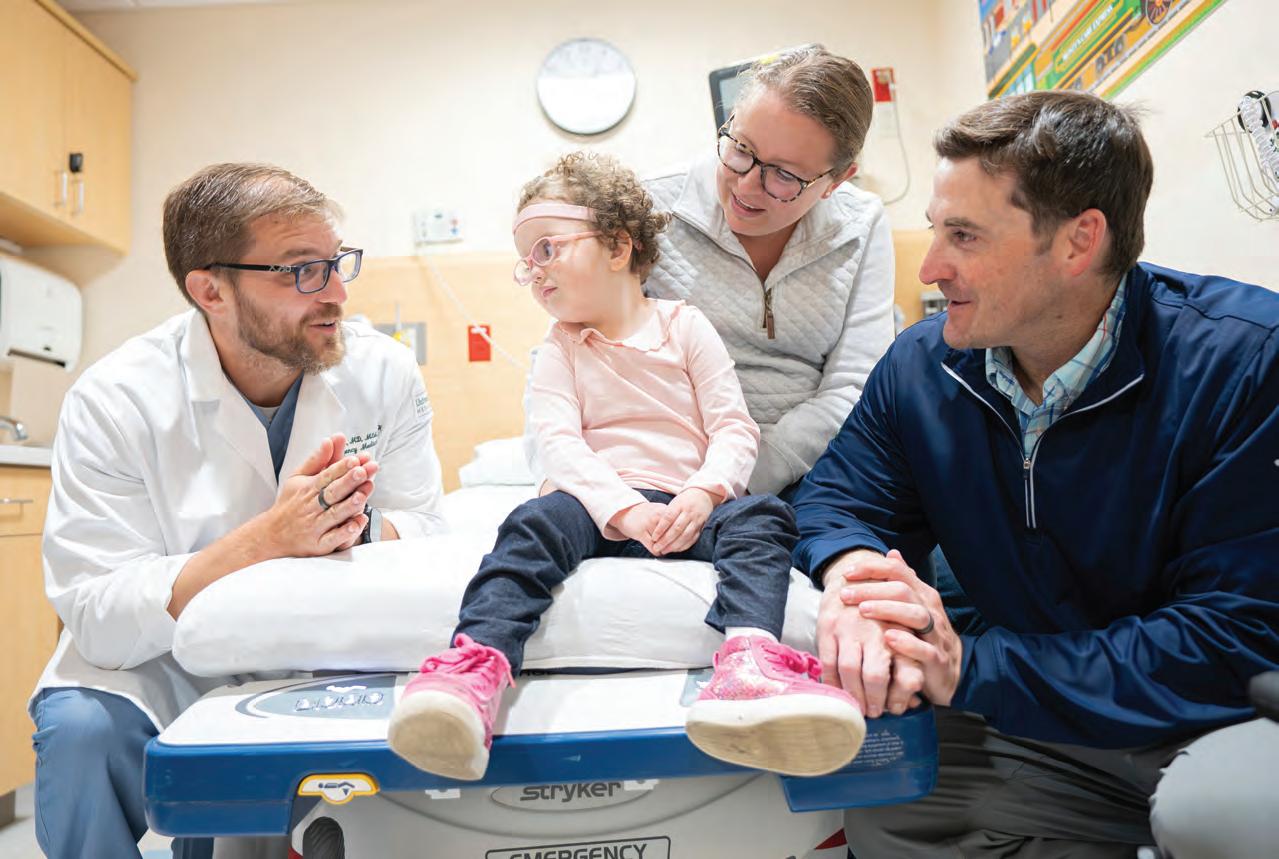
A child is examined in the Golisano Children’s Hospital at UVM Health
Larner to Participate in Groundbreaking $12M Study
Research to address drug use in rural communities
A first-of-its-kind initiative, funded by a National Institute on Drug Abuse grant, will conduct an ambitious study to better understand trends in drug use and barriers to health care services in New England, including Vermont. The grant will provide approximately $12 million in funding over five years.
Researchers from the Larner College of Medicine, Brown University, the University of California–San Diego Herbert Wertheim School of Public Health and Human Longevity Science, and Brown University School of Public Health will evaluate how individuals with substance use disorder in Vermont, Massachusetts, and Rhode Island are impacted by new state programs to
prevent HIV, hepatitis C, and overdose syringe services and overdose prevention centers.
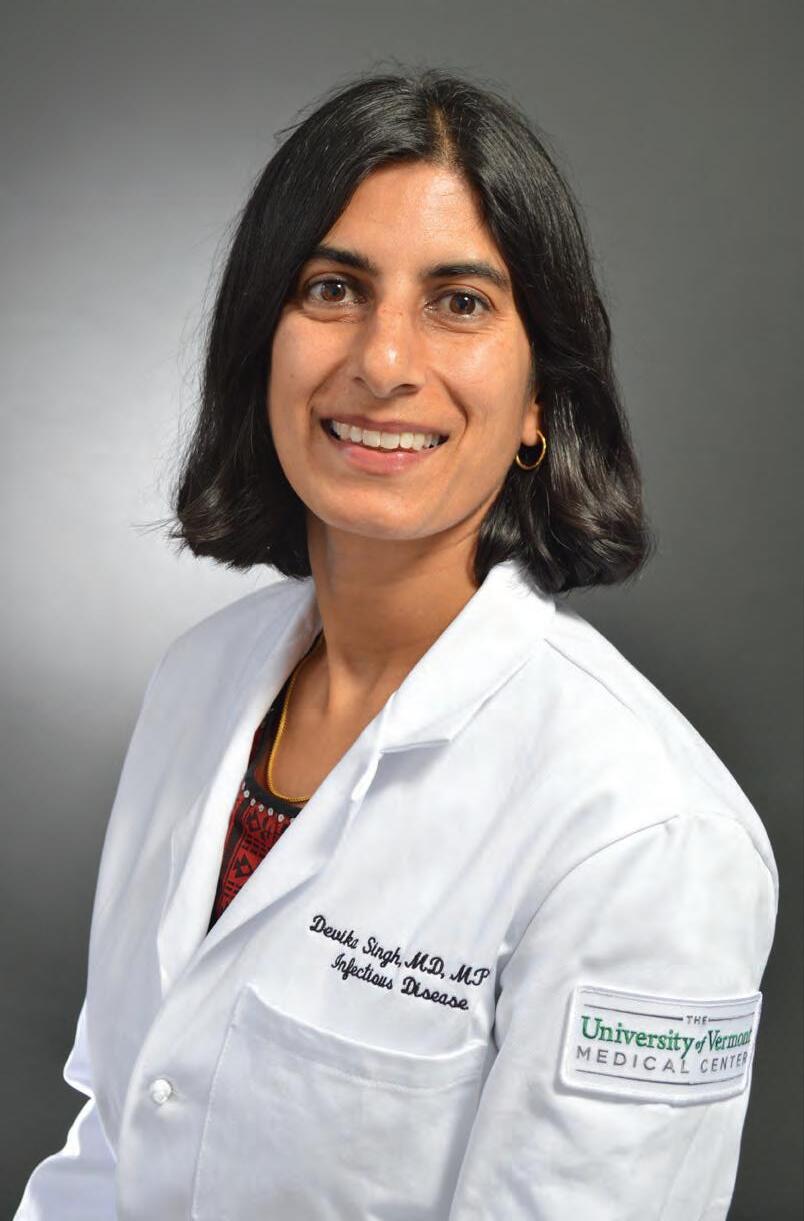
Devika Singh, M.D., associate professor of medicine at the Larner College of Medicine, will serve as the principal investigator, recruiting participants and connecting with community organizations in Vermont.
Dr. Singh will work with Vermonters for Criminal Justice Reform and the Howard Center, among other organizations. “We at UVM, alongside strong partners in the community, are working to better understand the needs of individuals struggling with substance use disorder in our region,” said Singh.
Discovery New Evidence from Larner Researchers Points to Potential Treatment for Vascular Dementia
A possible new treatment for impaired brain blood flow and related dementias is on the horizon. Research by scientists at the Larner College of Medicine provides novel insights into the mechanisms that regulate brain blood flow and highlight a potential therapeutic strategy to correct vascular dysfunction. Their preclinical findings, published in Proceedings of the National Academy of Sciences, suggest that adding a missing phospholipid back
into a person’s circulatory system could restore normal brain blood flow and reduce symptoms of dementia.
“This discovery is a huge step forward in our efforts to prevent dementia and neurovascular diseases,” says principal investigator Osama Harraz, Ph.D., assistant professor of pharmacology at Larner. “We are uncovering the complex mechanisms of these devastating
Research deciphers the role of proteins, inflammation, neural activity, and brain cell dysfunction.
conditions, and now we can begin to think about how to translate this biology into therapies.”
Alzheimer’s disease and related dementias affect 50 million people around the world and numbers are rising, placing immense burdens on families and health care systems. Research deciphers the role of proteins, inflammation, neural activity, and brain cell dysfunction.
Devika Singh, M.D.
Osama Harraz, Ph.D., looks at brain vasculature in his laboratory
The Common Thread
The numbers paint a stark picture. Nearly two thirds of Vermonters live in rural communities— the highest percentage of any state in the nation—and the state now ranks as the second oldest in the nation, with almost 30% of residents aged 60 or older. As many know firsthand, this makes access to consistent, comprehensive health care complicated and difficult across these dispersed regions.
Health outcomes are shaped not only by ZIP code, but by the full ecosystem that surrounds a person’s life—economic opportunity, affordable housing, food security, transportation, and the availability of medical professionals. In many rural areas, these factors converge with geographic isolation and higher rates of certain health related behaviors, widening well documented gaps between rural and urban populations.
Yet rurality does not—and should not—define Vermont or limit what’s possible. At the Larner College of Medicine, researchers, clinicians, and community partners continually examine these complex dynamics. Their work has generated new insights and innovative models of care delivery tailored to rural realities, all strengthened by collaboration across the region.
What follows is a glimpse into that work: real, practical health care solutions designed for rural communities, built with intention for a healthier future for all Vermonters and connected by a common thread—rurality.
The Common Thread
BY JANET ESSMAN FRANZ
School-Based Asthma Care Benefits Vermonters
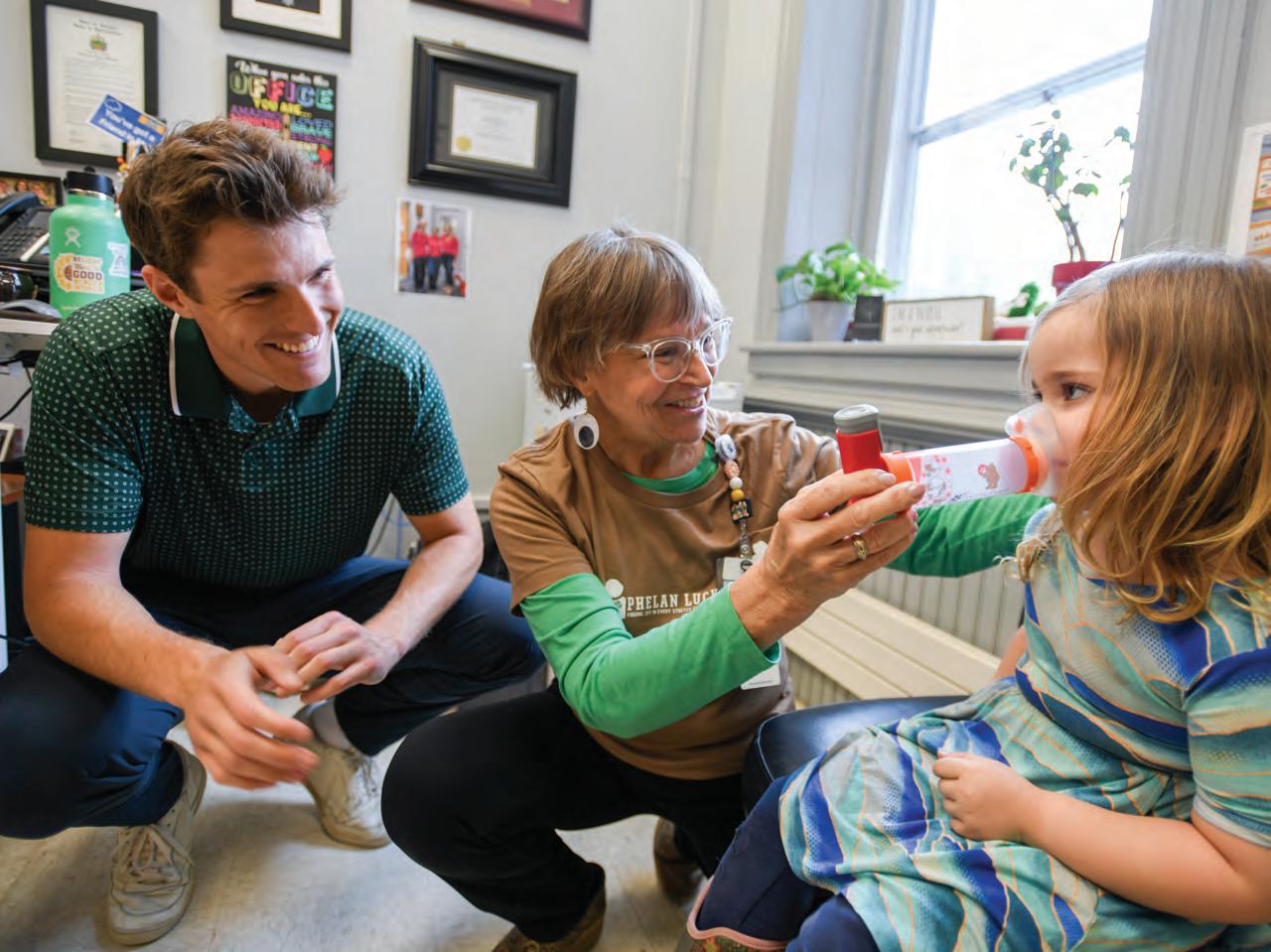
Children with asthma sleep better at night and are more successful in school when someone at their school helps them take their asthma medicine. That’s the premise behind a new project that brings young people’s asthma care to schools in rural Vermont.
ASTHMA IS THE MOST COMMON chronic disease in childhood and adolescence. It causes lung inflammation, mucous buildup, blocked airways, shortness of breath, chest pain, and difficulty sleeping. The American Lung Association estimates that almost half of school-age children in the U.S. miss one or more days of school because of asthma symptoms. In Vermont, nearly 10 percent of people under age 18 have asthma, and more than half of them have severe symptoms—multiple emergency room visits and significant fatigue from disrupted sleep—making learning and school activities difficult.
Asthma is controllable with inhaled corticosteroids, but there’s a catch: The medication must be used daily, sometimes two or three times per day, and managing that schedule can be difficult. Administering the medication also requires a specific technique to hold the inhaler properly, which can be tricky for young children and their parents.
“Mom and Dad may be working, dealing with several children, and struggling to get out the door in the morning. They may have long commutes to jobs and school. And if their child isn’t sleeping well, parents aren’t
Dr. Teach assembled a team to employ an untapped resource: school nurses.
sleeping well, so they are all tired,” says Stephen Teach, M.D., M.P.H., professor of emergency medicine and pediatrics and a pediatric emergency medicine physician at the University of Vermont Medical Center. Not taking asthma medication consistently can lead to uncontrolled symptoms and a higher risk of severe attacks.
To address the issue, Dr. Teach has
assembled a team to employ what he calls “an untapped resource: school nurses.” With support from UVM’s Leahy Institute for Rural Partnerships, Teach is piloting a new asthma treatment protocol that empowers nurses in 10 Vermont schools to provide daily medications to students with persistent asthma to improve health outcomes, boost attendance, and develop a scalable model for rural pediatric care.
The regimen, called School Based Asthma Therapy (SBAT), significantly reduced the impact of persistent asthma in young children in U.S. cities, including Washington, D.C., where Teach previously launched a similar program with great success. “It’s been documented that this improves health and education outcomes. Kids cough less, sleep better, and are better prepared to succeed in school,” Teach says. Parents or caregivers will continue giving the children their medication on weekends and school breaks, but even if they miss some doses, Teach says, “We know the children will have improved outcomes because they are getting their medication during the school day.”
Medical student Jack Dolak ’28 and doctor of nursing practice student Mallory Staskus ’28 are assisting the project by talking with school nurses, teachers, administrators, and primary care providers
School nurse Sophia Hall helps preschool student Samantha Kessler, age 4, use her asthma inhaler, as medical student Jack Dolak looks on.
(opposite) Doctor of nursing practice student Mallory Staskus consults with Alison Conyers, MSN, RN, a nurse at Brookside Primary School.
in the children’s towns. Before launching SBAT in schools, Dolak and Staskus conducted interviews to identify hurdles and paths for school-based asthma therapy. With Teach, they have created partnerships necessary to support protocol changes.
“School nurses agree this is a good idea, and a way for them to connect with students’ families and providers,” says Dolak. “The primary care doctors who prescribe the medications know the children will get it. The children’s families, teachers, and administrators are happy that the kids will be in school and not get sick.”
For Sophia Hall, D.N.P., M.Ed., RN, a nurse at Brookside Primary School in Waterbury, the benefits are clear. “We know students are getting their medication consistently, which they need to control their asthma. Exacerbations of asthma can happen for various reasons. For kids who don’t get their medication regularly it’s worse, because there’s no baseline,” Hall says. Relationshipbuilding is also extremely valuable. “Students
who come in regularly for their medication get to know us and trust us, so if there is an emergency, they won’t be afraid to come in for a rescue inhaler.”
Dolak and Staskus help with troubleshooting as problems arise. They may reach out to a child’s pediatrician for an asthma care action plan, arrange for a pharmacy to deliver medication to the school, and help create plans for administering medications when a nurse is unavailable. “In some towns, the school nurse is in a different building each day. Making sure other staff have access to the medication is important,” says Staskus. As the project progresses this spring and next fall, the team will document changes in absenteeism, health and education outcomes, and increases of feasibility and acceptability. Once under way, the regimen will sustain itself, Teach says. “The infrastructure exists— school nurses, teachers, physicians, insurance companies. We just need to get people working together in this innovative way, and it will sustain itself.”
The Common Thread
Baby On Board
As rural hospitals struggle to provide obstetric care, hospitals in our region are teaming up to ensure that emergency departments are ready for unexpected births
“IT’S SLIPPERY, RIGHT?”
A nurse quickly nods, trying to keep a firm grip on the fast-emerging baby being born in a small conference room, it’s skin slick against their medical-gloved hands making for a surprisingly precarious hold for the uninitiated.
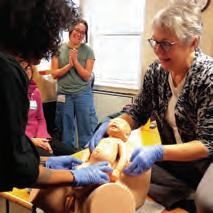
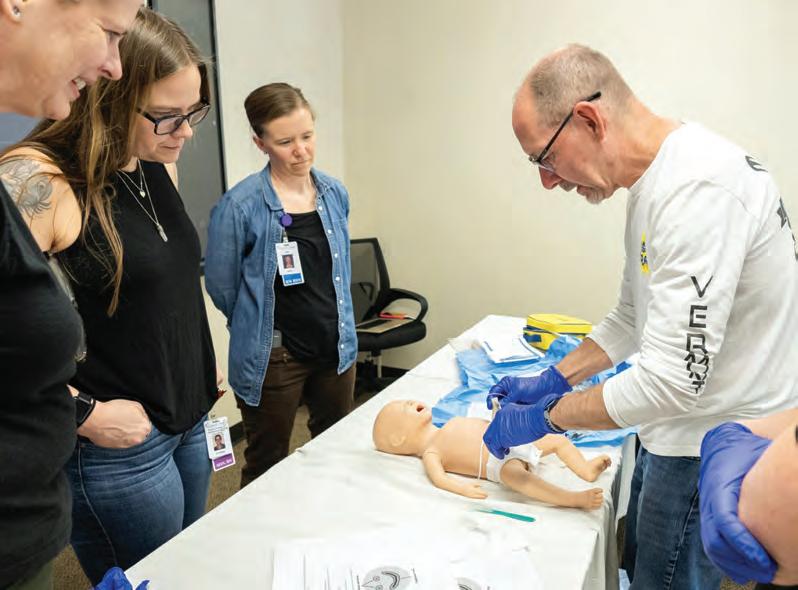
“In real life, the baby would keep coming,” advises Julie Vieth, M.D., associate professor of emergency medicine and the medical director of University of Vermont Medical Center’s Emergency Department. “It’s a lot easier than you think,” she jokes to the engaged looks from about a dozen emergency staff in the room. Luckily for everyone, there is no actual birth going on today at Grace Cottage, the only health care resource for miles in the rural town of Townshend in southern Vermont. As Dr. Vieth manipulates the mock baby model, the skills being practiced could—maybe one day soon—help the emergency department better deliver a real baby.
That’s because Grace Cottage—a critical care access hospital—is in the middle of a “maternity desert” where access to obstetrics care is declining. After one area hospital to the northeast closed their OB unit, Brattleboro Memorial Hospital, about
30 minutes away from Grace Cottage, is the only nearby option left. Other options are even farther away. That leaves a mother in labor with few choices, the best of which is having their baby at Grace Cottage’s Emergency Department.
It’s a choice that more pregnant women face both in Vermont, northern New York, and across the country as hospitals—faced with increasing financial and staffing challenges—can no longer offer obstetric care.
That’s where Vieth, Laura Mulvey, M.D., and a team of emergency experts come in. Thanks to a grant from the UVM Larner College of Medicine Simulation Lab, the team from UVM Medical Center (UVMMC) can visit places like Grace Cottage to train and help better prepare them for the increasing chance of a laboring mother coming to their facility to give birth.
D.O., chief medical officer, says she feels more confident that her team is better prepared for just such an emergency.
Dr. Zweig and her colleagues also practiced installing an IO into a newborn’s leg, using chicken legs as a practice model. The emergency procedure can be critical in establishing a temporary, direct route into the bone marrow of an infant to rapidly deliver fluids, medications, or blood when a conventional intravenous, or IV,
“ Practicing so that we get the muscle memory of it is really important.”
— JEN NIFER ZWIEG, M.D., CHIEF MEDICAL OFFICER, GRACE COTTAGE
That training, supported by the UVM Health Sciences Simulation Lab, is hands on, covering everything from delivering a baby, how to navigate a breech delivery or other complications, and respiratory skills, to even inserting an intraosseous (IO) line to gain emergency access to the baby’s circulatory system, training that can be invaluable during an emergency delivery.
At Grace Cottage, after successfully delivering a mock baby and even practicing how to navigate a dangerous complication—the umbilical cord wrapped around the baby’s neck—Jennifer Zweig,
access is not practical or even possible in the circumstances. For infants in cardiac arrest, severe shock, or other serious conditions, the procedure is lifesaving.
For Dr. Mulvey, who instructs the procedure, it’s all about better preparing clinicians for what is becoming increasingly likely.
“Smaller hospitals are going to be tasked in the emergency department with taking care of obstetric and neonate patients,” Mulvey says. “It’s our goal and our mission to improve the morbidity and mortality for everyone, regardless of where their closest health care institution happens to be.”
Birthing training at Grace Cottage Hospital in Townshend, Vermont
THIS STORY IS COURTESY OF UVM HEALTH
Libraries as Telehealth Hubs
A new partnership aims to bridge the health care access gap
PEOPLE IN VERMONT’S RURAL COMmunities don’t always have adequate access to basic health care services because of a shortage of medical professionals in their area and the distance to the nearest medical clinic. Telehealth could help bridge this gap, but too many people in rural communities don’t have the technology that’s needed to make this a reliable option.
Fueled by a grant from UVM’s Leahy Institute for Rural Partnerships, a collaboration made up of experts from the UVM Medical Center, College of Nursing and Health Sciences, and Larner College of Medicine, along with the Vermont Library Association and several local libraries throughout the state, is exploring the potential of offering telehealth services delivered through Vermont’s rural libraries.
The project is called VITAL-VT, or “Virtual Integration for Telehealth Access through Libraries in Vermont.”
The initiative leverages three important aspects of local libraries: They are already connected to the internet, they are centrally located in their communities, and they are trusted spaces that people feel comfortable visiting.
“We’re looking to find any way to make any of our community members in Vermont get access to care—easier, better, quicker,” says Roz King, M.S.N., RN, CNL, chief of research for emergency medicine at the Larner College of Medicine. “So, we’re exploring if telehealth [hubs] might be the right answer for that, if we’re able to put it right in people’s libraries, right in their own towns.”
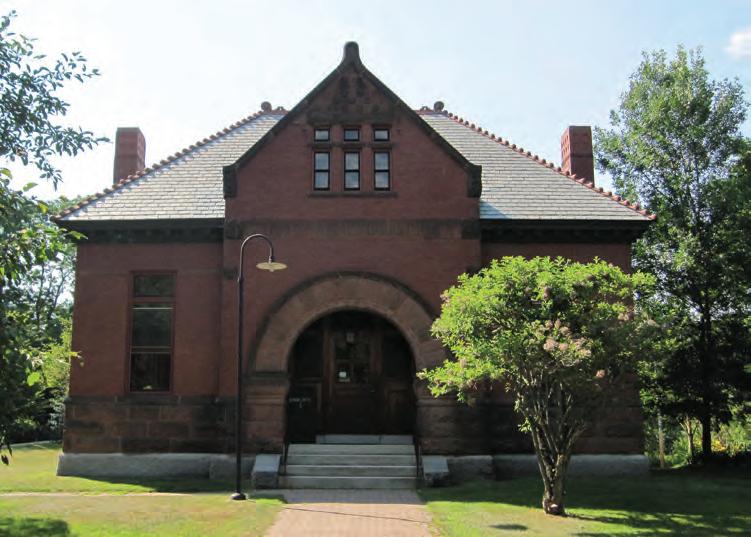
Library photographs courtesy of Jessamyn West
The Common Thread
BY JANET ESSMAN FRANZ
Calling Country Doctors!
Incentive scholarships support Larner grads practicing medicine in rural Vermont
WHILE CLASS OF 2026 MEDICAL STUDENTS recently learned where they will go for their residency programs, most don’t know where their careers will take them afterwards. Seven have promised to practice medicine in Vermont communities, in exchange for having their medical school tuition reimbursed. Medical incentive/ loan forgiveness scholarships will allow these future doctors to live and work in their beloved Green Mountain State and bring much-needed health care to areas that need it most.
More than two-thirds of Vermonters live in small towns with low populations, removed from the clustered services found in the greater Burlington area. Only 9 percent of physicians practice medicine in rural areas, however. The Vermont Medical Society says the state is currently short 115 primary care doctors compared to national benchmarks, and that this shortage will worsen as providers age, retire, and aren’t replaced.
One strategy for attracting new physicians to rural regions is to pay back
Tucker Angier
“My goal is to become ... a ‘Swiss Army knife,’ a onestop-shop for my community.”
—TUCKER ANGIER
medical school tuition in exchange for a promise to practice medicine in those areas. Larner medical students can apply for loan forgiveness scholarships supported by philanthropic funds and the Office of Primary Care and Area Health Education Centers (AHEC) Program, which aims to create a robust and stable health care workforce throughout the state. Scholarships amounts vary, with some paying partial tuition and others paying for several years of medical school.
“AHEC is committed to ensuring that an adequate number of physicians is geographically distributed around the state,” says Jennifer Gaudreau, physician placement professional for AHEC. “The scholarships and loan forgiveness options we offer provide incentives for medical students in any specialty to choose Vermont, and for those entering primary care to choose rural Vermont locations.”
Meet Larner’s 2026 medical loan forgiveness scholarship recipients— Vermont’s newest future doctors—and discover what calls them to reside in the Green Mountain State.
Tucker Angier
AHEC Scholars Medical Student Incentive
A graduate of Stowe High School and Middlebury College, Tucker Angier’s Vermont roots run deep. An avid downhill skier, he worked as a ski patroller at Middlebury Snow Bowl after college and lived briefly in Idaho and Chicago before returning to Vermont for medical school. Angier’s family lives in Stowe, and his mother is a practicing psychiatrist in Morrisville, Vermont.
As a Vermonter, Angier understands small town residents’ need for longitudinal, place-based care. “Our health care landscape is condensed in Burlington, yet most of the state’s population lives rurally. This has created a need for broad scope primary care services across our state,” he says. “Our state needs primary care physicians who can work up complex conditions, perform routine office procedures, and integrate in their communities.”
Angier’s ambition is clear: “My goal is to become a rural family medicine physician, a ‘Swiss Army knife,’ a one-stop-shop for my community,” Angier says. “The AHEC scholarship generously allows for this to be possible.”
Erzsi Nagy
David and Eleanor Ignat Scholarship
A native of Maine, Erzsi Nagy moved to Vermont in 2013 to attend Middlebury College. Before medical school, Nagy worked at a small drug research company in Woodstock, Vermont, and lived in Norwich where they spent countless hours learning the layout of local trails, dirt roads, and swimming in the Connecticut River.” Nagy trekked from Camel’s Hump to Mt. Mansfield in one day, participated
Julia Bernier
David and Eleanor Ignat Scholarship
A life-long Vermonter from St. Albans, Julia Bernier knows a thing or two about Vermont’s outdoor spaces and agrarian activities. She enjoys trail running, hiking, paddleboarding, kayaking, picking apples, eating cider donuts, and crosscountry skiing. She also understands the struggles Vermonter’s face with finding transportation to medical appointments or feeling intimidated by “big city” doctors.
“Calling Burlington a big city may sound comical, but I understand that feeling, having grown up in rural Vermont,” says Bernier, who graduated from UVM in 2021. “Because I share similar experiences, knowledge, and an understanding of being a Vermonter, I can connect with patients on a deeper level, and that is why I want to practice here in the future.”
Bernier plans to pursue internal medicine, with a focus on women’s health, obesity, and addiction medicine—all important needs in Vermont. Receiving the Ignat scholarship “allowed me to take out minimal loans for my last year of medical school, and gave me the flexibility to pursue any medical specialty without having to weigh finances into the mix,” Bernier says.
in the Vermont 100 on 100 relay, and ran a 50-mile race at Mount Ascutney.
In medical school, Nagy volunteered as a doula at UVM Medical Center and worked with patients from many different backgrounds. They plan to pursue psychiatry, hoping to settle in Vermont’s Upper Valley region.
“Fostering community is one of my core values, and I’ve cultivated a community in this state of Vermont that is now my home.”
Molly Hurd
AHEC Scholars Medical Student Incentive
When asked what she loves about Vermont, Molly Hurd doesn’t hesitate: “The strong sense of community. People genuinely care about one another, and that shows up in everyday interactions,” she says. “I also value the proximity to outdoor activities and local food culture. I love that I can leave the clinic and go for a hike, hit the slopes, or try a new restaurant or brewery with friends.”
A 2019 UVM graduate, Hurd majored in neuroscience with a certificate in integrative health, followed by an M.S. in pharmacology in 2020. At Larner, Hurd has served as leader for the Family Medicine and Lifestyle Medicine student interest group. She credits Larner’s family medicine faculty and clinical preceptors for guiding her academic journey.
“I want to practice family medicine because of the diverse scope of practice combined with strong community ties, which I have observed with family docs here,” Hurd says.
“My decision to practice medicine in Vermont is rooted in the sense of community I have found here.”
—ANNA LANDIS
Anna Landis
Freeman Foundation Scholarship
“My decision to practice medicine in Vermont is rooted in the sense of community I have found here,” says Anna Landis, who was born in South Korea and raised in Stowe, Vermont, since she was two years old. Even while living as an adult in Boston, Philadelphia, and Providence, she felt that Vermont is her forever home.
“Growing up in Stowe, community was paramount. We had frequent neighborhood cookouts, holidays, friendly competitions. People care about the folks across the street or down the hall. This sense of connection was something I missed when I was in larger cities, and something I haven’t been able to replicate elsewhere,” says Landis, who intends to pursue anesthesiology. “As I see it, the world of medicine reflects the community it serves. I want to stay here to be part of that.”
Two additional Larner medical graduates, Kimberly Bau and Jackson Bressor, received the AHEC Scholars scholarship and the Freeman Foundation scholarship, respectively. Bau grew up in Brattleboro and would like to practice primary care in Windham County. Bressor’s family has lived in the same home in Richmond, Vermont, for five generations and he plans to live near them practicing cardiology.
Julia Bernier Molly Hurd Anna Landis
Erzsi Nagy
The Common Thread
Every Day Counts
The importance of reducing school absenteeism
HEIDI SCHUMACHER, M.D.’10, associate professor of pediatrics at the Larner College of Medicine and a pediatrician at the Golisano Children’s Hospital at UVM Health, studies how strong partnerships between schools, health services, and families can boost attendance in rural areas.
Dr. Schumacher is the principal investigator for Every Day Counts, an initiative funded by UVM’s Leahy Institute for Rural Partnerships that aims to reduce absenteeism in Vermont schools. Every
“ There are clear data to show that kids who miss just two days of school a month are less likely to meet their academic milestones. School absenteeism can be both an indicator of an unmet health or social need and also a strong predictor of long-term health and well-being.” — HEIDI SCHUMACHER, M.D.’10
Day Counts supports pilot projects in four schools to strengthen coordination with local health care providers to prevent and respond to absenteeism and its root causes. It also fills a gap in the scientific literature—most scholarship on health care partnerships to address absenteeism focuses on urban populations.
“There are clear data to show that kids who miss just two days of school a month are less likely to meet their academic milestones. School absenteeism can be both an indicator of an unmet health or social need and also a strong predictor of long-term health and well-being,” explains Schumacher. “People often underestimate both how often their child misses school and the impact of those absences.”
Heidi Schumacher M.D.’10 presents her research at the American Academy of Pediatrics National Conference
Focused on Rural Communities
Dedicated research groups bring insights and innovation
LARNER COLLEGE OF MEDICINE
clinicians and researchers seek to improve the well-being of rural residents and communities by building and working within regional networks. The Northeast Rural Health Research Center (NeRHRC) is a partnership between the Larner College of Medicine and the Maine Rural Health Research Center at the University of Southern Maine. With funding from the Federal Office of Rural Health Policy, the NeRHRC seeks to improve the well-being of rural residents and communities by conducting applied policy research.
The Northern New England Clinical & Translational Research Network (NNE-CTR) is another partnership committed to studying and improving health in communities, with a focus on rurality. Through collaborations with academic institutions, health care organizations, and local community stakeholders, NNE-CTR leverages innovative strategies and technologies to address health and health care challenges with the goal of transforming health infrastructures to meet the needs of the region.
On the Road with the UVM Cancer Center
Outreach and education van brings cancer services, screening, and education across the region
A KEY TENET OF THE UVM CANCER Center’s (UVMCC) mission is to bring cancer education and services to communities across Vermont and northern New York.
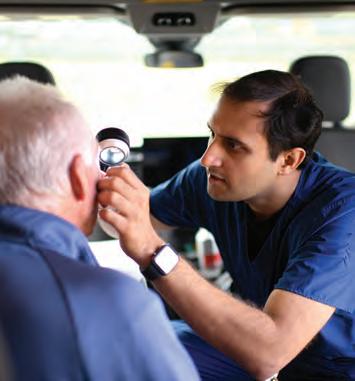
One way UVMCC achieves its mission is through a rural outreach initiative carried forth by a bespoke van. Fueled by philanthropy, UVMCC’s van travels to local sporting events, county fairs, and other community events, bringing such services as skin checks, HPV vaccination clinics, and educational programs that encourage colon, breast, and lung cancer screening directly to where they are needed. This summer, an advanced practice provider will come on board to expand its reach and impact across its catchment area.
In tandem with its outreach mission, the van also visits rural high schools, where students are able to study cell biology, observe cancer drug-cell interactions, and participate in other activities relevant to modern cancer research. These studies are part of a curriculum developed in partnership with rural educators and in collaboration with the Vermont Agency of Education, with the goal of inspiring the next generation of cancer doctors and scientists.
The van’s activities are made possible by grants, as well as generous philanthropy. Learn more: vermontcancer.org
Skin checks are performed on location inside the van
“ The whispers of me returning home had been happening for months while I was still finishing up my residency at UVM. Word gets around fast in this small town.”
– MEGAN PRUE, M.D.’22
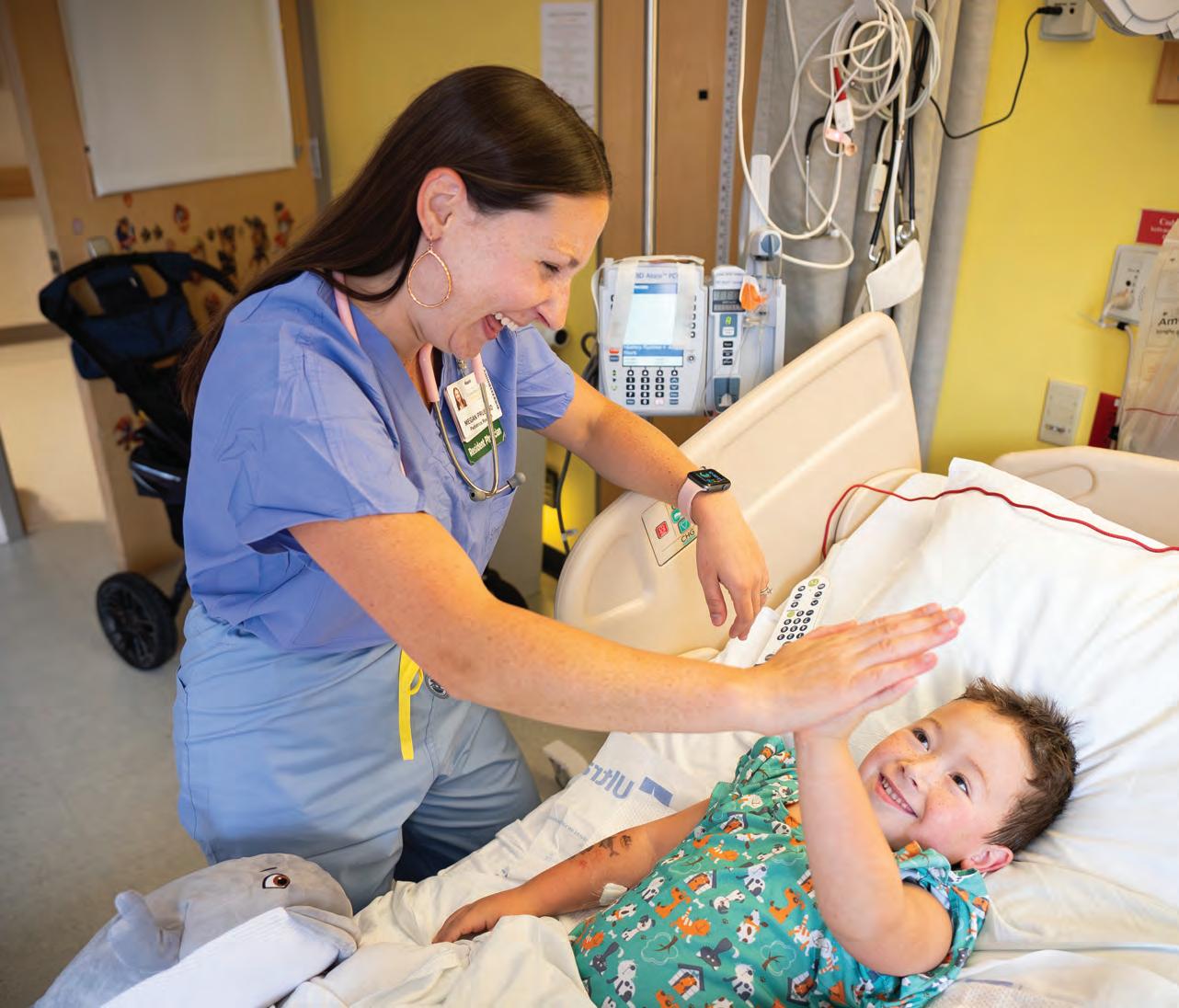
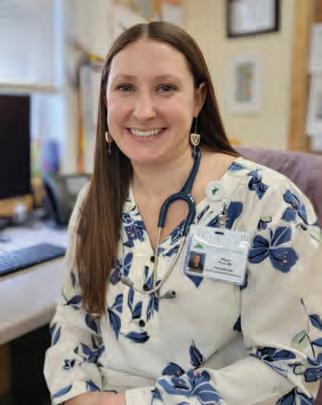
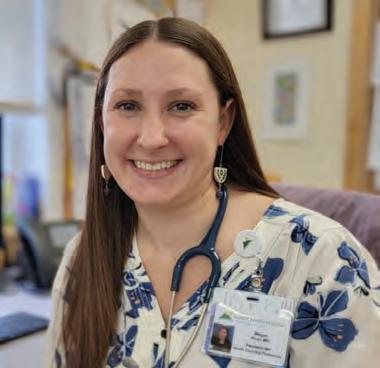
(above) Medical Class of 2022 graduate Megan Prue, M.D., completed residency training at UVM Children’s Hospital (now the Golisano Children’s Hospital at UVM Health). She currently works at North Country Pediatrics in Newport, Vermont.
Welcome Home!
Medical alum returns to practice medicine in her community
At age three, Megan Prue, M.D.‘22, told her parents she wanted to be a doctor. Now, after completing medical school at the Larner College of Medicine and her pediatric residency at UVM Children’s Hospital (now Golisano Children’s Hospital at UVM Health), she has returned to Vermont’s Northeast Kingdom, to the pediatric clinic where she once was a patient.
“This was my dream, but I never thought it would be possible,” Dr. Prue says of her new role at North Country Pediatrics, formerly known as Newport Pediatrics, in Newport, Vermont. Prue’s path shows how following one’s passion, combined with academic and community support, can help address a health care provider shortage that affects rural communities nationwide.
Growing up in Derby, a small town in Vermont’s Northeast Kingdom, Prue discovered her love of science early on. In middle school and high school, she gravitated toward biology and nurtured a deep desire to help others—particularly children. Her passion took shape when she participated in a summer program called MedQuest, run by the Area Health Education Centers at Larner. This hands-on experience introduced her to a range of health care settings, from ambulance services to outpatient clinics, and lit the spark that confirmed her calling: using her scientific curiosity to improve people’s lives.
A high school teacher connected Prue with Newport Pediatrics, Prue’s childhood medical home,
BY JANET ESSMAN FRANZ
for a shadowing opportunity. At that time, Newport Pediatrics was a private practice founded and owned by Thomas “Mike” Moseley III, M.D.’79.
“As a high school student, Megan took on extra responsibilities and figured things out,” Dr. Moseley recalls. “She’s a person who always saw the possibilities of what she could do and not the barriers.”
Following the shadowing experience, Moseley offered Prue a job scanning paper medical records to help the practice transition to an electronic record system. Prue continued working there for four years during high school and college breaks, learning the many aspects of running a medical office.
“I began to understand the different roles, including receptionist, nurse, medical assistant, physician, billing specialist. I also learned a lot more about medicine and was always pulled into a room when something interesting happened. I was fascinated and knew that I wanted to learn more about anatomy and physiology, sparking my interest in becoming a doctor,” Prue recalls. “They all joked, ‘you’re going to come back someday!’
Studying Medicine in Vermont
After completing her undergraduate studies at University of New England in Maine, Prue returned to Vermont for medical school. She chose Larner College of Medicine both to be closer to family and because of Larner’s strong connection to the greater community. Growing up in “a place where everybody knows everybody helped me learn the value of leaning on each other in hard times,” she says. “I was pleased to learn that we medical students could engage in a service opportunity.” She volunteered at Lund, a center for pregnant people, adoptive parents, and vulnerable families. She joined Larner Here to Help, a medical student interest group that collaborates with community members to provide free meals, clothing, toiletries, haircuts and access to showers for Burlington’s unhoused community.
Prue’s third year clinical rotations included a clerkship with a community pediatrician, Joseph Nasca, M.D., in Georgia, Vermont. During clerkships, medical students work under a preceptor’s guidance to practice history taking, doing physical exams, and establish diagnoses.
“It was a very small office with paper charts still, and Dr. Nasca was the only pediatrician. He was there for guidance and assistance but truly valued what I had to say, and I was able to get the one-onone learning that I needed,” Prue says. “After the first day in that office, I went home exhausted but with a smile on my face. Later, when talking about specialties with my partner, he seemed shocked that I would pick anything other than pediatrics. That helped seal the deal on my career path.”
Looking Back Fondly
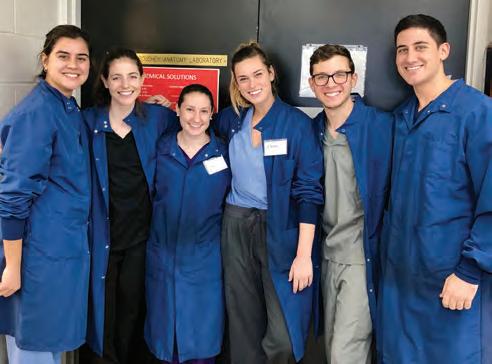
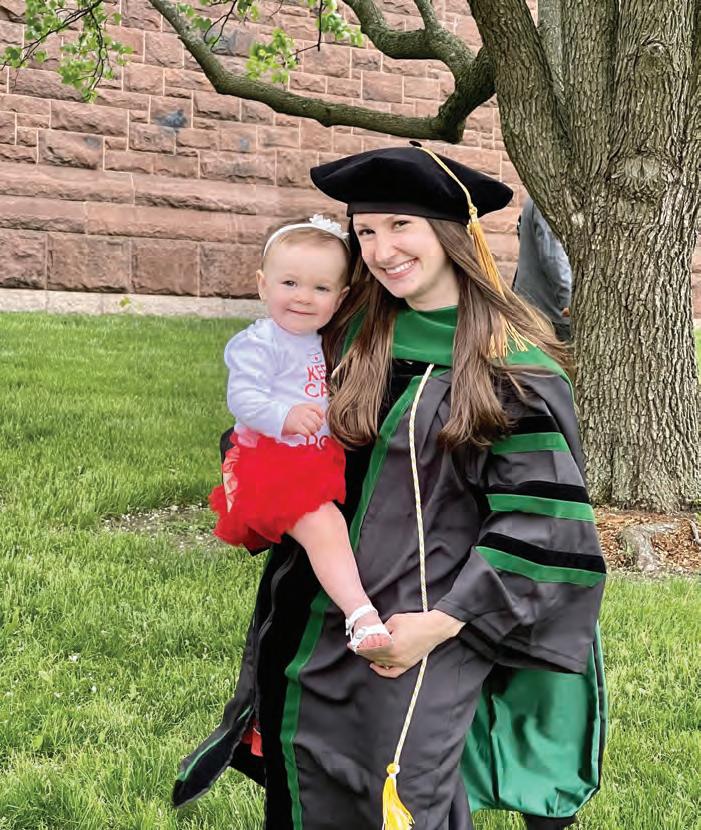
Megan Prue celebrated medical school graduation with her daughter, in May 2022. Marking the last day of anatomy lab during their first year of medical school in 2019 (L to R): Zeynep Tek, Amelia Anderson, Megan Prue, Elena Martel, Christian Brooks, and Michael Barnum, all Class of 2022.
One of Prue’s favorite memories from medical school was doing patient rounds with Lewis First, M.D., chair of pediatrics at the University of Vermont, whom she knew of from his many public appearances and weekly health tips column. Dr. First wrote Prue’s letter of recommendation for residency and critiqued her personal statement. He recalls Prue’s early dedication to helping young patients.
“Even as a medical student, I recognized Megan’s skills, knowledge, and commitment to making a difference in the lives of the patients she cared for. I really hoped she would choose our pediatric residency program to further her training in pediatrics, and when she did, it was clear what an outstanding pediatrician she truly is,” First says, adding that her choice to bring her education and talents back to the town she grew up in is “a win-win-win—for Megan, for Vermont, and most importantly for the infants, children, and adolescents fortunate to have her as their pediatrician.”
For Prue, residency training at University of Vermont Medical Center “was amazing. I fell in love with the
collaborative nature that an academic center allows, with attendings, residents and medical students all coming together on plans for patients,” she says. She especially enjoyed working with Larner medical students as a clinical instructor, helping them synthesize the information they were learning in coursework into a framework for thinking about illnesses. Pediatric grand rounds with medical students felt like full-circle moments, reminding her of what she enjoyed most about medical school.
“One of my favorite activities was presenting a case while rounding with medical students on Baird 5 (inpatient pediatrics),” Prue says. “The team caring for an individual patient would be in the patient’s room, and everyone else would be in the hallway waiting. I would go through what the patients presented with and have students ask history and exam questions and work through their differential diagnoses and then decide what we should do next. They would all chime in and work together to figure out what was happening with the patient. It was so much fun!”
Golisano
being there for her own family,” Weinberger says.
Her rural rotations included the pediatrics practice in Newport, where the practitioners and some patients remembered Prue. She was invited to join the practice following her training.
“The whispers of me returning home had been happening for months while I was still finishing up my residency at UVM. Word gets around fast in this small town,” says Prue, who joined the practice as an employee last September.
Another memory that stands out for Prue involved a fourth-year medical student who was doing their acting internship in pediatrics, using notes they had taken during their third-year clerkship sessions with Prue. “This student went down to the emergency room to see a patient, then came back upstairs to tell me about them before presenting to the attending,” Prue says. “We talked through what might be happening, and then they pulled out some notes they had jotted down during hallway teaching with me months prior. I thought it was so cool to see that I had made an impact on them!”
Rooted in Rural
During residency, Prue participated in a rural medicine concentration, rotating through several different community hospitals, some affiliated with UVM Health and others not.
Delving into medical care in varied rural settings allowed Prue to practice a broad range of medical care and “see a little bit of everything within pediatrics,” she says. “I was able to see firsthand what it is like to be called to a delivery in the middle of seeing patients in a busy clinic, resuscitating newborns and transferring them to the UVM neonatal intensive care unit, determining whether to admit children to a small hospital versus having to call a tertiary care center, and so much more.”
Prue worked closely with Stanley Weinberger, M.D., associate professor of pediatrics and division chief for pediatric primary care at Golisano Children’s Hospital at UVM Health. They met on Mondays for continuity clinics, where residents hone their skills in clinical care, observation, patient and family communication, problem solving, and decision making. Dr. Weinberger recalls Prue’s sensible approach and relatable personality.
“Megan exuded great down-to-earth competence. She had such a clear vision of the kind of pediatrician she wanted to embody—rooted to her community, connected with families over time as their kids grew, all the while
“I am so glad she found her place back at her childhood practice and she will be such an asset to that community,” says Weinberger. “And I am so glad she’s remaining here in Vermont as a friend and colleague.”
Investing in the Next Generation of Country Doctors Prue embraces her continued relationships with UVM colleagues and the assurance it provides. “A teaching hospital provides extra layers of protection within it, with other people to ‘check your work,’” she says. “I realize that those people are only a phone call away. I can call with questions for the specialists when needed, and this shared expertise is invaluable.”
Throughout his 45-year career in rural practice, Moseley collaborated with colleagues at UVM, from attending grand rounds to seeking advice in patient consultations. “Primary care practice is not a solo act,” he says. “I had many experiences where I was able to take care of people without sending them out of Orleans county,” because of the support from faculty at UVM.
To bolster careers in rural pediatric primary care and ensure that doctors-in-training engage with academic medicine colleagues, Moseley and his wife, the Reverend Christine Moseley, R.N., created the Moseley Family Pediatric Rural Health Endowment within the Pediatrics Residency Program at UVM Medical Center. Established in 2025, the endowment aims to increase pediatric residents’ exposure to rural medicine to help inspire and attract talented early career pediatricians to settle and practice in rural Vermont. For this endowment, ‘rural’ is defined as any Vermont county except Chittenden.
“I would be thrilled if there were more people like Megan who choose to locate in these communities as a result of the connection between UVM and rural practices,” Moseley says.
After trying to recruit an individual successor to purchase the practice, Moseley sold Newport Pediatrics to North Country Hospital in 2017, and he retired in 2019. Renamed North Country Pediatrics, the practice continues to offer well and acute care for patients from birth to young adulthood and provide resources to support young people’s physical, emotional, and mental health. Practitioners also work closely with local schools, social workers, and agencies serving gender diverse youth. Coming back to the community that helped shape her feels personal and vital, Prue says. “Working at North Country Pediatrics feels like coming home. The area is the same but now the parents of my patients are people I grew up with, and it is truly an honor to be able to care for their kids.”
North Country Pediatrics Newport, VT
Prue’s home town Derby, VT
Children’s Hospital at UVM Health Burlington, VT
A New Model for Kids with Complex Needs
In summer 2024, Katie and Bo McDougall and their daughter, Nora, went to the beach. It was a simple family getaway, but for the McDougalls, it was a watershed moment.
A Rare Disorder
Nora was born in 2020 with a rare genetic disorder that causes severe, frequent seizures. The McDougall family lives in Rutland, a charming small city in the heart of Vermont’s Green Mountains. During Katie’s pregnancy, concerns led her providers to transfer care to Golisano Children’s Hospital at UVM Health in Burlington, about a two-hour drive from their home. Nora spent her first three weeks in the neonatal intensive care unit there, weighing less than five pounds and facing issues including high blood pressure, a collapsed lung, and respiratory failure.
In early 2021, Nora had her first seizure and was diagnosed with Wolf-Hirschhorn syndrome, a rare genetic condition that affects fewer than 50,000 people in the U.S. Nora suffered 18 seizures by her 4th birthday, often requiring emergency care. Six times, seizure medications caused her to stop breathing.
Read the case study in Pediatrics, the journal of the American Academy of Pediatrics: The Impact of Emergency Care Planning for Children With Medical Complexity: Nora’s Story
Learn more about Larner and rural health at go.uvm.edu/ruralhealth
On one of those occasions, the McDougalls were on their way to Nora’s scheduled outpatient appointments at the Children’s Specialty Center, within Golisano Children’s Hospital. Nora experienced a seizure in the hospital lobby just as Pulcini was starting his shift in the emergency department (ED).
“The call for a “Code Blue” was terrifying, but seeing all the staff rushing our way was beyond relief,” Katie says. After stabilizing Nora, Pulcini asked a question that would change the lives of the McDougall family.
“I said, does this happen often? And they said, yes,” Pulcini recalls.
Christian Pulcini, M.D. (left), greets the McDougall family in a pediatric treatment room within the emergency department at UVM Medical Center.
Challenges with Rural Emergency Care
Living in a rural area with a medically complex child poses unique challenges, including fragmented emergency care, inconsistent medical records, lack of access to medications and medical devices, and a shortage of caregivers trained in complex care. Nora’s care has involved providers from five different hospitals. Local hospitals often lack pediatric expertise and necessary resources, often requiring medical transport to facilities with pediatric specialists. Nora has been transported 12 times by ambulance, helicopter, or medical bus.
Ensuring that specialized medications are available on short notice can be difficult in rural areas. Some of Nora’s intravenous medications are not regularly stocked at local hospital EDs, resulting in treatment delays. Her small size also makes vein access challenging, which has further delayed treatment and prolonged seizures.
To address her vein access issues, Nora underwent surgery for a port and a gastrostomy tube. However, some EDs lack the specific needles required to access her port, and staff members may not be trained to use pediatric ports, leading to further complications. Many EDs also typically only have adult-sized respiratory equipment, which is too large for a child of Nora’s size.
It Takes a Neighborhood Pulcini had been working on a template for an “emergency care action plan” for children with medical complexity. These plans are meant to help children with medical complexity (CMC), which is defined as multiple significant chronic health problems requiring complex care that many general, rural hospitals and pediatric practices may not be equipped to provide. CMC are a growing population that represent a subset of children and youth with special health care needs, yet account for high use of outpatient and inpatient health care resources, including up to 20 percent of pediatric ED visits.
After hearing Nora’s story, Pulcini knew she was the perfect candidate for an emergency care action plan. “Kids with medical complexity, we say they have a ‘health neighborhood,’ and this is a good example of that. We connected that health neighborhood for Nora,” Pulcini says.
Pulcini and the McDougalls created a plan addressing Nora’s seizures and respiratory issues, connecting providers from Vermont and Boston Children’s Hospital. That collaboration led to new strategies to make sure Nora gets fast, reliable care, even in a rural state. Here’s what they put in place:
• An emergency department care plan with medical protocols, the equipment needed and contact information for Nora’s care teams.
• Ready-to-use access kits for seizure treatment, created with help from her infusion team. “We can walk into an ED and put this on her bed and say, ‘Here’s her plan, here’s the needle you need,” Bo McDougall says. “Everywhere Nora goes, this goes.”
• A respiratory care box at Rutland Regional Medical Center’s ED, including equipment that’s the right size for Nora.
BY JANET ESSMAN FRANZ
“Kids with medical complexity, we say they have a ‘health neighborhood,’ and this is a good example of that. We connected that health neighborhood for Nora.” — CH RISTIAN D. PULCINI, M.D., M.ED., M.P.H.
• Regular check-ins among Nora’s primary care physician, specialists, therapists and others. Providers from five hospitals have participated in these meetings, to coordinate and adjust Nora’s care plan.
Empowering and ‘Life-changing’ These steps don’t just support Nora’s health—they give her parents peace of mind.
“For us, it was huge,” Katie McDougall says. “Because otherwise, you’re sitting there watching your 2-year-old convulse on a table, and there’s nothing you can do besides hold their hand.”
Nora’s Plan Provides Lessons for Others
Pulcini and the McDougalls shared Nora’s story in the national journal Pediatrics, because they believe this case can be a national model for proactive planning and teamwork in children with medical complexity.
“Our hope is that care providers, policymakers, and others who read this will be inspired to continue improving systems of care so that every family, regardless of their circumstances, can benefit from the incredible support and
partnership that has made such a difference for Nora,” they wrote.
Pulcini’s research continues, supported by the National Institutes of Health (NIH) Eunice Kennedy Shriver National Institute of Child Health and Human Development (NICHD). He believes that emergency care action plans can help the growing number of families dealing with medical complexity—and their health care providers, too.
“It takes quite a bit of work,” Pulcini says. “But it’s worth it if it improves quality of care, increases child and family quality of life, reduces health care utilization and reduces cost.”
Nora’s progress continues: She started school, where her care plan has been embraced. It’s further evidence of how these plans can make a big difference for children and families in Vermont, northern New York and beyond.
For Pulcini, the ultimate reward was a photo of Nora on vacation, her family feeling safe because of the plan.
“They sent me a picture, saying they feel safe because they have an emergency care action plan—that’s what’s truly inspiring.”
The Red Wheelbarrow
THE 2025 UVM LARNER COLLEGE OF MEDICINE
LITERARY AND ARTS MAGAZINE
The Red Wheelbarrow is a studentrun magazine for the literary and visual arts at the UVM Larner College of Medicine. Named after physician-writer William Carlos Williams’ poem, “The Red Wheelbarrow,” this publication aims to capture, cultivate, and explore the creative endeavors of the medical and scientific communities—past and present—here at UVM and its clinical education partners.
The Red Wheelbarrow encourages submissions related to the medical humanities—an interdisciplinary field that strives to contextualize and interpret topics including, but not limited to, the medical profession and education, and human health and disease; however, our publication remains inclusive of all ideas and artistic pursuits outside the scope of the medical humanities.
Scan the QR code to read online
MEL WOLK, M.D.’60
Kayak
SARAH YANG
Class of 2026, She/Her Contemplation
Precipice
JONATHAN L. WEKER, M.D. Psychiatrist
He wasn’t even twenty. To look at him–tall, slender, handsome face, piercing blue eyes– and to know his privileged background, know the intelligent parents and the comfortable home, one would think the world was his oyster.
But then there was his diffidence, his anxious glances, his stumbling speech, the awkwardness that set him apart from his peers. And I knew, before his family knew, before he possibly could have known, that he was marked with schizophrenia, this altering but ultimately unalterable disease. And for that moment I sat with them, silently, stunned by the awareness and the awfulness of what they were about to hear, of how his future and theirs would never again be what it always had been and still was at this last, fleeting moment.
UVM Larner College of Medicine Alumni Association
Executive Committee Officers (Two-Year Terms)
President
Michael D. Upton, M.D.’94 (2024–2026)
President-Elect
Heidi Schumacher, M.D.’10 (2024–2026)
Secretary
Pramila R. Yadav, M.D.’99 (2024–2026)
Members-at-Large* (Six-Year Terms)
Halleh Akbarnia, M.D.’98 (2024–2030)
JJ Bivona, Ph.D.’22 (2022–2028)
Annie Coates, M.D.’07 (2024–2030)
Brian Cunniff, Ph.D.’14 (2020–2026)
Desiree N. DiBella, M.D.’19 (2024–2030)
Seth Dorsky, M.D.’10 (2020–2026)
Janice M. Gallant, M.D.’89 (2021–2027)
Danie Leahy, M.D.’17 (2024–2030)
Kelly McQueen, M.D.’91 (2024-2028)
Anand Parthasarathy, M.D.’02 (2022–2028)
Cordelia Ross, M.D.’16 (2022–2028)
Nicholas J. Sears, M.D.’78 (2024–2030)
Andra S. Stevenson, Ph.D.’01 (2024–2030)
Community Member (Three-Year Term)
Paul J. Mayer, M.D. (2024-2027)
Ex-Officio Members
Richard L. Page, M.D., Dean
Ginger Lubkowitz, UVM Foundation
*Members as of February 1, 2026
P resident ’ s C orner
As I approach the last few months of my term leading your Alumni Executive Committee (AEC), I’d like to reflect on some of the things I have learned, the people I have met, and the sense of appreciation I have for our Larner College of Medicine. My admiration of the leadership, faculty, and students has never been greater. I continue to be grateful for the experience I had as a student in the early 1990s and I am increasingly grateful for the opportunity to be part of this impressive community of scientists, teachers, and healers.
I am indebted to Dr. Mary Cushman for kindly preparing both the AEC and myself to serve; a kindness I have tried to pass forward to Heidi Schumacher M.D.’10, your incoming president. As president-elect, Dr. Schumacher has been a wonderful partner, particularly as I come to the end of my time as president and turn the role over to her. I am confident that your AEC is in excellent and capable hands, and we are fortunate that Heidi is willing to be of service in this way. I wish her all my best.
As president it has been wonderful to have the opportunity to meet more alumni, students, and families. I have been honored to be able to participate in activities like the White Coat Ceremony, UVM Weekend and Reunion and a particular favorite—the Alumni Association Awards Ceremony.
I enjoyed traveling to Maine twice last year to attend alumni events in Portland and met many new friends who feel the same fondness and gratitude. At the gathering in November I spent an hour catching up with a classmate, Eric Mukai, M.D.’94 whom I had not seen in over 25 years, a real treat.
I encourage all of you to look for announcements of regional events and attend. We have AEC members who reside across the country in places like Ohio, Illinois, Wisconsin, Colorado, and California. I know they would be happy to visit with you at events, to catch up in person and discuss what’s happening at our Larner College of Medicine.
I am particularly proud of some of the AEC’s accomplishments over the past two years. We have updated our bylaws and are in the process of reinvigorating our committee structure. These changes were largely based on the conversations I had with AEC members who were asking for more specific ways to serve. Our Alumni Awards Committee will now have the responsibility of helping us further identify and select future award recipients. The Development Committee will work closely with Foundation Staff to support the college’s development goals, particularly important with the strategic planning and visioning work underway across UVM. Our Student Engagement and Nominating Committees will continue their important work as well.
I am so grateful to have had the opportunity to serve. I hope I have been able to contribute in a way that demonstrates the enthusiasm and care I feel for our college and Larner College of Medicine community.
With warm regards,
Michael D. Upton, M.D.'94
President, University of Vermont Larner College of Medicine Alumni Association
Thanks to the ongoing support of readers like you, we can continue to share printed copies of Vermont Medicine! If you would like to support our students, our college, our alumni network, and Vermont Medicine, please consider a gift to the UVM Larner College of Medicine Fund.
C lass N otes
1960s
’63
Arnie Kerzner, M.D.’63, a pediatrician and child psychiatrist, retired a year ago from practicing psychiatry –a profession he loved – writing “it never felt like work; more like a gift.” During 56 years of practice, he was clinical director of a community mental health center, psychiatric consultant at the Perkins School for the Blind, maintained a private practice in child psychiatry and performed psychiatric evaluations at the Boston Juvenile Court. UVM gave him the “Service to Medicine and Community Award” in 2001. Arnie and his wife, Joan Powell Kerzner, ’63 live at Edgewood Retirement Community in North Andover, MA. He volunteers at Lazarus House, the Boy & Girls Club, and Merrimack College, enjoys woodworking, and is trying valiantly to memorize Beethoven’s “Moonlight Sonata.” Following in his footsteps are his daughter, Leslie Kerzner, MD’95, a neonatologist at Mass General Hospital for 25 years and granddaughter Elana Kotler, ’22, UMass/Med. ’28.
’65 Jan Mashman ’61, M.D.’65, is retired and living in Charleston with children in Atlanta and St. Louis and grandchildren in Atlanta, NYC, and Memphis. Dr. Mashman will soon be moving to St. Louis to senior housing at Gatesworth.com.
’66 William Likosky ’62, M.D.’66 just retired from neurological practice in November. Dr. Likosky shares that each position has been rewarding – the most recent in an underserved portion of central California with a dominant indigent population. Over the past decade, Dr. Likosky has worked as part of UCSF Fresno medical teaching program and then as member of a fast-growing neuroscience institute. Dr. Likosky is now looking forward to a more active recreational life in the greater Los Angeles area, sharing experiences with family and with four pets.
1970s
’ 73 Jim Betts ’69, M.D.’73, writes, “Classmates, as I write this the winter holidays have just passed with historic rainfall in the Bay Area. Hopefully when you read this, spring will be here on the west coast with mild tempera-
tures, blooming flowers, and clear skies. In September, I had the opportunity to meet with President Marlene Tromp, our dynamic leader now at the helm of UVM. She brings an energy and enthusiasm which has brought everyone together at a time when higher education faces many challenges. There is so much happening on campus, as I felt the excitement of the students, faculty and staff. If you have not recently returned home to our alma mater, I hope that 2026 will be in your travel plans. I remain in full-time pediatric surgical practice at UCSF Children’s Hospital Oakland, and continue as a firefighter with the Big Sur Fire Department on the weekends as well as serving as a tactical physician with a law enforcement agency. (Keeps me occupied.) There are needs in all colleges and departments for gifting, as only a modest amount of financial support comes from our State, perhaps the lowest received by any Land Grant University in the country. I urge everyone to embrace a program, department or professor. Or, perhaps even fund a scholarship in the name of a family member. Liz, my wife who is a pediatric anesthesiologist and not a UVM graduate, has adopted our University as her own. I hope that our undergraduate Class of ‘69, or MD Class of ‘73 paths will cross again in 2026. Stay well.”
’ 74
Joe Hebert, M.D.’74 wrote in to share that Pamela and he are very proud of their two grandchildren. Devin will graduate in May as a member of the 2026 Larner class following his father Chris, our son, a 2002 graduate. Rachel is enrolled in the UVM Doctor of Physical Therapy program and will graduate in December.
’ 75 Richard ’70, MS’72, Ph.D.’75 and Lorraine Parent Racusen ’70, M.D.’75 are enjoying retirement and their fond memories of UVM. They divide their time between homes in Maryland and Vermont, and visiting their sons on the West Coast. Darren ‘11 has a thriving business and family in Petaluma, California. Eldest son Chris and his wife are rocket engineers in Seattle, with their two lovely granddaughters.
’ 78 William Spina ’74, M.D.’78 is still seeing patients in St. Johnsbury. He writes that he’s enjoying the good life in the Northeast Kingdom, now as a widower. He’s also enjoying his three grandchildren! He’d love to hear from his
classmates and shares that he’s harvested 30 Vermont bucks over the years.
1990s
’90
Congratulations to L. Anthony “Tony” Cirillo, M.D.’90 who assumed a one-year term of office as President of the American College of Emergency Physicians (ACEP) in September 2025 during the College’s annual meeting in Salt Lake City. Dr. Cirillo will serve as President until the 2026 annual meeting in Chicago in October.
’97 It was shared with our alumni office that gynecological oncologist, Michael Manuel, M.D.’97 , was a part of a team of medical professionals at Cedars Sinai who successfully delivered a healthy baby and removed a 22-pound overian tumor during an extremely rare abdominal ectopic pregnancy. Read more at https:// www.cedars-sinai.org/newsroom/miraculous-birth-at-cedars-sinai-delivers-family-holiday-joy/.
’99
Jennifer Olson ’96, G’99 sent in a note that her husband, Eric Olson, M.D.’99 is a pulmonary critical care doctor at Wake Med Hospitals in Raleigh, NC. She shared that, this past October, Eric went on a medical mission to Ukraine through the Global Care Force Program. He plans on going again in September of 2026. He had an incredible experience and helped in Ukrainian villages that have suffered.
2000s
’02
Ronald Hirschberg ’93, M.D.’02 has a strong interest in culture. The medical field gives him the opportunity to further that interest. He has worked at Home Base Veteran and Family Care in Boston, (through Mass General Hospital), where he focuses on invisible wounds within military culture. During a March 2025 trip to Ukraine, he met a soldier named Sasha, who had been a ballet dancer prior to signing up for the army. “I am in final stages of a documentary short on his story, and invisible wounds that come from modern warfare, specifically drones.” Learn more at deermountainpictures.com.
ALUMNI NOTES
2010s
’10
Meghan Gunn, M.D.’10 opened the first Direct Primary Care (DPC)-based Pediatrics office in Vermont in 2024 in North Bennington –sharing that it’s a wonderful way to be able to care for patients and allow for flexibility! Dr. Gunn’s still married to husband (Greg) and they have a 13-year-old (James) and an almost 10-year-old (Sarah). Come visit them in Southern Vermont!
’18
Jessica Lynne Moon, Ph.D.’18 sent in a note that she moved back to the East Coast, and has started a new role as Vice President at The Implementation Group in DC.
2020s
’25
’25
Hannah Donovan, M.D.’25 is now a Resident at Inova Fairfax Hospital.
Shubhankar “Shubi” Joshi, M.D.’25 1st year pediatrics resident at Wellstar Children’s Hospital of Georgia, writes “receiving the 2025 Beacon Award is an incredible honor that brings my journey full circle. My time at UMass Boston laid the foundation for everything I’ve been able to accomplish since — from the classroom to medical school and now becoming a pediatrician in medical residency training. Receiving this Beacon Award is a direct reflection of all those who believed in me and the opportunities UMass Boston created, and I am excited to bring that same dedication of volunteerism to the Augusta community here at the Medical College of Georgia.”
UVM Alum Expands Dermatology Education and Discovery
Dr. Nadel created a professorship to inspire and support future generations of dermatologists
Ron Nadel ’59, M.D.’63, loved UVM. “My eight years there were wonderful. I struggled my first year of medical school because I was trying to ski three times a week like I had as an undergraduate,” says Dr. Nadel. Skiing aside, he thrived as a student and went on to graduate near the top of his class. It wasn’t the curriculum that sparked Nadel’s interest in dermatology— only one day in four years of medical school focused on dermatology—but a mysterious rash that perplexed multiple doctors he consulted. “Ultimately, it was nothing serious,” Nadel says. “It resolved on its own, but the experience planted a seed in me.” After an intern year at SUNY–Buffalo and completing residency at Boston University,
Nadel joined the Navy. He served during the Vietnam War at Chelsea Naval Hospital in Boston and in Da Nang, where he was stationed during the 1968 Tet Offensive. After the Navy, Nadel launched a dermatology practice in Springfield, Massachusetts, and over his 50-year career, he built it into a thriving clinic with 18 dermatologists and four physician assistants. He retired at the age of 80.
Nadel credits his beloved wife, Ronnie, as an important reason why he was able to create a professorship in dermatology at UVM and inspire a new generation. “I wouldn’t have had the resources if not for Ronnie’s prudent money management,” he
says. Ronnie recently moved to a memory unit. When asked why he made this gift in their name, he answered, “Because I could.”
Honoring a Legacy of Rural Cancer Care
The Jerome W. Yates, M.D., M.P.H., Rural Cancer Outreach Fund
Jerome W. Yates, M.D., M.P.H., always believed that the quality of cancer care a person receives should never depend on their ZIP code. This conviction shaped the very foundation of the University of Vermont Cancer Center, in which Dr. Yates played a pivotal role. As Vermont’s first medical oncologist, Dr. Yates envisioned a model of care that reached beyond the university hospital and into the heart of Vermont and northern New York. He teamed up with Richard Albertini, M.D., Ph.D., to secure a National Cancer Institute planning grant to develop a cancer program in Vermont. They recruited Irwin Krakoff, M.D., to be the center’s founding director. Together, their work ensured that patients in small towns and remote communities had access to the same expert care and clinical research as those living near major medical centers.
That vision is the foundation of the Jerome W. Yates, M.D., M.P.H., Rural Cancer Outreach Fund, created by the J. Walter Juckett Cancer Research Foundation, Inc. The fund celebrates the decades long partnership between Dr. Yates and philanthropist J. Walter Juckett—a collaboration that helped shape cancer services throughout the region. Together, their work led to the creation of the Lake Champlain Cancer Research Organization in 1978, later reorganized and renamed in Mr. Juckett’s honor. Over the years, the Juckett Foundation has contributed more than $23.7 million to strengthen UVM Cancer Center’s research and patient care. And, it has pledged an additional $7.5 million over the next five years, plus a $1.25 million commitment on top of that to launch this new fund in Dr. Yates’s honor.
Building on UVM Cancer Center’s longstanding community based programs, the Yates Fund will support new and expanded initiatives in cancer education, prevention, diagnosis, treatment, and rehabilitation for rural communities. Guided by close collaboration with local primary care providers, the fund also aims to advance population based research that deepens understanding of rural cancer care and delivery.
In honoring Dr. Yate’s legacy, this fund carries forward the work he championed—bringing high quality cancer care closer to home for the people who need it most.
Ron Nadel ’59, M.D.’63
(above photo) Irwin Krakoff, M.D., (left) with Jerome Yates, M.D.
Stevensons Establish Faculty Award
The newly established Kido-Stevenson Faculty Award stands as a powerful testament to the generosity and vision of Fumi Kido Stevenson ’94 and Andra Stevenson ’93, Ph.D.’01, whose $50,000 gift—anticipated to be matched dollar for dollar by Merck—will create a lasting source of support for excellence in pharmacological research. The award will become an endowed fund dedicated to recognizing faculty in the department of pharmacology whose research achievements demonstrate exceptional distinction and impact.
For Dr. Andra Stevenson, this gift reflects a deeply personal commitment to advancing scientific discovery while elevating the next generation of researchers. Over the course of his career, Stevenson has mentored more than 100 emerging scientists across both private industry and public institutions. His dedication to nurturing young talent—particularly students of color—has shaped a diverse and dynamic pipeline of researchers who now thrive in laboratories, companies, and academic centers across the country. Through these extensive mentorship efforts, he has helped ensure that the future of biomedical research reflects the richness of varied perspectives, experiences, and backgrounds.
The Kido-Stevenson Faculty Award extends this legacy by empowering faculty whose work pushes the boundaries of pharmacology and improves patient care. By celebrating scientific excellence and fostering an inclusive
“During our time at UVM, we both experienced firsthand how opportunities—whether personal or professional—can shape one’s trajectory. Creating an endowed fund felt like the most meaningful way to ensure those moments continue for others.”
– ANDRA AND FUMI STEVENSON
research community, this fund will strengthen the department’s ability to recruit, retain, and recognize outstanding scholars. Thanks to the generosity of Fumi Kido Stevenson and Andra Stevenson—and the partnership of Merck— their longstanding commitment to scientific mentorship and innovation will continue to uplift researchers for generations to come.
Andra Stevenson ’93, Ph.D.’01 and Fumi Kido Stevenson ’94
~ A Note of Thanks ~
I cannot even begin to put into words how incredibly meaningful this scholarship has been to me, as it has allowed me to pursue my dreams despite financial barriers. This scholarship has made it feasible for me to fully dedicate myself to the rigorous demands of medical school and my development as a future physician. I am profoundly thankful for your investment in my education and in the future of medicine. I believe it represents an investment not only in my training, but in the communities I hope to serve as a future physician. I hope to honor your generosity through a career rooted in service, compassion, and equity.”
– JASMINE MACIAS, CLASS OF 2026
This award has played a meaningful role in allowing me to fully engage in my medical education, research, and community involvement without the added burden of financial stress. Your investment in my journey has given me the freedom to pursue opportunities that align with my passion for service and collaboration. As I continue my training, I carry your generosity with me as both a source of motivation and responsibility, and I remain committed to honoring this support by growing into a physician who serves with compassion, humility, and purpose.”
– WILLIAM UNG, CLASS OF 2029
In this ongoing series, Vermont Medicine shares notes of thanks
The scholarships I’ve received have made a truly meaningful difference in my ability to fully engage in my education. They have eased financial pressures that can otherwise be distracting and stressful, allowing me to focus more fully on my studies, research, and patient care. Knowing that alumni believe in students like me is deeply motivating and serves as a constant reminder that I am part of a larger community invested in the future of medicine. I often think about that support when I’m with patients, and it influences the kind of physician I hope to become: one who is committed to excellence, humility, and giving back to the communities that have invested in me.”
– MOHAMED AHMED, CLASS OF 2027
Support student education here or visit go.uvm.edu/lcomscholar
IN MEMORIAM
CLASS YEAR PERSON
1954 Thomas B. Tomasi
1963 John “Jack” Murray
1963 H. Alan Walker
1965 Gerald P. Corcoran
1967 Michael Brant Armstrong
1968 William J. French
CLASS YEAR PERSON
1969 Jonelle Carey Rowe
1970 Jeffrey C. Morse
1971 Leonard F. Hubbard
1972 James H. Leibfarth
1973 Rodney Joseph Taylor
1977 Brian D. Mahoney
mini med SCHOOL
Mini Med School is a program that explores health topics that matter to you and our community. Learn from distinguished UVM faculty about life-changing research and advances in clinical care happening here in pediatrics, cardiology, cancer, and more.
For information, please visit: go.uvm.edu/minimedschool
UVM CONTINUING MEDICAL AND INTERPROFESSIONAL EDUCATION CONFERENCES
DIABETES 2026: UPDATES ON MANAGEMENT AND TREATMENT May 1, 2026
South Burlington, VT
2026 GERONTOLOGY SYMPOSIUM May 4, 2026
South Burlington, VT
52ND ANNUAL FAMILY MEDICINE CONFERENCE
June 2–6, 2026
South Burlington, VT
For information, please contact: University of Vermont Continuing Medical and Interprofessional Education 802-656-2292 uvmcmie@med.uvm.edu med.uvm.edu/cmie 401 Water Tower Circle, Suite 102 Colchester, VT 05446
Daniel D. DeMars G’88
MOMENT IN TIME
February 5, 2026 10:17 a.m.
During Larner’s annual MLK Day of Service, individuals and departments made more than 30 fleece blankets which were donated by the Office of Intercultural Excellence staff to the Children’s Specialty Center in the Golisano Children’s Hospital at UVM Health.
14 The Common Thread
New insights and innovative models of care delivery tailored to rural realities.
24 Welcome Home! Medical alum returns to practice medicine in her community.