2025 Golisano Children's Hospital at UVM Health Pediatrics Report
Positioned for the Future
Golisano Children’s Hospital at University of Vermont Health
UVM Larner College of Medicine Department of Pediatrics
OUR STRATEGIC PRIORITIES
Clinical Care
Provide expert consultation, diagnosis, and treatment for the unique health issues facing babies, children, and young adults.
Quality & Safety
Constantly strive to improve patient safety and care quality and engineer solutions across the network.
Research
Continually pursue better ways to treat children’s health issues and facilitate the translation of research from the laboratory to the bedside and to the community.
Education
Provide educational opportunities for faculty, staff, pediatric residents, medical students and other learners across all sites, along with opportunities for educational leadership.
Culture & Belonging
Recognize and value a compassionate and collaborative work environment that promotes inclusiveness and cultural humility of our faculty, staff, and trainees, in safe environments free from bias and discrimination.
Advocacy & Legislation
Advocate for children through partnerships with local and national organizations and commit to initiatives that allow children and their families to thrive.
Philanthropy
Engage community members throughout the region in the spirit of service and generosity to support the work of the Golisano Children’s Hospital that translates into meaningful support for patients and their families.
Positioned for the Future: A Children’s Hospital Without Walls
The Golisano Children’s Hospital at UVM Health and Department of Pediatrics consists of six academic hospital sites and five primary care locations in Vermont and northern New York, a Children’s Specialty Care Center with more than 20 pediatric subspecialties, and inpatient services including general pediatric and nursery care, pediatric intensive care, and neonatal intensive care.
Our vision is to provide a children’s hospital and pediatrics department that extends beyond our hospital walls into the communities we serve, drawing upon the inclusive talents of our faculty, staff, learners, patients and their families to provide high-quality, child-friendly, family-centered health care. The Golisano Children’s Hospital is also a member of the Golisano Children’s Alliance, a nationwide network dedicated to elevating pediatric care through expanded shared expertise and strengthened collaboration.
It gives me great pleasure to introduce this year’s annual report for the Department of Pediatrics at the Robert Larner, M.D. College of Medicine and the Golisano Children’s Hospital at University of Vermont Health capturing our achievements for calendar year 2025.
The theme of this year’s report is “Positioned for the Future” and this is exactly what our work over the past year has done. Indeed, 2025 was a transformational year for our department as we expanded programs and services while maintaining our focus on high-quality, safe, child-friendly familycentered care. As a result of the work we have been accomplishing, Mr. Tom Golisano, entrepreneur and philanthropist, with a strong interest in helping children’s hospitals that could use additional resources, looked at a number of our metrics (without our knowing he was doing that) including patient satisfaction ratings, quality and safety metrics, the national reputation of our clinicians and staff, and our culture of collaboration, and awarded us a $25 million dollar unrestricted gift to be used over the next five years; a gift that truly positions us for the future. With that gift comes the opportunity to join with 14 other children’s hospitals to form the Golisano Children’s Alliance.
The mission of the Alliance is to “elevate pediatric care by expanding services, strengthening collaboration, and ensuring that children and families have access to the highest quality medical attention close to home.”
As a result of Mr. Golisano’s generosity, we changed our name from the University of Vermont Children’s Hospital to the Golisano Children’s Hospital at University of Vermont Health, and have begun to make the transformational changes made possible by this very generous gift.
This year’s edition of our annual report summarizes the many changes we made even before receiving Mr. Golisano’s gift. Without the ongoing innovation and achievements we have made this past year, and for the 75 years prior to 2025, we would never have been able to win the admiration of Mr. Golisano, and if not more importantly, the trust and support of thousands of patients and families who turn to us for care. This report showcases our work in the areas of Clinical Care, Research, Education, Quality and Safety, Culture and Belonging, Philanthropy, and Advocacy in ways that are making a difference in the lives of all children in the communities we serve.
Finally, it has been a tradition in our department to always offer appreciative gratitude at every one of our faculty meetings and other department events such as the publication of this annual report. June 30, 2026, marks my last day serving as chair of our department and chief of our children’s hospital, a role I have loved dearly for the past 32 years but one I must now step away from for family reasons. Thus, my appreciative gratitude goes to the hundreds of clinicians, staff, trainees, administrators, and our patient and family advisors for their outstanding and ongoing dedication to making us the special department and children’s hospital health system that we are and will continue to be as we look to the future.
Special thanks to Jason Revoir, our administrative director, and the Larner Medical Communications team who produced this year’s report. They, like I, wish we had unlimited pages to detail all of our accomplishments from the past year. This report represents some of our “greatest hits,” but there are many more stories to be shared as we continue to position ourselves for the future and all that we can and will accomplish. Take some time to read through this wonderful report, and you’ll see what I mean!
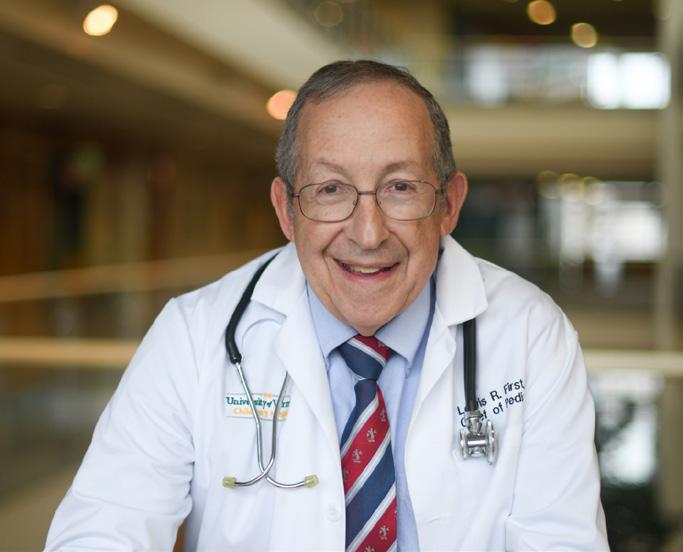
Lewis R. First, M.D. Professor and Chair, Department of Pediatrics, UVM Larner College of Medicine Chief of Pediatrics, Golisano Children’s Hospital at UVM Health
Letter from the Chair
This year’s annual report is dedicated to the memory of Susan (Sue) Victory, our senior administrative coordinator for many years and the editor of our prior annual reports until her untimely death in August 2025. We would not be the children’s hospital and department we are without Sue’s dedication and commitment to the work we do for the patients and families we serve. Her legacy lives on in all of us.
Contributors: Mike Faher, Janet Essman Franz, Stephanie Knific, Jason Revoir, John Turner. Photography: Andy Duback, Ceilidh Kehoe, David Seaver, UVM Health Network. Design: Ann Howard
Golisano Children’s Hospital at UVM Health
New Name, Expanded Possibilities
In 2025, the University of Vermont Children’s Hospital (UVMCH) received a transformative $25 million gift from entrepreneur, philanthropist, and civic leader B. Thomas (Tom) Golisano that will help improve care for patients and families across the region.
The gift, the largest donation in UVM Health’s history, will be used to expand critical services for children with complex medical needs, implement a new program on pediatric allergy and immunology, bring specialty care closer to home to reduce families’ travel time and stress, and support the organization’s commitment to delivering safe, high-quality care.
UVMCH was selected for its first-class care, collaborative culture, strong leadership, and far-reaching regional impact on patients and families. In recognizing the gift, which will be distributed as $5 million annually over five years, the University of Vermont Children’s Hospital was renamed Golisano Children’s Hospital at University of Vermont Health.
As part of the gift, the children’s hospital joins 14 other hospitals nationwide to form the Golisano Children’s Alliance, a network dedicated to elevating pediatric care through expanded shared expertise and strengthened collaboration. The alliance aims to ensure that children and families can access top-tier medical care close to home. With this announcement, Golisano’s philanthropic giving now exceeds $1 billion.
“ Children’s health has always been a priority for me, and it’s been deeply rewarding to see how the Golisano Children’s Hospitals are making a profound impact on the communities they serve.”
– TOM GOLISANO
Tom Golisano
26,865
Number of patient visits to the Children’s Specialty Center
3,609
Number of specialty telehealth visits
Major Milestones in FY2025
2,086
Number of transthoracic and fetal echocardiograms completed
22,359
Number of pediatric emergency department visits
24,577
Number of wellchild visits
20,415
Number of patients seen in primary care offices
2,569
Number of primary care telehealth visits
3,489
Number of patient visits per month in primary care including telehealth
400
Approximate number of miles the Children’s Specialty Center toy train travels in one year
Clinical Care
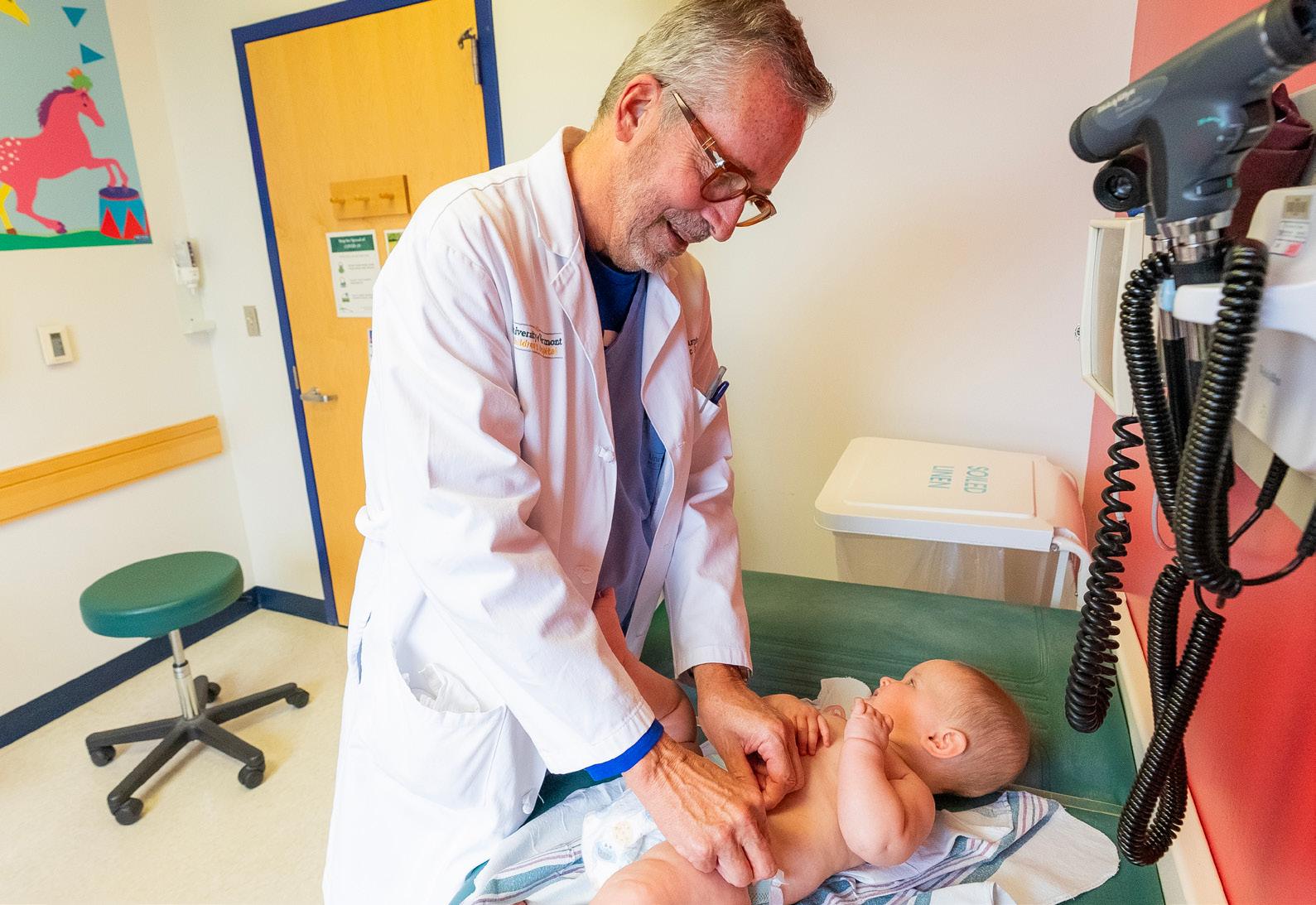
James Murphy, M.D., Pediatric Surgery
Across divisions, pediatric clinical care this year was marked by expanded specialty services, strengthened regional access, innovative transition and supportive care models, workforce growth, and continued excellence in high acuity care— supported by strong multidisciplinary collaboration.
Expanded and Specialized Clinical Services
f Multiple divisions launched new or enhanced specialty programs, including fetal cardiology parental support, Vermont’s first pediatric fitness program for youth with special health care needs, and innovative gastrointestinal therapies.
f Pediatric subspecialty care remains regionally unique, with UVM Medical Center as the only site offering inpatient and outpatient hemodialysis, as well as access to pediatric continuous renal replacement therapy.
Improved Access and Care Continuity
f Significant progress was made in adolescent to adult care transitions, including formal transition clinics and readiness visits for transition in cardiology and endocrinology.
f Services expanded access through telehealth, eConsults, joint specialty clinics, enhanced services and school based and community clinics.
f The neonatal intensive care unit (NICU) integrated new therapies and completed physical renovations to improve space and capacity to further enhance developmental outcomes.
140%
Exercise testing increased by 140% with the launch of Monty’s Fitness Program, Vermont’s first pediatric cardiac rehabilitation program to improve outcomes in pediatric cardiac patients.
Capacity Growth and Workforce Development
f Divisions added new physicians, advanced practice practitioners, nurses, and specialized staff, strengthening access across inpatient, outpatient, and network sites.
f Ongoing professional development included advanced nursing certifications, doctoral training, and prenatal genetic counseling expansion.
f Multidisciplinary teams emphasized familycentered, and trauma-informed care.
Quality, Safety, and Operational Excellence
f High patient volumes combined with excellent care continued across divisions with strong quality outcomes.
f Divisions reported advances in care pathways, protocols, and coordinated governance, including electronic health record clinical governance, standardized inpatient pathways, and improved neonatal assessment, and early detection practices.
f Pediatric residents played a key role, actively participating in quality improvement initiatives.
453
Number of patients who received care in the neonatal intensive care unit (NICU)
Ranked in the top 10 cystic fibrosis centers for following monitoring/surveillance guidelines and achieving goal lung function and nutritional status
Approximately 350 patients were admitted to the pediatric intensive care unit (PICU)
Brain Surgery, Big Comeback
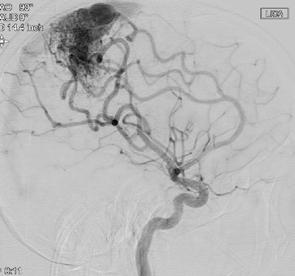
At 14, Champlain Valley Union High School studentathlete Kian Ruid experienced migraines so severe he couldn’t stand. An MRI revealed a rare arteriovenous malformation (AVM)—a dangerous tangle of vessels in his brain with a 90 percent lifetime rupture risk.
His mother, Rebecca, was devastated. But after meeting Katrina Ducis, M.D., Vermont’s only pediatric neurosurgeon, she felt hope. Dr. Ducis explained that the AVM was large, deep in the motor cortex, and dangerous to remove, yet leaving it in place carried greater risk.
Rebecca sought opinions in Boston and New York, but the family chose Golisano Children’s Hospital at UVM Health. “The AVM needed to come out,” she says. “Dr. Ducis’s honesty made us feel safe in Vermont.”
Before surgery, Kian underwent a procedure to reduce bleeding risk. Then Ducis and her team spent eight hours removing most of the grape-sized AVM. One deep fragment remained, requiring targeted radiation to remove and help Kian return to sports.
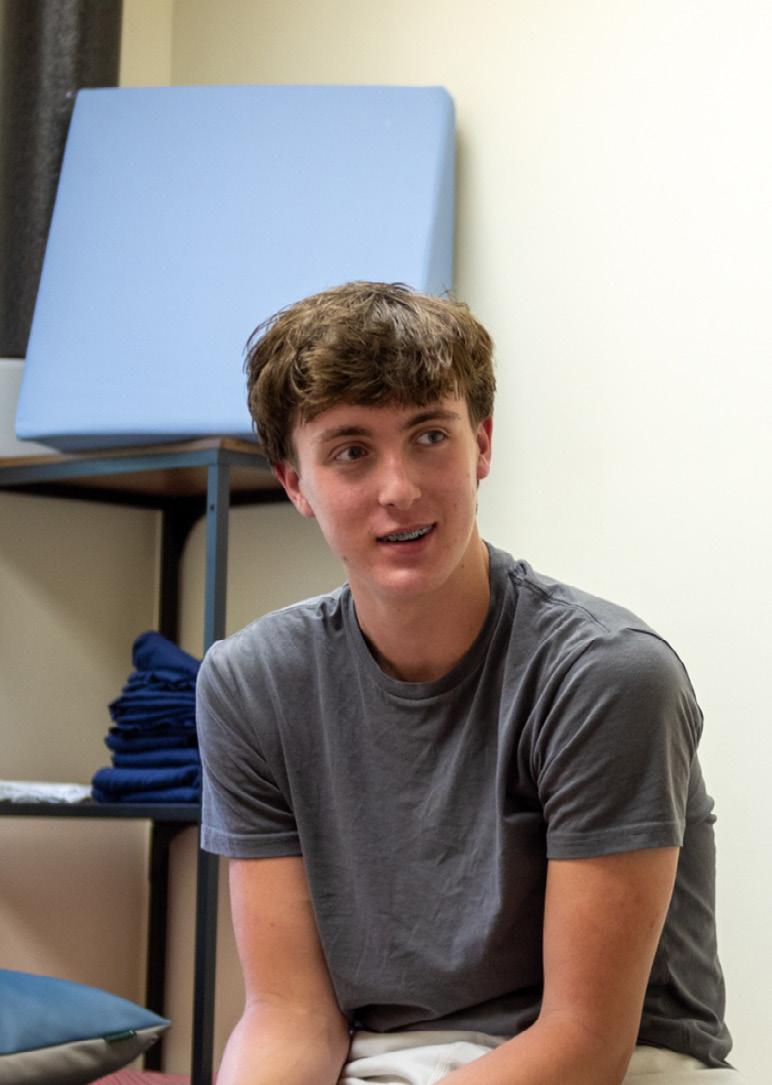
Recovery was grueling, as his right side was numb and he couldn’t walk. After a week in rehab though, Kian was walking. Nine months later, he made varsity hockey, earned his driver’s license, and played JV lacrosse.
While the numbness has mostly faded, Kian has continued with therapy. His mom says that Kian, once a devoted math enthusiast, now sees his future in medicine—probably neuroscience.
Kian Ruid at a physical therapy session.
Quality & Safety
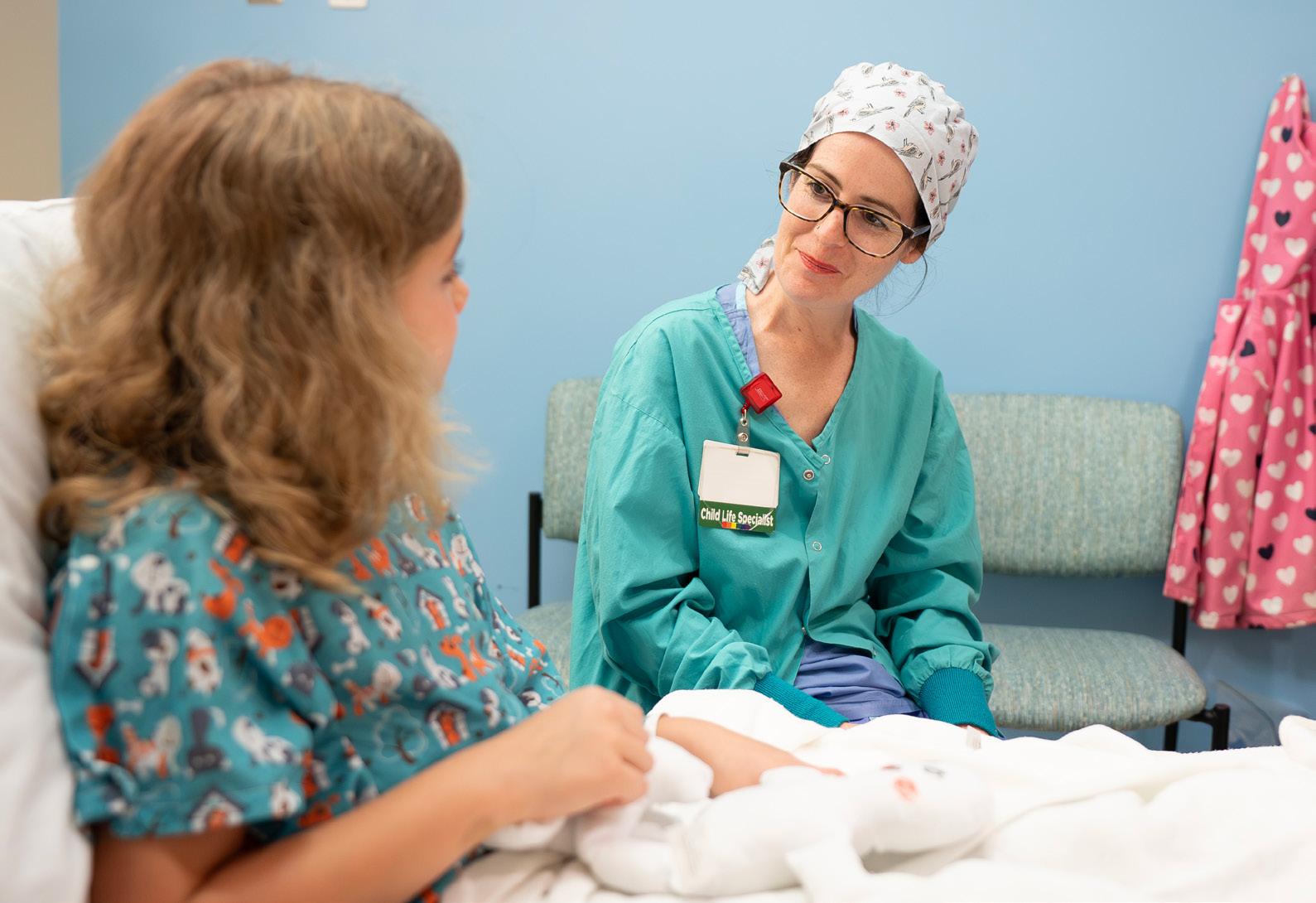
University of Vermont Medical Center Comfort Zone, part of Child Life, which gives kids undergoing a surgery or procedure a kidfriendly space with staff who specialize in child comfort. Shown here: patient Alyssa Benoure with Child Life Specialist Jennifer Eddy.
Quality improvement and safety efforts focused on standardization, workforce engagement, and datainformed practice, reinforcing a culture of reliable and patient-centered care.
Guided by a shared commitment to safety, divisions reported steady gains in delivering high-quality care. Teams advanced harm-reduction initiatives, strengthened protocols and practices, and emphasized safety as a collective responsibility across roles and settings.
Increasing the use of data, reporting tools, and informatics supported the identification of improvement opportunities, clearer tracking
The Patient Family-Centered Care Program
43 Patient/family advisors
of outcomes, and more informed decisionmaking. These capabilities enabled teams to refine interventions and sustain improvements over time. Subsequent initiatives focused on establishing clear care pathways, standardizing protocols, and improving handoffs to support safer, more predictable care.
All quality initiatives prioritized the patient experience alongside clinical safety, recognizing the importance of communication, preparation, and trust in delivering safe care. Collaborative approaches, including active involvement of patient and family advisors, ensured that improvements reflect real-world needs and experiences.
28 Projects, committees, and councils patient/family advisors serve on
980 Hours contributed by patient/ family advisors
NICU Renovation Improves Care for Infants Across the Region
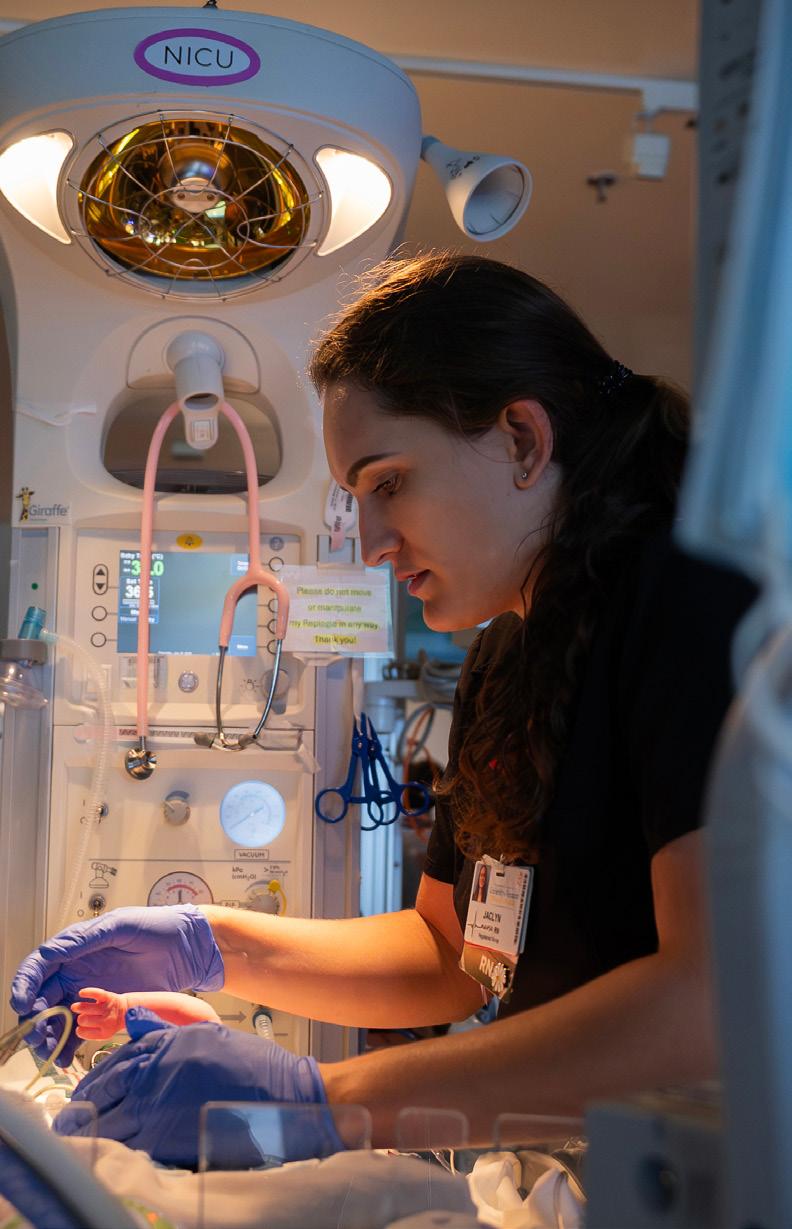
2025 saw the completion of a renovation of the Neonatal Intensive Care Unit (NICU) at Golisano Children’s Hospital at University of Vermont Health, allowing the team to provide a more private, welcoming, and functional environment for the hundreds of infants and families it serves each year.
The renovation, which represents the first significant update to the NICU since its construction in 1988, reorganized the unit’s existing space to better meet patient and staff needs. Key improvements include two new private rooms, one of which is a double patient room, offering a calmer, more healing environment for the sickest patients and a much-needed private space for families; a brighter, more secure entrance; and a nurses’ station designed to enhance workflow and staff experience.
The NICU provides care for approximately 500 premature and critically ill infants from across Vermont and northern New York each year and is the only NICU in Vermont. It also operates a specialized neonatal transport service that performs about 120 transports across the region annually.
Neonatal Intensive Care Unit (NICU) at Golisano Children’s Hospital/UVM Medical Center
These NICU renovations demonstrate a true partnership between our health system, the community helping to provide some much-appreciated philanthropic support, and especially the voices of families who have received care in our unit in the past.
These NICU renovations demonstrate a true partnership between our health system, the community helping to provide some much-appreciated philanthropic support, and especially the voices of families who have received care in our unit in the past.”
– Lewis R. First, M.D., M.S., chair, department of pediatrics, Larner College of Medicine and chief of pediatrics at Golisano Children’s Hospital at UVM Health
– Lewis R. First, M.D., M.S., chair, department of pediatrics, Larner College of Medicine and chief of pediatrics at Golisano Children’s Hospital at UVM Health
Vermont Child Health Improvement Program (VCHIP)
VCHIP’s Transitions project supported quality improvement in pediatric-toadult care transitions and 75% of the eight engaged clinical sites have demonstrated sustained improvement across five of the six core elements in transitions.
Highlights and Statististics
f Multiple units sustained central line-associated bloodstream infection-free records spanning three to six years.
f Peripheral intravenous infiltration and extravasation focus and education helped decrease intravenous complications in pediatric inpatient unit by 42%.
f Published Vermont state guidelines for evaluation and treatment of child maltreatment.
f Continued participation in national quality improvement collaborative to reduce pain and needle pokes in the NICU.
f Led a series of Vermont Community Health Improvement vaccine webinars.
VCHIP’s early childhood team expanded training in early relational health through the Touchpoints program to reach 66 new participants across 10 early childhood sectors.
Through the Every Day Counts program, VCHIP faculty collaborate with educators and health practitioners to research and support methods that bolster school attendance and well-being among Vermont youth.
Research
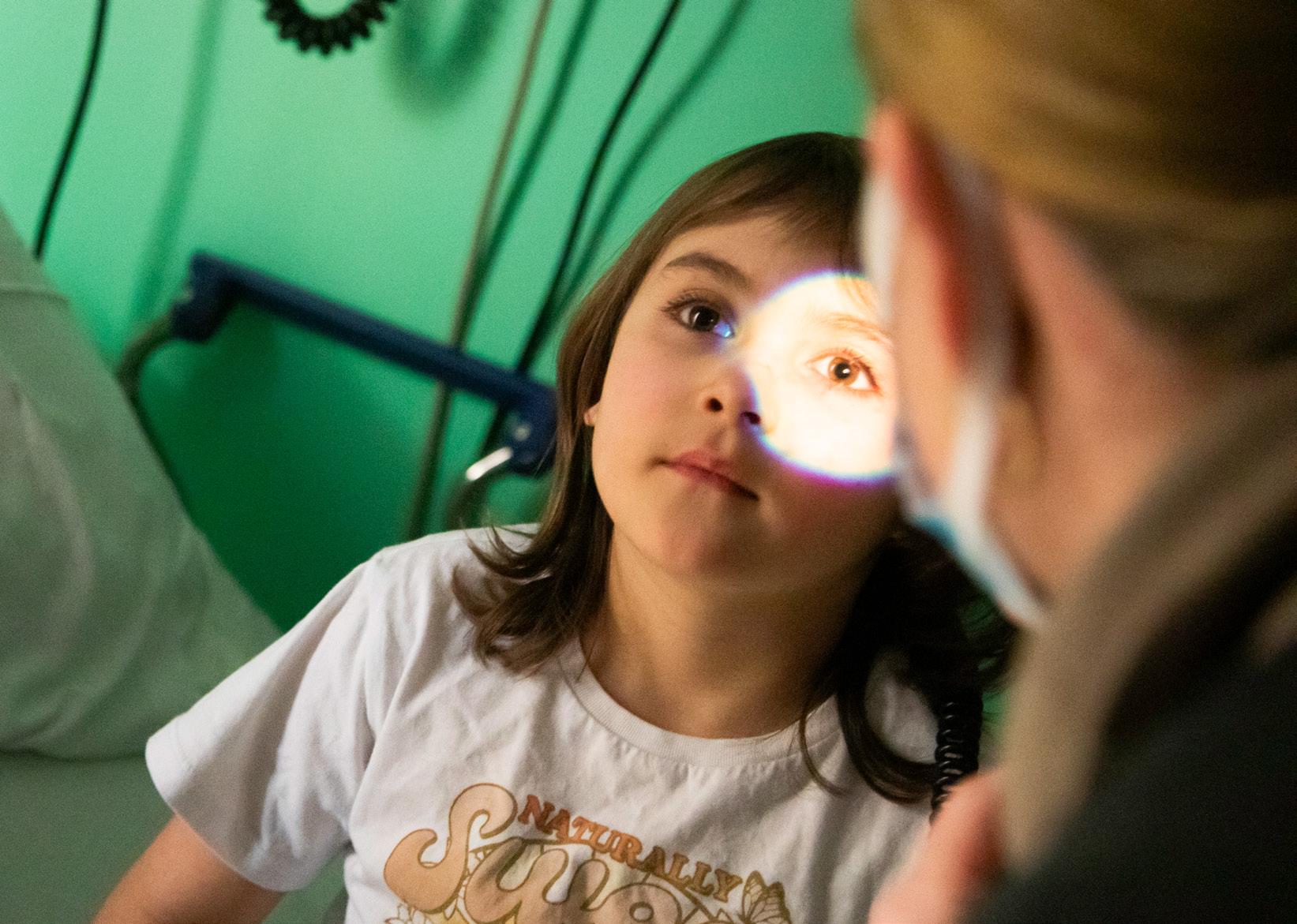
Patient at eye examination.
In the region’s only academic health system, patients of all ages benefit from a robust and collaborative research enterprise. Physicians, scientists, academic partners, and community stakeholders work together to translate emerging ideas and scientific discoveries into innovative diagnostics, therapeutics, and treatments.
This close integration of research and critical care ensures that children and their families have access to some of the most advanced and comprehensive pediatric care available.
Over the past year, research was characterized by strong involvement with clinical care, collaborative investigation, and a sustained commitment to workforce mentorship. Efforts focused on advancing discovery and strengthening the pipeline of future pediatric researchers.
Targeted investments in research infrastructure, including expanded staffing, protected roles, and operational support, enabled faculty and trainees to pursue a broader clinical and translational research agenda. At the same time, new clinical programs
POSITIONED FOR THE FUTURE and service expansions, such as specialty clinics and novel therapies, were intentionally designed to generate research questions, pilot data, and future funding opportunities.
Partnerships with quality improvement teams, informatics leaders, and external networks further advanced work in systems-level interventions and outcomes measurement, fostering more multidisciplinary activity.
Research productivity was also supported through intentional mentorship of residents, fellows, nurses, medical students, and advanced practice practitioners, integrating research participation into education and professional development.
Philanthropic support and investments played a critical role in seeding early-stage research projects, strengthening programmatic research efforts, and sustaining innovation. Together, these resources positioned divisions to pursue external funding, participate in multicenter trials, and help build long-term research sustainability.
Being part of the Golisano Children’s Alliance positions us to build robust, cross-institutional partnerships across 14 other leading healthcare systems nationwide. Together, we can strengthen pediatric health infrastructure, accelerate the exchange of best practices, expand high-impact services, and drive forward innovative research that improves outcomes for children and families.
Collaborations and Participation
f AWAKEN (Assessment of Worldwide Acute Kidney Injury Epidemiology in Neonates) database
f Pediatric Nephrology Research Consortium
f North American Pediatric Renal Trials and Collaborative Studies
f ECHO IDeA States Pediatric Clinical Trials Network
f NEAR4KIDS-PALISI (Pediatric Acute Lung Injury and Sepsis Investigators)
f Pediatric Extracorporeal Membrane Oxygenation Transfer and Outcomes Study (PEANUTS)
f American Medical Informatics Association Pediatric Clinical Decision Support Consortium
f ImproveCareNow
f Cystic Fibrosis Foundation
f NIH-funded Researching COVID to Enhance Recovery (RECOVER) initiative
Golisano Children’s Alliance
Golisano Children’s Hospital at UVM Health
Golisano Children’s Hospital at the University of Rochester Medical Center
Upstate Golisano Children’s Hospital at SUNY Upstate Medical University
Golisano Children’s Hospital of Lee Health
Golisano Children’s Hospital of Buffalo
Golisano Medical Center at Connecticut Children’s
Penn State Health
Golisano Children’s Hospital
Golisano Children’s at UK
University of Maryland
Golisano Children’s Hospital
WVU Medicine
Golisano Children’s Hospital
Arkansas Children’s Golisano Campus
Wellstar Golisano Children’s Hospital of Georgia
Akron Children’s Golisano Campus
Dayton Children’s Hospital, Golisano
Comprehensive Care Campus
Avera Golisano Children’s Hospital Sioux Falls, SD
Research Highlights
f Faculty authored over 100 peer-reviewed publications in high-impact journals including JAMA Pediatrics and Pediatrics.
f Our cystic fibrosis center is supported by competitive funding from the Cystic Fibrosis Foundation to lead clinical trials focused on innovative therapies. We rank second in the nation for the proportion of patients enrolled, reflecting our exceptional success in trial recruitment.
f The success of our primary care autism assessment program in families with non-English language preference, was shared at the International Refugee and Migration Health Conference and the North American Refugee Health Conference.
A New Model for Kids with Complex Needs
Nora McDougall was born in 2020 with Wolf-Hirschhorn syndrome, a rare genetic disorder that causes severe, frequent seizures. For her parents, Katie and Bo, managing her care felt overwhelming until a new approach at Golisano Children’s Hospital at UVM Health began to make a difference.
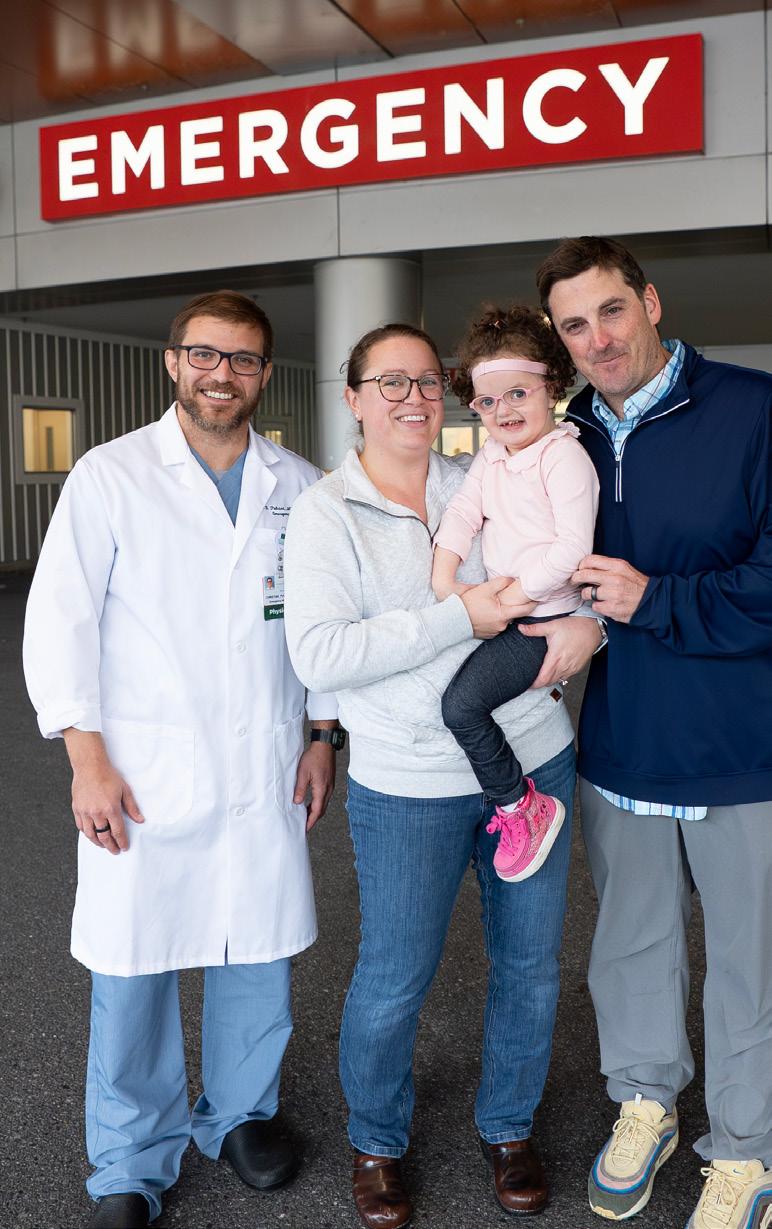
The family credits an innovative model created by Christian D. Pulcini, M.D., M.P.H., M.Ed., assistant professor of emergency medicine and pediatrics at the Larner College of Medicine and a pediatric emergency medicine physician at the Children’s Hospital and UVM Medical Center.
Dr. Pulcini has been developing an “emergency care action plan” for children with complex medical needs, specifically those with multiple chronic health problems requiring care that many general and rural hospitals may not be able to provide. After treating Nora in the ER and hearing her story, he knew she was the perfect candidate.
Pulcini and the McDougalls created a plan addressing Nora’s seizures and respiratory issues, connecting clinicians from Vermont and Boston Children’s Hospital. It includes an emergency department care plan, ready-to-use access kits for seizure treatment, a respiratory care box for the ER, and regular check-ins among Nora’s caregivers.
After sharing Nora’s story in the journal Pediatrics, Pulcini’s research continues. He believes Emergency Care Action Plans can improve care and quality of life, reduce hospital visits, and lower costs.
Christian Pulcini, M.D. (left), greets the McDougall family at UVM Medical Center.
Education
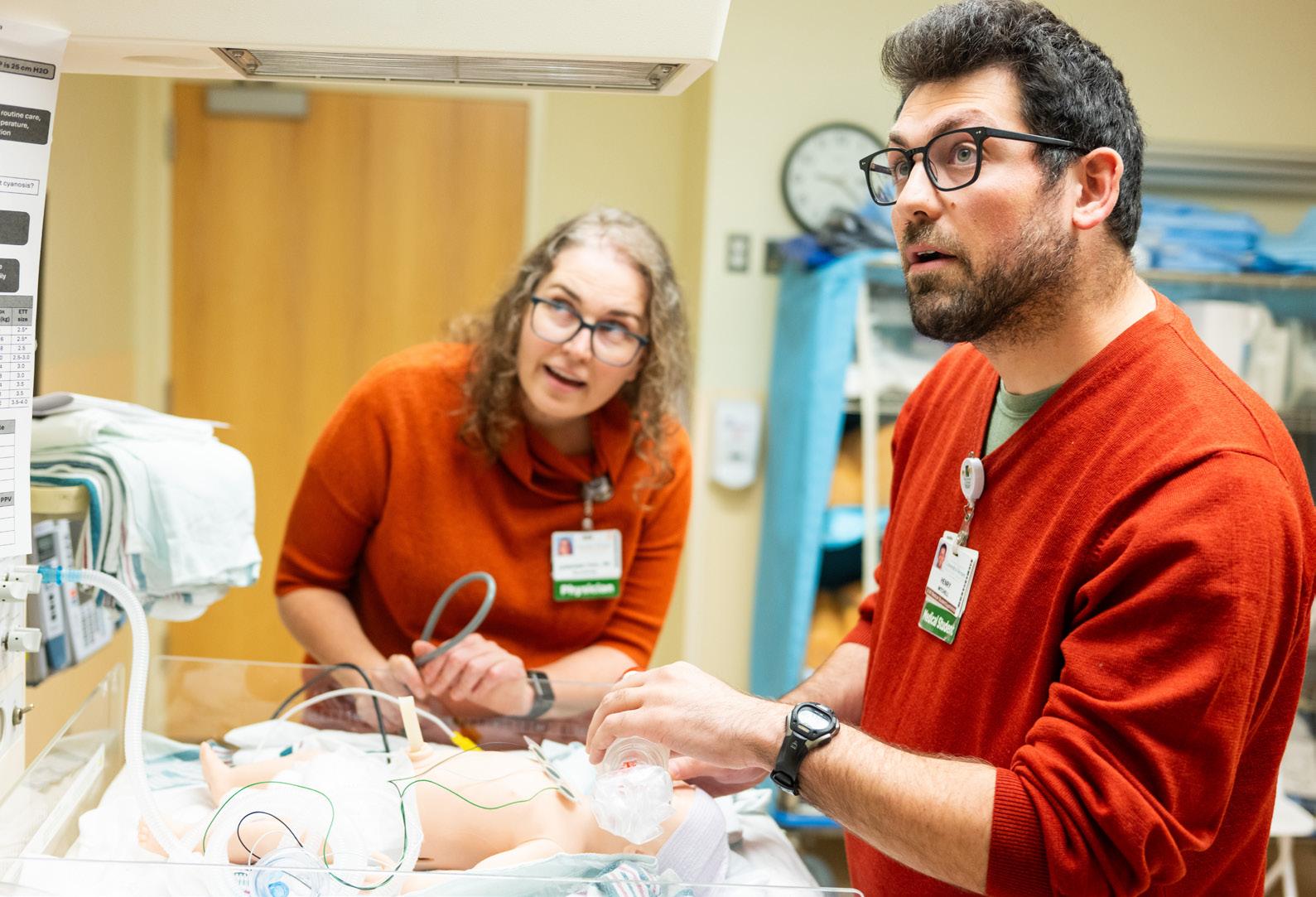
Fourth-year medical student at pediatric boot camp session at Larner’s Clinical Simulation Laboratory.
POSITIONED FOR THE FUTURE
The Department of Pediatrics delivers high-quality education while advancing the health and wellbeing of children and families across Vermont and Northern New York. Our faculty demonstrate a strong commitment to teaching and mentorship: more than 15 percent of pediatric faculty members serve as mentors to Larner students and 26 percent mentor undergraduate students.
Faculty lead courses, direct curricula, and facilitate small-group learning during the preclinical years at Larner. They also guide student organizations, including the Student National Medical Association, the Gold Humanism Honor Society, and the Schweitzer Fellowship Program.
Clerkship students in Vermont, New York, and the Connecticut branch gain broad clinical exposure and firsthand experience with social drivers of health. Many pursue careers in rural medicine after training in regional pediatric practices.
The department prioritizes care for underserved populations. The pediatric residency’s rural track, now in its second year, strengthens this commitment. Approximately half of residency graduates enter primary care, many in rural settings, while the remainder pursue subspecialty fellowship training nationwide.
36% of pediatric faculty are members of Larner’s Teaching Academy.
26% of pediatric faculty members mentor undergraduate students.
15% of pediatric faculty members serve as mentors to Larner students.
Welcome Home!
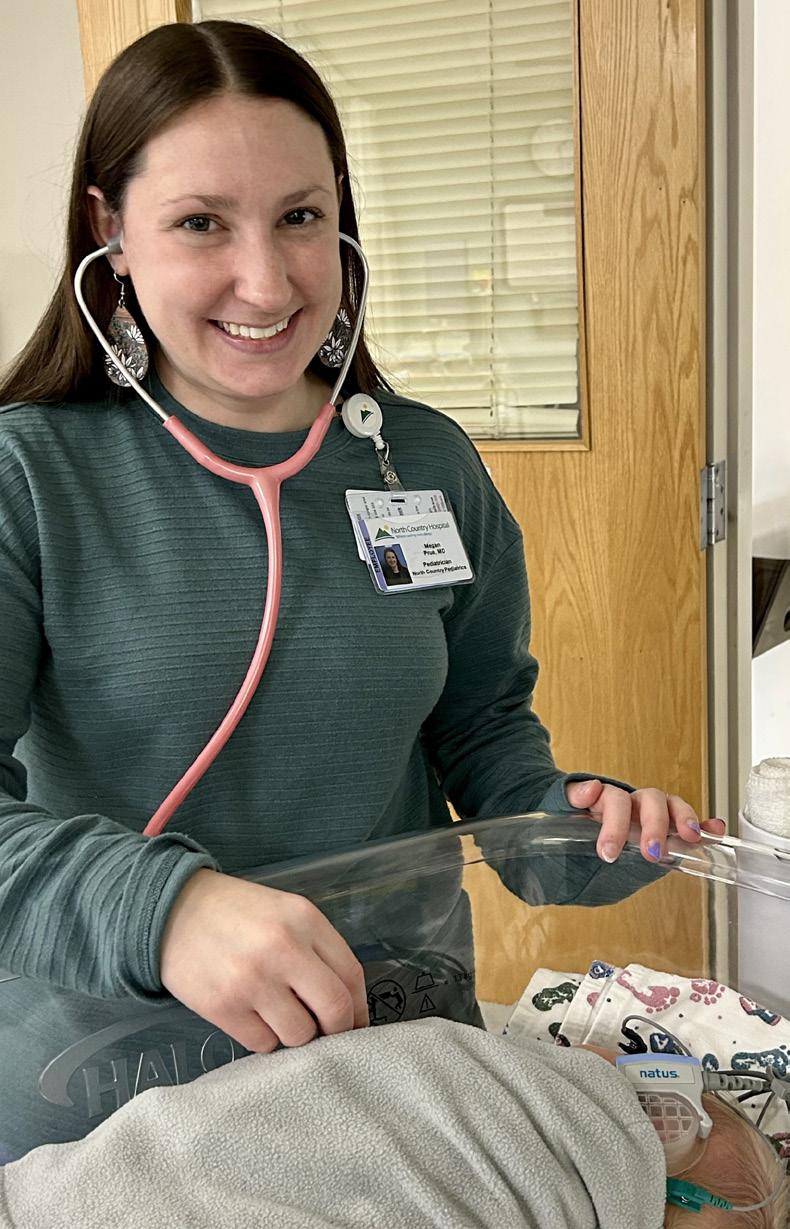
At age three, Megan Prue, M.D.’22, told her parents she wanted to be a doctor. Now, after completing medical school at Larner College of Medicine and her pediatric residency at Golisano Children’s Hospital at University of Vermont Health, she has returned to the pediatric clinic where she once was a patient.
“This was my dream since childhood,” Dr. Prue says of her new role at North Country Pediatrics, formerly known as Newport Pediatrics, in Newport, Vermont.
A high school teacher connected Prue with Newport Pediatrics for a shadowing opportunity. Prue continued working there throughout high school and on college breaks, doing office work and learning the many aspects of running a medical practice. After completing undergraduate studies at the University of New England in Maine, Prue returned to Vermont for medical school. One of Prue’s favorite memories from medical school was doing patient rounds with Lewis First, M.D., who wrote Prue’s letter of recommendation for residency.
During residency training, Prue participated in a rural medicine concentration, rotating through several community hospitals and practices. Delving into medical care in varied rural settings allowed Prue to “see a little bit of everything within pediatrics,” she says. Her rotations included the pediatrics practice in Newport, where the practitioners and patients remembered Prue. She was invited to join the practice following her training.
Megan Prue examines a newborn baby at North Country Hospital.
Mentorship
Undergraduate students:
f 23 pediatric faculty members volunteered more than 30 hours each to mentor an undergraduate student through the PATH (Pathways in Pediatric Education) program.
Preclinical medical students:
f Nine pediatric faculty members facilitated weekly sessions in the Professionalism, Communication, and Reflection course for M1 and M2 students.
f 15 pediatricians volunteered as Doctoring in Vermont faculty, providing clinical opportunities for preclinical medical students.
f 13 pediatric faculty mentored Larner medical students, meeting monthly to provide guidance and exposure to pediatric careers.
Outcomes
11 Larner Class of 2025 graduates matched into pediatrics (10.6 percent of NMRP applicants), well above the 7.4 percent national average.
UVM Pediatric Residency Class of 2025:
f Three entered primary care
f Three pursued fellowships (including one in Developmental-Behavioral Pediatrics, an unsubscribed field)
f One was selected as chief resident
Over the past five years, six pediatric residents entered primary care in Vermont and one in upstate New York.
Faculty Advancement and Engagement
f Seven faculty promotions: five to associate professor, and two to professor (one with tenure).
f 32 pediatric faculty are Teaching Academy members (4 Distinguished Educators, 6 Experts, 21 Members, 1 Associate).
f Pediatric faculty represent 15 percent of the Teaching Academy and 36 percent of the pediatrics faculty overall.
f Now in the sixth year, monthly faculty discussions on inclusive excellence.
f Successfully piloted a new Academic Half Day within the pediatric residency program.
Teaching Academy
Culture & Belonging
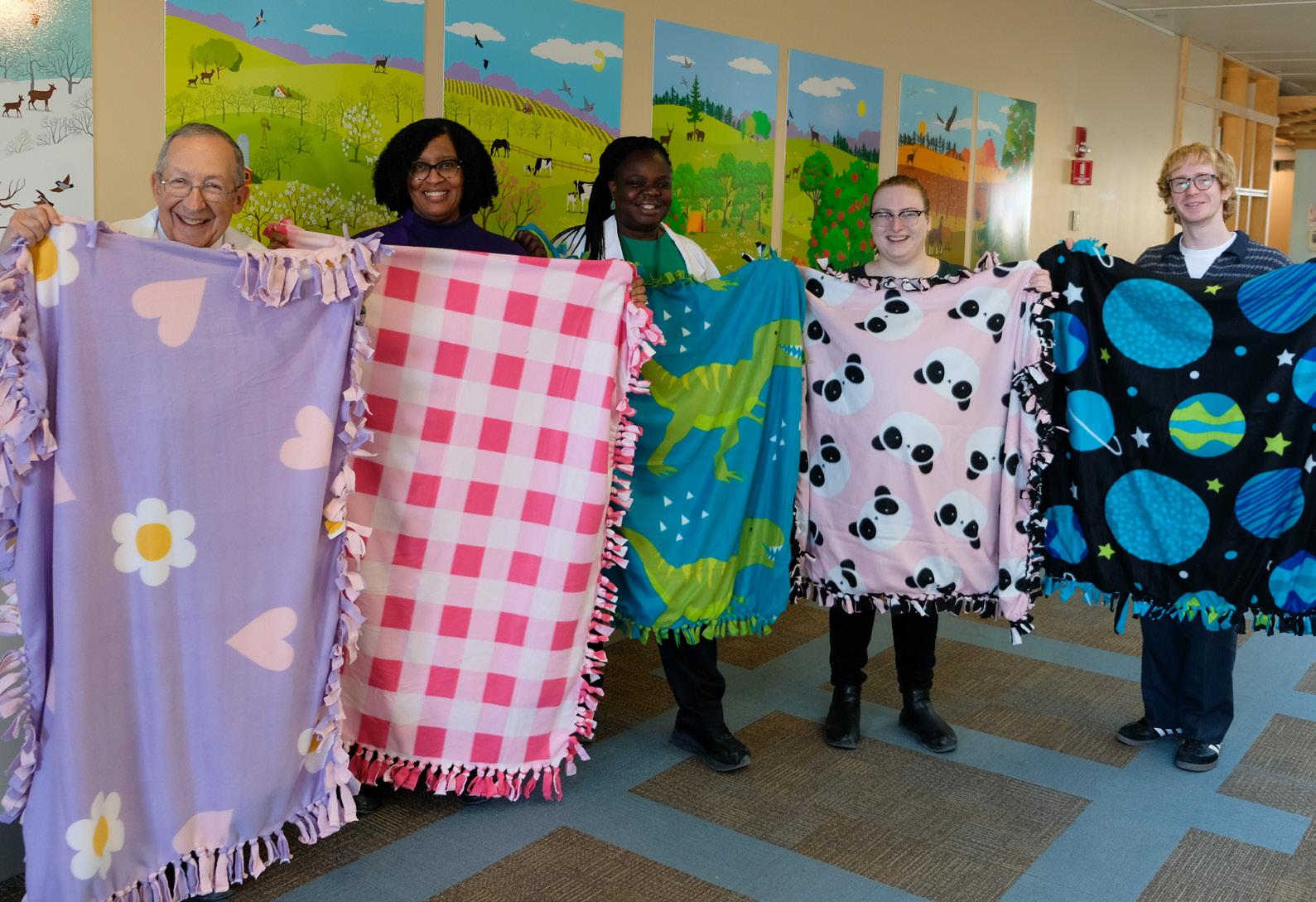
Blankets made by the UVM Larner College of Medicine’s Office of Intercultural Excellence were donated to the Golisano Children’s Hospital at UVM Health.
The Golisano Children’s Hospital at UVM Health consistently demonstrates a strong commitment to inclusive, supportive environments, embedding respect, dignity, equity, and belonging into daily practice. This patient-centered approach recognizes that the experiences of patients and families are closely tied to how they are perceived, and to how valued and supported they feel. Advocacy and community partnerships are central, linking
clinical work to broader social responsibility and strengthening trust with diverse populations.
Efforts to strengthen culture include programs that expand pathways to medicine, community training, and recognition initiatives that celebrate all contributions. Together, these formal and informal efforts boost morale, reinforce shared pride, and highlight individuals and teams who exemplify core values.
Culture & Belonging Values/Initiatives
A pilot program focused on supporting families with nonEnglish language preference or other barriers in screening improved autism screening rates by close to 10 percent.
Jill Rinehart, M.D., and Olobunmi Salako M.D., were selected as vice chair and associate vice chair, respectively, of culture and belonging, helping to organize departmental health equity initiatives.
Faculty Discussion Space sessions continue in our sixth year of offering monthly faculty conversation seminars about diversity, equity, inclusion, and belonging.
Advocacy & Legislation
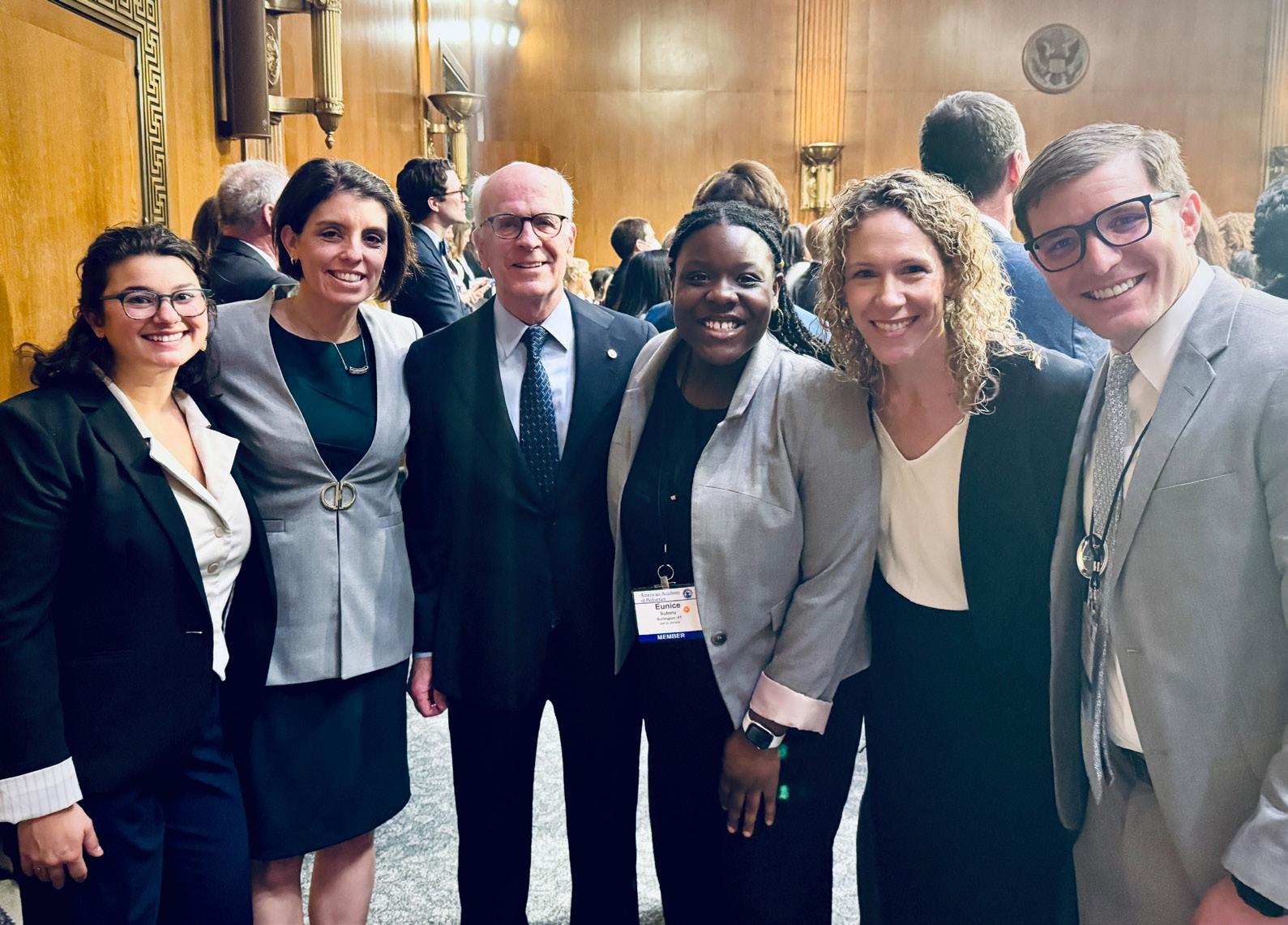
In Washington D.C., faculty, residents and medical students attended the American Academy of Pediatrics Advocacy Conference.
Pictured left to right: Julie Ehrlich, M.D., Rebecca Bell, M.D., Senator Peter Welch (D-VT), Eunice Suberu ’27, Heidi Schumacher M.D.’10, Christian D. Pulcini M.D., M.P.H., M.Ed.
Effective advocacy strengthens the Golisano Children’s Hospital’s ability to succeed by keeping policymakers informed about both current and emerging pediatric health priorities.
Advocacy is important because it helps drive meaningful change by influencing decisions, policies, and systems that impact people’s lives. It gives a voice to individuals and communities—especially those who may otherwise go unheard—and ensures their needs and concerns are recognized and addressed.
By raising awareness, shaping public understanding, and promoting equitable access to resources, advocacy plays a critical role in improving outcomes and advancing fairness.
In health care especially, advocacy also empowers individuals with the knowledge and support needed to make informed decisions, while encouraging accountability at institutional and policy levels.
POSITIONED FOR THE FUTURE
f Jonathan Flyer, M.D., pediatric cardiology division chief and associate professor, worked with the Family Heart Foundation to increase national awareness for pediatric lipid screening.
f Faculty, residents and students attended the American Academy of Pediatrics Advocacy Conference in Washington D.C., and met with Vermont congressional leaders to advocate for the importance of vaccines. Attendees also participated in the Northern New England Advocacy Conference.
f Lauren (L.E.) Faricy, M.D., was selected to serve on the American Academy of Pediatrics Tobacco Consortium dedicated to protecting youth and families from the detrimental effects of nicotine and cannabis.
f Faculty and residents wrote op-eds on multiple advocacy issues including reducing school absenteeism and rural health initiatives.
f Faculty and residents held regular, ongoing meetings with network and state leaders to advocate for gender diverse youth and families cared for at Golisano Children’s Hospital.
f Advocates contributed to the reform of the Vermont State Child Protection Registry policy.
Philanthropy
2025 was a landmark year for philanthropic support at the Golisano Children’s Hospital at UVM Health. This included a $25 million commitment from philanthropist Tom Golisano, who selected the hospital to be part of the Golisano Children’s Alliance. In addition, philanthropic funding
increased thanks to community events and supportive donors. These acts of generosity enable affordable, accessible, and high-quality health care for kids and families across our region— strengthening our impact today, while securing a strong foundation for the future.
Big Change Round Up for Kids
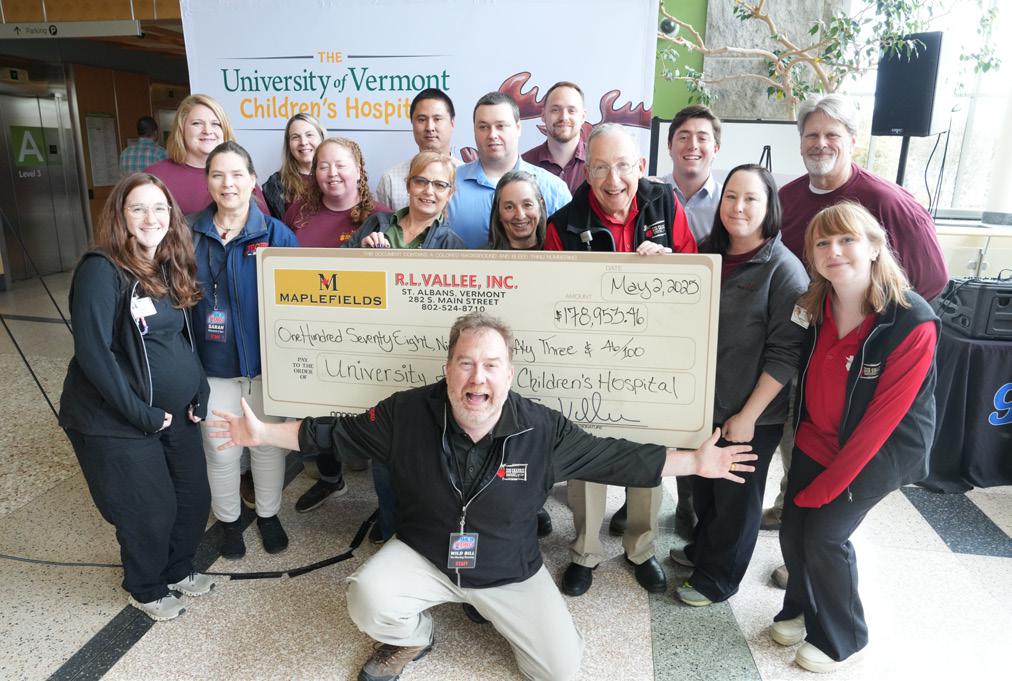
Maplefields raised $195,000 for the Big Change Roundup for Kids, a radiothon in partnership with WOKO 98.9 FM. This was the single largest gift in Big Change’s 20-year history.
Staff from WOKO 98.9 FM, Maplefield’s, and our children’s hospital, celebrate Maplefield’s gift to the Big Change Round Up for Kids.
Endowed Chair
Starting in 2025, and announced in May 2026, more than $3 million was raised to endow the Lewis R. First, M.D., M.S., chair of pediatrics in honor of Dr. First’s more than 30 years of service. Many contributed, including significant gifts from the Farrington Family and Vermont Oxford Network. Additional endowed funds supported pediatric cardiology, rural pediatrics, addressing child maltreatment, hematology/oncology, and medical education initiatives.
Extra Life
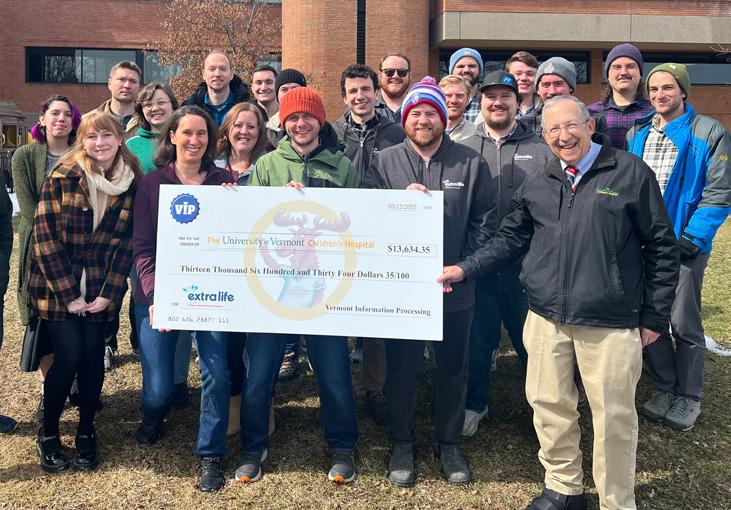
Vermont Information Processing (VIP) celebrated its 10th anniversary as a lead donor to Extra Life.
Children’s Miracle Network Hospitals National Partners
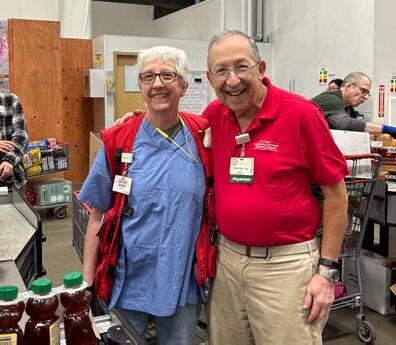
Costco Warehouse in Colchester, Vermont raised a record-breaking $95,213 for our local Children’s Miracle Network Hospitals campaign.
Rallython
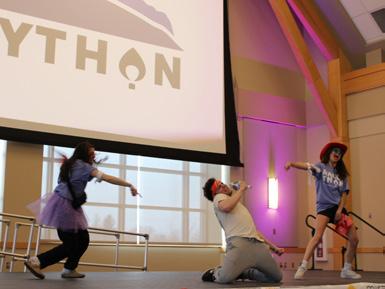
UVM student-run RALLYTHON/Dance Marathon reached a 10-year fundraising total of $1 million.