Supporting organisations to innovate, grow and create sustainable impact.


Supporting organisations to innovate, grow and create sustainable impact.
The Centre for Sustainable Innovation (CSI) was established in response to a rapidly changing business landscape shaped by digital disruption, sustainability pressures and organisational transformation. Its purpose is to support businesses to respond with confidence and capability.
Based within Salford Business School at the University of Salford, CSI connects academic expertise with industry practice. The Centre brings together research, facilities and delivery experience to ensure that innovation translates into practical, measurable outcomes for businesses and the wider economy.
What distinguishes CSI is its applied approach. Programmes are designed and delivered with industry partners, funders and delivery
organisations, ensuring activity is grounded in real‑world challenges and responsive to business need.
This report reflects on CSI’s first two years, highlighting partnerships, programmes and impact. This report presents evidence of what has been delivered, what has changed as a result, and how this work provides a strong platform for future growth.
The Centre for Sustainable Innovation was established to support organisations navigating complex change and to translate academic expertise into applied, industry‑led innovation.
CSI works with businesses across multiple sectors, supporting leadership development, digital transformation and sustainability action. Central to this work is supporting innovation that is purposeful, sustainable and achieveable: co‑designing programmes with industry, leveraging regional and national networks, and building long‑term relationships rather than one‑off interventions.
Our Impact:
412 organisations supported
31 innovation programme cohorts delivered
£4.26 external funding secured
CSI’s model combines leadership development, digital innovation and sustainability action. These foundations position the Centre to scale impact and attract investment.

The Centre for Sustainable Innovation was created to work with industry, understanding real challenges, co‑designing relevant support and enabling organisations to act with confidence. From the outset, our aim has been to make innovation accessible, practical and grounded in real business contexts.
Over the past two years, we have collaborated with organisations at different stages of their journey. What has been particularly powerful is the way partnerships have shaped delivery, enabling ideas to be tested, refined and progressed through sustained engagement rather than isolated activity.
I'm proud of what has been achieved. The Centre has become a point of connection between industry and academia, where collaboration leads to practical action and shared benefit. This report captures the early impact of that work. I am grateful to our partners, funders and colleagues who have contributed to the Centre’s development, and I look forward to building on these foundations in the years ahead.

Professor Francine Morris, Associate Dean Research and Knowledge Exchange
The Centre for Sustainable Innovation was established to bring together academic insight, industry experience and regional ambition in a way that delivers real value for businesses. From the outset, the focus has been on collaboration and working alongside organisations to address complex challenges through practical, evidence‑led approaches. Its early impact reflects the strength of this model and the value of universities as convenors of applied, partnership‑led innovation. The progress highlighted in this report demonstrates the potential for even greater impact as the Centre continues to evolve.
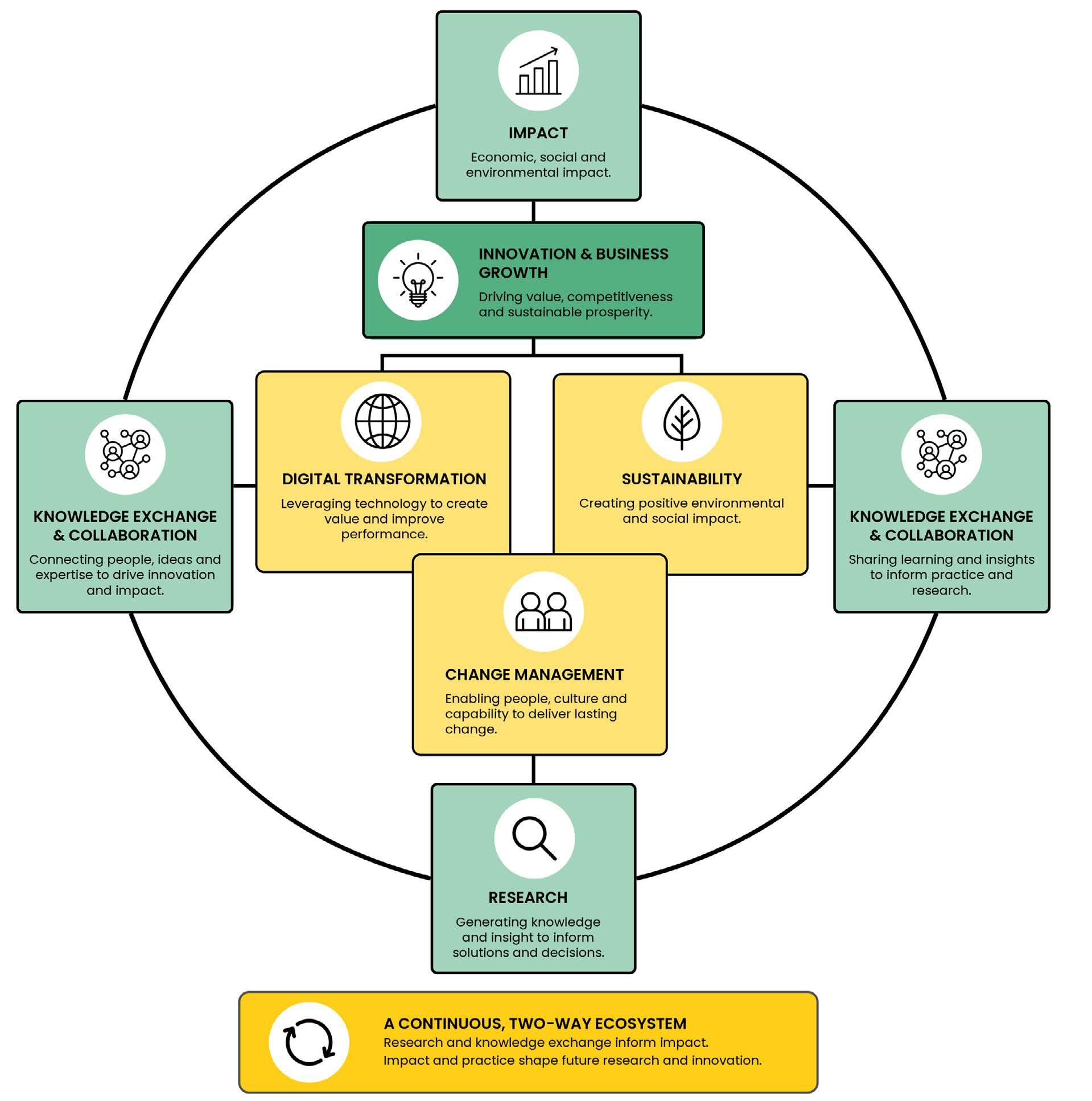
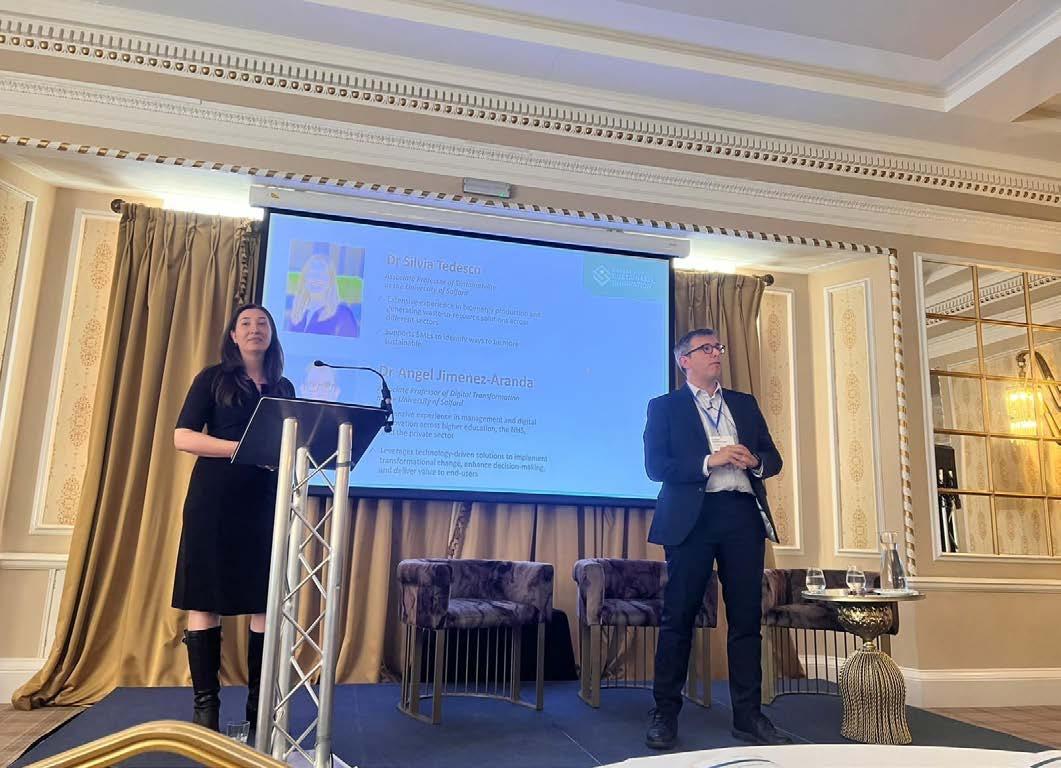
CSI operates across three themes: digital transformation, change management and sustainability. These reflect the need for organisations to address technology, people and environmental priorities together. Each theme is led by an academic expert with extensive experience working alongside industry. This ensures CSI’s programmes are evidence‑led, applied and shaped through collaboration with businesses and partners.

Dr Angel Jimenez Aranda
Angel’s work focuses on translating digital innovation into tangible business value. Through applied research, consultancy, and knowledge exchange activities, he supports organisations across sectors to adopt digital technologies responsibly and effectively, aligning strategy, operations, and decision making. His work has led to innovations such as SmartScan, a University of Salford spin out helping improve digital product information and compliance in the construction sector, and the AI-Cybersecurity Nexus initiative, which supports SMEs in harnessing AI while strengthening cybersecurity capabilities. He delivers consultancy and collaborative innovation projects with organisations in the creative industries, helping businesses leverage emerging technologies to drive productivity, innovation, and sustainable growth.

Dr Ann Mulhaney
Ann’s work at CSI is centred on enabling companies to turn innovation into sustained organisational change. Her research informs key programmes such as the Made Smarter Leading Digital Transformation Programme (operating in Greater Manchester and South East regions); Sustainable Futures, a supply chain initiative with the Northern Automotive Alliance and the Help to Grow: Management course. Ann works directly with leaders to embed learning into strategy, culture, and operations. Alongside this, she leads the development and delivery of bespoke commercial projects, including in house business improvement programmes, designed to tackle specific organisational challenges and deliver tangible business outcomes.

Dr Silvia Tedesco
Silvia’s work focuses on translating sustainability research into practical, scalable solutions for industry. Through applied research, collaborative programmes and national research leadership, she supports organisations to adopt circular economy approaches, reduce emissions and embed sustainability within operations and strategy.
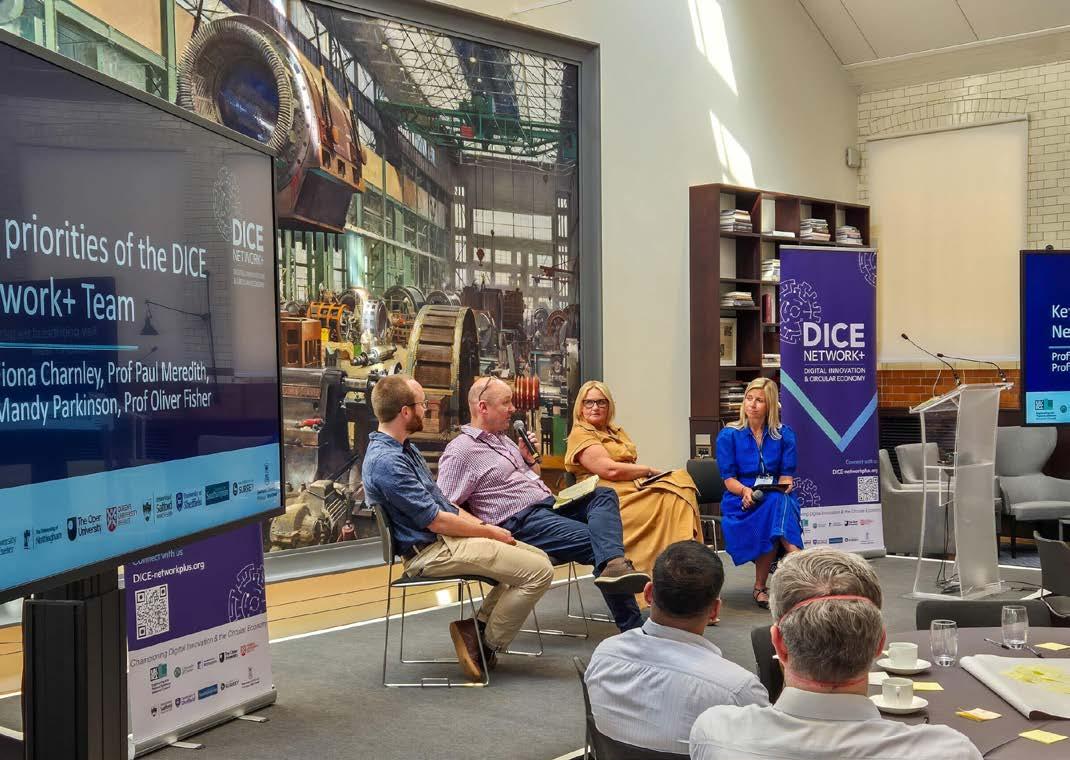
Her work has led to programmes such as Sustainable Futures, and PAPERdecarb, a BBSRC‑funded project demonstrating low‑carbon, waste‑to‑energy solutions within the paper manufacturing sector. At a national level, Silvia plays a leadership role in the DICE Network+, shaping research priorities and strengthening collaboration between academia, industry and policymakers to advance the digital circular economy.
Through this integrated approach, Silvia’s work connects organisational, sectoral and policy‑level impact supporting businesses to translate sustainability ambition into measurable environmental, economic and operational outcomes, while contributing to wider decarbonisation and circular economy agendas
CSI delivers a portfolio of programmes that support organisations at different stages of their growth and innovation journeys. Here are our highlights:


Leadership development for SME growth and change.
82 businesses supported
Impact: improved leadership capability and strategic clarity
Structured innovation exploration.
67 businesses supported
Impact: progression from idea to innovation plan
Early‑stage creative and immersive technology support.
42 businesses supported
8 businesses creating new prototypes

On‑demand digital capability development.
649 users
Impact: providing accessible, flexible learning opportunities for individuals and SMEs. Addresses barriers to participation including cost, accessibility and prior experience, aligning with regional and national priorities around levelling up and workforce development. Embedded by the Greater Manchester Further Education Innovation Programme.
Digital adoption for manufacturing SMEs.
58 businesses supported
22 cultural and digital readiness survey reports completed
Impact: Sustained organisational and cultural changes resulting from leadership and digital strategy development through end of programme showcase presentations and post programme accountability meet ups.
Specialist digital innovation support for SMEs developing new ideas and opportunities.
12 proof of concepts developed
Impact: businesses received a three month intensive, business led R&D support package, enabling them to adopt and develop innovative AI and immersive technology solutions.
Lagan’s Foundation, a healthcare‑focused organisation supporting families of children with complex health needs, engaged with the Centre for Sustainable Innovation to explore new routes for growth and innovation.
The organisation’s journey began with Help to Grow: Management, following a recommendation from the NatWest Accelerator. Through the programme, the leadership team strengthened strategic capability and began exploring opportunities to extend their impact, including the development of a potential spin‑off initiative. Early insight into international growth also shaped direction, with the organisation adapting its approach to maintain and expand overseas connections.
Building on this foundation, Lagan’s Foundation progressed into Creative Tech Labs, where an early‑stage concept was developed and refined. With further support from the

Exploring a spin off opportunity as part of the H2G programme
brought her new spin off initiative to the Creative Tech Labs Programme, where she explored opportunities to move the initiative forward.
MediaCity Immersive Technologies Innovation Hub, the organisation accessed funding and technical expertise to develop a proof‑of‑concept model, advancing the idea towards implementation.
Through continued collaboration with partners including Think Lab and the NextGen Accelerator, and with support from Greater Manchester Business Growth Hub (GMBGH) funding, the organisation has since progressed to developing an operational prototype, positioning the initiative for future commercialisation.
CSI’s programmes also provided access to networks and peer learning, strengthening the organisation’s support ecosystem. By 2025, this progression had opened up international opportunities, including participation in a trade mission to Ireland.
This journey demonstrates how a structured pathway from leadership development to innovation delivery can help organisations move from early ideas to market‑ready solutions, leveraging partnerships, funding and expertise along the way.
In partnership with Think Lab and funding from the Navigator Acceleration programme (circa £10K), GMBGH, an operational prototype is now being developed to support commercialisation of the product.

During module one of H2G, international growth was explored and not previously on the radar. Operations Manager gave notice to move to Australia. Instead of saying goodbye, Carren moved their role to Australia and where they are exploring new opportunities.

Through funding via the MediaCity Immersive Technologies Innovation Hub, Carren was able to utilise the tech assist process to build a proof of concept model.
In November 2025, Carren joined a trade mission to Ireland.

DEMONSTRATING HOW COLLABORATIVE RESEARCH CAN DELIVER SCALABLE, INDUSTRY‑ALIGNED INNOVATION.
SmartScan is an innovative digital tool developed with GS1 UK Ltd through CSI to improve access to verified construction product information. It allows users to scan barcodes or manually enter Global Trade Item Numbers (GTINs) using a smartphone, giving quick access to up to date product data from manufacturers’ websites. The project addressed a key challenge in the construction industry: essential product information such as performance data, certificates and manuals is often difficult to access, inconsistent or unreliable, despite being vital for safety, compliance and informed decision making.
BUILDING LEADERSHIP CAPABILITY TO ENABLE MEASURABLE ORGANISATIONAL CHANGE AND FUTURE RESILIENCE.
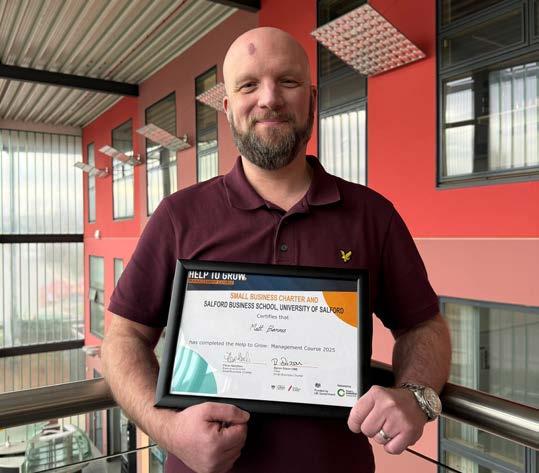
Ajax Equipment Limited, a Bolton‑based engineering and manufacturing business with over 50 years of experience, engaged with the Centre for Sustainable Innovation to strengthen its approach to growth, innovation and operational efficiency.
Through participation in the Help to Grow: Management programme, the company took the opportunity to step back and critically assess its existing processes, strategy and ways of working. This led to clearer goal setting, increased focus on digitisation and the introduction of new approaches to improve efficiency and internal alignment.
A key outcome has been the company’s ability to more effectively communicate its value and expertise to customers and markets, strengthening its competitive position. The programme also supported greater knowledge sharing across the leadership team, enabling a more coordinated and confident approach to managing change.
Alongside organisational improvements, the programme delivered significant individual development, building confidence within the leadership team and encouraging more proactive contribution to decision‑making and strategic direction.
Developed through the Innovate UK Accelerated Knowledge Transfer programme, SmartScan uses international GS1 open standards to provide a reliable way of identifying products and linking users to relevant online materials. CSI expertise supported the design, development and data modelling of the solution, while GS1 UK Ltd ensured it aligned with industry standards and real world needs. Usability testing with construction products confirmed that SmartScan improved access to verified data, supported safety and compliance, increased supply chain efficiency and helped stakeholders adopt digital technologies across the construction sector. The project was finalist in the Building Innovation Awards and received a University of Salford Research and Knowledge Exchange Award in 2025. A spin out company, 3S Data Ltd., was created to commercialise the solution.
THE PROGRAMME HAS HELPED US SET CLEARER GOALS AND THINK DIFFERENTLY ABOUT HOW WE IMPROVE. DIGITISATION IS ALREADY CHANGING HOW WE OPERATE, AND I’VE GAINED THE CONFIDENCE TO CONTRIBUTE MORE EFFECTIVELY ACROSS THE BUSINESS.
— Matt Barnes, Production Manager, Ajax Equipment Limited
This case highlights the role of leadership development as a foundation for broader innovation, enabling established businesses to adapt, evolve and position themselves for sustainable growth.
Research and knowledge exchange are central to how the Centre for Sustainable Innovation delivers impact. CSI operates as a hub for applied, industry‑facing research, connecting academic expertise with real‑world challenges to generate solutions that are both evidence‑based and practical.
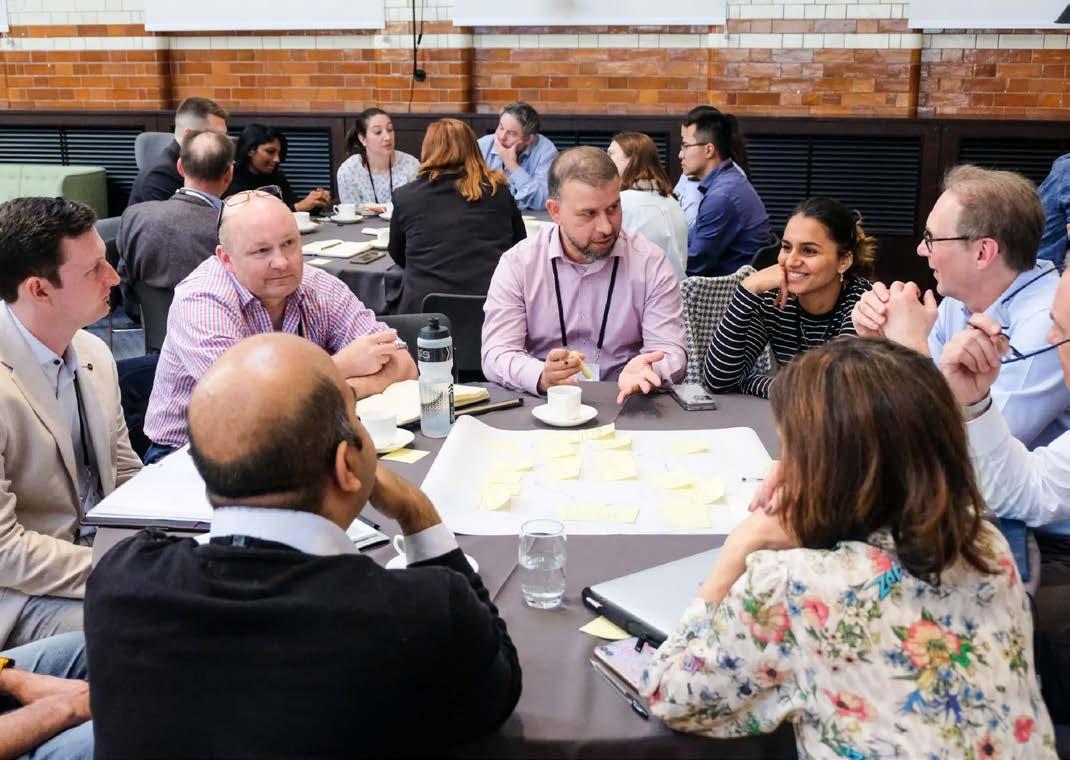
Rather than operating as separate activities, research and delivery are closely integrated. Programme activity informs research priorities, while research outputs are translated directly into tools, frameworks and innovation support for businesses. This creates a continuous flow of knowledge between academia and industry, enabling organisations to test, adopt and apply new approaches with confidence.
CSI’s work spans organisational, sectoral and national levels. At an organisational level, businesses are supported to improve performance through leadership development, digital adoption and sustainability action. At a sector level, collaborative programmes and partnerships strengthen capability across supply chains. At a national level, CSI contributes to research networks, funding programmes and policy‑relevant activity, shaping wider innovation and sustainability agendas.
This model also creates opportunities for collaborative research projects, enabling academics to work across disciplines and engage with industry partners to address complex challenges. Through externally funded projects, partnerships and networks, CSI supports the development of new knowledge while ensuring that it is applied in ways that deliver measurable impact.
THROUGH THE CENTRE, I’VE BEEN ABLE TO WORK ON PROJECTS BEYOND MY CORE FIELD, COLLABORATE WIDELY AND SEE THE DIRECT IMPACT OF THAT RESEARCH ON BUSINESSES AND COMMUNITIES.
— CSI Affiliate Dr Ashraful Alam, Associate Professor of Sustainability and Programme Leader for MSc Finance at Salford Business School
(period up to 31 March 2026)
13 peer-reviewed publications
30+ research and knowledge exchange projects
Bridging the AI‑cybersecurity gap for SMEs (Business Horizons, 2026)
55+ thought leadership presentations
4 KTP applications
A decade of data: A journey of change and organisational culture in UK businesses (Occupational Psychology Outlook, 2026)
Driving decarbonisation: Executive education as a catalyst for SME sustainability in the UK automotive sector (World Sustainability Series, 2026)
A human‑centric approach to digital transformation (Research & Innovation Forum, 2025)
A framework for building a secure, resilient and AI based digital future for SMEs (Proceedings of the 2nd International Workshop on Education for Artificial Intelligence, ECAI 2025)
Calcium oxide‑rich industrial waste ash as a lime substitute (Waste and Biomass Valorization, 2025)
*Full list available online
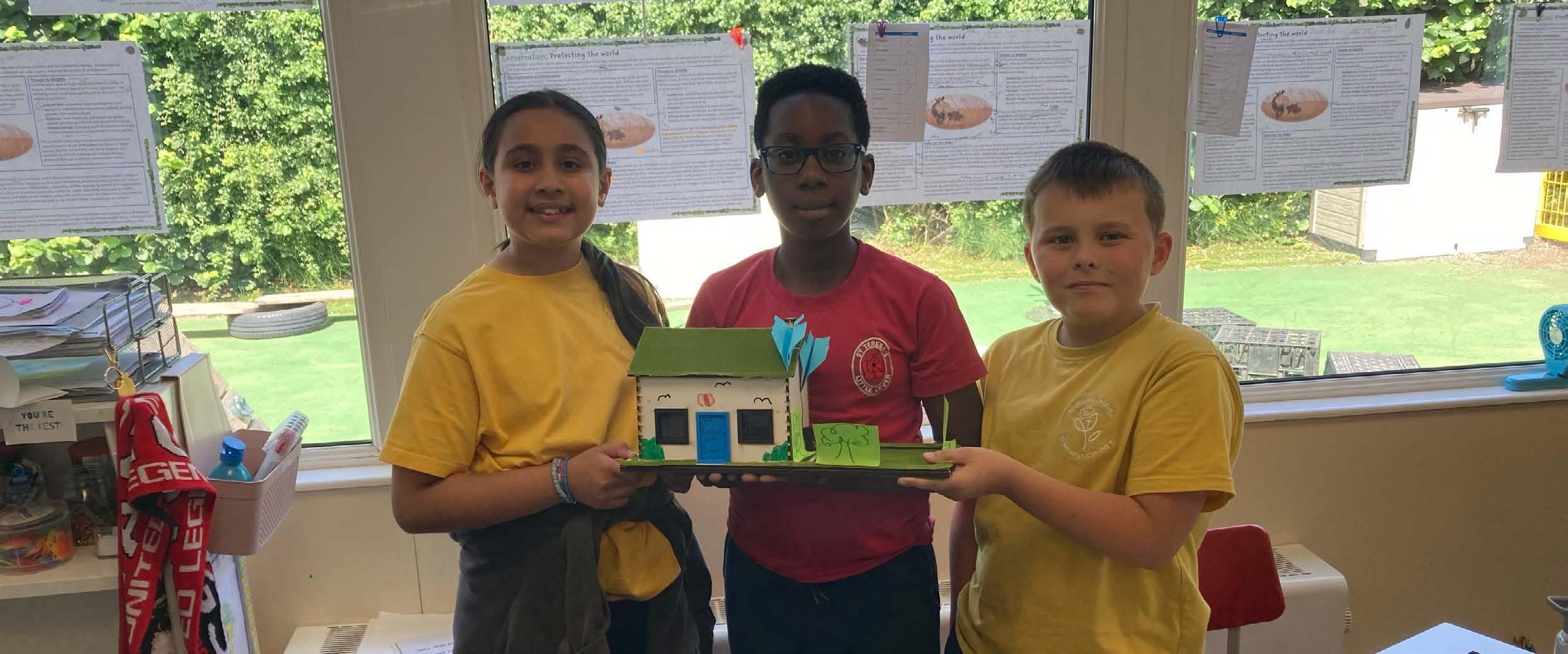
Delivering impact through 30+ research and knowledge exchange projects, including:

Supporting manufacturers to adopt Industry 5.0 technologies and drive innovation.

Inspiring the next generation of engineers through sustainable innovation.

Supporting businesses to develop and test immersive technology innovations.

Helping businesses explore, adopt and benefit from emerging digital technologies.

Automating adaptive design workflows to improve efficiency in digital content creation.
Driving systems level collaboration for a regenerative circular economy.
Supporting businesses to identify opportunities and accelerate innovation.
Accelerating SME decarbonisation through practical, partnership led sustainability support.
Delivered with the Northern Automotive Alliance, Sustainable Futures supported SMEs to establish carbon baselines and prioritised emissions‑reduction pathways. Participants implemented operational improvements and strengthened organisational alignment around net zero goals.

Applied research demonstrating waste‑to‑energy solutions within the paper industry, supporting decarbonisation and circular economy outcomes.
National leadership in digitally enabled circular economy research, shaping funding priorities and industry engagement.

CSI measures impact through:
The number and diversity of organisations engaged
Improvements in leadership, skills and organisational readiness
Adoption of new processes, technologies or sustainability practices
Movement from initial engagement to implementation, collaboration or further investment
This is supported by programme data, participant feedback and follow‑up evaluation, enabling us to track how organisations develop over time.
By focusing on progression as well as outputs, CSI is able to demonstrate sustained impact from early engagement through to innovation, growth and long‑term change.
412 organisations supported 16 jobs created 1 spin-out created
31 innovation programme cohorts delivered
4.26M
funding leveraged
13 peer-reviewed publications
30+ research and knowledge exchange projects
CSI’s work has received recognition at national and international level, reflecting the strength of its collaborative, impact‑focused approach.
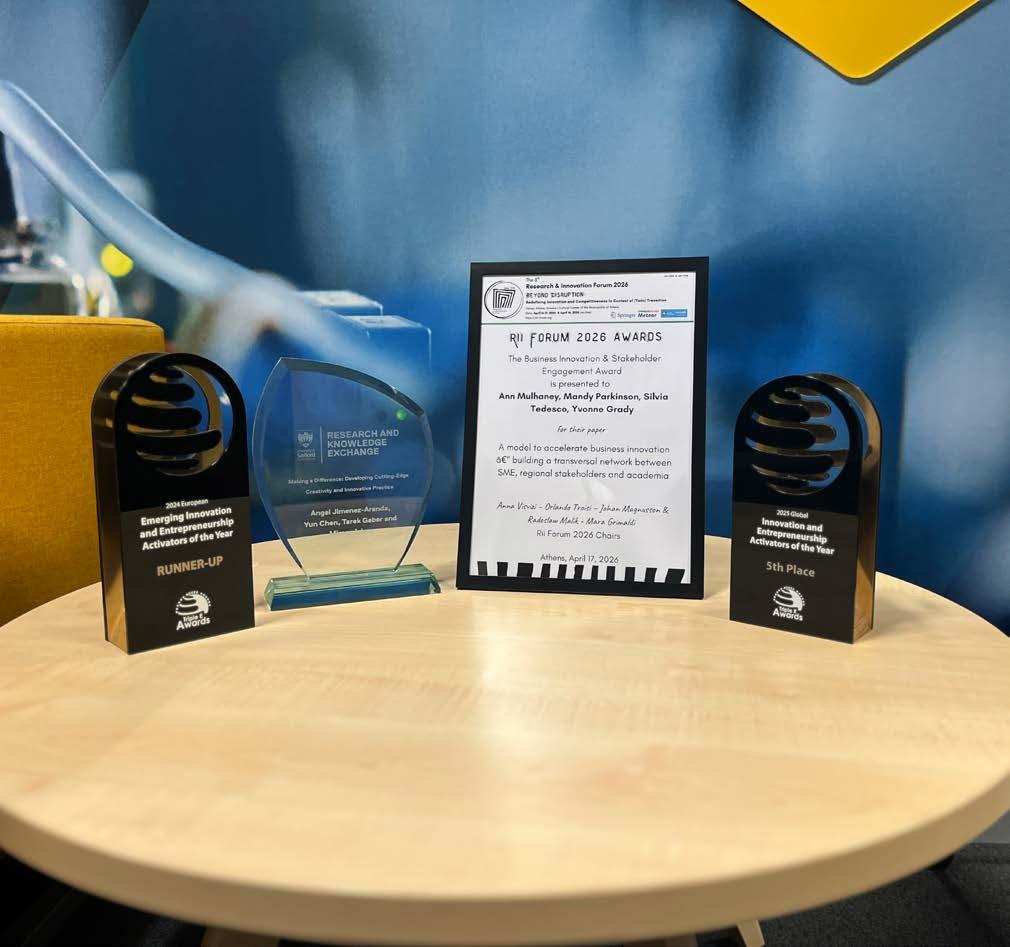
Triple E Awards 2025 5th place globally, Innovation and Entrepreneurship Activators of the Year
2025 Global Award 5th place, Innovation and Entrepreneurship Activators of the Year award
University of Salford Research and Knowledge Exchange Awards 2024 and 2025
Triple E Awards 2024 runner up, Emerging Innovation and Entrepreneurship Activators of the Year
Building Innovation Awards 2024 finalist, SmartScan
• Sustained recognition for Sustainable Futures as a scalable, partnership‑led model
• Accredited through the Chartered Association of Business Schools (CABS), reinforcing quality and impact in delivery
These recognitions reflect CSI’s growing contribution to innovation, knowledge exchange and sustainable business practice.
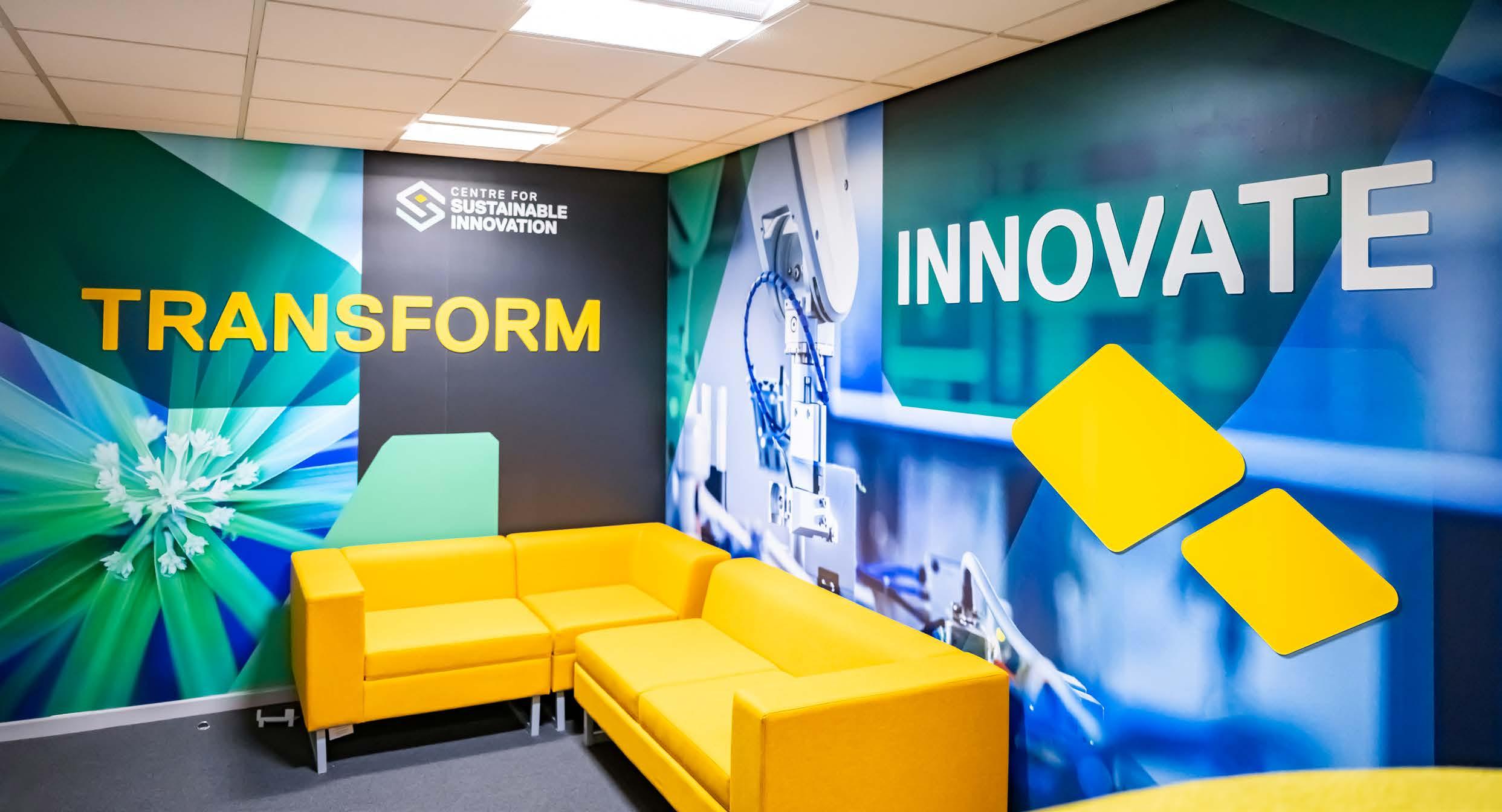
Building on strong foundations, the Centre for Sustainable Innovation is entering a new phase focused on scaling impact, deepening partnerships and expanding its role as a hub for applied research and innovation.
Over the next three years, CSI will prioritise the growth of proven programmes, strengthening the pathways that support organisations from leadership development through to innovation, implementation and sustainable growth. This includes expanding programme delivery across sectors and increasing engagement with businesses at different stages of their journey.
A core focus will be on strengthening industry collaboration at scale. CSI will work more closely with sector networks, supply chains and anchor organisations to address shared challenges, enabling collective progress in areas such as digital transformation, sustainability and organisational change.
This approach closely aligns with the UK’s Modern Industrial Strategy and its focus on the IS‑8 priority sectors. Through its work across advanced manufacturing, digital and creative industries,
clean energy and circular economy innovation, CSI is well placed to support both regional growth and national ambitions. By combining sector‑focused collaboration with applied research and business support, the Centre contributes to strengthening productivity, resilience and long‑term competitiveness across key industries.
In parallel, the Centre will enhance its contribution to collaborative research and knowledge exchange. Growth in externally funded projects, alongside an increased focus on Knowledge Transfer Partnerships, will support the development of new solutions to industry‑led challenges and strengthen the translation of research into practice.
CSI will also broaden its reach to ensure innovation support remains inclusive and accessible. This includes a greater emphasis on engaging
microbusinesses, alongside SMEs, and expanding place‑based activity to support local economic development, skills growth and community resilience.
Building on initiatives such as the FIVE‑C Network, the Centre will continue to play a convening role by connecting research, industry and policy to accelerate interdisciplinary collaboration and support the transition to a more sustainable, circular economy.
As CSI moves forward, its focus remains clear:
TO DELIVER PRACTICAL, PARTNERSHIP-LED INNOVATION THAT CREATES LASTING VALUE FOR BUSINESSES, COMMUNITIES AND THE WIDER ECONOMY AND TO PROVIDE A STRONG, SCALABLE PLATFORM FOR FUTURE INVESTMENT.
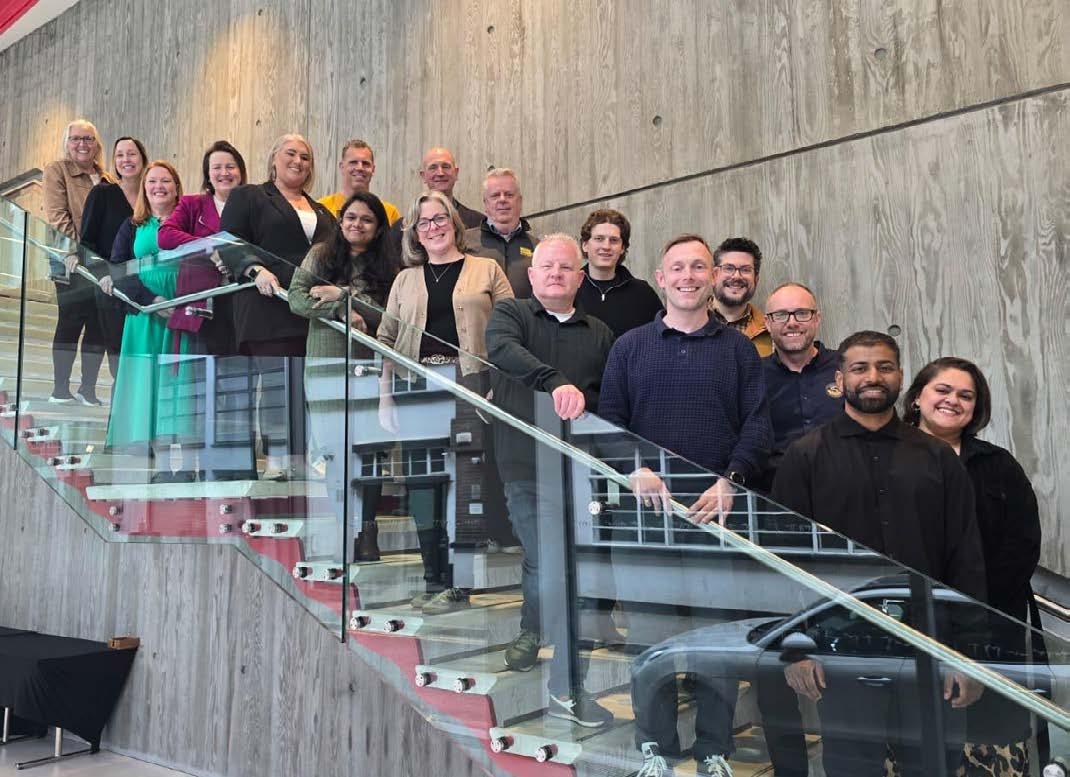
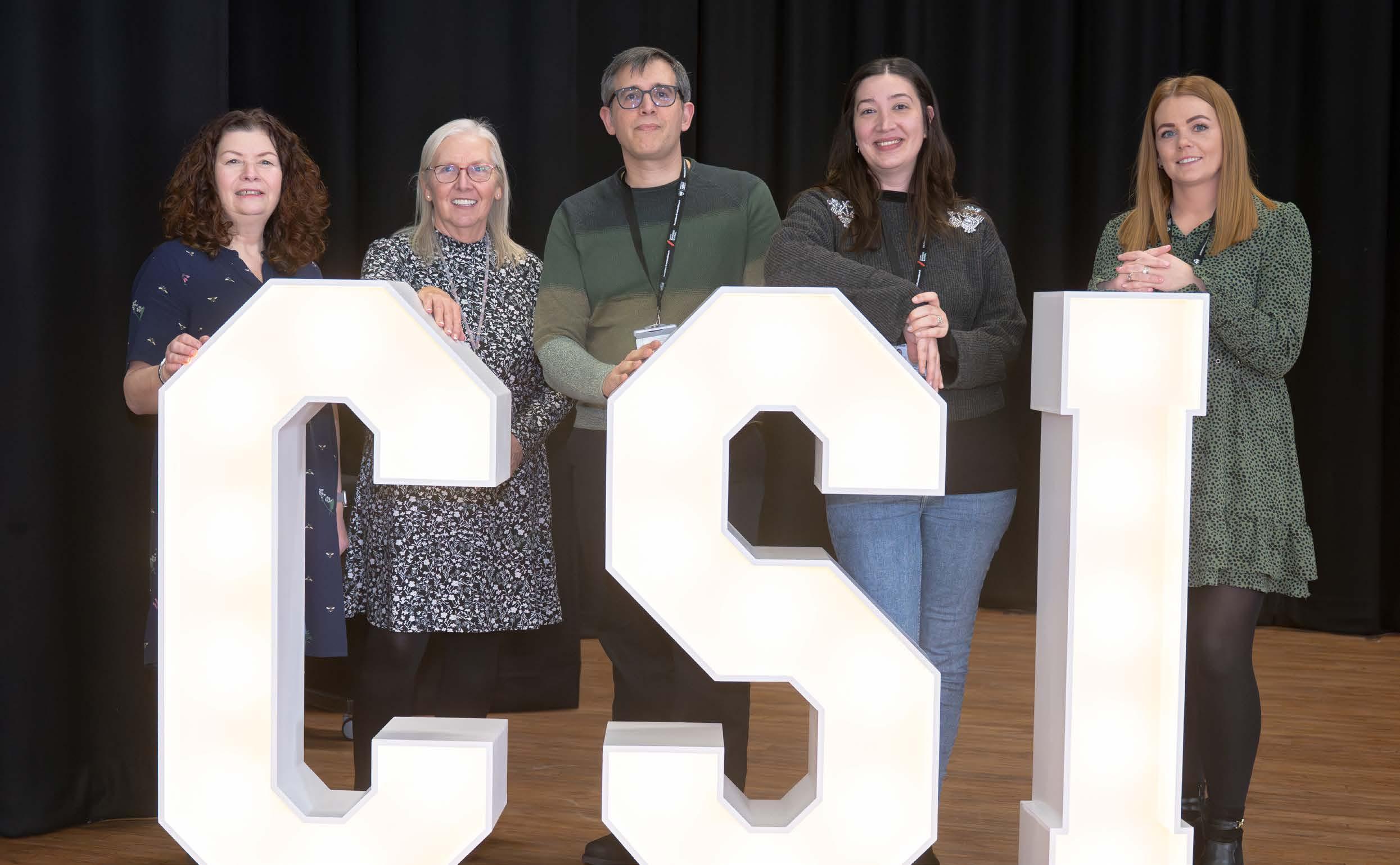
Centre for Sustainable Innovation Affiliate members
Centre for Sustainable Innovation industry partners
Chartered Association of Business Schools
Department for Science, Innovation and Technology (DSIT)
FIVE‑C Network
Greater Manchester Business Growth Hub
Greater Manchester Chamber of Commerce
Greater Manchester Combined Authority
Innovate UK
Made Smarter
Northern Automotive Alliance
Research & Knowledge Exchange, University of Salford
Professor Janice Allan, Pro Vice Chancellor, Academic Leadership, University of Lancashire
Professor Katy Mason, Pro Vice Chancellor and Dean, University of Salford
Professor Francine Morris, Associate Dean Research and Knowledge Exchange, University of Salford
Professor Mandy Parkinson, Associate Pro Vice Chancellor Knowledge Exchange, University of Salford
Contact: sustainable-innovation@salford.ac.uk
Salford Business School
Salford City Council
Salford Community and Voluntary Services
Small Business Charter
Surrey County Council
The Growth Company
UK Research and Innovation (URKI)
UKRI – Biotechnology and Biological Sciences Research Council
UKRI – Engineering and Physical Sciences Research Council
University of Salford
The Making Rooms (CIC)
Connect: https://www.linkedin.com/company/centre-for-sustainable-innovation/ Discover: https://sustainable-innovation.salford.ac.uk/