



Prof Wiseman Lumkile Nkuhlu
With every crisis there is opportunity and in true testimony to the spirit and resolve of the University of Pretoria (UP), we turn crises into opportunities, not the least of them the COVID-19 pandemic. As Vice-Chancellor Professor Kupe puts it: “The COVID-19 pandemic is not only a disease crisis, it is a crisis of society, of the economy, of sustainability and well-being, and of governance on the continent and globally. It is a big wake-up call to think and do differently, with our universities playing an essential role in co-creating the future we want.”
Right now, a unique opportunity exists for all our staff, students and graduates to contribute to substantially changing society and communities for the better, as defined by the United Nation’s 17 Sustainable Development Goals (SDGs).
Both the SDGs and the African Union’s Agenda 2063 call for joint action to address poverty and inequality. Quality higher education and knowledge creation are fundamental building blocks in achieving this and contributing to job creation, employment and economic growth, all of which are essential for a more stable, just and prosperous continent.
At UP we regard this as a calling. The Vice-Chancellor put it thus during the Africa Week programme co-hosted by UP and the Sustainable Development Solutions Network, “Our success depends on a world that is thriving, where human dignity and justice are paramount, where all people are able to reach their full potential while nobody is left behind, and where our development does not

happen at the expense of our planet. We recognise the critical role that our university and our graduates must play in securing the future of our country and continent.”
All ten of the world’s countries with the youngest populations are in Africa, with approximately 65% of the continent’s citizens below the age of 35. So the continent has the benefit of young people’s energy and ability to work, provided that viable opportunities for education and economic inclusion exist. To achieve this we have to address the digital divide in Africa, as connectivity and data affordability are a pressing issue in all our countries. We need to focus on ensuring access to technology for the majority of people and upskilling as

“We recognise the critical role that our university and our graduates must play in securing the future of our country and continent.”
many as possible to be tech savvy. In terms of higher education, digital skills and capabilities are a necessity for all students and graduates.
We are keenly aware that the pandemic has amplified the structural inequalities in our country’s education system. South Africa’s national Department of Higher Education and Training estimated that only about 20% of learners were reached through the various online platforms utilised during lockdown. To achieve universal access in South Africa, the government must be held accountable on its commitment to all learners and students. Pledges from Cabinet in 2013 to deliver free broadband access to 90% of the population by 2020 and 100% by 2030,
are far from being achieved. Meanwhile, in 2019, UP invested R100 million in the digitalisation of its systems – a godsend during the pandemic, enabling digital access across the board for students and academics.
To accelerate higher education’s contribution to development requires cross-boundary partnerships that transcend geographies, disciplines and sectors, locally and internationally. The University has been hard at work on this imperative throughout 2020, and forged a number of national, continental and international partnerships, with digital skills, internationalisation of knowledge and entrepreneurial opportunities as key components.
The groundwork was also laid for key dialogues and initiatives. For example, the preparation and negotiation for the organisation and presentation of Africa’s first Nobel Prize Dialogue, which UP hosted in May 2021, took place in 2020. This initiative brought together Nobel laureates, opinion leaders, policymakers, students, researchers and citizens to engage in conversations on “The Future of Work”. UP will also be launching a Centre for the Future of Work that will, through interdisciplinary research, create the knowledge to enable our country and continent to be future fit.
It pleases me enormously to see how committed UP is to our graduates being not only eminently employable, but also self-employable. Entrepreneurship is now widely recognised as being as important in higher education as postgraduate studies, and as a major driver of innovation. UP aspires to exceptional achievement in the alliance of critical knowledge and critical thinking, innovation, and entrepreneurship.
The University fosters entrepreneurial skills among its students through entrepreneurship programmes, business incubators and small business development portals. The research and development exposure that our students gain, particularly in postgraduate studies, coupled with the knowledge of how to create, grow and sustain a business, equips them to enter the market as start-up or small business owners. This is also a catalyst for UP becoming an entrepreneurial university.
While the internationalisation of large corporates or multinationals is long established, the linking of small businesses to international value chains and markets is a nascent trend. However, it has gained impetus over the past 12 years, spurred by the economic crisis
in 2008, when local markets became too unstable to maintain a solely local focus. In these highly turbulent and unpredictable times, we continue to be compelled to boost our businesses and economies beyond geographic boundaries.
The TuksNovation ecosystem provides specialised support to entrepreneurs throughout their startup growth journeys, and it connects science and technology innovators with big companies, academics and government. TuksNovation leverages innovative thinking and personifies the UP spirit of new energies for new times.
Start-up or small business incubation in higher education institutions can enable a new form of internationalisation that provides huge potential for cooperation, collaboration and partnerships at every level, turbocharged by digitalisation.
Augmented and virtual reality laboratories and knowledge creation environments are sprouting up worldwide and being very effectively used. The University’s Department of Mining Engineering has the Kumba Virtual Reality Centre for Mining – the only one in Africa – where our students are able to experience being underground in a mine, virtually.
“The TuksNovation ecosystem provides specialised support to entrepreneurs throughout their startup growth journeys.”
It should be added that, in the latest QS World University Rankings, UP has just been ranked as one of the top 50 places in the world to study minerals and mining engineering.
In these same rankings, theology, religion and divinity in our Faculty of Theology and Religion were ranked in the top 100 and their citations were ranked amongst the top worldwide, ahead of some of the most prestigious universities in Europe. Why? Because, as the Dean of the Faculty of Theology and Religion, Prof Jerry Pillay, explains, UP’s focus is on relevant, contextual, transformative research, to provide new knowledge that inspires people to reconsider what we think and do in our everyday lives and encourages positive change. He adds that there is a revival of introspection in terms of what is happening in the world; there is a reawakening to the realities of life.

An exciting reality is that a world of opportunity has opened for all our faculties in the borderless, digitalised environment. It enables a new form of internationalisation that potentially provides far greater access for African universities. Pre-COVID, so much more travel was required, often from the Global South to the Global North. Now, with digital access, students and academics may not need to travel as much to engage internationally.
As part of the internationalisation of knowledge that digitalisation facilitates, universities worldwide need to share expertise and partner in addressing the Sustainable Development Goals (SDGs) in collaboration with communities, industries and governments. An example of such a collaboration is the Australia Africa Universities Network (AAUN), of which UP is a member, and I serve as co-president. The network comprises ten Australian universities and twelve African universities which collaborate in researching a range of issues – from education to public health, to food security.
Collaborations and partnerships also need to address the requirements of the Fourth Industrial Revolution (4IR), hence UP’s extensive transdisciplinary curriculum in 4IR fields, including big data science, data analytics and artificial intelligence, offered through a range of departments and schools. We participate in the Centre
for Artificial Intelligence Research (CAIR) – a South African national research network of five universities that research various aspects of artificial intelligence (AI). We recently launched the Engineering 4.0 facility, dealing with all things digital in the transport and mobility space, and we are training students in how smart cities and intelligent transport will work.
We are also pursuing research on AI ethics, and our Student Counselling Unit has just activated Scooby, a first-of-itskind counselling chatbot. It is a primary mental healthcare resource for students to supplement traditional counselling services in a virtual setting. The initiative enables students to build personalised self-help toolkits that address mood, stress and lifestyle to help them cope and pursue their academic goals. Chatbots are also successfully integrated into other areas of the University.
It’s not an easy time, but it is a fascinating time for our students and graduates to be pursuing their studies, careers and lives. Backed up by the best possible higher education, whichever career they pursue, they can do so with the utmost confidence as a graduate of the University of Pretoria.
Prof Wiseman Lumkile Nkuhlu Chancellor
Kuseni Dlamini
At the heart of the University of Pretoria (UP) is a spirit of collaboration and transdisciplinarity, coupled with a deep concern for the common good of all people. Together, we embrace the need for change and innovation required of us and face the challenges confronting us, resolving to own them and address them with the wealth of talents our institution possesses. We share a compelling sense of belief in our future, and that by mobilising and harnessing our vast collective talents, we are up to the task of responding to the crises, challenges and opportunities we face.
COVID-19, the virus that has threatened our lives and livelihoods since 2020, has wrought untold destruction, but at the same time it has presented UP, and other forward-thinking universities around the world, with an opportunity to rethink and reimagine our future and role. Above all, it has become clear how necessary it is to reposition ourselves as knowledge-creating institutions, committed to solving not only this health crisis, but all the endemic crises that face our country, continent and world.
UP is deeply aware that COVID-19’s challenges are interwoven with multiple local and global socio-economic conditions that include unsustainable inequalities and unsustainable extraction of finite natural resources. UP is a vigorous partner in the search for solutions to all of these pressing social, economic, environmental and moral challenges.
As a future-focused university, we are guided by UP 2025 – the approved strategy that provides the high-level

framework and navigational markers for the University to achieve the vision and goals it set for itself by 2025. The University’s strategy implementation framework comprises a nested model of five-year plans that identify key actions and desired outcomes. Annual planning takes place within the five-year planning horizon.
UP’s strategic goals for the period 2017–2021 are:
• To enhance access and successful student learning;
• To strengthen the University’s research and international profile;
• To foster and sustain a transformed, inclusive, and equitable university community;

• To optimise resources and enhance institutional sustainability; and
• To strengthen the University’s social responsiveness and impact in society.
These strategic goals guided UP during the turbulence of 2020 and we continued to make a significant contribution to society. Interruptions to the normal academic schedule did not prevent our students and staff from galvanising efforts to combat the effects of COVID-19.
In 2020 staff and students were involved at multiple levels, including transdisciplinary research on how the virus infects people; participating in international COVID-19 clinical trials; the production of sanitisers, face masks and face shields; researching genome profiles in order to identify high-risk sectors of the population; and researching how people and society behave during a pandemic, because if we don’t understand this, we cannot optimally manage the spread of disease.
UP’s results across all faculties, demonstrate that we are committed to making a decisive difference to transforming South Africa and Africa’s future through excellence in knowledge creation, relevant and impactful research, high-quality academic programmes, innovative teaching and learning, and social responsiveness and engagement.
Social problems, and in particular the complicated, complex and wicked ones, cannot be solved through

“COVID-19 .... has presented UP, and other forward-thinking universities around the world, with an opportunity to rethink and reimagine our future and role.”
“Social problems ... require us to think, teach, learn, research and create knowledge across disciplinary boundaries ... ”
isolated disciplinary approaches. They require us to think, teach, learn, research and create knowledge across disciplinary boundaries to solve real-life problems.
We are proud, therefore, of the four new major transdisciplinary platforms UP established in 2019 and 2020: the Future Africa Institute and Campus, the JavettUP Art Centre, Engineering 4.0 and Innovation Africa @ UP. They foster a transdisciplinary research culture across the university community and create a critical mass of researchers for new knowledge generation.
The golden thread linking all the University’s endeavours is the maintenance of the highest ethical values and principles, and it is Council’s ultimate responsibility as the governing body, to ensure these are effectively implemented through appropriate ethical codes for Council members, staff and students. Thus, the University is committed to quality, relevance, diversity and sustainability in its academic mission, and pursues the values of discipline, transparency, independence, accountability, responsibility, fairness and social responsibility, as advocated in the King reports.
We uphold the core values of integrity, fairness, accountability and transparency in all our interactions, whether with students, alumni, business partners, the
government, employees or other stakeholders. As such, UP regards compliance with legal, regulatory, ethical and internal policy obligations, as well as those of the Department of Higher Education and Training (DHET), as a business imperative and accordingly, views noncompliance in a serious light.
Where instances of irregular, unlawful, unethical conduct, contraventions of legislation, non-compliance with the University Code of Conduct or other policies are found, the University takes disciplinary steps and/or initiates civil or criminal legal processes, as considered appropriate.
The Code of Conduct for Members of Council was reviewed, amended and approved by Council in 2017 and it will be reviewed again in 2021. Council assesses its performance annually, in accordance with a formally approved process, and submits an annual report to the DHET.
The results of the 2019/20 performance assessment again reflected that Council and its committees were perceived as performing at a level of good to excellent. We are satisfied that UP was managed in accordance with the goals and strategies set out in the 2020 Implementation Plan, the UP 2025 Strategic Plan, the requirements for good governance as set out in the King IV Report on Corporate Governance for South Africa, and all applicable laws, rules and codes.
The Council extends its gratitude to the Vice-Chancellor and Principal and his leadership team who kept a firm hand on the tiller in steering the University through these turbulent times. Amid great disruption and unprecedented change, UP was able to demonstrate definite progress in pursuit of its strategic goals.
The University has achieved considerable success since the implementation of the UP 2025 strategy. These achievements advance our position as a strong, innovative and socially responsive university. The achievements of 2020 will go a long way towards realising the University’s vision and strategy.
Kuseni Dlamini Chairperson of Council
Prof Tawana Kupe
The lingering COVID-19 pandemic, which has extended from 2020 to 2021, has proven to be both a disruptive force and an opportunity to reimagine and reposition UP to secure our short-, medium- and long-term success, vitality and sustainability.
Creating a sustainable university strengthens our core mission of teaching, research and impacting society, and ensures that we adapt to the challenges confronting us, which are complex and interconnected, demanding an ever-evolving approach.
UP views its students and staff as its most valuable asset and to ensure their continued growth and success, the University has a Financial Sustainability Plan for the period 2019–2025. The key focus areas of the plan include the maximisation of operational efficiencies, costcontainment and the optimisation of all income streams.
The plan was revised to address the financial sustainability challenges that were heightened by COVID-19, and the following are some of the key actions we implemented:
• Reallocating funds to support key priorities;
• Fundraising campaigns for bursaries;
• Introducing cost-cutting measures;
• Launching the Solidarity Fund to provide financial assistance to students and to purchase laptops for them;
• Securing external research funding; and

• Enhancing the utilisation of digital technologies and platforms to improve services and reduce costs.
The University accelerated implementation of innovative and systemic processes in a direct response to the challenges of the pandemic and the demands of the era. UP’s agility enabled it to advance its strategic imperatives, including developing and implementing a comprehensive COVID-19 master plan and successfully completing the 2020 academic year. The latter achievement was largely attributable to the University’s digitalisation plan, with teaching and learning, research and innovation, and all operational functions pivoting seamlessly onto digital platforms.
“Foresight in terms of the need to ramp up digitalisation worked in the University’s favour.”
Digitalisation is one of the University’s core functions and, today, UP is 99% digitalised, with our Department of Education Innovation (EI) leading the University in the leap from supplementary digital learning to a holistic integration of all modes of learning, such as the Hybrid Flexible (HyFlex) model. This model is designed to allow students to alternate between attending class in person, joining synchronously, online, or asynchronously, viewing the recorded class later.
Foresight in terms of the need to ramp up digitalisation worked in the University’s favour. In 2019, we invested R100 million to upgrade our IT system, as we could see the necessity of being fully digitalised and for our students to be digitally fluent, self-directed and adaptable for a rapidly changing job market. This is one of the reasons that UP consistently ranks among the top four South African universities in the Quacquarelli Symonds (QS) Graduate Employability Survey.
What we could never have anticipated was that our digitalisation system would be put to the test in 2020. By then, 95% of our undergraduate courses already had a substantive online presence as part of our hybrid model. Our system proved robust enough to enable our students to complete the 2020 year, with students accessing more than 3 100 courses 40 million times and submitting 3.5 million assessments. Nearly 7 000 lecture sessions were attended in Blackboard Collaborate (real-time classes
online) by almost half a million students who spent close to a million minutes attending the sessions or accessing the recordings.
We are one of the first universities in Africa to implement a learning management system (LMS), which we call clickUP. We are also one of the first universities on the continent to provide students with mobile access to the LMS, integrate synchronous software and to use real-time learning analytics data to support student success. At UP, we see the current context as a door to experimentation, creativity and innovation in teaching and learning. It requires constant development of the system to determine which courses and programmes at specific levels of study are best taught in a completely online, hybrid or HyFlex mode.
Some practical sessions and laboratory-based research require the use of physical spaces and equipment. However, even these practices are changing due to the rapid advancements in augmented and virtual reality laboratories and knowledge environments.
Maintaining exceptional quality and excellence in all of our core functions is, to a significant extent, dependent
“We are one of the first universities in Africa to implement a learning management system (LMS), which we call clickUP.”

on the knowledge and skills, talent and commitment of our academic, professional and support staff. Attracting, developing and retaining a diverse, quality staff is therefore at the core of UP’s strategic priorities. In support of this, the University Council has made funds available for strategic human capital development initiatives.
In terms of employment equity, total black staff representation has grown from 37.1% in 2012 to 67.8% in 2020, with black academic staff growing from 19.4% to 29%. There has also been pleasing progress in our efforts to improve the percentage of academics with a PhD as their highest qualification, which has increased from 43% in 2012 to 69.6% in 2020. The qualification levels of academic staff have a direct impact on the University’s capacity for research supervision and productivity. The resultant strengthening of the
pipeline of postgraduate students to become future academics and researchers is evident in the increase in postgraduate enrolment and graduation figures, and in the postdoctoral fellows appointed to become part of dynamic research teams.
A further measure of quality is the number of researchers who have achieved a National Research Foundation (NRF) rating. UP has 565 NRF-rated researchers, a list that has been growing steadily, year upon year. We not only benefit from the gravitas of our internationally recognised A-rated researchers, but are pleased that our pipeline of talent is constantly replenished by Y-rated researchers (under 40 years) and additions to our P-rated researchers (under 35 years). As a result, UP is considered one of the leading research-intensive universities in South Africa and on the continent as a whole, ranked in the top 1.9% of universities worldwide.
Multi- and transdisciplinary research has always been at the core of our work, but it is now urgent, and it is the responsible way to shape the future of research, specifically on the African continent. The burgeoning interest in transdisciplinary research locally and globally offers a unique opportunity for universities to take the lead in creating new knowledge and new ways of doing things. The trigger is this moment in history, with its focus on a COVID-19-free future, one-world sustainability, and the Fourth Industrial Revolution.
The significant advantage of international collaboration is that it enables universities to make important research and innovation advances by building on each other’s areas of expertise. It also elevates academic facilities to a new level, including teaching and collaborating across continents, using online platforms and video calling in real time. In this environment, information and communications technology is an essential strategic resource for all aspects of university operations.
At UP, our staff and students have proactively pursued trans-institutional and transdisciplinary research in a range of fields. In order to maximise its impact, we have identified a number of themes aligned with the wicked problems of the twenty-first century, international partnerships and areas of research strength, including Food, Nutrition and Well-being; Genomics Research, Zoonotic Diseases, Human Rights and Diversity; and Ecosystem Services and Livelihoods.
UP’s substantial international profile consists of 230 institution-wide international partnerships with collaborators in more than 50 countries across six continents, and more than 4 500 international students from more than 60 countries. Our objective is to build a university that is firmly rooted in internationally recognised, high quality scholarship and for its contributions, through engaged scholarship, in support of thoughtful development in South Africa, on the continent and globally, in particular in the Global South.
World ranking systems have become an integral component of the globalisation of higher education in the twenty-first century. They classify, differentiate and
position universities within the global higher education landscape. UP’s interest in these rankings is informed primarily by its overarching vision of becoming a global research player, and, secondly, as a steering mechanism to enhance internal performance by encouraging UP researchers to publish in high-impact journals and embrace important research practices, such as collaborative research and co-authorship with international partners.
Despite the constraints of 2020, the University pursued a considerable number of global engagements and used online platforms to sign institutional agreements that resulted from in-person visits conducted in 2019. During the year, a wealth of events, debates and high-level conferences, webinars and meetings were held.
The University affirmed its leadership and commitment to partnerships to build capacity in Africa, and to accelerate impact at scale so as to achieve the African Union’s Agenda 2063 and the UN’s Sustainable Development Goals (SDGs) in a COVID-19 and post-COVID world. We explored means to navigate the complexity inherent in our sustainable development challenges across all disciplines and were forward-thinking in our reimagining
“At UP, our staff and students have proactively pursued trans-institutional and transdisciplinary research in a range of fields.”
“With clear intent to be responsive to the SDGs, Agenda 2063 and our continent’s needs, we are exploring – among other areas – pathways of sustainable food systems in Africa.”
of universities as both sources of knowledge and education, as well as agents for societal development.
We acknowledge the reality that the complexity we live in is dynamic and uncertain, characterised by unexpected and unpleasant surprises, as we have so clearly experienced with the COVID-19 pandemic. Within this broad and messy milieu, our conversations reinforced the imperative that in being responsive to changing societal needs, our positive impact must be demonstrated in tangible and measurable ways.
With clear intent to be responsive to the SDGs, Agenda 2063 and our continent’s needs, we are exploring – among other areas – pathways of sustainable food systems in Africa, a central challenge to its development. We believe that our deliberations will enable us to make a valuable contribution to the Food Systems Summit which the UN Secretary-General António Guterres will convene in the second half of 2021.
built on conventional thinking, nor are future solutions to human and global well-being found in outdated, traditional approaches. They require bold thinking and research, and agile, positive shifts. They require the research voices of our universities in Africa to come to the fore with context-appropriate strategies and solutions. It is encouraging to see that this has begun and our voices are being heard.
As UP goes forward, we will build upon the momentum we have created. Our African Vice Chancellor’s Forum forms the basis of a powerful guiding coalition, and we will continue to collaborate and strengthen the partnerships we have formed. UP has all the right fundamentals to become the leading university on our continent and a leader globally. We are resolute that academics, as researchers and teachers, students, as learners and the next generation knowledge leaders, and all who work at UP, are active participants in the transformation that is an inevitable trajectory of universities in South Africa and further afield. This demands excellence and creativity.
Strategies we adopt for a better world are not built on “business as usual” approaches; future societies are not


“Let’s make today matter so that in 2025, when we review what we have achieved, we will see the impact we have had in transforming society.”
Thank you to Futhi Mtoba, the 2020 outgoing Chairperson of Council, the new Chairperson, Kuseni Dlamini and every Council member for their support throughout the 2020 pandemic year, a year in which we had to adjust, learn, be agile and responsive to the developing situation to implement a whole new way of doing things. A great deal has been achieved, and we will continue to strive to become a proudly diverse and genuinely inclusive university.
As we await our turn to be vaccinated against COVID-19 and limit its destructive impact on our communities, we reiterate our position on the need for strong academic institutions that nurture students and researchers with foresight and wisdom. South Africa and Africa need educated, skilled and well-rounded citizens who see the way forward through collaboration that truly anchors our democratic futures, promotes inclusive economic development, and achieves environmental sustainability and peaceful social progress.
Through all our collaborative efforts we will be able to defeat viruses like COVID-19. There will be more, and we must develop new knowledge to save lives, to live more sustainably, and find a way to create a better life for all. We look forward to increasing our networks, collaborations and partnerships with like-minded institutions, organisations, business and industry, nationally and internationally. Let’s share the gifts of knowledge, innovation and diversity. Let’s make today matter so that in 2025, when we review what we have achieved, we will see the impact we have had in transforming society.
Prof Tawana Kupe Vice-Chancellor and Principal
The global coronavirus pandemic of 2020 has fast-forwarded our future as a reimagined institution of higher learning.
In addition to the key academic challenges of the 21st century, universities globally confronted the coronavirus pandemic in 2020. In South Africa, tertiary education was already dealing with issues such as declining state funding in real terms, government regulation of tuition fees, rising student debt, weak economic growth and a highly unstable currency. These challenges were aggravated by the pandemic, as they are woven into a socio-economic context riddled with poverty and deep, unsustainable inequalities.
COVID-19 also, however, created opportunities for us to be responsive and to commit to meaningful transformative social engagement. Because of its sustained investment in transitioning to hybrid, flexible modes of learning, the University of Pretoria (UP) was, in many ways, prepared for the transition to remote and online learning necessitated by the constraints of the pandemic. Digital transformation, demand for lifelong learning and new forms of knowledge, skills and competences, are drivers that have made reinvention inevitable if universities are to remain relevant, competitive and sustainable. Online education is not an alternative to contact education or an antidote to the sector’s resource challenges, but rather a means to optimise multiple delivery modes. COVID-19 has not so much changed how we operate as accelerated our timeline, bringing the future closer.
The negative impact of COVID-19 on higher education will reverberate long after the pandemic has been contained. However, UP has shown its resilience and many of its COVID-19 interventions and responses will continue post-pandemic to impact positively in areas of great societal need.
UP responded proactively to the health crisis, developing a COVID-19 master plan which included measures to limit the spread of the virus and secure student and staff wellbeing, as well as ensuring the continuity of operations across all areas of the core business of teaching and learning, research and community engagement.
When universities closed in March 2020, most students had to leave campus although, for many, campus facilities are their primary source of meals, health care and support services, including academic and mental health counselling.
Sadly, the switch from face-to-face to remote online teaching exposed the glaring inequalities in education in South Africa and deepened the divide between students with access to technology and those without. We attempted to address this digital divide in collaboration with our stakeholders, by providing laptops, tablets, data and other forms of educational support to those in need.
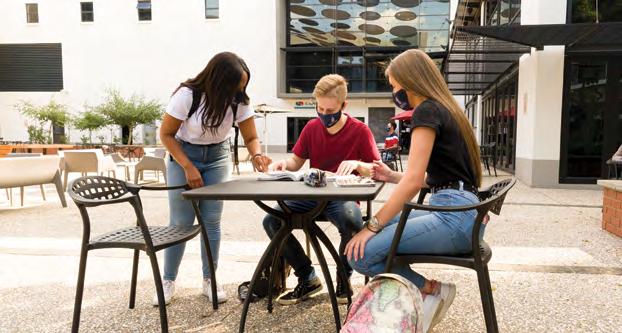
The mental health and wellness of students was afforded the highest priority in 2020. This was informed by a widespread increase in depression, anxiety and genderbased violence, stemming, inter alia, from the pressures of isolation experienced over an unexpectedly lengthy national lockdown. The professional psychological support of the Student Counselling Unit was adjusted for comprehensive virtual delivery and extra professional assistance was contracted.

A team of UP psychologists and psychiatrists created a Well-Being@UP blog to provide students and staff with support and advice on boosting their psychological and physical health in the context of the COVID-19 pandemic.
UP staff stepped up in numerous and diverse ways to assist our academy, our community, and our nation throughout the pandemic. A few instances of staff activities are highlighted here and elsewhere in this review.
Prof Willem Fourie, coordinator of the South African SDG Hub at UP, was seconded to the Presidency to support the government in its response to the COVID-19 pandemic. The secondment followed from Prof Fourie’s extensive public policy work on development effectiveness. Particularly relevant was the COVID-19 vulnerability map being developed by his team, supported by volunteer collaborators from across South Africa’s tech community. The online “Vulnerable Communities Map” uses available data to identify areas most at risk and assist government to update their COVID-19 response.
Prof Martin Schwellnus, Director of the Sport, Exercise Medicine and Lifestyle Institute, headed a group of
researchers to draft guidelines for doctors treating athletes who contracted COVID-19 and other serious respiratory infections. As part of this project, the institute launched the international “Athlete with Acute Respiratory InfEction (AWARE)” research study, which also includes information from the COVID-19 recovery clinic for athletes.
Dr Vukosi Marivate, the ABSA Chair of Data Science and a senior lecturer in the Department of Data Science, created a repository to collate data on COVID-19 trends in Africa. The goal is to record detailed information on each reported case in every African country. The data will be drawn from official and unofficial sources. Furthermore, the Premier of Gauteng requested that Dr Marivate assist the province with COVID-19 modelling.
The UP Executive approved the establishment of a Workplace Safety Committee (WSC), chaired by the Registrar, and including representatives of students, staff (academic and professional services) and organised
labour. The WSC assesses workplace health and safety issues on all campuses to ensure necessary protocols and plans are in place, in line with government regulations.
The University adapted its Institutional Crisis Communications Manual to deal with COVID-19. A

committee was established, consisting of key role-players, to direct the University’s crisis communications response.
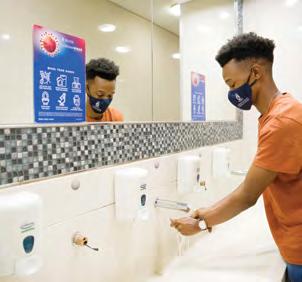
Regular, relevant COVID-19-related updates to students and staff were distributed – and will continue to be shared – via direct and social media platforms. An educational campaign on COVID-19 was launched on social media platforms as well as the University’s electronic screens (prior to the lockdown).
As a socially responsive university, UP pursued various interventions in 2020 to support our communities in keeping with our ethos of conducting “research that matters”.
Researchers produced nanobodies – small single domain antibodies – that could possibly be used to test and treat COVID-19 patients. Tests conducted with the National Institute for Communicable Diseases (NICD) showed that these nanobodies neutralised the SARS-CoV-2 in cells. Prof Tahir Pillay, head of pathology and chemical
pathology at the UP-National Health Laboratory Service in Steve Biko Academic Hospital, led the research. This exciting discovery could speed up the testing process considerably in communities, homes and airports, for example. The nanobody prototype test won first prize in the 2020 GAP Innovation Hub, run in partnership with the Technology Innovation Agency and Emory University’s Goizueta Business School.
The University of Leeds donated £50 000 for COVID-19 research. The COVID-19 Rapid Response Innovation Fund helped with six research projects that the Faculty of Health Sciences tackled to support communities and frontline workers during the pandemic. The projects included a booklet titled Sibo Stays Healthy, a mobile game to educate children about the virus, continued healthcare to the homeless around the City of Tshwane, and a quick appraisal of health facilities crucial to the COVID-19 response.
UP led a South African Medical Research Council study on various rapid-test methods.
The Department of Medical Virology at UP established an accredited COVID-19 testing facility with the National Health Laboratory Service. The facility is fully functional.
A transdisciplinary team involving researchers from the Faculty of Health Sciences and the Department of Mathematics and Applied Mathematics, conducted a modelling study of COVID-19 in South Africa.
A team from our Department of Statistics, in collaboration with a partner in the Middle East, developed what is believed to be the first interactive COVID-19 app in the country. The app provides real-time data on COVID-19 using R-Shiny (a statistical software package).
UP’s Centre for Viral Zoonosis is undertaking research on bats as potential carriers of the virus.
The University collaborated with the Gavan Institute in Sydney, Australia, on an initiative aimed at profiling risk in South Africa using whole genome profiles.
Other COVID-19-related research includes projects on the nexus between the virus and HIV/AIDS and TB, as well as with diabetes and with air quality. A health risk assessment in Mpumalanga was also initiated.
The Department of Family Medicine developed the UP Community-Orientated Primary Care (COPC) Research Unit, which conducted various outreach projects, including COVID-19 screening in rural communities.
• The UP Tshwane COVID-19 Care Helpline was established and is staffed by doctors and registrars from UP.
• UP’s Faculty of Health Sciences became involved in various initiatives aimed at supporting homeless people in the Tshwane area. These included screening and testing for COVID-19.
• A mobile phone app was developed for doctors to manage COVID-19 cases in hospital settings.
We also partnered with Nissan to build INTUBoxes which are transparent vessel-boxes designed to protect healthcare professionals who have to intubate and treat acutely ill COVID-19 patients. They prevent viral droplets from spreading to the attending healthcare professionals by containing droplets inside the box, significantly reducing the risk of exposure.
The University maintained its good track record of financial stability in 2020 despite the economic challenges brought about by the COVID-19 pandemic. Although many factors influence operational and financial sustainability, two key ratios in particular are monitored carefully at UP, namely solvency and liquidity. As of 31 December 2020, both these ratios were sufficiently healthy to conclude that the University is in an operationally sustainable position.

• The Faculty of Health Sciences developed guidelines to ensure mental health support for healthcare workers and students, including those involved in COVID-19 initiatives.
Our hybrid model of online and contact teaching is a pedagogy designed to enable our students to succeed at university and in life.
In an age of overwhelming choice, UP continues to attract a substantial number of top students and staff and to produce quality graduates who contribute to the knowledge economy. As one of the largest contact and residential universities in South Africa, with nine faculties and a business school spread across seven campuses, we have a responsibility to enhance access to higher education and successful learning.
UP was one of few universities able to complete the academic year successfully in 2020, in the face of the immense disruptions COVID-19 caused in education in South Africa. The pandemic forced universities to take innovative paths. Our teaching and learning approach is inquiry driven and community based, encouraging students to seek out additional resources and put their knowledge to practical use through engagement in the communities neighbouring our campuses. Contact sessions in traditional lecture halls, seminars, laboratories and practical sites are combined with online learning and teaching, based on our experience of more than 20 years of digital education.
A total of 8 620 first-year students registered at UP in 2020, either online, or in person, and over 700 of them had achieved six or more distinctions in the schoolleaving examinations.
The UP student body is becoming increasingly representative of the country’s demographics. Of the total enrolment of 48 304 contact students (excluding occasional students), 26.5% were postgraduates in 2020, and of these postgraduates, 65.17% (8 347) were black students. The percentage of black contact students (undergraduate and postgraduate) was 60.58% in 2020 and, in addition, almost all the students enrolled for distance education were black. The majority of our contact students, 57%, are women.
The Academic Orientation Programme starts off our FLY@ UP – “Finish Line is Yours at the University of Pretoria” –campaign, signalling to students that completing their degrees in the minimum time is their responsibility.
Various innovative FLY@UP initiatives were introduced in 2020. For example, in February 2020, first-year students completed the new UP Readiness Survey as part of the UP Orientation (UPO) module. This programme produced a 91,9% pass rate in 2020. An exciting addition to the UPO was the inclusion of Brave the UPO Bear – a chatbot – to assist with general queries.
The UP Readiness Survey allowed us to identify at-risk students, who were then invited to join the Student Academic Readiness Survey (STARS) Mentorship
Programme, which assists first-year students with their transition from high school to university life. Faculty Student Advisors were also in place to support students in accessing or adapting to online learning. Staff in teaching and professional service departments and UP management gave additional support.
The FlyHigher@UP programme, introduced in 2018, provides holistic support for postgraduate students and in 2020, 956 postgraduate students took part to enhance their research skills. The FlyHigher@ UP programme aims to enhance recruitment of postgraduate students, shorten their completion times and increase throughput.
As a result of the pandemic and subsequent lockdown, UP had to suspend all contact classes from the middle of the first semester of 2020, which meant that teaching
and learning had to continue online from 2 May until the end of the academic year. All of our faculties followed faculty-specific continuity plans during this period.
UP rose to the challenge by accelerating innovations in teaching and learning, facilitated by the fact that we have been working for several years on implementing a system-wide hybrid approach. The opportunities provided by both rapid technological change and disruption have seen UP continue to build academic resilience in a changing world.
Online teaching and learning was essential in 2020 to ensure completion of the academic year. UP implemented its recalibrated teaching and learning strategy, Teach and Learn: The UP Way to enhance student learning experiences and student success rates. This recalibrated teaching and learning model reinforces sequential phases in the instructional process (see graphic below).
Effective teaching in large classes that prepares students for the 4th industrial revolution

At UP the hybrid model is used alongside traditional lecturing with the objective that each undergraduate module will include up to 30% of teaching and learning engagements online. Almost 95% of all undergraduate modules currently have an active online presence.
The various blended learning models – rotation, flipped classroom and flex – provide multiple possibilities for innovation:
• Rotation, where students alternate between contact classes and online learning, could lead to cost reduction, especially for commuter students, and may also reduce demand for university accommodation;
The following Teaching Excellence Awards were made:
• Christine Mundy (Department of Chemistry, Faculty of Natural and Agricultural Sciences)
• Dr Marie Hattingh (Department of Informatics, Faculty of Engineering, Built Environment and IT)
• Flipped classrooms, where students are introduced to content at home and practise working through the material in class, encourages independent self-study and planning skills;
• Flex, where the majority of instruction takes place online with contact sessions as needed, is ideal for working students who can only study on a part-time basis, with contact sessions being organised in block sessions.
Students who experienced connectivity and electricity supply problems at home were allocated a telephone tutor. In terms of data, the University negotiated with the


four main telecommunications service providers to zerorate UP’s teaching and learning content, which meant that any data hosted on our learning management system ClickUP, other student portals, the library’s website and staff portals were free to students and staff. This was done through UP Connect, a platform specifically created for this purpose.
To facilitate the online learning process, lecturers were present and available during regular, scheduled lecture periods to discuss difficult concepts and answer questions. This included a 20-minute Blackboard Collaborate session, online discussions through ClickUP, with email and telephonic engagement with students.
Data from UP surveys show that a significant majority of lecturers and students managed to move with confidence into the remote teaching and learning mode. There were more than 6 000 positive comments about online teaching.
With the partial return of students to campus as lockdown restrictions eased, we created special timetables for students requiring lab sessions and on-site practicals.
Special arrangements were made for traditional, invigilated examinations in university venues where these were essential for professional or other accreditation or licensing purposes, or for any other legitimate reason, subject to national regulations. Special arrangements were also made for students to complete their clinical, practical and laboratory experimental work in a controlled and safe manner to meet the academic and graduate attribute requirements of their degree programmes.
UP is at the forefront of skills enhancement opportunities and continuing professional development, with offerings through campus entities such as Enterprises University of Pretoria and the Gordon Institute of Business Science (GIBS).
The University has consolidated all its online skills development offerings under one umbrella: Professional Online Development (POD). This provides skills development training through intensive, collaborative and focused learning opportunities in an online

environment that optimises global participation and lifelong learning opportunities presented by UP’s experts beyond the classroom. The POD offering includes open education resources and a range of online short courses.
The annual #ChooseUP information event for conditionally admitted students and their parents and guardians was held virtually, for the first time, on 15 August 2020. Over 12 000 participants attended. The University’s undergraduate recruitment strategy emphasises the importance of responsible study and career choices and the employability of students, through a variety of events. This was noted by UNICEF, among others, and led to a sponsorship which enabled UP to develop a JuniorTukkie-UNICEF Online Platform. An equally important development was the partnership with StudyPortals, an international virtual platform, to expand UP’s attractiveness to international students.
Virtual graduation ceremonies were also held for the first time. Degrees, diplomas and certificates were conferred in absentia to allow our graduates to receive their qualifications and start seeking employment.
The University awarded 12 881 diplomas and degrees in 2020, an increase of 24 graduates compared to 2019 (12 857). The total number of master’s graduates in 2020 was 1 801 compared to 2 008 in 2019, and that of doctoral graduates was 374 compared to 399 in 2019. In 2019 there were 557 distance education graduates, which decreased to 409 in 2020. There was an increase of 674 graduates in undergraduate contact programmes, from 6 617 in 2019 to 7 291 in 2020.
UP consistently ranks among the top four South African universities in the Quacquarelli Symonds (QS) Graduate Employability Survey, which shows that our graduates are well equipped for the workspace, and highly sought after.
Our Ready-for-Work programme provides students with key employability skills. The improved programme was launched in March 2020 after review in 2019. Enrolment increased from 3 438 in 2019 to 4 398 in 2020. The University upgraded and extended its online soft skills training courses, accessible to UP students via ClickUP.
TuksCareers is an online platform that affords UP students and alumni the opportunity to interact with potential employers and access work-readiness skills. Workshops focusing on creating a résumé and cover letters, as well as preparation for interviews, were offered. Industry expert master classes are also offered to students to advance their employability. TuksCareers has 2 697 active companies on its database.
There are various opportunities at UP for training in entrepreneurship and in 2020 the Centre for Entrepreneurship, established in 2019, undertook activities such as:
• Basic small, medium and micro-enterprises training at the Mamelodi Business Clinic;
• Practical business exposure for students and prospective students through the EMS Business Incubator and EBIT’s TuksNovation;
• Grant-funded programmes to support existing entrepreneurs through the GIBS Entrepreneurship Development Academy; and
• Online training for UP students: #Start_UP, #Link_UP and #Grow_UP.
Student well-being is integral to the University’s ethos, and this was highlighted during COVID-19 as a consequence of the negative impact the pandemic has

had not only on the physical but also the mental health of the UP community. Our Student Health Services Unit has a student clinic on each campus, staffed by a team of medical doctors, professional nurses, dietitians, optometrists and HIV-testing staff. Free services include diagnostic and treatment services, dietary and pregnancy consultations, contraception, eye tests, HIV/ Aids counselling and testing, immunisation drives, and specialist referrals. The clinics also run monthly health and wellness awareness campaigns.
Fewer students used the health services facilities in person in 2020 than in previous years. There were 6 464 consultations, mainly at the start and towards the end of the academic year, and these included a total of 335 free pap smears conducted in 2020. Immunisations against communicable diseases such as meningitis, rabies, hepatitis B and flu dropped from 6 142 in 2019 to 1 208 in 2020. Altogether 1 725 students were reached through face-to-face health awareness campaigns before the suspension of contact classes. The planned health awareness campaign programme for 2020 was then reformatted for virtual content via the UP Web and
various social media platforms. A total of 14 160 students were reached through these virtual campaigns.
The University employed seven extra clinical psychologists on a part-time basis to assist with the increased demand for services. The Student Counselling Unit continued academic counselling and assessments, therapeutic services, psycho-educational and emotional support to students, to ensure that they were equipped to deal with trauma or personal and academic stress.
The unit’s professional psychological support was adjusted for complete virtual delivery. They also developed self-help materials for students to access online, including video clips giving exam tips, podcasts focusing on mental health and well-being, and a competition focusing on resilience.
The partnership with the South African Depression and Anxiety Group (SADAG) was extended to include the private residences in Hatfield. SADAG sent emails to all first-year students, and the University also employed the sessional services of a local psychiatrist.
The University continued to use the R500 000 grant from Higher Health, awarded in 2019, to support institutionally based health, wellness and development programmes. A portion of the funding was used to provide vitamin supplements to students in need. Some funding was also reprioritised for the development of additional video material with gender-based violence and COVID-19 content.
When the national lockdown started and students had to leave campuses, 236 of the 9 465 students in residence were unable to return home. These were mainly international and postgraduate students. Special arrangements were made for their health and wellness, and to ensure that they received food and other essentials.
The University also made special arrangements to courier computer equipment and academic materials to students at their homes, to allow them to continue their studies remotely.
Residences and associated services gradually reopened in line with national lockdown regulations, specifically for health sciences students on clinical rotations. Provision was also made for the return of indigent students whose circumstances were not conducive for them to study or write online examinations from home. By the end of the year, 5 351 indigent students had returned to residence, with all the necessary health and safety protocols and regulations in place.
As part of our ongoing efforts to stem student hunger, UP continued its practice of providing a loan advance to each residence student to help them to afford dining hall meals until their National Student Financial Aid (NSFAS) or bursary funds paid out. The Student Nutrition and Progress Programme at UP continued to provide support to students in need. Instead of meal credits or food parcels, support was in the form of allowances for food and basic toiletries. Approximately R670 000 was drawn from the UP budget in 2020 for this purpose, supplemented by product donations from
non-governmental organisations, churches and the private sector.
The demographically representative 19-member SRC played a very active role during 2020. The year also saw smooth student governance elections, with campaigning and voting conducted fully online for the first time.
The University’s information and communications technology played a pivotal role in the continuous provision of services to staff and students throughout the pandemic. We have strengthened our information technology (IT) infrastructure to support remote work, as well as remote teaching and learning. Laptops and connectivity were provided to students in need and appropriate staff were given data allowances to enable them to work from home.
An increasing number of students use their personal devices for academic work or to access the Internet and other UP systems through the Wi-Fi network. This has
“Residences and associated services gradually reopened in line with national lockdown regulations, specifically for health sciences students on clinical rotations.”
led to a dedicated Student IT Hub being established to provide technical support. Student Computing, through the Student Hub, switched successfully to a remote service model and provided invaluable support during online tests and examinations.
The University also upgraded its IT servers and data storage, establishing a second data centre to address the risk associated with recovery of institutional data in the event of damage to the current single data centre. Software migration to the new platform is expected to be completed by the end of 2021.
We introduced a range of interventions and software, and upgraded the existing software, with the aim of enhancing student success. These interventions and products included:
• VitalSource, an e-book platform, available within ClickUP
• Open Educational Resources (OER): lecturers are encouraged to use OER and related materials.
• Video assessment software and tools (H5P software)
• Clicker Mobile App (TurningPoint Mobile Clicker Solution)
• Blackboard/ClickUP Ultra: in December 2020, UP switched to Blackboard Ultra navigation to enhance mobile access and to prepare lecturers for the migration to ClickUP Ultra
• Proctorio: there was a small pilot study to determine the effectiveness of this online proctoring system
• Cirrus Assessment software, which will replace the University’s current version of QM Perception, was branded as QuestUP
• An online case management system tailored to the South African higher education market, was adopted in 2020 by our Faculty Student Advisors
• An electronic lecturer evaluation system (EvaluationKIT by Watermark).
The University organised a virtual Flexible Futures Conference in August 2020, with the theme Teaching Innovations in Higher Education: COVID-19 and Beyond, for which 368 people registered. The sponsors for this conference included Blackboard, Cengage, Amazon Web Services and the DHET’s University Capacity Development Programme.


Nontsikelelo Loteni was appointed as the Director: Transformation.
There were several notable appointments during 2020, a few of which are listed below:
• Prof Anton Ströh, Vice-Principal: Research, Innovation and Postgraduate Education. Prof Ströh is also responsible for the operational leadership of Institutional Planning, Monitoring and Evaluation, where he was previously Vice-Principal
• Dr Morris Mthombeni, interim Dean of GIBS
• Lindiwe Soyizwapi, Director: Department of Library Services
• Nontsikelelo Loteni, Director: Transformation
• Dr Marinda Visser, Director: Strategic Projects and Partnerships in Agriculture, Innovation Africa@UP
• Prof Charles Maimela, at the age of 32, was appointed as the first black Deputy Dean of the Faculty of Law.
• Prof Lindiwe Majele Sibanda, Director of the ARUA Centre of Excellence in Food Security, which is hosted at UP in collaboration with the University of Nairobi and University of Ghana, Legon. Profs Hettie Schönfeldt and Frans Swanepoel were appointed as co-directors.
Vice-Chancellor and Principal, Prof Tawana Kupe, was elected to the Council of the Association of Commonwealth Universities and appointed as a trustee for three years. He was elected to serve on the International Council of the International Association for Media and Communication Research for a four-year term. He was appointed to the Kifra Prize Board and as co-chair of the Kifra Prize nomination panel. The Kifra Prize rewards breakthrough research in three categories, namely Science, Technology and Mathematics. In an unrelated accolade, Prof Kupe also became the first African member of Kairós, an international non-profit organisation that promotes the transformation of education to strengthen societies economically, socially and environmentally.

Prof Charles Maimela was appointed as the first black Deputy Dean of the Faculty of Law.
Prof Michael Daramola, Head of the Department of Chemical Engineering in the Faculty of Engineering, Built Environment and IT (EBIT), delivered the first-ever online inaugural address at UP on 27 October.
Despite limitations on movement and contact in 2020, our students demonstrated their resilience and academic excellence with a number of awards. For example:
• Final-year law student, Nicolas Herd, won the 2020 Yunus Mahomed Public Interest Award – Law/Business/ Ethics National Prize
• UP dominated the Absa Gradstar Top 100 with 19 students making it onto the list, the most from any institution
• Entrants from the University represented three of the top five students in the Ernst & Young, Young Tax Professional of the Year competition, open to students globally
• UP-coached learners and students won the Moot Court “World Cup” in Poland
• Johannes Joubert and Joséphine Queffelect were finalists in the South African leg of Famelab, one of the biggest science communication competitions in the world
• UP computer engineering students Ryan Naidoo


“Despite limitations on movement and contact in 2020, our students demonstrated their resilience and academic excellence with a number of awards.“
and Jason Kamps joined forces with Fiona Wong and Michelle Sandhika of Hong Kong Polytechnic University to win an award for best proposal on social distancing at the Polytechnic University’s annual hackathon
• Tuks FM represented South Africa in the World College Radio Day in October, selected from a group of more than 550 radio stations
• Shudufhadzo Musida, Bachelor of Social Sciences in Philosophy, Politics and Economics graduate, was crowned as Miss South Africa, 2020
Despite a dearth of live sports events, our athletes dug deep in 2020 and our Sportswoman and Sportsman of the Year for 2019, Tatjana Schoenmaker and Akani Simbine, continued their winning streaks:
• Tatjana set two new Africa swimming records (100m and 200m breaststroke) as well as a South African record in the 50m breaststroke at the SA Short Course Championships. She won the gold medal and set the world record in the 200-metre breaststroke and also won the silver medal in the 100-metre breaststroke at the 2020 Olympic Games.


• Akani (Adidas-Tuks) achieved another career first in Rome when he won the 100m during a Diamond League Meeting, and did not lose once during the season. Akani also qualified for the 2020 Tokyo Games.
Athletics: Phatitshedzo Maswanganyi set a new South African junior record (under-20) for the 100m and became the first South African junior athlete to dip under 10.10s for the distance. Maswanganyi’s time of 10.06s is only 0.01s outside the Olympic qualification standard. Clarence Munyai qualified for the Olympic Games, running 20.23s in the 200m semi-final.
Badminton: Bongani van Bodenstein was part of the South African men’s team that won a bronze medal during the All Africa Championships in Cairo.
Chess: Tuks’s chess players were the overall Universities Sports South Africa champions for the third consecutive
year. Both the men’s and women’s teams won their respective categories, setting new records and in the process, claiming 35 of the 36 gold medals.
Cricket: At the beginning of 2020, Curtis Campher was playing cricket for Assupol Tuks; a few months later he was enjoying an international cricketing career.
After being offered an emerging players contract, the 21-year-old debuted for Ireland against England in July in Southampton.
Sailing: Tuks and Wits sailors steered their boat Ciao Bella-JM Busha 54 to victory in the monohull-category of the Cape2Rio Yacht race, and placed third overall. Michaela Robinson (skipper) and Jonathan Ham (trimmer) represented UP in the student crew.
Wrestling: Arno van Zijl won gold for a second consecutive year at the African Championships.
As the largest producer of research in South Africa, UP is recognised internationally for an intensive focus on quality, relevance and impact.
At the heart of UP’s research strategy is the commitment to pursue “research that matters”, that is, research which transforms lives and communities, and addresses complex societal challenges, in particular those faced by the world’s developing regions. In 2020 these challenges included COVID-19 as well as other, unrelated, health issues, the environment, food security, poverty alleviation and others related to the United Nation’s Sustainable Development Goals (SDGs). This is why we need to build resilient research capacity in both basic and applied research in critical fields, to continue to contribute to the well-being and advancement of South Africa, Africa and the world.
About 44% of the research conducted at UP is pursued with international collaborators and through multifaceted international programmes. Our researchers are prolific producers of knowledge, as shown by this small sample.
Researchers at UP in the Division of Infectious Diseases (Department of Internal Medicine) and Leicester University in the UK designed a 3D-printed polyvinyl alcohol facemask insert that can detect tuberculosis in just an hour, with 86% accuracy. As the usual test’s accuracy is about 20%, this is a major medical breakthrough and has the potential to save thousands of lives every year. It will cost
much less than the test currently being used, and can identify other respiratory pathogens.
A team of researchers made up of members from UP, the South African Radio Astronomy Observatory, the US National Radio Astronomy Observatory and Rhodes University used the Karoo MeerKAT telescope, an array of 64 dishes, to solve a long-standing puzzle in X-shaped radio galaxies by observing a galaxy 800 million light years from Earth.
UP took part in a World Health Organization (WHO) multicentre clinical trial for Africa focusing on various antiviral compounds. The main objective of this study during COVID-19 was to provide reliable estimates of the effects of antiviral treatments on in-hospital mortality.
The TuksBaja engineering team placed 13 out of 100 in an online intercollegiate design competition run by SAE International. Teams from around the globe had to design and build a small one-seat, off-road vehicle that would survive harsh off-road conditions. TuksBaja designed its vehicle with the goal that it could be used to fight rhino poaching in South Africa. Due to COVID-19, the evaluation took place online, and competitors were only evaluated

on design and the sales presentation. The team placed seventh in the sales element of the competition.
Discovering a malaria breakthrough
Prof Lyn-Marie Birholtz from the Department of Biochemistry South African Research Chair (SARChI) in Sustainable Malaria Control was part of an international team that discovered a potent chemical compound that could treat and eliminate malaria. The discovery was published in the journal Nature Communications on 11 January 2021.
UP has 120 academic departments that provide a combined course offering of over 1 200 programmes across nine faculties and the business school. In 2020 69.6% of our academic staff had doctoral degrees and this is increasing year on year. The national average for staff with doctorates sits at 48%.
South Africa’s latest Report on the Evaluation of the 2018 Universities’ Research Output (Department of Higher Education and Training, March 2020), reveals that UP has the highest number of permanently appointed academics (839) who hold a doctoral degree. Another 28.4% hold a master’s degree.
UP was ranked No. 1 in South Africa and Africa in uniRank’s list of top universities on the continent. More than 13 000 universities and colleges in 200 countries are listed in this international higher education directory and search engine.
The University also featured strongly in the Times Higher Education Impact Rankings for 2020, featuring in the 101–200 band overall. This ranking system is based on the United Nations SDGs, and uses carefully calibrated indicators to provide a balanced comparison across three broad areas, namely research, outreach and stewardship.
The number of A-rated researchers increased from 14 in 2019 to 16 in 2020 – the highest number in South Africa. The two new A2 ratings were awarded to Prof Jean Lubuma, the former Dean of the Faculty of Natural and Agricultural Sciences (NAS) and Prof James Ogude, the Director of the Centre for the Advancement of Scholarship. We also acknowledge Dr Steve Hussey from the Forestry and Biotechnology Institute (FABI) who was awarded a P rating in 2020.
16
Total NRF A-rated researchers
565
Total NRF rated researchers
69.6%
No. 1 in South Africa and Africa in uniRank’s list of top universities on the continent of Academic Staff with doctoral degrees


According to the 2019 International Web of Science Index, 53 UP researchers are in the top 1% worldwide. Their visibility is demonstrated in the Essential Science Indicators (ESI) database, which covers 22 knowledge fields. ESI rates UP among the top 1% globally in eight fields: agricultural sciences, clinical medicine, engineering, environment/ecology, immunology, microbiology, plant and animal sciences, and social sciences (general).
UP has four researchers ranked in the top 1% by ESI worldwide, namely:
• Prof Mike Wingfield in Plant and Animal Sciences
• Prof Xiaohua Xia in Electrical, Electronic and Computer Engineering
• Prof Pedro Crous in Plant and Animal Sciences (Royal Netherlands Academy of Arts & Sciences, Netherlands and University of Pretoria)
• Prof Yves van de Peer in Plant and Animal Sciences (Ghent University, Belgium and University of Pretoria).
The Gordon Institute of Business Science (GIBS) works with more than 6 000 executives, managers and scholars every year nationally and internationally. Our MBA ranked 38th globally in UK’s Financial Times Executive Education 2020, the 17th year that GIBS has been in its top 50. This survey not only ranked GIBS as the top South African and African business school for executive education, it also ranked us as the most gender-balanced business school in the world. In a separate international rankings scale, the QS Global MBA Rankings positioned GIBS 48th globally in 2020.
Our Mamelodi Campus hosts the first year of UP’s flagship BSc and BCom Extended Curriculum Programmes (ECPs) and our Faculty of Economic and Management Sciences celebrated 100 years in 2020.


The UP Postgraduate Diploma in Accounting Sciences students of 2019 achieved first place amongst all the universities in South Africa, in the South African Institute of Chartered Accountants (SAICA) examination (2019) for the fourth consecutive year. The pass rate was 92%, and the exams were written in January 2020.
The most recent statistics released by the Department of Higher Education and Training (DHET) confirm that UP remains one of the largest producers of graduates in a wide range of fields, which include identified scarce skills such as engineering, financial sciences and health sciences. We produce all of the country’s veterinarians, almost a third of all engineers (28,4%) and just under 15% of all doctors.
The Faculty of Veterinary Sciences is among the top 50 veterinary schools in the world in international rankings. It celebrated its centenary year in 2020 and now offers specialist training in 22 fields of veterinary medicine, MSc and PhD degrees, a veterinary nursing degree and a postgraduate diploma. The Veterinary Science Wildlife Clinic was officially opened at the Onderstepoort Veterinary Hospital in 2020, to accommodate animals as large as lions and young rhinos.
The Faculty of Natural and Agricultural Sciences currently chairs the Next Einstein Forum’s Community of Scientists Programme, a joint initiative of the Robert Bosch Stiftung and the African Institute for Mathematical Sciences, which has centres in South Africa, Ghana, Senegal, Cameroon and Tanzania.
The Faculty of Health Sciences ranks in the top 1% internationally in clinical medicine, immunology and microbiology, according to the Clarivate Analytics Essential Science Indicators (ESI).
The Faculty of Engineering, Built Environment and IT contributes 28% of the graduate professional engineers in South Africa, and its School of Engineering was ranked first in South Africa and Africa by the US News and World Report Rankings (2020) on the Best Global Universities for Engineering. The University’s engineering discipline has been ranked among the top 1% in the Clarivate Analytics Web of Science™ Essential Science Indicators for research citations and No. 1 in Africa in the 2020 US News and World Report Rankings on the Best Global Universities for Engineering.
The Faculty of Law is an internationally recognised leader in socially relevant legal research and education. UP Law obtained a global 90th place ranking in 2020 in the World University Rankings, making it the highest ranked Faculty of Law on the African continent.
We are proud of the four new major transdisciplinary platforms UP has developed: Engineering 4.0, the Future Africa Institute and Campus, the Javett Art Centre at the University of Pretoria (Javett-UP), and Innovation Africa @UP. They foster a transdisciplinary research culture across the university community and will help create a critical mass of researchers for new knowledge generation to address current and future challenges.
The Centre for Transport Development in the Faculty of EBIT acquired a portable emissions measurement system, the first one in Africa, which can measure emissions as vehicles are driven.
The Department of Speech-Language Pathology and Audiology has been formally designated as a WHO Collaborating Centre for the prevention of deafness and hearing loss. This is the first WHO Collaborating Centre in Africa.
The United States Embassy, UP and Rutgers University-Newark officially launched a $500 000 (R8,3m) project that will further strengthen and support the United States-South Africa Higher Education Network (US-SA HEN). The US-SA HEN is a consortium of higher education institutions in the United States and South Africa, founded in 2018 to promote exchanges, collaborative research and other partnerships. The current managing partners of the US-SA HEN are UP, Rutgers University-Newark and the University of Venda.
After the Javett Art Centre at the University of Pretoria (Javett-UP) launched in 2019 as a driver of transdisciplinary research development between
the Faculty of Humanities and other faculties, it continued to support UP’s academic programmes and encourage the development of creative, flexible, adaptable minds. Students from across the continent are able to enrol in a unique – and first in Africa – transdisciplinary Master’s in Tangible Heritage Conservation, taught by academics from the humanities and sciences, focused on restoring artworks and preserving heritage.
Focusing on smart agriculture, this platform partners with academic researchers in agriculture and food security and the humanities, and – through the Agricultural Research Centre – the agricultural sector
and industry. It draws on a transdisciplinary approach to co-create knowledge and innovative technologies to develop systems of agricultural production that are resilient to climate change, environmentally friendly, promote sustainable agriculture and are easy for people to implement.
Senate approved academic developments in 2020 that introduced 115 new postgraduate and 22 new undergraduate modules across the faculties. Also approved were proposals to establish a Centre for Business Ethics, a Tuberculosis Research Centre and a Diabetes Research Centre.

In November 2020 UP launched Engineering 4.0 on the Innovation Africa @UP campus in Hillcrest. The Engineering 4.0 Complex is a hub for smart transport systems and smart cities, which focuses on research, teaching, training and testing for transport and mobility in all its forms, using digital technologies and smart intelligence systems.
More than this, it will link vast resources in technology and data sciences to other faculties via our Future Africa Campus, launched in 2019. These initiatives are stimulating new thinking at the frontier of “science for transformation”. Future Africa is a hub for inter- and transdisciplinary research networks within UP and the international research community to maximise 4IR innovation and address current and future local and global challenges.
A first for Africa, the Engineering 4.0 Complex is a collaboration with the South African National Roads Agency (SANRAL), the Council for Scientific and Industrial Research (CSIR) – an entity of the Department of Science and Innovation – and York Timbers.
Its main anchor is the civil engineering department, and our other engineering departments – electronic, electrical, computer, mechanical, chemical, mining, industrial and metallurgical – are also involved. Our graduates form 28% of South Africa’s engineers, according to 2019 statistics from the South African Department of Higher Education and Training.
The research, technology and techniques we develop through Engineering 4.0 will be specific to Africa, and work to develop scarce skills in South Africa.
The complex includes Africa’s first independent materials testing facility and conducts tests and analysis on how different road surfaces perform, how traffic moves on highways and the density and type of traffic at any given time. Environmental impact also forms part of Engineering 4.0’s research and development, including exhaustrelated emissions, air quality monitoring, tyre materials, braking systems, semi-autonomous and autonomous vehicles.


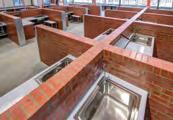





Our academics – students and staff – continue to be recognised by their peers nationally and internationally for their research and academic excellence.
UP staff members, Prof Mike Wingfield and Prof Josua Meyer, won awards at the 2020 edition of the National Science and Technology Forum (NSTF)-South32 Awards. The annual awards acknowledge extraordinary contributions to science, engineering and technology (SET), including innovation by SET-related organisations and experts in these fields. Prof Wingfield, founding Director of UP’s Forestry and Agriculture Biotechnology Institute and advisor to the Executive, received the Special Annual Theme Award: Plant Health, while Prof Josua Meyer, Head of the Department of Mechanical and Aeronautical Engineering and Chair of UP’s School of Engineering, won the male category of the Engineering Research Capacity Development Award.
UP Chancellor, Prof Wiseman Nkuhlu, was included in a list of the 100 Most Reputable Africans, released by global public relations consultancy Reputation Poll International.
Prof Daniël Christiaan de Wet Swanepoel was awarded the African Academy of Sciences’ science prize for his innovative research in tele-health and mobile health, specifically in the field of audiology.
Prof Patricia Forbes, incumbent of the Rand Water Chemistry Research Chair in the Department of Chemistry, was elected to the Professional Standards Board of the Royal Society of Chemistry and was made a Fellow of the South African Chemical Institute.
“Our academics –students and staff – continue to be recognised by their peers nationally and internationally for their research and academic excellence.”
Prof Emily Mitchell, a veterinary pathologist in the Department of Paraclinical Sciences, was honoured by the South African Veterinary Association Wildlife Group with the Lycaon Award. The Lycaon is awarded to an individual who has made an outstanding contribution to conservation and the wildlife veterinary fraternity.
Prof Mike Sathekge, Head of Nuclear Medicine in the Faculty of Health Sciences, was awarded the Presidential Award at the seventh South African Medical Research Council Scientific Merit Awards.
Prof Gareth Bath, Emeritus Professor in the Faculty of Veterinary Science was awarded the 2020 Global Animal Welfare Award by the World Veterinary Association.
Dr Johann Uys and Prof Ronny Webber-Youngman from the Department of Mining Engineering in EBIT received the inaugural Bruce Hebblewhite award from the Society of Mine Professors in 2020 in recognition of their contribution to the body of knowledge in mining leadership.
• Dr John Boje, an 83-year-old student, received his PhD in English at the virtual graduation ceremony held on 6 April. This is his second doctorate, his doctorate in history having been completed in 2010.
• Dr Marko Svicevic, at the age of 25, became the youngest student to complete his doctoral degree in the Faculty of Law. He initially studied towards a master’s degree but due to the size and complexity of the subject he chose, it was converted to a doctoral degree.
• Hjalmar Rall who started his physics degree at the age of 14 in 2017, completed it in 2019 and enrolled for his honours degree at UP in 2020.

Dr John Boje
Dr Chris Oosthuizen, an alumnus of UP’s Department of Zoology and Entomology and a research associate with UP’s Marion Island Marine Mammal Programme, was awarded the Population Ecology Young Author Award.

Hjalmar Rall
Dr Ismaheel Lawal, a postdoctoral student, was awarded the 2020 International Best Abstract Award by the Society of Nuclear Medicine and Molecular Imaging for the study “Predictors of residual metabolic activity on FDG PET/CT in patients treated for pulmonary tuberculosis”.
“The SRC President, David Kabwa, was elected as the first African Prime Minister of the Commonwealth Youth Parliament ... ”
Wiehan Rudolph, a master’s student in Analytical and Natural Product Chemistry, won the James Moir Medal, given to the best BSc Honours student in Chemistry at each tertiary institution in the country by the South African Chemical Institute (SACI).
The SRC President, David Kabwa, was elected as the first African Prime Minister of the Commonwealth Youth Parliament, held in New Delhi, India. The Youth Parliament provides an opportunity for young people from Commonwealth countries to learn how politics and parliamentary processes work. David was further recognised as a finalist of the South African chapter of Junior Chamber International’s Ten Outstanding Young Persons, in the category Political, Legal and Government Affairs.

2020 demanded much of academic and professional staff. While delivering quality education under constrained circumstances, many also managed to garner academic awards and significant professional recognition.
Prof Brenda Wingfield is a full professor in the Department of Biochemistry, Genetics and Microbiology and holds a DSI-NRF SARChI Chair in Fungal Genomics. She has been an NRF A-rated researcher since 2014, was vice-president of the Academy of Science of South Africa until 2020 and is the Secretary General of the International Society of Plant Pathology, her second term in this prestigious position. Prof Wingfield has supervised more than 100 master’s and PhD students and has published more than 400 articles in peer-reviewed journals.
• Science: Department of Architecture lecturer Johan Jacobus Swart and photographer Alain Proust received the award for their book Hidden Pretoria. This work documents architectural heritage sites within the City of Tshwane, based on extensive field work and primary research.
• Humanities and Social Sciences: Prof Charles van Onselen, from the Centre for the Advancement of Scholarship (CAS), received the award for his book, The Night Trains: Moving Mozambican Miners to and from South Africa, circa 1902–1955.
The Vice-Chancellor’s Award for Excellent Supervision
Department of Plant and Soil Sciences Professor Namrita Lall holds a DSI-NRF SARChI Chair in Plant Health Products from Indigenous Knowledge Systems. She is internationally recognised as a leading scholar in the field of phytomedicine and has been placed in the top 1% of the Essential Science Indicators list for publication citations in pharmacology and toxicology. Prof Lall’s research has led to the discovery of a number of medicinal plants with valuable biological activities, many of which have been patented nationally and internationally. She has received various awards in recognition of her work.
Prof Christiaan Bezuidenhout, from the Department of Social Work and Criminology in the Faculty of Humanities, was selected as a principal candidate for the Fulbright South African Research Scholar Programme for the 2020–2021 academic year. He will be visiting the East Carolina University’s Department of Criminal Justice.
Prof André Boraine, former Dean of Law and Professor in the Department of Private Law, was recognised for his insolvency law and restructuring expertise by being included in the 2020 LawDragon 500 Leading Global restructuring and insolvency Lawyers. Only one other lawyer from South Africa has been recognised as part of this elite list.

Contributing to the development and well-being of people and society is a critical element of UP’s public mission and permeates our engagement on local, national and international levels.
Community engagement and social responsibility is not a “bolt on” at UP, it is a core role and responsibility of being an anchor institution that makes a direct impact on the local economy and environment. In 2020, the University continued pursuing its priority initiatives, inter alia, to establish a more accessible, outwardfocused campus, within the constraints imposed by the pandemic.
The University has an extensive community engagement programme with approximately 30 000 students – around 45% of our student body – involved in various upliftment projects in 2020. Of these, 90% were undergraduates, working across 350 modules. Fewer than 10% of the community-based learning activities planned for 2020 (mainly excursions) had to be cancelled due to COVID-19.
In close collaboration with the Hatfield City Improvement District, we continued on a path to counteract creeping urban decay in Hatfield, the suburb that is home to the largest of our campuses.
Two of our engagement sites close to the Hatfield Campus are Reliable House and Moja-Gabedi, which were neglected sites that now have community vegetable gardens. MojaGabedi is also being used as a therapy garden providing
occupational, wellness and art therapy. The two gardens are tended to by volunteers, vulnerable students who asked for their own garden and students doing community engagement. Churches and nursing homes, as well as homeless people, are also involved.
Stepping up to fight COVID-19
The coronavirus pandemic provided our students and staff with numerous opportunities to help others. Significant student projects included:
• Hotline help: Final-year medical students volunteered to staff a hotline for people who had questions about the virus. The University partnered with Sediba Hope Medical Centre and the City of Tshwane.
• Online assistance: Students helped teachers from Tsako Thabo Secondary School in Mamelodi, Blue Hills College in Midrand, Laerskool Menlopark and Pretoria Secondary School to implement their online teaching programmes. Students in the Faculty of EBIT used their skills to update mark sheets, create databases and online forms. They also helped teachers to solve problems such as pupils not knowing how to upload their school assignments.
• Hand sanitiser: Students and staff in the Department of Chemical Engineering produced a hand sanitiser, which was donated to paediatricians at Steve Biko Academic Hospital.

• Helping the homeless: Students developed a mobile app to help Tshwane homeless shelters, which had been inundated with requests regarding the pandemic.
Our researchers and partners are also taking part in the multidisciplinary UP project, Pathways Out of Homelessness. As homelessness is one of the challenges of our time, there is a need for engaged research in Pretoria’s inner city suburbs. The research is designed to improve policy, budget and practices in dealing with the growing problem of homelessness.
At the Viva Village in Mamelodi’s Alaska township, all faculties are involved in a multi- and transdisciplinary community engagement hub. We work together with community healthcare workers and clinics to provide a holistic service.
We do the same in Zama-Zama and Plastic View squatter camps, and in the pop-up clinic of Salvokop to identify and address common health issues. This ranges from
improving hearing through UP’s innovative 3D-printed middle ear transplants, to addiction treatment, sustainable agriculture and affordable nutrition.
Our veterinary students are engaged in rural vaccination stations.
In terms of education, we have several high school programmes in disadvantaged communities. The JuniorTukkie programme, for example, strengthens engagement with schools serving marginalised communities, and there is also a JuniorTukkie App.
UP occupational therapy students engage with parents and toddlers on the importance of play in children’s development.
Our students also contribute through the Tuks Leadership and Individual Programme (TULIP). This is a student-run, non-profit that assists promising learners from four under-resourced Pretoria schools to access a tertiary institution.
The Convocation Advisory Board was established in 2020 after the election of 12 Convocation members to the Board. The Advisory Board acts as an advisory body to the University and the Vice-Chancellor and Principal. One of its aims is to ensure that all alumni and convocation members work together to build a dynamic alumni community and support the University in its fundraising efforts.
Notable partnerships with the private sector helping us to address pandemic-related needs included:
• Aspen Pharmacare donated 600 tablet devices, valued at R2.4 million, to enable online learning by economically challenged students during COVID-19. Isuzu and Rand Merchant Bank supplied 15 vehicles to the University’s Faculty of Health Sciences to be used in the fight against COVID-19.
The African Commission on Human and People’s Rights appointed Faculty of Law Professor Christof Heyns, and colleagues to assist with a continent-wide comparative study on the use of force by law enforcement officers. Prof Heyns also led a two-year process to adopt comprehensive standards on how states should deal with peaceful assemblies. These guidelines were adopted by the United Nations Human Rights Committee and are binding for the 173 states in the world that have ratified the Covenant on Civil and Political Rights.

Advocate Karabo Ozah, Director of the Centre for Child Law, was appointed by the Minister of Justice and Correctional Services to serve on the Advisory Committee of the South African Law Reform Commission’s Project 100D: Family Dispute Resolution – Care of and Contact with Children. This committee investigates and recommends how the family justice system can better look after the needs of children and families.

The University has a track record of successful collaboration with industry, including placement opportunities for our students, infrastructure development and continuing professional development. UP’s strong partnerships are also reflected in the number of Research Chairs at UP funded by industry, a few of which include:
• York Timbers entered into a strategic partnership with UP to establish a transdisciplinary research chair focused on the genetics, structural engineering and design of advanced wood products (engineered wood) in the context of a sustainable built environment and the wood-based bioeconomy in South Africa. York Timbers will provide funding of R23 million for the chair over the next five years (2021–2025).
• The Murray & Roberts Chair in Industry Leadership 4.0 was launched in January 2020 in the Department of Mining Engineering. This research chair will provide specialised skills and capacity building to
help implement optimised systems linked to 4IR, particularly in relation to the mining and mineralsrelated industries. Murray & Roberts has committed its support of this new chair for the next three years.
• Rand Water, which already funds four research chairs at UP, awarded the University an additional chair in Electrical Engineering. The chair, launched in January 2021 in the Department of Electrical, Electronic and Computer Engineering, aims to develop a research niche relevant to the South African water supply sector. The collaboration uses industry 4.0 technologies that will assist Rand Water.
• The University renewed an agreement with the Hans Merensky Foundation for the Hans Merensky Chair in Avocado Research, led by Prof Noëlani van den Berg. One of the programme’s many accomplishments is its role in the establishment of the International Avocado Genome Consortium.
UP is partnering with industry bodies and government ministries along with various universities and research institutes in the Grain Research Programme. This initiative started in 2018 with the signing of Memoranda of Understanding between UP, Grain SA and the South African National Seed Organisation (SANSOR) and launched in August 2020.
In 2020 the University entered into a partnership with Advance.io to develop an information hub, a cloud-based national scientific repository with associated tools and models to support the digitalisation of the agriculture and forestry industry.
The winners of the Community Engagement Group Award were Prof Jannie Hugo and Dr Amanda Talma from the Department of Family Medicine in the Faculty of Health Sciences.
The University’s Centre for Entrepreneurship launched a free National Support Portal to assist small, medium and micro-enterprises during the turbulent pandemic period and beyond. More than 320 professionals offer services free of charge and businesses can access resources such as a chatroom, professional counselling, digital marketing, technical and communication assistance.
Global cooperation and collaboration are a strategic focus for UP and we collaborate with more than 3 000 institutions around the world. This encourages an
“Global cooperation and collaboration are a strategic focus for UP and we collaborate with more than 3 000 institutions around the world.”


international perspective while also exposing students and researchers to a wider pool of expertise and resources.
Currently, UP is the only African university on the global University Social Responsiveness Network (USRN) – an international group of the top 15 universities in the world in this field. UP is also represented on the Talloires Network, another international association of universities committed to strengthening the civic roles and social responsibilities of higher education.
In 2020, the University approved the UP Africa Global University Project (AGUP), a strategic and transformative initiative to revitalise the University’s collective partnerships approach. It focuses on building an institution that is internationally recognised for research excellence and high-quality engaged scholarship, while contributing to social and economic development in South Africa, Africa and globally.
Newly formalised partnerships include: a Memorandum of Understanding (MoU) with Murdoch University in Australia; with New York University (NYU) through an institutional agreement to cooperate in several areas; and serving on the board of the Southern African-Nordic Centre, initiated in 2019.
The University is part of a consortium, the Atlantic ECOsystems Assessment, Forecasting and Sustainability (AtlantECO) initiative. This has been awarded €11 million (about R216 million) to study the microbiomes in the South Atlantic Ocean.
UP is the principal coordinator of the medical capacitybuilding project Dirisana, in partnership with Sefako Makgatho Health Sciences University, the University of the Witwatersrand, the University of Namibia and Welwitchia University in Namibia. The European Union has awarded the partnerships a grant valued at £1 million (about R23 million) to set up Dirisana.
Under the auspices of the African Research Universities Alliance Centre of Excellence in Sustainable Food Systems, UP is leading the Food Systems Research Network for Africa, a collaborative initiative between UP, the University of Leeds and the Food, Agriculture and Natural Resources Policy Analysis Network.
UP is collaborating with the United Nations International Children’s Fund and the United Nations Development Programme to develop and implement plans to address developmental challenges of young people in South Africa.
UP has around 270 000 alumni in 118 countries. Most live in South Africa, and of these approximately 55% live in Gauteng. Outside Africa, our biggest international presence is in the UK, Australia and the US. In 2020 UP became the first university in Africa to launch its alumni events on LinkedIn Live.
The LeadUP Online Alumni Events are a series of virtual topical debates and masterclasses hosted on UP’s LinkedIn page to create a space for dialogue and engagement. One of the highlights of the events was a conversation that involved the Ministers of Justice in South Africa and Namibia, Minister Ronald Lamola and Minister Yvonne Dausab (who are also UP alumni), as well as Prof Elsabe Schoeman, Dean of the Faculty of Law.
UP joined the Austria-Africa University Network in 2020, a network which has a membership of 63 African universities and 19 Austrian universities, and a number of further collaborations between UP and African institutions are in place.
“ ... UP is leading the Food Systems Research Network for Africa, a collaborative initiative between UP, the University of Leeds and the Food, Agriculture and Natural Resources Policy Analysis Network.”

Prof Sonali Das, from the Department of Business Management in the Faculty of Economic and Management Sciences, was elected to the prestigious International Statistical Institute.

Prof Don Cowan, Director of the Centre for Microbial Ecology and Genomics, is part of a team of international scientists awarded AU$36 million (R429 million) to conduct research in Antarctica to protect its future. The Australian Government provided the money to a Monash University-led research programme, Securing Antarctica’s Environmental Future. UP is the only South African university involved out of 30 international institutions.
Prof Dire Tladi was appointed to serve on the commission on pandemics and international law of the Institut de Droit International. Prof Tladi joined an elite team of well-known international lawyers, such as former President of the International Criminal Tribunal, Theodore Meron, as well as Judge of the International Court of Justice, Xue Hanqin. Prof Tladi had earlier been appointed to the UN International Law Commission.

The Gordon Institute of Business Science (GIBS) continued with a wide range of African partnership activities during 2020. GIBS signed new MoUs with Kwame Nkrumah University of Science and Technology, Lagos Business School, China European International Business School – Ghana, and Zhejiang University International Business School to strengthen the school’s impact across Africa. In addition, GIBS offered a number of programmes for African institutions.
At UP a commitment to transformation creates an intellectual home for a richly diverse body of students and staff.
Transformation remains a priority at UP, in line with our goal to foster and sustain an inclusive academic community. Inequities and inequalities in the higher education sector need to be addressed with the aim of reducing and ultimately eliminating differential student success and graduation rates based on race, gender, class and other critical variables.

In our institutional culture, diversity is welcomed, different perspectives are respectfully heard and every individual is entitled to a sense of belonging and inclusion.
Transformation is part of the UP agenda and this is reflected in our student demographic profile, which has steadily changed over the past years Where approximately 54% of our contact students were black in 2016, this percentage increased to nearly 61% in 2020.
Of this, the majority, 57%, are women. The proportion of black students at UP increased by 1.13 percentage points between 2019 and 2020.
For the first time in the history of UP, a black female student, Lerato Ndlovu, was elected as the 2021 SRC President in the online student governance elections held in October 2020. Ndlovu will replace outgoing SRC President David Kabwa, who also made the UP record books by being elected for a second consecutive term.
Overall, 12 808 postgraduate students were enrolled at UP in 2020. There is a sound gender balance, with female students comprising 54.72% of postgraduate
Our Mamelodi Social Innovation Space enables access for students who do not initially earn entry to university studies, but who have the potential to do so if provided with nurturing and supportive programmes.
UP’s transformation priorities also include strengthening financial aid programmes to ensure that the University is accessible to financially disadvantaged students. In 2020 financial aid increased by 12% to a total of R1868 million despite a 4% decrease in funding from external sources such as municipalities, provinces, state departments, and others. UP also increased its contribution towards student financial aid.
While the University context changed dramatically in 2020 in response to the COVID-19 pandemic, and the implementation of our anti-discrimination and social justice initiatives were affected, we were able to redirect our awareness and sensitisation discussions to online media platforms.
As the nation battled COVID-19, the pandemic of genderbased violence (GBV) also became apparent in South Africa. Our university was not immune. The increase in numbers of GBV incidents reported nationally during lockdown was shocking. Where such matters arose within the UP community, perpetrators were dealt with immediately as part of the University’s zero tolerance stance against discrimination and violence.
enrolments. The majority of postgraduate students are black, constituting 65.20% of all postgraduate contact students.
A series of social activities in the first few weeks of the academic year have helped show students how to do things THE UP WAY, and these are informed by the transformation imperatives of the University and aligned accordingly.
The University hosted two webinars aimed at exploring proactive strategic interventions that will contribute to concrete results in the fight against GBV. Students also championed a number of dialogues under the banner of the #SpeakOutUP platform on diverse social justice themes. The outcomes of these will be used to sharpen future interventions.
UP’s Employment Equity Plan (2021–2025) has identified the appointment, development and retention of black academics for accelerated action. The plan will be implemented in 2021 and has clear numerical targets.
Philosophy senior lecturer Dr Mpho Tshivhase received the CEO’s Award from the Institute of People Management as the first black woman to receive a doctorate in philosophy in South Africa. This award recognises a contribution which makes a difference and changes perceptions.
Prof Caren Scheepers and Dr Tracey Toefy of the Gordon Institute of Business Science won the award for Best African Business Case at the prestigious European Foundation for Management Development 2019 Case Writing Competition.
Aniel Caro de Beer’s book, Peremptory norms of general international law (jus cogens) and the prohibition of terrorism, based on her doctoral thesis, won the American Society of


International Law Francis Lieber Prize for the best book on armed conflict.
LaToya Seoke, a PhD student in the Faculty of Veterinary Science’s Department of Production Animal Studies, was one of only 20 women researchers to receive the Sub-Saharan Africa Young Talent Award for academic excellence under the auspices of L’Oréal-UNESCO for Women in Science.
Bianca Gevers, a PhD student in Chemical Engineering, was one of six women who received a grant from the L’Oréal-UNESCO for Women in Science South African National Young Talents programme. She also won the Young Persons’ Lecture Competition in South Africa and placed second in the Young Persons’ World Lecture Competition.




Researchers
Total women researchers
NRF rated women researchers NRF A-rated women researchers
goals. At UP we are working towards a 50+ percentage of women professors and NRF A-rated researchers to set an example for society and bring women into the mainstream of top leadership. We have 4 756 women researchers, 53% of the total number of researchers (8 973) employed by the University. Of these, 2 574 are black women, while out of a total of 255 professors, 83 are women. The number of UP researchers with National Research Foundation ratings is 565, of which 190 are women. However, only three of our 16 NRF A-rated researchers are women.
Through our Department of Research and Innovation, UP is foregrounding programmes in support of Early Career Academics and Researchers, with specific reference to black and female researchers. All are strongly underpinned by mentorship, which accelerates the timeframe from early career to professor from 28 years to 15 to 20 years.
This plan monitors the progress of black academic staff as a percentage of the total head count, which stood at 29% on 31 December 2020, an improvement from 26.3% in 2019. Measures to improve our employment equity staff profile have started to deliver results, with black staff representation growing overall from 37.1% in 2012 to 67.8% in 2020. Black academic staff grew from 19.4% to 29%.
UP2025 is on an intensive trajectory to diversify academic staff through a range of university and governmentfunded initiatives, such as the Department of Higher Education and Training’s (DHET) Research Development Grant for emerging researchers, the Vice-Chancellor’s Academic Development Programme, and the New Generation of Academics (nGAP) programme. UP has the largest number of nGAP academics of all South African universities.
The United Nations states that gender equality is vital for the achievement of the sustainable development
The DHET introduced the nGAP programme in 2016 as a pipeline strategy and provides funding of R2.5 million per academic post over six years. UP accepted and filled all 26 positions offered to it by 2020, with appointees from the designated categories in the ratio of 18 women to 8 men. This pattern is in keeping with the University’s transformation ambitions to foster and sustain a transformed, inclusive and equitable university community as detailed in the UP Transformation Plan 2017–2021. So far, 11 nGAP candidates have completed their PhDs, four confirmed submission during 2021 and the remainder are progressing according to plan.
The Programme for Academic Leadership (PAL) is offered through the University’s business school, the Gordon Institute of Business, as an academic leadership and development strategy. This programme develops an academic leadership career suited to the 21st-century higher education context. Seventy-three senior academics have attended PAL and four have since been promoted to dean, four to deputy dean and 14 as heads of academic departments.
The UP Executive Coaching Programme offers coaching to all newly appointed deans and directors as well as to a selection of deputy deans. The aim of the programme is to maximise leadership potential and, to date, ten of the University’s senior line management have taken part.
Formalised in 2020, the Management Development Programme equips participants with the knowledge, personal qualities and leadership skills needed to succeed in management. It also addresses all areas of a business and prepares participants for the transition from managing a department or business unit to a more generalised and senior managerial function, involving greater scope and scale of executive decision-making. To date, 15 UP line managers have participated.
UP is committed to ensuring an integrated and inclusive learning experience for students with disabilities. The specialised support services of the Disability Unit aim to ensure that students with visual, hearing, physical, learning, psychological and chronic medical challenges are not marginalised and can be integrated into academic programmes and student social life. The unit provides academic, technological, physical and psychosocial support to these students, facilitating meaningful access to (and support in) their teaching and learning activities, among others.
Our Disability Unit has been instrumental in developing guidelines to assist lecturers in supporting students with disabilities in an online learning environment, vital during the COVID-19 pandemic.
During 2020, 420 students with declared disabilities received direct support from the Disability Unit. Of these, 295 were first-time entering students. In addition, a number of students were assisted who did not consent to their disability status being disclosed to the University, as well as 890 walk-in and virtual consultations. There were 390 applications for time concession for examinations and tests, and 188 tests were written with the support of the Disability Unit before the COVID-19 lockdown.
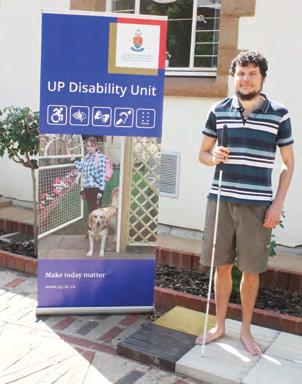
“Our Disability Unit has been instrumental in developing guidelines to assist lecturers in supporting students with disabilities in an online learning environment ... “
During lockdown, 45 students wrote on-campus tests and examinations in the computer laboratories at the Disability Unit.
Before the lockdown, eight mobility training sessions, including basic cane skills and route planning, were presented to new first-year students with visual impairments. The unit also facilitated 52 NSFAS bursary applications as well as bursaries funded by other donors. In a significant increase from 10 in 2019, 40 assistive
“UP is increasingly aware that having racial, gender and disability diversity is key to its mission and vision.”
technology training sessions were presented, and 56 sessions in the compulsory Academic Information Management module for first-years were presented to visually impaired students. Nearly five thousand text pages were converted into accessible electronic formats for students with disabilities and 412 pages in Braille were produced for the Centre for Human Rights in the Faculty of Law.
Outside the classroom, the Disability Unit offered support programmes that included a neurodiversity group for students with ADHD, autism spectrum disorder and learning disabilities, and a registered society for students with a disability, called BOLD, Beyond Our Limiting Disabilities.
The University has several initiatives to enhance the inclusion of students with disabilities. These include, among others, extended orientation for first-year students with disabilities, sourcing funding, and facilitation of the DHET Disability Bursary. It also provides, and trains in the use of, assistive technologies and devices. Because of delays in NSFAS allowances for 2020, however, many students with disabilities did not receive their assistive devices before lockdown. Due to limited resources, the Disability Unit was only able to loan devices to those students who were at high risk of exclusion.
In partnership with the Career Services office, the UP Disability Unit works with private and government entities. In 2020 the unit facilitated sensitivity sessions with companies to ensure that graduates with a disability who were successfully recruited were entering an accessible and inclusive working environment.
Policies and related initiatives
UP is increasingly aware that having racial, gender and disability diversity is key to its mission and vision. To this end, the University has committed and aligned itself with the ethos and objectives of the national transformation agenda, which includes eliminating unfair employment barriers and discriminatory practices.
The University’s language policy, approved by Council in June 2016, was fully implemented in 2019 and will be reviewed in 2021 to align it with the Language Policy
Framework for Higher Education Institutions, which will be implemented in 2022.
The Anti-Discrimination Policy, supported by a detailed manual, entered its implementation phase in 2020 and reflects the University’s zero tolerance approach to all forms of discrimination and violence. The University continued to conduct activities creating awareness around issues covered by the policy despite the COVID-19 pandemic and its restrictions.
The Anti-Discrimination Policy also makes provision for the creation of a Transformation Office, which was established in 2019. This office was strengthened by the appointment of a Director of Transformation, Nontsikelelo Loteni, in 2020.
The University’s Institutional Transformation Committee (ITC), an Executive sub-committee comprising representatives from the University Executive, Transformation Committees within each faculty and
each professional services department, the various staff labour organisations and the students, continued with its important work and identified priority focus areas for 2021. The ITC continued to work closely with the Transformation Office and the Centre for Sexualities, Aids and Gender during 2020 on a variety of initiatives and will work closely with the Transformation Office in designing, developing and implementing transformation initiatives across UP.
Overall, as emphasised in the UP Transformation Plan (2017–2021), the University has made significant progress towards realising transformation goals. A survey of institutional culture will be conducted in 2021 to measure progress on transformation to date, and to inform the development of the new Transformation Plan to be implemented in 2022.
We aspire to become an African Global University, locally responsive, but continental in scope and globally engaged in making a significant contribution to transforming the world.
Amid the challenges of this volatile and unpredictable era, UP aims to optimise resources and enhance institutional resilience to secure future viability.
One of the critical priorities of the University in 2020, heightened by the COVID-19 pandemic, was to resolutely maintain and enhance institutional sustainability. The pandemic was both a disruptive force and an opportunity to reimagine and reposition the University to secure its long-term success and vitality.
UP published its first integrated Sustainable Development Report in 2020, showing the progress towards integrating sustainability into all parts of the institution, and the various gains that the University has made across various dimensions of sustainability.
Universities were already experiencing sustainability challenges before the pandemic. Demands for tuition and accommodation fee rebates, reductions in budget allocations and additional unbudgeted expenses related to procuring personal protective equipment also negatively affected the financial position of South African universities, including UP.
“The key focus areas are to maximise operational efficiencies, contain costs and optimise all income streams.”
The University’s Financial Sustainability Plan for the period 2019–2025, developed in 2019, is guiding our response to the financial impact of the COVID-19 health crisis. The key focus areas are to maximise operational efficiencies, contain costs and optimise all income streams. The plan acknowledges that creating a sustainable university strengthens our core mission of teaching, research and having a positive impact on society. It also recognises that the challenges confronting us are complex and interconnected, demanding an ever-evolving approach. The plan was revised to address financial sustainability challenges heightened by the pandemic.
As noted earlier in this review, financial aid to students increased over 2020, and this included contributions from UP’s own funds increasing by 5% to R171 million. There was an increase of 21% to R1275 million in managed funding from third parties, mainly due to NSFAS centralised funding activities (excluding NRF and studentships).

Commercialisation remains an important part of the University’s strategic focus. UP showed good growth in the number of international patents filed.
In addition to funding secured by research activities and fundraising efforts, Enterprises University of Pretoria (Pty) Ltd also plays a significant role in generating alternative sources of funding. The company is responsible for the development, implementation and management of the University’s business activities.
Inspired by its motto “Shifting knowledge to insight”, the company successfully expanded its footprint in business and government sectors in South Africa and internationally, resulting in a total turnover of R176.8 million in 2020.
• Research Solutions generated research funding to the value of R91.7 million through its applied research outputs, offering more than 50 areas of expertise and capability. The execution of 267 contract research and consulting projects and activities resulted in contributions to 35 research articles and papers.
• Training Solutions generated development and
training funds to the value of R85.1 million through the diversification of its catalogue of 391 customised training programmes and short courses. This led to skills training of 9 966 workforce delegates from various industries through 528 training events. Access to training interventions was broadened through the strategic use of fully online and blended modes of delivery.
Despite the constraints imposed by the pandemic, the University secured funding for bursaries from several organisations in 2020, including:
• Vukile Property Fund (R2 million)
• Hillensburg Trust (R1.8 million)
• Tjhapuluko (R1.2 million)
• Nokia (R1.2 million)
• Albert Wessels Trust (R2.3 million)
• IDC (R2.1 million)
• BankSeta (R3.4 million)
• Huawei Technologies South Africa (R1.1 million)
Other substantial donations were received from Total SA (R3.2 million), Fasset (R2.15 million), SEESA (R2.1 million), and the Tirisano Construction Fund (R2.1 million).
The Anglo-American Foundation Trust awarded the University four grants to the value of R70 million in 2020. These funds were used to acquire personal protective equipment (PPE), facilitate training and outreach programmes and to provide healthcare services to the needy.
The Dell Foundation and Oppenheimer Trust donated R15 million towards our student support programmes.
ABSA continued to be a staunch supporter during this period, donating R5 million for student bursaries, research chairs and the continuation of the University’s high school projects in Mamelodi.
The Solidarity Fund, which UP launched to raise funding to buy laptops for students and support students in dire need, received donations from Aspen (R2.3 million), Ubuntu-Botho Community Trust (R3 million), Nokia (R1 million), Buzaphi Construction (R500 000), among other donors. The University procured approximately 3 000 devices to distribute to these students, receiving contributions for the project from several companies and individuals, including the Motsepe Foundation.
Scholarship of Teaching and Learning (SoTL) grants are part of the University Capacity Development Grant provided by the Department of Higher Education and Training. The purpose is to promote institutional research to improve teaching and student learning and success. We received 60 applications, of which 40 were funded. Because of the COVID-19 pandemic, four grants had to be cancelled. A total of 12 733 students benefited indirectly from the 36 SoTL projects.
Despite challenging conditions, in 2020, our fundraising team matched the amount collected in 2019, which was approximately R200 million. The University hosted its first donor appreciation and engagement webinar on 15 July 2020. UP successfully registered a charitable foundation in the United States and can now receive funds in the most tax-efficient manner from our US alumni.
UP’s Spatial Development Plan 2020–2025 provides strategic direction for our future physical development. This is important, as our infrastructure includes more than 730 buildings, some dating back to the early


1900s. More than a third of the buildings are classified as heritage buildings and are subject to the provisions of the National Heritage Resources Act 25 of 1999. The University has a conservation management plan to ensure the sustainability of these, and as more buildings become subject to the Act, the plan will be updated.
One of the key priorities in 2020 was to correct the municipal accounts by aligning the sanitation rate with the zoning of the land. The total rebate from the City of Tshwane was R20 106 363.
Planning, design and construction of sustainable infrastructure are key elements of the University’s approach to sustainability. For all newly designed buildings and refurbishment projects, we focus on energy efficient designs for power and water usage, waste handling, ventilation and air conditioning. In addition, any new structures must receive four stars in the Green Star SA building ratings.
Welcoming social learning spaces promote successful studies and encourage a transformed and inclusive 21st-century university culture. Project planning for the construction and refurbishment of facilities is undertaken in collaboration with faculties, departments and students.
All social learning spaces are designed to be user-friendly, multifunctional and connectivityenabled. They accommodate the students’ need for a quiet space where they can work and have group meetings and discussions, coupled with spaces where they can relax and socialise, with access to food and drinks.
The University has entered into a Power Purchase Agreement to supplement its electricity supply by installing photovoltaic panels on new and existing buildings. This project started in 2018 and was expanded in 2019 and 2020. Solar panels have been erected on
the roofs of the Merensky Library and Technical Services buildings on the Hatfield Campus, with plans to extend the use of solar panels to other UP sites.
The University upgraded its IT servers and data storage facilities in order to ensure the continuous provision of services over a time of high demand for online learning, teaching and research.
Sustainability at UP also has important environmental and social dimensions. At UP we want to nurture students who are committed to social justice and sustainable growth, and to greening and earth-friendly initiatives which give back positively to the planet.
The impact of the national lockdown in 2020 on carbon emissions, water and electricity consumption, as well as recycling, was significant. The electricity consumption in 2020 was 78.42% of the 2019 consumption, while water usage in 2020 was 76.99% of the 2019 usage.
Under normal operational conditions, UP is a major generator of general waste (recyclable waste, food waste and garden waste). During 2020, 79 550kg of waste was recycled and R93 330 was received in rebates. This was a 47.6% decrease in recycling compared to the same period in 2019, and directly attributable to the COVID-19related lockdown restrictions which saw the closure of campuses and limited activities at the University.
UP won three double gold landscaping awards at the 2020 South African Landscapers Institute (SALI) excellence awards. SALI, a non-profit organisation, looks after the interests of South Africa’s green industry. UP won Double Gold for the following projects:
• Strubenskop environmental rehabilitation and restoration
• Hartbeestspruit environmental rehabilitation and restoration
• Javett-UP project.

Emergency back-up water systems and water harvesting initiatives, including retention ponds and sustainable urban drainage systems, are coordinated by our water management task team.
We have ongoing GreenUP strategies to save energy and to reduce water consumption and the University’s carbon footprint, which has been halved in the last few years.
We harvest rainwater and use registered boreholes around our campuses for irrigation, reducing the University’s municipal consumption. Sophisticated technologies monitor our buildings’ electricity and water consumption in real time to reduce use and minimise loss due to leaks and faulty equipment.
Another GreenUP focus area is recycling. An e-waste recycling container is available for old computers, cellphones, batteries, and other e-waste, while a facility for recycling glass, paper and other waste is also available.
At the UP Experimental Farm, our green waste is processed into usable compost, which is then reintroduced to feed our gardens. Through a tree-planting programme, UP has planted 1 735 trees since 2014, and for every tree that needs to be removed, three more indigenous trees have to be planted. The upgrading of the compost and mulch production facility on the Hillcrest Campus has substantially decreased the need for, and costs of, transporting garden refuse to landfill sites. Compost and mulch to the value of approximately R2.1 million were produced and used on all the University campuses and properties.
The University is a significant employer in the City of Tshwane, and in our home neighbourhoods of Hatfield and Hillcrest in particular. We generate jobs, purchase huge amounts of goods and services, attract businesses and highly skilled individuals to the city, and make a significant contribution to its economic development.
UP has an important stake in the future of the city and its neighbourhoods as our own success and
“The pandemic is arguably a driver for reinventing universities rooted in sustainability – financial, social and environmental – and UP is making an ongoing contribution to this.”
sustainability depends, in no small measure, on the city’s overall health. We work closely with the Hatfield City Improvement District to create a clean, safe, secure, interesting and attractive environment beyond the University boundaries.
We are involved with efforts to clean and maintain Hatfield by removing waste from public areas throughout the year. We also frequently provide services and support to national departments. One example is The Cities Support Programme, a South African National Treasury initiative, designed to improve service delivery and municipal performance.
The pandemic is arguably a driver for reinventing universities rooted in sustainability – financial, social and environmental – and UP is making an ongoing contribution to this. The rethinking of UP is about creating a resilient and future-focused university that makes a decisive difference to the reimagining of South Africa, our continent and the world.
The University’s total income decreased by R70m to R7,290m during the reporting period, primarily due to the impact of COVID-19.
The main source of income remains the block grant received from government, together with earmarked grants in respect of veterinary sciences, clinical training, foundation year programmes and university capacity development initiatives. Subsidy income, including restricted earmarked grants, increased by 8.1% when compared to 2019. The second main source of income, tuition fees, increased by R15m. The Department of Higher Education and Training, together with the Universities of South Africa Board, agreed a 5.4% tuition fee increase for 2020. Similarly, a
7.4% increase was agreed for accommodation and meal fees; however, income in this category decreased by R117m, mainly because of rebates granted.
Income from contracts and services decreased by 5% from 2018 to 2020. The decrease in 2020 is also due to the significant impact of COVID-19 and the resulting economic climate on this category of revenue.
Income from interest and dividends performed better than expected because of improved market performance towards the end of 2020. However, interest income was still impacted by the sovereign ratings downgrade and the reduction in the repo rate.
Personnel costs increased by 4.6% (2019: 9.5%), while operating expenses decreased by 23.3%. Despite having to incur various unforeseen expenses to enable online learning, develop online study material and procure personal protective equipment, operational expenses decreased significantly in 2020 due to reduced spending as a result of the lockdown. The University achieved savings on various operating expenses such as printing, stationery, entertainment and travel expenses.
The University has a diversified investment portfolio that is governed by the Council’s Investment Committee. The figure below sets out the structure of the University in relation to investment matters.
The University’s investment funds are designed to serve three purposes, namely:
• to meet part of the short-term requirements of the University – these liabilities have a maximum term of 24 months. The risk profile emphasises the need for capital protection over short periods and a high degree of liquidity;
• to meet the long-term liabilities (five years and more) of the University – the main requirement here is a good investment return relative to inflation over the long term; and
• to meet the requirements of a special class of the long-term liabilities, the post-retirement medical aid benefits.
The University aligns its investment philosophy with the term of the liabilities and the risk profile. To this end, three investment portfolios have been established:
• Money Market Portfolio;
• Long Term Capital Portfolio; and
• Continuation Medical Aid Portfolio.
The University follows an investment strategy that rebalances between Long Term Capital and Money Market portfolios according to its cash flow requirements, based on a rolling working capital budget, which accounts for the cash flows of major projects over a rolling 15-month period.
In the figure on page 63, an indication of the University’s diversified investment portfolio over the past three years is provided. The significant proportion of foreign investments allowed for reasonable stability in the investment portfolio despite the volatile financial markets, by limiting the risk of price fluctuations through leveraging foreign exchange gains.
The University of Pretoria had satisfactory results for the financial year ended 31 December 2020 despite the far-reaching effects of COVID-19 on the higher education sector.
The impact of the pandemic, the resultant economic decline and the financial pressure on the national fiscus, have necessitated strong financial management and control of funds. Internal budgets were reallocated, purchasing of personal protective equipment was
centralised, appointment of professional and service staff was delayed as were all non-critical capital expenses. Furthermore, the University continues to confront the implications of the insourcing of previously outsourced staff and the proportion of personnel cost to total expenses.
The University will continue with implementation of initiatives to limit the growth of expenditure, to pursue innovative ways to utilise its resources and attract a greater proportion of third-stream income to fund the shortfall in core activities.
Summarised Consolidated Income Statement for the Year Ended 31 December 2020
Summarised Consolidated Statement of Comprehensive Income for the Year Ended 31 December 2020

To be a leading research intensive university in Africa, recognised internationally for its quality, relevance and impact, and also for developing people, creating knowledge and making a difference locally and globally.
• To enhance access and successful student learning
• To strengthen the University’s research and international profile
• To foster and sustain a transformed, inclusive, and equitable University community
• To optimise resources and enhance institutional sustainability
• To strengthen the University’s social responsiveness and impact in society.