


To be a leading research intensive university in Africa, recognised internationally for its quality, relevance and impact, and also for developing people, creating knowledge and making a difference locally and globally.
• To enhance access and successful student learning
• To strengthen the University’s research and international profile
• To foster and sustain a transformed, inclusive, and equitable University community
• To optimise resources and enhance institutional sustainability
• To strengthen the University’s social responsiveness and impact in society

1 Danai Magugumela; 2 Dr Piet Botha, Deputy Chairperson; 3 Prof Cheryl de la Rey, Vice-Chancellor and Principal; 4 Futhi Mtoba, Chairperson; 5 Kuseni Dlamini; 6 Prof Russell Loubser; 7 Prof Norman Duncan Vice-Principal; 8 Prof Stephanie Burton, Vice-Principal; 9 Neo Lesela; 10 Vuyelwa Qinga; 11 Dr Barbara-Ann Ribeiro; 12 Kedibone Diale; 13 Soraia Machado, Student Representative; 14 Allan Taylor; 15 Cilliers Brink; 16 Danie Behr; 17 Appie Pienaar; 18 Prof Innocent Pikirayi; 19 Israel Skosana; 20 Kwena Moloto, Student Representative; 21 Prof Themba Mosia, Vice-Principal; 22 Dr Steve Booysen; 23 Laurie Dippenaar; 24 Dr Johan van Zyl; 25 Prof Caroline Nicholson, Registrar; 26 Prof Carolina Koornhof, Executive Director; 27 Anton Botha; 28 Prof Sunil Maharaj; 29 Prof Anton Ströh, Vice-Principal; 30 Prof André Boraine.
Education is the most powerful weapon which you can use to change the world.
Nelson Mandela
New social and economic realities, increasing technological complexity and the need for universities to contribute to addressing society’s pressing challenges, require constant learning, innovation and adaptation to thrive and maintain our vitality, and engender high levels of societal confidence.
The University of Pretoria’s vision of becoming a leading research-intensive university in Africa, recognised internationally for its quality, relevance and impact, and also for developing people, creating knowledge and making a difference locally and globally sets it on a path to being on the leading edge of global developments such as the Fourth Industrial Revolution (4IR) where automation is disrupting labour markets and changing the world of work.
New developments within the past year position the University to unlock the potential of 4IR for Africa, with innovative research platforms that change the nature and scope of research at UP.
The Future Africa Institute, a hub for developing inter- and transdisciplinary research networks within UP and the global research community, will develop new research capacity and focus investment in innovation relevant to the sustainable development of Africa.
The Javett-UP Art Centre is set to become a focal point for the art of Africa, where everyone can explore and understand the creativity of this continent. Yet it also goes beyond the arts as an institution where the art of Africa
sits alongside research, its methodologies, its collection, and concerns. It will be a major driver of transdisciplinary research between the Humanities, Future Africa and the broader university community.
Breaking of the ground for the Future Transportation Hub, which will be housed in the new Engineering 4.0 facility on the Hillcrest campus, took place in 2018. It promises to be a world-class hub not only for smart cities and transportation, but also for linking the vast resources in technology and data sciences to other faculties via Future Africa.
UP’s standing as a research-intensive university is growing apace. Its strengths in science, engineering, technology, the arts and humanities, provide multiple opportunities for interdisciplinary research. This, together with its partnerships with industry and other stakeholders, its use of technology in teaching and learning, and its strong transformation drive, provides a firm springboard for intensifying the University’s alignment with a 4IR-shaped future.
This report gives an overview of the University’s important achievements over the past year, the progress made in the key areas of teaching and learning, research, transformation, and contribution to society, and its role nationally and internationally.
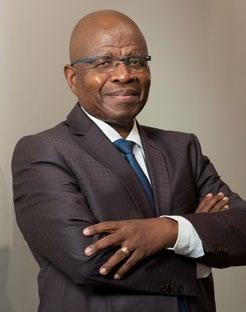
Prof Wiseman Nkuhlu, Chancellor
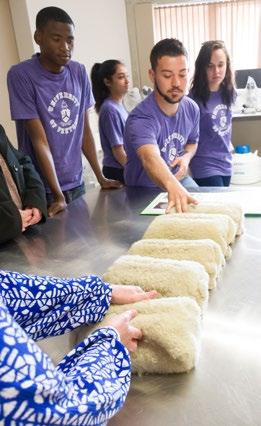
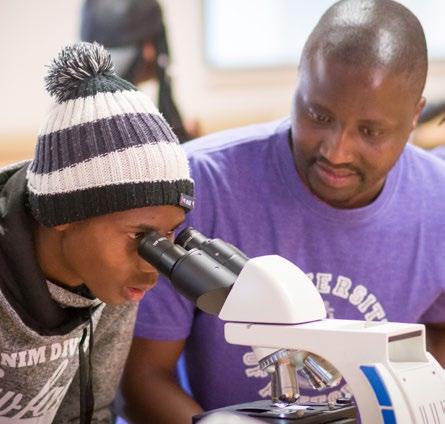
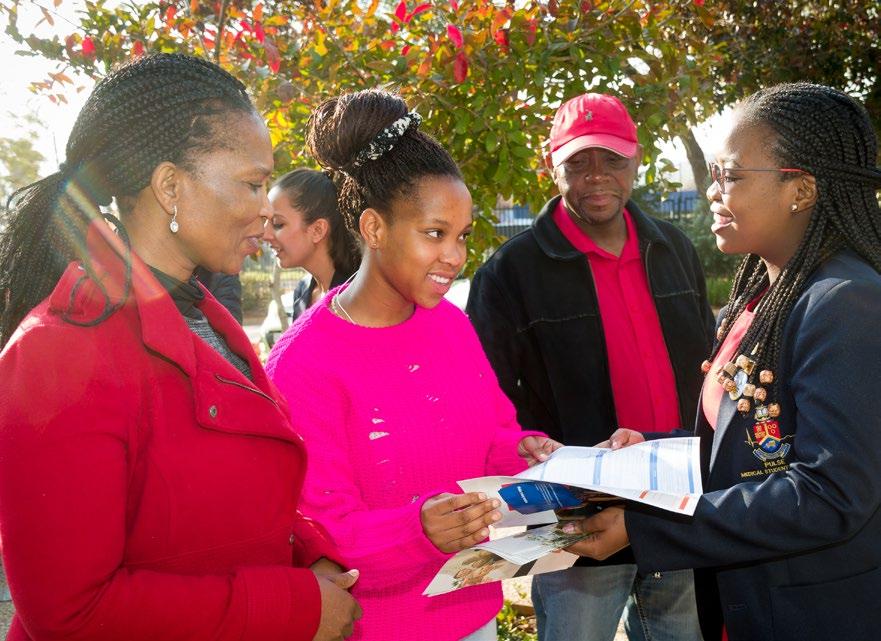
#ChooseUP


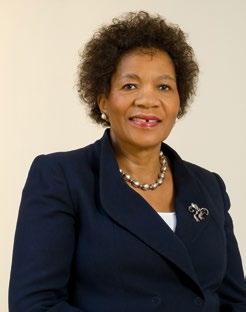
Futhi Mtoba Chairperson of Council
Wisdom is like a baobab tree; no one individual can embrace it. Ewe proverb
The landscape in which we operate as a university is complex, dynamic and multi-tiered.
Globally, the United Nation’s Sustainable Development Goals and the African Union’s Agenda 2063 identify the most pressing development challenges that we must seek to address.
Nationally, the National Development Plan (NDP)1, the White Paper for Post-School Education and Training (WPPSET)2 and the draft White Paper on Science, Technology and Innovation (WPSTI)3 identify various important priorities for higher education. The WPPSET, for example, sets an enrolment target of 1,6 million for South African universities by 2030 and, in accord with the NDP, identifies the scarce and critical skills needs for South Africa’s economic development as a priority. Further, the two policy documents call for an increase in research and innovation to effectively participate in a global knowledge economy, a call that is echoed by the draft WPSTI.
The challenging funding environment and the complex societal issues that the University has to respond to, make it even more critical that we stay the course in the pursuit of our vision.
UP’s strategic plan (UP 2025), our five-year implementation plan (2017-2021) and annual 1
implementation plans, provide the roadmap and navigational markers to ensure the University increasingly impacts on society and overcomes various challenges. We are committed to sustaining excellent teaching and pursuing research that makes a decisive difference to the lives of the people in our communities.
Developing students as a skilled workforce is a primary means of contributing to economic growth and competitiveness, eradication of socio-economic inequalities and the well-being of society. In this, the University has succeeded by not only increasing its numbers of graduates, but also producing graduates in identified scarce skills such as engineering, financial sciences and health sciences.
UP is also widely recognised for research excellence. Pursuing a strategy that builds on areas of research strength and consolidates new areas of research capacity has paid dividends. We have increased our visibility and impact internationally in fields of direct relevance to South Africa, Africa and the world. At the same time, we have become part of Africa’s focus on science and innovation for development, and for the well-being of people, society and the environment.
The University further recognises the importance
In June the Vice-Chancellor and Principal, Professor Cheryl de la Rey, announced her intention to step down in December 2018. Professor Tawana Kupe was appointed as the new Vice-Chancellor and Principal at the Council meeting held on 21 November 2018 and commenced his duties on 14 January 2019. The University acknowledges Professor De la Rey’s significant achievements during her nine-year tenure.
Professor Wiseman Nkuhlu, Chancellor of the University of Pretoria, was appointed as chairperson of KPMG South Africa as from 1 March 2018.
of collaborating with government, industry, community stakeholders and international partners to strengthen our responsiveness to, and impact on, socio-economic development as well as to overcome the resource challenges confronting us.
We have achieved tremendous success in realising the University’s vision and strategic goals since the implementation of the UP 2025 strategy. These achievements strengthen our position as a strong, innovative and socially responsive university.
The University Council is satisfied that UP was managed in accordance with the goals and strategies set out in the 2018 Implementation Plan, the requirements for good governance as set out in the King reports and all laws, rules and codes applicable to the University. In spite of challenging circumstances brought about by a number of developments in the external environment, the University could demonstrate definite progress in pursuit of its strategic goals.
Ms Futhi Mtoba, Chairperson of Council


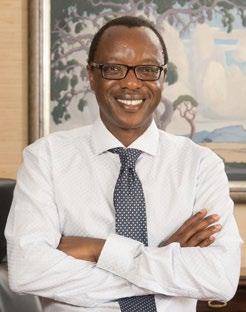
Tawana Kupe Vice-Chancellor and Principal
Knowledge is power. Information is liberating. Education is the premise of progress, in every society, in everyfamily.
Kofi Annan
2018 was a year of stability for UP characterised by several key achievements and an overall strong performance. While financial sustainability remains a concern for the higher education sector, and an important priority for UP, this challenge has not affected our commitment to the quality of academic programmes, innovative teaching, learning and research excellence, student success and transformation.
Our implementation plan for 2018 positioned students at the centre of all our endeavours, with student success a critical priority for the University.
We have seen a gratifying upward trend in this regard. A total of 13 512 diplomas and degrees were awarded in 2018 (2017: 13 502). The total number of master’s graduates in 2018 was 1 993 (2017: 1 866) and doctoral graduates numbered 427 (2017: 355).
The most recent statistics released by the Department of Higher Education and Training (DHET) confirm that UP remains one of the largest producers of graduates in a wide range of fields that include identified scarce skills such as engineering, financial sciences and health sciences.
Through the graduate destination survey that we conduct every second year, we know that our graduates are able to enter and enjoy success in the careers they choose. The last benchmark in 2017 showed that just over 93% of UP graduates were employed within six months in their field of study or continued with further studies. This was an improvement on the 91% recorded in 2015.
The value employers place on our graduates was once again confirmed in the QS World University Rankings for 2018/19 where UP was ranked #228 globally in employer reputation, which shows that our graduates are sought after for their ability to integrate into the workplace. This is a significant improvement over our position in the 2017/2018 rankings (#255).
This trend is sure to continue as UP remains an institution of choice for top-performing students from all over South Africa. The class of 2018 was particularly strong academically. Of the 19 learners with nine or more distinctions in the National Senior Certificate examinations, 14 (74%) applied to study at UP. A similar pattern applied to students who wrote the Independent Examination Board examinations. Of the 85 learners with eight or more distinctions, 55 (65%) applied for enrolment at UP.
UP’s reputation is also reflected in its rising international profile as evidenced by its strong showing in university rankings systems, which place the University among the top 1,9% of universities in the world, and by the growing number of disciplines in which we have attained global excellence.
Our Law faculty continued to rise in global subject rankings, climbing from #92 to #76 in the Times Higher Education (THE) Subject Rankings. Education and Business as well as Economics were included in these rankings for the first time, and were positioned in the 301-400 range.
Six of our subject fields are also ranked in the top 200 in the world according to the QS World University Rankings 2018/19. These are Veterinary Science (#45), Development Studies, Theology and Religious Studies (both in the 51-100 range), Agriculture and Forestry (101-150) and Archaeology and Architecture (151-200).
For the 15th consecutive year, UP’s Gordon Institute of Business Science (GIBS) was ranked among the world’s 50 best business schools by the UK Financial Times in its 2018 Executive Education ranking. At #42, GIBS maintains its status as the leading African business school in this highly competitive space.
Consistent with our vision of becoming a leading research-intensive university in Africa, UP has made major research breakthroughs in a number of areas that not only demonstrate the quality of our research and the calibre of our academics but also research that matters in transforming lives, sectors, communities and society. Some of our research achievements include the artificial insemination on a lioness resulting in the birth of healthy cubs, a study to determine the higher risk of prostate cancer among black men in South Africa, and participating in an international study on the effects of climate change on ancient baobab trees.
An indicator of the level of recognition we enjoy for our high-impact research, is the six new Research Chairs the University was granted
World firsts
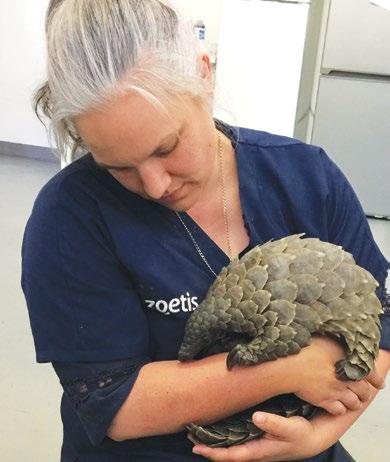
• Illegally trafficked pangolins now have a better chance of survival after a Master’s student at UP’s Centre for Veterinary Wildlife Studies became the first person to chart the normal reference intervals of a healthy pangolin. Pangolins are the most trafficked animal in the world and compromised pangolins need specialist care and rehabilitation when found.
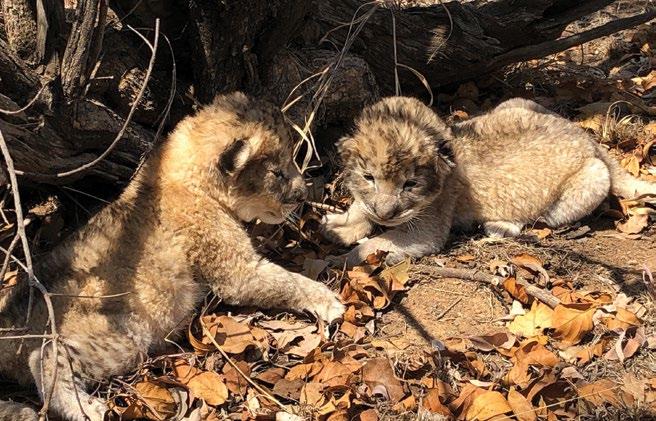
• A lioness gave birth to two cubs conceived via nonsurgical artificial insemination thanks to a team of UP researchers from the Mammal Research Institute and the Faculty of Veterinary Science. The cubs are the first ever lion cubs to be born by means of artificial insemination anywhere in the world.

in 2018. These Chairs will address pressing challenges such as green energy, food security and artificial intelligence and enable us to continue building knowledge and delivering research that is relevant.
Several developments in 2018 will see UP make an even greater contribution to Africa and the world. The establishment of new research platforms, such as the Future Africa Institute, Javett-UP Art Centre and the Future Transportation Hub at the Engineering 4.0 facility, will increase innovation and capacity to generate sustainable solutions for South Africa and Africa’s complex problems.
We also welcomed the Huawei Authorised Information and Network Academy at UP, which will offer training and industry certification in sought-after ICT technologies.
None of our achievements would be possible without a strong academic corps and our researchers remain prolific producers of knowledge in their quest for solutions. The DHET report on sector-level research performance, released in March 2018, shows that UP achieved the highest percentage (10,93%) of the total research output units of all South African universities for 2017. Fifty-three UP researchers are in the top 1% according to the Web of Science Index of 2019.
In addition, our academic staff continued to improve their qualifications and just over 67% now have doctoral degrees (2017: 64,56%). A further measure of our quality teaching corps is the number of researchers who have achieved a National Research Foundation (NRF) rating. The number increased to 507 in 2018 (2017: 460).
Strengthening the pipeline of future academics
continues as a priority, with the number of postdoctoral fellows increasing from 237 in 2017 to 253 in 2018. Black academic staff now make up almost 25% of total staff, and our goal is to reach 30% by 2020.
In UP’s biennial graduate destination survey, the percentage of students going on to further study increased dramatically. This is good news as the purpose of our teaching is not only to ensure our graduates get jobs, but also to facilitate further study and the potential for them to become a pipeline for the next generation of academics.
The decline in public funding for research remains a serious concern. Our cooperative agreements with the private and public sector – as well as our own fundraising efforts – have become critical to ensure the sustainability of our institution.
Enterprises UP, responsible for the development, implementation and management of the business activities of the University, plays a significant role in this regard. In 2018, it expanded its footprint in the business and governmental sectors in South Africa and internationally, resulting in a total turnover of almost R250m.
Furthermore, the University has seen an increase in cooperative agreements, many of them driven by our strong position in certain research fields, as well as our Future Africa research platform for multidisciplinary research.
UP is the first university in Africa to be invited to enter into a formal collaboration with Initiatives for Science, Innovation, Territories, and Economy and the Montpellier University of Excellence (I-SITE MUSE). Priority research focus areas will be in the health sciences, food security, and agriculture.
Future Africa received a US$1,25m Early Career Research Leadership Fellowship from the Carnegie Corporation, which will include funding for UP researchers to visit fellows at their home institutions across Africa. Future Africa has also partnered with the Global Young Academy in the Africa Science Leadership Programme. The programme is funded by the Robert Bosch Foundation and involves many collaborators, including the Leopold Leadership Program at Stanford University. The programme now includes 84 fellows from 61 institutions located in 18 countries across Africa.
The strength of numerous transformation work streams over the years has contributed to a growing sense of belonging, which will aid UP to become a fully inclusive university community where students and staff from all social and economic backgrounds feel valued.
In 2018, all communication with new applicants was in English, all faculties had developed curriculum transformation implementation plans for the period 2018-2022, and our diversity profile strengthened significantly. Black students have steadily increased and now comprise 60,5% of our contact student profile, with females making up almost 57%.
We are committed to making a decisive difference to transforming South Africa’s and Africa’s future through excellence in knowledge creation, impactful and relevant research, high-quality academic programmes, innovative teaching and learning, and social responsiveness and engagement. I am pleased to say that 2018 showed us just how far we can go.
Prof
Tawana Kupe,
Vice-Chancellor
and Principal
Employers rank our graduates highly* We produce skilled graduates
High global rankings
Six of our subject fields are in the top 200 in the world: Veterinary Science Development Studies
Source:
Theology and Religious Studies Agriculture and Forestry Archaeology Architecture
We are one of the main contributors of skilled individuals in a broad range of fields critical to the advancement of Africa. It is therefore vital that we facilitate access to – and successful completion of – tertiary education for all deserving students. We are deliberately creating an environment to facilitate this in every imaginable way.
Instruction in youthis like engraving in stone. Moroccan proverb
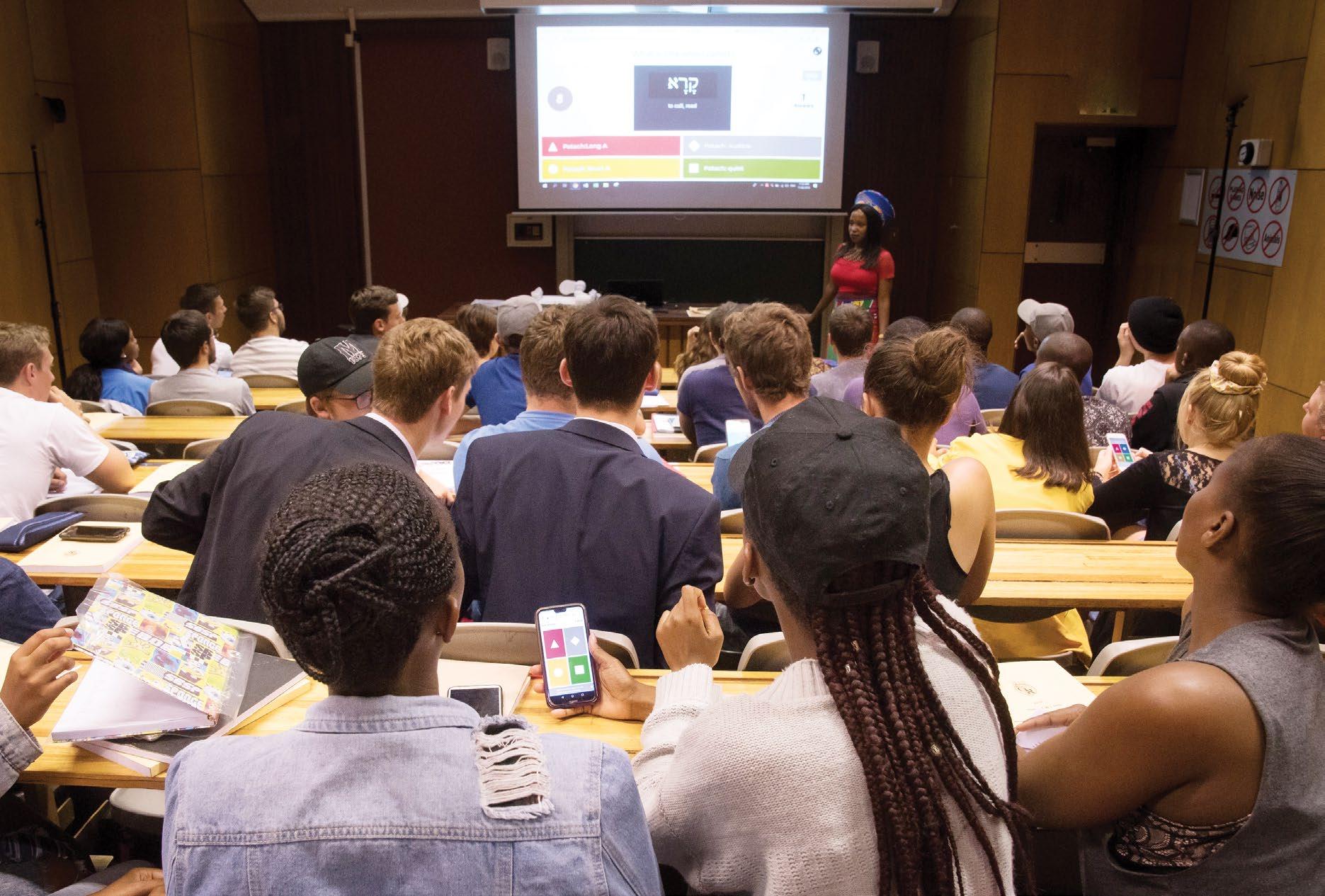
e provide a broad range of opportunities and support to our undergraduate and postgraduate students to ensure an environment that makes the successful completion of their studies possible. Access to unique facilities and skilled teachers helps them explore activities that enable them to identify and develop their talents outside the classroom environment and to become well-rounded, engaged and productive members of society. We believe our graduates leave with a full understanding of Ubuntu, the essence of being.

We want our students to succeed: in class and in life. Since 2010, we have been developing an integrated approach to student success that supports them physically, mentally and emotionally from the second they step onto the campus.
It started with a specific focus on the first-year experience through orientation (face-to-face and online), mentoring, advising and tutoring. At-risk students were identified early and referred to Faculty Student Advisors and the Student Academic Readiness Survey (STARS) mentorship programme.
Our approach has, however, developed into so much more than that, and has, we believe, contributed to a 90,5% examination pass rate.
Fly@UP programme for undergraduate students
Since 2016, all student success initiatives have been coordinated under the banner of FLY@ UP (FLY stands for the Finish Line is Yours). The project provides students with support and actionable options to succeed in their studies and graduate in minimum time. In 2018, we focused on nurturing a growth mindset, showing our students how they can improve through hard work and the help of others, and raising awareness in each of our support departments and their role in student success.
A free, online, university preparation course for provisionally-accepted first-year students aims to develop a range of skills such as timemanagement, note-taking, study skills, goalsetting and academic reading before these prospective students enter university. By January 2018, 1 636 students had enrolled for the pilot, with 14,4% completing the course. The course was then
13
10 of the finest
Four UP students made the Top 10 in the employer workshops of the GradStar programme

Palesa Motaung, a Soil Science student in the Faculty of Natural and Agricultural Sciences, was chosen as the South African champion in the Entrepreneurs’ Organisation (EO) Global Student Entrepreneurs Awards, an annual competition that recognises students who successfully run a business while studying full-time.


The GradStar programme, affiliated to the Rising Star Awards, selects the Top 100 university students, based on leadership, readiness for the workplace, and academic performance. In 2018, 30 students in this top group were from UP. The programme culminates in employer workshops where the Top 100 compete for a position among the “Ten of the Finest”. Four were UP students: Bernice Mabaya (BCom, Financial Sciences), Kirsten Dempsey (LLB), Michelle Oelofse (BCom LLB), and Roger Wyllie (BCom).
revised in line with feedback and relaunched at the #ChooseUP day on 4 August 2018 for provisionally accepted students.
A new initiative was introduced in 2018 to reduce the pressure on the system created when postgraduate students take longer than the minimum time to complete their studies. The Fly Higher@UP programme aims to improve the throughput and success of postgraduate students.
The focus is on targeted recruitment, the pipeline from honours to master’s to doctoral studies, supervision, skills development, financial, administrative and student well-being support.
Employability and entrepreneurship
Our intention is not just for our students to graduate successfully. Employability is the unspoken outcome of our teaching.
In the QS World University Rankings for 2018/19, UP was ranked #228 globally in employer reputation, which shows that our graduates are sought after for their ability to integrate into the workplace. This is a significant improvement from our position in the 2017/2018 rankings (#255).
The Work Readiness and Entrepreneurship (WREn) project, which was launched in 2016, has certainly helped in this regard with two pivotal programmes: the Ready-for-Work programme and the Entrepreneurship programme.
Ready-for-Work programme
This programme provides our students with key employability skills. Free online packages which cover Career Planning, Job Preparation, Workplace Skills and Personal Development, had a total enrolment of 2 018 students, of whom 1 464 completed. This 72,5% completion rate is excellent for self-study online programmes.
A fifth package, focusing on specialised skills, consists of online courses and face-to-face workshops available at a nominal fee.
Entrepreneurship programme
Realising that not all students may find formal employment, there are various opportunities at UP for them to train as entrepreneurs:
• The UP Business Incubator in the Faculty of Economic and Management Sciences offers free support services to potential and new entrepreneurs on campus.
• Enterprises UP offers courses such as Business Management and Entrepreneurship and e-skills for entrepreneurs.
• The Entrepreneurs POD online course is open to students, regardless of their field of study.
• TuksNovation, a new high-tech business incubator that initially supported students in the Faculty of Engineering, Built Environment and Information Technology (EBIT), is being expanded to other science and technologylinked faculties at UP.
The evolving landscapes of our campuses reflect expanding mindscapes that are shaping the University and those that will shape our country and continent.
The Fourth Industrial Revolution (4IR) is transforming society in profound ways and changing the ways that knowledge is produced, accessed and used. At a very practical level, this requires us to provide a connected infrastructure to facilitate learning.
Social learning spaces mimic real-world work and social environments, which encourage interaction and cross-disciplinary problem solving. This,
The new frontier in multimedia research,
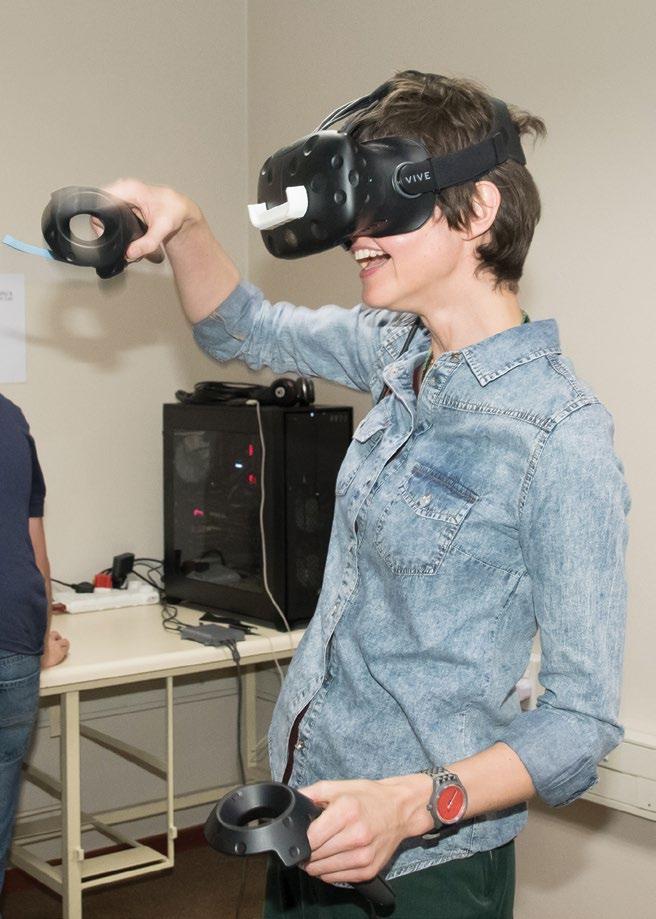
UP welcomed the Fourth Industrial Revolution (4IR) in 2018, with the launch of a new Virtual Reality and Interaction (VRI) lab.
The VRI lab, situated in the Department of Information Science, is a state-of-the-art facility that is set to open new pathways for students and researchers in the field of multimedia studies to engage in immersive research in several virtual reality (VR)-related fields, including user experience design and interaction design in VR. This facility gives postgraduate students in the Department access to commercial VR equipment and allows them the freedom to push the boundaries of the current knowledge and uses of VR to develop exciting ways of using this technology to surpass current solutions to real-world challenges.
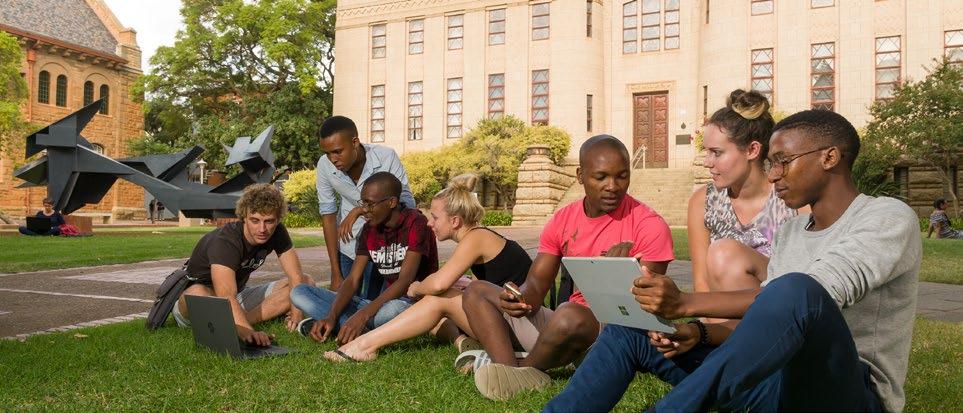
in turn, enhances accessibility and promotes successful student learning, which is one of our critical goals. Completed social learning spaces include Economic and Management Sciences’ new postgraduate hub, the IT Building atrium upgrade and the new Future Africa campus – a dynamic living, learning and research environment where Africa’s leading scientists and scholars can benefit from transdisciplinary research to generate solutions for healthy, sustainable and successful societies across Africa and the world.
In 2018, the Department of Information Technology Services continued to optimise technology in lecture venues and student computer laboratories in order to improve the teaching and learning experience. Wi-Fi coverage now extends to around 400 lecture venues across all campuses, and equipment has been upgraded in lecture venues and student computer laboratories.
The campus connectivity project launched in January 2018, will enable the fibre optic connectivity needed to increase capacity as required for internet and inter-campus traffic.
e-Technologies in teaching and learning
We have been working for several years on implementing a system-wide hybrid approach to teaching and learning. The aim is for each undergraduate module to include up to 30% of
teaching and learning engagements online. A leading indicator in 2018 was that almost 95% of all undergraduate modules had an active online presence. Data from the learning management system also demonstrated that the most engaged students online outperformed the least engaged by 15%, a good argument in favour of the approach.
For more than a decade we have had a number of fully online master’s programmes. In 2018, we contracted Higher Ed Partners Africa to apply their online methodology to design some fully online master’s and postgraduate diploma programmes.
During 2018, UP continued to support student well-being through a variety of programmes. The escalating phenomenon of student hunger on campus remains a concern.
The Student Nutrition and Progress Programme supports underprivileged students at UP. Students on the programme receive funding support for meals or food parcels during the academic terms to sustain their basic needs. In 2018, more than R700 000 was made available from the UP budget to support students. The funds were supplemented by in-kind donations received from private donors, staff and students as well as focused campaigns and food drives initiated by various student structures.
A loan advance of R14 400 is made to each student in a UP residence to enable them to afford meals from day one until such time as the National Student Financial Aid Scheme (NSFAS) or bursary funds pay out later in the year. This advance is to prevent students in residences from going hungry and to enable them to concentrate in class without worrying whether they will have a meal or not. Students who ran out of meal funds before the end of the year were granted top-up advances on a case-by-case basis.
Massmart also ran a pilot programme in which 200 students in the Faculty of Education were sponsored through meal vouchers to the value of R300 000.
The Student Counselling Unit offers professional counselling and therapeutic support to ensure that students are equipped to deal with trauma, personal and academic stress, make correct career choices, and to be academically successful. In recent years, there has been a marked increase in pre-existing psychological conditions among students, with a significant increase in the incidences of depression and anxiety, as well as trauma and stress-related needs. The South African Depression and Anxiety Group (SADAG) was enlisted to offer 24-hour telephonic counselling, refer students who have been exposed to trauma, and deal with crises of immediate concern.
The Student Health Services Unit provides basic health services to students on all campuses through full-time nursing staff and session doctors. Among the free services is the compulsory immunisation of students in specific programmes, diagnostic and treatment services, dietary and pregnancy consultations, eye tests, HIV/Aids counselling and testing, as well as ongoing health and wellness awareness campaigns.
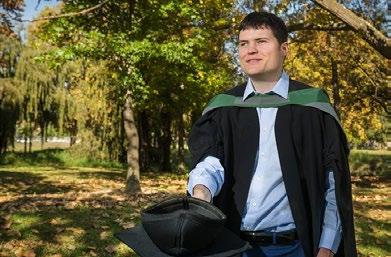


• Zak Claasen completed a BSc in Genetics with distinction. Zak is blind, which makes this an extraordinary accomplishment. Unable to see all the visual material required for his degree, he had to rely on screen reader software, and on descriptions from textbooks and digital scans and printouts in braille. He is now registered for his Honours degree in Genetics.
• Lene Theunissen who has had hearing loss since contracting scarlet fever as a toddler, was awarded her BA Honours degree in Audiology and is currently registered as a fulltime master’s student.
• Marilee Ohlhoff graduated cum laude with a Bachelor of Social Work degree a year after she was diagnosed with Hodgkin’s Lymphoma that had already progressed to stage 4. Following extensive treatment, she continued with her studies with the support of the Head of Department and staff.
The Triple L + 1 programme continues to promote an environment that fosters academic success, diversity and community building in our university residences. The programme focuses on conversation to achieve understanding (Listening), creating a sense of belonging and the holistic development of all residents (Living), promoting Learning, and leaving a positive and innovative Legacy. The Student Well-being Dialogue programme that was developed for the residences in 2017 was fully rolled out in 2018. The programme addresses topics such as life skills, healthcare and mental health, diversity,
The leadership qualities and academic excellence of our students are demonstrated in the awards received, some of which are listed here:
• Danielle Twilley, a PhD student in Medicinal Plant Science, received the L’Oréal-UNESCO Women in Science International Rising Talents Award for her world-class research into cancer therapies.
• For the first time in its 26-year history, the winner of the International Manfred Lachs Space Law Moot Court Competition, held in Bremen, Germany, was an African team: students Simon Motsweni and Simon Botha from UP’s Faculty of Law. Simon Botha also won the Sterns and Tennen Award for Best Oralist.
financial training, sexual behaviour, addiction, academic skills such as examination preparation, and management of stress.
For many years, we have provided funding support to financially disadvantaged students to study further. The bursaries come from the University’s own funds, funds raised through donations, gifts, grants, and funding administered on behalf of third parties such as state departments, foundations and provincial governments. We also have a strategic bursary



• Danielle Roodt received the Department of Science and Technology Fellowship Award for her PhD studies in the Forest Molecular Genetics Programme at the Forestry and Agricultural Biotechnology Institute.
• Nicole Neyt, a PhD student in the Riley Research Group in the Department of Chemistry, received the first prize in the Royal Society of Chemistry’s Twitter poster conference in the category of engineering for her work in flow chemistry.
• Each year the Mail & Guardian profiles young South Africans who have an impact in their field of work. Nine UP students and alumni were among the top 200 young people in the Mail & Guardian competition. Two UP students received 100 Young Mandelas of the Future awards: John Messiahs, a first-year MBA student at GIBS; and Koketso Mbewe, a final-year Chemical Engineering student.

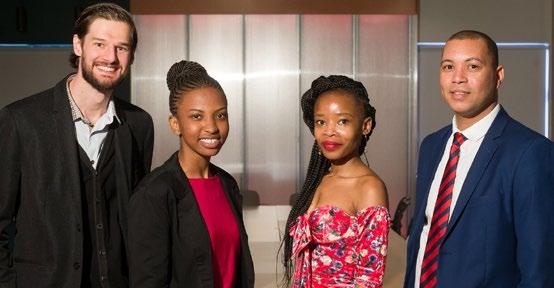
fund to ensure that our diversity targets in undergraduate and postgraduate student numbers are met.
Contributions from UP’s own funds increased by 4% to R145,7m in 2018 and there was an increase of R433,7m (225%) in managed funding from third parties, mainly due to NSFAS centralised funding activities (excluding NRF and studentships).
One of the pioneering initiatives which fund wraparound support for financially challenged students from Africa is the MasterCard Foundation Scholars Programme (MCFSP), which started at UP in 2014 with 19 students. In 2018, an additional 53 students from 12 African countries were selected to benefit from the scholarship. Thirty-two scholars graduated in April 2018 with seven (six honours and one master’s) obtaining an average of 75% or higher.
The Michael and Susan Dell Foundation directly funds two programmes focused on support for NSFAS students: the Dell Young Leaders (DYL) Scholarship Programme and the Sikelela Scholars Programme (SSP). The DYL Programme took on the 7th cohort of 60 students, bringing the total number of students awarded the DYL Scholarship at UP to 370. A total of 136 DYLs have completed their undergraduate degrees at UP to date. The SSP, launched at the University in June 2016, aims to reinforce the success of young South Africans – ensuring that they complete their chosen degree and are ultimately prepared to compete for meaningful employment after graduating. A further 100 successful students received laptops, food and book incentives, mentoring, tutoring, skills development and online support.
A number of Sector Education Training Authorities (SETAs), including Fasset, Bankseta and Inseta, are supporting students through bursaries. In 2018, we received more than R10,8m from SETAs.
World rankings of universities provide a measure of performance that is useful for benchmarking institutions nationally and globally, and they are now very much part of the global higher education landscape.
In 2018, we managed to retain our position among universities globally and, within a highly competitive environment, also to strengthen our position within some rankings and in specific knowledge fields.
In the 2018/19 QS World University Rankings by Subject report, UP improved its global position significantly in four of the five broad subject areas (arts and humanities; engineering and technology; life sciences and medicine; and social sciences). With around 26 000 universities globally, this puts UP in the top 1,9% of universities worldwide.
Law faculty among the world’s Top 100. Source: THE Subject Rankings





In the Times Higher Education (THE) Emerging Economies University Rankings – that includes 378 universities across 42 countries and four continents – UP was placed at #66, up eight places from the 2017 rankings.
In the Academic Ranking of World Universities (ARWU) rankings released in August 2018, UP was the only South African university to improve its ranking. From being positioned in the 501600 range in 2017, we are now placed in the 401-500 band, and third nationally (together with Stellenbosch University), up from the sixth position in 2017. UP was also third among South African universities in the QS Emerging Economies University rankings.
Our formal extramural student life programme is aimed at supporting the holistic development of students through sport, culture, community engagement and social interaction. Our numerous sport and music achievements remain a source of pride.
The University of Pretoria is undoubtedly Africa’s premier sports university in terms of sports performance, and 2018 cemented that reputation.
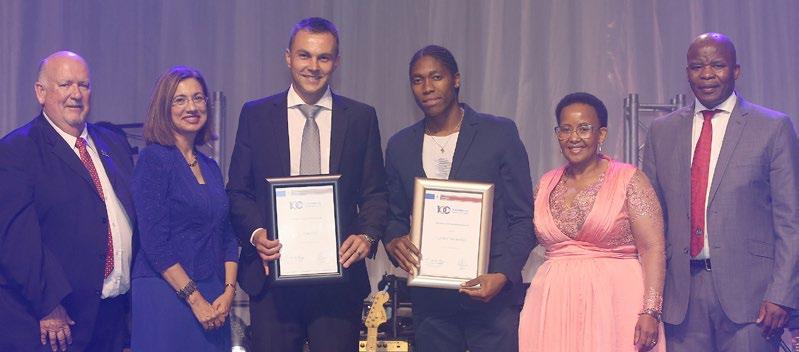
TuksAthletics celebrated its 100th anniversary by winning the 2018 Varsity Athletics. Since the inception of the competition, TuksAthletics has won five of the six Varsity Athletics competitions. A number of athletes who have had exceptional achievements nationally and on the world stage are among our ‘gold stars’. The University honoured Olympic gold medallist Caster Semenya and hurdles champion LJ van Zyl as Athletes of the Century at the TuksAthletics Centenary gala dinner.
Several TuksSport athletes excelled in the 2018 Gold Coast Commonwealth Games held in Australia: Tatjana Schoenmaker won gold in the Women’s 100m breaststroke swimming event; Akani Simbine secured gold in the men’s 100m final (10,03s) and Henricho Bruintjies silver (10,17s).
For the second consecutive Commonwealth Games, the SA 4x100m-relay team set a new national record and won the silver medal. The team includes three TuksAthletics athletes − Anaso Jobodwana, Emile Erasmus and Akani Simbine. South African 400m-hurdles champion, Wenda Nel, won a bronze medal in the 400m
The Sport, Exercise Medicine and Lifestyle Institute (SEMLI) was launched on 11 October and will help UP distinguish itself as a centre of excellence in sports medicine, sports science and research on healthy lifestyles.
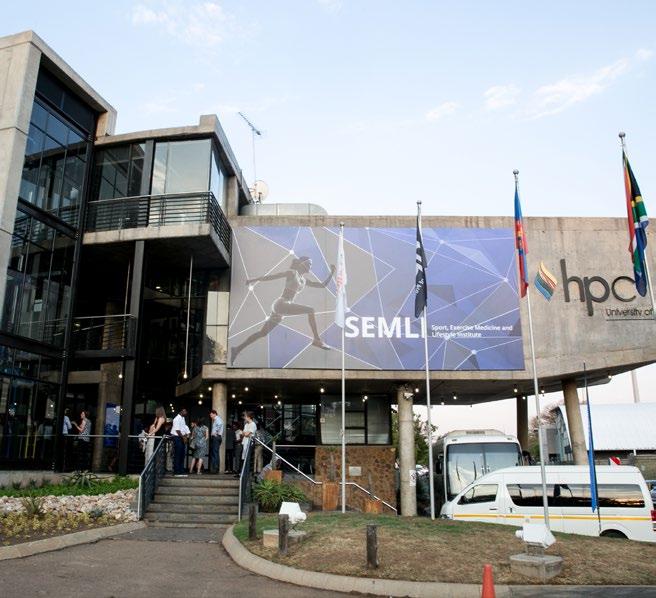
hurdles and made SA athletics history as the first SA female athlete to win a medal in the longer hurdles event at a major international competition.
The TuksRowing team, Kirsten McCann and Nicole van Wyk, raced to victory in the lightweight women’s double sculls competition, beating the Italian crew by two seconds in the Regatta Internazionale Memorial Paolo d’Aloja held in Italy. They also entered the heavyweight double sculls class and won silver. It is predicted that they will be serious contenders at the 2020 Olympic Games in Tokyo.
At the annual University Sports South Africa (USSA) Boat Race in Port Alfred, TuksRowing competed with three crews and made the A finals in all three boats. The women’s A & B VIII crews raced to gold medals, a unique achievement. The Men’s A VIII crew also went on to claim the gold medal and equalled the record of 10 consecutive wins by a university.
The TuksWomensRugby7’s team won the USSA title for the third time in five years. The team also won the Centrale Sevens Tournament in Paris with a 33-12 win over Ramblin Jesters.
TuksJudo’s Unelle Snyman won a bronze medal in the women’s under-78kg category at the African Judo Championships in Tunisia, and Edrich Nortje of TuksWrestling, won a gold medal in the under61kg category at the African Continental Junior Championships in Port Harcourt.
TuksHockey won the Varsity Hockey final, and our
cricket team retained the Momentum National Club Championships title for a second consecutive year.
The University’s Tuks Camerata celebrated its 50th anniversary in 2018 and topped its many national and international accolades over the years by being nominated for a South African Music Award (SAMA) for the Best Traditional Music Album. The CD, Indodana, is shared on Choral Stream with more than 260 000 views.
Tuks FM won two awards for its flagship shows at the Liberty Radio Awards: the Best Afternoon Drive Show, presented by Sila Odhuno and Caitlin Weber, and the Best Breakfast Presenter, won by Nicholas Lawrence.
Sandisile Gqweta and Olu Yakhe were the winners of the 2018 Javett Music Awards, hosted at the Javett-UP Art Centre. Sandisile, a BMus (Performing Arts) final-year jazz student, won in the Jazz Vocal Category, and Olu, a self-taught soprano, won the Classical Singing Category. The awards acknowledge excellence and celebrate outstanding innovation and musical creativity, targeting the best young talent in the country.
The annual Principal’s Concert featured a number of the University’s music ensembles and soloists in a unique programme themed The Circle of Being. The University has held the Principal’s Concert every year since 1977 in recognition of the important role played by the arts, including music, in building a community and in uplifting our spirits.



UP’s primary research strategy is to pursue “research that matters”, aligned with intricate societal challenges. Our focus on Africa places us at the epicentre of advancing the type of science needed to address the continent’s complex problems while remaining globally relevant.
Education is the passport to the future, for tomorrow belongs to those who prepare for it today. Malcolm X
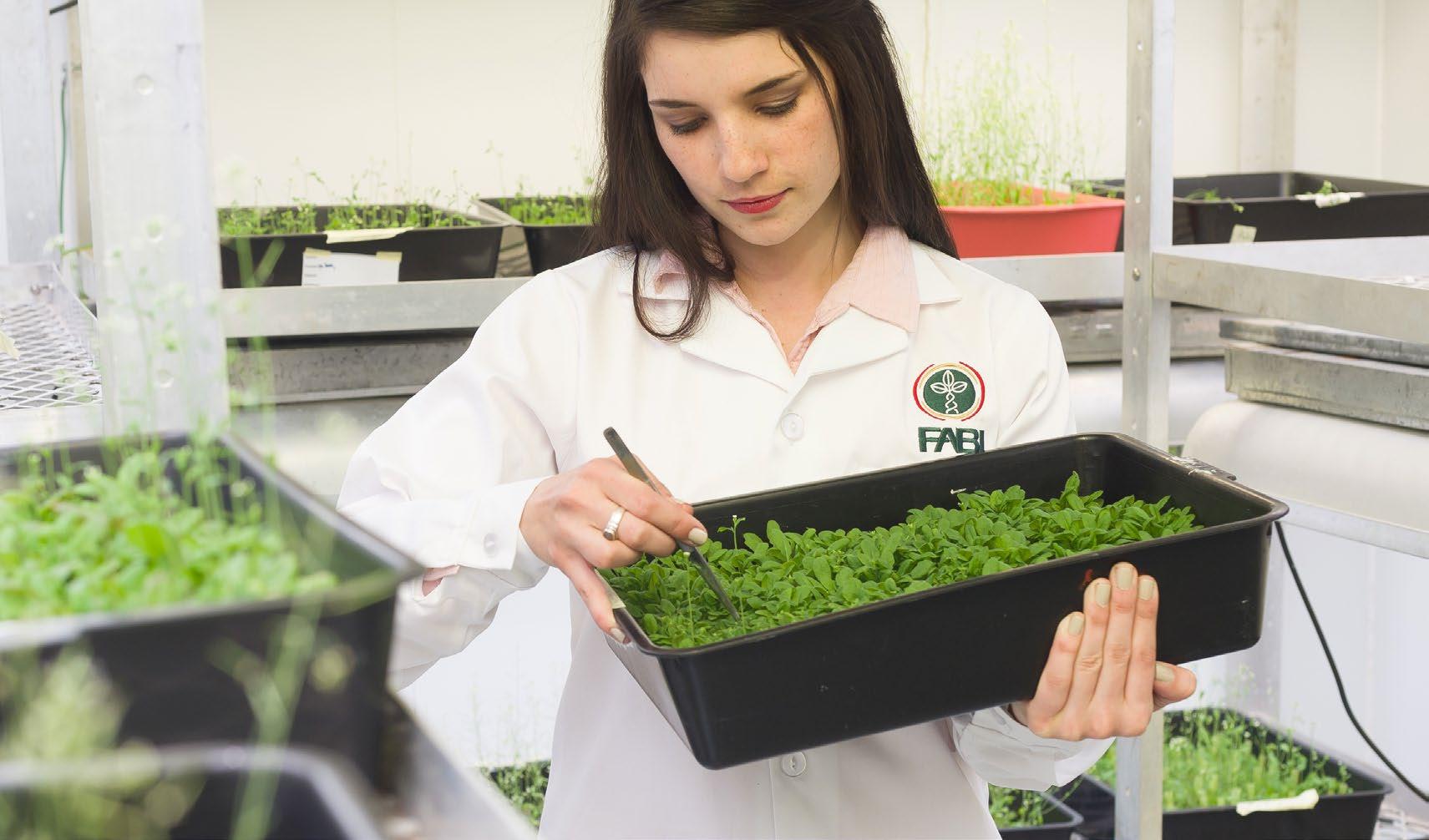
s a university, we are committed to creating knowledge for development, and for the well-being of people, society and the environment. In 2018, our research strategy focused on increasing productivity and achieving higher impact, and on research that is relevant and speaks to major challenges globally, and in particular, in Africa as a developing region.
We have seen our research capacity profile strengthen in all areas. The increase in research productivity, the growing proportion of staff with doctorates and those who have achieved an NRFrating, the increase in the number of postdoctoral fellows and in doctoral enrolments and graduates, have all contributed to a strong research-intensive identity.
Academic staff with PhDs increased from 43% in 2012 to just over 67% in 2018. The number of NRF-rated researchers increased from a total of 433 in 2012, to 507 in 2018. In addition, the number of postdoctoral fellows increased from 194 in 2016, to 253 in 2018.
The total weighted research output per fulltime equivalent (FTE) academic staff is a further indicator of our success, and the report of the Department of Higher Education and Training (DHET) released in March 2018, shows that UP achieved the highest percentage (10,93%) of the total research output units of all South African universities for 2017, and 3,38 weighted output per capita1 This consistent performance was the result of a number of successful interventions to support our researchers. 1
Knowledge fields and lead researchers
Many metrics can be used to evaluate research performance, but two in particular illustrate our research impact and visibility:
• the visibility of lead researchers and knowledge fields where UP is positioned in the top 1% internationally, and
• research collaboration measured in the global spread of co-authored papers.
The visibility of our lead researchers is demonstrated in the Essential Science Indicators (ESI) database. The ESI database covers 22 knowledge fields, and we are rated among the top 1% globally in eight fields: agricultural sciences, clinical medicine, engineering, environmental/ ecology, immunology, microbiology, plant and animal sciences, and social sciences (general).
A further ESI measure identifies the top 1% of scientists internationally, based on citations. In January 2019, 53 UP scientists were positioned in this top international category (compared to 35 in 2017), illustrating the strengthening of research excellence and visibility at UP. The same ESI database identifies “top papers”, based on citations. In 2018, 145 papers co-authored by UP researchers fell in this category (100 in 2017).
Co-authored papers are also regarded as a sign of the effectiveness of partnerships and international networks of collaboration. Between 2015 and 2018, UP academics co-authored 6 223 publications internationally, with Africa and Europe being regions where the most collaboration has taken place.
Several new developments in 2018 paved the way to build on our research relevance and impact.
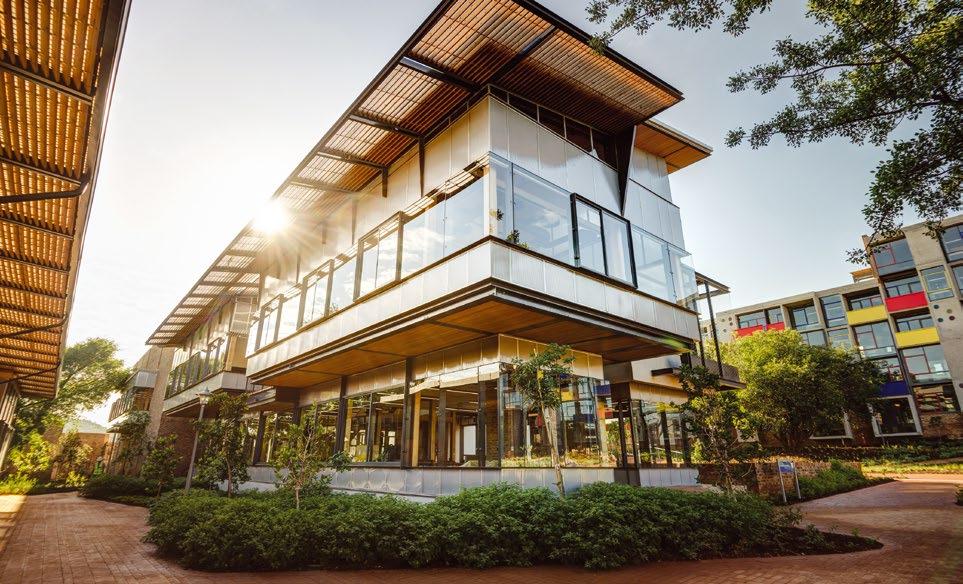
Three major research platforms have shaped the future direction of research at UP: the Future Africa institute and campus, the Javett-UP Art Centre, and the start of the Engineering 4.0 development and the Future Transportation Hub. In each instance, the research platforms illustrate how research is bridging disciplinary and university-community-industry divides, allowing for convergence science that maximises relevance and impact.
Future Africa is a research platform and campus developed on our Hillcrest Campus. Its infrastructure and concept recognises that research needs to transcend disciplinary boundaries, build strategic partnerships and networks, and act on the social responsibility of universities.
The increasingly global and interconnected nature of research, and inter- and transdisciplinary research practices, are driven by two shifts in science: realising that the challenges facing
humanity are of a global nature and cannot be solved at local scales alone; and, given the complexity of the problems, disciplinary interconnectedness is required, drawing on a network of expertise often from outside institutional and national boundaries. Different elements that define this context, taken together, require new science leadership and new methods of doing science.
The Javett-UP Art Centre is designed to be a major driver of transdisciplinary research between the Humanities, Future Africa, the broader university community, and a wide network of local, regional and international partners.
It will house the Javett Foundation’s seminal collection of 20th Century South African art, the Mapungubwe designated collection of which UP is the custodian, selected pieces from the University’s collections, and the Centre’s own curated and visiting collections.
With funding from the Andrew W Mellon
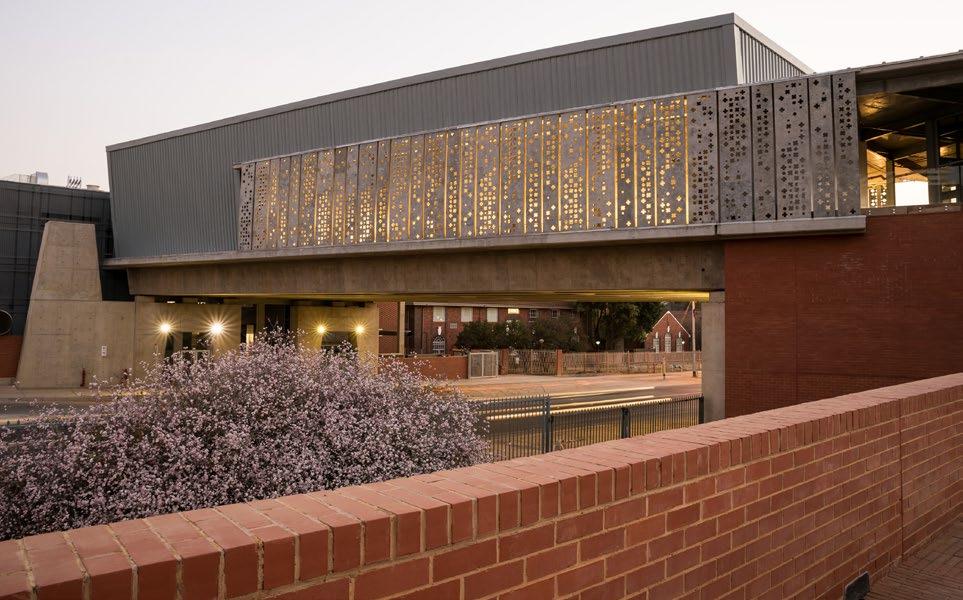
The Javett-UP Art Centre is set to become a focal point for the art of Africa.
Foundation, the University will be the first in the country to offer a master’s in Social Science programme focusing on Tangible Heritage Conservation. This programme, launched in 2018, draws on the humanities, social sciences and the natural sciences, and aims to develop a new generation of highly skilled and professional heritage conservators to serve the needs of the southern African region.
The Engineering 4.0 Development
In partnership with the SA National Roads Agency Limited and the Council for Scientific and Industrial Research, UP has embarked on a major project to establish a postgraduate training and national research laboratory in transportation. The Future Transportation Hub will be housed in the new Engineering 4.0 facility on our Hillcrest campus, strategically situated in the Innovation Corridor between UP, the Innovation Hub and the Department of Science and Technology.
It forms part of our focus on future transportation and smart cities, linked to the Fourth Industrial Revolution (4IR). The vision is to
have a research hub where industry, academia, government and research students can develop future innovation to make South Africa and Africa a smart country and continent. The space planning and designs promise a vibrant interactive and state-of-the-art facility that will hold its own among the best in the world, while exposing both students and industry to cuttingedge research, training and material testing.
UP was successful in being awarded four new DST-NRF SARChI Chairs, and co-hosting one National Institute: The Research Chairs in Poultry Health and Production; Clean and Green Energy; Nutrition and Food Security; Biostatistics; and the National Institute Chair in Conservation Physiology, co-hosted with the National Zoological Gardens.
These bring the total number of SARChI Chairs at UP to 19.
Our strong partnerships with industry are reflected in the 33 Research Chairs funded
Staff with PhDs
Number of DST-NRF Research Chairs
Number of industry-funded Research Chairs
Number of active research agreements with regional and international institutions across 70 countries and six continents
papers in the world co-authored by UP researchers Source: Essential Science Indicators (ESI) database
Patents granted 11 international; six South African
In eight knowledge fields globally: Agricultural sciences
(ESI)

4
Of scientists internationally, based on citations
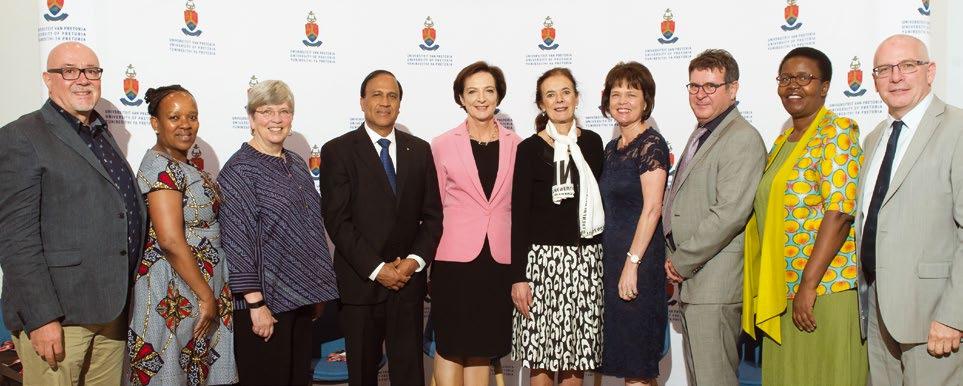
UP was successful in its bid to host the ARUA Centre of Excellence in Food Security, in collaboration with the Universities of Nairobi and Ghana. Above are speakers and panelists who contributed to the ARUA launch programme.
by industry. In 2018, two new chairs were established, both in the Faculty of Engineering, Built Environment and Information Technology:
• The AEL Mining Service Chair in Innovative Rock-breaking Technology will ensure that the South African mining industry keeps pace with international developments by focusing on the visualisation of mining environments and blast simulation. The Department of Mining Engineering has an established reputation in the mining industry in South Africa and internationally, and is a source of specialist information in all aspects of mining operations.
• The Naspers Research Chair in Machine Learning, sponsored by Multichoice, will develop Artificial Intelligence (AI), and specifically Machine Learning skills in South Africa. AI and Machine Learning are key to the 4IR and a digital future, yet there is a severe shortage in these skills globally, and particularly in the African region.
Focus on Africa
Our research partnerships in Africa focus on advancing the type of science needed to address key challenges on the continent. UP is a partner in a number of research consortia in Africa and we contribute actively to the region’s knowledge base and planned intervention strategies.
The Australia-Africa Universities Network (AAUN)
The AAUN was established in 2012 and has 11 Australian universities and 12 African universities as members. Professor Cheryl de la Rey, UP ViceChancellor and Principal (2009-2018), was the African Co-Chair until 2018, with Professor John Hearn, University of Sydney, as the Australian CoChair. Priority thematic research areas are food security, mining and minerals, public health, and education.
In 2018, Prof Elna Buys at UP as lead researcher, and a team from the universities of Ghana, Makerere and Mauritius, and the universities of Murdoch and Curtin in Australia, submitted one of eight successful bids to receive funding for a collaborative research project on Listeria.
The African Research Universities Alliance (ARUA)
ARUA, launched in 2015 in Dakar, has brought together 16 of the region’s leading research universities. In 2017, the first call to host Africa Centres of Excellence (ACoE) was announced, with 10 subsequently awarded. UP was successful in its bid to host the ARUA CoE in Food Security, in collaboration with the Universities of Nairobi and Ghana, with Prof Hettie Schönfeldt appointed as the Director.
The ARUA CoE in Food Security was launched in December 2018 at the University’s Future Africa
campus, where the keynote speakers and panel focused their respective inputs on the future of food in Africa. The focus of the ACoE will be on seeking solutions to addressing food insecurity in Africa.
International partnerships and collaboration
The University’s international partnerships and collaboration are central to our expanding research networks and approach to positioning research in a regional and global context. Highlights for 2018 include:
The South Africa-Sweden University Forum (SASUF)
UP hosted the launch of SASUF in 2018 in collaboration with Uppsala University (Sweden). The aim is to strengthen cooperation between academics, students and other relevant stakeholders from industry and government in research, education and innovation. The Forum currently involves 30 universities.
The inaugural SASUF Innovation Week attracted approximately 1 200 researchers to participate in the main launch events, and in a number of satellite events held across 12 cities in South Africa.
Memoranda of understanding and agreements
In 2018, 36 new and renewed agreements with regional and international institutions were concluded, taking the total number of active agreements with international partners to 204, across 70 countries and six continents.
Strategic partnerships and programmes
In addition to many institutional and facultyspecific agreements, the University also participates in the following European Union programmes:
• Erasmus Plus Capacity Building Programme
• Erasmus Plus International Credit Mobility (ICM) Programme
• The EUROOSA and AESAP Plus programmes (the Erasmus Mundus programme was phased out in 2018).
• UP veterinarians Prof Gerhard Steenkamp and Dr Adrian Tordiffe performed intricate dental surgery on an elephant in Georgia, Eurasia, to remove its infected tusk. The surgery was done in the capital city Tbilisi, at the Tbilisi Zoo.
• The late Muriel Betty Noakes, well known for her love of animals and her donations to charities such as the SPCA, SA Guide Dogs Association, and the Street Care Fund, bequeathed the residue of her estate to the Faculty of Veterinary Science. The residue is estimated at R15,9m. Ms Noakes specified that the funds must be used “for the upkeep/improvement of the Faculty for the benefit of the animals”.
• The Afrivet Chair for Primary Animal Health Care (PAHC) in the Faculty of Veterinary Science has been renewed for a further five-year period as the result of UP’s partnership with Afrivet Business Management (ABM). The focus is on rural small-scale farming, veterinary extension services to rural communal farmers, and training veterinary para-professionals in primary animal health care.
• A study from UP’s Conservation Ecology Research Unit has found that savanna elephant do migrate, despite protected area boundaries and international borders. The study is one of the largest on elephant movement to date, collecting data on 139 elephants over 15 years and across seven southern African countries.

Commercialisation of research
Forty-seven patents were filed, of which 17 were granted – 11 international, and six South African. In addition, five licence agreements were signed and five trademarks filed.
Bioscience-related inventions continue to dominate the UP patent portfolio, followed by engineering-related inventions, as demonstrated by the following examples of the patents granted in 2018:
• Nucleic acids for down regulation of gene expression
• Process for producing protein microparticles
• Safe antifungal compound from sneezewood (candida invention)
• Alkali-slag cement, also known as improved alkaline activated slag (AAS) composition.
UP was also successful in two applications submitted to the South African Innovation Agency (TIA) for seed-funded projects (R1,3m), and the National Intellectual Property Management Office
(NIMPO) awarded capacity development funding to the University (about R2m). A total of 252 contracts were concluded in 2018, to the value of R233,4m, and royalty payments to the value of R736 305 were received.
To continue this trajectory of research excellence, we have to grow the pipeline of next-generation academics and create an enabling environment for students to succeed. This received priority attention in 2018.
Two programmes aimed at a new leadership in the sciences were already well-established in 2018: The African Science Leadership Programme (ASLP), with its fifth group of young researchers from across Africa completing their programme in 2018; and the Tuks Young Leadership Programme (TYLP), a capacity development programme aimed at our young researchers, which ran its fourth programme in 2018.
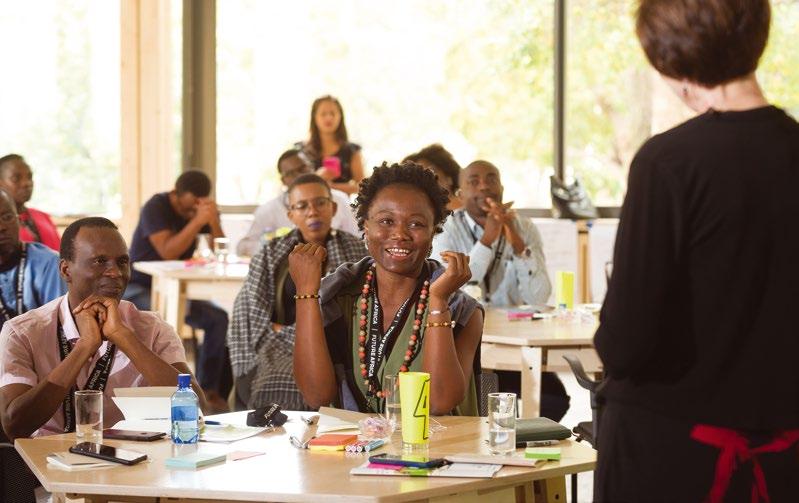
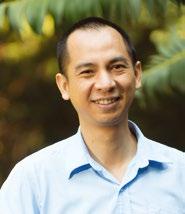
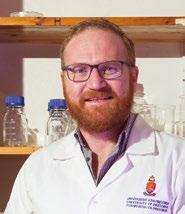
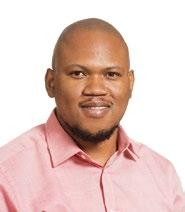
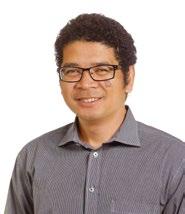
Seven exceptional young achievers in research were honoured at UP’s internal awards ceremony:
• Professor Reghard Brits (Department of Mercantile Law)
• Dr Thulani Makhalanyane (Department of Biochemistry, Genetics and Microbiology)
Postgraduate students and postdoctoral fellows
The Graduate Support Hub (GSH) pursued a number of strategies to ensure the success of postgraduate students. Adopting a student lifecycle approach, the GSH launched the FlyHigher@ UP programme in 2018, to support students from the point of recruitment to graduation. Academic support focused on the three main stages of the lifecycle: proposal development and writing; data collection and analysis; and thesis or dissertation writing. Just over 800 postgraduate students participated in these academic training opportunities, with the largest attendance being at the workshops on quantitative data analysis.
The increased doctoral degree enrolments, and the consistently high numbers of master’s and doctoral graduates, are a particularly strong achievement of the University. In 2018, there were 1 993 master’s graduates (2017: 1 866) and 427 doctoral graduates (2017: 355). This pattern is also evident in the DHET analysis of sector-level performance in 2017. UP produced the highest number of research master’s graduate units of all South African universities, and the second highest for doctoral graduates.1
The postdoctoral fellowship programme is also managed by the GSH, and enhances the productivity of the University with respect to research outputs. The expectation is that postdoctoral fellows will be active and productive researchers, and develop academically under the mentorship of experienced researchers.
In 2018, 253 postdoctoral fellows were appointed at UP, with 98 being female. Since 2016, over 60% of postdoctoral fellows at UP have been international candidates, which demonstrates our strong global footprint.
1 DHET, March 2019.
• Dr Tung Le (Department of Mathematics and Applied Mathematics)
• Dr Paul Razafimandimby (Department of Mathematics and Applied Mathematics)
• Dr Hendrik Brink (Department of Chemical Engineering)
• Dr Nico Wilke (Department of Mechanical Engineering)
• Dr Jeannie van der Linde (Department of Speech-Language Pathology and Audiology).


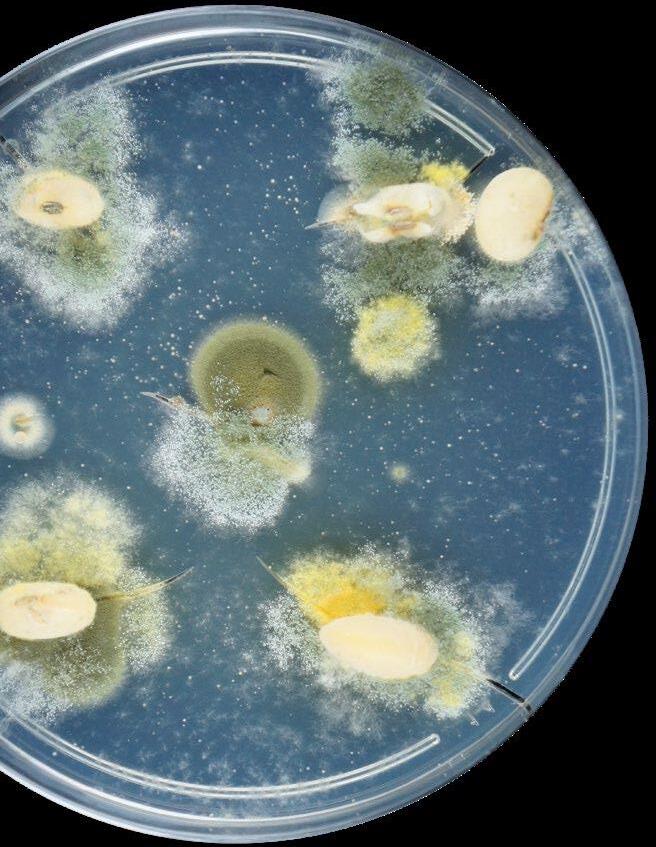
External research grants and contracts are necessary to boost research funding, and to some degree validate the reputation we have as a research-intensive university that undertakes relevant research with high impact.
In the 2019 Times Higher Education (THE) rankings, released in September 2018, we were placed at #350 on the research measurement scale, and at #210 with respect to industry income. Both are areas of distinct achievement for the University.
While the general research funding climate continues to be unfavourable across the higher education sector, we saw an increase in funding from external sources in 2018. The boost came mainly from government-related sources (such as TIA, the NRF Thuthuka and NIMPO). There has been an overall decline in international grants since 2017.
Internal funding allocations to research and postgraduate education have remained largely static, at around R134m since 2016.
Funding
Government-related:
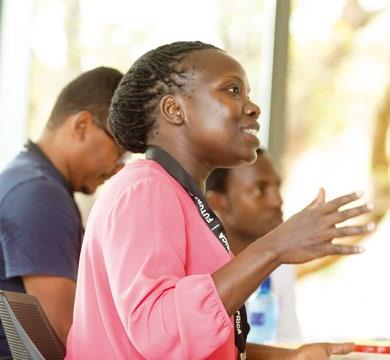
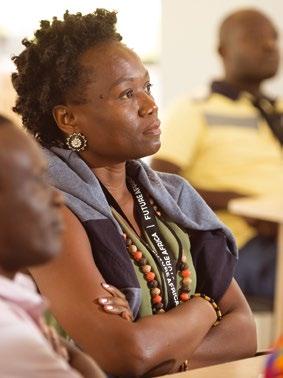
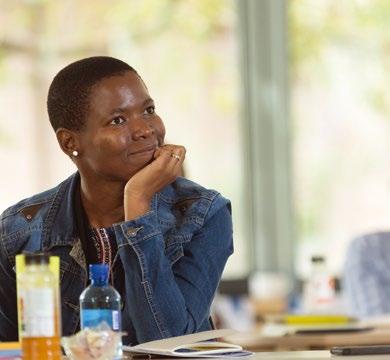
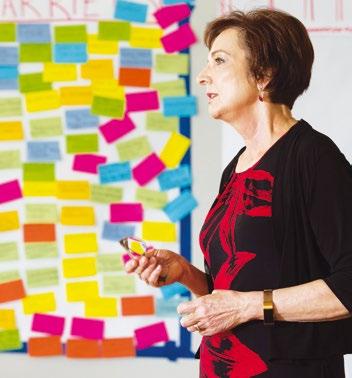

Our academic programmes prepare students not only for their careers but also for their roles as citizens with a civic responsibility. As an institution we model these behaviours through our engagement with our immediate and broader communities and environments. The essence of Ubuntu – we are who we are because of others – ensures we work tirelessly to remain relevant by working for society, with society.
Intelligence plus character – that is the goal of trueeducation
. Martin Luther King Jr.

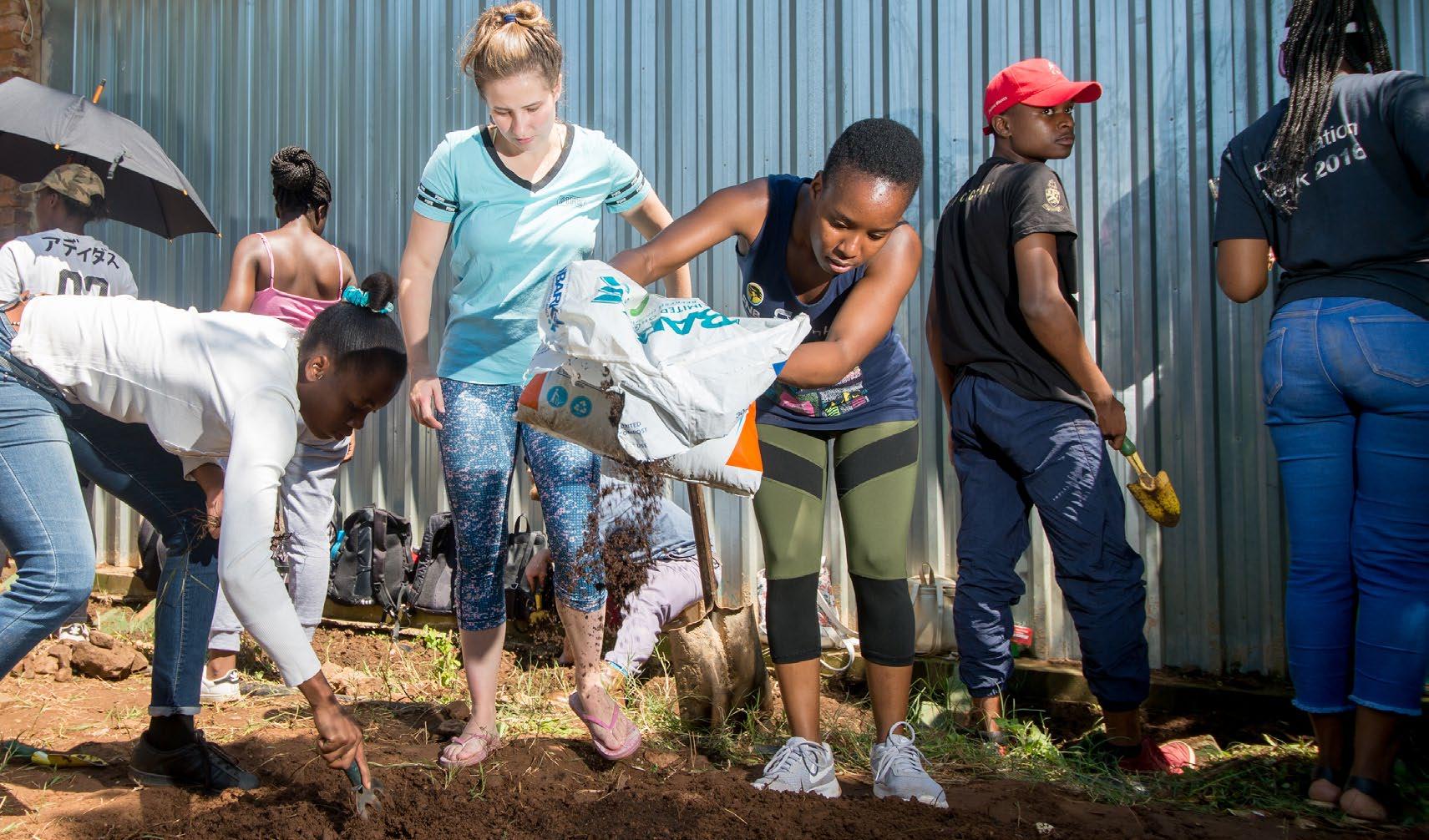
P recognises the importance of collaborating with government, industry and community stakeholders to strengthen our impact on socio-economic development.
A 2018 study on the economic impact of the University found that we had added R7,6bn (or 7%) to Tshwane’s GDP and contributed R39bn to the South African economy. More importantly, we have supplied 13,7% of the highly skilled workforce in Gauteng and 7,7 % of the highly skilled workforce in South Africa.
The report, using official statistics from the Department of Higher Education and Training (DHET) from 2001 to 2016, indicates that UP contributed, cumulatively, 10% of all graduates in South Africa and 23,8% of Gauteng-based graduates.
We work closely with the Hatfield City Improvement District (HCID) to create a clean, safe, secure, and attractive environment beyond the University boundaries. Our efforts were recognised when we received the 2018 Gauteng Premier’s Service Excellence Award in the category: Creating Safer Communities.
The University subsequently secured funding from the Kresge Foundation in the United States to develop an Urban Design Framework for the Hatfield Campus Village. A consortium of engineering firms has started work on the detailed planning of the future Hatfield and the project should be completed by mid-2019.
The project has drawn interest from the Gauteng Department of Infrastructure Development (GDID), which hosted a series of workshops with other universities in the province to encourage
them to undertake projects similar to the Hatfield Campus Village initiative.
We are approached frequently to provide services and/or support to national departments. One such example is The Cities Support Programme (CSP), a SA National Treasury initiative, designed to improve service delivery and municipal performance. The theme of the 2018 Executive Leadership Programme (ELP), developed in partnership with GIBS, was “Leading Future Cities: Navigating Today’s Complexity”. The programme targets mayors, mayoral committee members, senior city management teams and the CSP coordinators of eight metros.
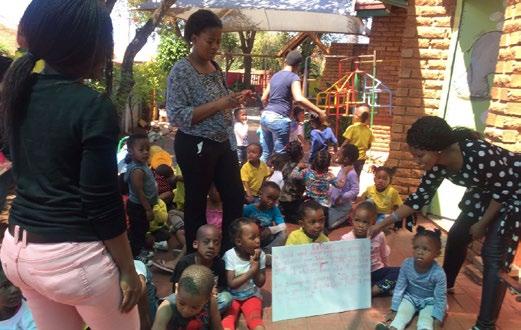
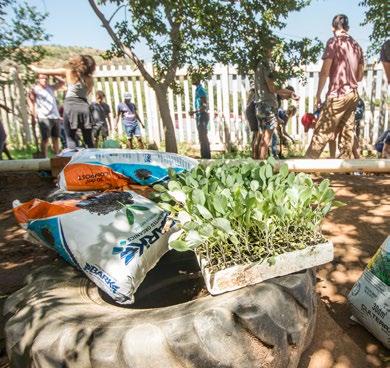
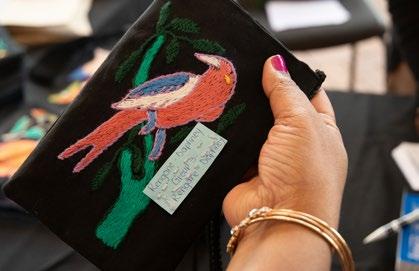
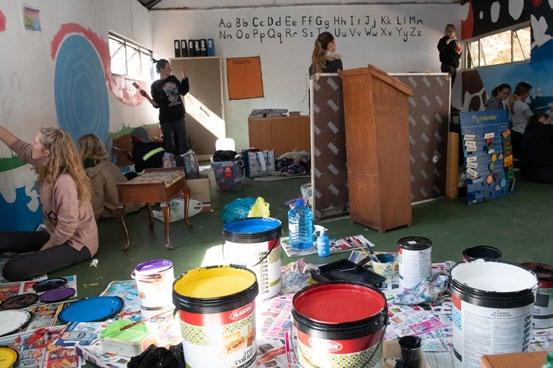
We derive great satisfaction from the success of our community engagement programme, which has been running for more than a decade. Students earn credits towards their degrees, while applying their knowledge in the service of the community.
Around 30% of our students (19 500) were involved in community engagement in 2018. Volunteers from 120 registered student societies also contributed to the sustainability of the various community sites of learning.
In 2018, our community engagement initiatives were significantly strengthened by our involvement in the University Social Responsibility Network (USRN), a global network of 16 top universities in the world selected for their responsiveness to their local context. It is critical that we use knowledge to make a decisive difference to the lives of the people in our communities.
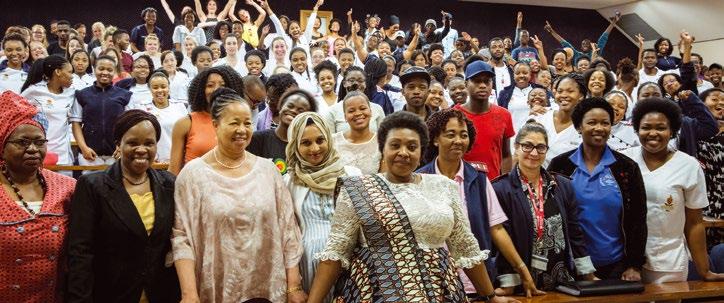
African music icon and NEPAD Goodwill Ambassador for TB and nutrition, Yvonne Chaka Chaka, visited the
As a university we are committed to contributing to the development and the well-being of people and societies and this commitment permeates our engagement on many levels. Our efforts remain focused on building leadership, science platforms and skills in Africa.
Some examples include:
• The UP Albert Luthuli Centre for Responsible Leadership (ALCRL) hosted the International Leadership Association’s (ILA) first conference in Africa. The main theme of the conference was on our collective responsibility in developing the next generation of leaders for Africa.
• GIBS was the co-convener of the United Nations Institute for the Advanced Study of Sustainability meeting, held at the National Research Foundation (NRF). The meeting discussed the collective action of African
business schools to build entrepreneurial capacity to drive sustainable industrialisation in Africa.
• UP was granted bursaries in scarce skills areas, from the Skills for Africa Scholarship Programme and Howden Africa, to a total value of R4,5m. This will help us continue our dominance in providing large numbers of highly skilled graduates.
Each year the University hosts a number of events, with high-profile national and international speakers attracting wide audiences.
Future Africa, UP’s pan-African science platform, hosted the Minister of Science and Technology’s Summit on the draft DST White Paper on Science, Technology and Innovation.
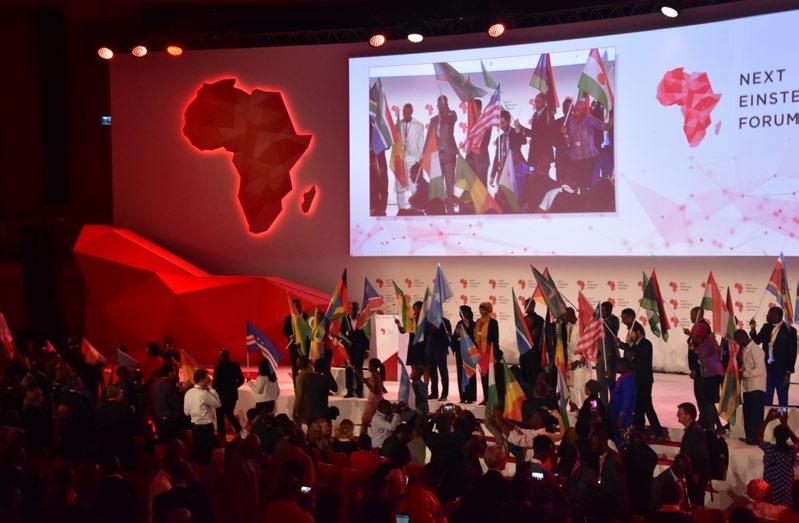
Humanitarian and former first lady, Graça Machel, delivered the Albertina Sisulu Centenary 2018 Memorial Lecture at the Prinshof Campus. The lecture was hosted by the Albertina Sisulu Executive Leadership Programme in Health, a partnership between the Universities of Pretoria and Fort Hare, and the Harvard TC Chan School of Public Health, in collaboration with the National Department of Health.
The United States-South Africa Higher Education Network was launched to strengthen collaboration between US and SA universities. The organising members are Rutgers University-Newark, the University of Pretoria, the University of Venda, and the DHET. The DHET provided seed funding for this initiative and phase one is focused on the University Staff Doctoral Programme, which forms part of the DHET’s University Capacity Development Programme.
A number of activities demonstrate that work in preparing for the disruption caused by digital technologies continued.
The Department of Electrical, Electronic and Computer Engineering launched the Huawei Authorised Information and Network Academy (HAINA) at UP. The programme adopts a university-enterprise cooperation model and includes training and industry certification in sought-after ICT technologies.
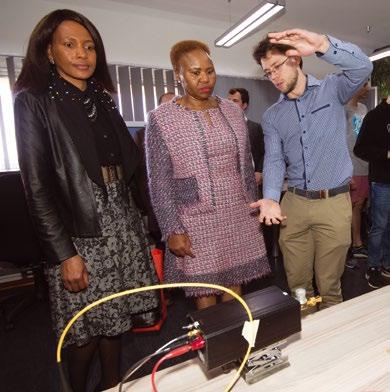
Minister Lindiwe Zulu of the Department of Small Business Development, and Mandisa Tshikwatamba, CEO of SEDA, attended the launch of TuksNovation, a new high-tech business incubator established with the support of the Small Enterprise Development Agency (SEDA), the Department of Small Business Development, and the Department of Trade and Industry.
UP hosted the fourth Flexible Futures Conference, with the theme ‘Technology-enhanced Innovation in Teaching, Learning, Assessment and Student Success Strategies’. The conference was attended by UP, 13 other South African universities, and representatives from the Council on Higher Education and the South African Institute for Distance Education.
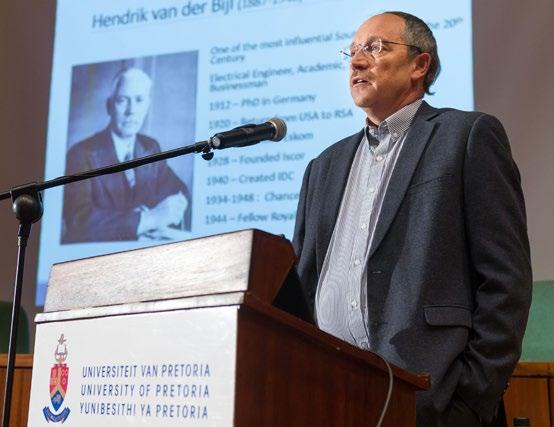
The University hosted the annual Hendrik van der Bijl Memorial Lecture which is arranged in partnership with the South African Academy of Engineering. The guest speaker was Dr Gustav Rohde, COO of Aurecon, whose lecture was on “The Fourth Industrial Revolution: Digital Transformation: An opportunity to reposition”.
Diversity and inclusivity are fundamental to our academic success and our capacity to contribute effectively to Africa’s socio-economic development. We strive to be a fully inclusive University community where students and staff from all social and economic backgrounds feel welcome and valued.
If you educate a man you educate one individual, but if you educate a woman you educate a family.
proverb


he overarching goal of transformation at UP, as stated in our five-year plan (2017-2021) and our Transformation Plan (2017-2021), is to see a university community that is inclusive and equitable. This goes beyond demographics; it extends to creating a culture where differences are acknowledged, respected and embraced.
Over the years, a number of transformation workstreams have resulted in changes in our language policy, curriculum and institutional and residence culture.
Council approved the University’s new language policy in June 2016 for implementation in 2019. All communication with new applicants for admission was in English from 1 March 2018.
All faculties have developed curriculum implementation plans for the period 2018-2022. These plans are underpinned by the University’s curriculum transformation framework – Reimagining curricula for a just university in a vibrant democracy – which was approved by Senate in 2017. In addition to the curriculum implementation plans, the University held a series of lectures, workshops and other activities on curriculum transformation.

For a fourth successive year, we offered the online module, Doing Difference Differently (UP 3D). The module focuses on barriers to inclusivity and is intended to sensitise students to social difference and diversity.
We have made significant strides towards ensuring a student body that reflects the demographic mix and social complexity of South Africa. In 2018, black students made up just over 60% of the student body (undergraduate and postgraduate) while female students accounted for almost 57% of students.
Access to finance, especially for students from low-income families, is one way we can enhance participation from South Africa’s diverse population. In addition to the Tuks Scholarship Fund and other internal bursary schemes, such as the Honours Equity and Honours Merit Award bursaries, UP students also received funding support from various external entities in 2018:
• The Johannesburg Stock Exchange (JSE) Historic Debt Bursary Fund helped 65 black students to expunge their historic debt.
• The JSE Bursary Fund helped 19 black students.
• The Thuthuka Fund supported 144 black students.
• The Finance and Accounting Services Sector Education and Training Authority (FASSET) Fund made bursaries available to 84 black students.
The diversity of our staff has also shown an upward trend. Black staff (permanently employed and fixed-term contract appointments) now comprise almost 63%, with black academic staff accounting for just over 24% of total staff numbers. Our target is to have black academic staff make up 30,4%1 of the staff profile by 2020.
Various programmes are in place to help us achieve this goal, such as the Next Generation of Academics Programme and the Mentorship Programme for Black Women Academics.
The Next Generation of Academics Programme (nGAP) of the DHET aligns strongly with the University’s goal of diversifying our academic staff. In the past four phases of nGAP, UP has appointed black candidates in all 15 allocated nGAP positions. Eleven (73,3%) of the nGAP appointees are women.
The Mentorship Programme for Black Women Academics intervention is aimed at mentoring female academics to strengthen their research, and to prepare and apply for NRF rating. The NRF rating has become an accepted academic performance benchmark and female academics constitute a relatively small proportion of the rated researchers.
The programme, initiated in 2017, will run until 2019. Challenges that female academics face include a combination of the lack of adequate funding to undertake research; finding the time to write in between teaching loads and research, and revising and resubmitting publications.
Mentees are paired with experienced academics who work in similar disciplinary fields to ensure that the best possible mentorship and guidance can be given. The feedback has been excellent. The 17 black female academics in 2018 produced a total of 67 publications, including ISI articles, conference proceedings, book chapters and books. They further supervised 24 postgraduate students (nine honours, nine master’s and six doctoral students).
We aim to provide student life activities that are welcoming to the widest variety of students

possible, including undergraduate, postgraduate, international students and students with disabilities.
There are several initiatives to include students with disabilities. Through the University’s Disability Unit, first-year students with visual disabilities completed mobility training sessions, which include basic cane skills and route training to the bus stops and other campus common facilities and buildings. Tactile paving on campuses help staff and students who are visually impaired to safely and easily move around the University.
The UP orientation and mobility training of students with visual disabilities enjoys the support and sponsorship of the South African Guide Dogs Association for the Blind.
We also implemented various anti-discrimination initiatives in 2018, the key highlight of which was a week of anti-discrimination activities. The week focused on the need to create a university environment where everyone felt that they belonged and their cultures were represented, as well as social cohesion and integration among diverse people within UP.
As part of a broader strategy of transforming the residence cultures and in order to promote diversity and inclusivity, the University renamed several student residences to achieve a broader representation of the diversity of South African languages.
In the residence dining halls, menus have been changed over the years to address the specific needs and preferences of a changing student demographic. A survey was conducted in 2018 to assess students’ eating behaviours and expectations, the results of which will help develop a revised model for food and improved nutrition on campus.
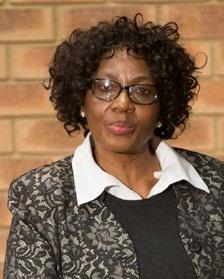

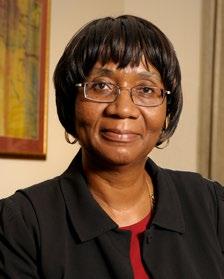
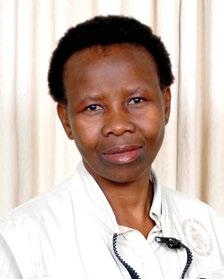

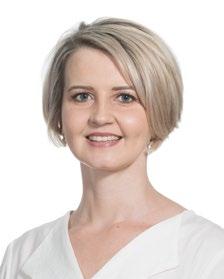

Our female staff and students received many prestigious institutional and individual awards and accolades during 2018:
Professor Nthabiseng Ogude, Dean of the University’s Mamelodi Campus, was appointed Vice-President of the Pan African University Council (PAU). The PAU was established as an intra-African human resource development initiative to focus on mainstreaming Science, Technology and Innovation in the African higher education sector.
Professor Vanessa Steenkamp, Head of the Department of Pharmacology in the Faculty of Health Sciences, was elected the President of the South African Society of Basic and Clinical Pharmacology. She is the first woman president of the Society.
Professor Stella Nkomo, Professor in the Department of Human Resource Management, received the 2018 Award for Distinguished Service from the international Academy of Management.
Professor Mmantsae Diale, associate professor in the Department of Physics, was recognised for her exceptional performance in research development at the National Science and Technology Forum awards.
Dr Taryn Bond-Barnard at the UP Graduate School of Technology Management was the recipient of the 2018 Global Young Researcher Award. The award is administered by the International Project Management Association, one of two global management associations.
Dr Melissa van der Merwe in the Department of Agricultural Economics, Extension and Rural Development, and students Jodie Vosloo and Paige Bowen received first prize for their case study at the International Food and Agribusiness Management Association’s Conference held in Buenos Aires.
Dr Flavia Senkubuge acting chair of UP’s School of Health Systems and Public Health, was elected President of the Colleges of Medicine of South Africa (CMSA). Dr Senkubuge is the youngest president of the CMSA and the first specialist in public health medicine to hold the position. She is also the first black woman and the third woman in the CMSA’s 64-year history to be appointed President.
Dr Irene Barnes in the Forestry and Agricultural Biotechnology Institute (FABI) was awarded the international 2018 Ethel Mary Doidge Medal for outstanding early career research in mycology. Dr Barnes was also named the first runner-up in the Distinguished Young Women Researchers category of the Department of Science and Technology’s Women in Science Awards.
UP is recognised as a very well-managed university. Despite the resourceconstrained and volatile economic environment in which it operates, the University has shown agility and flexibility to ensure it remains sustainable and realises its strategic goals.

Wealth, if you use it, comes to an end; learning, if you use it,increases. Swahili proverb

The University’s total income increased during the reporting period by R465m to R7 047m.
The single main source of income remains the block grant received from government, together with earmarked grants in respect of veterinary sciences, clinical training, foundation year programmes and university capacity development initiatives. The block grant of R2,26bn in 2018 (2017: R2,04bn) represents an increase of 10,6% on 2017. Part of this increase is due to the adjustment made to the Block Grant for the “no fee increase” for the missing middle and the zero percent fee increase in 2016.
The second main source of income – tuition fees – increased by R155m (2017: R90m). The Minister of Higher Education and Training announced that there will be no increase in student fees for poor students and the “missing middle” for 2018. Government funded this through the National Student Financial Aid Scheme. The sector was limited to an 8% increase in tuition fees for 2018 (2017: 8% with government funding an increase of 8%).
The decrease in the profit on disposal of investments and forex gains is due to the poor market performance in 2018.
The increase in income from contracts and services relates mainly to an increase in income from contract research, continuing education, grants received from statutory institutions and grants received from abroad.
Personnel costs increased by 8,2% (2017: 8,5%), and operating expenses decreased by 10,6% (2017: 1,6%). The main contributing factor to the personnel cost increase is the insourcing of previously outsourced services. The decrease in operating expenses is influenced by several initiatives to contain operational expenses throughout the University.
The University has a diversified investment portfolio that is governed by the Investment Committee of Council. The figure below sets out the structure of the University in relation to investment matters:
Overall oversight
Responsible for investment strategy within the mandate agreed by Council
Responsible for ongoing monitoring and implementation
Investment–related service providers
The University’s investment funds are designed to serve three purposes, namely:
• Meeting part of the short–term requirements of the University – these liabilities have a maximum term of 24 months. The risk profile emphasises the need for capital protection over such short periods, and a high degree of liquidity needs to be provided.
• Meeting the long–term liabilities (five years and more) of the University – the main requirement here is a good return relative to inflation over the long term.
• Addressing a special class of the long–term liabilities in respect of post–retirement medical aid benefits.
The University aligns its investment philosophy to the term of the liabilities and the risk profile. To this end, three investment portfolios have been established:
• Money Market Portfolio
• Long term Capital portfolio
• Continuation Medical Aid Portfolio
The University follows an investment strategy that rebalances between Long Term Capital and Money Market portfolios according to the cash flow requirements of the University, based on a rolling working capital budget, which accounts for the cash flows of major projects over a rolling 15–month period.
The figure below gives an indication of the University’s well diversified investment portfolio over the past three years:
The University of Pretoria has satisfactory results for the financial year ended 31 December 2018. The difficult economic conditions remained challenging in 2018. The insourcing of previously outsourced services, salary increases higher than CPI, the weakening of the rand and the poor market performance, have had a negative influence on the results.
Despite the challenging economic environment, the University had a satisfactory financial performance for 2018. The University will continue in 2019 to limit the growth in operational costs, to institute a number of cost–saving initiatives and use investment returns and other third–stream income to fund the shortfall in core activities.
UNIVERSITY OF PRETORIA and its subsidiaries
for the year ended 31 December 2018