
Message from the Dean

Prof Darrell Abernethy Dean: Faculty of Veterinary Science
The quality and scope of the Faculty’s training is such that our BVSc graduates are able to enter postgraduate programmes at universities across the world and can practice in many countries without the need to first write registration exams. There are also many postgraduate study opportunities for veterinarians and other relevant scientists, as well as some in the planning phase for our future BVetNurs graduates. The Faculty is locally relevant and passionate about meeting the needs of South Africa. This not only applies to commercial farming but also to primary animal healthcare, where veterinarians as well as veterinary nurses can assist rural communities and smallholder farmers.
Similarly, it is essential for the future of the veterinary profession in South Africa that black learners, particularly from rural areas, consider the two undergraduate programmes in the Faculty of Veterinary Science. There is a widespread belief that many black African learners are unaware of the profession and the
The Faculty of Veterinary Science is unique in South Africa. It is the only institution responsible for training veterinarians and veterinary nurses. Our graduates and research programmes are vital in enhancing human and animal health, promoting biosecurity and welfare, and ensuring our production animals, wildlife and pets are safe and in good health.
work undertaken by veterinarians and veterinary nurses. It is indeed the aim of a publication such as this one to assist in promoting the veterinary profession on a broader scale among all learners regardless of race, creed, or gender.
A veterinary career is wide-ranging, involving wildlife or exotic animals, farm animals, pets and food safety, and encompassing careers in private practice, research, government or industry. Through controlling animal diseases and promoting livestock production, the veterinary team contributes to increasing the profitability of commercial and small scale farming enterprises, thereby enhancing food security and economic development of livestock owners.
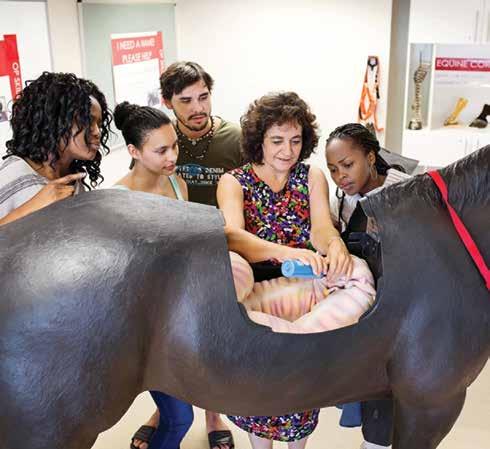
The Faculty’s campus compares favourably with the best in the world, with state-of-the-art facilities. It has five academic departments, several research centres (for horses, wildlife and crocodiles) and a Skills Laboratory, where students are taught by means of models
and simulation. Its Veterinary Academic Hospital is the focus of the Faculty’s clinical service, rendering top quality specialist as well as first opinion veterinary services to the community.
Here we promote an excellent study environment and enhance the academic experience of students. However, life on campus is not only about studying and we know how to have fun through a wide variety of social and sports activities on and off campus. It is a vibrant place where you will be empowered to start an exciting career as a well-balanced professional person.
At the Faculty we are committed to making a difference and changing our world – one student at a time – and through them to better our country and the world. We look forward to welcoming you as a new student to our Campus.
Tel +27 (0)12 529 8201 Email vetdean@up.ac.za
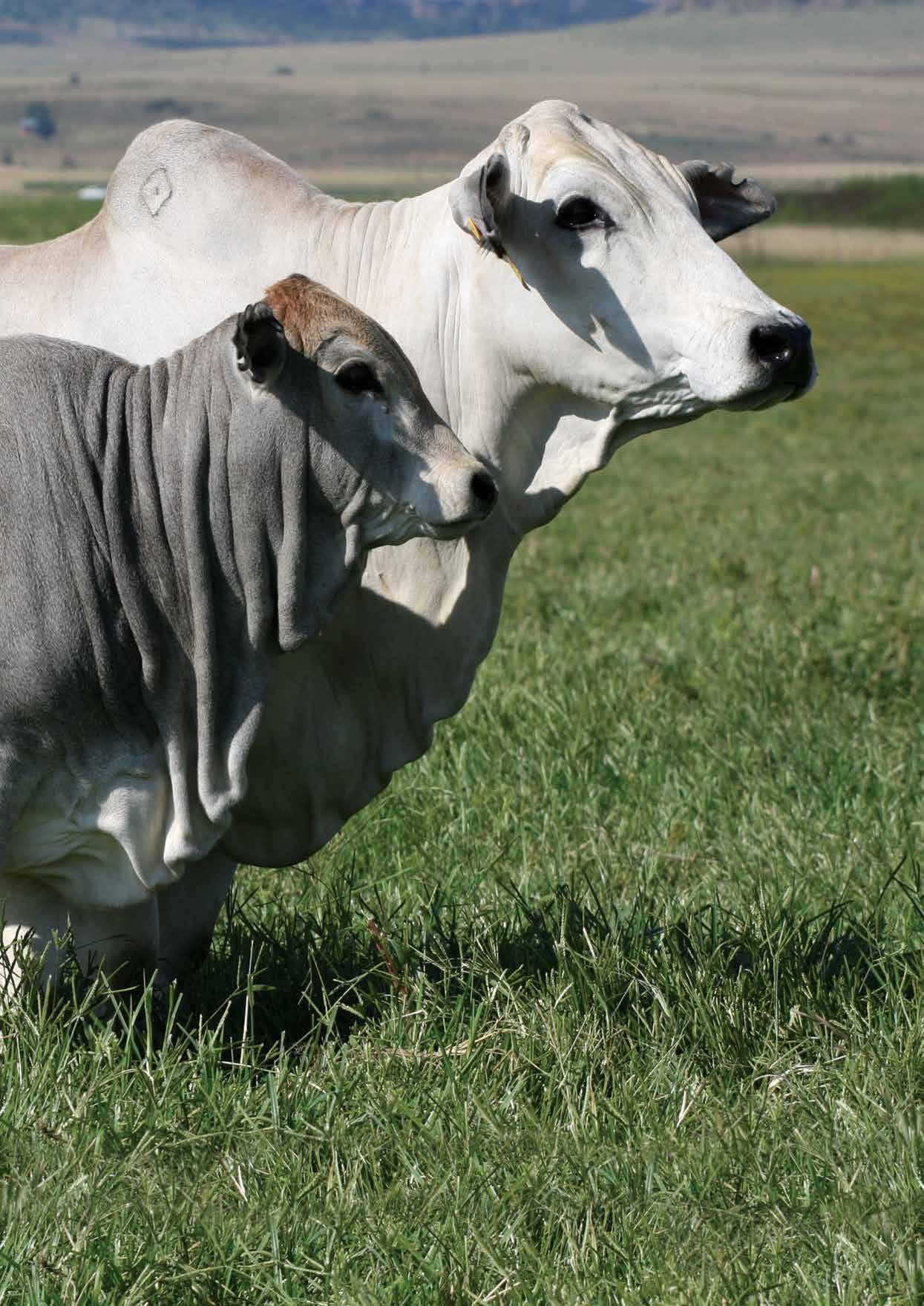
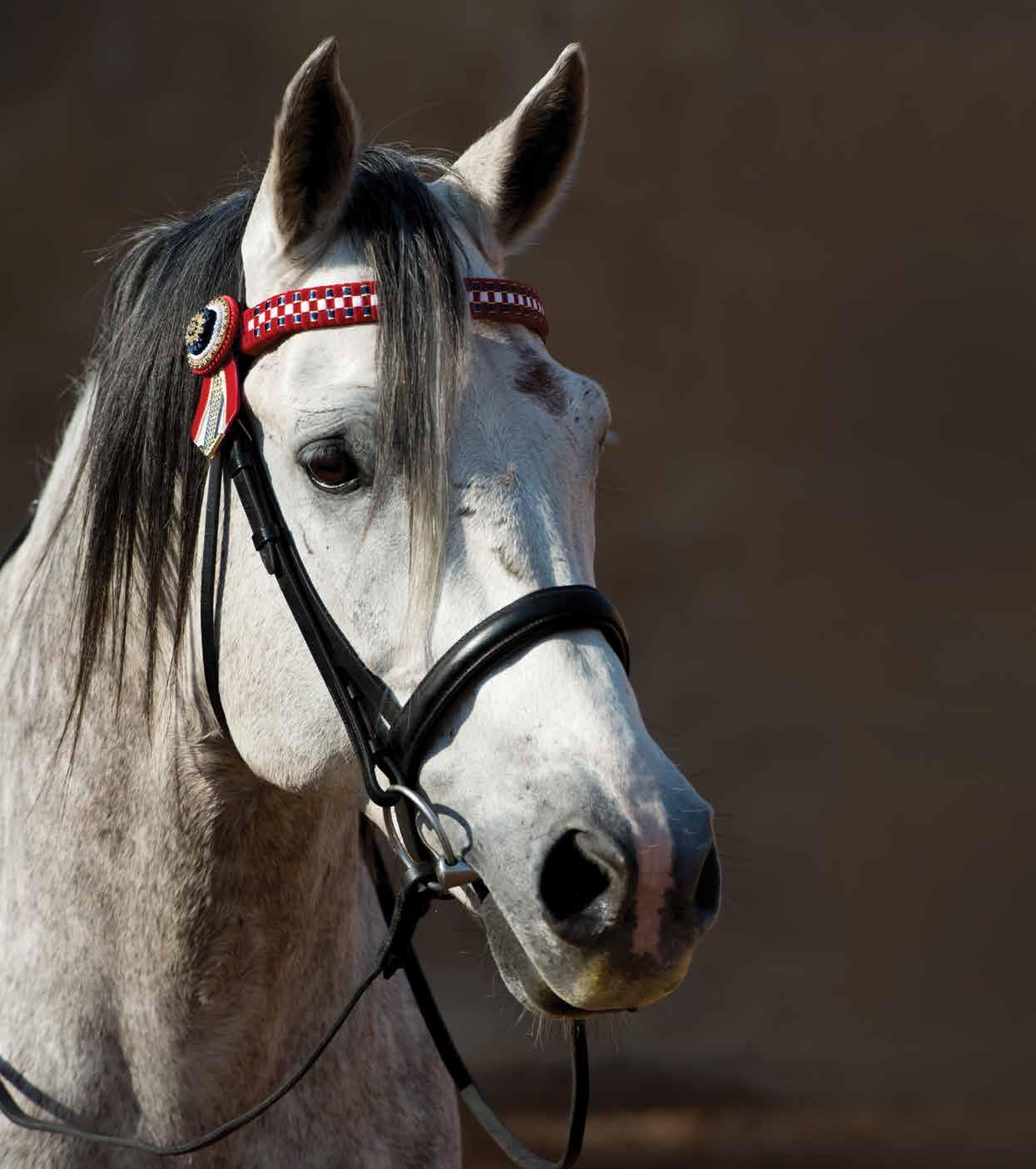
Cover photograph courtesy of Vastrap Boran.
Undergraduate programmes
Important information on undergraduate programmes for 2019
The Faculty offers the following undergraduate programmes:
Bachelor of Veterinary Science (BVSc) – Bachelor of Veterinary Nursing (BVetNurs)
Both undergraduate programmes in this Faculty include selection procedures, which are based on academic merit.
The following persons may be considered for admission:
– Candidates who are currently in Grade 12 and have applied with their final Grade 11 results;
– Candidates who have completed Grade 12, but have not yet commenced further studies;
– A candidate who is in possession of a certificate that is deemed by the University to be equivalent to the required Grade 12 certificate with university endorsement. This certificate must be certified by Universities South Africa (USAf);
– Candidates who are currently enrolled for tertiary education;
– A candidate who is a graduate from another tertiary institution; or has been granted the status of a graduate of such an institution; and
– A candidate who is a graduate of another faculty at the University of Pretoria.
BVSc applicants, please refer to Annexure B, where you will see the categories of students we admit based on the Merit Point Score they achieve.
BVetNurs applicants, please refer to Annexure C, where you will see the categories of students we admit based on the Merit Point Score they achieve.
The highest ranking applicants are selected until the capacity is reached within each category.
The Admissions Committee of the Faculty of Veterinary Science may assign spaces to another category when there are insufficient applicants that meet the minimum requirements in a particular category.
The final number of places offered to applicants is determined by the Admissions Committee, taking into account the teaching facilities and available resources.
School-leaving applicants who are conditionally admitted, based on their final Grade 11 results, will forfeit their placement if their Grade 12 NSC Admission Point Score (APS) (Annexure A), is more than two points lower than the Grade 11 APS used for conditional admission.
In order to retain conditional admission candidates need to comply with the minimum subject requirements based on their final school-year examination results.
Life Orientation is excluded when calculating the APS.
The process after application:
Applicants who are conditionally admitted or have been admitted will be informed by 31 August.
The final admission of conditionally admitted applicants will be confirmed by 10 January of the following year.
Should places become available in any category due to cancellation or forfeiture, they will be offered to candidates on the original selection list for that specific category.
Additions from the original selection list may be made until the end of the University of Pretoria’s Orientation Week.
Places must be taken up by the end of the first week after lectures commence.
Note: Achieving the minimum admission requirements does not guarantee a place in the BVSc or BVetNurs programme of the University of Pretoria. Any false information provided by an applicant in his/her application, or on the Veterinary Value Added Form (Annexures D and E), may result in immediate cancellation of the application.
University of Pretoria website www.veterinary.up.ac.za Enquiries vetug@up.ac.za
Bachelor of Veterinary Science (BVSc) [6 years]
Closing dates:
– 31 May
Proposed second choice programmes for BVSc are BSc (Biological Science), BSc (Zoology) and BScAgric (Animal Science).
Careers: Veterinarians in private practice, research, academia or state veterinary services. Veterinarians can also work in the following fields: diagnostic laboratories, veterinary public health (milk and meat hygiene, control of transfer of disease), technical services, research and product development in pharmaceutical and food industries, consultancy, laboratory animal management, wildlife management, poultry and pig production and animal welfare. Further details appear on page 4. Bachelor of Veterinary Nursing (BVetNurs) [3 years]
Closing dates: SA – 31 May
Non-SA – 31 May
For advice on a second choice programme for BVetNurs, please consult a Student Advisor on +27 (0)12 420 5144.
Careers: Veterinary nurses can be employed by the following institutions: private veterinary practices, veterinary academic hospitals, the pharmaceutical industry, the animal food industry, animal welfare societies, zoological gardens, game parks, laboratory animal units, rehabilitation centres, research centres, animal boarding establishments, organised agriculture, dairies and farming operations. Further details appear on page 5.
* Cambridge A level candidates who obtained at least a D in the
General overview
The Merit Point Score
The Merit Point Score (see Annexure B and C) is calculated as follows:
School leavers use the NSC/IEB Grade 11 scores to determine conditional admission:
- Mathematics counts 40%;
- English counts 20%;
- Physical Science counts 20%; and
- The Veterinary Value Added Form counts 20%.
Applicants with university exposure use:
- UMAS: 80% (See Annexure F) and the - VVAF: 20% (See Annexures D and E)
The Veterinary Value Added Form (VVAF)
The VVAF is used in the Faculty of Veterinary Science to determine a prospective student’s veterinary profile. The main components we look at are:
Animal exposure: Candidates must indicate their exposure to specific animals.
Candidates should have a balanced lifestyle and a sense of adventure.
Candidates should indicate the leadership positions they have held as well as their participation in sports, culture and religious activities.
Animal experience: Candidates should reflect on aspects such as animals being killed for humane purposes; animals being slaughtered or animals giving birth.
Veterinary career shadowing: BVSc candidates should accompany a veterinarian; and BVetNurs candidates should accompany a veterinary nurse to observe processes and procedures.
Candidates should participate in community service at animal welfare organisations.
Note: Applicants may be requested to participate in additional selection activities to verify the score obtained from the VVAF. This may include an interview and/or additional selection tests. More on the VVAF in Annexure D and E in this brochure.
Why we strongly recommend that you complete the Veterinary Value Added Form
Submission of the Veterinary Value Added Form (VVAF) is not a compulsory admission requirement, but it is strongly recommended that candidates complete the VVAF in order to improve their chances for selection.
It may be possible to obtain a study place without the VVAF, if your academic performance is particularly strong and if there are not many applicants in your particular category.
General overview of the Faculty of Veterinary Science
As the only faculty of its kind in South Africa, the Faculty of Veterinary Science has a particular responsibility to ensure that the student body is representative of the demographics of South Africa in order to meet the national need for trained veterinarians and veterinary nurses. The Faculty has the following departments, divisions and centres:
Academic departments
Provides full logistical support to academic departments, students and staff for all undergraduate and postgraduate degree programmes.
Provides a wide range of student and academic administration support services in collaboration with similar service providers on the Hatfield Campus of the University.
Faculty administration
General administration
Finances
Human resources
Onderstepoort Teaching Animal Unit (OTAU)
Marketing, communication and fundraising
Student administration
Logistical support to academic departments, students and staff for all undergraduate and postgraduate degree programmes
Student and academic administration support services in collaboration with similar service providers on the Hatfield Campus of the University
Centres
Equine Research Centre (ERC)
Centre for Veterinary Wildlife Studies (CVWS)
University of Pretoria Biomedical Research Centre (UPBRC)
Onderstepoort Veterinary Academic Hospital (OVAH)
A state-of-the-art facility for year-round clinical and referral services
Satellite community clinics
Experiential work-integrated training of students
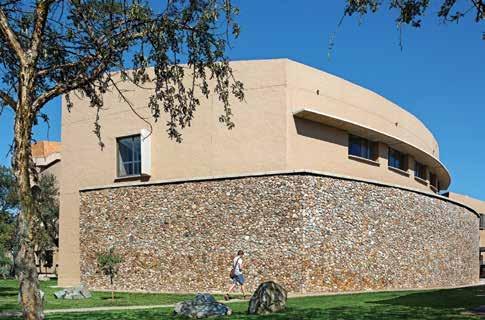
The Faculty of Veterinary Science is based on the Onderstepoort Campus.
Google map
http://goo.gl/gwjdO9
GPS coordinates S28º 10’ 54” E25º 38’ 52” (22 km from Hatfield Campus)
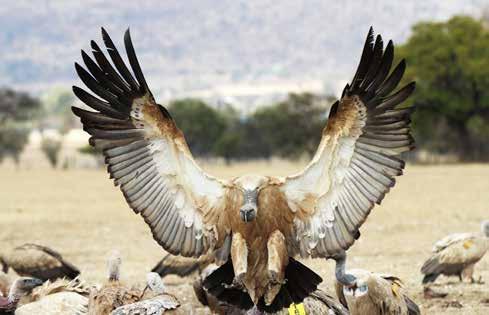
Photograph courtesy of Dr Lauren Havenga
Veterinary Science (BVSc)
The Bachelor of Veterinary Science (BVSc)
The Faculty endeavours to meet the veterinary needs of the country and the region. The recruitment and selection process addresses diversity, excellence, equity and geographic distribution. The full-time BVSc programme is only offered by the Faculty of Veterinary Science of the University of Pretoria and it is the only faculty of its kind in South Africa.
For a young person who likes working with people, is interested in animals and a career in biomedical sciences, veterinary science provides a spectrum of wonderful opportunities. Like many similar career options, veterinary science may perhaps be considered a ‘calling’ and the decision to become a veterinarian involves both the head and the heart. While a love for animals may be a component of the decision to pursue veterinary science as a career, a deeper empathy will be required, as well as the passion to improve people’s lives by relieving poverty and improving food safety and security, coupled with a sense of compassion and caring. The course is demanding and requires dedication and hard work. It is a career with long and often irregular hours and will certainly test tolerance levels. The ability to work with animals, but even more so with people, is essential.
Entry into the BVSc programme is highly competitive due to the popularity of the programme and limited available spaces. Selection is based on academic merit and the non-compulsory Veterinary Value Added Form (VVAF) (Refer to page 2 as well as Annexures B, D and E).
Candidates in the internationally recognised six-year BVSc programme will complete a core curriculum over four and a half years (nine semesters) and then conclude their programme with 18 months of work-integrated training in the core and elective components.
The BVSc programme consists of a combination of lectures, electronic learning opportunities, discussions, demonstrations, seminars, assignments, and group work, practicals and clinical work. The latter is offered mainly in the Onderstepoort Veterinary Academic Hospital and its satellite community clinics, but also include exposure to private practices and state veterinary services.
Students are supported through mentoring, tutoring and the provision of academic support.
The first year of the programme is a basic science year and is presented on the Hatfield Campus. The remaining veterinaryspecific years are presented on the Onderstepoort Campus.
The language of tuition in this Faculty is English.
Applications for the BVSc programme close on 31 May
Applicants who are conditionally admitted into the second year of the BVSc programme, based on previous university exposure, will forfeit their placement if they do not pass all modules that are required for entry into the second year of the BVSc programme.
A graduate who successfully completed the programme will have received broad-based training with a limited elective programme to cater for specific interests. It is regarded to be at the National Qualifications Framework (NQF) level 8, which means that it will enable the graduate to enter postgraduate programmes at the master’s level.
The South African Veterinary Council (SAVC) controls the ethics and standards of veterinary education and practice in South Africa. All students must register with the Council at first registration in the BVSc programme and are subject to its rules. Registration with the SAVC is a prerequisite for practising as a veterinarian in South Africa.
The University’s BVSc degree is also recognised in the United Kingdom and Australasia.
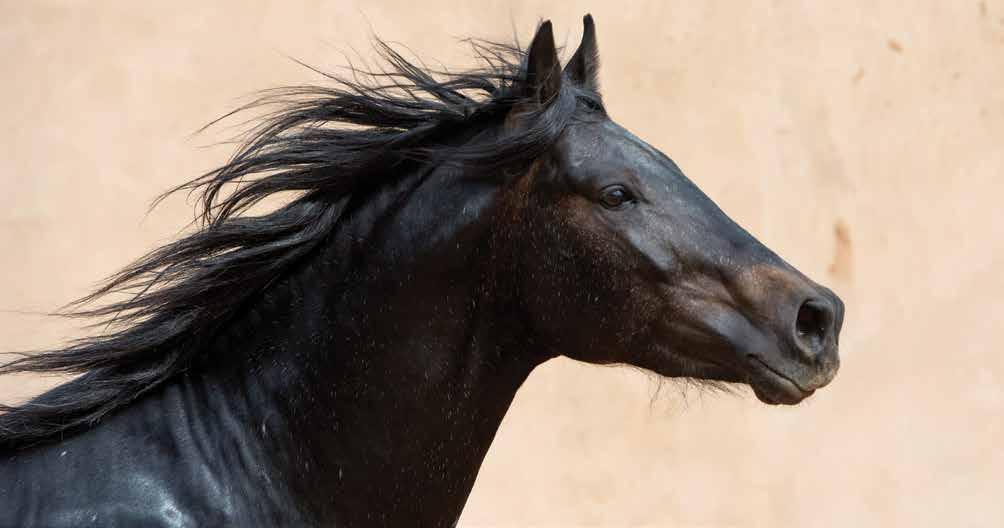
Photograph courtesy of Jaco Wiid
Veterinary Science (BVSc)
Career opportunities for BVSc graduates
The National Department of Agriculture, Forestry and Fisheries (DAFF) employs all South African BVSc graduates for a period of 12 months’ Compulsory Community Service (CCS) following completion of the BVSc programme, and before graduates are allowed to practice as veterinarians for any other employer including self-employment. For more information visit www.daff.gov.za.
State veterinary services
A significant number of veterinarians are employed as state or provincial veterinarians in government service. They render essential regulatory services related to the diagnosis, surveillance, monitoring, control, prevention and eradication of notifiable diseases. State veterinarians are also responsible for matters related to the import and export of animals and animal products as well as for food safety and security. In regions where there are no private practitioners, state veterinarians may also provide clinical services.
Private practice
The majority of veterinarians in the country are gainfully employed in private practice, either in their own practices, in partnership, as assistants or as locums. There are several avenues of private practice: rural practice, providing veterinary services to the livestock farmer (cattle, horses, sheep, goats, pigs, poultry and game), companion animal practice (dogs, cats, horses, cage birds, etc.) and mixed practice (pets/production animals/wildlife). The services provided by the private practitioner include, among others, clinical services, disease prevention strategies, advice and a whole range of consultative services on nutrition, management, production, reproduction, and biotechnology.
Research
Research can be conducted in a wide spectrum of areas (veterinary, agricultural and biomedical sciences), attending to problems related to both animals and humans.
Academia
Graduates can teach at veterinary, medical, agricultural and natural science faculties, conduct research, participate in community engagement projects and provide clinical services.
Private, state and provincial diagnostic laboratories
Graduates can provide routine or forensic diagnostic services involving disciplines such as pathology, clinical pathology, microbiology and toxicology.
Veterinary public health
Food security and the production of food that is safe for human consumption are very important fields in which the veterinarian plays a key role. Veterinarians are responsible for ensuring the maintenance of meat and milk hygiene in abattoirs and milk processing plants, in addition to their role in the maintenance and improvement of animal health on farms. Veterinarians involved in the field of veterinary public health play an important role in the control of zoonotic diseases (ie diseases transferred from animals to humans).
Commerce
The veterinarian is involved in research and product development in the pharmaceutical and feed industries, as well as in the provision of technical advice in sales and management.
Consultancy
The veterinarian can provide specialised or specialist services to the farm animal and pet industries, for example, as a consultant in the pig and poultry industries, feedlots or specialist practices (such as surgery, internal medicine, ophthalmology and dentistry). In the case of a specialist practice, the practitioner will need to have the appropriate postgraduate qualification and be registered with the SAVC to practise as a veterinarian and a specialist.
Laboratory animal science
The veterinarian is an essential member of the team involved in the welfare of laboratory animals, monitoring the utilisation of animals for experimental purposes and giving advice on ethical issues.
Wildlife management
The veterinarian may pursue career opportunities in wildlife ranching, conservation and at zoological institutions. However, posts in these fields are limited and well sought after.
Poultry production
The poultry industry provides large volumes of animal protein for human consumption and veterinarians play a pivotal role in terms of food security.
Animal welfare
The veterinarian is intimately involved in animal welfare in the provision of clinical services and advice, and in management at welfare organisations. Veterinarians are involved in general matters pertaining to the welfare of animals through the promotion of appropriate husbandry practices, nutritional practices, disease prevention strategies and sound production systems.
International employment
Graduates from the Faculty enjoy wide national and international recognition and the BVSc degree of the University of Pretoria is recognised in the United Kingdom by the Royal College of Veterinary Surgeons, as well as by the Australasian Veterinary Boards Council.
Veterinary Nursing (BVetNurs)/General information
The Bachelor of Veterinary Nursing (BVetNurs)
The Faculty endeavours to meet the veterinary nursing needs of the country and the region. The recruitment and selection process addresses diversity, excellence, equity and geographic distribution. The full-time BVetNurs programme is only offered by the Faculty of Veterinary Science of the University of Pretoria and it is the only faculty of its kind in South Africa.
Veterinary nursing requires a dedicated and motivated person with a special interest in working with animals and their owners. The veterinary nurse is a member of a professional team that includes veterinarians, and is expected to show a high degree of responsibility, organisational skills and patience. Self-discipline, compassion, honesty, dedication and a sense of humour are recommended attributes.
The course is demanding and requires dedication and hard work. It is a career with long and often irregular hours. The ability to work with both people and animals is essential.
The language of tuition in this Faculty is English.
Applications for the BVetNurs programme close on 31 May.
The BVetNurs programme requires three years of fulltime study. The first and second years of the programme are devoted to disciplines such as anatomy, physiology, pharmacology, ethology, microbiology, parasitology, general nursing, medical nursing, reproductive nursing, theatre practice, anaesthesiology, radiography and surgical nursing. In the third (final) year of the programme students will undergo clinical training at the Onderstepoort Veterinary Academic Hospital and other approved veterinary facilities.
The BVetNurs programme consists of a combination of lectures, electronic learning opportunities, discussions, demonstrations, assignments and group work, practicals and clinical work. The latter is offered mainly in the Onderstepoort Veterinary Academic Hospital and its community clinics, but also include exposure to private practices and other facilities.
Student support provided includes tutoring and academic support.
Entry into the BVetNurs programme is highly competitive due to limited available spaces.
Selection is based on academic merit and the Veterinary Value Added Form (VVAF) (Refer to page 2 as well as Annexures C, D and E).
A graduate who successfully completed the programme will have received broad-based training in veterinary nursing. It is regarded to be at the National Qualifications Framework (NQF) level 7.
The South African Veterinary Council (SAVC) controls the ethics and standards of veterinary nursing education and practice in South Africa. All students must register with the Council at first registration in the BVetNurs programme and are subject to its rules. Registration with the SAVC is a prerequisite for practising as a veterinary nurse in South Africa.
Career opportunities for BVetNurs graduates
Private veterinary practice that could range from urban to rural; mixed general or species-specific. The veterinary nurse assists with anaesthesia, operating theatre management, intensive care, radiography, laboratory analysis, animal patient care and nursing, disease prevention, administration and practice management.
Employment in the Onderstepoort Veterinary Academic Hospital, as well as in the pharmaceutical and animal feed industries.
Veterinary nurses are also employed in animal welfare societies throughout South Africa.
Zoological gardens, game parks, laboratory animal units, rehabilitation centres, research centres, boarding establishments, organised agriculture, dairies and farming operations also offer gainful employment.
General information
Visit www.up.ac.za/admissioninfo for information on the following:
Study information
Calculate your Admission Point Score (APS)
Closing dates
Fees and Funding
Special offer for top academic achievers
Apply at UP
Change or add a programme
National Benchmark Test (NBT)
Application status
Prepare to study at UP
Registration and start of the academic year
UP Language policy
From 1 January 2019 English will be the language of teaching and learning for all first-year programmes. The only exception is where students are studying other languages and in programmes with profession-specific language outcomes, subject to approval by Senate. English will also be the language of official communication and administration on all campuses and in residences. Where requested and feasible, administrative services may be provided in other South African languages.
Students who registered prior to 2019, including those who registered in 2018 for the first time, will continue to receive lectures, tutorials, study guides and assessment material (question papers, assignments and the like) in Afrikaans for those programmes which were offered in Afrikaans at the time of enrolment, provided that the class size remains practically feasible and it is academically justifiable.
Where assessment and question papers are set in Afrikaans, currently enrolled students will also be allowed to answer in Afrikaans.
Annexures
Annexure A
Admission Point Score (APS) Conversion Table
The following table can be used to convert marks/symbols into an Admission Point Score (APS) when applying for studies at the University of Pretoria.
(requirement
for
as well as overall APS)
NSC National Senior Certificate (completed Grade 12 in and after 2008)
IEB Independent Examination Board
SC HG Senior Certificate Higher Grade (completed Grade 12 before 2008)
SC SG Senior Certificate Standard Grade (completed Grade 12 before 2008)
AS Level Advanced Subsidiary Level
IB SL International Baccalaureate Schools (Standard Levels)
IGCSE International General Certificate of Secondary Education
GCSE General Certificate of Secondary Education
NSSC Namibia Senior Secondary Certificate
O Level Ordinary Level
*Grade 11 = IGCSE/O Level:
APS conversion for Grade 11 equivalent qualifications only and for conditional admission and selection purposes
**Grade 12 = IGCSE/O Level:
APS conversion for Grade 12 equivalent qualifications – not for final admission and must be taken together with Advanced Subsidiary Level for exemption purposes.
Annexures
Annexure B
Bachelor of Veterinary Science (BVSc) 08130005: Selection process
requirements to be placed on the selection list Calculation of the Merit Point Score
A School leavers1
B1 Applicants with university exposure: internal transfers (UP)2
B2 Applicants with university exposure: external transfers (other universities) 2
B3 Applicants with university exposure: graduates (degree completed) 2
C Applicants nominated by DAFF, Provincial Departments of Agriculture, SANDF or SAPS
NSC (Grade 11 for conditional admission)
APS 32 with English 60%; Mathematics 60%; Physical Science 60%
Valid NSC with Mathematics 60%, Physical Science 60%; or similar modules passed at university level (Mathematics and Chemistry and Physics)
NSC (Grade 11 for conditional admission) final scores in Mathematics (40%); English (20%); Physical Science (20%); and VVAF (20%) (see Annexures D and E)
University module achievement score (80%) (see Annexure F); VVAF (20%) (see Annexures D and E)
Same as for Category A or B in accordance with entrance level of applicant Nominated by
D International applicants3 Full exemption certificate or NSC with admission to degree studies and NBT
*Only the applicants who have completed, or are registered for the first-year BVSc modules (excluding VPL100), or equivalent modules, will be considered for selection into the second year.
1. School-leavers
A valid NSC/IEB/Cambridge qualification with admission for degree purposes.
Subject requirements and the required Admission Point Score (APS) are indicated in the table on page 1 in this brochure. The APS is calculated from the achievement levels obtained in the six 20-credit subjects of the NSC.
Life Orientation is excluded when calculating the APS.
Conditional admission is based on Grade 11 final examination results, final admission on NSC/IEB performance in Mathematics, English and Physical Science, as well as the Veterinary Value Added Form (VVAF) (Refer to Annexures D and E).
Additional admission criteria may be used including an interview and additional selection tests.
School-leaving applicants who are conditionally admitted based on their Grade 11 results will forfeit their placement if their NSC APS is more than 2 points lower than the Grade 11 APS used for conditional admission.
2. Applicants with previous higher education exposure
There is an opportunity for students with previous higher education experience to also apply for the BVSc programme. Placement in either the first or second year of the BVSc programme will depend on, among others, merit and subject choices. Candidates in this category should also consult Annexure F in this brochure for the calculation of UMAS.
3. International students
A small number of international students may be admitted to the programme, including those from neighbouring Southern African Development Community (SADC) countries.
Applicants who are accepted receive a letter of confirmation from the University, which will facilitate their application for a study permit.
A valid study permit, obtained in the country of origin, is a prerequisite for registration.
The National Benchmark Test (NBT) may be required from international applicants. (www.nbt.ac.za)
International applicants must comply with all UP’s and the Department of Home Affairs’ regulations related to international students.
The APS Conversion table appears in Annexure A.
Please consult the International Cooperation Division’s Newcomer’s Guide: 2018 for more information: http://www.up.ac.za/media/shared/361/isd-newcomers-guide-2018.zp134364.pdf.
Annexures
Annexure C
Bachelor of Veterinary Nursing (BVetNurs) 08130006: Selection process
Category
requirements to be placed on the selection list
A School leavers4 NSC (Grade 11 for conditional admission) APS 28 with English 50%; Mathematics 50%; Physical Science 50%
B2 Applicants with university exposure: graduates (degree completed)5
B1 Applicants with university exposure5 Valid NSC with English 50%; Mathematics 50%, Physical Science 50%; or similar modules passed at university level (English, Mathematics as well as Chemistry and Physics). Registered for or completed a minimum of 60 credits per semester or 120 credits per year over the last 3 semesters (including the current semester).
C International applicants6 NSC with admission to degree studies with an APS of 28, English 50%; Mathematics 50%; Physical Science (or Physics and Chemistry) 50% or full exemption certificate and UP accepted minimum NBT scores for schoolleavers; or same as for Categories B1 and B2.
4. School-leavers
Calculation of the Merit Point Score
NSC (Grade 11 for conditional admission) final scores in Mathematics (40%); English (20%); Physical Science (20%); and the VVAF (20%) (see Annexures D and E).
University module achievement score (80%) (see Annexure F); VVAF (20%) (see Annexures D and E).
SADC preferred; then same as for Categories A or B1 to B2.
A valid NSC/IEB/Cambridge qualification with admission for degree purposes is required.
Subject requirements and the required Admission Point Score (APS) are indicated in the table on page 1 in this brochure. The APS is calculated from the achievement levels obtained in six 20-credit NSC subjects.
Life Orientation is excluded when calculating the APS.
Conditional admission is based on Grade 11 final examination results, and final admission on the NSC/IEB performance in Mathematics, English and Physical Science, as well as the Veterinary Value Added Form (VVAF) (Refer to Annexures D and E).
Additional admission criteria may be used including an interview and additional selection tests.
School-leaving applicants who are conditionally admitted based on their Grade 11 results will forfeit their placement if their NSC APS is more than 2 points lower than the Grade 11 APS used for conditional admission.
5. Applicants with previous higher education exposure
There is an opportunity for students with previous higher education experience to also apply for the BVetNurs programme. Also refer to Annexure F for the calculation of UMAS.
6. International students
A small number of international students may be admitted to the programme, including those from neighbouring Southern African Development Community (SADC) countries.
Applicants who are accepted receive a letter of confirmation from the University, which will facilitate their application for a study permit.
A valid study permit, obtained in the country of origin, is a prerequisite for registration.
The National Benchmark Test (NBT) may be required from international applicants. (www.nbt.ac.za)
International applicants must comply with all UP’s and the Department of Home Affairs’ regulations related to international students.
The APS Conversion table appears in Annexure A.
Please consult the International Cooperation Division’s Newcomer’s Guide: 2018 for more information: http://www.up.ac.za/media/shared/361/isd-newcomers-guide-2018.zp134364.pdf.
Annexures
Annexure D
Veterinary Value Added Form (VVAF)
1. The Veterinary Value Added Form (VVAF) is intended to guide applicants in the type of prior exposure that will help them to make an informed decision about a veterinary or veterinary nursing career and prepare them for their studies.
2. Each applicant’s VVAF is scored (for the purpose of selection) using a rubric. The rubric as well as scores per question may be adjusted annually by the selection committee based on new information and the needs of the Faculty of Veterinary Science and the veterinary or veterinary nursing industries in RSA.
3. Submission of the VVAF is not a requirement, but is recommended in order to improve an applicant’s chance for selection, since the score obtained contributes 20% towards the Merit Point Score used for admission within each category as explained in Annexure B or C.
4. The final date for online submission of the VVAF is 30 June
5. Applicants submitting the VVAF must submit evidence for sections 2 and 4, and must write short paragraphs about their experience in the case of sections 1 and 3.
6. Applicants can download the form for validation of section 4 (Annexure E) from the UP Student Portal at www.up.ac.za.
7. Prospective BVSc students should shadow a veterinarian and prospective BVetNurs students should shadow a veterinary nurse.
8. Any false information provided by an applicant on the Veterinary Value Added Form may result in immediate cancellation of the application.
Below is a summary of the content of the Veterinary Value Added Form (VVAF) that prospective veterinary and veterinary nursing students at the University of Pretoria will complete online after the application is processed.
The sections used in the VVAF are as follows:
You will be required to indicate your exposure to the following animals:
Cattle
Sheep, goats
Pigs
Ostriches, chickens, poultry
Horses, donkeys, mules
Dogs, cats, exotic pets
You will be required to reflect on your experience in writing
3. Animal experience
Personal experience and observation of the following:
An animal being killed for humane purposes
An animal being slaughtered (not required for BVetNurs applicants)
An animal giving birth
You will be required to reflect on your experience in writing
School/university official leadership positions
School/university/club/provincial activities
You will be required to upload evidence
4. Career shadowing
Indicate if you have accompanied a veterinarian or veterinary nurse (depending on the programme that you are applying for) in the following areas:
Farm and Food animal private practice*
Small animal private practice
State veterinary office (not required for BVetNurs applicants)
Other (research, academia, pharmaceutical)
Welfare organisation
You will be required to upload evidence (Annexure E)
* Farm and food animal private practice include practices working with cattle, horses, sheep, goats, pigs, ostriches, poultry, fish and wildlife.
1. Animal exposure
2. Extramural activities (sports, culture, leadership, religious, adventure, etc)
Annexures
Annexure E
Validation form for career shadowing of applicants into the BVSc and BVetNurs programmes
Prospective BVSc students should shadow a veterinarian and prospective BVetNurs students should shadow a veterinary nurse.
This form must only be completed by an SAVC registered veterinary professional (veterinarian or veterinary nurse), depending on the programme that the prospective student is applying for.
Name of applicant/prospective student:
Programme intended to apply for (tick applicable box)
ID number of applicant/prospective student:
Name of veterinarian or veterinary nurse:
SAVC registration no:
Practice/office/organisation name:
Contact telephone number of veterinarian or veterinary nurse:
Period shadowed:
Activities observed by applicant:
Additional comments by veterinarian or veterinary nurse:
From: To:
Signed at (place) by (full names of veterinarian or veterinary nurse) on this day of 20
Signature of veterinarian or veterinary nurse
Signature of applicant/prospective student
Annexures
Annexure F
Calculation of the University Module Achievement Score (UMAS) for applicants with previous university exposure
Applicants are ranked based on their academic achievement during the last 3 semesters. In the case of first-time, first-year university students, marks for only one semester will be considered.
Applicants from other universities will be responsible to key in all completed module codes, module names, final grades, credits and the year completed on the UP Student Portal before 30 July. Failed modules must be captured as well. All grades will be validated before the UMAS will be calculated. All transcripts (academic records) for current and previous studies must be uploaded on the UP Student Portal. UP students’ results will be transferred and need not be keyed in on the UP Student Portal.
The UMAS calculation is based on the number of completed subjects/modules. The formula returns a score which has a maximum value of 80.
The grid below will be used to calculate the UMAS:
Bonus points are added in the following cases per every degree obtained:
Bachelor’s degree completed: +1
Honours degree completed: +2
Master’s degree completed: +4
Degree passed with distinction: +3
Doctoral degree completed: +5
University of Pretoria | Universiteit van Pretoria | Yunibesithi ya Pretoria
Private Bag/Privaatsak/Mokotla wa Poso X20
Hatfield 0028, South Africa/Suid-Afrika/Afrika Borwa
Tel +27 (0)12 420 4111, Fax/Faks/Fekse +27 (0)12 420 4555 www.up.ac.za
Photograph courtesy of Jaco Wiid