Make today matter
University of Pretoria 2020 Progress Report
Our contribution towards achieving the Sustainable Development Goals

Make today matter
University of Pretoria 2020 Progress Report
Our contribution towards achieving the Sustainable Development Goals
The University of Pretoria is one of Africa's top universities and the largest contact university in South Africa. We are a leading research-intensive university that produces socially impactful research, seeking solutions for the world's most pressing issues.
We see ourselves as an integral part of society, focusing on developing people and creating knowledge to meet current and future societal needs. This is our purpose, which we fulfil through the core functions of research, teaching, learning, and engagement.
In serving society, we firmly believe that our success and the difference we make is not only measured by what we have already achieved. It must also consider how the actions we take today impact on the future economic growth, social development and environmental protection of South Africa and the continent as a whole.
Our strategic goals for the five-year period 2017 – 2021 were to:
• Enhance access and successful student learning
• Strengthen the University’s research and international profile
• Foster and sustain a transformed, inclusive and equitable University community
• Optimise resources and institutional sustainability
• Strengthen the University’s social responsiveness and impact on society

These goals are part of the University’s Strategic Plan–2025, which considers strengthening our interface with and contribution to society for social and economic upliftment; partnering and collaborating at multiple levels to enhance impact; and strengthening our focus on sustainable development, among others.
Institute of Business Science (GIBS) – among the world’s 50 best business schools Named world’s most gender- balanced business school by UK Financial Times
This is what we stand for as an institution.
It’s as much about where UP comes from as where we are headed
It’s about excellence, innovation, diversity growth, kindness and making a difference every day.
It’s about what we do to make today matter
53 526
Total number of students enrolled
63.3% Black students registered 3 569 International students
fIRsT foR PARTnERsHIPs
first sA university admitted to Alliance for African Partnership (AAP) led by Michigan State University
first sA institution to partner with the Joint Institute for Nuclear Research
First university in Africa to collaborate with Science, Innovation, Territories, and Economy and the Montpellier University of Excellence (i-SITE MUSE)
TOP-RATED UNIVERSITy
UP is in the top five of South African universities
UP is the only representative from Africa in the new University Social Responsibility network, an international group of 16 top universities
UP is ranked in the top 2% of universities worldwide
Times Higher Education’s rankings placed UP among the top 100 universities in the world in three categories: Quality Education; Industry, Innovation and Infrastructure; and Peace, Justice and Strong Institutions
UP and the University of Leicester are revolutionising the way tuberculosis is detected, through a 3D-printed insert added to simple face masks.
UP is working with international partners to perform in vitro fertilisation to support dwindling rhinoceros populations.
UP researchers are part of a team that solved the mystery of X-shaped radio galaxies with the meerKAT telescope.
Two UP researchers are part of a team of international scientists whose groundbreaking study reveals southern Africa as the birthplace of modern homo sapiens.
Number of patents granted: n 11 international n 6 South African
A team from UP’s department of Statistics, in collaboration with a partner in the middle East, has developed what is believed to be the first interactive app in the country. The app provides real-time data on COVID-19.
A cellphone app has been developed for doctors to manage COVID-19 cases in hospital settings.
UP’s MakerSpace Centre is producing 3-D printed visor frames for use as facial shields by healthcare workers.
A UP alumnus has developed a groundbreaking COVID-19 test kit that will provide results in just over an hour.
Source: CapeBio Technologies
UP is leading a South African Medical Research Council study on various rapid-test methods.
fAcULTIEs cELEBRATInG cEnTEnARIEs
• Veterinary Science (2020)
• Economic and Management Sciences (2020)
• Humanities (2019)
WhIlE
the
4Ir
• UP leading the way with its Institute of Big Data and Data Science
Undergraduate modules available online, enabling online teaching and learning
• Four research chairs specialising in artificial intelligence, data science, machine learning and cybersecurity
• First university library in Africa to have a client service robot
• UP alumni app named fastest-growing alumni platform in the world
582
Postdoctoral students from Africa (2016-2019)
is ranked among the top four sA universities in the Quacquarelli Symonds 2020 Graduate Employability Survey, which shows our graduates are highly sought after
38
Countries in Africa is where our students come from, mostly from Zimbabwe, nigeria, Eswatini, The Democratic Republic of Congo and namibia
Postdoctoral students from Africa, including SA (2019)
Academic staff from African countries (June 2020)
24 memoranda of Understanding/ Agreement with African universities 8.6%
1 780
Publications co-authored with collaborators from 330 institutions across the continent (excludes SA institutions) – 2015-2020
UP ranks in the top 1% internationally in 10 fields:
ToP In AfRIcA
School of Engineering in the Faculty of Engineering, Built Environment and Information Technology ranked first in SA and Africa.
Source: 2020 US News and World Report Rankings on the Best Global Universities for Engineering
GIBs ranked as the top South African and African business school for executive education.
Source: Executive Education 2020 Ranking
Source: Web of Science Essential Science Indicators, 4 Nov 2020
ToP In soUTH AfRIcA
Rated in the top five of all South African universities for research outputs. department of materials Science and Metallurgical Engineering ranked #1 in SA.
department of Law ranked first for the highest number of accredited research outputs.
Source: Report on the evaluation of the 2018 Universities’ Research Output released by the DhET, April 2020
Faculty of Law ranked in the top 100 of the World University Rankings 2020 by subject
Source: minerals Education Trust Fund, 2019
UP ranked #1 in sA Institute of Chartered Accountants’ CA qualifying exam with a 92% pass rate.
Source: January 2020 Initial Test of Competence (ITC)
VISION IS TO BE
a leading research-intensive university in Africa, recognised internationally for its quality, relevance and impact, and for developing people, creating knowledge and making a difference locally and globally.
Reporting on our contribution towards achieving the United Nations’ (UN) Sustainable Development Goals (SDGs) is underpinned by our belief that as a university we are an integral part of society and are required to be responsive to current and future societal challenges faced nationally, continentally, and globally.
This SDG Progress Report is our first such report and forms part of the emerging suite of sustainability-related reporting by the University of Pretoria. It flows from our overarching UP Sustainable Development Report (SD Report), presenting a more focused discussion on our contributions towards achieving the SDGs. This is in keeping with our intent to progressively strengthen the quantitative evaluation of our sustainability performance, and understand the attribution of our work to broader sustainability outcomes and impacts.
In evaluating our contributions, we are mindful that we are learning in an evolving space: metrics to measure progress continue to mature, as do our effort to leverage our activities, enhance contributions, and accelerate achievement of the goals.
The report focuses on activities for the reporting period 1 January 2020–31 December 2020, and comprises operational activities to enhance sustainability across the
campus–the University as an institution–as well as how we influence and enable sustainable development practices and outcomes beyond the University through our core functions of research, education, and engagement.
As outlined in our 2019 SD Report, our interactions with the SDGs are categorised as outputs that contribute directly to achieving targets set within each SDG, and those which influence policy or build capability to enable a broader contribution beyond our immediate span of control.
Activities considered include those undertaken solely by the University, as well as those within partnerships or collaborations where UP is playing an active and material role in the activity.
The alignment of our work to the SDGs, as reflected in our UP 2019 SD Report, was organised within the themes of “operational sustainability” and “driving sustainable development through our core functions”. In this report, the interactions have been consolidated into individual SDGs. Additionally, the categorisation of our interactions and alignment with the SDGs at a target level were reviewed and updated.
“The report flows from our overarching UP Sustainable Development Report, presenting a more focused discussion on our contributions towards achieving the SDGs.”
Engage with University leadership Sourcing content
• Executives
• Deans
• Directors
• Annual reviews
• Websites
• Other publications
Content selection and drafting
Review by content owners and finalise
Graphic design and publication development
Sign-off and publication
• Narrative
• Data
• Iterative review of drafts
• Content finalisation
• Narrative
• Data tables
• Visuals
• Format
Content and examples to illustrate our contributions were sourced through interviews with the University leadership, review of annual reports, and faculty websites and other publications. The selection of content for inclusion was based on a qualitative assessment, acknowledging that this report only represents a sample of our vast set of actions which contributes to achieving the SDGs. Data and performance metrics incorporated were sourced from institutional data and metrics, and from publicly available reports.
The draft content was reviewed by content owners and finalised through an iterative process, prior to Executive approval and publication.
The report covers four sections in sequence: introducing the report and our sustainable development landscape, setting the institutional context for focusing on the SDGs, reviewing our contributions for each SDG, and concluding the report.
This architecture follows a similar flow to that of the overarching SD Report. Both reports are characterised by a base logic of articulating our strategic intent, and then outlining our efforts to turn this intent into reality.
Recognising the complexity that the SDGs represent, there are inevitably linkages, dependencies and overlaps between them. Reporting on individual SDGs may be limiting or give rise to duplication. Additionally, such linear reporting does not lend itself to the integrated and transdisciplinary approach we are seeking to embed as a key means to navigating complexity.
For this report we have clustered the SDGs along common themes. As we reflect on the meaning and underlying intent of the SDGs, along with their relevance and application in different contexts, it is evident that there are many ways in which they can be organised. In our 2019 SD Report, we presented a view that addressing the human condition is central to sustainable development and have used this concept to develop a framework within which to organise the 17 SDGs.
On being human
Our human potential Our human existence Our planetary boundaries Co-existing with all forms of life
Poverty and inequality with their myriad faces are inextricably linked and are the most fundamental aspects of our humanity and human condition. Along with the food needed for survival, they are at the base of our hierarchy of needs. On a foundation of humanism and humanity, we seek to realise the potential of all, with good health and quality education being the critical enablers. As we reach our full potential, individually and collectively, we can intentionally enhance our social and economic development to improve human existence—in the work we do, the industries and cities we create, and the peace we foster for inclusive co-existence where every person is treated with dignity and respect.
In our personal and societal development, we must be mindful that we exist within planetary boundaries that temper the way in which we develop. The way we use and protect our resources shapes the sustainability of our existence. At the same time, we co-exist with all other forms of life and within a multitude of interdependent ecosystems. Against this holistic background with all its complexities, we recognise and embrace the roles of collaboration and partnership across the spectrum of sustainable development. In their optimal forms, they give expression to our diversity with inclusivity, have the potential to create leverage for innovation and impact, and to help us to navigate trade-offs or create multiple value streams within our state of uncertainty and complexity.
The logic we have applied to clustering the SDGs is entirely congruent with the core themes of People, Planet, Prosperity, Peace and Partnership.

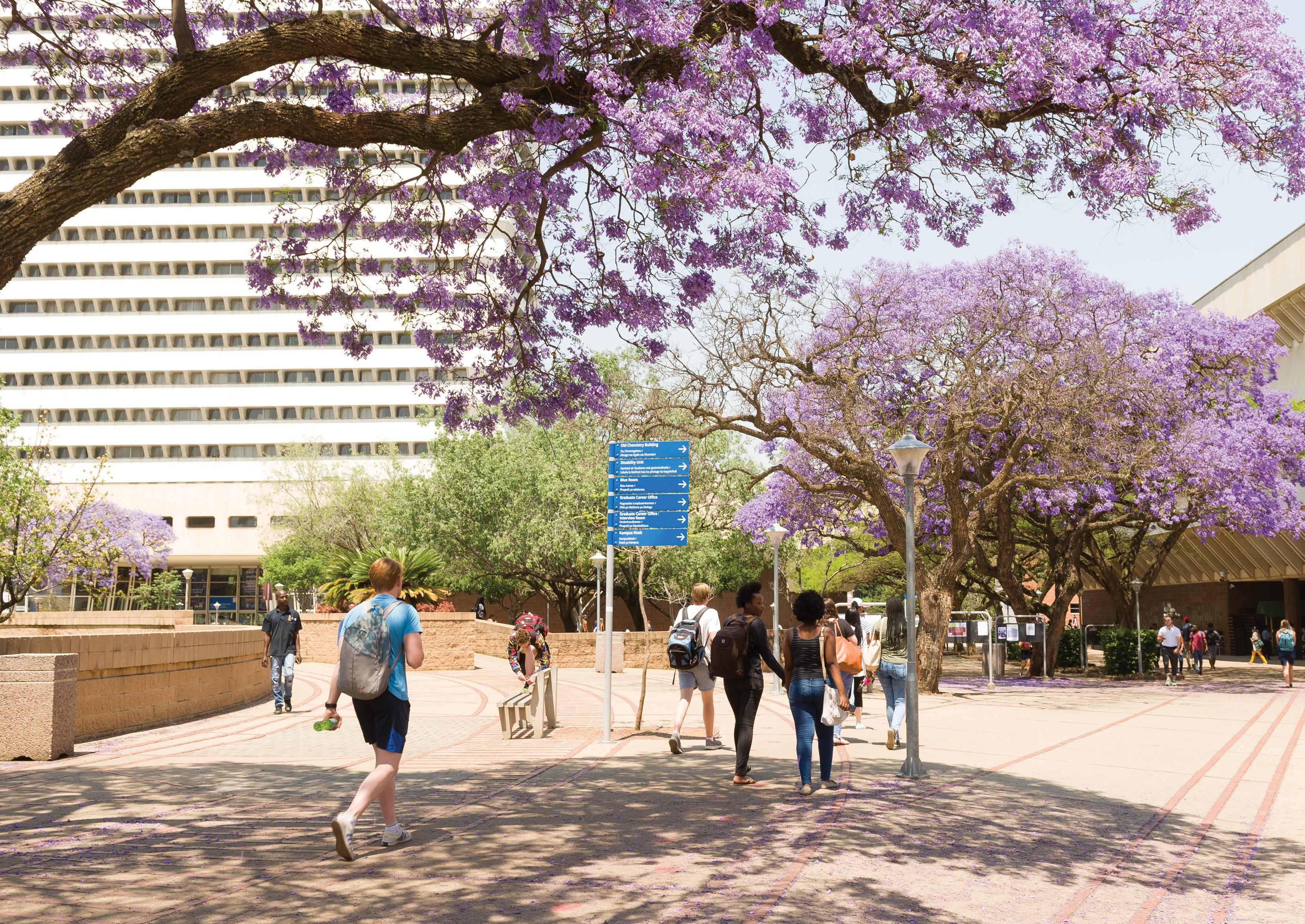

In this world of complexity and uncertainty, the University of Pretoria remains resolute in its pursuit to make a meaningful difference to our country, our continent, and the world we live in. It is well understood that our world is beset with challenges, and as institutions of society, universities have an important role to play.
Compounding our challenge is the reality that the complexity we live in is not static. It is dynamic and full of uncertainty, with unexpected surprises. We saw this clearly with the COVID-19 pandemic, which continues to rage with many twists and turns. Within this broad and messy milieu, we do however have certain anchors that remain constant, even as we are agile and innovative in our responses.
Firstly, we have our purpose and our reason for existence. This goes to the core of our being, in that we exist for and within society, using our abundant talents and skills to build capability and create new knowledge for the common good. The Sustainable Development Goals provide a second anchor. They represent a shared aspiration of what is holistically important for our world, for the benefit of all, and indeed for those still to come. Our purpose and intent, and the aspirations set out by the SDGs are entirely congruent, and we have no doubt that the work we do on a day-to-day basis must, and does, contribute to achieving the goals.
Using the COVID-19 pandemic as an example, from our anchoring, we did not let a crisis go to waste. We protected against the threat and, where possible, turned threats into opportunities. We reimagined, we adapted, and we found new ways to continue fulfilling our purpose across all our different stakeholders.
In this report, we demonstrate the clear alignment between our University’s intent and the aspirations articulated in the SDGs. Our reimagined future for the University
of Pretoria supports and begins to give expression to a reimagined world. Beyond alignment, we continue to reflect deeply on what the SDGs mean in our particular contexts. This is critical to internalising and embedding their philosophies into the fabric of our institution.
To this end, in this report we have organised the SDGs into clusters, helping us to make sense of them in relation to who we are and to continue giving effect to our University agenda of driving a transdisciplinary, integrated and collaborative approach. We have used the central lens of our humanity – on being human, reaching our human potential, and using that potential to continuously improve our human existence – to start framing the SDGS. We also recognise that there are clear planetary boundaries and inter-relationships between our social and economic development, and the sustainability of our planet. Finally, we recognise that our human condition is in coexistence with other natural systems and forms of life.
This first progress report is part of an evolving suite of UP sustainability-related reports that are framed by our overarching UP Sustainable Development Report. It represents our commitment towards achievement of the goals. We recognise that there are limitations within SDG progress reporting and sustainability reporting in general. We are navigating new territory. In particular, much work still needs to be done in the way we measure performance and the tangible impacts that we have made. We do, however, hope that our report contributes to the evolution of sustainability reporting in universities, and helps to mobilise our global university community around sustainable development as being at the heart of what we do.
UP’s approach to strategic planning is framed by the approved 15-year long-term strategy (UP 2025), which serves as a blueprint for the University’s role as a national asset, and guides its responses to national, regional, continental, and global challenges and priorities. The implementation of UP 2025 is enabled through a nested approach, with three sequential five-year planning horizons to guide and support the attainment of set aspirations. Within each five-year horizon, annual performance plans identify the more detailed and specific actions needed to realise the overall goals.
Our institutional goals thus play a critical role in setting direction and defining how we give expression to our purpose and intent to develop people and create the requisite knowledge and solutions that are relevant, of high quality, and impactful as we seek to make a difference locally and globally. Articulating our aspirations through the goals allows the entire University community to align its collective efforts towards the achievement of these goals.
Within our nested strategic planning approach, we have continued to refine and nuance the goals, as we take our complex and evolving landscape, along with our institutional maturation, into account. For the five-year period 2017 to 2021, the goals were to:
• enhance student access and successful learning;
• foster and sustain a transformed, inclusive and equitable University community;
• optimise resources and institutional sustainability;
• strengthen the University’s research and international profile; and
• strengthen the University’s social responsiveness and impact on society.
The goals play an anchoring role and demonstrate congruence with the intents of the South African National Development Plan (NDP), the African Union’s Agenda 2063, and the UN’s SDGs.
Through this mapping, we see the interconnected nature of the University and society, and the societal issues to which we respond. The mapping is at the highest level of institutional strategy, showing how sustainable development is hardwired into what we do and what we seek to achieve. It also enables the design of step-change activities that achieve our purpose and contribute to accelerating achievement of the SDGs in a way that is embedded into our core strategy.
Each goal maps to multiple SDGs, and three of the SDGs cut across all of the goals. This reflects the complexity of both our institutional goals and the SDGs themselves. Within this complexity, we are able to prioritise the SDGs to which we contribute, either wholly or in part. We also create the space and structure for the University community at the frontline to design step-change activities to achieve both institutional and global goals, leveraging their areas of strength and capability.
Student access and successful learning
A transformed, inclusive and equitable University community
Institutional sustainability
Our research, international profile and global engagement
Social responsiveness and impact on society
The year was dominated by the COVID-19 pandemic, which has had profound impacts on society. From its presumed environmental origins, the precipitous and sustained global spread of the virus, rapid development of variants, severe health impacts, and the attendant responses, all facets of sustainable development—economic, social, environmental and governance—were touched upon.
In the face of pre-existing uncertainty, challenges, and the high burdens of poverty and inequality, the pandemic drove further social disruption, economic decline, and governance dilemmas related to protectionist responses that overrode the common good: the most vulnerable were yet again left behind. Collectively, the complex interplay of impacts, responses, and trade-offs is likely to have profound impacts on the sustainability landscape for years to come, making the already difficult challenge to achieve the SDGs by 2030 much tougher.
As with other establishments across different sectors, UP was directly affected by the pandemic. In higher education, country-wide lockdowns, requirements for social distancing, and constraints applied to gatherings drove fundamental disruptions to established modes of teaching, learning, and research. At the same time, the sector continued to deal with the issues of weak national economic growth, an unstable currency, declining state funding, increasing regulation of tuition fees, and rising student debt.
With UP being the largest contact university nationally, this presented significant implications to the University’s functioning and its long-term sustainability. Impacts were seen across the entire University ecosystem of people, processes, and
infrastructure, and thus required a holistic and systems-thinking approach to designing interventions.
All categories of staff and students were potentially affected across a range of dimensions and were also active players in leading interventions to prevent and mitigate adverse outcomes. Impacts included potential exposure to infection and consequent ill health, disruption of teaching programmes and research activities, changing practices of interacting with others due to social distancing requirements, the experience of being cut off from society, and the associated risks to mental health and well-being. The pandemic further magnified and broadened existing fault lines within society and the University community. Indigent students were more severely impacted than others and at a most basic level: campus facilities often serve as their primary source of meals, healthcare, and support services, and closure of residences increased their risk of food shortages, hunger, and access to care. Students in need also had inherently less access to the technology and data required for virtual learning. With the need to suspend processes of contact learning indefinitely, radical and innovative solutions had to be rapidly implemented for the University to continue fulfilling its purpose. Central to creating sustainable solutions was the ability to leverage technology and to find ways to bridge the digital divide.
In navigating the complexity, coordination of actions across all staff categories was needed for a coherent response. Activities were organised across the four themes of:
• reducing the risk of infection and spread through the University community;
• supporting the health and well-being of staff and students;

• ensuring continuity of the University’s core functions of education, research, and engagement; and
• leveraging internal capabilities to support national responses to the pandemic.
Collectively, UP was able to leverage its skilled people, action-orientated culture, and advanced technological capability to rapidly implement measures to reduce the likelihood of disease spread, to support teams and individuals, to shift into a virtual mode of education, and to contribute knowledge and intelligence to national efforts beyond the University’s boundaries.
Social distancing and infection control measures were rapidly implemented and diligently applied. A risk-based approach and corresponding levels of lockdown guided operating protocols for access to the University. Self-screening for a history of potential exposures to COVID-19 infection and symptoms prior to entry further reduced risk within the campus footprint. Across the campus, posters and billboards elevated awareness; hand sanitisers were readily available with a requirement for their use prior to entry into buildings; wearing of face masks was mandatory; and guidance for social distancing was provided in all areas where people would be in close proximity. Mechanisms for early case identification, triage to self-isolation and care, and contact tracing were established. Regular communications and updates were provided to
the University through a committee established as part of the Institutional Crisis Communications protocol and using a range of platforms to ensure adequate reach. Collectively, the interventions contributed to creating a heightened awareness of the pandemic and the risk it posed to the University community, as well as creating a culture of responsiveness to its prevention. During the year, while cases of COVID-19 infection occurred among members of the UP community, no significant outbreaks were experienced, which is an indication of the adequacy and effectiveness of UP’s preventive measures. Furthermore, during the year, plans were put in place to provide vaccination to staff members once a vaccine became available.
Beyond enabling access to care for those infected by the virus, there was a clear recognition that the health and well-being of the University community needed to be viewed holistically. A stable food supply for students in need had to be considered. So too did the mental health and well-being of both staff and students, related to both indirect effects of the pandemic and interventions put in place nationally. Anxiety and depression related to economic insecurity, uncertainty of the future, and pre-existing or escalating social ills such as gender-based violence all contributed to the complexity faced by individuals in their daily lives, while at the same time limiting their ability to deal with that complexity.
To deal with this, a range of initiatives were put in place, including establishing a system of food supply for students off campus and in need; virtual talks on emotional and mental health challenges during the pandemic, and ways to manage them; and the provision of counselling and support services when needed.
In addition to addressing these challenges in a real and practical way, the efforts also served as a reflection of who we are as an institution, how we value people and their humanity, and how we care about members of our community.
In giving expression to our purpose of developing people and creating knowledge and solutions to meet current and future societal needs, agile and innovative responses in our core functions of teaching, learning, research, and engagement were needed. Prior to the pandemic, UP had identified digital transformation, supported by advanced technological capability, as a key aspect of the University’s strategic intent and an investment priority. With sustained investments, virtual platforms were already established in some areas, and, by 2020, 95% of our undergraduate courses already had a substantive online presence as part of our hybrid model. This enabled rapid and agile scale across the University. As appropriate, staff were trained on teaching

in a virtual environment, and teaching materials were adapted for compatibility in the virtual space. Working with stakeholders and partners, laptop computers were procured for some 3 000 students, and data was provided to broaden remote access. Almost 7 000 dialogue-enabled lecture sessions were carried out online, with access to recordings, and resulting in approximately 1 million minutes of time spent on online learning.
Innovative approaches included hybrid solutions of training in the field, when possible, and virtual simulation of training through various platforms. These efforts were supported by agile engagement with partners and scheduling, to accommodate changing national risk levels as the pandemic went through different waves of infection. Similarly, adjustments to the research process’s elements of desktop review, data collection, analysis, synthesis, and report writing improved flexibility of research work and enabled its continuity. Virtual reality laboratories further enhanced research capability.
“Innovative approaches included hybrid solutions of training in the field, when possible, and virtual simulation of training through various platforms.”
Despite the constraints imposed by the pandemic, stakeholder engagement continued from community to international levels. Community engagement focused on outreach and supporting national responses to the pandemic. The UP Community-Orientated Primary Care (COPC) Research Unit in the Department of Family medicine conducted various outreach initiatives including COVID-19 screening in rural communities. Additionally, the Faculty of health Sciences undertook various initiatives supporting homeless people in the Tshwane area, including both screening and testing for COVID-19.
With some 230 international institution-wide partnerships, the University affirmed its leadership and commitment to build capacity in Africa and to accelerate and scale impact for achieving the African Union’s Agenda 2063 and the SDGs. A considerable number of engagements were undertaken using online platforms, to host debates, high-level conferences, webinars, and the signing of institutional agreements arising from interactions beginning in prior years. As an example of the profile of such engagements, during the year, the University prepared to host Africa’s first Nobel Prize Dialogue—a one-day virtual event featuring Nobel laureates, opinion leaders, policy makers and students. The theme was the “Future of Work”, with the dialogue scheduled for may 2021.
leveraging internal capabilities to support national responses to the pandemic
In our pursuit to create knowledge and build capability that is responsive to current and future societal needs, the COVID-19 pandemic presented, and continues to present, a clear societal challenge to which we needed to respond and play a meaningful role in securing our collective future. Our responses focused on providing talent to support national leadership in initiatives that were underway across the country, and on conducting research to inform and enable learning and progressively improve the response to the pandemic as it unfolded.
Three examples of UP staff members supporting national and provincial responses offer an indication of the breadth and depth of our contributions:
• Professor Willem Fourie, coordinator of the UP-hosted South African SDG hub was seconded to the Presidency to support the government-led response. A key contribution to this work was the development of a COVID-19 vulnerability map by the SDG hub team and supported by collaborators from across South Africa’s tech community. The online “Vulnerable Communities Map” identified areas most at risk, enabling targeted and smart interventions to support them.
• Dr Vukosi marivate, the ABSA Chair of Data Science and senior lecturer in the Department of Data Science, created a repository to collate data to evaluate COVID-19 trends in Africa. linked to this work, he was requested by the Premier of Gauteng to assist the province in COVID-19 modelling.
• Professor martin Schwellnus, Director of the Sport, Exercise medicine, and lifestyle Institute (SEmlI) led a team in drafting a guideline on managing COVID-19 and other serious respiratory infections in athletes. The work included the launch of the international “Athletes with Acute Respiratory InfEction (AWARE)” research study.
• Research to understand the COVID-19 pandemic and improve responses to it was undertaken across the spectrum of intra- to transdisciplinary research. This covered multiple aspects of the pandemic, including characteristics of the virus and how it infects people, interventions for disease prevention and management, exploring characteristics of individuals and their risk, and the behaviour of people during the pandemic. In a leading research example, Professor Tahir Pillay, head of pathology and chemical pathology at the National health laboratory Service in Steve Biko Academic hospital, led research into the use of nanobodies for rapid testing and possible treatment of COVID-19 infection. Nanobodies are a special type of antibody produced in bacteria and the technology will be used to develop several rapid tests which distinguish between acute infection and carrier states. With the tests taking minutes to obtain a result, the work won first prize in the Biosciences division of the Gauteng Accelerator Programme (GAP) 2020 Innovation Competition.
The COVID-19 pandemic has and continues to disrupt in a way that is a true test of resilience. A hallmark of UP’s resilience was that the University was able to fulfil its mandate and successfully conclude the academic year in the requisite time.
Notwithstanding significant successes in responding to the pandemic, we have a good opportunity to reflect more deeply on our experiences—to understand our successes better, recognise areas where we could improve our responses, and clarify lessons learned, all in a focused and intentional way.
In this spirit of reflection, it is evident that beyond the immediate threat posed, the pandemic served as a trigger and catalyst to accelerate changes in the broader reimagining and transformation required UP, and higher education in general.
1.1. Eradicate extreme poverty
1.2. Reduce by half people living in extreme poverty
1.3. Implement appropriate social protection systems and measures
1.4. Equal rights to economic resources
1.5. Build resilience of the poor and vulnerable
1b. Create sound policy frameworks
5.1. End discrimination against women and girls
5.2. Eliminate violence against women
5.3. Eliminate harmful practices against women and girls
5.5. Effective participation and equal opportunities for leadership and decision-making
5.6. Universal access to sexual and productive health
5b. Use of enabling technology, particularly ICT, to promote the empowerment of women
2.1. End hunger and ensure access to food all year round
2.2. End all forms of malnutrition
2.3. Increase agricultural productivity and incomes of small-scale food producers
2.4. Sustainable agricultural practices and food production systems
2.5. maintain genetic diversity
10.1. Achieve and sustain income growth of the bottom 40%
10.2. Empower and promote the social, economic and political inclusion of all
10.3. Ensure equal opportunities and reduce inequalities through legislation, policies and action
10.4. Adopt fiscal, wage and social protection policies for greater inclusion
10.6. Enhanced representation and voice for developing countries in global economic and financial institutions
10.7. Facilitate orderly, safe, regular and responsible migration and mobility of people
Poverty and inequality are central to the developmental challenges faced by South Africa and the broader African continent. Our starting point is recognising and valuing that we are all human beings, who, fundamentally, should be seen, valued and treated as equals. Sadly, our current and lived reality paints a different picture. In South Africa, with the historical legacy of apartheid, poverty and inequality have many faces shaped along racial, gender and class lines. They include vast disparities in the human condition, economic inequality and unequal access to resources and services. At the most basic level, food security is essential for human survival with dignity, and as such, is an issue of poverty and inequality. Where poverty and inequality persist, no meaningful sustainable development is possible.
In many ways, these challenges appear intractable, with vulnerable groups and those most in need facing the greatest obstacles to their socio-economic development and meaningful existence. Nevertheless, as an organ of society, we have a critical role to play in bridging inequality and breaking the cycle of poverty.
At an institutional level, our actions are framed by:
• enabling and broadening access to high quality tertiary education;
• nurturing a transformed, inclusive, and equitable university community; and
• being a knowledge leader in sustainable food systems.
Through education, we build capability to improve the life chances of people, thereby creating conditions for young people to reach their full potential and helping them to escape the ubiquitous trap of poverty. Enabling and broadening access to university, particularly for students coming from disadvantaged backgrounds, is a strategic imperative. To achieve this, we have adopted an integrated approach across the student life cycle, partnering with various stakeholders to identify and nurture talent from high school through to graduation. A range of initiatives include the After School Programme (ASP) in partnership with the Gauteng Department of Education; a strategic partnership between the Faculty of Education and the National Department of Basic Education to recruit unemployed youth with good matric passes in scarce-skills
subjects; and the development of virtual platforms to support recruitment of local and international students.
The ASP provides support to Grade 10 to 12 learners in the mamelodi area, for science, technology, engineering, and mathematics (STEm subjects), and is coupled to a Teacher Mentorship Programme offered for Grade 4 to 9 mathematics and science teachers. Within the ASP, the range of offerings include weekend classes; self-paced tutorials using e-learning software; spring and winter schools; and training in life skills, study methods and computer literacy.
The University’s undergraduate recruitment strategy emphasises the importance of responsible study and career choices, including the employability of students. Based on this holistic, student life cycle approach, with support from UNICEF and other sponsors, the University developed and launched the Junior Tukkie – UNICEF Online Platform to support recruitment and study choices. Similarly, to expand UP’s attractiveness to international students, the University entered into a partnership with StudyPortals, an international virtual platform.
An inclusive and equitable community
In nurturing a transformed, inclusive, and equitable university community, we embrace diversity and are actively working towards addressing inequality affecting both students and staff. This intent is in large part governed by the UP Anti-discrimination Policy and Operations manual. In seeking to build an inclusive, affirming, and transformed institutional culture, curriculum, and campus and residence life, the policy focuses on the prevention of unfair discrimination, hate speech, harassment, violence based on prohibited grounds, retaliation, and the promotion of substantive equality. It is supported by an Operations manual, which guides the policy’s implementation. A key aspect of inequality is gender-based violence (GBV) in all its forms, to which the University has a zero tolerance stance. Additionally, gender equality goes beyond addressing the adverse impacts of inequality and includes promoting and celebrating the success of women in our university community.
Changes to the demographic profile of students and staff is an important indicator of our contributions to reducing inequality. For 2020, 48 304 Full Time Equivalent
(FTE) students were enrolled at UP. Of these, 8 620 were first-year students and some 2 280 were postgraduates. As the University becomes more representative of the country’s demographics, we are progressively improving life chances in historically disadvantaged groups. For the year under review, 60.58% of all contact students (postgraduate and undergraduate) were black, and of the postgraduate cohort, 65.17% were black. Progress in transforming staff demographic profiles has been slower, and the UP Employment Equity Plan 2021—2025 (developed in 2020) focuses on the appointment, development and retention of black academics for accelerated action.
Addressing student hunger and nutrition is an important direct contribution to SDG 2. Initiatives to stem student hunger included providing a loan advance covering dining hall meals to residential students, as a bridging mechanism before their National Student Financial Aid Scheme (NSFAS) or bursary funds paid out. For needy students, the University provided allowances for food and basic toiletries, supplemented by product donations from non-governmental organisations, churches and the private sector. For 2020, these allowances amounted to some R670 000.
Beyond the University footprint, establishing sustainable food systems a nd addressing food insecurity is one of South Africa and the African continent’s most intractable challenges. Recognising their importance, UP established the Institute for Food, Nutrition and Well-being (IFNUW) in 2011. In recognition of the leadership role that we play at global, continental and national levels, the University hosts the United Nations Academic Impact hub on SDG 2, the Africa Research Universities Alliance (ARUA) Centre of Excellence in Sustainable Food Systems, and the South African DSI-NRF Centre of Excellence in Food Security.
up’s achieving women
• Lerato Ndlovu was elected as the first black female SRC President
• Dr mpho Tshivhase received the CEO’s award from the Institute of People Management as the first black woman to receive a doctorate in philosophy
• Prof Caren Scheepers and Dr Tracey Toefy won the European Foundation for management Development award for the Best African Business CASE
• Ariel Caro de Beer’s book, Peremptory norms of general law (jus cogens) and the prohibition of terrorism won the American Society of International law Francis Lieber prize for the best on armed conflict
• laToya Seoka was one of only 20 women researchers to receive the l’OrealUNESCO Sub-Saharan African young Talent Award for Women in Science
3.1. Reduce maternal mortality
3.2. Reduce neonatal and infant mortality
3.3. End AIDS, tuberculosis and malaria epidemics
3.4. Reduce premature mortality from noncommunicable diseases (NCDs)
3.4. Reduce premature mortality from NCDs
3.5. Prevention and treatment of substance abuse
3.6. halve the number of global deaths and injuries from road traffic accidents
3.7. Universal access to sexual and reproductive healthcare
3.8. Universal health coverage and access to health services (staff and student benefits)
3b. Research and development of vaccines and medicines
3d. Strengthen capacity for national and global health risks
4.1. Free equitable and quality primary and secondary education
4.2. Access to quality early childhood development, care and pre-primary education
4.3. Access to affordable and quality tertiary education
4.4. Increase the number of youth and adults with skills
4.5. Eliminate gender disparities and ensure equal access
4.6. Achieve literacy and numeracy
4.7. Knowledge and skills for sustainable development
4a. Build and upgrade education infrastructure
4b. Scholarships for developing countries
4c. Increase the supply of qualified teachers
Together, good health and well-being, and quality education form a strong foundation from which we can realise our full potential. In the absence of either, our potential is constrained. In recognition of this, they are seen as basic human rights giving expression to our equality as human beings. Significant progress in both sets us up to develop the innovations and solutions that improve our human existence.
holistic health and well-being, with its many dimensions of physical, mental, emotional and spiritual wellness, are precursors to individual development. In South Africa,
we face the multiple challenges of high disease burdens of communicable and noncommunicable disease; global health threats such as hIV/AIDS and tuberculosis, where South Africa has among the highest incidence in the world; failing public sector healthcare infrastructure and capability; and narrow healthcare coverage with wide disparities in access to healthcare services. Each of these dimensions are a stark reflection of the inequalities prevalent in South Africa. Unaddressed disease burdens, and new threats so clearly seen with the COVID-19 pandemic, further inhibit development, and disproportionately affect those most vulnerable in our society.
In South Africa, large disparities exist across educational institutions—from early childhood development to post-school education and training—in terms of both access and quality. In basic education schools, about 40% of a Grade 1 cohort will drop out before reaching Grade 12, with only 14% passing the National Senior Certificate with a bachelor’s pass and 12% with a diploma pass. About 12% will access a university, with only 4% achieving an undergraduate degree within six years of entry. Without changing this set of circumstances, our human development, and that of our country, remains at extreme risk.
Our contributions to SDGs 3 and 4 are at the heart of our purpose to contribute meaningfully to societal development. They cover both our institutional obligations towards the University community, as well the positive impacts we seek in broader society. In the previous section we considered access to quality education as an issue of inequality. here we focus on successful learning as an outcome of the university journey and experience.
In providing quality education, our life cycle approach is underpinned by embedding an enquiry-driven and lifelong culture of learning. This extends beyond the full-time University environment to continuing professional development, with offerings through various campus entities.
A critical aspect of student success is effectively managing the transition from high school to the more rigorous and self-driven university environment. As part of the Academic Orientation Programme, the Fly@UP initiative (Finish line is yours at the University of Pretoria), personal responsibility and accountability to complete degrees in the minimum time is stressed. Additionally, the UP Readiness Survey identifies at-risk students who are invited to participate in a mentorship programme, assisting their transition from high school to university life. For postgraduate students, the Flyhigher@UP programme provides holistic support to enhance research skills, shorten completion times and increase throughput.
During the year, with the forced suspension of all contact classes from the middle of the first semester of 2020 due to the COVID-19 pandemic, the University transitioned rapidly to online teaching to ensure successful completion of the academic year. Supported by advanced technology, the transition retained all aspects of UP’s comprehensive teaching and learning strategy, Teach and learn: The UP Way. The strategy seeks to enhance student learning experiences and success rates, covering preparation before class, engagement in class and consolidation after class.

The shift to online teaching and learning also addressed student challenges of electricity supply continuity and access to data. For those who experienced electricity supply problems at home, a telephone tutor was allocated. The University also negotiated with the four main telecommunications service providers to zero-rate UP’s teaching and learning content. This meant that any data hosted on our learning management system ClickUP, other student portals, the library’s website and staff portals were free to students and staff.
Our life cycle approach also focuses on equipping graduates for the workspace so that they are competitive and sought after. In 2020, the enhanced Ready for Work programme with upgraded and extended online soft skills training courses was implemented to provide key employability skills. The University also has online platform TuksCareers, where UP students and alumni can interact with potential employers and access work-readiness skills. Industry expert master classes are also offered to enhance student employability.
Health within and beyond UP
Our focus on good health and well-being is both inward and outward looking. Our inward-looking efforts address the health and well-being of students and staff, while our outward-looking efforts, particularly those of the Faculty of Health Sciences, contribute to addressing health challenges in the broader landscape.
In line with the principles of Universal healthcare Coverage, membership of an approved medical scheme is mandatory for all permanent employees. Options for medical benefit schemes are diversified and sufficiently broad to suite different employee needs. Related benefits have also been extended to include funeral cover for employees and family members.
Student well-being is integral to our ethos, and includes physical, mental and emotional wellness. Our Student health Services Unit has a student clinic on each campus, staffed by medical doctors, professional nurses, dieticians and optometrists. Free services include diagnostic and treatment services, sexual and reproductive healthcare, visual testing and hIV/AIDS counselling and testing. health and wellness awareness campaigns are run monthly. During 2020, the University employed an additional seven clinical psychologists on a part-time basis, keeping pace with the increased demand for psychological services arising from the COVID-19 pandemic.
“Student well-being is integral to our ethos, and includes physical, mental and emotional wellness.”
Special attention is given to people with disabilities, and the University’s dedicated Disability Unit provides specialised support services to students with visual, hearing, physical, learning, psychological and chronic medical challenges. This is to ensure that they are not marginalised, but are integrated into academic programmes and student life. Activities of the unit included mobility training sessions like basic cane skills and route planning, as well as facilitating NSFAS bursary applications, converting text into Braille or accessible electronic formats, offering support programmes for certain disabilities, and developing guidelines to assist lecturers in supporting students with disabilities in an online environment.
The Faculty of health Sciences plays a lead role in our outward-looking contributions to SDG 3. Through the Schools of Dentistry; health Care Sciences; health Systems and Public health; and medicine, a full spectrum of health-related disciplines cover virtually all aspects of the goal. Clinical outcomes from our teaching hospitals and associated clinics, with a full suite of specialist and support services, contribute directly to achieving national targets of reducing all forms of mortality and ending the AIDS, tuberculosis and malaria epidemics. high-quality training and health professional graduates from the faculty, along with cutting-edge research, strengthen national health systems and capability, supporting the country’s ability to achieve the goals, and our engagement with government and policy makers influences national healthcare reform.
An important area of focus during the year was extending community outreach to enable access to healthcare where it is needed most. In a two-pronged approach, the Department of Family medicine supported provincial and local government in the organisation and operationalisation of primary healthcare service delivery through municipal ward-based outreach teams; and continued to strengthen and extend its
rural and urban population research platforms, and service initiatives to enhance access.
A hallmark of the UP initiatives is that they are integrated and transdisciplinary in nature. The platforms cut across academic and non-academic participants, as well as health professionals and those from outside the health sector. Research is embedded into learning and service platforms. This integrated approach is particularly important in resolving wicked societal issues such as substance abuse, where the University assists the City of Tshwane with the implementation of a Community Oriented Substance Use Programme (COSUP). This support has contributed to the city being the first in South Africa to implement a comprehensive range of services and initiatives which focus on the health and well-being of substance users, their communities, and their positive contribution to those communities.
In collaboration with international partners, the University is active at the frontier of research to enhance health and well-being, participating in various medical breakthroughs. During the year, researchers at UP and leicester University designed a 3D-printed polyvinyl alcohol face mask insert which detects tuberculosis in an hour with 86% accuracy. Current technology in use has an accuracy of around 20%. On the malaria front, UP researchers were part of an international team that discovered a new group of drugs that are potent against multiple life cycle stages of Plasmodium falciparum malaria parasites. The University also participated in a World health Organisation (WhO) multicentre clinical trial for Africa focusing on various antiviral compounds and their effects on in-hospital mortality of COVID-19 patients.

8.1. Sustain per capita income growth
8.2. higher levels of economic productivity
8.3. Promote development-orientated policies
8.4. Improve resource efficiency in consumption and production
8.5. Full and productive employment and decent work
8.6. Reduce the number of youth not in employment, education or training
8.7. Eradicate forced labour, modern slavery, human trafficking, child labour and child soldiers
8.8. Protect labour rights, and promote safe and secure working environments
8.10. Strengthen the capacity of domestic financial institutions to expand access to service
9.1. Quality, reliable, sustainable and resilient infrastructure
9.2. Inclusive and sustainable industrialisation
9.4. Upgrade infrastructure and retrofit industries for sustainable and increased resource-use efficiency
9.5. Enhance scientific research and technological capabilities of industrial sectors
9b. Support domestic technology development, research and innovation
9c. Increase access to ICT and the internet
11.1. Access to housing and basic services
11.2. Access to sustainable transport systems
11.3. Inclusive and sustainable urbanisation
11.4. Protect and safeguard the world’s cultural and natural heritage
11.5. Reduce the impact of disasters
11.6. Reduce the environmental impact of cities – air quality and waste management
11.7. Access to safe and inclusive green and public areas
11c. Sustainable and resilient buildings using local materials
16.1. Reduce all forms of violence and related deaths
16.2. End abuse, exploitation, trafficking and violence against children
16.3. Promote the rule of law at national and international levels
16.5. Reduce corruption and bribery
16.6. Effective, accountable and transparent institutions
16.7. Responsive, inclusive, participatory and representative decision-making
16.8. Broaden and strengthen developing country participation in institutions of global governance
16.10. Ensure public access to information and protect fundamental freedoms
16a. Strengthen national institutions to prevent violence and combat terrorism and crime
16b. Promote non-discriminatory laws and policies for sustainable development
A characteristic of the human condition is the quest to continually improve our quality of life and lived experiences. This encompasses the work we do, the way we live and the societal environment that we exist in. While this often holds at a personal level, the SDGs emphasise the collective nature of development and existence.
In South Africa, against the background of inequality, stunted economic development with high levels of unemployment, apartheid-shaped spatial development, social discord along racial and class lines, and widespread corruption, much work is needed to improve the quality of life for all. Success is underpinned by building capability and realising the full potential of all people, and nurturing a culture of citizenship where we work together for the common good.
At UP we focus on the internal effectiveness and integrity of our institution and the way we function, as well as influencing and enabling economic and societal development more broadly, for the creation of a prosperous, peaceful, inclusive and just country and continent.
Creating conditions for institutional success
Central to decent work is the way in which people are valued, have opportunities for development, and are treated in interactions across the university community. The University Code of Conduct, which applies to employees, volunteers, representatives and the Executive, is based on the principles of responsibility, accountability, fairness and transparency, and embraces integrity, diversity and treating others with dignity and respect. This shapes the high-performance and inclusive organisational culture we desire and are working towards. A conducive culture enhances productivity, and an extensive institutional culture survey is being undertaken in 2021. In this context, the University has a strong policy and governance environment. This is supplemented by a whistle-blowing and anti-fraud policy, supported by a confidential UP ethics hotline managed by an external provider.
In achieving personal and institutional aspirations, development of staff and talent management is a strategic focus area for the University. UP is on an intensive
trajectory to diversify academic staff through a range of university and governmentfunded initiatives. These include the Department of higher Education and Training’s Research Development Grant for emerging researchers, the Vice-Chancellor’s Academic Development Programme, and the New Generation of Academics Programme (nGAP). All initiatives focus on addressing racial and gender disparities along with building capability.
Through our Department of Research and Innovation, UP is foregrounding programmes in support of early-career academics and researchers, underpinned by mentorship that accelerates the time-frame from early career to professor. The nGAP programme, which was introduced in 2016, provides funding of R2.5 million per academic post over six years. UP had filled 26 positions by 2020, comprising 18 women and eight men from designated (historically disadvantaged) categories. Thus far, 11 nGAP candidates have completed their PhDs; there have been four confirmed submissions during 2021; and the remainder are progressing according to plan. Other development initiatives include the Programme for Academic leadership for senior academics offered by the University’s business school, the Gordon Institute of Business Science, the UP Executive Coaching Programme for newly appointed deans and directors, and the management Development Programme, which prepares participants for the transition from managing a department or business unit to a more generalised and senior managerial function.
Engagement with employees in bargaining units is governed by the recognition agreements we share with recognised labour unions. Union representatives negotiate of behalf of their members on issues such as annual salary increases or any changes to conditions of employment.
An important aspect of decent work for all employees is remuneration, and the fairness thereof. This is guided by the University’s Remuneration Policy which enables fair and consistent application across individual employees and employee categories, while attracting and retaining talent to further the University’s strategic objectives. The policy considers internal and external parity, and the University supports the principles of fair and equitable remuneration, and equal pay for work of equal value.
Quality, reliable, sustainable and resilient infrastructure is essential for delivery of highquality education and research. It is inclusive of the learning spaces and technology required to provide education and conduct research, as well as the accommodation of students in a way that creates a homely and inclusive environment.
The Department of Facilities management is responsible for the planning, development, maintenance, operations and record-keeping of the University’s growing estate. These functions include maintenance and repair of current facilities to a high level of reliability, optimising resource utilisation through design and process efficiency, and coordinating all processes in the life cycle of facilities and infrastructure. As the University evolves, where appropriate, existing infrastructure is adapted, upgraded or repurposed to support new practices. The department is also responsible for landscaping the University’s footprint, with extensive provision of safe and inclusive green and public areas.
University student accommodation is a special form of infrastructure which links to sustainable cities and communities (SDG 11). UP has residence accommodation at most of its campuses, and with 10 000 students in our accommodation spaces, we are the largest residential university in South Africa. While demand for accommodation exceeds supply, the broad footprint does enable different options to suit particular needs. The Department of Residence Affairs and Accommodation manages student residences as a stand-alone business unit, with various management teams serving the different residences. Within the department, the Division of Food Services provides meals through the residence dining hall or provides the option of item sales for other requirements.
In influencing the policy landscape and building capability for accelerated action in the SDGs, the Faculty of Engineering, Built Environment and Information Technology is active across the raft of SDGs with a particular focus on SDG 9 and SDG 11. This is shaped by its research focus on the six broad themes of:
• water and environmental engineering
• minerals and materials beneficiation
• the fourth industrial revolution
• smart cities and transportation
• big data science, ICT and technology and innovation management
• energy
The faculty’s Graduate School of Technology management is at the forefront in supporting African governments and private enterprises to attain SDG 9. Work is done in collaboration with a range of institutions such as the University of Sussex, the University College london, the United Nations Development Programme (UNDP), and UK Research and Innovation. Important areas of work in the year under review include helping governments in low- and middle-income countries to harness and steer science, technology and innovation to achieve the SDGs; evaluating innovation barriers to innovation in manufacturing SMEs in the industrial sector, and influencing policy to unlock these barriers; and identifying ways for foreign direct investment to be channelled towards achieving the goals.
The Faculty of law, as the leading law faculty on the continent, hosts the UNESCO Chair: Education Law in Africa which is influential at national and regional levels in shaping the policy reform related to SDG 16. Areas of influence include human rights and child law.
Additionally, the Faculty of Economic and management Sciences and faculty members play an active role in strengthening governance nationally and provincially. Examples include serving on the Gauteng Ethics Advisory Council appointed by the premier; providing support to the Policy and Research Services Unit in the Presidency to improve policy making; serving on the National Governance Pillar, which is revising the South African Governments Anti-Corruption Strategy, and providing inputs to the president; and providing training and workshops to various local government, South African Revenue Services and South African Reserve Bank officials.

6.1. Access to safe and affordable drinking water
6.2. Access to safe and equitable sanitation and hygiene
6.3. Improve water quality
6.4. Increase water use efficiency
6.5. Integrated water resource management
6.6. Protect and restore water-related ecosystems
6b. Support and strengthen local community participation in improving water and sanitation management
12.2. Sustainable management and efficient use of natural resources
12.3. Reduce food waste and food losses
12.4. Environmentally sound management of chemicals and all waste
12.5. Reduce waste generation
12.6. Adopt sustainability practices and integrate sustainability information into the reporting cycle
12.8. Information and awareness for sustainable development and lifestyles in harmony with nature
7.1. Affordable, reliable and modern energy services
7.2. Increase the share of renewable energy
7.3. Improve energy efficiency
13.1. Strengthen resilience and adaptive capacity to climate-related hazards and natural disasters
13.2. Integrate climate change policies into national policies, strategies and planning
13.3. Education, awareness and capacity on climate change responses
13b. Raise capacity for climate changerelated planning and management
Our social and economic development, and our human existence are dependent on resources we draw from the planet. Such resources are finite, and their unrestrained and imbalanced use will inevitably drive scarcity. Scarcity is further aggravated where our development activities impact on the planet and the quality of the natural resources we need. Within this context, the SDGs focus on water and energy as two significant resource-related issues we must address.
In South Africa, water and energy present critical challenges. The country is water scarce, and severe droughts have been experienced across large parts of South Africa in recent years. Significant water bodies such as sections of the Vaal River are contaminated by effluent from industrial operations and human settlements. The country’s energy supply is unstable, with frequent and unplanned outages due to old and poorly maintained infrastructure, posing a significant risk to economic development. We also have a high dependence on fossil fuels, and are making a slow transition to green and alternate forms of energy.
At UP, our large geographic footprint has evolved organically over the past century, and across the raft of our activities we utilise substantial amounts of energy and water. We are a generator of waste, the bulk of which arises from activities of human living. Services within our core functions also generate hazardous chemical, biological and medical waste. Their management requires specialist capabilities.
With our infrastructure and activities spanning a wide geographic landscape, protecting the environment and its biodiversity is paramount. Combined with our significant population of staff and students, we have a clear stewardship role to play in managing resources effectively, preventing adverse impacts to the environment and surrounding host communities, and participating in shared upliftment initiatives.
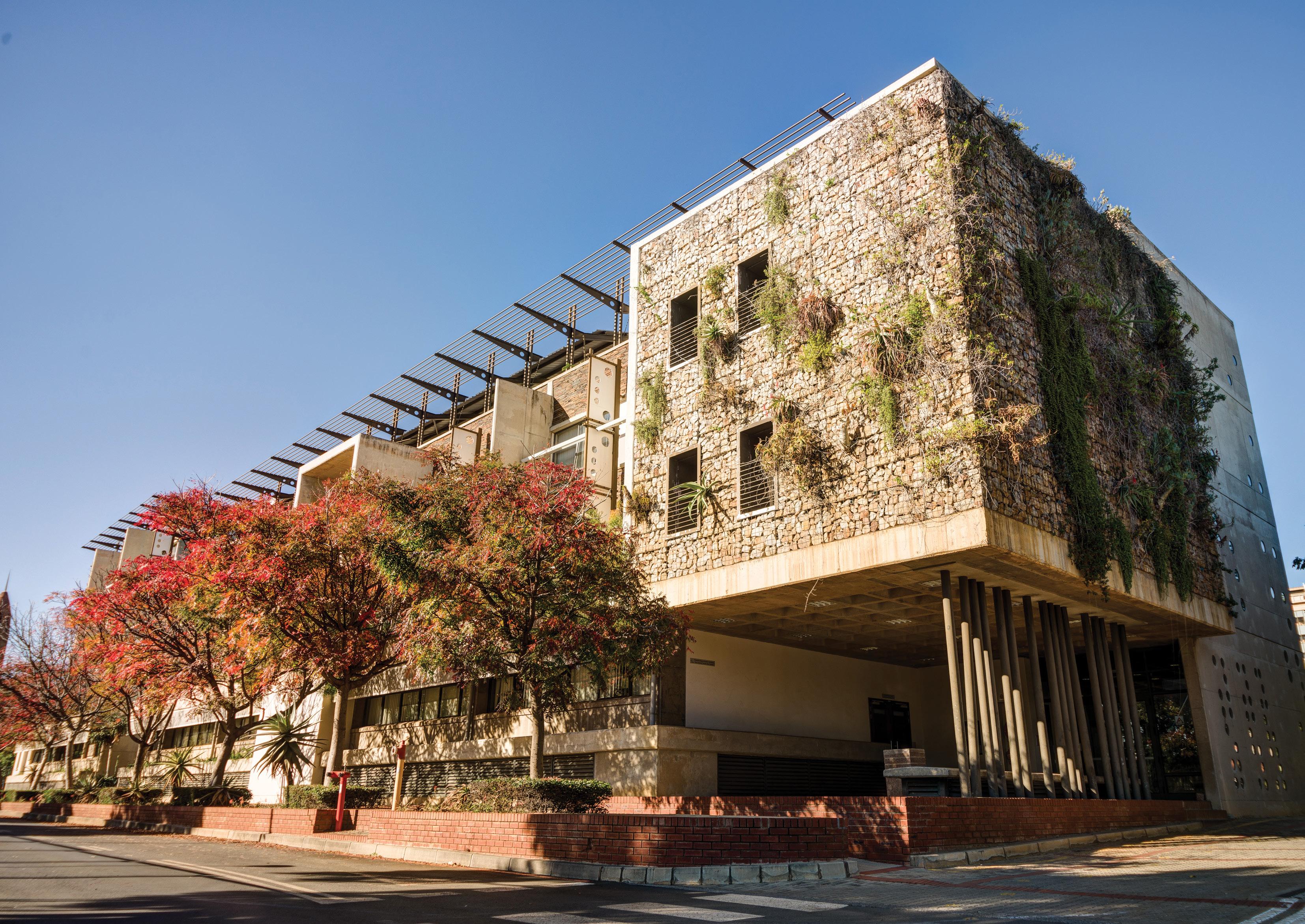
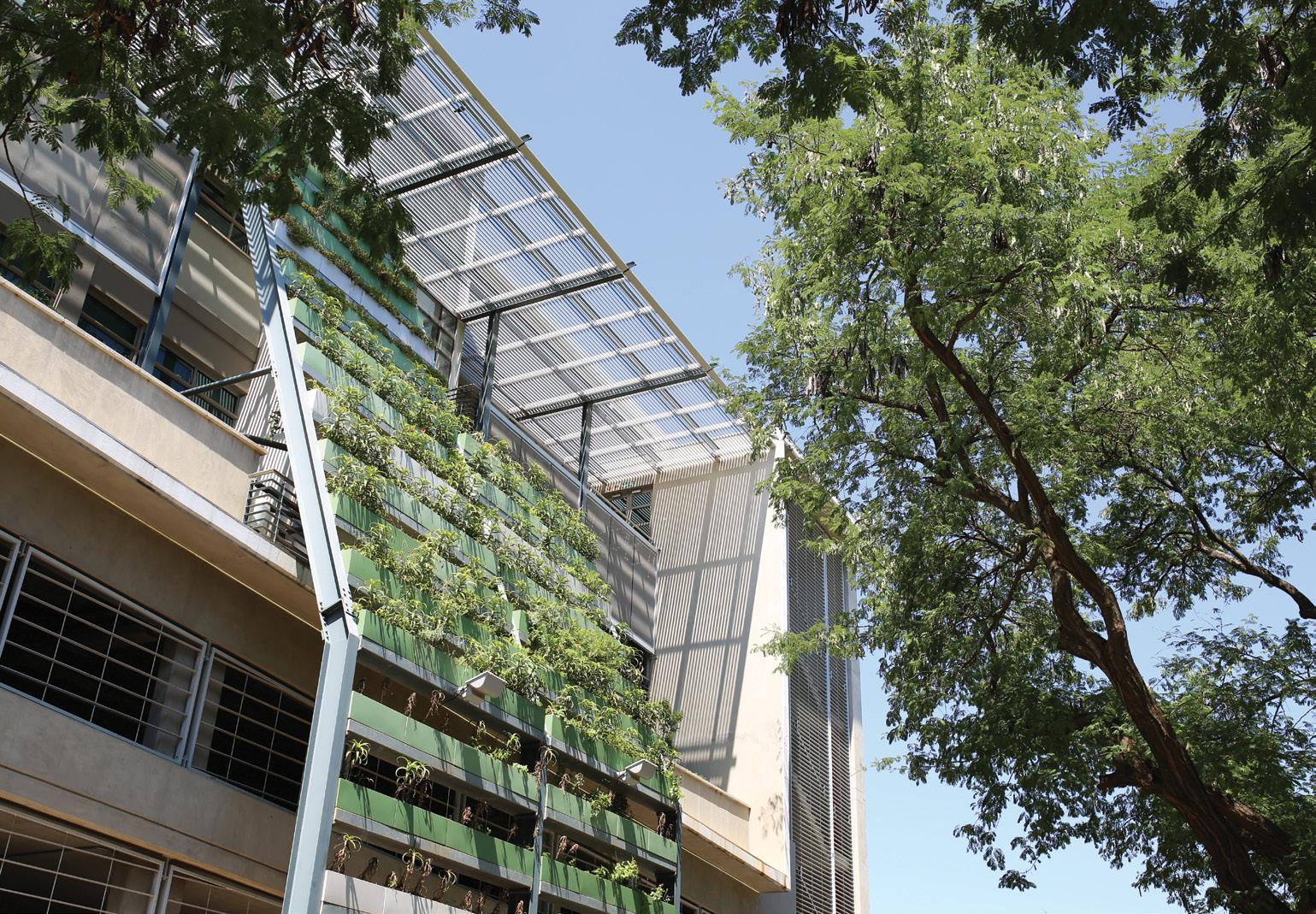
Well-planned, well-designed, reliable infrastructure with the future in mind is a prerequisite for our environmental performance. For new developments, environmental sustainability principles are incorporated into planning, design and construction. This is exemplified in the recent construction of our Future Africa Institute and the Engineering 4.0 initiative. Distinguishing features include their biophilic design, being built in harmony with nature, extensive use of natural lighting and ventilation, and extensive natural landscape features with indigenous vegetation. Energy and water resource efficiencies have been built into the design.
Water use accounts for approximately 15% of the UP annual utility budget. Water use includes:
• energy production
• laboratories and research
• dining services
• rest rooms
• grounds maintenance (404 ha)
Our approach to water management is framed by the UP Water management Policy with policy implementation guided by the Water management Plan. Various water conservation projects and activities increase awareness and commitment to protect the resource and optimise its use across the University. The design of new buildings and refurbishment of existing ones include systems, such as high-efficiency plumbing systems, to reduce usage and wastage. This is supported by preventative and scheduled maintenance, coupled with early leak detection and intervention to prevent water losses. Reducing our large-scale landscape water use is addressed by introducing water-efficient irrigation systems, the implementation of water-wise gardening and using recovered water sources. Where possible, reclaimed water is safely used, and rainwater is harvested and stored. Storage tanks and reservoirs are also used to store borehole water.
The University of Pretoria Energy management Policy has been in place since 2016 and sets out the University’s intention to improve and promote its energy efficiency and conservation. The policy recognises that the energy space is a dynamic one, and commits to being abreast of and adapting to technological developments. It is also mindful of the uncertainty around a stable supply of electricity to the national grid, and the potential impacts on the University’s operations.
The University’s Energy management Policy is comprehensive and addresses the spectrum of energy management, from the acquisition of energy on favourable price terms, to energy monitoring at the main supply points.
The design of new buildings, or the refurbishment of existing ones, incorporating systems to reduce energy consumption, and prioritising energy efficiency when purchasing energy-intensive equipment have contributed significantly to reduced demand. As part of equipment replacement programmes, failed heating, ventilation, and air conditioning (hVAC) equipment are replaced by units incorporating inverter compressors, which are more energy efficient. Existing light fittings are replaced with energy-efficient equivalents. Supporting a cultural shift to energy conservation, the University has a set of simple rules to promote energy saving by all members of the University community.
In line with technological developments and a shift towards renewable energy, in 2017 the University concluded a power purchase agreement with an independent solar energy supplier. The arrangement covered the construction of two plants: the merensky Building installation comprising 380 solar panels; and the Technical Services Building installation consisting of 487 solar panels. The two plants have a combined energy-generating capacity of some 484 000 kWh per year.
“In line with technological developments and a shift towards renewable energy, in 2017 the University concluded a power purchase agreement with an independent solar energy supplier.”
Our approach to managing waste is underpinned by a circular economy outlook. This includes managing the threat posed by waste, as well as exploring opportunities to create value from waste. Various categories of waste are managed by the University, and waste management spans the spectrum of reducing generation; reuse, recycling and repurposing; and appropriate disposal.
Hazardous waste includes medical and chemical waste, animal carcasses used in research, and fluorescent tubes. Some laboratories require certification and permitting for the release of effluent. Management of hazardous waste is undertaken by certified professional service providers, with strict adherence to protocols.
For other forms of waste, reuse, recycling and repurposing play an important role in our waste management programmes and the entire campus community is engaged in efforts to reduce waste that goes to landfill sites. Waste for recycling includes paper, polystyrene, commingled substances (glass, plastics and cans), books, fluorescent tubes, e-waste, printer cartridges and batteries. Special arrangements with external
partners are in place for refilling printer cartridges, toner bottles, fluorescent tubes and e-waste.
linking waste management to our land management and biodiversity programmes, the University is certified to produce compost from green non-wet waste and mulch from trees and bark. This is used as part of the organic fertiliser protocol used on our extensive network of sports fields and sports turf areas. In 2019 a parallel food-tocompost programme was initiated, using food waste from on-site restaurants. In 2020 however, with COVID-19 restrictions and consequent reductions of people on campus, there were dramatic reductions in food waste generated.
Our carbon footprint
We report annually on our carbon footprint in terms of greenhouse-gas emissions (GhG), using the GhG Protocol Revised Accounting Standard (2013) for accounting and reporting, and apply an operational control approach.
Our reporting encompasses Scope 1: direct emissions from the UP-owned vehicle fleet and the use of lPG gas in research laboratories; and Scope 2: indirect emissions from the use of purchased electricity.
generated by photovoltaic panels (kWh)
waste recycled (tonnes)
2
Carbon footprint data
matrices
14.5. Conserve coastal and marine areas, consistent with national and international law, and based on the best available scientific information
14a. Increase scientific knowledge, develop research capacity and transfer marine technology, to improve ocean health and to enhance the contribution of biodiversity to development
15.1. Conservation, restoration and sustainable use of terrestrial and freshwater ecosystems
15.2. Sustainable management of forests
15.3. Combat desertification and restore degraded land and soil
15.5. Reduce degradation of natural habitats and biodiversity
15.8. Prevent and reduce invasive alien species
15.9. Integrate ecosystem and biodiversity values
A central challenge to our pursuit for sustainable development is the complexity arising from interfaces and interdependencies between myriad risks and across multiple ecosystems. While the SDGs are discretely represented, they are all interconnected, with linkages and dependencies across the full suite of 17 SDGs. This is particularly relevant when we consider all forms of life and the sustained viability of planetary ecosystems which co-exist, and on which we depend. As with the resource constraints of our planetary boundaries, our development actions are significant contributors to destruction or dysfunction of living systems with which we co-exist. For instance, current food production systems are responsible for the bulk of unsustainable land use practices – directly impacting on “life on land” and the viability and resilience of natural ecosystems.
In the South African context, the primary industries of agriculture and mining have historically and continue to play a significant role in the country’s economic development. Their social and environmental impacts are also well recognised. Navigating these challenges are commonly seen through the lens of trade-offs –either accepting or minimising the impacts for the sake of development, or forfeiting development for the sake of protection.
UP is navigating this complexity at two levels: operationally, in our co-existence with society and ecosystems related to our geographic footprint; and through our core functions as we embed transdisciplinarity into our core functions of education, research and engagement to find better ways to address the wicked problems of society.
Being an inland university, our main focus is on “life on land”, with limited focus on “life under water”.
As an integral part of our neighbourhoods and host communities, we share numerous geographic, social and economic dependencies. Considering the complex interfaces between our campuses and neighbouring human settlements, our operations may cause impacts and we are also exposed to risk from their activities. Importantly, critical parts of the broader water ecosystem are located within and traverse our campuses. Our campuses are thus a part of a freshwater ecosystem that lies beyond our boundaries, the resilience of which needs to be strengthened in the face of upstream urban development.
The UP Environmental Policy outlines our approach to environmental management as related to life on land, and is supported by guidelines on alien species, conservation and restoration of terrestrial ecosystems, and protection of IUCN red-listed species.
In the previous section on our planetary boundaries, we discussed the role of planning and design for effective environmental management. New construction has biodiversity embedded into its design, such as our recently completed Future Africa Institute and Engineering 4.0 complex. Taking the thinking further, the Department of Architecture has a programme investigating the introduction of plant species to open spaces to promote the country’s vast biodiversity, as well as to provide local distinctiveness in places for social interaction. The department is undertaking a research project which explores the survival of native plant palettes in urban contexts, and the degree to which these native plants contribute to biodiversity, sense of place and food production. The University additionally hosts the Manie van der Schijff Botanical Garden Collections, which showcase many endemic species, including the IUCN red-listed aloe and cycad collection. We are a member of Botanical Gardens Conservation International and a registered Scientific Institution at CITES.
Two key restoration initiatives undertaken in 2019 through 2020 were the Strubenkop Restoration Project and hartebeestspruit Restoration Project. The Colbyn Wetlands are also closely associated with the hartebeestspruit riverine system.
The Strubenkop outcrop is located on the University’s hillcrest campus. Prior to the initiative, it was heavily infested with alien and/or invader weeds, shrubs and trees. Wide areas of this particularly difficult terrain have been cleared of alien and invader species, and rubble. Restoration has been undertaken by introducing and replanting original indigenous plant species, including grass, thereby creating the conditions required for ecological plant succession. Natural vegetation is returning, and animal and bird species are once again populating the area.
The Hartebeestspruit is a typical urban riverine system, and subject to annual flooding. The water body flows south to north, along the western boundary of Hillcrest campus. The associated Colbyn Wetlands, which fall beyond the University’s boundary, constitute a sensitive ecosystem with unique flora, and play a role in filtering specific pollutants from waterways running downstream.
With the rapidly changing urban environment upstream, the hartebeestspruit Restoration Project focuses on strengthening resilience of the urban water channel. Activities include stabilisation of the embankment by means of a bio-engineering approach; civil engineering works to reintroduce the flood plains while being mindful of adjacent development, and to redirect water during flood surges; establishing plant filtration areas to filter toxic water from upstream; clearing alien invasive flora, in particular kikuyu grass infestations; and the establishment of indigenous and locally adapted plant species. Recuperation of the area is evident, with the return of bird life, insects, reptiles, and other animals alongside the recovering plant life. The restoration continues to be actively managed.
Beyond the University footprint, UP is actively engaged in enabling and influencing the conservation of ecosystems and their biodiversity. We lead a stakeholder project in the Waterberg mountain Complex (WmC), an area of special conservation interest, threatened by mining and infrastructure development. While the WmC was previously used an agricultural area, land use is shifting toward conservation and eco-tourism activities, with one-third of the region being declared a UNESCO Waterberg Biosphere Reserve.
linked to life under water, the marion Island marine mammal Programme is a research initiative of the mammal Research Institute, Department of Zoology and Entomology at UP. halfway between South Africa and Antarctica, marion Island, as part of the Prince Edward Islands Archipelago, is the terrestrial base of southern elephant seals Mirounga leonina, sub-Antarctic fur seals Arctocephalus tropicalis, Antarctic fur seals Arctocephalus gazella and killer whales Orcinus orca. Enjoying the highest “Special Nature Reserve” protective status under South African legislation, the islands are set aside solely for purposes of research and conservation of biodiversity. This long-term programme focuses on managing these threatened ecosystems.
At a local community level, UP supports and provides expertise for mothong African heritage. The botanical garden and nursey is adjacent to the large urban settlement of mamelodi, and is home to culturally valuable and locally important plants. These are cultivated and protected by a renowned traditional healer, and UP’s Department of Plant and Soil Sciences staff have been collaborating with him on aspects of medicinal plant science research. In the past two years, together with staff from the National herbarium, Pretoria, we also launched a project to collect, identify and document the diversity of plants along these ridges.
• The hartebeestspruit Restoration Project won a Double Silver Award in the Environmental category of the prestigious South African landscape Institute (SAlI) awards
• UP was awarded international certification (ECOCERT) in the biodiversity category
• Two UP researchers are part of an international team focusing on ecosystems, land degradation and sustainability that has been nominated for the Nobel Peace Prize

17.1. Strengthen domestic resource mobilisation; improve domestic capacity for tax and revenue collection
17.9. Effective and targeted capacity-building in developing countries
17.14. Policy coherence for sustainable development
17.17. Encourage and promote effective public, public-private and civil society partnerships
17.18. Increase the availability of high-quality, timely and reliable data
17.19. Develop measures of progress on sustainable development
As the SDGs reveal, the current challenges facing society are multi-faceted; they are entwined and are composites of challenges normally addressed by a specialised field or discipline. It is clear that all those single actors can no longer makes the types of contributions needed to address problems of scale. We believe that transdisciplinarity is the best method we have as a society to address these challenges. As a higher education institution, we play a unique role in convening different parts of society— industry, government, NGOs, funders, churches, and of course, other institutions of higher education. To be effective and efficient in this role, we must master the art of mutually beneficial, collegial, and high-impact partnering.
This is true for South Africa, the region, the continent at large, and in many contexts globally. Addressing issues such as poverty, hunger, and inequality, require cooperation between policy makers and state entities and initiatives. For example, inequality and access to education in South Africa and worldwide are intimately linked. In the wake of the Fallist and #FeesmustFall movements in 2016, institutions of higher learning found themselves and government in the crosshair of learners dissatisfied with the affordability of, and access to higher education. UP was moved to participate in addressing this solution but could not do so on its own. Dialogue with all stakeholders to establish a common understanding of the challenge and its complexities from different perspectives was a prerequisite to managing conflict, enhancing relationships and co-creating solutions for mutual benefit.
Universities have a clear role to play, and can be a catalyst for a paradigm shift towards cooperation and collaboration: a transdisciplinary approach develops capacities that can begin to address challenges that are multi-faceted. People from across disciplines can combine their ideas, their expertise, their resources, and infrastructure to gain an optimal and conscious perspective of a challenge. This also has a multiplier effect in whatever disjointed activities have been undertaken before the collaboration.
Central to development are partnerships that enable, support, and sustain the work of the other SDGs in order to attain transformation on a global scale. This entails raising multi-order sources of partnering to a global level. International partnerships and the paradigm of internationalisation, critically interpreted for the African context, provide the ability to exchange academic capital, staff and students for capacity development and training, leveraging of combined resources, and more resilient knowledgeinstitution ecosystems.
To address partnerships between UP and international partners, UP established both an International Cooperation Division (2003) and an office for International Strategic Partnerships (2019). UP’s Division for International Cooperation keeps a database of both current, expiring, and legacy partnerships and their nature. Also noted is the type of agreement (institutional, or by faculty name); the dates of the agreements; and comments about the nature of the agreement in terms of academic exchange, staff and student mobility. Every institution with whom UP would seek to enter an institutional agreement is categorised by country. This allows us to see the concentration of agreements and partnerships more easily. A background report is prepared on every single institution that UP, at any level, would seek to partner with.
Types of information that the report contains typically include:
• Collaboration by co-authored publications (according to Scival), per:
- UP researcher author/s, including number of co-authored publications, citations, citations per publication, and the authors at the partner university; and,
- Subject area and number of publications.
• A listing of research undertaken at the partner institution is conducted including research entities, key themes and focus areas, as well as lists of centres, institutes, and focus groups.
• Each report contains an overview of the partner institution.
These reports take the self-awareness of the institution into context, before connecting the dots of all the resources potentially available to address complex challenges. By using a contextual approach, we understand the complex interplays between us, our partners, and the challenges we seek to address through the partnership.
The Office for International Strategic Partnerships (ISP) aims to engage partners who would provide mutual benefit in attaining UP’s vision —“to be the leading African global university”—and goals, as set out in UP’s Strategic Plan—2025. The process that ISP follows is encapsulated in the Africa-Global University Project (AGUP) strategy, a nested strategy for the achievement of UP’s Strategic Plan—2025. This was approved by the University’s Executive in November 2020.
AGUP is a transformative initiative that seeks to reimagine UP’s approach to collective partnerships, and prioritises building an institution that is firmly focused on internationally recognised and high-quality scholarship while contributing to thoughtful development in South Africa, Africa and globally. This approach to inclusive partnerships with multiple stakeholders and networks within and beyond universities, and across continents, is critical because the multiplicity of current local and global challenges is complicated, intersectoral, and require transdisciplinary co-production of knowledge and co-innovation of solutions. In this way we can be relevant and truly responsive to the current and future challenges facing society.
In 2020, the University signed 35 new agreements between universities from Brazil, Japan, Russia, Canada, Norway, Germany, Sweden, Austria, Italy, Switzerland, Belgium, Tanzania, USA, Australia, Ecuador, and the Netherlands. This was at both institutional and faculty level, and various agreements were addended with student and staff exchanges or for joint supervision.
Beyond the AGUP strategy, the Albert luthuli leadership Institute (AllI) hosts the SDG hub, funded in part by the Department of Science and Innovation and the German International Cooperation Agency. It is also part of the UN’s Sustainable Development Solutions Network and the Global Partnership for Effective Development Co-operation Global Partnership Initiative.
hosted within AllI, the South African SDG hub aggregates the best and most relevant South African research related to the SDGs. The strategic objectives of the hub include enabling access to relevant, useful, and reliable knowledge resources; providing policy advice; promoting dialogue; and building capacity. Its machinelearning-based classification tool automatically classifies research in terms of one or more SDGs, equipping leaders with the most relevant knowledge. This enables working with multilateral institutions, governments, and companies to accelerate the implementation of SDGs.
“These reports take the self-awareness of the institution into context, before connecting the dots of all the resources potentially available to address complex challenges.”
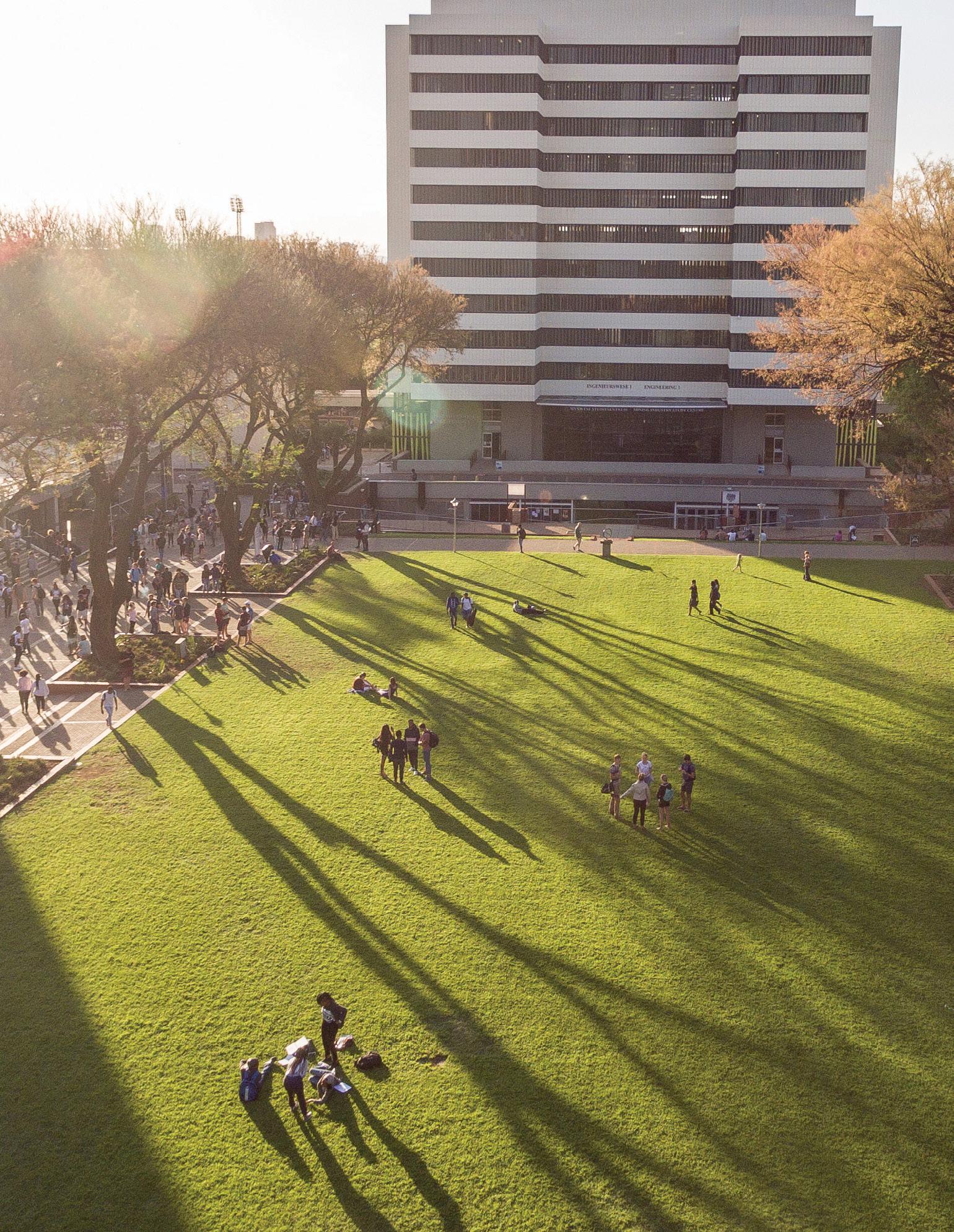












The effective and targeted capacity development in developing countries is at the core of many UP projects. In 2020, the UKRI Global Challenges Research Fund awarded UP, the University of leeds (UK), and the Food and Agriculture Research and Policy Analysis Network (FANRPAN), a R50 million grant to enhance research for sustainable food systems in Africa. This project takes an innovative and collaboration-based approach to supervising early-career research fellows with one supervisor from the University of leeds, one from the home institution of the fellow, and a supervisor from UP. These research triads are a fundamental unit of collaboration-based transformation in the higher education space. It provides valuable and multiple perspectives, both local, continental, and internationally on research approaches. This speaks to development, as the project works across 10 from six developing countries: Ghana, Kenya, South Africa, Malawi, Tanzania, and Zambia.
UP is a member of the African Research Universities Alliance (ARUA), an alliance of 16 research universities across 10 countries in Africa with diverse historical contexts, seeking to play a leading role in increasing the quality of research through collaboration and peer-learning models. The alliance acknowledges the fact that partnerships and
• UP’s leveraging partners and networks
• Dr Nkhensani mogale was selected as part of the second cohort of the African Futures Research leadership programme at michigan State University through the Alliance for African Partnerships.
• UP signed a memorandum of understanding with the Partnership for African Social and Governance Research, which spans 12 African countries.
• Through the ARUA network and the UK Research and Innovation Global Challenges Research Fund, UP hosts with the Universities of Ghana and Nairobi were awarded a grant of R50 million over three years for research in sustainable food systems.
• Prof Willem Fourie of the SA SDG hub was seconded to the Presidency to advise on developing policy responses to the COVID-19 pandemic.
networking have become essential to leverage resources for greater impact. ARUA makes use of the centres of excellence (CoEs) model to enhance research and capacitybuilding in researchers across the continent. member universities host CoEs that operate on the principles of partnership, enhanced research, and capacity-building. The interdisciplinary working of the centres are shaped by the nature of the challenges they seek to address. They are focal points for world-class researchers undertaking cuttingedge research. ARUA and the Association of Commonwealth Universities (ACU) have agreed to a future of Africa-UK research funding through partnerships.
The michigan State University (mSU) Alliance for African Partnerships (AAP) is a consortium of mSU, 10 leading African universities, and a distinguished network of African research institutes. AAP members are committed to working in equitable partnership to transform lives and address global challenges. The AAP builds on mSU’s long-term engagement in Africa, building on the foundation laid by the African Studies Centre and evolving models of engagement in line with AAP’s guiding principles of accountability, equity, inclusivity, sustainability, and transparency.
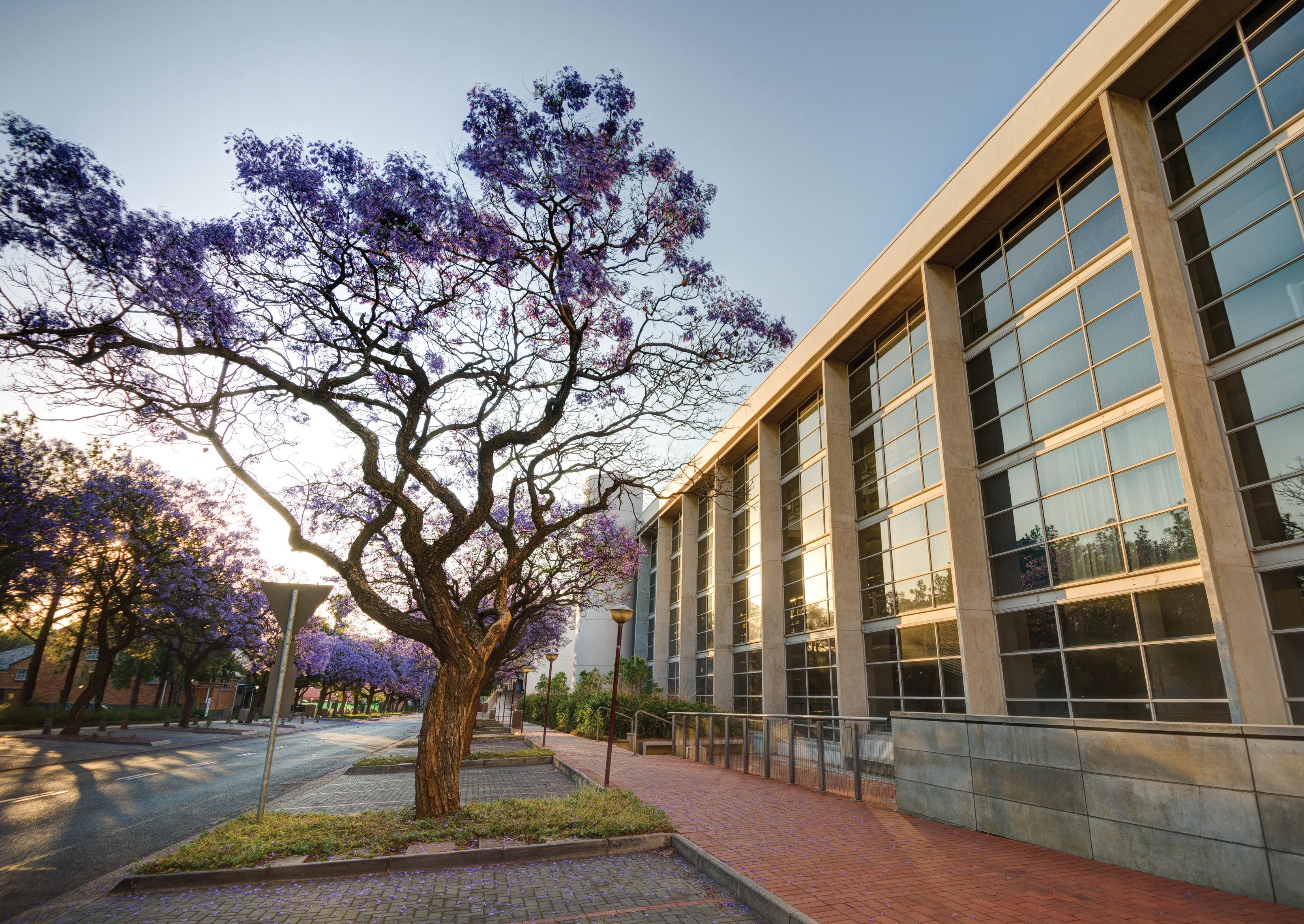
Sustainability-related reporting in higher education is an emerging space and, in many ways, we are navigating new territory. Underpinned by UP’s enquiry-led and transdisciplinary approaches, we are continuing to explore and learn in a way that we hope will contribute to knowledge and practice in our global university community.
Reporting on progress towards achieving the SDGs provides an open space, and there are probably several ways in which to do so. We have sought an “integrated thinking, integrated doing and integrated reporting” approach, which is still maturing. As such, much needs to be done in each part of the integration pathway, from design and embedding to practices and ultimately reporting on progress.
A key question that we continue to grapple with is: how do we meaningfully measure performance and progress? The indicators we have presented offer a partial reflection, and our full basket of indicators – both soft and hard – and their true meaning is yet to evolve.
This report reflects a step towards maturation as well as the steps we are taking towards accelerated achievement of the SDGs.
This report reflects the work, talent and dedication of UP’s academic and professional staff, as well as the students who collectively make up our university community. Their efforts and contributions as individuals and as a collective make us who we are and drive the results that we get.
We also acknowledge the UP Executive Team. Beyond setting a direction that embraces an authentic commitment to sustainable development, they have supported and created the conditions for us to prepare such a report.
Brian Chicksen Executive Office, UP
Jonathan tager International Strategic Partnerships, UP
Sithembinkosi Tlale Department of Institutional Advancement, UP
Hossein Masoumi Karakani Department of Institutional Planning, UP
Carina young media Chef
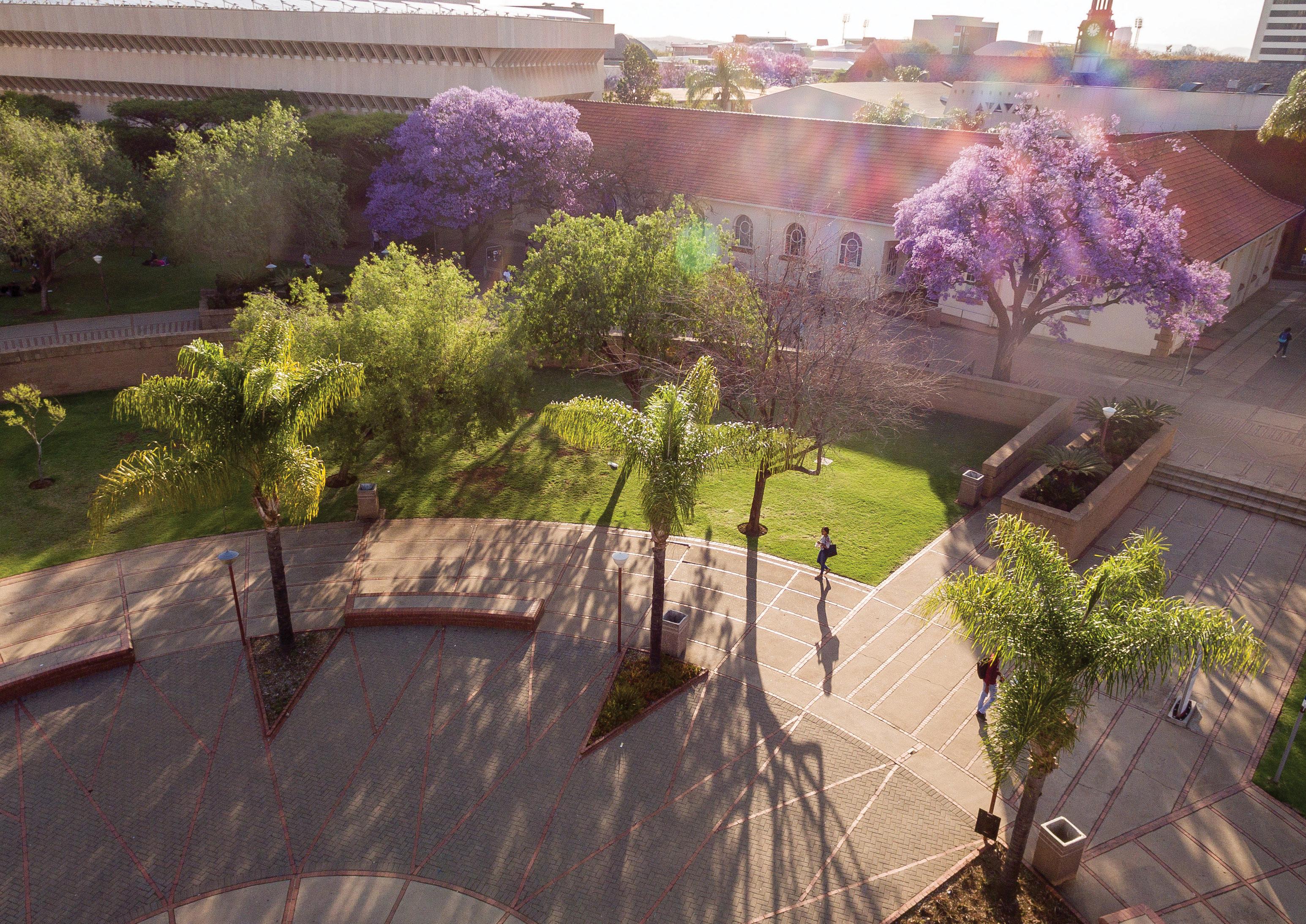
Contact us

Make today matter