TECH SPACE
Laboratories and Workshops
Contact Us
Partners in Innovation
We are experienced in supporting industry and businesses to take their innovations to the next level. We would love to hear from you. Please get in touch, so we can tell you more about how to access our facilities and expertise.
ACE School Office
ace@uel.ac.uk
Dr Ali Abbas
Director of Laboratories and Workshops
abbas@uel.ac.uk
020 8223 6279
Prof. David Tann
Dean of School
D.Tann@uel.ac.uk
020 8223 2525
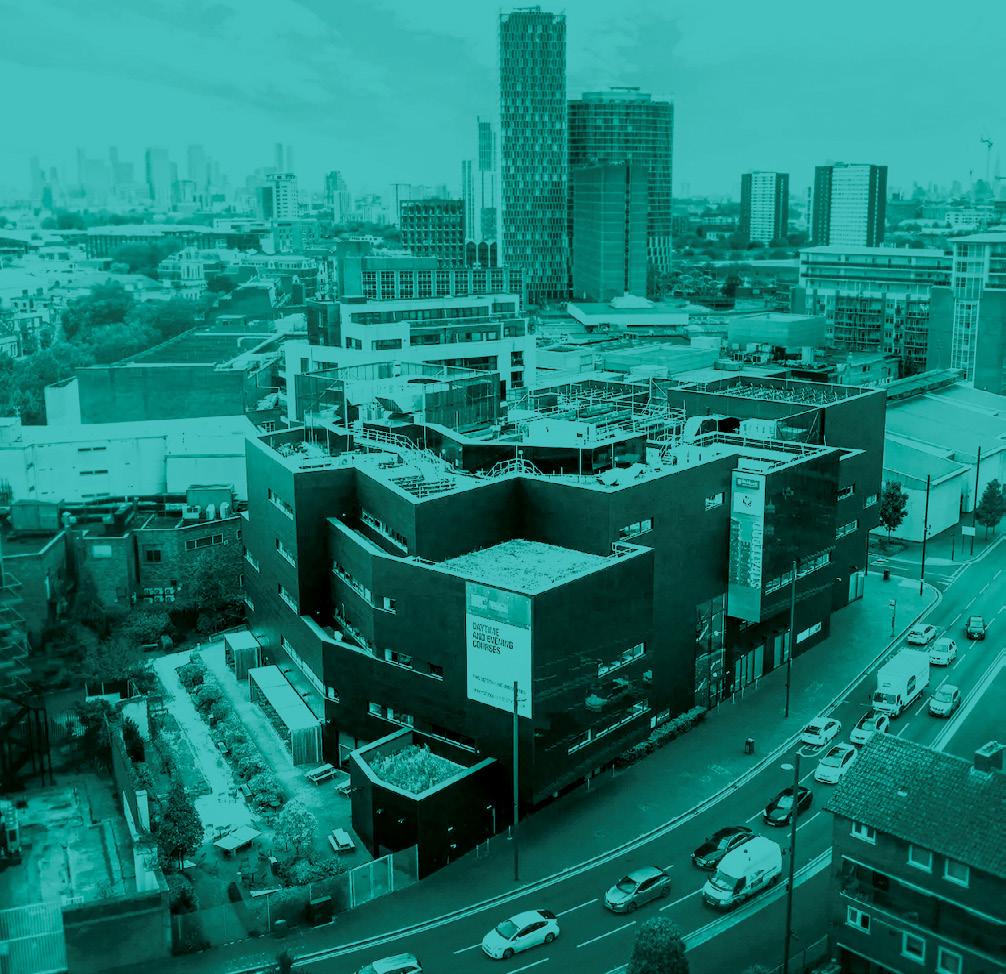
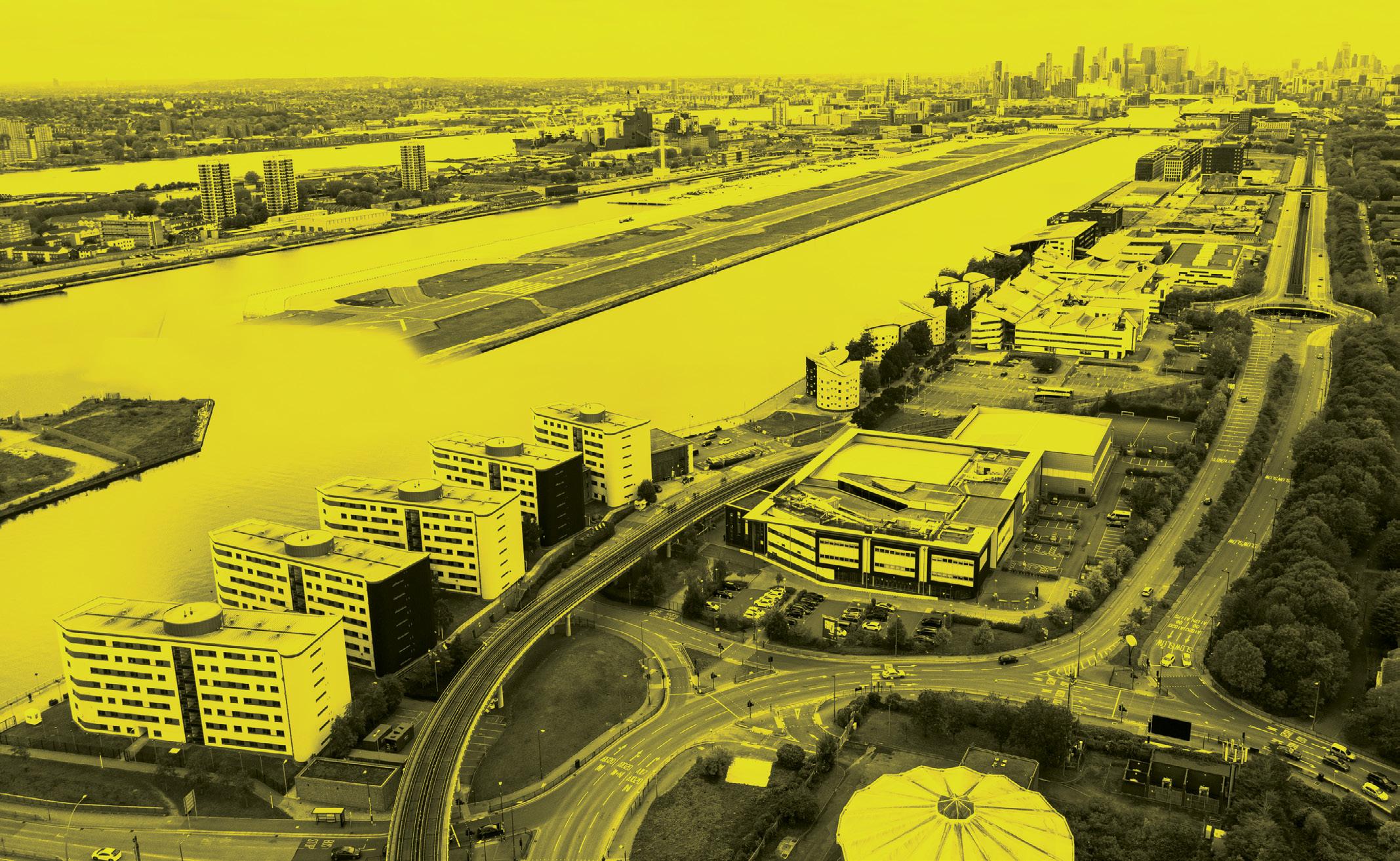
Most of our state-ofthe-art facilities are conveniently housed at the RDCS centre and the AVA building at Docklands campus .
Docklands Campus
University Way
London E16 2RD
University Square Stratford
1 Salway Road
London E15 1NF
Stratford Campus
Water Lane
London E15 4LZ
Introducing our Workshops & Laboratories
Firmly rooted in east London with a global outlook, the School of Architecture, Computing, and Engineering (ACE) at the University of East London (UEL) is dedicated to driving innovation and supporting local businesses and communities.
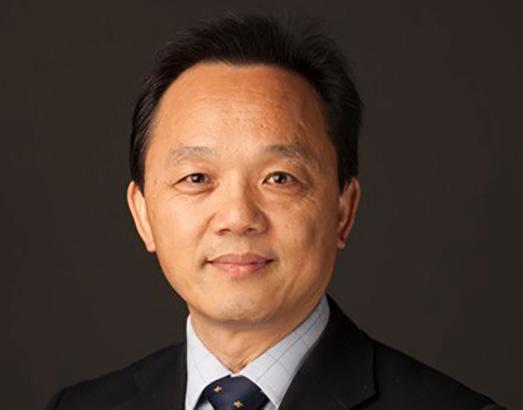
Professor David Tann
BSc MSc PhD CEng FICE SFHEA FRSA
Vice Provost (Technology) and Executive Dean ACE, University of East London
As an integral part of our communities, we offer specialist expertise in research, industry-driven innovation, and technical testing services, backed by state-of-the-art experimental and digital facilities. These include robotics labs, advanced materials testing equipment, small-scale modelling tools, and the UK Centre of Artificial Intelligence for the Public Sector, a collaborative programme with the London Borough of Newham.
Within the Royal Docks Centre for Sustainability (RDCS), we provide access to world-class laboratories and specialist equipment, supported by a long legacy of technical expertise. Our facilities are tailored to meet industry needs, offering services such as construction materials testing, 3D manufacturing, and digital prototyping.
We are also proud to offer specialist art workshops and studios, supporting both academic projects and industry collaborations. These facilities, through the STEAM Community Support Centre (SCSC), are available to local businesses, community groups and individuals, providing affordable, high-quality services while fostering valuable partnerships.
Our investment in sustainability and innovation reflects our commitment to helping businesses meet compliance standards. We also offer bespoke short courses to upskill your workforce in Health & Safety, Cybersecurity, AI, VR, Automation, Sustainability, Smart Cities, and more - providing full access to our cutting-edge facilities and expert training.
We look forward to discussing with you how we can support your project innovation and training needs.
Our Labs & Courses
Where passion fuels innovation and careers made for all.
Architecture and Visual Arts
Architecture (RIBA Part 1 & 2)
Architecture and Urbanism
Architecture Design Tech
Interior Architecture
Landscape Architecture
Product Design
Photography
Commercial Photography
Graphic Design
Illustration
Fine Art
Computer Science and AI
Applied Computing
Artificial Intelligence
Big Data and Data Science
Blockchain FinTech Mngt
Computer Science
Cloud Computing
Computing for Business
Cyber Security and Networks
Information Security
Information and Comms Tech
CS with Education and QTS
Security Engineering
Cyber Diplomacy
Engineering and Construction
Aeronautical Engineering
Civil and Structural Engineering
Biomedical Engineering
Computer Systems Eng.
Electrical and Electronic Eng.
Mechanical Engineering
Mechatronics Engineering
Railway Engineering
Product Design Engineering
Construction Management
Engineering Management
Intelligent Transport Planning
Quantity
Surveying and Mgnt
Surveying Mapping Science
Sustainable Energy Tech
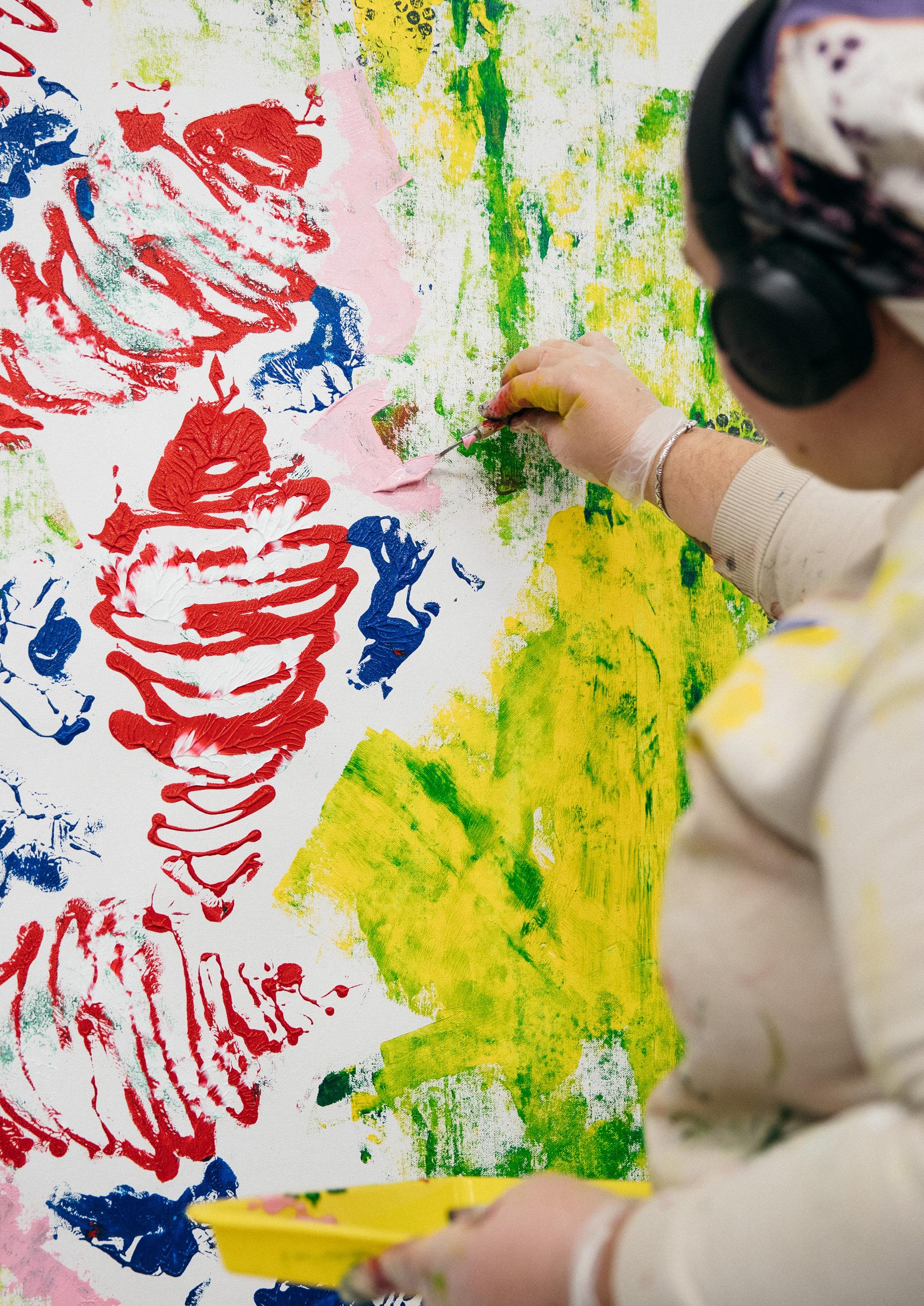
dfUEL Digital Fabrication Labs
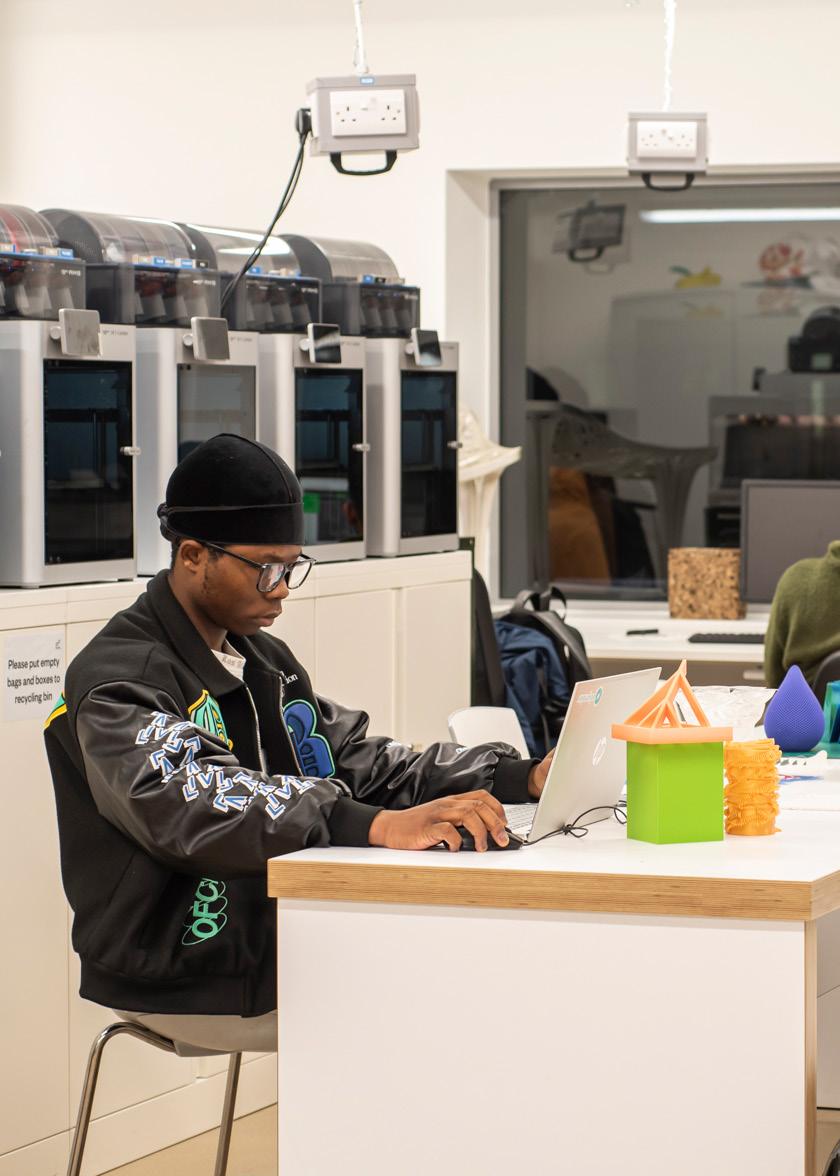
The Digital Fabrication Labs at UEL (dfUEL) is a collection of state-of-the-art facilities equipped with a wide range of advanced machinery and tools for digital fabrication and prototyping. The lab provides access to cutting-edge technology to explore creative ideas across various disciplines within art, design, and engineering. By integrating digital technologies with traditional fabrication techniques, the lab encourages cross-disciplinary collaboration and pushes the boundaries of what is possible in design and manufacturing.
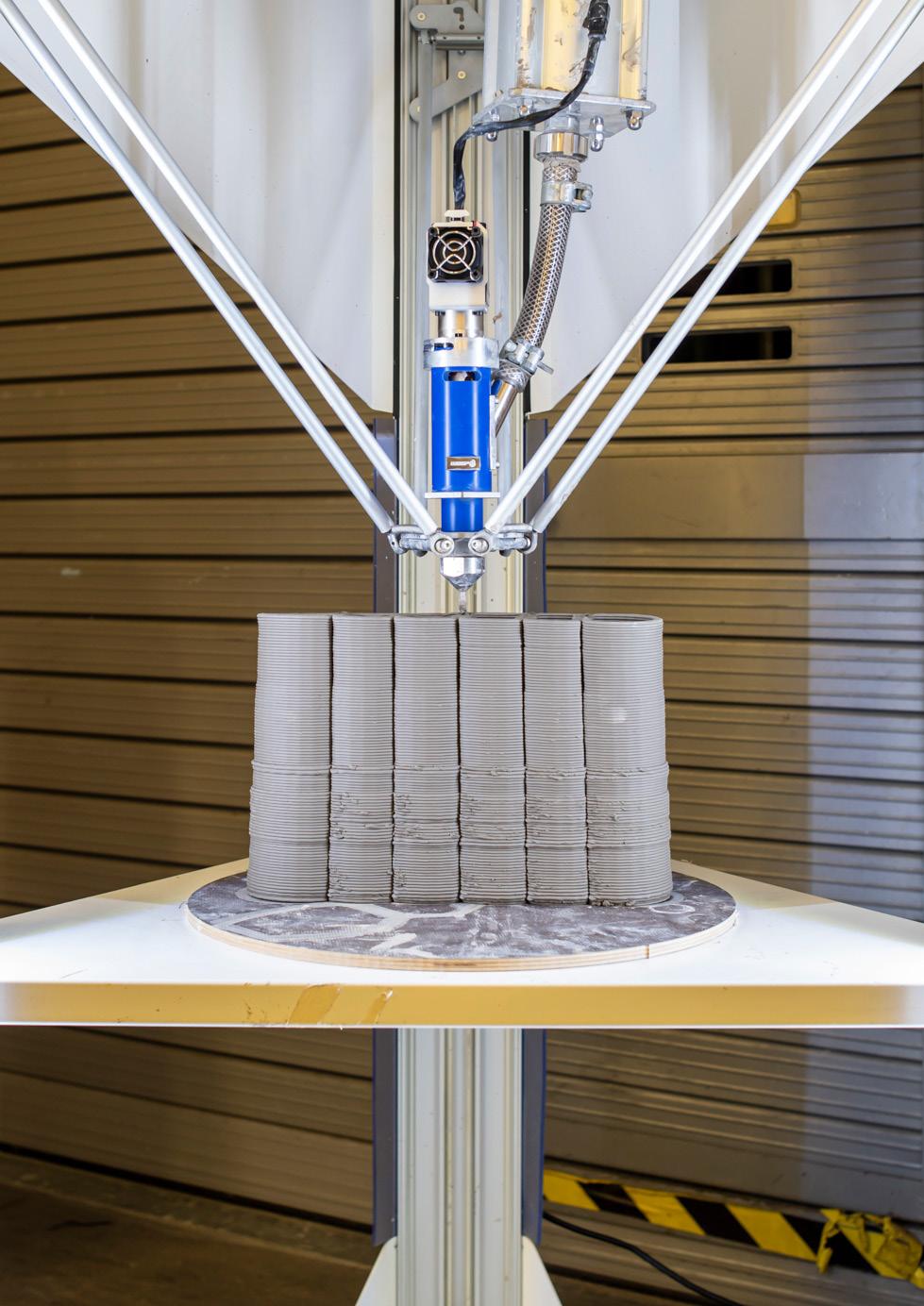
These labs are equipped with an impressive array of machines and tools, including 3D printers, Robotic Arm, 3D scanners, laser cutting, CNC milling, and many more. dfUEL has built strong ties with global design firms such as Grimshaw and Zaha Hadid. We are open to building strong partnerships to work on real-world projects and contribute to the advancement of the industry.

We are open to building strong partnerships to work on real-world projects and contribute to the advancement of the industry.
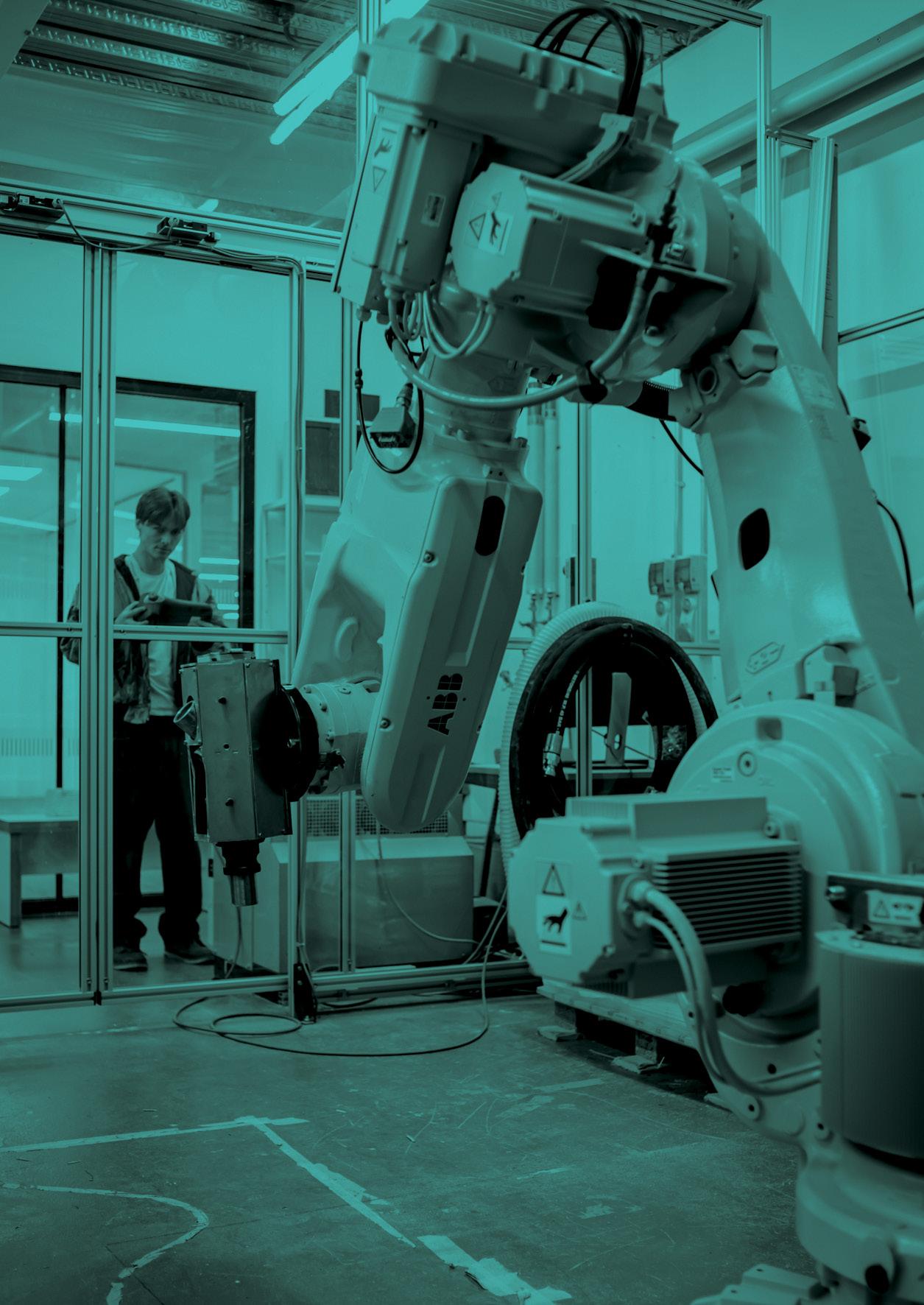
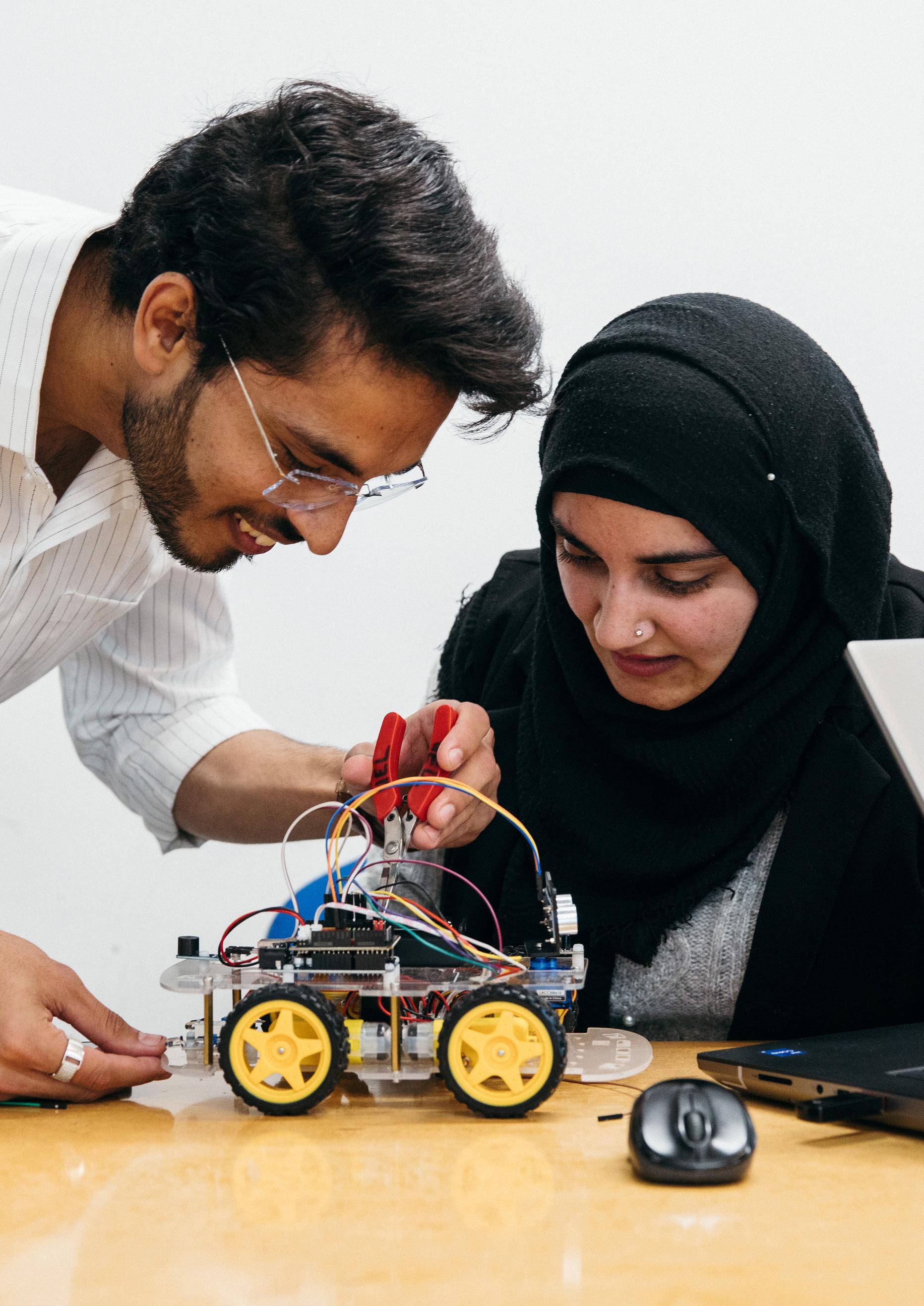
Robotics Lab
The Robotics Lab is dedicated to the advancement of robotics technology within the fields of art, engineering, design and architecture. Lab key features include:
Robotics Equipment:
The lab is equipped with a range of robotics hardware and components, including robotic arms, actuators, sensors, controllers, and more. It features an ABB robotic arm capable of scaling up manufacturing to real scale with a 2m range and 150kg payload capacity, enabling precision manufacturing and large-scale fabrication for various applications. The arm is also fitted with an extruder allowing 3D printing of concrete as well.
Programming and Software Tools:
The Robotics Lab offers access to software tools and programming environments for robotics development, such as ROS (Robot Operating System), MATLAB, Arduino, and Python. These tools allow users to develop custom algorithms, control systems, and behaviors for their robotic creations.
Hands-On Learning:
The lab provides hands-on learning opportunities for users to gain practical experience with robotics technology. Through workshops, projects, and collaborative research initiatives, there are opportunities to apply theoretical knowledge to real-world robotics applications and develop valuable skills in robotics design, programming, and integration.
Research and Innovation:
The Robotics Lab serves as a platform for research and innovation in robotics technology with applications spanning art, design, engineering and architecture. The lab is constantly engaged in cutting-edge research projects, exploring new concepts, techniques, and methodologies to push the boundaries of what robotics can achieve.
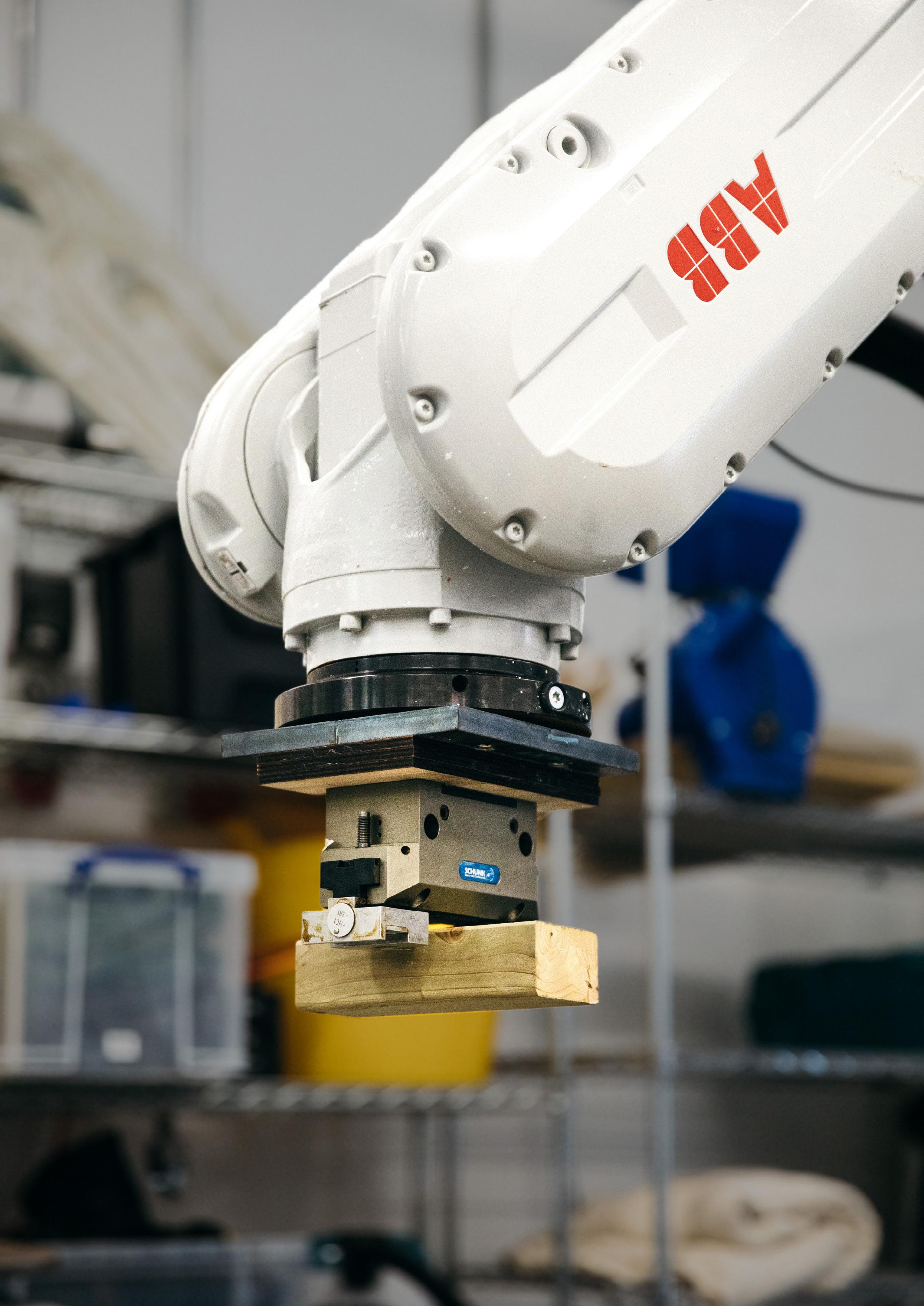
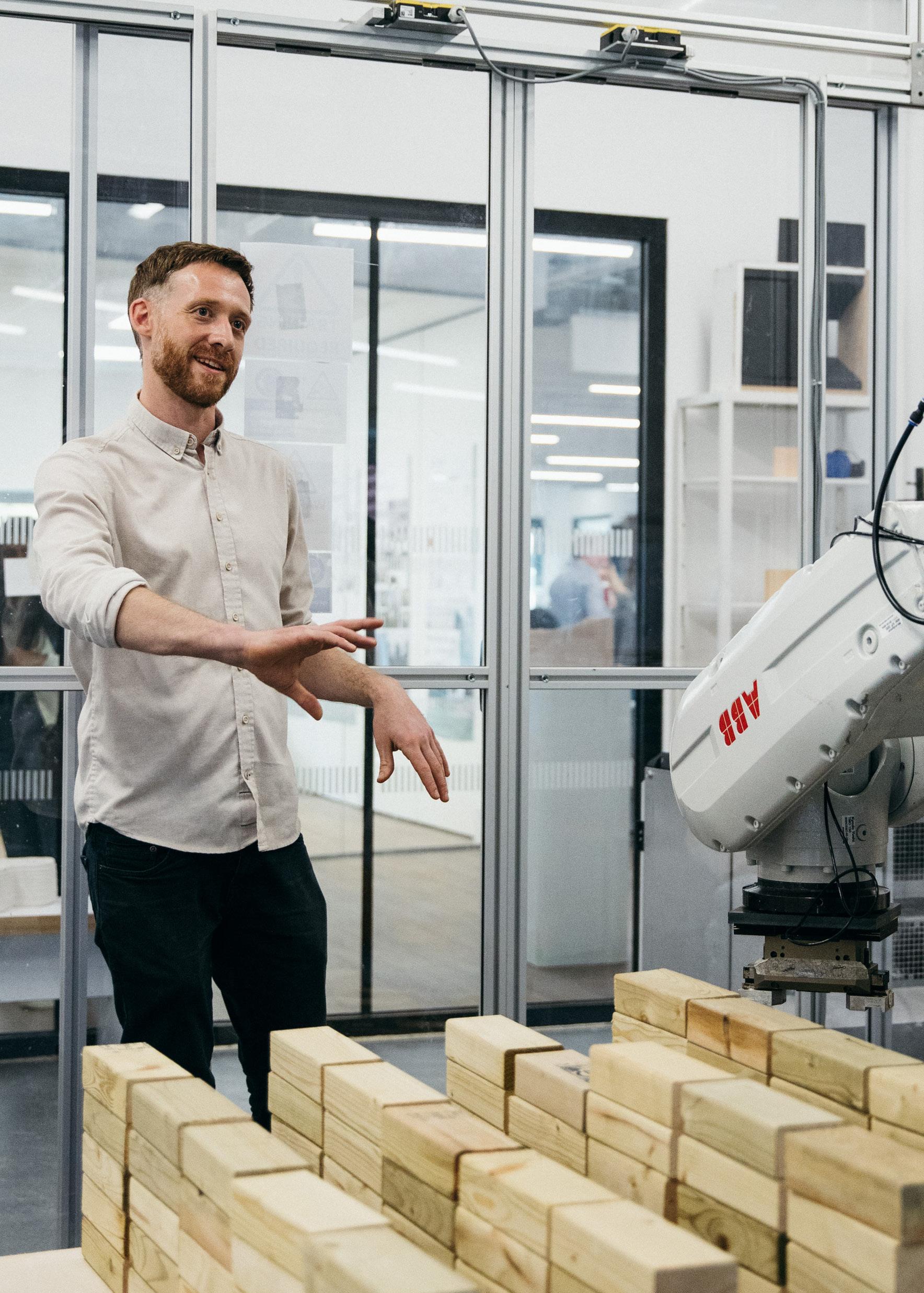
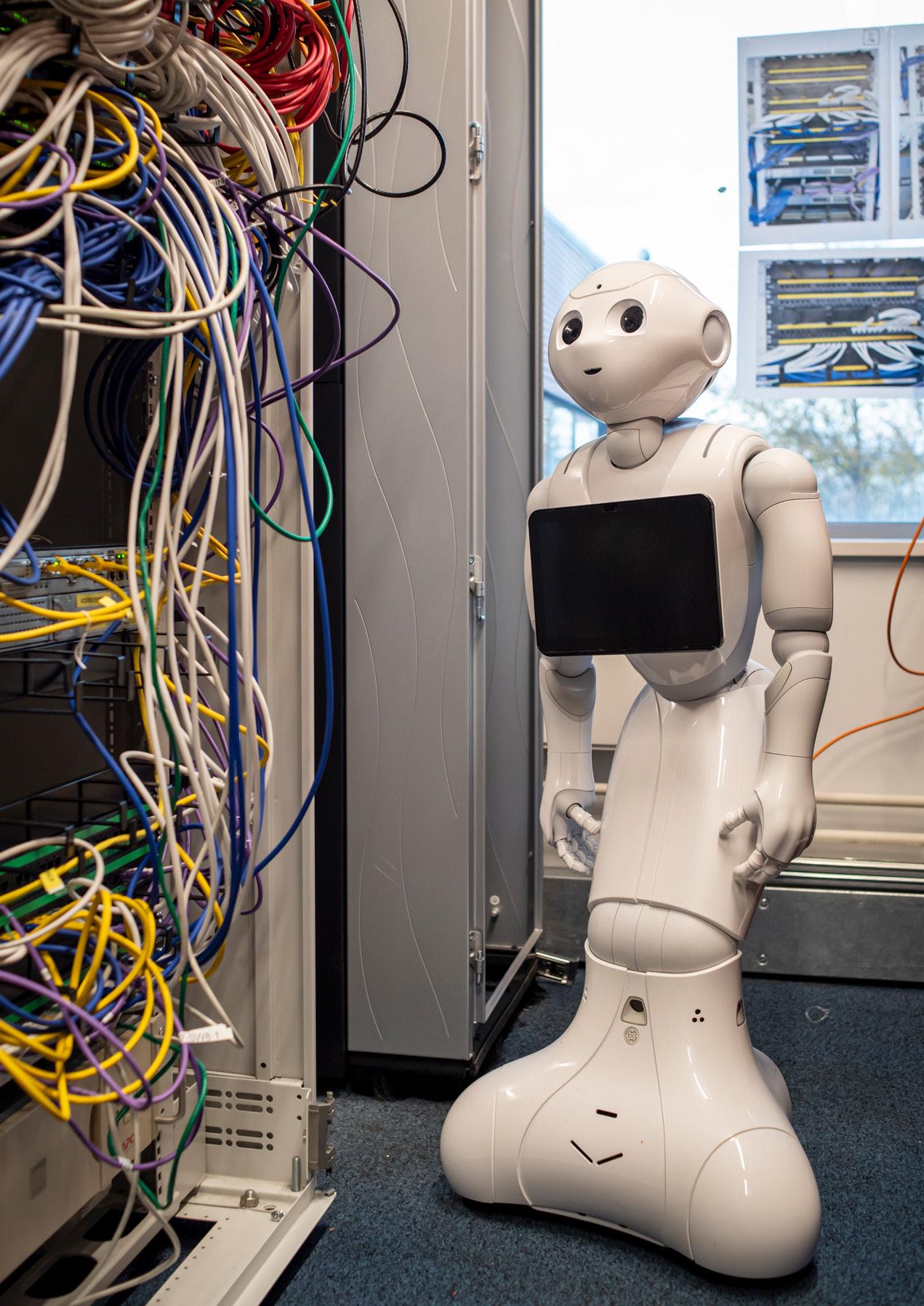

The Robotics Lab serves as a platform for research and innovation in robotics technology and its applications in art, design, engineering and architecture.
3D Printing Lab
By offering access to advanced equipment, versatile materials, and expert support, the lab empowers users to unleash their creativity, push the boundaries of design and fabrication, and realise their creative visions in three dimensions. Lab key features include:
High Quality 3D Printers:
The lab features a range of high-quality 3D printers capable of producing detailed and precise prints using various materials, including PLA, ABS, PETG, nylon, resin, and more. With support for multiple technologies—FDM (Fused Deposition Modeling), SLA (Stereolithography), and SLS (Selective Laser Sintering)—allowing users to choose the best printing method for their specific project requirements.
Sustainable Practices:
The 3D Printing Lab promotes sustainable practices in additive manufacturing, encouraging users to consider environmental impact and material efficiency in their design and printing
processes. By offering access to biodegradable and recyclable materials, as well as support for design optimisation and waste reduction, the lab aims to minimise its ecological footprint and promote responsible making practices.
Training and Support:
The lab provides training sessions and support resources to help users learn how to operate the 3D printers safely and effectively. Experienced staff members are available to offer guidance and assistance, ensuring that users can fully leverage the most of the lab’s capabilities and achieve successful outcomes in their projects.
CNC Milling and Laser Cutting Labs
The lab is equipped with advanced Computer Numerical Control (CNC) milling machines that are fully automated . All they need is digital instructions about cutting trajectories and tooling.
Integration of Digital and Traditional Techniques:
At UEL we integrate current digital technologies with traditional fabrication techniques. This interdisciplinary approach combines the benefits of digital fabrication with the craftsmanship of traditional methods, fostering innovation and creativity in design projects.
Hot Work Machinery:
For hot work cutting, milling, weaving, and drawing are available, allowing the exploration of a wide range of fabrication techniques and processes.
Vacuum Forming:
Both small-scale and large-scale vacuum forming capabilities, to create complex shapes and prototypes using vacuum-formed materials.
Engineering

Civ Eng Labs
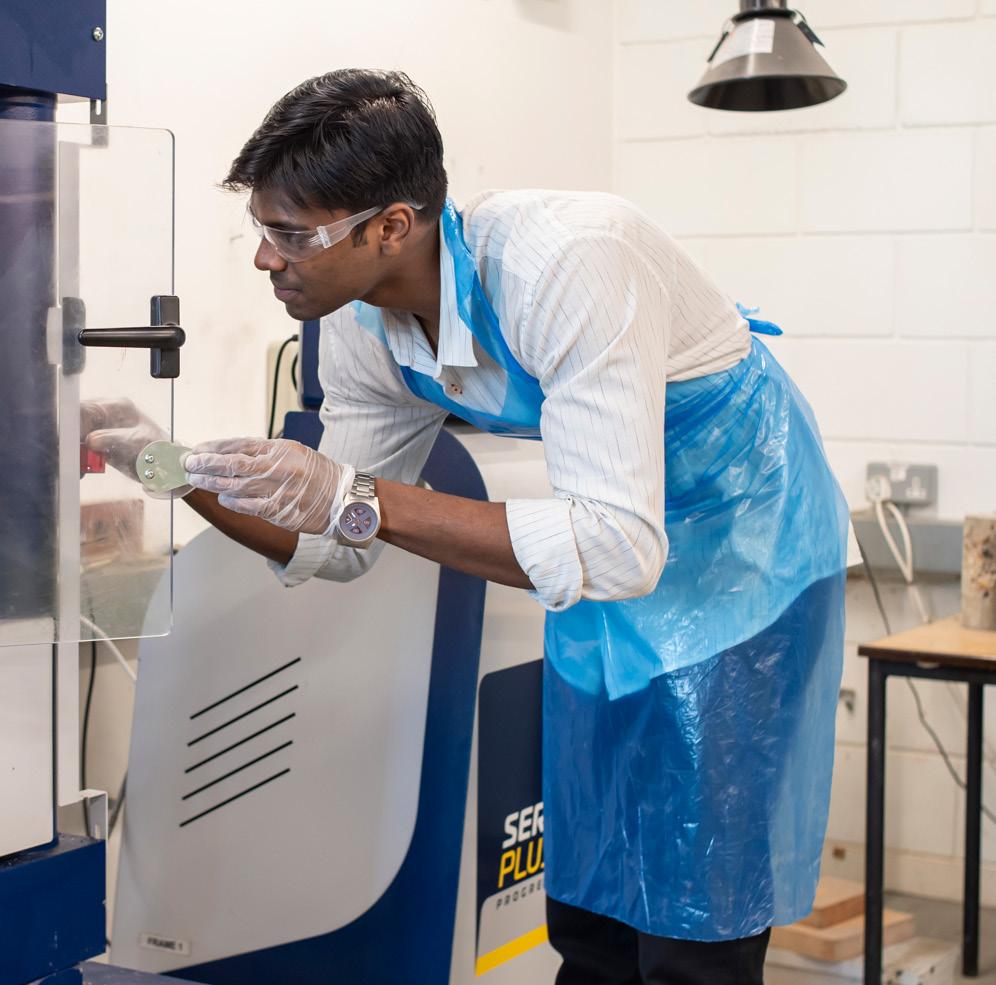
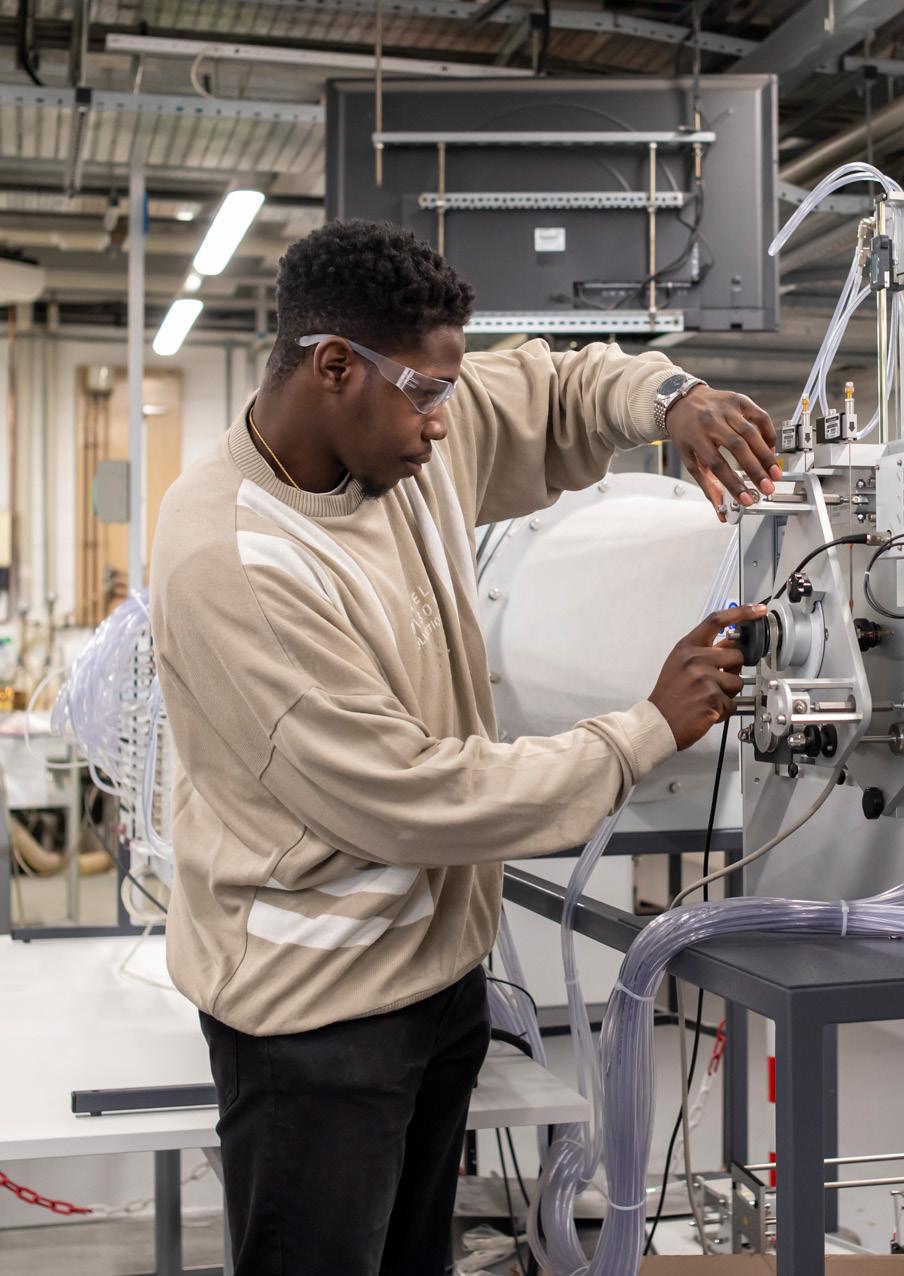
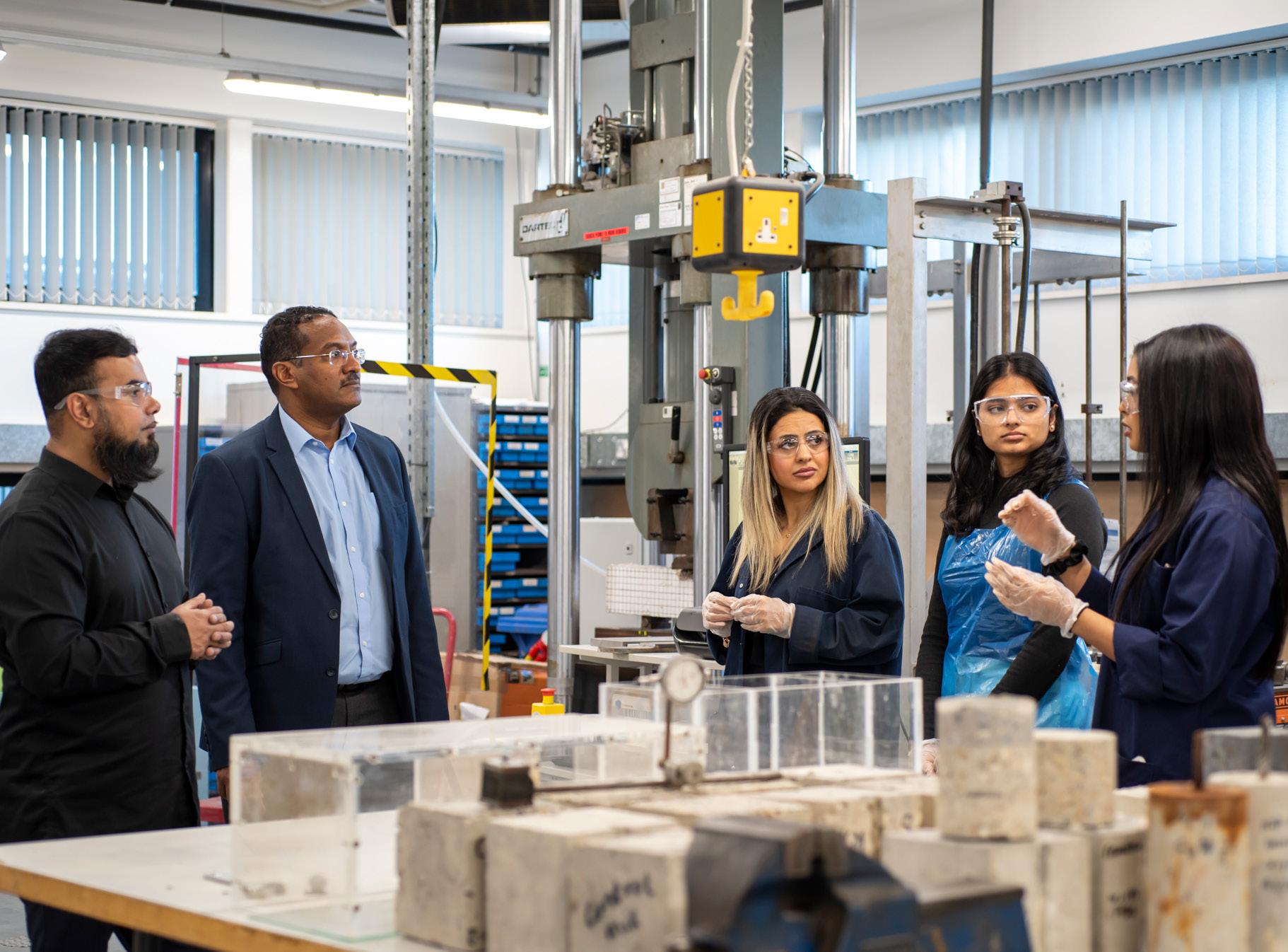
The Civil Engineering Laboratories are dedicated to advancing knowledge and practice in civil engineering through practical experimentation, research, and collaboration with industrial partners. Equipped with specialist testing rigs, moulds, mixers, and tooling, our labs provide the necessary resources to conduct experiments and research in various aspects of civil engineering, such as concrete and construction materials technology, as well as the study of heavy structures, geotechnics and soil mechanics, fluid mechanics and hydraulics.
Research and Innovation:
The lab serves as a hub for research and innovation in civil engineering. In close collaboration with industry, we conduct cutting-edge research projects aimed at addressing real-world challenges in areas such as infrastructure resilience, sustainable construction, and advanced materials.
Collaboration and Interdisciplinary Work:
We foster collaboration and interdisciplinary work across various engineering disciplines. This encourages the exchange of ideas and the development of innovative solutions to complex engineering problems.
Training and Professional Development:
The lab provides opportunities for users to develop practical skills and gain valuable experience in their journey toward becoming competent and ethical engineering professionals.
Concrete Lab
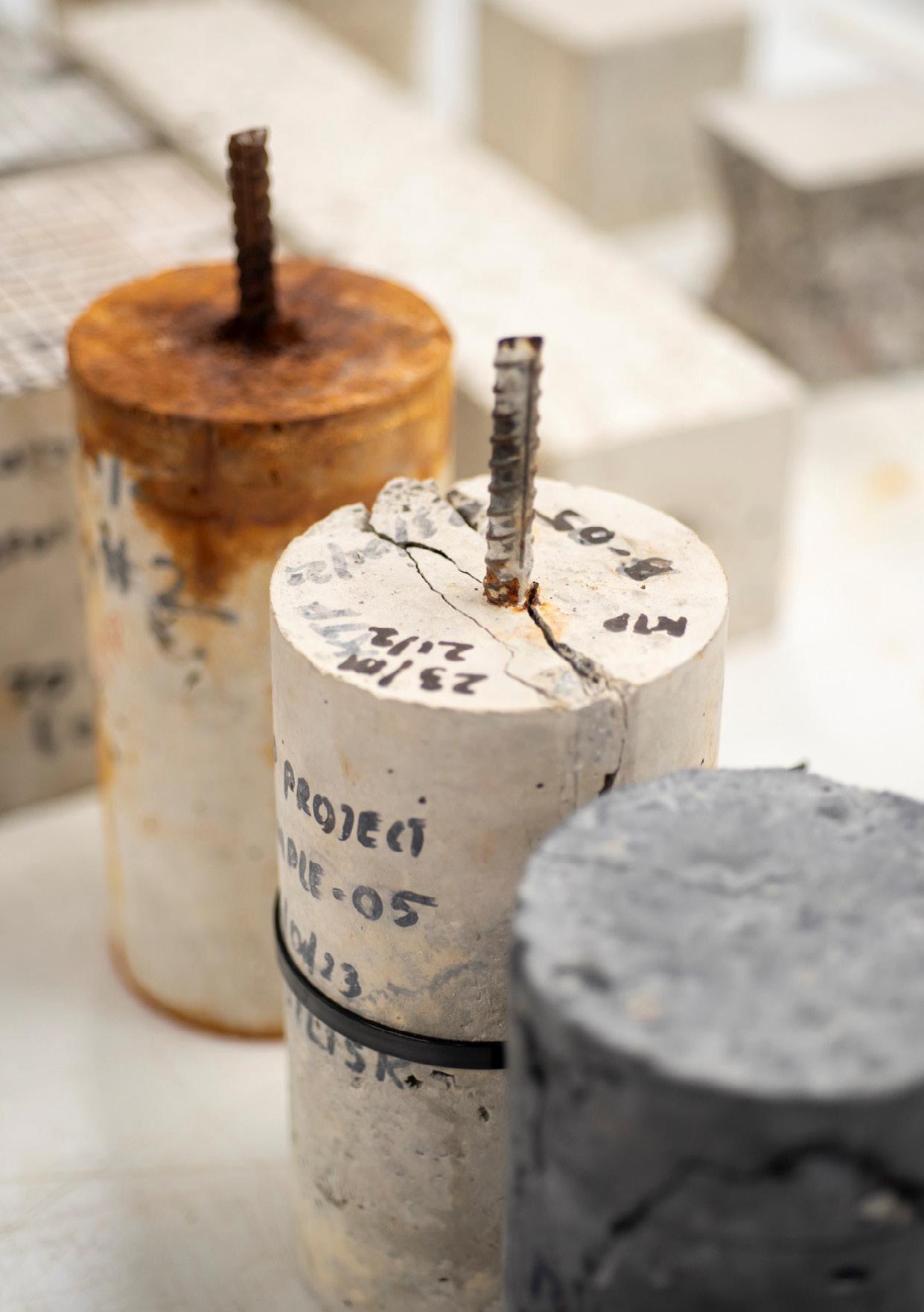
The Concrete Lab is a specialist facility dedicated to the study and exploration of concrete technology and materials. In addition to concrete, the lab also supports work with other construction materials such as steel, timber, glass etc.
Our mission is to provide the resources and expertise necessary to carry out experiments, research, and handson learning—with a particular emphasis on low-carbon materials and sustainable construction practices.
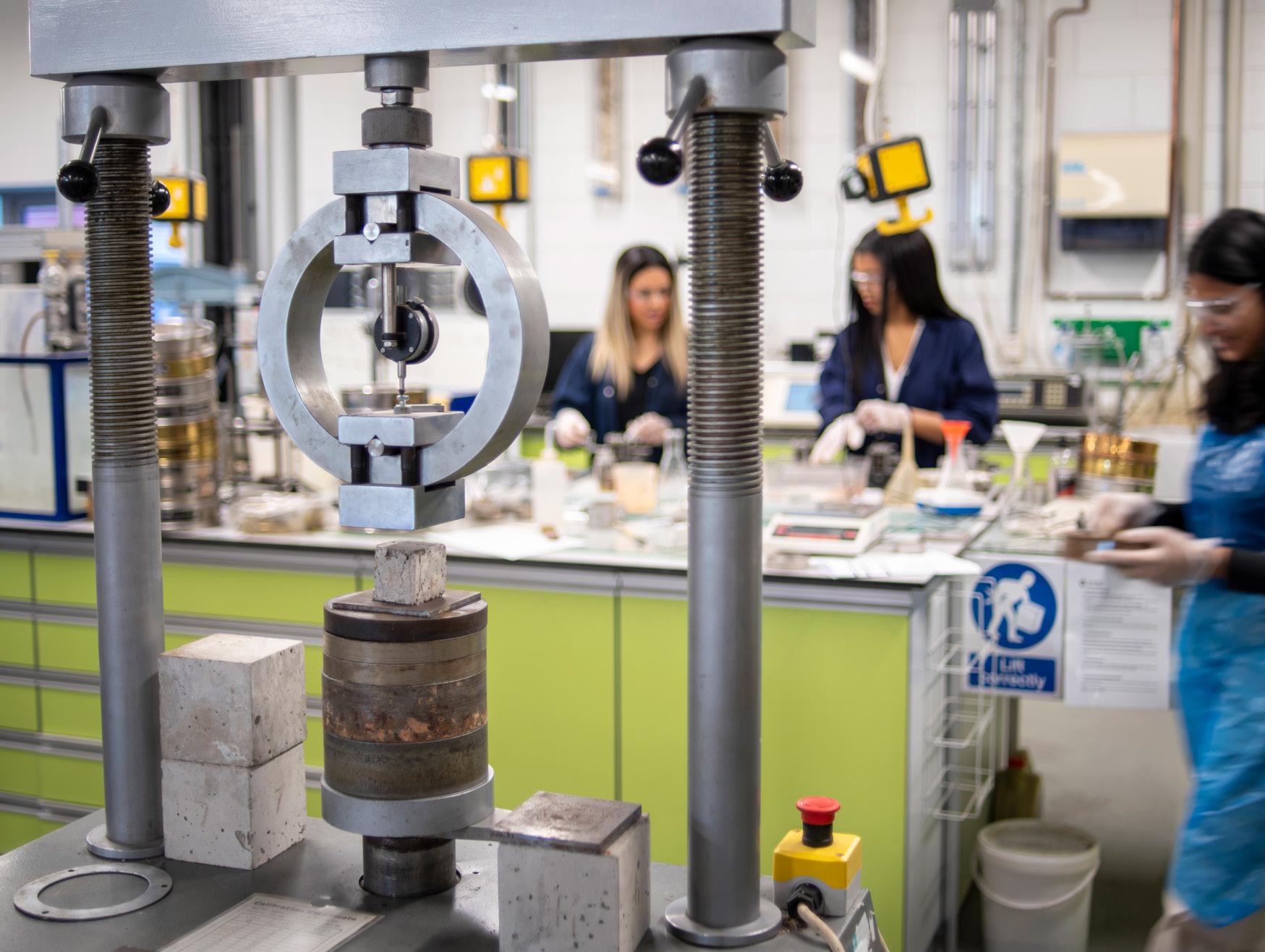
Material Testing:
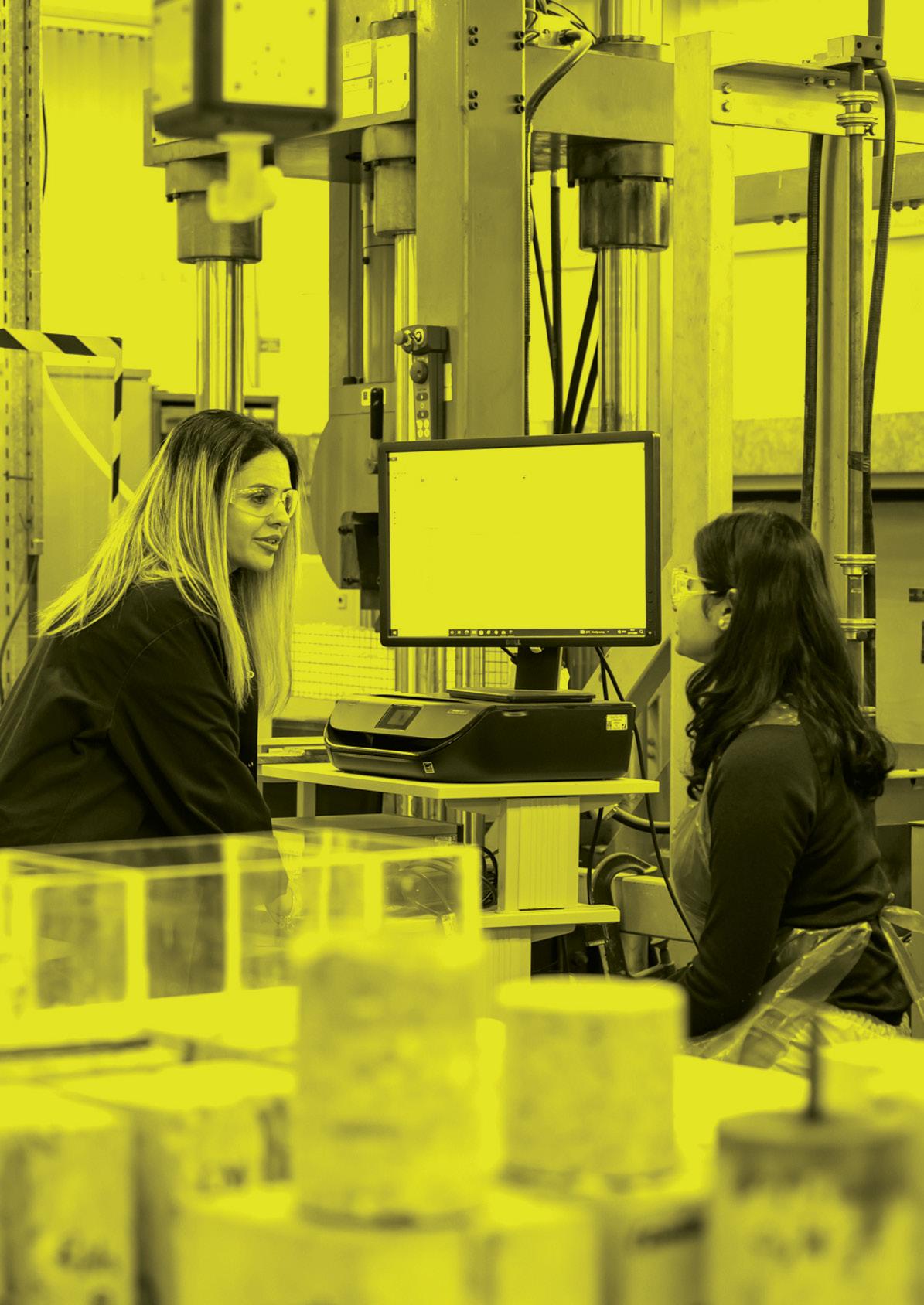
A wide range of testing equipment and tools are available for analysing the properties of concrete materials. Users can conduct experiments to evaluate the strength, durability, setting time, water absorption, and performance of different concrete mixes under various conditions. This is complimented by advanced equipment such as a climate chamber for durability testing, Scanning Electron Microscope (SEM) and X-ray Diffraction (XRD) to study the microstructure.
Mix Design and Production:
The lab provides facilities for mixing and producing concrete specimens for testing purposes. This covers the process of concrete mix design, proportioning of ingredients, and techniques for batching and casting concrete samples.
Research and Innovation:
The Concrete Lab is a leader in research and innovation in concrete technology and materials. Externally-funded research projects in collaboration with industry are aimed at developing new concrete mixes, exploring sustainable construction materials and practices, and investigating advanced materials for use in concrete production.
Training and Educational Outreach:
We actively engage in educational outreach activities to promote awareness and understanding of concrete technology among users, professionals, and the broader community. Activities include workshops, seminars, and demonstrations showcasing the importance of concrete in construction and infrastructure.
Scanning Electron Microscope (SEM) Lab
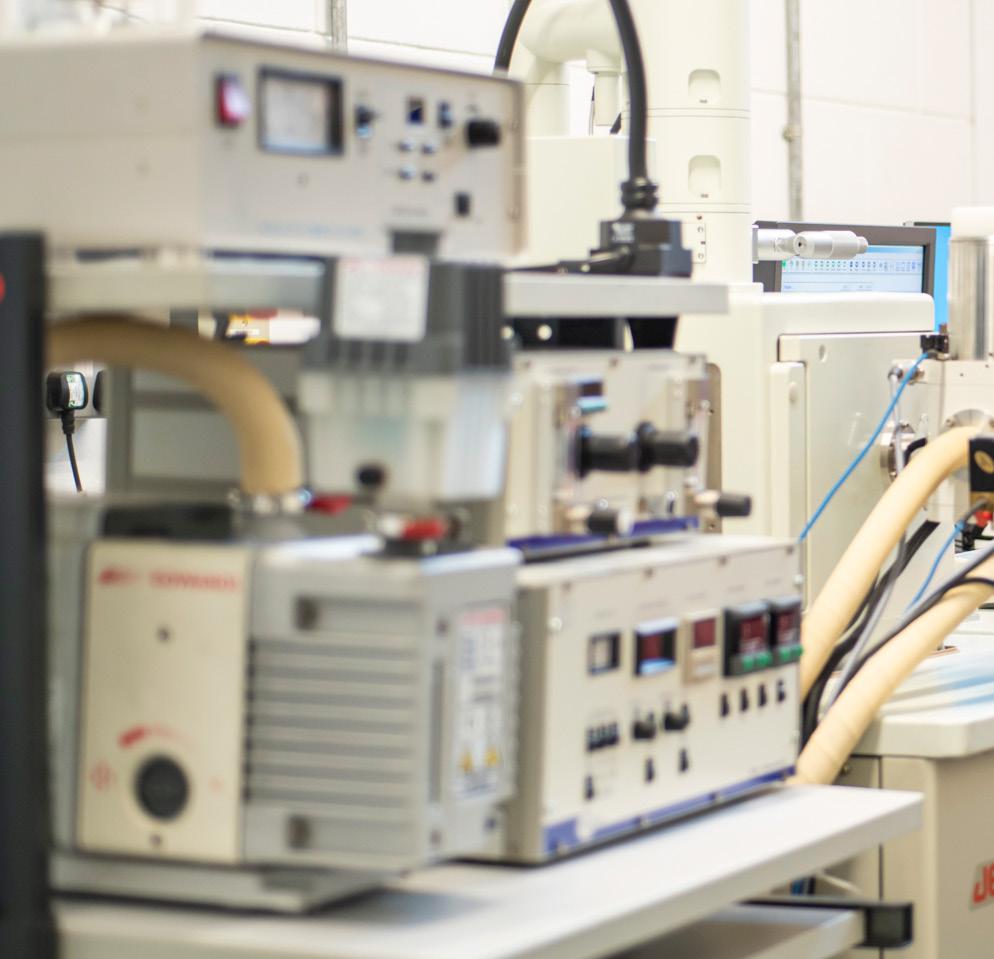
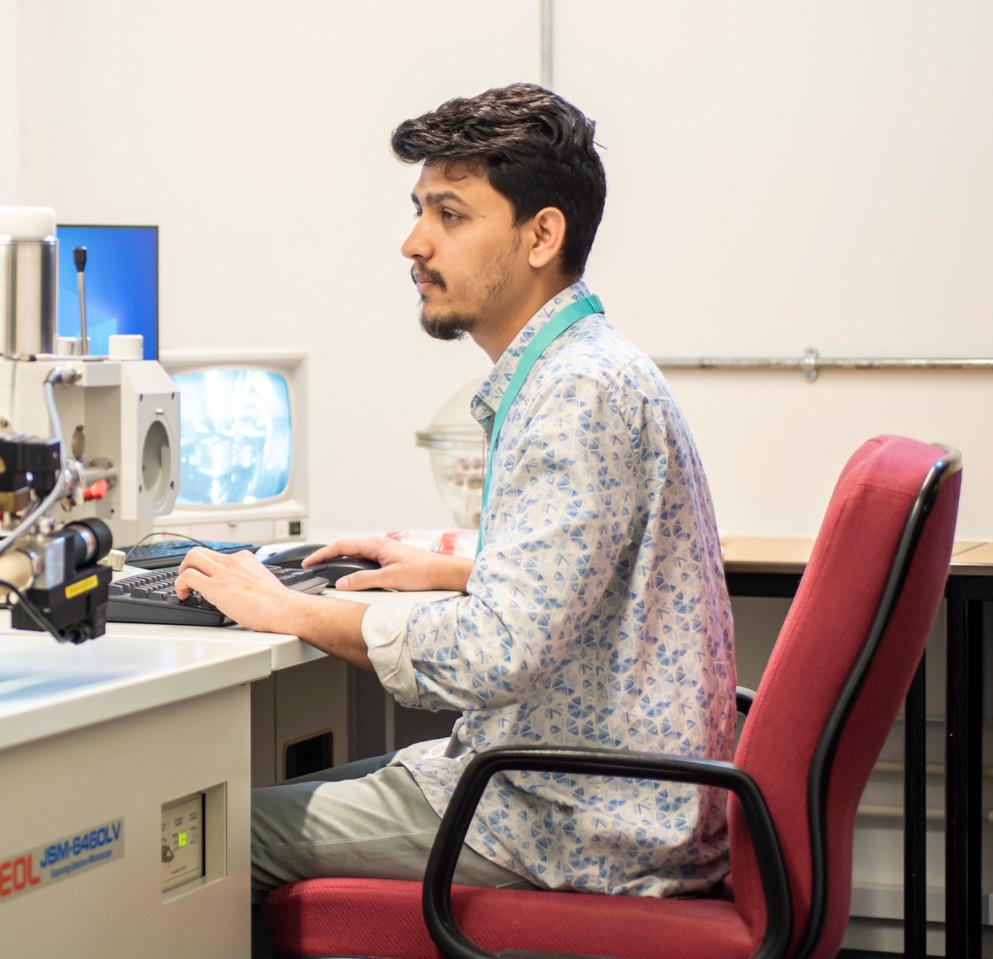
An advanced microscope is housed in its own room and employed for advanced experimental research and consultancy work in order to provide high precision and high resolution microscopic images of different materials examined.
X-ray Diffraction (XRD) Lab
A state-of-the-art XRD equipment is housed in its own room with a host of microscopes in order to examine the composition of different materials. The equipment is regularly employed for advanced experimental research and consultancy work.
Heavy Structures Lab
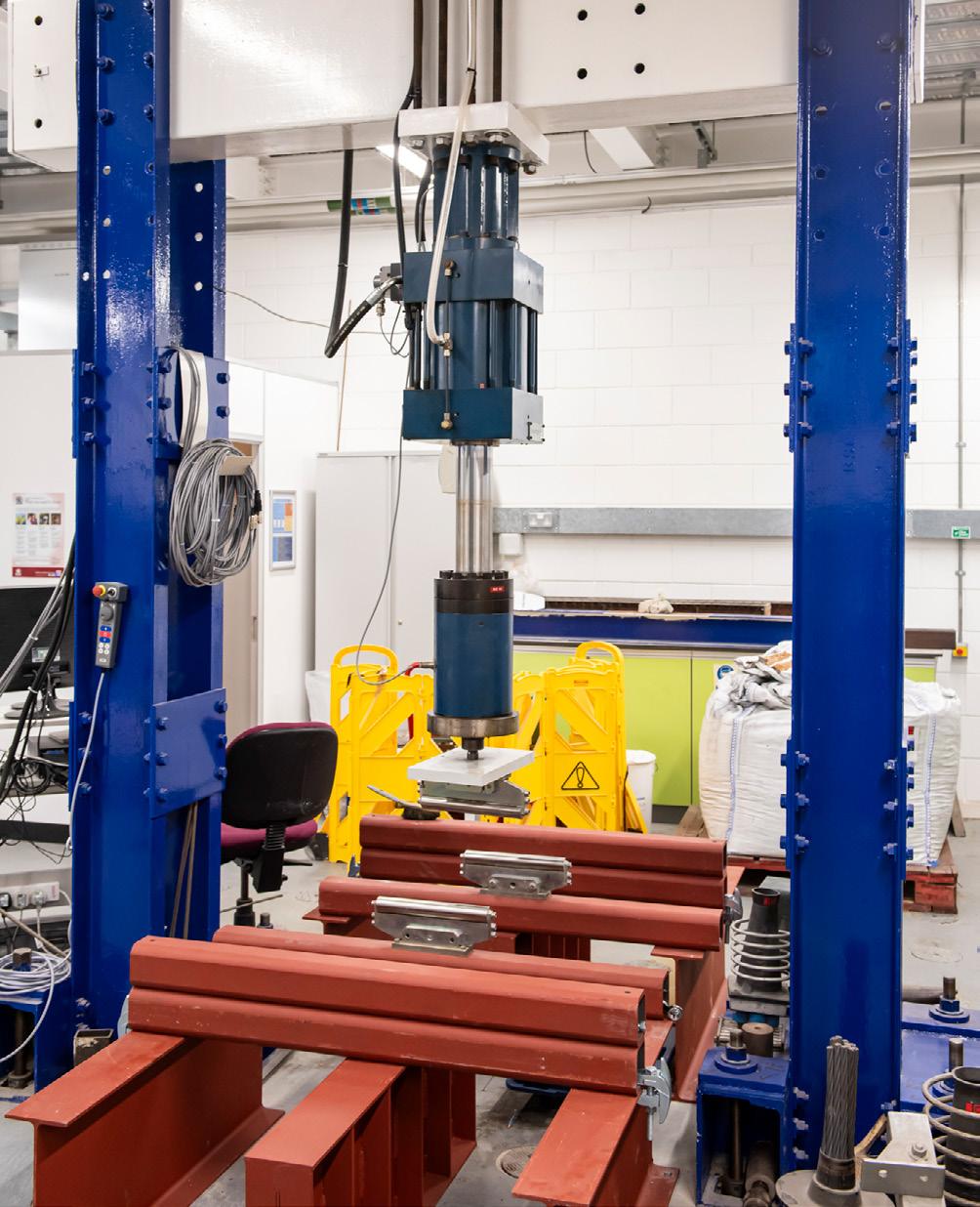
The Heavy Structures Lab is a specialist facility designed for testing large-scale structural elements and systems. It features two advanced loading rigs housed on a reinforced concrete strong floor, allowing for experiments on structural members with large spans and depths. Users have access to equipment for testing concrete elements such as beams, columns, and slabs, allowing them to study structural behaviour under various loading conditions and analyse factors affecting integrity and stability. Lab features include:
Large loading frame:
Large Scale facilities are available in this area to study the behaviour of structures, and the structural components made from various construction materials such as steel and reinforced concrete. The reinforced concrete strong floor, together with the computer controlled hydraulic testing equipment, provides the means to test large scale structural elements under static, cyclic, fatigue, dynamic and impact loading. The laboratory is also equipped with a variety of strain measurement devices and data logging facilities.
Self-contained loading frame:
This frame can test small beam and prism samples (up to about 1m span). It can also be used to test specimens (e.g. steel bars) in tension. It is also equipped with a variety of strain measurement devices and data logging facilities.
Climate Chamber Lab
The Climate Chamber Lab features a large, environmentally controlled chamber and a dedicated carbonation chamber. These facilities are used for a range of durability standard tests , particularly focused on the long-term performance of construction materials.
Freeze–Thaw Testing:
The chamber can simulate repeated freeze–thaw cycles across a wide temperature range. It includes 27 data points (sensors) for real-time monitoring of humidity, temperature, and other environmental variables.
Drying and Wetting Testing:
The chamber allows precise control of moisture levels and includes its own water purification system to ensure consistent supply. Environmental conditions such as humidity and temperature are measured at 27 points throughout the chamber.
Carbonation Testing:
The dedicated carbonation chamber enables measurement of carbonation absorption— an essential factor when investigating the carbon sequestration, absorption, or storage capabilities of different materials.
The Geo Technics Lab
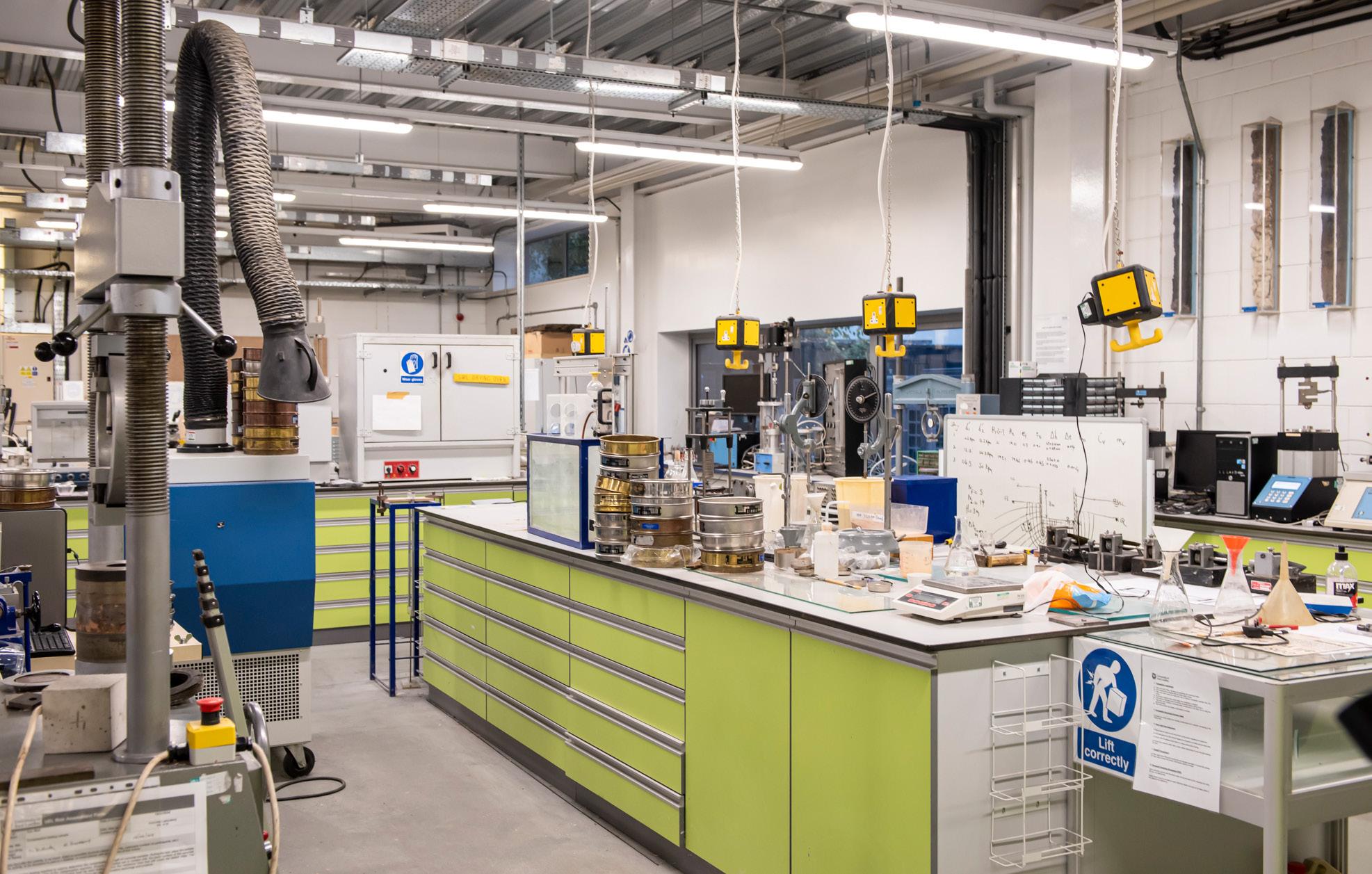
The GeoTechnics Lab is a specialist facility dedicated to the study of geotechnical engineering.
Key features of the GeoTechnics Lab:
Geotechnics Research Laboratory:
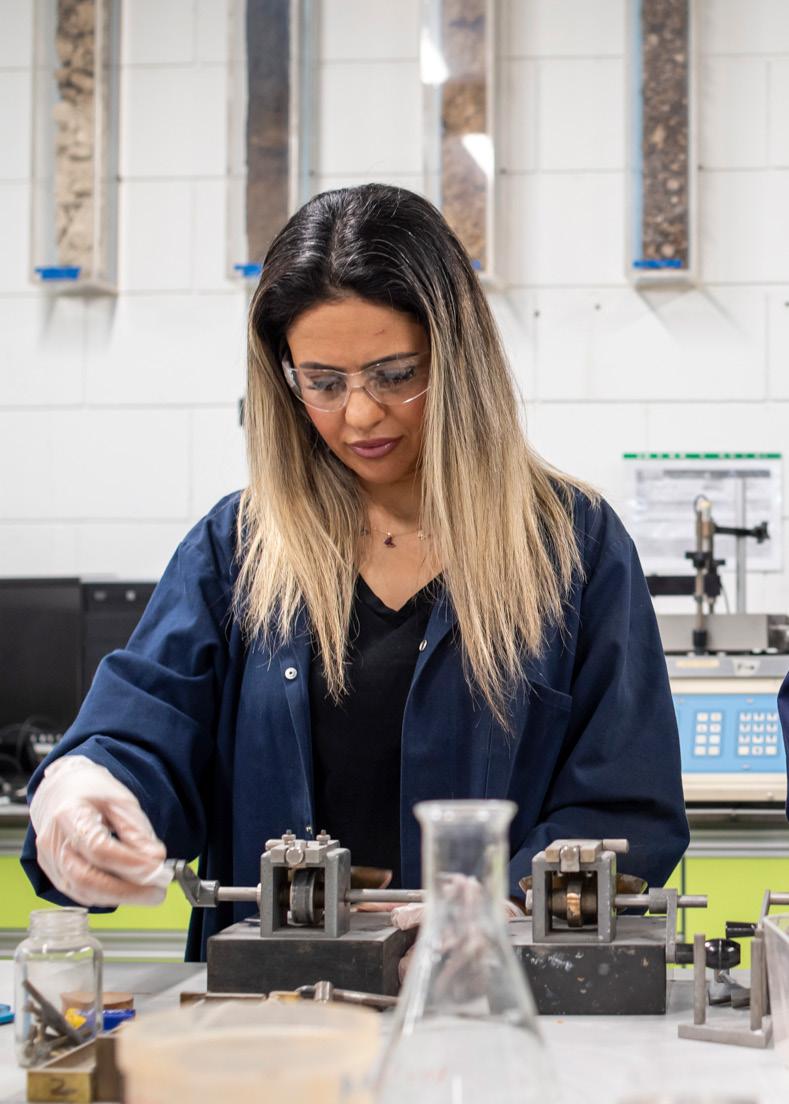
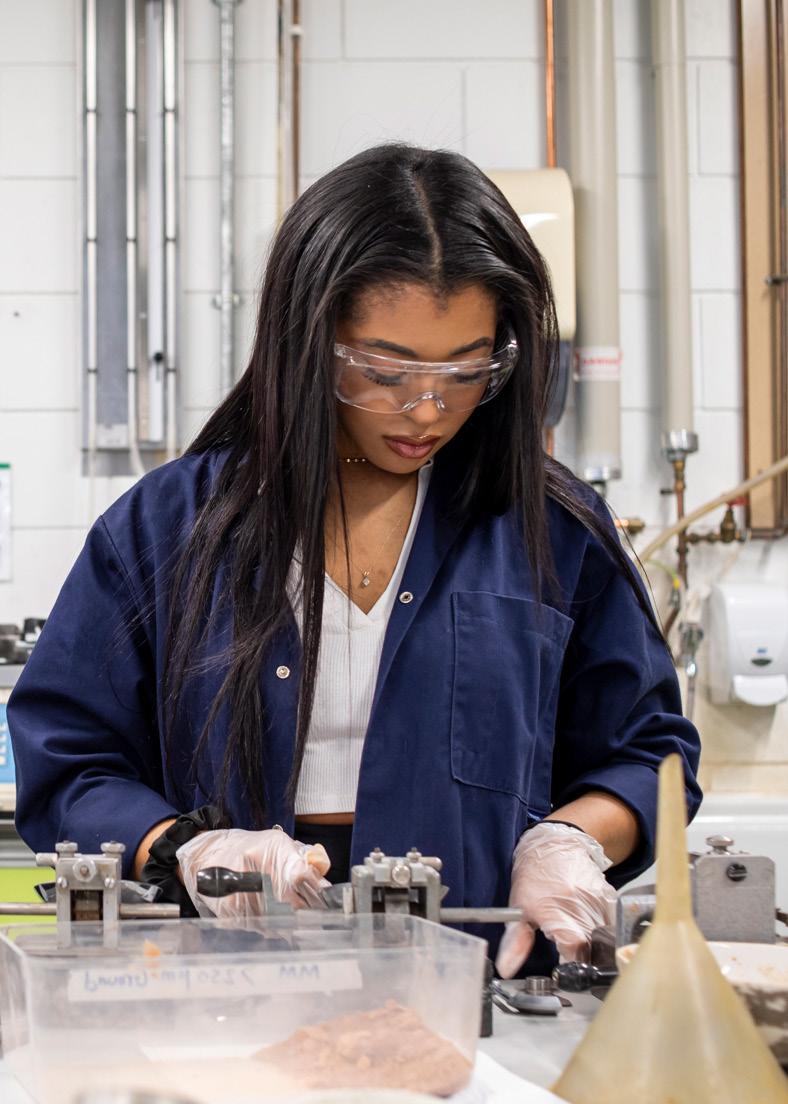
This laboratory is equipped with a pneumatically controlled, large scale, cyclic loading triaxial rig that can be used for soil specimens up to 100mm in diameter. Within this laboratory there are also 2 pneumatically controlled shear boxes that are capable of accepting samples up to 100mm by 100mm and two pneumatic oedometers. All of the equipment in this laboratory is computer controlled with all readings being recorded by data logger software.
Engineering Geology:
This area is furnished with point load index apparatus and a 25 tonne compression testing machine for determining the strength of rock. PUNDIT apparatus is used to determine density comparison and isotropic characteristics of rock and the influence of discontinuities on insitu P-wave velocities. Slake durability apparatus is available to be used to determine weathering index values.
Structural Testing Apparatus:
The lab features structural testing equipment for evaluating the performance of foundations, retaining walls, and other geotechnical structures. This apparatus enables users to assess the stability and load-bearing capacity of these structures under various loading conditions.
Geotechnical Modelling Software: Users have access to advanced modelling software that simulates and analyses the behaviour of soil and rock formations in virtual environments. This software allows the development of accurate models of geological structures to assess their stability and performance.
Soil Mechanics:
This area is equipped to sample and prepare soils, in accordance with the latest codes and standards, to determine their engineering properties, to analyse the chemical properties of solid and pore fluids and to undertake model structure interaction. The equipment includes sieves, Casagrande limit apparatus, standard cone apparatus, soil density measuring devices, compaction and shrinkage apparatus. The equipment used for determining the strength of soils include vane, shear box consolidation and swelling apparatus. Tri-axial and unconfined compression tests are performed using 1 and 5 tonne compression machines and constant pressure systems. In order to determine permeability, constant head and falling head devices are available. We have recently embarked on a programme of enabling the existing equipment in this laboratory with data logging facilities.
Fieldwork Opportunities:
The GeoTechnics Lab offers fieldwork and site visit opportunities to real-world geotechnical engineering projects. These experiences allow users to apply theoretical knowledge in practical situations and gain hands-on experience in practice.
Interdisciplinary Collaboration:
The lab fosters collaboration across various disciplines and industry. By bringing together experts in geo-technical engineering, architecture, urban planning, and environmental science, the lab encourages the exchange of ideas and the development of innovative solutions to complex challenges.
Hydraulics Lab
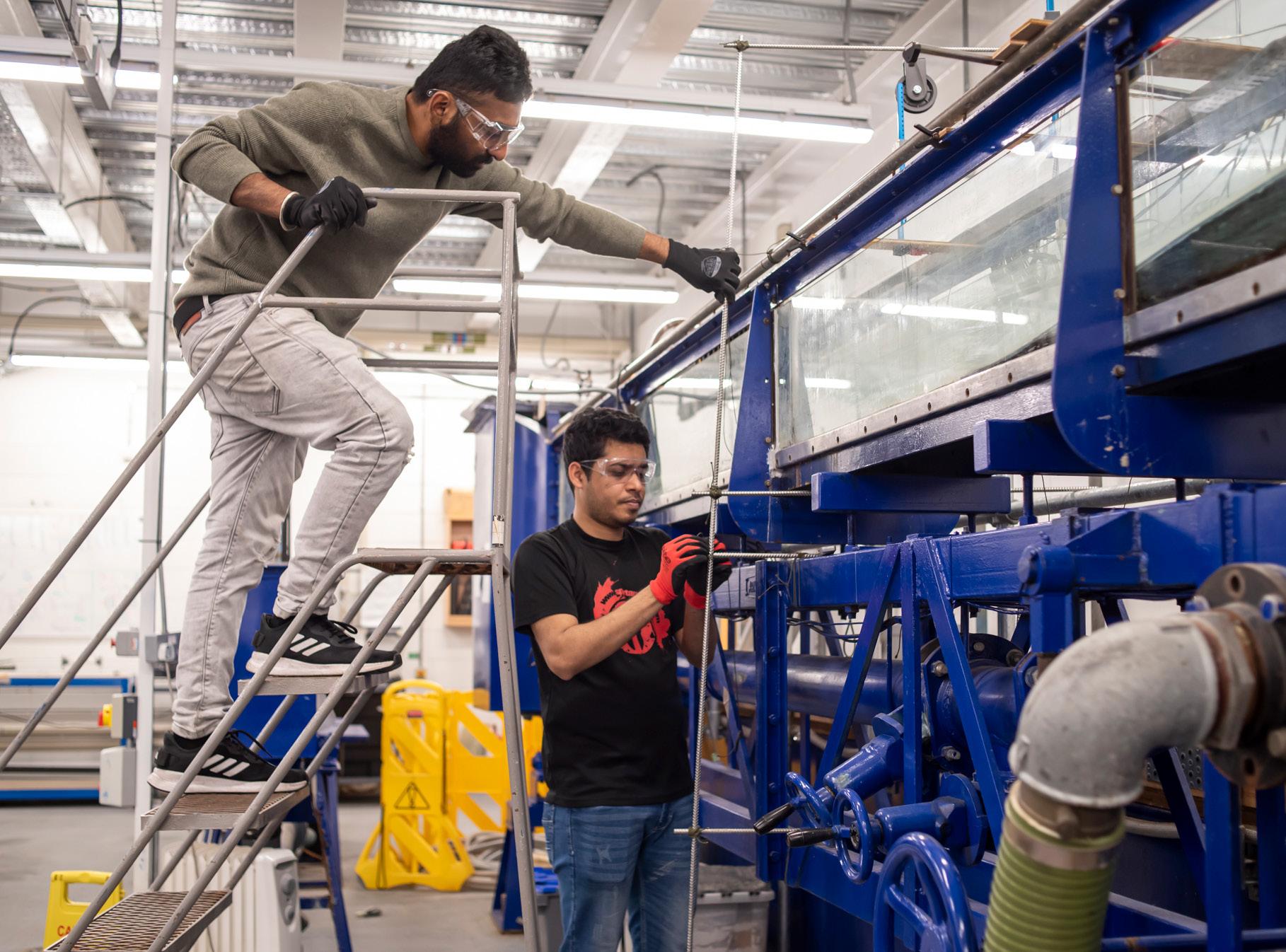
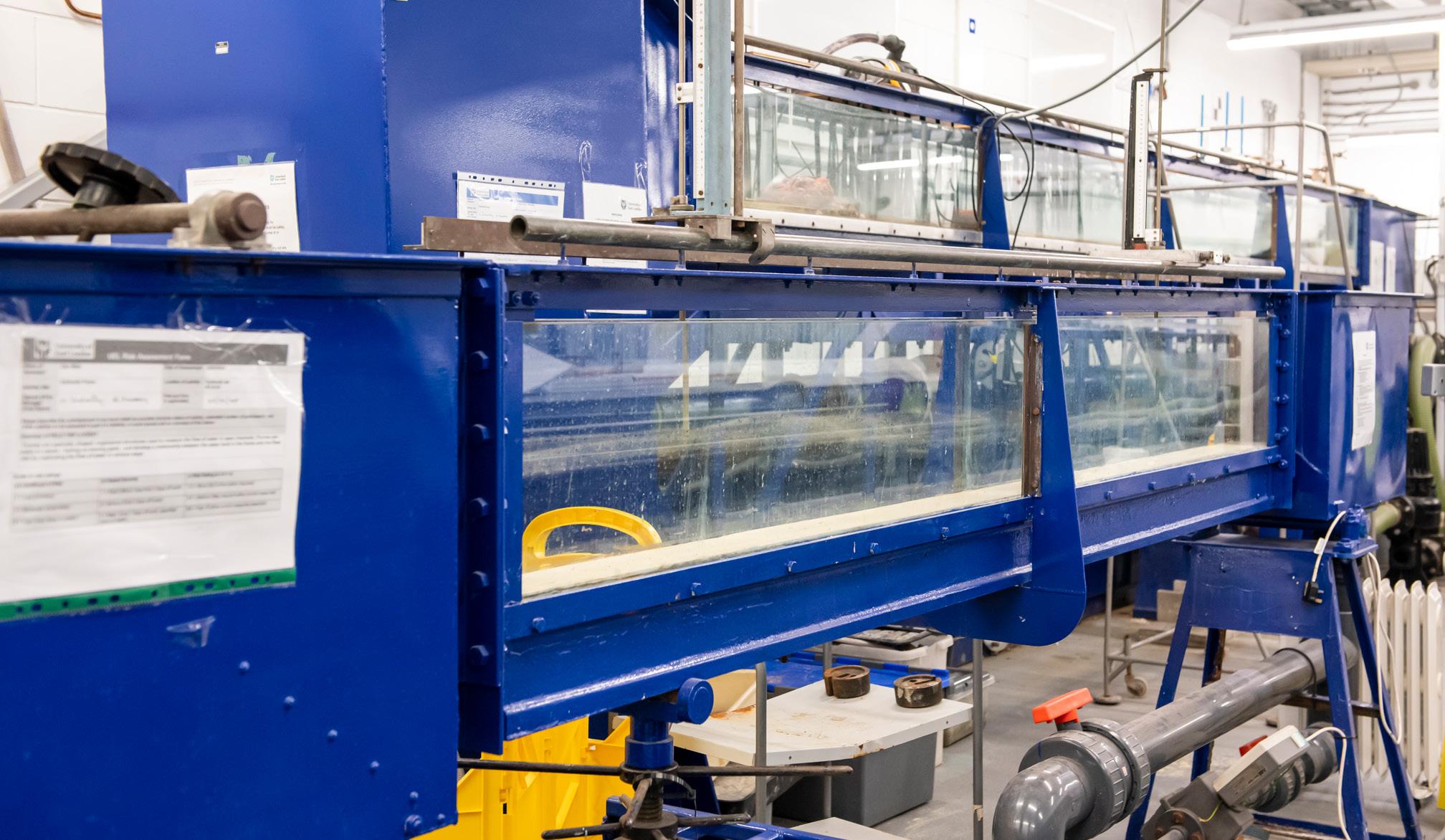
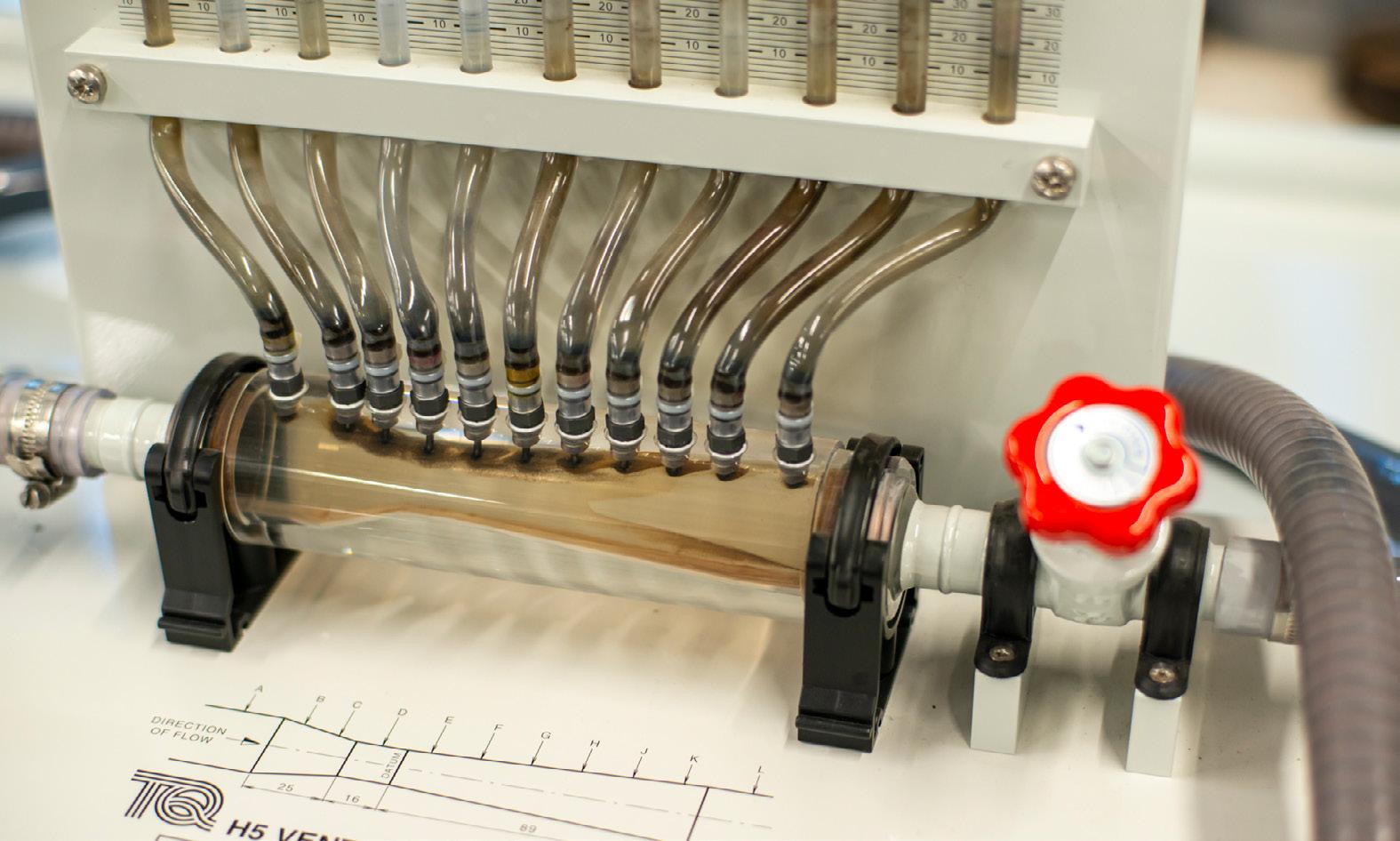
The Hydraulics Laboratory is a specialist facility equipped with a comprehensive range of tools and equipment for hydraulics and water management engineering research and education. The lab contains equipment for studying the flow of water in pipes and channels, oscillation in surge tanks, scouring and sediment transport in channels. The laboratory houses open channels, surge apparatus and hydraulic benches and flow measurement equipment that include:
Flumes:
The laboratory is equipped with flumes of various sizes, including both large and small-scale fixed and tilting flumes. These flumes are used to study the behaviour of water flow in different scenarios, such as open channel flow, and to demonstrate hydraulic principles relevant to engineering applications.
Water Benches:
Both large and small water benches are available, providing controlled environments for conducting experiments related to fluid mechanics and hydraulics. These are essential for teaching and research purposes, allowing users and researchers to study the behaviour of water under a range of conditions.
Hydraulic Models:
The laboratory houses a selection of hydraulic models, including dams, syphons, and weirs, which are used for teaching and research purposes. These models enable users and researchers to visualise and study the behaviour of water structures and hydraulic systems in a controlled environment.
Armfield S16 Hydraulic Jump:
The laboratory features an Armfield S16 apparatus capable of modelling hydraulic jump phenomena in open and closed flow channel experiments. This apparatus is used to study the characteristics of hydraulic jumps and their applications in engineering practice.
Mech Eng Labs
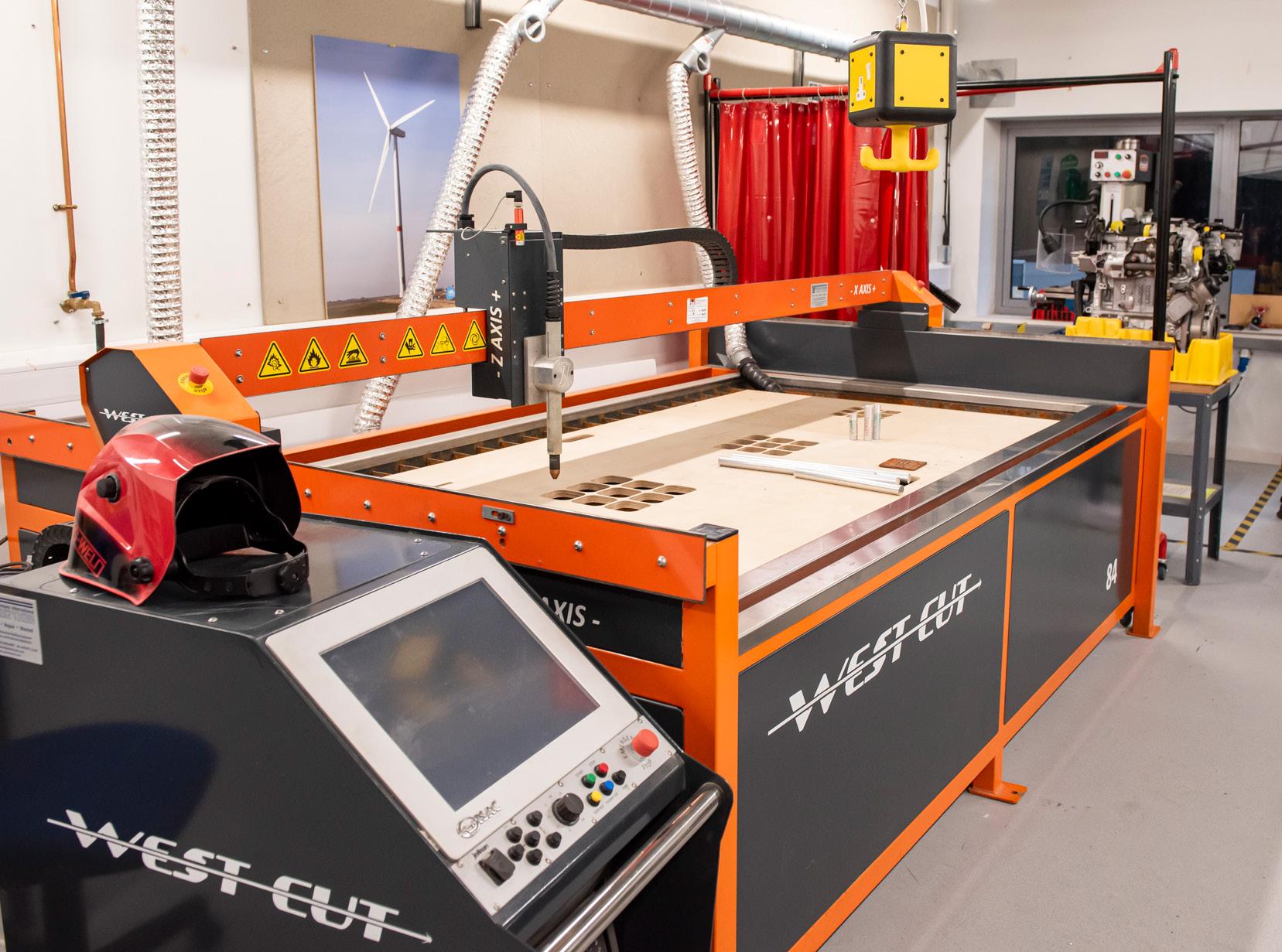
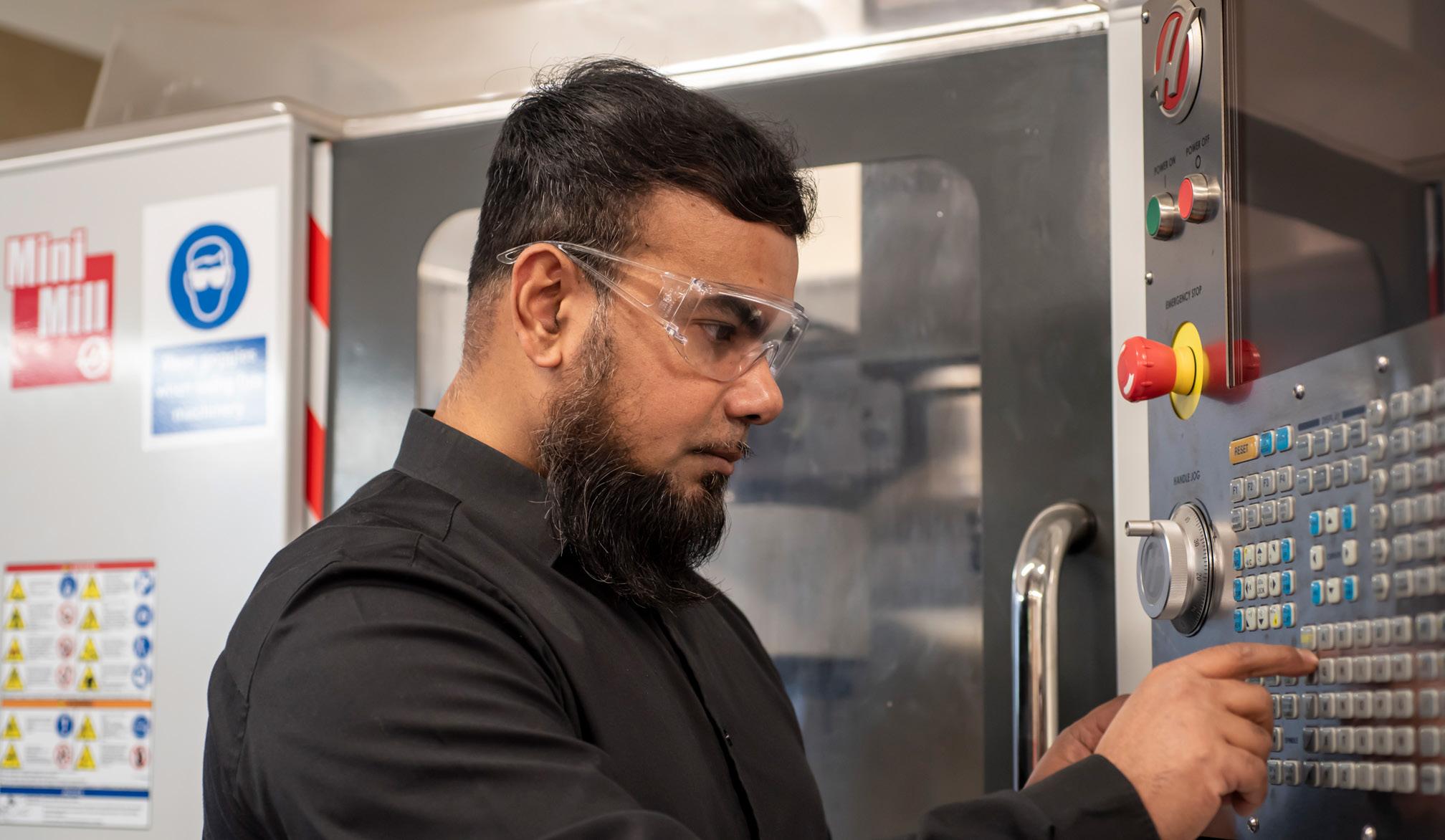
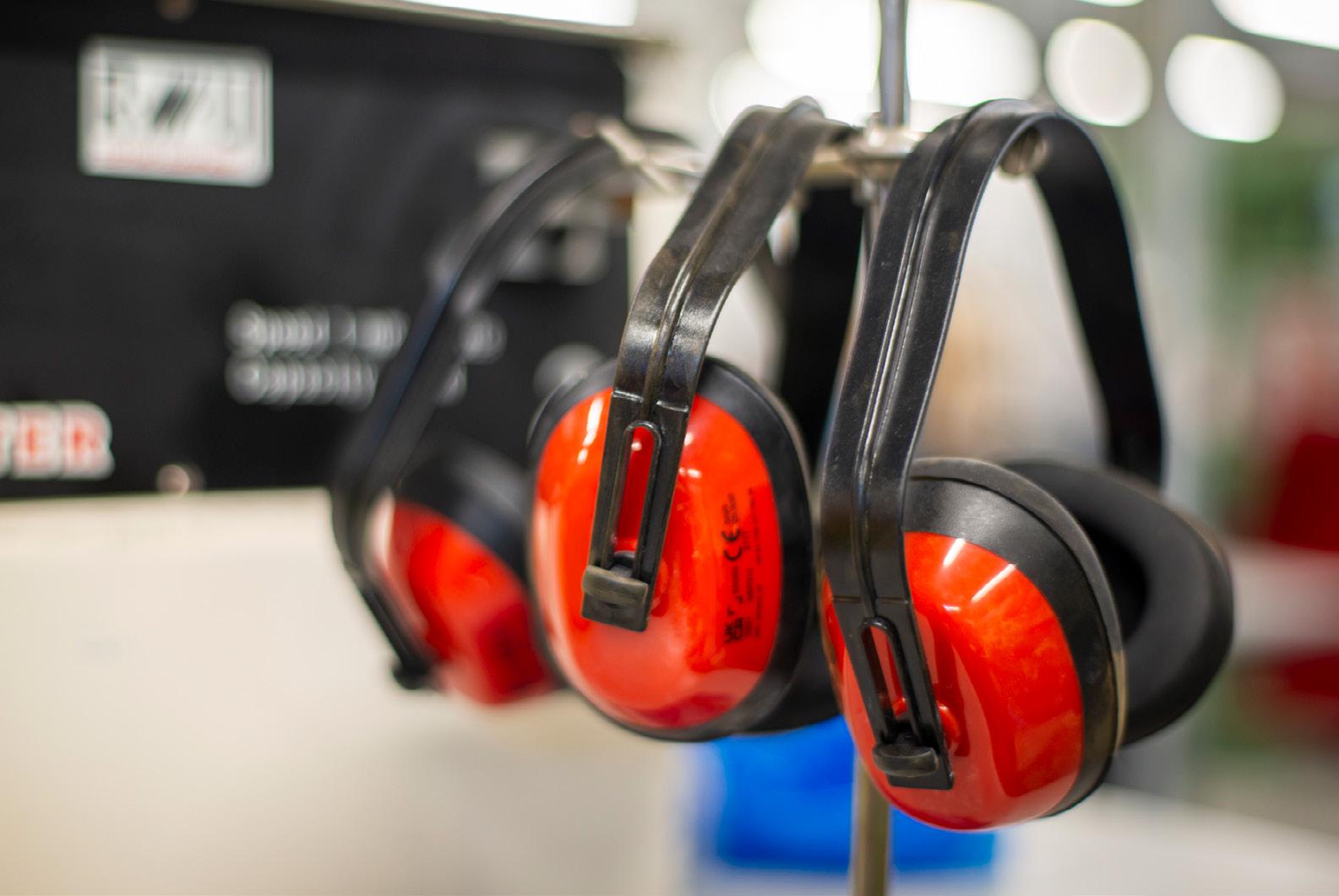
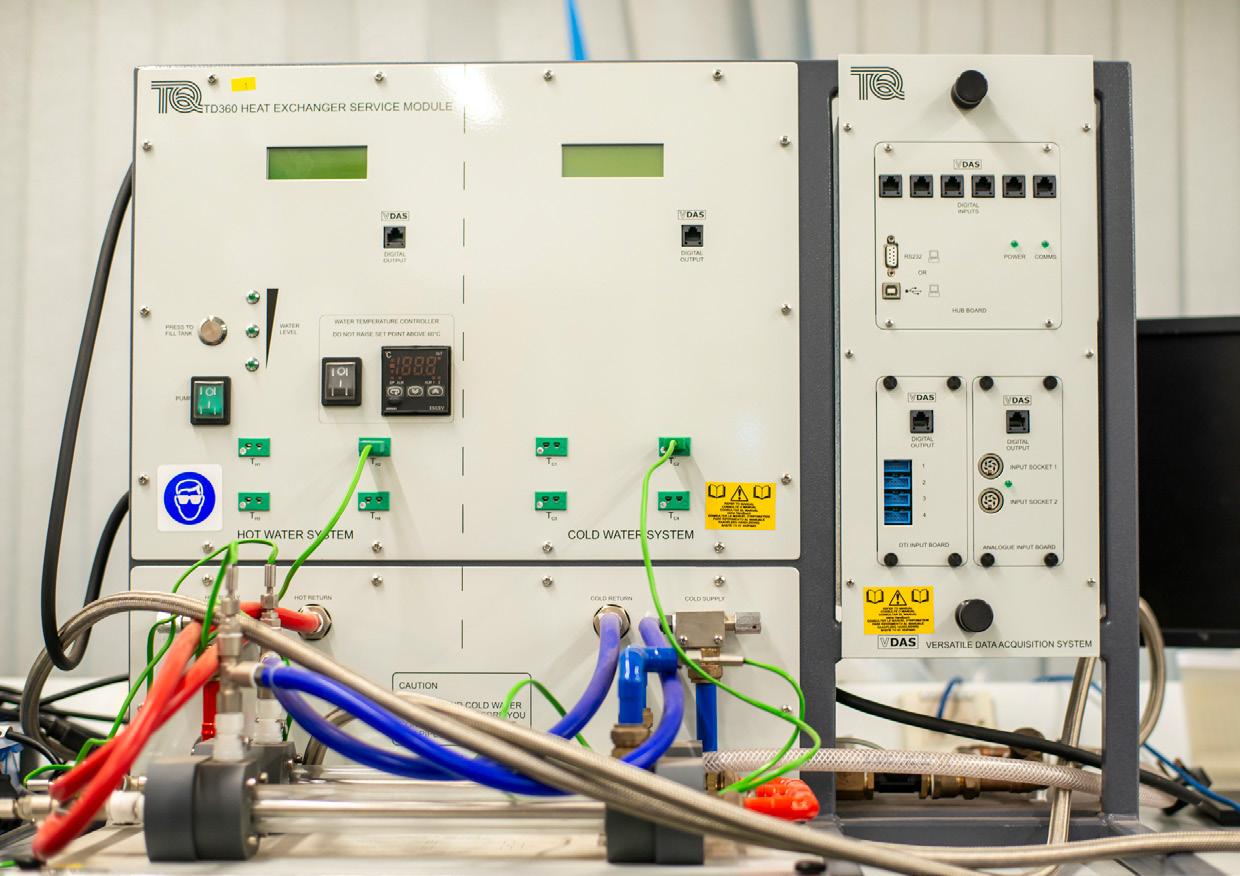
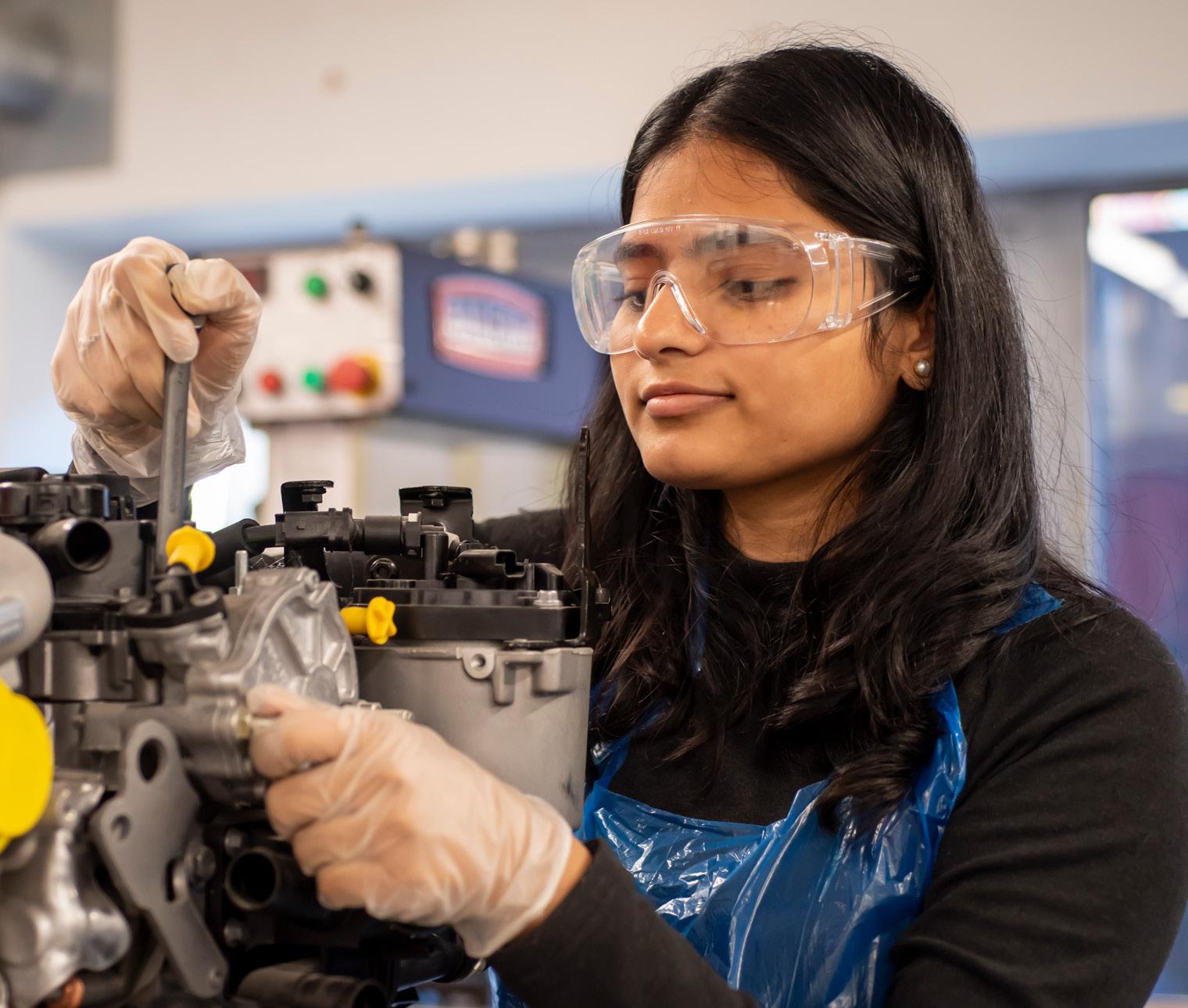
Our recently refurbished Mechanical Labs feature state-of-the-art facilities designed to enhance the user learning experience. Equipped with manual milling machines, lathes, HAAS CNC machines, and a hot processing facility that includes a Plasma Laser Cutter, our workshops offer comprehensive resources for hands-on engineering projects.
The new Mechanical Engineering Suite serves as a user-friendly space, fostering the development of innovative design projects and enabling efficient engineering solutions to be conceptualised, prototyped, and manufactured. A wide range of resources, including CAD/CAM software, supports teaching, research, and project work across various engineering disciplines.
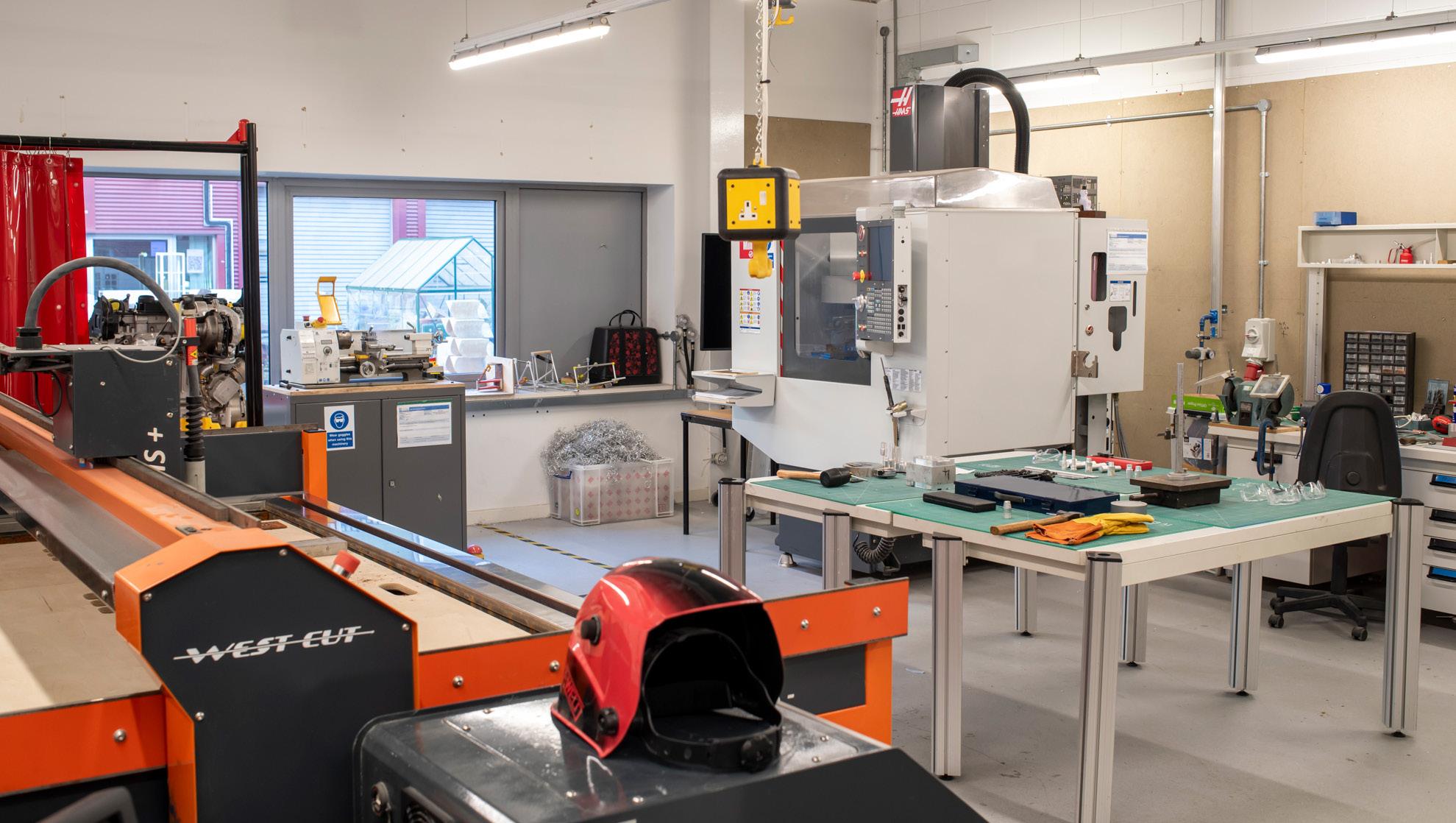
Our Mechanical Workshop facilities include:
• HAAS CNC Mini Mill Machines
• Manual Lathe and Mill engineering machines
• CAD/CAM engineering facilities
• CNC digital manufacturing program writing facilities
• Plasma Laser Cutter Machines
• General engineering equipment
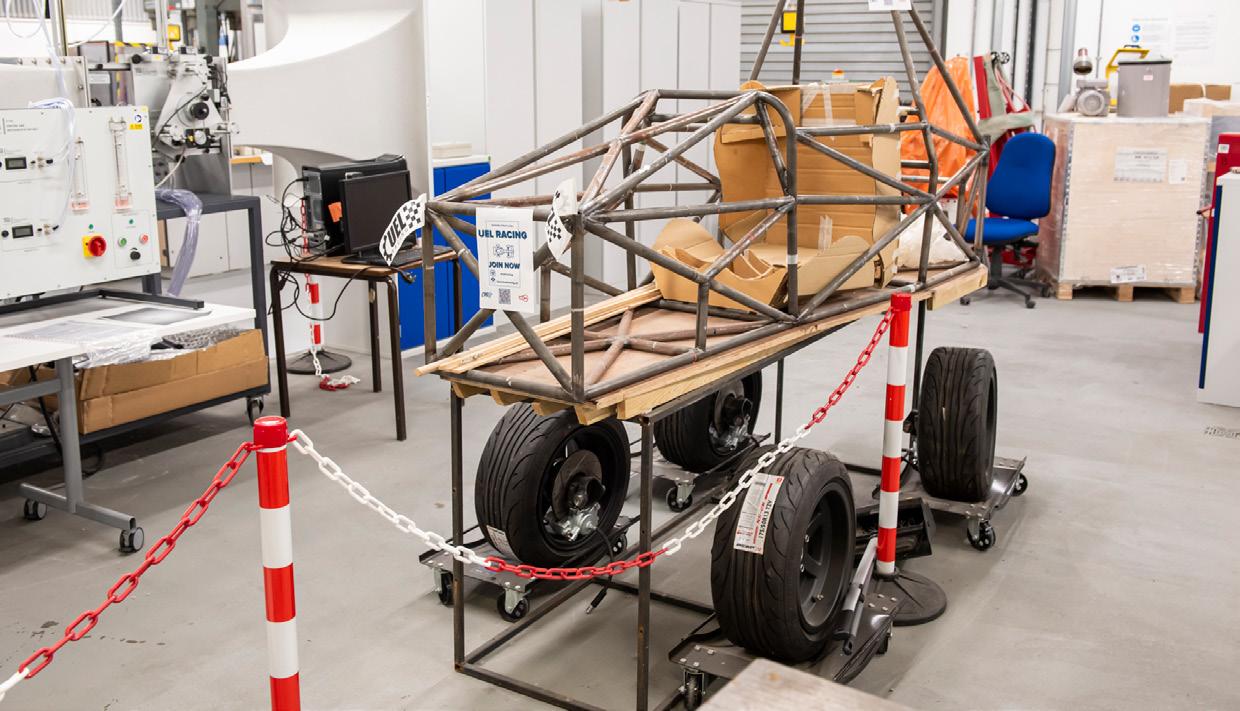
Ongoing projects, such as the IMechE Design Challenge, give users with opportunities to apply their engineering knowledge and skills in real-world contexts. Our users actively participate in prestigious competitions such as the IMechE Design Engineering Challenge and the Formula Student competition, leveraging our facilities to prototype and manufacture their designs. We also collaborate closely with industry to support their innovation needs.
Aeronautical Eng Labs
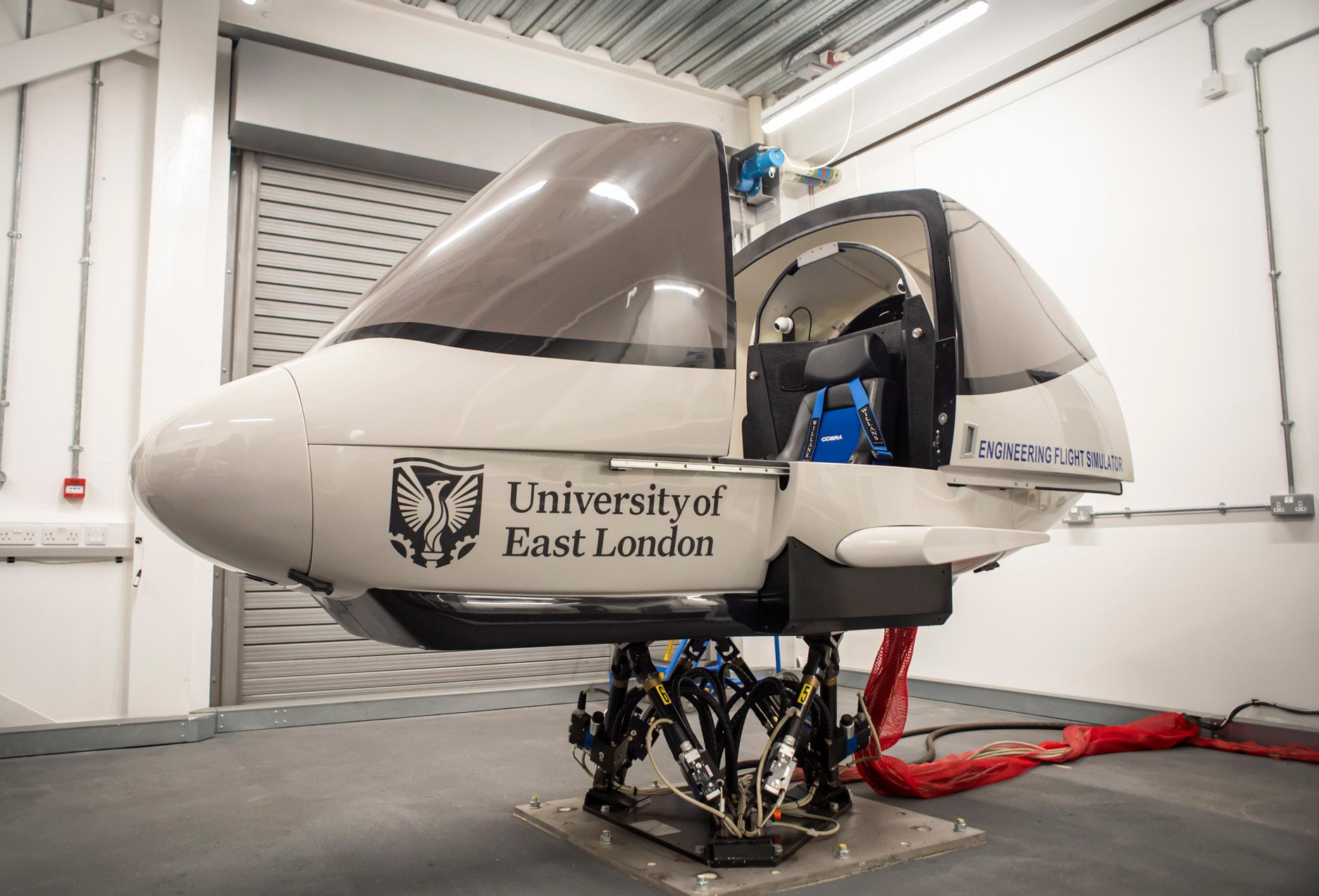
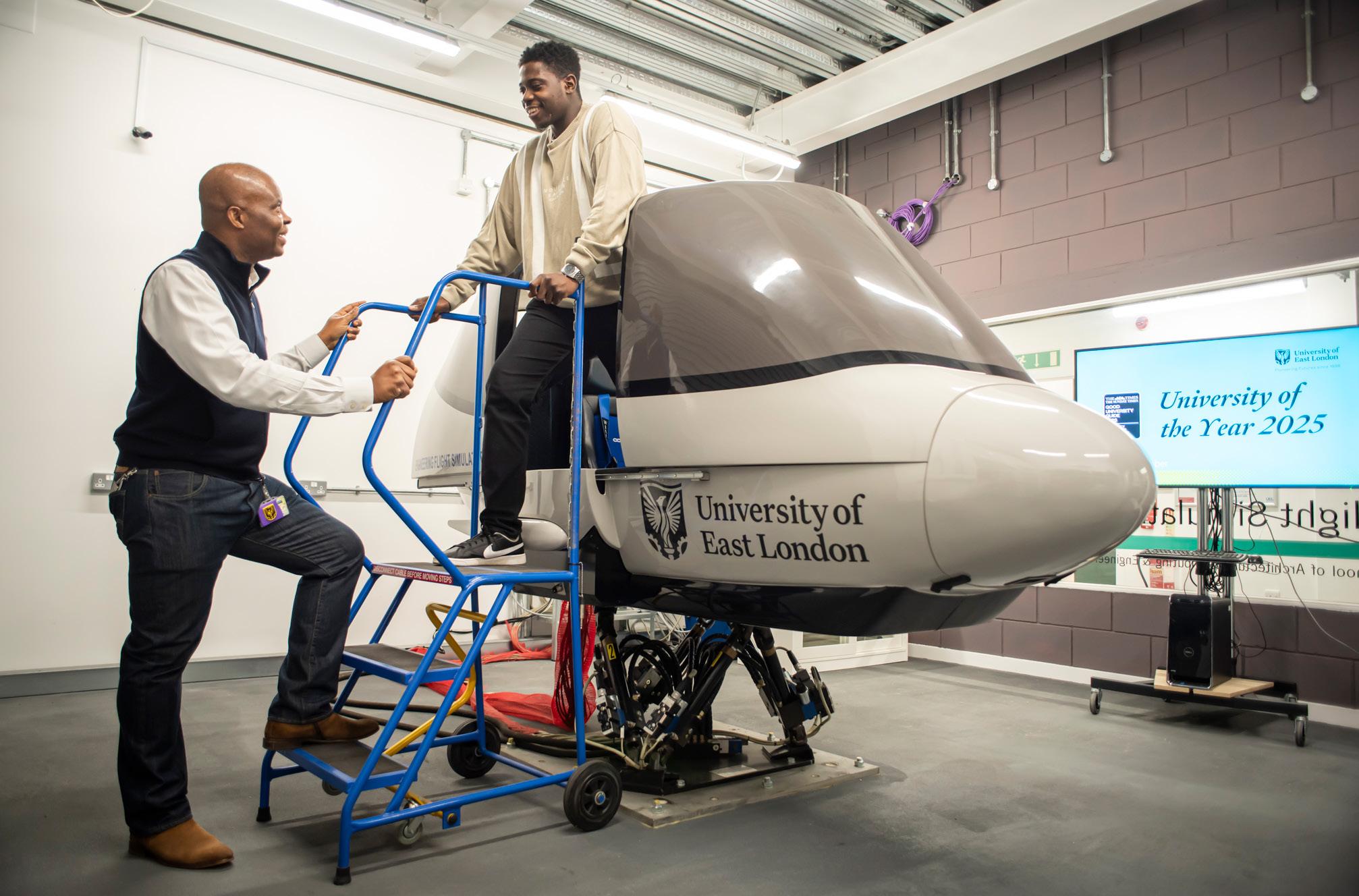
Our Aeronautical Engineering Labs feature advanced flight simulators and wind tunnel equipment to support both education, innovation and research. A highlight is the MERLIN Engineering Flight Simulator, a high-fidelity, six-degree-of-freedom motion platform designed for advanced aerospace teaching and research.
Used by top aerospace institutions worldwide, the flight simulator enables users to engage in real-time flight dynamics, system modelling, control engineering, and human factors testing in a fully immersive environment. Its configurable cockpit and flexible simulation architecture provides a cutting-edge platform for applied learning and innovation in flight mechanics and aircraft systems.
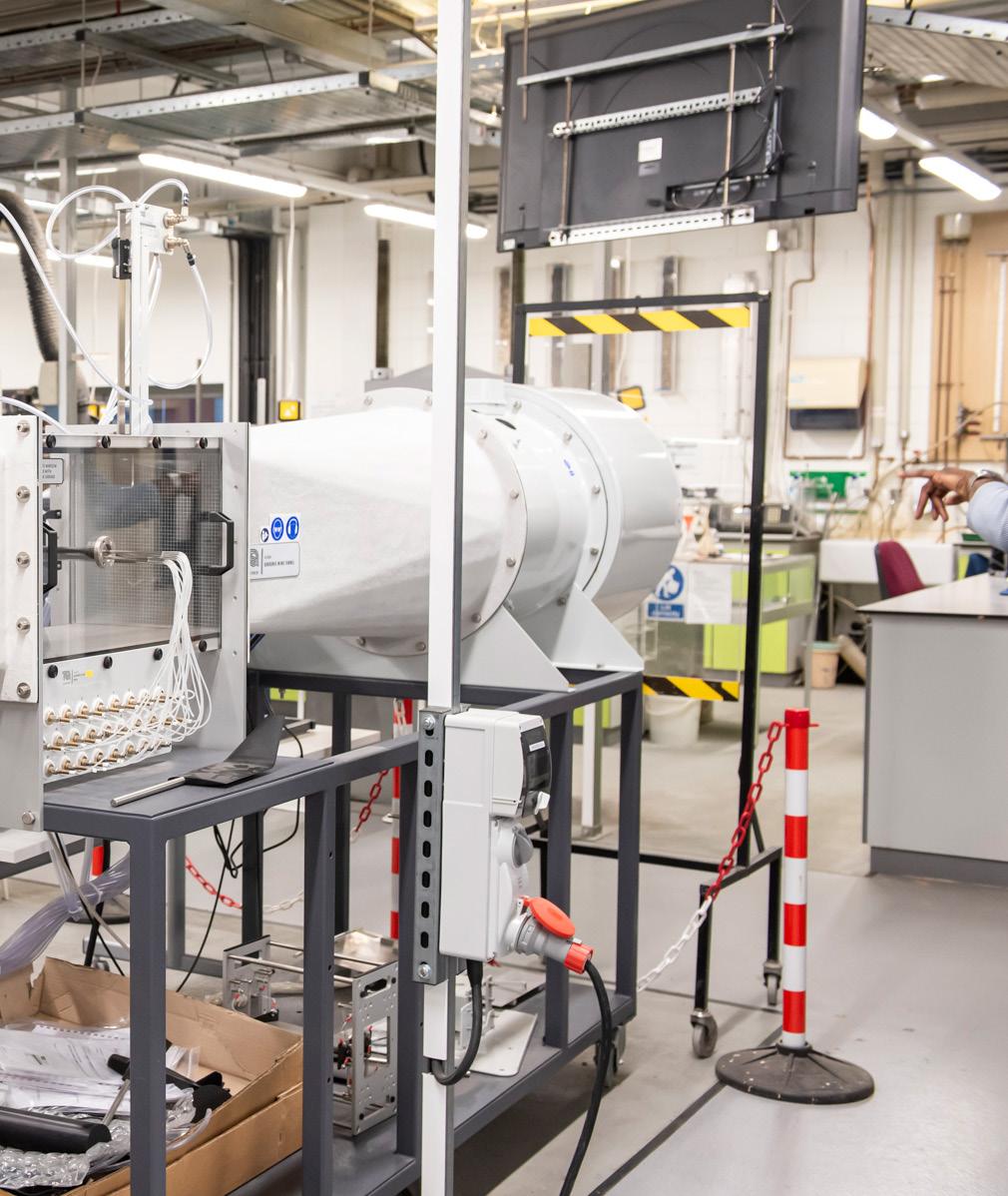
Our aerospace facilities also include a comprehensive Subsonic Wind Tunnel starter set, featuring a Wind Tunnel, Basic Lift and Drag Balance, and a set of Three-Dimensional Drag Models. This setup provides users with hands-on experience in aerodynamic testing and analysis, enabling them to investigate key principles such as lift, drag, flow behaviour, and model scaling. The modular design supports both foundational learning and advanced experimentation, making it an ideal platform for practical instruction in fluid dynamics and aerodynamics.
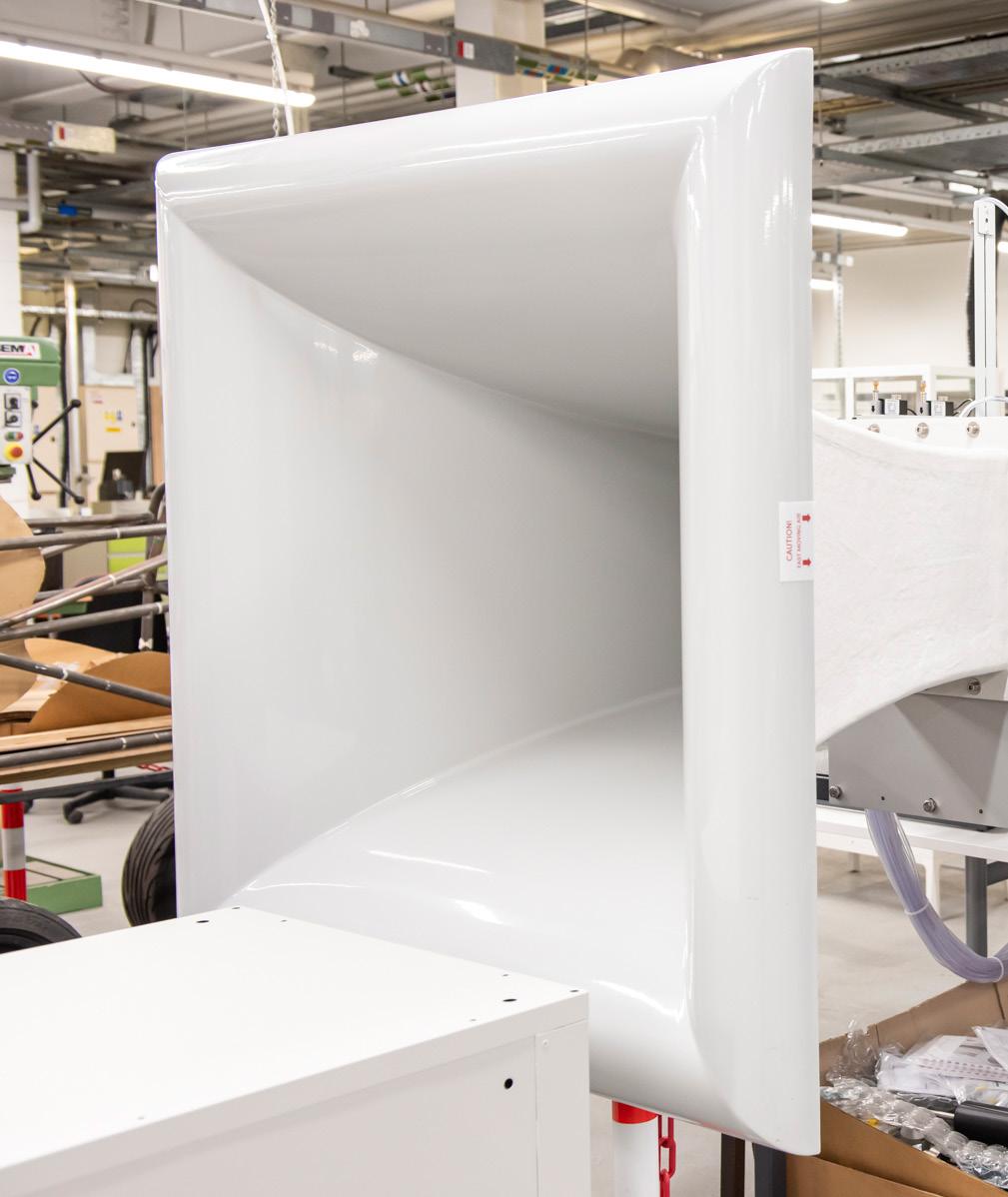
Wind Tunnel
Gen Eng Lab
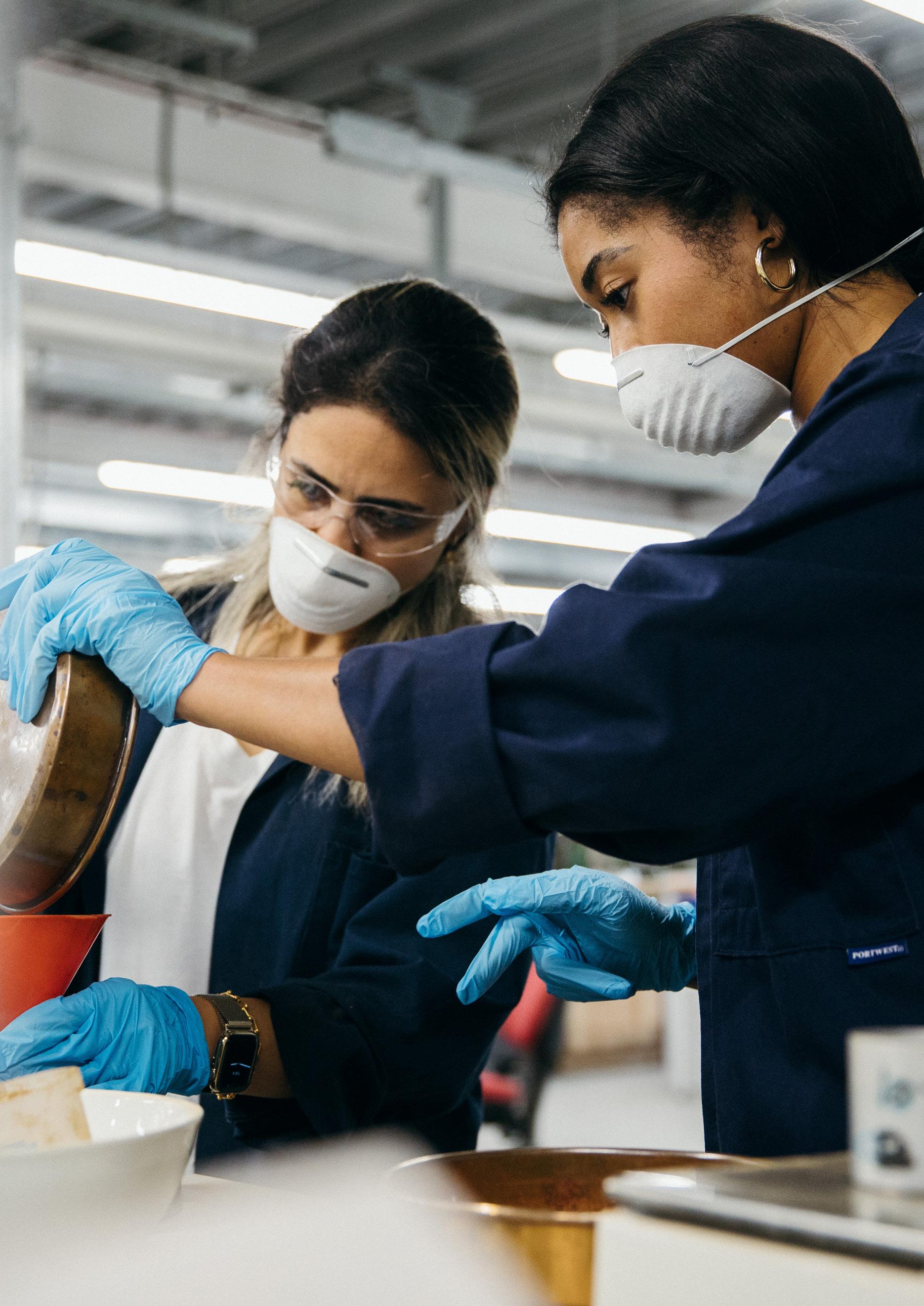
The General Engineering Laboratory is a versatile and well-equipped space for experimentation, learning, and collaboration in various engineering disciplines. Through experimentation, users gain valuable insights into the behaviour of materials, the principles of mechanics, and the fundamentals of thermodynamics and fluid mechanics. They learn to apply core engineering principles to solve real-world problems and develop innovative solutions.
Experimentation and Testing:
The lab is equipped with a wide range of tools, equipment, and instruments to facilitate experimentation and testing across different engineering disciplines. This may include equipment for mechanics, materials testing, thermodynamics, fluid mechanics, and electronics.
Research and Development:
Activities may involve investigating new materials, testing prototypes, analysing data, and developing innovative engineering solutions.
Collaboration and Interdisciplinary Work:
By fostering collaboration across disciplines such as mechanical engineering, electrical engineering, civil engineering, and computer science, the lab promotes a holistic approach to engineering problem-solving.
Training and Hands-on Learning:
The lab offers users with the opportunity to apply theoretical knowledge to practical engineering tasks. Through experimentation and problem-solving, users develop critical thinking skills and gain valuable practical experience.
Electrical Eng Lab
The Electrical Engineering Lab is a specialist facility dedicated to providing users with the tools, resources, and expertise necessary to explore and innovate in the field of electrical engineering. Our mission is to foster a dynamic and innovative environment where users can engage in hands-on experimentation, research, and collaboration in various aspects of electrical engineering.
Equipment and Resources:
The lab is equipped with a wide range of electrical and electronic equipment, including oscilloscopes, signal generators, power supplies, and digital multimeters. Users have access to state-of-the-art tools and resources to conduct experiments and projects in areas such as circuit analysis, electronics, and control systems.
Industry Engagement:
The Electrical Engineering Lab engages with industry partners to stay abreast of the latest developments in electrical engineering and technology. This is through industry partnerships, internships, and collaborative projects.
Research and Innovation:
From renewable energy systems to embedded systems and IoT (Internet of Things) devices, our researchers explore cutting-edge technologies and applications to address real-world challenges.
Collaboration and Interdisciplinary Work:
We actively promote collaboration across disciplines, such as computer science, mechanical engineering, and product design.
Training and Hands-on Learning:
We provide users with practical, hands-on experience in electrical engineering concepts and techniques. Through laboratory projects, and experiments, users gain a deeper understanding of electrical circuits, systems, and devices.
London Renewable Energy Lab
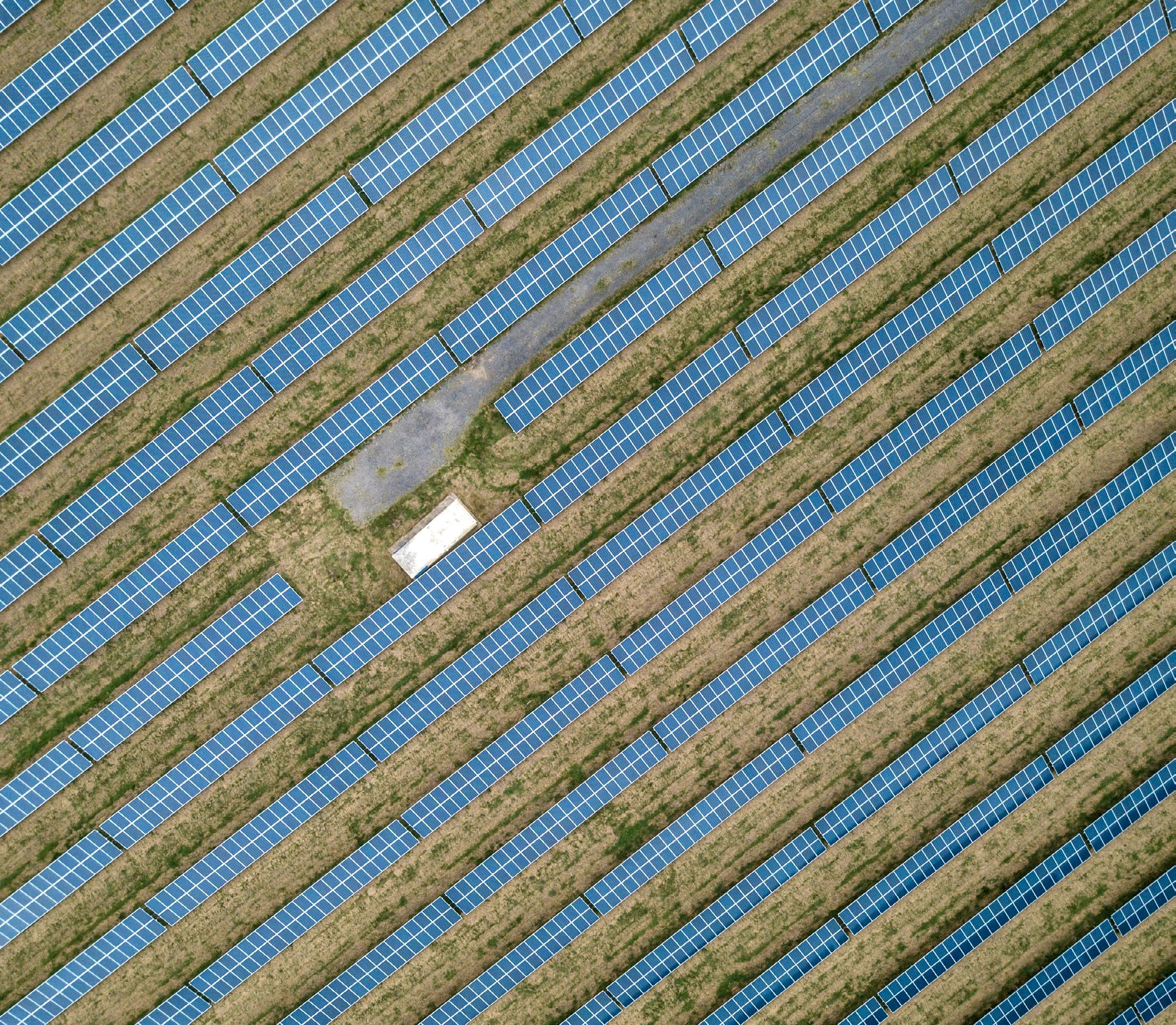
The London Renewable Energy Laboratory (LREL) brings together a whole array of equipment that empowers our students’ learning experience. The laboratory aims to focus on the full energy spectrum , encompassing equipment that can be used to test renewable energy technologies, understand the concepts of energy conversion , and identify how this energy can be stored in the long term.
Research areas include:
Solar technology
• Solar panels
• Building integrated solar
Fuel cell technology
• Electrolysers
• Hydrogen
Energy storage
• EV (Electric Vehicles)
• Battery storage
Energy efficiency
• Net- zero buildings
• Decarbonisation
Energy generation
• Renewable energy sources
• Waste to energy generation
Surveying and Mapping Sciences Lab
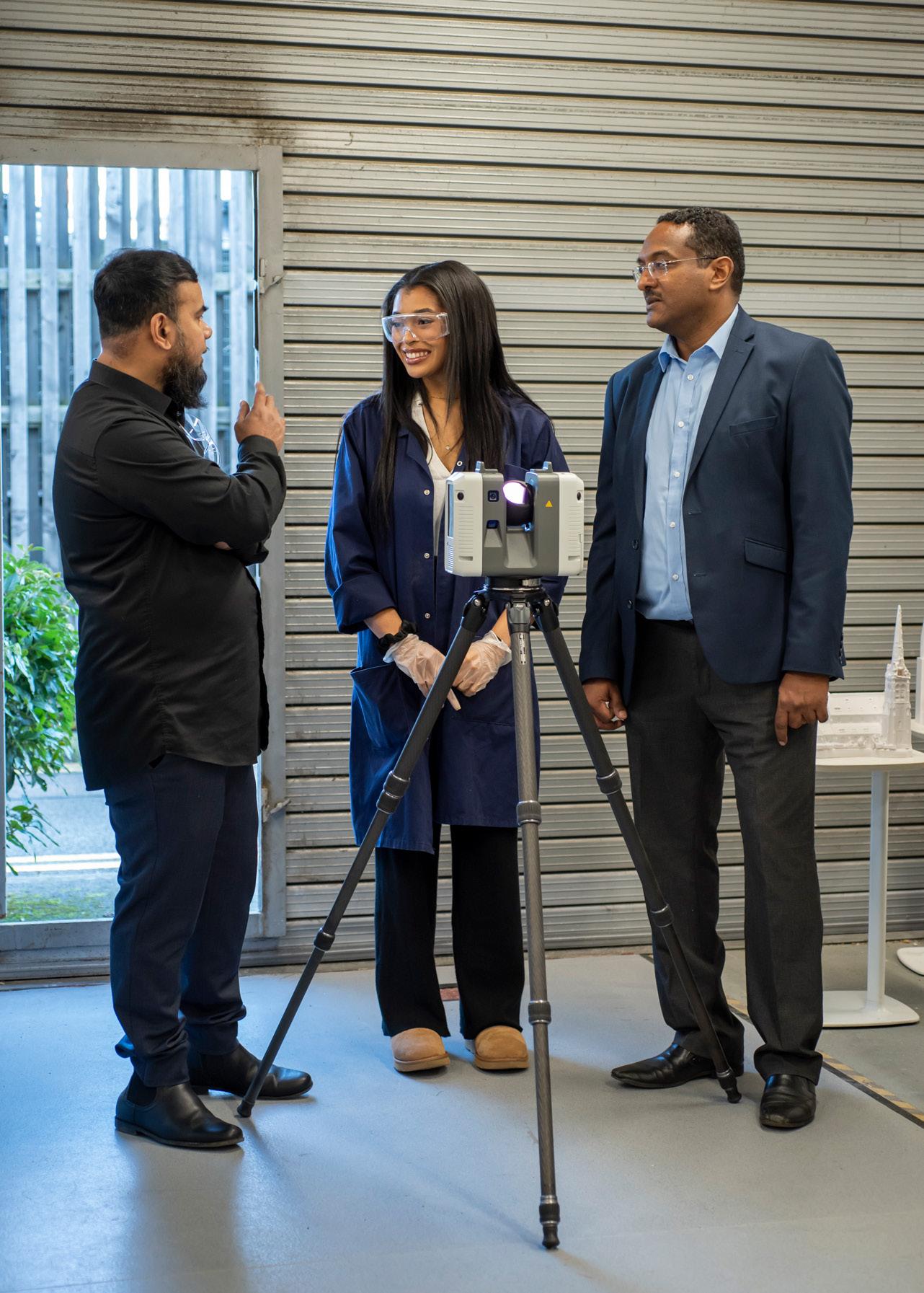
This lab houses our surveying equipment, including a range of total stations, a 3D laser scanner, and geodetic precise levels. It also contains supporting ancillary survey equipment. The facility features external access for convenient field equipment distribution.
Computing

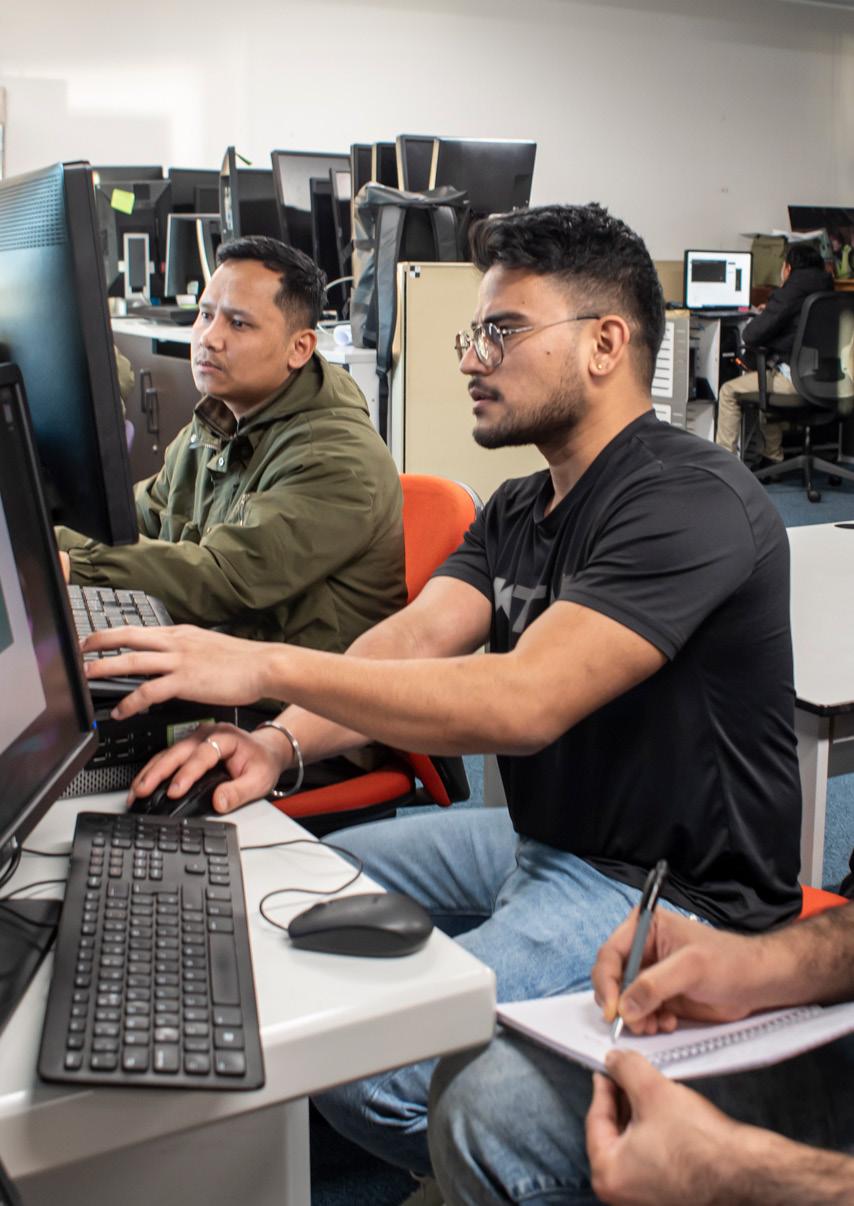
Computer Lab
Our Computer Labs are dedicated facilities equipped with state-of-the-art hardware and software resources to support teaching, learning, research, and creative exploration in various fields.
Our mission is to provide users and researchers with access to cutting-edge technology and tools, enabling them to develop essential digital skills, explore innovative ideas, and produce high-quality work in their respective disciplines.
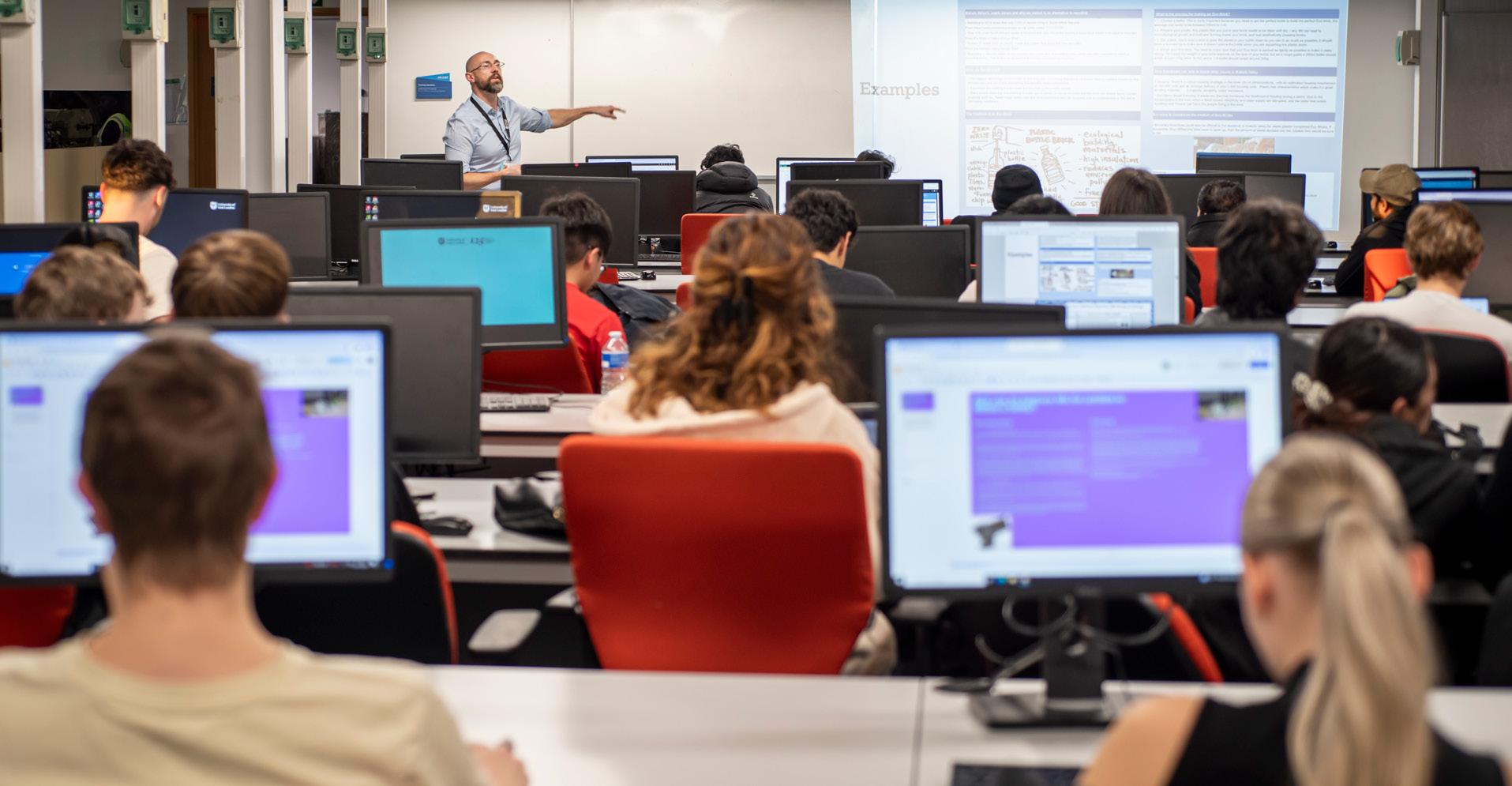
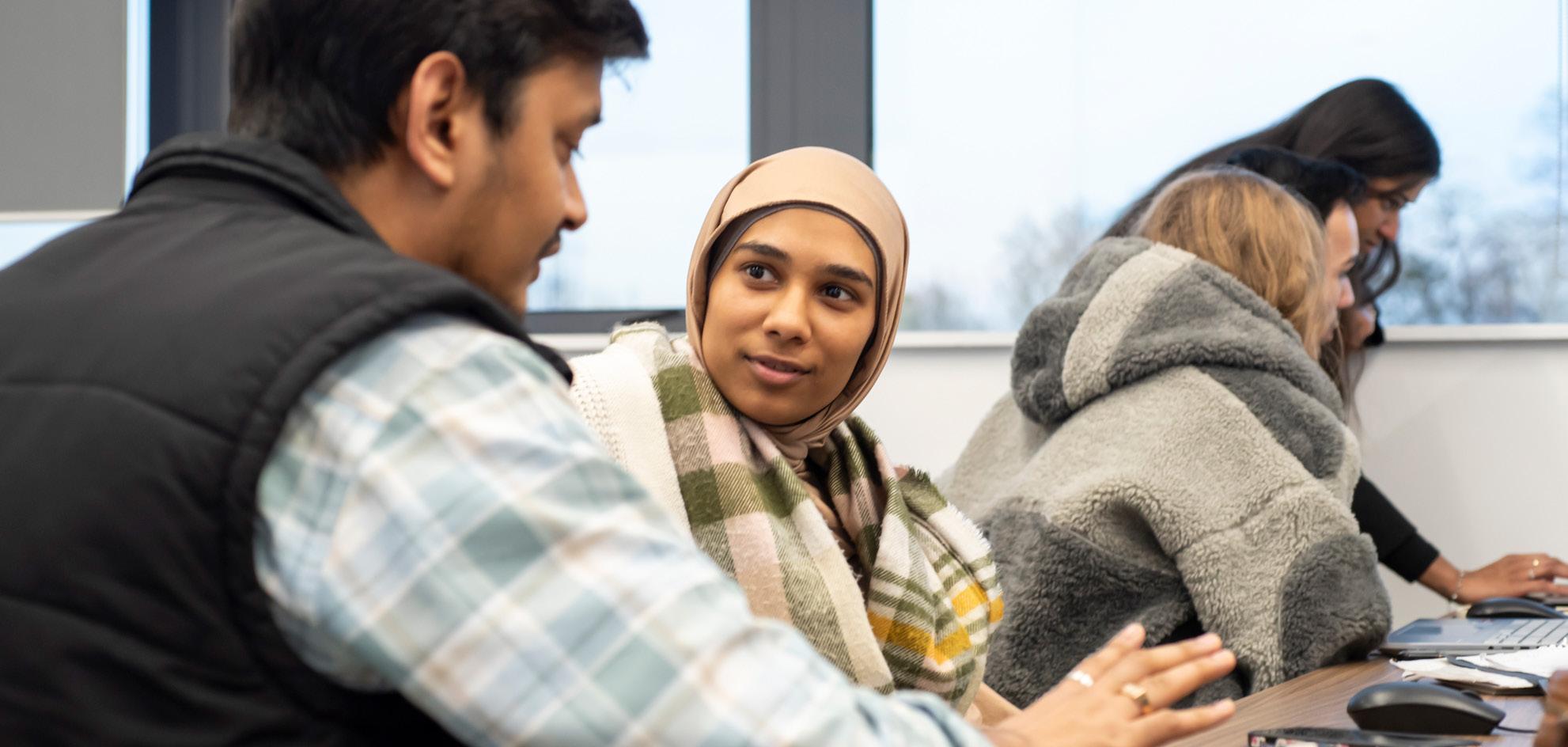
Key aspects of our Computer Labs include:
Hardware and Software:
Our labs are equipped with a range of computers and workstations. From graphic design and 3D modelling to digital imaging and video editing, users have access to industry-standard software applications and hardware configurations to support their coursework and projects.
Digital Media Production:
The Computer Labs also support the production of digital media content, including graphic design, animation, digital photography, and video production. Users can access professionalgrade software tools and equipment to create multimedia projects, develop visual concepts, and bring their creative visions to life.
Technical Support and Training:
Our dedicated staff provide technical support and training to help users maximise the resources available in the Computer Labs.
Data Analysis and Visualisation:
For users engaged in research or data-driven projects, the Computer Labs provide resources for data analysis, visualisation, and presentation. Users can utilise statistical software packages, data visualisation tools, and computing resources to analyse complex datasets, generate insights, and communicate their findings effectively.
Collaboration and Networking:
Computer Labs serve as collaborative spaces where users can work together on collaborative projects. We actively encourage interdisciplinary collaboration and knowledge exchange, fostering a supportive and vibrant community.
AI Workshop Digital Futures Lab
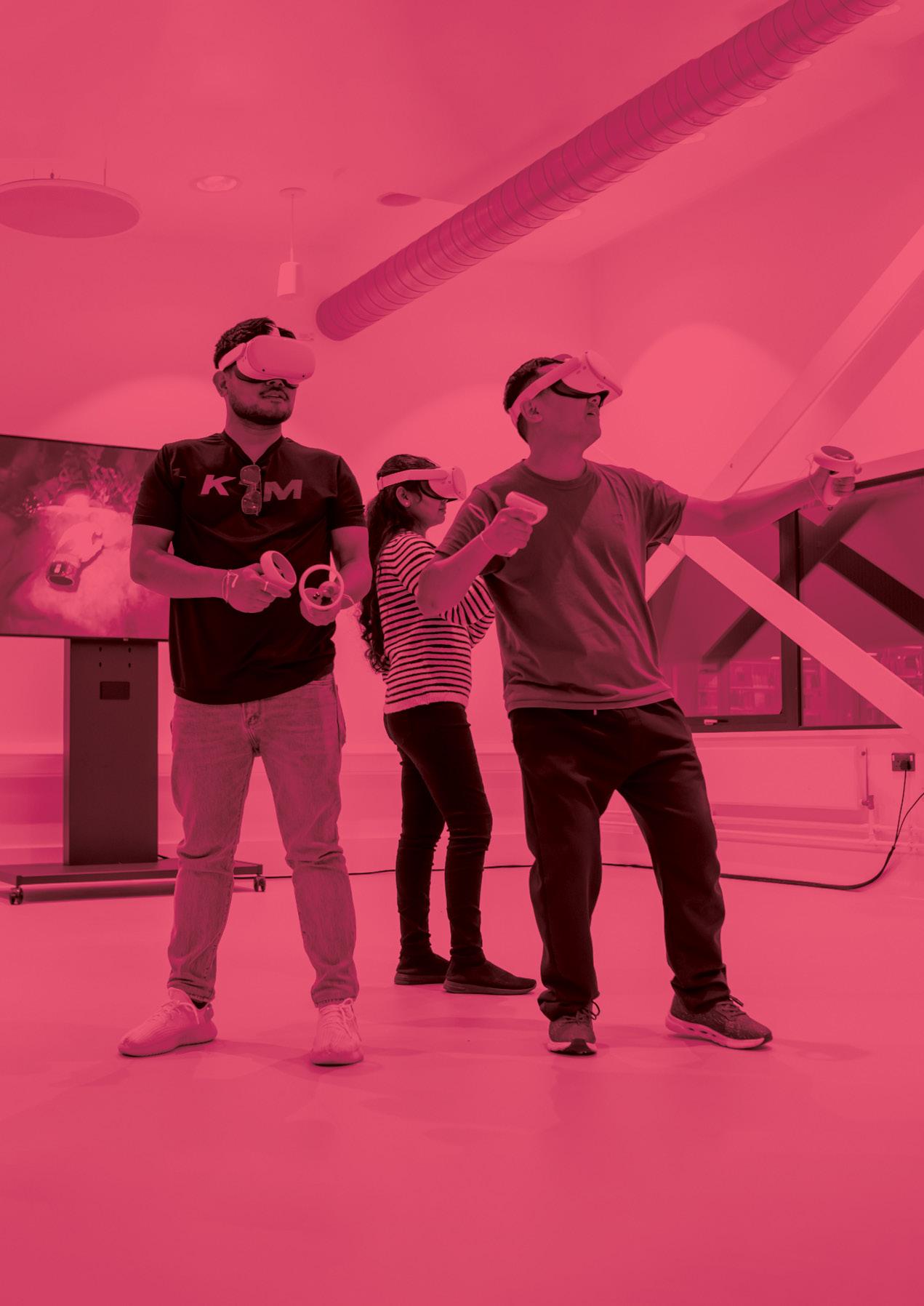
The AI Workshop - Digital Futures Lab is a specialised facility at the University of East London (UEL) focused on exploring the intersection of artificial intelligence (AI) and emerging digital technologies. This cutting-edge space is equipped with advanced tools, including seven Meta Quest headsets (three allocated for the Digital Futures Lab and four available for rental) and Insta360 cameras, making it a hub for immersive and innovative projects across various disciplines.
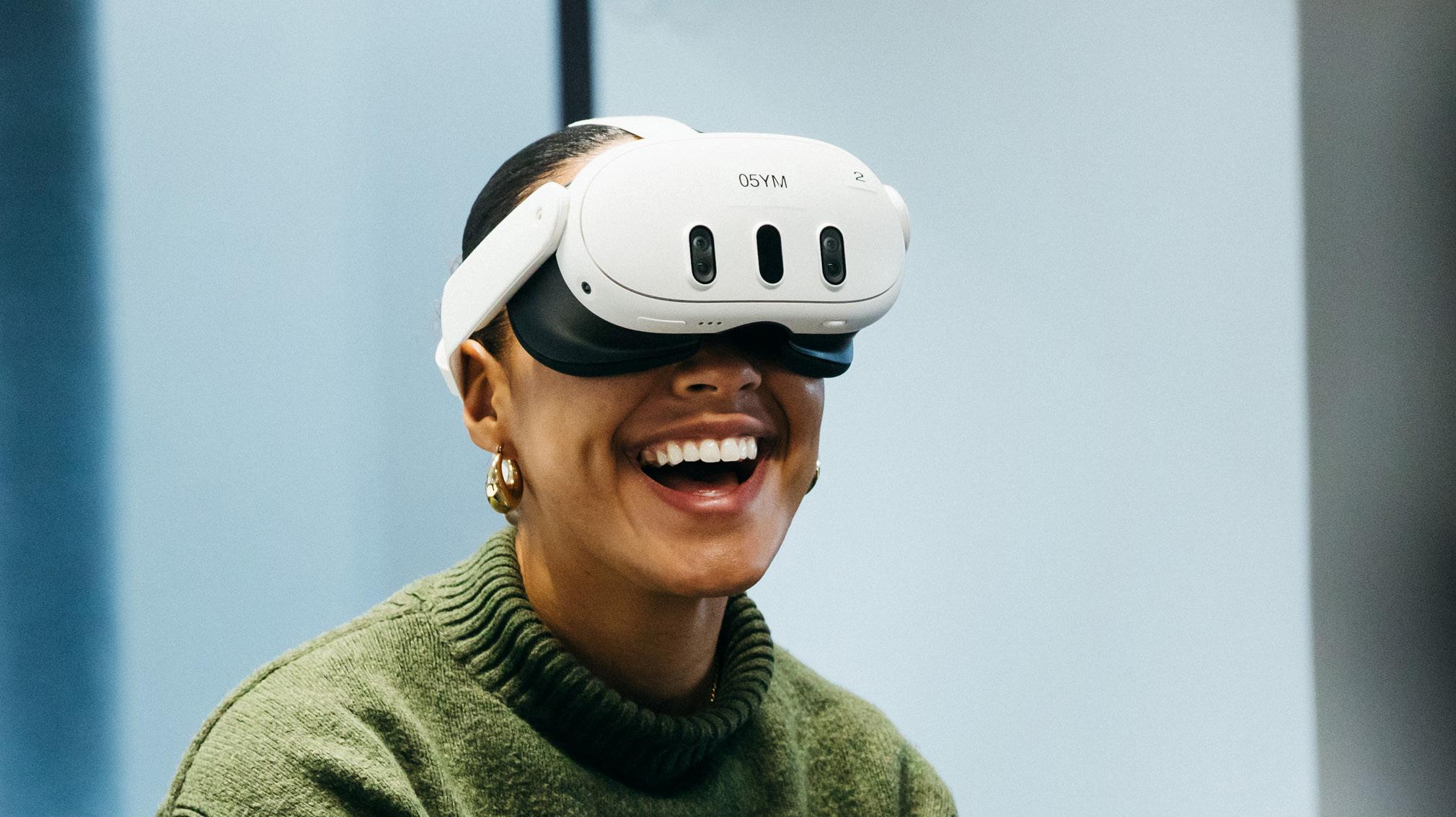
The Digital Futures Lab facilitates interdisciplinary projects that push the boundaries of digital innovation:
Architecture, Interiors, Engineering:
Collaborate on the installation of Twinmotion at UEL to generate instant 3D models and virtual reality environments based on architectural drawings, revolutionising visualisation and enabling interactive presentations of architectural designs.
Product Design:
Utilise Gravity Sketch to design and prototype products in virtual reality, enabling precise conceptualisation and iteration on designs.
Fine Art:
Engage in virtual painting using VR applications, allowing for experimentation with new artistic techniques and perspectives in a digital environment.
Illustration:
Create illustrations using digital tools and software, enhancing visual storytelling skills through the possibilities of digital media.
Photography:
Capture 360-degree photographs with Insta360 cameras, immersing viewers in dynamic visual experiences and exploring new dimensions of photographic storytelling.
Filmmaking:
Produce immersive films using Insta360 cameras, embracing 360-degree filmmaking techniques to create compelling narratives.
SIM Lab
The SIM (Simulation) Lab is a specialised facility dedicated to providing users with access to advanced simulation tools and software for various applications in art, design, and architecture. Key features of the SIM Lab include:
Simulation Software:
The lab is equipped with a wide range of simulation software tailored to different disciplines within the AVA department. This software allows users to simulate and visualise complex phenomena, processes, and systems.
Virtual Reality (VR) and Augmented Reality (AR):
The SIM Lab offers VR and AR technologies that enable users to immerse themselves in virtual environments and interact with digital content in real-time. These technologies are used for design visualization, architectural walkthroughs, interactive installations, and more.
Computational Design Tools:
The lab provides access to computational design tools and parametric modelling software that allow users to generate complex geometries, optimise designs, and explore innovative design solutions. These tools are particularly valuable for architectural design, product design, and digital fabrication.
Gaming and Interactive Media:
The SIM Lab may also include gaming consoles, motion capture systems, and other interactive media technologies for exploring game design, interactive storytelling, and immersive experiences. These tools allow users to experiment with interactive narratives, game mechanics, and virtual worlds.
Collaborative Spaces:
The SIM Lab offers collaborative spaces where users can work together on projects, share ideas, and engage in interdisciplinary collaboration. These spaces may include workstations, presentation areas, and group discussion areas equipped with interactive displays and multimedia technology.
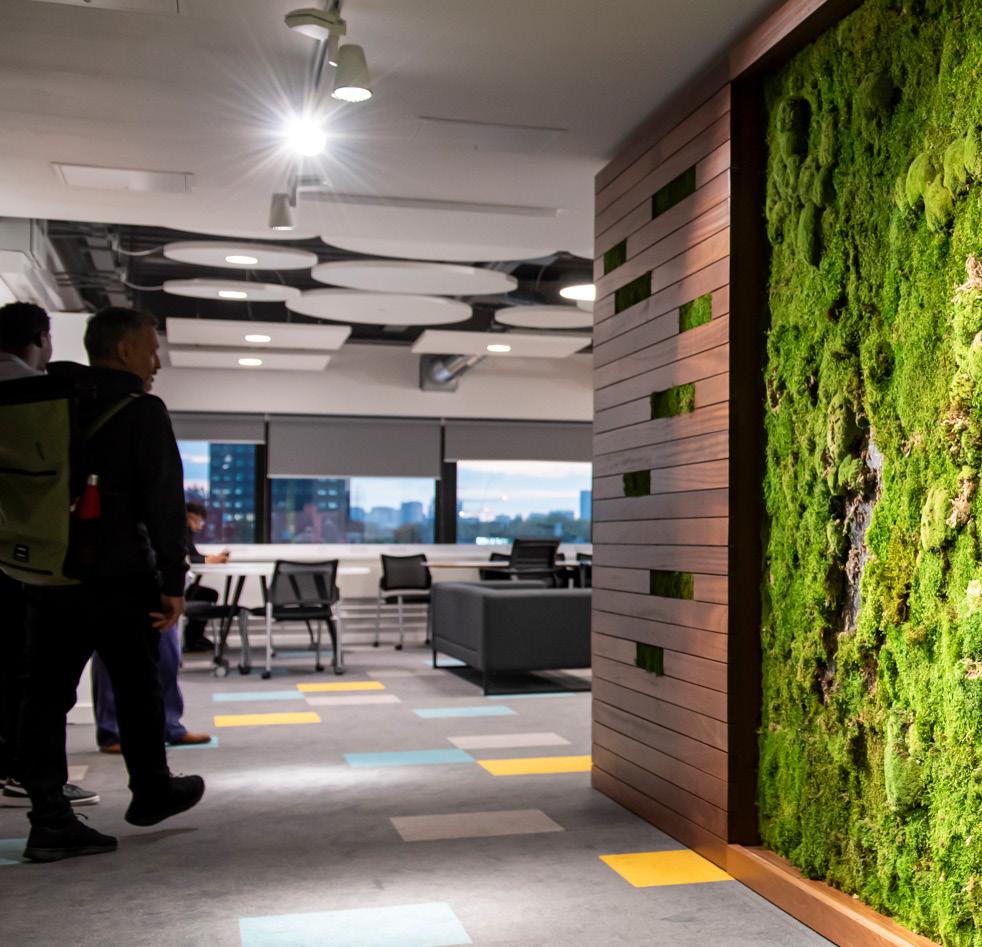
By offering access to advanced software tools, immersive technologies, and collaborative spaces, the lab empowers users to visualise, simulate, and prototype ideas, pushing the boundaries of creativity and innovation in their respective fields.
Through hands-on experimentation and interdisciplinary collaboration, user have the opportunity to explore the potential of simulation technology in a wide range of applications, from architectural design and urban planning to interactive media and digital art.
Overall, the SIM Lab is dedicated to providing a platform for creativity, innovation, and discovery, enabling users and industry partners to leverage simulation technology to imagine, design, and create transformative solutions that address real-world challenges and shape the future of art, design, and architecture.
Cyber Security and Digital Forensics Lab
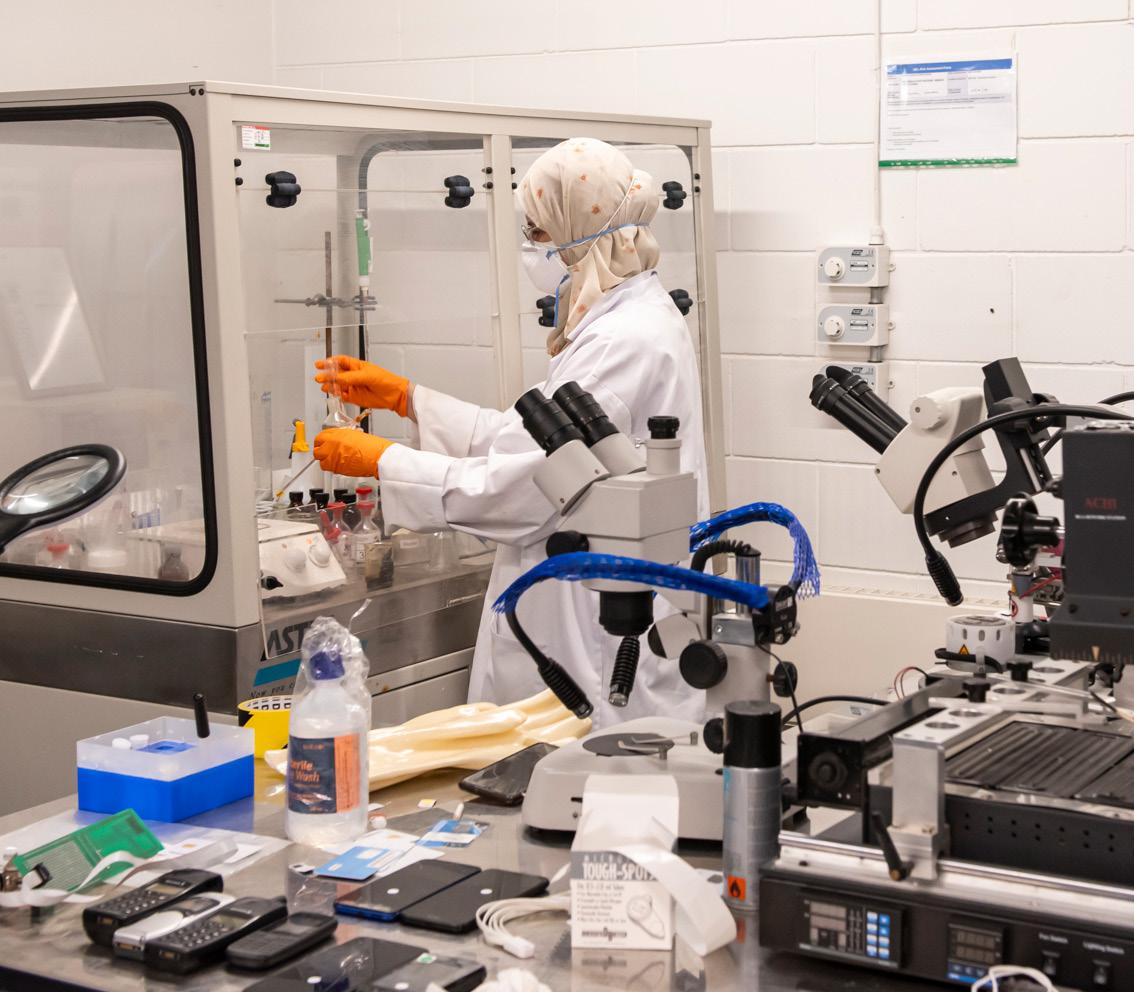
Our Forensics Lab provides a unique interdisciplinary space for users and industry partners to explore the intersection of forensic investigation, creativity, and design. This concept involves applying forensic techniques and methodologies to creative disciplines rather than traditional forensic science, including:
Digital Forensics Equipment:
Tools and software for analysing digital devices, such as computers, smartphones, and storage media, to recover and examine data for legal or investigative purposes.
Forensic Architecture Tools:
Software and equipment for documenting and analysing architectural structures and environments, including 3D modelling software, laser scanning devices, and photogrammetry tools.
Crime Scene Investigation Tools:
While traditional crime scene investigation equipment may not typically be found in an Architecture and Visual Arts (AVA) department, specialised tools for documenting and analysing artistic or architectural crime scenes are included.
Research and Analysis Space:
A dedicated area for conducting research, analysis, and experimentation related to forensic investigations in art, design, and architecture.
Utilising Digital Forensics:
Users and industry partners analyse digital artifacts within creative projects, such as investigating digital artworks, analysing design files, and examining digital representations of architectural structures.
Exploring Forensic Architecture:
The lab focuses on applying forensic techniques to architectural analysis and investigation, using modelling software, laser scanning technology, and photogrammetry to reconstruct crime scenes or analyse building structures.
Investigating Artistic Practices:
The lab explores forensic techniques in artistic practices, analysing materials, techniques, and processes used in art creation, as well as issues like art forgery, provenance, and conservation.
Collaborating Across Disciplines:
The Forensic Lab serves as a collaborative space where users and industry partners from diverse backgrounds explore the intersection of forensic investigation, creativity, and design. Collaboration among artists, architects, designers, forensic experts, and legal professionals is encouraged to foster interdisciplinary learning and research.
ACE Gallery Spaces

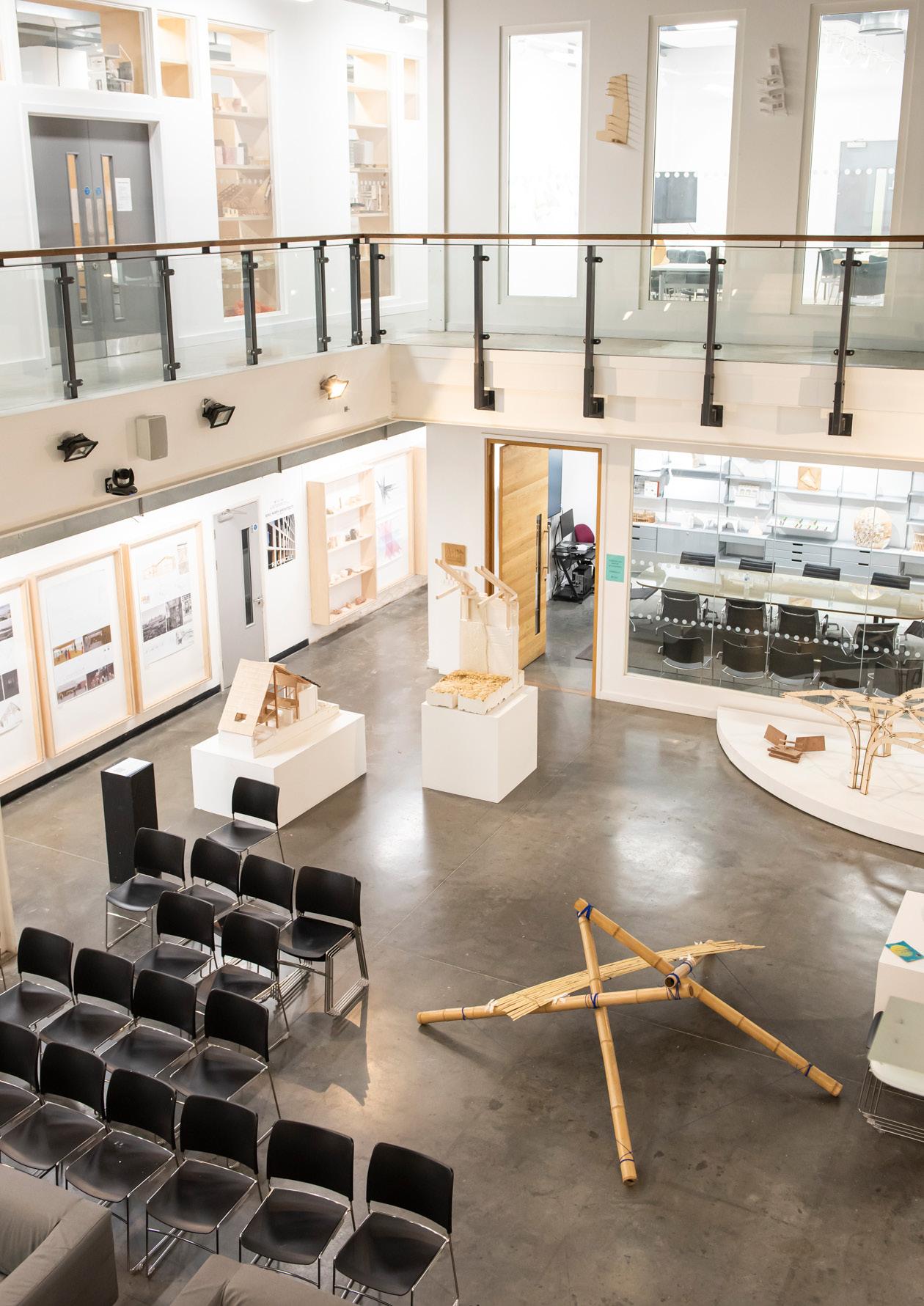
AVA Lightwell
The AVA Lightwell is a versatile space designed to support collaboration, experimentation, and creative exchange. Ideal for design sprints, innovation workshops, and interactive sandpit activities, it fosters hands-on learning and dynamic group engagement.
Integrated with the newly established Broadcast Unit, the Lightwell also enables seamless live streaming, extending the reach of events and enhancing accessibility. By combining practical making with modern media capabilities, it offers a future-facing environment tailored to the evolving needs of the creative industries.
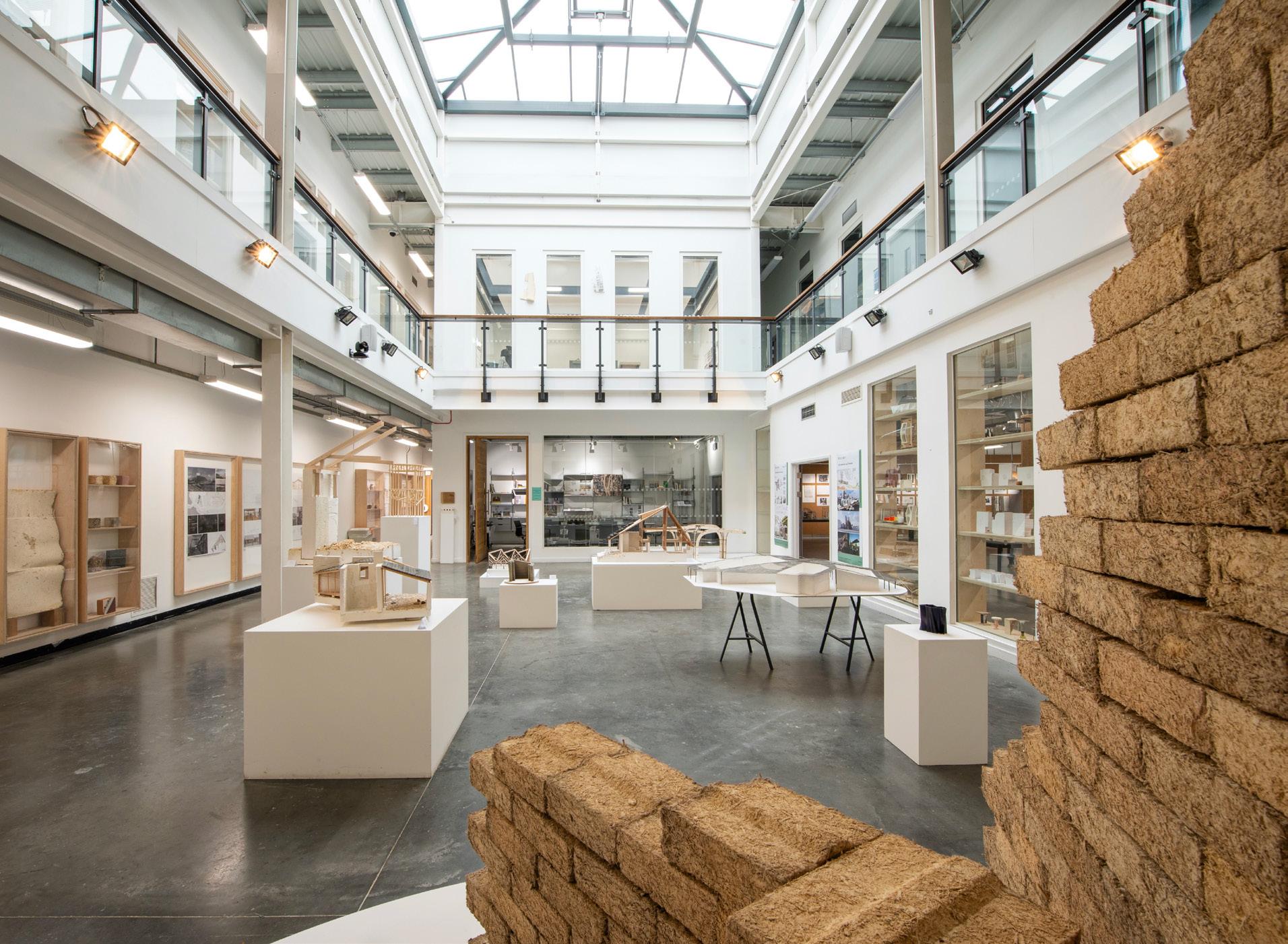
The Atrium
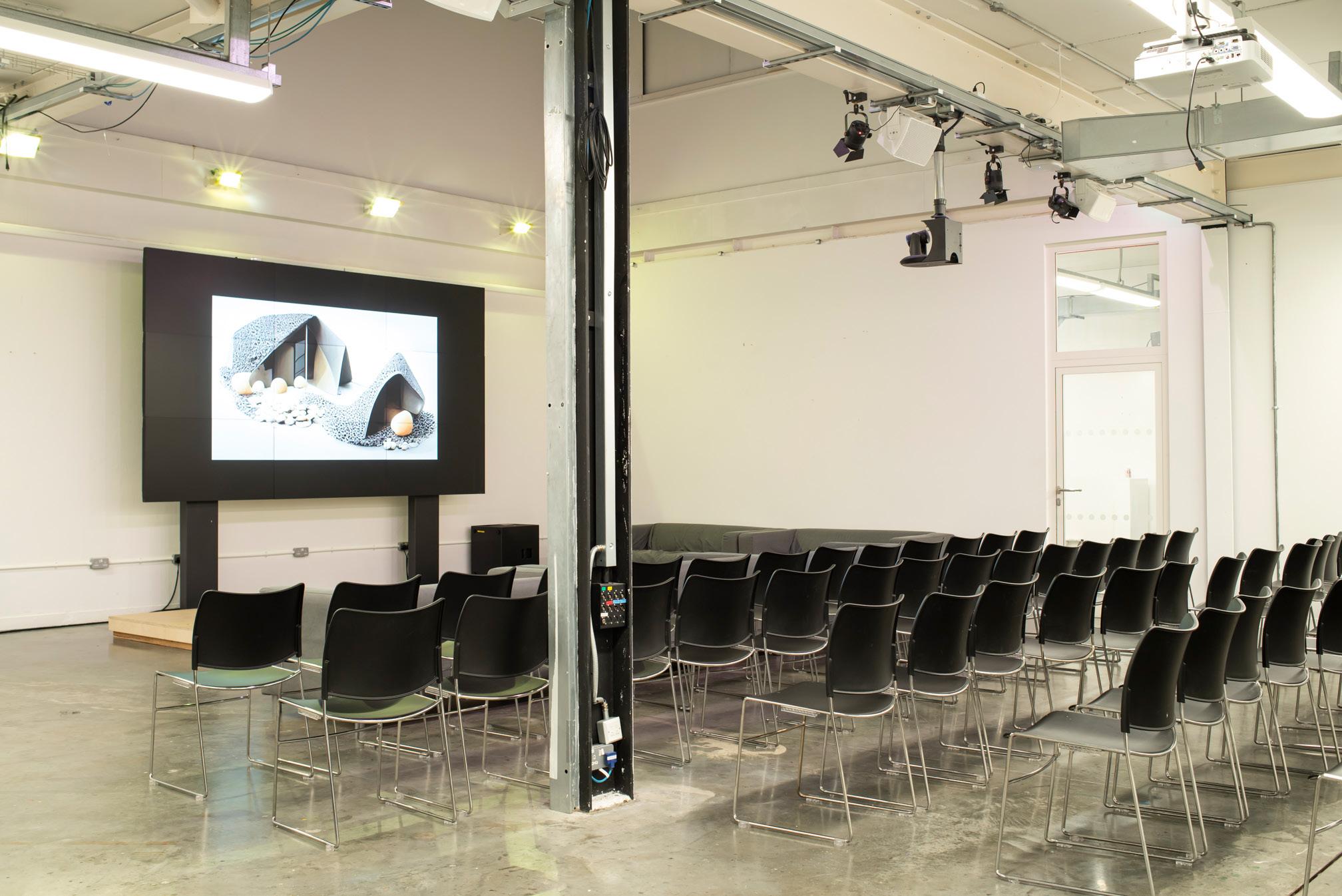
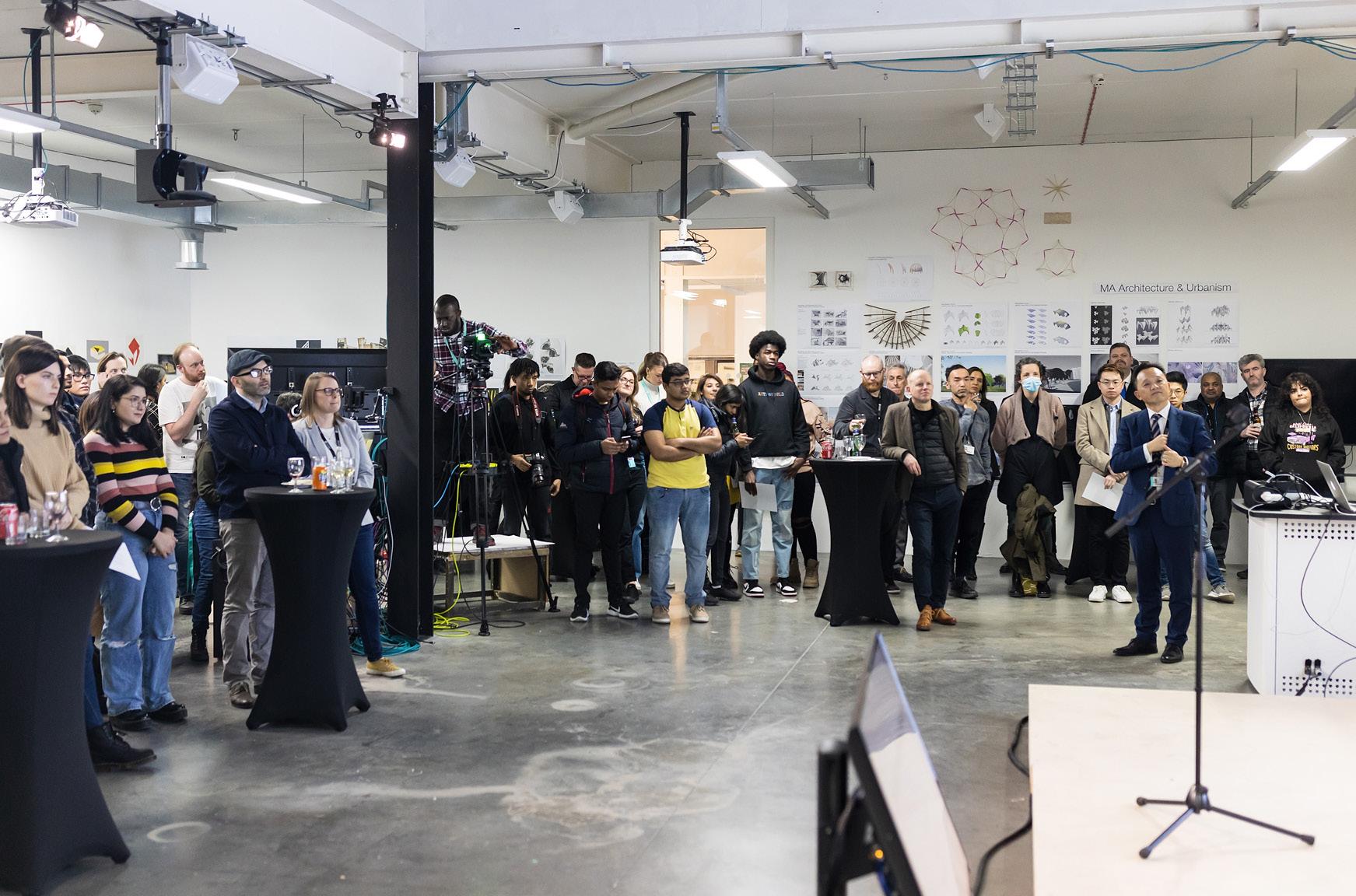
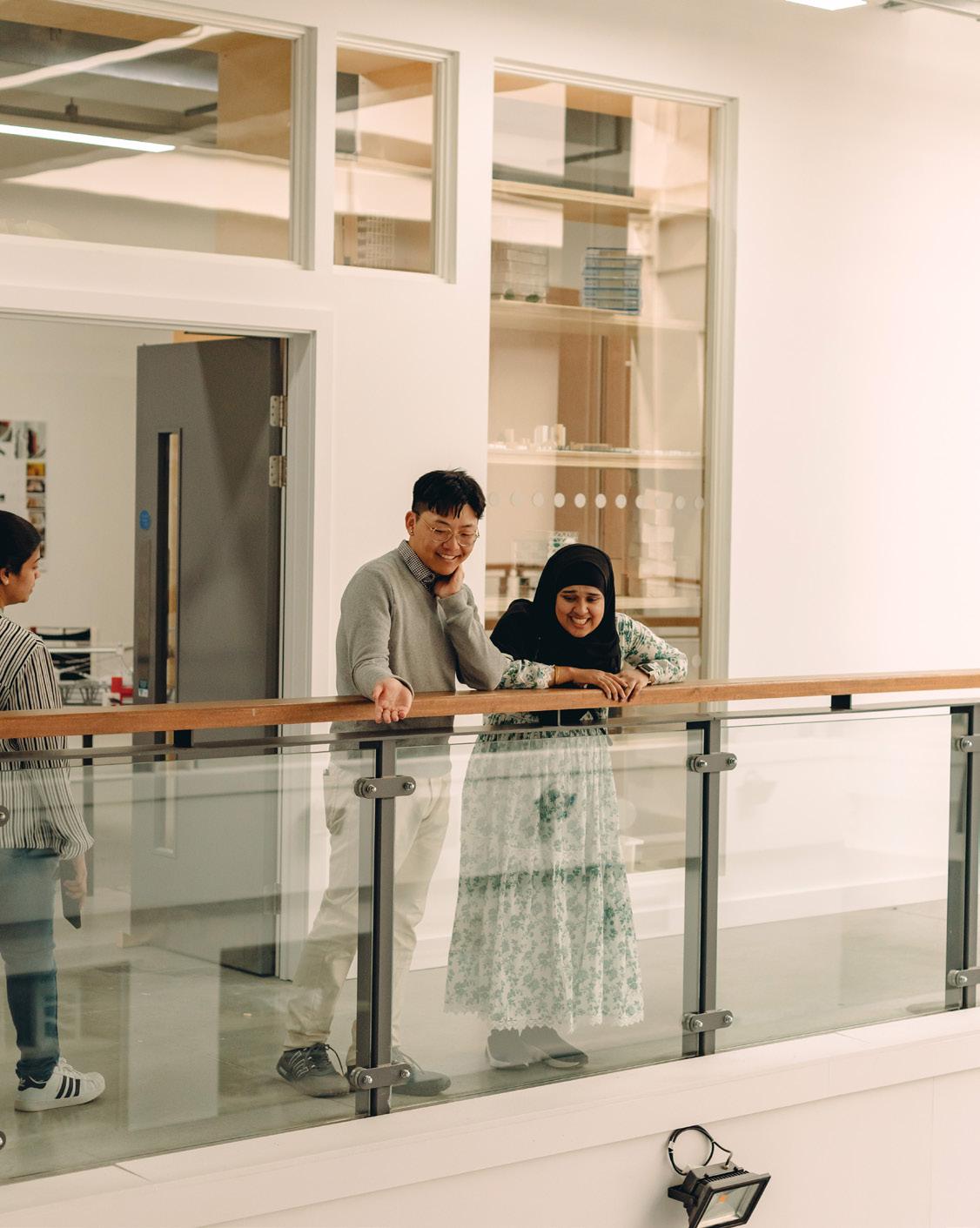
The Atrium is a multifunctional space that enriches the educational experience and fosters creativity within the university community. Central to it is the archive library , which preserves the institution’s history and supports research and academic excellence. The Atrium also includes a visitor area showcasing exemplary student work, along with bookable presentation spaces, small galleries, and studios that encourage livi learning and creative exploration. These versatile spaces can host lectures, workshops, exhibitions, and discussions, enhancing engagement and innovation. Through accessible resources and flexible spaces, the Atrium cultivates a vibrant environment for learning and collaboration.
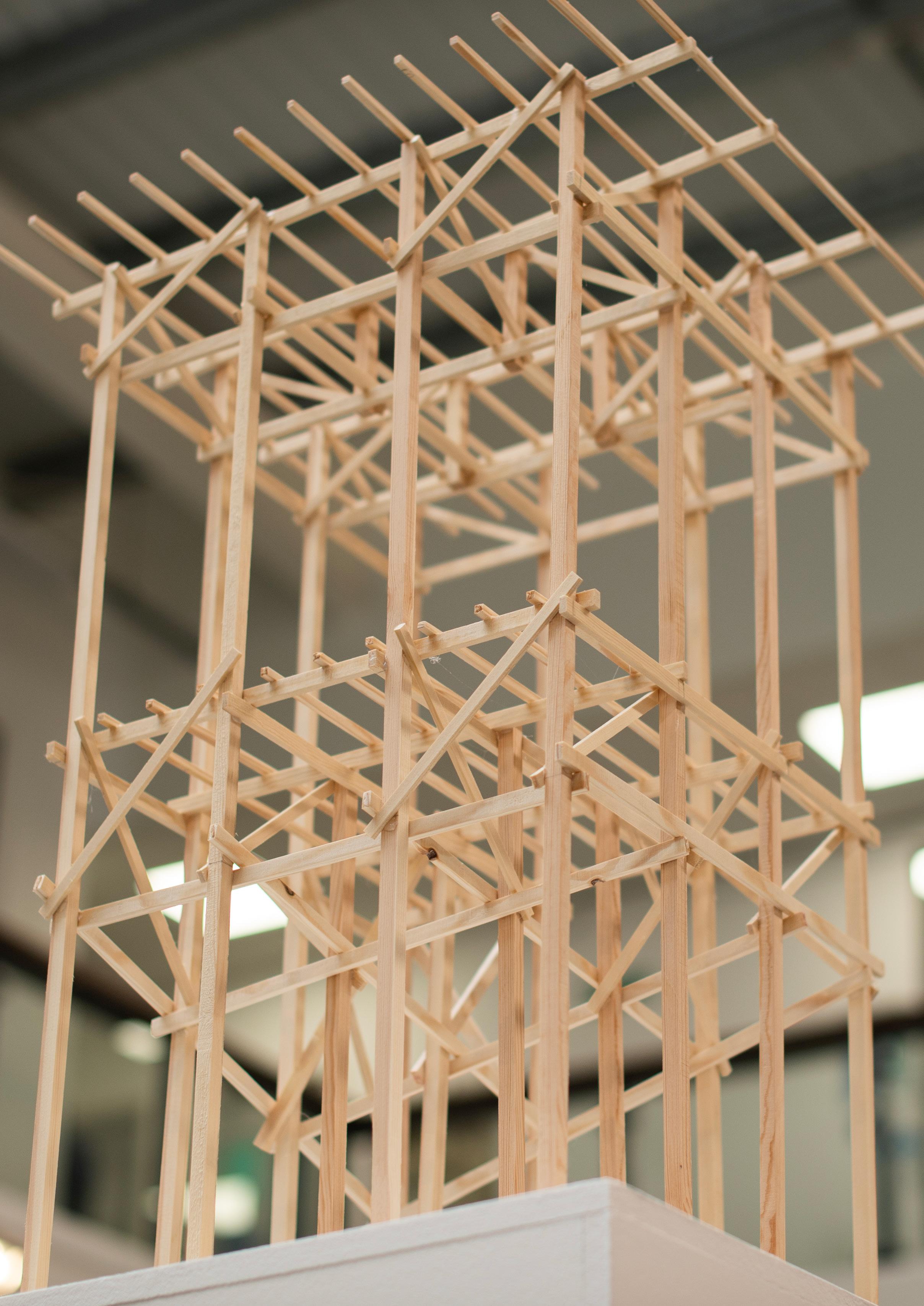
The space is designed to promote collaboration, creativity, and innovation while aligning with the evolving demands of the creative industry.
Way Out East Gallery
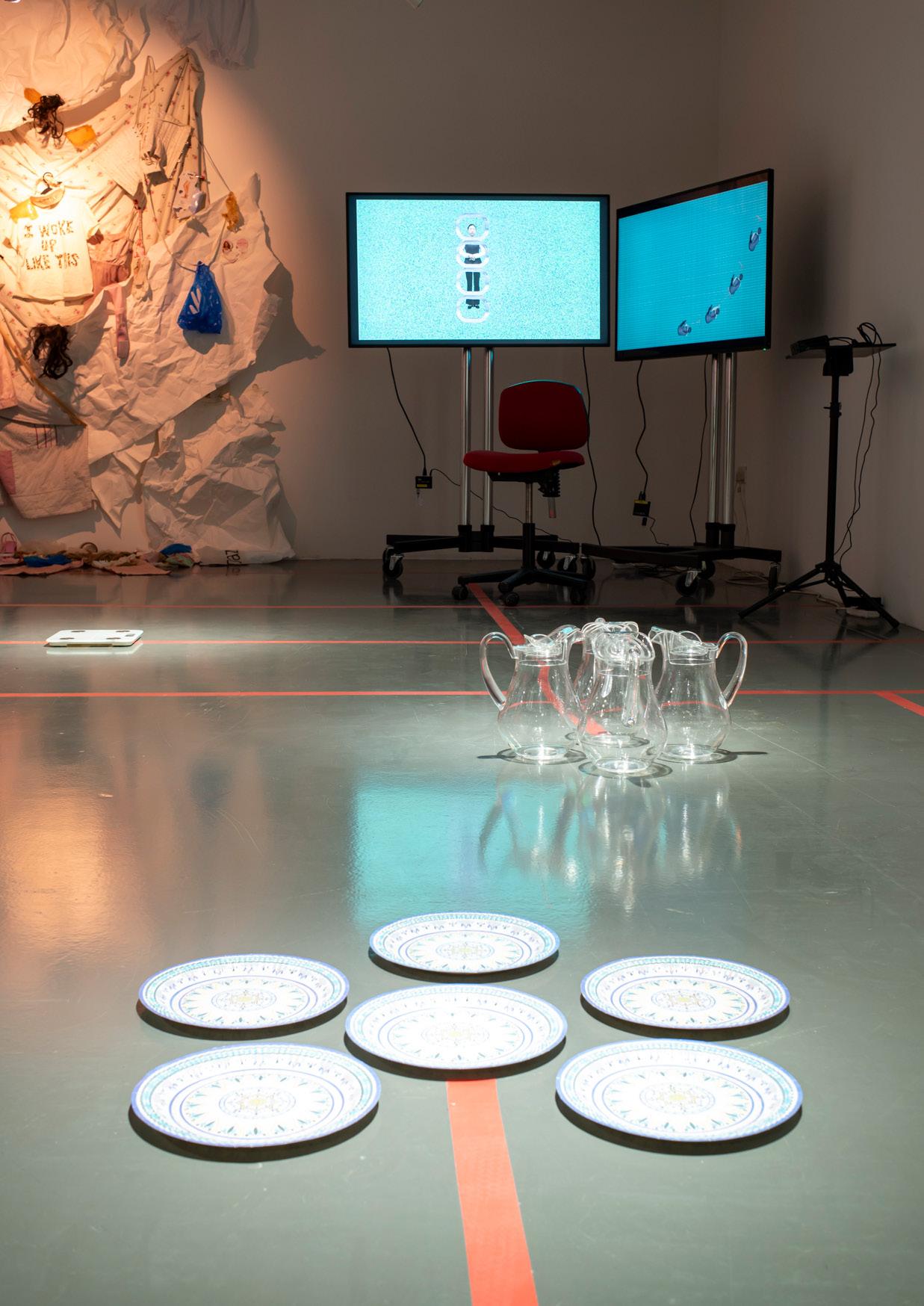
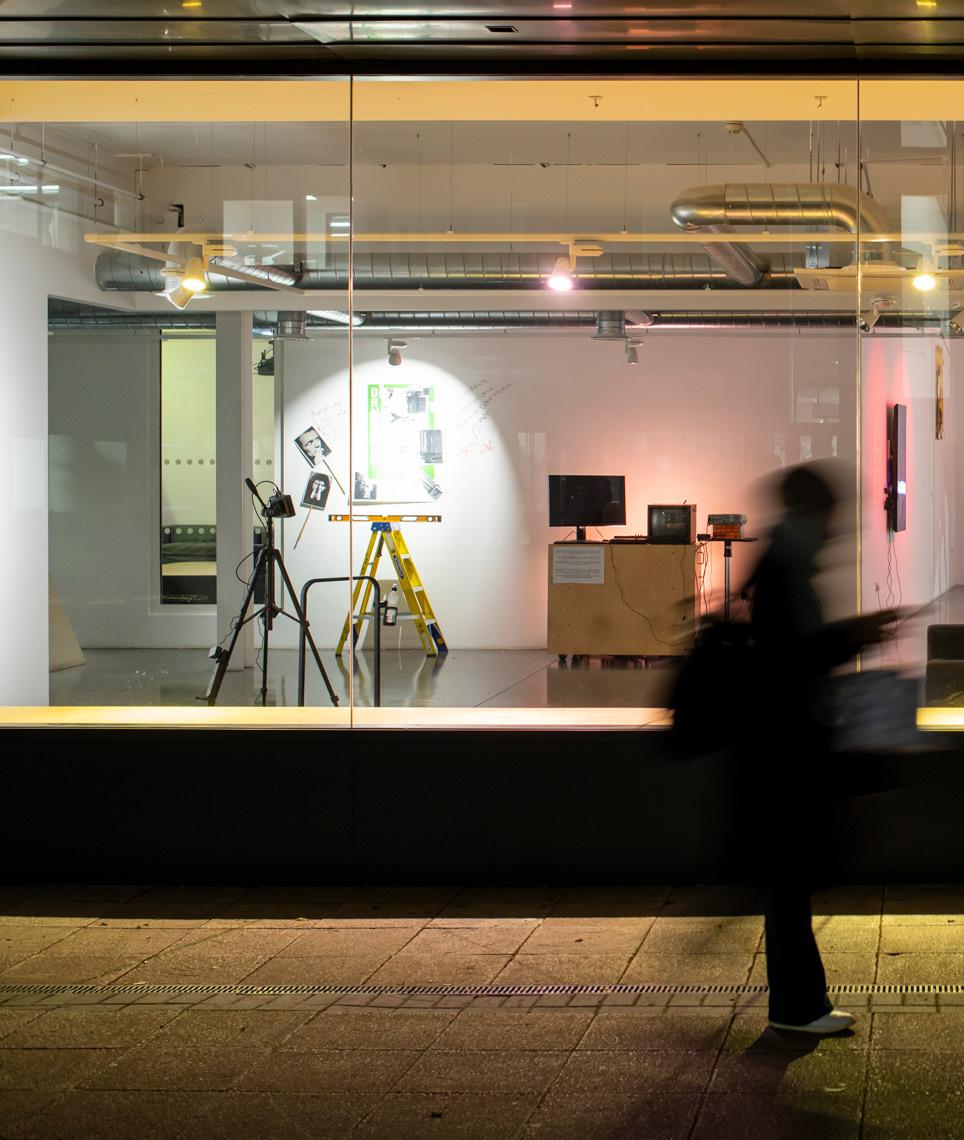
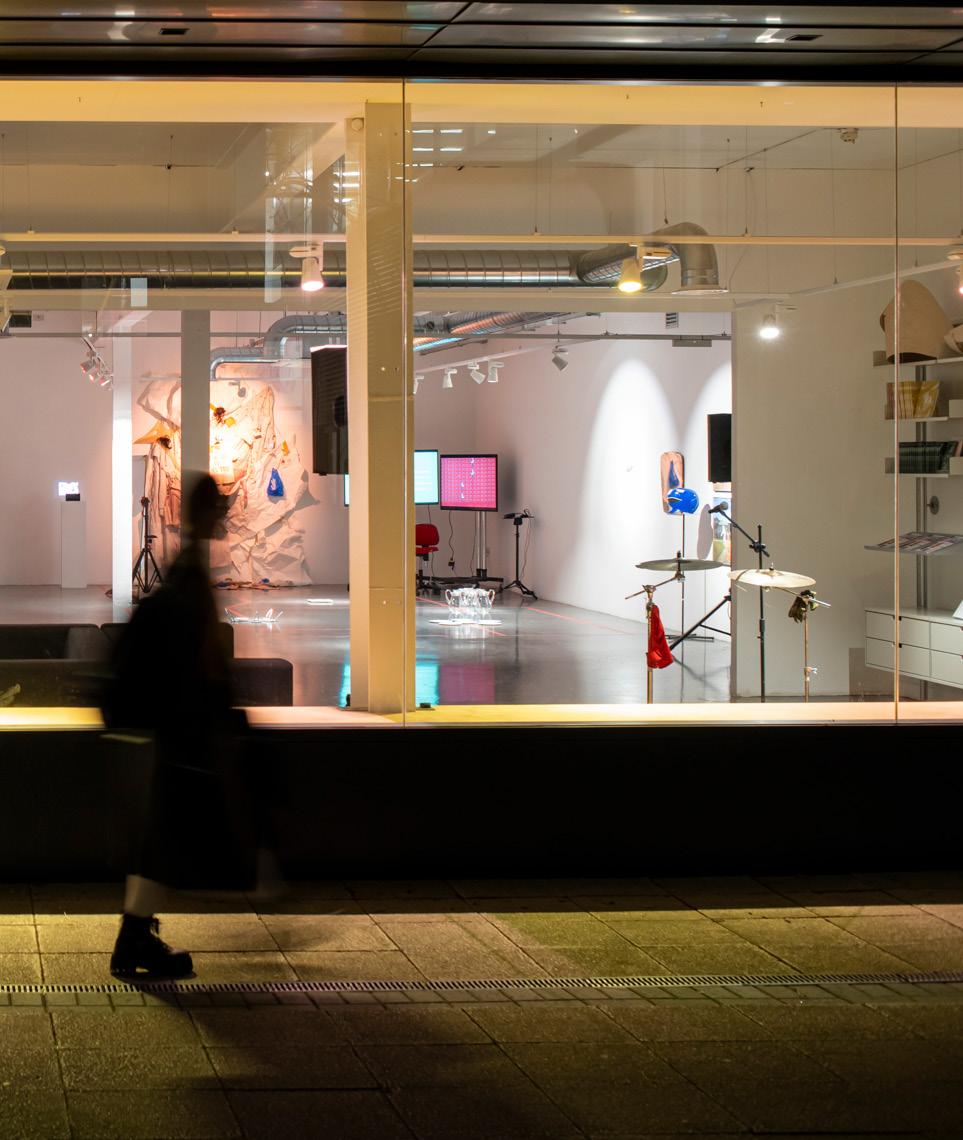
The Way Out East Gallery, inaugurated in 2019 and expanded in 2022 through a £1 million renovation, showcases the work of users, staff, and external contributors through regular exhibitions. The gallery’s mission is to explore creativity without boundaries , fully delving into its potential.
By curating exhibitions featuring invited artists and makers, Way Out East enriches the learning experience and engagement of its participants. The quality of the showcased artists reflects the exceptional teaching standards and topnotch facilities at the University of East London, particularly in the fields of Architecture and Physical Design, as well as the Visual Arts.
Additionally, the gallery has received recognition for its contributions to community cohesion, winning the Outstanding Initiative in Community Cohesion award at the East London Community Heroes 2023 ceremony. This accolade acknowledges the gallery’s efforts to bring together individuals from diverse backgrounds and age groups to collaboratively address local issues.
Way Out East Gallery
AVA Workshops
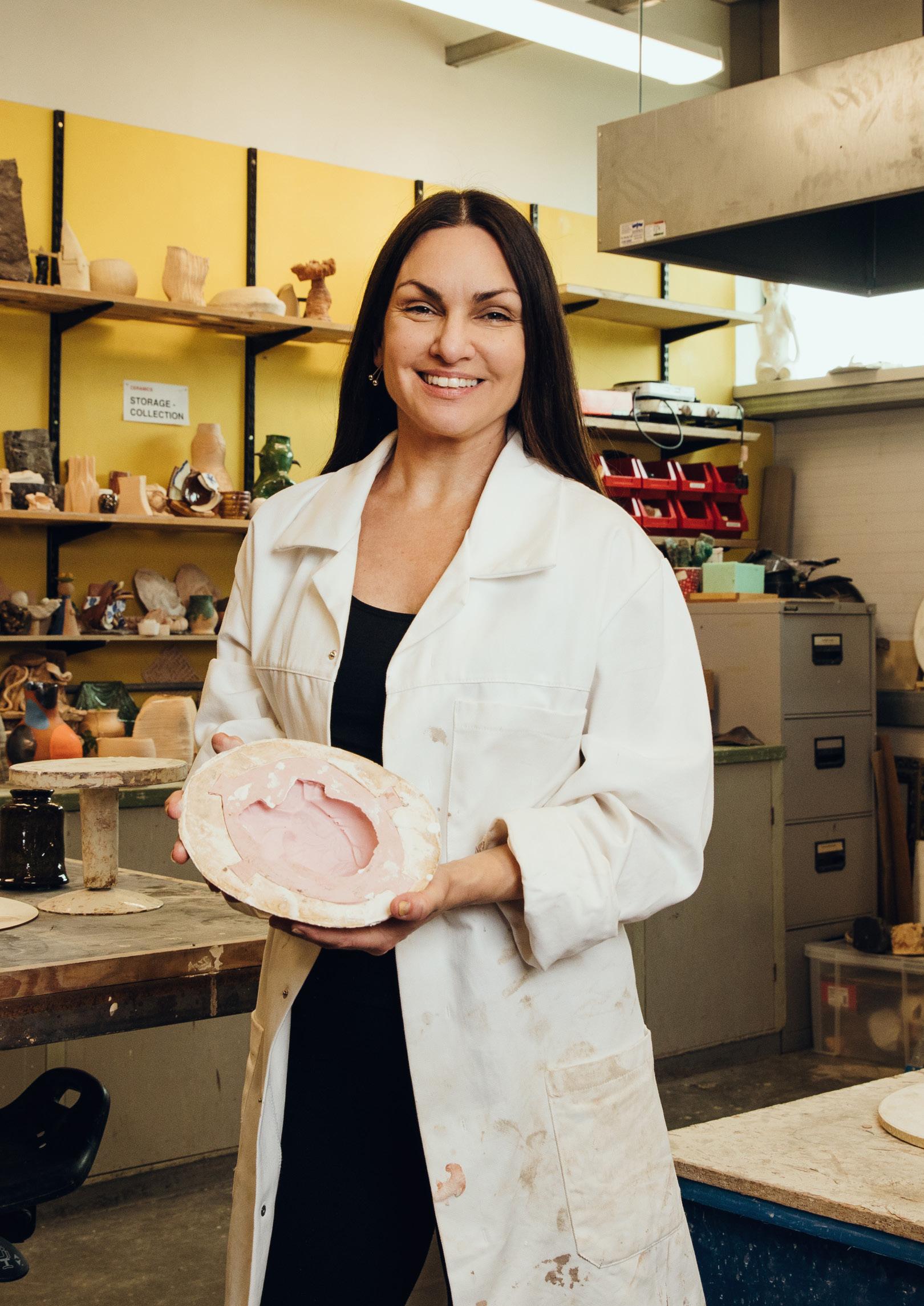
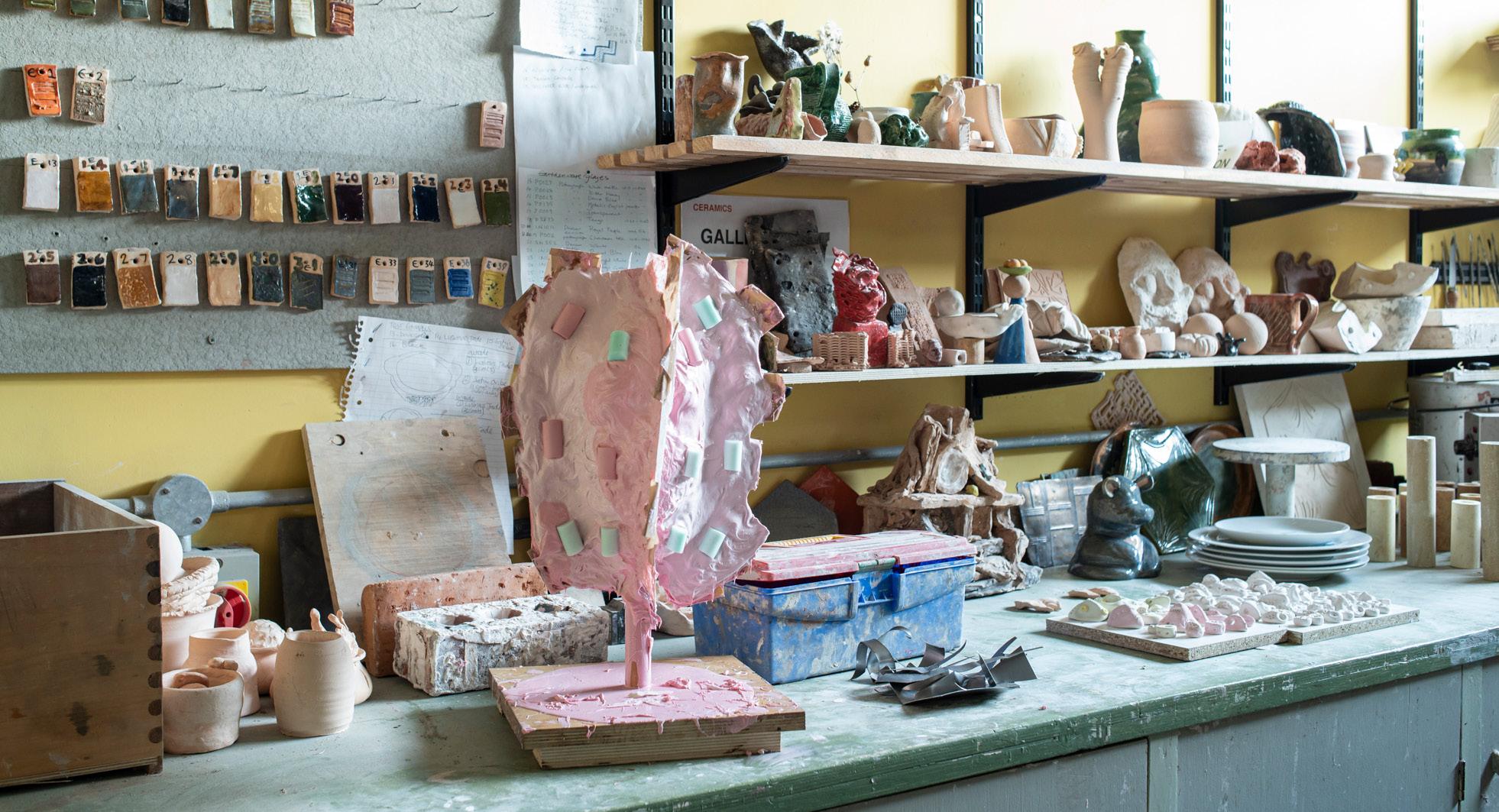
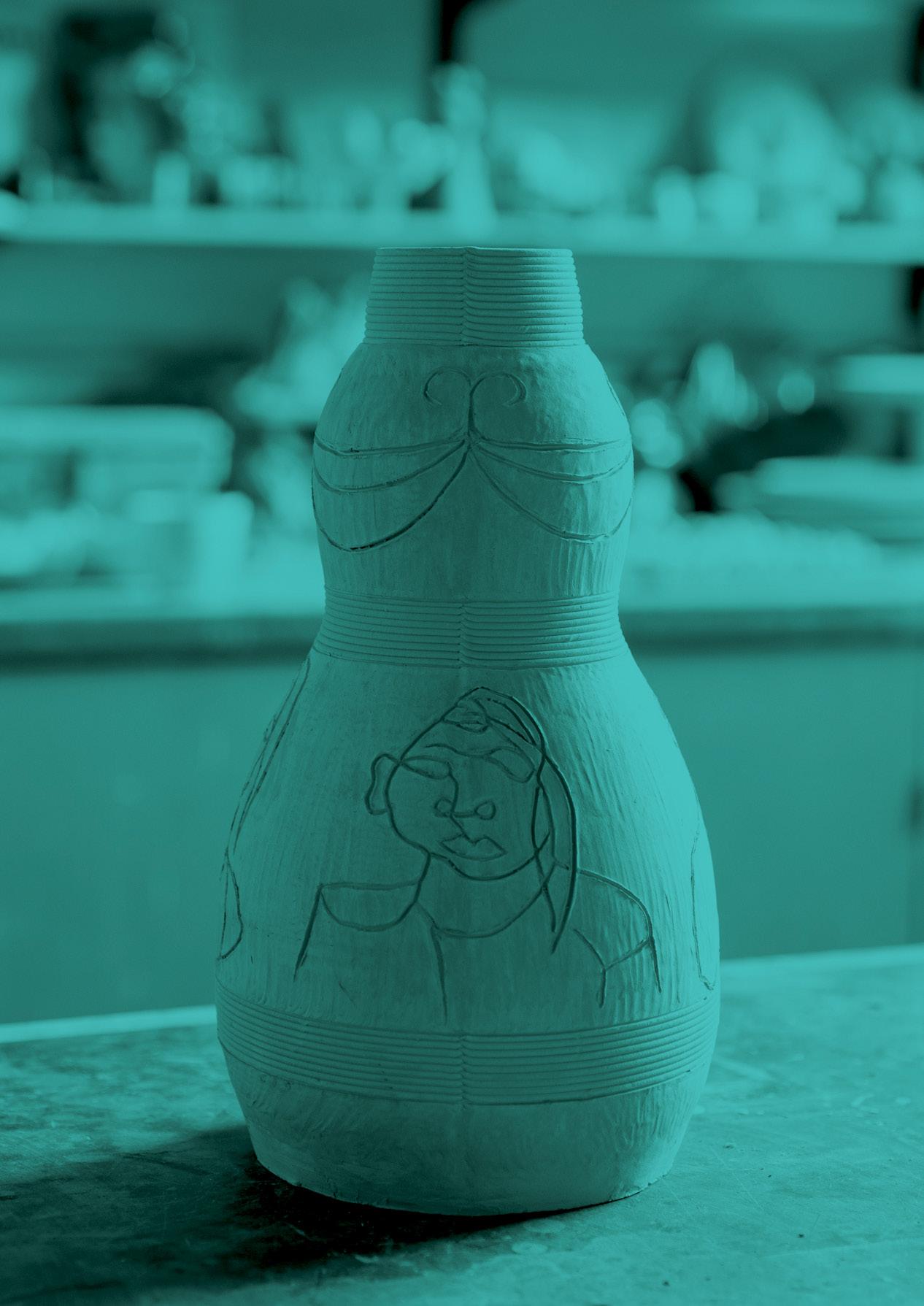
The AVA Workshops provide a comprehensive range of facilities and techniques for sculpture, ceramics, digital fabrication, and metalworking, supporting both traditional craftsmanship and innovative hybrid processes .
The 3D Sculpture Workshop features a plaster and mold-making area equipped with various techniques, including plaster waste moulds, piece moulds, and flexible moulds made from latex, alginate, or silicone rubber. These moulds can be cast into various materials such as plaster, concrete, clay, slip, wax, and resin.
Our ceramic facility includes a top-loading kiln for ceramic work, while a clay printer in the digital fabrication workshop expands possibilities for hybrid making processes that blend digital and handcrafted skills. Hot metal casting in
bronze and aluminium is performed using the lost-wax process, where the moulds are dewaxed in the kiln, and the metal is melted in the furnace.
The metal workshop is equipped with a variety of machines for cutting, shaping, and joining metal. This includes three types of welders, such as a TIG welder specifically designed for welding bronze. Additional metalworking facilities include a brazing hearth, a sheet metal folder, a roller, and a guillotine.
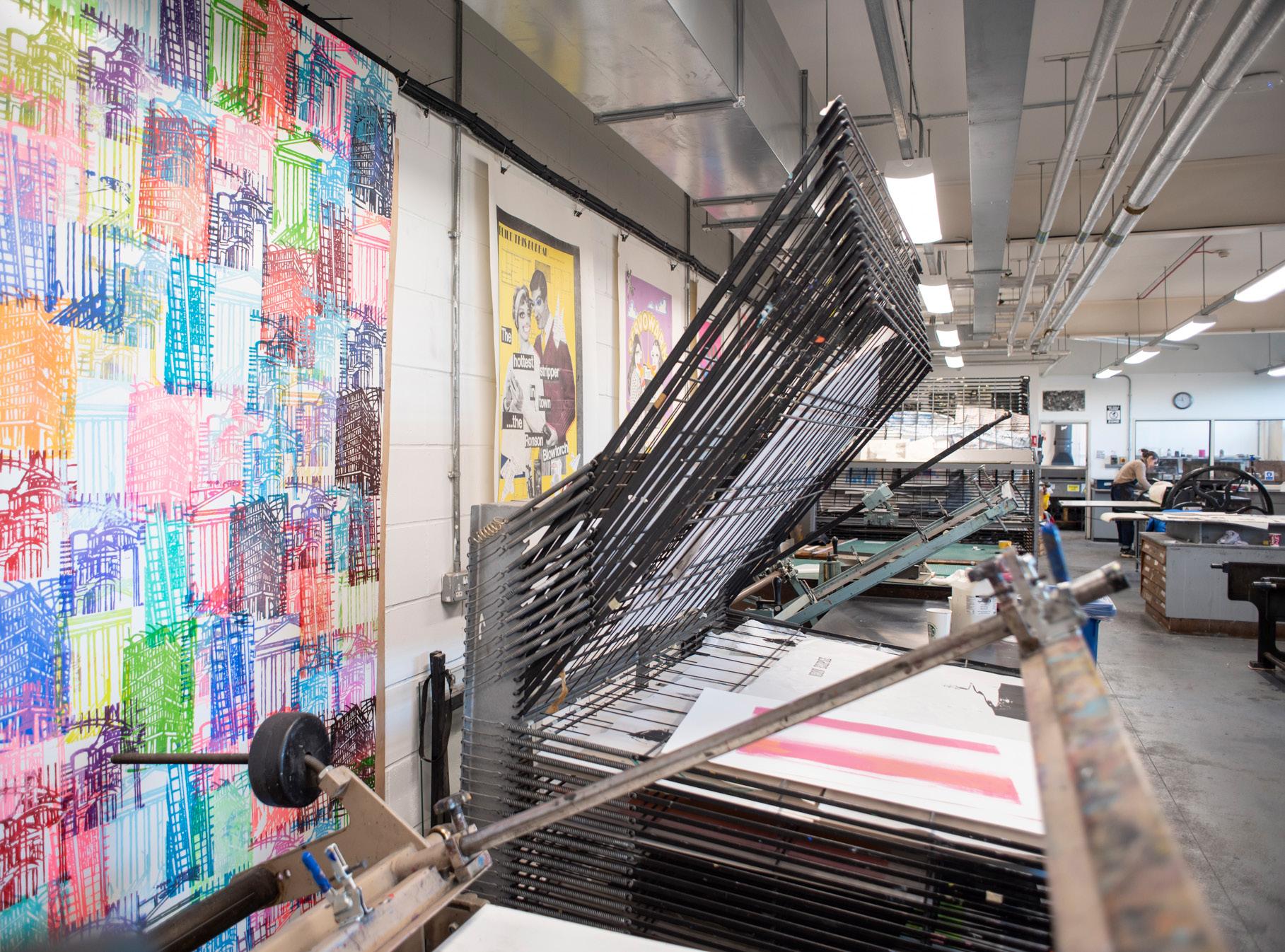
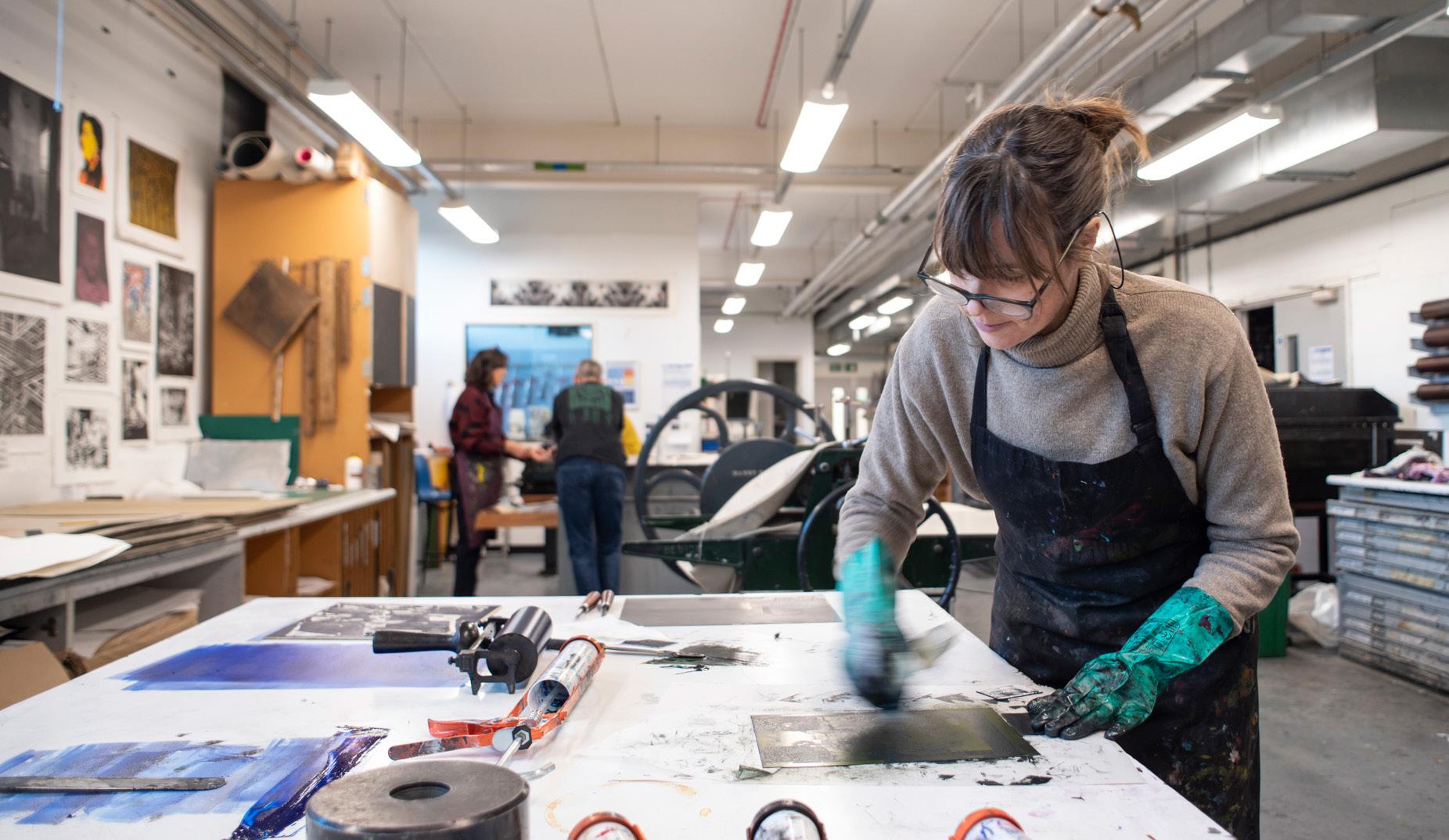
Printmaking Workshop
The Print Room serves as a creative hub for learning the artistry of traditional printmaking alongside modern techniques. This workshop encourages individuals to explore their creativity and push the boundaries of conventional printmaking processes.
Equipped with a diverse range of tools, including two etching presses, a Beaver press, an offset litho press, four screen beds, and a large exposure unit, the Print Room provides everything needed to bring artistic visions to life. The workshop is divided into two areas: oil-based and water-based printing, each offering unique opportunities for experimentation and expression.
Users can explore various techniques, including intaglio, photo etching, lino, monoprint, dry point, woodblock, screen printing, photocopy transfer, and embossing.
Photography Spaces

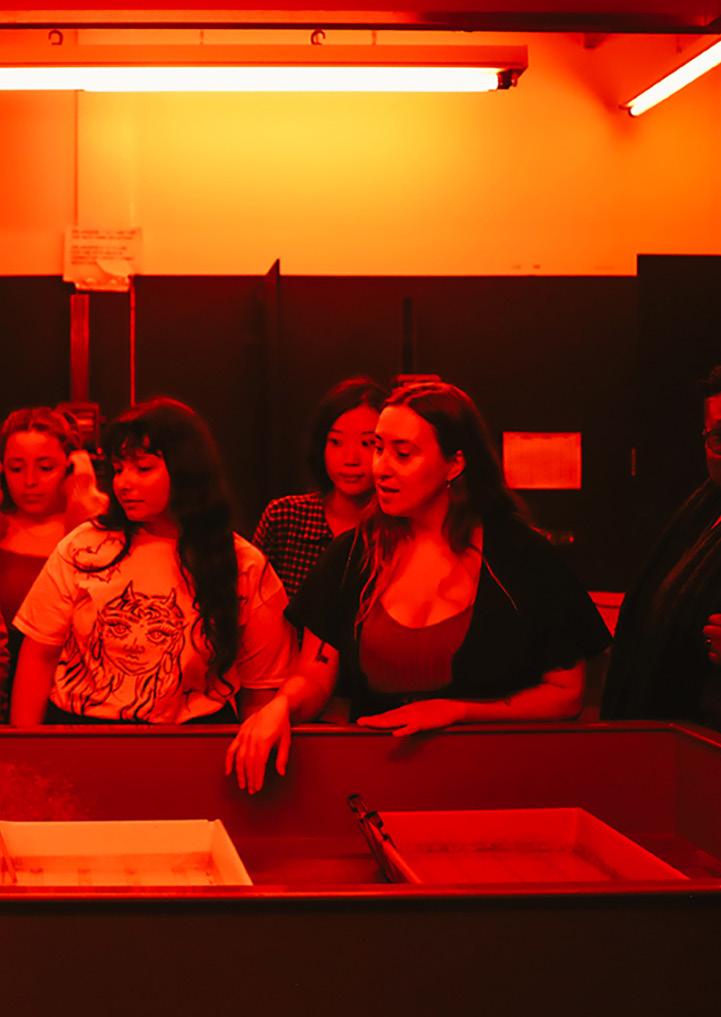
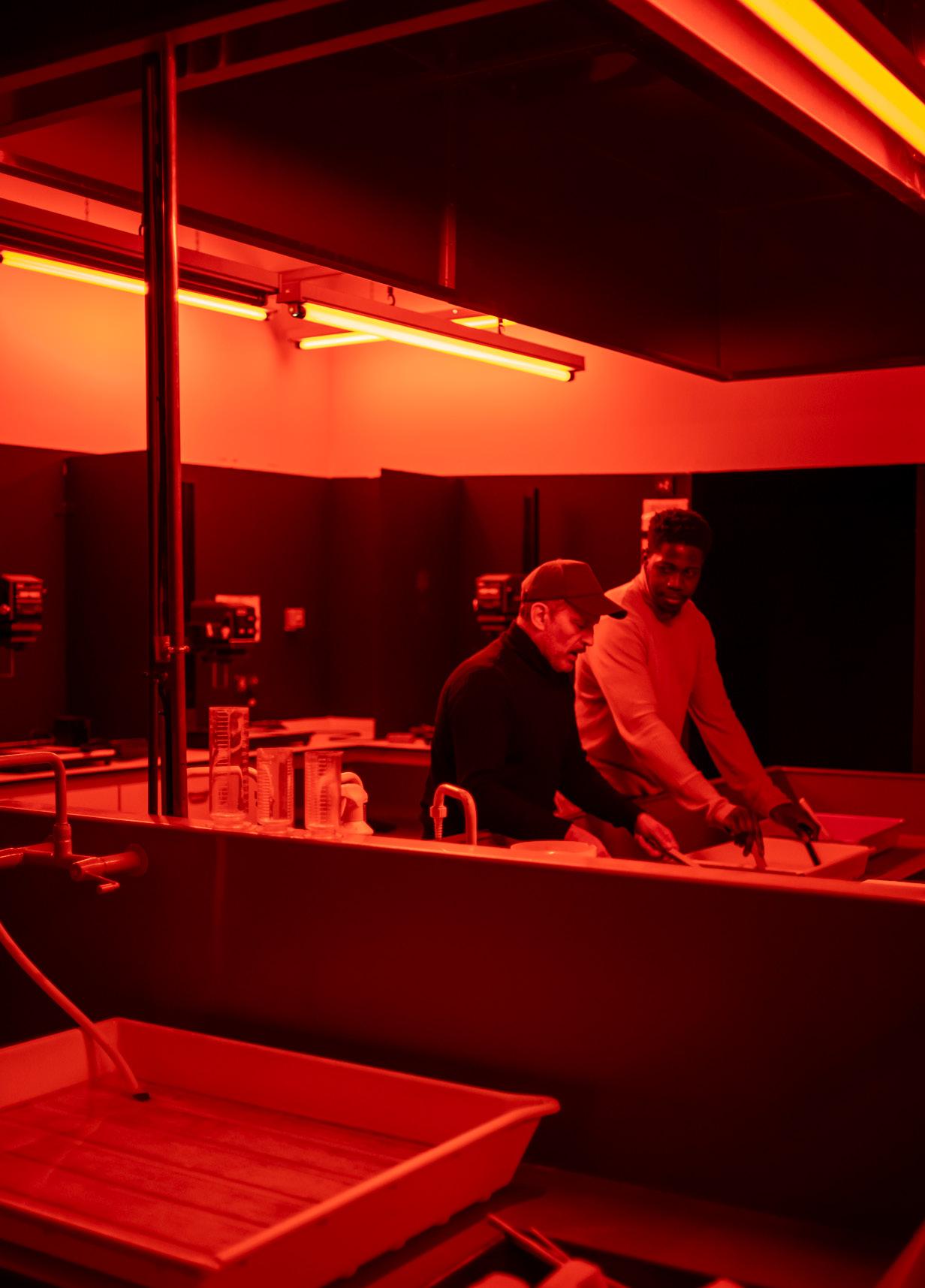
Photography Darkroom
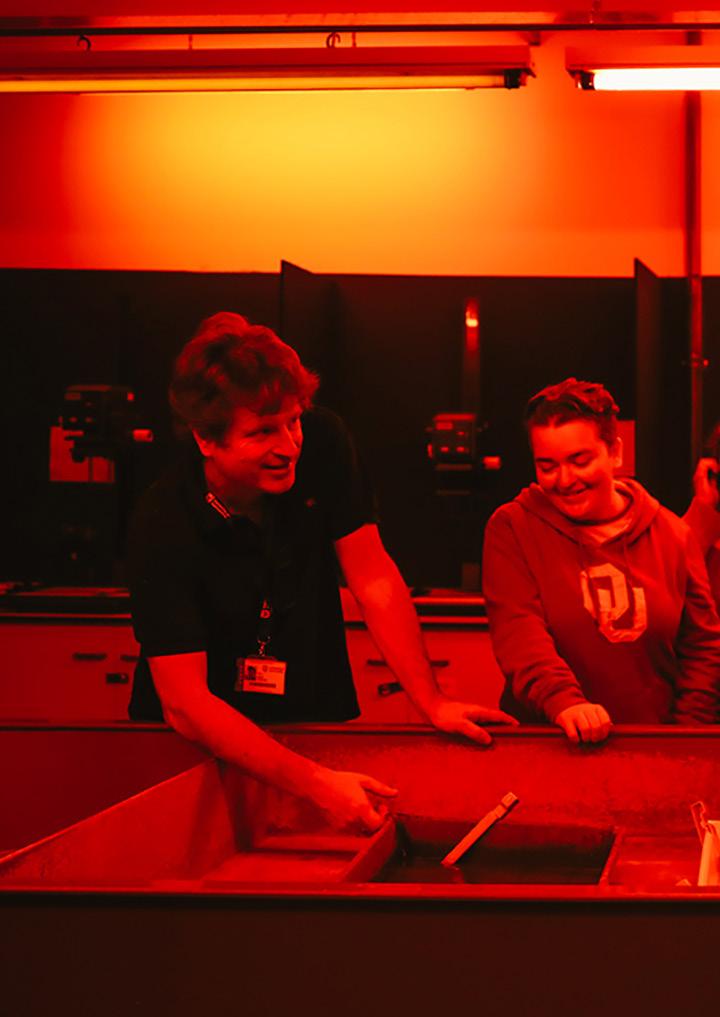
The Dark Room offers comprehensive facilities for all stages of film photography and printing, providing resources for processing film, digitising negatives, experimenting with alternative printing techniques, and producing traditional black and white prints. It fosters a supportive environment for developing skills in analogue photography, encouraging users to experiment and innovate through hands-on experience and guided instruction.
The Dark Room is divided into four specialised areas:
Film Processing
Equipped with a film loading room, drying cabinet, fibre-based paper dryer, lightbox for inspecting negatives, and a paper trimmer.
Scanning Lab
Features high-quality scanners and advanced equipment for optimal digital image capture.
Alternative Printing Deep Tank Film Processing
Focuses on alternative techniques like cyanotype and platinum-palladium, as well as deep tank processing for large format films.
Analogue Black and White Printing
Houses 15 enlargers for black and white printing, allowing users to adjust exposure times and contrast levels.
Riso East
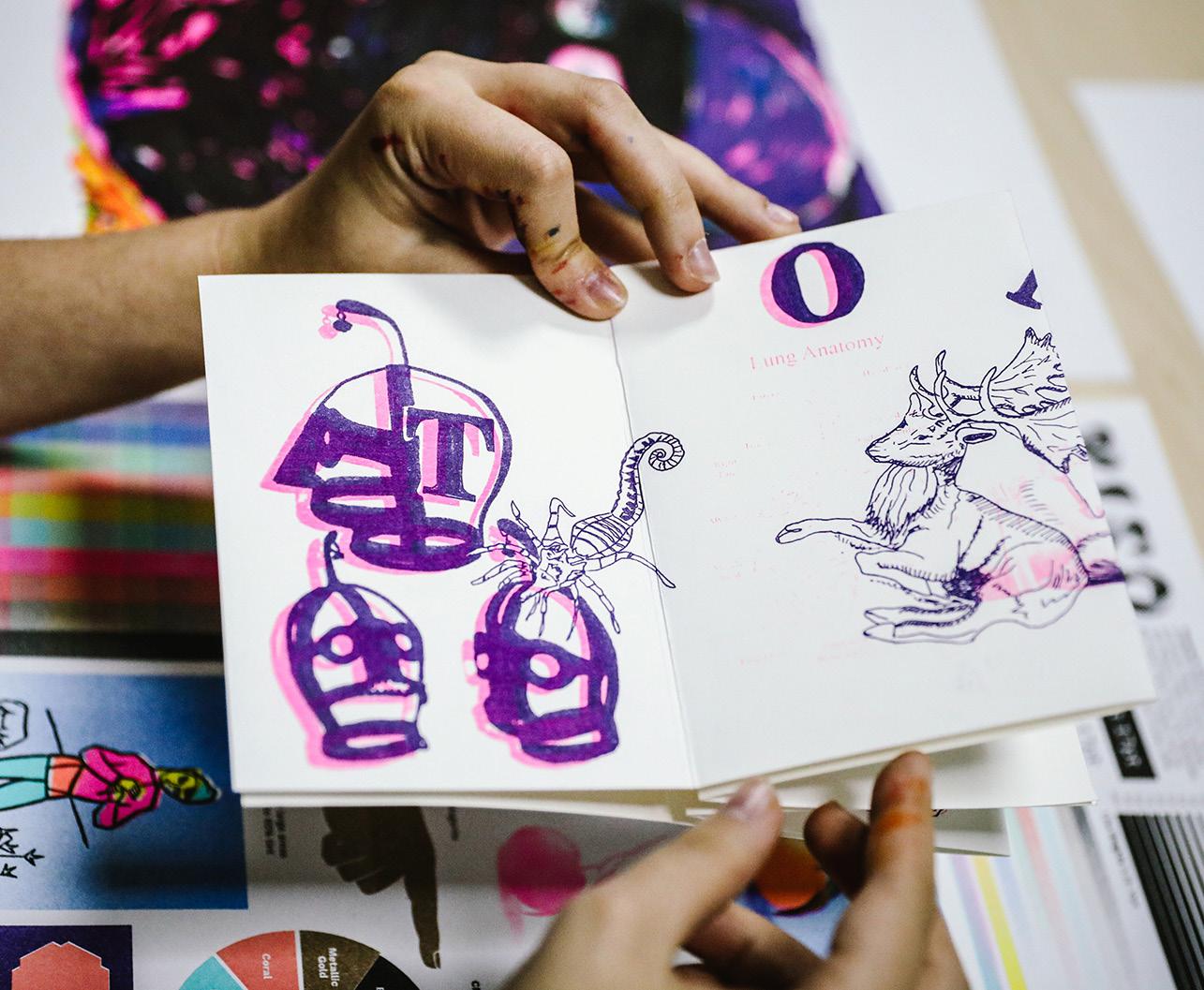
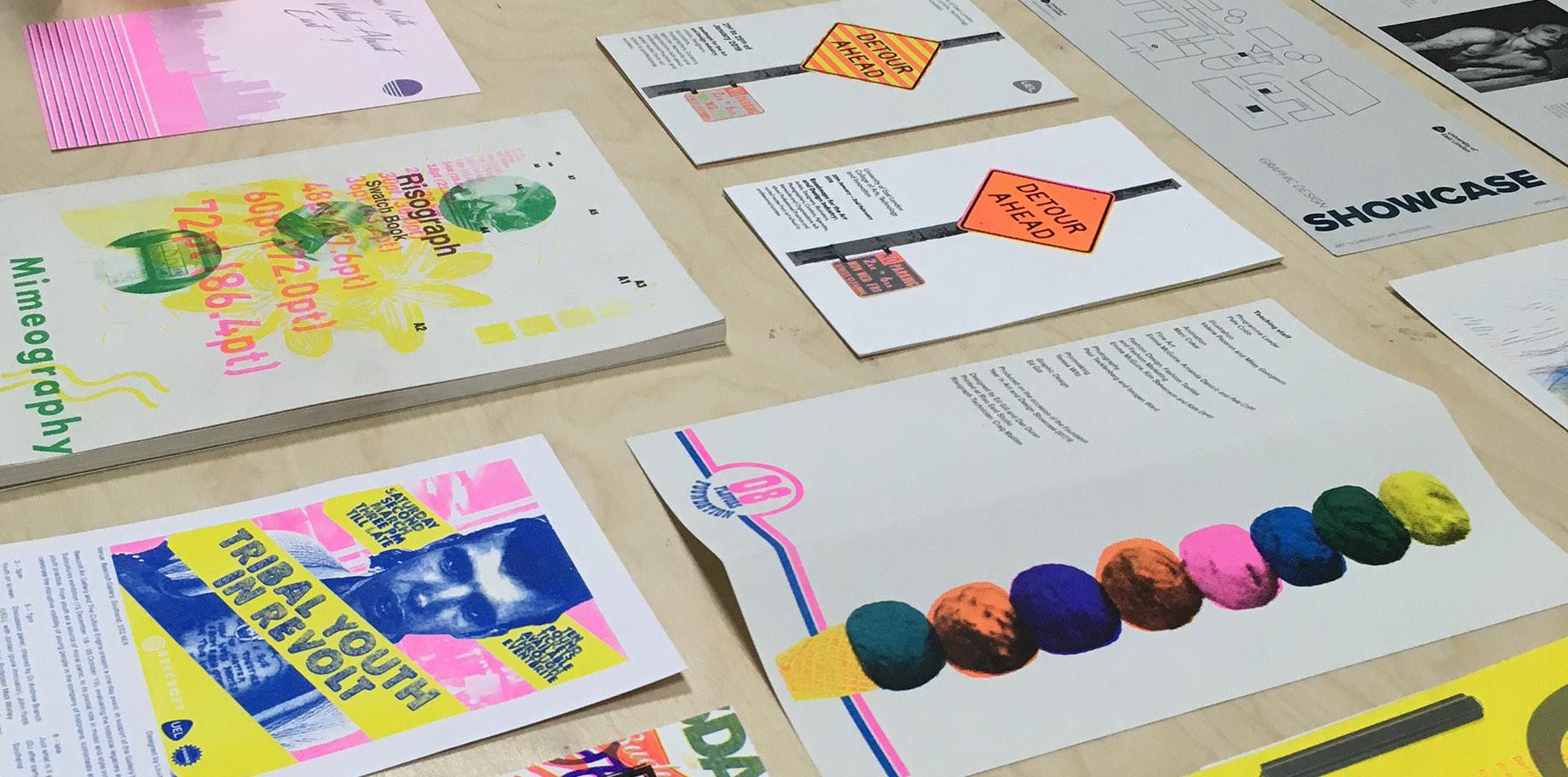
RisoEast offers access to cutting-edge printing technology and comprehensive support services, empowering users to bring their creative visions to life with precision and professionalism. The facility features two RP3700 and NEW SF9350 Edition II Risograph Printers, along with 16 color drums, including Black, Grey, Red, Blue, Yellow, Green, Teal, Purple, Burgundy, Fluorescent Pink, Fluorescent Orange, Flat Gold, and new colors Aqua, Mint, Coral, and Metallic Gold.
In addition to printing, RisoEast is equipped with essential finishing tools such as a paper guillotine for precise cutting, a folding machine for professional-quality folds, and a twin-head stapler for
standard and loop stapling. Plans are also in place to expand services to include bookbinding support, offering users comprehensive printing and binding solutions.
Art & Design Studios

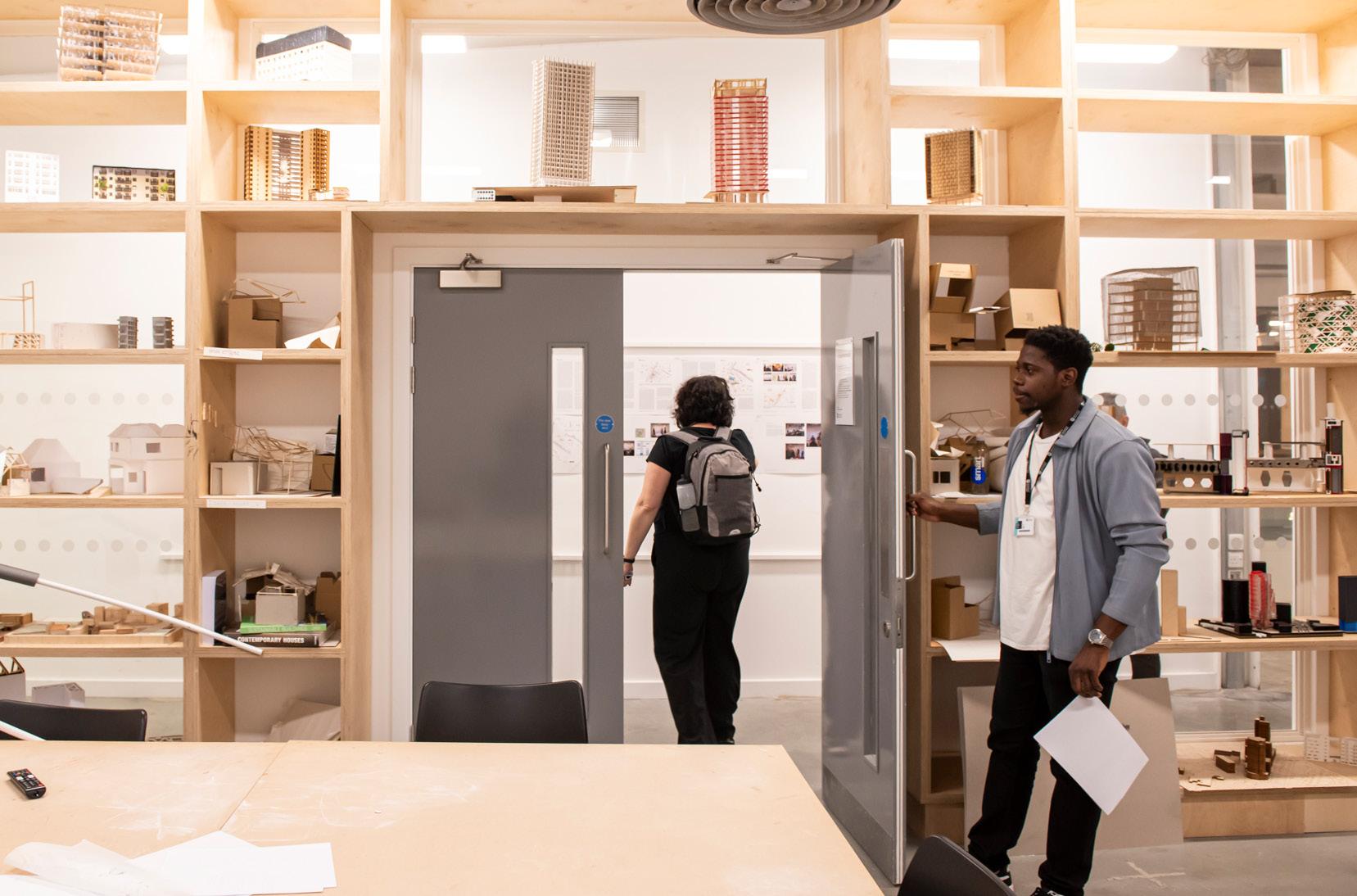
Architecture Studios
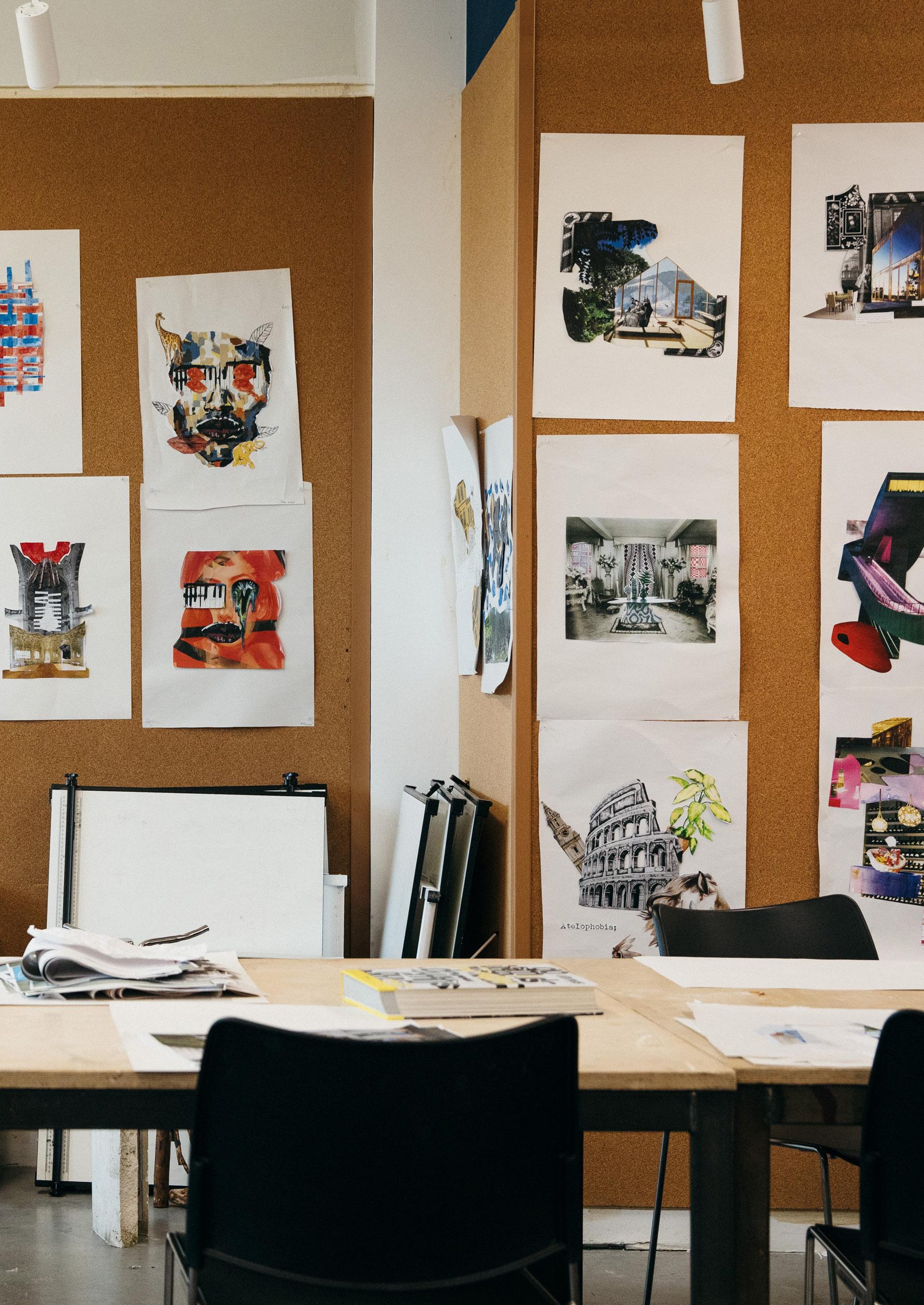
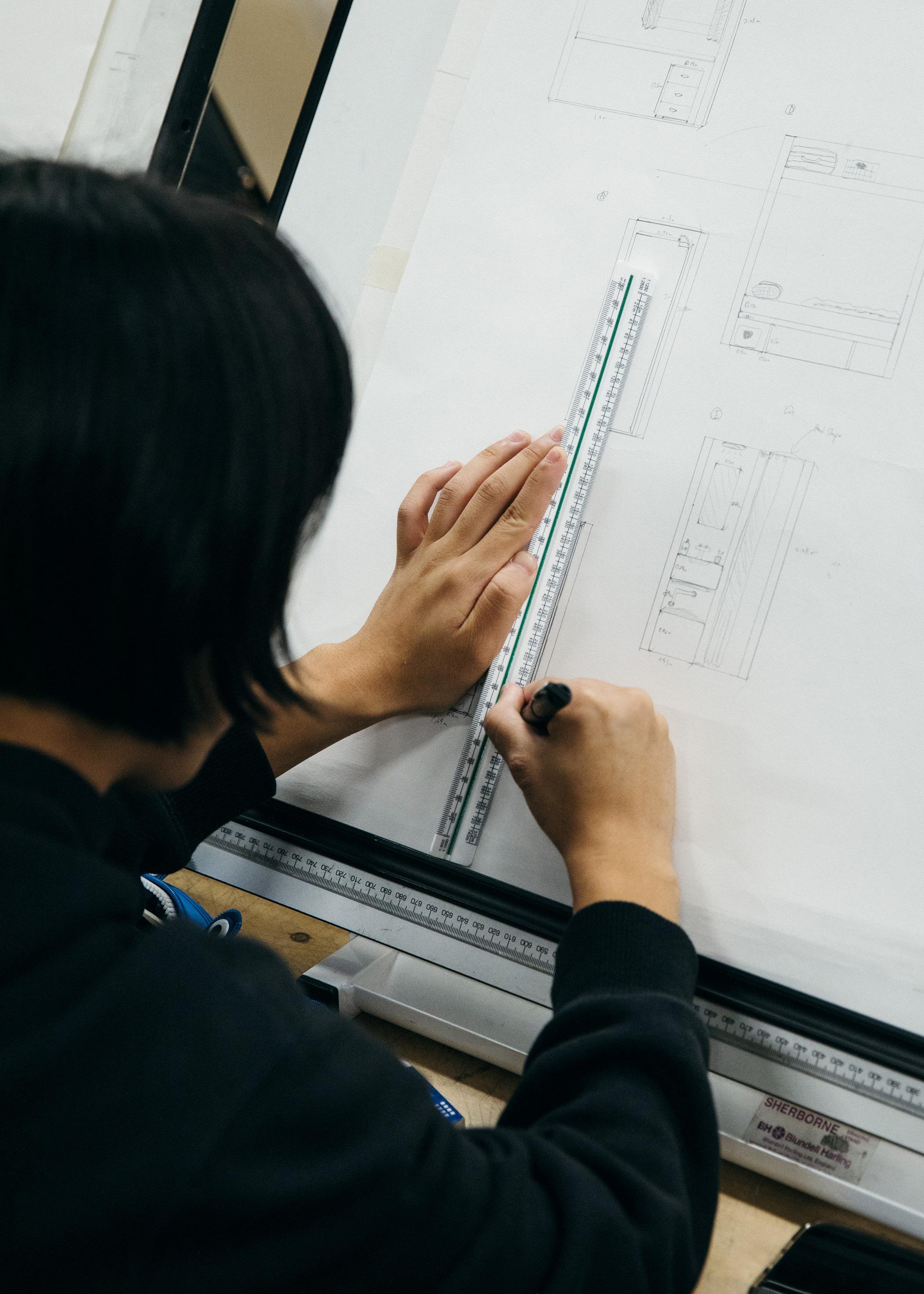
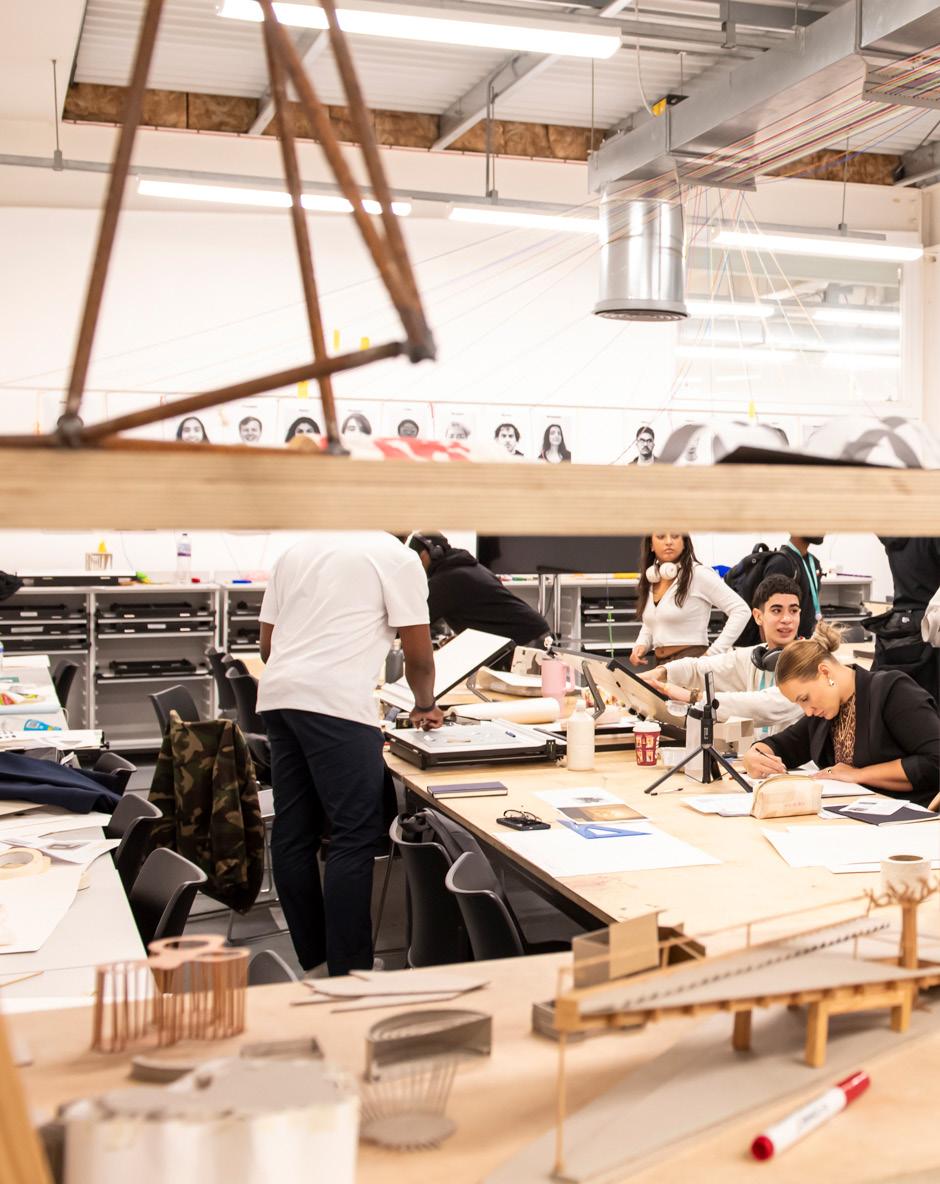
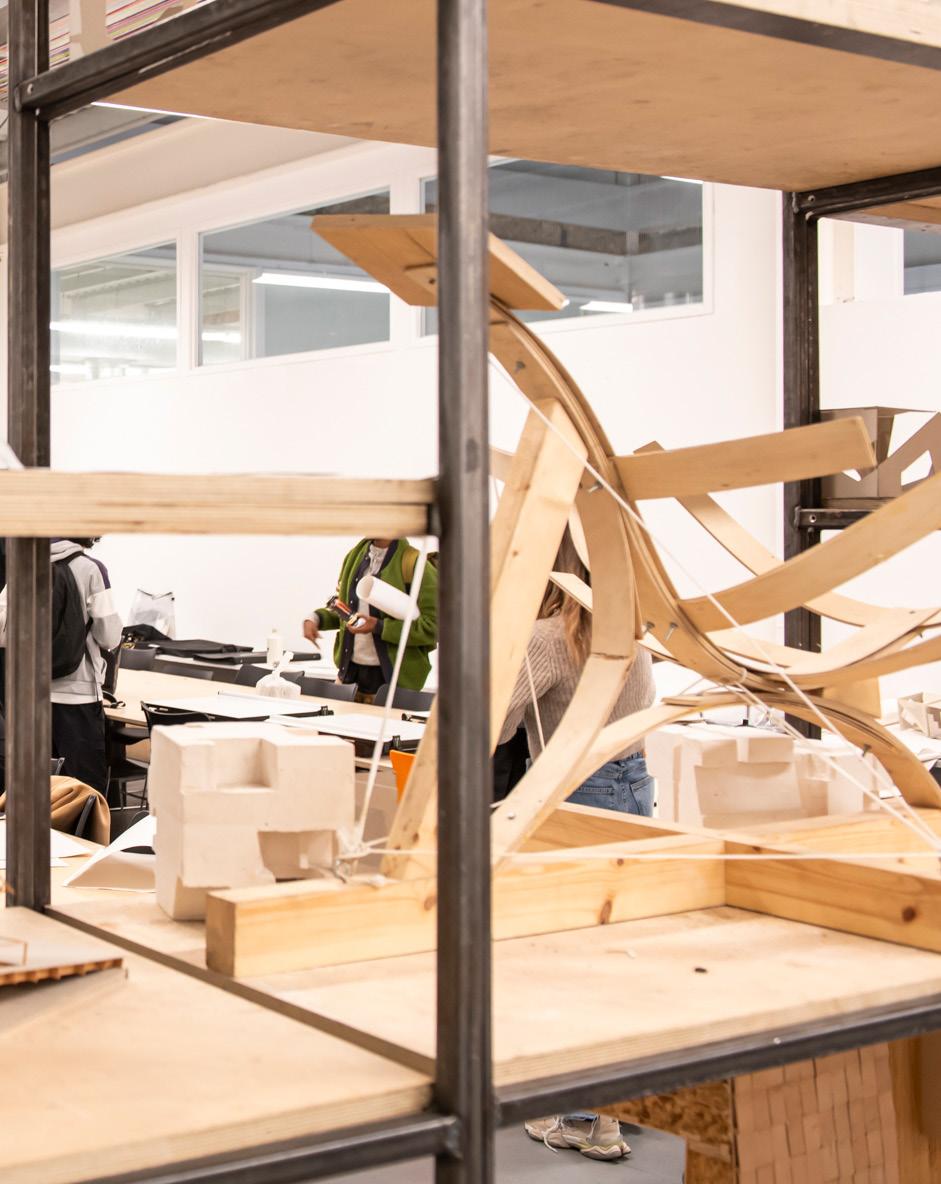
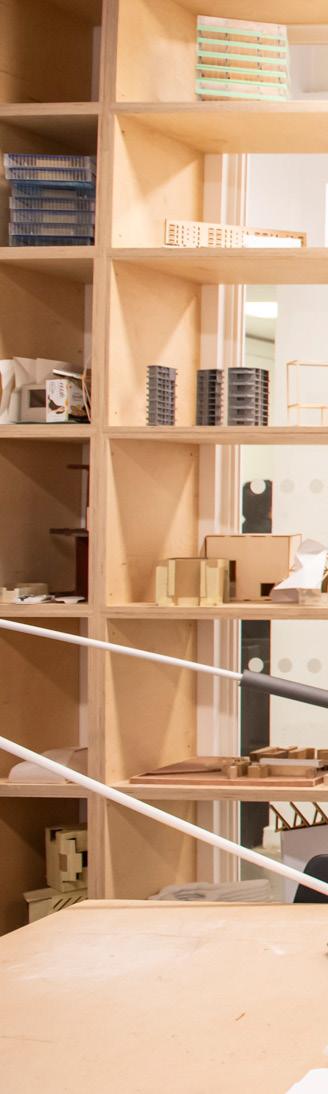
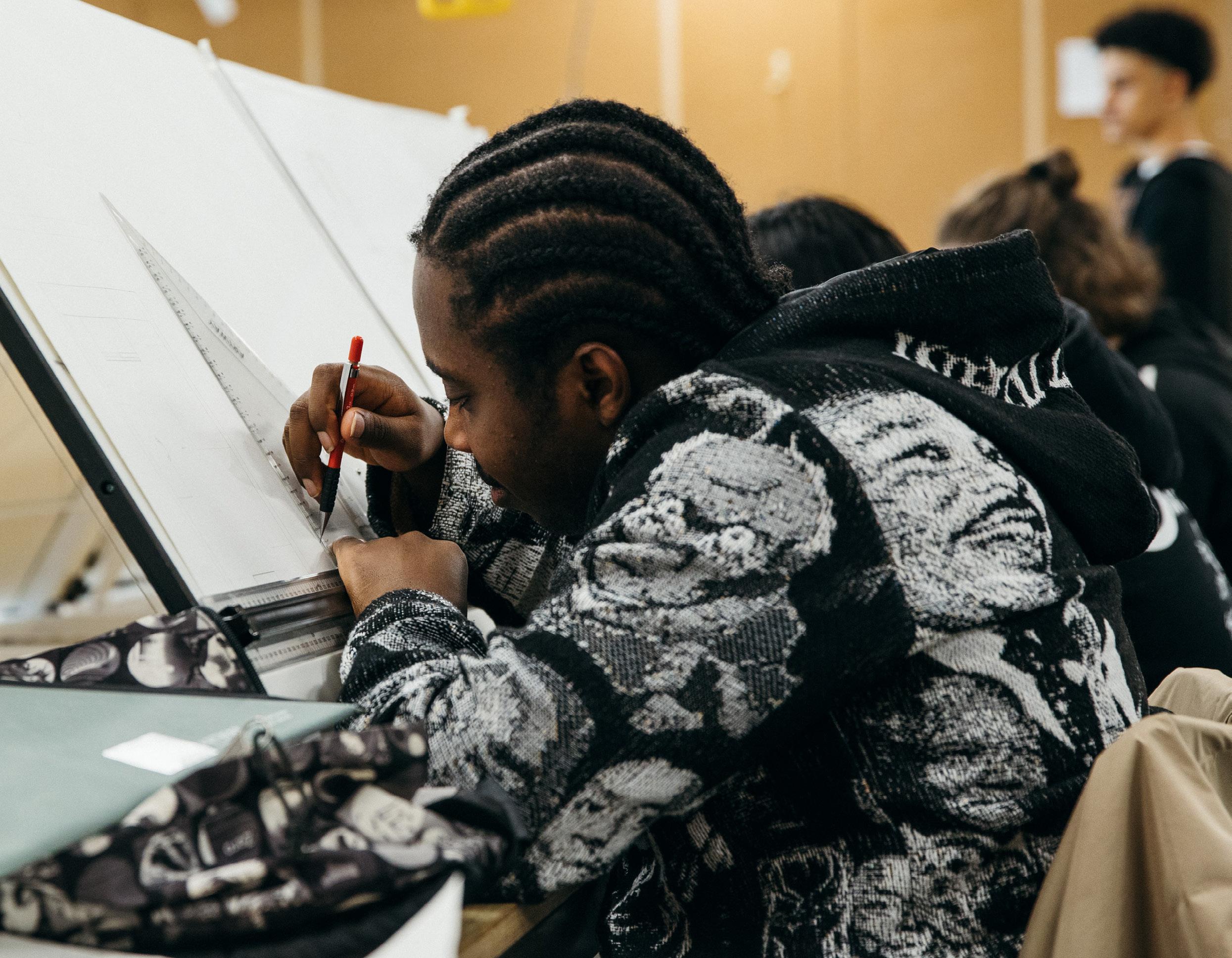
The Architecture Studios are dynamic spaces that support creativity, innovation, and collaboration across disciplines. With state-of-the-art facilities, they promote hands-on learning, experimentation, and artistic expression. These vibrant hubs provide resources for users and staff to develop skills and realise their visions, fostering growth in individual and group settings. Key features include:
Sustainable Design and Practices:
The studios are designed with sustainability in mind, promoting environmentally conscious approaches to design and learning. Flexible layouts accommodate lectures, workshops, critiques, and studio work, supporting varied teaching and learning styles.
Specialised Equipment:
Equipped with tools and resources tailored to different disciplines, including drafting tables, easels, digital workstations, 3D printers, and laser cutters.
Collaboration Areas:
Dedicated spaces for group work, including meeting rooms, project display areas, and breakout spaces for brainstorming.
Natural Light and Ventilation:
The studio designs maximise natural light and airflow for a comfortable, inspiring atmosphere.
Accessible Facilities:
Inclusive design ensures participation for users with diverse needs, supporting full engagement in activities.
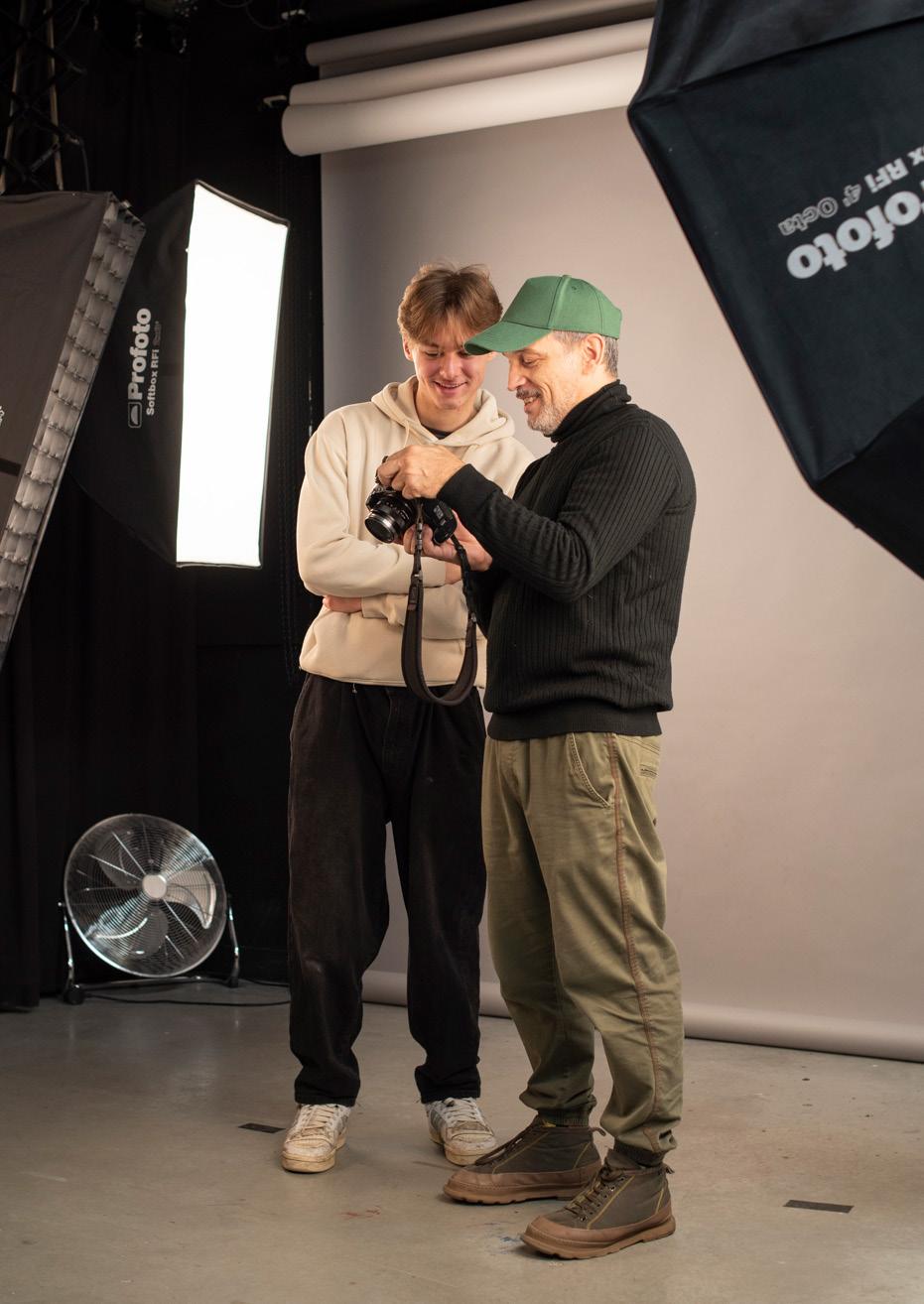
Lighting Studio
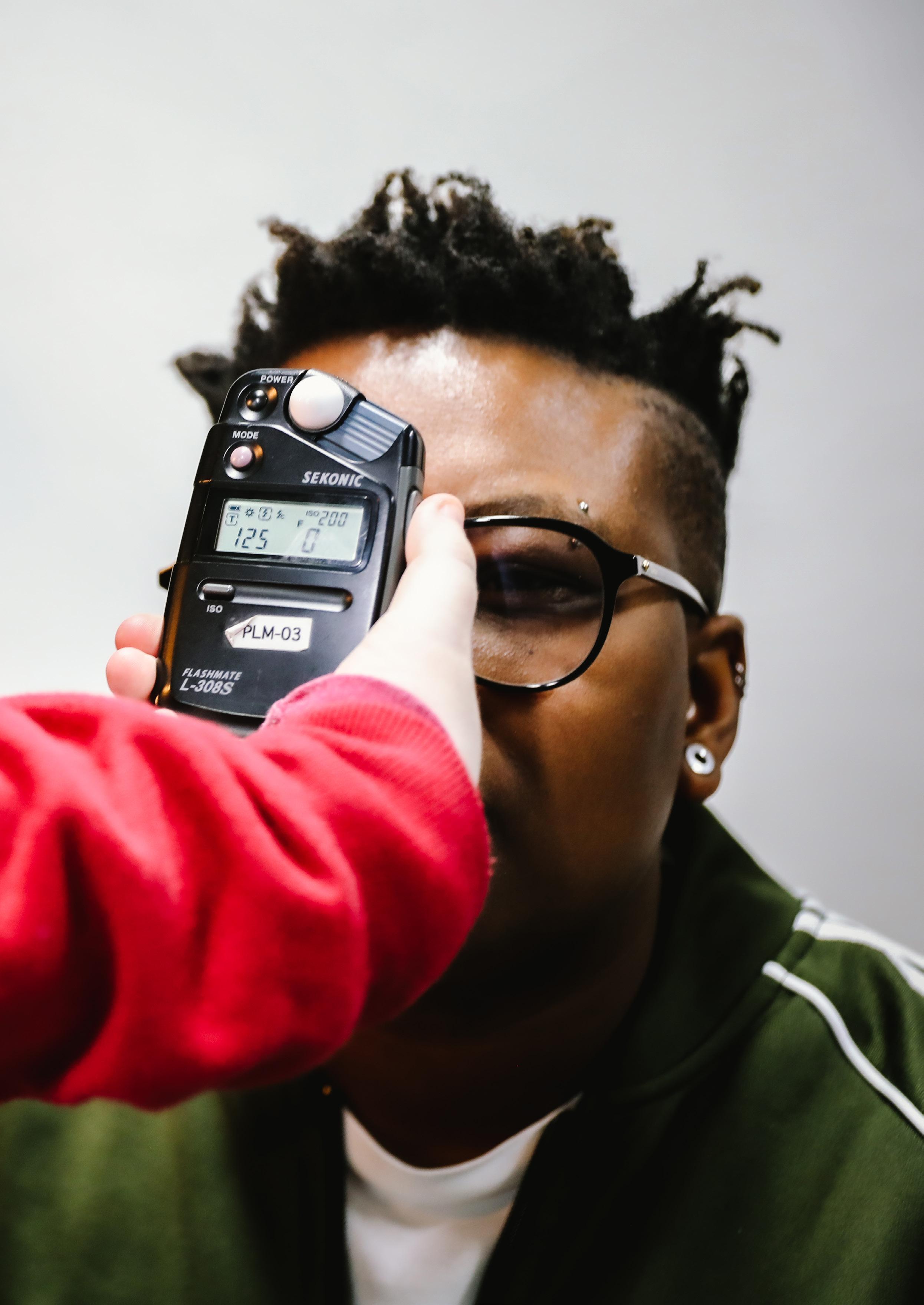
The Lighting Studio facilities provide users with state-ofthe-art resources to develop their skills and creativity in photography. These include the main lighting studio and dedicated practice photography lighting studios, offering essential equipment and space for users to experiment with various lighting setups and techniques. Key features include:
Ceiling mounted flatheads:
Five ceiling-mounted flatheads provide versatile and adjustable lighting options, allowing users to control the intensity and direction of light to achieve desired effects in their photography projects.
Standard Colorama backdrops:
The studios are equipped with standard Colorama backdrops, offering a range of backdrop colors for users to choose from to complement their photographic subjects and themes.
Lighting accessories:
Various lighting accessories, such as reflectors, diffusers, and modifiers, are available to further enhance and customise the lighting setups according to users’ creative visions.
Additionally, the photography facilities boast an immersive lab space featuring an infinity green backdrop. This specialised setup provides the opportunity to explore chroma keying techniques and create composite images with seamless backgrounds.
The Immersive Space
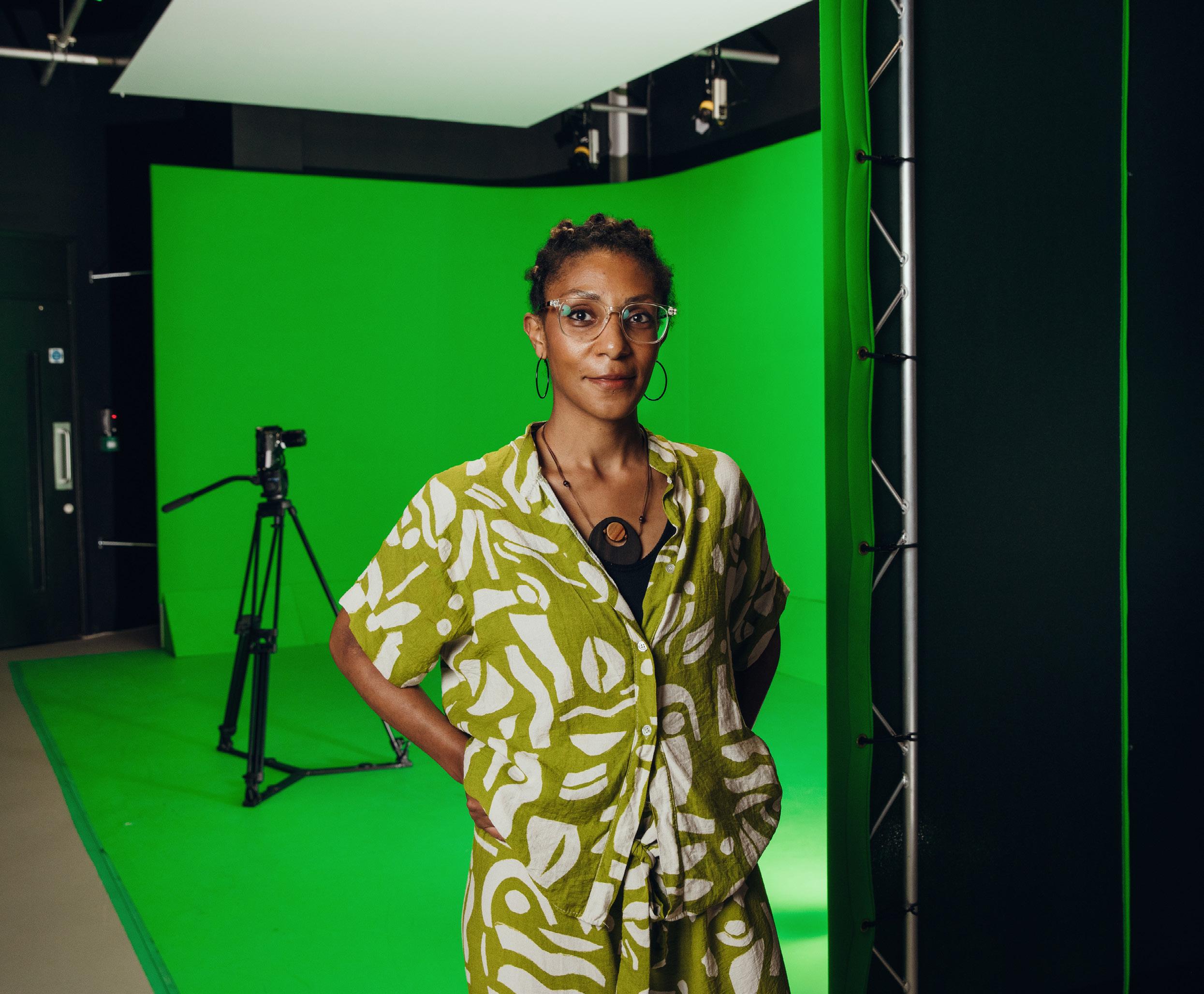
The Immersive Space is a cutting-edge facility designed to provide users with an immersive environment for creative exploration and experimentation. Functioning as a large lighting studio, it features specialist, movable green-screen set-ups that allow for versatile and dynamic visual effects. These setups enable users to transport their subjects into any desired environment, fostering creativity and innovation in their projects. Key features of the Immersive Space include:
Specialist Green-Screen Set-Ups:
The Immersive Space is equipped with movable green-screen setups that provide users with the flexibility to create a wide range of immersive and interactive visual experiences. Whether filming scenes for film productions, creating virtual environments for architectural visualisation, or experimenting with digital effects for art installations, the green-screen setups offer endless possibilities for creative expression.
Fixed Lighting:
The space is fitted with a range of fixed lighting options to ensure optimal illumination for greenscreen filming and photography. These lighting fixtures provide users with the control and consistency they need to achieve professionalquality results in their projects.
Black Curtain and Colorama Backdrops:
In addition to green-screen setups, the Immersive Space also offers black curtain and Colorama backdrops, providing users with additional options for creating different moods and atmospheres in their work. These backdrops enable users to experiment with different colour schemes and visual compositions, enhancing the creative possibilities of the space. The mission of the Immersive Space is to serve as a versatile and dynamic environment where users can push
the boundaries of creativity and innovation. With its specialist green-screen setups, fixed lighting options, and versatile backdrops, the space empowers users to bring their creative visions to life and explore new possibilities in immersive storytelling and visual communication.
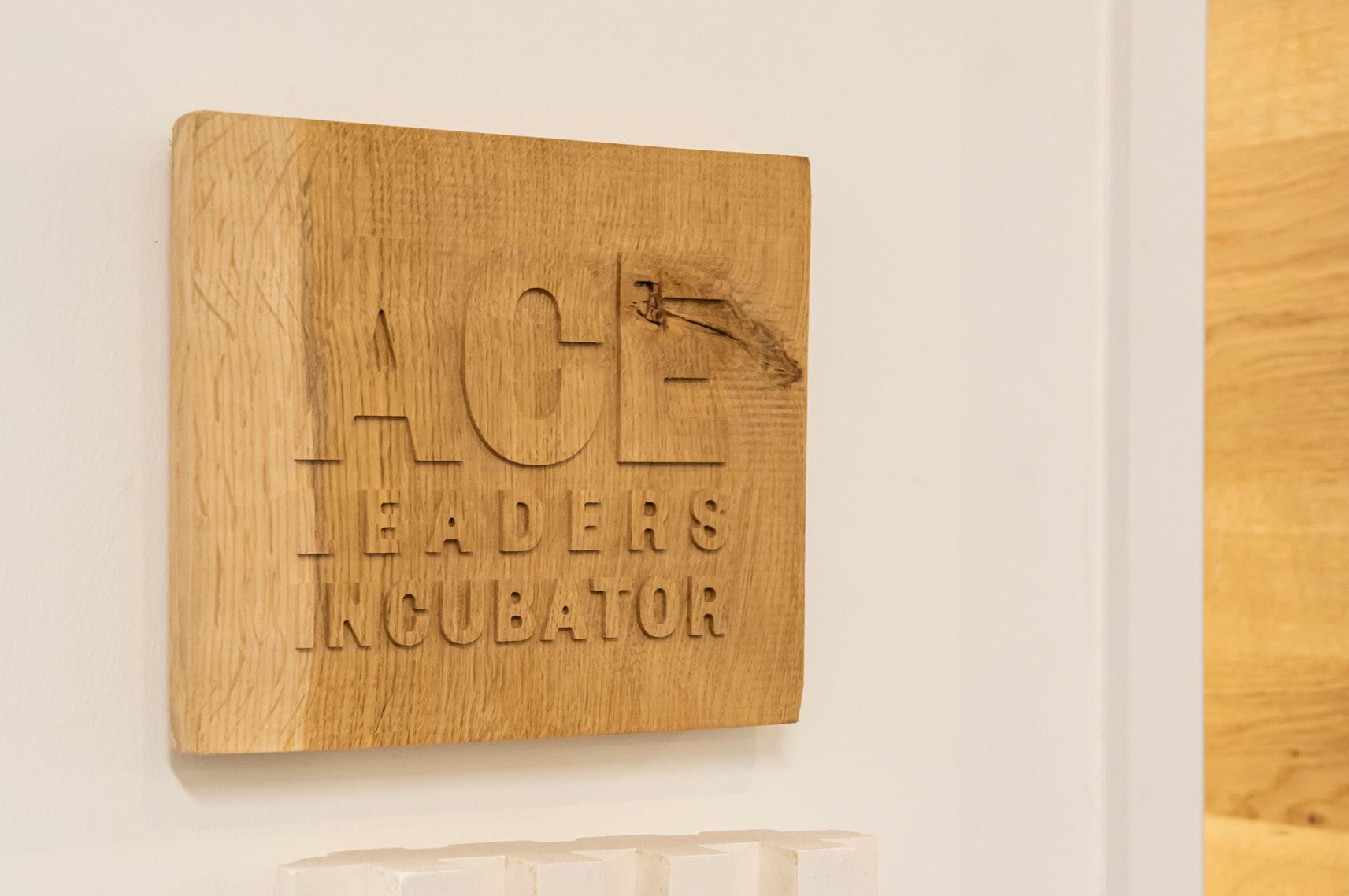
Leaders Incubator
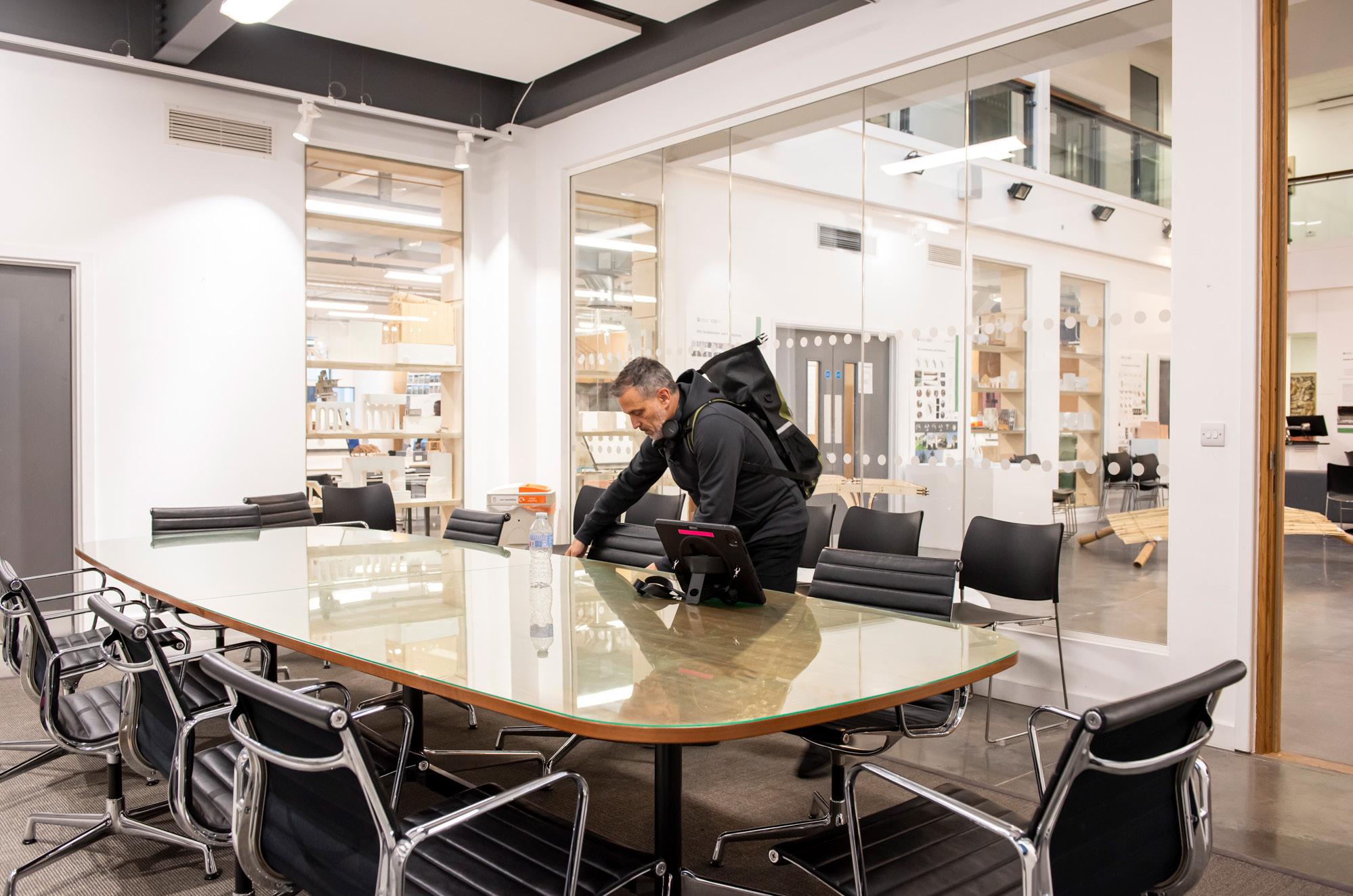
The boardroom serves as a central hub for collaboration, decision-making, and strategic planning within the Art, Vision, and Architecture (AVA) department. Equipped with modern amenities and comfortable furnishings, the boardroom plays a crucial role in facilitating communication and fostering synergy among faculty, staff, and stakeholders.
The AVA boardroom serves as a central hub for collaboration, strategic planning, and decisionmaking within the Art, Vision, and Architecture department. Equipped with modern amenities and comfortable furnishings, it provides a professional, welcoming environment for a wide range of activities.
From faculty meetings to student presentations and guest lectures, the boardroom accommodates diverse uses that support the department’s goals. It also plays a key role in hosting events with industry partners, community organisations, and academic institutions—acting as a platform for networking, knowledge exchange, and collaborative innovation.
As a vital resource for the AVA department, the boardroom supports its mission to promote excellence in art, design, and architecture education, research, and practice. Through its role in fostering dialogue and collaboration, it contributes to the department’s vibrant intellectual and creative culture, enhancing its impact within the university and beyond.
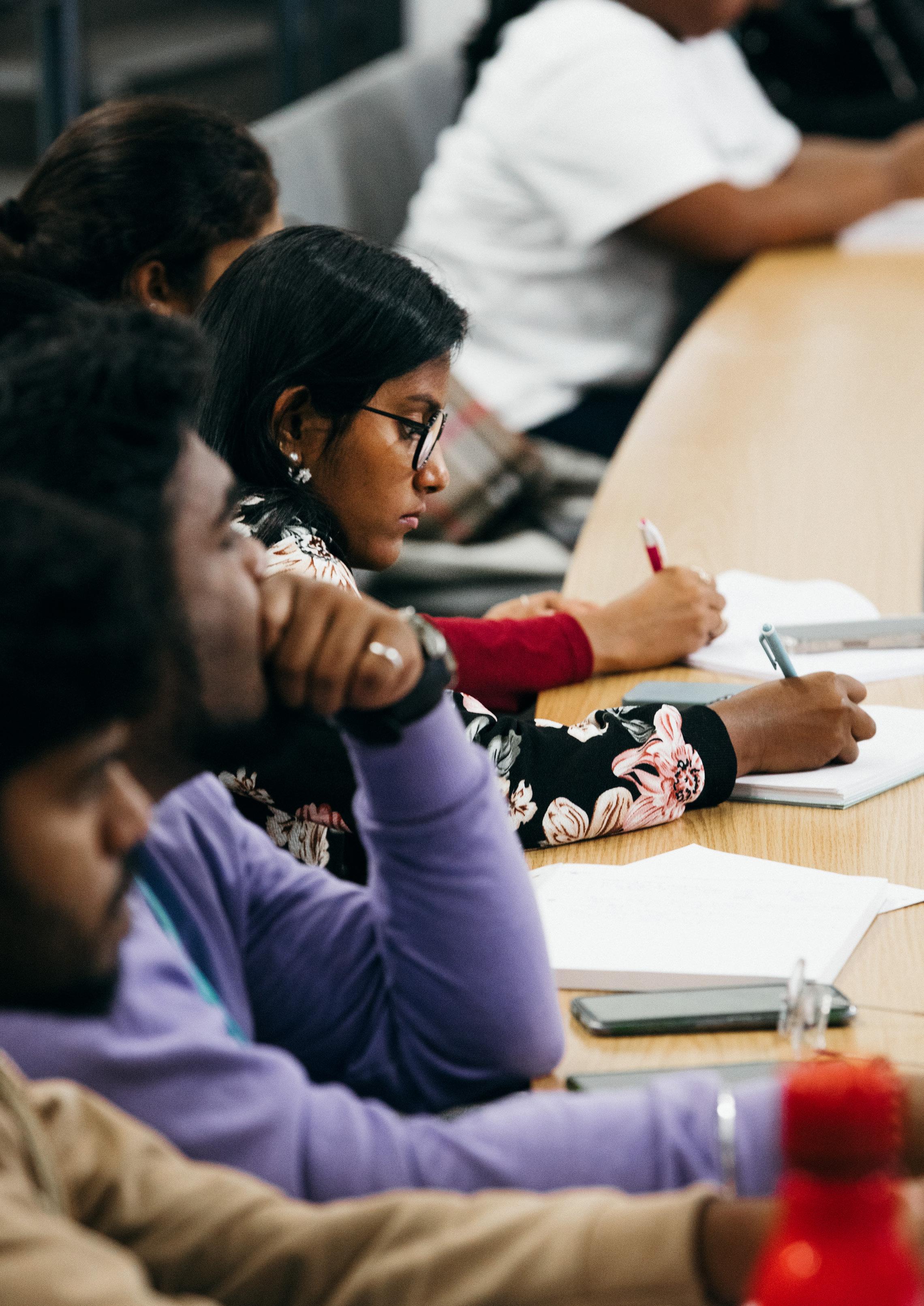
Research Examples

Dr. Ali Abbas
Structural Engineering and Low Carbon Construction Materials
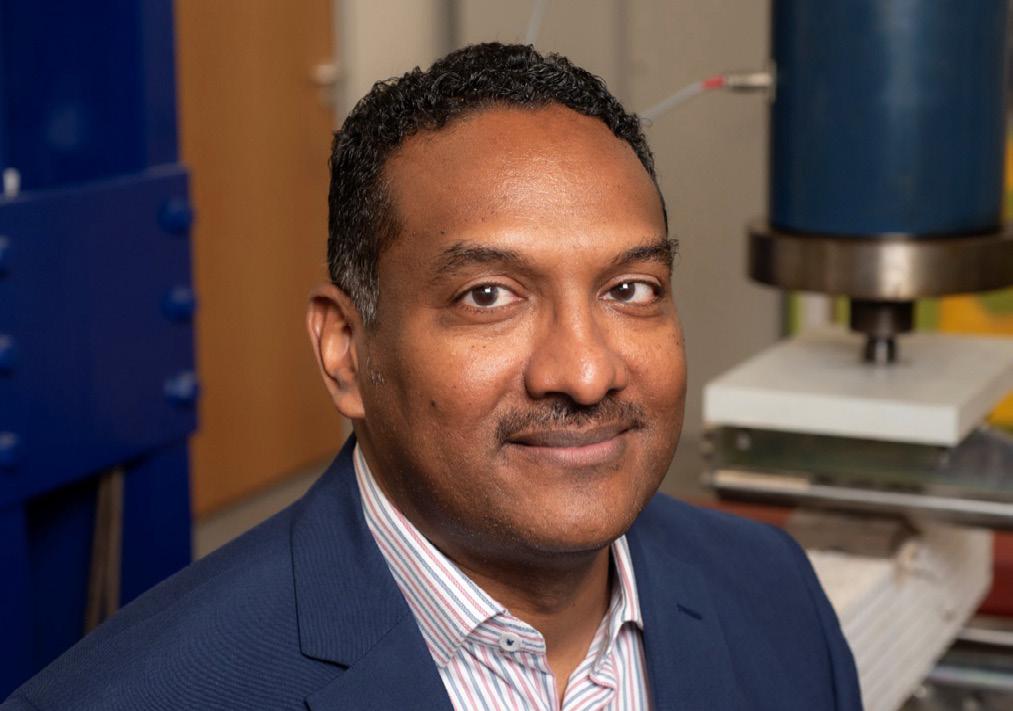
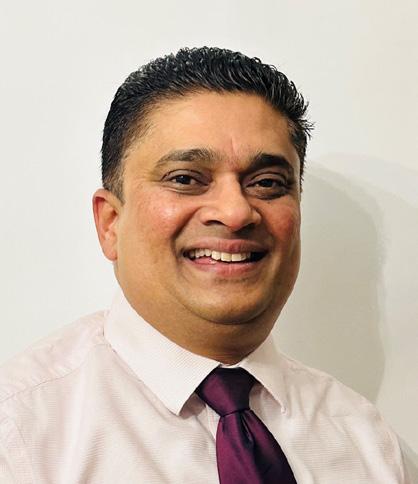
Ali Abbas is an Associate Professor of Structural Engineering and Design at the University of East London (UEL) with over 20 years’ experience in structural analysis and design both in academia and industry, particularly in the field of concrete structures and materials. Prior to joining UEL, he spent 5 years as a Lecturer at Imperial College. Following the completion of his PhD study on concrete structures at Imperial College, he spent several years in industry as a structural engineer with ATKINS. He has wide research experience in the experimental and numerical modelling of concrete structures and materials with more than 50 journal and conference publications.
He leads the Concrete Structures and Materials Laboratories at UEL, which has a wide range of advanced testing facilities (including dedicated loading rigs and strong floor, as well as an environmental chamber, XRD and SEM testing equipment). A key research theme on which he has led many successful projects is low-carbon concrete and innovations in new bio-concretes to address the climate emergency. He has strong links with industry and has led several successful collaborative research projects funded by UK funding bodies such as Innovate UK and EPSRC (such as Collaboration with Biozeroc on the World’s First On-site Integration of BioConcrete Manufacturing. He is a specialist in non-linear finite-element modelling of concrete structures and has led several experimental and numerical research projects in partnership with industry on fibre-reinforced concrete and its applications (extended recently to recycled lightweight concrete). Seminal research contributions to concrete industrial ground-floor slabs. Recent interest in application of Artificial Intelligence in structural engineering. The overriding aim of his work is to improve current design guidelines.
Dmitrijs Kozminihs
Mechanical Engineering
Dmitrijs leads the mechanical engineering worldclass experimental facilities available at UEL, with a set of precision machining and analysis equipment – from brand new lathes and milling machines, to high-resolution highsensitivity thermal imaging, 3D measurement microscopy, 3D scanning and material analysis tools. Fabrication equipment includes examples of novel subtractive and additive manufacturing machines, BambuLab ultrafast 3D printers, Warco precision surface grinder, PEEK-300 hi-temp printer, Haas Minimill, etc. We are looking into a proactive development of custom future-proof fabrication tools to accompany the standard set of equipment, which will break even more barriers. Extended range of facilities available on-site includes metal laser cutting, scan electron microscopy and programmable roboarm. Coupled with excellent proven research skills of our academic personnel it builds a strong potential for innovative, sustainable and efficient development solutions in mechanical, aeronautical, material, biomedical engineering, mechatronics, etc.
Our researchers have delivered impressive results and continue to work in a wide range of disciplines, including magnetic medical micro-robotics (featured at MRS conference in “Breaking News” category), ultra-efficient and sustainable composites, novel and cost-effective fabrication methods, drug delivery to the lungs and pancreas, artificial patient ventilation and more. Our users have demonstrated excellent achievements in regional and national competitions (including “Design Excellence” award at National IMechE Design and Build Challenge) and continue to explore new opportunities - Formula Student, Eco Marathon and other national and international competitions.
Dr. Jaya Nepal
Performance Analysis of Bauxite Refinery Residue
in Preparation of Sustainable Concrete

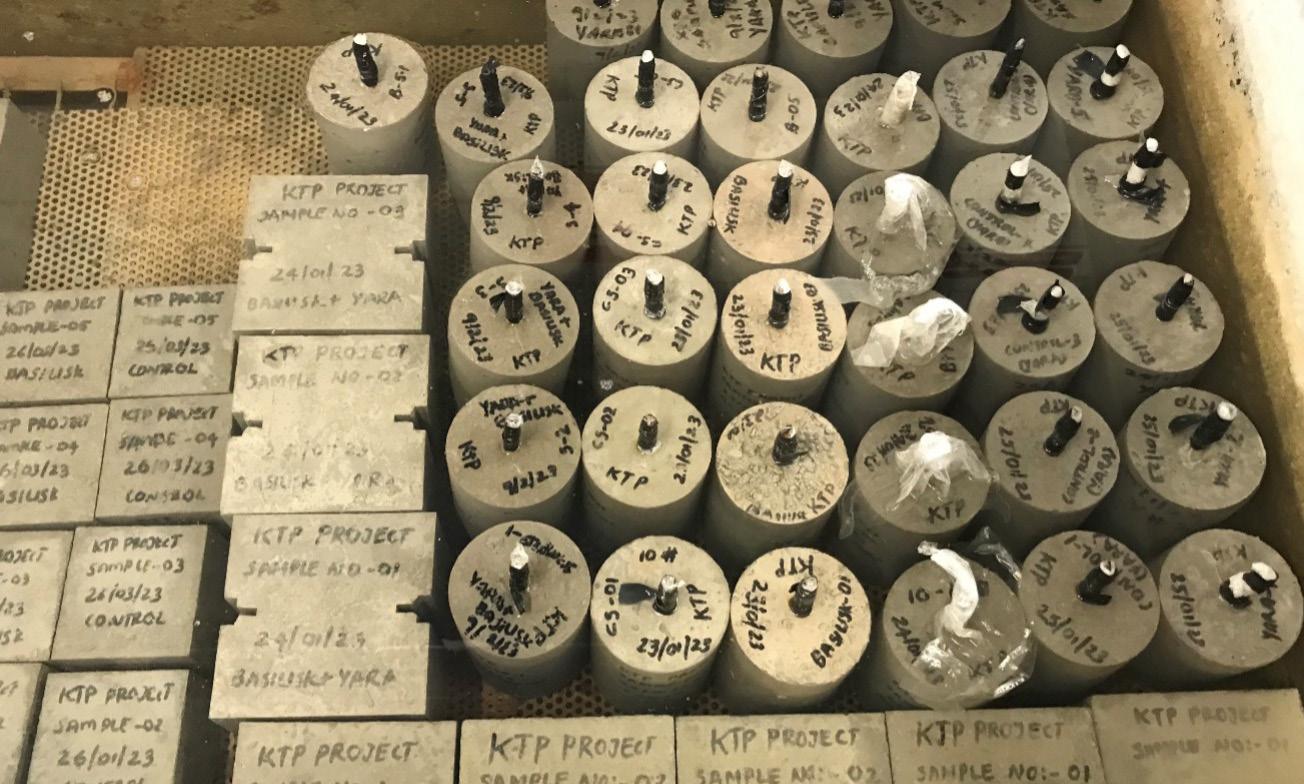
Cement and concrete manufacturing are major contributors to global carbon dioxide emissions, accounting for approximately 7–8% of the total. As the demand for supplementary cementitious materials (SCMs) increases in an effort to mitigate these emissions, traditional SCM sources such as fly ash and blast furnace slag face constraints in their availability. This constraint underscores the urgent requirement to explore novel sources of SCMs to reduce the environmental impacts associated with the production of cement and concrete. On the other hand, bauxite refinery residue (BRR) is waste produced from an alumina extraction plant. On average, approximately 1.23 metric tonnes of bauxite refinery residue (BRR) are generated per tonne of alumina. However, its utilisation rate is less than approximately 3%, and the remaining is transferred to storage or disposal facilities at alumina plants. Higher alka-
line BRR storage has a significant impact on soil fertility, groundwater contamination, and harmful effects on living beings.
Therefore, the research aims to investigate the performance analysis of BRR in the production of sustainable concrete. The incorporation of BRR into cement and concrete products offers the potential for a direct contribution to the achievement of Sustainable Development Goals (no. 12). Responsible consumption and promotion (No. 12) involve encouraging resource and energy efficiency to improve the quality of life for everyone by using waste prevention, reduction, recycling, and reusing strategies to significantly cut waste production by the year 2030 (No. 12.5). In addition to this, industries involved in cement production, concrete manufacturing, and infrastructure development stand to benefit from incorporating BRR into their processes to reduce environmental impacts and enhance sustainability.
Dr. Ravindra Jayaratne
Coastal Engineering and Flood Protection
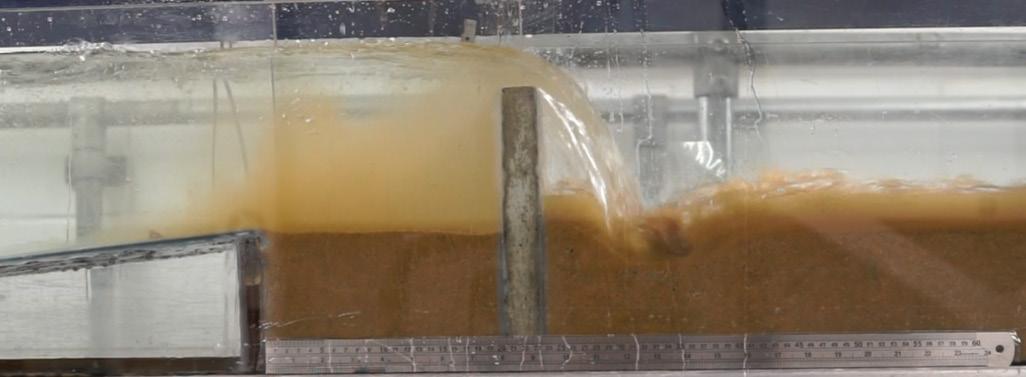
Extreme flood waves’ destructive power exposed vulnerabilities in coastal defences during events such as the 2013-14 winter storms in the UK, 2011 Tohoku and 2004 Indian Ocean tsunamis. This highlights the critical need for improved understanding of extreme flooding and novel coastal engineering design tools. One of the current projects aims to develop a comprehensive understanding of seawall failure threshold under different geometries through a new set of fullycontrolled laboratory experiments. The resulting design guidelines will be applicable to extreme flood-prone regions, as well as areas susceptible to compound floods, storm surges and tsunamis with overflowing flood walls. This will enhance coastal security by improving life safety and providing greater certainty in seawall performance during an extreme overtopping event.
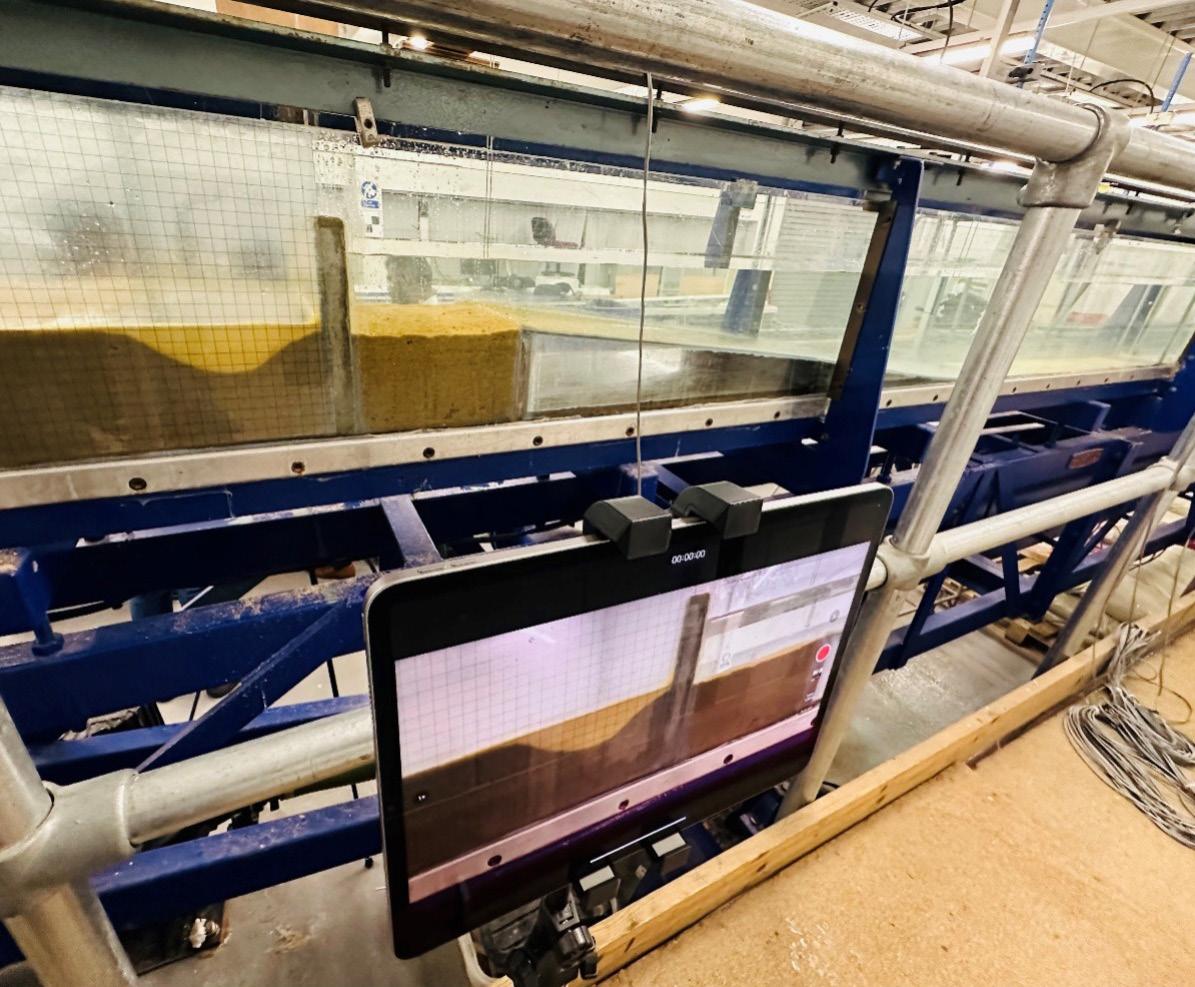
To achieve this, the study utilises a large wave flume within the hydraulic engineering laboratory at UEL. This allows for the creation of scaleddown coastal defence structures, like seawalls, to be subjected to a variety of controlled input hydraulic conditions. The project employs a stateof-the-art instrumentation, including high-precision wave gauges, miniature pressure sensors, highspeed slow motion cameras, Lidar cameras, and digital point gauges, to capture detailed extreme flood water behaviour throughout the wave flume. The captured datasets are then rigorously analysed using advanced software packages such as Particle Image velocimetry (PIV) tool in MATLAB, CFD tools in OpenFOAM and ANSYS Fluent extracting meaningful insight into seawall performance. This research has the potential to directly benefit local councils and communities vulnerable to extreme floods such as storm surges with sea level rise and tsunamis. It can inform coastal management strategies, improve flood risk assessments, and contribute to proactive disaster risk reduction.
Acknowledgements
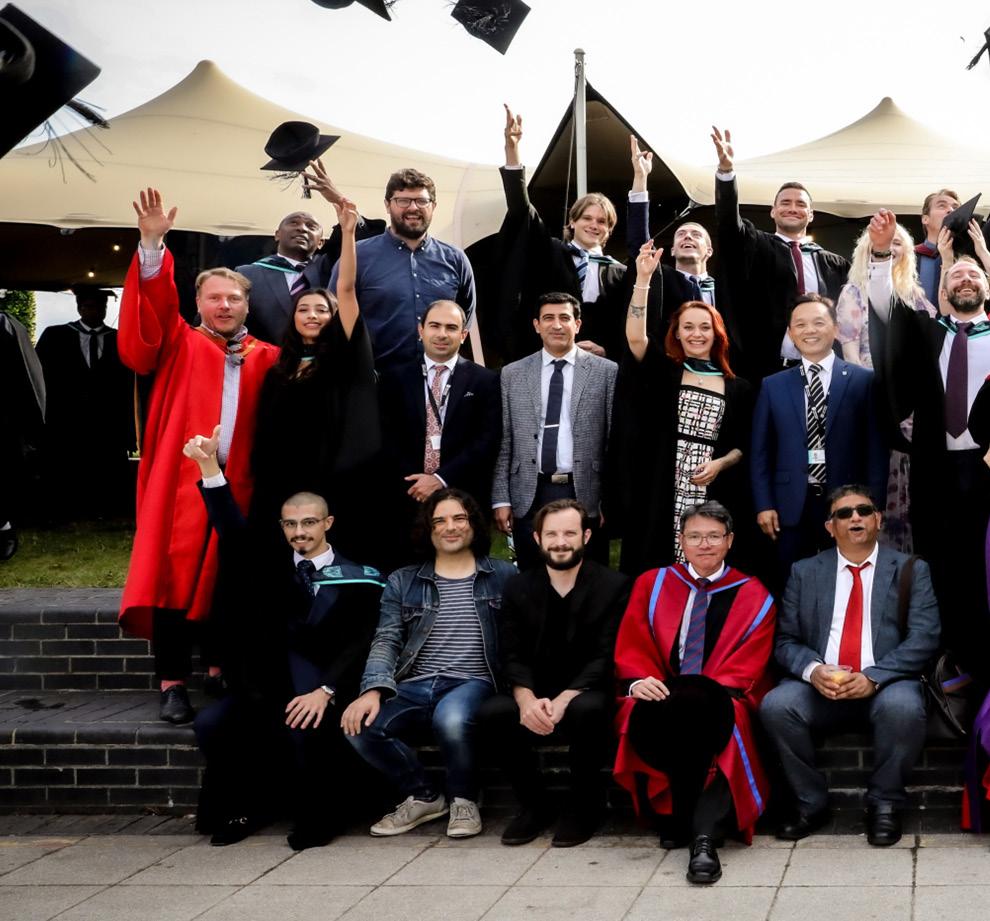
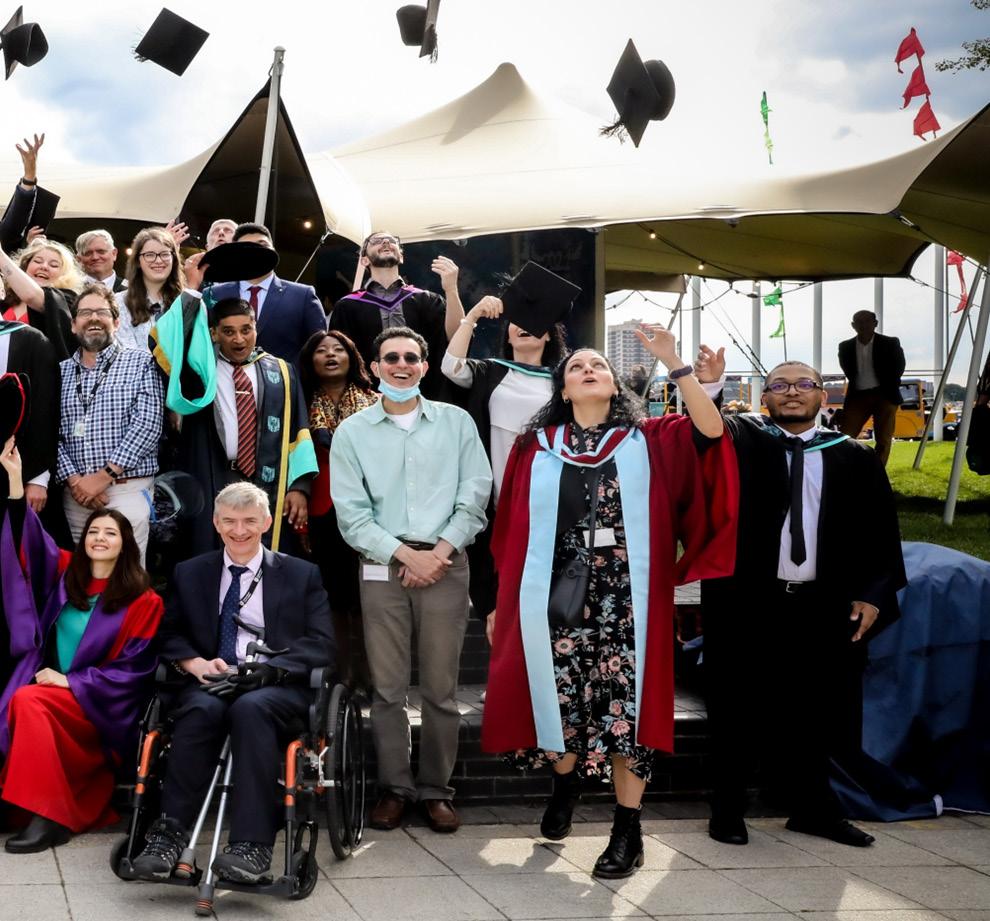
Thanks to everyone who contributed to this brochure and took part in the photographs. We are especially grateful to the following staff and students for their involvement:
Staff:
Rachelle Ribeiro, Graphic Designer
Martin Shittu, Project Lead
Giselle Jauregi, Marketing Manager
Garry Doherty, Technical Services Lead
Ali Abbas, Project Director
Students:
Sonia Isabel Davis
Hilal Ak
Pujitha Byreddy
Thanigai Priyan Saravanan Rajini
Contact Us
Partners in Innovation
We are experienced in supporting industry and businesses to take their innovations to the next level. We would love to hear from you. Please get in touch, so we can tell you more about how to access our facilities and expertise.
ACE School Office
ace@uel.ac.uk
Dr Ali Abbas
Director of Laboratories and Workshops
abbas@uel.ac.uk
020 8223 6279
Prof. David Tann
Dean of School
D.Tann@uel.ac.uk
020 8223 2525
Most of our state-ofthe-art facilities are conveniently housed at the RDCS centre and the AVA building at Docklands campus .
Docklands Campus
University Way
London E16 2RD
University Square Stratford
1 Salway Road
London E15 1NF
Stratford Campus
Water Lane
London E15 4LZ