PURPOSE IN ACTION: Advancing Care Through Compassion, Innovation and Impact
VISION
Advancing the Science of Health and the Art of Compassion.

CORE VALUES
MISSION To Heal. To Teach. To Discover. Compassion Belonging Trust Integrity
Service Excellence

PURPOSE IN ACTION: Advancing Care Through Compassion, Innovation and Impact
VISION
Advancing the Science of Health and the Art of Compassion.
CORE VALUES
MISSION To Heal. To Teach. To Discover. Compassion Belonging Trust Integrity
Service Excellence
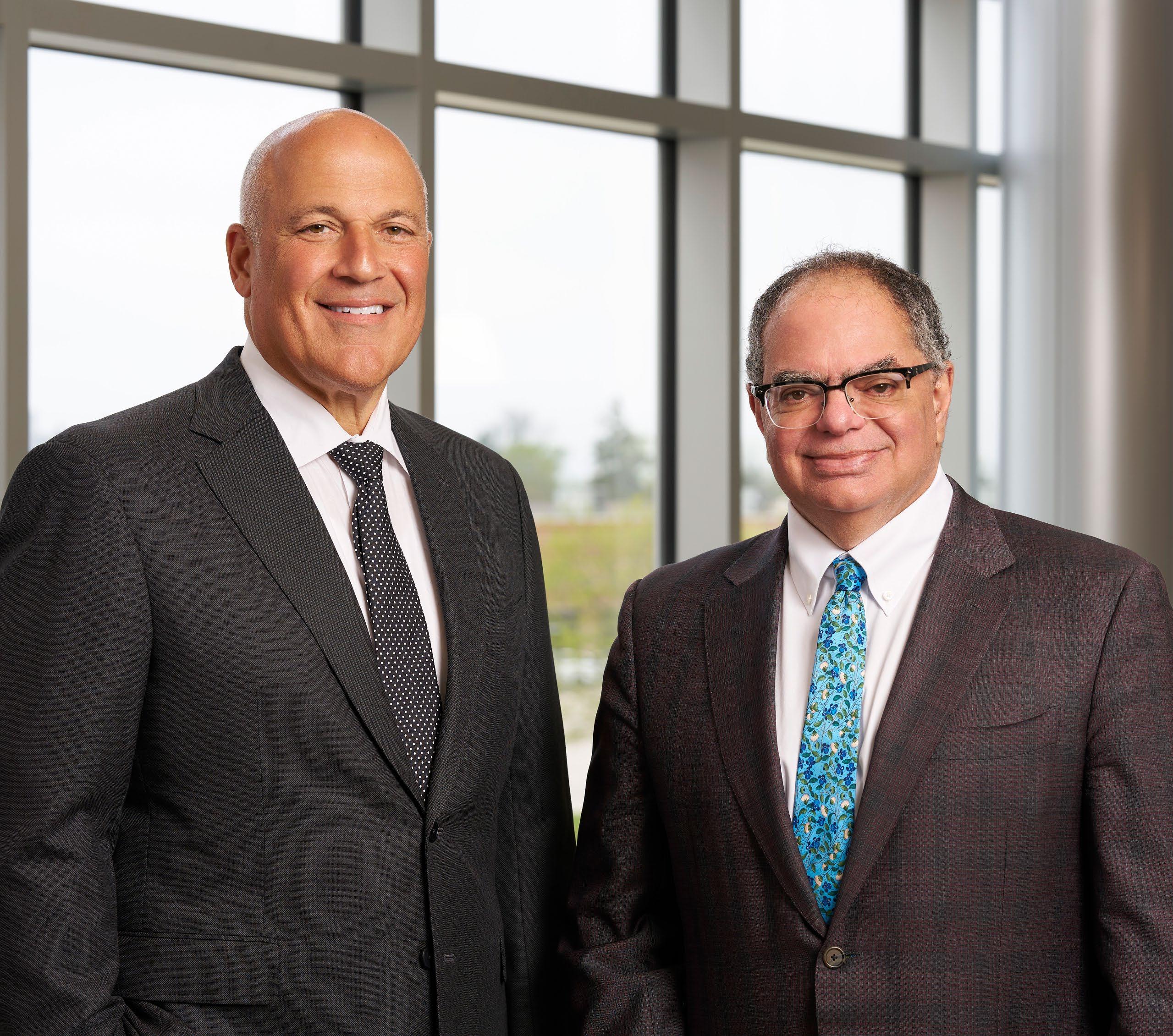
Dear friends,
This past year was a testament to what is possible when mission, discipline and compassion come together. University Hospitals did more than adapt – we advanced. Guided by our values and strengthened by the dedication of our caregivers, leaders and community partners, we moved forward with clarity and confidence, reaffirming our promise to deliver exceptional care and meaningful impact for every community we serve.
Even amid continued pressures in the healthcare environment, UH demonstrated exceptional strength and momentum:
• Our financial foundation grew stronger with $192 million in operating income.
• More patients are choosing UH for their care, with strong growth in inpatient volume, surgeries and emergency visits – driving more than 11% revenue growth and reflecting increased demand for complex services such as transplant, cancer and heart care.
• UH Cleveland Medical Center, our academic medical center, continues to advance in stature – ranking #15 in the world and #7 in the U.S. according to Brand Finance, up from #16 and #8, respectively, last year.
• UH Cleveland Medical Center and UH Rainbow Babies and Children’s earned Magnet® recognition for the fifth consecutive time, reinforcing our commitment to nursing excellence.
• Caregiver engagement reached record levels, with improvements across every survey metric and an Engagement Index of 84%, surpassing national benchmarks.
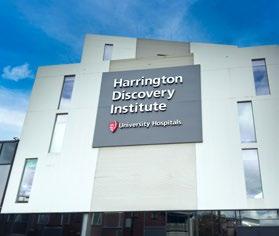
• Harrington Discovery Institute achieved landmark milestones, including the first positive Phase 3 clinical trial for a Harrington Discovery-developed therapy to treat heart attack and breakthrough brain health research identifying the first drug shown to reverse Alzheimer’s disease in a mouse model.
• We surpassed $1.75B in community support for Because of You: The Campaign for University Hospitals, fueled by more than $242 million raised in 2025 – reflecting the generosity of our community and exceptional caregivers.
• Research and clinical excellence continued to advance, with overall clinical trials and research studies across the system increasing 5% to 3,590. In fact, total research funding reached a record $237 million in 2025 despite a challenging environment.
• Access and specialty services expanded across the system, including growth in orthopedics, cardiac care, trauma services, sleep, behavioral health, wound care, and women’s and children’s services. Construction is also underway on a regional cancer hub at UH TriPoint Medical Center, which will strengthen access to comprehensive oncology care.
• We announced a $720 million investment in community health, reflecting our 2024 support for charity care, education, research, and unreimbursed Medicaid and Medicare costs.
Collectively, these achievements reflect more than strong performance – they demonstrate a system operating with consistency, accountability and a relentless focus on quality. That performance is affirmed by a historic achievement: University Hospitals is the first health system in Ohio to achieve ISO 9001 certification across all hospitals and corporate headquarters. More than a milestone, ISO 9001 is proof of how we work every day – delivering safe, reliable care, strengthening accountability and empowering caregivers to drive meaningful improvement.
As we look ahead, we do so grounded in 160 years of service and inspired by what comes next. We are deeply thankful for the extraordinary dedication of our caregivers and physicians, whose commitment brings our mission to life every day. Their work ensures that University Hospitals remains a place where innovation serves humanity, where excellence is expected, and where hope is never out of reach. Together, we are not only honoring a remarkable legacy – we are shaping a healthier future for the communities we serve.
Sincerely,

John G. Morikis Chair, UH Board of Directors
Cliff A. Megerian, MD, FACS Chief Executive Officer, University Hospitals
Jane and Henry Meyer Chief Executive Officer Distinguished Chair
8,062,748
4,431,054
1,010,723
435,892
263,155
137,636 SURGICAL CASES
109,050
28,586
1,179 Residents and fellows $7.3 billion
$466 million Net income2
8,432 Nursing students 116 Residency training programs
27,805 Non-provider employees EMPLOYMENT
6,055
Total UH providers

928 Independent providers3
5,127 Employed providers4
Caregivers with exceptional clinical skills and dedication to patient care are recognized each year as Distinguished Physicians and Distinguished Nurses. Learn more about this year’s group at the links below. Distinguished Physicians
Distinguished Nurses
Watch Meghann’s and Rosie’s NICU journey

Creating a five-star patient and customer experience means more than delivering exceptional clinical care. It means intentionally creating moments that matter – moments of connection, compassion, clarity and reassurance that support patients and families during their most vulnerable times. Nowhere is that commitment more visible than in the Quentin & Elisabeth Alexander Neonatal Intensive Care Unit (NICU) at University Hospitals Rainbow Babies & Children’s Hospital.
For many families, the arrival of a new baby is filled with anticipation and joy. But when a baby arrives too early, that joy can quickly thrust families into a world of uncertainty. Parents may spend days or weeks watching their child from a distance, navigating fear, exhaustion and unfamiliar medical terms. Even with advances in neonatal medicine, time in the NICU is a deeply vulnerable experience. Our NICU teams focus on ensuring families are not only informed, but deeply supported – every step of the way.
“Taking
said Ana Ribeiro, MD, neonatologist at UH Rainbow Babies & Children’s.
“That philosophy comes to life in the small but powerful moments – taking time to explain what’s happening, offering reassurance during crises, and helping parents build confidence as caregivers.”
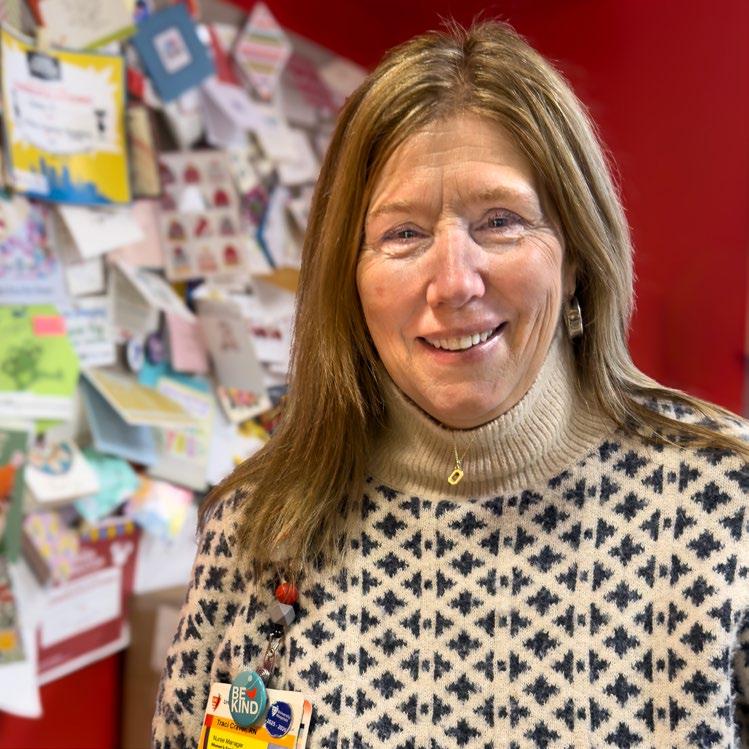
Those moments are shaped by the everyday actions of nurses and caregivers who walk alongside families throughout their journey. “We form strong relationships with these babies and their families,” said Traci Craver, RN, nurse manager of the NICU Step Down Unit. “Our job is not only to prepare the baby to go home, but to help families feel ready and confident when that day comes. It’s incredibly meaningful – and bittersweet.”
For Meghann Utrata, those moments made an indelible impact. After delivering her daughter Rosie at just 25 weeks, weighing 1 pound, 9 ounces, Rosie spent 126 days in the NICU and Step Down Unit. Ten days after her birth, Meghann’s husband held Rosie skin-to-skin for the first time. When her breathing tube got dislodged while lying on his chest, it required an emergency intervention. “Everything happened so fast,” Meghann recalled. “My husband was panicked. Dr. Ribeiro sat down next to me, calmly explained what was happening, and reassured me every step of the way. In that moment, she made it clear that supporting parents is just as important as caring for the baby.”
That compassion extended beyond the crisis. Meghann’s husband was understandably hesitant to hold Rosie again. “The nurses never rushed him,” she said. “They encouraged him gently – telling him to take his time, reminding him they were there and ready to help him rebuild confidence when he was ready.”
Those relationships lasted long after discharge. “The NICU became our second home,” Meghann shared. Today, Rosie is 5½ years old and thriving. Meghann remains connected to her caregivers and now serves on the NICU Patient Family Partnership Council.
By pairing clinical excellence with empathy, communication and presence, our NICU teams deliver a five-star experience – creating moments that matter for the entire family, long after the journey begins.
When it comes to practicing medicine, the practicing matters a lot. The more times a heart specialist performs a certain procedure, the better the outcomes for patients.
Knowing this, University Hospitals has created concentrated Centers of Excellence for specific advanced procedures so patients can benefit from providers with the most experience and expertise.
It’s all part of adding value for patients by taking a hard look at our “footprint” in the community – and optimizing and “right-sizing” it for the greatest benefit.
What this means in real terms is advanced care centers in your home communities. UH Harrington Heart & Vascular Institute, for example, has advanced care hubs at UH Lake West Medical Center in Willoughby and UH Elyria Medical Center to the west. In establishing these centers, widening access to advanced care was paramount. Providing the right care, in the right place, creates stronger communities.
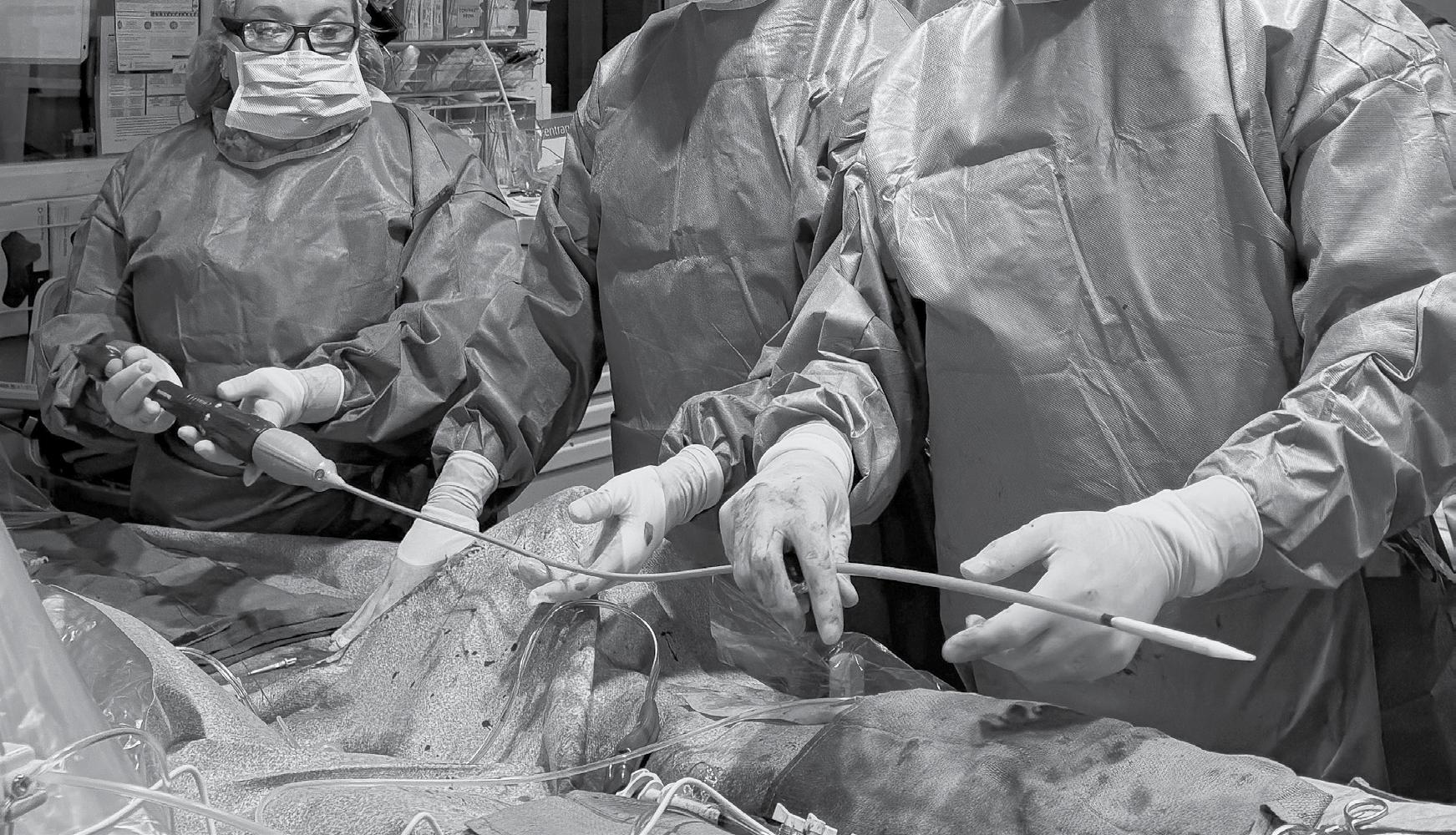
“We get you back on your feet, and back to your family quicker, through minimally invasive techniques with a focus on providing excellent patient care and satisfaction,” said interventional cardiologist Justin Dunn, MD, MPH, Regional Director of the Valve & Structural Heart Disease Center at UH Harrington Heart & Vascular Institute, who oversees the program at UH Lake West. “This is happening right in your community.”
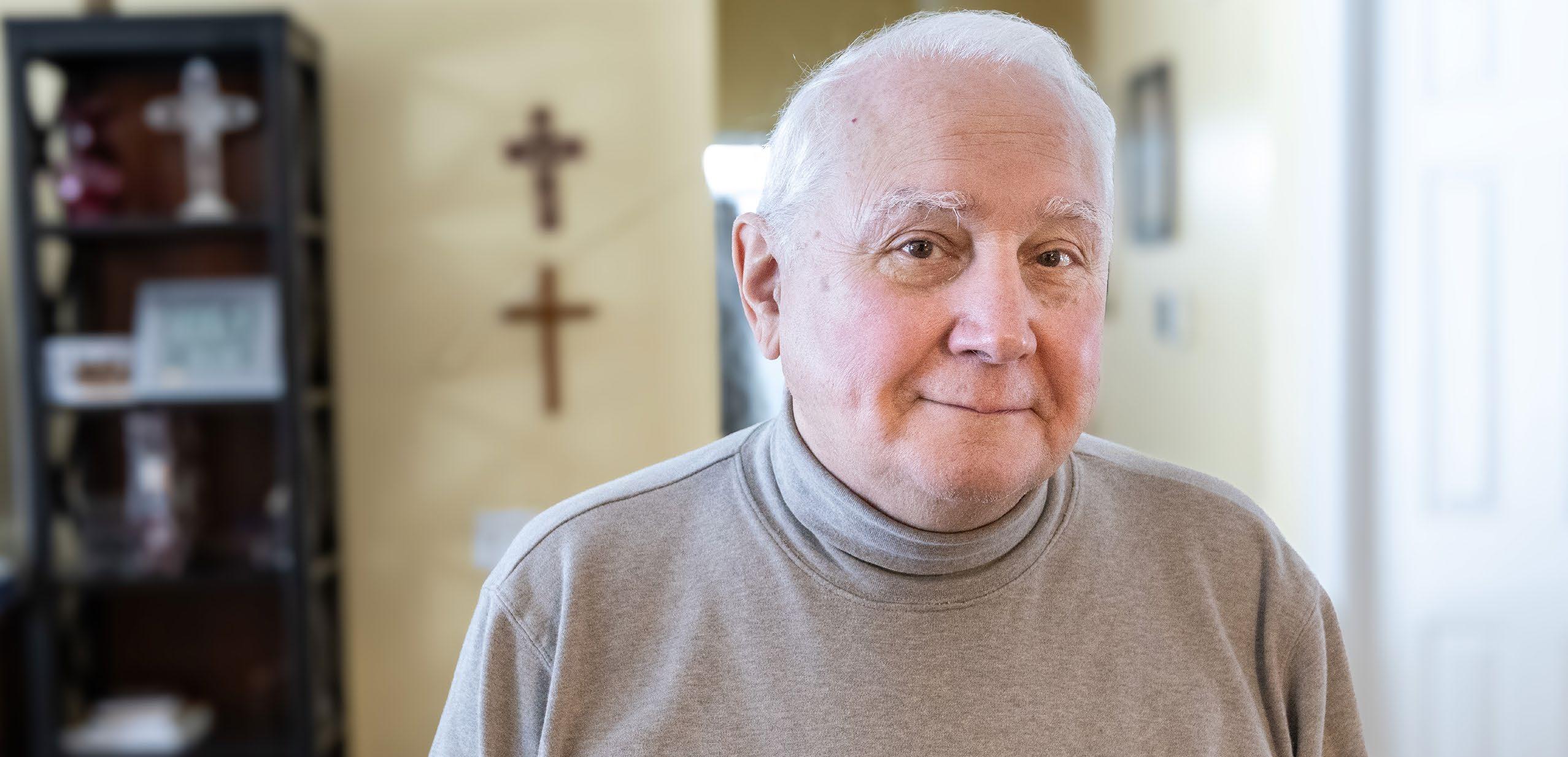
Retired engineer David Bogstad of North Ridgeville is a powerful example of this approach. With a history of atrial fibrillation and a recent heart attack, he was the definition of a complex patient requiring advanced care. When his health problems persisted and he needed to have his aortic heart valve replaced, he was the first to undergo the Transcatheter Aortic Valve Replacement (TAVR) procedure at UH Elyria Medical Center – and the first at any UH community hospital.
UH interventional cardiologist Vinicius Esteves, MD, PhD, was his doctor.
“This represents the beginning of a new chapter of bringing high-complexity structural heart care to our patients,” Dr. Esteves said.
That signifies the UH difference, said Dr. Esteves. While other hospital systems may have two tiers of specialists, with the most experienced at the academic medical center, UH’s highly experienced physicians bring their expertise to the communities they serve.
David Bogstad says he’s recovered well from the TAVR procedure. He’s back landscaping, gardening and walking in the mornings in his neighborhood. Having access to specialized care just three miles from home instead of traveling 30 miles to downtown Cleveland made a huge difference, he says.
And he can’t say enough about the care he received so close to home – both the medical expertise and the compassion.
“The care team was just fantastic,” he said. “Dr. Esteves in particular was such a wonderful person all around. He treated my family like his.”
See how heart care close to home changed everything for David
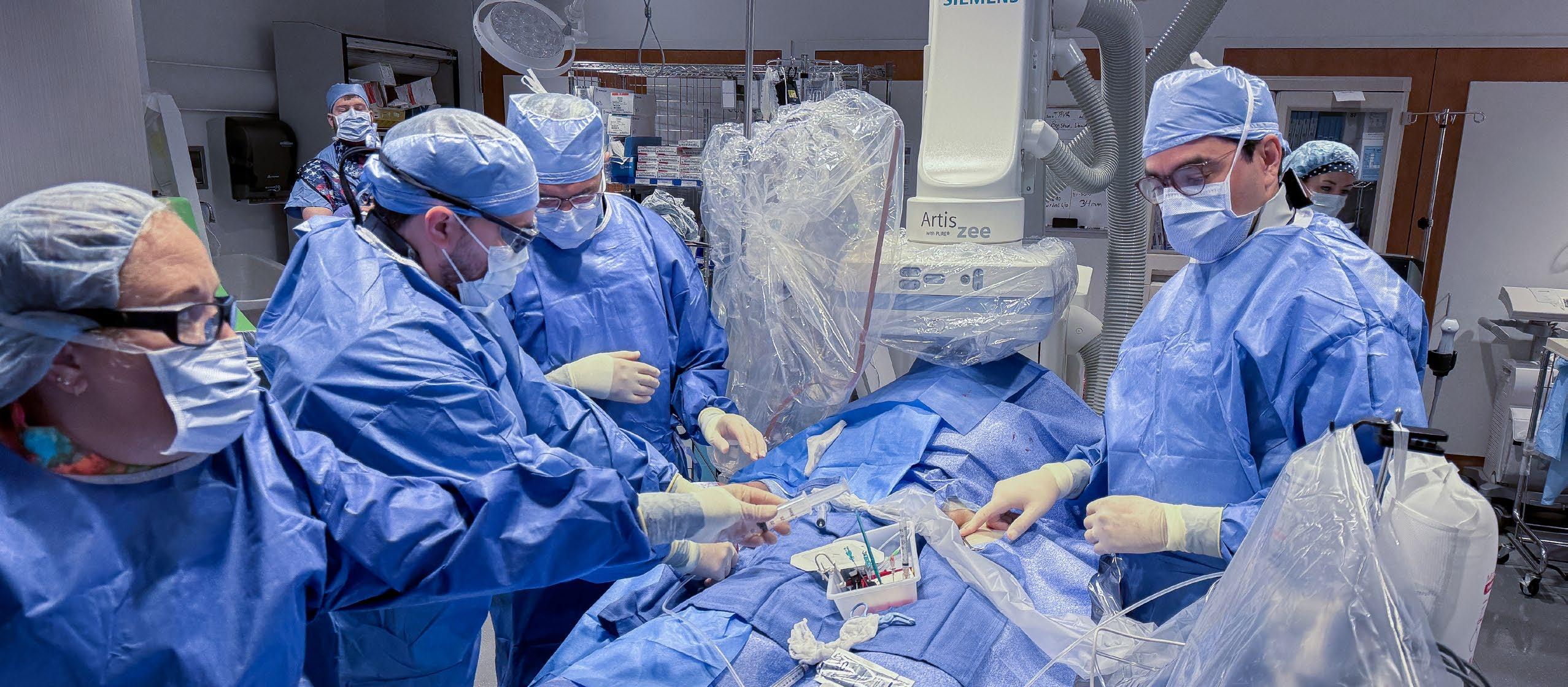
UH Harrington Heart & Vascular Institute also concentrates expertise in other ways. The new Lorraine and Bill Dodero Limb Preservation Center, established with a generous $5 million gift from the couple and led by Mehdi Shishehbor, DO, MPH, PhD, President, UH Harrington Heart & Vascular Institute, and Angela and James Hambrick Distinguished Chair in Innovation, aims to revolutionize care for patients at risk of amputation due to peripheral artery disease and diabetes. Its agenda: Create a national destination for limb preservation care; discover new and uninvestigated treatments; educate more physicians on innovations in care; and ensure that patients facing amputation know they have options at UH.
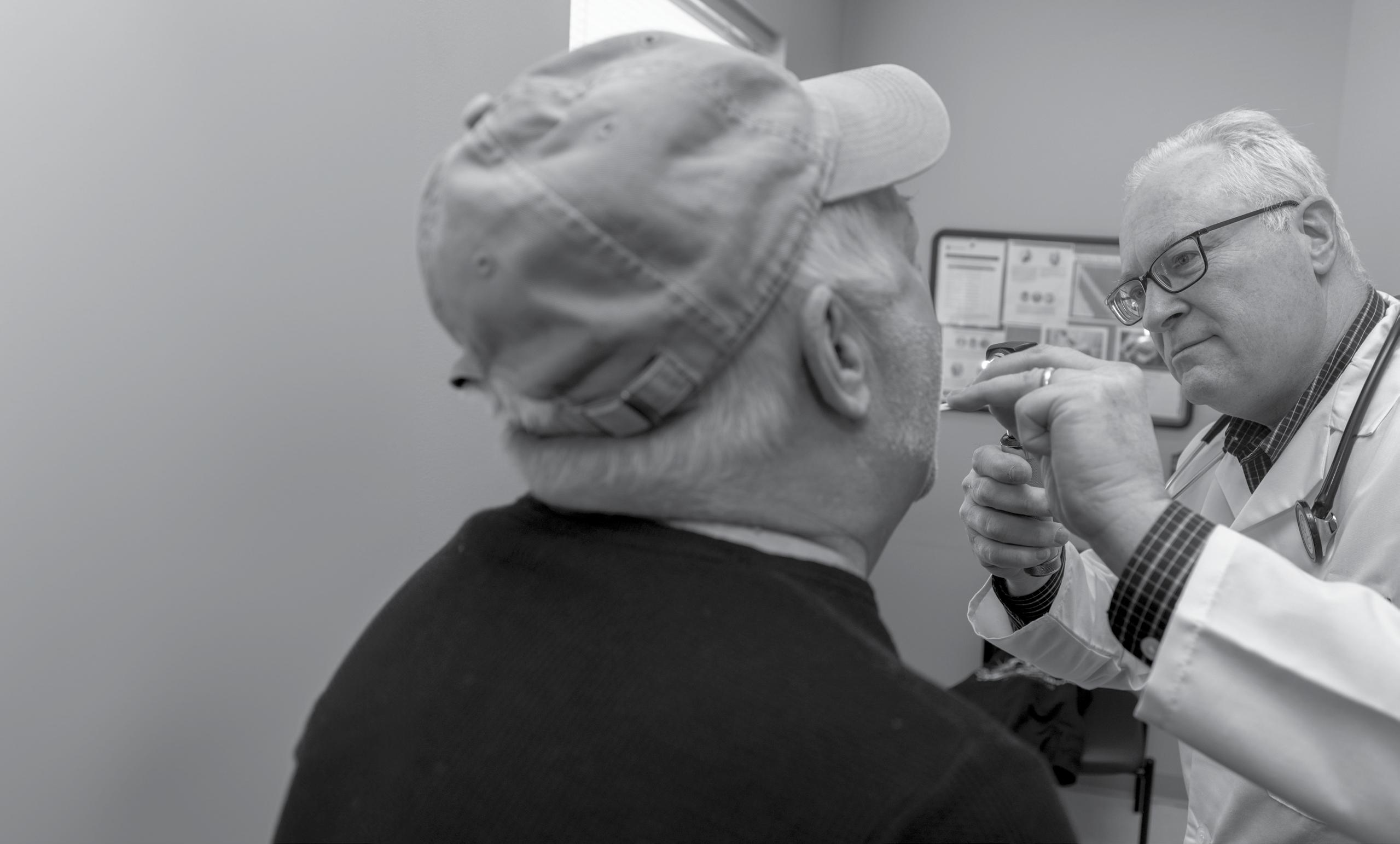
One of University Hospitals’ top priorities is delivering value – maximizing quality for patients while managing costs for both patients and those who pay for care. In healthcare, value is defined as quality divided by cost, and UH is advancing this principle through a rigorous, patient-centered approach in primary care.
A key driver of this work is the Advanced Primary Care (APC) model, developed by leaders in the UH Primary Care Institute. The first six practices went live in 2020 and we’ve been progressing at a steady pace ever since. Today, the model is embedded in 33 primary care practices, and by the end of 2026, we expect nearly all UH primary care practices will be operating under the APC model.
Early results show that APC is highly effective in helping patients stay healthier, especially those with chronic conditions. These patients face a higher risk of complications that can lead to hospitalizations, emergency department visits and readmissions. Earlier, more consistent intervention helps patients better manage their conditions, reduce out-of-pocket costs and improve their quality of life.
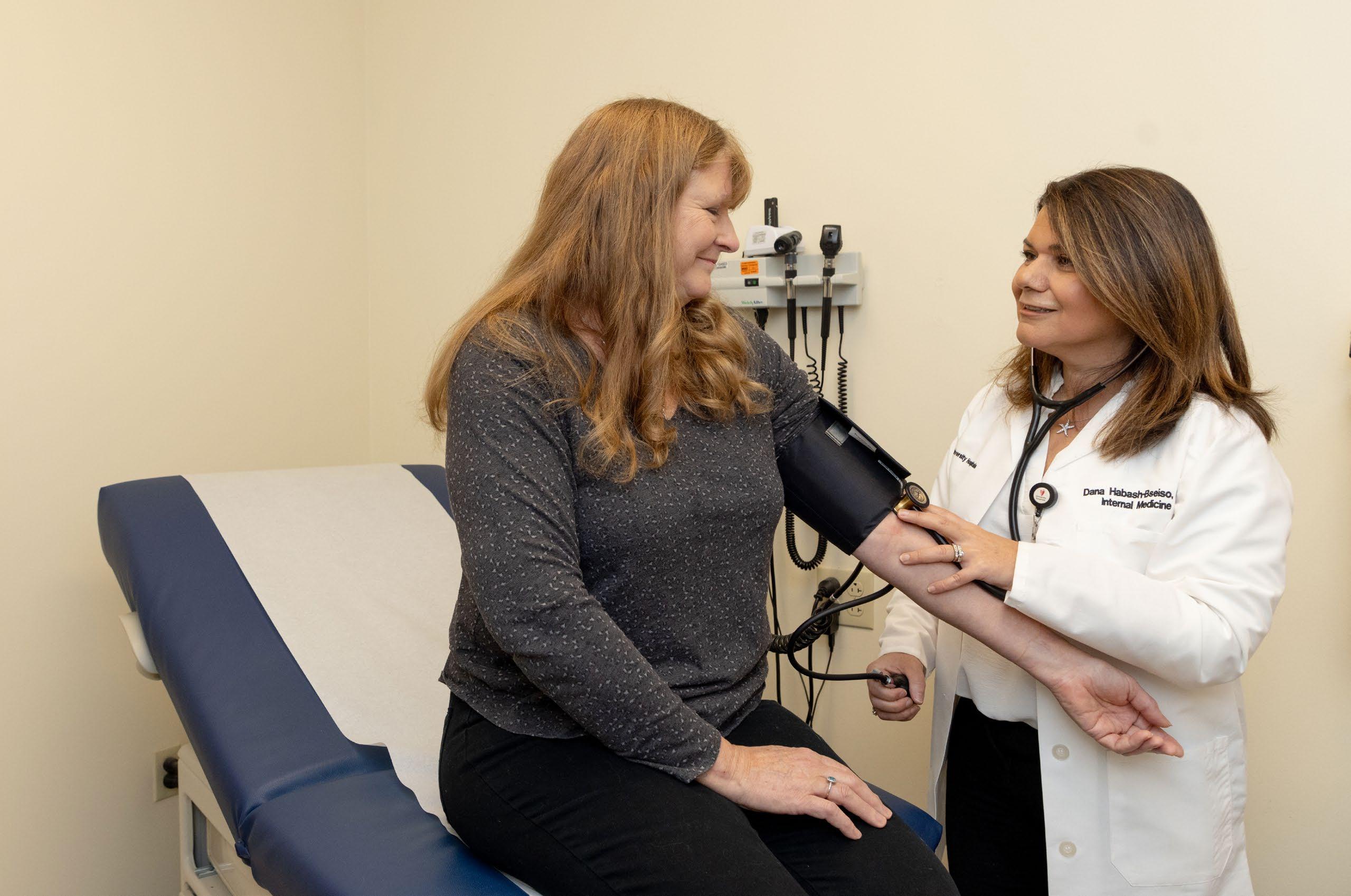
The APC model enhances care by embedding additional support directly into primary care practices for a teambased care approach. The team members include a nurse care manager, a clinical pharmacist and a behavioral health coordinator. Together, this team delivers proactive, coordinated care that is already producing meaningful improvements for patients with conditions such as diabetes and hypertension.
Barbara Deeds of Westlake has experienced this firsthand. A patient of UH Westlake Internal Medicine for 30 years, she describes the past year as life-changing. “It started in October, when my pulse oximeter showed my heart rate was 135,” she recalled. “I didn’t feel any different. I wouldn’t have known.”
In the months that followed, Barbara was hospitalized five times for heart-related issues and underwent several procedures. A Stage 4 cancer survivor, she also struggled to afford new medications, including the costly blood thinner Eliquis. The UH Westlake clinical pharmacist connected her with a program that made the medication affordable.
Barbara credits the practice’s chronic care manager, Lisa Anderson, RN, with playing a pivotal role in her health. “Without a doubt, she has saved my life,” Barbara said. When her heart rate spiked that fall day, she called Lisa, who urged her to go immediately to the ED at UH St. John Medical Center.
“I never would have called a doctor,” Barbara added. “But I knew I could call Lisa because of her role. She’d want to know.” Anderson also ensures that Barbara’s screenings and ongoing health needs remain on track.
UH has long been recognized for its leadership in population health management through its Accountable Care Organization, and the APC model further strengthens that work, said George Topalsky, MD, President of the UH Primary Care Institute.
“Historically, the approach to health care has been reactive,” said Brian Zack, MD, MPH, Chief Medical Officer, Population Health. “We treat patients who have a disease diagnosis or a flare-up of that condition. They may be hospitalized or have co-morbidities or complications.”
The APC model expands the lens from treatment to include mitigation and prevention, he said.
For patients with a chronic illness, that can mean lowering their overall risk for complications or escalation. For others, the emphasis is on preventing disease or detecting it early through screenings.
“This model is the foundation that will set us – and our patients – up for success.”
“The Advanced Primary Care model provides team-based care that surrounds the patient with the care they need. This model has led to better chronic care management, coordinated care, reduced emergency room visits and hospital admissions and more efficient healthcare delivery.”
– George Topalsky, MD
how the APC model is transforming care
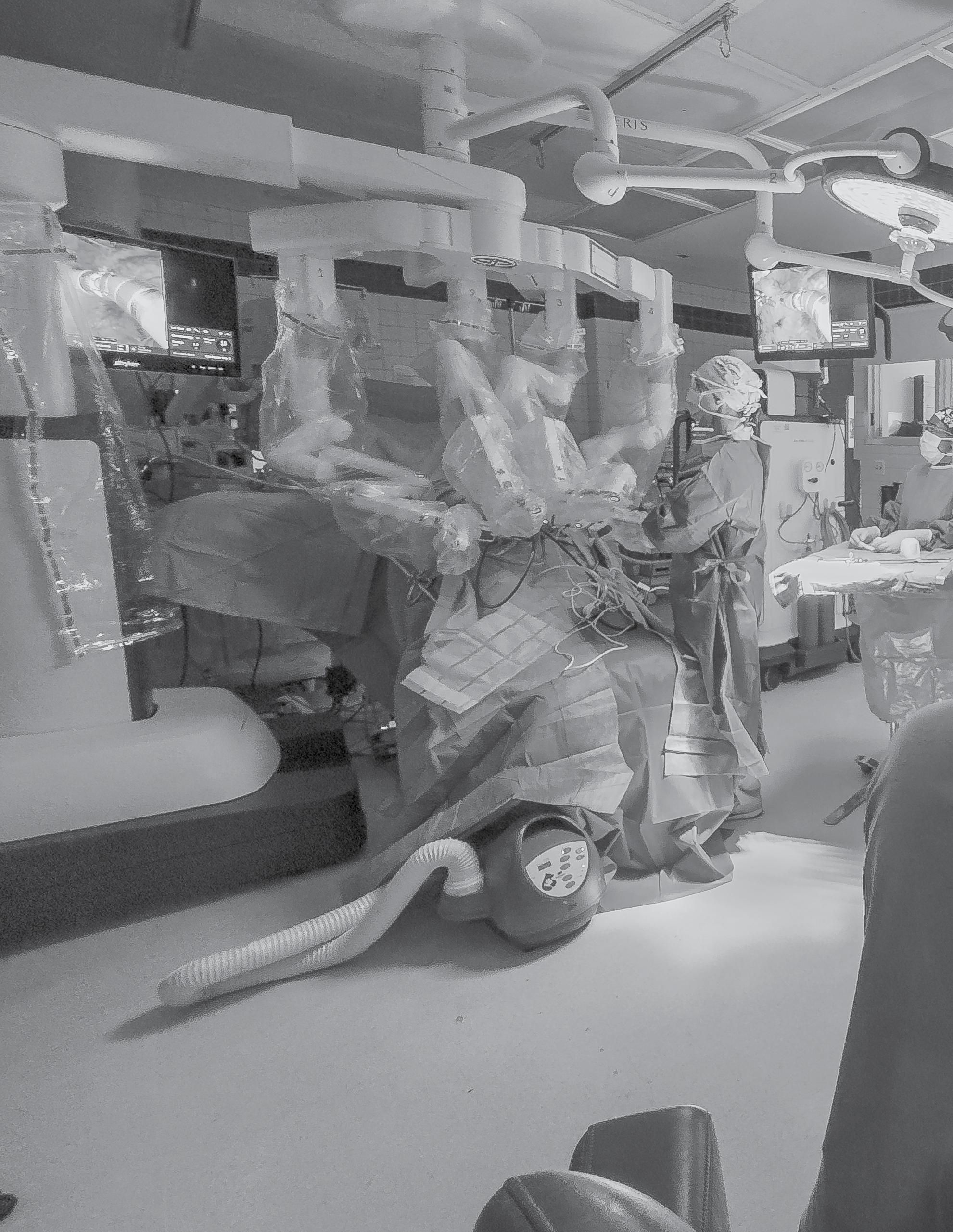
Defeating cancer takes courage, ingenuity and persistence. Few diagnoses evoke the same level of anxiety and fear. But the team at UH Seidman Cancer Center is up to the task. When the opportunity arises to offer their cancer patients more and better treatment options, they seize it.
A case in point – clinical trials at UH Seidman, which test the safety and effectiveness of emerging cancer therapies. These rigorous studies are the very definition of hope, offering cancer patients second chances when traditional therapies aren’t working. And thanks to a generous $3.5 million gift from Kathy Coleman to renovate and expand UH Seidman’s Kathy and Les Coleman Clinical Trials Center, they’re set to triple by 2030.
“In 2025, more than 750 UH Seidman Cancer Center patients completed or were actively engaged in clinical trials here – an all-time high. This gift will bring potentially life-extending treatments to even more patients.” – Theodoros Teknos, MD, President and Scientific Director, UH Seidman Cancer Center, and Jane and Lee Seidman Chair in Cancer Innovation.
But innovation at UH Seidman isn’t just limited to clinical trials. Sometimes, it comes from new technology –deployed with skill and expertise by our talented physicians, nurses and other caregivers.
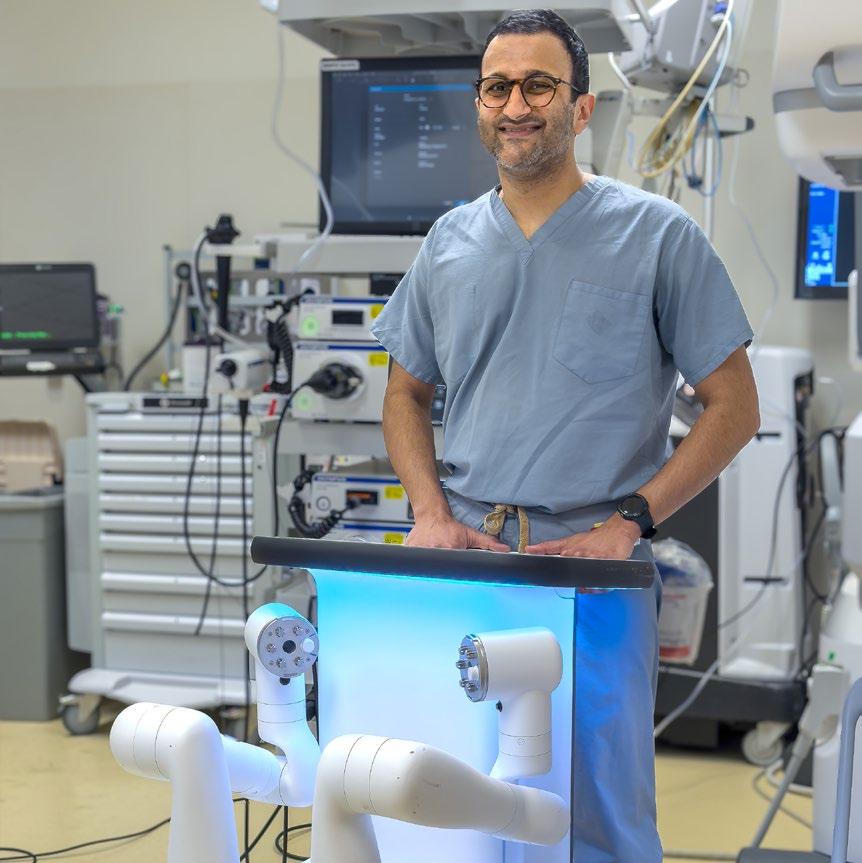
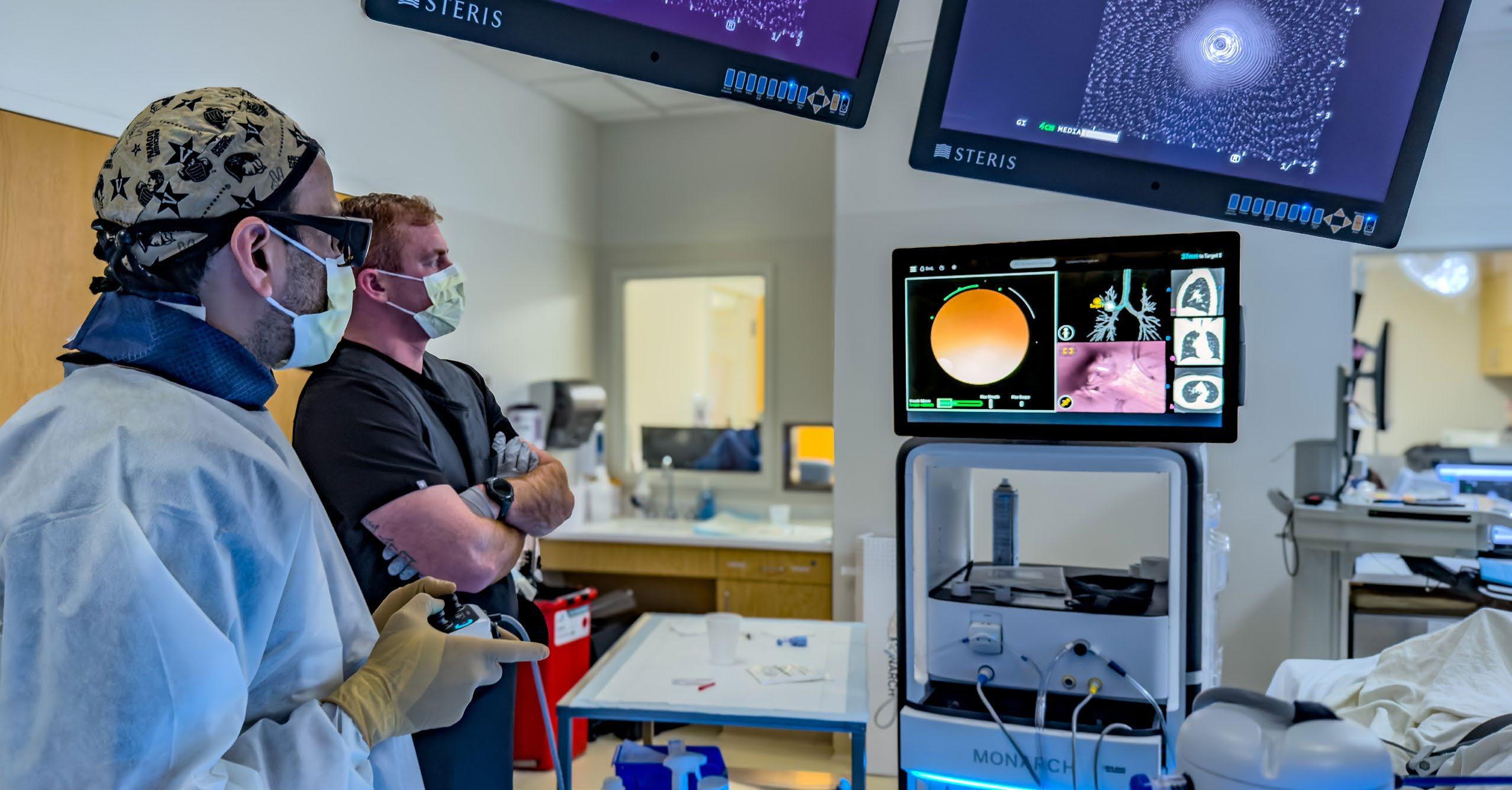
Joseph Hannak’s story is a great example. This past year, the 57-year-old auto mechanic from Strongsville was diagnosed with early-stage lung cancer, revealed after a low-dose CT scan ordered by his family doctor. A biopsy confirmed the cancer diagnosis. Joseph’s medical team used an advanced technique to take the guesswork out of surgery. First, interventional pulmonologist Sameer Avasarala, MD, used robotic bronchoscopy and mobile CT systems to reach the small nodule and mark it with a special coil and fluorescent dye. These markers acted like a glowing beacon. Later that same day, thoracic surgeon Christopher Towe, MD, who is the Charles A. Hubay, MD, Chair in Surgery, used a robotic system equipped with ‘Firefly’ infrared imaging. This allowed him to see the glowing marker clearly, ensuring he could remove the cancer precisely while saving as much healthy lung tissue as possible.
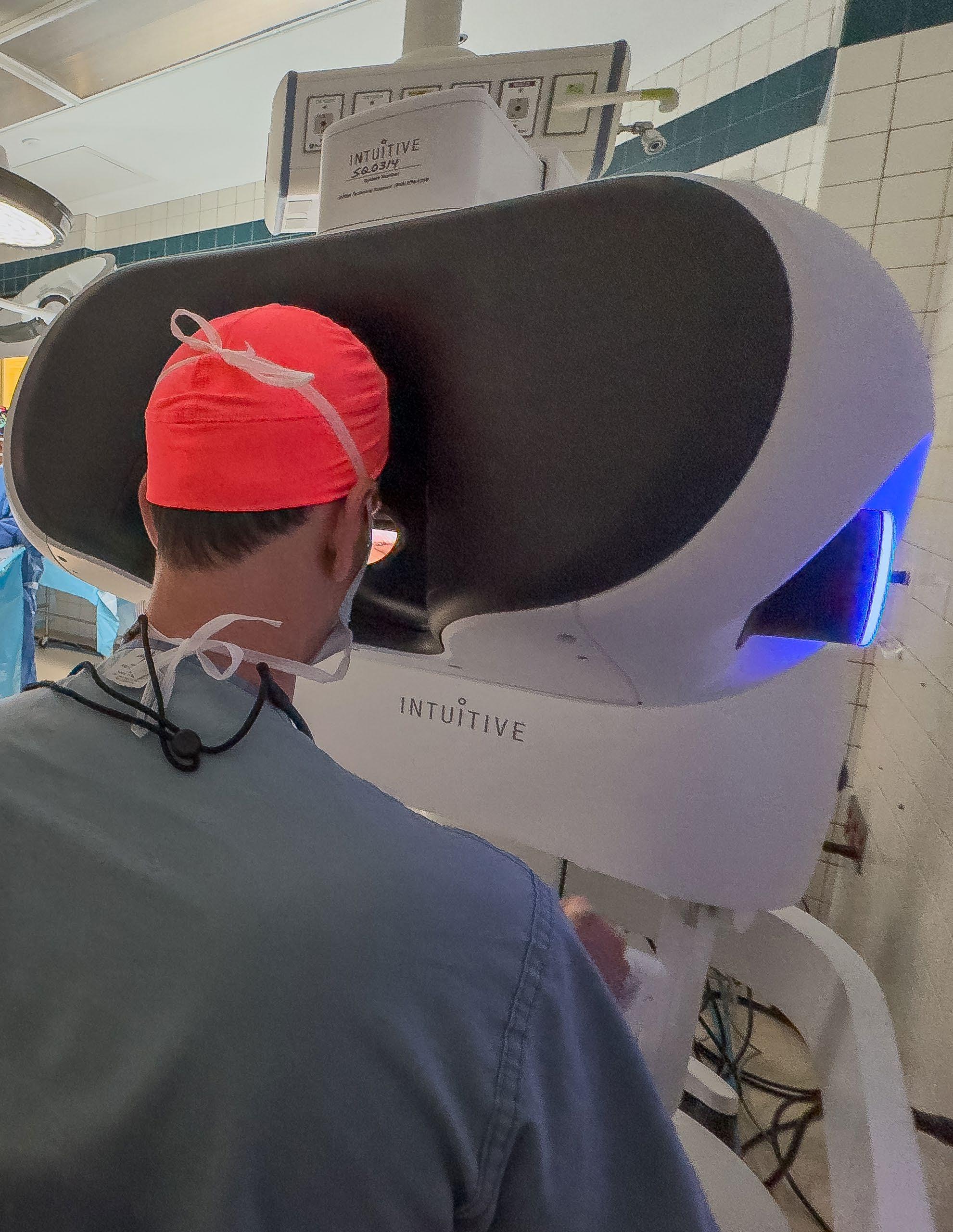
“His tumor was less than a centimeter in size, so the localization really helped find it and remove it completely,” Dr. Towe said. “He has the earliest possible stage, for which surgery is typically curative.”
For his part, Joseph appreciated the excellent care he received from his UH Seidman team – as well as his quick and relatively painless recovery.
“I didn’t even need to take pain medicine,” he said. “I’d give everything an ‘A,’ for sure.”
He particularly notes how they took the time to explain the Firefly system – and its power to help him. And that’s always the goal – translating science and innovation into healing. And always with compassion.
$237M
Total Research Funding
3,590 Active Clinical Research Studies
1,382 Faculty
1,544
Peer-Reviewed Articles
2,163 Medical Student Clerkships & Elective Rotations
1,179 Residents & Fellows
116 Residency & Fellowship Programs
115 UH + UH-CWRU Joint Invention Disclosures
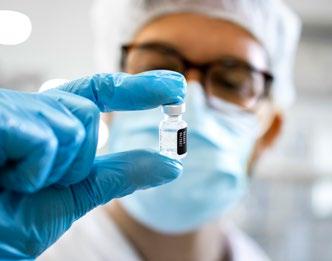
Because heart disease remains the leading cause of death worldwide, new treatment options are urgently needed. In 2025, a major milestone underscored this unmet need: 2015 Harrington Scholar Innovator Barry Coller, MD, The Rockefeller University, received pivotal Phase 3 results showing that zalunfiban – the heart attack therapy he helped develop – improves survival during the critical early window of a heart attack. Designed for rapid, prehospital use by first responders and ER teams, zalunfiban is a next generation subcutaneous GPIIb/IIIa inhibitor that delivers fast clot reduction in STEMI patients.
Dr. Coller credits Harrington’s therapeutics development advisors with helping advance his discovery, noting that access to multidisciplinary expertise led his team to rethink the route of administration and pursue essential reimbursement strategies.
This is the type of impact envisioned when Harrington Discovery Institute launched in 2012 with a transformational $50 million gift from the Harrington family: empowering physician scientists to drive forward innovations that benefit patients.
Recognizing rare diseases as one of the most urgent unmet medical needs, Harrington’s expanded model through the Oxford Harrington Rare Disease Centre is well on its way toward a goal of moving 40 therapies into clinical trials by 2034, with 50 drugs in development. Across all programs, Harrington remains focused on a singular mission: to accelerate promising discoveries into medicines for patients who need them.
2025

227
Medicines in development (36 in Cleveland)
75 Institutions supported



24 Medicines in the clinic
15 Licenses to pharma
47
Companies launched (8 in Cleveland)
25 Scholar grants awarded to top researchers both national and internationally
he use of artificial intelligence in healthcare can raise concerns for patients – from questions about accuracy to fears that technology might distance them from their physicians. Yet when people learn how AI is already used to help clinicians with earlier detection of diseases, to support more informed decision-making and to provide more precise diagnoses and therapies, patients’ concerns are alleviated.
AI is already used at University Hospitals to identify patients at a higher risk of heart disease who may benefit from statin or aspirin use, which their provider will then recommend. In hospital rooms, AI tools track vital signs to alert staff to a patient’s elevated risk of sepsis.
At UH, we deploy AI with a firm commitment to human-centered care. Every tool undergoes rigorous review and is selected to strengthen – not replace – the clinician-patient relationship. Our goal is to enhance care while preserving the human connection that is at its core.
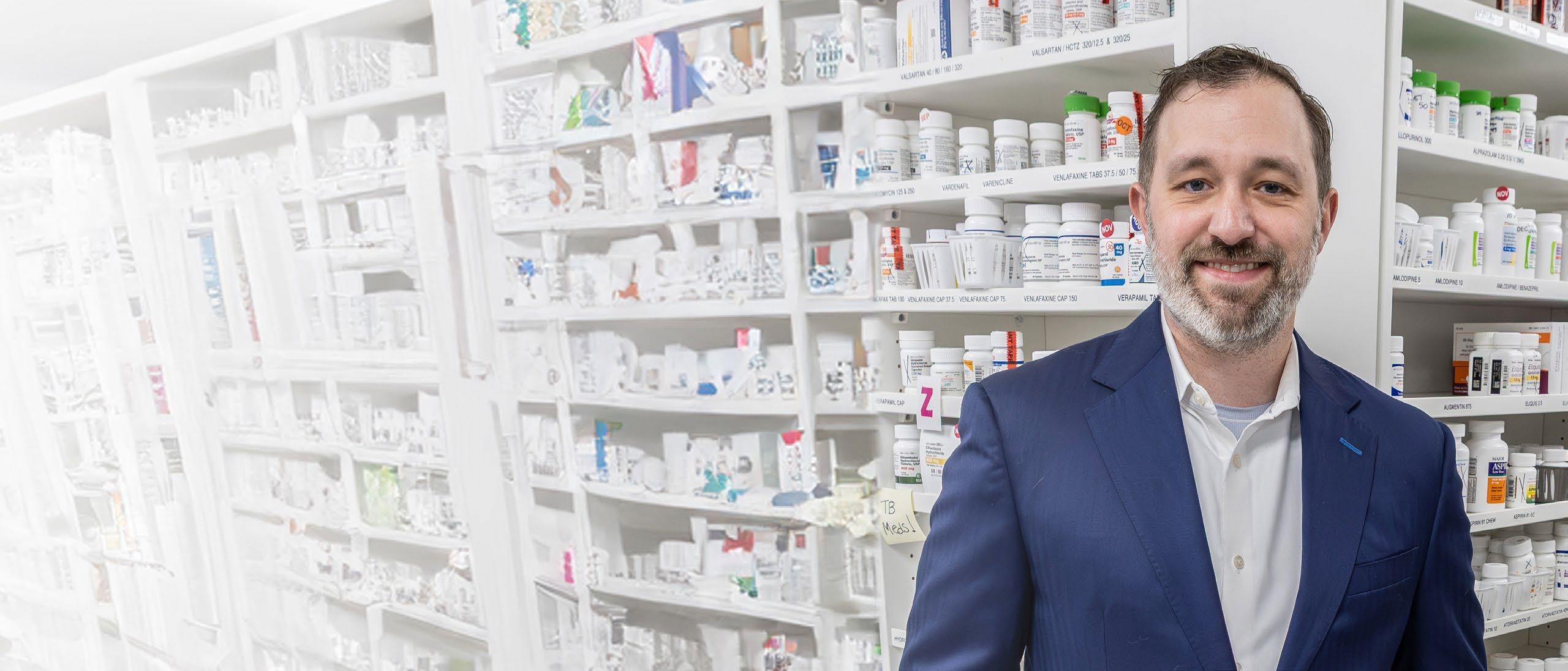
We also adopt AI solutions that improve efficiency and streamline workflows. In 2025, we piloted UH Pharmacy’s use of AI to support patients starting new medications. UH Ventures recommended the Hippocratic AI platform, with support from the Veale Healthcare Transformation Institute.
A conversational AI agent who introduces herself as “Clara” calls UH primary care patients who use non-UH pharmacies. She asks whether they had any
trouble when picking up their medication, whether they experienced side effects, or if they had any other questions. Clara answers basic questions, but directs patients to contact their provider about medical concerns.
Clara then informs the patient about the advantages of using UH pharmacies – including pharmacists’ direct coordination with UH physicians, potential help with reducing medication costs and free home delivery.
As Scott Naples, Senior Director of Regional Pharmacy, notes, AI-enabled outreach completes hundreds of calls and redials at a pace no human team could match. These calls helped many transition to a UH pharmacy –a higher-than-expected outcome, he said.
“Our goal as pharmacists is to take care of patients, and we respect their choices,” Naples explained. “Still, we believe our retail pharmacies offer better care and better service. And because we’re connected to the EMR through MyChart, any questions for a provider can be addressed quickly – something pharmacies like CVS or Walgreens can’t do.
“We’re simply in a stronger position to support patients, make sure they get what they need promptly and deliver medications right to their door.”
For Sallie Newson, the difference was immediate. After years of using a local drugstore chain, where she recently waited more than a week for two daily medications, she switched to a UH pharmacy after receiving the call. “Now we’re getting what we need,” she said.
“They remind me when it’s time for a refill, and the delivery is free. The other drugstore charged $8. I got a reminder from UH the other day that a refill was coming – they text or email, and it’s in MyChart, so I never get it late.”
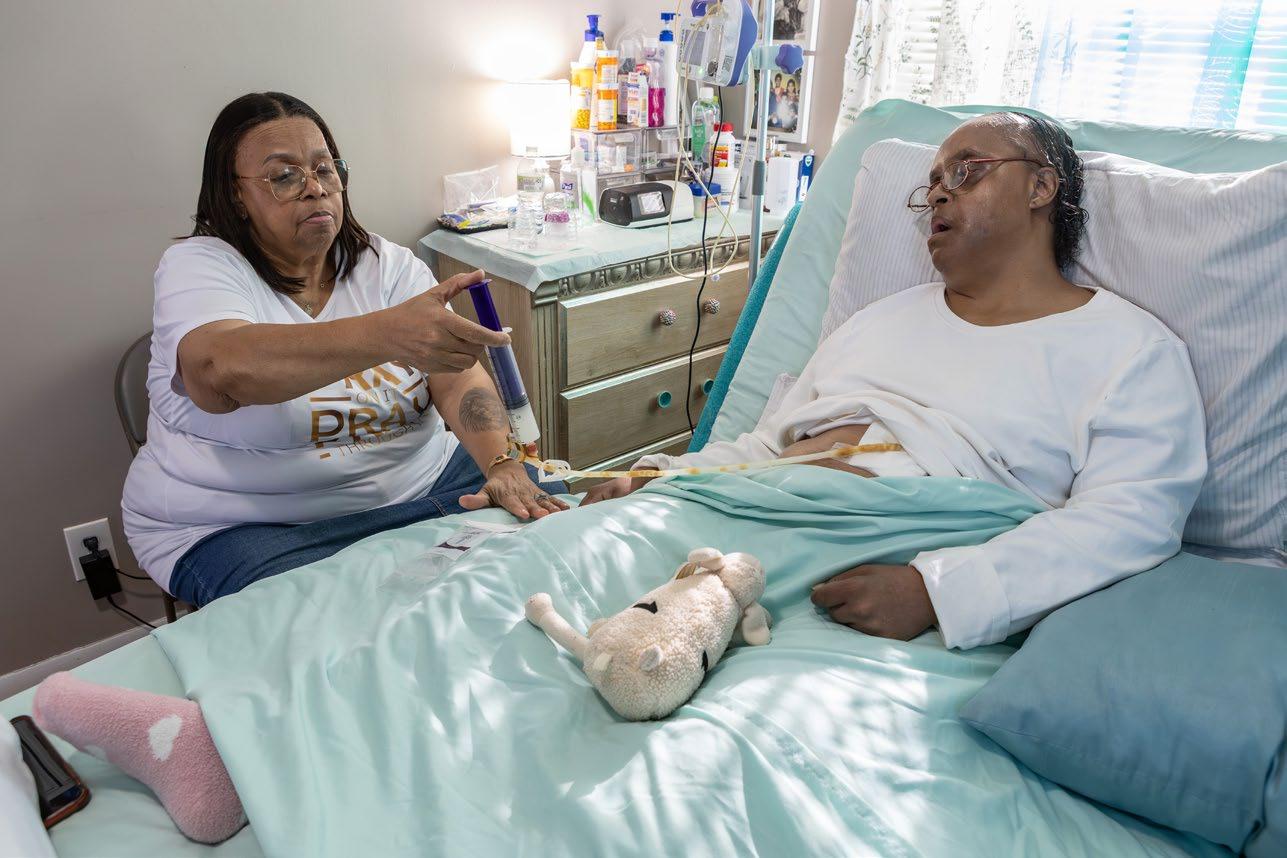
Elizabeth Reaves-Brooks, a full-time caretaker for her daughter, Athena, who relies on seizure medication, had a similar experience. She previously used a large chain pharmacy where delays were common and stressful.
“Often the prescription wasn’t filled on time,” she said. “I’d drive there, stand in line and then be told it wasn’t ready.” Now, she receives early reminders for refills from the UH pharmacy and text alerts when the medication arrives there, followed by a scheduled delivery.
“They just seem to care,” she said.
UH will expand its use of Hippocratic AI’s voice-based agents across additional non-diagnostic outreach programs. The next phase will focus on recently hospitalized patients who received prescription medications at discharge through the meds-to-beds program. Seven days later, patients will receive an AI call checking whether they picked up their refills, asking if they have questions and sharing information about UH pharmacy services.
Naples mentions similar opportunities across the system. Radiology is one example: patients who receive an imaging order may forget to schedule the appointment or they may no longer need it, but haven’t cancelled. AI outreach can close those gaps, and appointment slots open up for others.
Colonoscopy scheduling is another area where AI reminders can prompt patients when they are due for their screening, guide them through scheduling and provide details and directions on the preparation. After a procedure with routine results, the AI agent can notify the patient. If follow-up is needed, their provider will reach out to them directly.
By using AI in these ways, UH continues to increase access, reduce delays and improve patient experience.
UH Ventures is University Hospitals’ engine for innovation, commercialization and strategic transformation – turning bold ideas into measurable impact. Working side-by-side with caregivers, UH Ventures develops new medical technologies, re-imagines care delivery through humancentered design, and forges clinical and industry partnerships that strengthen UH’s mission. The team commercializes UH-born inventions, integrates high-value external innovations and advances a diversified investment portfolio. As the system’s steward for our AI strategy and framework, UH Ventures guides evaluation, governance and adoption of AI tools that enhance efficiency, elevate clinical decision-making and shape the future of patient and caregiver experience.
115 New invention disclosures1
23 Licensing agreements1
14 Collaborative research projects
25
HELPING PATIENTS NAVIGATE NEW MEDICAID REQUIREMENTS
Federal guidelines will soon require Medicaid recipients to document at least 80 hours each month of work, job training or volunteer service to maintain healthcare coverage, disproportionately affecting individuals and families already navigating economic and caregiving pressures.
Many University Hospitals patients who rely on Medicaid already juggle multiple part-time jobs, caregiving responsibilities, and transportation or technology barriers. These conditions can make meeting and documenting the new requirements especially challenging, particularly when systems are not designed around the lived realities of patients.
“Meeting these new requirements will be only part of the challenge for many people in our communities,” said Celina Cunanan, MSN, APRN-CNM, UH Chief Health Impact Officer. “Documenting compliance for administrators will be another. Without the right information and support, people may lose – or never receive – the Medicaid coverage they need to access consistent, preventive care.”
Caring for the community has long been central to UH’s mission, rooted in our founders’ 1866 pledge: “The needy are the most worthy.” In that spirit, UH began preparing for this policy shift well in advance, recognizing both the scale of the change and its potential impact on access to care for the people we serve.
In 2025, that work focused on strengthening internal processes, mapping UH workflows and the existing Medicaid enrollment process; listening closely to community partners across Northeast Ohio; and assessing how the new Medicaid requirements could affect patients, families and the stability of care across communities we serve.
These efforts build on long-standing relationships with regional healthcare partners, as well as government agencies, community leaders and nonprofit organizations. Northeast Ohio has the highest number of Medicaid recipients in the state, underscoring the importance of a coordinated, community-wide response. UH stepped forward as a convener –bringing together trusted partners to support community members in navigating new requirements, to educate community members, raise awareness of new requirements and connect eligible individuals with the resources they need to enroll in or maintain coverage.
“Coverage can be confusing, and many don’t know what they need to do to keep it,” Cunanan said.
UH is also preparing our caregivers to support patients through this transition. “We need a clear understanding of who these patients are, where they live, how to reach them, and how best to support them and how to respond in ways that reduce disruption to care,” Cunanan explained. “That knowledge helps us better serve patients while strengthening the health of our broader community.”
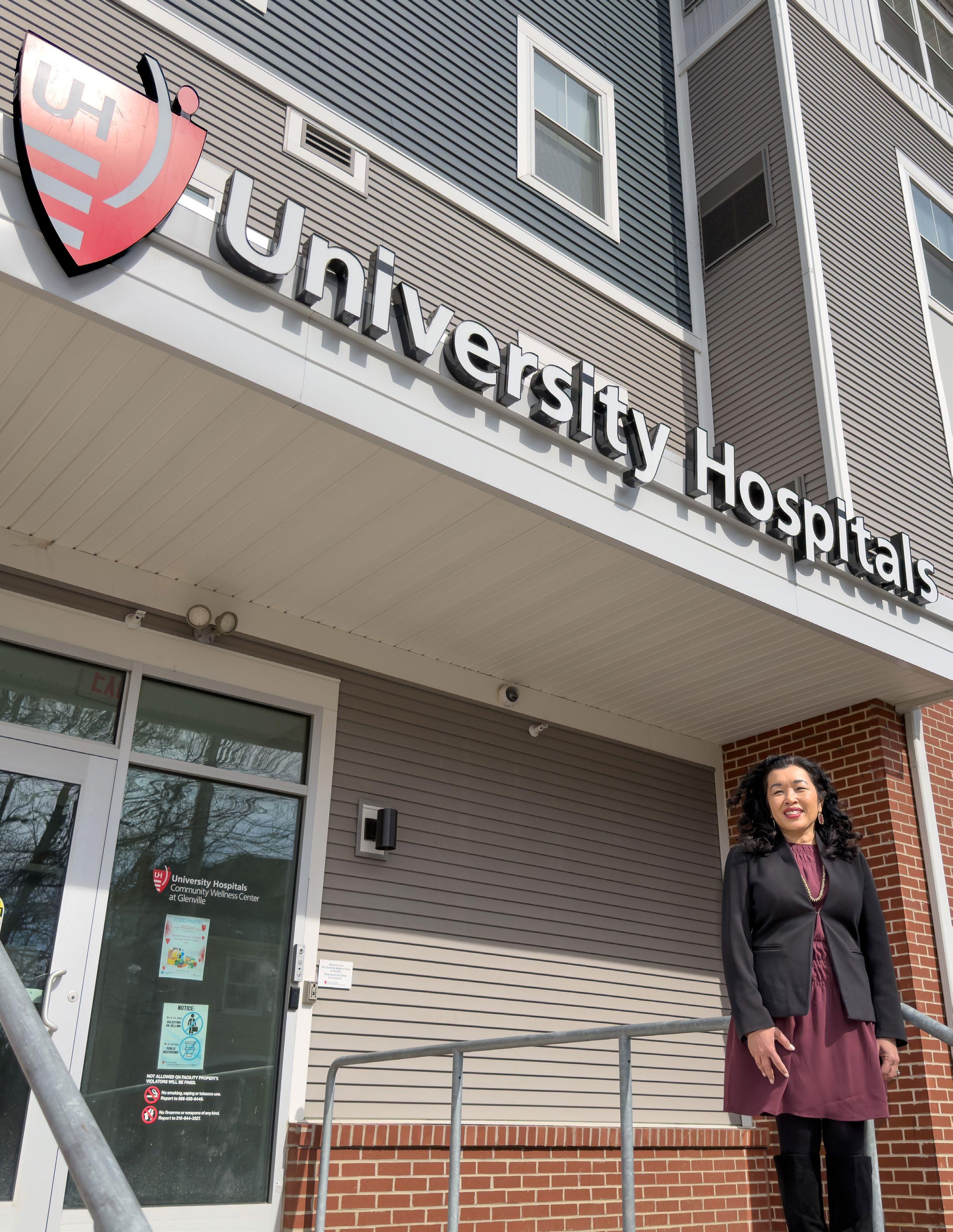
To expand outreach and assistance, UH will leverage its existing community-based resources –including food distribution programs, wellness centers in Glenville and Bedford, and the UH Cutler Center for Men.
While the new federal guidelines introduce added complexity, UH’s responsibility remains unchanged: to stand with our community, remove barriers wherever they arise, and ensure that access to care is guided by need, not circumstance, especially during periods of policy change.
Learn how UH is stepping up to support patients
“A major focus of our work is helping people understand their coverage, what’s changing and where to turn for help.”
– Celina Cunanan, MSN, APRN-CNM
Dear friends,
In 2025, our community of 6,682 supporters contributed more than $242 million toward the UH mission, bringing cumulative support for Because of You: The Campaign for University Hospitals beyond $1.75 billion of our $2 billion goal. Immense generosity and an unwavering belief in the importance of exceptional care power these numbers. We are humbled and grateful.
Extraordinary philanthropy continued to shape healthcare across our region:
• A visionary gift from the Veale Foundation established the UH Veale Healthcare Transformation Institute. The gift brings their total investment in UH’s value-based care initiatives to $23.5 million and is working to improve quality and reduce costs across the system.
• A transformative gift from Carol and John Fountain is sustaining world-class, community-based care, recognized with the Carol and John Fountain Pavilion at UH Ahuja Medical Center.
• Lorraine and Bill Dodero made a $5 million gift to UH Harrington Heart & Vascular Institute, creating the Lorraine and Bill Dodero Limb Preservation Center, where patients with advanced vascular disease can seek groundbreaking care to avoid amputation.
• Penni and Stephen Weinberg committed $5 million to strengthen caregiver education at the future Iris S. and Bert L. Wolstein Center, where the Penni and Stephen Weinberg Grand Hall will bear their names in recognition.
Every gift to UH means care and health for our community. Thank you for all you do to help ensure that UH delivers compassionate, high-quality care.
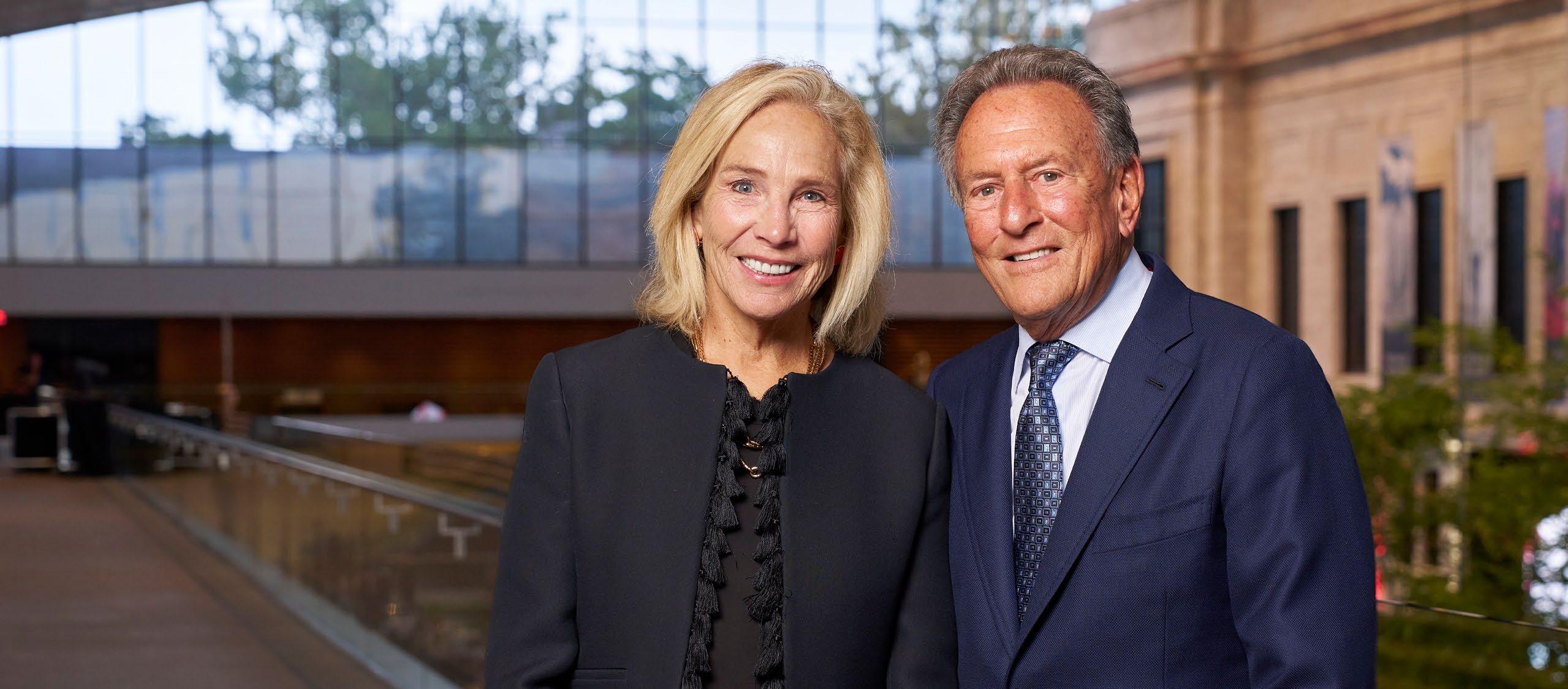
With heartfelt appreciation, Dee Haslam and Shelly Adelman | Because of You campaign co-chairs

At University Hospitals, Endowed Chairs, Directors and Master Clinicians recognize leaders who are shaping the future of patient care, research and medical education. They also serve as a lasting tribute – honoring loved ones, expressing gratitude for exceptional care and advancing innovation in medicine.
In 2025, our generous supporters helped establish seven new endowed positions, bringing the total to 165 across UH.
To learn more, visit UHGiving.org/endowedpositions
Mary Ann Cross Chair in Pediatric and Young Adult Immunotherapy
Many friends and family with support from the Dr. Donald J. and Ruth W. Goodman Philanthropic Fund of the Cleveland Foundation
Jignesh Dalal, MD
Patti DePompei, RN, MSN, Distinguished Chair in Women’s and Children’s Healthcare Leadership
Many colleagues and friends
Marissa G. Kiefer, MHSA
Maryann Z. and Larry Kennedy Master Clinician in Pancreatic Cancer Research
Maryann Z.* and Lawrence D. Kennedy with support from the Dr. Donald J. and Ruth W. Goodman Philanthropic Fund of the Cleveland Foundation
David L. Bajor, MD
James and Dolores Kleinman Chair in Ophthalmology
Dee Kleinman and the Cleveland Eye Bank Foundation
Douglas J. Rhee, MD
Jon A. Lindseth and Virginia M. Lindseth, PhD, Chair in Urologic Excellence
Jon A. Lindseth and Virginia M.* Lindseth, PhD
Michael A. Zell, MD
Patricia M. Martin, MD, and Richard J. Martin, MD, Chair in Neonatology
Marina and Tom Arko
Thomas M. Raffay, MD
McCamon Family Chair in Cardiovascular Excellence
The Antonucci Family Foundation
Ian Neeland, MD, FAHA, FACC
Eleanore R. and Robert R. Risman Master Clinician in Physical Medicine and Rehabilitation
The Estate of Robert R. Risman
Michael P. Schaefer, MD
Mehdi Shishehbor, DO, MPH, PhD, Chair in Cardiovascular Innovation
Anonymous
Michael P. Zacharias, DO, FHFSA, FACC
Funded by Appointee *Deceased
UH’s Annual Society of 1866 Celebration welcomed nearly 400 friends and benefactors to The Cleveland Museum of Art in September. Patti and Ernie Novak received the 2025 Samuel L. Mather Visionary Award for their generosity and enduring commitment to Northeast Ohio. Pierre Lavertu, MD, Vice-Chairman of Academic Affairs, UH Ear, Nose & Throat Institute, and Homer D. W. Chisholm and Gertrude Kalnow
Chisholm Chair in Head and Neck Surgical Oncology; and Robert R. Shenk, MD, retired, inaugural Maryann Z. and Larry Kennedy Chair in Breast Cancer Prevention and Early Intervention, were honored with 2025 Distinguished Physician Awards.
CLIFF A. MEGERIAN, MD, FACS
Chief Executive Officer
Jane and Henry Meyer
Chief Executive Officer Distinguished Chair
HARLIN ADELMAN, ESQ
Chief Legal Officer
STATHIS ANTONIADES, MPH, FABC
President, UH Cleveland Medical Center & Academic Market
GEORGE J. ATA II, MBA, FACHE
Chief Operating Officer
UHPS & Systems of Care
WILLIAM A. BENOIT, MOT, MBA, FACHE
Market President and Chief Operating Officer
SHERRI L. BISHOP, ESQ
Chief Development Officer
BRADLEY C. BOND
Chief Financial Officer
JOSÉ G. CABAÑAS MD, MPH, FACHE
Chief Medical Officer
CELINA C. CUNANAN, MSN, APRN-CNM Chief Health Impact Officer
HEIDI L. GARTLAND, MHA, FACHE, CDM Chief Government & Community Relations Officer
MICHELLE D. HEREFORD, MSHA, RN, FACHE System Chief Nursing Executive
Ethel Morikis Endowed Chair in Nursing Leadership
PAUL R. HINCHEY, MD, MBA
Chief Operating Officer President, UHPS
MARISSA KIEFER, MHSA
President, UH Rainbow Babies & Children’s and UH MacDonald Women’s Hospital; Patti DePompei, RN, MSN, Distinguished Chair in Women’s and Children’s Healthcare Leadership
NICOLE MARONIAN, MD
President, UHMG
Richard W. and Patricia R. Pogue Leadership Chair in Otolaryngology-Head and Neck Surgery
BRIAN S. MONTER, MSN, RN, MBA
Market President and Chief Operating Officer
PETER J. PRONOVOST, MD, PHD, FCCM
Chief Quality & Clinical Transformation Officer
Veale Distinguished Chair in Leadership and Clinical Transformation
LAVONNE E. PULLIAM, JD
Chief Compliance Officer
MEHDI H. SHISHEHBOR, DO, MPH, PHD
President, UH Harrington Heart & Vascular Institute
Angela and James Hambrick Distinguished Chair in Innovation
DANIEL I. SIMON, MD
President, Academic & External Affairs and Chief Scientific Officer
Ernie and Patti Novak Distinguished Chair in Healthcare Leadership
THOMAS D. SNOWBERGER
Chief Administrative Officer
ROBYN STROSAKER, MD
Market President and Chief Operating Officer
DAVID SYLVAN
Chief Strategy, Innovation & Marketing Officer
THEODOROS N. TEKNOS, MD
President, UH Seidman Cancer Center
Jane and Lee Seidman Chair in Cancer Innovation
VOJISLAV GEORGE TOPALSKY, MD
President, UHMP
ASHLAND
UH Samaritan Medical Center
UH Baney Road Health Center
UH Kettering Health Center
UH Samaritan Health Center
ASHTABULA
UH Conneaut Medical Center
UH Geneva Medical Center
UH Ashtabula Health Center
CUYAHOGA
UH Ahuja Medical Center
UH Beachwood Medical Center
UH Cleveland Medical Center
UH Parma Medical Center
UH St. John Medical Center
UH Broadview Heights Health Center
UH Euclid Health Center
UH Foley ElderHealth Center
UH Independence Health Center
UH Landerbrook Health Center
UH Mayfield Village Health Center
UH Minoff Health Center
at Chagrin Highlands
UH North Olmsted Health Center
UH Otis Moss Jr. Health Center
UH Rainbow Babies & Children’s Ahuja Center for Women & Children
UH St. John Health Center
UH Solon Health Center
UH Suburban Health Center
UH Westlake Health Center
UH Bedford Wellness Center
UH Glenville Wellness Center
UH Richmond Wellness Center
Highland Springs Hospital
UH Rehabilitation Hospital
Southwest General Health Center
Southwest General Strongsville Medical Center
UH Geauga Medical Center
UH Bainbridge Health Center
UH Chardon Health Center
UH Chesterland Health Center
UH Evans Middlefield Health Center
UH Geauga Health Center
UH Elyria Medical Center
UH Amherst Health Center
UH Avon Health Center
UH North Ridgeville Health Center
UH Sheffield Health Center
UH Avon Rehabilitation Hospital
UH Lake West Medical Center
UH TriPoint Medical Center
UH Lake Continuing Care Center
UH Concord Health Center
UH Lake SOM Health Center
UH Madison Health Center
UH Mentor Health Center
UH Mentor Hopkins Health Center
UH Perrico Health Center
UH Willowick Health Center
UH Brunner Sanden Deitrick Wellness Center
MEDINA
UH Medina Health Center
UH Sharon Health Center
Southwest General
Brunswick Medical Center
PORTAGE
UH Portage Medical Center
UH Aurora Health Center
UH Kent Health Center
UH Mantua Health Center
UH Streetsboro Health Center
RICHLAND
UH Samaritan Richland Health Center
SUMMIT
UH Cuyahoga Falls Health Center
UH Fairlawn Health Center
UH Hudson Health Center
UH Twinsburg Health Center
Western Reserve Hospital
Western Reserve Hospital Urgent Care