Reaction Magazine Spring 2026 - University of Southampton - ISSUU
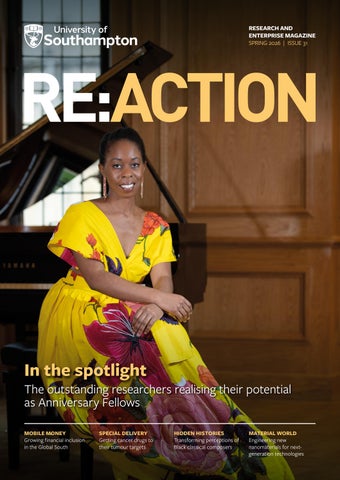
RESEARCH AND ENTERPRISE MAGAZINE SPRING 2026 | ISSUE 31
In the spotlight
The outstanding researchers realising their potential as Anniversary Fellows
MOBILE MONEY
Growing financial inclusion in the Global South
SPECIAL DELIVERY
Getting cancer drugs to their tumour targets
HIDDEN HISTORIES
Transforming perceptions of Black classical composers
MATERIAL WORLD Engineering new nanomaterials for nextgeneration technologies
TO RE:ACTION
In January 2022 the University of Southampton adopted a new strategy, based on a triple helix of education, research and knowledge exchange and enterprise, with the importance of people running through its heart. This recognized the synergies between the three missions of the University, but also that people are at the core of all that it achieves, and that the University plays a key role in transforming the lives of students and staff by allowing them to realise their potential.
One of the key initiatives under the ‘People’ strand of the strategy was to establish the Anniversary Fellowship programme, which set out to attract talented early career colleagues into the University, and to provide focused early career development for them. The scheme commemorated seventy years since the University received its charter in 1952. Now in its fourth year of operation and in the process of recruiting its third cohort, early signs are that it has been a very successful undertaking.
This edition of Re:action introduces the Anniversary Fellowship programme and highlights the activities of some of the fellows it has benefitted. Their achievements, within only a few years, are very impressive. While we often focus on the outcomes of our research, education, and knowledge exchange and enterprise, their success is also very much about the people involved. The stories in this edition provide a brilliant reminder of this lasting truth.
As always, I commend this edition to all who read it. I would also welcome any feedback and suggestions for future editions.
Best wishes
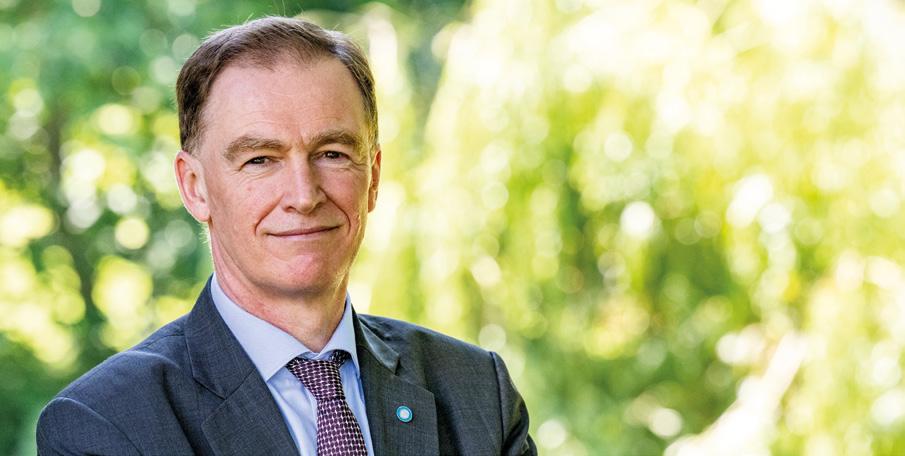
Professor Mark Spearing Vice-President (Research and Enterprise)
PLEASE SEND US YOUR FEEDBACK
We are keen to receive your feedback about Re:action. If you have any ideas, comments or suggestions, please send them to riscomms@soton.ac.uk
Re:action is created by Kate Williams and Sophie Lister, Research and Innovation Services
“PEOPLE WITH VISION”
Bringing future research leaders to the University of Southampton
2022 marked the 70th anniversary of Southampton receiving its Royal Charter and becoming formally established. The University celebrated this milestone with the launch of the Anniversary Fellowships – an ambitious scheme to hire the trailblazers of the future.
Every time we hire someone there’s a reputational benefit.”
Professor Mark Spearing
In its first cohort (2022–2025), the scheme brought in fifteen exceptional Early Career Researchers from a diverse range of backgrounds and disciplines to begin their Southampton careers and develop their research independence. The second cohort (2023–2026) added seven more fellows, bolstering the University’s position as an internationally renowned home for thoughtleading research.
The scheme had its origins, explained Professor Mark Spearing, Vice President Research and Enterprise, in the University’s people-centred strategic plan, which was in development during 2020, and in a conversation with the Associate Deans in the same year “about how we could attract and nurture talented people into the University. Rather than hiring at an individual level, leaving decisions up to school or department, we spoke about making a bigger splash – as well as being bolder with our external hiring.
“Every time we hire someone there’s a reputational benefit. We’re articulating the University’s ambition, our strengths, and the confidence we have in our future.”
The fellowships offered a strategic opportunity to hire outstanding individuals
at a pivotal moment in their careers, with the hope of retaining them as permanent staff members, said Mark. “Recruitment – whether it’s Anniversary Fellows, undergraduates, PhD students – is just about the most important thing we do. One way or another, any success the University has is about the success of the people within it.”
High potential
Director of Research Strategy and Funding
Mylène Ployaert, who was responsible for implementing the scheme, coordinated “a campaign across the world to attract the best researchers we possibly could.” Through academic recruitment platforms, social media, and school and faculty networks, this attracted nearly 700 applicants, who were then shortlisted by the relevant schools. For the second cohort the process was revised, with faculties identifying priority areas to attract targeted applications. The 900 applicants were shortlisted at faculty level, with oversight from Mylène, Mark, and the Associate VicePresidents Interdisciplinary Research.
“We were looking for researchers with very high potential across the Triple Helix [research, teaching, and knowledge
exchange and enterprise]; with vision; who showed early evidence that they would be thought leaders in their subject,” said Mark. “Diversity was important too, in all its forms: of the candidate’s backgrounds, their disciplines, the forms of leadership they demonstrated.”
For both cohorts, Mylène said, “the quality of the candidates was exceptional. During interviews it was mind-blowing to hear about the spectrum and range of research that these individuals were proposing.”
Nurturing talent
Hiring talented people was just one facet of securing the fellowship scheme’s success. Strategic alignment was also important – ensuring that fellows’ research direction fit with the strategy of the school or department where they were placed – as were the support and development opportunities on offer. “Some institutions will hire a high volume of people and let them succeed or fail, but I think that’s a wasteful way of nurturing talent,” reflected Mark. “If you can attract someone with great potential and put them in an environment which allows them to realise that potential, you get the biggest return on your investment.”
Dr Paul Clarkson and Professor Francesco Shankar from the Centre for Higher Education Practice (CHEP) and Dr Pamela Varley, Head of Strategic Research Initiatives, led on the programme of professional and personal development offered to the Anniversary Fellows. “A fellowship is not purely about funding to do research: it’s also about developing the person and their own career,” said Paul.
Paul, Francesco and Pamela worked with other colleagues from CHEP and across the University to develop a series of events on key topics, including Knowledge Exchange and Enterprise (KEE), writing for public audiences, the research landscape, and interdisciplinary working. There was a particular focus on equipping the fellows to develop their learning and teaching practice, an important part of transitioning into a permanent academic role at their end of their fellowship.
The CHEP team also created a digital resource hub as a one-stop-shop for fellows and those supporting them. “But beyond that, we recognised the need to develop each cohort as a community. We ran regular forums for them to meet, get to know each other and the University, and to build collaborations and connections.”
“Having CHEP support our fellows across the Triple Helix through a holistic development programme was very significant, as was the encouragement for them to work together as a cohort,” commented Mark. Mylène credits the strength of the cohort’s connections with enabling the interdisciplinary working that was part of the vision for the scheme: “We intentionally chose individuals who have the curiosity to work at the boundaries of their disciplines. They’ve demonstrated the leadership to build interdisciplinary bridges, and that’s very exciting.”
Long view
The success of the Anniversary Fellowships has been instrumental in the University being awarded funding from the UK Research and Enterprise (UKRI) Global Talent scheme, which will run in a similar way, taking on board lessons learned via the first two cohorts (see page 38 for more).
Many of the fellows have already achieved notable successes – some of which are recounted in this issue of Re:action –from major funding awards to research breakthroughs, to engaging national and international audiences with their work. While these early signs of success are cause for celebration, said Mark, he’s even more excited to see what the Anniversary Fellows do next.
“It’s important that we take the long view. Wherever the fellows make their institutional home, the true success of this programme will be in 30 years’ time when they look back and say, ‘those three years at Southampton made a difference to what I was able to achieve in my career’. That wider contribution to enabling knowledge and understanding is a really important element of our mission.”
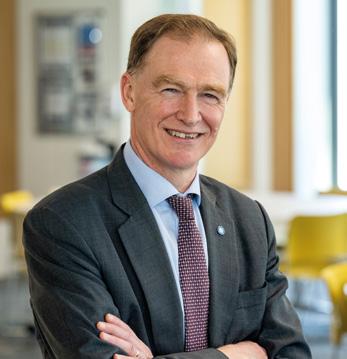
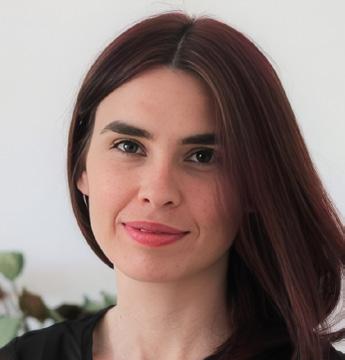
Above: Mylène Ployaert
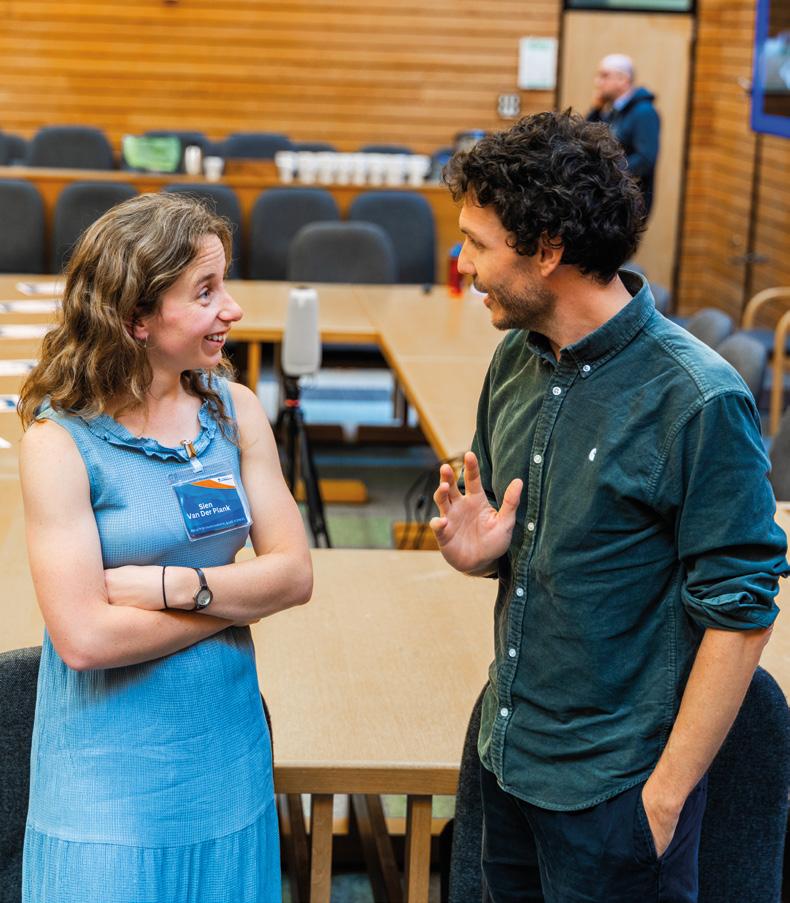
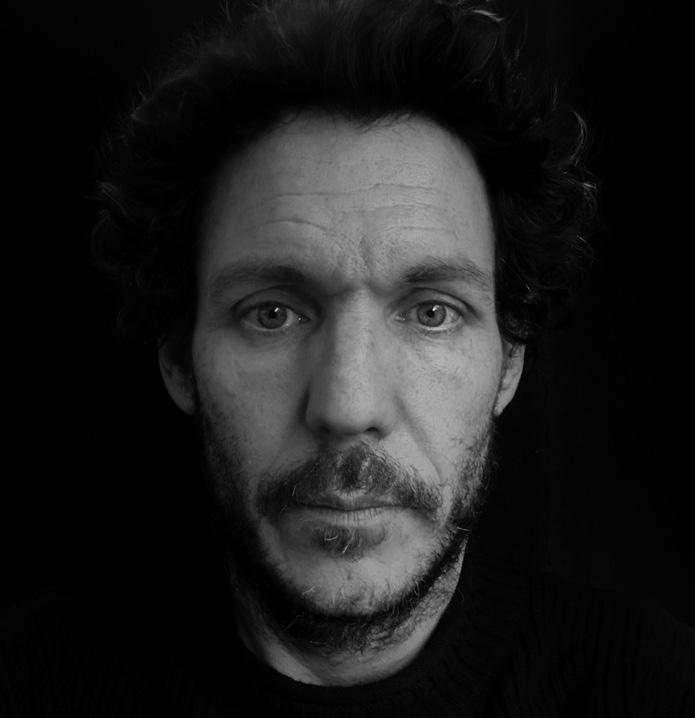
Left: Anniversary Fellows Sien Van Der Plank and Sami Everett at a celebration event in 2025. Photography: Vim Raichura.
“I HEARD HER VOICE”
Recovering the stories of Chicago’s classical impresarios
In 2019, music historian Dr Samantha Ege was restoring a composition by the African American composer Florence Price. Putting together the fragments of this ‘lost’ piece of music, Samantha was finally able to play it for herself. “There in my living room, I realised I was hearing music that hadn’t been heard in 80 years. I heard her voice in a way that nobody else on the planet had done in the 21st century.
“It’s not very scholarly, but I had goosebumps.”
Continued on page 8 →
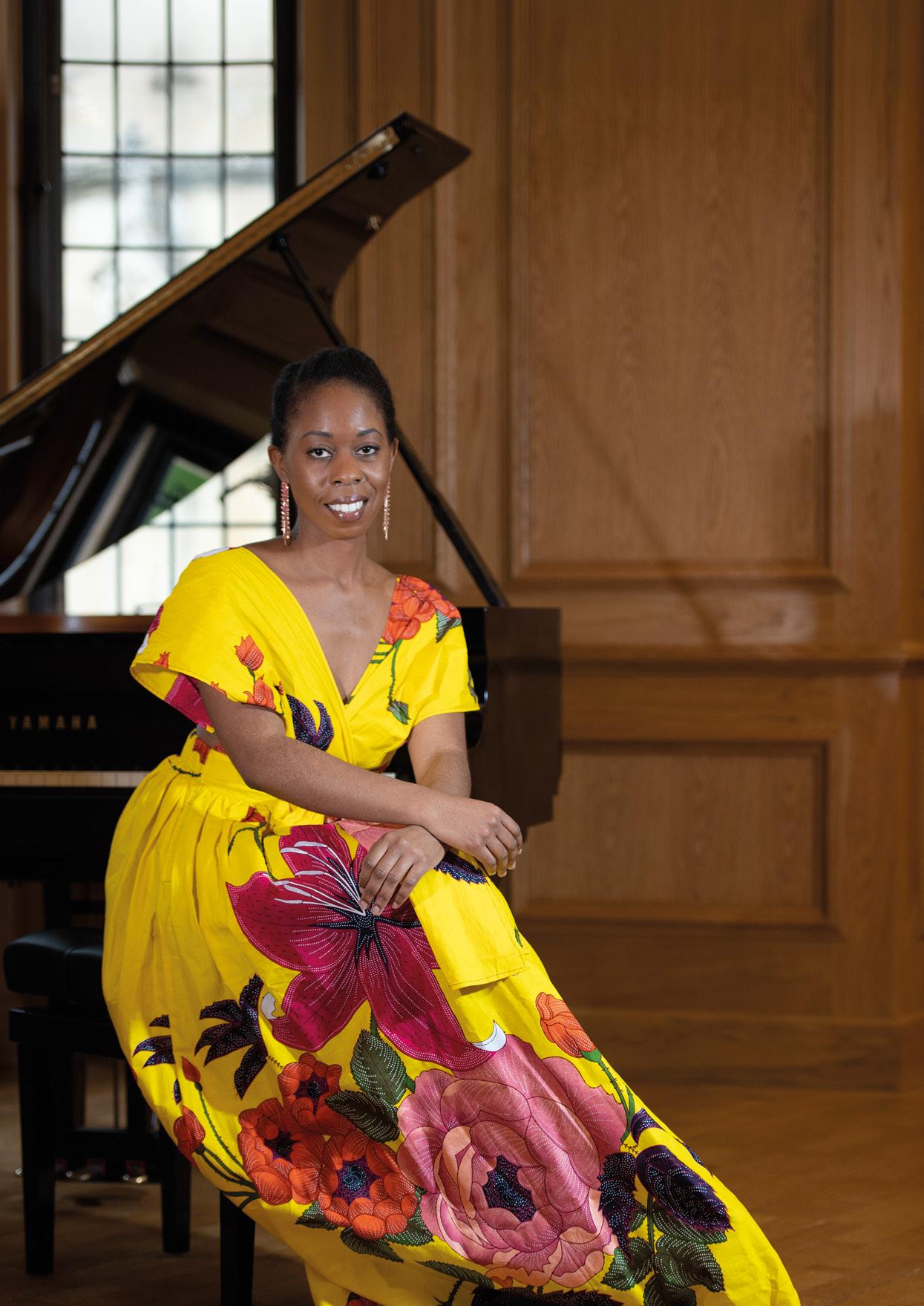
Dr Samantha Ege
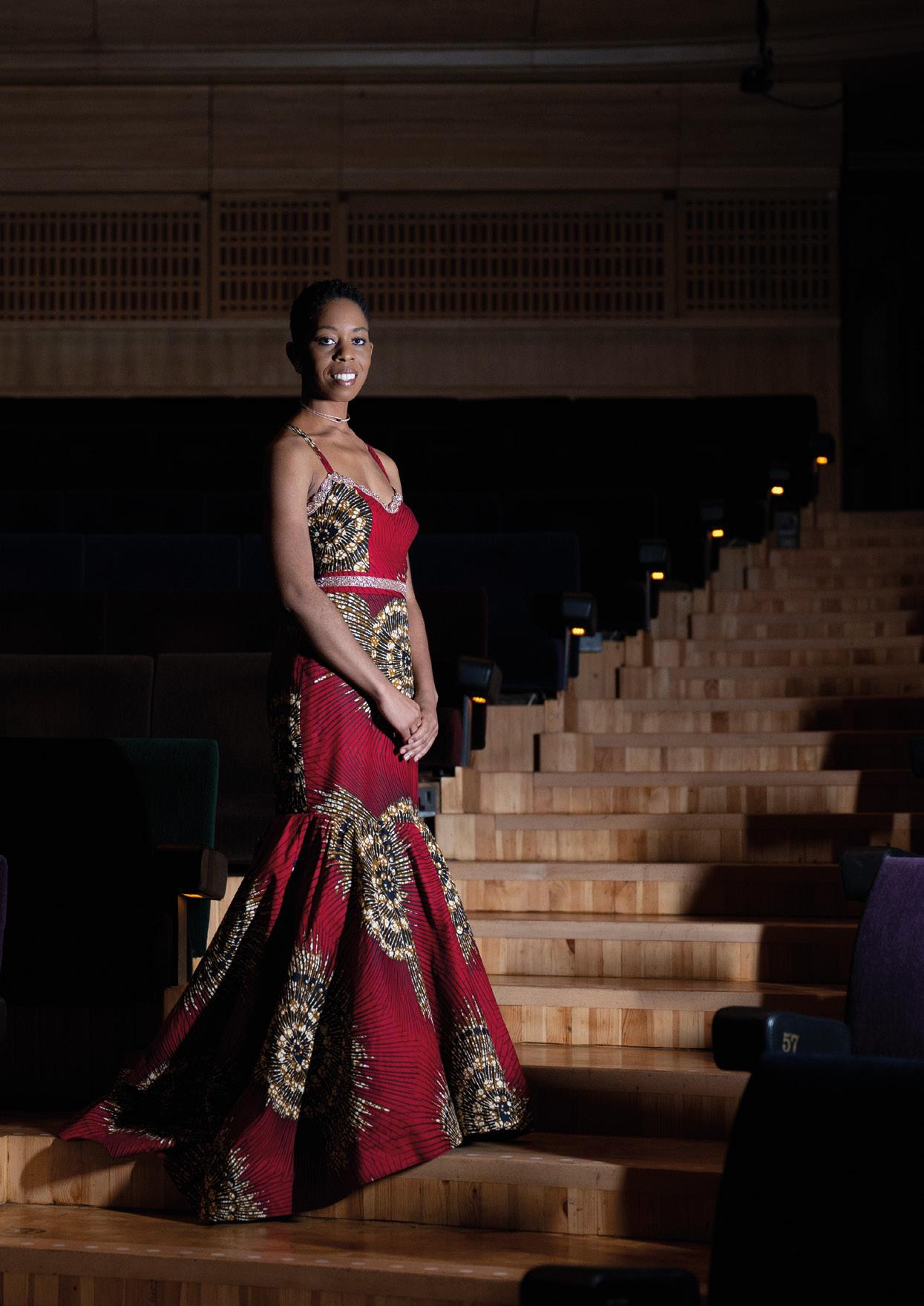
Photography: Jason Dodd
I heard her voice
This deep connection to her subject, and her belief in its potential to have a profound personal impact, characterises Samantha’s research career, which began at the University of York with a PhD on Price. The first Black American woman to receive national attention for her classical compositions, Price was part of a ‘sisterhood’ of Chicago composers who became the subject of Samantha’s Research Fellowship at the University of Oxford.
In 2022 Samantha was invited to Southampton for a Hartley Residency – opportunities offered by the Department of Music for visiting scholars and performers to share their research. “At this point I had heard about Southampton’s Anniversary Fellowships, so I saw my residency as a chance to discern whether this place could be a good fit for me.”
A favourable impression and a successful application saw Samantha begin her fellowship later the same year, with a “clear plan for what
I wanted to achieve with the valuable dedicated research time that this fellowship offers.”
Story of sisterhood
The Chicago Race women, as they are known, nurtured a vibrant classical music community in the period between the world wars. Black women intellectuals and creatives committed to racial uplift and gender equality, the group – which as well as Price included composers Nora Holt and Margaret Bonds, among others – had wide-reaching influence.
Samantha’s fellowship afforded the opportunity to look at archives in Chicago and Arkansas, rooting her research in the places where the Race women forged their lives. “These histories are really hard to tell because they're often not documented in conventional ways.” She described one photograph of two young sisters in Chicago’s segregated South Side, playing the violin and piano. “When you zoom in, you can see that African American
folk music – the music of the enslaved – is sitting side by side with Mozart on their piano stand. Everyday Black girls were encountering both, and that’s the story I want to tell.”
Though Florence Price was her first route into these stories, Samantha was keen to dispel the idea of Price as a lone genius.
“I would sometimes see people referring to her as ‘the first Black woman to compose a symphony’, and that didn’t sit well with me,” Samantha reflected. “She’s being elevated to an exceptional position without any deeper enquiry into how she got there, or who else was there, or on whose terms her success is measured.
“Instead I wanted to delve into a story of sisterhood. Classical music is so often presented as a history of great men, and yet this classical movement was led by women, making work outside of the systems which conventionally support professional composers.”
Above: This picture of the South Side impresarios features on Samantha's book cover. Florence Price is pictured fourth from the left.
Right: Samantha used historical census records to better understand the geography in which the South Side impresarios worked
In the book which resulted from this research, South Side Impresarios: How Race Women Transformed Chicago's Classical Music Scene, Samantha focused not just on the women’s music but on the mutual support systems they built. “This offers us a wider repertoire of toolkits in terms of how to navigate our creative and intellectual lives beyond the myth of the lone genius.”
South Side Impresarios was published in 2024, opening doors for Samantha to speak about the Race women on Chicago television and at venues including Little Rock, Arkansas, the birthplace of Florence Price, as well as writing about Nora Holt for the New York Times. Other publications resulting from her fellowship have included several journal articles and book chapters; a book of sheet music with Oxford University Press, highlighting lost or lesser-known works by composers of African descent; and two BBC Radio 3 documentaries, about Price and the “Dean of Black Women Composers” Undine Smith Moore.
Research and repertoire
Unusually within her discipline, where the two aspects are often siloed, Samantha’s research exists in a dialogue with her work as a performer. An acclaimed concert pianist, she described performance as her “superpower” when it came to widening and deepening the impact of her fellowship.
“If I’m presenting an academic paper at a conference, there might be ten people in the room. If I’m performing a piano concerto with an orchestra, there might be 2000!” Just as her research informs her performances, bringing
the work of underrepresented composers into her repertoire, so her performances can lead people to her wider work.
“For example, I recently worked with the BBC Philharmonic to record the music of the mixed race British composer Avril Coleridge Taylor. It’s because of being a performer that I could enter that space and champion that work. And I'm very aware that as a Black woman myself I'm a rarity at times in these spaces, so there are extra layers of significance to what I do.”
She also received Impact Acceleration Award (IAA) funding from the University for a series of performance and public engagement activities around the work of Julia Perry, a Black queer composer whose work faded into obscurity upon her death.
Hearing the music of these composers, Samantha said, can have an impact that their stories alone cannot. “When I play these pieces it awakens people to how much of their history they're not aware of. For people of African descent, we get to see and hear ourselves in a different light.”
She sometimes encounters an assumption, she said, that her urgency around telling these stories began with the Black Lives Matter movement and resulting cultural conversations about diversity and representation. “But I’ve always had a sense of urgency around this.
When you zoom in, you can see that African American folk music – the music of the enslaved – is sitting side by side with Mozart on their piano stand. Everyday Black girls were encountering both, and that’s the story I want to tell.”
Dr Samantha Ege
“For me it’s important to get this work out there because of the quality of the stories –and because there is an audience for them. I get a warmth of reception from people of all sorts of backgrounds, ages and experiences who are engaging with my work.”
A career blueprint
Having finished her fellowship in 2025, Samantha is now a permanent member of staff at Southampton. For the next stage of her research she is taking “an even more personal journey, retracing my own steps as a musician. I was near my childhood hometown in Croydon recently and saw far-right slogans painted on buildings – it feels pertinent at this moment to be telling stories about Black British history.”
These stories include those of Avril Coleridge Taylor and her father, Black Victorian composer Samuel Coleridge Taylor. “Fittingly, I have just been made a fellow of the Royal College of Music in recognition of my services to music – that’s the college Samuel Coleridge Taylor went to, so it feels like a step in terms of recognition of these histories.”
Samantha will continue to use performance to accelerate the impact of her research, building on her relationship with the BBC. Looking back at her fellowship, she hopes that “my work can be a blueprint for scholarperformers who do not want to be bound within their disciplines. Early in my career I was told I could never succeed working in this way, but I’ve shown that it’s possible.”
The Anniversary Fellowship accelerating biomaterial breakthroughs
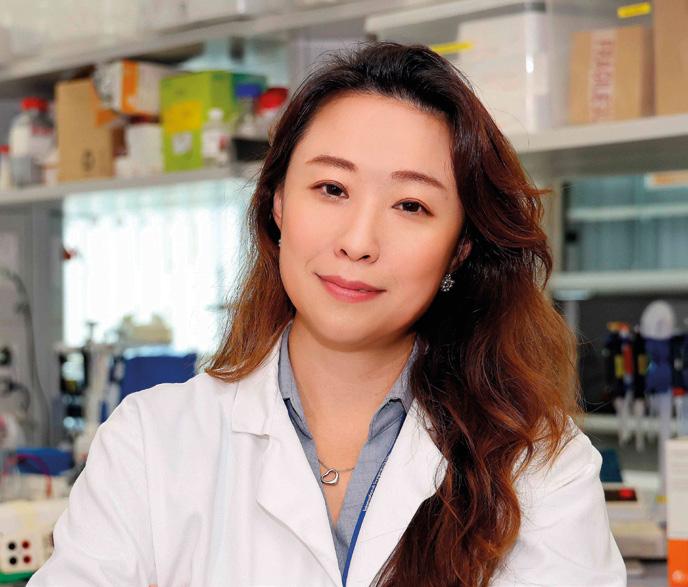
Dr Yanghee Kim was already a key member of the Bone and Joint Group within Southampton’s Regenerative Medicine and Musculoskeletal Science department when she secured her Anniversary Fellowship, having joined as a postdoctoral researcher in 2016. Now, her fellowship has enabled her to become the first scientist in the UK to develop a human bonederived biomaterial for skeletal repair.
Continued on page 12 →
Rebuilding bones
Helping bones heal themselves
Following bachelor’s and master’s degrees in South Korea, and a PhD in Polymer Chemistry in Japan, Yanghee’s research career has focused on developing biomaterials.
Traditionally, clinicians have used metal plates or bioceramics to stabilise broken or diseased bones. But “when a fracture is very large, the bone cannot heal itself,” Yanghee explained. “You need something more than just a plate – you need materials that actively support the cells to regenerate tissue.”
This is where biomaterials come in: substances engineered to mimic the body’s extracellular matrix (ECM), the natural scaffold that surrounds cells in tissues, and directs growth, differentiation, and tissue repair. In regenerative medicine, biomaterials interact with biological systems, encouraging stem cells and immune cells to coordinate to restore, replace, or enhance tissue function.
“The trend is towards developing polymerbased biomaterials, because they are less brittle than bioceramics and easier to chemically modify, offering potential to deliver drugs,” she said. Polymers are long, chain-like molecules that can be engineered to provide specific mechanical, chemical, and biological properties for use in medical devices and tissue engineering.
Pioneers in biomaterials
Southampton’s Bone and Joint Group has led several game-changing developments in the biomaterials field. Group head Professor Jon Dawson was one of the team which pioneered the development of nanoclay, a new class of biomaterial made from ultra fine clay particles engineered to support tissue regeneration and deliver therapeutics. This research led to the creation of spin-out company Renovos® to commercialise the technology (featured in Re:action Spring 2021 and Winter 2024).
On joining the group Yanghee focused on developing the nanoclay drug-delivery mechanism and understanding immune responses. While the group’s main research focus is stem cells, Yanghee specialises in immune cell and stem cell ‘crosstalk’ – how these cells communicate and influence each other’s behaviour to support healing bone fractures. This expertise has brought her opportunities for collaboration within the group and with Renovos® including working for some time as a product development scientist with the company.
Boosting innovation
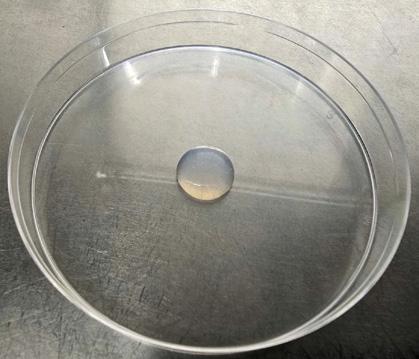
Embarking on her Anniversary Fellowship in 2025 has given Yanghee the chance to develop her own biomaterial – a novel ECM hydrogel created from human bone. Hydrogels are water-rich polymer networks that can provide a soft, tissue-like environment to support cells, deliver drugs, and aid tissue regeneration.
This fellowship has been a stepping stone – not just for my research, but for my leadership, my collaborations, my future.”
Dr
Yanghee Kim
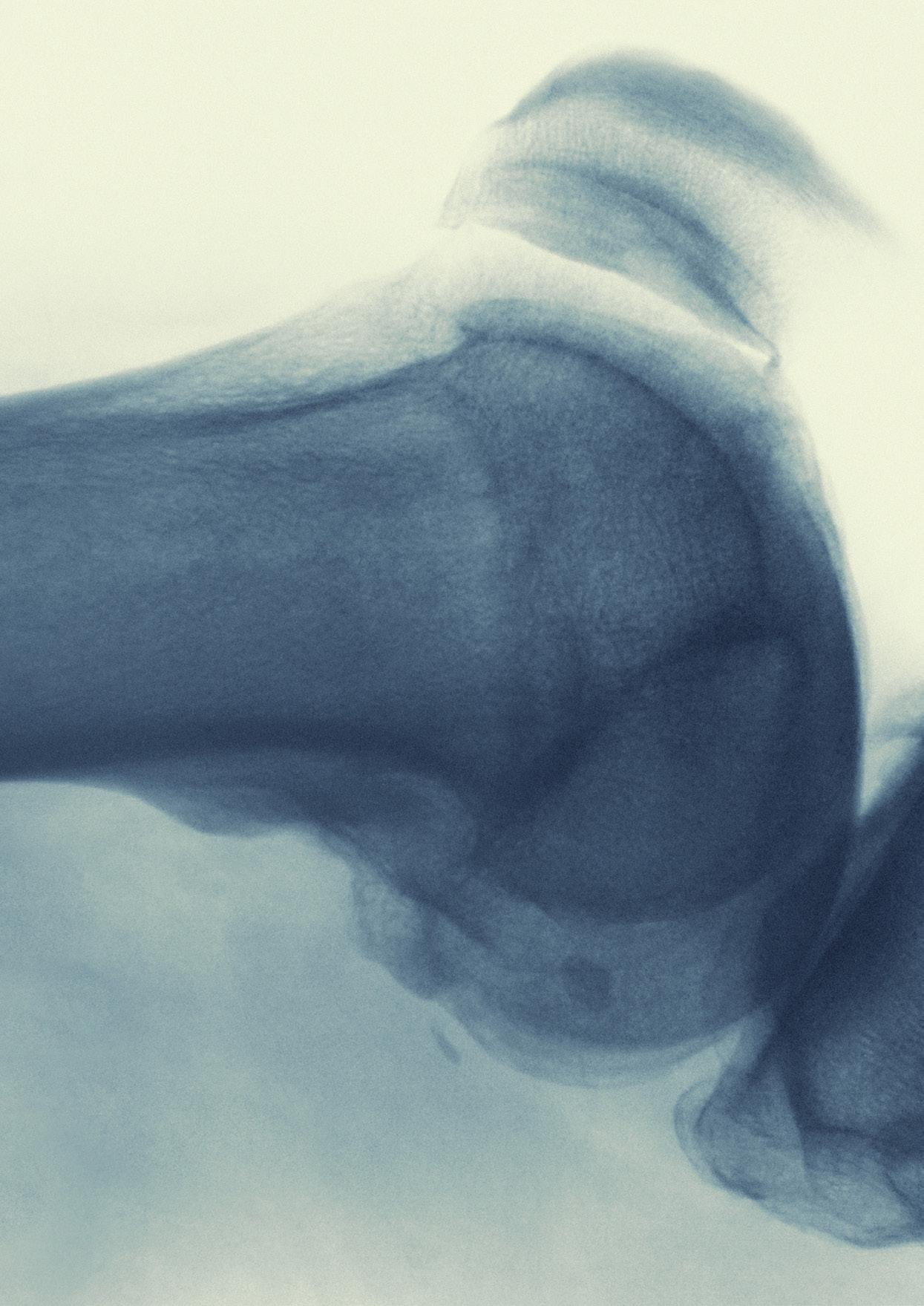
Other researchers have made hydrogels from synthetic polymers or animal bone tissue, but Yanghee is the first to use human tissue. Working closely with clinicians at the Spire Hospital Southampton, she receives femur heads donated by patients undergoing hip replacements. From these, she isolates both stem cells and the extracellular matrix (ECM) – the natural scaffolding of proteins that make up native bone – and processes them into an ECM hydrogel.
Her fellowship project also investigates how these hydrogels shape the dialogue between immune cells and stem cells, which is crucial in determining whether healing succeeds or fails.
Addressing childhood cancer
Although only partway through her fellowship, Yanghee has already secured major funding to explore uses for her hydrogel beyond fracture repair. In 2025 she was awarded a £225,000 Royal Society International Science Partnerships International Collaboration Fund Award to collaborate with a bioengineering researcher at Pusan University, South Korea, on a possible therapeutic approach for osteosarcoma.
This rare but aggressive bone cancer disproportionately affects children and young people. Current treatments are brutal, explained Yanghee: “rounds of chemotherapy followed by surgery to remove the cancerous bone.
“Patients can lose a very large area of bone, with consequences for the rest of their lives,” she said. “We are exploring using the hydrogel to both deliver chemotherapy drugs and regenerate bone tissue.”
Her collaborator specialises in 3D bioprinting, which makes it possible to create living cancer models that incorporate Yanghee’s hydrogels. The models allow precise placement of living cells and biochemical components, enabling researchers to observe how cancer cells, healthy bone cells, and chemotherapy drugs interact in a controlled environment. Still in its early stages, the project will run for three years alongside Yanghee’s fellowship.
She is now developing a proposal for a four-year, €2m collaboration with two European partners to further investigate her biomaterial’s application in childhood cancer therapeutics.
Global and local collaboration
Building on this international experience, Yanghee is also working on a four year, €4m project proposal with three other European partners to create an AI-guided technology for joint replacement surgery designed to help damaged cartilage and the underlying bone regenerate together.
She has established an impressive network of international collaborations and co-supervises students across countries including South
Korea, Italy, Malaysia, Japan, and Ireland. She has recently returned from time as a Visiting Professor at Sapienza University of Rome.
Yanghee has also found interdisciplinary opportunities within the thriving biomaterials ecosystem at the University and University Hospital Southampton. Collaboration with Professors Stephen Beers and Juliet Gray (Cancer Sciences) has shown strong potential for using these hydrogels to investigate how immune cells, stem cells, and cancer cells respond within the tumour microenvironment, particularly in osteosarcoma. Her work with proteomics specialist Professor Paul Skipp (Biological Sciences) has revealed the protein composition and characteristics of these human-bone derived hydrogels. Collaborative research with Dr Xuan Li in Mechanical Engineering has resulted in a joint Wessex Medical Research-funded PhD studentship, and she has also secured one of the University’s Innovation PhD Studentships.
The Anniversary Fellowship has supported her leadership development too, said Yanghee. One of her proudest achievements is establishing the European branch of the Korea Society for Biomaterials, for which she now serves as President. This network connects Korean biomaterials researchers with European partners and supports Korea’s involvement in the EU Horizon research programme.
Organoids, industry partnerships, and clinical translation
Having worked alongside the Renovos® team, Yanghee understands the challenge of bringing biomaterials from bench to bedside. “It could take 10 or 20 years to translate our biomaterial to the clinic,” she said, but she is already laying the groundwork. “I’m working on finding companies who are interested in my hydrogel.”
Her next ambition is to explore the use of ECM hydrogels for developing bone organoids – tiny, lab-grown models of human bone. While soft tissue organoids are now widely used in research on the lung, gut, and brain, bone organoids remain rare due to the complexity of the tissue.
“We are open to finding many other uses for the gel,” she said. “Small fracture repair, spine injuries, drug testing, cancer modelling – there are a broad range of possibilities.”
The personal support and professional development offered by the Anniversary Fellowship have given Yanghee the confidence to step fully into the role of Principal Investigator and carve out her own research direction.
“I feel fully supported by the University,” she said. “This fellowship has been a stepping stone – not just for my research, but for my leadership, my collaborations, my future.”
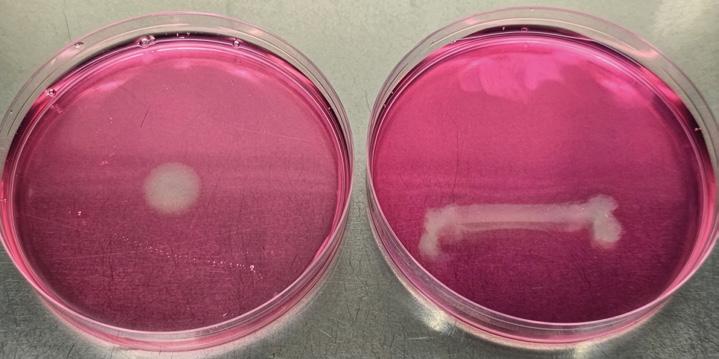
Yanghee has developed human bone-derived ECM hydrogels (above) and used them as 3D culture platforms for cell-based applications (right)
SUNKEN TREASURE
Negotiating the deep seabed
Who owns the deep sea? According to Dr Giulia Champion, the seabed belongs to all of us. The United Nations Law of the Sea, which sets rules for ocean governance, regards the seabed as part of the “common heritage of humankind.” This means that we should all have a say in how it is managed, and a share in the benefits of that management.
“I’ve long been interested in questions of extraction, and how they are connected back to colonial times,” said Giulia, who completed her PhD in Latin American studies at the University of Warwick before lecturing in Latin American Art and Interdisciplinary Studies at the University of Essex. She joined Southampton’s English Department as part of the first cohort of Anniversary Fellows in 2022, excited and grateful for the opportunity to go into depth on a research topic and by the University’s strong reputation for interdisciplinary ocean studies. The Southampton Marine and Maritime Institute (SMMI), the University’s interdisciplinary institute working to tackle global marine and maritime challenges, were “the first
people to welcome me,” said Giulia, and the SMMI has gone on to support several of her projects.
Throughout her fellowship, which she completed in 2025, Giulia undertook a main project around deep sea mining, as well as three smaller side projects: working with swimming communities on the Isle of Wight to look at their relationship with the sea; researching transitions to green energy in island contexts; and exploring how communities in South Africa engage with their kelp forests, valuable seaweed habitats being disrupted by climate change.
Continued on page 16 →
Photography: iStock.com / Evgeny Sergeev
Sunken treasure
Continued from page 14
In the negotiating room
Giulia’s main project focused specifically on the work of the International Seabed Authority (ISA), which is tasked by the Law of the Sea with creating regulations around marine mining. “The ISA, which has its headquarters in Jamaica, brings together diverse stakeholders – from country and mining industry representatives to scientists, indigenous communities and NGOs – to negotiate these regulations.
“I’m interested in being in that room to unpack how these negotiations impact, and are shaped by, the way we engage with the ocean and the deep seabed.”
Giulia attended ISA negotiations in 2023, 2024 and 2025 as an observer through TBA21, an international art and advocacy foundation. “I observed the negotiations and interviewed stakeholders. My work also used political ethnography, which immerses a researcher into specific social or political settings to explore their processes and power dynamics.”
The very fact of her presence opened questions around access. “This thing that belongs to all of us, the seabed, is being
discussed in a room where you can’t enter without the right identification. I’m interested in thinking about what happens in this closed room and how it relates to the world beyond.”
Giulia was also curious about “the ethnography of diplomacy” – the aspects of diplomatic negotiation that aren’t usually recorded. “The hidden dynamics that you can’t observe unless you’re there: things like the tactics used to stall discussions; who speaks to whom during the breaks and side events; or how relationships in the room are impacted by international events.”
Competing narratives
During the negotiations Giulia observed two main competing narratives unfolding around deep-sea mining. “One story, from those who want to mine, is that this is the way we transition to more renewable energy sources and save the environment.” Though ISA negotiations have been going on since the early 2000s, this framing adds a new sense of urgency, Giulia noted.
“The other big story is that we don’t yet know enough about the seabed scientifically, and the possible impacts – cultural, environmental and legal – are too great to proceed with mining, at least not yet.” This perspective is
This thing that belongs to all of us, the seabed, is being discussed in a room where you can’t enter without the right identification.”
Dr Giulia Champion
often expressed by environmental NGOs and scientists wanting to protect biodiversity, “who can sometimes frame corporations as being evil and having something to hide. So there’s a polarised discourse.”
There is also the presence of indigenous groups who have their own connection with undersea sites – knowledges which are “diverse, place-based, and built through lived experience.” In negotiations their perspectives – of the seabed as kin, a place of origins or ancestral burial ground – can be dismissed as “their culture, not applicable in real life.” Since these groups are not always nation states, their presence in the diplomatic process is sometimes challenged. “Supporters of these groups say their perspective is incredibly significant. It’s about intangible cultural heritage, but it’s pragmatic too.
“Sometimes the way indigenous people describe their relationship to the seabed is, in my view, another way of expressing what the science tells us: that it’s the place where life comes from. From a scientific perspective that could be about ‘ecosystemic services’, the production of a particular protein or enzyme which ends up serving a function, for example, in our Covid tests. But it also makes it more than just a ‘service,’ it creates a relationship.”
Common heritage
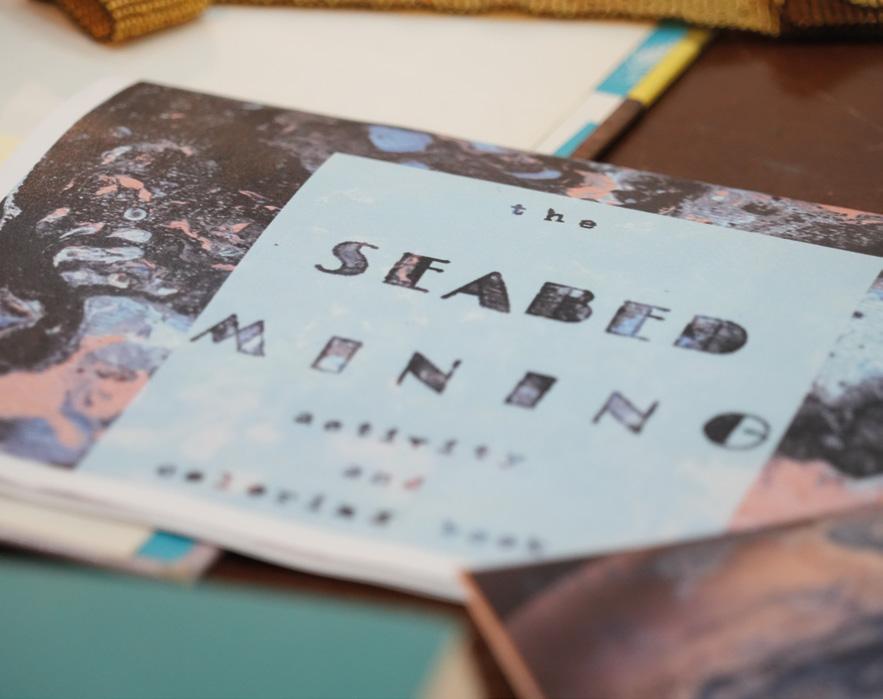
To encourage reflection and dialogue around the idea of common heritage, Giulia worked with colleagues and the National Gallery of Jamaica to create an exhibition, ‘Our Collective Seabed’, funded by the SMMI and sponsored by TBA21. Running alongside the ISA negotiations, just a short walk away, it brought together mixed-media work from Caribbean artists with those from the US, UK, Spain and Fiji. “Most side events are held at venues only delegates can access, but we wanted the local community involved too. A lunchtime panel brought activists and scientists together with a Myal priest [an Afro-Jamaican syncretic belief system], into conversation with visitors from the negotiations.”
In 2023, Giulia and colleagues submitted a policy brief for a new ISA working group on underwater cultural heritage (UCH). She hopes that continued policy input and participation in this working group will help integrate UCH into mining regulations, and in indigenous communities “being seen as expert contributors to mining regulations, just like scientists.”
During her fellowship Giulia produced several journal articles and began work
on an academic book about “the political construction of the seabed,” which she plans to adapt for a wider audience. Now a permanent member of staff at Southampton, she balances her research with teaching. “It’s nice to feel truly a part of the University. English is very interdisciplinary so, although my research may not sound as though it translates directly to this discipline, I’m often able to bring it into my teaching.”
She has applied for grants to further develop several of her smaller projects and is keen to maintain the relationships built through her main fellowship project. “I’d love to continue working with the local community in Jamaica, and the indigenous groups who travel to negotiate, to create a short film to communicate the different ways in which the seabed is negotiated in those rooms, and to let these communities tell their own stories.”
Opposite page: Guests at the Our Collective Seabed exhibition Left: At the Our Collective Seabed exhibition
Photography: IISDENB Andrés Felipe Carvajal Gómez
Photography: iStock.com / wilpunt
UNLOCKING ACCESS
Technology’s role in tackling financial exclusion
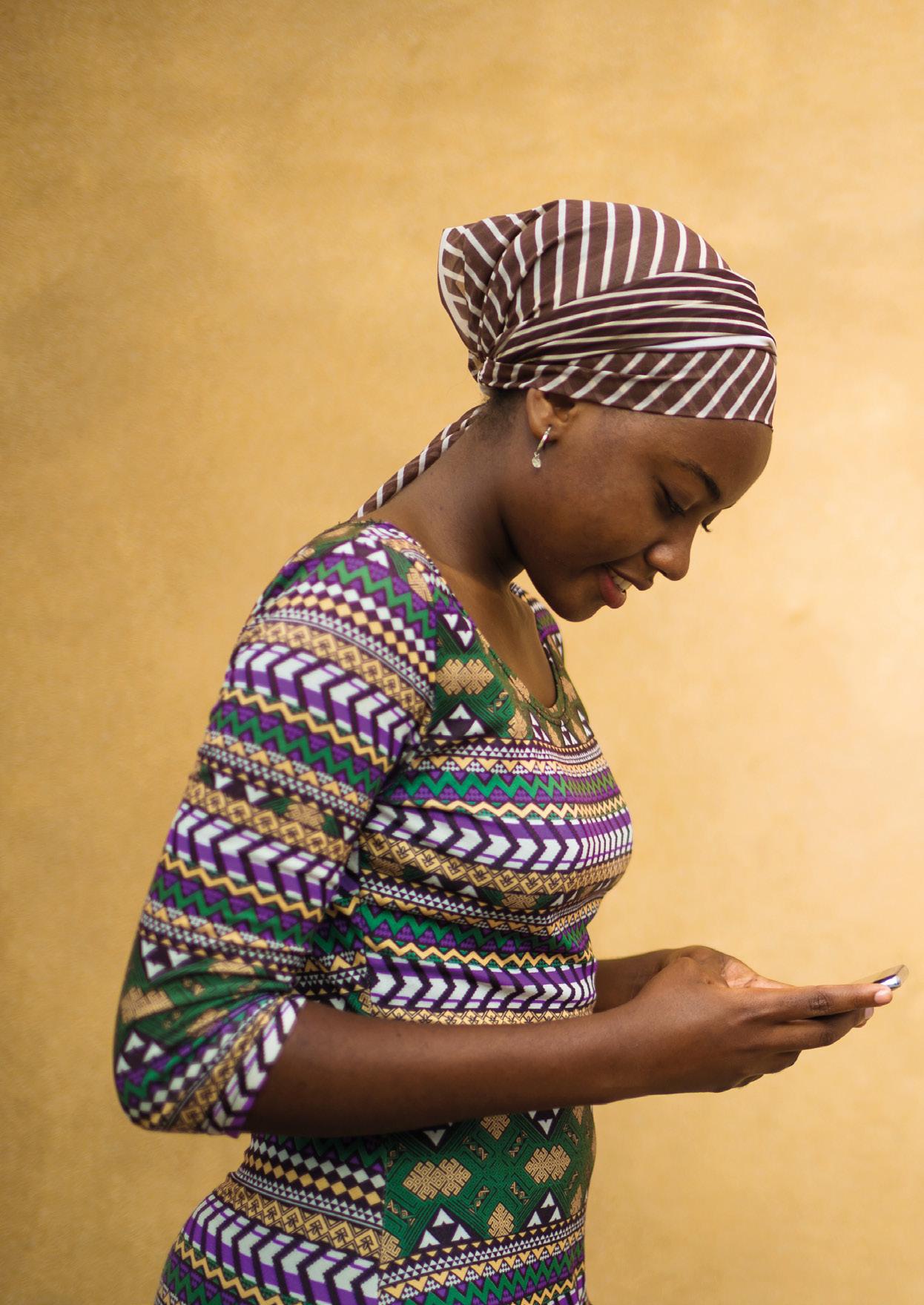
Across Africa and Asia mobile money (MOMO) platforms have become a common method of conducting everyday transactions such as paying bills without a bank account. They enable users to send, receive, save, and manage money using their mobile phones. Adoption has been rapid, dramatically improving access to financial services. In 2023, mobile money platforms in sub-Saharan Africa processed more than 1.4 trillion dollars.
Before joining the University of Southampton, Dr Melissa Baba played a key role in the adoption of mobile money in her home country of Ghana. Now, as an Anniversary Fellow and lecturer in Southampton Business School, she is investigating how mobile money has been adopted, and adapted, and how government policies in the finance sector may create unintended consequences.
Fintech specialist
Melissa spent more than 15 years in industry, specialising in financial technology (fintech) ecosystems and digital financial services. After her undergraduate degree and National Service, she joined the Ghana Interbank
Payments and Settlement Systems (GhIPSS) – a new organisation created by the Bank of Ghana, to build and manage interoperable payment system infrastructures for banks and non-bank financial institutions.
GhIPSS was established to improve efficiency and security within Ghana’s payment systems, promote financial inclusion, and reduce the number of unbanked citizens. “At the time, Ghana’s banks were very elite – in some instances you needed a recommendation to open an account,” Melissa explained, leading to widespread financial exclusion.
Continued on page 20 →
Unlocking access
Continued from page 19
As GhIPSS expanded, Melissa worked in business development, operations, and management information systems. In 2017, determined to progress her career, she undertook a PhD in Informatics and Systems Science with the University of Reading, while working full time and raising her family. She also began leading research and capacity building at GhIPSS, creating training programmes on financial ecosystem development, platform rollouts, and policy interventions. Ghana’s achievements in financial inclusion, through initiatives like GhIPSS’s interoperable platforms, and the National Financial Inclusion and Development Strategy, also led Melissa to host delegations from other African central banks eager to learn from the country’s progress.
A hands-on person
A major turning point in Ghana’s adoption of mobile money came when GhIPSS introduced Mobile Money Interoperability (MMI) in 2018. Before MMI, transferring money between different telecoms networks required a cumbersome token process. MMI enabled seamless transfers across networks and between bank accounts and mobile wallets, accelerating adoption of the technology across the country. Today Ghana has more than 74 million registered mobile money accounts, with nearly 60 per cent of adults using the service.
For Melissa, this transformation coincided with her PhD supervisors encouraging her to consider a career in research. Despite her achievements in industry, she was hesitant, seeing herself as “just an operational, hands-on person.” But the University of Southampton’s Anniversary Fellowship scheme welcomed applicants from industry with their own research proposals, and she applied.
Melissa proposed a study into digital financial services and how people use them in unexpected or improvised ways. She secured a highly competitive fellowship that included visa support, relocation assistance for her family, and assurances of future opportunities with the University.
User improvisation
Beginning her fellowship in August 2023, Melissa set out to examine how Ghana’s 74 million mobile money users interact with the platforms.
Popular platforms such as Revolut, Monzo or MTN Mobile are designed to be self-service, sending SMS prompts to help users complete transactions. However, those who can’t use the
I was absorbed immediately by the Business School as a new member of staff and provided with opportunities.”
Dr Melissa Baba
$1.4tn
In 2023, mobile money platforms in sub-Saharan Africa processed more than $1.4tn
service due to limited literacy or lack of mobile phones, have turned to a vast informal network of agents. In Ghana alone there are nearly 800,000 registered mobile money agents and this is replicated across Africa and Asia.
“These could be the co-op on the corner, or your neighbour with a table in front of their house,” explained Melissa. Agents help customers to read SMS messages, access a phone, or conduct transactions on their behalf.
Agents have become a vital part of MOMO’s success in many Global South countries, facilitating access and teaching communities how to use the platforms, but this creates vulnerabilities. Many lack “even basic business management processes,” explained Melissa, leading to high rates of business failure and security risks for their customers.
“Often, they carry practices over from traditional businesses, where transactions would be entirely verbal,” commented Melissa. When mobile money transactions are verbal, account details and PINs can be overheard. “If you can hear my transaction, you can pick up information, and I am vulnerable to social engineering fraud.”
Melissa’s research explores both “the informal learning systems” agents use to teach their communities and how they themselves could be supported to adopt better business practices. Strengthening agent businesses could improve customer security and, by maximising access to MOMO platforms, realise further value for the platform providers and boost financial inclusion.
Melissa is now seeking project partners and drawing on her extensive networks – including GhIPSS, the Bank of Ghana, the E-crime Bureau, and Mobile Money Advocacy Group Ghana (MoMAG) – to co-design training programmes for agents supported by the Business School’s expertise in accounting, entrepreneurship, and information systems.
Unintended consequences
Another strand of Melissa’s research examines the unintended effects of policy and regulation in fintech ecosystems. In economies that rely heavily on informal markets, mobile money platforms offer governments new ways to track economic activity and collect tax revenue. In recent years several African countries have introduced taxes on mobile money transactions. But, Melissa explained, policies designed to target companies can cascade down to the vulnerable communities that rely
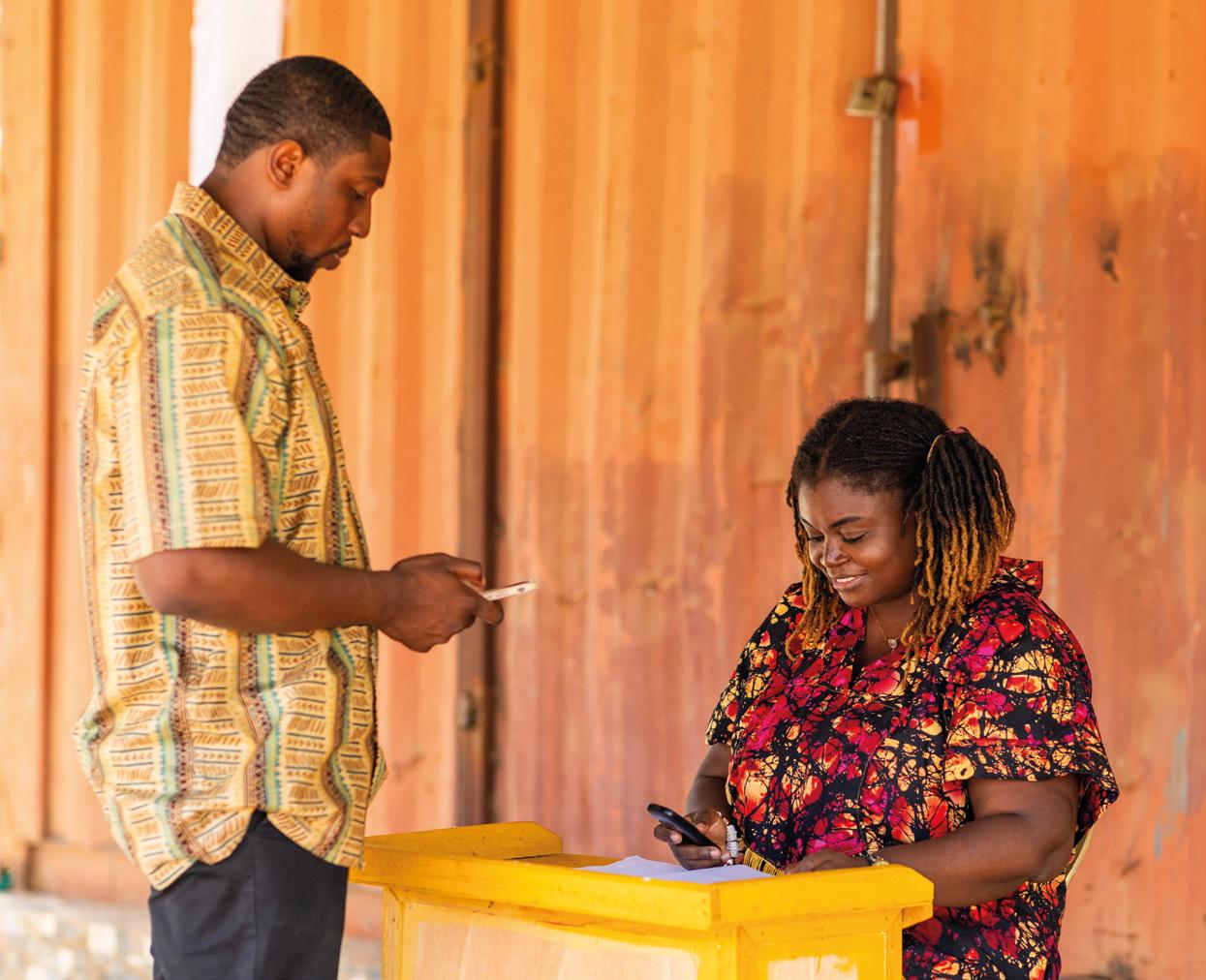
Mobile money (MoMo) agent assisting a customer with a transaction at an outdoor stand.
Photography: iStock.com / Roger Yebuah
on these platforms most heavily. “Often, that is not fully understood by policymakers.”
Research into Ghana’s E-levy on mobile money shows that despite measures intended to protect the poorest, low-income earners paid the largest share of the tax relative to their income. This prompted many to reduce digital transactions, revert to cash, or seek informal workarounds – often through agents – to avoid charges. Melissa is now examining these emerging behaviours and their broader effects.
Knowledge Transfer Partnership
Since November 2025 Melissa has also been applying her fintech expertise in a UK context as lead on a Knowledge Transfer Partnership (KTP) between Southampton Business School and UK business performance software
provider VFDPro. The three-year project, funded by £190,000 from Innovate UK and £94,000 from the company, aims to develop an AI-powered platform to help businesses understand performance, anticipate risks, and make better decisions – ultimately reducing business failure.
Significant potential
Melissa hopes to expand her research and industry collaborations. She aims to strengthen fintech as a discipline within the Business School to meet the needs of this rapidly growing sector, and believes the UK can learn from the Global South’s fintech innovation.
There is also, Melissa believes, significant potential for the Business School to access international research funding for advancing
financial inclusion, and develop executive training in fintech systems and policy. She is determined to deliver her mobile money agents training project, viewing it as a blueprint that the school could adapt and scale for other sectors.
The Anniversary Fellowship has, she said, given her the opportunity to gain a “deeper understanding of the potential of this work.” She reflected warmly on the welcome she received at Southampton. “I was absorbed immediately by the Business School as a new member of staff and provided with opportunities.” Support from colleagues and the Anniversary Fellowship team “made the transition from Ghana and from industry, easy. I’ve never felt like I didn’t belong.”
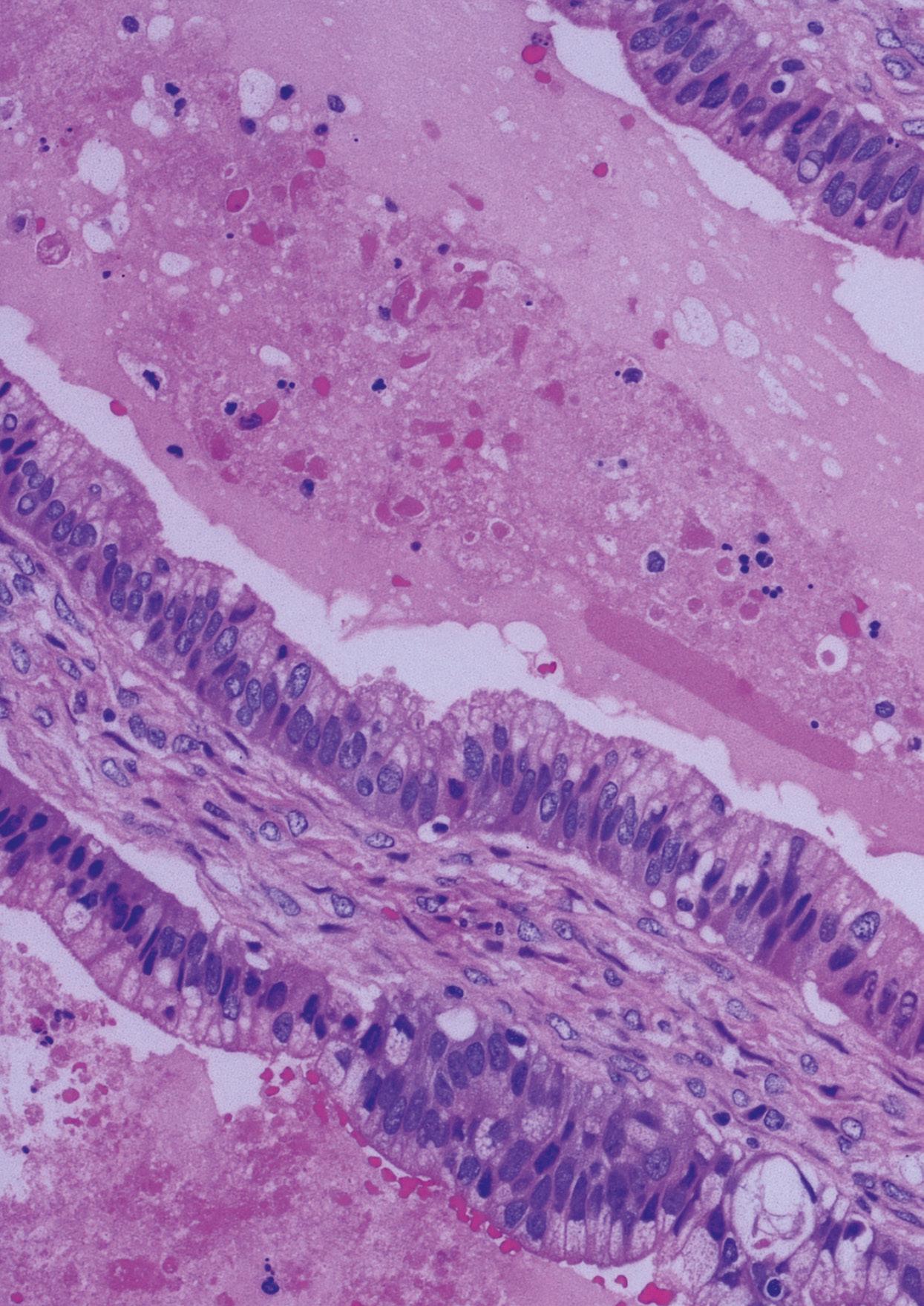
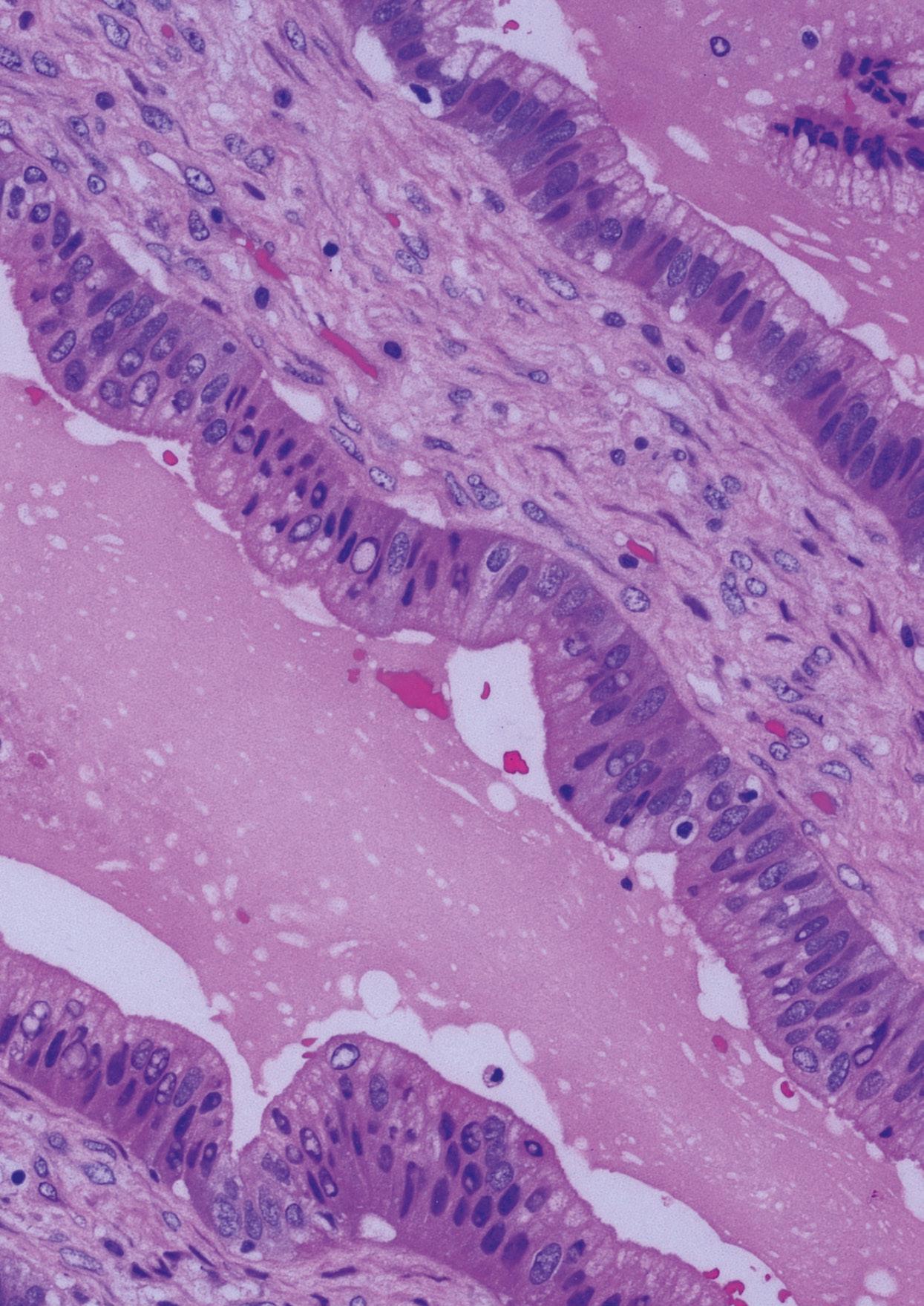
Metastatic pancreatic ductal adenocarcinoma.
Photography: iStock.com / OGphoto
SLOW BURN, HIGH IMPACT
Reimagining cancer drug delivery
When Dr George Williams (Chemistry and Chemical Engineering) joined the University of Southampton as an Anniversary Fellow in 2022, he brought with him a long-held idea: what if we could help existing cancer drugs work better by keeping them exactly where they are needed? He believed that his own field of supramolecular chemistry could offer a new route to smarter cancer treatments.
Slow burn, high impact
A lot of my work is geared around not just making better chemotherapeutics, but making more targeted drugs.”
Dr George Williams
Targeting pancreatic cancer
George’s PhD designing sensors and drug delivery systems for antimicrobial applications sparked the idea, which he began to explore during his first postdoctoral position. But Southampton’s Anniversary Fellowship, along with a Pancreatic Cancer Care Foundation Fellowship which he held concurrently, gave him the opportunity to fully investigate its potential. The Anniversary Fellowship concluded in late 2025, but the research is ongoing.
The fellowship’s focus was the development of ‘boronic acid smart hydrogels.’ “Our primary target is pancreatic cancer, because it’s so hard to treat,” said George. “Specifically, we’re developing a new polymer-based drug delivery system that promotes the uptake and retention of boronic acid-based prodrugs in tumours, so they have time to activate before being excreted.”
Sticking around long enough to work
At the heart of the project lies boronic aciddiol chemistry, used widely in other contexts – most notably in blood glucose sensors – but not yet optimised for cancer therapy. For some time, researchers have tried to develop a type of chemical switch based on boronic acids to create chemotherapies, known as ‘prodrugs,’ that only activate inside tumour tissue. Boronic acids are used to ‘mask’ a drug’s activity until they reach cancer cells, which contain high levels of reactive oxygen species (ROS) –highly reactive oxygen-containing molecules. When the acids come into contact with these molecules, they break down and ‘switch on’ the cancer drug. The aim is to improve efficacy and reduce side effects. “But the problem,” said George, “is that these drugs don’t stay in the tumour long enough to be activated, so they always fail in clinical trials.”
His solution: to attach the drug to a soft, gellike polymer – allowing it to “get stuck” in the tumour tissue where it is needed.
Polymer-prodrug platform
Supramolecular chemistry – George’s specialism – is “about molecules interacting, as opposed to reacting,” he explained. Instead of strong chemical bonds, such interactions rely on weaker, magnet-like forces to encourage molecules to assemble into soft, dynamic materials. These networks can form gels and carriers that respond to conditions inside the body. When boronic acid chemistry is integrated into these materials, the result is a polymer-prodrug system capable of embedding itself in tumour tissue and releasing drugs at precisely the right moment.
George has completed the complex synthetic chemistry needed to produce his polymer drug system. “From the get-go, I’ve tried to develop this as a platform technology that can be adapted for different cancer types,” he said.
Collaboration at the core
Interdisciplinarity has been central to the work’s progress. Part way through his fellowship, George was joined by PhD student Anne Aarvik, funded through the Medical Research Council Doctoral Training Partnership and jointly supervised by Dr Nicole Prior (Biomedical Sciences) and Professor Nick Evans (Medicine). Collaboration with Nicole, who specialises in organoids – tiny 3D clusters of lab-grown cells that mimic real tissue – allows the team to test on tumour organoids, providing a far more accurate picture of how the polymer–prodrug might behave in the body.
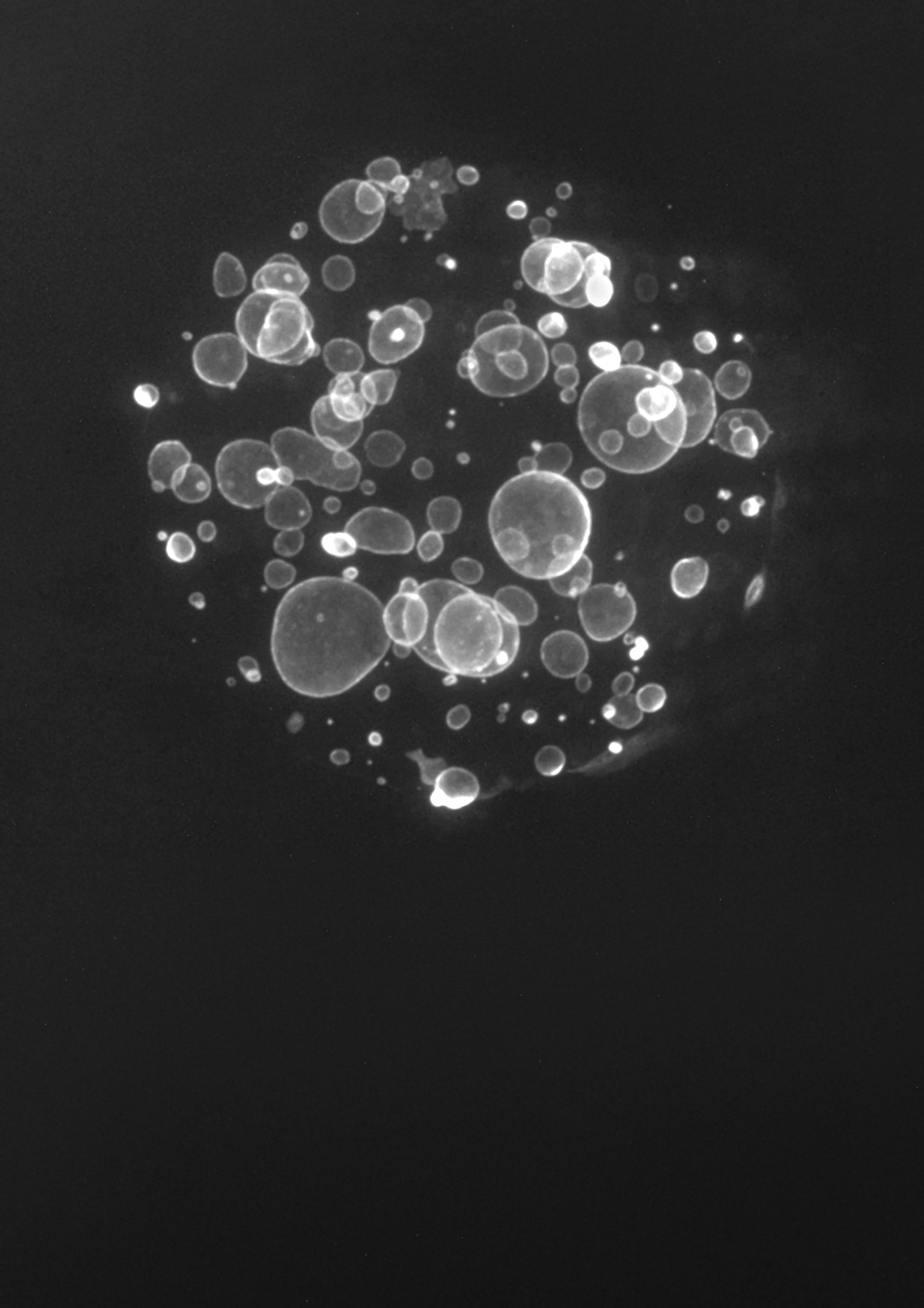
Supported by £20,000 of Wessex Medical Research funding, George is also working with Professor Sumeet Mahajan, whose advanced imaging techniques help the team see more quickly and accurately what their materials are doing inside cells. “We’re now doing a release study, using a fluorescent imaging-based lab test developed by Anne to measure how much of the polymer drug enters the tumour organoids, and when the drug becomes activated.”
The team expects to begin testing drugloaded polymers in organoid models this spring. Subject to funding and positive results, the next step is in-vivo testing. Long-term, George hopes to translate this approach into nanoparticles – moving from larger, gel-based material to tiny particles that can travel through the body and could form the basis of future injectable therapies.
George credits his PhD supervisor with instilling the importance of interdisciplinary research. “He told us, ‘You have the solutions to problems you don’t know exist. Only by talking to other people do you find out what they are.’”
Involving clinicians early is also vital, he said, especially when applying for medical research funding. Their perspective ensures that ideas that make sense in a chemistry lab also make sense in the clinic, and can help identify applications beyond those initially envisaged. “It’s important to make sure I haven’t overlooked something that is fundamentally obvious to them,” he added.
Mouse pancreatic ductal adenocarcinoma organoids with green fluorescent protein
George emphasises that he “wouldn’t be able to do most of this work without collaborators,” including Chemistry’s Dr Matt Baud, who hosted him in his lab when he first arrived. Collaboration is, he said, what he has enjoyed most about the Anniversary Fellowship.
Photoswitches
The drug delivery project remains George’s long-term focus, but his group is also exploring other responsive molecules that change shape or behaviour in response to light – known as photoswitching –investigating their use in next-generation imaging and cancer therapeutics. The imaging work is supported by Royal Society funding, and a three-year, £665,000 Engineering and Physical Sciences Research Council (EPSRC)-funded project developing photoswitches for cancer drugs began in
March. “These are chemotherapeutics that can be administered then activated by light, where you want them.
“A lot of my work is geared around not just making better chemotherapeutics, but making more targeted drugs,” George said. Better targeting can reduce gruelling side effects and allow higher, more effective doses. “If you can double the dose, that’s almost certainly going to make it work. Dose-limiting toxicity is a problem that’s not really looked into enough.”
Building a team
Reflecting on his fellowship, George said it gave him protected time, visibility across the University, and a pathway into a permanent lectureship. “That protected time to start carving out a research niche was the biggest benefit for me.”
The opportunity, along with his determination to stay at Southampton, has helped him build a research group that now includes six “fantastic” PhD students across engineering, oceanography, biosciences and medicine, with two more joining soon. He recently secured an EPSRC New Investigator Award and is preparing to welcome a new postdoctoral researcher. “It’d be a real pain to get rid of me now,” he joked.
Slow burn
George’s vision is long-term. “This has been my slow-burn project,” he said. “I want it to go somewhere high impact, if it works.”
With a thriving group, productive collaborations, and platform chemistry that could transform cancer drug delivery, George is laying the foundations for work with the potential to make a real clinical difference.
ENGINEERING THE NEXT GENERATION OF PHOTONIC MATERIALS
Over its 36-year history, Southampton’s Optoelectronics Research Centre (ORC) has developed critical technologies such as optical fibres and amplifiers that power modern communications and the internet, as well as fibre lasers used in medicine, defence, renewable energy and manufacturing. This world-leading reputation encouraged Dr Dong-Yang Wang to apply for an Anniversary Fellowship with the ORC. Now Dong-Yang, who joined in 2023, is playing his part in discovering new physics, technologies, and materials that could revolutionise optical imaging, communications, and computing.
Controlling the movement of light Dong-Yang’s research area is topological photonics – a field that even he admits is “really complicated.”
In topological photonics, scientists design novel materials unseen in nature whose internal sub-wavelength patterns or structures control how light moves, giving it special, stable behaviours. These structures create pathways where light can travel smoothly, without being disrupted by defects in the material. This is crucial because it allows for the precise control
of light-matter interactions even at the nanoscale which is essential for applications in nanotechnology.
By encoding robust, hard-to-disturb properties into the structure of a material, Dong-Yang can influence how light behaves – guiding it, protecting it from scattering, and even making it “unidirectional” so that it doesn’t reflect back when it meets edges or imperfections. “We can design materials with unique properties,” he said.
Continued on page 28 →
Engineering the next generation of photonic materials
Continued from page 26
These advances open the door to a wide range of future technologies – from energy efficient photonic chips and light-based computing to sharper imaging systems and next-generation wireless communication devices.
Discovering new light states
Dong-Yang’s Anniversary Fellowship, which he is due to complete in 2026, investigates how these specially engineered ‘metamaterials’ behave when they interact with extremely low-frequency electromagnetic waves.
Electromagnetic waves are forms of energy that travel through space as linked electric and magnetic fields. They exist on a spectrum, ranging from high-frequency gamma rays and visible light to low-frequency radio waves.
Metamaterials – built from carefully arranged metallic or non-conductive dielectric components such as glass and silicon (used to store and manage electric energy) – have special properties. Sometimes described as ‘artificial optical materials,’ they can interact with light, guiding, bending, absorbing, reflecting, transmitting, or manipulating it in useful ways.
Dong-Yang describes his metamaterials as similar to a television cable with “a core of conducting wire encircled by a cylinder.” By stacking multiple copies of these structures, he discovered something unexpected.
In conventional physics, light has two polarisations – the electric field oscillates either side-to-side (horizontal) or up and down (vertical) as it travels. Inside the metamaterials Dong-Yang designs, the structure creates additional ways for the light to oscillate and propagate, producing new polarisation modes not found in ordinary materials.
Asked about applications, Dong-Yang joked: “Not much! But from a physics point of view, this is something new.” For now, the impact is mainly scientific, revealing a new property of light and helping us understand how it behaves under new conditions. But the work could open future possibilities in imaging.
Current imaging systems (like microscopes or medical scanners) are “limited by the wavelength of light,” explained Dong-Yang. If a structure is smaller than that wavelength, it normally becomes blurry or invisible. “My metamaterial design would allow imaging well below the wavelength,” he said, enabling the formation of images of features smaller than the usual wavelength limit, revealing finer, sharper detail. “I used my fellowship discoveries to secure a Royal Society grant, which is enabling me to perform some experimental demonstrations on the subwavelength imaging,” he said.
Dong-Yang’s material also solves another problem: reflection. In most imaging systems, light bounces backwards, creating ‘echoes’ that add ‘noise’ or background
interference to the picture. Dong-Yang’s material forces light to travel in one direction only – ‘unidirectionally’ – improving the ‘signal-to-noise ratio’ producing much clearer, cleaner images which stand out from background interference. This could have major implications for medical imaging, microscopy, and any technology where seeing fine structures clearly can be critical.
An international partnership for the terahertz era
In 2025 Dong-Yang successfully applied for the Royal Society International Science Partnerships Fund International Collaboration Award, worth £225,000. The award required collaboration with a research partner in South Korea, leading him to reconnect with a researcher he first met when he was a visiting student at the University of Birmingham. Dong-Yang explained that their research interests aligned and “he is also the only guy I know in South Korea!”
The project focuses on developing metamaterials that precisely control terahertz frequency electromagnetic waves – a band between microwaves and visible light. These materials could capture, adjust and direct terahertz signals: abilities that underpin future ultrafast communications (including 6G and 7G) and new optical technologies. Because terahertz light can penetrate many common materials, it could enable non-destructive imaging for applications ranging from airport security screening and inspection of packaged goods to detecting hidden defects
Photography: iStock.com / synthetick
From a physics point of view, this is something new.”
Dr
Dong-Yang Wang on
his discovery of a new property of light.
in aerospace components and revealing layers beneath paintings or manuscripts. Its frequency – hundreds of times higher than current 5G – also makes it promising for next-generation wireless communication technologies. “Our aim is to make the terahertz light as robust as possible,” Dong-Yang explained, to support stable signals and exceptionally fast data processing for applications from autonomous vehicles to real-time virtual reality.
On-chip components
Another possible application ORC colleagues are working on is putting optical components onto microchips, enabling the use of light instead of electricity for data processing. This helps devices to work more quickly, stay cooler and use less power, making it particularly beneficial in sectors like data centres, telecommunications, healthcare, AI, and autonomous vehicles, where rapid data processing is critical.
“With the topological method I can increase the efficiency of photonics chips,” said DongYang. His materials guide light with minimal energy loss, boosting chip performance.
“I’m also using topological design to build ‘logic gates’ [the tiny components that form the basis of all computation] for photonic computing,” he said, which could pave the way for computers that use light rather than electrons.
The technology offers the possibility of miniaturising devices like optical lenses and
mirrors for imaging and adding them to chips. “I could also build high-powered topological lasers which would not be sensitive to disorder or fabrication errors, for use in any application where traditional lasers are used,” he said. Such on-chip devices could allow for lighter-weight portable devices, which DongYang said, “would be really cool.”
Freedom to do fundamental science Dong-Yang previously spent five years as a postdoctoral researcher in Hong Kong. For him, the Anniversary Fellowship has been transformative. “You have the time and freedom to do anything you want,” he said. It has allowed him to pursue ambitious fundamental physics without the pressure to deliver immediate applications, while also supporting his development as an independent researcher.
Under the guidance of Professor Nikolay Zheludev, head of the Photonics Group, and ORC director Professor Graham Reed, DongYang has found a supportive home in the ORC. World-class expertise and fabrication facilities enable his frontier research and, with the support of the ORC’s senior team, he has developed essential skills and capabilities to win external research funding and secured a permanent position in the ORC. This combination is shaping DongYang’s future research direction – in which his discoveries could influence next-generation communication technologies, on-chip photonics, and new optical devices.
Photography: iStock.com / wilpunt
MODELLING THE FUTURE OF TUBERCULOSIS TREATMENT
Tuberculosis (TB) is the most fatal infectious disease worldwide. Anniversary Fellow Dr Liku Tezera is himself a TB survivor and treated many patients with the disease after completing his initial medical training at Addis Ababa University, Ethiopia. “In this resource-limited setting, I saw firsthand the damage TB can cause in the long term, even after a cure. My commitment to developing better treatments began there.”
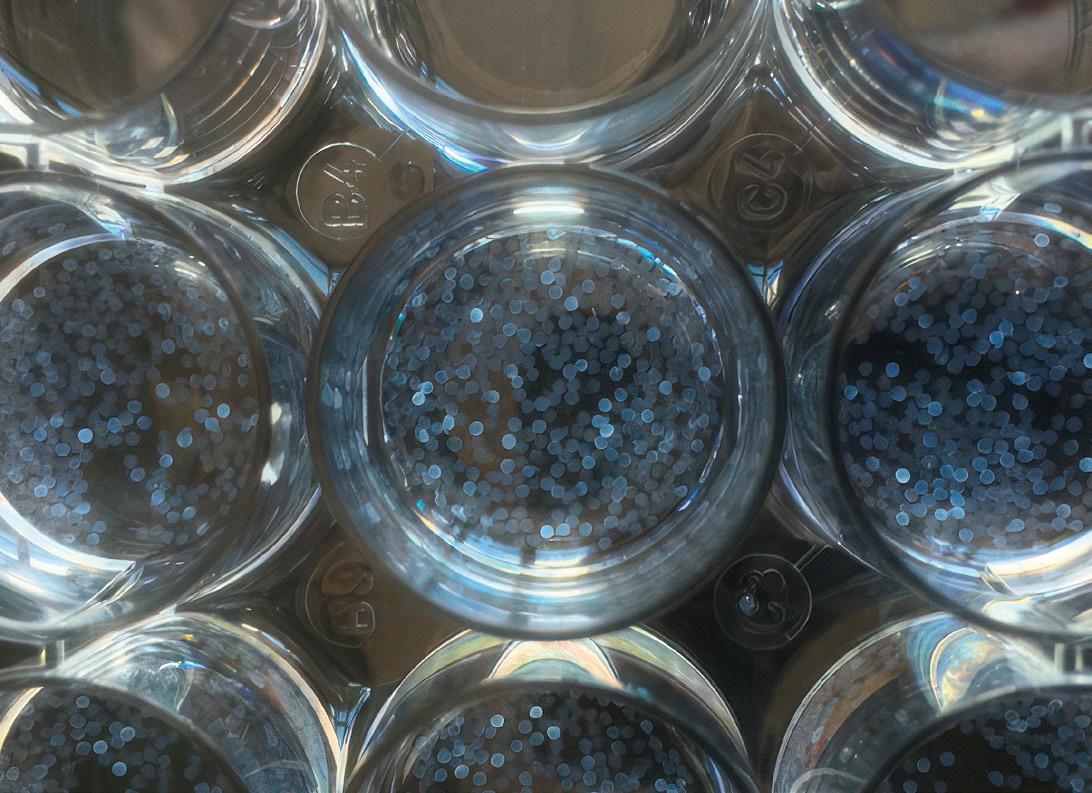
Liku went on to obtain a PhD in cellular microbiology from the University of the West of England, Bristol, through an international student research scholarship, and then joined Imperial College as a postdoctoral research fellow in 2011. He moved to Southampton in 2012 with Professor Paul Elkington’s research group, exploring an engineering approach to creating in vitro granuloma systems – laboratory versions of the hardened cellular masses caused by TB infection. Unlike ordinary 2D culture systems, where cells are placed in a flat plastic dish, Liku’s 3D models use an engineering technique to suspend cells in droplets of alginate and human collagen, mimicking key features of lung cell behaviour.
At the start of 2020, Liku joined University College London and became part of Professor Al Leslie’s lab at the Africa Health Research Institute, based in Durban, South Africa, a major tuberculosis hotspot. Due to COVID-19 disruption, however, he was seconded to work in Southampton alongside other members of the Durban lab. During this period, he continued helping to refine granuloma models. He eventually returned to Southampton in 2022 to take up his Anniversary Fellowship. He said, “Once I realised I was eligible to apply for the fellowship, the decision was straightforward. I was fortunate to be awarded.”
Continued on page 32 →
Modelling the future of tuberculosis treatment
Continued from page 31
Into the extracellular matrix
Liku’s fellowship continued his focus on exploring disease development using bioengineered lab models. “My project was to build 3D cellular models in which we can recreate different states of tissue hardness, incorporating microfluidics technology. This will enable us to study not only TB, but also other human diseases, particularly persistent bacterial infections.” The use of microfluidics – a way to move and control tiny amounts of liquid through channels thinner than a human hair – helps open up wider access to the cell models, as this technology is easy to set up in any lab.
“Tissues are not just made of cells – they sit in a scaffold called the extracellular matrix. This can be composed of different types of fibrils [threadlike structures with a diameter from 10-100 nanometres], as well as other gel-like components, to form organs such as the liver or skin. The matrix can also vary in its level of stiffness, from a tight, compact tissue like bone to a soft tissue like brain.”
It had already been shown that the biochemistry of matrix fibres affects TB infection, but Liku’s innovation was to focus on the relevance of variable tissue stiffness in infectious disease. “In cancer, for example, scientists know that stiff tissue changes cell behaviour and drives the disease, and they’ve developed mechanisms to treat that. But until now, infectious disease biologists, especially in the TB field, didn’t see tissue stiffness as significant and didn’t have a system for monitoring it.”
His model enables the tissue chemistry to be altered, altering stiffness and recreating the conditions of the TB-infected human lung from the early stages of infection to the chronic state. “That enables us to study the role of tissue mechanics in the behaviour of the human immune response.”
Model behaviour
In TB, infected tissue can become “as hard as a scar, and the infection becomes untreatable. Or even if the patient recovers, the tissue is damaged and the patient has difficulty breathing.” Liku’s models have shown how
this process forms part of a vicious cycle, with stiff tissue in turn affecting the behaviour of the bacteria and their interactions with host cells. “In a tense, stiff environment, the rate of bacterial growth slows, which may make the bacteria more resistant to treatment.
“We also learned that in this environment, host cells express their genes differently, leading to different types of surface markers on the cells. These surface markers are the receptors which respond to chemical messages and determine cell behaviour, like locks opening with specific keys.” Liku believes this means that a type of drug treatment called mechanobiologybased host-directed therapy – which works by adjusting the way these markers are expressed, so that the cells respond more effectively when they are fighting an infection – could be effective for TB.
The next stage is to study this in patients with TB. “Though there are a lot of TB patients in the UK, they are managed early before surgery is needed, so we don’t have access to lung tissue samples.” Liku has received the prestigious Academy of Medical Sciences
Springboard Award – funding of nearly £100,000 – which will enable him to carry out this research in Durban, where late-stage TB is more common.
The fellowship has been a huge opportunity to truly develop my research. Not everyone gets the chance to do that in academic life. In addition, the fellowship opened my eyes to other opportunities available at the University.”
“Then there are clinical trials for the drugs. Most of the drugs we have identified are already developed for other diseases, so we don’t need to do human trials for safety, which accelerates the process.”
The hope is that, in the future, as well as offering better treatments for TB, Liku’s cell models can provide insights into other noninfectious illnesses characterised by similar cell processes, including some forms of lung damage (lung granulomas), rheumatoid arthritis, narrowed arteries (atherosclerosis), and cancers.
Fellowship highlights Liku completed his fellowship in 2025 and has now moved onto a permanent contract at Southampton. “The fellowship has been a huge opportunity to truly develop my research,” he reflected. “Not everyone gets the chance to do that in academic life. In
addition, the fellowship opened my eyes to other opportunities available at the University.” He completed the Postgraduate Certificate in Academic Practice (PGCAP), a teaching certification, and is now recognised as a Fellow of the Higher Education Academy (FHEA).
He has also become involved in other aspects of University life, including becoming a member of the Faculty of Medicine Postdoctoral Association and of Equality, Diversity and Inclusion (EDI) committees at both school and faculty levels. At the university level, he is a member of the Honorary Degree Advisory Group and served as a mentor in the Reverse Mentoring Programme.
“I’m really proud to have become a permanent staff member at Southampton; it’s one of the highlights of my fellowship.”
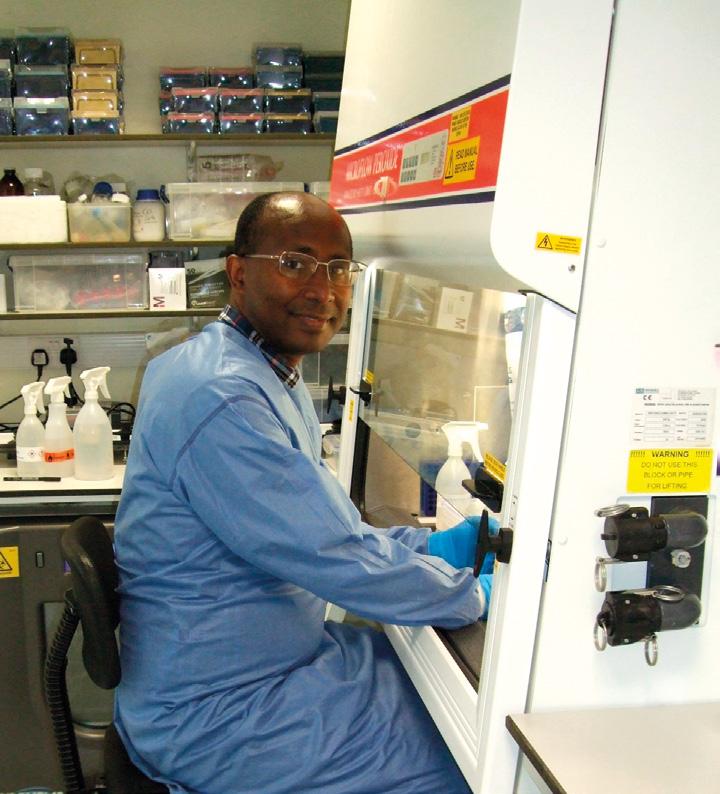
Right: Liku working in Category 3 Laboratory facility, Southampton General Hospital
Feature
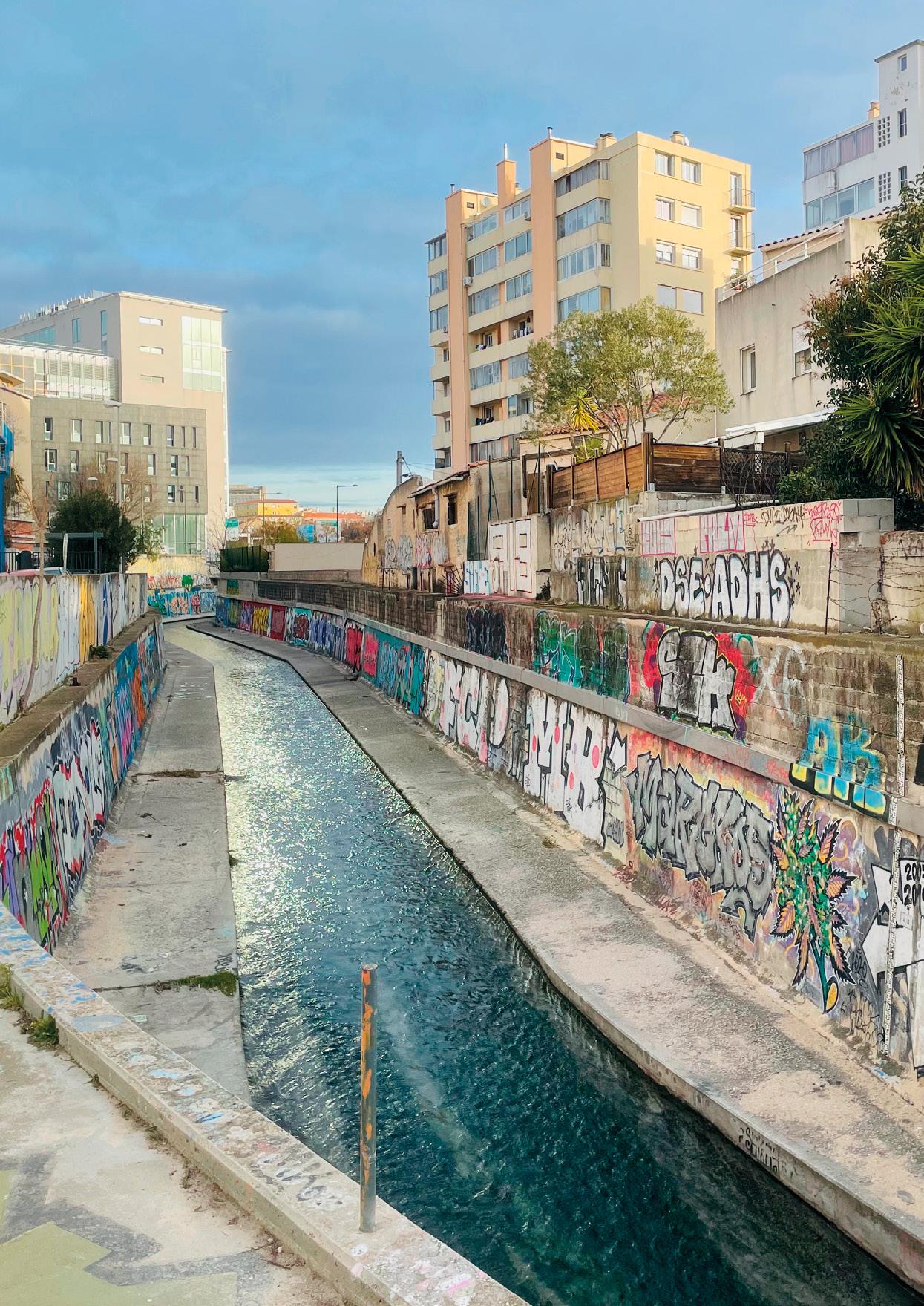
Project site at Le Jarret in the eastern part of Marseille
Photography: Pierre Sintes
BEYOND BOUNDARIES
The collaboration telling new stories about communities on the margins
Dr Laura Harris and Dr Sami Everett are interested in liminality: the state of being at the threshold or inbetween. Both work in a space where disciplines overlap, and a collaboration during their respective Anniversary Fellowships has opened an exploration of communities who live at the intersection between landscapes, languages and cultures.
Liminal Waterway Countercultures brings together multiple partners across five countries, assembling researchers from several institutions (including Southampton and Birkbeck, University of London, in the UK), artists, museums and an environmental NGO, for a series of thematically connected projects.
Each centres around communities living at the threshold between water and land, including the island of Culatra on Portugal’s Ria Formosa, a unique lagoon ecosystem where shell-fishing communities are struggling for better living conditions; port-side urban high-rises in Marseille, France, built to house North African migrant workers, who now find themselves cut off from the city; and Liverpool’s Merseyside docks, where the history of the
trading of enslaved people meets present-day controversies around migration.
“In all of these places, there’s a story about intersecting crises,” Sami explained. “There’s the narrative of impending ecological disaster, and there’s the increasing rigidity around questions of migration and nationalism across Europe. These are communities strongly impacted by human mobility and cultural diversification.” Across the project’s multiple sites and strands, researchers are using a range of methods – audio-visual, literary, spatial, and anthropological – to retrieve the submerged stories which are often drowned out by crisis narratives.
Continued on page 36 →
Beyond boundaries
I was trained in visual arts, but I found in sociology a disciplinary home for the critical approach I wanted to take, where I was more interested in what happens inside the gallery between people than in what was on the walls.”
Continued from page 35
Disciplines in dialogue
Sami, an anthropologist based with the Winchester School of Art, developed his research at institutions including Aix-Marseille University and the University of Cambridge, with a focus on interreligious encounters. He successfully applied for the first cohort of Anniversary Fellowships in 2022 with the ongoing project Zouj: Dialogical Dynamics of North African Judeo-Arabic Popular Culture, which explores communities where creative cultural interchange has taken place over a long period of time.
Sami’s work on cultural encounters led to the development of the Liminal Waterways project with Birkbeck, University of London sociologist Dr Ben Gidley. Sami’s ongoing research for the project centres on the Marseille site, where he is collaborating with filmmaking collective Les Écrans du Large to look at how maritime links between Marseille and the Maghreb (a region in North Africa) have shaped migration and cultural exchange. Sami uses ethnographic methods “which entail working in an everyday way to really listen to what people in these communities are saying.”
Based in the Department of Sociology, Laura has a background in the sociology of arts and culture: “I was trained in visual arts, but I found in sociology a disciplinary home for the critical approach I wanted to take, where I was more interested in what happens inside the gallery between people than in what was on the walls.” Her Anniversary Fellowship project, Experimental Filmmaking and the Cultural Sociology of Place, was shaped with the support of the John Hansard Gallery, which
“supported me to work at the intersection between sociology and contemporary art.”
Laura’s focus on “developing a methodology for how sociologists and artists can work alongside each other” caught Sami’s attention when he heard her present at events for the Anniversary Fellows cohort. “She was a natural fit for the Liminal Waterways project in that it's bringing the arts, ecology, and social sciences together,” he said. “When you work across disciplines there can be a difficulty in the very grammar of how different fields communicate – their differing understandings of what knowledge is and how we get to it. We were keen to break those barriers down.”
Visual partnership
Though the subject matter of Liminal Waterways was outside her specialism, “the way the project approaches the project of knowledge production is something that I share,” said Laura. “I had previously used filmmaking techniques as part of my PhD research into art gallery technicians, and Sami invited me to contribute my expertise on visual methods to the project.”
Laura’s theoretical thinking helped to connect the diverse strands of Liminal Waterways, and the various artists working across its sites. “I did a lot of thinking about how filmmaking and water are conceptually related to one another. At one of the team meetings in Marseille last year, I presented to the team on how we can think about filmmaking not only as a research practice, but one that is particularly well suited to water. We think about films as flowing – a lot of great moving image artists of the late 20th and 21st centuries have a watery component to their work.”
Dr Laura Harris
Project site at Ria Formosa, Portugal
Photograph: Raquel Carvalheira
Studying these places, you gain a perspective on people working together across language and cultural barriers, and that though it's not always easy, there's much more fluidity and much more comradeship than we often give credence to.”
She helped support the project’s artists and other researchers with a visual practice, including Danielle Shaw from Birkbeck, who leads on participatory photography work (which enables communities to share their perspectives through taking photographs) at the Merseyside site. “Danielle gave cameras and photographic training to a group of people with histories of migrating to Liverpool. They will create a repository of images of the waterfront, shaped by those experiences.”
Challenging narratives
An upcoming exhibition of these photographs at the Museum of Liverpool is just one of many outputs from Liminal Waterways. There will also be a major project-wide 2027 exhibition in Rijeka, Croatia, showcasing audiovisual creations, an interactive digital map and an exhibition catalogue with reflections from across all of the project sites.
“The Liverpool exhibition is an impactful act at a time when this city has seen so much anti-migrant protest – much of which has centred on the waterfront,” noted Laura. “Hopefully it will be seen by people who we wouldn’t reach through academic writing, and whose opinions we might profoundly disagree with. It will be meaningful in the participants’ lives too, in ways we may never know.”
The hope, said Sami, is that the project’s outputs can help “change the tenor of crisis language” around water and migration. “It sounds quite vague, but in fact this language permeates a lot, from policy through to academic literature.” There is another narrative which can challenge this, the researchers argue – one of ‘creative alternative forms of life’ formed by the meeting of difference at society’s margins. “Studying these places, you gain a perspective on people working together
across language and cultural barriers, and that though it's not always easy, there's much more fluidity and much more comradeship than we often give credence to.”
Space to explore
Another dimension of the project’s impact, said Sami, is the way it has shaped the researchers’ practice and created models for collaboration by bringing together civic society, artistic and social science components. “It’s intersectoral as well as interdisciplinary.”
Both Laura and Sami have now completed their fellowships, becoming permanent members of University staff. Looking back, Laura reflected on how for the whole cohort, their fellowships allowed invaluable scope for exploring questions of disciplinary home. “We were scattered into different disciplines and had the chance to build friendships and collaborations across those boundaries. This facilitated a space for deeper thinking about one's own practice, which I would never have done if I’d jumped straight into a sociology lectureship after my PhD.
“Rather than feeling constrained by academic structures, I feel much more confident and comfortable in who I am and how I can make that work within the discipline where I’m based.”
Liminal Waterway Countercultures is funded by the Arts and Humanities Research Council under the HERA/CHANSE scheme (Humanities in the European Research Area/ Collaboration of Humanities and Social Sciences in Europe).
You can find out more about the project at: liminalwater.uni-graz.at/de
Dr Sami Everett
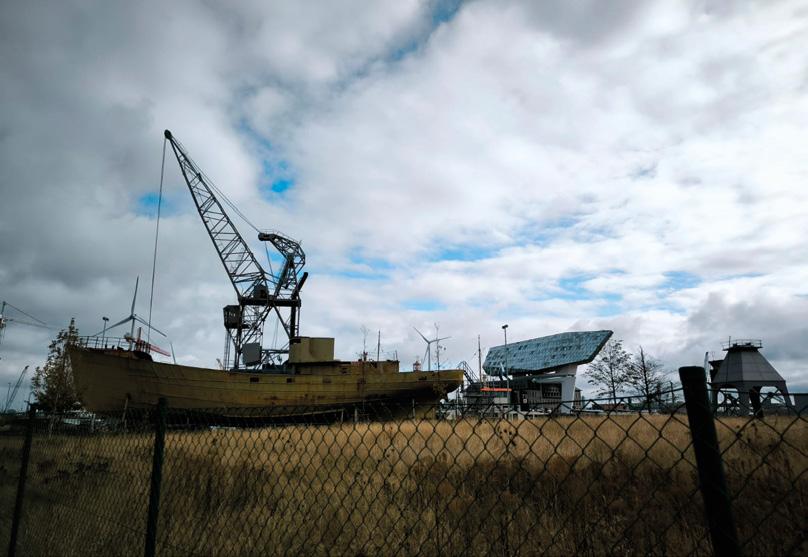
Project site at Antwerpen
Photograph: Toni Bandov
SHAPING RESEARCH SUCCESS From fellowships to future talent
The Anniversary Fellowship scheme has helped shape induction and professional development resources that are supporting researchers across the University. It has also left Southampton ideally positioned to attract funding and outstanding international researchers and research leaders. Below are some of the initiatives that have been strengthened by insights gained during the Anniversary Fellowship programme.
GLOBAL TALENT ANNIVERSARY FELLOWSHIPS
The University of Southampton is among just 12 research organisations that were awarded a share of the UK Research and Innovation (UKRI) Global Talent Fund in July 2025. This achievement will enable the University to welcome up to six exceptional international researchers to its new Global Talent Anniversary Fellowship (GTAF) programme in 2026.
The UKRI Global Talent Fund – a £54m government investment announced in July 2025 – aims to boost research and innovation capability by attracting outstanding global talent in sectors critical to the UK’s Modern Industrial Strategy. Southampton was one of just 10 universities and two research institutes to successfully bid for the funding.
Commenting on the bid, GTAF programme lead Mylène Ployaert, said: “We’ve built a strong track record through the Anniversary Fellowships and our history of making good use of the Global Talent Visa scheme. That experience enabled us to respond quickly and convincingly to UKRI’s call. We could demonstrate that we know how to attract
talented researchers and support them to thrive.”
Under the new GTAF scheme, the University aims to recruit international researchers across four priority areas: clean technologies; digital and AI; life sciences; and defence and advanced manufacturing. Applicants were asked to explain how their research would contribute to realising the aims of both the UK’s Industrial Strategy and the University’s research strategies. Interest has been high, with close to 400 applications received, and recruitment is in its final stages.
Successful candidates are expected to begin their fellowships in 2026, in permanent academic posts where they will contribute to research, teaching, and knowledge exchange. The scheme offers relocation and visa support for fellows and their families, as well as start-up packages to help them establish their research from day one.
The goal is not only to bring in established stars, explained Mylène, but also to identify researchers with the potential to grow: “We’re looking for people who can develop their
careers at Southampton – individuals who bring interdisciplinarity, fresh perspectives and the ability to work across academic and industrial boundaries.
“It’s great to find that talented researchers see Southampton as a place to build their future,” she concluded.
Mylène Ployaert
RESEARCH@SOUTHAMPTON – WELCOMING NEW STARTERS
Research@Southampton is an annual welcome programme designed to help new and recently appointed research staff navigate the University’s research environment. Launched in 2025 by Research and Innovation Services (RIS), the programme provides a comprehensive introduction to Southampton’s research strategy, priorities, and the wide-ranging support and development opportunities available to researchers as they begin their journey.
Delivered through four in-person sessions, Research@Southampton offers an overview of key elements of the research ecosystem –from understanding the University’s strategic direction and inclusive, collaborative research culture, to securing funding, developing knowledge exchange and enterprise and external partnerships, and building interdisciplinary collaborations. Each session
brings together senior academic leaders and Professional Services teams, giving participants direct access to expert guidance and signposting.
Equally important is the opportunity for attendees to connect with colleagues across faculties, fostering a sense of community and creating space for collaboration. With up to 100 places each year, the programme is open primarily to new research staff but welcomes anyone seeking to better understand the University’s research landscape.
“Our aim is simple,” said Dr Pamela Varley, whose team oversees the programme, “to equip researchers with the knowledge, confidence and networks they need to succeed at Southampton and, most of all, to feel welcome as they join the University research community.”
DISCOVER – HELPING RESEARCHERS NAVIGATE
THEIR CAREERS
Discover | Researcher Development Programme for research-active level 4 and 5 staff began in February 2026. It aims to provide a collegial, supportive environment for early-career colleagues to reflect on their career direction and develop the skills to progress, explained programme lead Dr Paul Clarkson from the Centre for Higher Education Practice (CHEP).
Four in-person sessions across the year bring participants together to explore key topics, collaborate and support each other’s development. Activities between sessions help maintain momentum and deepen selfunderstanding. Sessions are organised by Paul and Holly Warren from CHEP and supported by colleagues from across CHEP, faculties and professional services. A central principle is shared learning. Participants and facilitators are “all on the same level,” said Paul, each contributing valuable experience, helping to make Discover “a practical, immersive and active experience.”
The programme was developed in response to feedback from Anniversary Fellows and others. It aims to help colleagues build
confidence to take on larger, more complex projects and collaborations, apply for major funding, and navigate the University and the research landscape. “The traditional view of a research career as linear has changed,” commented Paul. Increasingly, intersectoral mobility – between academia and industry – is seen as a positive for both researcher and institution. “We’re aiming to equip researchers with the skills to manage the shifting nature of research careers.”
Discover was shaped by learnings from the Anniversary Fellowship scheme and the University Hospital Southampton (UHS) Research Leaders Programme (developed by Dr Julie Reeves with UHS colleagues, and co-facilitated by Paul), the Prosper initiative (for early career researchers and managers of researchers, led by Dr Curie Scott), sector networks, and funders’ changing requirements.
“We’ve had valuable input from Faculty Associate Deans Research, colleagues in CHEP and Research and Innovation Services, Early Career Researcher Champions, and Concordat representatives, helping build a sense of shared ownership,” said Paul.
Aligned closely with the University’s strategic objectives around research capacity and culture, people development and inclusivity, the programme is also open to colleagues on education-focused pathways who have research aspirations. “It’s about building both the diversity and the capacity of our research workforce,” Paul explained.
Expected to run annually, Discover is the first step in a planned development pipeline. A follow-on research leadership programme for mid-career staff – Evolve – is in development for next academic year.
RECOVERING AFRICAN BOTANICAL KNOWLEDGE FOR THE FUTURE
Western histories are usually focused on the written text. But for most of the history of Africa, said Dr Nathan Bossoh, knowledge has been passed down through “oral and material practices”. How can historians go about recovering knowledge that has been sidelined by colonialism – and what possibilities could this knowledge hold for transforming today’s world?
Nathan began his Anniversary Fellowship with the Department of History as part of the second cohort in 2023. This followed a PhD at University College London on the history and philosophy of science, and a role as African Collections Research Curator at the London Science Museum.
“This role was key to my being accepted for an Anniversary Fellowship, as I was the first person to systematically investigate the African materials collected by Sir Henry Wellcome in the late 19th – early
20th centuries. This gave me significant experience in terms of working with marginalised materials.
“Since then, part of my fellowship has been about learning new methodologies, or applying methodologies that I practised in my work at the Science Museum, around utilising material histories and records that are not textual.”
Continued on page 42 →
‘The Kola Nut Cannot Be Contained’ display
Recovering African botanical knowledge for the future
I’m especially interested in the Ghanian context and the emergence in the 20th century of a new field known as plant medicine research. This combines indigenous plant knowledge – including religious and cultural elements – with British colonial or scientific methods.”
Dr Nathan Bossoh
Continued from page 41
Plant medicine
Nathan’s Science Museum role led to a close connection with the Wellcome Collection, with whom he began developing a display. The Kola Nut Cannot Be Contained (2024–2025) explored histories, traditions and innovations around the Kola nut, a fruit found growing across West Africa. “Work on this display was in motion just as I began my fellowship, and has fed in nicely to the rest of my fellowship project.” Nathan developed an interest in British imperial interactions with West Africa, in particular, “and how British figures relied on the knowledge of Africans as they developed their botanical knowledge in these regions.” This same knowledge went on to
be significant in the development of modern scientific understanding.
“I’m especially interested in the Ghanian context and the emergence in the 20th century of a new field known as plant medicine research. This combines indigenous plant knowledge – including religious and cultural elements – with British colonial or scientific methods.” Plant medicine research is the subject of a book project which Nathan is developing, and formed the focus of a research trip to Ghana in 2025. “I was able to conduct research at their National Archives and interviews with plant medicine researchers at various Ghanian institutions.” Nathan has been awarded a Higher Education Innovation Fund grant to strengthen
Southampton’s connections with one of these, the “pioneering” Centre for Plant Medicine Research.
His exploration of the history of plant medicine raises “all sorts of questions about global health today,” said Nathan, in areas from antimicrobial resistance to alternative medicine. “Scientists and historians often talk different languages – in fact, scientists may struggle to see the value that historians of science and medicine can bring. But I’m interested in bridging those disconnects.”
One recent example of the need for this dialogue comes from the COVID-19 pandemic. “In certain regions of Africa people have clear reasons to distrust vaccines, because
of colonial history and the way they’ve been experimented on in the past. It would have been so beneficial to have more discussion between scientists and historians about vaccine rollouts in particular people groups, and how these might be impacted by historical context.”
Applied histories
As he nears the end of his fellowship, Nathan reflected on how the “rare, significant opportunity” of a three-year research position has allowed him to fine-tune his own interests and learn “a set of skills to take forward. Beyond research, there’s teaching, there’s understanding University processes, there’s grant writing – all of this is essential to academic life. One of the most important
Opposite page: Aburi Botanic Garden in Ghana (August 2025) Left, top and bottom: ‘The Kola Nut Cannot Be Contained’ display
lessons for my future career has simply been around time management, how to balance the many elements you’re expected to undertake in an academic role.”
He is currently working on a UKRI Future Leaders Fellowship application, which is one of a handful to have been selected by the University for full application stage. Whichever path his career takes next, he is clear that his interest lies with interdisciplinary projects which “address issues of the past, for the current day and the future.” He is passionate about “applied histories – seeing how historians, scientists, sociologists, anthropologists and others can work together to enable impacts beyond academia.”
SCANNING THE COSMOS
What distant galaxies reveal about dark matter
Dark matter is one of the biggest open questions in modern physics and cosmology. Although cosmologists infer that it makes up about 80 per cent of the matter in the Universe and plays a crucial role in holding galaxies and clusters together, we still do not know what it is made of because it does not emit, absorb, or reflect light. Dr Annagrazia (Anna) Puglisi’s Anniversary Fellowship research tackles this problem by using distant galaxies as ‘laboratories’ to test how dark matter behaves across cosmic time.
Continued on page 46 →
Images of deep extragalactic fields observed with the James Webb Space Telescope, allowing researchers to map the stellar structure of galaxies at unprecedented depth and resolution.
Credit: ESA/Webb, NASA & CSA, G. Gozaliasl, A. Koekemoer, M. Franco, and the COSMOS-Web team
Early galaxies might contain much less dark matter than expected, potentially challenging our current understanding of how the Universe works.”
Dr Anna Puglisi
Scanning the cosmos
Photography: iStock.com / Fellipe Abreu
“Galaxies are expected to sit inside extended halos of dark matter,” explained Anna, lecturer in Physics and Astronomy. “A powerful way to study those halos is to measure a galaxy’s rotation curve – that is, how fast stars, gas and dark matter orbit as a function of distance from the galaxy centre.” In the near Universe, rotation curves provided some of the first compelling evidence for the existence of dark matter.
“Intriguingly, some recent studies of galaxies much farther away – seen as they were around 10 billion years ago, when the Universe was still young – suggest that these early galaxies might contain much less dark matter than expected,” said Anna, “potentially challenging our current understanding of how the Universe works.”
Measuring the dynamics of star-forming galaxies
As part of her fellowship, Anna is leading the scientific analysis and interpretation
of one of the largest programmes to date aimed at measuring the dynamics of typical disc galaxies in the distant Universe. This 200-hour survey by the European Southern Observatory’s Very Large Telescope (VLT) is designed to obtain exceptionally highresolution observations of galaxy rotation curves. A key strength of the programme is the synergy with other major facilities, including the James Webb Space Telescope (JWST) and ALMA – the Atacama Large Millimeter/submillimeter Array.
These observatories provide the measurements needed to quantify the mass and distribution of the galaxies’ visible components – known as baryons or ‘ordinary’ matter – including stars and cold gas. This is essential, because to determine how much dark matter is present, the baryonic mass must first be accounted for.
The project has already provided major datasets, and a first wave of analysis is
The four Unit Telescopes of the Very Large Telescope (VLT) at the European Southern Observatory’s Paranal Observatory, in the Atacama Desert, Chile, which provided the observations used in Anna’s research.
Dr Anna Puglisi
complete. A key result from Anna’s team, published in 2023, is that disc galaxies around 10 billion years ago were already rich in dark matter, broadly consistent with predictions from ΛCDM (the standard cosmological model). At the same time, Anna and her colleagues have found some puzzling results in the most massive galaxies. “It remains unclear whether these reflect shortcomings in our dark-matter modelling, uncertainties in how we model baryonic processes (such as supermassive black hole growth), or simply current data limitations,” Anna commented.
Understanding ‘ordinary’ matter
Anna’s team is now building on this work to obtain more precise measurements of the baryonic mass profile. Collaborators are combining her rotation data with highresolution imaging from the Hubble Space Telescope and the JWST to map the stellar mass distribution and quantify how much stars contribute to the rotation curves.
“We also plan to use new observations from ALMA that I successfully secured in 2025, which trace the cold gas – the raw material for star formation.” ALMA is one of the most oversubscribed telescopes in the world and Anna’s programme was selected as one of the priority projects in 2025/26 – a significant achievement. Together, these efforts will deliver robust measurements of the baryonic mass distribution and, in turn, help cosmologists to understand the distribution of dark matter more accurately.
In parallel, together with her PhD student, Anna is also exploiting the next-generation VLT integral-field spectrograph ERIS, which uses advanced adaptive optics techniques and lasers to deliver very sharp measurements of rotation curves in the inner regions of our distant galaxies. “This is powerful,” explained Anna, “because dark matter models differ most at these small, central scales. By combining these datasets, and working closely with the cosmology
group at Southampton, our goal is to provide some of the strongest observational tests yet of how dark matter is distributed in typical galaxies during the peak epoch of galaxy formation.”
Anna’s research will deliver benchmark measurements of dark matter halo masses and inner density profiles in distant galaxies. Her results will help to test whether the standard cosmological model holds under the extreme conditions in which early galaxies formed. They will also improve how researchers model the influence of ordinary matter in galaxy-formation simulations. More broadly, tightening these measurements, or ‘observational constraints,’ in the young Universe (the early stages of galaxy formation around 10 billion years ago) will help narrow down which theories about the true nature of dark matter are still viable.
FIRST-HAND EXPERIENCE
Placing users at the heart of prosthetics research
We hope to change the way researchers communicate with the public.”
Dr Alix Chadwell
As an Anniversary Fellow in the School of Healthcare Enterprise and Innovation, Dr Alix Chadwell is advancing upper-limb prosthetics research by combining engineering expertise with patient-centred, clinically grounded approaches.
When her fellowship began in 2023, the NHS had just started prescribing multigrip prosthetic hands. These use multiple independently controlled grip patterns to mimic a wider range of natural hand movements than those offered by non-multigrip prosthetics, which typically allow only a single open-and-close motion. As medical engineer Alix explained, “these are expensive devices and limited research was available to evidence their effectiveness, making it difficult for clinicians to prioritise patients, and for policymakers to justify the expense.” Her work aims to tackle this evidence gap by providing insights into both clinical- and costeffectiveness.
Ensuring prosthetics users’ voices shape research is central to Alix’s approach.
Supported by the University’s Institute for Life Sciences (IFLS), she has worked with charities and professional bodies to establish a national research community for people with amputations or limb difference. “We hope to change the way researchers communicate
with the public,” she explained. Rather than involving people only as study participants, the community aims to engage them throughout the research process, creating a group of informed end users whose perspectives are better represented.
Alix is also developing real-world upperlimb activity monitoring methods, work which led to consultancy evaluating the effectiveness of an American company’s devices. Through national conference speaking engagements, and a keynote address at an international event last year, her research approach is attracting attention in the UK and beyond. Next year, a PhD student from Canada will visit to apply her monitoring techniques within the NHS.
Alix continues to embed PPIE (Public and Patient Involvement and Engagement) in her research. She is currently developing a major funding proposal on multigrip prosthetic hands, which combines qualitative and quantitative approaches,
and brings in insights from users and their supporters.
Alongside her research, Alix has helped shape the University’s new Medical Technology Innovation and Design Master’s programme – developing modules, learning outcomes and accreditation pathways. Drawing on her medical engineering background and experience working alongside health
professionals, she played a key role in translating complex engineering concepts into what matters for clinicians and patients. She now leads one of the programme’s modules.
Across her work, Alix is strengthening the evidence base for effective prosthetic care –supporting clinicians, informing policymakers, and placing users’ lived experiences at the heart of research.
Covvi Nexus multi-grip myoelectric prosthetic hands with Tipsy Trent, a Lego figure Alix uses in her public engagement on prosthetics research.
RESEARCH AWARD HIGHLIGHTS
This list encompasses a selection of awards logged with University of Southampton Finance from September to December 2025 that are not considered commercially sensitive.
FACULTY OF ARTS AND HUMANITIES
Prof Fraser Sturt; School of Humanities
Wreck Assess
UK Research and Innovation; £1,157,717 over 24 months
Dr Matthew Hunt; School of Humanities
Accent bias and domestic abuse victimisation (ABDAVic)
ESRC; £205,319 over 36 months
Prof Lucy Blue; School of Humanities
Qatar Museum maritime documentation project
Qatar Museums Authority; £17,412 over 3 months
Dr Charlotte Unruh; School of Humanities
Meaningfulness and the Future of Work
AHRC; £249,633 over 36 months
Dr Georgia Andreou; School of Humanities
The Politics of Sustainability in Heritage in the Middle East and North Africa (MENA)
Leverhulme Trust; £99,986 over 24 months
Dr Chi Ying Lam; School of Humanities
Digital Good Research Fund 2025
ESRC; £9,795 over 12 months
Dr L. Gre; School of Humanities
Cured: Considering new sound methodology for Gynaecological Inquiry
AHRC; £81,923 over 12 months
Dr Kristen Schuster; School of Humanities
Queer AI for the Ally
ESRC; £58,336 over 9 months
Dr Callan Davies; School of Humanities
The Death of the Playhouse: the Ends and the Afterlives of Early Modern Playing Places
Leverhulme Trust; £100,000 over 36 months
Dr Julian Stadon; Winchester School of Art
Cultivating Creative Ecologies – Designing Resilient Community
Food Sites through TeleAgriCulture
British Academy; £9,500 over 6 months
FACULTY OF ENGINEERING AND PHYSICAL SCIENCES
Prof Anna Barney; School of Engineering
LungSight
EPSRC; £289,142 over 36 months
Dr Richard Boardman; School of Engineering
National Research Facility for lab-based X-ray Computed Tomography 2
EPSRC; £720,000 over 60 months
Prof Simon Coles; School of Chemistry
AI for Materials
EPSRC; £1,996 over 6 months
Prof Peter Wells; School of Chemistry
UK Catalysis Hub Phase 3
EPSRC; £99,659 over 84 months
Dr Jacob Mackenzie; Optoelectronics Research Centre
Horizon Europe - FAST - Functionalised Activated Sapphire Thin-disk
European Commission; £2,270,945 over 36 months
Prof Averil Macdonald; Optoelectronics Research Centre
The Well Chaired Meeting
EPSRC; £29,733 over 12 months
Dr Patrick Ledingham; Optoelectronics Research Centre
ALPAQA: Advanced Network Links with a Photon-Atom
Quantum Apparatus
UK Research and Innovation; £566,977 over 36 months
Dr Kai Sun; School of Physics and Astronomy
Short-Wave Infrared Metaoptics using Deep-UV Scanner for Space
EPSRC; £49,955 over 12 months
Prof Minkwan Kim; School of Engineering
PASTA Phase 2 (ESA-NHS Future hospital initiative)
European Space Agency; £625,581 over 24 months
Dr Katrina Morgan-Innes; School of Electronics and Computer Science
FLEX-INSPIRE: Flexible Large-area EXploration and INnovative SPutterIng for REsearch
EPSRC; £1,102,571 over 48 months
Dr Yasir Noori; School of Electronics and Computer Science
Electrochemical Doping of 2D Materials for Gate-all-around Electronics (EDGE)
Royal Society; £29,800 over 12 months
Dr Yasir Noori; School of Electronics and Computer Science
Electrochemical Doping For Gate-all-around Electronics (EDGE)
EPSRC; £509,106 over 36 months
Dr Sheida Afshan; School of Engineering
HORIZON EUROPE - NEREUS - Next-GenERation Scalable AEM
Electrolyzers as Sustainable Hydrogen ProdUction System
Realising Molecular Upconversion Luminescence via [d-f] Hybrids
EPSRC; £526,532 over 24 months
Dr Jiahong Zhao; School of Engineering
PACT: Recommendations to Promote Adoption of Carbon Footprinting Tools for UK DRI
Natural Environment Research Council (NERC); £13,444 over 12 months
Dr Dong-Yang Wang; Optoelectronics Research Centre
Reconfigurable terahertz topological states in gated-graphene meta-devices
Royal Society; £224,950 over 36 months
Research award highlights
Dr Dong-Yang Wang; Optoelectronics Research Centre
Topological Transmission-line Metamaterials for Deepsubwavelength Imaging
Royal Society; £29,947 over 12 months
Dr Caglar Ozturk; School of Engineering
In vitro functional examination of a cavopulmonary support device for single ventricle patients with Fontan circulation
Royal Society; £29,787 over 15 months
Dr Preethi Rajendram Soundararajan; School of Engineering
Towards stable low-carbon combustors – determining heat release markers for ammonia-hydrogen flames
Royal Society; £29,236 over 12 months
Prof Andy G Sellars; Optoelectronics Research Centre
CANUTE: Canada-UK Semiconductor Network
EPSRC; £931,101 over 36 months
Dr Ben Mills; Optoelectronics Research Centre
Predicting Nanofabrication Outcomes With Deep-Learning
EPSRC; £29,990 over 18 months
FACULTY OF ENVIRONMENTAL AND LIFE SCIENCES
Prof Catherine Bowen; School of Health Sciences
and Prof Michael Boniface, School of Electronics and Computer Science
National Institute for Health and Care Research Applied Research Collaborations (ARCs) Call
National Institute for Health and Care Research; £16,300,000 over 60 months
Prof Maggie Donovan-Hall; School of Health Sciences
ASSIST: A randomised feasibility trial to assess the Acceptability of a remouldable Socket System in the Immediate rehabilitation phase of people with a tranSTibial amputation
National Institute for Health and Care Research; £15,471 over 15 months
Prof Anne-Sophie Darlington; School of Health Sciences
An International Field Study to test the Reliability and Validity of the EORTC Adolescent and Young Adult Module (the EORTC QLQ-AYA30) for assessing Health Related Quality of Life of Adolescents and Young Adults with Cancer European Organisation for Research & Treatment of Cancer Quality of Life Group; £323,085 over 42 months
Dr Valeria Parlatini; School of Psychology
The First Test Dose To Predict Longer-Term Treatment Response In Attention-Deficit/Hyperactivity Disorder (ADHD)
National Institute for Health and Care Research; £1,399,578 over 60 months
Dr Dennis Golm; School of Psychology
The Effect of Probiotics on the Intestinal microbiome in Child and adolescent depression (EPIC)
BBSRC; £39,392 over 6 months
Dr Dawn-Marie Walker; School of Health Sciences
Prison REsilience Planning And Response to Environmental Extremes for Health
National Institute for Health and Care Research; £82,500 over 6 months
Dr Leisle Ezekiel; School of Health Sciences
Integrating Digital Tools In To Occupational Therapy Practice: A Qualitative Study
Elizabeth Casson Trust; £9,290 over 6 months
Prof Dianna Smith; School of Geography and Environmental Science
NCRM Resource Repository
ESRC; £337,325 over 60 months
Prof Dianna Smith; School of Geography and Environmental Science
Food Environments for Health and Equity: A Geospatial Mapping Approach
British Council; £9,860 over 12 months
Dr Alessandro Silvano; School of Ocean and Earth Science
ESA-CCI salinity
European Space Agency; £54,879 over 18 months
Prof Tamar Pincus; School of Psychology and Prof Adam Geraghty; Primary Care, Population Sciences and Medical Education
De-Stress Pain: A randomised-feasibility study of an activating therapy for living well with chronic musculoskeletal pain
National Institute for Health and Care Research; £263,052 over 24 months
Mr Ian Coady; School of Geography and Environmental Science
FCDO: Geospatial Population Estimation for the Caribbean Foreign & Commonwealth Office; £301,995 over 9 months
Dr Veronica Zamora Gutierrez; School of Biological Sciences
Quantifying the socio-economic consequences of losing bat guano services
Leverhulme Trust Research Grant; £409,645 over 36 months
Dr Songyan Zhu; School of Geography and Environmental Science
IMPACT – Intelligent Multimodal PlAtform for Consistent Terrestrial ecosystem remote sensing Royal Society; £28,710 over 12 months
Dr Gwilym Rowlands; School of Ocean and Earth Science
Advancing Coastal Wetlands Conservation Grant
The Pew Charitable Trusts; £1,428,325 over 21 months
Research award highlights
FACULTY OF MEDICINE
Prof Myron Christodoulides; Clinical and Experimental Sciences
National Institute for Health and Care Research; £50,000 over 3 months
Dr Kim Bull; Clinical and Experimental Sciences
Early imaging Predictors of Quality of Life in Children and Young People - A pilot study in Paediatric Ependymoma. (EPiQEpendymoma)
Children with Cancer UK; £9,818 as part of a larger award shared with Alder Hey Children’s Hospital over 12 months
Dr Frederick Ewbank; Clinical and Experimental Sciences
The use of imaging to predict the rupture of intracranial aneurysms
Royal College of Surgeons; £88,241 over 12 months
Prof Nicholas Harvey; Human Development and Health
SOLVE: Stratification of OA for LiVing well and treatment Effectiveness
Arthritis UK; £389,932 over 60 months
Prof Karl Staples; Clinical and Experimental Sciences
Testing anti-inflammatories for the treatment of bronchiectasis
LifeArc; £27,451 over 15 months
Dr Jane Vennik; Primary Care, Population Sciences and Medical Education
How Can We Develop a Complex Intervention for Smell & Taste Disorders?: The Improving Care for patients with Smell and Taste Disorders (ICAST) Programme Development Project
National Institute for Health and Care Research; £77,014 over 12 months
Dr Jane Vennik and Dr Sascha Miller; Primary Care, Population Sciences and Medical Education
Building Momentum: Extending Inclusive Research Engagement in Primary Care
National Institute for Health and Care Research; £5,000 over 12 months
Dr Matthew Blunt; Clinical and Experimental Sciences
Development of Natural Killer Cell Immunotherapy for Paediatric Rhabdomyosarcoma
Children with Cancer UK; £316,965 over 36 months
Prof Tristan Clark; Clinical and Experimental Sciences
Reducing unnecessary antibiotic use in acute respiratory infection with host response point-of-care tests
National Institute for Health and Care Research; £1,996,735 over 60 months
Prof Gareth Griffiths; Cancer Sciences
TRAIN-gen: The GALEAS Bladder genomic urine test for deescalating surveillance in bladder cancer patients
National Institute for Health and Care Research; £376,168 over 36 months
Dr Michael Head; Primary Care, Population Sciences and Medical Education
MRF 2024 Co-I Impact of climate change and health in Kilifi, Kenya
Medical Research Foundation; £7,500 over 36 months
Dr Jonathan Ong, Clinical and Experimental Sciences
Viral Infections in Primary ciliary dyskinesia (VIP): an observational cohort study
AAIR Charity; £10,000 over 18 months
Dr Yanghee Kim; Human Development and Health
Advancing Immunomodulatory 3D Constructs for Osteosarcoma Therapy and Bone Repair: Engineering-Medicine Core Technology Integrated Modelling System
Royal Society; £224,897 over 36 months
Dr Danielle Schoenaker; Human Development and Health
Leveraging preconception and interpregnancy health data in the MIREDA Partnership
MRC; £20,000 over 12 months
Prof Sam Chamberlain; Clinical and Experimental Sciences
Rapid evidence review of tools for measuring gambling disorder and harms
UK Research and Innovation; £50,000 over 6 months
Prof Sam Chamberlain; Clinical and Experimental Sciences
The current digital approach to problem gambling and gambling disorder
UK Research and Innovation; £51,240 over 6 months
Prof Sam Chamberlain; Clinical and Experimental Sciences
Breaking the Cycle: A Rapid Evidence Review of Gambling Relapse
UK Research and Innovation; £50,752 over 6 months
Prof Tim Fenton; Cancer Sciences
Multi-region genomic and epigenomic interrogation of the PATHOS trial: a landmark study in HPV-associated oropharyngeal cancer
Rosetrees Trust; £191,433 over 36 months
Dr Colleen Deane; Human Development and Health
Exploring the role of bile acids in age-related muscle decline Royal Society; £30,000 over 12 months
Dr Zachary Green; Human Development and Health Leveraging AI-Derived MRI Biomarkers for Sarcopenia and Disease Activity Prediction in Paediatric Inflammatory Bowel Disease
C-Further (LifeArc and Cancer Research Horizons); £693,470 over 24 months
Prof Julia Sinclair; Clinical and Experimental Sciences
Co-production of an integrated alcohol, liver and mental health service using psychosocial and peer support to improve quality of life and clinical outcomes for people with alcohol-related liver disease
National Institute for Health and Care Research; £27,819 over 30 months
FACULTY OF SOCIAL SCIENCES
Prof Stephan Onggo; University of Southampton Business School (USBS)
A Digital Twin-Based System for Inclusive Flood Relief in Indonesia by Leveraging Agent-Based Simulation, Global Navigation Satellite System, Geographic Information System, and Drones Technologies (DIGI-FLOOD)
British Council; £72,368 over 24 months
Dr Dalia Tsimpida; School of Economic, Social and Political Sciences
A Randomised Controlled Trial evaluating whether Reboot (REcovery BOOsTing cognitive-behavioural coaching) can improve burnout and mental health in medical students
The MPS Foundation; £7,898 over 24 months
Prof Annika Werner; School of Economic, Social and Political Sciences
Understanding Democratic Support via a Game
British Academy; £9,960 over 24 months
Prof Christine Currie; School of Mathematical Sciences
Knowledge Exchange Hub for the Mathematical Sciences
EPSRC; £43,460 over 60 months
Dr Mihaela Paun; School of Mathematical Sciences
SofTMech Feasibility Study: CAGPs for Emulation EPSRC; £11,860 over 12 months
Prof Andreas Schmitt; School of Mathematical Sciences
Currents and crystals in magnetised fundamental matter Leverhulme Trust; £224,054 over 42 months
Correction from Winter 2025/26 edition where Professor Pauline Leonard was incorrectly listed as PI:
Dr Sayaka Mikoshiba; School of Economic, Social and Political Sciences
Always a migrant? The intersections of race and class in processes of migratisation
ESRC South Coast DTP Fellowship; £117,804 over 12 months
riscomms@soton.ac.uk
+44 (0)23 8052 3095
Research and Innovation Services (RIS) facilitates academic collaborations, research funding bids, industrial interactions and knowledge exchange activities, including commercialisation and business acceleration. RIS also supports research ethics and integrity, research contracting and the REF.
Please recycle this publication when you have finished with it.