

Shauna Leung
Shauna Leung
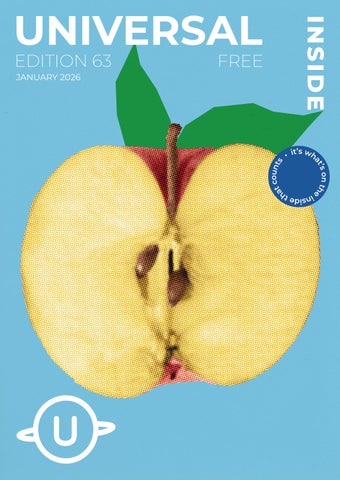
Being inside implies that there is an outside that exists. It separates two forms of being –that which is enclosed, safe and hidden, and that which is open, free and limitless.
Outside, we find the vastness of our consciousness. We traverse the abyss of time and space, and from way up there, thread the fragments of our existence into one cohesive whole. Inside, we seek treasures unearthed. We blow dust off the novel long forgotten by the world, and scour for secrets nestled in the folds of each page. In the depths of our psyches, we find lost parts of ourselves formed in desperation and longing, and we hold them once again.
In this edition, the Universal team has illuminated something from the ‘inside’ through a beautiful selection of illustrations, poems, and prose. Join us in reading this edition online, and we hope you enjoy what’s inside!
Until next time,
Interested in joining the team? Or looking to submit some work?
Please contact Kingston Youth Services on P: 1300 369 436
E: youth.services@kingston.vic.gov.au
Info: kingstonyouth.org.au/universal
Read previous editions: Available for your reading pleasure at any time! Read online at: issuu.com/universal_kingston
The City of Kingston proudly acknowledges the Bunurong People of the Kulin Nation as the Traditional Owners and Custodians of this land, and we pay our respect to their Elders, past and present.
Council acknowledges the Bunurong’s continuing relationship to the land and waterways and respects that their connection and spiritual identity is maintained through ancient ceremonies, songlines, dance, art and living culture.
Council pays tribute to the invaluable contributions of the Bunurong and other Aboriginal and Torres Strait Island elders who have guided and continue to guide the work we do.
The views and opinions expressed in these articles are those of the authors and do not necessarily reflect or represent the views, values and official position of the City of Kingston or any of its officials, representatives or employees
Words
Words and design by Trinity Brincat
Illustration by Caleb Chu
Words and design by Trinity
Words and design by Sofia
by
Words by the Universal committee
Words And
Illustrations
By Trinity Brincat
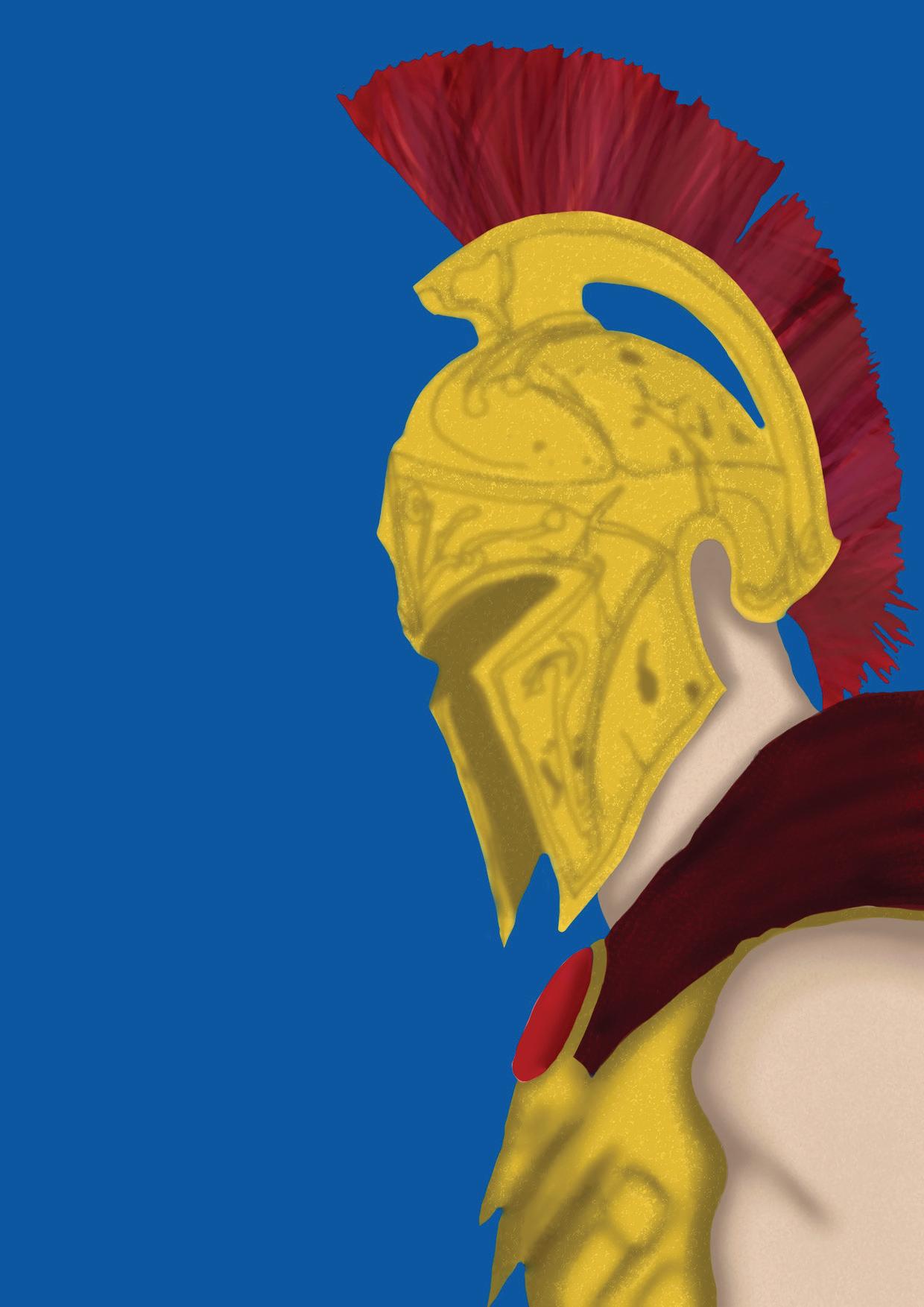
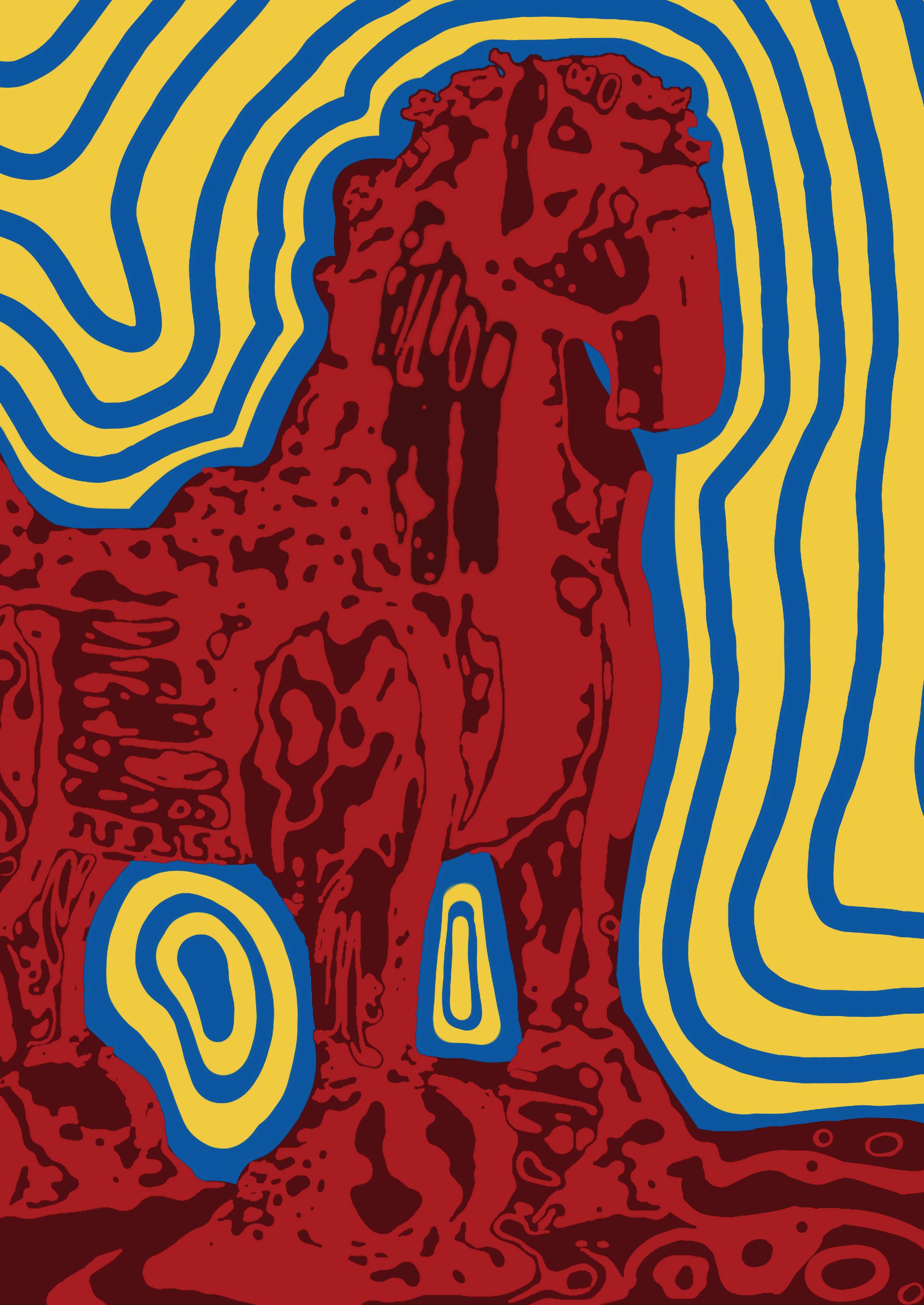
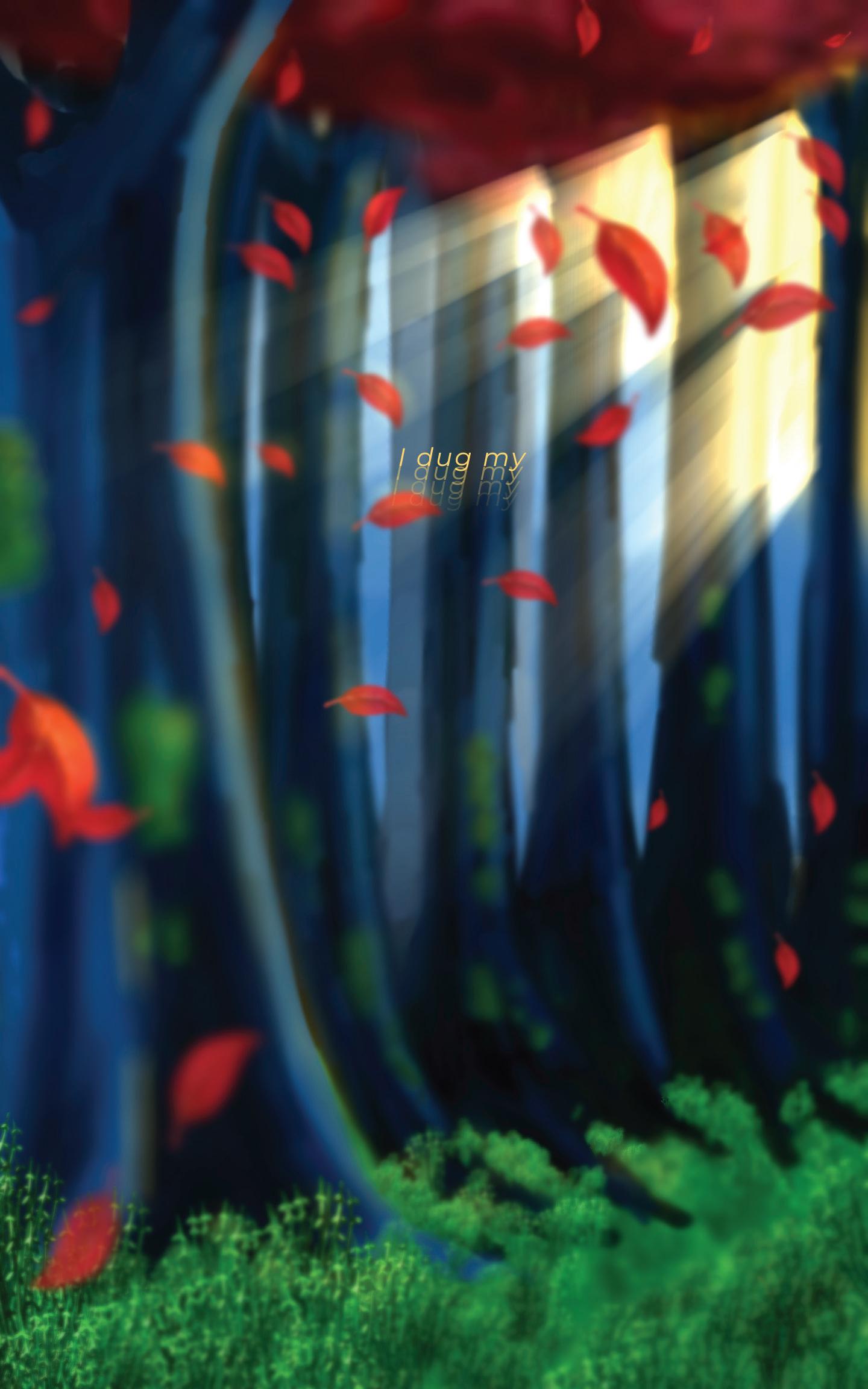
The timbers groan; the darkness breathes like men, and sweat runs cold along the greaves of war. Odysseus speaks, his voice a serpent’s thread, “Hold fast, hold faith; the dawn will open Troy ”
I taste the sap of pine, the tang of fear; my brothers breathe like hunted beasts in snares. The air is thick with prayers the gods ignore, and hope lies coiled beside the edge of dread
We’ ve trusted cunning more than any spear, his mind, our prow; his guile, our unseen sail
Yet I, who’ ve stood through ten years’ storm of blades, feel tremors now in faith and seasoned hear t.
If dawn betrays us, we shall burn as one; if not, then f ire will fall upon the town
The fates will weave their pattern, bright with blood, and we shall call it glor y, as men must.
Yet if we live, the journey home is brief, a gentle wind, a calm and faithful sea
No fool would wander months upon the wave, when Ithaca lies but a league or three.
Surely the gods are wear y of their games, and grant swift passage to the wise and brave.
Odysseus’ eyes are bronze in candle-glow; they shine with plans no mor tal fully knows He smiles, and I remember: men like him can trick the world, and still be lost at sea.
The horse now groans; the gates of Troy give way
The wheels lament; the ear th beneath us moans
I press my palm against the hollow wall, and feel it tremble, beating like a hear t.
Not wood, not war, but something deep and strange: the pulse of doubt, of mor tal thought conf ined, the sound of men who dream of peace and home, yet ride in silence, guided by deceit.
Words And Illustrations By Trinity Brincat
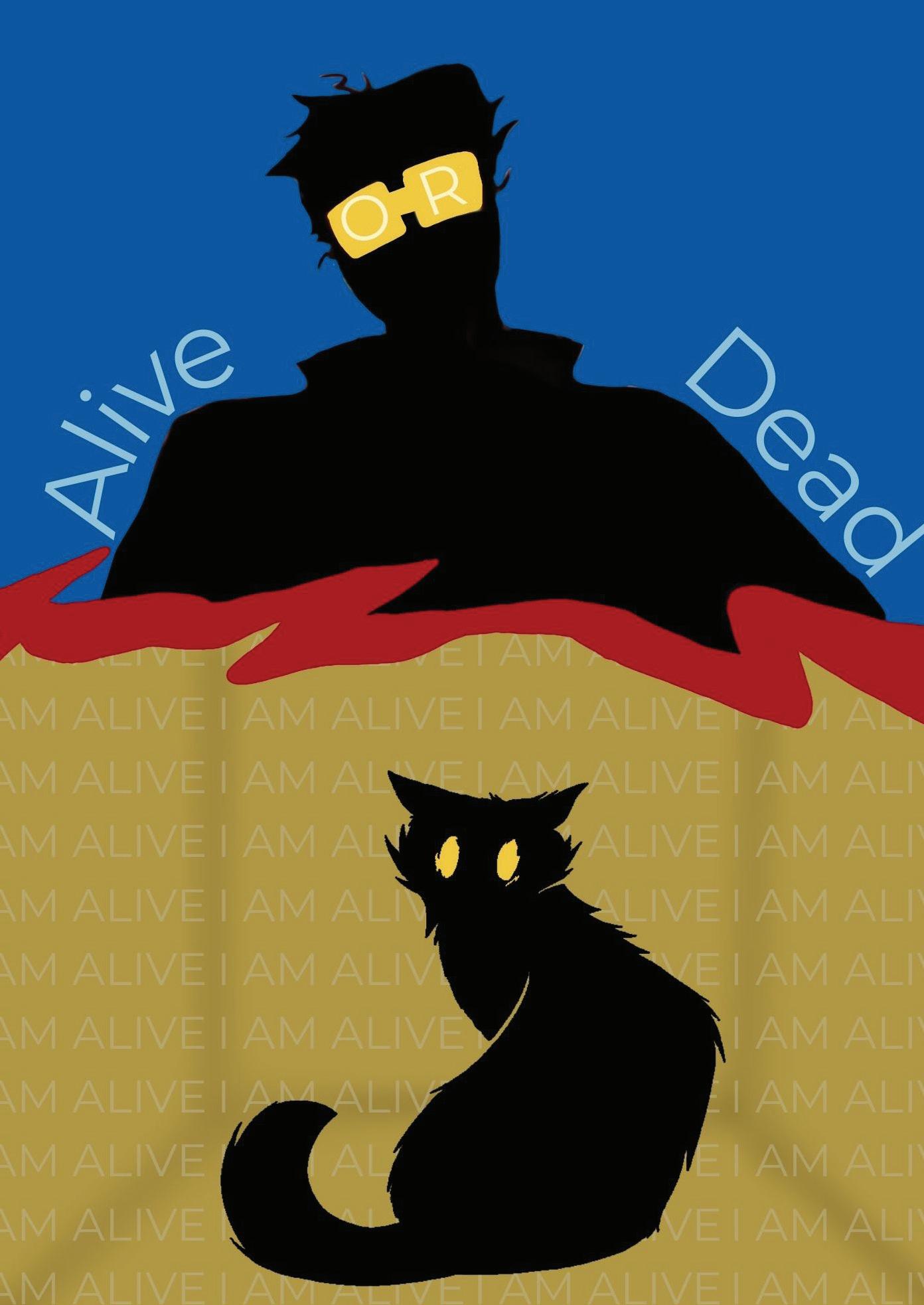
Few thought experiments in physics have captured the imagination of scientists and philosophers alike as much as Schrödinger ’s cat Conceived in 1935 by Er win Schrödinger, it was never meant as a literal experiment, but as a critique of the Copenhagen interpretation of quantum mechanics. The scenario is simple yet deeply paradoxical: a cat is placed in a sealed box with a radioactive atom, a Geiger counter, a vial of poison, and a mechanism that will release the poison if the atom decays. According to quantum mechanics, until the box is opened and an observation is made, the atom exists in a superposition of decayed and undecayed states, and thus, so too does the cat, simultaneously alive and dead
But what if the cat itself is considered an observer? What if, f rom inside the box, it perceives its own condition? This question pushes the boundaries of how we understand observation, measurement, and the relationship between consciousness and quantum mechanics
In the traditional Copenhagen interpretation, observation is what causes the collapse of a quantum superposition into one def inite outcome Before observation, the system exists in a blend of all possible states Once observed, the wavefunction "collapses," and reality becomes determinate
In Schrödinger ’s setup, the observer is typically imagined as someone outside the box, the experimenter who eventually opens it. From their perspective, the cat remains in an indeterminate state until the box is opened However, f rom the cat’s point of view (assuming it has a conscious experience), it would experience being either alive or dead, never both. Thus, the paradox emerges f rom the tension between two perspectives: one f rom inside the box, where the cat experiences a def inite reality, and one f rom outside, where the cat’s state is probabilistically entangled
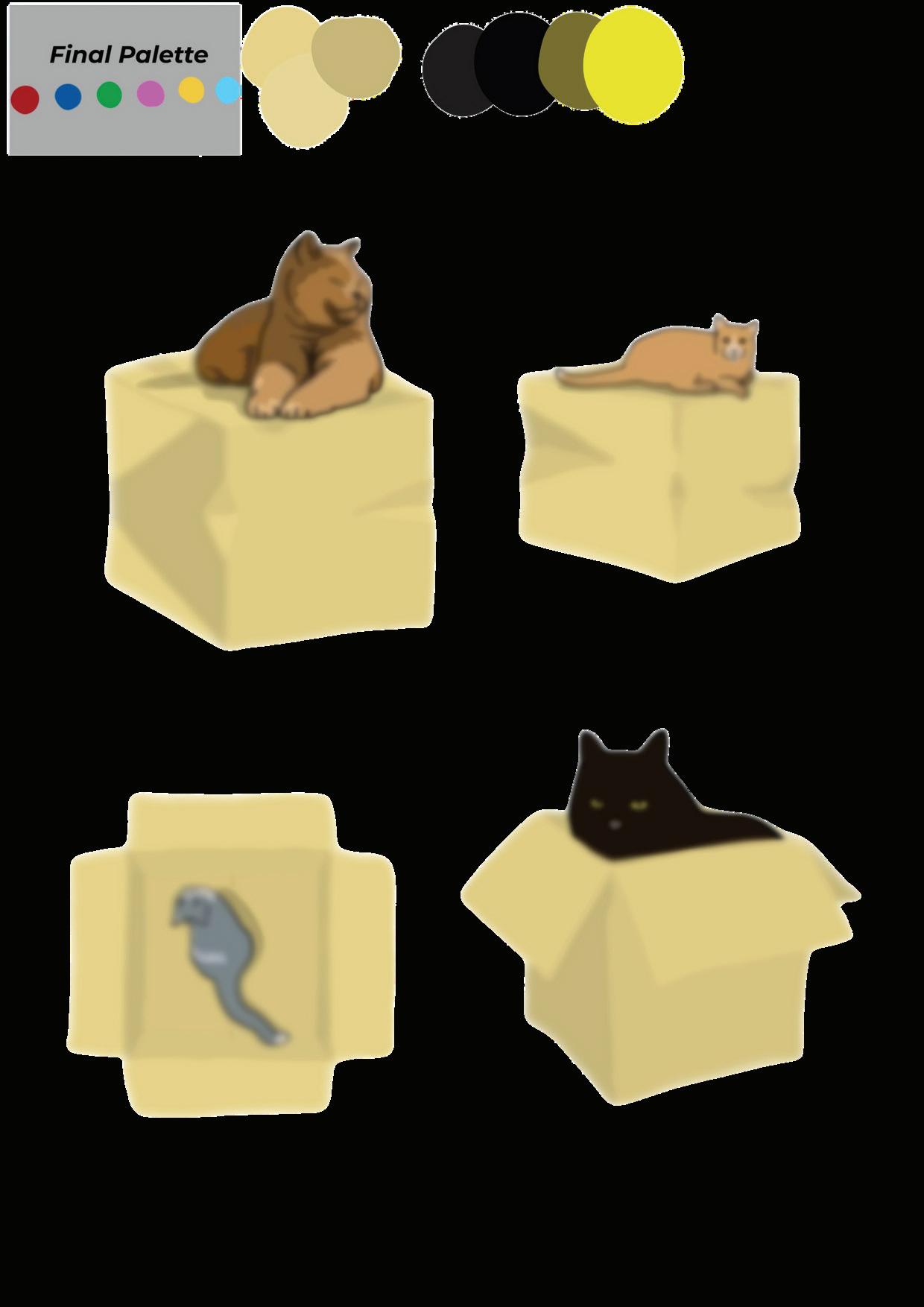
If we treat the cat as a legitimate observer, it effectively measures the system f rom within. The Geiger counter detects decay and triggers the poison mechanism; the cat either dies or does not. From the cat’s perspective, there is no superposition, it has observed an outcome This interpretation suggests that the collapse of the wavefunction may occur internally, independent of an external human observer. The cat, by interacting with its environment (and perhaps even by experiencing it), could cause the quantum system to decohere The state of “alive” or “dead” would then become def inite inside the box, even while the external observer still describes it as a superposition This leads to an important conceptual shift: the distinction between the inside and outside views of the box
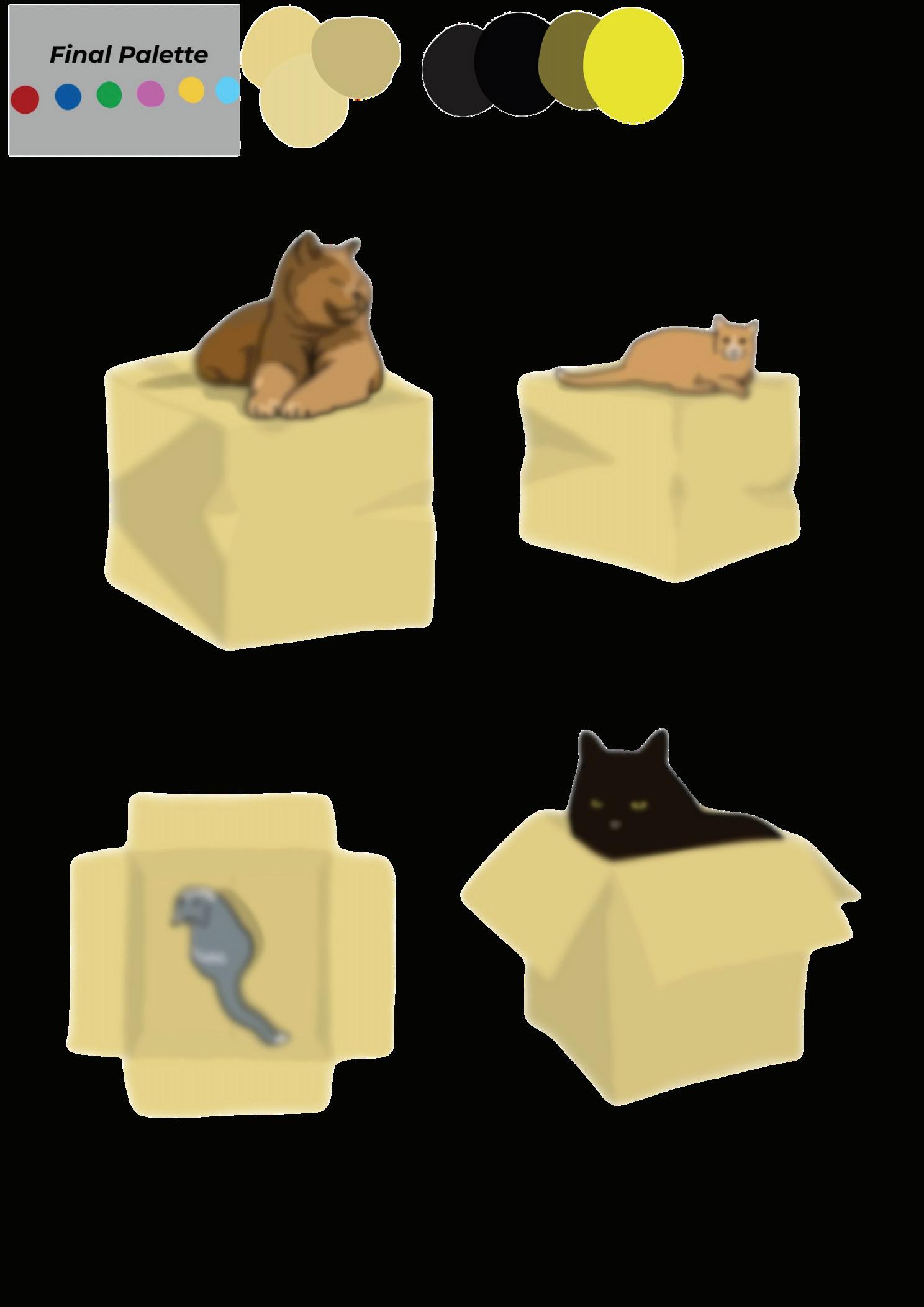
Inside the Box:
Within the box, the cat, Geiger counter, and radioactive atom form a closed system Once the decay (or non-decay) event occurs, the cat experiences one outcome For all practical purposes, the wavefunction has collapsed for the cat. Its internal reality is classical, the cat is alive or dead
Outside the Box:
From the experimenter ’s perspective, the entire system inside remains unobserved and therefore exists in a superposition Only when the box is opened does the wavefunction collapse relative to the external observer. The experimenter then f inds either a living or a dead cat, ending the ambiguity.
This split of perspectives implies that quantum reality might be observer-dependent, not in the sense that reality is subjective, but that each observer ’s f rame def ines what counts as a “ measurement ” The cat’s measurement and the experimenter ’s measurement occur in different informational contexts.
This idea resonates with more modern interpretations like Wigner ’s f riend and relational quantum mechanics, which hold that the outcome of a quantum event is only def inite relative to the observer who experienced it
Treating the cat as an observer raises profound questions about consciousness in measurement Is awareness necessary for wavefunction collapse? Or is any physical interaction suff icient?
Modern quantum theor y tends to favour the decoherence interpretation, in which the act of interacting with the environment (not necessarily observing consciously) causes the appearance of collapse. The cat, interacting with its surroundings, the mechanism, the poison, its own body, would naturally decohere into a def inite state long before the box is opened In that case, the superposition would exist only as an abstract description f rom the external observer ’s viewpoint, not as a physical duality inside the box.
However, if one enter tains interpretations that connect consciousness to measurement, then the cat’s awareness could indeed play a role in collapsing the wavefunction f rom within. This moves the problem f rom physics into the domain of philosophy and cognitive science, touching on the myster y of whether consciousness can influence physical reality
Considering the cat as an observer transforms Schrödinger ’s thought experiment f rom a paradox about quantum superposition into a reflection on the relativity of observation. The inside and outside perspectives each def ine a valid but incomplete view of reality The cat’s world collapses into one outcome; the experimenter ’s world remains probabilistic until the box is opened.
Ultimately, Schrödinger ’s cat reminds us that observation is not a simple act, but a relational process that depends on context, information, and interaction. Whether the observer is a physicist or a feline, what matters most may not be who observes, but where the boundar y between system and observer is drawn, and whether that boundar y is ever truly f ixed Inside vs. Outside the Box: Two Frames of Reality

words and illustrations by Sofia Nikitina
You ever look at the royal family’s ‘casual’ outings, a British actor nonchalantly reminiscing about their childhood mansion, or a group of UK politicians speaking in an accent so incredibly posh that you found yourself wondering, ‘Wow, I wonder what goes on in their world?’
Well, I have, at least.
What takes place behind the expansive evergreen gardens, anciently prestigious institutions, and silently established code of conduct for the incredibly wealthy is a decadent world that people such as myself (and you, probably) may never experience. Reserved for the meticulously traditional, immensely long-standing lifestyle of the UK’s upper one per cent that still leverages major influence and strong cultural rifts on the country centuries later.
Back in the good old days (prior to the 20th century), only landowners, long-lineage bearers, and those of immense wealth made up the leaders of UK Parliament and the military. Citizens and plebeians alike held no place in governing the country- having money and nobility was all that counted. Regardless of your qualifications, those with the money and nobility held all the power to shape the country into what fit their interests.
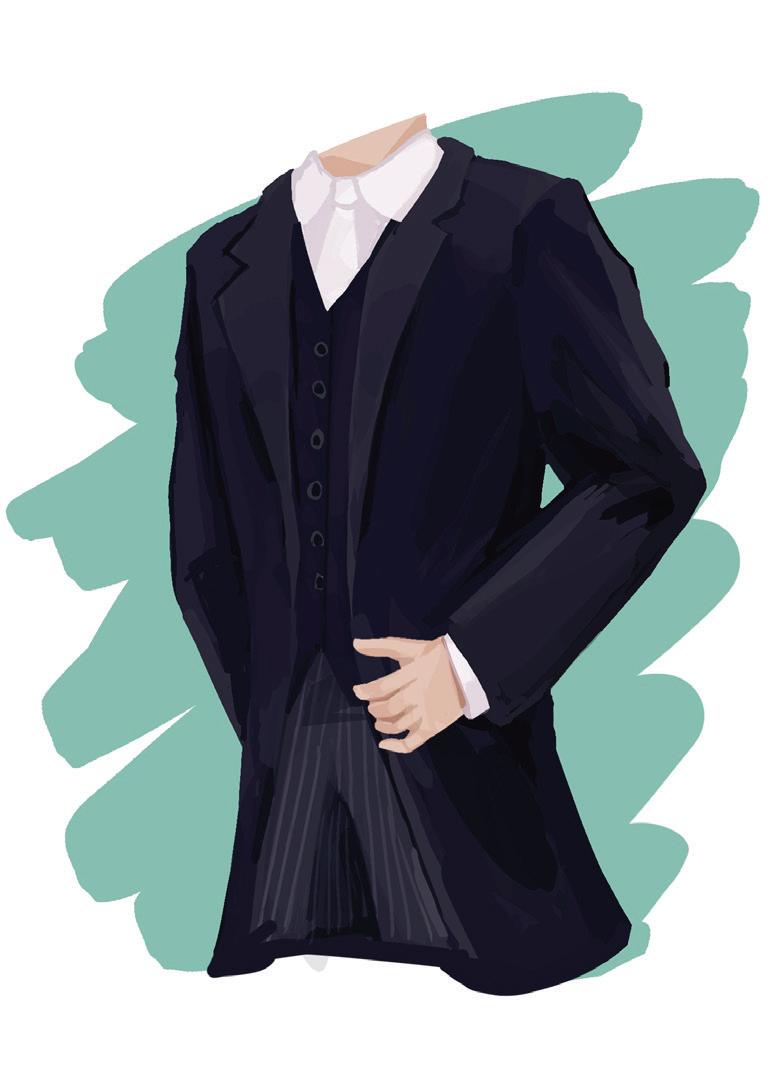
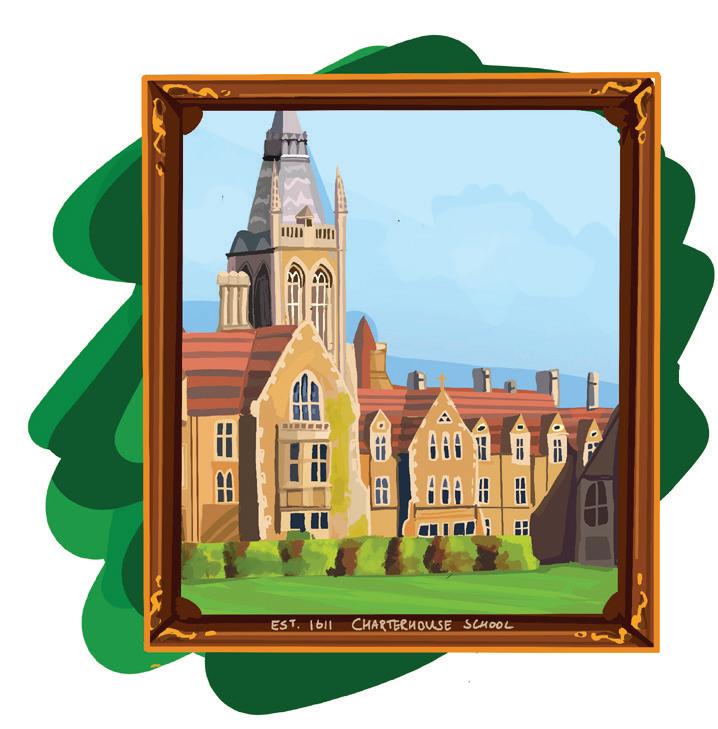
And don’t forget education! Everyone worries about what prestigious, ridiculously expensive public school they should send their children to- just where exactly should they raise their descendants into elegant, country leading material?
Public schools – not to be confused with public schools (as in, educational institutions run by the state and are essentially free, the places where plebeians such as myself go). Ironically enough, ‘public school’ holds the meaning of a ‘private school’ in the UK. They are your independent, fee-charging and typically expensive schools which hold the highest symbol of class and importance in UK society. If you were to show your superior social class with one thing and one thing only, it would be with your public school of choice. Prestigious names such as Eton College and Westminster School College don’t even worry about ultimate academic excellence as much as they do about generational reputation that secures its alumni as cultured, educated and most of all: high priority.
Your alma mater serves as a ‘social barometer’. One’s credibility, importance and character can be generalised by the school they went to. Particularly, the public school you went to. In fact, you’ll see the upper class refer to people by public school identity labels to determine one’s status or credibility. Say someone’s from the famous Eton College, Charterhouse School or Winchester College - you’ll hear things like:
‘Oh, he’s an Old Etonian. Charming fellow’
‘I’d interview Elizabeth Margaret Baskerville-Nottingham on the matter, she’s a Carthusian, after all.’
‘Of course they’re clever! They’re fellow Old Wykhamists!’
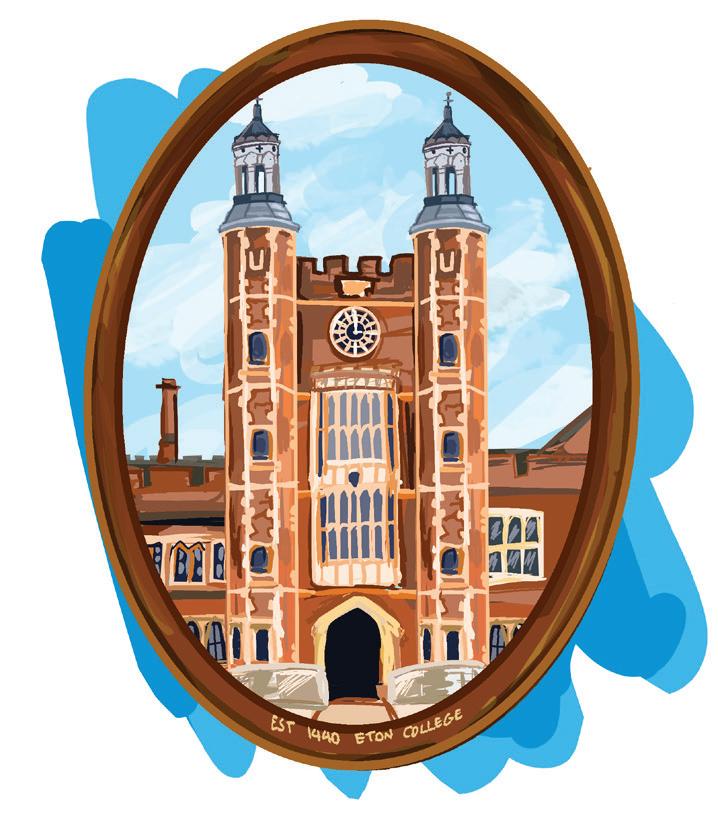

Naturally, these alumni demonyms (official name for institution-based names) serve as gateways into what’s known as the ‘old boys network’- where the traditions, mannerisms and bonds of those who went to similarly prestigious public schools run so deep that you’re far more likely to be invited to social events, warm introductions and naturally, higher positions if you just so happen to be from Harrow School entering a zone plagued with your fellow Old Harrovians and similar Etonians, Westminsters and Rugbeians.
Truly, public schools are the gateway into English Society.
One might assume the usual ideas around aristocratic mannerisms; the presence-heavy, arrogant, commanding a room like they own it, snobbish and superiority complexed stereotype is wildly flawed - if anything, this very Hollywood-Esque behaviour is heavily frowned upon and unacceptable by true UK socialites. Effortless politeness, charm, humbleness and even selfdeprecating humour are far more practised above anything else. Respect everyone, listen to everyone, never interrupt anyone and always remain polite. Of course, aristocrats act exclusive and closed off behind closed doors. But showing that disdain publicly is highly inappropriate.
Then there’s the whole debacle with old money vs new money, portrayed in films like ‘The Corpse Bride’. Most aristocracy prides itself on being old money - classy, elegant, poised and traditional, bearing long histories of wealth and influence, and showing off their wealth in a more subdued, ‘classy’ manner.
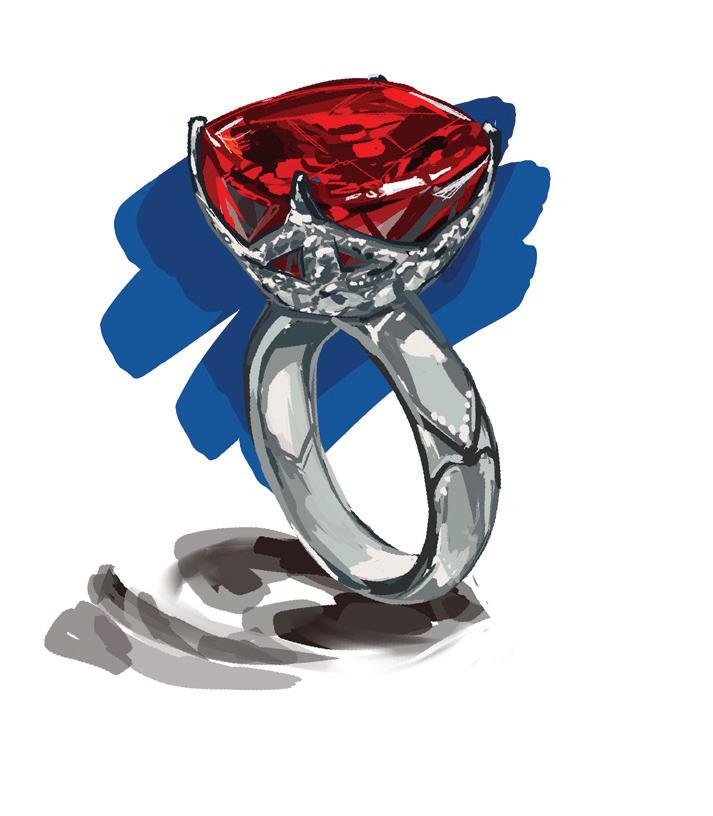
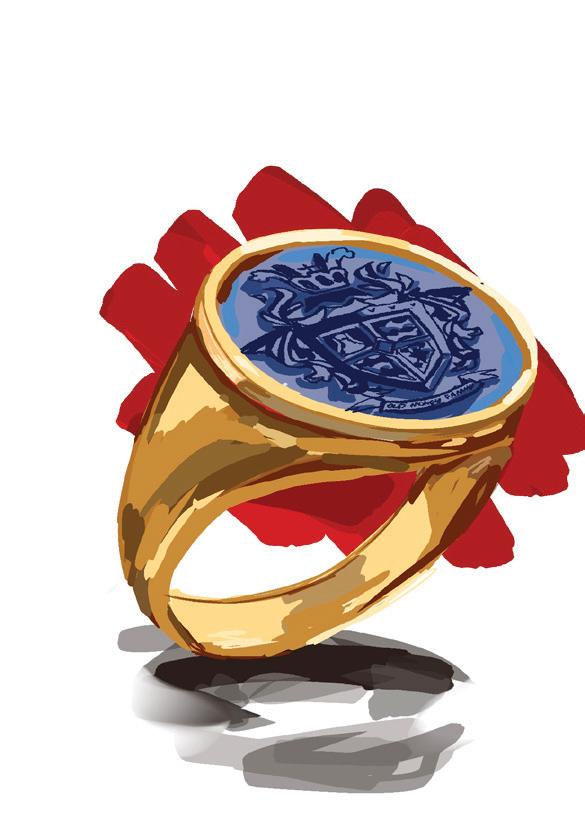
On the other hand, New Money, though ambitious, interesting and self-made, often skyrocket through the ranks in their own lifetimes, often creating rifts in the cultural mannerisms, elegance and general etiquette that comes with wealth. A culture they haven’t grown accustomed to from childhood. It’s said new money lacks etiquette, elegance and ‘class’ that the old money aristocracy holds onto so dearly. They are your overly busy, potentially ‘bratty’ rich people who can act crass and rude. Those who speak too loudly, smoke too much and don’t subdue themselves enough. With the noble, social upper class manner consisting of generational etiquette, it’s hard to enter that circle sometimes, especially as a freshly wealthy international or former lower class-er.

To fit in with the upper class, you need that careful, poised and articulate language, laced with tasteful wit.
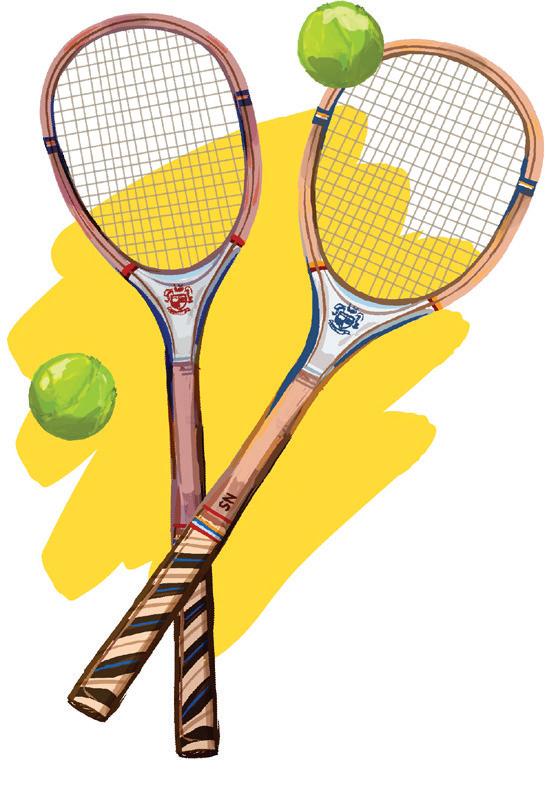
You need to like upper-class activities, such as Polo, horse racing, shooting, skiing and real tennis (an old-money rendition of tennis, which strangely, has been making a comeback this year).
You should have a refined taste for the arts. You should appreciate the subtleties or opera and ballet, fine dining, wine tasting, attend private social events and gatherings in the country. Even if you don’t like it, pretend you do.
Feigning comfort to assume belonging comes naturally for the meticulous upper class.
Liking horses is a big one.
Show an openness and full adoption of their long-standing culture and social norms. Only then can you be accepted into this elite society.
Really, the true, admirable charm and ‘manner’ of those who were born with a silver spoon in their Yorkshire pudding stems from one thing: confidence. Forget being self-conscious about the way you’re drinking a water bottle in public, worrying about that embarrassing way you stuttered over your words at the cashier, or even thinking that you don’t belong somewhere or amongst certain groups because you feel out of place. A true Old Haruvian doesn’t concern themselves over their own self-worth, intellect, or the feeling of imposter syndrome when talking to others- they’ve got bigger beef wellingtons to cook - and they certainly don’t have the time to be burdened by frivolities like ‘judgement’ from other people. Or at least, they won’t show it.

Your posh public school, as well as your classy family, will teach you, from a young age to know your worth. Know your facts, your significance and never falter or feel inferior to others. This gives true aristocrats (not those pesky new money folk!) that enviable confidence of someone who knows their worth when speaking to their fellow blue blood or basic red blood folk.
In short: be self-assured, confident and never doubt your place in the world. Respect and humour those around you, and stay humble. That’s the aristocratic, refined way.
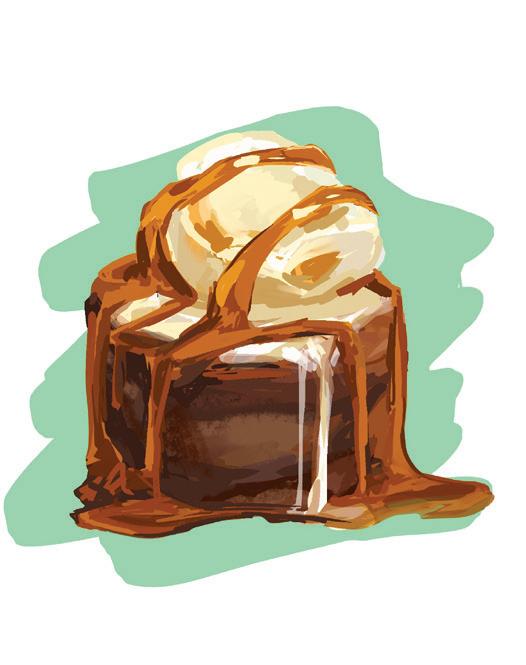
So if, by reading this, you’ve decided that you suddenly want to infiltrate this elite, high society and taste some of that power for yourself- drop a cool $500,ooo on a nice UK public school, - ideally one of longstanding prestige (the likes of Eton or Westminster) - adopt that time old, somewhat superficial culture around public appearance, high class activities and etiquette, build up those valuable connections (which you’ll collect from your impressive alma mater) and before you know it, you’ll be ruling the political world with your fellow old etonians and salopians by your side, enjoying some exclusive Royal tennis while you’re at it.
Oh, one thing though, maybe travel back to the 1900s first. Before meritocracy deemed nobility unimportant. You know, back when the unqualified aristocracy still had total control of the government.
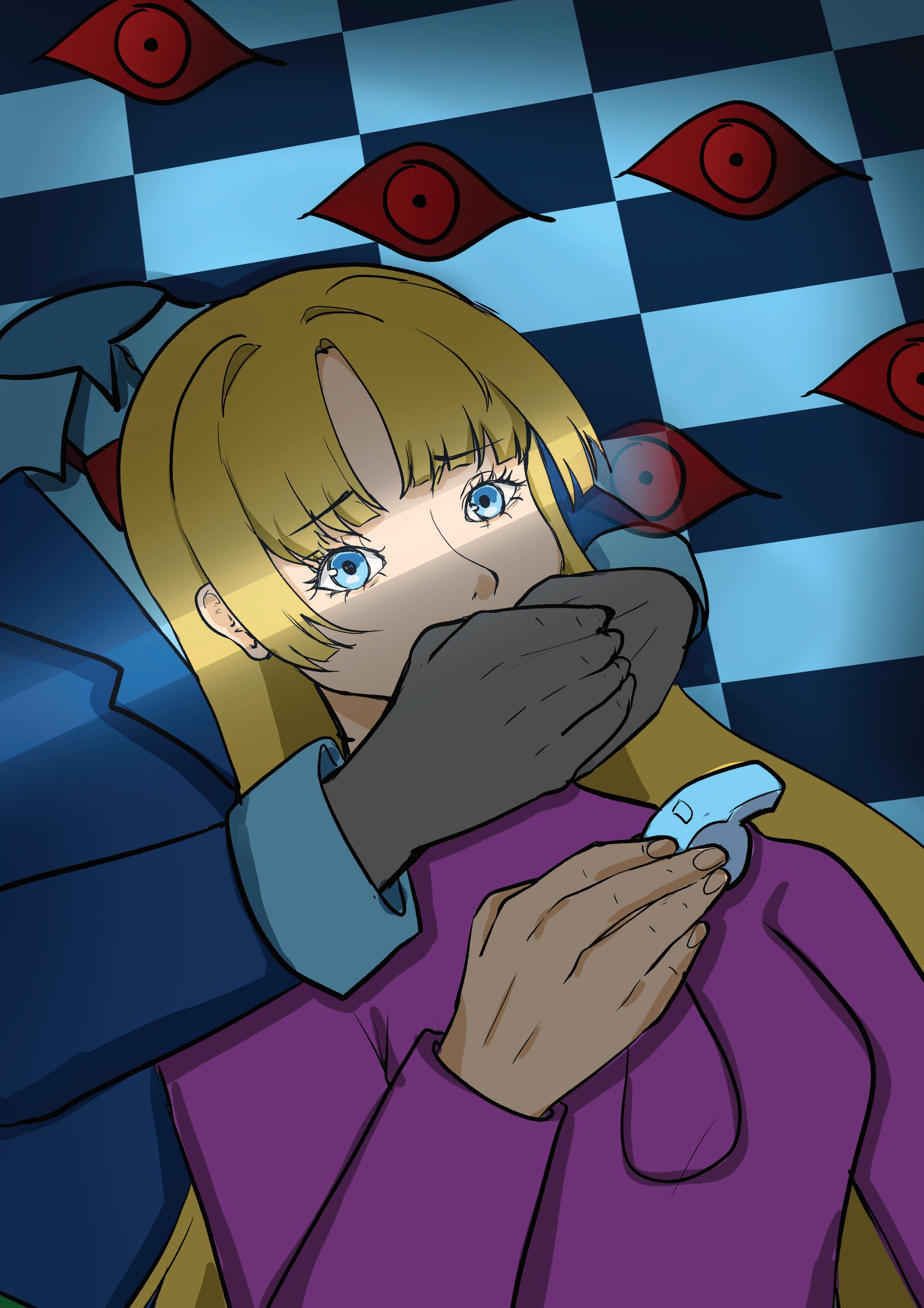
I have always felt like an outsider looking into a world I don’t belong in.
People just don’t get me. I like to watch the other kids play together instead.
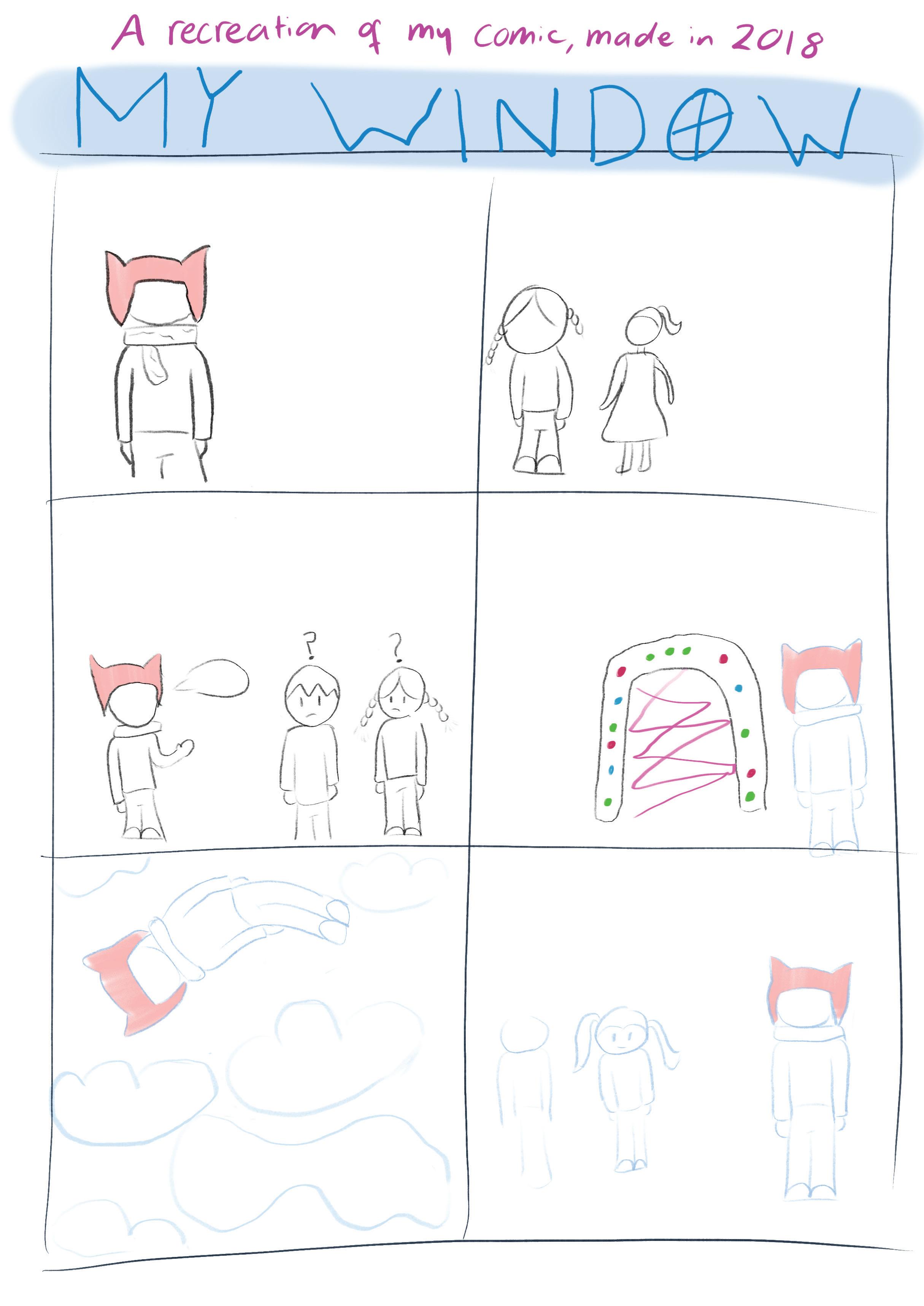
I have an amazing memory and good hearing. I also like to talk. But when I say something others don’t understand me.
If a transformer existed I would become a ghost. Because ghosts can fly and be invisible.
Now that I’m a ghost I can be in a world of ghosts and be myself.
words and illustrations by
Grace O'Shea
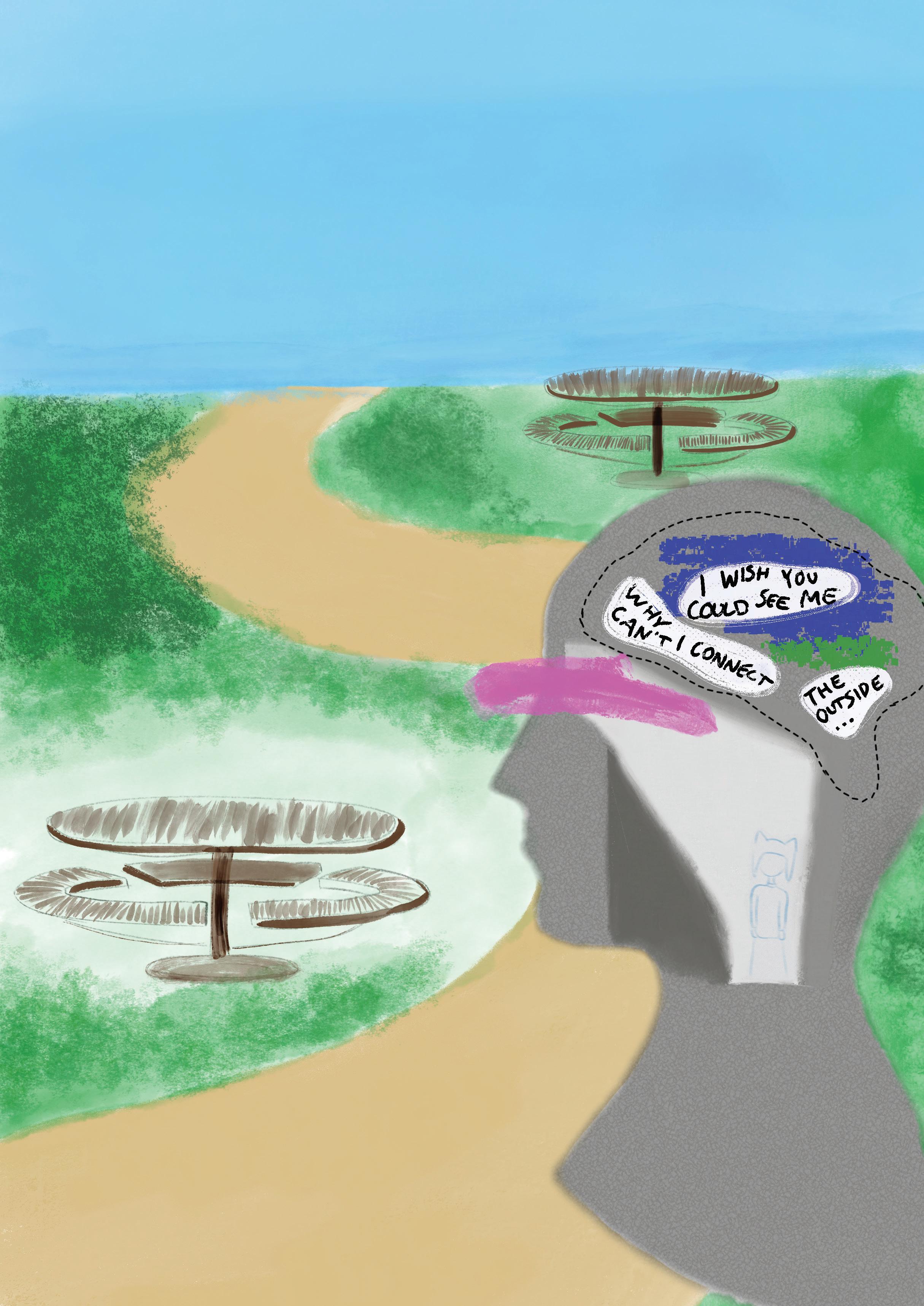
Humans are by nature social beings, we have evolved to carry an innate desperation for connection, company and collaboration.
We depend on our mothers initially for milk, our friends in times of turbulence to distill anxiety, and upon the various types of labourers who provide safety and critical resources in our society.
But what happens if a substantial lump in this sequence is disrupted, destroyed, or never there to begin with?
I became very aware quite early in my years, of this dilemma. The disconnect I felt between my inside world and the outside is what led me to question…
…if I could be as human as everyone else I’ve seen, gathered together in huddles of two, four, thirteen.
All of my attempts to relate were met with disdain. So, you see, I retreated to the inside, where I could block out the thud of yet another ‘Request to enter: Denied.’
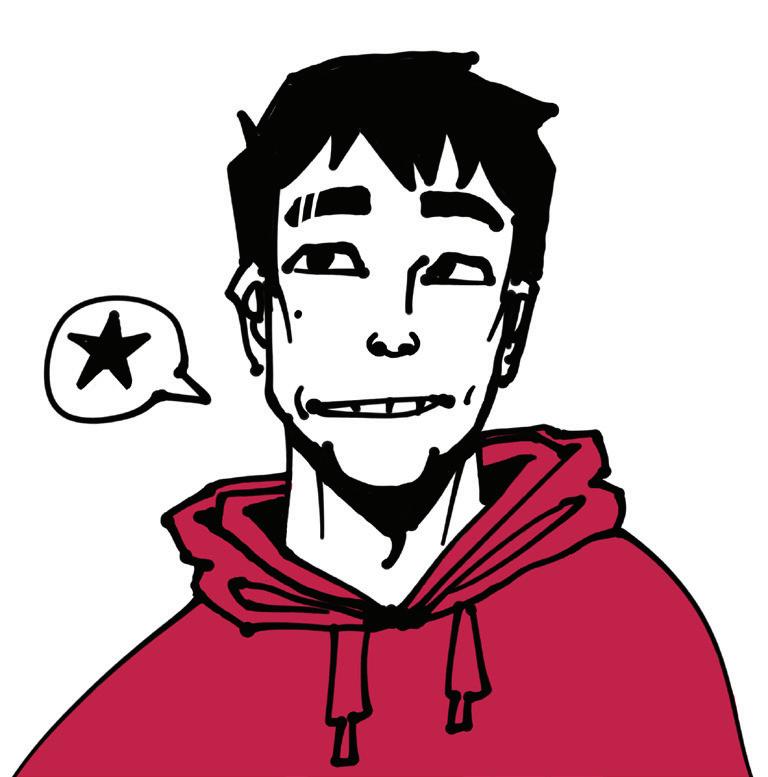
Tell us a little about yourself, what should readers know about you?
Hi! I’m Caleb. I’m a VCE student who loves art and design. I’ve been writing and drawing for Universal for just about 2 years now.
What’s something inside your mind that motivates you every day?
I find myself really driven by the desire to flesh out new ideas, usually inspired by something I’ve seen online or while I’m out and about. I love making something unique.
What’s a moment this year that made you feel proud on the inside?
It was a thrill being able to use some of my art that I made for Universal Magazine to start a social media channel. You can find me at @king.kwong.studio on Instagram.
What’s one goal or dream you’re keeping inside that you want to work on in 2026?
I want to start making my own music! I think that would be a fun way to break new ground, conceptually.
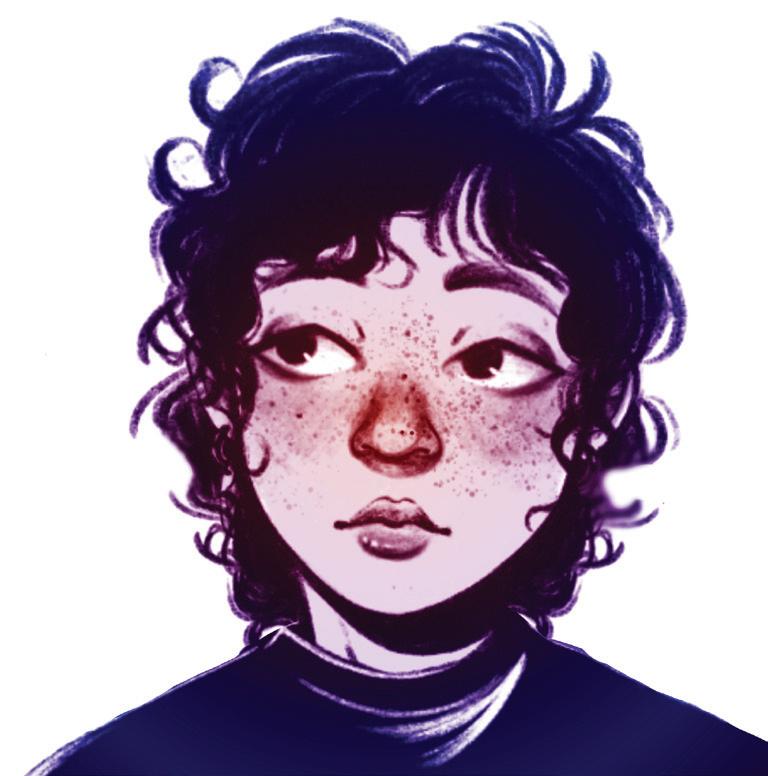
Tell us a little about yourself, what should readers know about you?
Hi, I’m Trinity, I’m currently in year 9, and I’ve been with Universal for just over a year.
What’s something inside your mind that motivates you every day?
My motivation mainly comes from wanting to share my art and writing with more people, and an aspiration to create things that are in areas that are either less well known or haven’t been done before at all.
What’s a moment this year that made you feel proud on the inside?
I entered a poetry competition, trying out something new, as it was a performance poem instead of a written poem (which is my usual forte), and I got a special mention.
What’s one goal or dream you’re keeping inside that you want to work on in 2026?
In 2026 I hope to work more on the novel I am writing, with the possibility of publishing it somewhere in the future.
Tell us a little about yourself, what should readers know about you?
I’m 18 years old and have two Burmese cats who I enjoy spending time with. If I remember to slow down and take a moment to ‘unwind’, a book (lit-fiction, memoirs, thrillers) or a deep-dive into one of the languages I study is my go-to for fun. My Universal pieces are generally influenced by sociology or personal interest.
What’s something inside your mind that motivates you every day?
My mind is an engulfing pit full of goals, frameworks and doubts. All of those forces combined push me to constantly reflect on where I am now, and where I could be. The idea of living each day mindfully is what motivates me to take the steps needed to achieve that.
What’s a moment this year that made you feel proud on the inside?
For me, it’s not a single moment, rather a whole chapter that I know I have closed, deep down. I can proudly say I survived a school system that leaves kids like me behind. The credit for the talents I’ve cultivated goes only to myself and my family.
What’s one goal or dream you’re keeping inside that you want to work on in 2026?
In 2026 I’m excited to sign up for a B2 language certification exam and go on a trip overseas. Through those goals, I’m working towards celebrating all the efforts that have gotten me to where I am now.
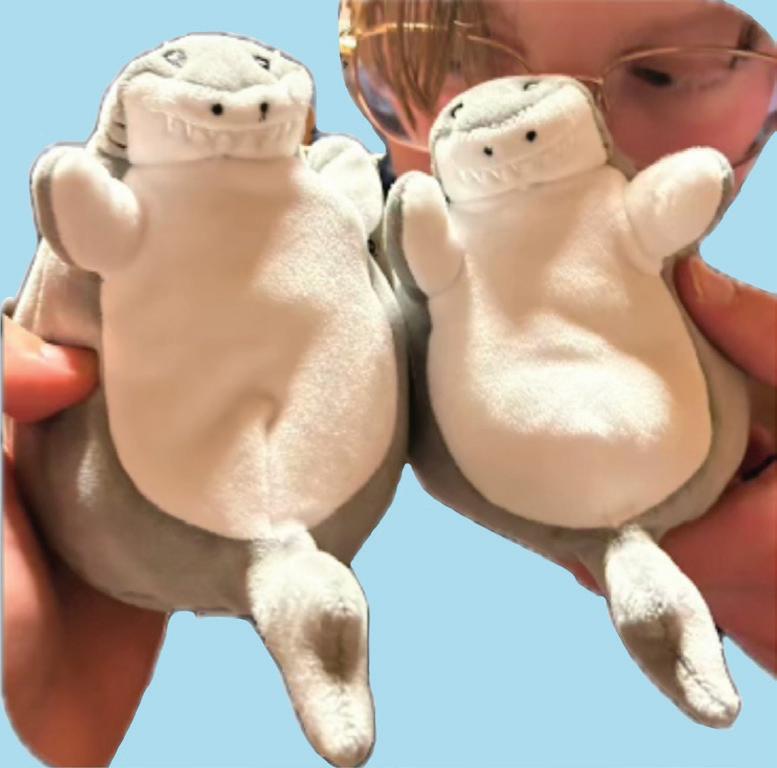
Tell us a little about yourself, what should readers know about you?
I have worked on the magazine for a few years now and I enjoy the challenge to draw inspiration from random things or to a specific song. On my spare time I play video games like Minecraft with friends and competitive League of Legends solo along with a variety of old games from the 2000s.
What’s something inside your mind that motivates you every day?
Anything motivates me mainly music or a goal, I take things day by day and it works for me. So long as an idea forms in my mind I tend to hold onto it and not let it go.
What’s a moment this year that made you feel proud on the inside?
I have had many people approach me from other events I go to and recognise my work on the magazine, as proud as I can feel I try to keep humble as I do this for fun more than a bragging right.
What’s one goal or dream you’re keeping inside that you want to work on in 2026?
Maybe one day I will create a comic or full fledged animation, but a comic seems more attainable in a year, let’s hope I don’t get lazy with it.
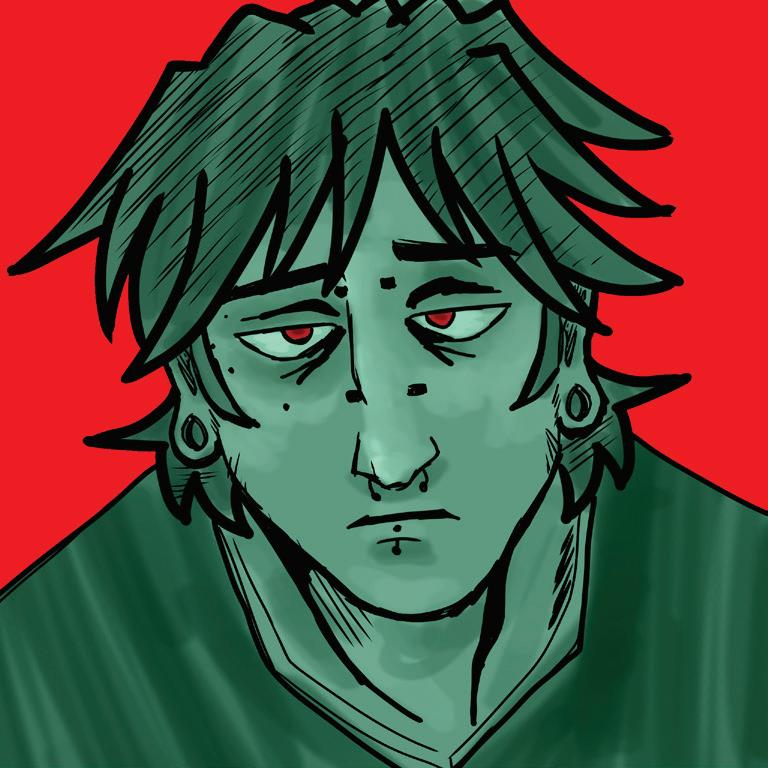
Grace Terry
Tell us a little about yourself, what should readers know about you?
My name is Harini, I’m in VCE and I enjoy transferring my thoughts to physical form – my own rendition of journaling, if you will. This is my first article with Universal Magazine, and I hope to stay for many more.
What’s something inside your mind that motivates you every day?
I enjoy taking opportunities as they present themselves, and making the most of what the world offers.
What’s a moment this year that made you feel proud on the inside?
Gluing my shoes down when wanting to run from a super daunting task.
What’s one goal or dream you’re keeping inside that you want to work on in 2026?
Investing my time in the things I love and appreciate. Whether that be my hobbies, studying, people, I want to use my energy intentfully and in a way I will not regret. I think time is a resource we take immediate advantage of, yet it passes by far too quickly as of recent. It is very precious and I wish to use mine wisely in 2026.
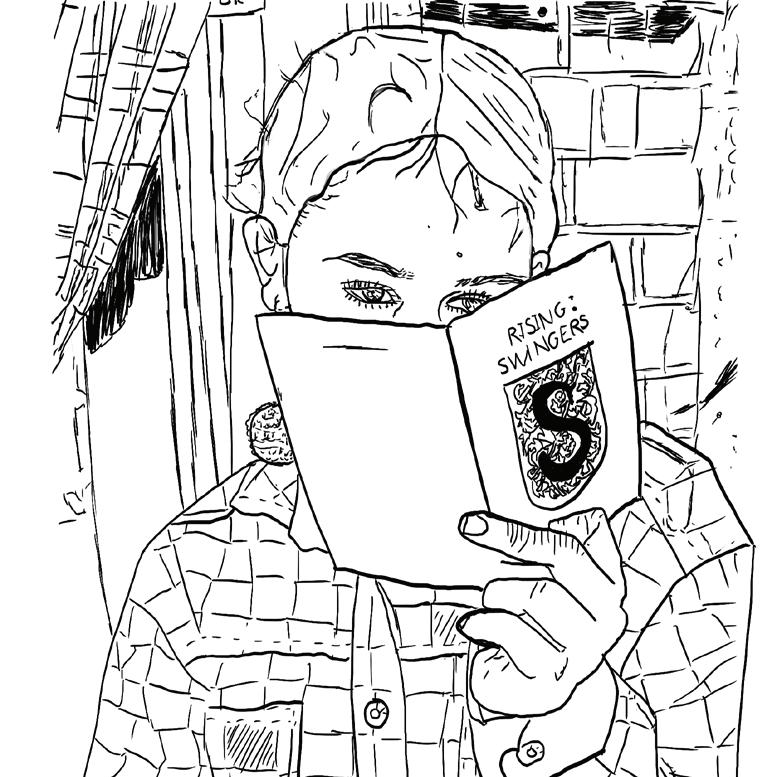
Tell us a little about yourself, what should readers know about you?
I am a writer for the Youth Magazine. I like to write short stories and I love to read. I also love to travel, and do craft projects. I have joined the group this year, and have contributed to two magazines. I usually write short stories for the magazine.
What’s something inside your mind that motivates you every day?
I am usually motivated by the feeling to get the task done, and the sensation of how it will feel when the job is completed. I also always look forward to what the final product will turn out like.
What’s a moment this year that made you feel proud on the inside?
A moment this year that made me feel really proud was when I had my first piece in Edition 61 published, and when I had the copy of it in my hands. This made me feel pleased with what I had achieved, and my success. I also felt proud of having an amazing first year at high school, and finishing year 7.
What’s one goal or dream you’re keeping inside that you want to work on in 2026?
In 2026 I aim to grow my confidence. I also want to try writing something unique for one of the editions in 2026, that is different from what I usually do, like an article, or an illustration. I also aim to try crocheting, joining my school choir, or start learning to play acoustic guitar.
Tell us a little about yourself, what should readers know about you?
Hi! I’m Shauna, and this is my first time as editor. I’ve worked on four editions since I joined the Universal Magazine last year.
What’s something inside your mind that motivates you every day?
In true existential fashion, I like to remind myself that everything I know to be real could very well not be real. And if it is real, then the one certainty I know in my life is that one day, I won't be around anymore. So, carpe diem!
What’s a moment this year that made you feel proud on the inside?
I performed at my first open mic doing spoken poetry! It was terrifying, and I've never felt more alive.
What’s one goal or dream you’re keeping inside that you want to work on in 2026?
I want to get micro bangs but I don't think I can pull it off...
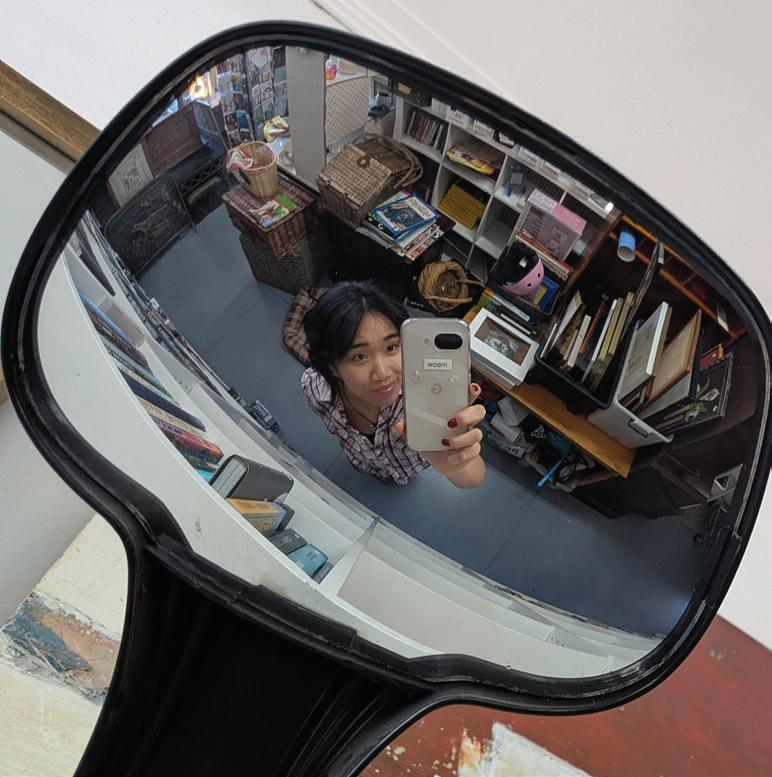
Tell us a little about yourself, what should readers know about you?
I love elaborate earrings and extensively researching strange, unusual things that could maybe only be useful once in your life - and forcing everyone else to hear about them (this energy would be better off spent at school, but oh well). I’m known for being quite the yapper and for being overly energetic at times, and I love the outdoors!
What’s something inside your mind that motivates you every day?
Something that motivates me is applying things im hyperfixated on or very interested in at the moment into my everyday life- a show im really into being mentioned in a school project (when its relevant, of course) or a using a game I’m playing as inspiration for a writing task (I do this with Universal too!)
What’s a moment this year that made you feel proud on the inside?
This year, I felt proud about my own work proving useful and inspiring to others :) Particularly, my Feng Shui article (though the hardest article I've done by far) has been so well-received, i’ve seen people applying the rules of feng shui into their own houses afterwards - and seeing people enjoy and reference your own work is an amazing feeling!
What’s one goal or dream you’re keeping inside that you want to work on in 2026?
For 2026, I’d love to work on more creative projects! ADHD lets me have a constant influx of things I want to do or create – and failing to follow through. I hope that next year, I’ll finally get around to all of these projects, and create more things I can be proud of (all while surviving year 12 VCE, somehow.)
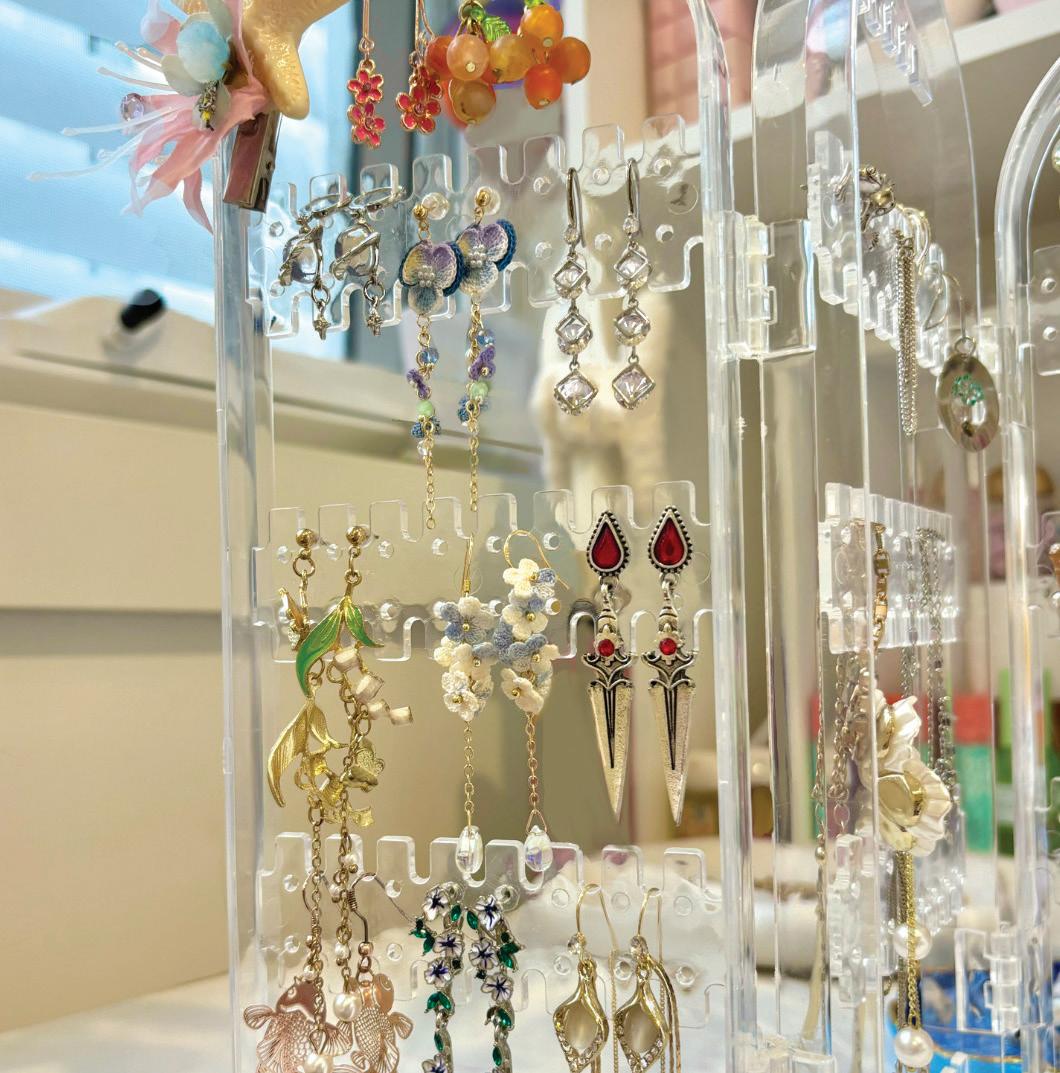










We need writers, artists, photographers, editors and graphic designers! If you’re interested in joining the team, or would just like to submit some of your work, contact us for info on how to apply! More info: kingstonyouth.org.au/universal