Catchments, Coasts and Communities Research Impact Cluster
LEARN MORE
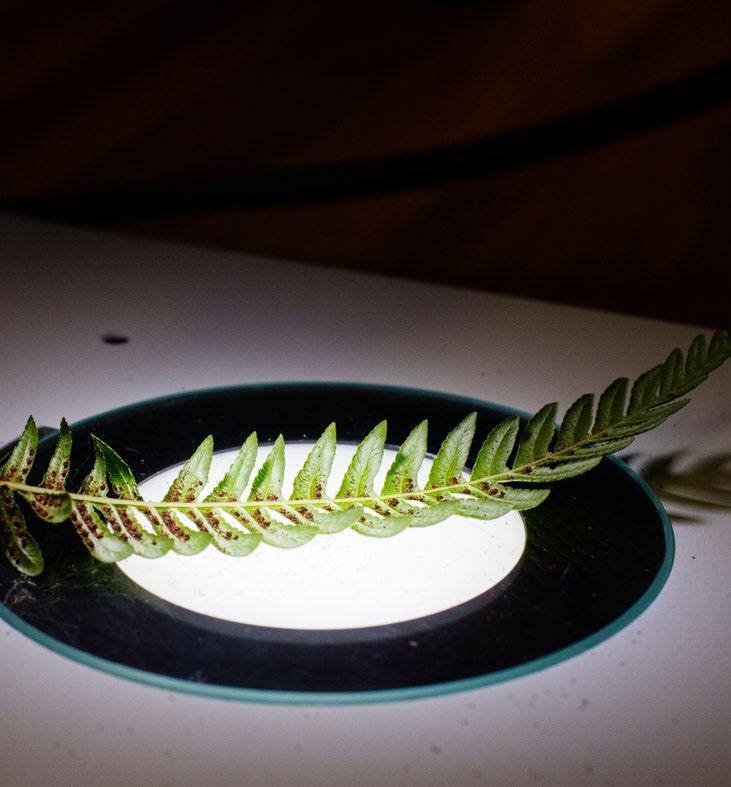
Harvest to Health Research Impact Cluster
LEARN MORE
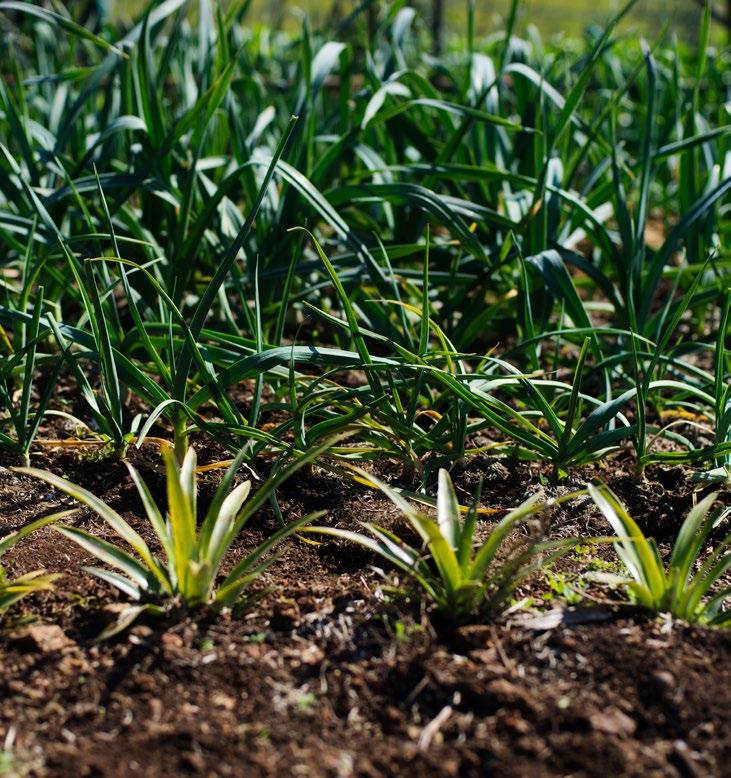
ZeroWaste Research Impact Cluster
LEARN MORE
Reefs to Oceans Research Impact Cluster
LEARN MORE
Labs and Clinical Trials
LEARN MORE
We acknowledge Widjabal Country as the Country where Southern Cross University originated and grew, and from where it continues to grow. It seeded the growth of our Gumbaynggirr Campus in Coffs Harbour, our Yugambeh Campus in Coolangatta and it planted the seeds to transform the Countries we are on.
Understanding our origins will make each step into the future a more purposeful one, leading all to transform tomorrow.
Research
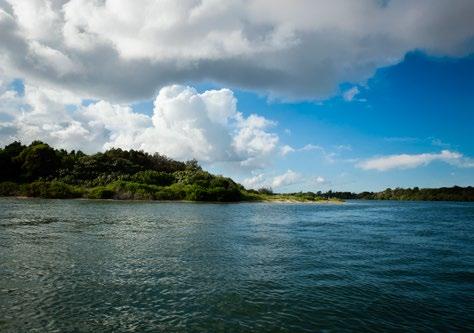
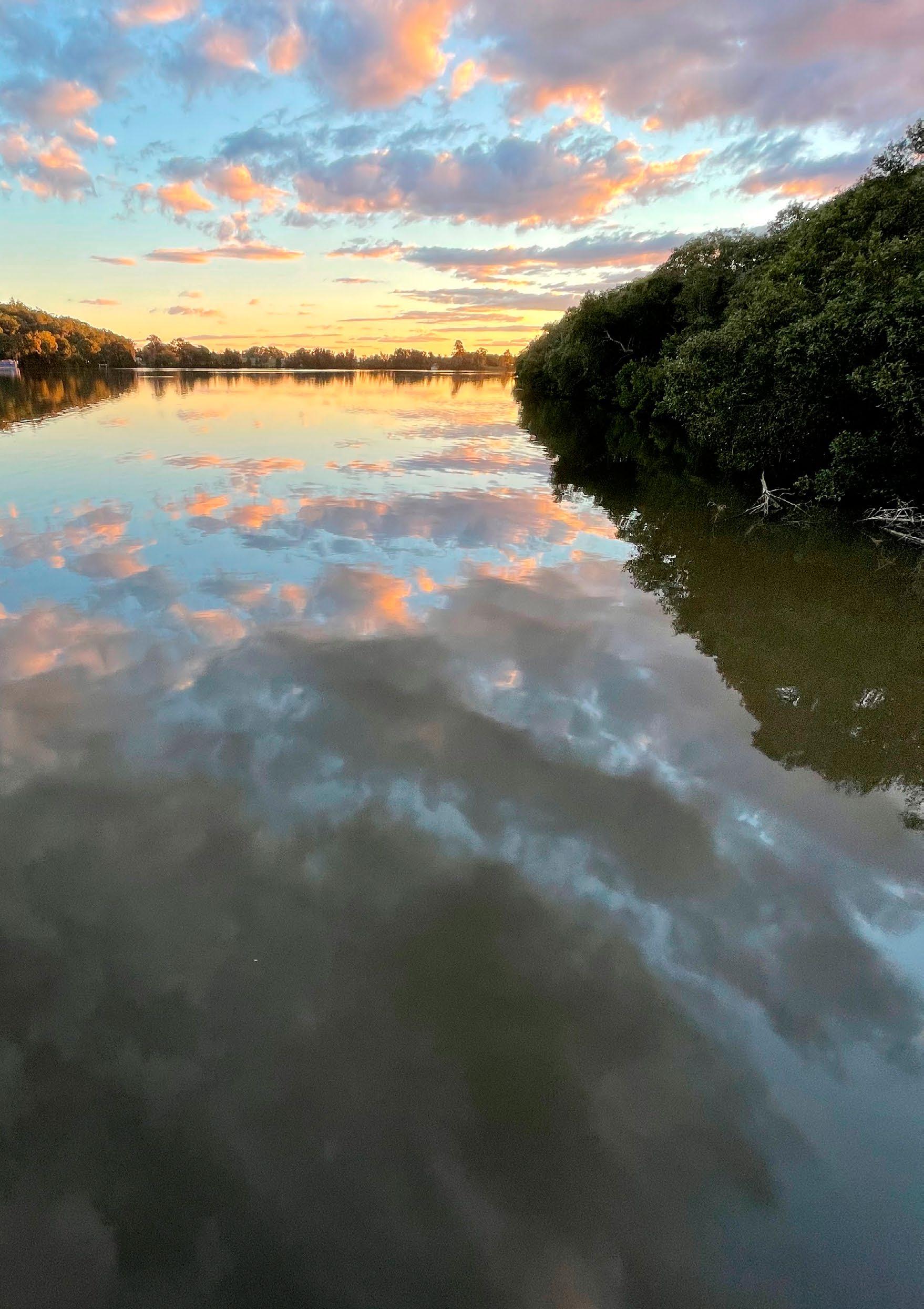
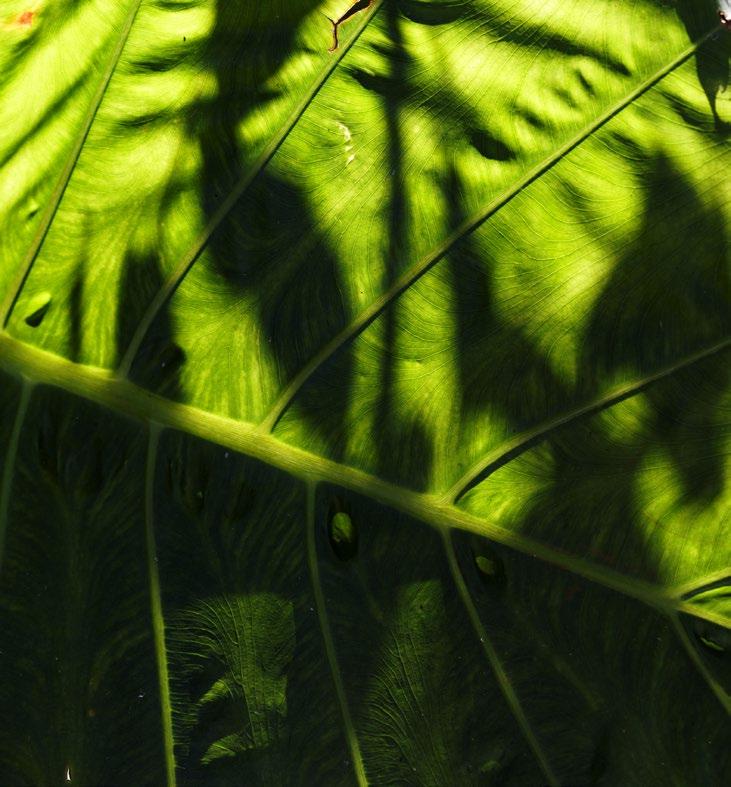
Catchments, Coasts and Communities Research Impact Cluster
Innovative solutions for land and water management.
Innovative solutions for land and water management
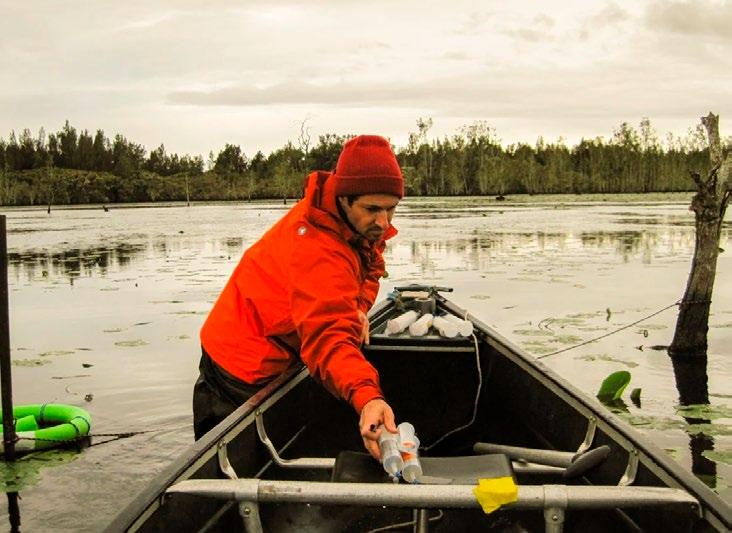
From carbon storage models and methane cycling in trees, to pesticide runoff and mitigating the effects of fertilisers in our waterways, the cluster develops practical and innovative solutions to critical land and water management issues.
“Our world-class research is helping to resolve the complex environmental, social, and economic issues within coastal catchments.”
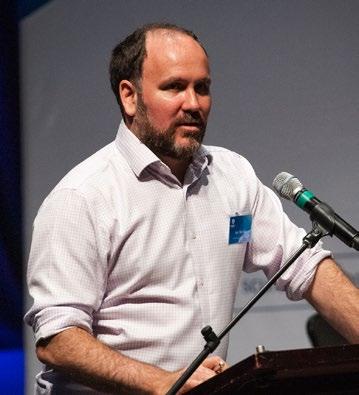
Professor Damien Maher, Hydrobiogeochemist
Water quality in our major catchments
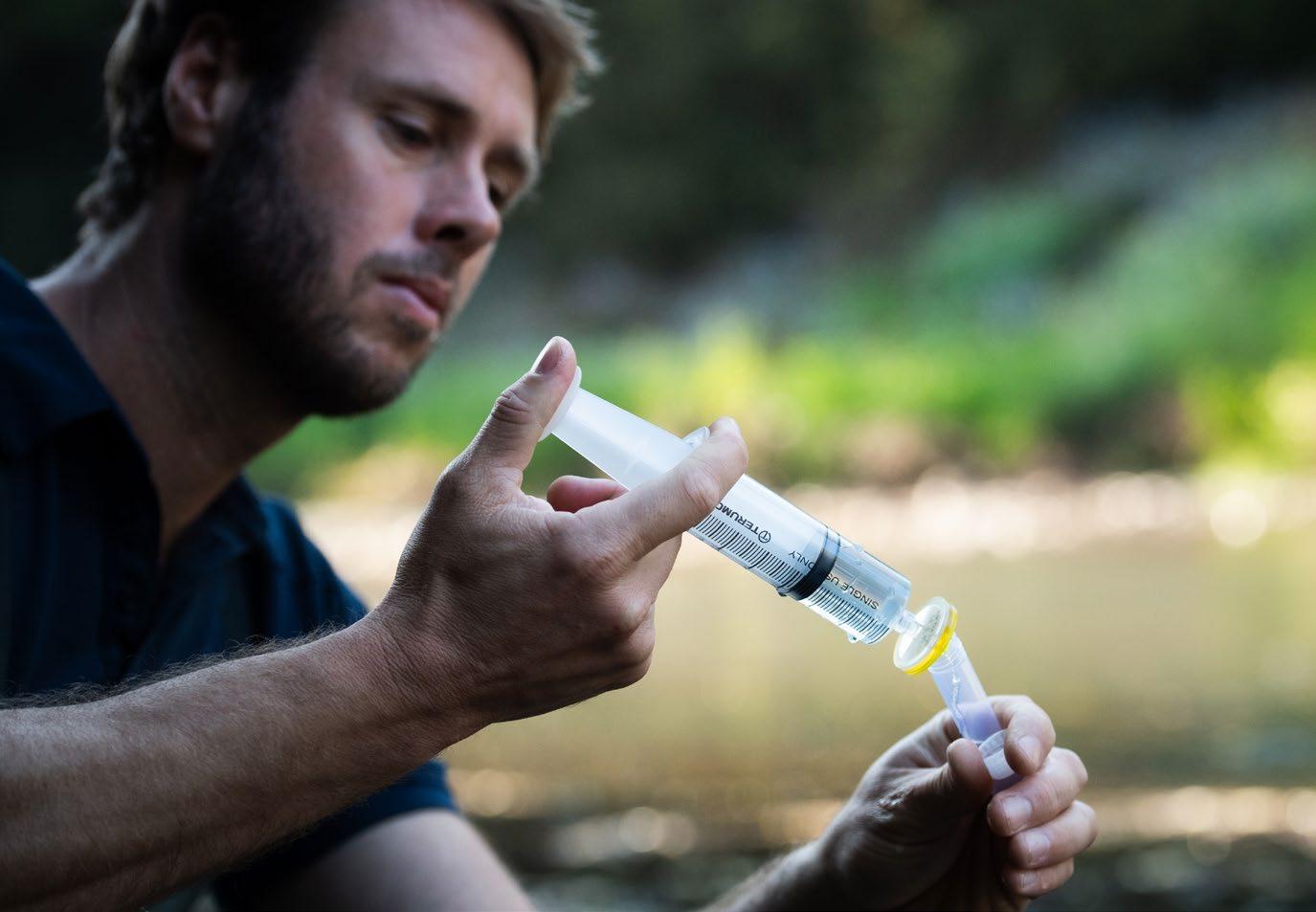
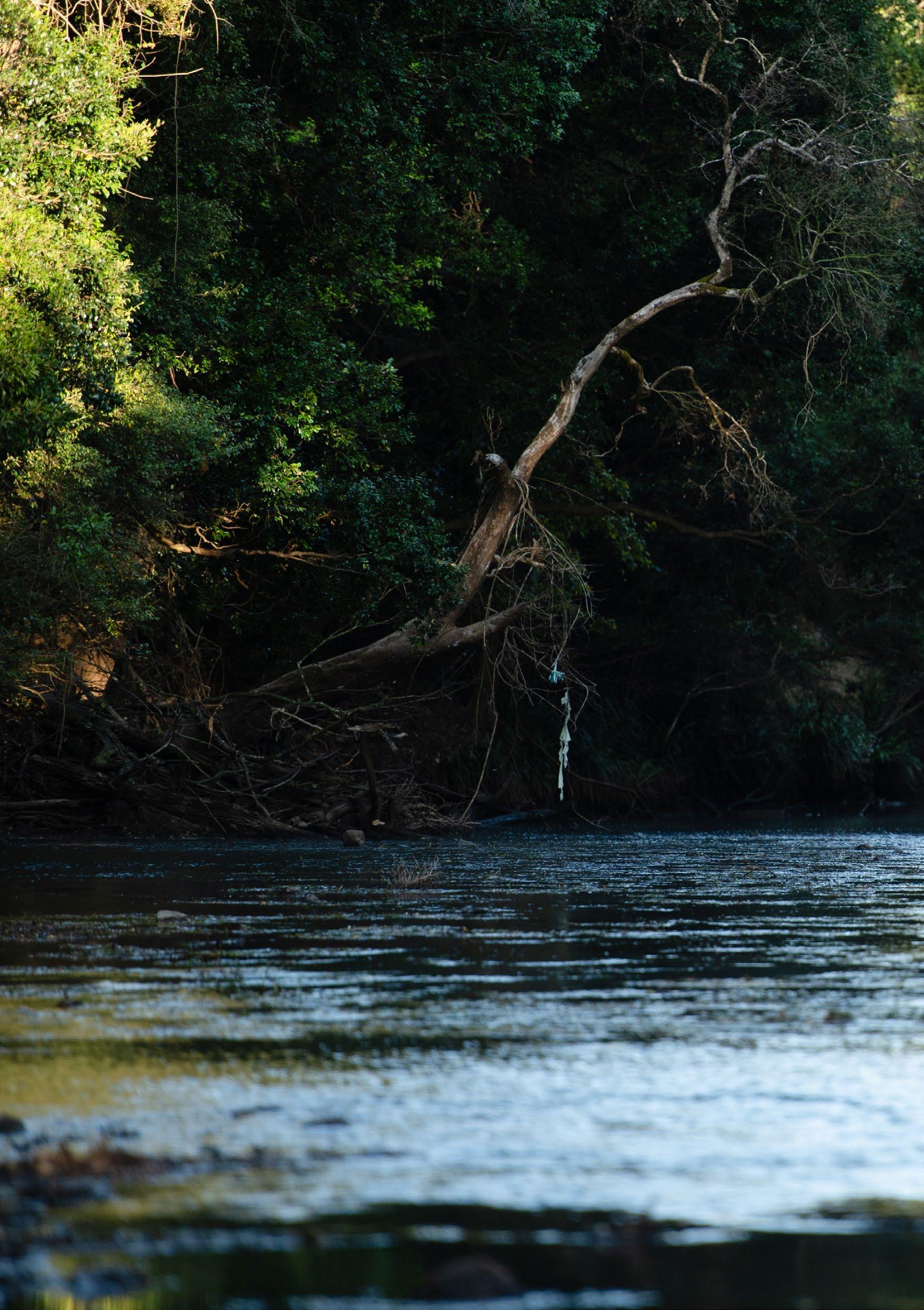
A major study led by Professor Damien Maher and Dr James Sippo is helping Sydney Water understand how the Hawkesbury River processes nutrients from urban and agricultural runoff. With over 10,000 samples collected, the research is guiding infrastructure planning to protect water quality amid rapid urban growth.
“ The Hawkesbury is an iconic river so many people depend on. We want to make sure it stays that way.”
Dr James Sippo
Understanding methane and carbon cycles
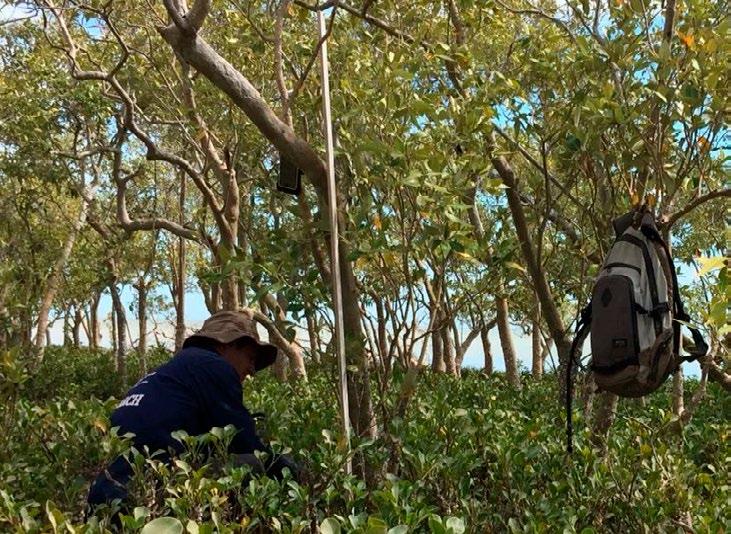
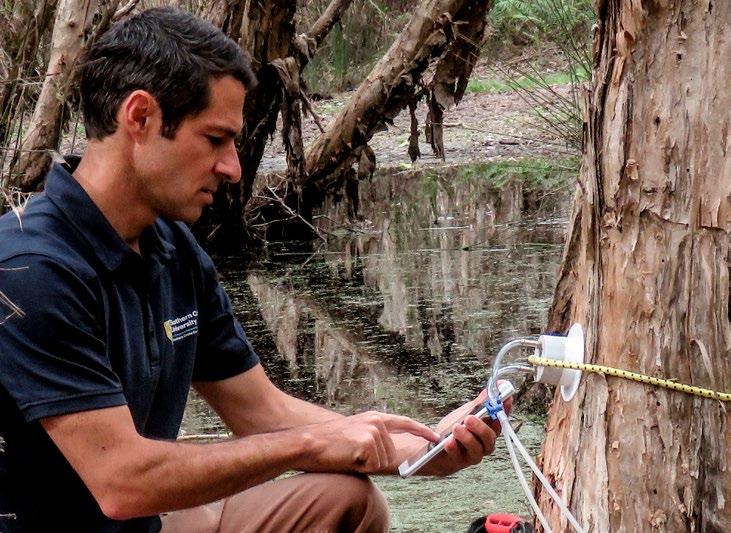
Cluster researchers have deep experience in climate science. Dr Luke Jeffrey uncovered methane-eating microbes in tree bark, reshaping our understanding of gas. Meanwhile, Professor Bradley Eyre leads ARC-funded projects and collaborates with NASA to model carbon cycles across ecosystems. Their pioneering biogeochemical research drives international environmental innovation and policy.
“Our research has shown that wetland trees can emit substantial amounts of methane via their stems or trunks – a process that has been overlooked historically and globally.”
Dr Luke Jeffrey
Pesticide pollution in seafood and waterways
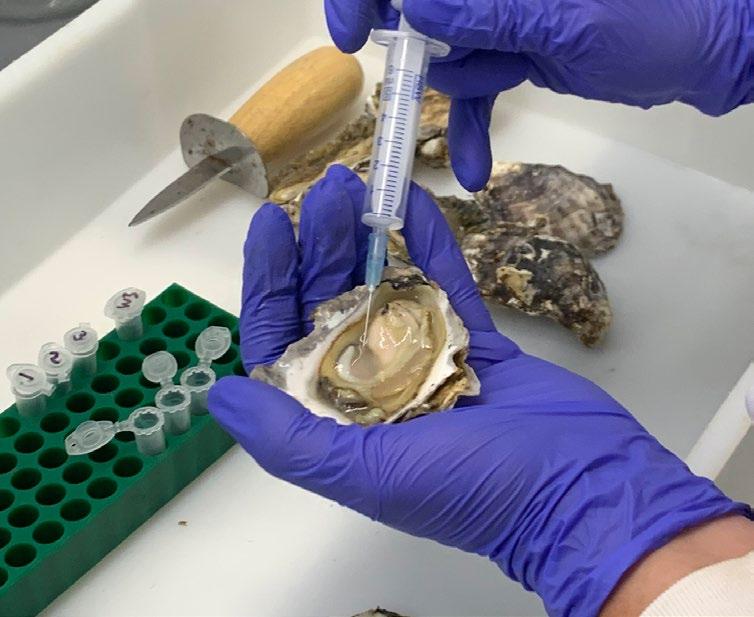
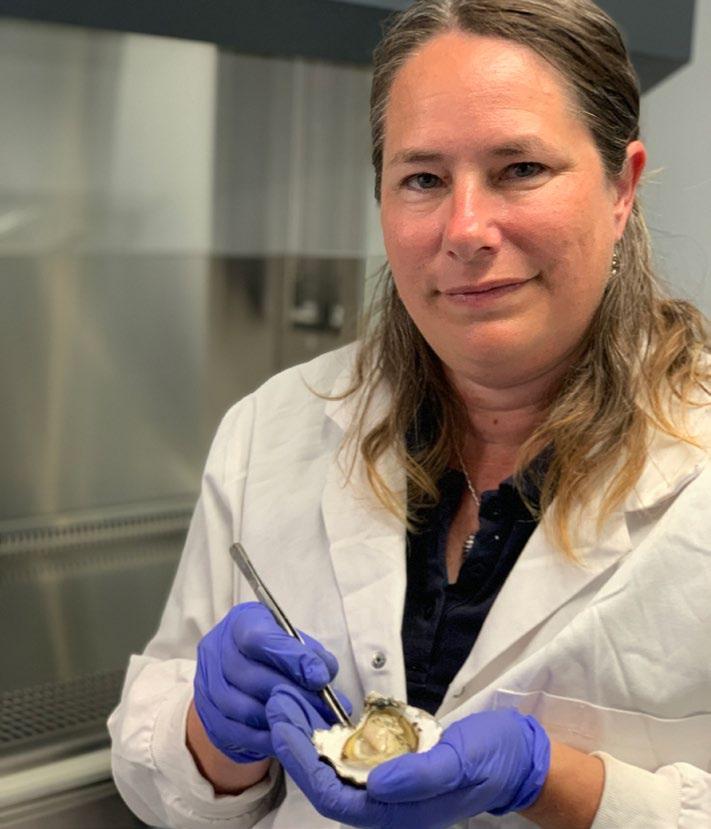
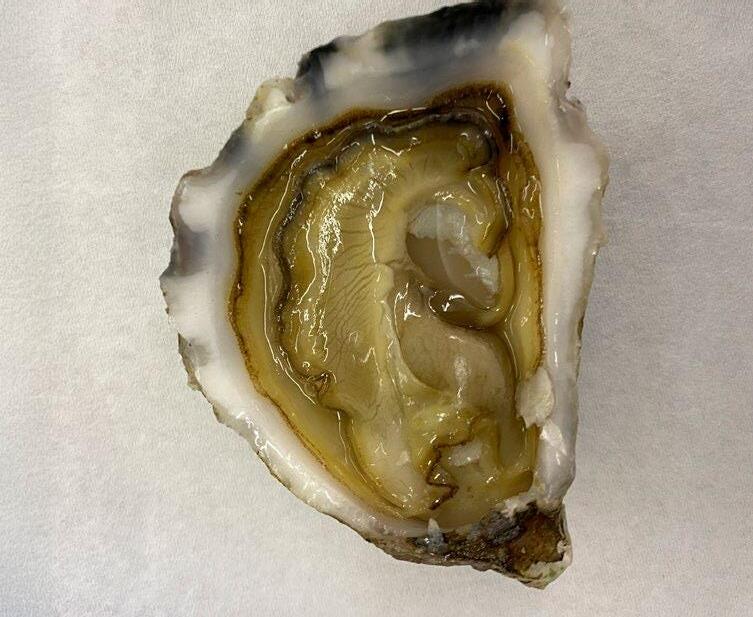
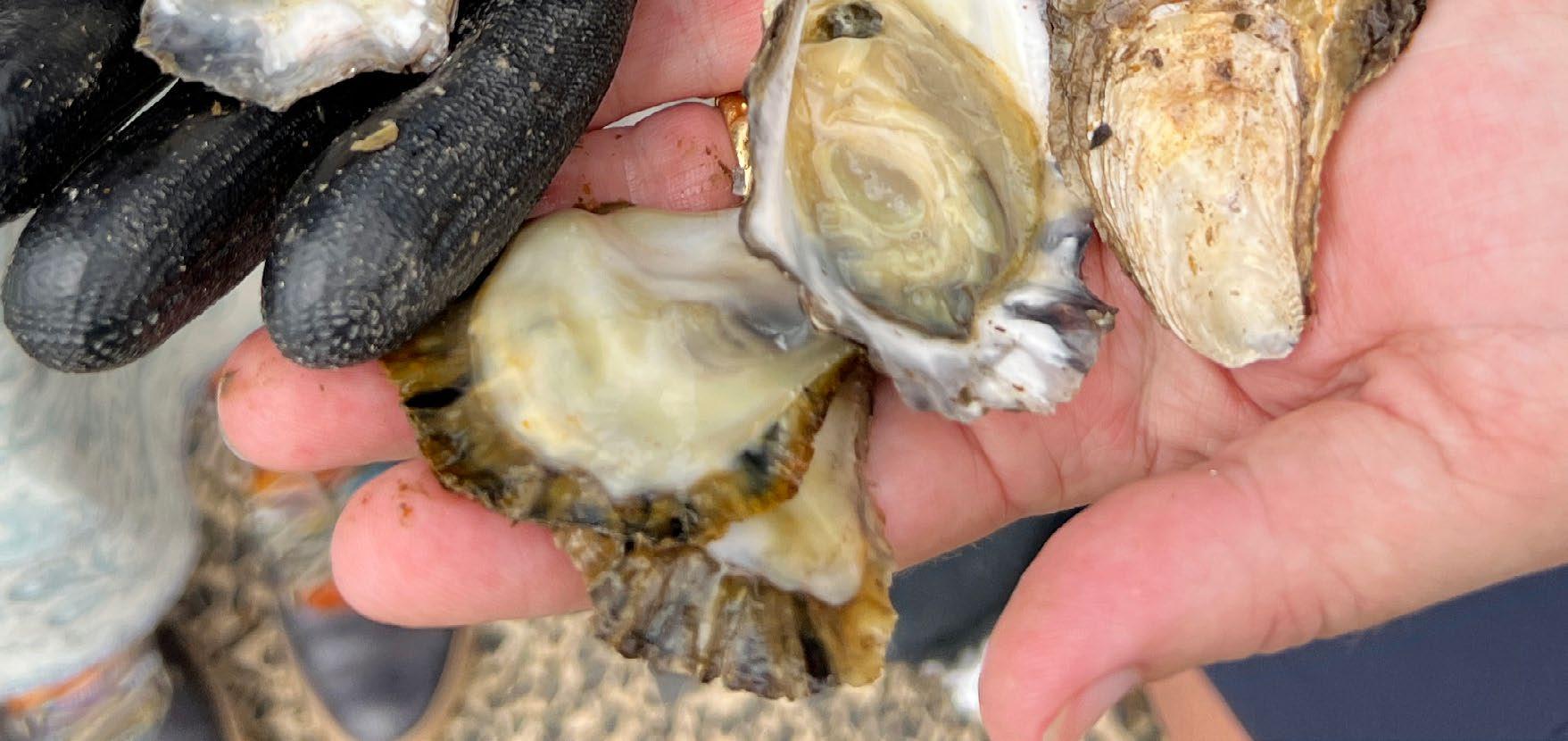
Southern Cross researchers have established expertise in environmental chemistry and pesticide detection and mitigation. In one study, researchers found 21 different pesticides in wild oysters from the Richmond River estuary, including banned substances like benomyl. The study, led by Professors Kirsten Benkendorff and Amanda ReicheltBrushett, highlighted the urgent need for better management of agricultural runoff.
“Oysters are seafood sentinels – they show us what’s really in our waterways.”
Professor Kirsten Benkendorff
Community collaboration in the Macleay and Clarence Rivers
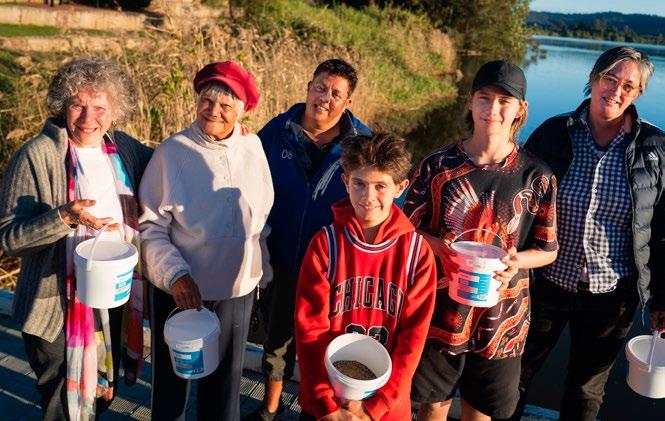
Hundreds of citizen scientists collaborated with the University in a major 2025 survey of the Clarence River catchment, one of Australia’s most pristine systems. Following concerns about water quality and mining activity, the University undertook a program to train community volunteers in sampling techniques. They collected sediment from more than 100 locations and conducted a long-term water monitoring study.
The project empowered locals to take part in protecting their environment and shaping future conservation strategies through data-driven insights and shared stewardship.
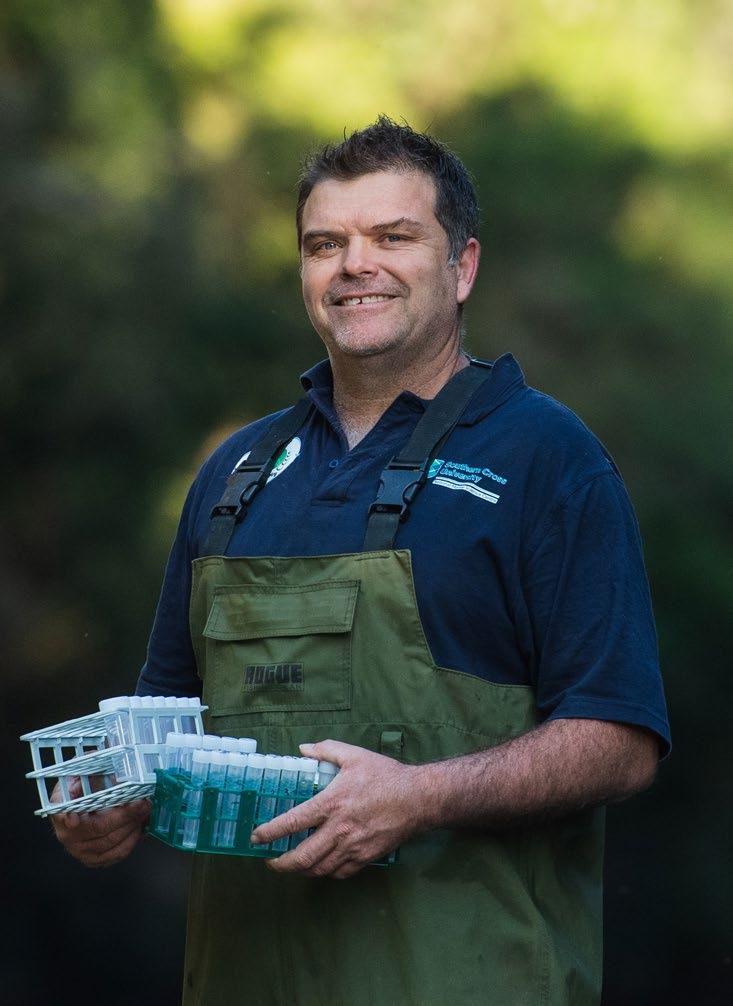
A smaller pilot project was conducted over seven years in the Macleay River, tracking arsenic and antimony pollution from legacy mining. Both projects, led by Professor Scott Johnston, revealed how seasonal changes and climate events affect water quality and showcased the power of community-led science.
“Science can guide us to make better decisions about how we manage our rivers. This comprehensive data will establish a baseline for monitoring,”
Professor Scott Johnston
Estuary species management with eDNA
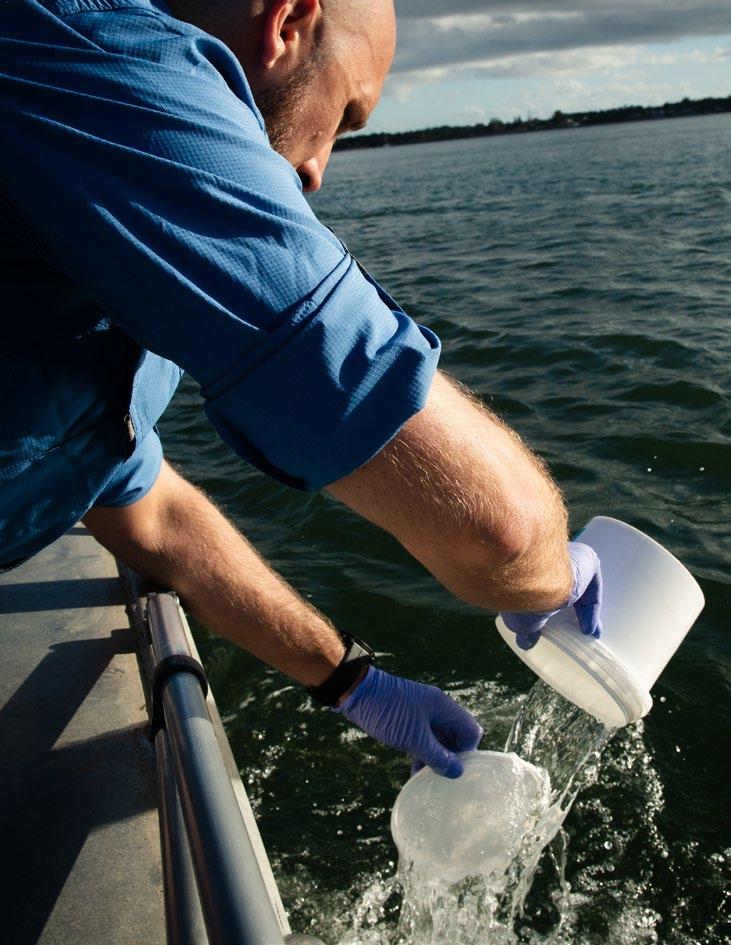
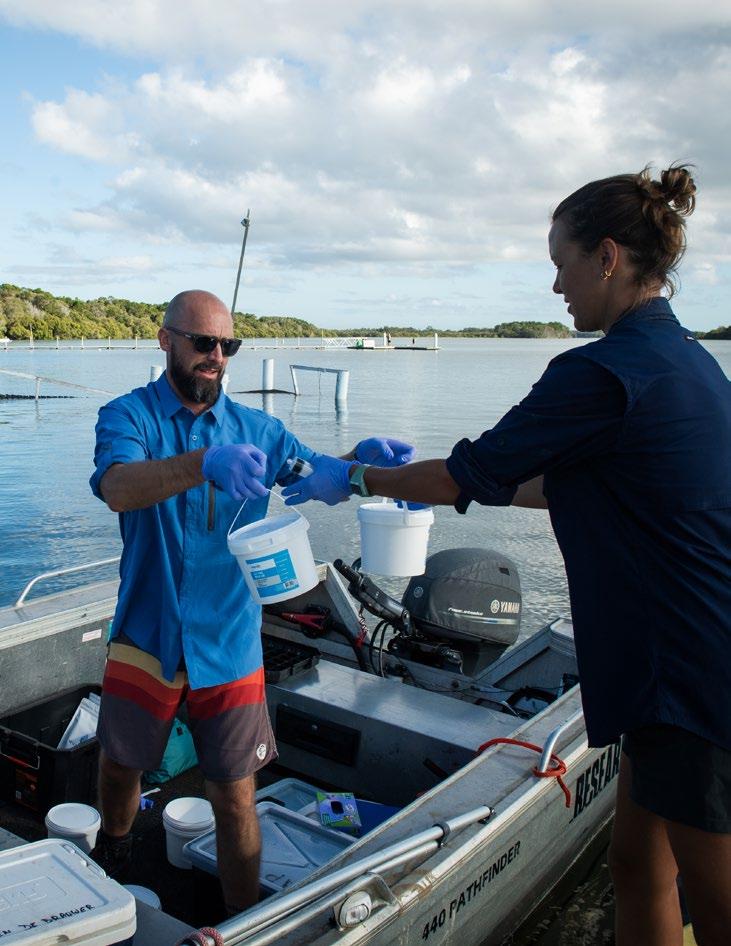
Using environmental DNA and samples from along the NSW coast, Southern Cross University researchers created the first biodiversity map of the state’s estuaries. The project detected over 10,000 taxa, including invasive species and unexpected finds like platypus and water buffalo DNA. This data is vital for managing species recovery after floods and bushfires.
“From a single bucket of water, we can detect thousands of species.”
Dr Maarten De Brauwer
Threatened species get a second chance
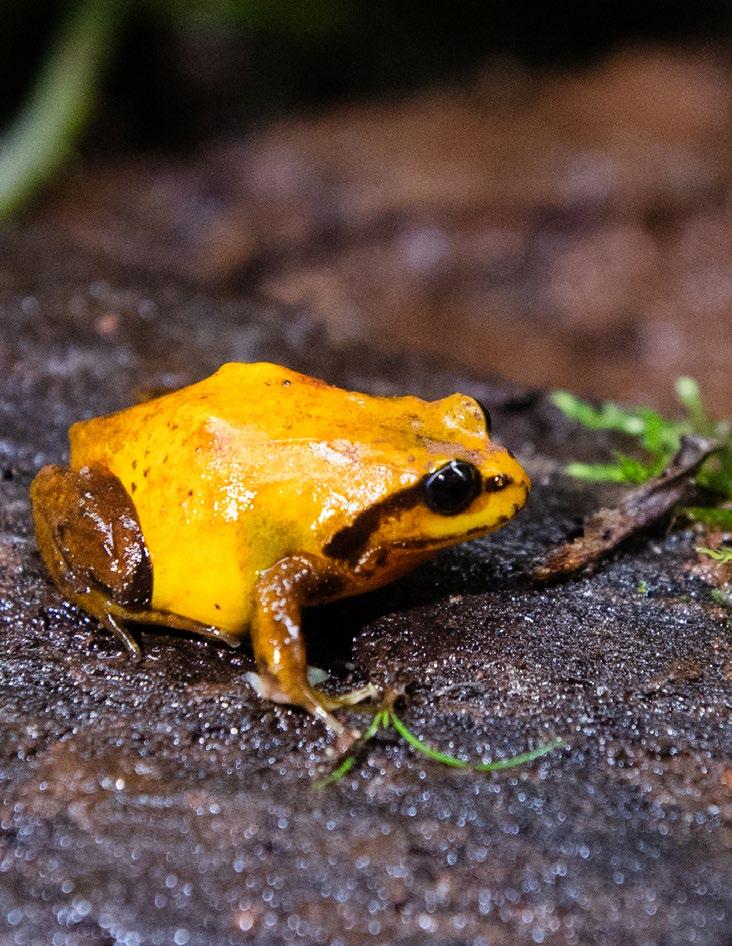
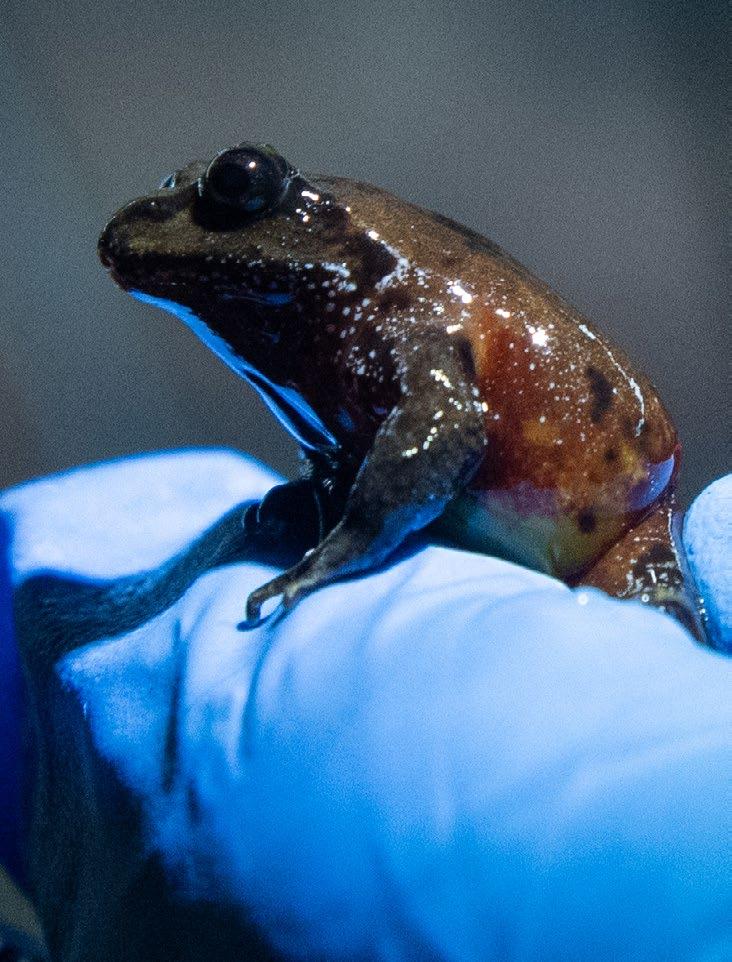
In an ambitious translocation project, endangered Red and Yellow Mountain Frogs were bred in captivity for the first time in a purpose-built laboratory on Lismore campus, before they were released back into their natural habitat in Tooloom National Park. Part of Project GRASP (Gondwana Rainforest Amphibian Survival Program), the frogs were raised over four years and bred successfully in captivity. The initiative supports Australia’s Threatened Species Action Plan.
“It marks a significant milestone in a decade-long research program to save the Mountain Frogs from extinction.”
Associate Professor David Newell
Harvest to Health Research Impact Cluster
Sustainable food production, health and community wellbeing.
Harvest to Health
A local, national and global approach to health through sustainable food and natural products
We conduct fundamental and applied research to enhance the sustainable production of functional foods and natural products to assess their potential to optimise human health and reduce the risk of disease.
Our research contributes to better, healthier natural resources, people and communities, adding value for producers and consumers.
“In our research plant and natural product, science go hand-in-hand with human health and wellbeing, delivering into UN
sustainability goals and adding value across the entire supply chain.”
Professor Tobias Kretzschmar Plant Geneticist and Plant Physiologist
Crop innovation
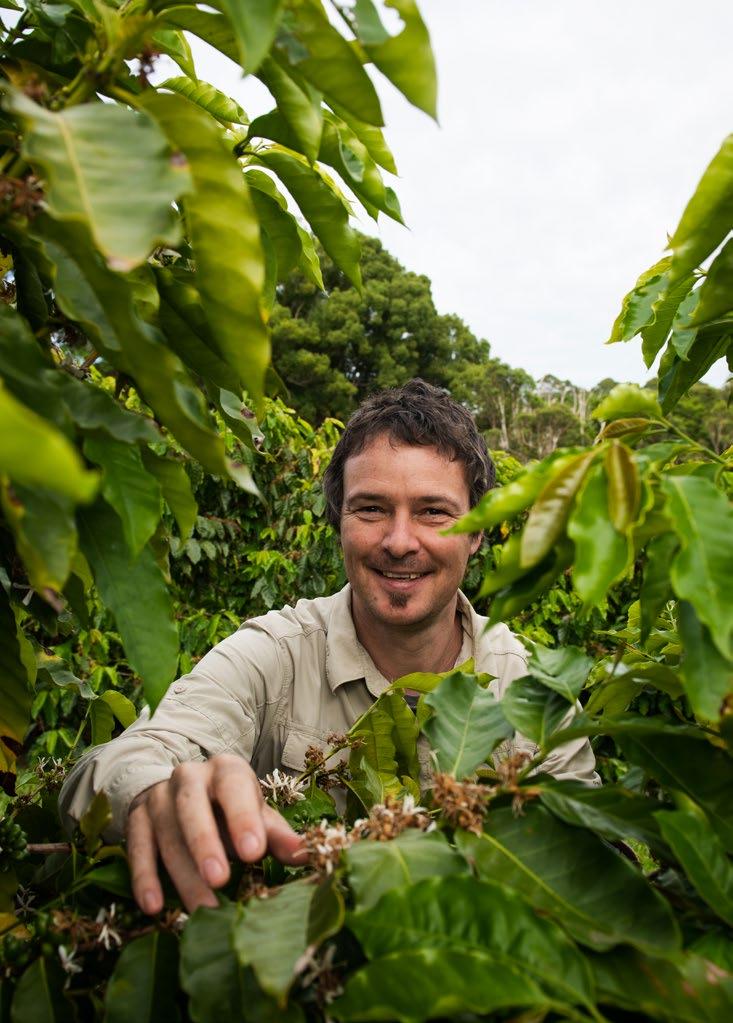
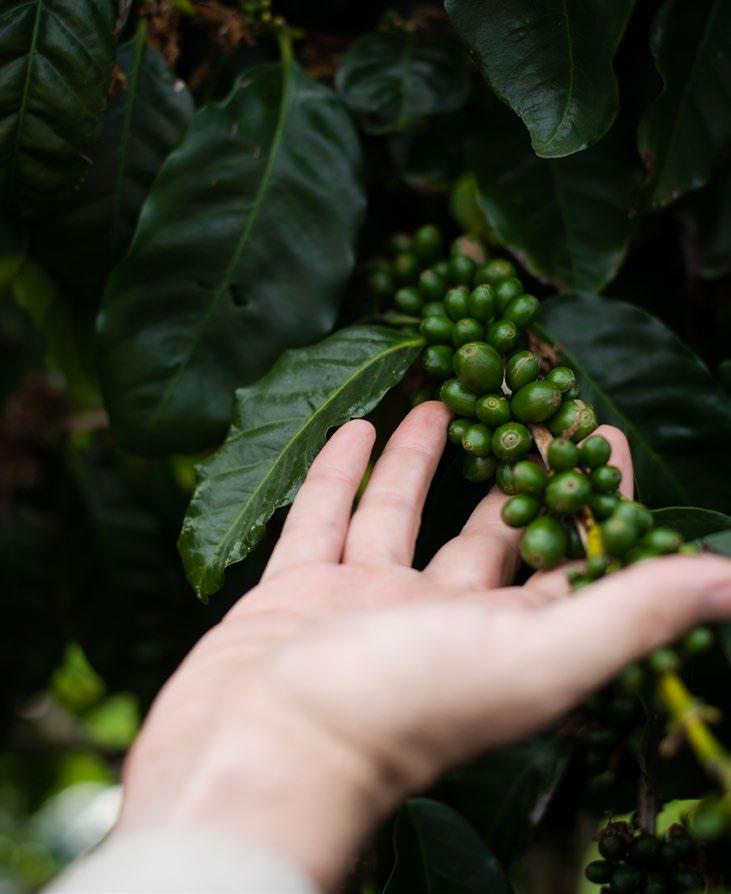
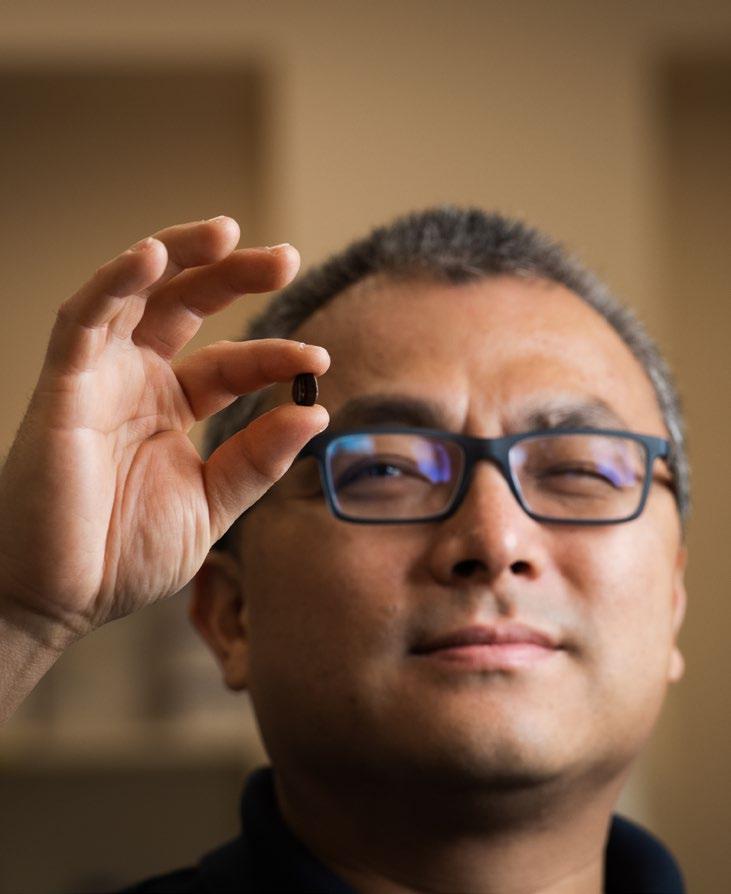
Southern Cross University is pioneering coffee research to support a sustainable Australian-grown industry. With less than 1% of coffee consumed in Australia grown locally, Harvest to Health researchers are trialling climate-resilient coffee cultivars suited to Australian growing conditions.
Their work includes sensory profiling and terroir analysis to define the unique characteristics of Australian coffee. Collectively these projects are helping establish a viable domestic coffee growing industry that is good news for growers and good news for consumers.
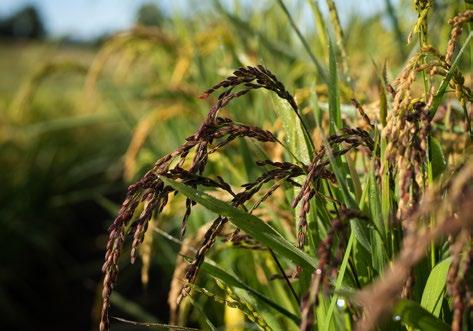
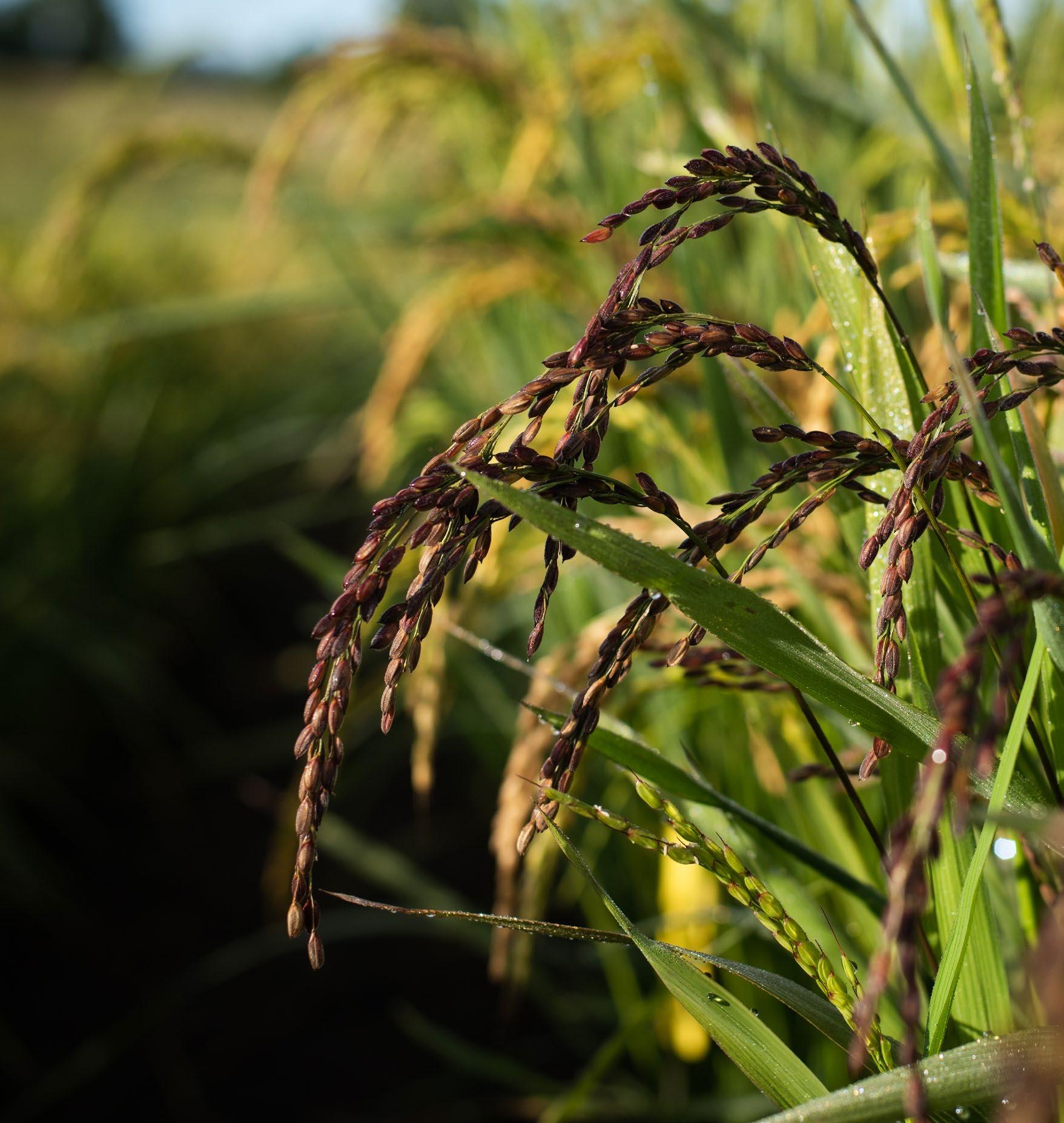
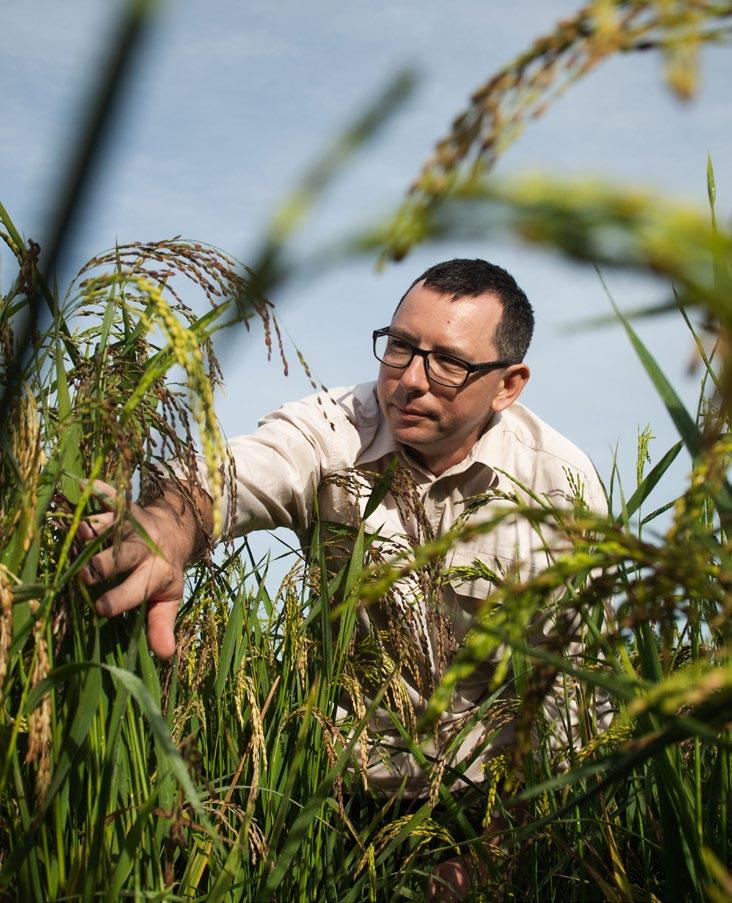
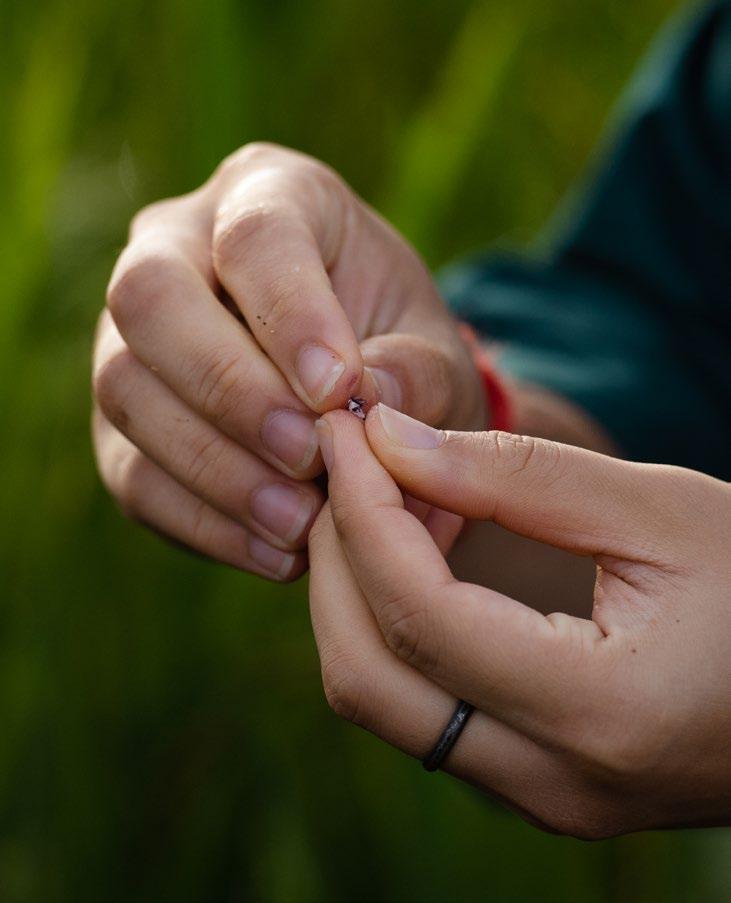
Southern Cross University is leading the way in developing climate-smart rice varieties that reduce water use and methane emissions. Researchers are breeding dryland rice suited to Northern NSW and areas with high rainfall. These varieties include black rice rich in antioxidants and dietary fibre, offering both environmental and health benefits.
Supported by government funding and partnership with industry, the University’s rice research is transforming traditional practices and contributing to sustainable agriculture. The work aligns with global efforts to reduce the carbon footprint of staple crops while enhancing food security and combatting hidden hunger.
Hemp
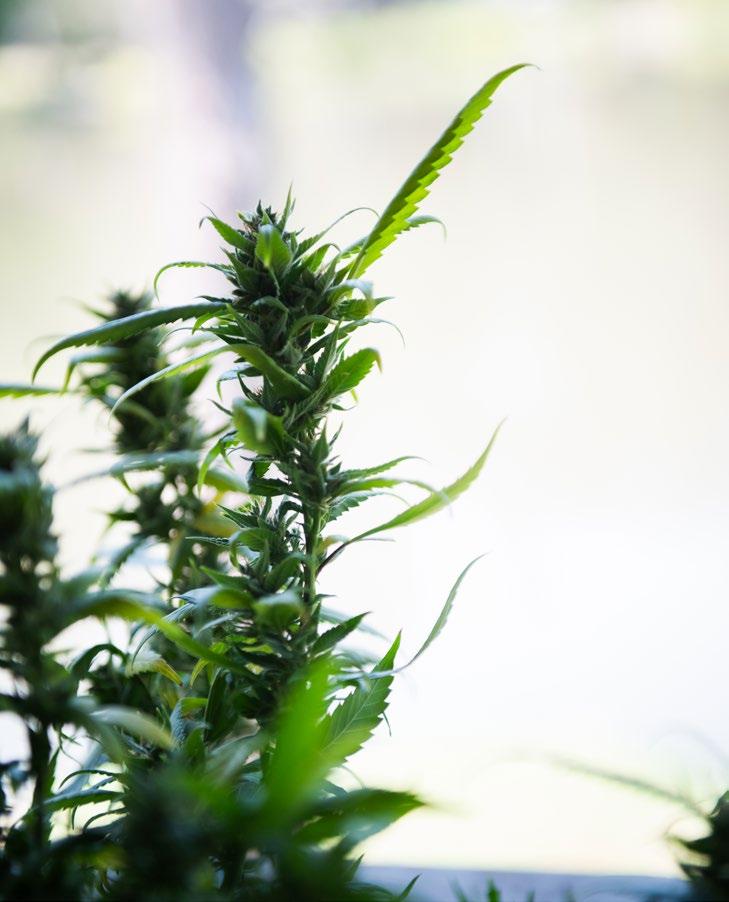
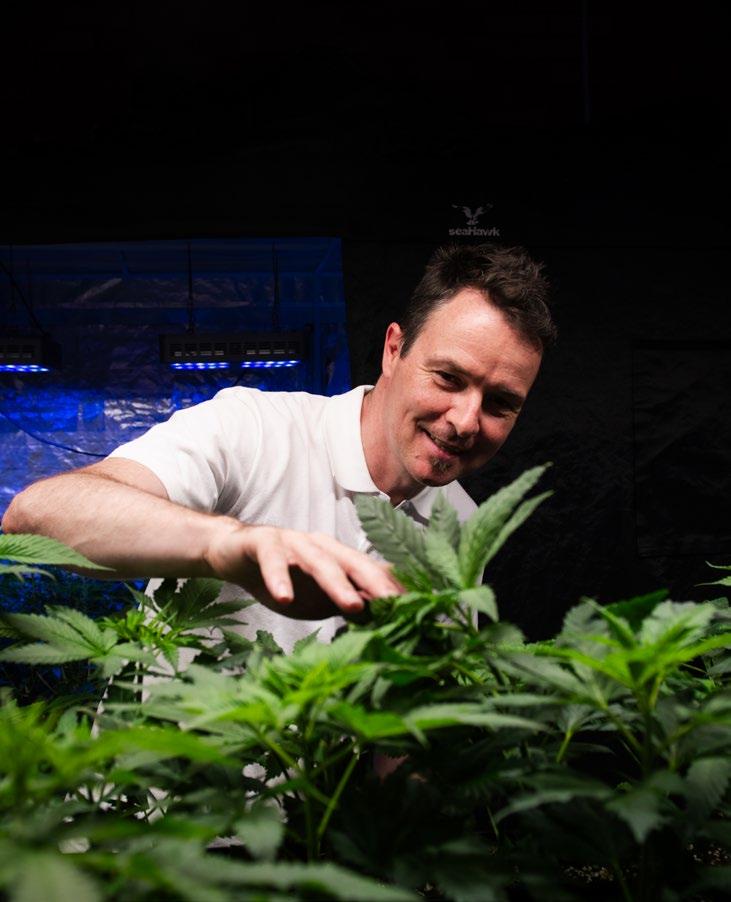
Southern Cross University has over 15 years of experience in industrial hemp research and is a leader in hemp innovation. The Australian Industrial Hemp Program of Research, managed by Southern Cross University, focuses on varieties, production, product development, and sustainability. Hemp’s versatility, from food and fibre to building materials, makes it a cornerstone of regenerative agriculture. The program is a national collaboration helping farmers boost yields, reduce costs, and meet growing demand for plant-based products.
“Hemp is a plant of a hundred uses. It’s the Swiss Army knife of crops and ideally suited for Australia.”
Professor Tobias Kretzschmar
Supporting agriculture of the future
Phosphorus
Phosphorus is a finite resource and phosphorous research at Southern Cross University is transforming how we understand nutrient cycling. Focused on improving phosphorus use efficiency, this research explores how crops can yield high-quality produce without excessive phosphorus accumulation in grains. This reduces environmental runoff and conserves finite phosphorus resources.
A team led by Professor Terry Rose investigates plant uptake mechanisms and soil interactions, aiming to develop sustainable farming systems that maintain productivity while minimising ecological impact. This research is vital for future-proofing food production in a changing climate.
Tea tree
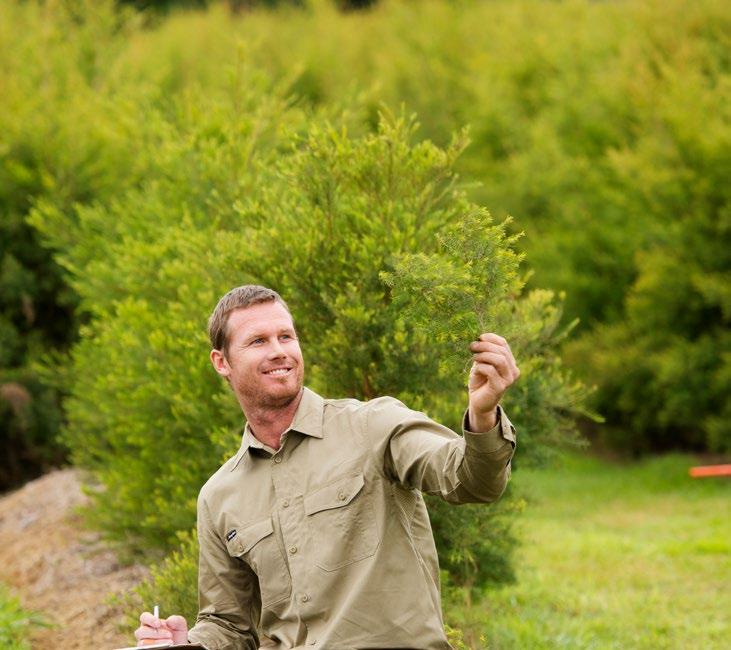
Southern Cross University is at the forefront of research supporting the Australian tea tree oil industry through its long-running Tea Tree Breeding Program. This initiative aims to enhance the quality, yield, and resilience of Melaleuca alternifolia, the native tea tree species used for its essential oil. The program integrates advanced genetic analysis, controlled pollination, and data-driven breeding strategies to produce superior cultivars. Research in the on-campus orchard and on farms has already led to significant improvements in oil yield and uniformity, helping Australia maintain its global leadership in tea tree oil production despite rising competition from countries like China and South Africa.
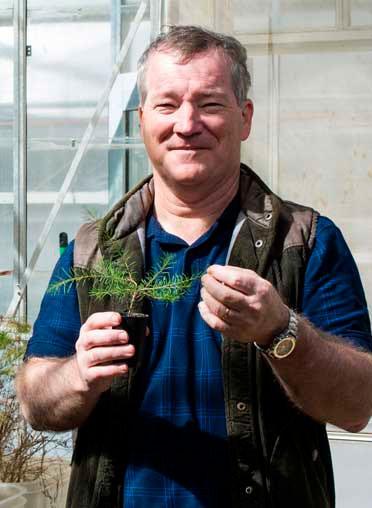
“We have adopted a system that serves as a database, but with a built-in analytical pipeline to generate breeding values. It’s like a crystal ball to identify the best trees.”
Dr Mervyn Shepherd
Bees
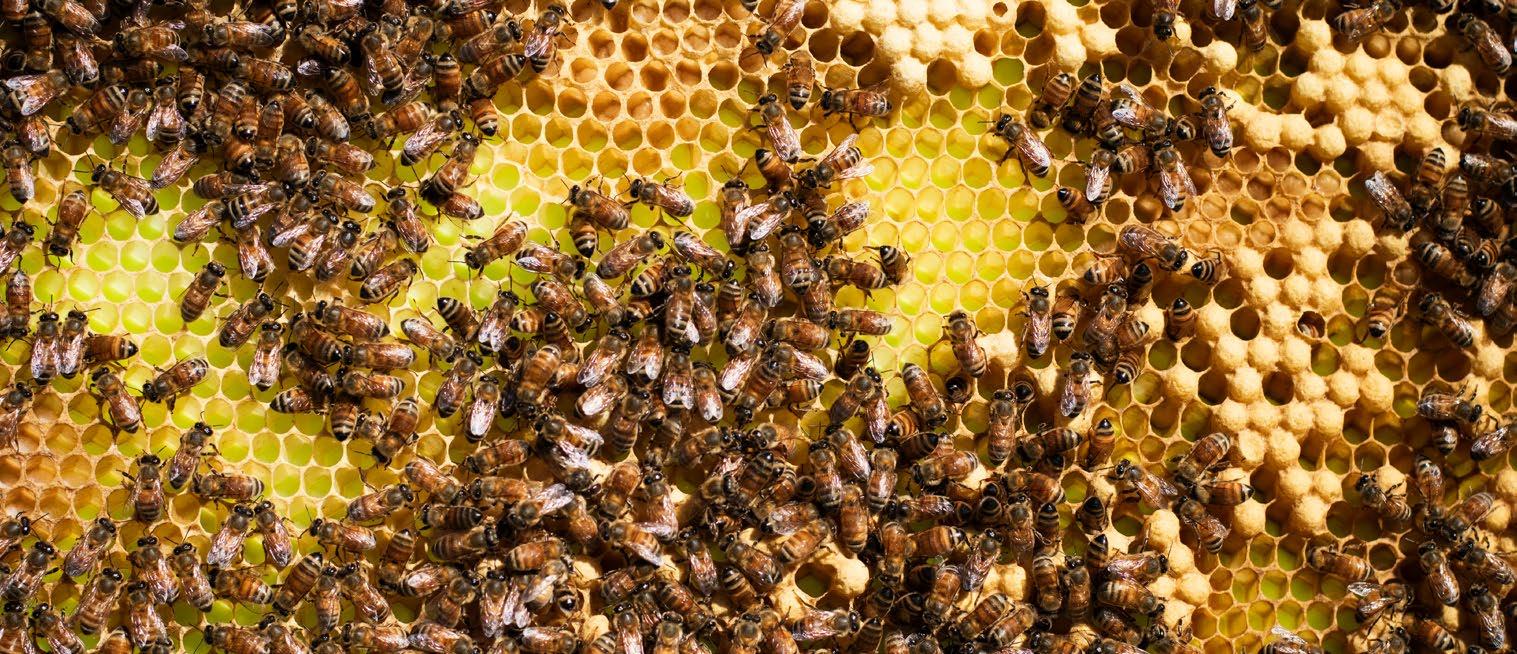
The Bee Research and Extension Lab at Southern Cross University is a national leader in applied research for honey bee health, pollination, and sustainable apiculture. Led by Dr Cooper Schouten, the Lab focuses on critical challenges such as the Varroa destructor mite, which threatens Australia’s food security and biodiversity. The Lab develops affordable integrated pest management strategies, supports queen bee breeding for Varroa
tolerance, and promotes innovations in beekeeping technology. It also delivers education and extension programs to empower beekeepers across Australia and the Indo-Pacific. With a strong emphasis on biodiversity, agribusiness development, and social inclusion, the Lab is vital to the resilience of pollination-dependent industries.
“We have 35 pollination-dependent crops in Australia that need healthy honey bees for viable pollination. We’re developing new research to support local beekeepers, and ensure our food security.”
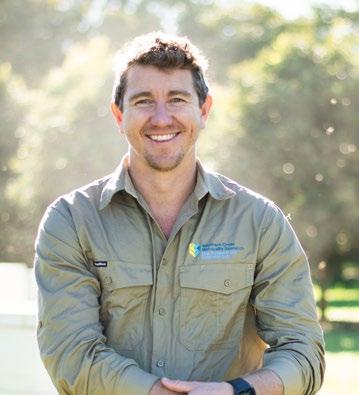
Dr Cooper Schouten Bee Research and Extension Lab Director
Supporting the health of the future
Natural Medicines
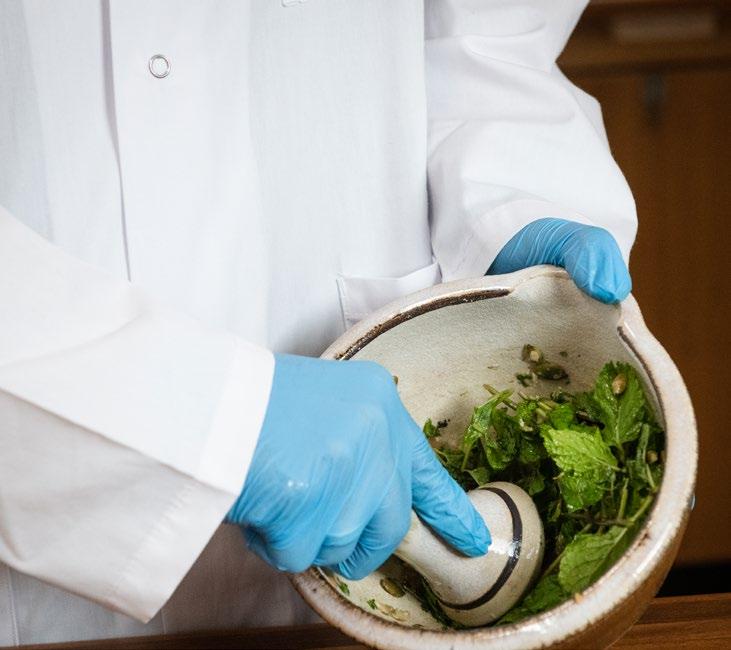
The National Centre for Naturopathic Medicine at Southern Cross University is advancing research in natural medicines, integrative care, and traditional knowledge in natural products. With a multidisciplinary team of internationally recognised scholars, the Centre conducts rigorous studies that bridge conventional and complementary medicine. Research areas include herbal pharmacology, non-pharmacological interventions, and culturally informed health care.
Southern Cross University’s commitment to evidence-based practice is shaping the future of natural medicine, improving health outcomes and informing policy. The Centre’s work is globally relevant and locally impactful, supporting community wellbeing through science and tradition.
“We have a powerful opportunity to change the dialogue around health care and the role it can play in achieving better outcomes for people’s health.”
Professor Jon Wardle National Centre for Naturopathic Medicine Foundation Director
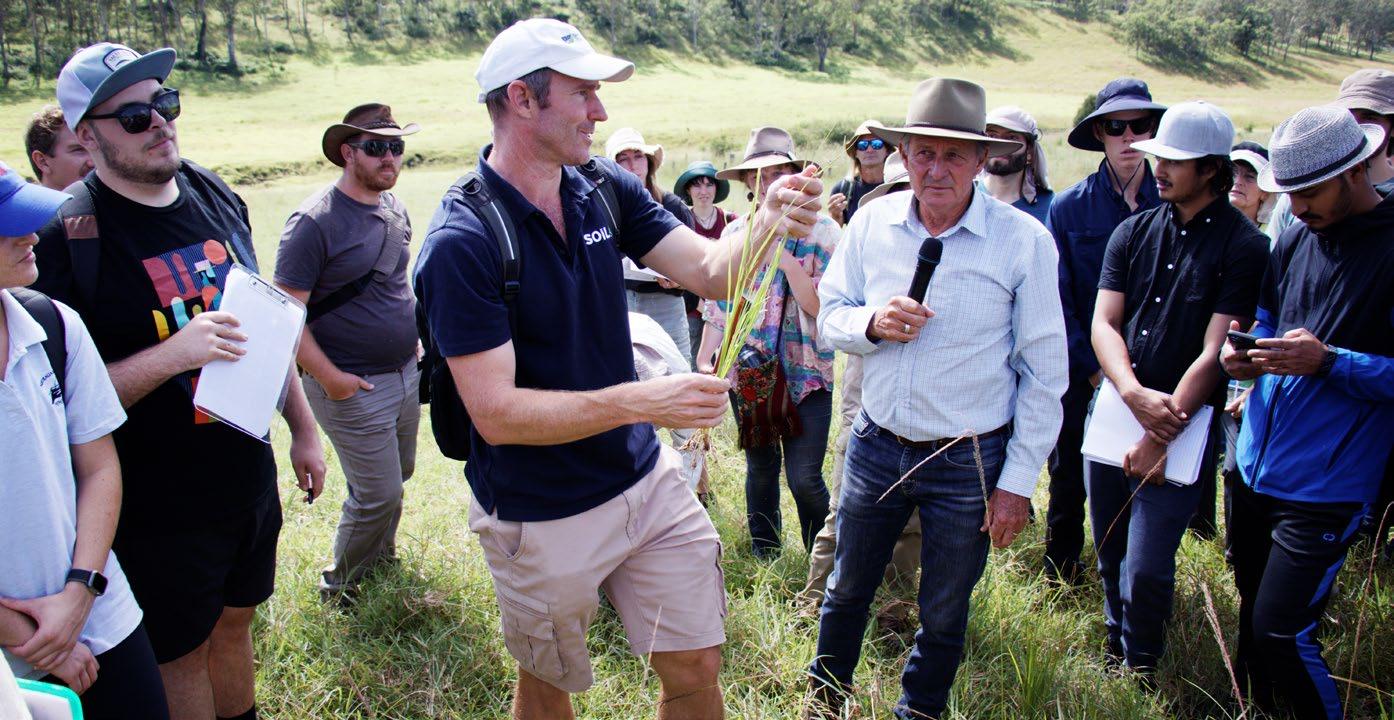
Plant genetics and field trials
Southern Cross University’s plant genetics research focuses on breeding and pre-breeding for high-nutrient crops like black rice and hemp as well as for iconic natural products such as tea tree oil. The University conducts field trials across Northern NSW and further afield to test crop performance under local conditions. These trials inform breeding strategies and support the development of cultivars tailored to Australia’s climate. Southern Cross University’s work in molecular genetics and functional genomics is enhancing agricultural productivity and sustainability, making it a hub for innovation in plant science.
ZeroWaste Research Impact Cluster
Innovative solutions for circularity and a world without waste.
ZeroWaste
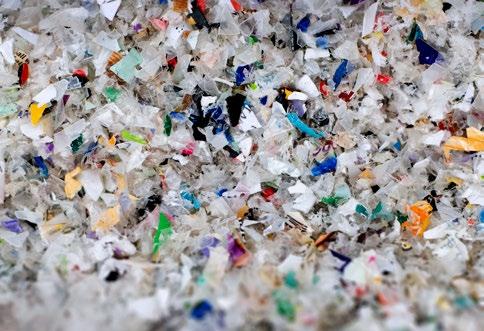
Solving the world’s waste crisis calls for fresh approaches and partnership between disciplines and industries. A global transition to a circular economy, where waste products from one process are turned into resources for another, is also essential for environmental sustainability, economic growth, and community wellbeing.
Southern Cross University’s ZeroWaste research impact cluster brings together expertise in geochemistry, environmental science, engineering, business, and education to develop practical solutions for this global waste challenge. Our research
addresses the barriers to integrating waste into the circular economy, as we develop and implement cutting-edge scientific, technical, social, economic, and educationbased strategies.
From advanced recycling and waste valorisation (value-adding) to sustainable product design and transformative education, the ZeroWaste cluster leads research that supports cleaner environments, resource efficiency, and a more sustainable future for all.
Our projects and research focus on:
• Transforming waste products into valuable resources.
• Advanced waste management and recycling.
• Environmental geochemistry and pollution control.
• Education and community engagement, through transformative
education and outreach on waste reduction and sustainability.
• Addressing economic and social barriers to circularity, supporting sustainable tourism, and fostering regional innovation.
“Communities want their industries to be greener, they want their products to be more environmentally and economically sustainable, so industries are responding to that.”
“ The University can help by testing new technologies and assessing their efficacy from both an economic and an environmental standpoint. The ZeroWaste cluster is bridging that gap between technology development and industry adoption.”
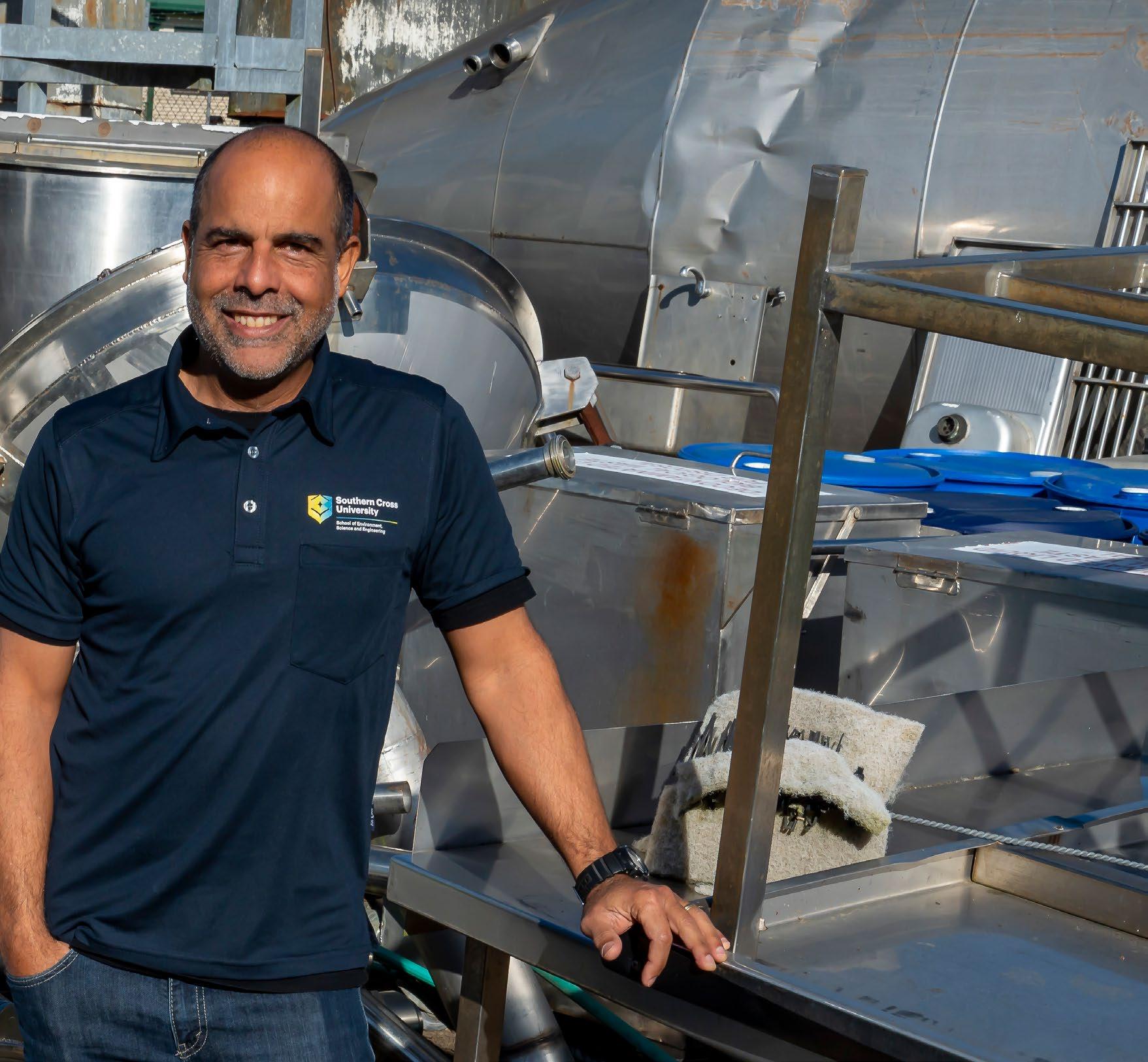
Professor Dirk Erler Southern Cross University
Biogeochemist
ZeroWaste in the Regional Economy
ZeroWaste researchers at Southern Cross University offer independent, expert advice to businesses seeking to integrate circularity into their everyday operations.
4. The “new” product is reintroduced to the market
5. Waste is reduced and the community profits
ZeroWaste works closely with businesses to analyse their waste streams, identify recoverable materials, and develop practical, sustainable solutions for reuse and resource recovery. They also conduct targeted research and valorisation to determine which technologies are best suited to a business’s specific needs— positioning the University as a trusted knowledge-exchange partner, connecting industry to emerging, cutting-edge technologies and processes.
While the ZeroWaste cluster is based in the Northern Rivers region of New South Wales, it collaborates with commercial operations and projects both nationally and internationally.
“
The idea is that there is no waste, just different materials with different purposes. By unlocking the value of a material from one phase of use to another, it enables a model for commercially sustainable and regenerative resource use and reuse.”
Professor Andrew Rose Environmental engineer
Case Studies
ZeroWaste builds on six research projects run by ReCirculator
The efficiencies established in these pilot projects are scalable and able to be adapted for industry adoption by similar businesses in the future. The ReCirculator team looked at the thermal treatment of waste, plastic waste recycling into the
Circular Economy, capturing nutrients from industrial wastewater, carbon accounting and waste identification and sorting.
Thermal treatment of waste
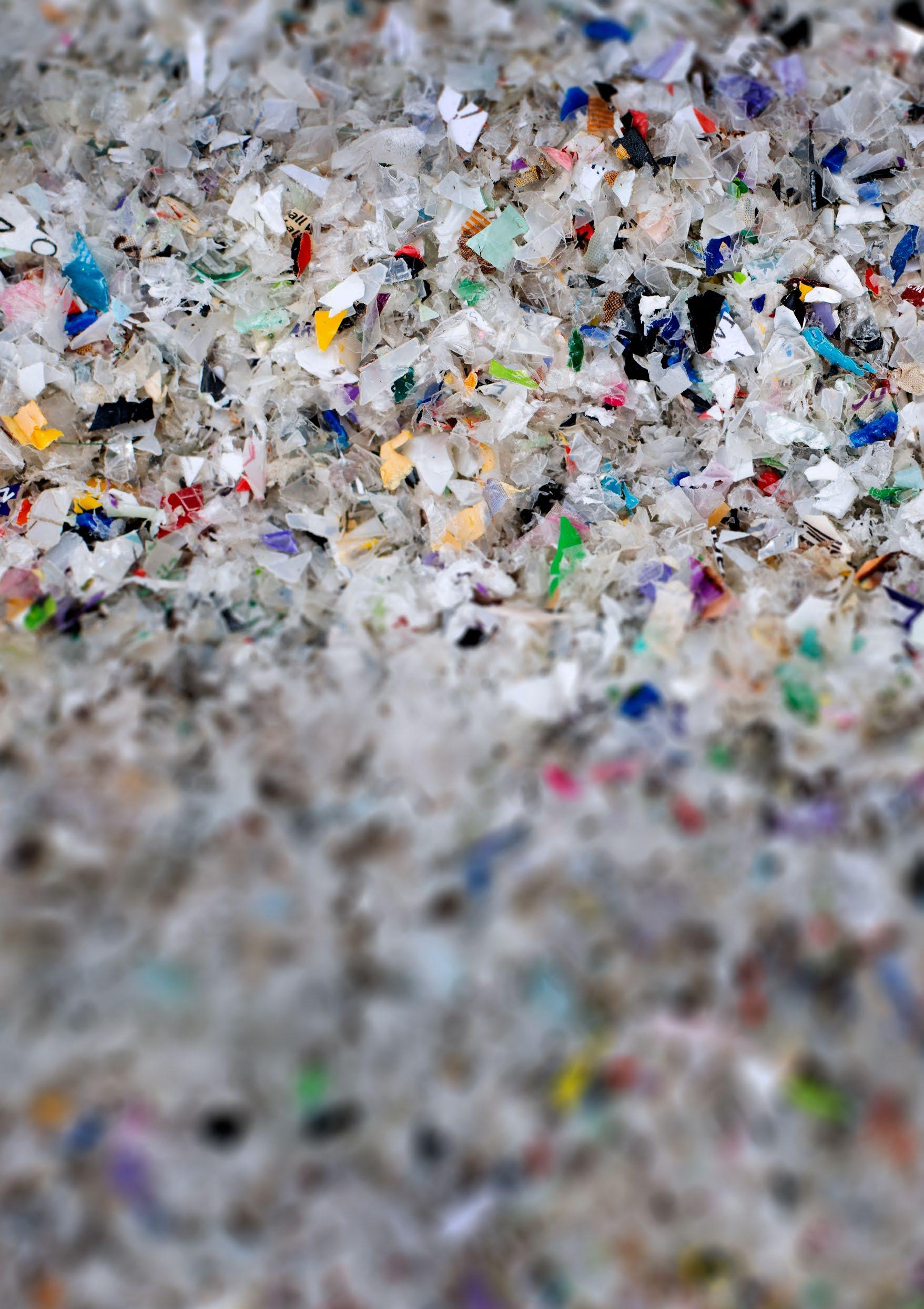
A major collaboration with Plastics Pirate involves pyrolysis, which is heating the plastic in low oxygen conditions. The plastic is turned into a diesel fuel product, which can be used to run machinery such as cars and tractors.
Studio Kite
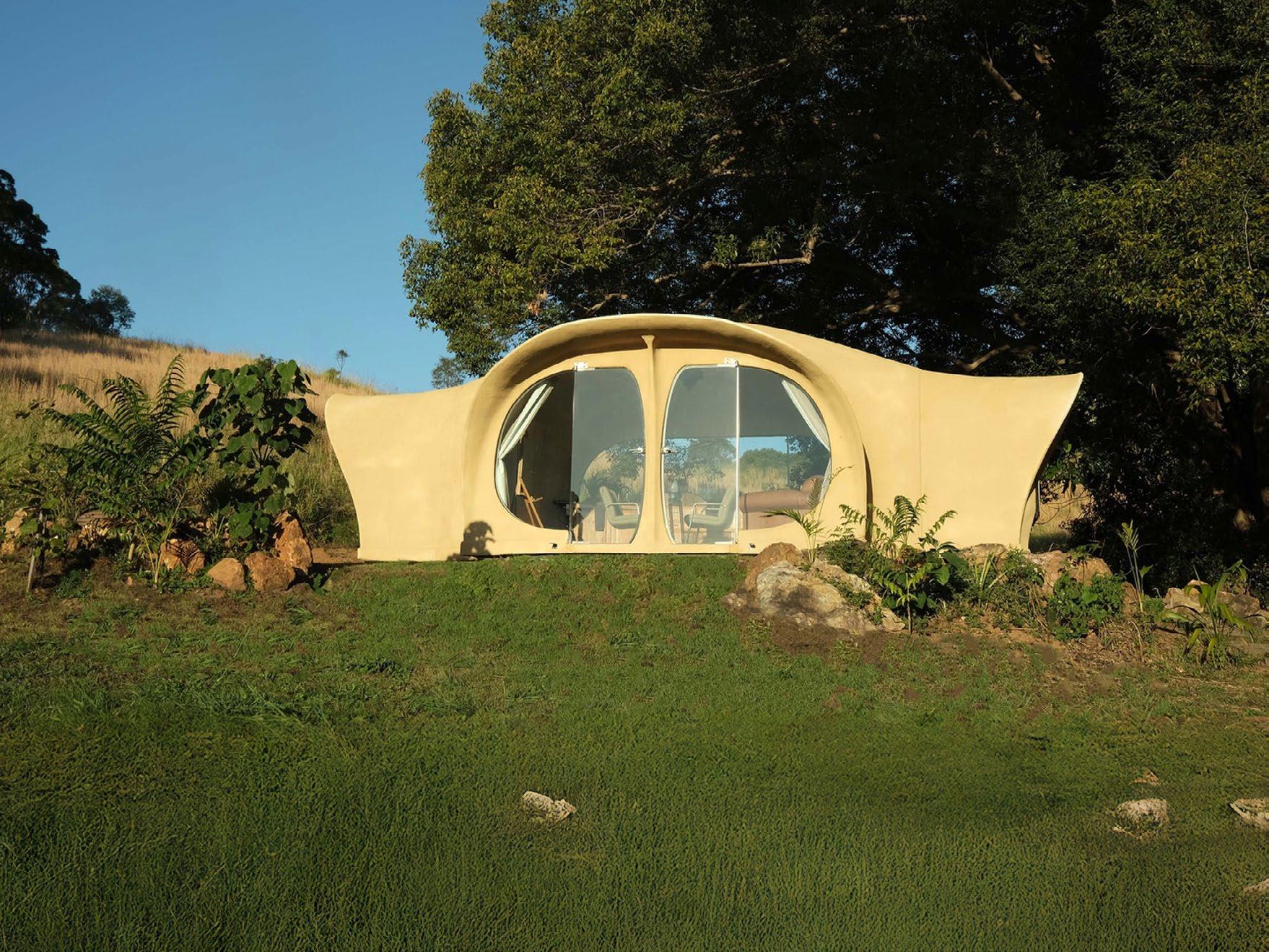
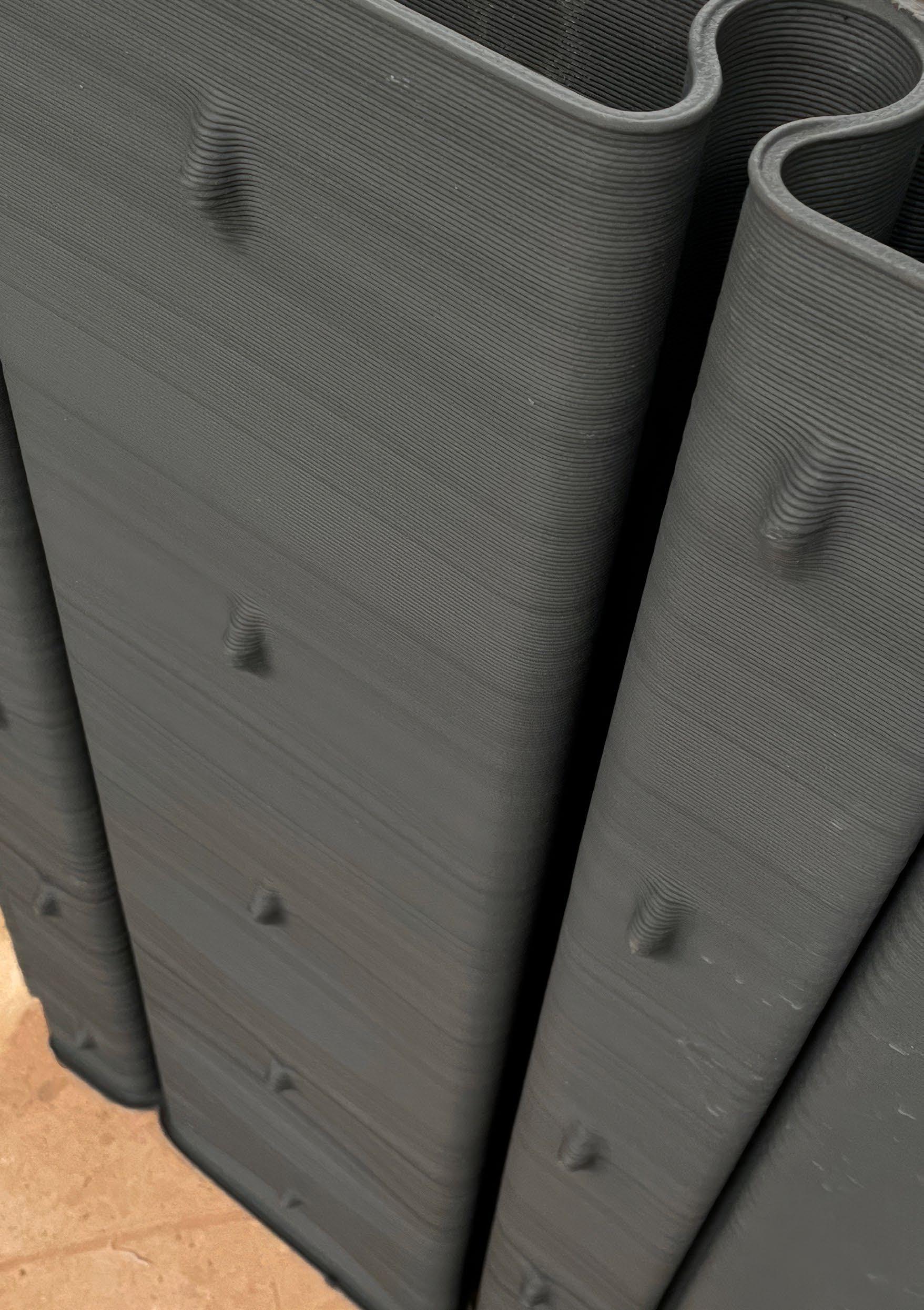
Studio Kite is a professional prop and model-making company, looking to employ its giant 3D printer to address the global housing crisis.
Since 2021, ZeroWaste researchers have been looking at diverting local plastic waste from landfill to print 3D houses like this one by Studio Kite.
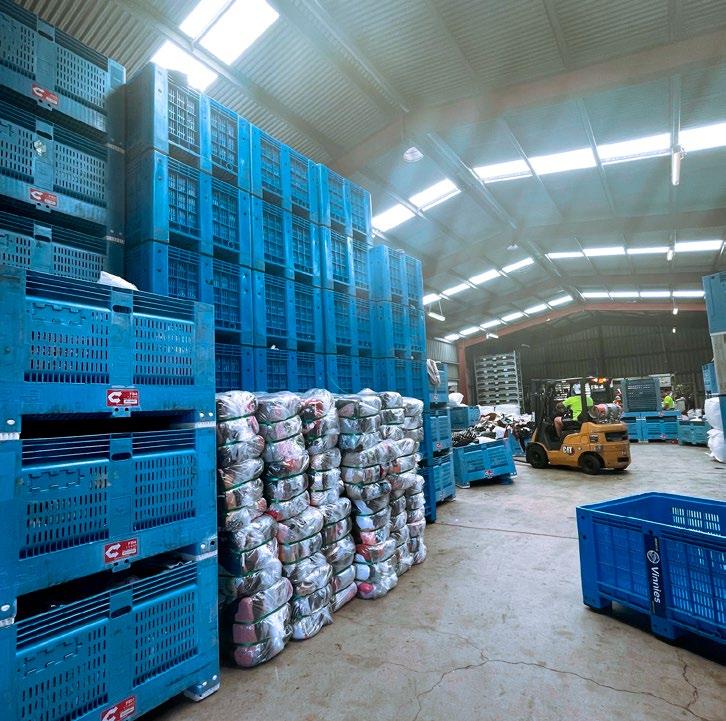
“There are warehouses all over Australia filled with piles of plastic,” said Southern Cross University’s Professor Dirk Erler.
“There are hundreds of ways it can be repurposed. This is just one.”
For Studio Kite Director, Steve Rosewell, teaming up with Southern Cross University has enabled the company to source local plastic waste, rather than transporting it from other regions.
The University is testing the structural integrity of the 32-square-metre (344-square-foot) 3D-printed homes, to make sure they can handle various weather conditions.
“We are working out how well the materials perform, not just with structural integrity, but also how long it will last…”
Steve Rosewell Studio Kite Director
Plastic waste recycling into the Circular Economy
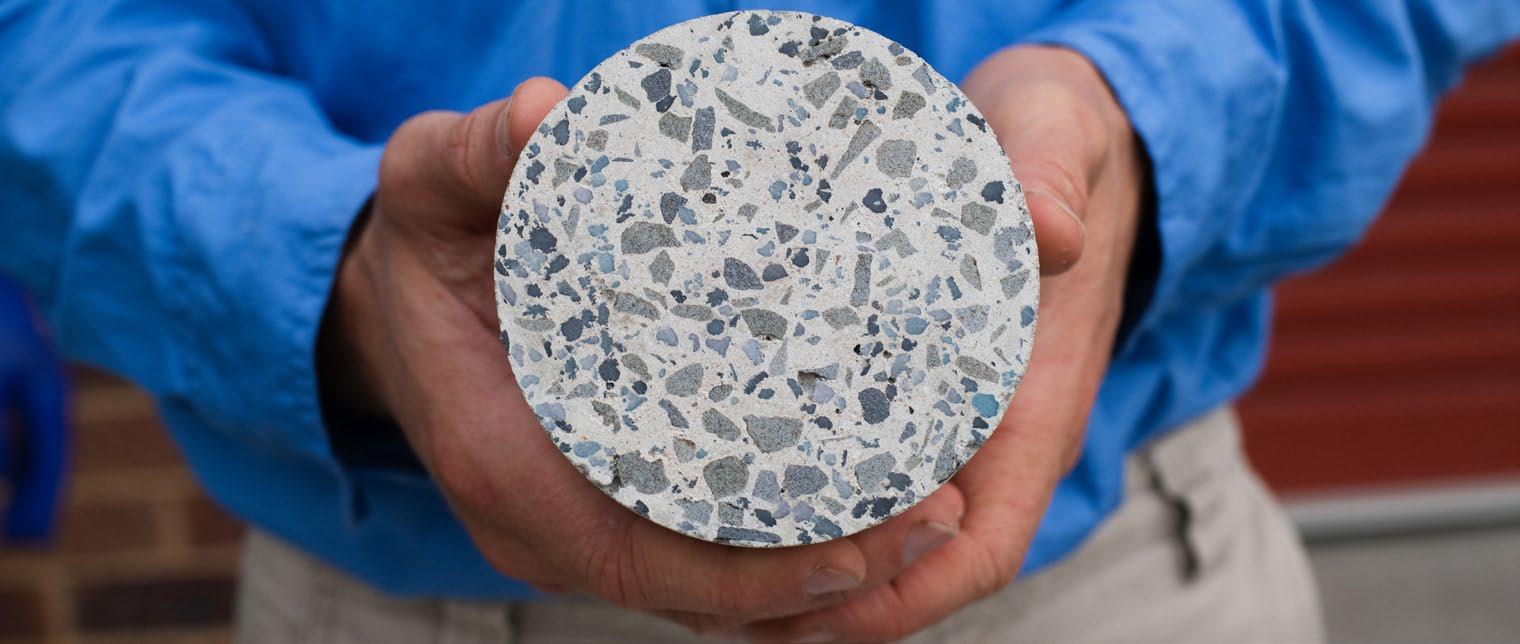
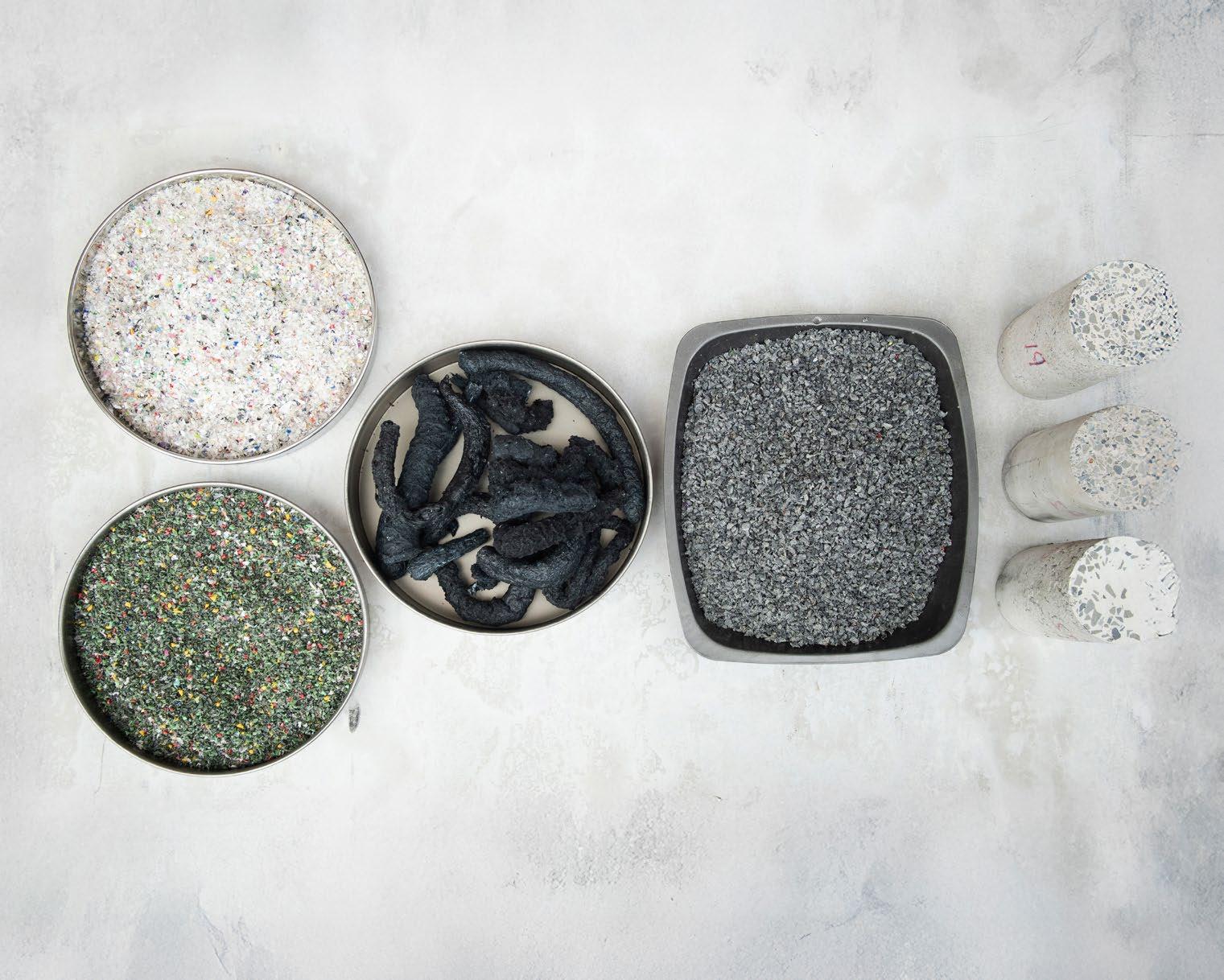
Southern Cross University researchers are working in partnership with CRDC Global (a global building materials company), using plastics to make an aggregate replacement for traditional concrete. This product is much lighter than concrete and has better thermal insulation properties.
ZeroWaste is also leading a cutting-edge research initiative aimed at advancing Australia’s transition to an AI-enhanced circular economy.
Backed by a $730,000 grant from the CSIRO’s Next Generation Graduates Program, the project will develop a digital ecosystem to support smart circular economy practices, especially in regional areas.
In collaboration with the University of Technology Sydney, Revolve Your World, CSENS, and Business NSW, this initiative
explores innovative technologies to reduce waste.
Project lead at Southern Cross University and academic co-lead of the ZeroWaste cluster, Professor Andrew Rose said: “One of the ideas we have been exploring is using AI to identify diverse waste materials at the time of collection.”
“This kind of collaboration between universities, government agencies, and commercial partners is key to ensuring realworld impact.”
This project offers valuable opportunities for students, including a diversity of generous research scholarships.
Participants will receive training in advanced AI methods, mentorship from leading researchers, and the chance to work on real-world industry projects.
“ This is an exceptional opportunity for students to gain hands-on experience in the emerging intersection of AI and sustainability.”
Dr Aaron Thornton
Senior
Lecturer
Southern
Cross University, Principal Research Scientist at CSIRO
Southern Cross University explores Black Soldier Flies as key to circular economy
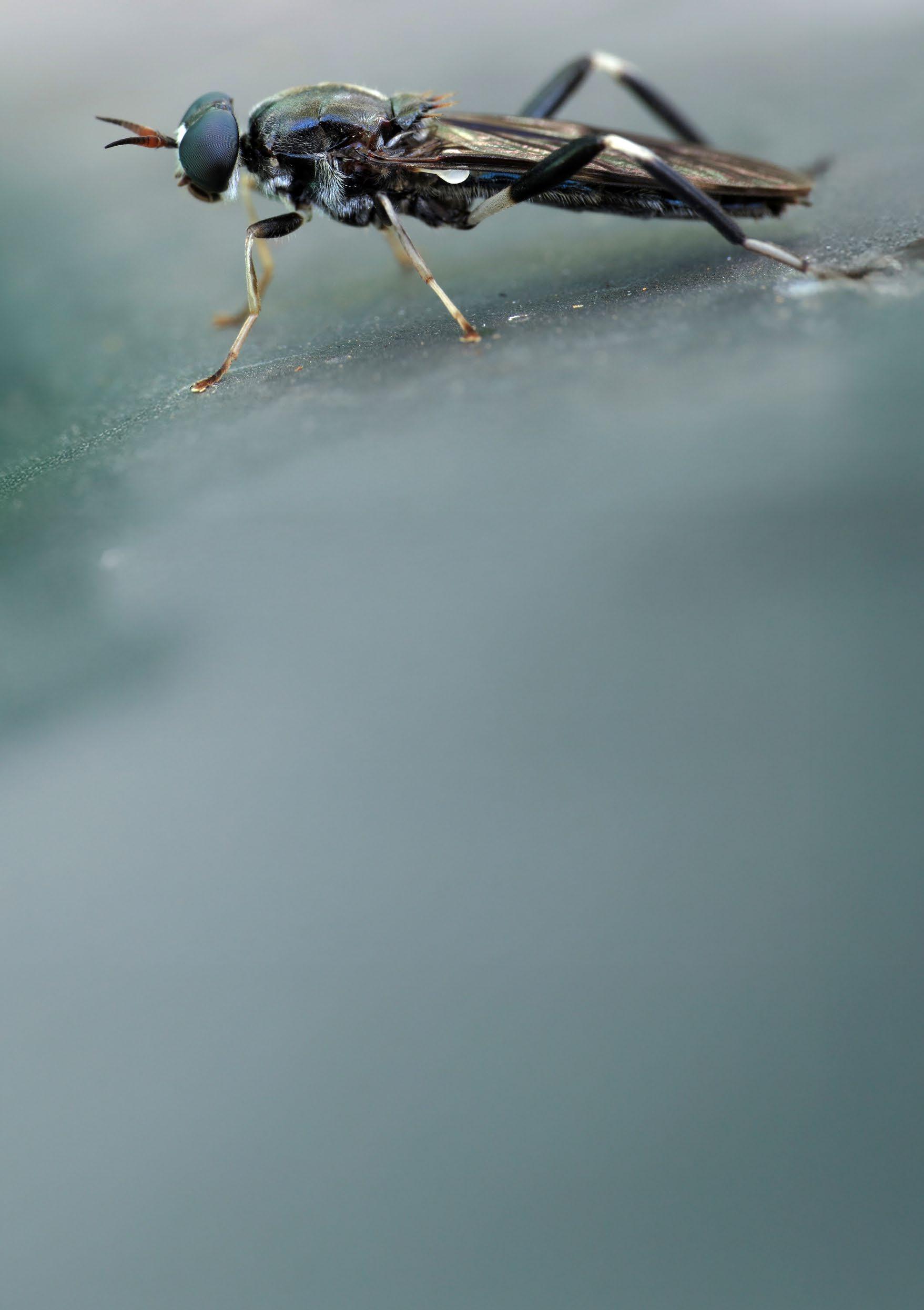
Southern Cross University is leading innovative research into how black soldier flies could help solve the global food waste crisis, while creating sustainable alternatives to plastic.
At the University’s Northern Rivers campus, researchers have established a black soldier fly farm to investigate the insects’ potential in waste reduction, bioplastic production, and sustainable agriculture. These flies are highly efficient at breaking down organic food waste, with larvae capable of consuming twice their body weight daily—significantly reducing landfill waste and associated greenhouse gas emissions.
“Black soldier flies are unique,” said Professor Nigel Andrew, Entomologist and Chair of Science. “They rapidly decompose food waste, breed efficiently, and are not pests, despite their global distribution.”
Beyond waste management, researchers are exploring the use of chitin, a compound found in the flies’ exoskeletons, as a base for biodegradable polymers. Dr Lachlan Yee is developing chitosan, as a natural, compostable plastic alternative with potential uses in areas like wound care, thanks to its antibacterial properties. Master’s student, Risa Otake is studying how varying the flies diet affects chitin production, with the goal of increasing domestic biopolymer sources.
Dr Owen Hogan, a lecturer in entrepreneurship and innovation, is exploring how the industry can scale sustainably in Australia.
The project, as part of the University’s ZeroWaste Research Cluster, is also investigating commercial opportunities for black soldier fly farming.
Graduate Certificate in Circular Economy
The Graduate Certificate in Circular Economy is designed for professionals and changemakers ready to lead the transition to more sustainable, regenerative systems.
Co-designed with industry and sustainability experts, the program focuses on:
• Circular economy principles and applied strategy and reporting
• Sustainable business models and innovation
• Policy, regulation, and global frameworks
• Practical strategies for implementation and impact
All tailored to the growing demand for circular solutions across industries, governments, and communities.
This flexible, online course can be completed in 1 year part-time, making it ideal for working professionals.
Scan to view the full course details.
Linkage Projects
The ZeroWaste cluster’s work includes several funded research projects involving collaborations between Southern Cross University researchers, industry and community.
Transforming meat residue into agricultural soil
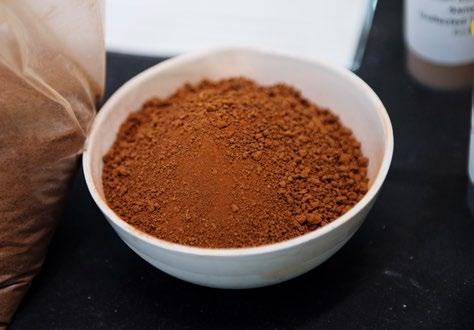
This ARC Linkage project led by Professor Dirk Erler aims to develop a new technology that can transform the organic residues from red meat processing into engineered hydrochars. These hydrochars will be customised to store soil nutrients, improve plant growth, and actively mitigate greenhouse gas emissions.
Marine Plastic Research Partnership
Southern Cross University is part of an international research partnership tackling marine plastic pollution. Professor Amanda Reichelt-Brushett’s expertise in marine ecology and marine pollution is enhancing the partnership between Southern Cross University, the Pacific Islands Development Forum and the Federation of Indian Chambers of Commerce & Industry (FICCI).
Waste Wise Schools
Waste Wise Schools is an actionbased program that encourages schools to move toward zero waste through their curriculum and operating practices.
Established in 1997, the program has been implemented in hundreds of Australian schools. It has experienced tangible success in reducing schools’ waste through its approach of reduce, reuse, and recycle.
Year 10 students re-imagine plastics in STEM collaboration
In partnership with The Rivers Secondary College and The Rivers Academy of STEM Excellence, Year 10 students from Lismore High School spent a month immersed in a hands-on scientific investigation into the lifecycle of plastics and the potential of recycled materials.
The project, which began in August, combines universitylevel lectures with practical lab work, allowing students to explore plastic properties, waste management strategies, and granulation processes.
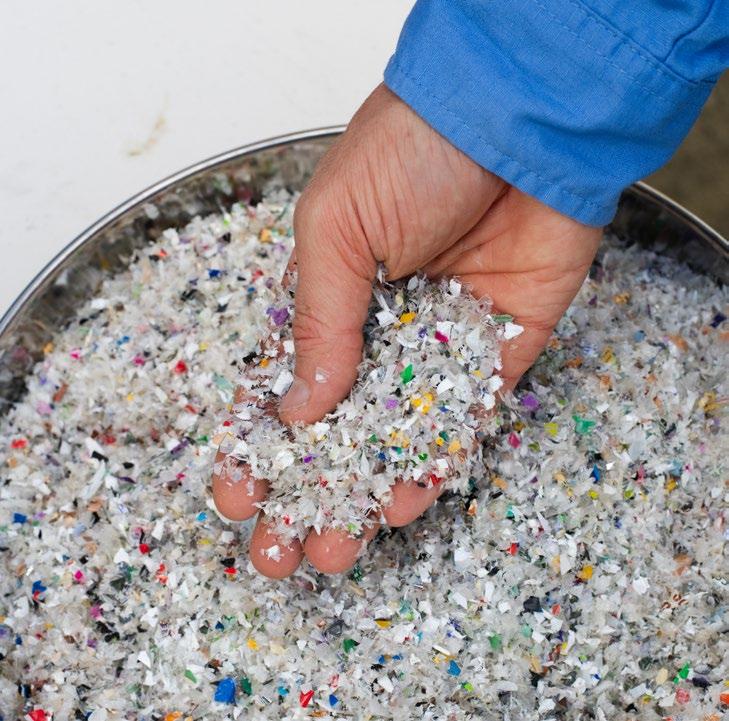
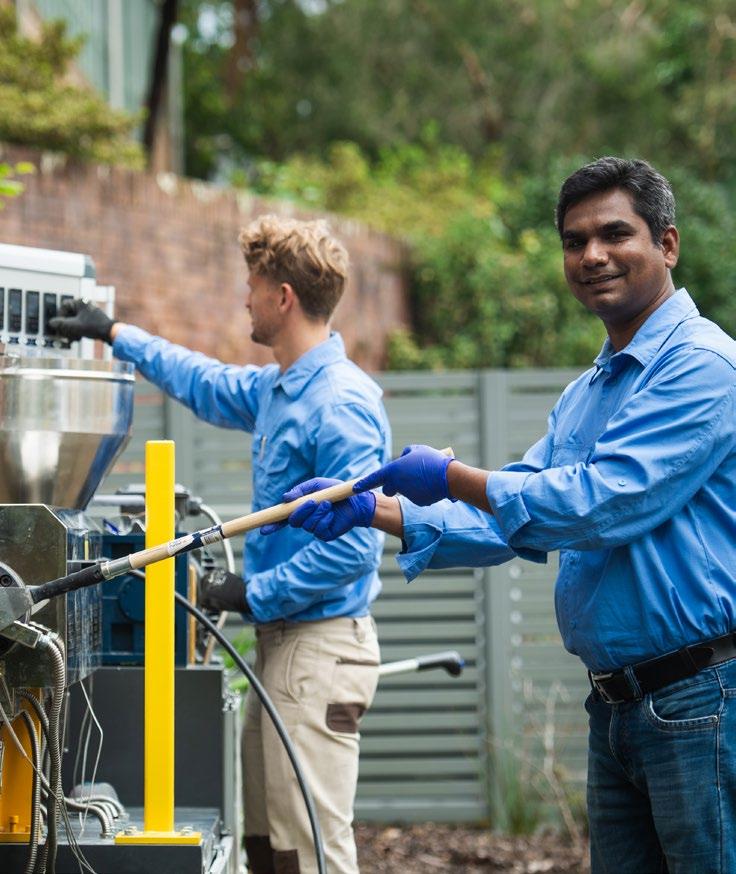
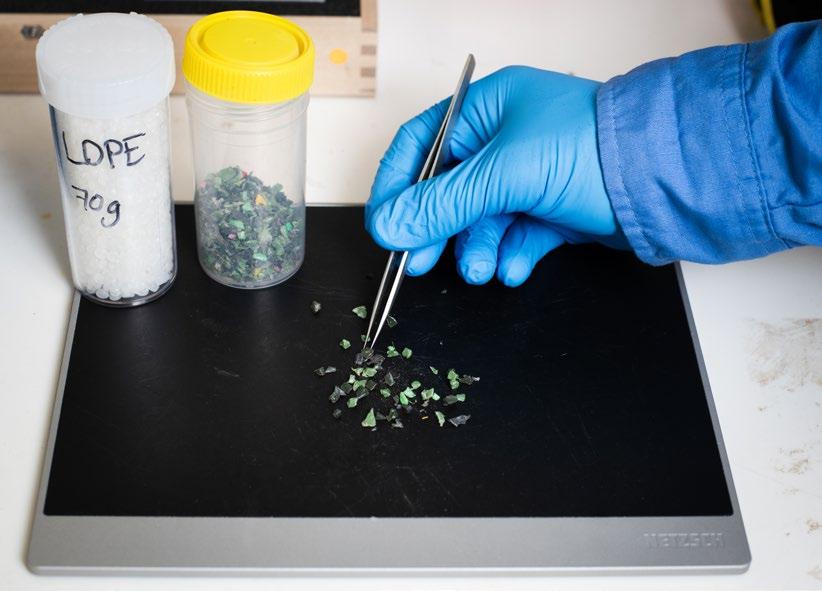
Throughout the program, students audited and sorted plastic waste from the university by type, then shredded and extruded the materials for testing. They also conducted tensile strength tests on plastic blends containing varying percentages of recycled content.
The pilot is expected to serve as a model for future collaborations, with plans to expand across The Rivers Secondary College and include additional year groups and research themes.
Diverting Plastics from Landfill in Red-Meat Processing
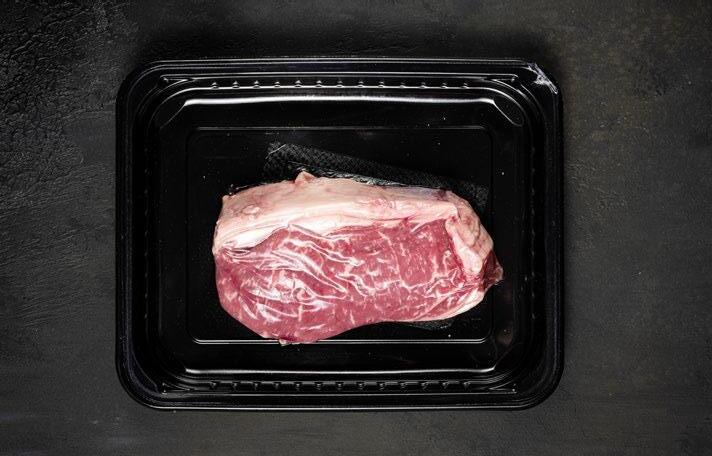
This project focuses on reducing single-use plastic waste in red meat processing. The research will provide measurable baseline data against which alternative production pathway scenarios can be assessed and evaluated, while maintaining or improving food safety and shelf-life standards.
The report by Dr Owen Hogan, Dr Lachlan Yee and Associate Professor Pascal Scherrer is available online.
Reefs and Oceans Research Impact Cluster
Restoring the reef. Caring for our oceans.
Restoring thereef. Caring for our oceans.
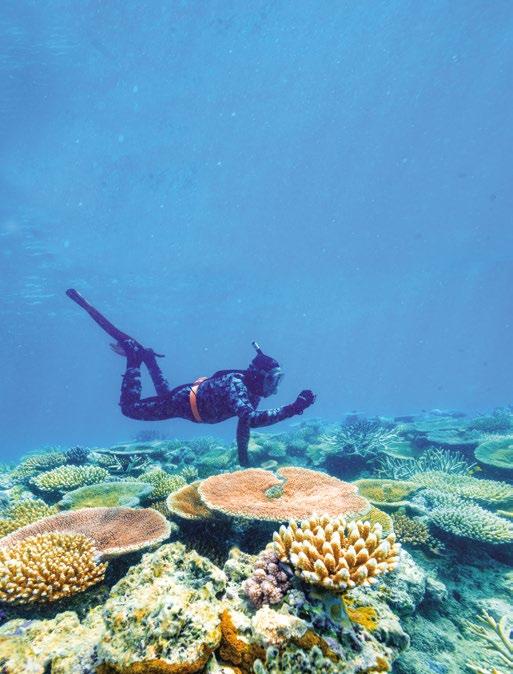
Oceans cover 70 per cent of our planet and absorb 90 per cent of the excess heat generated by climate change. They’re also home to complex reef ecosystems that provide essential ecological balance, economic prosperity and cultural heritage.
Today, these environments are undergoing dramatic, accelerating changes due to climate pressures, pollution and human activity, that endanger marine biodiversity and the communities that depend on them.
The Reefs and Oceans Research Impact
Cluster unites academics across diverse faculties to investigate marine environments, from the tropics to Antarctica. The cluster is focused on solutions to these pressing challenges and collaborates with industry, government, Indigenous traditional owners of sea Country and communities for hands-on conservation, education, coral restoration and the advancement of knowledge about our reefs and oceans.
“We depend on reefs and oceans for life itself.”
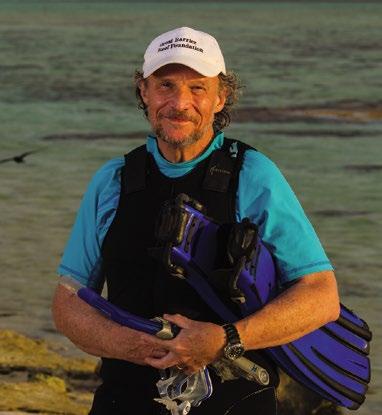
Associate Professor Dan Harrison Cluster Lead and Oceanographer
Cloud brightening
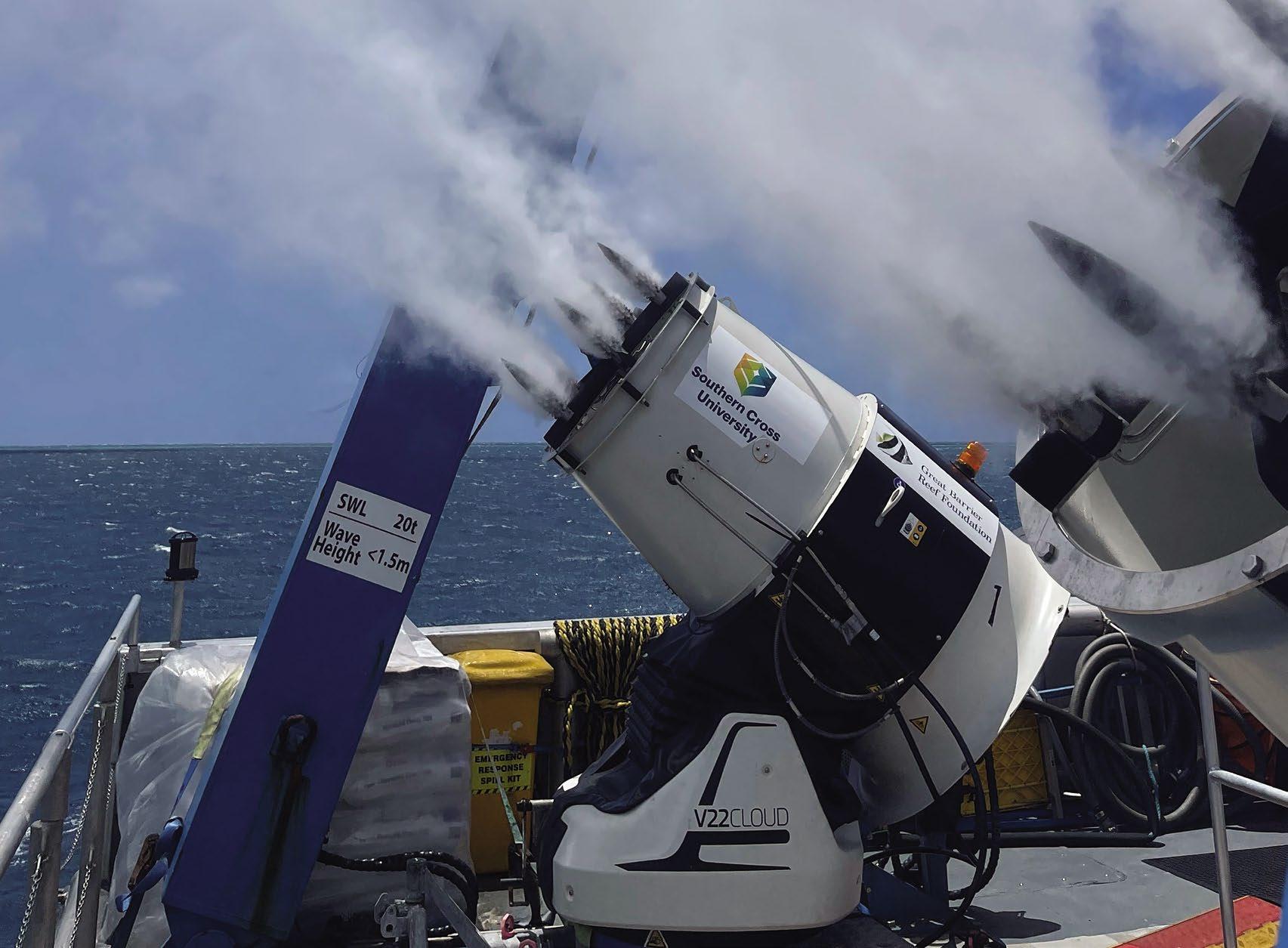
Marine cloud brightening is an experimental technique designed to shade coral reefs from marine heatwaves that can lead to coral bleaching. The cloud brightening project is led by Associate Professor Daniel Harrison and has been supported by the Myer Foundation, QLD Govt, the Australian Federal Government through the Reef Restoration and Adaptation Program, and now the UK Government through the Advanced Research and Invention Agency (ARIA). Associate Professor Harrison and his research team have devised a system using water cannons, mounted on the back of boats, that spray seawater droplets into the sky through tiny nozzles.
This simulates the natural generation of sea salt cloud condensation nuclei by breaking waves on the ocean and makes clouds ‘brighter’ and capable of reflecting more sunlight away from the ocean. Trials have produced promising results so far, indicating that with further technological development cloud brightening should be able to provide short-term relief for coral reefs from extreme heat stress. Despite these positive developments, the technique needs to be accompanied by aggressive human action to cut emissions and slow the pace of rapid ocean warming.
Coral IVF
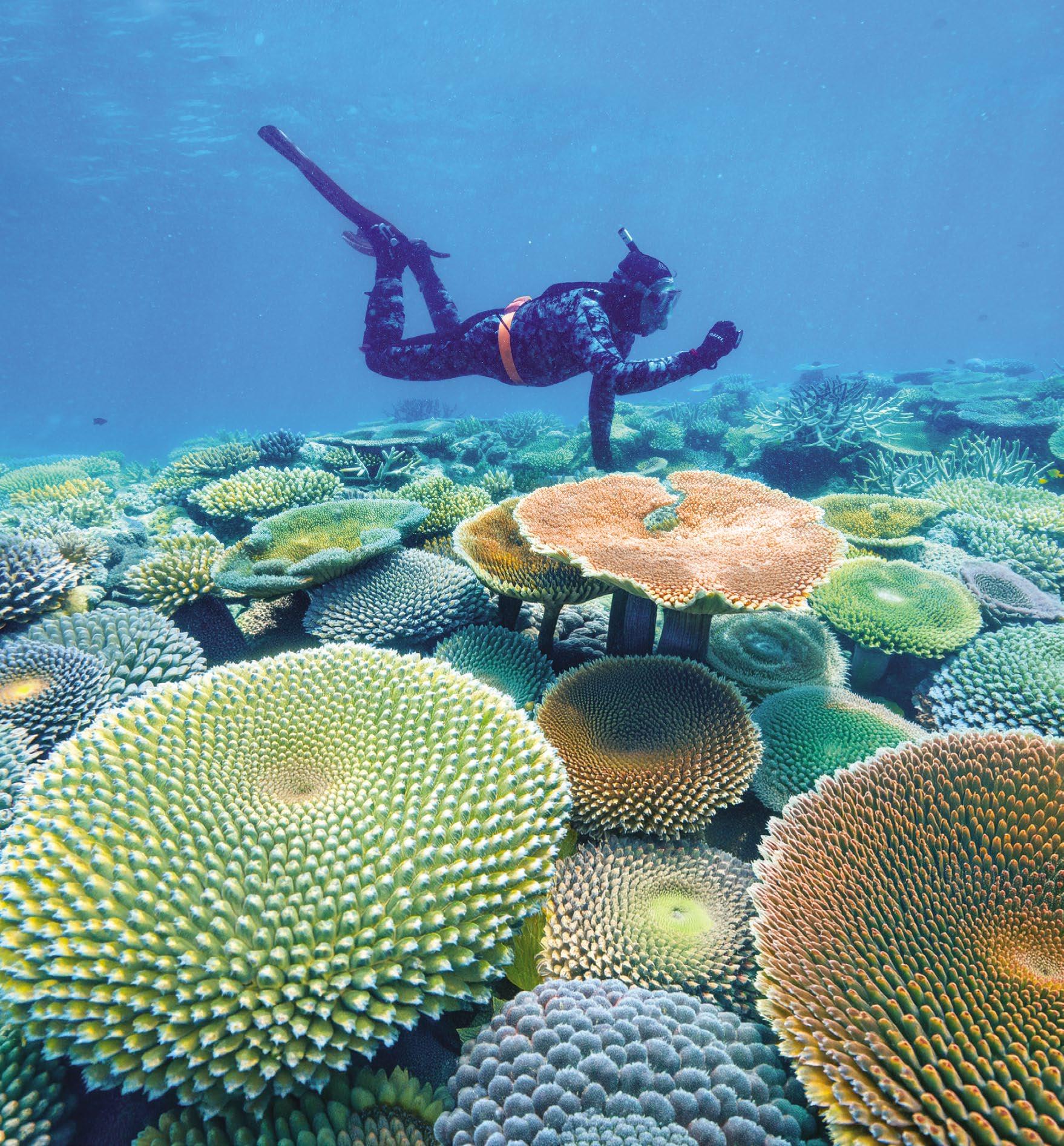
The Coral IVF project at Southern Cross University utilises a ground-breaking technique devised by Distinguished Professor Peter Harrison to help regenerate damaged reefs. Scientists collect many millions of coral eggs and sperm during annual spawning events on the Great Barrier Reef, The Philippines, The Maldives and other regions around the world. These coral eggs are are fertilised in floating nurseries and the resulting larvae are settled onto degraded reef areas, boosting natural recovery. Led by Distinguished Professor Harrison and supported by partners such as the Australian Centre for International Agricultural Research, Great Barrier Reef Foundation through the Reef Restoration and Adaptation Program, CORDAP and the Paul G Allen Family Foundation, these projects offer hope to support the recovery of globally significant great natural wonders.
“Coral IVF boosts the natural processes of coral spawning and reef regeneration, not only for the Great Barrier Reef but for other reefs around the world and for the communities who depend on them.”
Distinguished Professor
Peter Harrison
Coral IVF Team Lead
Thermalresistant corals and selective breeding
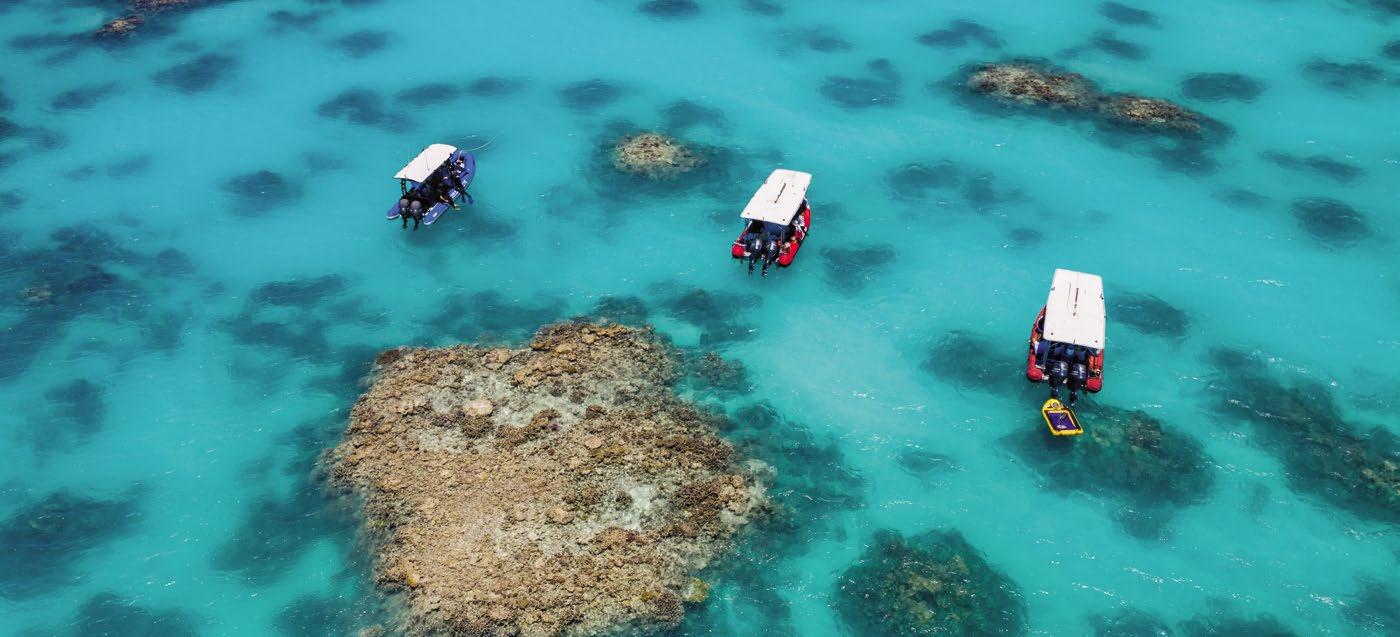
Dr Emily Howells, Senior Research Fellow and co-Director of the Australian Museum’s Lizard Island Research Station, leads work on the capacity of reef-building corals to adapt to climate change. In focus are corals with a genetic predisposition for thermal tolerance and, by extension, how this innate adaptivity might be harnessed for conservation and restoration.
The research is in collaboration with the Reef Restoration and Adaptation Program, the Australian Institute of Marine Science in Townsville and King Abdullah University of Science and Technology in Saudi Arabia.
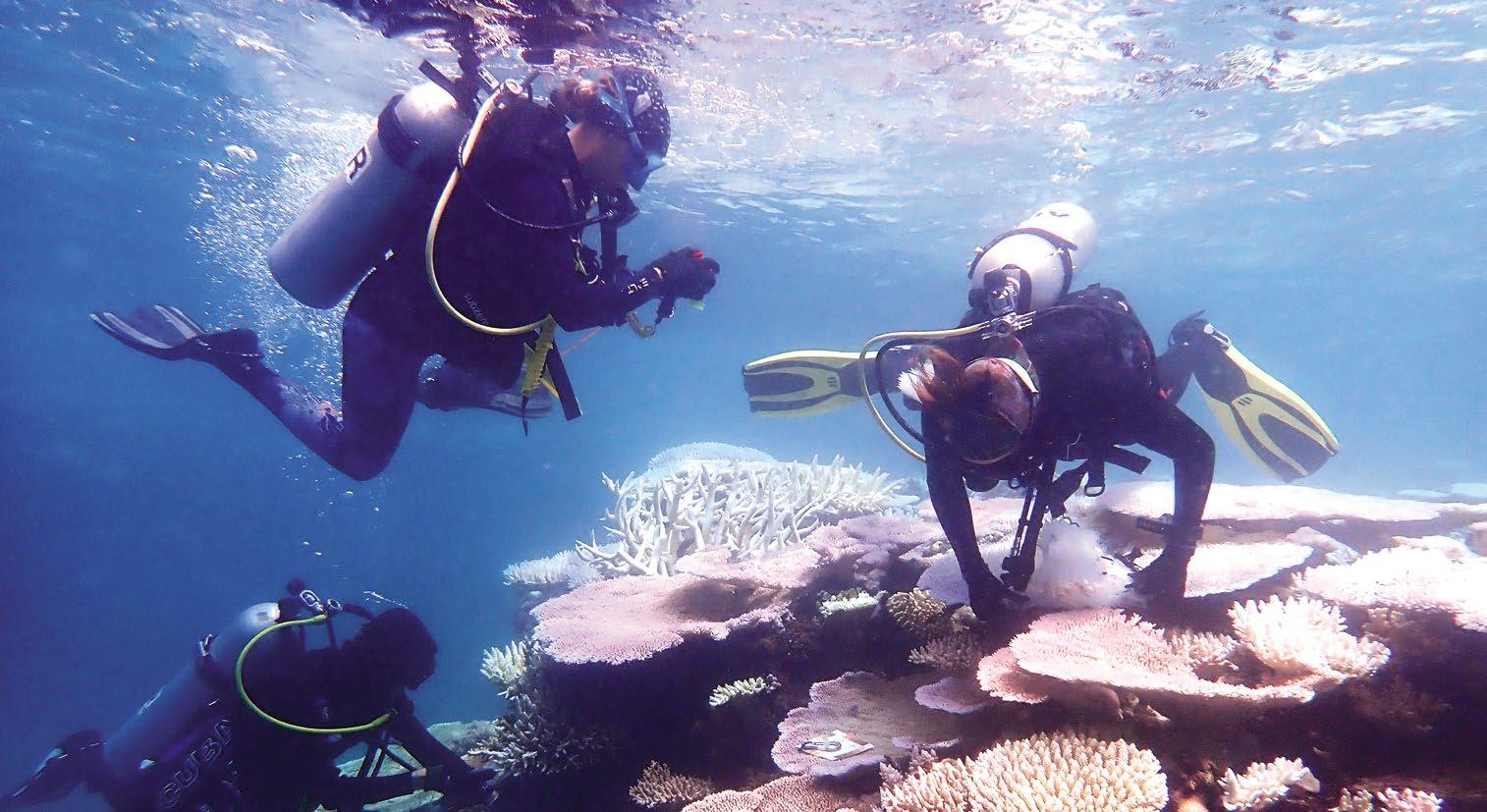
PhD student Melissa Naugle (left) sampling coral colonies with varied levels of bleaching severity on the northern Great Barrier Reef, with collaborators Grace Frank (centre) and Veronique Mocellin (right) from the Australian Institute of Marine Science.
Photo credit: Emily Howells
This work involves taking samples from thousands of corals across the Great Barrier Reef and Indo-Pacific and measuring their heat tolerance during bleaching events and controlled experiments.
Whole-genome DNA sequencing is used to understand how heat tolerance is determined by genetics and to identify markers associated with heat tolerance traits. This information helps predict the potential of corals in different locations to adapt to climate change and identifies tolerant corals for restoration initiatives.
Drone mapping
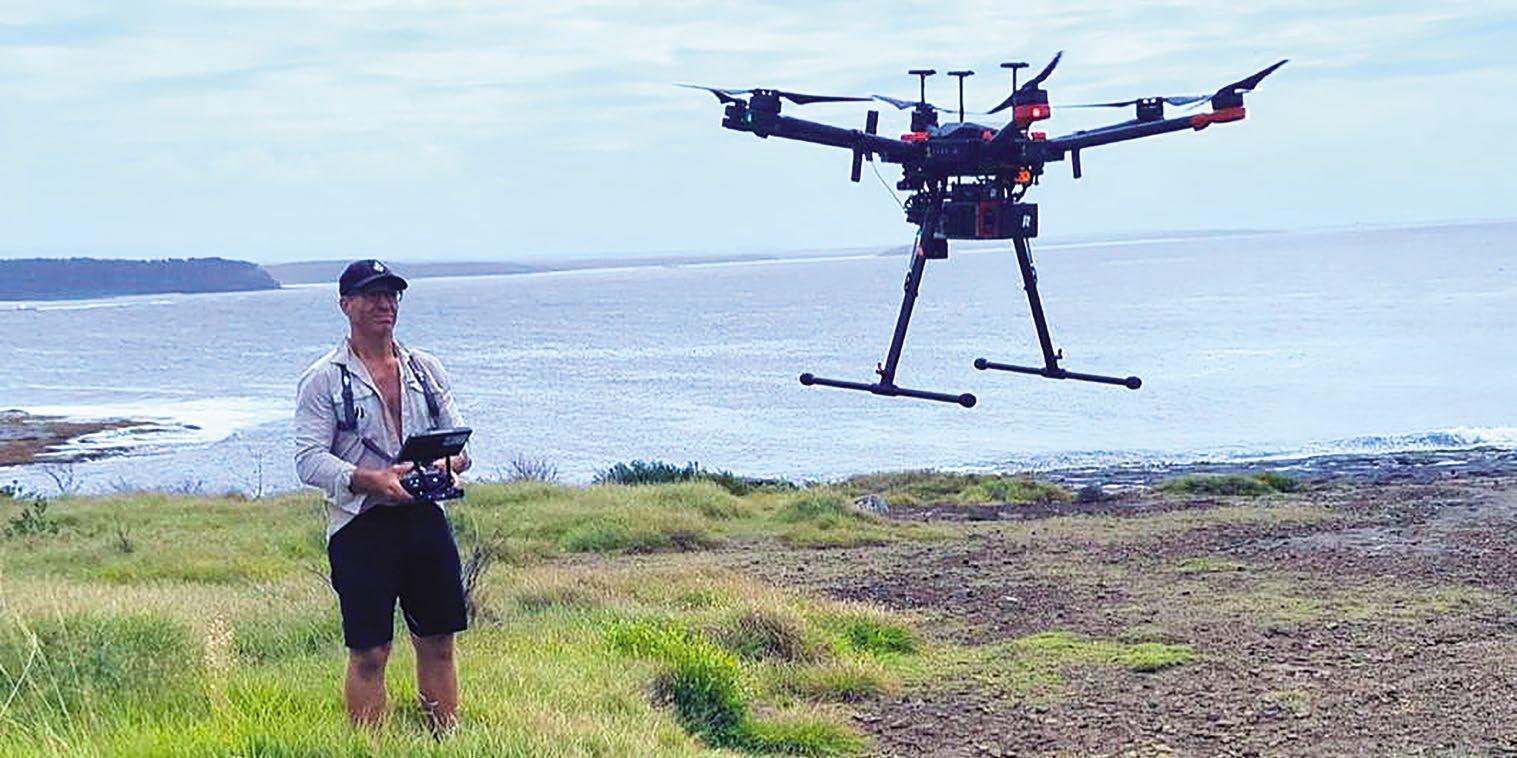
The University’s Chief Remote Pilot, Professor Brendan Kelaher, leads cutting-edge research at the National Marine Science Centre that integrates advanced drone platforms with artificial intelligence to tackle critical marine conservation challenges. His team deploys autonomous aerial drones equipped with LiDAR and multispectral sensors, using AI-enhanced object-based image analysis to monitor coral bleaching, map benthic habitats, and evaluate changes in marine biodiversity.
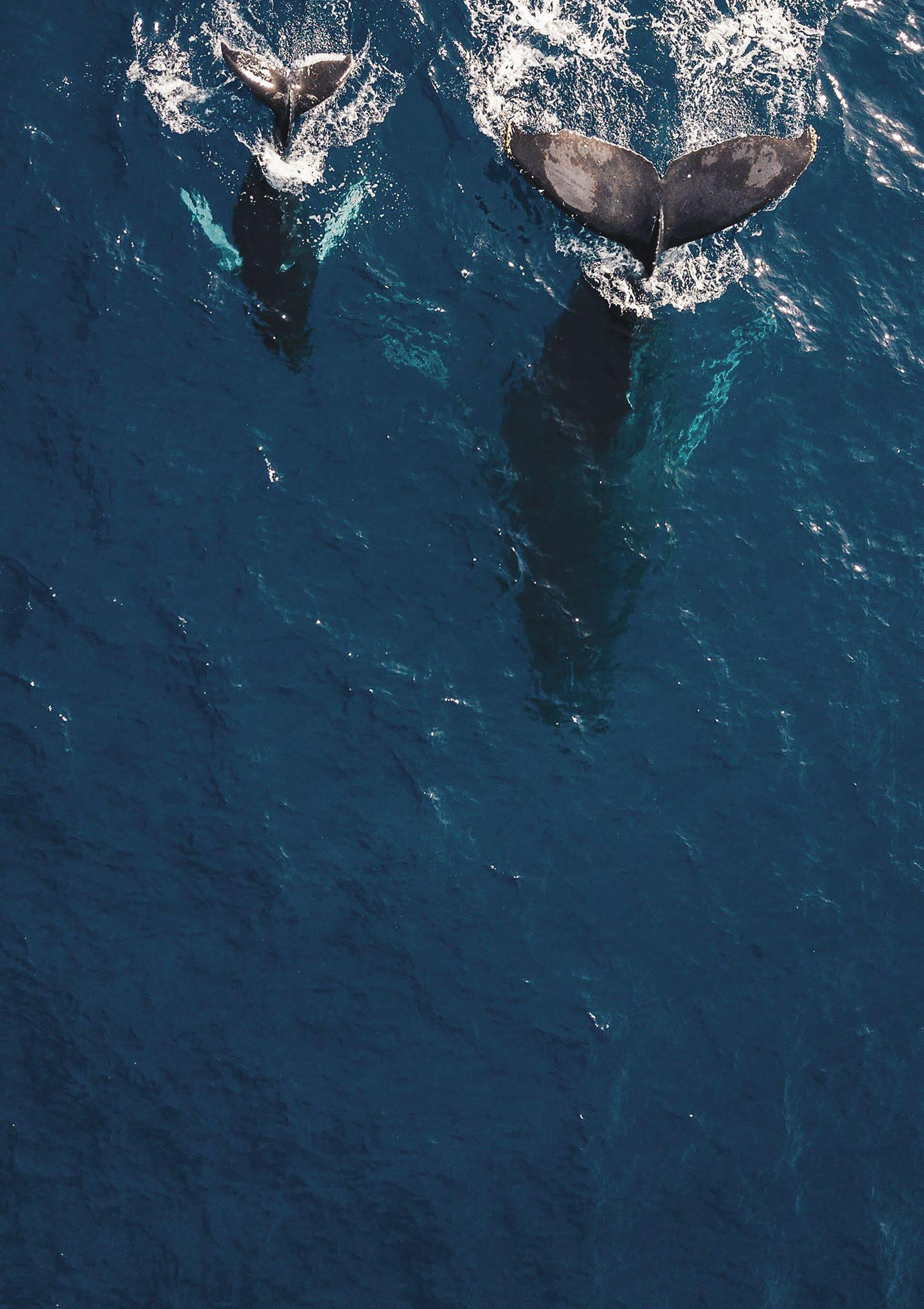
AI-driven image processing enables rapid, high-resolution detection of ecosystem change, delivering detailed insights that support effective coastal zone management. Current projects include marine megafauna monitoring, optimising drone-based atmospheric characterisation for improved weather modelling and developing automated surveillance systems to enhance dangerous shark monitoring.
“Drones are the future of marine research. We can use drones to see our reefs and oceans in completely new ways.”
Professor Brendan Kelaher Faculty of Science and Engineering
Novel carbon storage
Associate Professor Kai Schulz is advancing knowledge of Ocean Alkalinity Enhancement (OAE) for carbon dioxide removal and storage. OAE involves the controlled addition of crushed minerals or suitable alkaline agents from industrial processes into the ocean to mitigate climate change. Next to natural rock minerals, certain industrial inorganic byproducts have the capacity to be an effective, ocean-based conduit for carbon capture and storage.
His research is part of a five-year, $11 million partnership between Southern Cross University, UTAS, University of Hamburg, the GEOMAR Helmholtz Centre for Ocean Research (Kiel), and Dalhousie University in Halifax, Nova Scotia. Funding has come from the Ocean Alkalinity Enhancement R&D Program, a multi-funder effort incubated by the Carbon to Sea Initiative.
Image credit: Michael Sswat GEOMAR
Fisheries & aquaculture
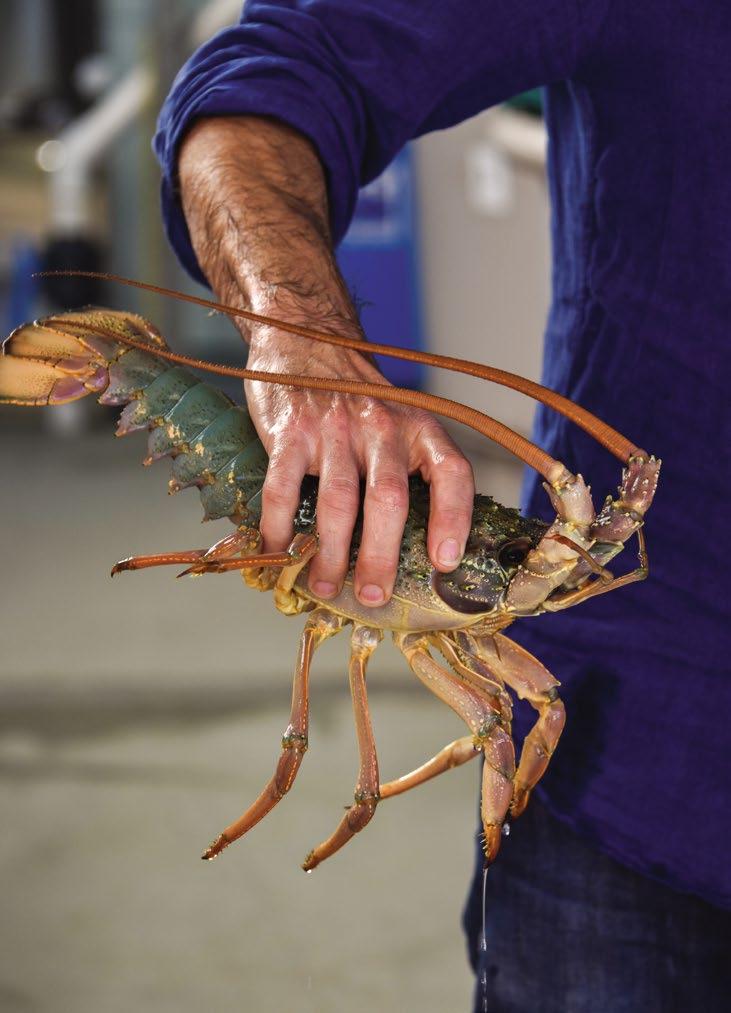
Southern Cross University conducts fisheries research through the National Marine Science Centre. We are researching new ecologically sustainable aquaculture species and ways to improve productivity while reducing the environmental impact of established aquaculture industries. Our aquaculture research spans all trophic levels from seaweeds, through herbivores such as sea urchins, up to top fish
predators such as mulloway. We partner with government and industry to provide innovative research solutions to maintaining sustainable harvests of marine fisheries. A particular focus of this research is the sustainable use of marine resources in the Pacific and South East Asia and maintaining recreational fishing opportunities for future generations.
“We’re working to ensure fisheries are managed sustainably so they can continue to
provide food and livelihoods for communities without compromising marine ecosystems.”
Professor
Steven Purcell
Professor of Marine Science and Management
National Marine Science Centre
The University’s National Marine Science Centre (NMSC)
The National Marine Science Centre (NMSC) is a world-class research and teaching facility located in Coffs Harbour, adjacent to the Solitary Islands Marine Park. This unique setting, where tropical and temperate currents meet, provides an ideal environment for studying marine ecosystems. NMSC focuses on high-impact research into marine biodiversity, aquaculture, climate change resilience and sustainable resource management.
Seawater Supply System
Drawing water from Charlesworth Bay, high-quality filtered seawater is available on tap in the laboratories, hatchery, aquarium rooms and tank farm. The supply of seawater supports a range of experimental research activities and specialist laboratories, and is backed up by a standby generator and an elaborate alarm system
Aquaculture Farm
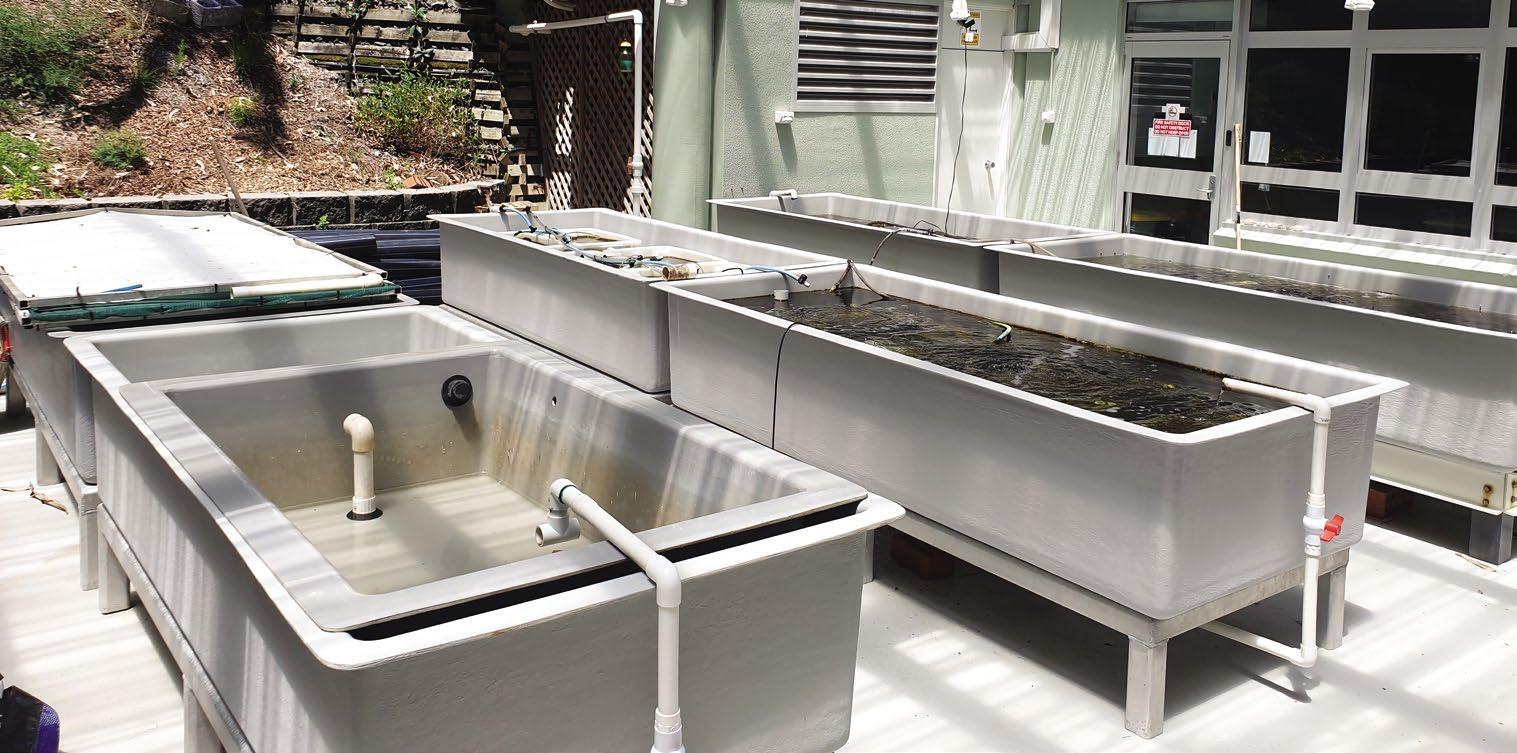
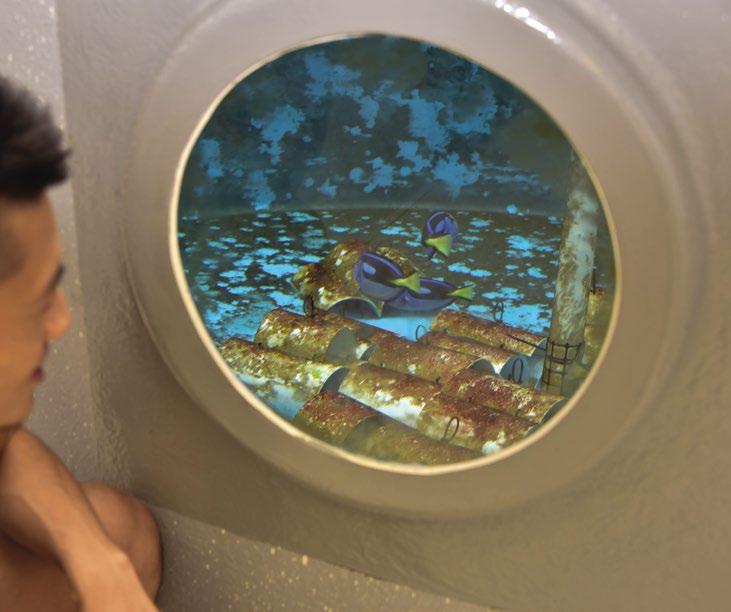
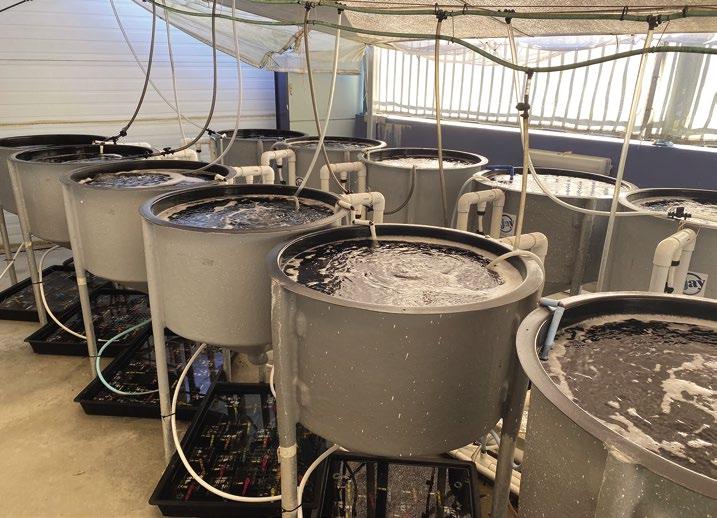
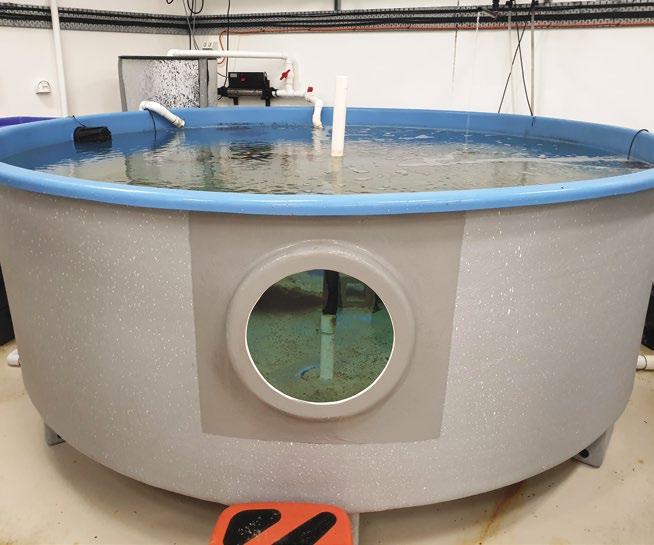
The large aquaculture farm allows the NMSC to house a wide range of fish and invertebrate species in a variety of round tanks and raceways that range from 1,000 to 7,000 litres. This space includes open air, undercover and climate-controlled rooms to cater for different animals and research requirements.
Hatchery
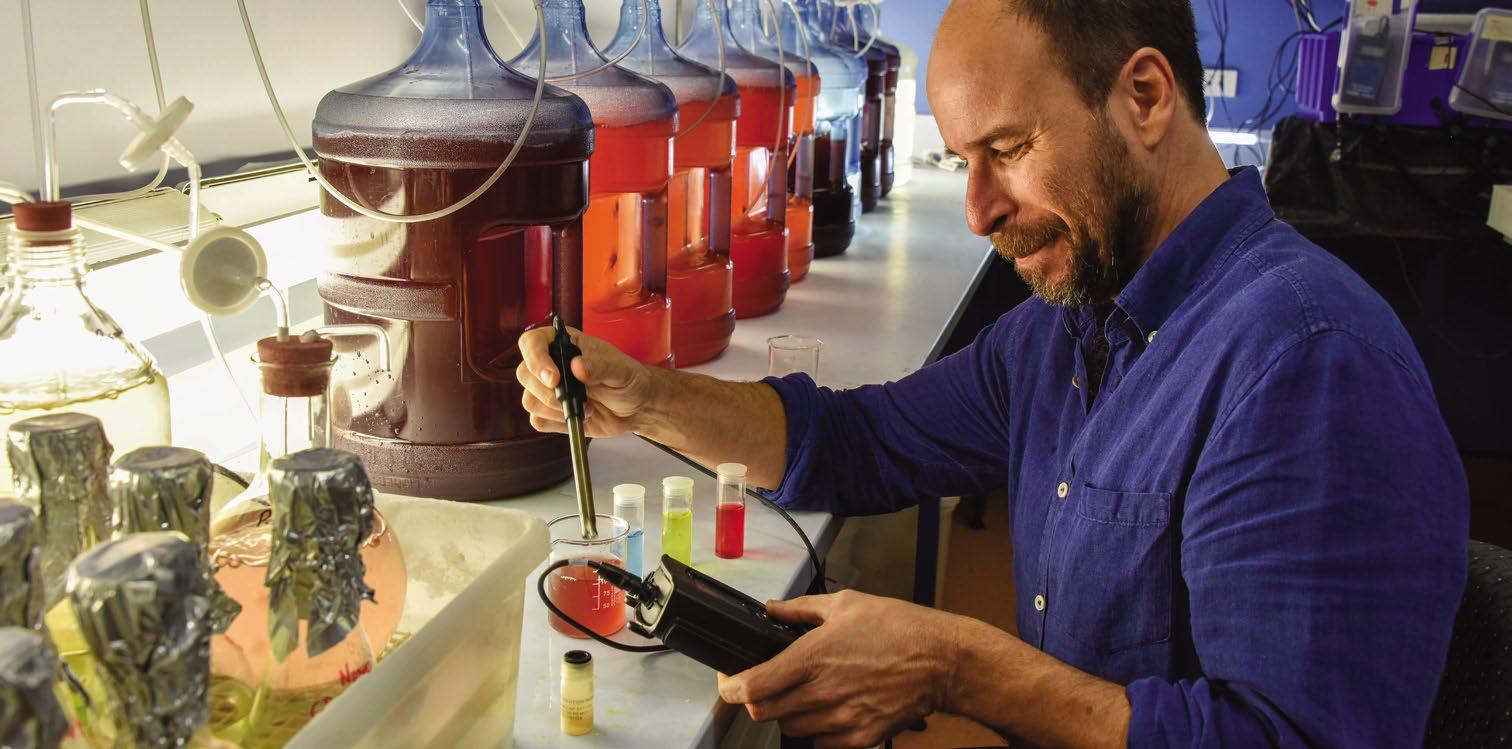
Research into all aspects of aquaculture is possible, with a broodstock facility (30,000 litres), hatchery and nursery tanks to grow fish to fingerling stages. The hatchery enables researchers to grow all stages of the food chain, from algal culture to live food. The broodstock facility is climate-controlled to allow breeding conditions to be simulated and studied to attain optimal reproduction of fish species.
Other Research Facilities
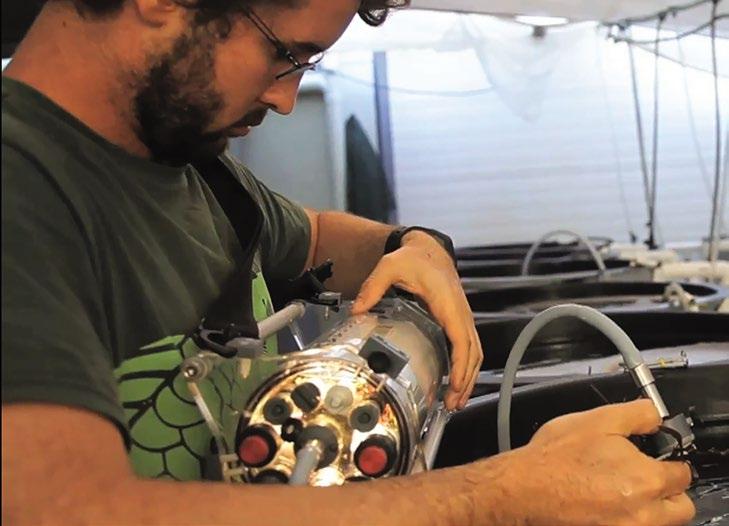
Specialist rooms include climate and temperaturecontrolled rooms, a genetics laboratory as well as general laboratory space. Two climate-controlled labs are serviced by a water temperature control system, which can supply seawater at four separate, tightly-held temperatures. These laboratories are ideal for climate change research. The NMSC also has a research vessel that may be used for a variety of purposes, providing a platform for SCUBA diving, water and sediment sampling, and the deployment of a range of small to medium-sized gear types.
The Solitary Islands Aquarium
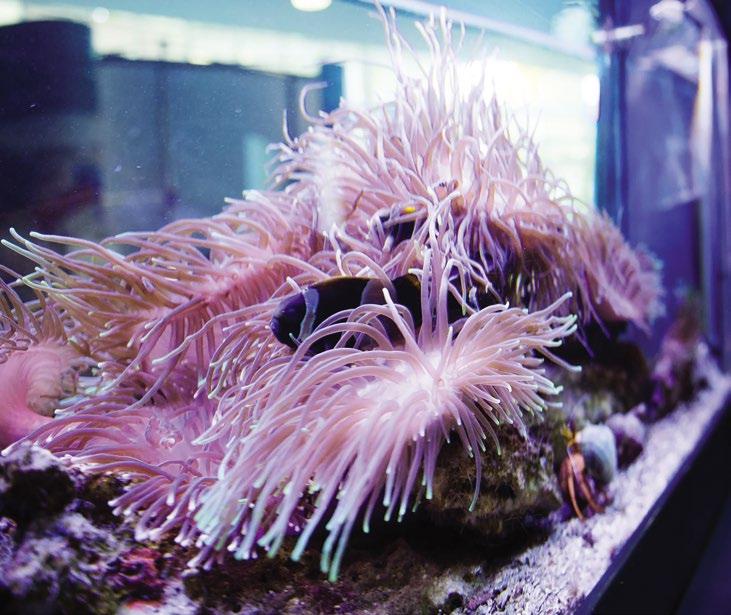
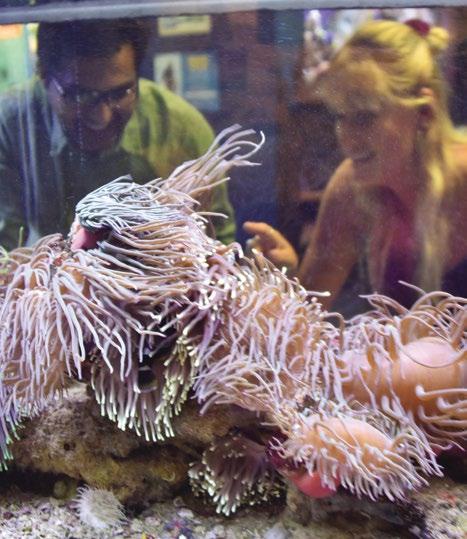
The Solitary Islands Aquarium showcases a range of species from local marine and estuarine environments and is a primary interpretive facility promoting community education. Open to the public on weekends and during school holidays, also by appointment for school and community groups, this facility forms the core of the NMSC’s public outreach program.
Airborne research
The University has a fleet of airborne research platforms including a manned Cessna 337 and remotely operated drones. The aircraft is often deployed to investigate aerosol-cloud-radiation interactions in Marine Cloud Brightening studies over the Great Barrier Reef. The aircraft is equipped with comprehensive meteorological, aerosol, and cloud microphysical instrumentation, as well as remote sensing hyperspectral and bathymetric LiDAR to measure the effectiveness of cooling interventions on coral stress and can be adapted for diverse research purposes.
Southern Cross Analytical Research Services (SCARS)
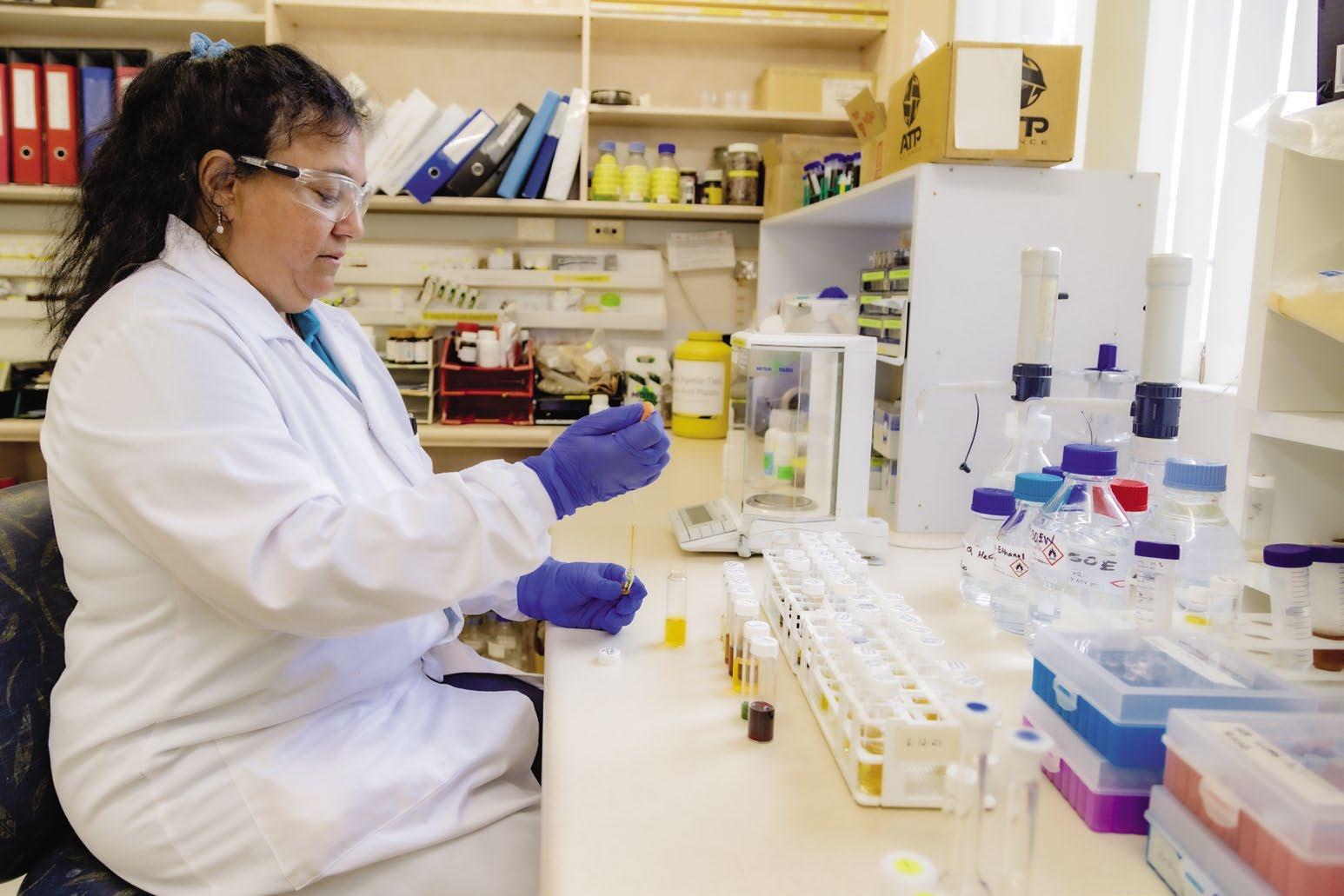
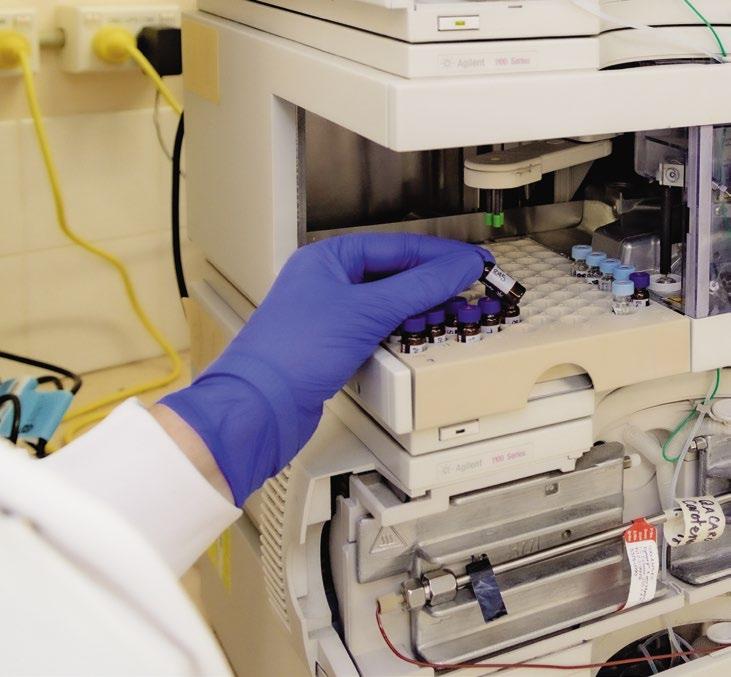
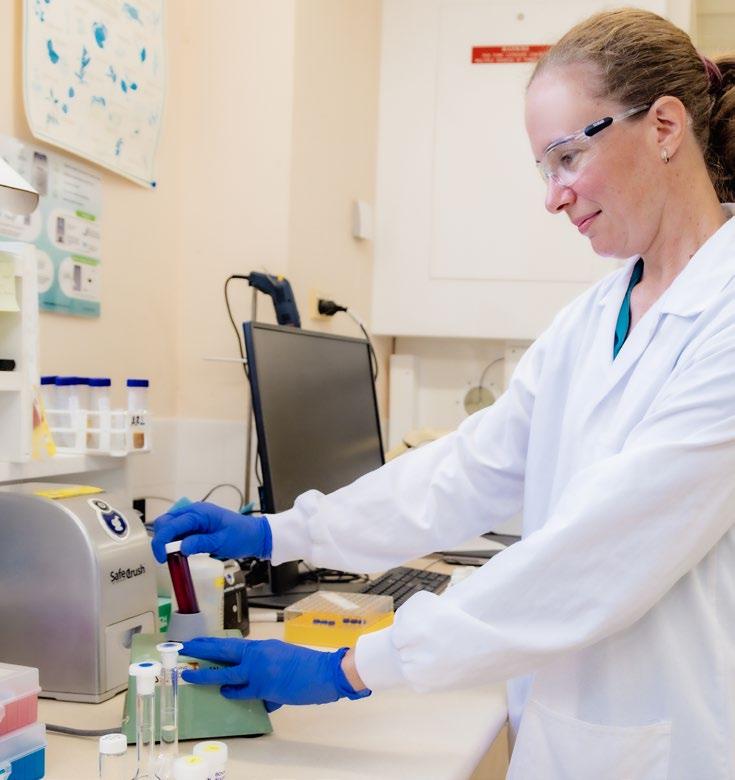
SCARS provides commercial and research analytical services from two key teams: Environmental Analysis Laboratory (EAL) and Analytical Research Laboratory (ARL). They work closely with external laboratories and other university faculty and research teams, to provide comprehensive analysis services.
The EAL offers a range of testing procedures, including contaminant and water testing. The ARL provides a range of phytochemical analytical services and quality testing of pharmaceutical raw materials and products to satisfy regulatory requirements.
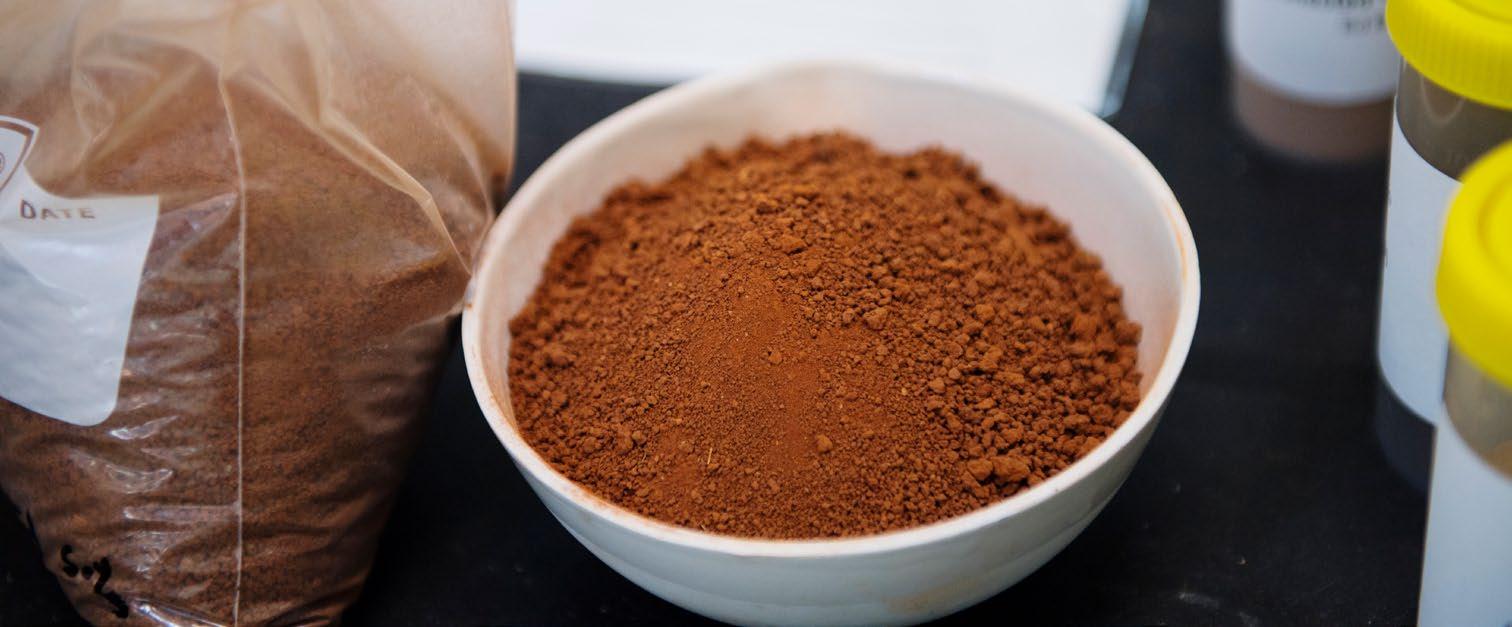
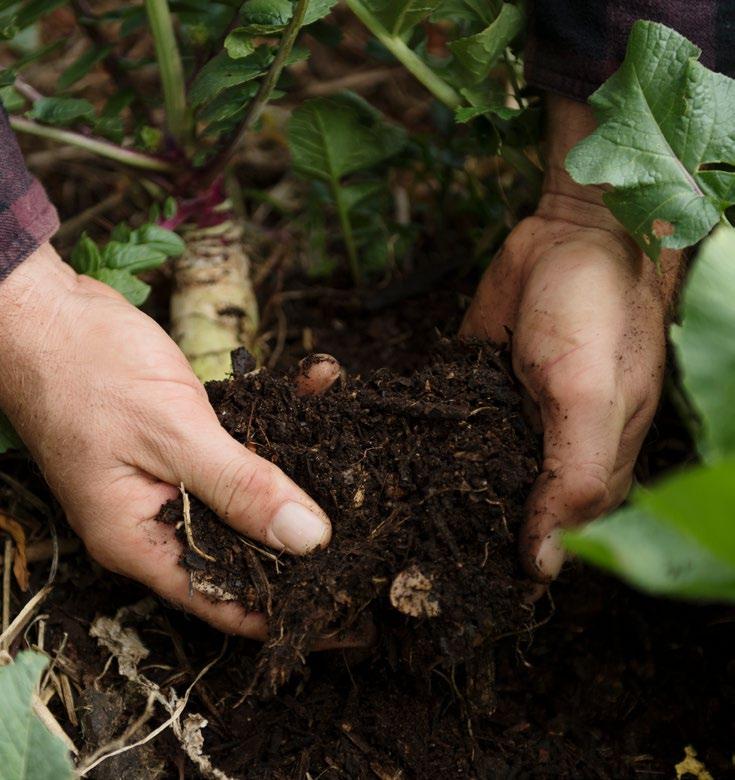
The Environmental Analysis Laboratory (EAL) at Southern Cross University is a nationally accredited facility offering advanced analytical services in soil, water, plant tissue, and environmental materials. Operating since 1993 and based at the Lismore campus, EAL supports research, agriculture, and industry with highquality testing backed by rigorous quality assurance and NATA accreditation. It helps farmers assess nutrient deficiencies, soil carbon, and contaminants through comprehensive soil testing.
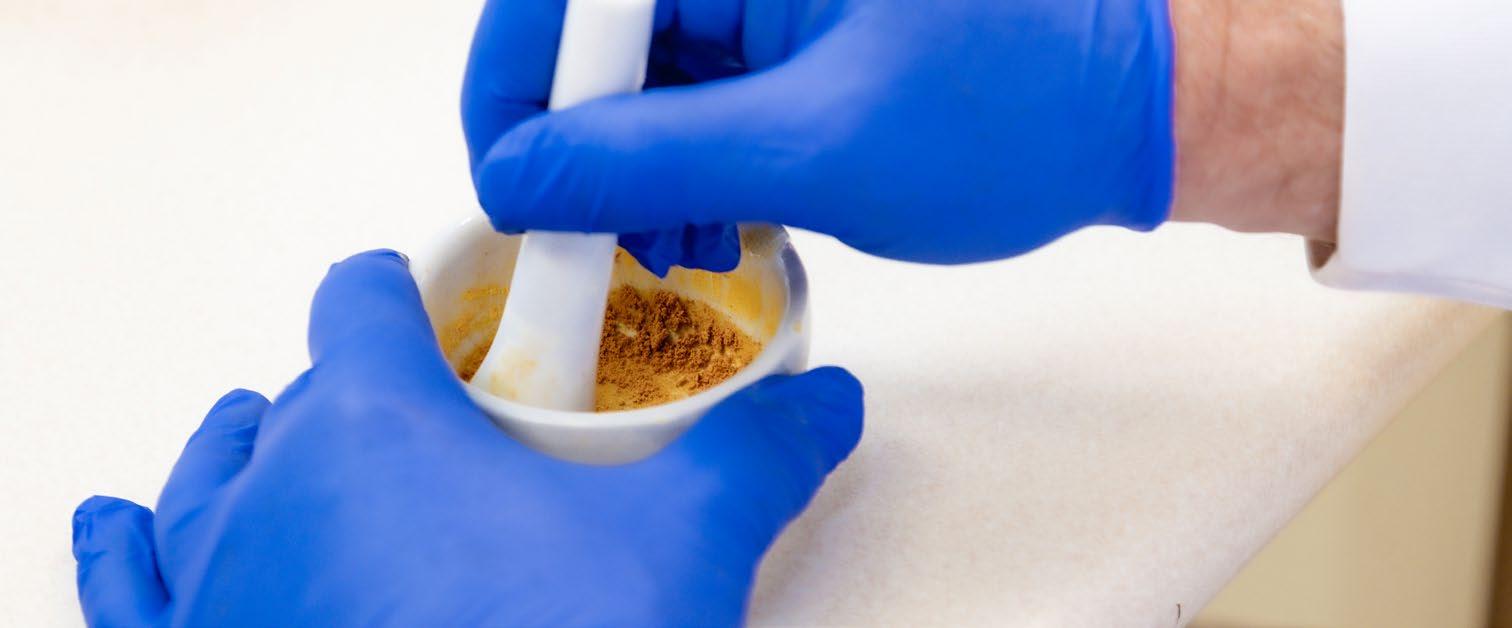
The Analytical Research Laboratory (ARL) at Southern Cross University is one of Australia’s few TGA-accredited facilities for phytochemical analysis. It supports herbal authentication, quality control, and natural product development. ARL’s services include lipid profiling, essential oil chemistry, and stability trials, bridging research and industry. The lab plays a critical role in validating the safety and efficacy of natural medicines, ensuring regulatory compliance and scientific integrity. Its capabilities underpin Southern Cross University’s leadership in functional foods and botanical therapeutics.
Learn more about what our Analytical Research Laboratory can do for you scu.edu.au/ARL
Clinical Trials Centre
Southern Cross University’s Clinical Trials Centre, based at the Lismore campus, conducts high-quality trials in naturopathic and integrative medicine. Current studies include herbal treatments for menopause, anxiety, dizziness and natural supplements for chronic conditions. The Centre collaborates with hospitals, industry, and community groups, offering both in-person and telehealth trials. Its work contributes
to evidence-based health care, supports the integration of natural therapies into mainstream practice and encourages the participation of rural, regional and remote communities in clinical trials. The Clinical Trials Centre exemplifies Southern Cross University’s translational research approach, turning lab discoveries into realworld health solutions.
Learn more about our Clinical Trials Centre scu.edu.au/ncnm-clinical-trials