
Our sustainability journey
Our sustainability journey

In 2022 Unilin launched One Home, our group-wide sustainability strategy with ambitious targets in several domains. We look into the environmental impact of our products and production processes, but also at how we live at home, at work and on our planet.

The Planet Home pillar groups our environmental efforts. The basis for these is the environmental policy applicable to all of Mohawk Industries’ segments. It addresses climate change, water, circularity, supply chain management, and environmental responsibility. At Unilin, we put an additional focus on climate change and circularity. We are committed to supporting the global transition to more sustainable products and production systems by reducing fossil fuel use, lowering the lifecycle carbon footprint of our products, and improving their recyclability while also assuring proper environmental plant management
As part of our sustainability strategy, the Your Home pillar focuses on how our products contribute to creating healthy, comfortable, and sustainable living spaces. Since we spend most of our lives indoors, whether at home, in classrooms, offices, stores, or hospitals, the quality of these environments directly impacts our well-being.
Our Home is a commitment to our people and our community. A thriving, future-proof company is built on the health, well-being, development and engagement of its employees.
Across Mohawk Industries, the foundation in this field is formed by our health and safety, human rights, and training and development policies.


At Unilin, we translate these into our focus on creating a safe, inclusive, diverse, and respectful workplace. A place where everyone can find challenges and continue to grow, a second home for 7800 employees. We also work closely with our suppliers and engage with local communities around our sites, aiming to create lasting, positive social impact wherever we operate. We share our home.
Science-based targets provide companies with a clearly-defined path to reduce emissions in line with the Paris Agreement goals –limiting global warming to 1.5°C. These targets are considered ‘science-based’ if they are in line with what the latest climate science deems necessary to meet the goals.
Since 2021 we are working with the Science Based Targets initiative (SBTi) – alongside over 4,000 other companies – and we have submitted our calculation and targets for validation. In 2023 the SBTi has confirmed alignment with the 1.5°C goal and approved our emission reduction targets set for 2030.

New products designed for circularity
Production technologies to allow more recycling content
New technologies to separate and recover raw material (e.g. removing plasticiser)
European recycling capacity of LVT and SV for LVT. Piloting on SV to SV recovery.
PURCHASED GOODS & SERVICES
UPSTREAM LEASED ASSETS
UPSTREAM TRANSPORTATION & DISTRIBUTION FUEL & ENERGY
EMPLOYEE
INVESTMENTS
FRANCHEES USE OF SOLD PRODUCTS
PROCESSING OF SOLD PRODUCTS
END-OF-LIFE TREATMENT OF SOLD PRODUCTS
DOWNSTREAM TRANSPORTATION & DISTRIBUTION
DOWNSTREAM LEASED ASSETS
SCOPE 1 emissions are direct greenhouse gas emissions from a company’s owned or controlled sources. SCOPE 2 emissions are indirect greenhouse gas emissions resulting from the generation of purchased or acquired energy.
To reduce our SCOPE 1 and 2 emissions, we invest in additional improvements in terms of energy efficiency and renewable power and heat to reach our goal of 42% less GHG emissions by 2030.
Group-wide renewable energy already covers 64% of our energy needs, thanks to solar panels, wind-turbines and waste-to-energy plants. Other initiatives in our operations, include for example the transition of a significant portion of our vehicle fleet and rolling materials to electric, and we switched a part of our road transport to river barge transport.
SCOPE 3 emissions are indirect emissions that occur in a company’s value chain, including both upstream (e.g. product design, procurement) and downstream (e.g. customer use, disposal) activities. As a manufacturing company, responsibility extends beyond our operations. We are at least partially responsible for everything that happens throughout our value chain.
Our SCOPE 3 emissions are mostly associated with purchased goods and services and how our end-of-life products are treated. We will focus on these priorities to reduce our SCOPE 3 emissions by 12.3% by 2030.


Did you know?
Sheet vinyl is made from a mix of natural, recycled and fossil - based materials. Around 60% of the components in our sheet vinyl come from natural or recycled sources
The remaining 40% consists of fossil - based materials, including plasticizers and ethylene. Being transparent about this mix matters to us, and it’s exactly why we invest in recycling technologies. By aiming to maximising the reuse of materials, we extend the life of valuable resources..
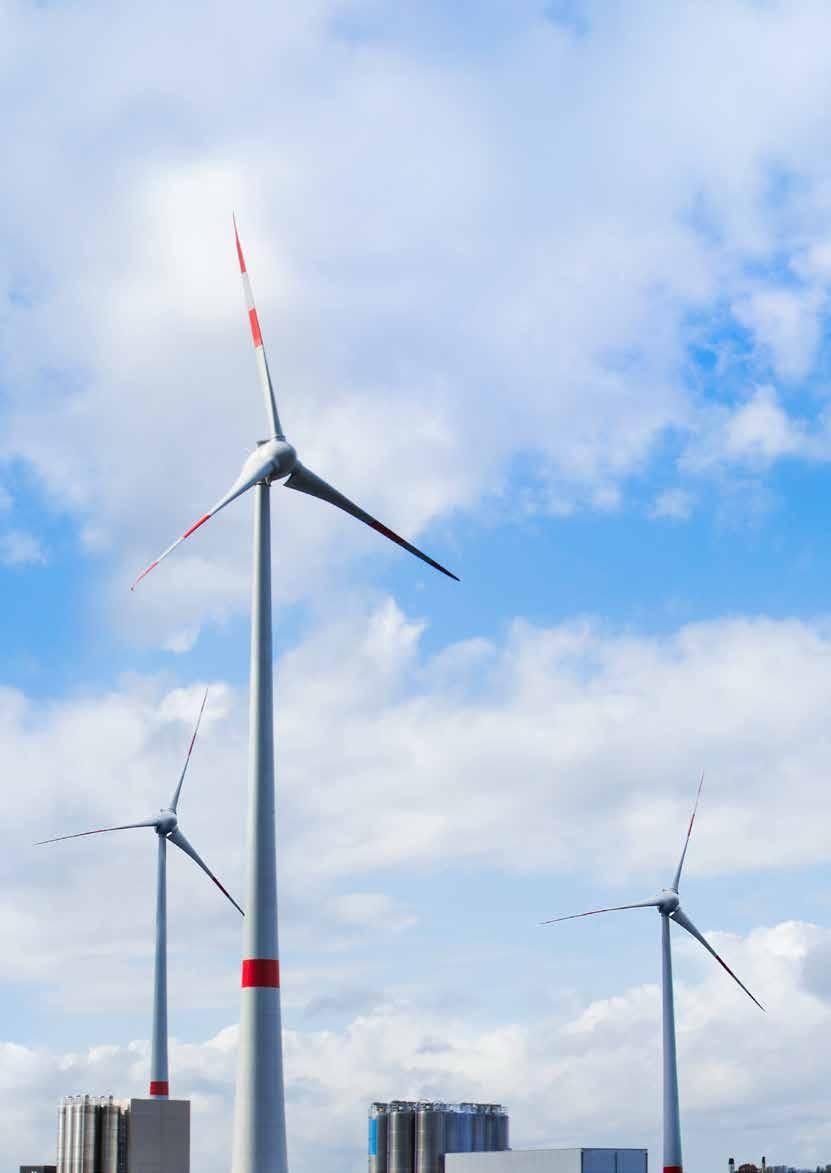
When we make sheet vinyl flooring, we rely on natural resources like the sun, wind and water as much as possible to reduce the environmental impact of our manufacturing process. Since nature’s resources are the most valuable ones we have, we make every effort to look for the most efficient and sustainable ways to use them.
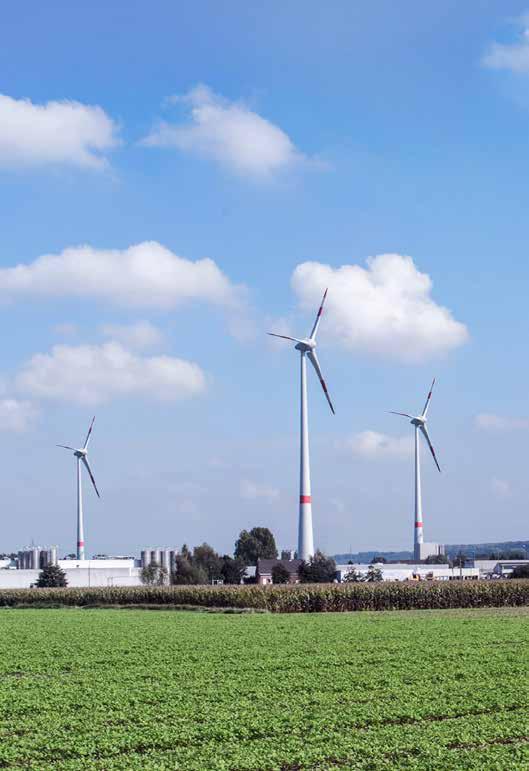
In 2014, three wind turbines have been installed on the Avelgem production site. The turbines produce around 11500 MWh of renewable energy each year. That’s about as much as the yearly electricity consumption of 3000 Flemish households. With this clean energy we power our own production facilities.
“The windmills are part of the bigger plan: to increase the use of renewable energy to fuel our plants.”
Following the installation of our on-site wind turbines in Avelgem, we decided to bring the winds of change to the local community through the establishment of a green power cooperative. Approximately 250 neighbours and 250 employees are currently participating in the three windmills as shareholders, earning 4 to 6% yearly dividend with the production of renewable electricity. Avelgem Green Power allows IVC and our partner communities to work together to promote green energy and combat climate change.
More info: www.avelgemgreenpower.be
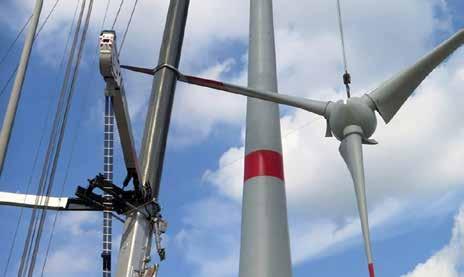
11.5 GW h /YEAR = EQUIVALENT OF 988 TONNES OF OIL (TOE)
ANNUAL ELECTRICITY CONSUMPTION OF 3000 HOUSEHOLDS
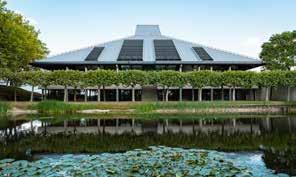
The Unilin headquarters in Waregem (Belgium) has been turned into a sustainable base. It uses heat recovery, intelligent lighting technology and is powered by solar panels on the building.
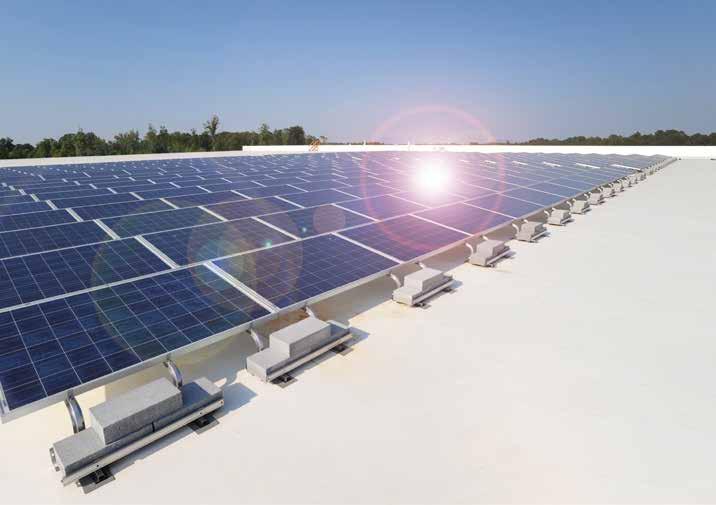
Solar panels contribute significantly to reducing our plants’ carbon footprint. We installed more than 6000 solar panels on the roof of our Avelgem plant generating 3076 MWh per year.
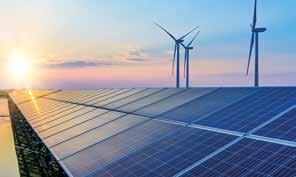
Did you know?
that we have around 50000 solar panels on the roofs of our various sites worldwide?
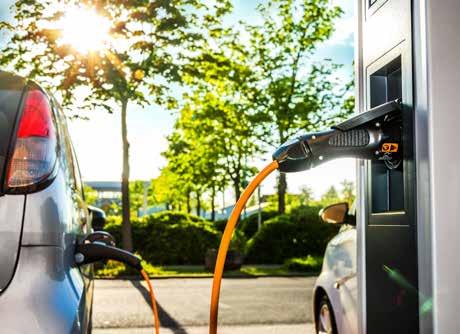
We also use solar energy to make our fleet greener, in every sense of the word. For instance, we use the power from our solar panels to charge our employees’ electric cars and e-bikes. Furthermore, even the (hybrid) forklifts in our warehouses are charged with solar energy. The result is a great amount of kilometres with zero emissions.
PHOTOVOLTAIC PANELS SUNNY SIDE UP LUMINOSITY
3846 X 1026 WATTS
ENCOURAGING THE USE OF E-BIKES
CHARGING STATIONS FOR E-CARPARK
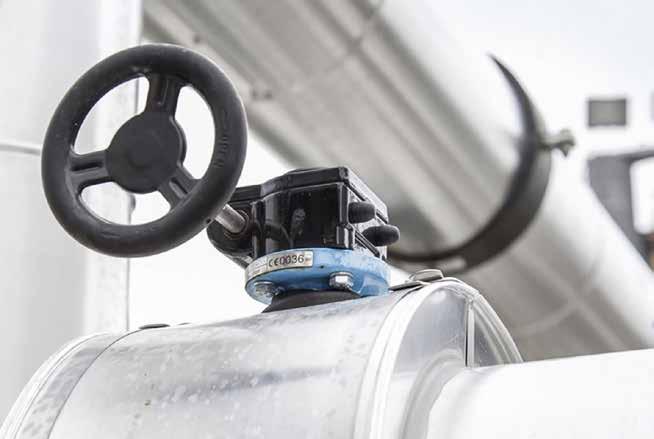
The manufacturing of sheet vinyl floors requires cooling water to absorb heat in the different stages of production. Thinking outside the box, IVC has invested in a bold experiment that uses surface water from the nearby river Scheldt as a secondary coolant. Using only a minimal amount of energy, river water is pumped up and sent along the closed loop flow of our Avelgem plant’s process cooling water. The exchange of thermal energy (up to 4000 kw) is achieved through state-of-the-art heat exchangers, so there is no direct contact between the river water and the process water en route. There is temperature control of the water returned to the Scheldt.
Using minimal electricity compared to other cooling systems, these innovations have resulted in a 30% increase of energy efficiency in the overall production of sheet vinyl floors. By eliminating the need for machine-driven refrigeration, we’ve also significantly reduced on-site noise and created better working conditions.
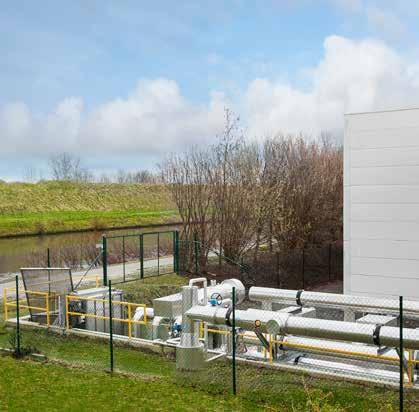
The innovations in our cooling system have resulted in a 30% increase of energy efficiency in the overall production.
Finally, by continuously looking for improvements on our closed loop system for process water, we have established an additional 40% reduction in the use of process water in the Avelgem plant since 2010.

Our plants in Europe, located in Belgium, Luxembourg and Poland, provide employment to more than 500 people. The plant in Avelgem (Belgium) was built in 1997 according to the latest standards. In 2006, we took over a sheet vinyl production site in Wiltz (Luxembourg) and in 2022 we acquired Lentex Wykladziny, located in Lubliniec (Poland). In every plant and in every step of our production lines, we produce our sheet vinyl to the highest possible sustainable standards.
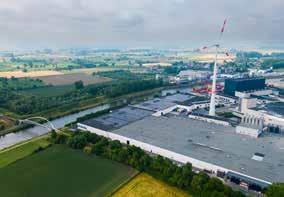
When producing our vinyl, we use all raw materials as consciously as possible:
• Our raw materials are delivered in bulk to avoid unnecessary packaging.
• A part of our energy consumption comes from our wind farm and solar panels
• The water used in the process comes from the river Scheldt
• The gelling drums recuperate the heat from the oven through a revolutionary heat recovery program
• Post-industrial vinyl waste is recycled and reused for production purposes, with a circular economy in mind.
• External heat wheel to recover internal energy.
• Smart choice of suppliers: we look for green-energy made raw materials and recycled content with focus on ethical and social responsibility
LAYER












WATER-BASED LACQUER

SECOND WEAR LAYER
FIRST WEAR LAYER

CHIPS


INSPECTION

REWINDING
TRANSPORT PRINT LINE


THE SCHELDT
No glue, fast installation, durable and easy to recover: (semi-)loose-lay vinyl is the next-level flooring solution. Used in both public and private building projects, this product is in demand for good reason. The glueless technology makes installation superfast, odourless and stainless, while creating a healthy and elegant indoor environment. Made from partially recyclable materials, it’s a refined and sustainable flooring innovation.
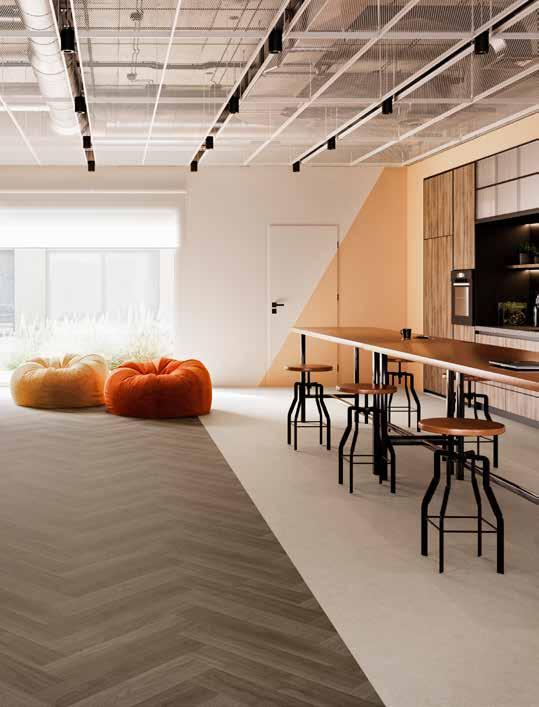
“Glueless, fast installation, durable and easy to recover: (semi-) loose-lay vinyl is the next-level flooring solution.”
Some of our collections for glueless installation
Nerutex is a superior choice for premium, semi-loose-lay vinyl. Our new range of neutral wood, stone and concrete designs features a durable 0.50 mm wear layer, Hyperguard+ ® PU protection, a comfortable 18 dB noise reduction and chic, black textile backing for a luxury effect and easier installation. It’s an ideal choice for living rooms, student accommodation, elderly care and multi-family housing.
Together with its durable 0.55 mm wear layer, Silento 55 also offers an impressive 20 dB impact sound reduction, ideal to create peaceful environments. You’ll also find a semi-loose lay flooring that’s easy to install across 27 attractive designs, protected with PU layer Hyperguard+ ®. This low maintenance, stain and dirt-resistant surface keeps every design looking good under heavy use. Additionally, this flooring is recyclable through Recover, our dedicated take-back programme for recycling old vinyl materials.
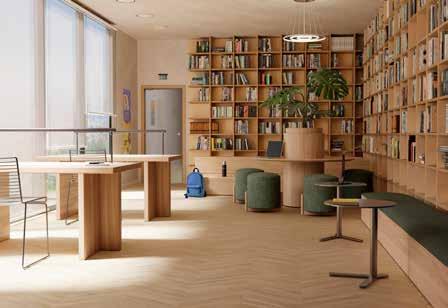
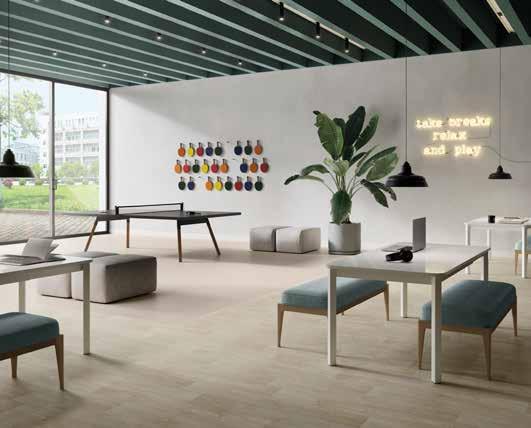
With a sound reduction of 19 dB and a durable 0.55 mm top layer, Logitex Ultimate 55 is the perfect vinyl floor when silence is needed. It’s a quiet and comfortable solution for housing projects and an impressively versatile floor for education, office, and healthcare spaces. The textile backing also provides underfoot warmth and makes it easier to hide small subfloor imperfections.
This vinyl keeps it simple: no glue or major subfloor preparations are needed, and it can be used on a wide range of floors. Whether refurbishing or starting from scratch, Logitex Ultimate 55 is a fast and easy way to enjoy an acoustic and aesthetic floor designed for heavy use.
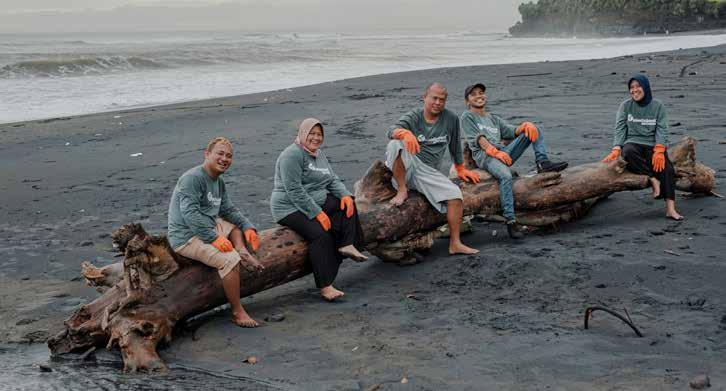
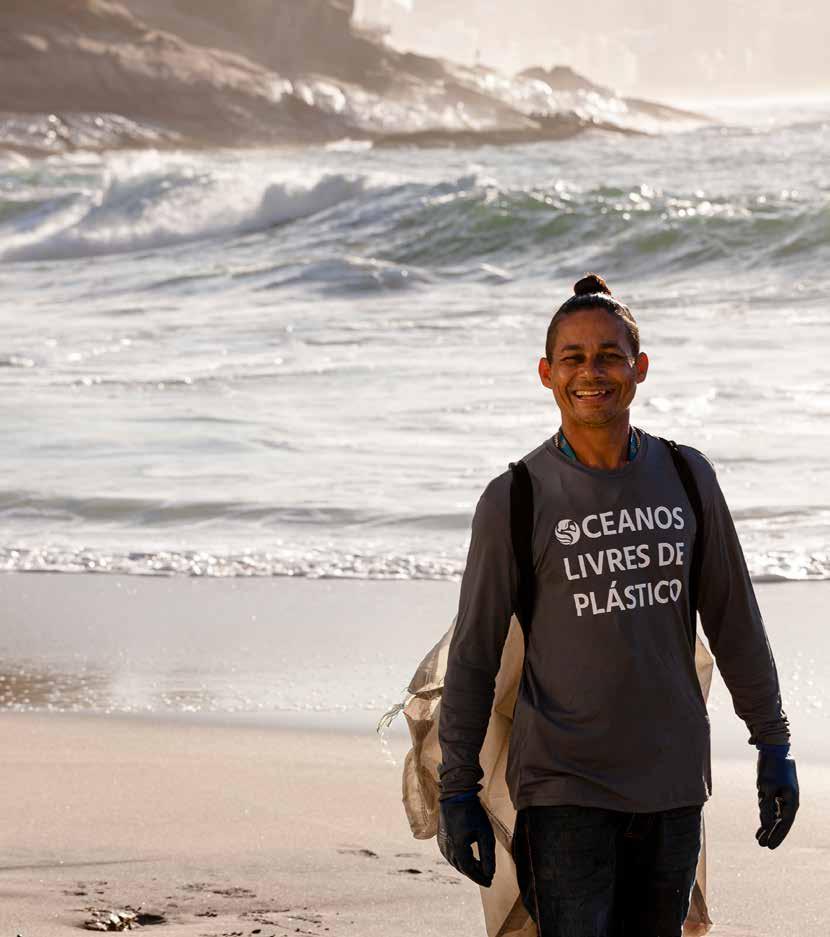
Our textile-backed products contain recycled textile. Our Texmark collection also incorporates Social Plastic® from Plastic Bank®. Every day, Plastic Bank® communities search for plastic waste and bring it to local collection centres. In exchange, they are rewarded with life-improving benefits including health, work and life insurance, digital connectivity, grocery vouchers, school supplies, fintech services, and more. Plastic Bank® currently stops plastic waste in Indonesia, the Philippines, Egypt, Brazil, Thailand and Cameroon.
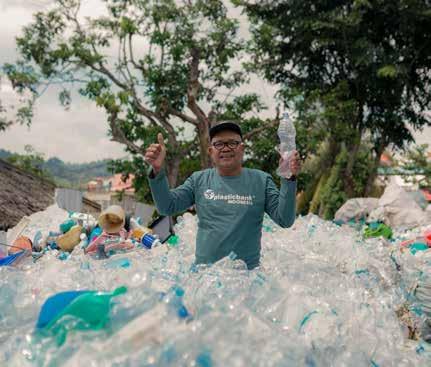
By using Social Plastic ® for our textile backings, we’re cutting down ocean plastic and improving lives in vulnerable coastal communities.


Did you know?
We try to reduce our environmental impact not only by producing efficiently, but also by the way we use materials. Today, production waste from sheet vinyl flooring and postinstallation materials returned through our Recover Take Back Program are being recycled or repurposed for use in the backing of LVT products. This way, we work towards our goal of a more circular product.
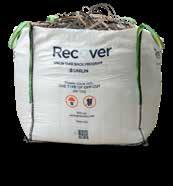
1. COLLECTING
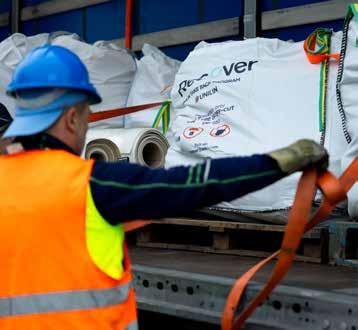
After installation or at end-of-life, old floors and leftover rolls are collected into bags or on pallets. The customer contacts us to arrange collection.
2. TRANSPORT
Depending on what we’ve collected, we have several options to bring back the waste: to our recycling centres, to one of our partners or back to base.
3. SORTING
Before the collected materials are ready for recycling, they need to be sorted and potentially cleaned prior to being shredded.
4. RECYCLING
At recycling centres, we convert flooring to raw materials for LVT or other applications, such as street furniture.
5. NEW FLOORING
The recycled materials are used as raw material for new LVT flooring.
6. OTHER APPLICATIONS
If the returned material can’t be recycled into new flooring, due to contamination or not being REACH compliant, we then look for other applications. All roll ends, off-cuts, and non-contaminated flooring produced after 2008 can be recycled through our Recover programme (excluding safety flooring). This service is available in Europe (BE/NL/UK/LUX/FR/DE/CZ/PL) For more information, please contact us at Recover@unilin.com.
We have several B2B partners working to take back sheet vinyl flooring, and the interest is growing globally. Partners who are main contributors to our programme are Trirecycle (UK), Jordan (DE), JMT Floorcoverings (NL) and Rubik (DE), as well as many French customers and distributors such as GTM Bâtiment, Vinci Construction and Bouygues Bâtiment who collect post-installation sheet vinyl flooring.
By working closely with our LVT plant, we already recycle post-industrial sheet vinyl into the backing layer of our LVT products. We are now examining how waste, collected by Recover, can be processed in the same way. To support this work, we are assessing different sorting methods and conducting small-scale tests.
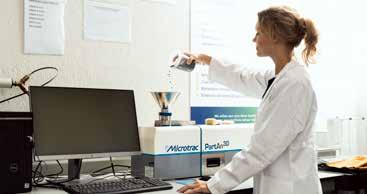
By the help of our clients, we can collect post-installation sheet vinyl waste and with the expertise of external partners we can process these collected materials. We continue to expand the available outlets, by also looking for recycling opportunities for the textile backed sheet vinyl. In 2024, we already launched a pilot project for recycling textile-backed vinyl, using collection 1.2 tonnes supplied by JMT.
With the help of our partners, we are evaluating the recycling of an additional 35 big bags of textile-backed sheet vinyl in 2026 to further assess the quality and consistency of the resulting recycled content.
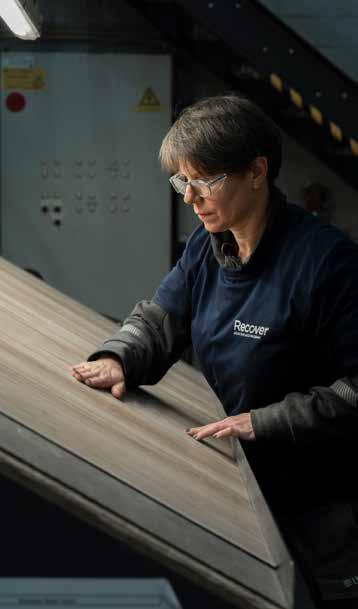
Besides offering vinyl flooring suitable for glueless installation, relying on green energy for our production, and optimizing our energy consumption, we continue to innovate in various areas. We explore increased textile recycling, develop new glue types, and work on extending the lifetime of vinyl flooring.
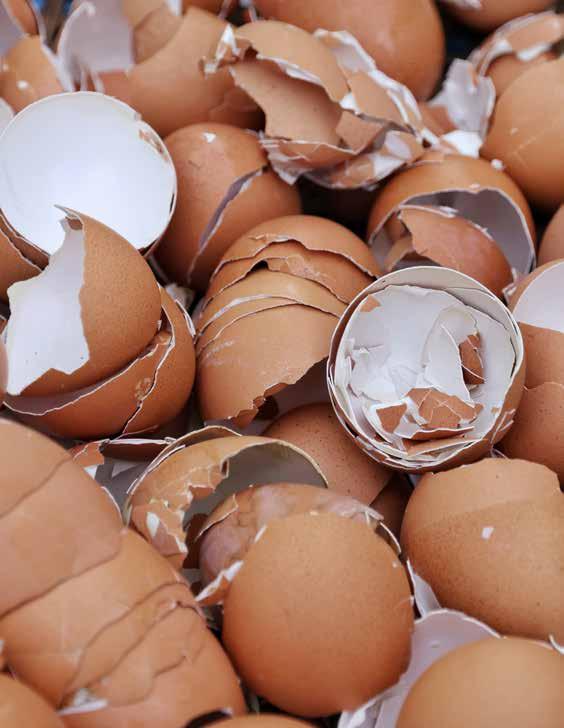
France only, generates a 40,000 tons of waste eggshells every year.
Eggshells, composed of 95% chalk, serve various purposes. One of their most valuable uses is extracting collagen from the remaining 5% protein membrane. This collagen is used in the health and pharmaceutical industries, including applications like skincare products.
Rather than letting the remaining 95% that isn’t repurposed or that isn’t recovered efficiently go to waste, we recycle it into our vinyl flooring The eggshells are used as a natural and recycled resource, replacing fillers, making our Floorward floors more sustainable and environmentally friendly.
In addition, Floorward floors contain 10% recycled biobased filler, further reducing the use of virgin materials.
Project LOOP: Innovating together for a more circular future.
Project LOOP is a new industry-wide initiative that reflects our belief in innovation and a more sustainable future. Together with other PVC flooring producers, we will research collection and sorting possibilities for post- consumer PVC flooring on a large scale. By joining forces, we aim to reduce environmental impact and build the foundations for future circular solutions. Belgium will serve as the pilot country, where the first dedicated sorting hub will be established.
“Together, through collective action, we aim to create a more sustainable future.”









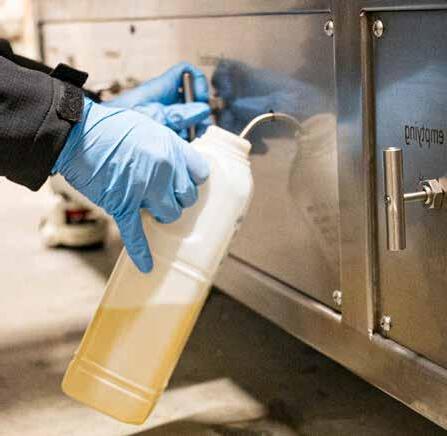
To optimize our raw material consumption, we make the most of the available resources. One of our most significant improvements, alongside production energy and process efficiency optimizations, is our plasticizer condensate. Using specialized filters, we can reuse the plasticizer condensate, allowing us to recycle internal waste and reduce emissions.
By minimizing unwanted noises, your home becomes more enjoyable. By developing vinyl flooring with excellent sound absorbing properties, the acoustics in houses can be improved. And with the right flooring, offices can become peaceful working environments that can reduce stress-related symptoms.
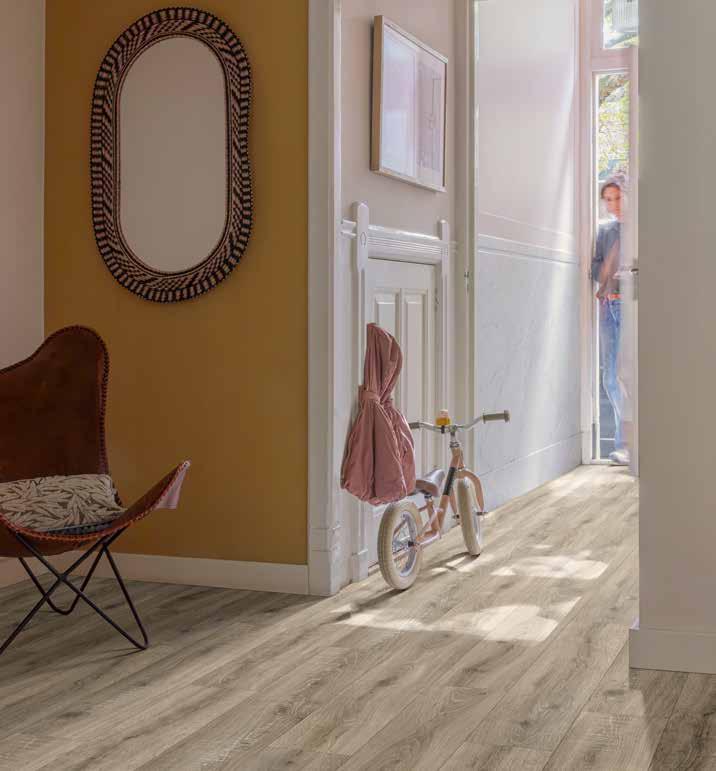
We regularly test the sound absorption properties of our vinyl floors in our own sound lab and always try to make improvements. We not only take into account the decibel level but also the timbre.
Sheet vinyl also provides enhanced ergonomics for people who have to stand for long periods, such as retail staff. Compared to other hard-surface flooring options, sheet vinyl has a softer underfoot which makes it much easier to stand on for long periods of time.
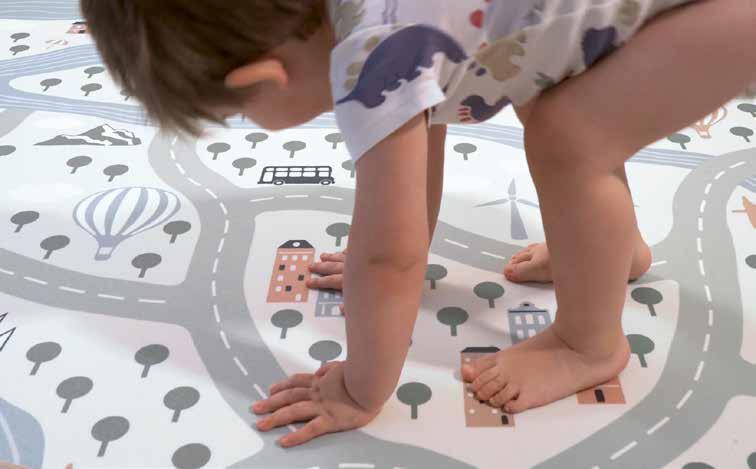
Our products with textile backing even offer extra insulation and better shock absorption resulting in a sense of well-being when walking on the floor with your bare feet.
“Sheet vinyl flooring has a softer underfoot which makes it much easier to stand on for long periods of time compared to other hardsurface flooring options.”
Our company is a second home for more 7800 employees. We aim to create a positive, stimulating and safe working environment where they feel good and valued; an environment where everyone can challenge himself and continue to grow. Our community, municipalities and neighbours also form a significant part of our story.

“A second home for our employees”
We cherish our values of passion, entrepreneurship, excellence and respect in everything we do. Together we form a team of entrepreneurs driven by the will to succeed. Collaboration is our motto. Our employees give their best every day to bring Unilin’s DNA to life.
The health and safety of all our employees are paramount in all our activities. We are committed to achieving zero harm through a positive and caring culture in which safety is incorporated in the way we work.
Well-being involves physical, emotional, mental and even spiritual aspects. Everyone has their own interpretation of what it entails. It may sound simple, but we have to work on well-being, also in the workplace – because the way we feel at work affects our motivation, commitment and ability to innovate. Our workplace is a second home for our 7800 employees, and that includes a second family, where everyone can feel happy and valued.
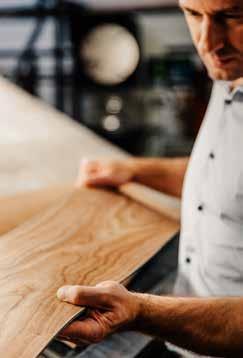

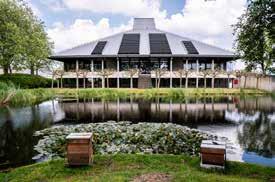
We invest in both individual and collective initiatives around vitality and health, connection and fun and employee development. We constantly evaluate these initiatives in response to new needs and better insights.
Lifelong learning forms an integral part of our HR policy. We believe that our company can only grow through the growth of our employees. Our employees know their own talents, needs and ambitions better than anyone else, and they are in charge of their own development –whether it’s about specialising, diversifying, managing or growing in their current role. Allowing our own people to develop in-house is an intrinsic part of our talent management
At IVC, we aim to add value to our customers’ living spaces without compromising on health, comfort or sustainability. In order to do so, we rely on third party certifications to provide transparency in terms of environmental impact and safety of our products.
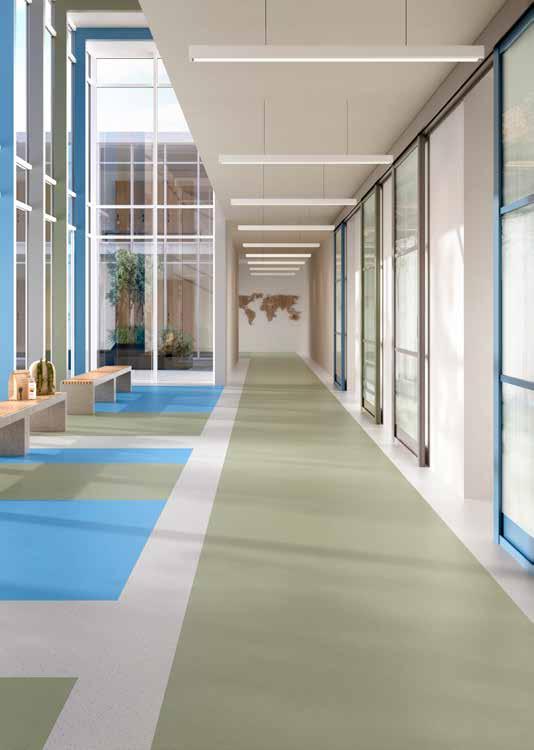
Since 1997 IVC has made substantial efforts towards a well and precisely tailored, fully integrated environmental management system. In 2012 we were awarded ISO 14001 certification, showcasing our commitment to environmental responsibility. This certification for ecological performances is a good reflection of our past efforts and current compliance with environmental rules and regulations.
As part of our ISO 9001 certification we have implemented a quality management system, that enables us to comply with the strictest regulations. This demonstrates our ability to consistently provide products that meet customer and regulatory requirements.

As a leader in flooring, we are member of a wide range of organisations that represent the industry. We are member of ERFMI (EU), FEB (DE) and Kaléi (FR). Apart from creating our own Environmental Product Declarations (EPD’s), we also have worked together with ERFMI and Kaléi to create sector EPD’s for both the European, and French market. These actions are showing our industry efforts towards a more transparent industry. Furthermore, we are a member of the Fedustria and Voka employer organisations. Together with these industry organizations we work together to embed sustainability and transparency within the industry.
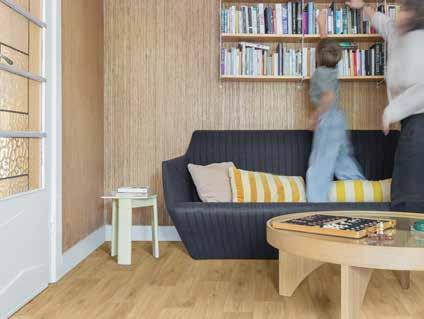


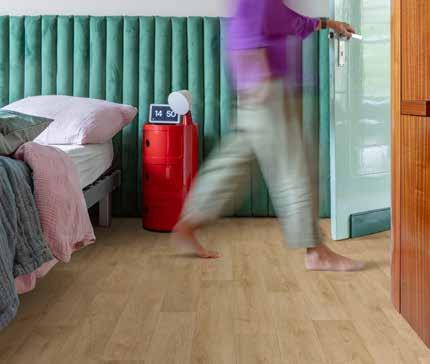


Together with temperature and humidity, air quality is one of the most important factors in interior environments. We want to make sure that our sheet vinyl flooring, that is often a central part of people’s living spaces, contribute to healthy and safe living spaces and ensure that they don’t pose any health risks to our end users. To do so we make sure that our finished products intended for interior use comply with some of the strictest indoor emission labels.
www.ivc-commercial.com