
UNICAMILLUS Spring 2026 Magazine
Editor-in-Chief
Gianni Profita
Editor
Giorgia Martino
Graphic Design
Giulia Francini
Federico Calogero
Images and Contributions
Federica Alota
Giusi Condorelli
Damiano Giani
Ginevra Guidoni
Daniela Mariani
Claudia Romano
Adobe Stock
Translations
University Language Center
Ylenia Marcucci Faure
by Tipografia Miligraf
GENDER MEDICINE: biological differences, equal healthcare
2 Editorial
Rector Gianni Profita
6 SlEEp iS not thE SamE for EvEryonE: why SEx mattErS in SlEEp diSordErS
Prof. Andrea Romigi
10 fEmalE hormonES and antErior cruciatE ligamEnt injuries: what’s the connEction?
Prof. Simone Cerciello
14 diffErEncES in dEvElopmEnt bEtwEEn girl and boyS: growing at two diffErEnt SpEEdS
Prof. Giovanni Battista Dell’Isola
18 pharmacology iS not SExnEutral; thiS iS why mEn and womEn rESpond diffErEntly to mEdicinES
Prof. Giovanna Petrucci
22 autoimmunE diSEaSES: why arE womEn morE affEctEd?
Prof. Roberto Paganelli
26 two hEartS, two diffErEnt approachES! an intErwiEw with dr francESco vEtta
Dr. Giorgia Martino
30 uniCamillus donates Zinvié itS firSt blood bank
Dr. Daniela Mariani
32 unicamilluS haS namEd itS SpEcialiSation School in gynaEcology and midwifEry aftEr giovanni Scambia
Dr. Giusi Condorelli
34 Eating diSordErS: a Crisis among young people –unicamilluS EvEnt focuSES on prEvEntion, gEndEr and Social mEdia
Dr. Ginevra Guidoni
40 mEdicinE and thE Social SciEncES: why dialoguE iS ESSEntial
Prof. Donatella Padua
44 5 nEwS
46 nEwS from uniwEb
47 unicamilluS global hEalth journal
48 rESEarchS | abStract


by Gianni Profita Rector
Medicine is not gender‐neutral—a fact increasingly recognised within the contemporary medical and scientific community. This is why this new issue of UniCamillus Magazine explores the topic, featuring valuable contributions from our outstanding professors and lecturers.
For too long, research and clinical practice have used a universal model as their benchmark, but this model actually corresponded mainly to the male body. Today, we know that this approach is no longer acceptable. Biological, hormonal, social and cultural differences between men and women have a profound influence on health, diagnosis, response to treatments and access to care.
Gender‐specific medicine is not ‘medicine for women’, but rather a more precise, fairer and ultimately more effective form of medicine for everyone.
The articles in this issue explain—with rigorous scientific detail and clear language—how these differences affect various areas. For example, you will learn that sleep disorders affect men and women differently: insomnia is more prevalent in women, while obstructive sleep apnoea is often underdiagnosed in women, partly because the symptoms are less ‘typical’. Similarly, in sport, young female athletes must strike a balance between performance and physiology. Hormonal fluctuations can affect ligament stability, and recent studies suggest that this increases the risk of injuries such as anterior cruciate ligament tears by more than double compared to male athletes of the same age.
Even in children, different developmental trajectories emerge, requiring careful, personalised attention. Furthermore, pharmacology shows us that men and women may respond differently to the same medicines due to differences in weight, body composition and metabolic and hormonal variables, which are often overlooked in clinical trials. It is worth noting that women were under‐represented in clinical trials until a few decades ago, a shortcoming that the scientific community is now seeking to rectify, although its effects are still evident in everyday practice.
The issue of autoimmune diseases is particularly significant, as they affect women far more than men. In fact, women account for 75–80% of all cases, a figure that cannot be ignored and which raises important questions about the role of the immune system and environmental and social factors. Cardiology offers another emblematic example: cardiovascular diseases remain the leading cause of death among women, yet they often present with less obvious or atypical symptoms compared to men. This diagnostic delay has tangible consequences and calls for a paradigm shift in both training and clinical practice. Equally important is the interaction between medicine and social sciences, which is explored in the section dedicated to the Third Mission. Understanding health also means understanding living conditions, inequalities, gender roles and cultural patterns that influence behaviour and access to care. Similarly, the Third Mission Conference ‘Eating Disorders Today: a Public Health and Prevention Perspective’—held in January 2026 at our University—focused on conditions that predominantly affect
young women, but which require a multidisciplinary and inclusive approach.
However, it is not just about the main theme: as in every issue, in the ‘Academic Life’ section we also highlight the key events that have taken place recently at the University.
With this in mind, we are particularly proud of the contribution made through our recent donation of a blood bank to La Croix Hospital in Benin: a tangible act that reflects UniCamillus’s international and humanitarian mission.
Above all, however, I wish to pay a deeply heartfelt tribute to Professor Giovanni Scambia, a leading figure in Italian medicine, to whom UniCamillus has dedicated the Specialisation School in Gynaecology and Obstetrics at the Polyclinic of Abano. A section of this issue retraces his scientific and human legacy.
His example continues to inspire new generations of medical professionals, reminding us that professional expertise must always go hand in hand with humanity and values.
It is precisely this integration of scientific knowledge, care for the individual and social responsibility that UniCamillus firmly embraces, promoting educational programmes which are capable of addressing complexity without oversimplification.
We are committed to advancing a model of medicine that is truly universal.



SlEEp iS not thE S amE
for EvEryonE: why SEx
mattErS in SlEEp diSordErS
professor anDrea romigi
Associate Professor of Neurology at UniCamillus, he graduated in Medicine and Surgery from the Catholic University of Rome and specialized in Neurology at the University of Rome Tor Vergata.
Since 2012 he has directed the Sleep Medicine Center of IRCCS Neuromed. He has editorial work for international scientific journals and is the author of over 100 publications. His research focuses on sleep disorders, neurodegenerative diseases, and the relationship between sleep and epilepsy.
For a long time, sleep disorders were studied and described as if men and women experienced them in the same way. Today we know this is not the case. The brain, the endocrine system, respiratory control, body-fat distribution, the perception of symptoms and even the way people seek medical help can all vary according to sex, and partly also according to gender. In other words, sleep medicine is one of the fields in which precision medicine must learn to recognise real, concrete and clinically relevant differences.
Different symptoms, more challenging Diagnoses
The latest scientific literature clearly illustrates this shift in perspective: differences between women and men in sleep disorders do not concern only the reproductive sphere or hormonal fluctuations, but also biology, symptoms, time to diagnosis and response to treatment. Women, for example, tend to experience more insomnia, more mood-related disturbances, greater fatigue and more ‘atypical’ symptoms than men. It is precisely this atypical presentation that can delay the recognition of important conditions such as obstructive sleep apnoea, narcolepsy or restless legs syndrome.
sleep apnoea: the hiDDen face in women
The first message that should move from clinics into public awareness is simple: sleep disorders do not always present in the same way. Consider obstructive sleep apnoea syndrome (OSAS). In the collective imagination, the typical patient is still a man who snores heavily, is overweight and falls asleep anywhere during the day. This profile does exist, but it does not capture the full picture. In women, the presentation can be different: less obvious snoring, fewer ‘classic’ apnoea episodes observed by a partner, and more insomnia, morning headaches, persistent fatigue, reduced energy, anxiety, depression or cognitive difficulties. If the medical practitioner—or the woman herself—does not connect these symptoms to sleep, the diagnosis is likely to arrive late.
A recent review highlights certain pathophysiological factors that may make OSAS in women less easily recognisable. In women, prolonged partial obstructions of the upper airways and a higher concentration of events during REM sleep are more common. Furthermore, during their childbearing years, women have certain anatomical and hormonal factors that offer relative protection compared to men. However, after the menopause, this advantage tends to diminish.
In this regard, a multicentre Italian study that I participated in, published last year in Sleep Medicine, is particularly interesting. Analysing 2,663 Italian patients with untreated OSAS, the study showed that, on average, women had less severe OSAS in terms of respiratory indices
and nocturnal hypoxaemia than men. However, they exhibited a substantially similar prevalence of excessive daytime sleepiness and, above all, a different clinical profile, experiencing more insomnia, more leg movements, more headaches upon waking and more fatigue. They also exhibited a higher frequency of anxiety, depression, high blood pressure, subjective cognitive impairment, type 2 diabetes, gastrooesophageal reflux and asthma. This is an important finding, as it reminds us that ‘less severe’ on the monitor does not necessarily mean ‘less impactful’ in real life. The same study provided another useful insight: excessive daytime sleepiness does not always correspond to the numerical severity of sleep apnoea events Among the Italian patients analysed, it was present in approximately 39.5% of cases at the time of diagnosis and was primarily associated with fatigue, perceived cognitive difficulties, and a higher nocturnal hypoxic burden. In other words, to truly understand the impact of a sleep disorder on a person, it is not enough to simply count respiratory events: it is essential to consider symptoms, assess the clinical context, and take into account the different phenotypes—including female phenotypes, which have all too often been overlooked.
narcolepsy: Differences yet to be exploreD
However, sex differences are not limited to sleep apnoea. Narcolepsy, a neurological disorder in which excessive daytime sleepiness is a key symptom, also shows interesting nuances. Although clinical data
in humans are even less robust than those available for OSAS, several recurring patterns have been described. In women, initial symptoms—particularly daytime sleepiness—may appear earlier, and diagnosis may be more delayed. In some studies, a shorter sleep latency on the diagnostic test, the Multiple Sleep Latency Test, and a higher number of REM-onset sleep episodes have been observed. Furthermore, women with narcolepsy seem to experience more nocturnal awakenings. Taken together, this picture suggests a different vulnerability, possibly linked to differences in orexinergic systems and their interaction with sex hormones. Here, the key word is caution: not everything is fully defined yet, but the scientific signal is clear and warrants dedicated studies.
restless legs synDrome: more common in women
The same applies to restless legs syndrome. In this case, the difference is even more pronounced: the condition is about twice as common in women as in men. And that’s not all. Women tend to report more bothersome symptoms, with a more pronounced sensory component, whereas men seem to show more motor features, such as periodic leg movements during sleep. Pregnancy, menopause, iron stores, vitamin D levels, hormonal balance and mood comorbidities can all contribute to this different clinical expression. Again, the risk is to trivialise the issue: saying that it is ‘just nervousness’ or ‘just stress’ means missing a valuable diagnostic and therapeutic window.
the influence of stereotypes on Diagnosis
Modern medicine cannot ignore the cultural and organisational aspects of diagnosis. While differences in sleep disorders depend on biology, they also depend on how symptoms are described, heard and interpreted. A woman reporting fatigue, insomnia, low mood or difficulty concentrating may be more readily directed towards psychological, menopausal or ‘functional’ explanations, when in fact these symptoms may reflect a sleep-related breathing disorder, narcolepsy or restless legs syndrome. This can lead to diagnostic delay. And in sleep medicine, such delay is far from neutral: it can mean years of reduced quality of life, increased cardiovascular and metabolic risk, poorer cognitive performance, greater emotional vulnerability and, in some cases, a higher likelihood of road-traffic or workplace accidents. Another reason why this issue is crucial in the academic world is that, for many years, biomedical research treated the female sex almost as a ‘confounding factor’. In animal models, males were often preferred to avoid the variability associated with hormonal cycles. Today, however, this approach has been largely abandoned. In recent years, preclinical studies have shown just how sexually dimorphic the brain is, and how differently the systems regulating sleep, breathing and wakefulness can behave in the two sexes. This represents first and foremost a cultural shift, and only then a methodological one: variability is not a flaw in the data—it is part of the biological phenomenon we
aim to understand. Excluding or selectively filtering data therefore introduces a true bias.
pregnancy anD the menopause are key stages for sleep
The different stages of a woman’s life highlight these differences even more. Pregnancy and the menopause are not just ‘phases’ of sleep; they are periods during which the respiratory and neuroendocrine systems undergo substantial changes. During pregnancy, weight gain, fluid retention and anatomical changes can increase the likelihood of airway collapse and thus the risk of apnoea, while other factors—such as the action of progesterone and increased activity of the dilator muscles—may have a protective effect.
After the menopause, however, the reduction in oestrogen and progesterone is accompanied by an increased risk of obstructive sleep apnoea (OSAS) and a loss of the relative protection observed during the reproductive years. This helps explain why many women receive a diagnosis later in life, when the disorder is already associated with cardiometabolic comorbidities.
One particularly interesting aspect is the relationship between restless legs syndrome and pregnancy. Pregnancy is one of the main risk factors for the onset or worsening of symptoms. Many women report experiencing the condition for the first time in the second and third trimesters, characterised by an irresistible urge to move their legs in the evening, which makes it difficult to fall asleep. Several mechanisms may contribute to this phenomenon, including hormonal changes, increased iron demand,
and alterations in dopaminergic metabolism.
While symptoms usually subside after childbirth, their onset during pregnancy is now considered an important indicator of vulnerability and may be associated with a higher risk of developing the syndrome in later years.
tailoreD treatments
A gender-specific approach is also required for treatment. For example, in the case of OSAS in women, CPAP (Continuous Positive Airway Pressure) remains the most effective treatment for moderateto-severe OSAS. However, it must be prescribed and monitored with female characteristics in mind: more frequent events towards the end of the night, a higher proportion of REM sleep and REMrelated apnoea, and the possible coexistence of insomnia and mood symptoms — all factors that can influence adherence and the perception of benefit. The sleep medicine of the future will involve more than devices, algorithms and scores; it will require a greater ability to personalise diagnosis and care.
Ultimately, sleep teaches us a broader lesson in contemporary neurology: to treat effectively, we must take diversity into account. If we continue to view sleep disorders through a single lens, we risk recognising only those who resemble the classic model and overlooking different phenotypes. Looking at sleep through the lens of sex differences, on the other hand, means practising more accurate, fairer and more humane precision medicine. And it is precisely here that a decisive part of the future of sleep medicine lies today.
obStructivE SlEEp apnoEa
Delayed diagnosis of OSAS
Less obvious snoring
Prolonged obstructions during NREM sleep
More apnoeas during REM sleep
Fewer apnoeas during NREM sleep
Insomnia and fatigue
Shorter airways
Smaller lungs and diaphragm
Greater peripheral fat distribution
Reduced sensitivity to respiratory signals
Influence of sex hormones
Sex differenceS in major Sleep diSorderS
clinical featureS and poSSible biological mechaniSmS
NARCOLEPSY
Delayed diagnosis of narcolepsy
Earlier onset of daytime sleepiness
Earlier onset of cataplexy
Shorter latency on the MSLT
More REM episodes on the MSLT
More frequent nocturnal awakenings
Higher orexin expression
Role of sex hormones
RESTLESS LEGS SYNDROME
Approximately twice as common
More disturbing and sensory symptoms
More depressive symptoms
Potential cardiovascular risk
Onset/worsening during pregnancy
Factors: iron, vitamin D, sex hormones
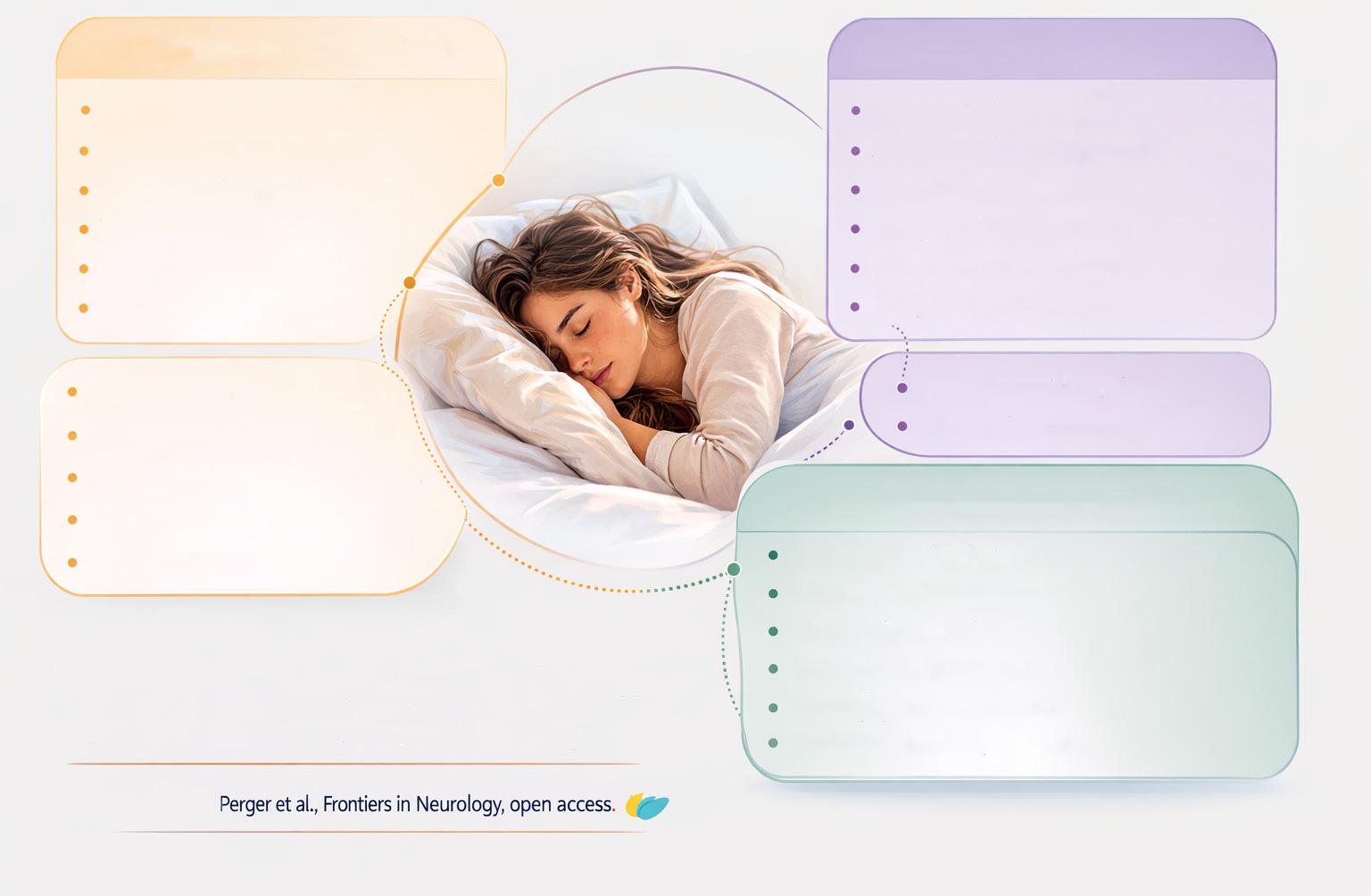
f igur E 1 from perger et al., frontiers in neurology, 2024, cc by “sex Differences in major sleep DisorDers”
fEmalE hormonES and antErior cruciatE ligamEnt injuriES: what’S thE connEction?
professor simone cerciello
Associate Professor of Locomotor System
Diseases at UniCamillus, he is an orthopedic surgeon specializing in prosthetic surgery and sports traumatology.
He is responsible for centers of excellence in orthopedics and a consultant for national and international institutions, including CONI and FAO. Author of over 100 indexed publications, his clinical and research activity focuses on large joint surgery and arthroscopy.
As the popularity of sport among young people has grown, so too have injuries to the anterior cruciate ligament (ACL). Overall, ACL injuries have increased steadily over the last 20 years, with an annual incidence of 200,000 cases.
The short- and long-term consequences of ACL injuries—including reconstructive surgery, long-term rehabilitation and early-onset osteoarthritis—are costly. It is estimated that the financial burden of treating ACL injuries in the United States is $7.6 billion per year for surgical reconstruction and $17.7 billion per year for rehabilitation. ACL injuries can be devastating, even ending athletes’ careers, with a return-to-sport rate of less than 50%. Given the impact of ACL injuries, prevention is paramount
It is a well-established epidemiological fact that female athletes are more likely to sustain anterior cruciate ligament injuries than their male counterparts. In 1972, Title IX of the Education Amendments Act was passed in the United States, granting women equal opportunities to participate in sports. Since then, there has been a significant increase in female participation,
as well as a rise in ligament injuries among female athletes. In pivoting sports such as football, basketball, volleyball and handball, the risk for women is estimated to be two to eight times higher. The causes are multifactorial and include anatomical, biomechanical, neuromuscular, and hormonal factors. Over the last twenty years, particular focus has been given to the possible role of female sex hormones in modulating the biomechanics and properties of the ACL.
Differences in inciDence anD pathogenetic hypotheses
On average, women exhibit:
• greater dynamic knee valgus
• a different neuromuscular control strategy (less early activation of the hamstrings)
• different knee morphology, with a narrower bony space and more elastic ligaments.
However, these factors do not fully explain the difference in incidence of ligament injuries. Clinical observations of possible variations in incidence during the menstrual cycle have led to the hypothesis of a direct role for ovarian hormones.
is the acl a hormone-sensitive tissue?
Women may experience an acute increase in anterior knee laxity during their menstrual cycle. Histological and molecular studies have demonstrated the presence of oestrogen (ER-α, ER-β) and progesterone receptors, as well as relaxin receptors, in human ACL tissue. This suggests that the ligament may respond directly to endocrine fluctuations.
Oestrogens influence collagen synthesis and turnover, fibroblast activity, the expression of metalloproteinases (MMPs), and the organisation of collagen fibres. In animal and in vitro models, high concentrations of oestrogen have been associated with reduced synthesis of type I collagen and decreased ligament mechanical strength (X. Liu and Z.-P. Luo, 2005). Progesterone appears to play a less clear role and is sometimes described as partially protective. Relaxin, on the other hand, has been linked to increased ligament laxity.
the stages of the menstrual cycle anD the risk of injury
The menstrual cycle is divided into three phases, which are characterised by different hormonal secretions:
• early follicular phase (low oestrogen and progesterone)
• ovulatory phase (oestrogen peak)
• luteal phase (high progesterone).
Several prospective studies have suggested an increased risk of anterior cruciate ligament (ACL) injury during the ovulatory phase, when oestrogen levels are highest (B. T. Zazulak, M. Paterno, G. D. Myer, W. A. Romani & T. E. Hewett, 2006). It is hypothesised that the rise in oestrogen may lead to increased ligament laxity, reduced ACL stiffness, and alterations in neuromuscular control. Some studies have demonstrated a measurable increase in anterior tibial laxity during the ovulatory phase. However, the results are inconclusive: recent metaanalyses highlight significant
methodological heterogeneity, including differences in the timing of hormone sampling and reliance on patient-reported cycle phases rather than hormone secretion.
The neuromuscular system is influenced by oestrogen, which modulates proprioceptive activity and changes muscle activation patterns. This leads to changes in knee movement when landing. Some studies on movement show that, during ovulation, the knee tends to bend less and move inwards more than usual, putting increased stress on the ACL and raising the risk of injury. This is important because many injuries occur without contact, for example during braking or changes of direction.
There is a tendency towards an increased risk during the periovulatory phase, although the overall level of evidence remains moderate.
are oral contraceptives a protective factor?
The use of combined oral contraceptives (COCs) is a topic of growing interest. By stabilising hormone levels and preventing the oestrogenic surge associated with ovulation, COCs could, in theory, reduce variations in ligament laxity.
Some observational studies have found that ACL injuries are less common among oral contraceptive users than among non-users (L. Rahr-Wagner, T. M. Thillemann, F. Mehnert, A. B. Pedersen & M. Lind, 2014). However, the data are inconsistent, the study designs are retrospective, and there are no randomised trials.
Therefore, it is not currently possible to recommend the use
of contraceptives for orthopaedic prevention, but this finding remains of interest.
relaxin anD joint laxity
Relaxin is a hormone that plays a role in pregnancy and the regulation of connective tissue. It has been identified as a potential cause of ligament laxity, even in women who are not pregnant. The proposed mechanism involves increased expression of matrix metalloproteinases (MMPs) and reduced collagen integrity. Elevated serum levels have been linked to greater anterior knee laxity, and thus an increased risk of anterior cruciate ligament (ACL) injury.
clinical implications
At this point, the question to ask is: what does this mean for the orthopaedic surgeon and the sports medicine doctor from a practical standpoint?
There are various implications:
1. Risk screening: consider biological sex as an independent risk factor.
2. Neuromuscular prevention programmes involving targeted exercises focusing on dynamic valgus control, hamstring strengthening, and proprioceptive training have been shown to reduce the incidence of injuries.
3. Training timing: there are currently no official recommendations for adjusting training loads according to the menstrual cycle, but some professional teams are starting to monitor this.
4. Personalised counselling: inform female athletes about possible variations in risk.
It is important to emphasise that the hormonal factor is just one component of a complex, multifactorial model.
limitations of the literature
As has been widely highlighted, research on this topic is limited by a number of factors, including small sample sizes and difficulties in accurately determining the phase of the menstrual cycle. The latter is partly due to a lack of standardisation in hormone testing. Additionally, studies vary in terms of the participants’ age, athletic level and the type of sport they play. Prospective cohort studies incorporating serum hormone measurements and biomechanical analysis are therefore needed.
conclusions
The relationship between ACL injury and female hormones is biologically plausible and supported by experimental and clinical evidence, albeit not definitive. Oestrogens appear to influence the mechanical properties of the ligament and neuromuscular control, possibly increasing the risk during the ovulatory phase. However, an ACL injury is still a multifactorial event involving the interaction of anatomy, biomechanics, neuromuscular conditioning, sporting load and endocrine variability. The most effective approach today is the systematic implementation of structured neuromuscular prevention programmes, rather than hormonal modulation.
This article was written in collaboration with Dr Vincenzo Mattiacci, a physician specialising in orthopaedics and traumatology at the University of Turin
diffErEncES in dEvElopmEnt bEtwEEn girlS and boyS: growing at two diffErEnt SpEEdS
professor giovanni battista Dell’isola
A researcher at UniCamillus, he is a pediatrician specializing in pediatric neurology. He carries out teaching activities for the Master’s Degree in Medicine and Surgery.
He is a member of the Italian Society of Pediatrics and completed his training at the Meyer Children’s Hospital in Florence. Author of numerous publications in national and international journals, his clinical and research activity focuses on pediatric epilepsy, with particular emphasis on forms of genetic etiology and antiepileptic therapies.
Modern medicine is increasingly moving towards precision medicine, which analyses every biological and environmental variable capable of influencing the risk of developing specific diseases, phenotype and response to treatment. In this context, growth assessments during childhood must consider the integration of biological sex and gender as distinct yet complementary determinants. Biological sex—defined by chromosomal makeup and the resulting gonadal and endocrinological differentiation—influences growth trajectories, pubertal development and the maturation of specific organs. Gender, on the other hand, is a socio-cultural construct that can have a significant impact on growth, particularly when gender identity does not coincide with biological sex.
auxological Differences anD early growth
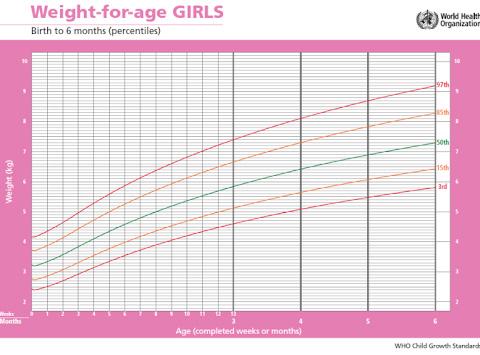
Even before puberty, auxological differences between boys and girls justify the need for separate growth charts. While there is considerable individual variation, from the first year of life onwards boys generally have greater weight, height and head circumference than girls, with proportionally similar growth rates (figure 1).
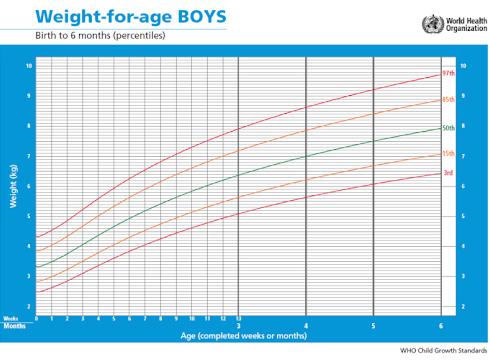
pre-pubertal boDy composition
From pre-pubertal age onwards, initial variations in body composition begin to emerge in addition to auxological differences. For the same body mass index (BMI), females have a higher percentage of body fat than males.
the pubertal growth spurt anD
physiological maturation
The onset of puberty is accompanied by an acceleration in growth known as the pubertal growth spurt, which peaks at around 11.5–12 years of age in girls and around 13.5–14 years in boys. Furthermore, puberty is accompanied by evident morphological changes, including the development of primary and secondary sexual characteristics (clinically monitored through the Tanner stages). These physiological differences depend on bodily regulation controlled by the hypothalamic–pituitary–gonadal axis and interactions between sex hormones, growth hormone and insulin-like growth factor 1 (IGF-1). These factors influence the timing of pubertal onset, the
rate of growth and the pattern of bone development.
brain Development anD Differences in volume
Growth differences extend far beyond simple auxological curves. It is well known that, depending on sex, brain development also follows distinct trajectories characterised by quantitative, temporal and molecular differences. At the macroscopic level, it has been observed that males have a brain volume that is, on average, 9–13% larger than females. Similarly, males have a larger cortical surface area. However, to correctly interpret brain volume, it is necessary to supplement volumetric analysis with an analysis of tissue compartments. Despite having smaller brain volumes, females have a higher grey-matter density. This is the part of the brain where most information processing takes place, including thought, memory, emotions and decisionmaking. Therefore, the female brain may be more efficient in certain processes despite being
smaller, because there are more cells and connections within a given volume of grey matter.
Development of subcortical regions
The development of subcortical regions of the brain is not uniform across the sexes, occurring at different rates. For instance, the amygdala (which regulates emotions and fear) grows rapidly in girls during puberty, then stabilises and shrinks slightly. In contrast, it grows more steadily over time in boys. Furthermore, subcortical area volumes in boys show greater inter-individual variability. In practice, this means that the brains of boys and girls mature at different rates: certain emotional areas develop earlier in girls, while in boys these areas develop more slowly and with greater variability between individuals. This affects emotions, impulse control and reactions to stress during adolescence.
Differences in white matter
Microstructural differences have been observed in the white matter (which regulates communication
between different areas of the brain) between the two sexes, reflecting a different organisation and maturation of myelinated fibres. These differences are likely linked to differing hormonal influences. Some studies have noted that boys’ brains tend to have more organised and bettermyelinated white matter, likely due to testosterone. In contrast, oestradiol appears to be associated with less organised fibres in girls. Consequently, white matter development follows distinct trajectories in the two sexes.
cerebral perfusion anD metabolism
In addition to morphological differences, studies of cerebral perfusion have revealed distinct metabolic profiles in males and females. Cerebral blood flow (CBF), or the flow of blood to the brain, is high in childhood, reducing as the individual grows. However, while this decline is more linear in males, higher CBF levels have been reported in females during puberty, consistent with differing metabolic demands. Therefore, in practice, girls’ brains require more energy and nutrients than boys’ during adolescence, likely to support the development of certain brain areas and functions that mature during this period.
implications for neuropsychiatric profiles
Although these differences in neurodevelopmental maturation rates are influenced by various social, environmental and genderrelated factors, they play a central role in the manifestation of different neuropsychiatric profiles in men and women. In particular, differences are observed in three main areas:
1. Cognitive and linguistic development
2. Emotions and behaviour
3. Vulnerability to neurodevelopmental disorders
cognitive anD linguistic Differences
On average, girls demonstrate better phonemic fluency and linguistic skills from the earliest stages of development. Conversely, boys are more frequently reported to have an advantage in visuospatial abilities, which become apparent in late childhood and are established by adolescence.
emotional anD behavioural Differences
From an emotional and behavioural perspective, boys are more likely to exhibit externalising behaviours such as aggression and oppositional defiant disorder, while girls are more likely to exhibit internalising behaviours such as anxiety and depression, as well as eating disorders. These differences may be explained by variations in the vulnerability of neural circuit development in the two sexes. For instance, elevated anxiety levels have been associated with increased cerebral blood flow in the amygdala, which is central to emotional processing. Similarly, depressive symptoms in adolescence are associated with different developmental trajectories in the limbic and frontotemporal regions, and are more prevalent in females. In adulthood, this prevalence is approximately twice that observed in males.
sex Differences in vulnerability to neuroDevelopmental DisorDers Finally, sex differences are also
observed in vulnerability to neurodevelopmental disorders. For example, the prevalence of ADHD is approximately 2.4 times higher in boys. Furthermore, ADHD tends to manifest as hyperactivity in boys, whereas in girls it is associated with an inattentive profile. In addition to having a higher prevalence in males, autism spectrum disorder also shows different phenotypic expression between the sexes: socio-communicative difficulties are more evident in boys, while girls demonstrate greater compensatory abilities, which can sometimes lead to a delayed diagnosis. Regarding psychotic disorders, no differences in prevalence are observed between the sexes; however, temporal differences have been described, with an average later onset in females.
In conclusion, recognising that boys and girls ‘grow at two different speeds’ enables a personalised medicine approach, allowing for an accurate assessment and the initiation of targeted therapeutic strategies.

p harmacology i S not
SE x - n E utral ; thi S i S why
m E n and wom E n r ES pond
diff E r E ntly to m E dicin
ES
professor giovanna petrucci
TAssociate Professor of Pharmacology at UniCamillus, she specializes in the cardiovascular field and has coordinated international studies in collaboration with Oxford and Harvard. Author of over 40 publications
His research focuses on platelet activation mechanisms, response to antiplatelet drugs, and personalized medicine to optimize the prevention of cardiovascular and oncological diseases.
hroughout most of the 20th century, biomedical research was guided by a simple yet inaccurate paradigm: the idea that the male body could serve as the standard model for the entire human species. In this view, the female body was considered a ‘hormonal variant’, an experimental complication to be avoided to prevent the fluctuations of the menstrual cycle from ‘contaminating’ the data. Today, we recognise that this approach is not only scientifically outdated, but also poses a real threat to patient safety. Men and women respond differently to medicines because their biology differs at every stage of a molecule’s journey within the body.
stanDarD Dosages are baseD on the male moDel Current disparities can be traced back to the history of clinical trials. Until the early 1990s, women of childbearing age were systematically excluded from the initial stages of trials, partly due to regulatory measures following the thalidomide scandal—a medicine notorious for causing severe birth defects in babies when taken during pregnancy. Many of the dosages now considered ‘standard’ were calibrated to a male model weighing approximately 70–80 kg. Therefore, it is not surprising that women experience a significantly higher frequency
of adverse drug reactions (ADRs) than men. Epidemiological analyses show an excess of ADRs in women of between 50% and 70%. This is not due to greater ‘fragility’, but rather a systemic underestimation of biological differences. Recent data published in The Lancet Regional Health –Europe (2023) confirm that the rate of hospitalisation for ADRs remains higher among women, despite regulatory advances.
pharmacokinetic Differences: the aDme pathway
These differences are particularly evident in the absorption, distribution, metabolism and excretion (ADME) of medicines within the body. In terms of absorption, for example, women generally have lower gastric acid secretion and slower gastric emptying, which can alter the bioavailability of pH-dependent or dissolution-critical medicines
Regarding distribution, differences in body composition are important: a higher percentage of fat mass and lower total body water content result in a higher volume of distribution for lipophilic medicines and a lower one for hydrophilic medicines. Consequently, benzodiazepines and various anaesthetics may have a longer half-life in women, while hydrophilic medicines may reach higher plasma concentrations at the same dose.
Hepatic metabolism is another point of difference. CYP3A4, a liver enzyme responsible for metabolising over 50% of marketed medicines, exhibits higher enzymatic activity on average in women, while CYP1A2, another liver enzyme responsible for biotransforming numerous
medicines, exhibits greater activity in men. These differences, which have been documented in numerous clinical pharmacology studies, are also influenced by sex hormones. Ignoring this would mean accepting that a ‘standard’ dose could be ineffective for one sex and toxic for the other. Renal excretion also exhibits average variations; the capacity of the kidneys to filter blood and remove waste products and medicines (i.e. glomerular filtration) tends to be lower in women for the same body surface area, with the potential for medicines that are primarily eliminated via the kidneys to accumulate.
clinical examples
A clinical example is zolpidem, a potent hypnotic medicine used to treat insomnia. After years of prescribing a uniform dose of 10 mg, the FDA mandated halving the initial dose for women in 2013, recognising that residual plasma concentrations in the morning were significantly higher in women, increasing the risk of road-traffic accidents.
In cardiology, aspirin is a prime example of sex-specific pharmacodynamics. A metaanalysis of over 95,000 individuals in primary prevention, published by Berger and colleagues in JAMA in 2006, showed a significant reduction in myocardial infarction in men, but not in women. By contrast, a significant reduction in ischaemic stroke was observed in women. Similarly, the Women’s Health Study revealed that there was no significant benefit in terms of myocardial infarction in women under 65 years of age, with protection predominantly against stroke and a coronary benefit only
emerging in those over 65. These data suggest that inhibiting COX1 (the platelet enzyme responsible for producing mediators involved in aggregation) and reducing thromboxane A₂—a molecule that stimulates clot formation—does not produce identical effects in men and women. This difference may be due to variations in vascular pathology and platelet reactivity related to sex. Statins are medicines used to lower cholesterol and prevent heart attacks and strokes. They are effective in both men and women; however, women are more likely to experience muscle pain (myalgia) or more serious muscle problems (myopathies). Recent studies show that genetic or functional differences in a liver protein called OATP1B1, which regulates the uptake of statins into liver cells, can cause more of the medicine to circulate in the blood, thereby increasing the risk of muscle-related side effects. Another frontier is immunopharmacology: during the SARS-CoV-2 vaccination campaign, it emerged that, while women develop higher average antibody titres, they also report a higher frequency of systemic side effects. The female immune system is more reactive, partly due to the presence of numerous immune-regulatory genes on the X chromosome and the modulatory effect of oestrogens.
In oncology, analyses published in Clinical Pharmacokinetics in 2023 have revealed differences in the clearance and volume of distribution of various monoclonal antibodies in men and women. This calls into question the use of weight or body surface area alone for dosing and paves the way for
more sophisticated personalised therapy models.
Finally, the epigenetic role of sex hormones and their interaction with the gut microbiota must not be overlooked. Oestrogens modulate the gene expression of metabolic enzymes and transporters, while the microbiota—which differs in composition between men and women—can activate or inactivate medicines before they enter the bloodstream.
In conclusion, sex-specific pharmacology is not ‘medicine for women’, but a science of appropriateness. Biological sex is the first precision variable available in clinical practice. It is no longer an option, but an ethical and scientific obligation, to include women in trials in proportion to their population, analyse data in a disaggregated manner, and integrate the sex variable into dosing models. Only in this way can we truly transition from a statistical-average-based medicine to an individualised approach.
“Men and women metabolise and respond to medicines in different ways due to biological, hormonal, genetic and physiological factors.
“Incorporating gender as a variable in clinical trials and in determining dosages is no longer optional: it is a scientific and ethical imperative to ensure safety and efficacy in precision medicine.”

autoimmunE diSEa SES: why arE womEn morE affEctEd?
professor roberto paganelli
Professor of Internal Medicine im UniCamillus, he is an allergist and clinical immunologist. Formerly Full Professor and Director of Specialization Schools, he has held senior positions at national and international institutions such as WAO and SIAAIC.
Author of over 300 publications and Academic Editor for prestigious scientific journals, his clinical and research activity focuses on the diagnostics and therapy of respiratory and food allergies, autoimmune diseases and immunodeficiencies.
For a long time, the medical profession overlooked sex-related disparities in health, limiting women’s health concerns mainly to their reproductive system. However, today, greater attention is being paid to sex and gender differences, leading to the establishment of a Centre for Studies on Health and Gender Medicine at the Istituto Superiore di Sanità (Italy’s National Institute of Health). One of the most striking examples of these differences is the higher prevalence of autoimmune diseases in women.
Autoimmune diseases represent a diverse group of over a hundred conditions that can affect a single organ (e.g. autoimmune thyroiditis or autoimmune encephalitis), a system (e.g. multiple sclerosis, rheumatoid arthritis or coeliac disease), or multiple sites (e.g. systemic lupus erythematosus or systemic sclerosis). They all share the same pathogenic mechanism: the immune system, whose role is to defend the body against foreign agents, mistakenly recognises its own tissues as foreign and attacks them until they are destroyed. This process occurs progressively through the involvement of cells from the adaptive (lymphocytes) and innate (neutrophils, monocytes, etc.) immune systems, causing chronic inflammation, cellular damage and a gradual loss of function in the affected organs.
The paradox of autoimmunity, a phenomenon only recognised in the mid-twentieth century, is a central aspect of immunological research. It concerns the problem of immunological tolerance: why does the system that monitors the presence of foreign substances not react to the individual’s own molecules, to the foetus during pregnancy (which carries molecules of paternal origin), or to the microbiota (which coordinates resistance against numerous pathogens and even the onset of tumours)? The most consistent epidemiological finding is the high prevalence of these diseases in women. For conditions such as systemic lupus erythematosus, Hashimoto’s thyroiditis, Sjögren’s syndrome and multiple sclerosis, the female-to-male ratio can be as high as 9:1.
However, some exceptions exist, such as certain neurological conditions and type 1 diabetes, which do not exhibit this sex imbalance. The significant sexrelated dimorphism observed in the epidemiology of autoimmune diseases also extends to clinical characteristics, symptom severity, age of onset and response to treatment.
immune Differences
There are many explanations for this imbalance, including genetic, hormonal and environmental factors. However, the most significant factor is the difference in immune system function between the sexes. Some of these differences become more pronounced at certain stages of life (e.g. during pregnancy) and change further with ageing. In our prospective InChianti study we reported significant differences
in the number of circulating neutrophils (white blood cells) and their ratio to lymphocytes, an important indicator of immune system ageing. The female immune system appears to be more reactive than the male immune system, particularly with regard to the adaptive component represented by lymphocytes and their subpopulations. This means that immune responses— traditionally divided into humoral (antibody-mediated) and cellular responses—are much stronger in women, due to biological, epigenetic, sex-hormone-related and psychosocial factors.
Lymphocytes play a central role in both the development of immune responses and the progression of autoimmune diseases. T lymphocytes, which mediate cellular responses, can become autoreactive when toleranceregulating mechanisms—such as regulatory T cells (Tregs)—are compromised. Conversely, when no longer controlled, autoreactive B lymphocytes produce autoantibodies that attack cells and tissues, causing damage and dysfunction in the affected organs. Autoantibodies are therefore an important marker for diagnosing autoimmune diseases and for monitoring their progression and response to treatment.
Women also have higher levels of CD4 T lymphocytes (helper T cells), which initiate immune responses, as well as B lymphocytes, which produce antibodies. This gives women a stronger immune response to infections and vaccines, but also creates a potential challenge
for maintaining immunological tolerance.
On the other hand, the frequency of Treg cells is higher in males, representing one of the most significant differences observed in post-pubertal males compared to females. These Treg cells—whose discovery was recognised with the 2025 Nobel Prize in Physiology or Medicine—contribute to the maintenance of homeostasis and are one of the main mechanisms of immune tolerance. All of these differences are strongly influenced by sex hormones: oestrogen exerts a pro-activating (and therefore potentially proinflammatory) effect, while testosterone has a more regulatory (immunosuppressive) effect. Many studies have been conducted to determine the changes that occur during the menstrual cycle and under conditions of hormonal suppression.
the role of sex chromosomes From a genetic perspective, the X chromosome plays a crucial role, as it contains numerous genes involved in the immune response. Women possess two X chromosomes, but one of them is only partially silenced. However, the inactivation process is incomplete, leading to increased susceptibility to autoimmune responses. Furthermore, numerous events alter this process over the course of a lifetime—a phenomenon also observed in ageing men, who may experience loss of the Y chromosome. It is worth noting here that the Foxp3 gene, which is crucial for the development of Treg cells, is located on the X chromosome. As with the effects described in the following paragraph, research
into the relationship between X-chromosome-mediated genetic regulation, hormonal changes and immune system function is still in its infancy, and much of the existing data is not yet robust enough to allow generalisations to be made. Furthermore, studies on laboratory animals in the field of autoimmune diseases have predominantly used male animals. Consequently, very little can be inferred from such studies regarding sex-related dimorphism in autoimmune diseases.
sex hormones
In terms of the endocrine system, oestrogen, progesterone, prolactin and androgens have a significant impact on immune function. Oestrogen enhances antibody production and stimulates B-cell activity, while androgens such as testosterone have an immunosuppressive effect. Fluctuating hormone levels during the menstrual cycle, pregnancy and the menopause influence the manifestation of autoimmune diseases, which often improve during pregnancy but then worsen after childbirth. This confirms the close link between immunity and sex hormones. A great deal of data has been obtained from the administration of hormones—or their withdrawal—in the context of autoimmune diseases. These findings consistently indicate that symptoms generally worsen in the presence of oestrogen and tend to remit when patients are treated with androgens. Therapies involving hormonal receptor antagonists or sexhormone supplementation have demonstrated the role of hormones in modulating the symptoms of autoimmune
diseases. They also suggest a role for hormones in pathogenesis, although this is mediated by the effects that hormones exert on the various components of the immune system. These effects are not yet fully understood. However, it should be noted that hormonal balance depends on numerous factors and varies according to age and life events. This impacts the effects that hormones have on the immune system and, as we shall see, in turn influences epigenetic determinants.
epigenetic anD environmental factors
In addition to genetic factors arising from the presence of a single or double X chromosome, the absence or presence of a Y chromosome, and the hormonal factors mentioned above, there are numerous other sex-related differences due to exposure and response to various environmental factors (epigenetic factors). Only a few of these have been explored, such as DNA methylation and microRNA regulation—both of which modulate many immune functions and depend on internal as well as environmental stimuli. These environmental stimuli often include psychological stress, diet, obesity, vitamin levels (particularly vitamins A and D), viral infections, and exposure to chemicals or cigarette smoke. Many of these environmental players affect women more strongly, and in some cases are linked to genderrelated psychosocial conditions, namely the historically determined social roles of women. Delays in diagnosing autoimmune diseases are more common in women precisely because the slowly developing, insidious symptoms
of these conditions are often underestimated.
conclusion
The immune system of women is constantly on high alert. This has advantages when it comes to fighting infections and passing on protective antibodies to newborns at birth and through subsequent breastfeeding. However, it also poses a risk of triggering autoimmune reactions. Furthermore, women often face greater stress and responsibility, which has a documented impact on the immune system. Workplace pressure, family resposibilities, health inequalities and a lack of medical attention are all part of the bigger picture. Autoimmune symptoms are often underestimated or attributed to psychological factors, which can delay diagnosis by years. Recognising these sex- and gender-related differences has transformed biomedical research and led to the emergence of gender-specific medicine.

During pregnancy, immune responses that could damage the foetus — which carries paternal and therefore foreign molecules — are attenuated, and multiple hormonal changes profoundly alter the immune environment.

In recent decades, gender-specific medicine in cardiology has transformed our understanding of cardiovascular diseases, revealing that the hearts of men and women are different. Historically, medicine has been androcentric, mainly studying men and applying clinical findings in a one-size-fits-all manner. This has resulted in many female conditions being overlooked or misdiagnosed.
In 1991, the term ‘Yentl syndrome’ was coined by cardiologist Bernadine Healy to highlight the under-diagnosis of ischaemic heart disease in women and to pave the way for research into gender disparities. ‘Yentl’ is the name of a film in which the female lead has to dress as a man in order to study.
We now know that women and men differ in terms of risk, symptoms, response to treatment and prognosis. It is therefore essential to promote a form of cardiology that considers gender in diagnostic and treatment pathways.
We talked to Dr Francesco Vetta, who is a lecturer in cardiology at UniCamillus, as well as the Director of the Cardiology–CCU Unit with Haemodynamics and of the Regional Centre for Cardiac Amyloidosis at the SS Filippo e Nicola Hospital in Avezzano (ASL1 Abruzzo).
Giorgia Martino
An interview with Professor Francesco Vetta, a lecturer in Cardiology at UniCamillus by
are there any anatomical or physiological Differences between the male anD female heart that affect the risk of carDiovascular Disease?
“Yes, the differences are significant. Women’s hearts are smaller, with thinner walls and coronary arteries, and their heart rate is higher than men’s. Oestrogen provides protection until the menopause, after which cardiovascular risk rises rapidly. This is why women tend to develop heart disease around 10 years later than men, and why high blood pressure is more common in men under 45 and in women over 65”.
are heart Diseases Different in men anD women?
“Heart disease differs between men and women in terms of presentation, causes and progression. This is influenced by biological and social factors. In heart failure, for example, women more often present with the preserved ejection fraction type, which is linked to high blood pressure and cardiac fibrosis. In contrast, the reduced ejection fraction type is more common in men, and is often a consequence of ischaemic heart disease”. Women experience arrhythmias later in life and are at a higher risk of drug-related complications. Atrial fibrillation manifests around ten years later in women than in men. Although it is more common in men, women account for 60% of patients over the age of 75. They experience more symptoms, such as palpitations, fatigue and shortness of breath, and are at a higher risk of stroke and cardiovascular death.
Takotsubo syndrome primarily affects postmenopausal women (over 90% of cases occur in women aged between 60 and 75) and is characterised, in the absence of coronary lesions, by apical dysfunction of the left ventricle, which therefore takes on the typical ‘octopus-pot’ shape. The condition is triggered by intense emotional or physical stress. Reduced oestrogen levels make the heart more vulnerable to catecholamines, causing temporary “stunning” of the heart muscle”.
Do the symptoms of a heart attack Differ DepenDing on genDer?
Yes, chest pain remains the most common symptom in men, but it only occurs in about 30% of cases in women. Women tend to experience more subtle and non-specific symptoms, such as breathing difficulties even with minimal exertion, fatigue, nausea, vomiting and pain between the shoulder blades or in the upper abdomen. These symptoms often lead to delayed diagnosis.
These differences are also linked to variations in coronary anatomy: women have smaller coronary arteries, as well as local neurohormonal changes and a greater tendency towards microvascular disease. In contrast, men are more likely to experience involvement of the epicardial macrocirculation.
Atypical symptoms are the main cause of diagnostic delay: women are around 50% more likely to receive an incorrect initial diagnosis, often waiting over 12 hours before seeking help. One study showed that over 70% of women take more than an hour to reach hospital, compared with less than 30% of men. These delays increase the risk of serious complications or death, as timely intervention, such as angioplasty, is crucial for saving the heart”.
are there Different protocols for Diagnosing heart Disease in men anD women?
“Modern medicine recognises that there are significant differences in the presentation, diagnosis and treatment of heart disease in men and women, which makes it necessary to have specific protocols for each sex. For instance, stress electrocardiograms are less effective in women due to the different prevalence of obstructive coronary artery disease and the influence of sex hormones. The diagnostic criteria for acute myocardial infarction also differ: ST-segment elevation on an electrocardiogram is considered significant in women if it is ≥1.5 mm, whereas in men the threshold ranges between 2.0 and 2.5 mm. The guidelines also recommend sexspecific troponin thresholds, as women, who have smaller hearts, may exhibit milder yet clinically significant increases. Studies on arterial plaques also indicate that women can experience serious cardiovascular events with lower plaque burdens than men (significant risk at around 20% versus 28%).
Modern prevention protocols include parameters specific to women, such as complications during pregnancy (e.g. pre-eclampsia and gestational diabetes) and the menopause, both of which increase cardiovascular risk. Scientific societies such as the European Society of Cardiology (ESC) have developed gender- and age-specific risk stratification tools, such as SCORE2 and SCORE2-OP.
Gender medicine allows for a more personalised approach to screening and diagnosis, although a gender bias persists, resulting in women receiving fewer tests and timely interventions than men”.
arE mEdicinES or cardiological procEdurES tailorEd to thE patiEnt’S gEndEr? in what way?
“Of course, because men and women respond differently to medicines and interventions. This personalisation is based on differences in pharmacokinetics (the absorption, distribution, metabolism and elimination of drugs) and pharmacodynamics (the effect of drugs on the body). In women, gastrointestinal absorption is influenced by a higher pH and slower gastric emptying, while distribution differs due to a higher percentage of body fat and lower plasma volume. Metabolism and excretion also vary; certain cytochrome P450 enzymes, such as CYP3A4, are more active in women, while CYP1A2, CYP2D6 and CYP2E1 predominate in men. Slower glomerular filtration in women results in a more gradual elimination of medicines. These differences explain why sex-specific dosages are necessary to ensure efficacy and avoid toxicity”.
what particular challenges arise in clinical research when it comes to incluDing women in carDiology trials?
“Although cardiovascular disease is the leading cause of death among women in Italy, they have historically been underrepresented in clinical trials, with participation rates of between 30% and 40%. Such limited representation is particularly evident in studies on arrhythmic and coronary diseases and, to a lesser extent, in heart failure, whereas women are more frequently included in trials on obesity or pulmonary hypertension.
The gender gap among researchers also affects recruitment: trials led by women tend to recruit more female participants, demonstrating the importance of diverse leadership in reducing gender bias in clinical research”.
which carDiovascular prevention recommenDations are specific to women, anD which to men?
“Modern cardiovascular prevention is based on gender-specific medicine, as men and women differ in terms of risk factors, vulnerability, onset times and warning signs.
For women, monitoring during periods of physiological change is essential:
• Pregnancy: women who have experienced pre-eclampsia, gestational diabetes or high blood pressure are at an increased risk of cardiovascular disease in subsequent years.
• Menopause: After the age of 50, the risk increases rapidly, so it is important to monitor blood pressure, blood sugar, cholesterol and other risk factors.
Pay attention to atypical symptoms such as shortness of breath, fatigue or epigastric pain, and maintain a healthy lifestyle with a fibre-rich, low-fat, low-sugar diet and regular exercise. Recent studies suggest that women may benefit from smaller amounts of exercise than men.
For men, the key is early prevention, as conditions tend to appear on average 10 years earlier.
• Early screening: start check-ups and lifestyle changes before the age of 35.
• Testosterone monitoring: a decline with age can increase cardiovascular risk.
• Erectile dysfunction may indicate systemic vascular problems.
General advice for both sexes:
1. Do not smoke and avoid second-hand smoke.
2. Take regular exercise (at least 150 minutes of moderate-intensity activity per week).
3. Follow a healthy, fibre-rich, low-saturated-fat and low-simple-sugar diet.
4. Monitor your body weight, BMI and waist circumference.
5. Have regular blood tests to check your blood sugar, cholesterol and kidney function. For lipoprotein(a), one measurement throughout your lifetime is sufficient for men, whereas women are recommended to have one both before and after menopause”.
Do stress, emotions or hormones affect the heart Differently DepenDing on genDer?
“Apart from Takotsubo syndrome, stress affects the heart differently in men and women. In women, it mainly causes an increase in heart rate, whereas in men, an increase in blood pressure is more common. Depression, anxiety and high blood pressure increase the risk of heart attack in young women more than in their male peers. Overall, stress affects both genders, but the female heart responds more sensitively to emotional and psychological factors, while the male heart primarily reacts with changes in blood pressure and heart rate”.
how important is the ‘genDer gap’ in meDical training anD patient awareness?
“The ‘gender gap’ is a crucial issue in modern medicine. Historically, medicine has been based on an androcentric model that regards the male body as the standard. This has created significant biases in terms of equity and patient safety. Reducing this gap in medical training and patient awareness is essential to ensure fairer, safer and more effective care, including through targeted information and awareness campaigns”.
are there any new research finDings or technologies changing how heart conDitions are treateD accorDing to genDer?
“Cardiovascular research is undergoing a transformation thanks to gender-specific medicine, which recognises that male and female hearts differ in terms of their structure, function and response to disease. New technologies and the results of clinical trials (2025–2026) are improving diagnosis and treatment, with more targeted approaches for women, who have historically been underrepresented. For example, artificial intelligence allows ECGs to be analysed via smartphone, enabling heart attacks and arrhythmias to be identified more quickly—a crucial advantage for women, whose atypical symptoms often result in delayed diagnosis. Dedicated registries such as GEDI-ACS are studying the clinical and molecular profiles of women with acute coronary syndrome, thereby expanding our understanding of conditions specific to women. By moving from a ‘one-size-fits-all’ approach to true ‘cardio-equity’, which acknowledges biological and hormonal differences, gender-specific cardiology is finally poised for a real breakthrough”.

a unicamillus stuDent photographs one of the works Depicting the heart During the photographic anatomy exhibition
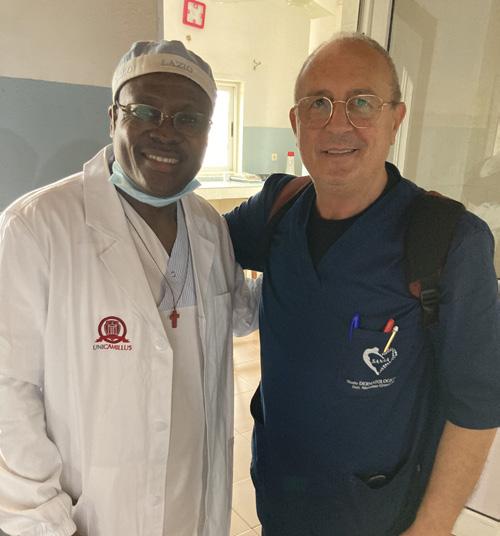
We have often spoken of Dr Massimo Gravante, a dermatologist and lecturer in parasitology at UniCamillus. In case you haven’t heard of him, Dr Gravante has been taking part in humanitarian missions in Benin for years. During these missions, his work is not limited to clinical practice: he works alongside local staff, contributes to training, supports the organisation of services and helps develop structured projects to improve healthcare.
But since last winter there has been an important development, as at La Croix Hospital in Zinvié (also in Benin) a small room now represents a major transformation: it is the new blood bank, a fully fledged facility that allows blood bags for transfusions to be stored and made available in safe conditions. This is an essential resource, one that until very recently did not exist at all, in a context where every emergency procedure may depend on the immediate availability of blood.
This achievement was made possible by Dr Gravante’s fieldwork and the support of UniCamillus
“The blood bank is used to store blood collected from donors and make it available for transfusions: a true blood bank”, explains Gravante. “The blood is kept at a stable, constantly monitored temperature. In the event of a power cut, the blood bank is equipped with an uninterruptible power supply (editor’s note: a battery that keeps the equipment running in the event of a blackout) which ensures the safe storage of the bags”.
a solution born after the emergency
The project was launched in the period immediately following the pandemic, when a major critical issue became clear during a mission: the absence of an organised system for blood collection and storage. “We realised this serious gap and decided to launch a structured collection programme”, says Gravante. But the first step was not technical, but cultural. “We began by engaging the local population, promoting donation and joining a Beninese blood donation association”.
At the same time, fieldwork continued daily, involving visits, medical interventions and support for local colleagues. This ongoing activity also enabled the team to build solid relationships and gain a deep understanding of the community’s needs.
Over time, thanks to an intensive awareness campaign, the public response has grown significantly. “It has been extraordinary!” says Gravante enthusiastically. A key figure in this process has been Father Bruno, head of the hospital’s laboratory, who “knew how to strike the right chord with his fellow countrymen and motivate them to donate”, along with the director, Father Gervais Guy Hayite.
from simple friDges to a real facility
In the early stages, the management of the collected blood relied on makeshift solutions. “It was stored in a simple Samsung fridge, with continuous temperature control ensured by the efforts of numerous people taking turns to monitor it”, explains Gravante, emphasising that this was an emergency response made possible by the direct involvement of the community.
The real breakthrough came with the purchase of the blood bank, supported by UniCamillus. Today, the facility can hold up to around 250 blood bags, ensuring appropriate standards and greater safety for patients.
“It’s an achievement that may seem small”, concludes Gravante, “but it’s huge for this community, because it provides a precious resource that is always available for the hospital and for the entire population”.
when meDicine meets the local community “Every blood bag stored in this blood bank represents a life that can be saved. For UniCamillus, this project is a small gesture with great significance: bringing security and trust where they are truly needed,” says Gianni Profita, Rector of UniCamillus. “Supporting the Zinvié blood bank means providing something tangible to the local population: these are the results that motivate us every day”.
In a context where even a single transfusion can mean the difference between life and death, this blood bank represents much more than just a facility: it is the result of continuous work on the ground, involving support, training and collaboration with the local community. A tangible example of how medicine, when it leaves the lecture rooms and meets the community, can build lasting and effective solutions.
Dr. Daniela Mariani
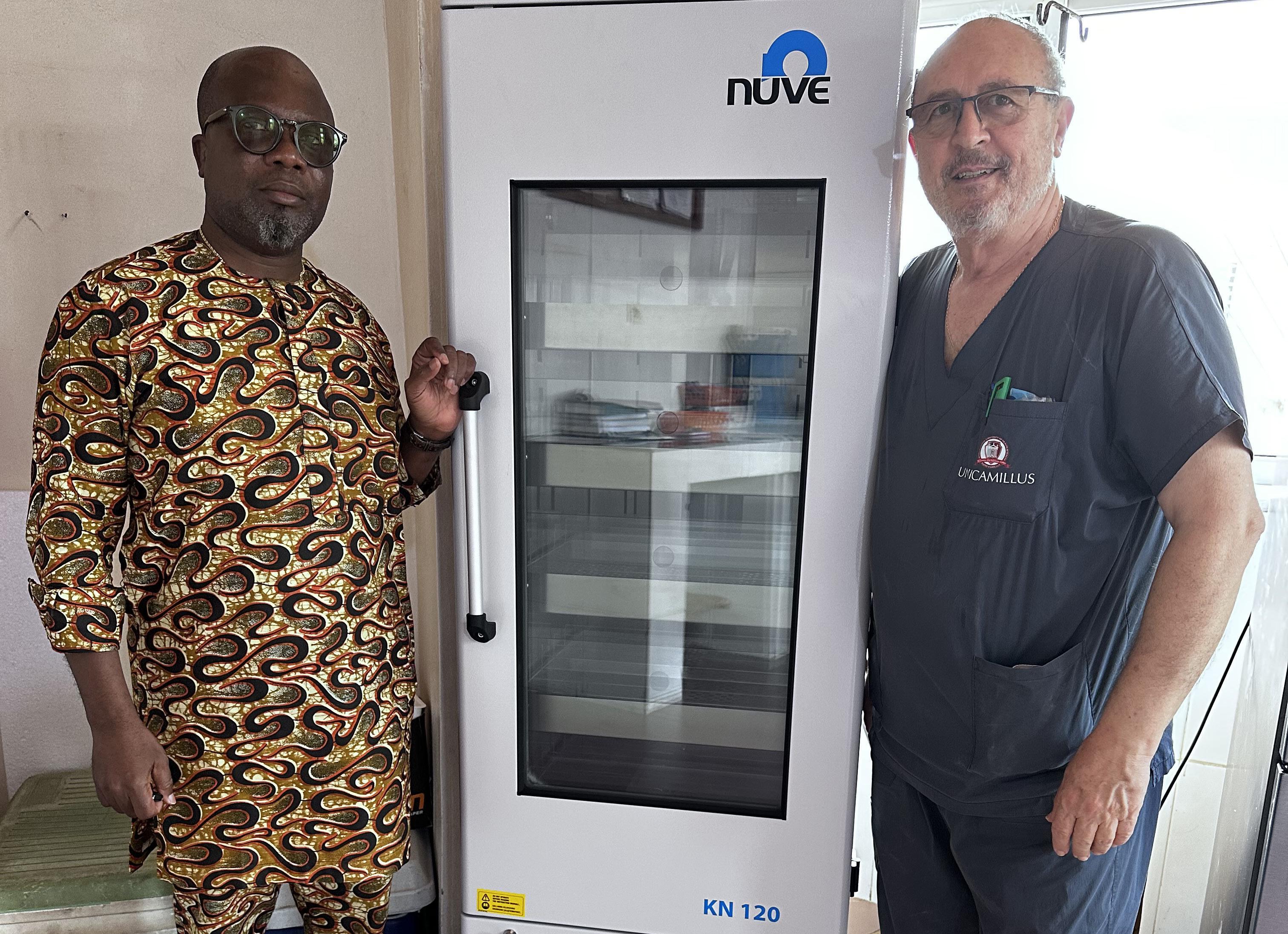
father gervais guy hayite with professor massimo gravante posing in front of the new emoteca DonateD by unicamillus
unicamillus has nameD its specialisation school in gynaecology anD miDwifery after giovanni scambia: when remembrance
becomes a commitment
In the life of an academic institution, a moment comes when a decision moves beyond organisation and becomes something deeper. It is no longer merely about teaching, nor simply about planning programmes. It becomes a way of looking to the future, a conscious choice about which legacy we intend to carry forward.
It is within this perspective that UniCamillus University has decided to name its Specialisation School in Gynaecology and Midwifery, based at the Casa di Cura Abano Terme (Padua), after Professor Giovanni Scambia. Even before being symbolic, this is an act deeply rooted in the very identity of the University.
a source of constant inspiration
Naming a Specialisation School after someone does not simply mean honouring a prominent figure in the field of medicine, it means choosing a living point of reference—someone capable of guiding every trainee medical practitioner, both ideally and concretely through their values. It means offering a direction. In the case of Professor Giovanni Scambia, that direction is clear. His career developed within the great academic and clinical tradition of the Agostino Gemelli University Hospital Foundation (IRCCS), where for years he led the gynaecological oncology department, helping to transform it into one of the leading international centres for the treatment of gynaecological cancers. But to reduce his career to mere figures, publications or positions would be limiting. Scambia was a founder of a school of thought, in the fullest sense of the word. He thus became a reference point for the development of many medical professionals and for the evolution of the discipline. Alongside scientific rigour, he always cultivated a pa-
tient‐centred approach to medicine, characterised by genuine listening and a constant presence alongside his patients. Anyone who worked with him remembers a mentor capable of combining authority with humanity, innovation with simplicity, cutting‐edge research with a deep respect for the human dimension of medicine. It is precisely this synthesis that UniCamillus has chosen to preserve and pass on.
the meaning of a legacy
Naming the Specialisation School in Gynaecology and Midwifery after him is the result of a clear intention on the part of our University: not merely to preserve his memory, but to transform it into a responsibility. First and foremost, a responsibility towards students. Every trainee who joins this School will have a clear point of reference from the very first day. Not an abstract role model, but a real person who embodied a form of medicine capable of combining scientific excellence with a focus on the individual— a form of medicine that does not separate research from care, nor technique from the human relationship.
A responsibility towards Italy’s National Health Service
At a time when clinical complexity is growing and technologies are evolving rapidly, there is a risk of losing sight of the heart of the medical profession.
Naming a School after Giovanni Scambia means reaffirming that scientific progress must always remain at the service of the individual—and that the training of medical professionals, who will become part of that healthcare system, cannot be separated from this guiding principle.
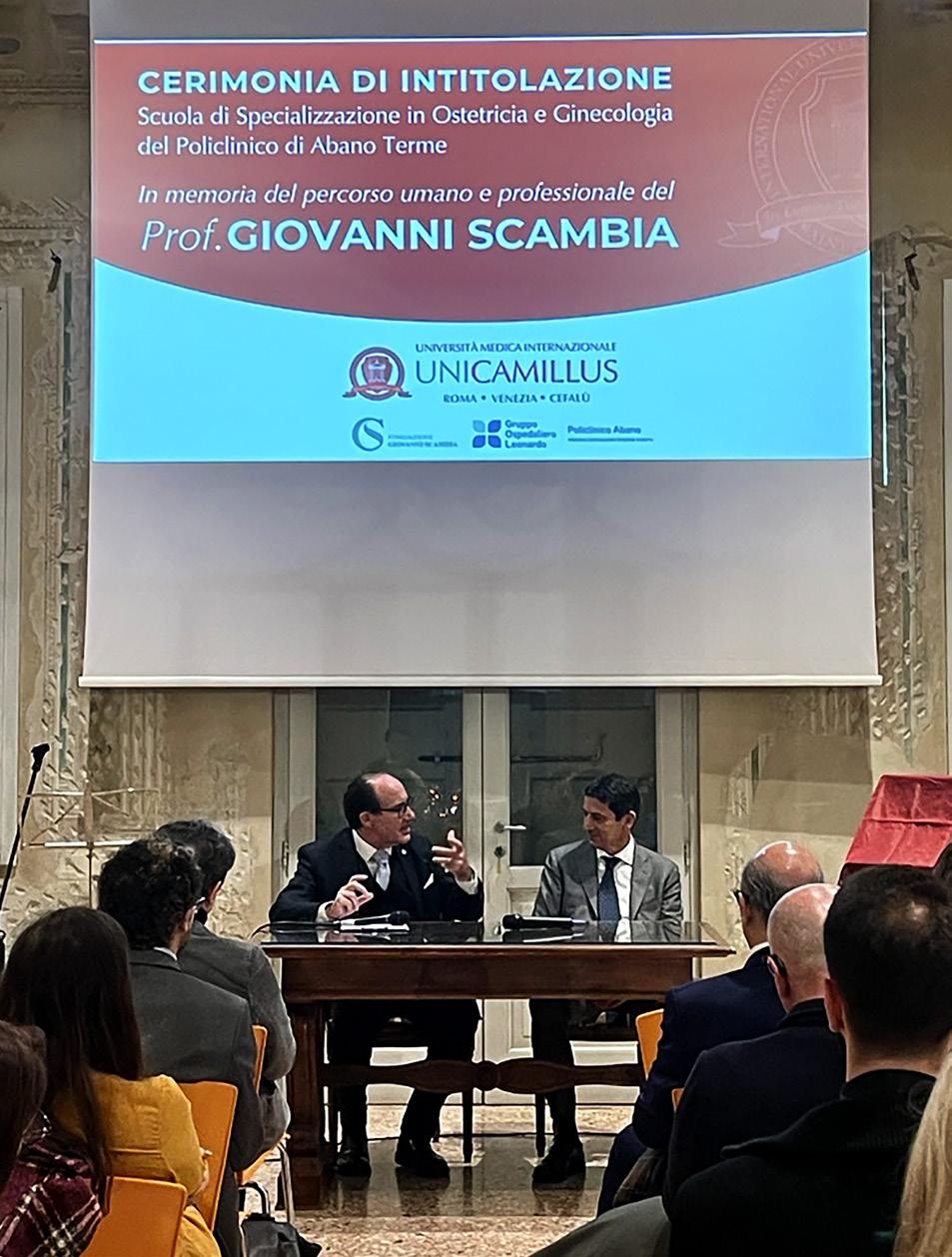
a ceremony that tells the story of a community UniCamillus’s decision reached its high point at the naming ceremony, held in Abano Terme on 12th March, in the beautiful setting of Villa Bassi. The en-
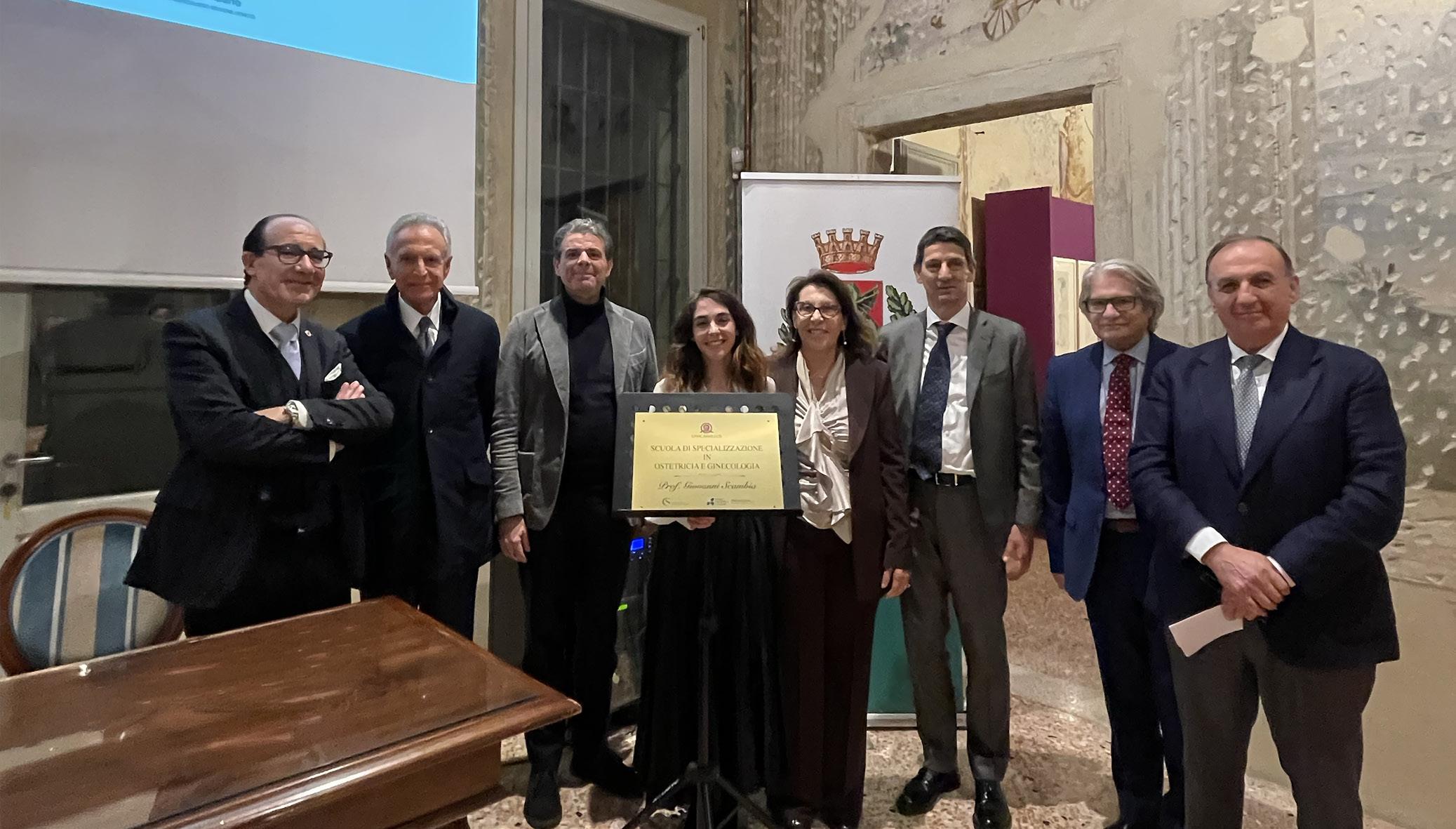
tire event was led by Gianni Profita, Rector of UniCamillus, who guided the speeches and official proceedings, ensuring that the memory and teachings of Giovanni Scambia remained at the very centre of the event. The ceremony opened with institutional greetings from the Mayor of Abano Terme, Federico Barbierato, and from the Rector and President of the Leonardo Hospital Group, Nicola Petruzzi, creating a tone of engagement and shared purpose. The laudatio, delivered by the Vice‐Rector of UniCamillus, Professor Salvatore Maria Corsello, vividly recounted Professor Scambia’s professional and personal journey, highlighting his scientific rigour, his dedication to patient care and his ability to train new generations of medical professionals.Speeches were then given by the leading clinical representatives of the Gynaecology and Midwifery Department at the Abano Terme Polyclinic: Professor Manuel Maria Ianieri, Head of Department and Dr Gianluca Straface, Head of the Midwifery Unit— who shared experiences and insights into the tangible impact of his teaching on clinical practice and specialist training.
Rector Profita emphasised that naming the Speciali-
sation School after him is not merely a tribute to the past, but a living guide for the training of tomorrow’s medical professionals. “Scambia was a leading figure in medicine, but above all a medical professional capable of combining scientific rigour with extraordinary humanity. Today, his example serves as a point of reference for our postgraduate trainees”, he stated. The official ceremony, which included the unveiling of the commemorative plaque, was particularly significant. It was a simple gesture, full of meaning: from that moment on, the name of Scambia became part of the daily life of the UniCamillus Specialisation School in Gynaecology and Midwifery, destined to be interwoven with the training journey of every future specialist. A deeply emotional moment came with the participation of Professor Scambia’s family: his wife, Emma Scambia, and his daughter, Luisa Scambia, shared personal memories, anecdotes and glimpses of the everyday life of a man who devoted all his energy to medicine and research, bringing moments of profound emotional closeness to the ceremony. It was not merely a formal celebration, but an occasion of genuine sharing, capable of bringing together institutions, academics, clinicians
from left: rector gianni profita, prof salvatore maria corsello, feDerico barbierato, mayor of abano terme, Dr luisa scambia, Daughter of prof. scambia, mrs emma scambia, wife of prof. scambia, presiDent petruzzi, Dr pranDin, anD prof. nicola Di Daniele

rector gianni profita with some meDical stuDents from unicamillus venice
and family members. The tributes that followed painted a vivid portrait of Giovanni Scambia: the rigorous scientist, the innovative clinician, the passionate teacher—but above all, the profoundly humane doctor.
the context: a growing specialist training programme
The naming of this School is part of a broader development of specialist training at UniCamillus. The University currently has six Specialisation Schools accredited by the Ministry of University and Research, aimed at graduates in Medicine and Surgery. Alongside the School of Gynaecology and Midwifery—now named after Professor Giovanni Scambia—the training programme includes programmes in Orthopaedics and Traumatology, Cardiac Surgery, General Surgery, Urology and Ophthalmology
The Schools are based within affiliated hospitals and clinics, spread across Rome and other parts of Italy, ensuring that postgraduate trainees receive training with a strong focus on clinical practice. Specifically, the School of Orthopaedics and Traumatology is based at San Pietro Fatebenefratelli and is directed by Professor Matteo Guzzini. The School of Cardiac
Surgery is based at the European Hospital and is headed by Professor Ruggero De Paulis. Three Schools are based at the Casa di Cura Abano Terme: General Surgery, headed by Professor Anna Caterina Milanetto; Gynaecology and Midwifery, headed by Professor Barbara Costantini (the School dedicated to Professor Scambia); and Urology, directed by Professor Luigi Schips. The programme is completed by the School of Ophthalmology, based at the Bietti Foundation and directed by Professor Mariacristina Parravano. The programmes last five years, with the exception of Ophthalmology, which lasts four years, and are led by directors with proven clinical and scientific expertise in their respective fields. Training is delivered through the constant integration of clinical practice, teaching and research, enabling trainees to work in structured clinical settings from the outset.
past anD future
In this context, naming the School of Gynaecology and Midwifery after Professor Giovanni Scambia is part of a broader vision: UniCamillus’s aim to train specialist physicians who are not only competent but also deeply aware of their human and social role. Every Specialisation School, regardless of field, is designed to develop professionals capable of integrating clinical practice, research and ethical responsibility. It is here, across hospital wards, laboratories and university lecture rooms, that postgraduate trainees learn to make decisions that have a real impact on people’s lives. In this context, the most important legacies—scientific, human and professional—are not simply remembered. They are gathered. They are preserved. And they are brought to life each day in the hands of those who have chosen to dedicate themselves to the care of others.
Giusi Condorelli
Dr.
rector gianni profita speaks with presiDent petruzzi During the naming ceremony in abano terme
eating DisorDers: a crisis among young people – unicamillus event focuses on prevention, genDer anD social meDia
Anorexia nervosa
Bulimia nervosa
Binge Eating Disorder
Orthorexia
Vigorexia (muscle dysmorphia)
A disorder characterised by extreme restriction of food intake, an intense fear of gaining weight and a distorted body image. It is associated with severe weight loss and is the eating disorder with the highest mortality rate.
Characterised by recurrent episodes of binge eating followed by compensatory behaviours (self‐induced vomiting, use of laxatives, fasting or excessive exercise). Body weight is often within the normal range, making the disorder less visible.
Characterised by recurrent binge‐eating episodes without compensatory behaviours, accompanied by a sense of loss of control, shame and distress. It is often associated with overweight or obesity.
An obsession with healthy and ‘pure’ food, which can lead to rigid dietary restrictions and social isolation.
A disorder characterised by an obsession with muscularity and physical performance, more common in males, involving compulsive training and the possible misuse of supplements or substances.
the main eating DisorDers (eDs)
Eating disorders represent a complex challenge for public health, particularly among adolescents and young adults. These are not simply problems related to food, but serious psychiatric conditions, characterised by an interplay of biological, psychological and social factors. Globally, they affect around 60 million people, whilst in Italy there are an estimated 3 million cases, with a significant increase among younger people. Among these disorders, anorexia nervosa has the highest mortality rate among psychiatric conditions. A key factor is the higher prevalence among girls, which highlights the importance of gender‐sensitive medicine. The differences between men and women concern not only prevalence, but also the ways in which the disorders manifest, are diagnosed and are treated. Men remain underdiagnosed even today, partly due to cultural stereotypes that associate these disorders predominantly with women.
It is against this backdrop that UniCamillus organised the event ‘Eating disorders today: a public health and prevention perspective’ on 22nd January 2026, as part of the Third Mission conference series. The event brought together experts in psychiatry, nutrition and public health with the aim of addressing the issue of eating disorders from an interdisciplinary perspective: an introduction by Professor Donatella Padua, Delegate of UniCamillus’ Third Mission and Scientific Director of the conference Series, and institutional greetings from Professor Barbara Tavazzi, Head of the University’s Faculty of Medicine and Surgery, was followed by a round-table discussion moderated by Professor Maria Rosaria Gualano, a lecturer in General and Applied Hygiene at UniCamillus. This was followed by presentations from Dr Silvia Martinelli, a specialist in Psychiatry and Medical Director at the Sant’Andrea University Hospital in Rome; Dr Annalisa Silenzi, a researcher at the
National Institute of Health, a dietitian and nutritionist biologist, and Dr Edoardo Mocini, a dietitian and a researcher at eCampus University.
highlights of the unicamillus event
During the event, it was emphasised that eating disorders are a public health issue, the management of which requires a collective approach, where biological, social, behavioural and political factors are closely intertwined. It was clear that early diagnosis and a multidisciplinary approach are needed, alongside challenges linked to the uneven availability of services and difficulties in accessing treatment, particularly for younger people. Food culture was also highlighted as a tool for prevention, emphasising that food represents not only nutrition, but also identity, social connection and a potential expression of distress. Finally, considerable attention was paid to social media, which amplifies social comparison and promotes unrealistic beauty standards, contributing to body dissatisfaction and risky behaviours, thereby necessitating an integrated and preventive approach to eating disorders. Based on this evidence, we asked Professor Maria Rosaria Gualano, the event’s moderator, for further clarification.
female vulnerability anD risk factors
In outlining the epidemiological picture and risk factors for eating disorders, Professor Gualano emphasised the multifactorial nature of women’s greater vulnerability. “The greater tendency towards nutritional and eating disorders in women (while acknowledging probable underdiagnosis in men) results from a complex interaction of biological, psychological and social factors. From a biological perspective, sex hormones, particularly oestrogens, influence the regulation of appetite, mood and impulse control, increasing susceptibility, especially during critical phases such as adolescence”.
«The greater tendency towards nutritional and eating disorders in women (while acknowledging probable underdiagnosis in men) results from a complex interaction of biological, psychological and social factors.
From a biological perspective, sex hormones, particularly oestrogens, influence the regulation of appetite, mood and impulse control, increasing susceptibility, especially during critical phases such as adolescence.»
Professor Maria Rosaria Gualano
There are also genetic factors that predispose individuals to higher levels of anxiety, perfectionism and sensitivity to social judgement. “Psychologically, girls are developing body dissatisfaction at an increasingly early age and internalising ideals of thinness, often linked to a need for acceptance and perfection. Finally, the social context plays a decisive role: after a period of greater acceptance of body diversity, social media are now contributing to the re‐emergence of unrealistic and perfectionistic ideals, often altered by filters, thereby increasing the pressure on girls’ physical appearance”, continues Professor Gualano.
From this point of view, adolescence emerges as a particularly sensitive period, in which the construction of body identity is intertwined with dynamics of social comparison increasingly accelerated by digital media.
unDerDiagnosis in males anD cultural biases
A further critical issue concerns the underdiagnosis of male patients, which remains heavily influenced by cultural stereotypes and lower levels of clinical awareness. Failure to identify the condition early is not only a diagnostic problem, but also a factor that contributes to the chronic nature of the disorder. “Stereotypes persist that view these disorders as predominantly female, whereas in men they often manifest in ‘atypical’ forms compared to classic clinical presentations”, points out Gualano. “To improve detection rates, it is essential to address key areas of the healthcare system, particularly professionals with privileged access to this population, such as general practitioners and sports physicians”. This professional figure plays a particularly important role, as in men, signs such as an excessive pursuit of muscularity or compulsive physical training can serve as warning signals. It is therefore essential to strengthen the training of healthcare professionals so that they can recognise these less typical
manifestations and apply appropriate screening tools.
treatment pathways anD aDherence to care
Gender differences also clearly emerge in treatment pathways and adherence to care. The timeliness of diagnosis and continuity of treatment are crucial factors, but they are not distributed evenly between men and women. “It is well known that women tend to access healthcare services more easily, but they may present with more complex and chronic conditions. In men, on the other hand, diagnosis often occurs later, and early discontinuation of treatment is more common. For this reason, it is urgent to improve communication and disseminate information, so as to encourage both help‐seeking and adherence to treatment pathways”, says Gualano. It is also essential to develop personalised, gender‐sensitive support models. In particular, non‐stigmatising approaches and peer‐based mutual support interventions are especially useful for male patients. Therapeutic models, which have so far been more established for women, must also be adapted and further studied for men, taking into account their different motivations and the most effective tools for engaging them.
fooD literacy anD tailoreD prevention
In the field of prevention, the concept of food literacy plays a central role in promoting greater awareness of food. This is not just about nutritional knowledge, but broader skills that include the ability to interpret food within a cultural and relational context
“Food literacy refers to the set of skills that enable a person to select, prepare and consume food in an informed manner, promoting a healthy lifestyle. In public health, food education programmes must be tailored to the target audience. For girls and young women, it is important to work on deconstructing the ideal of perfectionism and thinness and on strengthening self‐esteem. For boys, on the other hand, it is useful to address issues related to muscularity, the use of supplements and an obsession with physical performance”, emphasises Gualano.
The aim is to promote a balanced and informed relationship with food, integrating nutritional education, attention to psychological well‐being and the development of a critical mindset towards content disseminated by the media. Food literacy, therefore, is not gender‐neutral, but requires an inclusive approach
that takes into account different identities and sensitivities.
schools anD early prevention
The school setting also remains a key arena for early intervention, particularly through structured and continuous programmes that go beyond isolated initiatives. The effectiveness of prevention depends on its ability to have a lasting impact on perceptions of the body and food. “Within schools, it is essential to promote healthy‐eating education programmes using interactive approaches, which are more effective for this age group. Among the most effective methods is the cognitive‐dissonance approach, which helps young people question the widespread and unrealistic beauty ideals, particularly those promoted through social media. However, it is essential that these interventions are not one‐off events, but are structured and continuous, firmly integrated into the school curriculum. Only in this way, and with adequate investment, can lasting preventive effects be achieved”, the lecturer continues.
Social media, body image and gender differences
Another key issue concerns the impact of social media on the construction of body image among young people, in an increasingly pervasive digital environment. These platforms not only amplify social comparison, but also contribute to the spread of divergent aesthetic ideals among girls and boys. “Social media, created to facilitate connection and the sharing of information, also pose significant risks for young people”, warns Gualano. “They influence body image by amplifying social comparison and spreading often unrealistic aesthetic ideals—such as thinness in girls and muscular hypertrophy in boys— thereby distorting self‐worth by tying it to physical appearance. Moreover, algorithms can reinforce exposure to harmful content, creating ‘information bubbles’ that amplify dysfunctional models. Despite some action taken by the platforms, current countermeasures remain insufficient given the scale of the phenomenon”.
genDer communication anD the responsibility of Digital role moDels
In this context, communication takes on a strategic role; it must be increasingly gender‐aware and tailored to different youth audiences. It is not merely a matter of conveying accurate information, but of influencing the cultural and symbolic models that
shape young people’s relationship with their bodies. “It is important to convey accurate and informed messages through social media figures, such as athletes and artists, who should be aware of their influence and promote content grounded in scientific evidence”, says the lecturer. “In this regard, ethical guidelines for advertising and social media could also contribute to greater collective awareness and more responsible communication”.
future prospects for genDer‐specific meDicine in eating DisorDers
Looking ahead, gender‐specific medicine is emerging as one of the key pillars in the prevention and management of nutritional and eating disorders, with an increasingly strong focus on personalised interventions. “We anticipate growing attention to the male population, which has so far been less studied, alongside a progressive expansion of research. At the same time, the integration of mental health, nutrition and social determinants—together with the use of digital data and advanced analytical tools—will support earlier identification of at‐risk individuals and more targeted, effective and inclusive interventions”, concludes Professor Gualano.
Dr. Ginevra Guidoni
«For girls and young women, it is important to work on deconstructing the ideal of perfectionism and thinness and on strengthening self‐esteem. For boys, on the other hand, it is useful to address issues related to muscularity, the use of supplements and an obsession with physical performance»
Professor Maria Rosaria Gualano
m E dicin E and th E S ocial S ci E nc ES : why dialogu E i S ESSE ntial Gender, social expectations and diagnostic bias—towards a more informed clinical practice
p rof ESS or d onat E lla p adua
Associate Professor of General Sociology at UniCamillus and Delegate to the Third Mission and Social Impact
a typical morning in a&E
In 2025, a 52-year-old woman was admitted to the A&E of a hospital in northern Italy, having complained of chest pain, fatigue and nausea. She underwent a clinical assessment, and her ECG result was borderline. A few hours later, she was discharged with a probable diagnosis of panic attack and a referral for psychological follow-up. The following morning, she returned to A&E after having had a myocardial infarction. This episode is neither an exception nor a thing of the past. An increasing body of empirical evidence shows that women with acute coronary syndrome are more frequently diagnosed and treated late than men, even when clinical conditions are the same (Elgendy, 2022; Hellgren, 2022; Cangiano et al., 2025).
The problem lies not only in biological differences—it is well known that heart attacks in women can present with less typical symptoms—but also in the fact that such ‘atypicality’ is defined in relation to a diagnostic model that has historically been based on male populations. This means that what is classified as ‘atypical’ actually reflects what has been accepted as the norm.
This brings us to the sociological question: who defines what is considered ‘typical’ in clinical practice, and on what assumptions?
genDer as a social Determinant in Diagnostic bias
One of the most significant yet least explored aspects of gender medicine is the role of gender in diagnostic bias. Although biomedical research has increasingly recognised the importance of sex differences at a physiological level, far less attention has been paid to how social expectations, cultural norms and cognitive frameworks concretely influence the diagnostic process. From a sociological perspective, diagnosis is not purely technical, but a socially situated practice shaped by interpretative frameworks, institutional routines and power relations.
Numerous empirical studies have shown that women are more likely to experience diagnostic delays in acute coronary syndrome, which is linked to both the presentation of symptoms and clinical interpretation processes (Mehta et al., 2016a, 2016b; Zhou et al., 2023). Recent evidence from large-scale analyses in European contexts also confirms the persistence of significant differences in outcomes and care pathways between men and women. This highlights that such inequalities are associated not only with clinical factors, but also with organisational and decision-making processes within healthcare systems (Cangiano

et al., 2025). Further evidence from the Global Health 50/50 Report (Global Health 50/50, 2025) confirms that gender inequalities are structurally embedded in healthcare systems, limiting access to care, diagnostic pathways and clinical outcomes.
As Ellen Annandale (2023) points out, health and illness are understood and interpreted through socially structured frameworks that guide both patients and healthcare professionals. These frameworks often incorporate implicit gender norms, which can lead to systematic biases in clinical judgement. For instance, symptoms reported by women are more often interpreted as an expression of psychological or emotional distress, whereas those reported by men are more often attributed to physical causes. These differences are not random, but reflect deeply rooted cultural constructions of femininity and masculinity that have become embedded in medical knowledge over time (Annandale, 2025).
In the context of general practice, Cosentino (2025) emphasises that gender-sensitive medicine seeks to address these distortions by promoting greater consideration of the differences in symptom presentation and disease trajectories between men and women. However, an exclusively biomedical approach is insufficient unless action is also taken to address the cognitive and cultural processes that influence clinical interpretation. Diagnostic bias is not only the result of a lack of data, but also of implicitly shared interpretative frameworks. From this perspective, gender can be considered a genuine social determinant that influences diagnosis and operates on at least three interconnected levels. At the interpersonal level, for example, gender influences the way doctors and patients communicate: women tend to use more detailed narrative styles, while men may downplay or delay reporting their symptoms. At the cognitive level, clinicians rely on mental shortcuts that may incorporate gender stereotypes, such as the association of cardiovascular disease with the male population.
Finally, at the institutional level, guidelines and training programmes historically based on male samples contribute to the reinforcement of androcentric standards.
To highlight the clinical implications of gender-based diagnostic bias, it is helpful to identify areas of pathology where these patterns are most evident. box 1, compiled by the author from the sources listed in the bibliography, provides a non-exhaustive summary of clinical conditions in which women are more likely to experience diagnostic delays or distorted symptom interpretations, showing that this issue spans multiple areas of medicine and is not limited to cardiovascular disease.
clinical aerea main issues i
Myocardial infarction
Chronic pain
Autism spectrum disorders
ADHD
Autoimmune diseases
Symptoms are less readily recognised, leading to delays in diagnosis and treatment
Tendency toward the psychologisation of pain
Underdiagnosis in women and less ‘typical’ presentation
Late diagnosis due to fewer externalising symptoms
Diagnostic delays despite higher prevalence in women
box 1. conDitions at risk of DelayeD Diagnosis in women

5 n ews from medical world
world health day 2026
The World Health Organization celebrated World Health Day on April 7 with the theme “Together for Health. Stand with Science” (“Together for Health. Alongside Science”), involving over 80 countries and hundreds of scientific institutions. Among the main events, the One Health Summit in Lyon, focused on the integration of human, animal and environmental health. WHO noted that global programs like COVAX have helped distribute more than 2 billion doses of the COVID-19 vaccine in low-income countries. Over the past 50 years, international health cooperation has helped save over 150 million lives, largely thanks to pediatric vaccinations. However, WHO warns that challenges such as pandemics, climate change, and health inequalities require more resilient systems and coordinated investment.
MethylScan Blood Test: A New Frontier in Early Diagnosis
MethylScan is a blood test developed by UCLA (University of California, Los Angeles) that analyzes circulating free DNA and methylation patterns to detect various cancers and liver diseases. In a study of 1,061 samples, it detected 63% of tumors and 55% in the early stage with a specificity of 98%. In liver disease surveillance it achieved ’80% sensitivity and over 90% specificity. The system uses machine learning algorithms and could become a cost-effective, non-invasive test for early diagnosis based on the analysis of circulating DNA in the blood, potentially reducing total clinical diagnostic costs.
Alcohol alert in Italy: millions of consumers at risk, according to the ISS
The data comes from the Istituto Superiore di Sanità through the National Alcohol Observatory and refers to 2024. In Italy, 36 million people consume alcohol, equal to 77% of men and 57% of women. 8.2 million consume harmful amounts. Binge drinking affects 4.45 million people, including 79,000 minors, and is growing, nearly doubling among women in the last ten years. 730,000 drinkers already suffer physical or psychological harm, but only ’8.3% are cared for by health services. Among young people aged 11-24, 1.27 million consumers are at risk, 580,000 of whom are minors.
type 2 diabetes: proposed a new ClassiFiCation into stages: towards goodbye to “pre-diabetes”?
The Italian Society of Diabetology (SID) is following the debate relaunched in The Lancet Diabetes & Endocrinology, which proposes moving beyond the term “pre-diabetes” and introducing a three-stage classification of type 2 diabetes. The disease is described as a continuous process linked to beta cell decline and insulin resistance. Stage 1 indicates high risk with blood glucose still normal, stage 2 dysglycemia, stage 3 full-blown diabetes. The goal is to anticipate diagnoses and therapies, personalizing interventions and reducing cardiovascular and metabolic complications.
pancrEatic cancEr: ExpErimEntal drug doublES onE-yEar Survival
A study published in Nature Medicine shows promising results for an experimental drug against pancreatic cancer. The molecule elraglusib, developed at Northwestern University, in combination with chemotherapy reduces the risk of death by 38% and doubles one-year survival. The Phase 2 trial involved 233 patients with metastatic pancreatic cancer at 60 centers across North America and Europe. Median survival was 10.1 months with the drug versus 7.2 months with chemotherapy alone. Forty-four percent were alive at one year (22% in the control) and approximately 13% at two years. Phase 3 started.
w hat you n EE d to know about ur E apla S ma S ymp -
tom S : a S il E nt but v E ry common inf E ction
Not everyone is familiar with ureaplasma, yet it is a very common infection—much more common than you might think. It can affect both men and women, often without causing any obvious symptoms, and its prevalence is increasing. “There is no official estimate of the sexual transmission of Ureaplasma”, explains Giulio Sozzi, a lecturer in Gynaecology and Midwifery at UniCamillus University. “It is an opportunistic pathogen of the urogenital tract, present in up to 80% of the population in some areas of the world”. In Italy, the number of cases is increasing: “Ureaplasma parvum has risen from 24% to 26%, especially in women, and Ureaplasma urealyticum from 11% to 15%”.
Ureaplasma is a tiny microorganism belonging to the Mycoplasmataceae family. As mentioned by our expert, there are two main variants: Ureaplasma urealyticum and Ureaplasma parvum. The main difference lies in their behaviour and the likelihood of causing illness.
Ureaplasma parvum is the smallest and most common type. It is often found in healthy people without causing symptoms, and can coexist peacefully with the body: it is a bit like a silent guest who sometimes comes and goes without causing any disturbance.
Ureaplasma urealyticum, on the other hand, is more often linked to infections of the urinary or genital tract. For this reason, when detected, doctors pay closer attention and, if necessary, prescribe targeted antibiotics to treat it.
Many people believe that the infection can only be contracted through sexual intercourse, but this is not actually the case. “Ureaplasma can live harmlessly in the genital mucosa until the microbiota is altered”, notes Sozzi. “At that point, the bacteria take the opportunity to proliferate and cause symptoms”. Therefore, it is possible to contract ureaplasma is not
exclusively sexually transmitted, such as in cases of stress, lowered immune defences, or alterations in the vaginal microbiota. “These bacteria can survive in the genital mucosa and use urea as a source of energy”, clarifies Sozzi. “This process alters the pH of the vaginal environment, facilitating the appearance of other disorders such as candida or gardnerella— microorganisms that cause intimate infections”.
how to recognise ureaplasma symptoms in men anD women
In women, ureaplasma symptoms can include burning, itching, abnormal discharge or pain during intercourse. “In some cases”, adds Sozzi, “it can cause vaginitis, endometritis or salpingitis”.
In men, however, ureaplasma can cause urethritis, prostatitis or epididymitis. “The most common signs include discharge from the urethra and a painful sensation when urinating”, remarks the gynaecologist.
However, patients do not always present symptoms. Ureaplasma can sometimes be completely asymptomatic, which makes it more difficult to detect. Should it always be treated? “Generally, yes”, replies Sozzi. “Although ureaplasma is common in both symptomatic and asymptomatic patients, it is important to carefully assess the situation. Treatment is always recommended in cases of infertility or ureaplasma during pregnancy”.
TO READ THE FULL ARTICLE AND FIND OUT MORE ABOUT THE TOPICS COVERED, SCAN THE QR CODE AND VISIT THE UNICAMILLUS WEBSITE
t ran S lational m E dicin E and th E r ol E of p at E nt p rot E ction
establishing a close integration of stakeholDers from inDustries, clinics, anD acaDemia as well as the involvement of relevant legal boDies anD normative authorities
Moving new drug candidates from preclinical research into human studies and the approved drug is only approximately 0.1% [2], and major causes are the lack of effectiveness and poor safety profiles unpredicted in preclinical and animal studies. Translating a basic discovery into a potential drug candidate or biomarker that is ready to be tested in humans is a complicated, time-consuming process that requires collaboration between the academic scientists who make discoveries and clinicians. Translational research thus aims to apply fundamental knowledge gained from basic research activities to the human condition. However, translational research is more challenging and costlier to conduct than basic research since with animals and humans it involves complex organisms [3] Yet this collaboration can make it difficult for universities to engage in translational projects, taking into account that such projects can often be significantly harder to plan than more traditional research projects. Transformative research may require more flexible timeframes and resources. [...]
stabilire una stretta integrazione Delle parti interessate Di inDustrie, cliniche e università, nonché il coinvolgimento Degli organi giuriDici e Delle autorità normative pertinenti
Lo spostamento di nuovi farmaci candidati dalla ricerca preclinica agli studi sull’uomo e al farmaco approvato è solo dello 0,1% circa [2] e le cause principali sono la mancanza di efficacia e gli scarsi profili di sicurezza non previsti negli studi preclinici e sugli animali. Tradurre una scoperta di base in un potenziale farmaco candidato o biomarcatore pronto per essere testato sull’uomo è un processo complicato e dispendioso in termini di tempo che richiede la collaborazione tra gli scienziati accademici che fanno scoperte e i medici. La ricerca traslazionale mira quindi ad applicare alla condizione umana le conoscenze fondamentali acquisite dalle attività di ricerca di base. Tuttavia, la ricerca traslazionale è più impegnativa e costosa da condurre rispetto alla ricerca di base poiché con gli animali e gli esseri umani coinvolge organismi complessi. Tuttavia, questa collaborazione può rendere difficile per le università impegnarsi in progetti di traduzione, tenendo conto del fatto che tali progetti possono spesso essere significativamente più difficili da pianificare rispetto ai progetti di ricerca più tradizionali. La ricerca trasformativa può richiedere tempi e risorse più flessibili. [...]
TO READ THE FULL ARTICLE AND FIND OUT MORE ABOUT THE TOPICS COVERED, SCAN THE QR CODE AND DOWNLOAD THE LATEST ISSUE OF UNICAMILLUS GLOBAL HEALTH JOURNAL
RESEARCH / abstract
a selection of the most recent anD interesting research conDucteD by unicamillus researchers.
Abstracts of the work are available. To view the full text, scan the relevant QR code. Access to the research is subject to specific subscriptions or affiliations to the platforms containing the extended work.
2025 National Guidelines on the Mediterranean Diet: Executive Summary of a Joint Report by Italian Scientific Societies and the National Institute of Health Task Force on Clinical Practice Guidelines
Nicola Veronese , Vincenza Gianfredi , Massimo Volpe , Michela Zanetti , Graziano Onder , Marco Silano , Daniele Nucci, MSc , Luigi Fontana , Alessandro Laviano , Cornel Sieber , Stefania Maggi , Italian Mediterranean Guideline Group
The paradox of sleep where sleep is no longer possible: a neurophysiological perspective and a human rights imperative
Di Gennaro, G., Romigi, A. The paradox of sleep where sleep is no longer possible: a neurophysiological perspective and a human rights imperative. Neurol Sci 47, 30 (2026). https:// doi.org/10.1007/s10072-025-08722-6
Preclinical evidence and therapeutic perspectives on carnosine for the treatment of neurodegenerative disorders
Saviana Antonella Barbati 1,2 , Giuseppe Carota 3 , Konstantinos Partsinevelos 3 , Lucia Di Pietro 3 , Anna Privitera 4 , Vincenzo Cardaci 5 , Andrea Graziani 1 , Renata Mangione 1,2, Giuseppe Lazzarino 6 , Barbara Tavazzi 1,2 , Valentina Di Pietro 7 , Emiliano Maiani 1,2, Francesco Bellia 3 , Angela Maria Amorini 3 , Giacomo Lazzarino 1,2 , Shahid Pervez Baba 8,9, Giuseppe Caruso 1,2
Hypoprolactinemia: Biology, Clinical Relevance, and Diagnostic Challenges
Rosa Maria Paragliola, Andrea Corsello, Gianluca Cera, Pietro Locantore, Manolo Piccirilli, Roberto Salvatori
A blood-based DNA damage signature in patients with Parkinson’s disease is associated with disease progression
Sproviero, D., Payán-Gómez, C., Milanese, C. et al. A blood-based DNA damage signature in patients with Parkinson’s disease is associated with disease progression. Nat Aging 5, 1844–1861 (2025). https://doi.org/10.1038/s43587-025-00926-x
Protecting the future of vaccine development amidst US funding withdrawal for mRNA vaccine research
Eskild Petersena ∙ Giuseppe Ippolitob ∙ Markus Maeurerc ∙ Francine Ntoumid,e ∙ Jean B Nachegaf,g ∙ David S Huih ∙ Alimuddin Zumlai,j
Duchenne Muscular Dystrophy: Integrating Current Clinical Practice with Future Therapeutic and Diagnostic Horizons
Costanza Montagna1 Emiliano Maiani1,2, Luisa Pieroni1,2 and Silvia Consalvi1,2,*
Real- world data and patient- reported outcomes in diabetes in Emilia–Romagna (REWINDER): protocol of a federated cohort study for the regional evaluation of quality of care during and after COVID- 19
Fabrizio Carinci,1 Rossella Messina,2,3 Massimo Michelini,4 Amelia Bici,4 Arianna Berardo,2 Alessandra Dei Cas,5,6 Elisa Iezzi,6 Concetta Tania Di Iorio,7 Stefano Gualdi,8 Raffaella Aldigeri,5 Maria Pia Fantini , 3 Riccardo C Bonadonna,5,9,10 Massimo Massi Benedetti,11 Paolo Di Bartolo 2,3