• Automate Interactions & Notifications to Streamline Hand-offs Between Parties
To lead what’s next, you need to think differently now.
Investment professionals leading today’s markets aren’t just knowledgeable—they bring clarity, judgment, and a deep understanding of where capital is moving next.
The CAIA Charter gives you all three.
If you want to stay relevant, build influence, and earn the confidence to navigate what’s coming next, CAIA is where you start.
Learn more at caia.org.
Next isn’t coming. It’s here.
The Power of Integrating Technology and Investment Operations
by Frank Caccio, OpsCheck
Brian Goldblatt, Prager Metis Strategic Audit Selection for Investment Funds: The Six-Factor Framework for Success
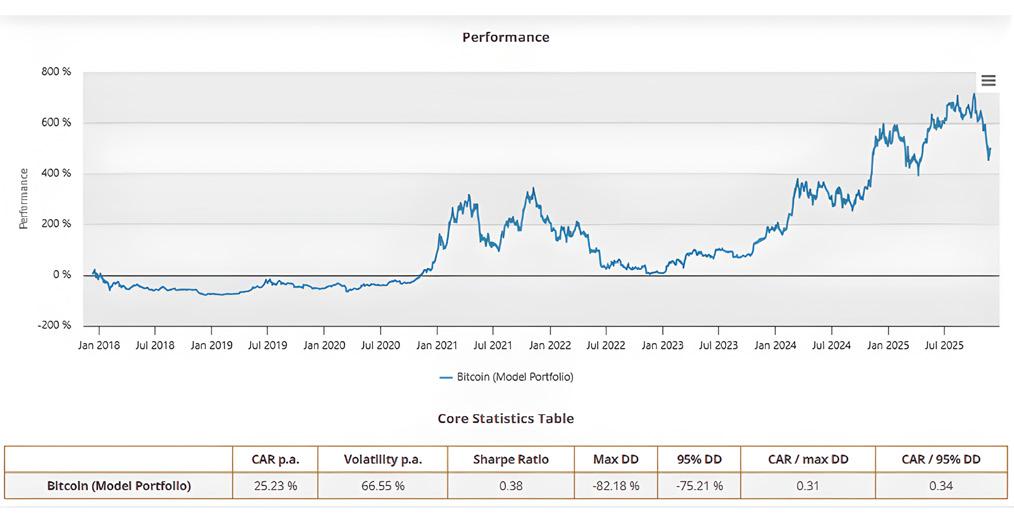
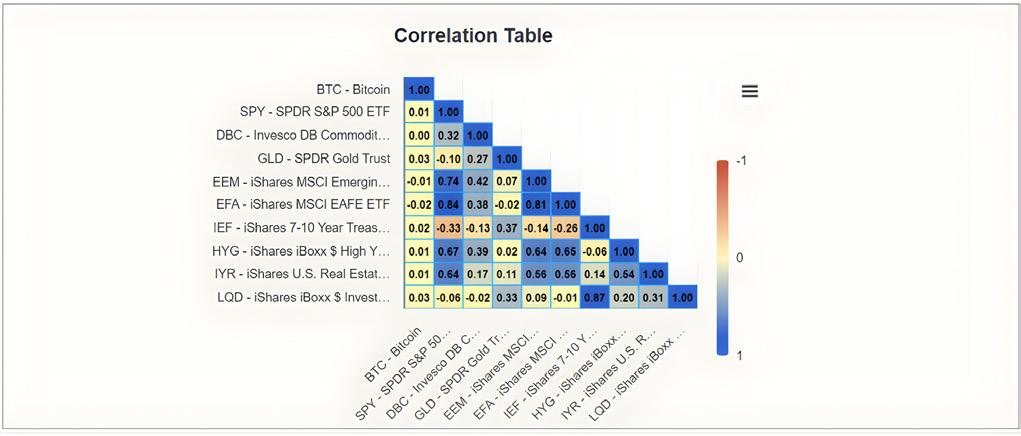
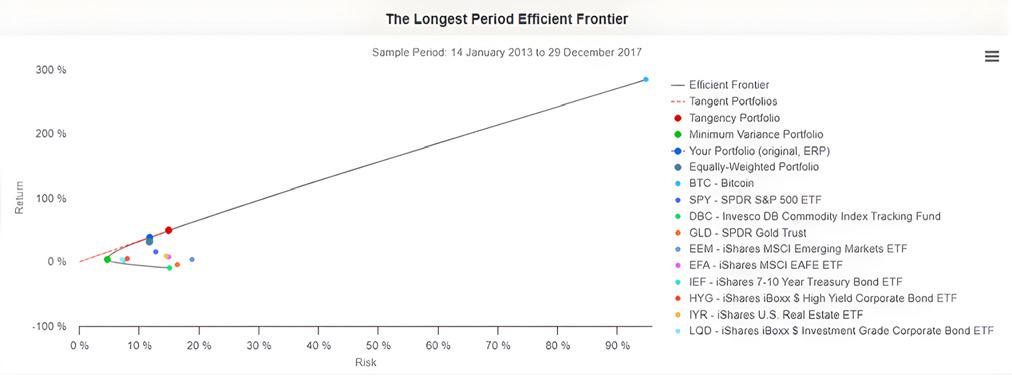
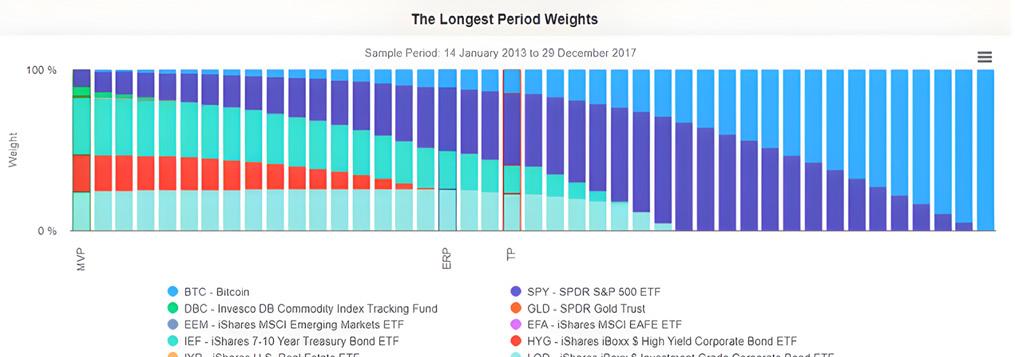
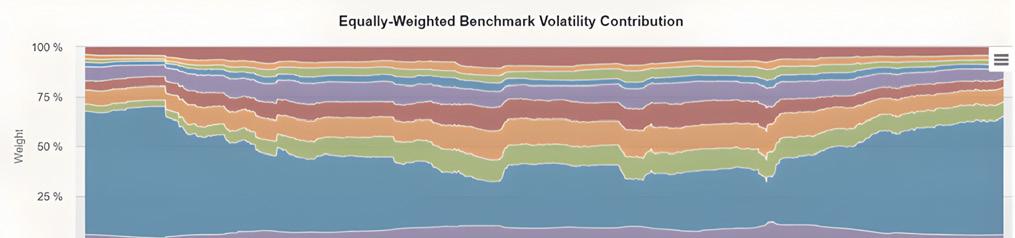
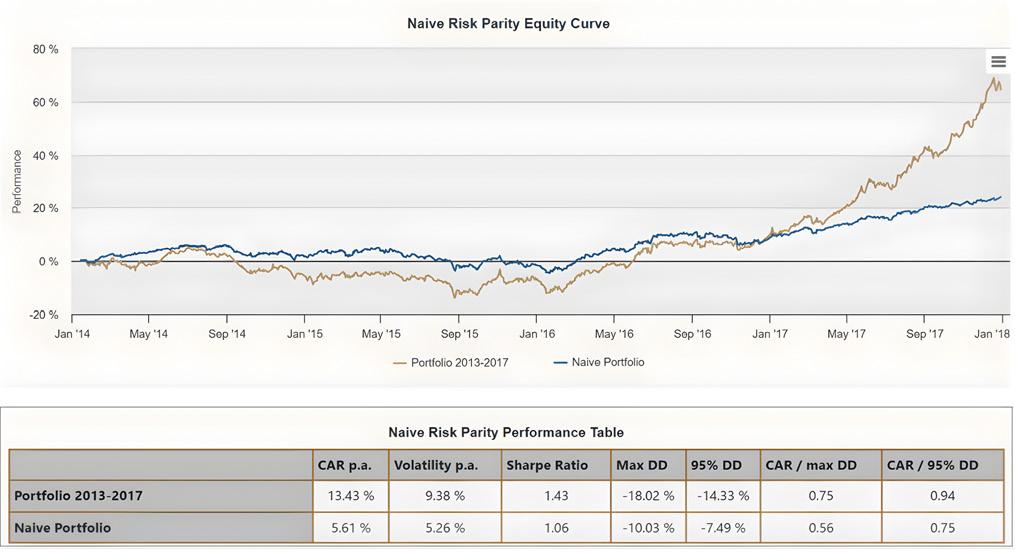
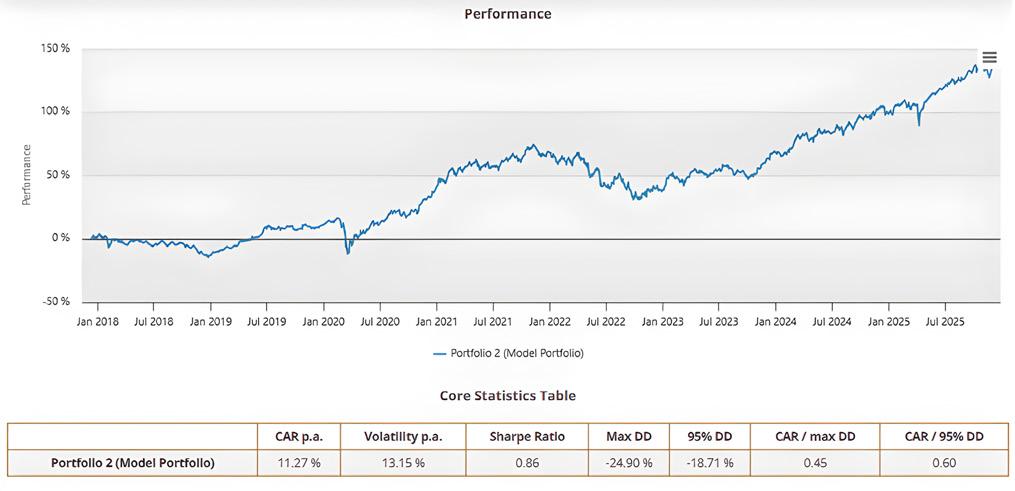
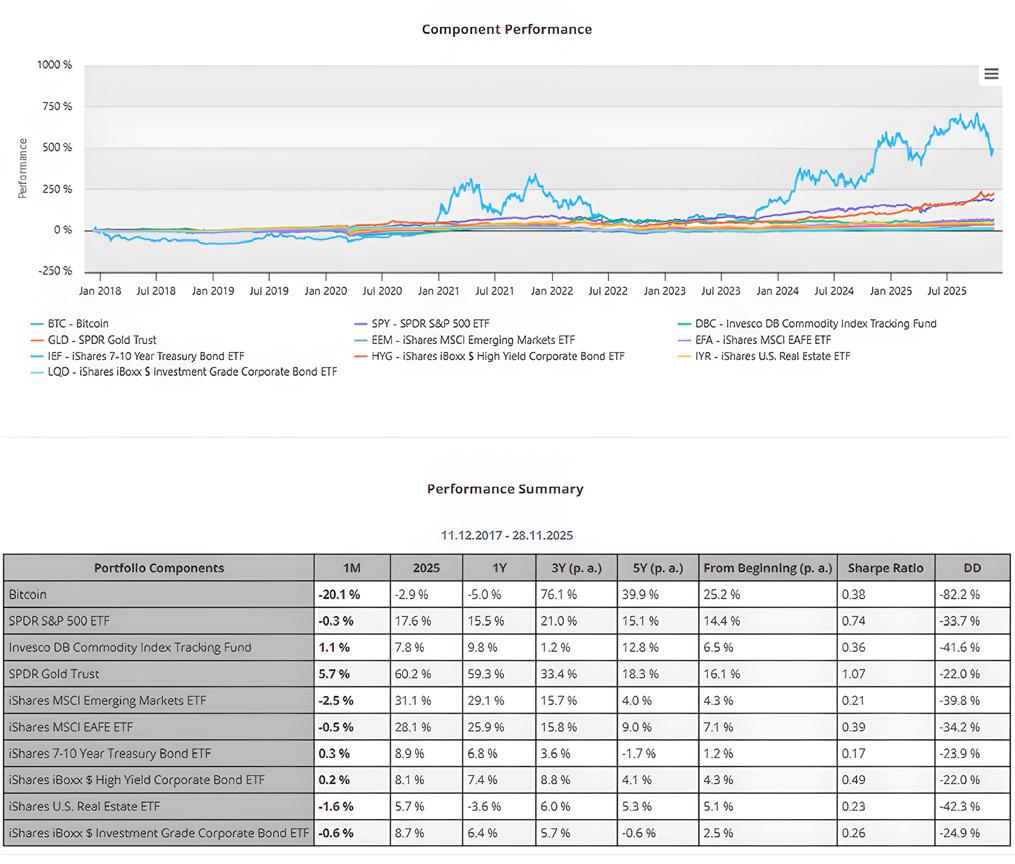
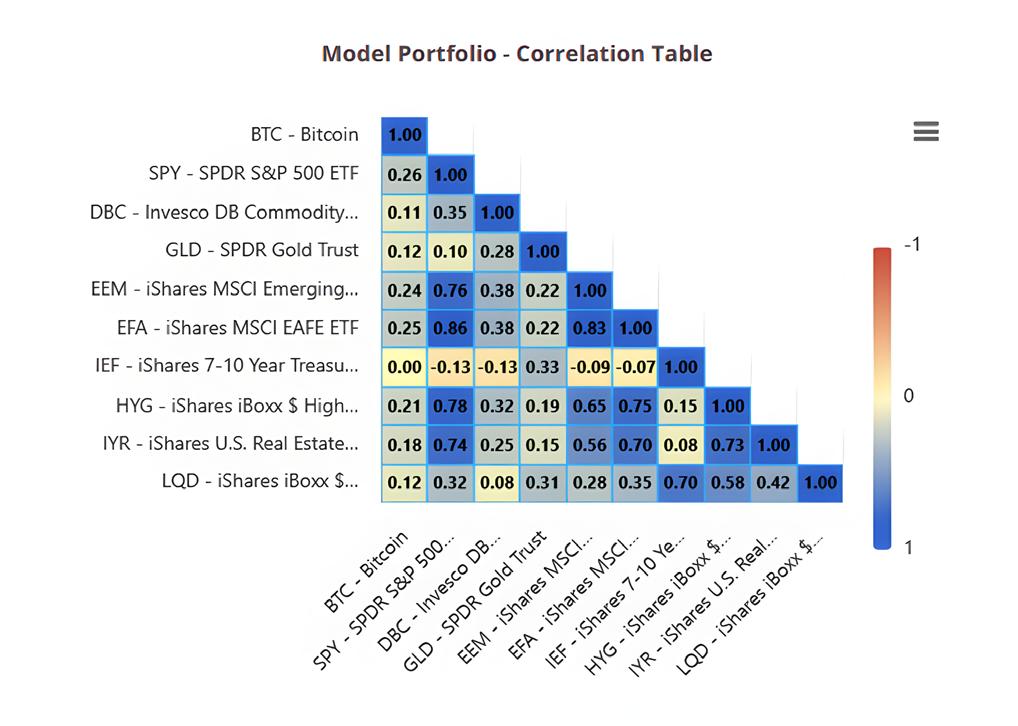
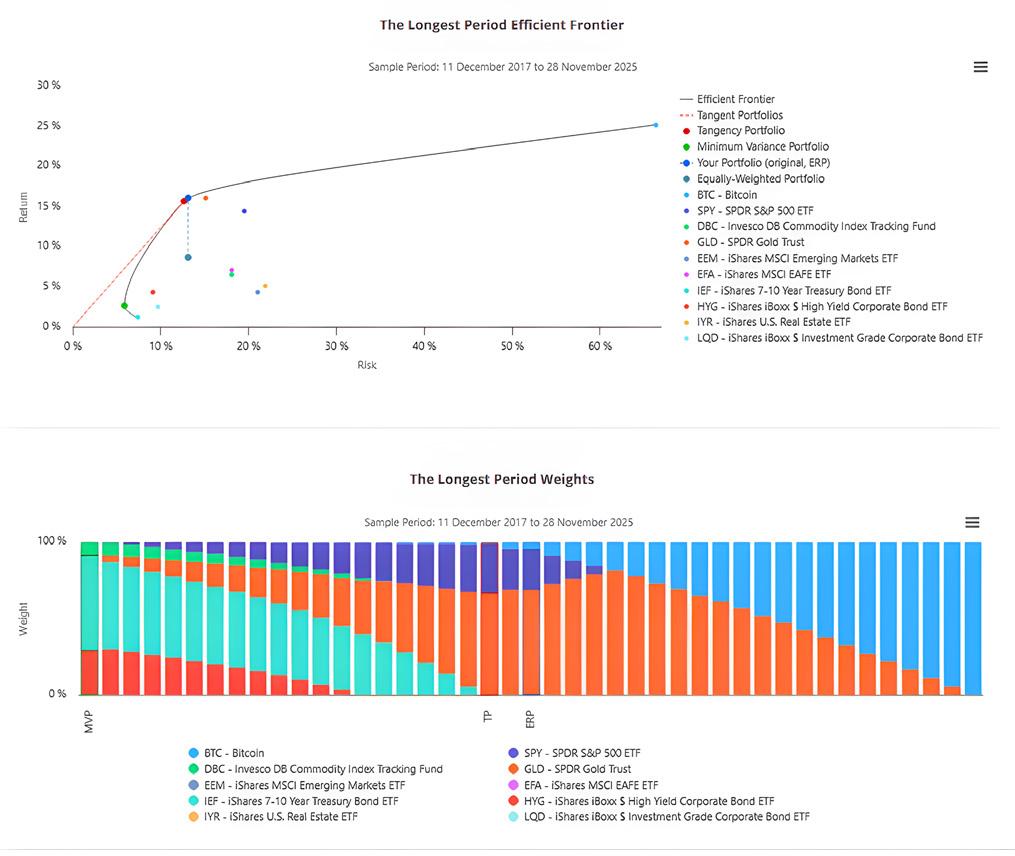
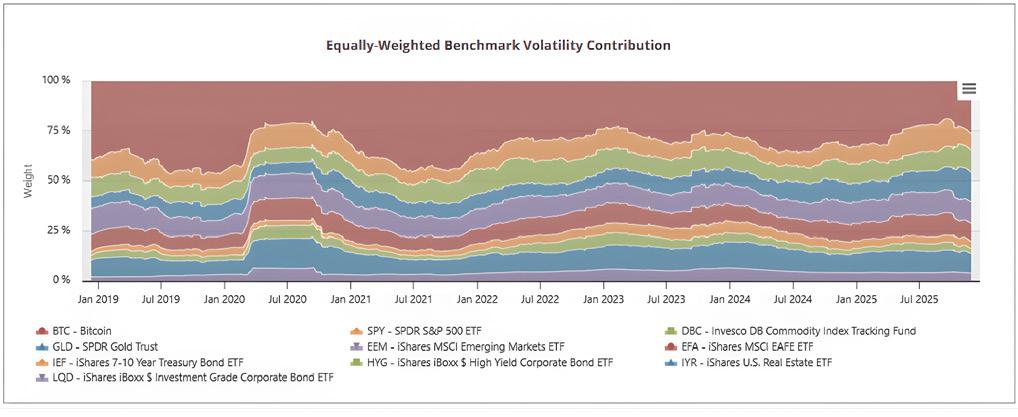
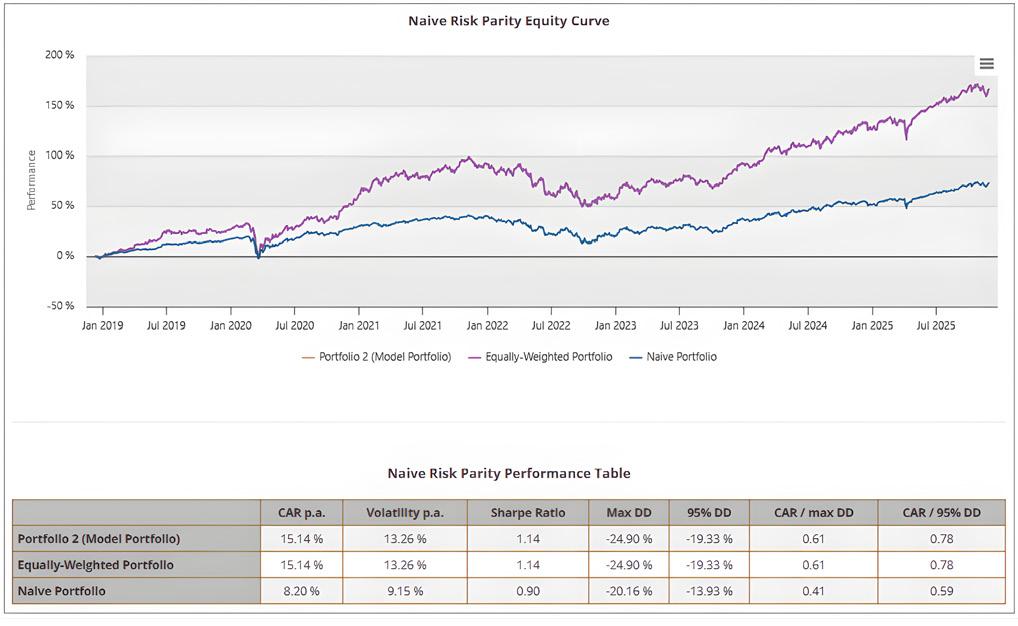
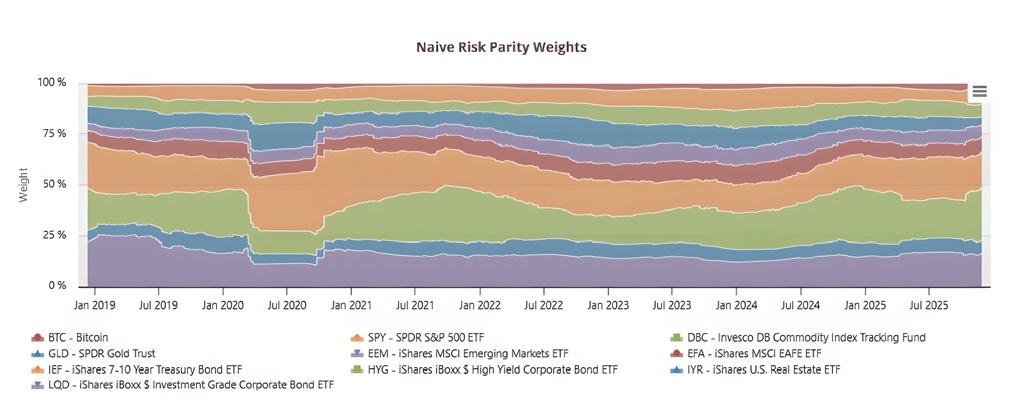
Radovan Vojtko, Quantpedia What Is the Optimal Passive Allocation to Bitcoin in a Diversified Portfolio?
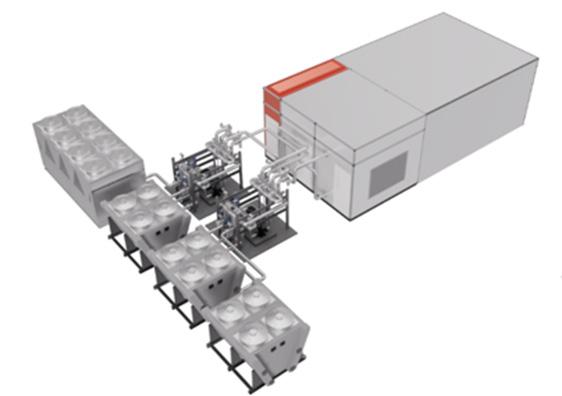
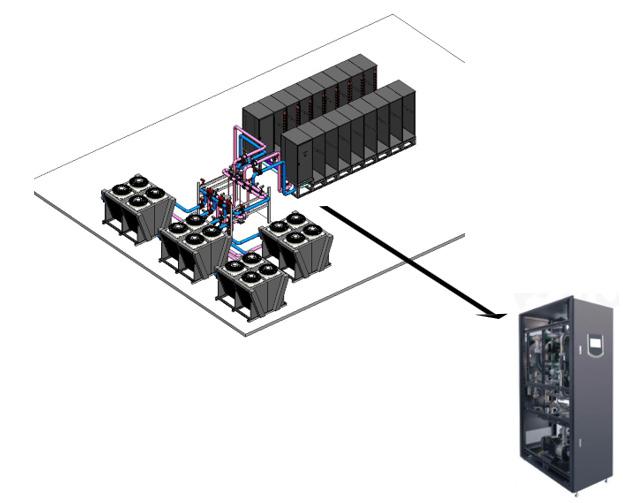
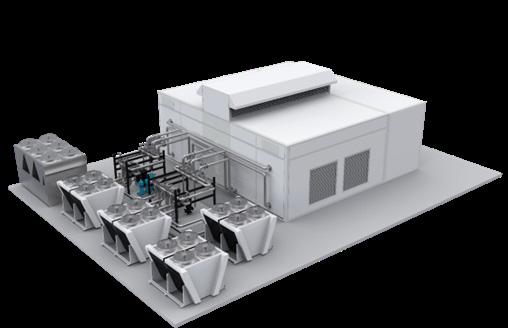
Daniel Robbins, RakworX The Future of Modular Data Centers for AI Systems
John Pavia, Siena Lane Partners Italy is on Everyone’s Shortlist? Really?
Meagan Murphy Crawford, SpaceFund
Chuck Stormon, StartFast Ventures The 2026 AI Investor's Playbook: Where Alpha Actually Lives
Adam Cohn, TradeStation Liquidity in Motion: The New Market Structure Shaking Up Alternative Assets
James Putra, TradeStation Trading Interfaces in the Age of AI: Why LLMs Might Make Them Obsolete
Intermediary Arms Race: Using Differentiated Alts to Defend Against the $124T Wealth Churnture Shaking Up
Peter Murrugarra & Geoff Marcus, IntiOne
David X Martin & Enrico Dallavecchia, Arctium
SEEKING CARIBBEAN ALPHA IN 2026
BY ADAM GREENFADER & NATHAN WHIGHAM AG&T and EN Capital
What Was the Lock, and What Is Now Opening
The Caribbean has never been an easy market for traditional capital. Even in stable cycles, the region demands patience, local knowledge, and flexible structuring. Regulation is extensive, traditional lenders maintain conservative risk tolerance, and the region’s geographic diversity limits the ability of large institutions to scale efficiently.
Why The Caribbean Works for Investors
For investors, the Caribbean opportunity increas-
ingly lies in high yield with controlled risk. When risk is assessed based on observed default behavior rather than perception, well structured Caribbean real estate often performs more defensively than traditional markets. Assets rarely fail in isolation. In close knit island markets, long term relationships and reputation strongly influence sponsor behavior. Lending terms in the Caribbean often reflect this dynamic. Transparency and direct communication between sponsors and lenders are not optional. They are part of the market culture. Caribbean loans also tend to be structured with tighter oversight, clearer cash control mechanisms, and more frequent lender reporting. These features provide lenders with earlier visibility into asset performance and
allow issues to be addressed before they escalate.
Risk is further mitigated by high barriers to entry Limited land availability, restrictive zoning, environmental protections, coastal constraints, and rising replacement costs make it difficult for competing projects to quickly come online. In many islands, new supply is structurally constrained, supporting long term pricing power and asset values.
This combination of tangible collateral, multiple exit paths, and constrained competition creates return profiles that are both yield enhanced and structurally resilient. As a result, private credit, preferred equity, and structured equity strategies tied to these markets are attracting increased attention from private wealth and institutional investors.
From Capital Contraction to Transition
The period from 2023 through 2025 marked one of the most restrictive credit environments in recent memory. Bank failures in 2023, combined with the full implementation of Basel III capital requirements, forced traditional lenders to hold higher reserves and reduce exposure to non core markets. By 2026, the environment has shifted. Inflation has moderated, interest rates are trending downward, and capital markets are gradually reopening. This easing improves feasibility, but it does not signal a return to pre 2020 lending behavior. Instead, it marks a transition toward more disciplined, structured, and sponsor focused capital deployment.
The Cost of Capital in a Lower Rate Environment
As rates decline, the cost of capital is easing, but it remains structurally higher than historical lows. Construction costs, insurance premiums, and climate risk pricing continue to influence underwriting decisions. In 2024, a typical Caribbean hotel construction loan carried interest rates near 11.5 percent, with loan to cost ratios around 55 percent from traditional lenders, and higher pricing from private credit and family office capital. By 2026, borrowing costs are improving, but lenders remain selective, prioritizing projects with strong sponsorship, realistic phasing, and multiple layers of capital
protection.
Insurance remains a critical variable. Rising premiums and climate related underwriting constraints continue to shape deal structures, with increasing emphasis on resiliency, mitigation strategies, and long term operational sustainability.
Who Is Providing Caribbean Capital in 2026
While many traditional institutions paused during the tightening cycle, private capital continued to adapt. In 2026, the Caribbean capital stack is increasingly supported by:
• Private credit and private debt funds
• Family offices and high net worth capital
• Structured equity and preferred equity investors
• Fintech enabled and non bank lenders
These groups are not replacing banks entirely. They are filling gaps where traditional lending remains constrained.
A More Complex Capital Stack Is the New Normal
A five star Caribbean resort now routinely requires five to seven capital sources. For example, a US$250 million capital stack may include senior debt, development finance institution tranches, private credit, family office equity, tokenized equity, and sponsor capital. Complexity is no longer a liability. It is a competitive advantage.
What Lenders Are Requiring Today
Stronger sponsors and guarantees. Experience matters. Lenders prioritize sponsors with demonstrated Caribbean track records and asset class expertise. Personal and corporate guarantees, completion guarantees, and bonding remain common, reinforcing alignment between sponsors and lenders.
Land valuation discipline. Land lift has largely disappeared. Lenders typically underwrite land at original cost, not projected appreciation, requiring sponsors to carry true equity risk.
Presales and capital reduction strategies. In hospitality and mixed use projects, condo hotel presales remain attractive. Presale thresholds typically range from 35 to 65 percent, reducing total capital requirements while demonstrating market acceptance.
Loan syndication and risk bifurcation. To manage exposure, lenders increasingly syndicate loans or bifurcate risk. Large hospitality financings are often structured with separate debt instruments for hotel and residential or condo hotel components, allowing differentiated risk profiles within the same project.
Where Capital Is Still Flowing
Despite tighter underwriting, capital continues to support mission driven developments. These projects benefit from:
• Unique cultural or historical positioning
• Scarce coastal or gateway locations
• Strong lifestyle and tourism demand
• Alignment with sustainability and resiliency themes
These attributes help projects stand out in a more selective capital environment.
Three Alternative Capital Trends Defining Caribbean Real
Estate in 2026
The next phase of Caribbean capital is being shaped by three structural trends now consistent across the region.
1. Funds Are Replacing Fragmented Buyers
Developers are increasingly partnering with debt and equity funds to purchase residential, hospitality, and branded units in bulk, both during pre-construction and post completion. Bulk takeouts are no longer viewed as distressed solutions. They are strategic tools.
For developers, bulk transactions accelerate liquidity, reduce sellout risk, and improve balance sheet visibility. For lenders, they enhance absorption certainty and cash flow clarity. For funds, they offer scale, pricing efficiency, and exposure to real assets with defined operating strategies.
2. Private Equity Is Reshaping Island Markets
Private equity and alternative capital are no longer supplemental. In 2026, they are foundational. By aligning capital horizons with development timelines and asset life cycles, investors are reshaping not only individual assets, but entire island destinations. Rather than pursuing short term yield, this capital is underwriting multi year transformations. Puerto Rico illustrates this shift clearly. Through Act 60, private equity has enabled full recapitalization and long term repositioning of legacy resort assets, requiring patient capital, flexible structures, and long term alignment.
3. Cross Border Capital Is Redefining Caribbean Real Estate
International capital is increasingly active across the Caribbean. European investors, particularly from the Netherlands, are deploying capital into markets such as Sint Maarten, Aruba, and Curaçao. One prime example is the Setai in Sint Maarten that secured construction capital from a large Dutch pension fund. These investments reflect confidence in jurisdictions with established legal frameworks, stable tourism demand, and economies linked to the euro and U.S. dollar. For sponsors, cross border capital brings scale and longer horizons, while raising expectations around governance, transparency, and execution.
The Landowner as a Capital Partner
A critical but often overlooked dynamic is the landowner’s role in helping to finance hotel development. Rising costs and thinner margins have elevated landowners into active capital partners through land leases, phased transactions, equity contributions, subordinated positions, and performance based participation. In today’s environment, land is not just an asset. It is a financing tool.
Resilience, Sustainability,
and the Next Wave of Capital
Resiliency is no longer a cost center. It is a source of capital. DFIs, multilaterals, impact funds, and tokenized investors increasingly reward credible sustainability frameworks with better pricing, longer tenors, and greater flexibility.
Final Reflection: A New Era Demands a New Lens
Caribbean development can no longer rely on one or two financing channels. The future belongs to those who can design smarter capital stacks, integrate diaspora capital, embrace tokenization, collaborate with landowners, and structure resiliency as a performance driver.
In the Caribbean, success in 2026 will favor teams that understand both local execution and global capital expectations. Navigating layered capital stacks, cross border investors, landowner partnerships, and increasingly complex underwriting requires experience that spans development, finance, and transaction execution.
This is where the combined experience of AG&T and EN Capital matters. Together, we bring decades of on the ground Caribbean development experience, deep relationships across private wealth and institutional capital, and a proven ability to structure and close complex transactions across hospitality, mixed use, and destination driven assets.
AG&T’s long standing presence across the Caribbean provides insight into local markets, regulatory environments, and development realities. EN Capital’s capital markets expertise brings disciplined structuring, access to diverse capital sources, and the ability to align projects with the right investors at the right point in the cycle.
In a market shaped by alternative capital, private equity, and global investors, execution matters more than ever. The next phase of Caribbean investment will not be led by those waiting for simpler conditions, but by teams prepared to structure smarter, partner broadly, and deliver Alpha across cycles.
Nathan Whigham Founder and President
EN
Capital
EN Capital is a capital advisory firm focused on commercial real estate, renewable energy and space compa- nies The firm is active across the United States, Puerto Rico, other Caribbean Markets and LATAM. ENC provides advisory on project capitalization, corporate credit & M&A. Nathan Whigham is the Founder and President of EN Capital. He has been in the capital markets and finance industries since 2006 and has been involved in over $1B of transactions up and down the capital stack across a variety of transaction types in corporate credit, commercial real estate, renewable energy and other market segments.
Adam Greenfader Chairman AG&T
Since 1993, AG&T is a premier Caribbean real estate development and advisory firm headquartered in Miami, Florida. AG&T has played an integral role in over 55 high-profile development projects valued over $1.5 billion, including master-planned communities, luxury hotels, affordable housing, and private island resorts. Key markets include Puerto Rico, Sint Maarten, Jamaica, USVI, Costa Rica, and Mexico. AG&T proudly serves a clientele that includes developers, hedge funds, private equity firms, and various institutional capital groups. Adam Greenfader is the Chairman of AG&T. He has notably chaired the Caribbean Council at the Urban Land Institute (ULI) and currently serves as the Florida Liaison for the Puerto Rico Builders Association. His recent work, the 2025 edition of “Why Puerto Rico Now: A Masterplan for Resurgence, Re- siliency, and Long-Term Economic Growth,” encapsulates his vision for a vibrant, forward-thinking future for Puerto Rico.
CONSIDERATIONS FOR STARTING A PRIVATE EQUITY FUND
BY E. GEORGE TEIXIERA Anchin
As private equity firms continue to succeed and become ever prevalent in the alternative investment space, more aspiring portfolio managers are joining the race to launch their own fund. While today there are many successful large private equity firms, many of the firms in this space are small or mid-sized shops with employees ranging from single digits to several hundred. The following summarizes several steps that managers should follow to launch a private equity fund.
Outline Your Business Strategy
Establishing a business strategy requires a significant investment of time, effort, and research to determine and answer many questions. For example, will your fund have a specific industry, sector, or geographic (US/
abroad) focus? Ultimately, potential investors want to know more about your fund’s strategy, so being prepared to address these and other relevant questions will go a long way in helping you raise capital for your new fund.
Setting up Operations and a Business Plan
Starting your own private equity fund is in many ways like starting any other business. You’re going to need a business plan which, among other things, calculates expected cash flow and establishes your fund’s timeline, including the capital-raising period. Private equity funds generally have an average life of 7 to 10 years1, although this varies based on a manager’s discretion and the execution of a solid business plan. A sound business plan contains growth strategies, a marketing plan, and a detailed executive summary that ties
all these areas together.
Once a business plan has been completed, you should begin to meet with external service providers and consultants, such as accountants, attorneys, and other industry specialists, who can assist you with effectively and efficiently refining and executing your business plan.
Another important step is to form a firm to manage the fund and name the fund. The fund manager must decide on the roles and titles of the firm’s leadership, such as the role of partner or portfolio manager as well as the establishment of a management team, including the CEO, CFO, CIO, and CCO. At launch, however, it may be wise to outsource some of these functions to execute your plan in a more cost-efficient manner.
Legal Needs
If you plan to raise a fund in the U.S., you may already know that fundraising is heavily regulated. There are numerous legal and regulatory requirements that a fund manager must adhere to in order to comply with securities laws. The Securities & Exchange Commission (SEC) takes compliance very seriously and a qualified attorney needs to be involved in the process early to make you aware of the rules and regulations associated with fundraising, investing, and managing the fund. Below are some key questions to discuss with your attorney.
Who will I be able to raise money from? Regulations impact how a fund manager raises money, primarily depending on, and related to, the type of investors, the type of marketing, and the amounts being raised.
How can I raise money? In addition to understanding which investors can participate in a fund, a manager needs to understand the rules regarding how investors may be contacted and approached to solicit investment. The fund manager will need to think carefully about the message, and the delivery thereof.
What kind of money can be invested? Another concern is the type of money that a fund or fund manager can receive. There are a variety of restrictions in this area, but the two most common are investments from retirement accounts and investments from foreign accounts. Each of these areas creates potential issues regarding how a fund manager can invest, manage and
report results to investors.
How much will the legal work cost? Every fund and attorney are unique, but you can expect start-up legal costs to be upwards of $50,000, and in some cases exceed $100,000.
By limiting the fact-finding phase of fund formation, a fund manager can focus their attorney’s time on key compliance questions and avoid expensive discussions and rewrites. Having your fund’s marketing materials, a draft of its investment strategy, and fee structure ready for review as you begin the legal process will also help to control legal costs as you look to launch your private equity fund.
Setting Up Your Fund Structure
In the U.S., a fund is typically organized as a limited partnership (LP) or a limited liability company (LLC). As a founder of the fund, you will be a general partner or managing member with the authority to represent the fund and allocate capital. Your investors will be limited partners who will not have the right to make any decisions on behalf of your fund or fund investments. The structure of a private equity fund is dependent on several tax, regulatory and financial considerations, usually driven by the tax needs of the investors. Some private equity fund features and potential structures are discussed briefly below.
Closed-End Structure
Private equity funds are usually closed-end investment vehicles, which means that there is a limited window to raise capital, and once this window has expired, no further capital can be raised. Investor capital is typically committed at the onset of the fund and is called by the manager periodically as investments are made. Investors in closed-end funds are generally not permitted to make withdrawals or additional capital contributions during the life of the fund and after the committed capital period. Some funds may provide for additional contributions for follow on investments in portfolio companies in which they already own a piece of. Once funded, an investor’s capital will typically be returned upon the sale or restructuring of fund portfolio companies, or profit distributions from operations of
portfolio companies
With a closed-end fund, once an investment is sold, the sale proceeds generally cannot be reinvested in that fund. Rather, the fund manager would create a separate continuation fund to allow investors to reinvest. The cost of launching these funds can be significantly less than the initial fund since less legal assistance is required, and an administrative infrastructure is already in place.
Fund Structure Options
Most private equity funds domiciled in the U.S. are organized as LPs since such a structure generally avoids double taxation of investment returns and grants limited partners (your investors) limited liability protection, thus shielding them from losing more than their investment. An onshore fund is a U.S.-based investment fund structure that typically includes an LP as the fund vehicle, an LLC as the investment manager of the fund (although an LP or an S corporation may be used depending upon tax considerations), and a general partner of the fund (managing member in the case of an LLC).
An offshore fund, often called a blocker fund, blocks offshore and tax-exempt U.S. investors from direct U.S. tax exposure. There are several ways to structure your offshore fund and the best option for you will depend mainly on the location of the fund manager, types of investors in your fund, and the type of investments that the fund will make. The three most common structures used for offshore funds are briefly described below.
Offshore Only – An offshore standalone fund is a structure where only one fund is used and that fund is offshore (commonly in Cayman, Bermuda, or BVI). This structure is used by managers who have no U.S. presence and whose fund is solely geared towards nonU.S. investors and tax-exempt U.S.-based investors who seek to avoid unrelated business taxable income (UBTI).
Master-Feeder – A master-feeder structure is generally used where there is a U.S. presence, and a manager is looking to raise capital from both foreign and domestic, or tax-exempt U.S. investors. This structure includes a master fund (an offshore fund which is either an LP or corporation, often referred to as an LTD, which elects to be treated as a partnership for U.S. tax purposes), which conducts the fund’s activity, and an
onshore feeder and offshore feeder that invest all their assets into the master fund.
The onshore feeder will generally be structured as a U.S. LP or LLC and is where the U.S. taxable investors will invest. Using an LP or LLC, which are passthrough entities for U.S. tax purposes, allows the master fund’s profits and losses to be allocated to the U.S. investors and thus taxed at the investor level. The master fund incurs no tax in the offshore jurisdiction, thereby avoiding double taxation.
The offshore feeder is structured as an offshore fund (see Offshore Only section above) and is where the non-U.S. and U.S. tax-exempt investors invest. Investment into the offshore feeder means that any U.S. tax exposure that arises, typically from the master’s investment in U.S. trades or businesses, does not affect the offshore feeder investors themselves. Foreign investors who are otherwise not required to file U.S. tax returns, prefer to invest through an offshore fund to avoid exposure to any U.S. tax or filing obligations. If a foreign investor were to invest directly into a fund structured as a partnership, they could be deemed to be engaged in the business of the fund and, to the extent that this includes any U.S. trades or business, could be required to file a U.S. tax return and be liable to pay U.S. taxes. For similar reasons, U.S. tax-exempt investors often prefer to invest through the offshore feeder. Tax-exempt U.S. investors could be liable for income tax on income from U.S. trades or businesses which are not substantially related to their tax-exempt purpose, known as UBTI.
Side-by-Side – Similar to a master-feeder structure, a side-by-side structure is used when a manager is looking to raise capital from both U.S. investors and nonU.S. or tax-exempt U.S. investors who have differing tax concerns. In this structure, two funds, an offshore and domestic U.S. fund are formed, and are managed and operated in the same way. The main reason for choosing the side-by-side structure over the master-feeder structure is to enable tax structuring measures for one fund independent of the other. A side-by-side structure generally includes a U.S.-based fund and an offshore-based fund that parallel each other in their trading/investing objectives and share the same investment manager but have flexibility to allow for differences in portfolio composition.
Fund Expenses, Fees and Distribution Waterfall
One of the most important areas to address when forming your private equity fund is to set the fees that will be charged to your investors. Well-thought-out and sound private equity fund offering documents contain terms that look to protect the fund manager and that are amenable to potential investors. Accordingly, the following will focus on private equity fund industry best practices regarding fund expenses, fee terms, and distribution waterfalls.
Fund Expenses – Expenses such as legal, fund administration, tax preparation, and audit fees are generally the costs incurred to set up and run a private equity
fund. The fund generally bears expenses directly related to forming and operating the fund. Overhead expenses are typically the responsibility of the fund manager. Your fund documents should clearly state which expenses will be borne by the fund and its investors and which by the fund manager. Quite often an expense cap is placed on the amount of expenses that can be charged to the fund, with the excess to be paid by the fund manager.
Management & Incentive Fees – Private equity fund managers generally charge their investors an annual management fee, as well as an incentive fee (also known as performance fee or carried interest). Management fees typically range from 1.25% to 2% and are generally charged on committed capital, regardless of whether the capital has been called or invested. Incen-
tive fees generally range from 15% to as high as 30% and represent an allocation of appreciation of assets or net profits by the fund. However, for the fund manager to begin receiving carried interest, the fund must first achieve a stated hurdle rate (also known as the preferred return).
Distribution Waterfall – Defines the economic relationship between the fund manager (general partner) and the investors (limited partners). There are four primary components to a distribution waterfall:
Return of Capital – All distributions go to the fund investors until they have received back their full committed capital contributed to the fund.
Preferred Return – Fund investors will continue to receive all distributions until the fund has achieved its preferred return (or hurdle rate). These percentages can range from 6% to 12% of the investor’s contributed capital, are compounded annually, and are generally defined in the fund’s offering documents.
Catch-up Provision – Once the fund has returned all capital to its investors as well as the preferred return, the fund manager (general partner) is then able to start collecting carried interest. This is generally calculated by going back to the first dollar of net profits of the fund and allows the fund manager to retain most of the fund’s future profits until it has received its stated share (assume 80% if the carried interest rate was 20%).
Remaining Distributions – After the fund manager has received its carried interest for fund returns beyond the preferred return, all remaining distributions are then allocated between the limited partners and the fund manager at the rate specified in the fund offering documents. For example, if the carried interest percentage is 20%, the remaining distributions would be allocated 80% to the limited partners and 20% to the fund manager.
While the above four components are standard across most private equity funds, some variations are worth mentioning. The most common variations are the European waterfall and the American waterfall. The European waterfall is where the carried interest is calculated at the fund level across all portfolio company deals. In this scenario, the fund manager does not begin to take any carried interest until the fund has returned all limited partner contributions across all port-
folio company deals as well as exceeded the preferred return. The American waterfall is calculated on a dealby-deal basis whereby the fund manager is compensated for each successful deal. This allows the fund manager to begin taking carried interest earlier in the life of the fund but can also result in the fund manager receiving carried interest despite failing to reach the preferred return across its portfolio. This can occur if there are individual portfolio companies with successful exits, but unrealized losses on current holdings. For funds that use the American waterfall, a clawback provision is needed and should be included in the fund offering documents. This allows investors to recoup the carried interest at the end of the fund’s life if the fund underperformed in total and the fund manager collected excess incentive fees.
Raising Capital
Raising money for a new private equity fund manager can be a formidable task and requires preparation. Items such as the offering memorandum, subscription agreement, fee terms, marketing materials, and due diligence questionnaires should be prepared in advance of meeting with potential investors.
Potential investors will also want to see a “meaningful” contribution from the fund manager (or fund management group) to better align their interests. Based on our experience and industry standards, fund managers have generally provided at least 1% to 3% of the fund’s total capital commitments.
At some point, while raising capital for your fund, you will most likely be asked by one or more potential investors to enter into a side letter. A side letter is an agreement between the fund and an investor to vary the terms of the limited partnership agreement concerning that particular investor. Some of the most common side letter requests from investors are for a partial or complete waiver of the fund’s fees (management fee, carried interest, or both), to reduce the lock-up requirements (which would give them the right to withdraw capital at an earlier date than other investors) and “most favored nation” clauses (which would, in essence, give that investor the right to obtain any benefit granted to other investors via a side letter). Tread lightly and carefully when assessing each side letter request from potential investors and seek legal assistance in drafting and nego-
tiating such agreements.
Audits and Taxes
You will need to engage an accounting firm to perform an annual audit of your fund and to prepare the fund’s tax returns (including Schedule K-1s that you will need to provide to your fund’s investors). It is prudent to meet with a firm like Anchin, which has vast experience with start-up private equity funds, before you finalize your legal documents so that you can discuss and better understand the unique tax landscape created by your fund strategy, investors and portfolio. Services include reviewing fund and related-entity structures, identifying requisite Federal and state tax filings, potential issues related to foreign investors, foreign investments, retirement plans, beneficial tax elections, your plan for manager and employee compensation, and the overall tax impact of running your fund. Preferably, you should look to hire a firm to partner with that not only covers your basic accounting needs but is also capable of helping as your fund grows and expands. The firm should be actively working with you to minimize tax exposure and to consult and advise on your operations. Look for a firm with a strong reputation for working with emerging managers, as larger accounting firms may not be initially focused on your start-up needs. A coordinated and experienced audit and tax team focused on your business and personal needs are imperative as you launch your new fund.
In Conclusion
Starting a private equity fund can be challenging, especially for those who don’t have any experience in doing so. It requires partnering with experienced professionals and a tremendous effort to refine your business strategy, develop your business plan and build your team. The above steps can be used as a roadmap for establishing a successful fund. For more information, please reach out to E. George Teixeira2, Partner and Practice Leader of Anchin’s Financial Services Group.
E. George Teixeira
Partner and Practice Leader of Anchin’s Financial Services Group Anchin
Anchin is a leading accounting, tax, and advisory firm specializing in the needs of privately held companies, investment funds, and high-net-worth individuals and families. Its highly focused industry specialization helps clients overcome challenges and achieve their financial objectives confidently. Consistently recognized in respected “best of” lists for service, firm management, and employee satisfaction, Anchin prioritizes partner-level engagement and commitment to employee retention.
Our Financial Services Practice includes eight partners and a team of approximately 55 professionals, serving over 400 clients in the alternative investment space, private equity and venture capital funds, hedge funds, fund-of-funds, and other asset managers. Clients range from emerging managers to institutional-backed firms with more than $1 billion in assets under management. This breadth of experience provides us with a comprehensive understanding of operational and regulatory complexities.
As a full-service firm with about 600 professionals, including more than 65 partners and principals, Anchin offers assurance, financial reporting, tax, and advisory services. We operate offices in New York City, Uniondale (NY), Boca Raton (FL), and Palm Beach Gardens (FL), and are proud members of BKR International.
Recalculate what’s possible by visiting us online at www. anchin.com.
HUNTING FOR CONVEXITY
BY BRIAN FOOTE, CFA
Broadway Capital Management, LLC
Financial markets exist to compensate investors for bearing uncertainty. Yet, the characteristic of uncertainty today differs markedly from even a generation ago. Capital flows instantaneously. Information—both useful and fabricated— spreads virally. Allocation decisions are increasingly dictated by rules-based systems rather than judgment.
At the same time, valuations in key market segments have stretched to extremes. As of early January 2026, the Shiller CAPE ratio sits near 40, a level reached
only during the peak of the dot-com era. Whether one chooses to label this a “bubble” is beside the point. These conditions will reward neither blind optimism nor superficial analysis. This regime demands preparation, humility, and a clear understanding of how markets behave at extremes.
A robust capital allocation framework begins here, shaped either by experience across cycles in my case, or experiencing them second hand through reading about them.
We all know that professional investing is not about forecasting a single future—indeed, it is not about forecasting at all—but about navigating a range of possible futures, including those most people prefer to dismiss as improbable. Perspective comes naturally when the dot-com bust, the Global Financial Crisis, and the collapse of Long-Term Capital Management all form part of one’s professional memory. Babies born during the GFC are now adults. Markets have evolved, but human behavior has not.
Markets do not fail at the average; they fail at the tails. Most lasting portfolio damage is not caused by routine volatility, but by rare, violent episodes dismissed as unlikely until they arrive—the so-called “six-sigma” events that somehow recur every decade. Any process that does not explicitly account for tails remains incomplete, regardless of how elegant it appears on paper.
The Fragility of Concentration
One of the defining structural changes of this era is the rise of passive investing. Passive strategies now hold nearly 60% of U.S. equity fund assets, up from roughly 50% just a few years ago. What was originally, and correctly, conceived as a way for the average investor to match the market at the lowest possible cost is now a potential source of risk. The road to hell was possibly paved with this great intention. Capital is increasingly allocated by index weight and market capitalization rather than business fundamentals, creating feedback loops in which quotational success attracts ever more capital regardless of valuation. Entire segments of the market outside the largest benchmarks are systematically neglected.
This dynamic is compounded by extreme concentration at the top with the so-called Magnificent Seven now representing roughly 34–35% of the S&P 500, rivaling historical extremes in market leadership concentration. When leadership narrows this dramatically, the market becomes more fragile, not more stable. Risk is disguised as diversification, and familiarity is mistaken for safety. At elevated valuations, even modest deviations from expectations can trigger sharp repricing as crowded trades attempt to exit simultaneously. Crowded markets exit through narrow doors. Nav-
igating this environment does not require precise prediction—only the recognition that protection is cheap relative to potential damage. Concentration amplifies tail risk, and tail risk is where convex strategies earn their keep.
Convexity in Practice
Probability, properly understood, is not about precision but about structure. A simple probability tree drawn on a whiteboard forces uncomfortable but necessary questions. What if growth slows instead of accelerates? What if liquidity dries up just as valuations compress? What if correlations spike precisely when diversification is most needed?
Each branch carries a probability. While those probabilities are never assigned perfectly, the exercise itself imposes discipline. It reminds investors that outcomes are not binary and that the most consequential paths often lie far from the center of the distribution. This probabilistic framing naturally leads to a search for convexity. When outcomes are asymmetric—when downside can be swift and severe while upside accrues gradually—portfolios must be constructed asymmetrically as well. Convexity recognizes that a small, consistent cost can protect against catastrophic loss, and that optionality has value precisely because the future is unknowable. Linear portfolios assume smooth paths. Markets do not oblige.
Options and hedging translate this insight into practice. They shape payoff distributions, explicitly clipping the most damaging downside paths. Protective structures are built when complacency makes them cheap. Periods of suppressed volatility are not signs of safety but invitations to prepare. Far out-of-the-money puts can hedge tails at modest cost, while collars protect concentrated exposures without surrendering all upside. Convexity is architecture, not theory.
Inefficiency and Opportunity
Away from the crowded center of the market, small- and micro-cap equities continue to offer something increasingly rare: inefficiency. These segments are poorly covered, lightly owned, and often misunderstood. They still reward deep, fundamental work. Balance sheets matter. Incentives matter. Capital allocation
decisions matter. The basic mechanics of business endure, even if attention shifts elsewhere.
History’s most powerful public compounders (those offering 10-100x + returns) almost always began life as small, obscure enterprises precisely because their potential was not obvious to the crowd. Exploiting this reality requires patience, but also humility about volatility and imperfect information.
Recent Reminders
Markets continue to provide reminders of these dynamics. The “Liberation Day” tariffs triggered an abrupt repricing, with the S&P 500 falling more than 10% in a matter of days as liquidity evaporated and correlations converged. Markets priced for perfection collided with uncertainty, and confidence vanished quickly.
The narratives differ from cycle to cycle—dot-com optimism assumed growth without cash flow; the GFC assumed housing prices could not fall nationally. Confidence is built on extrapolation. Leverage is justified by recent experience. Risk is dismissed because it has not appeared lately.
The Circle of Competence
This is where the concept of a circle of competence becomes essential. Knowing what one understands is important; knowing where one should not tread is even more so. Investors are rarely undone by a lack of intelligence. More often, they are undone by venturing into areas they do not truly understand, armed with borrowed conviction and bad models.
Discipline allocates capital where risks can be framed, probabilities assessed, and downside controlled. Where this is not possible, restraint becomes a competitive advantage.
Cycles repeat because human behavior does not change. Greed, fear, extrapolation, and denial recur in different forms but with familiar consequences. Experience does not eliminate uncertainty, but it sharpens judgment about where uncertainty tends to matter most.
A Coherent System for a Nonlinear World
Taken together, these elements form a coherent system designed for nonlinearity. Passive flows create
neglect. Concentration creates fragility. Small- and micro-cap inefficiencies create opportunity. Probability trees impose discipline. Tail awareness shapes risk management. Experience tempers confidence. We aim to integrate it all.
Options and hedging translate these lessons into explicit risk definition. Deep value anchors the framework in economic reality, offering long-term return potential of buying actual businesses while “clipping the tail” limits the cost of being early—or temporarily wrong.
The future will not be smoother than the past. If anything, it will be more episodic, more crowded, and more prone to abrupt regime shifts as liquidity thins and positioning concentrates. Investors who rely on linear assumptions will continue to be surprised. The correct approach does not attempt to forecast the next shock. It assumes shocks are inevitable and prepares portfolios to endure them.
Brian Foote, CFA
Founder & Portfolio Manager
Broadway Capital Management, LLC
As Portfolio Manager at Broadway Capital Management, Brian enables high net worth professionals to maximize their legacy through strategic wealth preservation, concentration, and hedging, as well as future-resilient value investments. Embracing Volatility and Seeking Asymmetric Returns.
THE DEMOCRATIZATION OF INVESTING: EXPANDING ACCESS TO PRIVATE MARKETS
BY HERBERT M. CHAIN CBIZ
A Gradual Shift in Access
Private equity and other alternative asset classes have historically been accessible only to institutions and the wealthiest investors. Defined contribution participants, retail investors, and smaller allocators were excluded due to regulatory restrictions, high minimums, and illiquidity. Recent regulatory actions and technological advances, however, are gradually broadening access, creating new pathways for retirement savers and retail investors to participate in the fast-growing private markets channel.
Historical Context
The investing landscape is undergoing a meaningful broadening of access. What was once the preserve of institutions and ultra-high-net-worth investors is becoming more available to retail and retirement channels. This “democratization” is not a single event; it is a structural evolution driven by product innovation, regulatory clarification, and investor demand for diversification and diversified portfolios. As access expands, however, so do the responsibilities. Sponsors, managers, and fiduciaries must align product design, liquidity promises, valuation practices, and participant education with the
inherently long-term, opaque, and fee-intensive nature of private markets.
Traditionally, access to private markets, particularly private equity, has been restricted by high minimum investments, complex fund structures, and strict investor accreditation requirements. The rationale was clear. Private assets are inherently less liquid and transparent, require longer holding periods, and come with complex risk profiles. Regulators and managers took a cautious stance, limiting participation to investors who could withstand losses and navigate the sophisticated structures. Yet as markets matured, the alternative asset industry recognized that both accredited and non-accredited investors could benefit from the diversification and return potential offered by private equity and other alternative investments. At the same time, asset managers sought new sources of capital and growth, leading to creative solutions and calls for regulatory adaptation.
What is Meant by “Democratization”?
“Democratization of investment” in the context of private equity and similar alternative asset classes refers to broadening access so that a wider range of investors
can participate in these markets. Practically, it means reducing historical barriers related to minimum investment sizes, accreditation requirements, illiquidity, complexity, and information asymmetry, while introducing structures and safeguards that make participation feasible and appropriate for more investor profiles.
According to the World Economic Forum,
Market democratization refers to the increased ability of an individual to access capital markets, related to the newfound availability of information, investing platforms and investment products.1
Key elements include:
Lower investment minimums, often through feeder funds, interval funds, tender offer funds, and evergreen vehicles.
Expanding access beyond institutional or currently-defined accredited investors2 where regulations permit.
More investor friendly structures, with periodic liquidity, simplified tax reporting, and streamlined capital calls—often “evergreen” rather than drawdown.
Expansion of eligibility from institutions and ultra high net worth investors toward accredited, quasi
institutional, and eventually some retail channels.
Digital intermediation from platforms and recordkeeping systems that make it operationally feasible to serve thousands of smaller investors instead of dozens of large ones in onboarding, suitability checks, fractionalization, and streamlined subscriptions.
Enhanced disclosures, reporting standards, and investor education to address complexity and information gaps common in private markets, and designing products within applicable rules (suitability, diversification, valuation, custody, leverage limits) to protect less-experienced investors.
Regulatory Developments
Regulators have gradually recognized that a binary world of “unsophisticated retail versus sophisticated institutional” may not accurately reflect today’s markets. Policy has been nudged toward a spectrum, where access and disclosure requirements can be calibrated to investor type, product complexity, and distribution channel. That has opened space for structures that sit between registered mutual funds and fully private institutional funds, while still imposing robust disclosure, valuation, and governance expectations.
Two recent changes are especially relevant:
Access for Defined Contribution Plans
A significant development for retirement investing is the evolving stance of the U.S. Department of Labor (DOL) regarding the inclusion of private assets in defined contribution (DC) plans, such as 401(k) accounts.
The core regulatory debate hinges on the fiduciary duty under the Employee Retirement Income Security Act of 1974 (ERISA), which mandates that plan fiduciaries act prudently and solely in the interest of participants and beneficiaries. Historically, the complexity, valuation challenges, and illiquidity of PE were viewed as barriers to satisfying this standard for a broad participant base.
This perception began to shift with the DOL’s Information Letter (Letter) issued in June 2020.3 The Letter recognized that private equity investments present additional considerations to participant-directed individual account plans that are different than those involved in defined benefit plans and clarified that a DC plan fiduciary would not violate ERISA simply by offering a professionally managed, diversified asset allocation fund such as a target-date fund, target-risk fund, or balanced fund that included a component of private equity investments. Provided the fiduciary conducts an objective, thorough, and analytical process, private equity could be seen as an appropriate investment allocation to enhance diversification and potentially boost longterm risk-adjusted returns.
The key caveat was the requirement that the allocation must be contained within a highly diversified fund, ensuring that the PE exposure is limited and managed by an investment professional with the requisite expertise. The overarching trend, backed by a recent Presidential Executive Order, reaffirms the approach of the 2020 guidance.4 The onus remains firmly on the plan fiduciary, but the legal framework for inclusion is now established, setting the stage for new pools of capital to enter the private market ecosystem.
Reduced Restrictions on Closed-End Funds of Private Funds
For over two decades, the SEC staff maintained an
informal policy restricting closed-end registered funds (CE-FOPFs) from investing more than 15% of their assets in underlying private funds. If a fund sought to exceed this 15% limit, it was typically required to impose stringent investor requirements, such as restricting sales to accredited investors and mandating a minimum initial investment of at least $25,000. This informal restriction effectively capped the PE exposure within registered vehicles that were accessible to the general public.
In August 2025, the SEC’s Division of Investment Management published Accounting and Disclosure Information (ADI) 2025-16, signaling a formal policy reversal.5 The new guidance explicitly states that SEC staff will no longer request that a registered CEF or CE-FOPF either adhere to the 15% cap or impose accredited investor requirements and minimum investment thresholds.
This administrative change means that CEFs and Interval Funds, which provide periodic, limited liquidity and are subject to the comprehensive investor protections of the Investment Company Act of 1940, can now be allocation vehicles. These registered structures are subject to oversight by a fiduciary board and managed by registered investment advisers, and they must provide clear, robust disclosures on fees, conflicts, and liquidity risk, significantly enhancing investor safeguards compared to direct private fund investment. The removal of the 15% hurdle allows these structures to offer a diversified portfolio exposure to private equity, private credit, and infrastructure for the ordinary investor.
Balancing Opportunity and Risk
Critics caution that retail investors may lack the sophistication to navigate private markets. Concerns include transparency gaps, illiquidity mismatches, and higher fees. Proponents counter that democratization is about responsibly broadening opportunity, not eliminating risk. With proper guardrails, retail investors can capture diversification benefits while maintaining protection.
However, this structural shift is not without its challenges. Fund sponsors and retail financial intermediaries must remain acutely aware of three critical areas:
Complexity and Fees: Private market investing inherently involves higher fees and more complex structures than public market counterparts. Comprehensive and plain-English disclosure, as emphasized by the SEC, is essential for investor understanding.
Liquidity Mismatch: While private funds often offer periodic liquidity (e.g., quarterly redemptions), they are not daily liquid vehicles like mutual funds. Educating investors on the true nature of the commitment to the investment is paramount to managing expectations and mitigating behavioral risk.
Fiduciary Responsibility: For DC plan fiduciaries, the duty of prudence remains critical. The decision to incorporate private equity must be based on a rigorous, documented analysis demonstrating the investment’s benefit to the long-term, risk-adjusted returns of the overall plan and its participants.
Democratization brings real risks alongside its opportunities. Illiquidity, valuation subjectivity, fee layers, and complex capital structures can be hard for nonprofessional investors to fully understand, even with enhanced disclosure. Semi liquid products can create a false sense of daily market like flexibility in what are fundamentally long horizon investments.
Accordingly, fiduciaries, advisors, and regulators play a critical role. Suitability assessments, clear communication of risks and time horizons, careful product design, and conservative liquidity management are essential. The industry will also need to support investor education that provides plain language explanations of how these strategies work, what they cost, and how they fit into an investor’s overall financial plan.
Technology as the Enabler
Technology is a critical enabler of democratization. Digital onboarding, electronic signatures, standardized data pipes into custodians and recordkeepers, and more automated capital call and distribution processing have dramatically lowered the marginal cost of serving smaller investors.
Looking ahead, tokenization and distributed ledger infrastructure may further facilitate more fluid secondary markets in private assets, potentially improving liquidity, price discovery, and expense ratios. For now, many tokenization efforts are still pilot scaled, and the
regulatory overlay is evolving. But the directional trend is toward a world where fractional ownership and digital distribution make it operationally feasible to slice what used to be “lumpy” private assets into investor-friendly exposures.
As Larry Fink of BlackRock noted in his 2025 Chairman’s Letter to Investors, “Tokenization allows for fractional ownership. That means assets could be sliced into infinitely small pieces. This lowers one of the barriers to investing in valuable, previously inaccessible assets like private real estate and private equity.” In the letter, he also stated, “Some investments produce much higher returns than others, but only big investors can get into them. One reason? Friction. Legal, operational, bureaucratic. Tokenization strips that away, allowing more people access to potentially higher returns.”6
Closing Thoughts
The walls around private equity are not collapsing overnight; they are being carefully adjusted. Defined contribution participants, retail investors, and new classes of savers are gaining access, but with responsibilities that match the opportunities.
The democratization of investing is best understood as a measured evolution rather than a revolution. Expect continued regulatory refinement, balancing access with investor protection, innovation in fnd structures to provide liquidity solutions, and a greater emphasis on education to ensure investors understand risks and rewards.
Democratization does not mean eliminating risk or complexity. Private markets carry unique risks—illiquidity, valuation lag, capital call dynamics, performance dispersion, fees, and limited transparency. Effective democratization balances wider access with product design, education, and safeguards so investors can participate in private market return streams in a manner consistent with their risk tolerance, time horizon, and financial profile.
5 Key Takeaways
Broader Access for New Investor Classes - Recent regulatory changes and technological innovation are allowing retail investors, defined contribution plan participants, and smaller allocators to invest in private equity and other alternative asset classes—markets once
reserved for institutions and ultra-high-net-worth investors.
Major Regulatory Milestones Enable Participation
- The U.S. Department of Labor now permits private equity exposure in diversified DC plans (like 401(k)s), and has been instructed by the 2025 executive order to determine ways to increase the participation, while the SEC’s 2025 policy changes have lifted historic caps on closed-end funds’ investments in private funds, removing barriers for non-accredited and smaller investors.
Fund Innovation and Digital Solutions Facilitate
Entry - The rise of interval funds, tender offer funds, feeder vehicles, and digital platforms makes smaller minimums, streamlined onboarding, and fractional ownership possible, further lowering operational barriers for managers and service providers.
Risks
Demand
Careful
Oversight and Education - As new investor segments enter private markets, sponsors, fiduciaries, and service providers must address complexities including illiquidity, valuation lag, fees, and behavioral risks. Robust product design, transparent disclosures, and investor education are critical safeguards.
Democratization Is Evolution, Not Revolution - Expanding access requires ongoing regulatory refinement and industry innovation, balancing opportunity with prudent oversight. Technology and product design will continue to lower barriers, but investor protection and suitability remain paramount.
clarify, and reform existing regulations and to suggest appropriate “safe harbors” to reduce fiduciary and litigation risk. The order also directs the SEC to facilitate access to alternative-asset investments for participants in defined-contribution retirement plans.
5At https://www.sec.gov/about/divisions-offices/division-investment-management/fund-disclosure-glance/ accounting-disclosure-information/adi-2025-16-registered-closedend-funds-private-funds, accessed December 2, 2025.
6At Larry Fink’s 2025 Chairman’s Letter to Investors | BlackRock, accessed December 5, 2025. https://www.blackrock.com/corporate/ investor-relations/larry-fink-annual-chairmans-letter
1World Economic Forum, Insight Report, August 2022, The Future of Capital Markets: Democratization of Retail Investing, at https://www3.weforum.org/docs/WEF_Future_of_Capital_Markets_2022.pdf, accessed December 5, 2025
2Note that on May 13, 2025, the House proposed broadening the definition of an “accredited investor” by enabling individuals to qualify not only on the basis of income or net worth, but also by passing a certification examination devised by the SEC. 3https://www.dol.gov/agencies/ebsa/about-ebsa/our-activities/resource-center/information-letters/06-03-2020, accessed December 4, 2025.
4The August 7, 2025 Executive Order, Democratizing Access To Alternative Assets for 401(K) Investors, directs the DOL to re-examine its existing guidance on a fiduciary’s duties alternative assets are included in defined contribution (DC) plans like 401(k)s. This order instructs the Department of Labor to review,
Herbert M. Chain Director
CBIZ Alternative Investment Group delivers tailored audit, tax, and consulting services for hedge funds, private equity funds, venture capital funds, funds of funds, general partners, and investment advisors. Assisting alternative investment advisors isn’t just part of what we do — it’s all we do. Our dedicated team brings deep expertise in audit, tax, and consulting services for emerging and established fund managers. We help you manage complex investments, navigate regulations, and unlock new opportunities. https://www.cbiz.com/industries/alternative-investments
CBIZ
BEYOND PERFORMANCE: THE CRITICAL ROLE OF OPERATIONAL DUE DILIGENCE WHAT IT IS AND WHY IT MATTERS.
BY STEPHANIE SIROIS & WENDY BEER Channel Diligence
What Is Operational Due Diligence (ODD)?
Operational Due Diligence is the independent evaluation of an investment manager’s non-investment infrastructure – the people, processes, and controls that underpin how capital is managed and safeguarded. While investment due diligence focuses on investment performance, ODD focuses on operational integrity, governance culture, technology, and risk-management effectiveness behind performance numbers.
Why ODD Matters for Investors
ODD is a critical, yet often underappreciated, aspect of investing. By assessing operational robustness, investors can protect capital, enhance fiduciary oversight, and build more resilient portfolios. The following
outlines why a disciplined ODD approach matters and how it delivers both risk mitigation and long-term value.
Protecting Capital: Operational weaknesses can cause large investor losses. ODD assesses whether risk mitigation and monitoring mechanisms are proportionate and fit for purpose given the strategy and size of investment before they can become costly failures.
Enhancing Fiduciary Duty: Institutional investors and allocators must assess operational soundness as part of their fiduciary responsibility. Robust ODD supports compliance with regulatory expectations.
Strengthening Portfolio Resilience: ODD helps build more resilient portfolios through lowering operational risk, quicker issue escalation and response, and greater
clarity around valuation and liquidity.
Assist Investment Manager Selection and Monitoring: ODD helps distinguish investment managers with strong controls from those deemed higher risk operationally which may be used to establish side-letter protections and monitoring cadence.
Building Trust and Credibility: A disciplined ODD process demonstrates integrity and strengthens both investor confidence and organizational credibility.
Operational Alpha: The incremental value created when an investment manager operates with institutional-grade governance, controls, and infrastructure. Strong operational discipline reduces non-investment risk and enhances a firm’s ability to scale and respond to market events. For allocators, this results in more resilient portfolios, smoother execution, and increased confidence in the durability of returns.
Channel Diligence’s Perspective
At Channel Diligence, we view operational due diligence as a strategic lever, not just a risk filter. Our approach integrates institutional expertise, independent integrity, and collaborative engagement with investment managers positioning them for long-term success. Our goal is to align each engagement with the client’s objectives, whether it’s helping allocators deploy capital with confidence, preparing investment managers for institutional capital, or advising boards on governance frameworks.
Key areas of ODD Review
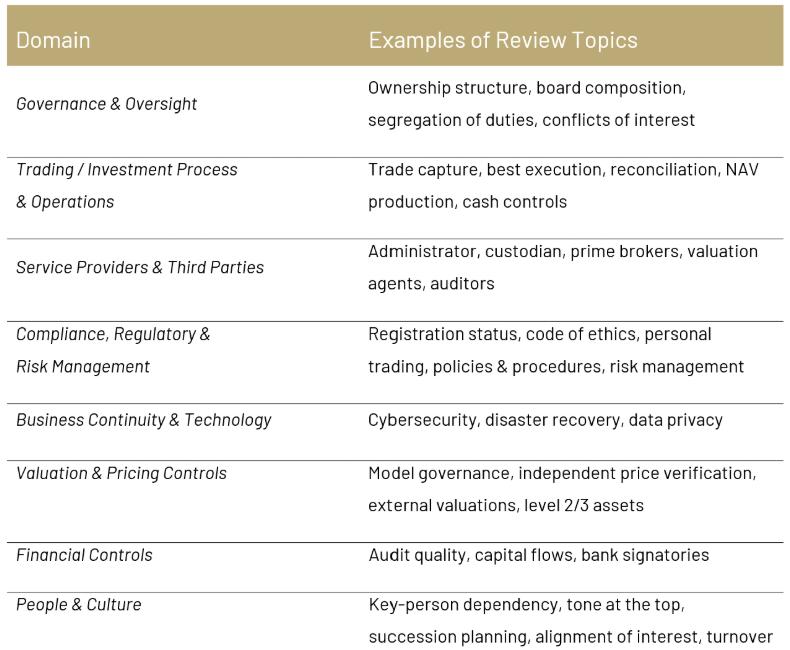
While investment performance is often the key focus, operational shortcomings are frequently the root cause of fund failures, regulatory actions, and investor losses. The table below highlights the key areas that are
commonly scrutinized during an ODD review. These domains, from governance and oversight to technology and culture, offer critical insight into the types of risks that, if left unchecked, can have serious consequences for funds and their investors.
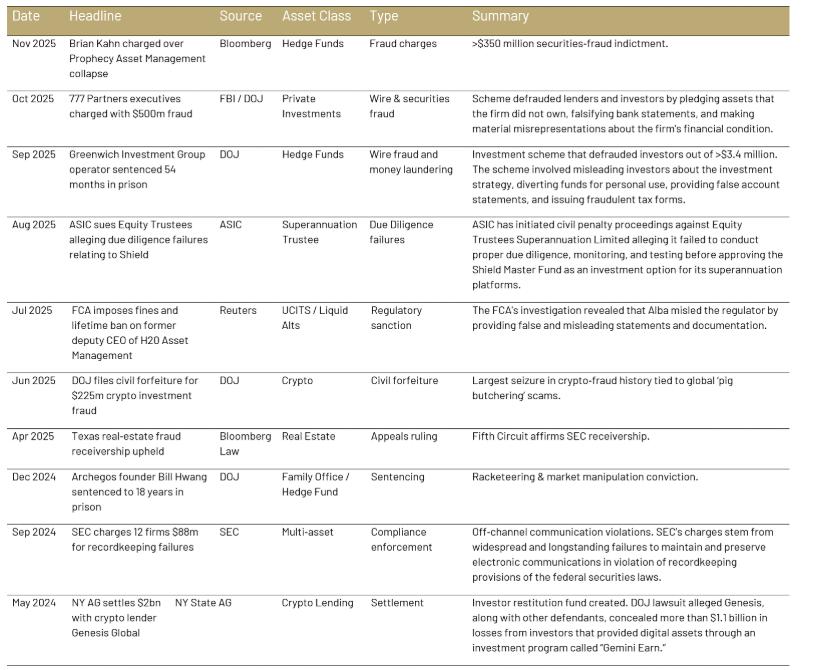
Recent Fund Failures, Frauds, and Enforcement
Actions (2024–2025)
Recent high-profile events in the alternatives industry demonstrate the importance of operational oversight and continuous monitoring.
Compiled by Channel Diligence, November 2025.
Subscribe to get our investment managers' best insights here: https://www.channelcapital.com.au/subscribe
Stephanie Sirois Managing Director
Channel Diligence
Wendy Beer Director
Channel Diligence
Channel Diligence specializes in operational due diligence (ODD) consulting and execution, providing tailored solutions through an allocator-lens to institutional investors and alternative asset managers. We deliver rigorous, independent assessments of investment managers, service providers, and governance frameworks — helping clients identify risks, enhance oversight, and strengthen operational resilience.
Channel Diligence combines independent operational due diligence expertise with the strength and stability of its strategic partner, Channel Capital Group, a global institutional platform headquartered in Australia with offices across the United States, Grand Cayman, and Europe.
LUXURY HOSPITALITY AS A STRUCTURALLY UNCORRELATED ASSET:
WHY EXPERIENCE-DRIVEN REAL ESTATE BEHAVES DIFFERENTLY ACROSS MARKET CYCLES
BY PRANAV R. BHAKTA Driftwood Capital
Rethinking Correlation in Real Assets
In institutional portfolio construction, correlation is often treated as a fixed statistic—an output derived from historical return series and applied prospectively as if it were immutable. In reality, correlation is contextual. It shifts across market regimes, liquidity environments, and consumer behavior, and it is heavily influenced by who ultimately drives demand and how pricing power is exercised.
Luxury hospitality occupies a distinctive position at the intersection of real estate, operating businesses, and experiential consumption. It is frequently grouped with hotels as a single asset class and, by extension, assumed to behave cyclically in line with discretionary travel or broader economic growth. That framing, however, is increasingly incomplete.
Over the past decade—and accelerated by the dislocations of COVID, inflationary tightening, and rising interest rates—luxury hospitality has exhibited
structural characteristics that differentiate it from traditional real estate sectors such as office, retail, and even multifamily. When properly underwritten and operated, luxury hospitality displays return drivers that are less tethered to employment cycles, lease duration, or domestic consumption patterns, and more closely linked to global wealth creation, scarcity, and pricing power.
For allocators seeking genuine diversification within alternatives, this distinction is consequential.
Demand Elasticity Starts With the Marginal Customer
Correlation ultimately begins with demand elasticity.
Office demand is driven by corporate hiring and workspace strategy. Multifamily demand tracks wages, household formation, and affordability. Retail follows consumer confidence and discretionary spending.
Luxury hospitality, by contrast, is anchored to a far narrower—but structurally more resilient—demand
base: high-net-worth and ultra-high-net-worth individuals whose consumption patterns are disproportionately insulated from unemployment, inflation, and interest rate volatility. This cohort does not primarily optimize for price. It optimizes for experience, access, privacy, and status.
During periods of economic stress, discretionary consumption does not disappear for this demographic—it consolidates. Spending migrates away from commoditized offerings and toward best-in-class experiences. This “flight to quality” dynamic has consistently favored top-tier luxury assets while midscale and undifferentiated supply absorbs the downside.
The post-pandemic recovery made this dynamic particularly visible. While office utilization lagged and retail fundamentals remained uneven, luxury hotels in supply-constrained resort and gateway markets regained pricing power at a pace unmatched by most real estate sectors. Average daily rates not only recovered but, in many cases, exceeded pre-pandemic levels well before transaction markets normalized.
This outcome was not incidental. It reflects who the marginal buyer is—and who they are not.
Pricing Power as a Structural Feature
One of the most misunderstood attributes of luxury hospitality is its pricing mechanism.
Traditional real estate relies on contractual income. Leases reset infrequently, often lag inflation, and embed duration risk—particularly in rising-rate environments. Even when fundamentals improve, repricing is slow.
Luxury hospitality resets pricing daily.
This operational flexibility is more than a tactical advantage; it is a structural form of inflation protection. When demand exists, pricing adjusts in real time. When supply is constrained by geography, entitlement, or brand selectivity, that pricing power compounds.
Crucially, luxury ADR growth has not tracked GDP or equity markets in a linear fashion. Instead, it has followed global wealth expansion, experien-
tial spending, and demographic shifts toward experience-first consumption—drivers only loosely correlated with traditional business cycles.
From a portfolio perspective, this introduces a return stream that behaves fundamentally differently from fixed-rent assets. Revenue volatility is real, but it is paired with an ability to recover quickly—something lease-based property types structurally lack.
Scarcity That Cannot Be Arbitraged Away
Scarcity is often invoked loosely in real estate narratives. In luxury hospitality, it is tangible.
True luxury assets are constrained by factors that cannot be easily replicated: irreplaceable locations, limited brand participation, capital intensity, and regulatory friction. Waterfronts, historic urban cores, protected landscapes, and culturally significant destinations are finite. At the same time, leading luxury brands are highly selective, limiting flags per market to preserve longterm brand equity.
These constraints materially reduce the risk of oversupply in the very markets where demand is most inelastic. As a result, luxury hospitality has largely avoided the overbuilding cycles that have historically plagued office, retail, and even multifamily during periods of abundant capital.
This supply discipline is a key reason luxury hospitality has exhibited smaller long-term drawdowns and faster recoveries than many traditional real estate sectors, despite short-term volatility.
Branded Residences and
Capital Stack Transformation
One of the most powerful—and often underappreciated—drivers of uncorrelated behavior in luxury hospitality is the integration of branded residential components.
Branded residences fundamentally reshape the capital stack. They convert future experiential value into upfront equity, reduce reliance on construction debt, and shift a portion of market risk from the operating asset to end buyers who prioritize lifestyle and brand affiliation over yield.
From an investor’s standpoint, this structure compresses downside risk while preserving upside exposure. Residential buyers are not underwriting RevPAR volatility; they are underwriting long-term lifestyle utility, brand credibility, and perceived store of value. That is a materially different risk profile.
This is not financial engineering for its own sake. It is a demand-driven response to how affluent buyers increasingly allocate capital toward experiential assets that deliver both personal utility and long-term optionality.
Addressing the Skeptic: Cyclical, Yes—but Asymmetric
A well-informed skeptic will argue that hotels are inherently cyclical and operationally leveraged. This critique is directionally correct—but incomplete.
Luxury hospitality is not immune to shocks. However, correlation must be evaluated through relative performance and recovery trajectory, not point-in-time volatility. Historically, demand compresses first in lower-tier segments, while rate integrity is preserved longest at the top of the market.
By comparison, office assets face structural demand impairment, retail continues to battle secular disintermediation, and multifamily is increasingly exposed to affordability constraints and regulatory intervention. Luxury hospitality’s cyclicality is therefore asymmetric: drawdowns may be sharper, but recoveries are typically faster and driven by pricing rather than occupancy alone.
For diversified portfolios, this asymmetry is precisely what creates diversification value.
Global Demand Versus Local Economies
Luxury hospitality is also frequently mischaracterized because of geographic framing.
Its demand is global; capital markets, labor markets, and fiscal policy are local. A resort in Southern Europe, Mexico, or the Caribbean may be influenced by U.S. travel patterns, but its marginal customer is rarely dependent on a single domestic employment base.
Wealth mobility, currency arbitrage, and cross-bor-
der lifestyle migration further decouple demand from local economic cycles. This global demand pool provides a natural hedge against regional downturns—something most domestically oriented real estate sectors cannot replicate.
Operational Excellence as the Decisive Filter
Uncorrelated performance is not automatic. It is earned.
Luxury hospitality is an operating business embedded within real assets, and outcome dispersion is wide. Assets without genuine differentiation, disciplined cost structures, or aligned branding can underperform materially, particularly during downturns.
For this reason, luxury hospitality should not be viewed as a passive allocation. Institutional underwriting must prioritize management depth, cultural rigor, brand relevance, revenue management sophistication, and disciplined capital allocation across the asset lifecycle.
When these elements are present, luxury hospitality behaves very differently from traditional real estate. When they are absent, correlation rises—and returns suffer.
Portfolio Implications for Allocators
Luxury hospitality does not replace traditional real estate; it complements it.
In portfolios dominated by duration-sensitive income streams, luxury hospitality introduces daily repricing, global demand exposure, scarcity-backed pricing power, and experiential value drivers that are less tethered to employment cycles or interest-rate movements.
In an environment where diversification across equities and fixed income has become less reliable, these attributes are not cosmetic—they are structural.
Conclusion: Uncorrelated by Design, Not by Accident
Luxury hospitality’s uncorrelated behavior is not a post-pandemic anomaly. It is the result of durable structural forces: global wealth concentration, experiential
consumption, mobility, and defensible scarcity.
When paired with disciplined underwriting, credible branding, and institutional-grade operations, luxury hospitality occupies a distinct position within the alternatives landscape—one that cannot be replicated by traditional real estate sectors or easily substituted within a portfolio.
For allocators willing to move beyond outdated categorizations, luxury hospitality is not simply a travel asset. It is a differentiated real asset expression of an experience-driven economy—and one whose correlation profile remains structurally misunderstood.
Pranav R. Bhakta
Senior Vice President, Corporate Business Development Driftwood Capital
Driftwood Capital is a vertically integrated hospitality investment and management platform with more than three decades of experience across acquisitions, development, lending, and operations. The firm focuses on institutional-grade hospitality assets across the branded, lifestyle, and luxury spectrum, leveraging operational expertise and data-driven underwriting to create long-term value across market cycles.
SPECIALIST DIRECT: A MODERN FAMILY OFFICE STRATEGY FOR VENTURE INVESTING
BY PAUL PALMIERI & GRANT NELICK
Grit Capital Partners
Over the last decade, the family office landscape has undergone a quiet but profound transformation. What was once a niche corner of the wealth management world, dominated by multi-generational families and opaque structures, has grown into a highly active, sophisticated segment of the private capital ecosystem. The rise of first- and second-generation entrepreneurial wealth has redefined both the mindset and the mandate of many modern family offices. These families are not merely seeking capital preservation; they are looking for control, alignment, and participation in value creation. Nowhere is this more evident than in the growing appetite for direct investments.
Today, direct private investing is no longer a fringe activity among family offices. According to UBS Family Office data, over 60% of family offices are actively pursuing direct deals, either independently or via co-investment partnerships. Much of this capital is being deployed into technology and innovation-driven sectors, where family principals often bring operating expertise,
networks, or thematic conviction. But while the desire for direct exposure is clear, the path to achieving it in a structured, repeatable way is less so.
At the same time, many advisors to family offices continue to rely on institutional playbooks; most notably the Yale Endowment model popularized by David Swensen. That model, rooted in diversification across illiquid alternatives and exposure to mega-sized fund managers, has merit. But when applied in a subscale context (e.g., allocating $5M into a $2B flagship buyout or venture fund), it tends to underdeliver. The family office becomes just another small LP, without access, without influence, and often with limited visibility into underlying assets.
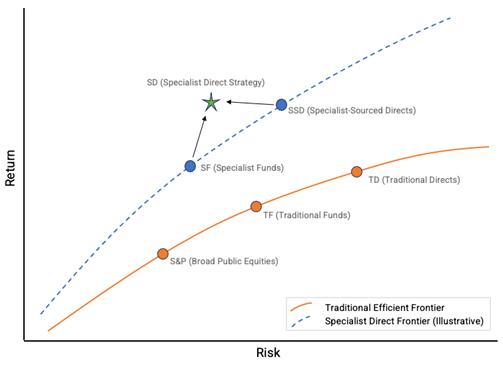
This paper proposes an alternative: a model we call Specialist Direct. Specialist Direct is a strategy purpose-built for family offices with a desire for direct investment exposure but face structural constraints such as subscale check sizes, limited access and negotiating leverage, fee drag, and thin governance. Rather than
GRIT IS MORE THAN OUR NAMEIT’S HOW WE WORK, HOW WE INVEST, AND HOW WE WIN.
spreading capital across large blind pools or pursuing fully independent direct deals, Specialist Direct involves anchoring a small number of specialist venture capital managers, particularly those raising sub-$150M funds with a focus on seed-stage or early growth investing.
For clarity, in this paper, “specialist” refers to a venture manager investing within a deliberately bounded mandate where they hold specific knowledge and a repeatable edge, typically by sector (e.g., fintech, health, consumer goods), technology domain (biotech, robotics, cybersecurity), or business model (vertical SaaS, infrastructure, marketplaces). We use “specialist,” “sector-specific,” and “thematic” interchangeably throughout. The key lever is that specialization turns domain knowledge such as customers, training datasets, biomarkers, and sales channels, into advantages in access, underwriting/selection, and post-close value-creation, ultimately improving risk-adjusted returns.
The anchor position is the core lever in this model. By making a meaningful early commitment (often $5–15M), the family office gains not only improved economics and governance visibility, but also a prioritized pipeline of co-investment opportunities. These specialist managers effectively become a “farm team” for later-stage direct exposure, offering opportunities where the family office already has visibility, context, and preexisting trust in the GP’s underwriting and conviction.
Co-investments often pull liquidity forward by concentrating capital in later-stage, validated compa nies with nearer-term milestones and clearer exit paths. In addition, their low/zero-fee terms lower blended fees
on deployed capital. The result is typically IRR accretive deployment, and with disciplined entry and pricing, higher net returns.
The strategy is repeatable. By backing four to five funds per deployment cycle that are aligned with verticals where the family has operating knowledge or informed conviction, the family office constructs a thematic, co-investment-enabled portfolio. Importantly, this structure offers a middle path between the scale and access barriers of traditional fund investing and the resourcing burdens of sourcing, conducting diligence on, and managing direct deals independently.
The long-term payoff is twofold: better-aligned exposure to high-growth companies, and a dynamic pipeline of direct opportunities with risk-adjusted entry points. When executed with rigor, Specialist Direct offers a way to build a differentiated private markets portfolio that reflects the DNA of the family office itself: entrepreneurial, engaged, and unconstrained by institutional convention.
By blending anchor fund commitments with selective co-investments, Specialist Direct creates an asymmetric return profile. Funds provide breadth and access, while co-investments concentrate into idiosyncratic winners, together moving the Specialist Direct sleeve beyond a traditional mean-variance efficient frontier. The figure below is illustrative of this, not to scale.
The full paper outlines the case for this approach, presents a simulated portfolio model, and provides practical guidance on sourcing, structuring, governance, and risk. It is not a fund pitch, but a framework designed to
help family offices compete where their structural advantages are strongest.
Why the Yale Model Doesn’t Translate for Family Offices
Since its popularization in the early 2000s, the Yale Endowment Model has become a touchstone for institutional portfolio construction. Created under the leadership of David Swensen, Yale’s approach emphasized diversification across illiquid alternatives, which include private equity, venture capital, hedge funds, and real assets, while minimizing public equities and fixed income. It was a radical departure from the traditional 60/40 model and, for large-scale endowments and sovereign wealth funds, it has delivered strong long-term results.
However, over the past 15 years, the Yale model has been enthusiastically adopted by smaller institutions and family offices often without fully considering the underlying conditions that made it successful in the first place. This has led to what we might call “subscale Swensenism”: a structurally mismatched attempt to replicate Yale's allocation logic with a fraction of its capital, access, and negotiating power.
The result is a portfolio that carries the appearance of sophistication - alternative-heavy, manager-diversified, illiquid by design - but underperforms on the dimensions that matter most to family offices: access, influence, and alignment with values and knowledge.
At its core, the Yale approach depends on institutional scale, and not just in terms of asset size, but in the strategic leverage that comes with it. With billions in AUM and multi-decade relationships, Yale secures access to brand-name managers on preferred terms. It commits early, negotiates fees, and often takes anchor or strategic LP roles. Its capital matters to the GPs it invests with.
For a family office allocating $5–10M per manager, this dynamic rarely holds. Even if they gain access to the same set of funds, they typically enter late in the fundraising cycle, with standard economics and limited visibility. As a result, they become just another line item on a GP’s cap table, often without co-investment rights, governance participation, or even consistent reporting.
The Yale model’s performance is not just a function of asset allocation; it’s a function of asymmetric access.
That access does not scale down. Specialist Direct addresses this scale constraint.
The Rise of Specialist GPs and Micro Funds
In an industry often preoccupied with platform scale, the most important transformation in private markets over the last decade has happened in the opposite direction: the emergence and performance of specialist GPs and micro funds. These are vehicles typically under $150 million in size, tightly focused on a sector, technology domain, or business model. Their edge lies not in breadth, but in depth , and increasingly, in lived experience. Together with the rise of emerging managers, this forms a “triple threat”: smaller fund sizes, specialists over generalists, and emerging over established - three dynamics with persistent outperformance signals.
The Data Behind the Trend
According to PitchBook, sub-$150M funds represented nearly 40% of all U.S. venture funds closed in 2023. First- and second-time managers, many of them launching spin-outs from larger firms or building around their own founder networks, doubled in number from 2020 to 2022.
StepStone’s 2023 “Emerging Manager Outlook” reported that early vintage specialist funds delivered 250–350 basis points of excess IRR relative to large platform funds in comparable vintages. Additionally, their 2022 “The Alpha Algorithm for Micro VC Managers” reported a 2.8x TVPI upper quartile threshold for micro-VC funds, compared to a 2.1x for funds over $200M in size.
What explains this outperformance? Micro funds are structurally disciplined. They focus on earlier-stage entry points, smaller check sizes, low reserve ratios, and more diverse time-to-liquidity paths. They target meaningful ownership (10–20%) in high-conviction companies, rather than indexing across dozens of names. Smaller funds are better able to, and have historically achieved outsized multiples because, with lower valuations and meaningful ownership, a single large win can return the fund (and more). Their sourcing pipelines are often founder-driven and not reliant on intermediaries, bankers, or demo day access.
believe will define the next economic cycle. Unlike in stitutional LPs, who often seek generalized exposure across asset classes, families can lean into their convictions, and specialist GPs allow them to do exactly that.
The Specialist Direct Strategy
As family offices grow more sophisticated and expand their appetite for private markets, a clear need has emerged: a middle ground between passively allocating to funds and fully building out a direct investment team.
Enter Specialist Direct: a strategy designed to give family offices influence, access, and alignment without requiring them to become institutional private equity firms themselves. It is not a product, nor a fund-of-funds. It is a deployment strategy, leveraging a family office’s capital, thematic focus, and rela-
with micro-funds, not just writing checks, but shaping outcomes.
Strategy Overview
The Specialist Direct strategy has five key components:
1. Anchor 4–5 Specialist GPs per Deployment Cycle
Identify sub-$150M specialist funds aligned to the family’s domain, with lower reserves and co-invest/ syndication policies that enable LP allocations.
2. Take a Meaningful Position as an Anchor LP
This means committing $5–15M, often 10–20% of the total fund size, which positions the family as a strategic partner, not a passive investor.
3. Negotiate Governance and Access Rights
Including LPAC participation, reporting enhancements, and most critically, co-investment rights.
4. Build a Co-Investment Sleeve with Selective
into new managers or vintages while retaining suc cessful GP relationships.
The result is a portfolio that blends fund exposure with direct investing economics without requiring the family office to source or lead deals from scratch.
Why Anchoring Works
Anchoring is about more than being the first check in. It changes the relationship. When a family office anchors a fund, especially a first- or second-time GP, it typically unlocks: preferred economics (fee or carry reductions), governance visibility (LPAC or informal advisory access), co-investment rights (rights of first refusal, pre-negotiated economics), and possibly most importantly, relationship equity (founder introductions, shared diligence, strategic dialogue).
This isn’t theoretical. In a 2023 StepStone survey,
the family office gets access and alignment.
Specialist Direct Scales for Family Offices of All Sizes
Specialist Direct is a practical way to modernize venture exposure for family offices with AUM from roughly $50M to $2B+. Smaller mandates can right-size by anchoring fewer managers or targeting smaller specialist funds, so a modest commitment still represents a meaningful share of the vehicle. They can also co-anchor with one or two aligned families to reach rights-bearing size. Alternatively, a multi-family office (MFO) syndication can pool commitments to create an anchor-scale position. Both approaches preserve the model’s benefits, including access, improved economics, and co-invest priority, while requiring fewer resources.
As families grow, the strategy scales by adding managers across non-overlapping sectors, opening ad-
ditional syndication lanes, and standardizing co-invest SPVs, without abandoning the anchor-first discipline. Families can also increase check sizes/anchor percentages with existing GPs or target funds at the upper end of the specialist range.
Why We Wrote the Specialist Direct Strategy
At Grit Capital Partners, we’re not intermediaries. We’re not consultants. We’re not productizing a fund of funds. We’re operators turned investors - and we wrote this because we believe family offices deserve a better path to private market alpha.
We’ve spent years in the trenches, and we’ve seen firsthand how wealth creators - especially those from the current or prior generation - bring deep value to the innovation economy. But we also see a market increasingly flooded with new service providers, platforms, and secondary aggregators all chasing the same thing: pro-rata rights, deal scraps, and yield. Too often, value that should accrue to families instead gets siphoned off by gatekeepers.
So we wrote the Specialist Direct strategy as a different model. One rooted in respect for what families have built, and aligned with where we believe outsized returns will be created over the next decade - in AI, robotics, stablecoins, biotech, and beyond.
This framework is designed to scale up and down. It contemplates different family sizes, governance models, and degrees of experience. But the through-line is simple: anchor specialist funds run by founder/CEOs, stay close to the innovation, and lean in when conviction is earned.
We’re grateful to the allocators, analysts, and partners who helped us sharpen the simulations behind this. And we offer it not as a sales pitch - but as a playbook for families who want to participate, not spectate.
To access the full paper, strategy, simulations, governance and risk considerations and overall framework go to http://www.grit.vc/specialist-direct.
Paul Palmieri Managing Partner Grit Capital Partners
Grant Nelick Senior Associate Grit Capital Partners
Grit Capital Partners is a NY based, seed stage venture firm exclusively focused on the Applied Layer of AI transforming Fintech, Martech, Commerce and Media. The investing partners have generated nearly $2 billion in enterprise value as founder CEOs of defining companies in these sectors, and are thought leaders in these industries. After deliberate and careful cultivation of the Firm’s investment strategy across two top-decile-performing pilot funds, Grit has scheduled its final close of its 75M Fund 3 for Q1 2026. GRIT provides a highly select group of Limited Partners access to its differentiated sourcing, diligence, and value creation capabilities during a time of massive opportunity in the innovation cycle. The team takes a concentrated approach to portfolio construction and serves as a close, trusted partner to entrepreneurs post-investment, leveraging deep industry expertise, hard-learned operating acumen, and a vast network of influential leaders within its target markets to cultivate the next generation of applied AI founders. Grit programmatically provides co-invest opportunities in the spirit of building a next-generation blended-value relationship between manager and allocator.
NAVIGATING THE YACHTING MARKET: A COMPREHENSIVE GUIDE FOR YACHT OWNERS AND FAMILY OFFICES
BY JOHN C. REILLY Ikonic Yachts
The global yachting industry is experiencing a period of remarkable resilience and transformation. As we navigate through 2025 and beyond, understanding the current market landscape, weighing ownership against chartering options, staying ahead of emerging trends, selecting the right destinations, and working with the right advisors has never been more critical. This comprehensive guide explores these key areas to help you make informed decisions about your yachting journey.
The Current State of the Yachting Market
The global yacht market reached $11.6 billion in 2024 and is projected to grow to $17.06 billion by 2030, representing a compound annual growth rate of 6.65%. This steady expansion reflects the industry's fundamental strength despite global economic challenges and
demonstrates the enduring appeal of luxury yachting among high-net-worth individuals.
In 2024, 369 yachts over 24 meters were sold (335 motor yachts and 34 sailing yachts), with an average length of 37 meters and an average asking price of €11.8 million. While this represents a cooling from the 2021 market peak when over 750 yachts were sold, it signals a return to more sustainable, pre-pandemic levels. For discerning buyers, this normalization presents an opportune moment to enter the market with more favorable pricing, better selection, and less competition from speculative purchasers.
The super yacht segment dominates the market, accounting for approximately 37.1% of market share in 2024 and expected to grow at a rate of over 7% annually through 2034. Yachts ranging from 24 to 45 meters continue to represent the market's sweet spot, comprising significant sales volume due to their optimal balance of luxury amenities, operational practicality, and man-
ageable ownership costs. These mid-range superyachts offer owners the prestige and comfort of yacht ownership without the exponential costs associated with larger vessels.
Several key factors are driving continued market growth. The expanding wealth among high-net-worth individuals, particularly in emerging markets across Asia and the Middle East, combined with increased spending on recreational activities and growing coastal tourism, continues to fuel demand. North America maintains a dominant position with significant market share, supported by its robust boating culture, extensive coastal access, and established yachting infrastructure. The Mediterranean and Caribbean regions also continue to thrive as both primary ownership markets and charter destinations.
The market has shown remarkable adaptability in the face of challenges. Despite broader economic caution and concerns about inflation and interest rates, 2025 has seen an exceptionally dynamic and resilient charter market, with activity levels remaining strong across key regions. Clients are approaching both chartering and ownership more strategically than ever before, making informed decisions with a clearer understanding of the long-term value cycle of yacht ownership, operational costs, and the realistic expectations for charter revenue generation.
Interestingly, the post-pandemic surge in yacht sales has given way to a more measured, sophisticated buyer profile. Today's purchasers conduct extensive due diligence, engage professional advisors, and approach yacht ownership as a long-term lifestyle and investment decision rather than an impulsive luxury acquisition. This maturation of the buyer pool benefits the overall market by creating more stable pricing, reduced speculation, and a greater emphasis on quality vessels and professional management.
Buying a Yacht vs. Chartering: Making the Right Choice
One of the most fundamental decisions facing prospective yacht enthusiasts is whether to purchase or charter. Both paths offer distinct advantages, and the optimal choice depends on your usage patterns, finan-
cial objectives, and lifestyle preferences.
The Case for Yacht Ownership
Yacht ownership provides complete control, customization, and privacy. Owners can personalize every aspect from design and amenities to water toys and technology. The ability to modify interiors, select preferred crew members, and maintain the vessel exactly to personal standards represents an unparalleled level of control. For those spending more than six weeks annually on the water, ownership becomes cost-effective compared to repeated charter rates, particularly during high-season periods in premium destinations.
Many buyers now seek dual-purpose yachts that serve personal needs while generating charter revenue when not in personal use. Well-managed superyachts can generate 5-10% of vessel value in gross annual charter revenue, though management fees (20-30%), additional maintenance from charter use, and seasonal booking limitations reduce net returns. It's crucial to maintain realistic expectations—charter income helps offset costs but rarely covers full operational expenses.
The financial commitment is substantial. Annual operating expenses typically range from 10-15% of the yacht's value, covering crew salaries, insurance, maintenance, dockage, fuel, and regulatory compliance. For a $10 million yacht, expect $1-1.5 million or more annually. These costs are relatively fixed regardless of usage, making ownership most economical for frequent users.
The Charter Alternative
Chartering offers luxury yachting without longterm commitments. Weekly rates for 100-200 foot superyachts range from $150,000 to $850,000 depending on season and location, with Mediterranean high season and Caribbean winter commanding premium pricing.
Chartering provides exceptional flexibility to experience different yacht types and destinations. You can explore a sleek motor yacht in the Mediterranean one summer and a spacious catamaran in the Caribbean the next winter. This flexibility extends to trying various vessel sizes and styles before committing to ownership. It eliminates maintenance, insurance, crew management, and depreciation concerns. For typical usage of 4-6 weeks annually, chartering delivers significant cost savings while avoiding capital risk and the 3-5% annual depreciation that affects yacht values.
Charter experiences include professional crew members who know the vessel intimately and provide white-glove service. However, chartering requires advance planning, particularly for peak seasons in popular destinations, and offers less spontaneity and personalization than ownership.
Many experienced yachting enthusiasts begin with chartering to refine their preferences before committing to ownership.
Top Trends Shaping the Yachting Industry
The yachting world is evolving rapidly, driven by technological innovation, changing consumer preferences, and environmental consciousness.
Environmental responsibility has moved from peripheral concern to central focus, with boat builders developing hybrid engines, solar power, and sustainable materials. In May 2025, Feadship introduced the first-ever hydrogen fuel-cell superyacht, the Breakthrough. However, only 14% of yachts over 24 meters under construction feature alternative powerplants, indicating significant room for growth.
Modern yachts are becoming increasingly connected and intelligent. Fast connectivity through Starlink has become essential for 2025 charter guests who want to stay connected for remote work or entertainment at sea. This technology integration extends to automation systems that enhance safety and operational efficiency.
The explorer yacht segment has nearly doubled from 58 in production in 2020 to 105 in 2025. These rugged vessels appeal to adventurous owners seeking remote destinations and authentic experiences beyond traditional yachting hotspots, reflecting a broader shift toward experiential travel.
Charter guests now demand immersive, purpose-led trips that offer cultural connection, adventure, and align with their values. Today's charterers seek transformative experiences through wellness programs, cultural immersion, adventure activities, or conservation-focused itineraries. Additionally, buyers increasingly favor semi-custom yachts over fully bespoke builds, prioritizing cost-effectiveness, value and faster delivery timelines.
Top Yacht Charter Destinations for 2025 and Beyond
Selecting the right destination is crucial to creating an unforgettable yachting experience. The world's premier cruising grounds offer distinct advantages and appeal to different preferences.
The Mediterranean continues to dominate with traditional western itineraries including the French Riviera (St Tropez, Cannes, Monaco), the Amalfi Coast, Corsica, Sardinia, and the Balearic Islands. The Cyclades Islands in Greece are particularly popular in 2025, with whitewashed villages and volcanic backdrops perfect for island hopping. Croatia's Dalmatian Islands combine stunning landscapes with lower VAT rates compared to the Western Mediterranean, offering luxury with value.
The Caribbean remains the premier winter destination, with yacht brokers booking the world's finest superyachts for itineraries around the British Virgin Islands, St. Barths, Antigua, and the Grenadines. The Bahamas' Exumas archipelago offers crystal clear waters and barefoot elegance. The Caribbean's consistent trade winds, protected anchorages, and short passages between islands make it ideal for both experienced and first-time charterers.
In 2026, yachts are increasingly setting course for more remote destinations offering solitude away from tourist crowds. The Azores, Patagonia, and Antarctica top the list for adventurous charterers equipped with expedition yachts. Other emerging regions include Norway's spectacular fjords, New England's historic coastline, and Australia's Whitsundays in the Great Barrier Reef region, appealing to those seeking untouched wilderness and authentic experiences away from traditional cruising routes.
Why You Need a Yacht Advisor
Navigating yacht ownership and chartering requires specialized expertise that extends far beyond basic boat knowledge.
Professional advisors maintain current information on market conditions, pricing trends, and vessel availability. They understand yacht builders, can assess vessel condition, and provide realistic guidance on op-
erating costs and charter revenue potential, helping you avoid costly mistakes.
Quality yacht advisors prioritize your best interests over commission structures. They understand your specific needs, usage patterns, and budget to ensure recommendations align with your actual requirements rather than what's most profitable for a broker.
For purchases, advisors coordinate thorough pre-purchase surveys, review mechanical systems, and assess maintenance history. They navigate complex legal, regulatory, and tax considerations including flag state selection, VAT implications, and crew employment regulations.
Experienced advisors leverage market knowledge to negotiate favorable terms. Throughout transactions, they coordinate with surveyors, lawyers, insurance brokers, and specialists. The relationship extends beyond the initial transaction, providing ongoing guidance on maintenance, crew selection, and operational optimization.
How Ikonic Yachts Can Work Directly with Family Offices to Represent Yacht Owners
For ultra-high-net-worth families, yacht owner-
ship represents one component within a broader wealth management strategy.
Family offices face unique challenges in yachting, typically working with yacht managers, charter brokers, technical managers, tax lawyers, local representatives, crew employment companies, corporate service providers, and crew. This fragmented approach creates poorly defined responsibilities, duplicated work, and unnecessary costs.
Ikonic Yachts has positioned itself as the industry's first yachting family office advisory firm. Founded by AJ Blackmon after over $1 billion in transactions, Ikonic operates as an extension of clients' family offices as true advisors rather than typical brokers focused solely on transactions.
Ikonic assembles industry-leading experts who ensure well-informed decisions based on actual data, exploring various scenarios and evaluating every angle with precision. Rather than estimates, they provide detailed financial pro-formas based on real operational data covering acquisition costs, operational expenses, depreciation, charter revenue, tax implications, and total ownership costs.
They coordinate seamlessly with existing family office staff, providing specialized yachting knowledge while respecting established governance and reporting structures. Ikonic serves as the single point of accountability for all yachting matters, eliminating confusion and duplication that occurs with multiple uncoordinated service providers.
Contrary to larger brokerages, Ikonic offers boutique, concierge-style service where relationships and expertise take precedence over sales quotas. With headquarters in Miami Beach, the team maintains proximity to many clients for rapid response. They help families articulate their yachting vision and build comprehensive strategies aligned with unique circumstances, whether creating memories, entertaining associates, generating charter revenue, or maintaining a turnkey luxury asset.
For family offices, Ikonic Yachts offers a fundamentally different approach - one prioritizing fiduciary responsibility, transparent communication, data-driven analysis, and long-term relationship value over transactional commissions.
Conclusion
The yachting industry stands at an exciting inflection point with normalized market conditions creating opportunities for informed buyers and charterers. Whether you choose ownership or chartering, traditional hotspots or emerging destinations, success lies in working with trusted advisors who prioritize your interests.
For ultra-high-net-worth families, specialized advisory services like Ikonic Yachts provide the strategic guidance, operational expertise, and fiduciary responsibility necessary to maximize enjoyment and value of yacht assets. Visit at ikonicyachts.com.
John C. Reilly Boat/Yacht Broker
As the first yachting family office advisory firm, we believe in crafting bespoke journeys that exceed expectations, blending luxurious comfort with cutting-edge technology and sustainable practices.
We redefine the yachting experience through our unwavering commitment to excellence and personalized service.
Our expert team crafts tailored solutions for buying, selling, chartering, and management, guaranteeing your unique needs are met with precision. With IKONIC, every yacht journey becomes an extraordinary adventure, guided by our dedication to surpassing expectations.
Ikonic Yachts
GLOBAL ACCESS | RELATIONSHIP-FOCUSED APPROACH | DATA-DRIVEN ADVISORY
Ikonic Yachts is redefining the yachting experience as a fully integrated yachting ecosystem with a focus on extraordinary service, investment-level advice, and industry-leading asset management and valuation.
RETHINKING PRIVATE EQUITY FOR WEALTH MANAGEMENT: THE PE LITE APPROACH
BY NICK MANCINI Innovative Capital Solutions
In today’s evolving investment landscape, alternatives have moved from the periphery of portfolios to the core. For wealth managers and independent RIAs advising sophisticated clients, the question is no longer whether to allocate to private markets, but how to do so in a way that aligns with liquidity needs, governance expectations, and evolving risk frameworks.
Private equity has long played a central role in these allocations. Yet as allocations grow and client bases broaden beyond purely institutional capital, many advisors are reassessing whether traditional private equity structures — with long lockups, capital call uncertainty, and binary exit timelines — are always the optimal way to access private market returns.
This reassessment has given rise to a relatively new approach in the private markets space, Innovative
Capital Solutions refers to this as Private Equity Lite (PE Lite). PE Lite captures strategies that combine the discipline of traditional private equity with structural flexibility and investor-friendly design, making private markets more accessible and suitable for wealth portfolios.
In contrast to traditional private equity, which often involves control-oriented investments, multi-year operational transformations, and long exit horizons, PE Lite focuses on:
• Partnering with established businesses and proven operators rather than turning around underperforming companies.
• Deploying incremental growth capital to scale existing platforms or projects.
• Structuring investments to fit liquidity, timing, and
portfolio requirements of wealth investors.
• Maintaining transparency, alignment, and disci plined capital deployment without imposing unnec essary operational control.
By providing a framework that balances access, risk management, and strategic upside, PE Lite allows RIAs and wealth managers to bring private market exposure to client portfolios in a practical and investor-friendly way.
From Control-Oriented PE to Capital Partnership
Traditional private equity is defined by control, transformation, and operational intervention. Funds acquire businesses, reshape management, optimize cost structures, and pursue growth initiatives over a multi-
year horizon before exiting via sale or IPO. That model remains highly effective in many contexts. However, it assumes that value creation must begin with operational intervention — an assumption that does not always reflect today’s opportunity set.
Across real assets, specialty finance, and select private operating businesses, there exists a deep universe of proven operators: companies with established track records, experienced management teams, and scalable platforms constrained not by strategy, but by access to flexible capital.
PE Lite strategies, as implemented by Innovative Capital Solutions, are designed to partner with these businesses — not to replace leadership or impose operational change, but to provide growth capital, alignment, and selective support where it adds value. For allocators,
this distinction matters: value creation is driven less by operational overhaul and more by capital efficiency, disciplined execution, and targeted growth initiatives.
This approach reflects a broader evolution in private market investing: moving from a control-oriented model toward partnership-based strategies that complement, rather than replace, existing management. For wealth managers and RIAs, this translates into access to private opportunities that are less disruptive, lower risk, and more aligned with portfolio construction objectives.
Structural Evolution and Asset Selection: How PE Lite Works
Institutional investors have long allocated meaningfully to private markets, with endowments and pensions often maintaining 25–40% exposure to alternatives, benefiting from long investment horizons and stable capital bases. Wealth managers and independent RIAs, by contrast, must balance similar return objectives with tax planning, liquidity management, and client psychology. Structure, therefore, becomes as important as strategy.
PE Lite reflects this evolution. Rather than relying on fixed seven- to ten-year lockups and rigid exit timelines, PE Lite vehicles are designed around shorter or rolling investment horizons, evergreen or semi-evergreen characteristics, and defined pathways for capital deployment. Capital is often deployed into operating or late-stage assets, reducing J-curve exposure and improving efficiency. These structural adaptations allow private investments to function as durable allocations, seamlessly integrating with wealth portfolios and long-term financial planning.
Equally important is how capital is deployed. Asset-level selectivity defines PE Lite. Rather than underwriting turnaround risk or heavy operational intervention, strategies focus on businesses and projects that are already performing and require incremental capital to scale or expand.
In real assets such as land infrastructure development, this typically involves partnering with experienced regional operators who maintain long-standing relationships with municipalities and builders, demonstrate proven entitlement and execution capabilities,
and offer visibility into demand through pre-sales or contracted pipelines. In operating businesses, it often means supporting founder-led or family-owned companies seeking institutional-grade capital without relinquishing control or cultural identity.
The result is exposure to cash-generative or near-cash-generative assets, supported by tangible fundamentals rather than speculative promises. This combination of predictable cash flow, operational stability, and measurable upside potential is particularly attractive for wealth managers seeking alternatives that complement traditional portfolio allocations while addressing client concerns around risk and liquidity.
From Allocator to
Sponsor: Building a Land Infrastructure Development Fund
It was through this allocator lens that Innovative Capital Solutions, as a fiduciary RIA, transitioned from allocating to sponsoring our own strategy.
Our decision to launch a dedicated land infrastructure development fund emerged from years of allocating capital on behalf of private clients. Land infrastructure development consistently aligned with PE Lite principles: tangible, cash-generating assets, experienced operators, visible demand drivers, and investment timelines well-suited to wealth portfolios. Many of these projects are pre-sold or supported by contracted pipelines, providing predictable cash flow and reducing execution risk. This combination of stability, visibility, and asset-backed performance makes these investments particularly attractive within diversified private allocations, offering both downside protection and measured upside.
At the same time, we observed a persistent disconnect between high-quality opportunities and the legacy structures used to access them. Institutional-quality capital was often fragmented, while traditional private equity vehicles introduced long lockups, complex capital calls, and structural rigidity that did not always align with wealth portfolio needs or liquidity planning.
Rather than forcing these opportunities into existing fund models, Innovative Capital Solutions for-
malized what had already become a growing allocation within client portfolios. By creating our own land infrastructure development fund, we aligned structure with strategy, applying a PE Lite framework shaped by fiduciary responsibility, risk-conscious deployment, and real-world portfolio demands.
How Our Fund Works in Practice
The fund is built around partnering with proven operators, investing in projects with tangible progress, pre-sold cash flows, and clear pathways to monetization, while maintaining flexibility to allow capital to evolve alongside underlying assets. It is not designed to pursue control for its own sake, but to provide growth capital where it is most effective, efficient, and least disruptive.
Cash flow stability is a core principle. By focusing on pre-sold lots, entitlements in place, and contracted revenue streams, the fund provides predictable income to investors while enabling measured growth. This approach mitigates execution risk and allows investors to monitor performance against concrete milestones, rather than relying solely on future operational transformations.
In addition, the fund leverages the institutional knowledge and operational expertise of our team, ensuring that each investment is structured to balance return, duration, and risk. By aggregating capital across multiple investors, the fund enables access to high-quality, asset-backed opportunities that are otherwise difficult to reach for individual portfolios.
PE Lite as a Core Allocation for Wealth Portfolios
As this strategy has expanded, land infrastructure development has become a core expression of Innovative Capital Solutions’ approach to private markets: disciplined, asset-backed, cash-flow oriented, duration-aware, and purpose-built for the wealth channel. By focusing on predictable returns, operational transparency, and partner alignment, the fund exemplifies how PE Lite can deliver both stability and growth within sophisticated client portfolios.
For wealth managers and independent RIAs, PE Lite strategies provide a framework for participating in
private markets without the operational disruption and rigidity of traditional private equity. It demonstrates that private investing can be both strategic and practical, enabling clients to access differentiated returns while maintaining alignment with broader portfolio goals.
Innovative Capital Solutions continues to identify and develop opportunities in land infrastructure that meet these criteria, showing how PE Lite principles can evolve into fully realized, purpose-built investment strategies. By combining asset-level discipline, operator expertise, and portfolio alignment, we are redefining how alternatives can function at the heart of wealth management.
Nick Mancini President and Founder
Innovative Capital Solutions
Innovative Capitol Solutions partners with you to achieve your financial dreams through highly personalized guidance tailored to your unique circumstances and well-being. Whether you're building wealth, planning for retirement, or protecting your assets, our objective analysis and proactive guidance allow you to make decisions confidently. Our approach, founded on open communication and trust means you're always informed and in control. We are dedicated to forging a strong partnership that delivers lasting financial security.
SEC CUSTODY RULE:
TWOPATHSTO COMPLIANCE
BY INSPIRA FINANCIAL
Overview
With growth comes responsibility. When a private fund advisor’s assets under management exceed $150 million, they are required to register with the SEC and become subject to the Investment Advisers Act, including the Custody Rule. For advisors to pooled investment vehicles holding non-transferable privately offered securities, there are two paths to compliance
with a key requirement of the rule—managers of pooled investment vehicles holding such securities must either:
1. Submit to an annual surprise examination and place your assets with a qualified custodian.
2. Undergo an annual full financial audit.
Both the surprise examination and the full audit must be conducted by a PCAOB-registered independent public accountant but with a different scope.
Option 1: Surprise Examination and Qualified
Custodian
The first option allows managers to forego a full, distributed audit and instead elect to use a qualified custodian to hold client assets and to submit to a surprise examination annually. As noted in its name, the surprise exam is an unannounced inspection conducted at random times chosen by the accounting firm. The purpose of the surprise examination is to verify that the advisor is safeguarding client assets as required by the Custody Rule.
This tends to be a more cost-effective and less burdensome solution and is ideal for smaller funds and Series LLC/SPV structures. Rather than a complete financial statement audit, it focuses on verification of assets. The accountant selects a sample of the advisor’s records to reconcile with those of its clients and custodians to verify assets’ existence and activity. The report will identify the procedures performed and express an opinion on management’s compliance with the requirements.
This option is often preferred because it limits the disruption of business operations and is less expensive than a full audit. In addition, investors receive more immediate transparency from quarterly fund statements than from annual audit reports delivered well after the end of the fiscal year.
Key requirements of this option include:
• Assets must be in the custody of a qualified custodian.
• The custodian must distribute quarterly fund statements to investors. These statements report on fund holdings and may include: valuations, transactions, and cash flows.
• If material discrepancies are found, the accountant must notify the SEC within one business day.
OPTION 2: Annual Financial Audit
The second option involves undergoing a full annual financial audit prepared in accordance with U.S. GAAP, that is then distributed to all investors. This approach provides an independent verification of the fund’s financial condition and operational integrity. However, a full annual audit may cost more than the use of a qualified custodian in conjunction with a surprise examination.
To comply with the Custody Rule under this option:
1. The audit must be performed on a consolidated basis, encompassing the fund and all subsidiary entities.
2. Audited financials must be distributed to all investors within 120 days of the fund’s fiscal year-
end.
3. The audit must cover a complete set of financial statements, including the balance sheet, statement of operations, cash flows, and changes in partners’ or members’ capital
Choosing the Right Option
Both compliance paths meet the requirements of the SEC Custody Rule, which is fundamentally designed to safeguard client assets from misappropriation and misuse, and to promote transparency. Fund managers should evaluate both options carefully to determine which approach best aligns with their fund structure, investor expectations, and long-term compliance strategy.
Learn more about institutional custody solutions: https://inspirafinancial.com/business/retirementwealth/institutional-fund-custody
Questions about fund custody services? Contact Matt Kiggins or Ryan Schneider:
Matt Kiggins East Regional Director 630-472-5968
matt.kiggins@inspirafinancial.com
Ryan Schneider West Regional Director 630-422-6474
ryan.schneider@inspirafinancial.com
This material is presented for informational purposes only and such information is believed to be accurate as of the publication date; however, it is subject to change. Inspira Financial Trust, LLC and its affiliates perform the duties of a directed custodian and/or an administrator of consumer directed benefits and, as such, do not provide due diligence to third parties on prospective investments, platforms, sponsors, or service providers, and do not offer or sell investments or provide investment, tax, or legal advice.
Inspira and Inspira Financial are registered trademarks of Inspira Financial Trust, LLC. Inspira Financial Trust, LLC does business as Inspira Associates, LLC in Nevada, Washington, Virginia, California, Michigan, and Arizona.
Matt Kiggins
East Regional Director
Inspira Financial
Ryan Schneider
West Regional Director
Inspira Financial
With over 20 years of operational expertise and more than 8 million accounts, holding nearly $70 billion in assets under custody across 47,000+ unique alternative assets, Inspira is widely recognized as an industry leader in the Institutional Fund Custody and Self-Directed IRA (SDIRA) space. Additionally, we are always looking to add alternative investment sponsors to our growing Alts platform while expanding our advisory relationships which include RIAs, broker-dealers, independent advisors, and family offices nationwide. Discover how Inspira Financial can help you gain a strategic advantage with our custody solutions serving investment sponsors, advisors, fund managers, and individual investors interested in alternative investments.
THE LEAP TO LAUNCH: WHAT IT REALLY TAKES TO START AN INVESTMENT FUND
BY DAVID PROSKIN Integrated Solutions
Launching an investment fund is one of the most exhilarating and intimidating decisions an investment professional can make. Whether you are a seasoned portfolio manager or a newly minted CFA convinced you have an
edge, the process begins long before legal documents and pitch decks. It starts with honest self-reflection. Understanding why you want to launch is foundational. Motivations such as autonomy, entrepreneurship, legacy-building, or altruism quietly shape every decision
that follows, from risk tolerance to investor communication, and determine how you respond when inevitable challenges arise.
While most aspiring fund managers bring strong analytical and portfolio management skills, launching a fund also means launching a business. One of the earliest and most critical tasks is articulating your “edge.” Investors expect a clear and confident explanation of what differentiates you in an increasingly crowded market. This requires precision without bravado and conviction without overstatement.
Equally important is identifying your investor base, both at launch and over time. Early capital often comes from personal savings or friends and family, while institutional investors typically follow later. Each group brings different expectations around liquidity, time horizon, reporting, and fees. These dynamics directly influence fund terms and your negotiating flexibility as the business grows.
Cost planning is another essential discipline. Budgets should be conservative and anchored in recurring revenue, usually management fees, since performance fees are never guaranteed. Clear boundaries must also be drawn between expenses borne by the fund and those absorbed by the management company, an area of close investor scrutiny. Portfolio-related costs may be charged to the fund, while compliance, accounting, and infrastructure typically fall to the management company.
Team structure and operational resilience deserve early attention. Whether launching solo or with partners, investors will assess key-person risk, succession planning, and asset protection safeguards. Defining roles, ownership, compensation, and decision-making authority early, while relationships are strong, is far easier than renegotiating later. Long-term tax, estate, and succession considerations should also be addressed while the organization is still small.
Professional advisors are indispensable. A specialized fund attorney is often the first hire, followed by tax advisors who help design efficient structures. Today, an independent fund administrator is considered essential, providing official records, investor servicing, and oversight. Prime brokers and technology providers must also be chosen carefully to support trading, security, and scalability.
Ultimately, responsibility for the fund rests squarely with the manager. Risks can be mitigated through strong controls, insurance, and reputable partners, but they cannot be delegated away. Transparent communication, especially when mistakes occur, often determines whether setbacks remain temporary or become reputationally damaging.
Launching a fund is a leap. With clarity, discipline, and the right foundation, it can also become a defining career achievement.
David Proskin Managing Director Integrated Solutions
Integrated SolutionsSM provides professional services to the financial services sector and other small mid-sized businesses both in the United States and Internationally. We specialize in advising broker-dealers, investment advisers, commodities firms, and other entities regulated by the Securities and Exchange Commission, FINRA and other regulators in the United States, as well as the Financial Conduct Authority in the United Kingdom. We provide fund administration services to hedge funds, fund of hedge funds, private equity firms and family offices. We also provide services to companies in real estate, entertainment, and other industries. We endeavor to offer a highly tailored, customized product designed to facilitate Senior Client Management to focus on what they do best.
THE NEW STANDARD FOR OPERATIONAL CONTROLS
WHY “GOOD PEOPLE + SPREADSHEETS” IS NO LONGER A DEFENSIBLE STRATEGY
BY FRANK CACCIO OpsCheck
Operations used to be the part of the firm that quietly kept the lights on. If nothing broke, no one asked questions. If something did break, it was treated as an isolated mistake, an unfortunate miss in an otherwise competent system.
That era is over.
Today, operational integrity is no longer a backstage function. It’s a visible competitive signal. Investors ask sharper questions. Regulators expect proof—not reassurance. And the reputational damage from avoidable errors is faster, louder, and harder to contain than it was even a few years ago.
Yet in many investment firms—hedge funds, private equity, real assets, RIAs, fund administrators, and service providers—the operational “system” is still a patchwork:
• A spreadsheet that tries to track recurring work
• A few shared folders with naming conventions that only some people follow
• Email threads that serve as status reports
• A handful of specialized tools that don’t connect to each other
• And an operations leader acting as the human glue holding it all together
It often works. Until it doesn’t.
The most dangerous part is that failure rarely arrives like a car crash. It arrives like slow water damage: a missed step, a blurry handoff, a document version drift, a task that no one clearly owned—and then suddenly a downstream consequence that is expensive, embarrassing, and difficult to explain.
The truth most firms eventually confront is uncomfortable but simple: Operational failures aren’t usually caused by careless people. They’re caused by fragile systems.
This article is about what “better” looks like in 2026: the principles that consistently reduce operational risk, the habits that separate leaders from managers, and the operating layer that modern firms are quietly adopting to make control real—without turning their teams into full-time firefighters.
The Checklist Is Not a Junior Tool—It’s a Leadership Tool
Aviation, medicine, and engineering all use checklists for the same reason: complexity plus stakes equals inevitability. In high-stakes environments, a checklist is not an insult to competence. It’s a guardrail against reality.
Financial operations fits the same mold.
No, lives aren’t at stake—but careers are. Reputations are. Investor trust is. Regulatory standing is. And the work is filled with dependencies: one task completed late or incorrectly can cascade into other outcomes that only show up when it’s too late to fix quietly.
A checklist does something vital: it makes the invisible visible.
It forces the organization to explicitly define what must be done, when it must be done, who owns it, and what proof exists that it was actually completed. Without that structure, teams often fall into a dangerous cognitive trap: If we track it somewhere, we must be in control.
That’s how risk builds quietly. A task is “in a spreadsheet,” but the spreadsheet has unclear ownership, inconsistent updates, and no escalations. A process is “in someone’s head,” which works perfectly, until that person goes on vacation, changes roles, or gets pulled into a fire drill. A document “lives in the folder,” but
no one is sure if it’s the right version, or whether compliance has approved it, or whether it still reflects the current operating reality.
A checklist is the first step. But it’s not the finish line.
Because most investment firms already have some form of checklist. The problem isn’t the idea of structure; it’s the lack of enforced structure
What most firms call a checklist is often an artifact. What they actually need is a system of record.
When Smart People Get Burned by Flawed Systems
Many operational breakdowns look, on the surface, like human error.
A deadline was missed. A file was outdated. A reconciliation wasn’t completed. A review didn’t happen. Someone assumed someone else had done it.
But “human error” is frequently a misleading diagnosis. It treats the visible symptom while ignoring the structural cause.
When a workflow depends on memory, habit, and informal communication, even excellent teams will miss things, because the design of the system makes missing things normal.
Consider how these common patterns show up inside investment firms:
• Treasury manages liquidity in a private spreadsheet with limited visibility.
• Compliance sends reminders but doesn’t know if the work is actually finished.
• Investor Relations sends reports using a “final” version that was never actually finalized.
• Accounting closes the NAV while still waiting on items that are stuck in someone’s inbox.
• Operations leaders chase status updates because “no news” is mistakenly treated as “all good.”
This doesn’t happen because people aren’t trying. It happens because most firms are running a workflow web with no operational nervous system, no centralized place where progress, ownership, evidence, and risk are visible in real time.
That’s the difference between tracking work and controlling work.
Tracking says: “Here’s the list.”
Control says: “Here’s the truth, what’s done, what’s not, what’s at risk, and why.”
Beyond Silos: Collaboration Is a System Outcome, Not a Personality Trait
Every operations leader wants collaboration. Nearly every team believes they collaborate. But most firms confuse communication with coordination.
Real collaboration requires shared context. In a typical firm, functions run in parallel:
• Compliance runs its checks.
• Accounting runs its close.
• Operations manages trade support and reconciliations.
• Investor Relations prepares and distributes reporting.
Everything looks fine, until a handoff fails. And then, the “investigation” begins: emails, spreadsheets, calendars, chats, folders, version histories, and phone calls to reconstruct what actually happened.
That’s not a collaboration failure. That’s a design failure.
Because collaboration is not people talking. It’s people working with:
• Shared visibility
• Clear accountability
• Aligned timelines
• A common system of record
When those elements are absent, silos become the default operating model. And the more tools firms add to compensate, project apps, chat apps, document trackers, the more fragmented the picture becomes.
This is the “Frankenstack” problem: more tools, less clarity.
If you want collaboration to become normal rather than heroic, it must be the path of least resistance. The system should make coordination easier than siloed work. It should make accountability explicit, not implied. It should make dependencies visible, not discoverable only after damage.
The Hidden Ops Failure Even Seasoned Leaders Miss: Visibility Erodes Quietly
There’s a particular feeling many operations leaders recognize, the quiet, unsettled sense that something might have been missed.
Not because the team is incompetent. Not because the leader lacks process. But because the leader lacks full visibility. And without visibility, certainty becomes impossible.
When work flows across departments, platforms, and time zones, oversight fades even in well-run firms. Timelines scatter. Ownership blurs. Dependencies become implicit. And everyone assumes someone else has the full view.
Spreadsheets won’t alert you to a missed deadline. Email threads won’t build an audit trail. Shared folders can’t catch a task that was never assigned in the first place.
So the leader becomes the system.
They stitch together updates. They check in “just in case.” They wake up on Saturday morning and glance at email, not out of anxiety, but because they are the last line of defense.
This is what operational maturity looks like in many firms: leadership by vigilance.
But vigilance is not scalable, and it is not a control framework.
If you’re responsible for everything, you need a system that allows you to see everything, at the right altitude and at the right time.
The One Question That Separates Ops Leaders from Ops Managers
There is a deceptively simple question that reveals whether a firm operates with genuine control or with assumptions: How do you know everything got done today?
Many firms answer with a version of:
• “We check the spreadsheet.”
• “We follow up.”
• “No one raised an issue.”
• “We haven’t heard anything.”
That’s not control. That’s hope with extra steps. Control looks like:
• A real-time view of completed vs. overdue work
• Ownership clearly mapped
• Exceptions surfaced automatically
• Evidence captured as part of the process
• Escalations that happen without relying on the leader’s memory
When an investor, auditor, regulator, or internal stakeholder asks for proof, control produces it without scrambling. Not because the team worked harder, but because the system made proof the byproduct of execution.
This is the dividing line between managers and leaders.
Managers chase status. Leaders design systems
where status is visible.
“If It Ain’t Broke, Don’t Fix It” Is Dangerous in Ops
Operational problems rarely break all at once. They erode.
A firm adds new asset classes. New markets. New service providers. New investor demands. New reporting obligations. New trade types. New processes.
The business changes faster than the operating layer evolves.
Spreadsheets are comfortable because they’re flexible. You can build a tab for anything. You can copy last quarter’s close, tweak it, and call it a system.
But that flexibility is deceptive. Over time:
• Versions drift
• Updates become inconsistent
• Ownership becomes unclear
• Exceptions are handled off-system
• “Proof” is assembled after the fact
• Process becomes dependent on a few key people
This is why good ops leaders stay curious even when everything looks fine. They don’t wait for the fire. They investigate the smoke.
A mature ops culture treats near-misses as signals, not coincidences. It asks:
• What almost went wrong?
• Why didn’t the system catch it?
• What needs to change so it can’t happen again?
That mindset, continuous improvement, or Kaizen, is not a “soft” philosophy. It’s a risk-control strategy.
But it needs a platform that can learn.
Spreadsheets record what happened. They don’t help you improve what happens next.
“You Think You’re Compliant, But It Might Be a Mirage”
Compliance is often treated as a set of tasks. But
compliance is really a set of controls, and controls are only real if they can be verified.
Many firms feel compliant because they have policies, procedures, and checklists. But the illusion of compliance is common when:
• Roles overlap in ways that undermine segregation of duties
• Approvals happen informally (or are assumed)
• Evidence is scattered
• Reviews aren’t time-stamped or traceable
• Exceptions are handled in email and never logged
The biggest failures in financial history often share a simple pattern: too much power without independent verification. That doesn’t require bad intent. It only requires a system that allows it.
The uncomfortable truth is that many firms cannot confidently answer questions like:
• Who can move money, and who approves it independently?
• Who values positions, and who reviews those valuations?
• Who books and who reconciles?
• Where is the evidence that these controls happened consistently over time?
The harder the questions get, the more obvious the “mirage” becomes.
That is why modern operational control is increasingly audit-, investor-, and regulator-facing, not because firms want to impress outsiders, but because outsiders now demand proof.
What “Better” Looks Like: The Operational Command Center
The pattern across all these themes is not “people need to try harder.” It’s “systems need to get smarter.”
A modern operating layer does a few things exceptionally well:
Real-time visibility & control
Executives and leadership get visibility. Managers gain control. Teams get clarity.
• Clear ownership
• Clear deadlines and SLAs
• Escalations that surface risk early
• Dependencies mapped inside workflows
Audit-, regulatory-, and ODD-ready by design
Instead of scrambling for proof:
• Approvals are time-stamped
• Evidence is attached to tasks and workflows as work occurs
• Evidence packs can be generated quickly
• Reviewer access can be structured without email chaos
Reduced operational and compliance risk
Risk is reduced not by extra meetings, but by:
• Automated reminders
• Enforced approvals
• A clear audit trail
• Early exception visibility
• A system that identifies what’s slipping before it becomes a crisis
Material efficiency and capacity gains
A strong operating layer reduces:
• Email traffic
• Status-chasing
• Manual follow-ups
• Rework and remediation
• Bottlenecks that quietly consume staff time
Measurable accountability
This is the part many firms underestimate. When the system can measure:
• On-time completion
• SLA attainment
• Exception rates
• Cycle times
• Remediation velocity
…performance becomes visible. Not in a punitive way, but in a leadership way. You can improve what you can see.
Broad applicability across the organization
Because operational risk doesn’t live in one department, the operating layer must support:
Operations, finance, accounting, middle office, treasury, compliance, risk, investor relations, client service, IT, HR, and more—with role-based views and controls.
Enterprise-grade trust
In institutional environments, “security” is not a feature; it’s table stakes:
SOC 2 standards, role-based access, encryption, and integration capability.
The Quiet Advantage: External Confidence
Most firms think of operational improvement as internal efficiency, fewer errors, less stress.
But there’s a second payoff: external confidence. When an allocator runs operational due diligence, they are not just checking boxes. They are assessing the firm’s ability to operate under pressure, scale safely, and protect capital.
The firms that impress in ODD are rarely the ones
who talk the most. They are the ones who can show:
• Clear ownership and escalation paths
• Control evidence without scrambling
• Consistent execution across cycles
• A system of record, not a story about how hard the team works
The same is true for audits and regulator examinations.
External stakeholders increasingly equate operational maturity with institutional readiness. The operating layer is no longer just internal plumbing, it’s part of the firm’s credibility.
A Practical Framework You Can Use Tomorrow
Even if you don’t change tools immediately, you can use these principles to evaluate where risk hides:
2. Visibility: Can leadership see status in real time without asking?
3. Evidence: Is proof captured as part of execution, or assembled later?
4. Escalation: Do missed deadlines surface automatically?
5. Dependencies: Are upstream/downstream dependencies explicit?
6. Measurement: Can you quantify performance (ontime rate, exceptions, cycle time)?
7. Continuity: Does the process survive vacations, turnover, and volume spikes?
If you can’t answer confidently, you’ve found the areas most likely to create future pain, especially under scrutiny.
Closing Thought: The Standard Has Changed
A generation ago, operational success could be defined as “nothing went wrong.”
Now success is defined as:
• Visibility without chasing
• Accountability without micromanagement
• Proof without scrambling
• Improvement without burning people out
Spreadsheets and email were never designed to provide that.
The firms that modernize their operating layer don’t do it because they love technology. They do it because they’re no longer willing to run high-stakes operations on hope, heroics, and fragile systems.
They want control that is real, measurable, defensible, and visible.
And in today’s environment, that’s not a “nice-tohave.” It’s the new baseline.
Frank Caccio Managing Partner OpsCheck
OpsCheck is an operational command center built for financial firms that need clarity without complexity. It centralizes workflows, tasks, and processes into a single, intuitive platform that’s easy to onboard and simple to use day to day. OpsCheck gives leaders real-time visibility into operations, turns complex workflows into clear, repeatable processes, and ensures accountability at every step. Designed by senior operations and finance professionals, it proactively surfaces risk, strengthens compliance, and helps firms meet the heightened expectations of clients, investors, regulators, auditors, and operational due diligence teams in today’s environment, without adding operational burden.
STRATEGIC AUDIT SELECTION FOR INVESTMENT FUNDS: THE SIX-FACTOR FRAMEWORK FOR SUCCESS
BY BRIAN GOLDBLATT Prager Metis
In a fast paced and highly complex industry, selecting the right audit partner plays a critical role in ensuring operational efficiency and timely execution. Fund managers should be equipped with the insights needed to make informed decisions.
The modern investment fund operates in a landscape that would have been unrecognizable just a decade ago. Digital assets sit alongside traditional equities, offshore structures span multiple jurisdictions, and regulatory requirements evolve at breakneck speed. In this environment, the relationship between fund managers and their auditors has transformed from a simple compliance function into a critical operational component that can make or break efficiency.
Yet many fund managers still approach audit selection with outdated criteria, focusing primarily on cost and brand recognition while overlooking the factors that truly drive success. The result? Missed deadlines, post-audit adjustments, and strained investor relationships that could have been avoided with proper auditor selection.
The Responsiveness
Imperative: The Make-orBreak Factor
Investment funds most often switch audit partners
due to dissatisfaction with service quality, delays, and lack of responsiveness. When fund managers explain why they switched auditors, the conversation inevitably centers on missed deadlines, slow response times, and audit teams that seemed to treat their fund as a low priority.
In the investment world, timing is critical. When potential investors request detailed information on short notice, when market volatility demands immediate reporting updates, or when regulatory inquiries require rapid response, audit delays can derail critical business opportunities and damage investor relationships permanently.
The most successful audit relationships are built on rapid response times and proactive communication. This means having a team that anticipates your needs and identifies potential issues before they escalate. Whether navigating a complex year-end audit or addressing an unexpected mid-year inquiry, responsiveness from your audit team has become non-negotiable.
Equally critical is having an experienced audit partner who maintains deep involvement in your engagement. The best partners don't delegate critical decisions to junior staff. They remain personally invested in your fund's technical compliance, leveraging their industry expertise to spot potential issues early and ensure accurate financial reporting.
Comprehensive Product Expertise: The Rare Combination That Defines Excellence
Modern investment funds operate across increasingly diverse products: long/short equities, private credit, private equity, real estate/tangible assets, derivatives and complex securities, digital assets, and sophisticated structures like SPVs, and offshore master-feeder arrangements. Each category demands specialized knowledge that goes far beyond basic financial statement auditing.
Different investment products come with distinct operational and valuation complexities. A deep understanding of how each product functions and is valued is essential for accurate financial reporting and investor transparency.
Investment funds require audit partners with comprehensive expertise across their full investment spectrum. From valuation and financial reporting to investor communications and regulatory compliance, it's essential that your audit team demonstrates depth in all relevant areas. When evaluating potential partners, funds increasingly seek clear evidence of experience that aligns with their specific structures and operational complexities.
The Big 4 versus Mid-Tier False Dilemma: Finding the Perfect Balance
One common misconception is that fund managers must choose between Big 4 technical resources and mid-tier personalization. The optimal solution lies in finding audit teams that combine Big 4 technical expertise with mid-tier agility and responsiveness.
Both Big 4 and mid-tier firms offer distinct advantages to investment funds. Big 4 firms bring global scale, deep technical expertise, and advanced methodologies that are well-suited for complex fund structures and cross-border operations. Mid-tier firms, on the other hand, often provide highly personalized service, agile response times, and tailored solutions that align
closely with the unique needs of fund managers. Choosing the right audit partner depends on the specific priorities of the fund
The best approach combines sophisticated technical knowledge with responsive, personalized service. When evaluating audit partners, inquire about the senior team's background and their track record of combining large-firm expertise with entrepreneurial client service.
Investment funds operate within complex regulatory environments and utilize specialized structures that demand tailored expertise. Your audit partner should demonstrate a deep understanding of fund specific financial reporting requirements, including ASC 946 compliance, valuation methodologies, NAV verification, and the presentation of financial highlights. A strong partnership between audit and tax teams is also essential to ensure alignment on fund structuring, tax compliance, and investor reporting.
Equally important is ensuring your audit partner has extensive experience with funds at your stage and scale. The challenges facing a first-time fund manager with just a few million in assets differ dramatically from those confronting an established fund family managing billions across multiple jurisdictions.
The most effective audit relationships are built with partners who have guided similar funds through comparable growth phases, enabling them to anticipate challenges and ensure technical compliance throughout your evolution.
Technology-Enabled Efficiency: The Modern Audit Advantage
The audit profession has undergone a digital transformation that enables unprecedented efficiency and accuracy.
Secure client portals have become essential infrastructure, enabling encrypted collaboration while main-
taining strict data security standards. Automated data extraction tools can rapidly compile and analyze complex documentation that would have required weeks of manual processing using traditional methods.
These technological capabilities deliver tangible benefits: faster turnaround times, more comprehensive analysis, and reduced friction between fund managers, administrators, and auditors. When evaluating audit partners, prioritize firms that have invested in modern technology platforms.
Global Capabilities: Navigating Multi-Jurisdiction Complexity
The increasing sophistication of fund structures has made global expertise essential. Master-feeder arrangements in the Caymans, RAIFs in Luxembourg, and SPVs in the British Virgin Islands offer compelling advantages but introduce layers of regulatory complexity.
Effective audit partners must navigate multiple regulatory frameworks simultaneously, ensuring compliance with regulatory requirements, while meeting local filing obligations in offshore jurisdictions.
The most successful global audit relationships are built with firms that maintain local expertise in key financial centers, either through direct offices or established partnerships.
The Strategic Audit Selection Framework
Choosing the right audit partner requires systematic evaluation of these factors. Begin by assessing responsiveness and partner involvement, as these qualities impact every aspect of your relationship. Evaluate technical expertise across your current and anticipated investment products, recognizing that comprehensive knowledge is rare and valuable.
Consider the team's background and their track record with similar funds at your stage and scale. Assess their technological capabilities and global reach, ensuring they can support your operational requirements efficiently.
The Prager Metis Competitive Advantage
When evaluating audit partners against these critical factors, discerning fund managers increasingly find themselves drawn to firms that embody the perfect balance of expertise, responsiveness, and technical depth.
The firm's comprehensive expertise across all major investment products, from traditional long/short strategies to cutting-edge digital assets, reflects years of dedicated focus on the fund industry.
Perhaps most importantly, Prager Metis maintains the partner-level involvement that has become increasingly rare in the audit profession. Senior partners remain deeply engaged in client relationships, providing not just compliance services but technical expertise that helps funds navigate complex financial reporting requirements.
The investment fund industry rewards precision, transparency, and operational efficiency. At Prager Metis, sophisticated fund managers have found an audit partner that not only understands these requirements but actively contributes to achieving them.
Brian Goldblatt Partner Prager
Metis
Prager Metis is a top international advisory and accounting firm with over 100 partners and principals, more than 600 team members, and twenty-four offices worldwide.
WHAT IS THE OPTIMAL PASSIVE ALLOCATION TO BITCOIN IN A DIVERSIFIED PORTFOLIO?
BY RADOVAN VOJTKO
Quantpedia
After years of waiting, the 2024 launch of spot Bitcoin ETFs marked a significant milestone in the cryptocurrency market, making Bitcoin even more accessible for investors. Spot ETFs provide a convenient and regulated way to gain exposure to Bitcoin without the need to hold the digital asset directly, potentially attracting a broader range of market participants. Many investors were waiting to see this change’s long-term impact on the cryptocurrency’s price while putting their faith in
the potentially significant returns from Bitcoin within their investment portfolios. These events were taking place after two significant milestones in Bitcoin’s history – the introduction of BTC futures in 2017 and the launch of the BTC futures ETF (BITO) in 2021. While examining the whole history of Bitcoin may give the impression of a new super asset, we need to set realistic expectations. What have all these historical changes brought, and what lessons can we learn from similar occurrences involving other assets throughout history?
Examining the whole graph, covering the period from 2013 to 2025, it’s easy to get the impression that becoming a millionaire is within reach. The strategy to hold BTC between 2013 and 2025 exhibits a CAR (Compound Annual Return) of 95,65%. However, using the entire 13-year graph and extrapolating any longterm conclusions is misleading. From 2013 to 2017, cryptocurrencies were an obscure asset class known only to enthusiasts. This period represented a unique chapter in the evolution of digital currencies – when cryptocurrencies were still beginning, with limited mainstream recognition. It was a time of experimentation, with various cryptocurrencies emerging, often driven by passionate communities of supporters. Such a period is unlikely to happen again – it was a singular, once-in-a-lifetime occurrence. But what significant event reshaped the world of cryptocurrency in 2017?
Financialization
The introduction of futures trading on Bitcoin by the Chicago Board of Options Exchange (CBOE) on December 10, 2017, followed by the Chicago Mercantile Exchange (CME) on December 18, 2017, marked a milestone development in the cryptocurrency space. A liquid financial instrument became available legally for the first time in history, allowing funds and hedge funds to buy and sell Bitcoin in their portfolios without needing to open accounts in unregulated (and often
very very shady) crypto exchanges. This event facilitated the financialization of cryptocurrency markets, a term describing how a market becomes integrated into the broader financial system and gains characteristics similar to traditional financial assets.
The financialization of cryptocurrency markets mirrors similar developments in emerging markets and commodities. Once considered obscure asset classes, emerging markets and commodities underwent a similar transformation. Initially, only specialized funds traded in these markets, but introducing indexes and ETFs in the mid-2000s made commodities more accessible to mainstream investors.
A similar path can be expected for cryptocurrencies. As cryptocurrencies continue to become more increasingly integrated into the global financial system and attract demand from institutional investors, they will undergo a process of financialization. This evolution will likely involve introducing more financial instruments, such as active ETFs and broad indexes, making cryptocurrencies more accessible to a broader investor base. However, it’s essential to approach this transformation with caution. Similar to commodities, past performance of cryptocurrencies may not accurately reflect future outcomes, especially as market dynamics shift with increased institutional involvement. Investors should be mindful of the changing landscape and adjust their strategies accordingly, looking at the history of Bitcoin (and cryptocurrencies) in two different periods –pre-financialization and post-financialization.
First, let’s look at the first period – until 2017. The cryptocurrency experienced extraordinary growth, with a remarkable compounded annual return of 283.33%. However, this period was also marked by significant volatility, with fluctuations in price reaching 95.89%. The maximum drawdown during this time was -81.15%.
This pre-financialization period offered exceptional Bitcoin’s risk-return characteristics with a Sharpe ratio of 2.95 and Calmar ratio (CAR/MaxDD) of 3.49. However, futures trading on Bitcoin was launched by the Chicago Board Options Exchange (CBOE) on December 10, 2017, followed closely by the Chicago Mercantile Exchange (CME) on December 18, 2017. Secondly, on October 19, 2021, another milestone was reached with the launch of the first Bitcoin futures exchange-traded fund (BITO). Introducing a Bitcoin futures ETF represented an important step towards mainstream acceptance of cryptocurrencies within traditional financial markets. Finally, on January 10, 2024, the launch of spot Bitcoin ETFs marked a significant milestone in the cryptocurrency market. Unlike futures-based ETFs like BITO, spot ETFs would directly hold Bitcoin, offering investors exposure to the actual cryptocurrency itself rather than futures contracts.
In contrast to the enormous rise experienced in Bitcoin’s earlier years, 2018 to 2025 presented a compounded annual Return of 25.23%. Volatility stayed high, though less than before, at 66.55%, showing Bitcoin might be getting steadier, but still with a significantly high maximum drawdown of -82.18%. Bitcoin’s risk-return ratios in the post-financialization period are nothing spectacular, with a Sharpe ratio of just 0.38 and a Calmar ratio of 0.31 .
Naturally, questions arise: How much Bitcoin should we allocate to the portfolio?
Main Analysis
The main analysis examines a globally diversified portfolio across various asset classes, offering exposure to various geographic regions and investment instruments. The equally weighted portfolio consists of
1. SPY (SPDR S&P 500 ETF)
2. EEM (iShares MSCI Emerging Markets ETF)
3. EFA (iShares MSCI EAFE ETF)
4. IYR (iShares U.S. Real Estate ETF)
5. IEF (iShares 7-10 Year Treasury Bond ETF)
6. LQD (iShares iBoxx $ Investment Grade Corporate Bond ETF)
7. HYG (iShares iBoxx $ High Yield Corporate Bond ETF)
8. DBC (Invesco DB Commodity Index Tracking Fund)
9. GLD (SPDR Gold Trust)
10. and finally BTC (Bitcoin)
2013-2017
In our initial analysis, we examined an equally weighted portfolio over the period from 2013 to 2017. This allocation yielded a notable return of 22.86% alongside volatility of 11.76% and a maximum drawdown of -18.02%. Subsequently, we used the Portfolio Analysis1 to analyze correlations2 between different assets and Bitcoin, the Markowitz model3 to find the optimal portfolio that realizes the highest possible Sharpe ratio, and the Risk Parity4 for an alternative way to build a portfolio with a reduced concentration of the risk.
Correlation Table
Firstly, we looked into the Correlation Table5 to understand the relationship between Bitcoin and other assets. We found that the correlation of Bitcoin with other assets in the period of 2013-2017 was nearly negligible, with values ranging between -0.02 to 0.03. This near absence of correlation underscores the diversification benefits Bitcoin offered in this period.
Markowitz Model
Next, we used the Markowitz Model6 to analyze portfolio combinations based on expected returns and standard deviations (variance). The Longest Period Efficient Frontier chart displays portfolios with all the different combinations of assets that result in efficient portfolios (i.e., with the lowest risk, given the same return, and portfolios with the highest return, given the same risk). Risk is depicted on the X-axis, and return on the Y-axis
The Efficient Frontier chart also displays the Tangency portfolio – the optimal portfolio that realizes the highest possible Sharpe ratio, Minimum Variance portfolio – the portfolio with the lowest risk and Equal Risk Portfolio (ERP) shows how your portfolio (in this case, our equally weighted portfolio) can be improved in return with the same amount of risk.
The Tangency portfolio (TP) – the optimal portfolio realizing the highest possible Sharpe ratio – representing the portfolio with the highest risk-adjusted return – tells us to allocate 14,42% to Bitcoin. This tangency portfolio would give us approximately 48.7%
return with a 14.97% volatility and respectable Sharpe ratio of 3.25. The portfolio’s extraordinary results are driven mainly by its allocation to Bitcoin. But of course, a minimal number of people had any allocation to Bitcoin at that time, and those times will never return!
Risk Parity
In the next step, we looked into Risk Parity7, an investment management strategy focusing on risk allocation. The main aim is to find weights of assets selected in the Portfolio Manager8 that ensure an equal level of risk for all assets. To allocate the correct risk parity weight to an asset, we must measure its risk (e.g. historical 126-day volatility). This approach helps to reduce the concentration of risk in a few assets and enhances diversification. The initial graph (Equally-Weighted Benchmark Volatility Contribution) shows how much BTC contributed to risk over the years. Over time, BTC remained the main contributor to risk in our equally weighted portfolio.
Next, let’s look at the equity curve of the Naive Risk Parity strategy in contrast to our equally weighted portfolio. Naive risk parity or naive risk weighting uses the inverse risk approach instead of equal weights. This approach gives lower weight to riskier assets and greater weight to less risky assets, ensuring that the risk contribution of each asset is the same. As we can see in the Naive Risk Parity Performance Table, this method significantly lowered the strategy’s volatility (from 9.38% to 5.26%). However, this risk reduction came at the expense of lower returns (from 13.43% to 5.61%).
This approach ensures that no single asset, including Bitcoin, dominates the portfolio’s risk exposure. As a result, Bitcoin’s high volatility led to a smaller allocation within the risk parity portfolio to maintain a balanced risk profile across all assets. What’s the Risk Parity’s average allocation to Bitcoin? It’s only approximately 2% due to Bitcoin’s excessively high risk.
2018-2025
In the second part of our analysis, we examined an equally weighted portfolio of the ten assets including Bitcoin from 2018 to 2025. This allocation resulted in an annual return of only 11.27% (compared to 22.86% from the previous period), with a higher volatility of 13.15% (compared to 11.76% of the prior period) and a maximum drawdown of -24.90% (compared to -18.02% from the previous period). Similar to the previous part of our analysis, during the time interval from 2018 to 2025, we conducted a study that examined the Correlation Table9, applied the Markowitz Model10, and implemented the Naive Risk Parity11 strategy. So, how much Bitcoin should we allocate to the portfolio based on post-financialization period data?
Underlying Component Analysis
Additionally, in this phase of our analysis, we performed an Underlying Component Analysis12 to examine the individual performances of various assets within our equally weighted portfolio. This allows us to understand how each asset contributes to portfolio performance throughout the years.
Bitcoin’s post-financialization Sharpe ratio of 0.38 makes it an average asset. It’s outmatched by S&P 500, high-yield bonds, and gold and is approximately in the same category as commodities or MSCI EAFE. Bitcoin had a high performance but was the most risky asset in the whole portfolio (by a siginificant margin).
Correlation Table
In the previous part (years 2013-2017), we found that the correlation of Bitcoin with other assets in the Correlation Table13 ranged from -0.02 to 0.03. As we can see, looking at the different periods, they changed a lot. Bitcoin maintained a consistently low correlation solely with IEF (iShares 7-10 Year Treasury Bond ETF). The highest correlation with SPY (SPDR S&P 500 ETF), EFA (iShares MSCI EAFE ETF) and EEM (iShares MSCI Emerging Markets) equals 0.26 to 0.24.
This higher correlation suggests a stronger simultaneous movement or dependency between Bitcoin and these traditional market assets. Such findings are not surprising and underscore the evolving dynamics of Bitcoin’s relationship with mainstream financial instruments. Commodities and emerging markets also had low correlations in the pre-financialization period, and those correlations significantly increased in the post-financialization period. We can expect that the correlation of Bitcoin to the main asset classes will increase even more in the future, and if you intend to allocate to cryptocurrencies, you should include this expectation in your decision process.
Markowitz Model
In applying the Markowitz Model14 to analyze the portfolio from 2013 to 2017, the Tangency portfolio (TP), representing the optimal portfolio with the highest risk-adjusted return, advised allocating approximately 14.42% to Bitcoin, maximizing the Sharpe ratio. However, the analysis shifted from 2018 to 2025, and the Tangency portfolio suggested allocating only 1.61% to Bitcoin. This adjustment reflects changes in market conditions, risk profiles, and expected returns over the specified period. The Markowitz Model’s analysis acknowledged the decrease in Bitcoin’s performance and simultaneously considered its elevated risk relative to other asset classes. The resultant Tangency portfolio has a 15.69% return and 12.61% volatility, and Bitcoin’s contribution to the performance is minimal (just 0.4%).
Risk Parity
As we can see on the Equally-Weighted Benchmark Volatility Contribution graph for 2018-2025, Bitcoin remained a significant contributor to overall portfolio volatility in equally weighed portfolio. What happens when we run a Naive Risk Parity in this period?
The Naive Risk Parity strategy mitigated some risk, decreasing portfolio volatility from 14.27% to 9.15% compared to the equally weighted portfolio. Once again, this risk reduction was accompanied by a decrease in returns, declining from 14.00% to 8.20%.
The outcome of the Naive Risk Parity strategy was again a significant decrease in allocation to Bitcoin (once again, to approximately 2%). This adjustment reflects the strategy’s focus on allocating more weight to less risky assets and reducing exposure to riskier ones. By decreasing Bitcoin’s allocation, the strategy aimed to mitigate the impact of Bitcoin’s volatility on the overall portfolio risk.
Conclusion
The comparison between the two periods, 20132017 and 2018-2025, reveals a significant shift in the Bitcoin and cryptocurrency investments landscape. During the earlier period, the methods employed, such as the Markowitz Model, may suggest allocating a considerable portion of the portfolio to Bitcoin due to its high return despite its inherent volatility and risk. At the same time, the absence of correlation with other assets underscores the diversification benefits Bitcoin offered in this period. However, as time progressed and the financialization of Bitcoin occurred in December 2017, the dynamics of the cryptocurrency market underwent a fundamental change. Bitcoin and cryptocurrencies became part of the mainstream financial ecosystem, increasing their adoption and recognition as a legitimate asset class while increasing the correlation with mainstream financial instruments.
When optimizing portfolios from 2018 to 2025, Bitcoin is now viewed as average compared to other asset classes and has a relatively high risk. Therefore, while Bitcoin may have shown exceptional growth and returns in its early years, the changing market dynamics and increased institutional involvement have altered its risk-return profile, and our analysis suggests that it’s prudent to cap passive allocation to Bitcoin (or the whole pool of cryptocurrencies as an asset class) to maximally 2-3% of the portfolio. The higher passive allocation to this new asset class is probably not justified and bears an unnecessary risk. If you would like to increase the cryptocurrency allocation, then tactical asset allocation models or active market-neutral cryptocurrency funds may be a better solution than just a passive exposure.
The analysis underscores the need for caution and realistic expectations when interpreting historical data and extrapolating long-term conclusions. While past performance may offer valuable insights, it does not guarantee future outcomes, especially in a rapidly evolving and volatile cryptocurrency market. For those interested in learning how to buy Bitcoin15, it is essential to thoroughly research and understand the risks involved, ensuring that any investment aligns with their financial goals and risk tolerance.
Radovan Vojtko is a former Systematic Portfolio Manager, in the past, he worked for the Tatra Asset Management company (which is the biggest asset management company in the Slovak Republic and it has over 2.5 billion EURs of assets under management). He personally managed over 300+ million EUR in several quantitative funds. These funds were focused on multi-asset managed futures and trend-following strategies, global tactical asset allocation, market timing, and volatility trading. He made his next big step in 2015 and became CEO of Quantpedia.com - The Encyclopedia of Quantitative Trading Strategies, a quant research company with a mission “to turn financial academic research into a more user-friendly form to help anyone interested in algo/quant trading and systematic investing”.
THE FUTURE OF MODULAR DATA CENTERS FOR AI SYSTEMS
Exploring the Benefits of Modular Data Centers for AI Systems and the Integration of Innovative Cooling Technologies Direct to Chip Liquid Cooling (DCLC) and Evaporative Air Cooling: Enhancing Performance, Efficiency, and Scalability of Modular Data Centers
BY DANIEL ROBBINS RakworX
The rapid expansion and growing demand for AI applications is placing significant strain on existing designs of data center infrastructure. Conventional cooling methods are proving inadequate in managing the heat generated by AI servers. Racks with a power capacity of 100kW + each cannot be feasibly accommodated in substantial numbers within an existing data center without resulting in significant unused space on the facility's data floor and a concomitant expenditure of excessive funds for the conversion of such space.
Most organization’s data centers that were designed before 2017 were built based on technologies that did not exist or were not commonplace. Result: Datacenters that were built only 7 years ago were not
designed to support today’s High-Density Hardware requirements, much less tomorrow's constantly changing standards. Result: Datacenters that were built only 7 years ago were not designed to support today’s High-Density Hardware requirements, much less tomorrow's constantly changing standards.
Modular data centers offer a promising solution to the scalability and flexibility challenges faced by traditional data center designs Prefabricated units are designed for rapid deployment and can be easily scaled up or down to accommodate changing computational needs. Modular data centers provide a flexible and cost-effective alternative to traditional brick-and-mortar facilities, making them ideal for AI applications with fluctuating workloads.
Introduction
NVIDIA, a leader in artificial intelligence (AI) and high-performance computing (HPC), faces the challenge of managing the immense data processing and power consumption required by these advanced applications. Traditional data center cooling methods have proven inefficient, costly, and unsustainable. A promising solution is the Modular Data Center (MDC), which offers flexibility, scalability, and portability. This white paper explores how innovative cooling technologies like Direct to Chip Liquid Cooling (DCLC) and adiabatic cooling can enhance the performance, efficiency, and scalability of MDCs, thereby addressing the demanding requirements of AI Systems and HPC workloads.
Modular Data Centers for AI Systems
Overview of MDCs
Modular Data Centers are prefabricated, self-contained, and standardized units designed for rapid de-
ployment in various locations and environments. These MDCs are equipped to host NVIDIA's powerful AI platforms, including DGX, EGX, and HGX, which deliver unparalleled performance and scalability for AI and HPC tasks. By supporting NVIDIA's comprehensive AI software stack—such as CUDA, TensorRT, and RAPIDS—MDCs facilitate accelerated and optimized data processing and analytics.
Benefits of MDCs
Rapid Deployment: Significantly Reduced Construction Time Compared to Traditional Data Centers
One of the most compelling advantages of Modular Data Centers (MDCs) is their ability to be rapidly deployed, which is a critical factor in today's fast-paced technology landscape. Traditional data centers often require extensive site preparation, construction, and infrastructure development, which can take months or even years to complete. In contrast, MDCs are prefabricated in controlled environments, which allows for simultaneous construction and on-site preparation, dramatically reducing the overall deployment timeline.
• Pre-fabrication Process: MDCs are built off-site in factories where environmental conditions are controlled, leading to higher quality and consistency. This also means that different modules can be manufactured concurrently, rather than sequentially as in traditional construction. Once completed, these modules are transported to the site and assembled, drastically cutting down the time required for site work.
• Reduced On-site Construction: Since much of the work is done off-site, the need for on-site construction is minimized. This not only reduces the time needed to get the data center operational but also lowers the disruption to the site, whether it’s in an urban environment or a remote location. The modular approach allows for a faster setup of IT infrastructure, cooling systems, and power distribution.
• Scalable and Flexible: MDCs can be scaled up or down quickly to meet changing needs. If more capacity is needed, additional modules can be added in a fraction of the time it would take to expand a traditional data center. This flexibility is particularly beneficial for organizations that need to respond quickly
10 Rack MDC @ 130KW Per Rack Design with Vestibule
to increased demand, such as cloud service providers, research institutions, or companies expanding into new markets.
• Expedited Workload Production: As a result of the rapid deployment of MDC’s, workload production can occur at an expedited pace. Most Brick and Morter data centers are unable to provide a conditioned environment prior to eighteen months after the commencement of construction. In many cases, MDC’s can be deployed in no more than half that amount of time.
Cost Efficiency: Lower Upfront Capital Expenditure and Operational Costs
Cost efficiency is a major driver for the adoption of MDCs. Traditional data centers require significant capital investment upfront, including costs for land acquisition, construction, and infrastructure setup. MDCs, however, offer a more economical alternative through their modular design and scalable architecture.
• Lower Initial Capital Expenditure: The modular nature of MDCs allows organizations to start with only the capacity they need, reducing the need for large, upfront investments in infrastructure that may not be fully utilized for years. The pre-fabrication process also reduces material waste and labor costs, contributing to overall savings.
• Pay-as-you-Grow Model: MDCs support a pay-asyou-grow approach, where organizations can invest in additional modules only when needed. This avoids the over-provisioning that is common in traditional data centers, where companies often build excess capacity to accommodate future growth. By aligning capital expenditure with actual demand, organizations can better manage their budgets and reduce financial risk.
• Operational Cost Savings: MDCs are designed with energy efficiency and optimized cooling systems in mind, leading to lower operating costs. The integration of advanced cooling technologies such as Direct-to-Chip Liquid Cooling (DCLC) and hybrid systems not only reduces energy consumption but also extends the lifespan of equipment, further driving down maintenance and replacement costs. Additionally, the modular design allows for easier upgrades and maintenance, reducing downtime and
associated costs.
Energy Efficiency: Integration of Innovative Cooling Technologies Reduces Energy Consumption
Energy efficiency is a critical concern for data centers, given their substantial power requirements and the growing emphasis on sustainability. MDCs address this challenge by integrating innovative cooling technologies that significantly reduce energy consumption while maintaining optimal operating conditions for high-performance computing.
• Advanced Cooling Technologies: Traditional air-cooling systems are often inadequate for the high-density computing environments required by AI and HPC workloads. MDCs utilize advanced cooling methods such as Direct-to-Chip Liquid Cooling (DCLC), evaporative cooling, and hybrid systems that combine multiple cooling techniques. These systems are far more effective at dissipating heat from densely packed servers, reducing the need for energy-intensive air conditioning and lowering overall power usage.
• Improved Thermal Management: Effective thermal management is essential for maintaining the performance and reliability of IT equipment. By directly cooling critical components like CPUs and GPUs, advanced cooling technologies minimize the risk of overheating, which can lead to thermal throttling and reduced performance. This not only ensures that data centers operate at peak efficiency but also extends the lifespan of the equipment, further contributing to energy savings.
• Lower Power Usage Effectiveness (PUE): PUE is a key metric used to measure the energy efficiency of a data center, representing the ratio of total energy consumed by the data center to the energy used by IT equipment. MDCs with integrated advanced cooling technologies often achieve lower PUE values compared to traditional data centers, indicating more efficient use of energy. This not only reduces operational costs but also aligns with global sustainability goals.
Sustainability: Supports Heat Reuse and Reduces Environmental Impact
Sustainability is becoming increasingly important
in the design and operation of data centers as organizations seek to minimize their environmental footprint. MDCs are well-suited to meet these sustainability goals through their support for heat reuse and their overall reduction in environmental impact.
• Heat Reuse Capabilities: One of the most significant advantages of MDCs equipped with advanced cooling technologies is the potential for heat reuse. Systems like DCLC and hybrid cooling often generate waste heat, which can be captured and repurposed for other applications, such as heating office spaces, providing hot water, or even powering district heating systems. This not only improves the overall energy efficiency of the data center but also contributes to the sustainability of the surrounding community.
• Reduced Carbon Footprint: MDCs are designed to be more energy-efficient than traditional data centers, consuming less power and reducing the need for energy-intensive cooling solutions. By optimizing energy use and integrating renewable energy sources where possible, MDCs help lower the carbon footprint associated with data center operations. This is increasingly important as organizations face pressure from stakeholders and regulators to meet stringent environmental standards.
• Sustainable Design and Materials: The prefabricated nature of MDCs also contributes to their sustainability. The controlled environment in which they are built allows for the use of sustainable materials and construction practices that reduce waste. Additionally, the modular design enables efficient space utilization, reducing the need for large land areas and minimizing the impact on natural habitats.
• Alignment with Corporate Social Responsibility (CSR): For many organizations, the adoption of sustainable data center practices is a key component of their CSR strategy. MDCs not only help companies meet their sustainability goals but also enhance their reputation as environmentally responsible entities. This can lead to increased customer trust and potentially open new business opportunities in markets that prioritize sustainability.
Cooling Technologies in
MDCs
Direct to Chip Liquid Cooling (DCLC)
• Technology Description: Direct to Chip Liquid Cooling (DCLC) transfers heat directly from the chip to a liquid coolant—such as water or dielectric fluid—via a microchannel heat sink attached to the chip. This method significantly improves the thermal management of data centers.
• Advantages of DCLC
• Enhanced Performance: DCLC reduces chip temperatures, thereby increasing performance and extending the lifespan of the hardware. This is crucial for maintaining the high performance required by AI and HPC applications.
• Energy Efficiency: By eliminating the need for traditional cooling mechanisms such as fans, air conditioners, and chillers, DCLC significantly reduces power consumption and noise levels in data centers.
• Space Optimization: DCLC enables higher density and more compact MDC designs, resulting in a more flexible and efficient use of space within the data center.
Cooling Distribution Unit (CDU)
Adiabatic Cooling for MDC’s
• Technology Description: Adiabatic cooling utilizes the evaporation of water to cool the air without adding humidity. This process involves passing air through a wet saturated medium, where it cools down as water evaporates.
• Advantages of Adiabatic Cooling
ǡ Improved Air Quality: Adiabatic cooling lowers the ambient temperature and increases airflow, thereby improving the overall air quality within the data center.
ǡ Sustainability: This cooling method reduces water consumption and the carbon footprint of data centers. Additionally, it decreases dependence on external water and power sources, making it a more sustainable and eco-friendly option.
ǡ Adaptability: Adiabatic cooling systems are more resilient to varying climates and seasons, making MDCs adaptable to different environmental conditions.
Adiabatic Cooling MDC System
Hybrid Cooling Systems
• Technology Description: Combines different cooling methods, such as evaporative cooling and DCLC, to manage the diverse heat profiles generated by AI workloads.
• Advantages:
• Flexibility in adapting to different environmental conditions and workload requirements.
• Scalability to meet increasing computational demands.
• Enhanced energy efficiency by optimizing cooling resource allocation.
20 Rack Hybrid MDC design with Vestibule
Application for AI and HPC
NVIDIA, a leader in AI and GPU technology, exemplifies the growing demand for advanced cooling solutions in MDCs. As AI workloads continue to intensify, the need for innovative cooling systems that can handle high thermal loads and ensure efficient operation becomes critical. The integration of DCLC and adiabatic cooling in MDCs ensures that NVIDIA’s GPUs operate at peak efficiency, thereby extending their lifespan and maintaining high performance.
Challenges and Solutions in Modular Data Centers
Technical Challenges:
The integration of advanced cooling systems in Modular Data Centers (MDCs) is a complex process, particularly when it involves hybrid cooling systems such as Direct-to-Chip Liquid Cooling (DCLC) and evaporative cooling. These systems are designed to handle high-density computing environments, but they come with several technical challenges that need to be addressed for optimal performance.
• Integration of Hybrid Cooling Systems: Hybrid cooling solutions, which combine multiple cooling techniques (e.g., liquid cooling and air cooling), require careful design and specialized infrastructure. This includes the integration of various subsystems such as Coolant Distribution Units (CDUs), Door Heat Exchangers (HX), and liquid-cooling loops that must be designed to work in harmony. These systems must not only be efficient but also capable of scaling with growing computational demands. En-
suring that all components are properly integrated, and function seamlessly requires detailed engineering and design considerations to avoid system inefficiencies, bottlenecks, or downtime.
• Infrastructure Complexity: The infrastructure needed to support hybrid cooling, especially in high-density AI or HPC environments, can be more complex than traditional cooling solutions. Hybrid systems often require dedicated cooling loops, specialized piping for liquid coolants, and advanced control mechanisms to manage different cooling loads. This can add to the complexity of both initial setup and ongoing maintenance, as specialized equipment and expertise are required to ensure optimal operation.
• Maintenance Requirements: While advanced cooling systems significantly improve energy efficiency and performance, they also require regular monitoring and maintenance. Components such as pumps, coolant distribution units, and heat exchangers need to be regularly checked for efficiency, leaks, or wear. This maintenance necessitates skilled personnel who are trained in the specific nuances of hybrid and liquid cooling systems, and failure to perform proper maintenance can lead to operational inefficiencies, overheating, or equipment failure.
Solutions:
• Comprehensive Planning and Expert Installation: To address these technical challenges, comprehensive planning during the design phase is critical. Detailed simulations and modeling can be used to predict system behavior and identify potential issues before installation. Engaging experts with experience in hybrid cooling and MDC design ensures that all components are correctly integrated, minimizing the risk of system failures. Vendors and consultants specializing in advanced cooling technologies can provide valuable insights into the design and installation process.
• Automated Monitoring and Predictive Maintenance: Implementing automated monitoring systems can significantly reduce the burden of manual inspections. These systems use sensors and real-time analytics to continuously monitor the performance of cooling systems, detecting issues such as temperature fluctuations, coolant flow anomalies, or poten-
tial leaks. Automated alerts can prompt immediate action, preventing minor issues from escalating into major failures. Additionally, predictive maintenance techniques can be used to schedule servicing before components degrade, further enhancing system reliability.
Cost Considerations:
The cost of implementing advanced cooling technologies in MDCs can be a barrier for many organizations. Liquid cooling systems, hybrid solutions, and the necessary infrastructure often come with higher upfront costs compared to traditional air-cooling methods. However, the long-term benefits in terms of energy savings, reduced operational costs, and enhanced equipment lifespan often justify these initial investments.
• High Initial Investment: The specialized equipment and infrastructure required for advanced cooling systems, such as liquid-cooled racks, hybrid cooling units, and control systems, typically demand significant upfront capital. For organizations with limited budgets, this can be a deterrent, particularly if they are unsure about the long-term returns on investment.
• Long-Term Savings: Despite the high initial costs, advanced cooling systems are far more energy-efficient than traditional methods. By reducing the energy required for cooling, organizations can achieve significant cost savings over time. Additionally, these systems tend to improve the longevity of IT equipment by maintaining optimal operating temperatures, which reduces the frequency of repairs and replacements, further contributing to long-term savings.
Solutions:
• Cost-Benefit Analysis and Financial Planning: Conducting a detailed cost-benefit analysis is essential to understanding the long-term financial benefits of advanced cooling systems. This analysis should take into account not only the upfront costs but also the projected savings in energy consumption, reduced maintenance, and extended equipment lifespan. This will provide a clear picture of the return on investment (ROI) and help organizations make informed decisions. In some cases, phased imple-
mentations can be considered, where the advanced cooling systems are gradually introduced to spread out the capital expenditure over time.
• Phased Implementations: A phased approach allows organizations to implement advanced cooling technologies in stages, aligning capital investments with growing capacity needs. For example, a company might initially invest in hybrid cooling for its most critical or high-density workloads, and then expand the system as its computational demands increase. This approach reduces financial strain and ensures that the benefits of advanced cooling can be realized progressively.
Operational Challenges:
Managing and maintaining advanced cooling systems in MDCs require skilled personnel who are familiar with the unique requirements of hybrid cooling solutions. Organizations may face operational challenges related to training and knowledge gaps, particularly if they are transitioning from traditional data center cooling methods.
• Training and Expertise: Advanced cooling systems like DCLC and hybrid solutions are more complex than conventional air-cooling systems. They require a deep understanding of fluid dynamics, thermal management, and the operation of control systems. Staff responsible for managing these systems must be trained to operate, monitor, and maintain the cooling infrastructure. In many cases, organizations may need to hire or train specialized personnel to handle the unique demands of these systems.
• Vendor Support: In addition to internal training, organizations may need to rely on vendor support for the installation, operation, and maintenance of advanced cooling systems. Vendors often provide valuable resources, including maintenance contracts, support services, and updates to cooling system technologies.
Solutions:
• Developing Robust Training Programs: Organizations should invest in comprehensive training programs for their data center staff to ensure they are equipped to manage the complexities of advanced cooling systems. These training programs should
cover everything from routine maintenance to emergency response procedures. Regular refresher courses and certification programs can help staff stay up to date with the latest advancements in cooling technology. Training should also emphasize predictive maintenance and the use of automated monitoring systems, which can reduce the workload on personnel while improving system reliability.
• Leveraging Vendor Support: Vendors can provide a wealth of knowledge and support when it comes to managing advanced cooling systems. Engaging with vendors for ongoing maintenance and operational support ensures that the systems are running optimally and that any issues are addressed promptly. Vendor training sessions and technical support contracts can also ensure that internal teams are continuously learning from experts, which helps bridge the skills gap and mitigate operational risks.
Future Outlook
As AI and HPC demands continue to grow, MDCs equipped with hybrid cooling systems are poised to become the standard for data center infrastructure. Future advancements may include further miniaturization of cooling systems, integration with renewable energy sources, and the development of more efficient coolants. The ongoing collaboration between industry leaders like NVIDIA and the broader tech community will drive the continuous improvement of MDC technologies, enabling new breakthroughs in AI and HPC applications.
160 Rack Hyperscale Rack MDC design with Vestibule
Conclusion
Nvidia is a pioneer and innovator in AI and HPC, and MDC is a promising and practical solution for its data center needs. DCLC and adiabatic cooling are cutting-edge technologies that can enhance the performance, efficiency, and scalability of MDCs, as well as the environmental and social benefits. AI Users can leverage DCLC and adiabatic cooling to create the future of MDCs for AI and HPC, and to deliver the best value and experience to its customers and partners.
Adiabatic cooling is an energy-efficient cooling solution that reduces the amount of electricity required to cool a data center. It uses less energy and reduces the carbon footprint of the data center. By reducing the amount of electricity required for cooling, adiabatic cooling can significantly reduce the operating costs of a data center. Adiabatic cooling is a more sustainable approach to data center management, as it uses less energy and reduces the carbon footprint of the data center
These innovations not only improve thermal management and energy efficiency but also contribute to environmental sustainability. As a result, NVIDIA can deliver superior value and experience to its customers and partners, solidifying its position at the forefront of the AI and HPC landscape.
While the integration of advanced cooling technologies into MDCs presents several challenges— technical, financial, and operational—there are clear solutions available. Comprehensive planning, cost-benefit analysis, phased implementation, and robust training programs, coupled with automated monitoring and vendor support, can mitigate these challenges and ensure the successful deployment and operation of hybrid cooling systems. These solutions will ultimately lead to improved efficiency, reduced costs, and enhanced sustainability for organizations adopting MDCs for their AI and HPC workloads.
Modular Data Centers represent a significant advancement in data center technology, offering a scalable, efficient, and sustainable solution to the growing demands of AI and HPC. By integrating advanced cooling technologies such as DCLC, adiabatic, and hybrid systems, MDCs can support the next generation
of high-density computing environments while minimizing environmental impact. As the industry evolves, MDCs will play a crucial role in shaping the future of AI and HPC infrastructure.
Daniel Robbins Executive Director, Modular Data Centers
RakworX
Serving the Data Center and Mission Critical industries for more than 15 years, RakworX manufactures and distributes computer server racks, power distribution units, electrical switchgear and modular data centers. It offers off-the-shelf as well as fully customized products to hundreds of customers around the nationally and internationally. It has deployed over 2,300 Megawatts of modular data centers in more than 15 countries.
ITALY IS ON EVERYONE’S SHORTLIST? REALLY?
BY JOHN PAVIA Siena Lane Partners
In 2025, Blackstone announced that it would invest $500 billion in Europe over the next decade. Apollo Global Management followed suit, dedicating $100 billion to Germany and the EU. Brookfield also announced multiple investments, including $10 billion and $23 billion respectively in Swedish and French AI infrastructure. Ares Management Corporation closed its sixth European direct lending fund at $20 billion – oversubscribed and 53% larger than its prior fund.
In Italy, KKR secured approval for its $24 billion acquisition of Telecom Italia’s fixed-line network, as well as a $13.8 billion increase in its stake in Enilive, the mobility division of Eni, Italy’s multinational energy company. Bain Capital also acquired a controlling stake in Namirial, provider of transaction management software, at a valuation of $1.3 billion. This all began in 2024 when Open AI signed an agreement with CDP
Venture Capital (Italy’s sovereign fund) to co-invest in Italy’s most innovative technology companies.
What’s Going On?
Italy has become a hotspot for smart money over the last several years. As a result, in November 2025 Moody’s upgraded Italy’s credit rating, citing the country's consistent track record of political and policy stability. All major global credit rating agencies have upgraded Italy in the past year.
A major signal validating this shift is the reauthorization and expansion of the U.S. International Development Finance Corporation (“DFC”). The DFC is America’s international development bank, a federal agency that invests taxpayer dollars into companies, funds, and projects around the world via debt and equity investments.
In December 2025, the DFC was reauthorized
along with several modifications: its total spending cap was raised from $60 billion to $205 billion; a new $5 billion revolving fund was created for equity investments; and restrictions on high-income countries were lifted. Most European countries are now eligible for DFC financing, including Italy.
How We View Italy
Italy has long been synonymous with quality, beauty, and excellence. The world recognizes Italian culture as being associated with these terms. In December 2025, UNESCO recognized Italian cuisine as an Intangible Cultural Heritage of Humanity, the first national cuisine to receive this award.
But what if we told you that the same three words – quality, beauty, and excellence – also apply to high-tech sectors like AI, quantum computing, industrial robotics, renewable energy, life sciences, aerospace, advanced manufacturing, and more? “Made in Italy” extends far beyond the postcard.
One of the largest shipyards in the United States is operated by an Italian company through its U.S. division. There are only three F-35 final assembly sites worldwide. One in the U.S., one in Italy, and one in Japan, with Italy being the only facility outside the U.S. with F-35B assembly capability.
The question is, how has a world-class industrial base stayed under the radar of global capital markets?
Historical Context
The answer is less about quality and more about structure and narrative. First, Italy’s best assets can be difficult to “see” through the typical investor lens. Many companies are not equity-backed and do not appear in the processes that generate consistent deal flow.
Second, the market is relationship-driven in a way that is easy to underestimate. Trust and reputation often gate access and influence how owners evaluate outside capital, making it difficult for foreign investors to build strong relationships with operators.
Italy’s Industrial Reality
Italy quietly supplies the world with some of the most complex products and services. Italian expertise primarily lives in narrow niches, such as advanced materials, industrial automation, specialized machinery, power electronics, medical devices, and aerospace subsystems, to name a few. The scale of Italy’s contribution to these sectors is easy to miss because it often exists inside another finished product.
More than 40% of the habitable modules of the International Space Station were manufactured in Italy.
Third, Italy is an SME economy by design, comprising 99.9% of all Italian firms. The country is composed of dense networks of specialized companies, often family-owned, and optimized for exporting rather than creating global operating footprints.
High Potential and Compressed Valuations
The result is that Italian businesses have relatively low valuations compared to U.S. multiples. Not because their technology is weaker, but because the ecosystem has historically produced fewer international platforms, fewer large exits, and a thinner late-stage capital stack.
Paradoxically, we believe this is why Italian operators are so strong. When scaling is harder, fundamentals
matter more: process discipline, engineering rigor, product performance, efficiency, and resilience. Instead of scaling, Italian companies continuously improved their trade, making a lot out of very little. This is evidenced in all aspects of Italian culture.
What This Means for U.S. Investors
For U.S. investors, Italy can offer an enticing combination: world-class technology and talent, defensible niche leadership, and entry valuations that are substantially lower than comparable U.S. assets. In practical terms, there are multiple ways for U.S. investors to win in Italy:
• Invest in funds and companies with strong fundamentals where scaling has been constrained by ecosystem factors rather than technology.
• Partner with Italian investment managers who understand the local market but benefit from institutional capital and cross-border support.
• Create measurable post-investment uplift by building U.S. go-to-market capacity.
Italy is not a market that re wards a purely transactional ap proach. Italian culture values trust and respect above all else. Any investment in Italy must be coupled with time, effort, and care that goes beyond capital.
Importantly, the “why now” is not that Italy suddenly became innovative. The “why now” is that more of Italy’s best founders, managers, and sponsors are building with an international mindset, while the capital stack remains thinner than in the U.S. and in the largest European markets. The issues that are endemic in the Italian investment community represent significant opportunities for U.S. investors – which is why smart money is now flowing towards Italy.
John Pavia Managing Partner
Siena Lane Partners www.sienalane.com
Siena Lane Partners is an advisory practice that works with Italian sponsors and operating companies to develop and execute strategies to break into and thrive in the U.S. market. Siena Lane is the principal advisor to Italy’s sovereign fund, CDP Ventures. The firm provides market analysis, site selection, business development, and cross-border transactional advisory services. Our directors combine decades of experience in venture capital, private equity, economic development, and investment promotion, with deep personal and professional ties to Italy. Siena Lane is uniquely positioned to facilitate operational expansion, commercial growth, investment activities between the U.S. and Italy.
SIENA LANE PARTNERS
U.S. Market Entry & Growth Advisors
ABOUT US
Siena Lane Partners is an advisory practice that works with Italian venture capital and private equity sponsors and their operating companies to develop and execute strategies to break into and thrive in the U.S. market.
SERVICES
The firm provides market analysis, site selection, business development, and cross-border transactional advisory services. Our directors combine decades of experience in venture capital, private equity, economic development, and investment promotion, with deep personal and professional ties to Italy.
WHY ITALY? WHY NOW?
Italian business have lower valuations compared to U.S. multiples. Not because their technology is weaker, but because their SME economy has fewer equity-backed companies and fewer high-profile exists or international platforms. The “why now” is not because Italy suddently became innovative. It is because Italy’s best founders, managers, and sponsors, are building with an international mindset, while the capital stack remains thinner. These issues represent signficiant opportunities for U.S. investors.
Siena Lane Partners
SPACE IS AN UNCORRELATED INVESTMENT SECTOR
The Space Industry is Not Strongly Correlated to Major Market Indices or Alternative Asset Classes
BY MEAGAN MURPHY CRAWFORD SpaceFund
Over the last two decades, “NewSpace” has emerged as a burgeoning alternative investment sector, with dozens of venture capital firms investing in this rapidly growing industry. The space industry has also started being represented in other asset classes such as private equity, debt, and public markets. However, this new sector is not yet well understood by the capital allocators that invest in venture capital and other asset classes, due to the nascent nature of the industry and the relatively small sample size of public companies.
The research summarized here was conducted to help such allocators understand how this new alternative investment sector relates to other investment opportunities. Spoiler alert – Space is not correlated with any investment sector tested and did not have a single year of negative growth during the testing period. But don’t take my word for it, the data speaks for itself.
What is NewSpace?
Space is a rapidly evolving sector of the global
economy. The aerospace industry has been active since the 1960s when NASA turned to private companies to manufacture elements of its space program. Large aeronautics companies such as Boeing, Lockheed Martin, Raytheon, and many others expanded their “aero” programs to include “space” technologies for both civil and defense customers, creating the “aerospace” industry.
However, over the last two decades, a new type of space industry has begun to emerge, characterized by customer focus, new product development approaches, and new business models. This ‘NewSpace’ revolution has contributed to significant industry growth as new entrants develop novel business models that utilize the space environment to create profit. According to McKinsey & Company, the space industry is predicted to grow from $630 Billion in 2023 to over $1.8 Trillion by 2035.
While most investors will be familiar with Elon Musk’s SpaceX, and maybe Jeff Bezos’ Blue Origin, very few will realize that there are more than 160 other launch companies competing in this market. Or,
that there are more than 5,000 startup companies that are building the satellites and other technologies that drive demand for launch services. Ahead of a potential SpaceX IPO in 2026, many investors may be wondering if the space industry is mature enough to be a part of their portfolio.
This new space industry has been largely driven by private investment, as opposed to the civil and defense sponsorship that was, historically, the most common source of capital in the aerospace industry. In fact, Bryce reports that among start-up space ventures, “venture capital firms account for nearly three-quarters of investors in 2022 and, along with corporations and angel investors, makeup over 90% of investors.” From the year 2000 until 2021, the total private investment in the space industry was $46.5 Billion, of which $27.1 Billion was from venture capital firms.
SpaceFund regularly conducts market research to help institutional investors better understand this high-potential space investment sector, and in 2024 published a peer-reviewed journal article that showed that the space industry is not correlated to other investment sectors. The findings of this research suggest that space is consistently weakly correlated to every asset class and investment sector tested in the study. This weak correlation, coupled with the industry’s consistent growth over the period tested, suggests that the space industry could offer valuable diversification and hedging opportunities for institutional investors.
Space is a Diversifier
Using Year-Over-Year growth as a standard mea-
sure from 2005 to 2022, SpaceFund conducted a Pearson correlation calculation between two space datasets and eight chosen major market and alternative asset indices, which include both asset classes (stocks, real estate, hedge funds) and sector-specific investments (oil, gold, Bitcoin):
1. Global Stock Index - S&P 1200
2. Global Stock Index - MSCI
3. Global Oil Index - S&P
4. Crude Oil price per Barrel
5. All REITs Index by NAREIT
6. Eurekahedge Hedge Fund Index
7. Price of Bitcoin (BTC in USD)
8. Gold Return on Investment
The results of this test were stunning and backed up SpaceFund’s long-term hypothesis that investing in space can help diversify any portfolio.
The results of this research clearly show that the space industry is weakly correlated to most of the global market and alternative asset class indices to which it was compared, except for the moderate negative correlation seen between the S&P Global and both space indices and the moderate positive correlation between the price of Bitcoin and the Commercial Space Industry (in bold in the chart above). There are no correlation coefficients that are within the strong range, and most are well within the negligible or weak ranges. This data shows that whatever the source of financial capital (venture capital, private equity, debt, public markets, etc.), dedicated space portfolios within those asset classes may compete more effectively than the other investment sectors studied in this research.
Fig. 2 Results of Correlation Calculations Between Two Space Datasets and Eight Major Market and Alternative Asset Class Indices
Fig. 1 Space Applications are Expect to Grow at a Faster Rate than Global Nominal GDP Over the Next Decade
The moderate negative correlations between the S&P Global (-0.59 for the Global Space Economy and -0.51 for the Commercial Space Industry) only further prove that the space industry is not affected by global market drivers and tends to move opposite to the S&P Global. The authors hypothesize that this is due to the insulated nature of the industry which has continued to show positive growth even during volatile market conditions.
There is also a moderate positive correlation between the price of Bitcoin and the Commercial Space Industry (0.47). We hypothesize that this moderate correlation has been caused by the rapid increase in value in both asset classes during the period tested. It’s also important to mention that BTC pricing data only became available in 2011 after the advent of the new asset class of cryptocurrencies, so the comparison period was significantly shorter than with the other datasets. As both industries continue to mature, this will need to be tested again in the future to determine if the two datasets continue to show a moderate correlation.
Interestingly, both space datasets show the weakest correlations to the Gold Return on Investment Index (0.04 for the Global Space Economy and -0.01 for the Commercial Space Industry). There is also a weakly negative correlation between the Crude Oil Price per Barrel and both datasets (-0.13 for the Global Space Economy and -0.25 for the Commercial Space Industry). Both assets (Gold and Oil) show significant volatility over the period tested. When compared to the stable growth of the space industry data, the volatility of the other industries may be the driver of these weak correlations
The space industry is the only dataset tested that did not have a negative year of growth between 2005 and 2022. It appears that when a Black Swan event like COVID-19 or the subprime mortgage crisis of 20082009 happens, the space industry may be minimally affected.
Space is a Hedge
The space industry is the only dataset tested that did not have a negative year of growth between 2005 and 2022. It appears that when a Black Swan event like COVID-19 or the subprime mortgage crisis of 20082009 happens, the space industry may only be mini-
mally affected. In Figure 2 (below), the Global Space Economy is represented by a solid black line, showing that the industry has not had a year of negative growth during the period tested. In this chart we compare the Global Space Economy with the S&P 1200 as well as the Gold Return on Investment Index, as these are the two indices with the most (S&P 1200) and least (Gold) correlation from the study’s results.
This consistent positive growth in the space industry may be attributable to several factors that are unique to this economic sector. SpaceFund believes that the following industry drivers may have impacted this distinctive growth profile:
• The Global Space Economy, and to a degree, the Commercial Space Industry, are largely driven by the world’s largest space customer, the US government. According to some reports, the USG space budget accounts for at least 20% of the overall Global Space Economy, providing a steady stream of reliable income to these companies that are not tied to wider market conditions.
• The primary drivers of the rapid increase in objects being launched into space are the drastic reduction in launch costs due to SpaceX and other private launch providers, and the reduction in the size and weight of spacecraft (following the expectations of Moore’s Law). These forces continue to put downward pressure on price and size, creating more economic opportunity, regardless of broader market conditions.
• During the COVID-19 pandemic, most space companies around the world were given the ‘essential’
Fig. 3: Year Over Year Growth Rate Chart Comparing the Global Space Economy, the S&P 1200, and the Gold Return on Investment Index.
designation required to continue operations, even as other businesses were forced to close. This likely helped the industry weather the storm as operations were not severely hindered, even if supply chain hiccups caused production delays in some cases.
What This Means for Asset Allocators
Simply put: You need a space strategy.
The space industry may be unique in its ability to offer both downside protection and a lack of correlation to other investment opportunities. As capital allocators continue to search for opportunities to diversify their portfolios while having the opportunity to realize outsized returns, the space industry should be considered as a potential investment sector. While the public market investment opportunities for this industry are still minimal, there are several private market investment options, including the space-focused portfolio management strategies of several emerging private equity and venture capital firms, such as SpaceFund.
SpaceFund pioneered space-focused venture capital with its founding in 2018, and SpaceFund I began investing in 2019. As of this writing (January 2026), SpaceFund I now has a VC industry leading TVPI of 3.86 and has two exits under its’ belt (Made in Space was acquired by Red Wire in 2020 and Voyager Technologies IPO’d in June of 2025). SpaceFund I also recently signed the necessary documents consenting to the proposed Skyloom merger with IonQ, Inc. While the transaction has not been finalized, we are cautiously optimistic that this will be our third exit in Q1 2026. SpaceFund II (vintage 2021) is following in SpaceFund I’s footsteps and already producing phenomenal results. SpaceFund II also participated in the Voyager Technologies IPO this summer. Both funds will soon be tracking DPI, which is very rare for VC funds this young. Of the 21 companies we invested in across both funds, we have had only one failure. In an industry (venture capital) that expects a 90% failure rate, SpaceFund can currently boast a 95% success rate.
Based on the research above, the results of our first two funds, our proven ability to pick great companies, and our hands-on management of those companies’ growth through active board roles, SpaceFund is cur-
rently raising its’ third fund. The NewSpace revolution is finally mature enough, well understood enough, and proven enough to make a great diversifier and hedge for any institutional portfolio. Please reach out if you would like to add the most exciting investment sector of this generation to your portfolio.
The full journal publication which includes the detailed research results can be found online at SpaceFund.com/Intelligence, along with an interactive graph of all the data collated in the study, and several other market intelligence reports that can help asset managers better understand the space investment landscape.
Meagan Murphy Crawford Founder and Managing Partner
SpaceFund
SpaceFund is an early-stage venture capital investment fund, dedicated to supporting the most promising entrepreneurs in the most exciting high-growth industry of this century.
Utilizing our unique insight and access to this rapidly growing field, SpaceFund is creating a diversified portfolio of the most promising startups in the new space ecosystem.
Technologists, investors, and business builders from the space and finance industries have united to provide the right expertise to create a space-focused venture capital firm.
SpaceFund performs ongoing research on the entire space startup ecosystem, with a special focus on market size, creation of new markets, financing, and exits.
THE 2026 AI INVESTOR'S PLAYBOOK: WHERE ALPHA ACTUALLY LIVES
BY CHUCK STORMON
StartFast Ventures
Ayear ago, many investors made a straightforward play in AI investing: buy the infrastructure. The market then digested what happened when that infrastructure spending hit unprecedented scale. Today, data center capital expenditures are projected to reach $5.2 trillion by 20301. That's not a typo. The buildout is so massive that the investment decisions of a handful of companies are now macro-economic drivers.
But here's the catch: this massive infrastructure investment is front-loaded while revenues from AI remain back-loaded. Companies are leveraging up (borrowing) to bridge that gap, which makes the entire system more vulnerable to shocks. It's infrastructure debt at a scale we haven't seen before, which means higher risk that may not match the rewards to be gained.
The real question investors face in 2026 isn't whether AI will transform industries, it's who will capture the value. With four decades in the field, I can tell you this, “Now that the foundations are poured, what matters most is what gets built on top of them.”
The Infrastructure Reality Check
Power is the New Bottleneck Energy has become the critical constraint in the mad rush to build out data centers. Advanced reasoning models like GPT-5 consume between 2.5 and 20 times the energy per prompt compared to the previous gener-
ation of models. Data centers are being built wherever cheap land, abundant power and water for cooling are available. Natural gas, which accounts for an essential 40% of U.S. electricity generation, grew fast enough to handle the growth in demand in 2025. There continue to be real opportunities in natural gas infrastructure, pipelines, and producers. Solar grew 27% while solar and wind power combined exceeded coal in the production of electricity for the first time in 2025. Both solar and wind’s reliance on natural gas lessened as batteries are increasingly able to provide stable grid power around the clock. All together, non-fossil, non-carbon sources of electricity make up 43% of US generation. Big bets are being placed on small modular reactors and fusion power, but these are very unlikely to be realized in 2026. Power generation continues to get greener, accelerated by this spike in demand. The easy bets in infrastructure are played out. Investor discernment is key in 2026.
The Semiconductor Supercycle
AI semiconductors remain in a supercycle, with Nvidia crossing $5 trillion valuation in 2025, but the landscape is fragmenting3. Wall Street analysts expect Nvidia’s revenues to reach $275 billion per year by 2027. I expect Nvidia to reach $400 billion in annual revenue by 2030, driven primarily by data center demand. Since power is the limiter for data centers, increases in performance per watt is a critical driver for replacing older AI chips every 3 to 5 years. This powerful driver will continue to power investor returns in AI semiconductor plays through 2030.
With LLMs scaling rapidly, semiconductor spend in data centers is expected to exceed $500 billion by 2030, representing more than 50% of the entire semiconductor industry. The shift from general-purpose chips to application-specific semiconductors is accelerating, demanding continuous investment in specialized architectures. AMD, Intel, AWS, Alphabet, Alibaba, IBM, Huawei, Groq, and Google all have AI datacenter chips that compete with NVIDIA’s flagship offerings, so expect more deals in 2026 like NVIDIA’s licensing (and acquihire) of Groq’s architecture.
The AI tsunami will bypass most semiconductor companies. Nearly all data center semiconductor revenues are concentrated among nine companies: Nvidia, TSMC, Broadcom, Samsung, AMD, Intel, Micron, SK hynix, and Marvell. Some of the smaller companies with significant data center exposure include Astera, Credo, MACOM, ASPEED, Alchip, GUC, and SiTime. Look for significant acquisitions over the next half decade as giants like Amazon, Microsoft, Google, Meta, Nvidia and Broadcom bid to acquire smaller firms like AMD, Intel, Marvell, Mediatek, Astera, and others to secure their AI leadership.4
In the second half of this decade, AI inference is quietly shifting toward edge devices like smartphones, robotics and internet of things devices. The drivers are lower latency, better privacy, and reduced bandwidth costs. On-device AI will unlock the next wave of value in consumer hardware. Companies that crack efficient edge inference will own a massive market that is less dependent upon billion-dollar investments in gigawatt data centers. Top players in mobile AI are Apple, Huawei, MediaTech, Qualcomm and Samsung. Edge devices like drones, IoT, cameras, robotics and automotive are getting new AI chips like NVIDIA’s Jetson Orin, Google’s Edge TPU, Intel’s Movidius Myriad, and Hailo’s Hailo-8.
Beware Circular Deals
In September 2025, OpenAI disclosed a $300 billion agreement with Oracle to buy computing power over about five years starting in 20275. To fulfill that commitment, Oracle must buy massive quantities of Nvidia chips. That same month, Nvidia announced it would invest up to $100 billion cash in OpenAI while
OpenAI committed to deploying/leasing at least 10 gigawatts of Nvidia systems6. This lets OpenAI spread costs over the useful life of the GPUs (i.e. 3 to 5 years). NVIDIA uses its ability to generate relatively low cost investor capital to get a stake in OpenAI. Elegant, right? Meanwhile, Amazon invested $8 billion in Anthropic, which committed to using AWS as its primary cloud provider and training partner, specifically on Amazon's Trainium and Inferentia chips. I call these arrangements “circular deals” because of the closed loops where capital flows out as equity investment linked to potential returns as multi-billion dollar revenues as purchase commitments are realized over time. So why do I say, “Beware”?
There are two problems here to be aware of: 1) revenue quality issues, and 2) hidden correlations. To illustrate a revenue quality issue: Oracle’s forecast drove the stock to record highs until the market priced in the fact that one of their biggest customers, OpenAI, couldn’t necessarily underwrite such a large purchase of Oracle’s services. How real is a forecast when much of the forecasted revenue is recycled capital?
Hidden correlations are a different type of risk. If AI startups (e.g. OpenAI, Anthropic) fail, infrastructure providers (e.g. Nvidia, Oracle, Microsoft, Amazon, Google) lose both equity and revenue simultaneously. This creates concentrated, correlated exposure disguised as separate bets. The correlation is perfect and negative in a downturn.
There are historical parallels worth noting. It’s taken Cisco (the Nvidia of the dot com era) 25 years to recover from the burst of the dot com bubble7. In the late 1990’s, about 10% of Cisco’s revenue was tied up in circular deals where Cisco financed its customers to purchase its products. When the music stopped, Cisco’s stock lost almost 90% of its value between March 2000 and October 2002. Analysts were predicting this trouble as early as 1997. However, if you heeded those warnings in 1997, you would have missed a doubling of the market prior to the crash. That’s the mistake that investors moving to cash too early always make: trying to time the market is a reliable way to lose money and opportunity.
Here are some crucial differences in the current situation compared to past bubbles.
1. Nvidia’s market cap at roughly 38 times forward earnings is modest compared to Cisco’s peak of 200 times.
2. The GPUs, data centers, fiber optics sold in these deals are being built and deployed against real demand. ChatGPT has 700 million weekly active users and Claude powers real enterprise applications.
3. The demand for AI capabilities is genuine and broad based, with customers that include cash-loaded companies that won't collapse like the fragile dotcom startups that brought down Cisco.
Nvidia's investment thesis for OpenAI will prove correct if OpenAI becomes a multi-trillion-dollar hyperscale company. Gaining platform lock-in from OpenAI has real value for Nvidia. Once they train models on specific chip sets and integrate with specific cloud services, switching costs are enormous.
My advice to investors and capital allocators is to price the risks into their investment theses and beware over-exposure by missing hidden correlations. Diversify your bets. Don't treat infrastructure providers and foundation model providers as independent positions now that they're one leveraged bet with circular cash flows. Many portfolios own Nvidia and OpenAI and have a lot of exposure through funds or secondary markets. Recognize the extent to which you have correlated risk, not diversification, with these positions.
The Future of AI is Vertical
The biggest shift in 2026: value creation is moving from foundation models to application builders. Foundation models are becoming commoditized. Competition continues to drive rapid improvement across all the foundation models as OpenAI, Anthropic, Google, and others continually strive to achieve benchmark supremacy. As leadership shifts back and forth between the players, user growth rates shift as well. There is still a lot of growth potential for foundation models as absolute adoption is still relatively low. During the next two years I expect the market growth to slow as an equilibrium is eventually reached. Therefore, investors need to realized that alpha actually lives in vertical AI and agentic systems that solve specific, high-value problems. It is here that returns will be most robust over the next five years.
Vertical AI Hits Its Stride
Vertical AI companies, those purpose-built for specific industries, are reaching 80% of the average contract value of traditional enterprise SaaS while growing at 400% year-over-year. They're automating complex, language-based workflows in insurance, legal, healthcare, and finance that were untouchable before now. The economic impact could reach $344 billion annually across these major sectors.8 Winners in vertical AI share three traits: they start with a compelling wedge that relieves an acute pain point, they build defensibility through domain expertise and data moats, and they deliver immediate return on investment for their customers rather than incremental improvements. This is where alpha has migrated to and is living today.
Concrete examples of Vertical AI:
• AI driving customer engagement across automotive retail (e.g. Impel.ai),
• AI that predicts which lender a customer should use (e.g. SelectFi.com),
• AI agents optimizing marketing spend (e.g. Albert. ai),
• AI nudging subscribers to pay their bills on time (e.g. KredosAI.com),
• Predictive analytics in supply chains (e.g. FourKites. com),
• AI that monitors your metabolism and helps with
weight loss (e.g. Signos.com) and
• AI that helps companies protect their brands against narrative attacks (e.g. Blackbird.ai).
These aren't science projects, they're real companies generating real revenue and real profits. Venture investors have caught on, with strong interest in early-stage vertical applications in fintech, cybersecurity, healthcare, and commerce.
Agentic AI: Promising but Early
Autonomous AI agents that plan and execute complex tasks are generating enormous hype, suggesting they exceed human-level performance on certain tasks now, with massive replacement of human work as early as mid-2026. The upsides of cost savings, better decisions, 24/7 operation driven by AI are real. But temper expectations and don’t believe the nonsense of AI replacement theory. I’ve written articles about this topic9 10. Early agentic AI implementations had mixed results at best. The technology isn't mature enough for mass adoption in most applications. There is a lot of potential in agentic AI, but the path to reliability will be longer than the hype suggests. The competitive landscape is global, and disruptive innovation could come from unexpected players. Focus investing on teams with vertical domain expertise who understand the workflows they're
automating, not just the models they're deploying.
Market Dynamics: Boom,
Not Bubble
The AI rally has legs and it's not irrational exuberance. Unlike the dot-com era, valuations are supported by actual earnings growth, strong profitability, and solid balance sheets. Over the past three years, forward P/E multiples for AI stocks have declined while EPS estimates have more than doubled. That's a boom, not a bubble11. That said, three risks demand attention:
Concentration Risk: AI investment now impacts nearly 40% of the S&P 500's market cap, concentrated in a handful of mega-caps12. History shows that extreme concentration often precedes corrections. This doesn't mean sell everything; rather it means that active management matters more than ever.
Overinvestment Risk: Competitive dynamics and the massive infrastructure spending it is pushing may exceed actual demand and revenues may take years to ramp up to sufficient levels to justify the investments being made. We've seen this movie before. Large-scale buildouts often result in overcapacity and someone ends up holding stranded assets. That’s a risk, not a certainty, as the AI boom is moving faster than others we’ve seen in the past.
Adoption Gap: Up to 95% of enterprise AI projects haven't delivered measurable financial returns yet13. Corporate adoption is real but early-stage. Watch for durable usage embedded in workflows versus sporadic experimentation that won't translate to sustainable revenue.
The 2026 Playbook
Public Equities: Stay Overweight Tech, But Be Selective
Maintain overweight exposure to U.S. equities, particularly large-cap tech. The AI theme is broadening, Fed easing continues into 2026, and earnings remain strong. But this is an active management environment. You need to identify software winners, avoid business models headed for obsolescence, and focus on quality, value, and low-volatility factors to offset concentration
risk.
Internationally: overweight Japan (strong nominal GDP growth, corporate capex, governance reforms), neutral on Europe (selective opportunities in financials, utilities, healthcare), and neutral overall on emerging markets. Supply chain rewiring creates opportunities in Mexico, Brazil, and Vietnam.
Fixed Income: Navigate Higher Inflation
Maintain tactical underweight to long-term U.S. Treasuries. High debt-service costs and price-sensitive buyers keep pushing up term premiums14. Complement core fixed income with inflation hedges: real assets, commodities (natural gas and oil given AI power demands), and tactical exposure to gold and crypto.15
Private credit continues its momentum, expected to surpass $5 trillion by 2029. Senior direct lending provides resilient returns, but asset managers are diversifying into asset-based finance and infrastructure debt. Credit markets are increasingly financing AI infrastructure itself. Key insight: this also creates hidden correlations between private credit investments and AI infrastructure.
Private Markets: Opportunistic Wins
Private equity offers idiosyncratic returns that are uncorrelated with public markets. Manager selection is crucial. Companies are staying private longer and achieving massive scale before IPO. The opportunity in 2026 is concentrated in platform technologies and applications, agentic AI systems, vertical industry applications, and specialized infrastructure.
Venture capital has shifted from broad AI exposure to focused application-specific solutions in healthcare, cybersecurity, fintech and commerce that drive actual revenue. Proven managers are getting the capital. AI accounted for over 60% of venture capital investment over the past year. That's not going to slow down, but it is getting more selective.
Policy: Regulation Gets Serious
AI red teaming and due diligence has evolved from ad hoc reviews to formalized governance frameworks. Key components include data quality and bias checks, proactive security and compliance audits, scalability verification, and cost-effectiveness analysis. Regulatory pressure is intensifying. The EU AI Act's transparency
requirements kick in August 202616. Financial authorities globally are monitoring AI-related vulnerabilities, particularly third-party dependencies (concentration risk in cloud providers and foundation models) and potential for AI-driven market correlations.
What Comes Next
We're past the infrastructure land-grab phase. Value creation and alpha in 2026 center on companies that turn AI capabilities into profitable, defensible businesses. That requires surgical precision in allocation, treating AI as a diverse ecosystem, not a monolithic bet.
The investors who win this cycle will balance exposure to infrastructure giants with targeted investments in nimble, innovative application companies. They'll maintain valuation discipline, active management, and flexibility to rebalance as the landscape evolves. Most importantly, they'll focus on companies solving real problems with measurable ROI, not just impressive demos.
After watching AI hype cycles for over forty years, I can tell you that this moment feels different. The technology is real, the economics are compelling, and the scale is unprecedented. But that doesn't mean every investment works. Stay disciplined, stay selective, and remember two things: 1) in technology transitions this large, speculators will come and create bubble economics that result in corrections, but long term, the only play is to stay invested, and 2) the companies creating lasting value aren't always the ones that build the infrastructure, they're the ones that figure out what to do with it. I remain bullish on vertical AI as the best place to find alpha in 2026.
About the Author:
Chuck Stormon has been a thought leader, researcher, entrepreneur, operator and investor in AI for 42 years and has seen many hype cycles and winters. He has built eight companies, including developing one of the first AI accelerator chips and many substantial vertical AI businesses. For the past dozen years, Chuck and his partners at StartFast Ventures have invested in high-growth vertical AI solutions startups producing top-decile results. chuck@startfastventures.com
We back B2B SaaS founders from Charlotte to Phoenix to Buffalo and beyond. How we help
StartFast is optimized to address challenges faced by startups outside major VC hubs.
Faster investment decision making
Access to trusted coinvestors
Extensive network of mentors/subject matter experts
Referrals to strategic partners and later stage investors
Chuck Stormon
LIQUIDITY IN MOTION: THE NEW MARKET STRUCTURE SHAKING UP ALTERNATIVE ASSETS
BY ADAM COHN TradeStation
The alternative investment market feels like it’s powered by rocket fuel these days, with sector assets under management nearly tripling from $7.2 trillion in 2014 to currently over $20 trillion1, according to Cherry Bekaert’s October 2025 U.S. Alternative Investments Market Report.
The message is clear: alternative assets are no longer slow, opaque, and relationship-driven like they were 20 years ago. Now, a structural overhaul is underway, and the alternative investment experience is happening much faster than most people realize. Why are there so many green lights on the alternatives market highway? Technology, regulation, and investor demand have become a trio of formidable factors that are rewriting how private assets are traded, priced, and accessed.
As someone who examines the nuts and bolts of the financial markets every day, I see a clear pattern. Alternatives are borrowing the best parts of public-market
infrastructure while still grappling with some of the realities that set them apart. That tension, which is innovation versus structural limitation, is precisely where the story gets interesting.
Here are three things I think traders need to know:
1. Alternatives are finally getting the market structure upgrade they need
The most significant shift is simple: alternatives are, at long last, getting real infrastructure.
A good example is electronic trading platforms, which are standardizing what used to be a slow, negotiation-heavy process for alternative asset trading. We’re seeing the alternatives market moving from email chains and PDFs to workflow-driven execution, digitized settlement, and more consistent reporting. That’s
an important point, as private markets are becoming operationally recognizable to anyone who trades equities or options.
Data transparency is improving, too. Better fund-level reporting, cleaner audit trails, and more frequent valuation updates are reducing information gaps that historically left investors guessing. What used to be uncharted territory for most traders now has legible maps.
Additionally, custodians and clearing providers on the back end are stepping in with institutional-grade controls like segregated custody, automated approvals, and more predictable settlement cycles, all of which make life easier for those participating.
For traders, the script is an enticing one. Alternatives are shifting from bespoke transactions to structured markets. That foundation is what makes everything else – liquidity, pricing, and access – possible.
2. Liquidity is opening up, but don’t confuse “more tradeable” with “liquid”
Yes, liquidity is improving. Secondary marketplaces are expanding. Intermediaries are offering more consistent two-sided markets. Technology is also collapsing timelines that used to stretch into months, if not longer.
But let’s pump the brakes a bit. Alternatives are not turning into public equities, as there are major variances.
Liquidity in private assets is episodic, not continuous. It remains valuation-lagged and doesn’t function in real time like the stock market. Transfer rules and operational approvals constrain liquidity further. And it remains dependent on supply/demand pockets that can disappear quickly.
Technology can accelerate execution. It can streamline processes. It can open new pathways to price
discovery. What it can’t do is change the underlying economic reality of private assets. After all, by definition, private assets are less liquid.
Make no mistake, that’s not a flaw. Instead, it’s the nature of the asset class, so it’s up to traders to gauge exposure, manage expectations, and model liquidity risk accordingly.
3. Access is expanding, raising the bar for risk controls
One of the most exciting developments in the alternative investment realm is rising democratization. The market is already showing us that better tech, lower friction, and regulatory modernization are enabling more investors than ever before to gain access to alternative markets.
Even so, expanded alternative market access comes with significant responsibilities, and these three issues top the list of obligations:
Suitability standards matter. When more investors enter the market, the guardrails become more critical, not less.
Due diligence is non-negotiable. The workflows might be digital, but the risks remain analog. Understanding the asset still matters.
In this environment, the firms that prosper are the ones that expand access without lowering their standards for compliance, risk management, or operational clarity.
Where we’re headed in 2026
It’s highly encouraging to watch alternative markets evolve from “manual, slow, opaque” to “structured, digital, and increasingly tradeable.” If that sounds familiar, it should. Alternative investments are experiencing the same transformation equities underwent two decades ago, only with different guardrails and stakes.
While I don’t own a crystal ball, market watchers could expect several alternative market elements to rise in the next few years. Those include faster settlement cycles, more precise valuation data, more robust secondary markets, stronger regulatory frameworks, and tight-
er operational controls, to name a few. Don’t expect alternatives to become analogous to public markets. They shouldn’t, and they are different for many reasons. Yet alternative asset markets will continue to benefit from public-market discipline, and that’s a win-win for the entire market ecosystem. As always, technology can accelerate change. But smart trading operations make the change sustainable.
Adam Cohn VP, Head of Trading Operations TradeStation
TradeStation is the home of those born to trade, built upon a foundation of customization and precision that is designed to allow institutional clients to execute their strategies the way they demand. We offer self-clearing and advanced order routing for equities, options, futures, and futures options through TradeStation Securities, Inc. (member of NYSE, FINRA, SIPC, NSCC, DTC, OCC, NFA & CME), along with our highly customizable award-winning trading and analysis platforms and API technologies, which enable seamless integration with other data feeds and tools. We apply our 40-plus years of experience serving clients across the world of trading with high-touch service and custom solutions helping ensure you can focus on growing your business.
TRADING INTERFACES IN THE AGE OF AI: WHY LLMS MIGHT MAKE THEM OBSOLETE
BY JAMES PUTRA TradeStation
For decades, the trading industry has competed on interface form and function. Firms offer a dizzying array of software packages for traders to connect and capitalize on the markets. The assumption is simple: more features means more value.
In my 20 years in the trading markets, I’ve seen platforms pour resources into advanced charting packages, configurable dashboards, heat maps, multi-step order tickets, and every imaginable screener. As traders became more sophisticated, platforms responded with more tools, screens, and customization options.
That era is over. The rise of large language models (LLMs) has quietly upended that logic.
What makes this shift difficult to fully appreciate is not that it lies far in the future, but that it is already underway. Many traders are already using LLMs outside of traditional platforms to analyze positions, generate strategies, and reason through trades.
The pace of change is nonlinear. Capabilities that feel experimental today are becoming table stakes faster than traditional product cycles can absorb.
AI copilots are changing not just how traders perform analysis and execute orders, they’re redefining the interface itself. Instead of navigating multiple screens to locate a tool, traders are increasingly telling AI exactly what they want to do and letting the model handle the complexity of analysis and execution. In this new trading landscape, natural language is the command center where strategic decisions happen. The UI experience is increasingly optional.
AI is Eating the Interface
The most transformative aspect of LLM-driven trading is the compression of workflows.
Tasks that once required a parade of clicks can now collapse into a single conversational prompt. This is a change we see as positive because it puts greater emphasis on creative thinking and makes knowledge of specific tools less important.
Let’s say you want to compare option Greeks across three symbols. With LLMs, all you have to do is ask. What if you need a custom indicator based on a specific hypothesis? Or maybe you’re looking to run a back test, scan for signals, and place a conditional order? The AI orchestrates it in sequence – no menu-diving
required.
As workflows collapse into intent, interfaces themselves become increasingly temporary. Instead of static dashboards designed months in advance, traders can generate task-specific views on demand—interfaces that exist only as long as the intent requires.
Need a volatility-focused layout for the next two hours? Generate it. Need a risk view tied to a specific macro event? Generate it. When the task is complete, the interface disappears.
As LLMs become the primary interface layer, several shifts are emerging:
• Traditional UI elements like tabs, panes, and widgets are fading in importance
• Workflows are becoming conversational rather than visual
• Interfaces are adapting dynamically to the trader’s intent rather than forcing the trader to adapt
• Competitive focus is shifting from visual design to intelligence, speed, and accuracy
While these trends don’t kill the UI altogether, they fundamentally change its purpose. The interface becomes a supporting layer, not the primary product.
Interfaces don’t disappear—they become generated outputs of intent.
The Rise of Agentic Trading Systems
The next shift is not just conversational interfaces, but persistent, agentic systems. As large language models mature, they stop behaving like tools that wait for instructions and start acting like systems that operate continuously on a trader’s behalf. Instead of issuing oneoff commands, traders define objectives, constraints, and risk tolerances—and allow AI to monitor markets, evaluate conditions, and surface actions as scenarios evolve.
This changes the trader’s role. Less time is spent navigating tools or stitching workflows together. More time is spent setting direction, evaluating outcomes, and deciding when human judgment should override automation. The system handles the executional complexity; the trader focuses on strategy.
What makes this shift hard to grasp is that it’s al-
ready happening in fragments. Traders are experimenting with AI to reason through positions, track evolving risk, and react to market conditions without constant prompting. Early agentic behavior is emerging quietly across research, portfolio management, and execution workflows—not as a single leap, but as a steady reallocation of responsibility from human operators to intelligent systems.
This isn’t about removing humans from trading. It’s about recognizing that markets move faster than manual workflows ever can. Agentic systems don’t replace judgment; they extend it. And over time, they become the default way sophisticated traders interact with increasingly complex markets.
Intent-Based Trading Has Arrived
At the heart of the transition from UIs to LLMs is intent.
Traders no longer need to know where a tool lives. Instead, they only need to know what they want to
achieve and how to express that desire in a prompt. The platform translates that intent into the appropriate research, data extraction, analysis, and execution.
For new-age traders, this model has several powerful implications:
• Research becomes on-demand: AI retrieves earnings trends, identifies shifts in implied volatility, analyzes correlation breakdowns, and summarizes analyst sentiment without manual search.
• Signal generation becomes accessible: Users can surface technical or quant signals they care about, even without knowing the underlying indicator.
• Order execution becomes seamless: Instead of configuring a complex order ticket, a trader can simply state the desired position and risk parameters.
• Onboarding becomes dramatically shorter: New traders don’t need to learn a platform; they interact with the platform like any conversational assistant.
The friction that once separated novice traders from full platform adoption is disappearing. For advanced traders, time saved navigating tools is redirected
to strategy and decisive decision-making.
AI is Reshaping Product Investment Priorities
With intelligence becoming the primary user interface, firms must rethink where their resources go. Historically, maintaining and improving a sophisticated trading UI required substantial front-end engineering, design, QA cycles, and legacy support. AI changes that – many features can be abstracted behind conversational layers, reducing the long-term burden of interface upkeep.
This shift unlocks new strategic priorities:
• Investment moves from UI to infrastructure. Data pipelines, model accuracy, and latency become the battlegrounds.
• Smaller teams can compete. Powerful trading experiences no longer require armies of designers.
• Innovation cycles accelerate. Firms can ship intelligence updates without redesigning components or retraining users.
In many ways, AI levels the playing field while simultaneously raising the bar for what “intelligent trading” actually means.
AI Won’t Replace Everything
Despite the momentum, some fundamentals are indispensable:
• High-quality market data. AI is only as powerful as its inputs. Poor, delayed, or incomplete data leads to poor guidance.
• Reliable execution. Speed, stability, and routing quality remain core differentiators for serious trading platforms.
• Clear workflows for regulated tasks. Activities requiring audit trails, confirmations, or compliance controls will always need structure.
• User trust and human oversight. Traders may rely on AI, but still demand transparency, control, and the reassurance of human governance.
AI can simplify workflows, but trust will always be built on reliability, transparency, and execution performance.
The Future Competitive Edge: Data, Reliability, and AI Performance
The move from complex interfaces to conversational workflows isn’t merely a design evolution; it’s a rethinking of what “trading tools” should be. Platforms that embrace AI as the primary interface while doubling down on data quality, execution infrastructure, and user trust will thrive.
Traders aren’t looking for more screens; they’re looking for more clarity, speed, and intelligence.
LLMs deliver not by adding complexity, but by removing it and placing the trader ahead of the tools.
James Putra SVP, Head of Product TradeStation
TradeStation is the home of those born to trade, built upon a foundation of customization and precision that is designed to allow institutional clients to execute their strategies the way they demand. We offer self-clearing and advanced order routing for equities, options, futures, and futures options through TradeStation Securities, Inc. (member of NYSE, FINRA, SIPC, NSCC, DTC, OCC, NFA & CME), along with our highly customizable award-winning trading and analysis platforms and API technologies, which enable seamless integration with other data feeds and tools. We apply our 40-plus years of experience serving clients across the world of trading with high-touch service and custom solutions helping ensure you can focus on growing your business.
THE INTERMEDIARY ARMS RACE: USING DIFFERENTIATED ALTS TO DEFEND AGAINST THE $124T WEALTH CHURN
BY PETER MURRUGARRA
IntiOne & Uncorrelated
The wealth management industry is currently standing at the apex of the greatest intergenerational transfer of assets in human history. With an estimated $124 trillion set to change hands by 2048, the "Great Wealth Transfer" has moved from a future forecast to an immediate, existential threat for traditional advisory firms.
The Heir Rebellion: A 90% Retention Crisis
The statistics are a wake-up call for the industry: roughly 80% to 90% of heirs plan to fire their parents’ financial advisors almost immediately upon receiving their inheritance. This "Heir Rebellion" isn't driven by poor returns, but by a profound misalignment in investment philosophy and experience.
Next-generation investors—Gen X, Millennials, and Gen Z—are fundamentally different from the "60/40" generation:
• Alternative First: They have a high-conviction preference for crypto, private equity, and direct investments over legacy mutual funds.
• Digital Expectations: 78% of these clients now expect "interactive" digital experiences, viewing static PDFs as relics of a bygone era.
• Values Alignment: For 85% of high-net-worth millennials, aligning their portfolios with their personal values is a non-negotiable requirement.
The Failure of the "Incumbent Groupthink"
In this climate, many wealth managers and RIAs are still competing by offering the same "Incumbent" fund managers—the Citadels, Blackstones, and KKRs of the world. While these firms will continue to grow, they have reached a stage of high maturity where market capacity constraints and dissipating performance are becoming visible hurdles.
When an intermediary provides the same "mega-fund" product shelf as every other firm on the street, they lose their primary defensive weapon: Differentiation. In the 2026 "Intermediary Arms Race," advisors who rely on incumbent groupthink are essentially handing their clients over to the competition.
The Strategic Pivot: Proprietary Inventory as Defense
To win the loyalty of the next generation, for-
ward-thinking intermediaries are seeking proprietary inventory—niche, capacity-constrained, and truly differentiated alternative strategies that the mega-platforms are simply too large to touch.
This is the core mission of the Uncorrelated Alts ecosystem and the IntiOne access platform:
• Surfacing Alpha: We bypass the "Meeting Factory" of high-cost, low-ROI conferences to connect advisors with managers who provide true, uncorrelated alpha.
• Institutional Education: We equip intermediaries with the Connectivity and Education necessary to lead sophisticated conversations with heirs, transforming the advisor from a "product picker" into a "wealth architect".
• Seamless Execution: Through the IntiOne platform, we provide the bespoke SPV structures and automated diligence (via Trellis) that allow RIAs to offer exclusive access with the institutional rigor their clients expect.
Conclusion: The Future Belongs
to the Differentiated
The window of opportunity to retain the $124 trillion silver tsunami is brief. As Agentic AI commoditiz-
es routine financial advice, the only durable competitive advantage for an intermediary is the ability to provide exclusive, high-trust access to strategies that cannot be found elsewhere.
In 2026, you either differentiate your practice with truly uncorrelated assets, or you watch your assets under management walk out the door with the next generation.
Peter Murrugarra Co-Founder & Co-CEO IntiOne
PORTFOLIO RISK MANAGEMENT IN UNCERTAIN TIMES
by David X Martin & Enrico Dallavecchia Arctium Capital Management & Jason Plawner
Old
City Investment Partners
In these uncertain times, portfolio managers need to have defensive, proactive, and dynamic strategies for managing risk. The goal is not just to preserve capital, but perhaps more importantly, to take advantage of opportunities that often appear during periods of market volatility and economic turbulence.
Risk management isn’t just some nerdy theory –it’s about making smart decisions with incomplete information. Uncertainty is what makes judgement and decision-making so critical. Lessons learned – the good, the bad, and the downright ugly – are often our most valuable assets.
Successful risk management involves three steps: assessment of the situation, defining rules of the game, and making the decision.
Step 1: Assessment of the Situation
First, you need to know where you stand. A cleareyed, thorough assessment of your current risk position is necessary before you can set goals and develop strategies.
Clearly understanding your goals and objectives, and what risks are required to get you there. Risks will always provide a service or disservice in your pursuits. Some risks are worth taking while others are not.
The key lies in knowing when to change your field of vision, studying the details while also stepping back to see the big picture. The big picture is meaningless without the details that form it. No picture is ever 100% clear. Known risks may or may not be worth taking,
while the scope of unknown risks can never be fully incorporated. Plan to size your risks appropriately.
Understand the limits of your own knowledge and always question the assumptions of others. Even the most expert analysis can have blind spots.
Step 2: Defining Rules of the Game
Begin by identifying the risks you are not willing to take under any circumstances. Once those options are off the table, you can evaluate the remaining ones. How much risk are you willing to accept to achieve your goals? What do you have to gain if you succeed and what might you have to give up?
Years ago, while at a previous company, we were engaged by a world-class investment company to help senior management make a “how high is too high” decision — how much loss they could tolerate in a given position. After much debate, we settled on a simple answer: “too high” was a loss they’d be embarrassed to read about on the front page of The Wall Street Journal. Staying below that number gave them peace of mind.
The company’s head of quantitative analysis complained that these limits weren’t precise enough.
We replied, “Better to be approximately right than to be precisely wrong.”
“Touché,” he nodded as everyone laughed. “You’ve got a point there.”
Once you define your personal rules of the game, your boundaries, informed by tolerance for risk, decision-making becomes far easier. In the process, you may discover that your appetite is higher than your tolerance. Not uncommon – it’s true for many people. If that’s the case for you, simply structure your boundaries accordingly.
You’re also likely to discover that your relative tolerance drops when uncertainty and anxiety spike. Understanding this enhances your ability to adjust boundaries, providing the flexibility you need to respond and adjust quickly whenever circumstances require.
Step 3: Making Your Decision
Understanding your stress points helps you make better decisions earlier, before pressure can mount. Then create realistic contingency plans to protect against the
downside; the best decisions are made when you have real alternatives that can provide upside to offset some downside.
Remember what we said earlier: risk is the absence of complete information. There are trade-offs with each decision, and there’s no one-size-fits-all answer. A strong foundation grounded in the unique needs and preferences of the investment owner (particularly for family offices and smaller pension funds) is critical to achieving your investment goals, especially during periods of market stress.
When it comes time to act, even a well-understood risk can still feel daunting. That’s the nature of it. Making risk decisions is so uncomfortable, you can sometimes feel it in the pit of your stomach.
We have a therapist friend who tells all her clients, “There’s no place on the map called ‘Safe.’” Safety is relative and so is risk – in investing as in life.
But look at the bright side: the more you systematically consider what matters most, what information is missing, and what collective wisdom suggests, the safer you’ll feel and the less risk you’ll be taking because your decisions will be better.
Applying the Framework
Now, let’s apply the three steps of smart risk management to overseeing a portfolio …
Portfolio Analytics
Use analytics that support a holistic approach to construction that reflects the owner’s full investment ecosystem, including distinguishing factors and holdings.
• Qualitative analysis: Rank risks based on subjective evaluation using tools like a probability-impact matrix. Recognize “hidden” concentrations such as country or regional overweight and identify shifts in correlations. Diversification benefits often diminish when all assets fall together.
• Quantitative analysis: Assign numerical values to risk using methods like Value at Risk (VaR), stress testing, and scenario analyses to model potential losses. Focus on risk-adjusted returns and maintain active oversight of key risk factors.
• Risk attribution models: Attribute performance
changes to specific risk factors or asset exposures. Evaluate tactical deviations from long-term allocation targets and ensure they align with the stated risk budget.
Proactive Risk Assessment
Historical data can mislead when regimes shift. What you want is a forward-looking risk assessment approach that integrates current macro indicators, liquidity trends, and valuation metrics.
• Stress testing: Simulate outcomes under a variety of severe but plausible scenarios, such as a major recession, geopolitical conflict, or inflation spike.
• Scenario analysis: Evaluate how different outcomes might affect your portfolio. For example, if interest rates rise faster than expected, which holdings are most at risk?
• Fat-tail risk analysis: Low-probability, high-impact events (i.e., systemic financial crises or pandemics) occur more often than models suggest. Expect the unexpected. Be sure to incorporate them into your portfolio planning and governance.
Dynamic Asset Allocation
When correlations between asset classes break down, a static asset allocation strategy, such as the traditional Balanced Portfolio 60/40 mix of stocks and bonds, may fail to protect capital. Adopt dynamic asset allocation, adjusting exposures as volatility, correlation, and liquidity regimes evolve to capitalize on current market opportunities or mitigate emerging risks in near real time.
Granular Diversification
Diversify beyond asset classes. This means spreading investments across other dimensions, like sectors, industries, regions, and investment styles, as well as considering private markets. It is also helpful to judge every investment by its contribution to the overall portfolio’s goals and risk profile, rather than its performance within a specific asset “bucket”.
• Tactical adjustments: Periodically adjust asset class weights based on evolving market conditions, economic indicators, and valuation metrics. This
can translate into temporarily increasing exposure to defensive assets when volatility rises. Large portfolios may even adopt a philosophy of continuous dynamic management aligned with total fund outcomes.
• Alternative investments: Consider adding assets with low correlation to traditional markets. These can include:
ǡ Commodities like gold, which can act as a store of value and hedge against inflation.
ǡ Hedge funds and private equity, which may employ strategies designed to navigate specific market conditions or are uncorrelated with the market.
Defensive Positioning
During turbulent periods, preserving capital often takes precedence over chasing high returns.
• Maintain cash reserves: Hold a higher-than-normal amount of cash or highly liquid assets. This provides a buffer against market declines and can be used for opportunistic buying at lower valuations.
• Invest in high-quality assets: Focus on companies with strong balance sheets, stable earnings, and proven ability to withstand economic downturns.
• Use hedging strategies: Sophisticated investors can use derivatives, such as options, to protect against potential downside risk.
Emotional Discipline
Market uncertainty often triggers emotional decisions, which can be detrimental to long-term returns.
• Stick to your long-term plan: Avoid making panic-driven sales during market downturns; history shows that disciplined investors capture recovery upside.
• Implement dollar-cost averaging: Invest a fixed amount of money systematically over time. This removes emotion by forcing you to buy more shares when prices are low and fewer when prices are high.
• Seek independent oversight: Bring in qualified advisors to question assumptions, challenge bias, discern any blind spots, and prevent fear-based mistakes.
Conclusion
After a crisis, the only thing people will remember are the judgment calls you made and the results you achieved. No one gives you credit for good intentions — only outcomes. The most credible results emerge from a disciplined process, a strong defense that includes collective wisdom, and a powerful, laser-focused commitment to getting it right.
Enrico Dallavecchia President & COO
Arctium Capital Management
David X Martin CEO & CIO, Arctium Capital Management
Arctium Capital Management is an Outsourced CIO service provider specializing in hedge funds and alternative investments, with a core focus on uncorrelated alpha—a strategy designed to deliver returns independent of market swings. Our flagship Arctium Uncorrelated Alpha Fund seeks capital appreciation, particularly during market downturns, by generating returns with minimal correlation to equity and fixed income markets. Led by two former Chief Risk Officers of major financial institutions, our team brings deep expertise in markets and risk management.
Jason Plawner Head of Investments, Old City Investment Partners
Old City Investment Partners has been instrumental to the emergence and growth of many best-in-class private equity/credit, real asset/estate and hedge funds. Since 2006, the Firm has placed $13 billion of capital for these sponsors and is known for its consistent sourcing of differentiated investments, longstanding investor relationships, and collaborative, thoughtful approach to capital formation. Old City supports three stakeholders: Niche asset managers and business ventures that it assists in raising capital, sophisticated institutions and family offices to which it brings specialized investments, and independent placement agents to whom it provides extensive support and cross-platform opportunities.
Scan here to schedule a consultation
and Proudly Independent
Akram | Assurance, Advisory & Tax Firm boasts deep industry experience spanning all Alternative Investment fund strategies and structures. From formation to capital accumulation to realization, our audit, tax and advisory professionals have the experience and insight you need. We work with you in a coordinated, collaborative fashion to ensure you are armed with a variety of perspectives to form the best courses of action for your fund.
Bolder Group USA
As the world’s largest economy, the United States provides numerous opp The US has a robust f inancial ecosystem with a deep pool of investors, ac earning investor conf idence.
Bolder Group has a strong presence in the US . Our team of funds and cor American legislation, helping you navigate its intricacies.
Whether launching funds or establishing your company company in the and corporate administration solutions, delivered at transparent fees.
Corporate Services
Our clients rely on us to provide a conducive environment where business thrives. We provide the necessar y suppor t to ensure that your business runs like a well-oiled machine, so you can focus on your core responsibilities.
Our corporate ser vices are:
Our range of clients is extensive and varies from start-ups, SMEs, asset managers, larger corporations and multinationals.
Funds Servic
Bolder is an indep unique needs. W that will allow for Our team has tec and fund domicil off ice ser vices, inv
Bolder has over tw that targets a wid
por tunities for those seeking to set up funds or establish their companies. ccess to capital and a business-f riendly regulator y f ramework, effectively
rporate administrators in the countr y have an in-depth understanding of
e US , you can benef it f rom Bolder ’s comprehensive fund administration ces
pendent provider of fund ser vices that are personalised based on clients’ e offer turnkey solutions for clients, ensuring a conducive environment a more focused approach on your business and strategic goals.
chnical knowledge and exper tise across a series of investment vehicles les, while covering a full range of fund administration ser vices, middle vestor relation ser vices, f inancial, regulator y and tax repor ting.
wenty years of experience in fund administration, set-up and structuring e range of investment funds:
Spicer Jeffries’
Bekaert’s comprehensive
Together, Your Guide Forward.
and
Global Platform Providing Specialized Solutions Across the Deal Lifecycle
Dedicated Resources To Help Investors &
Advisors
Navigate
From Sourcing To Closing & Beyond
Deal Sourcing & Origination
• CRM & database management with automated enrichment
• Identification of potential targets
• Preparing target profiles
• Industry overview reports
• Summarizing investment memorandums
• Reviewing & editing NDAs with AI-driven redlining
• Dynamic market sizing & industry mapping with data visualization tools
• Tracking relevant news & industry trends via NLP-powered monitoring
Investment Diligence & Research
• Detailed industry research & competitive landscaping
• Company profiling using automated data aggregation tools
• Creating DDQs & liaising with management teams via smart workflows/tools
• Preparing teasers & information memoranda
• Financial modeling & assumption validation with scenario simulators
• Variance & sensitivity analysis tools
• Quality of earnings analysis
• Term sheet evaluation
Why Partner With Us
Support across the value chain
• Working with front, middle and back office operations as well as portfolio companies
• Human Capital augmented with AI know-how delivering customized solutions
Extension of the client’s team
• Deep focus on quality
• Industry leading talent
Operating leverage
• Integration across value chain
• Flexible staffing model
Cost efficiencies
Meaningful direct cost savings
• Lower indirect costs
Portfolio Monitoring & Dashboarding
• Automated quarterly portfolio reporting using active pipelines
• Creating & maintaining data lakes & warehouses
• Quarterly portfolio valuations
• Identification of add-ons & potential buyers/sellers
• Preparing board materials & market insights
Customized analytics for portfolio companies & investors using BI tools
• Fund summary reports for investors with interactive visualization
Scan here to get in touch with our team
Velocity Clearing: Building an Integrated, Technology-Driven Trading Ecosystem
Velocity Clearing, a global financial services technology company, was founded in 2003 with an initial focus on securities lending and locates. Early in its development, the firm recognized it needed to diversify its services in order to meet the rapidly evolving demands of its growing client base.
Today, Velocity Clearing delivers a fully integrated, tech-enabled ecosystem that spans securities locates, borrowing, execution, clearing, custody and financing. Guided by a mission to empower market participants, the firm has expanded its capabilities to include portfolio margin, as well as execution and clearing for options. Velocity has also developed a robust prime brokerage platform that provides clients with access to its own self-clearing capabilities alongside multiple clearing brokers. Across its retail and institutional businesses, Velocity continues to enhance the trading experience by introducing new innovations, expanding product offerings and extending its geographic reach, all with the goal of building infrastructure that adapts as markets evolve.
Innovation is a driving force behind everything that Velocity does. Velocity’s state-of-theart proprietary trading technology tools and infrastructure, combined with leading partners, form an agile environment for clients to grow, scale and succeed. The cloud-based systems and robust API integrations enhance connectivity enabling seamless order execution, clearing and trade monitoring across accounts. In recent years, Velocity Clearing has been able to increase its assets under custody and client base and expand into new asset classes, including fixed income and derivatives. Velocity Clearing sets itself apart from other trading firms by sticking to its core mission of delivering premier client service that quickly and adeptly solves business problems. Its progress is deeply rooted in innovation and the past few years have been spent carefully developing its capabilities to cement its place as a leader in the trading industry.
Correspondent Clearing
As a self-clearing broker/dealer, Velocity Clearing provides correspondent clearing services to U.S.-based firms and global brokers seeking efficient, reliable access to U.S. markets. Designed to support a wide range of business models, Velocity’s correspondent clearing platform offers both fully disclosed and omnibus clearing capabilities, allowing firms to select structures that align with their operational, regulatory and growth objectives. By combining in-house clearing with access to third-party solutions, Velocity delivers a flexible framework supported by a broad collection of execution services, as well as integrated securities lending and financing methodologies.
Securities Lending Services
Velocity Clearing’s securities lending services reflect the firm’s continued focus on combining market expertise with advanced technology to support both performance and revenue generation. Working with a diverse network of counterparties, Velocity enables clients to efficiently source securities to facilitate short sales. Supported by an extensive inventory and strong relationships with multiple lending partners, the firm delivers reliable availability across market conditions while maintaining competitive pricing and consistency.
Execution Services
Velocity Clearing also offers a comprehensive suite of execution services designed to support both equity and options trading across a wide range of client workflows. Built on a system-agnostic platform, Velocity’s execution infrastructure integrates seamlessly with any trading solution and easily connects to external systems, allowing clients to maintain their preferred tools while benefiting from Velocity’s execution capabilities. Whether accessing markets through direct connectivity, third-party platforms or API and FIX integrations, clients can route order flow efficiently while maintaining flexibility across trading strategies and operating models.
Shaping the Future of Trading Infrastructure
As capital markets continue to evolve, market participants are increasingly seeking partners that offer more than the typical solutions, they require integrated platforms built for flexibility, scale and long-term resilience. Velocity Clearing’s evolution from a singleservice provider into a diversified, technology-driven trading ecosystem reflects a deliberate response to these changing demands. By continuously expanding its capabilities across clearing, execution, securities lending and trading technology, the firm has built infrastructure designed to support increasingly complex strategies and global market access.
At the center of Velocity’s growth is a commitment to advancing technology while maintaining a client-first approach. Through ongoing investment in proprietary systems, connectivity and service models, Velocity enables its clients to operate efficiently in dynamic markets without sacrificing transparency or control. As the industry continues to adapt to new asset classes, regulatory expectations and technological innovation, Velocity Clearing remains focused on building solutions that evolve alongside its clients, positioning the firm not only as a service provider, but as a long-term partner in the future of trading.
Body Copy - no indent 1st paragragh. Drop 1st letter x4. Indent paragraphs after first
For over 30 years, Worth Magazine has been an authority on the intersection of business, finance, and innovation.
Uncorrelated attendees will receive a free one-year subscription to Worth Magazine. Scan the QR Code to claim your subscription. For more information about worth and to sign up for our newsletters, visit Worth.com