
12
on the Centennial: A Conversation with Dean Rodolphe el-Khoury and Dean Elizabeth Plater-Zyberk


12
on the Centennial: A Conversation with Dean Rodolphe el-Khoury and Dean Elizabeth Plater-Zyberk
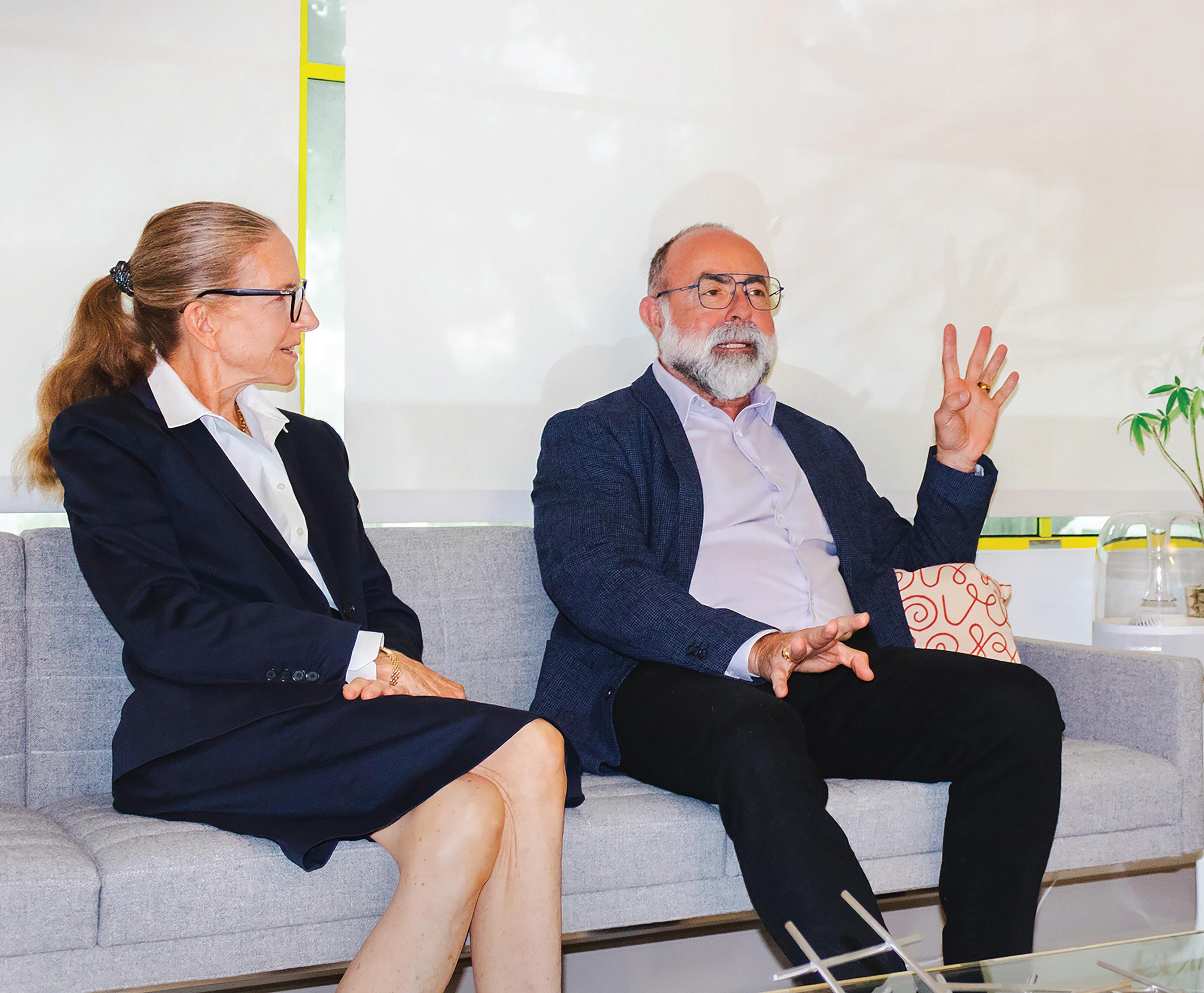
As the University of Miami celebrates the centennial of its 1925 charter, we reflect on a century of progress, perseverance, and purpose. Founded as a private institution with a public mission to transform the region and the lives it touches, the University has grown into a global force

for breakthrough research, educational excellence, and lifechanging opportunity. Over the past 100 years, both the physical campus and its impact on students and South Florida have evolved dramatically.
Among the University’s success stories is the evolution of the School of Architecture, since its 1926 launch as a program in the College of Engineering.
Director of Communications
Madison Brinnon sat down with Dean Rodolphe el-Khoury and Dean Elizabeth PlaterZyberk to reflect on the school’s remarkable journey.
Madison Brinnon: Dean el-Khoury, since the Review magazine was launched in 2018, you have traditionally introduced each issue within an editorial feature. For the centennial issue, you suggested an interview that included former Dean Elizabeth Plater-Zyberk. Could you explain the departure from the usual pattern and the value you saw in the interview?
Rodolphe el-Khoury: The change felt both timely and meaningful. Dean Plater-Zyberk led the School for nearly 20 years. She was key in shaping it from its early days as an independent unit to the mature, nationally renowned institution it is today. She truly witnessed—and guided—its development. So, as we reach the University’s centennial, it seemed only right to invite her to reflect on that history in her own words.
There was also a more personal motivation.
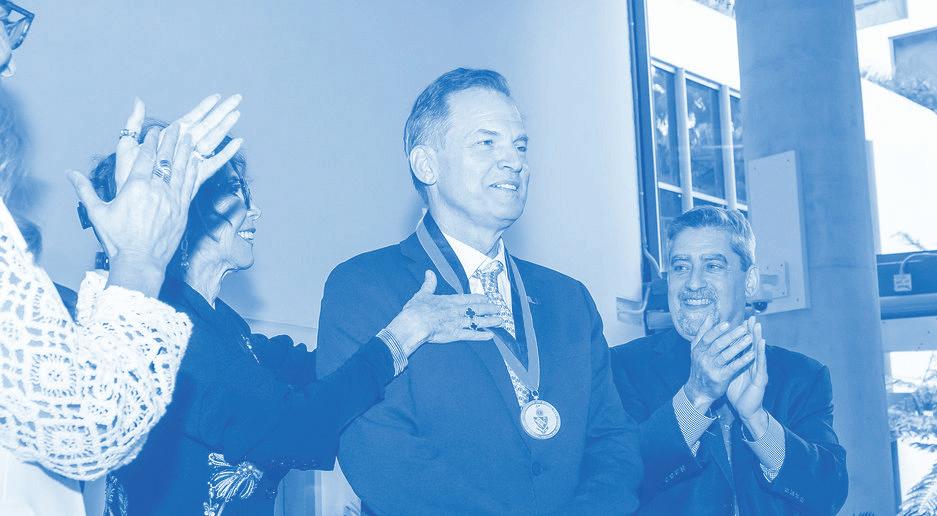
Lizz received the ACSA Topaz Medallion, the highest honor in architectural education, and as I listened to her presentation at the award event, I was struck by the depth and breadth of her contributions—not only to the field but to the identity of our school. It reminded me that we
should more intentionally showcase those formative legacies.
And perhaps, on a more reflective note, after more than a decade and now into a third term as dean, I find it important to widen the lens—to recognize that the school’s strength lies in its continuity and in the collective achievements of its leaders and faculty over time. I’ve spent the early years of my deanship establishing a vision and direction for the school; now it feels equally important to acknowledge the foundations on which that vision rests, and to bring other voices into the conversation. The interview format offered a perfect way to do that. It allowed our voices and perspectives to sit side by side—not as separate accounts, but as part of one shared story. It also signaled something important about where we are today: a mature institution confident enough to see its history as an ongoing conversation rather than a sequence of individual tenures.
In that spirit, I also asked Lizz to lead the Centennial Task Force, a group that’s been planning and curating the school’s contributions to the University’s centennial celebrations. The same reasoning guided the decision behind that assignment.
MB: Dean Plater-Zyberk, can you tell us more about the centennial initiatives and the opportunities you found to celebrate the school’s history and community?
Elizabeth Plater-Zyberk: As Rudy asked me to lead the Centennial Task Force, I gathered a group of volunteers in the fall of 2024 for several meetings to propose and review suggestions for ways to join the University’s celebrations. It was determined we would focus on two activities: the design and presentation of the School of Architecture University Centennial Alumni Medal—the University had asked all of the schools to participate in this way—and an exhibition of publications produced by the school’s faculty and alumni.
On April 8, at the University’s Centennial Celebration, the school’s first alumni medal was given to Chicago architect Larry Kearns. Larry’s beautifully crafted slide lecture tying the influence of his University faculty members at UM to his professional work can be seen on the school’s website. On September 15— in conjunction with a book talk about the recently published Art of the New Urbanism, a collaboration of faculty and alumni Prof. Chuck Bohl, Victor Dover, and James Doherty—medals were presented to
alumni whose work has advanced the New Urbanism Movement. Medals were also presented to School alumni at a special event during Homecoming week in November.
MB: Dean el-Khoury, if you had to choose one current feature of the School of Architecture to showcase at the Centennial Celebration, what would it be?
ReK: That’s actually a question we recently had to answer. When the University produced a video to launch the Centennial Celebration—a big event in April, complete with the Frost School’s orchestra providing the soundtrack—each school was asked to contribute a short highlight. So, like in this interview, we had to choose one thing to represent the school.
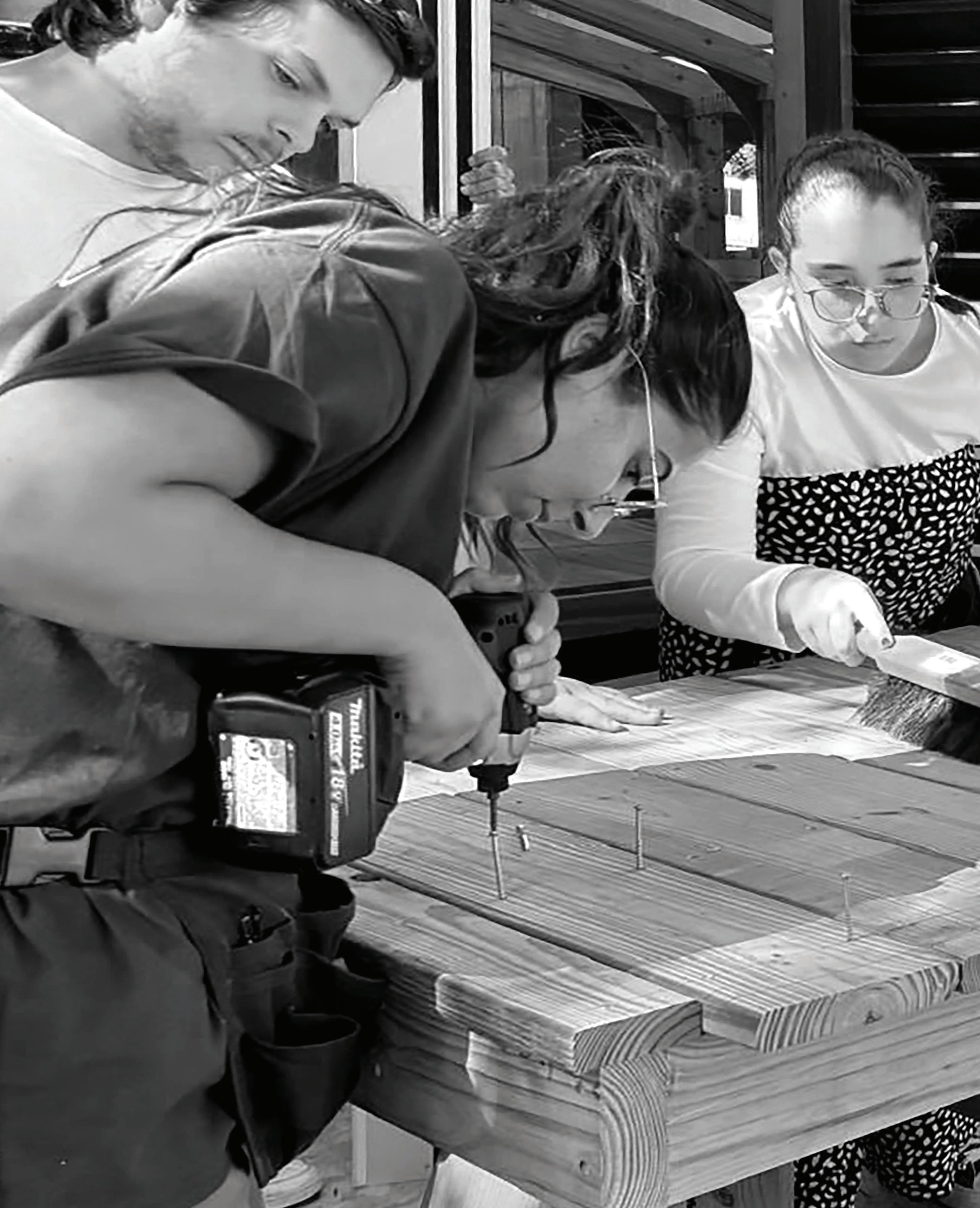
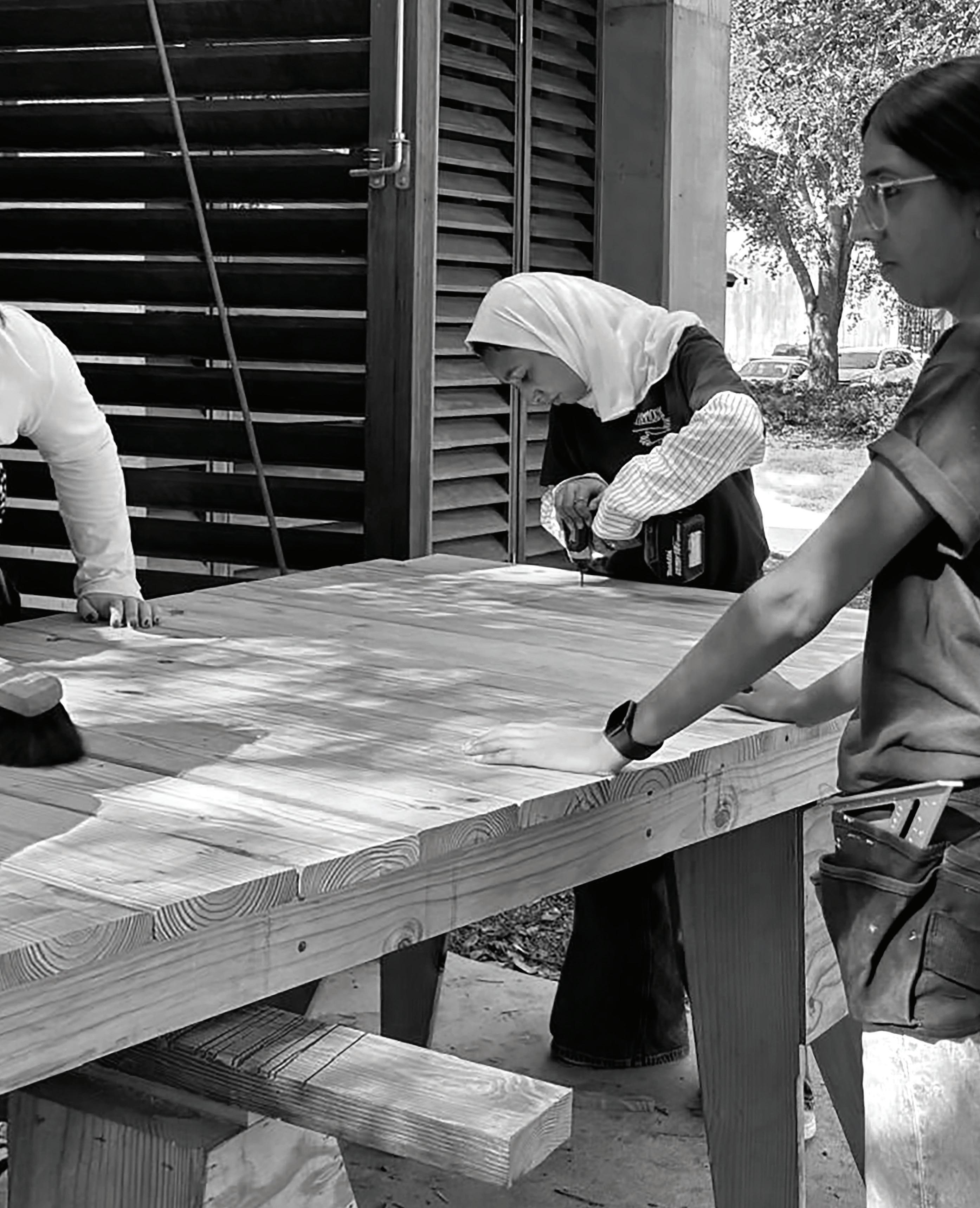
The Rome Program was the obvious choice—it’s a signature experience for our students—but ultimately, Lizz and I decided to feature the Design/ Build Program. It seemed to capture so much of what defines the School of Architecture: our culture of learning through making, our engagement with the community, and our emphasis on turning ideas into real, built structures.
Lizz initiated the program several years ago, and it’s grown steadily into one of our flagship initiatives under the leadership of Professors Rocco Ceo and Jim Adamson’s. It gives students a fully immersive learning experience. They design and build a real project from start to finish—from the first sketch to detailed construction drawings and then fullscale fabrication and assembly. Each project is commissioned by a community partner, usually a nonprofit organization, so the work always has a real purpose: a viewing station in an ecological park, a mobile lab for orchid research, or a small public pavilion. The only limitation is that the structure has to fit on a flatbed truck, so it can be built on campus and then transported to its final destination.
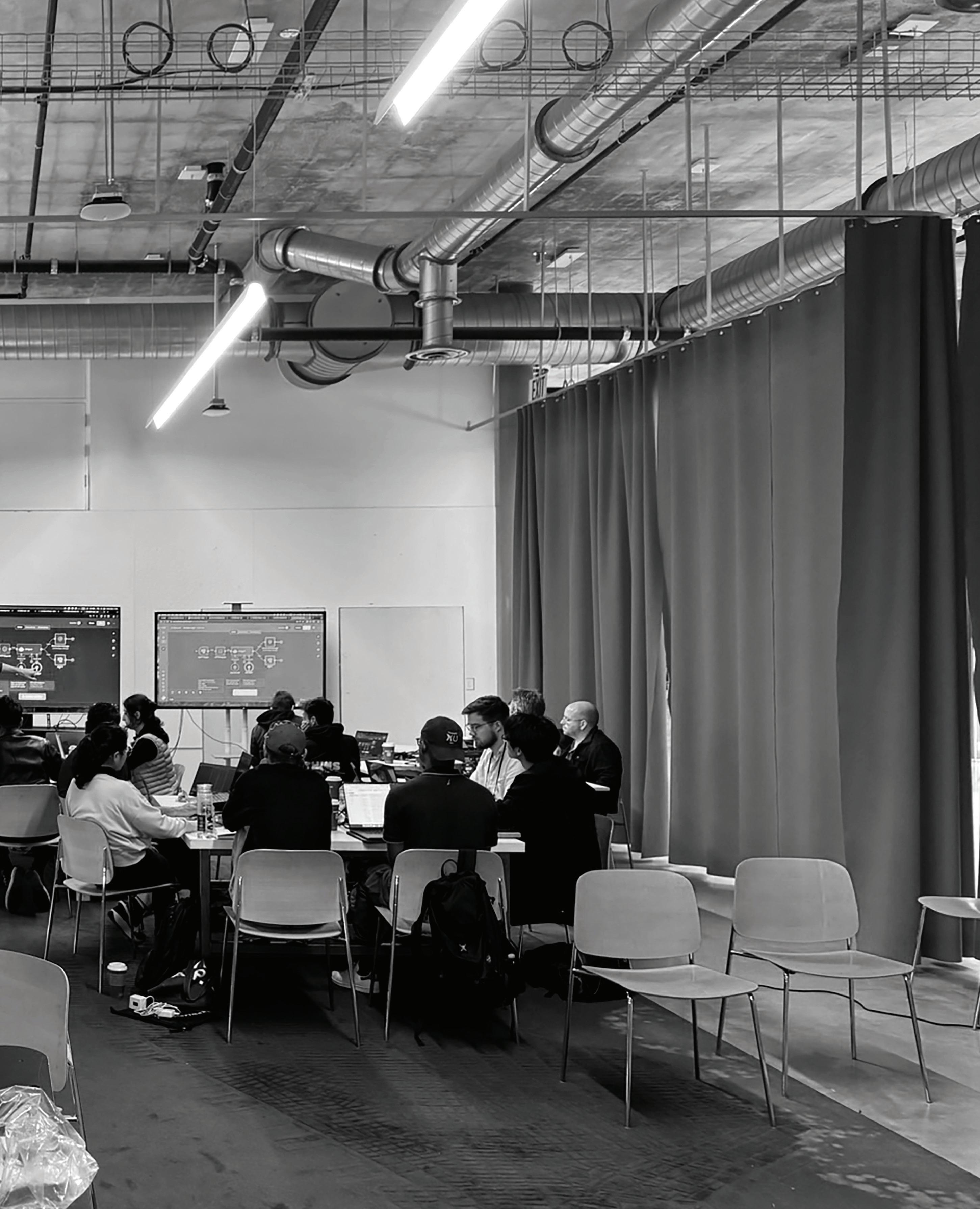
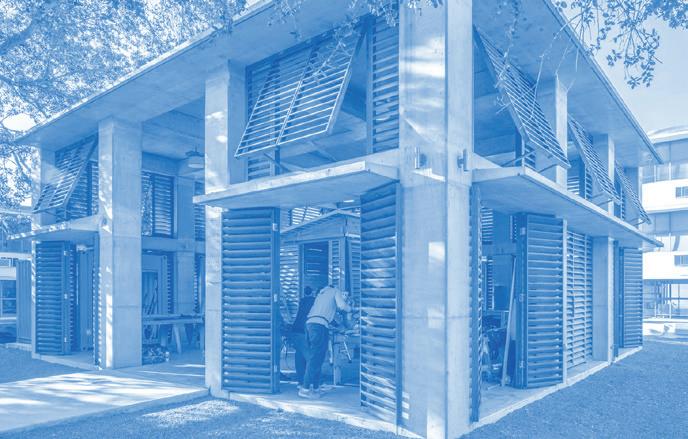
When I joined as dean, I was immediately struck by the energy and educational value of the program, and I wanted to make sure it had the space and resources to keep growing. That led to the construction of the B.E. and W.R. Miller BuildLab, made possible through a generous gift from Bob Miller. The BuildLab was purposefully designed by Rocco to provide a covered, high-bay workspace where students can fabricate at full scale, protected from the elements. It’s a small gem on our campus and a very tangible expression of the school’s handson ethos.
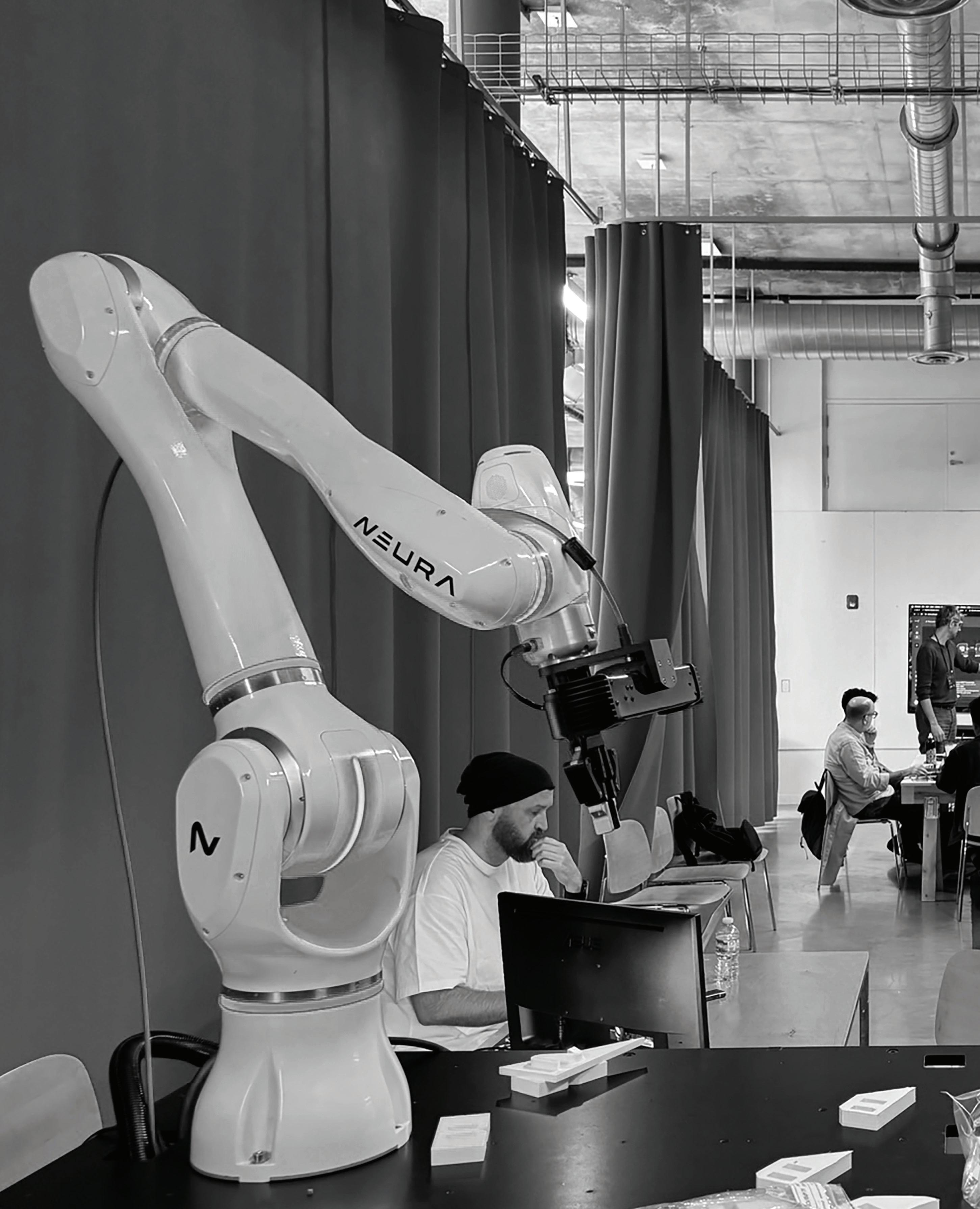
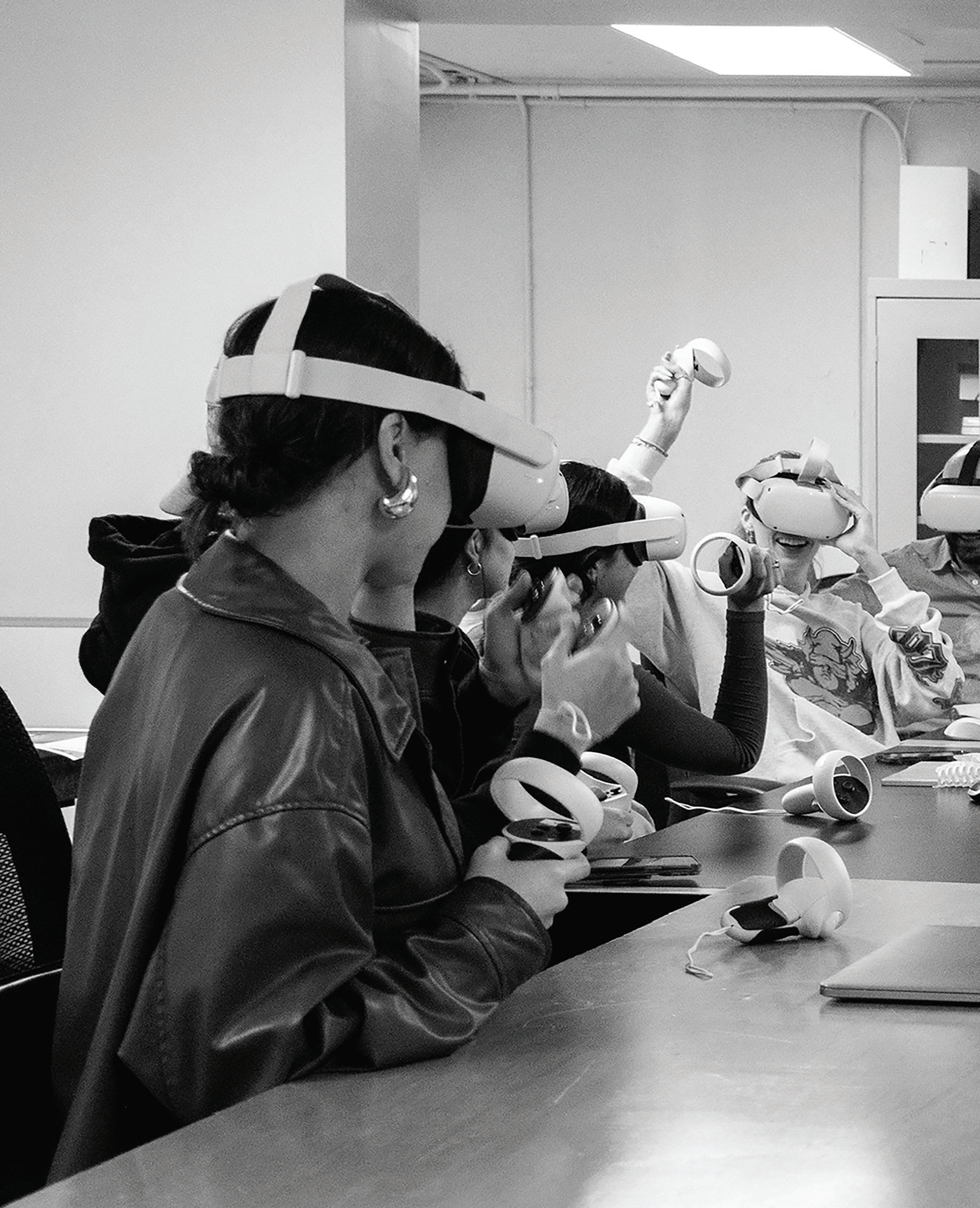
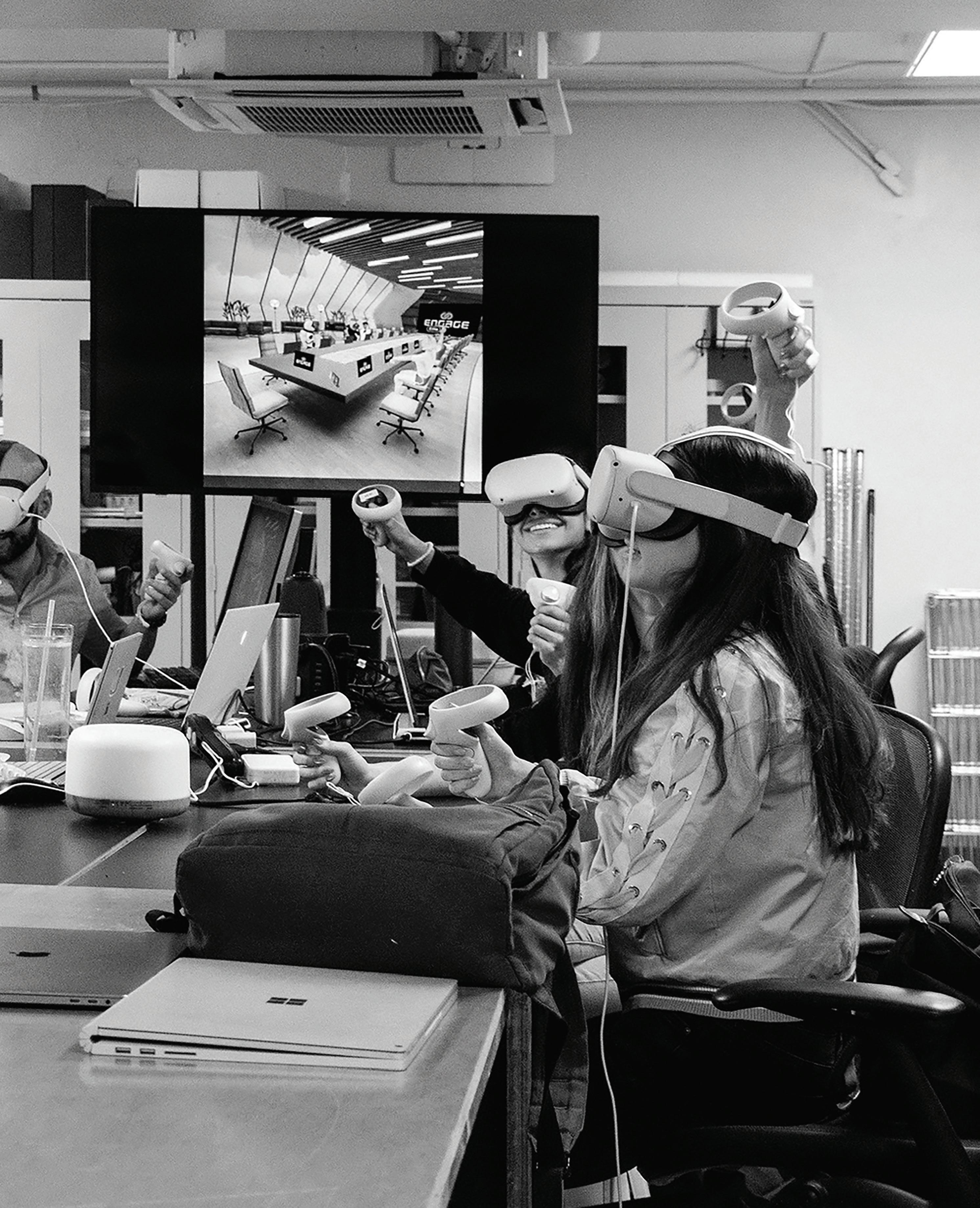
Soon after, another gift from Bob made possible the B.E. and W.R. Miller FabLab, which extends that same culture of making into the digital realm. The FabLab is equipped with robotic arms, large-format 3D printers, laser cutters, and other advanced fabrication tools that bridge traditional craft and digital innovation.
Together, the BuildLab and FabLab represent two sides of the same coin—one serving conventional building methods, the other digital fabrication—and both equally grounded in the material and tactile.
In many ways, the Design/Build Program and its two labs are the clearest expression of who we are as a school: rooted in craft, connected to the community, and forward-looking in our embrace of technology.
MB: Dean Plater-Zyberk, anything else you’d like to showcase—another seed you planted, so to speak— and that you were happy to see flourish under the care of Dean el-Khoury?
EPZ: The Master of Real Estate Development and Urbanism (MRED+U) was established in 2008 under the leadership of Chuck Bohl and with the support of President Donna Shalala. It was the offspring of the seven-year Knight Program in Community Building (we brought Prof. Charles Bohl to Miami to lead it), a mid-career program that annually brought a dozen Knight Fellows of various backgrounds to campus for lectures and seminars, culminating in a redevelopment project charrette for a Knight (newspaper) city. The MRED+U continues the mission and values of that program, reinforced this year by the endowed naming of the leadership position, the Tony Goldman Director of Real Estate and Development, honoring the country’s premier urban revival developer.
MB: What were some of the challenges you faced in the early days of the school and during your deanship? And what is the accomplishment you are most proud of?
EPZ: The School of Architecture was established in 1983 under President Tad Foote. In an early visioning session, the faculty decided that their great variety of interests and strengths could be unified by a shared focus on urbanism. Unbeknown to us at that time, we were planting the seeds for the New Urbanism movement. In 1988 we opened the Master of Architecture in Suburb and Town Design, which soon after enabled the establishment of the professional Master of Architecture degree.
Our participation in the South Florida rebuilding efforts following Hurricane Andrew (1992) spawned the Center for Urban and Community Design to work with communities across the region, including several downtown plans for Coral Gables.
Other initiatives included the Knight Program and the MRED+U mentioned above, the Luce Professorship in Family and Community that established the research partnership ongoing (under Prof. Joanna Lombard’s leadership) with the Department of Public Health in the Miller School of Medicine. The Luce Professor’s work in the West Grove was also the beginning of the Design/ Build Program mentioned by the dean. Other programs that began in the school’s early years are the Rome Program (started in Venice!) and a variety of travel programs including the Open City Studio—and summer session classes at various venues abroad. There were many contributors to these achievements. Faculty members made extraordinary efforts to begin and maintain special experiences for our students, even though it often seemed we were short on resources.
And speaking of resources, it is still hard to believe that we managed to add to the facilities that support our teaching efforts today—the Perez Architecture Center, the Miller Design/BuildLab, and the Murphy Design Studio Building! The Perez Architecture Center, designed by Leon Krier (mentor for many of the school’s early faculty) and produced by alumna Nati Soto’s firm, will always physically represent that time.
There is a lot to look back on—one memory begets another! One we will all enjoy reliving this year as part of our Centennial Celebration is the exhibit that documents the research and publication produced by our faculty—four decades of intellectual contributions to the profession and the public, that I would like to think I played a role in encouraging.
MB: What were the opportunities you saw in the school you inherited from Dean Plater-Zyberk?
ReK: When I joined the school in July 2014, the University was nearing the end of President Donna Shalala’s fundraising campaign, and that final sprint created real momentum—and opportunities—to secure major gifts for projects that had been on the horizon. So, the timing was good. It allowed me to move quickly on key priorities while also beginning to chart a new course for the school.
Two capital projects immediately stood out: a new building dedicated to studio space and a home for the Design/Build program. The Miller BuildLab, which we’ve already discussed, was a cornerstone of our making-based pedagogy and a clear priority to advance. The larger and more ambitious undertaking was to become the Thomas P. Murphy Jr. Studio Building. That project became my first major campaign. We secured the naming gift from alumnus Tom Murphy, partnered with Tecnoglass for the generous curtain wall donation, and built the Arquitectonica-designed facility that transformed the school. It brought all our first-year students together under one roof, created a collaborative environment that encouraged cross-pollination, and provided us the kind of space that reflects who we are—open, connected, and forward-looking.
Beyond bricks and mortar, the transitional moment also offered the chance to reimagine the school’s direction. When President Julio Frenk arrived in 2015, the timing was perfect to align our own vision with his Roadmap to Our New Century strategic plan. We developed a new strategic plan centered on urban resilience. This focus felt both natural and urgent—rooted in Miami’s unique environmental challenges and perfectly aligned with the University’s emerging emphasis on problem-solving for global impact. The resilience framework not only sharpened our academic priorities but also became a catalyst for interdisciplinary collaboration across campus.
From that strategy emerged new programs and partnerships that extended the school’s reach: a joint Master of Professional Science in Urban Sustainability and Resilience with the Department of Geography; the Murphy Construction Management Program, endowed through a major gift and jointly administered with the College of Engineering; and a series of new graduate degrees and initiatives in digital fabrication, health care design, preservation, and adaptive reuse.
These expansions were supported by a wave of new hires, some of whom came through a cluster recruitment that brought international perspectives and expertise in emerging areas. Together with significant investments in digital and fabrication technologies, these appointments helped reposition the school from what was once viewed as a boutique program with strong disciplinary roots into a more comprehensive, outward-looking institution with hemispheric industry partnerships and an interdisciplinary agenda.
Finally, as these initiatives took shape, we began planning for the school’s next chapter—a new master plan that looks ahead to future facilities, including the Center for Sustainable and Resilient Building Construction, now moving toward implementation.
So, in short, I arrived at a moment when the school had a strong foundation and enormous potential, and the University’s larger trajectory created the perfect context to act. My job was to build on that—to complete what had been started and to push outward, broadening the scope of what an architecture school can do and how it connects to the university and the world around it.
MB: And how do you picture the school in 2030?
ReK: The University’s new Great Schools Framework, introduced by President Joe Echevarria, provides us with a clear structure for planning ahead. It encourages each school to define what “great” means in its own context, identify where the gaps are, and set measurable goals to address them. This kind of disciplined thinking suits us well—it’s practical, transparent, and helps everyone focus on outcomes.
To us, being a “great school” means being missiondriven, interdisciplinary, and tech-forward, while staying deeply connected to Miami as a real-world laboratory for design. By 2030, I envision the school as a place where teaching, research, and community engagement are fully integrated around that mission.
On the teaching front, we are building on our strengths in experiential and project-based learning. The goal is for every student to participate in handson, real-world work—whether through a design/ build project, a sponsored studio, or an internship. By 2030, we aim for 100% of our students to complete an internship before graduation, and for our graduates to maintain a placement rate above 90% within six months of earning their degree. We are also aiming for a pass rate above 75% on the Architecture Registration Exam, which would place our graduates among the top tier nationally.
On the research front, the priorities are clear: urban resilience, sustainability, and emerging technology. We’re expanding externally funded research and innovative projects, aiming to double our research income by 2030 through a mix of grants, contracts, and sponsored initiatives. The Center for Sustainable and Resilient Building Construction will play a
key role in this effort—bringing together design, engineering, and material science around applied research in sustainable building practices.
We’re also investing in new hires and our faculty profile—enhancing national visibility through creative practice, scholarship, and applied research. By 2030, we aim to increase the proportion of faculty recognized by major national and international awards—such as the ACSA Distinguished Professor Award, the Rome Prize, the Architecture League’s Emerging Voices, or AIA Fellowship—so that our faculty profiles serve as aspirational models for peers nationwide.
By 2030, I envision a school that has fully established itself—with top-notch facilities, programs, and resources that match the ambitions of its faculty and students. A school evaluated not by slogans, but by real results: student achievements, career success, faculty excellence, and a growing collection of impactful, funded research.
MB: How would you describe the evolution of the school since its launch as an autonomous unit in 1983?
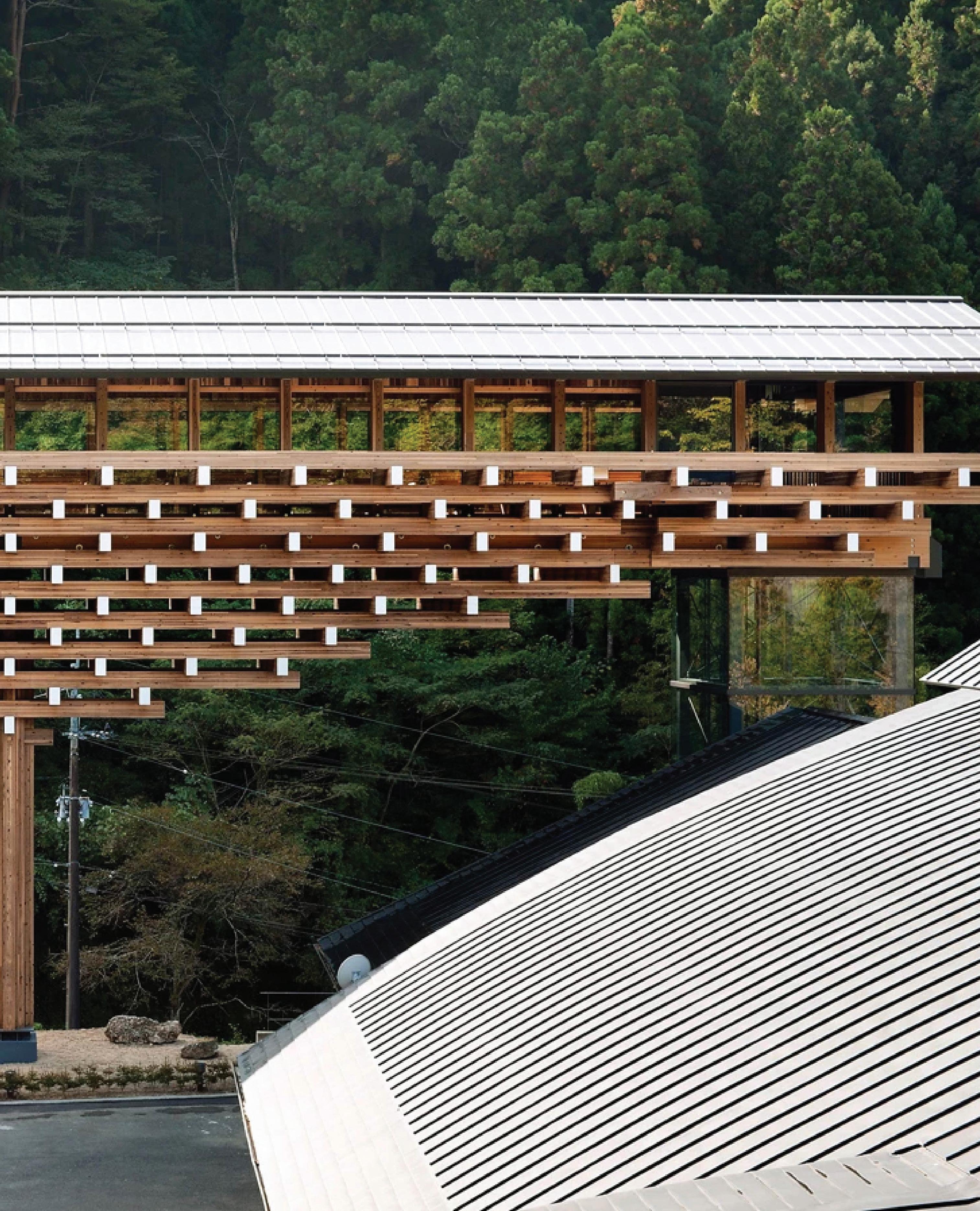
REK: I will use an architectural metaphor—Kengo Kuma’s Yusuhara Wooden Bridge Museum in Japan. It’s an impressive structure that rests on a single column and extends outward through a corbelled system of layered timber beams— the traditional dougong system used in ancient Chinese and Japanese architecture. Each layer of beams slightly projects beyond the one below, gradually reaching further until the structure spans an entire gorge.
That image perfectly captures how the school has grown since becoming an autonomous unit in 1983. It started with a solid, compact base—a strong disciplinary foundation in design, history, and civic engagement—and over time, it expanded outward, layer by layer. Each generation added new “beams”: new programs, new technologies, and new partnerships. The growth has been incremental but steady, always building upon what came before.
Like Kuma’s structure, as the school has grown and expanded, it has also connected—bridging across fields and disciplines. What started as a focused architectural program has developed to engage business, law, engineering, geography, and digital technology. Yet, the strength of that expansion comes from the integrity of the original core.
So I picture the school’s evolution as that kind of structure: a living, layered construction—built steadily, intelligently, and ambitiously—reaching wider with every generation, while remaining firmly grounded in its disciplinary foundation.

by Victor Deupi
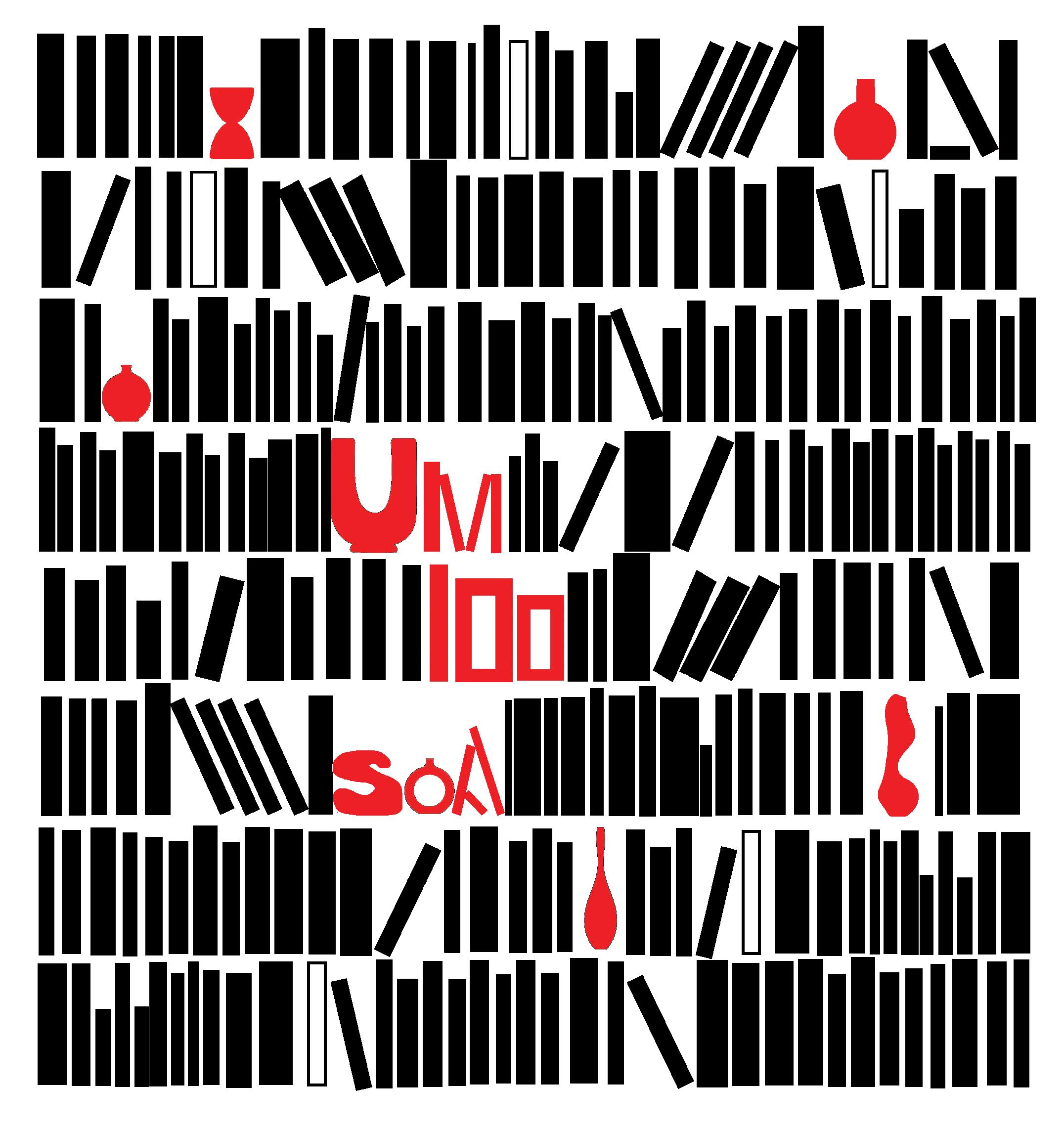
Alumni Publications offered me and a team of faculty, staff, and students the opportunity to reflect on the School of Architecture’s rich scholarly history as part of the University of Miami’s centenary.
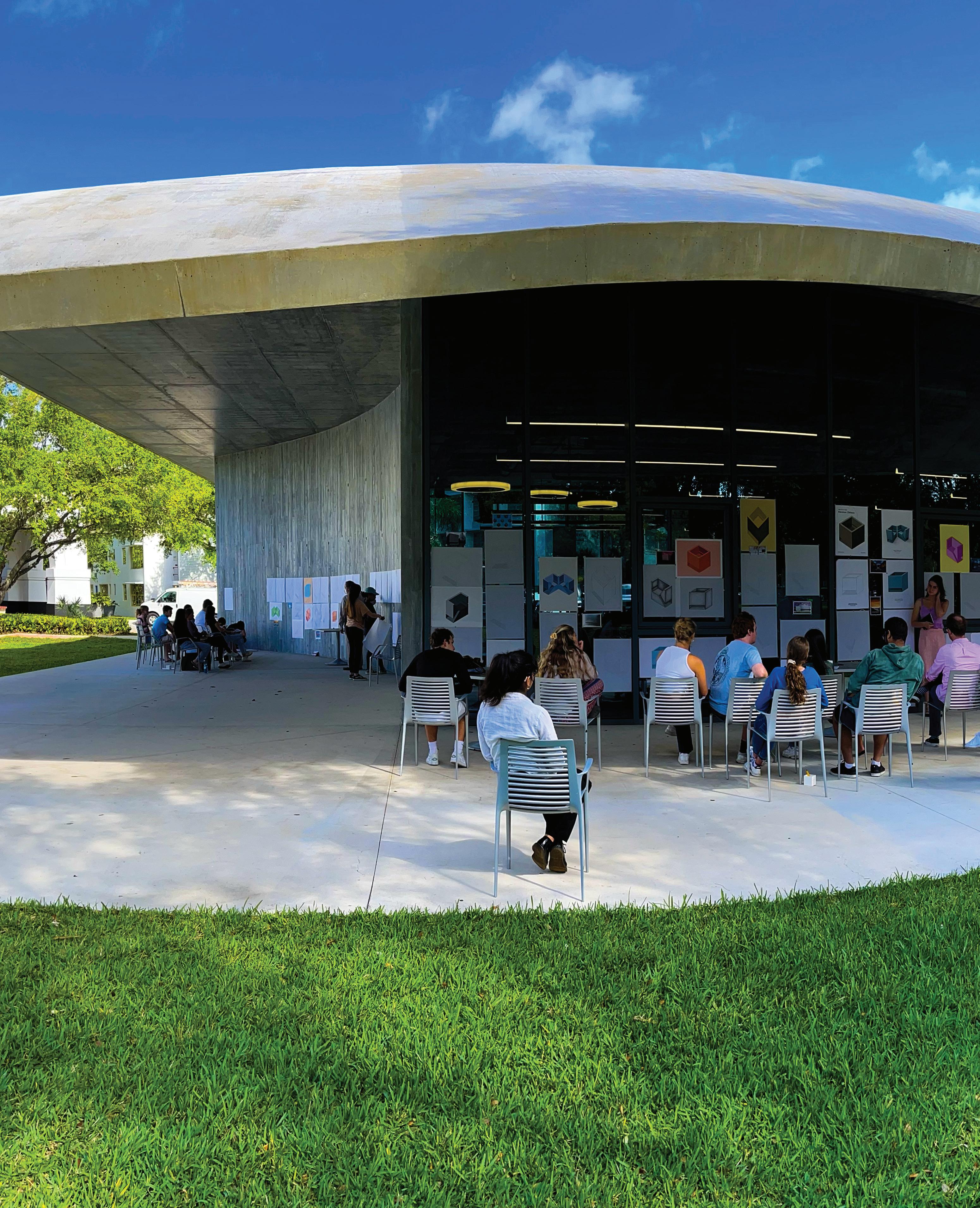
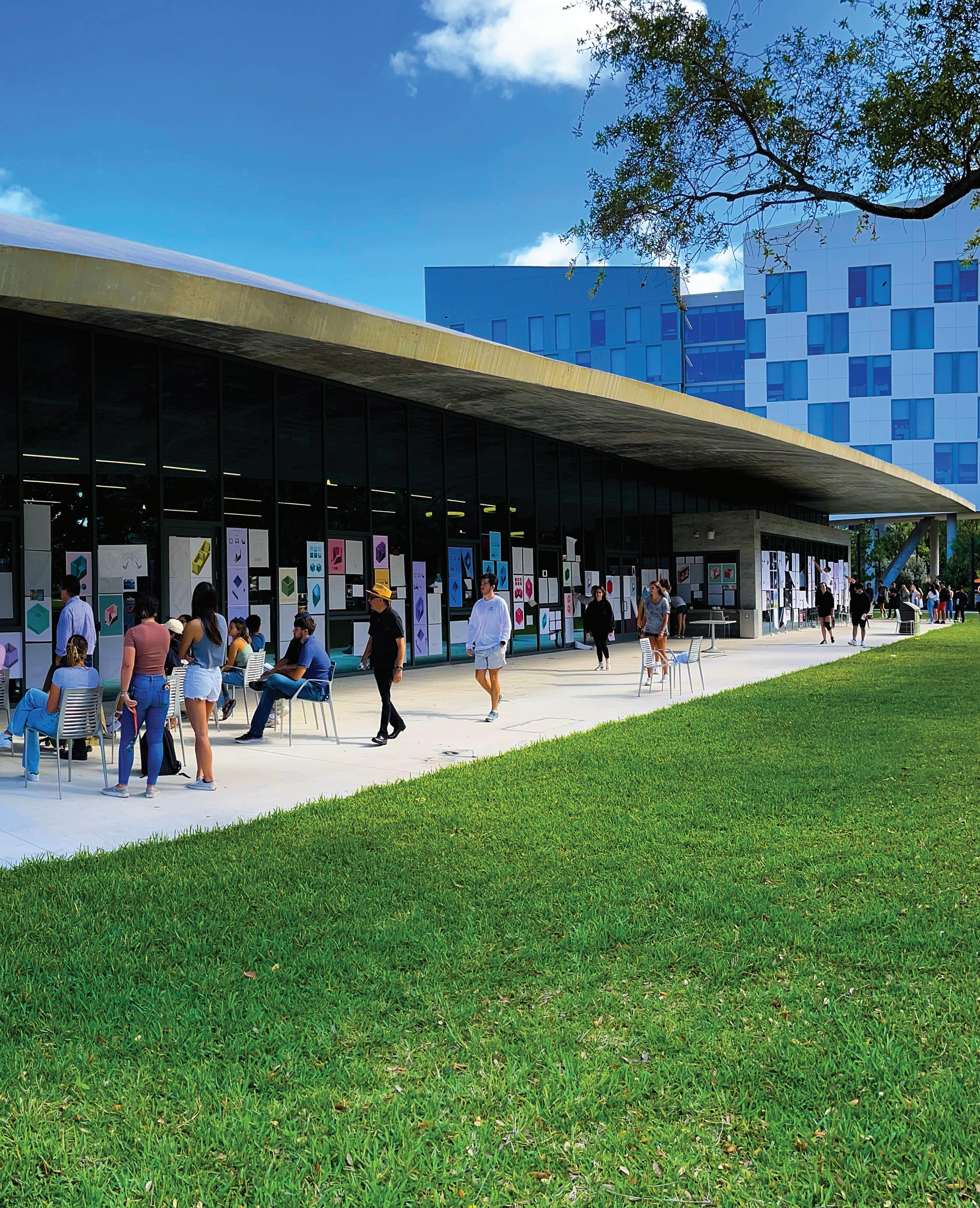
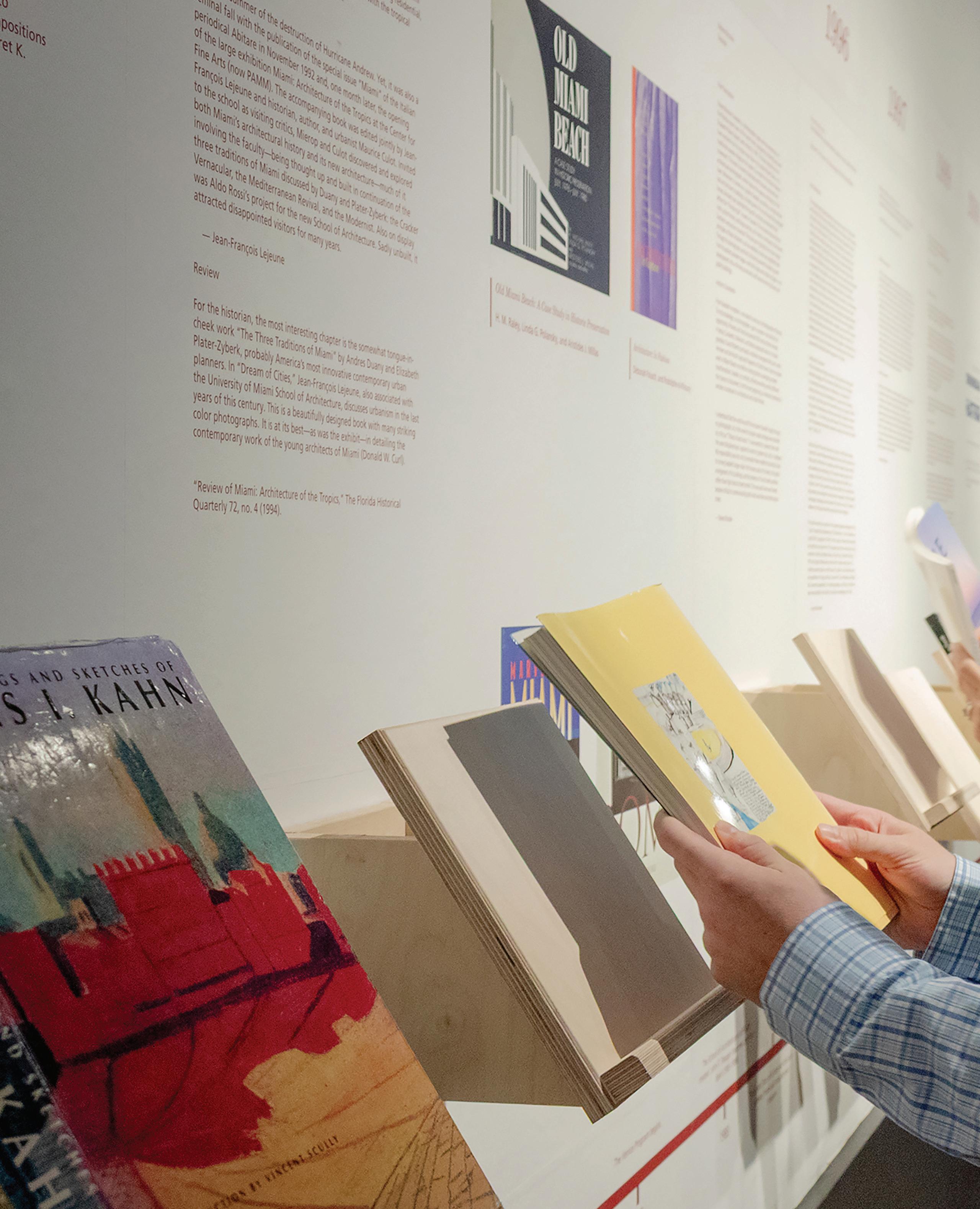
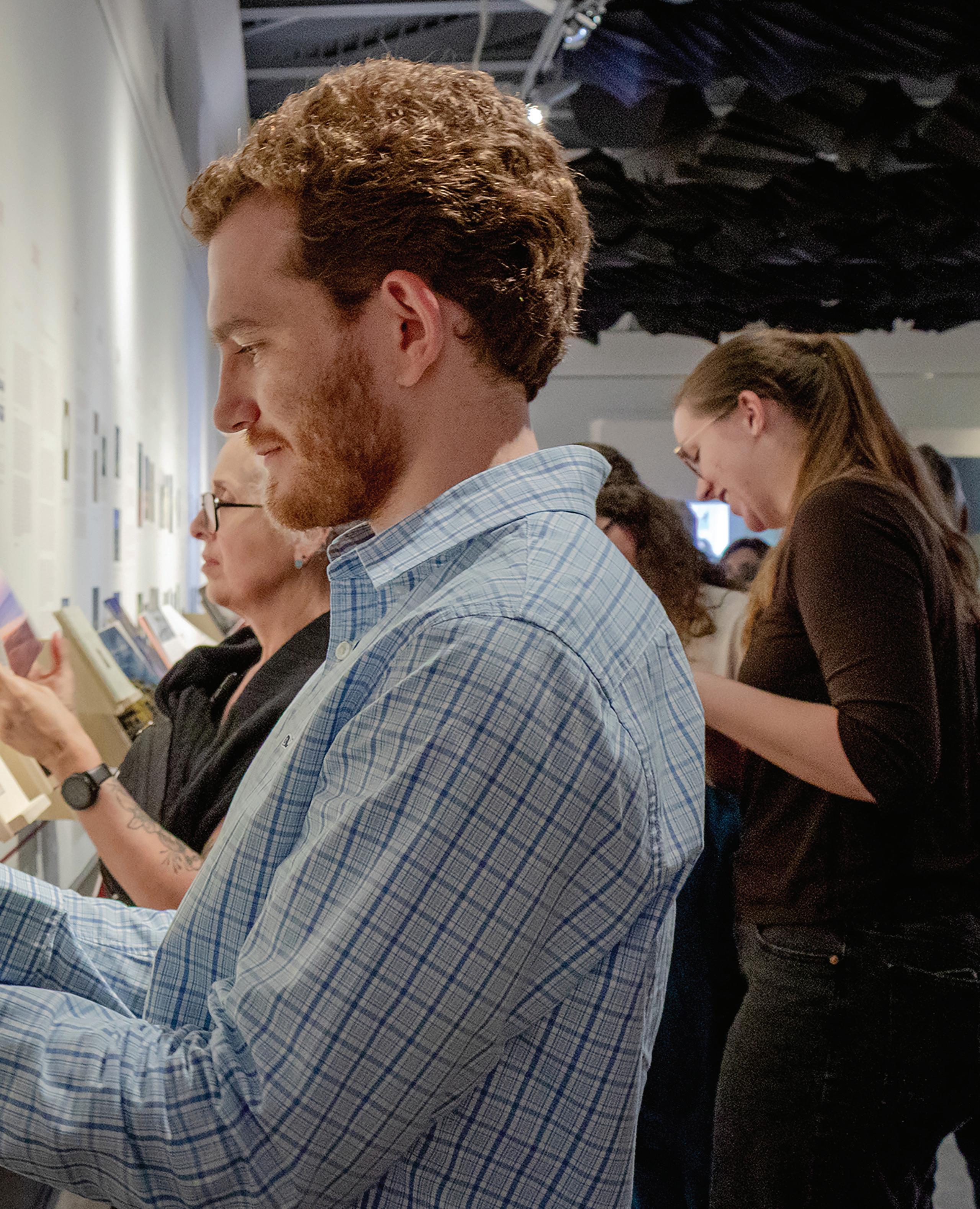
The exhibition features a history of professional, academic, and scholarly publications that have been produced by its faculty and alumni since its founding in 1927. Throughout its history, the University has contributed to the discipline of architecture by having its faculty engage in both professional practice and scholarly research. To that end, the Exhibition of Faculty and Alumni Publications allowed us to present for the first time a visual display of published book covers in chronological order alongside the major developments and events at the school over its first centenary. Consisting of nearly 200 volumes, the exhibition covers a range of topics that include architecture, urban design, history and theory, landscape and the environment, art and design, with a considerable number having a distinct focus on South Florida. With selected volumes highlighted in greater detail, and many physical copies on view for perusing, the exhibition provides an interactive presentation of the oftensolitary practice of researching and writing.
While architecture exhibitions typically feature buildings, drawings, models, and projects, or various kinds of ephemeral objects such as letters, photographs, and personal items, this exhibition focuses exclusively on books to emphasize that the work of our faculty and alumni extends well beyond the physical fabric to the probing of ideas, histories, and theories of architecture. By conducting research and publishing books, we can share our school’s influence and engage in broader disciplinary conversations about the built environment over time. It should also be mentioned that books are not the only form of publications faculty and alumni have produced throughout the school’s history. There are many scholarly essays, book chapters, reviews, exhibition catalogs, pamphlets and documents, newspaper articles, and online blogs and podcasts that increase the growing list of our scholarly work exponentially.
Ultimately, this exhibition underscores the belief that architecture flourishes when ideas are shared and debated from a variety of perspectives, points of view that are not always compatible. The intellectual diversity of our community is a source of strength, proving that a thriving academic culture is defined by multiple voices, not just one. This collection of publications then honors the many individuals who produced them and the rich culture of critical thinking that defines our school. As the University of Miami embarks on its second centenary, it is safe to say that scholarly publications will remain at the forefront of the intellectual work produced by the faculty and alumni of the School of Architecture. And no doubt, new and unpredictable forms of published work will emerge, adding to the many ways that curiosity and critical thinking about the built environment can reach the wider public. Media will change, and the modes of transmission will inevitably evolve with it, but the writing will never stop!



The School of Architecture is celebrating the University’s centennial by honoring 100 distinguished alumni with a Centennial Medal, acknowledging their professional achievements and lasting impact on architectural education.
The first medal was awarded to Larry Kearns in the spring of 2025, followed by the presentation of medals to an additional 99 alumni on two occasions: a September ceremony and a final celebration held during the University’s Centennial Homecoming in November.
Alumni traveled from across the globe to reconnect, reminisce, and celebrate one another’s accomplishments. These gatherings brought together family, friends, colleagues, and students to reflect on the remarkable journeys of our honorees and the legacy of the University of Miami itself.
Madison Brinnon, director of Communications, reached out to Centennial Medal recipients for thoughts on their fondest memories of the school, their mentors, and the moments that shaped their careers.
What is your fondest memory from your time at the University of Miami School of Architecture?
Larry Kearns:
The annual Chariot Race, which evolved into a Cardboard Boat Race after we became the School of Architecture and moved to the shores of Lake Osceola. It was the camaraderie and the people I remember most fondly.
Thomas Juul-Hansen:
When I enrolled at UM, I had no previous architecture
experience or knowledge. Landing up in a design studio and getting to spend time with people from all over the country while learning how to draw and design was a fantastic experience for me. I was immediately hooked and have never looked back. The intensity of the studies set a whole new bar for me, and its one I have not lowered since.
Wesley Kean:
My fondest memory is from my semester in Rome. I’ll never forget opening the window of my apartment to the sounds of the Campo de’ Fiori market. The atmosphere, the voices, and the smell of fresh produce and flowers made me feel completely immersed in the culture. That daily ritual will be forever imprinted in my memory.
Which faculty mentor had the greatest impact on you, and why?
TJH:
A few people come to mind. Teofilo Victoria was one of my first instructors and left a strong memory due to his ability to describe architecture to someone like me who had zero prior knowledge. Thomas Spain taught me a lot about how to draw and the strength of drawings and I always enjoyed his kind company.
WK:
It’s difficult to choose just one mentor because I was fortunate to learn from many. But Terrance Riley had the most profound and lasting impact. He shaped the way I looked at architecture not just as design, but as something meaningful and purposeful. He also introduced me to the world of art, which became a personal passion and something I now collect. Terry later became both a professional mentor and a personal friend, up until the day he passed.
Maria Nardi:
Professor Joanna Lombard profoundly shaped my understanding of the connection between design, landscape preservation, and health in the built environment. In the Olmsted tradition, she taught that landscape and architecture are mutually reinforcing, a foundational principle that continues to guide my approach to holistic design in the public sector. Equally formative was Professor Elizabeth Plater-Zyberk, whose work in New Urbanism demonstrated how communities can be strengthened and environments optimized for people through thoughtful codes, policy, and planning—reinforcing the social responsibility inherent in design. Their mentorship extended
beyond technical knowledge; they instilled in me a lasting sense of curiosity, resilience, and purpose.
Which milestone in your professional journey would you care to highlight?
LK:
Actually, receiving the School of Architecture Centennial Medal ranks high on the list for me. Unlike most architectural honors, the medal recognizes a varied body of work that spans four decades. That’s hard to beat.
TJH:
After graduating UM, I went directly to Harvard for graduate school which left another strong mark on my education. Upon moving to NYC, I worked for Richard Meier for several years before starting my office in 2003 and at his studio I learned about the diligence of a drawing set and how to not leave any stone unturned. All tools that I have been able to use for my design practice here in NYC.
Monica Ponde de Leon:
The experiences I had launching a student magazine, curating exhibitions, and pursuing hands-on projects in school shaped my trajectory—those early acts of initiative and experimentation have continued to inform my work across academia and practice.
What advice would you give to current students?
LK:
Be a sponge. Never again will you have the chance to listen to so many voices and perspectives. Think critically. Ultimately, start zeroing in on the values that will inform your future work.
MPL:
Be fearless. Take initiative, pursue your own ideas, and don’t wait for permission to start something new. The freedom and curiosity you nurture as a student will shape the rest of your career.
MN:
Stay curious, embrace collaboration, and take bold, thoughtful risks. Architecture is as much about people as it is about buildings—listen closely, observing carefully, and let your work serve the community. The University of Miami provides a foundation for creative, socially responsible problemsolving—skills that empower you to shape and transform communities in a meaningful way.
As the School of Architecture joins the University in celebrating 100 years of innovation, creativity, and community, the voices of our Centennial Medal recipients remind us that the strength of our legacy comes from the people who have shaped it. Their reflections, filled with humor, gratitude, and wisdom, capture the enduring spirit of the University of Miami School of Architecture.

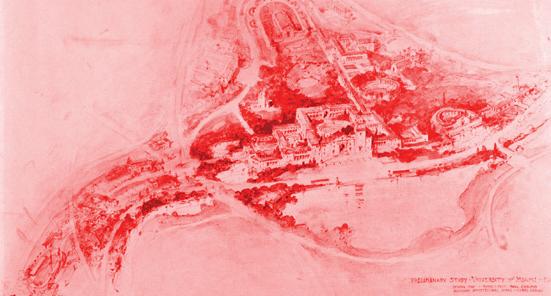
The School of Architecture’s legacy is deeply woven into the 100-year history of the University of Miami. This timeline, created with the assistance of Elizabeth PlaterZyberk of the Centennial Committee, and Gilda Santana, head of the University’s Architecture Research Center, accompanies the Centennial Legacy: An Exhibition of Faculty and Alumni Publications curated by Victor Deupi.
Since its founding in 1927, the University of Miami School of Architecture has shaped the discipline through a distinctive balance of professional practice and scholarly research. The exhibition presents, for the first time, a visual record of published works displayed in
chronological order, alongside key milestones in the school’s history. The timeline featured here draws from the rich visual and literary archives housed within the Architecture Research Center, celebrating a century of ideas, innovation, and impact.
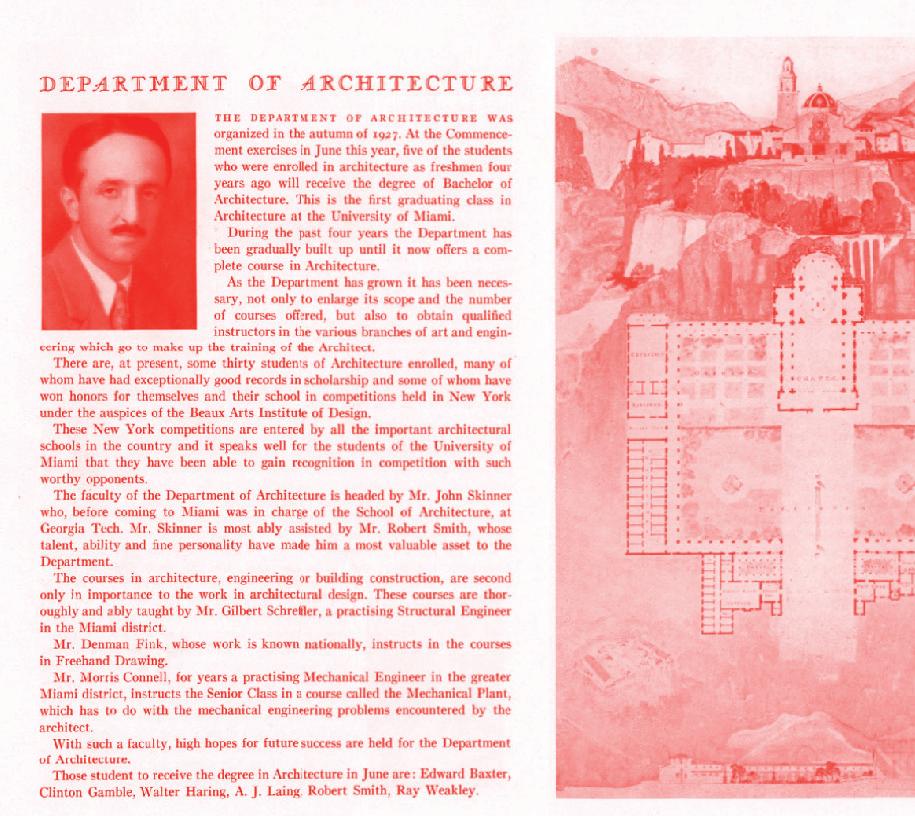


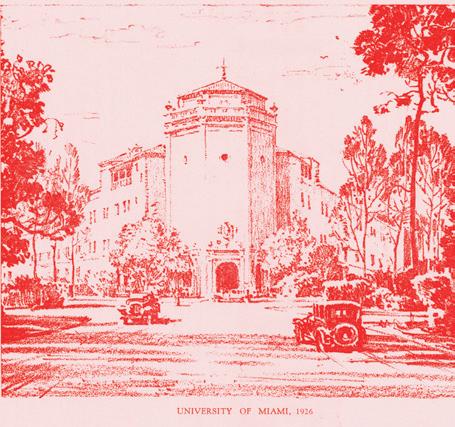
1926
The University of Miami opens for classes.
1931 The Department of Architecture is formally established.
The Department of Architecture is founded within the College of Liberal Arts, initiated by John Llewellyn Skinner.
Five students graduate at a ceremony held at the Miami Biltmore Club.

1927
1950
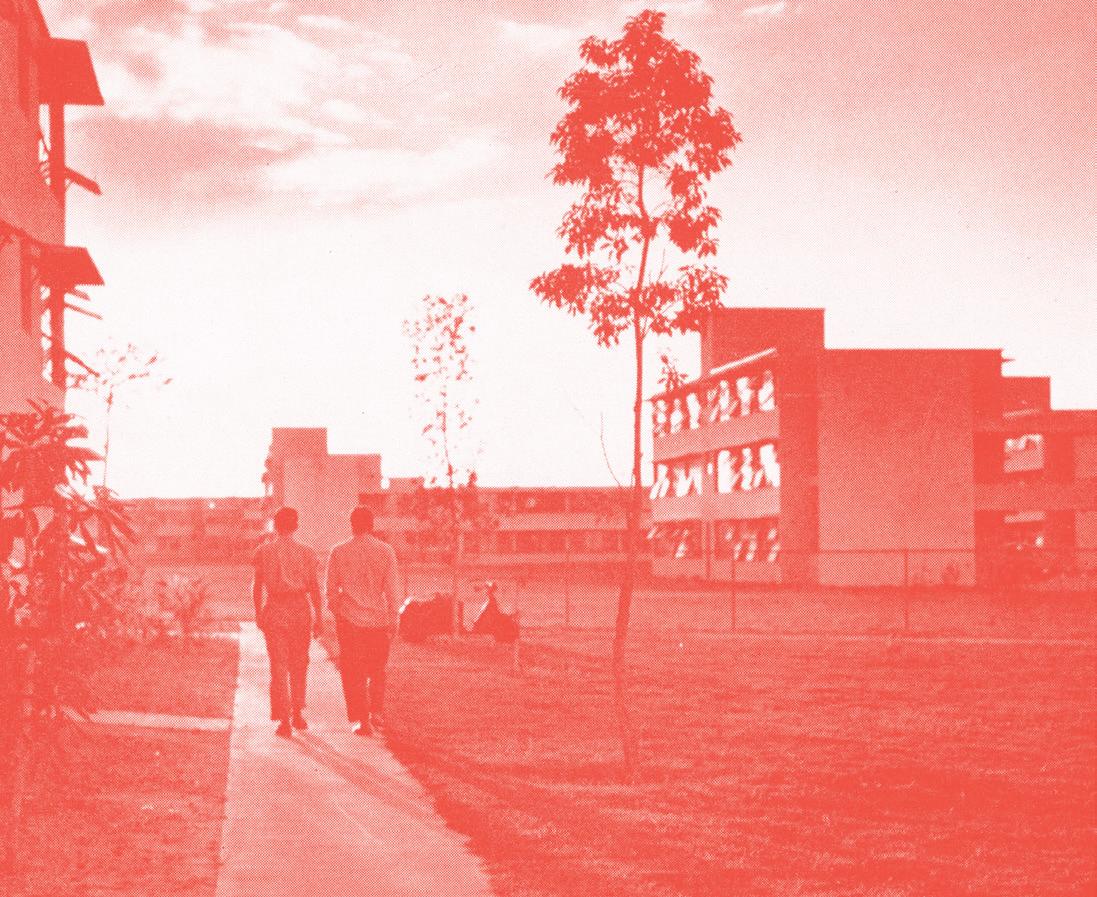
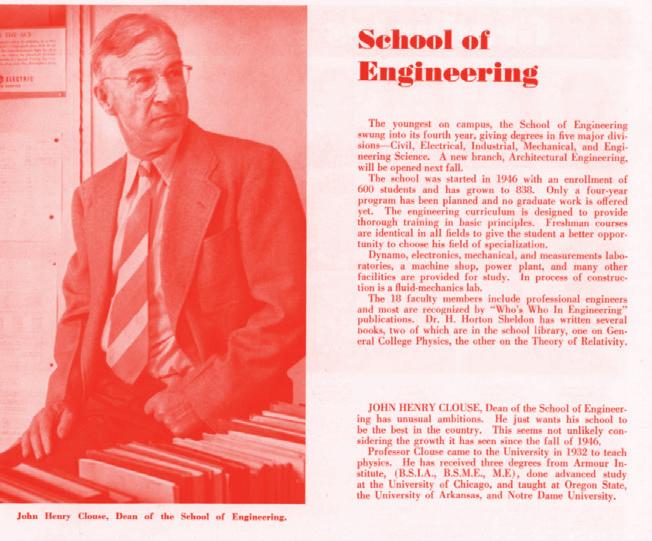
After cost-cutting measures in the 1930s reduced the program, architecture re-emerges within the new School of Engineering.
1963 >>
The first fiveyear Bachelor of Architecture degrees are conferred.
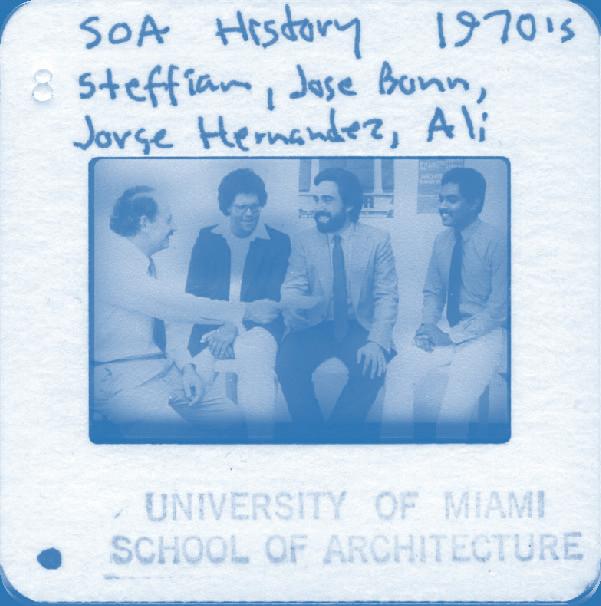
The Department of Architecture and Architectural Engineering is renamed the Department of Architectural Planning. 1978
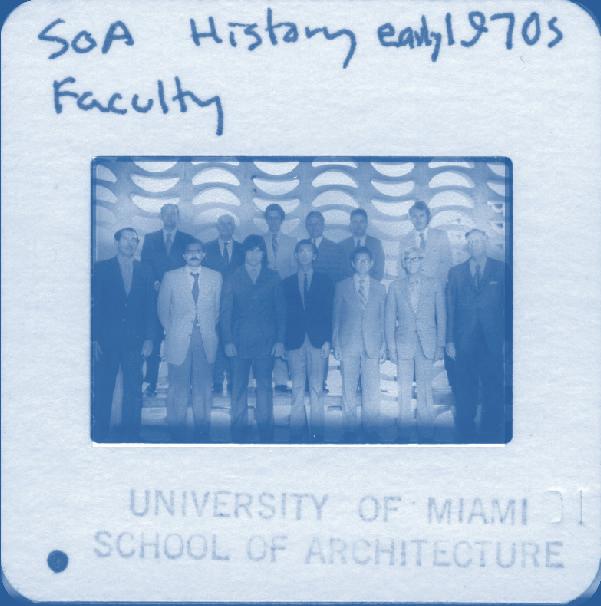
The School of Engineering and Environmental Design (SEED) changes its name to the School of Engineering and Architecture (SEA).
The Visiting Critics Studio is established.
1982
The Venice Program begins.


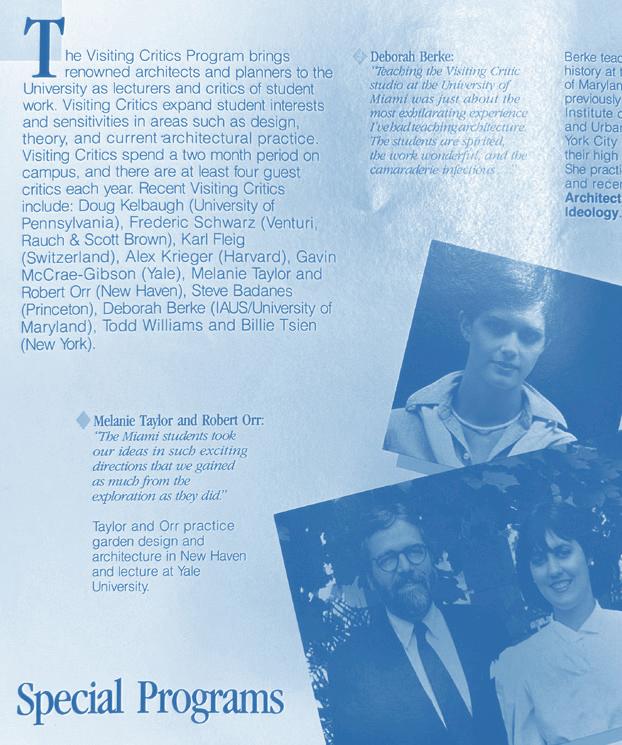
1979
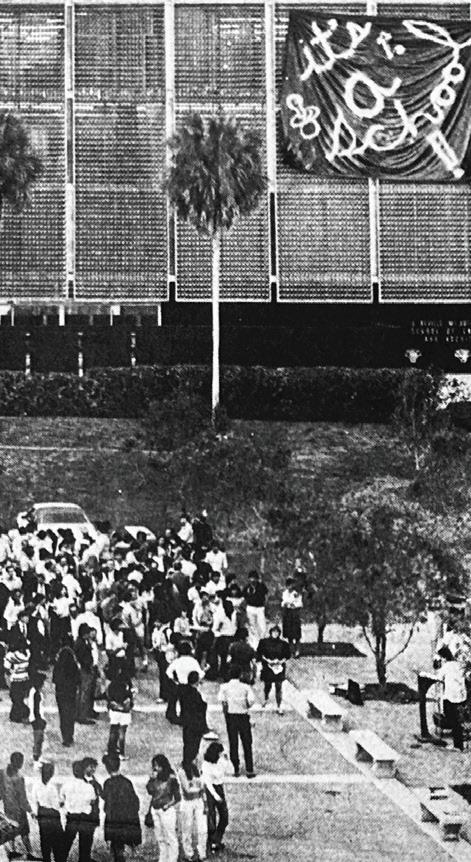
The School of Architecture is officially created. John T. Reagan becomes the first dean (1983–1989).

The Grand Tour of Europe launches as a summer travel and study abroad program.
The Master of Architecture in Suburb and Town Design is initiated.

Open City Studio launches.
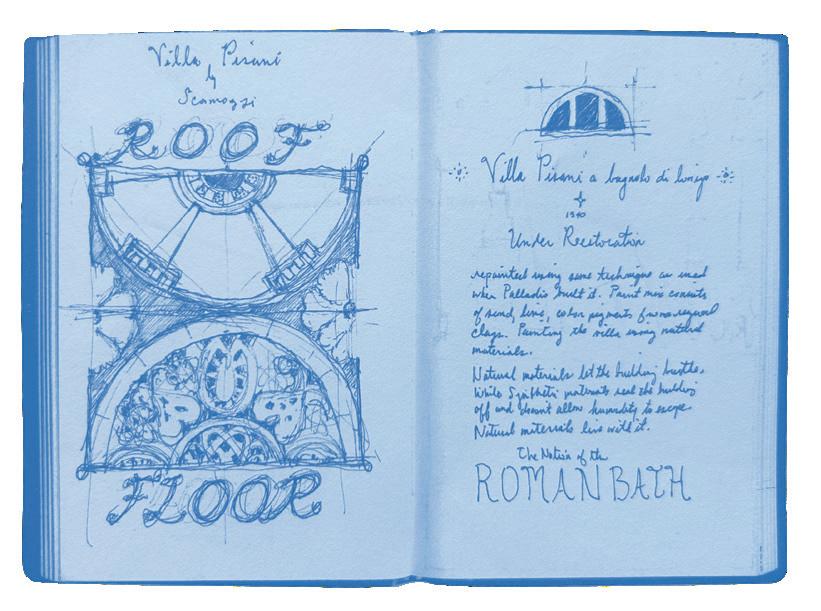
The Rome Program begins.

Javier Cenicacelaya is appointed dean.
Following Hurricane Andrew, all design studios focus on rebuilding South Dade through the New South Dade Planning Charrette, led by the School of Architecture faculty in collaboration with Florida International University and We Will Rebuild.

Roger Schluntz is appointed dean (1993–1995).
The first three-year professional Master of Architecture degrees are conferred.
The Center for Community and Urban Design (CUCD) is established.
The Deans of the Americas Conference on Architectural Education is cohosted by the school and Universidad de los Andes.
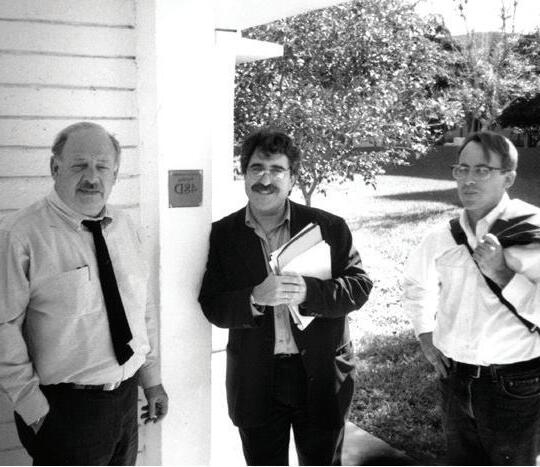
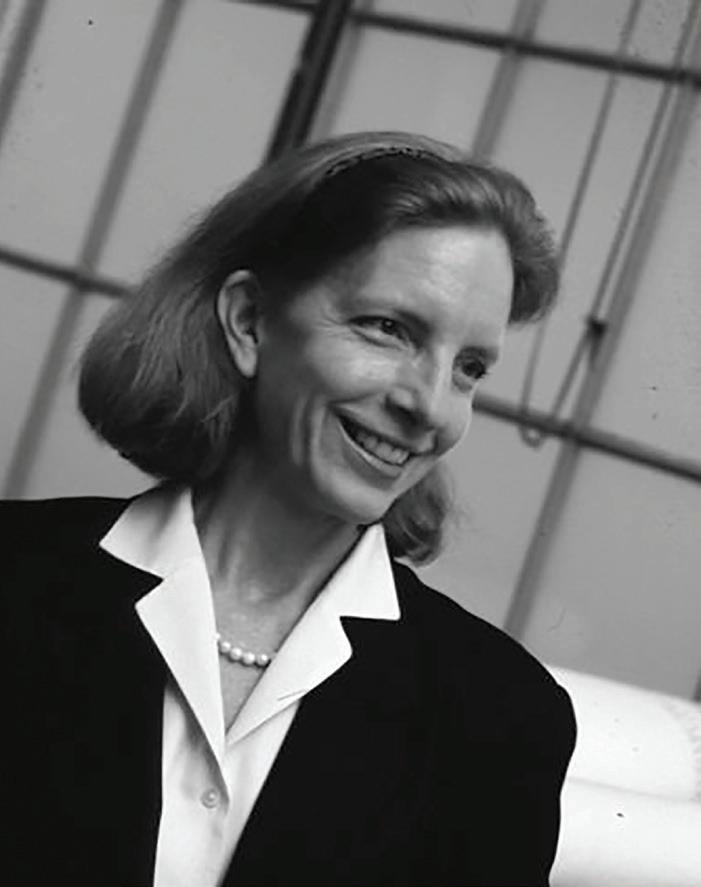
Elizabeth Plater-Zyberk is appointed dean (1995–2013).
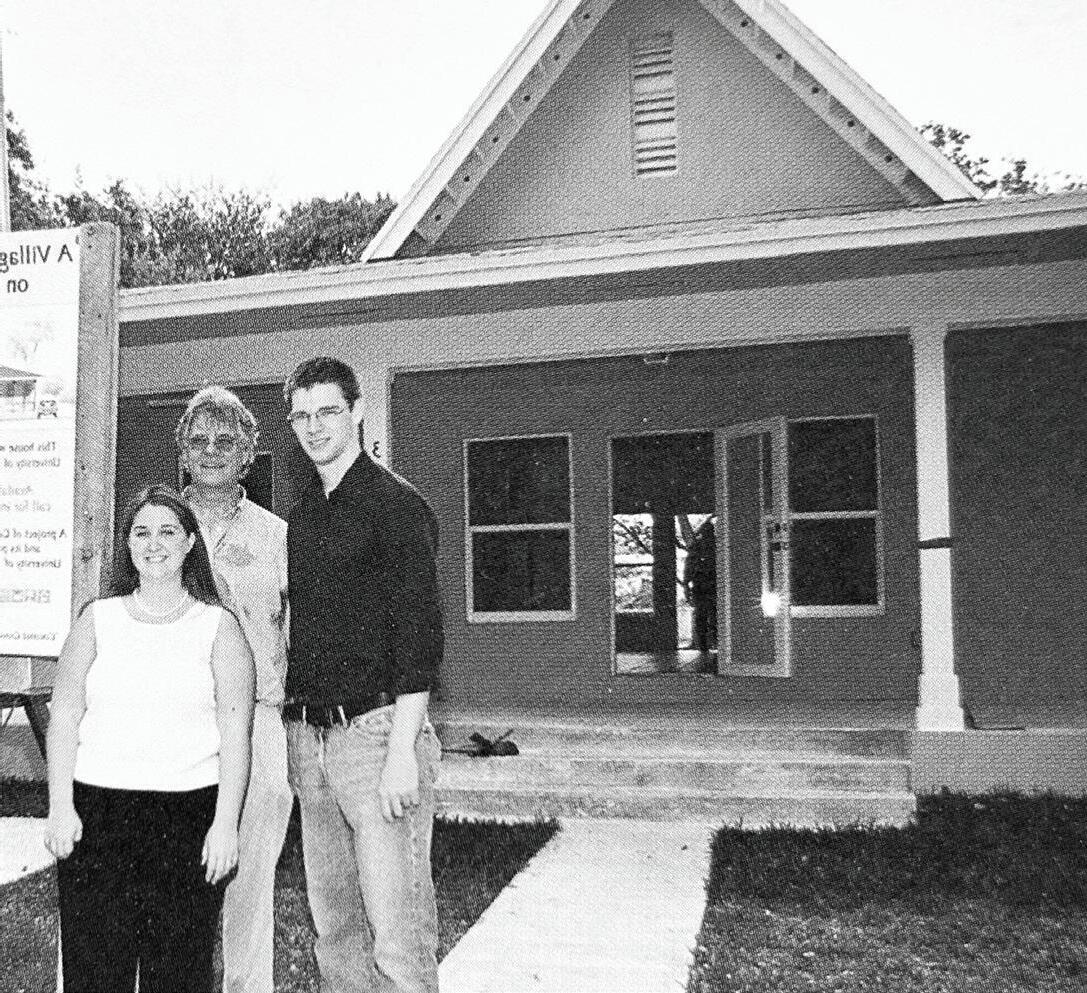
Richard Shepard and the CUCD produce a vision plan for West Coconut Grove. Shepard’s studio revives the design-build tradition, producing two new houses in West Coconut Grove.
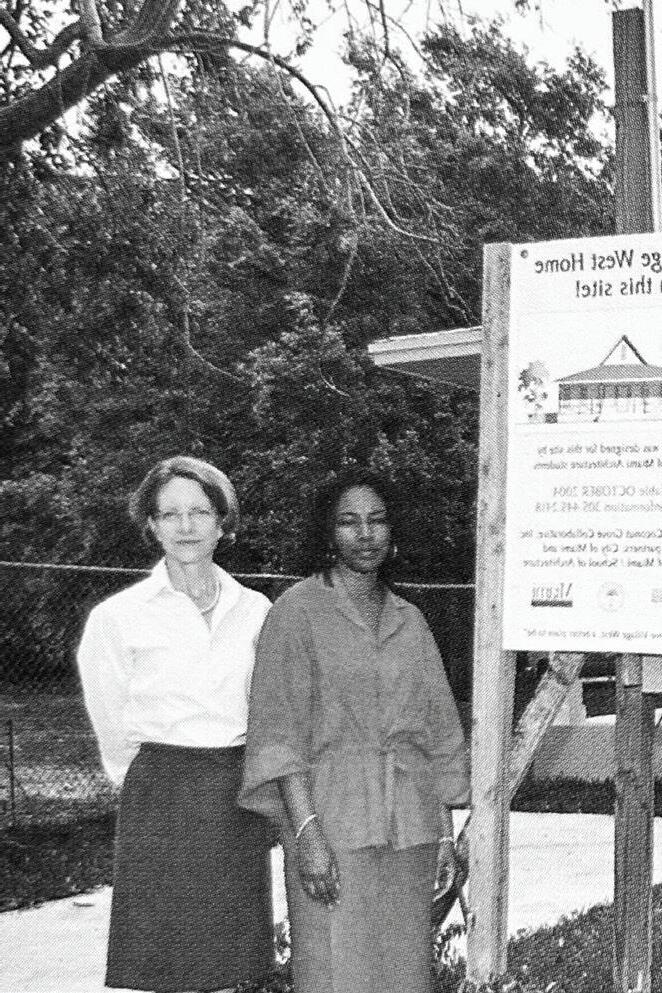
The Knight Program in Community Building is established; it later evolves into the Master of Real Estate Development and Urbanism (MRED+U).
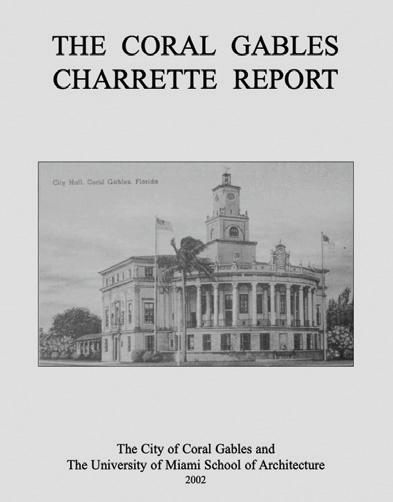
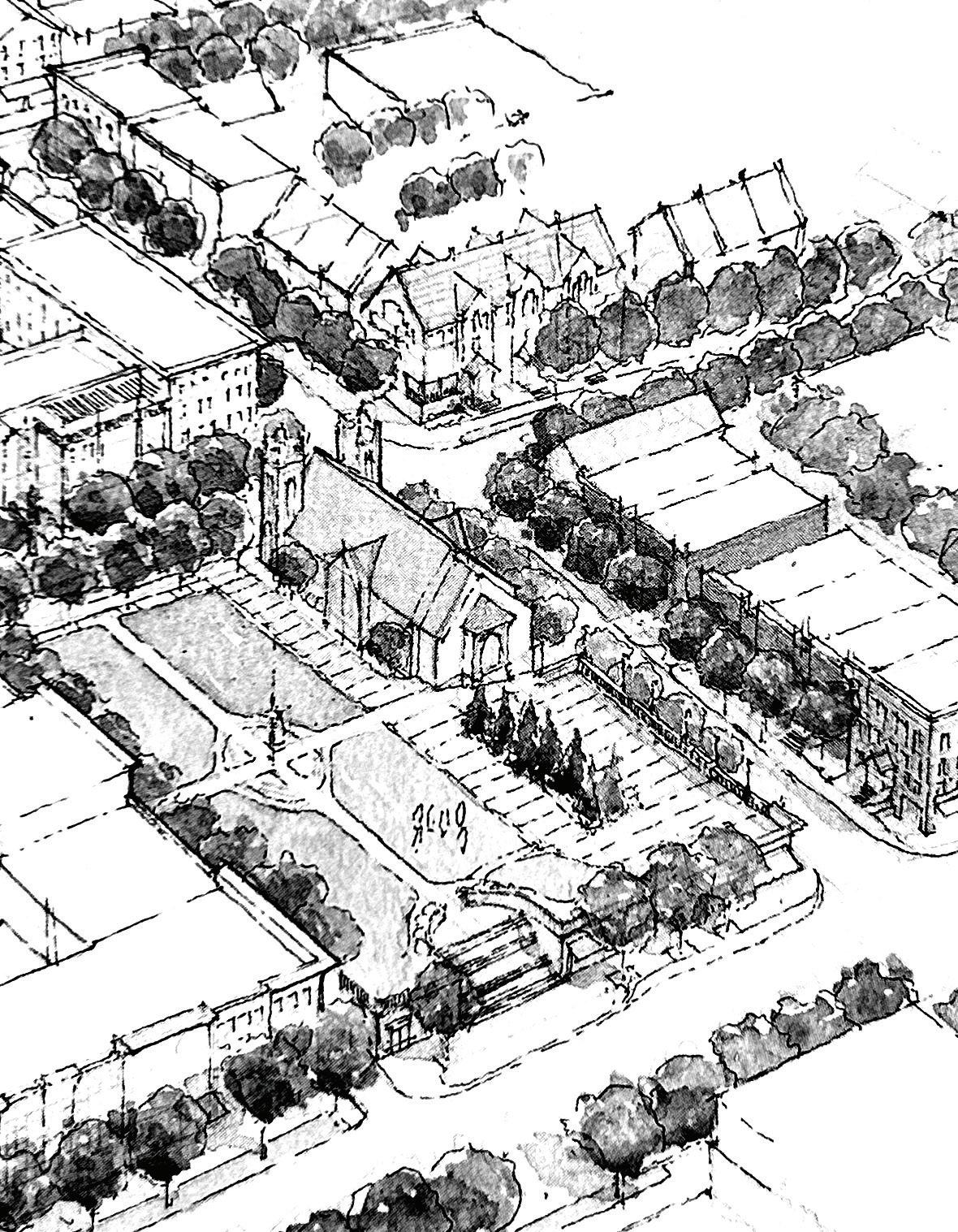
The Coral Gables Charrette is conducted in collaboration with the City of Coral Gables. The master plan focuses on the Central Business District and the North Ponce de Leon neighborhood, led by architecture faculty.

The Jorge M. Perez Architecture Center opens, featuring Glasgow Hall, the Korach Gallery, and the Rinker Conference Classroom.

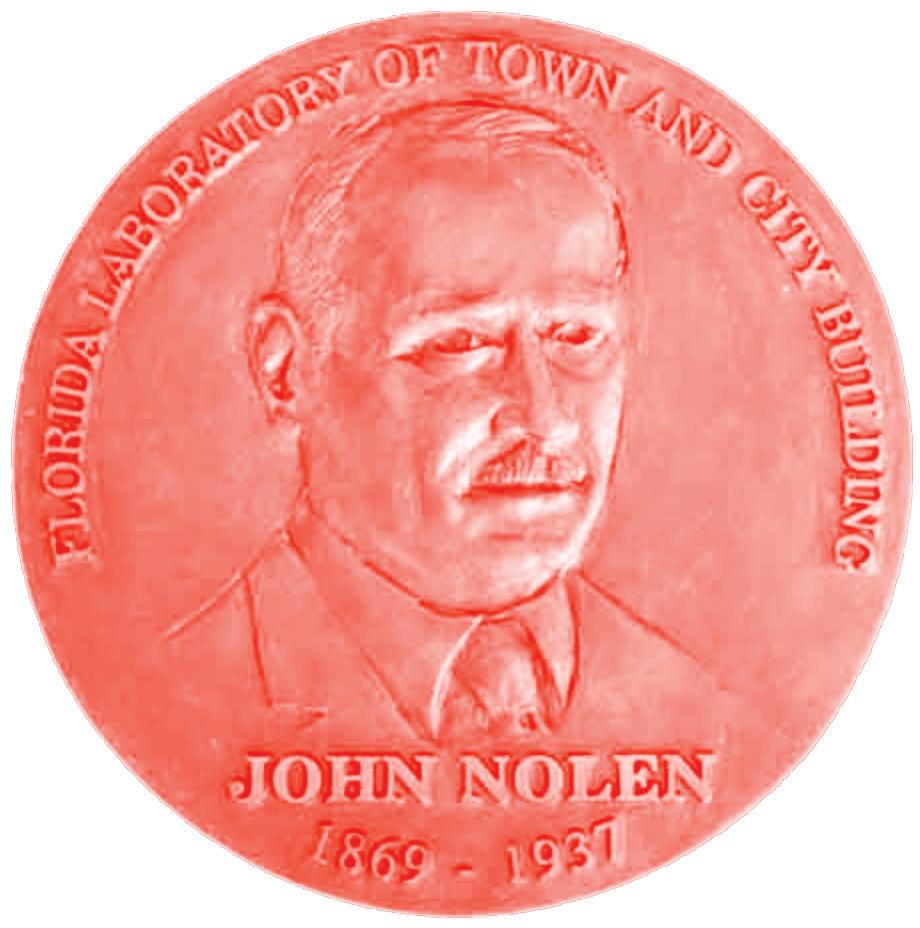
The Congress for the New Urbanism, Florida Chapter, awards the John Nolen Medal to the School.
The Master of Real Estate Development and Urbanism, and certificates in Historic Preservation and Classical Architecture, are launched.

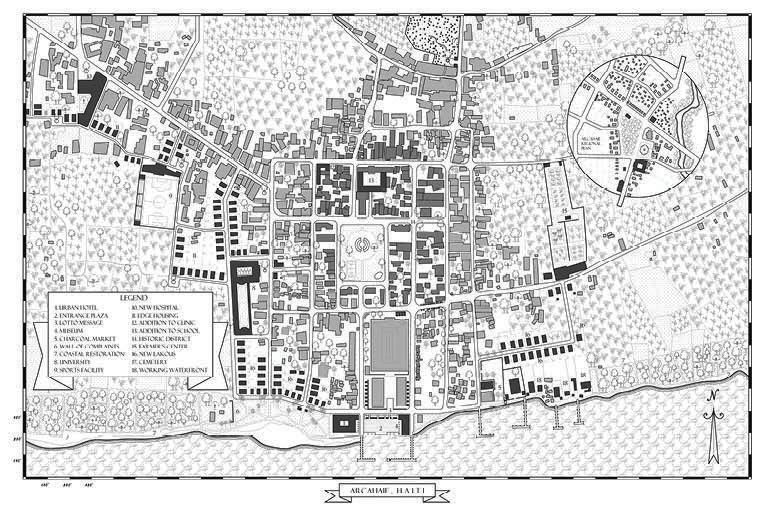
The school leads the Haiti Charrette following the 2010 earthquake, contributing to the Plan d’Action pour le Réèvement et le Développement d’Haïti.
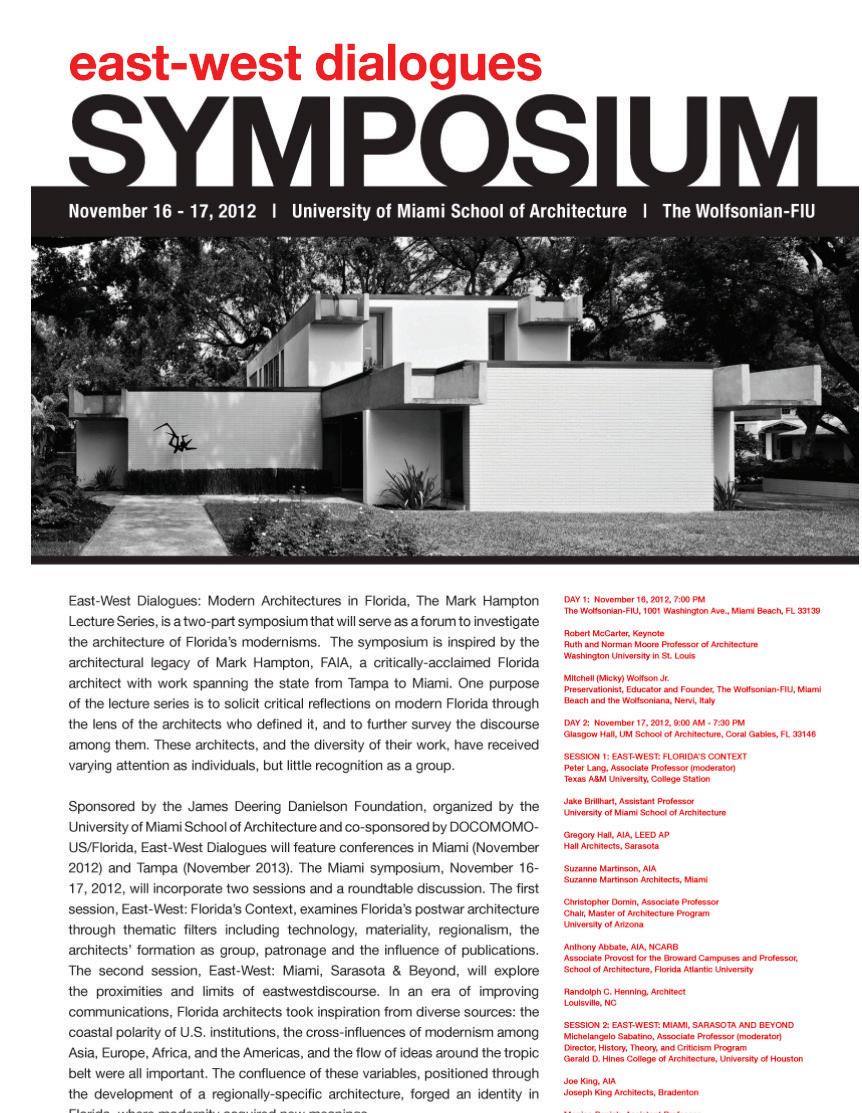

Architecture faculty organize and host the EastWest Symposium on Florida Architecture.
The Real Estate Impact Conference launches.

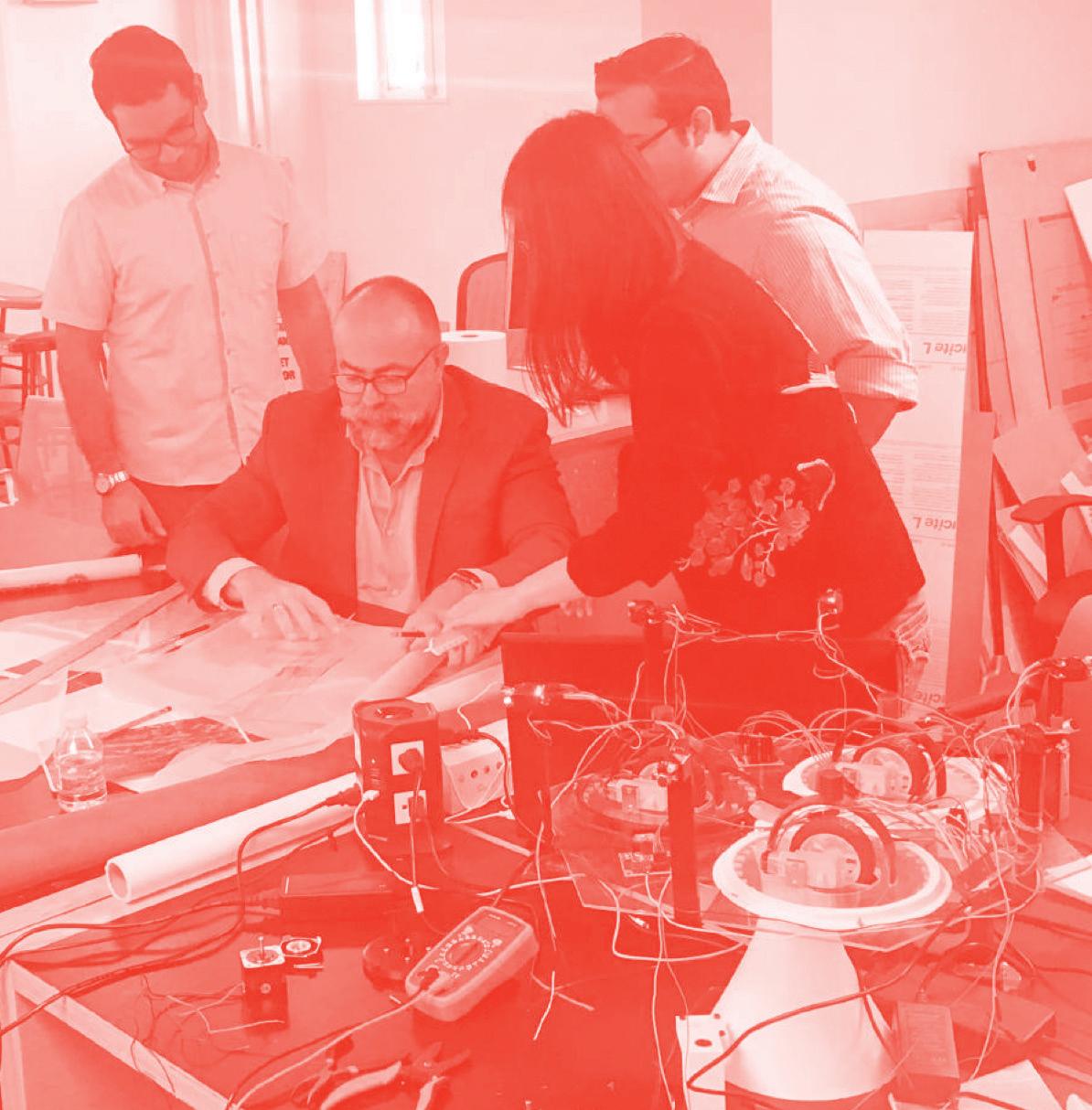
Rodolphe el-Khoury is appointed dean (2014–present).
The RAD Lab launches.

U-Serve, the school’s community service initiative, launches.
The Tecnoglass Lecture Series begins.

The PAIR program launches.
The annual Smart Cities Miami Conference is established in partnership with the Frost Institute for Data Science and Computing.

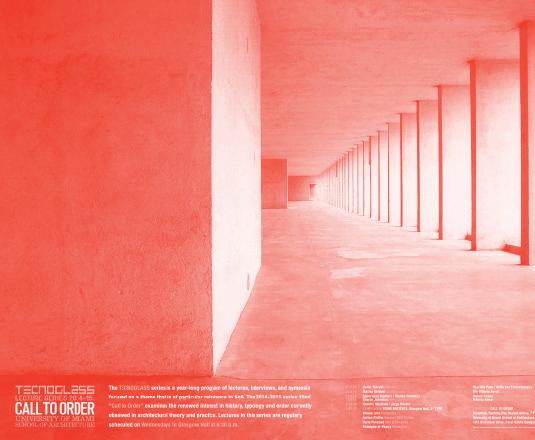
The Master of Construction Management and Executive Master of Construction Management programs launch.
The school hosts the annual meeting of the Places Journal Board.
The University’s Roadmap to Our New Century strategic plan identifies Urban Resilience as a strategic focus.
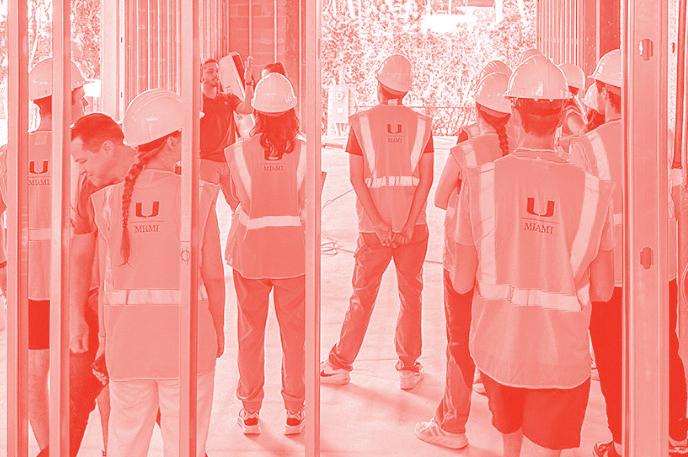
The B.E. & W.R. BuildLab and Thomas P. Murphy Design Studio Building are inaugurated.
The Master of Professional Science in Urban Sustainability and Resilience launches in partnership with the College of Arts and Sciences.
The LU_Lab and CHIL Lab launch.
New graduate certificates are introduced in Design for Health and Well-Being, Sustainable and Resilient Design, Hospitality Design, Construction Management, Urban Design, and Real Estate Development.
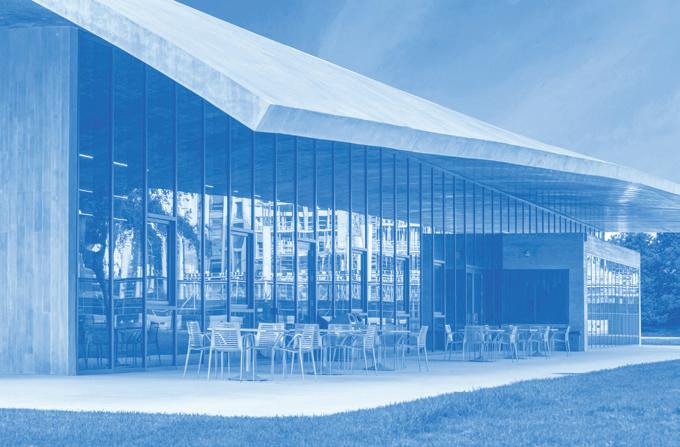


The Tecnoglass Computer Lab, B.E. & W.R. FabLab, and Architecture Research Center open.
The Zenciti Research Unit launches.
Review magazine debuts.

The Campus Future Master Plan is unveiled.


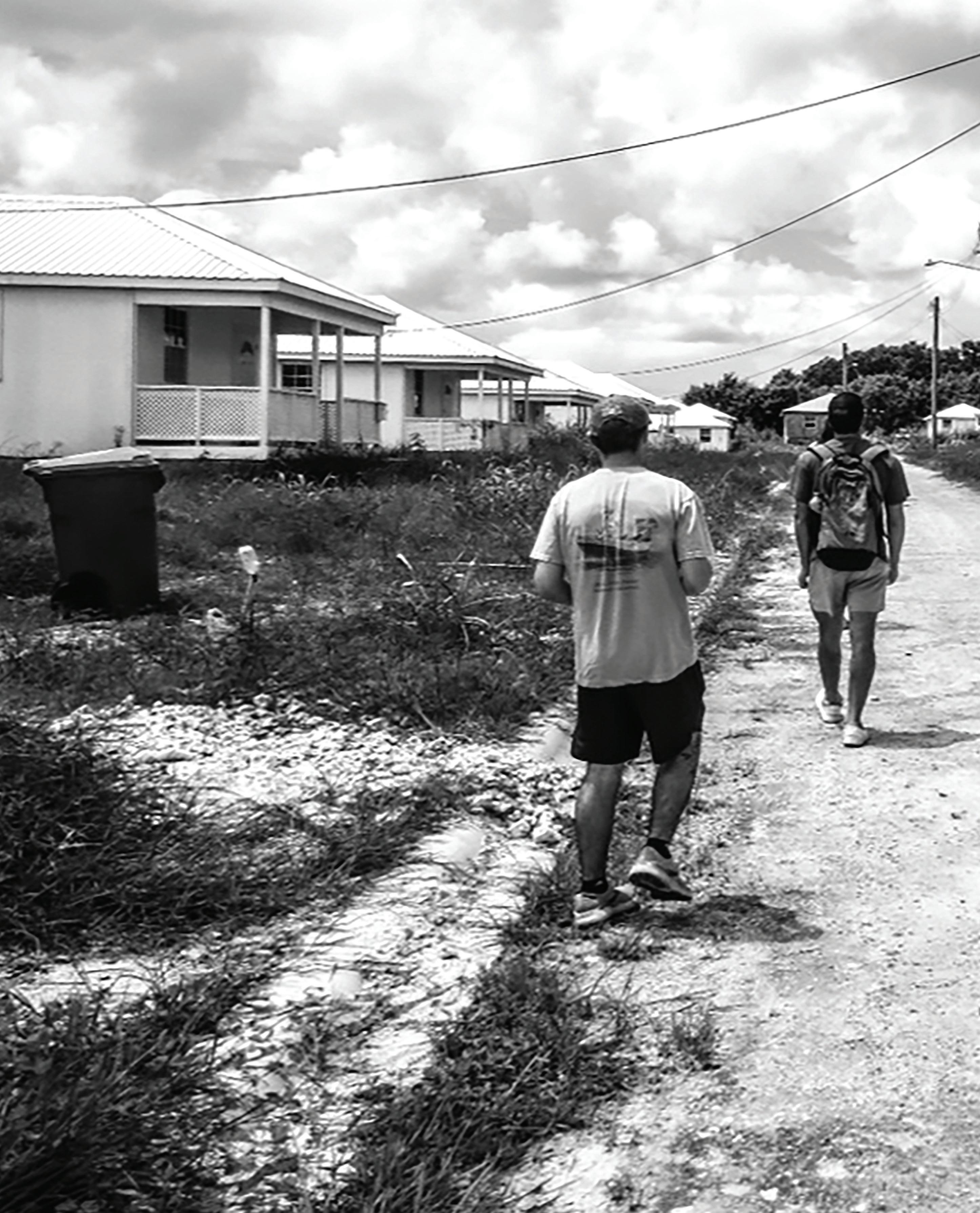
All core studios focus on resilience projects for the Bahamas.
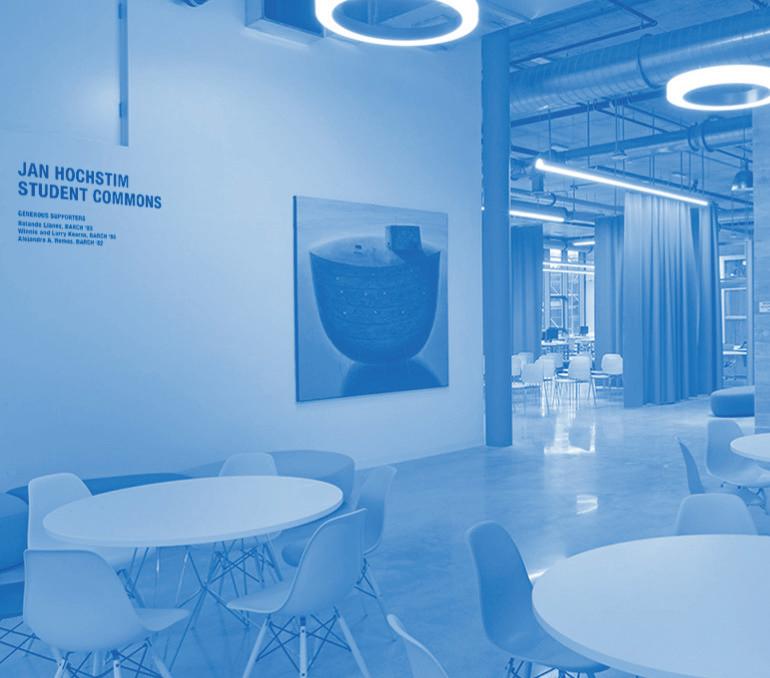
Jan Hochstim Commons is inaugurated.
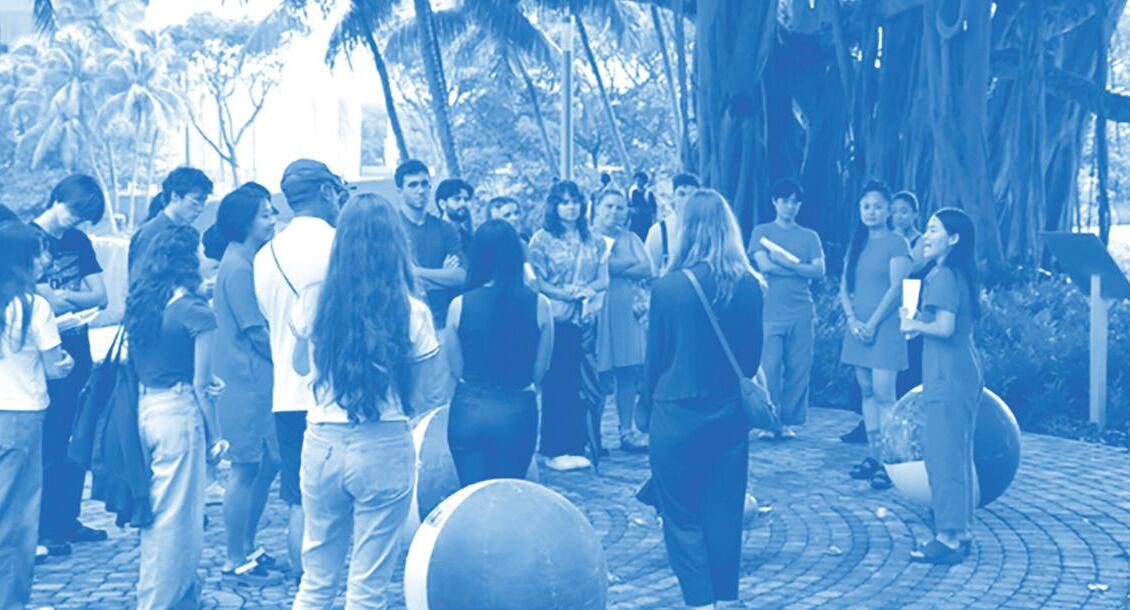


Concroceto LLC (Double C) funds construction research.
The school hosts the second annual Urban Design Academic Council meeting.
The Social and Environmental Justice Prize is introduced.
The Emergent Practitioner Fellowship launches.
The Master of Science in Architecture is redesigned with six areas of specialization: Digital Fabrication and Technology, Classical and Traditional Design, Health care Design, Hospitality Design, Historic Preservation and Adaptive Reuse, and Contemporary Theory of the Built Environment.
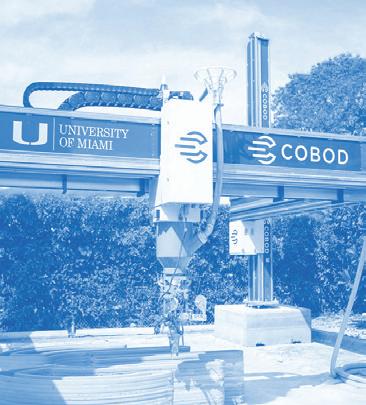
The school partners with COBOD on 3D concrete printing research.
The Murphy Construction Program is named through an endowment gift.
The School of Architecture and the College of Engineering merge their Construction Management programs.
The school hosts the DOCOMOMO and ACADIA National Meeting.
The CoRe Lab launches.
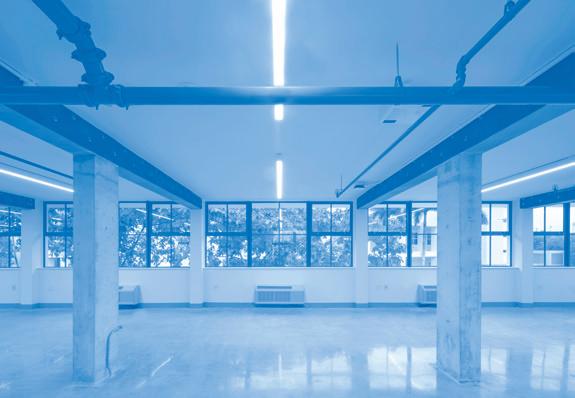
Studios reopen.
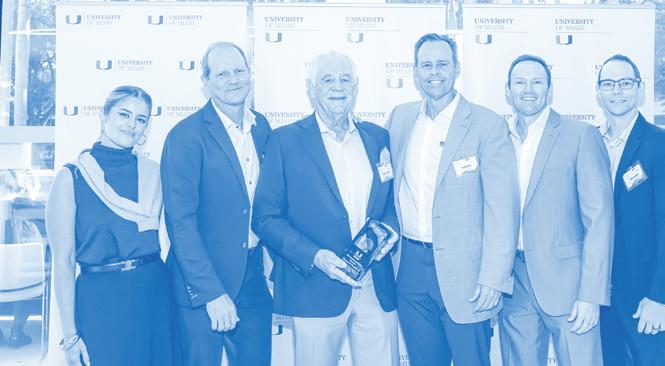
The Tony Goldman Endowed Directorship in Real Estate Development is inaugurated.
The school’s UParis pilot program begins.
The Center for Community and Urban Design (CUCD) is recast as a partnership with the Climate Resilience Institute.

THOMAS
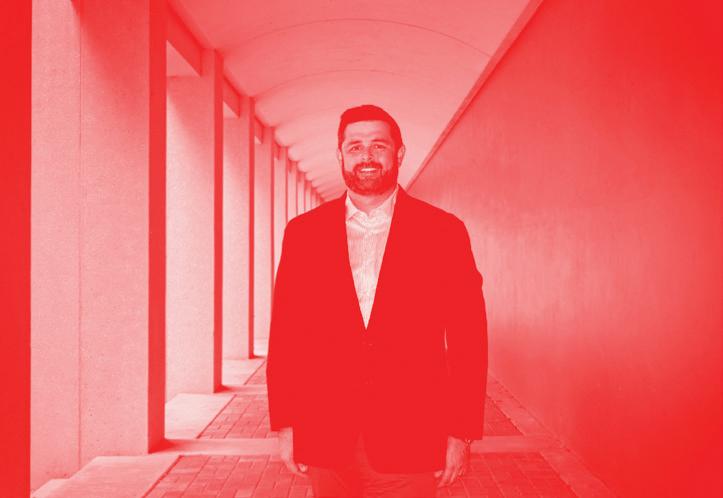
The School of Architecture and the Climate Resilience Institute are pleased to announce the appointment of Thomas Klein as the new director of the Center for Urban and Community Design (CUCD). Klein brings a wealth of experience in resilient design, policy development, and interdisciplinary collaboration, positioning him to lead the CUCD into its next chapter of impact and innovation.
By Madison Brinnon
Founded in 1992 in the wake of Hurricane Andrew, the Center for Urban and Community Design was established with a mission to foster collaborative and interdisciplinary approaches to building sustainable communities. The center integrates research, teaching, and service, encouraging cross-disciplinary action in historic preservation, urban design, community engagement, and resilient design in subtropical and tropical regions. Building on its legacy in post-disaster recovery, the CUCD is now poised to deepen its impact through a strategic partnership between the School of Architecture and the Climate Resilience Institute (CRI). The partnership with CRI will allow CUCD to further expand intersections with the built environment with innovation across the University’s 12 schools and colleges as well as further deploy that innovation to communities across Florida and beyond.
Thomas Klein is a landscape architect and designer who has spent the past decade working at design firms in New York and Denver. His roles have primarily involved serving as a project manager or lead designer on large-scale infrastructure projects. A consistent theme in his work has been urban water and resilience— specifically, how we manage stormwater, engage with waterfronts, and hybridize infrastructure systems to support both ecological and human needs.
Klein’s career reflects a deep commitment to using design as a catalyst for policy change. His work on the Gowanus Canal with SCAPE helped shape his understanding of how resilience standards can be deployed as a tool for creating impactful design. At the Waterfront Alliance, he expanded the Waterfront Edge Design Guidelines (WEDG) to include inland ecosystems, supporting broader ecological resilience. To address the challenge of funding implementation, Klein pursued graduate studies at Harvard Kennedy School, focusing on policy, economic development, and infrastructure finance.
As CUCD director, Klein is already shaping new initiatives. The center will host a workshop during New York City Climate Week on September 24th, and Klein is actively working to involve faculty in these efforts. He will also co-teach a fall studio course at the School of Architecture with senior lecturer Veruska Vasconez focused on resilient housing typologies in the Bahamas, guiding students through community engagement and master plan development. These deliverables will be further refined by CUCD after the course concludes, reinforcing the center’s commitment to long-term, communitydriven design.
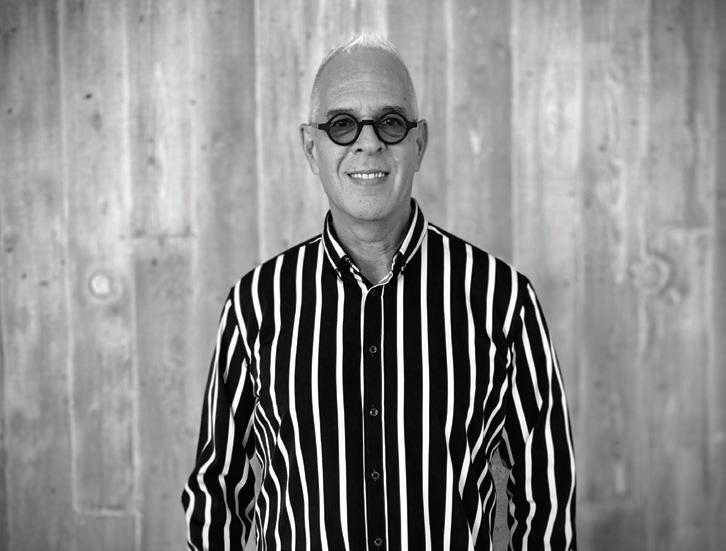
The ancient Greeks believed that creativity was sparked by one or several of the muses. These were the nine daughters of the god Zeus.
These goddesses inspired creators in art, literature, music, and other creative endeavors. To be called a “muse” is to be someone who inspires creativity in an individual.
News@TheU asked several members of the University of Miami community to explore what sparks their creativity. Professor Jaime Correa shared his answer.
Many great thinkers throughout history
have been fascinated by what we now call “creativity,” though the word itself only became common in the 19th century. The idea, however, is much older. From Plato to Kant to Bergson to Sartre, philosophers have long celebrated creativity and imagination as sources of inspiration and as ways to rise above purely rational thought. Creativity was often understood as the ability to form vivid mental/imaginary images—an idea that played a key role in both art and science.
To me, creativity is the ability to imagine and develop new ideas, solutions, or expressions that are both original and meaningful. It’s about thinking beyond the obvious, making unique connections, and bringing something fresh and valuable into the world. It’s the power to generate something new that adds value to life— whether it’s a scientific discovery, a work of art, a building, a city, poetry, or a new way of seeing the world.
Just by looking at our students in the architecture studios, we can recognize that creativity may appear suddenly or develop through continued effort and experimentation. It often blends imagination, knowledge, curiosity, and the courage to try something new. In the creative fields, including architecture and urban design, many questions remain open. Does creativity follow rules, or does it break them? Is it deliberate, unconscious, or both? How do new ideas emerge, and can cognitive science explain the process? What does it truly mean to be creative? What we currently know is that interdisciplinary research proves that creativity and imagination are deeply connected to how we perceive, think, and make sense of reality.
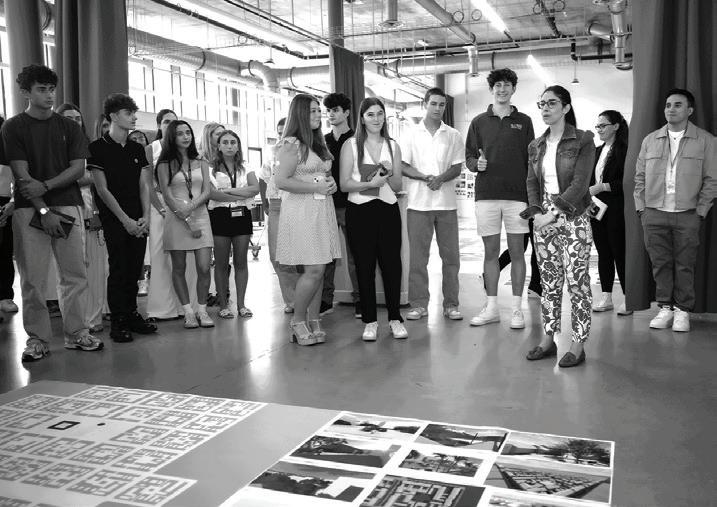
This summer, high school students from across the country joined us for our Summer Scholars Program, an immersive experience where future designers got
hands-on introduction to the world of architecture.
From sketching site plans under the Miami sun, to building their first models in studio, learning from University faculty and touring real projects across the city, these students didn’t just lean about architecture; they lived it.
It was a summer of exploration, creativity, collaboration, and discovering how the built environment can shape our future. We cannot wait to see where these young designers go from here.
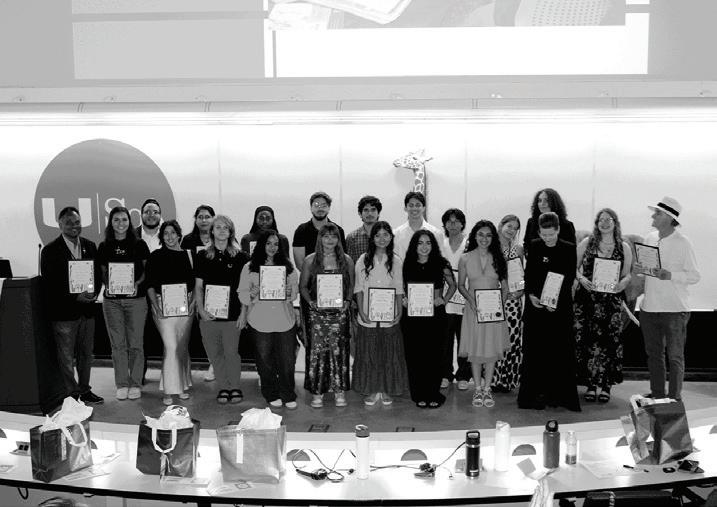
This July, our studios came alive with creativity as we welcomed young designers for the AIA Miami Summer Camp.
Through Architects in the Making (AIM) and Kids Architecture Program (KAP), participants from all ages spent their days sketching, building models, exploring campus, and discovering the power of design.
From learning how spaces are shaped to experimenting with their own ideas, these campers experienced architecture as both an art and a way of thinking. Guided by passionate instructors and inspired by the School of Architecture community, they left with new skills, fresh perspectives, and maybe even the first spark of a future career.
As we embark on a new academic year, we welcome new faculty who will bring fresh perspectives and innovative approaches to the education and mentorship of our students:
Daniel Rodriguez
Michael Steinbaum
Sandra Botros
Maria Cannova Violante
Gabriella Gama
Anthony Garcia
Marc Leverant
Filipe Lourenco
Rosa Milito
Geoffrey Mouen
Julio Perez
Hasna Sal
We also take a moment to honor and thank the distinguished faculty who have recently concluded their time at the University of Miami School of Architecture.
Shawna and Christopher Meyer, now faculty at Tulane University in New Orleans, brought extraordinary vision, expertise and mentorship to the school. Together, they led the Littoral Urbanism Lab (LU_Lab) and earned national and international recognition, including an award-winning project at the Venice Biennale.
As co-founders of Atelier Mey, a full-service interdisciplinary design firm established in Miami in 2018, Shawna and Christopher have championed innovation and craft in architecture. Their work spans from smallbuilt structures and furniture exploring materiality and fabrication techniques to large-scale projects pushing the boundaries of sustainable design, including the first mass timber structure in Miami-Dade County.
Their combined impact on the School of Architecture extends far beyond the classroom, inspiring through design excellence, research, and a commitment to the craft of building. They will be deeply missed as both faculty and mentors.
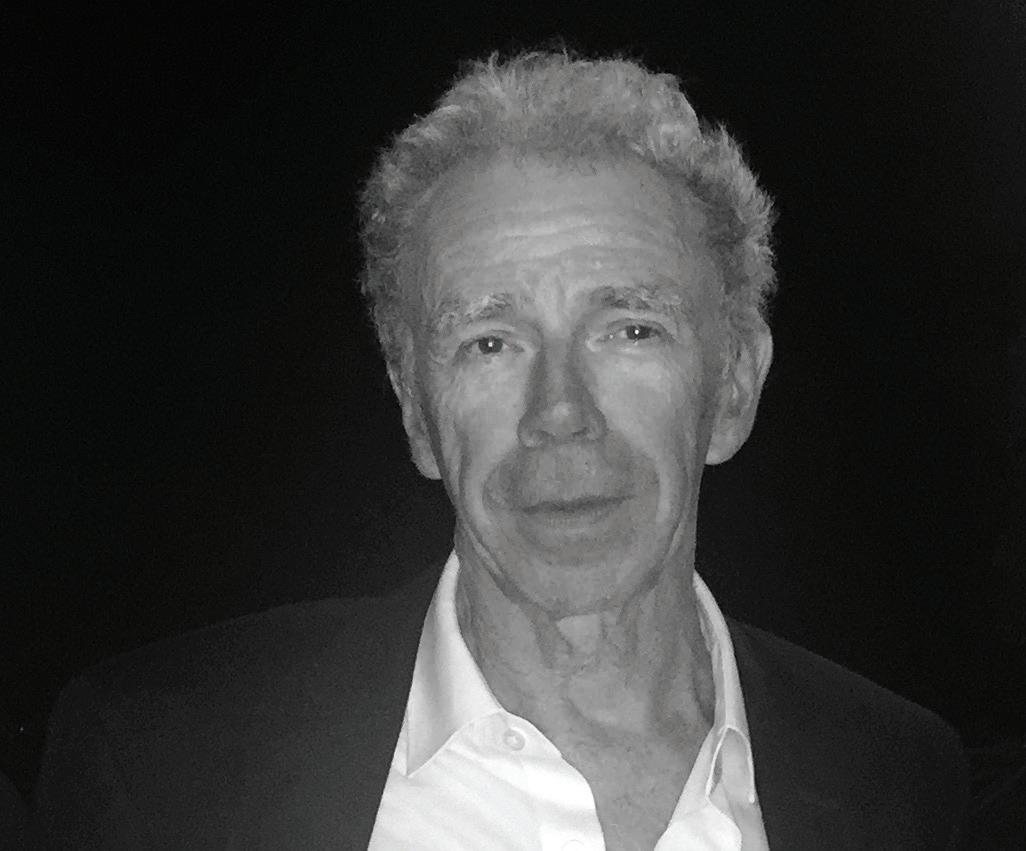
We also recognize Professor Emeritus Jean-François Lejeune (pictured), who has retired after 37 years of dedicated service to the school. A Belgian-born architect and graduate of the Université of Liège, he earned his doctorate at TU Delft in the Netherlands. Lejeune began his career as a researcher and urban designer for the Atelier de Recherche et d’Action Urbaines and the Archives d’architecture moderne in Brussels. He later taught at the Oregon School of Design before joining the University of Miami in 1987, where he pursued a long and stellar academic career.
He taught architecture, urban design and history, and served as director of graduate studies from 2009 to 2014. His publications include The Making of Miami Beach 1933-1942: The Architecture of Lawrence Murray Dixon (Rizzoli, 2001, with Allan Shulman); Cruelty and Utopia: Cities and Landscapes of Latin America (Princeton Architectural Press, 2005, CICA Prize Best Exhibition Catalogue 2005); Sitte, Hegemann, and the Metropolis (Routledge, 2009, with Chuck Bohl); and Modern Architecture and the Mediterranean (Routledge, 2010, with Michelangelo Sabatino). His distinguished
career includes visiting professorships in Brazil, Italy and Spain, and an affiliated fellowship at the American Academy in Rome.
Lejeune’s contributions to the field and impact on the school will be appreciated for years to come. They will be celebrated in a dedicated event to be announced shortly.

The Spring Off-Grid Studio took place across a 3,200-acre site of pastures, wetlands, and oak hammocks. Led by Armando M. Montero, R.A., LEED AP, assistant professor of practice and founding director of the University’s Master of Construction Management program, the studio focused on sustainability, self-sufficiency, and connection to place.
By Madison Brinnon
Instead of starting in a classroom, students began with a weekend visit to Indian Hammock, where they walked through pine flatwoods and prairie openings, met with local residents, and spoke with Mary Jo Barkaszi, chair of the local preservation committee. They studied the site’s ecology and history to better understand its potential for resilient design.
In one highlight, students flew in a 1942 biplane to observe the site from above and gain a new perspective on scale and context.
Back in the studio, students were tasked with designing off-grid, multigenerational homesteads that aligned with the rhythms of the land. Designs included systems for collecting rainwater, using solar energy, managing greywater, and supporting edible gardens. Projects explored passive ventilation strategies, bioclimatic design, HVAC sizing, and material selection based on embodied energy and local sourcing.
“This studio was about more than designing structures,” Montero said. “It was about understanding life systems— water, wind, waste and food—and how architecture can honor them through thoughtful design.”
Students proposed a range of solutions, from clustered housing with communal kitchens to homes inspired by spiraling natural forms. Each project responded to environmental conditions and explored how design can foster resilience, community, and well-being.
Success in the course wasn’t measured by awards but by the quality of ideas— how a home might stay cool under a tree, circulate fresh air naturally, or connect a family to the land.
The studio will return next spring as “The Rural Studio,” aiming to prepare students to design for changing climates and evolving community needs.
“What we’re asking,” Montero said, “is how can we build lives—not just buildings— between earth and sky?”

University of Miami School of Architecture student Lucy Miller has been officially sworn into the U.S. Navy Civil Engineer Corps through its Naval Architecture Program, committing to military service while completing the final year of her Bachelor of Architecture degree.
By Madison Brinnon
Originally from Cincinnati, Miller is in her fifth year at the University of Miami. Her decision to join the Navy reflects a longstanding desire to serve and a passion for design rooted in public service.
“I’ve always wanted to use architecture as a way to give back,” Miller said. “The military has given so much to my family and this is my way of contributing something meaningful in return.”
Miller grew up in a service-oriented family. Her father, Dr. Sean Miller, served in the Army’s 101st Airborne Division during Desert Storm before entering the medical field. Her sister is currently enrolled at the U.S. Naval Academy and is expected to graduate in 2027.
It was a former high school water polo coach Frank Guzman, now an active member of the U.S. Coast Guard, who first introduced Miller to the idea that architecture could intersect with
military service. That early conversation planted the seed. Later, mentor and architecture professor Steven Brooke helped her develop her professional voice, encouraging her to find her “why” within the discipline.
While pursuing architecture, Miller was also a Division I athlete. She swam for the Hurricanes for three seasons, competing at the ACC Championships each year and at the 2024 TYR Pro Swim Series in San Antonio. Her experience balancing the demands of architecture and Division I swimming instilled a strong sense of commitment and endurance that she now brings to her path in the Navy.
The Navy’s Naval Architecture Program supports students financially during their final one to two years of study, offering a monthly wage in exchange for a commitment to military service after graduation. Miller will serve four years of active duty followed by four years in the Navy Reserve. After graduating with her Bachelor of Architecture, she will complete 13 weeks of officer training and a semesterlong civil engineering course in Southern California before receiving her first duty assignment.
Her role in the Civil Engineer Corps will involve designing and overseeing the construction of shore-based facilities that support naval operations around the world. Assignments rotate every two to three years based on project needs.
This summer, she is interning at Merrick & Co., a firm known for high-performance facilities and government architectural contracts. The experience will prepare her for the scale and complexity of Navy projects by offering insight into how private-sector design supports public infrastructure.
“Naval architecture is a niche field, and not many people know about it, especially within architecture,” Miller said. “But there’s a real need for students with design backgrounds to join. I’m proud to be stepping into that space.”
For Miller, military service is more than a job; it’s an extension of the discipline and purpose that have guided her through five years of studio and a lifetime of competitive sports. This next step isn’t just a career, it’s a calling.
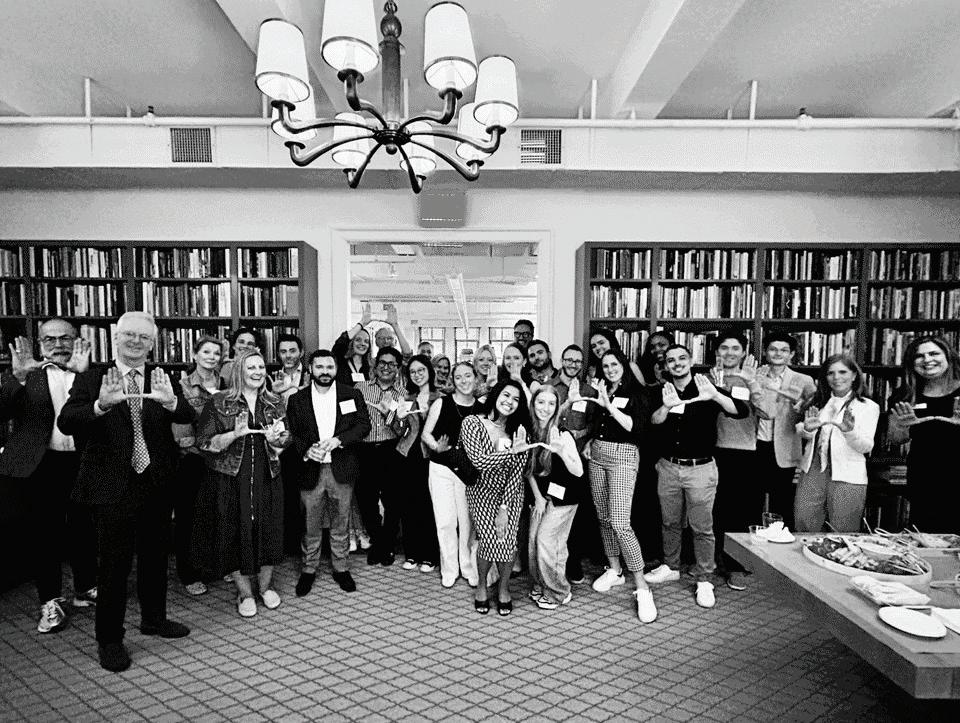
This summer, we had the pleasure of reconnecting with alumni and friends in New York City and Boston. Thank you to all who joined Dean Rodolphe el-Khoury to share your stories, celebrate your successes, and reflect on your time at the U.
These gatherings remind us of the strength and spirit of our alumni community—and we’re excited to keep the momentum going.
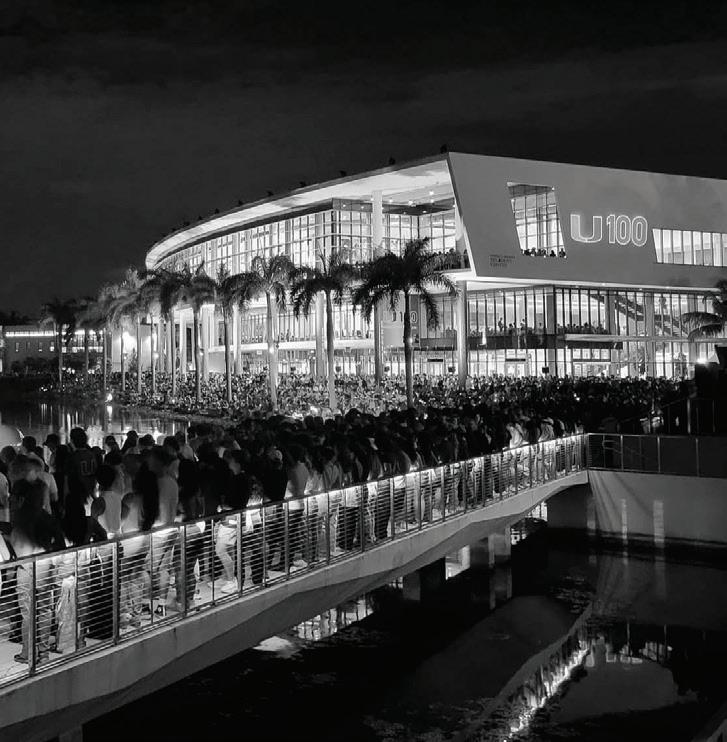
THANK YOU FOR CELEBRATING THE UNIVERSITY OF MIAMI’S CENTENNIAL WITH US
Dear Friends of the School of Architecture,
Thank you to everyone who joined the School of Architecture in the University of Miami’s Centennial Celebration April 8 and 9. Alumnus Larry Kearn’s Centennial Alumni Lecture was a beautifully crafted review of one significant professional trajectory and the University of Miami education that was its foundation. A video of the evening is available here. Your support and participation made this historic moment especially meaningful for our community.
Other centennial activities at the school continue. We’re grateful for the many submissions received for the publication exhibit. These contributions reflect the intellectual legacy of our school and its place within the University’s 100-year history. The exhibit is set to open in fall 2025, and we will announce the official launch date this summer.
We also extend our thanks to all who submitted designs for the School of Architecture Centennial Medal Design Competition. Over the next month, a committee will review the entries and select one to move into production. The winning design will be announced this summer.
Thank you again for helping us honor the past and imagine the future. We look forward to your continuing participation in our centennial celebrations.
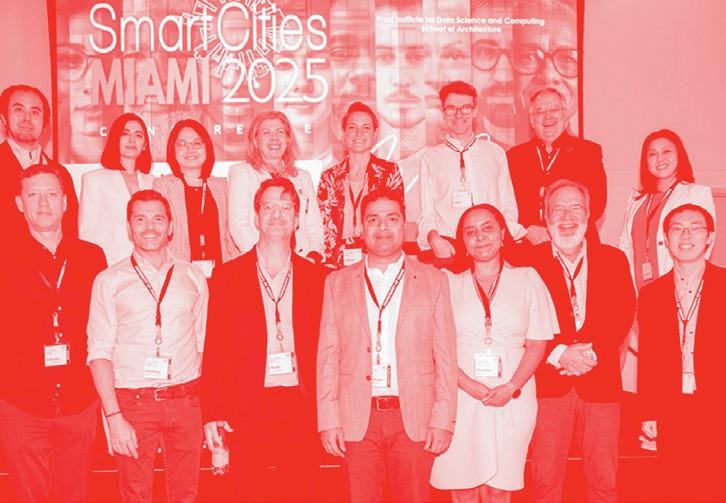
The University of Miami School of Architecture and the Frost Institute for Data Science and Computing hosted the ninth annual Smart Cities Miami Conference on April 3-4. The two-day event, held on the Coral Gables campus, brought together leading scholars, designers, and policymakers to explore how urban technology, data, and design can be combined to create more agile, human-centered, and sustainable cities.
By Madison Brinnon
The conference began with opening remarks from Rodolphe el-Khoury, dean of the School of Architecture, and Sarbeswar Praharaj, conference chair and director of the University’s Urban Sustainability and Resilience Program.
The opening keynotes were delivered by Jennifer Clark, professor and head of the City and Regional Planning Section at the Knowlton School of Ohio State University, and Nathalie Crutzen, a professor of management science and director of Smart City Institute at the University of Liège in Belgium.
Clark urged attendees to rethink their approach to smart cities, asking, “Why the city?” instead of “Why the technology?” Drawing on over two decades of research practice, she unveiled a model for cities as platforms for technology diffusion and experimentation. She also invited the participants to reflect on five key premises behind contemporary urban innovation processes based on her award-winning book, “Uneven Innovation: The Work of Smart Cities.”
Crutzen, while arguing “what is a smart city?” submitted that smart cities are multi-stakeholder ecosystems involving local governments, citizen associations, businesses, universities, and international organizations—all working together and using digital technologies as tools to achieve sustainable economic, social, and environmental outcomes. Crutzen promoted vital lessons for urban practitioners for shaping context-specific smart city strategies that can boost entrepreneurial ecosystems.
The conference attendees also enjoyed captivating talks by Fabio Duarte from the
Massachusetts Institute of Technology and Anthony Townsend from the Urban Tech Hub at Cornell Tech. Duarte demonstrated how urban data science can be leveraged to tap into cell phone data for mapping social behavior and uncovering the spatial structures of human mobility, thereby optimizing municipal services and infrastructure.
Townsend elevated the discussions with solutions to “how AI can build a brighter urban future,” examining community resilience and autonomous decisionmaking with AI. He forecasts that the generative design tools will enable the public to craft their own visions of urban resilience.
The conference hosted panel discussions with local government and industry leaders in South Florida. The City of Coral Gables chief innovation officer and Paula Christina Viala, City of Pompano Beach sustainability coordinator and a University alumna alumnus, discussed ways that city councils are engaging with urban technologies to enhance quality of life. Industry veterans such as NVIDIA were also involved in grounding the conversations in impactful ways.
The second day of the conference brought together a select group of international experts for a scientific workshop. Participants engaged in collaborative brainstorming to develop a special issue of the Journal of Urban Technology, furthering the conference’s mission of linking research, practice, and policy to build smarter and more sustainable cities.
Reflecting on the conference, Martin de Jong, a professor and visiting delegate from the Erasmus University Rotterdam, says: “Engaging with cross-cutting scholars and professionals at the conference opens new possibilities for all of us for shaping collectively fresh ideas that can inspire local and global action for urban futures where digital technologies can enable broad-based prosperity.”
The quality and scientific rigor of the presentations, vibrant audience engagement, and tangible scholarly outcomes from the conference are consistent with our vision to provide a platform for debate on cities and technology and make progress on some of the most complex issues facing humanity, said Professor Sarbeswar Praharaj, the conference chair.
Students in a Historic Preservation Studio in the University of Miami School of Architecture presented their projects for Fort Dallas Park during a final review.
Oriana Davila, along with seven of her classmates, were displaying their projects during a final review for their Historic
Preservation Studio last week, a class headed by Ricardo Lopez, a lecturer at the School of Architecture, that explores how to preserve the historic nature of Fort Dallas Park, a sliver of land at the mouth of the river that still holds one of the original Flagler’s Workers Cottages. The cottages were built to house the workers of Florida pioneer Henry Flagler’s Royal Palm Hotel.
By Barbara Gutierrez, UM News

Oriana Davila, a University of Miami School of Architecture student, unveiled a colorful drawing in which Tequesta Indians gazed at the present-day Miami skyline.
“They were disoriented at first, but then they saw the river, and they knew where they were,” she said. “The Miami River is a constant and has remained the same.”
Davila, along with seven of her classmates, were displaying their projects during a final review for their Historic Preservation Studio last week, a class headed by Ricardo Lopez, a lecturer at the School of Architecture, that explores how to preserve the historic nature of Fort Dallas Park, a sliver of land at the mouth of the river that still holds one of the original Flagler’s Workers Cottages. The cottages were built to house the workers of Florida pioneer Henry Flagler’s Royal Palm Hotel.
The small park is one of the few areas in downtown Miami that has not fallen victim to redevelopment.
RJ Heisenbottle Architects (where Lopez is a principal) has prepared the construction drawings for the upcoming restoration of the historic Flagler Worker’s Cottage, which will harden the structure against the elements while preparing the interior for a future, yet currently unknown, tenant.
“The City of Miami wants to restore the cottage, but there are no plans on what to do with the rest of the park,” said Lopez. “We took it upon ourselves to get to know the site and to consider what might be viable uses for that park so that we can share it with the city and help shape a program that they can commit to.”
The studio decided to explore how the area could become an attractive recreational area for residents and visitors. Using the Miami River as the background, the students’ projects aimed to create a
green space in an area that is filled mostly with high-rise buildings.
For her project, Elise Palenzuela, a fifthyear student, envisioned a building with 2,500 square feet of space adjacent to the present cottage that would be a museum to house precious artifacts of the Tequesta Indians that are now kept at the HistoryMiami museum.
“This would bring people in to experience the site in a completely different way that it is experienced now,” she said. Her design would make the cottage an administrative office and would create a central plaza with cascading fountains to encourage outside activities. She would also bring back the docks lining the river for easy access to visitors. The design also included an open café.
She would use keystone and wood accents throughout her structures and would elevate the buildings to prevent flooding.
“The Yellow House” is how Carolina Gonzalez named her project. She proposed that the Flagler Worker’s Cottage could be turned into a café/bar connected to a kitchen to serve visitors.
An outdoor stage area would be used for live music and concerts. Its stage would be made of wood and shaped like a canoe to hark back to the history of the original inhabitants of Miami.
The students started their studio by studying the early history of Miami, including the daily lives of the Tequesta, who were the original residents of the area. Fishing was one of the Tequestas’ main sources of sustenance.
This inspired Davila and her partner, Karen Abboud, to turn Fort Dallas Park into a fish market and restaurant where visitors could buy the fish and take it home or choose to have the fish cooked at the outdoor restaurant. They called their project “La Pesca.”
“To maintain the presence of nature in the park, we did not remove any trees,” said Davila. The cottage would serve as the fish market and there would be stalls, tables, and an open pavilion that could be rented for birthday parties and other functions.
The students presented their work before Adib J. Cure, associate professor in practice, and graduate student Ladine Rosier, who offered praise and constructive criticism of the projects.
RESILIENCE 365 CONFERENCE TACKLES CATALYTIC CONVERSATIONS FOR THE NEXT 100 YEARS
Local and national resilience leaders from academia, government, the nonprofit sector, and private industry
converged at the University of Miami to share emerging trends and inspire new ideas to catalyze resilience action. The Resilience 365 Conference also marked the start of Miami Climate Week, a series of communitywide events designed to spark conversation, action, and network building around resilience.
Faculty from the School of Architecture participated in the event, with Dean Rodolphe el-Khoury and Professor Joanna Lombard serving as moderators. Professor Esber Andiroglu also contributed as a panelist.
By News at The U
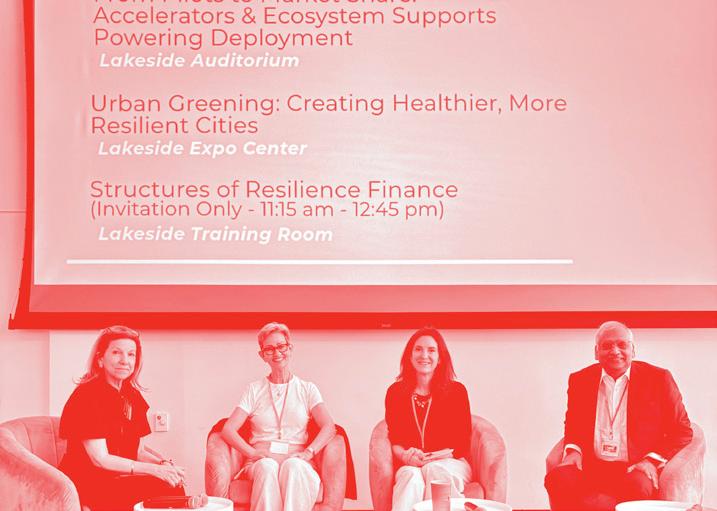
Local and national resilience leaders from academia, government, the nonprofit sector, and private industry will converge at the University of Miami next week to share emerging trends and inspire new ideas to catalyze resilience action. The conference also marks the start of Miami Climate Week, a series of communitywide events designed to spark conversation, action, and network building around resilience.
The University’s Climate Resilience Institute is partnering with Miami-Dade County and Miami Climate 365 to host the inaugural conference titled “Resilience 365: Catalytic Conversations for the Next 100 Years.”
“Making our communities stronger in the face of shocks and stresses is an inherently interdisciplinary undertaking,” said Michael Berkowitz, executive director of the Climate Resilience Institute. “This conference will foster conversations between innovators and resilience builders from academia, government, civil society, and the private sector, enabling us to develop real solutions to our most pressing challenges.”
The conference will be held Monday, March 24, and Tuesday, March 25, from 8 a.m. to 5 p.m. at the Lakeside Village Expo Center and other spaces around campus. University students and faculty and staff members can attend free of charge.
Over the course of two days, the more than 30 conference sessions will feature local and national experts in the field, including nearly 20 University faculty members from diverse disciplines such as medicine, economics, architecture, environmental policy, marine biology,
environmental law, and environmental engineering. The conference will focus on three areas: climate and resilience finance, how to build resilient communities, and how climate technology can help resolve the most pressing global challenges.
Some featured speakers include Rebecca Benner, managing director for climate programs at The Nature Conservancy; Henk Ovink, executive director for the Global Commission on the Economics of Water; Jane Gilbert, Miami-Dade County chief heat officer; and Daniella Levine Cava, MiamiDade County mayor, to name a few. A full schedule of speakers and panels is listed on the Resilience 365 Conference website.
The conference aims to spark collaborations and provide opportunities to share knowledge on new developments in the climate resilience field, while also energizing movement and policy among thought leaders across the nation and community members in partnership with Miami-Dade County.
Started in 2022 through a generous donation from Eric T. Levin, the Climate Resilience Institute at the University of Miami aims to support faculty and students across the University’s 12 schools and colleges to cultivate the next generation of climate resilience leaders and establish South Florida as a leader in climate resilience innovation.
Miami Climate Week runs from March 23 to 29 and is the signature event of the new Miami Climate 365 initiative, created to inspire and mobilize community-driven climate action across Miami-Dade County. This Resilience 365 Conference kicks off a week of county events aimed to help residents understand the challenges Miami could face with climate variability, while celebrating its bountiful natural beauty and spreading awareness about the need to protect local resources.
“We are thrilled to kick off the week with the support of the University of Miami Climate Resilience Institute,” said David Duckenfield, executive director of Miami Climate 365 and Miami Climate Week. “The Resilience 365 Conference provides a crucial foundation for this weeklong series of events and activities across the county, which will explore collective actions and opportunities to create a more resilient future.”
The 2025 Spring Salon series, “Exploring Resilience through Public and Private Pathways—a unified approach to adaptation,” was co-hosted by the School of Architecture and the City of Miami Beach Office of Resilience, and curated by Professor Sonia Chao and Amy Knowles, chief resilience officer for the City of Miami Beach. “The goal of the series was to consider coastal
resilience at both macro and micro levels, incentivize community discussions, encourage adaptation action, and to broaden awareness,” according to Chao. The two-part lecture series, held at the Miami Beach Botanical Garden, was open to the public, providing attendees with insights into resilience strategies that directly impact their communities. Students enrolled in Chao’s Introduction to Resilient Building and Community Design course attended both sessions and later furthered the discussions directly with the panelists.
By Madison Brinnon
In 1992, Hurricane Andrew devastated South Florida, destroying homes and historic buildings. The widespread damage led to significant improvements in building codes, including wind provisions from a national standard, impact-resistant glazing requirements, and positive ties at all connections to resist uplift forces. These updates made the Florida Building Code at the time one of the strongest in the nation.
Despite a remarkable recovery from Andrew’s destruction, the region remains vulnerable to hurricanes, flooding, and the growing effects of climate change. Miami’s rich cultural and architectural heritage— particularly in its coastal and riverfront settings—is increasingly at risk.
The Spring-term Salon series was introduced in 2022 by Sonia Chao, associate dean of research at the School of Architecture, as an addition to the school’s robust lecture and outreach programming. Inspired by the informal gatherings of the past, the Salon series fosters the exchange of ideas through engaging and interactive discussions. The inaugural event celebrated the School of Architecture’s graduate programs, including the interdisciplinary Master of Professional Science in Urban Sustainability and Resilience. The following year, the series highlighted faculty-led research initiatives through interdisciplinary labs. In 2024, the Salon series, co-hosted by the School of Architecture and the U.S. Department of Housing and Urban Development, focused on the critical issue of affordable housing availability in Miami-Dade County.
The 2025 Spring Salon series, “Exploring
Resilience through Public and Private Pathways—a unified approach to adaptation,” was co-hosted by the School of Architecture and the City of Miami Beach Office of Resilience, and curated by Chao and Amy Knowles, chief resilience officer for the City of Miami Beach.
“The goal of the series was to consider coastal resilience at both macro and micro levels, incentivize community discussions, encourage adaptation action, and to broaden awareness,” according to Chao. The two-part lecture series, held at the Miami Beach Botanical Garden, was open to the public, providing attendees with insights into resilience strategies that directly impact their communities. Students enrolled in Chao’s “Introduction to Resilient Building and Community Design course attended both sessions and later furthered the discussions directly with the panelists.
During the second evening, School of Architecture Dean Rodolphe el-Khoury, alongside Miami Beach’s Assistant City Manager, Maria Hernandez, a School of Architecture alumna, opened the event with remarks, setting the stage for discussions on how the City of Miami Beach is supporting property owners in adapting to climate challenges. A key topic was the Fight the Flood Private Property Adaptation Program,” a grant reimbursement initiative designed to help historic property owners fund adaptation efforts.
Juanita Ballesteros, sustainability and resilience manager for the City of Miami Beach, presented the program’s phased approach. The first phase includes an assessment of each property’s structural challenges and homeowner needs, offering three adaptation options for owners to consider. The second phase involves a formal land agreement with the property owner and city-supported guidance throughout the design and build process.
Miami Beach’s historic architecture presents unique challenges for climate adaptation. Many structures require significant modifications to withstand rising sea levels and extreme weather events, making resilience efforts both complex and costly. The adaptation fund aims to alleviate these financial barriers while preserving the city’s architectural heritage. Discussions encompassed various topics, including building assessments and potential options for the transfer of development rights. Professor Allan Shulman directed the audience to the Buoyant City report, which his professional practice had previously prepared for Miami Beach.
Additionally, Chao recommended that individuals interested in gaining further insights into that report, as well as the Resiliency + Preservation pamphlets developed by her research group, could access both documents through the City’s resilience website or her CoRe Lab’s website. An expert panel explored
how to foster holistic resilience citywide. Session moderator, Amy Knowles, guided the panel discussion. Panelists included: Allan Shulman, professor at the University of Miami and principal of Shulman + Associates; Debbie Tackett, historic preservation and architecture officer for the City of Miami Beach; and Alec Bogdanoff, adjunct faculty at the University’s Rosenstiel School of Marine, Atmospheric, and Earth Science and at Florida Atlantic University and principal of Brizaga. Discussions centered on incentivizing property owners to invest in resilience, developing guidelines for historic preservation in a changing climate, and enhancing community walkability and livability.
The Spring Salon series will continue in 2026, and Chao’s co-host will be Dr. Brian Haus, associate dean at the Rosenstiel School, chair of the Department of Ocean Sciences, and director of the SUSTAIN facility. The focus will shift to nature-based solutions for coastal resilience and the “urban terroir.”
The Florida Chapter of the Institute of Classical Architecture & Art has announced the winners of the annual Addison Mizner Awards for Excellence in Classical and Traditional Architecture, and members of the University of Miami School of Architecture community are among this year’s distinguished recipients.
Named after the influential architect Addison Mizner, the awards celebrate individuals and design firms who advance the ideals of classicism and traditional design in architecture, urbanism, and the allied arts.
This year’s School of Architecture honorees include:
Professor Teofilo Victoria –World Accomplishment Award
Professor Frank Martinez – Pedagogy Award
Professor Victor Dover – Service Award
Students Tyler Dowd and Kayla Remold –Emerging Classicist Award for The Garden Folly, Vizcaya Museum and Gardens, Miami, FL
Congratulations to our faculty and students for their outstanding contributions to classical and traditional design.
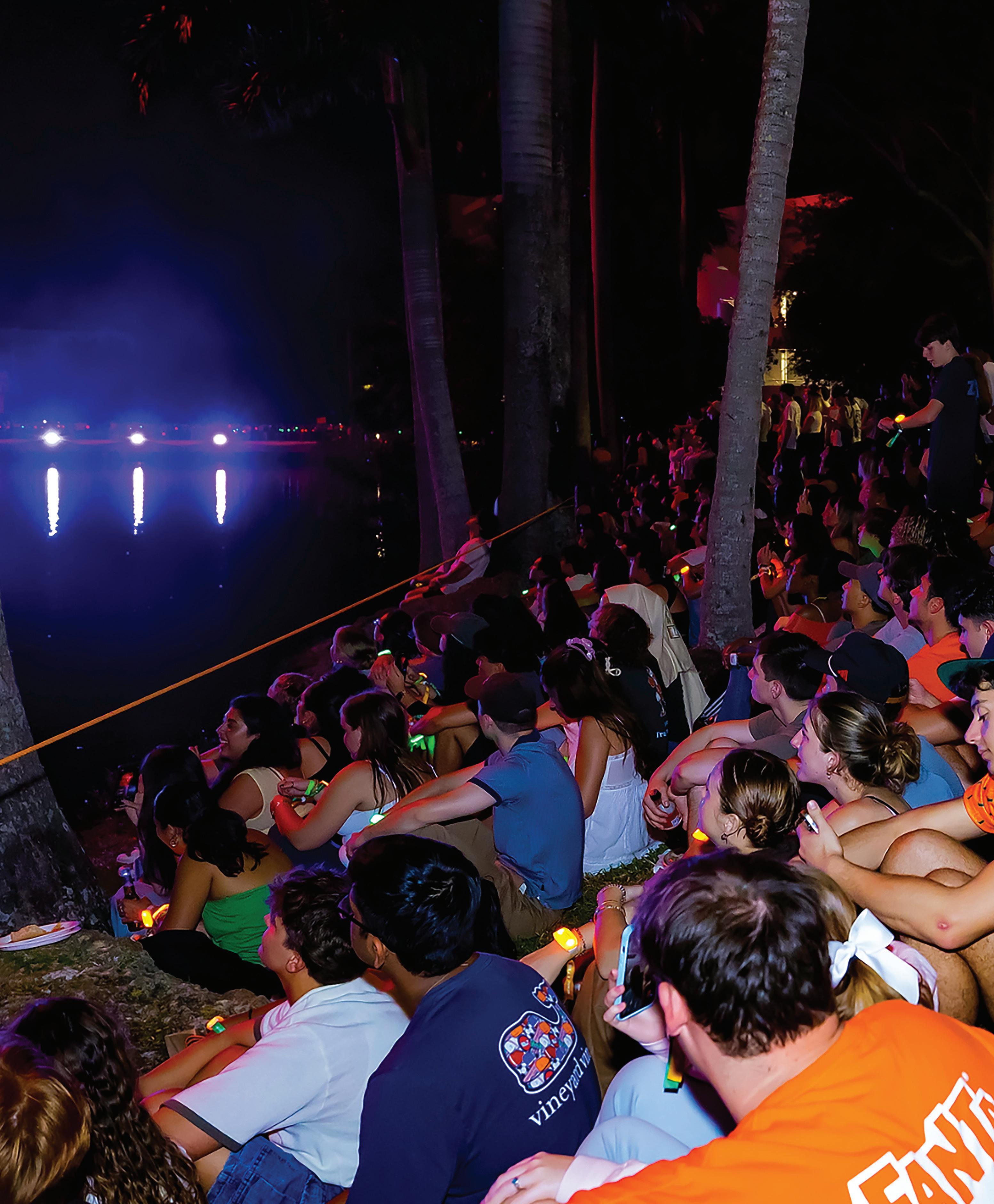
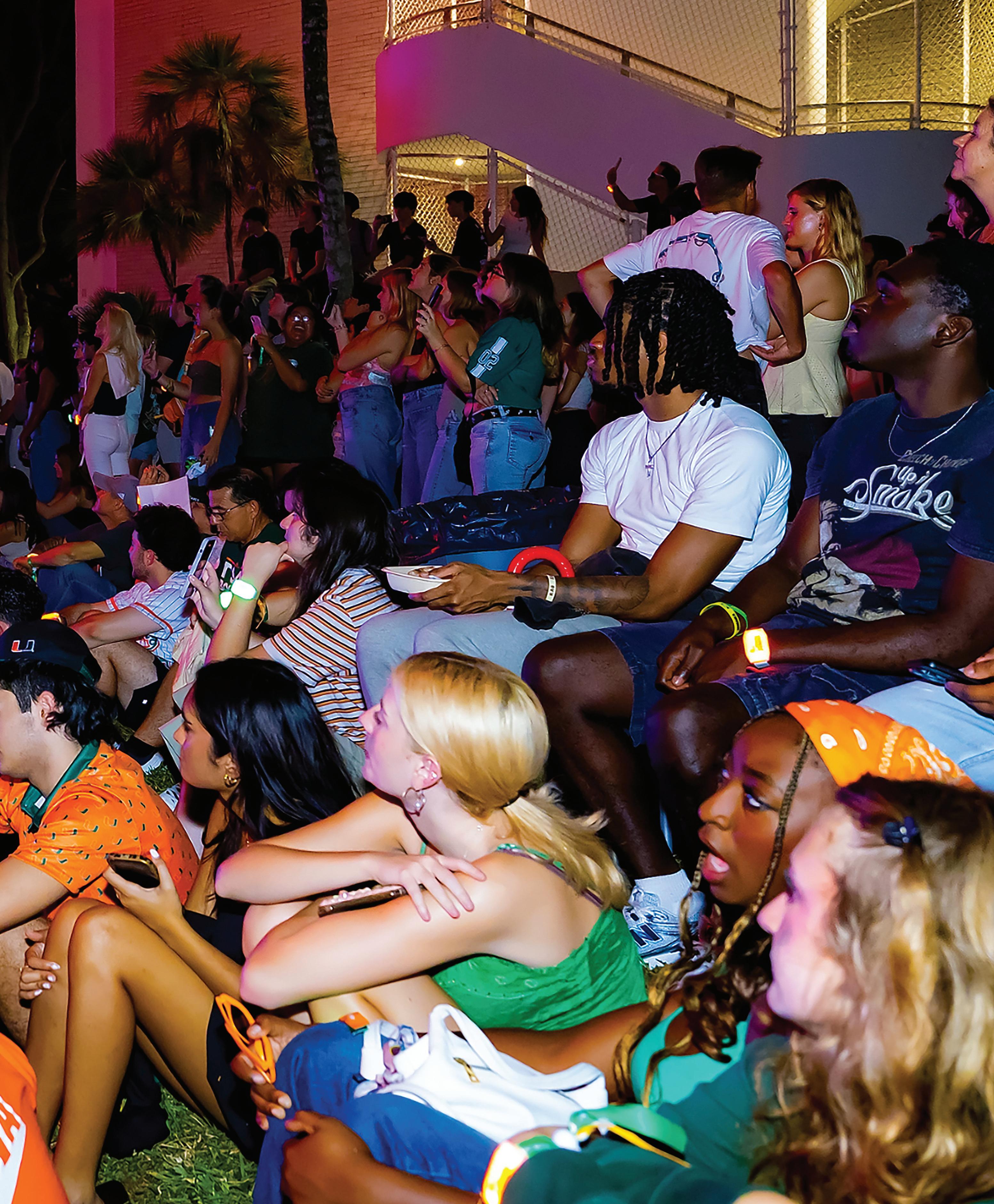
The University of Miami invites you to commemorate its 100th anniversary at a special centennial birthday bash on the Coral Gables Campus. This year’s centennial theme, “The Future Is U,” honors the University’s upward trajectory, its network of more than 200,000 alumni, and the forward-thinking vision that has established it among the nation’s top research institutions.
The celebration on April 8, 2025, will feature a carnival, concert, fireworks, and more as we mark a century of excellence. Festivities will begin at 5 p.m. on the Foote Green with Canes Carnival, with rides, games, and live music. From 6 to 8:30 p.m. the Centennial Block Party along the Lakeside Patio and Westbrook Walkway will feature a variety of free of charge food stations.
The evening’s highlight, the University’s Centennial Concert, will begin at 7 p.m. on the Lakeside Patio. The concert will showcase performances by distinguished University alumni, interwoven with videos celebrating the University’s history and simultaneous Canes Communities celebrations across the country. The event will culminate in a fireworks display over Lake Osceola.
As part of the centennial celebration, the School of Architecture will host its first Centennial Alumni Medal Award on the evening of April 9. The recipient, distinguished alumnus Larry Kearns, will visit campus from Chicago with a lecture about his work and professional trajectory.
The school’s Centennial Alumni Medal, to be presented annually to distinguished alumni in the years to come, will be the subject of a soon-to-be-announced design competition, open to students, staff, faculty, and alumni, with details forthcoming.
Looking ahead to Fall 2025, the School of Architecture will continue our Centennial Celebration with an exhibit showcasing publications produced by faculty and alumni. A call for entries with submission details will be shared soon.
With gratitude to the members of the School of Architecture Centennial Task Force for their ideas and dedication, we look forward to celebrating this historic occasion together!
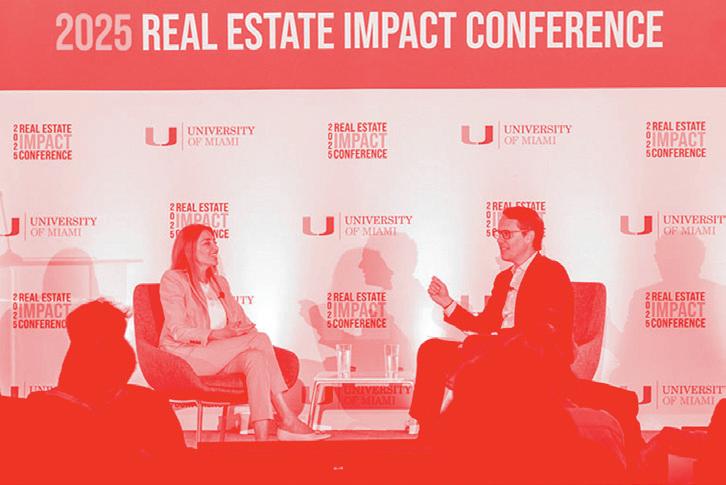
The challenges of the global marketplace, the worldwide need for affordable housing, and artificial intelligence were just three of the topics explored during the 13th annual invitation-only Real Estate Impact Conference, co-hosted by the University of Miami Patti and Allan Herbert Business School, the School of Architecture, and the School of Law.
More than 700 attendees, including more than 100 University of Miami students, packed the grand ballroom of the Donna E. Shalala Student Center to hear lively talks by eminent leaders in real estate and finance on the conference theme of “What does the future hold?”
By Mike Clary, UM News
The challenges of the global marketplace, the worldwide need for affordable housing, and artificial intelligence were just three of the topics explored during the 13th annual invitation-only Real Estate Impact Conference, co-hosted by the University of Miami Patti and Allan Herbert Business School, the School of Architecture, and the School of Law.
More than 700 attendees, including more than 100 University of Miami students, packed the grand ballroom of the Donna E. Shalala Student Center to hear lively talks by eminent leaders in real estate and finance on the conference theme of “What does the future hold?”
“The way we are investing is changing: more agility, more liquidity, optionality,” said Rana Ghorayeb, executive vice president and head of real estate, CDPQ/ Ivanhoé Cambridge, during a conversation moderated by Alfonso Munk, managing partner, global co-head, investment management. “We have to be strategic.”
Speaking to the panel’s theme of “Global Investment Insights,” Ghorayeb emphasized the importance of teamwork. “Alignment is the most important thing,” said Ghorayeb, who is responsible for the real estate strategy and investments of a firm with more than $77 billion in assets. “We have to have the same vision on what we want to do with an asset.”
As for the future, she pointed to “data centers—the new buzzword.” Of artificial intelligence in general, Ghorayeb said, “I’m
mesmerized by it, but it scares me. I can’t see where it’s going.”
The second panel of the afternoon, titled “What Does the Future Hold for Cities,” was moderated by Joe Furst, the founder and managing principal of Place Projects and a graduate of the University of Miami School of Law, who worked with Tony Goldman on the development of Miami’s Wynwood Art District.
Furst introduced Andy Gloor, CEO of Sterling Bay, who highlighted the importance of authenticity in urban development, pointing to Chicago’s Fulton Market district. While the area has attracted corporate headquarters, tech startups, and retail, he noted a slowdown in the “cool city” movement.
“To lure young employees…,” Gloor said, “we have to get some of these high-value companies going into cities, and they’re just not doing it right now.”
He described the target demographic as “a lot of our younger people who are never going to cook a meal or drive a car. We cater to them.”
Joshua Sirefman, CEO of Michigan Central, added that the walkable, 15-minute city model remains in demand. “People want to live that way,” he said.
In the third panel of the day, “On the Domestic Outlook,” Lauren Hochfelder, cochief executive officer of Morgan Stanley Real Estate Investing, predicted that 2025 would see the beginning of the recovery from the post-COVID downturn. “I feel really good about where we are, three years into the real estate correction,” she said.
Hochfelder, in a conversation moderated by Jay Mantz, president of Rialto Capital Management, also highlighted data centers as an area of concentration.
“The demand side feels amazing,” she said. “But there are real risks to be mindful of. How to invest in AI? The only thing people talk about is data centers.”
Between panels, students part of the University’s Real Estate Research Initiative presented the results of a commercial real estate sentiment survey that indicated strong demand in the year ahead for industrial, multi-family, retail, and hospitality space; showed a clear consensus on the need for more public transportation; and found an 88 percent majority of those surveyed believe immigration has a positive effect on South Florida.
For students and alumni, the forum offered networking options throughout the day.
“The biggest impact for me was seeing people who are in the field, actually doing it, and getting to shake their hands and network with them,” said Ivo Rondinoni, who is scheduled to complete the Master
of Real Estate Development + Urbanism program this spring. “I have been to other conferences, but this one is outstanding because of the networking opportunities it offers.”
Josvianny Rosa Alvarado, B.B.A. ’23, also praised the opportunities to meet with industry leaders while picking up insights on market trends and investment strategies.
“But what truly set this experience apart was the ability to connect with fellow Canes, the powerful network of alumni, and the dedicated supporters of the real estate programs at Miami Herbert Business School,” added Alvarado. “The energy in the room was unmatched.”
At day’s end, Andrea Heuson, finance professor and academic director of real estate programs at Miami Herbert, called the conference a resounding triumph, made possible through the support of more than 80 sponsors, including presenting sponsors Douglas Elliman Real Estate, the Kislak Family Foundation, and Witkoff.
Miami Herbert Business School and the School of Architecture both offer master’s programs in real estate. Miami Herbert’s Accelerated MBA in Real Estate features a guaranteed paid internship and boasts a 100% job placement rate after graduation. Meanwhile, the School of Architecture offers the Master of Real Estate Development + Urbanism, a oneyear interdisciplinary graduate program that combines the strengths of the University of Miami’s architecture, business, and law schools to create a program that blends the fundamentals of real estate development with livable community planning and design.
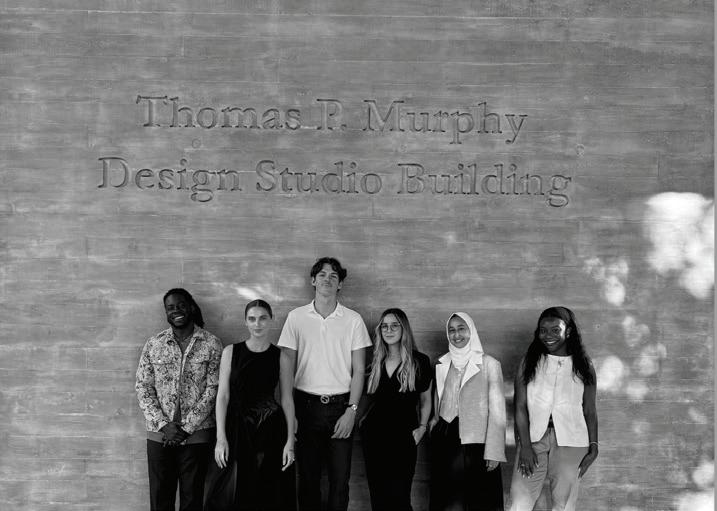
In Spring 2024, Madison Brinnon, assistant director of communications, and Demar Matthews, 2024 School of Architecture Teaching Fellow, were awarded the Social Justice Prize for their proposal, Green Haven Project. This initiative aims to combat food insecurity in Overtown by partnering with Green Haven Project to build a new plant nursery and education space. During a four-week design intensive in Summer 2024, five students—Noelle Davis, Josefina Caceres, Roland Thomas, Latifa Alfalfa, and Khalil Bland—helped
develop the project’s design. Since then, Brinnon and Matthews have worked to secure additional funding, raising $15,000 from the Janice Levin Foundation. The team is thrilled to announce that they have also been named one of seven winners of the University of Miami Changemakers grant, securing an additional $18,500 to bring this vision to life.
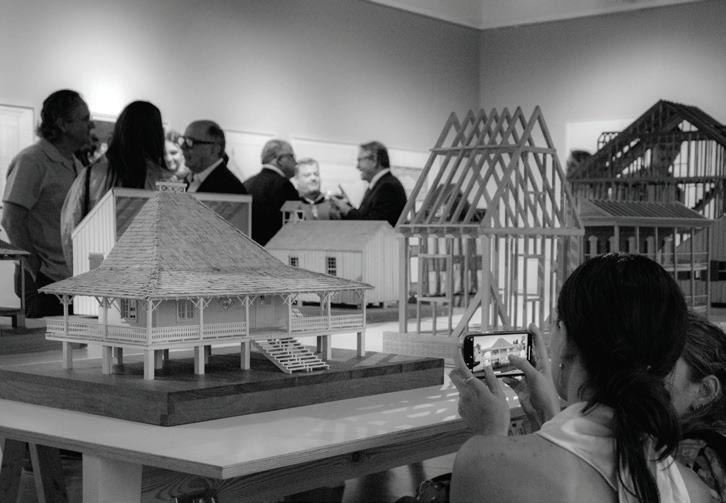
FESTSCHRIFT + EXHIBITION HONORING PROF. TEOFILO VICTORIA’S CONTRIBUTION TO ARCHITECTURAL EDUCATION
Thank you to everyone who joined us in celebrating the incredible legacy of Teofilo Victoria!
Your presence made this event truly special as we honored his lifelong contributions to architecture and architectural education.
A heartfelt thanks to our speakers for their thoughtful words and to the Victoria family for sharing this meaningful moment with us. Together, we celebrated a remarkable career and the lasting impact of an extraordinary architect and educator.
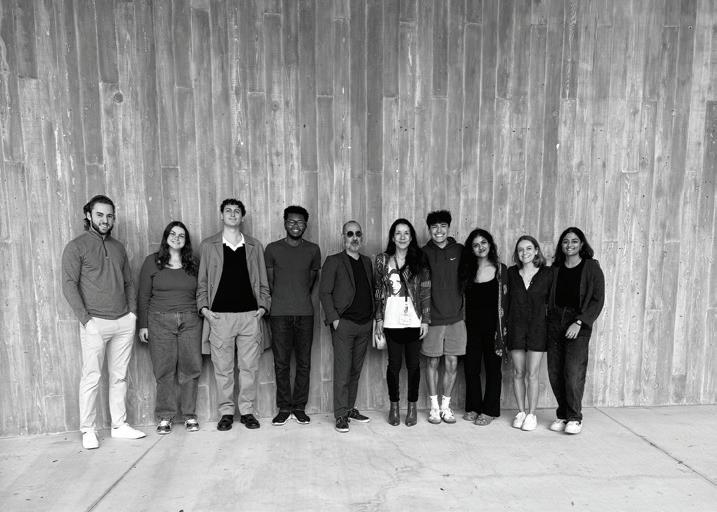
ULI HINES STUDENT COMPETITION KICKS OFF WITH SUPPORT FROM ARQUITECTONICA RESILIENT FUTURE FORUM
The ULI Hines Student Competition Elective is a two-week charrette where students develop comprehensive urban design and development proposals. This year, the School of Architecture is partnered with Columbia’s Graduate School of Architecture.
With support from Arquitectonica Resilient Future Forum, David Erdman, founding director of Pratt’s Center for Climate Adaptation, advised the team. His expertise
in climate-focused urban design adds valuable insight to the project.
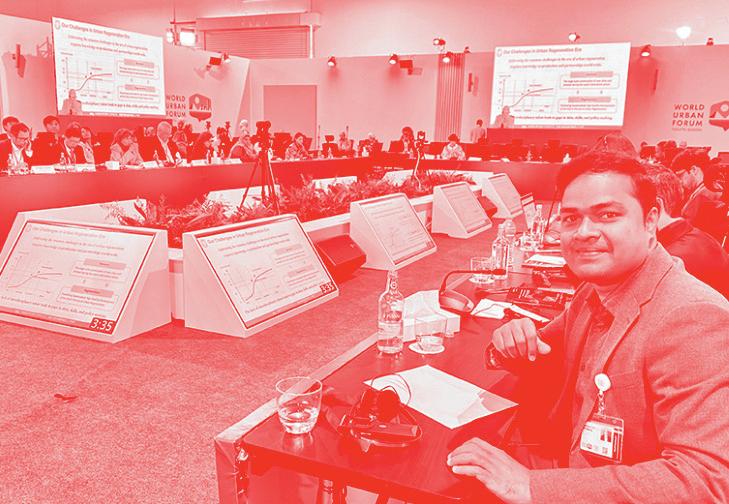
The University of Miami has achieved a milestone in its commitment to advancing sustainable urban development, becoming an official member of Habitat UNI, the United Nations Habitat University Initiative. This recognition places the University among a select group of academic institutions worldwide collaborating to address urban challenges in a rapidly evolving world.
The honor comes thanks to the efforts of Sarbeswar Praharaj, an assistant professor in the Department of Geography and Sustainable Development at the College of Arts and Sciences and also in the School of Architecture. With expertise spanning urban planning, sustainable development, and resilience, Praharaj played a pivotal role in advocating for the University’s inclusion in the prestigious network.
Praharaj recently represented the University at the 12th World Urban Forum in Egypt, a global event organized by the United Nations Human Settlements Program. The forum convenes policymakers, researchers, and practitioners to discuss innovative strategies for managing urbanization and achieving sustainable development.
By Madison Brinnon
“Rapid urbanization is one of the defining challenges of our time,” Praharaj said.
“While developed nations grapple with maintaining urban vibrancy and addressing climate risks, developing regions face the daunting task of managing accelerated transitions from rural to urban living. This forum brings together a global community to find solutions that work for all.”
One of the forum’s standout initiatives, Habitat UNI, connects more than 147 universities worldwide to promote research, inform policy, and encourage the exchange of knowledge in sustainable urbanism. Until now, the University had not been part of the influential network. Motivated by Miami’s unique role as a global city at the forefront of climate adaptation and urban innovation, Praharaj
worked with the School of Architecture’s leadership to secure Habitat UNI membership.
“Miami’s experience with challenges like sea level rise and resilience planning positions us as a valuable contributor to the global conversation on sustainable cities,” Praharaj said. At the World Urban Forum, he presented the University’s interdisciplinary work in urban resilience and sustainable development. His advocacy was instrumental in demonstrating the University’s potential to contribute to the World Urban Forum’s mission.
As part of Habitat UNI, the University gains access to a global network of universities engaged in advancing sustainable urbanism. Faculty members and students will now have opportunities to collaborate with peers worldwide, share innovative approaches, and contribute to research that informs urban policies globally.
For example, the University’s work through the Frost Institute for Data Science and Computing on mapping informal settlements in Latin America could serve as a model for addressing similar challenges in other rapidly urbanizing regions. “Joining Habitat UNI allows us to integrate global perspectives into our academic and research initiatives while sharing Miami’s expertise in climate resilience with the world,” Praharaj said.
Praharaj also participated in the forum’s closing roundtable discussion, alongside representatives from 147 other universities, to synthesize key insights into actionable strategies for sustainable urbanization.
“This recognition is a testament to the innovative work being done across the University of Miami, especially through the MPS in Urban Sustainability and Resilience Program,” said Praharaj, who is the director of this STEM-designated interdisciplinary program that equips students and practitioners to design and advance sustainable and resilient communities for weathering climate change and urban challenges.
Through Habitat UNI, the University is further poised to influence global urban policy and inspire the next generation of leaders to create sustainable, equitable, and resilient cities. Praharaj will continue to enage in this work during the ninth annual Smart Cities Conference, which will take place on the Coral Gables Campus in April 2025.
A huge thank you to all the firms who participated in this year’s Career Forum! With over 300 students in attendance, the event provided an invaluable opportunity for networking, mentorship, and career exploration.
We are especially grateful to our alumni
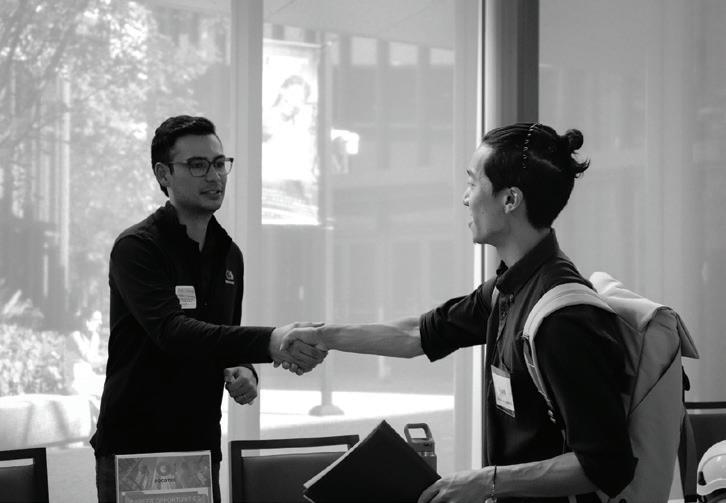
who returned to represent their firms— your success continues to inspire the next generation of architects. And to our students, thank you for your dedication, professionalism, and ambition. You make us proud!
This year’s participating firms included:
Array Architects
Deforma Studio
DPZ CoDesign, LLC
Ferguson & Shamamian Architects
FGS Design LLC
Gensler
GFD Group Miami, LLC
Glave & Holmes Architecture, PC
Hart Howerton
HKS Architects
Hoefer Welker
HOK
LM Consultants, Inc.
LRK
Merrill, Pastor and Colgan Architects, P.A.
MHK Architecture
Moor, Baker & Associates Architects, P.A.
Peter Pennoyer Architects
Pickard Chilton
REG Architects, Inc.
Robert A.M. Stern Architects
Robins & Morton
RS&H
RSP Architects
Schafer Buccellato Architects, DPC
SOCOTEC
Stantec
U.S. Marine Corps Officer Selection
U.S. Navy
Urban Design Associates
Voith & Mactavish Architects, LLP
Yellow House Architects, PLLC
Zyscovich Architects
DECEMBER/NOVEMBER 2024
INTERINSTITUTIONAL COLLABORATION ON CLIMATE ADAPTATION IN SURFSIDE
The University of Miami’s and Syracuse University’s schools of architecture coordinated their design studio courses to address the challenges of coastal resilience. Led by Professor Lily Chishan Wong of the University of Miami and Professor Pablo Sequero of Syracuse University, the studios explored the intersection of architecture and climate adaptation. Wong’s studio focused on reimagining the beach as a public space promoting communal well-being, while
Sequero’s studio investigated climate adaptations in residential building types. Together, their work examined the cultural, ecological, and infrastructural roles of barrier islands in mitigating storm surges and rising sea levels.
By Madison Brinnon

“The beach has long been a site of leisure and retreat, but in the face of climate change, we must consider its potential as a site for resilience—a place where communities can connect, adapt, and thrive together,” Wong said.
Throughout the semester, the studios hosted four joint lectures featuring experts in the field, including Rosetta Elkin of Pratt Institute on landscape architecture; investigative reporter Mario Alejandro Ariza of Floodlight; Jeffrey Huber of Florida Atlantic University on urbanism; and Chris and Shawna Meyer of the University of Miami on architecture.
The collaboration also included hands-on learning experiences. In September, Wong’s students conducted field visits to Miami Beach, guided by a sustainability specialist from the City of Miami Beach’s Rising Above program, to study public resilience projects. Meanwhile, the Syracuse studio visited Miami to delve deeper into the region’s adaptation efforts.
The collaboration culminated in Platform Surfside, an exhibition held Nov. 16–20. The showcase highlighted a year of architectural design explorations by students from both universities, including adaptations for single-family homes, public amenities, and urban residential blocks, envisioning how architecture can support resilient communities amid increasing climate risks.
The exhibition opened Nov. 16 with a joint final review and workshop that brought together Surfside residents, government officials, and academic leaders, including Tina Paul and Daniel Ditch, Surfside’s vice mayor and former mayor, respectively; Roy Raskin of Surfside’s Sustainability and Resiliency Committee; and from the University of Miami, Dean Rodolphe elKhoury and Germane Barnes, architecture program director.
A concluding roundtable discussion on Nov. 19 engaged local leaders, residents,
faculty, and students in a dialogue about the studios’ findings and the role of community engagement in shaping resilient design solutions. Michael Speaks, dean of Syracuse University’s School of Architecture, emphasized the importance of community voices in architectural education, sharing lessons from the collaboration.
The initiative was supported by Roy Raskin and the Town of Surfside Sustainability and Resiliency Committee.

A pair of new studies by scientists at the University of Miami Rosenstiel School of Marine, Atmospheric, and Earth Science and the School of Architecture shed new light on the potential of climate-inspired architectural and urban design proposals, termed “climatopias,” to effectively address climate change challenges. These studies analyze both specific highprofile projects and a broader range of proposals, providing valuable frameworks for evaluating their effectiveness, feasibility, and social justice implications.
By Annie Reisewitz, UM News
The first paper focuses on a detailed analysis of four prominent climatopic design projects. Utilizing a novel evaluation approach, the researchers assessed each project on its effectiveness, justice, and feasibility. Key findings indicate that for climatopias to serve as viable climate solutions, they must prioritize their embodied carbon footprint, feature affordable and participatory designs, and possess the potential for actual implementation or stimulate critical discourse around decarbonization and adaptation strategies, enriching community engagement in climate resilience.
The second paper expands the scope of analysis to 66 climatopic proposals from around the globe, aiming to create a typology of these projects based on a range of attributes including climate change response, implementation status, and sociopolitical motivations. The study identifies six primary types of climatopias: Fortify, Forest, Float, Reduce, Re-Use, and Retreat. Among these, the Reduce and Re-Use categories exhibit the most
profound engagement with sociopolitical transformation, while the Forest type shows minimal transformation potential.
These studies provide a way to quickly and critically assess whether a given climatopia is effective, just, and feasible which are criteria of a transformational climate solution,” said Alizé Carrère, a doctoral researcher in the Department of Environmental Science and Policy at the Rosenstiel School and the Abess Center for Ecosystem Science and Policy. “The results mark an important step toward better identifying whether the latest utopic design schemes for climate change are truly leading toward transformational outcomes, or whether they are simply distractions.”
Climatopias are proposals in architecture and urban planning aimed at addressing climate mitigation and adaptation goals while fostering sociopolitical transformation for their inhabitants. While some climatopias have been realized, many exist only as theoretical concepts or speculative designs.
The emergence of climatopias highlights the necessity for critical evaluation methods to assess their true potential as transformational climate solutions versus being superficial distractions that hinder long-term progress.
“It’s crucial that societies reimagine how we reduce the intensifying damages and losses of a changing climate, said Katharine Mach, professor and chair of the Department of Environmental Science and Policy and senior author of the study. “But climatopias, identified and analyzed here in their diversity, are reminders of both the possibilities and the perils of assuming that glossy, seemingly easy solutions to entrenched issues can save the day.”
The authors hope that this research is used not only by academics in the adaptation science community, but also by practitioners and other decision-makers, such as city officials who are presented with these plans and must make informed decisions about their viability as climate solutions.
The first study, titled “Defining ‘Climatopia’: An evaluation framework to support transformational adaptation in climateinspired utopic design,” was published in the journal One Earth. The authors are Alizé Carrère, Kenneth Broad, and Katharine J. Mach, faculty members in the University of Miami Rosenstiel School of Marine, Atmospheric, and Earth Science and Abess Center for Ecosystem Science and Policy.
The second, titled “A typology of climatopias: Visualizations, motivations, and transformations,” was published Dec. 4, 2024, in the journal Environmental Research: Climate. The authors are: Alizé Carrère, Kenneth Broad, Joanna
Lombard, Denis Hector, and Katharine J Mach. Carrère, Broad, and Mach are from the Rosenstiel School, and Lombard and Hector are from the School of Architecture.
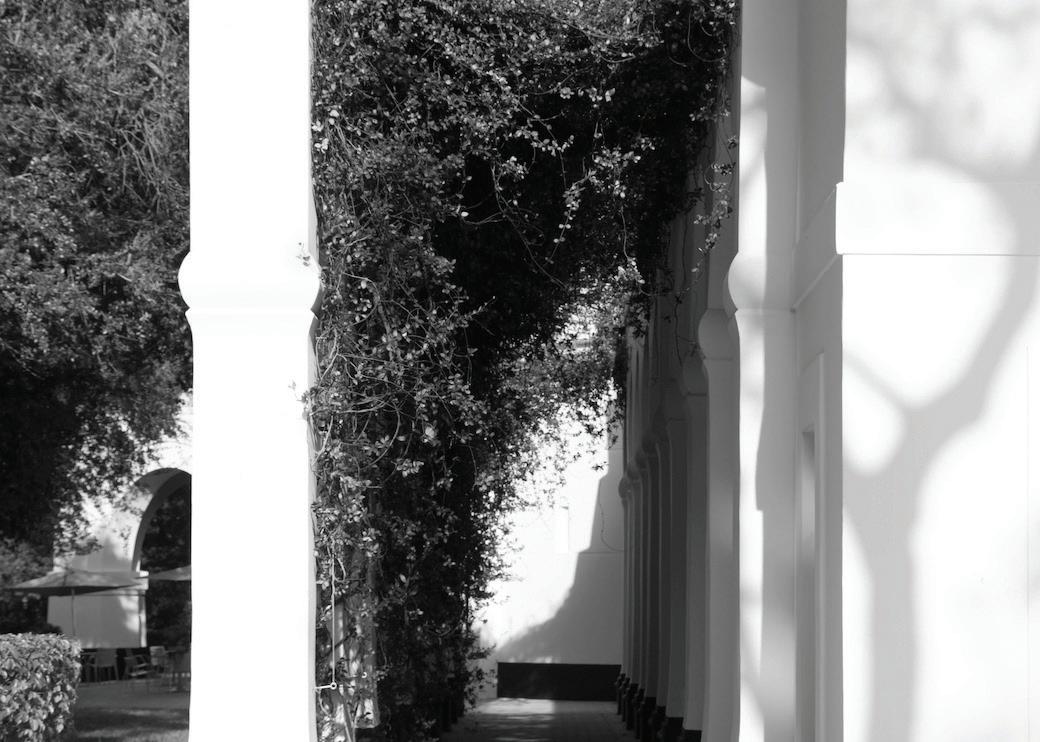
During and after the 2020 pandemic, renovations within our architecture precinct temporarily paused. Now, we are emerging from that holding pattern and beginning to witness the results of several physical planning projects, with more exciting developments on the horizon.
Associate Dean Carmen Guerrero highlights the completion of Leon Krier’s loggia, now enhanced by a thriving steel cable structure adorned with star jasmine, adding both shade and beauty to one of our cherished outdoor spaces. Additional improvements include upgrading all school exterior building and room signage, implementing new, more efficient exterior lighting, renovating select outdoor patios, and enhancing the landscape design between Centennial Village and our school.
Currently, Guerrero is collaborating closely with the University’s Office of Design and Construction on the schematic design for future renovations of Buildings 35 and 49.

MRED+U RECEIVES $1.5 MILLION ENDOWMENT
The University of Miami’s School of Architecture has received a $1.5 million commitment from the Goldman family to honor Tony Goldman’s legacy.
The endowment will support the director of the Master of Real Estate Development and Urbanism program,
one of the school’s most distinguished initiatives that blends the fundamentals of real estate development with livable community design. Professor Charles Bohl, the founding director of MRED+U, was named the inaugural Tony Goldman Director.
Tony Goldman was a visionary real estate developer whose career spanned from the 1970s into the 2010s. His work revitalizing New York City’s SoHo district, Miami Beach’s Art Deco neighborhood, and the Wynwood Arts District in Miami testifies to his creative vision. Janet Goldman, Tony Goldman’s wife, and their children, Jessica Goldman Srebnick and Joey Goldman, have chosen to honor his legacy with this gift to the University of Miami. Janet Goldman’s gift will establish the Tony Goldman Endowed Director of Real Estate Development and Urbanism at the School of Architecture. The gift is part of the University’s fundraising campaign, Ever Brighter: The Campaign for Our Next Century, which will conclude in 2025 as the University celebrates its centennial.
By Pamela Edward, UM News
Tony Goldman didn’t think of himself as just another real estate developer. Instead, as his daughter Jessica Goldman Srebnick, co-chair of Goldman Properties, recalled, “he saw beauty in the blight” and invested in the revitalization of neglected urban neighborhoods.
Beginning in the 1970s in the former manufacturing district in lower Manhattan, now known as SoHo, Tony Goldman purchased and breathed new life into old buildings where, as his son Joey Goldman said, “the underlying architecture was really special.”
SoHo’s cast-iron former factories, transformed into sought-after loft apartments, restaurants, and much else, and Miami Beach’s iconic art deco hotels, rescued from dereliction, are two of the best-known examples of Tony Goldman’s vision.
“For a young country like America to have incredible architecture meant something to my dad,” Joey Goldman, co-chair of Goldman Properties, said. “He was able to bring [buildings] back to what they were originally designed for or reinvent them in ways that were respectful of the architecture.”
It was Joey Goldman who would bring a downtrodden Wynwood, north of downtown Miami, to his father’s attention in 2005. Wynwood was a completely different type of neighborhood than those for which Tony Goldman had become renowned, devoid of the distinctive, historic architecture that had drawn him to SoHo and South Beach.
Beginning with six buildings in 2007, Tony
Goldman had the inspired idea of using the blank warehouse walls as canvases for dynamic graffiti artists and welcomed the world to Wynwood Walls during Art Basel in December 2009. This former warehouse area is now one of Miami’s most popular arts and entertainment districts and a hotbed of creativity.
In conversations with Srebnick, Joey Goldman, and their mother, Janet Goldman, co-founder and chair emerita of Goldman Properties, certain words popped up repeatedly as they talked about their father and husband: creative, visionary, courageous, energetic, generous, optimistic, romantic. “Tony was a romantic developer,” Janet Goldman declared.
“Tony was passionate about blighted areas,” she continued. “His spatial awareness was incredible, and he thought in technicolor. And the worse an area was, the more excited he would get. He would peel back the onion to get to the core of what’s great about a neighborhood; then he would go to work.”
Now, 12 years after Tony Goldman’s death, Janet Goldman is honoring her husband’s vision and legacy with a $1.5 million commitment to establish the Tony Goldman Endowed Director of Real Estate Development and Urbanism at the University of Miami School of Architecture. Her gift is part of the University’s Ever Brighter: The Campaign for Our Next Century. The most ambitious in the institution’s history, the campaign is set to conclude next year, when the University will celebrate its centennial.
The Goldman director will serve as director of the Master of Real Estate Development and Urbanism (MRED+U) program. One of the school’s signature programs, MRED+U is an interdisciplinary program that blends the fundamentals of real estate development and livable community design.
As Rodolphe el-Khoury, dean of the School of Architecture, declared, “Janet Goldman’s gift is impactful—now and forever! It solidifies professor Charles Bohl’s position and stature as the inaugural Tony Goldman Director and enables the program to continue to reach for top-tier talent in his successor by leveraging the endowment and the legendary legacy associated with its name.”
“Our former dean, Elizabeth PlaterZyberk, first introduced me to Tony, and he was instrumental in shaping our program even before it existed,” recalled Bohl, professor of architecture, MRED+U founding director, and the inaugural holder of the Goldman directorate. “As one of our 12 founding board members, Tony helped bring our ideas for an immersive South Florida student experience to life, hosting a memorable first stop of the inaugural class orientation tour in South Beach. “When we launched our mentorship
program, and we told him how many of the students had requested him as their mentor, he invited all of them to spend an afternoon with him. They learned firsthand about the skill and passion Tony brought to transforming neglected neighborhoods into places people loved.”
Livability and sense of place, concepts espoused in the MRED+U program, were core elements of Tony Goldman’s vision. As Joey Goldman explained, this means, among other things, opening restaurants and other gathering places where people live. “When you have a vision for a neighborhood, you need to think about the whole vision,” he said. “And the hospitality business is key to neighborhood revitalization because the first thing people want to do is go to a great restaurant.
“It’s ingrained in what we do,” Joey Goldman continued. “When we bought properties in Wynwood, we opened a restaurant, Joey’s Wynwood Café. When my father bought a lot of properties in SoHo, he opened a restaurant on Greene Street in [what had been] a garage for garbage trucks. When my dad came to Miami Beach in 1985, he opened a restaurant called Lucky’s to get the ball rolling. The idea is, as my dad would say, ‘feed the neighborhood, and the neighborhood will feed you.’”
And as Srebnick noted, all projects are unique. “We started to develop a model, but that model can change based on the neighborhood,” she said. “What you do in South Beach is different from what you do in Center City, Philadelphia, which [in turn] is different from what you do in Wynwood. Each neighborhood has its own DNA, and my dad was smart enough to recognize that and [seek] the big ideas that can elevate the DNA to another level to create a thriving, world-class destination. That was his secret sauce.”
For her part, Janet Goldman feels honored by the partnership with the School of Architecture, as embodied in the Tony Goldman directorship. “The University of Miami and the people there who knew him really respected and valued Tony,” she reflected. “I felt this was one of the greatest honors I could hope to bestow—to give his name. He wanted to be remembered as a place-maker and for his love of neighborhoods and community.”
“Tony has a living legacy in the many people he inspired and who came to share his passion for place-making, starting with his own family and spreading out through literally hundreds of entrepreneurs, artists, preservationists, architects, small-business owners, city leaders, peers, students, and yes, a few professors he always made time for,” Bohl said. “Now his legacy will continue to inspire future generations of place-makers through the MRED+U program and throughout the University, thanks to the generosity of Janet Goldman and the Goldman family.”
Srebnick echoed her mother’s and Bohl’s sentiments. “My dad wanted people to know that ‘Tony was here’—it’s on his tombstone. Tony continues to be there, and his spirit is still very strong as the guardian of many incredible American neighborhoods,” she said. “The motivation for endowing the position is that we don’t want his lessons to stop with us. Miami is a city that my dad deeply loved—I think he would say that South Beach and Wynwood were two of his crowning achievements. And so, we feel that the University of Miami is the perfect place to continue the legacy.”
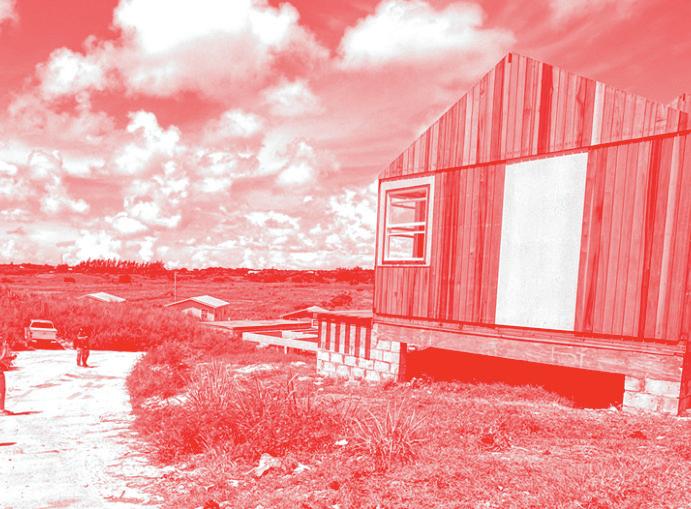
Twelve University of Miami School of Architecture students studying in an upper-level studio class on Houses and Housing traveled to Bridgetown, Barbados, in late September to assess how they could contribute to the development of new housing in the capital and its surrounding area.
The class, taught by Prof. Chris Meyer, director of the Littoral Urbanism Lab, and Visiting Prof. Jonathan Tate, was funded by a grant from the U.S. Department of Agriculture. The grant encourages the expansion of wood markets and the use of wood in building structures. “Wood is a renewable resource and a construction material that is considered to be environmentally friendly and healthy,” said Meyer, who traveled along with Tate to the island with the students.
By Barbara Gutierrez, UM News
They chose Barbados because Tate had professional connections there that allowed the group to meet with housing officials and government agencies, he said. The group met with Dwight G. Sutherland, minister of Housing, Lands, and Maintenance, and heard from his planning team at the National Housing Corporation (NHC) and toured several of the NHC’s social housing sites and projects under construction.
“UM has a strong interest in hemispheric affairs, and we are aware that Barbados imports materials from other locations,” said Meyer. “We are ready if there is an opportunity for us to play a role in their housing development.” Bridgetown, the capital of Barbados, has
a population of around 110,000. It is facing population growth and needs housing. To address this need, the Barbados Housing Authority has pledged to build 10,000 dwelling units in the next five years.
“The visit was interesting because Barbados wasn’t familiar to any of us but is facing a similar housing crisis as most of the U.S.,” said Tate. “Not knowing a place is sometimes the best way to learn about a place. We hope this will allow students to challenge the way they work or think about design.”
The island capital is dotted with densely built neighborhoods of multicolored, one family chattels or houses with little space around them, said three of the students in the class. Taking into consideration the weather conditions, houses are constructed with cross-ventilation features and shaded areas for people to take refuge, said Meyer.
“It’s important to remember that the Bajan communities cannot use energy as freely as we do here in the U.S.,” said Meyer, using the common term for people from Barbados. “These islands are in the path of storm cycles. It is important for their building to be tough and durable, but they must also be open for natural ventilation when there is no power.”
Among the cultural features that are important to the residents is a porch or veranda for people to congregate, said Jadian Ricketts, a third-year master’s student.
“Gathering spaces are very important to them, and we saw a lot of verandas and porches where people sit and talk,” said Ricketts.
Barbados officials also want to revitalize the downtown area and create an urban core that combines retail stores on the first floor and dwellings on the second floor.
“If there were retail and commercial spaces on ground floors, it would always be lively, and it would not feel like a ghost town,” Ricketts said.
Matthew Jarmon said the trip was extremely useful because it showed him real-life challenges. For instance, although Bajans prefer single family housing, the severe need for housing may force the housing authority to build three-floor buildings with several housing units.
“We are answering hard problems, and I had not been exposed to housing in a realistic manner, so for me the value was getting down at a grassroots level and understanding what people value versus a top-down approach,” he said.
As part of their year-end project, the students will develop three proposals for how to address the housing shortage on the island. They have been tasked
with creating architectural drawings for multi-family housing in several of the neighborhoods of Bridgetown.
Lisa Chen, a fourth-year student, is working on her project of creating multiple, multi-story complexes that house a total of 14 units, each three-bedroom, two-bathroom at around 1,200 square feet. But keeping in mind that Barbadians value a sense of community, she is creating green spaces around the buildings for socializing, barbecuing, as well as common areas to hang laundry (something that is a cultural staple).
Her units will also have views of the nearby Constitution River. Once the plans are completed at the end of the semester, they hope to present their work to the Barbados authorities.
“Although Barbadians don’t like to live in apartments, there are ways to add more character and a sense of community to our developments,” Chen said.

The 2024 Alumni Homecoming BBQ was a tremendous success! A heartfelt thank you to all our attendees for making it an unforgettable evening filled with laughter, dancing, and camaraderie. We shared a night of great company and celebrated our shared love for the University of Miami. It’s great to be a Cane!
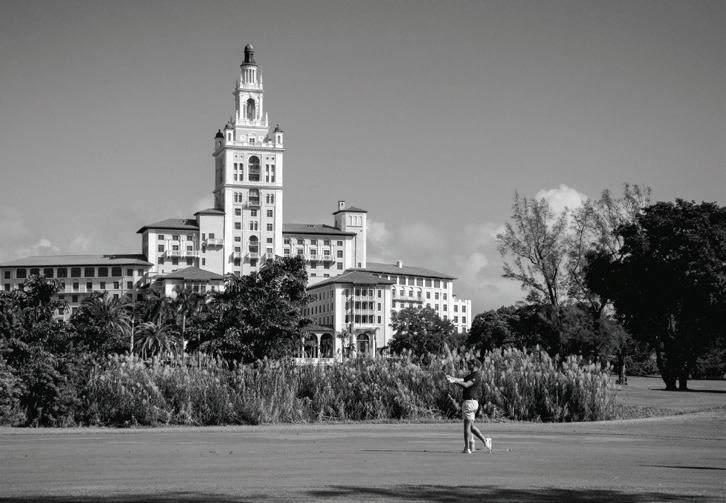
The 2024 Rome Golf Tournament was a tremendous success, thanks to the vision of Prof. Carmen Guerrero, director of the Rome Program, and the incredible support from attendees and sponsors. Held at the Biltmore Hotel, the event raised essential funds to support the program’s
growing enrollment. This year, half of the 60 students in the Rome Program received financial assistance, helping cover additional costs of studying abroad. Special thanks to our sponsors, the University’s Development team, and our dedicated volunteers—including current and former Rome students. Together, we’re making the vision of accessible global learning a reality.
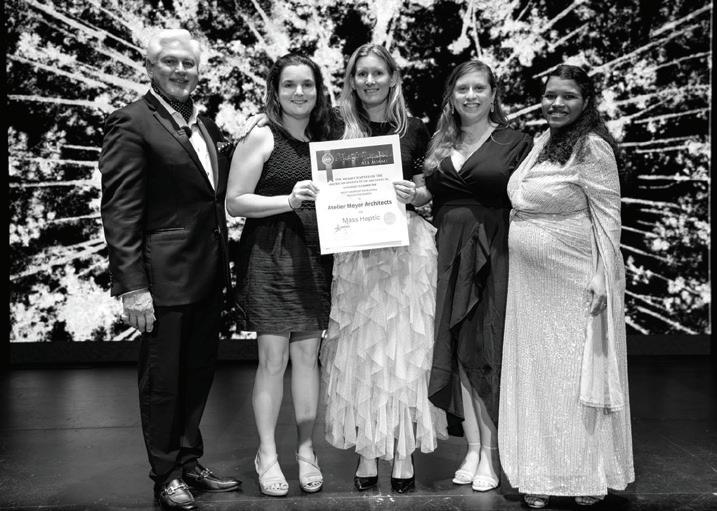
THE SCHOOL OF ARCHITECTURE TAKES HOME MULTIPLE WINS AT AIA DESIGN AWARDS
Faculty
Project Research
Christopher Meyer + Shawna Meyer / Atelier Mey
Project: Mass Haptic
Faculty
Project Research
Allan Shulman / Shulman + Associates
Project: Heritage at Risk Survey
Alumni
Architecture < 50,000 Sq. Ft. Wesley C. Kean / KoDA
Project: Oak House
President’s Award
Wesley C. Kean
Emerging Professional of the Year
Naomi C. Harrison
Hall of Fame
Natividad Soto
Students - Student of the Year
Catalina Cabral-Framinan
Diversity in Architecture Scholarship
Catalina Cabral-Framinan
SEPTEMBER 2024
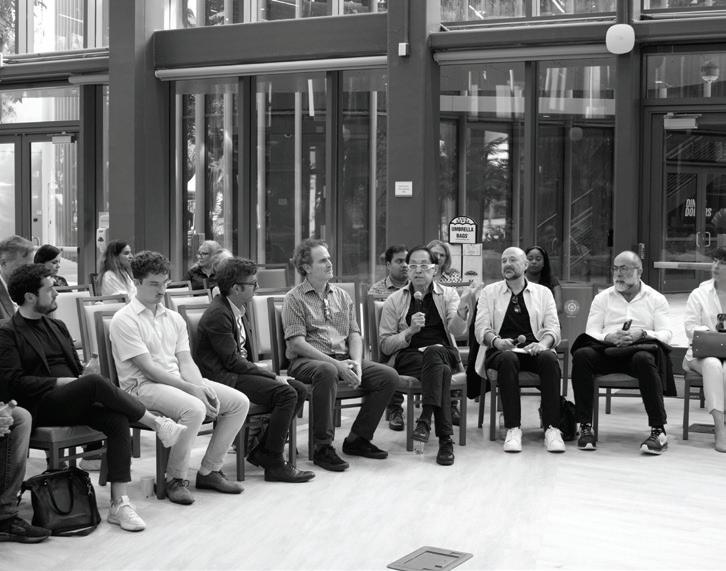
On Friday, October 4, the University of Miami School of Architecture hosted a Panel Discussion and Town Hall with the Academic Review Committee, featuring architectural leaders from across the country. Faculty, students, and staff gathered to discuss the current state and future of architecture education. Thank you to our panelists and community members for their valuable insights and participation.
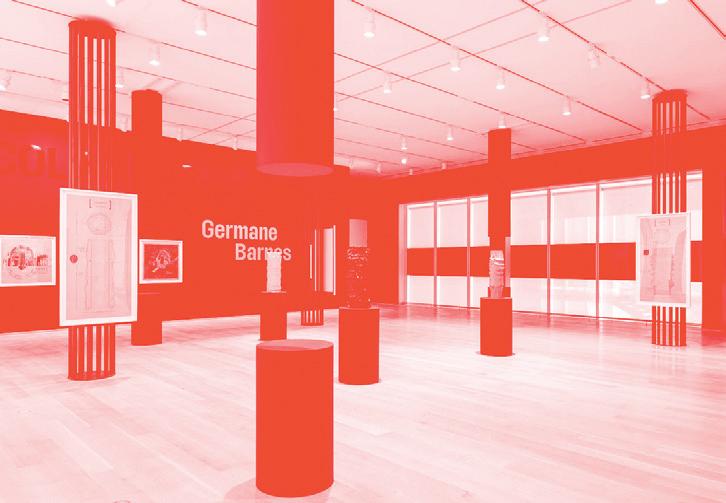
GERMANE
Check out Columnar Disorder—a new exhibit by Professor Germane Barnes at the Art Institute of Chicago!
The installation explores the connections between identity and the built environment—using research, design, and activism to mine the social and political agency of architecture and uncover the spatial histories and futures of Black selfdetermination.
By The Art Institute of Chicago
Chicago-born architect Germane Barnes explores the connections between identity and the built environment—using research, design, and activism to mine the social and political agency of architecture and uncover the spatial histories and futures of Black self-determination.
For his first solo museum exhibition, Barnes recasts the canonical foundations of Western architecture through the lens of the African diaspora. Critically reflecting on the enduring legacy of the Classical orders—the Doric, Ionic, and Corinthian— whose distinctive columns continue to proliferate in our built environment today, Barnes upends these long-standing and ubiquitous conventions by reimagining architectural orders that are instead rooted in the Black experience, history, and values.
His project centers on the design of three new columns, which the exhibition presents through drawings, collages, and commissioned sculptural works. The Identity Column celebrates the Black body and beauty, the Labor Column considers how slavery fueled American economic growth, and the Migration Column—a
meditation on the intercontinental journeys of enslaved Africans— recognizes water as a site of Black memory, loss, and selfhood.
Attentive to how Eurocentric histories of classical architecture have neglected the migration of North African building traditions across the Mediterranean during antiquity, Barnes’s project seeks to recuperate this legacy through an architectural counter-narrative. By demanding a reorientation of architectural principles that acknowledges and reveres the historical role of the African diaspora, he also offers a framework for envisioning Africa and its descendants as the future of architecture.
Support for Germane Barnes: Columnar Disorder is provided by Devanee and Alex Washington, the University of Miami School of Architecture, the Creative Capital Foundation, the Graham Foundation for Advanced Studies in the Fine Arts, and Heiji Choy Black and Brian Black.
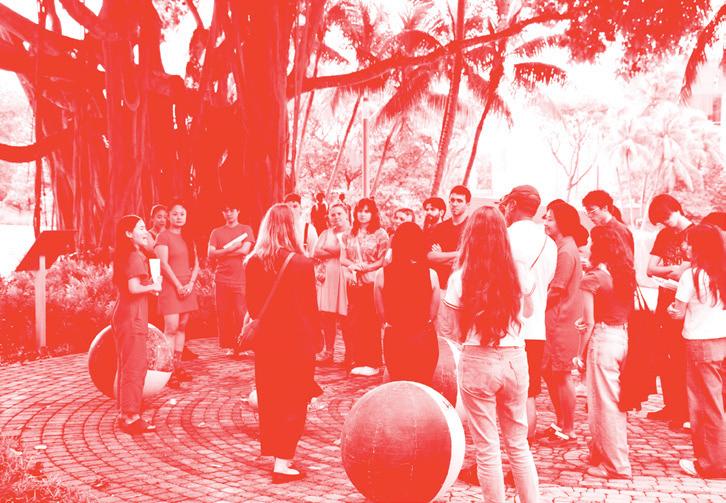
In celebration of the mid-autumn full moon, University of Miami School of Architecture Social Justice Prize winners, Professor Lily Wong and Xiaoxi Chen, hosted Moonrise on September 16, 2024. Set against the tranquil backdrop of Lake Osceola and held under the sprawling banyan tree in the school’s courtyard, the event brought together students, faculty, and staff from the University of Miami and Florida International University. Combining academic inquiry and cultural celebration, Moonrise explored Asian diasporic worldviews, spatial practices, and agricultural traditions through a series of talks, an installation, and a drawing workshop.
By Madison Brinnon
The Mid-Autumn Festival, a time-honored tradition celebrated across many Asian communities, served as the backdrop for these conversations. The festival’s symbolism—fullness, reflection, and togetherness—paralleled the themes of interconnectedness and shared space that Moonrise sought to evoke. South Florida’s own agricultural landscape is deeply intertwined with Asian diasporic histories, forming a crucial node in the supply chain for produce that reaches Chinatowns and
Asian markets throughout the northeastern United States. The engineered ecosystems of the Everglades Agricultural Area, supported by the intricate water systems of Lake Okeechobee and the Kissimmee River, form the backbone of this agricultural output. Scattered among these larger operations are independent farms and home gardens in Homestead and Redland that specialize in plant species native to Asia, providing essential ingredients for maintaining culinary and cultural traditions.
Within this rich tapestry, Moonrise highlighted the ways in which agricultural spaces in South Florida are not just sites of production but also of social and cultural exchange, linking local practices to global diasporic communities. The event was co-organized by Professor Lily Wong and Xiaoxi Chen, assistant director of the M.S. of Advanced Architectural Design at the Graduate School of Architecture, Planning, and Preservation at Columbia University, whose work delves into the entanglements of spatial practices, colonial histories, and ecological systems within Asian diasporic communities. Chen’s research focuses on the cultural dynamics of Chinatowns and the potential for creating abolitionist futures for these spaces, while Wong’s examines how the agricultural histories of South Florida, particularly in Homestead and Redland, have shaped the region’s landscape and demographics.
Throughout the summer, Wong and Chen visited community centers, independent farms, and home gardens to understand the spatial and social configurations of food systems that support Asian cuisines. This fieldwork informed the event’s design, which aimed to move beyond conventional research presentations. Supported by the University of Miami’s Social Justice Prize, the event provided a platform for Wong and Chen to share their findings and collaborate with emerging scholars Stephanie Lee, Ricky Li, and Saung Yatu, whose work on related themes contributed to a broader dialogue on spatial practices, legalities, and environmental management.
Set at Lake Osceola under the banyan tree, the installation featured a series of half-black exercise balls printed with images, serving as heuristic devices that anchored the discussions. Participants were encouraged to engage with the installation, transforming it into a collaborative canvas during the subsequent drawing workshop. Glass lazy susans, laden with mooncakes and tropical fruits, adorned the space, inviting attendees to reflect on the sensory experiences tied to food and memory. Several students contributed items personal to their own mid-autumn festival celebrations, adding to the shared sense of community.
The talks that followed unpacked different facets of the Asian American experience in relation to agricultural practices in South
Florida. Wong traced the emergence of Asian-run home gardens and farming communities in Homestead and Redland, emphasizing how these spaces function as “outdoor greenhouses” for growing a variety of vegetables and fruits that supply diasporic food networks along the East Coast. Stephanie Lee highlighted the history of land grabs affecting Asian American agricultural settlements, examining policies from the Homestead Act and the Chinese Exclusion Act to contemporary Sinophobic legislation like Florida’s SB 264, which restricts land ownership by certain foreign nationals.
Ricky Li, co-leader of the Workshop for Environmental Technik, situated his curatorial project Breach, which contextualizes the archives of the U.S. Army Corps of Engineers’ work on water-related infrastructures within art institutions. He discussed how oceanic spaces have historically mediated modern enclosures and exposures, highlighting the complex relationship between architecture, environment, and policy. Chen’s presentation delved into how calendars function as spatial-political instruments in the making of Chinese societies, illustrating how the political demise of the lunisolar calendar and subsequent adoption of Gregorian and Greenwich Mean Time marked a shift in temporal realities for these communities.
The event concluded with a drawing workshop titled How to Draw a Banyan Tree. Led by Wong and Chen, participants collectively created drawings inspired by their surroundings, using the installation as both canvas and medium. This embodied exercise invited participants to sense and engage with their environment in a meditative manner, tracing and recording cosmological relations between themselves and the broader ecological landscape.
What emerged from Moonrise was a renewed understanding of how land, culture, and identity intersect in South Florida, where Asian diasporic communities continue to shape the region’s agricultural and cultural landscapes. The event provided a space for Wong and Chen to expand their research network and create a platform for future collaborations. Inspired by this initial success, they hope to iterate on the design and format of Moonrise, using it as a framework for future presentations in other cities.
As they continue to engage with the Asian communities in Homestead and Redland, Saung Yatu, Master of Architecture student from Myanmar, shared insights from her entrepreneurial work sourcing tropical produce in the region that will serve as an invaluable perspective. The partnerships and dialogues initiated at Moonrise will lay the groundwork for a continued exploration of how Asian diasporic experiences are deeply intertwined with the land and how academic research can
foster meaningful connections with these communities.
The University of Miami School of Architecture is at the forefront of innovation, playing a crucial role in designing a sustainable, smart city in Guyana. Through collaboration and cuttingedge technology, this project aims to create a resilient, future-ready community that reflects the vibrant culture and unique needs of the region.

At the School of Architecture, real-world career experience is a cornerstone of our students’ education. Our rigorous curriculum, community builds, industry lectures, and critiques from top architects are designed to enrich their learning and prepare them for professional success. This summer, our students took these lessons beyond the classroom, securing prestigious internships that have broadened their horizons and deepened their expertise.
By Madison Brinnon
A key highlight of our professional development efforts is the annual career forum at the University of Miami. Here, students meticulously prepare their portfolios, dress professionally, and engage with top architectural firms. This preparation has translated into valuable summer experiences for our students, who have been working with firms in dynamic locations like New York City and Tokyo.
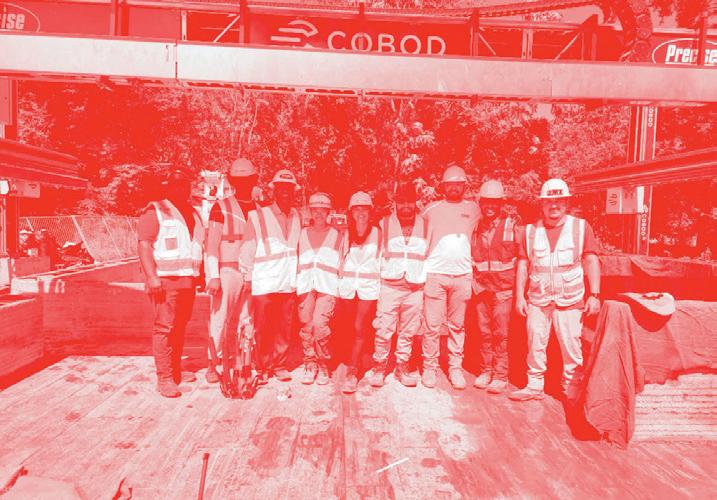
Robert Sims Dubon found himself immersed in a whirlwind of tasks at COBOD International, where no two days were the same. From drawing wall section details for ongoing construction projects to testing new software and aiding on-site, Robert’s internship was a blend of handson learning and innovative challenges. This experience has reshaped his career perspective. “Interning at COBOD International has me rethinking the sheer scope of work that can be done with an architectural education,” he reflects. His role has exposed him to new avenues within the field, broadening his career possibilities.
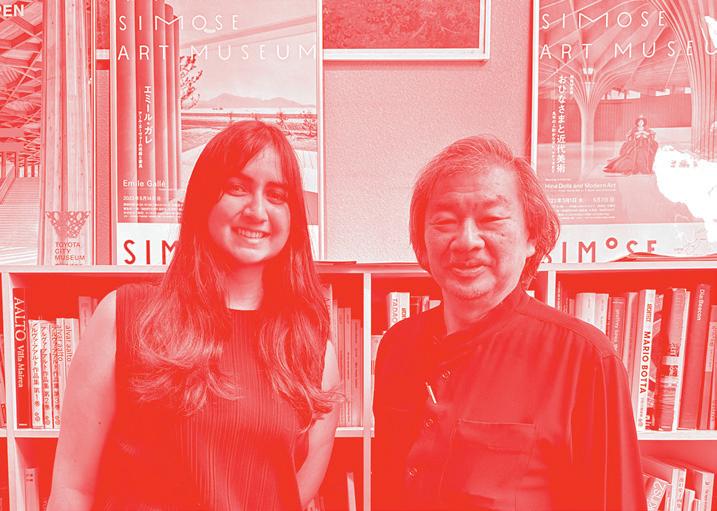
Catalina Cabral-Framian embraced a global perspective through her internship in Tokyo at Shigeru Ban Architects, working under a Pritzker Prize-winning architect. Catalina’s hands-on involvement in creating presentation and study models, done primarily by hand, has been a significant learning experience. “Working on these models rapidly and purely by hand has been an invaluable skill,” she shares. This opportunity has allowed her to experience and contribute to cutting-edge projects, enriching her understanding of international architectural practices.
Jaylin Cole drew inspiration from her experience with the Kendeda Building at Georgia Tech, where she first encountered the principles of green architecture. As a resilience planning intern at Dewberry Engineers, Jaylin has been engaged in various aspects of community planning, from vulnerability assessments to community outreach. “This internship is

helping me build the skills needed for future success,” she says. Her work aligns with her passion for designing spaces that contribute positively to both environmental and social contexts.
Alana Cowan has thrived in the intimate setting of Graves & Associates, where her role quickly evolved from digitizing historical plans to creating design concepts for new projects. “I was thrown in the deep end from the beginning,” Alana recalls, noting her swift immersion in diverse tasks such as preparing site plans and participating in client meetings. Her experience has underscored the importance of teamwork in architecture. “I’m learning valuable skills from various departments within the firm,” she observes, appreciating the collaborative nature of the work.

Her experience has reinforced her belief in the importance of a collaborative and supportive work culture.

Jordan Kekst is making the most of his internship at Ferguson & Shamamian Architects, where he has been involved in preserving historical architecture while integrating modern elements. Jordan’s insights from classical architecture classes with Professor Richard John have significantly enhanced his work. “Applying these insights to my designs at Ferguson & Shamamian has deepened my understanding of iterative design and collaborative effort,” he notes. His internship has highlighted the practical application of his academic knowledge in a real-world setting.
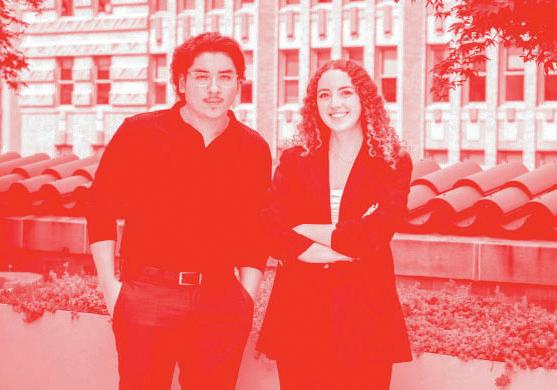
Jessie Doleman has found her place at HKS, where she works on analyzing drawings, updating project models, and engaging in meetings across the Healthcare sector. Her time at HKS has been marked by supportive mentorship and a positive work environment. “Everyone is eager to help and has treated me as one of their own from the beginning,” Jessie says.
Jayson Moron and Deirdre Nash, at Robert A.M. Stern Architects in New York City, are deeply involved in classical design projects. Jayson appreciates the firm’s emphasis on continuous education, sharing that it has allowed him to “learn about all phases of design and fundamental principles of classical architecture.” Deirdre, too, values the blend of real-world practice and ongoing learning, noting that it has “advanced my knowledge significantly.” Their internships at RAMSA have provided them with a pivotal opportunity to apply their academic background in a professional environment.
These diverse and enriching experiences exemplify the School of Architecture’s dedication to bridging the gap between academic learning and professional practice. By immersing our students in real-world challenges and opportunities, we ensure they are not only well-prepared
for their careers but also inspired to innovate and lead in the field of architecture.
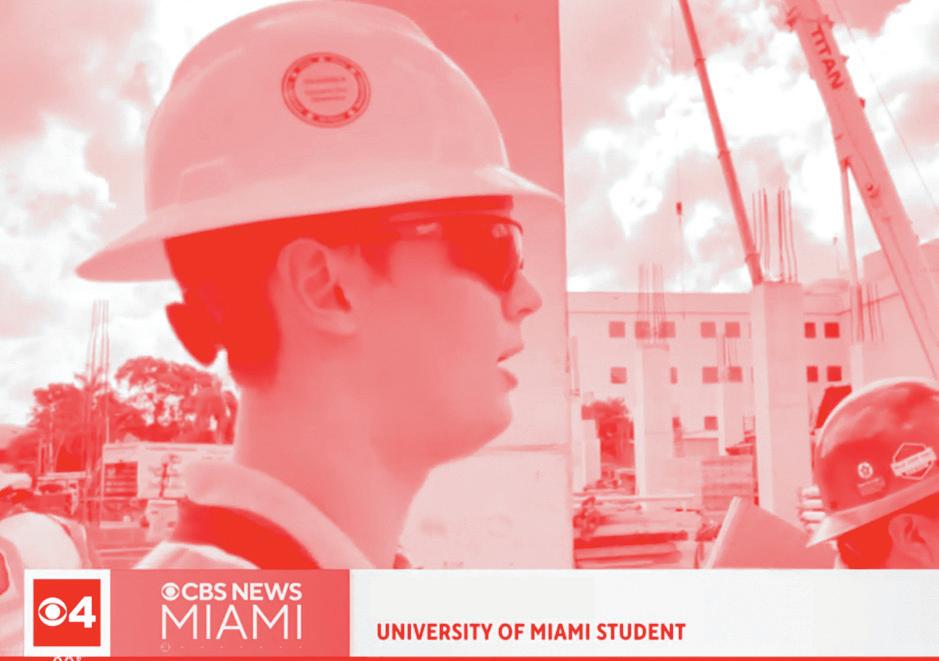
The emergency department at Jackson Memorial Hospital is undergoing a significant $90 million expansion, and University of Miami architecture student Cade Odom is playing a role in the project. Driven by a passion for construction inspired by his grandparents, Odom is gaining handson experience in the heart of Miami’s Health District. The project, which aims to enhance patient care by adding 207 state-of-the-art rooms, is expected to be completed in phases, with the first phase set for 2025 and the final phase by 2027. Odom looks forward to witnessing the transformation and reflecting on his contributions once the project is finished.
By CBS News Miami
The emergency department at Jackson Memorial Hospital is getting a major upgrade and one of the people on the job is a University of Miami student with a passion for construction.
Cade Odom is living out his dream of being an architect, in the heart of Miami’s Health District. A dream birthed because of his grandparents.
So, now he’s studying it at the University of Miami and this summer, he’s standing on the grounds of a multimillion-dollar project.
Jackson Memorial Hospital is expanding its emergency department with an initial investment of $90 million. Miami-Dade County’s busiest emergency department will now include 207 new rooms with a state-of-the-art facility.
The first phase of this project is slated to be completed by 2025.
CBS News Miami learned the goal is to expand the health system to triage patients faster, reduce wait times, and better serve the growing population in South Florida.
“Skanska is really big on building things that matter. So, this is definitely one of those key components that we are able to
build and give back to the community at the end of the day,” said Project Manager Carlos Sanango.
After phase one, phase two would include upgrading the current emergency department. That’s set to be complete in 2027.
For Odom, once he wraps up school and the project is complete, he says it’ll be cool to look back on.
“I’m looking forward to seeing how it all turns out,” he said.

In the spring of 2024, the University of Miami School of Architecture accepted proposals for the second cycle of the Social Justice Prize, a program crafted by the DEI Committee as one of multiple initiatives launched in 2023 to advance the culture of belonging within architectural education and professional practice.
This year, the Social Justice Prize honored two exceptional projects that embodied these values and showcased innovative approaches to architectural scholarship and community engagement.
By Madison Brinnon
The 2024 Social Justice Prize will fund Professor Lily Wong’s proposal, “Moonrise: Embodying the Mid-Autumn Harvest.” In this workshop and mealperformance, Wong will explore nonwestern embodied knowledge systems in architectural and ecological practices. Her project, which builds on research into Chinatown networks and contemporary plant production, is designed to build community through the simple yet profound act of sharing food. Building on her interest in non-traditional pedagogical methods beyond the confines of the classroom, Wong aims for learning and teaching through eating: The worskhsop will include a performative meal, staged in collaboration with Xiaoxi Chen, assistant director of the M.S. of Advanced Architectural Design at the Graduate School of Architecture, Planning, and Preservation at Columbia University.
The Prize will also support school Teaching Fellow Demar Matthews and Assistant Director of Communications Madison Brinnon’s proposal, “Unearthing A Black Aesthetic: Green Haven.” This proposal aims to combat local food injustice through a partnership with the non-profit Green Haven Project to establish a new plant nursery and educational space for the Overtown community. The initiative showcases Matthews’ coined Black architectural aesthetic and seeks to create a haven for education and growth. By addressing food inequity and promoting sustainable practices, Matthews and Brinnon’s project aims to empower the Overtown community and foster a deeper appreciation for Black cultural and aesthetic contributions to the built environment.

The University of Miami School of Architecture’s Littoral Urbanism Lab (LU_Lab) is embarking on a new collaboration with RIVA Spain through an initiative led by Professors Shawna and Christopher Meyer. This collaboration promises to open new avenues of research and innovation while enriching the learning experience for students and faculty alike.
By Madison Brinnon
The roots of RIVA Spain stretch back to 1937 in Vigo, where the Iglesias family began their journey in the world of wood with a small workshop. Over eight decades later, this workshop has evolved into one of Europe’s most respected wood manufacturers. Every stage of RIVA’s production process is meticulously designed to advance the flooring industry while providing customers with products of the highest quality. In 2018, RIVA expanded its horizons under the leadership of CEO Borja Iglesias who brought RIVA to the United States with a clear mission: to continue the RIVA tradition with a renewed emphasis on innovation in a competitive market.
In a few weeks, the RIVA team will return from Spain with a collection of material samples, including sawdust. These samples will fuel a comprehensive investigation into their sourcing stream. The goal is to understand the intricacies of material
origins and their journey through various stages of processing. RIVA will also share these materials with their connections in Florida for cross-testing, ensuring a thorough analysis from multiple perspectives.
As the academic year progresses, the LU_Lab will offer related courses for both undergraduate and graduate students. These courses will provide students with opportunities to engage with the research, focusing on material streams, supply chains, manufacturing processes, and product innovation. The curriculum is designed to be project-based and immersive, including field trips to various wood mills around Florida. This direct exposure to the industry will enhance students’ understanding and spark creative solutions to contemporary challenges.
The LU_Lab itself operates as both a knowledge-gathering center and a designbased research group, focused on the evolving relationship between urbanisation and the environment. The Lab embraces the responsibility of architecture to curate the constructed world, striving to create synergies between the built and natural environments. This mission is pursued through two main investigative approaches: interrogation and provocation.
The LU_Lab’s projects are designed to engage collaborative and diverse teams that explore future design scenarios embedded in cultural, economic, social, and ecological urbanisms. Existing and future strategic alignments target innovation within industry, public and private organizations, and educational institutions. Through these collaborations and expanded architectural agency Lu_Lab seeks new techniques for built solutions in evolving wet-dry environments.
This newly minted relationship not only strengthens the school’s curriculum but also sets the stage for advancement in architecture and urbanism. “RIVA USA’s investment in sustainable building material perfectly aligns with our focus on urban resilience, “ says Dean Rodolphe el-Khoury. “It clearly reinforces LU_Lab’s commitment to shaping a mutually reinforcing relationship between the built and natural worlds. Through this collaboration, the University of Miami School of Architecture, RIVA Spain, and the LU__Lab are poised to make significant contributions to the field, driven by curiosity, innovation, and a commitment to sustainability.”
The 11th Annual Docomomo National Symposium took place on May 29-June 1. With 46 speakers, 15 sessions, and two keynotes, Streams of Modernity: Postwar to Postmodern featured an array of presentations about the preservation of Modernism.
The symposium featured notable speakers from the School of Architecture faculty, including Professors Carie Penabad and Allan Shulman. Additionally, several faculty members served as moderators, including Victor Deupi, Sophie Juneau, Jean-Francois Lejeune, Ricardo Lopez, Allan Shulman, and Charlotte Von Moos. A highlight of the symposium was the uniquely crafted tours that provide access to sites typically not open to the public, guided by expert faculty and community guides. An exhibition titled IN FIFTY FOUR DETAILS showcased hand-drawn detail drawings of postwar architecture. These drawings were produced by freshman architecture students at the University of Miami School of Architecture as part of the design studio course ‘Elements of Architecture,’ coordinated by Charlotte Von Moos.
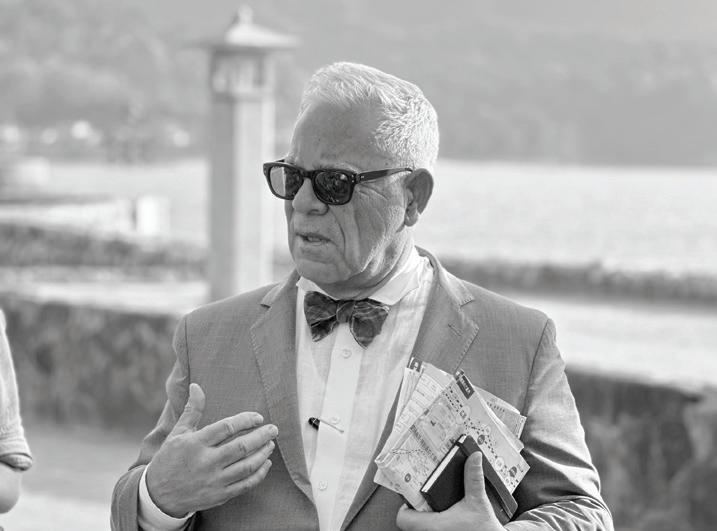
On April 15 faculty and staff, alumni, friends and members of Professor Teofilo Victoria’s family gathered in the school’s courtyard to reflect on the passing of a cherished member of our academic family. For four decades, Professor Victoria dedicated himself to a passionate, deeply personal, and visionary educational mission, leaving a mark on generations of students and the broader community. His commitment to uncommon, pure ideas and especially to beauty were palpable in every lecture, every conversation, and every interaction, from casual remarks meant to provoke discussion to educational trips abroad meticulously plotted for students.
While words come forth but may still falter
in capturing the depth of our loss, let us find some consolation in the enduring legacy he leaves behind. We look forward to commemorating his life and achievements in a memorial event scheduled for September 2024, featuring an exhibition of his work and insights from guest contributors closely acquainted with his accomplishments and his person. Meanwhile I invite you to read comments posted by our community on social media; they capture the many ways he impacted lives.
In the context of the school, Professor Victoria will not only be remembered as a formidable educator but also as a distinguished architect and scholar. His contributions to the field were as remarkable as they were formative, shaping the early history of the school, namely the Miami School, and beyond.
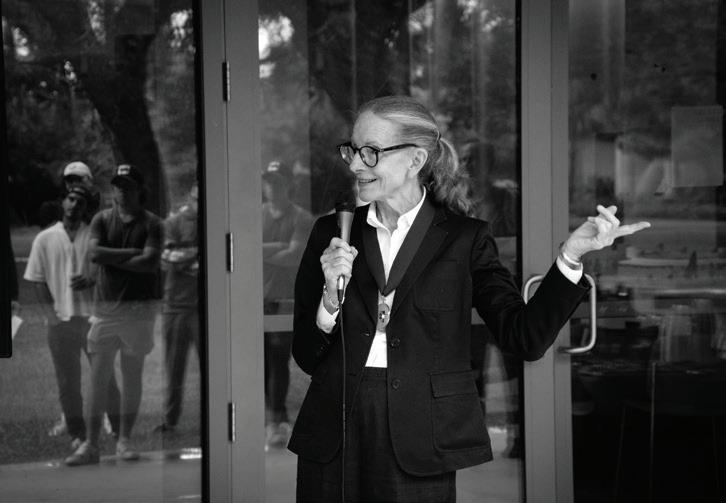
On April 22, the School of Architecture honored Professor Elizabeth Plater-Zyberk for winning the 2024 AIA/ACSA Topaz Medallion for architectural education. Students, faculty, staff, and peers gathered on the Murphy Terrace to celebrate PlaterZyberk’s outstanding achievement.
“For Elizabeth Plater-Zyberk, FAIA, practice, teaching, and research have always been intertwined, and her career, which stretches across four decades, has included exemplary contributions to the built environment. As formidable an architect as she is an educator, PlaterZyberk has transformed the teaching of architecture by ceaselessly promoting walkable and resilient design. She has attracted students from around the world to the University of Miami, where PlaterZyberk is a distinguished professor of architecture and former dean, integrating them into projects that build community and support well-being.” - AIA
Technology experts, government leaders, planners, industry visionaries, and the public came together last week during the 8th Annual Smart Cities Miami Conference, hosted by the University of Miami School of Architecture and Frost Institute for Data Science and Computing, and presenting sponsors Double C by Conconcreto and Broadway
Malyan, to explore the impact of AI in smart city practices and how individuals, societies, and cultures adopt and adapt to emerging AI-driven technology in smart cities.
Rodolphe el-Khoury, dean of the School of Architecture, who has chaired this conference since its initial launch, opened the 2024 edition by introducing the first topic, “Artificial Intelligence and Its Role in the Design and Management of Smart Cities.”
Three panels delved into the concept of smarter cities, rethinking infrastructure and transforming the profession.
By Madison Brinnon
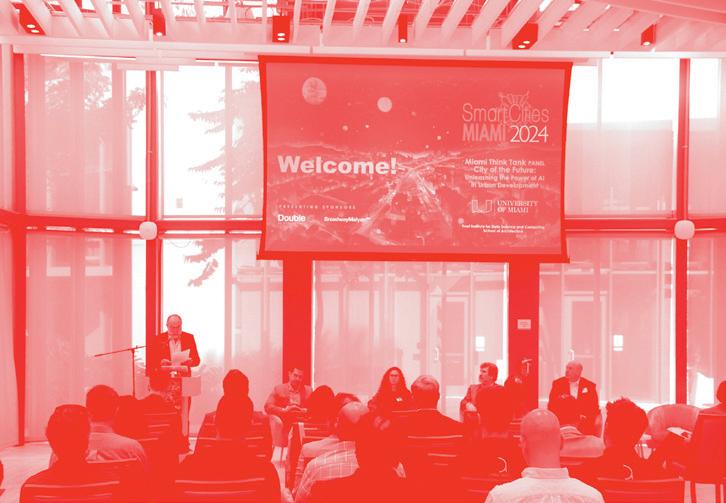
These topics considered the role of artificial intelligence in the design and management of smart cities, providing opportunity to explore the impact of AI in smart city practices and how individuals, societies, and cultures adopt and adapt to emerging AI-driven technology in smart cities.
“We are invested in this public forum because we believe that we are at a threshold of significant transformations in the urban environment provoked by new services and practices driven by emerging technology,” said el-Khoury.
The keynote speaker, Neil Leach, director of the Doctor of Design program at Florida International University, talked extensively about the complex nature of AI and the unforeseeable dangers of the advancement of this technology.
The second day featured a University partnership with Miami Think Tank, a new platform for discussions on current challenges in contemporary cities and global urbanization processes that focuses on the city of the future and unleashing the power of AI in urban development.
Alejandra Pardo de Francisco, innovation director at Double C by Conconcreto, touched on the importance of this collaboration.
“As a Latin American and U.S.-based company, Double C, we decided to bring it to Miami. The University of Miami is the best place and partner to host this event as we have worked together for years and believe in changing our industry and building a more sustainable future,” said Pardo.
The panel “City of the Future: Unleashing the Power of AI in Urban Development,” was moderated by Coral Gables Mayor Vince C. Lago. He was joined by panelists Jorge Ponce Dawson, practice principal and design director and head of studio in Madrid for Broadway Malyan; Olivia Ramos, CEO of Deepblocks; and Terry Shaw, senior practice builder and associate at Kimley Horn.
Following the end of the Smart Cities Conference, guests were ushered across campus to partake in the UniversityCOBOD unveiling event at the Studio Arts Building.

In a significant stride toward innovative construction technology, COBOD International, a global manufacturer of concrete 3D printers, has embarked on a strategic collaboration with the University in a move set to redefine the landscape of construction research and application.
By Madison Brinnon
This partnership includes the installation of the BOD 2, a state-of-the-art large format concrete 3D printer, on the Coral Gables Campus. The collaboration will focus on a broad spectrum of initiatives, from pioneering new research in the domain of automated construction systems to enhancing existing studies in concrete 3D-printing technologies, as well as applying these research endeavors into tangible, real-world applications, notably in addressing the critical challenge of affordable housing in Miami.
“3D printing will transform construction through the design freedom that it unlocks,” said Philip Lund-Nielson, cofounder and head of Americas for COBOD International. He said a COBOD concrete printer “can move completely unhindered in three dimensions, allowing for much more unique and creative structures, making spaces more exciting and enjoyable to live in.”
The partnership between COBOD International and the University represents a groundbreaking advancement in the realm of concrete 3D printing. The collaboration paves the
way for innovative research and practical applications that could revolutionize the construction industry.
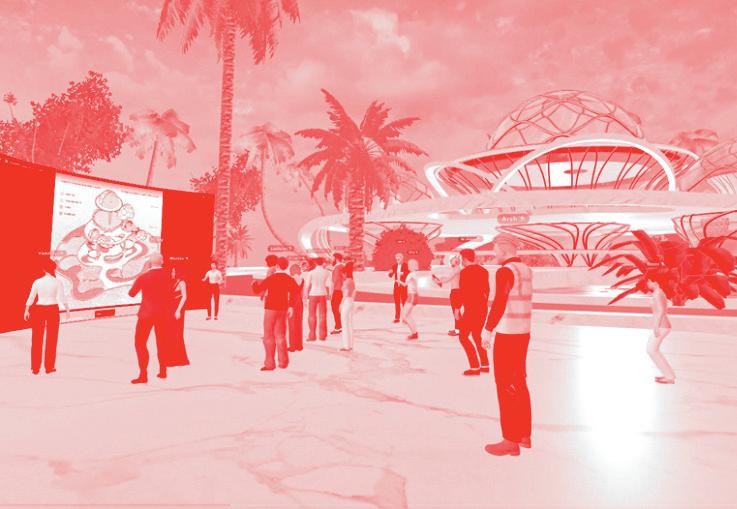
RAD LAB INNOVATIVE CLASS BRINGS STUDENTS FROM MIAMI AND INDIA TOGETHER IN THE METAVERSE
Welcome to Architecture in the Metaverse—Global Problems, an elective studio course offered through the School of Architecture to advanced and graduate students that allows them, through a platform called Engage VR, to meet in a virtual world. The course is hosted by the RAD Lab with instructors who include Rodolphe el-Khoury, dean of the school, and Indrit Alushani, a research associate.
It is being taught in collaboration with Anant National University in Ahmedabad, India. Twenty-one architecture students from Anant National University are also taking the course, and Professors Ashish Tiwari and Ujjwal Dawar co-teach the University’s course.
By Barbara Gutierrez, UM News
University of Miami architecture student Ellie Koeppen moves across the room to show her fellow classmates the interior of the apartment building she has designed.
“We are leveraging the technology to collaborate globally,” said Dean Rodolphe el-Khoury. “It is working flawlessly, beyond my expectations. After five minutes in the virtual environment, you forget that you are an avatar, and it feels like you are having conversations in the real world.”
The student’s initial assignment is the design of a visiting center for Zenciti, a “smart city” that is pushing the envelope with the integration of technology into everyday life in Mexico’s Yucatan province.
On some occasions the students interacted with the group and presented their work on a virtual board. In the real world, they were at their homes wearing VR goggles.
One of the main advantages of this technology and interaction mode is the ability to move from the PowerPoint to a virtual walk-through in the designed space, said Indrit Alushani, a research associate.
Usually, students provide renderings on a white board as a final project. In the
metaverse, the presentations are much more dynamic and immersive.
“Traditional renderings can tell a compelling story but there is a lot of wishful thinking in them,” said el-Khoury. “Walking through the building (virtually) gives you a better sense of how it would look and feel. In the next iteration of the course, we will explore tools for adjusting the design and for sampling different materials on the fly: ‘move this wall here, show me the floor with this kind of tile,’ or ‘I want to change the color here.’”
“Being able to walk through the space is so helpful because you realize the scale of the space,” said Koeppen, a fourth-year student. “It is almost like you take what you have in your computer and then build it in real life. You can really tell if the design would be viable in real life.”
She also said that working with faculty and students from another country was amazing.
“Their teacher has given us feedback and it’s great to get feedback from someone so far away and in a completely different time zone,” she said.
Amrita Goyal is a fourth-year architecture student at Anant National University. She feels that meeting in the metaverse is very beneficial.
“I think it shows great potential,” she said. “It makes getting students from across the world together so much simpler, and we are learning the software but also discussing the importance of this metaverse in the architectural space. Is it a tool? Will it change the world like the internet did?”
She is working on her project and using Midjourney, an AI software, as a tool and is looking forward to interacting with the Miami students in future classes. The only disadvantage that she has found with the class is the time difference. Her city is nine hours ahead of Miami. So, the students from India get up at 3 a.m. to make the class.
“It has been a challenge,” she said. “But we are doing it.”
WATER SCARCITY AND THE CLIMATE CRISIS
University of Miami College of Engineering and School of Architecture researcher Esber Andiroglu and his team recently released a report that details measures by which residents in new and existing singlefamily homes in Phoenix and in three other water-stressed communities can improve their water usage.
Andiroglu recently presented the findings of the report, “Water Conservation and Codes: Leveraging Global Water-Efficient Building Standards to Avert Shortfalls,”
at the first Water Conservation Summit in Washington, D.C., hosted by the International Code Council (ICC).
By Robert C. Jones Jr., UM News

The news hit developers like a sledgehammer: The state of Arizona, faced with a two-decades-long drought, would put the brakes on new home construction in the Phoenix area that depends on groundwater.
While the decision, reached last year by Arizona Department of Water Resources, could likely spell the end of the rapid development that has made the Phoenix area one of the nation’s fastest growing metropolitan regions, it raises a much more serious question: How will the city and its surrounding areas deal with a water scarcity crisis that has been worsened by the effects of climate change?
More than 2,000 miles away, a University of Miami College of Engineering researcher and his team may hold the answer. In a recently released report, they detail measures by which residents in new and existing single-family homes in Phoenix and in three other water-stressed communities can improve their water usage.
“Rapid urbanization and rising water use, which put stress on centralized systems, provide significant difficulties for urban water infrastructure,” Esber Andiroglu, associate professor of practice in the Department of Civil and Architectural Engineering and the lead author of the report, wrote. “Historically, cities have relied on these systems, but those systems are unable to meet the growing needs and are made worse by problems including resource-intensive operations, outdated infrastructure, and inefficient energy use.”
Released by the College of Engineering’s Sustainability and Resiliency Adaptation Laboratory, or SUREAL, the report recommends that Phoenix—as well as Houston, Texas; Las Vegas, Nevada; and Des Moines, Iowa—can save billions of gallons of water each year by adopting decentralized methods such as using more water-efficient plumbing fixtures and appliances; harvesting rainwater and collecting condensation from HVAC systems, both of which can be used to water lawns, wash cars, and flush toilets; and treating and reusing wastewater.
“Across Phoenix and Las Vegas, characterized by arid climates with limited rainfall, water-saving fixture installation and greywater harvesting systems are pivotal for water conservation,” the researchers wrote. “Conversely, in Des Moines and Houston, where rainfall is more abundant but still subject to seasonal variability, optimizing water usage through efficient fixture installation and greywater recycling becomes paramount.”
Phoenix, for example, could save 16.1 billion gallons of water each year by implementing some of the measures recommended in the report, while homes in Houston could save over 15.67 billion gallons of water annually, Andiroglu pointed out.
He recently presented the findings of the report, “Water Conservation and Codes: Leveraging Global Water-Efficient Building Standards to Avert Shortfalls,” at the first Water Conservation Summit in Washington, D.C., hosted by the International Code Council (ICC).
The ICC and EXP, a global engineering, architecture, design, and consulting firm, partnered with Andiroglu and his team on the report. The water-conservation strategies outlined in it are contained in the ICC’s 2021 International Water Conservation Code Provisions.
“At the moment, those provisions are only recommendations,” Andiroglu said. “But if they were to become mandates rather than voluntary, the benefits for communities could be tremendous.”
With some 700 million people in danger of being displaced by severe water scarcity by 2030, the report comes at a critical juncture, he explained. Over the next 50 years, nearly half of the freshwater basins in the U.S. may not be able to meet monthly water demands, with shortages anticipated in the central and southern Great Plains, the Southwest, and central Rocky Mountain states, as well as in parts of California, the South, and the Midwest, he said.
Andiroglu and his team—Murat Erkoc, an associate professor in the Department of Industrial and Systems Engineering, and graduate research assistant Guna Medavarapu—are now conducting research as part of the second phase of their study, which focuses on water-saving measures for larger residential buildings. The third phase of their study will look at provisions for commercial structures.
“We’ll also scale up our research outside of the U.S., looking at Latin America, the Middle East, Australia, and Asia,” Andiroglu said.
Driven by population growth, economic development, and other factors, water use has surged globally over the past century, according to the report. “This has led to a situation where many regions already
struggle with water scarcity,” it reads, “and the situation is expected to worsen in the coming decades as a result of climate change impacts.”
Born and raised in Cyprus, one of six countries identified by the World Resources Institute as facing the greatest water scarcity in the world, Andiroglu knows better than anyone the importance of conserving water.
“As an island nation, Cyprus has always experienced water shortages, especially during the very hot summer months,” he said. “Growing up, I was reminded about water conservation daily by my parents with basic daily routines such as limiting the duration of showers and watering lawns or washing cars only on days when there was a steady water supply from the central utility. Water conservation was instinctively engraved in my family’s lifestyle. So, this report hits home for me.”

Students at the School of Architecture are using the University Libraries Special Collections to explore the history and architecture of prominent Miami sites. Professor Victor Deupi’s course teaches the students intricacies of curating an exhibition.
By Barbara Gutierrez, UM News
When it was first built in 1916, Villa Vizcaya—now known as Vizcaya Museum and Gardens—was the grand Italian villa vacation home of affluent businessman James Deering. Today, it draws thousands of visitors a year.
It is also one of Vanessa Lopez Trujillo’s favorite buildings. Now the fourthyear University of Miami School of Architecture student is taking a deep dive into its history, along with that of the Freedom Tower and the Biltmore Hotel in Coral Gables.
Her project for a first-time class in the School of Architecture is called “Miami Mediterráneo.” It will explore, through photographs and texts, the history of the three buildings and each building’s architecture and uses throughout the years.
Her class is ArcLab 2024, Building Magic
from the Archives. A previous similar class was co-taught with the Art Lab and included art history students, said Victor Deupi, senior lecturer, who teaches the class. Nine undergraduate students are enrolled in the current course.
“I pitched the idea of teaching this class at the School of Architecture because here at UM we have a substantial number of architectural materials in the Libraries’ Special Collections,” he said.
In its thousands of holdings, the Special Collections, Cuban Heritage Collection, Architecture Research Center, and Lowe Art Museum have architectural sketches, books, drawings, and postcards, as well as pottery—both pre-Columbian and Asian—that feature architectural motifs, and students had access to materials in all these archives, Deupi added.
Deupi said the students are learning crucial skills that they will most probably have to use in their careers.
“Architects often have to do exhibition design and curate exhibitions,” he said, adding that he has had to curate five exhibitions himself. “The class teaches students to understand the larger world of museum curating.”
For Lopez Trujillo the extensive research she has undertaken for her project has proved to be extremely helpful to hone her research skills.
Even though she grew up in Miami, learning details about the three buildings she is highlighting has proved to be eyeopening. Before becoming a haven for Cuban refugees who arrived in Miami in the 1960s and 1970s, the Freedom Tower was called the News Tower since it housed The Miami News, the town’s afternoon newspaper.
The luxurious Biltmore Hotel once operated as a hospital during World War II and served as the home of the University’s medical school until 1968.
“Learning about the evolution of these pieces of architecture has been amazing,” she said.
Blake Weldon, a fourth-year student, believes the class could also be helpful in his future. He is interested in architecture, furniture design, art, and art galleries.
Weldon’s project is on the Everglades. Using the vast holdings the library has on the Everglades, he is documenting the history of the River of Grass, from the late 1800s to the 1960s. He found a book, “Photograph Album of Illegal Moonshine Stills Seized by Revenue Agents in West Palm Beach County Florida 1930s,” almost 100 years old, that became crucial to his research.
Through a series of black and white photos taken by Ralph A. Johnson, Weldon will
show how the Everglades had a dark past. In the 1930s during the period of prohibition, the FBI cracked down on illicit distillery mills housed there. His project will show the evolution of the Everglades from the time the Seminole and Calusa tribes inhabited it to the building of Tamiami Trail, which became Southwest 8th Street in Miami-Dade County.
“This course is teaching us how to uncover information that we may not have had access to,” he said, adding that he found the research on the Everglades eyeopening. “Personally, I did not know that we had all these historical archives.”
Once completed, the projects will be shown in a digital reproduction of the Korach Gallery in the School of Architecture as a master home page. The website will also introduce each student, their individual sections, and their story map pages and selected works crediting the various collections, said Deupi.
The students’ projects will reside on the University Libraries’ website and be accessible to the public as an ArcGIS StoryMaps digital humanities project.
FEBRUARY 2024
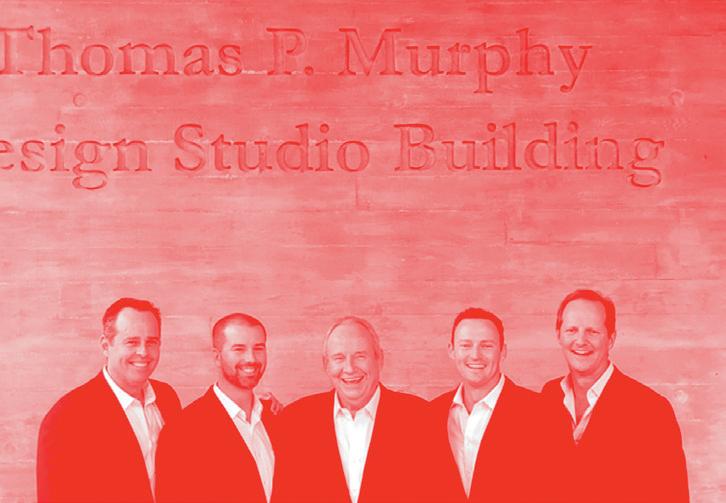
The University of Miami recently named the Murphy Construction Management Program to honor the legacy of construction veteran, philanthropist, and alumnus Thomas P. Murphy, Jr.
By Maeve McQueeny, UM News
Twenty years ago, Thomas P. Murphy Jr., a powerhouse in the Florida construction industry, saw a need to prepare the next generation of builders with hands-on training and proficiency with cutting-edge technology. He approached the University of Miami to create a construction management track and pushed this idea for years until it became a reality.
Recently, the University recognized Murphy for his vision by naming the Murphy Construction Management Program in his honor.
The naming also celebrates Murphy’s latest gift to the University, which supports
scholarships and project-based learning for construction management students.
Murphy’s gift is part of the University of Miami’s Ever Brighter: The Campaign for Our Next Century. The most ambitious in the University’s history, the campaign is set to conclude in 2025, when the University will celebrate its centennial.
It was at the University of Miami in 1968 that Murphy launched his career in construction. As a 19-year-old student, he became the youngest licensed contractor in Florida’s history. At the age of 20, he started his construction company.
Years later, he returned to campus as a successful businessman—as the founder, chairman, and CEO of Coastal Construction, an award-winning company with a distinguished roster of clients and many high-profile projects across Florida.
In 2014 Murphy made the naming gift, in honor of his father, to create the awardwinning Thomas P. Murphy Design Studio Building, a state-of-the-art building at the School of Architecture designed by Arquitectonica and built by Coastal Construction. Upon its debut, the design studio received multiple awards, including the 2018 Building of the Year from WorldArchitects.
“It is an honor to continue supporting the University of Miami School of Architecture and now the construction management program,” Murphy said. “Supporting these bright young minds, who will become the next generation of builders, is very important.”
The gift will also help build a strong pipeline of talent in Miami.
“Education has the power to transform lives, and we believe that every talented individual deserves equal access to educational opportunities,” said Rodolphe el-Khoury, dean of the School of Architecture. “With this endowment, we are investing in the potential of future construction management students, enabling them to pursue their dreams and make a lasting impact on the industry.”
The gift furthers Murphy’s impressive philanthropic legacy and empowers students to follow their dreams.
MATTHEWS CHALLENGES HIS STUDENTS TO INCORPORATE THEIR CULTURAL IDENTITY INTO ARCHITECTURE
Demar Matthews, a visiting professor and DEI Fellow from Los Angeles, is the founder and principal in the architecture studio OffTop Design. He leads the charge in pushing the boundaries of traditional architectural norms by infusing his designs with elements that celebrate cultural diversity and promote inclusivity.

By Ashley A. Williams, UM News
Students in Demar Matthews’ Cultural Identity in Architecture course are delving deep into the connection between architectural design and diversity and equity.
“I was very intrigued by the curriculum of this course, and I also wanted to take a class where I would be forced to be creative, in a way that I haven’t before,” said Khalil Bland, a fifth-year architecture student at the University of Miami. “I also wanted to learn from someone who looks like me and may have shared similar experiences.”
Matthews, a visiting professor from Los Angeles, is the founder and principal in the architecture studio OffTop Design. He leads the charge in pushing the boundaries of traditional architectural norms by infusing his designs with elements that celebrate cultural diversity and promote inclusivity.
During his time in the graduate program at Woodbury University in Los Angeles, Matthews started envisioning how a Black aesthetic could be incorporated into the industry. Fascinated with the idea of incorporating cultural identity into his designs, he set out on exploring the rich history of Black experiences. He now wants others to do the same using their own cultures and experiences.
“Traditionally, students are taught to begin their design process with European ideas and concepts—it’s become the precedent. In my course though, students aren’t doing that,” he said. “Students are not asked to look at buildings. Instead, they’re asked to look at themselves, to look at their family members, to look at their traditions, and they are asked to create based off of themselves,” said Matthews.
Bland, a Philadelphia native, said this unique course has encouraged him to dig deeper into his own personal narratives, to draw inspiration for his own work.
“Demar makes us think in different ways,” said Bland. “He wants us to break boundaries and think of different architectural styles. I think this has been more challenging because you have to think outside the box.”
On Monday, Matthews and his students traveled to Overtown, a Black historic neighborhood located about 14 miles north of the Coral Gables Campus. While there, they participated in a tour to learn more about the rich history and culture of the area.
Ana Jouvin, a fourth-year architecture student, found the tour to be eye-opening. She said Matthew’s course has inspired her to want to create designs that others who were born and raised in Miami can identify with.
“I give Professor Matthews a lot of props because he seems like someone who is very persistent and consistent in his messaging,” said Jouvin. “He makes us think very differently and he has ingrained in me that it’s architecture and culture—not just architecture. I find this course really interesting and I would recommend it to my peers.”
Matthews said the lack of buildings that represented him is what inspired him to create OffTop Design, and teach the next generation of designers and builders.
“I want my students to understand and analyze their own lived experiences and turn them into sketches,” he shared.
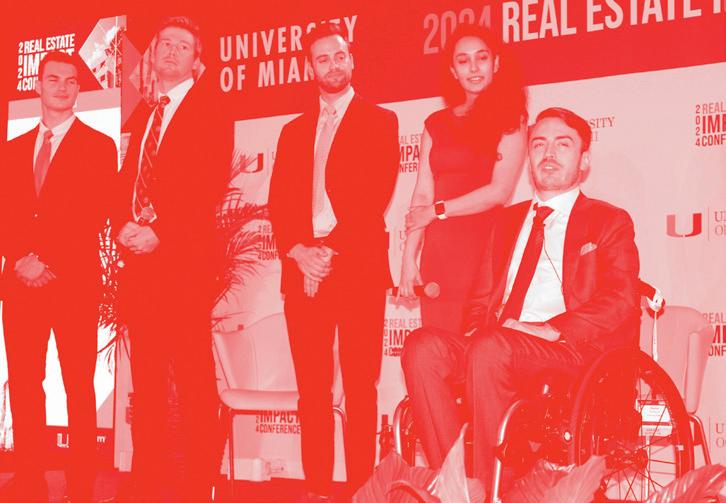
Cities all over the world are at a crossroads in which growth and expansion must be balanced against a variety of challenges, including the preservation of key natural resources such as water and green space; the mitigation of natural hazards like flooding, windstorms, and fire; rapidly rising insurance costs; and a growing shortage of housing at accessible price points. These issues have been at the core of Miami’s past two development cycles and continue to exert greater and greater pressure on those working in real estate to provide effective solutions.
By Madison Brinnon
“What’s Next for a Resilient Miami?” was the focus of this year’s Real Estate Impact Conference. The event, hosted by the School of Law, School of Architecture, and Miami Herbert Business School, featured noted leaders with expertise in commercial and residential development, global climate news, infrastructure and civil engineering design, and real estate law and finance.
“South Florida opens 2024 looking stronger, more diversified, and literally stands as the place to be for real estate,” said Charles C. Bohl, professor and founding director of the Master of Real Estate Development + Urbanism Program, the interdisciplinary one-year graduate program that combines the strengths of the University of Miami’s schools of architecture, business, and law to create a world-class program that blends the fundamentals of real estate development with livable community planning and design. “It is not, however, without challenges,” he continued in welcoming remarks. “In facing resiliency and sustainability, the University of Miami seeks to create the next generation of leaders and visionaries—with programs in every field that connects to real estate, including construction, business, law, finance, and beyond.”
University President Julio Frenk echoed this sentiment in his opening speech, highlighting the University of Miami’s unique opportunity to act as a leader and catalyst.
“It seems as though it was the University’s destiny to be at the forefront of these issues,” he stated. “We want to drive change, deliver solutions, and collaborate with the community, government, and private industry. We need to educate and provide tools for promoting shared understanding. Just as our mascot, the ibis, is a symbol of resiliency, so too must the University of Miami be a trusted resource in building resilient communities now and in the future.”
In an effort to deliver answers to the conference question, experts pulled back the curtain on an industry undergoing significant transitions and discussed what efforts are working well, which appear to hold promise for the future, and the problems that must be addressed quickly if cities like Miami are to succeed both socially and economically.
“The Annual Real Estate Impact Conference gives our students unparalleled access to thought leaders in the commercial real estate industry through the invited presenters and the invitationonly guest list,” said Andrea Heuson, Miami Herbert professor and director of the Accelerated MBA in Real Estate program.
“The event allows for current students to mingle with alumni in the commercial real estate business from all over the country to help build their networks and open the doors for internships and future career opportunities.”
As Miami is at the forefront of resilient development not simply because it wants to be, but because it has to be, UM students can be at the center of a movement the world is watching.
“This UM Real Estate Impact Conference
was a great success. The School of Law and the Real Property Development Program were proud to be co-sponsors,” said Thomas Nealon, director of the program. “The conference offered our students a wonderful opportunity to network and interact with real estate industry professionals.”
The conference was made possible through the support of more than 100 sponsors, including presenting sponsors, Douglas Elliman Real Estate, the Kislak Family Foundation, and Witkoff.
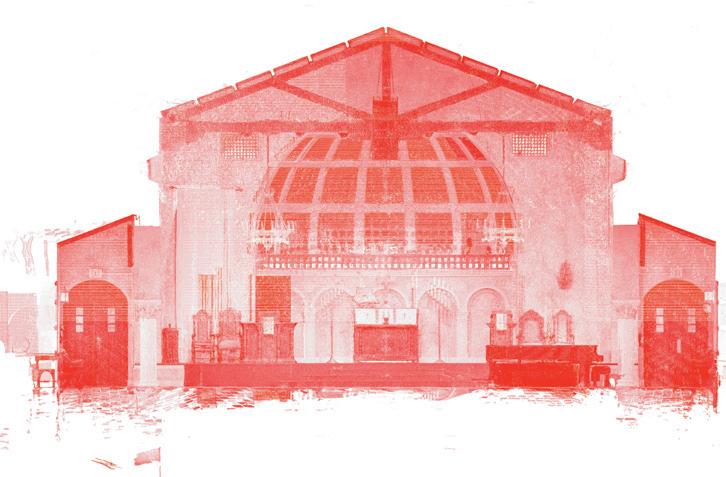
Architecture students surveyed every aspect of the Coral Gables Congregational Church to document the architectural design, structure, and distinctive elements of the building
By Barbara Gutierrez, UM News
Students from the University of Miami School of Architecture, working with lecturer Ricardo Lopez, were able to fully document the architectural design, structure, and distinctive elements of the iconic Coral Gables Congregational Church for submission to a Library of Congress archive that collects and preserves the architectural measured drawings of historic buildings.
“This project began when the church reached out to us and expressed an interest in initiating this as part of their upcoming centennial,” said Lopez. “They are the caretakers and stewards of the building, and they had the wisdom of recognizing the value of filing it with the HABS Collection.”
HABS stands for Historic American Buildings Survey. Established in 1933, the public archive stores America’s architectural heritage, consisting of measured drawings, historical reports, and large-format black-and-white photographs. The archive aims to preserve these documents in case the structure is damaged or destroyed, said Lopez. Future architects can use them for a variety of preservation planning efforts.
The students’ work was recognized with the 2023 Charles E. Peterson Prize, an award given by the American Institute of Architects, the National Parks Service, the Athenaeum of Philadelphia, and the
Association for Preservation Technology. Three of the students travelled to Philadelphia to receive their third-place cash award and attend the Documentation by Design Symposium, said Lopez.
The students began their work in a studio class called Documentation of Historic Architecture, in which they conducted field work and produced drafts, drawings, and photos of the church, which was the first church and public building constructed in Coral Gables. Working with the Frost Institute for Data Science and Computing, they were able to use drone photography and laser scans of the taller and more complex building elements, such as the church’s tower.
“We used this class as a learning tool, and it is a great way to get students out of the classroom and in front of a building while we are documenting something for the greater good,” said Lopez. “It is an opportunity to discuss building materials and construction assemblies while they are physically measuring and drawing, giving them an essential perspective on how buildings come together.”
To finish the project, four students from the class remained to work as interns funded by the Center for Urban and Community Design late last year to complete the set of drawings and documents required by HABS and participate in the annual Peterson Prize, said Lopez.
Kiera Tucker, a graduate student who besides earning a degree in architecture is working to receive a certificate in historical preservation, was one of the interns who worked on the project.
“I was very excited at the idea of physically going and documenting the church,” she said. “Because of [the pandemic], I did not have many opportunities to do hands-on work. So, I was very glad to do this.”
Working as a team, the students surveyed every aspect of the building. Tucker started by fully detailing the choir loft, measuring the floorboards and moldings. She then proceeded to document the first floor, which includes wooden pews, a trussed ceiling, and stenciled paint designs along its walls.
“We had to be very meticulous throughout,” she said. “It really comes down to the nitty gritty details that you don’t think too much about when you are walking around the space.”
Michael Maxwell, a developer, longtime member of the church, and a vice chair of the Coral Gables Historic Preservation Board, has worked in historic preservation and advocacy for many years. He served as the point person for the School of Architecture cohort. He said the church approached the University because they saw the importance of the need for this
historic preservation documentation, and he was familiar with the work the University did with historic preservation.
“One thing old buildings need is good documentation,” he said. “They need this to understand how the building was built and see what was there originally and then we can compare it and we can build on that.”
The church received the documentation and all the architectural drawings and plan to use it for future renovations, said Maxwell. One of the first renovations is replacing the roof later this year.
He thought the work the students performed was “an excellent job.” “This served as a training ground for people who need to be trained,” he said. “There are not enough people in South Florida with historic preservation training.”
The students’ work will be featured at the Coral Gables Museum during an exhibit called: “Celebrating a Century: Coral Gables’ First Church and Civic Heart,” which opens on May 9.
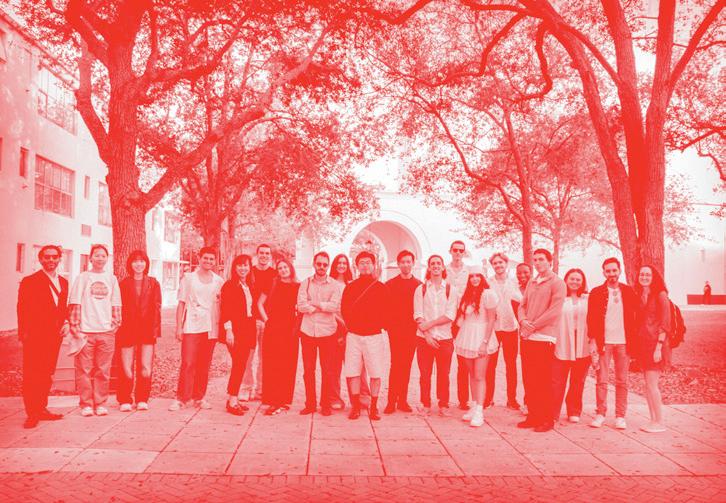
Professors Carie Penabad and Adib Cure have been selected to lead a studio at Yale University during the spring semester as part of the esteemed William Henry Bishop Visiting Professors of Architectural Design Chair. Their focus will be on addressing the pressing issue of housing in Miami. Titled Miami Made, the studio challenges students to innovate solutions for the missing middle segment of Miami’s housing market.
By Madison Brinnon
Divided into two distinct phases, the studio begins with in-depth research and analysis. Firstly, students will undertake a comprehensive study of housing typologies on a global scale, coupled with an examination of Miami’s unique environmental factors, ecosystem, zoning regulations, and legal considerations from both architectural and urban perspectives. This phase lays the groundwork for understanding the complexities of Miami’s housing landscape. For the second phase, Yale students embarked on a hands-on exploration during travel week in Miami.
Led by Professors Cure and Penabad, students immersed themselves in the city’s evolution from its ancient roots to its contemporary urban landscape. Throughout their time in Miami, students engaged with local experts who offer unique insights into the city’s dynamics.
The culmination of the semester will be a charrette focused on developing a master plan for the site in Miami, followed by the design of innovative architectural housing typologies tailored to the city’s needs. Notably, students from the University of Miami School of Architecture will parallel this coursework, ensuring a collaborative exchange of ideas between Yale and Miami students.
During the travel week, both sets of students had the opportunity to present their work to each other, fostering crosspollination of ideas and preparing for the next phase of the project. This unique collaboration promises to yield fresh perspectives and innovative solutions to address Miami’s housing challenges.
JANUARY 2024

The School of Architecture and the U.S. Dept. of Housing and Urban Development (HUD) bring you the 2024 Springterm Salons - In Short Supply: Affordable Housing.
Mark your calendars for every Thursday in February from 6 to 8 p.m. as we gather in the University of Miami School of Architecture Courtyard. Immerse yourself in insightful discussions featuring a stellar lineup of speakers, delving into the challenges and solutions surrounding affordable housing.
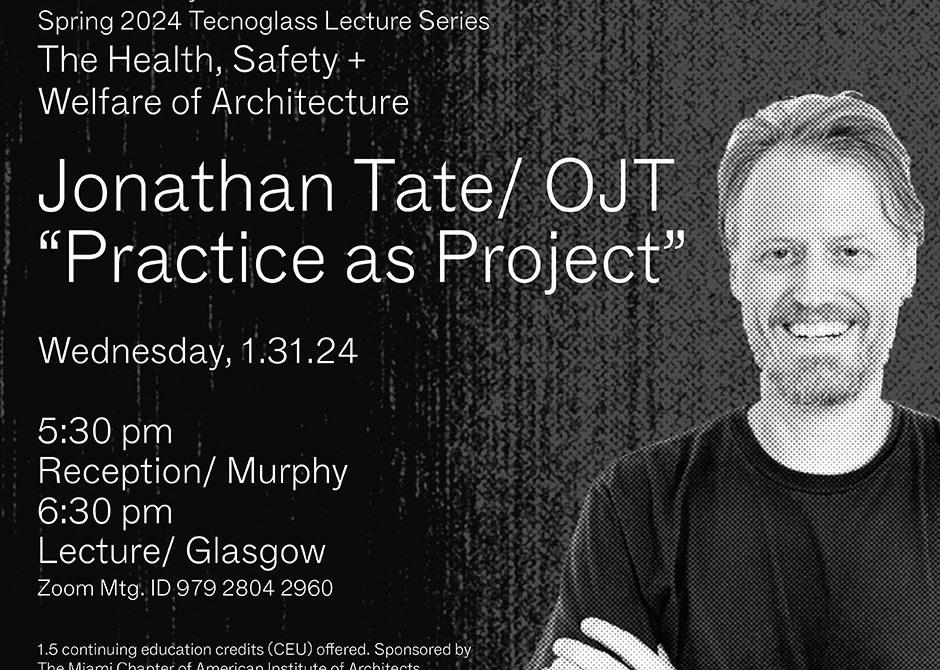
The University of Miami School of Architecture unveils the Spring 2024 Tecnoglass Lecture Series titled “The Health, Safety + Welfare of Architecture“.
The profession defines the duty of the architect in terms of health, safety and welfare. The demands on contemporary architectural practice are stretching these responsibilities to include critical challenges such as social inequity, environmental stewardship, and climate change impacts.
The 2023-2024 Tecnoglass series features practices that have meaningfully impacted the built environment by energizing disciplinary dedications with persistent innovation and imagination. They work through the pragmatic demands of health, safety, and welfare and reach with an expended material/formal capacity beyond traditional capacity beyond traditional boundaries to tackle the big challenges we face today.

The University of Miami School of Architecture and the Frost Institute for Data Science and Computing present the 8th annual Smart Cities Miami Conference on April 11-12, 2024.
To aid in the design and development of more sustainable, livable, and resilient cities, the University of Miami brings cutting-edge research in urban planning, architecture, and engineering in alignment with computational resources and analytical methods.
The annual Smart Cities Conference is an extension of these efforts, providing a forum for leaders in academia, industry, and government to closely examine evolving theories and practices in the Smart City field. The topics considered vary in scope and nature within a general theme that is particularly relevant for each year.
A six-month agreement with the University of Miami calls for experts to create a master plan for a technologically modern area that is a model of sustainability, resilence, and health care.
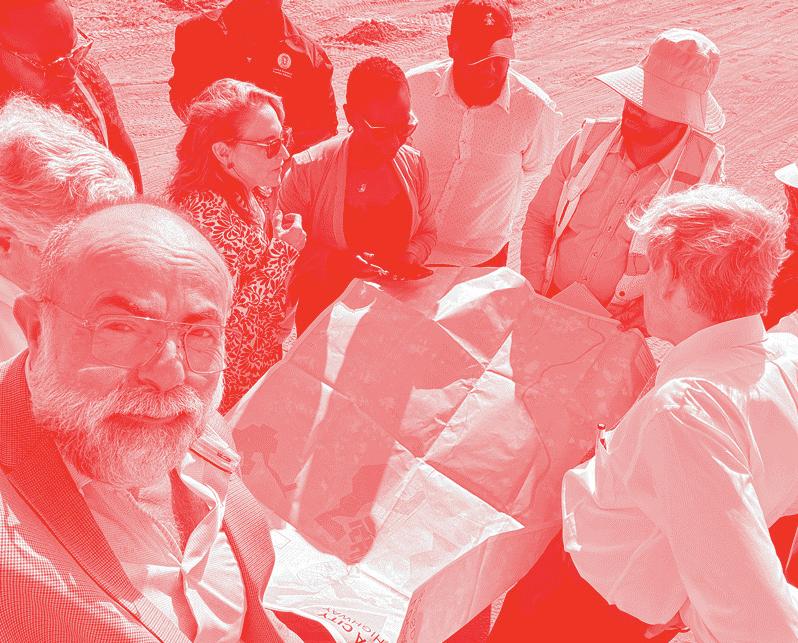
By Barbara Gutierrez, UM News
The tiny country of Guyana, tucked in the northern coast of South America, is poised to become one of the richest countries in the world per capita and one of the largest exporters of oil, news outlets have reported.
To get ready for the upcoming economic boom, the country’s leaders have reached out to the University of Miami, alongside the Guyana Innovation Group, to help it develop its future.
In November, University of Miami President Julio Frenk; Felicia Knaul, professor and director of the Institute for Advanced Study of the Americas; School of Architecture Dean Rodolphe el-Khoury; and Professor Jose A. Gelabert-Navia traveled to Guyana’s capital, Georgetown, to sign an agreement that notes the University will develop a master plan for a new community to be named Silica City. The group met with the president of Guyana, Irfaan Ali, and several top government officials.
In the future, the University will deploy an interdisciplinary approach—led by the Institute for Advanced Study of the Americas, the School of Nursing and Health Studies, the Miami Herbert Business School, and the Rosenstiel School of Marine, Atmospheric, and Earth Science— to strengthen health workforce training, health care delivery, and environmental policy around resiliency, climate change, biodiversity, and water use.
Silica City will be a smart city, designed to become a future city for the nation. It will be developed on an 11,000-acre area near the Guyana International Airport. Silica City aspires to be a model of sustainability, resilience, and futuristic thinking. It will accommodate around 60,000 residents.
“We are very excited about this project at the School of Architecture,” said el-Khoury. “It is rare to be offered the opportunity to design an entire city from scratch. It is like the chance of a generation.”
Working with the school’s Center for Urban and Community Design and the RAD Lab, the multiphase plan will involve many faculty members and students during its creation.
Although the school has tackled other similar projects in the past, there has been nothing on this scale, el-Khoury pointed out.
Silica City will have a residential area, a city center, and a research area called Innovation Village, which will be the hub of the city. Using a smart city design, modern technological features will be part of the new infrastructure throughout the city.
Gelabert-Navia began work on the project with his 12 students in a fall design studio course. He assigned them the task of exploring precedents and new concepts for the Innovation Village, which will be the heart of the city.
“The students have done a great job,” he said. “You cannot develop a city in five months, but we can develop a concept and plant the seeds for a master plan.”
To continue moving the project forward, three graduate students from the class— Adriana Garcia, Roberto Borberg Mendoza, and Maritere Rodriguez—will join a team dedicated to the Guyana project at the school, including consultants from the global design firm Perkins and Will.
The firm will provide the resources and expertise needed to carry out assessment of the topography, hydrology, and existing infrastructure of the region as part of an environmental analysis, according to Gelabert-Navia.
One of the challenges that the team will face is how to envision a “resilient” city in a region that has no history of building resilient housing, noted Gelabert-Navia.
He hopes to hold workshops with experts in resiliency and environmental issues to guide faculty members, research staff, and students in the design process.
The master plan will integrate biophilic design and sustainable features, as well as health and well-being services, following a smart city model, which integrates artificial intelligence (AI) and other emerging technologies into its infrastructure, said el-Khoury.
Sensors would be embedded throughout the different buildings and structures that would facilitate the day-to-day operation of the city, as well as its maintenance. For example, sensors would monitor changes in traffic patterns so that traffic lights could adjust in real time to weather events, congestion, and accidents.
The plan also will include telehealth and remote sensing components so that medical care can be provided to citizens in their homes.
“When these systems can communicate with each other in a city it can bring great benefits,” said el-Khoury.
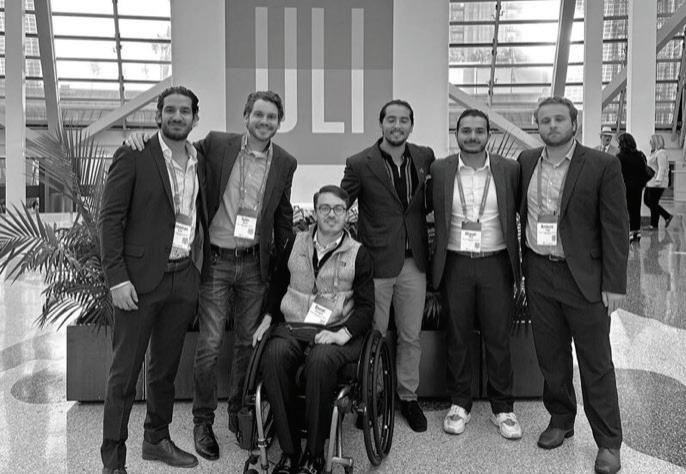
A group of students from the University of Miami’s Master of Real Estate Development + Urbanism, or MRED+U, program made the cross-country trek to attend the ULI Fall Meeting in Los Angeles.
“Great to travel to the land of the movies!” master’s candidate Miguel Perez said in a LinkedIn post. “Had an amazing time at the 2023 ULI Fall Meeting in Los Angeles, sharing insights on real estate and market trends with my University of Miami MRED+U Program cohort. Exciting times ahead!”
Also attending were, pictured left to right, fellow MRED+U students Sebastian Aviles, Tyler James, Daniel Rodriguez, Justin Terellia and Antonio Fraga.
As for those exciting times ahead, Perez said he plans to test several potential positions in commercial real estate.
“I’m thinking about a role as a developer associate. Trying different things,” he said in a LinkedIn message. “Retail, hospitality, or mixed-use development is interesting. Definitely a developer who is more of a generalist and blends the uses.”
For now, he’s looking north to the Peach State, where the movie and film industry has taken off during the past decade-plus. “Georgia is very much involved in the movie industry and there are developers building production facility studios. So that’s another interest in industrial,” he said.

A team led by RAD Lab’s research fellow Danilo Guzman, students from ARC 213 Visual Representation course, professor Indrit Alushani, art deco expert and professor Allan Shulman, created an
exciting prototype that aims to document Miami’s neon-lit art deco facades.
Miami Neon AR involves the creation of a book, complete with illustrations and an augmented reality application. The unique feature of this application is its ability to turn on the neon lights of each facade illustration, thereby bringing them to life. By combining traditional mediums such as books with cutting-edge technology like augmented reality, Rad Lab is pushing boundaries in architectural documentation. Through this prototype, viewers will be able to immerse themselves in the neon-lit beauty of Miami’s Art Deco facades from any location.
“I was inspired by the iconic art deco style and unique neon façade lights that illuminate Ocean Drive at night,” said Danilo Guzman.
Rad Lab’s ongoing project represents a harmonious collaboration between the Labs technological advancements, talented student illustrators, and seasoned experts in art deco architecture. Together, they are creating a documentation that will captivate audiences by breathing life into Miami’s iconic neon-lit facades through stunning illustrations and innovative augmented reality technology.
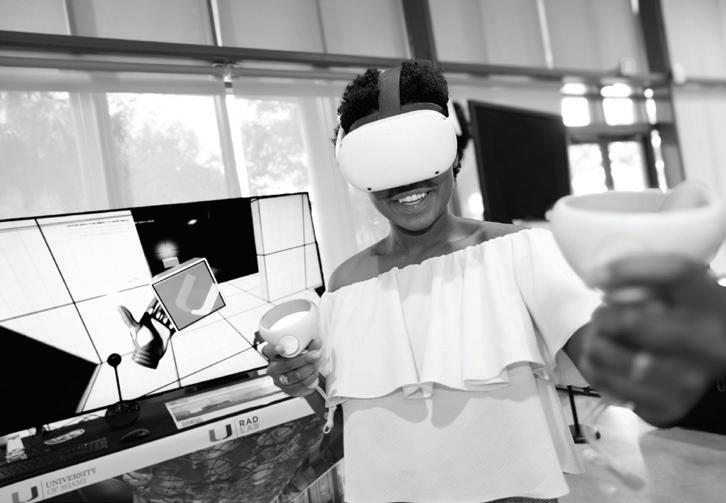
Mykayla Pauls, 4th-year Architecture student, steps into the future of cancer research with the cutting-edge interactive Virtual Reality project developed by the Rad Lab for the Transformational Cancer Research Building during FilmGate held at the University of Miami’s Lakeside Expo center.
Powered by high-end graphics rendered through Unreal Engine, this immersive experience transcends traditional boundaries, offering a virtual journey through the complexities of cancer research.
Metahumans, crafted with unparalleled realism, guide users through the intricate world of molecular biology and groundbreaking therapies. Artificial intelligence seamlessly tailors the experience to individual users, providing a personalized exploration of the forefront of cancer research.
Photo by Joshua Prezant.
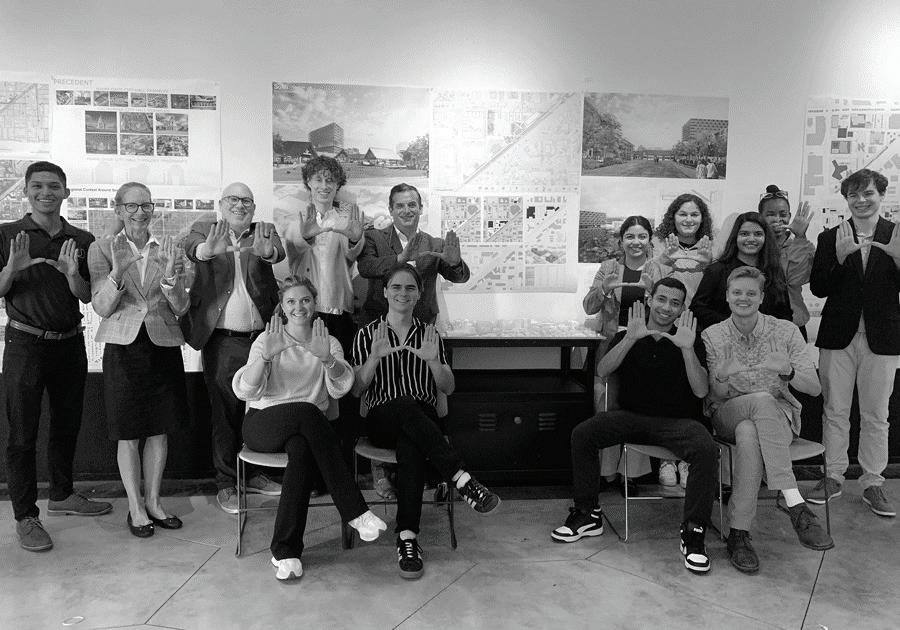
Professor Elizabeth Plater-Zyberk challenged her students in ARC 601, the Introduction to Urban Design Studio, to reimagine the heart of South Miami. With both graduate and undergraduate students on board, the focus was on revitalizing the City Hall and its surroundings. Students crafted proposals that aimed to transform the area into a vibrant civic center. On November 2nd, their ideas came to life as they presented plans and perspective drawings to Mayor Javier E. Fernandez and City Manager Chip Iglesias. The proposals, emphasizing a mix of uses to benefit residents and businesses, garnered positive feedback and sparked engaging discussions. The students’ projects, seen as academic exercises can be catalysts for change, adding to the groundwork for future transformation of South Miami’s civic center. Mayor Fernandez and City Manager Iglesias also reviewed the work of Professor Haleh Mogadessi’s studio, focused on net-zero design proposals for new City Hall. This convergence of traditional urban design and sustainable building design resonated with city leaders, reinforcing the City’s commitment to a pedestrian friendly green city.
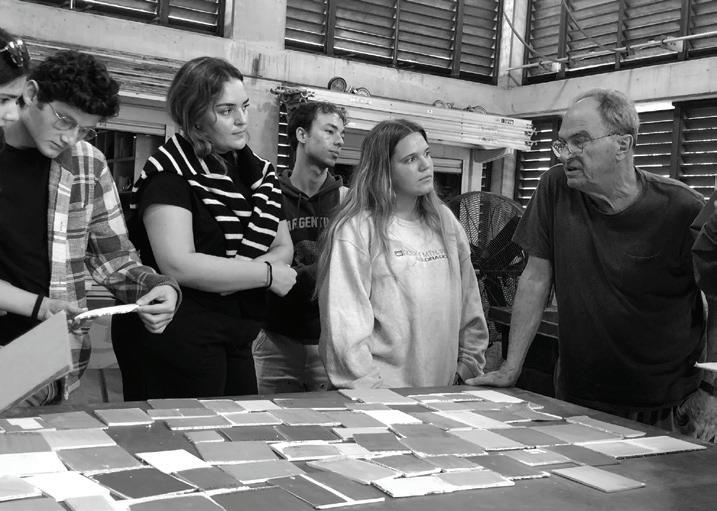
Professor Rocco Ceo’s Color Theory for Architect’s class, was visited by Emilio Cianfoni A.R.C, former Art Conservator for Vizcaya Museum and Gardens from 19762001. In addition to decades of exceptional conservation work, Cianfoni is known for having developed a subtropical formula for lime-based paints. His years of work and research helped launch his company
Calcem Lime Paint which been featured in world renowned publications such as Architectural Digest, Metropolitan Home, Elle Décor, Abitare and other international publications.
His lecture/lab presentation to the class took students through his artistic and scientific training to his conservation practice in historic sites such as Vizcaya, Fairchild Tropical Botanic Garden and other sites such as the historic water tower in Coral Gables. Cianfoni gave students a studied view into the time honored practice of working with Lime based paints, a practice that dates back to the walls of Pompei where paint applications not only survive, but get better with time.
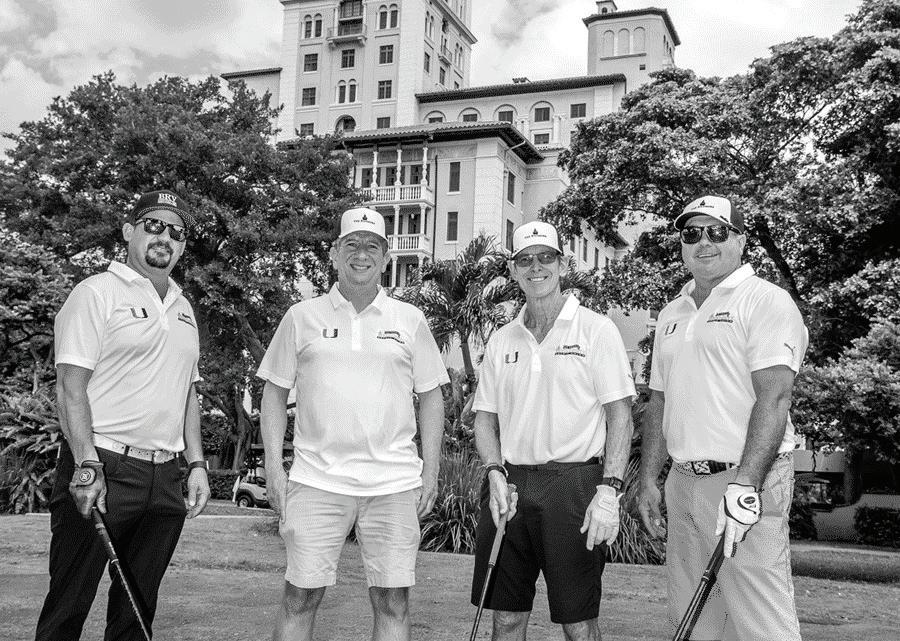
The School of Architecture Rome Program Golf Tournament occurred on October 24 at the beautiful and historic Biltmore Golf Course. The event attracted 120 players, primarily architects, construction companies, investors, bankers, and others in similar industries. In 2022, 16 scholarships for the program were awarded due to the tournament. With $82,735 raised this year, we hope to provide even more scholarship opportunities for The School of Architecture Rome Program students.
Thank you to our golf committee members who were an intrigal part in the success of the school golf tournament event!
Golf committee members include:
Alexander Mac Namara, Associate VP Facilities Operations & Planning
Humberto Speziani, Associate VP Business Services UM Sasha Kayal, CMC
Deborah Medel-Guerrero, Manager, Reg Operations Pediatrix Medical Group
Frances Garcia-Balbin, University of Miami Development
For eight days in November, Miami Book Fair transforms downtown into a literary wonderland, hosting hundreds of critically acclaimed authors in three languages talking politics, pop culture, and all manner of impactful prose. The Miami Book Fair will feature two of our own Professors speaking and moderating.

November 18th at 12pm, Building 8, First Floor, Magic Screening Room
“ARCHITECTURE & THE AFRICAN DIASPORA: A CONVERSATION,” with architectural designer GERMANE BARNES and artist OLALEKAN JEYIFOUS on Architecture and Blackness in America
November 18th at 2pm, Building 8, First Floor, Magic Screening Room
ROBIN FAITH BACHIN, Engaging Place, Engaging Practices: Urban History and Campus-Community Partnerships, and ALEJANDRO PORTES, Emerging Global Cities: Origin, Structure, and Significance; moderating is Carie Penabad
University faculty and staff members can purchase single day tickets to the street fair on Saturday or Sunday and get 50 percent off—a $4 discount per ticket—using code UMMBFDISCOUNT.
Also available, a limited number of University students can obtain two free single day tickets to the street fair using code UMMBFSTUDENT at checkout. This offer is available first come, first served to the first 1,000 students who use the code to purchase tickets for either Saturday or Sunday.
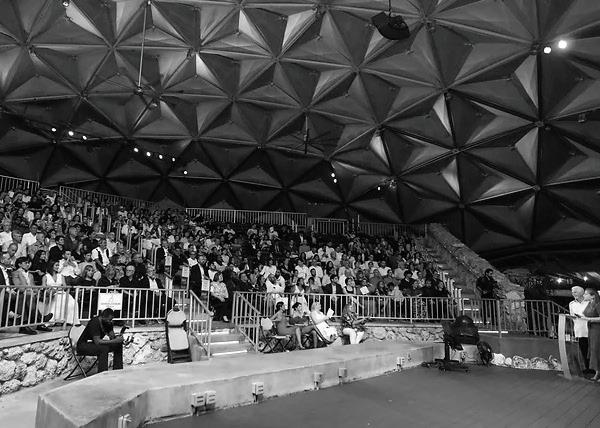
THE SCHOOL SETS NEW RECORD FOR WINS AT AIA HONORS & AWARDS
The AIA Honors & Awards program has excelled in acknowledging best practices and commending outstanding projects. It has also successfully engaged and supported its members in various facets of the architectural profession, fostering collaboration and camaraderie within the field. The 2023 Honors & Awards was a record setting night for the School of Architecture with fifteen awards received.
Architecture Less than / Honor
Shulman + Associates, South of Fifth Primary School
Renovation/Restoration / Honor
Shulman + Associates, Hotel Graystone
Renovation/Restoration / Merit
KoDA, Ridge Residence
Residential Architecture / Honor Atelier, House In A Garden
Unbuilt Greater / Citation
Cúre and Penabad, Nogales Tower
Unbuilt Less / Honor Cúre and Penabad, Project Peach
Unbuilt Less / Merit
KoDA, MIAC - Miami Art Center
Urban Design / Citation
Shulman + Associates, Resilient Rehab: A Guide for Historic Buildings in Miami-Dade County
Urban Design / Citation
Steven Fett Architecture, Gibson Plaza
Student Design / Honor
Gray Burke and Teagan Polizzi, Mundo Momo
Student Design / Citation
Lauren Elia, Safe Haven of Mozambique
2023 Honor Awards
Wesley C. Kean, AIA for H. Samuel Kruse Silver Medal for Design
Daley Hall, Student of the Year
2023 Hall of Fame Inductees
Jose A. Gelabert-Navia, AIA
Allan T. Shulman, FAIA

with a curriculum promoting clean energy building practices. As stated on the US DOE website, “the Zero Energy Design Designation program distinguishes postsecondary academic programs that teach best practices of zero energy design and require students to apply those concepts in zero energy design projects. The designation lasts for three years, after which programs may apply to renew.”
The effort for securing the prestigious designation was spearheaded by Dr. Haleh Moghaddasi who teaches studio and seminar courses that advance the school’s dedication to sustainable design. As aptly put by Dr. Moghaddasi, “together, we are fostering a brighter, greener future, one student at a time.”
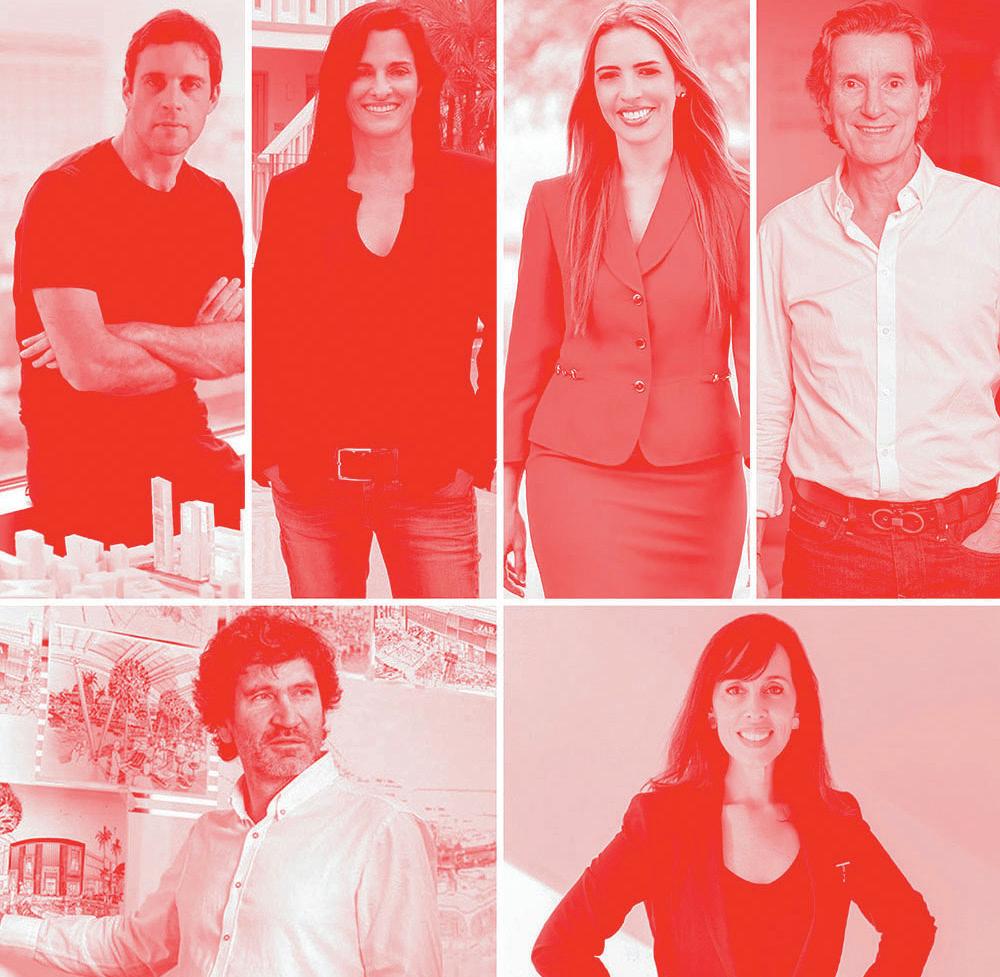
DOUBLE C AND BROADWAY MALYAN EXPLORE “15-MINUTE CITY” CONCEPT IN MIAMI THINK TANK SERIES
Esteemed keynote speakers include Ed Baker, Practice Principal and Global Urbanism Leader at Broadway Malyan; Avra Jain, Co-Founder of Vagabond Group; Raquel Regalado, Miami-Dade County Commissioner; and (new to the speaker list) Juan Luis Aristizabal, CEO, Conconcretos/Double C. Moderators include Jorge Ponce Dawson, Main Board Director at Broadway Malyan; and Carie Penabad, School of Architecture Professor, Founding Principal of CÚRE & PENABAD Architecture and host of the On Cities podcast.
By UM News
The University of Miami, School of Architecture has been selected among 14 institutions nationwide to receive the prestigious U.S. Department of Energy Zero Energy Design Designation in 2023.
This designation acknowledges programs preparing students for 21st-century careers
In an exciting collaboration, local design, architecture, engineering, and construction firm Double C, in partnership with Broadway Malyan, a global architecture, urbanism, and design company, is set to bring a Think Tank Series to the University of Miami School of Architecture. Broadway Malyan, with a strong history of hosting international Think Tank sessions, is now expanding its horizons by presenting this series in the United States. The event is dedicated to discussing “The 15-Minute City: a Global Perspective.”
Scheduled for October 25, from 2:00 –6:30 pm at the University of Miami School
of Architecture, this event promises to be a pivotal discussion in reshaping urban landscapes and exploring innovative solutions to create more efficient, sustainable, and livable neighborhoods right here in Miami.
The 15-Minute City concept, often referred to as Transit-Oriented Development, is a forward-thinking urban planning idea aimed at constructing neighborhoods where daily necessities are within a 15-minute walk or bike ride. This approach promotes accessibility, reduces reliance on cars, and fosters vibrant, communityfocused urban living.
Esteemed keynote speakers and moderators for the event include prominent figures in the fields of architecture, urban design, and community development:
Ed Baker, Practice Principal and Global Urbanism Leader at Broadway Malyan. Avra Jain, Co-Founder of Vagabond Group. Raquel Regalado, Miami-Dade County Commissioner.Jorge Ponce Dawson, Main Board Director at Broadway Malyan. Carie Penabad, Founding Principal of CÚRE & PENABAD Architecture and host of the On Cities podcast.
Ed Baker is a highly experienced master planner, urban designer, and landscape architect, renowned for his innovative and creative designs that span high-profile international planning and urban design projects across Asia Pacific, the Middle East, Europe, and Africa. His focus lies in creating smart and sustainable places, whether it involves new city planning, urban district regeneration, designing city parks, or transit-oriented development.
Joining him is Avra Jain who brings her expertise in identifying emerging neighborhood trends. Her career journey has taken her from bond trading on Wall Street to developing properties along some of Miami’s trendiest streets.
The event also features Commissioner Raquel Regalado, who holds the distinction of being the first Miami-born Hispanic woman elected to the Miami-Dade County Commission. Her advocacy for housing, facilities, and infrastructure is well-recognized and has significantly contributed to the development of the Miami community.
Jorge Ponce Dawson, one of two event moderators is an expert in retail design known for his dynamic and innovative approach. He has played a vital role in delivering landmark projects, including London’s tallest residential tower, The Tower, and the redevelopment of one of Singapore’s key industrial areas with a new mixed-use community model underpinned by sustainability, wellbeing, and innovation, Kallang Kolam.
Carie Penabad, who is also moderating
the event, hosts a weekly podcast that delves into the influence of urbanization on everyday life, providing valuable insights and perspectives.
Attendees will have the unique opportunity to explore how Miami can draw inspiration from global initiatives using Paris as a shining example, as they reshape the city into a 15-minute urban marvel. The concept, gaining traction in various United States cities, emphasizes green urban planning and ensuring essential needs are conveniently accessible to residents within walking distance. This event signifies a pivotal leap forward in redefining Miami’s urban landscape, with a resolute commitment to establishing more efficient, sustainable, and livable neighborhoods that closely align with the principles of the 15-Minute City.
The event will take place at the University of Miami, underscoring the collaborative effort between Double C and the university. This partnership focuses on supporting cutting-edge research in construction digitalization, robotics, building information modeling (BIM), and sustainable practices. It has already yielded innovative projects, including the exploration of augmented reality applications and drone technology in construction and design.
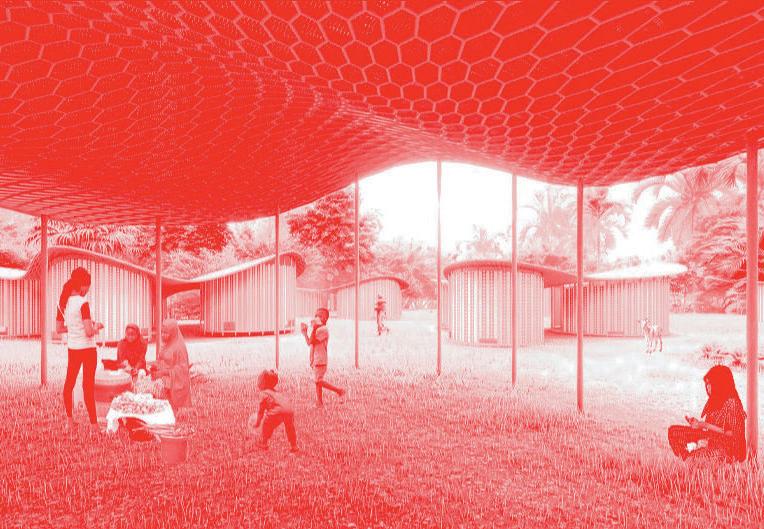
An Increasing number of displaced people around the world make providing housing a priority. And this summer, some University students were challenged to create structures for those in need.
By Barbara Gutierrez, UM News
Since the beginning of the 21st century, natural disasters, war, political conflicts, and economic disparities have disrupted communities across the globe. The United Nations Refugee Agency reported “89.3 million people were forcibly displaced” by late 2021 because of “persecution, conflict, violence, human rights violations, or events seriously disturbing public order.”
This flood of displaced people prompted the creation of a University of Miami School of Architecture Summer Design Studio, which challenged students to
create structures for residents in need of emergency deployable shelters.
The class, taught by School of Architecture lecturer Veruska Vasconez, attracted 13 students. For their project, the students could choose any location in the world as long as the structures would not resemble the traditional tents that are standard in refugee camps, Vasconez noted.
“So, the idea was to create a space that was similar to a house and that together it would look like a community,” said Vasconez. “The project would look almost like a mini urban design, and they had to choose a location in any part of the world.”
Entries included projects ranging from communities in Lebanon and Bangladesh to Sierra Leone and Turkey. The class projects were entered in a competition and two winners will be picked by the Portugal-based design firm Go Friday and be announced in late September. The winners will receive monetary awards and a one-week trip to the Go Friday factory in Portugal.
Some of the challenges faced by the students, according to Vasconez, were to understand the different cultures inherent in their projects, climatic conditions, and how to integrate the locally sourced material to build these communities.
Bennett Resnick, a fourth year School of Architecture student, chose to create a remote shelter village in Freetown, Sierra Leone, an area of high population density that is susceptible to flooding and high poverty rates. He called his settlement “Fambul.” He chose the location because the area was vulnerable to epidemics and placed his development in a mountain range called Lion Mountains.
“I decided to focus my project on the country of Sierra Leone and decided to design shelters for people who are at risk of disease, taking them away from overcrowded areas and placing them in areas that are more isolated, safer,” he said.
His design features undulating structures built out of bamboo, a readily available material in the area, with areas for sleeping, as well as dining and bathrooms in separate sections.
The units are to be built in clusters that can accommodate individual families or be shared by multiple families. The community can accommodate up to 200 people, he said.
“They can share a kitchen but have their own bathrooms,” he said. “I wanted families to have a shared kitchen so that it can provide social interaction.”
His units also featured a dynamic system of solar panels that can gather power for electricity.
“This area is located in a rainforest, and they get a lot of rain in the summer. So, I raised the structures to protect them from flooding,” he pointed out. “I included a rainwater harvesting system so that some of this rain could be used for crops or flushing the toilet or cooking or showers.”
For Isabella Adelsohn, a fifth-year architecture student, the project had to be one that was meaningful to her. She grew up in Colombia and chose to place her community in the area of Choco, Colombia. On the western side of the country, Choco has a diverse geography, unique ecosystems, and is the poorest district in the country.
Adelsohn picked the area because many of its Indigenous population are victims of the National Liberation Army, or ELN—military guerillas that continue to dominate the region.
The area is still being controlled by guerrillas “and this was the biggest motivator for me, Adelsohn noted. “Recently a group of people were displaced and were forced out of their homes because of the guerrillas.”
Her community is called “Casa Embera,” named after the Indigenous groups in the region and has units built with wood from the area. The shutters covering the structures are made from native trees like caracole, abarco, and ceiba. Mosquito nets line the shutters, which also can open to provide ventilation.
She fashioned rooms for families to sleep together and hammocks to relax in open decks, as well as separate kitchen areas and rooms for children to study and share time with their caretakers. Built at the entrance to the Parque Nacional Natural Utría, which is based in a rainforest, water is readily available for the residents to use.
Vasconez was impressed by the diversity and creativity of many of her students.
“It is remarkable how creative they can be in the short time they had,” she said.

With sea levels rising at increasing rates worldwide, University of Miami interactive media professor Kim Grinfeder wondered: could he create a virtual
experience that teaches students how they might navigate a coastal city like Miami 100 years from now?
By Janette Neuwahl Tannen, UM News
About two years ago, he formed a small interdisciplinary group of students and faculty and staff members with expertise in virtual reality, mangrove ecology, coastal management, and architecture. And this summer, they unveiled their immersive application, called Mangrove City.
“It is expected that 243,000 square miles in the U.S. will be impacted by sea level rise in 2100 and several large cities are in that area, including Miami. Building walls isn’t going to be enough; we need to learn how to adapt,” said Grinfeder, who also leads the University’s XR Initiative. “Understanding mangrove ecology and how to leverage this ecosystem to build urban resilience will be critical to our survival.”
The group’s efforts did not go unnoticed. The Mangrove City team recently placed first in the education category at an XR Prize Climate Change Challenge as part of AWE, the Augmented World Expo in California.
Geared toward middle school and high school students, the virtual reality app allows them to paddle through a fictional metropolis and experience firsthand what it might be like to traverse a U.S. coastal hub of the future. It also illustrates the importance of mangroves for protecting our coastlines from erosion and storm surge, inviting users to consider environmental engineering as a future career path. At different stations, students learn about coastal destruction, common types of mangroves, and bird and fish species that thrive in a mangrove ecosystem.
“Often, the most effective learning is experiential, and virtual reality offers a unique opportunity to transport students into mangroves and to consider alternative realities,” Grinfeder said. “I see applications like this as the future of education.”
When he crafted the idea for Mangrove City, Grinfeder already had started working with interactive media faculty member Zevensuy Rodriguez to explore “self-propelled locomotion,” or ways to move oneself forward in virtual reality through a School of Communication research grant. One of the interactions they explored was using a paddleboard to navigate a virtual environment, which worked so well that they decided to cocreate Mangrove City. As the project grew, Grinfeder reached out to architecture lecturer Ruth Ron and Rafael Araujo, a senior research associate, lecturer, and mangrove expert at the Rosenstiel School of Marine, Atmospheric, and Earth Science. Both used the opportunity to engage their students. Ron asked hers to design buildings that could withstand rising
sea levels, learning from the mangrove’s evolutionary adaptations.
Through the project, Ron said her students gained skills anchored in the reality of designing resilient buildings for Miami, while also learning new software tools to create buildings in virtual reality.
“When they graduate, they won’t just be able to operate as architects in the physical world, but in the virtual world, which is a growing market,” Ron said. “To be a designer of the metaverse is an amazing opportunity for our architecture students.”
Araujo and his students consulted with Grinfeder and Ron on how mangroves help protect coastal ecosystems.
“I liked the experience of working with such a talented team that came from so many disciplines at the University— their enthusiasm was contagious,” said Araujo, who is presenting the experience to mangrove experts from across the world at the sixth international Mangrove Macrobenthos and Management conference (MMM6) in Cartagena, Colombia this week. “But I’m sure this is just the beginning. Once Mangrove City is out in the world, I believe I will find renewed inspiration from the many middle and high school students who will interact with the technology and learn to appreciate this remarkable ecosystem.”
Helping to design and develop the app— which is still undergoing some revisions this summer—are Bryson Rudolph, a software engineer at the University’s Frost Institute for Data Science and Computing, as well as interactive media students Cassandra Swilley and Kumani Riley. Sourav Pande, a master’s degree candidate in music engineering at the Frost School of Music, also is part of the team.
Ashay Dave, a master’s degree candidate in music engineering at the Frost School of Music, is working to fine-tune the audio for Mangrove City this summer so students will be able to hear native birds, mosquitos, water lapping over their paddleboards, and the Metrorail passing by as they paddle through the virtual environment.
Dave said he was new to working in virtual reality before joining the team but loved the creativity so much that he hopes to be an audio programmer for the gaming industry after graduation. “I enjoyed the design process of this project and helping to make the environment come alive, as well as integrating it with the cityscape,” he said.
In addition, K. “Ren” Rende, a School of Communication graduate and current University of Nebraska assistant professor of STEM education, is designing a free downloadable curriculum aligned with the Next Generation Science Standards that will be available with the experience and could be used in classrooms nationwide.
This fall, Grinfeder hopes to test the application with students in Miami-Dade County Public Schools to see whether they could benefit from visiting Mangrove City.
“We want to inspire middle school students to think about future pathways starting today, which includes learning how to coexist with water,” Grinfeder said. “We are also trying to empower teachers with tools like this, so that they can take students on virtual field trips. Although we started with a mangrove ecosystem because it is relevant locally, this could be applied to many other ecosystems.”

Michael Berkowwitz, who built the 100 Resilient Cities initiative, and later Resilient Cities Catalysts, from ideas into global movements, will serve as the executive director of the fledgling academy, which supports the University’s 12 schools and colleges in their efforts to conduct research, train the next generation of climite scientists and practitioners, and solve the most pressing problems caused by climate change.
By Robert C. Jones Jr., UM News
Flood waters that turned many of Mumbai’s streets into rivers during the heavy monsoon rains of 2007 taught Michael Berkowitz a lesson in resilience he would long remember.
He was living in Mumbai, heading up corporate security and business continuity efforts for Deutsche Bank, when floods inundated India’s financial capital.
“The water was waist deep in parts of the city, and there was a lot of finger-pointing about how the city was not prepared and how its infrastructure had failed,” Berkowitz recalled. “But what I noticed were people wading through water to get to work, people helping each other in truly remarkable ways. I was impressed with the spirit of the Mumbaikars. I didn’t know it then, but such an ethos is a hallmark of resilience thinking—it’s not just how infrastructure performs, but how society more generally responds to climate shocks.”
Berkowitz took that lesson to heart, assimilating it with others he learned during a brilliant career in risk and
resilience that has seen him spearhead initiatives at a multitude of levels.
Now, he has embarked on a new challenge. Berkowitz, who founded and built the Rockefeller Foundation’s 100 Resilient Cities (100RC) from an idea into an influential global city network, working across 48 countries to help cities around the world become more resilient to physical, social, and economic shocks and stresses, has been named the founding executive director of the University of Miami’s Climate Resilience Academy.
Launched on Earth Day (April 22) in 2022, the academy supports the University’s 12 schools and colleges in their efforts to conduct interdisciplinary research, train the next generation of climate scientists and practitioners, and solve the most pressing problems caused by climate change—all while partnering with industry, government, universities, and other stakeholders.
A $5 million commitment from Eric T. Levin, a former University trustee and the former president of the University’s Citizens Board, which represents business leaders throughout South Florida, made the academy possible.
Berkowitz, who also becomes the Eric T. Levin Endowed Chair in Climate Resilience, begins his new post on Aug. 21.
“A thought leader in resilience” is how Guillermo “Willy” Prado, interim executive vice president for academic affairs and provost, described Berkowitz. “South Florida is often called ground zero for sea level rise. And with the extreme weather our region—indeed, our nation—is now experiencing, Michael’s appointment couldn’t be timelier,” he pointed out.
“A key goal of our new academy is to foster partnership outside the University, to get business, government, nonprofits, and other academic institutions involved in this endeavor,” Prado continued. “Michael is the linchpin in our plans to make that happen. His global network, partnerships with private and public sectors, and experience developing and executing a vision for resilient communities will benefit South Florida, the nation, and beyond.”
Champion of urban resilience
In 2019, with the senior management team of 100RC, Berkowitz helped create Resilient Cities Catalyst (RCC), a global nonprofit that helps cities and their partners change the way they plan and act in the face of climate change. RCC’s on-the-ground efforts range from helping communities in California unlock millions of dollars of climate funding to partnering with Australia’s Minderoo Foundation to design a vision for more resilience in the aftermath of wildfires and floods. Led by RCC’s co-founders, that work will continue.
Fittingly, 100RC supported Greater Miami
to unify its resilience work through the creation of Resilient 305, a plan to help local municipalities better prepare for and respond to hurricanes, sunny day flooding, and sea level rise as well as social and economic inequities. “When you think about the worldwide effort to build resilience, there are fewer places where that is more evident and more critical than in South Florida,” Berkowitz said. “It’s not just South Florida’s exposure to climate risks, but it’s the region as a central point of immigration and migration across Latin and North America. It’s this incredible opportunity with a booming economy and a burgeoning tech sector,” he added. “Gentrification, displacement, and vulnerability have occurred in the face of all of that. These are issues that speak to the resilience of a city, of a region, and of a community. And being able to tap into what is a world-class research and teaching institution that is clearly committed to addressing these issues made the University of Miami an attractive place to continue my work in resilience.”
His appointment comes at a time when climatologists and others the world over are warning that the planet is reaching a tipping point in the climate crisis. Earth’s average surface temperature for 2022 tied with 2015 as the fifth warmest on record, and the past nine years have been the warmest since 1880, when modern recordkeeping began, according to a NASA analysis.
The warming climate is leaving its calling card in the form of stronger hurricanes, more intense droughts, more severe wildfires, and ever-rising sea levels. And with the El Niño climate phenomenon, which has a heating effect, in full force this year, 2023 could become the hottest year on record by the time it ends, a group of Berkeley Earth scientists have warned.
The Climate Resilience Academy, Berkowitz said, is the University’s “moon shot” against climate change, with more than 85 institution-wide research projects already underway to address the climate crisis and related resilience issues—from protecting and restoring coral reefs to mitigating the warming climate’s impact on vulnerable populations.
“It’s the academy’s role to connect the amazing work being done by our researchers more effectively to practitioners so that they can, in turn, use and ultimately scale the innovations that are coming out of the University,” Berkowitz said. “And it is our goal to connect those practitioners back into the University so that we can understand the demand signal and what new innovations are needed to tackle problems. If we can create that virtuous cycle of demand informing research and research having an impact in communities, that will be a mark of success for this new academy.”
Students, both at the undergraduate and
graduate level, will be an integral part of that cycle, Berkowitz noted.
“Urban resilience as a profession is relatively new,” he explained. “A multitude of people from different disciplines and who are trained in different ways are currently the practitioners of resilience. But we’re hoping that the practitioners of tomorrow—the students—bring a new level of sophistication to it. That they approach it in more interdisciplinary and inclusive ways, thinking not just about the past science but also new possibilities for the future. All of these are hallmarks of resilience thinking. We need to train the future generations of practitioners and leaders, and using Miami and South Florida as a living laboratory to do that is the perfect strategy.”
Berkowitz’s accomplishments while serving as president of 100 Resilient Cities from 2013 to 2019 run the gamut. The 4,000 actions the organization helped spearhead in its partnership with cities resulted in more than 150 collaborations between the private and public sectors, including $230 million of pledged support from platform partners and more than $25 billion leveraged from national, philanthropic, and private sources to implement resilience projects. RCC has built on that legacy, working closely with communities, project owners, and regional stakeholders across the United States and around the world.
Under his leadership, 100RC co-led City Xchange, an effort to connect tech and innovation with cities to solve resilience challenges. And with UN Habitat, the organization led the creation of the Medellin Collaboration on Urban Resilience to align international urban resilience efforts.
100RC, Berkowitz noted, spearheaded the creation of the chief resilience officer, using as a guide a white paper from the Zürich, Switzerland-based, reinsurance company Swiss Re that suggested countries hire chief risk officers. “We amended it to think more about building capacities rather than just understanding the risks that were on the books—that is, we took it a step further, advancing the idea of the interdisciplinary nature of building capacities that could help a city survive and thrive in the face of disaster. And that was the original job description of the chief resilience officer.”
Those positions were originally grant funded by 100RC. Now, as the climate crisis worsens, municipal and county governments across the United States are hiring full-time chief resilience officers to address the impacts of climate change.
But among all of 100RC’s accomplishments, “I’m most proud of the community we built,” said Berkowitz, noting that some who have served as chief resilience officers for major cities
have moved on to key positions at federal agencies such as FEMA and the National Oceanic and Atmospheric Administration.
“Of course, Jim Murley, [chief resiliency officer for Miami-Dade County], and Jane Gilbert, [chief heat officer for MiamiDade], are still doing really important work in Miami through Resilient 305,” said Berkowitz, referring to a plan to help local municipalities better prepare for and respond to hurricanes, sunny day flooding, and sea level rise as well as social and economic inequities.
“It’s not only the community of chief resilience officers we built but also folks in business, in nonprofits, in civil society, and at universities across sectors and silos,” he explained. “There’s this real legacy of a community that is thinking about our risks and opportunities in new and important ways. And part of that is this understanding that resilience is not just about how our infrastructure withstands the initial disaster. If a hurricane hits Miami, it’s important that the infrastructure withstand that, that buildings not collapse, that roads not wash away,” he added.
“But the resilience of South Florida is so much more than that. It’s all these other aspects of how neighbors check on neighbors, how different economic sectors can rebound more quickly and carry the region while recovery happens across the economy. It’s how well the poorest and most vulnerable of our fellow community members can get back on their feet,” he continued. “All these things are the hallmarks of a more resilient community. That wasn’t always understood. It’s much better understood in 2023 than it was in 2013, when we started 100 Resilient Cities. So, that’s the legacy I’m most proud of.”
Berkowitz’s career in the field of resiliency is an unlikely one. Following undergraduate study in political science at the University of Delaware, he traveled to Washington, D.C., in hopes of landing a job in politics. “I had no connections in the field of politics, so I just applied for internships wherever I could get them,” he recalled.
He got a job as a reporter for a major newsletter that covered emergency preparedness, reporting and writing stories on emergency management-related topics that affected local and national businesses.
New York City Emergency Management recruited him. And during a seven-year stint that began in 1998 with that office, he worked in various roles. He wrote contingency plans for biological terrorism, extreme heat, and coastal storms. He oversaw the city’s emergency mapping and data center during the response to the 9/11 terrorist attacks, and he responded to other incidents such as the Northeast blackout of 2003 and the West Nile virus outbreak in the New York City area in 1999.
From there, it was on to Deutsche Bank,
where for eight years he worked in several key positions for the multinational investment bank and financial services company.
Then came his storied stints as president of 100RC and founding principal of RCC. Now, the University of Miami gets the founding executive director for its fledgling Climate Resilience Academy.
“Michael brings experience outside of academia,” Levin said. “He’s done great work with 100 Resilient Cities, and he’s had to work with a variety of leaders under different circumstances. He’s built up a lot of resilience himself. So, the experience he brings in building an organization from just the concept to a full-fledged, very effective, very influential organization is valuable for us.”
Levin praised Rodolphe el-Khoury, dean of the School of Architecture, and Sharan Majumdar, a professor of atmospheric sciences at the Rosenstiel School of Marine, Atmospheric, and Earth Science, for serving as the academy’s interim directors and for leading the planning process and defining the mission that established the foundations of the academy.
“They did a masterful job and all of the heavy lifting as far as corralling the faculty and administrators and fleshing out the academy’s ideas, making it possible for us to attract someone of Michael’s stature,” Levin said.
“It has been an honor to co-lead the development of the academy during its fledgling stages,” Majumdar said. “The most fulfilling part has been the integration of ideas generated by students, staff, and faculty, which were supported by our leadership and Eric.”
Berkowitz, added Majumdar, “is poised to nurture the collective enthusiasm and the diverse array of talent across our schools and colleges in collaboration with external partners and stakeholders. As a long-standing leader and founder of organizations in the climate resilience arena, Michael brings a wealth of experience to lead the academy’s vision and its execution. His breadth and depth of connections across multiple sectors will help bolster the University’s reputation through meaningful partnerships, while making a direct contribution to the wellbeing of society.”
“One of the most exciting aspects of building the Climate Resilience Academy was framing and channeling the University’s enormous capacity in the climate change space. We designed the academy as an instrument for aligning the wealth of talent and resources in tackling big challenges. With years spent in the field, leading a trailblazing resilience program, Michael is perfectly poised for putting this prodigious instrument to good use,” said el-Khoury.

The first days of July were the hottest days on record. Ever. In the entire world.
For weeks, residents in the Southwest United States, including Arizona, New Mexico, Texas, and the Central Plains have been battling temperatures of more than 100 degrees Fahrenheit. South Florida also has been under constant heat advisories.
The earth is getting hotter, and climate experts predict that it will continue to do so.
By Barbara Gutierrez, UM News
Even though humans need the sun to live, its rays can damage our skin and its heat and the ensuing humidity can harm us. As the summer lingers, we all have to learn how to best mitigate that heat. In South Florida, where humidity is high, it can be more of a challenge, according to sport sciences faculty members at the University of Miami, who can attest to how the heat can affect us.
“Our bodies sweat to cool down,” said Wesley “Wes” Smith, assistant professor of professional practice in the School of Education and Human Development. “But in humid places like Miami, the air is too damp for sweat to evaporate effectively, making it harder for us to cool down and potentially leading to overheating or even heat stroke.”
When bodies overheat the heart works harder and the body redirects blood flow to the skin to help cool off, but this means less blood returns to the heart, said Smith. To make up for this, our heart rate increases. This extra work can strain the heart, especially in people with heart conditions, he added.
Heat illnesses can range from something mild, like heat cramps and heat exhaustion, to severe heatstroke. Heat exhaustion typically presents as excessive sweating, fatigue, a racing heart rate, and lightheadedness, especially when standing suddenly.
Despite the heat, the skin may feel cool and clammy. Immediate removal from the heat and rehydration with cool fluids are essential to prevent progression to heat
stroke, Smith explained. A heatstroke manifests as dry, hot skin, possible unconsciousness, and convulsions. This lifethreatening condition requires immediate cooling measures and professional medical intervention, he added.
Although having full heatstroke is rare for someone doing light exercise under the sun, experts agree that keeping hydrated is crucial.
“With athletes, here in South Florida, they have to make sure that they hydrate during the event but also that they hydrate before and that includes the day before and hours before,” said Maggie Aldousany, associate professor of professional practice in the Department of Kinesiology and Sport Sciences. “Once they feel thirsty, they are already dehydrated.”
Avoiding alcohol, caffeine, and beverages with cola is also important for those who plan to spend hours under the sun, since those drinks tend to dehydrate the body.
Aldousany also pointed out that folks should avoid being outside during peak sun hours—the sun is usually at its strongest between 10 a.m. and 4 p.m. If engaging in exercise, they should do so either very early in the morning or in the cooler hours of the evening.
Arlette Perry, professor in the School of Education and Human Development, runs the THINK Camp every summer. The camp teaches adolescents how to keep healthy through proper nutrition and exercise. The participants take part in outdoor exercises in the afternoon hours.
“This year we have been struggling because the heat index has been so high,” she said.
The camp provides everyone extra water and sports drinks, which contain glucose and electrolytes such as sodium and potassium that are similar to what is found in your bloodstream. As one sweats, the body loses salt and electrolytes, which may exacerbate heat illness, she pointed out.
Also, Perry said that during the summer it is better for people to wear visors, rather than hats “because hats can trap the heat in the head. Protecting the brain temperature is important.” Cooling towels placed around the neck also help one to maintain a comfortable body temperature.
Carie Penabad, professor in the School of Architecture, said that people should keep in mind that there are also built environments that are more amenable to reducing the effects of the sun. Cities like Coral Gables, with luscious landscapes and mature trees, create canopies that can substantially mitigate heat.
“Landscape significantly reduces heat gain because as the trees mature they create ample shade canopies that allow people to
walk, jog, or play for much longer periods of time,” said Penabad.
Our buildings also can respond to the heat through the use of architectural elements such as porches, colonnades, and deep overhangs, all historic characteristics of buildings throughout the tropical world, she noted.
“These elements help to protect us from the harsh light and promote shade and ventilation,” she said.
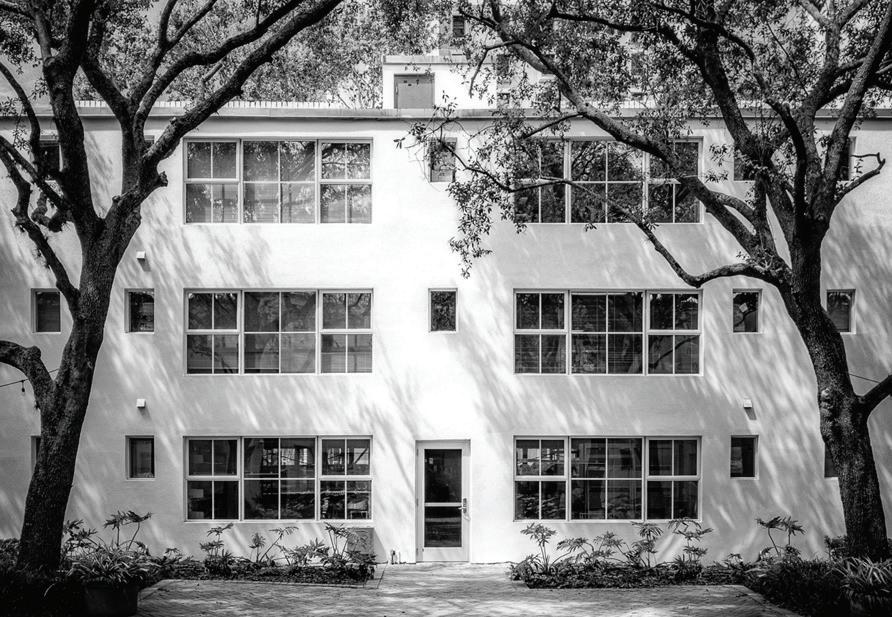
The School of Architecture continues its involvement with and support of the Congress for the New Urbanism. Faculty and students attended the 31st Congress for the New Urbanism in Charlotte, NC in June.
Earlier in the spring, the School’s Architecture Research Center welcomed Jenna Courtade, (MS/LIS University of Illinois Urbana-Champaign) as Visiting Librarian. An important focus of Ms. Courtade’s work will be the New Urbanism Archive, a steadily growing repository of materials related to the emergence of the New Urbanism as an international movement in urban design. The Archive includes records of CNU’s founding, annual conferences, and Charter Awards.
Also ongoing is faculty and staff support of the CNU’s accreditation offering, CNU-A. The course and exam have been hosted by the University of Miami since they were created a decade ago by Professors Chuck Bohl and Joanna Lombard. Natalie Bixby, MRED+U Senior Program Manager, has been managing course enrollment, exam certifications, and updates. She is working with Stephanie Bothwell, CNU Fellow, on a major update to the course and the exam, to reflect among other topics of increasing prominence, climate change and equity in the built environment.
This fall, CNU-related events can be expected locally, as Alex Adams, AICP, CNU-A, (and school alumnus) is leading CNU+Miami and will be working with UM students to revive the Student Chapter. They recently hosted a screening of Andy Boenau’s documentary on highway infrastructure with a panel discussion featuring Andy Boenau and Mickey Witte, program manager, UM’s Kidz Neuroscience
Center WalkSafe and BikeSafe, moderated by Victor Dover.
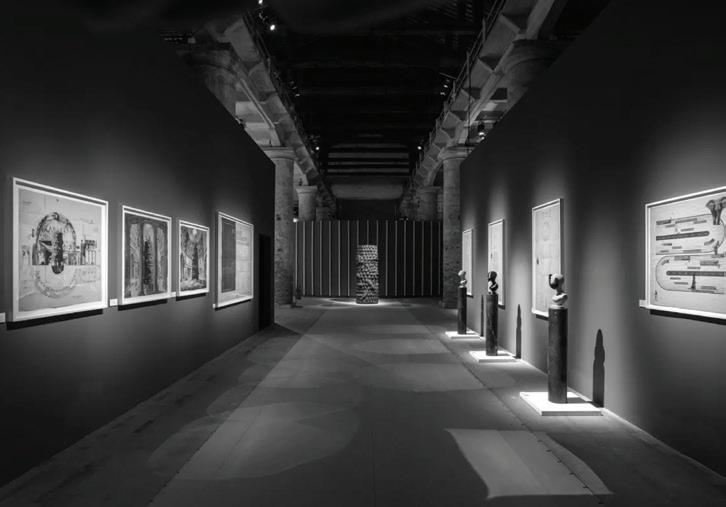
GERMANE BARNES PRESENTS GRIOT AT THE 2023 VENICE ARCHITECTURE BIENNIAL
Germane Barnes presented his contribution, Griot, to La Biennale di Venezia Architettura 2023, “Laboratory of the Future,” located in Arsenale and curated by Lesley Lokko.
A Griot, historically, is a West African storyteller. In this proposal, physical objects and drawings will supply histories of architecture, identity, colonization, and the cultural influences of the African Diaspora.
Using Dangerous Liaisons as the point of departure, text and word is the axis that Griot is positioned between. The text refers to the timeline, architectural elevations, and mask artifacts that express Columnar Dis-order. Digitally drawn on recycled Roman paper and collaged through analog processes, each visualization illuminates historical narratives collapsing architecture, archeology, and anthropological disciplines. Migration, Labor, and Identity are the triumvirate that does not obey traditional columnar design rules rivaling Doric, Ionic, and Corinthian orders. Each mask artifact situated atop cylinder marble plinths aids and corresponds to each Dis-order.
The Identity Column is present within the Griot installation. Sculpted from a single block of black marble, through digital and hand procedures, is a full-scale representation of Diasporic lineage, culture, and materiality.
Griot demands a reorientation of foundational principles, providing the opportunity to imagine a new future. One that positions Africa and its descendants as a force to be acknowledged and revered.
How do you create a health district that enhances connectivity among three hospitals and encourages the public to enjoy surrounding outdoor spaces as
areas for entertainment, relaxation, and opportunities for social discourse?
That was the mandate that nine University of Miami School of Architecture students had this past semester as part of the Covenant Health Community Collaborative Design Studio led by School of Architecture faculty members Joanna Lombard and Veruska Vasconez and Texas Tech University (TTU) faculty member Julie Zook.
By Barbara Gutierrez, UM News
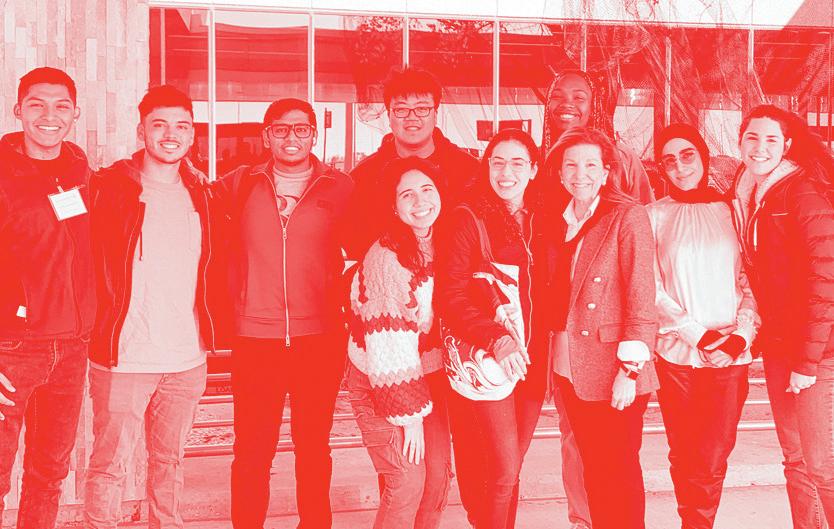
Working with the Covenant Health System in Lubbock, Texas, the Miami students collaborated with 16 TTU students to develop district plans and building proposals to establish a cohesive health district in the areas surrounding the Covenant Medical Center, Covenant Specialty Hospital, and Covenant Children’s Hospital.
“We concentrated on what kinds of things could be added that would bring value to the area,” said Enrique Santos, a fourthyear architecture student. “Right now, there are open properties between the hospitals. There was a lot of opportunity to create a sense of community.”
Before they arrived in Lubbock, working with Dover Kohl & Partners principal Jason King, Lombard and Vasconez had taken the students through the principles of New Urbanism, which prioritizes walkable streets, mixed-use buildings, diverse housing choices, and supportive destinations—such as parks and greens— that would be accessible by foot, bikes or transit, and are represented in DKP’s current work on the new Lubbock Unified Development Code. Zook shared research from her recent book, “The Covert Life of Hospital Architecture,” and discussed new trends in medical facilities.
The studio also reviewed the considerable body of research on the health impacts of the built environment.
“Nearly 40 years of research, for example, consistently demonstrates that social interaction is a significant predictor of health and longevity,” said Lombard, who also has a joint appointment in the Department of Public Health Sciences at the Miller School of Medicine. “Yet many of our built environments are built as if an evil genius designed them to keep us apart.”
Armed with that knowledge, the students were ready to design their projects.
“Prior to us travelling to Texas we were given dream cards from the people of Covenant,” said Alana Bernard, a fourthyear architecture student. “These cards expressed what many of their staff and people from the community felt they needed from the space.”
After meeting with the Covenant leadership and participating in a walking tour of the area, the Miami and TTU students workshopped three district plans that included roads, traffic circles, and bike lanes that would ease mobility around the hospitals and adjacent buildings. Some plans also included small parks, wellness centers, cafés, and shops, while individual plans featured unique amenities such as an amphitheater and a civic center.
Besides master plans, some students also designed buildings for the area and identified districts within the plans to provide a sense of navigation. Bernard’s building was located in their Primrose District, and she designed a wellness center using mostly concrete, glass, and stone. The building would house rooms for yoga and acupuncture, as well as wellness lectures.
In designing the structures for the district, the students were mindful of Lubbock’s semi-arid climate, which is prone to dust storms, Santos noted. With the weather and local building materials in mind, the students used a palette of earth tones in their structures, which they felt blended into the architecture of Lubbock.
Attentive to the impacts of daylight on wellness and navigability, they ensured that all habitable spaces incorporated daylight and views, including destination vistas for walkways and sidewalks, according to Lombard. Some buildings featured skylights to bring light into areas needing privacy. They also developed storm water storage to address the sudden floodwaters that can punctuate Lubbock’s otherwise dry climate.
Santos created a civic center in the middle of a new complex he positioned at a midpoint to the three hospitals. He hoped the center could draw community members to hold religious events as well as other gatherings. He also designed two pavilions—one open and one enclosed— framing the center. He said they could be used as active public spaces, such as an open-air farmer’s market or a place for neighborhood festivities for holidays and birthday parties.
“I designed a closed pavilion in case the weather changes so that if a dust storm kicks up, there would be a shelter,” he said.
Holly LaFebre, chief mission officer of Covenant Health in Lubbock, who worked with the students and the professors, said
she truly enjoyed the experience.
“They demonstrated great interest in the history and heritage of Covenant Health which they used to inform and inspire decisions they made as they worked on their projects,” she said. “The final presentation sparked great interest and will influence decisions and construction in the future. The students’ plans made the CHS Leadership think about health care building concepts that had not yet been considered.”

ARCHITECTURE GRADUATE STUDENT MAKES A PLAY FOR HER PASSION
Amber Kountz didn’t grow up in the world of architecture, but a field trip taken during a summer program in elementary school piqued her interest in the field.
“I remember seeing a physical model in one of the office lobbies and being in awe,” she recalled. “I got inspired to start building models at home and for school projects. From then on, I knew I wanted to be an architect, but I didn’t believe it could one day be a reality.”
By Karina Shadeed, UM News
So, after she and her sister were raised in Connecticut by their parents, Kountz attended the University of Connecticut and earned a bachelor’s degree in communications.
Having an interest in sports, she used her communication degree to work for ESPN
The Magazine and ESPN Films, where she had the opportunity to work on the Michael Jordan documentary, “The Last Dance.” In addition to being an on-camera reporter for local news and sports, she was a boxing commentator for Madison Square Garden Network, DAZN, and ESPN.
Although she worked in sports media, Kountz still carried that desire for architecture. Without knowing anyone in the field or growing up around it, she said it was difficult for her to chart a path to get there. She decided to attend architecture lectures at Columbia University and Yale University after work, and slowly learned what it would take to become an architect. Subsequently, she decided to follow her passion and apply to the University of Miami School of Architecture.
Kountz visited the campus and met several
students and former graduate director, Allan Shulman. With her architecture goals in mind, she chose the University for her extended studies. However, she started graduate school during the height of the COVID-19 pandemic.
After spending the first year attending classes remotely, Kountz moved to Miami for her second year. On her first day, she said that she walked into the studio, made a formal introduction, and sat down. She said it felt as if she had been sitting right next to the other students for the past year.
“The conversation continued with such fluidity that the bond we formed through laughter, tears, and anger transferred through a computer monitor,” she said. “And that tight-knit community of students reflects the faculty and staff at UM. I can easily reach out to anyone of my instructors for advice and guidance. I always knew I had a support system behind me. That was vital for someone without a background in architecture and no family or friends based in Florida.”
Kountz has been active on campus and in the community throughout her time at the University. This year, Dean Rodolphe el-Khoury nominated her to be on the board of the Graduate Activity Fee Allocation Committee and represent the School of Architecture. She also has built a relationship with the University’s Institute for Data Science and Computing. She is working with the institute to find ways artificial intelligence can be used to detect emotions within an architectural space and to adapt accordingly.
She also has been invited to numerous roundtable discussions on campus with visiting and prospective professors. Kountz was awarded the Gensler Rising Black Designers Scholarship and the National Organization of Minority Architecture Students (NOMA) Miami Diversity Scholarship. She worked with the Black Architects in the Making group to assist in displaying student work at an exhibition in Orlando. And, as a member of the University’s NOMAS chapter, she helped with the UTrailblazers interactive exhibit initiative, which debuted on campus in the fall.
Last year, Kountz served as secretary for the student organization Women In Construction. All her extra-curricular activities were in addition to being a fulltime student and working full time both for the University and outside of school. She will graduate with a master’s degree in architecture.
“My goal is to one day wake up in a home where I developed the property, designed the building, and managed the construction,” Kountz said. “When I head downstairs for a cup of tea, I will open an article in Architectural Digest or another architecture publication and read that one of my classmates’ designs is being honored internationally.”
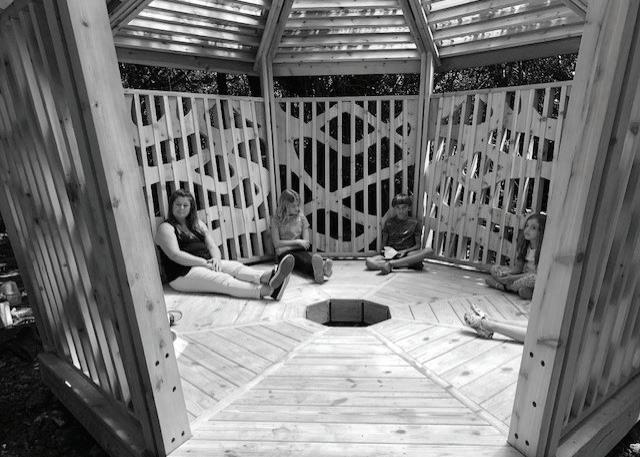
This project is named Hammock House, created by the students of the Design/ Build Studio. Their clients are the students, staff, and faculty of the Ocean Studies Charter School in Key Largo, Florida. The school provides over 180 students with a unique learning opportunity dedicated to the Marine Environment. In 2011 OSCS was the only school dedicated to Marine Science education in the Florida Keys. The school’s vision is: “To create a foundation for students to become scientists, mathematicians, writers, free thinkers, guardians of our waters, and responsible citizens of the world.” With this vision in mind, students designed and built a structure to facilitate their on-site fieldwork/learning in a hardwood hammock adjacent to the school. Some of the project’s unique features are its octagonal openings in the roof and floor connecting the ground, tree canopy, and sky of this unique habitat. The western red cedar structure has infill panels that reference the landscape it sits in while also providing the needed lateral support for the building. The roof panels are sheathed with FRP (fiberglass reinforced plastic) to diffuse the low light of the hammock and allow for a constantly changing pattern of shadows. The building is completely modular and was built (offsite), disassembled, and rebuilt in three days on-site. This was a necessary aspect of the design project - to preserve and protect the unique landscape to be studied. The project was undertaken over the course of one semester. From site visit/client interview, through working drawings and cost estimating, to client presentation and eventually the construction and installation, it has been a unique experience for all involved.
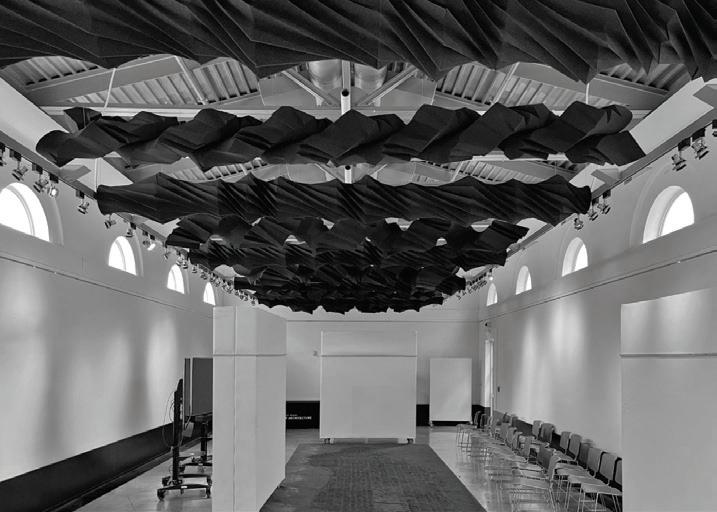
The Korach Gallery has been, since its opening in 2009, a stunning space with
a sound problem. Professor Joel Lamere, Director of the Graduate Programs in Architecture, saw this as a perfect opportunity to employ some of his latest research in digital simulation and robotic fabrication. “In the Spring of 2020, I taught a studio called CLOUDY, which focused on acoustic simulation and enhancement. The hope was to have students build prototypes of acoustic treatments, but the global pandemic had other ideas. Instead, I gave myself the task, and I’ve been considering design possibilities since.”
The versatile gallery space has hosted innumerable events, including reviews, exhibitions, lectures, and receptions, all central to the academic and social life of the school. But major design features, including the many hard surfaces and exposed steel decking, reflect sound and dramatically increase reverberation times, making the space unwelcoming to many. By adding a series of acoustic “clouds,” Professor Lamere aimed to make the space more inclusive and functional. “If you’ve been in Korach when there are multiple reviews going on, you know how hard it is to focus on a single conversation, even for those of us fortunate enough not to be hard of hearing. This project won’t make the space acoustically perfect because nothing added after the initial design possibly could. But it will help a lot and hopefully make the space more welcoming.”
The series of acoustic clouds, titled Volutus Formations, are fabricated using a hot-wire cutter mounted to the robotic arm in the FabLab. The design maximizes surface area for sound absorption, wrapping deep grooves around cylindrical forms, which would be impossible to construct without using 6-axis tooling. The clouds hang from the roof trusses, matching the structural cadence of the building while adding texture to the austere space. Cloud types alternate between hyperboloids, which are cut from solid blocks, and helixes, which are cut from the excess material left from the prior cloud, making it an extremely material-efficient project as well. Such a complex project needed a ton of testing and experimentation. Professor Lamere collaborated on early prototypes with former graduate student Junren Tan, who has since returned to his hometown in China to open a practice specializing in the fabrication of complex forms. “Junren was such a great student and fun to work with on early tests. Not many students could have dealt with all of the geometric complexities that are in play here.”
Professor Lamere hopes that Volutus Formations will influence the treatment of other acoustically-problematic spaces on campus, including the Murphy Studio Building. “There are a lot of spaces that need to be considered in these terms in order to truly serve our full community. Obviously, I can’t serve so directly on
future projects; I won’t be here to design, fabricate, assemble, and install others by myself, as I did in Korach. But I’d be thrilled if this project motivates similar changes elsewhere.”
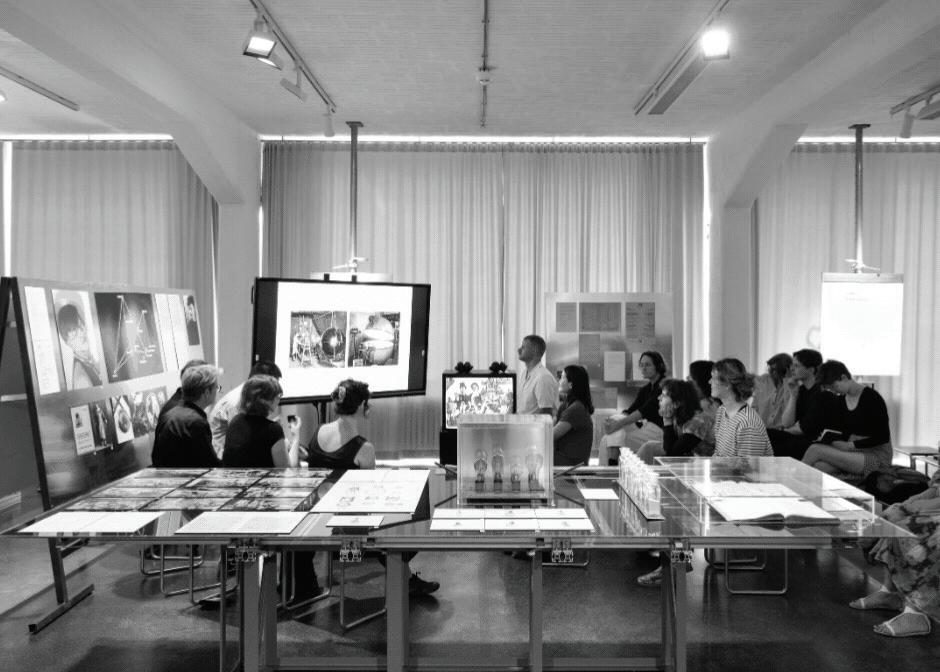
Professor Lily Wong spent three months, from May 3 to July 31, in Dessau, Germany, as a Bauhaus Fellow with the Bauhaus Dessau Foundation. The fellowship provided her with a studio space in the iconic Bauhaus building, designed by Walter Gropius and now recognized as a UNESCO World Heritage site and an enduring symbol of modernism. Supported by German public cultural funding through the Stiftung Bauhaus Dessau, Wong joined seven other international, interdisciplinary fellows in exploring design’s historical and future trajectories.
Her research drew on Bauhaus archives to speculate on the “energy transition” of the early 20th century, when electricity replaced gas, reshaping homes, cities, landscapes, and social life. Wong’s work examined the cultural values attached to brightness, the environmental consequences of coal-powered grids, and possibilities for today’s shift toward decentralized clean energy.
The fellowship culminates in After modern brightness: Ecologies of light, an exhibition co-curated by the fellows, on view from July 31, 2025, to March 1, 2026, at the Bauhaus Dessau Foundation. The exhibition will feature archival documents, historic objects, and new multimedia works, including Wong’s aluminum light box and video installation. A symposium accompanies the opening, with a publication to follow in 2026.
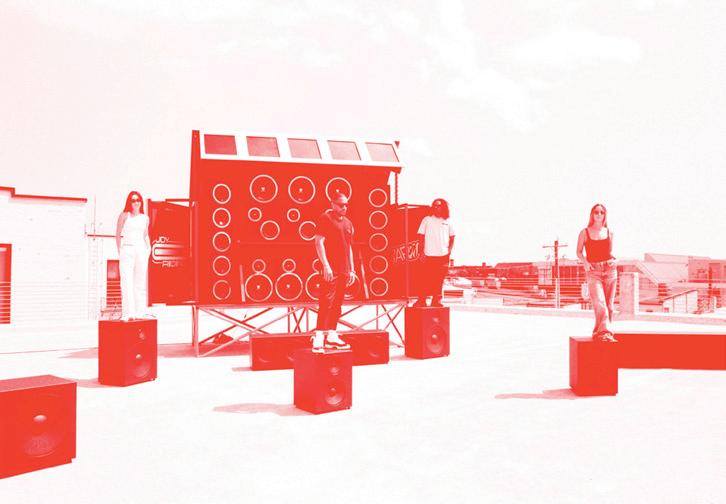
celebration, memory, and connection. Studio Barnes, led by Germane Barnes, director of the Master of Architecture program at the University of Miami School of Architecture and recipient of the J. Irwin and Xenia S. Miller Prize, unveiled Joy Riding at Exhibit Columbus, a biennial celebration of architecture, art, and community. But this was not just an installation. It was a living, breathing experience of civic joy.
By Madison Brinnon, UM News
Joy Riding reimagines the Jackson Street Parking Garage as a monument to Black car culture, exploring identity and culture through an ethnographic lens by highlighting the stories and rituals of built space. The installation consists of a candy-painted, “Transformer-like” sound system mimicking the proportions and materials of midcentury modern furniture. In its fully transformed state, it evokes the deep basslines central to Black car culture, underscoring how sound, ritual, and assembly have long served as catalysts for celebration.
But the magic of Joy Riding lies not just in its design. It is in the way people engage with it.
During its opening activation, the garage came alive. Attendees danced, some with lifelong friends, others with strangers they had just met, drawn together by the rhythm and resonance of the sound system. The installation invited people to connect their phones via Bluetooth, allowing for private listening sessions that turned into shared moments of discovery. Music became a bridge, a language of joy that transcended age and background.
Children twirled in circles. Elders nodded to familiar beats. Couples swayed. And in the middle of it all, laughter echoed off concrete walls, transforming a utilitarian space into a sanctuary of celebration.
The Community, Housing & Identity Lab at the University of Miami School of Architecture, an initiative dedicated to investigating architecture’s social and political resiliency and highlighting the narratives of marginalized communities, designed and printed custom 3D-printed Joy Riding keychains. Fabricated at the lab and handed out by Studio Barnes intern and University of Miami alumna Josefina Caceres, the keychains became tokens of memory. The project’s team, including Professor Gabriel Jean-Paul Soomar, creative director of Studio Barnes, Francesca Picard, Sara Griffin, Malloy James, and the Matchless Builds fabrication crew, worked closely with Barnes to bring this vision to life.
spaces such as a parking lot. Complementary programming, including a car show, film screening, and live performances, will extend this engagement beyond the opening, exemplifying CHIL’s commitment to leveraging the built environment as a medium for storytelling, social interaction, and community.
In a world often defined by speed and separation, Joy Riding reminds us that joy is communal, music is memory, and architecture can be a vessel for both.
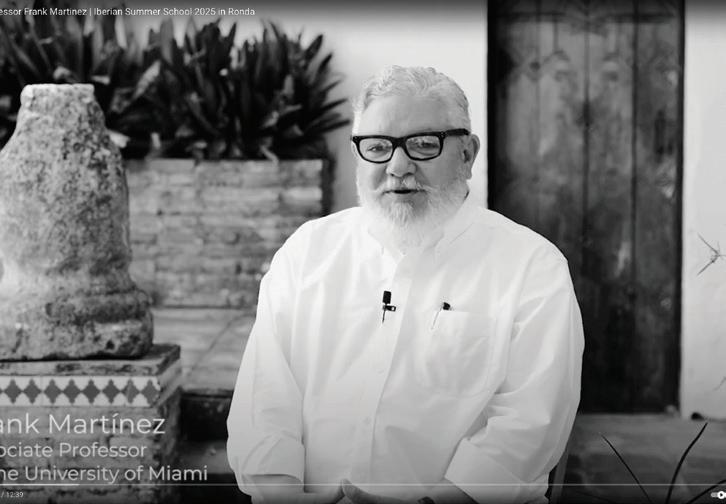
Over summer 2025, Professor Frank Martinez led the Ronda Traditional Architecture Summer School, immersing students in Andalusia’s renowned “White Villages.” The program combined technical instruction, hands-on material workshops, and cultural exploration to highlight the continuing relevance of traditional building practices. By engaging with local craft, context, and community, students gained a deeper appreciation for regional heritage while reflecting on architecture’s evolving role in cultural preservation.
JULY 2025
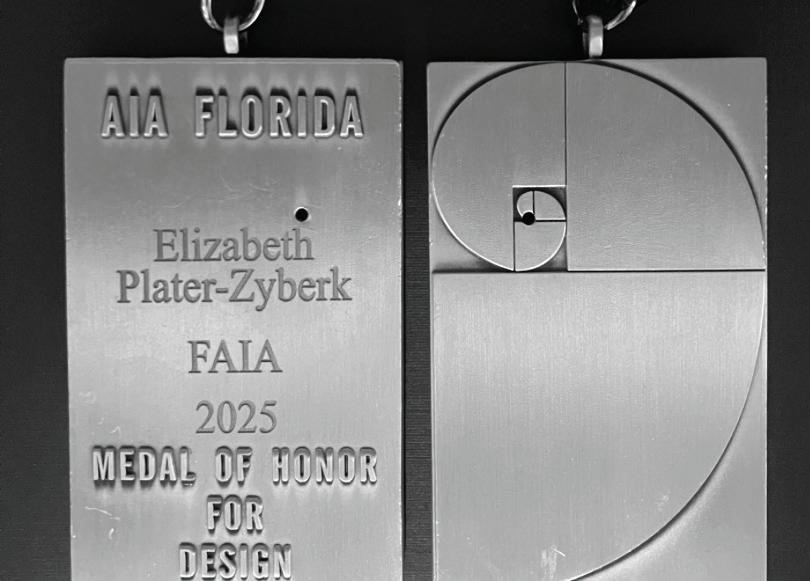
PROFESSOR ELIZABETH PLATER-ZYBERK RECEIVES HIGHEST RECOGNITION FROM AIA
In the heart of Columbus, Indiana, a parking garage became a space for
Over the course of its presentation, Joy Riding will host a series of free public events designed to evoke the experience of riding with friends, listening to music, and finding enjoyment in unconventional
Congratulations to Professor Elizabeth Plater-Zyberk, FAIA, and Andrés Duany, FAIA, recipients of the 2025 AIA Florida Medal of Honor for Design — the highest recognition for design excellence awarded by AIA Florida. This prestigious honor celebrates their visionary leadership and enduring contributions to architecture, urbanism, and public awareness of design across the state and beyond.
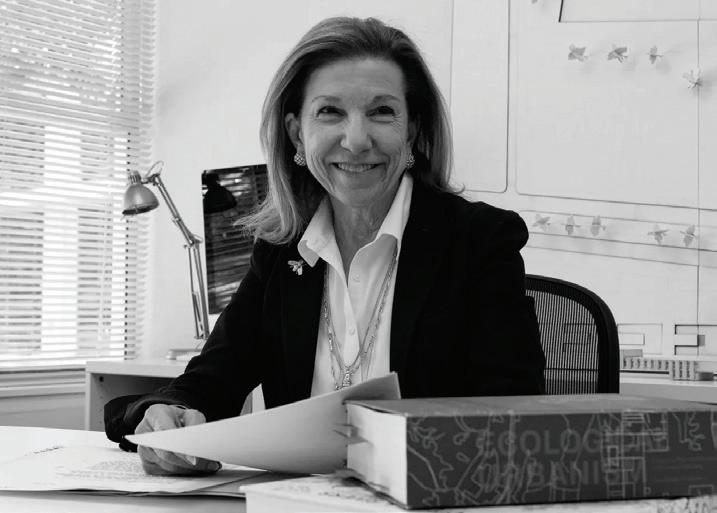
PROFESSOR JOANNA LOMBARD ELECTED TO PRESTIGIOUS ACSA ROLE
Congratulations to Professor Joanna Lombard on being elected Secretary of the ACSA College of Distinguished Professors! The College, founded in 2010, is composed of ACSA members who have received the ACSA Distinguished Professor Award or the ACSA/AIA Topaz Medallion for Excellence in Architectural Education, making it one of the highest honors the ACSA can bestow upon an educator. This prestigious appointment recognizes Professor Lombard’s longstanding contributions to architectural education and leadership within the academic community.

SARBESWAR PRAHARAJ & MOUFID
Congratulations to Fulbright Ph.D. student Moufid Oumayma on a new publication in Habitat International (IF: 6.5) titled “A Digital Twin Platform for the Co-creation of Urban Regeneration Projects: A Case Study in Morocco.” This is the second article published with Professor Sarbeswar Praharaj, following a successful research collaboration during the Fulbright program.

PROFESSOR
Professor Victor Deupi
awarded a Graham Foundation grant for his upcoming book, Crossroads of the Americas: A History of Cuban Architecture. This publication provides the first comprehensive account of Cuban architecture from the pre-colonial period through to the present day. Beyond a historical timeline, Crossroads of the Americas explores the intersections of architecture with race, nationhood, and identity within the broader context of Cuba’s struggle for independence. The book positions Cuba’s built environment as part of a larger American narrative, offering insights relevant to architectural history across the hemisphere. Developed as a critical academic resource, the book includes historical images, new photography, detailed notes, and an extensive bibliography.
Professor Sonia Chao’s new book, Calibrating Coastal Resilience, offers a conceptual reimagining of place in the era of climate change. Introducing the urban terroir framework, a data-driven and culturally rooted approach to resilience in coastal cities. Featuring case studies from South Florida and collaborative work with faculty and alumni, including recent graduates Christopher Stinson, Olivia Speaks, and Alex Wise and her team. The book bridges historic preservation with innovative strategies for climate adaptation. The cover illustration, created by alumna Gabriela Feito as part of Professor Chao’s design studio, beautifully reflects the spirit of the work.
Professor Allan Shulman documents the design work of students in “Hotel Futures:
The Fort Partners Hotel Design Studio.” The book explores hotels as complex spaces that balance public and private life while serving as incubators of lifestyle innovation. As hotels become cultural icons, Hotel Futures examines how they are evolving to meet the needs of 21st-century travelers who prioritize media, technology, wellness, fitness, and immersive experiences. This publication offers a forward-looking perspective on the design and future of hospitality architecture.
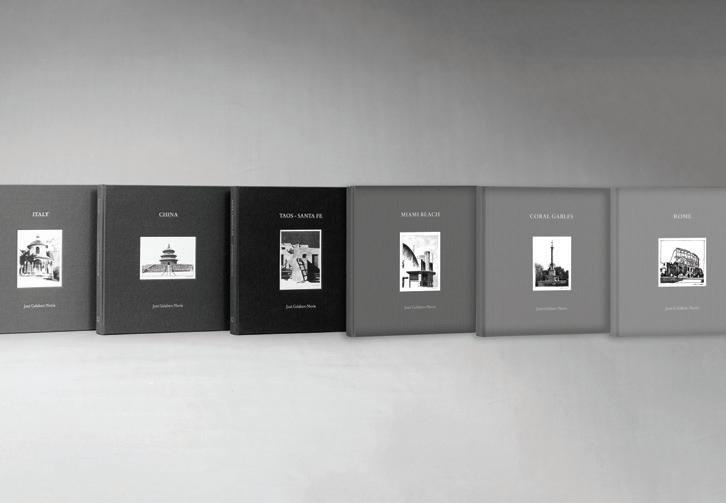
Professor Jose Gelabert-Navia has released three new books in his Journeys collection.
Each volume features drawings inspired by his travels and professional work around the world, exploring the connections between architecture, memory, culture, and place.
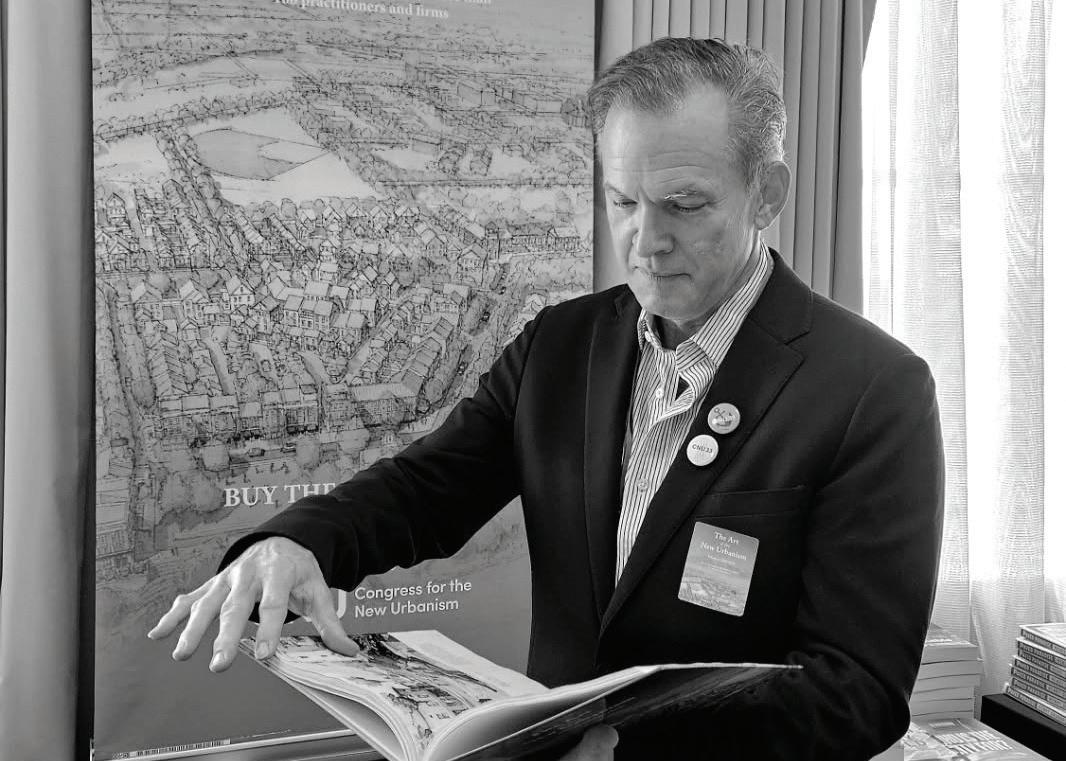
The Art of the New Urbanism has been published, offering a comprehensive documentation of three decades of visual storytelling from the foundational period of the New Urbanist movement (1980–2010).
Conceived by Dr. Charles C. (“Chuck”) Bohl, the Tony Goldman Director of Real Estate Development and Urbanism, Chuck led “The Art of the New Urbanism” initiative while serving as the Program Chair for CNU20, assembling and cataloging 260 works from over 100 artists that provided the basis for the book. Chuck’s essay, “Before and After: The Art of the New Urbanism,” situates the material within the historical context of architecture, city planning, and development in the United States, the emergence and dramatic impact of the illustrations starting in the 1980s, and the lasting influence of the material.
As Chuck explains, the premise of the book is embodied in the title. “The title is a play on words and reflects the artistry of the works and their ability to visually communicate timeless principles of placemaking to people from all walks of life.” The illustrations served the practical purpose of getting plans and proposals approved, and great places built and revitalized, but they also made a lasting impression, “showing people what great neighborhoods could be.”
Chuck collaborated with two distinguished alumni, James Dougherty and Victor Dover, both principals of Dover Kohl & Partners, alumni of the Master of Architecture in Suburb and Town Design, and adjunct faculty members at the School of Architecture. James co-curated the original exhibition and co-authored the book with Chuck, highlighting the critical role of the illustrator in the community design process: “The renderings represent ideas for the physical future of a community, so citizens can decide if this is the future they want.”
Victor worked with James to edit the layout of the book’s material, contributed the Foreword, and successfully pitched the book proposal to Wiley.
The Art of the New Urbanism celebrates the remarkable illustrations that helped launch and grow the New Urbanism movement, inspiring architects, planners, and all manner of community-building professionals and citizen activists to embrace a mission of protecting and creating great neighborhoods and communities.
After years of development, the book was launched and featured in a session at the recent CNU33 conference in Providence, Rhode Island. To celebrate the release, ten contributing artists—including UM’s Jaime Correa—were invited to discuss their work featured in the book.
In addition to this distinguished honor, Professor Deupi’s next curated exhibition, Annette and Rudi Rada: Photographing Mid-Century South Florida and the Caribbean, is set to debut this summer. The exhibition celebrates the renowned husband-and-wife photographer duo, Annette and Rudi Rada, whose work has profoundly shaped our understanding of South Florida and the Caribbean during the latter half of the 20th century.
Through nearly three decades of prolific documentation, the Radas captured the architectural and societal transformations that defined Miami’s evolution from a post-war city to a tropical metropolis. Their photography not only chronicles the rise of distinctive regional styles but also offers a nuanced perspective on mid-century life. The exhibition delves into their impactful portrayals of Miami’s modern, tropical vernacular, their ethnographic exploration of indigenous communities, and the cultural dynamics of the Caribbean and South America.
Annette and Rudi Rada: Photographing Mid-Century South Florida and the Caribbean will be on display from June 13, 2025, to September 14, 2025.
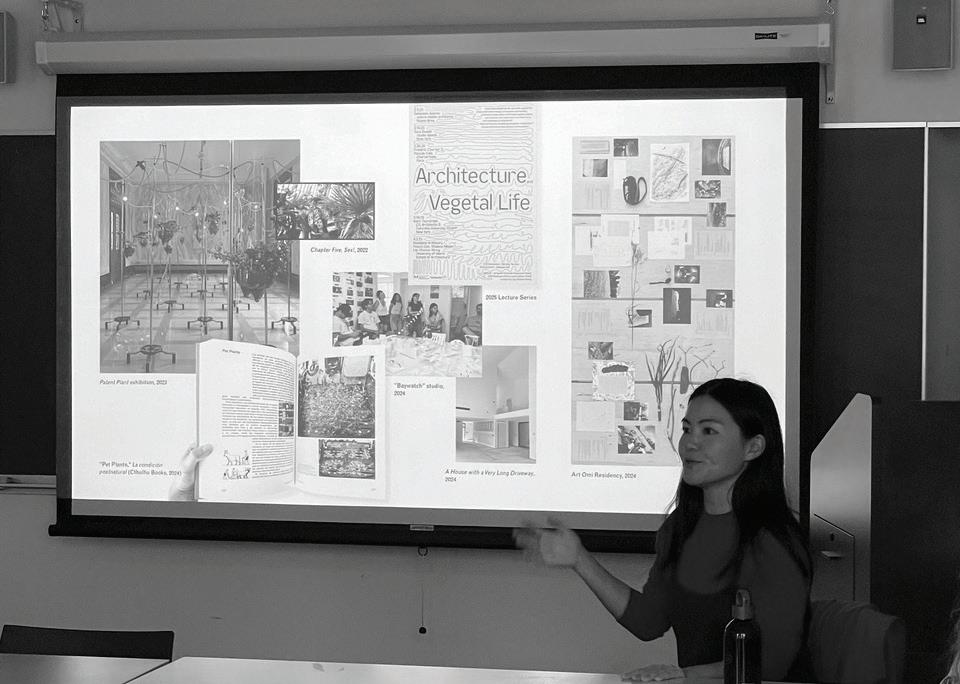
In April, Professor Lily Chishan Wong shared her interdisciplinary scholarship through two events.
Denver. The performance-lecture was part of the Becoming Chinatown series and an exhibition organized by Leyuan Li. Drawing from the Chinese concept of guan xi—often translated as “relationships” or “kinships”—the presentation explored its spatial and material implications within diasporic, immigrant enclaves. Focusing on an informal market and vacant mall in Manhattan’s Chinatown, as well as Asian farms in South Florida, the lecture examined how these networks shape urban spaces and circulations. The event concluded with a call to imagine abolitionist futures. The project was featured in e-flux and The Architect’s Newspaper.
Photo by Xiaoxi Chen.
MARCH 2025
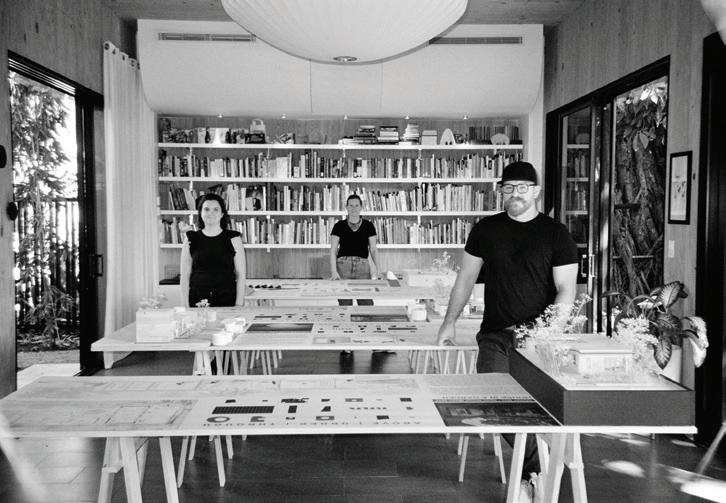
Professor Victor Deupi was recently inducted into the Edward A. Bouchet Graduate Honor Society as the University of Miami faculty delegate. The ceremony took place at Yale University, where the Society was originally established to recognize outstanding scholarly achievement and a commitment to excellence in academia.
On April 4, Professor Wong delivered a lecture titled “Between This and That Body” at Barnard College, Columbia University. The talk explored how performance art concepts and techniques can inform new pedagogies in architectural education. At a time when the power structures and colonial legacies embedded in knowledge production are being challenged, Wong argued that performance offers a powerful tool to both critique and create. Drawing on historical examples from the 1960s and 70s as well as her own teaching practice, she highlighted how performance as a format can reshape the ways we engage with histories, embodiment, aesthetics, and technology in the architectural field.
Professor Wong, in collaboration with Xiaoxi Chen, presented “Becoming Guan Xi: An Autofiction of Chinatown Futures” on April 10th at the University of Colorado
Professors Chris Meyer and Shawna Meyer of Atelier Mey are both finalists and participants in the U.S. Pavilion at the 2025 Venice Biennale. Their work was selected through a national Open Call to be featured in PORCH: An Architecture of Generosity, complementing the Biennale Architettura 2025 theme, Intelligens: Natural. Artificial. Collective. Closer to home, they are also featured in the A SOUTH FORTY exhibition at the National Building Museum in Washington, D.C.—a celebration of contemporary architecture in the American South.
FEBRUARY 2025
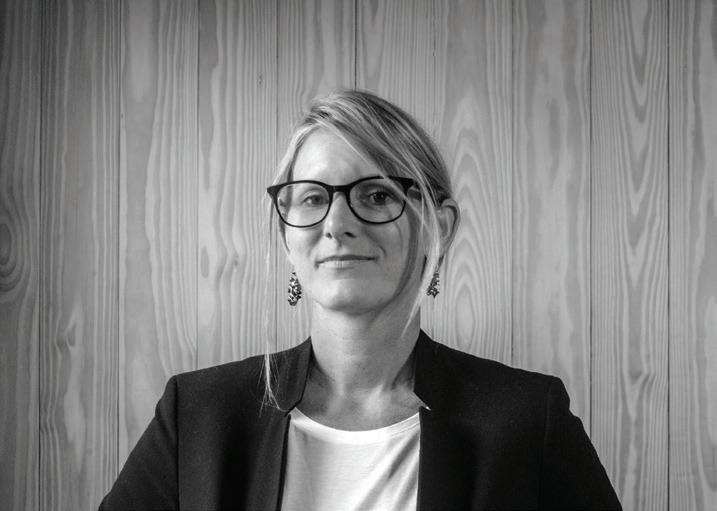
role, she continues to serve on the board as Chapter Director and as the University of Miami’s representative. This achievement reflects her dedication to the profession and her commitment to advancing architectural education and practice.

Professor Germane Barnes has been named one of the J. Irwin and Xenia S. Miller Prize recipients and will present his project at Exhibit Columbus, opening August 16.
Barnes’ project, Joy Ride, led by Studio Barnes with support from Professor Picard and Professor Soomar, is a multimedia experience that highlights the joyous nature of Black car culture in conversation with the iconic aesthetics of the midcentury modern architecture of Columbus, Indiana. The project transforms Columbus’ Jackson Street Parking Garage into a destination for music and entertainment.
The installation consists of sculptural frames, affixed to the building’s façade, reimagining the garage as a contemporary monument to the subwoofers typically found in the trunk of a classic mid-western car, as well as a bespoke, Transformer-like, sound system mimicking the proportions and materials of mid-century modern furniture. When in its fully transformed state, it evokes the deep basslines central to Black car culture, underscoring how sound, ritual, and assembly have long served as catalysts for celebration. Crowning the structure, a vibrant mural collapses Columbus’s iconic architecture and the standard parking stall to offer space for rituals forged by collective imagination.
Over its duration, Joy Ride aims to remind visitors of the fun they had riding in the car with friends, listening to their favorite album, and finding happiness in the simple pleasures of sitting in the parking lot.
Associate Dean Carmen Guerrero’s expertise in historic preservation is playing a pivotal role in safeguarding the Black Grove. Since the summer of 2023, in response to the rising trend of demolishing historic wood-frame structures in Coconut Grove, Professor Guerrero has been advocating for the preservation of four shotgun houses. Today, we are witnessing
the results of a two-year-long process involving design and approval efforts.
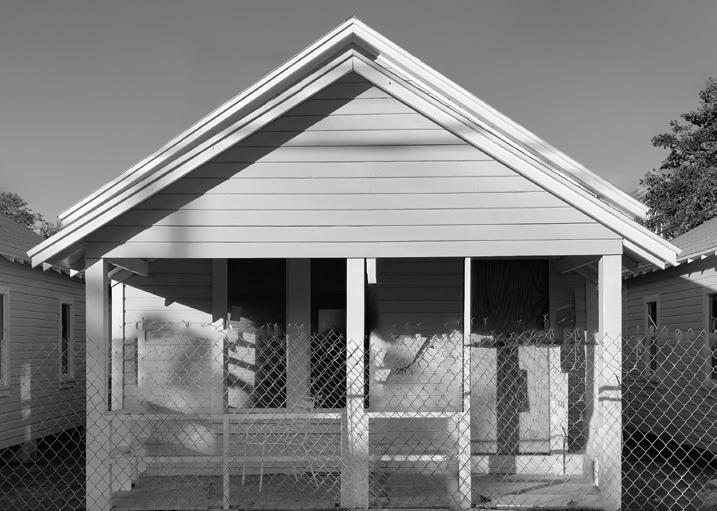

CARIE PENABAD AND ADIB CURE PUBLISH THE EFFORTS OF COLLABORATIVE STUDIO WITH YALE SCHOOL OF ARCHITECTURE
MIAMI MADE, a book showcasing the work of the Yale School of Architecture Advanced Studio and the University of Miami School of Architecture upper-level design studio!
This publication explores Miami through detailed analysis, visionary projects, and innovative proposals for a new intermediate housing scale—a timely response to the city’s urban and housing challenges.
Led by Professors Carie Penabad and Adib Cure, the Bishop Visiting Professors of Architectural Design at Yale School of Architecture during the Spring 2024 semester, this collaboration represents the next generation of design thinking.
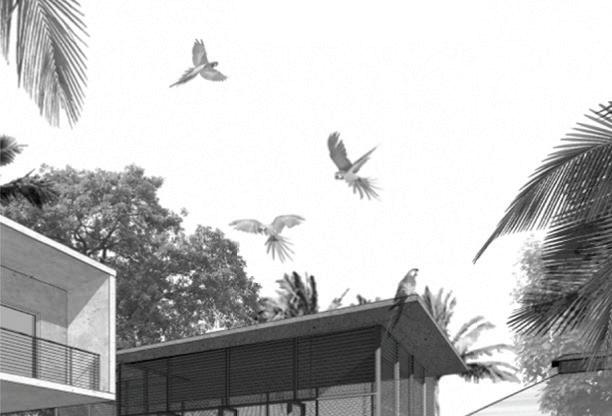
PROFESSORS JAIME CORREA AND CARMEN GUERRERO PUBLISH THE RESULTS OF THE CANIN STUDIO ON ADAPTIVE TRANSFORMATION
With the support of the University of Florida Press, Professors Carmen Guerrero
and Jaime Correa have published the results of an Canin adaptive reuse studio project undertaken by a group of 16 upper-level students. Invited by the Office of Cultural Heritage in Santo Domingo, the project was funded through the Brian Canin Urban Design Gift to the University of Miami’s School of Architecture. These funds supported travel and research in the Dominican Republic. The book, titled Historic Sugar Mills in Santo Domingo: Case Studies in Adaptive Reuse, examines similar case studies from around the world, offers alternative designs for the adaptive transformation of four significant 15thcentury historic sugar mills in southeastern Dominican Republic, and provides insights into the complex and poignant history of slavery, autonomy, and economic development. This initiative contributes to a broader mission of enhancing the Dominican Republic’s well-established tourism industry by shifting focus from the natural landscape to a deeper respect for its material culture.
Professors Charlotte Von Moss and Florian Sauter contribute sketches to Begin Again. Fail Better., a publication showcasing preliminary drawings from over 50 contemporary Swiss architecture firms, offering a compelling insight into today’s architectural practice.
DECEMBER/NOVEMBER 2024
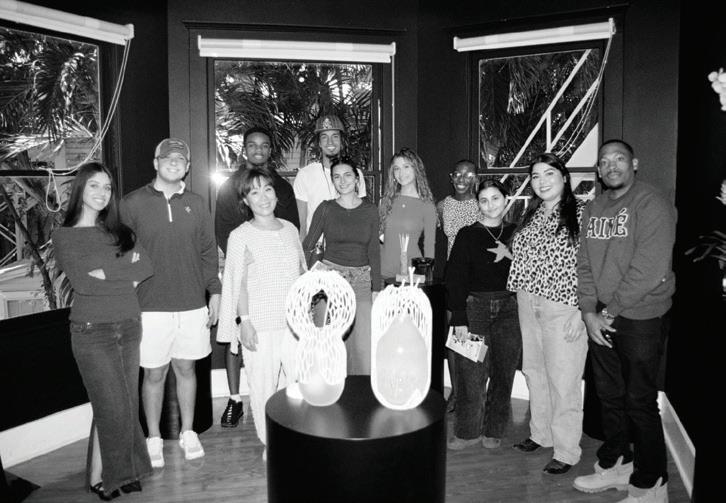
M.ARCH STUDENTS JOIN PROFESSOR GERMANE BARNES AT ART BASEL 2024
Professor Germane Barnes contributed to the Lexus in Design capsule collection unveiled at Art Basel 2024, crafting a bespoke vessel inspired by Lexus’ brand ethos of sustainability, materiality, and sensory design. The exclusive collection
features 26 collectible objects created by five visionary designers, including Barnes, to hold specially crafted Lexus fragrances.
As part of this immersive experience, Professor Barnes brought his professional practice M.Arch students to Alcova to attend a designers’ talk featuring the creators behind these innovative vessels. Students had the unique opportunity to engage with industry leaders, ask questions, and explore the intersection of design, technology, and sustainability.

PROFESSOR GERMANE BARNES WINS MILLER PRIZE
Professor Germane Barnes receives the J. Irwin and Xenia S. Miller Prize! As the Director of the Master of Architecture Program at the school, Barnes leads Studio Barnes in Miami, where his work explores the intersection of architecture, identity, and Black domesticity. Through design speculation and historical research, Barnes examines architecture’s social and political agency, shedding light on how the built environment shapes communities. This remarkable recognition highlights his ongoing contributions to the field.
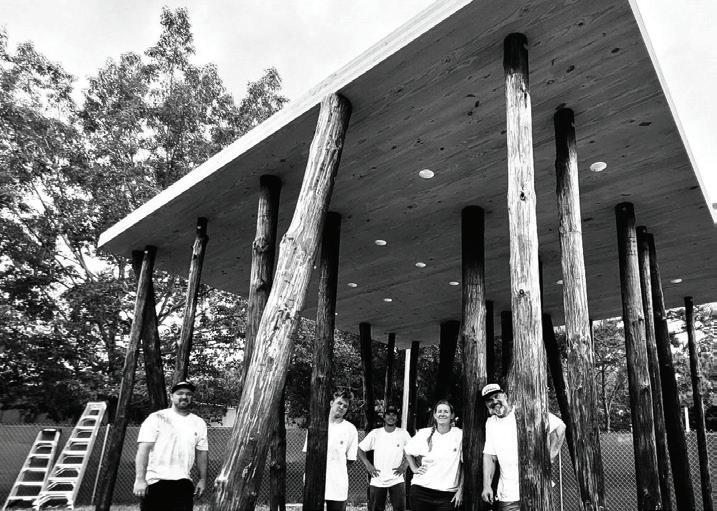
PROFESSORS CHRIS MEYER AND SHAWNA MEYER TAKE HOME TOP HONORS IN ARCHITECTURE AND DESIGN
Professors Chris Meyer and Shawna Meyer, principals of Atelier Mey, have been recognized with two prestigious honors: the Canadian Wood Council Building Design + Wood Award, celebrating excellence in wood architecture & construction, and the ADU Miami Competition win. The ADU Miami Competition invited them to shape the future of affordable housing in Miami by designing a small yet impactful addition to the urban landscape. Their work promotes housing affordability through thoughtful
design, contributing to a more resilient, inclusive, and aspirational community for all.
SEPTEMBER 2024
Professor Sarbeswa Praharaj has been awarded a National Science Foundation (NSF) grant for his project, Simulating Coastal Adaptation and Local Exposure for Enhanced Resilience (SCALE-R). This two-year project aims to develop a decision-support toolkit that uses earth system science modeling to visualize, test, and prioritize strategies for improving coastal resilience. The research will enhance understanding of how local adaptation and mitigation policies impact hazard risk reduction, while also building capacity in resilient community design, geospatial data analytics, and urban planning.
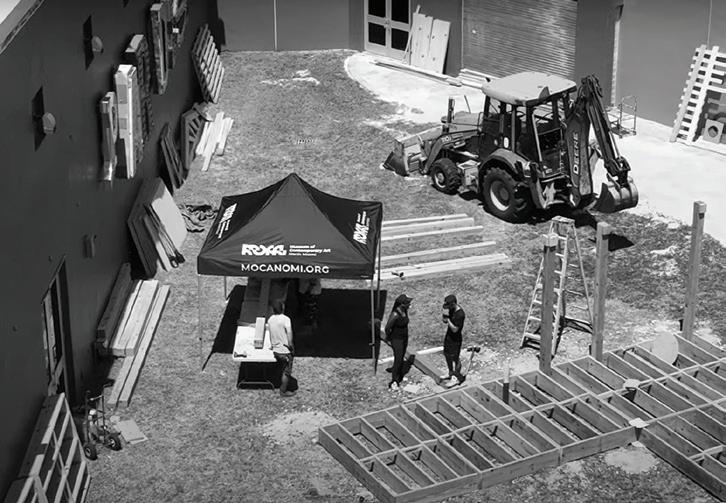
Through the creation of a small, replica shotgun house, architect and designer Professor Germane Barnes and a team of students from the University of Miami School of Architecture CHI-L have built Play-House at the Museum of Contemporary Art. The playscape balances recreation and learning and highlights the historical significance of these South Florida homes and the contributions of Black residents in Miami’s development. Visitors can explore the history of these homes through VR-activated archives.
As the Center for Global Black Studies Social Justice in Design Fellow and Teaching Fellow at the University of
Miami’s School of Architecture, Demar Matthews is working to represent Black communities in Miami.
Currently, Matthews is working on the second installment of his case study titled “Unearthing A Black Aesthetic: Green Haven” in Overtown, Miami’s first historically Black neighborhood. This project, which won the Social Justice Prize awarded by the School of Architecture, is a collaboration with Madison Brinnon, Assistant Director of Communications. Partnering with Green Haven Project, a Miami-based nonprofit focused on environmental education and fighting food injustice, Matthews and his students have finalized designs for an updated plant nursery and a new educational center.
Students:
Noelle Davis
Roland Thomas Stafford
Khalil Bland
Josefina Caceres
Latifa Alafalah
By Madison Brinnon, UM News
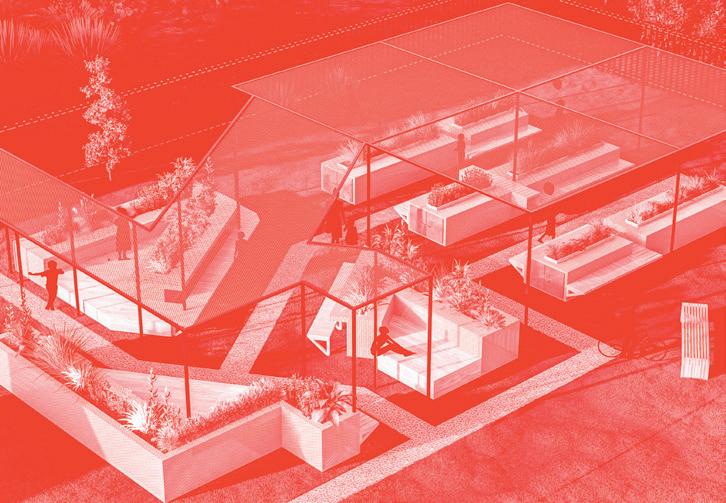
As an undergraduate, Demar Matthews initially focused on biology and religion. However, inspired by others who used creativity to uplift their neighborhoods, he redirected his focus to constructing something permanent for Black communities.
“Before I went to architecture school, I was working for a Enterprise Rental Cars… and then a healthcare company. Eventually I had started a master’s in public health. But I wanted a career that allowed for creativity,” Matthews said.
Matthews’ early academic journey often felt uncertain, but architecture provided a steady path.
“I was a first-generation college student, unsure of what to major in. My career has been fast-paced and multifaceted,” he explained.
After rising through the ranks at the School of Architecture at Woodbury University, Matthews founded his own architectural firm, OffTop Design, committed to cultural competency and representation.
“The built environment should reflect cultures of the inhabitants. Buildings in
different areas mirror the local culture and stand the test of time. That permanence is often missing in Black neighborhoods, but it’s something we need,” he emphasized.
Now, as a Center for Global Black Studies Social Justice in Design Fellow and school Teaching Fellow at the University of Miami’s School of Architecture, Matthews is working to represent Black communities in Miami.
“My fellowship project is in Overtown, one of Miami’s last Black neighborhoods. I’ve been gaining a better understanding and connection to the area,” Matthews said. “I ended up teaching a class where my students met residentis and community organizers from Green Haven Project, which led to our current collaboration.”
Working closely with Brinnon and the architecture students, Matthews quickly developed a design that honors Overtown’s history and community.
Growing up in Los Angeles, Matthews was surrounded by the Black community but felt a disconnect with the architecture around him. What other communities had in abundance, his own lacked. Through his firm and fellowship project, he aims to build something that is permanently and undeniably representative of Black culture.
“When people think of Black neighborhoods, there’s often a negative connotation. I want to create architecture that is derived from and celebrates the cultures that lives there,” he noted.
For Matthews, investing in existing community initiatives is crucial. His partnership with Green Haven Project reflects a commitment to culturally competent architecture and heralds a new era of design.
“We’re remodeling the nursery and adding an education center which will be used to teach local children about planting. We hope to start construction soon and complete everything by the end of Fall 2025,” he said.
Matthews believes that representing Black communities through lasting architecture is essential to redefining what a Black neighborhood is. Through his work, he seeks to merge culture and design, creating meaningful structures from the ground up.
“Black communities need enduring landmarks. Architecture should speak to us,” Matthews said. “I want to look at buildings and see myself in the design. I want my mom and niece to see parts of the design that resonate with them, too.”
PROFESSOR ROCCO CEO’S DESIGN/ BUILD STUDIO CREATES OUTDOOR CLASSROOM

Professor Rocco Ceo, a distinguished faculty member in architecture at the University of Miami School of Architecture, not only co-founded but also co-leads the Design-Build Studio. He oversees students as they undertake the construction of various structures. Notably, the B.E. & W.R. Miller Build Lab, designed and constructed by Ceo and his students, serves as the hub for these innovative classes.
Since its inception, the design/build has successfully completed numerous projects, often within a 16-week timeframe. Each prototype is crafted specifically for nonprofit community organizations.
During the recent Spring semester, Professors Rocco Ceo, Jim Adamson, Jake Leonardi and the Design-Build team embarked on their second project for Ocean Studies Charter School—a two-story structure nestled in the natural hardwood hammock adjacent to the school. This outdoor classroom initiative follows their earlier creation of an octagonal building on the same site. Fourteen fifth-year students under Ceo’s mentorship managed all aspects of the project, including client interactions, budgeting, and the meticulous handcrafting of the modular structure designed for seamless integration into its natural surroundings.
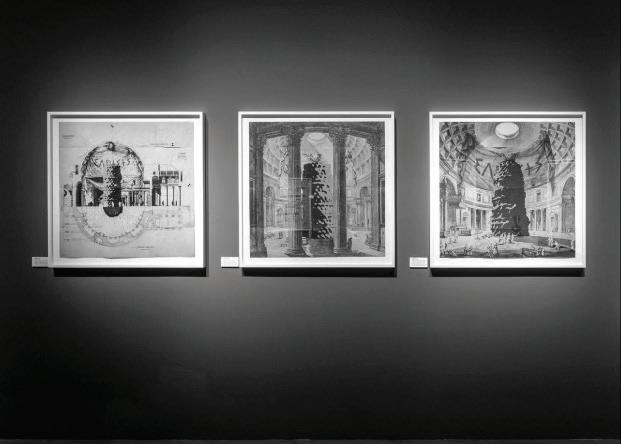
Congratulations to Professor Germane Barnes for receiving the 2024 Graham Foundation Grant!
This award will support Barnes’ upcoming exhibition, “Column Disorders”, curated by Irene Sunwoo, at The Art Institute of Chicago from September 21, 2024 to January 27, 2025. Barnes seeks to recast the canonical foundations of architecture through the lens of Blackness and in recognition of a long lineage of nonwhite
constructors who have shaped the built environment since antiquity.

Professor Germane Barnes new work for the Commissioner community was unveiled at Miami-Dade College’s Wolfson Campus. Taking place at Ukhamba—an open-air rotunda inspired by South African basketweaving for which he was commissioned by the Museum of Art and Design at MDC.
Using digital transfer on unique Roman, recycled paper, Barnes hand-embellishes each mixed-media collage, complemented by custom sleeves cut by his apprentice team at the University of Miami. Some may recognize the paper from his exhibition at the Venice Biennale. The intentionally fragile paper was sourced from, reclaimed as, and used in hommage to the Black laborers and draftsmen he met during his 2021–2022 residency for the Rome Prize.
Student Project Assistants:
Allie Jones
Santiago Martinez
Alana Bernard
Sana Fatima
Noelle Davis
PROFESSOR JEAN-FRANCOIS LEJEUNE’S ROME RESEARCH AND LECTURES
In the fall of 2023, Professor Jean-Francois Lejeune was awarded a 3-month Visiting Research Professorship at Università di Roma La Sapienza. In collaboration with Belgian architect Caroline Mierop, he initiated the research to study the “colonization” of medieval villages around Rome and their transformation into modern Renaissance-Baroque towns by important Roman families such as the Farnese. In Rome, Professor Lejeune gave lectures at University of Notre-Dame, Iowa
State University, and Pennsylvania State University. He published three essays: “Narratives of the Rural World and the Question of Modernity in Franco’s Spain,” in Andrew Dowling (ed.), Routledge Handbook of Spanish History (Routledge, 2023); “The Tropical and the African: Sert, ATEC, and the Failed Planning of Havana” in the Proceedings of the EAHN 7th International Conference in Madrid (2022), and “Modernity and Tradition in Franco’s Spain, 1939-1957” in ANTA, no.4, a special issue on 20th century Spain by University of Notre-Dame School of Architecture.
JANUARY 2024
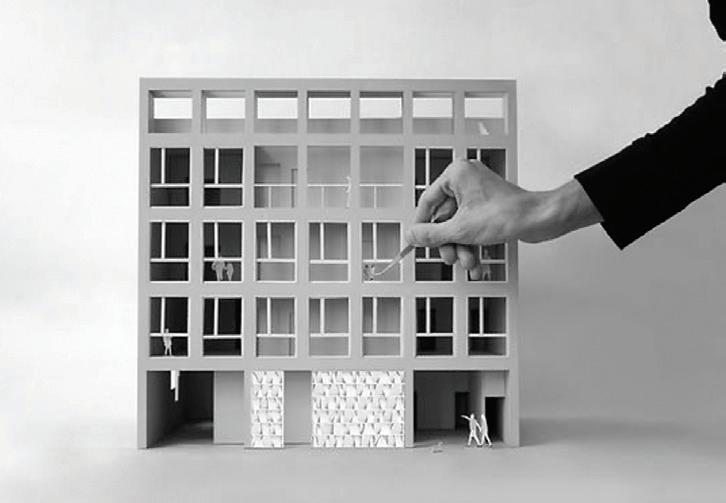
PEACH PROJECT: AFFORDABLE & SUSTAINABLE GROWTH FOR OVERTOWN
Design architects Professors Carie Penabad and Adib Cure of CÚRE & PENABAD have collaborated with former School of Architecture graduate and developer Laura Weinstein on the PEACH PROJECT for Catalyst Miami.
In contemporary Miami, the concept of mixed-use residential buildings on small infill lots is scarce. If the city is to address both the challenges of climate and affordability, it must densify its patchwork of neighborhoods through incremental growth that allows more participants to benefit from current development trends. To this end, the PEACH PROJECT is developed along NW 14th Street in Overtown. Once a thriving black neighborhood in the city, urban and land use policies following World War II severed Overtown from its surroundings and initiated a period of decline that continues to this day. This project seeks to invest in Overtown by creating a headquarters for CATALYST Miami, a non-for-profit organization dedicated to fostering powerful, grassroots networks in the community. The project creates a new, compact, urban courtyard building that contains a micro-retail space at grade, offices, and a court at the second floor, and three affordable housing units on the upper stories. Conceived on a 3,500 sq.ft. parcel (approximately half the size of an average residential lot) the building presents a new infill model for the future growth of Miami.
Recognizing its excellence, the PEACH PROJECT received the 2023 AIA Miami Unbuilt Design Award of Merit and the 2023 AIA Florida Unbuilt Design Award of Excellence. Groundbreaking for this
transformative project is scheduled for February 2024.
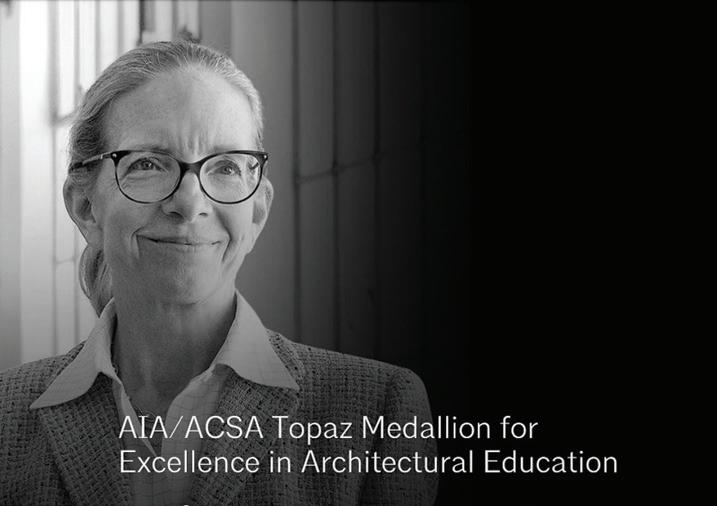
ELIZABETH PLATER-ZYBERK WINNER OF TOPAZ MEDALLION FOR EXCELLENCE AND ARCH EDUCATION
Professor Elizabeth Plater-Zyberk is the winner of this year’s AIA/ACSA Topaz Medallion for Excellence in Architectural Education.
This award, jointly presented by AIA and the Association of Collegiate Schools of Architecture (ACSA), recognizes outstanding individual contributions to architectural education.
DPZ CoDESIGN admire and honor Professor Elizabeth Plater-Zyberk for her tireless efforts in building the body of New Urbanism knowledge and techniques and for her deep-rooted focus on mentorship.
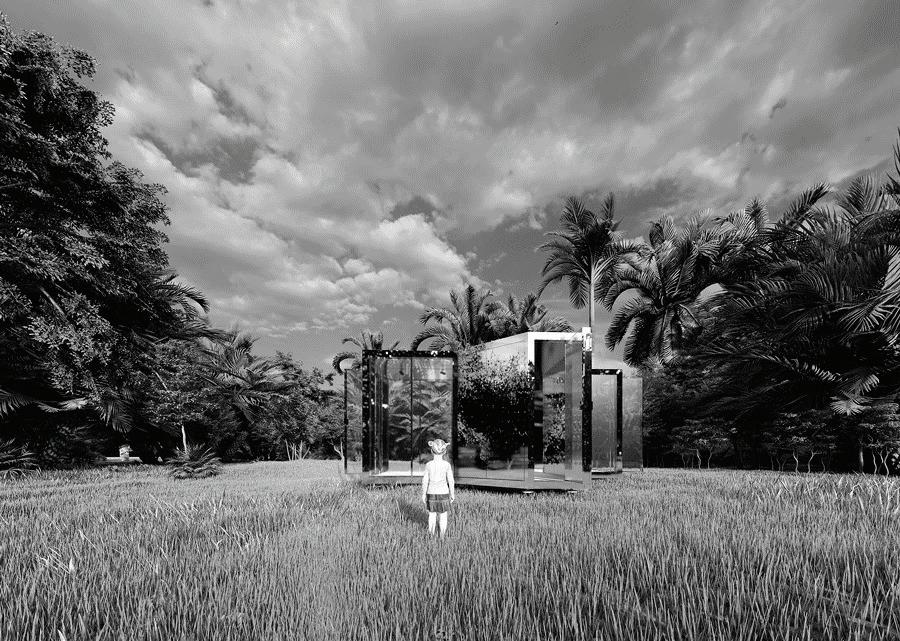
Professor Veruska Vasconez, debuts a composition of perfect geometry transcending the traditional boundaries of architecture and art, the Stardust Pavilion is an inaugural piece of work to be revealed at Art Basel 2023 as a collaborative and immersive art installation.
Conceived by Flare, a newly launched design studio helmed by female architects Stardust Pavilion is a high-end structure transcending Professor Veruska Vasconez and Alessandra Cianchetta, Stardust is one of several bespoke, collectible pavilions of shimmering glass and steel. Merging the boundaries between art, space, experience, and architecture, the Stardust Pavilion series is a set of intimate structures designed to allow a deeply personal experience with artworks exhibited within,
and their surroundings. Upon entering the 217 square-foot space, visitors will encounter a mirror ceiling and glass walls that create movement and light.
“It’s not just art to behold; its art to immerse in, art to collect, and art to cherish.” - Veruska Vasconez
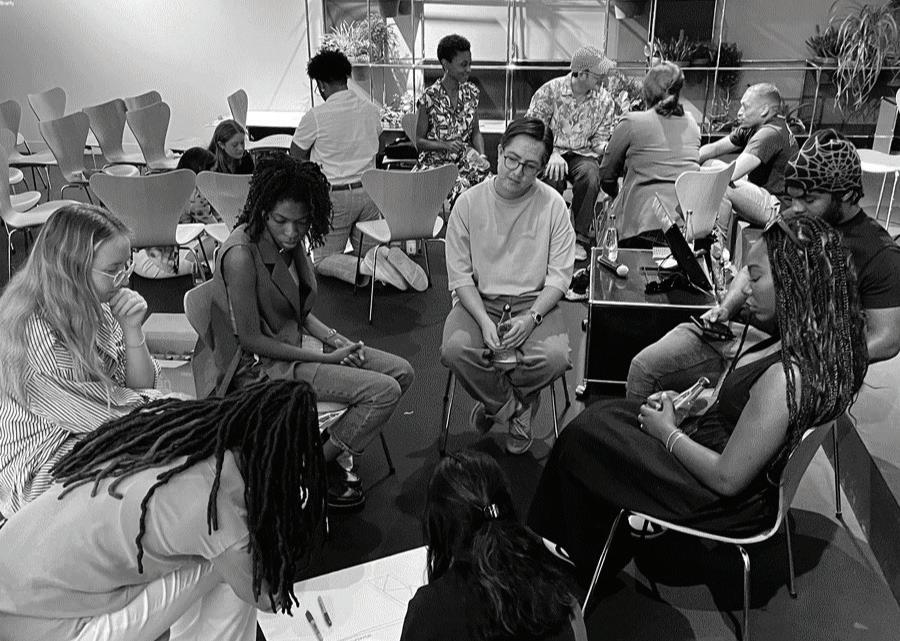
Monumental, presented by Professor Germane Barnes, Founder Studio Barnes, and 2023 Artistic Director of diaDAS; took the stage with Architect and Designer Nina Cooke John, Artist & Designer Adam Nathaniel Furman, and Principal of Public Memory & Memorials Lab at MASS Jha D Amazi, at Design Miami on December 9.
As historically excluded voices increasingly expose the failures and discriminatory practices of the architecture and urbanism fields, a holistic, constructive examination of these disciplines becomes all the more pressing. Design Justice continues to peak through creases often closed shut by popular architectural theory and discourse.
Within this framework featured a workshop for architecture students and talk for Design Miami attendees. Students were given a prompt to identify an informal monument in their community, in hopes of turning that structure into a formal monument. Designers, theorists, architects, critics, students and patrons were challenged to posit the necessity of monuments through insightful discussion.
“With students representing both the undergraduate and graduate programs, we were able to make a larger impact on the way our education can influence design. This workshop was sponsored by dieDAS, based in Saaleck, Germany and we are forever grateful for their sponsorship,”Germane Barnes.

Professor Nelson Alvarez showcases original architectural photography at photoMIAMI & Miami Art Week pop-up event on December 9, 2023.
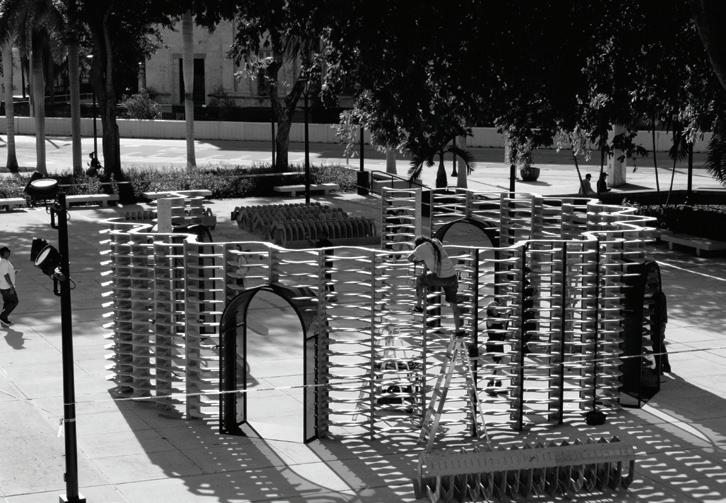
Professor Germane Barnes, Miami-based artist, architect, educator at the University of Miami School of Architecture and award winning designer on the rise will showcase UKHAMBA at the MDC Wolfson Campus until February 24, 2024 and on MDC North Campus from March 11 to May 26, 2024.
Named after a type of African wovenwood basket, UKHAMBA is a 10-foottall circular structure built of curved wooden elements stacked in horizontal layers. Its construction, with four arched entrances, invites visitors to walk inside and congregate but allows the surrounding plaza and urban landscape to remain visible through the structure. Inspired by Barnes’s time working abroad in South Africa, as well as in Miami, UKHAMBA not only responds to Miami’s sub-tropical climate but also unites architectural elements typical of diasporic communities of African and Caribbean origin. It comprises a pavilion that appears part basket, part traditional breeze wall.
UKHAMBA is a space for reflection on our relationship to the built environment, urban design, its histories, and cultural memories. Barnes’s pavilion continues the artist’s exploration of themes of spatial identity, migration, the cultural influences of the African diaspora, and its contributions to classical architecture. Primarily using materials found in South Florida, the artist has focused on sustainability and has designed a structure in dialogue with the history and natural environment that surrounds it.
SONIA CHAO PRESENTS PREVENTING CLIMATE
Associate Dean Sonia Chao will be speaking on November 17 at the Annual Climate Leadership Summit a major regional event hosted by the Southeast Florida Regional Climate Change Compact to share knowledge, showcase climate action, engage leadership across sectors, and mobilize the collaboration needed to tackle this significant challenge at scale.
Many are grappling with housing affordability and the cultural effects of gentrification on communities throughout

South Florida. In addition, the climate change crisis is compounding the housing affordability crisis with climate driven gentrification. This Seaside Chat will discuss solutions to build wealth and prevent displacement through ways to preserve naturally occurring affordable housing while also making homes climate ready, zoning strategies to increase supply, and the most effective adaptation strategies for different types of residential building typologies. The session will also touch upon existing initiatives and programs currently being run by municipalities within the Compact.
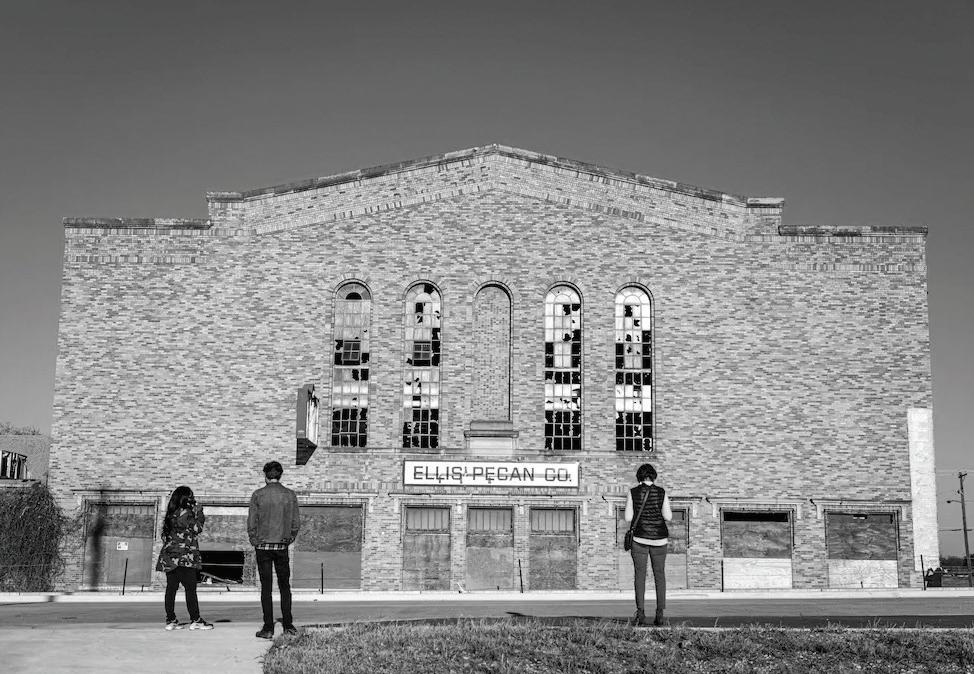
PROFESSOR GERMANE BARNES SELECTED AS DESIGN ARCHITECT FOR THE FRED ROUSE CENTER FOR ARTS AND COMMUNITY HEALING
Transform 1012 N. Main Street (Transform 1012), a Texas-based non- profit coalition, is thrilled to announce Professor Germane Barnes of B-arn-S Architects + ch_studio as their architect and design partners to transform the former Ku Klux Klan Klavern No. 101 Auditorium in Fort Worth into The Fred Rouse Center for Arts and Community Healing in an act of reparative justice. The design team’s goals for the building reflect Transform 1012’s sentiments when acquiring the building in 2021—the space should not be demolished, it should instead be transformed through adaptive reuse to represent and serve the communities targeted by the KKK and to promote community healing.
ON CITIES WITH PROFESSOR CARIE PENABAD PRESENTED BY VOICE AMERICA
Did you know that the quality of our daily lives is directly influenced by the design of our built environment? Our homes, our work, the way we move, and where
we play are all shaped by the design of our cities. This thought-provoking, new show from architect, urban designer, and Professor Carie Penabad, examines the complex forces that shape the making of our physical world. Lively conversations with leading experts in a variety of fields engage some of the greatest challenges facing our cities today including climate change, affordable housing, embedded technologies, infrastructure design, the arts, urban policy, social mobility, and much, much more. Tune in every Friday at 11 a.m. (EST) 8 a.m. (PST) so that together we can design a better world.

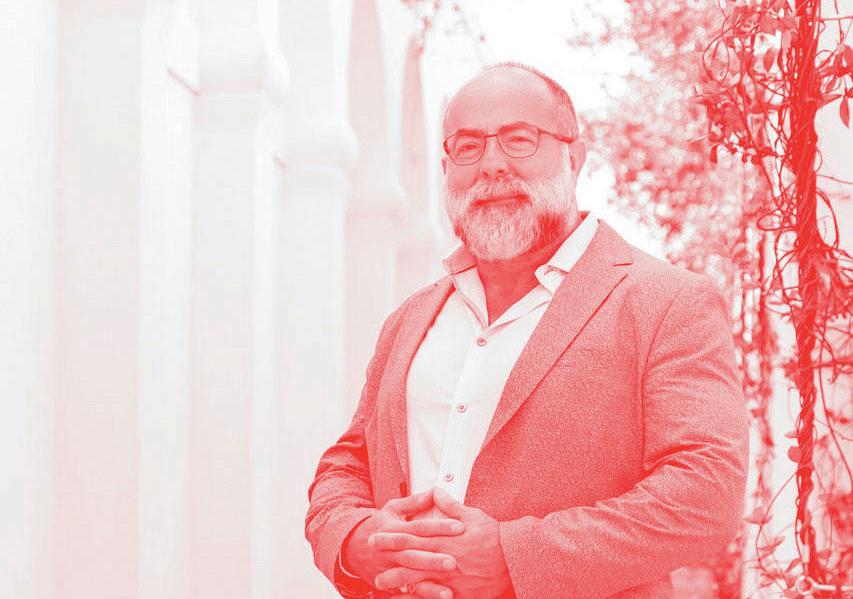
JOINING HOMECOMING CELEBRATIONS, DEAN EL-KHOURY SHARES HIS VISION AT ‘THE UM EXPERIENCE’
The Audrey R. Finkelstein UM Experience will showcase renowned faculty and groundbreaking advancements at the University of Miami.
The Audrey R. Finkelstein UM Experience lecture series returns during Alumni Weekend and Homecoming with three thought-provoking discussions exploring the evolution of the University of Miami to become an even greater force for good.
This year’s edition on October 27 features conversations with the University’s chief academic officer Guillermo “Willy” Prado, M.S. ’00, Ph.D. ’05, interim provost and executive vice president for academic affairs; community trailblazer Erin Kobetz, vice provost for research and scholarship and tenured professor in medicine, public health sciences, and obstetrics and gynecology; as well as historian, designer, and author Rodolphe el-Khoury, dean of the School of Architecture.
By Maeve McQueeny, UM News
Provost Prado will analyze the significance of the University’s recent invitation to join the Association of American Universities (AAU)—the pinnacle of higher education in this country and the world, comprised of only 71 comprehensive research universities—during his talk “The University of Miami: From Infancy to an Elite Comprehensive Research University.”
As provost, he oversees the deans of the 12 schools and colleges and senior administrators involved with research, undergraduate and graduate education, and other academic areas. Prado is a professor of nursing and health studies, public health sciences, and psychology at the University. His work has been featured in the Miami Herald, NBC, Univision, and CNN en Español.
Vice Provost Kobetz will spotlight the power of research and community through her talk “The Story of a Tar Heel Who Bleeds Orange and Green: How UM Became My Alma Mater By Choice.”
Kobetz is celebrated for her work in the South Florida community. She leads the Game Changer mobile clinics, which bring cancer screenings, health information, and research opportunities directly to patients. She founded Patnè en Aksyon (Partners in Action), Sylvester Comprehensive Cancer Center’s first-ever community-academic partnership in Little Haiti, to address the increased risk of cervical cancer among residents through community-based participatory research and intervention. She also oversees the Firefighter Cancer Initiative, a Universitywide interdisciplinary program founded to better document and understand the excess burden of cancer among Florida firefighters and identify novel, evidencebased methods for reducing risk.
Dean el-Khoury will share his vision of a smarter, more connected, and healthier world through responsive homes and interconnected smart cities in his talk “Smart Cities; Responsive Homes.”
El-Khoury has been featured in national and international media outlets, including WIRED Magazine, The Wall Street Journal, the Space Channel, and BBC World, for his work exploring climate resilience, sustainability in architecture, and enhanced responsiveness in buildings and smart cities. El-Khoury leads the Research and Development (RAD) Lab, a research unit dedicated to embedded technology and robotics aiming at enhancing responsiveness and resilience in buildings and smart cities. His current research in architecture focuses on applications for information technology, aiming for enhanced responsiveness and sustainability in buildings and smart cities. He is also working on the application of robotics and embedded technology in architecture in projects and prototypes for interactive and responsive environments, including immersive environments and multisensory architecture.
The UM Experience (UMX) was created through a generous endowment by the late Audrey R. Finkelstein, A.B. ’38, to offer alumni the opportunity to return to campus to hear discussions led by distinguished University of Miami faculty.
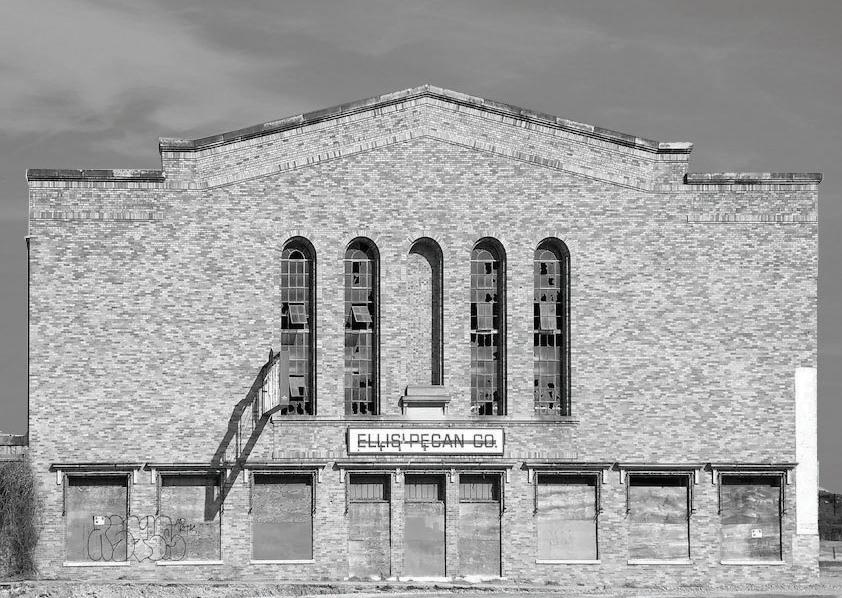
PROFESSOR GERMANE BARNES’ DESIGN TEAM SHORTLISTED FOR FORMER KKK SITE RECLAMATION PROJECT IN TEXAS
Congratulations to Professor Germane Barnes on being a part of B-arn-S Architects and ch_studio, one of four design teams shortlisted for former KKK site reclamation project in Texas, Transform 1012 N. Main Street. This adaptive reuse and racial equity project has been announced as part of a multiphase selection process that will eventually deliver the new Fred Rouse Center for Arts and Community Healing to Fort Worth, Texas.
A Design Week Residency will take place from October 15-18 in Fort Worth in order to bring each team into contact with various stakeholders and invite additional feedback from community members. The winner will be announced on November 15.
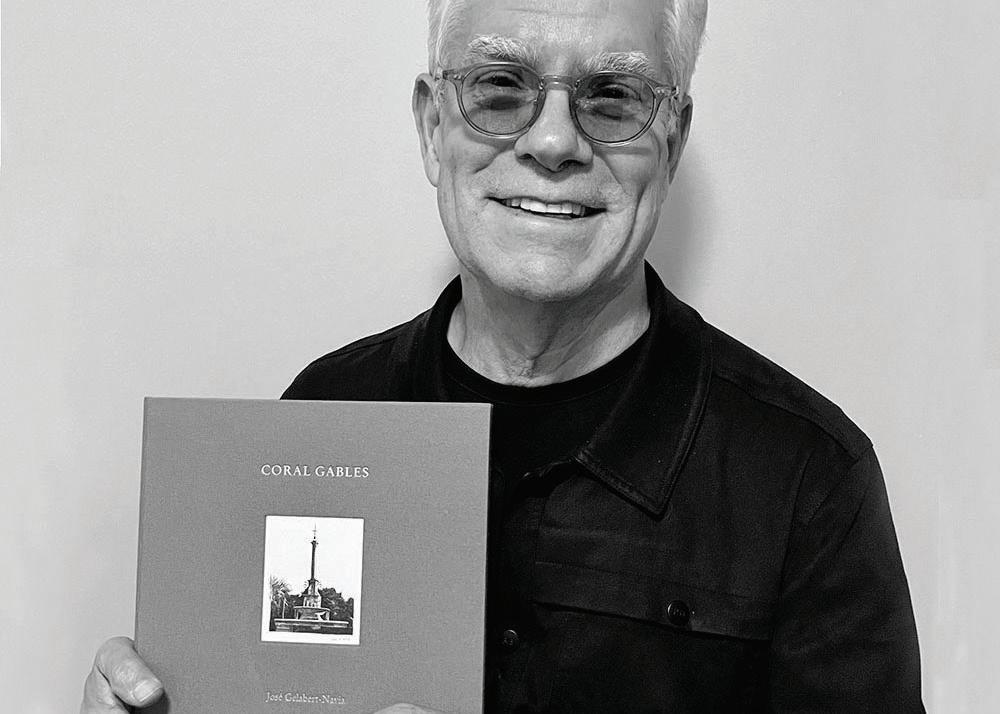
VILLAGER SUPPORT LAUNCHES
PROFESSOR JOSE GELABERT NAVIA’S NEW BOOK CELEBRATING ARCHITECTURE OF CORAL GABLES
The new book Coral Gables, a part of the Coffee Table Journeys Collection, by author-illustrator Professor Gelabert-Navia will be unveiled at a reception and book signing event on November 7 at the Coral Gables Museum, 285 Aragon Avenue. The free event is open to the public and will be held from 6:30-8:30 p.m., during which the author will give a short presentation followed by the book signing. Books will be available for sale.
A practicing architect with the firm Perkins + Will, Gelabert-Navia is a professor and
former dean of the School of Architecture at the University of Miami. His teaching focus has been in the areas of architectural design and the related history of colonialism and globalization.
“The Villagers are delighted to be instrumental in bringing this book to the public,” said Susan Medina, Past President of The Villagers. “Professor Gelabert-Navia’s work will help immortalize and celebrate the incredible accomplishments of George Merrick’s architectural team who began building Coral Gables 100 years ago.”
According to Professor Gelabert-Navia, most of the illustrations included “are the original monuments Merrick did in his time.” A resident of Coral Gables for more than 30 years, he selected the sites he felt were more iconic.
Since 1966, The Villagers have awarded more than 230 grants to more than 80 organizations and awarded 200+ university scholarships to advance historic preservation. Through educating, advocating, fundraising, restoration, and documentation The Villagers work to preserve the cultural and architectural heritage of historic sites and neighborhoods in Miami-Dade County.
An insightful and revealing look at the intersection of housing and urban design. In the newly revised Second Edition of The Urban Housing Handbook, Professors Firley and Deupi deliver a design and analysis tool for housing practitioners, students, and researchers. The book outlines the characteristics of 30 of the most notable housing types from around the world, studied against a background of increasing densification.
Each of the 30 chapters includes a fullyexplored traditional example followed by one or two contemporary projects of similar spatial configuration that address changing trends in architecture and urban design.
AUGUST 2023

Atelier Mey received the 2023 American Institute of Architects Florida Design Award
of Excellence in Sustainability for House in a Garden in Coconut Grove, Florida.
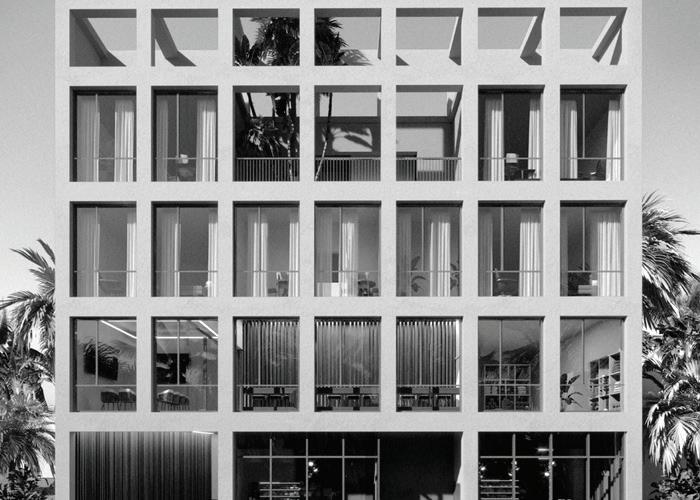
PROFESSORS ADIB CURE AND CARIE PENABAD’S ARCHITECTURE OFFICE RECEIVES ACCOLADES [2023 AIA FLORIDA DESIGN AWARDS]
The American Institute of Architects announced Cure & Penabad Architecture & Design was the recipient of two prestigious AIA Awards for 2023. The jury, composed of architects from Panama, reviewed over 250 submissions. Project Peach, in Miami received a Citation Award for Unbuilt Design and Allora, in Guatemala City received an Honor Award for Masonry Architecture.
[ARCHDAILY] The online platform, ArchDaily curated a selection of the Best Unbuilt Architecture projects which highlight office spaces. Project Peach by Cure & Penabad Architecture & Design was chosen as one of seven projects to be showcased.

PROFESSOR JOANNA LOMBARD SPEAKS FOR A 1000 FRIENDS OF FLORIDA ON THE INTERSECTION BETWEEN COMMUNITY DESIGN AND PUBLIC HEALTH
This September, Prof. Lombard will speak at the 2023-24 Dr. John M. DeGrove Webinar Series, Monday the 18th, from noon to 1:30 pm. Her lecture will focus on the elements of healthy communities and how they can enhance physical and mental wellness through social interaction, physical activity, and connection to nature. She will address how healthier design can help ameliorate the impacts of climate change, and the impacts on disadvantaged communities. The talk will conclude with a conversation on strategies to integrate healthier design into communities with Victor Dover, FAICP, principal / cofounder of Dover, Kohl & Partners and coauthor of the landmark book Street Design: The Secret to Great Cities and Towns.
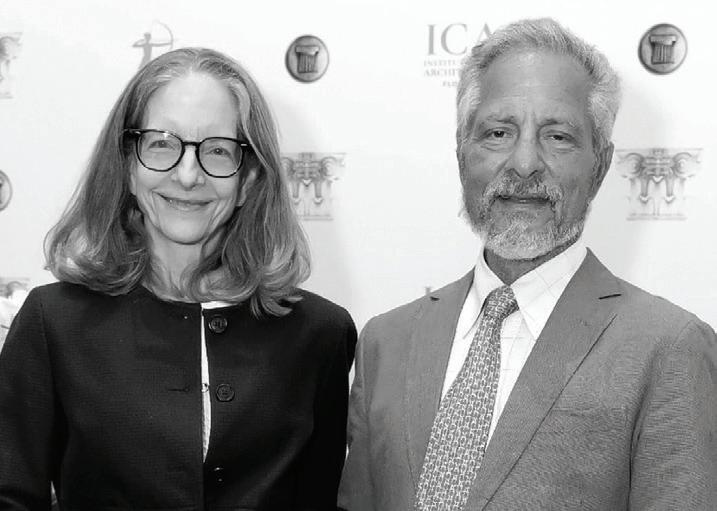
PROFESSOR ELIZABETH PLATERZYBERK AND ANDRES DUANY AWARDED HONORARY DEGREES BY YALE UNIVERSITY
During its 322nd graduation ceremony, Yale conferred honorary degrees on nine remarkable individuals who have achieved distinction in their fields.
“The nine individuals we honor this morning serve as examples to you, our graduates, to encourage you to aspire to excellence, to value those elements of human character that they embody: creativity, curiosity, discipline, integrity, and a passion for public service,” said Yale President Peter Salovey during the university-wide Commencement ceremony.
In awarding the 2023 honorary degrees, President Peter Salovey read the following personalized citation:
From the corridors of this campus to the sidewalks of Seaside and beyond, yours is an architectural partnership of enduring impact. Together you saw the potential for building pedestrian-friendly environments and communities that foster connection— and your masterful designs have brought that vision to fruition and revolutionized practices worldwide. Transformers of town planning, for renewing our concept of the urban environment, and for advocating “smart growth” and walkable cities over unsustainable sprawl, we proudly present you both with your second Yale degrees, Doctor of Fine Arts.
Andrés Duany and Elizabeth PlaterZyberk—leaders of the New Urbanism movement of town planning—are the driving force behind design thinking that emphasizes sustainability and humanscaled communities. The creators of the original New Urban town, Seaside, Florida, they now have dedicated more than four decades to their vision for walkable, accessible, sociable design for revitalized neighborhoods, new towns, and regions around the United States and the world. Alumni of the Yale School of Architecture, where they completed their master of architecture degrees in 1974, both Duany and Plater-Zyberk have returned to the school as teachers—Duany in 1987 as the William Henry Bishop Visiting Professor of Architectural Design, and Plater-
Zyberk in 2017 as Robert A.M. Stern Visiting Professor. They are recipients of the National Building Museum’s Vincent Scully Prize, named for the famed Yale architectural historian who was one of their most influential mentors.
Partners in marriage as well as professionally, Duany and Plater-Zyberk met as undergraduates at Princeton University. The Cuban-American Duany was raised in Barcelona, while PlaterZyberk, whose architect father and family immigrated to the United States from Poland, grew up near Philadelphia. Both of them credit their childhood environments for instilling in them a powerful sense of the value of traditional urbanism. After graduating from Yale, the couple relocated to Miami, Florida, where they co-founded Arquitectonica, known for its striking modernist designs. In 1980, they launched their own firm, now named DPZ CoDesign, focused on alternatives to suburban sprawl and public participation in the design process. In 1992, they co-founded the Congress for the New Urbanism, dedicated to advancing urban ideals including diversification, environmental responsibility, transit, and pedestrian-first design. They remain active in the organization, which meets annually and now counts more than three thousand members.

Côme Ménage - READ Architecture Design DPC (France) has been awarded 40 under 40 Architects Europe in the 2022 class.
The “EUROPE 40 UNDER 40®” is an annual awards program initiated by The European Centre to highlight and distinguish the next generation of architects and designers who will impact future living and working environments, cities, and rural areas. It is an annual celebration of innovation and creativity.
The program is open to all young architects, landscape architects, urban planners, and industrial designers currently under the age of 40, working independently, in a firm, or on a specific project as the lead designers.
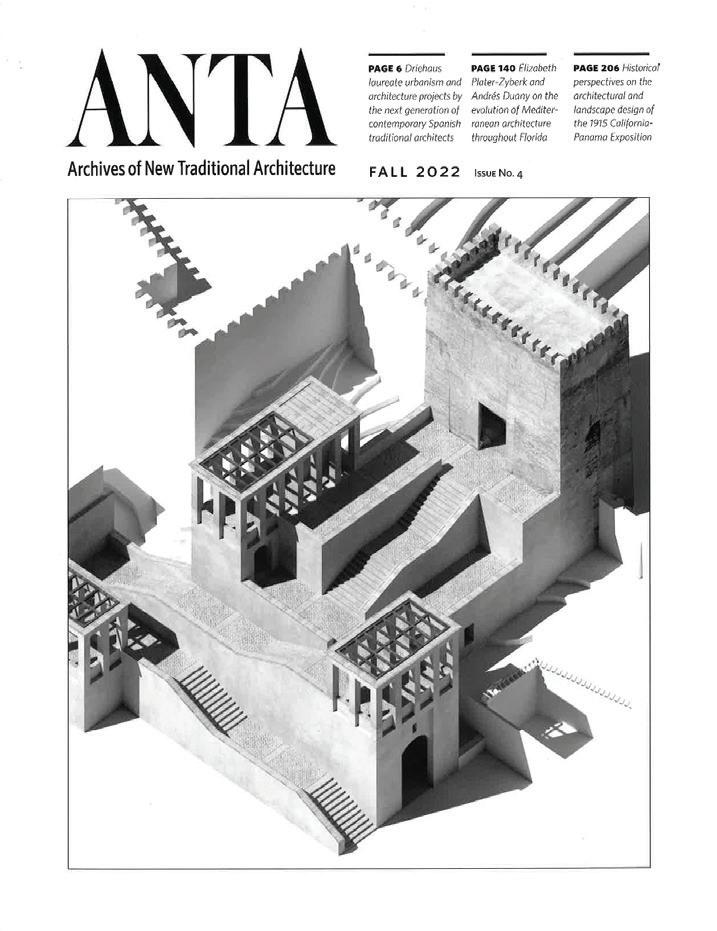
SCHOOL OF ARCHITECTURE FACULTY MEMBERS FEATURED IN UNIVERSITY OF NOTRE DAME’S ARCHIVES OF NEW TRADITIONAL ARCHITECTURE
The University of Notre Dame’s Archives of New Traditional Architecture (ANTA) featured school faculty in their Vol. 4 (Fall 2022) issue.
This issue contains:
An essay by Jean Francois Lejeune
An essay by former Dean Javier Cenicacelaya
A conversation with Elizabeth PlaterZyberk and Andres Duany
Featured projects by Jorge Hernandez, DPZ Co-Design, Cure and Penabad, Martinez Alvarez, Trelles Cabarrocas, De La Guardia Victoria, and Khoury Vogt
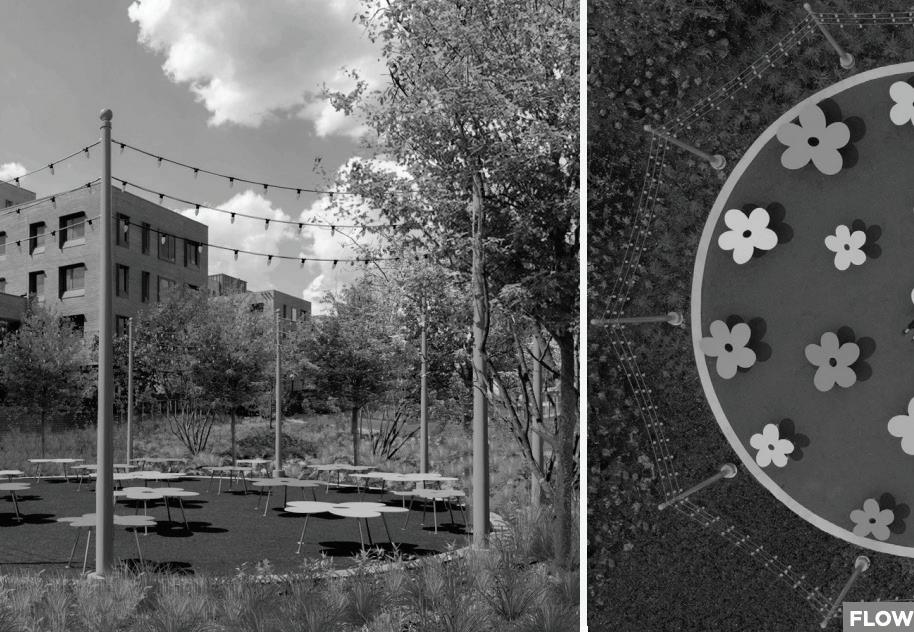
PROFESSOR ROBERTO BEHAR AND ROSARIO MARQUARDT’S THE HOME WE SHARE DEDICATED AT PRINCETON UNIVERSITY
“The Home We Share” (2022) consists of three individual works of striking pink art that simultaneously serve as instant landmarks near Yeh College and New College West while offering all Princeton students a variety of spaces for social encounters and platforms for free expression and togetherness. Flower Fields Forever, Forget Me Not and Dreaming Room invites students to a unique set of fragments of a collective open-air home and develop a new sense of freedom and
possibilities in their home away from home at Princeton. The low-tech interactive projects are simultaneously familiar, intimate, and unprecedented inventions. “We understand architecture as public art,” said Rosario Marquardt and Roberto Behar of Miami-based R&R Studios, which designed the works. “Our forte is making artworks that perform as social sculptures and tools for the pursuit of happiness.”
“The Home We Share” enriches Princeton University Art Museum’s exceptional outdoor art collections and brings new meaning and emotion to life on campus. As Haskell Curator of Modern and Contemporary Art Mitra Abbaspour noted, “Sited at three distinct points of congregation or entry to the new colleges, these fantastical sculptures invite communal gathering and provide a setting for individual contemplation.”

“The Home We Share” by Rosario and Roberto of R&R Studios celebrates Princeton University’s distinct public service and social engagement culture. Our intention is to highlight and further enable the experience of friendship and camaraderie students will always associate with their passage through Princeton. We understand architecture as public art. Our forte is making artworks that perform as social sculptures and tools for the pursuit of happiness. Our works bridge popular culture and contemporary art, erase boundaries between art and life, and aim to bring new meaning and emotion to the public realm.
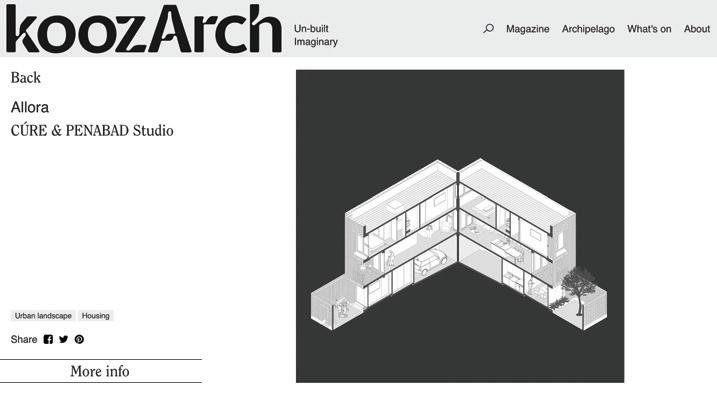
Until the mid-1980s, Guatemala City extensively used brick construction for its housing. This subtle material reflected an immediate connection to place and supported an industry of craftsmen that
produced the material itself. Allora explores brick construction and its implications on urban form and composition to revive this tradition. The proposal develops an urban plan comprising five housing types that vary depending on location. The precise dimensions of the units are conceived and linked to the basic dimensions of a single brick (9x14x29cm) to avoid the “cutting” of any bricks on site.
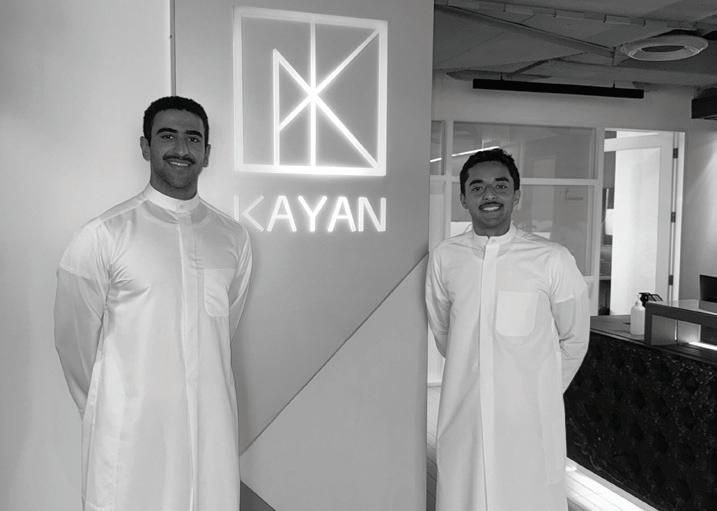
This summer, incoming fourth-year architecture student Abdullah Al-Najjar and rising second-year student Mohammed AlSardi traded Coral Gables for Kuwait City, turning design concepts into built realities at Kayan Middle East Architecture Firm.
Over eight weeks, they explored the many layers of architectural practice, from designing exhibition booths and modeling chalet interiors to researching sustainable materials and studying lighting design for interior and exterior spaces. They learned how to navigate Kuwait’s building codes, joined site visits to villas under construction, and captured detailed photographs to document progress.
They collaborated with fabrication teams, created presentation-ready visuals, and experienced firsthand how initial ideas transform into drawings, models, and ultimately, completed projects.
“Working in Kuwait gave us a new perspective on architecture,” they reflected. “It was a chance to connect cultural context, technical knowledge, and creative vision all in one place.”
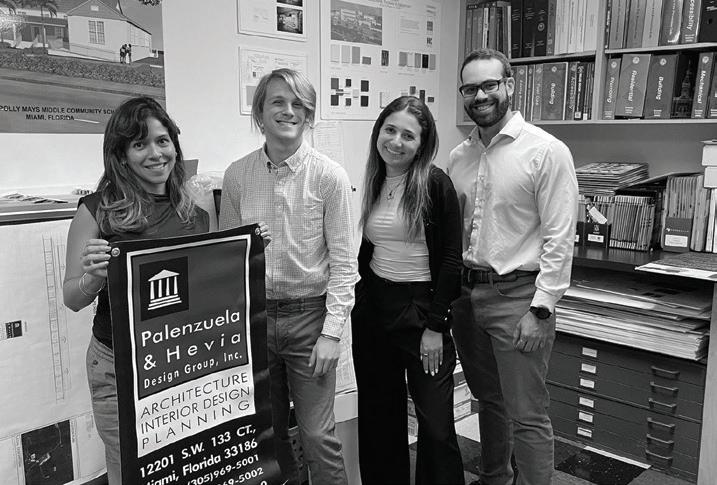
This summer, Finn Mahoney, an incoming fourth year architecture student, interned with Palenzuela and Hevia Design Group in Miami. Drawn to the firm’s range of talent, including UM alumni, Finn quickly felt at home in the office.
Unlike studio projects where he oversees every detail, his internship introduced him to the rhythm of professional practice, working on smaller components of larger projects and shifting tasks throughout the day. Site
visits offered valuable lessons, especially in identifying and documenting construction errors for correction. He also discovered the importance of color and material boards in client presentations, a focus he plans to bring into his academic work.
Beyond technical growth, Finn valued the firm’s supportive environment, culminating in a thoughtful celebration at the end of his internship that made the experience especially memorable.
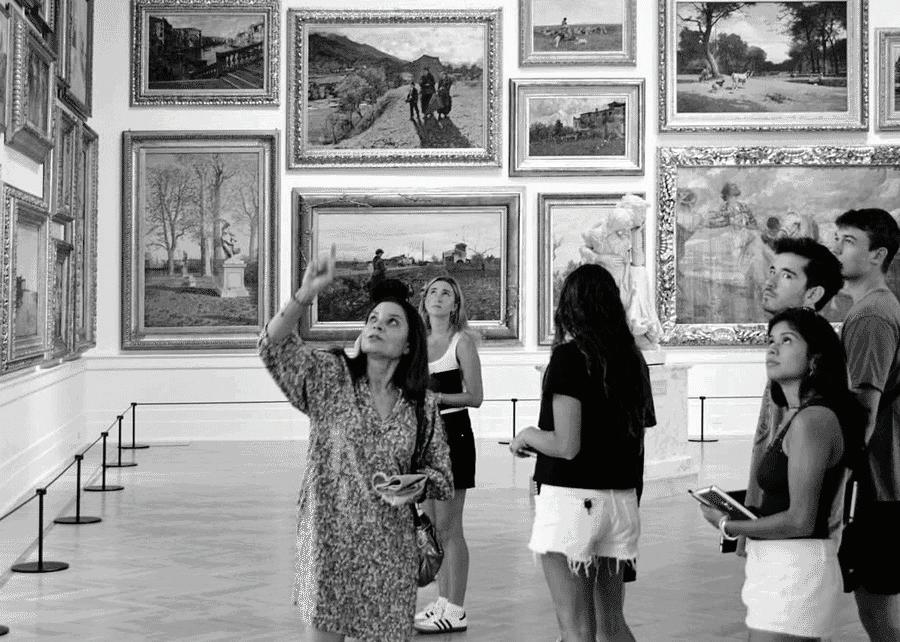
Rome is in the midst of the Jubilee celebration. Quickly upon arrival, I was excited to see the unveiling of new public spaces throughout the city designed for the Jubilee events. These new additions include boardwalks along the Tevere, newly paved plazas with fountains and bench seating, new tree-lined corridors and outdoor galleries. These projects attest to the city’s focus on accommodating visitors and citizens, and reconnecting areas of Rome that were previously disconnected and disenfranchised. This renewed attention to the contemporary life of the city resonated with my experience a few evenings later at the Acquedotto Felice, about a 35-minute drive from the city center where I attended the opening of a visual art exhibit.
The surreal setting of the ruins of the ancient aqueduct, standing alone in a vast field, evoked Giorgio de Chirico’s haunting and provocative urban scenes. Projections of videos, films, and lights onto the Roman aqueduct’s walls proposed a new reality for these archaeological remnants, transforming them into sites of projection, imagination, art, and optimism.
This night time encounter with the Acquedotto Felice illuminated the theme for this semester’s Rome Studio: Ruins and the Contemporary City. Taking inspiration from Estate Romana—an initiative launched in 1977 by former mayor Renato Nicolini, through which Rome’s archaeological sites became active participants in the contemporary city, the studio will explore two sites where archaeology and the contemporary city confront one another. The studio aims to redefine the relationship between past and present, much like Piranesi did in the 18th century with his invented and dramatic visions of archaeological remains. Students will
be asked to reclaim these sites as public spaces through architectural solutions that enable new ways of experiencing and imagining the city
This is a very exciting time to be in Rome. A presto!
Carmen L. Guerrero, AIA, NCARB JULY 2025

CATALINA CABRAL-FRAMINAN TAKES HER DRAWINGS TO THE INTERNATIONAL STAGE
Catalina Cabral-Framiñan was awarded the Affinity Medal in the international Archisource Drawing of the Year 2025 competition for her drawing Wanna Play?, completed in the Spring 2024 Miami Made Studio led by Professors Carie Penabad and Adib Cure.
Two additional drawings by Catalina were also shortlisted, and all three works were exhibited this July at London Creates, a global showcase featuring competition winners alongside work from studios like Foster+Partners and RSHP.
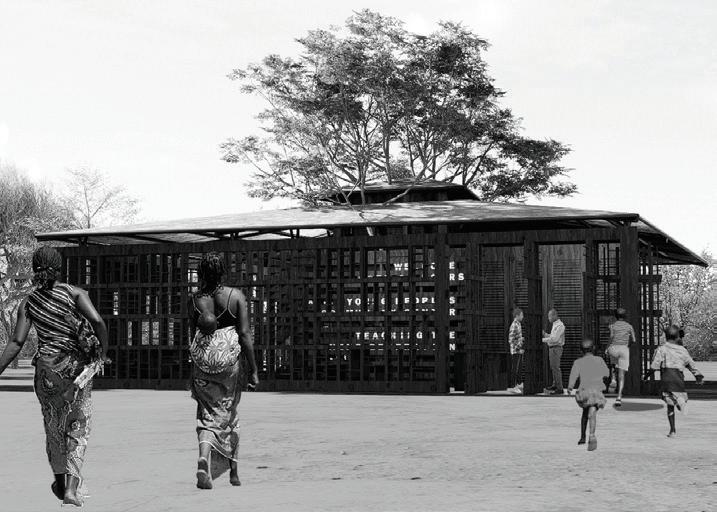
Under the guidance of Professor Yasmine Zeghar, student Shari Soavi was selected as one of ten honorable mentions in the Freedom Pocket competition—an international challenge to design educational spaces for underprivileged children.
Soavi’s project centered on versatility, ensuring the small-scale site could adapt to various learning styles and needs. The space includes a library with pull-out seating and interactive walls, a classroom with playful, instructive furniture, and a treehouse built around an existing tree for independent study or tutoring. Supporting
elements like storage, staff areas, and bathrooms are tucked toward the back.
When asked about her interpretation of “freedom,” Soavi shared, “My interpretation of freedom for the underprivileged is learning, because it gives the individual the opportunity to progress themselves and bring them and their community out of poverty.”
She also emphasized the value of competitions in shaping young designers: “You learn through the fast-paced design process the important elements needed to make a project truly shine.”
Matthew Dutton, a third-year Master of Architecture I student entering his final year at the University of Miami School of Architecture, spent his summer in New York City studying ceramics at Parsons School of Design. Below, he shares what drew him to the material and how it continues to shape his approach to design:
“Coming into this summer, my goal was simple: to meet the material.
Ceramics, both historically and contemporarily, have bridged the gap between art and architecture more profoundly than any medium I’ve encountered. Its ability to exist as both surface and structure, ornament and form, compelled me to study it not only through historical lineage but through direct, physical engagement.
I set out to learn the fundamentals of clay: how it responds to pressure, how it bends, stretches, cracks, and resists. How it carries weight. How it holds memory. How it feels. In both its raw state and its fired finality, clay reveals the relationship between body and structure, between making and meaning.
My work, this summer and in future explorations, is rooted in this intersection, where the tactile meets the tectonic. I am committed to exploring ceramics as a material language that expresses space, surface, and sensation — one that connects the embodied act of making with the built environments we inhabit.
The coursework at Parsons, led by
Professor Danielle Pomorski, truly gave me the foundation for continued exploration into this material. With a strong desire to design and physically build using this material, I felt it was imperative to immerse myself fully into the world of ceramics.”
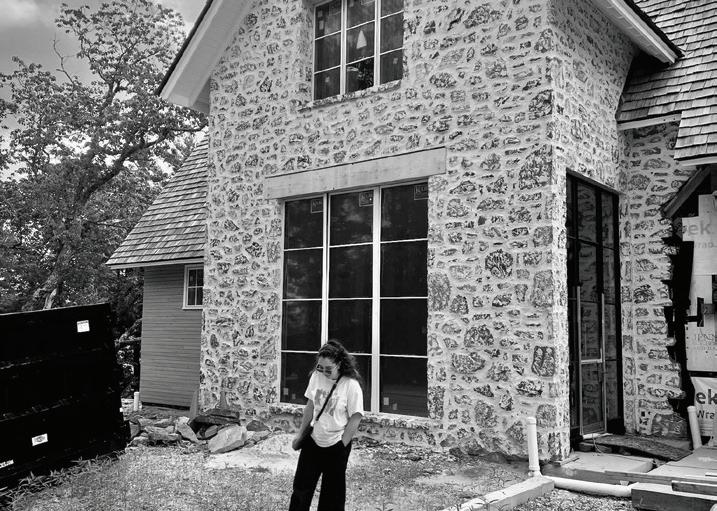
This summer, Luisa Hernandez joined D. Stanley Dixon Architect, drawn to the firm’s reputation for classical and traditional residential architecture, where each home is crafted with care and individuality.
Throughout her internship, Luisa contributed to three distinct projects, working alongside her project manager through every phase, from initial sketches to detailed construction documents. The studio’s collaborative environment made it easy to get involved, and the experience gave her a deeper understanding of how design decisions translate into built reality.
Beyond the office, Luisa explored Atlanta’s architecture firsthand, walking historic neighborhoods, visiting city landmarks, and hiking nearby trails. Her summer was filled with learning, growth, and a renewed appreciation for both design and place.
For Nicole Knopfholz Daitschman, joining Zyscovich this summer wasn’t just about gaining experience, it was personal. Having grown up with a strong connection to spaces designed by the firm, from her school campuses to the Brightline stations she frequently rides, Nicole came into the internship with a deep appreciation for architecture that creates meaningful journeys. Now, she’s getting to explore the “backstage” of those familiar places, contributing to the same design process
that once shaped her everyday life. At Zyscovich, Nicole focused on sustainability documentation, helping achieve LEED and GreenGlobes certification goals. Her work involved coordinating with engineers, contractors, and consultants, giving her a broader understanding of large-scale collaboration and technical execution. She also attended a Miami-Dade Bicycle Pedestrian Advisory Committee meeting, gaining firsthand insight into urban planning, public approvals, and community-driven design initiatives.
Rooted in her hometown of Curitiba, Brazil, known for its sustainable design legacy, Nicole brought a passion for green strategies into every task. With guidance from mentors and exposure to tools like BlueBeam, Newforma, and Deltek, she’s leaving the internship with a renewed drive to prioritize environmental impact, health, and longevity in all future studio projects. And beyond the work, connecting with fellow interns across departments made this summer both professionally enriching and personally unforgettable.
This summer, Diego Ascanio joined Gensler Houston to experience the rhythm of a major architecture firm while staying close to family and friends in suburban Houston. He looked for a chance to work on real projects in a fast-paced, high-performing environment, something he found immediately impressive.
Diego’s internship allowed him to dive into the early stages of a new project, offering a more complete and fulfilling design experience than he’d anticipated. With frequent exposure to tools like Revit and SketchUp, plus some proprietary technology developed by Gensler’s Design Technology team, he expanded his technical skill set and gained insight into how high-quality documentation takes shape at speed. The office’s collaborative culture, where questions were welcomed and learning happened on the fly, echoed the energy of studio life but with a polished edge.
Beyond the workday, Diego and fellow interns marked Juneteenth with a river trip to New Braunfels and College Station, building friendships that turned the summer from professional to memorable.
Patricia Llerena Perez and Crystal Hua interned at Cure & Penabad, the architecture firm of Professors Adib Cure and Carie Penabad, a practice they both deeply admired. Llerena Perez was drawn to the way the firm weaves cultural and historical context into its work, a sensibility she strives to reflect in her own designs. Hua was captivated by the firm’s bold, artistic approach to architectural drawings. “Their work feels more like art than standard black-and-white plans. It’s colorful, expressive, and inspiring to look at,” she said.
Both interns quickly discovered the fastpaced, highly collaborative nature of the studio. From concept to execution, every project was a team effort. Llerena Perez sharpened her attention to detail and technical documentation skills. Hua deepened her Photoshop expertise, especially in creating vibrant color line drawings, and gained insight into professional presentation design through an award submission project.
Highlights of their summer included site visits, hands-on learning, and perhaps most memorably, their daily lunch breaks together. These moments not only offered a chance to unwind but also sparked a close friendship that became one of the most meaningful parts of their internship experience.
St Peter’s Basilica in the Vatican has always held a special place in my heart. It is a building that not only has spiritual and cultural significance for me, but is one of the reasons I chose to study architecture to begin with. It has influenced my design thinking in the sense that I believe design should have meaning, creating a meaningful space is more than just what looks cool or is trending at the time, but should be about building to last through and design for future generations.
How has living and studying in Rome shaped your understanding of the relationship between history, culture, and architecture?
Context has so much meaning in Rome, when making design choices, there is so much to think about because everything has a history and cultural impact to it, from the street stones to the types of trees planted; it is all tied together. It is inspiring to see the layers of history in the culture and architecture and to hopefully be able to bring that relationship to my future designs in America.
What has been the most rewarding experience or lesson you’ve gained from this program so far?
I have learned a lot about balance in life, the Italian culture is a slower one than we are used to in Miami, they take long lunches and go outside more. Our professors told us that “Rome is outside the studio” a lot, and that stuck with me. To understand a city or culture, you have to live in it, and I am so grateful for that lesson.
How has the Rome Program enhanced your ability to analyze and engage with the built environment on a global scale?
It has definitely helped my understanding of context in a new culture and scale, living in a city that has been around for thousands of years holds a different weight when making choices in the built environment.
He was drawn to architecture for its potential to directly impact people’s daily lives, aspiring to create buildings that spark moments of appreciation and joy. Brenner chose the University of Miami for its vibrant city atmosphere, tropical climate, and youthful energy—factors that offered him a new and exciting perspective. What kept him here was the motivation he found in both the academic program and the people around him.
By Madison Brinnon, UM News
While Brenner had already envisioned a career in architecture, his experiences at the University reinforced and expanded those goals, offering real-world insight through coursework and mentorship. Professors made a significant impact on his development, but it was the friendships he formed that provided constant inspiration and encouragement.
As he prepares to leave, Brenner shared what he will miss most, while also looking ahead as he continues his academic journey.
Why did you choose this major?
I’ve always found joy in the arts and design, and the ability to apply that passion at a scale that directly impacts people’s lives feels incredibly fulfilling. Buildings are often taken for granted—but to design something that makes someone pause and appreciate its beauty, even for a moment, feels like a meaningful contribution to someone’s day.
What attracted you to the University of Miami?
The city itself. Miami is unique—not just because of its tropical climate, but also for its youthfulness and energy. I was drawn to the idea of experiencing a different kind of environment and perspective.
What kept you here?
I’ve felt consistently motivated—both by the program and the people around me. I’ve truly enjoyed learning here.
What were you involved in while at the University?
Most of my involvement has been as a teaching assistant, a role I’ve held for most of my time here. I really enjoy working with students. I was also part of the reopening of the Billy Goat Café, and I’m happy to have seen it brought back.
How did the University help shape your career path?
Meet Caltherine Calhoun, a fifth-year B.Arch student who participated in the Fall 2024 Rome Program.
Can you share a specific project or architectural site in Rome that has had a significant influence on your design thinking?
Jesper Brenner, originally from Lexington, Massachusetts, is an architecture major at the University of Miami whose passion for design stems from a lifelong love of the arts.
I had a general sense of my career direction when I applied to architecture schools, but being here has motivated and excited me even more for the future.
How has the University prepared you for what’s next?
The program has reinforced my interests and helped me translate them into a tangible, functional career path. It’s also provided classes that acknowledge how things work in the real world, which has been incredibly helpful.
Who or what made the biggest impact during your time here?
The professors I’ve learned from and worked with as a teaching assistant have been instrumental in shaping how I understand architecture. But most importantly, the friends I’ve made have kept me inspired and motivated every step of the way.
What accomplishment are you most proud of?
Being a teaching assistant. It means a lot to support future generations, assist the professors, and help keep things running smoothly.
Share some of your favorite campus experiences.
Spending time in the Architecture Courtyard on nice days—especially when working or relaxing with friends. Also, going to a football game or two and sharing that school spirit is always a great time.
What will you miss most?
Seeing my friends and colleagues every day, all in one place. That daily sense of community is something I’ll really miss.
What’s next?
I’ll be continuing my education with a Master of Architecture at Princeton.
This summer, University of Miami School of Architecture students Justin Ammaturo and Jordan Kekst took their shared passion for classical and traditional design to New York City, interning at Ferguson & Shamamian.
For both students, the transition from studio to practice was surprisingly smooth. “The studio culture we have translates really well into a professional office,” Justin noted. “It made the transition feel pretty natural.” Jordan agreed, adding, “Our
education really prepared us to present ideas clearly, think critically under pressure, and iterate quickly. Skills that made a big difference in a fast-paced, collaborative environment.”
While Justin balanced design work with a special project contributing to the firm’s upcoming monograph—redrawing archival CAD files to achieve a hand-rendered look—Jordan immersed himself in the rhythms of long-term project coordination. “In school, projects last a few weeks, but in the office, they unfold over years,” Jordan reflected. “You’re constantly collaborating—with engineers, consultants, clients—and that depth really shifts how you approach design.”
Both students spoke to the value of being in New York, where inspiration was everywhere—from the intricate cast-iron facades of SoHo to active construction sites in Manhattan. “Working in the city shaped my entire summer,” said Justin. “It made everything I’ve been learning feel more real.” Jordan also found unexpected growth in conversations with fellow interns from other institutions. “Hearing about different architectural programs expanded how I think about design and education,” he shared.
Justin and Jordan bring back new skills, a deeper understanding of professional practice, and a renewed appreciation for collaboration, craft, and the enduring value of good design.
the bridge between those worlds—offering the research freedom and technical depth to explore questions like: How can buildings behave like living systems? How can fabrication and AI push the boundaries of what’s possible in architecture? Pursuing this degree wasn’t just about advancing my skills—it was about building a new paradigm for how we imagine, design, and construct our environments in response to a changing planet.
What drew you to your specific track focus?
I’ve always been fascinated by how architecture can be more than just shelter—it can be an interface between humans, technology, and the Earth itself. The track I chose allowed me to explore that intersection through design theory, material experimentation, and advanced fabrication. What drew me in was the possibility of using architecture as a language to translate natural systems into built form—especially through tools like robotics, parametric design, and now AI. I wanted to be part of a future where design is intelligent, adaptive, and rooted in both ecological responsibility and technological possibility. This path felt like the most aligned with that ambition.
How did your prior academic or professional experiences prepare you for this program?
Meet Whitaker Redgate, a student in the Master of Science in Architecture program at the University of Miami, specializing in the Digital Fabrication & Technology program.
What inspired you to pursue a Master of Science in Architecture?
I was drawn to the Master of Science in Architecture because I wanted to go beyond traditional practice and explore architecture as a medium for innovation— where design, technology, and science converge. My work in aerospace mapping and photogrammetry gave me a systemslevel perspective of the Earth, while my background in hospitality and furniture design grounded me in the human experience of space. I saw this program as
Before starting the program, I co-founded a startup focused on aerospace geospatial mapping and photogrammetry, where I led projects that merged drone technology, data analysis, and spatial awareness. That experience taught me how to think in systems, understand the built environment from a technological lens, and operate at the intersection of design and engineering. At the same time, I was working professionally in hospitality architecture and custom furniture design, where I honed my material sensitivity, spatial storytelling, and an eye for detail. Parallel to that, I had been conducting personal design research in biomimetics—studying how natural systems could inspire architectural form and function. All of this set the foundation for my work at UM, where the program has allowed me to fuse these backgrounds into a single trajectory focused on innovation, fabrication, and visionary ecological design. A background in Business from UM allowed me to bring it all together so that one day I can launch my own startup in this field.
How have the faculty, resources, or facilities contributed to your learning experience?
The faculty at UM have played a huge role in pushing my thinking beyond conventional architecture. Their openness to experimentation and cross-disciplinary work created space for me to explore ideas at the intersection of design, science, and technology. I’ve been able to engage in meaningful dialogue with professors who aren’t just academics, but innovators in
the field. The fabrication lab and access to robotic arms, CNC machines, and advanced material tools gave me the platform to test ideas physically—not just theoretically. That hands-on access, combined with critical mentorship, has made the difference in shaping me not just as a student, but as a future leader in the field.
What is one unexpected lesson you’ve learned during your time in the program?
One unexpected lesson I’ve learned is the power of slowness in innovation. Coming from startup culture and fast-paced design environments, I used to associate progress with speed. But this program taught me that meaningful ideas—especially those at the intersection of nature, science, and technology—take time to incubate. Whether it’s growing mycelium bricks, prototyping adaptive systems, or iterating on a robotic fabrication workflow, I’ve learned that patience, observation, and iterative refinement are just as critical as bold vision. Sometimes, the most radical ideas come from listening closely—to materials, to context, and to process. A lot of my professors have helped me become better and I really appreciate that. I really learned how to think clearly and long term during my time here.

Recent school graduate Blake Weldon took more than just architecture classes during his semester abroad in the Rome Program — he took a camera, and a desire to see differently.
Photography had already become a creative outlet for him, starting in his second year: “I’ve always enjoyed being creative; drawing, painting, woodworking… then I got a digital camera my first year in Miami. I started casually snapping day-today life, and slowly began learning how to use the camera as a tool to capture how I see the world.”
But it was in Rome, where time feels suspended and every stone tells a story, that Weldon’s film work took on deeper meaning.
Weldon has graduated, but he’s still in search — not just of the next frame, but of his own creative rhythm as he steps into the professional world. Still seeing. Still shooting. Still finding his lens.
Meet Mathilda Ron, a student in the Master of Science in Architecture program at the University of Miami, specializing in the Hospitality Design track.
What inspired you to pursue a Master of Science in Architecture?
During my undergraduate studies, I became fascinated with how hospitality and tropical architecture could intersect to define new futures in design. I knew I wanted to specialize in this field to learn from experts, deepen my research skills, and contribute meaningfully to the evolution of hospitality and housing architecture mainly in tropical climates. Pursuing a Master of Science in Architecture gave me the structure to focus specifically on these themes, helping me think not just as a designer but as a researcher and innovator.
What drew you to your specific track focus?
My interest in hospitality came from my desire to create spaces that are not only functional but sensorial and restorative. I’ve always wanted to work on projects where architecture and interior design merge into one seamless experience, especially in tropical settings where climate, comfort, and wellness are deeply intertwined. The hospitality track allows me to research how to improve guest experiences and environmental responsiveness in these climates.
How have the faculty, resources, or facilities contributed to your learning experience?
The faculty has played a massive role in shaping my learning experience. Professors like Allan Shulman and Steven Miller have challenged and inspired me through their teaching, mentorship, and the chance to see their design processes up close. I’ve had conversations in this program that have entirely changed how I think about architecture and design. These interactions have pushed me to explore new perspectives I hadn’t considered before, and I’m truly grateful to be learning from them.
Can you share an example of a project or research endeavor you’ve worked on during the program that you’re particularly proud of?
While the studio where I transformed
an abandoned stadium into a hotel was incredibly enriching by blending adaptive reuse, urban design, and hospitality, my proudest work has been through my PAIR Program at OBMI. I’m developing a research project on a new typology of hospitality wellness rooms, guided by Professor Allan Shulman and OBMI’s team. The blend of academic mentorship and real-world collaboration has been one of the most meaningful experiences of my career.
What skills or knowledge have you gained that you feel will be most beneficial in your career?
This program has expanded my perspective, not only with digital tools and research methodologies but also in how I think through problems and approach design from a more integrated, forward-thinking place. It’s helped me evolve from executing projects to questioning and shaping them. I now feel much more equipped to propose innovative design strategies that reflect wellness, culture, and climate.
Are there specific opportunities, such as internships or networking events, that have been particularly impactful for you?
Working at OBMI has been one of the most transformative parts of my academic journey. Being part of a global firm has allowed me to learn from architects with diverse cultural backgrounds and design perspectives and to experience firsthand. In addition, the Tecnoglass Lecture Series at the University of Miami has been an incredible opportunity to hear from inspiring architects and expand my understanding of design practices. Together, these experiences have helped me grow both professionally and personally.
Where do you see yourself professionally in five years, and how has this program helped you work toward that vision?
In five years, I see myself designing wellnessfocused spaces, whether resorts, retreats, and houses or hybrid typologies that reflect the culture and climate they exist in. I want to lead or co-lead projects where architecture and interior design combine seamlessly to create meaningful experiences. This program has helped me build the foundation and the vision to get there.
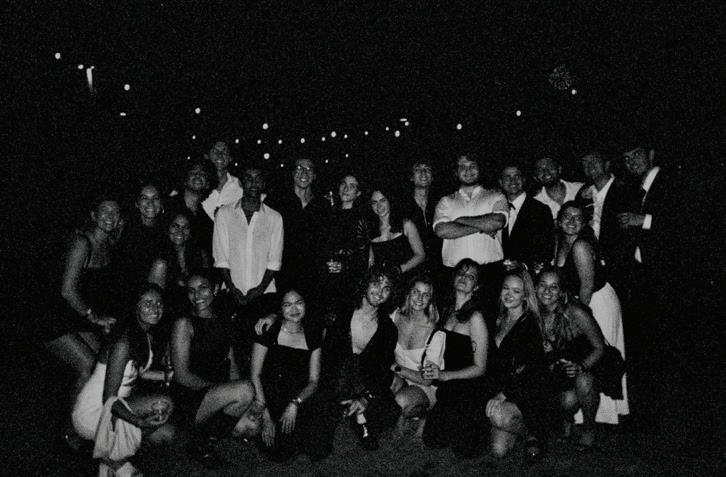
SCHOOL STUDENT COUNCIL 2024-2025
As the year comes to a close, the school Student Council is proud to celebrate the
milestones that brought our community together. We brought back the beloved Billy Goat Café, thanks to the dedication of our student team, and we’re excited to see it continue next semester with new leadership in training.
We also launched our first-ever University of Miami School of Architecture Beach Volleyball Tournament, where four teams competed for the title. Congratulations to Team Q8 for taking the win!
The highlight of the semester was the return of the Black & White Ball, a night that celebrated our school’s creativity, dedication, and camaraderie. We are also honored to present Professor Rocco Ceo with the “Woody” Outstanding Teaching Award, recognizing his lasting impact on our school.
As final remarks, we are excited to welcome the incoming 2025–2026 Student Council: President Valentina Tenorio and Vice President Uxia Reyes. We’re confident they’ll lead with passion and purpose.
Thank you to everyone who made this year possible. It’s been a joy to serve our community.
– School of Architecture Student Council 2024–2025
MARCH 2025
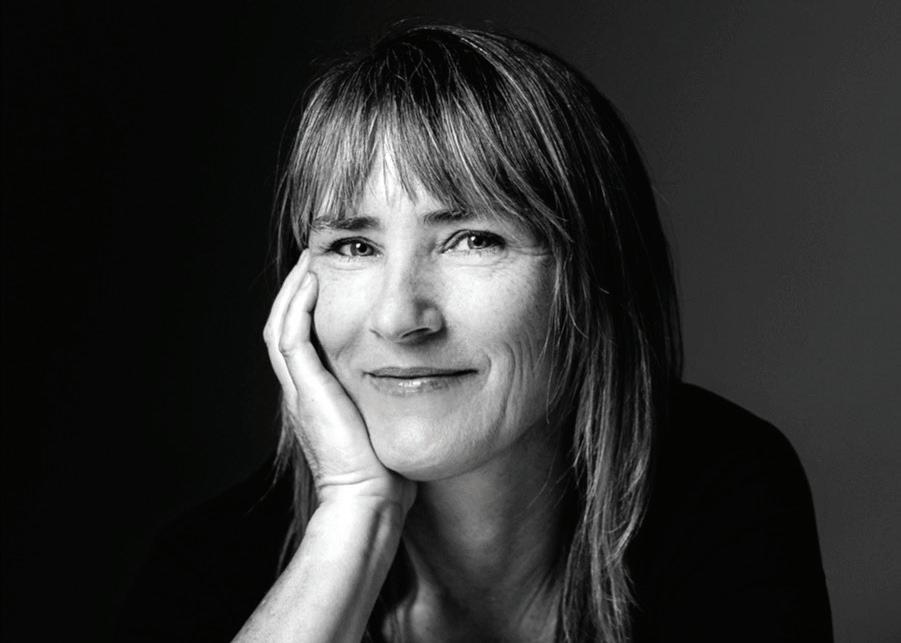
Meet Jenna Efrein, a Senior Lecturer in the College of Arts and Sciences and student in the Master of Science in Architecture program at the University of Miami, specializing in the Digital Fabrication & Technology track.
What inspired you to pursue a Master of Science in Architecture?
My interest in design, technology, and increasing my artwork to architectural scale.
Why did you choose the University of Miami School of Architecture for this program?
I am the Senior Lecturer in Glass and have had numerous architecture students. I have long been impressed with what they were learning and wanted to be involved with it. What drew you to your specific track focus?
The integration of technology and the flexibility to be artistic.
How did your prior academic or professional experiences prepare you for this program?
All of my prior education was based primarily on my own research, curiosity, and determination. This has helped in taking on the challenge of learning numerous new programs.
Can you share an example of a project or research endeavor you’ve worked on during the program that you’re particularly proud of?
Last semester I learned the basics of three programs and produced a model for a sanctuary that I would like to build.
What skills or knowledge have you gained that you feel will be most beneficial in your career?
My expanded knowledge in 3D modeling programs and presentation decks.
Where do you see yourself professionally in five years, and how has this program helped you work toward that vision?
I envision a growth and expansion of my artistic practice into the field of design and public artwork.
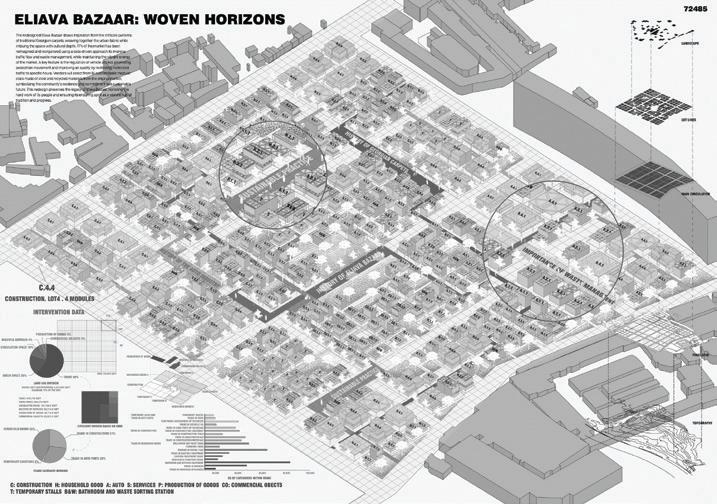
Congratulations to Denise Huang for being named a finalist in the Eliava Bazaar Competition!
Huang’s redesign weaves Georgian cultural heritage into the urban fabric, optimizing traffic flow and waste management while preserving the market’s vibrancy. A key feature, WovenLines, guides visitors with color-coded markings that share historical insights and promote sustainability.
Vendors can choose from 16 modular stalls made from repurposed materials, blending tradition with innovation. This thoughtful approach reimagines Eliava Bazaar as a more connected, resilient, and sustainable space.
This work was made possible thanks to the Architecture Competitions Elective led by Professor Yasmine Zeghar.

Meet Ladene Rosier, a student in the Master of Science in Architecture program at the University of Miami, specializing in the Historic Preservation and Adaptive Reuse track.
What inspired you to pursue a Master of Science in Architecture?
My inspiration to pursue a Master of Science in Architecture is deeply rooted in my appreciation for the rich historical significance of my home town of Charlotte Amalie, St. Thomas. This small island’s 17thcentury architecture reflects the enduring impact of cultural heritage on the built environment and inspires my commitment to preserving and reimagining historic urban cities.
What drew you to your specific track focus?
My specific track focus is driven by my passion for preservation of cultural heritage and sustainable design. As Carl Elefante wisely said, “The greenest building… is the one that is already built,” a philosophy that resonates with my passion for preserving and reenvision historical districts across the world. I’m drawn to exploring how architectural transformations can alter environments while honoring their historical and cultural diversity.
How have the faculty, resources, or facilities contributed to your learning experience?
The faculty, resources, and facilities at the University of Miami have significantly enriched my learning experience. Through courses like Introduction to Historic Preservation with Professor Jorge L. Hernandez, I gained foundational knowledge in cultural heritage stewardship, deepening my understanding of preservation principles and their realworld applications. My Architectural Documentation course with Professor Ricardo Lopez allowed me to apply this knowledge by writing the HABS report, honing my research and documentation skills. Additionally, my Research in Design course with Professor Deborah Franqui, equipped me with critical research methodologies that have enhanced my analytical approach to architectural
projects, preparing me for advanced study and practice in the field.
Are there specific opportunities, such as internships or networking events, that have been particularly impactful for you?
One particularly impactful opportunity has been my current involvement with the Coral Gables Museum’s La Giralda exhibit. Working along with Professor Ricardo Lopez as part of my Independent Study; this experience has allowed me to engage directly with the cultural and historical narratives that shape architectural heritage, deepening my understanding of curatorial practices within a real-world context. This hands-on collaboration with museum professionals and participating in exhibit development has also expanded my network within the architectural and preservation communities, providing valuable connections and insights that will support my professional growth.
What is one unexpected lesson you’ve learned during your time in the program?
One unexpected lesson I’ve learned during my time in the program is the critical connection between historic preservation and climate change. I realized that preserving historic structures isn’t just about maintaining cultural heritage—it also plays a vital role in sustainability. Reusing existing buildings reduces the environmental impact associated with new construction, conserving resources and minimizing carbon emissions. This perspective shifted my understanding of preservation as not only a cultural responsibility but also an essential strategy in combating climate change, reinforcing the idea that the past can actively contribute to a more sustainable future.
in the middle of winter brought a multitude of new realizations on placemaking. The studio is looking forward to hosting the University of Providence delegation in Miami at the end of April to share outcomes.
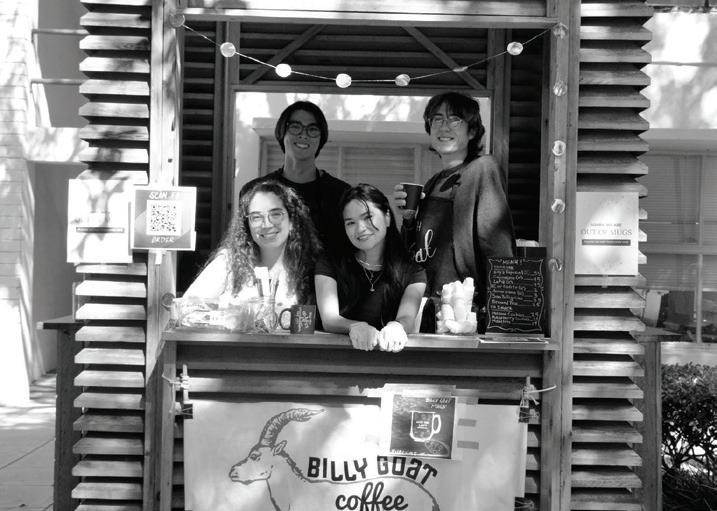
Dear University of Miami School of Architecture Community,
As we kick off the spring semester, the Student Council is excited to share what we have planned for the months ahead. We hope these events bring our school together, create lasting memories, and celebrate the incredible community we have at the School. To start, we are thrilled to announce the grand reopening of the Billy Goat Café! Originally designed by students in 2014, this beloved kiosk is making a comeback. Be sure to stop by for Cafecito Mondays and Wednesdays from 12:00–1:00 PM, a perfect way to recharge and connect with friends.
On February 14, we’re spreading love across the school with our Valentine’s Rose Sale. Whether it’s for a friend, professor, or someone special, take a moment to brighten someone’s day with a rose.
In March, competition heats up with our Beach Volleyball Tournament. Each studio will have a one-time shot at claiming the championship title. May the best team win!
Finally, mark your calendars for April 25, when we host the Black & White Ball, our Centennial Year celebration and the perfect way to close out the school year. This evening will bring together students, faculty, and alumni for a glamorous night filled with music, activities, and, of course, great food and drinks.
The University of Miami Urban Design studio traveled to Great Falls, Montana (Feb 16-18) for a workshop with University of Providence students, faculty, and leadership as part of the studio’s’ work to develop a campus/community masterplan that addresses current needs and future vision for the University of Providence and Great Falls. The opportunity to experience campus life at the edge of the Northern Great Plains and the Rocky Mountain Front
We can’t wait to share these moments with you all and hope to see everyone getting involved. Here’s to a fantastic semester!
Best, Student Council
CARLOS HERNANDEZ SHORTLISTED FOR UNDERWATER WEB COMPETITION
Carlos Hernandez’s Coral Spine: Reef Repair + Sanctuary has been shortlisted for the Underwater Web Competition.

Inspired by the diving bell spider, Coral Spine is an underwater gallery that allows divers to observe marine life while supporting coral restoration. Using electrolysis, the design accelerates coral growth and strengthens the structure, creating a sanctuary for marine ecosystems and a space for fish rehabilitation. This innovative project highlights the intersection of sustainability, tourism, and marine preservation.
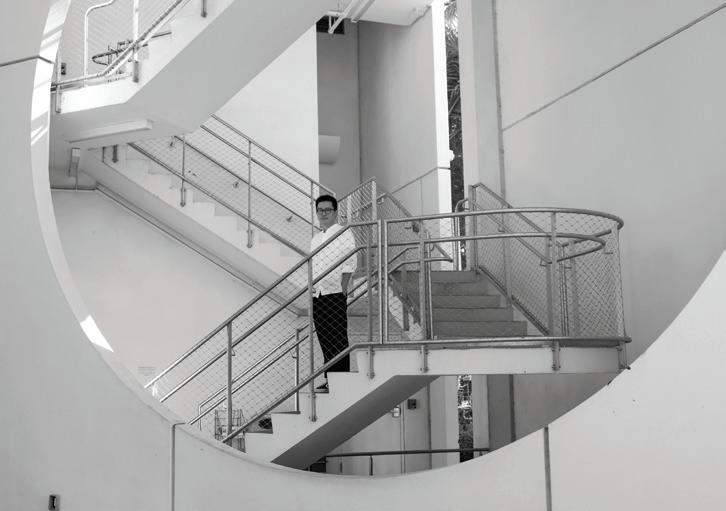
Meet Yuanxun Xia, a student in the Master of Science in Architecture program at the University of Miami, specializing in the Hospitality Design track.
What inspired you to pursue a Master of Science in Architecture?
After earning my Bachelor of Architecture at the University of Miami (2012-2017), I spent seven years working across the U.S. and Asia, focusing on dense urban developments. Through this experience, I became increasingly intrigued by the systemic challenges shaping cities, from mobility constraints to public space optimization. I reached a point where I wanted to transition from purely professional practice to a research-driven approach, exploring how design solutions can address complex urban issues across cultural and regional boundaries. The MSA program offered the perfect platform to pivot from delivering projects to critically examining the frameworks that govern them.
What drew you to the Hospitality track?
My professional work centered on highdensity transit-oriented development projects and large-scale mixed-use complexes, which showed me how
programmatic elements can either enhance or hinder urban vitality. I noticed that hospitality components are often underutilized, functioning as isolated features rather than catalysts for urban connectivity. Hospitality, when thoughtfully integrated, has the potential to activate public spaces, facilitate cultural exchange, and enhance mobility flows. I wanted to explore how hospitality can do more than provide accommodations—it can transform transit corridors and urban districts into more vibrant, human-centered environments.
How did your prior experiences prepare you for this program?
My undergraduate training at UM provided a strong design foundation, but my professional experiences broadened my perspective. Working at firms such as BIG, Buro Ole Scheeren, and most recently as a Senior Architectural Designer at Farrells, I led large-scale projects and collaborated across multiple disciplines. At Farrells, I managed a waterfront development in Shenzhen, working with consultants, suppliers, government agencies, and clients. Stepping into project management roles helped me understand architecture as a collaborative process that requires strategic thinking and negotiation across diverse stakeholders. These experiences allow me to approach the MSA program with both technical expertise and a holistic understanding of urban development.
How have faculty or resources at the school contributed to your learning?
Professor Allan Shulman, who leads the Hospitality track, has had a profound influence on my studies. His research on hospitality design, combined with his deep knowledge of Miami’s urban history and tropical architecture, has shaped my understanding of how hospitality can be a transformative force in city-making. His mentorship has encouraged me to frame my research around real-world conditions and historical precedents, helping me refine my design approach.
What skills or insights have you gained that will benefit your career?
One of the most valuable lessons I’ve learned is the power of storytelling in architecture. Professor Shulman emphasizes the importance of crafting human-centric narratives that resonate with end users. While my previous experience focused on technical analysis and data-driven design, I’ve now developed a stronger ability to translate those insights into compelling design narratives. This skill will be invaluable as I continue working on complex, multilayered projects that integrate hospitality, transit, and urban design.
Where do you see yourself professionally in five years?
With my experience in both professional practice and research, I envision advancing
as a lead designer or project director specializing in large-scale, multicultural projects. My goal is to integrate transit, hospitality, and mixed-use development to create more cohesive urban environments. The MSA program has refined my ability to navigate these complex intersections, equipping me with research-driven methodologies and strategic frameworks. In five years, I hope to be at the forefront of shaping developments that foster community well-being and urban resilience.

Elisabeth Schnell, a fifth-year Bachelor of Architecture student at the University of Miami, has been awarded the 2024 Hospitality Design Achievement Scholarship, sponsored by Tarkett Hospitality. Her awardwinning design approach draws deeply from her personal experiences, including caregiving for her sister with a mental disability. These formative experiences have shaped her commitment to creating inclusive, sustainable spaces that promote emotional well-being and a sense of belonging. Through her academic journey, including projects in hospitality and public space design, Elisabeth has focused on crafting environments that nurture care and inclusion. “Thoughtful design can make people feel welcomed, valued, and comfortable,” she says, reinforcing her belief that architecture can positively impact lives. As she looks ahead, Elisabeth is dedicated to continuing her work in designing spaces that foster connection and inclusivity.
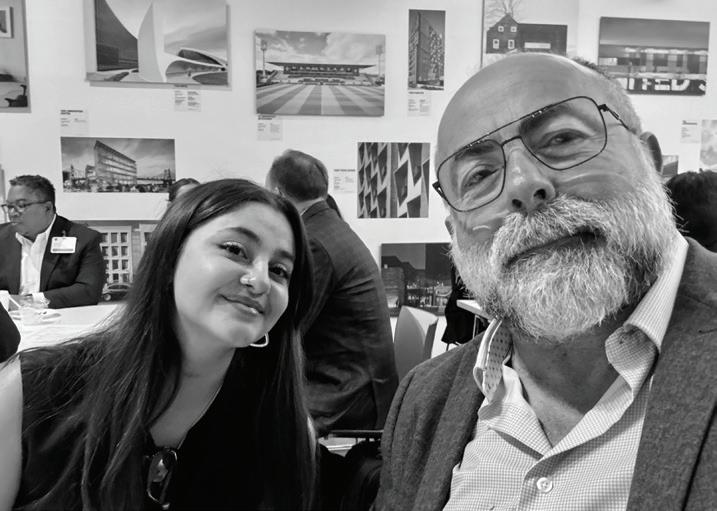
school at the Large Firm Round Table NYC Deans Forum on October 15-16. Amelia had the unique opportunity to speak alongside the Dean, engaging with distinguished guests and showcasing the voices of our students in this esteemed gathering.
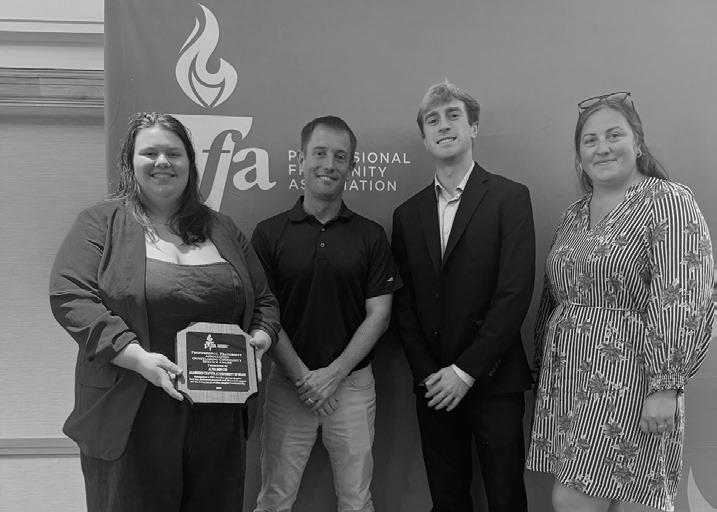
The Agamedes Chapter of Alpha Rho Chi at UM has been honored with the Outstanding Community Service Award from the Professional Fraternity Association!
Their philanthropic efforts in collaboration with the Chapman Partnership has allowed them to give back to the Miami-Dade community while growing professionally. Over the past year, they have created as-built floorplans for structures across Miami and Homestead, directly contributing to the community through their architectural background.
“We’re proud to use our skills to make a real difference and look forward to continuing this work.” – Matthew Trebra, Agamedes Chapter Worthy Architect & President
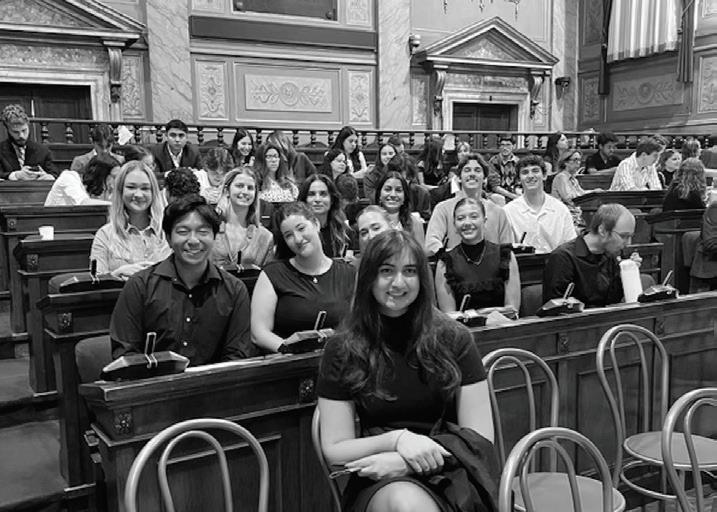
Dean Rodolphe el-Khoury and M.Arch student Amelia Karadsheh represented the
Students participating in the University of Miami School of Architecture’s Rome Program this fall had the opportunity to attend the AACUPI Welcome Day event, where distinguished representatives from the city of Rome addressed students and faculty from American university programs. The speakers provided valuable insights on how the city’s rich history and vibrant cultural landscape will shape students’ professional education and personal growth throughout their time in Rome.
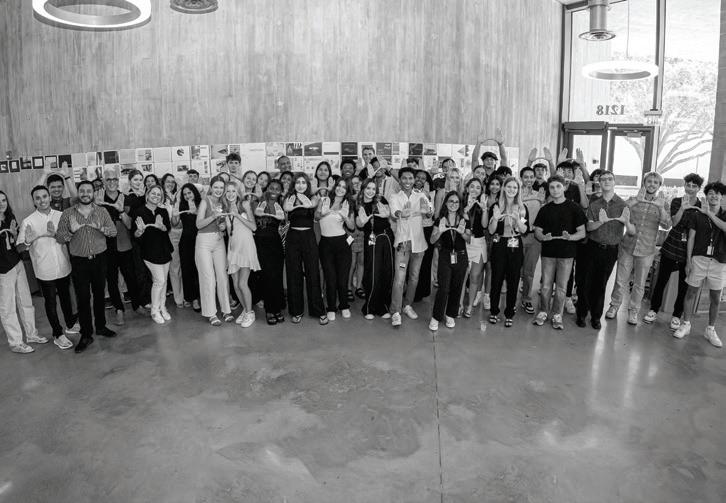
Another terrific Summer Scholars term comes to a close!
We’re so proud of these talented high school students who spent the past 3 weeks immersed in a crash course in architecture at the school. From learning the fundamentals to creating their own designs, these young scholars have shown incredible creativity and dedication. We can’t wait to see the amazing things they’ll accomplish in the future!
Photography by Armando Rodriguez.
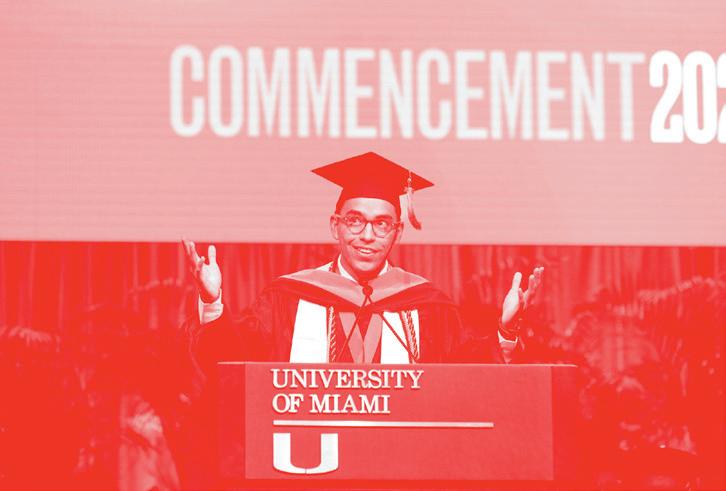
Daniel Cutimanco’s recent graduation from the University of Miami marks not just the end of his academic journey but the beginning of a promising career in a booming industry. Having graduated from the Thomas P. Murphy Master of Construction Management program, Cutimanco is poised to blend creativity, business acumen, and practical construction knowledge in his future endeavors.
By Madison Brinnon, UM News
When asked what drew him to the MCM program, Cutimanco shared, “I was looking for a program that captured the essence of multiple disciplines—the creative mindset of architecture, the business perspective of project development, and the construction criteria of aligning vision with execution. The University of Miami provided this unique mix, along with a diverse study plan that allowed me to expand my vision.”
One of Cutimanco’s favorite academic experiences was participating in leadership seminars led by Professor Bob Reynolds.
He also found profound value in Professor Brandon Moore’s Project Management class, citing it as a singular experience that deepened his understanding of the profitable construction industry in South Florida. Cutimanco also benefited from a hands-on internship with the university’s Office of Design and Construction, where he collaborated on significant campus projects like the Frost Institute and the soon-to-open Centennial Village.
Beyond academics, Cutimanco was honored as the student speaker during the 2024 Graduate Commencement Ceremony. Reflecting on the experience, he said, “It was truly one of the best experiences of my life! From the weeks of preparation to the moment I stood before the crowd, every aspect was unforgettable. It was a moment to reflect on the lessons and memories from my time at UM and express my gratitude to the university, the faculty, my peers, and my parents who traveled far to share this moment with me.”
Following graduation, Cutimanco will join Coastal Construction, a firm known for its innovative, sustainable, and people-first approach. “I’m grateful for the opportunity to contribute to such an incredible company,” he stated. “I look forward to continuing to learn and grow, aiming to make a meaningful contribution to the company’s mission and legacy.” This next step is further fueled by his receipt of the prestigious Thomas P. Murphy Academic Achievement Award, a testament to his hard work and dedication throughout his academic career.
The Thomas P. Murphy Master of Construction Management program offers a practice-oriented graduate degree with a blend of construction and business management courses. It is designed to develop leaders and managers for complex building projects, with mastery in best practices related to resiliency, sustainability, building information modeling, project delivery and decision-making.
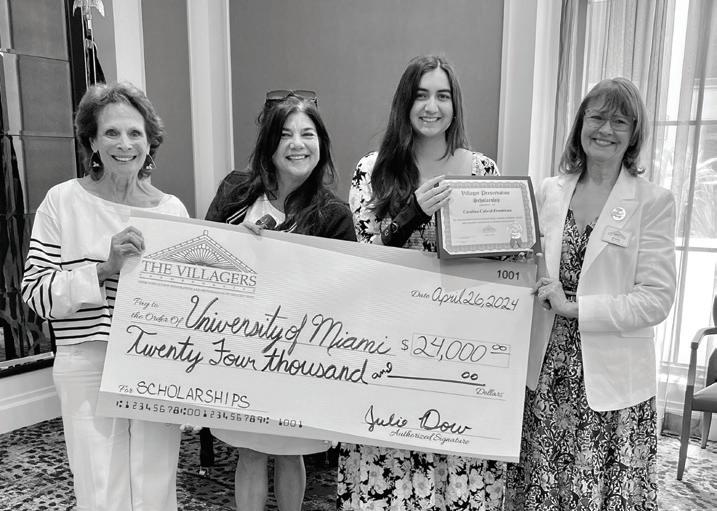
The Villagers historic preservation organization awarded three $8,000 scholarships to University of Miami Architecture students, each with a demonstrated focus in the field of historic preservation.
Students Angela Mesaros, Christopher Stinson, and Catalina Cabral-Framiñan all presented impressive academic credentials combined with coursework in preservation and transformational community projects. Stinson and Mesaros addressed The Villagers through a video sent from Rome, which is the base for UM’s overseas architecture program emphasizing classic European architectural history and culture. CabralFramiñan will attend the program next fall semester.
The scholarships are the most recent in the more than 200 university scholarships The Villagers have presented to students who are either from Miami-Dade County or enrolled in Florida universities. Recipients must have a proven interest in historic preservation.
Ana Regalado, Associate Dean with the School of Architecture said,” I have seen first-hand the amazing impact The Villagers’ support has made in the lives of these young students time and time again. With the help of the Villagers’ scholarships, many have been able to participate in travel programs and enrich their studies of historic preservation.”
The grants were announced and presented by Villager Scholarship Chair, Mary Burke during a celebratory luncheon for members and recipients. Burke oversaw a committee that included Villagers Diane Lee, Linda Manning, Judy Pruitt, and Wendy Zepernick who sifted through applications, essays, recommendation letters, and samples of work to select the winners.
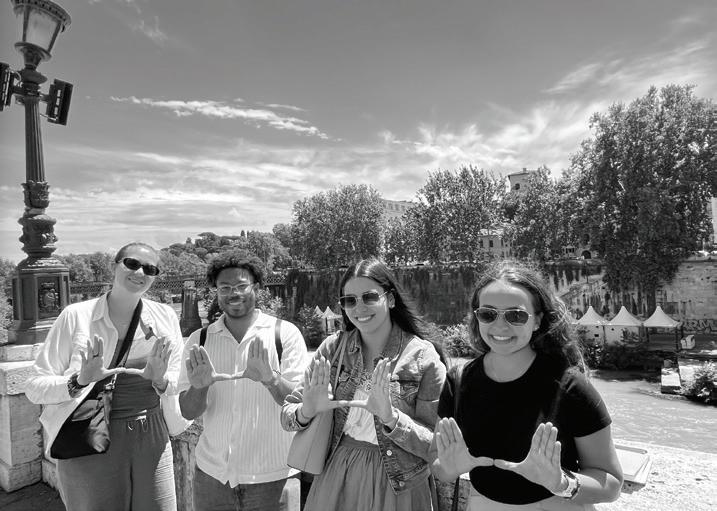
Students and faculty have returned to Miami after participating in the Grand Tour travel program, where they explored some of Europe’s most significant historical buildings and public spaces. The program provided on-site instruction, offering a deep understanding of the architecture and history of these cities.
The tour included visits to Paris, Venice, Florence, Rome, Athens, and the stunning Greek islands of Mykonos and Rhodes, as well as Toledo and Madrid. During the journey, students received enlightening on-site lectures from professors Frank Martinez and Ana Regalado, who provided in-depth insights into the historical context,
references, precedents, and theoretical ideas behind the architecture they observed.
Matt Jarmon from the School of Architecture reflected on the transformative experience, stating, “The Grand Tour of Europe was an unforgettable experience, offering a unique opportunity to explore cities foundational to Western architecture. Seeing the buildings in person allowed me to comprehend their origins and influences in a way that was previously unimaginable. I am incredibly grateful for this opportunity, as it has significantly enhanced my understanding and connection to architecture. I’ve already applied this knowledge in my internship and am excited to incorporate what I learned into my future projects.”
The program was not limited to architecture students. Sofia Milo from the Miami Herbert Business School shared her initial apprehensions and subsequent revelations, “I approached the Grand Tour trip with a mix of excitement and nerves. As a business student, I wasn’t sure what to expect or if I would be able to keep up with the group. However, Professor Martinez’s openness to questions allowed me to learn the foundations of architecture. Experiencing architecture in person, rather than through pictures or drawings, was incredible. Not only did I learn about architecture in some of the world’s most beautiful places, but I also formed new friendships and created lasting memories.
Overall, I would highly recommend this trip to any business student looking to expand their horizons.”
This Grand Tour travel program proved to be an educational journey, enriching students’ understanding of architecture and fostering new perspectives and connections.
APRIL/MARCH 2024
particularly with Rhino software, paved the way for his involvement in the Fabrication Lab and Model Shop on the School of Architecture campus. Here, he not only honed his skills but also became a guiding light for fellow students, sharing his knowledge in operating filament 3D printers, laser cutters, and woodworking machinery.
As Roland entered his senior year, he embarked on a new chapter as an intern at Dover, Kohl & Partners, a firm “focused on revitalizing traditional towns, building great new places, growing neighborhoods, and fixing sprawl – by design.” His proficiency in 3D printing caught their attention, and soon Roland found himself at the forefront of an exciting project: bringing the ‘South Miami Anniversary’ plan to life.
The journey began with rigorous research and development, as Roland delved into the intricacies of operating the Resin Printer, optimizing SketchUp models for printing closed polysurfaces, and unearthing the best slicing and curing methods. The culmination of his efforts resulted in a successful model, capturing the essence of the ‘South Miami Anniversary’ plan in meticulous detail. After completion, he began experimenting with new techniques on smaller models for the firm and clients, such as the use of replaceable blocks and including detailed foliage.
“My work at Dover + Kohl has shown me the importance of urbanism, as architecture in itself is the pieces that make up the whole. Each building makes up moments, which make cities and lifestyles enjoyable.”
- Roland Thomas Stafford IV

“I am deeply honored to have received the John R. Ross Scholarship this year, I am grateful to be a part of such an amazing organization and am so thankful to all who make this scholarship possible and my brothers in Alpha Rho Chi for supporting me.”
- Catherine Calhoun
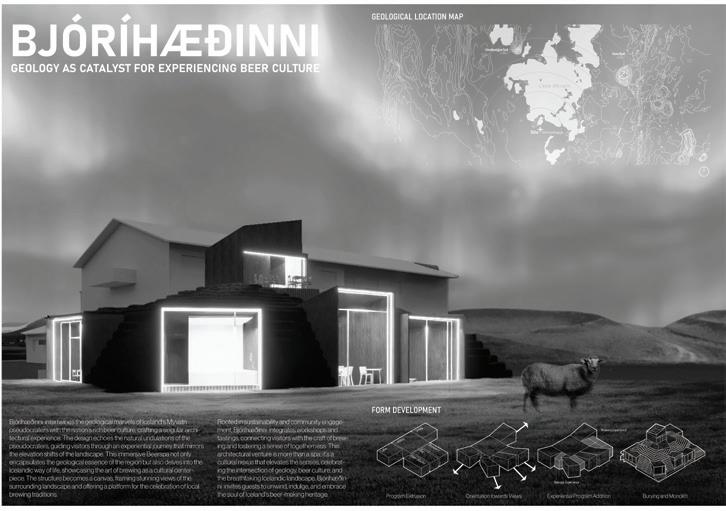
Congratulations to Matthew Trebra for his project, Bjóríhæðinni, being recognized by the Buildner Icelandic Beer Spa competition. Bjóríhæðinni was named a shortlisted project by an international jury – it was in the Top 12 globally for students and Top 40 globally for all submissions between professional architects and students alike.
Bjóríhæðinni intertwines the geological marvels of Iceland’s Myvatn pseudocraters with the nation’s rich beer culture, crafting a singular architectural experience. The design echoes the natural ups-and-downs of the pseudocraters, guiding visitors through an experiential journey that mirrors the elevation shifts of the landscape. This immersive Beerspa not only encapsulates the geological essence of the region but also delves into the Icelandic way of life, showcasing the art of brewing as a cultural centerpiece. The structure becomes a canvas, framing stunning views of the surrounding landscape and offering a platform for the celebration of local brewing traditions. Bjóríhæðinni invites guests to unwind, indulge, and embrace the soul of Iceland’s beer-making heritage.
Professor: Yasmine Zeghar
Roland Thomas Stafford IV, known as Jett among peers, is in his 4th year as a B.Arch student. His passion for 3D modeling ignited during his freshman year, evolving into an obsession that propelled him towards an exciting internship opportunity at Dover, Kohl + Partners.
Roland’s fascination with 3D modeling,
Catherine Calhoun, of the Agamedes Chapter at the University of Miami, was one of three national recipients, receiving a $3000 award from Alpha Rho Chi (APX). Alpha Rho Chi is the national fraternity for architecture and the allied arts. The organization unites women and men for the purpose of fellowship and lifelong friendships and mutual interest in professional development.
At the awards event, Calhoun was recognized for her leadership in the chapter, for her work in the community, and for her service to the fraternity.
ALPHA RHO CHI
Congratulations to Alpha Rho Chi for their outstanding accomplishment in winning the George “So” Whitten Scholastic Achievement Award, which recognizes the most exceptional academic and professional accomplishments of the school year. This award serves to inspire both individual and collective academic excellence among members and emphasizes the commitment to setting and achieving high standards of scholastic and professional excellence within the chapters.
Furthermore, Alpha Rho Chi is proud to have been honored with the National Community Service Award, which acknowledges exemplary leadership and promotes community service initiatives among members. This award reflects the dedication to fostering both personal and professional growth while recognizing the significant contributions made by the chapter towards serving the public good.

Shriya Dhir, is a graduate student in the Master of Urban Design Program at the University of Miami School of Architecture. Dhir’s academic journey commenced at the Urban Design Program of CEPT University in India, where she obtained her bachelor’s degree. Dhir is a Research Assistant at the Archive of New Urbanism, a division of the Architecture Research Center at the University of Miami, where she translates with Jenna Courtade, the Visiting Librarian for Architecture Archives and Reading Room Services at the Architecture Research Center (ARC).
Dhir’s scholarly pursuits are distinguished by a profound engagement with urban planning and design, coupled with a dedication to research. Her recent research contribution, titled “New Urbanism: A Blueprint for Sustainable Urban Development in India,” undertakes an exploration of the New Urbanism movements intention and relevance. This paper traces the movement’s inception, delineates its foundational principles, and assesses its pertinence within the dynamic landscape of rapidly urbanizing India. Emphasizing the imperative of sustainable urban development, Dhir’s paper advocates for a comprehensive examination of New Urbanism to navigate the multifaceted challenges posed by urbanization in India.
Dhir elucidates the practical applicability of New Urbanism principles within the Indian milieu, substantiated by a case study. The paper expounds upon key methodologies such as the charrette process, underscoring its role in fostering citizen participation amidst the nuanced socio-political landscape of India. Through this scholarly inquiry, Dhir endeavors to underscore the potential of New Urbanism as a foundational framework for fostering sustainable urban development initiatives in India.
Dhir’s fall coursework included a design studio with Professor Elizabeth PlaterZyberk. Their discussion in class about New Urbanism inspired Dhir to translate the Charter for New Urbanism into her vernacular language, Hindi, fostering broader accessibility and dissemination of its principle.
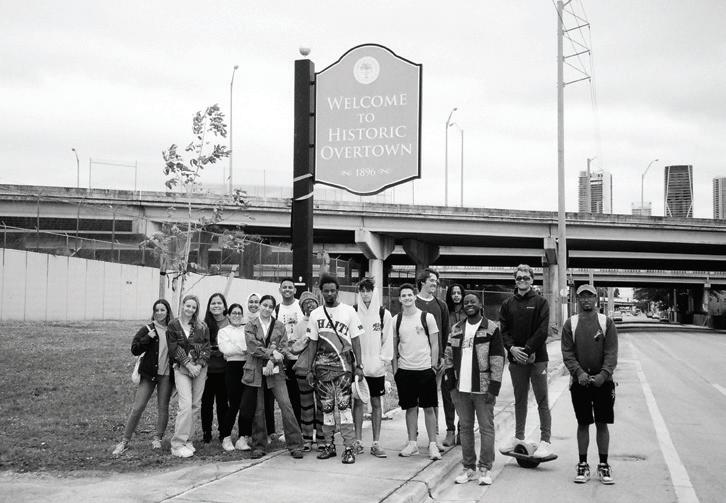
Last Monday, DEI Fellow, Demar Matthews and his students traveled to Overtown, a Black historic neighborhood located about 14 miles north of the Coral Gables Campus. While there, they participated in a tour to learn more about the rich history and culture of the area.
Ana Jouvin, a fourth-year architecture student, found the tour to be eye-opening. She said Matthew’s course has inspired her to want to create designs that others who were born and raised in Miami can identify with.
“I give Professor Matthews a lot of props because he seems like someone who is very persistent and consistent in his messaging,” said Jouvin. “He makes us think very differently and he has ingrained in me that it’s architecture and culture—not just architecture. I find this course really interesting and I would recommend it to my peers.”
Matthews said the lack of buildings that represented him is what inspired him to create OffTop Design, and teach the next generation of designers and builders.
“I want my students to understand and analyze their own lived experiences and turn them into sketches,” he shared.
During BLex Week 2024, UMiami NOMAS celebrated the vibrant tapestry of Black
excellence in architecture through a dynamic series of events.
By Madison Brinnon, UM News
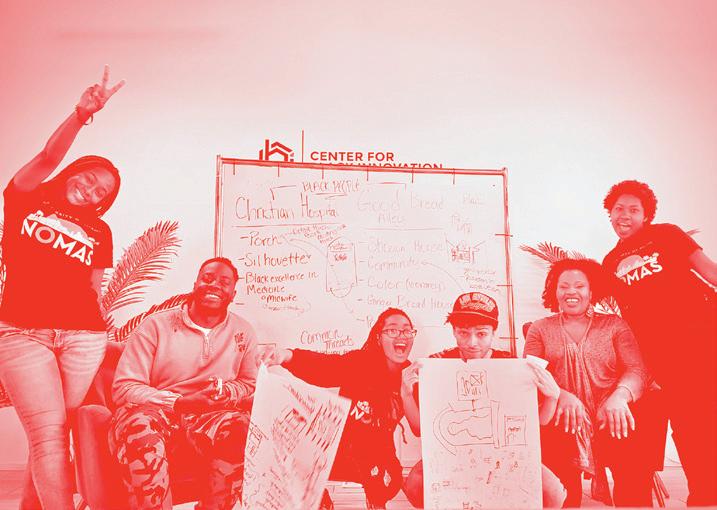
in architecture through a dynamic series of events. Aligned with our theme of Connection, Culture, Community, our programming aimed to inspire and educate by highlighting the enduring significance of acknowledging Black excellence within the architectural landscape.
NOMAS kicked off the festivities with a preCareer Forum breakfast, spotlighting the invaluable contributions of Black architects to design while emphasizing the critical importance of representation in the field.
Collaborating with UMiami’s NSBE chapter, students engaged in design-focused activities at Carver Elementary’s Black History Month CookOut as part of our ongoing Carver Elementary Outreach initiative. This interactive engagement fostered creativity and community spirit, enriching both students and attendees alike.
Guided by knowledgeable experts, participants embarked on captivating tours and thought-provoking sessions aimed at preserving and honoring the historical significance of places like Overtown. These experiences underscored the imperative of safeguarding our cultural heritage for future generations.
Concluding the series of events, a distinguished panel discussion provided students with invaluable insights into diverse architectural journeys and postgraduate opportunities, empowering them to navigate their own paths with confidence and purpose.
The Graduate Program had its first, Conceptual Design, thesis review last week.
We saw some compelling proposals that spurred very engaging conversations.
One of our objectives this semester is to encourage exhibiting work that goes beyond the screen: we want to see printed drawings, models, artifacts of all kinds. As part of that goal, the review was coupled with the Grad Social where students were invited to exhibit a selection of their presented work so that they may engage in conversations with the larger grad community. Dean el-Khoury, our graduate director, as well as other members of the faculty were present during the Grad Social and continued to interact with the student work!
We look forward to continuing this pairing of the Grad Socials with thesis events to encourage a culture where work is physically exhibited and discussed with a larger body.
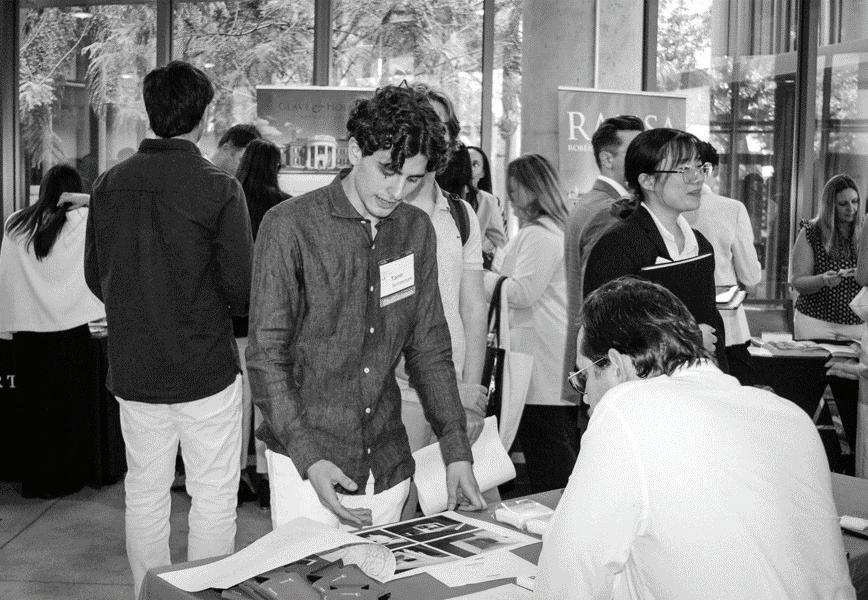
The annual Architecture Career Forum provides a platform for employers to engage with our talented students, upcoming graduates, and alumni, offering opportunities for internships or full-time positions. On February 22, our students showcased their exemplary portfolios and donned their finest attire as they met with various firms, aiming to secure positions upon completing their education at the School of Architecture. Congratulations to the numerous students who garnered interview invitations; we extend our best wishes for success in their endeavors!
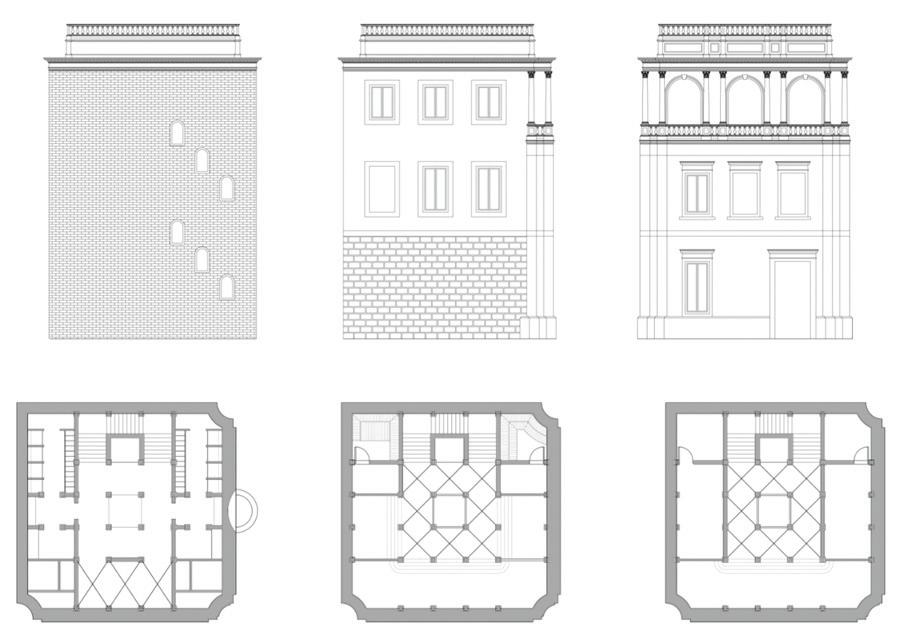
outstanding achievement. Terme di Spade, undertaken during the spring of 2023 as part of the ARC408 course, was executed while studying abroad in the city of Rome.
“Terme di Spada is a bathhouse inspired by the ancient Roman balneum that populated the city of Rome and the empire at large. Contrary to the monumental scale of bath complexes on the outskirts of the city, these hyper-localized fixtures of the city provide the traditional amenities of termes in a more compact and accessible form. Located at the intersection of Vicolo del Polverone and Via Capo di Ferro, the project aims to redefine the two existing piazzas in a manner that restores the elegant hierarchy of the piazzas as documented in the 1748 Nolli Map of Rome, without compromising the presence of the neighboring Palazzo Spada or Madonna della Quercia.
Terme di Spada serves as a public fixture for the community, without compromising privacy within the facility. From the entrance, patrons are guided toward two varying experiences with changing rooms situated between these facilities. Underground, the project offers smaller baths that follow the order of traditional ancient Roman baths, housing a tepidarium, a caldarium, and a frigidarium. These pools are developed to offer a calming experience for guests and residents of the surrounding neighborhood. As the patrons then move upward through the complex, the top floor of the bath complex provides a largerscale pool and event space. Together, the facility blends the historical precedents of the eternal city with a modern perspective on community spaces.”
Students: Grace Levey & Jack Chazotte Professor: Roberto Behar

important to integrate the structure into the urban fabric by creating a park and farmer’s market. Seeing this as a futuristic conceptual design, I idealized the form of the structure and went in an abstract direction. The form is slim at the bottom to situate itself around existing buildings. The larger massing at the top allows for harvesting above the city skyline closer to the sun, wind, and rain. The farm’s cross-section highlights the support functions such as animal farming, energy/ water storage, hydroponics, aquaponics, and a water collection system. Finally, infrastructure is repeatable and ubiquitous. Therefore, it was important to conceptualize a vertical farm that could be located in various places throughout an urban area. Agrarian Infrastructure can facilitate hyperlocalized farming, food, and services to the surrounding neighborhoods.”
Student: Benjamin Martin Professor: Yasmine Zeghar

Benedetto Rebecca brings his creative talents to life within the dorm rooms of the University of Miami, where a captivating before-and-after interior decoration project went viral, showcasing a remarkable transformation.
Grace Levey and Jack Chazotte were honored with the Urban Guild Award for Student Work, recognizing their
Benjamin Martin has emerged as a finalist in the London Vertical Farm Competition, showcasing his design, Agrarian Infrastructure, which tackles a societal problem with a futuristic vertical farming solution.
“I am seeking to understand a vertical farm as infrastructure-- not just a oneoff. The brief locates the site at a vacant industrial lot. To think of the vertical farm as infrastructure, it is important that it serves the public good. Therefore, it was
“As I started studying and solving hypothetical design scenarios, I was filled with excitement and inspiration from the other students and faculty. Professor Yasmine Zeghar encouraged me to explore interior design and something inside of me clicked. Why don’t I use the power of design to solve an issue I feel is rarely talked about...dorms. The Dorm Room Edit came to be and I watched a lifelong fear of mine turn into a passion project that would lead me to opportunities and experiences I never could have dreamed of. The Dorm Room Edit is my mission to change the perspective of dorm room design from an architectural and interior standpoint through my own experience. I used my dorm as an opportunity to challenge myself as a designer and as each month went on my dorm felt more like home. It started with me decorating a new area in my dorm each month and posting it to social media, eventually getting featured on HGTV and Apartment Therapy, later leading me to become a student editor at Dorm Therapy. What I’ve learned throughout this experience and studying at the school is how important architecture is to the world and how greatly
our environments influence us. College is a transitional time of life, and my goal is to design dorms that will comfort students and inspire them to be the best that they can be.”
Student: Benedetto Rebecca Professor: Yasmine Zeghar
Photography by Benedetto Rebecca.
Congratulations to Lucia Miller for being awarded the Rodolfo Cardenal Martinez Scholarship at the AIA Palm Beach Design Awards!
AUGUST/JULY 2023

Third-year B.Arch student Samantha Nowak reveals the challenges and rewards of studying architecture. In her interview, Samantha talks about what she looked for in selecting where to study architecture, and what she looks for now for her internships and future employment. She advises those considering studying architecture to tour the schools they are interested in to get a feel for the studio culture.

with BTBB Architects in Macon, GA which specializes in historic renovations.
“I primarily worked on schematics for a variety of projects such as affordable housing complexes, renovations of commercial buildings, as well as government buildings. I had practical experience working with customers and cultivating those relationships. I feel fortunate to have worked with an architect whom I have been able to get to know from the previous summer through this year and look forward the possibility of developing more skills with BTBB in the future.”
Mirna Obeid is a 2nd year B.Arch student who interned with Drummond Projects in Washington, D.C.
“My transformative summer internship at Drummond Projects in Washington, D.C. proved invaluable. Working alongside an exceptional team with astounding skills, I contributed to four diverse projects, from residential to commercial. Through this experience, I honed software proficiency and witnessed architecture’s real-world intricacies. Learning to create drawings tailored to clients’ needs and engaging in effective communication, I began understanding the profound impact of architecture on people and communities. Above all, this unforgettable journey instilled in me a profound appreciation for designing with purpose and intention, fueling my passion for shaping meaningful spaces, and setting a strong foundation for my future as an architect.”

MATTHEW TREBRA
Matthew Trebra, a 4th year B.Arch student interned at Populous in Kansas City.
“This summer at Populous I worked on collegiate sports architecture with the Athletic Master Planning team. I
had the opportunity to work on the concept design for major collegiate athletic facilities across the country, from designing entire campus athletic cores to developing new state-of-the-art arena proposals. It’s been really rewarding to be able to have the freedom as an intern to be such an active part of the design process and create architecture that fosters such energizing and electric atmospheres. Interning at a top architecture firm like Populous has taught me a lot about the value that welldesigned athletic and venue spaces can have on human connection, performance, and experience.”

B.Arch students Isabella Zayas (left) and Kayla Rembold (right) worked at G.P. Schafer in New York City over the summer.
“I was so happy to land my summer internship at G.P. Schafer Architect through our school’s career fair. It was an enriching experience, as I had the opportunity to learn from talented professionals and contribute to projects that align perfectly with my future design goals. I’m incredibly grateful to have been part of such a wonderful firm that shares my passion for classical architecture and design. The knowledge and skills I gained here are invaluable for shaping my career in the field.”
- Kayla Rembold ‘24
“I found out about this internship through the University of Miami Architecture Career Fair. I’ve always been interested in residential architecture and classical design so I was really happy to come into contact with a firm that aligned with my interests and passions. I worked on a project that was in the preliminary pricing stage of the design process so it was really interesting to explore the technicalities involved in such an integral stage of design. Overall, I was looking for an immersive, hands-on experience and I’m so grateful I received just that!”
- Isabella Zayas ‘24
Matthew Gaynor is a rising 3rd year B.Arch student. He interned with London Bay in Naples, Florida.
“I heard about London Bay from the Career Forum where I met members of the London Bay team. At London Bay, I worked on the design team for high-end custom homes on the West coast of Florida. I am incredibly grateful to have had the opportunity to be a part of the London Bay team!”
B.Arch 2nd year student Jordan Kekst interned at Gabbay Architects in Los Angeles, California.
“I worked as an intern at Gabbay Architects, a prominent architecture firm in Beverly Hills. I am fortunate to have been given a lot of substantive, technical assignments with great mentoring. These projects taught me about the practical side of architecture and gave me the opportunity to experiment with some design aspects. I loved doing working drawings, structural documents, permit applications, and packets to send to engineers, clients, and the city. Everyone was so welcoming and supportive and I am very grateful for all of my mentors, the knowledge, and experiences at Gabbay.”
4th year B.Arch
everyone was incredibly supportive. Half of my time was dedicated to research and I chose to develop a tool for the firm to use as a framework for resilient architecture. In the picture you can see my first pin-up explaining my progress and getting insight from everyone at the firm. I also had the opportunity to join in construction site visits as well which I really enjoyed and learned a lot from!”
B.Arch students Ben Martin (left) and Christopher Stinson (right) interned at Torti Gallas and Partners in Washington D.C.
“This was my second summer at Torti Gallas, and I am so thankful for my experiences. I was introduced to this opportunity through the Architecture Career Fair last year. During my time with the company, I worked on a mixed-use mixed-income housing development in Alexandria, Virginia. I am so grateful to have worked somewhere that values a building and its role in the community.”
- Ben Martin ‘24
“I received this internship through the Architecture Career Forum this past Spring. I thoroughly enjoyed my time at Torti Gallas and appreciate the company’s culture and community. I worked on a Choice Neighborhood Initiative project in the Deanwood neighborhood in DC. It was exciting participating in the project and engaging with community members. I appreciate the community-centered design values, the continued development, and the discussions practiced at Torti Gallas. I am so thankful to have had the opportunity to practice and explore my interests in design.”
- Christopher Stinson ‘25
KEELY RAE BRUNKOW
“Learning from the talented people I worked alongside and having a better understanding about the professional side of architecture (which we don’t get at school) is what I cherished most about this experience.”
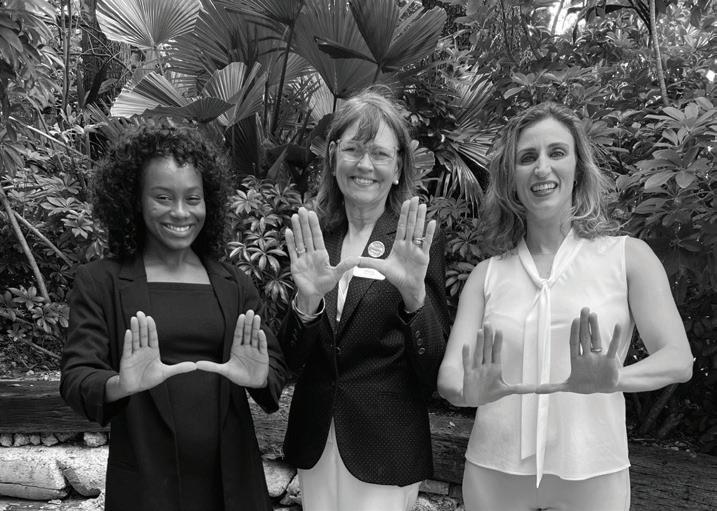
The Villagers Historic Preservation organization has awarded three $5,000 scholarships to students studying in the field of preservation. Two students from the University of Miami’s 5-year Architecture program and one student studying for a master’s in Historic Preservation at the University of Florida.
Students Grace Levey and Sacha Braggs have both been involved with preservation projects while at the University of Miami (UM). Levey, a stellar student with many honors, will be able to continue her final year of study. Braggs was a previous Villager scholarship recipient who received many honors while at UM. The grant will allow her the opportunity to spend a semester studying preservation in Italy.
“The scholarship validates my desire to go into historic preservation and gives me the opportunity to explore preservation in other countries and bring ideas back,” said Braggs.

ARCHISOURCE ANNOUNCES SHORTLISTED DRAWING OF THE YEAR AWARD 2022
Students Jesper Brenner and Hamza Waris were awarded Archisource’s Shortlisted Drawing of the Year 2022.
“It was such a great experience and
B.Arch student Keely Rae Brunkow is in her last year. She interned at Studio MC+G Architecture in Miami over the summer.
“This studio project invited students to reimagine the urban landscape in Brasilia.
Our design process started with studying the original designs by Lucio Costa and Oscar Niemeyer and derived a concept that belongs in today’s modern world.”
- Hamza Waris

REBECCA’S INTERIOR
Benedetto Rebecca’s photography was been featured in House Beautiful Magazine and Vogue Living, “Inside a 1930s Brooklyn Townhouse Dreamt up by Charles Cohen Designs.”
“Having the privilege to say I’ve been featured in House Beautiful and Vogue Living this early in my career is something I couldn’t be more proud and grateful for. When my former boss turned friend, Charles Cohen, and I were discussing me photographing this project, I was so excited because it was a true fullcircle moment. I had seen the house almost complete a year earlier when I was his intern, so going back one year later and photographing it was transformative. He and other mentors over the year encouraged me to start taking photography more seriously, and I’m happy I did. I see this achievement as an opportunity to encourage myself to stay on my path and hopefully inspire other young creatives never to be too afraid to follow their dreams, no matter how big they may seem!”
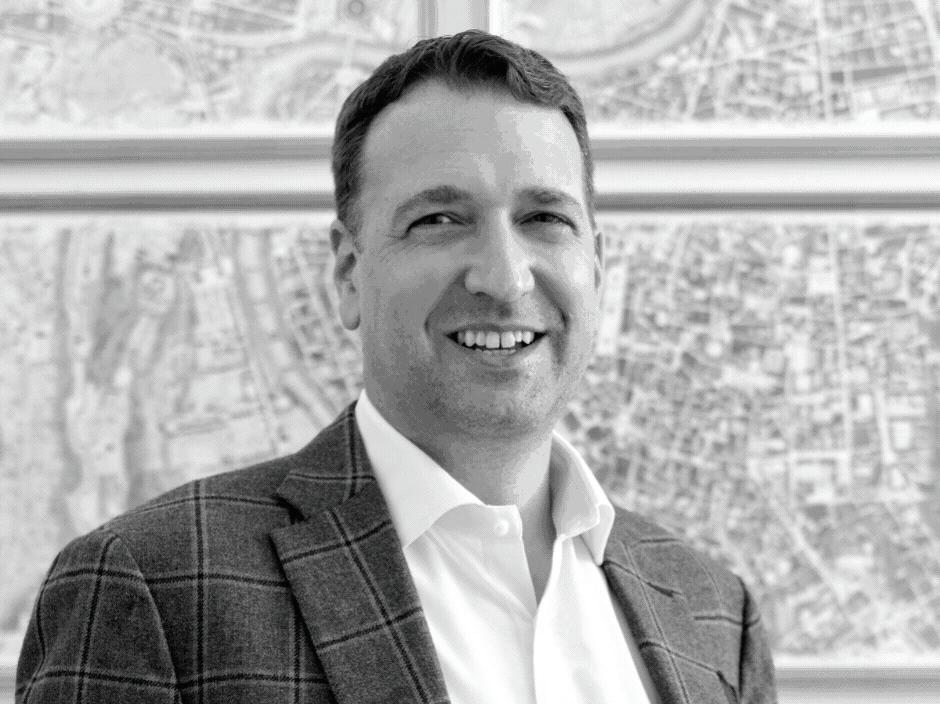
Andrew Cogar joined Historical Concepts in 1999 after serving as a Combat Engineer Officer with the United States Army. Little did he know that his assignment overseas would forge such a strong bridge between his education and his future profession.
Stationed in Bamberg, Germany, in the heart of Bavaria, Andrew was immersed in old world urbanism, an environment that affirmed his belief in the new urbanist principles he had learned at the University of Miami’s School of Architecture.
Promoted to Principal in 2007, Cogar is a place-making specialist and has guided some of the firm’s most prominent custom residential, developer, and civic projects. A natural leader, Cogar spearheaded the opening of offices in both Atlanta and New York, and currently manages studios in both locations.
He is a member of the American Institute of Architects, has served on the national board of the Institute of Classical Architecture & Art and was recently named Trustee Emeritus of its Southeast Chapter. Cogar was a founding member of the Atlanta chapter of the Congress for New Urbanism and was recognized by the Atlanta Business Chronicle in 2011 in its annual “40 Under 40” program. He gives back to his alma mater as an adjunct faculty member, contributing to a series of courses that give students practical urban design and architecture experience.
Cogar and his design team focus primarily on the design of large family estates in the Eastern Long Island and Tri-State Area. These projects often have several layers of private and semi-private uses, including family retreats, nature conservancies, working agricultural preserves and fully operational equestrian facilities. In addition to custom residential projects, the studio is also working on significant commissions for civic and developer clients.
Beyond the New York area, the studio is currently serving clients throughout the Southeast, from Charlottesville to Atlanta to the Florida panhandle.
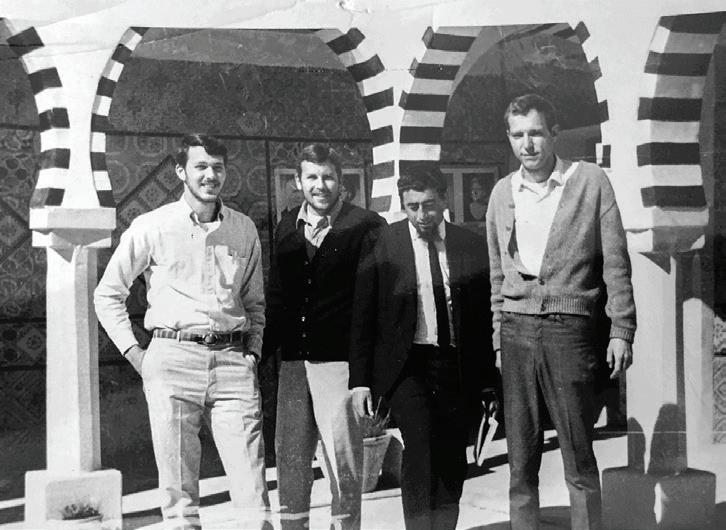
Tom Rochon’s path to architecture began early. By age 10, he knew he wanted to be an architect, a passion that never faded. That ambition led him to the University of Miami, where he became part of the first graduating class of the School of Architecture in 1966. He earned both a Bachelor of Science in Architectural Engineering and stayed another two years to complete a Bachelor of Architecture, the first year the degree was offered at the University of Miami.
Rochon’s time at UM was formative. With only four students in his graduating class, he thrived in a close-knit academic environment. He joined the Peace Corps after graduation, turning down a lucrative job offer to work in Tunisia. There, he helped design and build public structures using indigenous materials such as stone, arches, vaults and domes. The experience remains one of the most meaningful chapters of his life.
After returning to the United States, Rochon moved to New York City and worked with prominent firms before founding his own practice in 1976. His firm focused on restoring historic loft buildings in SoHo and converting them into artist spaces and residences. He also completed corporate projects for clients including Exxon and the Canadian government.
Rochon’s career spans more than six decades, including 35 years of teaching at the New York Institute of Technology. He witnessed the evolution of architectural education, from individual design projects to collaborative studio work, and emphasized the importance of hand drawing, believing that true creativity comes from the heart.
Now retired, Rochon continues to consult and reflect on a life devoted to architecture. His advice to students is simple and profound: “Don’t chase money—chase passion. If you’re good, the money will follow.”
He encourages future architects to embrace the challenges of the field, stay curious and find joy in creating spaces that endure. His legacy is one of service and dedication to the impact of architecture.
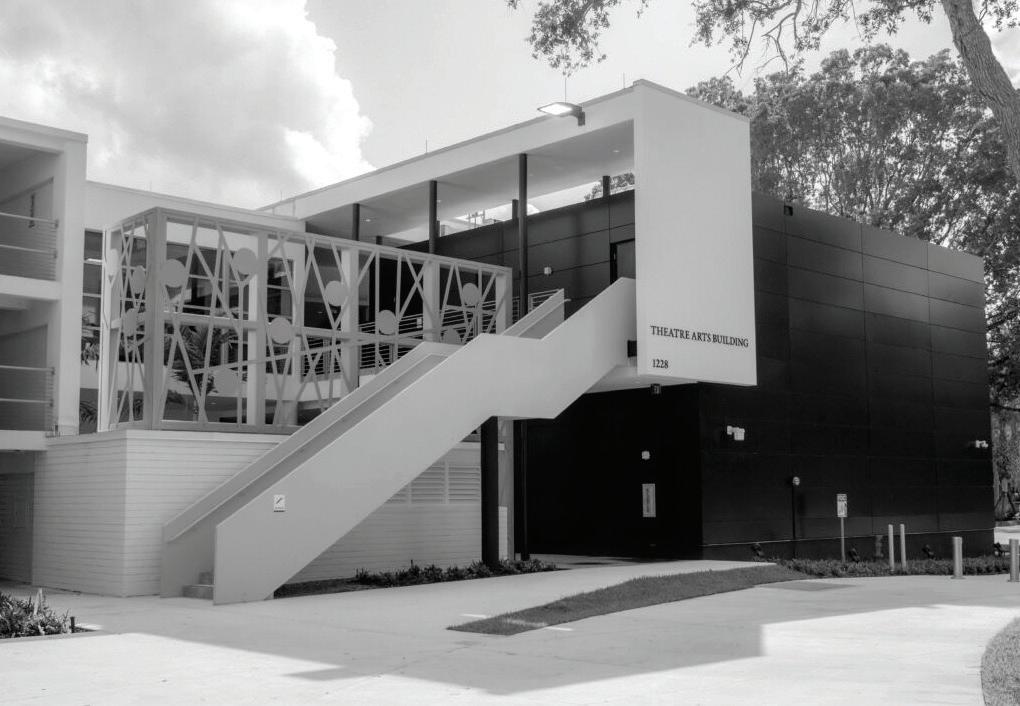
RONY MATEU RECEIVES A MERIT AWARD OF EXCELLENCE
Alumnus Rony Mateu of MATEU Architecture Inc. received the AIA Florida Merit Award of Excellence for New Work for the University of Miami Theatre Arts Building in Coral Gables, Florida. The project was recognized for its innovative design and contribution to the built environment. Photo by Armando M. Rizo,
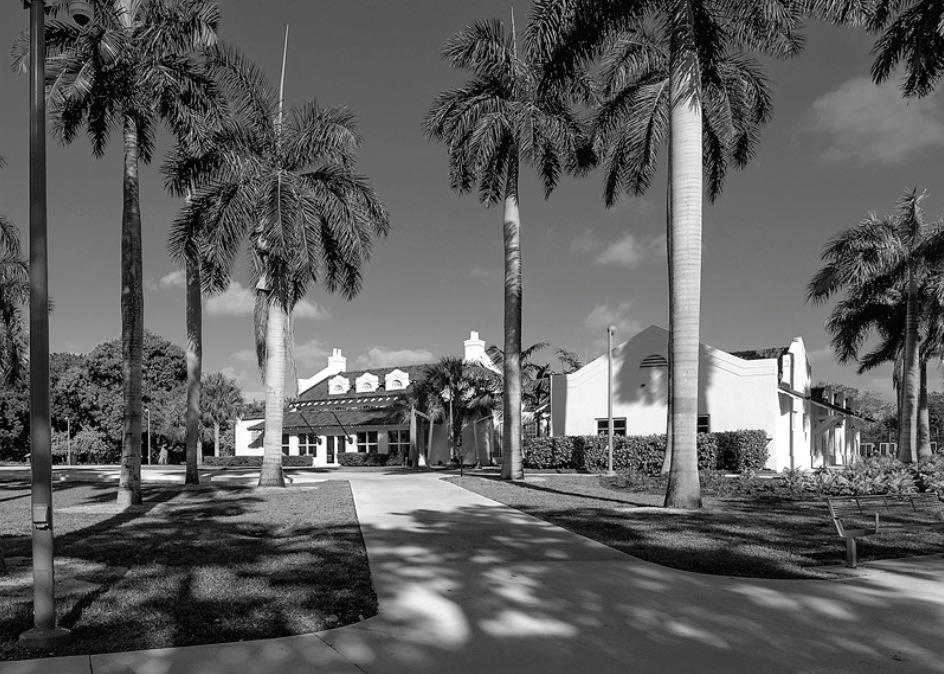
Alumnus Richard Heisenbottle of RJ Heisenbottle Architects received the AIA Florida Merit Award for Historic Preservation and Restoration for the Carl Fisher Clubhouse Restoration in Miami Beach. The firm also received a Citation Award in the same category for the restoration of the Historic Delray Beach Seaboard Air Line Railroad Station in Delray Beach.
Photograph by Dan Forer
JUNE 2025
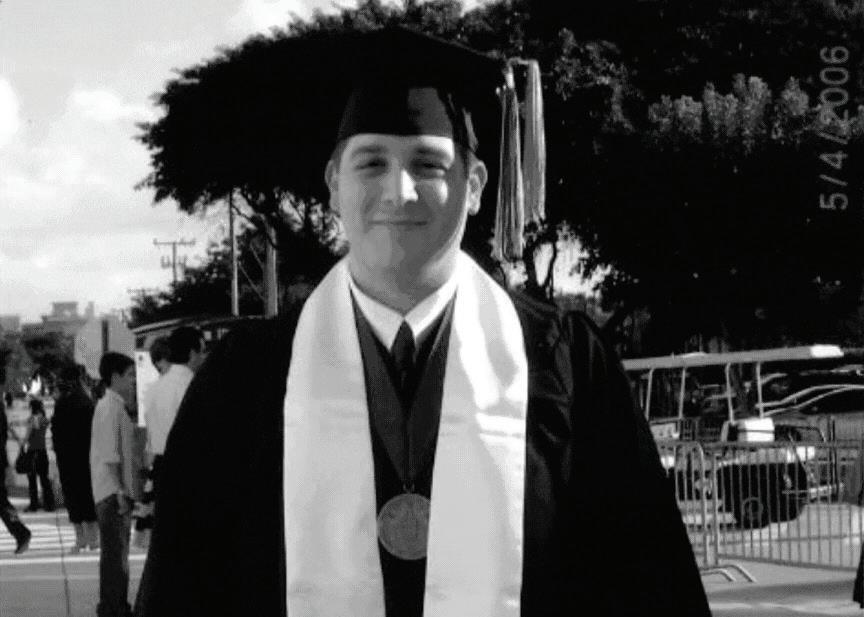
who discover their passions later in life, his interest was sparked in elementary school and never wavered. Determined to pursue this path, he collaborated with his high school to create designfocused coursework that would prepare him for the University of Miami’s School of Architecture. His early ambition and initiative paid off, leading to both a Bachelor of Architecture in 2007 and a Master of Architecture in Suburban Town Design in 2009.
Roy’s academic journey was both rigorous and formative. He recalls entering a program where only a fraction of students would graduate, a challenge he embraced wholeheartedly. The demanding environment, paired with mentorship from professors like Frank Martinez and Jaime Correa, instilled in him a deep sense of perseverance and purpose. Although the 2008 financial crisis led him to leave Miami, it opened the door to a new chapter in Cambridge, Massachusetts, where he began working for the city.
Today, Roy serves in a leadership role with the City of Cambridge, as the Director of the Capital Building Projects Department for the City of Cambridge, overseeing large-scale construction projects. Starting as a project assistant at just 23, he has grown into a position where he manages multimillion-dollar developments that blend architectural excellence with community impact. His projects, including a $330 million elementary school, have garnered international recognition. Roy thrives on collaboration, working closely with architects, educators and city planners. Taking pride in creating spaces that serve generations of students.
Roy’s advice to students is both practical and inspiring: be open to change. While he once envisioned owning a firm and designing iconic buildings, his career took a different path, one that has proven deeply fulfilling. He encourages future architects to embrace unexpected turns, adapt to new opportunities and find joy in the work they do.
APRIL 2025
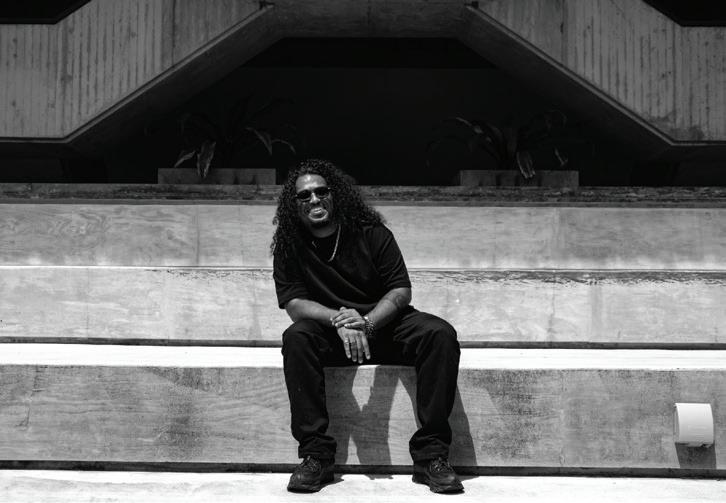
in 2021 from the University of Miami School of Architecture, Gabriel Jean-Paul Soomar has cultivated a design practice that expands beyond traditional boundaries. After completing dual master’s degrees at the Harvard Graduate School of Design, he has continued to develop a career that moves fluidly between architecture, cultural production, and public engagement. Today, he works as a designer, curator, and creative director—depending on the project— operating across disciplines in work deeply rooted in the textures, geographies, and aesthetics of the Black Atlantic. At the core of his practice is a commitment to collective imagination and joy.
Soomar’s journey into architecture began through an early fascination with how culture, movement, and community shape space. Growing up immersed in Caribbean ways of making and being, particularly within the vibrant and transformative atmosphere of Trinidad’s Carnival, he became captivated by how people turned streets into spaces of storytelling, resistance, and celebration. “That opened up a different understanding of what architecture could be—something collective and deeply rooted in lived experience,” he reflects.
Soomar found both the technical foundation and the intellectual freedom to pursue this perspective. The school’s curriculum equipped him with essential design and technical skills, while its studios, labs, and faculty encouraged exploration and critical thinking. He credits mentors such as Germane Barnes, Chris Chung, Joel Lamere, and Jennifer Lamy for helping shape his approach to architecture and design.
Today, Soomar splits his time between multiple roles. He is developing his own interdisciplinary practice, experimenting with how architecture can operate through storytelling, cultural narratives, and creative production. As the creative director and a designer with Studio Barnes, he works on projects centered on Black histories and narratives. He also returns to the school as a part-time lecturer, staying in close dialogue with emerging designers.
For Soomar, the most fulfilling aspect of his work is using design as a tool for expanding collective imagination. “I’m most excited about work that feels disruptive and expansive,” he says—work that challenges expectations and invites people to dream bigger. “Design is never neutral. Every decision carries weight—socially, culturally, politically. We have a responsibility to understand the impact of what we’re shaping and who we’re shaping it for.”
His advice to current students is clear: don’t be confined by traditional definitions of architecture. “Embrace the intersections and let your work be a reflection of the diverse world we live in. Be generous with your curiosity and look to the stories, cultures, and communities that shaped you.”
remains deeply connected to the school community. Teaching, ongoing collaborations, and friendships with faculty and alumni continue to inform and inspire his work. “I’m grateful,” he says. “The school gave me the space to start asking the questions I’m still asking today. This field holds so much potential beyond what’s been historically validated. There’s power in the references you carry, the cultures you come from, and the questions you’re asking. Lean into that.”

Geoffrey Moody, a 2011 graduate of the University of Miami School of Architecture, is the Managing Partner of Irvine-Moody Development LLC (I-M Development), a commercial real estate development firm focused on building vibrant, purpose-driven communities.
After completing the MRED+U program at the school, Geoffrey sought hands-on experience navigating the full life cycle of development—from raw land through due diligence, entitlements, and breaking ground. That foundation eventually led him to launch I-M Development, which now leads large-scale residential and senior care projects across the U.S. Mid-Atlantic region.
I-M Development specializes in active senior retirement communities as well as independent living, assisted living, and memory care facilities. The firm distinguishes itself by locating many of its care communities on college campuses, fostering intergenerational engagement and creating spaces that support lifelong learning.
As Managing Partner, Geoffrey is involved in every step of the process, from site selection and entitlement to design and execution—creating walkable, civic-oriented neighborhoods with amenities that reflect a high quality of life. Reflecting on the long arc of a development project, he shares, “To see a community open after years of demanding work is a feeling that can’t be described in words, only felt in real life.”
Since earning his Bachelor of Architecture
Even as his practice evolves, Soomar
The MRED+U program equipped him with essential tools to navigate zoning and legal challenges, develop financial models, and design projects that add long-term value to communities. Faculty members Professor
Charles Bohl and the late Professor Stephen Nostrand played pivotal roles in shaping his development approach.
To students and recent graduates, Geoffrey advises being fearless—unafraid to reach out, make connections, and learn from industry leaders. “Network as much as possible and build a database of your contacts,” he encourages. “The more people you know, the more doors open.”
Through I-M Development, Geoffrey continues to shape impactful projects that reflect a deep commitment to communitybuilding, design excellence, and long-term livability.
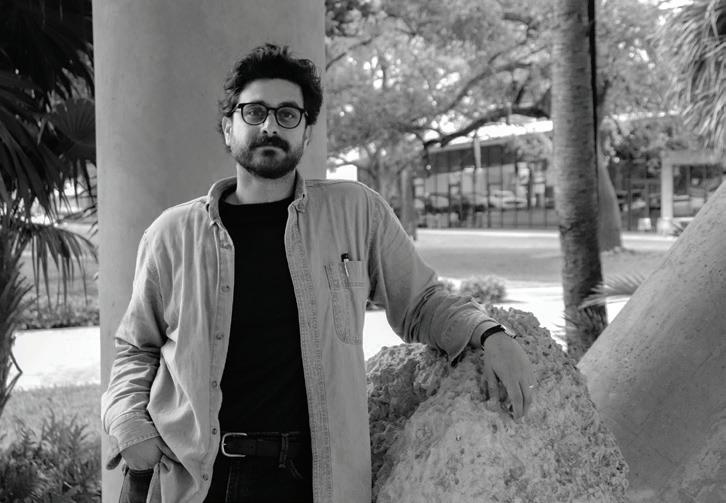
Andrew Aquart, a 2014 graduate of the University of Miami School of Architecture, is now a Partner at Tropica, where he integrates architecture, interiors, and landscape design with a deep commitment to collaboration and inclusivity.
Andrew’s passion for architecture began early, inspired by his grandfather, a civil engineer in Jamaica. A high school drafting class at Miami Dade College sparked his interest, which led him to the school’s Explorations summer program and later to a full-time architecture education. Faculty mentors nurtured his curiosity and helped shape his career.
After graduating, Andrew worked at Brillhart Architecture with former faculty member Jake Brillhart. He contributed to award-winning projects such as the MoMA PS1 YAP competition and the Upper Buena Vista commercial development. In 2018, Andrew earned his architecture license and became lead staff architect, managing custom residential projects with a hands-on, collaborative approach.
credits the school with teaching him to be a problem solver. “The challenges of this industry are diverse, but being a problem solver means being adaptable and sensitive to solutions,” he shares.
For students and recent graduates, Andrew’s advice is simple: “Listen, learn, and absorb as much as you can. Embrace confidence, but also humility—it’s okay not to know everything.” He remains connected to the school community as a part-time faculty member, continuing to inspire the next generation of architects.
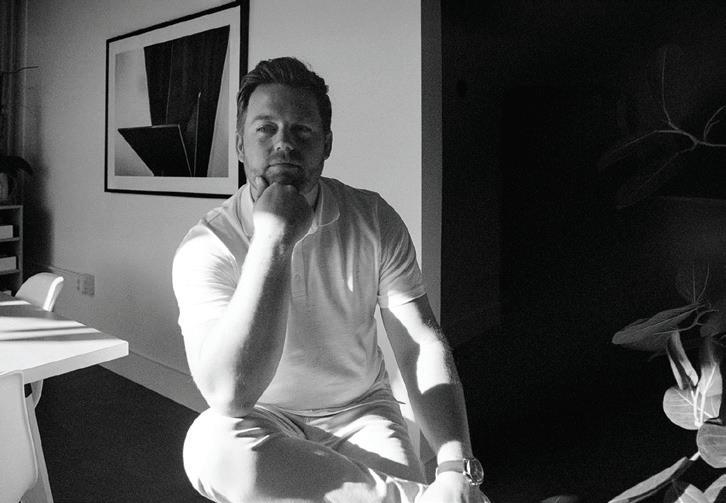
Wesley Kean, a 2010 graduate of the University of Miami School of Architecture, has quickly emerged as a leading voice in contemporary architecture. In 2024, he was recognized with the AIA Florida Merit Award of Excellence, the AIA Florida Citation Award for Professional Research, and the Young Architect Award, solidifying his reputation as an architect pushing the boundaries of design and environmental integration. His success reflects the impact of an education and the power of mentorship, innovation, and hands-on experience.
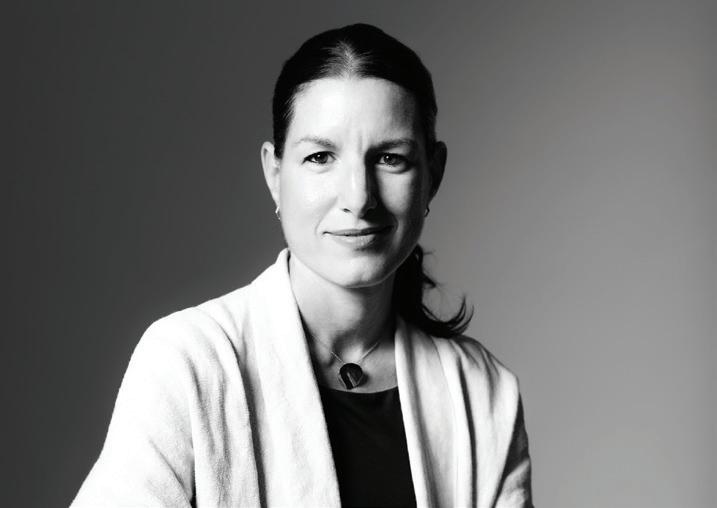
In 2024, Andrew joined Tropica, a firm that emphasizes working “in partnership with nature.” Tropica’s philosophy has led to recognition on Forbes’ list of top 200 architects. Andrew finds fulfillment in being on-site, problem-solving with the team, and seeing the project come to life through collaboration with clients, builders, and artisans.
Reflecting on his education, Andrew
Elizabeth Starr, a 2003 graduate of the University of Miami School of Architecture, has carved out an impressive career in the field of architecture. Now the Managing Partner at Strang Design, Elizabeth oversees project teams, mentors staff, and develops new ventures while continuing to embrace the collaborative spirit that has defined her journey.
Her path began with an appreciation for the arts and a fascination with architecture’s ability to blend artistry with practicality. She reflects on how architecture “creates a feeling, an emotion, but it’s also practical and addresses basic needs.” With a background in music, she found a natural connection between artistry, rhythm, and proportion that ultimately led her to architecture. A visit to her high school by Maria DeLeon-Fleites, a school faculty member, was particularly inspiring and played a key role in her decision to apply. Maria later became a pivotal mentor in her academic journey.
After graduating, Elizabeth honed her skills as a Project Manager at De la Guardia Victoria Architects, focusing on highend residential projects in Miami and the Bahamas. She joined Strang Design in 2012 as a licensed architect, quickly establishing herself as a leader within the firm. Her dedication and expertise culminated in her promotion to Managing Partner in 2021.
At Strang, collaboration is at the heart of her work. “We are a team-oriented firm, and I really enjoy the collaboration with everyone involved, from interns to senior architects, builders, and other designers.” She finds fulfillment in the opportunity to learn and grow daily through these interactions.
Elizabeth credits studio-based format for helping her navigate the complexities of the profession. Developing relationships with peers and seeking diverse perspectives shaped her ability to articulate design intentions. The experience, she says, reinforced the importance of viewing projects from different angles and clearly communicating intent—a vital skill in the subjective world of design.
For students and recent graduates, Elizabeth offers advice rooted in exploration and balance. She encourages participation in opportunities such as the Rome Program, internships, and design competitions while emphasizing the importance of personal well-being. “Focus with maximum effort on school or work, but also carve out time for yourself to do things that bring you happiness,” she shares.
Throughout her journey, Elizabeth has been guided by influential faculty mentors, including Maria DeLeon-Fleites, Carmen Guerrero, Joanna Lombard, and Teofilo Victoria. One essential lesson she has learned is the value of listening carefully and asking clarifying questions—a principal she continues to apply daily.
Elizabeth Starr’s story is a testament to the power of mentorship, collaboration, and a lifelong commitment to learning— values she upholds as she inspires the next generation of architects.
Photo by Stephan Goettligher.
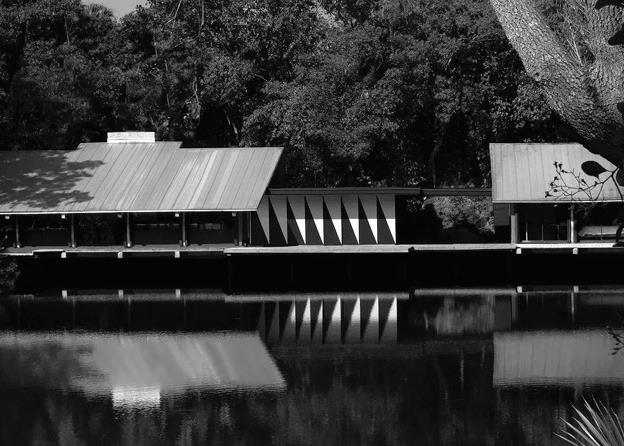
Andrew Aquart, ‘14, has been named by Forbes as one of the America’s Top 200 Residential Architects. Alongside Josh Ehrlich and Mariella Tzakis, Aquart co-founded TROPICA, a Miami-based architectural practice, in 2020. Describing themselves as architects, gardeners, and environmentalists—the TROPICA team is deeply invested in studying before designing and interpreting before intervening. Their portfolio showcases not only completed projects but also evidence of their meticulous design process, which they break down into “archaeology,” “ecology,” and “place-making.”
The featured photo was taken by alumnus Lauren Elia.
SEPTEMBER 2024

When Laura Narayansingh graduated from the University of Miami School of Architecture in 2014, she knew her path wouldn’t be easy. The Trinidad-born architect faced the intensity of architectural schooling with apprehension, but also with an unshakeable resolve to excel. Reflecting on her time at the School of Architecture, she recalls being inspired by an array of dedicated faculty, including Teófilo Victoria and Joanna Lombard, under the leadership of thenDean Elizabeth Plater-Zyberk.
Narayansingh made the decision to return to Trinidad—a country where the architecture and built environment are relatively young. She joined ACLA
Architecture, the oldest indigenous architectural practice in Trinidad and one that has been operational for over 75 years, even predating the nation’s independence in 1962.
By Madison Brinnon, UM News
“Every professor I had was amazing, but there were a few who truly stood out,” she says. “Joanna Lombard was especially influential during my thesis. She was so supportive and genuinely interested in learning more about my country and its architectural challenges.”
For Narayansingh, the experience of studying architecture was rooted in the classical methods. “I pursued a Certificate in Classical and Traditional Architecture, spending three years drawing entirely by hand. Even my thesis project—a residential development in Trinidad—was all handdrawn,” she recalls with pride. That project became a deeply personal exploration of how architecture could respond to the distinct needs of her native Trinidad.
A defining moment of her educational journey was participating in the Rome program, which she describes as a “core memory.” It was an eye-opening experience that allowed her to gain a broader perspective on architecture, adding layers of understanding to her classical training. Even after graduation, she remains connected with many fellow alumni, finding common ground through their shared experiences at the university and in the professional world.
Narayansingh’s role at ACLA is multifaceted. As a designer, she wears many hats, working on projects that range from commercial and civic buildings to residential homes. Her work often involves adaptive reuse of structures built during Trinidad’s post-independence era, which are now showing their age. “A lot of the architecture from that period was conceptualized out of sheer necessity,” she notes. “My aim is to make these spaces more elegant and sustainable, while also making architecture more enjoyable for the average Trinidadian.”
In 2024, Narayansingh was recognized by Architectural Digest as one of 11 Women Architects From the Global South That Are Changing the World. This acknowledgment was a testament to her dedication and influence in shaping her country’s built environment. One of her most personal projects is The Bush House—a small home designed for her and her family on a piece of land she purchased. It’s a prototype that embodies her vision for a uniquely Trinidadian aesthetic and ethos.
“The Bush House is an experimentation in design,” she says. “It features three culturally linked elements: passive cooling planters called ‘shadow boxes,’ colonial-style arches, and intelligent burglar proofing.” The project is part
of her ongoing investigation into creating an architectural language that reflects Trinidad’s complex cultural and environmental context.
Narayansingh’s work in Trinidad isn’t just about design; it’s about redefining what architecture can do and say in a place where the built environment has historically been reserved for the wealthy. “A country’s architecture is a reflection of its culture and geography,” she emphasizes. “Finding cohesive, nuanced ways of articulating our voice as Trinidadian people is the kind of investigation that fuels my work as a designer.”
As she continues to champion meaningful and accessible architecture in Trinidad, Laura Narayansingh remains committed to her roots at the University of Miami. The foundation she built there—nurtured by mentors and enriched by diverse perspectives—continues to inform her mission of transforming Trinidad’s architectural landscape for future generations.
Dominick Ranieri and Mignon Stapleton, Class of 1985, returned to their roots, revisiting the very studio where their architectural journey began. Once students, now accomplished architects, they remind us of the lifelong bond between our alumni and the School of Architecture.
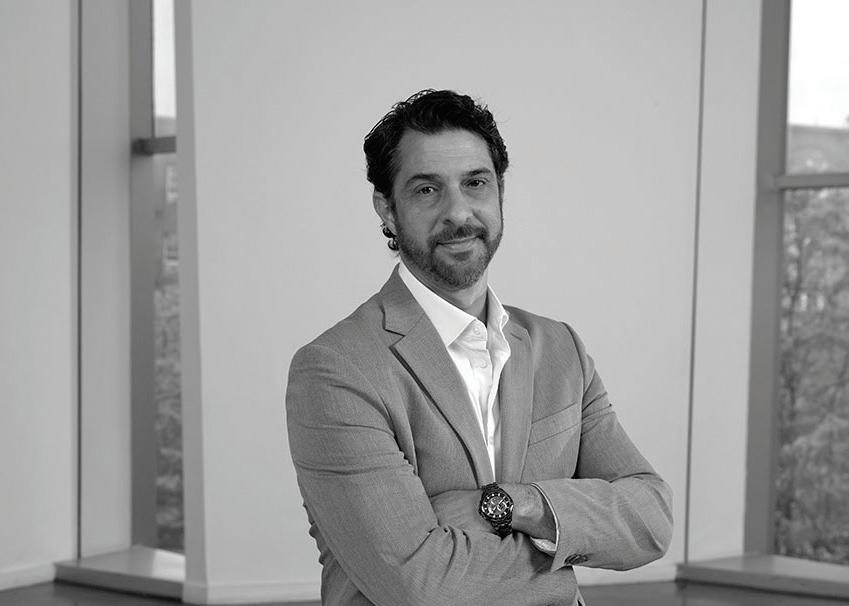
KLAUDIO RODRIGUEZ NEW EXECUTIVE DIRECTOR AND CEO OF THE MUSEUM OF FINE ARTS, ST. PETERSBURG
The Museum of Fine Arts, St. Petersburg (MFA) Board of Trustees announced
the appointment of Klaudio Rodriguez as the new Executive Director and CEO following a comprehensive national search. Rodriguez joins the MFA from The Bronx Museum of the Arts in The Bronx, New York, where he has successfully led the institution in embracing its core mission of inspiring people and connecting communities through the power of art and education. He will officially assume his role at the MFA in October.
Before his tenure at The Bronx Museum, Mr. Rodriguez served as Chief Curator at The Patricia & Phillip Frost Art Museum at Florida International University in Miami, FL, a Smithsonian Affiliate and one of the largest academic art museums in South Florida. He attended the School of Architecture at the University of Miami and completed coursework in Graphic Design and Painting from the New World School of the Arts in Miami. Rodriguez holds a BA in Art History with a Minor in Photography, a Graduate Certificate in Museum Studies, and an MA in Latin American and Caribbean Studies, specializing in modern and contemporary Latin American art, from Florida International University.
“I am honored to have been selected as the MFA’s Executive Director and CEO,” said Klaudio Rodriguez. “I am inspired by the museum’s expansive encyclopedic collection, supportive board, talented and dedicated staff, and the vibrant community in St. Petersburg. It is especially meaningful to return to the region where I was raised and began my career in arts and culture. I truly believe that the MFA is wellpositioned to enrich lives through art, foster impactful dialogue, and create inclusive spaces for all. I look forward to building on its storied history, expanding its reach, and developing the relationships critical to the future success of this institution. Together, we will continue to inspire, educate, and connect our community through the power of art.”
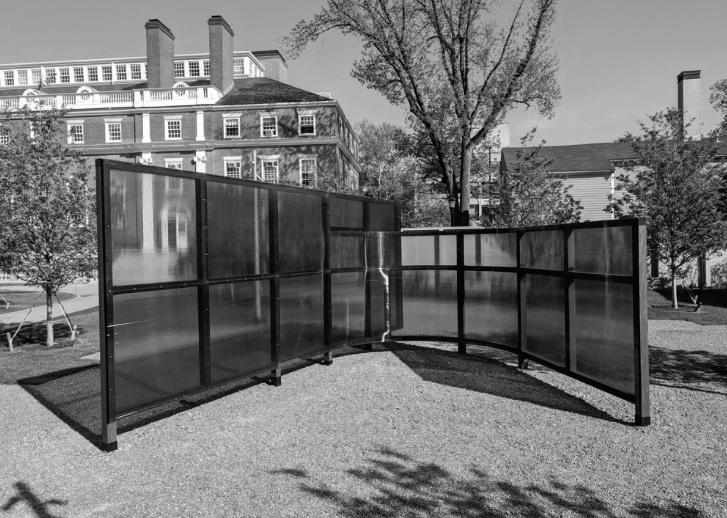
to resilience and creativity.
Soomar, sheds light on the struggles and triumphs of Black communities in navigating restrictive spaces. Animated by the tension between openness and confinement, HOLD beckons us to reflect on the past while envisioning a more inclusive future. As Soomar beautifully puts it, it’s a space where fellowship and joy intersect, inviting historically marginalized communities to find solace and belonging at Harvard.
Wesley Kean, an alumnus of the school was recently honored with the Young Architect Award from AIA. With a blend of curiosity and a sense of adventure, Kean merges research and design excellence to enhance the world around him. In his young career, he has already established a successful and award-winning practice, KoDA, that bridges theoretical concepts with the practical realities of today’s architecture.

Richard Talbert’s painting and architecture address the complexities of form and space in a rectangular format. These forms are defined spaces and conscious “transformations” of transparent planes. These abstract images of vision are distortions and trigger an insubordinate sense of color. As a public muralist, Talbert’s work can be provocative as well as reflective of daily surroundings.
The Artful Minds presents “Fly On The Canvas’ exhibition April 13 through May 11 at 434 Columbia Street, Hudson, New York.
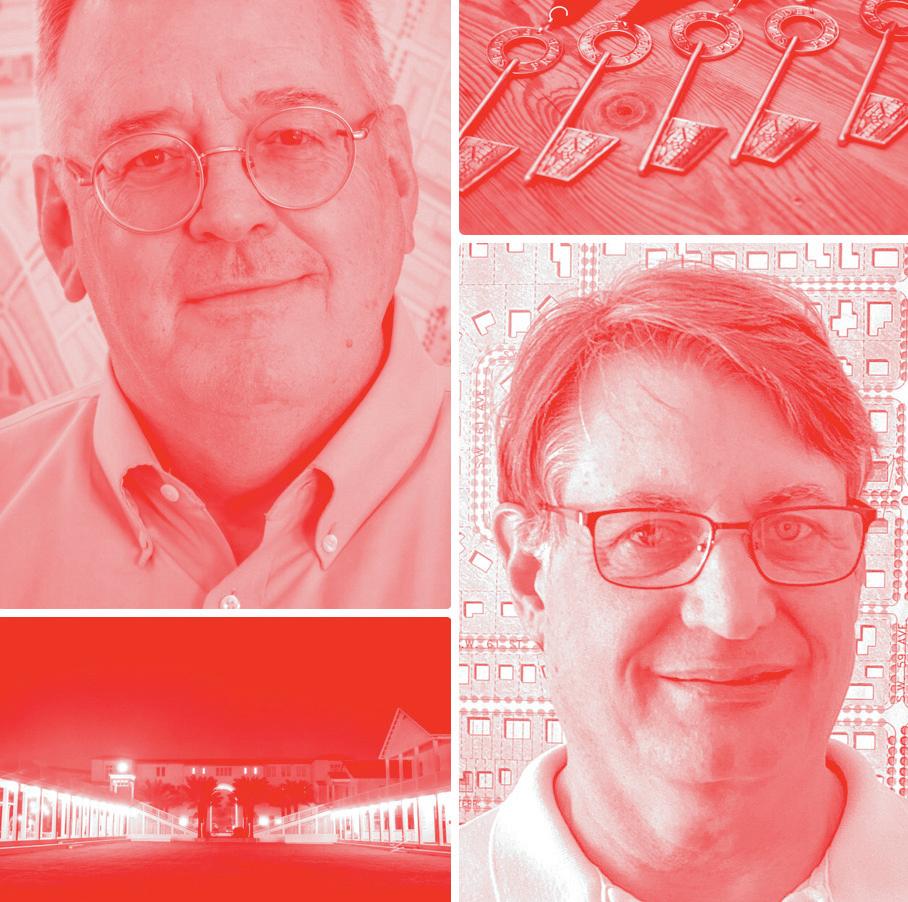
A special School of Architecture alumni reunion took place in early February at Seaside Florida, to celebrate the award of the 2024 Seaside Prize to Victor Dover (’88) and Joe Kohl (’88). Dover Kohl and Partners, established while its founders were graduate students at the University, invited their colleagues in practice from across the years to join them at the Seaside Institute’s 30th Anniversary Prize weekend. Among the weekend’s guest speakers were Phil Stoddard, former City of South Miami Mayor, and Elizabeth Plater-Zyberk, School of Architecture Professor.
By Madison Brinnon, UM News
Delving into the intricate history of Black communities and enclosure, HOLD, a captivating public artwork by alumnus and recent GSD graduates, Gabriel JeanPaul Soomar and Curry J. Hackett, speaks volumes. From the Radcliffe Institute Public Art Competition, this piece is a testament
The mixed media piece above, Saw Grass, is part of a large series of images from an installation piece about The Everglades National Park (U.S. National Park Service) after Hurricane Andrew hit South Florida in August 1992.
The Seaside Prize, “recognizes individuals and organizations who through design, have changed the way we live. Prize winners are thought innovators in concepts, quality, and character of their industry and considered leaders of Contemporary Urban Development and Education, who have made their vision a reality; and ultimately our lives better.” The Prize is given by the Seaside Institute, a not-for-profit institution established shortly after the founding of the eponymous new community by town founders Robert and Daryl Davis. The Institute hosts cultural events that serve Florida panhandle residents yearround, including Escape to Create, a winter months artist and writers residency. The Prize, which is awarded annually, “celebrates individuals or organizations whose life’s work or accomplishments are emblematic of the Institute’s mission of inspiring livable communities”. Dover and Kohl join a pantheon of illustrious Prize winners that has included Gov. Bob Graham, author Witold Rybczynski, and architects Robert Stern, Christopher Alexander and Robert Krier.
Dover and Kohl were recognized for “their work as reformers, revitalizing
traditional towns, fixing sprawl, creating new neighborhoods and citywide and regional plans. They have been leaders in integrating better collaborative methods and meaningful citizen involvement in city planning reform.” Dover Kohl and Partners have worked across Florida and all around the world on projects such as the South Miami Hometown Plan, Downtown Kendall, I’On in South Carolina, South Main in Buena Vista, Colorado, and Clematis Street in West Palm Beach, Fl. Victor Dover and co-author John Massengale anticipate a revised publication this year of their book, Street Design: The Secret to Great Cities and Towns. They were among the founders of the Congress for the New Urbanism.
Alumni in attendance:
Adam Bonosky
Ramon Trias
Barbara Lamb
Ibrahim Mohasseb
Robert Gray
Claire Morris
Milt Rhodes
Joe Minicozzi
Pamela Stacy King
James Dougherty
Amy Groves
Chris Groves
Robin Crowder
Alex Pegues
Tony Garcia
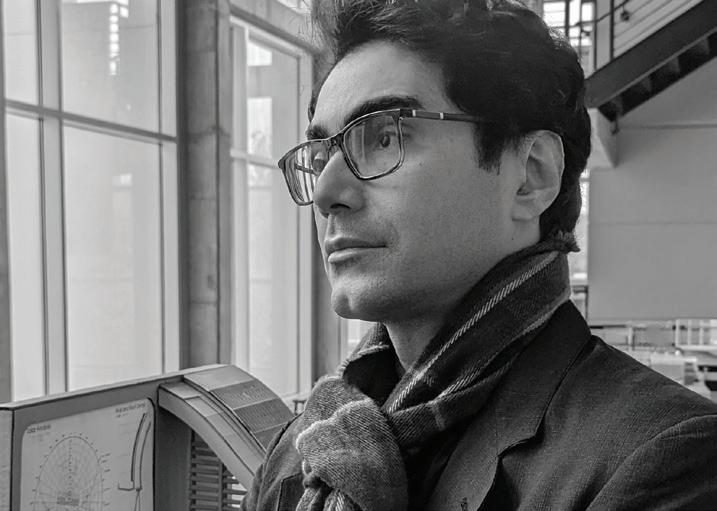
Ehsan Sheikholharam was recognized by the Association of Collegiate Schools of Architecture and Columbia University’s Temple Hoyne Buell Center for the Study of American Architecture with an honorable mention in the 2024 Course Development Prize in “Architecture, Climate Change, and Society.” His proposed course Demystifying Ecological Thinking in Architecture was among the four courses selected in this cycle.
Ehsan finished his Master of Architecture from the University of Miami School of Architecture. He was the recipient of the Henry Adams Medal, a recognition awarded in conjunction with the American Institute of Architects to the highest ranking graduating student for scholarship and excellence in a professional architecture program within the academic year fall 2013, spring 2014 and summer 2014. He received a Ph.D. in Religious Studies from the University of North Carolina at Chapel Hill.
Ehsan is currently an Assistant Professor of Architecture at Kennesaw State University.
Demystifying Ecological Thinking in Architecture is an upper level, interdisciplinary seminar that explores the intersections of architectural theory and ecological thinking. The course questions key assumptions about the centrality of human agency in the transformation of our collective habitat, the Eurocentric conceptualization of Nature, the ethics of “green” development, and the optimism toward infinite growth. The course maintains a critical stance towards both ends of the spectrum of purported solutions: Does either a romanticized return to a preindustrial, idyllic past, or a futurist, technocratic utopia offer a way out of ecological impasse in architecture? The syllabus is organized along three axes: the myth of return, the myth of control, and the myth of democracy. The course engages critical perspectives from diverse historical, geo-cultural, and political backgrounds to examine ecological architecture at the intersection of social justice and environmental justice.

Ellen C. Buckley, a distinguished alumna of the School of Architecture B.Arch program, graduated Magna Cum Laude from the Class of 2003. Following her tenure at the University of Miami, she pursued advanced degrees at the University of Pennsylvania, where she earned a Certificate of Real Estate Development and Finance from The Wharton School and a Masters of Science in Historic Preservation.
Reflecting on her time at the School of Architecture (SoA), Buckley holds fond memories, attributing the impactful Rome Program and the school’s distinctive environment for fostering strong friendships and relationships—a quality unparalleled in other architecture programs. “The School of Architecture instilled in me the importance of community building. It taught me how to leverage architecture, planning, historical understanding, innovation, and other influential factors to create vibrant communities.”
With a career spanning 29 years in the real estate industry, Buckley has contributed to projects across the Midwest, Northeast,
Southeastern US, and Asia. As the former Vice President and Director of Development for Terra, a prominent South Florida development company, she played a key role in managing the execution of approximately $6 billion in real estate development projects. Throughout her career, she has led the execution of projects in diverse asset classes, totaling around $16 billion in real estate value to date, including multifamily, office, retail, mixed-use, industrial, education, adaptive reuse, and master-planned communities.
Currently serving as the Founder & CEO of Prospera Real Estate Collective, LLC, based in Miami, FL, Buckley established Prospera with a vision to shape a better future for all generations through innovation, strategic vision, and effective execution.
Navigating a traditionally male-dominated industry for nearly three decades, Buckley has faced unique challenges and hurdles, which she gracefully overcame. She actively utilizes her platform to uplift and collaborate with other women in the professional space. When asked for advice to female students aspiring to be leaders, Buckley emphasizes, “Lead with purpose, be bold, be creative, anchor your analysis with sound data, and don’t get stuck.” Her journey stands as a testament to resilience, innovation, and the transformative power of architecture in shaping communities and breaking barriers in the real estate sector.
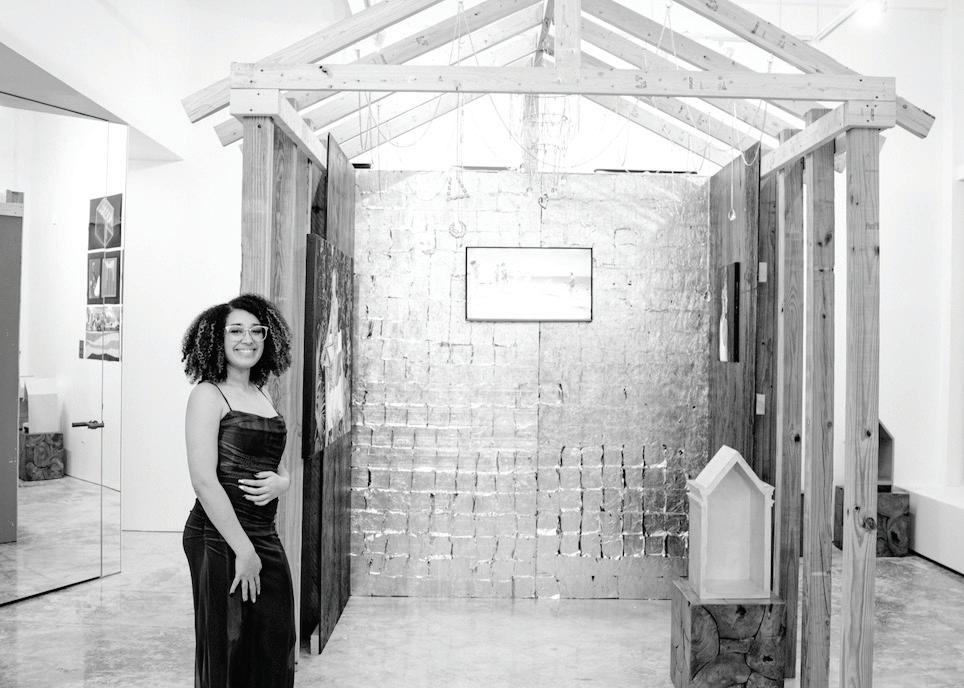
Sydney Maubert debuts the second iteration of Queen of the Swamp for Green Space Miami’s exhibition “DISplace,” featuring music by DJ Pressure Point and a performance by poet and AIRIE Residency Coordinator Arsimmer McCoy. Queen of the Swamp, first debuted in AIRIE’s Nest Gallery in Everglades National Park, acknowledges Miami’s Bahamian history and its vital ties to a larger cultural geography of Southern and Indigenous aesthetics. It draws upon Miami’s history of Bahamian laborers’ construction of Miami’s infrastructure on porous rock, and their present descendants’ influence on Miami Bass culture.
This installation is funded by The Ellies, Miami’s visual arts awards, presented by Oolite Arts.
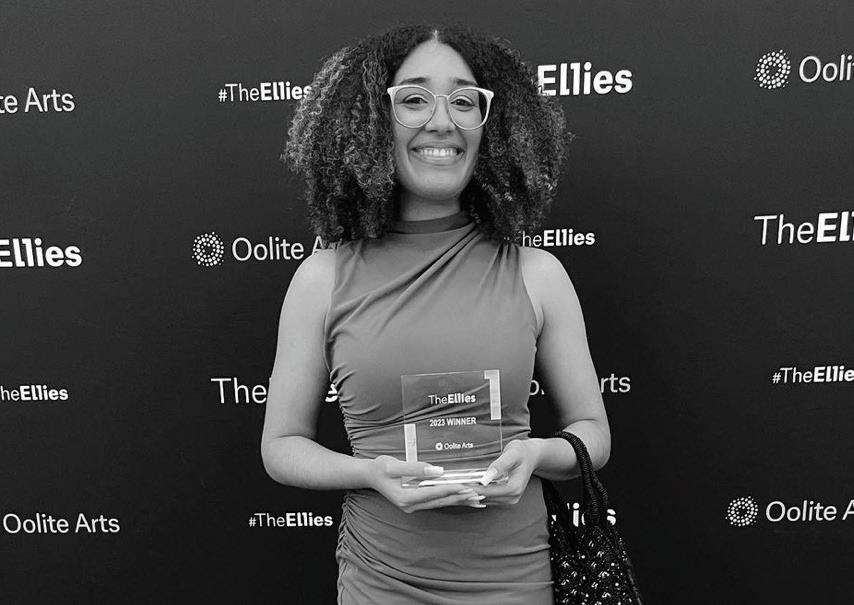
Sydney Maubert holds degrees in architecture from University of Miami and the Yale University, with double minors in writing and art. Currently, Sydney is the inaugural fellow at Cornell’s Strauch Fellowship, where she will teach and produce research (Fall 2022- ongoing). She sits on the board of the Center for Architecture’s Scholarship Committee (2023). She has assisted in teaching courses at Yale University, Morgan State University, City College of New York, and the University of Miami. She is the June 2023 Artist in Residence at the Everglades (AIRIE). She most recently won the Ellies Creator Award through Oolite for her project, “Queen of the Swamp”.
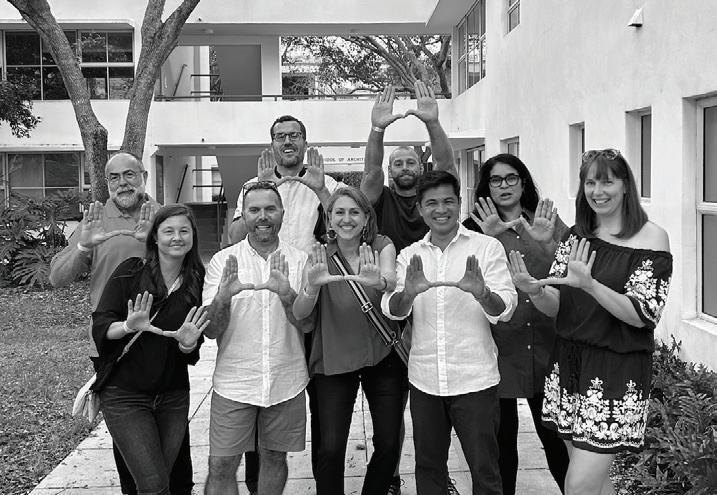
The University of Miami School of Architecture extended a warm welcome to the Class of 2003, inviting them back to campus for a reunion tour and Homecoming BBQ. The tour commenced in the Academic Services conference room, where a delightful slideshow presentation brought back fond memories of amusing poses and hairstyles, filling the room with laughter. Following this, the journey carried on with visits to the Murphy Building, Korach, and the Glasgow Gallery, all expertly guided by a dedicated student ambassador.
Thank you to the Class of 2003 for being a proud Cane!
Nicole (Corbett) Meeks
Amber (Adamski) Evans
Ellen Buckley
Robert Rollins
Jason Cadorette
Nathan Butt
Raymond Riparip
Marc Rosenberg
Marian Martinez
Christian Moreno
Matthew Blumenthal
Xuan Florez
Ligia Ines Labrada
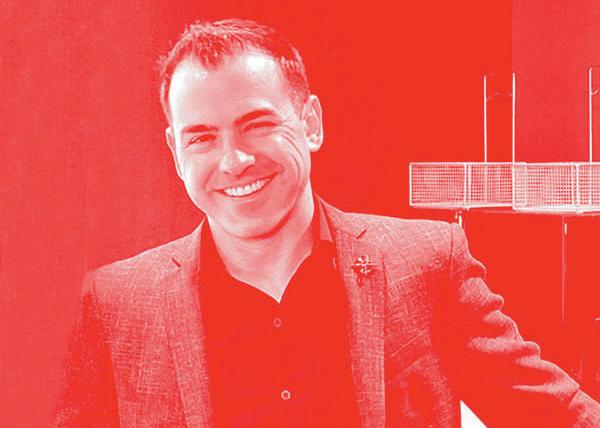
For Christian Giordano, president and coowner of Mancini Duffy, a national design firm based in New York City, architecture is not just a profession—it is a lifelong passion.
Architecture blends artistry and functionality, shaping the spaces we inhabit and influencing the way we experience the world around us. For Christian Giordano, president and co-owner of Mancini Duffy, a national design firm based in New York City, architecture is not just a profession but a lifelong passion. In a recent conversation, Giordano shared insights into his architecture journey, highlighting the importance of early influences, technological evolution, and the creation of groundbreaking tools.
By Benjamin Estrada, UM News
Architecture blends artistry and functionality, shaping the spaces we inhabit and influencing the way we experience the world around us. For Christian Giordano, B.Arch. ’97, president and co-owner of Mancini Duffy, a national design firm based in New York City, architecture is not just a profession but a lifelong passion. In a recent conversation, Giordano shared insights into his architecture journey, highlighting the importance of early influences, technological evolution, and the creation of groundbreaking tools.
For many in the profession, the spark of fascination with architecture is ignited at a young age. Giordano is no exception. He recalled, “I think that with most architects, it’s just something that you’re interested in from very early on, whether that comes from Lego playing or model making or involvement around construction. My mother was obsessed with design and was always doing renovations in her house. I liked the construction part of it, and that sparked the idea.”
Throughout high school, he explored his passion for architecture through selfstudy and hands-on projects. “I would get architecture books. That is what I wanted for Christmas. And I did a lot of modelmaking,” he explained. He created intricate models, including remote-controlled cars, buildings, and even dollhouses for relatives. Despite not having formal architecture training or experience, Giordano’s early dedication to learning and honing his skills laid a solid foundation for his future career.
Giordano’s official architectural education began at the University of Miami, where he earned his Bachelor of Architecture degree, further cultivating his passion and developing essential skills. Giordano reflected on his time as a ’Cane, saying, “It was a great experience overall. I cherished that time for many reasons. There was a series of professors who were genuinely excited about architecture. They loved it.”
One key aspect of his Miami education was a focus on traditional architectural principles. This approach, focusing on drawing and physical models, would later prove to be a valuable asset in his career. Giordano explained, “At the University of Miami, there was an emphasis on historical architecture, proportion, drawing, and the hand-eye connection. That was a very informative way of learning for me.”
Even as technology advanced in the field, Giordano continued to rely on these traditional skills. “Still, to this day, when I sit down to design, I start out with pencil and paper,” he said.
Following his undergraduate studies at the University, Giordano pursued a master’s degree in architecture at the University of California, Los Angeles (UCLA). He explained how his education at the U provided a strong foundation, while UCLA exposed him to a different perspective. This well-rounded education, combining traditional and progressive schools of thought, prepared Giordano for the diverse opportunities he would encounter in his career.
As a ’Cane, Giordano secured an internship at the Miami branch of the architectural firm Swanke Hayden Connell Architects, originally based in New York. The owner of the firm, Richard Carlson, suggested that if he ever wanted a job in New York, he should reach out. Giordano later returned to New York, where he contacted Carlson and got his first job in the city, a decision that not only kick-started his career but also led him to meet his future wife. This Miami-to-New York connection played a pivotal role in shaping Giordano’s professional and personal life.
Through his commitment to improving the architectural process, Giordano created The Toolbelt, a patented software suite that revolutionizes collaborative 3D modeling and decision-making in architecture. Giordano explained the motivation behind
The Toolbelt: “The hardest part of any design process is actually not doing the design. It’s helping the client make decisions.” He highlighted the conventional back-and-forth process in architecture in which design changes and client feedback often elongate project timelines.
Giordano envisioned a more efficient and collaborative approach. “What a normal architecture process can do in three weeks, we can do in three hours,” he said. The software lets clients make real-time design decisions, fostering cooperation and transparency. The Toolbelt’s impact has been profound, with Giordano stating that clients who experience its innovative processes never want to return to traditional methods. They appreciate the clarity and involvement in the design process, resulting in a seamless transition from design to the final product.
When thinking of young and aspiring architects, Giordano encourages them to gain hands-on experience through freelance work or personal projects. He believes these experiences help architects better understand client interactions and business management. He also noted that architects often don’t pursue the profession for monetary gain but instead for the love of design. He advised, “I think that for those looking to go into the field of architecture, it’s definitely something that you have to have a passion for.”
Giordano’s journey through the world of architecture underscores the power of early influences, a balanced education, and the pursuit of innovation. He hopes that through the transformative potential of technology and collaboration in architecture, he and his firm can benefit the entire industry for years to come.
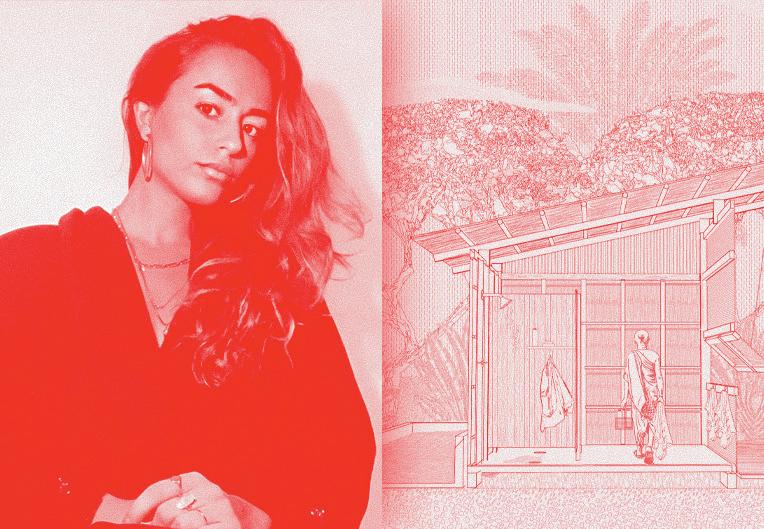
of the Go Friday design contest, sponsored by the University of Miami School of Architecture and the Portugal-based design firm.
Lauren Elia, a spring 2023 graduate of the School of Architecture, earned the accolade from among 13 students in a summer studio course led by Veruska Vasconez, lecturer at the school. The students were tasked with designing emergency shelters that could be easily assembled and that did not resemble the usual tents used in refugee camps.
Go Friday collaborated with the school and provided the winner of the top project with a cash prize and a one-week trip to Portugal to visit its headquarters. Isabella Adelsohn received second place for designing a community for the Indigenous population in the Choco province of Colombia. Bennett Kyle Resnick received an honorable mention for his design of a remote shelter village in Freetown, Sierra Leone.
“It was a great surprise,” said Elia. “The other projects were very beautiful, so I was honored.”
Inspired by work she did in high school with an organization called Free the Girls, which helped women who had been victims of sexual abuse and trafficking, Elia set out to build a community that used locally sourced materials and provided opportunities for the women to enhance their dwellings so that they felt ownership over the project.
Mozambique has one of the highest incidences of sexual violence in all of Africa, according to news reports and research conducted by the United Nations and UNICEF.
Called “The Safe Haven of Mozambique,” the project is composed of several modules measuring 10 feet by 10 feet that house bedrooms and communal bath areas for the women and their children. Additional areas included a community center for group activities, a communal kitchen, and a rain garden where residents could meditate in a safe space.
The project could be as small or as large as needed, Elia noted. And modules can be easily added to accommodate more residents.
have panels with joinery that easily can be snapped into other prefabricated panels, as well as thatching for the roof that could be made of light fabric or palms woven by the Mozambique women.
“The thatched roofs are made out of palms,” she said. “The women could help with this work, and it would give them a sense of purpose. They could also pass on this knowledge to other women.”
Vasconez said the winning design “beautifully captured the essence of community resilience by seamlessly integrating the local culture and addressing the area’s specific needs. It stood out for its thoughtful incorporation of Indigenous elements, reflecting a deep understanding of the community’s identity.”
And, she added, “the emphasis on creating a sense of community was evident in every design aspect, fostering a spirit of togetherness and mutual support.”
Elia designed the project with the goal of creating a place where abused women could feel a sense of community.
“These women have been through so much that I don’t know if they ever will feel safe,” she said. “But I think that having a place that is their own instead of living on the streets or with some random person will provide them some sort of comfort.”
Photograph and rendering by Lauren Elia.
The safe spaces for women in Mozambique, created by former student Lauren Elia, captured the top honor in a contest sponsored by the School of Architecture and Portugal-based firm Go Friday.
By Barbara Gutierrez, UM News
A multi-unit residential community set in the flatlands of Mozambique, Africa, to house women who are escaping sexual trafficking and abuse, earned the top prize
She designed each area using local hardwoods and bamboo and integrating the landscape of the region, keeping in mind the heavy rains that affect the area and its intense heat. A series of weighted pulleys opened and closed louvers to provide cross ventilation in the rooms.
A special cistern would collect rainwater. And the water would be treated, so it is safe for drinking, she said.
Elia envisioned that the modules would
Curated by Florian Sauter
Learning is a collective experience— to advance personally, it is paramount to engage with and observe the work of others.
Teaching calls for transparency— one, in which during reviews, the curtains are not pulled, but the doors are open, creating an atmosphere of invitation, not secrecy.
Sharing is caring: a fundamental prerequisite for the fertile exchange of ideas— for the provocation to resonate, it first needs to be heard.
The gathered assembly, while selective, offers space for different voices— in every open forum of opinions, it requires mutual respect to hear all.
Taking time to reflect on the panorama of diverse expressions is key— being critical implies being constructive and aims to advance the status quo.
Producing is the joy of our profession— transporting ideas from the conceptual to the material while channeling the students’ eagerness to learn and improve.
All creation is related to energy— the challenge is how to unleash those forces, how to conceptualize new beginnings, and how to realize one’s innermost desires.
Full of optimism, despite all imperfections— let us together make that spark burn even brighter.

PROGRAM
Analysis of Urban Form
Utopian City
FACULTY
Jaime Correa, Coordinator
Christopher D’Amico
Andrew Aquart
Maryam Basti
Cristina Canton
Andrew Clum
Steven Fett
Anaydee Morales
Crystal Torres
Yasmine Zeghar

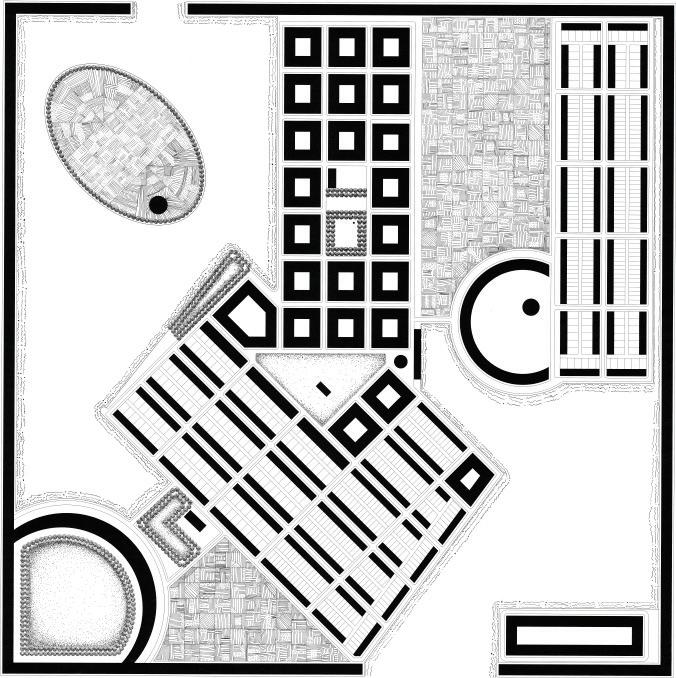
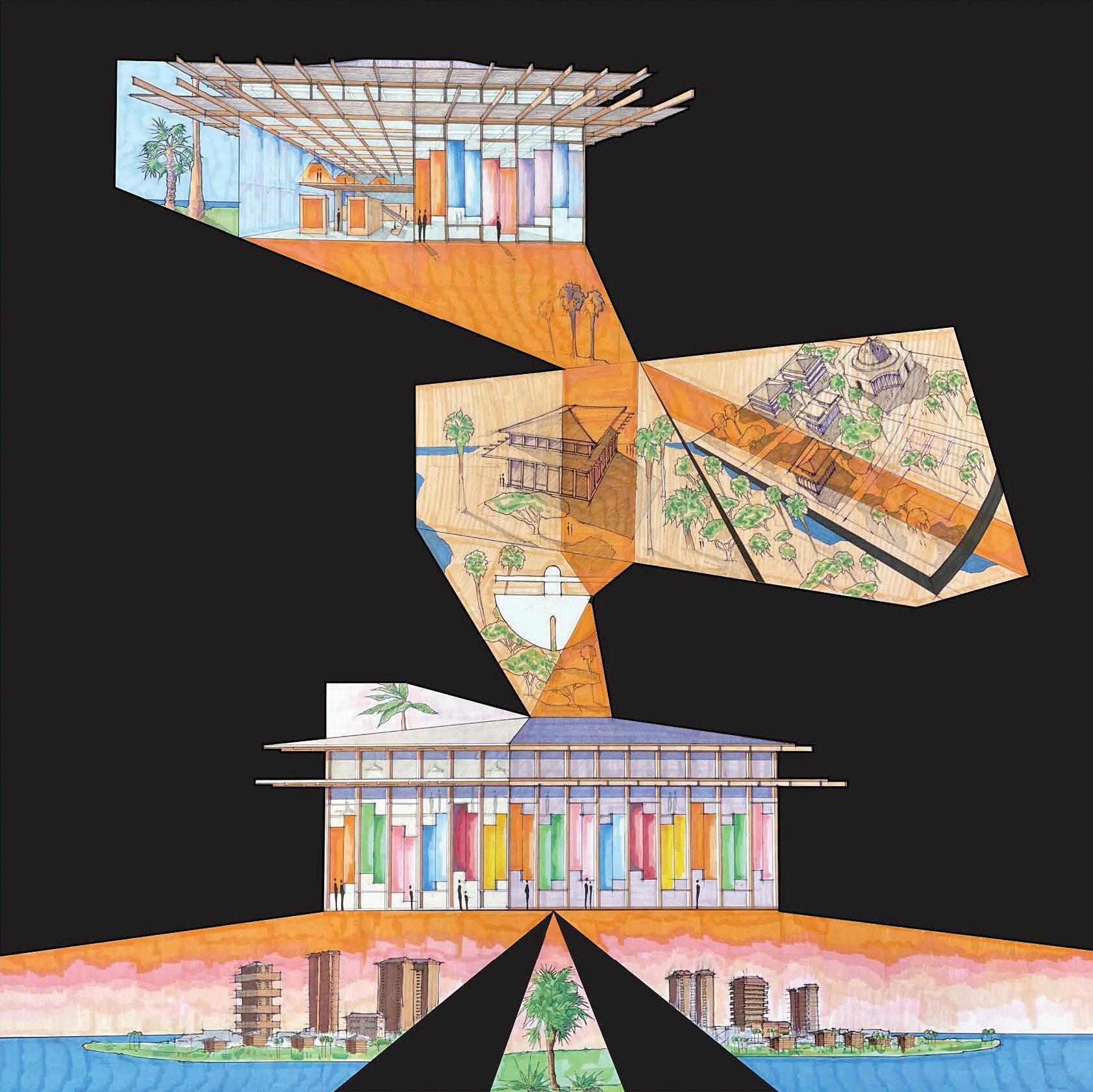

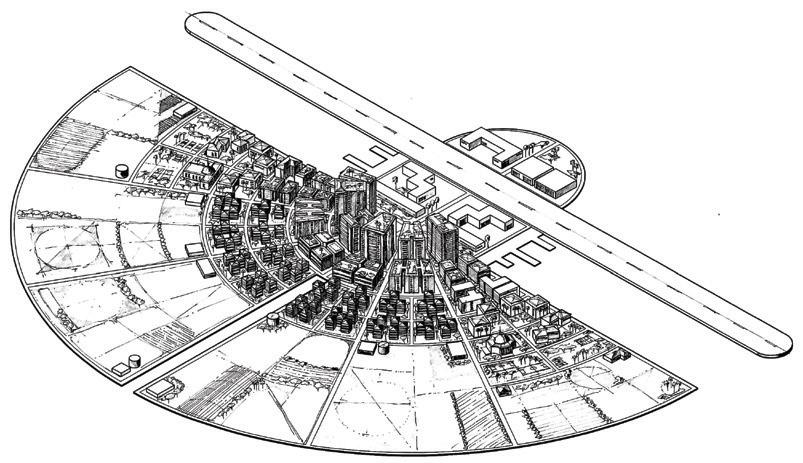
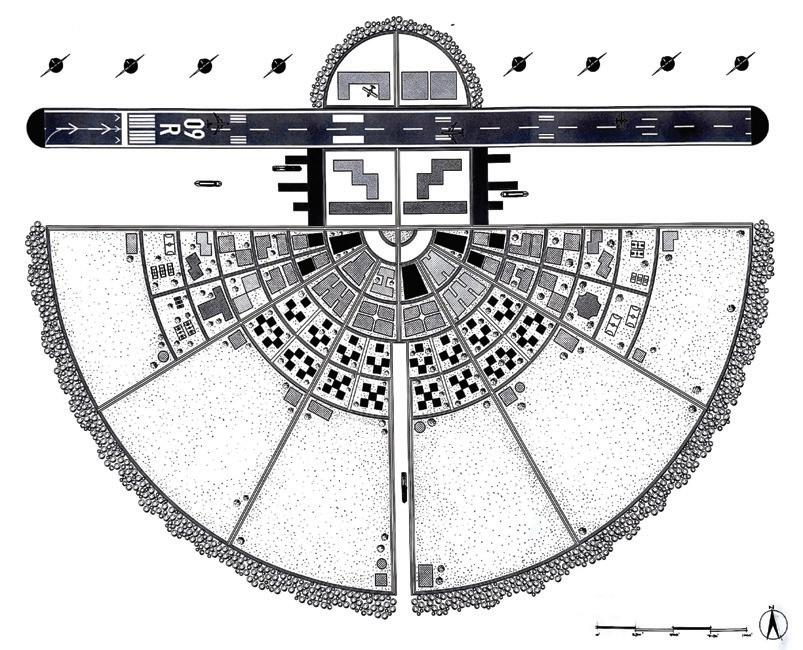

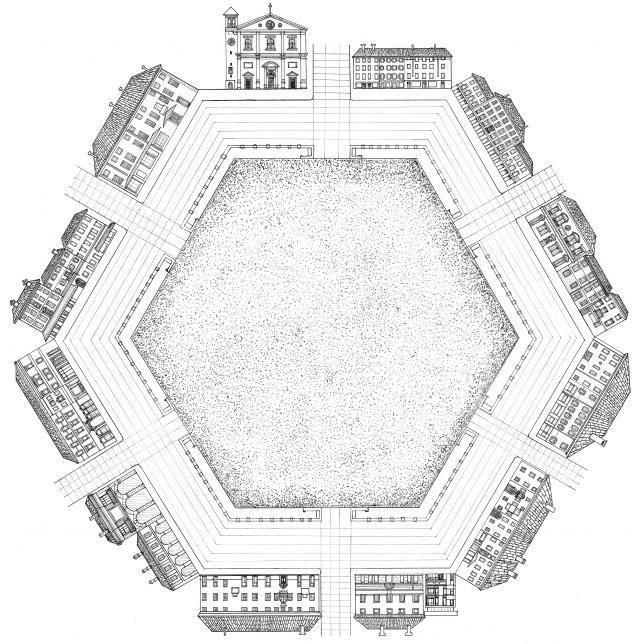
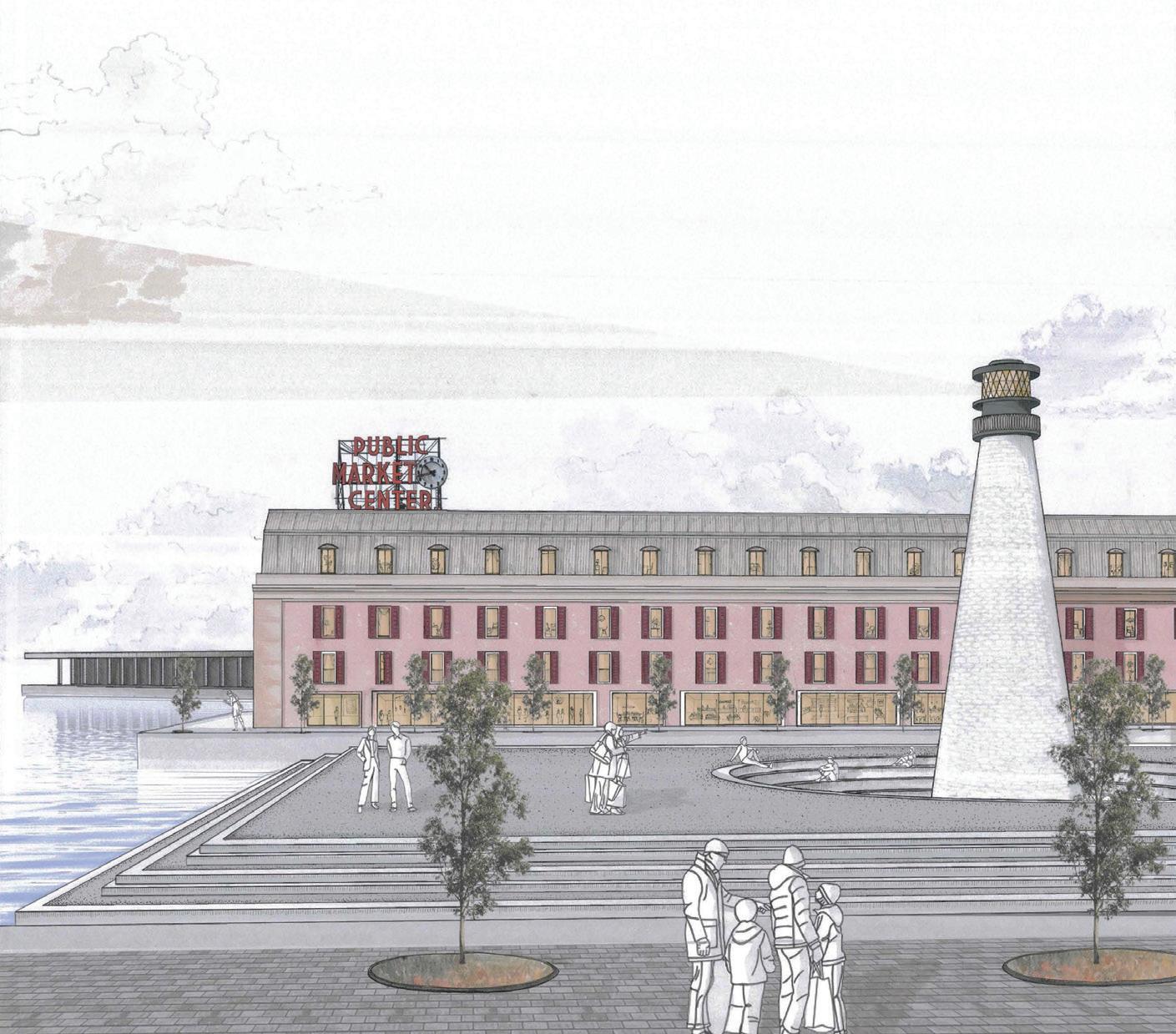
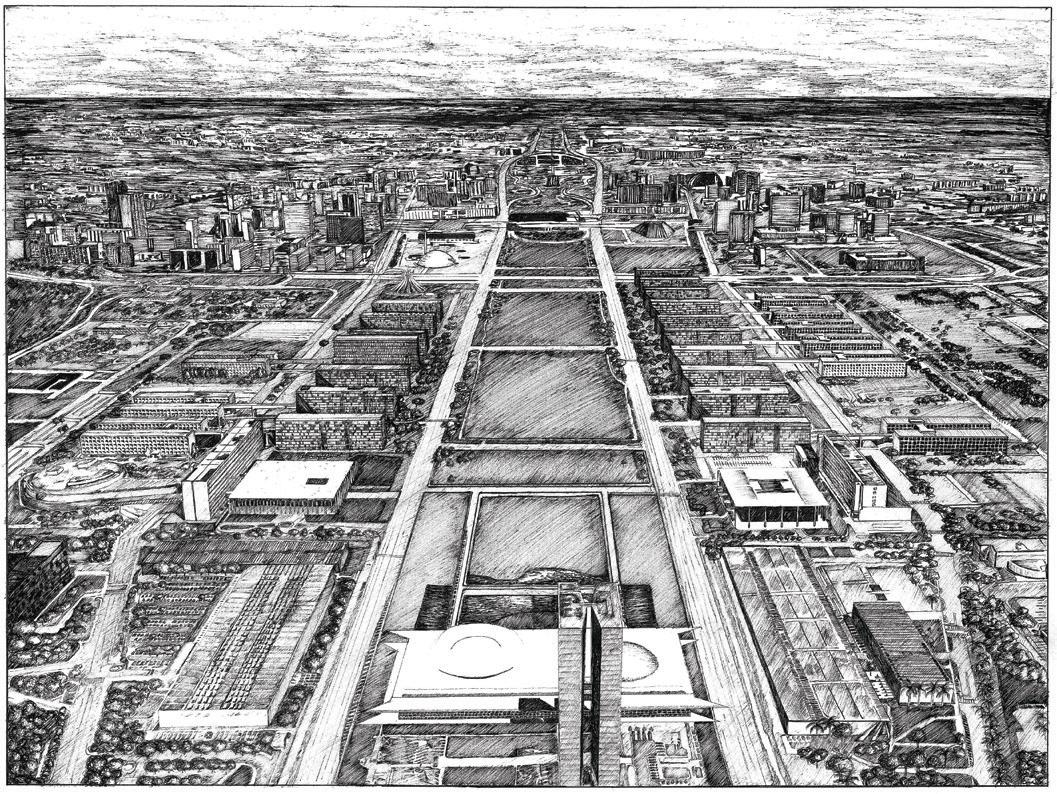
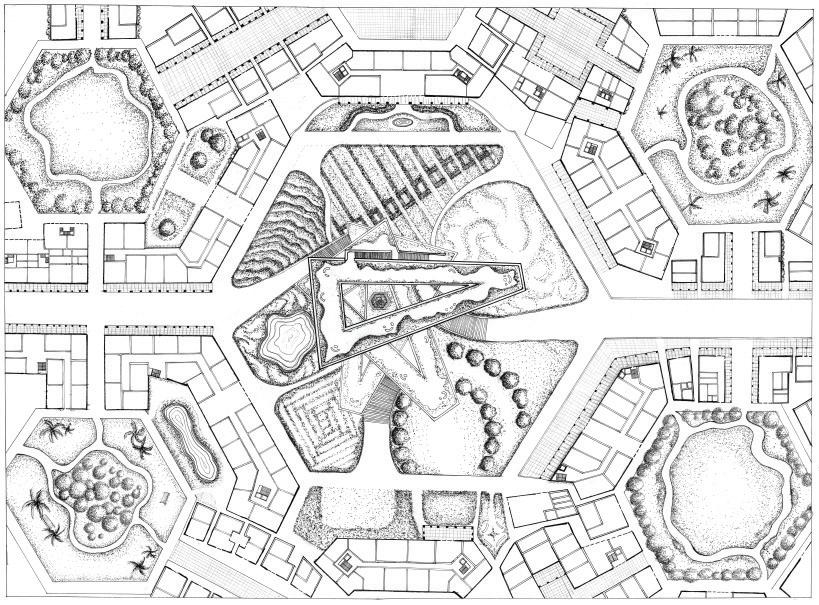
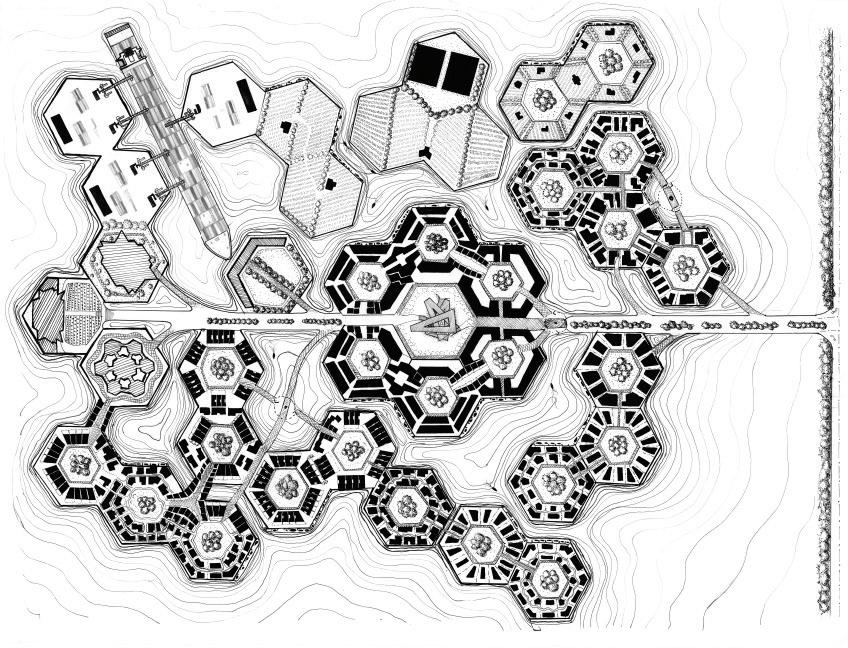
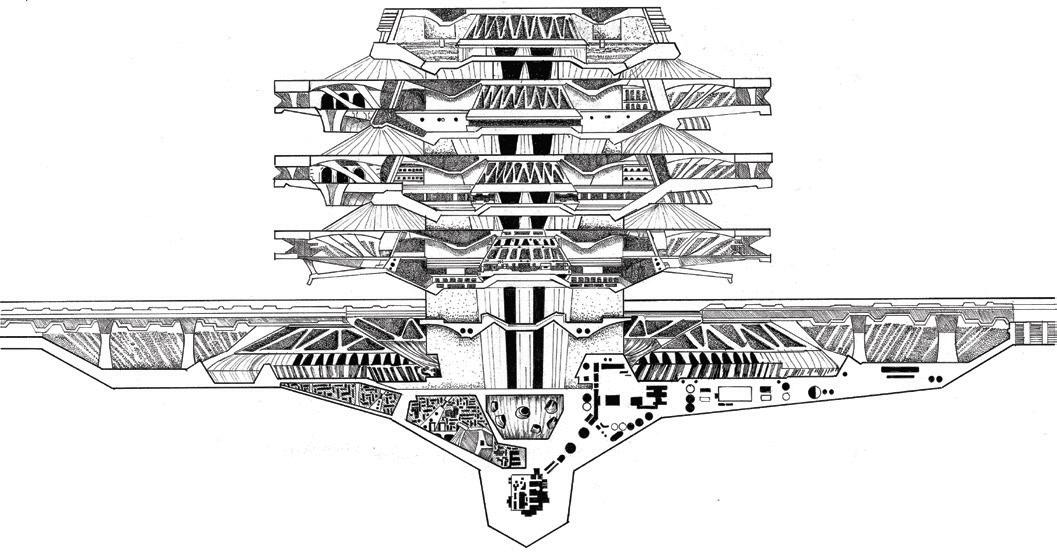
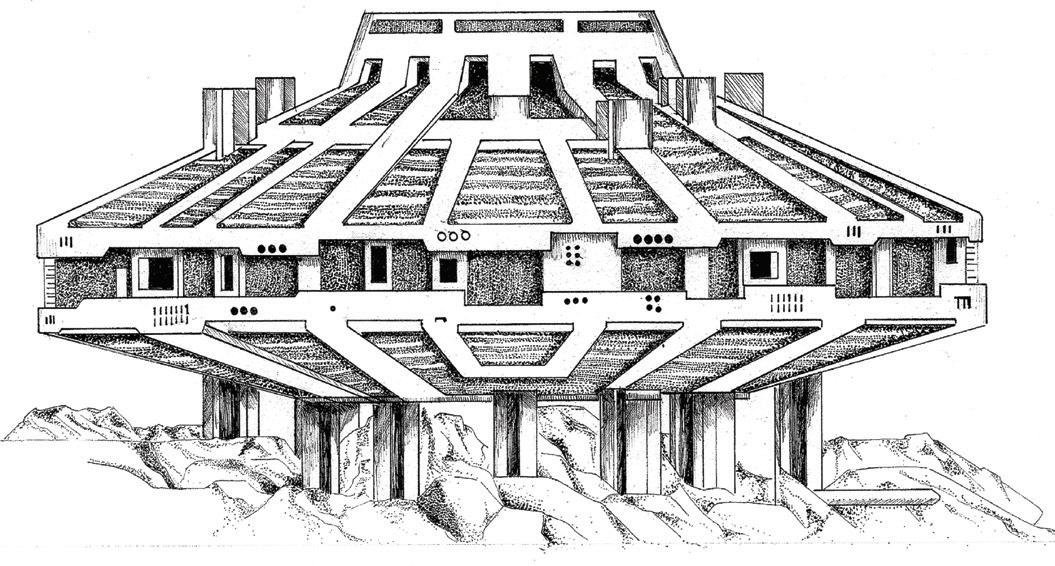
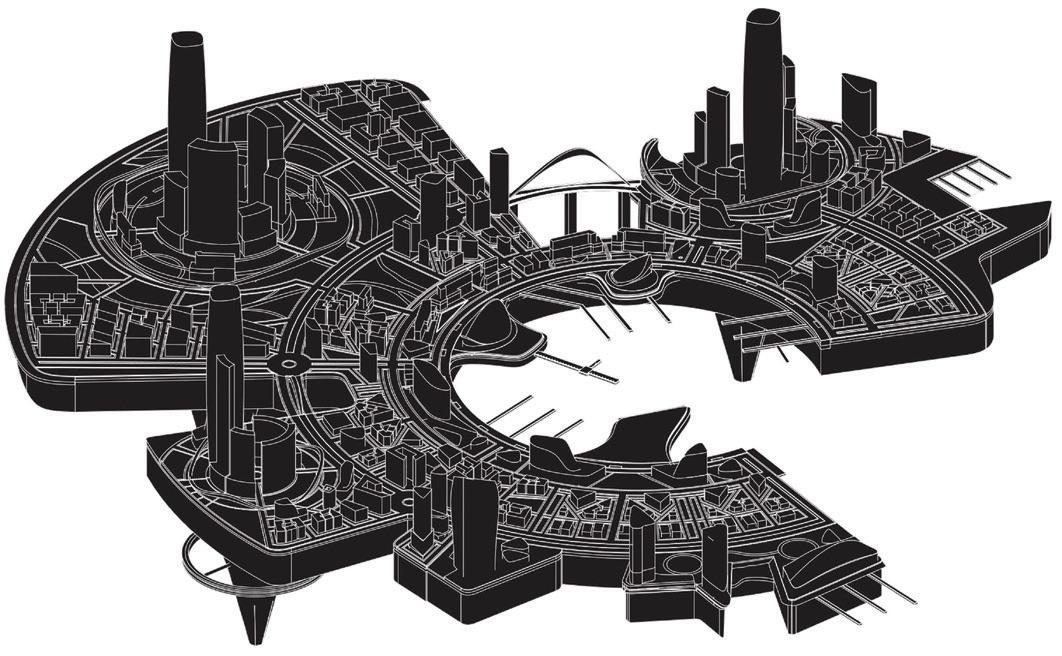

Bar / Meditation Center
Campus University of Miami, FL
Charlotte von Moos, Coordinator
Andrew Aquart
Christopher D’Amico
Carolina Calzada
Andrew Clum
Israel Martinez
Shawna Meyer
Maclane Regan
Gabriel Soomar
Crystal Torres
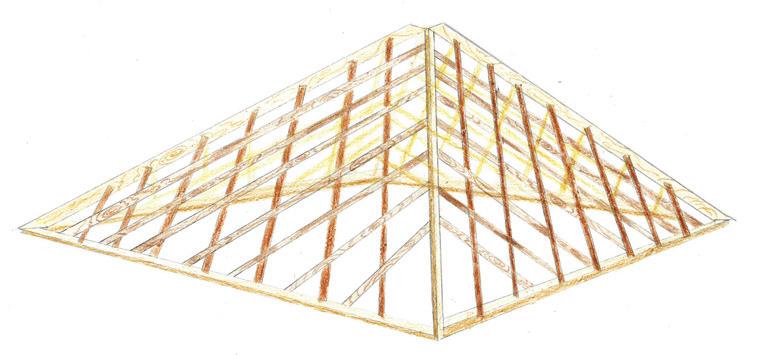
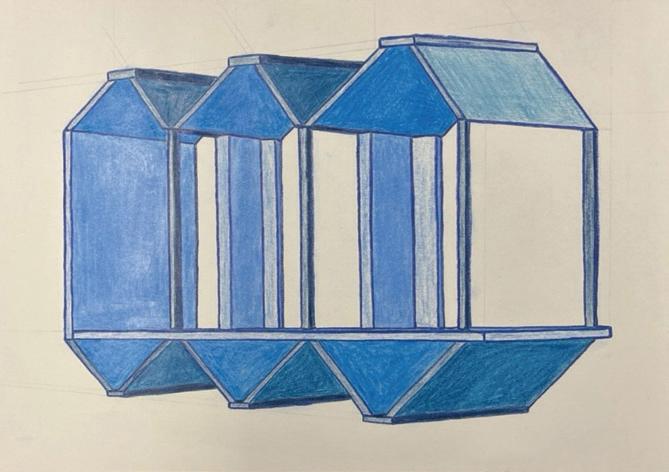
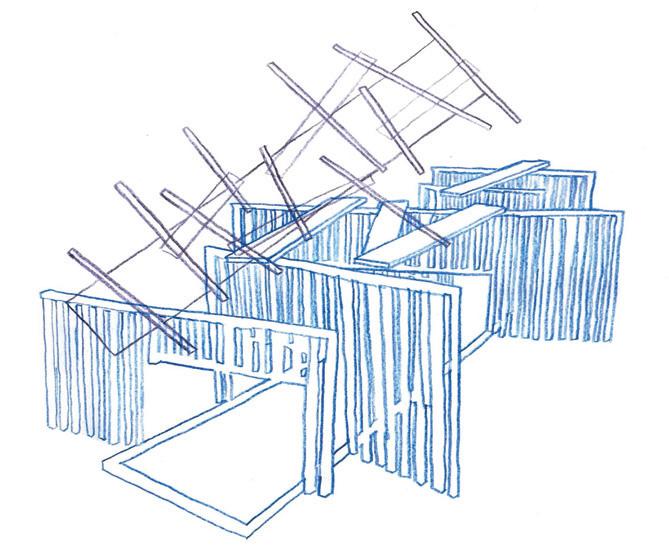



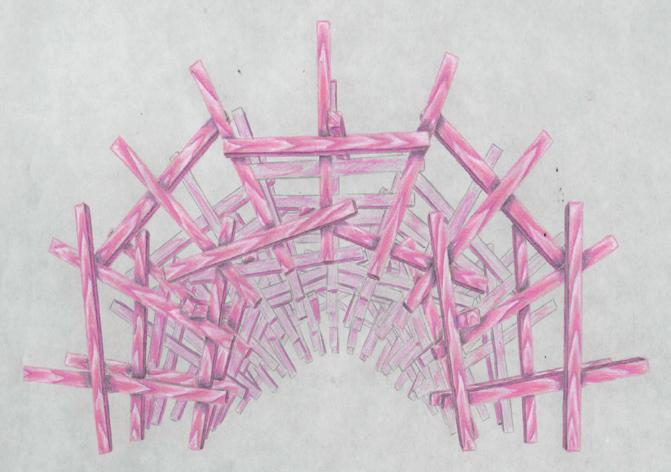

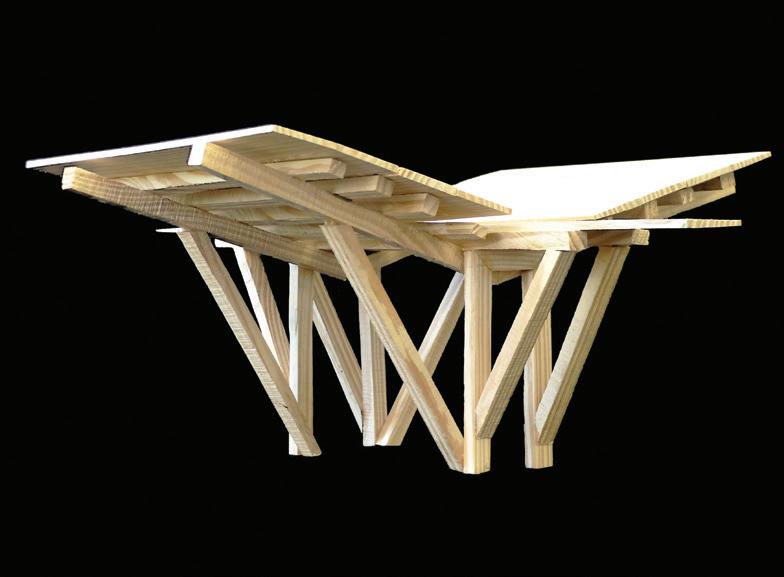





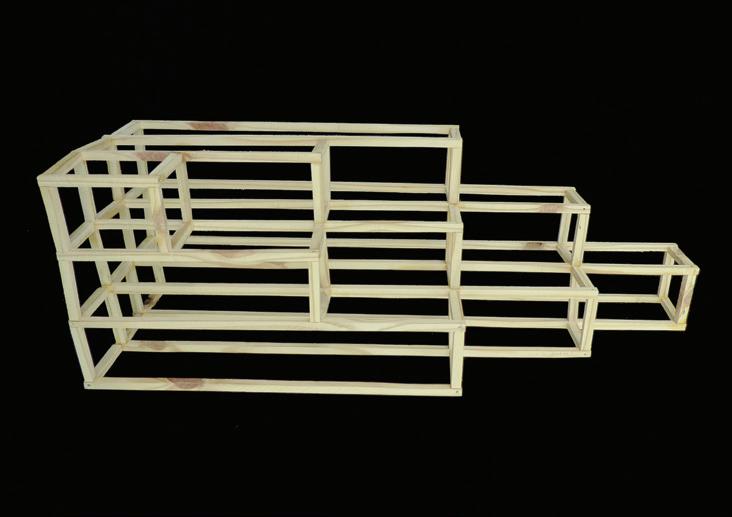

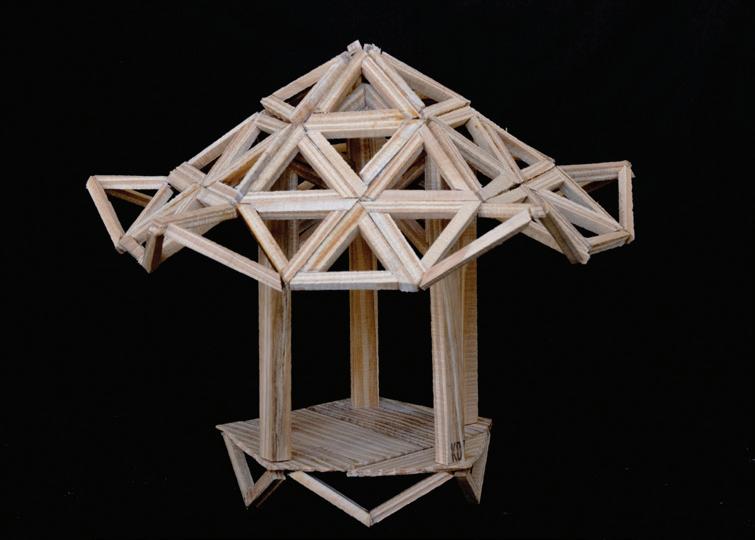
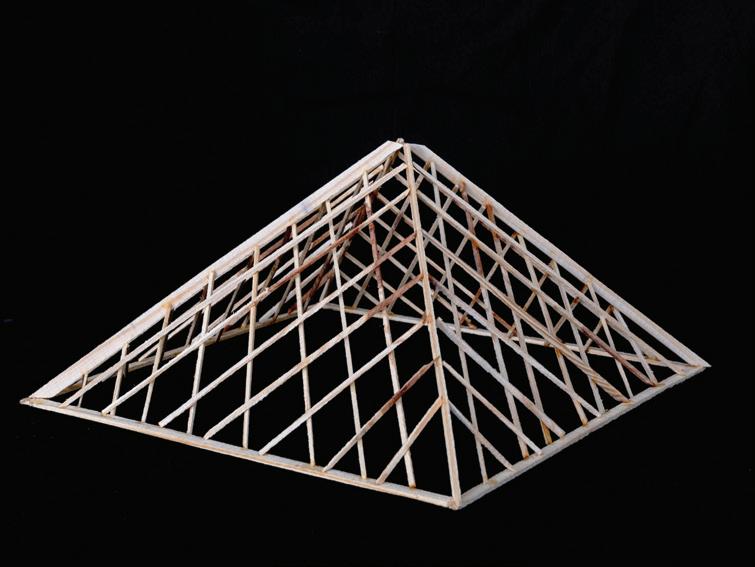
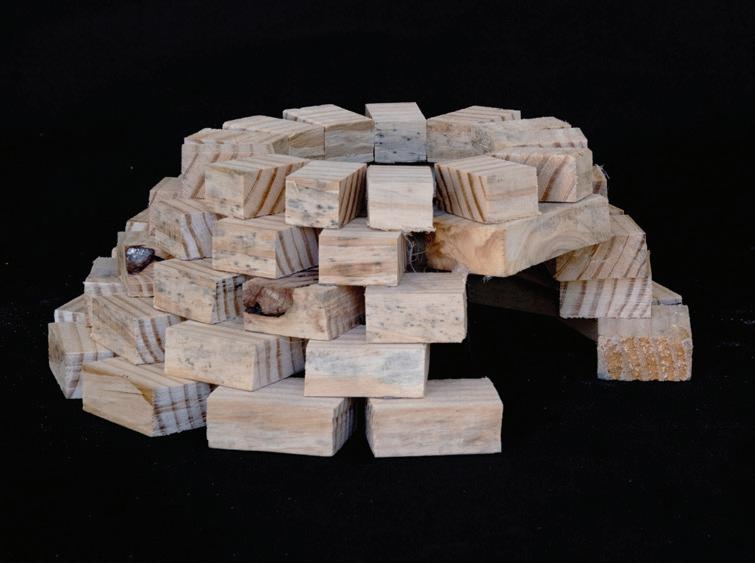

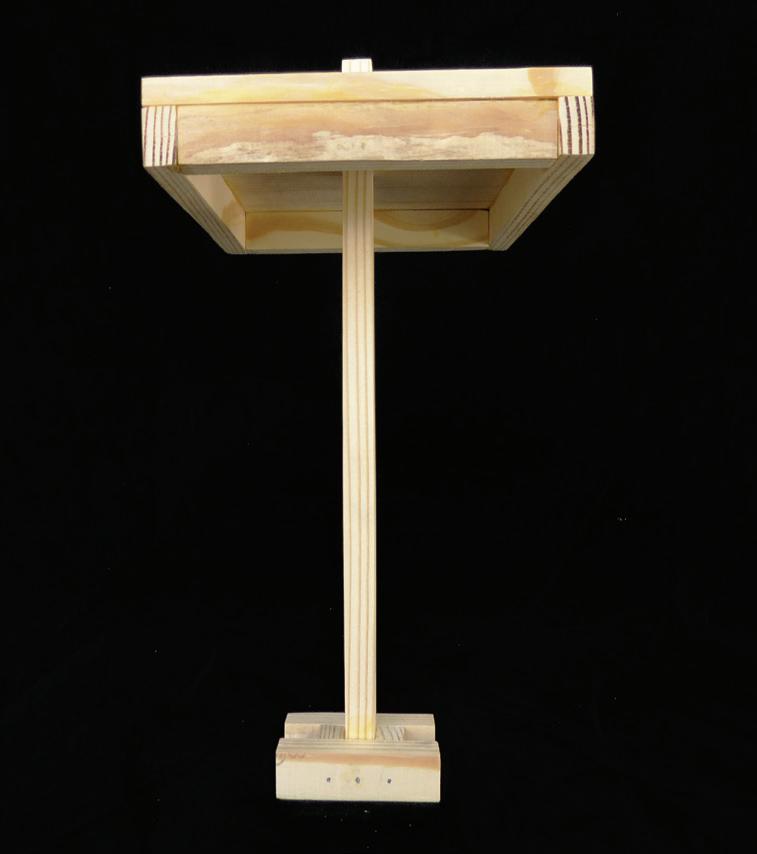
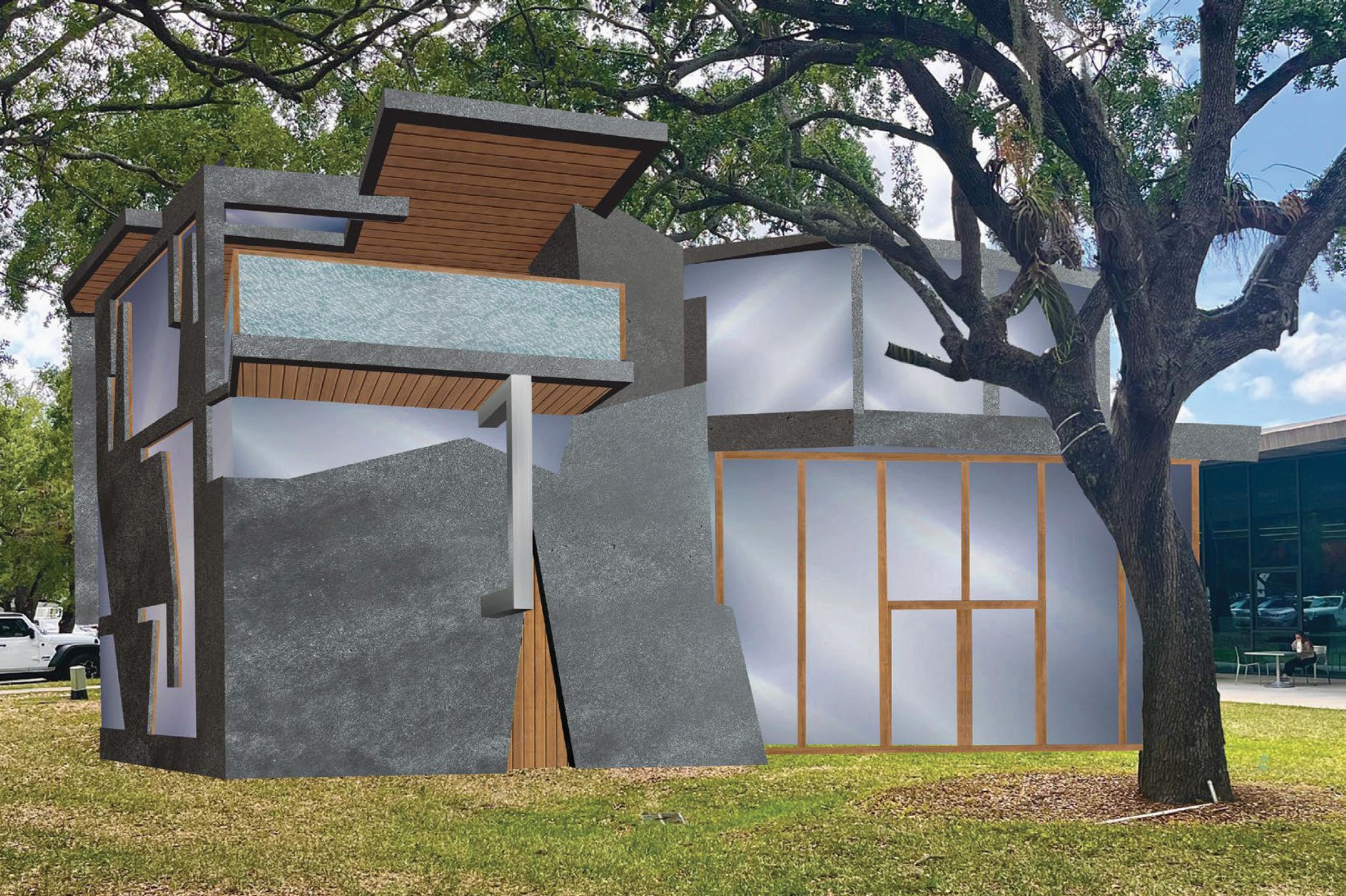
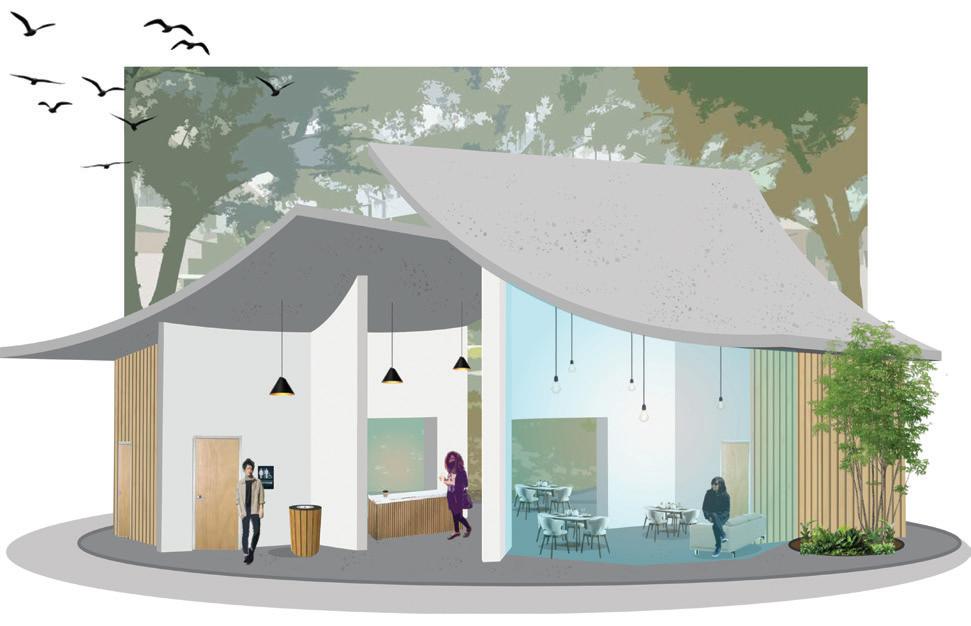
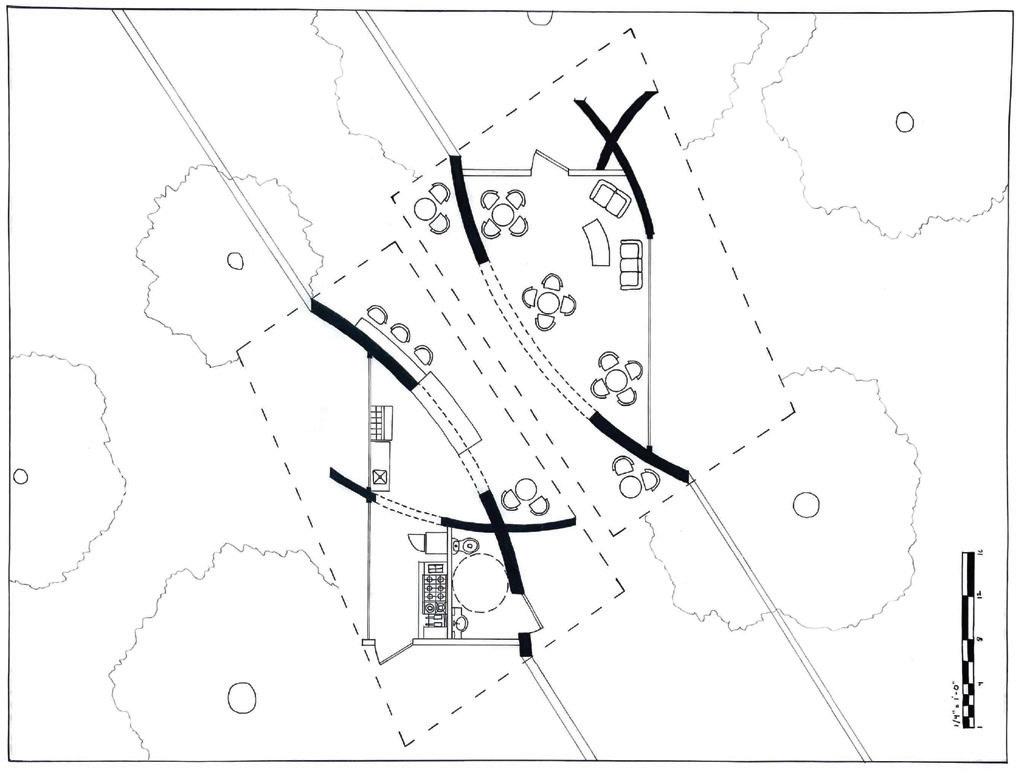
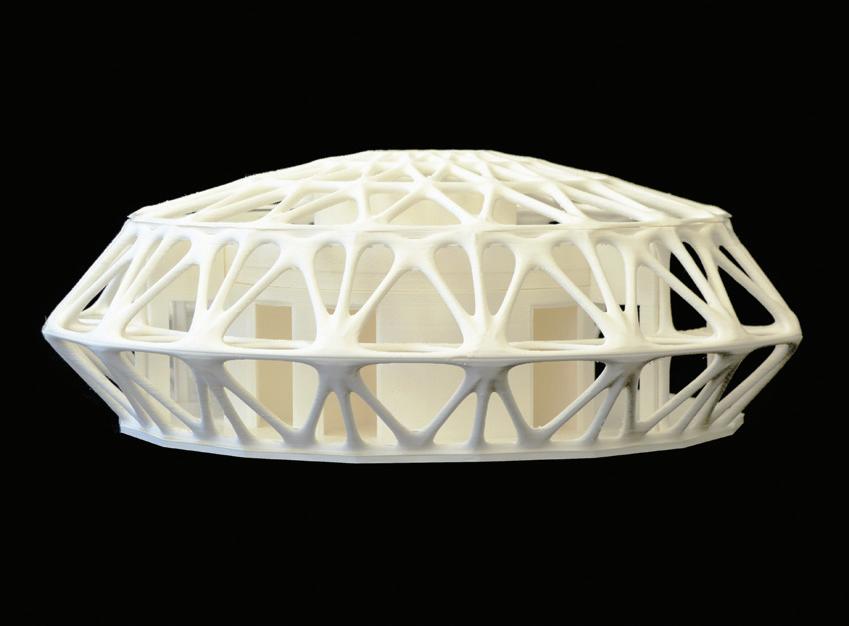
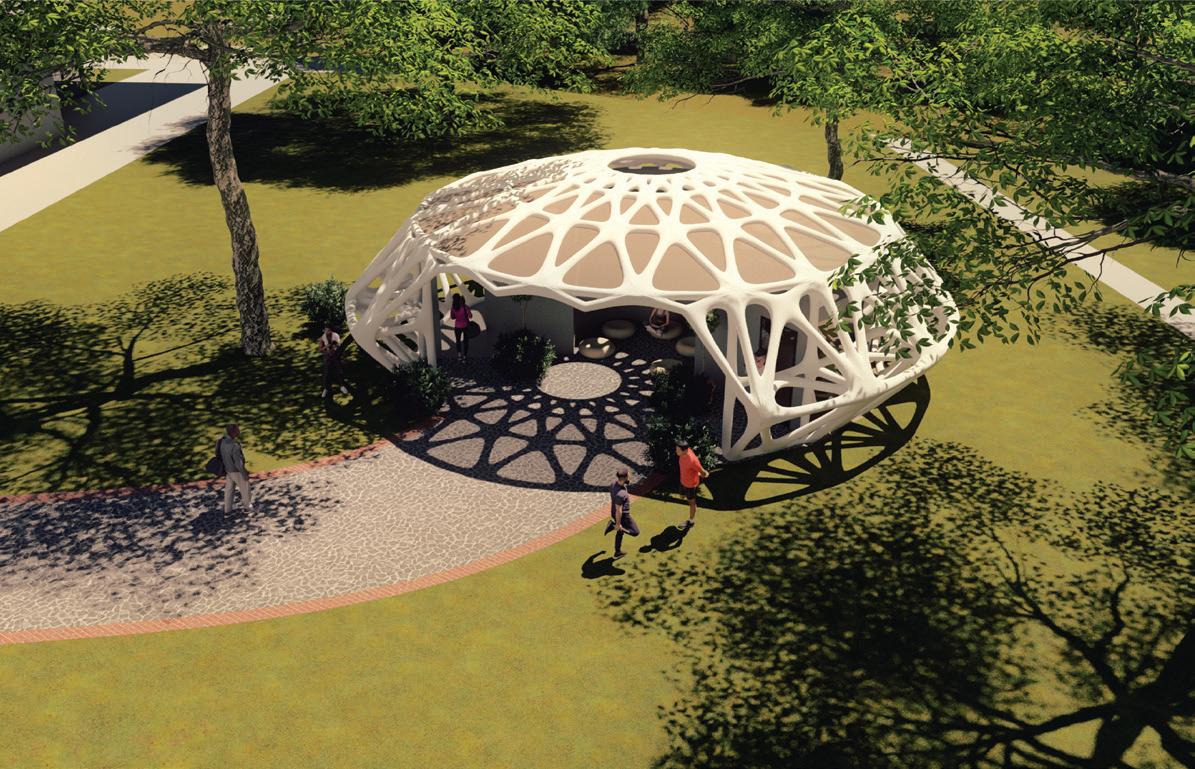
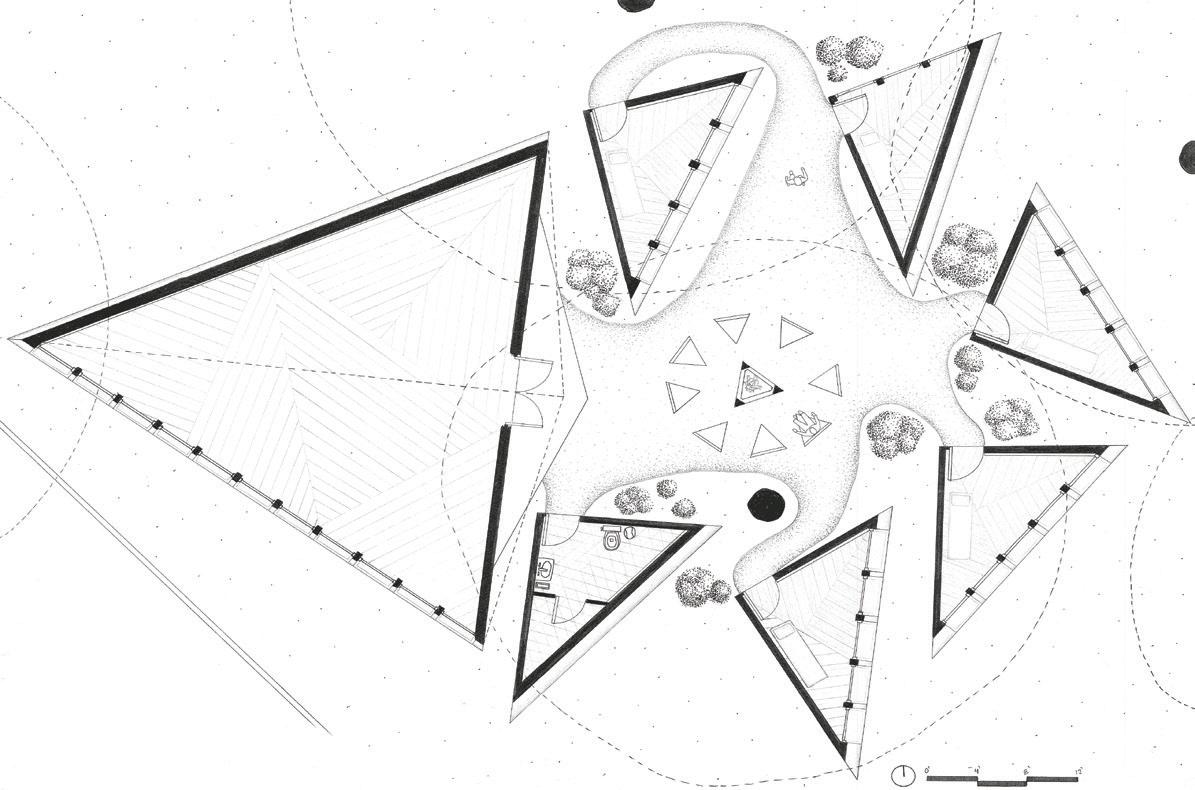
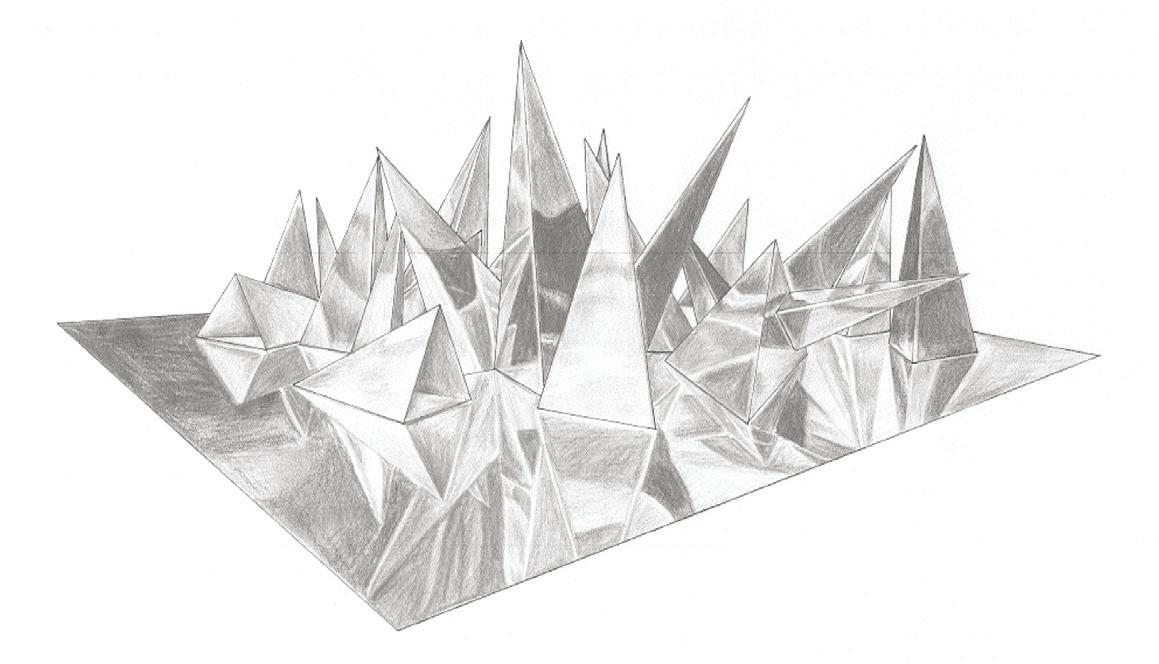
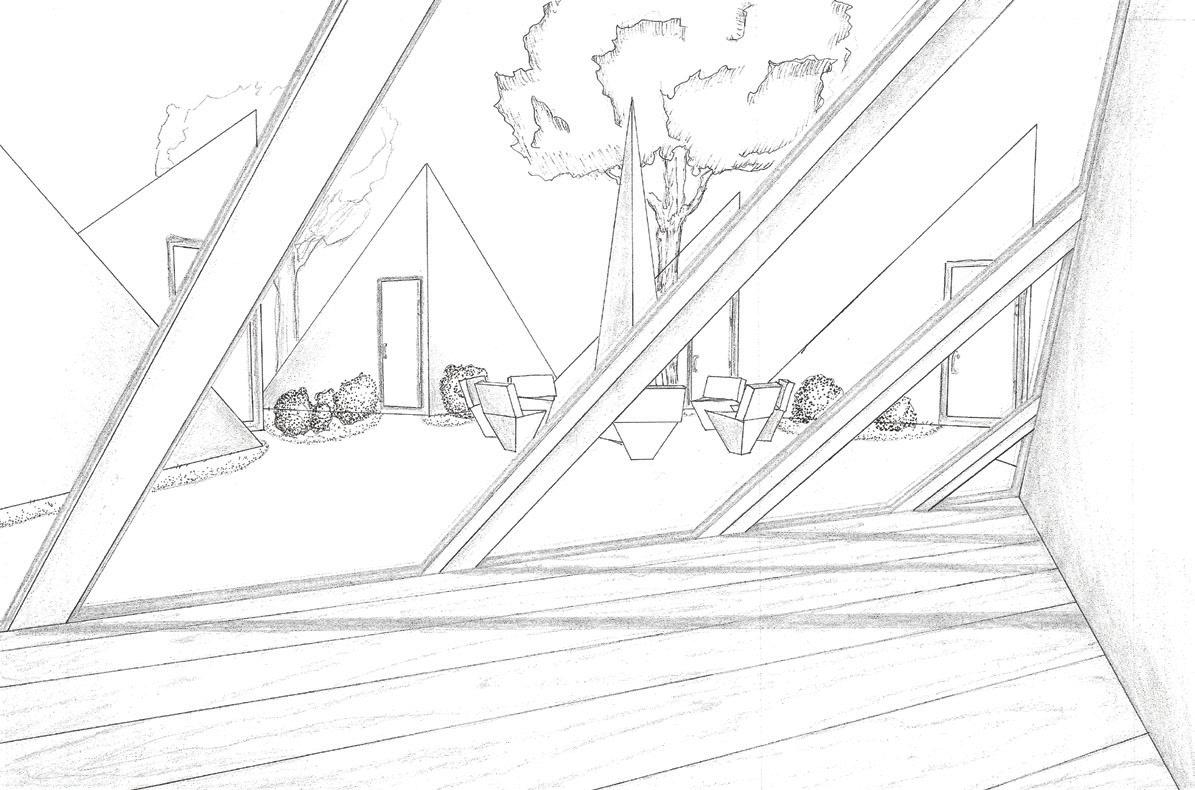
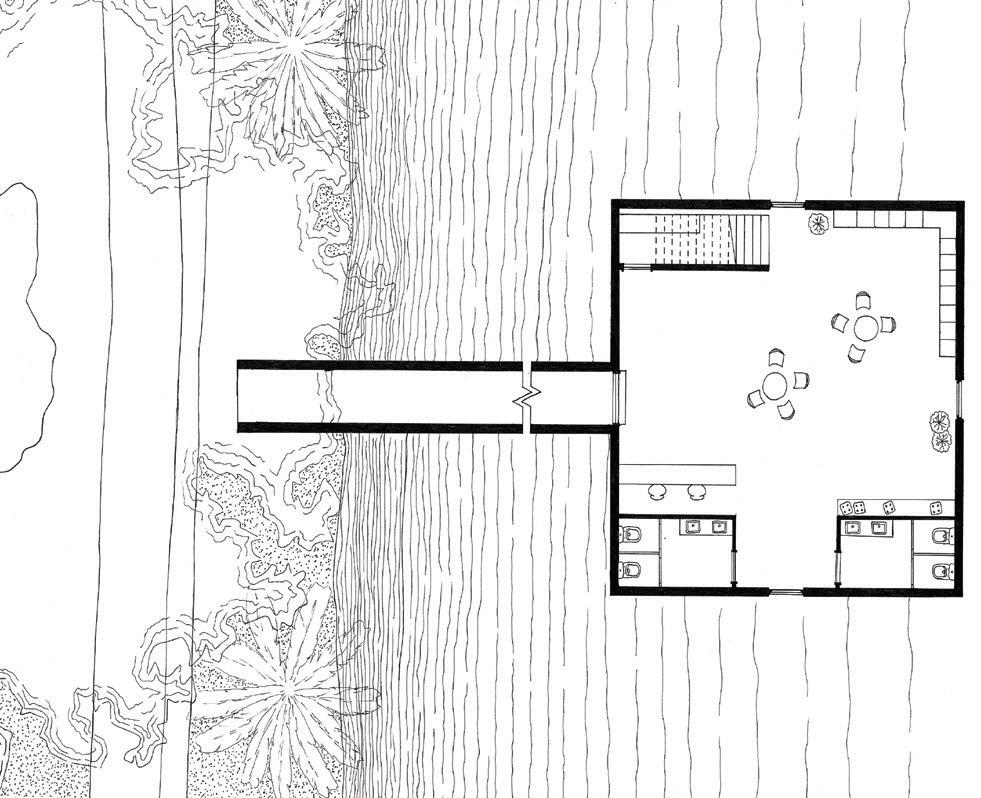
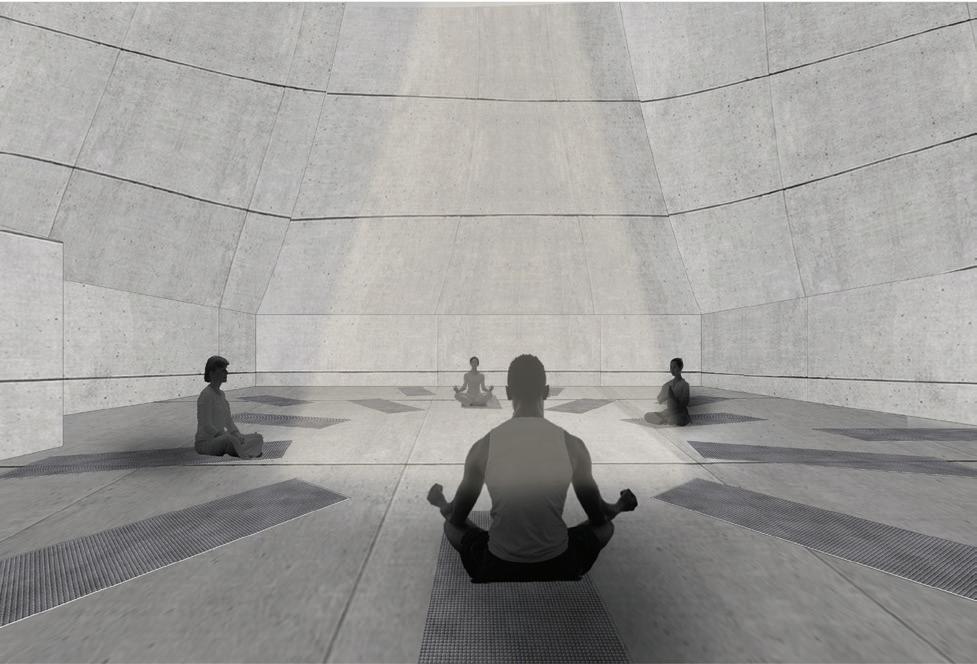
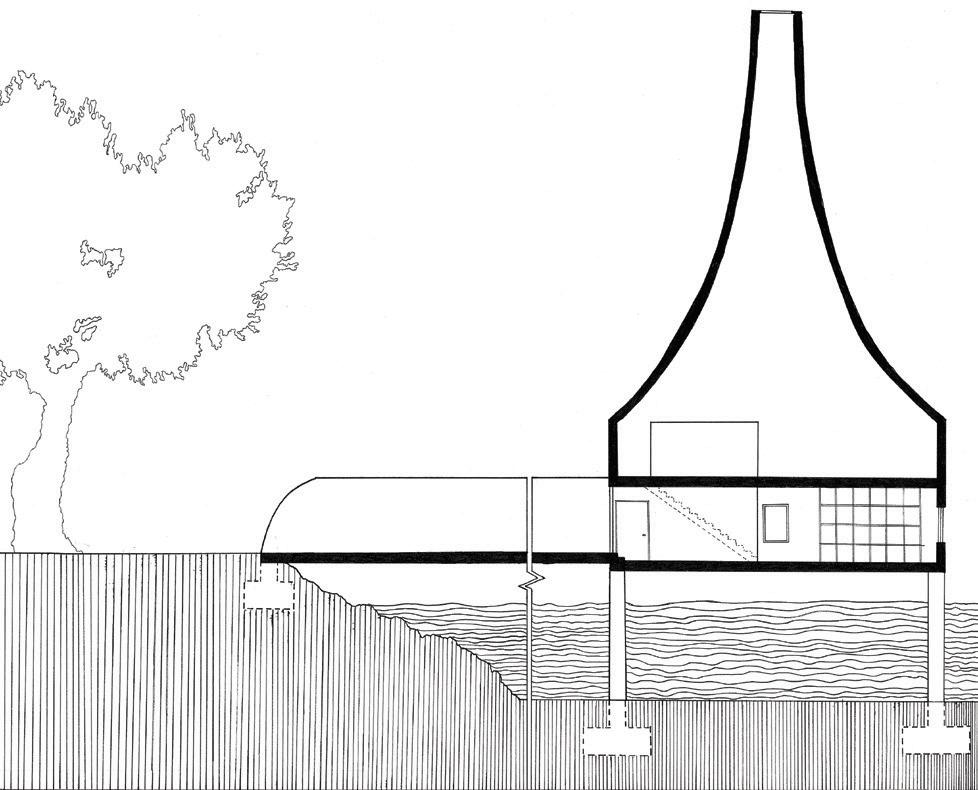
Residential Dwelling Types and Apartment House
St. Augustine, FL
Frank Martinez, Coordinator
Juan Calvo
Carolina Calzada
Alice Cimring
Joanna Lombard
Anaydee Morales
Tomas Tapias
D’Ann Tollett
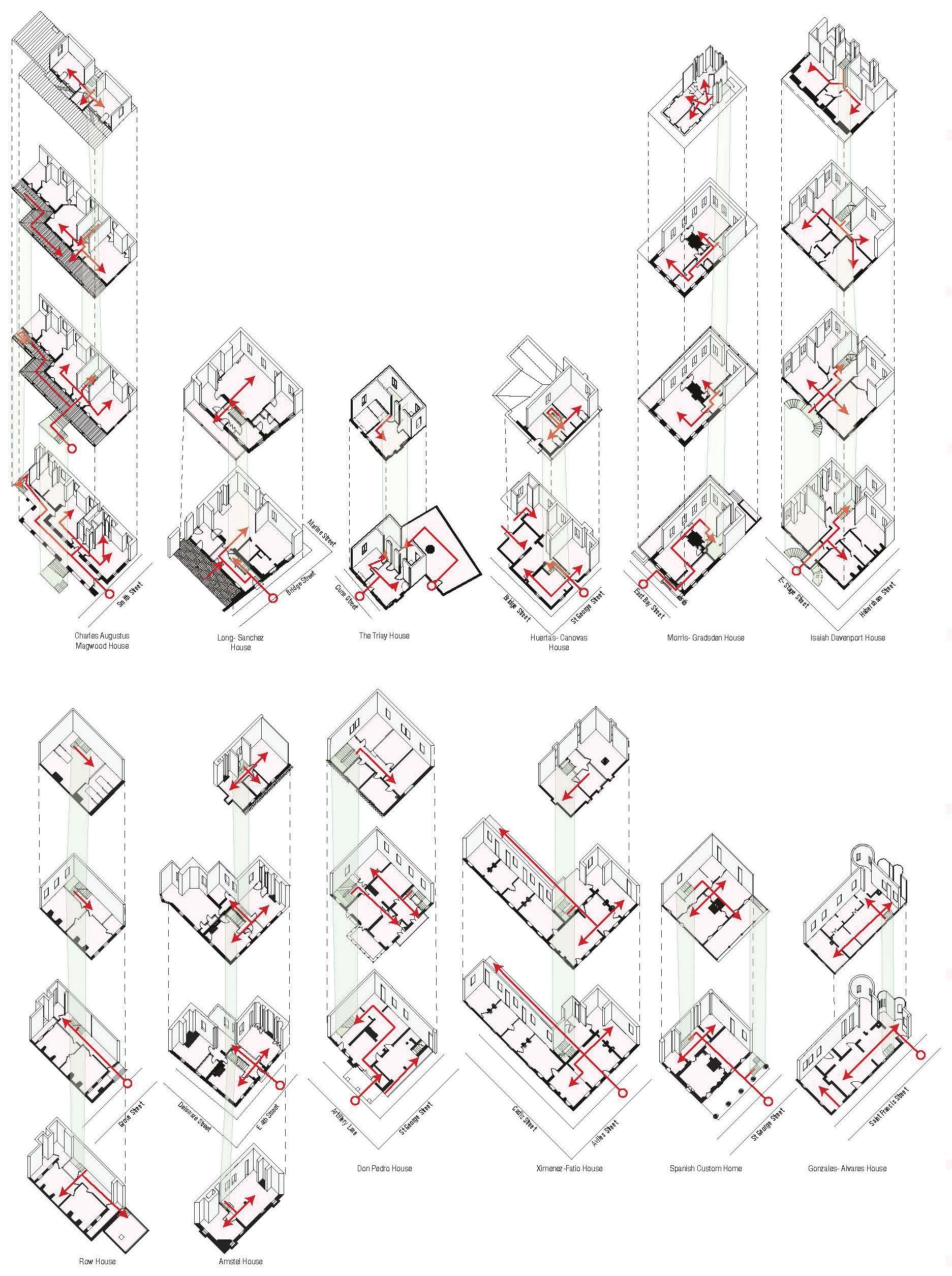
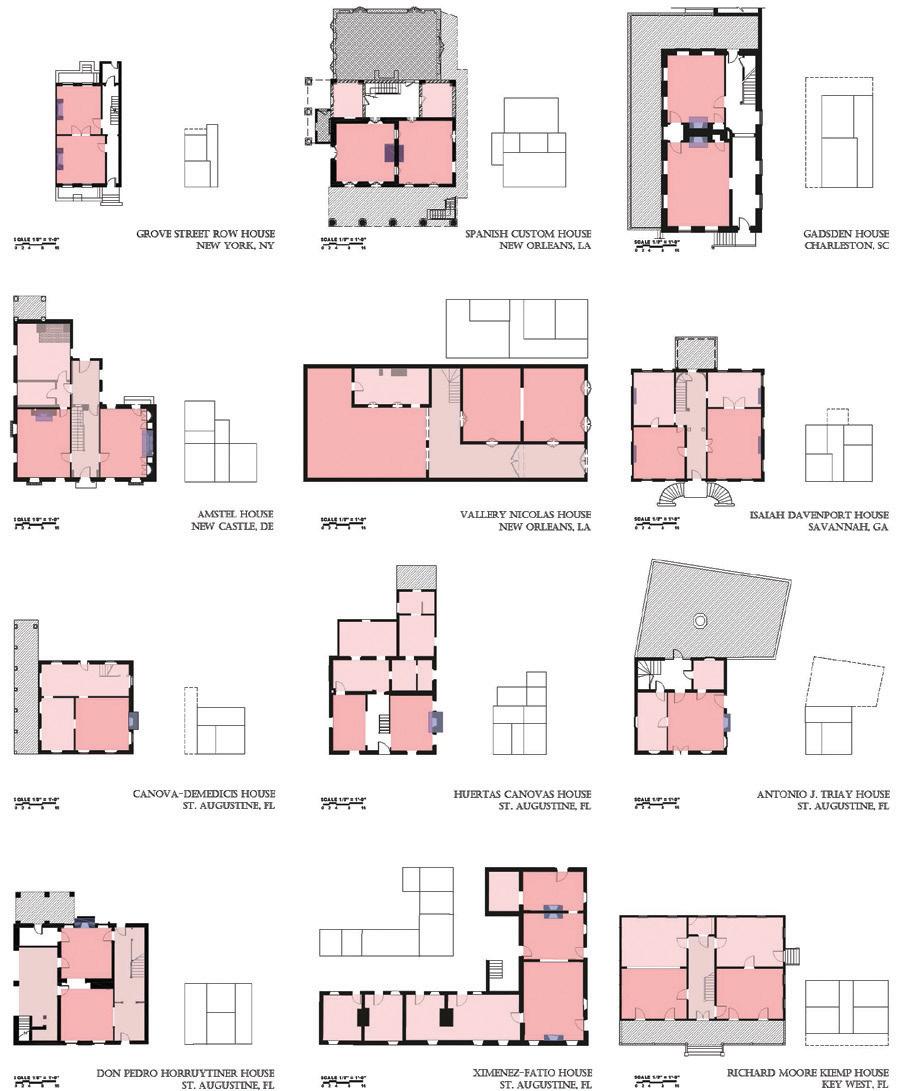
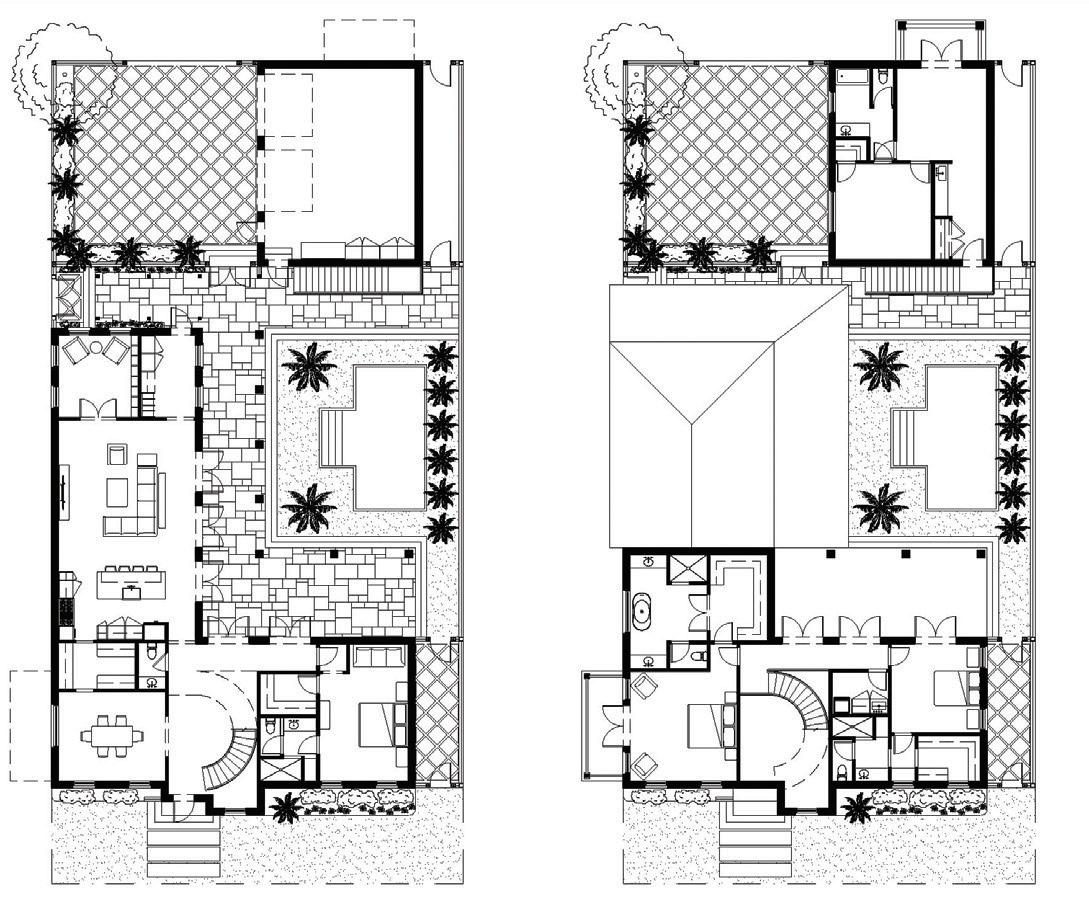
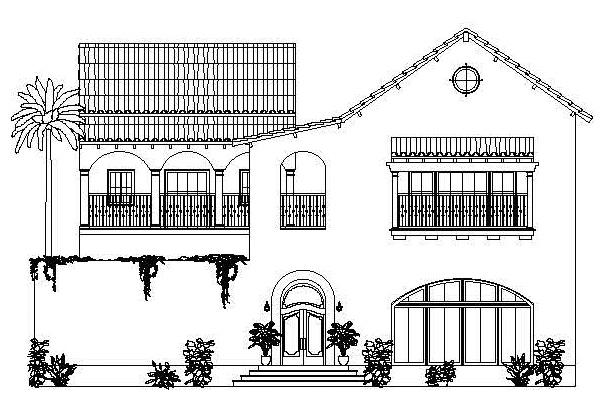
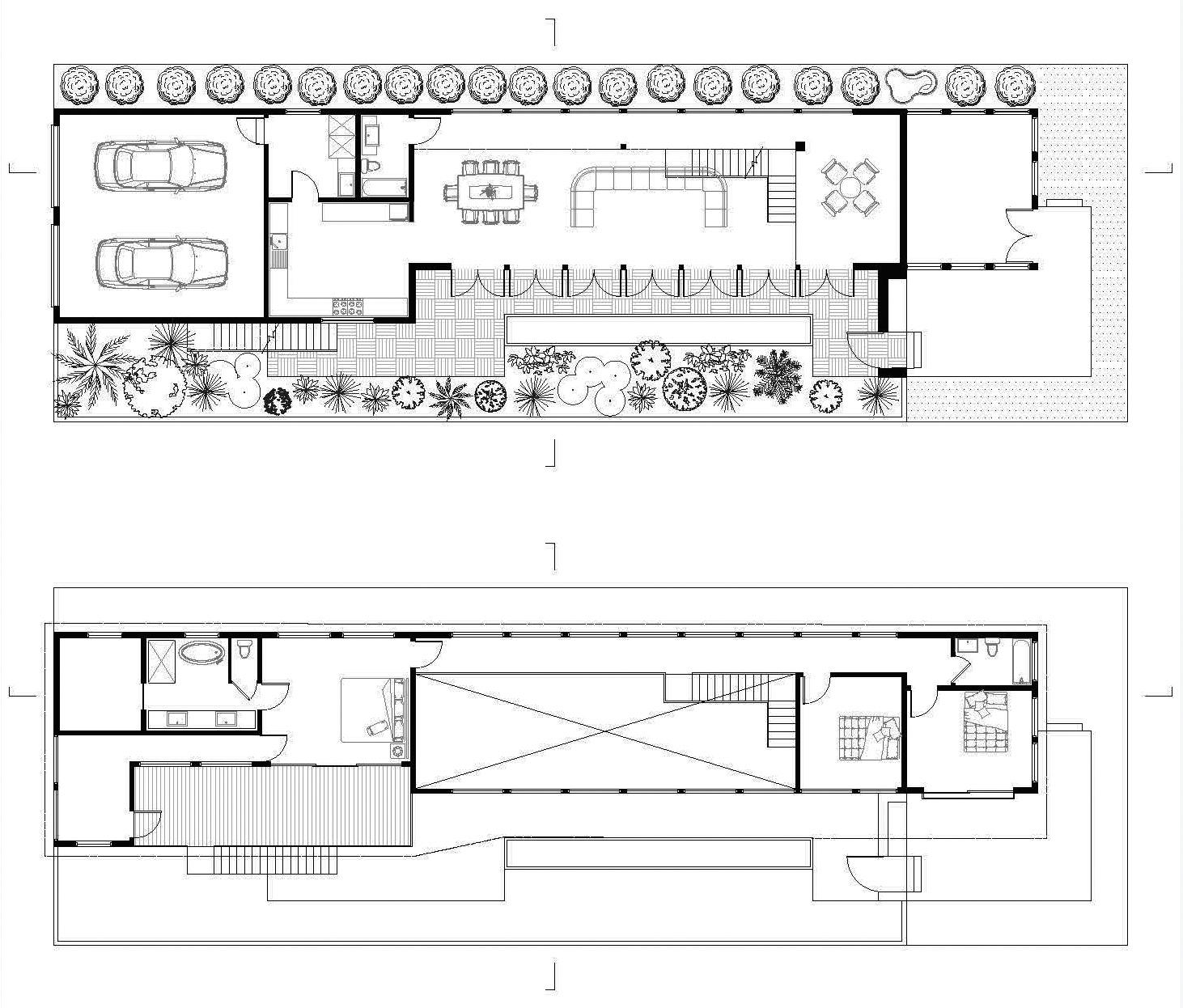
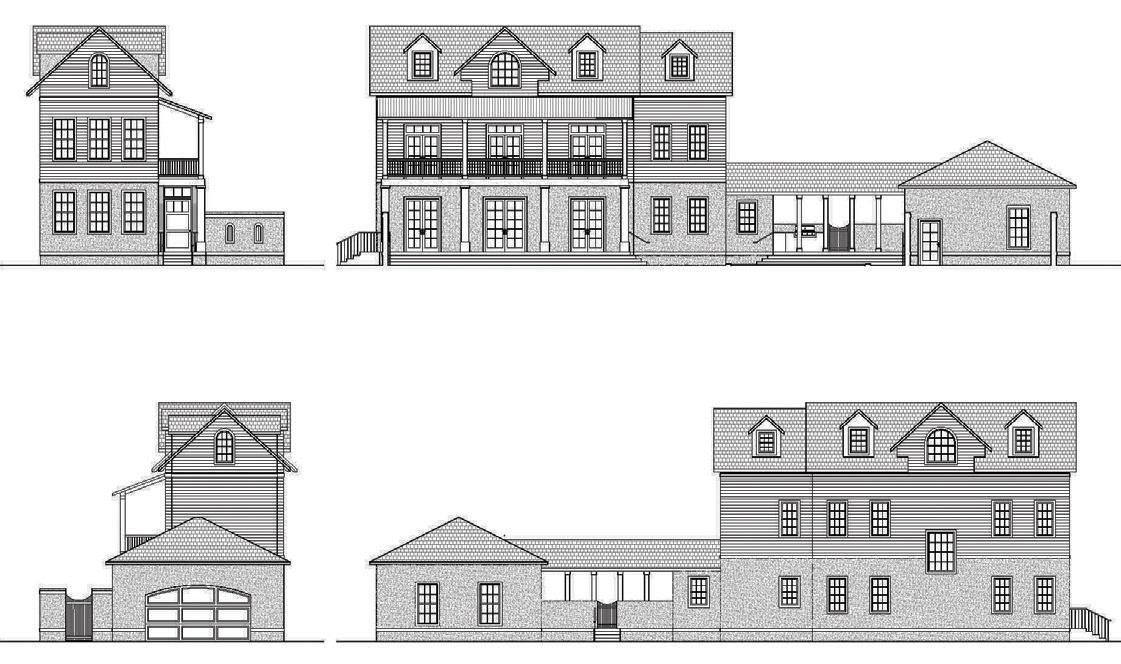
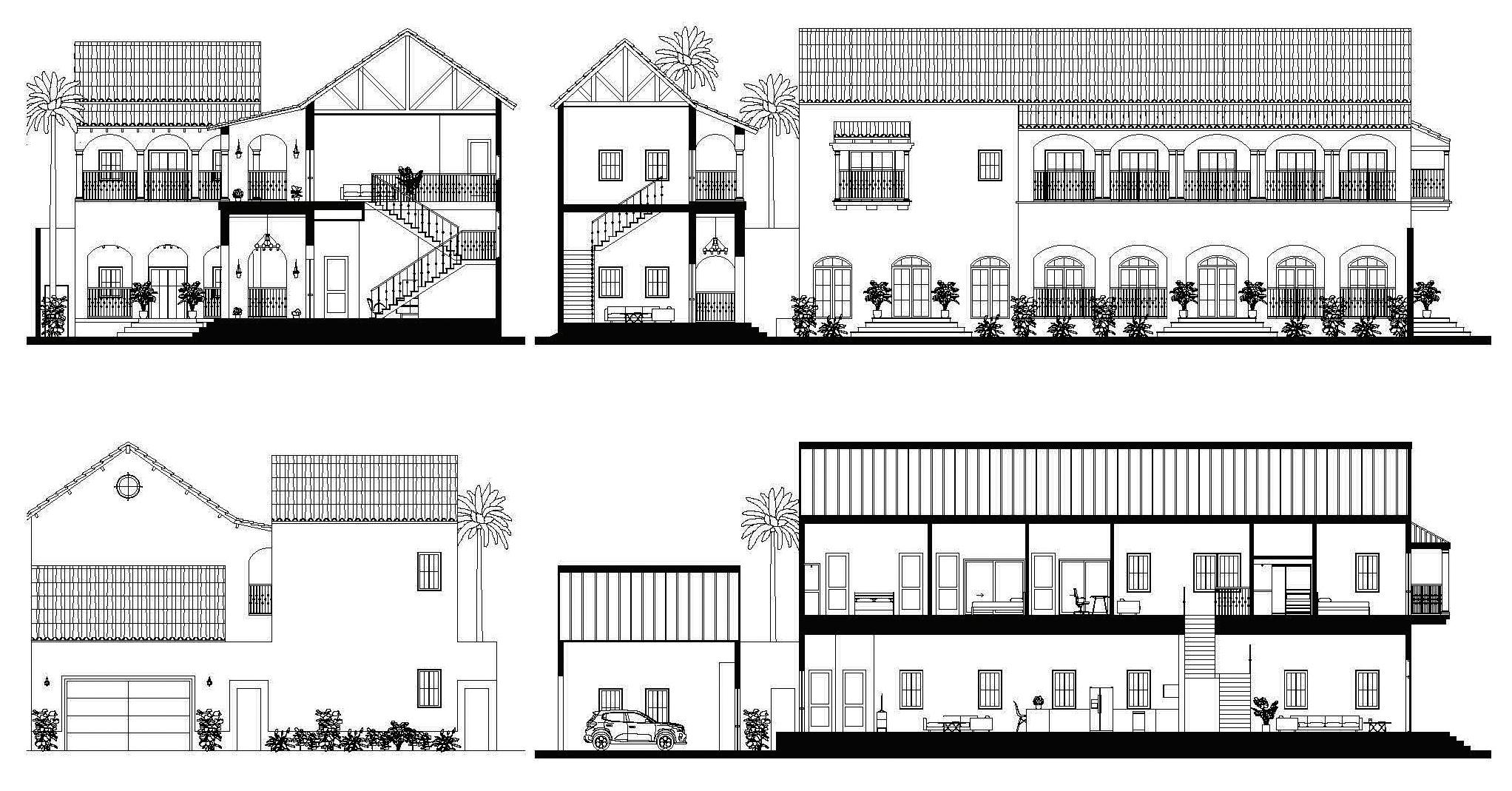
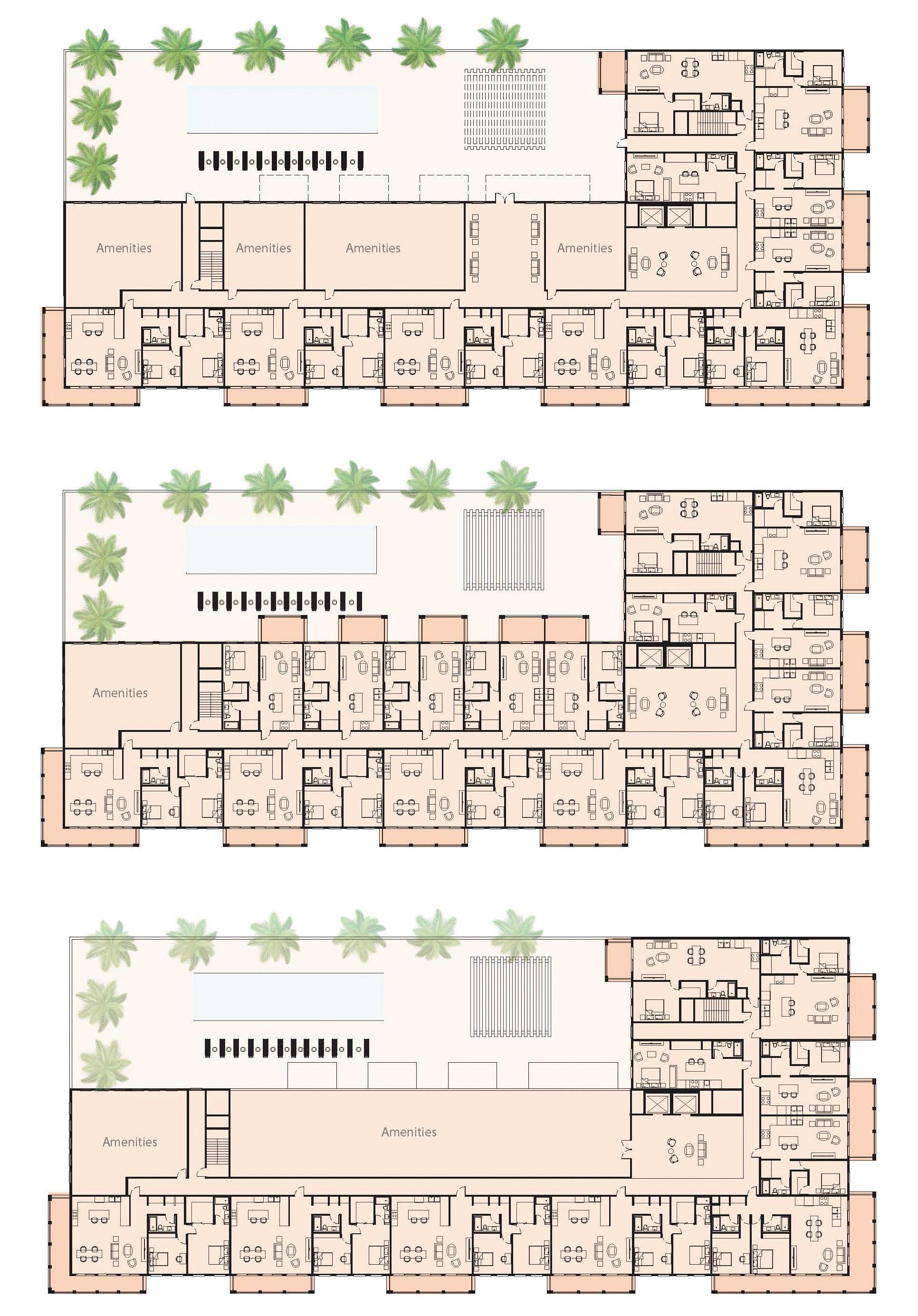
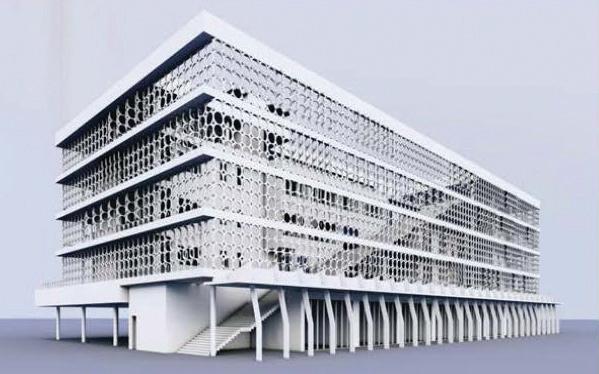
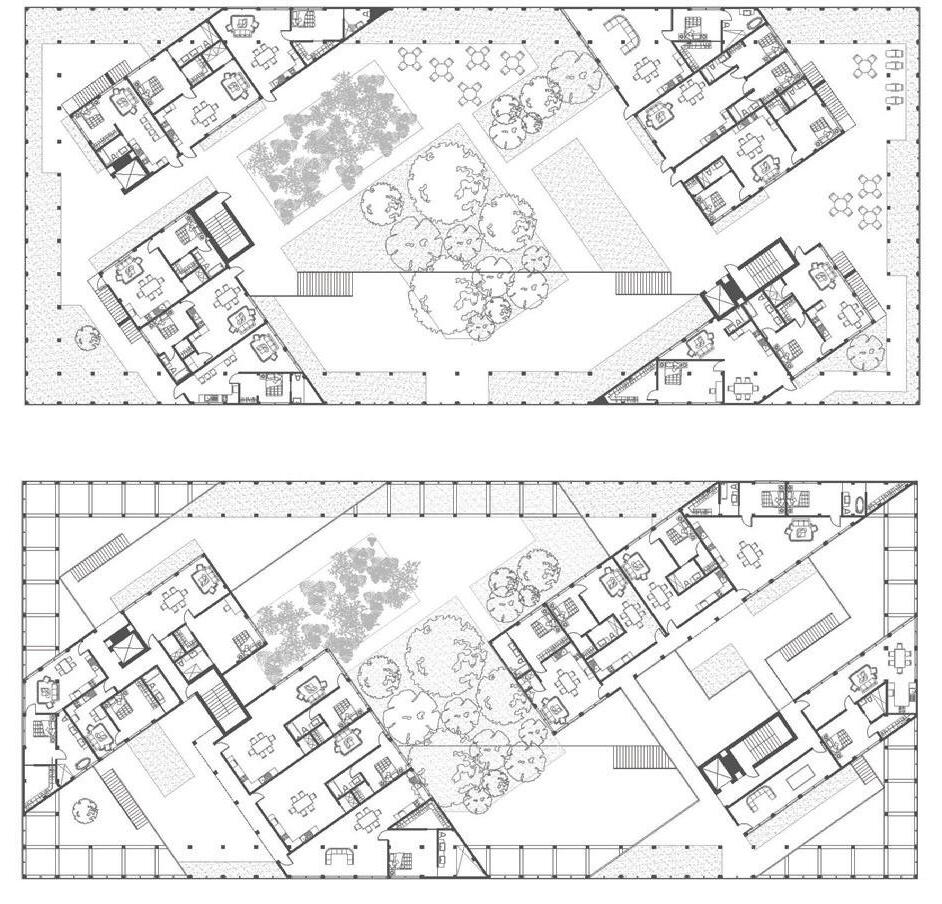
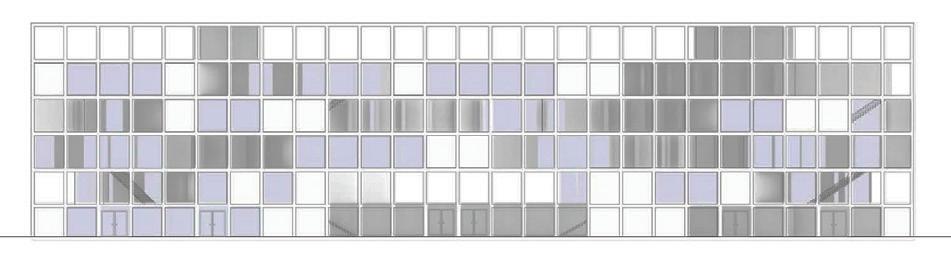

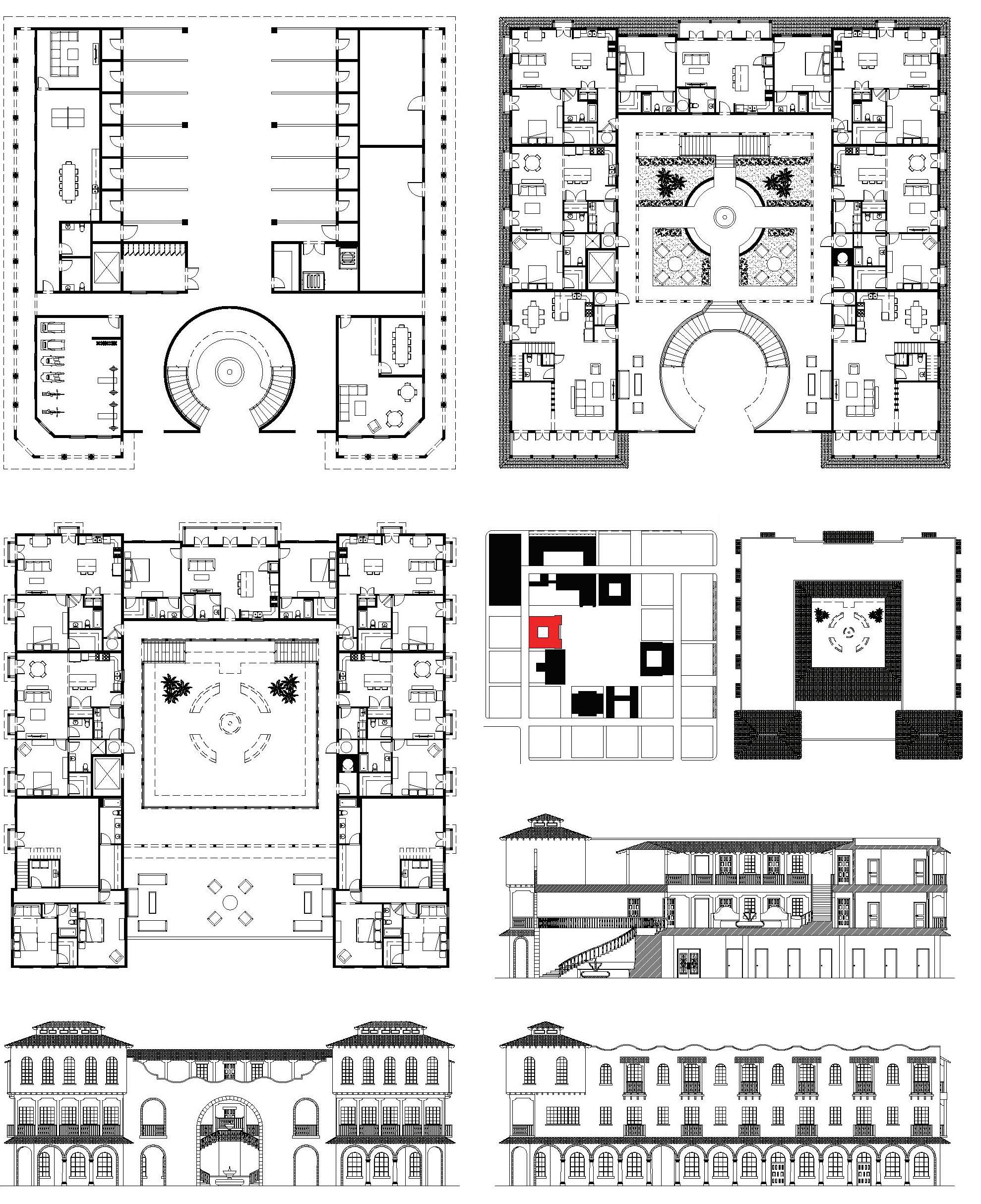
PROGRAM
Fish Market
Miami River, FL
Adib Cure, Coordinator
Alice Cimring
Pablo Duenas
Elmira Moskvina
Carie Penabad
Allan Shulman
Tomas Tapias
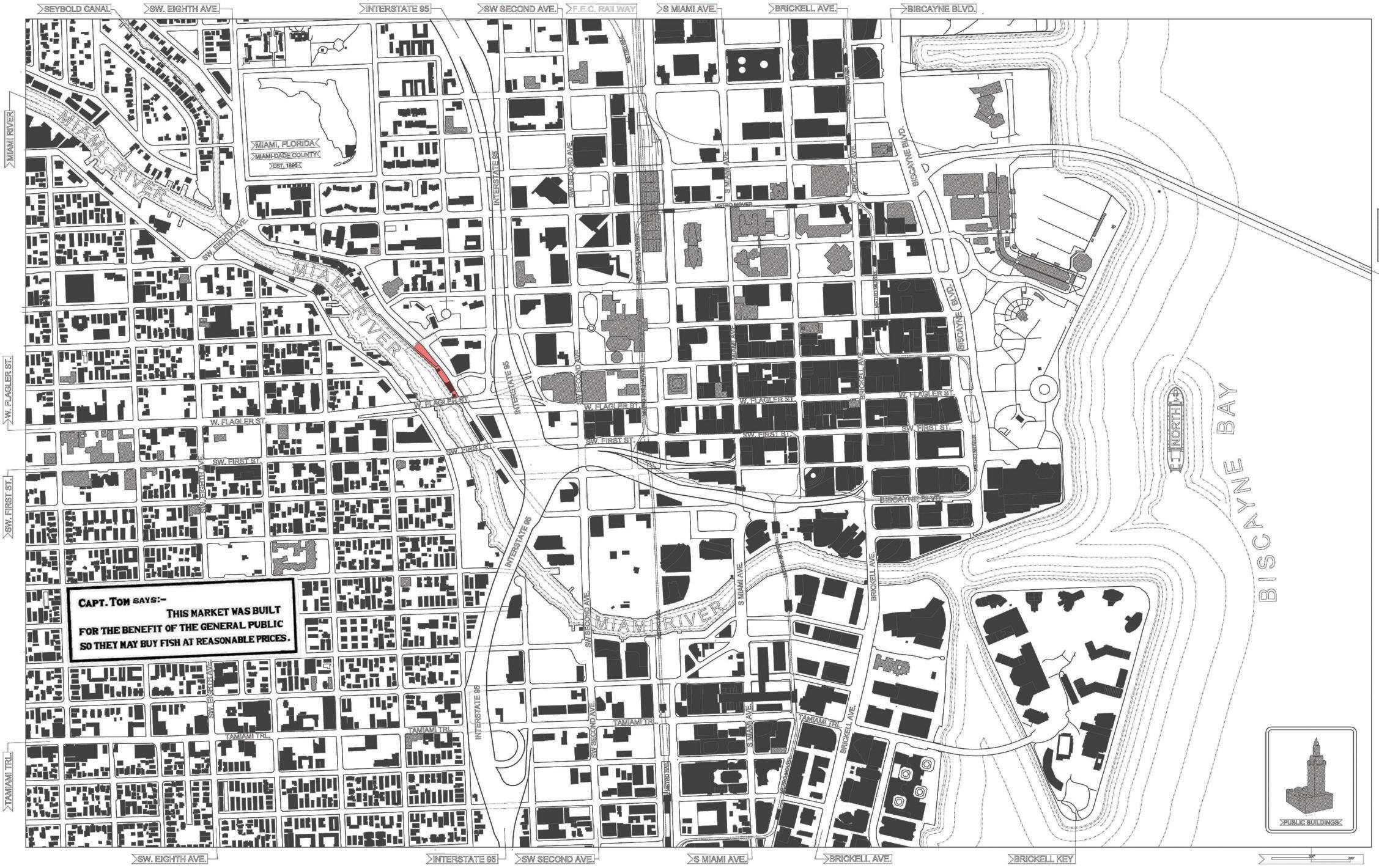
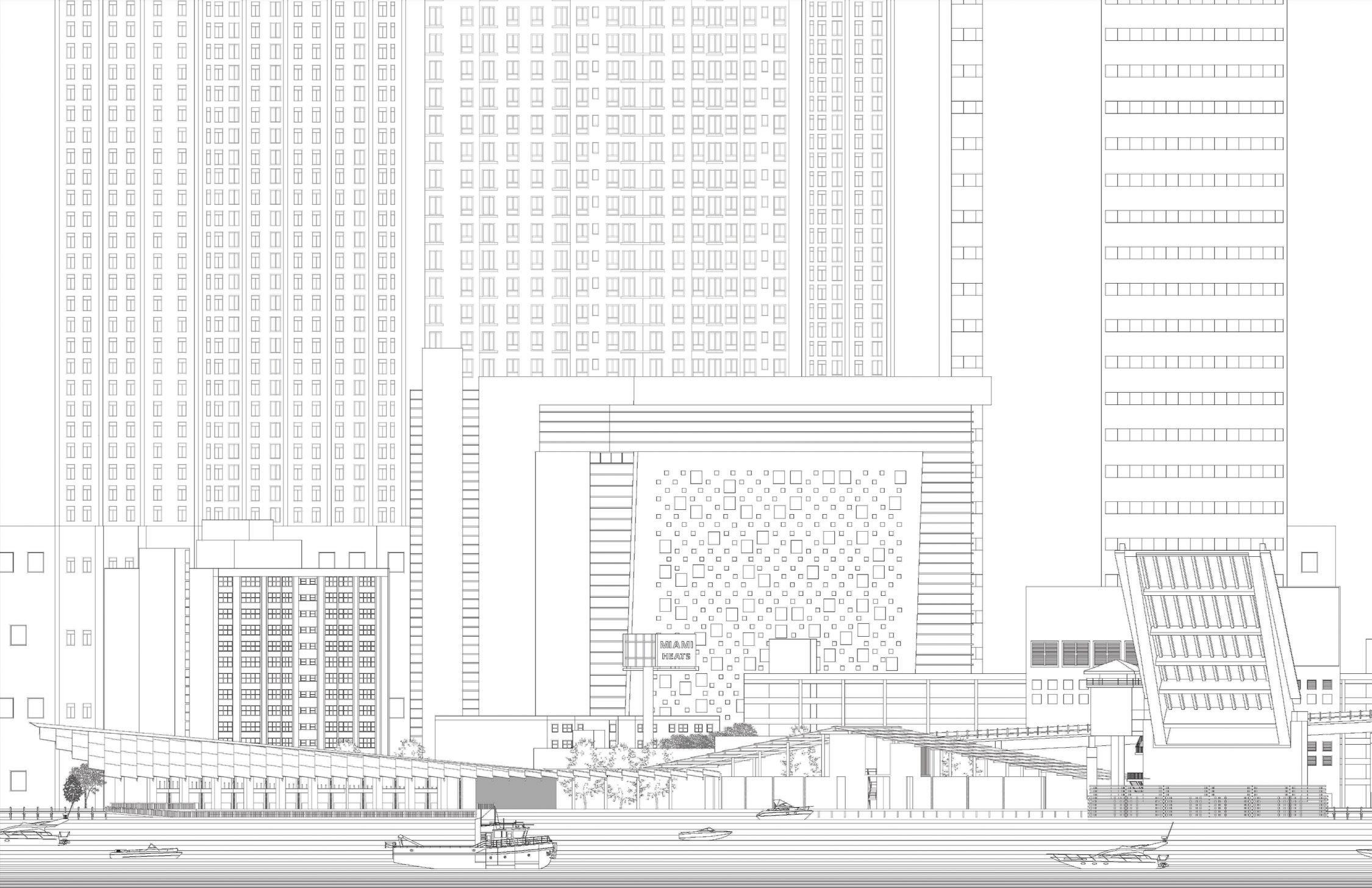
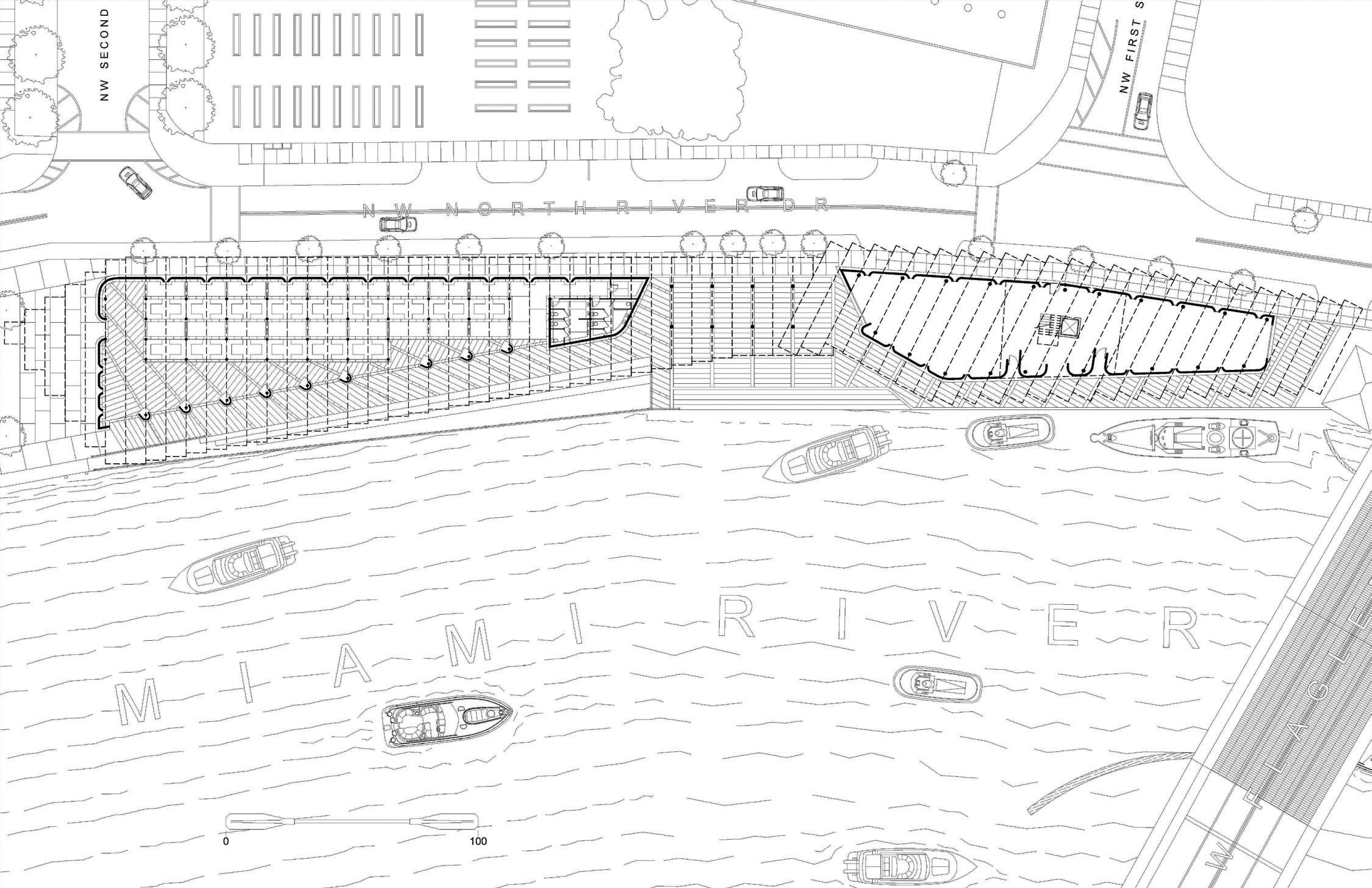
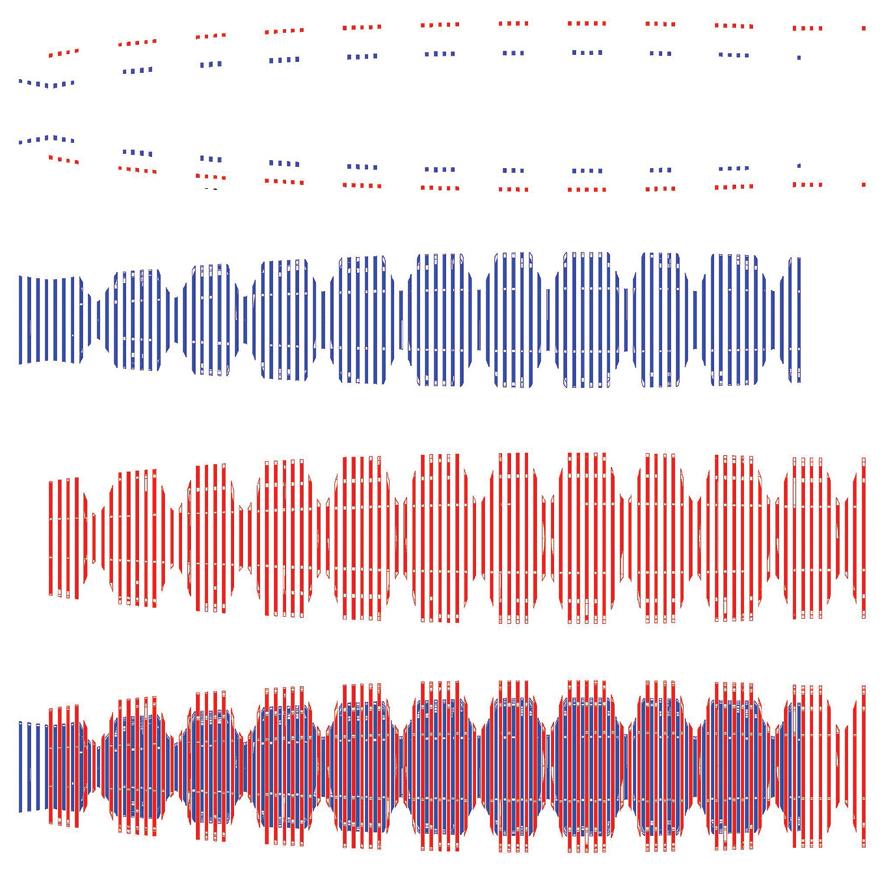
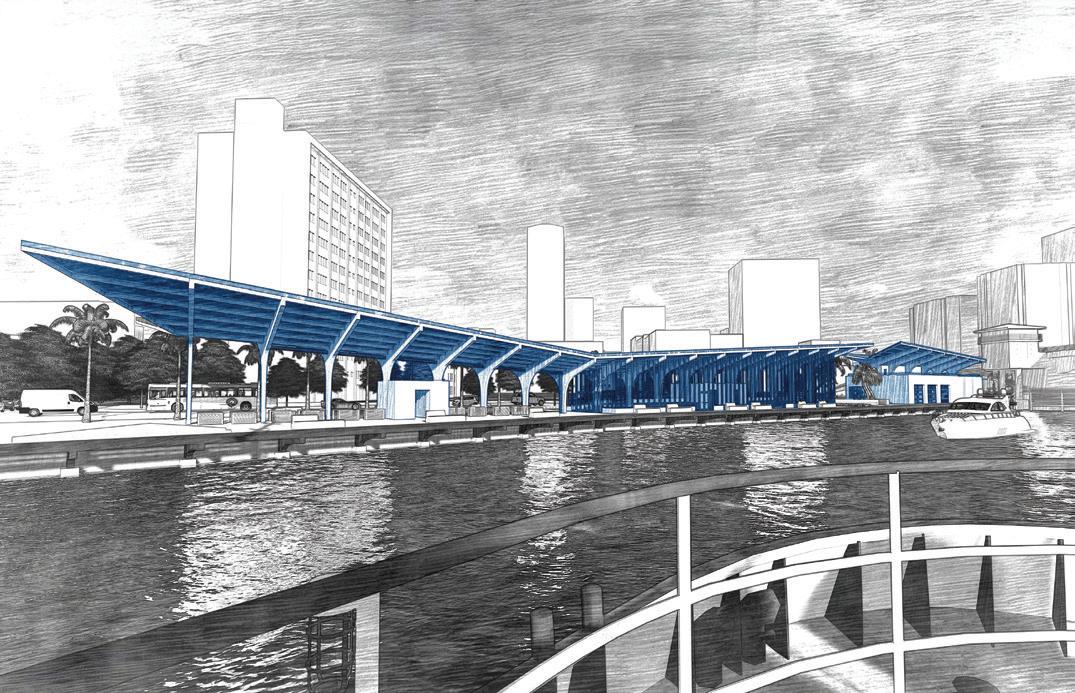
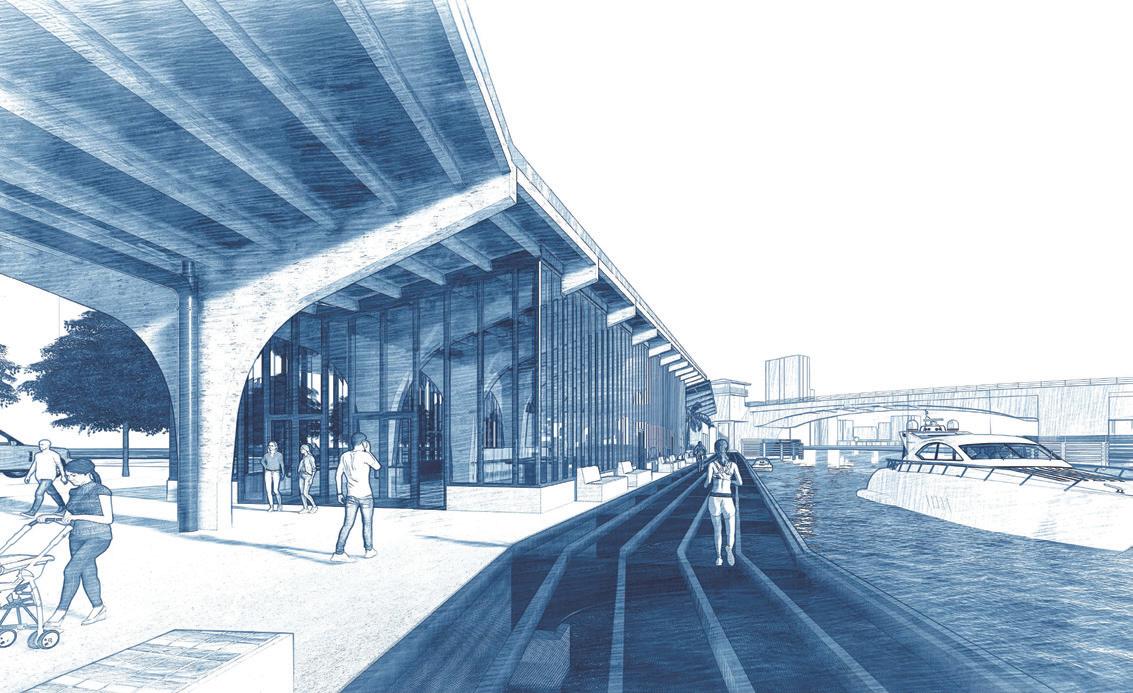
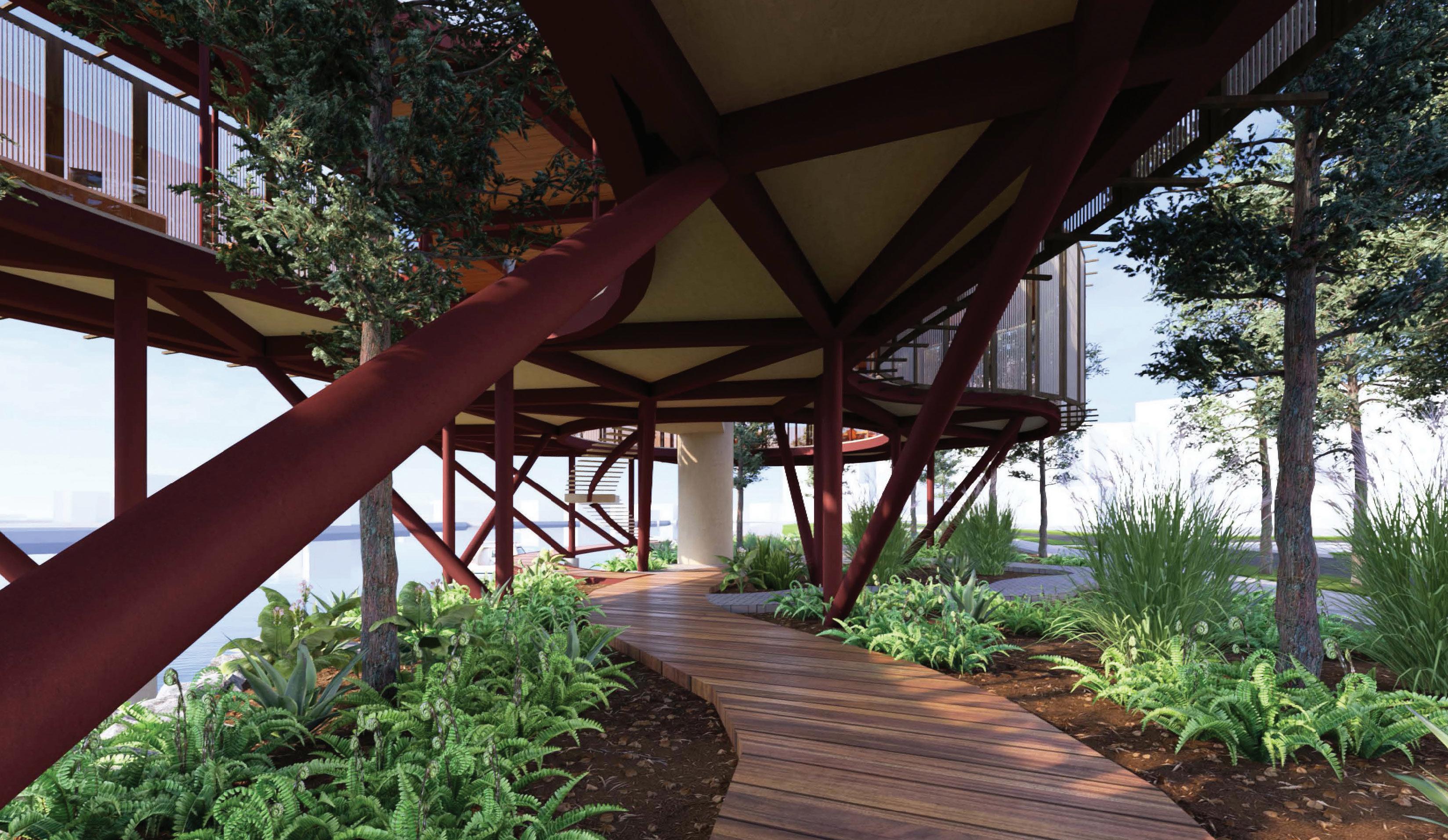
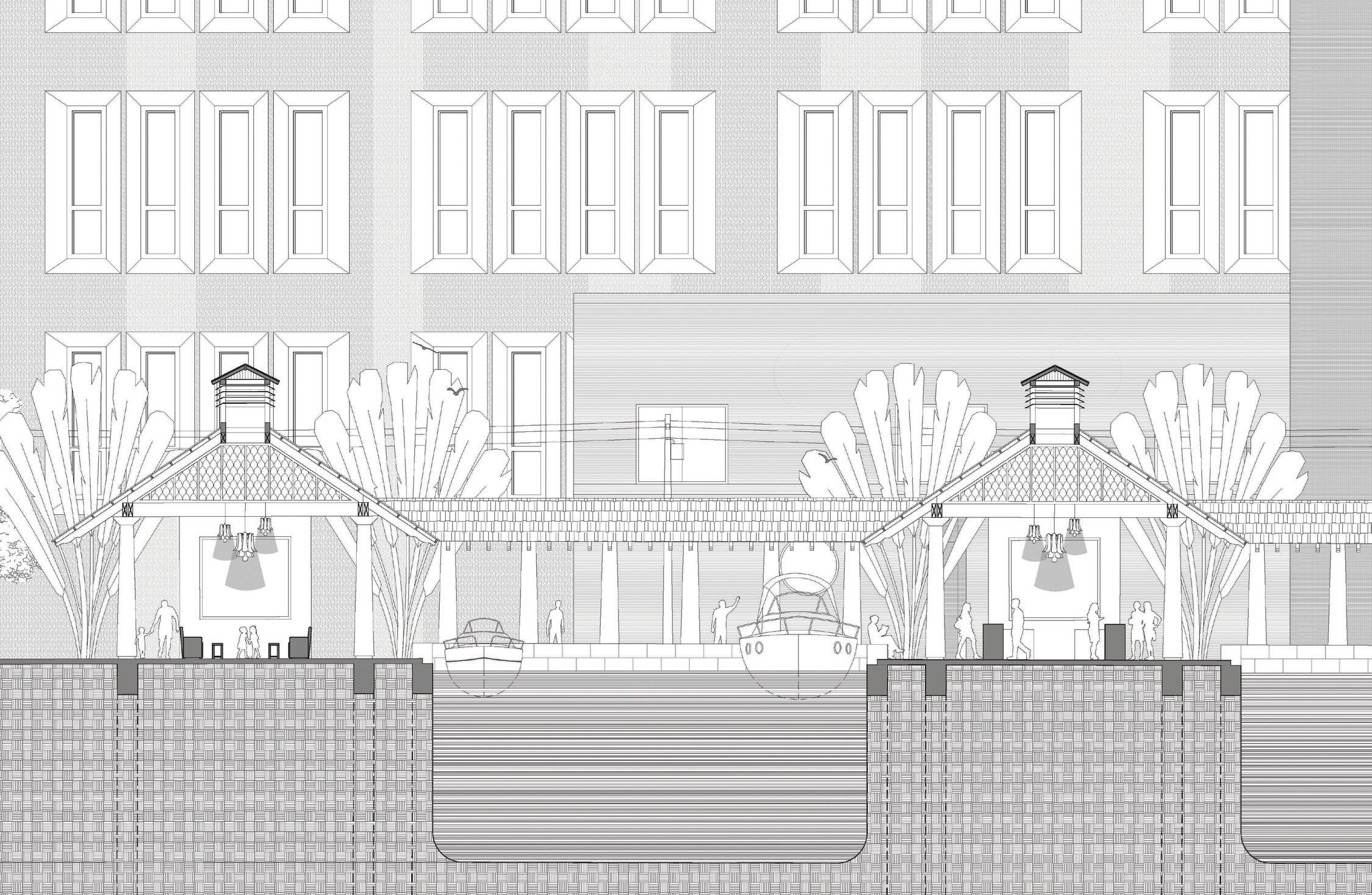
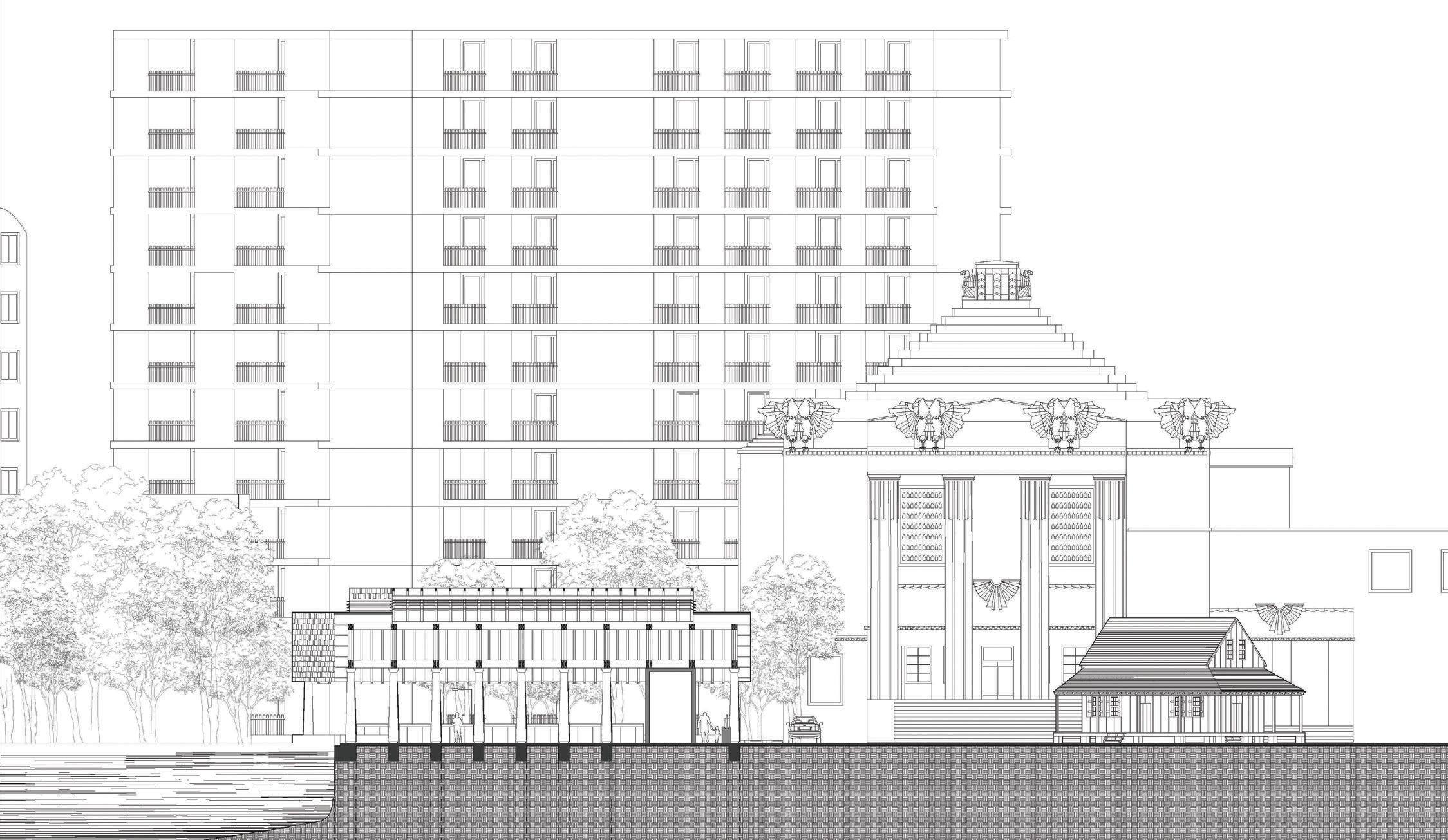
The Juanita Greene Center for Cultural and Natural Stewardship
Deering Estate, Palmetto Bay, FL
Jorge Hernandez, Coordinator
Patirki Astigarraga
Roberto Behar
Elizabeth Cardona
Sonia Chao
Maria Flores
Armando Montero
Carie Penabad
Florian Sauter
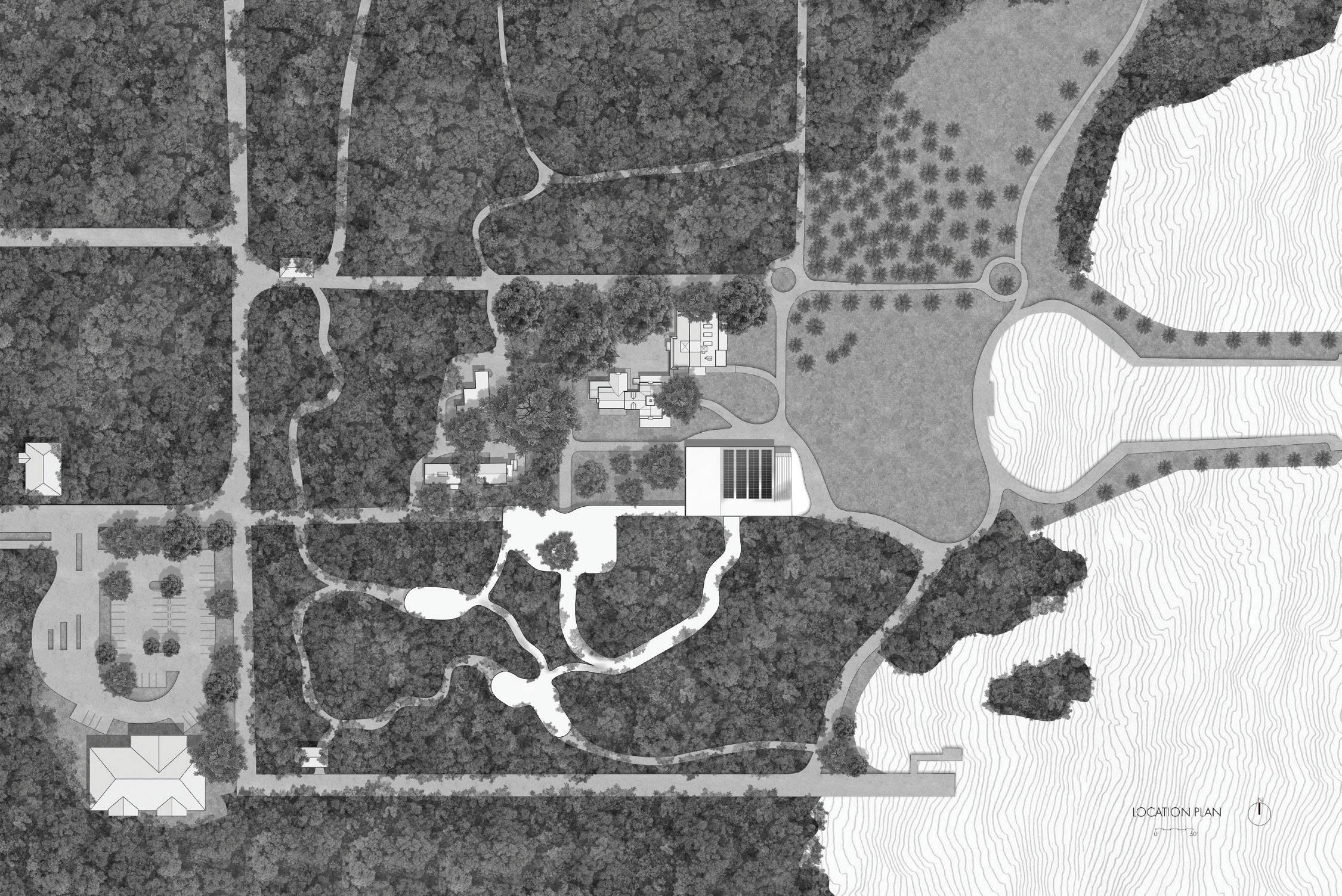
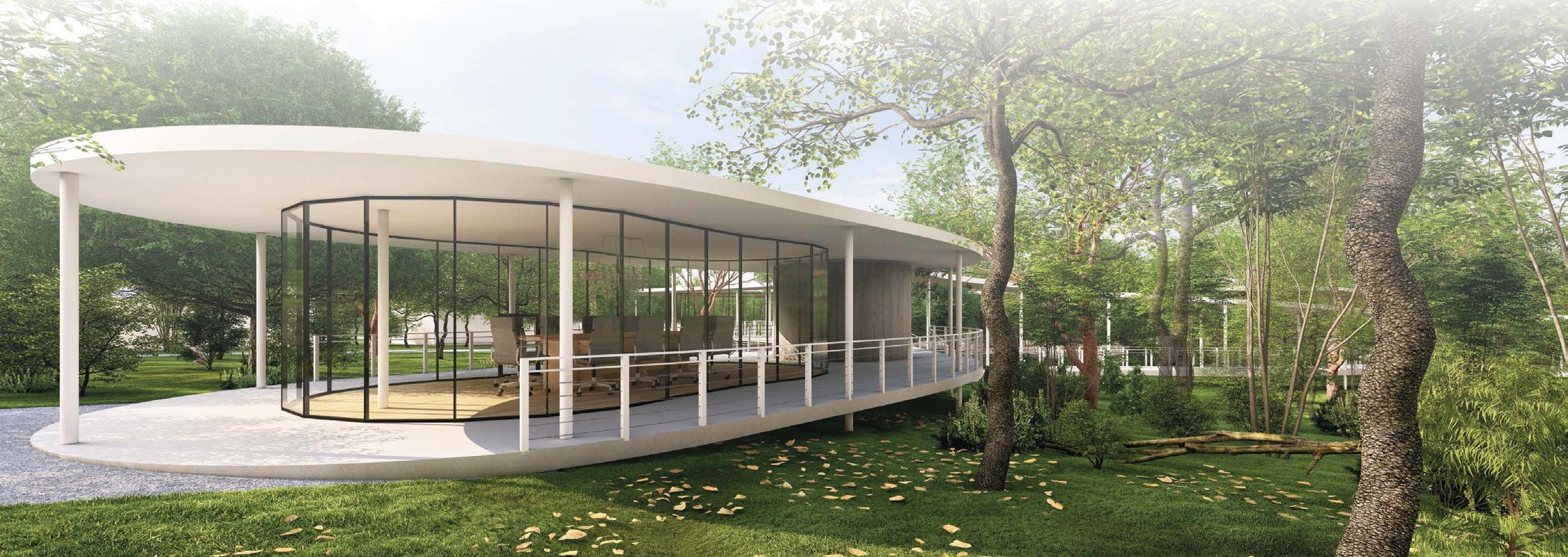
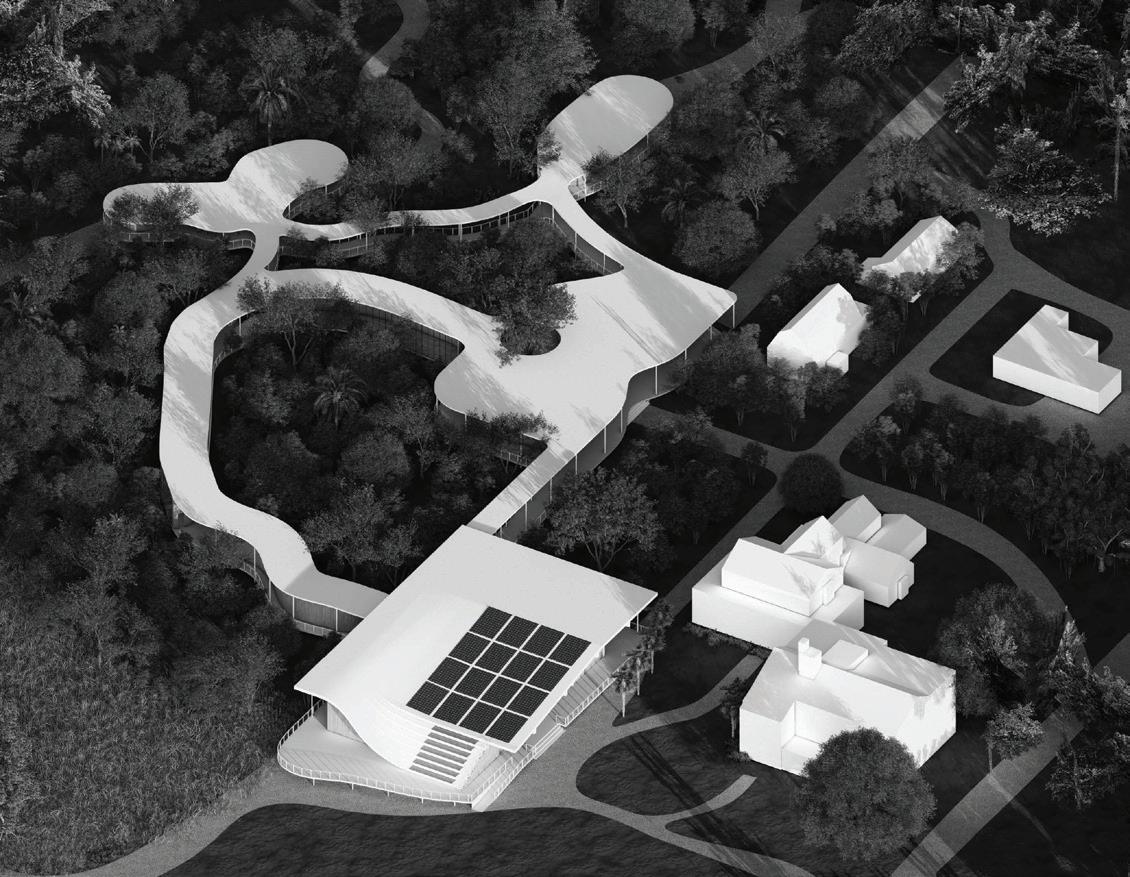

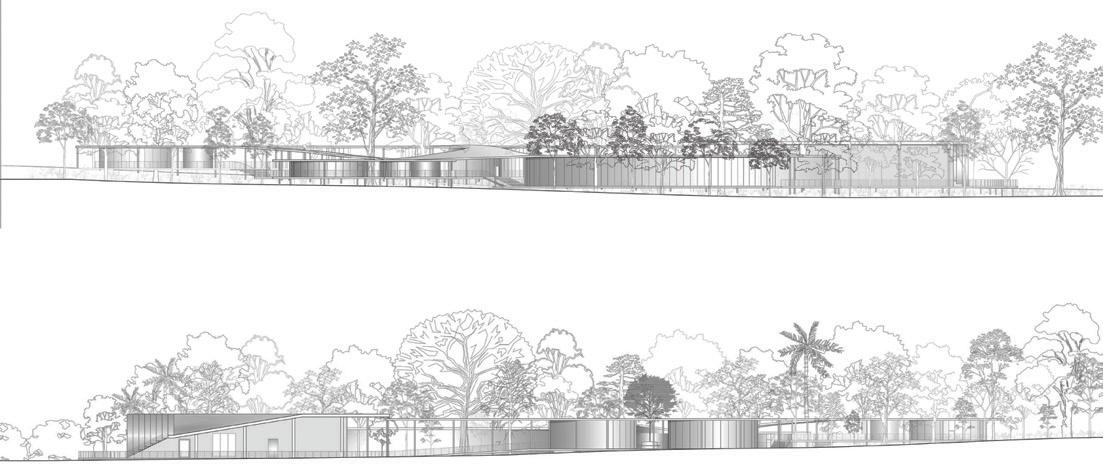
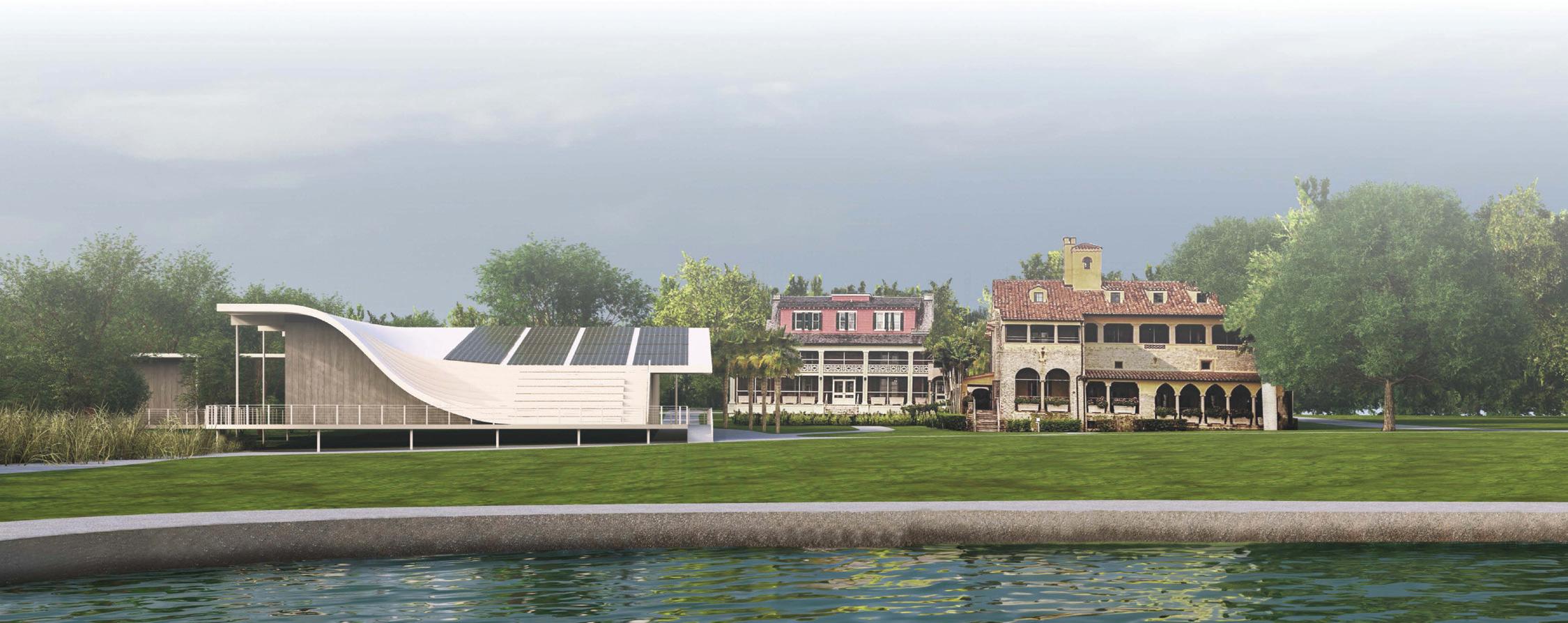
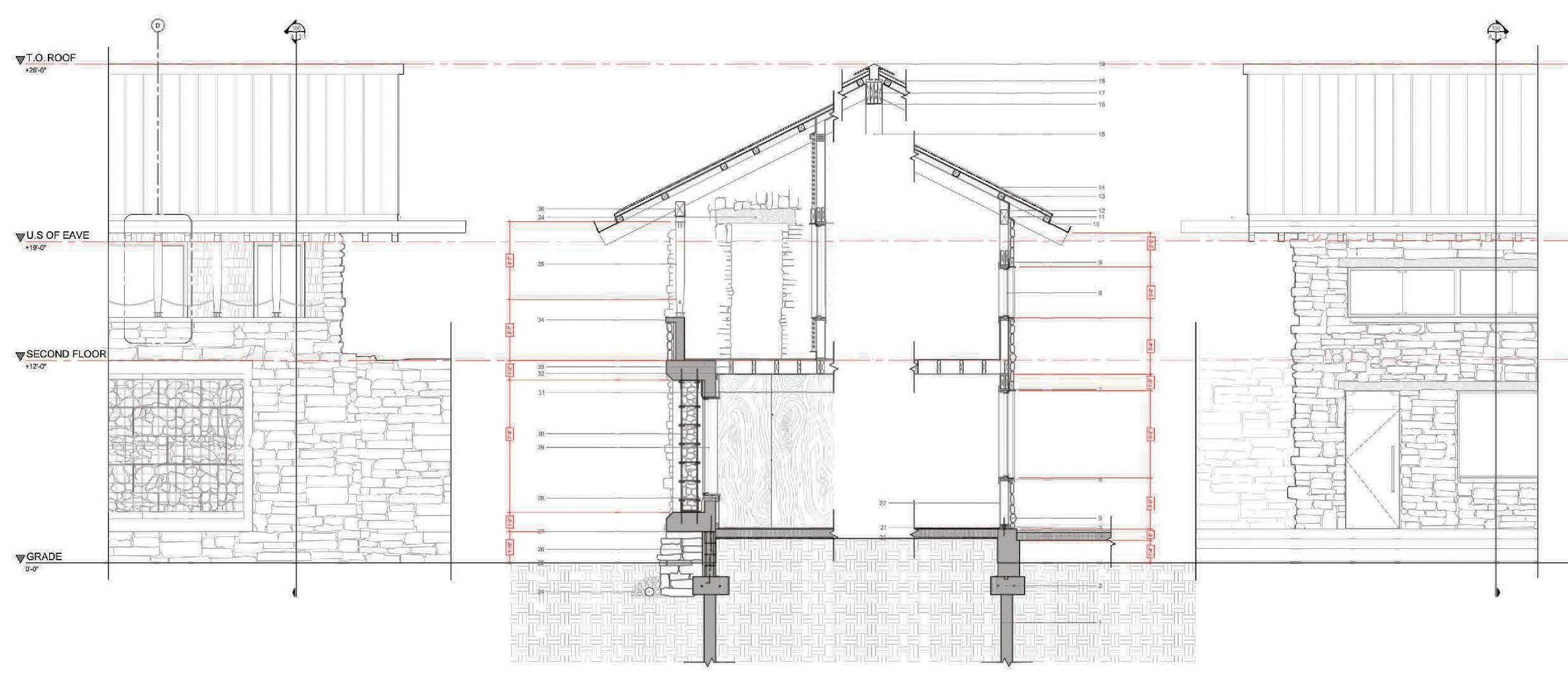
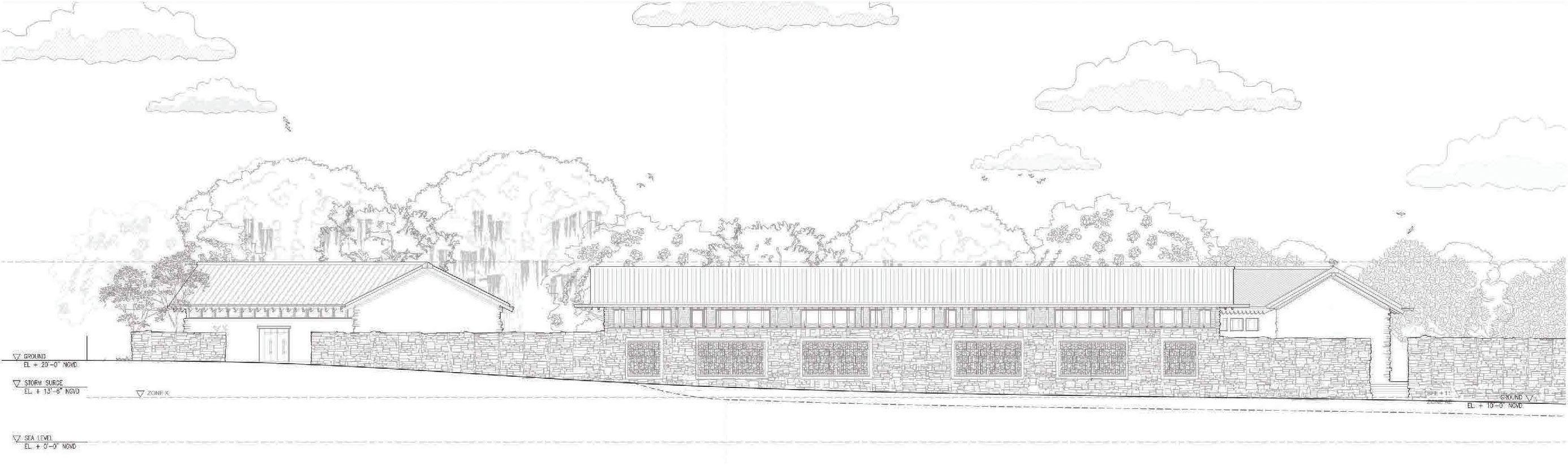
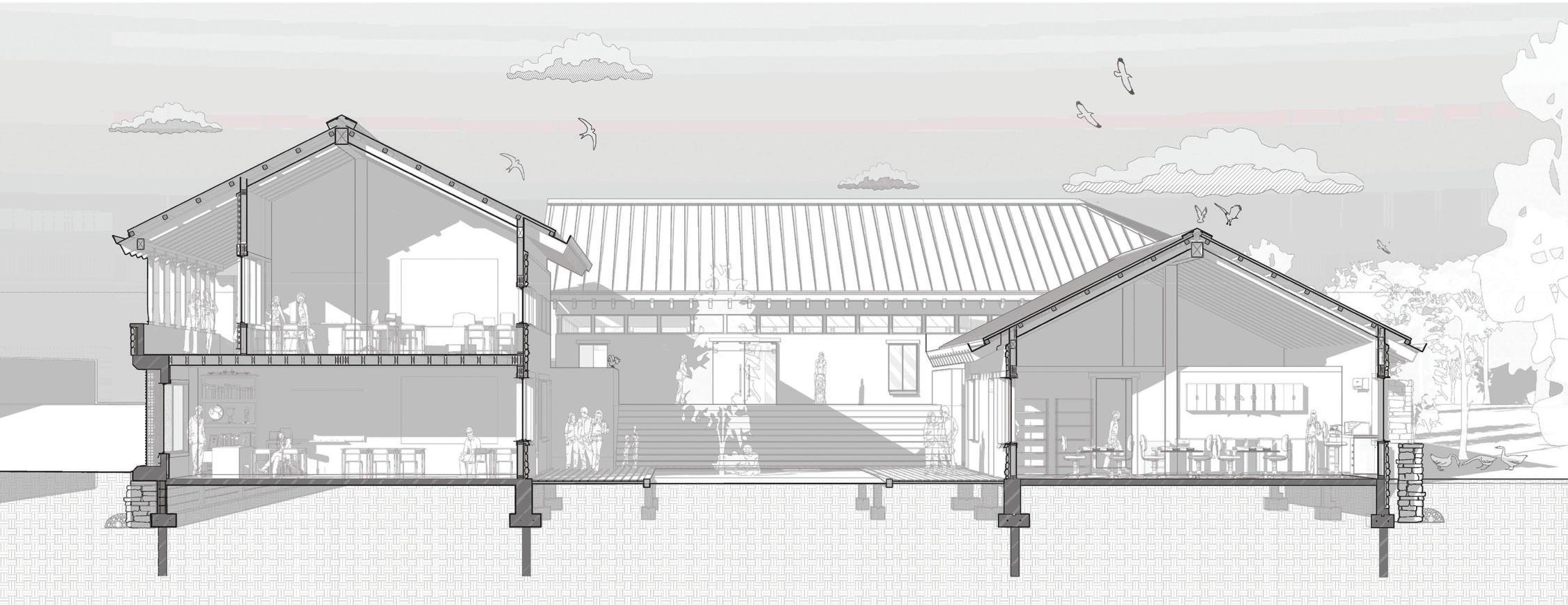
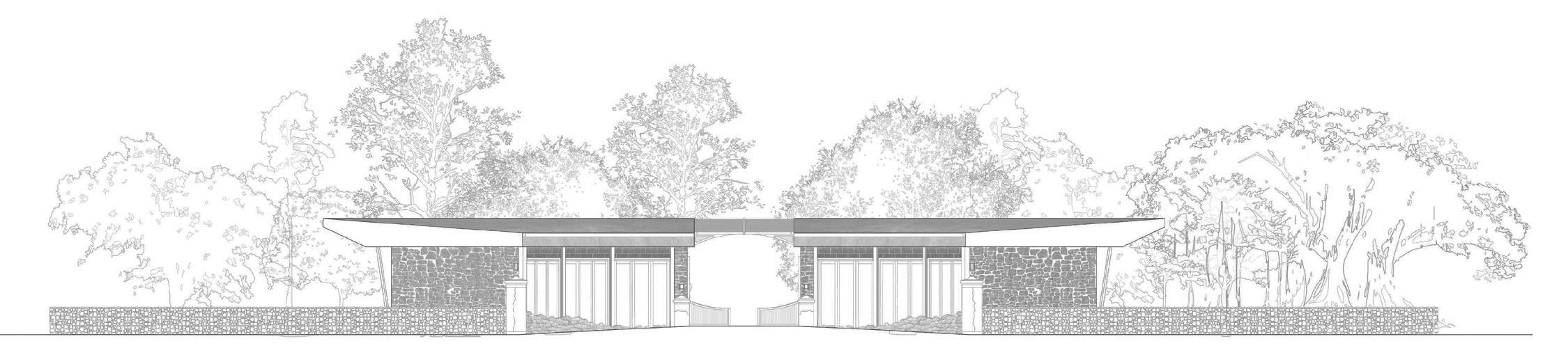
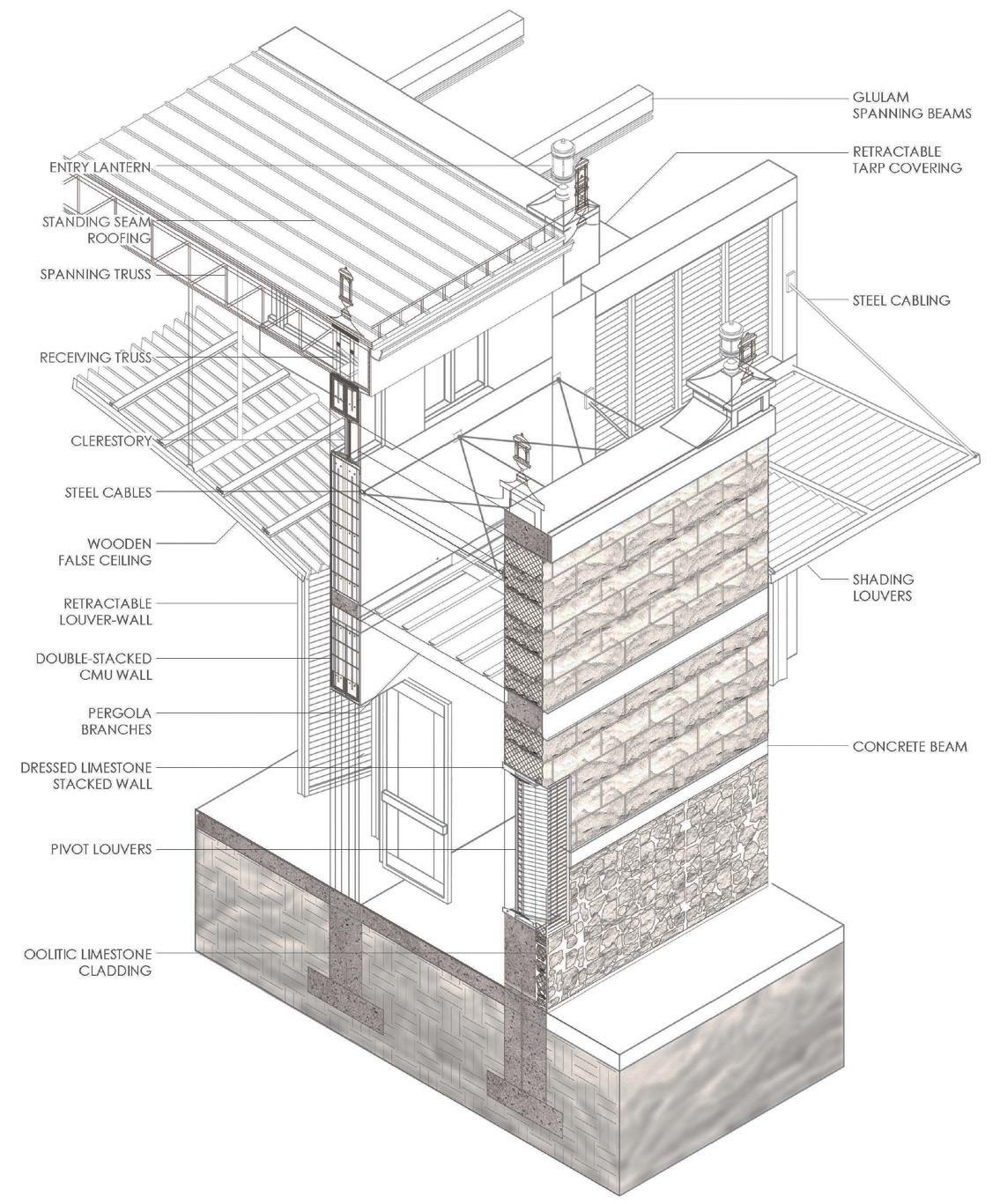
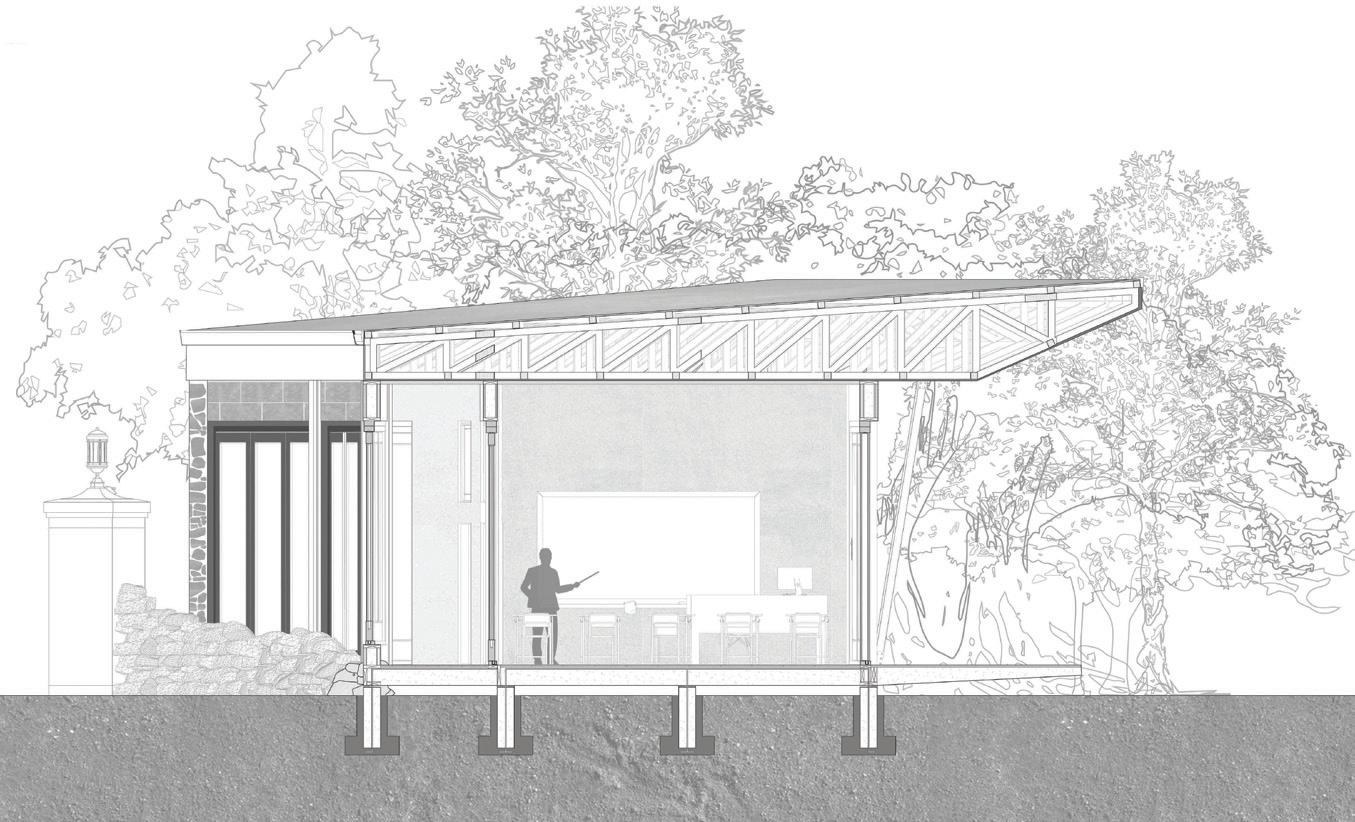
Integrated Design / Youth Center North Miami Beach, FL
Edgar Sarli, Coordinator
Juan Alayo
Patirki Astirraga
Juan Calvo
Cristina Canton
E.izabeth Cardona
Steven Fett
Anaydee Morales
Martin Moeller
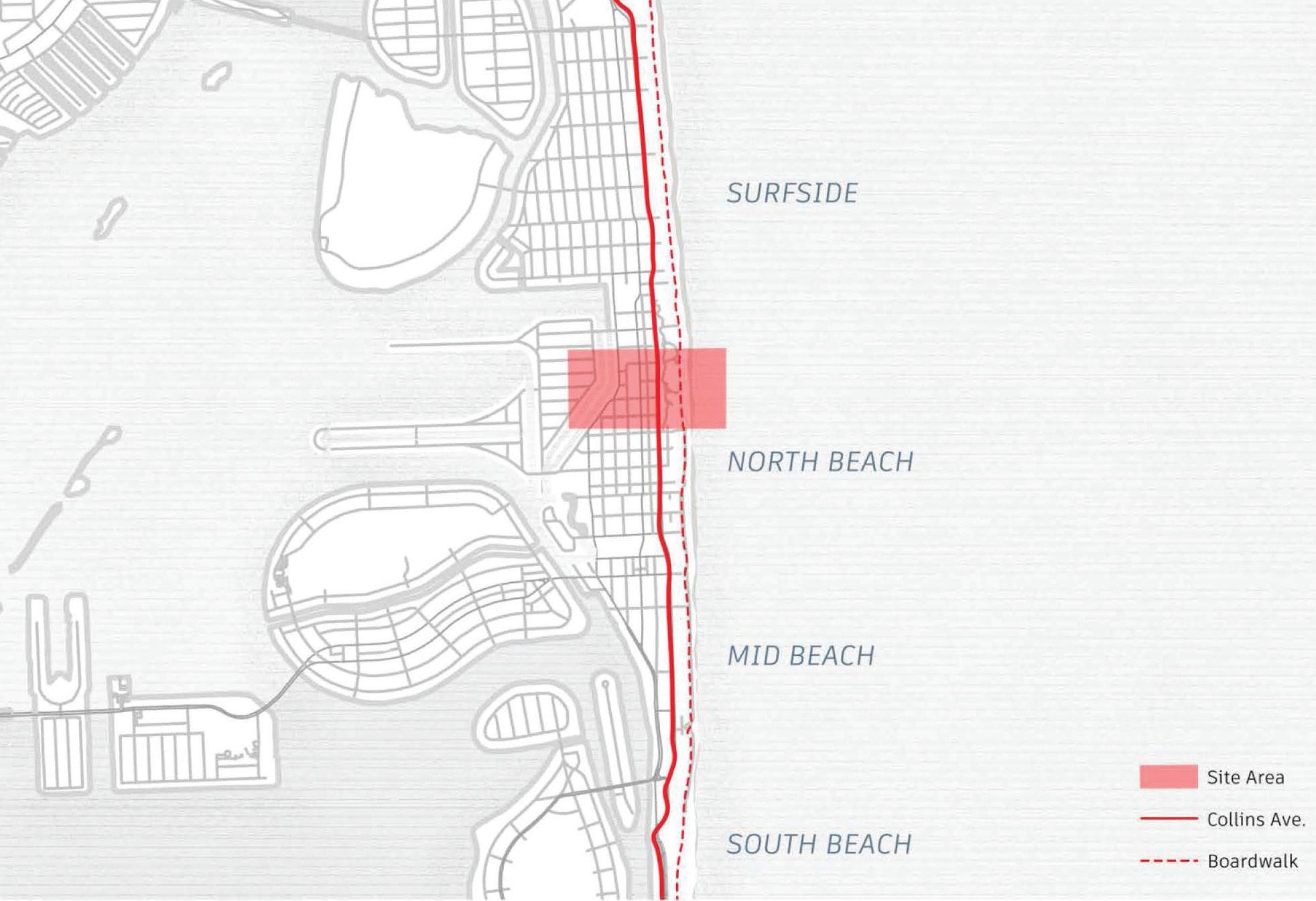
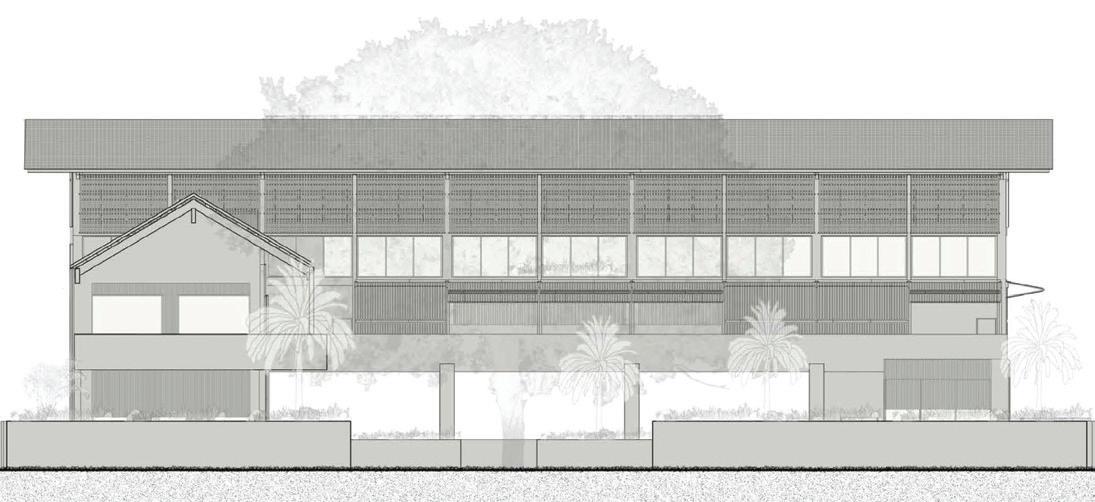
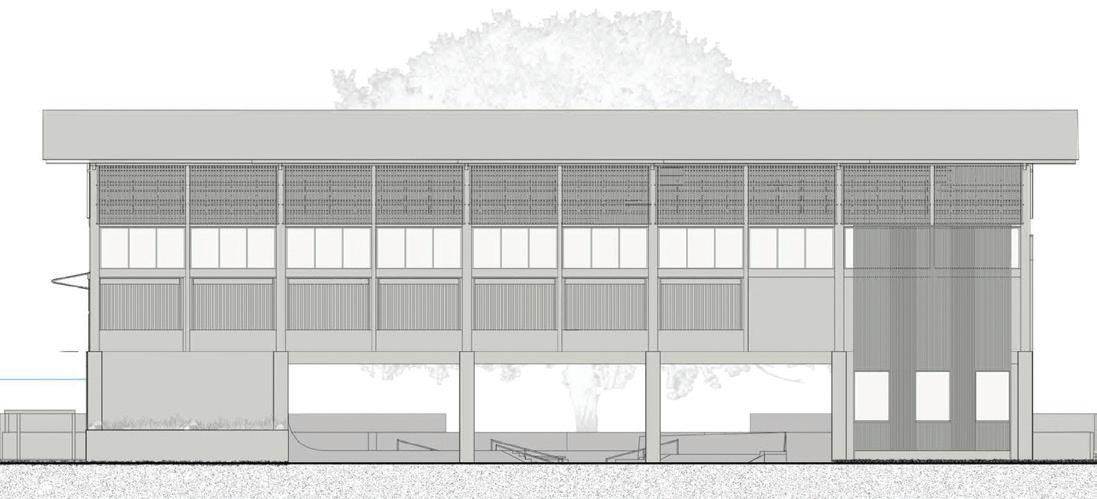
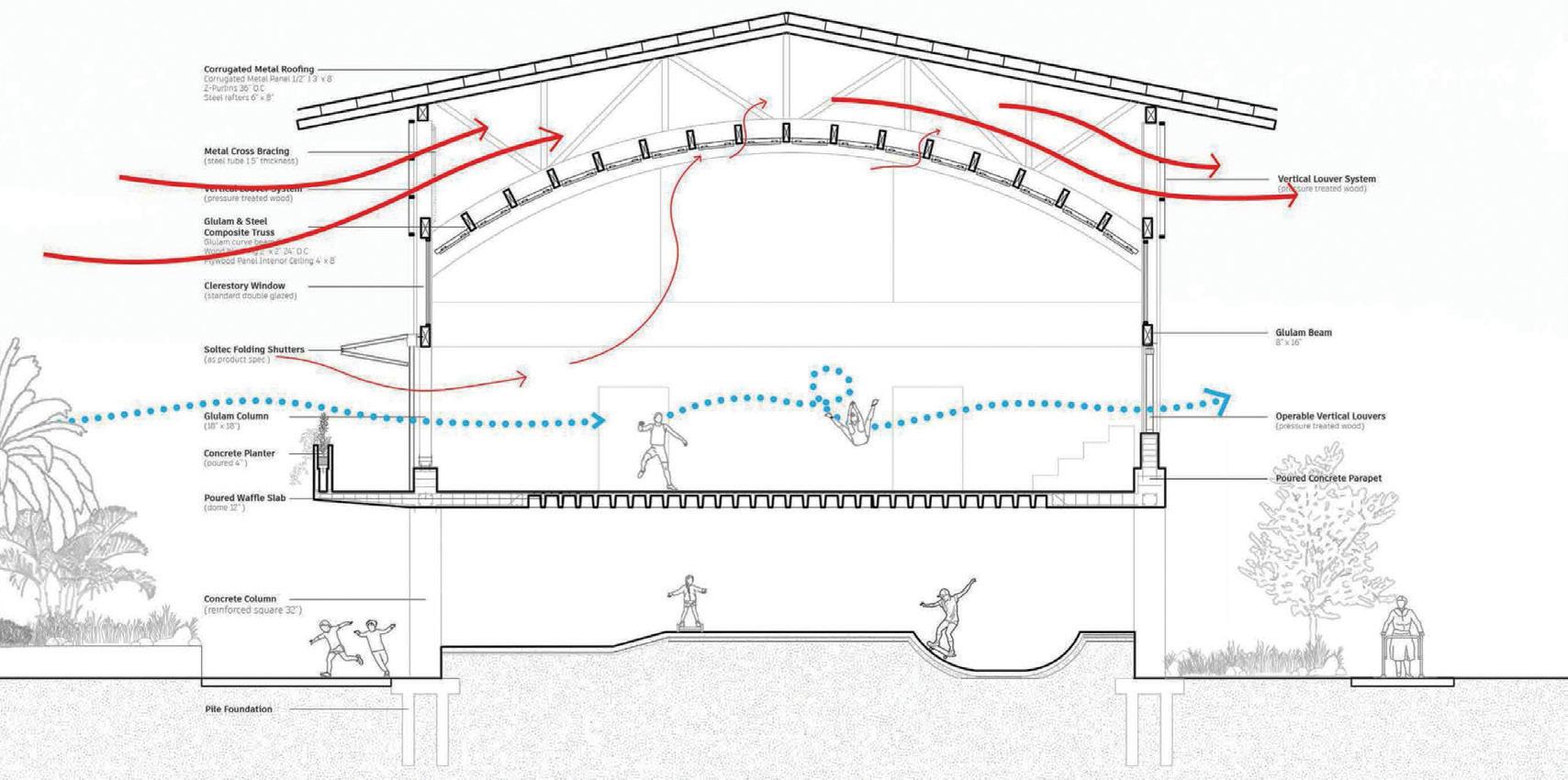
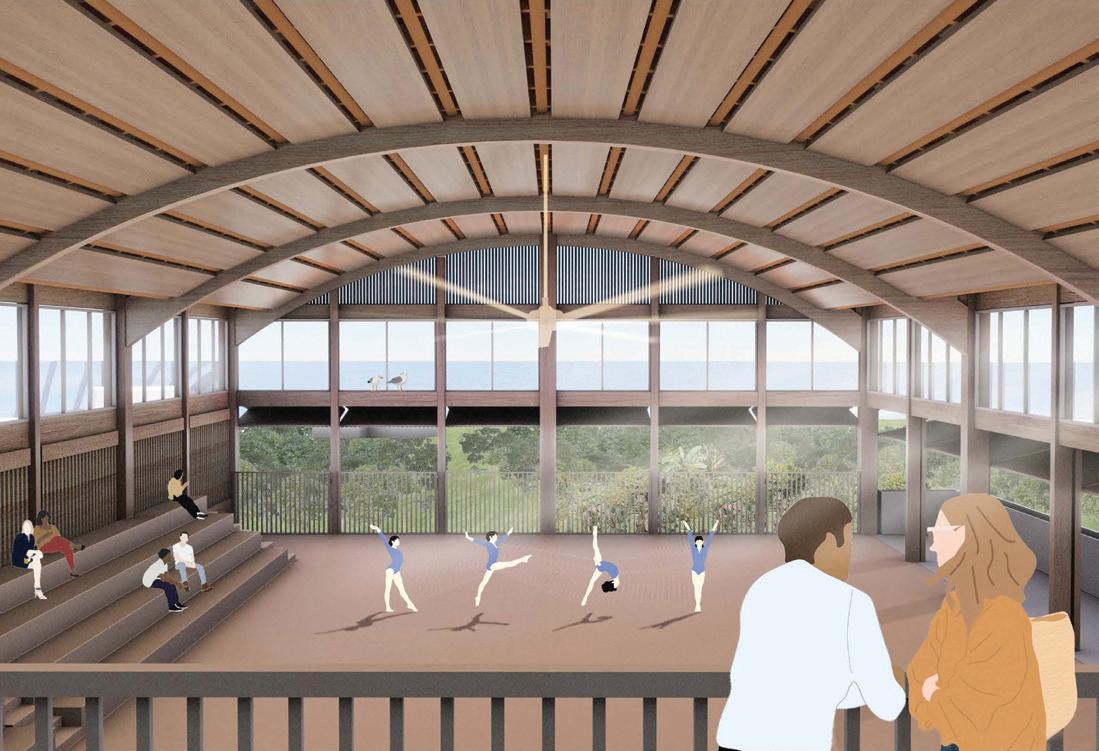
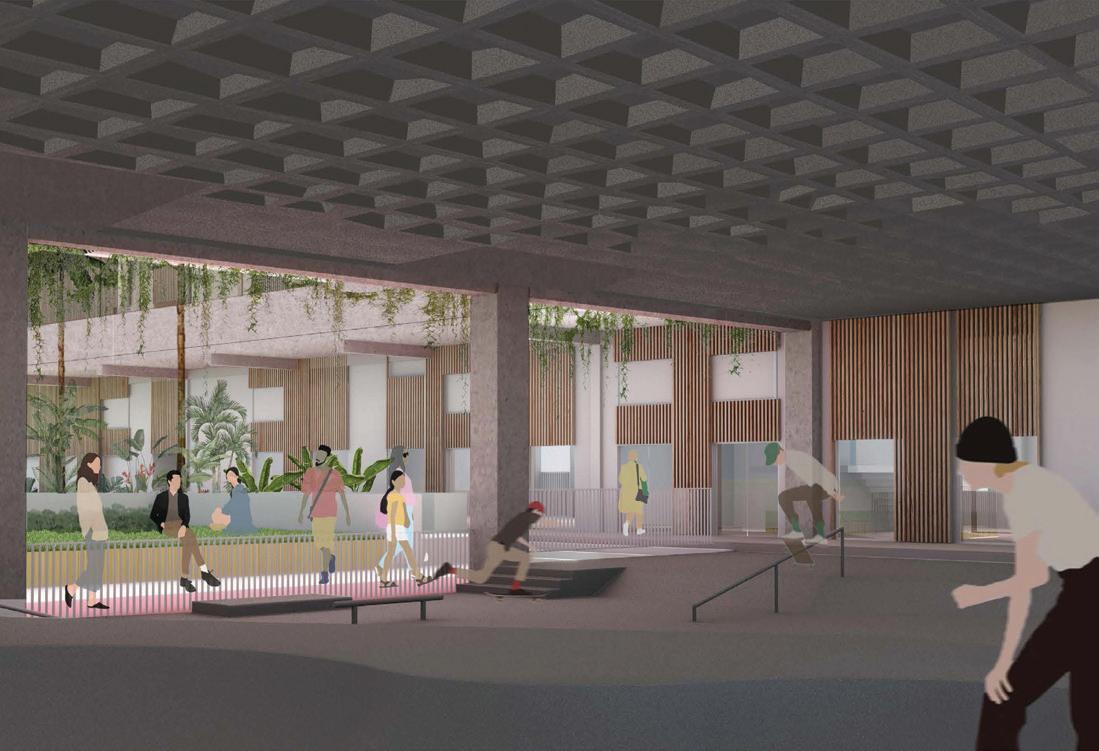
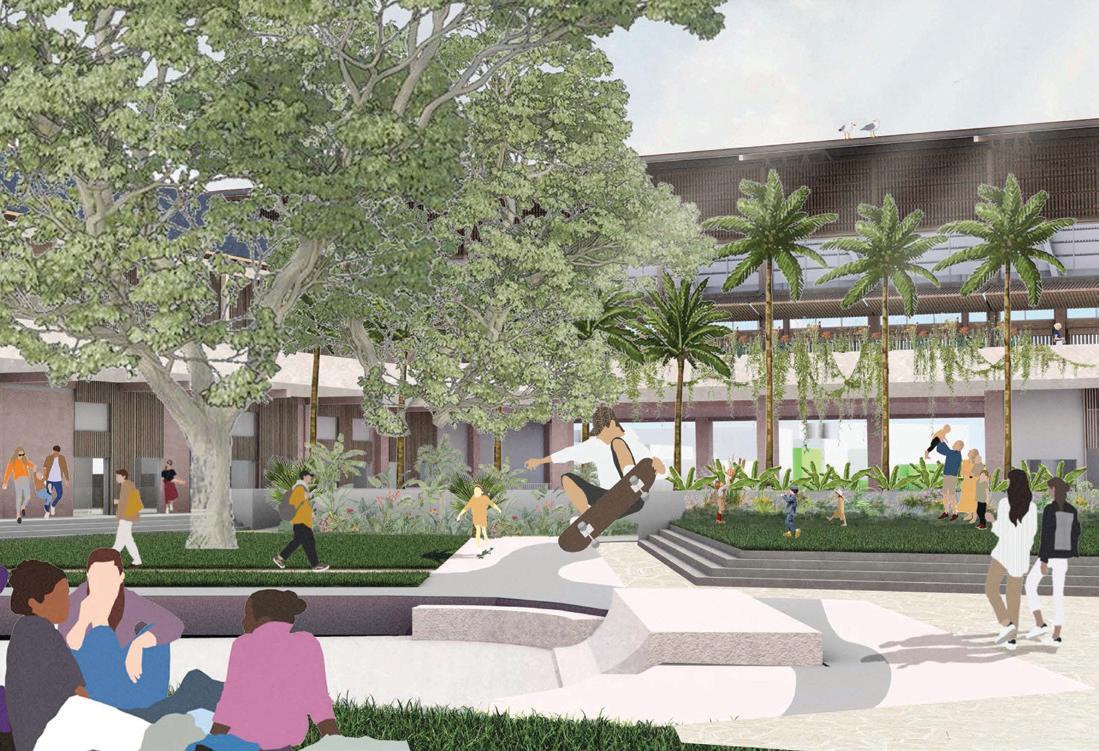
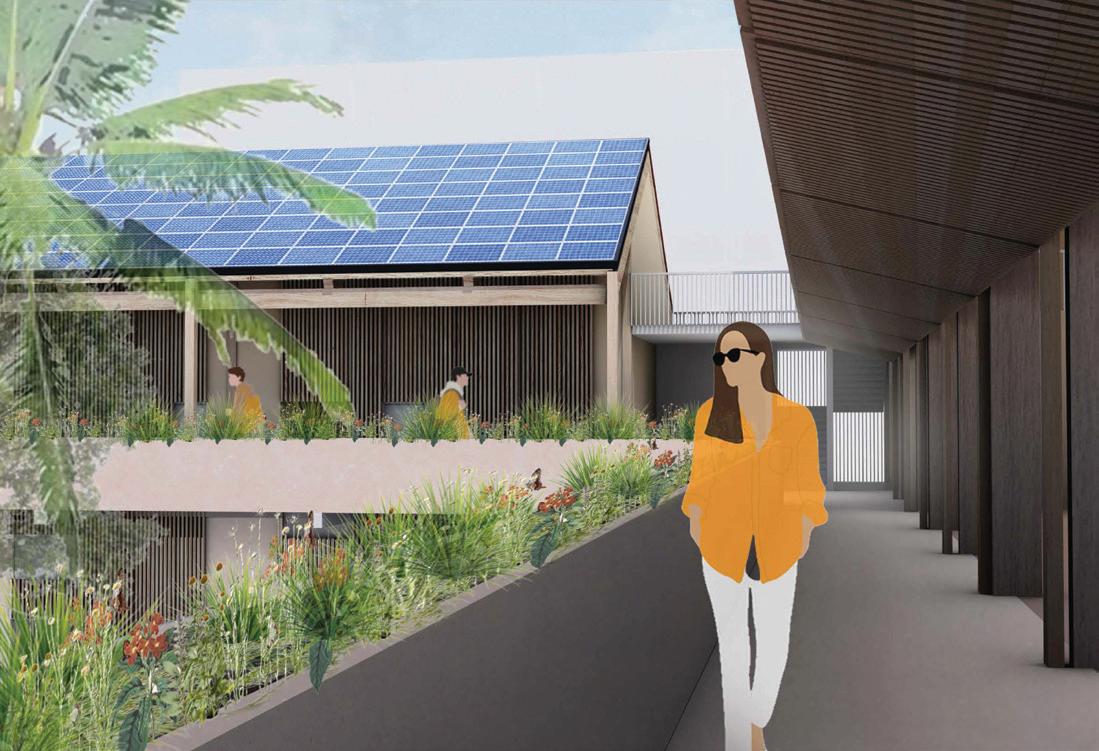
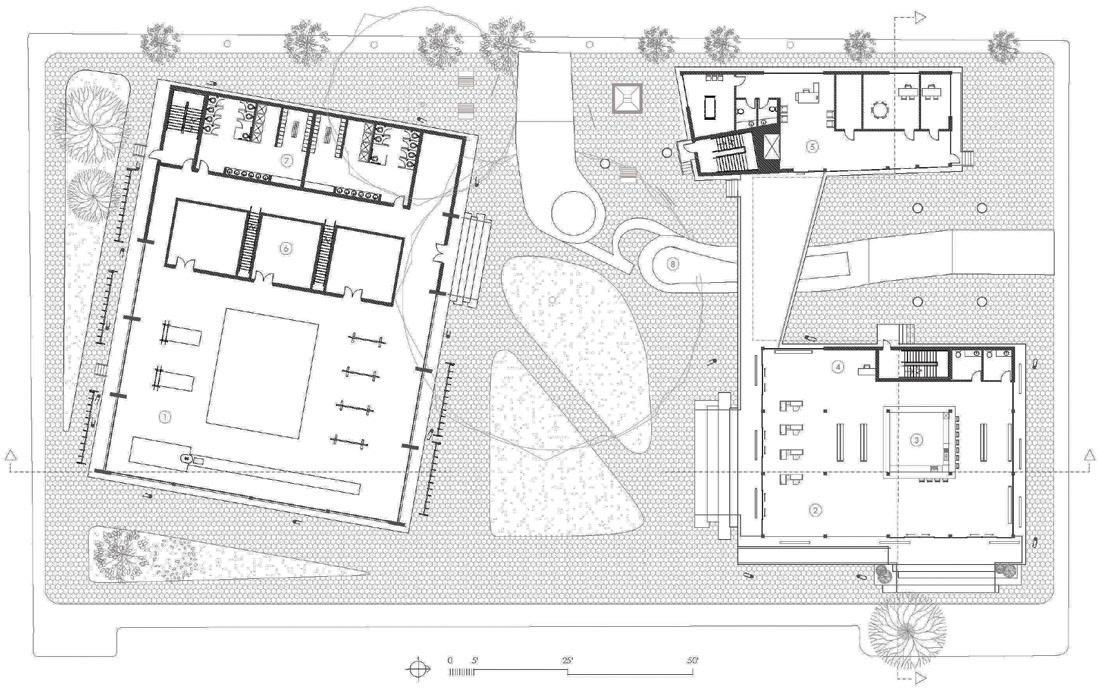
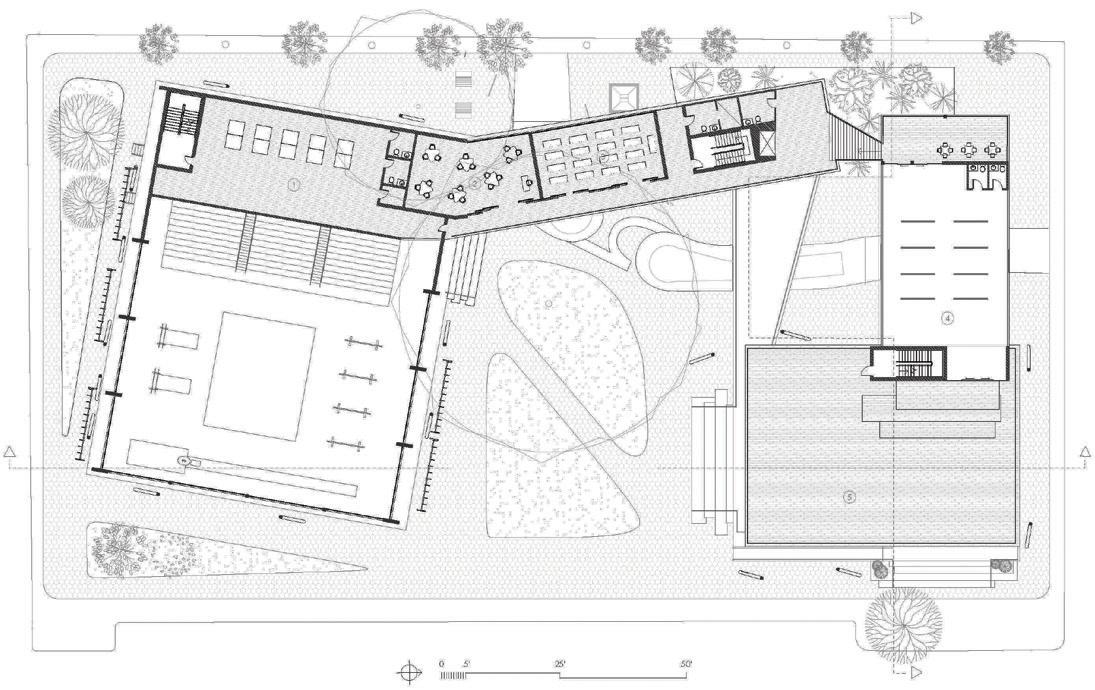
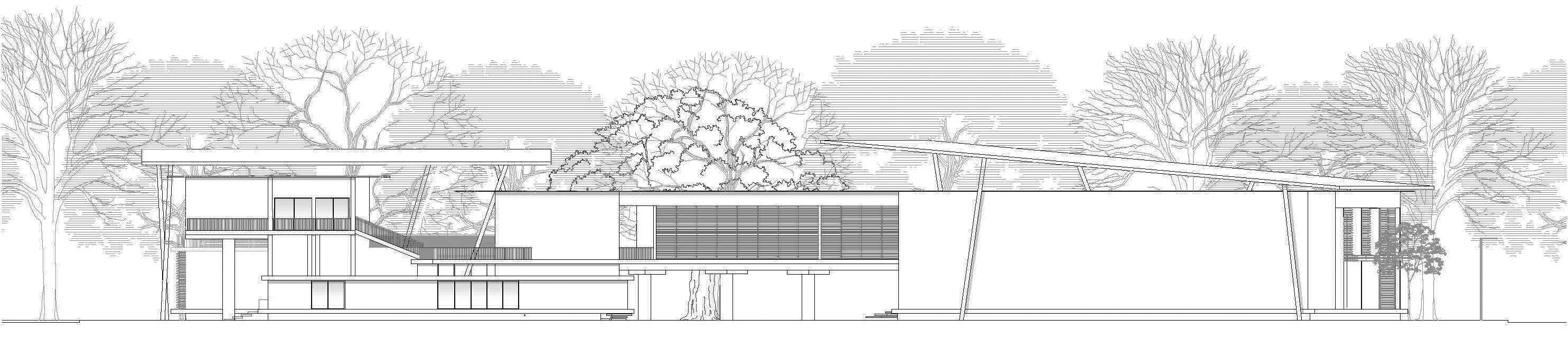
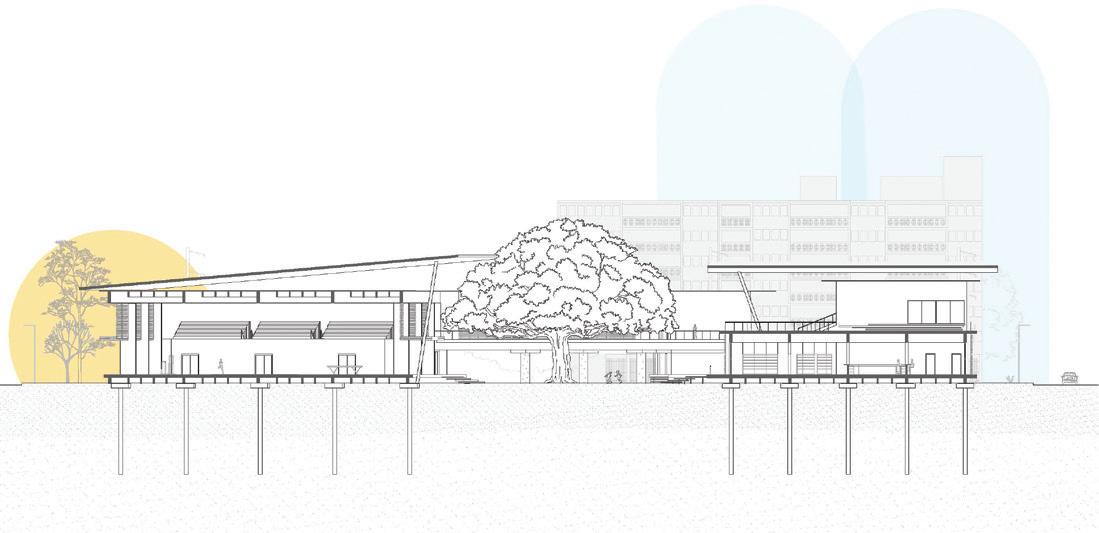
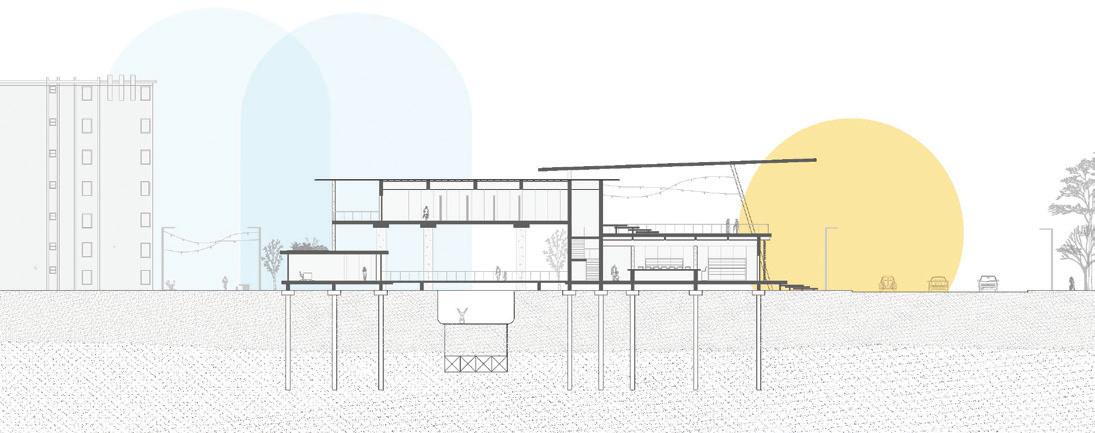
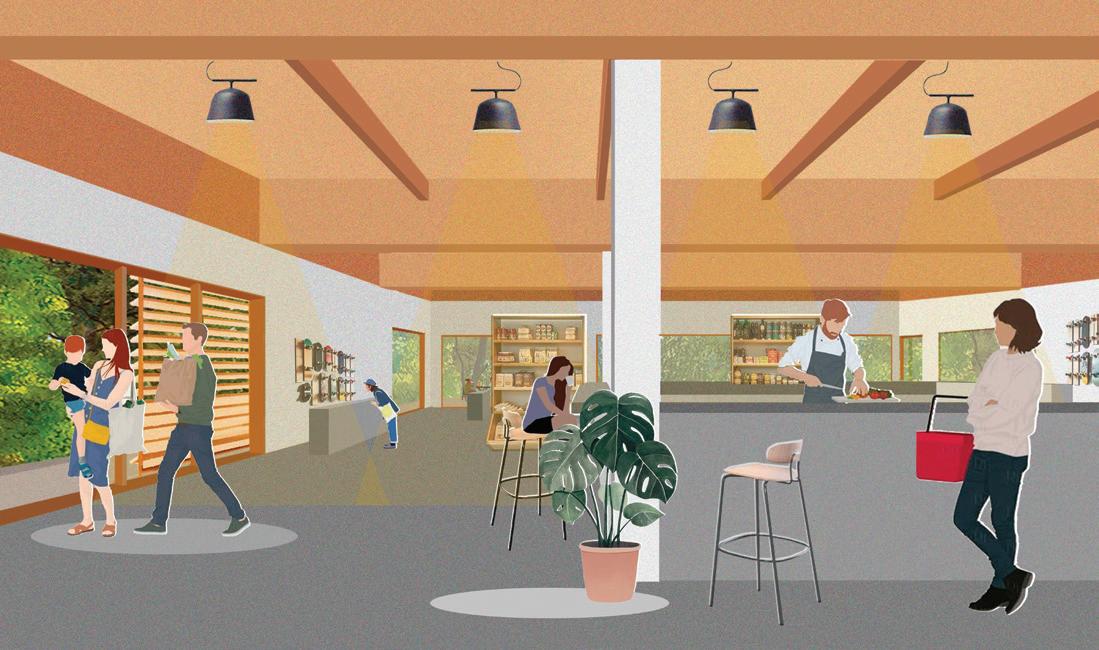
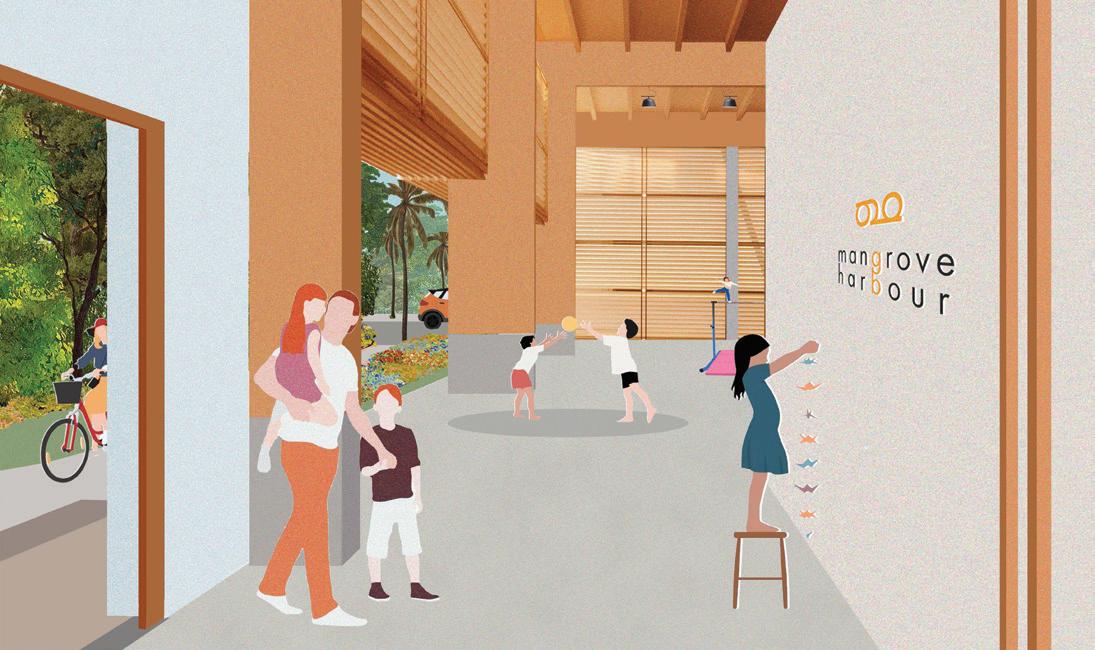
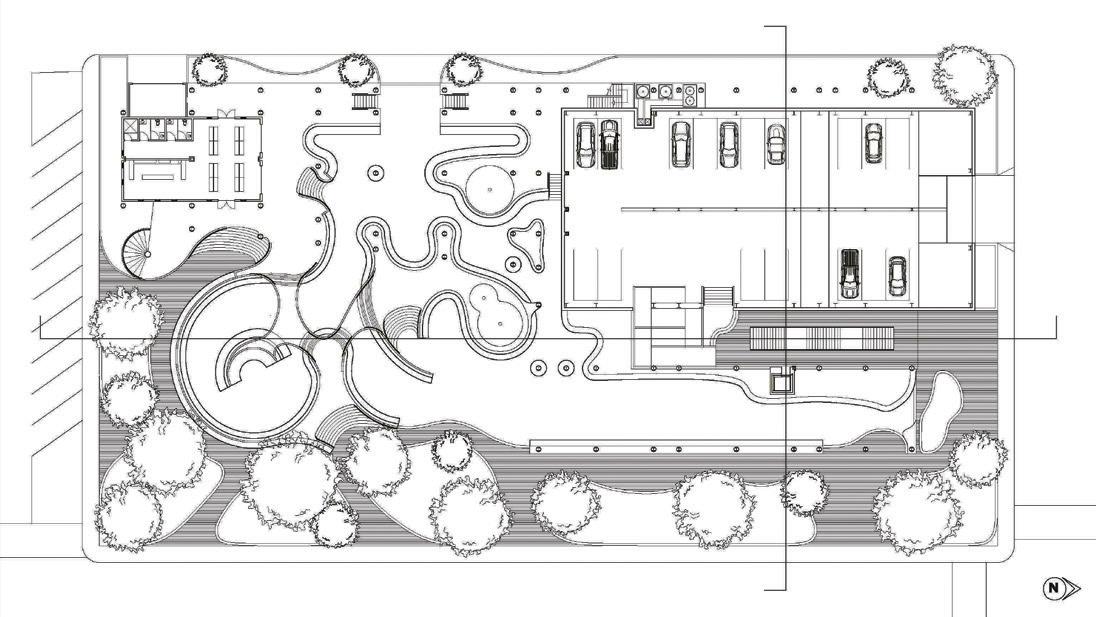
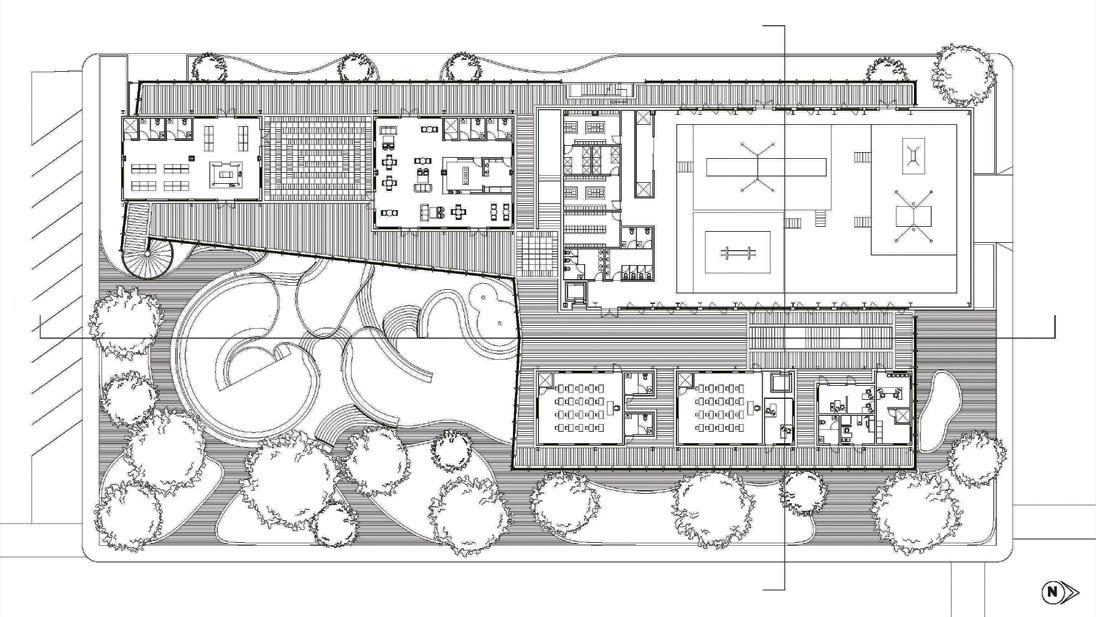
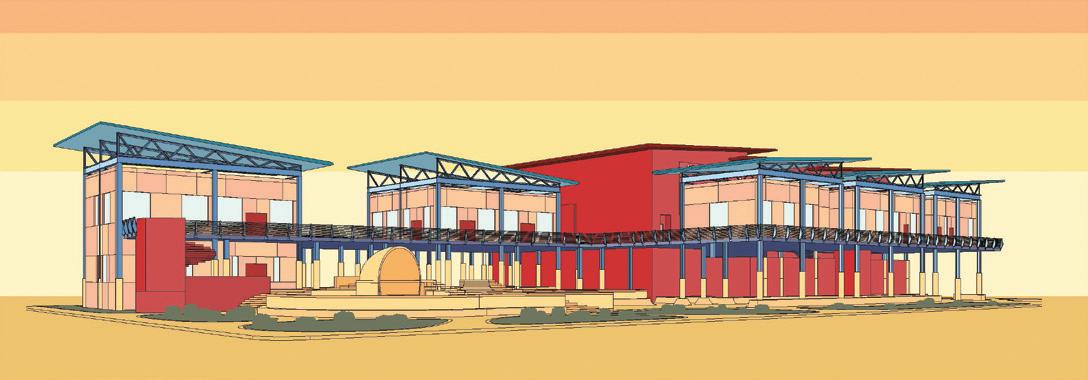
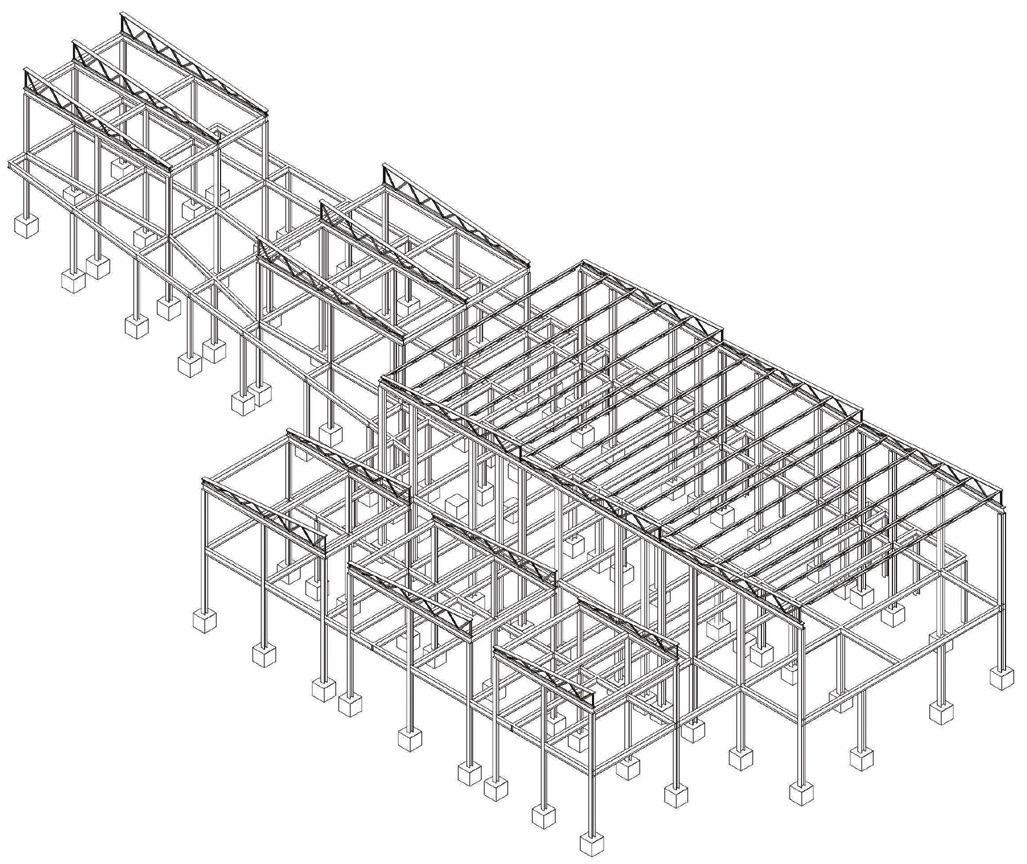
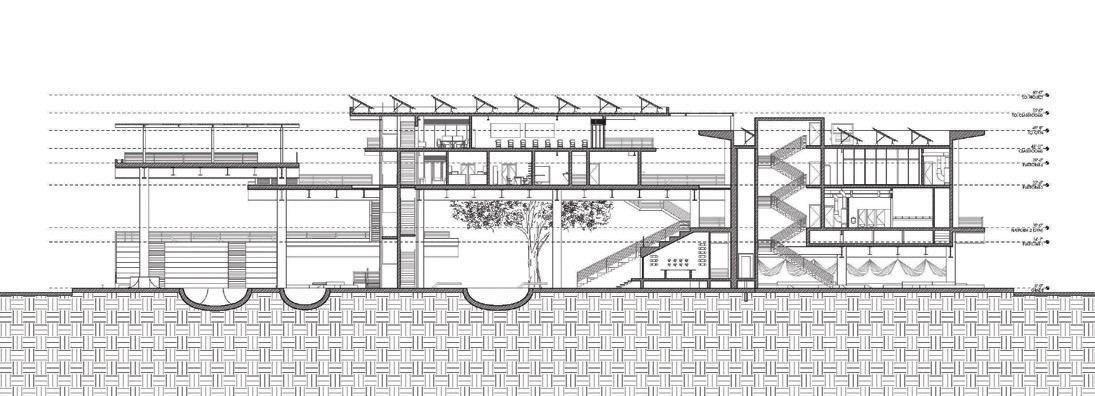
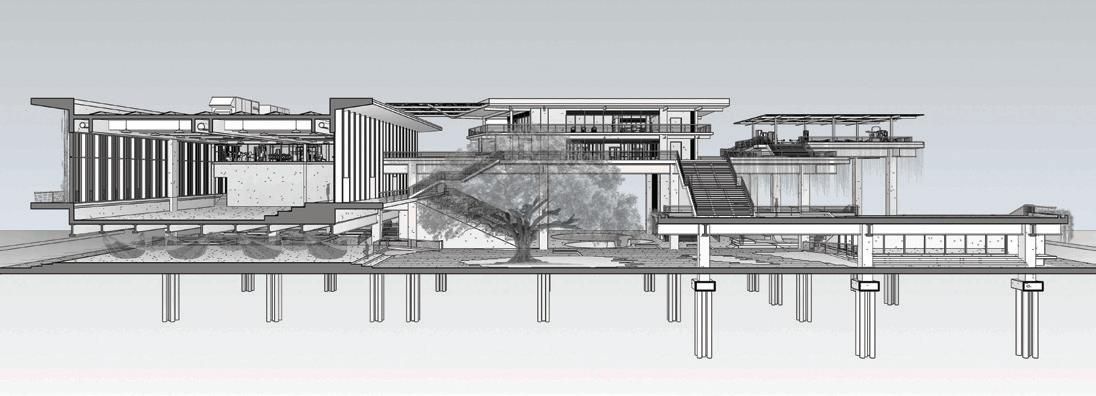
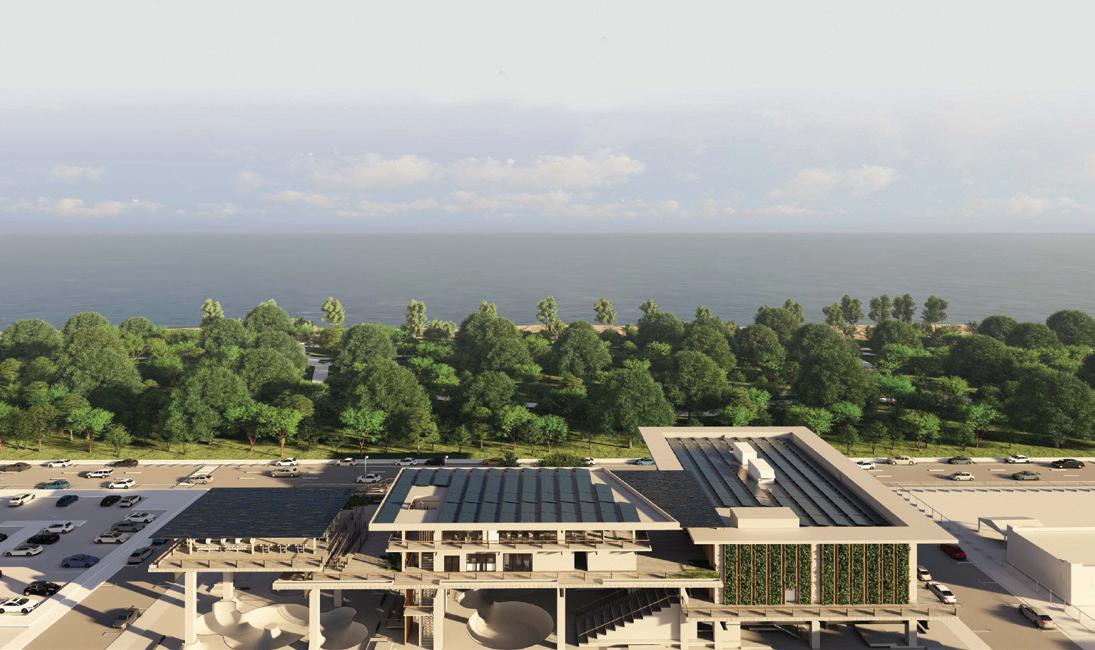
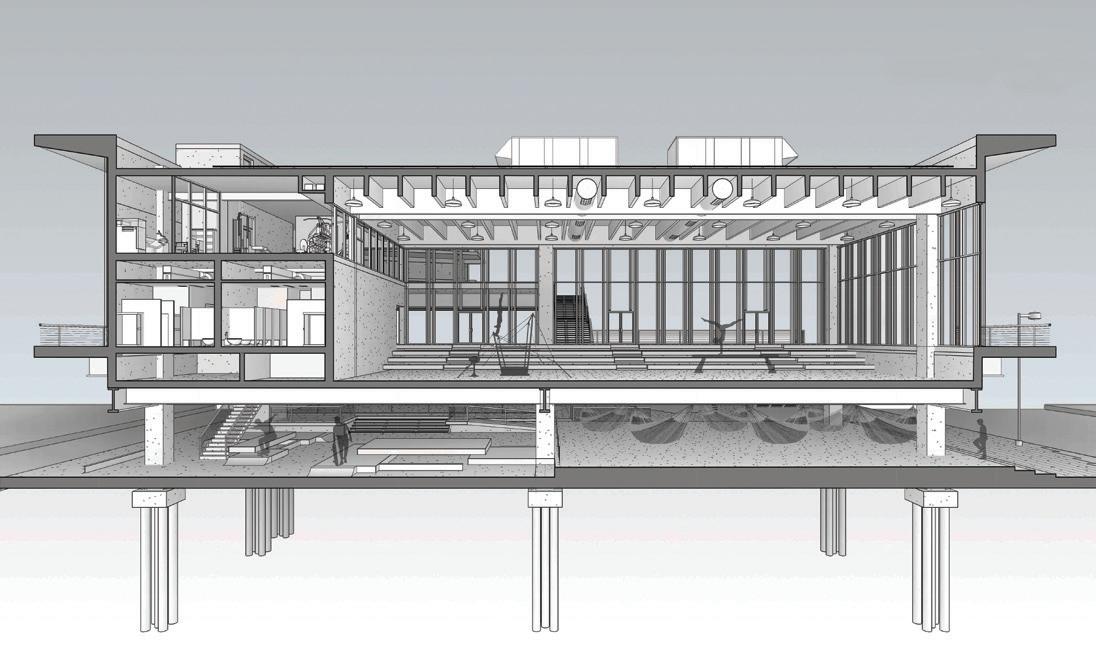


PROGRAM
Multi-Functional Highrise
New York City, NY
FACULTY
Roberto Behar


PROGRAM
Eco-Pod III
Ocean Studies Charter School, Key Largo, FL
FACULTY
Rocco Ceo with Jim Adamson
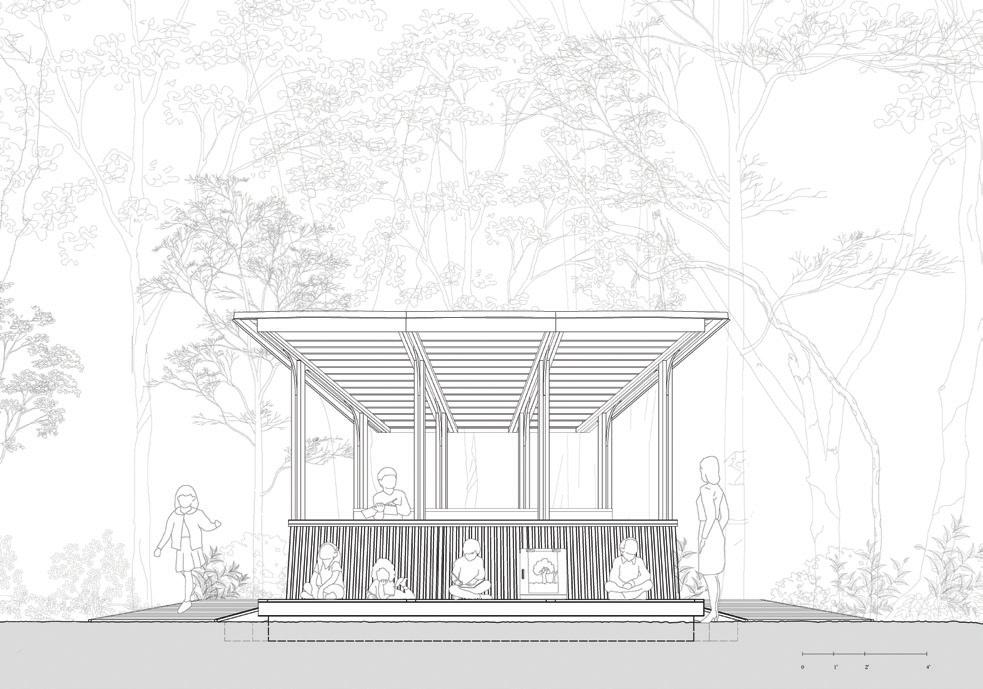
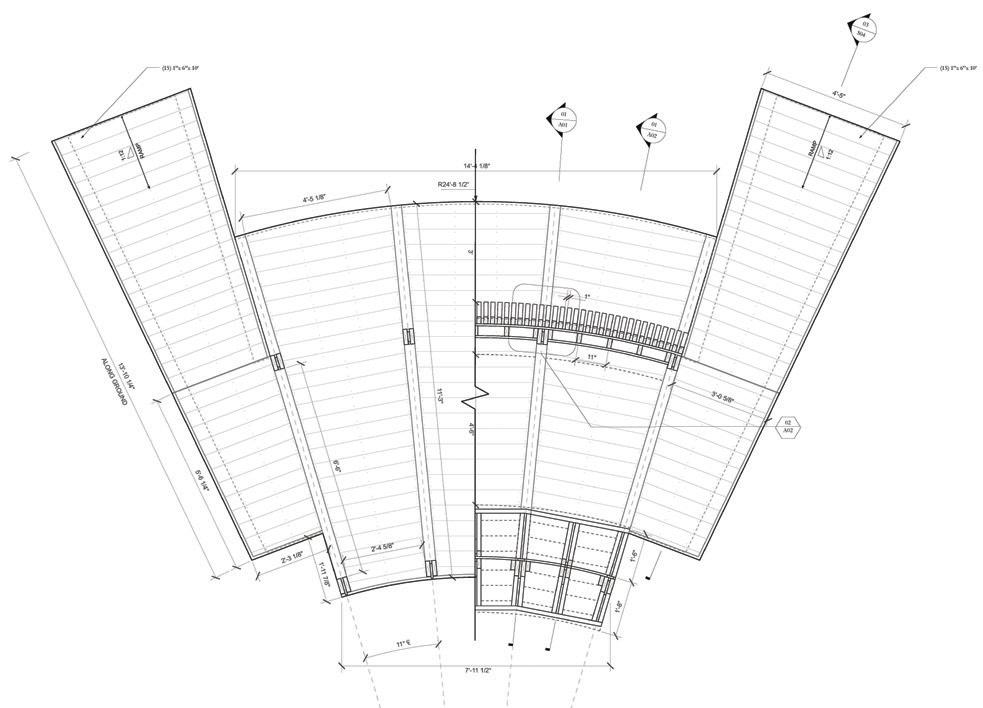
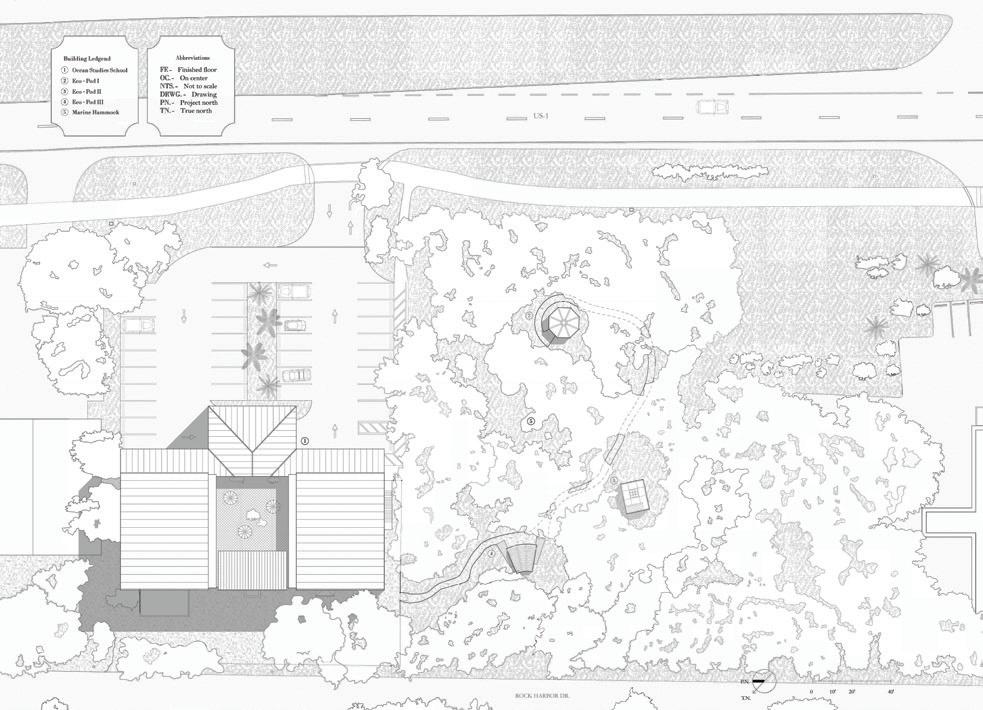
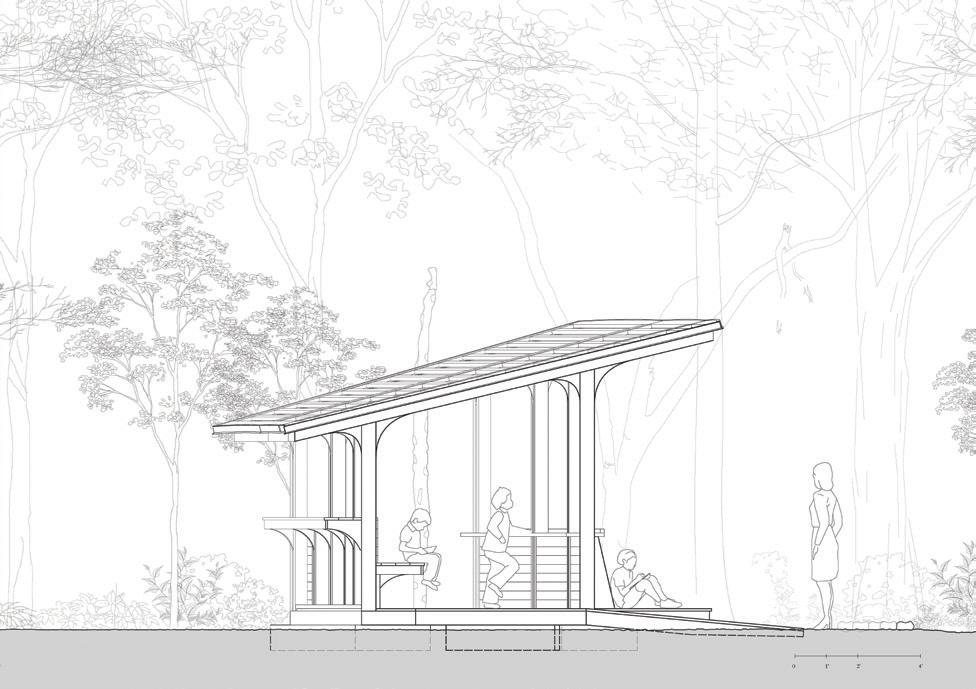
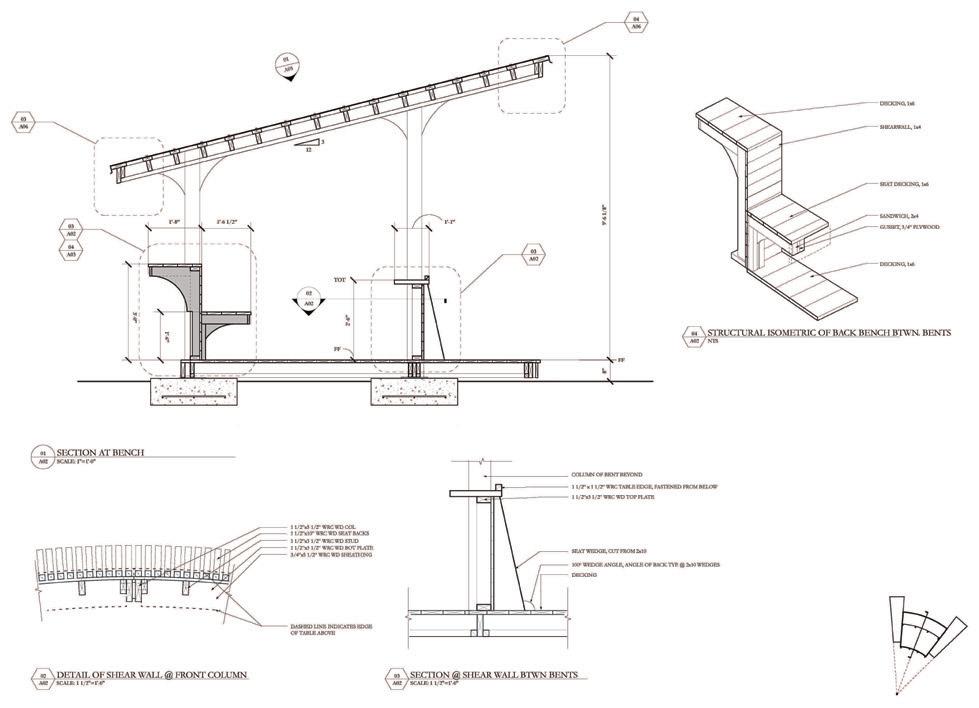
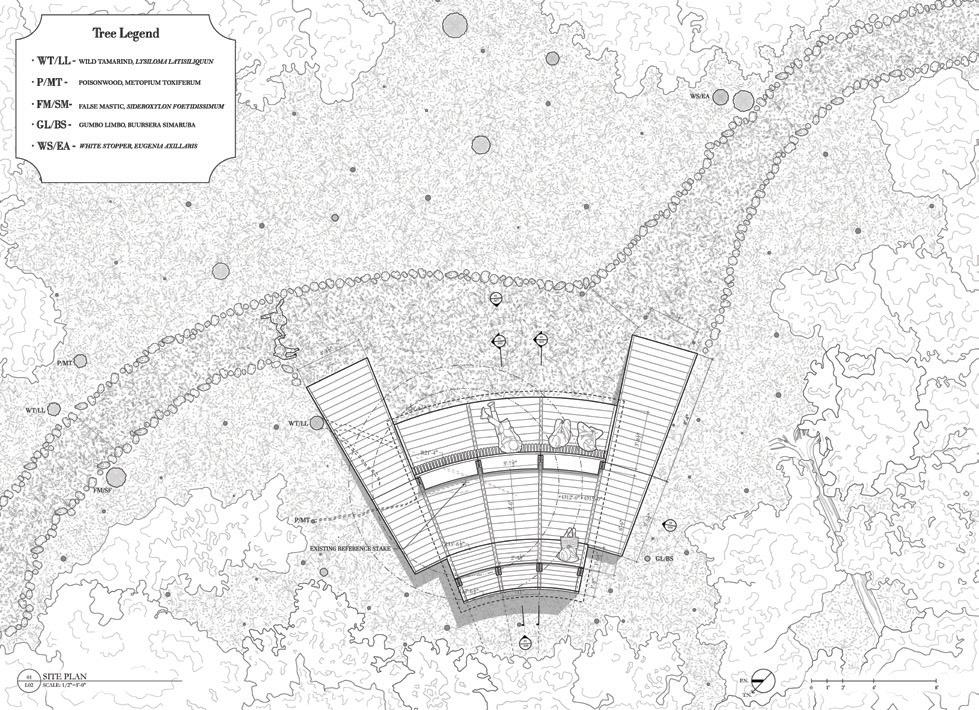

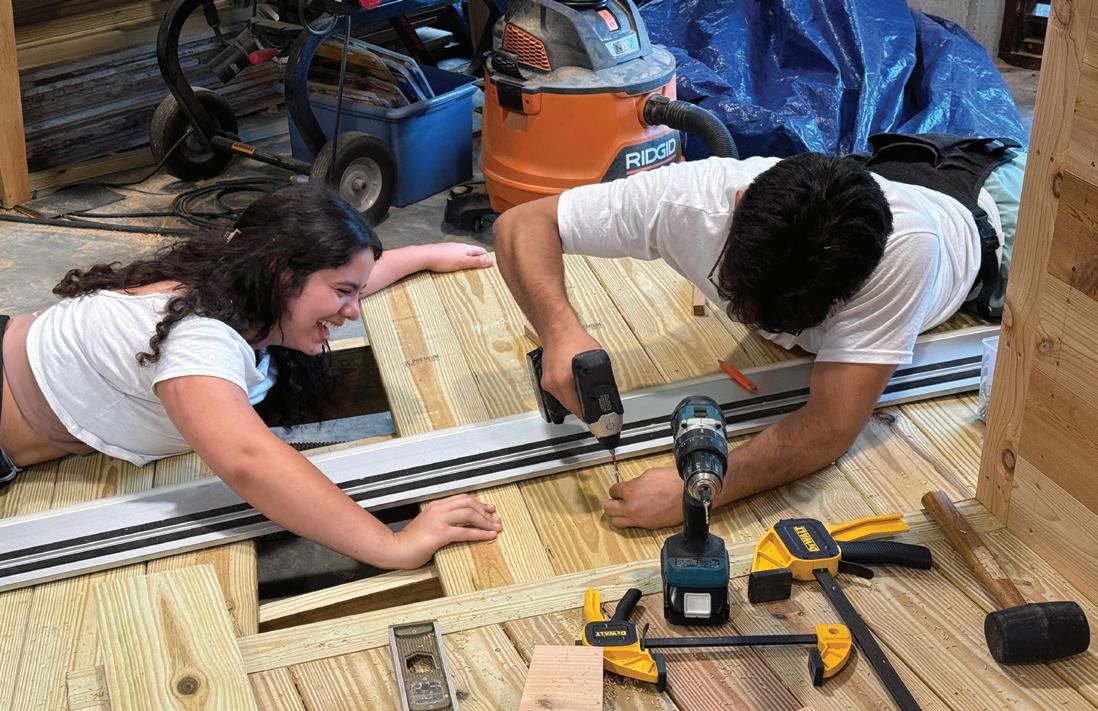
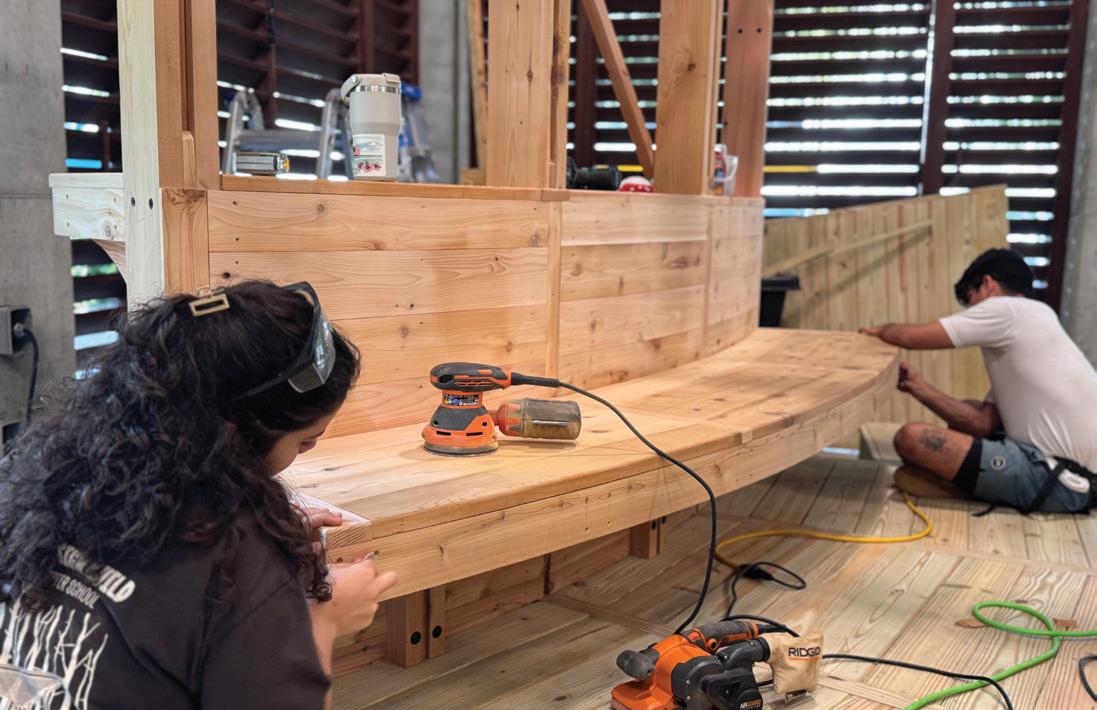
PROGRAM
Mixed Use Film Lot
Ted Givens with Donnie Garcia Navarro

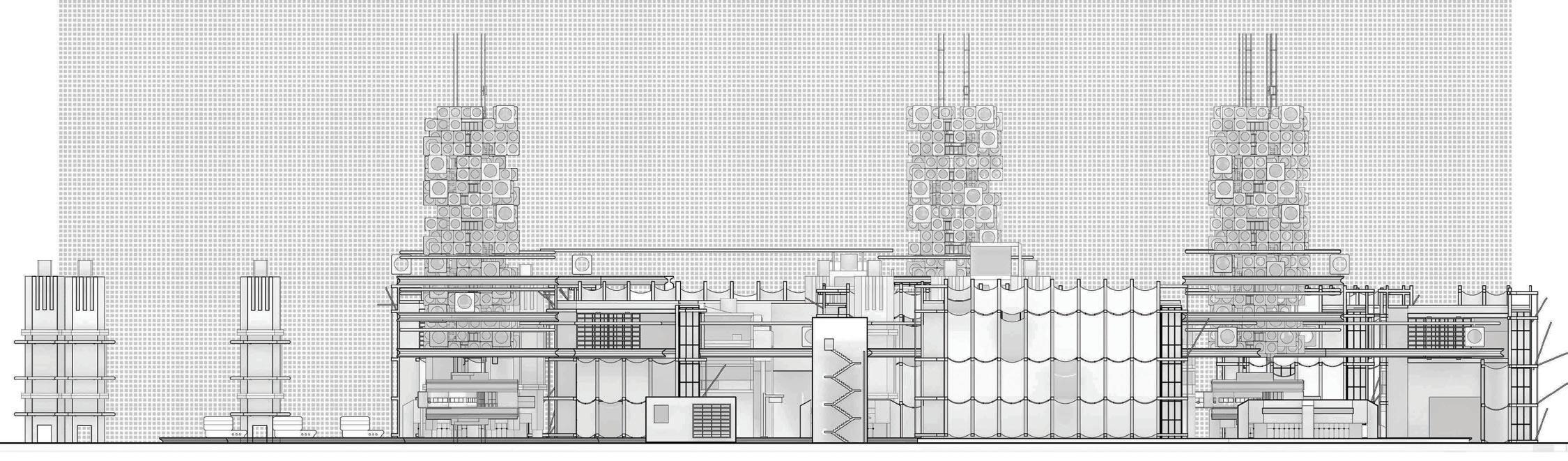


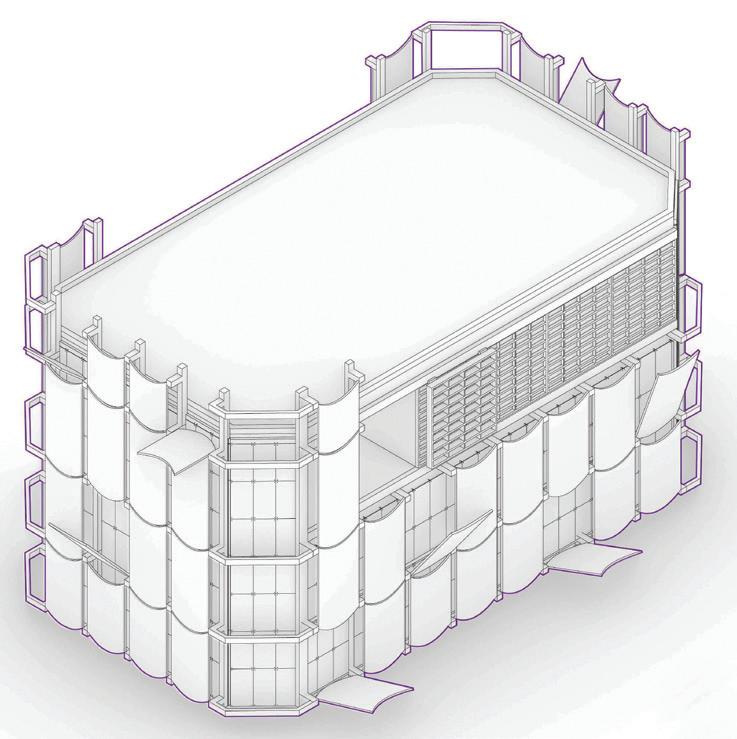
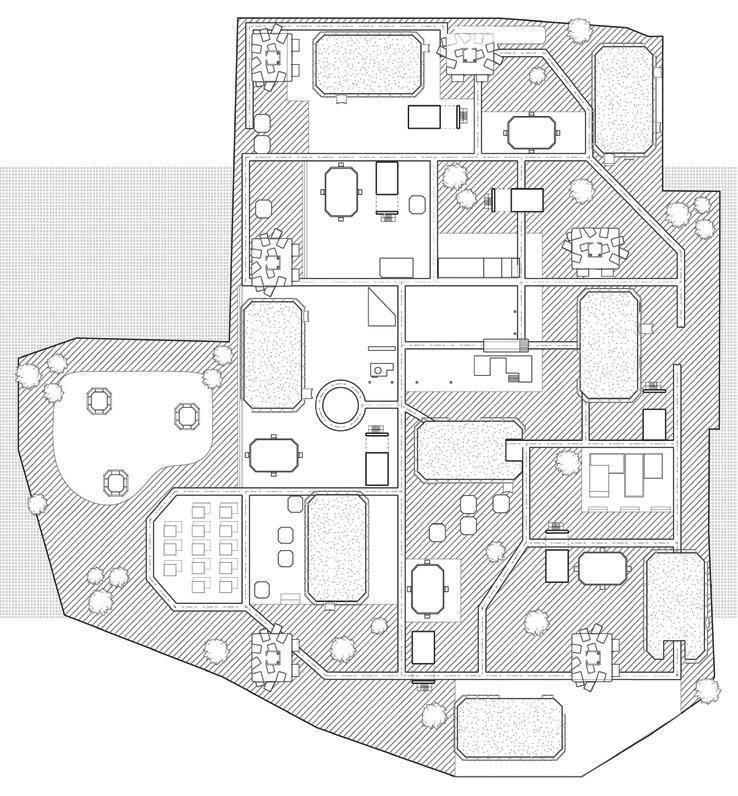
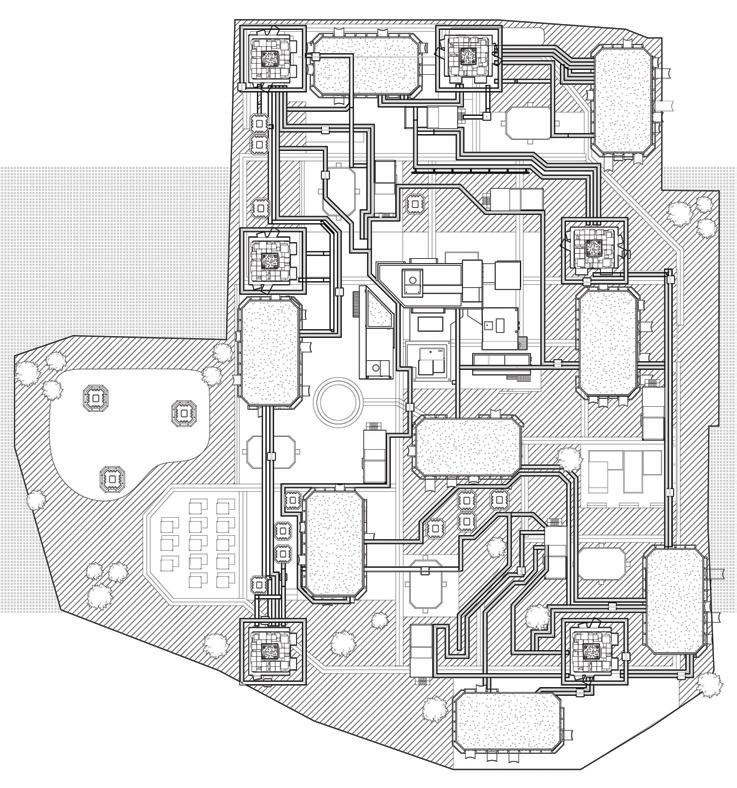
PROGRAM
Eco-Tourism
Villalba, Puerto Rico
FACULTY
Max Jarosz with Juan Yactayo
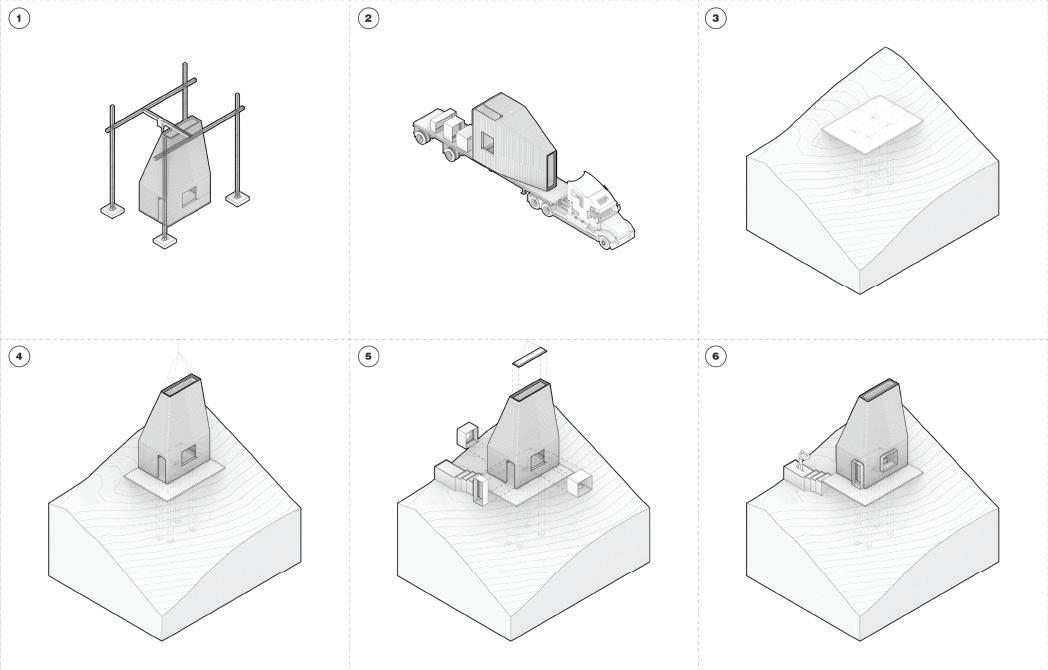
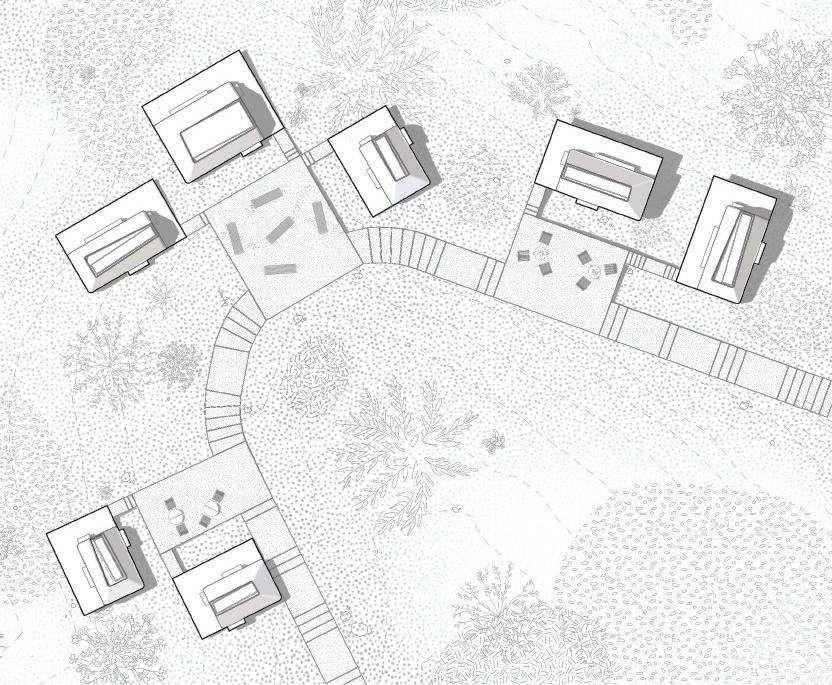
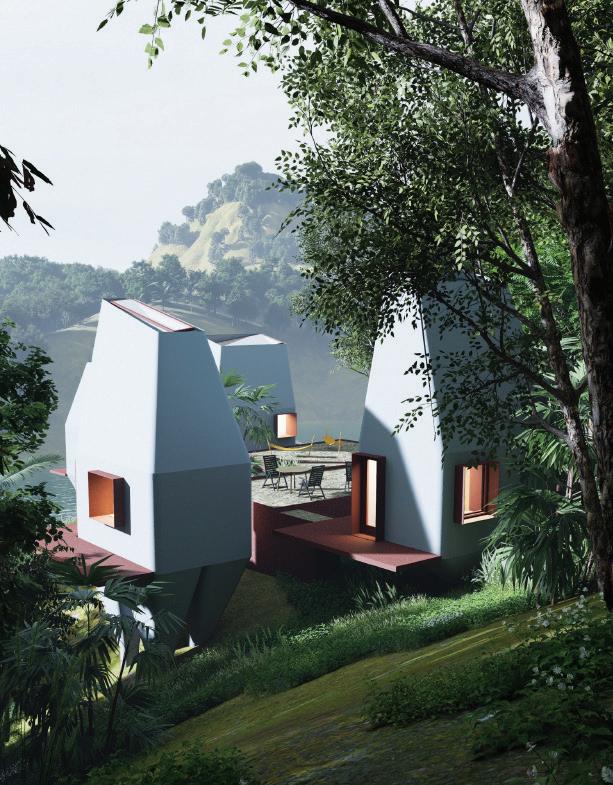
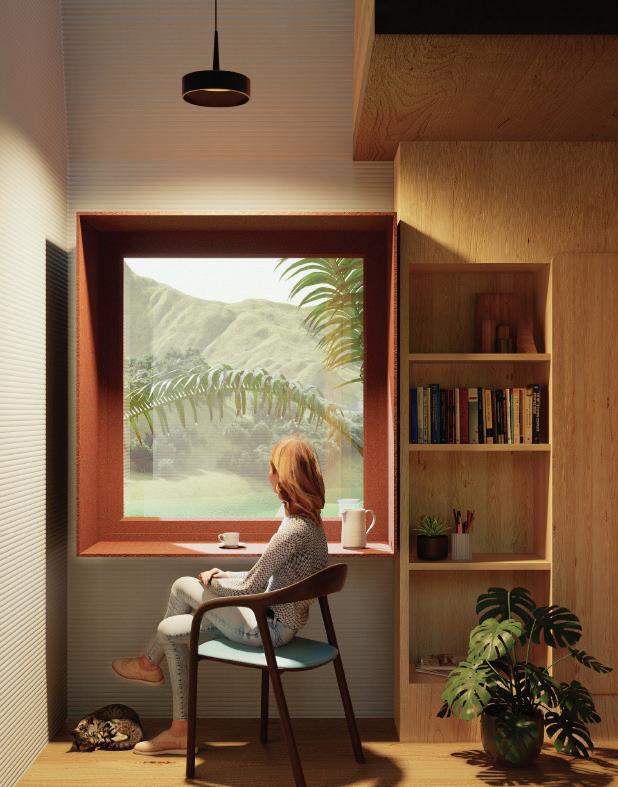
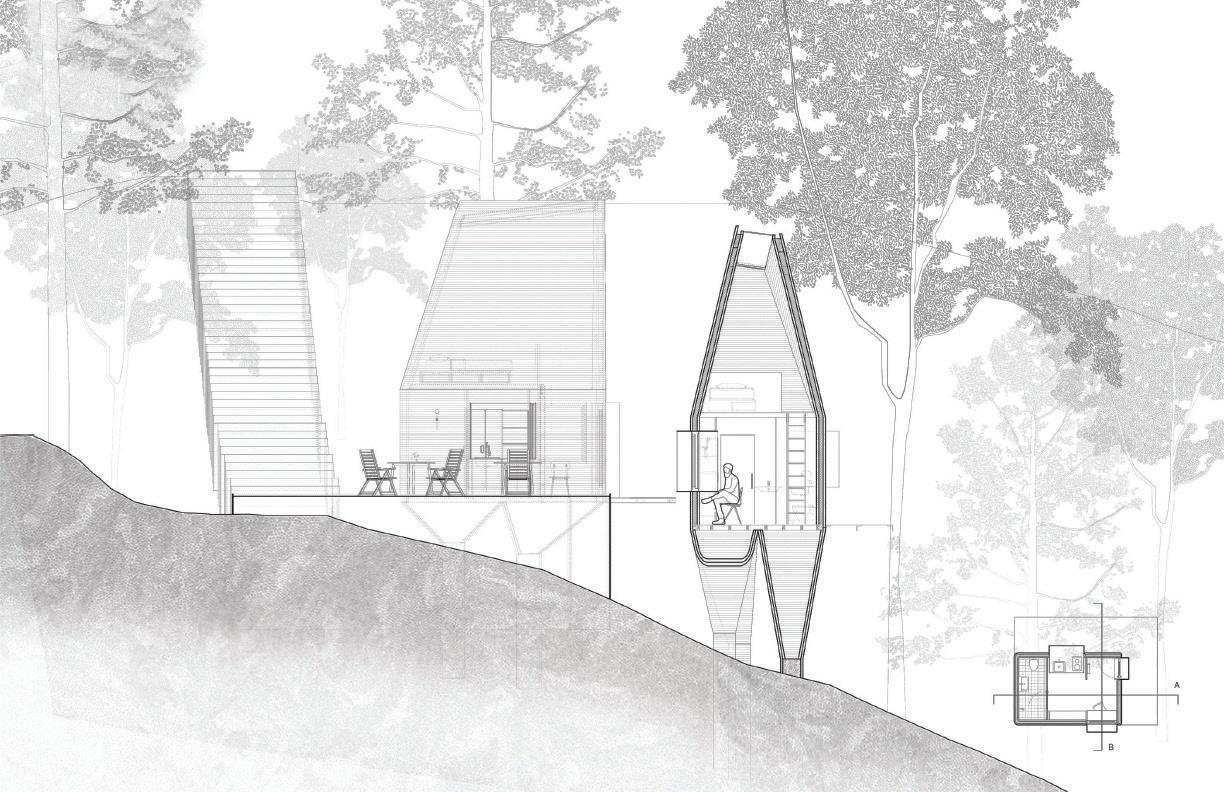
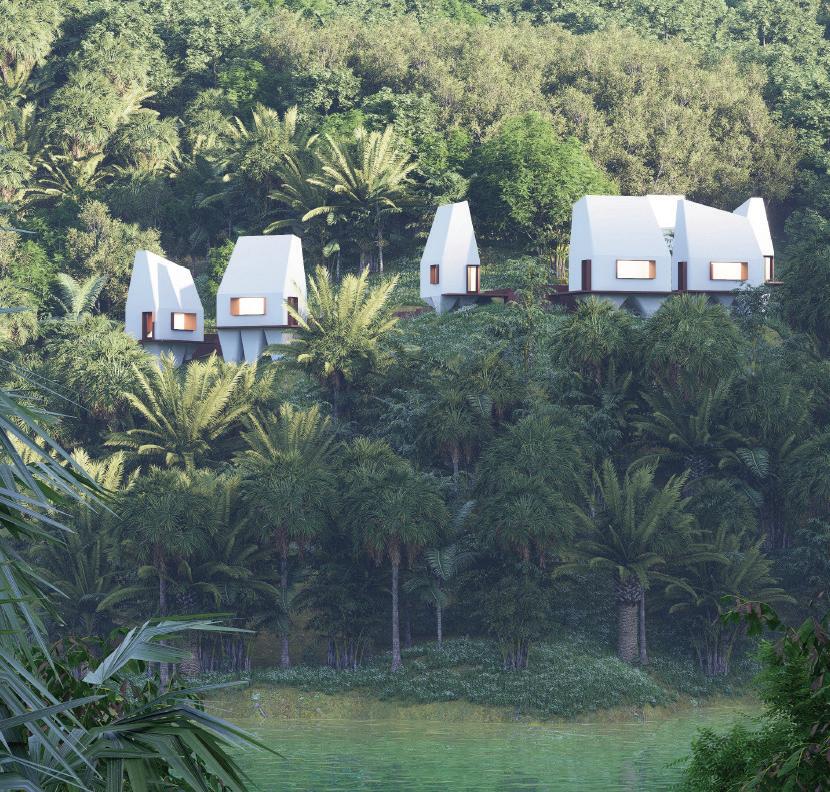
Bathhouse and Museum
Rome, Italy
Jean-François Lejeune
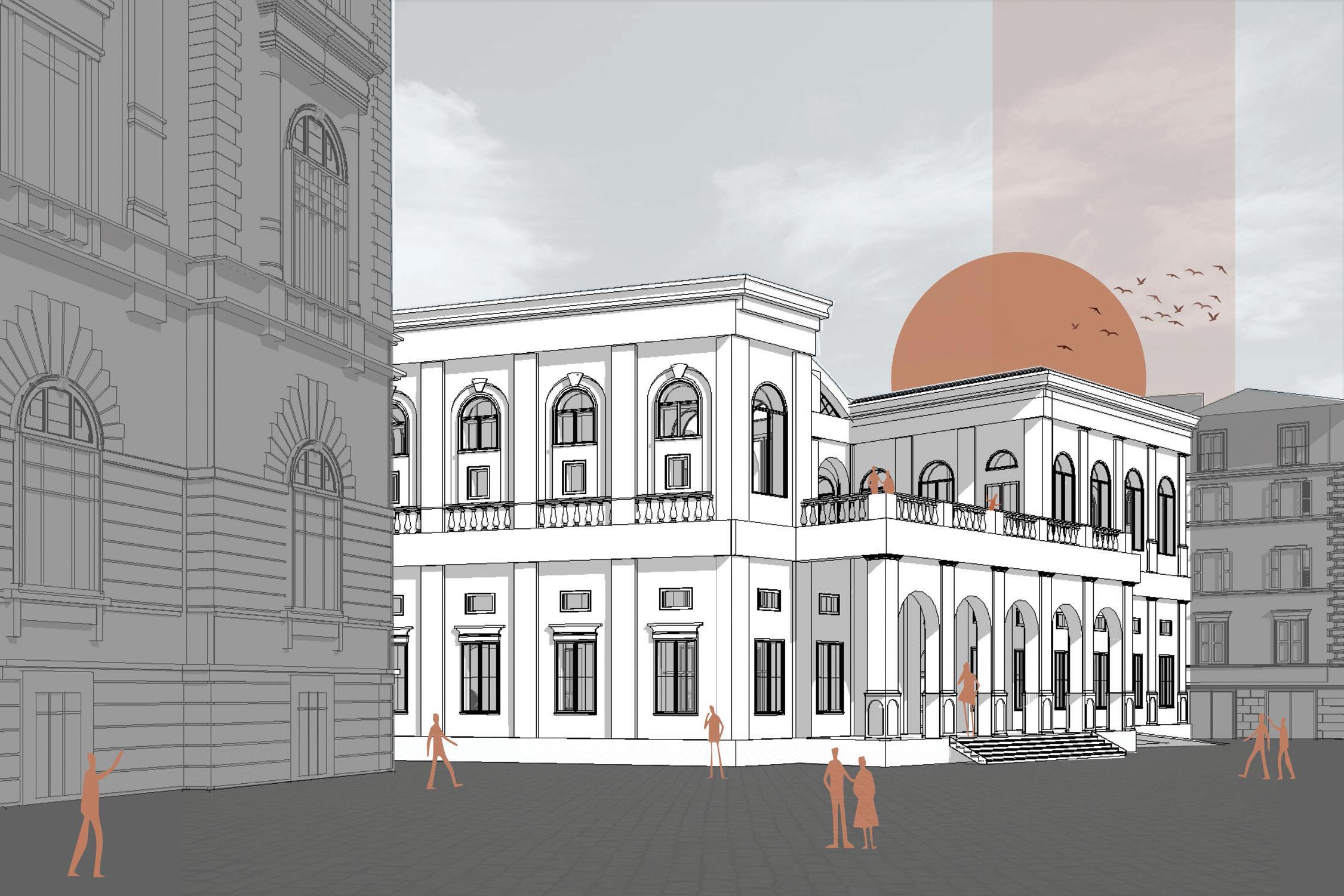
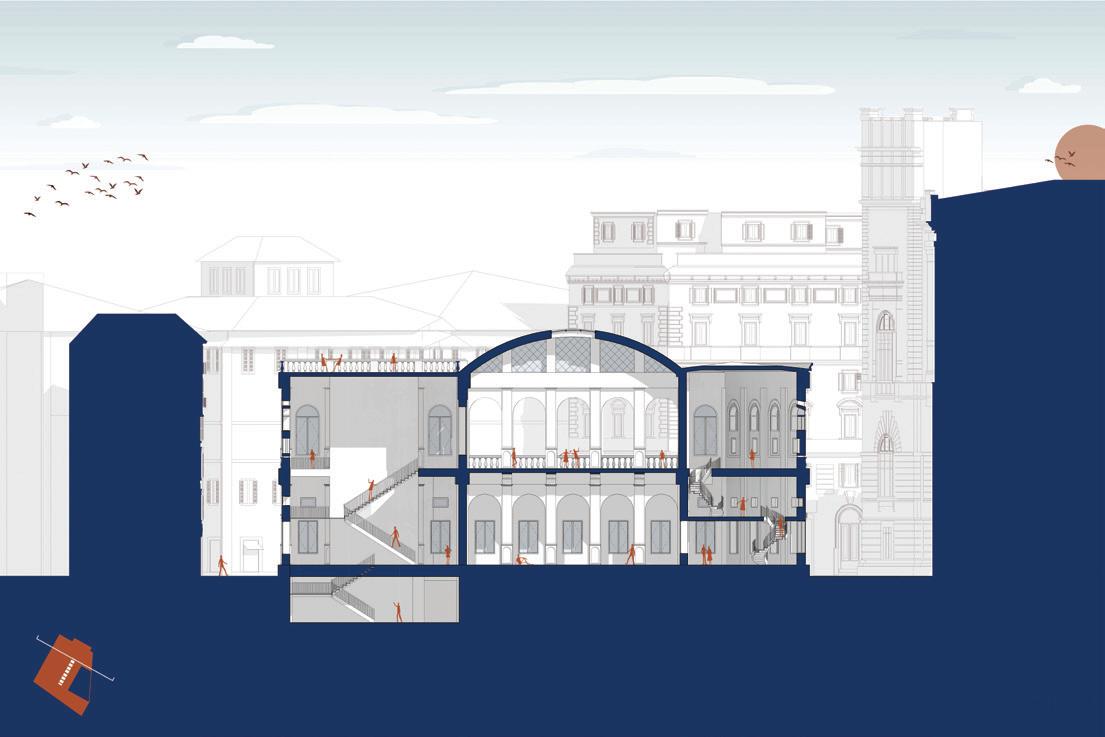
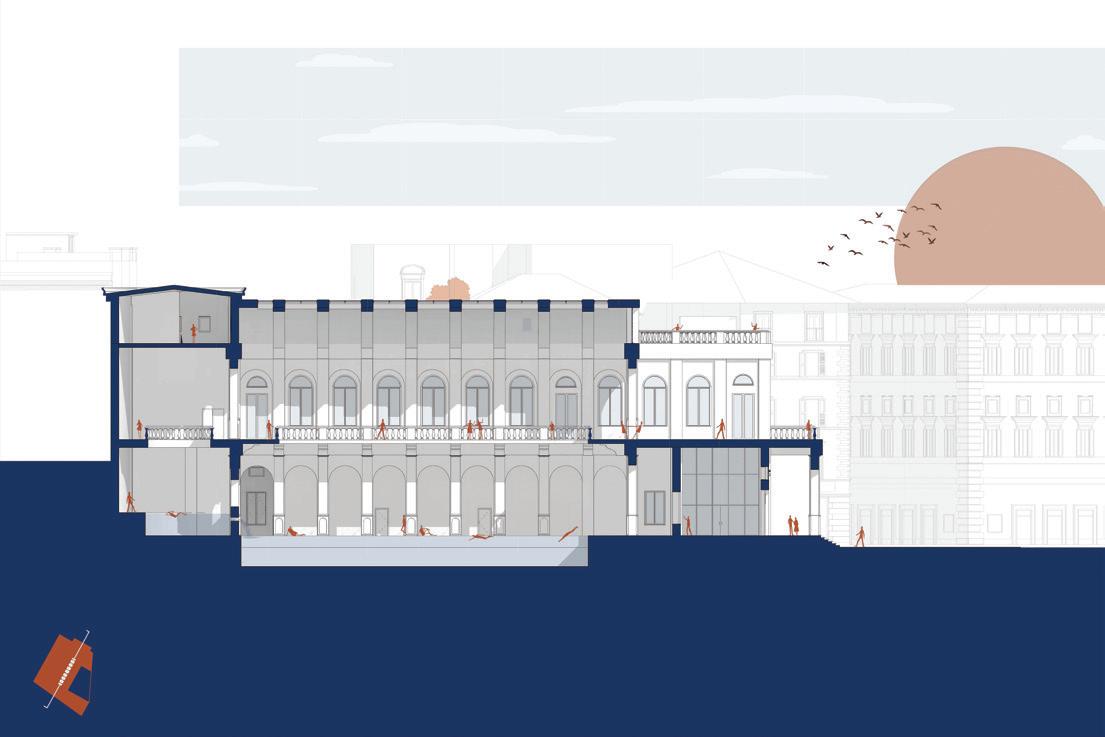
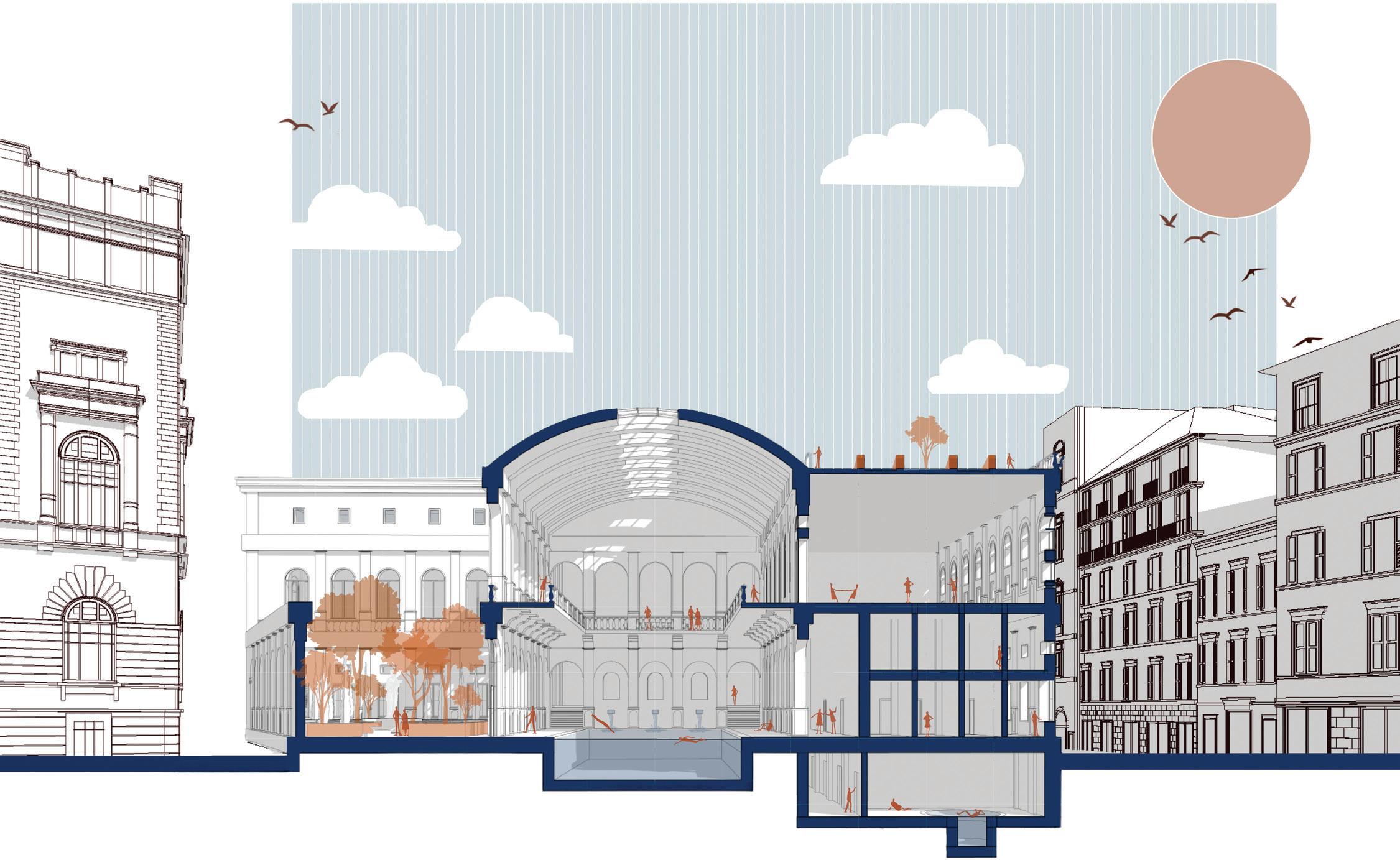
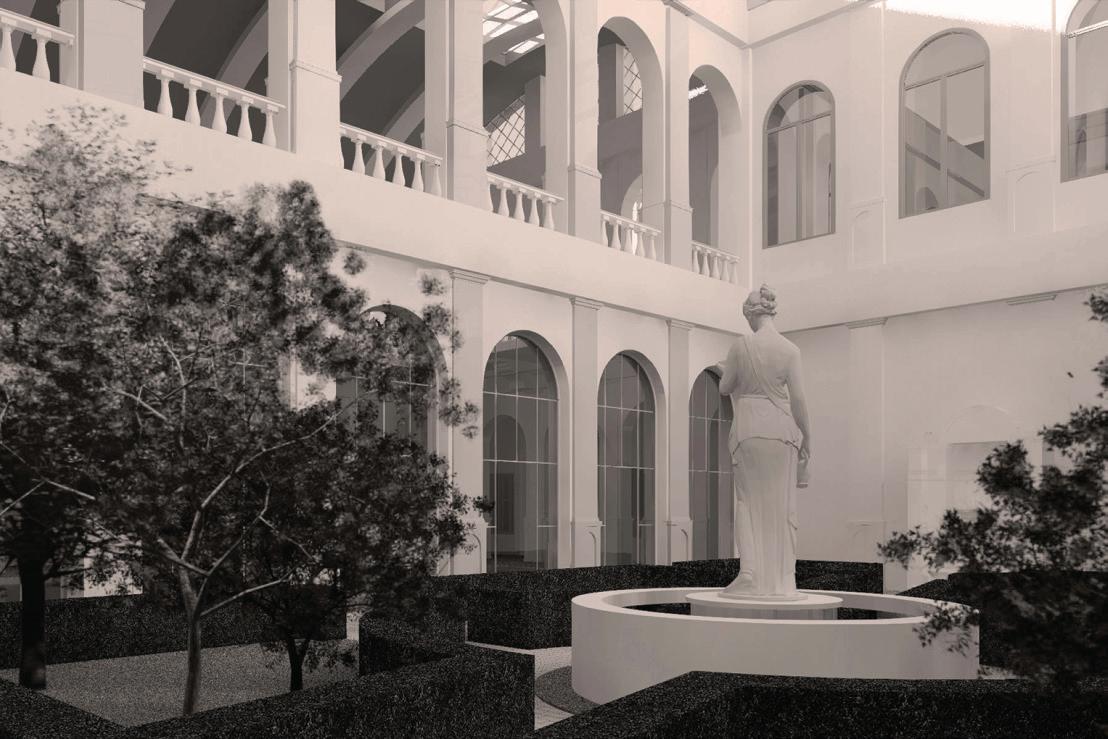
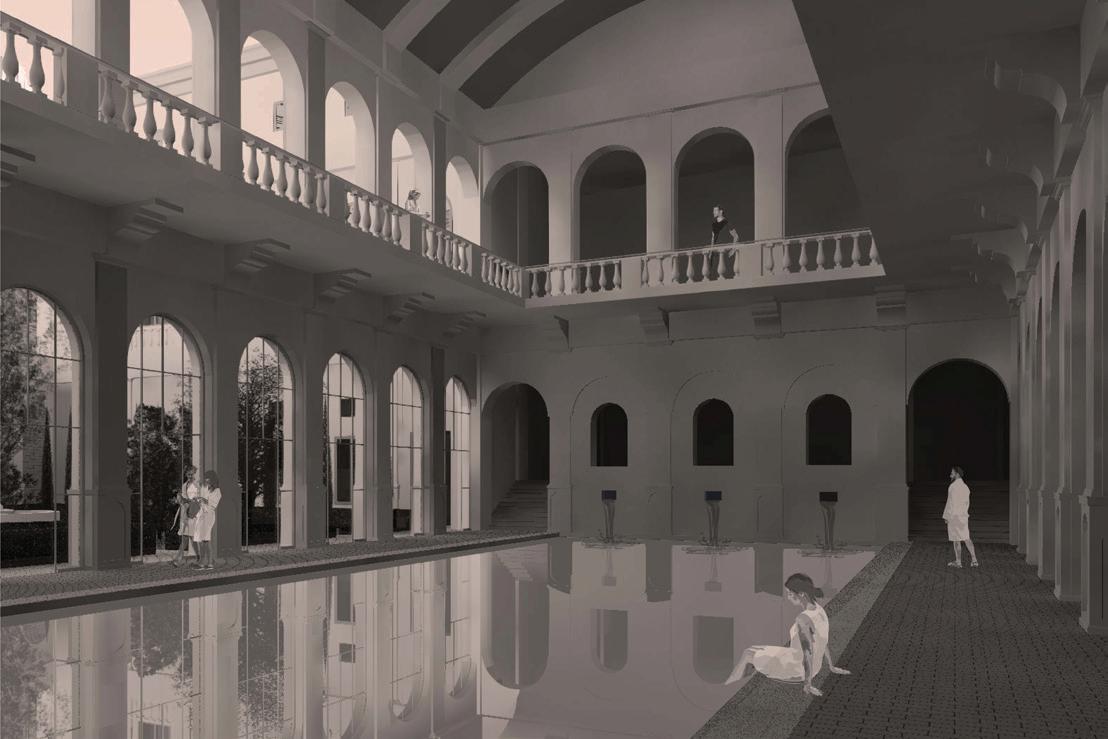
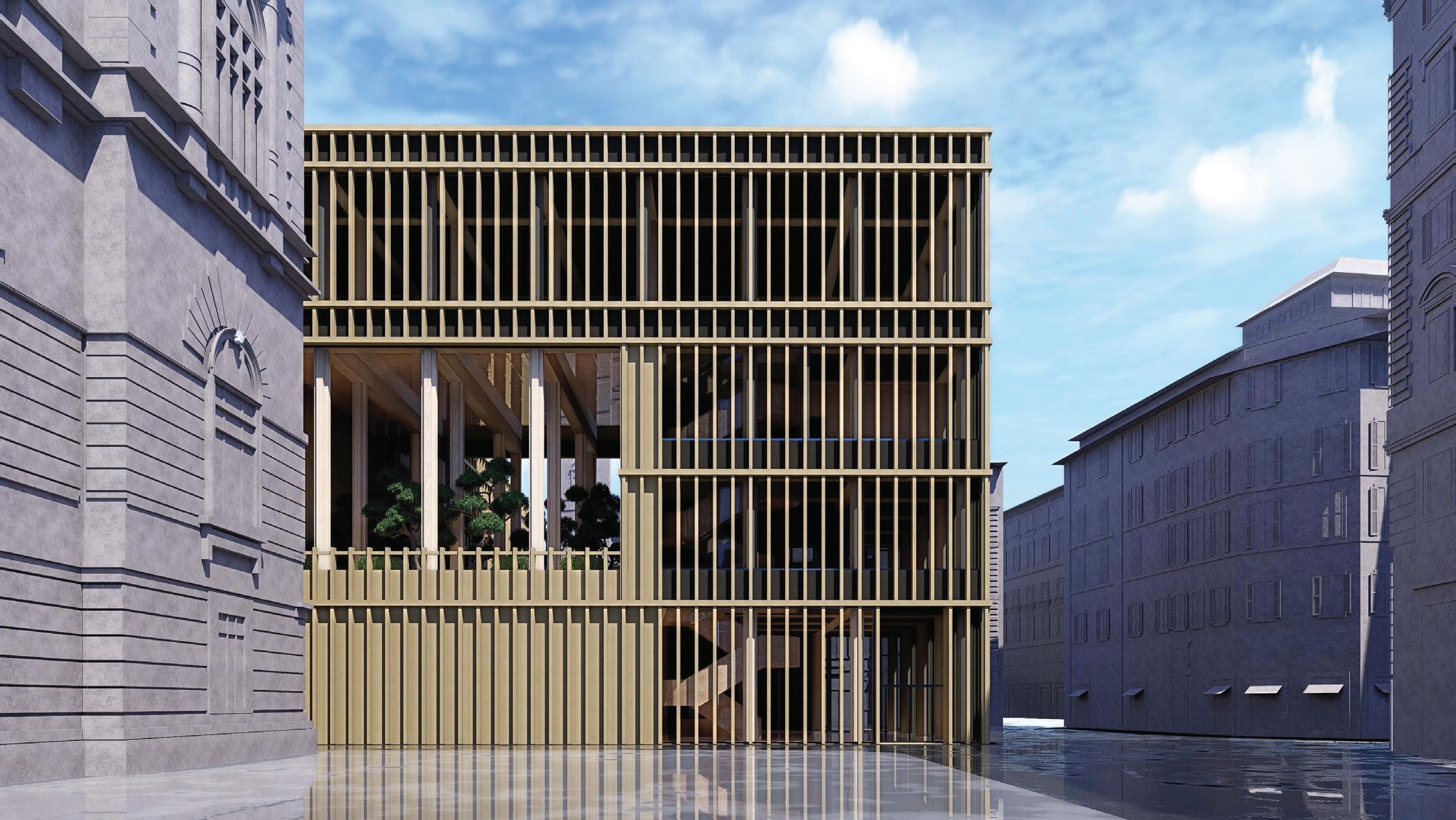
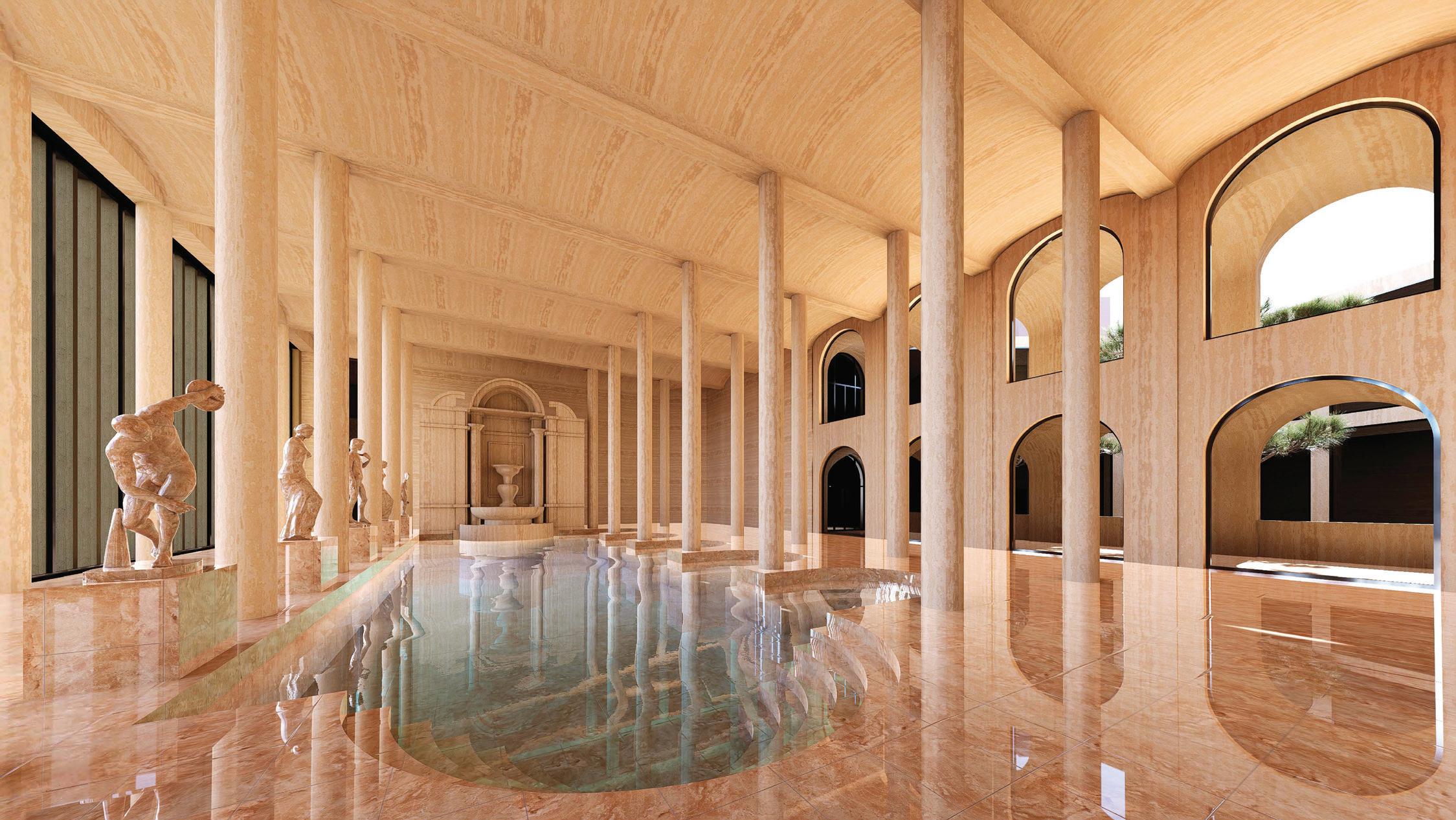
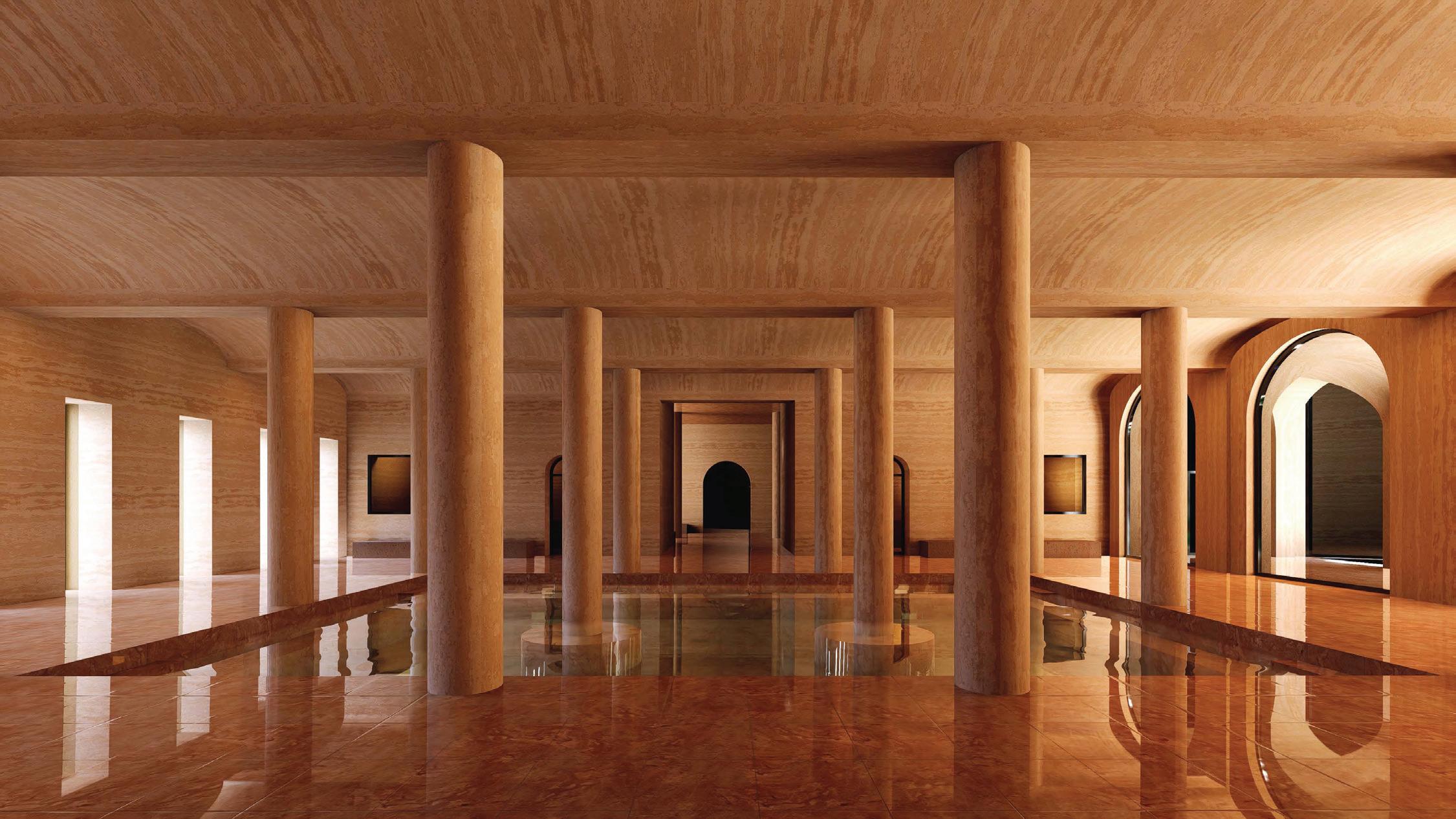
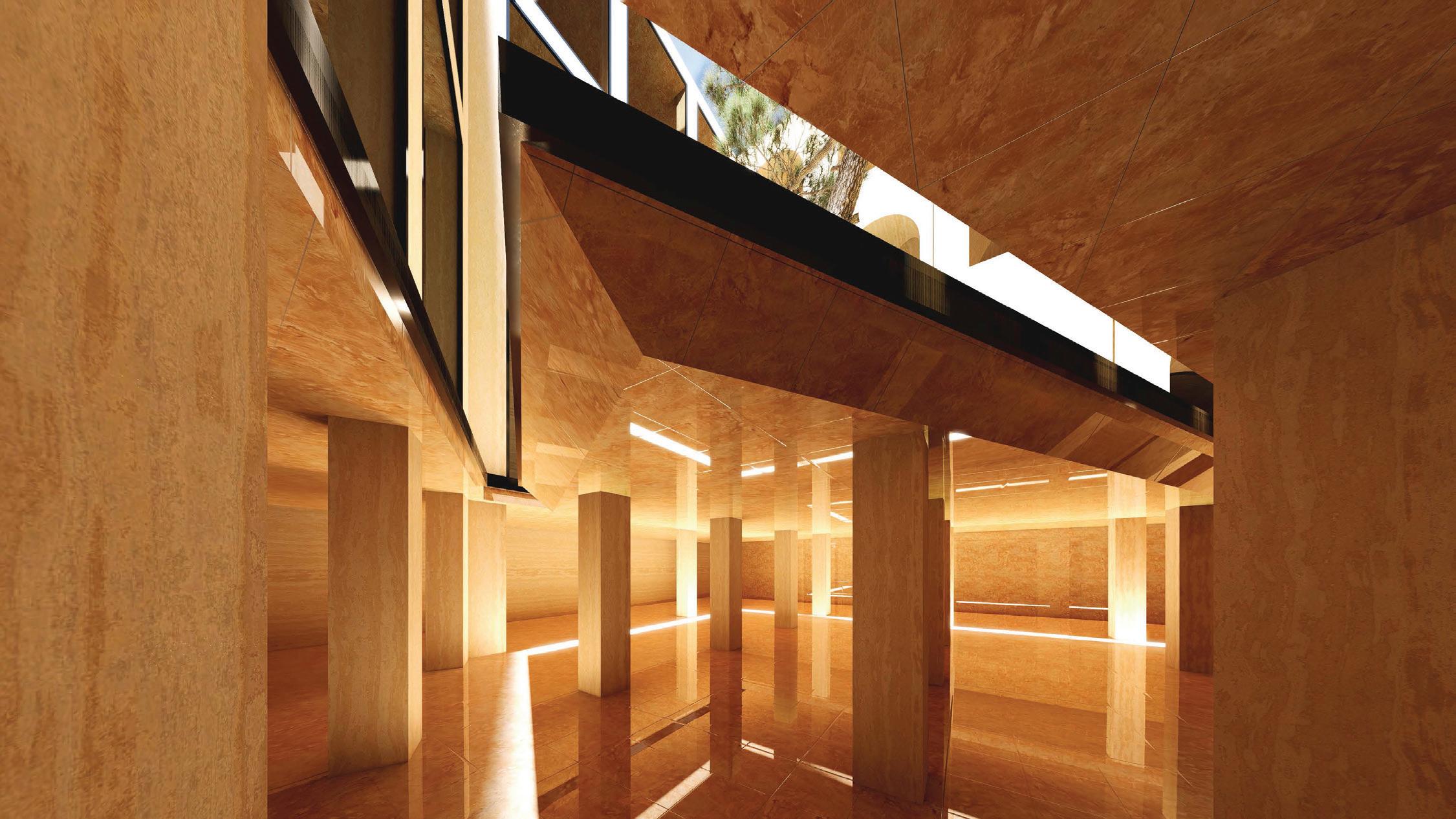
PROGRAM
Residential Design
Coral Gables, FL
Frank Martinez
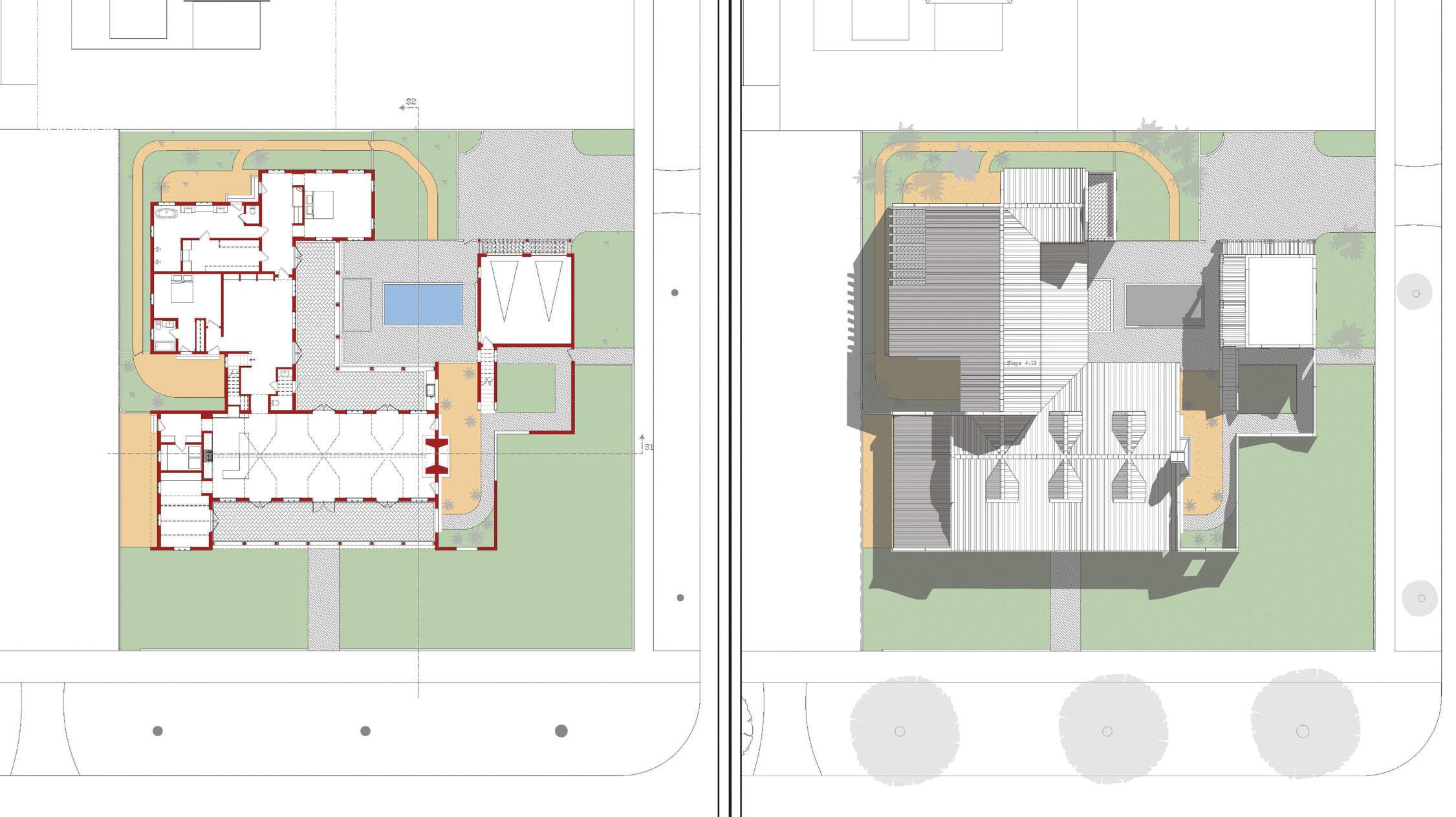
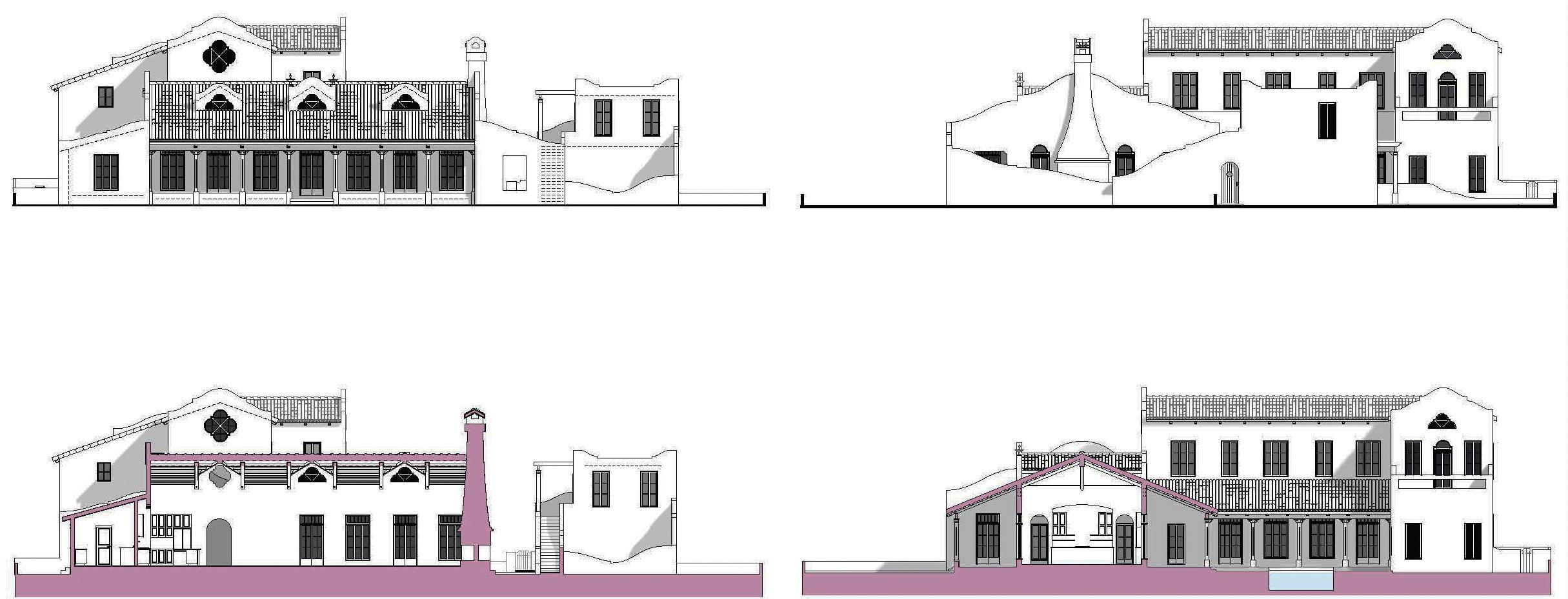
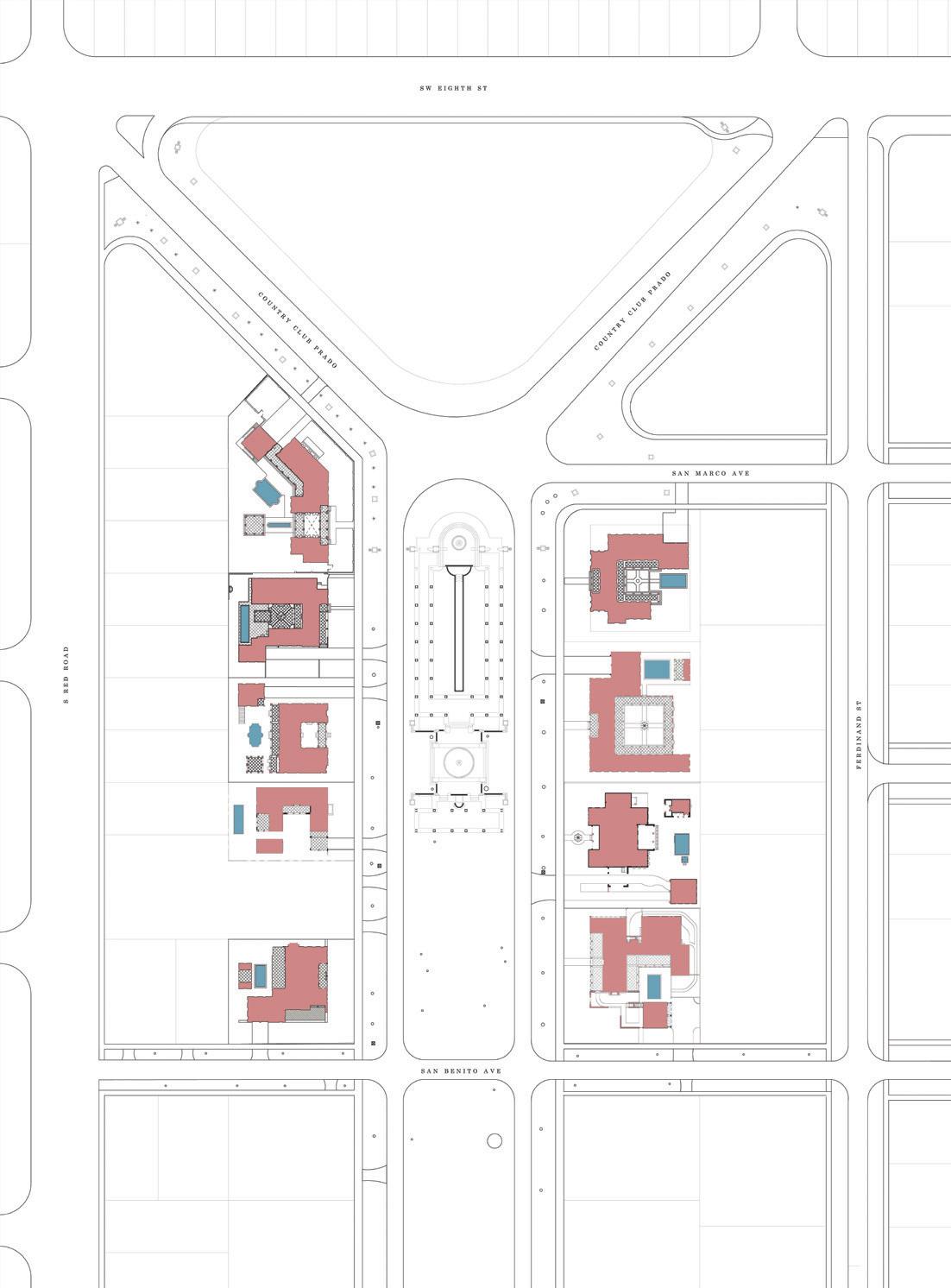
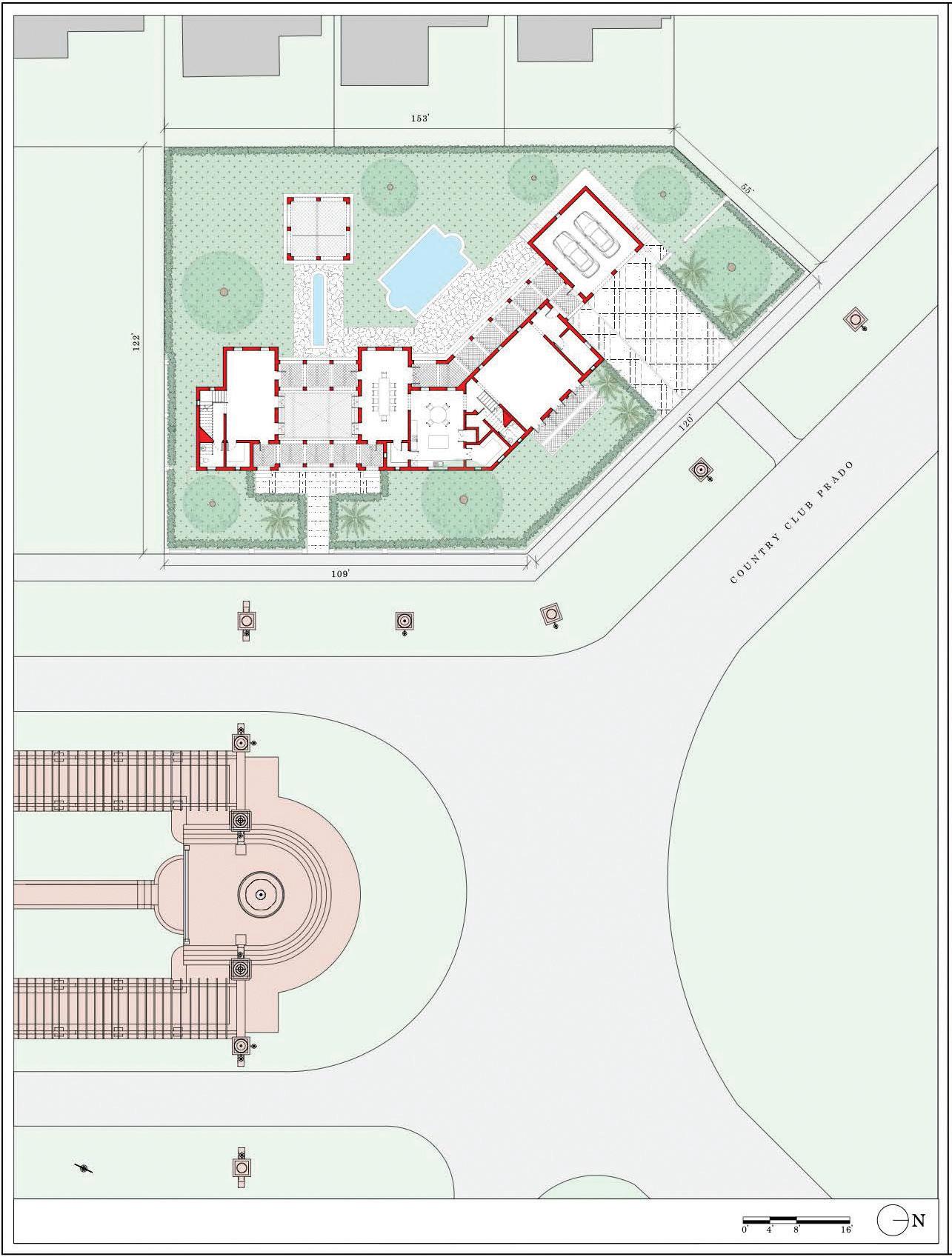
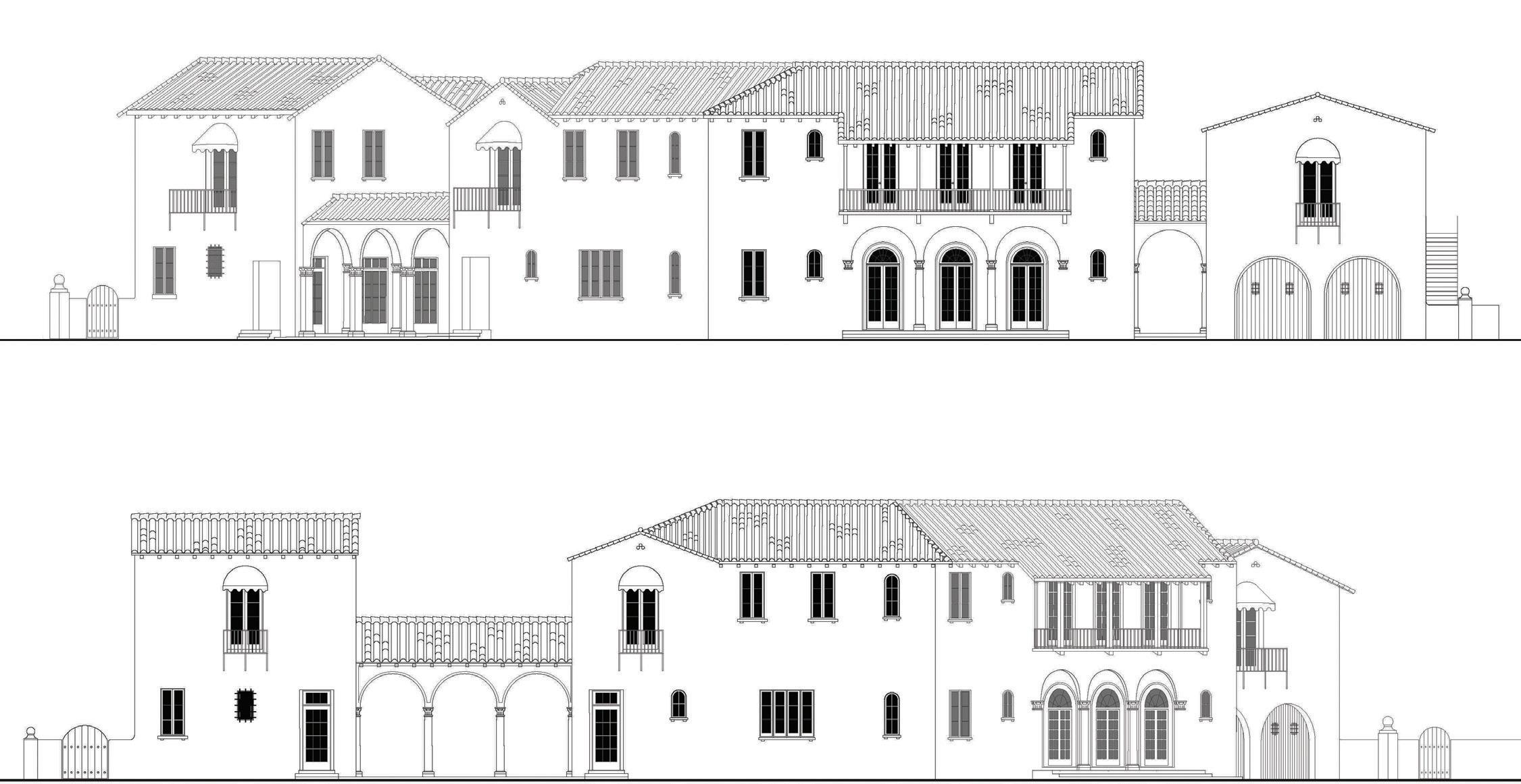
PROGRAM
Adaptive Reuse
London, United Kingdom
VISITING FACULTY
Steven Miller

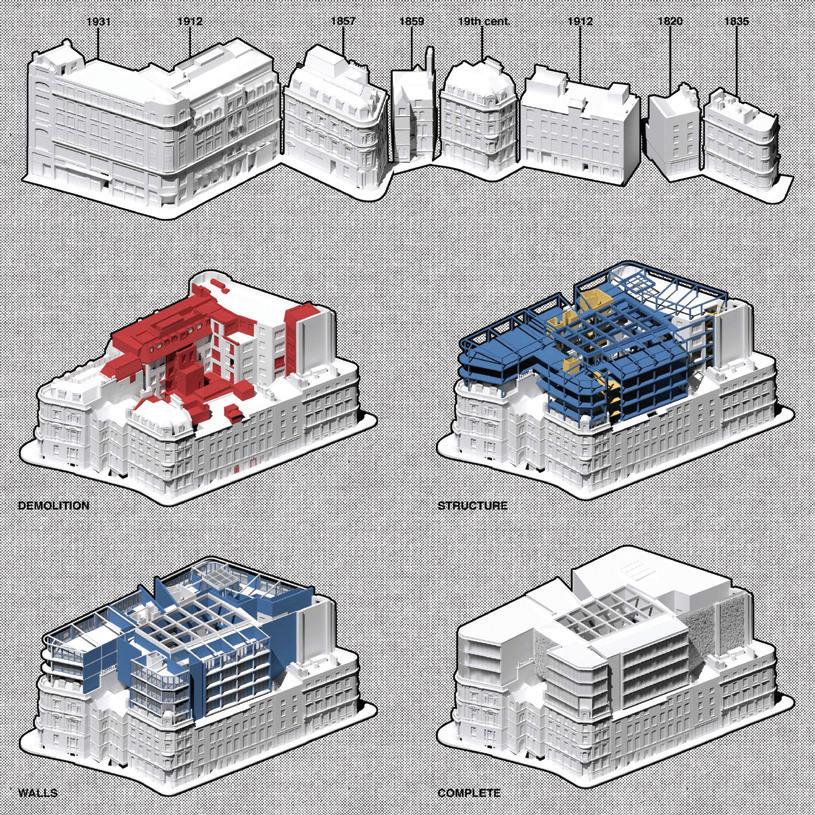
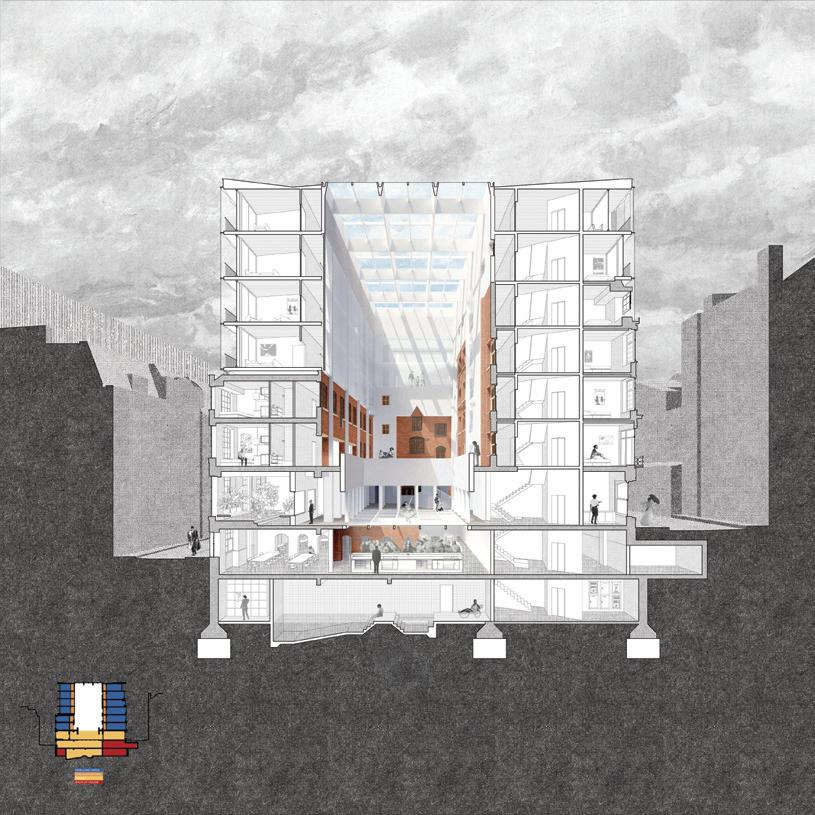

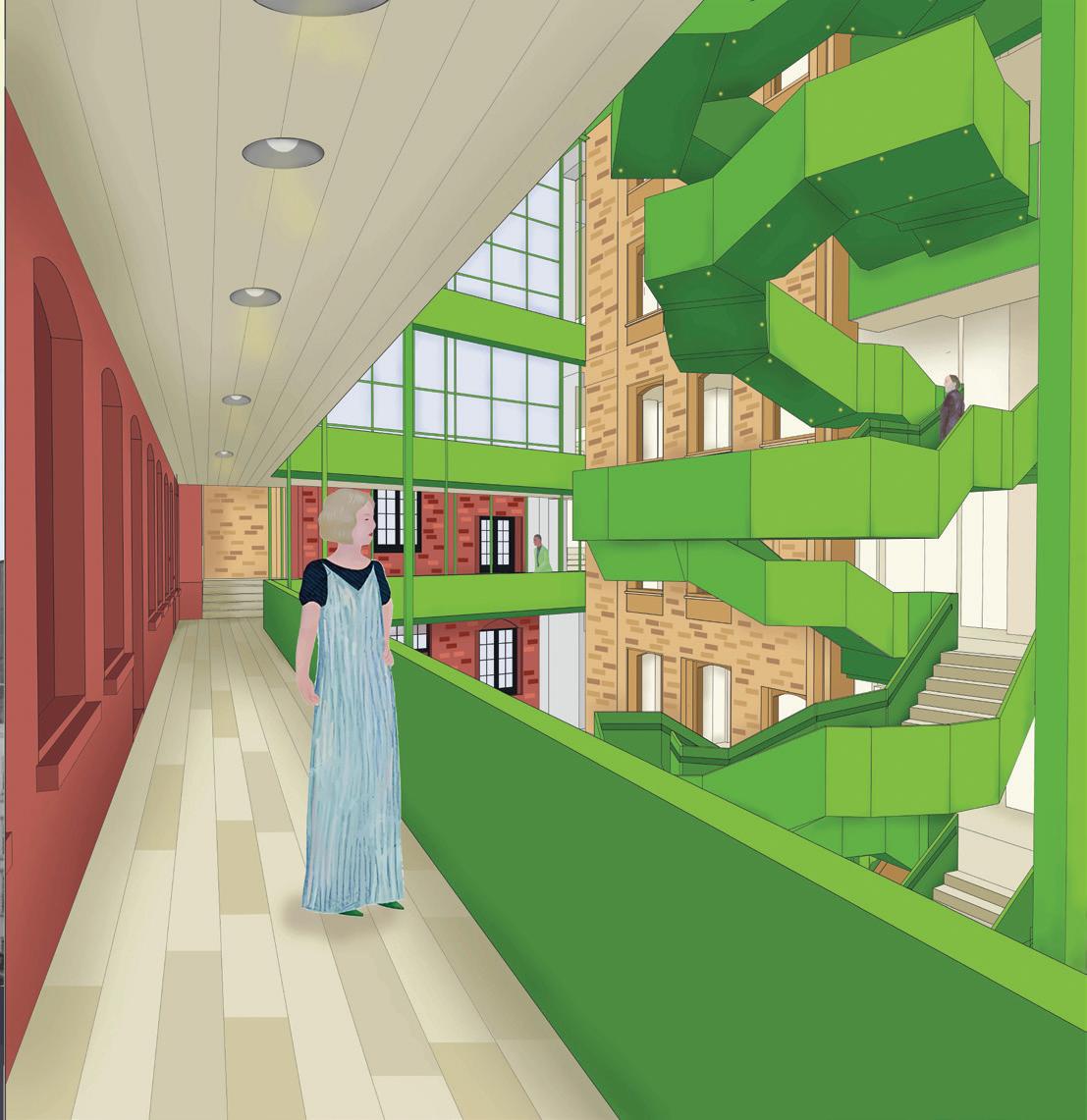
PROGRAM
Public Beach Amenities
Haulover Beach, Miami, FL
VISITING FACULTY
Steven Miller
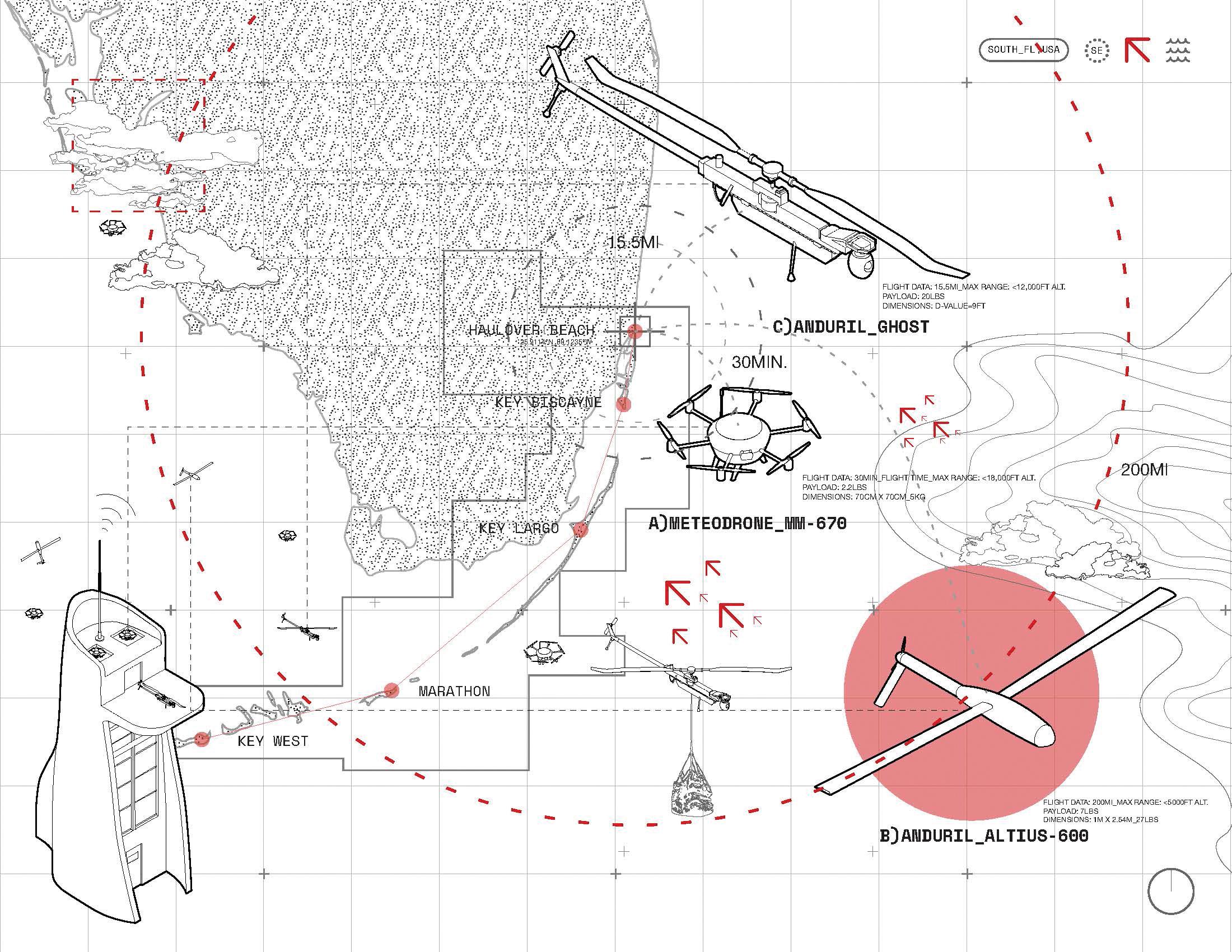
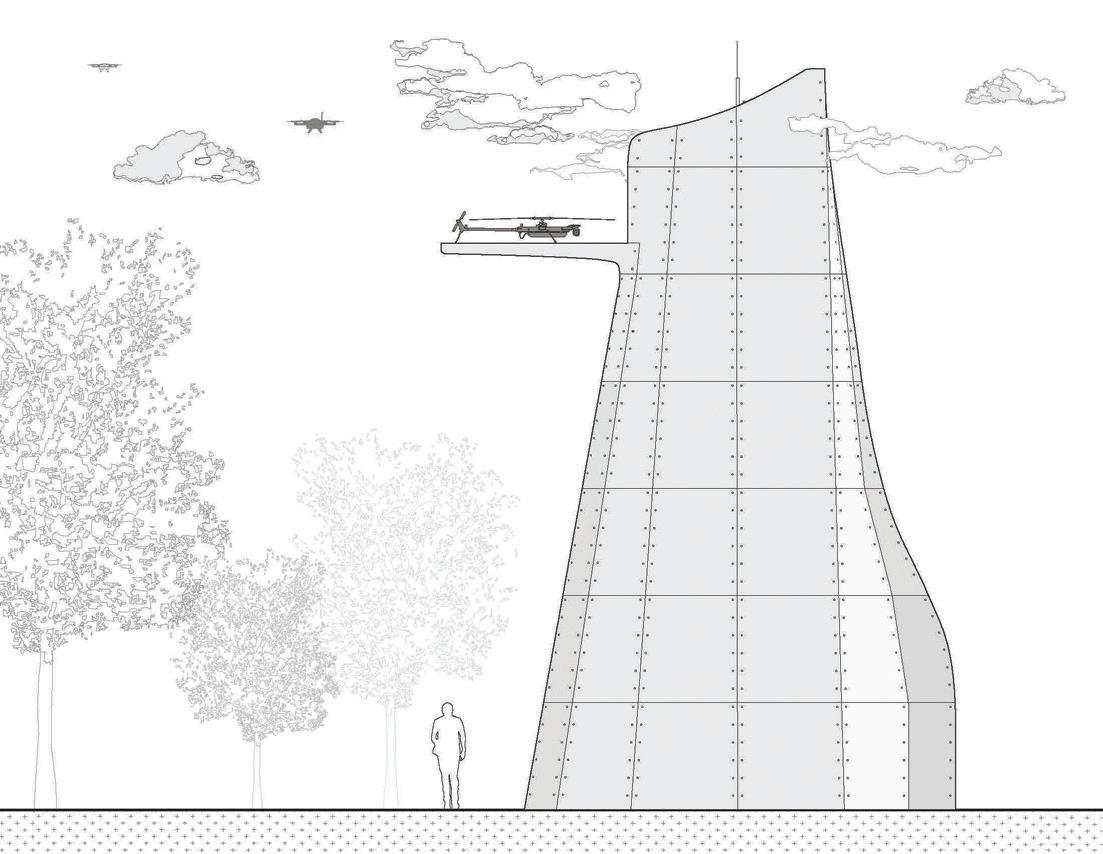
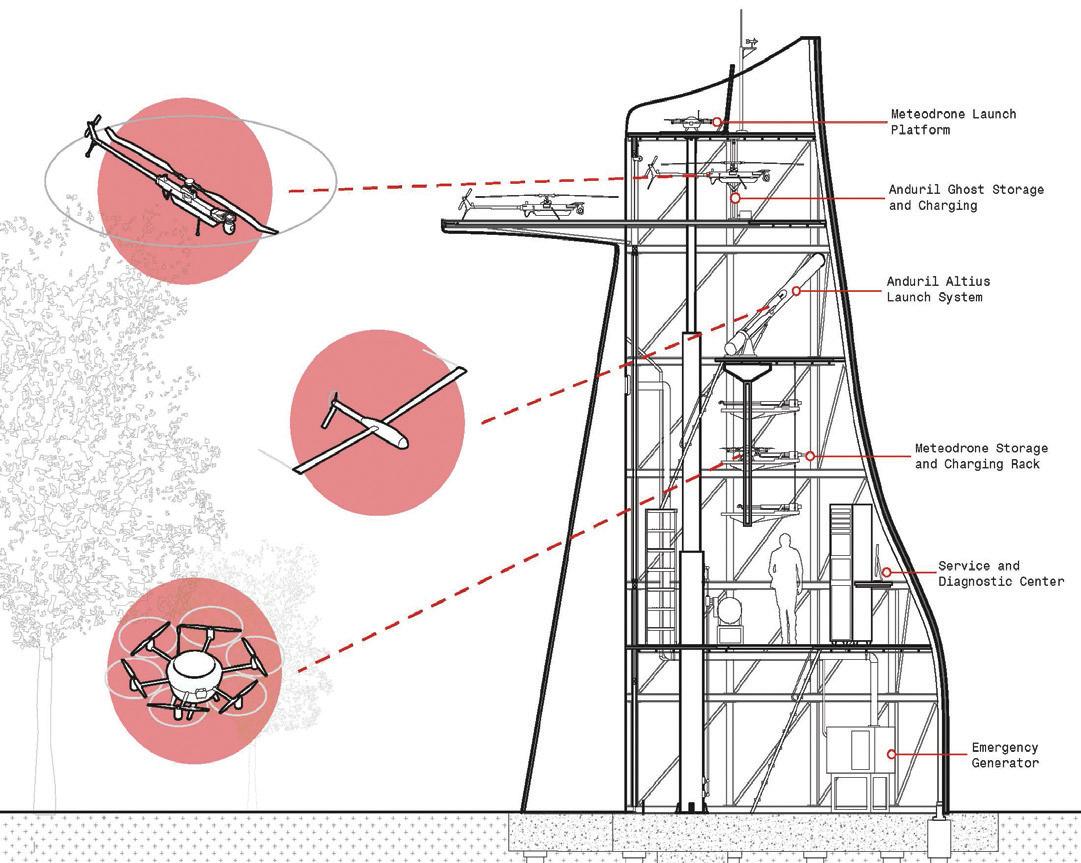
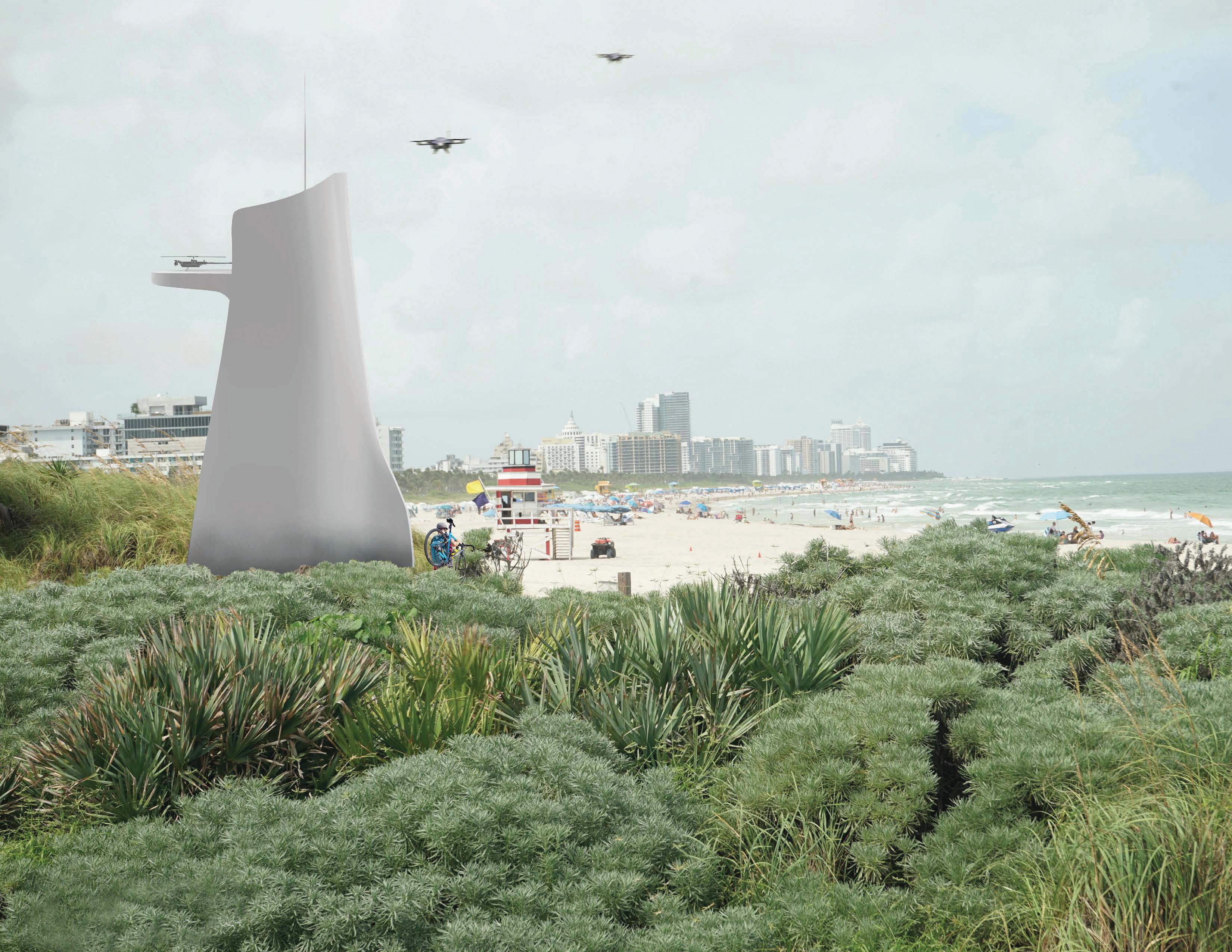
Secular Mediation Retreat
Different Sites in Miami, FL
FACULTY
Charlotte von Moos
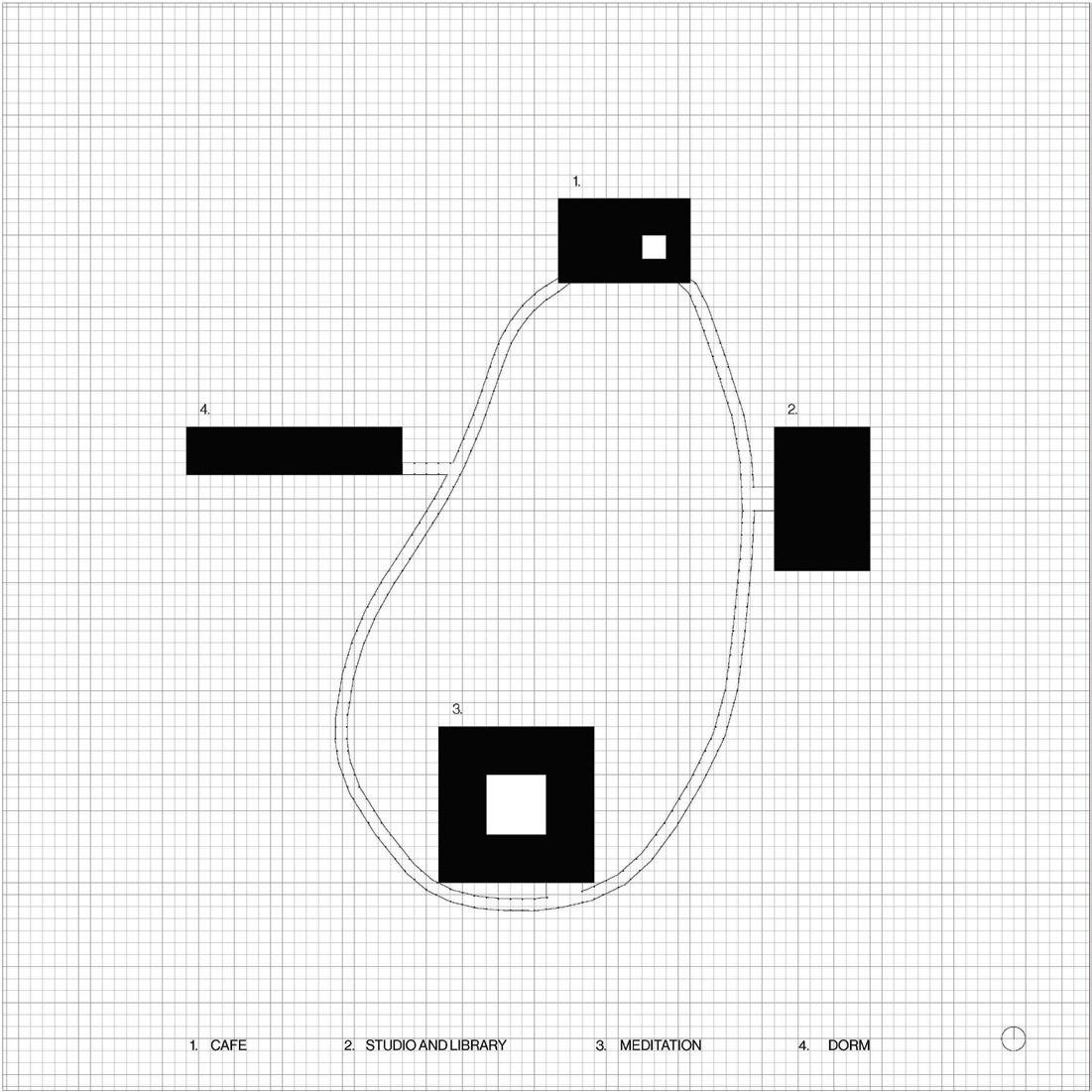
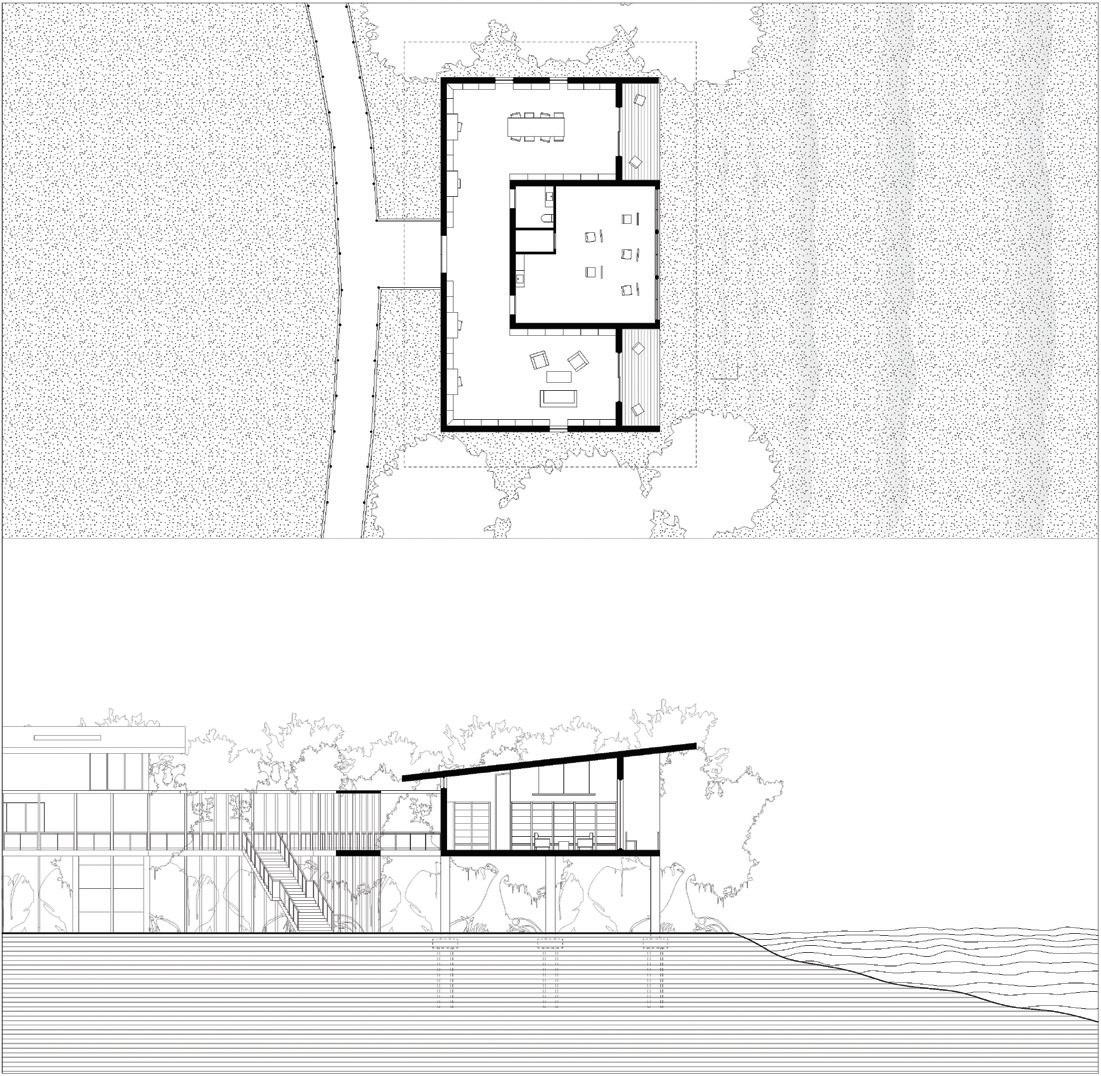
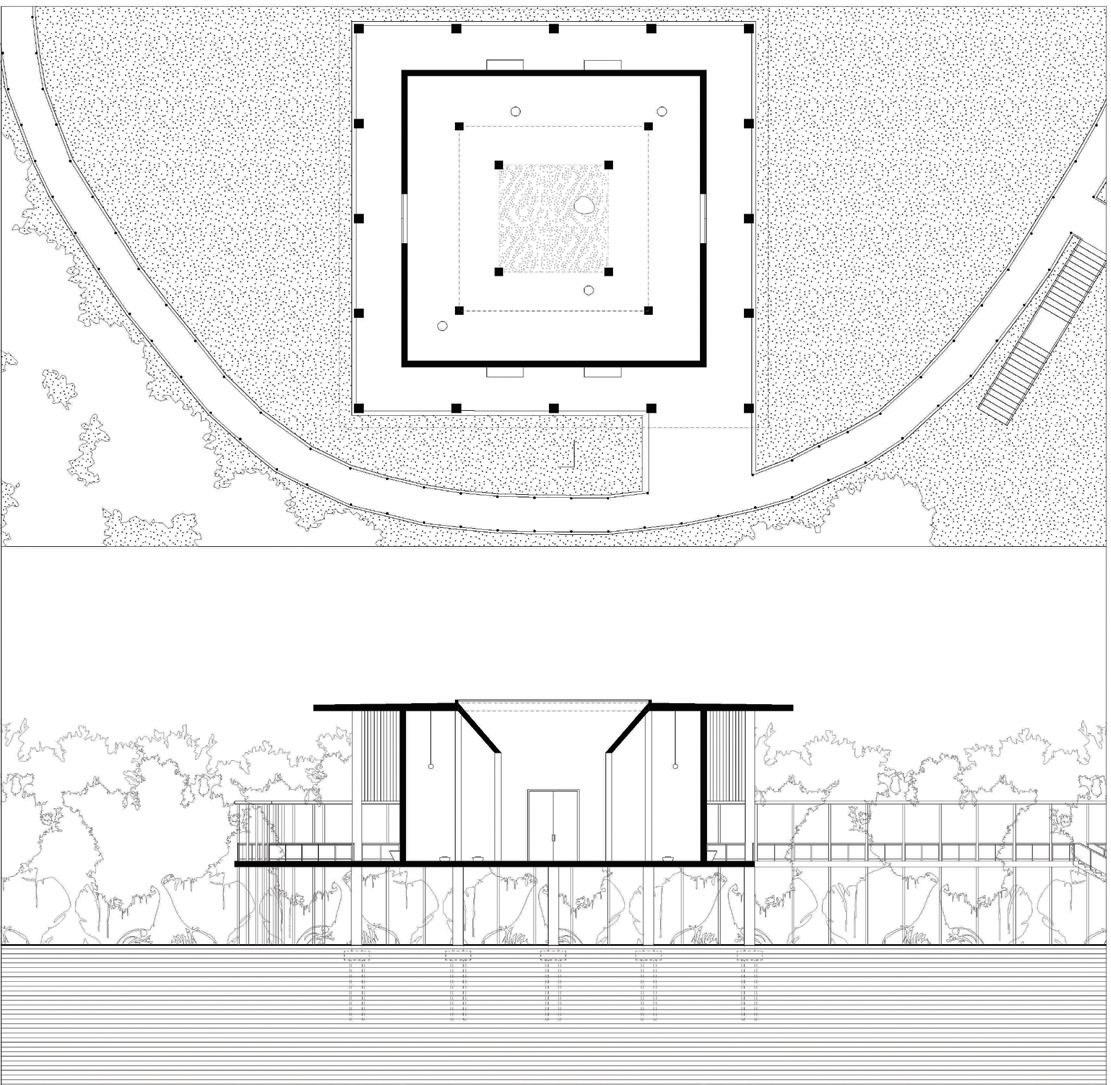
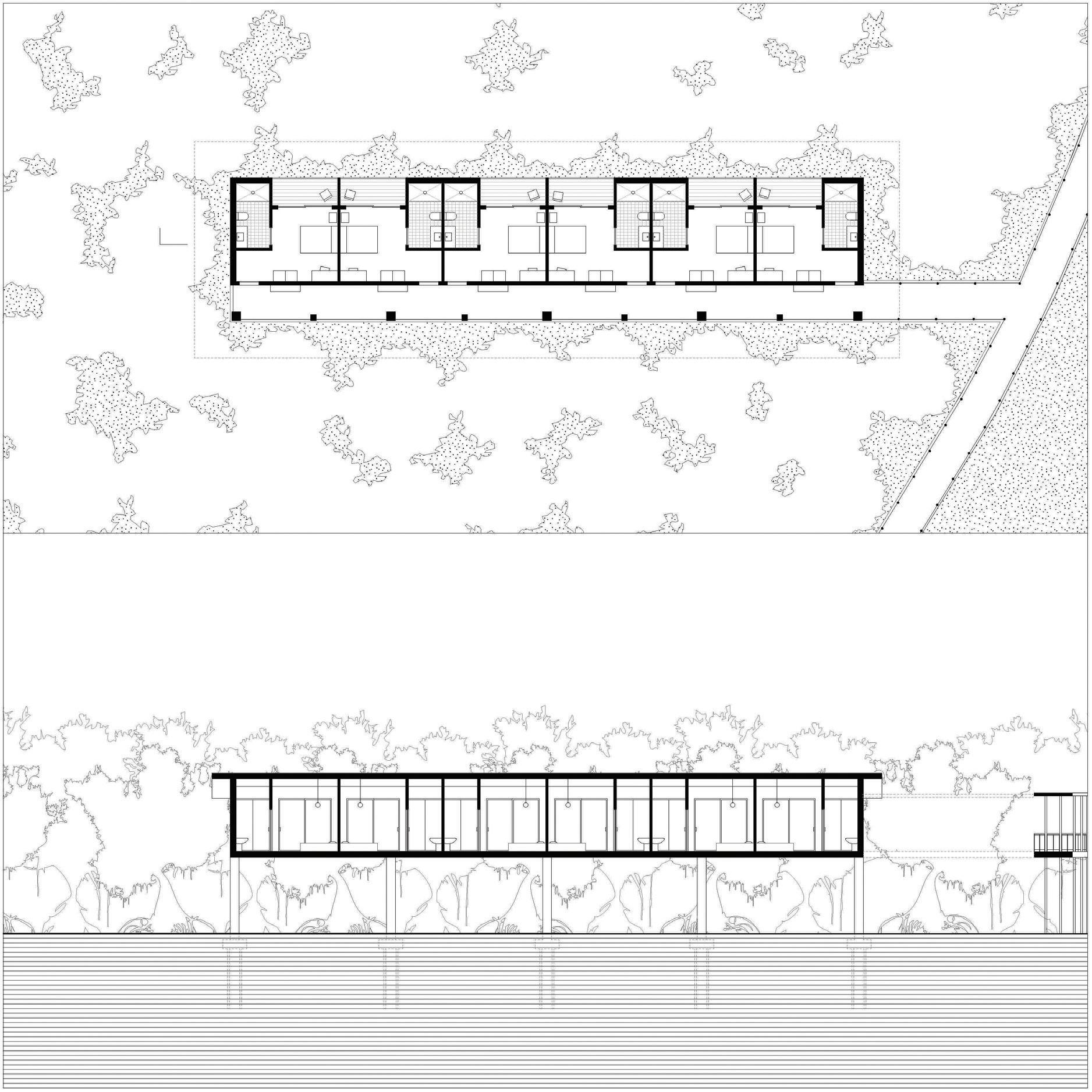
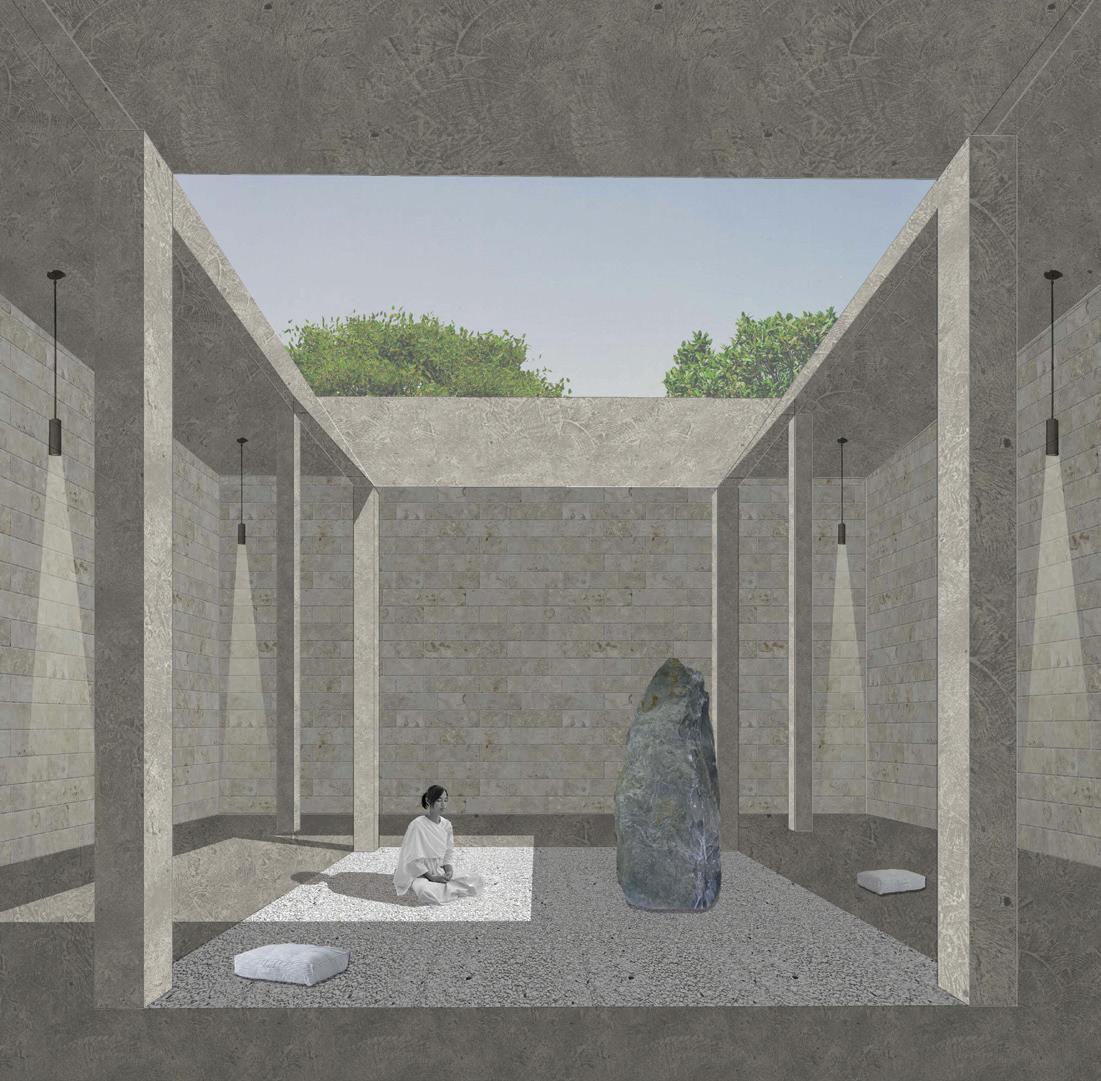
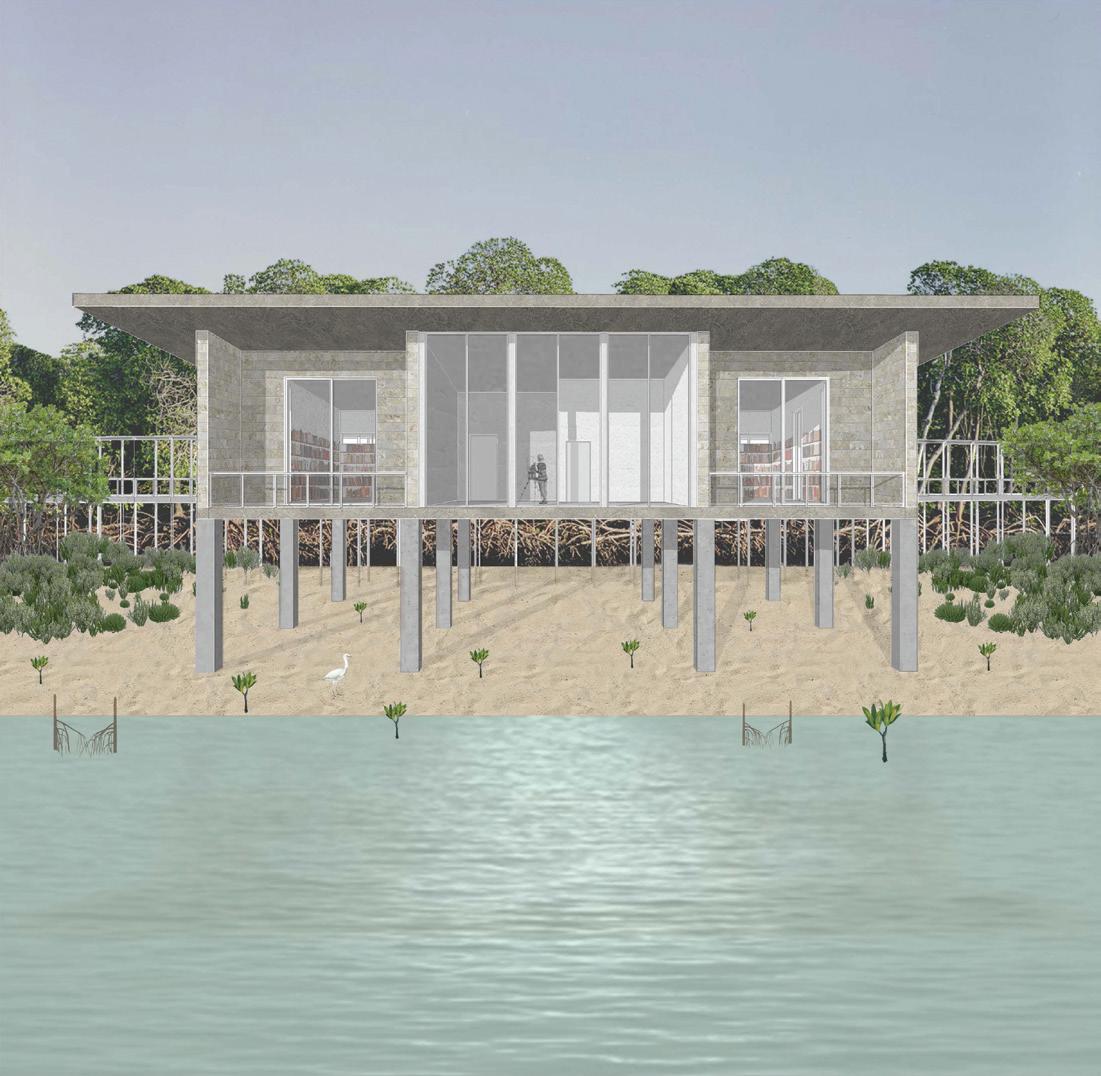
House for a Musician
Wainwright Park, Miami, FL
FACULTY
Florian Sauter
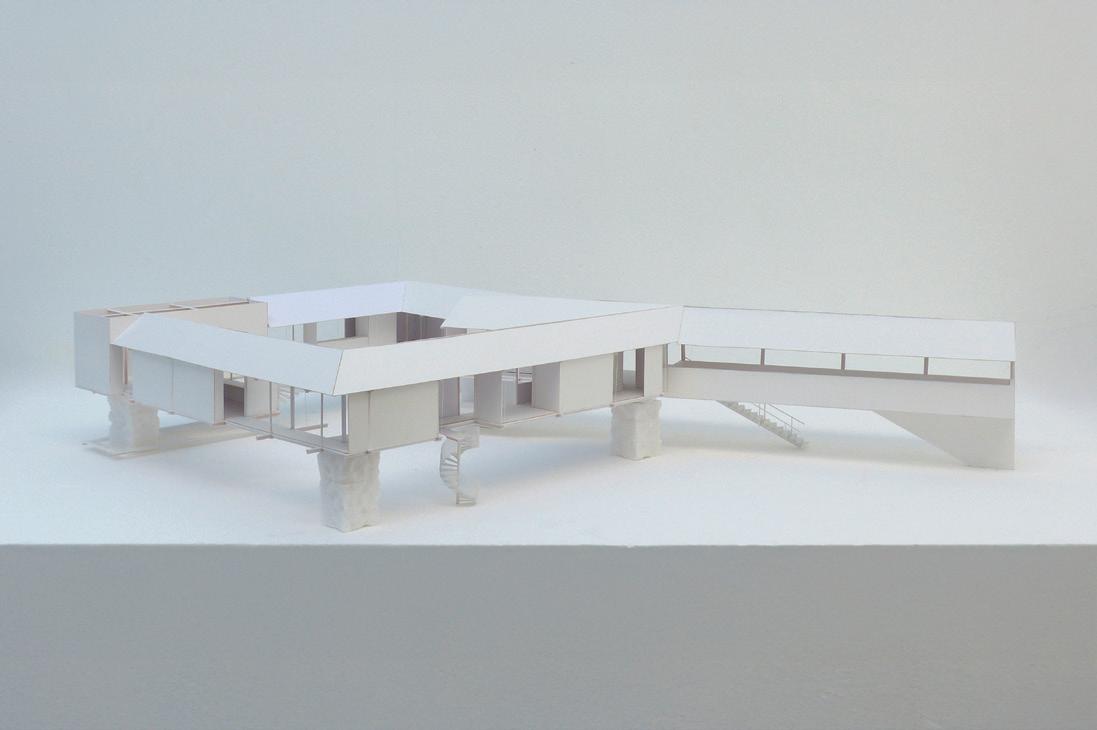
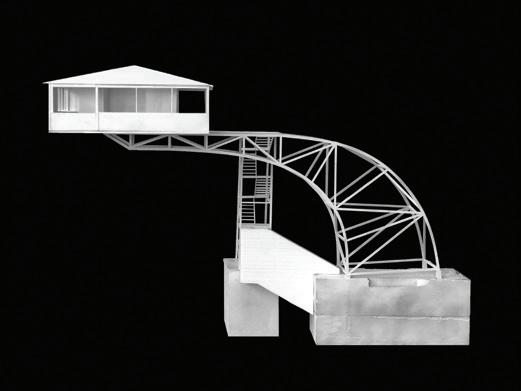
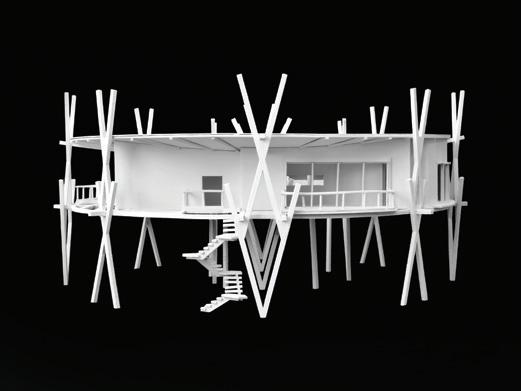
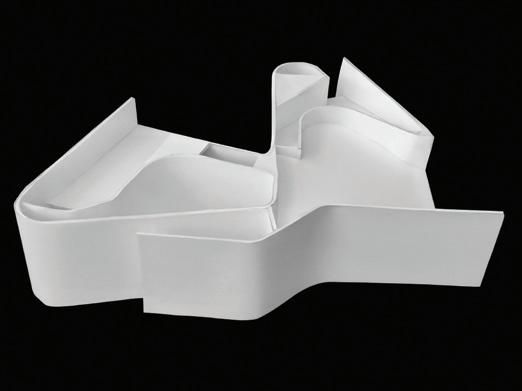
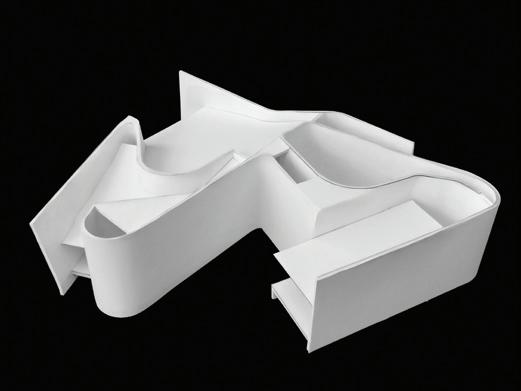

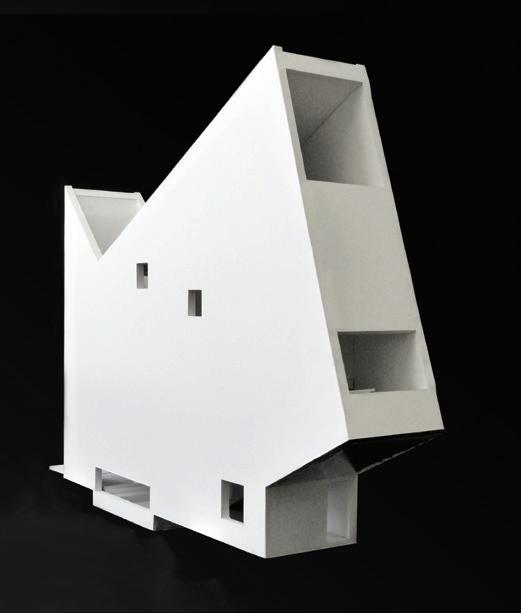
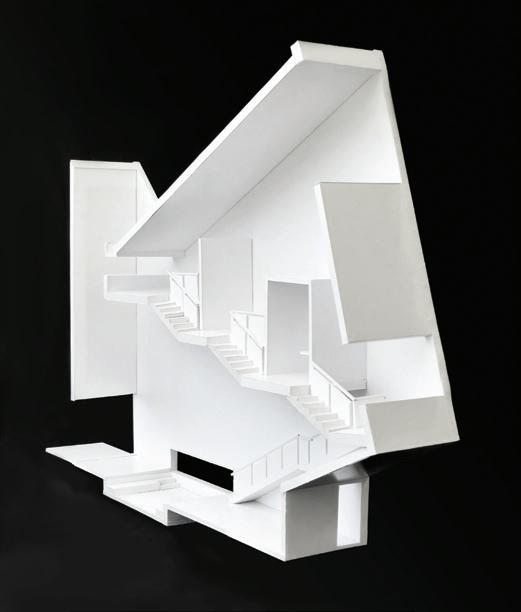
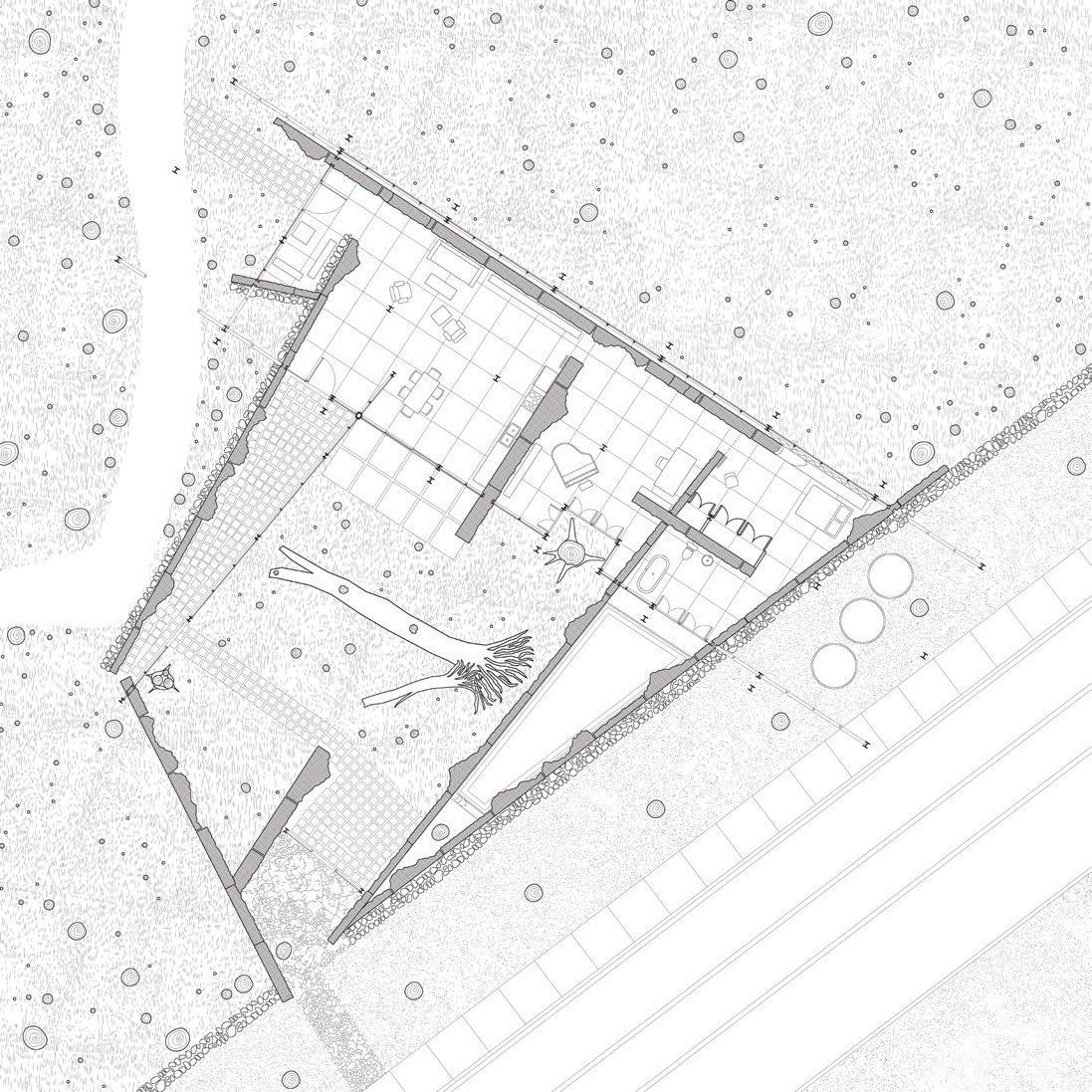
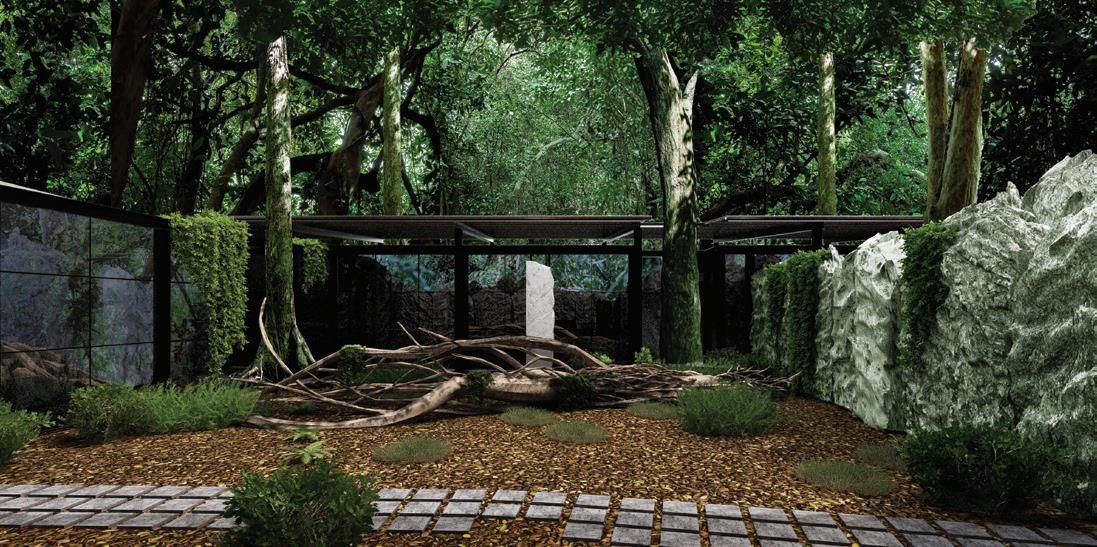
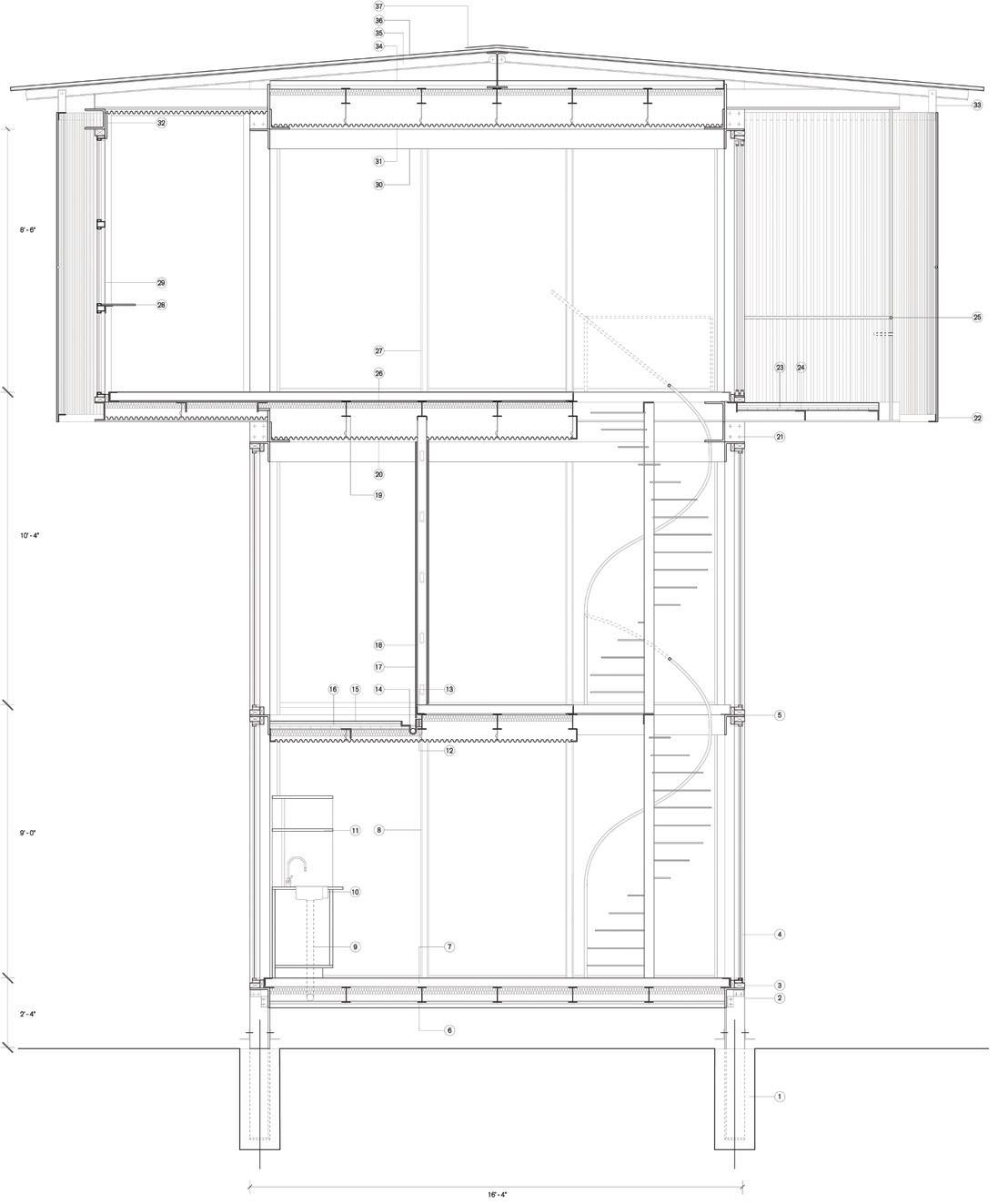
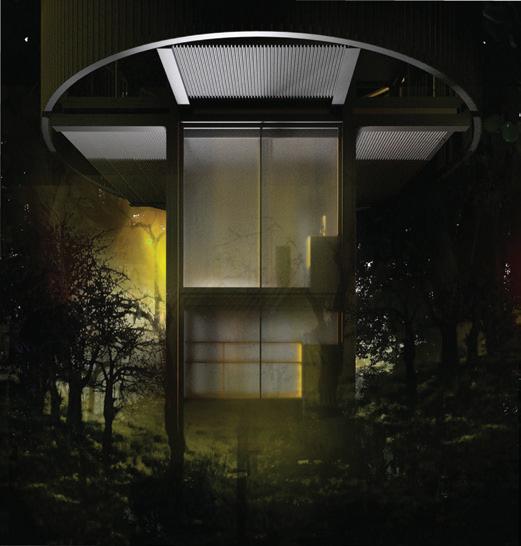
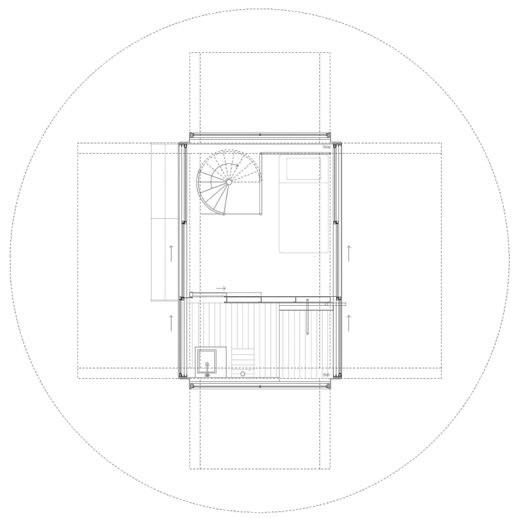
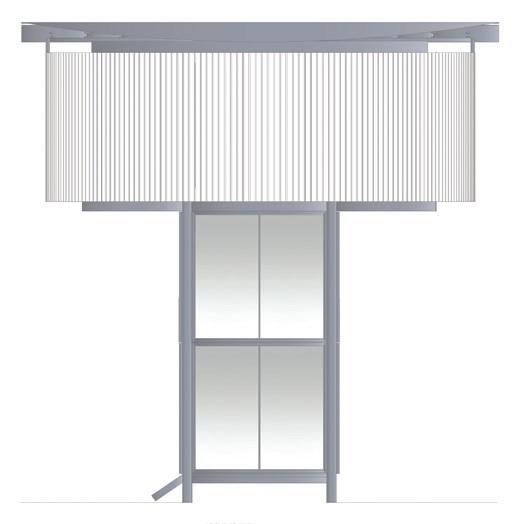
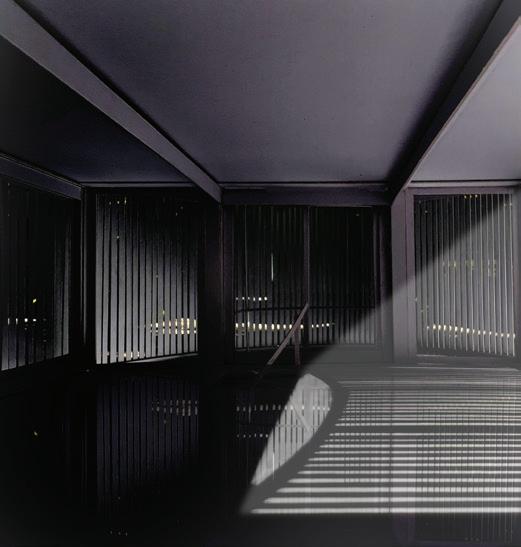
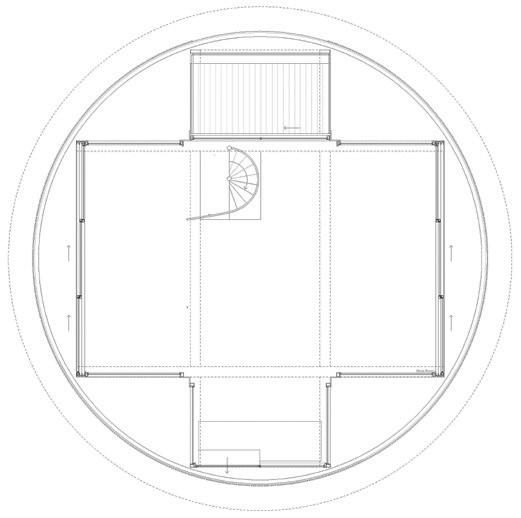

PROGRAM
Housing
Bridgetown, Barbados
VISITING FACULTY
Jonathan Tate with Christopher Meyer
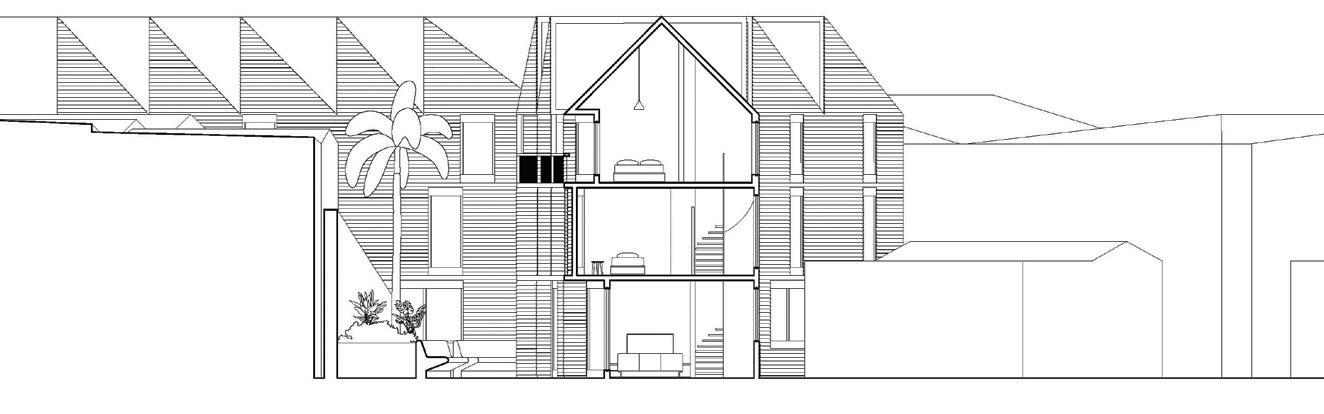
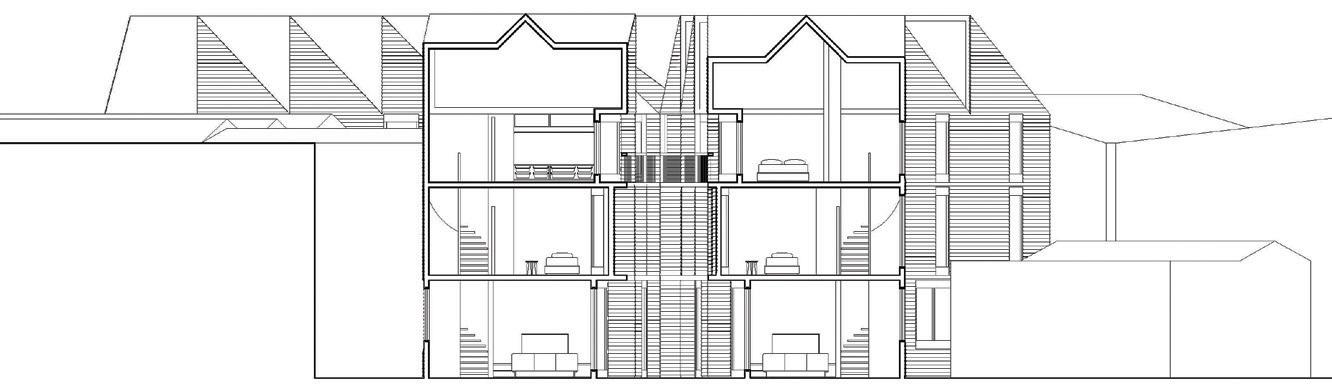

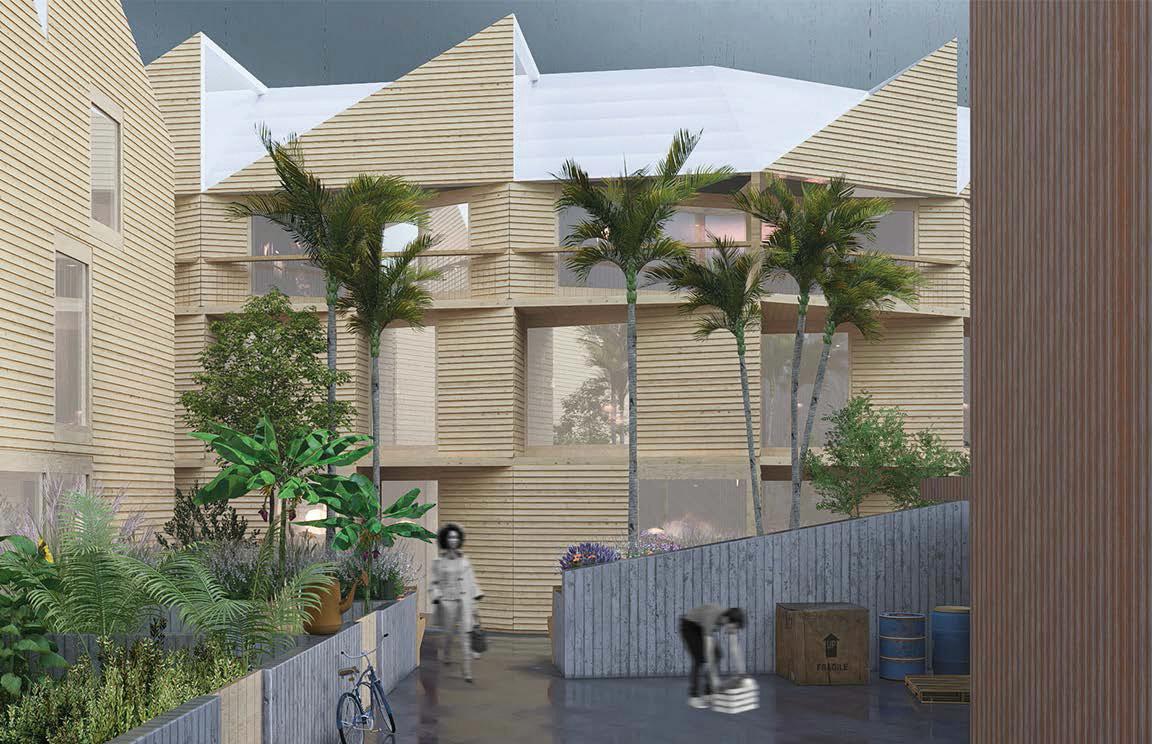
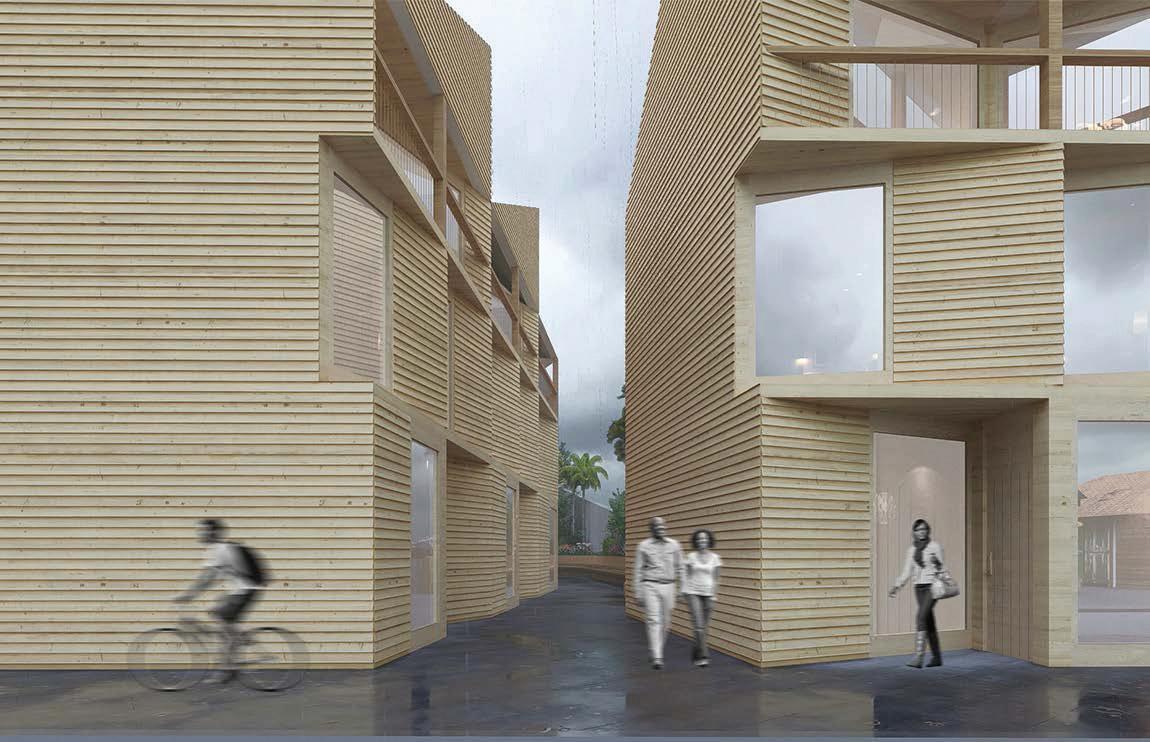
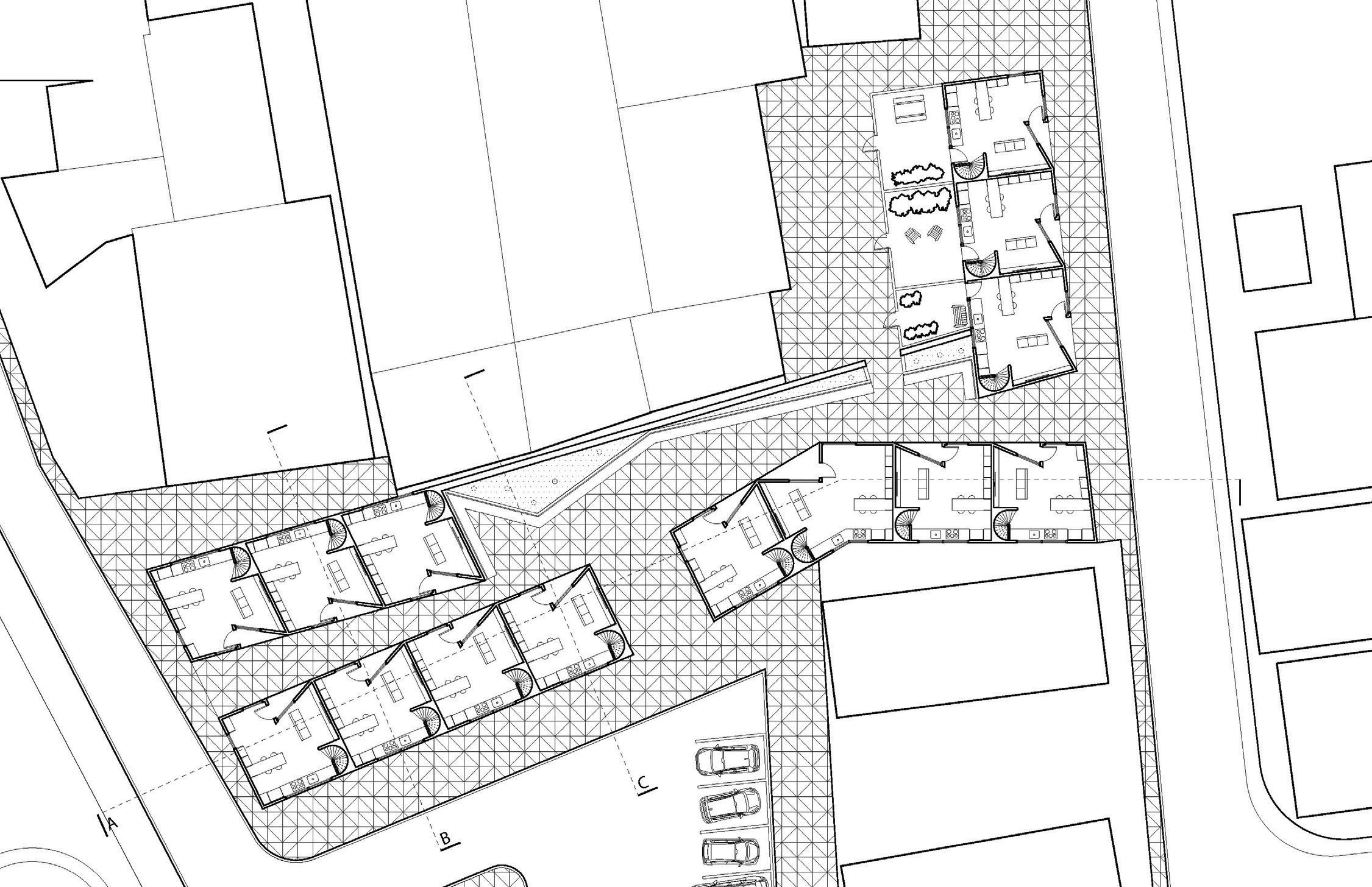
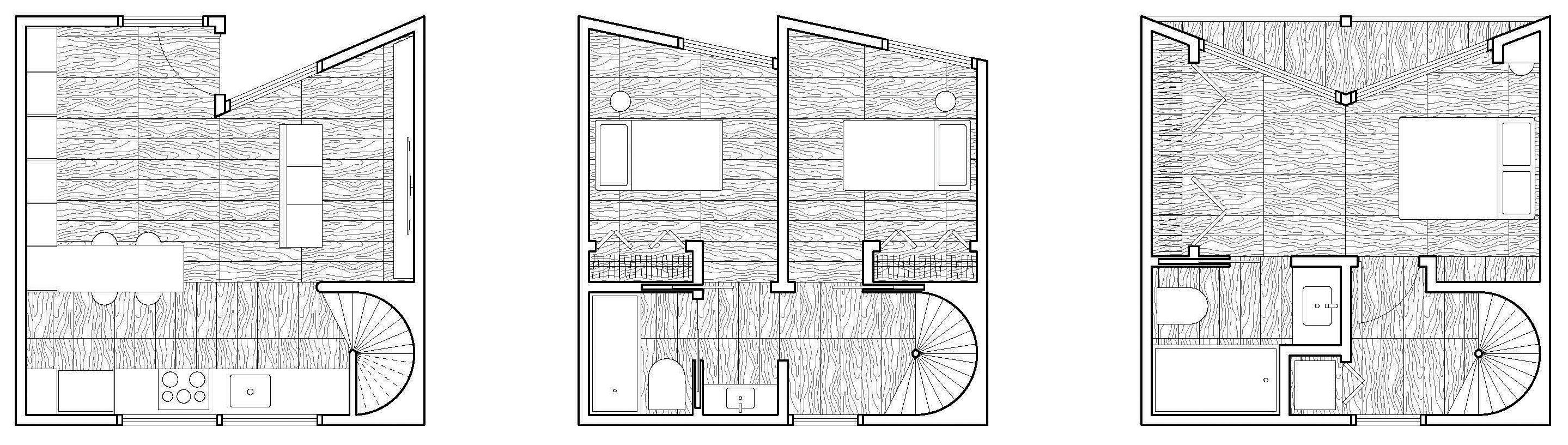
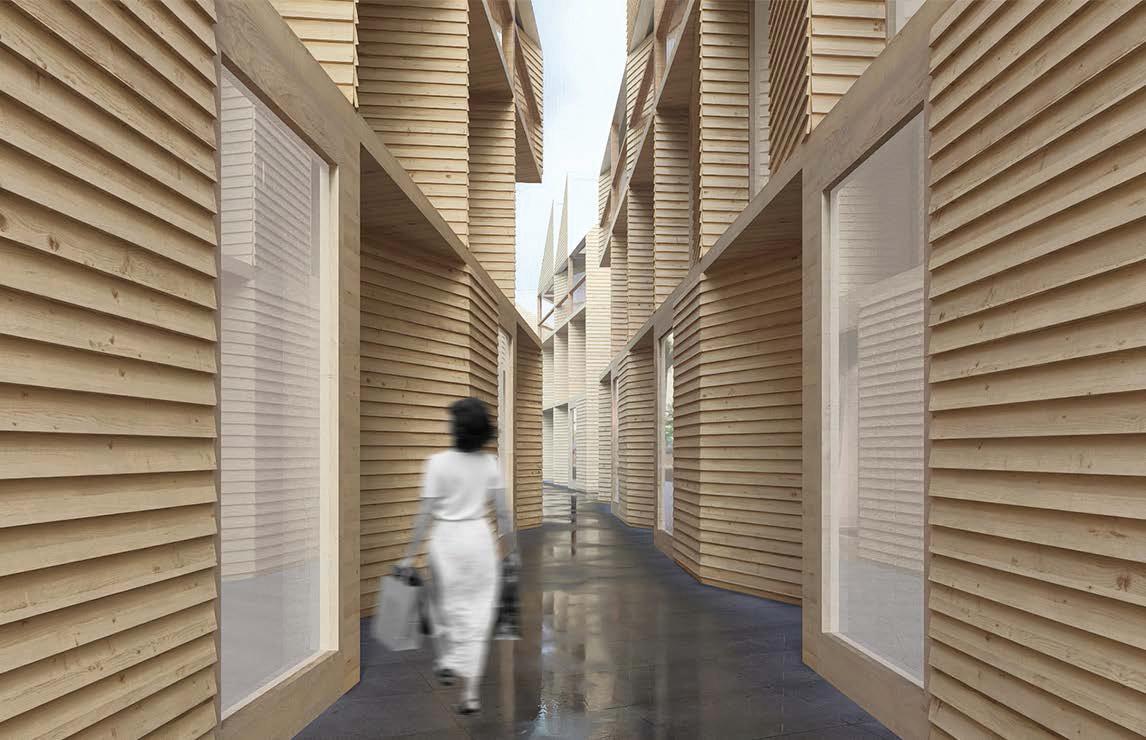
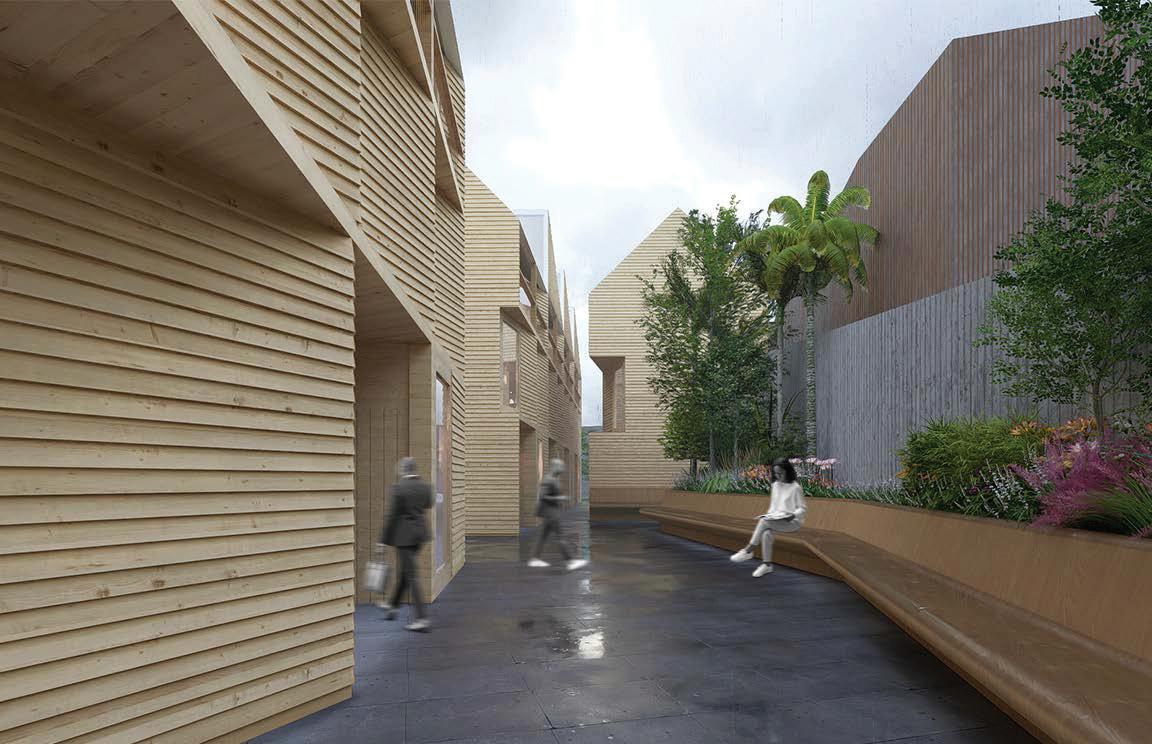

Shelter / Public Restroom / Nature Pavilion
A. D. Barnes Park, Coral Terrace, FL
FACULTY
Francesca Picard
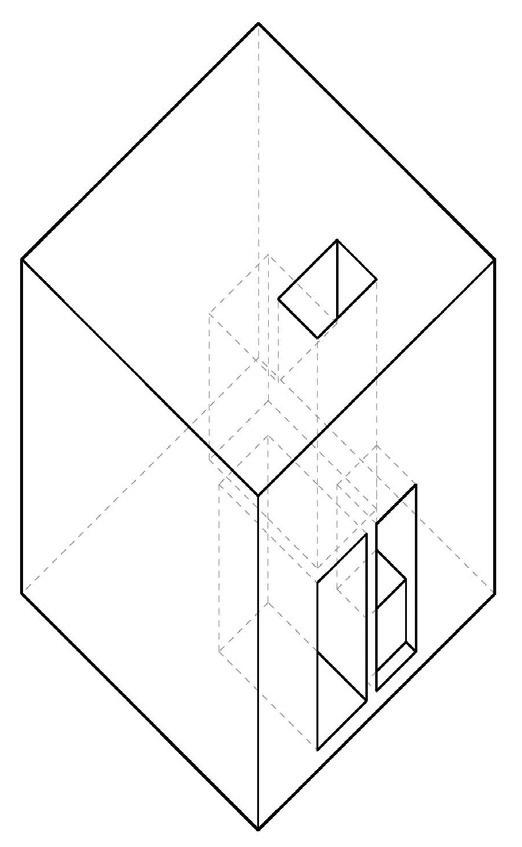
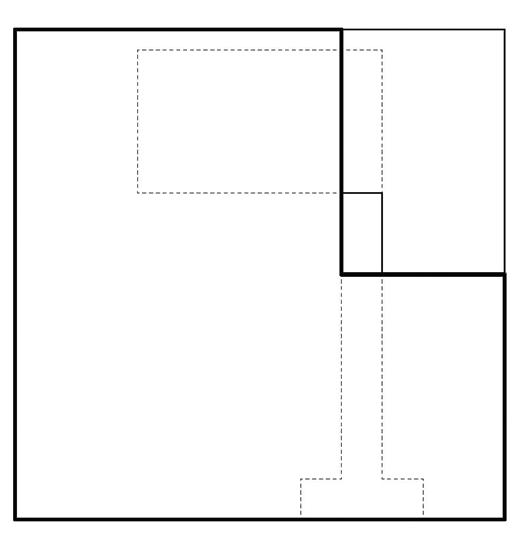

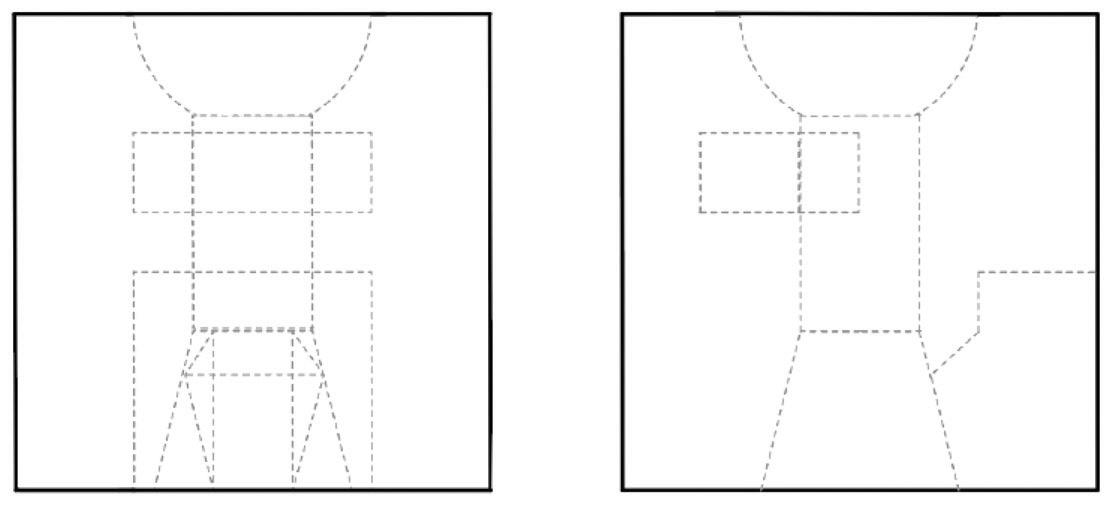
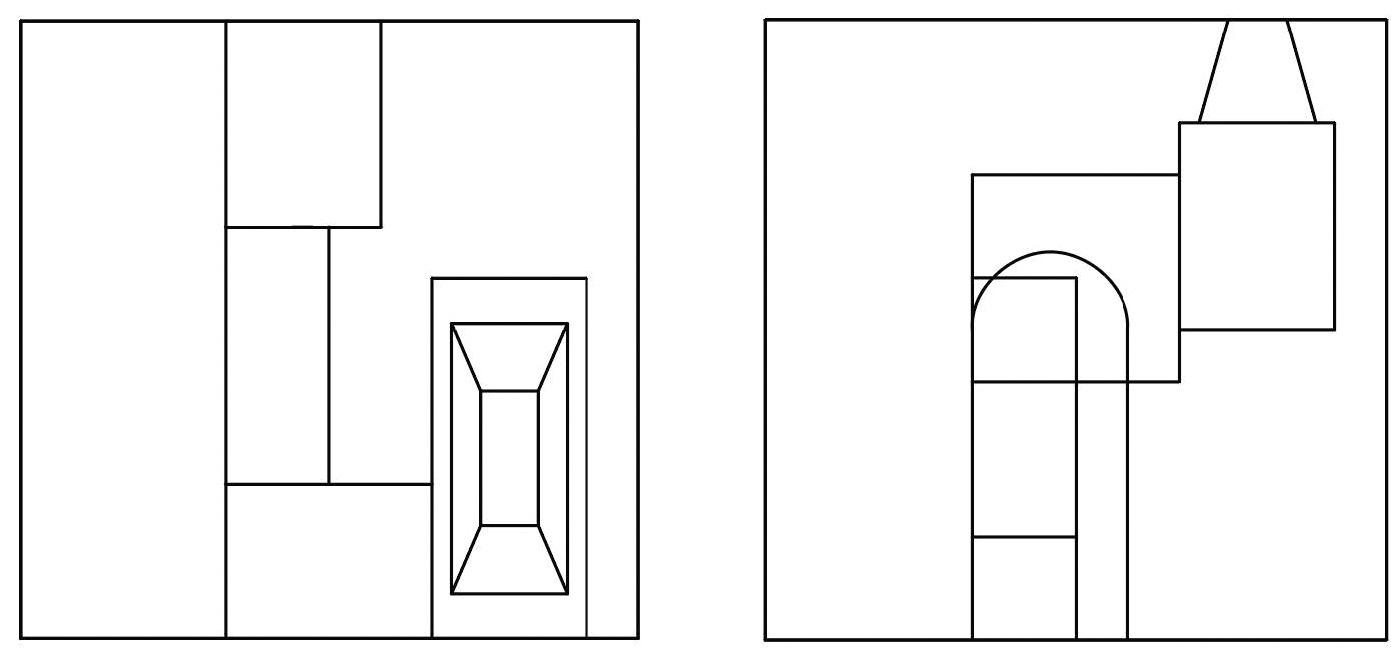
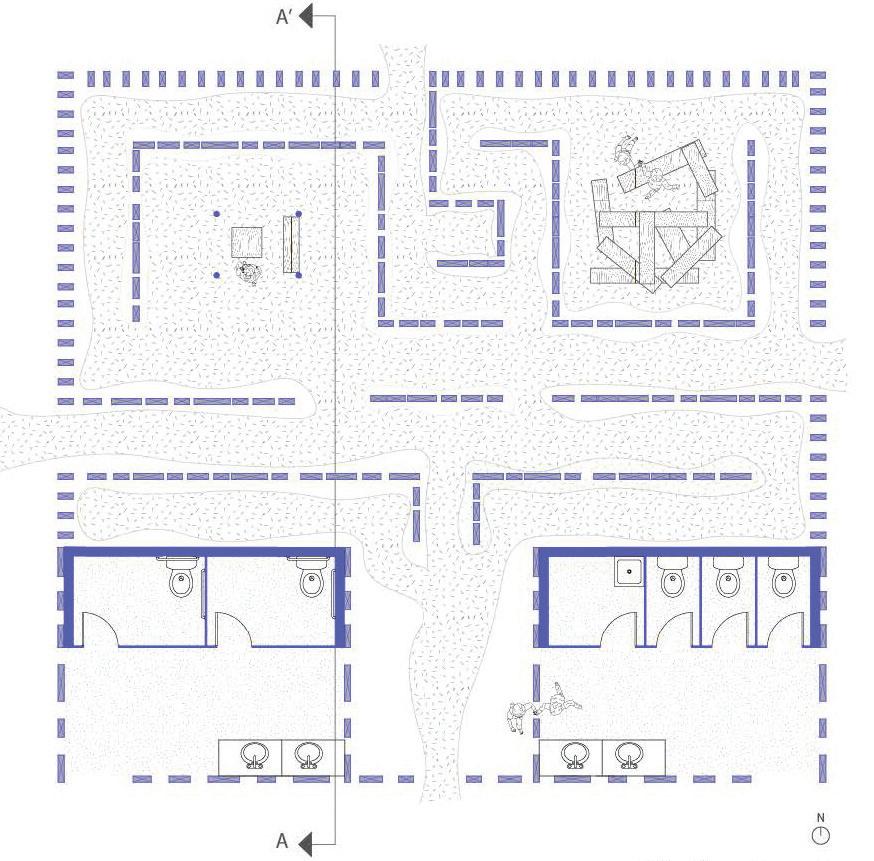
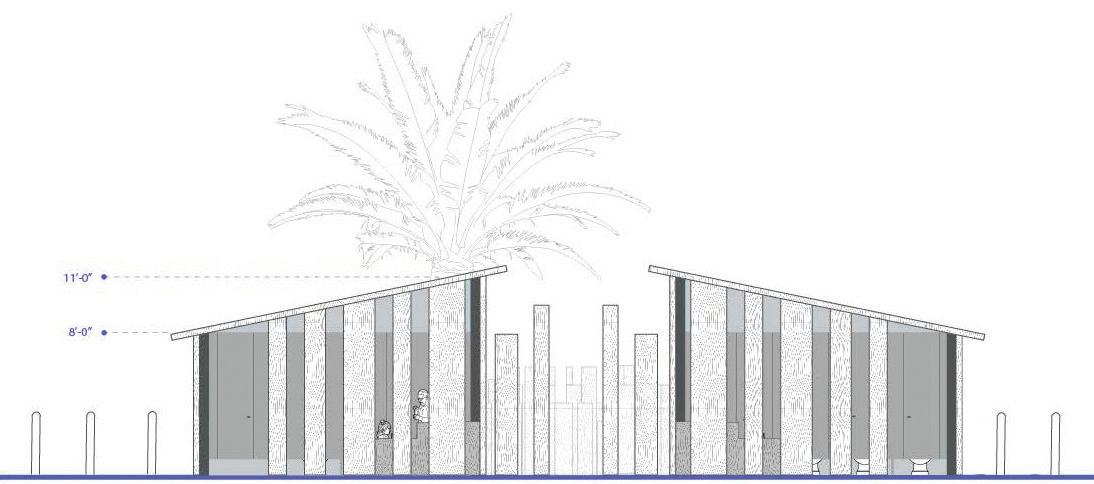
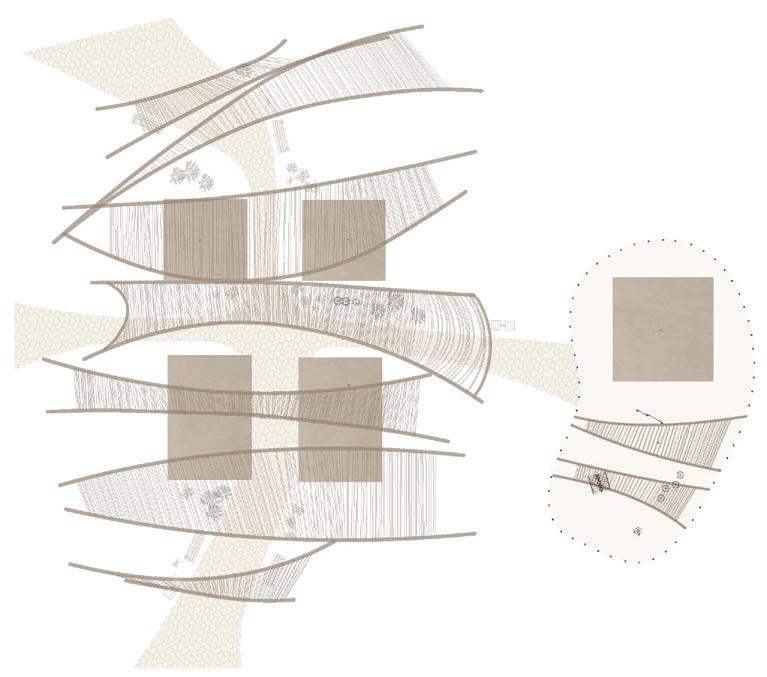
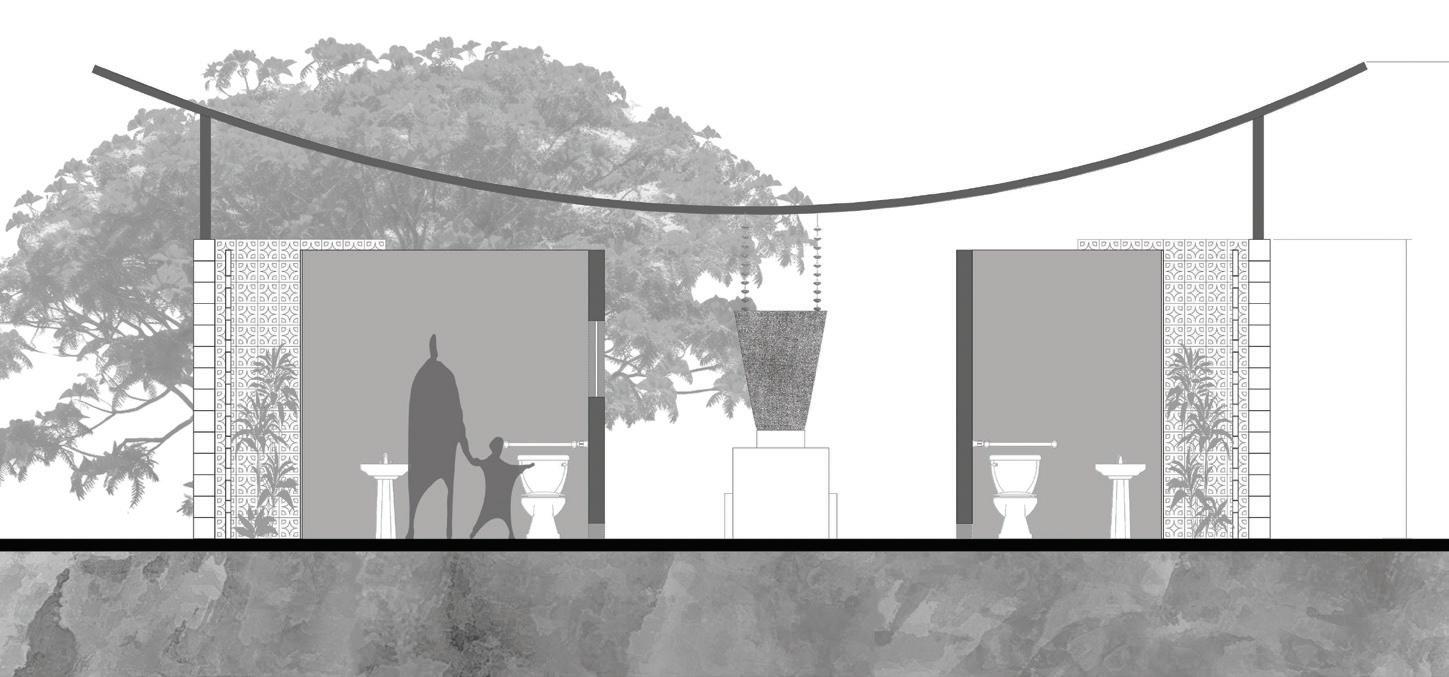
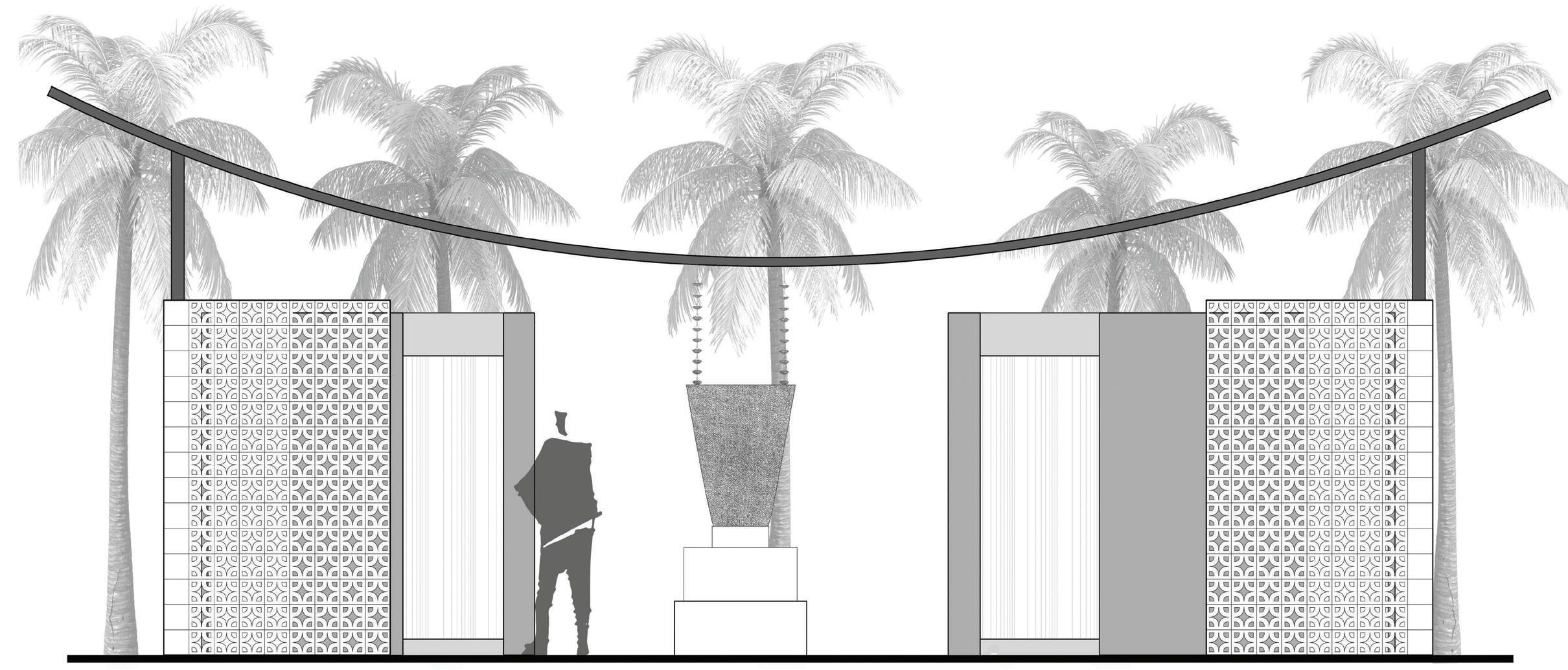
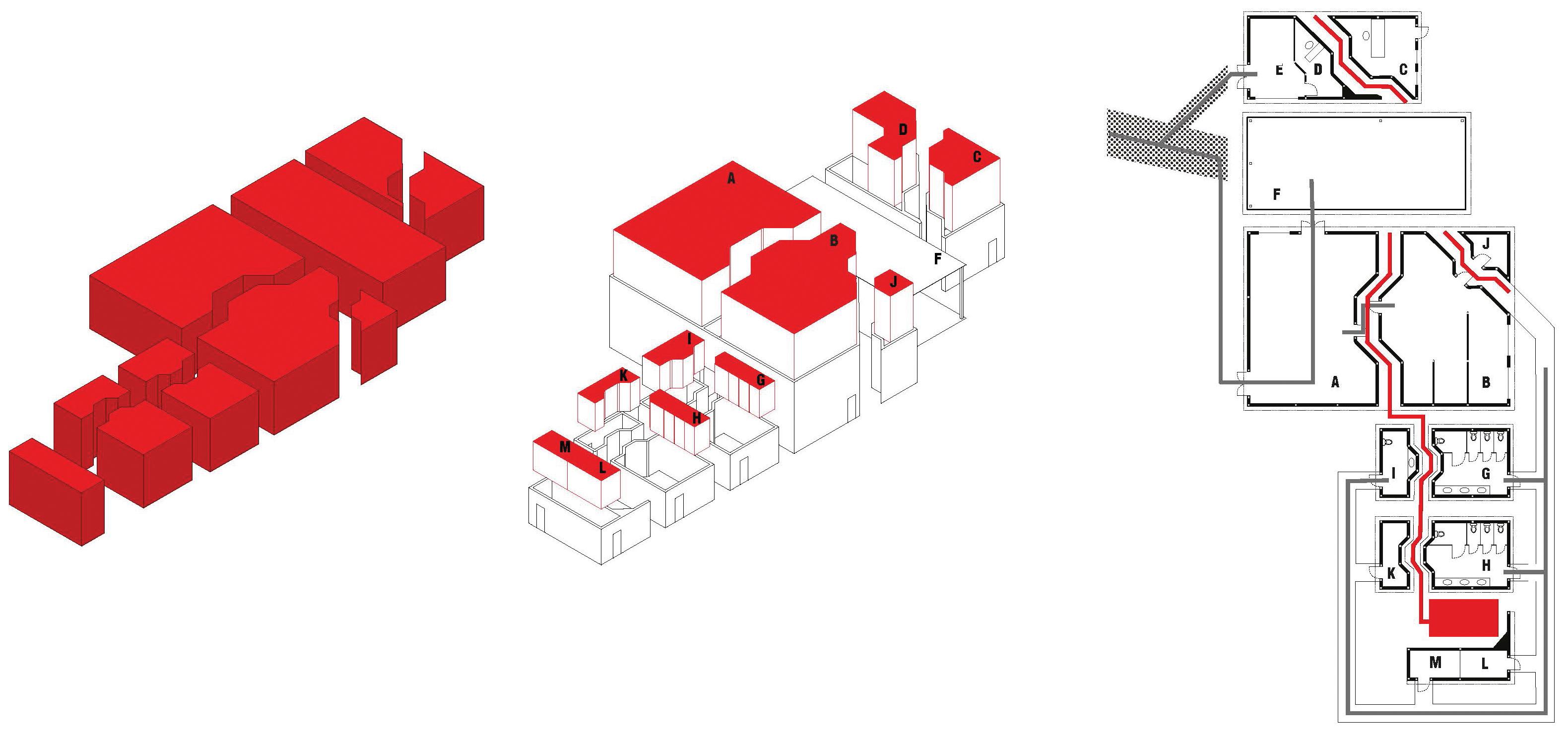
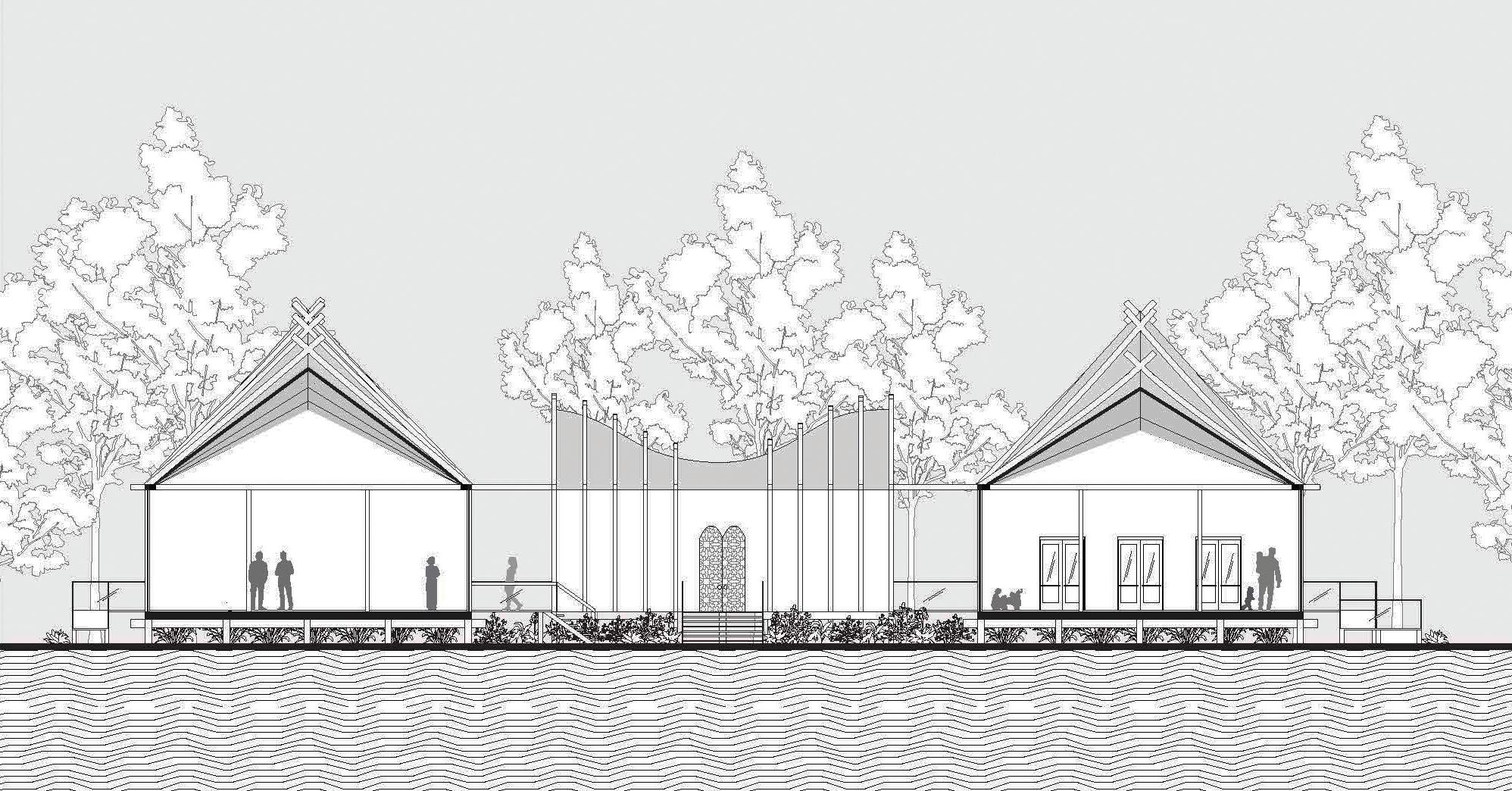
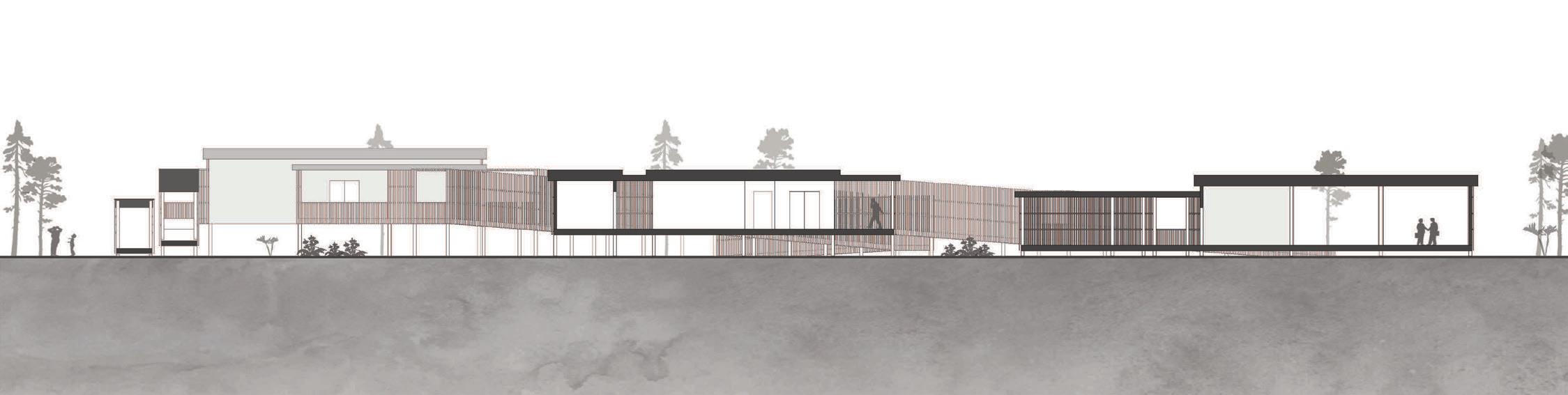
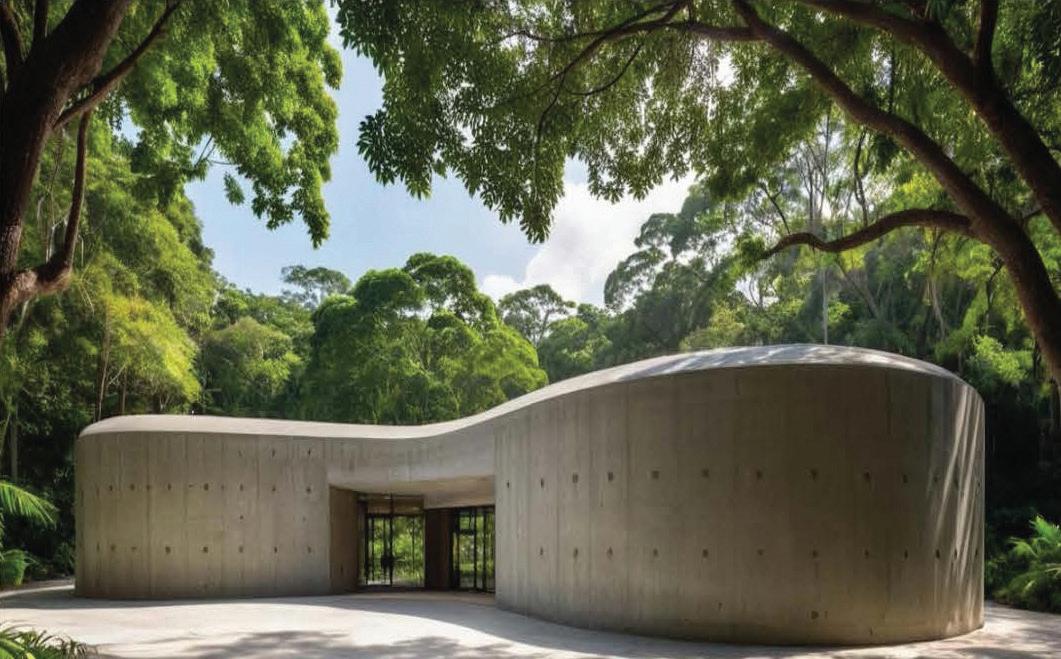
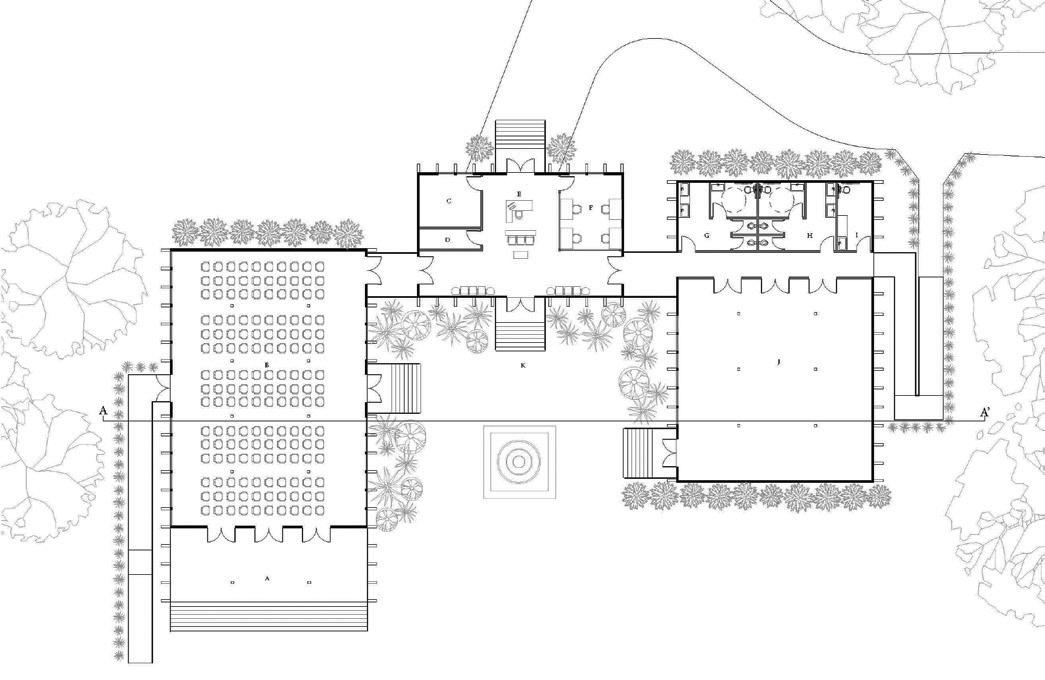
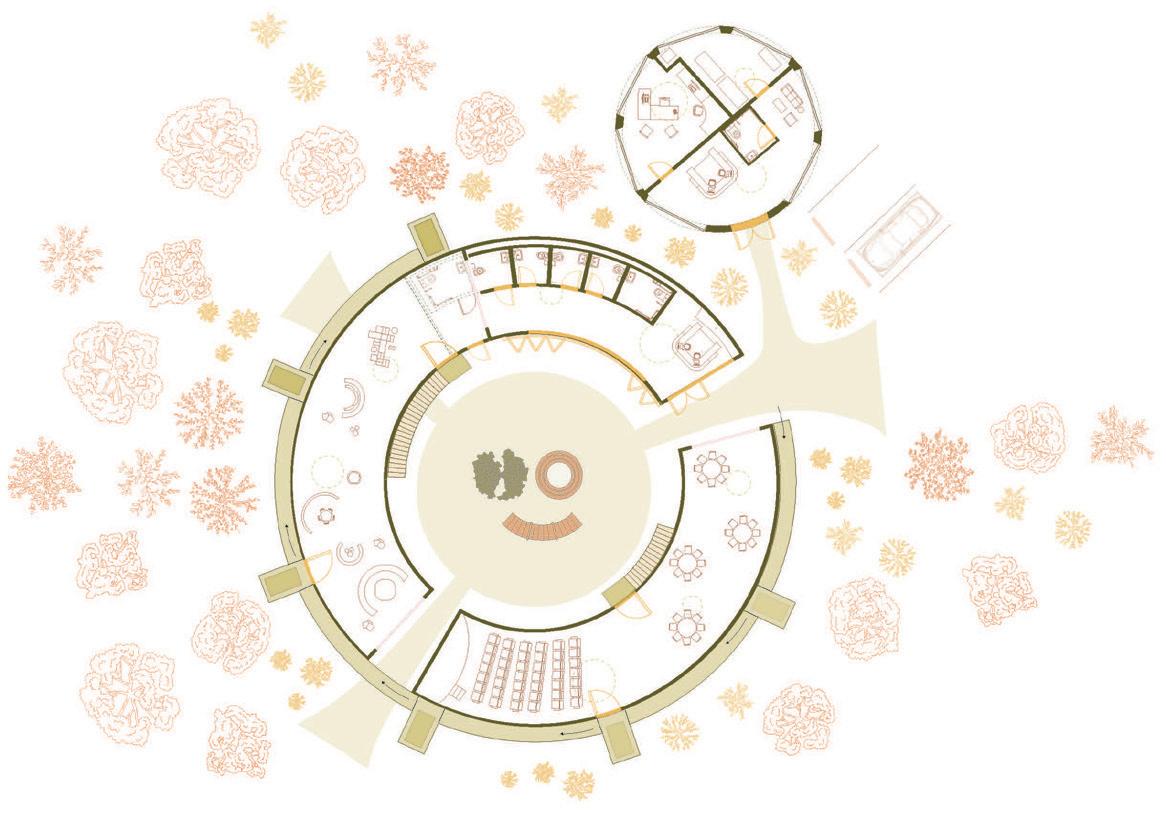
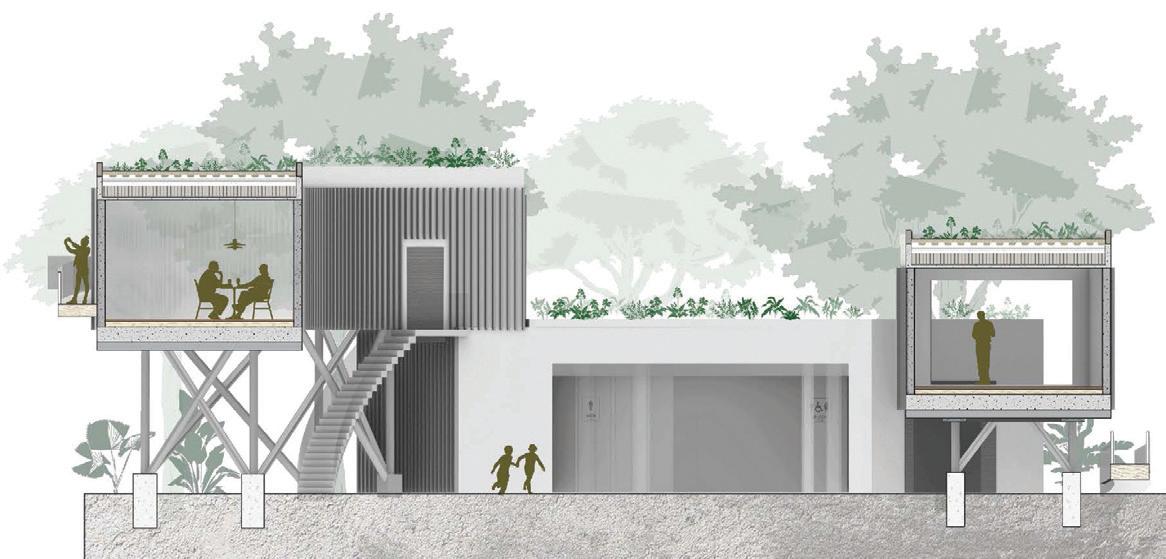
PROGRAM
College Dormitory
Campus Illinois Institute of Technology, Chicago, IL
FACULTY
Juan Alayo
Dennis Hector
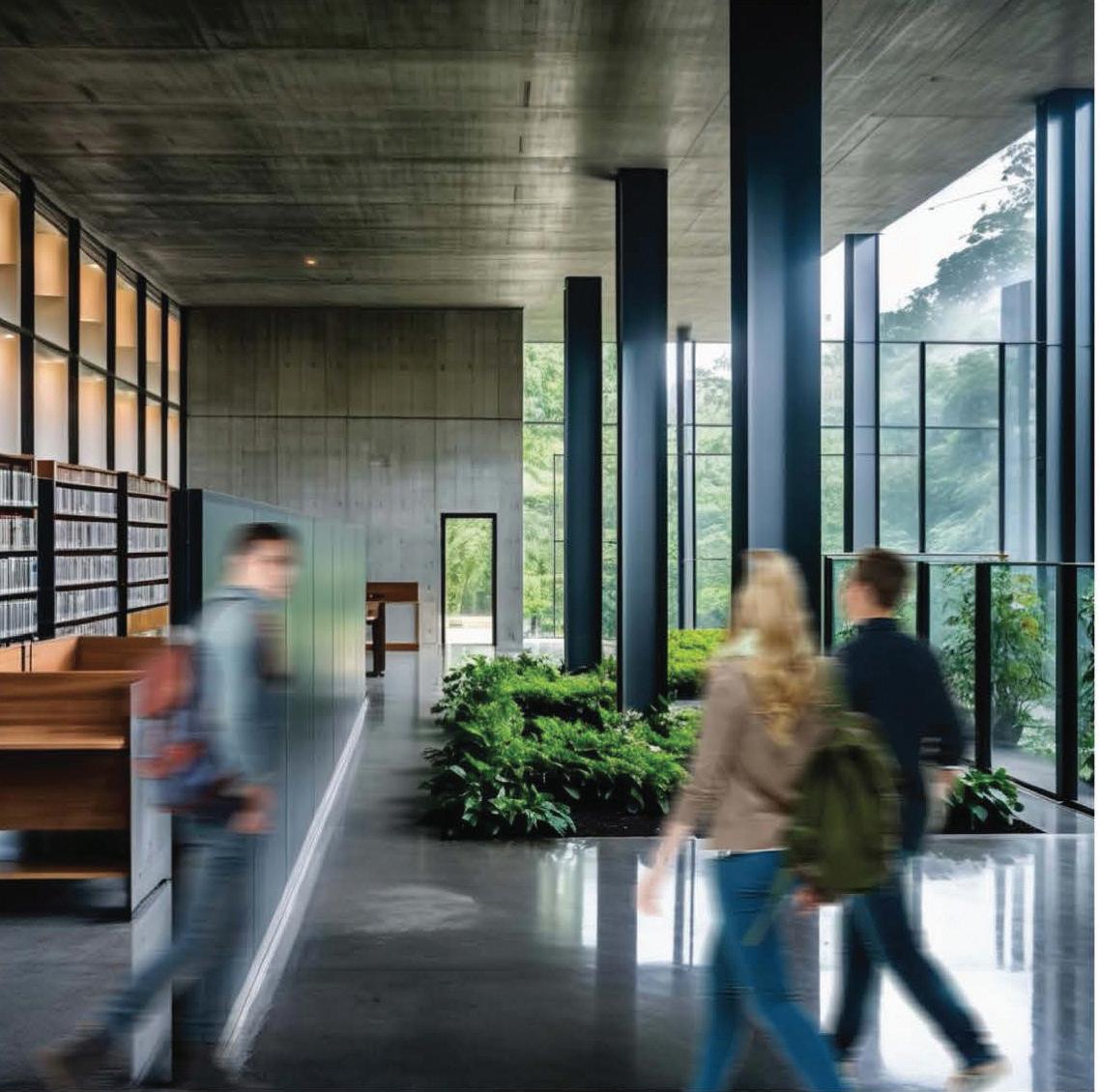
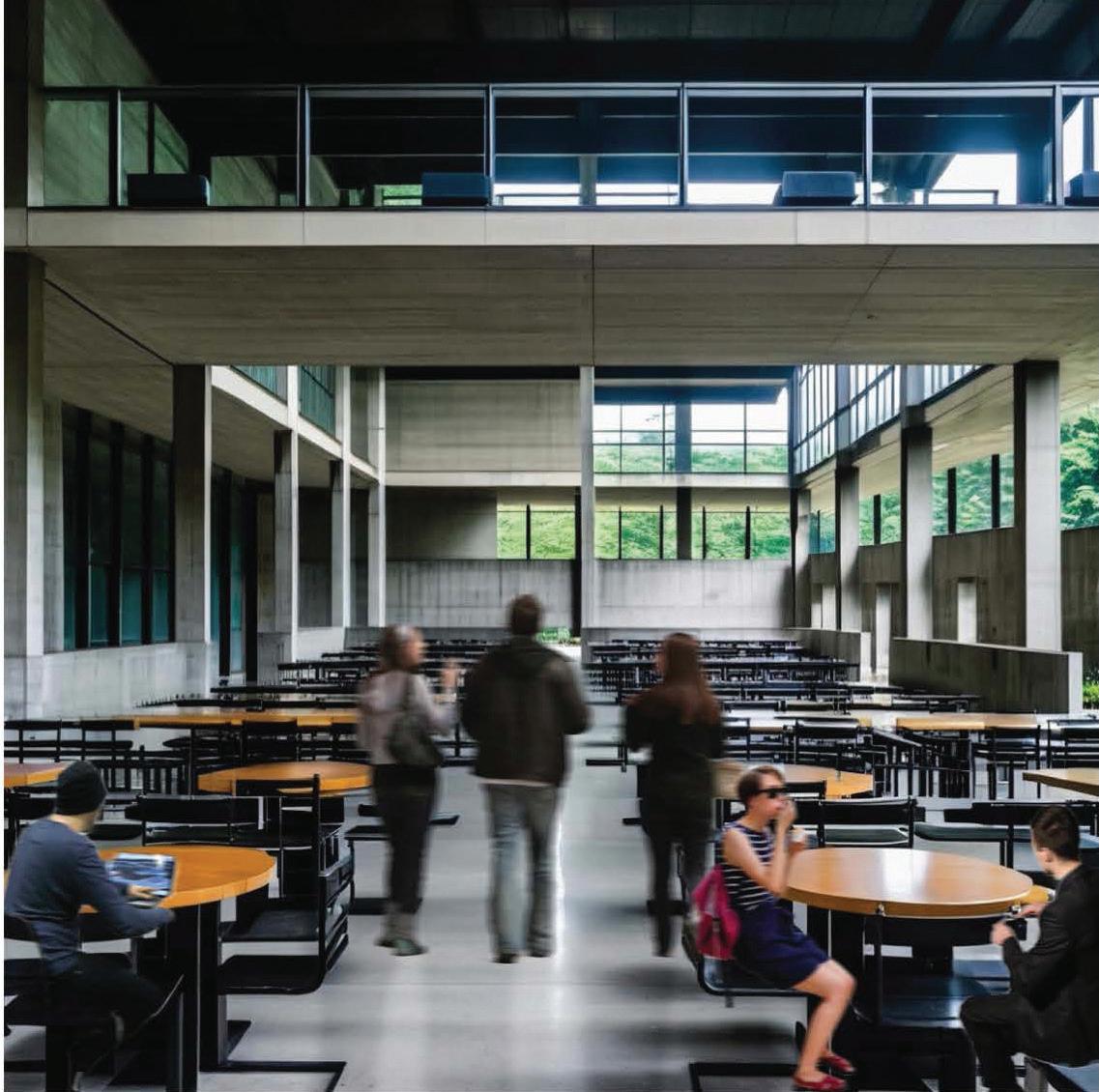
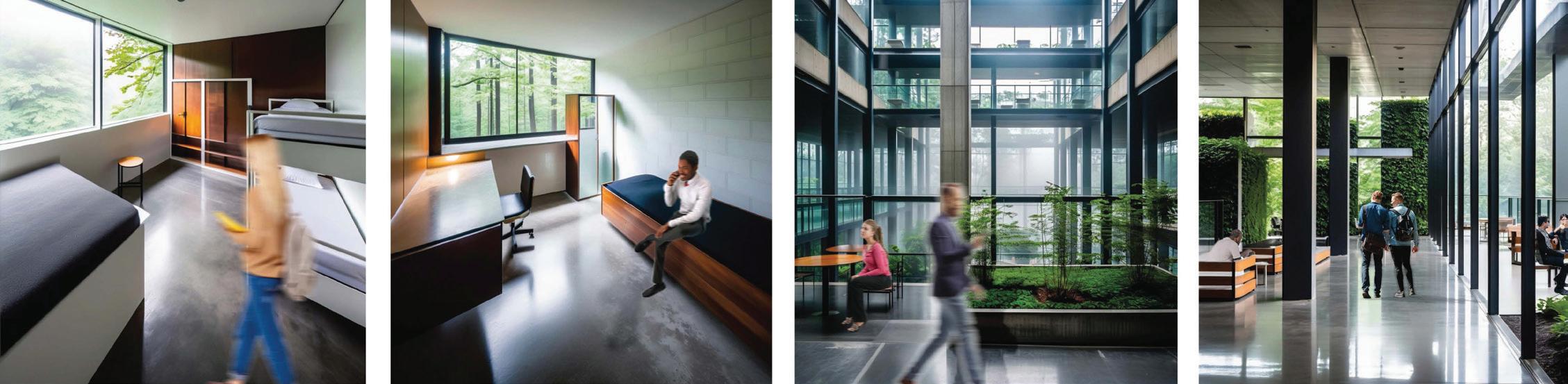
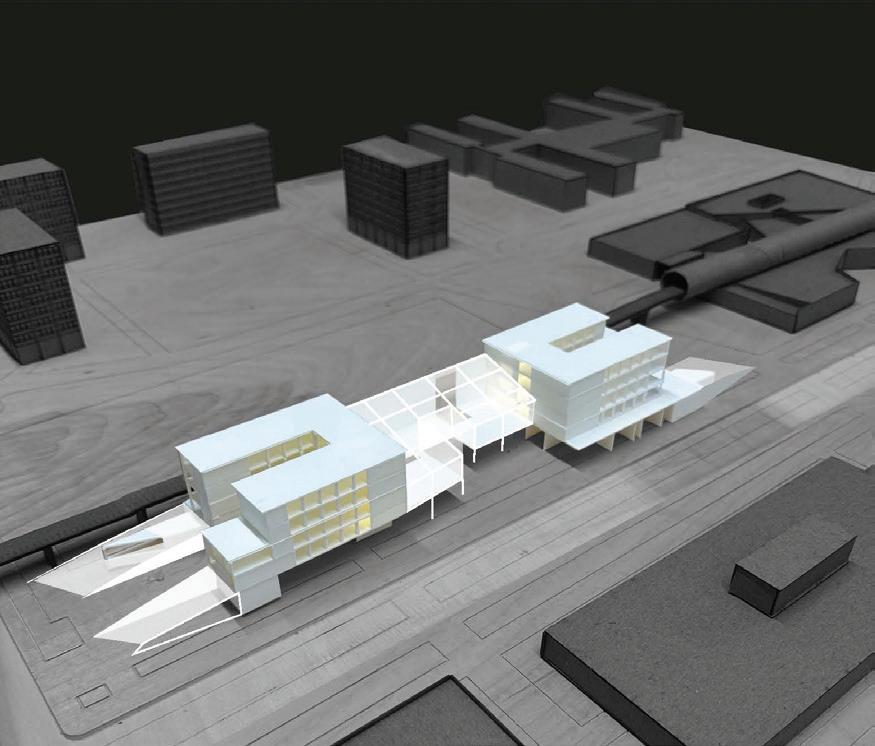
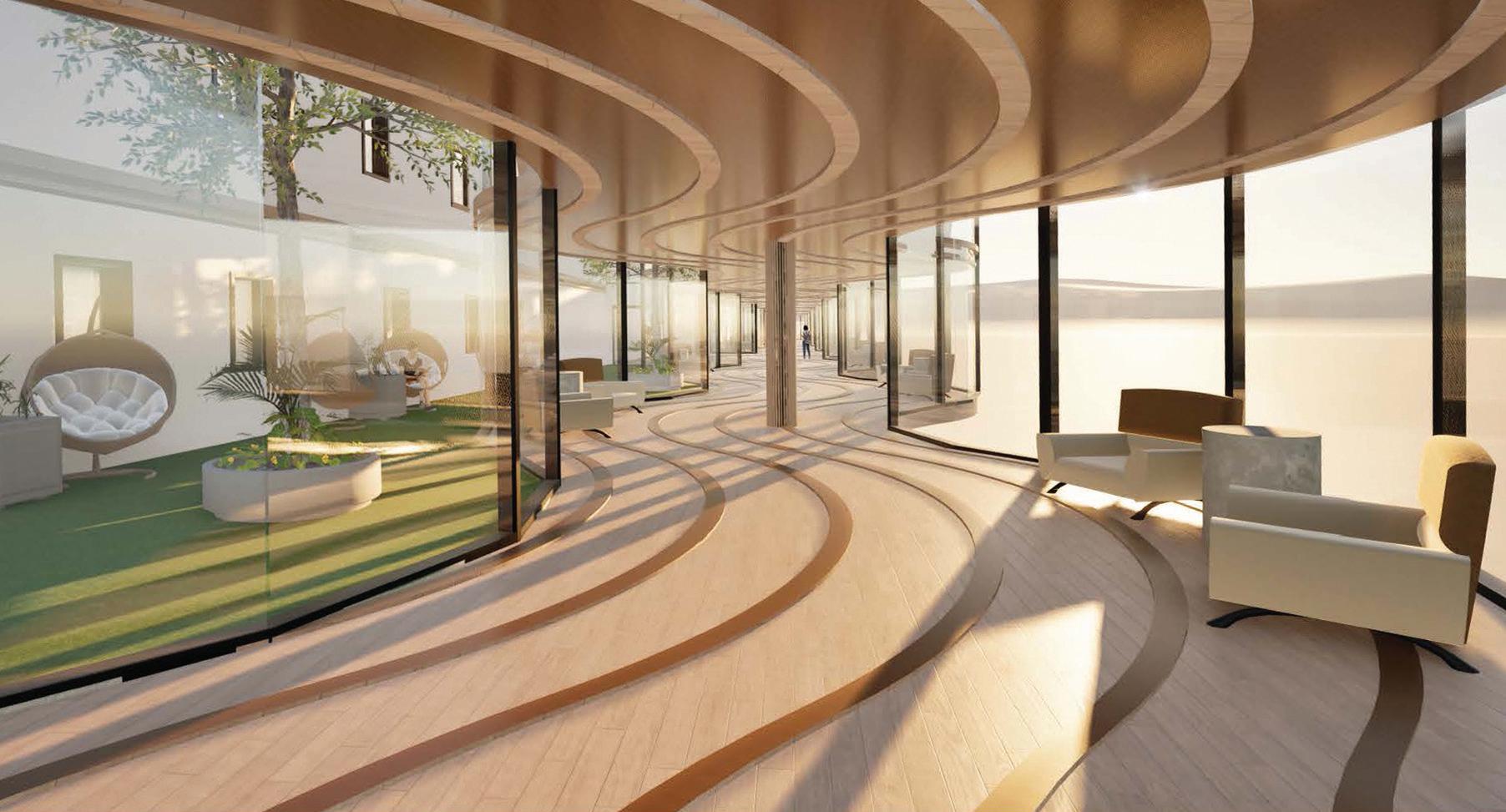
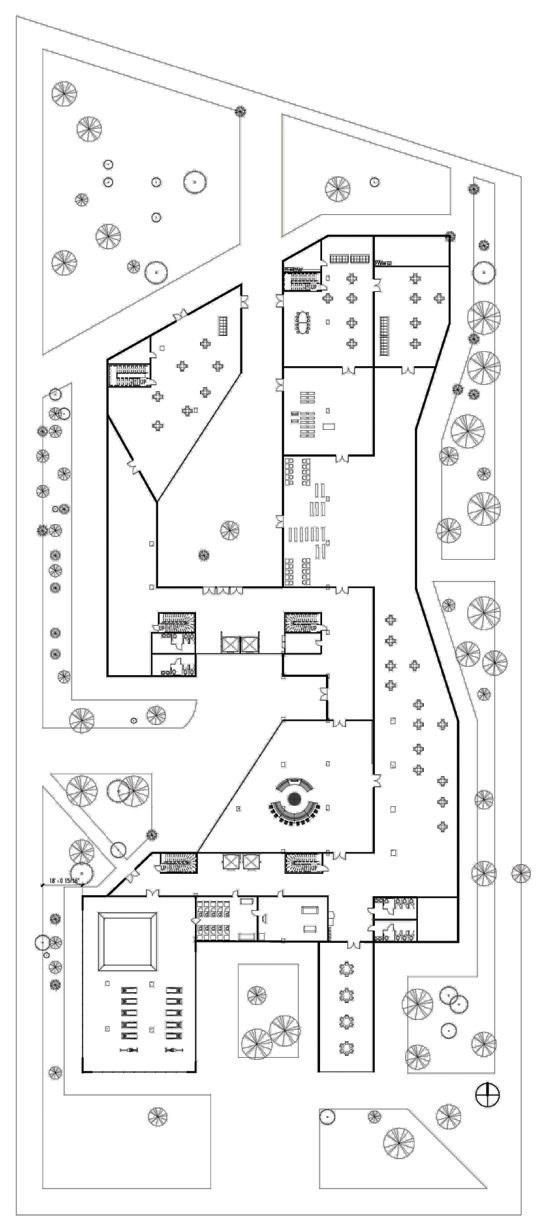
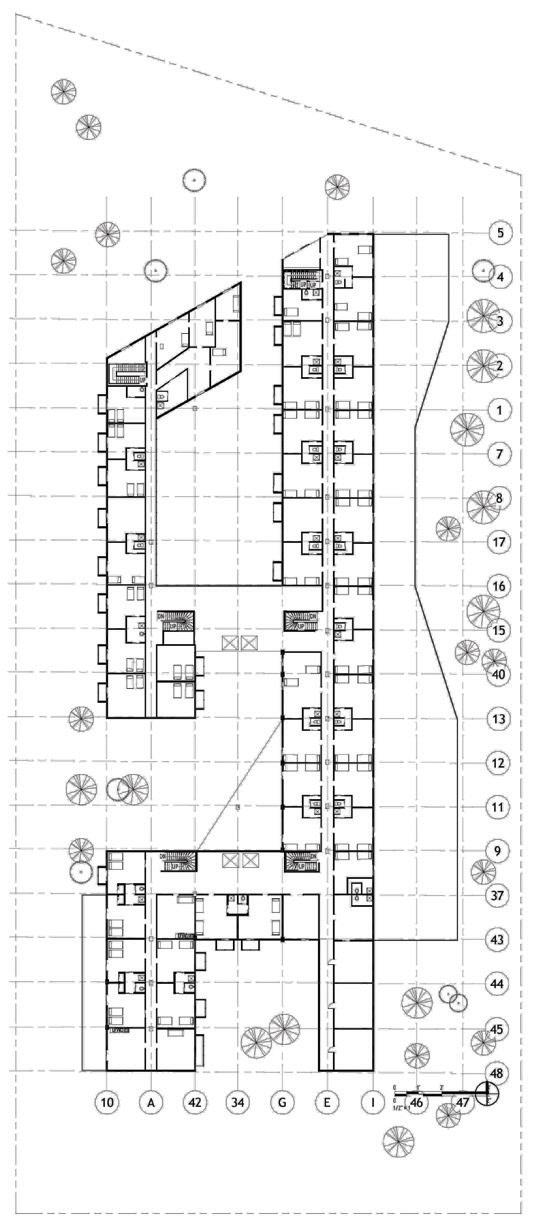
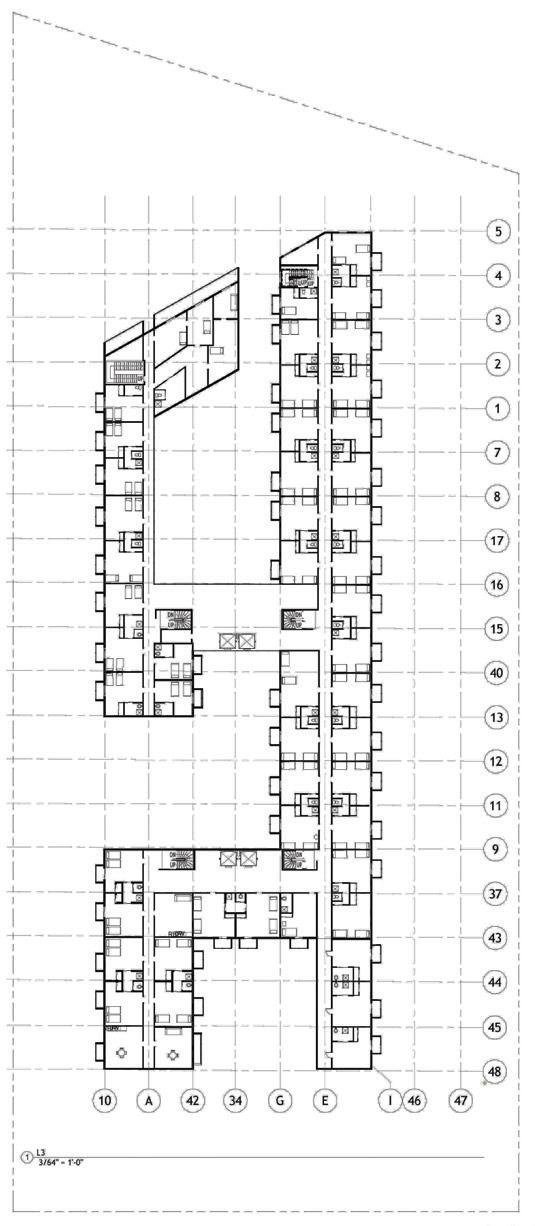
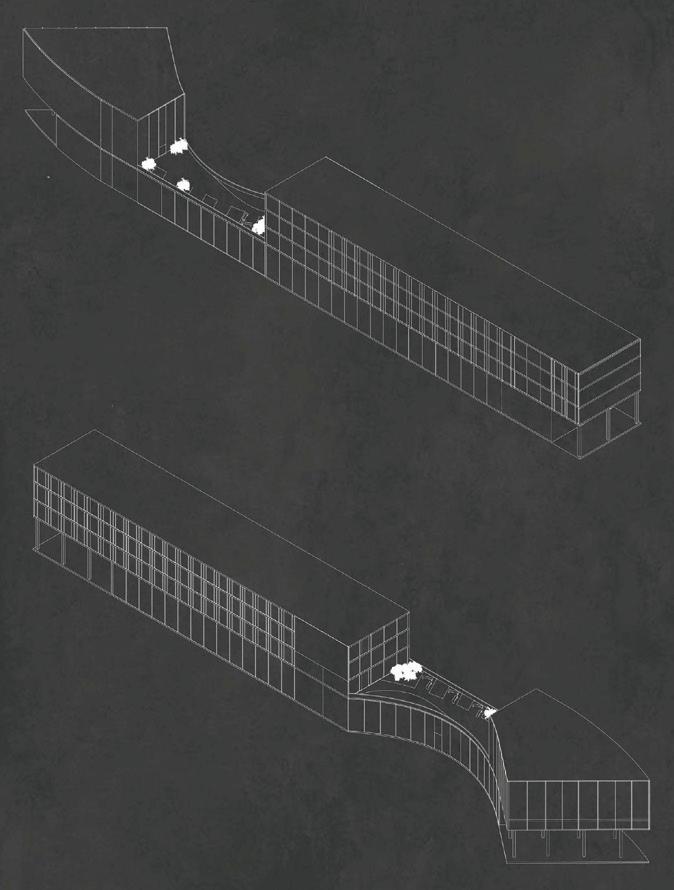
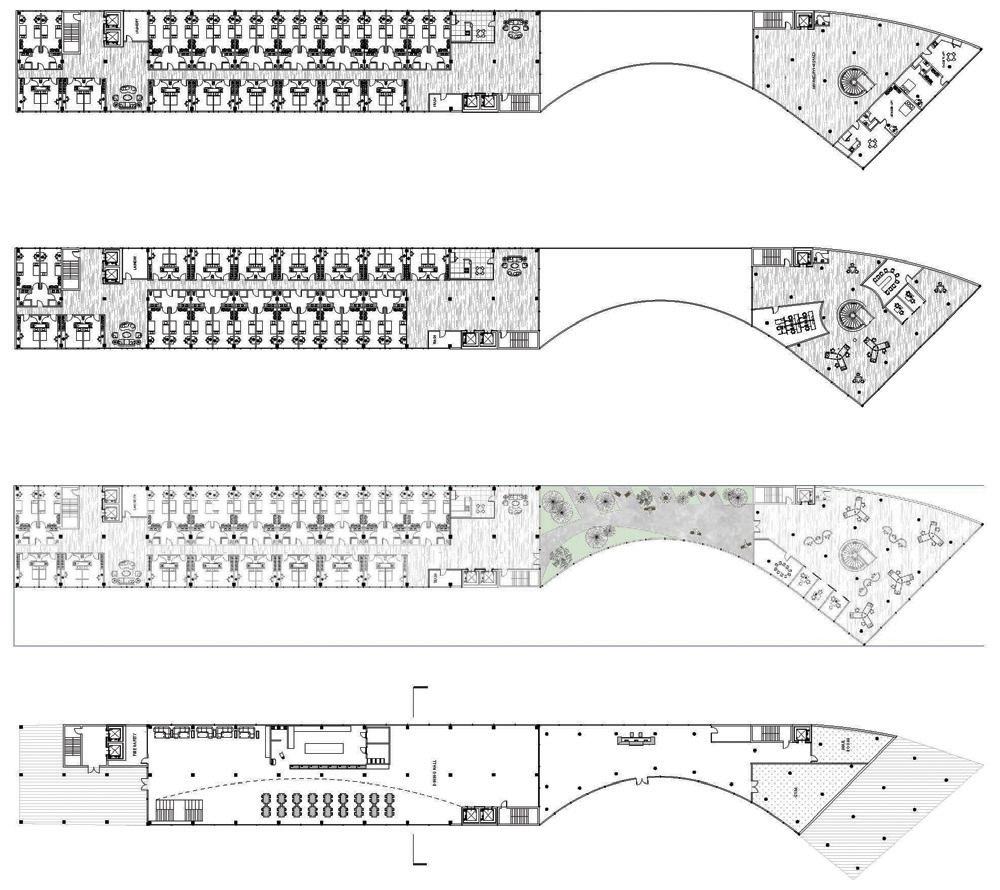


Fire Station
Miami River, FL
David Trautman
Lily Wong
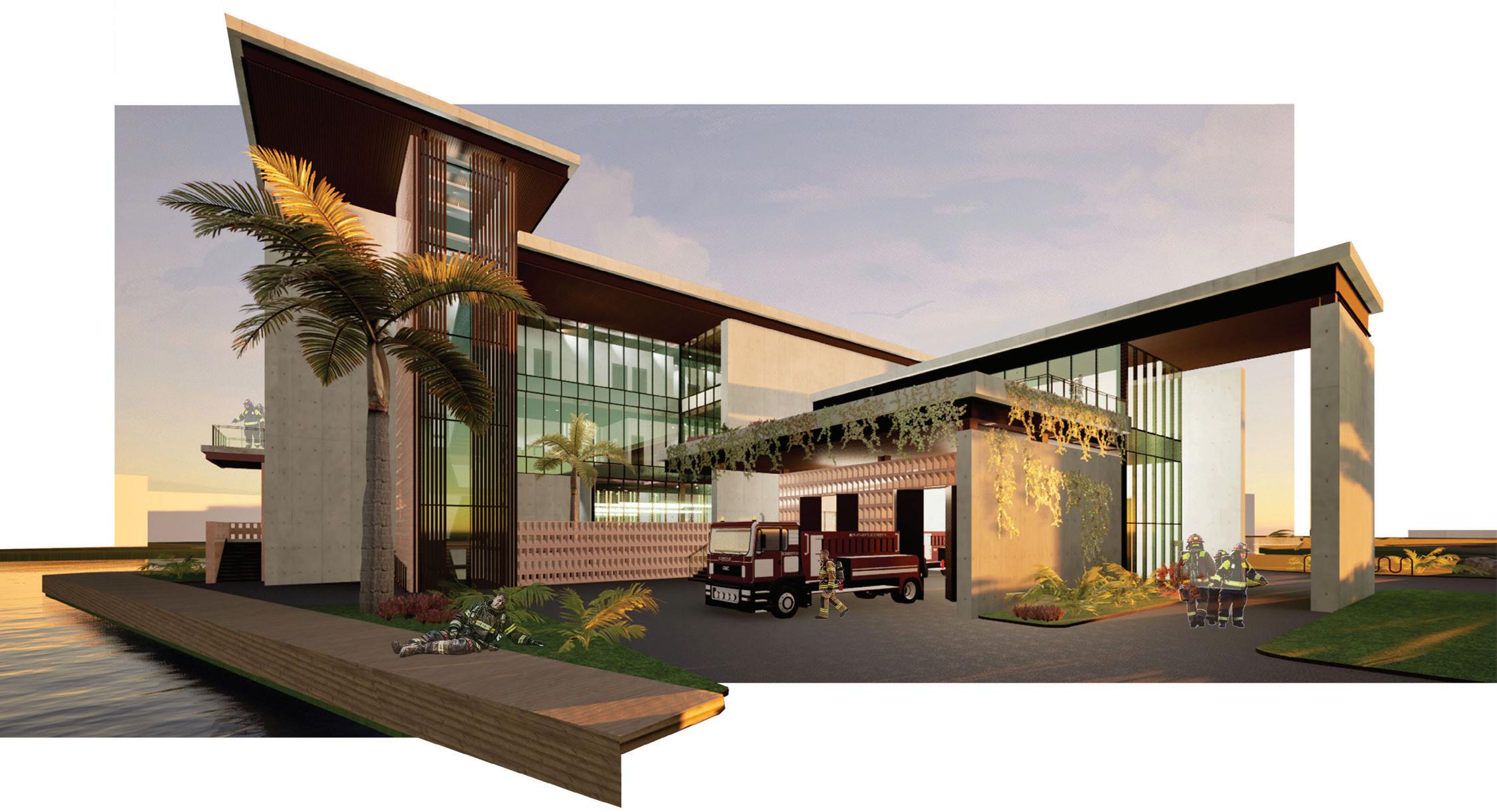
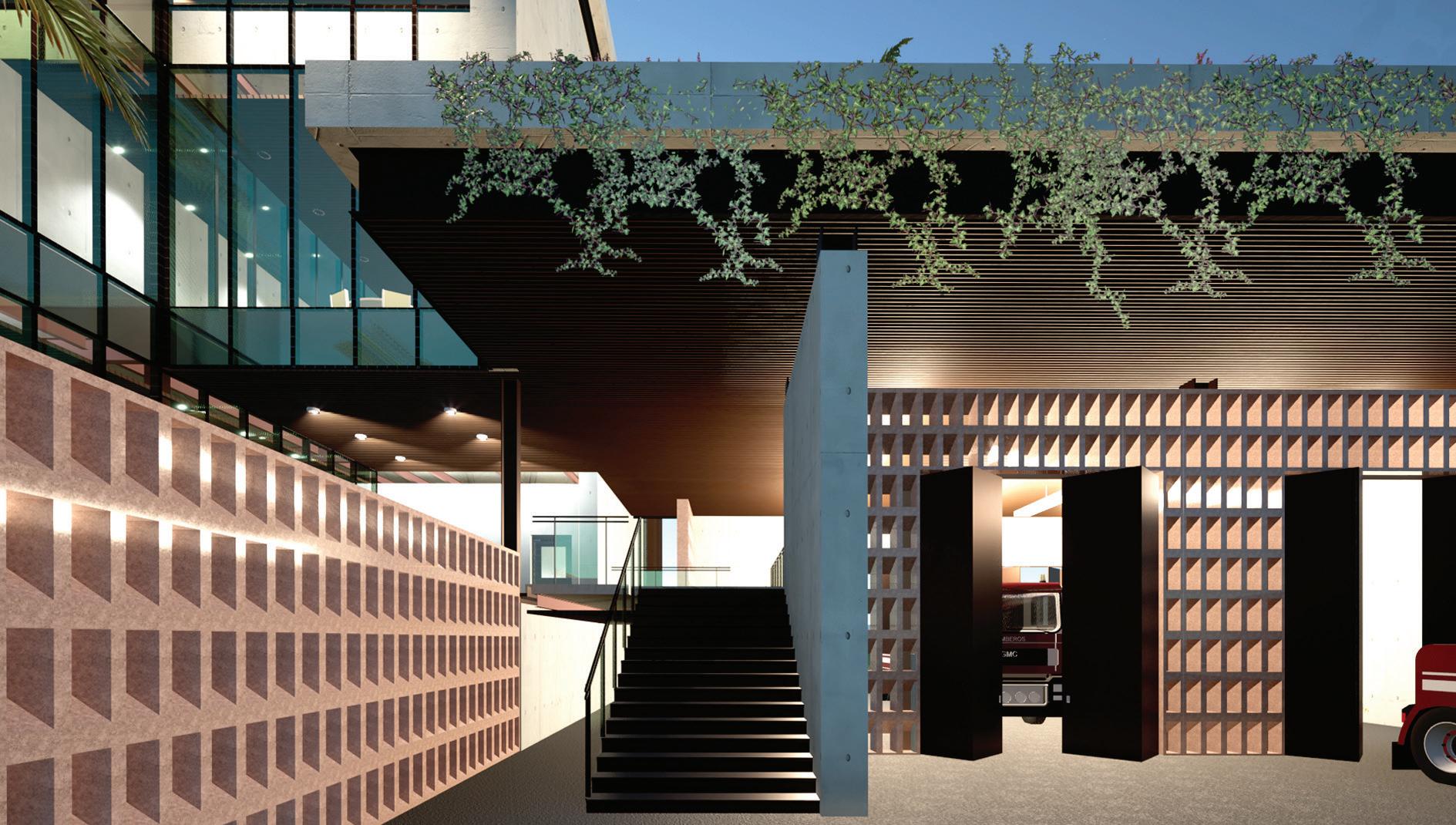
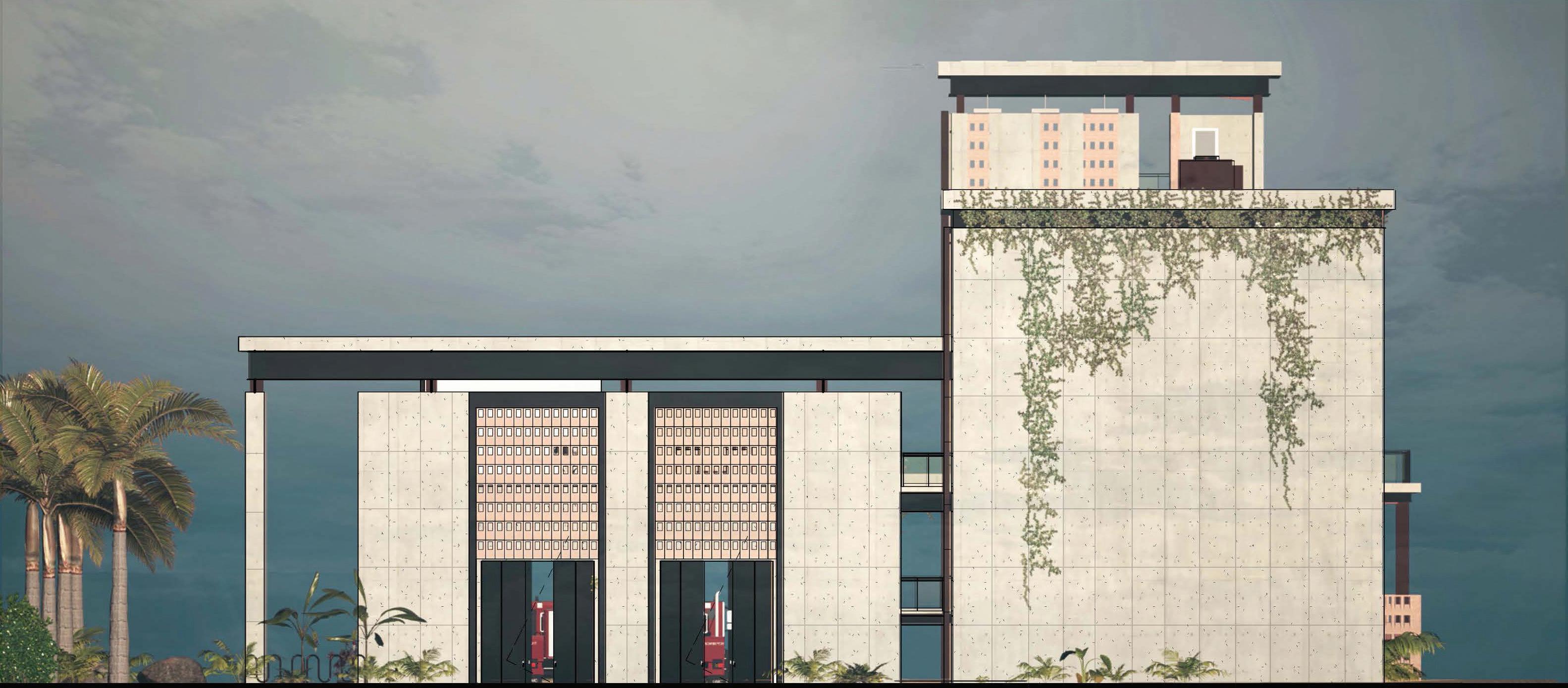
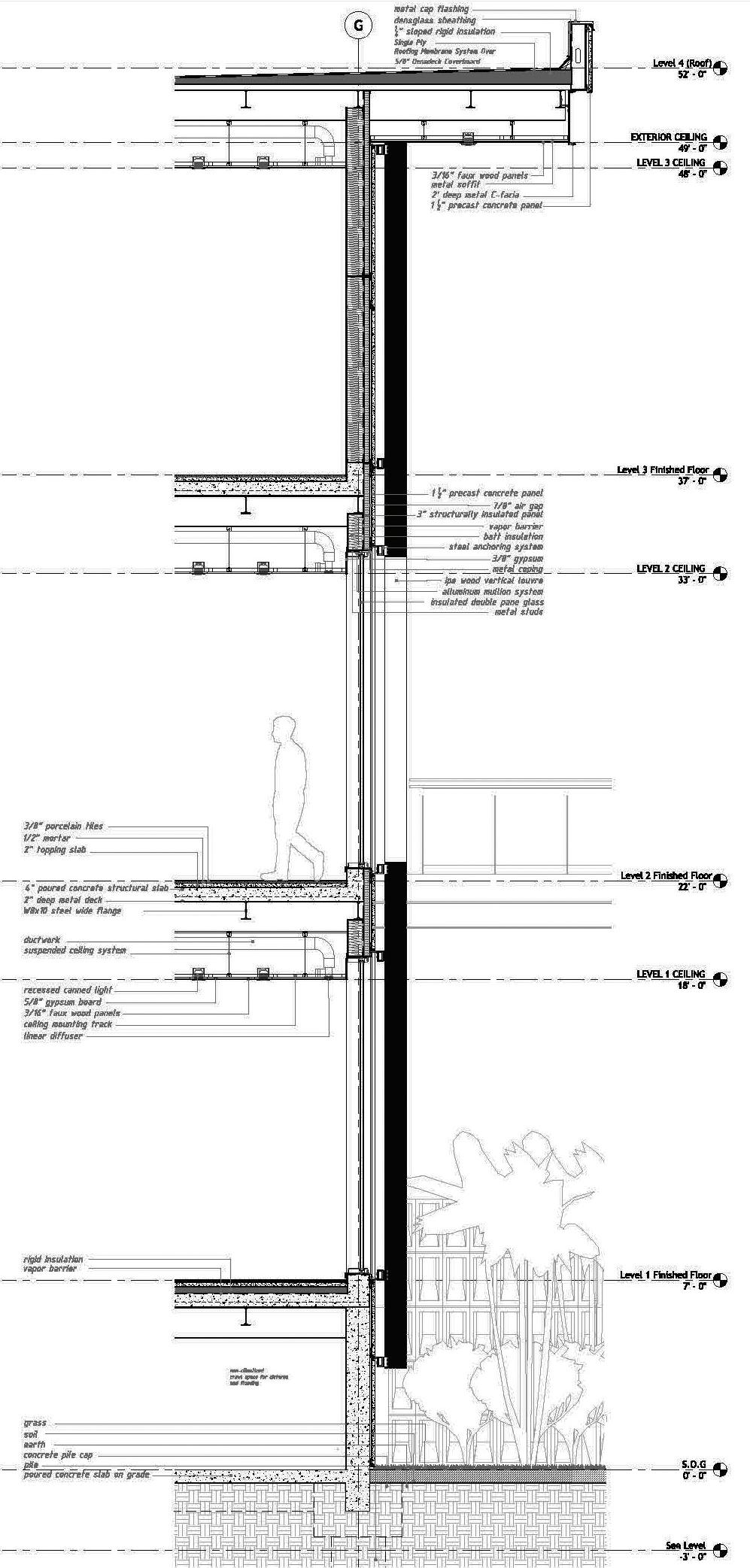
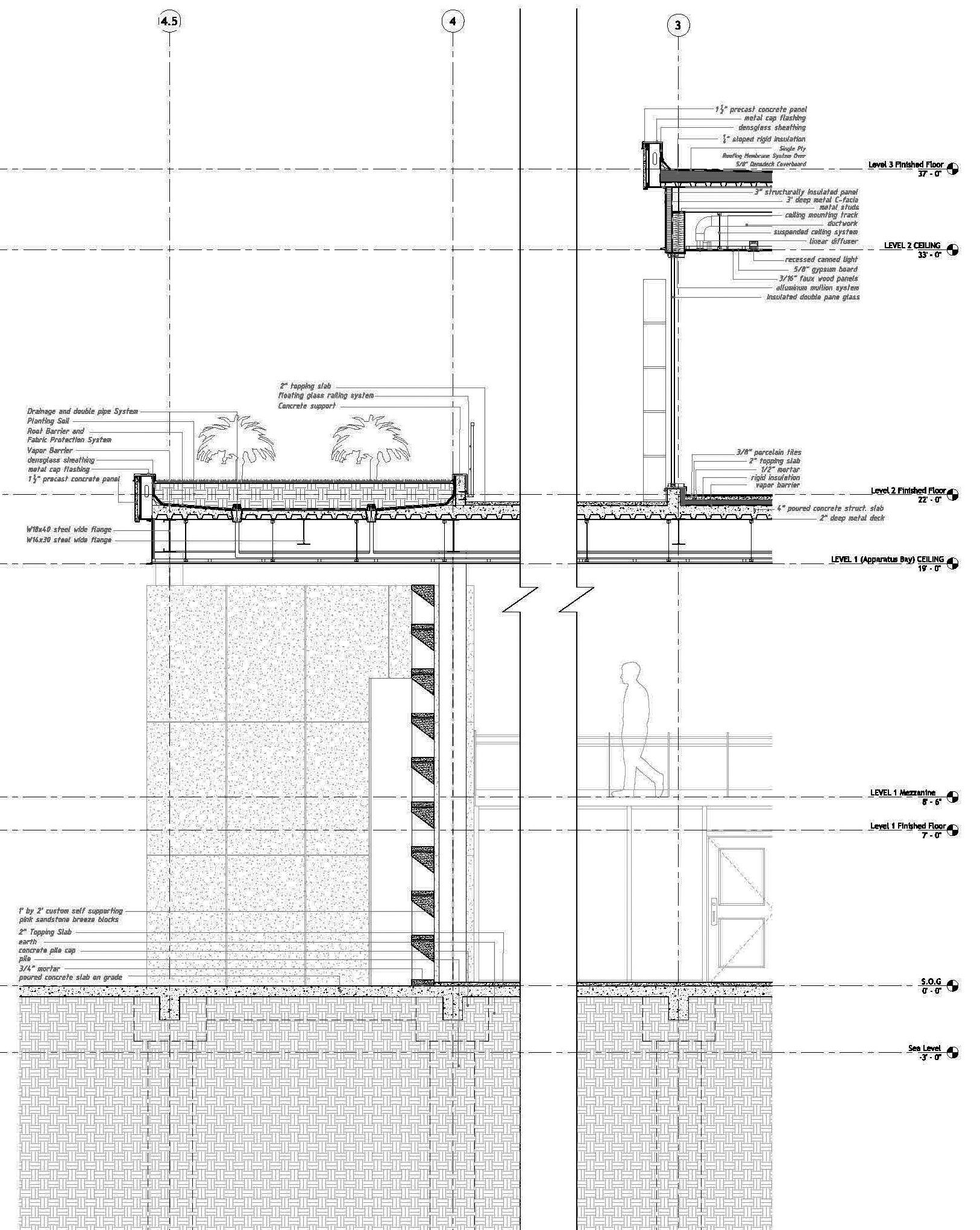
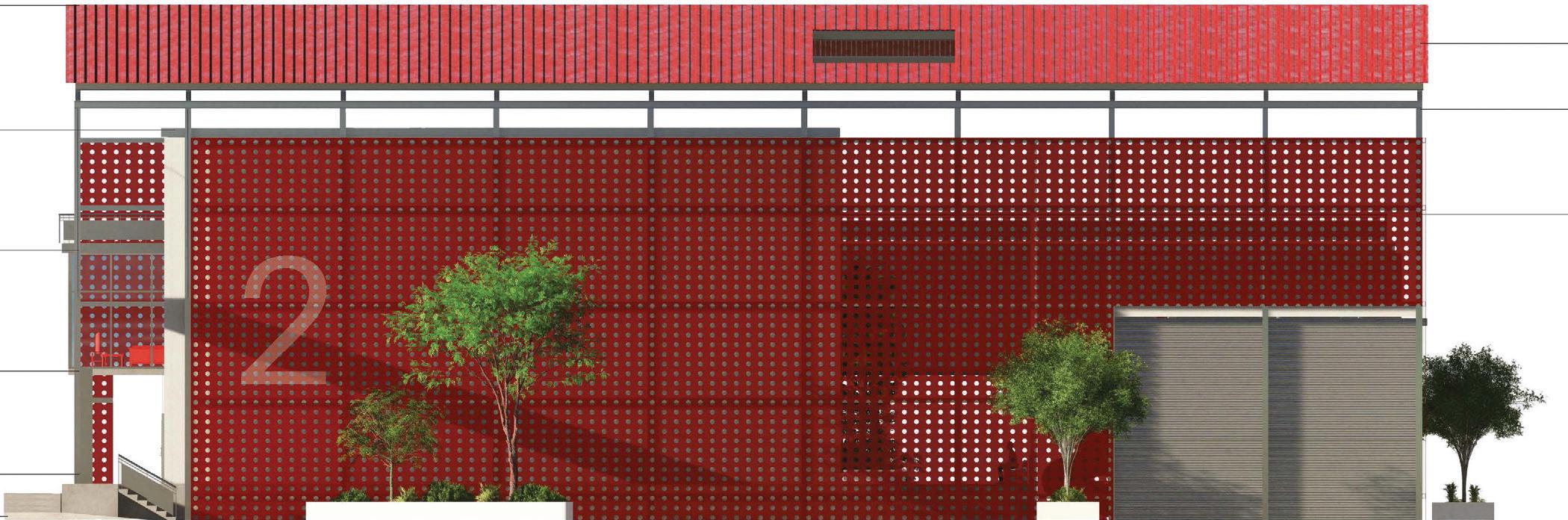
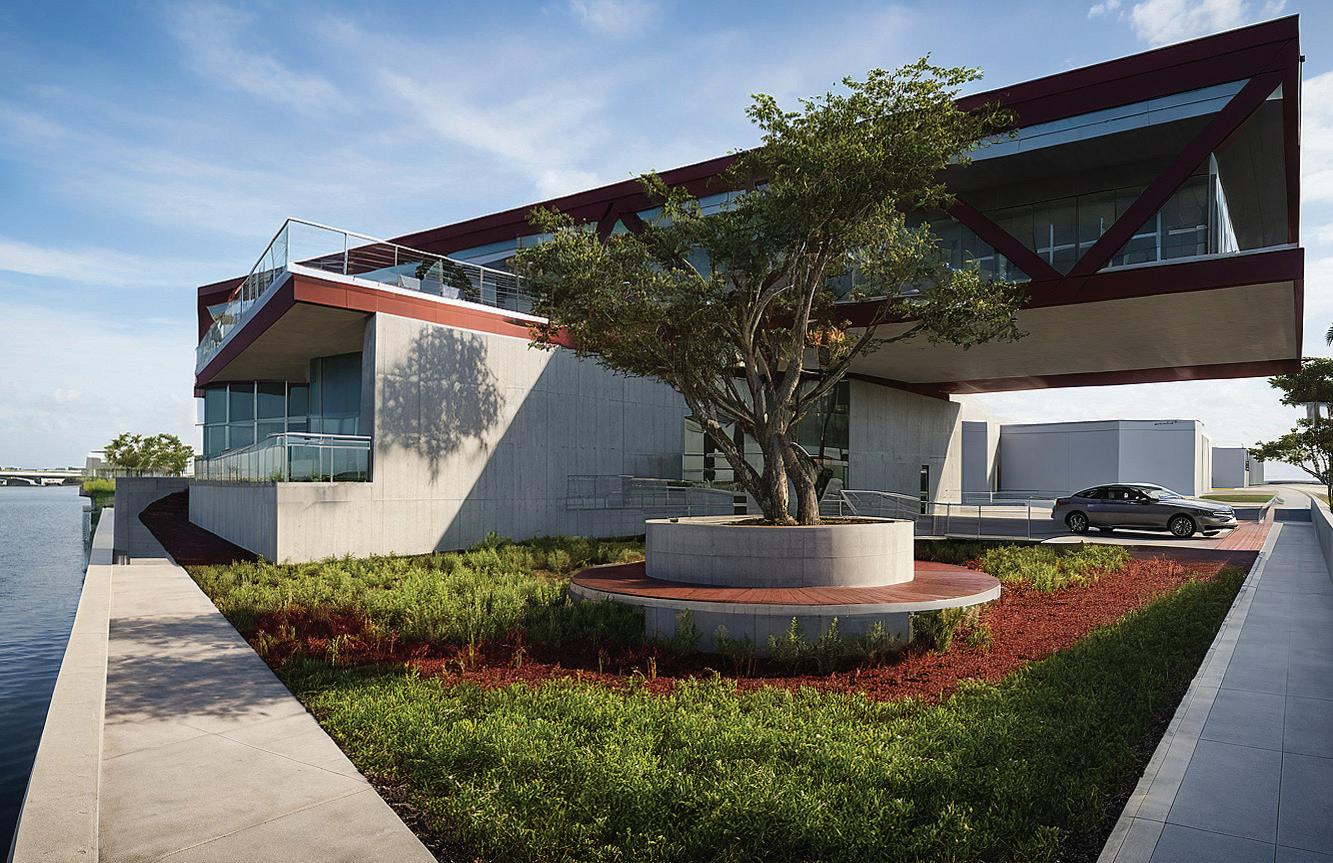
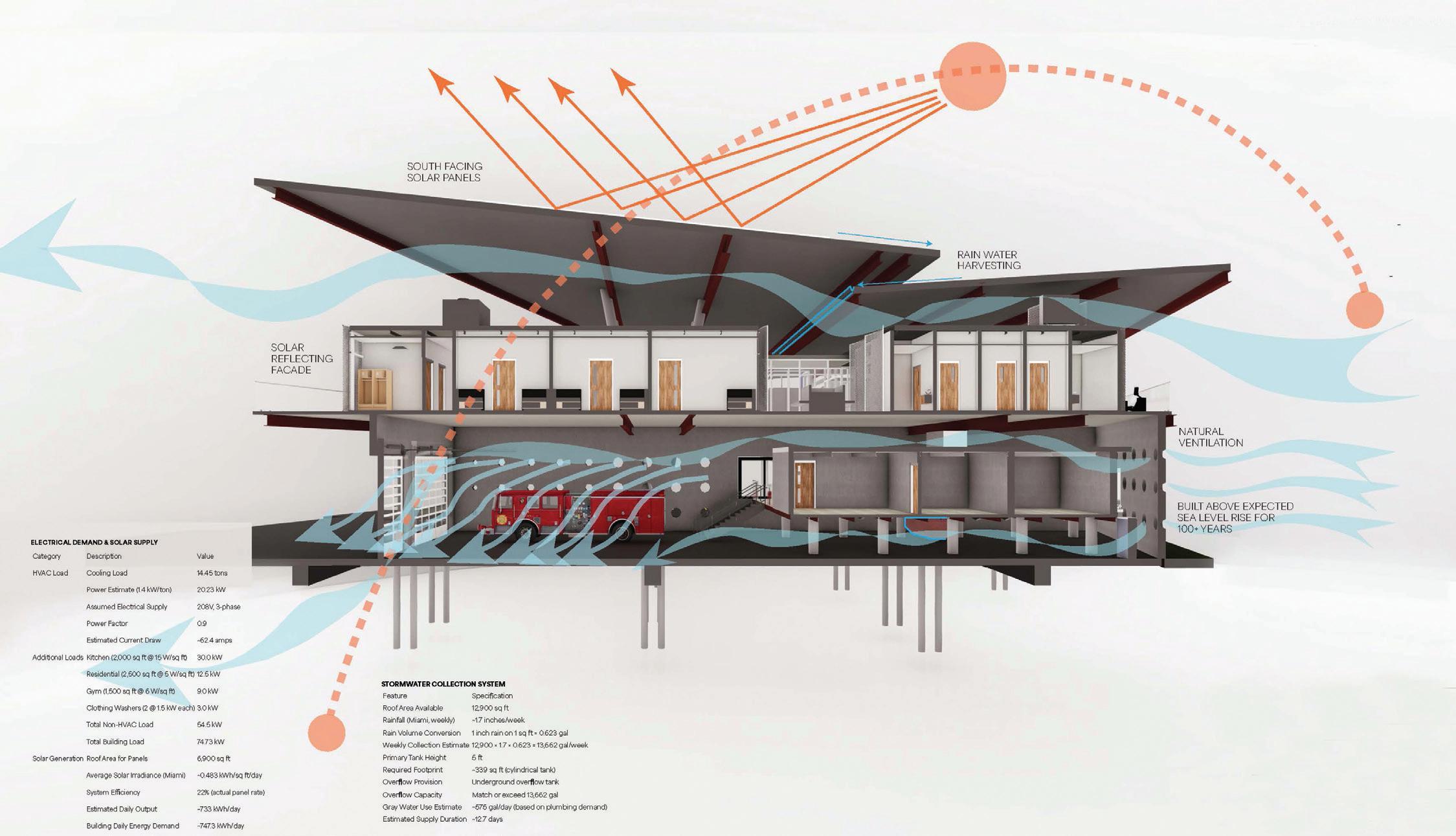
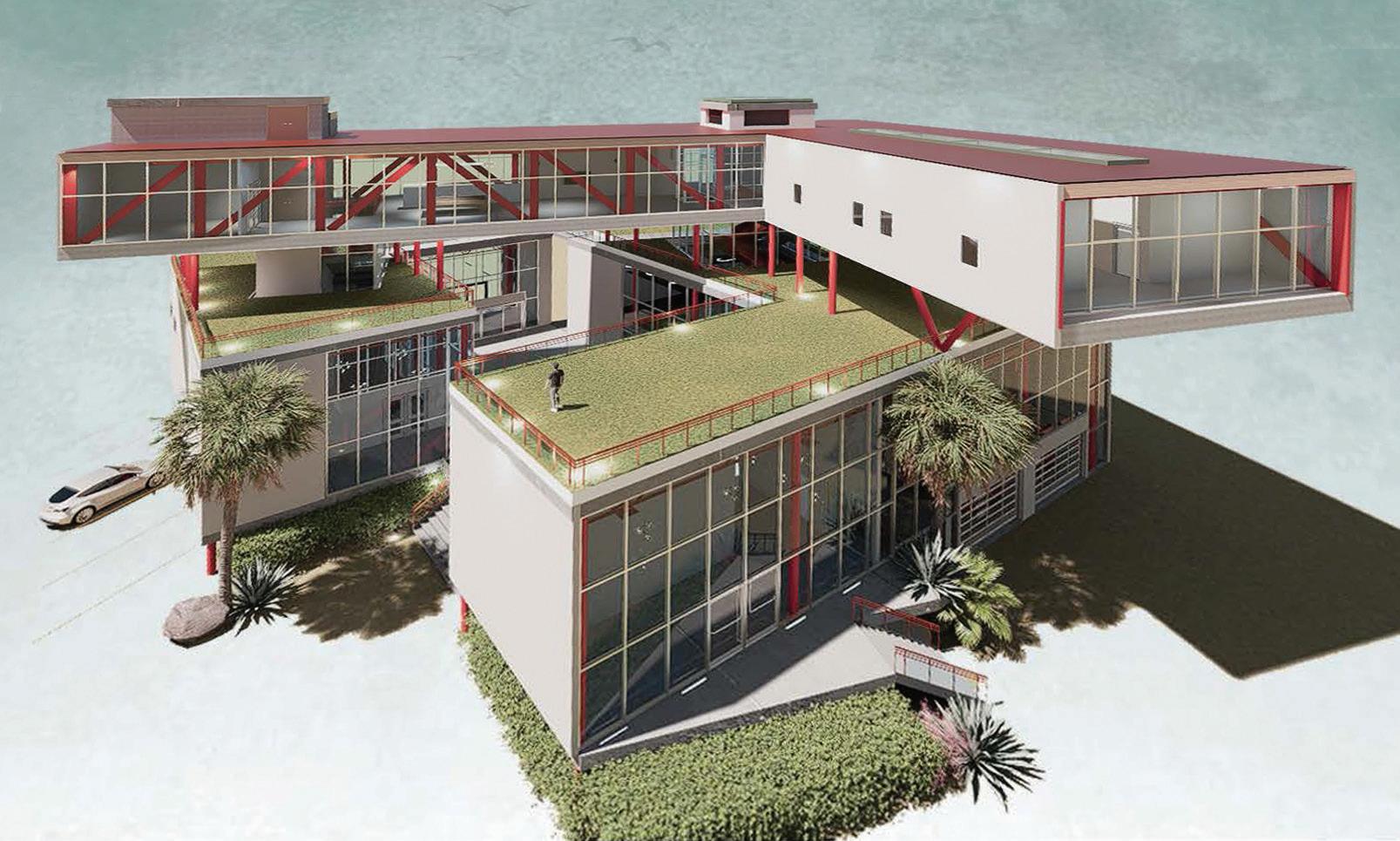
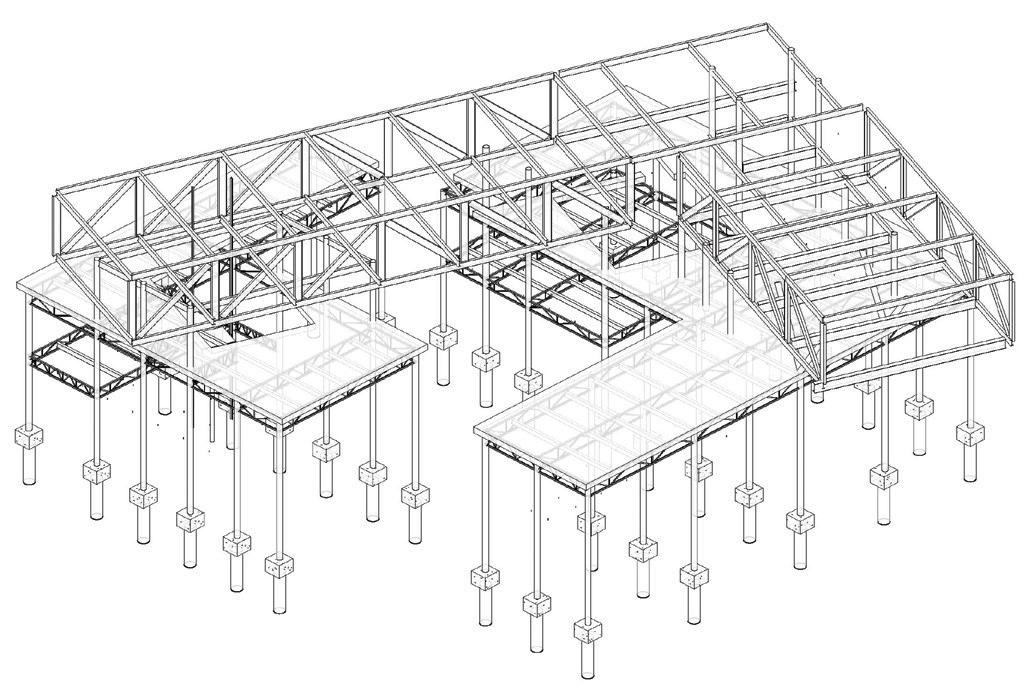
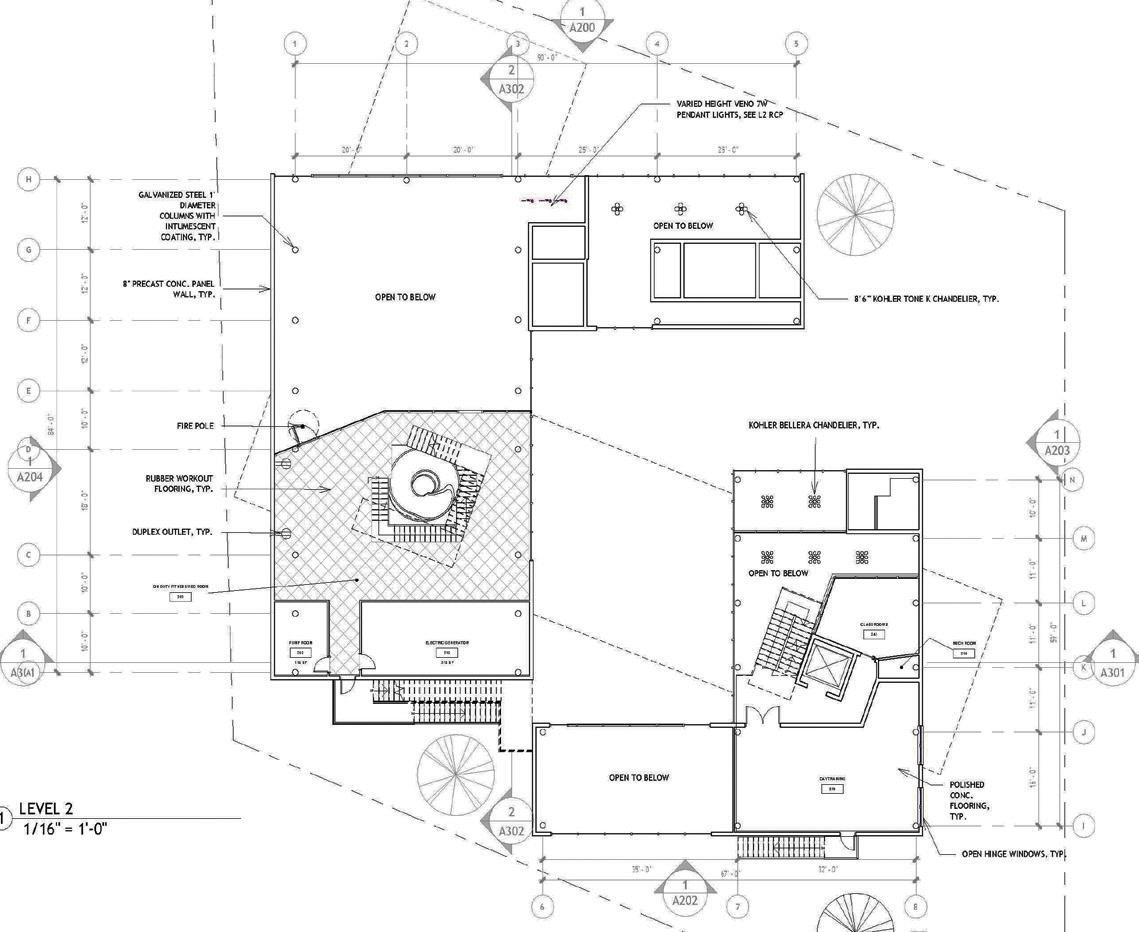
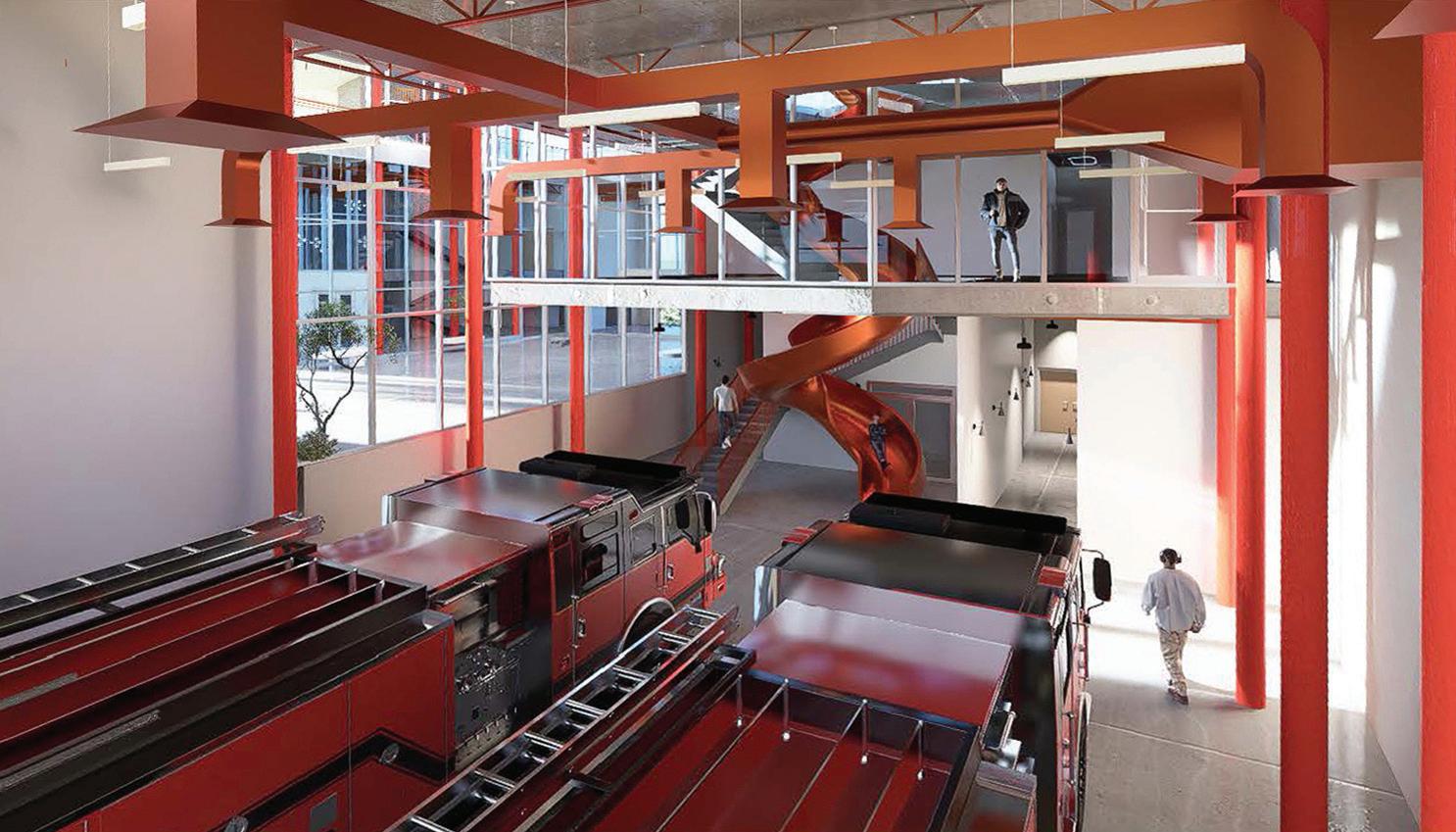
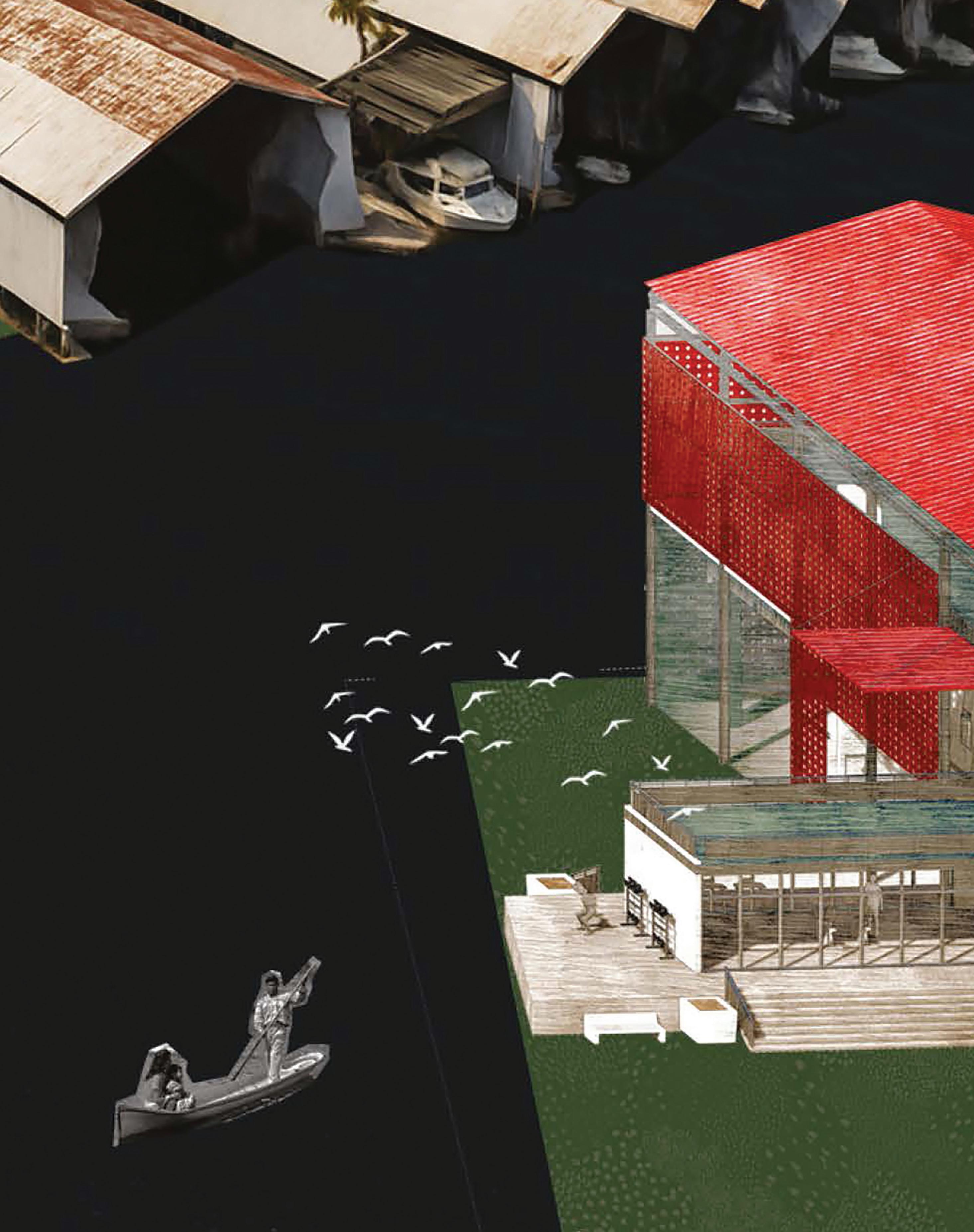
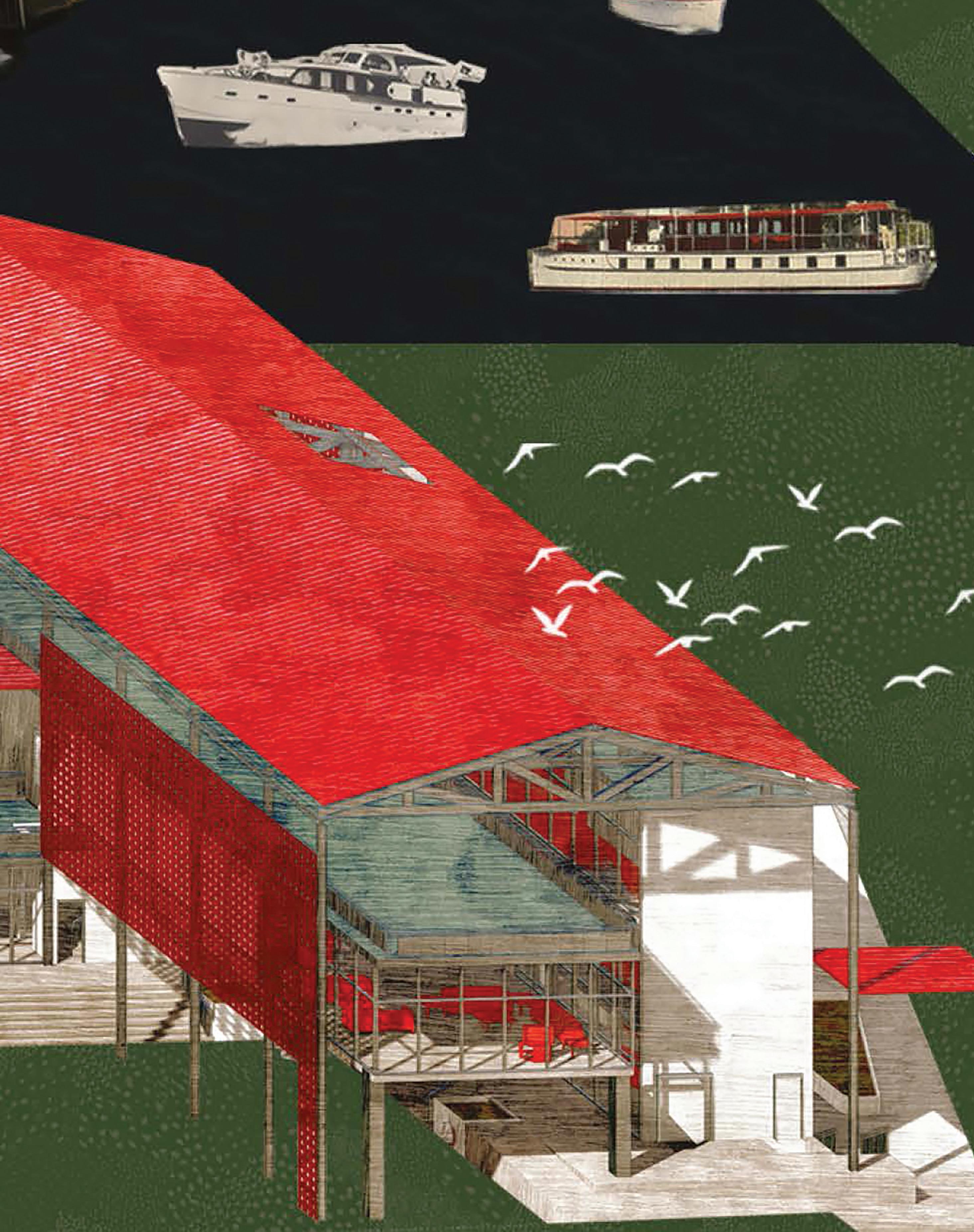
Sophie Juneau, Coordinator
Germane Barnes
Joachim Perez
Vyta Pivo
Lily Wong
Juan Yactayo
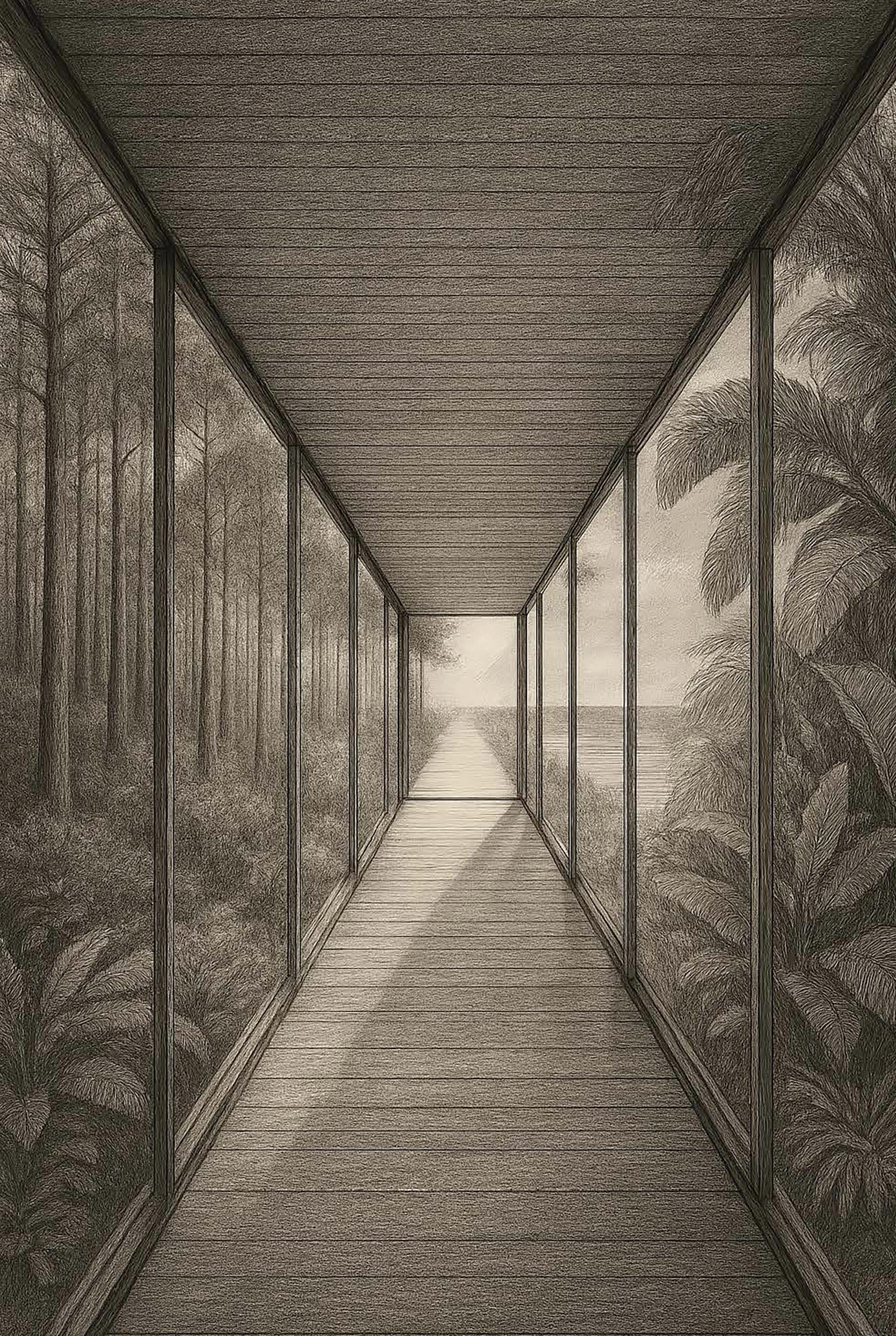
Noelle Davis
Vyta Pivo with Germane Barnes
Soulscapes explores how architecture can hold space for both joy and relief in Southern Black communities—focusing on the church, the HBCU, and the land. These spaces, rich with memory, rhythm, and care, are where culture has long gathered and grown. Through a mix of research and design, I’ve created Soulscapes: a method built on familiar artifacts and collective rituals that have supported Black life for generations. Here, a church hat isn’t just fashion— it’s form. A band performance isn’t just sound—it’s structure. A front-yard gathering becomes a blueprint for belonging. This work doesn’t just observe—it joins in. It celebrates the past, vibes with the present, and makes room for the future. Soulscapes is design that sings, dances, remembers, and invites you in.
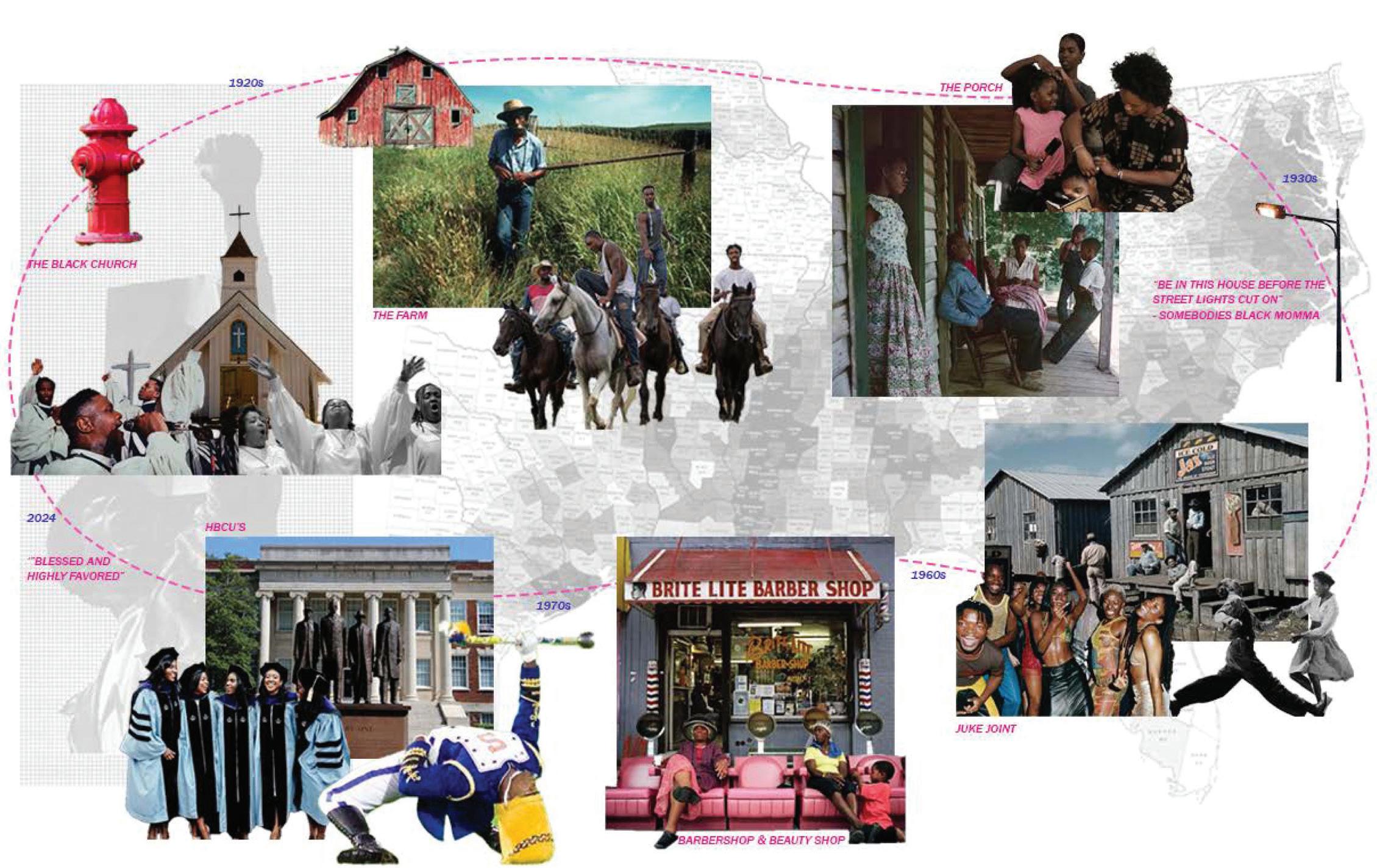
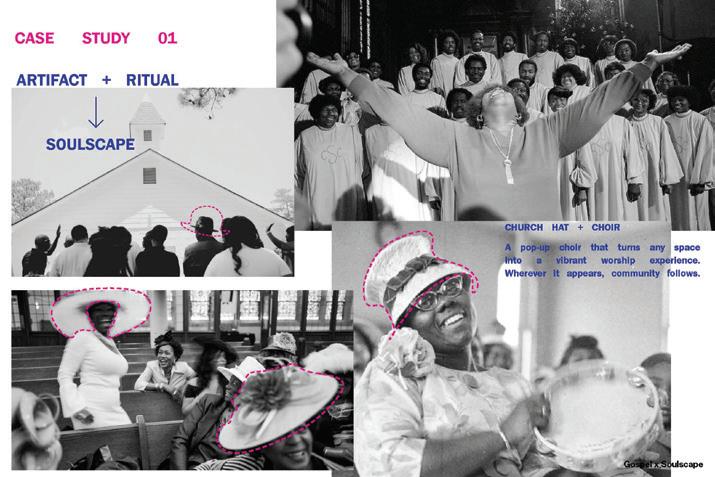
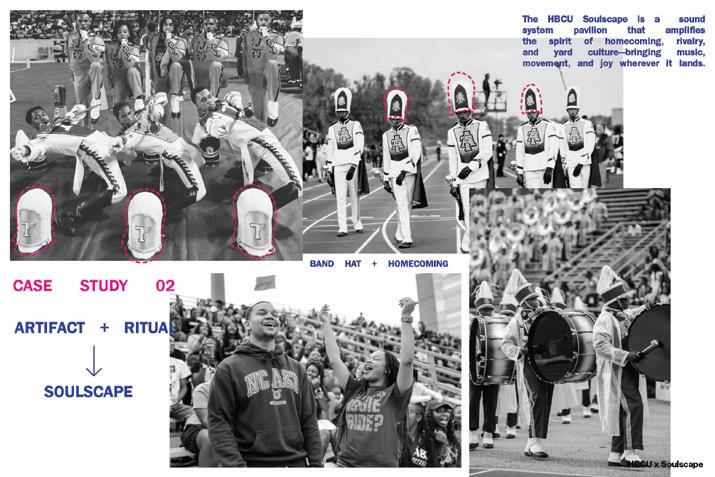
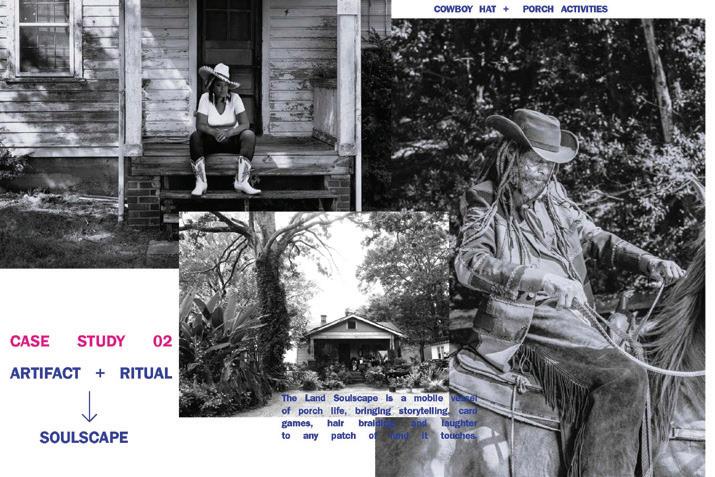
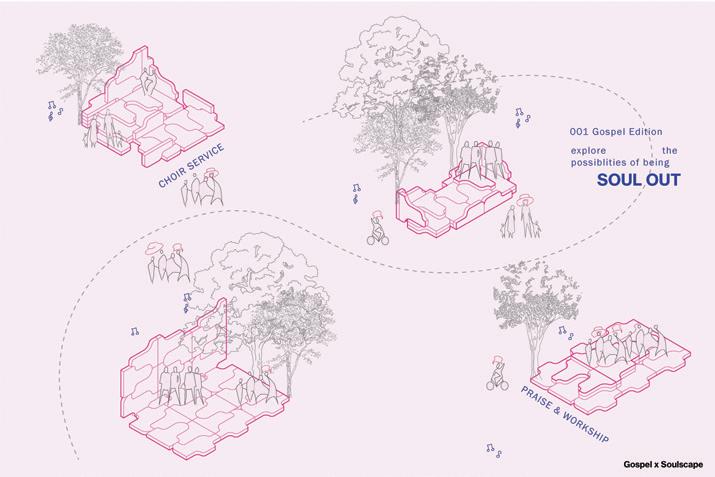
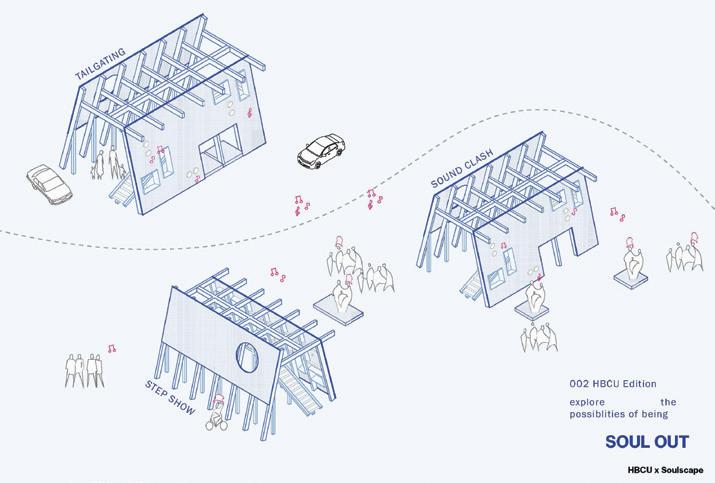
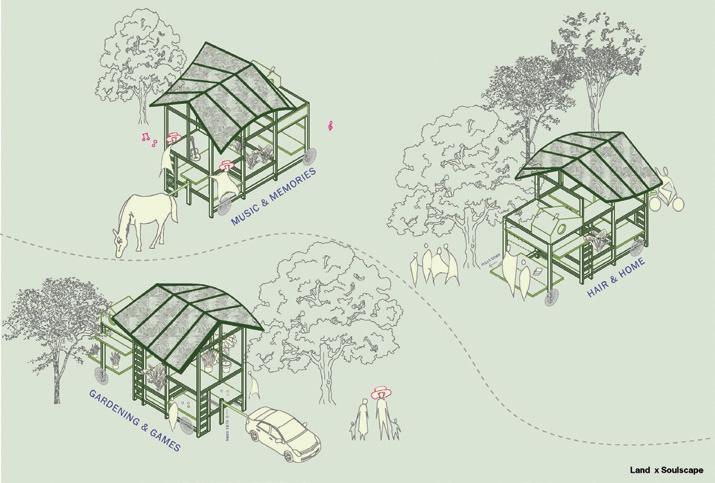
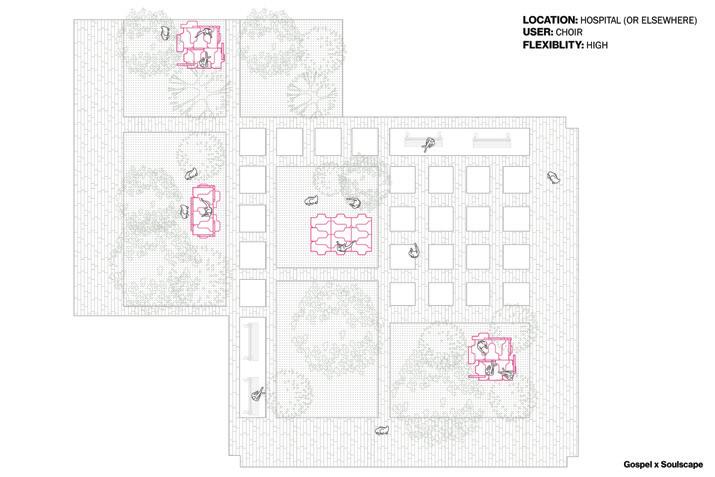
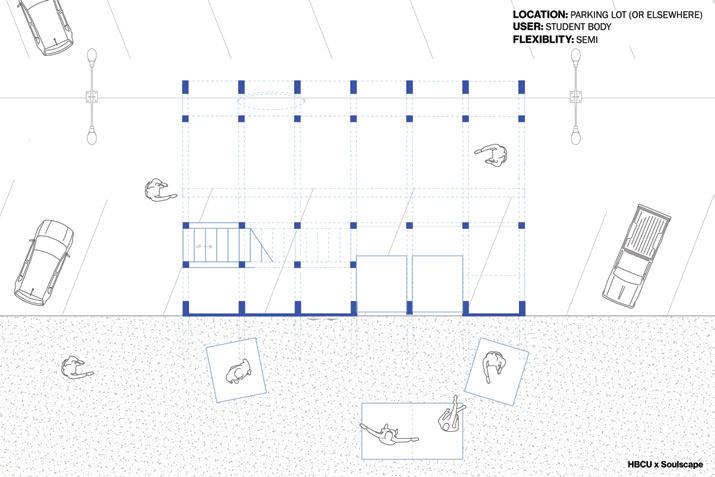
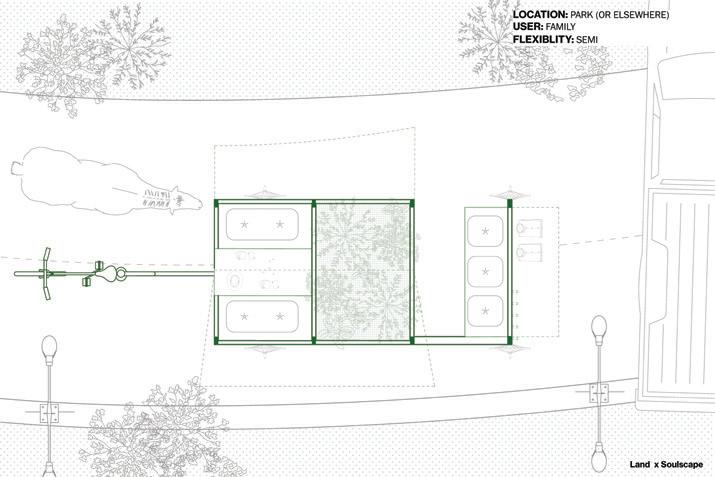
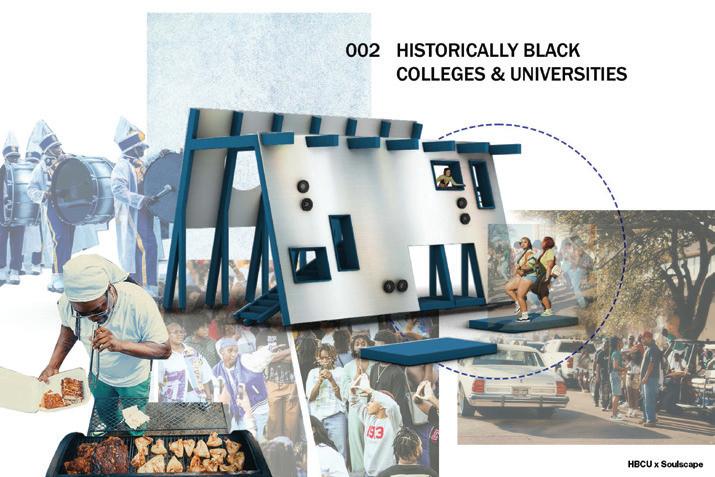
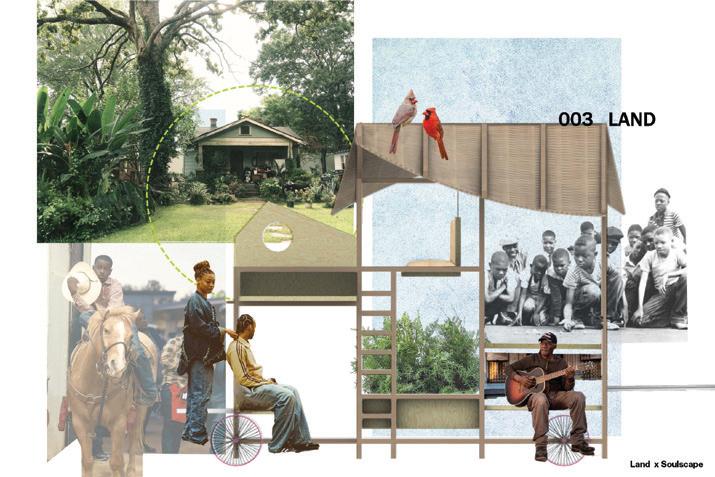
Wren
Ferris
Sophie Juneau with Roger Ferris
Urbanistic metaphor is a design approach where a building is imagined as a vertical city — capturing the diversity, complexity, and layered interactions of an actual urban landscape. Rather than viewing the structure as a single-use, uniform object, it is composed of distinct zones (such as neighborhoods, streets, and plazas) stacked vertically, blending program types, circulation, and public spaces to evoke an urban experience. The New Chicago School of Architecture challenges the conventional,
rationalist high-rise — defined by rectilinear, stacked floor plates — by using the urbanistic metaphor to organize diverse programmatic components into distinct “programmatic neighborhoods,” creating a vertical campus that fosters richer spatial, social, and educational experiences within the tower form.
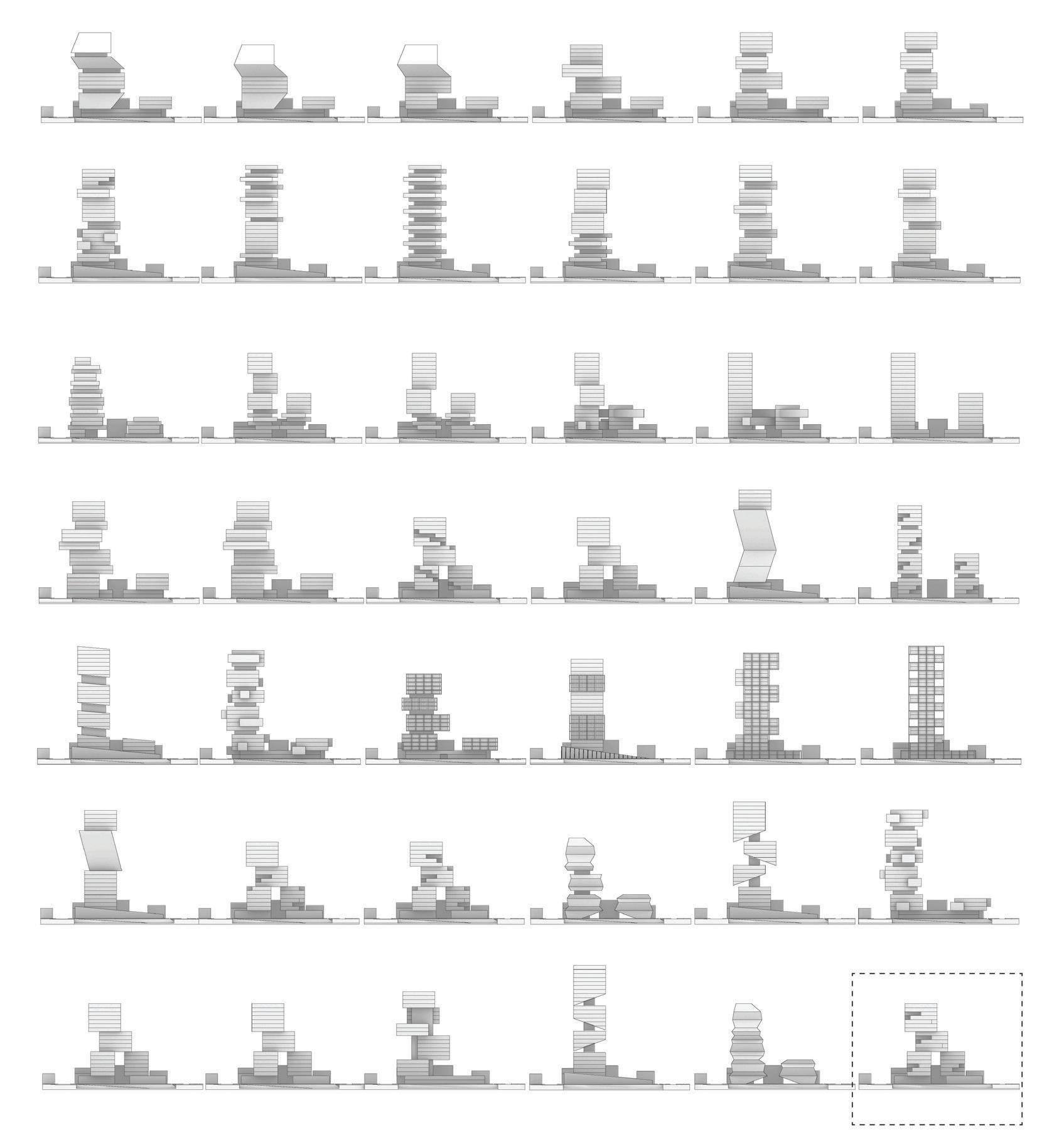
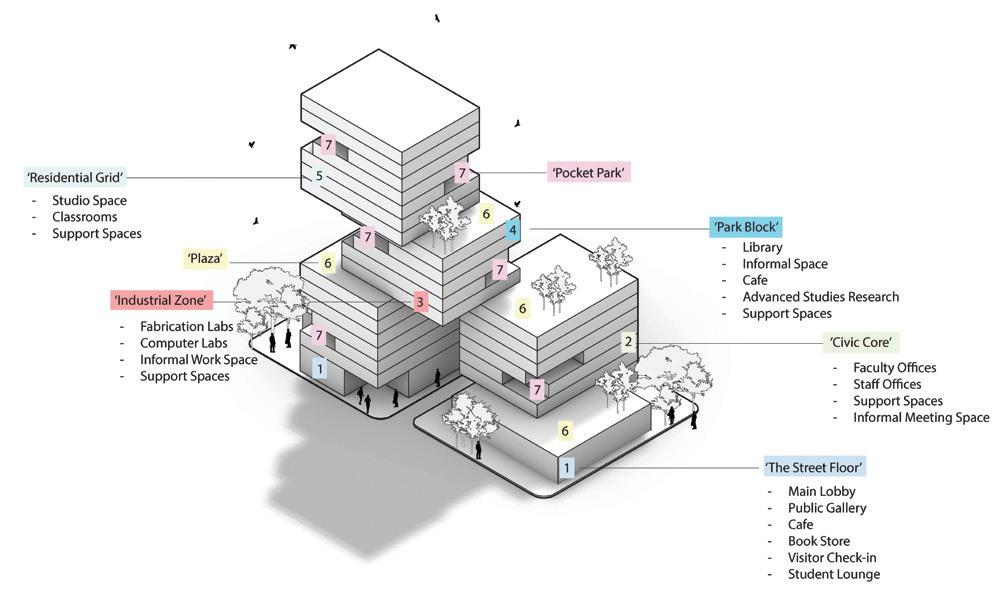
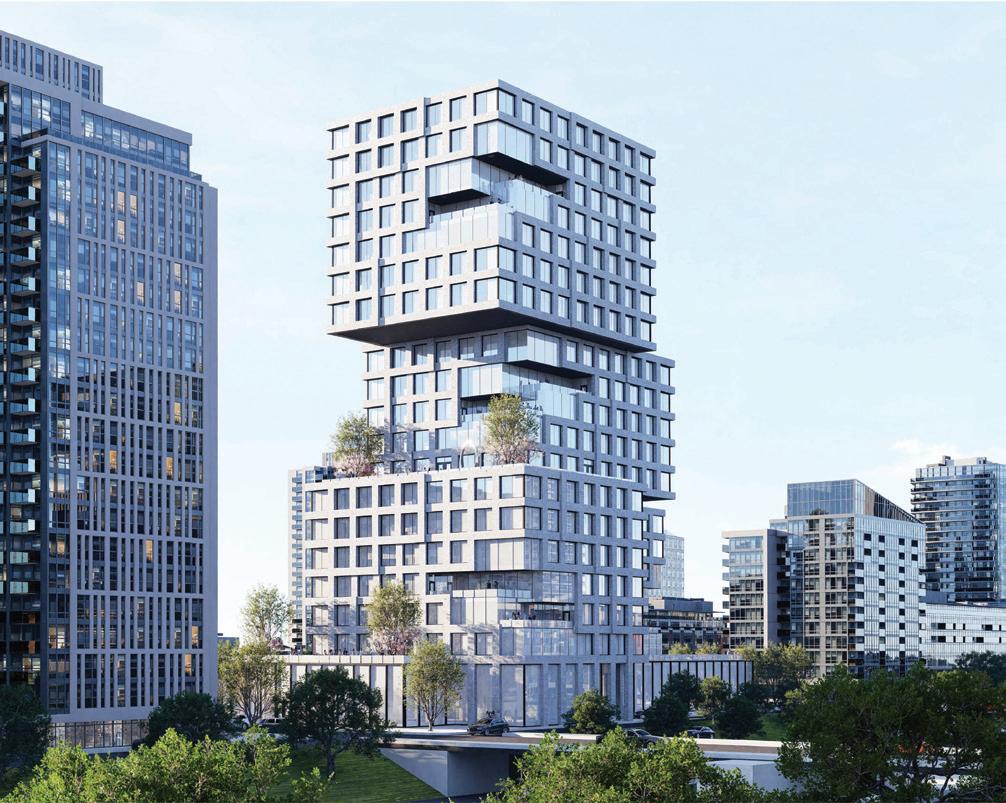
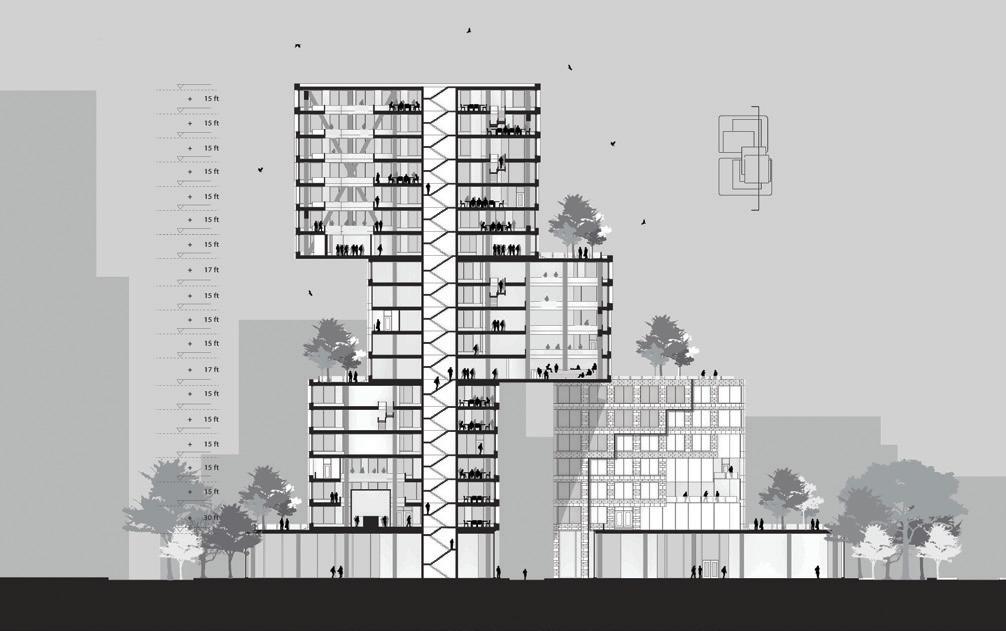
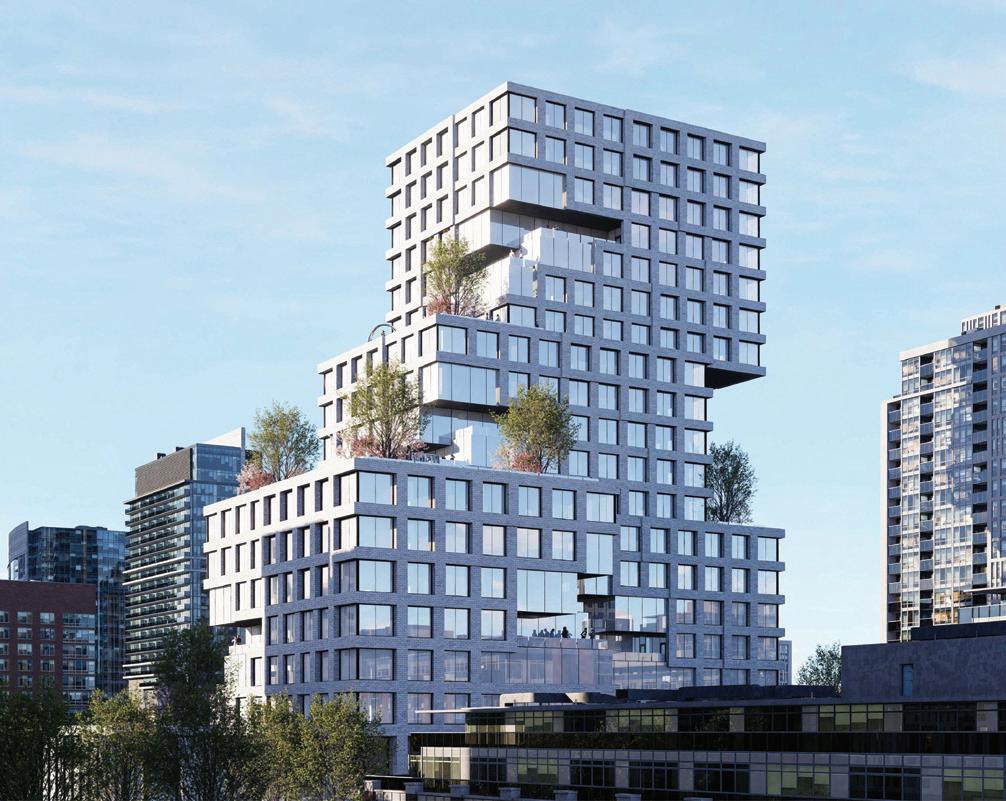
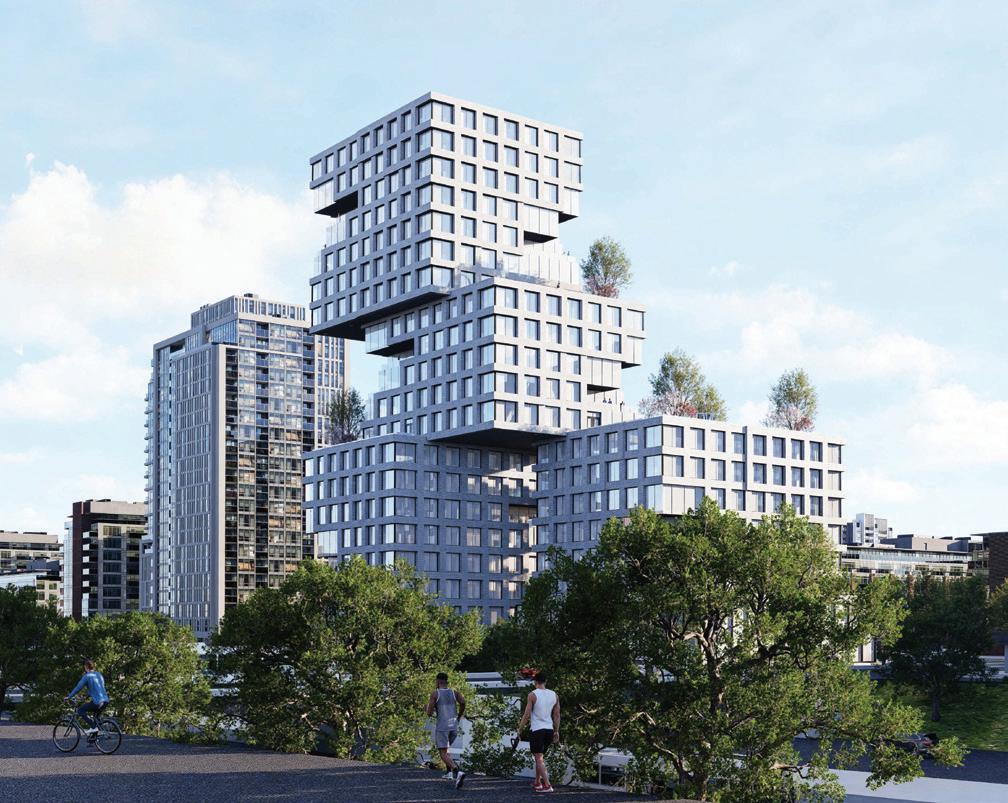
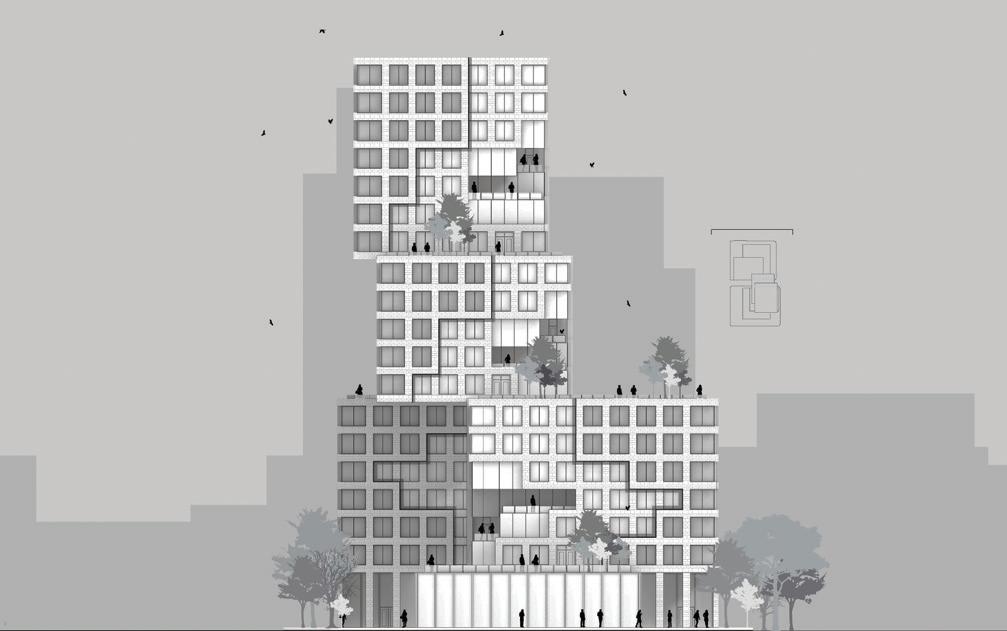
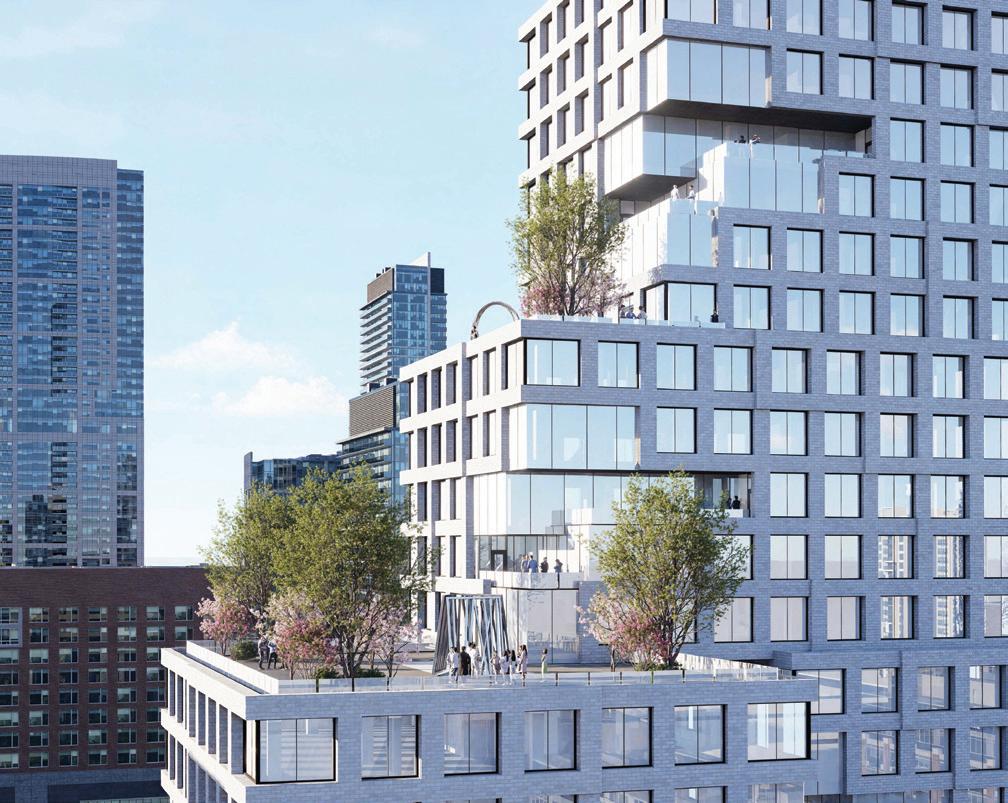
Vassili Georgakopoulos
Juan Yactayo with Greg Jazayeri
Greg’s design philosophy is deeply rooted in his lifelong connection to the natural beauty of Florida’s Emerald Coast. Having moved to 30A at sixteen, his experiences exploring the beaches, dune lakes, and surrounding landscape shaped a strong appreciation for preserving the area’s unique character. His work reflects this commitment, drawing the natural elements of each site into the design to create homes that balance aesthetic beauty with the practical needs of daily life. Guided by the lifestyle of future residents and the integrity of the land, Greg designs structures that frame nature, protect the environment, and enhance the living experience. Greg’s goal was to create a hybrid office, private residence, and gallery that offers clients a fully immersive experience — a place where they could not only see architecture but live it.
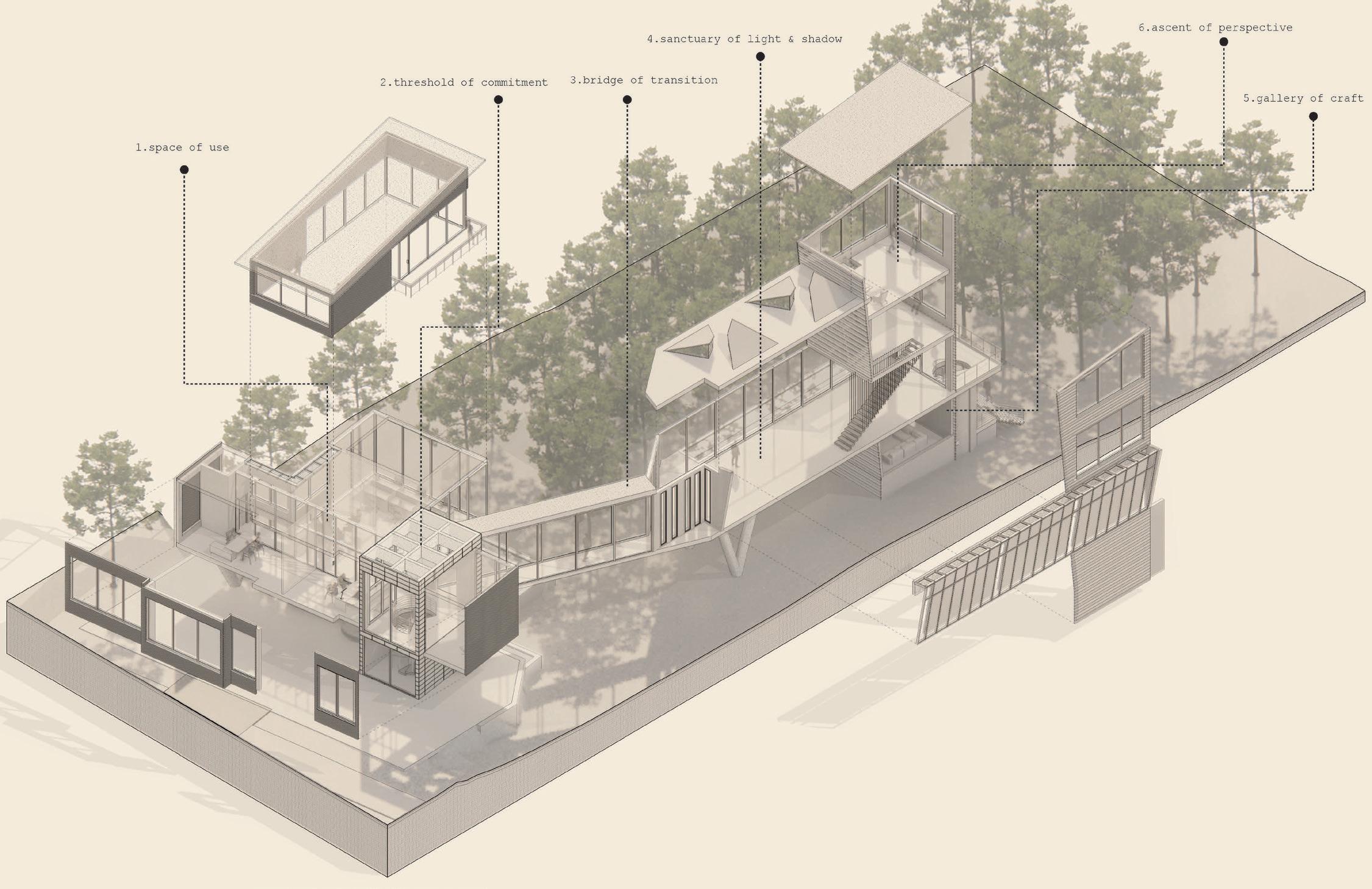
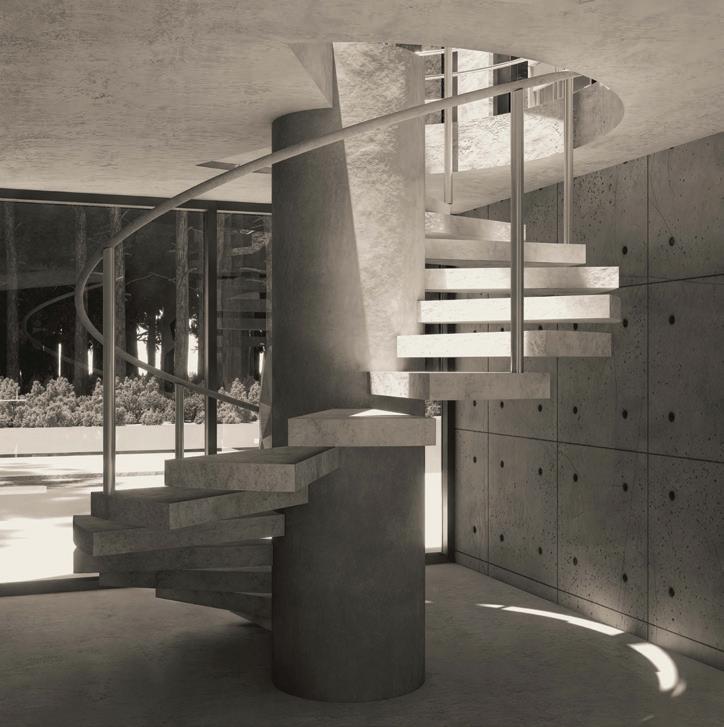
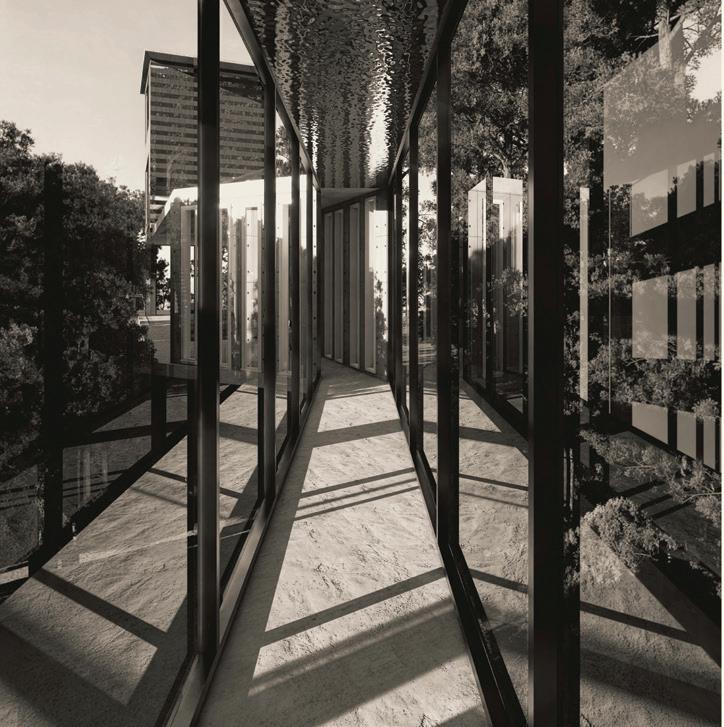
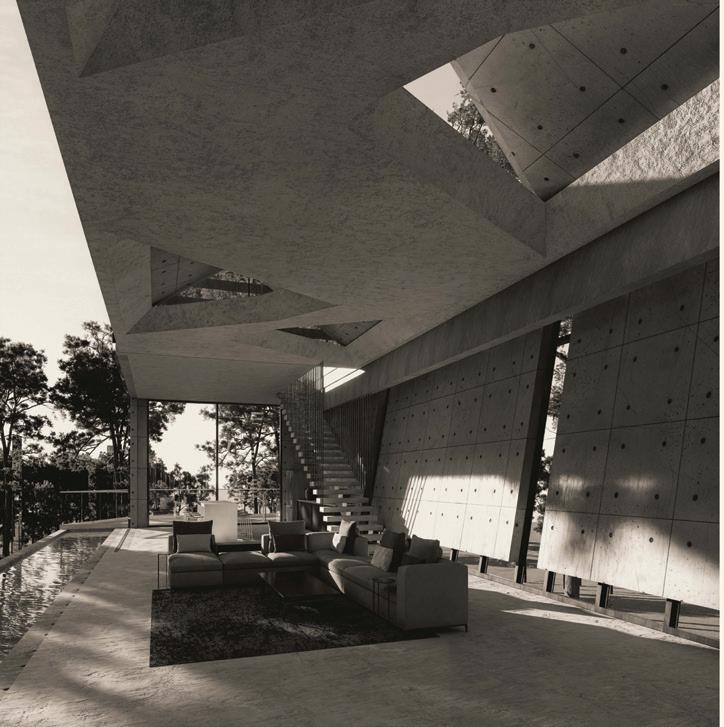
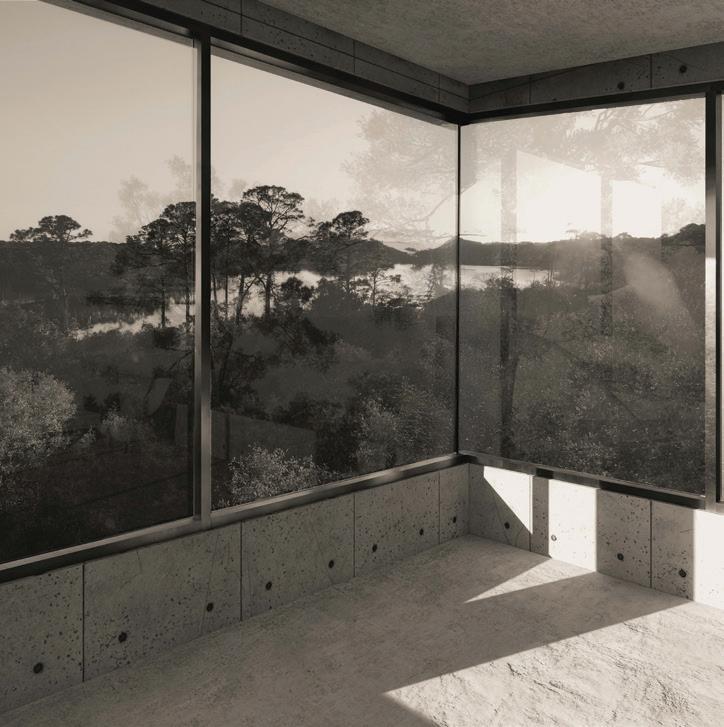
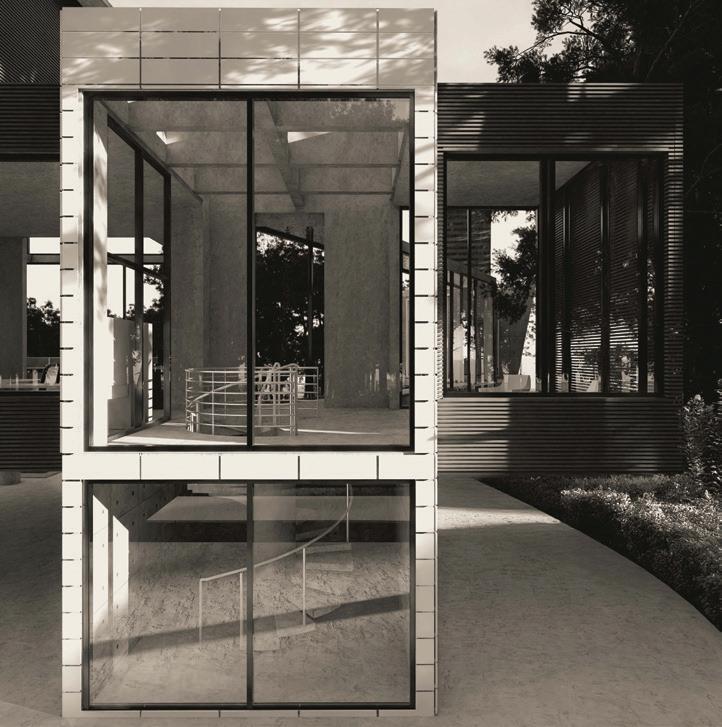
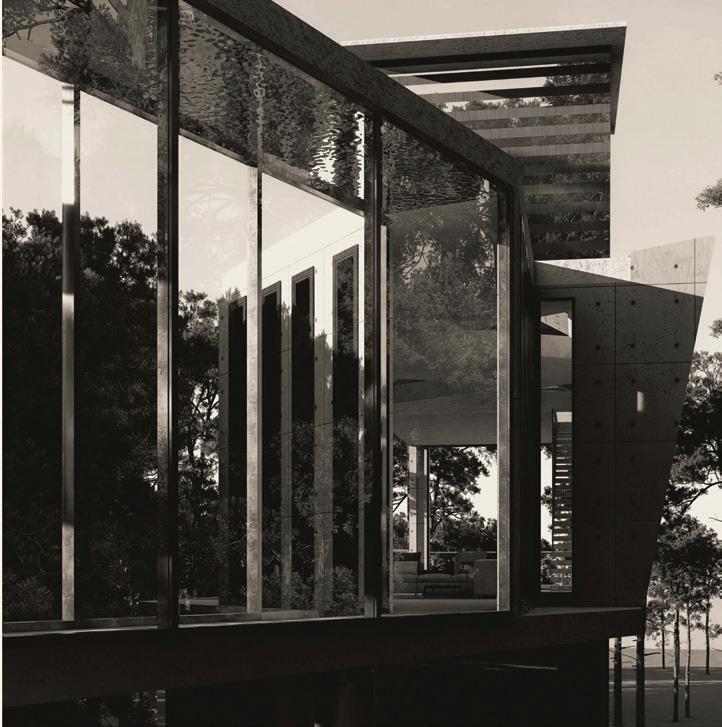
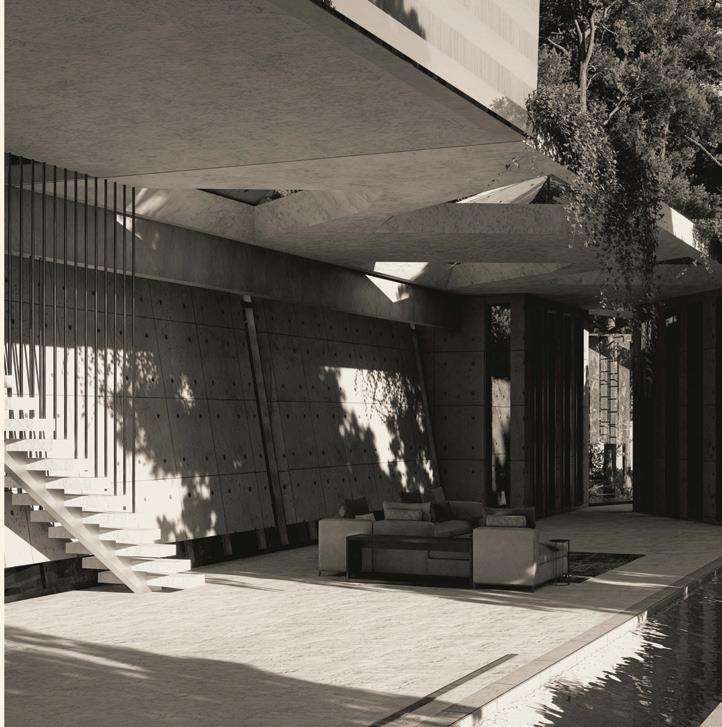
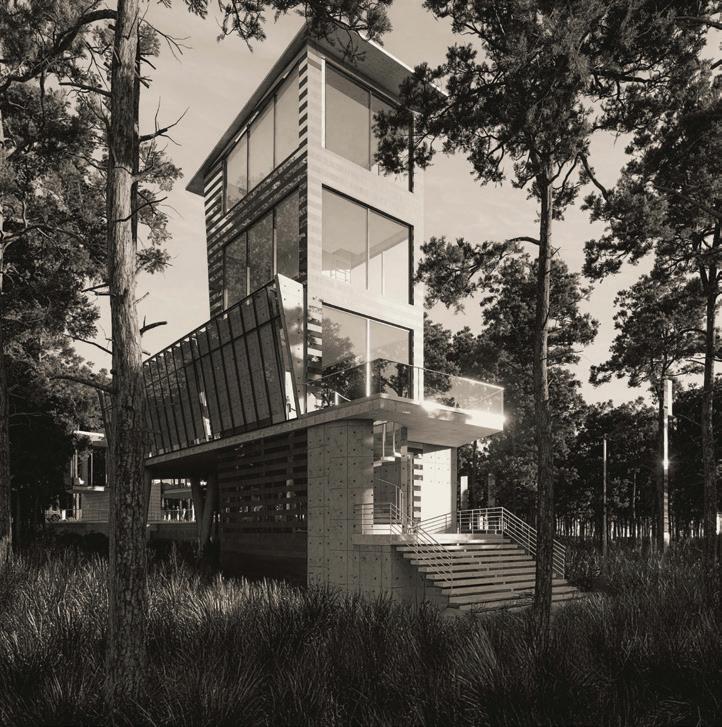
Arie Haddad
Germane Barnes with Charlotte von Moos
Where?
A space too iconic to be flown away from: Broadway Ave, SoHo.
How many?
“A nonviolent protest that involves 3.5% of the population will never fail to bring about change” – Erica Chenoweth
What spaces will be affected?
All markers of financial inaccessibility: retail, gyms, restaurants, gift shops, streets.
What spaces will NOT be affected?
All that is necessary for an urban organism to function: existing housing, offices, banks, supermarkets, museums, pharmacy, sidewalks, green spaces.
What will happen to the affected spaces?
The culture and atmosphere regarding them and public housing will be flipped, yet will remain operational.
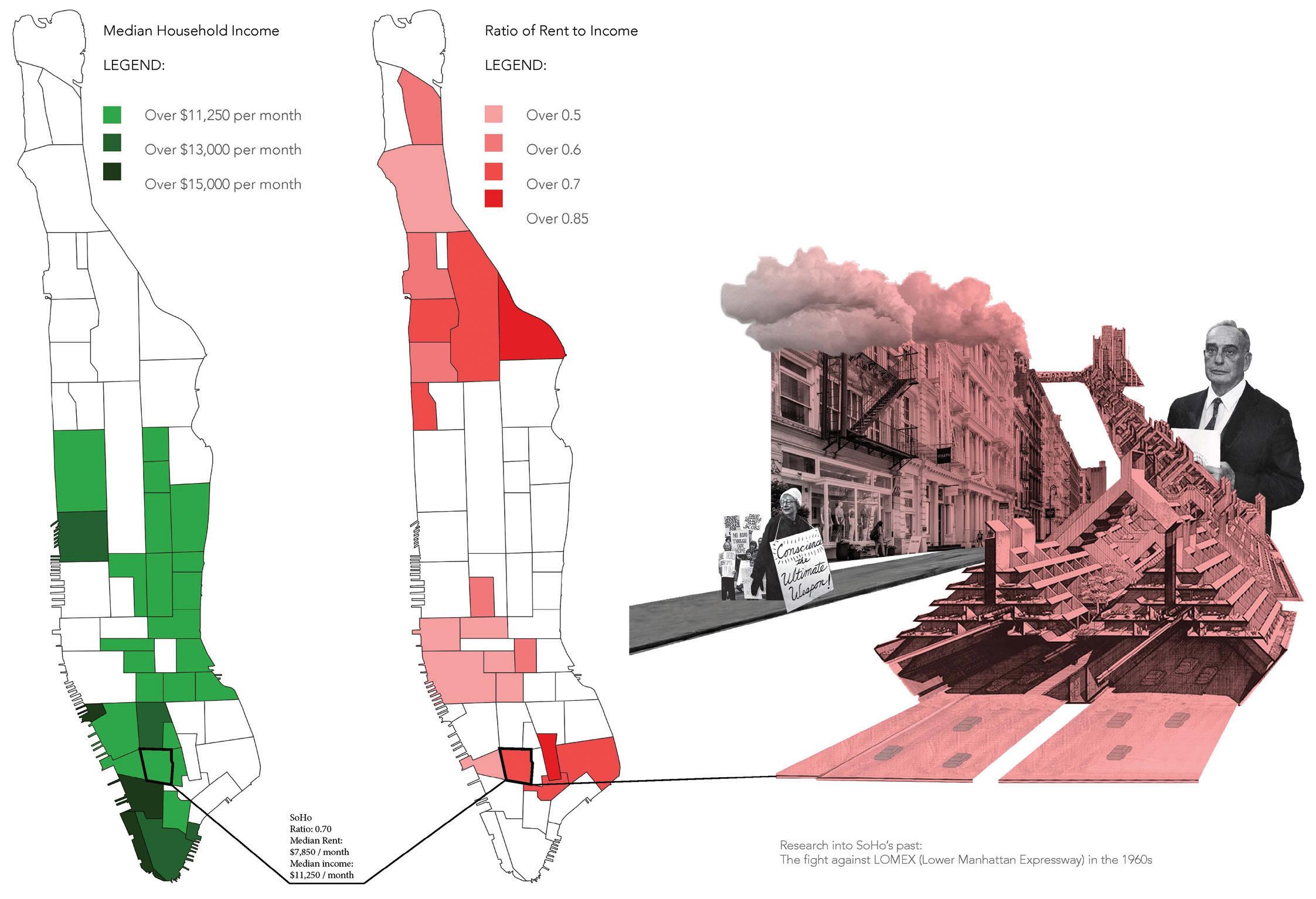
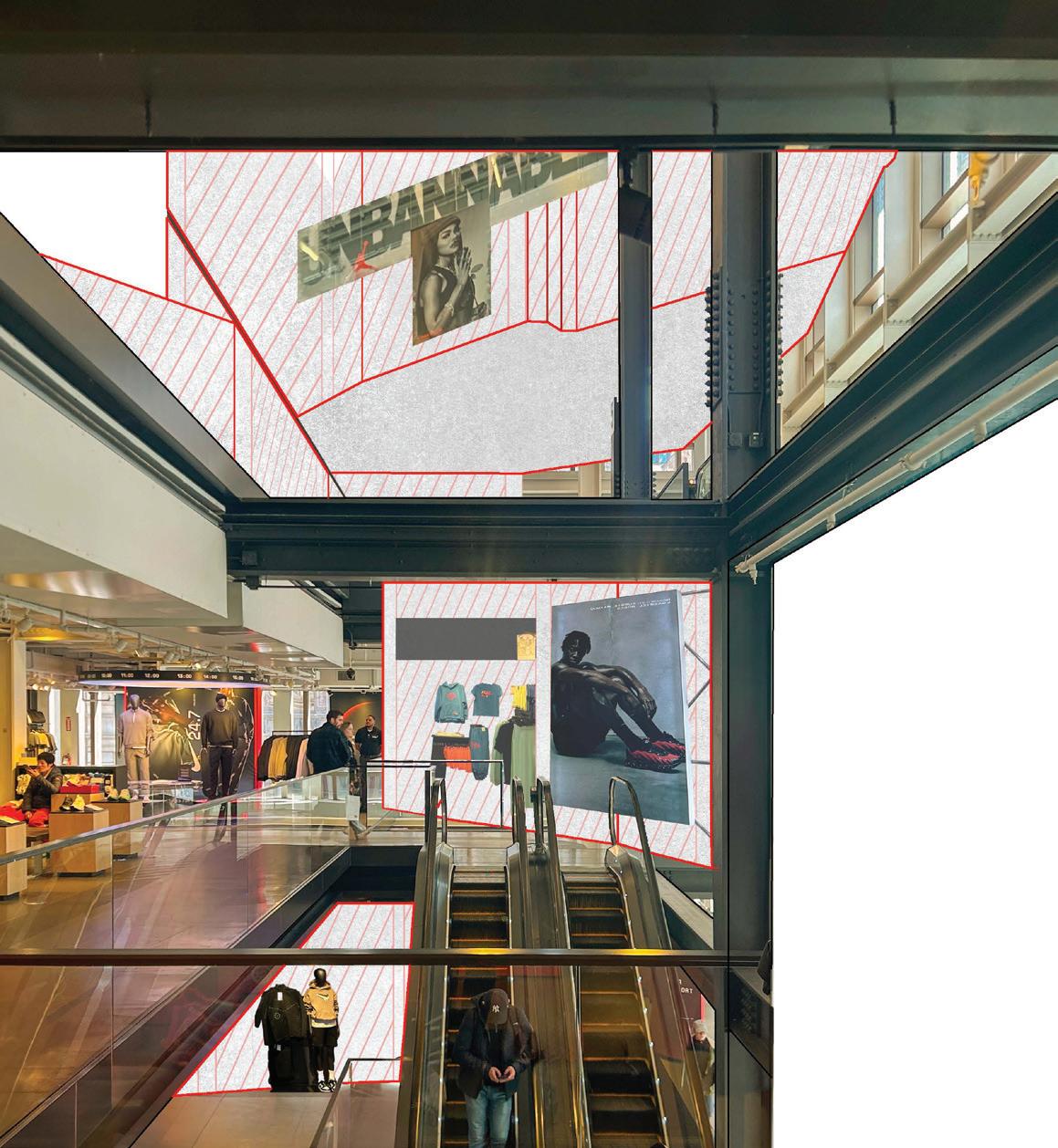
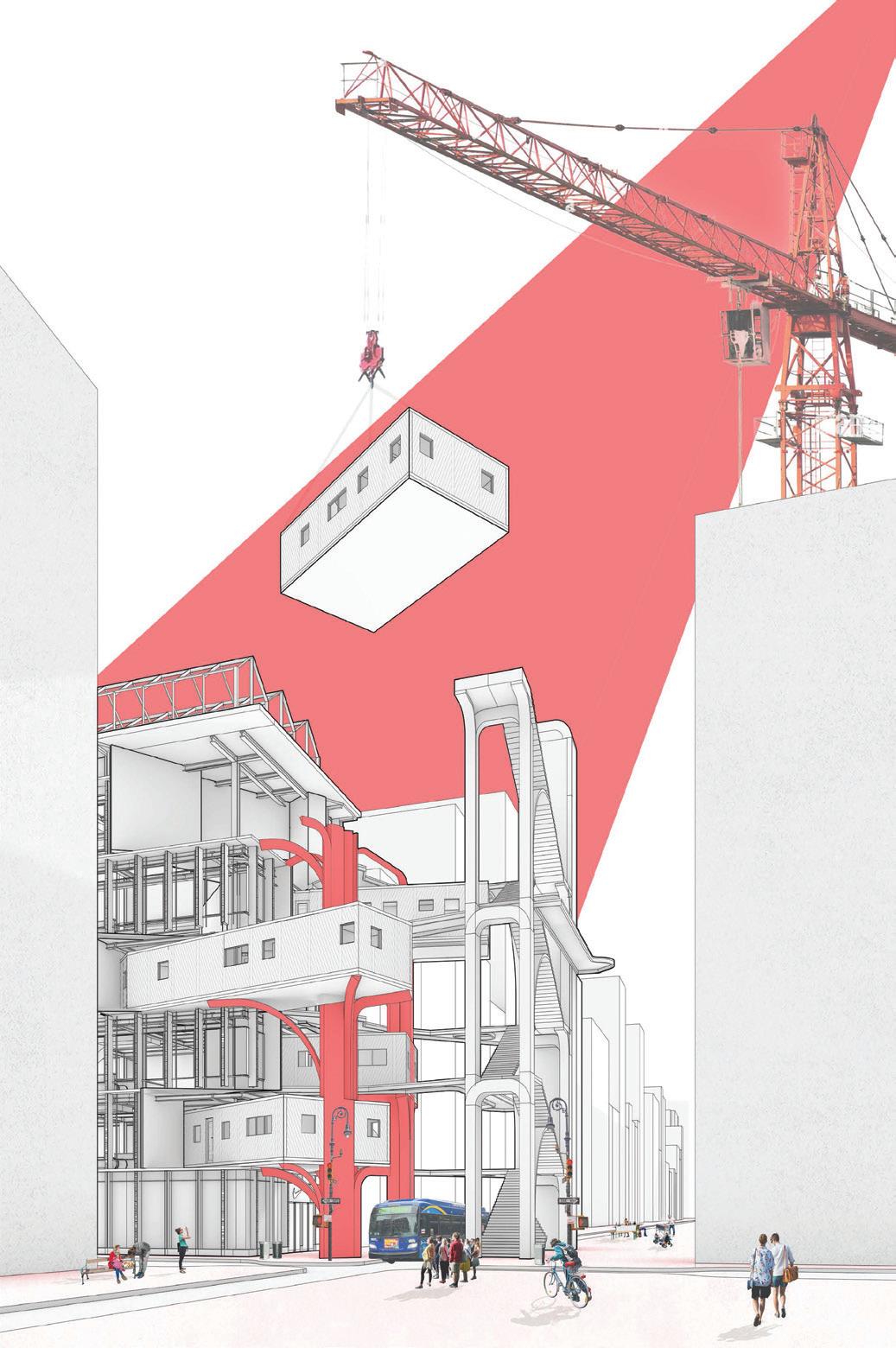
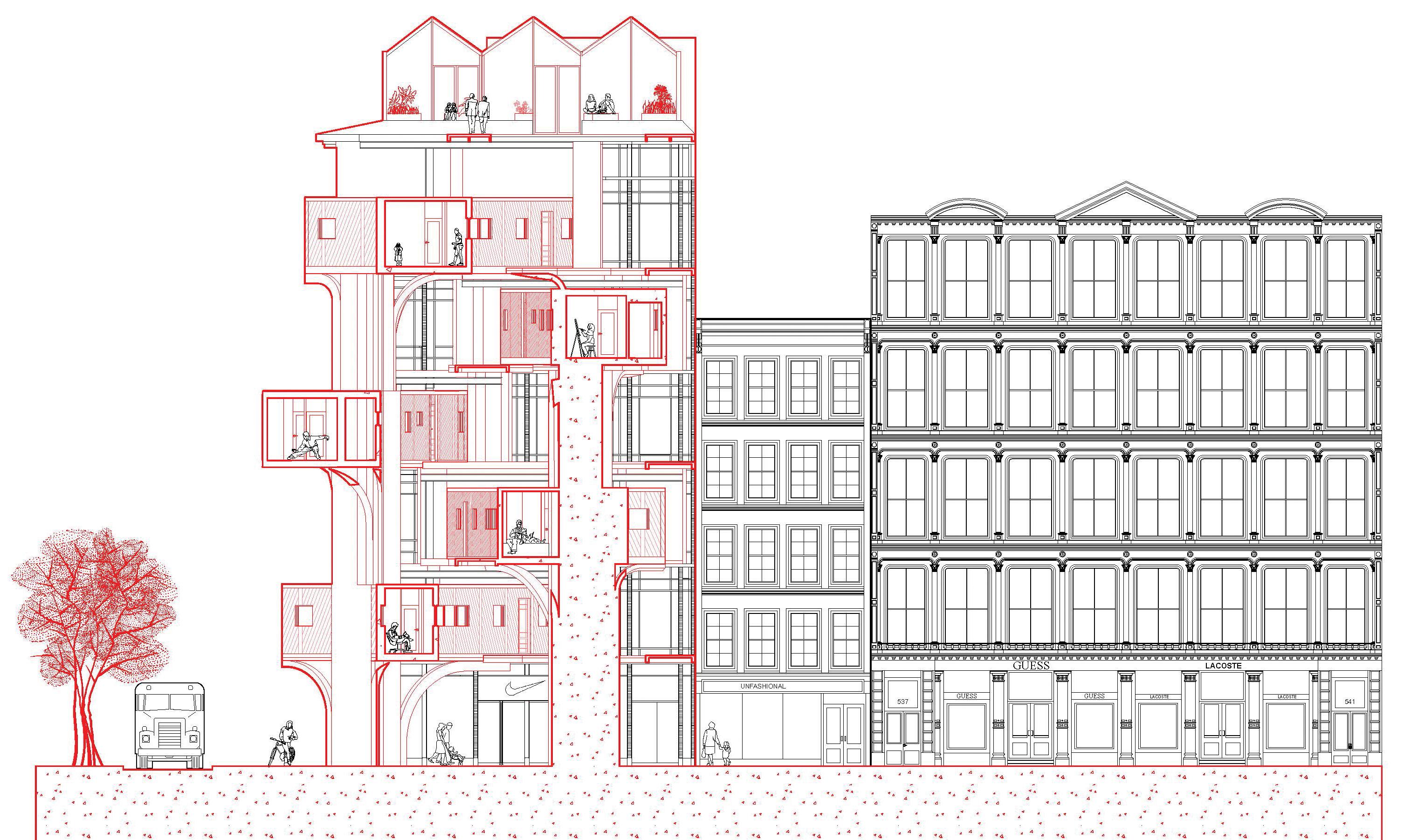
Shannon Maria
Vyta Pivo with Allan Shulman
Climate change and flooding will dictate the future of coastal architecture. By integrating cultural elements like Cape Cod’s central chimneys and weathered shingles, adaptive architecture can take on distinctive designs derived from coastal communities. Increasing flooding is becoming the new norm, forcing relocation, altering landmarks, and accelerating coastal erosion. As structures collapse and villages are abandoned, coastal communities are losing their connection to their heritage. Housing designed for water is not a new concept, but many lack cultural influence and vernacular architecture. New proposals incorporate distinct architectural styles and dedicated community spaces, preserving cultural identity often overlooked in past designs.
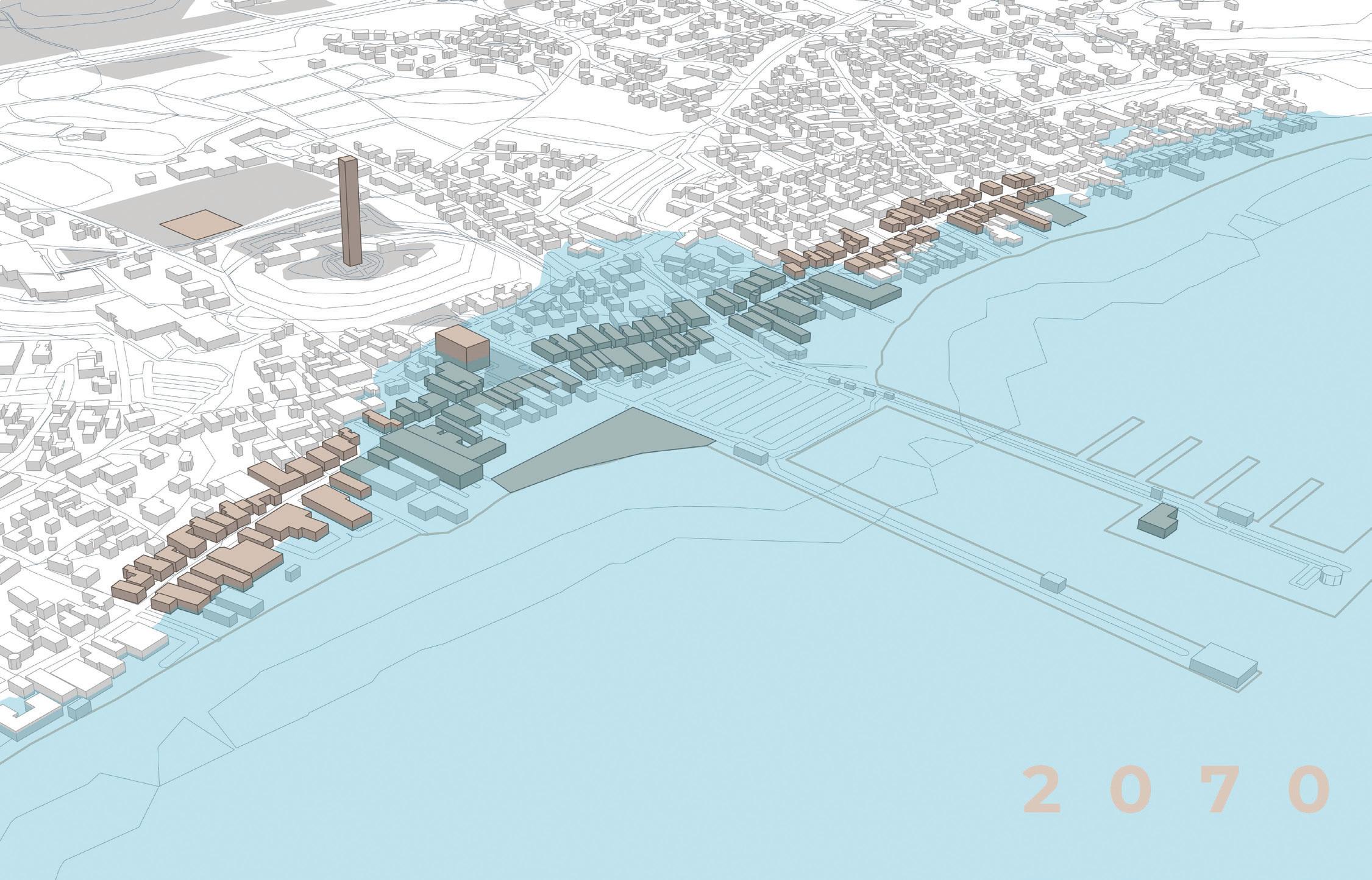
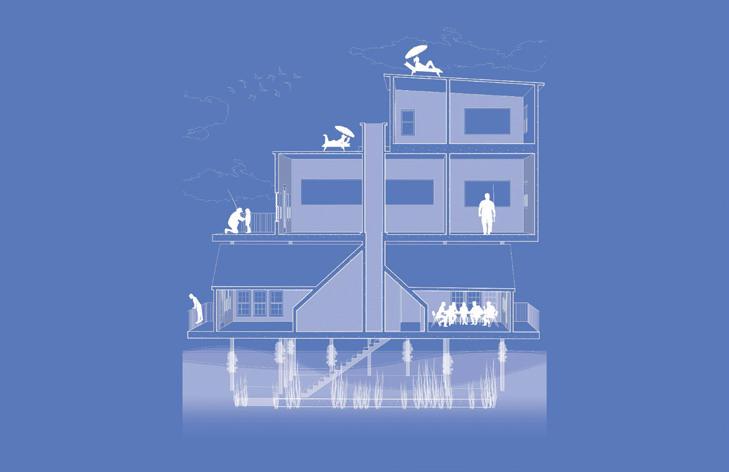

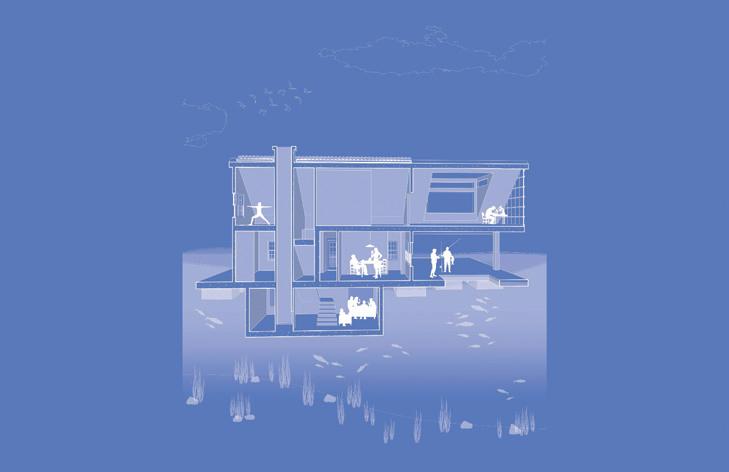
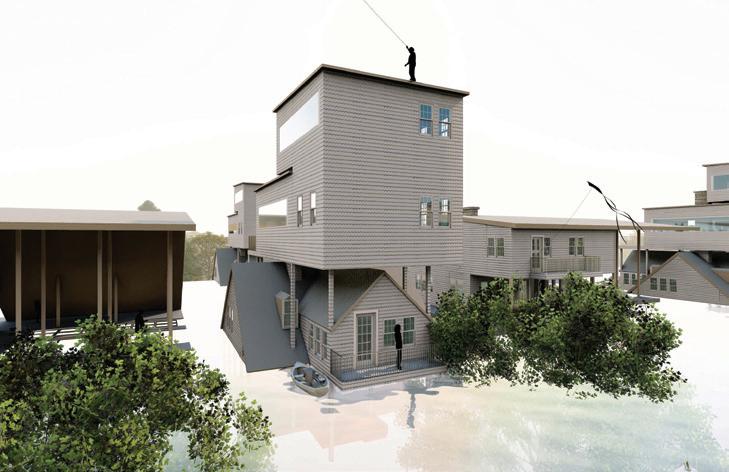
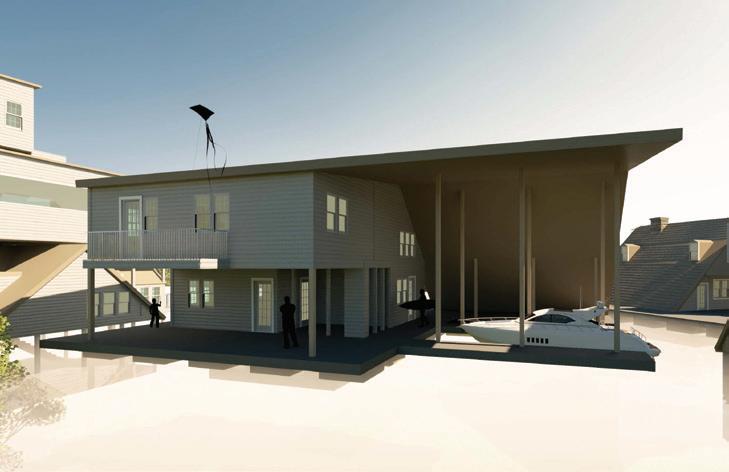
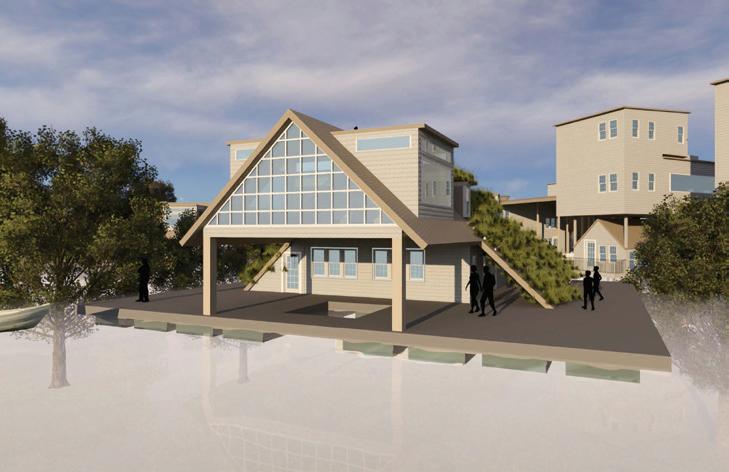
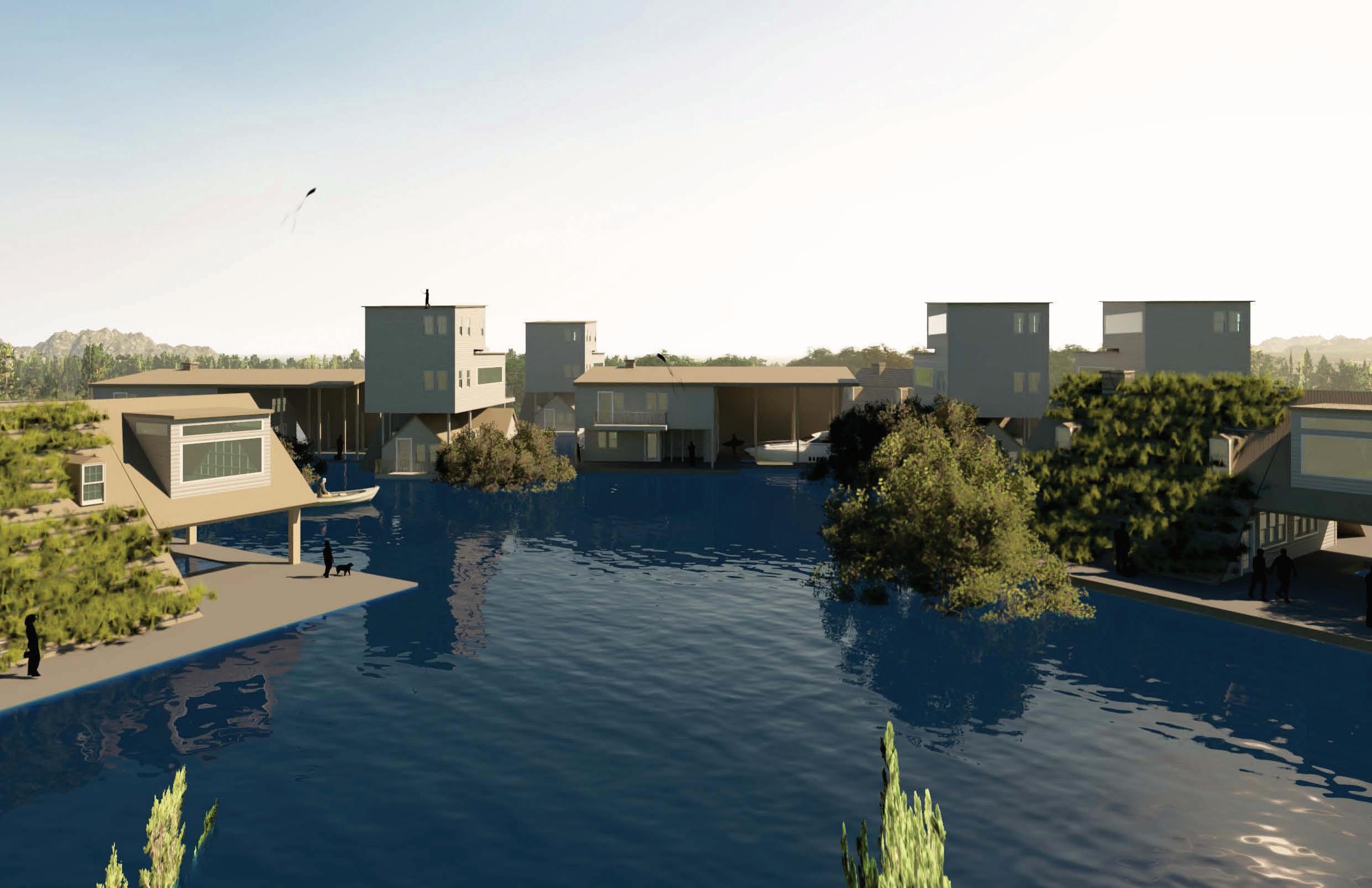
Nicolas Pinzon
ADVISORS
Juan Yactayo with Max Jarosz
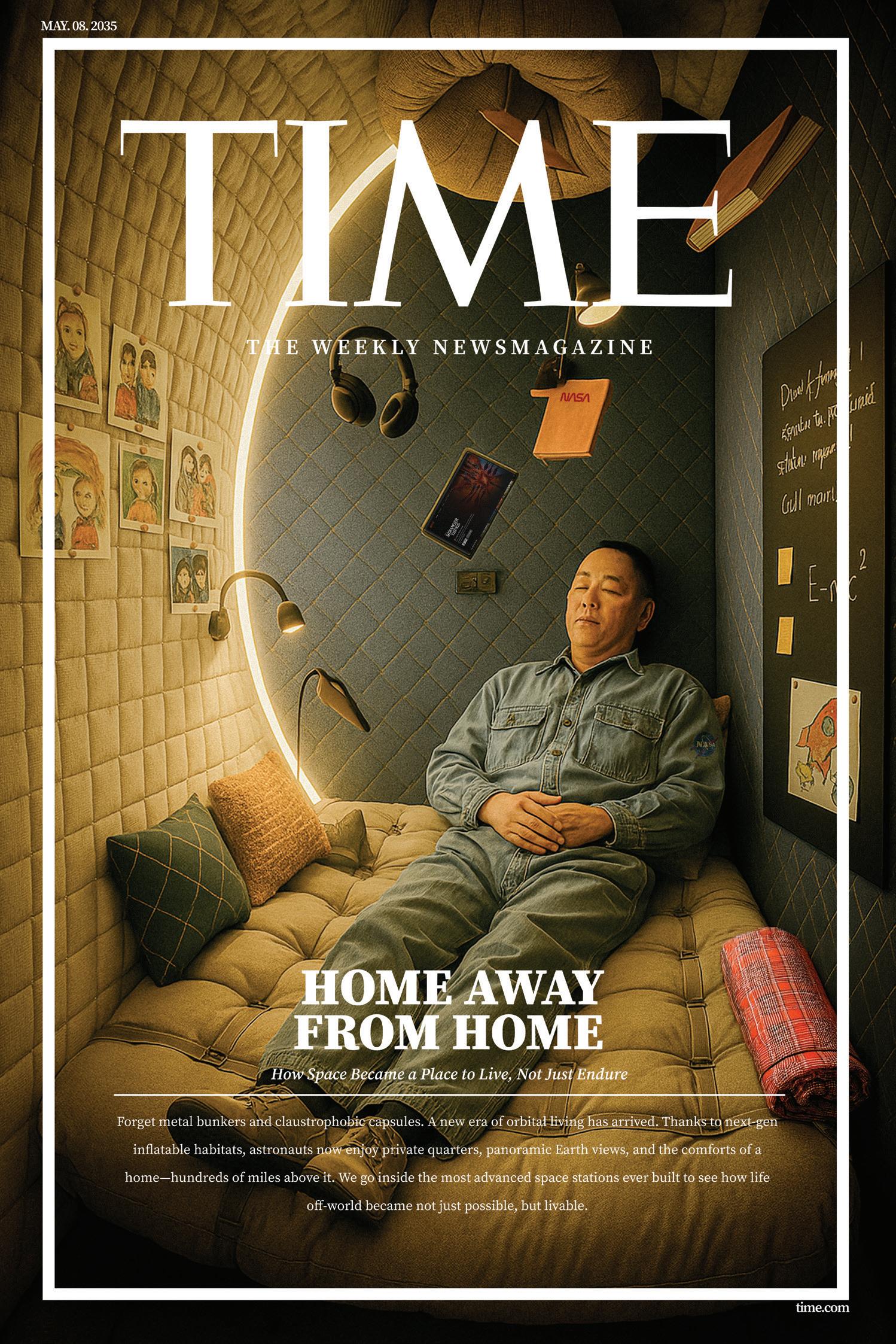

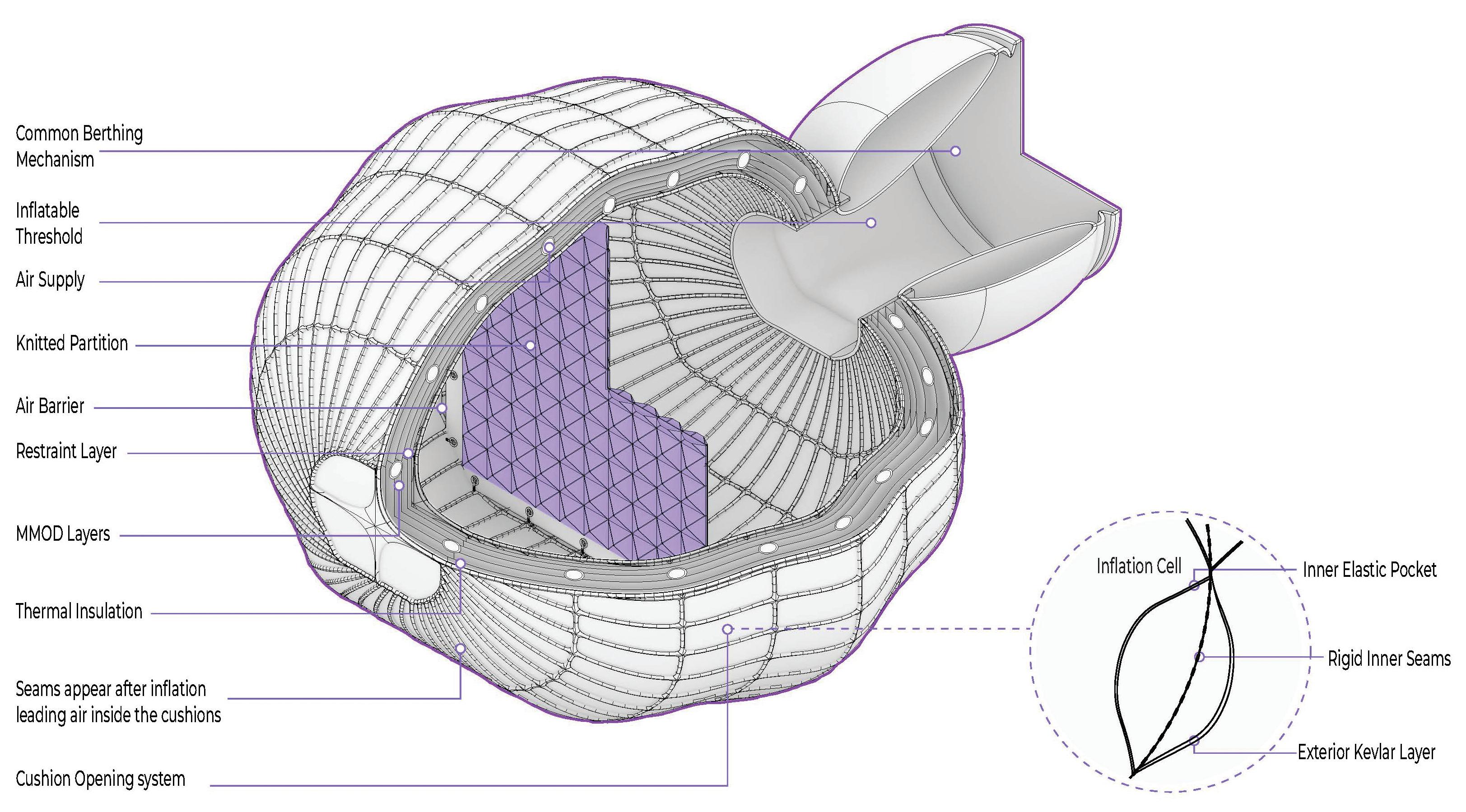

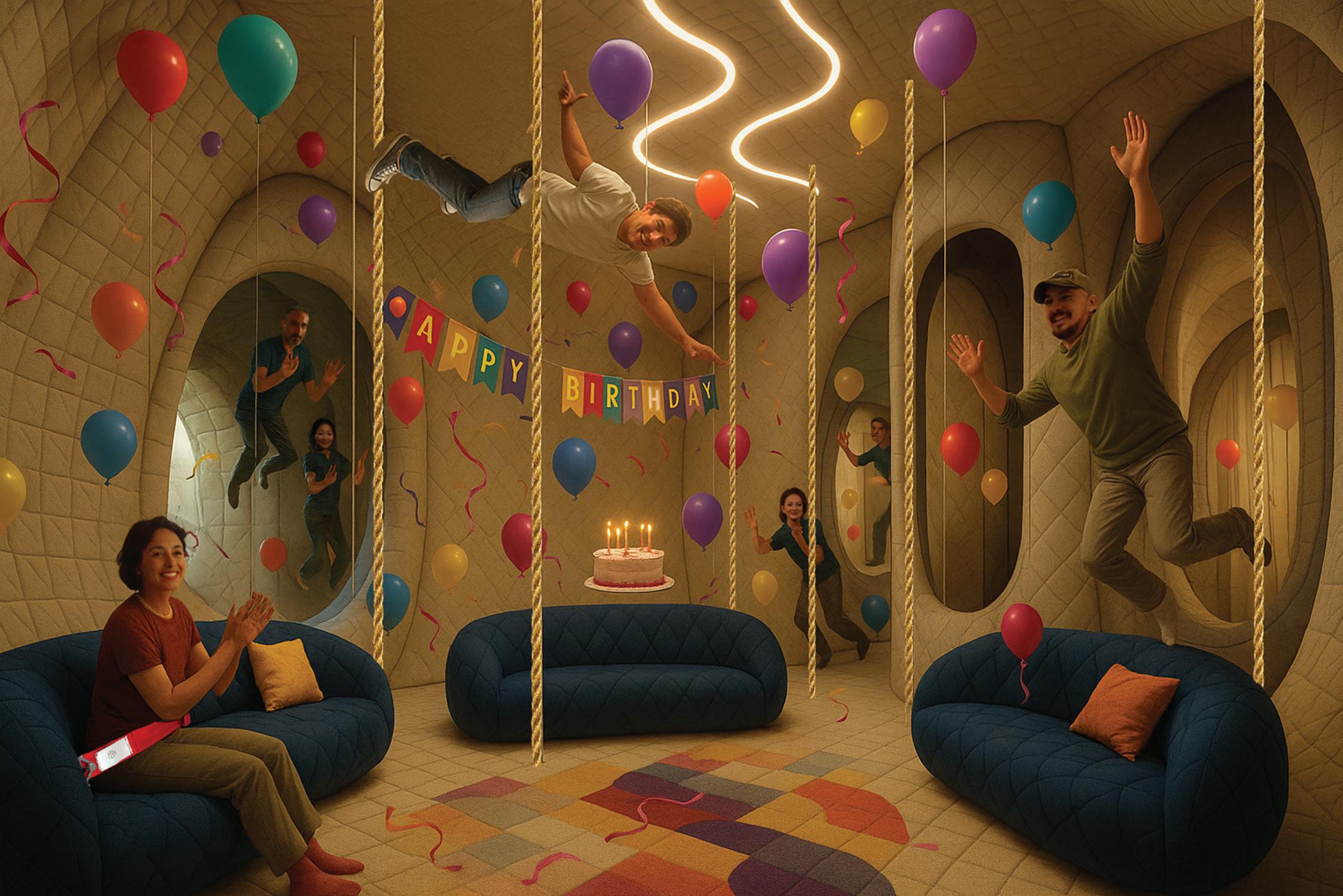
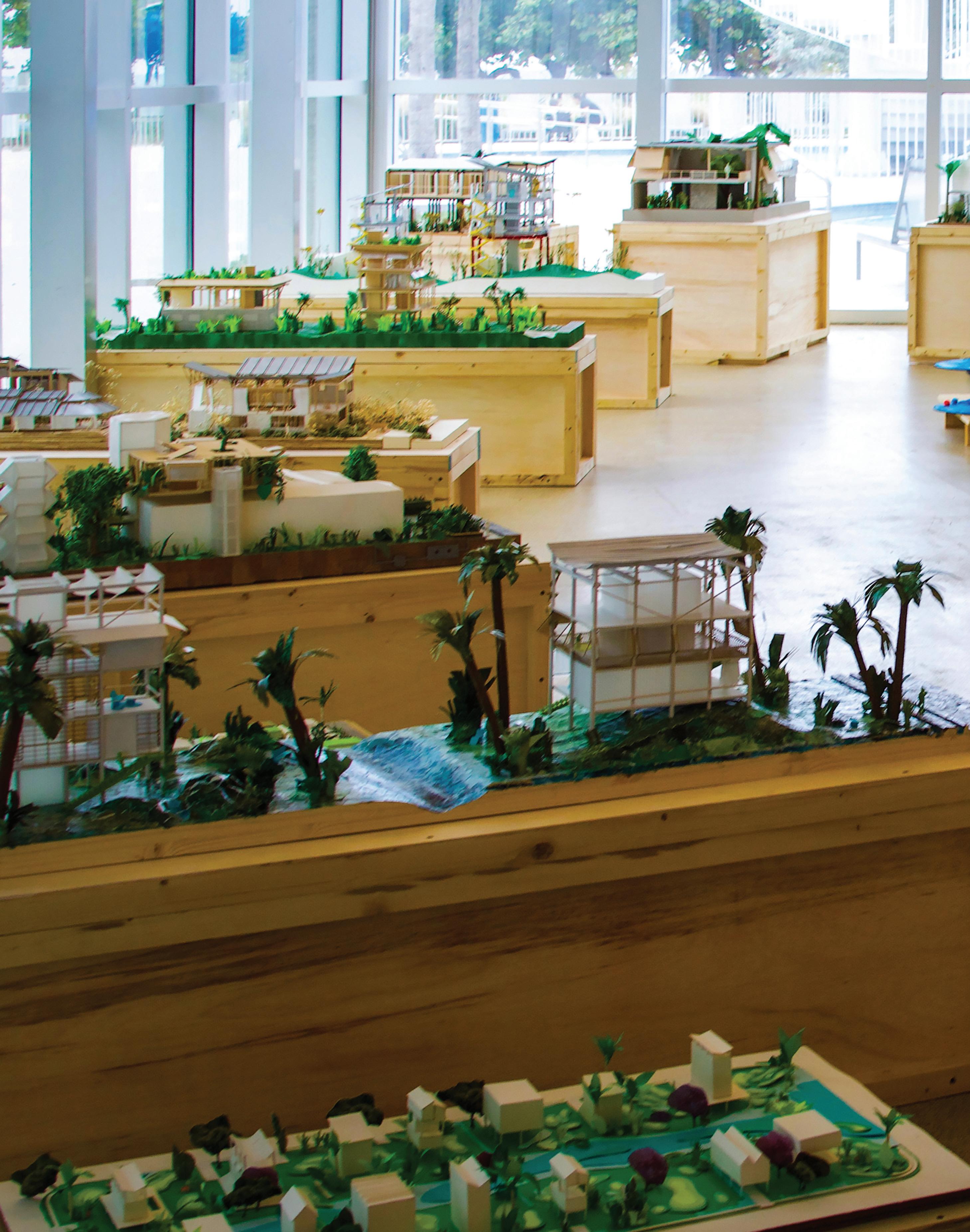
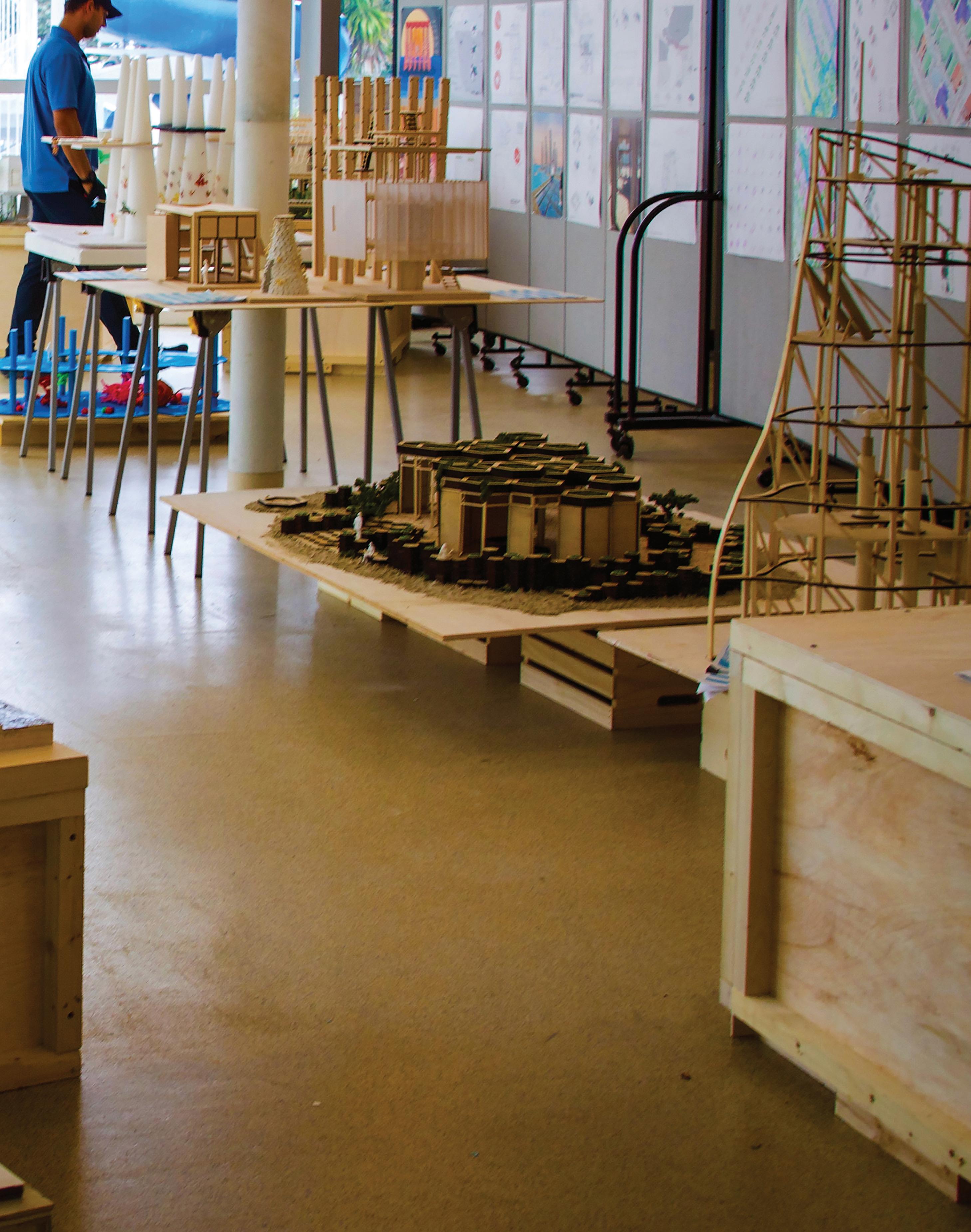
SEASIDE ADAPTATIONS , a new four-year collaboration between the Syracuse University School of Architecture and the University of Miami School of Architecture, brings students together in Perkins&Will-sponsored studios to confront the urgent challenges of climate change in Miami and New York. Through shared studio projects, public programming, and cross-city dialogue, the initiative examines architecture’s role in coastal resilience. By focusing on adaptive design within existing urban fabrics, Seaside Adaptations aims to prepare a new generation of architects to envision, and build, collective and climate-secure coastal futures.
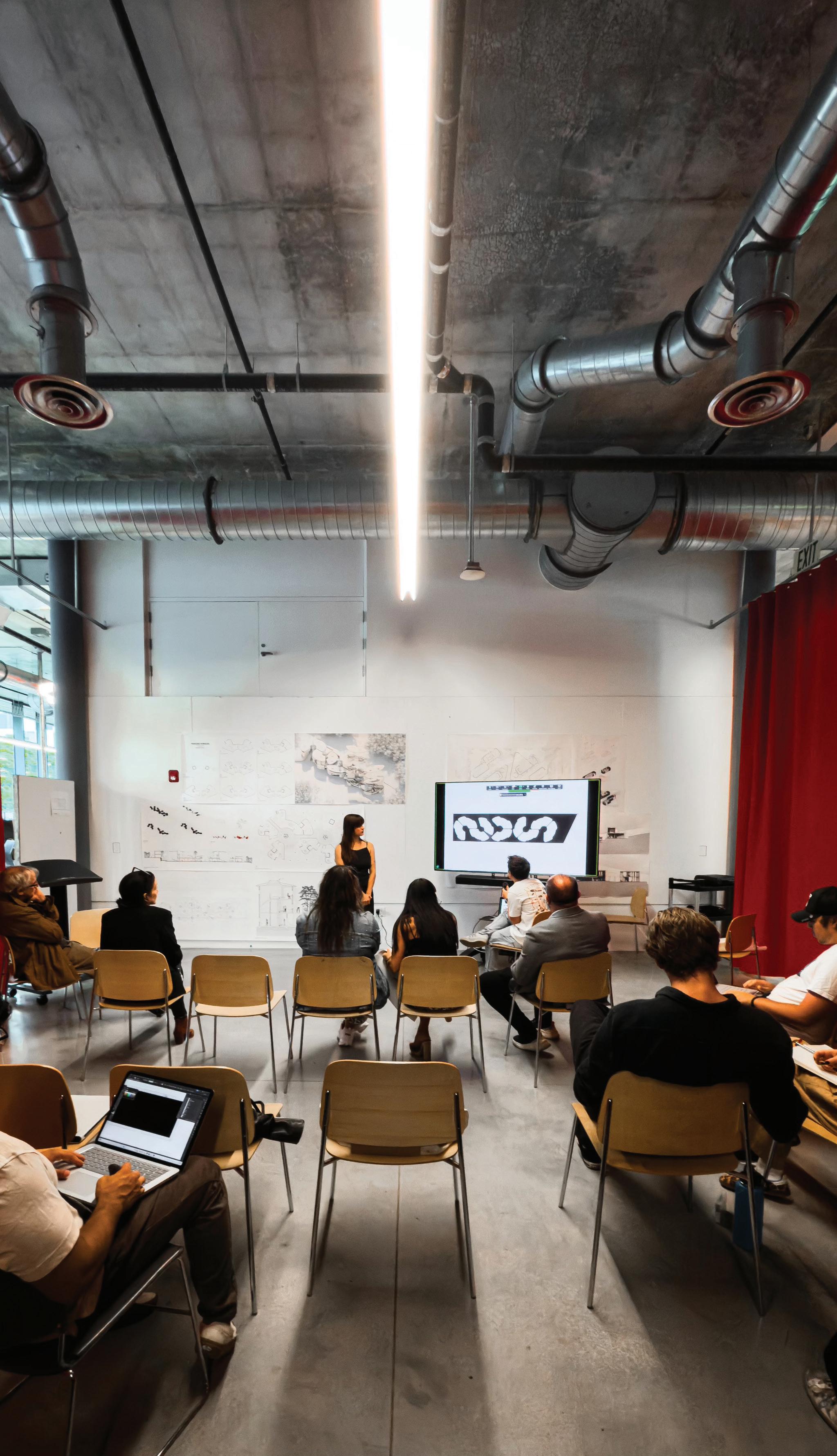
Table of Contents/ Courtesy of the University of Miami School of Architecture
Fabrication Lab
B.E. & W.R. Miller
P. 4, 6/ Photos by Madison Brinnon
P. 8/ Photo by Luisa Hernandez
P. 10/ Photo by Rodolphe el-Khoury
P. 12/ Photo by Luisa Hernandez
P. 18/ Photo by Takumi Ota, ArchDaily
P. 20/ Photo by Madison Brinnon
P. 22/ Courtesy of the University of Miami School of Architecture DesignBuild Program
P. 24/ Photo by Madison Brinnon
P. 26/ Cover art by Varsha Gopal
P. 27, 28/ Photos by Luisa Hernandez
P. 30/ Photo by Catherine Calhoun
P. 32/ Courtesy of the University of Miami School of Architecture Open City Studio
P. 34/ Courtesy of the University of Miami School of Architecture Rome Program
P. 36/ Photo by Paris James
P. 39/ Photo by Ivonne de la Paz
P. 40/ Courtesy of University of Miami School of Architecture
P. 42/ Photo by Madison Brinnon
P. 44/ Courtesy of the University of Miami School of Architecture
Master of Real Estate Development + Urbanism Program (MRED+U)
P. 46/ Photo by Benedetto Rebecca
P. 46/ Photo by Benedetto Rebecca
P. 58/ Photo by Tomas Tapias
P. 214, 216/ Photos by Madison Brinnon
Copyright © 2025 by University of Miami School of Architecture
All rights reserved.
Design by Ivonne de la Paz
No part of this catalog may be reproduced in any form or by any electronic or mechanical means, without permission in writing from the author.
Printed by Jet Graphics in the United States of America, November 2025