Healthy You
Your guide to living well


Healthy You is an award-winning magazine featuring health and wellness articles and promoting practical tools that support and encourage healthier choices.
This educational resource for UMR members is published 4 times a year as part of our member online services and can be viewed, downloaded and shared digitally.
Healthy You is packed with helpful resources and practical recommendations to address the most common health topics, including:
• Building healthy habits
• Preventive care recommendations
• Chronic health conditions
• Exercise tips
• Nutrition and recipes
• Stress and mental health management
• First aid and getting care
• Health literacy
• Spanish-language resources

While using this electronic publication, you may click on a link to other websites. We provide links to other websites that may contain information that may be useful or interesting to you. We do not endorse, and are not responsible for, the content and accuracy of linked websites operated by third parties or for any of your dealings with such third parties. You are solely responsible for your dealings with such third parties, and we encourage you to read the terms of use and privacy policies on such third-party websites.
Available features and benefits are dependent on the products and features included in the plan design. Not all members will have access to all features shown.
Copyright © 2026 United HealthCare Services, Inc.
Reproduction in whole or part is not permitted without permission in writing from UMR. All information and links were accurate and functional at the time of publication. However, because this electronic publication contains links to third-party sites, information can change and become unavailable.
You can view and download a universally accessible version of this issue.
Learn
Find

Discover
Try


Be sure to make scrumptious stops along your route to sample the region’s best seasonal fruits, veggies and more.
There’s nothing like a summer road trip to get your tastebuds tingling. Every region of the U.S. boasts flavors to savor. You may know where to find the sweetest peaches (Georgia), but how about other gems like hatch chiles, squeaky cheese curds or huckleberry ice cream? It’s all here. So pack up the car, crank up the tunes and set your sights on discovering the unique tastes of what makes each region so delicious.
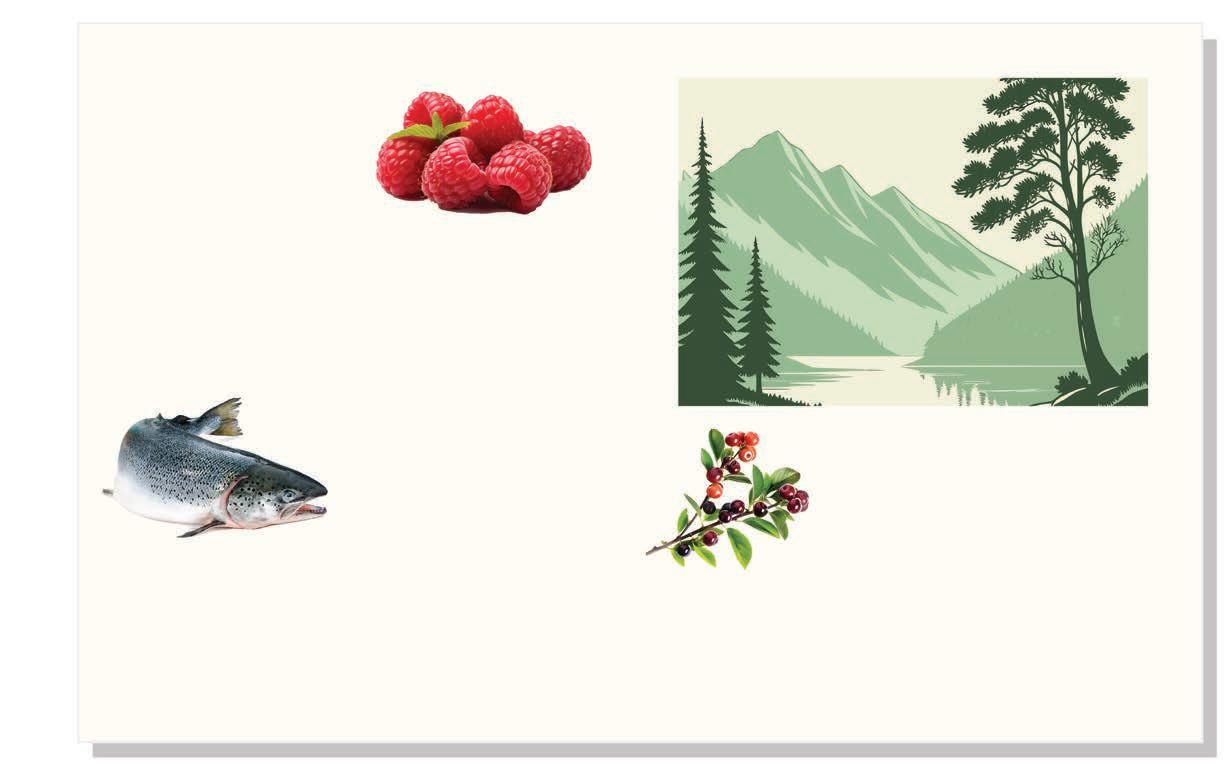
Pick up raspberries in Washington
Drive through this stunning state and you’ll pass one roadside stand after another overflowing with the biggest and tastiest raspberries you’ve ever seen. Pick up a container, or a dozen, of these sweet, juicy morsels — and don’t be surprised if they get eaten before you get back to the car.
Delicious detour: Salmon in Alaska
Alaska may be off the beaten path, but if you’re a salmon lover, you’ll enjoy this delicious detour. Alaska boasts 5 salmon types, each with its own distinct flavor: king, sockeye, coho (silver), pink and chum. Whether you catch them or buy them ready to eat, salmon from Alaska is tasty and healthy.
Find huckleberry happiness in Montana and Idaho
If you haven’t had the pleasure of tasting huckleberryflavored foods, like ice cream, pancakes and lemonade, you’re in for a treat. Nearly everywhere you go in Montana and Idaho, you’ll come face to face with items chock-full of this tart, purple berry.

You don’t have to drive far in New Mexico to find a wide array of sweet, savory and spicy chiles. If you’re lucky enough to be in the Hatch Valley area in late July and August, you can bask in the bounty of hatch chiles. Rich, earthy and slightly spicy, you’ll find them at roadside stands, food stores and on menus everywhere from food trucks to local eateries.
Try a crave-worthy cactus
Also called nopales, prickly pear cactus is worth a try when you arrive in Arizona. It delivers a tangy flavor that’s low in calories and high in nutrients.
Drive the picturesque Pacific Coast Highway and you’re sure to see roadside stands overflowing with fresh-picked strawberries and avocados. Take our advice — stop early and often. The strawberries, fresh from the field, are bursting with sweetness. And those avocados fresh off the tree? Pure creamy green goodness.
detour:
It’s always summer in Hawaii, which means it’s always pineapple season. Juicy, golden and high in carotene (Vitamin A), this succulent fruit tastes like paradise. Looking for the sweetest variety? That’s Maui Gold. The same rich volcanic soil that produces unparalleled pineapples also delivers flavorful, nutrient-rich macadamia nuts.

Savor sweet corn in Iowa
There’s corn. Then there’s sweet corn, fresh from the Iowa fields and sold roadside. Boil it up or grill it and add some butter, olive oil or lime juice and a dash of salt. It’s a celebration of summer in every bite.

Whether your road trip ends — or starts — in the country’s Northeast corner, you’ll be glad you made it to the land of lobster. Try as many lobster foods as you can find, from fresh lobster to lobster rolls to lobster ice cream. And to sweeten your trip, Maine is also the blueberry capital of the country. Enjoy handfuls of wild Maine blueberries at every stop.
Check out cheese curds in Wisconsin
With license plates that say America’s Dairyland, Wisconsin definitely delivers on the cheeses. Plan a pit stop at local farmers markets and cheese stores where you’ll find cheese curds so fresh they squeak with every bite.
Bite into a honeycrisp apple in Minnesota
The name says it all. Sweet as honey, crisp in every bite. Developed in Minnesota, honeycrisp is one of the country’s best-selling apple varieties. Once you taste this classic in its home state, you’ll want a bushel and a peck to last the rest of your road trip.
Think of Michigan as the cherry on top of your road trip sundae. The cherry capital of the world, it’s the top producer of tart cherries and where you’ll find all your favorites, from chocolate-covered cherries to salsas and sweet pies.

Pour on the maple syrup in Vermont
When your state tree is a maple, it’s no surprise that maple syrup is everywhere. No matter where you go in the Green Mountain State — rural roadside stands, local eateries or general stores — you’ll find pure maple syrup that delivers all the Vermont vibes.

Grab some crab in Maryland
If you look out the window and see crab shacks all around, you’ve made it to Maryland. So stop in, bib up and dig in. Sweet and succulent, you’ll find a wide variety to try, from their famous blue crab to soft-shell and more.
Sample the seafood in Louisiana
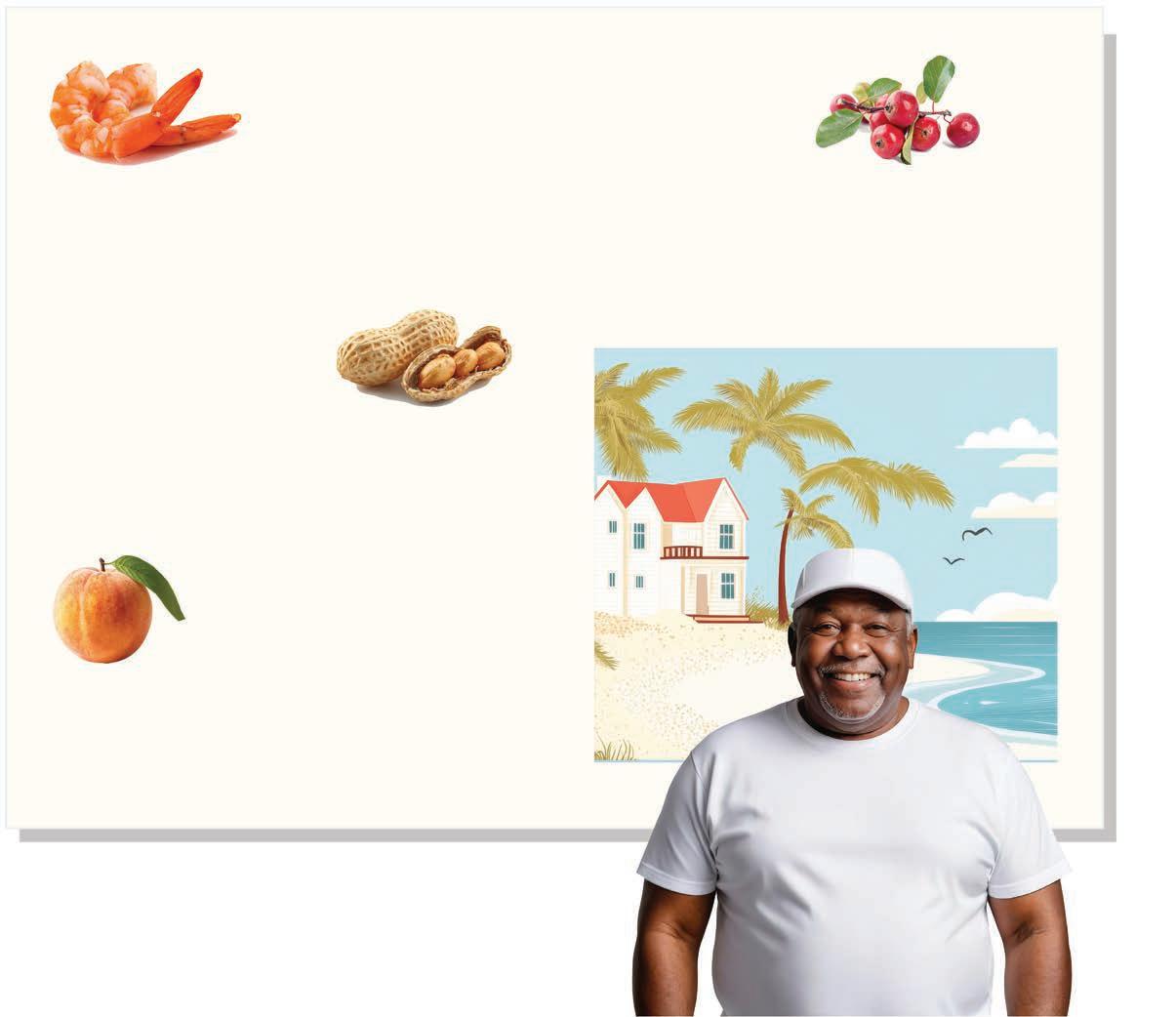
For seafood lovers, Louisiana has it all — crawfish, oysters, shrimp and more. Whether you stop for crawfish etouffee, shrimp and grits or an oyster po boy, your tastebuds will adore this iconic flavor destination.
Bring on the boiled peanuts in Alabama
Every region has its local specialties, and in Alabama, that’s boiled peanuts. Often sold at roadside stands, festivals and fairs, they come in a variety of flavors. You may love them or loathe them, but you won’t know unless you try them.
Summer is peach season in a state so serious about this fuzzy fruit, they put it on their license plates. All the more reason to try home-grown peaches in all their delicious forms — fresh and juicy, or in preserves, pies, sauces and more.
Enjoy a jar of mayhaw jelly in Mississippi
May all roads in Mississippi lead you to mayhaw jelly. Found at roadside stands and general stores, this sweet, tangy favorite is made from tart, ruby-red mayhaw berries picked from hawthorn trees that grow in Mississippi swamps. A delicacy worth the detour.
If you miss any tasty regions this year, it’s never too early to start planning next year’s tempting road trip.
Track all your claims in one place

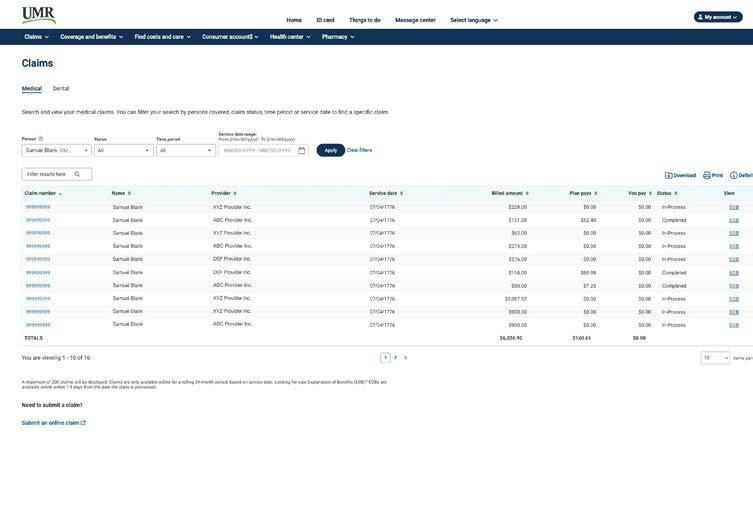
Check in at your convenience to see if a claim has been processed and what you might owe. You can search the claim activity for everyone on your plan, view your claims cost summary or submit a new claim.
Check out this FREE resource.
Sign in to your member account on umr.com.
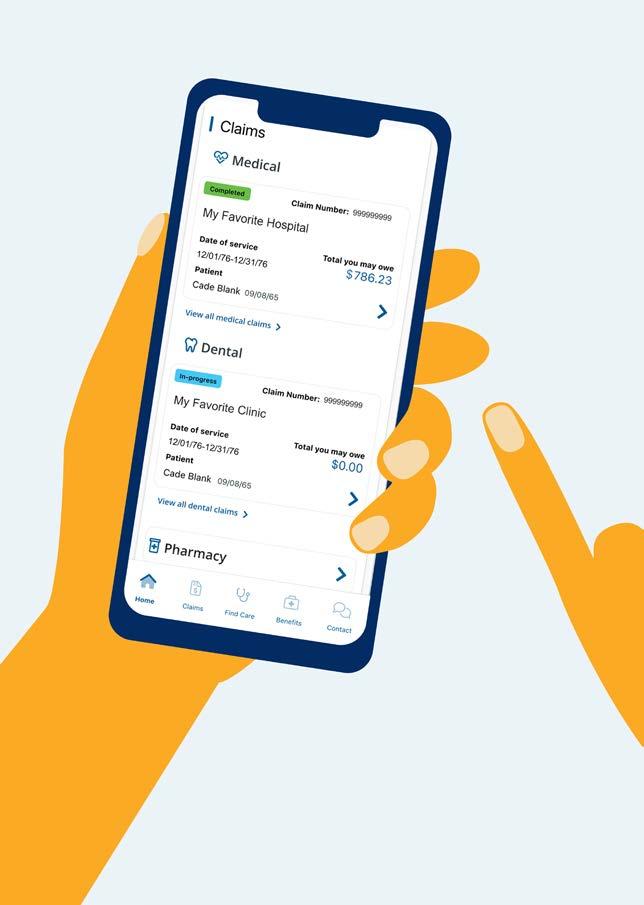

Download the UMR app today
The UMR app has a smart fresh look, simple navigation, and faster access to your health care benefits information. View your plan details on demand — anytime, anywhere.
With a single tap, you can:
• Access your digital ID card
• See a personalized list of Things to do to stay on top of your health and keep your benefits up to date
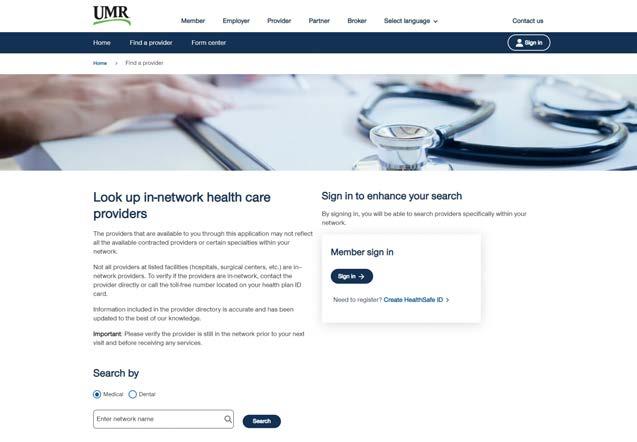
• Look up in-network health care providers
• Find out if there’s a copay for your upcoming appointment
• View your recent medical and dental claims
• Chat, call or message the UMR member support team
• Add your health plan details to your Apple Wallet or Google Wallet
• View additional benefits information including proof of health coverage
Simply scan the QR code or visit your app store to get started.
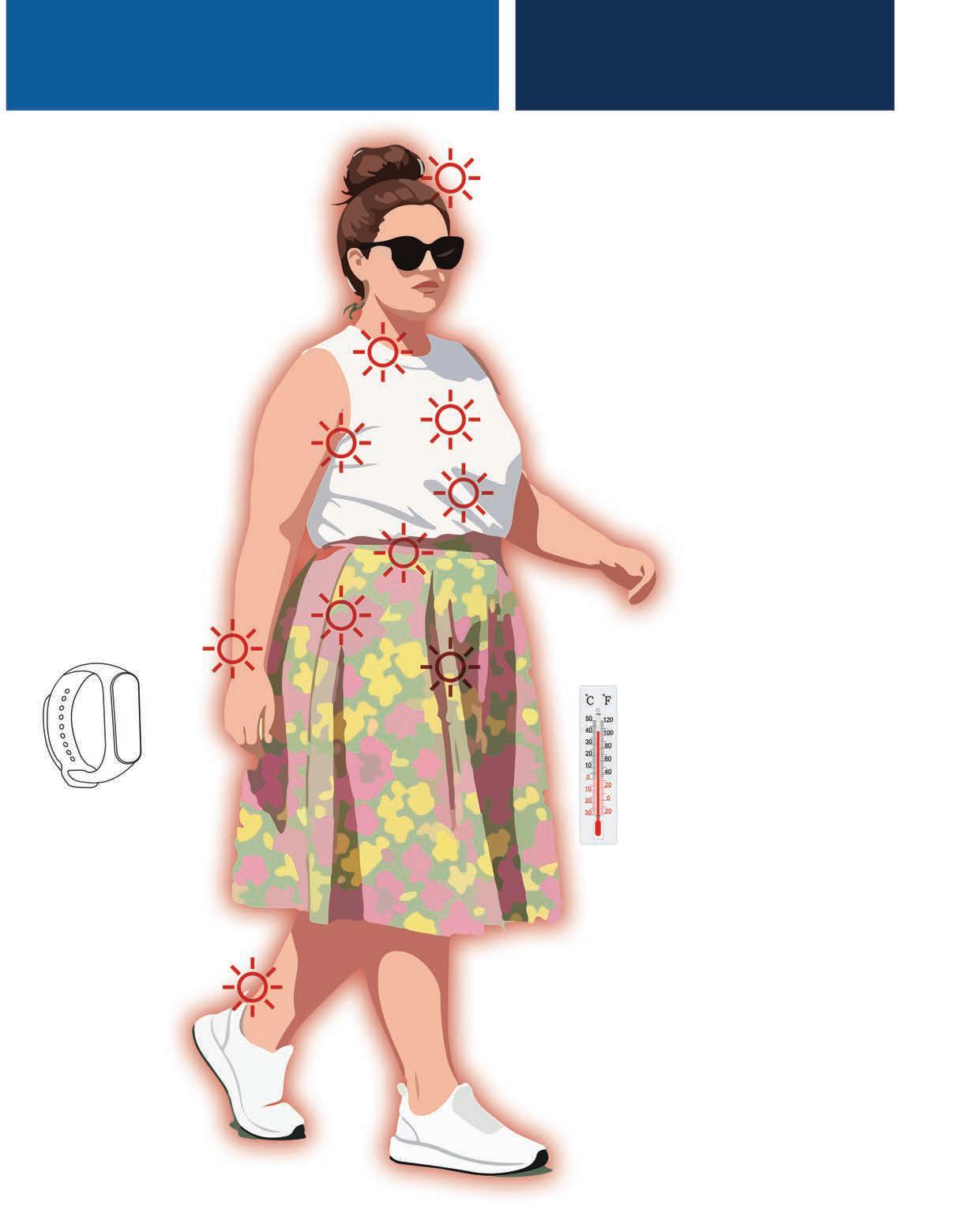
Heat advisories issued during summer months should not be taken lightly — especially for anyone who is physically active outdoors.
"I typically mow my yard in the evenings. Sometimes I'll spread it out over 2 days to not stress my body."
People who work outdoors are probably familiar with some of the warning signs of overheating, but people who are used to being indoors with cooler air can be taken by surprise when their bodies give warnings of overheating.
It’s important to know the signs of heatrelated illness. Both heat exhaustion and heat stroke begin when your body becomes dehydrated in hot or humid conditions, but the combinations of symptoms between the two are different.
Both heat exhaustion and heat stroke are your body’s reaction to being overheated, which causes your temperature to rise to 104°F. But with heat stroke, the body temp can rise as high as 106°F. The body reacts to heat exhaustion and heat stroke differently.

You sweat like crazy
You don’t sweat much at all HEAT EXHAUSTION
Heat stroke occurs when your body overheats to the point that your cooling system stops working.
Heat stroke can happen out of nowhere and with very little warning. Sometimes your body can heat up so fast that it goes past the point of heat exhaustion and straight to heat stroke.
is characterized by:
• Agitation
• Cool and clammy skin
• Confusion or anxiety
• Dizziness
• Excessive thirst
• Fainting
• Headache
• Heavy sweating
• Muscle aches and cramps
• Nausea
• Slow heartbeat
• Weakness and fatigue
"I take routes that have a lot of shade when I'm walking. I also make it a point to find some trails that are shady to keep the sun off my skin."
symptoms include:
• Confusion, delirium or loss of consciousness
• Convulsions
• Lack of sweating
• Decreased urination
• Blood in urine or stool
• Dizziness or vertigo
• Fatigue
• Headache
• Nausea and vomiting
• Rapid heart rate
• Shortness of breath
Heat-related illnesses can happen to anyone in hot, humid conditions. It’s important to not only rely on self-diagnosing based on the symptoms, but to act right away. The first thing to do is get out of the sun and heat and seek a cooler area. But if the symptoms worsen, seek medical attention immediately.
Activity level: Those who exercise or work in the heat are more likely to develop symptoms.
Adaptation: Your body can take time to adapt to a warmer climate. This could apply in a situation where someone travels from a cool climate to a very warm, humid climate and their body is trying to adjust.

Age: Older people and babies are more prone to heat-related illnesses.
Dehydration: Not drinking enough non-alcoholic fluids to keep your body hydrated can lead to heat-related illnesses.
Medication: Some diuretics and combinations of diuretics/beta blockers reduce excess fluid in your body, making you more prone to dehydration.
"I do my gardening in the early morning before the sun gets too hot. I still put my sunblock on, though."
Here are some steps to cool your body if you ever find yourself melting down in the heat:
• Get out of the heat ASAP.
• Drink water.
• If possible, get into a tub of cold water.
• Squeeze a rag with cold water over your body.
• Apply ice to your neck, armpits and groin.
If you or someone you know has overheated to the point of exhaustion, use the steps above to cool down. Note: Your body should recover after 30 minutes. Call 911 or go to a nearby emergency room if you’ve tried to cool down and any of the symptoms persist.
Emergency rooms have many methods to cool your body quickly and will also monitor you for any complications of overheating.
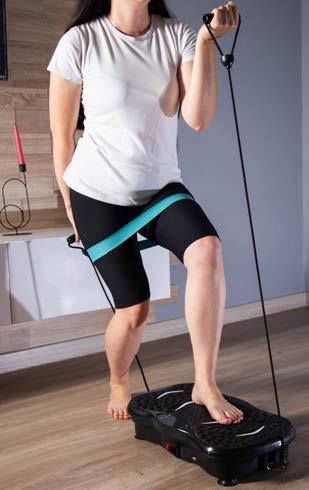
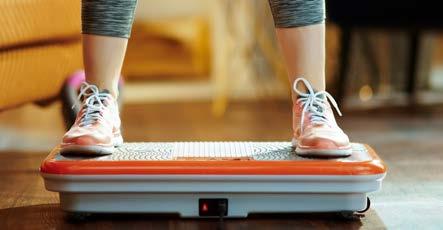
Vibration plates (also known as vibration boards or whole-body vibration platforms) have gained popularity as an easy-to-use tool for enhancing fitness and supporting recovery.

While these devices aren’t a replacement for everyday exercise, they can complement a well-rounded routine. Using gentle or high-frequency vibrations, these platforms stimulate rapid muscle contractions throughout the body. Over time, this stimulation may support strength, blood flow, balance and even the body’s natural detox and recovery processes.

A vibration plate is a fitness device that uses rapid vibrations to create small, repeated movements throughout the body.


Whether you choose to stand, sit or lie down on the platform, your muscles respond automatically by contracting to stabilize your body against the vibrations. This natural reflexive action may help you:
• Improve simple movements
• Promote blood flow
• Support overall physical wellness
Vibration plates range from compact home units to larger gym grade platforms. Most models have adjustable frequency and intensity settings so users can tailor their sessions for warmups, strength training or post-workout recovery.

Always consult your provider before beginning a new exercise program.
1. Start with short sessions.
Begin with 5-10 minutes of use. You can slowly increase this to 15-20 minutes as your body learns to adapt.
2. Maintain a soft bend in the knees. Try not to lock your knees. A light bend can help absorb vibrations comfortably and activates more muscle groups. It’s OK to extend your hands to the sides of your body for better balance.
3. Consider your intensity.
Lower frequencies are typically used for relaxation or recovery, while higher frequencies may support strength and conditioning.
4. Start with simple movements.
Holding a basic balance stance on the plate will engage your muscles. Common vibration plate exercises include squats, lunges, planks and stretches.
5. Pair it with a balanced fitness routine. A vibration board isn’t a “quick fix” workout routine to burn calories. It’s most effective when you combine it with everyday exercise, good nutrition and an active lifestyle.

The rapid vibration encourages healthy blood flow throughout the body, which helps deliver oxygen and nutrients to muscles, lower post-workout soreness, and support a faster recovery. If you’re someone who sits for long periods of time, using a vibration board may give you a quick energy boost.
Because the plate is constantly moving, your body adapts and adjusts to the vibrations. This may help improve joint stability, body awareness, reaction time and coordination.
Adding a few minutes each day may help support stronger core and lower body muscles, an active recovery after a heavy workout and strength development for beginners or those returning from an injury.
The lymphatic system in your body relies on muscle movement to help circulate lymph fluid throughout the body. Using a vibration plate may help stimulate lymphatic flow, lower inflammation and support the natural detoxification process.
How to choose the right board for you
Start by thinking about what you want out of it — relaxation, muscle activation, balance training or recovery.
Look for a board that’s stable, easy to stand on and offers adjustable intensity so you can start gently and increase as you go. It also helps to think about features that make it simple to use, like preset programs or a remote control.
Some things to consider:
• Vibration type: Oscillation (gentler, great for beginners) vs. linear (more intense, fitness focused).
• Intensity range: The more levels, the easier it is to customize your comfort and progress.
• Size and stability: A wider base gives you more room and better balance.
• Noise level: Quieter models make it easier to use while watching TV or relaxing.
• Ex tra features: Remote controls, preset routines and nonslip surfaces add convenience.
Pick the board that feels safe, comfortable and flexible enough to grow with you — your body will tell you which one’s the right fit.

You may have heard about the importance of taking folic acid when pregnant or trying to get pregnant. But did you know folic acid has a whole host of other health benefits — no matter your sex?

Even though folic acid is well known for its importance in early pregnancy, the nutrient can benefit men and women of all ages.
Studies show taking folic acid supplements may promote brain health by:
- Enhancing brain functionality in those with mental impairments
- Helping treat Alzheimer's disease
- Reducing symptoms of depression when used alongside antidepressants
There is also evidence to suggest that folic acid can reduce risk of heart disease by:
- Improving blood flow
- Lowering high blood pressure
- Reducing high levels of homocysteine, an amino acid
On the flipside, not getting enough folic acid can result in acid-deficiency amenia, which can cause:
- Weakness
- Fatigue


The general recommendation is that all who can become pregnant should get 400 micrograms of folic acid daily.
If you are pregnant or trying to become pregnant, talk to your obstetrician or gynecologist about adding folic acid to your routine.

One of the most important roles folate plays is supporting healthy pregnancies. Without enough folate, babies are more at risk of being premature or having low birth weight. They are also more susceptible to neural tube defects (NTDs).
Folic acid is a form of folate. Folate is the natural form of vitamin B, which helps your body create new cells and repair deoxyribonucleic acid (DNA). Since it’s needed for healthy cell function and growth, getting enough is important for everyone’s long-term wellness.
FOLIC ACID VS. FOLATE
Synthetic Natural
A form of folate A form of vitamin B
Found in supplements or “enriched” foods
Found in whole foods
In early stages of pregnancy, the neural tube begins to form. This eventually becomes the baby’s brain and spine. Getting an adequate amount of folate helps the neural tube develop properly, helping to prevent NTDs. Common NTDs include spina bifida, in which the brain, spinal cord and/or meninges do not fully develop, and anencephaly, a condition where major portions of the brain or skull are absent.
The reason it’s important for those capable of getting pregnant to take folic acid, even if they aren’t actively trying, is because NTDs happen very early in pregnancy — within the first few weeks. Most aren’t aware they’re pregnant at this point.
Roughly half of all pregnancies in the United States are unplanned. So, by the time someone realizes they are pregnant, it could potentially be too late to prevent an NTD.
There are plenty of folate-rich, whole foods that can give you vitamin B benefits. Here are a few you can add to your diet:
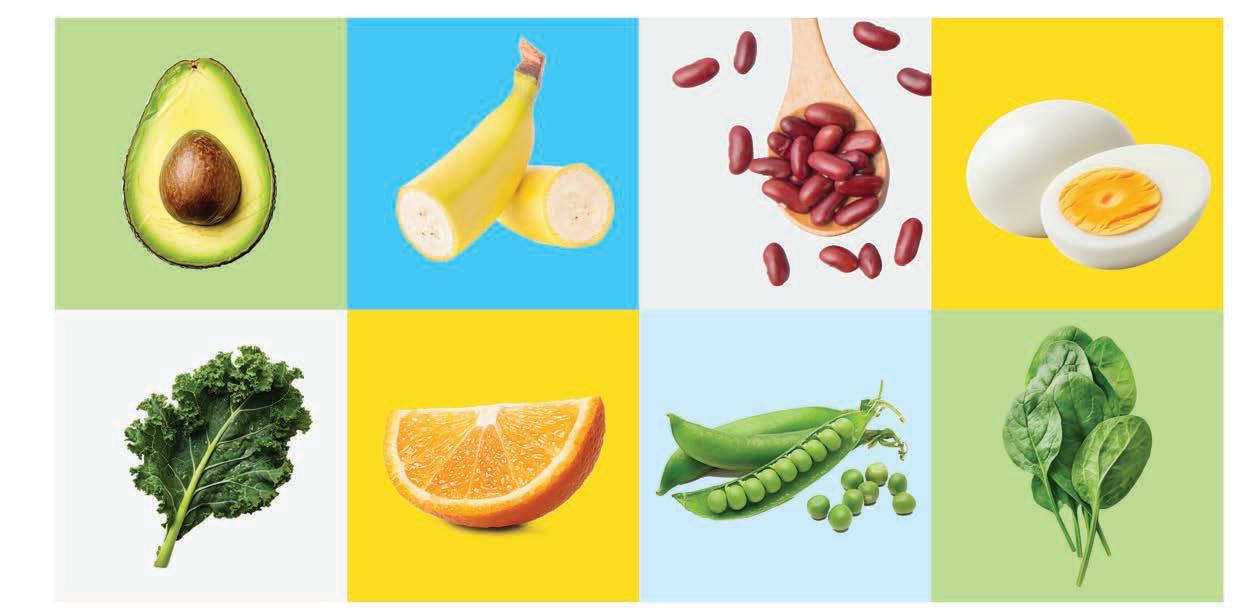
Even though folate naturally occurs in several foods, for many, it can be difficult to get the recommended daily amount from those alone. In fact, the body absorbs more folic acid from fortified (sometimes called “enriched”) foods and supplements than from natural foods. It is important to note that only folic acid has been proven to prevent neural tube defects (NTDs)
You can meet your folic acid needs by:
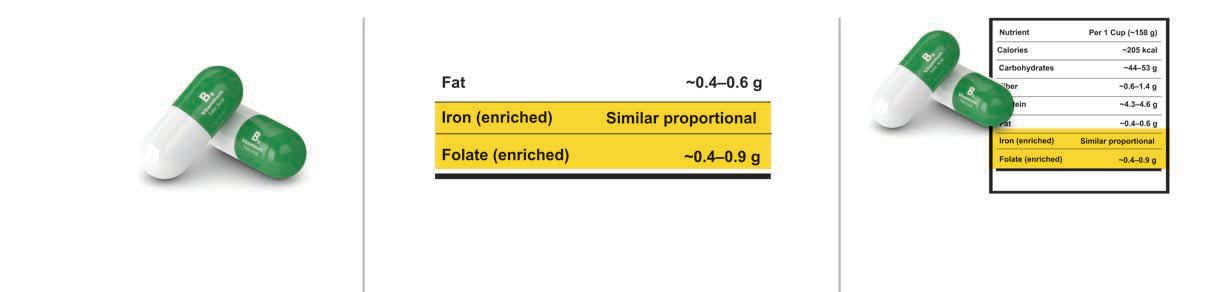
Taking a multivitamin with 400 mcg of folic acid.
Eating foods with added folic acid, like some breakfast cereals, pasta and more. Look for products labeled “enriched."
Trying a combination of both by eating fortified foods and taking a daily supplement.
Before making any changes to your diet or taking a new supplement, it’s important to talk to your doctor. They can help you learn more about the best way to get the folic acid you need.
Sign into umr.com or the UMR app to see a personalized to-do list that highlights the steps you need to take to stay on top of your health and keep your benefits up to date. Personalization is based on your company’s health benefit plan and the programs you are eligible for.
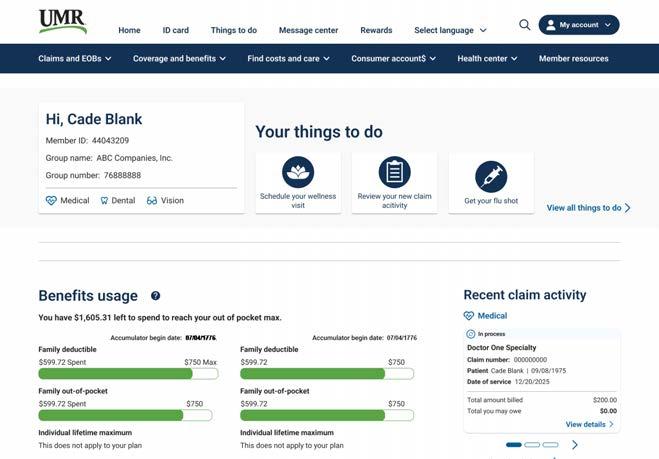
Things to do may prompt you to:
• Review and complete health actions
• Provide/verify your email address
• Provide other insurance information
• Schedule your wellness visit
• Schedule a follow-up appointment
• Review any denied claims
• Provide accident details
• Keep up with your immunizations
• Find a provider
• Opt into electronic communications
Visit umr.com or the UMR app today to take advantage of this time-saving feature!
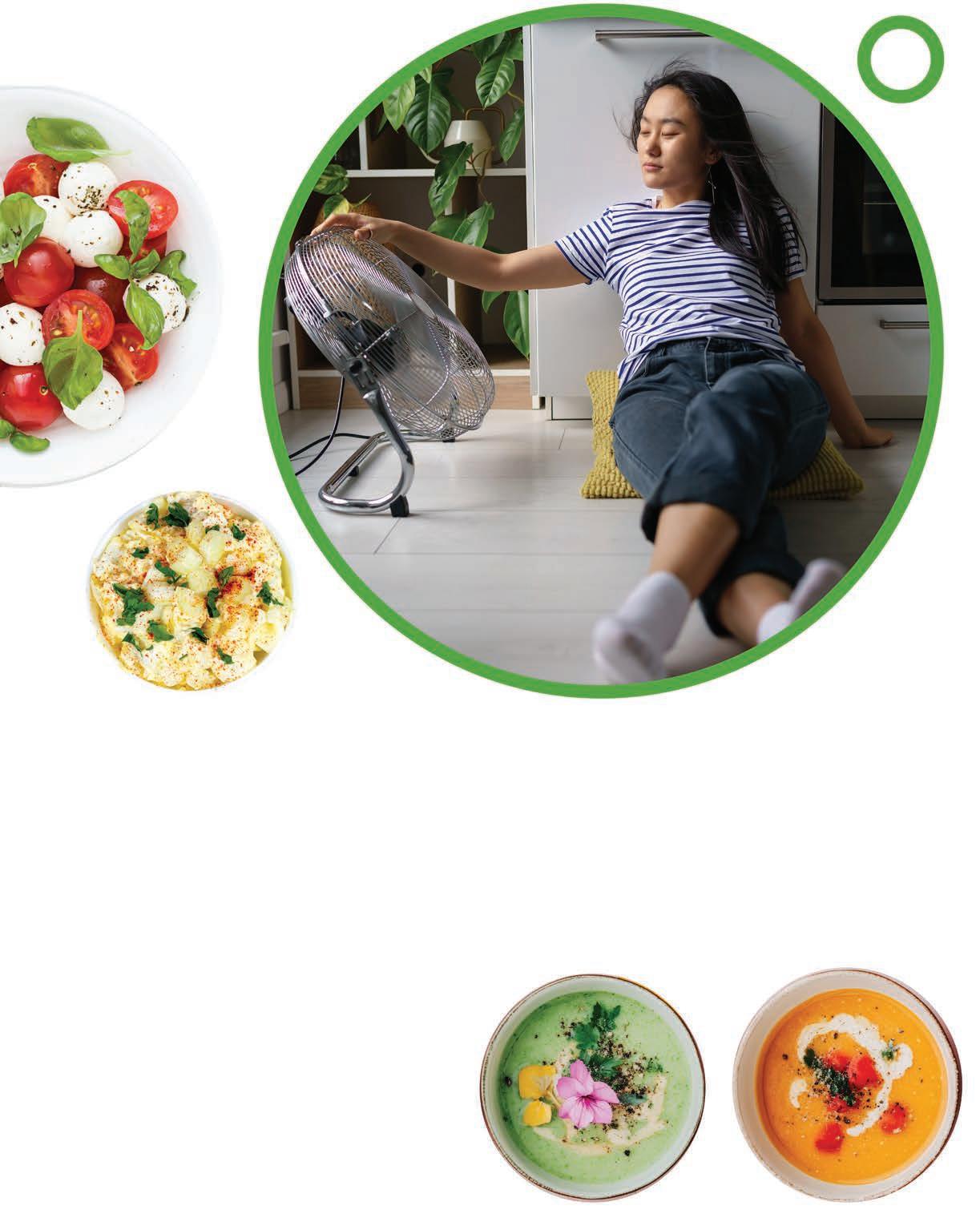
Summertime joy doesn’t include heating up an already toasty home. So we've found some delicious, cold dishes to help you beat the heat. Try these low- to no-cook meal tips.
Love soup but hate hot dishes in the summer? Gazpacho is a great solution. This chilled, creamy vegetable soup just takes blending. Try making your own chilled soup by blending your favorite veggies, like bell peppers, cucumbers and tomatoes, with oil and herbs of your choice.
Try a new take on the traditional lettuce salad:
Make a slaw
Jicama (pronounced HEE-kah-mah), a root vegetable native to Mexico and Central America, is mildly sweet and nutty with a juicy crunch. Many people describe it as a cross between an apple, potato and water chestnut. Mix it with cabbage, mayonnaise, lime juice and diced jalapeño for a refreshing dish. Can’t find Jicama? Substitute it with broccoli stems, daikon (Japanese radish), kohlrabi, radishes or turnips.
Use a grain
Instead of a bed of lettuce, create a grain base. Cooled couscous, farro, quinoa and bulgur all have unique textures and flavors that make for a great change of pace to the classic summer salad.
With so many choices ready made in a can, you can’t go wrong with this protein- and fiber-packed ingredient. Try chickpeas, pinto, black or kidney beans, then mix in some of your favorite vegetables and toss with a vinaigrette for a tangy salad option.
Assemble a seasonal fruit salad
Enjoy some hydrating melons or sweet and tangy berries. Pick out and chop up some refreshing fruit for a sweet and vibrant treat.
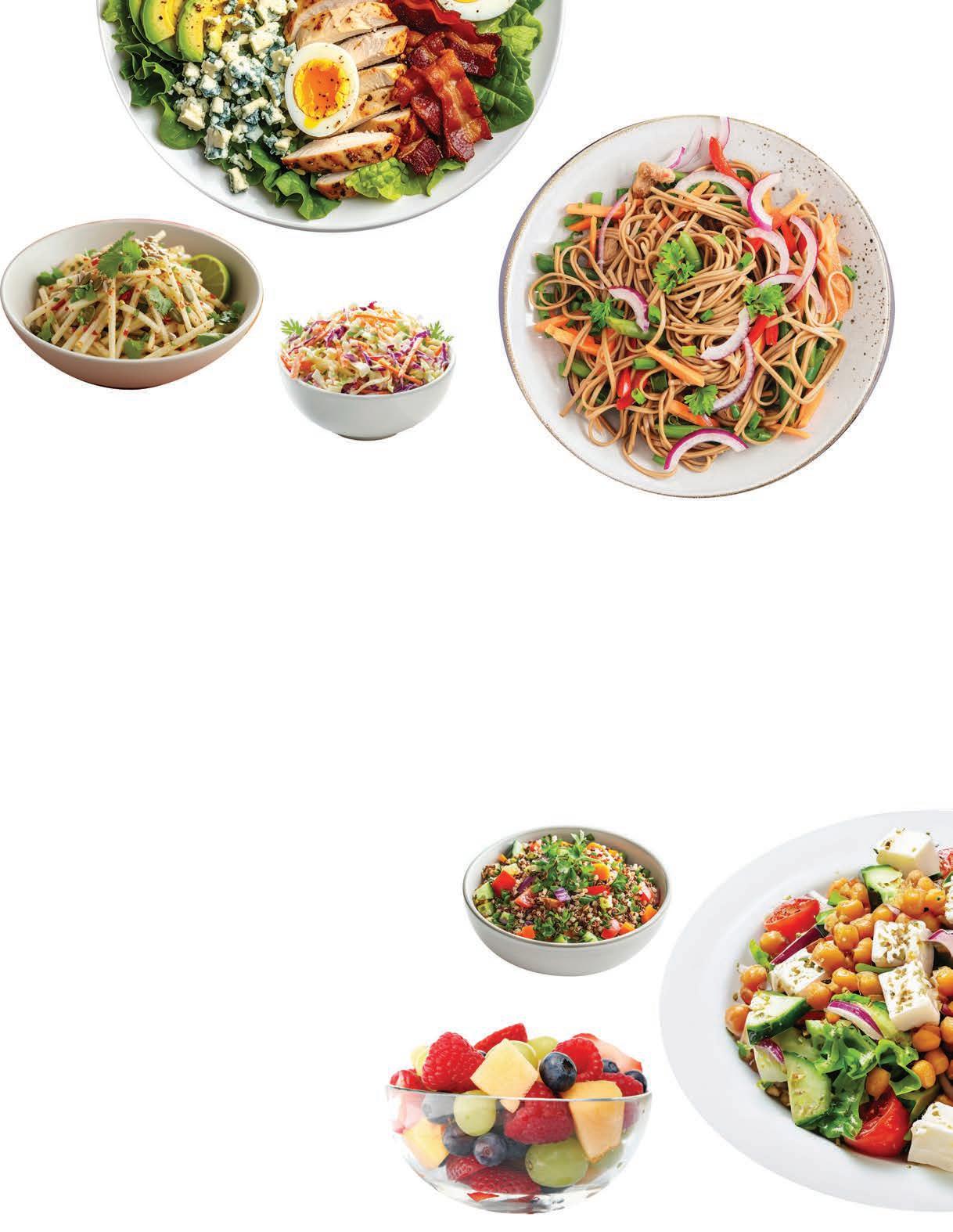
Don’t want to spend 10 minutes boiling pasta? Spend 3 minutes instead. Try zaru soba, or cold soba noodles, for a delectable cooling meal to refresh yourself on a hot summer day. This classic Japanese noodle dish consists of chilled buckwheat noodles that are dipped into a savory sauce typically made from soy sauce, sake, dashi (a Japanese soup stock) and mirin (a type of rice wine). Rice noodles are a great choice, too.
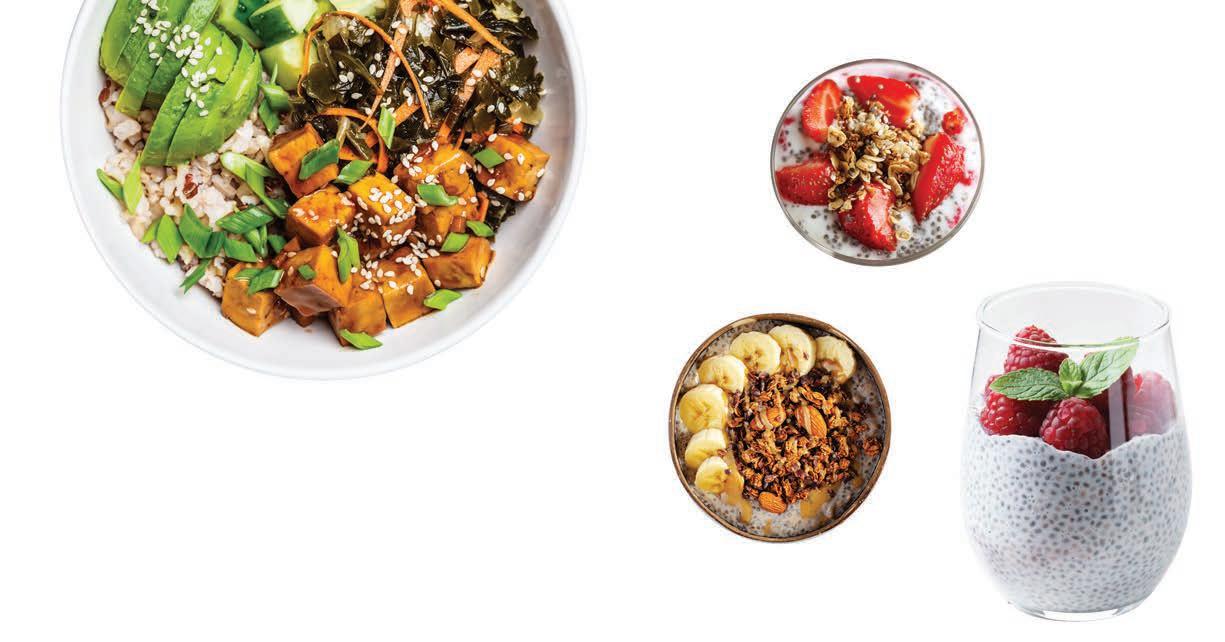
Want to enjoy sushi-style food at home, but don’t have the time or tools to make some rolls? Try poke or chirashi-zushi! Poke (pronounced POH-kēh), a traditional Hawaiian dish, and chirashi-zushi (pronounced chee-RAH-she-zoo-she), a type of Japanese sushi, are easy-to-customize dishes served in a bowl. Add sushi rice or salad greens to a bowl and top with your favorite ingredients, like avocado, edamame (soybeans), carrots and a protein of your choice (e.g., seafood, tofu, chicken).
Fact: Sushi actually refers to the vinegarflavored, short-grain rice used in the roll. Sashimi means raw seafood.
For a tasty, healthy, no-cook dessert, try overnight pudding with chia seeds. This powerhouse of nutrition contains complete protein (all 9 essential amino acids), fiber, omega-3 fatty acids and antioxidants — and it increases your feeling of fullness while satisfying your sweet tooth. Choose a milk or milk alternative, mix in some chia seeds and let the mixture sit overnight. Add some fresh fruit, and your dessert is ready.
Struggling to make tasty food in the summer? Use these low heat-producing tools:
Air fryer
Like a small oven, it cooks and crisps food with extremely hot, dry air.
Microwave
This dependable reheater can also defrost and cook food.
Electric pressure cooker
These multi-cookers, like the Instant Pot, use pressure to rapidly cook food.
Rice cooker
Makes quality rice by sensing when all liquid has been absorbed.
Grill
Classic outdoor cooking that keeps the heat outside.
Toaster oven
Acts like a mini oven by efficiently cooking or reheating food.

The back-to-school season can bring a mix of excitement and stress for kids and parents alike. New classrooms, routines and expectations can be a big adjustment after a relaxed summer schedule.
Breaking back-to-school prep into manageable steps over a few weeks can reduce last-minute chaos and help kids start the school year feeling confident and ready.
Try to schedule checkups for July or earlier so you’re not scrambling for last-minute appointments before school starts.
Daily conversations
Review personal hygiene habits. Reinforce illness prevention habits such as:
• Frequent hand washing
• Covering coughs and sneezes
• Carrying hand sanitizer, tissues and a personal water bottle

Explaining that these small habits help protect classmates, teachers and family members can encourage kids to be aware and helpful.
Annual well-child visits give your child’s doctor a chance to track growth, address any concerns and complete required school health forms all in 1 visit.
Schools may require current physicals before tryouts and practice.
Note: You may need to schedule these appointments months or weeks in advance.

Vision and hearing
Even if your child hasn’t complained, mild issues can quietly affect reading, attention and classroom behavior without being obvious at home.
Vaccinations (boosters and seasonal shots)
Missing vaccines can lead to delays, exclusions from school or missed activities.
Start easing your child’s daily schedule back into school-year mode. Rather than making sudden changes, gradually shift bedtime and wake-up times 15-30 minutes earlier every few nights. Children ages 6-12 generally need 9-12 hours, while teens need 8-10 hours. Getting enough rest can:
• Suppor t attention, focus and memory
• Improve learning, problemsolving and academic performance
• Help regulate mood and emotions, reducing irritability and meltdowns

Try practice runs by laying out clothes, packing backpacks and following a school-day schedule so the first official morning feels familiar instead of overwhelming.
Take time to reset expectations around screens so they don’t crowd out sleep, homework or family time.
Heavier screen use can lead to:
• Lower academic performance
• Attention difficulties
• Weaker executive function skills

Clarify when and how schoolissued devices should be used — for homework, research and learning apps only. During longer assignments, encourage regular screen breaks to help reduce eye strain and mental fatigue.
Aim for device-free time an hour before bed, since evening screen use can delay sleep and reduce sleep quality.
As the first day of school approaches, many kids feel both excited and anxious. Naming these emotions can help them understand that nerves are normal.

Regular check-ins about friends, teachers and worries can help you notice early warning signs such as changes in sleep or appetite, persistent irritability or withdrawal from activities, which can signal anxiety or depression. Framing mental health as just as important as physical health can encourage kids to speak up and ask for support when they need it.
Planning lunches and snacks ahead of time can lower morning stress and help kids maintain steady energy without midday blood sugar crashes. Nutritious school meals and wellbalanced packed lunches are linked to better overall diet quality and improved academic performance.
Build balanced lunches with these nutrient dense options:
• Complex carbs (whole-grain crackers, tortillas, brown rice, quinoa)
• Protein (turkey, chicken, beans, cheese, yogurt)
• Fruits and vegetables for vitamins and minerals
• Healthy fats (olive oil, hummus, nuts, seeds)

Encouraging kids to help prep lunches and snacks can increase their intake of healthy foods.
Small, intentional steps can make a big difference in how smoothly kids adjust and how seamless their routines feel once school begins.

With a little preparation and flexibility, kids head into the school year feeling confident, supported and ready to learn all year long.

Hydration matters too! Focus and cognitive performance are better when you’re hydrated.
Diabetes is a health condition that affects how the body uses sugar, also called glucose. Glucose is the main fuel our bodies need for energy. To use glucose, the body needs a hormone called insulin. Diabetes happens when the body has trouble making or using insulin.
The 2 most common types of diabetes are Type 1 and Type 2. They may sound similar, but they’re quite different.
Your body naturally attacks the cells in the pancreas that make insulin.
Type 1 diabetes is an autoimmune disease. This means the body’s immune system, which normally fights germs, mistakenly attacks the cells in the pancreas that make insulin.
As a result, people with Type 1 produce little or no insulin at all. Scientists are still studying why this happens, but they believe genetics and certain environmental triggers may play a role.
Type 1 often appears in children and teenagers, but adults can develop it, too. Because their bodies can’t make insulin, people with Type 1 diabetes must take insulin every day to survive.
Your body builds resistance to the insulin your pancreas makes over time.
Type 2 diabetes works differently. In this form, the body still makes insulin, but it doesn’t use it well. This is called insulin resistance. Over time, the pancreas may also make less insulin.
Type 2 diabetes usually develops slowly and is more common in adults, though it is increasing in younger people.
Things like family history, extra body weight, low activity levels and poor diet can raise the risk. Some people with Type 2 can manage the condition with healthy eating and exercise, while others may need medication or insulin.
Even though Type 1 and Type 2 diabetes have different causes and treatments, both require daily care. With the right support, people with either type can live healthy, active lives.

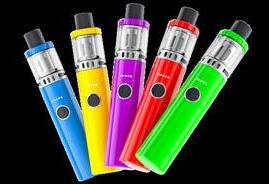
Vaping is often described as a cleaner, safer alternative to smoking. However, ongoing research shows that e-cigarettes carry meaningful health risks — especially for adolescents, pregnant individuals and people who have never smoked traditional cigarettes.
While some adults who fully switch from combustible cigarettes to vapes/e-cigarettes may reduce exposure to certain toxins, vaping itself is not safe. For teens and young adults, it can introduce new and significant health concerns at a critical stage of development.
• Increased risk of chronic obstructive pulmonary disease (COPD)
• High blood pressure
• O ther heart and lung conditions


• Inflammation in the respiratory system
• Impaired vascular function — meaning blood vessels do not expand and contract as effectively


• Gum inflammation
• Gum irritation
• Increased risk of oral health problems
"I know that vaping isn't just flavored water. It's an aerosol that can contain nicotine, heavy metals, carcinogens and chemicals that affect lung, heart and brain health.”
E-cigarette use could be associated with higher odds of prediabetes and diabetes, even among people who have never smoked traditional cigarettes. Researchers believe nicotine and other chemicals may interfere with insulin sensitivity and blood sugar regulation.
The adolescent brain continues to develop until age 25. Nicotine exposure during this time period can interfere with areas of the brain responsible for:
• Attention
• Memory
• Learning
• Mood regulation
• Impulse control
Nicotine dependence
Teens may also develop nicotine dependence more quickly than adults. Many vaping devices contain high concentrations of nicotine — sometimes equal to or greater than an entire pack of cigarettes in a single cartridge. Because devices are discreet and often flavored to taste like fruit, candy or mint, teens may underestimate how much nicotine they’re consuming.
Early nicotine exposure has also been associated with increased susceptibility to future substance use. Nicotine can influence the brain’s reward system, potentially increasing sensitivity to other addictive substances later in life.
"I choose not to vape because it would hurt my performance

Despite common misconceptions, vaping does not produce harmless
E-cigarette aerosol may contain:
Heavy metals like lead or nickel
Ultrafine particles
Chemical flavoring agents linked to lung irritation
These substances can:
• Damage lung tissue
• Increase inflammation
• Impair how blood vessels work
Nicotine itself:
• Raises heart rate
• Raises blood pressure, placing strain on the cardiovascular system over time
For pregnant individuals: Nicotine exposure increases the risk of low birth weight, preterm delivery and developmental complications. There is no safe level of nicotine use during pregnancy.
Parents should be aware that the range of products available in vape shops has expanded beyond nicotine — and some of these newer offerings carry significant risks.
In addition to nicotine vapes, some gas stations and vape shops now sell other substances that raise safety concerns.



Products containing tianeptine, sometimes referred to as “gas station heroine," have appeared in retail locations. Although not approved for medical use in the United States, tianeptine is sometimes marketed as a mood or energy supplement. At high doses, it acts on opioid receptors and has been linked to overdoses, severe withdrawal symptoms and addiction.
Similarly, some retailers sell high concentrations of 7-hydroxymitragynine (7-OH), a potent compound derived from the kratom plant.
These concentrated products may have opioid-like effects and have been associated with dependency and overdose risk.
Because these substances are often labeled as supplements, they may not undergo the same safety testing or regulation as prescription medications. Teens and young adults may perceive them as safe simply because they are sold in familiar retail settings.
• Increased thirst or dry mouth
• Nosebleeds or throat irritation
• Persistent cough or shortness of breath
• Mood swings or irritability
• Unfamiliar chargers or small USB-like devices
• Sweet or fruity scents without an obvious source
Parents should remain calm if they suspect or discover their teen is vaping.
Don't judge
Ask questions about their knowledge of vaping. You can focus on the importance of their health, sports performance or long-term goals.

Is your teen is already vaping?
Nicotine addiction can happen quickly and may require support. Pediatricians and primary care providers can offer guidance and evidence-based resources for quitting.
Know where to go when someone is sick or in a crisis situation.




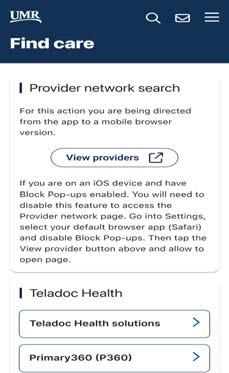
Where you go for medical services can make a big difference in how much you pay and how long you wait to see a health care provider. Explore the following information to help you decide the appropriate setting for your care.
Determine the severity of the symptoms and choose the provider that works for you. If you are severely ill and/or it’s an emergency, call 911.
Go to the Centers for Disease Control and Prevention (CDC) for the latest information, including vaccines, cases and data, how to protect yourself and what to do if you are sick.
The emergency room (ER) is for serious injuries and potentially life-threatening situations. Visit the ER if you are badly hurt or experience sudden health changes.
If you are not seriously ill or hurt, you could wait hours, and your health plan may not cover non-emergency ER visits.
TIMES TO GO:
• Sudden weakness, trouble talking or blurred vision
• Large open wounds
• Difficulty breathing
• Severe head injury
• Heavy bleeding
• Spinal injuries
• Chest pain
• Major burns
• Major broken bones
Seeing your doctor is important. Your doctor knows your medical history and any ongoing health conditions.
TIMES TO GO:
• Preventive services and vaccinations
• Medical problems or symptoms that are not an immediate, serious threat to your health or life
• Recommended, follow-up care for ongoing health conditions
Telehealth services allow you to meet with health care providers remotely by phone, mobile app or online video conferencing. Services are often available 24 hours a day, 7 days a week.
TIMES TO VISIT:
• Allergies, colds, flu, coughs or sore throats
• Nausea, vomiting, constipation or diarrhea
• Ear problems, fever or headaches
• Insect bites, rashes or pink eye
• Behavioral health conditions
Retail clinics, sometimes called convenience care clinics, are located in retail stores, supermarkets and pharmacies. You can find over-the-counter medications, and you can talk to your pharmacist for help.
TIMES TO GO:
• Vaccinations or screenings
• Allergies, colds or flu
• Sinus infections
• Minor sprains
• Headaches or sore throats
• Minor burns
• Minor infections or rashes
• Earaches
Urgent care centers, sometimes called walk-in clinics, are often open in the evenings and on weekends.
TIMES TO GO:
• Sprains and strains
• Sore throats
• Minor broken bones or cuts
• Minor burns
• Minor infections or rashes
• Earaches
• Mild asthma attacks
The information contained herein is for information and educational purposes only. This information is not a substitute for professional medical advice. If you are severely ill and/or it’s an emergency, call 911.
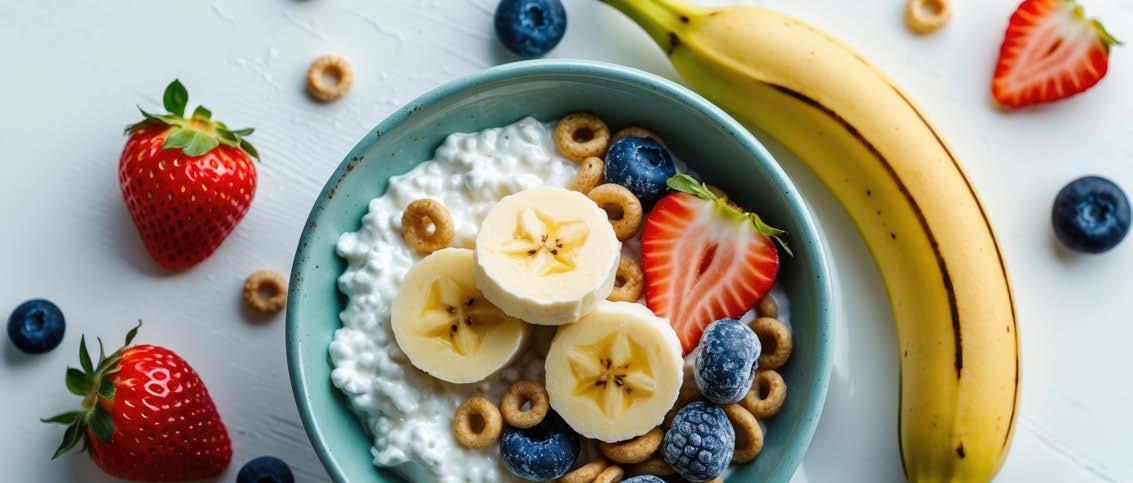
Protein-packed cottage cheese with fresh, seasonal fruit makes for a quick, filling snack or lunch on a hot summer day.
INGREDIENTS
• 3/4 cup cottage cheese
• 1 cup fresh fruit (berries, peaches, pitted cherries, etc.)
• 1/4 cup granola
• 2 tablespoons nuts (almonds, walnuts, pecans, etc.)
• Drizzle of maple syrup or honey
DIRECTIONS
• Fill a bowl with cottage cheese.
• Stir in fresh fruit.
• Top with granola, nuts and maple syrup or honey.
• Serve immediately.
Makes: 1 Serving
ALTERNATIVE ADD-INS
Add variety by mixing these with plain cottage cheese:
• Cherry tomatoes and cracked pepper
• Cucumber, dill and lemon juice
• Avocado and salt or chili flakes
• Herbs or everything bagel seasoning
• Salsa or pesto
• Roasted veggies
• Nut butter and cinnamon
• Cocoa powder and honey
For more healthy recipes, visit USDA Nutrition .
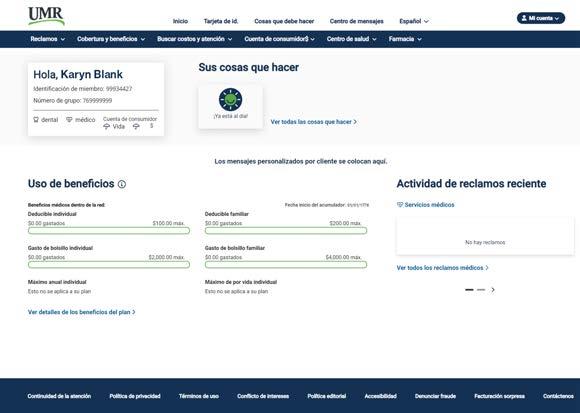
El sitio web Seguro para miembros umr.com esta disponible en español. 1 2 3
Simplemente, inicie sesión en umr.com con su nombre de usuario y contraseña.
Usted verá un menú desplegable en la parte superior de su pantalla de inicio con múltiples opciones de idiomas, que incluye español.
(Datos ficticios)
Seleccione la opción de español y verá como en su pantalla el contenido aparecerá traducido al español.
Para obtener información de salud confinable, visite umr.com y seleccione Health education library (Biblioteca de educacion en salud).
Para nuestros miembros de UMR que hablan español, los Institutos Nacionales de Salud (NIH por sus siglas en inglés) es un gran recurso para obtener información sobre temas de salud, desde alergias hasta Zika. Cada mes, el boletín electrónico destaca nuevos recursos para aquellos que hablan español, y sus amigos y familiares. Puede visitar el portal y suscribirse al boletín en salud.nih.gov.

UMR is a third-party administrator (TPA), hired by your employer to help ensure your claims are administered correctly, so your health care costs can be kept to a minimum and you can focus on your health and well-being.
UMR is not an insurance company. Your employer pays the portion of your health care costs not paid by you.
UMR is a UnitedHealthcare company. © 2026 United HealthCare Services, Inc.