Healthy You
Your guide to living well




Healthy You is an award-winning magazine featuring health and wellness articles and promoting practical tools that support and encourage healthier choices.
This educational resource for UMR members is published 4 times a year as part of our member online services and can be viewed, downloaded and shared digitally.
Healthy You is packed with helpful resources and practical recommendations to address the most common health topics, including:
• Building healthy habits
• Preventive care recommendations
• Chronic health conditions
• Exercise tips
• Nutrition and recipes
• Stress and mental health management
• First aid and getting care
• Health literacy
• Spanish-language resources
While using this electronic publication, you may click on a link to other websites. We provide links to other websites that may contain information that may be useful or interesting to you. We do not endorse, and are not responsible for, the content and accuracy of linked websites operated by third parties or for any of your dealings with such third parties. You are solely responsible for your dealings with such third parties, and we encourage you to read the terms of use and privacy policies on such third-party websites.
Available features and benefits are dependent on the products and features included in the plan design. Not all members will have access to all features shown.
Copyright © 2026 United HealthCare Services, Inc.
Reproduction in whole or part is not permitted without permission in writing from UMR. All information and links were accurate and functional at the time of publication. However, because this electronic publication contains links to third-party sites, information can change and become unavailable.
You can view and download a universally accessible version of this issue.
Discover

Learn
Track all your claims in one place

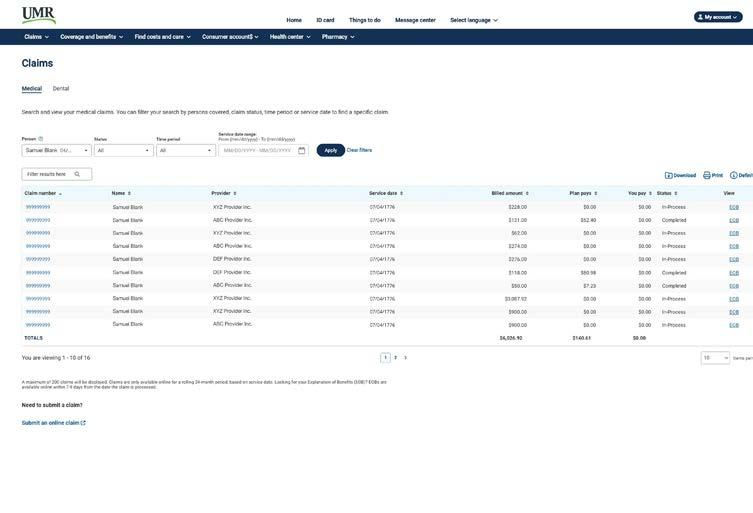
Check in at your convenience to see if a claim has been processed and what you might owe. You can search the claim activity for everyone on your plan, view your claims cost summary or submit a new claim.
Check out this FREE resource.
Sign in to your member account on umr.com.
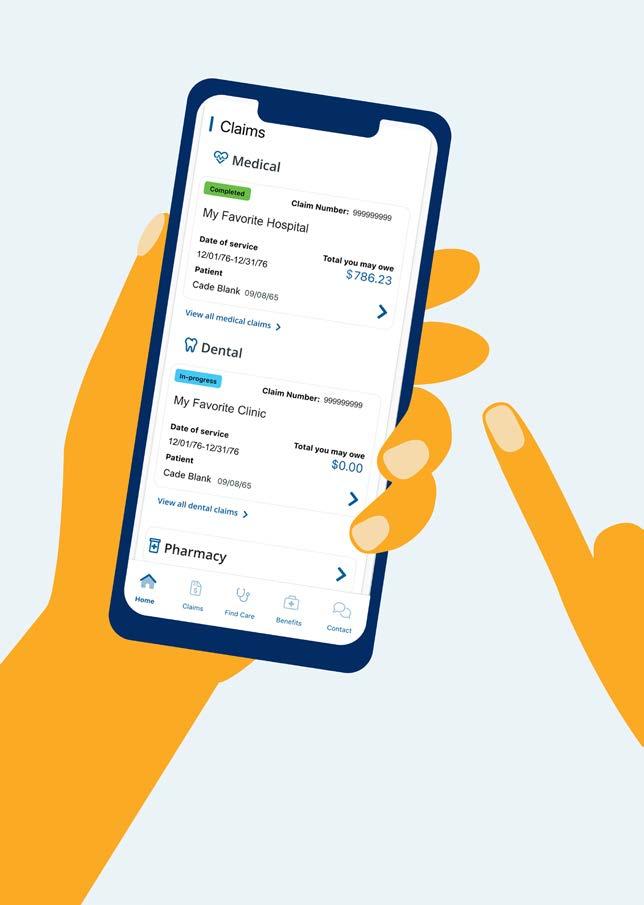

Download the UMR app today
The UMR app has a smart fresh look, simple navigation, and faster access to your health care benefits information. View your plan details on demand — anytime, anywhere.
With a single tap, you can:
• Access your digital ID card
• See a personalized list of Things to do to stay on top of your health and keep your benefits up to date
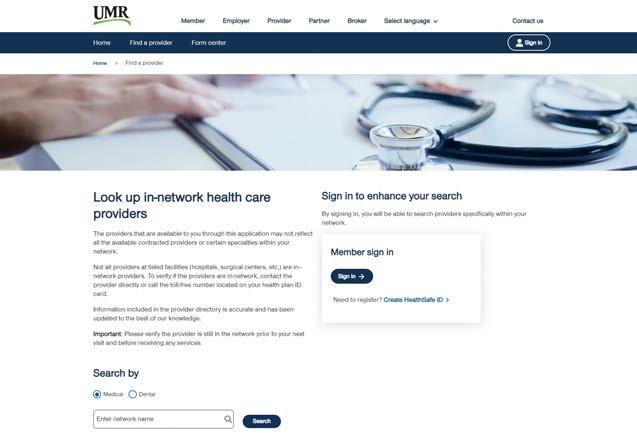
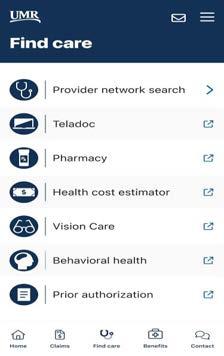
• Look up in-network health care providers
• Find out if there’s a copay for your upcoming appointment
• View your recent medical and dental claims
• Chat, call or message the UMR member support team
• Add your health plan details to your Apple Wallet or Google Wallet
• View additional benefits information, including proof of health coverage
Simply scan the QR code or visit your app store to get started.

The
Learn how martial arts can boost personal safety, physical health and mental resilience — for all ages and abilities.
From kids’ classes to adult fitness programs, martial arts training involves more than just learning how to throw a punch.
Martial arts is a discipline that blends movement, mindfulness and self-protection. Whether it’s the intensity of kickboxing or the precision of judo, martial arts can improve physical health, build mental toughness and empower individuals to stay safe in real-world situations.
The skills gained through consistent practice often go far beyond the dojo.
Students develop a sense of inner strength, self-control and confidence that can influence every part of their life — from work performance to relationships to emotional well-being.
Many martial arts programs also emphasize verbal self-defense and conflict de-escalation.
Students learn that the first goal in any encounter is to avoid violence whenever possible, using clear communication, maintaining eye contact and employing confident body language to deter aggression.
Knowing how to respond in a dangerous situation can make a big difference.
Martial arts teaches situational awareness — the ability to notice potential threats before they escalate — and equips students with defensive skills to protect themselves, if needed. This awareness and confidence typically extend beyond the studio. Students often walk taller, remain calm under pressure and make quicker, more thoughtful decisions in unexpected situations. That self-assurance can be empowering for anyone, especially those who may otherwise feel vulnerable when walking alone or navigating busy public spaces.
1. Be aware of your surroundings.
2. Walk confidently.
3. Avoid distractions like phones when in public.
4. Trust your instincts — if something feels wrong, it probably is.
5. Use verbal de-escalation whenever possible before physical action.
6. Consider a self-defense or martial arts class to build skills and confidence.
Martial arts training builds both the body and the mind — creating confidence that extends far beyond the mat.
Martial arts training provides a comprehensive workout that engages the entire body, strengthening muscles, enhancing flexibility and improving endurance.
Unlike repetitive gym routines, martial arts keeps the mind engaged while challenging balance, coordination and control. Each class blends cardio, strength training and skill-building — all while developing practical skills that can be used outside the gym.
It also adapts easily to different fitness levels.
From slow, deliberate forms in tai chi to the high-energy strikes of Muay Thai, there’s a style for nearly everyone — including beginners, older adults and those with limited mobility.

Designed for real-world selfdefense, this Israeli system focuses on neutralizing threats, disarming attackers and escaping holds. It’s fast, direct and highly practical.
Known as the “art of eight limbs,” this discipline uses fists, elbows, knees and legs for powerful strikes and practical defense. Training sessions are intense and provide an excellent cardiovascular workout.
Emphasizes using an opponent’s force against them through throws and joint locks, teaching balance and control rather than brute strength.
Teaches how to defend and control opponents on the ground, relying on leverage and technique rather than size or strength. It’s especially useful for smaller individuals or those wanting to feel safe in closecontact situations.
Sharpens reflexes, builds core strength and improves footwork while developing strong cardiovascular health. Learning proper form can prevent injury and build confidence quickly.
Each of these styles offers its own rhythm, culture and philosophy, making martial arts a fun and dynamic way to stay active while learning something new.
Martial arts practice isn’t just about physical defense — it’s also about mental discipline.
Regular training promotes focus, patience and emotional regulation. For many, martial arts is a form of moving meditation, combining controlled breathing with repetitive movements that calm the mind.
For children, it can improve attention, listening skills and respect for structure. For adults, it offers a healthy outlet for stress while enhancing mood and confidence. Classes encourage perseverance, reminding students that progress comes through consistent effort and self-control.
Research supports these benefits. Studies have linked martial arts participation to reduced anxiety, improved memory and even better sleep quality. The sense of mastery that comes from learning a new skill can also improve self-esteem and mental resilience.
Students of all ages and abilities can participate at their own pace. Many schools emphasize community, teamwork and personal growth over competition — making it as much about personal wellness as self-defense.
For older adults or those new to exercise, martial arts can improve balance and coordination while offering a sense of belonging. For children and teens, it teaches responsibility, respect and healthy goal-setting. Parents frequently notice increased focus and confidence in their children after just a few months of training.
The combination of physical fitness, mental clarity and safety awareness makes martial arts a life skill that can support long-term well-being. From improved posture and balance to greater confidence and peace of mind, the benefits continue long after training ends.
Always consult your physician before beginning a new exercise program.

Allergy-causing elements are lurking inside your home right now, but you probably don’t realize it. And while it’s practically impossible to have an entirely allergy-free home, keeping your home clean and maintained is the first step in reducing the allergy-causing culprits that can enter your realm.
Even the cleanest homes have allergens lurking.
More than 50% of homes have at least 6 detectable allergens present.
Dust mites thrive 70°intemperaturesof F or above andhumiditylevels above 75%.


Did you know, the primary causes of indoor allergens are dust mite droppings, pet dander, cockroach droppings and molds?




Dust mites enter your home by catching a ride on you, your clothes, your pets and outdoor air. They are tiny, 8-legged, practically invisible creatures that come from the spider family. They really like indoor conditions like high humidity and food sources. And their food source? Dead skin cells. That’s why it’s very important to keep spaces clean and vacuumed. The number 1 choice for a dust mite to set up housing is in a bedroom — particularly one with wall-to-wall carpet.
• Use allergen-proof fabric covers to cover your mattresses, box springs and pillows.
• Wash bedding once a week in warm water.
• Lower the humidity in your home using a dehumidifier or air conditioning.
• Clean area rugs regularly, and eliminate wall-to-wall carpeting, if possible.
• Use a vacuum cleaner with a high-efficiency particulate (HEPA) filter and vacuum weekly.

The most common sources of pet dander for homes in the U.S. are from cats, dogs, guinea pigs, birds and rabbits — common household pets that have fur or feathers. Even if the pet stays outside, its dander can easily attach to you then you bring it indoors. The dander is microscopic in size, and it’s very common for it to become airborne and stick to items such as bedding, furniture and fabrics like drapes. It can also easily be drawn into your ventilation

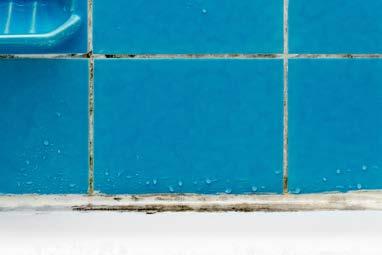

Mold thrives in damp areas. Mold can trigger runny noses, sneezing, congestion, watery eyes and even skin rashes. Common susceptible areas for development of mold include basements and crawl spaces. People with asthma are particularly vulnerable to reactions to mold.
• For a particularly humid environment, use a dehumidifier to help control humidity levels, keeping the level below 60%.
• Use exhaust fans in bathrooms and kitchens, open windows when showering and make sure your dryer is vented to the outside.
• Fix any water leaks promptly.
• Keep sur faces known for dampness, such as shower door tracks and gaskets, clean and dry.

Cockroaches are very common in homes, even though you may not see them. They seek out food sources like crumbs and grease, water from leaks, and warm, dark places. They are more common in urban areas since they can find what they want without a lot of dirt.
• When spotted, immediately clean the area with a disinfectant.
• Keep sur faces free of any food and water sources.
• Seal cracks and crevices as tightly as possible.
• Call a pest control service to help eliminate cockroaches.

A clean, well-maintained heating, ventilation and air conditioning (HVAC) system can make a big difference in the air quality inside your home. Throughout the country, there are professional air-duct cleaning companies that use specialized tools to dislodge and remove contaminants from your system. The process removes things like pollen, dust and dander. Also, moisture inside dirty ducts can lead to mold and bacteria growth, which are then circulated into your living space. A thorough cleaning can get rid of any unwanted growth. Many companies offer free quotes. For more information, go online and search for air duct cleaning in your area.

Remember: It’s unlikely you can eliminate allergen sources altogether, but you can minimize their effects on you and your family.



Distracted driving has always been a concern on our roadways. And as technology continues to advance the way people move around large metropolitan areas, e-bikes, motorized scooters and e-skateboards are no longer a rarity. Since the late 2010s, micro mobility devices — low-speed devices operated by a single person — have been on the rise and are popping up in cities across the country. These “street corner devices” offer convenience, but they also introduce new challenges for maintaining road safety — especially when the rider or driver is distracted.
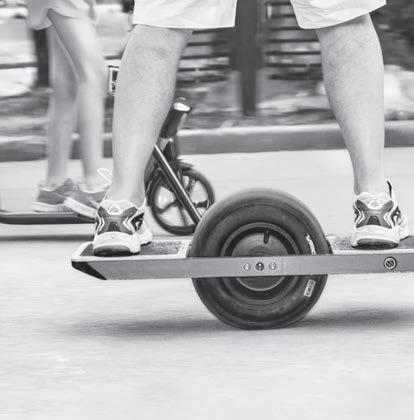
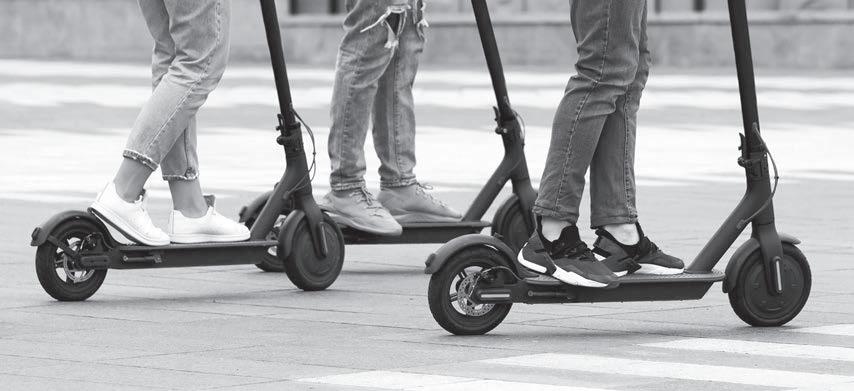

Rental programs such as Uber and Lyft make it easy for first timers to hop on without proper training and protection. Factor in distracted driving, whether by car or e-bike, and the risk multiplies.
In 2023, the National Highway Traffic Safety Administration reported that more than
3,000 people were killed and more than 320,000 were injured in crashes involving distracted drivers.
Micro mobility devices have surged in popularity because of affordability, environmental impact and the ability to bypass vehicular traffic.
But their rise in usage adds more complexity to roads and sidewalks. Unlike traditional bicycles, e-bikes and scooters can reach higher speeds. In addition, e-skateboards like Onewheels combine power with the requirement to have balance and skill to operate.
If you’re using an e-bike, e-scooter or e-skateboard, safety starts with preparation and awareness:
Wear protective gear. Helmets are non-negotiable. Gloves and high-visibility clothing can add extra protection.
Know the local laws. Rules vary by city. Some require licenses or have an age requirement for certain devices. In addition, understand where you can ride, such as bike lanes, roads or trails, and where you can park/drop off the device.
Be visible.
Wear bright, reflective clothing and protective gear to be well seen at night. Bonus safety if your helmet has a headlight and reflectors.
Take a safety class. Many cities have local bike organizations that offer training and safety tips, whether you’re a new operator or need a refresher.
Do not rent an e-device if you are not experienced and if you are by yourself.
Never operate a device under the impairment of drugs or alcohol.
Avoid hand-held distractions.
Never check your phone while riding. Plan your route before you start your ride and place your phone in the device’s phone holder, if equipped.
Watch for road hazards such as oil slicks, wet leaves, grass clippings, potholes, uneven pavement and cars. These factors can cause you to suddenly lose control of the device.
Driving safely on a public road with e-devices is a shared responsibility between drivers and riders. E-devices are small, fast and harder to see. Practicing extra caution is essential to ensure the safety of others.

If you are driving a car:
Watch crosswalks and bike lanes. Riders may jump into a crosswalk when a driver least expects it. In addition, when making a right turn, make sure you check the bike lane before looking for pedestrians. Check blind spots. These devices can appear and disappear from rear view mirrors quickly. At night, check your car mirrors for the small LED headlight located on most e-devices for nighttime riding.
Give extra space. Treat bicycles the same way you would share the road with another car — add a small amount of distance between vehicles.
Expect sudden moves. Many riders are inexperienced and may stop or turn unexpectedly while riding an e-device. E-bikes sometimes encounter mechanical issues while in use, impacting the ride quality and safety.
Remember to watch your speed and slow down if you are sharing the road with pedestrians and those using other forms of transportation.
Safety starts with YOU!
Whether you are behind the wheel of a car or on a scooter, staying alert and avoiding distractions can reduce accidents. Plan ahead, follow the rules and respect others on the road.
E-bikes, e-scooters and e-skateboards are here to stay; do your part to make sure the road is safe for everyone.
Sign in to umr.com or the UMR app to see a personalized to-do list that highlights the steps YOU need to take to stay on top of your health and keep your benefits up to date. Personalization is based on your company’s health benefits plan and the programs you are eligible for.
• Review and complete health actions
• Provide/verify your email address
• Provide other insurance information
• Update security questions
• Review new claims
• Be promptly alerted to any denied claims
• Provide accident details
• Go paperless
• Get to know UMR
• Take your clinical health risk assessment (CHRA)


And we want to share how we cut back on sugar and ultra-processed foods.


Most of us feel better when we clean out our closets and drawers. And the same can be true for decluttering our diets. By cutting back on added sugars and ultra-processed foods, you can boost your energy, improve your focus and feel more balanced from the inside out.

While there is some debate about what exactly qualifies as an ultra-processed food, there is some general agreement, and it’s pretty clear what should be avoided or eaten in moderation.
Ultra-processed foods are factory-made products that have been changed from their natural form. They often contain artificial colors, flavors, preservatives and chemical additives to make them taste better, last longer or look more appealing.
Common examples include:


Let's get started >
• Soda
• Candy
• Flavored chips
• Packaged baked goods
• Instant noodles
• Fruit drinks
• Mass-produced bread
• Breakfast cereals
• Ice cream
• Processed meats
• Ready-made sauces
• Frozen meals
"I cook more often."
Cooking more meals at home
Is one of the best ways to limit ultra-processed foods and improve overall nutrition. It gives you full control over what goes in your food and makes it easier to eat fresh, balanced meals.


"I
One of the easiest ways to cut back is by reading nutrition labels. Every packaged food lists “added sugars,” which shows how much sugar has been added during processing. These sugars are in addition to the natural sugars in the food item.
Common forms of sugar and additives:




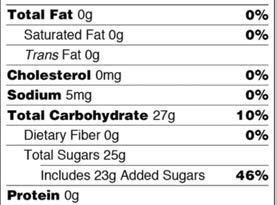
• Cane sugar, corn syrup and high-fructose syrup
• Artificial dyes (Red 40, Yellow 5 and Blue 1)
• Flavor enhancers (Monosodium glutamate (MSG) and disodium inosinate)
• Ingredients ending in “-ose,” such as glucose, fructose, lactose, maltose, dextrose and sucrose
• Zero-calorie sweeteners like sucralose, aspartame or stevia can have little effect on blood sugar, but they often lack the nutrients you need.
"I'm aware that eating too much added sugar and ultra-processed foods can lead to health problems."
• Weight gain and obesity because these foods are formulated to taste good, making them easier to overeat. They often have lots of calories but not much fiber or nutrition.


• Inflammation in the body, which makes you feel tired and run down.
• An increase in your chance of developing chronic diseases like diabetes, high blood pressure, heart disease and even cancer.
• Mood swings, cravings and even memory problems.


"I fill most of my plate with whole, plant-based foods."
Aim for most of your meal to consist of fruits, vegetables, whole grains or beans. The remaining portion of your meal can consist of protein, such as fish, poultry, eggs or red meat.
Shop the frozen section carefully.
Frozen fruits and vegetables, canned beans and tomatoes are great options when fresh produce isn’t available.
"We
swap sugary drinks and snacks."
While drinks and snacks are some of the biggest sources of added sugar in our diets, they’re also the easiest to replace. You can start by replacing soda, sweet tea and sports drinks with healthier options like:
• Water (plain or flavored with sliced lemon, cucumber or mint)


• Sparkling water with a splash of citrus
• Unsweetened iced tea or herbal tea
• Low-fat milk or plant-based milk alternatives
Instead of reaching for candy, cookies or pastries, try:
• Fresh or frozen fruit for a natural treat
• Greek yogurt topped with fruit for extra protein and creaminess
• Baked apples or pears sprinkled with cinnamon for a healthy dessert

"I
choose more whole foods to give my body the fresh start it deserves."


Try to limit ultra-processed foods to 10-20% of your daily diet.
"I start by clearing out sugar and ultra-processed foods from the pantry and refrigerator."
Empty your shelves. Take everything out of your pantry so you can see what you have. Check nutrition labels. Look for high amounts of added sugars, saturated fats, sodium or ingredients you don’t recognize. Discard or donate. Get rid of items that are stale, expired or offer little nutritional value.
Organize what's left. Organizing helps you see the areas you need to replenish and quickly view what's available for a healthy meal.
About 61-80% of people experience a traumatic event at some point in their lives. Trauma can leave lasting wounds that aren’t always visible, and PTSD is one of the many ways those wounds can show up in daily life.
Post-traumatic stress disorder (PTSD) is a mental health condition that can develop after someone experiences or witnesses a traumatic event.
When someone has PTSD, their brain and body stay stuck in “survival mode” long after the event has passed. This can make it hard to focus, connect with others or feel safe.
PTSD only affects military veterans, but it can impact

cute stress disorder is a short-term mental health condition that occurs the first month after a traumatic event.
omplex PTSD develops after a long-term trauma such as sexual abuse, domestic violence or war.
PTSD can happen after someone goes through or witnesses a traumatic event. Some common causes may include: ar accidents or serious injuries tural disasters such as hurricanes or tornadoes hysical, emotional or sexual abuse Violence, crime or sudden loss
These experiences can change how the brain and body react to stress.
People with PTSD have low cortisol levels and elevated corticotropin-releasing factor (CRF) levels, which leads to an increased “fight or flight” response. PTSD can also change how the brain functions. The size of your hippocampus (which regulates motivation, emotion, learning and memory) decreases. The amygdala (which processes emotions and fear) becomes overly reactive. The medial prefrontal cortex (which controls emotional reactivity) appears to be smaller and less responsive.
1. Reliving the event
• Flashbacks
• Nightmares about what happened
• Intrusive or unwanted memories appearing suddenly
• Being triggered by sounds, smells, places or images
2. Avoidance
• Avoiding people, places or activities connected to the event
• Trying not to talk or think about what happened
• Keeping busy or shutting down emotionally to block out memories
3. Negative thoughts and feelings
• Feeling numb or disconnected
• Losing interest in hobbies or relationships
• Feeling guilt, shame or blame about what happened
• Believing the world is unsafe or that no one can be trusted
• Trouble remembering parts of the event
4. Feeling on edge
• Trouble sleeping or concentrating
• Feeling jumpy or easily startled
• Irritability or sudden anger
• Using harmful coping behaviors like drugs or alcohol
PTSD doesn’t always show up right away.
Some people notice symptoms soon after the trauma, while others may not experience them until months or years later. If symptoms last longer than 4 weeks, cause stress or make it hard to function at home, school or work, it may be PTSD.

PTSD can make everyday activities feel challenging. It can impact:
Relationships with family and friends
Emotional control and ability to handle stress
Feeling alone or misunderstood, which could lead to depression or anxiety
Sticking to routines, responsibilities or self-care
Social interactions and comfort being around others
Work or school performance
“No one hurt me; they just didn’t notice me much. I learned not to need too loudly. As an adult, I fade into the background instinctively, even when I want connection. I wait to be chosen instead of asserting myself. Feeling seen can be uncomfortable, like standing in bright light after years of quiet dimness I learned to survive in.”

“My family moved suddenly, and I never said goodbye to my friends. Adults framed it as exciting, so my sadness felt wrong. Loss became something to swallow quietly. Years later, goodbyes feel unbearable. I detach early, just in case. Part of me believes attachments are temporary by default, so loving deeply still seems risky.”
The Adverse Childhood Experiences score (ACE score) is used to measure exposure to different types of traumas that happened before the age of 18. Its purpose is to help show how early trauma can affect your health and well-being later in life.
Why does your ACE score matters?
Research shows that a higher ACE score is linked to a greater risk of:
• PTSD, depression or anxiety
• Relationship or social difficulties
• Learning or behavior problems
• Chronic health issues, such as heart disease and autoimmune disorders
• Substance use or harmful coping behaviors
How is the ACE score calculated?
Your ACE score comes from answering 10 questions about challenges or traumatic events that happened before age 18. These questions cover:
• Abuse (physical, emotional or sexual)
• Neglect
• Household problems (divorce, violence, addiction or mental illness)
• Low ACE score (0–3) Not high risk
• High ACE score (4 or more)

May face a higher risk for physical and mental health challenges, including PTSD
If you want to calculate your own ACE score, search online for "ACE quiz" or talk to your medical or behavioral health provider.
PTSD can feel overwhelming, but there are many ways to manage symptoms and work toward healing. Treatment often combines therapy, healthy coping techniques, social support and sometimes medication.
Manage intrusive memories:
• Professional therapy, such as Cognitive Behavioral Therapy (CBT), teaches skills to process and reduce painful memories.
• Medication, when recommended, can reduce anxiety or help with sleep.
Cope with avoidance behaviors or negative mood change:
• Gradual exposure therapy — working to slowly and safely face avoided situations
• Building a social support network — talking to trusted friends, family or support groups
• Relaxation practices, such as yoga, deep breathing or meditation

If you have thoughts of hurting yourself or others — or you know someone having those thoughts — seek help right away.
CALL 911 — or go to the closest emergency room.
To reach a trained crisis counselor, call or text the 988 Suicide & Crisis Lifeline at 988. You may also access chat at 988lifeline.org.

dog bite I thought
“I love dogs. But 10 years ago, while visiting a friend, her dog unexpectedly bit me on the face. Thankfully, the injuries were minor — just a few abrasions. I saw my doctor, got antibiotics and healed quickly. Life moved on, and I rarely thought about it again. Then, this past summer, another dog playfully nipped near my face. It didn’t hurt, and I wasn’t afraid. But the moment it happened, my eyes filled with tears. It was an automatic reaction I couldn’t control. I was shocked by how strongly my body responded, even though my mind felt calm. That experience reminded me how deeply past events can linger in ways we don’t expect.”
While PTSD can deeply affect daily life, there is hope in seeking support and learning healthy ways to cope. Remember, healing isn’t linear — but every step forward matters.
Osteoporosis is often thought of as a women’s health issue. But millions of men worldwide are affected by this condition, which weakens bones and increases the risk of fractures. According to the Bone Health and Osteoporosis Foundation, starting at age 50, men have a significant chance of experiencing an osteoporosis-related fracture.
Osteoporosis occurs when bone density decreases, making bones fragile and more likely to break. Bone density is the amount of mineral content — primarily calcium and phosphorus — contained within a specific volume of bone.
Age 70+
Family history of osteoporosis
Low testosterone
Smok ing or heavy alcohol use
Sedentary lifestyl
Men typically develop osteoporosis later in life, often due to age-related bone loss, low testosterone, certain medications or chronic illnesses. Lifestyle factors such as smoking, excessive alcohol use and lack of weight-bearing exercise also play a role. Fractures in men can lead to serious complications, including loss of independence and higher death rate. Hip fractures, in particular, are associated with longer recovery times and higher health risks for men compared to women.
Eat a diet rich in calcium and vitamin D
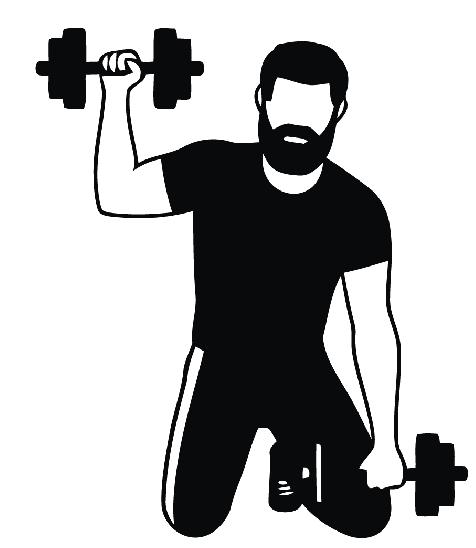
Engage in weight-bearing and strength exercises
Avoid tobacco and limit alcohol
Get screened if you’re over 70 or have risk factors

If you’re concerned about your bone health, talk to your doctor and ask about a bone density test and steps to reduce your own personal risk.
APRIL Alcohol awareness Distracted driving Organ donation
MAY Air quality
JUNE Cancer survivors
Asthma and allergies Skin cancer Mental health
Men’s health Alzheimer’s & brain awareness
Go
Begin

As many of us increasingly embrace eco-friendly lifestyles, an area showing significant opportunity is cleaning. In honor of Earth Day, let’s explore ways to protect our health, environment and wallets.


Do-it-yourself (DIY) natural cleaner recipes include ingredients like baking soda, vinegar and lemon juice.
They typically cost less than 5% of what traditional cleaners do.
These savings add up quickly, especially if you’re purchasing cleaning supplies often. Natural ingredients tend to last longer and serve multiple purposes, further stretching your dollar.
Start with using natural cleaners Environmental and health benefits
Beyond financial savings, switching to natural cleaners has a positive impact on health and the environment. Chemical cleaners often contain volatile organic compounds (VOCs), which contribute to air pollution. According to the American Lung Association, breathing VOCs can irritate the eyes, nose and throat, can cause difficulty breathing and nausea, and can damage the central nervous system and other organs. Some VOCs can cause cancer.
Natural alternatives like distilled white vinegar, hydrogen peroxide and isopropyl alcohol are effective disinfectants and stain removers. They’re safer for children, pets and those with allergy sensitivities. This makes them ideal for everyday use. Here are a few simple and effective recipes:
Scrubbing power:
Mix baking soda and vinegar to create a non-abrasive scouring solution.

All-purpose cleaner:
Mix equal parts distilled white vinegar and water.

Glass cleaner:
Combine 1/2 cup vinegar, 1/2 cup isopropyl alcohol and water.
Air freshener:
Add a few drops of essential oil to distilled water.
Fruit and vegetable cleanser:
Mix baking soda, vinegar and water to wash away chemicals and dirt.
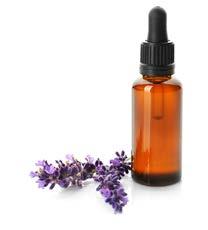
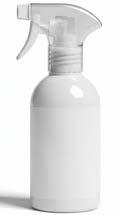
These recipes are not only budget-friendly, but they’re also customizable with scents and strengths that suit your preferences.
Natural ingredients can also replace bleach and other harsh laundry products. For example:
• Baking soda enhances whitening and deodorizes.
• Hydrogen peroxide (3%) can be added to the bleach dispenser or applied directly to stains to brighten.
• Lemon juice functions as a natural brightener when applied and exposed to sunlight.
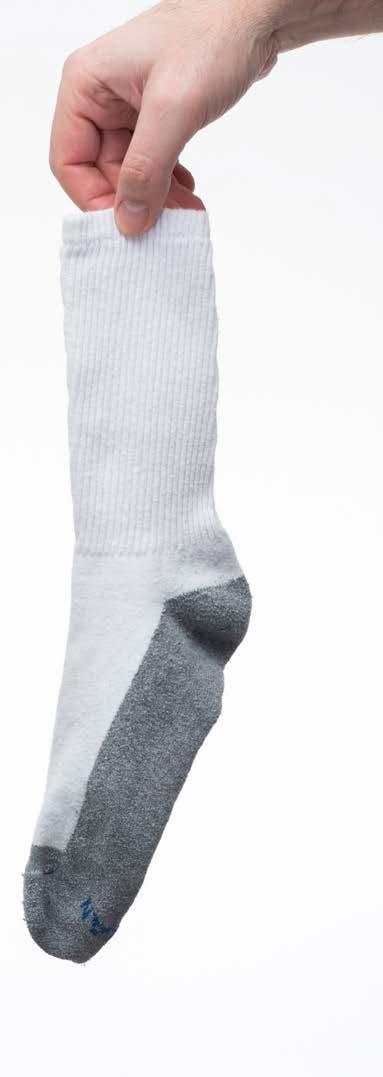
These methods are gentler on fabrics and reduce wear and tear on appliances.

Steam cleaning is another powerful, singleingredient, chemical-free cleaning method. It’s also likely the least expensive natural alternative. Using only water, steam cleaners will help you sanitize, deodorize and reduce allergens in your home. They’re great for cleaning stoves, floors, mattresses and even shoes. Just avoid use on moisture-sensitive items like wood.
Standard clothing steamers work just as well as multipurpose steam cleaners. Those are perfect for large jobs. And most come with attachments to help you get into crevices and corners and tackle detailed cleaning.
Steam cleaner tips:
Cleaning your stove with steamers cuts grease and grime in the oven and around burners. They’re also gentle on floors (nearly all types) because they just use water.
Other items perfect for steam cleaning include:
• Curtains and drapes
• Throw pillows that aren't machine washable
• Fabric headboards
• Pet beds
• Windows (avoid wood areas)
NOTE: Avoid steam cleaning anything that’s moisture- or heat-sensitive.
Stock up on:
• Microfiber cloths
• Scrub brushes
• Spray bottles
• Gloves
• Sponges

Pair these with your natural household cleaners to create a versatile, cost-effective cleaning arsenal.
Natural living extends beyond cleaners. You can also consider using:
• Silicone covers and beeswax wraps instead of plastic sandwich, snack or freezer bags
• Reusable bags for shopping and produce
• Washable, reusable fabric “paper towels”
• Wool dryer balls instead of fabric sheets or liquid softener
These swaps reduce waste and can also lead to long-term savings.
By making simple, natural changes to your cleaning routine, you can protect your health, save money and celebrate Earth Day with a cleaner conscience.





Spring is graduation season, and with that can come major changes for not only students, but also their parents, guardians and siblings. Whether you have a child in your life who is graduating from kindergarten, elementary school, high school or college, you may be having strong feelings about what comes next. It’s important to take care of your mental health as you navigate these big milestones, particularly if you have a high schooler who is heading off to college. While more of your focus may be on your student during this time, acknowledge the weight of this transition for yourself — and make sure you’re taking good care of you.
The impact you might not be thinking of ...
When you’re caught up in graduation parties and college move-in prep, it’s tempting to push aside emotions that might bubble up. Here are some things to look out for so you can address and navigate them thoughtfully:
Unspoken fears: Concerns about safety, academic pressure or whether they’ll thrive socially can quietly build up.
Grief-like emotions: Even in joyful moments, you might experience sadness, nostalgia or anxiety about the future.


Relationship changes: Your dynamic with your child may shift as they seek independence. This can feel distancing, even if they choose to live at home while attending college or a trade school.
Identity shifts: Parenting a high schooler is different from parenting a college student. You may feel a loss of purpose or routine.



The most important thing is to acknowledge your feelings: It’s OK to feel conflicted — talking about it with friends or a therapist (or journaling) can help.
Stay connected, not controlling: Maintain open communication with your child while respecting their growing independence.
Find new purpose: Explore hobbies, career goals or community involvement to help fill the emotional space and your time.
Focus on self-care: Prioritize sleep, movement and nutrition to support your emotional resilience.
Remind yourself of the positives: You’ll have extra time for yourself, and you won’t be as tied to your child’s schedule.
Set realistic expectations: College transitions are rarely perfect — give yourself and your child grace to adjust.
If you’re still a few years away from graduation, you can lay the groundwork for an easier transition when the time comes. Focus on building up relationships with others, whether that’s your partner, your extended family or established friends. And seek out friendships and hobbies that don’t revolve around your child. You probably want to soak up as much time with your child as possible before they leave the nest, but taking some time to pay attention to yourself will make you better prepared for that day.
When an older sibling leaves for college, it can have a range of emotional, social and practical impacts on a younger child. Here are some common effects:
Feelings of loss or loneliness: Your younger child may miss the companionship and daily interactions with their sibling.
Sadness or anxiety: They might feel worried about the sibling being far away or sad about the change in family dynamics.

Sense of abandonment: Some children interpret the situation as being “left behind,” which can lead to insecurity.
Regression or acting out: Younger kids sometimes regress (clinginess, tantrums) or act out to get attention.


Increased independence: Some children become more self-reliant as they adjust to the new dynamic.
Role changes: Your younger child may take on new responsibilities or feel pressure to “fill the gap” left by their older sibling.
Identity adjustment: If the older sibling was a role model, your younger child might struggle to redefine themselves without that influence.


Loss of academic support: If the older sibling helped with homework or modeled good study habits, your younger child might feel less supported.
More attention from parents: This can feel positive (more support) or negative (more pressure).
Changes in household vibe: Your home may feel quieter or less lively, which can affect everyone’s mood.
Pets are affected by the absence of their favorite people, too, and they may show signs of depression. Give more hugs, take an extra walk or let them sleep in their missing person's room until they adjust.

Know where to go when someone is sick or in a crisis situation.
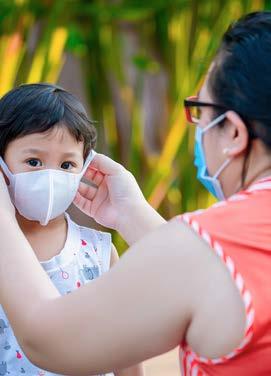



Where you go for medical services can make a big difference in how much you pay and how long you wait to see a health care provider. Explore the following information to help you decide the appropriate setting for your care.
Determine the severity of the symptoms and choose the provider that works for you. If you are severely ill and/or it’s an emergency, call 911.
The emergency room (ER) is for serious injuries and potentially life-threatening situations. Visit the ER if you are badly hurt or experience sudden health changes.
If you are not seriously ill or hurt, you could wait hours, and your health plan may not cover non-emergency ER visits.
TIMES TO GO:
• Sudden weakness, trouble talking or blurred vision
• Large open wounds
• Difficulty breathing
• Severe head injury
• Heavy bleeding
Go to the Centers for Disease Control and Prevention (CDC) for the latest information on COVID-19, including vaccines, cases and data, how to protect yourself and what to do if you are sick.
• Spinal injuries
• Chest pain
• Major burns
• Major broken bones
Seeing your doctor is important. Your doctor knows your medical history and any ongoing health conditions.
TIMES TO GO:
• Preventive services and vaccinations
• Medical problems or symptoms that are not an immediate, serious threat to your health or life
• Recommended, follow-up care for ongoing health conditions
Telehealth services allow you to meet with health care providers remotely by phone, mobile app or online video conferencing. Services are often available 24 hours a day, 7 days a week.
TIMES TO VISIT:
• Allergies, colds, flu, coughs or sore throats
• Nausea, vomiting, constipation or diarrhea
• Ear problems, fever or headaches
• Insect bites, rashes or pink eye
• Behavioral health conditions
Retail clinics, sometimes called convenience care clinics, are located in retail stores, supermarkets and pharmacies. You can find over-the-counter medications, and you can talk to your pharmacist for help.
TIMES TO GO:
• Vaccinations or screenings
• Allergies, colds or flu
• Sinus infections
• Minor sprains
• Headaches or sore throats
• Minor burns
• Minor infections or rashes
• Earaches
Urgent care centers, sometimes called walk-in clinics, are often open in the evenings and on weekends.
TIMES TO GO:
• Sprains and strains
• Sore throats
• Minor broken bones or cuts
• Minor burns
• Minor infections or rashes
• Earaches
• Mild asthma attacks
The information contained herein is for information and educational purposes only. This information is not a substitute for professional medical advice. If you are severely ill and/or it’s an emergency, call 911.
MAKES: 4 SERVINGS

Bursting with delicious spring flavors, this simple sauté is perfect with a side of roasted chicken, fish or tofu.
• 1 teaspoon olive oil (or cooking oil of choice)
• 1/2 cup medium sweet onion, sliced
• 1 garlic clove, finely chopped
• 3 small new potatoes, quartered
• 3/4 cup carrots, sliced
• 3/4 cup asparagus pieces
• 3/4 cup sugar snap peas or green beans
• 1/2 cup radishes, quartered
• 1/4 teaspoon salt
• 1/4 teaspoon black pepper
• 1/2 teaspoon dried dill
1. Heat the oil in a large skillet over medium heat.
2. Cook the onion for 2 minutes.
3. Add the garlic and cook another minute.
4. Stir in the potatoes and carrots. Cover, turn the heat to low and cook until almost tender, about 4 minutes.
5. If the vegetables start to brown, add a tablespoon or 2 of water.
6. Add the asparagus, peas, radishes, salt, pepper and dill. Cook, stirring often, until just tender — about 4 minutes more.
7. Serve immediately.
Recipe courtesy of U.S. Department of Agriculture.
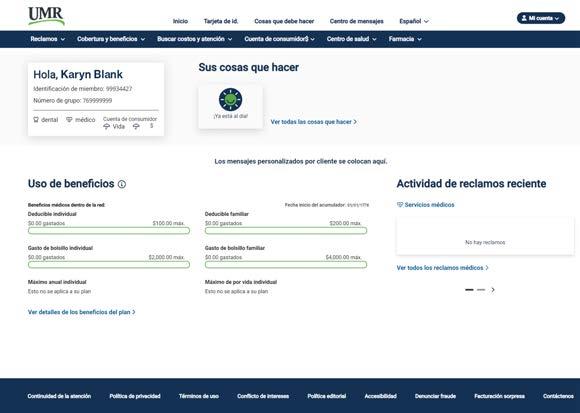
El sitio web Seguro para miembros umr.com esta disponible en español. 1 2 3
Simplemente, inicie sesión en umr.com con su nombre de usuario y contraseña.
Usted verá un menú desplegable en la parte superior de su pantalla de inicio con múltiples opciones de idiomas, que incluye español.
(Datos ficticios)
Seleccione la opción de español y verá como en su pantalla el contenido aparecerá traducido al español.
Para obtener información de salud confinable, visite umr.com y seleccione Health education library (Biblioteca de educacion en salud).
Para nuestros miembros de UMR que hablan español, los Institutos Nacionales de Salud (NIH por sus siglas en inglés) es un gran recurso para obtener información sobre temas de salud, desde alergias hasta Zika. Cada mes, el boletín electrónico destaca nuevos recursos para aquellos que hablan español, y sus amigos y familiares. Puede visitar el portal y suscribirse al boletín en salud.nih.gov.

UMR is a third-party administrator (TPA), hired by your employer to help ensure your claims are administered correctly, so your health care costs can be kept to a minimum and you can focus on your health and well-being.
UMR is not an insurance company. Your employer pays the portion of your health care costs not paid by you.
UMR is a UnitedHealthcare company. © 2026 United HealthCare Services, Inc.