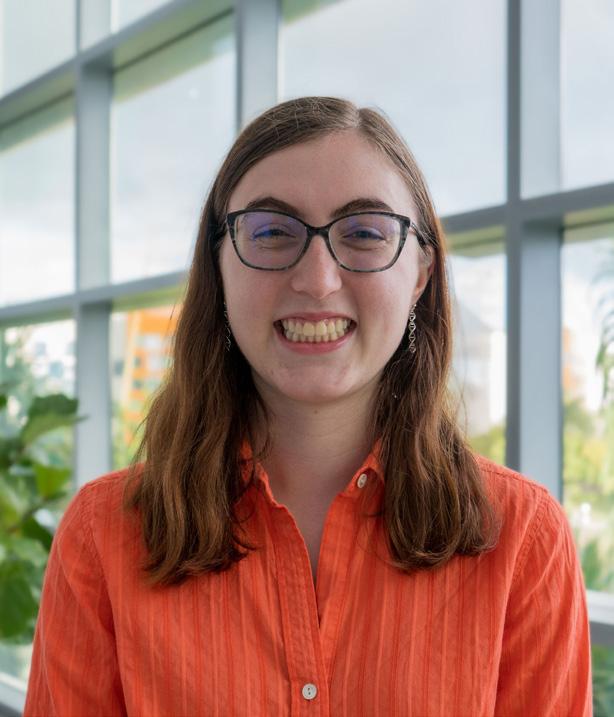
I'm excited to begin my tenure as Editor-in-Chief with this remarkable issue. Coming off the tail of Emily Danzinger's inspiring leadership and several issues pushing the definition of science, I wanted this issue to dive deeper into how that science is done, across disciplines. Designed to encourage our team to step out of their comfort zones and into research settings, Issue 27: The Deep Dive Into Research highlights student innovation, interviews with mentors and idols, and research findings that stood out to our writers as worth further exploration. We've seen incredible interest in the magazine this year, and are looking forward to growing as a team of brilliant individuals who value scientific communication and storytelling. I am so proud of all of the effort that has been put into this issue, and our dedicated staff who have continued to blow me away with their passion, enthusiasm, and creativity. And I would like to particularly shoutout the non-STEM majors who engage with our magazine, whether by creating, distributing, or reading! Our goal is to share interesting and relevant science with the university as a whole so thank you for supporting that mission. Let's dive into Issue 27!
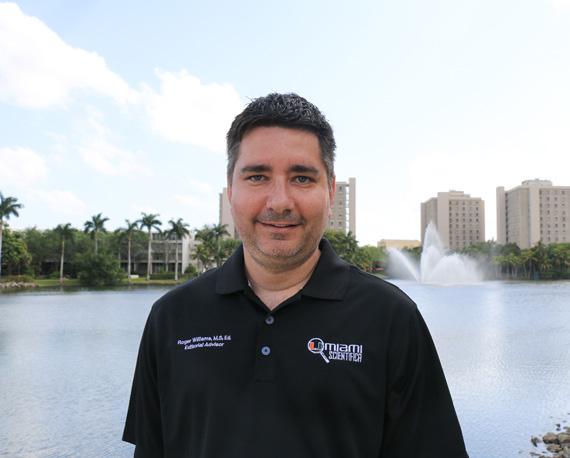
We, as a society, advance due to the research that is conducted in the various fields of study. If it were not for the hard work and perseverance of these individuals, we would not progress in the world in which we live. The scientific method is at the core of this. The method can be applied to every decision and activity. What we observe often results in questions. A hypothesis is created and tested through experiments and trials. Only then can we judge its validity through careful analysis of the findings. The conclusion that we come to with this data sometimes can affirm or dissent our original hypothesis. We have an obligation to analyze the data in an ethical and unbiased manner, or else we taint the result. Join us in this issue, learning about this important activity and how it is practiced by the many researchers at our fine institution.
Professor, Dept. of Biochemistry & Molecular Biology
Chief of Pathology, Jackson Memorial Hospital
Director, Dr. Jonn T. Macdonald Foundation
Biochemical Nanotechnology Institute
University of Miami Miller School of Medicine
Michael S. Gaines, Ph.D.
Assistant Provost Undergraduate Research and Community Outreach
Professor of Biology
Mathias G. Lichtenheld, M.D.
Associate Professor of Microbiology & Immunology
FBS 3 Coordinator
University of Miami Miller School of Medicine
Charles Mallery, Ph.D.
Associate Professor
Biology & Cellular and Molecular Biology
Associate Dean
April Mann
Director of the Writing Center
Catherine Newell, Ph.D.
Associate Professor of Religion
Leticia Oropesa, D.A.
Coordinator Department of Mathematics
*Eckhard R. Podack, M.D., Ph.D.
Professor & Chair
Department of Microbiology & Immunology
University of Miami Miller School of Medicine
Adina Sanchez-Garcia
Associate Director of English Composition
Senior Lecturer
Geoff Sutcliffe, Ph.D.
Professor of Computer Science
Yunqiu (Daniel) Wang, Ph.D.
Senior Lecturer
Department of Biology
*Deceased
Ella Crisologo
Nina Adrineda
Chloe Lee
Chaunté
Veronica Richmond
Dominique Thomas
Marco Porter
Ethan Tieu
ArTiSTS & dESigNErS EdITOrS
Lucy Xu
Veronica Richmond
Caitlin Torralba Mariana Barrios
Amromin
Michelle Orozco
Olivia Ruppel
Ashleigh Morris Gabriel Viaud
Dominique Thomas
Jane Wineman
Chaunté Lewis
Angie Montero
Mayra Chavez
Colindres
Audrey Zhang Veronica Richmond Pearl Amromin
Jolie Janulis
Roxio Ortiz
Yewande Shitta-Bey
Caleb Duke
Nina Cottone
Ashleigh Morris
Enrique Lara
Pearl Amronin
Cheyenne Stringfellow
Kaye Smith
Salina Yathiraj
Ella Crisologo
Kasey Moriarty
Nicole Vedder
Michelle Orozco
by Angie Montero, Mayra Chavez, and Cilia Colindres
EmpOWEriNg FuTurE SCiENTiSTS: JANuS’
TrANSFOrmATivE
ExpEriENCE iN BiOmEdiCAL rESEA
The collaboration and mutual guidance of one another towards success exemplifies one of the many beauties of humanity.
Inspire U Academy is a peer mentoring program developed by Dr. Wendy Cavendish from the Department of Teaching and Learning with the goal of improving access to and promoting success in postsecondary pursuits for underrepresented student groups. The University of Miami’s undergraduate students and local high school students have formed a community network composed of multi-level mentoring, student leadership, and monthly workshops to create impactful bonds in the Miami community.
(JANUS) program is another mentoring program developed by Dr. Ashu Agarwal, alongside Dr. Cavendish, with a focus on increasing STEM research opportunities for Black and Hispanic UM undergraduates and high school students from Inspire U and First Start Academy. This mentorship and research internship program increases academic exposure for underrepresented students in STEM-related fields on research processes and experiential learning in various laboratories.
The Joint Academic Nurtureship for Underrepresented Students
The collaborations between high school students, undergraduate students, and experienced faculty at UM has granted unique opportunities for success. JANUS and Inspire U Academy created the opportunity for Cilia Colindres, Mayra Chavez, and Angie Montero to delve into research facilities over the summer and gain valuable academic experiences.
Angie’s Personal Experience
I am a biomedical engineering undergraduate student who mentors high school students as part of the Inspire U Academy. I also mentored Cilia Colindres through the JANUS program over the summer. Participating in JANUS with Cilia was truly amazing. We delved into a unique learning experience together as this was both of our first times in such high-tech labs. We were able to experience two different lab dynamics: one was more engineering-based, while the other was more wet-lab based. One of the labs we visited was Dr. Ashu Agarwal’s lab, which focused on developing organ-on-a-chip platforms with human organ complexity. Organ-on-a-chip platforms are microfluidic devices used to cultivate 3-D cell cultures that, when compared to regular petri dish cell cultures, more accurately mimic the human body with concentration gradients and multiple channels for fluid flow. Here, we oversaw and participated in the engineering process of creating both a complex and simple organ-on-a-chip. We also visited Dr. Courtney Dumont’s lab, which focused on limiting the negative effects of secondary spinal cord injuries with nanotechnology. Here, we gained various wet lab skills as we went through the process of creating nanoparticles, conducting PCR tests, and incubating cells.
In Dr. Argarwal’s lab, we learned about the organ-on-a-chip project, which involved creating acrylic chips that could grow cell cultures of different varieties. Growing cell cultures on chips instead of petri dishes allowed us to mimic the human body more accurately as it allowed for the inflow of nutrients and food for the cells as well as the outflow of waste. Using microfluidic concentration gradients also allows cells to have varying degrees of levels of oxygen, for example, which could mimic a surface like the eye, which only has its outer layer in direct contact with oxygen. These platforms also allow space for 3D structures to form, just like the ones in our body, and can even be further developed to create organoids, which are larger, more complex structures that mimic specific organs. We learned how to utilize the milling and laser cutting machines, which are used to cut out precise organ-on-a-chip platforms from large acrylic sheets and must have every cutting step encoded manually based on the 3-D computer-aided design. We also created our own simplified chip samples made of a gelatinous polymer and used a paperclip to mold out a singular channel for fluid flow. Once cured, we tested them out by using pigmented water to visualize how fluid flows through the channel and evaluate the integrity of our creation. We even experimented with making our own cross-linked polymer beads, which are used in drug delivery systems that use encapsulations of drugs to deliver medicine to specific regions of the body.
Dr. Dumont’s lab focused on regenerative medicine for combatting secondary spinal cord injuries primarily due to inflammation. Cilia and I gained a lot of insight on the use of nanoparticles to bring medicine directly to specific affected locations of the body in targeted drug delivery. We also gained lots of medical context in terms of the current state of research and efficacy of current technology for addressing spinal cord injuries and even cancer. Here, we oversaw the process of how cells are grown, incubated, isolated, and identified under a microscope, offering a more wet lab exposure. We gained expertise in using advanced pipettes, pipette guns, centrifuge machines, vortex mixers and tiny microliter capsules. We also oversaw the process of creating nanoparticles and following procedures precisely to ensure accurate results. Joining weekly lab meetings where the researchers would discuss their current progress also gave us a lot of insight into
Design: Chaunté Lewis
what real lab work papers, presentations, and research entailed. Mentoring was a large part of this overall experience. Cilia and I truly bonded as I learned about her future aspirations, encouraged her to participate in lab activities, and supported her throughout the entire journey. Having the opportunity to experience both a more engineering-based lab and a wet lab environment has been one of the most insightful experiences of my life in terms of scientific literacy. As a biomedical engineering student, everything I have learned in both laboratories has already proven to be very useful and recurring in my courses, offering me additional insight into multiple topics. It also allowed me to satiate my curiosity with the ability to ask tons of questions and truly understand everything we were exposed to. The hands-on experience offered by JANUS has allowed for all of the knowledge I gained to be woven into my brain. I gained a deeper understanding of not only research, but what my future career as a biomedical engineer would entail. I look forward to being a part of the global effort of leading professionals who are using their career, studies, and research to foster a positive change in the world for all to enjoy.
Mayra's Personal Experience
I am a senior in high school. I have been part of Inspire U since 10th grade, and being a part of Inspire U Academy has been an incredibly enriching experience that has provided me with opportunities I never imagined I could have at such a young age. This program has opened doors to a wide array of research fields, giving me the chance to immerse myself in hands-on learning and develop a deeper understanding of scientific processes. For instance, I’ve learned how to use a pipette with precision—an essential skill in any laboratory setting. But beyond the basics, I’ve had the unique opportunity to participate in more advanced procedures, such as examining mice organs and conducting experiments on them.
One of the most fascinating aspects of my experience has been observing how different factors can influence the health and development of living organisms. For example, I was involved in one project where we studied the offspring of mice, comparing the differences between those whose parents were injected with a specific type of disease and those whose parents were not. This hands-on research allowed me to witness the real-world applications of scientific theories and contributed to my growing passion for the field. For example, when we experimented with the mice, we observed the effects on some of the offspring after they were injected with the disease. This can help us understand how diseases can be passed from generation to generation. Inspire U Academy has broadened my knowledge and instilled a sense of curiosity and drive in me to explore the unknown. The professors and mentors have been there to teach and support me while having fun in the laboratory.
Cilia's Personal Experience
I am a former Inspire U mentee. In 2023, I was able to take up a very enriching internship with JANUS that helped to enlarge my knowledge base of laboratory techniques and deepen my understanding of biomedical research. This internship provided handson training with the company of an Inspire U mentor, Angie Montero. We had the experience of being at two different locations in various scientific procedures, from designing innovative tools for cell studies to exploring the intricacies of spinal cord injury.
During the internship, mastering the use of laboratory equipment was the first phase. In fact, it was the basis for all experiments I conducted. An experiment that I participated in included an acrylic
design that would permit the flow of cells through a designed pattern which we had made with paper clips. We initiated this process by drafting the design and making sure that it would allow the experiment to attain its objectives. We used acrylic structures, which we engineered using laser cutting technology and embedded in a flow chamber. This project enabled us to provide artificial conditions, allowing cells to act in a manner natural to them. This experience not only fine-tuned my technical skills but also made me realize that meticulous planning and detailing are very essential components in scientific research. One gains the ability to visualize a design through to its realization in the lab—both difficult and rewarding.
One of the more fun projects that I did during my internship was mixing cross-linker with saline to create something akin to Orbeez. This fits into a larger study working on developing materials that might be able to act like biological tissues. The work was initiated by measuring the crosslinker, mixing it carefully with saline, and subsequently adding a magnetic spinner to the mixture, which ensured the homogeneity of the system. The result was a gel-like substance with unique properties.
The most interesting thing was working with the magnetic spinner, which demonstrated the interaction between physical forces and chemical reactions. This experiment taught me the value of innovation in research—the very simple things at times may be transformed into something with potential scientific value. The creation of this substance contributed not only to ongoing research but gave me a deeper understanding of the chemistry involved in material science.
The second place of my internship was with the University of Miami’s Miller School of Medicine and The Miami Project To Cure Paralysis. Here I worked in Dr. Courtney Dumont’s lab which was related to spinal cord injuries, relevant for any medical research. In this lab, I practiced sophisticated laboratory work, using different kinds of pipettes, centrifuges, and microscopes. Each one of these tools played a very important role in the experiments we undertook— from the preparation of samples to working with live cells in the analyses.
We learned how to manipulate exact volumes of liquids using pipettes of different sizes. These are essential while preparing solutions and carrying out experiments with accuracy. In the centrifuge, we could separate, according to density, the components present in samples. This process is crucial to isolate specific cells or proteins for further study. The most fascinating aspect of this experience was being able to see live cells under the microscope. Some were round, clear, and had pulsating movements. It gave an idea of the dynamics underway within a living organism and, therefore, the complexity of behavior at the cellular level. We also learned about the problems of patients suffering spinal cord injuries and the research undertaken to date in pursuit of therapies that may restore function during my visit. This exposure to real medical research was inspiring and sobering, reinforcing my drive to contribute to biomedical science. Practical exposure to different types of lab equipment and the freedom to design and carry out experiments
improved my technical skills greatly. We learned how to operate pipettes, centrifuges, microscopes and also troubleshoot common problems that went wrong during the experiment.
One of the challenges that I overcame was the steep learning curve associated with mastering these techniques. The precision required in handling delicate equipment and demanding consistent results required high levels of concentration and patience. Guidance from experienced mentors, practice and perseverance helped me gradually rise above these challenges. This process taught me the importance of perseverance and adaptability in research, very important qualities for any scientist.
In summary, my 2023 internship experience really transformed me and opened up the breadth of scientific knowledge. What I have learned, from designing acrylic structures for cell studies to intricacies involved in spinal cord injury, has been quite foundational for further pursuit in academics and professional aspects. The internship enhanced my respect for the challenges associated with scientific research and its real capacity to make a difference in peoples' lives. In the future, I particularly look forward to being able to build further on the knowledge and expertise acquired through this internship. Either through further academic pursuit or involvement with some advanced research projects, I remain attracted to contributing toward the field of biomedical science because I feel joy being in a laboratory. The experience instilled a sense of responsibility to work for the betterment of society by making use of my abilities.
Key Takeaways
Whether research involves improving methods of future study, as seen with the organ-on-a-chip platforms, or the treatment itself, as seen with the nanoparticles, we all got to witness firsthand how research is an important part of scientific discovery. Cilia and Mayra, as high schoolers, were able to increase their awareness of academic opportunities and gain a better understanding of their personal goals and aspirations in medical science. As an undergraduate student, this opportunity was not only insightful, but meaningful. Being able to guide a younger student through a new experience, while also being fascinated myself, was very special to me. Not only was I a mentor to others, but I, too, was mentored by Dr. Agarwal and Dr. Dumont throughout the experience. I learned more about my own aspirations, realizing biomedical engineering is a path of study I truly enjoy, and was able to share that joy
by Enrique Lara Design: Chaunté Lewis
hiddEN ImpACTS How Adverse Childhood Experiences (ACE) Influence Your Physical Health
At the young age of 10, Allen's father disappeared, and his mother began to grow distant from him, becoming absent from his life. Allen is just like you and me. He had three siblings, but unfortunately, he was marked with toxic stress and a constant shortage of food that traumatized his childhood. He began to grow up in “survival” mode with neglect from his parents and instability put over his shoulders at a young age. Soon enough, Allen’s mom began abusing drugs and became an unfit guardian for Allen. However, in this case, Allen didn’t have the tools he needed to get help; he was too busy spending hours looking for his lost mother around the neighborhood. Inherently, Allen began prioritizing survival over school, with no parents or basic needs.
What if I were to tell you that there are millions of stories like Allen's case throughout the United States, consisting of neglect, abuse and even violence? These experiences have recently been coined as Adverse Childhood Events or ACEs. The CDC defines ACEs as “potentially traumatic events that can occur during childhood.” ACEs can be broken down into three main categories: abuse, neglect, and household challenges, varying in severity case by case. According to the CDC, 61% of adults had at least one ACE and 16% had 4 or more types of ACEs. This is a substantial percentage of the population, leading us to the question, what effects do these ACEs have on individuals? Researchers have recently investigated the chronic impact of ACEs on physical health and found a link between the two.
The relationships between adverse childhood experiences and adult physical health are investigated in this study by PhD student Shannon Monnat. It was discovered that
a number of health outcomes, including impairments in function, diabetes, and heart attacks, were linked to having experienced physical, verbal, or sexual abuse as a child.
Adults with more surveyed ACEs showed to have developed more chronic illnesses over time. Establishing this link shows how preventative measures must be enforced to ensure children aren’t going through ACEs. The biggest problem found by behavioral child psychologists is that children feel afraid to speak out on their ACEs, restricting prevention from government services such as Child Protective Services (CPS) and other programs put in place to provide aid in circumstances such as Allen’s. This emphasizes the necessity of improved preventative programs as well as more accessible ways for kids to get help when in these situations. In the absence of this solution, a great number of children will continue to suffer silently and carry the burden of their ACEs into adulthood.
What can you do to help? The first step is to create community awareness, addressing the importance of making ACEs something that is talked about and continues to be researched in society. Secondly, if you see something, say something. It is easy to become a bystander in certain situations, but when you see someone you know experience ACEs, encourage that person to take action and seek help from authorities or trusted individuals. There are many resources available such as school counselors, police officers and even professors that can help facilitate situations. Thirdly, by voting for political representatives that put mental health in their agendas as a priority, new laws and programs can be put in place to limit the exposure children have to ACEs. Overall, it is vital to take action and I invite you to read more on ACEs and stay informed.
How Owls Made Me Wise Lessons from a Field Research Summer
by Veronica Richmond Illustration & Design: Veronica Richmond
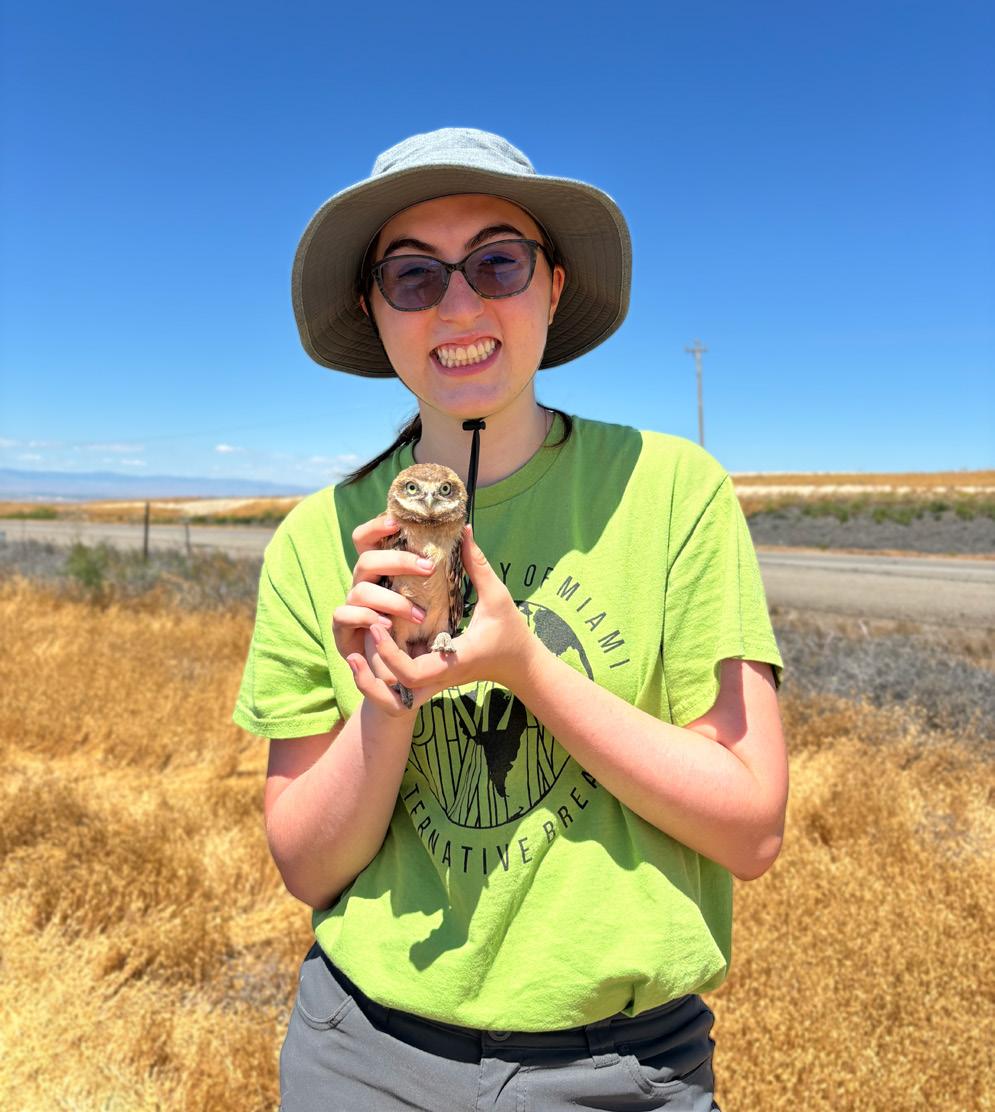
Awide-eyed little girl stood next to a scientist at the peak of a mountain. Before a haphazard amphitheater of lawn chairs, the two were inspecting the wings of a Northern Saw-whet Owl. The scientist grinned as she lifted the bird’s wing and shined a blacklight on the feathery inside, flushing it in a glorious pink and purple pattern that illuminated how new each flight feather was. That night, as she guided the girl through this clever way to tell the owl’s age, she was also guiding her down a career path in biology.
Seven years later, I reunited with that scientist, now as a colleague. Though we’d both moved on from that station, our love for the birds that brought us there that night still burned strong. I was studying in the grasslands of southwestern Idaho while she had opted for the Boise River; she focused on songbirds, and I was still entranced by the nocturnal raptors she’d introduced me to.
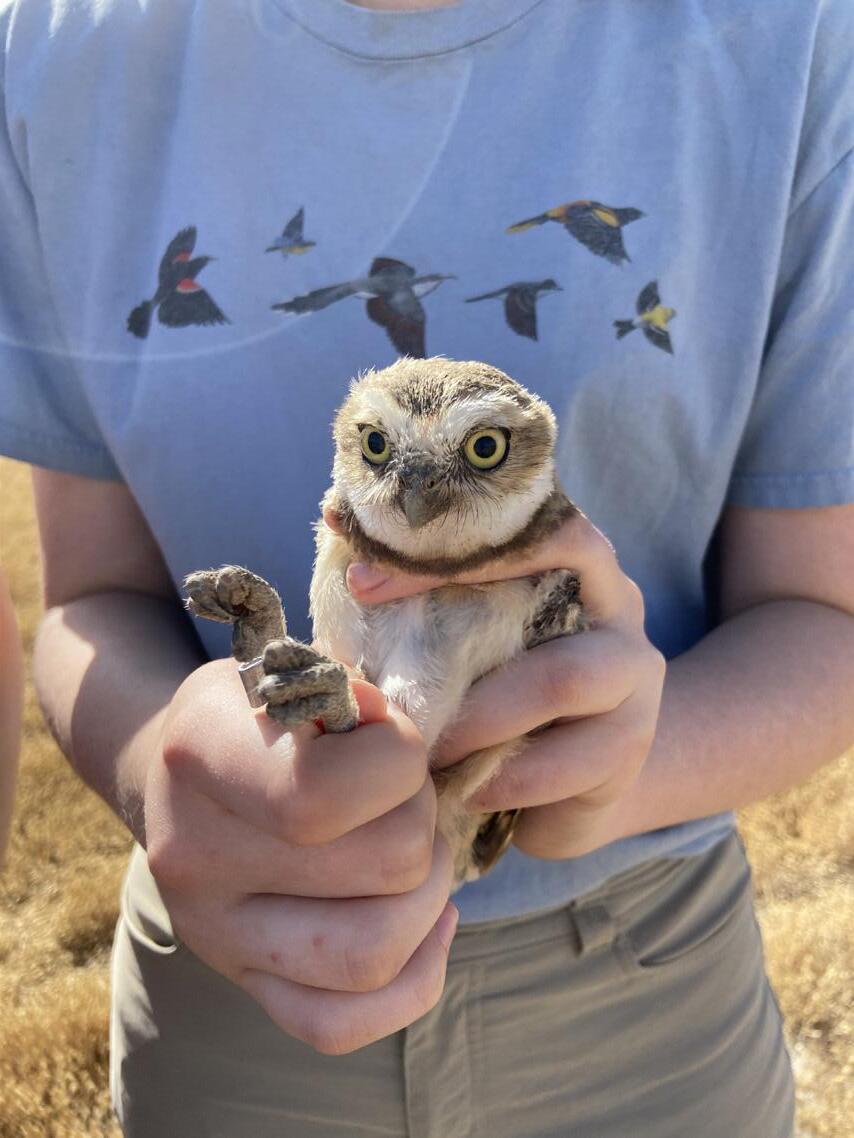
I held the nestling Burrowing Owl in one palm, carefully calibrating the caliper we used to measure the length of their culmen (the top of their beak). On either side of me, an aspiring optometrist and an avian aficionado performed similar measurements and documented our findings. Being from completely different places, in different phases of our education, and seeking different careers, I was initially concerned that we wouldn’t
october 17, 2017
get along. But our love for biology and the birds we were studying made us close, as did our hour-long drives out to the field. We finished our measurements and closed the truck’s tailgate, carrying the nestlings back to their burrow, much like the other scientists who worked on this project for 30 years before us. I found it empowering to carry on the legacy of the previous students whose handwriting filled the breeding season binders back in the lab. Our Principal Investigator, Dr. Jim Belthoff, often spoke fondly of various scientists he had worked with on the project and what they were doing now –careers ranging from professorship to brewery ownership – with pride. Whether our summer spent with field ecology was just a fling or the start of a long-term relationship, we all grew to view it as an opportunity for self-exploration. However, this was far from easy. Unlike the controlled environment of a lab, fieldwork is awash with unpredictable conditions. Weather often took a serious toll on us through weeks of triple-digit weather (peaking at 108 degrees Fahrenheit), the white smoke of encroaching grass fires, torrential downpours and lightning, and a dust devil that whipped tumbleweeds around our heads. The work itself was also dirty – digging up and reburying artificial burrows in the hard ground, trudging through sharp knee-high vegetation, and using an aspirator to remove fleas from each other and the birds we were studying. Though particularly grueling days left my whole body sore, I found it invigorating. Knowing we had given our all to our research was
deeply fulfilling, and that single-handedly reaffirmed my passion for fieldwork.
As a double major in Biology and Creative Advertising, I have always been divided on what I want to pursue as a career. I’ve oscillated between visions in each field, a combination of the two, and even neither – but I kept being drawn in by the physicality of working in the field. I had adored my time volunteering with various
Knowing we had given our all to our research was deeply fulfilling.
environmental organizations through UM Alternative Breaks, which included preparing a pine forest for a controlled burn, wetland trail and path maintenance, and hauling wheelbarrows of sand to restore a pelican habitat. However, these programs had never lasted more than a week, so I was not confident that my interest would persist beyond the honeymoon phase. So I decided to find out.
One cold email and a flight to Idaho later, my summer of owls began. As we passed the one-week mark, I got nervous that I would lose interest – but my passion persisted. I continued to show up early, jazzed, and ready to seize the day. My genuine curiosity for what we would find in the field or on the cameras was an easy motivator. And special days, like my first time collecting a DNA sample, presenting our poster at the Idaho Conference for Undergraduate Research, and releasing the rehabilitated nestling that successfully healed from a broken leg, only served to boost that motivation.
GrecoRoman augury used owls as signs of what the future had in store. Looking around my childhood bedroom at the various strigine plushies, avian art, and bird books lining my shelves, the universe did an excellent job of foreshadowing. Spending my summer studying these symbolic and ecologically significant birds taught me so much, both about ornithology and myself. Thanks to the population of Burrowing Owls in the Birds of Prey National Conservation Area, I now know that I love studying ecological phenomena, getting my hands dirty, and uncovering scientific knowledge to share with the world. I would encourage owl of you to reach out to a researcher doing something you’re interested in, even if you feel under-qualified, and cultivate an opportunity to try it out. It might just change your life.
May 31, 2024 Subsouth 2 – my first day
Photos courtesy of Veronica Richmond.
It’s Raining Again?!
Why is it raining so much and how will this impact South Florida’s communities?
by Pearl Amromin Design: Pearl Amromin
Picture this: It’s a sunny afternoon, and you are heading to class. When you enter the classroom, everything is just peachy. Then, halfway through your lecture, you hear a pattering coming from above you. You hope it’s not another afternoon monsoon and continue with class. (You forgot your umbrella, again.) When you leave class, your fears are confirmed: it’s raining again, and now you have to figure out how you are going to get to your next destination without getting soaked. This little predicament is one that students at the University of Miami face almost daily during the rainy season, and it's a challenge that seems like it's getting more out of hand each year.
The classic afternoon showers that most Florida residents face in the summer months have become longer and more intense, especially in South Florida. The rain starts in the morning and sometimes doesn’t let up until the late afternoon, or what seems like an afternoon shower will turn into a night-long thunderstorm. The intensity of these storms has begun to have noticeable impacts on South Florida’s communities. It begs the question—why are these storms getting worse, and how will they affect South Florida’s communities?
The first factor we can examine is climate change. Climate change refers to “long-term shifts in temperature and weather patterns” according to the United Nations.
Climate change has been noticeably shifting weather patterns across the globe, especially in the last 20 years. Florida has been experiencing increased rainfall, extreme storms, and hotter summers due to climate change. The Florida Climate Center at Florida State University says, “extreme precipitation events are to become more expected in a warmer world.”
The second factor to take into account is South Florida’s infrastructure. To put it bluntly, it’s old. The sewer and drainage systems are not built to handle increased rainfall events, and South Florida is constantly being developed. These developments, malls, condominiums, and other large projects are often built without environmental consideration.
To get expert perspectives on this issue and what can be done to address it, I interviewed two professors from the University of Miami’s Abess Center for Ecosystem Science and Policy, Dr. Theresa Pinto and Dr. Karlisa Callwood. Both of these women teach classes in ecosystem and policy, as well as do research in their respective specialities. Dr. Pinto is an attorney who focuses on sustainability, resilience, and equity in green infrastructure and stormwater management. She has lived in South Florida since 1976, and she has lived in Miami specifically for 34 years. Dr. Carlwood is a marine scientist who studies fisheries and conservation management. She has lived in Miami for 31 years.
Dr. Karlisa Callwood
Q: How much of the problem do you think is due to climate change, and how much of it do you think is due to South Florida’s infrastructure (storm pumps, drainage system, etc.)?
A: It is a combination of both. Storm intensity has gotten worse. These are no longer afternoon showers. These storms can last all night and all day for four days. And South Florida has gotten so built up over the past 5-8 years it is changing how the earth is dealing with the water. I used to live near Brickell, in the Rhodes area, and even if it rains for five minutes it's submerged for days. We’ve built high rises and malls and removed houses with greenery.
Q: Can you think of a time when you thought, “This is definitely not normal weather”?
A: Last fall, there was one day of rain but a lot of it. Fort Lauderdale airport was underwater and they canceled flights for three days. People's houses flooded as well.
Q: How big of an environmental issue is this? On a scale of 1-10, 1 being it's not the most pressing and 10 being we have to deal with this right away. What are the worst impacts you’ve seen?
A: I rate it a 5 or 6. Flooding is going to get compounded with sea level rise. There will be flood threats from all angles.
Q: What changes in infrastructure could be made to fix the problem?
A: The quantity and speed of developments are causing the most problems. Changing so many properties so quickly is changing environmental characteristics. We need to be proactive about the consequences of these changes.
Dr. Theresa Pinto
Q: How much of the problem do you think is climate change, and how much do you think is South Florida’s infrastructure (storm pumps, drainage system, etc.)?
A: The root cause of the problem is infrastructure. It is highlighting issues with climate change
The city of Miami is thinking around building new infrastructure and making it rainproof.
They also passed the impervious surface ordinance.
Q: Can you think of an example when you thought, “This is definitely not normal weather”?
A: In 2016, an octopus popped up in a Miami Beach parking lot after a king tide.
Q: How big of an environmental issue is this? On a scale of 1-10, with 1 being the least pressing and 10 being we have to deal with this right away. What are the worst impacts you’ve seen?
A: Because this issue is about climate change, in the end, it’s a global issue. They are prioritized because they are impacted, and lots of people are affected. It’s a 10 because it's caused by climate change.
Q: What changes in infrastructure could be made to fix the problem?
A: We are moving in the right direction with the impervious surface ordinance. Slowing down the amount of development is important. We are making it worse by fragmenting communities and not fixing old infrastructure. We should also be putting policies in building and development codes that focus on addressing these issues.
by Roxio Ortiz
Hot Days , Cool DATA Discovering New Ways to Combat HIV
Illustration:
Ashleigh Morris
Design: Chaunté Lewis
me to know that Dr. Madison, like many Principal Investigators, wasn’t looking for experts; she wanted students who were eager to learn. And that, I could do. I emailed her, full of both excitement and nerves, and to my surprise— she said yes! After reading the list of tasks and questioning every life choice that led me here, I took the leap. I believed in my ability to ask for help and face the intimidating world of the unknown. That summer turned out to be one of the best of my life. Every day brought new intellectual challenges, whether I was learning a lab skill or obscure scientific terms from past research papers. And socially? Well, let’s just say that presenting my research at several symposiums was on a whole other level of stepping out of my comfort zone; surprisingly, I loved it. Even after I’d vanquished my sworn enemy, the CommonApp, I kept in touch with Dr. Madison and expanded my research throughout my senior year of high school. Looking back, this research was definitely not just a résumé booster, though it did the job very well. It became my most cherished academic and personal growth experience and taught me to embrace new opportunities, even when they seemed out of reach. This experience gave me a great deal of passion for my work, and it turned me into someone who’s no longer afraid to cold-email, ask for help, or jump headfirst into unfamiliar experiences. So, to anyone who’s still on the fence about research: take that leap. Whether you’re doing it to fulfill your curiosity or for future career goals, you might just end up loving the work you are doing along the way.
Iwas fresh out of my junior year of high school when I first considered doing research. College application deadlines were creeping up behind me like I was a citizen of Woodsboro and the CommonApp was Ghostface, lurking and ready for me to fumble while I filled out the activities page. Dramatic? Maybe a tad. Accurate? Absolutely. Simply put, the anxiety over crafting a “good enough” résumé was a driving force behind my decision to dive into the world of research. It turns out I wasn’t alone. So many of us jump into research labs, not because we’re research fanatics, but because we know it’ll make us stand out. Yet, if you ask those who stick with it, they’ll tell you how much they learned and how unexpectedly rewarding it was. And listen, even if you start for less-than-pure reasons, you might just stay for the right ones— it worked out that way for me, at least. So, with Michael Myers, a.k.a. the senior year college app season, breathing down my neck, whispering “volunteer hours,” “club leadership,” and now, “research,” I started looking around. I turned to the resources at the college where I was taking dual enrollment classes. Through some persistent asking-around, I found Dr. Nia Madison, who was working on an HIV research project and needed students for the summer. I was so nervous but it comforted
Waves: The Role of Exosomes in HIV Research
Surfing the Protein
While solutions like antiretroviral drugs, such as Pre-exposure Prophylaxis (PrEP) and Post-exposure Prophylaxis (PEP), have helped prevent transmission, we still don’t have a cure for HIV after it binds to human cells. Thus, our research aimed to find a way to stop HIV from ever integrating into the host cell— stopping the virus in its tracks before it could turn into a permanent health condition. We focused on exosomes— tiny messengers found in bodily fluids, such as semen, which is the main vector of HIV. We used Python to see how proteins in these exosomes might interact with HIV RT. The proteins we worked with came from an AlphaFold Protein Structure Database, which predicted their 3D structures based on their amino acid sequences. To visualize all of this, we utilized PyMOL and MGLTools to predict whether these exosomal proteins would potentially interact with HIV RT. Then, we went to the lab to test it out, using an RT activity kit to see if the proteins we identified could affect the enzyme’s ability to turn RNA into DNA. Two of the proteins I was assigned to research, CD14 and Vinculin, were flagged as potential modulators of HIV due to their predicted interactions in the active site of the RT enzyme, as identified by the Python tools. Although the research is not yet complete, by working towards identifying these possible modulators, we contributed to both preventive and therapeutic strategies against HIV, and I’d say that was a summer well spent.
Now, I’ve gone on about how amazing the experience was, but let’s get into what I actually did that summer. Over the course of six weeks, I spent nearly 5 hours a day working with Python in the lab to predict interactions between HIV Reverse Transcriptase (RT) and human proteins found in exosomes. The goal? To figure out if these proteins could inhibit, enhance, or neutralize the RT stage of the HIV-1 life cycle— which is a huge deal when it comes to the virus’ survival. But it wasn’t all numbers. My mentor made sure we understood the bigger picture— the societal and historical side of HIV. So, alongside lab work, I dove into understanding global health policies and how they impact people with HIV, as well as the persistent effects of stigma on the history of AIDS. Every day, I became more hooked on the work, not just because it was intellectually stimulating, but because I became aware of the real-world impact of what we were doing. HIV has been one of the most severe pandemics, affecting 39 million people globally and 1.2 million in the U.S. It targets CD4+ T cells and macrophages— the key defenders of our immune system. Essentially, the virus hijacks your cells by latching onto CD4 receptors, initiating membrane binding. After it sneaks in, it uses its RT enzyme to convert its viral RNA to viral DNA, enabling integration into the host cell’s nucleus. Once that happens, the virus is there to stay.
Wanderlust
in a Warming World How Climate Change Affects Vacations
BY CALEB DUKE
ILLUSTRATION & DESIGN: OLIVIA RUPPEL
Whether you’re the type to race your friends down a snowy slope, relax by a campfire, or surf some gnarly waves, we all love vacations. Nothing helps people de-stress and have fun with their friends and families quite like traveling somewhere new. Tourism is a multi-billion-dollar industry that almost every American has participated in. However, our beloved vacays might be at risk! Our changing climate is a global issue that will cause numerous sociological issues, ecosystem destruction and economic problems, all of which will greatly affect vacations.
Climate change can alter landscapes by changing rainfall patterns, or through an increased number of wildfires, dust storms and mudslides. These unfortunate natural disasters make the affected areas less attractive to tourists (Braun et al., 1999). Climate change affects different areas differently; in some areas rainfall will increase, and in others it will decrease. Surprisingly, both phenomena make areas more at risk for floods. Drier areas don’t absorb the rare water they do get very well; so when it finally rains, it floods (Trenberth, 2011). Imagine trying to go camping or to the beach in areas that are constantly at risk of floods and mudslides!
Climate change is also increasing the amount and duration of heat waves. This will make it harder to safely enjoy vacations in tropical climates and increases the risk of heatstroke. Climate change also disrupts ecosystems in these areas (Smale et al., 2019). If you’re the type of person who loves to hike and enjoy nature when you travel, you’ll be able to see the signs of the declining ecosystems firsthand. Even underwater, nature isn’t safe from the heat. Marine heatwaves are a concern as well, and the increased water temperature damages organisms in the wild. Coral reefs are especially vulnerable.
Reefs are made from coral polyps, which are a slow-growing cnidarian (similar to an anemone) that have a symbiotic relationship with algae that create food for them from sunlight like a plant. When it gets too hot, these corals get “sick” and expel these helpful algae. These corals that expel their helpful algae are called bleached and often die (Douglas, 2003). If you’ve ever swam in a reef, you know why this is so concerning. Reefs are full of beautiful assemblages of colorful fishes, corals and other animals. They’re easily one of the most beautiful habitats on the planet and are very important for
surrounding areas as well. As the corals bleach and die, the reef loses color and vitality. The incredible creatures that live in these areas begin to lose their habitat.
Reefs are in extreme peril. If marine heat waves continue like this, soon you won’t be able to see these incredible sights on vacation anymore. Beyond that, reefs are important for the economy. Reef declines cause a loss of fish catch, biodiversity and aesthetic value of the surrounding environments. This can cause decreases in wages, loss of jobs and even permanent economic devastation for coastal areas. In these situations, many people will be forced to leave their homes because they cannot earn a living in that area anymore. This will effectively end tourism in the area, as well as harm many people’s livelihoods. It’s tough to be a beach tourist if everyone at the beach moved away because locals lost valuable opportunities to climate change’s adverse effects.
Another consequence of climate change that will impact vacations are the rising sea levels. Since human-caused climate change started, the global ocean level has been steadily increasing (Cazenave et al., 2014). This will harm infrastructure, erode beaches, and make flooding even worse. This topic is of particular importance to islands, especially if they’re densely populated. Island destinations like the Maldives or Tuvalu will lose much of their landmass to these rising sea levels. If you like to get away to an island paradise, your options may be limited in the future.
An often-overlooked problem affecting vacations is harmful algal blooms, commonly known as “red tides.” When ocean waters contain too many nutrients, toxic algae called dinoflagellates can rapidly reproduce and fill an area. They release a neurotoxin that kills sea life, makes the ocean stink and can make people who swim in these waters ill. Red tides will limit the time you can spend in the water (Zohdi & Abbaspour, 2019). Rising rainfall will elevate the nutrient runoff into the ocean, leading to a rise in these harmful blooms (Moore et al., 2004). Worst of all, they occur most often during the summer, in prime vacation months.
Because of all these issues, scientists predict that many vacation destinations will shift away from tropical areas and head poleward, but even these areas will be affected (Amelung et al., 2007). If you’re less of a beach person and like to spend your vacations in the snow,
you’re also in for trouble. Global warming has caused a global decline in snowpack and increased snowmelt (Adam et al., 2009). Research shows that all skiing, snowboarding and snowmobile recreation sites will have a reduced operating season, which will cause tens of millions of people to stop visiting, leading to likely economic impacts or closure (Wobus et al., 2017). Models predict this will cause a 40-60% decrease in visitation. Restoring snowpack with fake snow would cost billions globally for these resorts (Parthum & Christensen, 2022). Because of these issues, many resorts will be unable to afford to stay open.
Beyond these extreme issues, climate change can also make it downright dangerous to vacation in some cases. Rising sea surface temperatures and rainfall are increasing hurricane strength. This means the number of category 4 and 5 hurricanes will increase. These powerful cyclones will destroy property, harm local habitats and flood coastal areas. Many popular tourist destinations are at frequent risk of hurricanes, so this will directly harm these areas and could even kill an unaware tourist who plans their trip at the wrong time during hurricane season (Holland & Bruyére, 2013). All in all, tourism and
However, it’s not all doom and gloom. There are actions that governments and citizens can take to protect their local communities from these climate-caused issues, like building seawalls to counter sea level rise or upgrading infrastructure to be more resilient against hurricanes and flooding. The best way to protect our vacations is to tackle the root cause of climate change: human carbon emissions. You can help with this matter by raising awareness, communicating with your local government officials to discuss solutions, writing to your federal representatives to let them know your concern and challenging yourself to limit your own carbon emissions. Some ways to do this are remembering to turn off lights, taking shorter showers, and using public transportation or carpooling. As a tourist, you should also be mindful when planning where to vacation. You should only go to areas that possess the infrastructure and resources to keep you and locals safe and provided for. You’ll still be able to vacation in the future, but it’s likely that climate change will drastically change how, when and where we vacation.
YOGA: The Mindful Drug Can Yoga Help Treat Substance Abuse Disorders?
by Yewande Shitta-Bey
Design: Gabriel Viaud
Bring the flame of the lighter to the tip of the cigarette, watching it burn as your mouth meets the other end.
Watch as the smoke curls in the air and fills your lungs.
Feel the adrenaline as the nicotine courses through your veins and eases your wracking brain.
Psychoactive substances stimulate the activity of dopamine—the “feel-good” neurotransmitter—causing the human brain to catalog drug use experiences as rewarding experiences. As the use of a substance becomes chronic, dopaminergic returns diminish while the brain increasingly views the drug as a necessity to reach some level of relief or euphoria. This cycle is the catalyst of substance use disorders.
Eventually, the buzz fades.
So do it again.
And again. And again.
Substance use disorders are characterized bywith problematic, compulsive drug use—in other words, addiction. Substance use essentially becomes a habitual and automatic process. It is unregulated and uncontrollable, as are many of its symptoms, such as cravings, negative affect, withdrawals, and inattentiveness. The effects extend beyond the individual—they also reach family, friends, and colleagues, as drug misuse impacts the mental availability needed to attend to daily duties and commitmentscommittments.
Those with substance use disorders have an impaired ability to suppress their urges for substances and manage goal-directed behavior. Therefore, treatment needs to focusit is important for treatment to focus on regaining this autonomy. Dr. Brett
Froeliger, a researcher and professor at the University of Missouri, is interested in exploring and developing mindfulnessbased interventions to treat substance use disorders. Treatments centered on mindfulness may be promising; past research has shown they can be used for increasing positivity in patients with depression, lowering tobacco use in regular smokers, and redirecting negative thinking.
An example of a mindfulness-based intervention is yoga. Yoga is rooted in deepening present-moment awareness by blending body positions and poses with meditation and thoughtfulness. Worldwide, yoga is growing as a choice of exercise to promote a variety of mental and physical health benefits. In fact, in
the United States alone, the Centers for Disease Control and Prevention (CDC) found that about 1 in 6 adults report practicing yoga (2022).
To assess the potential benefits that yoga can bring to those with substance use disorders, a secondary analysis was completed for a study led by Dr. Froeliger. The research involved a 10-week manualized yoga training for participants without a substance use disorder who had no prior experiences with yoga. Before and after the training period, all participants completed validated, self-report measures, including tests related to anxiety, confidence, and mindful practices. Participants also completed an emotional adjustment task to evaluate cognitive and emotional responses.
The results indicate that yoga training led to significant improvements in self-efficacy. Self-efficacy breeds resiliency; when someone is more confident in their ability to accomplish and handle difficult situations, they are more immune to stressors. So, for instance, instead of coping with the loss of a job by binge drinking, for instance, an individual may employ positive self-talk and set goals to find a new position.
Yoga also significantly increased participants’ dispositional mindfulness, a trait that allows people to approach challenges with renewed clarity through aiding in attention, cognitive and emotional regulation, and reactivity. These skills can be particularly transformative for people with substance use disorders, as addiction is associated with compulsions and a lack of cognitive control.
For this study, there is also significance not reflected in the numbers. The participants were recruited from innercity Charleston, South Carolina. These were individuals from neighborhoods with social and economic challenges that tended to have more life stressors than the average population, whether because they were an endlessly-busy single mother or someone low-income working more than one job. At the beginning of the study, recordings from the yoga center quite explicitlyexplicity relayed this stress—many participants disparaged the study, cursing at its uselessness and how it was a waste of time.
However, by the end of the 10 weeks, the recordings painted a different picture. Participants could be seen hugging yoga instructors while crying, expressing the solace and relief the sessions brought them. Perhaps yoga provided these individuals with something they hadn’t had in a long time—an opportunity to rest and be alone with themself in a positive, reflective manner that brought encouragement. People suffering from addiction often lose themselves in their detrimental dependency. Therefore, reclaiming mental grounding is an important step toward recovery.
Yoga practices, especially considering their practical and holistic nature, hold power in that they may be the best, most accessible treatment for an individual based on their day-to-day lives and cultural experiences. After all, treatments should meet patients where they are to maximize engagement and efficacy.
Sitting cross-legged with your shoulders and hips aligned, sweep your arms above your head until your palms touch.
Inhale deeply, appreciating the air that fills your lungs. Feel the stretch in every limb as the tension in your mind and body subside.
Yoga is more than a simple wellness exercise—it is a potentially powerful intervention that promotes mental and behavioral awareness for beneficial lifestyle changes. Enhancements in traits like self-efficacy and mindfulness can
help those with substance use disorders break out of habitual cycles maintaining their use of substances. That is to say, it can help people become aware of their automaticity to gain the awareness and self-belief required to behave more proactively.
Now, exhale slowly. Feel free to do it again. And again. And again.
Have you ever had a dream and forgotten about it immediately after waking up?
Or had a confusing dream and wondered what it meant? The reason for dreams has been discussed and debated over a long period of time, with many individuals proposing that dreams predict the future, or have hidden meanings about your past or personality. Carl Jung and Sigmund Freud both came to the conclusion that dreams have
psychological importance, with Freud stating they represented repressed longing. Furthermore, research has been conducted to discover the causes of vivid and realistic dreams, concluding that these dreams are linked to the amygdala and hippocampus. These parts of our brains are responsible for processing emotions and encoding memories, which validates their points.
What Are Your Dreams Really About?
Exploring what goes on inside your brain while you’re asleep
by Nina Cottone | Design : Dominique Thomas
While what we dream about may have psychological importance, the reason we have dreams in the first place can be explained through a number of neurobiological ideas, one being the Activation-Synthesis hypothesis. This hypothesis explores how brain waves affect us while we are asleep, and theorizes that dreams are electrical brain impulses that pull random memories, leading us to create stories to rationalize our thoughts when we wake up. An experiment performed by Cristina Marzano and her colleagues at the University of Rome demonstrates how electrical waves are related to how well we remember our dreams. They found that lower frequencies of theta waves in the frontal lobe,
The Activation Input Modulation Model
leading to increased activity, have a direct relationship with the likelihood of remembering dreams. This electrical activity in the frontal lobe is also similar to what goes on while we are encoding memories while awake. Research involving electroencephalograms (EEG) and neuroimaging reports that the EEG patterns look incredibly similar when a person is and during REM sleep. This leads to the belief that we remember dreams more often when they take place during REM sleep, because the activity occurring in the brain at this time is comparable to when we are processing memories while awake.
The Activation-Input-Modulation Model, determined by Allan Hobson, states that there are three components that regulate our state of consciousness: brain activity levels, how this activity is brought about, and the ratio of aminergic (neurons that release noradrenaline, dopamine, or serotonin) to cholinergic (neuron that releases acetylcholine) neuromodulators. High activity generated internally by cholinergic neurons is what has been observed to lead to dreaming during REM sleep. This model also proposes that dreams originate from the “bottom up,” meaning that they start off in the sensory cortex and are triggered by the brain stem, then they make their way up to higher cortical functions to be deciphered and synthesized. This contrasts with Freud’s theory that dreams originate from a sense of wanting or
Why Do We Dream?
hidden emotions, suggesting that dreams come from a dopaminergic network, as dopamine has been shown to increase the likelihood of dreaming. Hobson believes in a cholinergic system because it has been proven that pilocarpine, a drug usually used to treat dry mouth, can cause vivid dreams in patients who take it. It is a cholinergic agonist and is believed to cause artificial REM sleep, leading to the idea that this neurotransmitter plays a key role in the fabrication of dreams. It has also been found that the sole hormone responsible for maintaining brain activation during REM sleep is acetylcholine, further supporting this proposition. While these points all support this theory, it is also necessary to note that not all dreams occur during REM sleep, and there are other states of dreaming.
To Be, or Not To Be, Conscious
Since we’ve established that neurological activity during dreams is comparable to activity while awake, what are the determining factors that differentiate consciousness from unconsciousness? Although there are many explanations for this phenomenon, the main distinction between the two levels of consciousness is attributed to the dreamer’s disconnection from the environment while asleep. This disconnection could be because of deactivated systems in the medial prefrontal cortex during REM sleep that are active while awake, as shown through PET scans and magnetoencephalography (MEG). One of these deactivated systems is the inferior parietal cortex, which is involved in the interpretation of sensory information. This could justify the disconnection from the environment, as a key contributor to interpreting surroundings is deactivated during REM sleep. Another reason for this disconnection could be attributed to a difference in activity levels of specific neurotransmitters when asleep as opposed to when awake. During REM sleep, concentrations of norepinephrine, serotonin, histamine, and hypocretin are drastically decreased compared to when we are conscious. This suggests that one of these neuromodulators may be responsible for our brain recognizing and responding to our environment. Research shows that during cataplexy—a
temporary loss of muscle tone that occurs in people with narcolepsy—humans remain aware of external stimuli. This leads us to infer that animals who undergo cataplectic attacks also maintain awareness of their surroundings. A study involving cataplectic dogs has proven that nervous activity of neurotransmitters is similar to that of humans during REM sleep, with one defining difference: higher levels of histamine. This finding suggests that histamine plays a crucial role in identifying and interpreting our environment into our consciousness, with low levels of this chemical causing the dissociation from surroundings during REM sleep.
While there are many ideas, hypotheses, and theories exploring the causes of dreams, their meanings, and the neurobiological activity of them, there is no clear, singular answer. Perhaps Freud and Jung were correct, and dreams are meant to reveal and clarify our repressed emotions, or maybe Hobson is valid to state that there is not a connection between emotions and dreams. Nevertheless, each study is a step closer to figuring out what goes on inside our brains when we sleep, whether it be psychological or biological. We are gradually approaching a deeper understanding behind the fascinating concept of dreams.
by Ashleigh Morris Illustration: Ashleigh Morris
Australia on Fire (Again): The Migration of a Deadly Fungus
When people think of Australia, oftentimes its diverse yet deadly life forms come to mind. The entire continent is covered in danger. From the box jellyfish and blue-ringed octopus of the seas to the funnel-web spider and the Taipan snake of the land, the organisms that reside in Australia are a sight to behold. Despite Australia’s extensive list of deadly critters, more continue to be discovered. In 2019, Australia added one more bizarre phenomenon to its collection, and it comes in the form of a fire (no, not a bushfire).
A Fungus Shaped Like Fire
The poison fire coral (Trichoderma cornudamae) is a rare fungus whose name derives from its reddish orange, flame-like appearance. Originally native to Japan and South Korea, poison fire coral is considered so dangerous that even the US troops based in Japan are given warnings, and for good reason. Within its native lands, the fungus has been responsible for many civilian deaths. Coming into contact with this fungus is illadvised. Whether by touch or oral consumption, T. cornu-damae promises a near-death sentence. Initially, one might feel more conventional signs of illness including inflammation, fever, numbness, diarrhea, dermatitis, and vomiting. The fungus acts fast though, so within the span of a few hours or days, it gets worse.
Later symptoms come straight out of a horror movie: hair loss, delamination of the skin, blood coagulation, multiple organ failure, and the terrifying shrinking of one’s brain. Specifically, poison fire coral causes shrinking of the cerebellum—the part of the brain responsible for motor control. Due to this shrinkage, those afflicted with the fungus experience problems with involuntary movement, speech impediments, and an altered sense of perception. Because of all these nightmarish symptoms, poison fire coral is regarded as the second deadliest fungus in the world— ranking just behind the death cap mushroom.
How Does the Fungus Kill?
The poison fire coral has many properties that make it an efficient killer. Its toxicity stems from a group of toxins called trichothecene mycotoxins. These toxins are protein synthesis inhibitors, preventing the growth of new cells; many reported victims also showcased a decrease in leukocyte concentration, or loss of white blood cells. In addition to having these terrifying trichothecene mycotoxins, poison fire coral has one feature that no other known fungus has: toxins that can be absorbed through the skin. Eight known toxins within this fungus have this feature, with more which may be discovered.
Deaths from T. cornu-damae are often due to mistaking it for an edible fungus. In its native lands, poison fire coral is sometimes mistaken for fungi used in traditional medicines and tea blends such as Cordyceps.
With an extensive list of terrifying symptoms and efficient killing methods, it was only a matter of time that Australia added this fungus to its never-ending repertoire of organisms that strike fear.
A New Fire Emerges
In October 2019, photographer and fungi enthusiast Ray Palmer was out and about in tropical Queensland. On his expedition, he went to the rainforest region Cairns. Making his way through an array of trees and soils, he came across something unexpected: a bright red fungus shaped like a flame. With a knack for mycology, he was well aware of the existence of Trichoderma cornu-damae, and did not make contact with the fungus. He took photos of what he found, and sent them to Dr. Matt Barrett of James Cook University.
“No, this can’t be it because this is in Australia,” thought Palmer. But Palmer had made contact with other strange fungi before, so it wasn’t out of the question. When Dr. Barrett received the photos, he made a confirmation that shook the world of mycology: what Palmer found was in fact the poison fire coral, and it may be more widespread than previously thought. But that begs the question: how did this fungus make its way to Australia?
A Fire Far From Home
T. cornu-damae is native to East Asia, yet managed to find its way to the isolated, ocean-bound Australia. But how?
The exact cause of this migration is unknown, but Dr. Barrett had a speculation upon the discovery of the fungus. He proposed that thousands of years ago, spores were carried through winds, and found a new habitat in the northern tropical region. Because it was found in a tropical part of Australia, scientists now believe poison fire coral naturally occurs in other tropics of Australia and even Southeast Asia; it has already been discovered in places like Indonesia and Papua New Guinea.
Despite this terrifying revelation that such a deadly fungus has been found outside of its previously known habitat, it’s made scientists curious about what more is to be discovered.
“The fact that we can find such a distinctive and medically important fungus like poison [fire] coral right in our backyard shows we have much to learn about fungi in northern Australia,” Dr. Barrett said during an interview.
A Deadly, Yet Beautiful, Ecosystem
Australia is home to a menagerie of unique and inspiring scientific wonders. Because of this, Australia’s distinct biodiversity is easily recognizable around the world. Despite the terrors that lurk left and right, many people desire to explore what Australia has to offer. These terrors, more often than not, come with a sense of beauty.
While T. cornu-damae sounds (and is) terrifying, it showcases what makes Australia’s organisms stand out. The poison fire coral displays beauty. Its color is bright and flashy, and makes for a spectacle on the trees and soils it inhabits. It now takes up residence down under—where beauty and death are more often than not oneand-the-same.
The Balance of Nutrients in Marine Ecosystems and Human Health Underwater
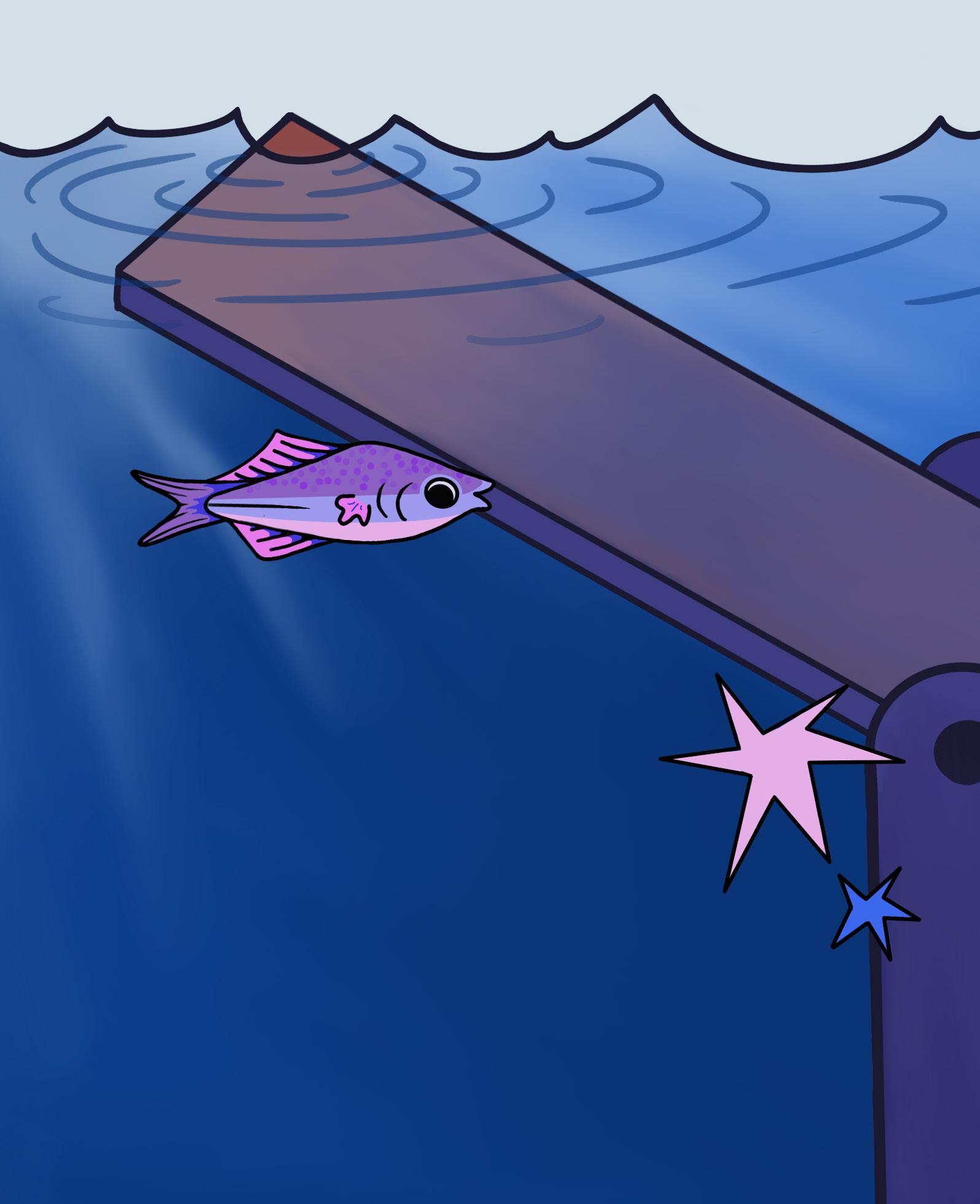
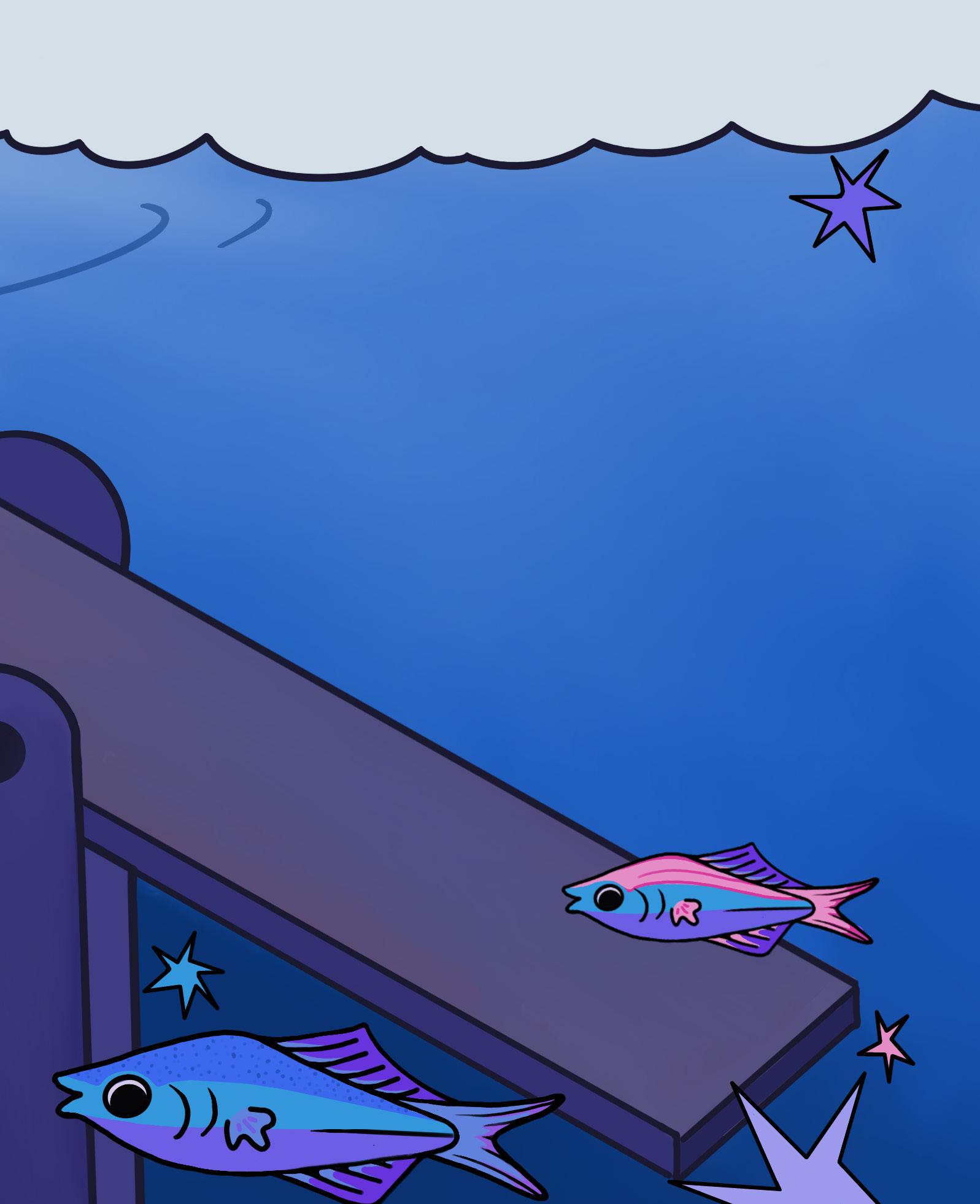
Imagine a seesaw in perfect balance. On one side, nutrients such as phosphorus and nitrogen help support healthy aquatic life. These vital nutrients allow for organisms to thrive and foster healthy ecosystems. On the other hand, environmental controls such as human interventions and natural processes act as a counterbalance that keeps nutrients in check by preventing overgrowth. But, just like a seesaw, when too much weight is added, the balance is disrupted when either side tips and eutrophication occurs.
Whether it's through agricultural runoff, industrial waste, or other sources, a once-balanced system quickly becomes overwhelmed and triggers an overproduction of algae. While algae thrive in water and are fundamental to ecosystems, an excessive amount of algae can shift the balance of an entire ecosystem, transforming their pros into cons. Too much of a good thing can do more harm than good.
Algae are incredibly important for life on Earth and play an indispensable role in maintaining all ecosystems. From producing 70-80% of all oxygen on Earth to serving as the base of the food chain, life as we know it would be severely compromised without algae. Characterized by an increased amount of limiting factors, such as CO2, nutrients, and sunlight, excessive algal growth progresses toward harmful algal blooms (HABs) and dead zones where life struggles to survive. When excess nutrients flow into marine environments, this increases the amount of plant and algal growth, leading to lower amounts of oxygen available for other marine life. The problem is then made worse when the algae eventually decomposes, lowering the pH of the water, slowing the growth of shell formation in bivalve mollusks, and leading to ocean acidification. More acidic water will detrimentally reduce the survivability of many marine organisms,
leading to an increased rate of aquatic death, which, in return, leads to the flourishing of even more algae in our waters. Toxins produced by specific species of algae biomagnify in the food web, which leads to illnesses when consumed. Additionally, these harmful blooms can affect drinking water and pose numerous widespread health effects. While eutrophication and harmful algal blooms devastate our marine ecosystems, many are also unaware of the human health impacts.
Dr. Popendorf, a professor here at the University of Miami, focuses on the environmental impacts of harmful algal blooms and their impact on public health. Her research organization, Diversity and Innovation in Screening and Prevention of Exposure over the Long-term to Harmful Algal Blooms (DISPEL to HABs), is committed to understanding both the short-term and long-term effects that HABs have on our environment. Some of the many harmful effects of algal blooms on human health include dermal irritation and exposure to liver toxins that many are unknowingly
by Audrey Zhang
Illustration & Design: Olivia Ruppel
susceptible to daily. Even if someone doesn't live right next to a water source experiencing eutrophication, factors such as wind, weather, and atmospheric circulation can spread the harmful health effects of HABs across the globe through aerosolization, causing people to encounter their harmful symptoms no matter where they live. The effects are not limited to the air either; these aerosolized toxins can contaminate soil and vegetation and impact livestock and other food chains.
So, what can we do to prevent more aquatic environments from experiencing the growth of eutrophication? We must find the balance of nutrients to prevent too much accumulation of excess nutrients in our waterways. Possible remediation strategies include the installation of fountains that can effectively filter water and prevent excess nutrients from settling at the depths of lakes and other water sources. Faster-moving water flushes out excess nutrients, and an increased installation of more fountains may help prevent eutrophication. However, more
fountains also present the issue of aerosolizing the harmful toxins that accompany algal blooms. While scientists and researchers work on mitigation strategies, another option that one can choose to take part in is civilian science. For example, DISPEL to HABs works closely with citizens who collect water samples from all over Florida, providing direct data for scientists to examine and study.
Much like a seesaw, a marine environment needs a balance of nutrients to maintain a healthy ecosystem. When the balance of the seesaw tips, the resulting eutrophication can ripple across entire ecosystems and pose significant threats to marine life, species diversity, and even human health. Addressing eutrophication requires enormous research and initiatives such as DISPEL to HABs, and continuing research is essential for preventing future blooms. Although solutions such as water foundations and faster-moving bodies of water show promise, a more permanent solution is yet to be discovered.
Seesaw
From Campus to Career
How Undergraduate Research Can Transform A Student’s Path
by Jolie Janulis
Since the moment you stepped foot on the University of Miami campus, you’ve been told one thing over and over again: get involved. From sports clubs to internships, student organizations, leadership, volunteering, and research—try it all. It’s said that it's important for you to succeed on campus—to make friends, develop connections, and find your place. But what about in the future? How can these things help you in the development of your academic plan and future career?
Undergraduate research can be especially daunting to some. Many are apprehensive about contacting professors and research labs, especially with minimal experience. Despite this apprehension, it is important to remember that research has extensive benefits. Studies and firsthand student experiences show that research has countless benefits for students, academically and career-wise.
Confidence in Your Path
Entering university at the age of 18, for most, means we don’t have everything figured out yet. We have passions, perhaps even plans, but few possess a set, unwavering goal for their future— and this is common. According to the National Center for Education Statistics, about 30% of undergraduates with declared majors change their major at least once throughout their degree acquisition. It’s perfectly expected that students change their career choices. But once you think you’ve figured it out, how do you know you’ve found the right path? What would reinforce your decision?
One study found that a substantial 83.5% of students—across 41 colleges and universities—who have participated in undergraduate research during their undergraduate years have been reinforced in their career plans by their experiences. Only a small fraction of these remaining students—merely 7%—have changed their plans, either
Illustration & Design: Veronica Richmond
away from postsecondary education or away from their particular major. Clearly, undergraduate research can substantially impact postgraduate plans. While research in a specific field certainly indicates a level of pre-existing passion, it is abundantly clear that research is a propellor for students, which enforces this pre-existing passion. Undergraduate research can be a great way for students to build dedication and confidence in their major and future path.
It’s Not All About The Data
Of course, research, even at the undergraduate level, teaches a student a myriad of lessons. But these lessons aren’t just about semantics, like how to operate a micropipette or focus a microscope, or even the bigger lessons, such as understanding the scientific process. One study showed that, among the most obvious “hard skills” students acquired in research, such as understanding the research process and techniques required, students also reported different, though equally important, gains in knowledge.
The other benefits can best be described as soft skills, skills that aren't just necessary in research but apply to any career. This includes skills like problem-solving, resilience, and communication, which all can be learned through the tedious trial-and-error of research and its inherent teamwork and can help bolster an individual greatly in their career. In this study, students reported a moderate to large gain in tolerance for obstacles, learning to work independently and becoming a part of the scientific learning community. These skills, developing one’s character and providing them with a community, allow for more benefits than just research-based ones. Research is a proven method to attain personal and interpersonal skills necessary in almost every career path, allowing students to flourish in all aspects as they undergo scientific journeys. Not only are they working on a project goal, but also growing as individuals.
Post Fall 2024 United States NU I V ERSITYOF MIAMI, CORAL G A B L SE
Student Perspectives & The Importance of Firsthand Experience
When reflecting on their undergraduate research experiences, students typically have nothing but positive things to say:
“Having that experience as an undergraduate to fail a lot and expand on the techniques was an integral part of being prepared for and getting through the doctoral program.”
– Becky Fu, UC Davis, ‘08
“Research at Penn allowed me to apply my creative tendencies in the real world and provided me an outlet to explore how the world works on my terms as a wide-eyed freshman.”
– Raveen Kariyawasam, UPenn ‘22
“Outside of data analysis and lab work, research has taught me that, to care about what I’m doing, I have to step out of the routine data analysis and lab procedures every once in a while and really think about the impact of what I’m doing. Making that a priority throughout my research experience made me fall in love with my work along the way and put extra care into what I did on the daily.”
– Roxio Ortiz, UMiami, ‘28
Active participation in the science world often gives students a sense of reassurance and preparedness for the future—one that can only be truly discovered when participating firsthand in the expansion of our collective knowledge. Through undergraduate research, students can take ownership of their academic journeys. By taking advantage of all the research opportunities the University of Miami has to offer, so can you.
HOT DOCTORS
How does the screen’s portrayal of STEM topics build individual and public perceptions?
by Kaye Smith
On-screen fiction is loved in all shapes and sizes. Full of emotions and observations recorded by its creators, that love somehow goes out the window when STEM comes into view. Science is the Michelin star to fiction’s fast food. Certainly, mixing the two would create a unique profile. Nevertheless, I know they fit together, but how?
I am a visual person and a movie buff. So, much like in your favorite murder mystery, I got a big white board and pinned to it the names of movies, shows and related STEM topics. I stared at it, added some more clues, stared at it some more, and decided that it was time to start getting somewhere. To give context to what types of movies and shows I was looking at: the board contained Liv and Maddie (for my fellow Disney Channel die-hards), Frankenstein, a few classy melodramas (yes, Grey’s Anatomy), Interstellar, and any others you can think of. Essentially, if something came to mind that had even a sprinkle of science or technology, it was on the board.
I mused through connections and combinations. The first satisfying combination was my “parentheses” group. Earning its name through the entirely unexpected presentations of science, mathematics, and technology, think Jane the Virgin. These are labeled “guilty pleasures,” and their STEM components are often glossed over, as you might gloss over parentheses while reading this article. They slip in shots of childbirth, code breaking, and space camp. A few of these shows I have seen two or three times, yet it took my (very official) murder map to recognize their influence on my STEM perception. The guy gets the girl and you get no recollection of having been injected with some science. Indifferent to recollection, the antibodies are working and thoughts and notions are forming.
theater well-aware that the movie will contain warnings or fears about technological advancements and straps themselves in. The STEM influence is controlled, the viewer may not know exactly where they are going, but they know what they signed up for. At each turn, deciding where to file incoming messages.
Everyone knows the pretentious ones, the big guys, the Christopher Nolan classics. The intelligent air of the work matches that of the science and technology portrayed in the work. Watching these movies is like completing a rather expensive preparation course: I am itching to take the MCAT.
Finally, the fun group, the in-crowd, Tony Stark and his band of buddies. The STEM in these shows is in the trailers. Science is shiny superheroes and hot doctors. They are movies or shows that, barring the sex, you might have watched in your high school science class the day before a holiday break. The drama plus the STEM gets a wide-eyed child thinking,“that could be me.” By the end of the show, you have a few more anecdotes for the dinner table. These shows say that anyone could and should do STEM—a refreshing message especially when our math, biology, and chemistry grades have been telling us otherwise ever since the hominid threw the femur in 2001: A Space Odyssey’s opening scene.
Taking a look at our completed detective’s board (red string and all) it is time to solve this mystery. How do STEM and fiction mix? Well, there is a biome of entertainment, STEM, notions, and dreams growing any time you hunker down with your popcorn at the end of the week to watch a movie. From this biome might grow career aspirations, hopes and fears. I believe this biome is here to stay, and constraining it is futile.
I sort the rest, the “non-parentheses,” into three groups. These have a STEM vibe to them, and you are alert to it. Categorizing this group further into three kinds of STEM vibe, the overt, the pretentious, and the fun.
The overt ones are in your face: “THIS IS A MOVIE ABOUT TECHNOLOGICAL ADVANCEMENT.” You might recognize The Matrix and Gattaca from this group. The moviegoer arrives at the
Intimidating lectures on the ramifications and future of Artificial Intelligence begs one to travel down a pessimistic rabbit hole. Keeping one’s mind shut (and maybe their neighbor’s) might be an attractive and comforting thought with all the fears and controversy. But embracing the biome with some childlike curiosity cultivates productive freedom of thought in a, at times, stifling environment. The biome you have fed is unique to you, your experiences, and, of course, your favorite movies. We are an interconnected society causing society’s perception of STEM to be interdependent. Recognize and respect the influence that you have on others and vice versa. Share your biome with your neighbors because, who knows, they may have some stories to make yours thrive.
BrAiN COmpuTEr INTErFACES
by Salina Yathiraj Design: Chaunté Lewis
Turning your Thoughts into Actions, Literally
At the age of 22, Noland Arbaugh's life took a dramatic turn when a dive into shallow waters resulted in a severe spinal cord injury, leaving him paralyzed from the shoulders down. As a quadriplegic, Noland had acknowledged that his life would never be the same, but he held out hope. One day, a college friend called to inform Noland about Neuralink, a company aimed to help those with neurophysiological disorders. The promise of more autonomy led Noland to become the first human recipient of Neuralink’s implanted brain-computer interface.
A brain-computer interface (BCI) is a system that uses computers to translate the brain’s electrical activity to a coded signal that is relayed to an external device to complete a desired action or set of actions. The benefit of this technology is bypassing the normal neuromuscular output pathway, in essence allowing humans to connect with different aspects of their environment through their thoughts alone. Many BCI prospects aim to restore autonomy to patients who have neuromuscular disorders such as amyotrophic lateral sclerosis (ALS), cerebral palsy, stroke, or spinal cord injury. Although BCIs vary greatly, their systems follow the same basic scheme. First, a raw signal is acquired through an invasive or noninvasive device, most of the time via electrodes. This signal is then digitized and undergoes signal processing in which significant components of the signal are extracted (feature extraction). The desired output action is elucidated by the use of classification algorithms and is executed by an external device. This action can include anything from grabbing using a prosthetic limb to liking a post on a computer! Thus, BCIs have a wide range of applicability making them a coveted venture in the scientific research community.
While the scientific literature regarding BCIs has been exponentially increasing since the 90s, these interfaces have gained more mainstream attention in recent years thanks to Neuralink and spotlight from co-founder, Elon Musk. Neuralink’s renowned BCI device, known as Telepathy, features the N1 implant that records neural activity through 1024 electrodes distributed across 64 threads. These threads are so thin that the company even engineered a surgical robot specifically designed to insert them. Other companies
such as Paradromics, Synchron, along with many others are also making major strides in innovation with diverging developmental approaches. Paradromics is developing what they term a “direct data interface” known as Connexus which uses a surgically implanted electrode array and chest piece to capture, transmit, and process neural signals. Electrodes implanted on the brain’s surface sense action potentials of neurons and transmit captured neural signals through a wire to a device implanted under the skin in the chest. This chest device provides power to the electrode array while also sending the collected data outside the body. A computer then translates this data into text, synthesized speech, and cursor control for motor-impaired individuals. Synchron is taking an alternative developmental approach with their BCI known as Stentrode. This device is a semi-invasive BCI that uses blood vessels to insert electrodes rather than direct implantation. Signals collected from these electrodes travel through a lead that travels out of the body using a telemetry unit to a computer where the signal is converted into specific actions. Along the way, these signals are also analyzed to provide a holistic understanding of the thought-to-action pathway. While these companies have different approaches to developing BCIs, they share a common purpose of providing a solution pathway for impaired individuals to have more independence.
While the main focus of brain computer interfaces has been therapeutic and rehabilitative, there has been a push toward mainstream applications. Applications could include anything from silent, hands-free control of digital devices to augmented sensory experiences. In 2017, while Neuralink was still in its beginning stages, Elon Musk exclaimed, “Over time I think we will probably see a closer merger of biological intelligence and digital intelligence.” Musk was not addressing a subset audience but rather the human race at large. One must consider the ethical dilemma when integrating such technologies for mainstream usage. What are the implications of integrating brain deciphering technologies for recreational use or even simply cognitive enhancement? How will this affect us as a society? While some may have reservations about mainstream adoption, innovations for ameliorative purposes in medical applications are on the fast track for mass implementation for those who wish to restore autonomy. For those affected by neurophysiological disorders or other forms of impairment, BCIs have been more than a fancy piece of technology; they have been the hope of many to lead a happier, more fulfilling life.
“I didn’t have anything to wake up to in the morning,” Noland expresses, “and this has changed that for me.”
The Age of “iPad Babies”
Exploring the effects of media on infants and young children
by Pearl Amromin
Illustration
& Design: Lucy Xu
"iPad babies” are becoming increasingly common in today’s society. You may even know one, whether it’s a little sibling who plays Minecraft until their fingers go numb or a baby cousin who is addicted to CocoMelon. The working definition of an “iPad baby” refers to a child of Generation Alpha (b.2011-2024) who mostly interacts with their iPad (Nervo 2024). Globally, memes and TikToks poke fun at iPad babies for their dependence on their screens. Yes, it can definitely be fun to call your younger cousin an iPad baby and watch them get angry. But there are other similarities in children who have been exposed to screens too early. Kids who have grown up attached to their iPads are more likely to have shorter attention spans, less imagination, and have trouble developing social skills. These are crucial skills that every person needs to develop and without them, life can become significantly more difficult.
Let’s move away from iPad babies for a second and think about the impact that media like Instagram and TikTok have on college students. How many times have you been studying and suddenly been pulled away from your work by an Instagram notification? How many times have you said, “I have to get off TikTok and do something productive,” only to scroll for another hour? Social media can impact our self-esteem, attention span and how we set our expectations. It can feel all-consuming at times. College students, arguably, have way more self-control than infants and young children, yet they still get caught up in the scroll—so imagine how iPad babies feel. They have access to an endless supply of YouTube Shorts, games, and TV programs. There is so much to do on the iPad. Why would they look anywhere else?
iPad babies are highly impressionable. They are at an age where their brains are developing the most, and they are learning critical motor skills. When we are young, we learn things through our experiences. We don’t start going to school until we are 4 or 5, so until then, we have to find our education elsewhere. We interact with our
parents and our siblings and repeat the things they say. We play with pets to learn gentleness and kindness. We put things in our mouths to figure out how they taste and if we don’t like them, we spit them out. All of the things we learn from our experiences are crucial to our development. We get a better understanding of the real world by interacting with it in a hands-on way.
iPad babies are not getting this hands-on experience because they are so focused on their screens. Their brains have essentially been hacked. A common example of brain hacking occurs when someone smokes or vapes. The nicotine tricks the pathways in your brain into releasing dopamine. Now whenever you smoke, your brain releases dopamine, creating a feeling of happiness or satisfaction. You associate this sensation with smoking and so you continue to smoke. The same thing happens to iPad babies when they watch their tablets. Instead of the brain being hacked by foreign chemicals, the light and sound from the screen are to blame. Our brains process different patterns of sound and light and interpret them to mean different things. Certain color and sound combos are addictive and make us feel like we can’t peel our eyes away. High-pitched and soothing sounds are more attractive to children because they can imitate a mother’s voice. Add these sounds to bright fast moving characters and the iPad baby’s attention is effectively captured (Softky and Gloy 2024). They won’t be able to look away.
Now that we have established why the iPad baby is so drawn to its screen, what are the effects of this addiction? First off, as mentioned earlier, iPad babies are not developing the social skills they should at their age. Instead of interacting with their mother, father, siblings, or friends to learn important social skills like how to communicate and express emotion, they are on their iPads. A lot of the time this is because their parents work or because their siblings are at school. It’s not bad to keep your child occupied with an iPad from time to time, but they also need as much human interaction as possible so they can still learn social
skills. They cannot learn the necessary skills from the iPad because they simply cannot interact with it in the same way they do with humans.
Second, iPad babies can develop shorter attention spans. When these tablet-addicted children become reliant on their tablets for all interaction, they don’t know how to interact with other kids when they attend social gatherings or hang out with friends. They become so used to the immediate satisfaction their brains get from their iPad that they don’t know how to react when other interactions are not as satisfying. Everything they could want has been at their fingertips, so why wait through interactions with school, other kids, or homework?
The last thing iPad babies can miss out on is developing an imagination. Back in the day, kids did not have access to constant stimulation, so they had to find ways to entertain themselves. This is how children develop their imaginations, creating their own games and coming up with things that are fun for them. Having an active imagination at a young age is good for developing creativity and problem-solving skills which are essential in the real world (Nervo 2024). iPad babies don’t have to use their imaginations because they are constantly being entertained.
When that entertainment is taken away, they don’t know what to do with themselves because they usually do not have to entertain themselves.
We are in the midst of an iPad baby epidemic. These children are being negatively impacted by all the time they spend on their iPads. Let’s slow down with the memes and try to interact with them instead. Take them outside, show them what grass looks like, or maybe teach them how to entertain themselves. In all seriousness, it's important to realize what prolonged media exposure can do to these so-called iPad babies and why it's important that children be exposed to activities that make them think and explore the world outside of screens.
TOO MUCH OF A GOOD THING
Illustration & Design: Mariana Barrios A BNO rm AL T A u p r OTE i N Bui L dup
by Cheyenne Stringfellow
How could something that is directly involved in neuron creation and stabilization also be directly involved in destroying it?
In your brain, there are neurons—brain cells composed of axons and dendrites. In order for these neurons to be created, there needs
to be specific encoded instructions carried out by various proteins. Microtubules (MTs) are proteins responsible for cell structure. They bundle up in various formations in order to determine which tasks they need to carry out. In neurons, the MTs bundle up to help form the shapes of axons and dendrites.
Cells are structured by MTs bundling into various formations, but how do microtubules know what formation to turn into?
Tau (abbreviated from “tubulin associated unit”) is the protein responsible for MTs to bundle into the correct formation that allows the MTs to be involved in forming the structure of axons in neurons. Other proteins are responsible for bundling MTs into other shapes to carry out their other functions, however, tau is solely present in the MTs that are involved in axon structure. They bind onto certain sites of the MTs, regulating the MTs’ stability. Having said that, in order for tau to function and even be capable of binding onto microtubules, the tau must be phosphorylated.
Protein phosphorylation is one of our bodies’ most common chemical reactions. It essentially adds a phosphate group to a protein, altering its structural conformation and causing it to become activated or deactivated. The phosphorylation of tau causes it to fold into a conformational structure compatible with the binding site of the MTs within the axon of neurons.
Now, why does all of this matter?
Well, clearly the process of creating neurons is extremely specific and has multiple layers of steps. If any of these steps weren’t executed properly, it could lead to cell death. But the brain is supposed to be a supercomputer, so why would it not always execute these steps perfectly?
As previously mentioned, tau protein needs to be phosphorylated in order to function and bind onto axonal microtubules to help carry the cycle of neuron formation. But sometimes, too many phosphate groups are added to the tau—causing it to misfold into an improper shape, rendering it ineffective and incapable of binding onto microtubules. This is an issue because, again, tau is responsible for the stability of MTs. With this disrupted stability of MTs, the abnormal tau can also disintegrate normal—perfectly functional— tau from its MTs’ binding site. So not only does abnormal tau not bind to MT sites, it rips away the healthy tau from their sites as well. Hyperphosphorylated tau is also insoluble, so there is an aggregate build-up of this toxic protein tau—referred to as neurofibrillary tangles—that actively destabilizes other proteins surrounding it, creating a chain of instability. The unstable microtubules also lose their formation, disrupting the transport of mRNA and signaling molecules to the axon terminal. Not only are axons affected, but abnormal tau also spreads into dendrites and disrupts the microtubules associated with dendrites as well. While even normal tau is not effective in dendrites, abnormal tau’s destructive power expands outside of its domain. The disrupted signaling and transportation of mRNA, as well as neurofibrillary tangles getting in the way of proper nutrient transport to the neuron, eventually leads to apoptosis—cell death. Brain cell death cannot be reversed.
So why does this happen? If tau requires phosphorylation to function, but also becomes toxic from too many phosphates, why would the brain not regulate this issue properly? Well, it does. Sort of. There are actually dephosphorylation mechanisms within specific amino acids on the tau protein itself to combat hyperphosphorylation. Dephosphorylation is the reverse reaction of phosphorylation, where it removes a phosphate from a protein.
That’s right, there are specific measures in place within the tau protein itself to make sure it isn't hyperphosphorylated. So, why does aggregation still occur? Well, tau dephosphorylation is catalyzed by protein phosphatase-2A and phosphatase-2B. These proteins can be deficient or inactive in some brains, and we have no idea why!
Tauopathies are neurodegenerative disorders/diseases characterized by the effects of abnormal tau protein in the brain.
These diseases include Alzheimer's disease, Parkinsonism, chronic traumatic encephalopathy (CTE), Pick's disease (also known as frontotemporal dementia), progressive supranuclear palsy, Argyrophilic grain disease (late-onset dementia), etc.
Research about tauopathies is relatively new, and there are still many unanswered questions about them. Why are certain brains better at regulating tau than others? What causes hyperphosphorylation in the first place? Why does abnormal tau spread and build up instead of remaining as a singular clot? How does abnormal tau affect dendrites too, when regular tau isn’t even involved with dendrite formation?
It’s interesting to think about how inherently flawed some mechanisms in our body are. Through evolution, there is trial and error. No species is made perfectly efficient. Not even humans, no matter how much we like to characterize ourselves as superior animals.
Meat Me at
By ELLA CriSOLOgO
The Carnivore Diet Unwrapped
The uproar over the Carnivore Diet recycled its popularity in 2017 when an orthopedic surgeon, Dr. Shawn Baker, lost his medical license for advising his patients to eat a lowcarb diet that focuses on meat and other animal products, such as eggs, seafood, and full-fat dairy products. This diet is both new to some and very old to others, echoing prehistoric eating habits. The Carnivore Diet is based on ancestral eating patterns and the idea that humans evolved to eat a diet high in red meat and rich in fat, where the body functions best on those two nutrients.
Science of Steak
People don’t switch to an all-meat menu just for the fun of it— there must be some benefit to restricting carbs and only eating meat, and make it a big one at that. As Dr. Baker mentioned, the Carnivore Diet has a broad range of benefits. The benefits seem almost unbelievable, ranging from weight loss to lowering blood sugar, aiding digestion, reducing symptoms of several autoimmune conditions, and even aiding with issues regarding fertility for men and women.
With inspiration from an ancestral diet, Dr. Baker began experimenting with the Carnivore Diet himself before recommending his patients make the vast dietary change to help them lose weight and have fewer complications during surgery. Despite the successful outcomes with his patients, he was met with resistance from the hospital he worked at because his diet recommendations had healed patients of their diseases that required extremely expensive surgeries, causing his hospital system to lose profit. The hospital insisted that he stopped curing people, which Dr. Baker refused, leading to the revoking of his license.
When switching to an all-meat menu and removing all carbohydrates, one’s body is forced to tap into its fat stores for energy because no glucose is available. This process is called ketosis, in which one’s body does not have enough glucose to burn energy, so it is forced to take energy from its fat stores. Thus, the Carnivore Diet puts one into a constant state of ketosis. This is the reason for the fast weight loss results.
Meat Myths & Facts
Steak is one of the most bioavailable foods on Earth; however, many fear this nutrient-dense food because of several myths created by a food industry that prioritizes profit over public health. We live in a world where pharmaceutical companies offer legal incentives to doctors if they prescribe that company's drugs, further disrupting one’s gut microbiome, putting them in a constant state of inflammation, and even training that patient’s body to be dependent on said drug.
On September 26th, 1955, America’s President Eisenhower suffered a heart attack despite being a war hero and having access to the world’s best doctors. This event epitomized the growing crisis of coronary heart disease, instilling fear in the United States in the 1950s. When looking for a fast solution, biochemist Ancel Keys titled an article, “Middle-aged men, seemingly healthy, were dropping dead,” in a time when a scared America desired a solution. In his article, Keys erroneously tried to link heart disease to fat intake, causing a shift in American eating habits away from saturated healthy fats when the real problem was a diet high in excessive simple carbohydrates. This is because carbohydrates are an easy way to raise one’s glucose levels quickly. Constantly high levels of glucose lead to diabetes, insulin resistance, and high blood sugar, pushing one’s body to malfunction.
But what about cholesterol? Cholesterol is a type of fat that can be consumed from red meats. In Keys’ same article, he continuously tries to prove his hypothesis of linking heart disease to fat intake but fails to in which he notes, “The evidence—both form experiments and from field surveys—indicated that cholesterol content, per se, of all natural diets has no significant effect on either the cholesterol level of the development of atherosclerosis in man.” His initial hypothesis has deeply embedded itself into American culture, targeting cholesterol as the issue. However, healthy fats such as those from red meats are important for regulating hormones that mediate many of one’s bodily processes.
Carnivore Chronicles
Joe Rogan of the Joe Rogan Experience podcast also brought popularity to the Carnivore Diet when explaining his 30-day experience with the diet to the podcast’s 14.5 million subscribers. By eliminating processed foods and carbohydrates, he noticed a reduction in
The Table
ILLuSTrATiON & dESigN: CAiTLiN TOrrALBA
inflammation from a previously heavily processed diet with high sugar consumption within days. Two weeks in, he reported being 7 pounds down and having constant energy, with no crashes. Rogan also noted high satiety levels, the elimination of cravings and binging, and a reduction in water retention, which contributed to his weight loss. He contributed his amazing energy levels to his elimination of carbohydrates. Although this may sound contradictory because many people use carbohydrates as a quick fuel source, Joe eliminated several endocrine disruptors through food by simplifying his diet. This is the reason for his intense mental clarity and constantly high energy levels.
Endocrine disruptors are chemicals that disrupt one’s endocrine, or hormone, system. Hormones are a form of communication within one’s body. With a high intake of processed foods and endocrine dis ruptors, these chemicals can mimic or block natural hormones, lead ing to several health problems such as reproductive issues, metabolic changes, developmental issues, cancers and neurological effects.
The only caveat that Rogan did mention was the “explosive diar rhea” that appeared in the first two weeks. He spoke with Dr. Shawn Baker, who had been on the full carnivore diet for two years by then, and Dr. Baker noted to him that it was his colon’s adjustment to not take in any dietary fiber. With no rice or carbs to absorb the water, the stool passed easily through him. However, he pushed through to the third week in which the bathroom issues were held at a halt, and by the end of his 30 days, he noted that he lost a legitimate 12 pounds of visceral fat, with limited muscle loss. Although this may seem like a lot of weight to lose in a short time frame, Rogan did not mention that weight loss causes any health issues. Furthermore, Rogan concluded that his experience with the Carnivore was very extremely beneficial and that although he would not be continuing to eat only grass-fed steaks, eggs, bacon, and
organ meats, that many of his main concerns such as body fat loss, vitiligo, and energy levels were targeted. Since then, he has returned to a well-balanced diet, but recommends this 30 day challenge to anyone who has a health concern they think the Carnivore Diet could tackle.
Conclusion
So after all that’s been said, is the Carnivore Diet worth taking a bite of? It’s important to remember that everyone’s body requires different nutrients based on their lifestyle. Surely a cross-country runner can’t easily eliminate carbs and only eat fatty meats and eggs. If this article inspires you to take on the Carnivore Diet, maybe consider this a lifestyle change rather than a diet for optimal success. When determining if the Carnivore Diet is a flash-in-the-pan FAD or
What is it, and how can you avoid it?
by Enrique Lara Design: Dominique Thomas
You’re in your classes trying to concentrate on the lecture and the person next to you won’t stop coughing. Soon, you realize that everyone else around you is also coughing. You ask yourself, “Should I be wearing a mask again? Why is everyone sick?” Wearing a mask is up to you, but everyone has a case of the typical frat flu.
What is this “frat flu?” During the first few weeks back at college, it’s not uncommon to see students dealing with runny noses and persistent coughs, a result of an illness that seems to spread like wildfire across campus. Many students have named this phenomenon the "frat flu" or “dorm flu,” referring to the common cold-like symptoms that tend to show up after diving into your first semester back. Research indicates that flu attack rates among college students could get as high as 73%. This staggering statistic means that out of 10 people in your classroom, about 7 will be diagnosed with the flu throughout the semester, although you may be thinking, “I got my vaccine last year,” or, “I’ve never gotten the flu.” The National Foundation for Infectious Diseases states that because new strains of influenza viruses emerge every year, significant numbers of the population that were previously immune to the flu can get it.
So, what measures should you be taking in order to avoid getting the “frat flu?” Many doctors emphasize the importance of getting the yearly flu vaccine. Research points out that flu vaccine immunization rates among college students are surprisingly low, being between 8 to 39 percent. Could there be a link between low immunization rates and high flu infection rates? Yes, there is. Lower immunization rates contribute to a higher spread of the flu because fewer people are protected, which weakens the concept known as herd immunity. According to Cleveland Clinic, a community achieves herd immunity when a sufficient number of its members develop immunity against a virus, making it extremely difficult for the infection to spread. Due to herd immunity, if the majority of ‘Canes go get the vaccine, infection rates will be decreased amongst all students. Seasonal flu vaccines are provided by the University of Miami health system by appointment, and more information can be found at the student health service website.
Other vital measures to prevent the spread of the “frat flu” this semester include hand washing, disinfecting common areas, and staying in your dorm if you come down with it. Through the years of studying viruses and bacteria, hand washing has shown to be a prominent preventative measure for contracting infectious diseases. According to the Cleveland Clinic, using soap and running water for at least 20 seconds has shown to be the most effective in combating diseases like the flu. A lot of students think they already do this. However, it is common for people to overlook handwashing and not do it long enough for it to be effective. According to a study at Michigan State University, people are only washing their hands for about 6 seconds on average, and only about 5% of people properly hand wash in their day-to-day routines. The next time you find yourself hand washing, make sure to count up to 20. This is equivalent to reciting your ABCs and you will be part of this concerningly small statistic. Additionally, you can take action by buying some Lysol disinfecting spray or wipes to tackle down areas such as light switches, door handles, remotes, and other common germ sites.
It is typical for students to go to class even though they have all the symptoms of the flu. They’ll think, “I will fall behind,” or “I can’t miss the lecture.” However, not only does this exacerbate your recovery time, but it also spreads the virus amongst large lecture halls containing around 75-150 students. In order for us to take care of ourselves and other ’Canes, doctors at Johns Hopkins Medicine recommend you strictly take between 5-7 days to have a strong recovery. Email those professors and opt to join classes on Zoom or other online options.
Hopefully you have been encouraged to take measures towards prevention. Make sure to speak to your primary doctor to learn more about preventative measures to protect not only yourself, but also your classmates.
Consider getting vaccinated this flu season to keep having a healthy and successful semester. Encourage your friends to get vaccinated too, to improve your chances of protection. By becoming an advocate in the community, not only do you protect yourself, but also the ‘Cane community at large.
KRATOM: APPROACH TO A NATURAL LIFE MINIMIZING PAIN
by Kasey Moriarty
Design: Chaunté Lewis
Mitragyna speciosa, known as kratom, is a tree native to Southeast Asia (Thailand, Indonesia, Malaysia, and Myanmar), where it has been widely used for hundreds of years for pain management and opium withdrawal. The tree is part of the Rubiaceae family, which also includes coffee plants. The kratom tree’s leaves are the main part that is used for their psychoactive properties. Kratom refers to an herbal substance that can produce opioid and stimulant-like effects. It contains a chemical called mitragynine, an alkaloid that affects brain receptors and alters mood.
Kratom is used in various doses, similar to any medication. At lower doses, it is used to boost mood and increase energy and alertness; at higher doses, it is typically used for pain relief. However, the effects of kratom can vary depending on the strain as well. There are three types of kratom strains known as “vein types” based on the color of the leaf veins: red, green, and white. The red vein is primarily used for its calming sedative effects. The green vein is often used for mood enhancement and mild pain relief. Lastly, the white vein is generally known for its stimulation effects, which help improve focus and increase energy levels. It is crucial to use kratom with caution and be aware of its side effects, just like any other drug. Primary forms of kratom include powders, capsules, and extracts, which makes it more accessible for individuals seeking to try it. The choice of strain and form depends on personal preference and the desired effects.
considered an atypical opioid. Similar to conventional opioid medications, kratom interacts with the brain’s opioid receptors; it could be a suitable option for an herbal remedy with fewer side effects. Kratom contains approximately twenty active compounds that have been shown to exert significant pharmacologic effects. These Pharmacologic effects refer to the impact that a component of a drug has on the body that results in a desired therapeutic or physiological outcome.
The question arises: how does kratom help manage or reduce pain? Kratom is an herbal product that contains the alkaloid compounds mitragynine and 7-hydroxymitragynine, which are opioid receptors at opioid receptors and are known for their analgesic properties, as well as their stimulating and sedative effects. As a result, this can lead to reduced pain sensitivity and an increased threshold for pain. Some research studies have shown that kratom may possess anti-inflammatory properties that can alleviate pain, particularly when inflammation is a contributing factor. Additionally, kratom can influence dopamine levels in the brain, which can result in improving mood and reducing the perception of pain a person feels.
For decades, people have used plantderived substances to alleviate stress and treat various ailments. There is a growing trend towards a holistic and natural approach. A pure approach to health that emphasizes natural and minimally synthetic methods offers many benefits by concentrating on natural and sustainable practices. As many individuals in society struggle with acute and chronic pain and seek natural alternatives, kratom has emerged as a popular choice. Kratom functions both as a sedative and stimulant and is
The amount of kratom a person takes impacts its effectiveness for pain relief. At lower doses, kratom can have a stimulating effect and provide some relief from pain; however, in higher doses, it can have a sedative effect and offer more substantial pain relief. There are multiple ways that kratom can reduce pain. Various studies were conducted on kratom users, with one study finding that 91% reported taking kratom eased their pain, while 65% reported reduced anxiety and 67% reported reduced depression. Kratom may be a potential alternative to opioids. Many natural remedies can be customized to fit people's needs, which can be favorable for people with specific health conditions and sensitivities.
Although kratom is not FDA approved, more research and studies need to be conducted to better understand its implications, like potential abuse, therapeutic uses, and toxic effects. Advances in scientific understanding could illuminate the future benefits of kratom while also addressing its challenges. Given the limited research currently available, high-quality studies are needed to deepen understanding of this herbal product. Many natural remedies support long-term health and wellness; however, they should be supervised by a healthcare professional. As more people become educated about kratom it could be the next leading alternative for pain management, stress relief, and mood and mood enhancement.
SUMMER'S SCIENCE CRAVE SCIENTIFICA MAGAZINE
Design: Jane Wineman
Research and Professor Biographies
“R” big "R
“recherche,” which means to search closely, and this meticulous process of inquiry that is designed to discover new information varies extensively across disciplines. In the medical field, research can be that driving force to advance the improvement of health, revolutionize science, and serve society more broadly.
WiTh KuRT schesseR
by Nicole Vedder
You may have noticed the summarized biographies of each professor in the faculty directory of the school. If you haven’t, let’s say when putting in your classes in the cart in Canelink for the next semester, you put your professor's name in the search bar to inform yourself over the reviews or ratings for the courses they teach. However, more important than the “Rate my Professors” website is their official bio in the University of Miami website that pops up. Clicking it is one of the first steps in aiding a students' understanding of their future professors' background, expertise, and even involvement in research. Familiarizing oneself with professors and their work may spark interest in both courses
to labs at other institutions, which are usually composed of graduate students. The research being done and their interests in the field vary depending on the professor and provide what is essentially a large academic playground for those students looking to further their knowledge. If you haven’t looked up your current professors and their research, do so now and then come back!
If you’re majoring in Microbiology and Immunology, you’ve definitely heard of and taken a few of Dr. Kurt Schesser’s courses alongside striking up interesting academic discussions with this professor. At the start of 2024, he was appointed as the director of the Academic Molecular Biology Undergraduate Program here at the University of Miami after the retirement of prior director Dr. Diana Lopez. Drumming up a passion in the next generation of students every semester is no easy feat and an essential part of being in faculty. In Dr. Schesser’s case, he does so for research and the sciences, quipping that he’s like an evangelist preacher in the way that he helps everyone to think in a microbiological mindset in every course that he teaches. Kurt Schesser is not only the director, but also an Associate Professor of Microbiology and Immunology, with a secondary appointment of Biochemistry and Molecular Biology. One of his main focuses is to keep the program going, serving three groups: majors, nonmajors, and the non-science student communities. His mission is to get students involved and participating in research in the medical campus.
Dr. Schesser was adamant about wanting as many undergrads as possible to experience research, emphasizing that this is one of the challenges he faces as a director. He believes that research is important for those looking to get into
Introducing
Dr. Kurt
Schesser
this field, including premed students. It’s more than just checking off a box to get into medical school; it’s valuable to see the process and behind-the-scenes that goes into research rather than just focusing on the end result of the research paper. He explains this further by stating how PhD admissions committees evaluate participants, looking at transcripts, grades, letters and the supervisor letter, but moreso whether the applicant “knows what they’re getting into” and avoiding the naivety of those applicants inexperienced in the field. He ties this back into why it’s valuable as he says research “acts as the bread and butter that really encapsulates the applicant's potential.” This makes sense, because once one is a part of research, there’s a shift of perspective that occurs, promoting further appreciation for the work involved. He wants undergraduates to take full advantage of these opportunities in order to deepen their relationship with research.
“in a way, every paper you publish is a discovery– … There are great discoveries and normal discoveries, with every paper being a discovery.”
– Dr. Kurt Schesser
Then-to-Now: Dr. Schessers’s Major Discoveries and History in the Lab
Dr. Schesser runs his own research lab at Miami Miller School of Medicine, and one of his greatest accomplishments is discovering that HRI, Heme Regulated Inhibitor, was a fundamental factor in the regulation of translation. It all started with using a basic genetic screening system that used yeast to identify resistant host factors for virulence activity which then translated to the mice model—where he found that the mice with HRI were more susceptible to infection. Those looking for the conserved factors for 2-3 years were grad students, and even got knockout mice from a Harvard lab to do these infection experiments. Schesser said it was “satisfying” that a technique that’s essentially fundamental genetics helped with a discovery, really legitimizing that basic genetic approach. As a grad student he did more molecular biology, so he mentioned it was nice how his research really brought him full circle with this method and discovery pertaining to that.
When asked whether he would consider that a big accomplishment, he said that “in a way, every paper you
Carl Woese is an American Microbiologist whose work triggered the drastic revision of one of the most basic concepts in biology: the idea of the tree of life. He discovered a separate form of life constituting the 3rd third domain of life, the Archaea, in addition to the 2 that were already discovered, by using a ribosomal RNA sequencing technique to elucidate the fact methanogens, one of the microorganisms he was working with, were distinct from both bacteria and eukaryotes. This discovery was completely unprecedented, and Schesser brings up this unexpected surprise of Woese and says it’s a commonality in research.
Research is one that takes a path of persistence due to its underlying unpredictable
publish is a discovery—that’s what primary papers are, telling what you discovered. There are great discoveries and normal discoveries, with every paper being a discovery.” In his case, the biggest discovery of his career was verifying the role of HRI in infection.
Now, Dr. Schesser’s lab studies infections during pregnancy and the highly complex relationships between mother, fetus and pathogen, as well as distinguishing between maternal and fetal directed responses in the mammalian placenta during infection. Dr. Schesser reminisced on Petoria Gayle, one of the reasons his lab is on this current trajectory. Gayle was a graduate student with a specialty in reproductive immunology that joined his and Dr. Strbo's lab. She had done work prior to joining learning how to dissect pregnant mice, and wanted to combine that work with infection. Schesser chuckles as he mentions not being initially for the idea, not anticipating the deep appreciation he has for this field of study currently, and was grateful how he was a good sport and pursued this particular niche. She worked from the ground up in terms of setting up a model. It didn’t hit the ground running; instead, it took her around 2 years of trial and error, pilot studies, and perfecting the model itself.
nature. Whether your interest in research constitutes one of deep-seated pursuit of new knowledge until either medical school or with the end goal of a PhD (Doctor of Philosophy research degree), it’s important to note the common experience that many undergo. He mentions that this is seen in the fluctuating timeline of attempting to earn this postgraduate degree. There’s a 3-year plan that PhD students are asked to make and says, “What ends up happening, though, is a first experiment that goes belly-up, or you get an unexpected result sending you down an entirely separate path. That’s how research is.”
GoldStriking in Windingthe Road Researchof
“Such people, all contributors to a scientific upheaval, are of additional interest for the ways their works grew out of their lives. They serve as reminders that science itself, however precise and objective, is a human activity. It’s a way of wondering as well as knowing. It’s a process, not a body of facts or laws. Like music, like poetry, like baseball, like grandmaster chess, it’s something gloriously imperfect that people do. The smudgy fingerprints of our humanness are all over it.”
—David Quammen,
The Tangled Tree
Philosophy on Research: The Anna Karenina Principle
Unexpectedly, the Russian writer Leo Tolstoy came up when Dr. Schesser asked whether I had heard of the Anna Karenina Principle, mentioning the quote, “Happy families are all alike; every unhappy family is unhappy in its own way." He explained that in computer science, if the program is going to work, all the parts are working smoothly. However, if something doesn’t work, it can be for a wide variety of different reasons—saying this is how research is, too. To state it plainly, a deficiency in any one of a number of factors can doom an endeavor to failure, while a successful endeavor is when every possible mistake has been avoided. This ties back to research because some aspects of research are within your control, while others are beyond it. For all the things that can be controlled, it has to be done so correctly, such as following protocol, paying attention, and maintaining focus and concentration. You have to be optimistic, but if the experiment fails, you have to deal with and accept that fact and move on. The alternative is that you make a discovery as understood by a good result in the lab, but upon the attempt to reproduce it, it fails as it was just an anomaly, and that is a common occurrence.
The conversation between Dr. Schesser and I at this point had naturally shifted to the qualities
that contribute to researchers' success. Working in research is meticulous and requires an eye for detail. Dr. Schesser says that 70-80% of research work is trivial, like making sure to label, not mixing up silly things, and going about steps in the right order. If the work isn’t consistent and accurately done, the entire experiment can go down the drain. He says it’s either “all or nothing.” Dr. Schesser notes that the mindset required for research differs from what leads to success in the classroom. If one doesn’t have the correct mindset, such as a lack of patience and the tendency to overlook essential tasks, they may struggle, even if they’re a high achieving student. That growth mindset and dedication to the research process are more critical to success, along with other skills. The qualities that showed themselves to prove useful are patience, adaptability, and faith.
Dr. Kurt Schesser spent four years under the mentorship of Professor Hans Wolf-Watz, a well-known scientist specializing in microbial pathogenesis, at Umeå University in Northern Sweden. He then spent two and a half years in Lund, which he initially believed would be a significant career move for the next 30 years. It did not go as planned, leading him to apply for positions in the U.S. and U.K. This journey ultimately brought him to the program in the University of Miami that we all know and love today.
He has been in this same lab since he came to this institution. Outside his office, he gestures to the setup of his corner, and says, “I do feel attached to these odd two rooms,” with him having many good memories there. On September 1st, 2001, he came to the Southeast U.S. to pursue a job opportunity in the University of Miami, which became his true “significant career move,” and was unexpected—he had otherwise never been to this area of the United States. Schesser grew up in Southern California, and when asked about the culture shock that many undergraduates experience when coming to Southern Florida for the first time, he mentioned how it was “exotic” in the same way that Sweden had been for him when he went there for his postdoctoral training. He said that it wasn’t much of a culture shock in terms
of diversity, as Southern California was also diverse, albeit a different diversity. He said it was more of a shock due to the “tropical weather” that Florida is known for.
Final Background andRemarksClosing
The opportunity to converse with Dr. Schesser is not one to pass up, as he has a strong ambition to spread his passion for the sciences to undergraduate students, both within and outside the Microbiology and Immunology program, as well as to those who aren’t pursuing sciences at all. As someone that’s been a part of his lectures, I recommend adding some of his courses into the schedule for your next semester. As someone who has attended his lectures, I recommend adding some of his courses to your schedule for the next semester, such as MIC 201, Intro to Plagues in Society, or MIC 301, an Introduction to Microbiology and Immunology course. Take note of Schesser’s strong recommendation of becoming more involved in research around campus; all it takes is taking the initiative to inform oneself on your professors current research and fostering your education by sparking a couple of conversations that can start you on your way.
by Michelle Orozco
AThe Heart OfOptometry
DR. THANAWALA’S INSPIRING CAREER PATH
27-year-old optometrist based in South Florida, Dr. Salima Thanawala, is making waves in the field, especially in children’s eye care and myopia management. Her path to becoming an optometrist wasn't straightforward. Still, it was full of passion-filled and self-discovering events that eventually brought her to a profession she couldn't imagine living without.
When Dr. Thanawala started her undergraduate education, her goal was to become a doctor. "I began undergrad as a premed student, shadowed, and didn’t like it was very difficult for me to be around sick children. But I knew I only wanted to work with kids. I knew I wanted to do something in healthcare but didn’t have the stomach for many things," she says. She looked at various professions, including physical therapy and additional health-related positions, to find one that would still allow her to influence healthcare significantly. She had never considered a career in optometry until she happened upon it by chance while searching the internet. She knew she had discovered her passion after working as a technician and observing an optometrist. She smiles and says, "I fell in love with the field."
Starting optometry school just before the COVID-19 pandemic presented its own unique set of challenges. “COVID hit just months after I began my first year of school,” Dr. Thanawala explains. “It was a hands-on field, and moving to online classes was a tough transition.” But she persisted, adjusting to the situation and developing the useful abilities she now provides to her patients daily despite the unanticipated diversion in her schooling.
Dr. Thanawala finds vision restoration's impact on people's lives the most fulfilling part of her work. "It is immensely satisfying to give people the ability to see the world," the doctor states. She also finds genuine enthusiasm in treating children's myopia beyond the everyday duties of writing prescriptions for glasses or contact lenses. A vital aspect of her work is teaching young patients and their families how to manage their myopia, whether it be with atropine treatment
or specialized lenses. "What I love most is having the educational background and resources to make a difference, especially for children."
“What I love most is having the educational background and resources to make a difference, especially for children.”
One of the most remarkable instances she had to deal with was a four-year-old kid whose prescription was -7.00D due to extreme myopia. "No eye doctor had ever educated him or his parents about the risks of such high myopia and all the options that are available to manage the progression of it," Dr. Thanawala recalls. Not only was it a significant improvement in his care to begin him on a myopia control treatment plan, but it also brought attention to the lack of awareness regarding eye health that many families lack. She is still motivated by the family's appreciation and the patient's continued improvement under myopia therapy.
“It’s crucial to have understanding, patience, and the capacity to communicate with any patient, regardless of the circumstance.”
Technical skills are simply one component of what it takes to succeed in optometry, according to Dr. Thanawala. "It's crucial to have understanding, patience, and the capacity to communicate with any patient, regardless of the circumstance," she said. She strongly emphasizes having a love for one's job and keeping informed of
Design: Michelle Orozco & Veronica Richmond
advancements in the field of eye care. To make sure her patients receive the most advanced care, she often attends conferences and keeps up with the most recent research due to technology developing quickly.
Even though she is committed to her profession, Dr. Thanawala is mindful of balancing work and personal life appropriately. She routinely makes a habit of turning off her work computer at the end of the day. "Once I clock out, I turn off my focus on work and solely focus on other factors in my life. But while clocked in, I gave it my all. Even if I have pending things to do at the end of the workday, if they are non-emergent, I complete them first thing the next day," she says. Maintaining this equilibrium is crucial for avoiding burnout, particularly in a career as demanding as healthcare. focus on other factors in my life. But while clocked in, I gave it my all. Even if I have pending things to do at the end of the workday, if they are non-emergent, I complete them first thing the next day," she says. Maintaining this equilibrium is crucial for avoiding burnout, particularly in a career as demanding as healthcare.
Dr. Thanawala gives straightforward yet impactful advice to anybody thinking about pursuing a career in optometry: "Go for it! I'm in love with my career and could not imagine working anywhere else." To identify their specialization in the field of eye care, she advises prospective optometrists to fully immerse themselves in the industry by looking for a variety of experiences and picking the intellect of other eye care specialists. In the future, Dr. Thanawala intends to specialize even further in myopia management, an area she intends to pursue fulltime. She also has a strong desire to give back by serving as a mentor to the upcoming generation of medical professionals, including optometrists. She says, "I would love to educate and mentor young students who are passionate about eye care," demonstrating her dedication to both practicing her profession to the highest standard and assisting others in doing the same.
Dr. Thanawala leads an active lifestyle away from work, which includes hot yoga, travel, and beach days. Her passion for traveling and being active is reflected in her work philosophy, which emphasizes maintaining balance, curiosity, and engagement. She will continue to be an outstanding optometrist and an inspiration to people who aspire to be like her because of her willingness to pursue both her professional and personal lives with the same passion. Dr. Thanawala's
commitment to enhancing patient care, advancing eye health technology, and training the upcoming generation of optometrists all point to a promising and significant future as she develops in her profession. One examination at a time, her dedication to eye care is evident whether she is assisting a patient or mentoring a student.