C Training, Education and Community Outreach pg 51
D. Most Important Scientific Achievements ...pg 67
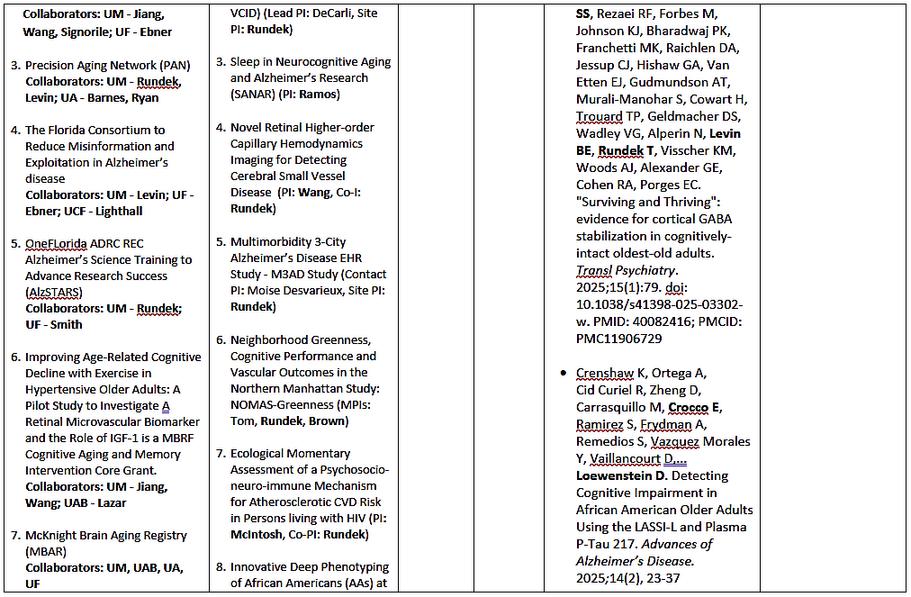
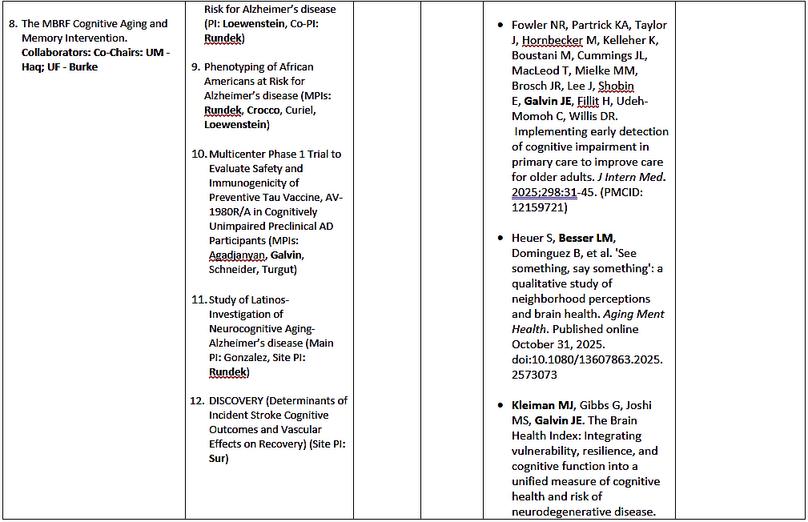
4. Collaborative Programs ...pg 72
A. With McKnight Institutes ...pg 73
B. With Other Institutes ...pg 75
5. Honors, Awards and New Grants ...pg 78
A. Honors and Awards ...pg 79
B. New Grants ...pg 81
6. Technology Transfer ...pg 84
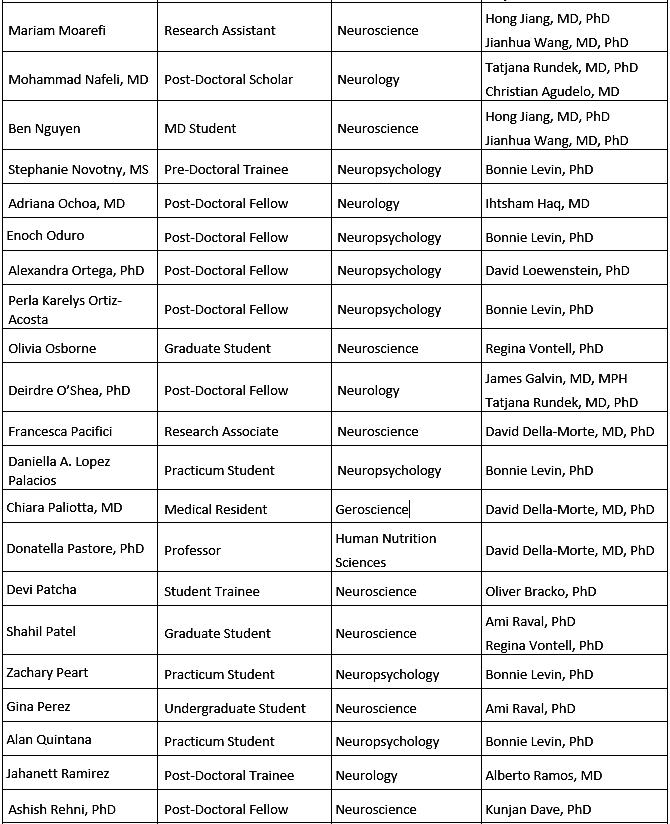
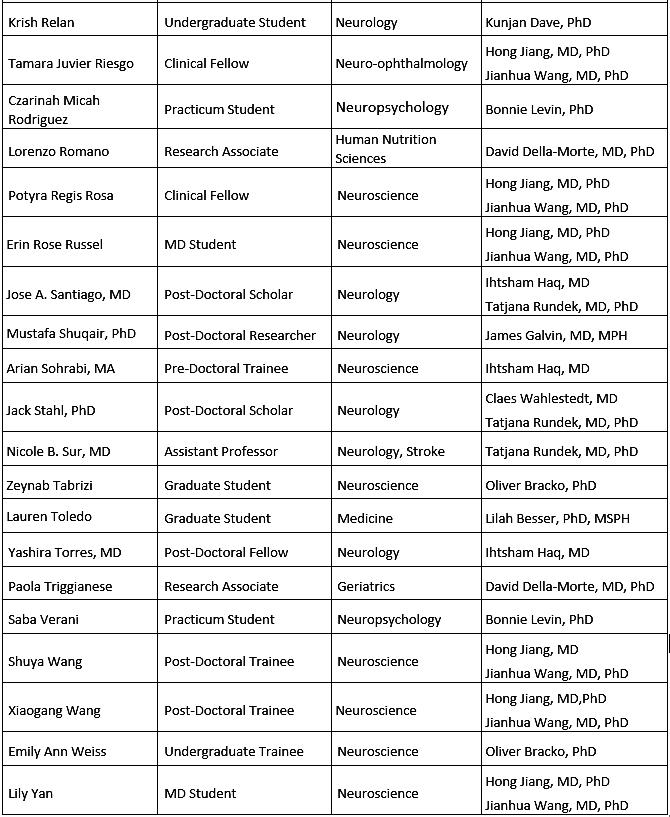
Appendix 1 - Faculty and Trainees ...pg 85
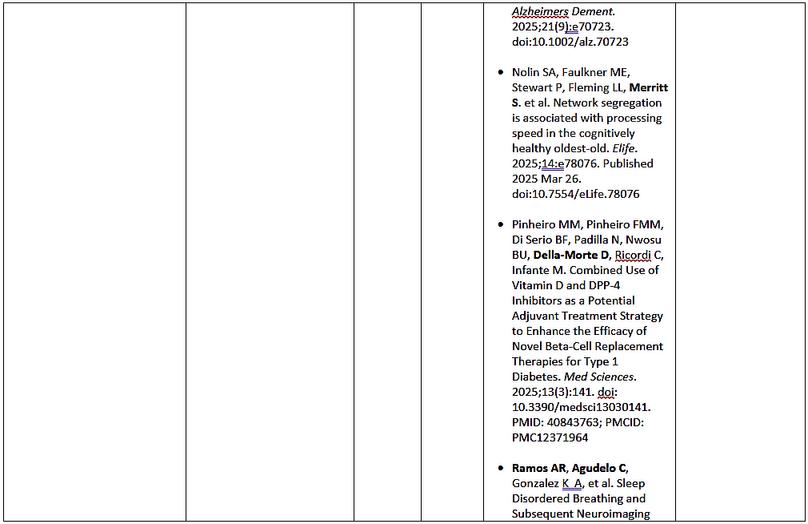
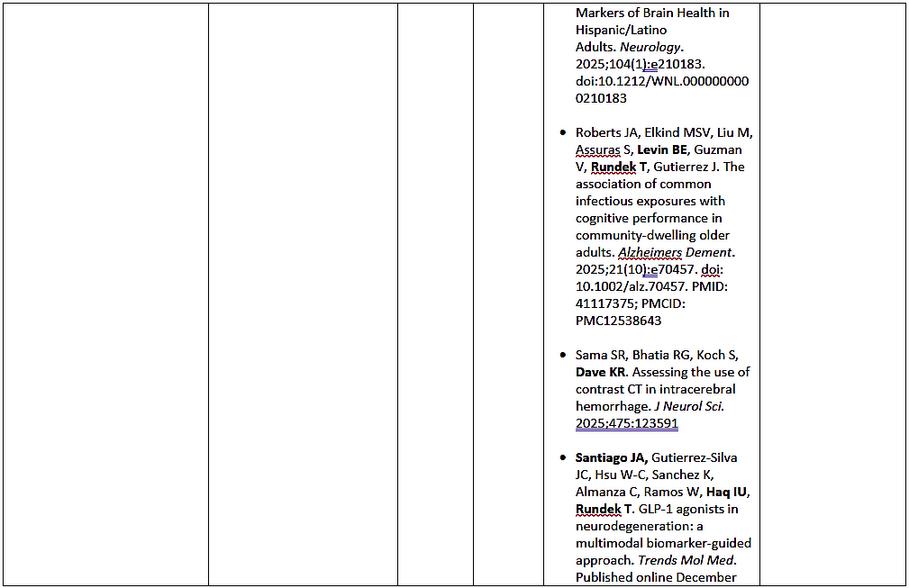
Appendix 2 - Publications pg 93
Appendix 3 - Presentations pg 97
Appendix 4 - News, Website and Social Media Highlights pg 100
Appendix 5 - Summary Chart and Strategic Plan pg 116
Appendix 6 - EMBI Organizational Chart ...pg 121
Appendix 7 - Neurocognitive Scholar Report pg 124
Appendix 8 - Financial Reports and Budgets pg 128
1
LETTERS FROM LEADERSHIP
LETTERS FROM L RSHIP
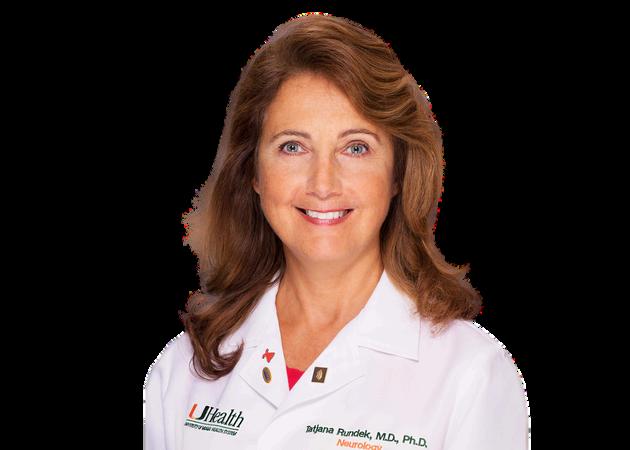
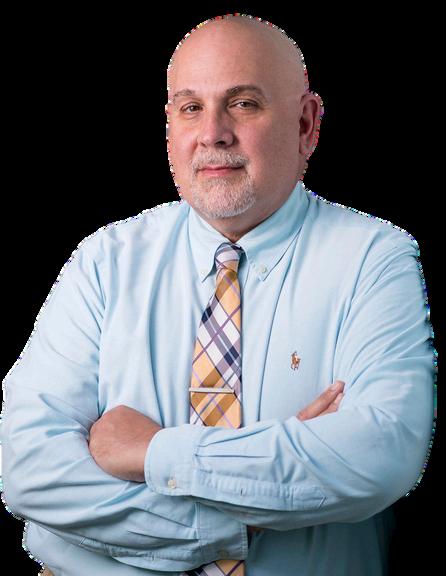
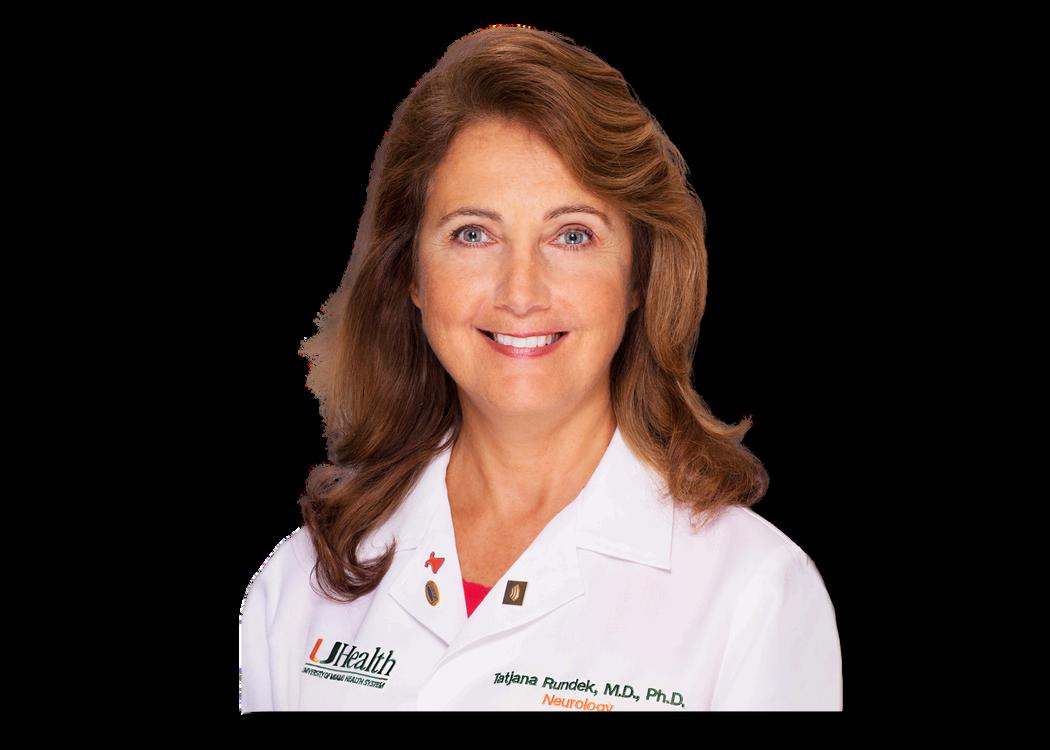
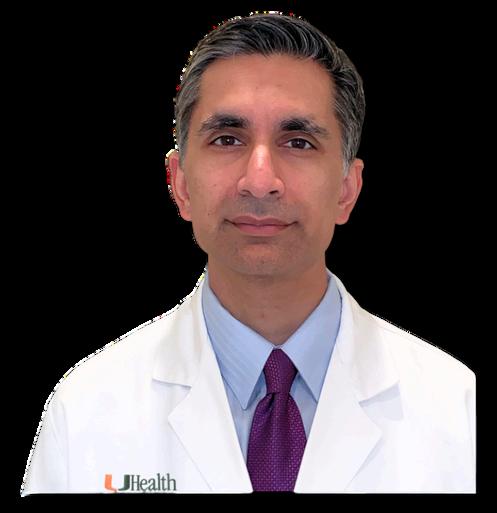
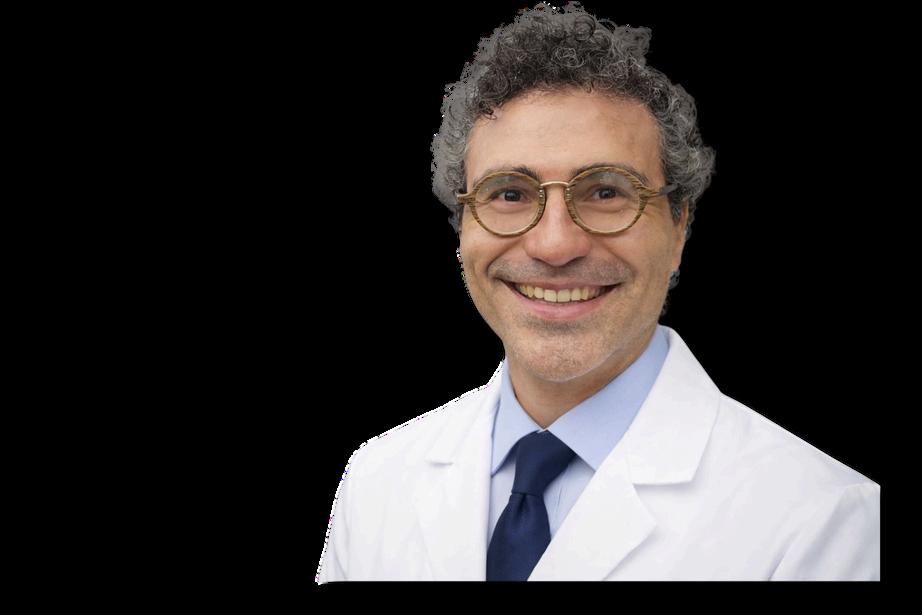
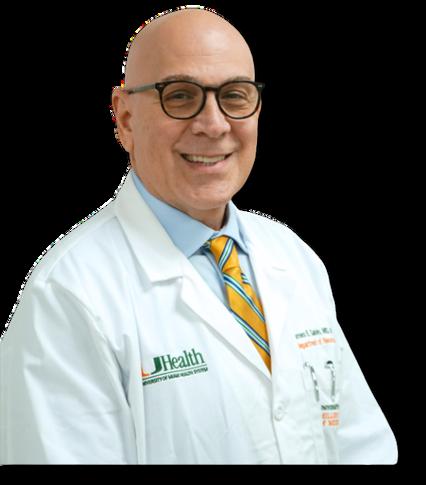
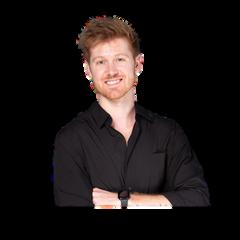
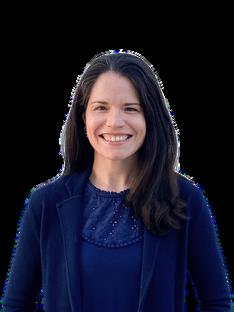
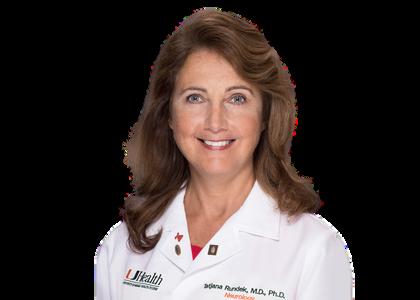
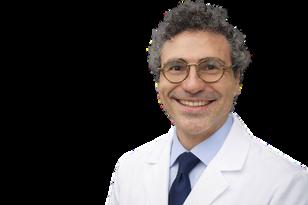
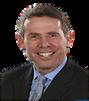
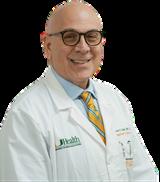
Dr. Rundek Director
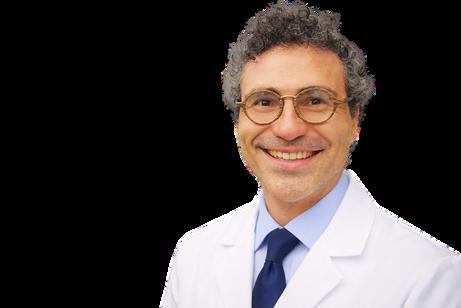
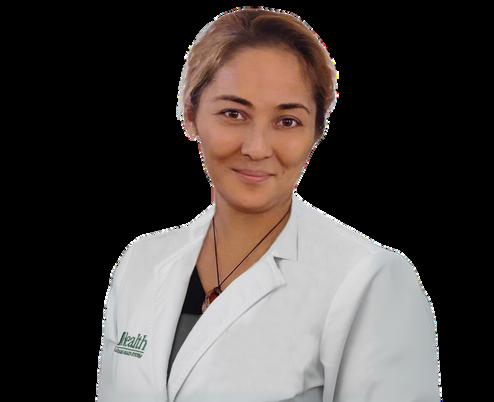
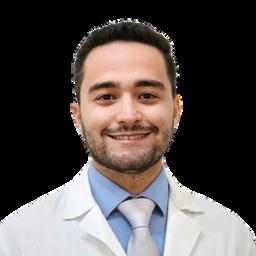
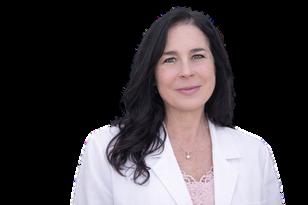
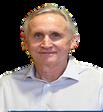
Dr. Haq Associate Director
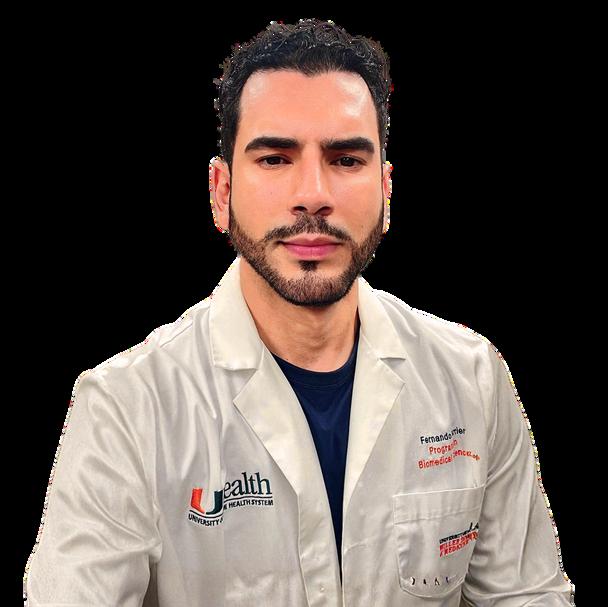
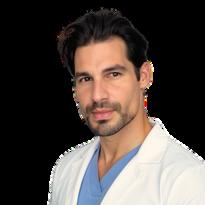
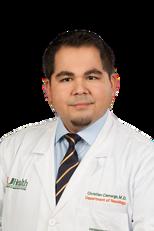
Dr. Agudelo Education Director
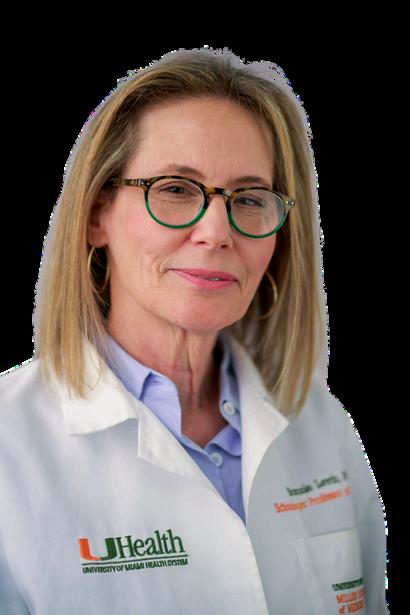
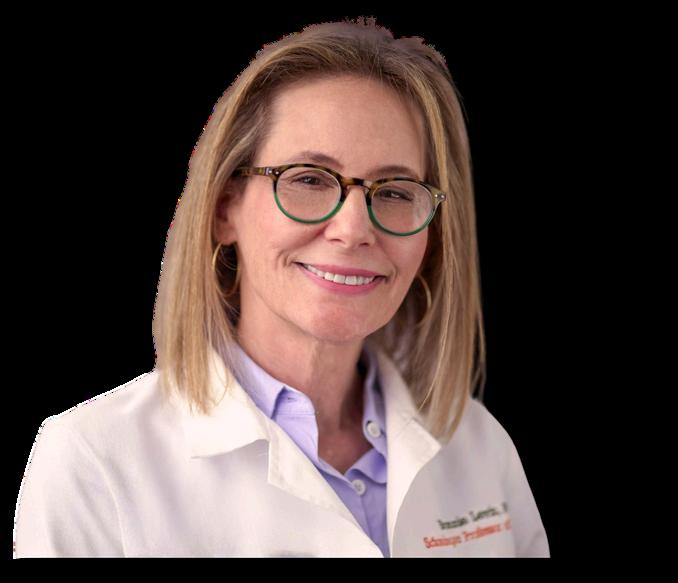
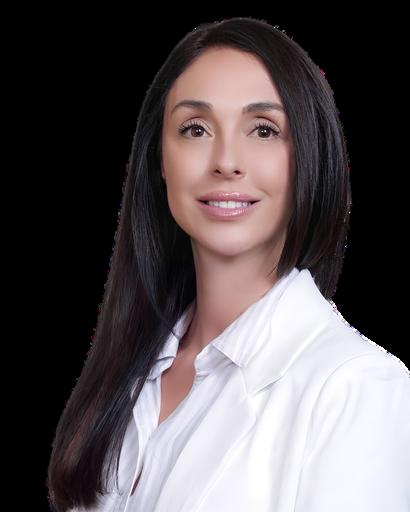
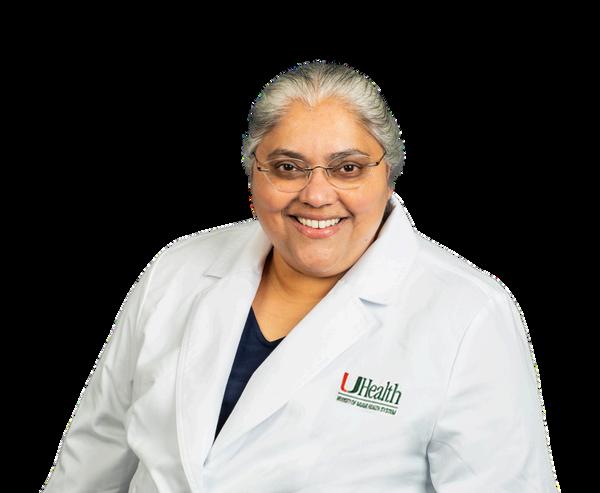
Dr. Levin Associate Director
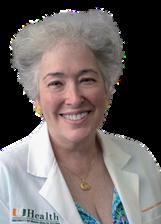
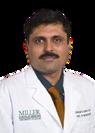
Dr. G Alexandria Schoninger Endowed Chair in Memory Disorders
Dear Trustees:
I am proud to report that our EMBI has demonstrated remarkable resilience and continued progress this year, advancing our goals in research, education, community outreach, and collaborative science The following highlights showcase our ability to adapt and excel, even in the face of challenges:
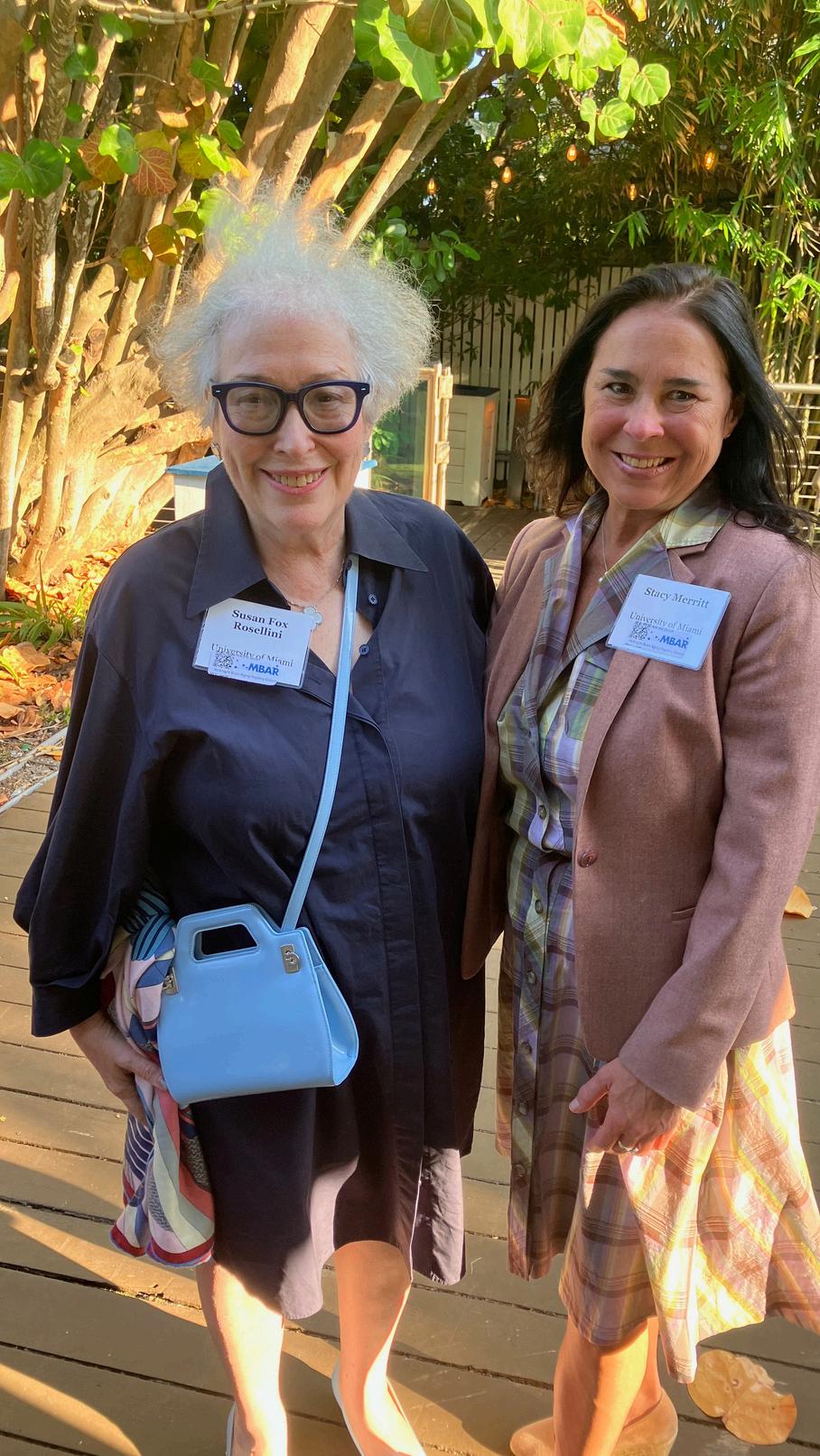
UM EMBI Leadership and Program Impact. Under the leadership of our Associate Directors, Dr. Bonnie Levin, PhD, the Schoninger-Goldberg Professor and Dr. Ihtsham Ul Haq, MD, CornfeldHurowitz Endowed Chair in Movement Disorders, and Education Director, Dr. Christian Agudelo, MD, a sleep disorder neurologist, we innovated our research program and have launched new transformative initiatives that position EMBI at the forefront of clinical translational research for the future Our Executive Director of Administration and Community Engagement, Susan Fox-Rosellini, has continued leading a very successful Aging Like a Pro community education intervention Stacy Merritt continued directing our research administration The Schoninger Neurocognitive Program and the Cornfeld Neuroimaging Center has strengthened both internal and external collaborations, driving programs in cognitive neuroscience, brain aging, and neuroimaging technologies Our integration of machine learning and artificial intelligence, including natural language processing and large language models, enables us to address core challenges in brain health research and leverage big data for scientific advancement Strategic partnerships with the Comprehensive Center for Brain Health led by Dr. James Galvin, MD, MPH, the Alexandria and Bernard Schoninger Endowed Chair in Memory Disorders, and the Center for Cognitive Neuroscience and Aging and 1FL ADRC, led by Dr David Loewenstein, PhD and ADRC PI at UM have further enhanced our research and educational impact in brain and cognitive health
We hosted the 16th Annual Inter-Institutional MBRF meeting, which was recognized by EMBI directors as one of our most impactful gatherings The event featured a robust program with the theme Brain Health: Genetic, Environment and Big Data organized in 7 interactive sessions with short presentations, fostering dynamic discussions Junior faculty and trainees contributed through focused blitz sessions and participated in a breakfast mentoring session We had a well-received pre-meeting organized in one session for all to attend, which resulted in broad participation and created clear actions to continue working throughout the year and to present at the MBRF meeting in 2026 Despite several unforeseen challenges, including lastminute hotel change, the loss of Dr Bonnie Levin’s mother, and Susan Fox-Rosellini’s husband’s imminent passing during the meeting, our EMBI team demonstrated remarkable resilience and adaptability, ensuring the meeting’s success and reaffirmed our EMBI’s resilience and commitment to excellence, even under challenging circumstances
Navigating NIH Funding Challenges
Our research programs have demonstrated exceptional resilience and impact when confronted with significant NIH funding challenges in 2025 Several of our major NIH grants were terminated in the spring, including U19 D-VCID (Diversity-Vascular Cognitive Impairment and Dementia), and our core training programs (T32s, the R25 PRIDE Institute, CTSA K12) Our teams responded swiftly, adapting to new federal priorities, revising proposals, and engaging in sustained negotiations Despite these obstacles, we successfully reinstated all affected programs with their original goals and full funding in the fall This outcome was achieved through persistent advocacy, strategic
adjustments, and a commitment to maintaining the integrity of our research and training missions Throughout this period, we ensured continuity for staff and trainees thanks to support from the Department of Neurology and strategic reallocation of EMBI funds, communicated transparently with participants, and benefited from strong community support While our institution chose not to engage in political negotiations related to these funding challenges, our participants and research teams remained steadfast in their advocacy Their dedication helped us navigate a period of uncertainty and ensured that our mission remained on course This experience underscores the strength of our culture, the adaptability and resilience of our team, and the enduring support of our community partners
Proactive Partnerships. During this period, many professional and research organizations paused to reassess funding strategies Our team proactively built new partnerships and leveraged existing ones to sustain research and training activities Collaborations with the American Academy of Neurology (AAN), the American Heart Association (AHA), and other non-profit organizations led to new awards for junior faculty and trainees, strengthening our commitment to developing future scientists and clinicians Our EMBI members have benefited from these partnerships, receiving recognition and several research awards as outlined in this report
Ongoing Studies and Research Milestones Several studies with our leadership continued uninterrupted, including the NHLBI Hispanic Community Health Study-Study of Latinos (HCHSSOL), the comprehensive brain and health study of a large Latino cohort renewed in 2024 for 8 years, the NIA Multimorbidity 3-City Alzheimer Disease (M3AD), focused on multimorbidity and cognitive decline in partnership with Columbia University and University of Chicago, and the NIA U19 Precision Aging Network (PAN), led by University of Arizona The NIH-funded DISCOVERY Network (Determinants of Incident Stroke Cognitive outcome and Vascular Effects on RecoverY) also progressed, investigating post-stroke cognitive impairment and dementia Our NIH NeuroBioBank led by Dr. Xiaoyan Sun secured a 5-year contract renewal in Nov 2025, ensuring sustainability of our brain tissue repository Dr Sun also established a collaboration in brain recovery with the UF Brain Bank, facilitating sharing of expertise, protocols, and resources between the two institutions These efforts have strengthened our capacity for large-scale, biology-based, and data-driven research, accelerating discovery and advancing brain and cognitive health We continued our active participation in the McKnight Brain Aging Research (MBAR) cohort study This year, we used our non-EMBI funds to perform blood biomarker assays (pTau217, Aβ42, β40, NfL, GFAP) on the 180 MBAR participants 85 years and older who exhibit robust cognitive function despite elevated biomarker levels These data mark a major milestone for studying the links between biomarkers, successful aging, and resilience to neurodegeneration in this population Importantly, these newly generated data are now openly available to all EMBIs for collaborative analysis, fostering cross-institutional partnerships, leveraging collective expertise, and maximizing the impact of the MBAR study
Training Programs and Mentorship Achievements. Our NIH-supported training programs have advanced future leaders in aging and neuroscience Since the inception in 2024, our NIH T32 program on aging and ADRD have enrolled 5 postdoctoral scholars in a wide range of research areas, including drug discovery, neuroinflammation, epigenetics, epidemiology, and data science Other T32 and R25 programs have enrolled 12 scholars focused on behavioral neuroscience and sleep The NCATS CTSI K12 program has enrolled 8 scholars since its renewal
in 2023, with 4 in the Neurology concentrating on cognitive and brain health EMBI Directors provide direct mentorship, ensuring high-quality guidance and support As part of our commitment to training for the next generation of scientists and clinicians, I also remain dedicated to lead our Master of Science in Clinical Translational Investigations, now in its 9th year, with 15 students enrolled each year, serving as a pipeline of trainees for K and R programs In addition, our EMBI Fellowship Program that provides up to 2-year support for emerging scholars enrolled 20 scholars over 8 years; 9 became UM assistant professors, 3 advanced to associate professors, 8 secured competitive grants (one R01, two K12, two R21 awards, two became T32 scholars), and 3 moved to other institutions These achievements reflect the strength of our educational mission and collaborative mentorship
Institutional Leadership, Strategic Planning and Expansion. Our leadership team at the Miller School of Medicine, including Dean Henri Ford and Executive Dean for Research Dr Stephen Nimer, remains committed to advancing our new strategic plan which prioritizes aging and neuroscience research, and recruiting distinguished leaders I actively participated in strategic planning meetings and retreats, contributing to the establishments of the new Neuroscience Institute, which received institutional investment and support from the University President and UHealth CEO Joe Echevarria, and the newly appointed Provost, Mr Joel Hassman Samuels, a tenured law professor specializing in the rule of law, who previously served as Dean of the College of Arts and Sciences at USC As a member of the search committee, I helped in recent recruitment of Dr Leonard Petrucelli, PhD, a renowned neuroscientist from Mayo, as Founding Director of the Neuroscience Institute, making a pivotal step for our translational science initiatives Dr Petrucelli’s appointment will be in the Department of Neurology in 2026, which will significantly deepen our EMBI neuroscience program and foster new collaborations This fall we opened the Kenneth C. Griffin Cancer Research Building, a 12-story, 250,000-squarefoot research and patient-care facility on the Medical Campus to foster collaboration between scientists and clinical teams, with cutting-edge laboratories and clinical care under one roof Our UHealth system had another successful year with a record number of patients seen and highest patient satisfaction with our services that now spreads from the FL Keys to Boca Raton We have opened several UHealth multi-specialty clinics in West Palm Beach, Doral, and North Miami, bringing academic medicine to these rapidly growing communities In Neurology, Dr Jose Romano, MD, has successfully continued his second year of leadership as the 4th Chair of the Department In my Executive Vice Chair role, I work closely with Dr Romano in strategic development of our neurology programs and together in 2025, we recruited over 15 new clinical and research faculty and achieved notable research growth, including 188 active research studies, 91 new grant submissions (42 NIH) and 35 new awards Throughout the year, we celebrated 100 years of University of Miami, spotlighting the achievements and building momentum for future development and investment Our EMBI remains closely engaged in these exciting expansion plans
Leadership Roles, Commitment to Research Training and Mentoring This year, I accepted several new service and leadership roles that advanced our EMBI mission and visibility I serve on the Search Committee for the Chair of the Bascom Palmer Eye Institute, the nation’s topranked ophthalmology department for the past 24 years I was selected by President of the AAN, Dr Natalia Rost, to serve on the Futures of Neurological Research Presidential Task Force, charged to develop a strategic plan to guide and shape the future of AAN research priorities I also became Secretary of the Intersocietal Accreditation Commission (IAC), the
largest non-profit society responsible for accrediting MRI, CT, ultrasound, stenting, catheterization laboratory, and dental diagnostic facilities In this role, I am in line for the IAC Board Director position, overseeing its ten divisions This opportunity positions me to directly influence the development and implementation of national standards for diagnostic imaging and procedural accreditation, which are essential for quality and safety across a wide range of healthcare diagnostic facilities Additionally, I transitioned into the Director position of the national ADRC Research Education Core (REC) Steering Committee, where I oversee educational initiatives, foster collaboration among REC centers to support education and career development of ADRD trainees and ensure that our programs remain responsive to emerging scientific priorities and workforce needs Beyond these service commitments, I advocate for brain health as a capital investment and societal asset, as outlined in my recent manuscript accepted by Stroke: 2025 Advances in Brain Health (currently under embargo) I emphasize brain health as critical infrastructure, essential for societal well-being, healthy population growth, and economic stability I also outlined the concept of preventive neurology as a transformative paradigm, emphasizing the evolving role of neurologists in adopting evidence-based strategies to preserve brain health and cognitive vitality and reducing the burden of neurological disorders In 2025, I published 44 peer-reviewed papers (out of a total of 639) as lead, senior or contributing author I remain deeply committed to mentoring the next generation of scientists and clinicians across our comprehensive training portfolio I lead two T32s, a R25, and a K12 program, and mentor three K12, two T32, one K23, and three K and K-like scholars, as well as three master’s students I also serve on the Medical School Mentorship Committee, where I contribute to shaping mentorship strategies and fostering a supportive environment for early-career investigators across our institution My approach emphasizes personalized career development, regular progress assessments, and hands-on support in research design, manuscript preparation, and grant writing, cultivating an environment that fosters innovation, collaboration, and professional growth
Looking Ahead to 2026, our primary goal is to conclude the EMBI 5-Year Strategic Plan, delayed in 2025 due to funding challenges and shifting federal priorities Our new strategic plan will serve as a comprehensive roadmap for the next decade, guided by a “three-box approach”: sustaining and strengthening successful programs; innovating for future directions by anticipating emerging scientific trends and opportunities; and responsibly phasing out programs that no longer align with our EMBI’s and national scientific priorities
We remain committed to advancing our research and education programs, expanding collaborations, and cultivating talent In 2026, our Directors plan to submit at least five R01 applications, one U19, and multiple other R- and K-series grants, reflecting our collective ambition to secure new funding, drive innovative research and strengthen our leadership in brain aging and neuroscience We will stay agile and responsive to changes in funding and policy, proactively adjusting objectives and strategies to maintain continued competitiveness We will expand collaborations with other UM Centers and Institutes, including the Hussman Institute for Human Genomics, Clinical Translational Science Institute, Neuroscience, and MD/PhD program, to foster interdisciplinary research and enhance training Our advocacy through the state-funded Florida Stroke Registry (FSR) will continue We plan to leverage the FSR’s legislative processes to initiate a statewide coalition for cognitive decline prevention This aspirational vison seeks to engage 18 state-funded memory clinics, creating a robust statewide network for research, clinical care, and outreach We plan to form a taskforce of
physicians, scientists, policymakers, and community partners to set strategies for prevention, accessible care, and efficient resource use for individuals affected by neurological disorders We will also focus on cultivating talent by recruiting, training, and mentoring the next generation of scientists and clinicians, expanding our collaborative networks within other EMBIs, national consortia, and community stakeholders
In conclusion, our EMBI had both a challenging and successful 2025 This report highlights our achievements and ongoing progress Together with our leadership team, I remain committed to completing our strategic plan and preparing for new initiatives, advancing our scientific and educational mission, and expanding our training and mentorship activities I look forward to another productive and impactful year for our EMBI
Tatjana Rundek, MD, PhD
Director, University of Miami EMBI
Evelyn F. McKnight Chair for Learning and Memory in Aging
Dear Trustees:
This year combined meaningful professional progress with a period of personal loss During my mother’s illness, the support I received from the Miami EMBI community was both generous and deeply sustaining Although her passing prevented me from attending the 16th Annual Inter-Institutional Meeting in Miami, I was profoundly appreciative of the many colleagues who reached out with care and encouragement Their support made it possible for me to return to my work with focus and renewed commitment to EMBI’s mission
In my role as Associate Director, I work closely with EMBI Director Dr Tatjana Rundek and Associate Director Dr Ihtsham Haq to advance shared priorities, including program growth, educational initiatives, and the development of new collaborative efforts Over this past year, we have continued to expand our engagement with McKnight colleagues to strengthen EMBI’s contributions to research and education in brain health and cognitive aging We are also deeply immersed in clinical care as part of the Schoninger Neuropsychology Program, a training site and clinic for adults experiencing age-related memory loss Further, as the Chief of the Division of Neuropsychology and Cognitive Neuroscience, we have made a concerted effort to broaden and foster active collaborations with other McKnight faculty to promote EMBI clinical and educational goals by developing a monthly cognitive neuroscience journal club, attending the weekly research seminars, and Inter-Institutional meetings, as well as contributing to EMBI grant submissions and manuscript publications At this time, I continue to serve as a leader of the Cognitive Core for the McKnight Brain Aging Registry (MBAR) and the McKnight Frailty Project These collaborations have been fulfilling and deeply meaningful, as they continue to shape my research goals
Ongoing and new studies: Our work continues to focus on the role of vascular and metabolic risk factors as predictors of cognition and how differential markers of physical frailty, emotional dysregulation and sensory change increase the risk of cognitive decline
Vestibular -Cognitive Network: One new project, in collaboration with colleagues in the Department of Otolaryngology, emphasizes the associations between aging, vestibular decline, and cognition This area is particularly exciting because vestibular dysfunction is directly linked to balance problems and falling, and most recently, research suggests vestibular decline is also associated with memory decline, changes in spatial awareness and navigation difficulties Vestibular-cognitive changes are also becoming increasingly recognized as a prodromal sign of dementia and may serve as a biomarker for early AD Most importantly, early vestibular changes are highly responsive to therapeutic intervention and offer a path for possible slowing of decline In addition, I continue to direct the behavioral outcomes for our DOD-funded project study, working with multimodal biological data to uncover clinical profiles of sudden neurosensory events (referred to as SNE) among individuals exposed to targeted directed energy This study explores the range of neurologic and behavioral outcomes associated with the Havana Syndrome and has furthered our understanding of how hearing loss and vestibular dysfunction are directly linked to cognitive changes, in particular, brain fog and executive dysfunction
Precision Aging Network Project 2 and Mind Crowd- Other projects involve characterizing imaging and clinical correlates of white matter changes associated with the aging process
I am a co-leader of the Miami site for Project 2 of the Precision Aging Network Healthy Minds for Life (PAN) study in collaboration with the Arizona EMBI team (Carol Barnes, PI; Lee Ryan, Project 2 PI) Our work focuses on linking structural and metabolic markers underlying different symptom profiles in neurodegenerative disease and defining profiles of risk and resilience in aging, examining the basis of impaired decision-making among the elderly I also continue to work with the MindCrowd team, examining symptoms of heat stress in states experiencing the most severe warming trends Heat stress is now recognized as a major public health threat and our work strives to advance our understanding of how exposure to extreme temperature and dehydration interferes with optimal cognitive function
Decision Making among vulnerable individuals and susceptibility to deception- We are in the fourth year of our state-funded Department of Health Florida Consortium examining the epidemic of scamming among vulnerable elders at risk for cognitive decline This project is in collaboration with the University of Florida (Dr Natalie Ebner) and the University of Central Florida (Dr Nicole Lighthall- Project PI) We continue to meet every other week to discuss our project aims, which includes a community outreach program and an educational project designed to introduce law students to the vulnerabilities associated with the aging process as it relates to targeted scamming, in particular, among those experiencing cognitive decline
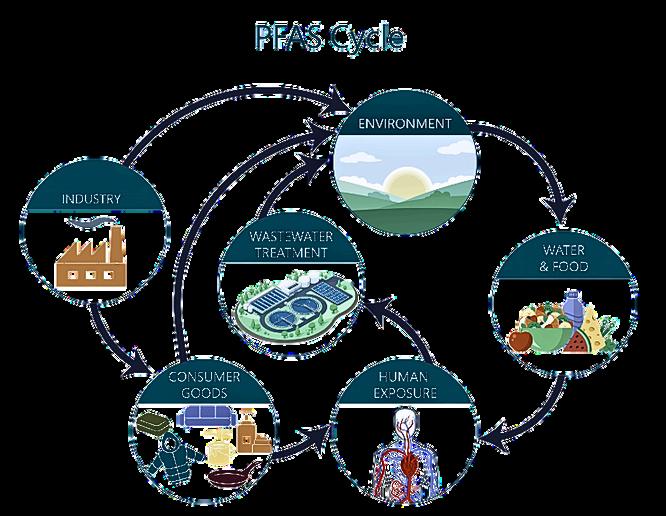
PFAS and cognition- Working with Dr Hannah Gardener (PI), to explore the role of PFAS in lipid-mediated vascular contributions to cognitive impairment and dementia This study is timely in that Per- and polyfluoroalkyl substances (PFAS) represent a growing public health concern due to their ubiquitous exposure, resistance to environmental degradation, bioaccumulation, neurotoxicity, and effects on cardiometabolic risk factors Identifying mechanisms through which PFAS exposures impact dementia at the individual and community has the potential to assist in policy-making decisions that directly impact vulnerabilities associated with aging
Other projects include: Serving on a multi-site dementia adjudication project with at the Miami Hussman Institute for Genomics (HIHG), Alzheimers Disease Sequencing Project (ADSP) Phenotype Harmonization Consortium, to harmonize datasets across several phenotype domains using phenotypic data from cohorts included in the (ADSP); a collaboration with Drs Joseph Signorile and Jay Wang examining the impact of yoga on retinal biomarkers associated with cognitive decline I also meet regularly with the NOMAS team, focusing on research examining stroke risk and vascular cognitive impairment I am part of the cognitive advisory team on the Hispanic Community Study (SOL)
Alexandria and Bernard Schoninger Neuropsychology Program Housed within the Division of Neuropsychology and Cognitive Neuroscience, and closely aligned with EMBI, we continue to enroll participants into the McKnight Research Registry and our Frailty Database The McKnight Registry remains a critical shared resource, supporting multiple publications and providing pilot data strengthening grant submissions aligned with EMBI’s mission But also, the Alexandria and Bernard Schoninger Neuropsychology Program functions as a vibrant and active clinical service, providing neuropsychological evaluation for 350+ referrals to evaluate patients with complaints of memory loss
I continue to direct the Neuropsychology Postdoctoral Fellowship Program, which now
includes six faculty members, four postdoctoral fellows, seven advanced PhD-level practicum students, and two undergraduate volunteer assistants We offer training in clinical neuropsychology, leading to state licensure and national boards Our fellows and students undergo rigorous training in general assessment, therapeutic interventions, pre and post surgical evaluations and research methods We have a strong track record of placing PhD trainees into highly competitive, top-tier internship programs In addition, I am serving as a member or co-chair for three doctoral dissertations
My educational and research activities remain highly interdisciplinary, involving close collaboration with colleagues across Departments of Otolaryngology, Radiology, Neurosurgery, Psychiatry, Pediatrics, Medicine, Ophthalmology, and Epidemiology, and Public Health
In addition, I continue to engage extensively in community outreach efforts throughout Florida A pilot study I led on the growing prevalence of scamming among vulnerable older adults formed the foundation for a training-based intervention designed to reduce susceptibility to deception has since been integrated into the community outreach component of our Florida Consortium project and represents the only statewide study to include a formal community-based intervention This intervention is also presented to young law students as a resource to counsel victims of fraud who are seen in their Investor Rights Clinic I have delivered numerous community presentations as part of Aging Like a Pro My talks have focused on brain health topics that include three presentations on scams and schemes and susceptibility in aging (Key Biscayne and Broward), two on frailty and physical well being as it relates to cognition (Broward and Key Biscayne) and two on heat stress and cognition (MiamiDade and Westchester), the latter addressing practical strategies to mitigate the effects of extreme heat exposure
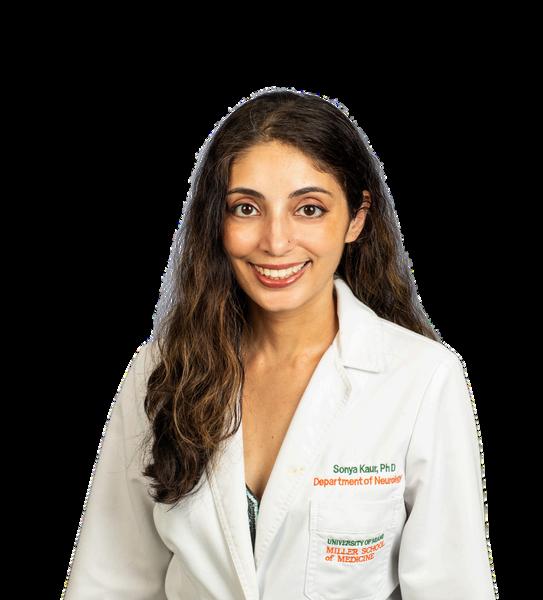
Our Division of Neuropsychology and Cognitive Neuroscience has forged strong community ties with the Latino Center on Aging Drs Annelly Bure, Marina Sarno, and Katalina Fernández McInerney are regular speakers at community gatherings and on radio talk shows that address a wide range of topics on brain health Dr Sonya Kaur and McInerney provide community education via the EMBI community outreach program Dr Mitchell Slough provides education to younger audiences about brain health and preventative measures
Future Plans: In 2026, I plan to expand the Schoninger Neuropsychology Program across several areas that are aligned with the EMBI strategic plan A key initiative will be the enhancement of the McKnight Registry through the introduction of standardized measures of physical and sensory function and the integration of these measures with existing electronic health record data This expanded dataset will support new collaborations with researchers and clinicians investigating the cognitive–vestibular connection, while also generating clinically meaningful data to inform potential interventions Importantly, these efforts will provide essential pilot data to support future applications for federal and state research funding
The coming year will also mark three years of Mind Crowd survey data focused on heat stress and heat literacy These data are currently under analysis, and we anticipate publishing multiple studies that will position us as leaders in an area of cognitive research that remains
significantly understudied. I also plan to expand my research to include further investigations into environmental factors that affect cognition. My ongoing work in deception and fraud among vulnerable older adults, as well as research related to Havana Syndrome, will remain high priorities. Collectively, these initiatives advance EMBI’s mission, generate novel data with meaningful clinical implications, and establish a strong foundation for high-priority, externally funded research.
My grant submission strategy will emphasize interdepartmental collaboration within the University of Miami, as well as partnerships with other McKnight Institutes. I will continue to serve as Cognitive Core Director for the University of Miami McKnight Brain Aging Registry (MBAR). Additionally, I plan to expand our division’s community engagement activities and strengthen existing community partnerships. Several new outreach presentations are planned to deepen connections with community members and leaders, with the goal of promoting the importance of brain and aging research and supporting the broader objectives of the McKnight Brain Research Foundation.
I have greatly valued my first year serving as an EMBI Associate Director and am honored to work alongside the exceptional researchers, scientists, and clinicians who comprise the Evelyn F. McKnight Brain Institute at the University of Miami. I am sincerely grateful to the trustees of the McKnight Brain Research Foundation for their continued support and for the opportunity to advance our impactful work into 2026 and beyond.
Sincerely,
Bonnie E. Levin, PhD Schoninger/Goldberg Professor of Neurology Chief, Division of Neuropsychology and Cognitive Neuroscience Associate Director, Evelyn F. McKnight Brain Institute
Dear Trustees:
As Associate Director of the University of Miami Evelyn F McKnight Brain Institute, I am pleased to share my 2025 annual update, with an emphasis on how our work in movement disorders, neuromodulation, biomarkers, and data science directly advances EMBI’s core mission in brain health and cognitive aging under the leadership of our Director Dr Rundek
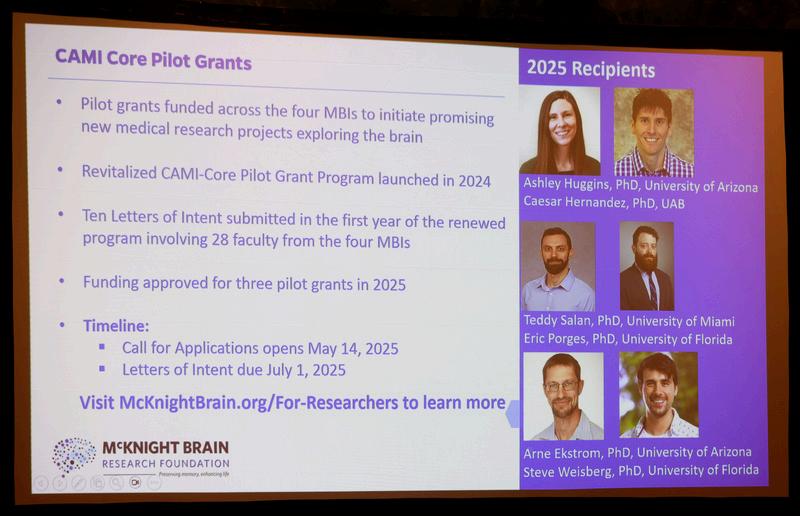
A highlight of the year was welcoming the broader McKnight community to Miami for the 16th Annual Inter-Institutional Meeting I had the privilege of planning the pre-meeting and main meeting sessions alongside Drs Tatjana Rundek and Bonnie Levin Our program was designed to showcase progress across institutes, create new collaborations, and strengthen a shared agenda for understanding and treating cognitive aging Based on the feedback from trustees and attendees, the meeting accomplished those goals I also co-chaired our first AI and Neuroimaging pre-meeting group, reflecting how quickly these methods are becoming part of everyday research in cognitive aging During the main meeting, I moderated the Machine Learning and Big Data Approaches to Cognitive Aging session and led the panel discussion, and I co-moderated the Brain Health: Action and Implementation session to translate pre-meeting outputs into concrete next steps Finally, as co-chair for the CAMI-CORE awards, I presented updates on improvements to the selection process and the progress of prior awards
I continued this work beyond the meeting I represented UM EMBI at the Society for Neuroscience through the MBRF poster session I also contributed to CAMI-CORE as a reviewer and administrator for inter-institutional applications Much of the impact in EMBI comes from shaping strong ideas into fundable, feasible, cross-site projects with harmonized measures and clear analytic plans, and CAMI-CORE is one of our best mechanisms to support that discipline from the outset In addition, I led our AI Working Group through regular meetings focused on sharing ongoing work and preparing a white paper The white paper is intended to be practical: shared definitions, minimum standards for dataset readiness, guidance on bias and generalizability in aging cohorts, and an EMBI-relevant framework for turning machine learning outputs into clinical or research decisions that can be tested in trials and implemented in practice
I have also continued to apply my expertise in movement disorders and applied analytics in ways that directly relate to cognitive aging:
Machine-learning based analyses of neuroimaging: As I mentioned in last year’s letter, my plans have been to leverage our imaging cohorts (EMBI, ADRC, DBS) to examine the drivers of cognitive change through automated brain imaging analyses I identified a collaborator in the Computer Science Department, Dr Yelena Yesha, the Director of our Frost Institute for Data Science and Computing (IDSC) AI and Machine Learning Center Our initial work with her and her team (Drs Yusen Wu and Phuong Nguyen) were fruitful enough that we thought it productive to have a member of her team working full time on Neurology projects As such we have provided full salary support for Dr. Yusen Wu, jointly from EMBI and Movement Disorders Division funds This has proved fruitful We have successfully developed AI models that accurately differentiate between individuals with and without Parkinson’s disease, as well as a model capable of predicting degree of regional brain
atrophy with high accuracy in patients with PD – for example predicting caudate atrophy at year 5 for an individual within 2% of actual volume Dr Wu will be attending the InterInstitutional meeting in 2026
Machine-learning based analyses of movement: The importance of measuring movement alongside cognition in evaluating those disorders is the key to both potential biomarker development and identification of causes of significant morbidity We are no longer unique in trying to fill this niche; since last year both private companies (daance ai) and academic institutions (https://tinyurl com/23edb8n6) have created AI implementations for movement assessment Continuing to work with Slalom Consulting and Amazon Web Services proved expensive to sustain after two R21s and pitches to pharma did not result in funding, and we have moved development of these tools in house We remain on pace with/ahead of our competitors with our AI algorithm which operates on smartphone videos to extract and grade movement metrics It analyzes hand movements from single smartphone video with high accuracy, and requires only additional video ingestion to increase its capabilities
Machine-learning based analyses of eye movement: Last year, I worked with Dr Matthew Feldman and Dr Victor Del Bene on a project testing whether brief, laptop-based eye movement tracking could help identify individuals at risk for cognitive impairment, so that lifestyle or clinical interventions can be offered earlier We submitted this work through CAMI-CORE and the Parkinson’s Foundation; although these applications were not funded, the reviewer feedback improved the project. We shifted from our external industry partnership (the startup StarDots) to collaborate with Bascom Palmer, and we are now working with Dr. Jianhua Wang to add more detailed noninvasive ocular imaging and metabolic testing. These efforts build on prior EMBI-related pilot work linking retinal microvascular measures to cognitive outcomes.
Other collaborations and mentoring: In 2025, we also expanded our training mission in a way that directly strengthens EMBI’s cognitive aging focus. Dr. Jose Alfredo Santiago, has joined our group as a T32 funded research scholar. He brings strengths in data analysis, and cross-disciplinary project coordination in neurology and neurodegeneration, and has already contributed materially to major scholarly efforts, including our recent review on GLP-1 agonists and neuroprotection (https://tinyurl.com/46ark78x). I will be mentoring his T32 project, which will focus on arterial stiffness as a driver of cognitive impairment in PD, AD, and non-disease associated cognitive aging. He will also join the UM EMBI as a member. In parallel, he is helping establish and facilitate international collaborations, including with the University of Bordeaux and LixiPark trial leadership, supporting EMBIrelevant work at the intersection of clinical research, biomarkers, and scientific communication. He will also attend the 2026 Interinstitutional meeting.
Beyond these projects, I continued several collaborations that connect directly to function and independence in aging. I remain engaged with Dr. Joseph Signorelli’s exercise physiology group on how exercise affects muscle performance and movement in Parkinson’s disease, and in 2025 I also supported trainees across UM through formal mentorship and supervision roles, including faculty mentorship of Dr. Danielle Shpiner (2022 to 2025) and Dr. Matthew Feldman (2024 to 2025), PhD dissertation committee
service for Will Adams (UM, 2024 to present), Kylie Martinez (UM, 2024 to 2025), Arian Kolahi Sohrabi (Wake Forest, 2024 to 2027), and Emily DiMarco (Wake Forest, 2022 to 2026), and supervision of Movement Disorders fellows as Division Chief for Adriana Ochoa (UM, 2025 to 2027), Priyanka Atit (UM, 2025 to 2027), Yashira Torres (UM, 2024 to 2026), Vivianna Torres (UM, 2023 to 2026), and Taylor Peabody (UM, 2023 to 2025) In parallel, I continued collaborations with Dr Dalton Dietrich and the Miami Project to Cure Paralysis on DBS approaches to restore gait and mobility, and with Dr James Galvin on careful phenotyping of synucleinopathies, which strengthens the natural history foundation needed to understand cognitive aging across neurodegenerative disease
Taken together, these efforts reflect a single throughline that fits squarely within EMBI’s mission: understanding why some brains age well while others develop progressive cognitive decline and translating that knowledge into earlier detection and better care Much of my work begins in movement disorders because that is the clinical population I serve, but I am building a program centered on cognitive aging by linking brain circuits, vascular and metabolic health, behavior, and environment over time to explain and predict cognitive outcomes I am grateful for EMBI’s support of my effort, including partial salary support that has helped protect time for cross-institute collaboration, mentoring, and the development of data-driven tools Because of that support, it is appropriate that EMBI shares credit in the scholarly and funding outputs that overlap with cognitive aging In 2025, our group submitted 11 grants (4 accepted, 7 pending) and published 12 peer-reviewed manuscripts
Thank you for the opportunity to contribute to the McKnight Brain Research Foundation’s goals and to EMBI this year I am especially grateful for the mentorship, infrastructure, and collaborative culture that make it possible to move towards a deeper understanding of the processes that drive cognitive aging, and the opportunity to intervene in it I look forward to deepening these collaborations in the coming year while continuing to expand our clinical and research efforts in ways that create meaningful benefit for patients and their families
Sincerely,
Ihtsham Ul Haq, MD
Division Chief of Movement Disorders
Associate Director, Evelyn F. McKnight Brain Institute
Cornfeld-Hurowitz Endowed Chair in Movement Disorders
Dear Trustees:
The end of 2025 concludes a productive year for the Educational Core of the Miami EMBI. After my completion of the Evelyn F. McKnight Neurocognitive Scholar fellowship, I have established myself as the second generation of EMBI educational leadership. I have built upon the strong foundation set by Dr. Xiaoyan Sun. The EMBI Educational Core targets five verticals: clinician & health professional education, clinical trainee education, community education, research scientist education, and early-career clinician-scientist development. Our multifaceted and ongoing educational efforts empower diverse brain health stakeholders to optimize cognitive health.
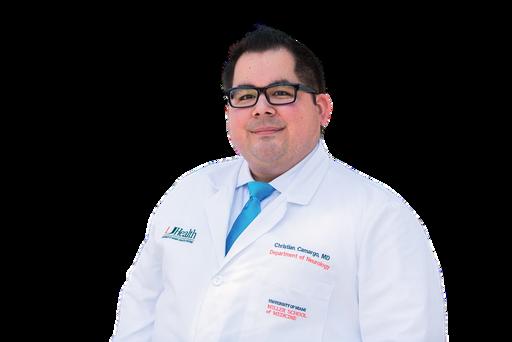
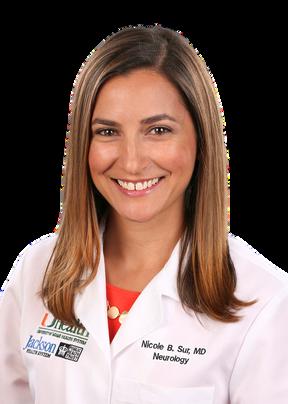
Clinician and Health Professional Education. EMBI collaborated with the UM Department of Neurology to present the 58th annual Neurology Update (March 6–8, 2025), a 3-day seminar series that educates South Florida clinicians and health professionals about the latest in neurological care. A session on cognitive health included presentations by EMBI faculty Dr. James Galvin (“Advances in the Diagnosis of Alzheimer’s Disease and Lewy Body Dementia”) and Dr. Christian J. Camargo (“Advances in the Treatment of Alzheimer’s Disease”). A session about sleep and cognitive health included a presentation from EMBI faculty Dr. Christian Agudelo (“Sleep Disruption and Cognitive Disease”). Dr. Nicole B. Sur, an EMBI Neurocognitive Scholar, presented “Embolic Stroke of Unknown Origin: A Construct Worth Reconstructing.”
Clinical Trainee Education. In 2025, EMBI and the UM Cognitive Neurology Division completed the second year of the cognitive neurology rotation as a core and compulsory neurology residency rotation. Residents worked in cognitive clinics under the supervision of UM cognitive neurologists, completed a curated list of cognitive readings, and participated in EMBI research seminars. Each resident attended a cognitive mentorship meeting with me to structure their transition to their desired fellowships, to discuss cognition within the context of their desired subspecialty, and to consider careers in cognitive neurology and research. In surveys before the cognitive neurology rotation, 67% of residents “strongly agreed” and 33% “agreed” that a cognitive rotation was important. After completing the rotation, 86% “strongly agreed” and 14% “agreed.” This rotation has attracted the interest of our newest cognitive neurology assistant professor and EMBI faculty, Dr. Isabella Ferando, who will assist with the management of this cognitive neurology rotation.
EMBI has continued its resident cognitive journal club in 2025 as an integrated component within the neurology residency journal club, a compulsory feature of the neurology curriculum. Every quarter, a resident presents a landmark cognition-related article with mentorship from an EMBI faculty expert.
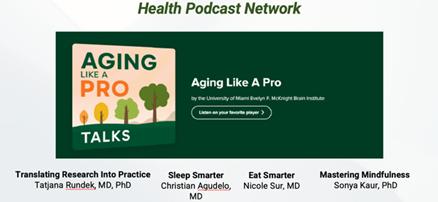
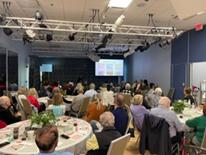
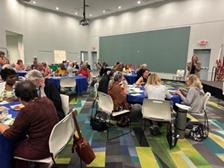
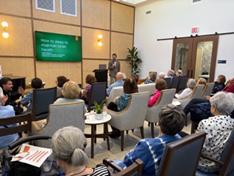
Community Education. EMBI continues to expand Aging Like a Pro, our community lecture series supported by the Ansin Foundation and the Community Foundation of Broward in partnership with the Broward County Library and the Miami-Dade Public Library. EMBI faculty educated community members about modifiable determinants of cognitive health through lectures at libraries, community centers and health fairs throughout South Florida. Aging Like a Pro has expanded their offerings to include lectures to University of Miami students and soon to university faculty and trainees. Data collected by Aging Like a Pro also supports undergraduate and graduate research projects by Kayla Macelhinney and Susan Fox-Rosellini, respectively.
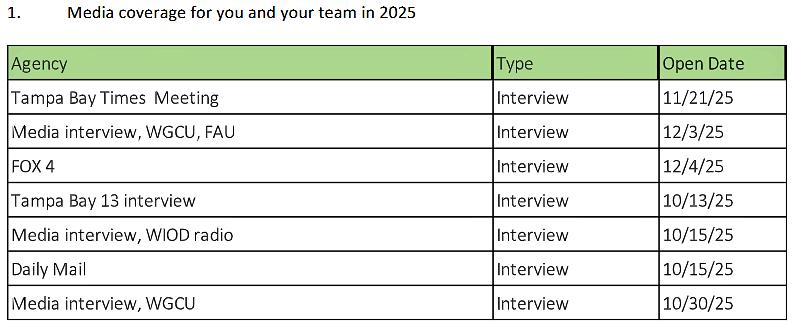
EMBI has continued ongoing partnerships with television media to educate the public about cognitive health In November 2025, I was interviewed by Univision’s national Spanish news streaming platform (Vix) to discuss sleep apnea and cerebral microbleeds In June and July 2025, I was interviewed by WSUA America Radio about healthy sleep and Alzheimer’s disease Notably, National Public Radio (NPR) reported on the 2025 McKnight Brain Research Foundation Inter-Institutional Meeting hosted by the University of Miami The piece, circulated nationally, was titled, “Scientists are finding ways to keep aging brains youthful ”
Researcher Scientist Education. The EMBI Education Core continues its research seminar series The EMBI Research Seminar Series apprised staff, students, clinical trainees, and faculty of the latest cognitive science and therapeutic interventions These seminars promoted conversation, collaboration, and cohesion among EMBI faculty and attendees from diverse divisions and departments within and beyond UM The EMBI Research Seminar Series is also a stage for trainees to receive vital feedback and presentation experience
Early-career Cognitive Clinical-Scientist Development Pipeline. The EMBI is committed to identifying, recruiting, and developing the next generation cognitive clinician scientist through its Educational Core and its collaborations with other divisions, departments, and centers/institutes In 2025, we have been successful in promoting the career development of researchers across the spectrum of education and training Our UM EMBI director, Dr Rundek is PI of 2 NIH funded T32s, which supports the development of promising post-doctoral cognitive researchers and a NIH K12 early-career development award that is supporting three EMBI faculty (Dr Sonya Kaur, Dr Diedre O’Shea, and myself)
Over the years, the McKnight Brain Research Foundation (MBRF) has funded the development of an MD/PhD student who is currently completing neurology residency, two research trainees who became UM clinical neurology faculty, a research trainee who successfully oversaw the McKnight Frailty Database, a PhD student who is now a faculty physicist at UM and several researchers through McKnight Pilot Grants
We have another training program funded by the MBRF, the Evelyn F McKnight Neurocognitive Scholar training fellowship, of which, I was the inaugural scholar The training opportunity allowed me to secure independent research funding needed to develop into an independent clinical scientist: an NIH Loan Repayment Award, an NIH Supplement, an NIH Stroke-Net Scholar award, and an and a recipient of an NIH (NCATS) K12 career-development award All these steps were integral to my promotion as assistant professor studying the relationship between sleep and brain aging Nicole Sur, MD was our second scholar Her tenure as an Evelyn F McKnight Neurocognitive Scholar allowed her to actualize her goal of promoting healthy aging and reducing the burden of stroke and cognitive impairment in the aging population as a neurology clinician, to conduct the DISCOVERY study as the UM site PI, and to excel under the direct mentorship of Dr Natalie Roost, the president of the American Academy of Neurology (AAN ) Our third scholar of the program, Botagoz Aimagambetova, MD, was appointed in November of 2025 She completed her medical education and clinical training in her native Kazakhstan Her primary research interest is understanding the relationship between cardiovascular health and age-related neurodegeneration As Dr Rundek’s trainee, Dr Aimagambetova has worked as a research scientist on the NIH U19 Precision Aging Network (PAN) study and earned a Master’s in clinical and translational research
Ms Susan Fox-Rosellini, the Executive Director of Marketing and Administration for EMBI, and I have supported the ongoing research efforts of two talented undergraduates at UM (Ms Kayla Macelhinney and Ms Victoria Lawreszuk), who are leveraging Aging Like a Pro data to understand the impact of this community lecture series on lifestyle changes and research participation Dr Isabella Ferando, who was my mentee during her epileptology fellowship, has been recruited to join EMBI and the cognitive neurology faculty as assistant professor Dr Ferando has begun to establish her career as a clinician scientist focused on the electrophysiological markers of cognitive aging Dr Ferando also contributes to the EMBI educational mission by assisting with the administration of the cognitive neurology residency rotation Our next educational frontier for 2026 has already commenced in 2025 We are actively recruiting applicants to the University of Miami Neurology Residency program to become our first McKnight Neurology Research Resident The McKnight Neurology Research Resident will be a clinical neurology resident that must demonstrate an unequivocal commitment to a career in cognitive-related research We will create a tailored plan for the McKnight Research Resident so they complete clinical training ready for the submission of a highly competitive early-career development award application
In closing, our EMBI has continued to strengthen its educational impact within our department, across the institution, and on the community EMBI’s educational efforts meaningfully empower clinicians, health professionals, clinical trainees, scientists, and the community to close the gap between cognitive healthspan and lifespan
With gratitude and enthusiasm,
Christian Agudelo, MD
Education Director, Evelyn F. McKnight Brain Institute
Assistant Professor Division of Sleep Medicine
Department of Neurology
University of Miami Miller School of Medicine
Dear Trustees:
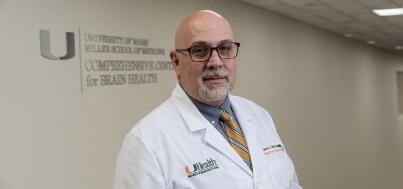
I am delighted to write a letter describing the importance of the contributions of the Evelyn F McKnight Brain Institute (EMBI) to brain health and cognitive aging research at the University of Miami Miller School of Medicine I am a tenured Professor in the Department of Neurology and Founding Director of the Comprehensive Center for Brain Health (CCBH) Our mission is to better understand how the aging brain works and design treatments and prevention plans that will result in longer, better lives Our transdisciplinary approach to clinical research, clinical care, education and training, and community outreach can (and does) make a significant positive impact on the lives of individuals and families living in South Florida and beyond CCBH is composed of 7 faculty and 43 staff that work closely with the EMBI to conduct state-of-the-science research, provide world-class clinical care, and deliver innovative community outreach and educational programming I wanted to take a moment to directly reflect on contributions of the University of Miami and EMBI towards our efforts and successes
In 2022, I was honored to be bestowed the Alexandria and Bernard Schoninger Endowed Chair in Memory Disorders The Schoninger Chair has provided me with protected research time to oversee the growth of our clinical, research and outreach enterprises, permitting me to utilize grant dollars to support talented early-stage investigators without the need to be concerned about my salary support As detailed in the annual progress report, the Schoninger Chair has allowed CCBH collectively to think “outside the box” on important issues in brain health and cognitive aging, including recruitment of new faculty CCBH has increased its grants portfolio from 8 to 24 grants currently totaling $8,666,554, received 39 philanthropic gifts totaling $6,216,048 At the present time, our total grant portfolio is $30,907,462 and our total gift balance is $2,265,000 Our Center has submitted 19 grant applications in 2025
Our major scientific achievement was the continuation of our important research projects which are detailed in the annual progress report Our major programmatic achievement is the development and sustainability of a robust community outreach, engagement, education, and recruitment team that has conducted numerous programs in the African American and Hispanic communities This effort has increased our participation of individuals from traditionally underrepresented groups in research Our other major programmatic achievement is the development of an artful aging program, partnering with numerous instructors and community organizations Programs in the past year have included yoga, meditation, Zentangle and origami We received a $75,000 grant from Palm Health Foundation to ensure programming through 2026
Our goals for 2026 are to continue to innovate and lead brain health and cognitive aging research, with a particular focus on minoritized populations This includes submitting large NIH team science grants and expanding our well-regarded artful aging community outreach programs We recognize that the support of EMBI has made our goals easier and provided CCBH with amazing and talented collaborations at all 4 McKnight Brain Institutes
With great respect,
James E. Galvin, MD, MPH
Alexandria & Bernard Schoninger Endowed Chair in Memory Disorders
Professor of Neurology, Psychiatry & Behavioral Sciences
Chief, Division of Cognitive Neurology
Director, Comprehensive Center for Brain Health
Director and Principal Investigator, Lewy Body Dementia Research Center of Excellence
University of Miami Miller School of Medicine
This progress report highlights our successes in 2025 A great deal of information is already included in the letters from Leadership found in the beginning of the report Here are some highlights regarding our scientific achievements in 2025 Dr. Rundek successfully reversed the cancellation of several NIH funded programs that were adversely affected by new federal funding guidelines. Neurodegenerative blood biomarker assays were performed in Miami on all study participants enrolled in the McKnight Brain Aging Registry (MBAR). In collaboration with our other EMBIs we published 4 manuscripts generated from data collected in the MBAR study Dr Rundek published 44 collaborative peer-reviewed papers in 2025 Dr. Levin and the Schoninger Neuropsychology Program’s pilot study on scamming and older adults was integrated into the important Florida Consortium project. It is the only statewide study to include a formal community-based intervention and has also become part of the curriculum for law students to counsel fraud victims. Dr. Haq formalized a partnership with the Frost Institute for Data Science and Computing He expanded several EMBI-adjacent analytic projects spanning automated neuroimaging analyses of cognitive change, smartphone-video movement phenotyping, and ocular and eye-movement approaches to risk stratification for cognitive impairment, including new Bascom Palmer collaborations for deeper ocular imaging and metabolic testing. Dr. Haq’s group submitted 11 grant applications this year. Dr. Galvin and colleagues at the Center for Comprehensive Brain Health (CCBH) submitted 19 grant applications Dr Galvin was selected by The Society for Equity Neuroscience (SEQUINS) Program Planning Committee as an inductee into its (inaugural) 2025 Hall of Fame Cohort
We had the pleasure of hosting the 16th Annual Inter-Institutional McKnight Brain Research Foundation Meeting BRAIN HEALTH: From Discoveries to Community. Our EMBI directors took part in the UM Miller School of Medicine strategic cross-discipline retreats including Aging and Neuroscience Retreats in which we brought our aging expertise to other disciplines for new ideas and strategies to improve research on quality of aging and longevity and the dissemination of findings to the community We held the Miami 58th Annual Neurology Update and Stroke Intensive Review 2025 and had our Inaugural Ralph Sacco Distinguished Lecture.
Our EMBI education and outreach program Aging Like a Pro continued to grow, reaching a broader audience across south Florida, reaching more than 1,100 participants at 39 talks this year, growing from 24 last year The Comprehensive Center for Brain Health reached over 2,524 community members as part of 28 community programs in 2025.
We had a successful year of funding despite the national funding setbacks The UM NIH NeuroBioBank directed by Dr. Sun received a competitive contract renewal for 5 years. Our Bascom Palmer collaborators Drs. Jiang and Wang secured second and third year funding for their prestigious NIH Oculomics award. Our Education Director Dr. Agudelo received a K12 award and a StrokeNet scholarship. Dr. Galvin and his team received 4 new grants and Dr. Haq’s team secured 4 new grants These and other funding achievements are detailed in the report
We had several achievements involving our training programs. We named our 3 Evelyn F. McKnight Neurocognitive Scholar Dr. Botagoz Aimagambetova. She completed an MD degree and a residency in medicine/cardiology in Kazakhstan. Her primary research interest is the determination of cardiovascular risk factors in the etiology of neurodegenerative processes in an elderly population rd
Our MBRF funded EMBI PhD Student Taylor Ariko, PhD, graduated and was appointed as an Assistant Professor of Radiology at UM. Our NIA CrossROADS T32 program received a second year of funding allowing the first cohort to continue their successful first year and a second round of scholars to be chosen
Our EMBI was well represented at this year’s AAIC, SfN, AAN, AHA, and MBRF Poster Session as well as at other integral scientific meetings and conferences.
Important Highlights for the University of Miami in 2025
The University of Miami signed its charter in 1925 and welcomed its first class of students in 1926 The university began as two schools: the Conservatory of Music, which was later renamed the Frost School of Music, and the evening division Now, it includes 12 schools and colleges with more than 19,000 undergraduate and graduate students in more than 180 majors and programs, and more than 200,000 alumni
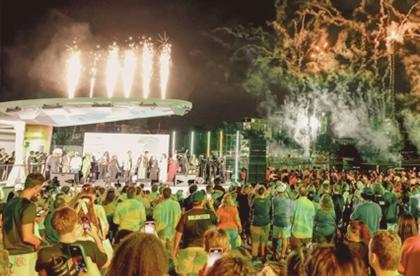
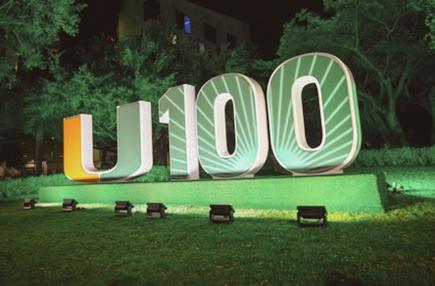
The University of Miami celebrated its 100th anniversary in 2025 with a year-long "The Future is U" theme, culminating in a massive April 8th campus celebration featuring a Canes Carnival, live music from Frost School alumni (like Bruce Hornsby, Pat Metheny, Jon Secada), food, fireworks, honoring its history and future vision across its various schools and global communities The main event was a large campus party in which a sea of green and orange flooded UM’s Coral Gables campus with joyous celebration with carnival rides including a Ferris wheel and a giant slide Hundreds of students, alumni, university faculty and staff came in waves to the grand centennial celebration. Locally, the schools of law, nursing and medicine held its own luncheons, open houses and celebrations. Alumni groups celebrated globally from the Florida state capital, across the United States and even in London. The overall vibe blended historical reflection with forward-looking optimism, uniting students, alumni, faculty, and the wider community to celebrate a century of the "Hurricane" legacy.
There were 2 other landmark events in 2025 for the University of Miami 1) The Miami Project to Cure Paralysis and the Department of Neurological Surgery at the University of Miami Miller School of Medicine have been selected to become the second U S -based site for Neuralink’s PRIME (Precise Robotically Implanted Brain-Computer Interface) Study, an investigational medical device clinical trial for Neuralink’s ground-breaking brain-computer interface. The PRIME Study is an early feasibility study to assess the safety and functionality of Neuralink’s N1 Implant, an intracortical brain-computer interface, a digital link between the brain and computers that allows paralyzed patients to use their own thoughts to control external devices through a brain-computer interface. 2) In a milestone achievement befitting of its centennial year, UM announced that it raised more than $2.6 billion as part of Ever Brighter: The Campaign for Our Next Century This record achievement will power the next century of excellence fueling groundbreaking research, bold academic innovation, and pioneering medical discoveries with outcomes that will not only shape the institution’s future but also contribute to addressing some of the world’s most pressing challenges
The remainder of the report is detailed in sections as follows in the table of contents.
3
FY25 INSTITUTE AT A GLANCE
SCIENTIFIC ACHIEVEMENTS
PROGRAMMATIC ACHIEVEMENTS
TRAINING, EDUCATION AND COMMUNITY OUTREACH
MOST IMPORTANT SCIENTIFIC ACHIEVEMENTS
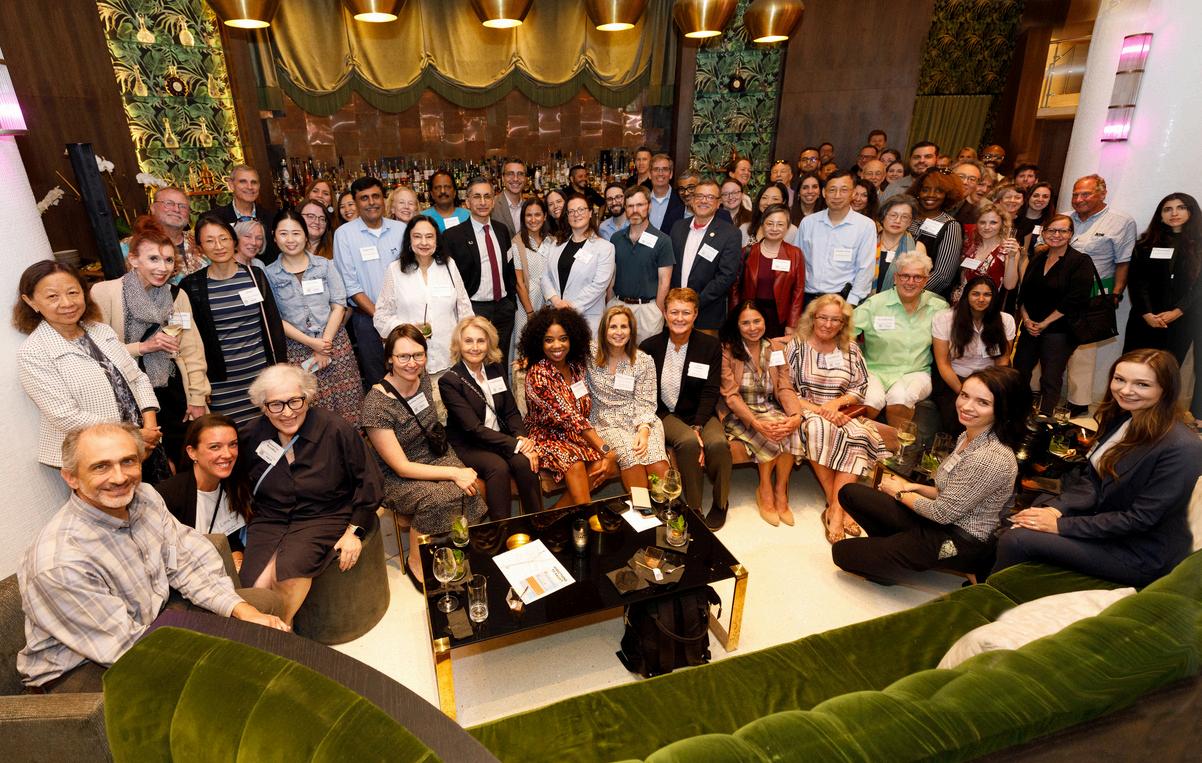
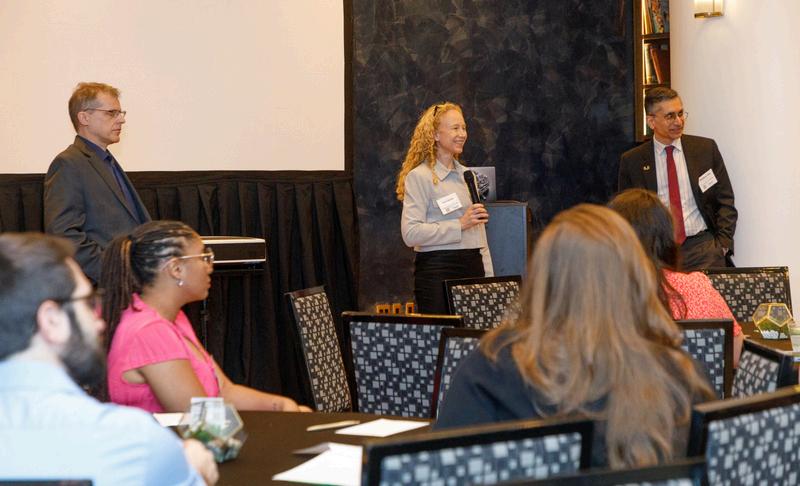
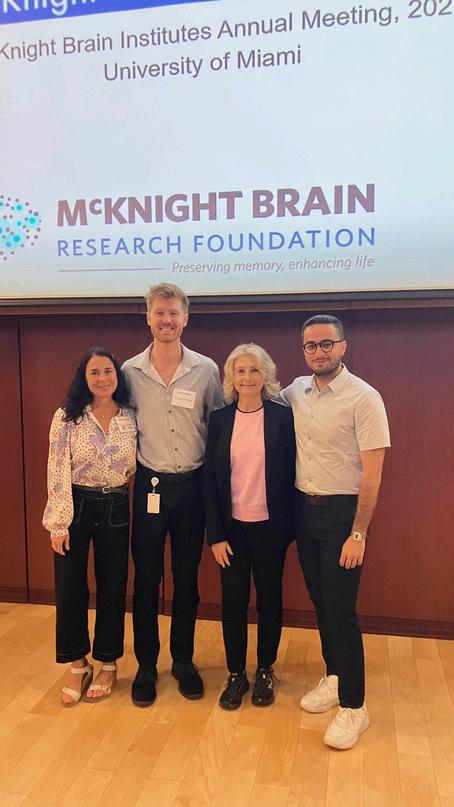
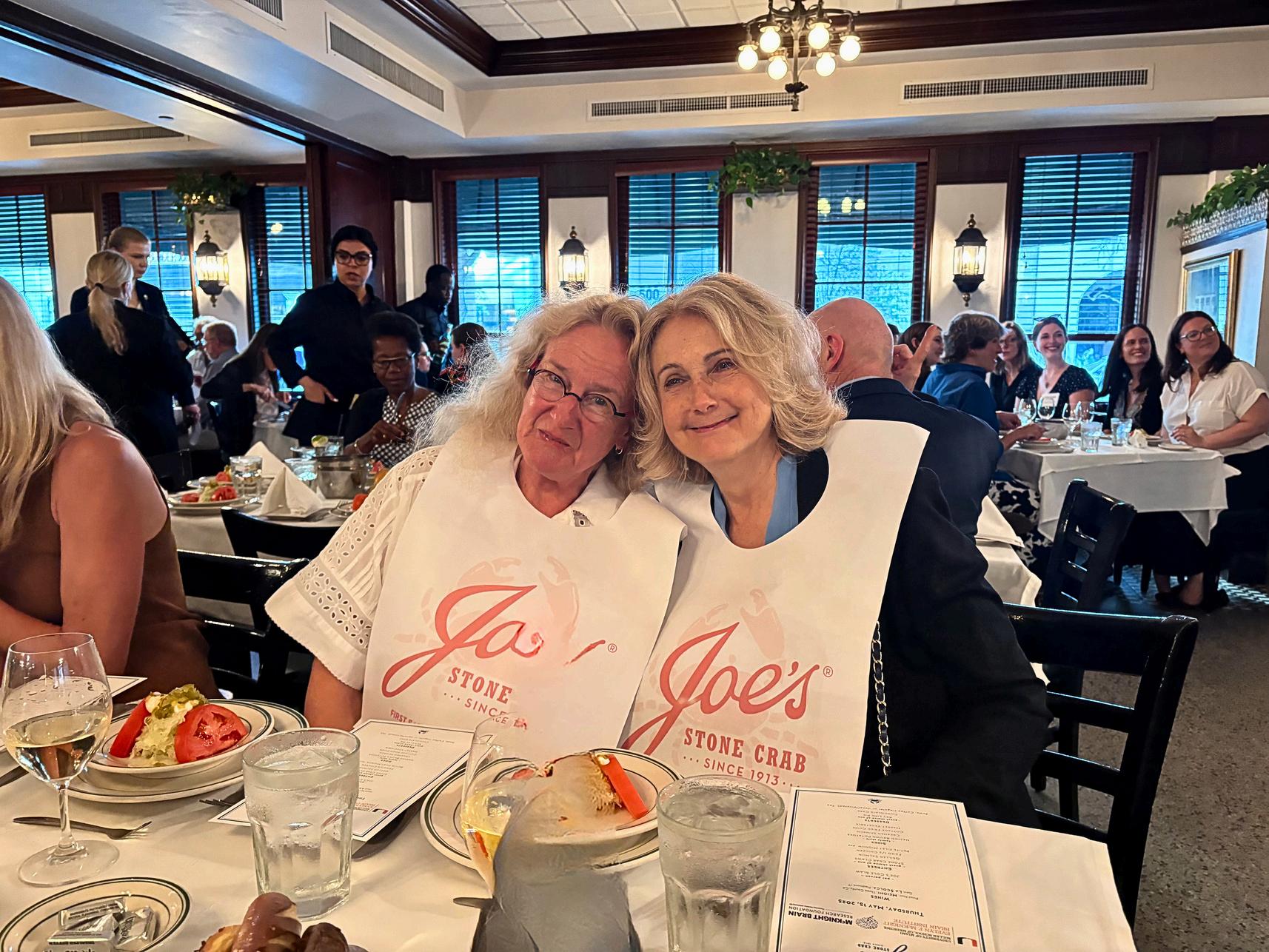
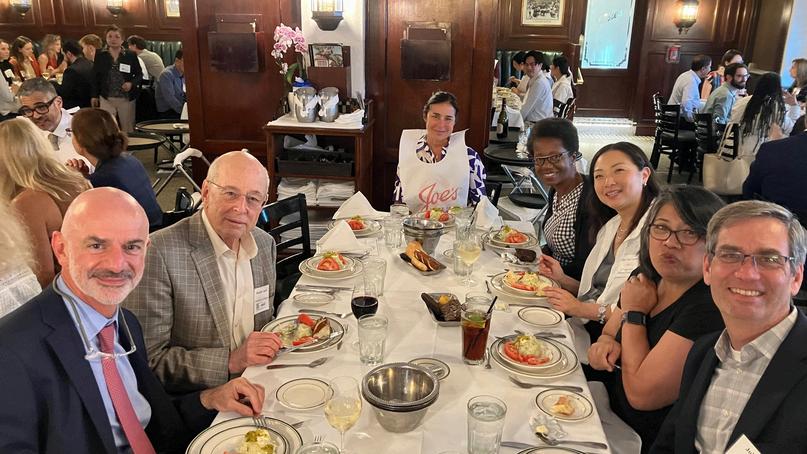
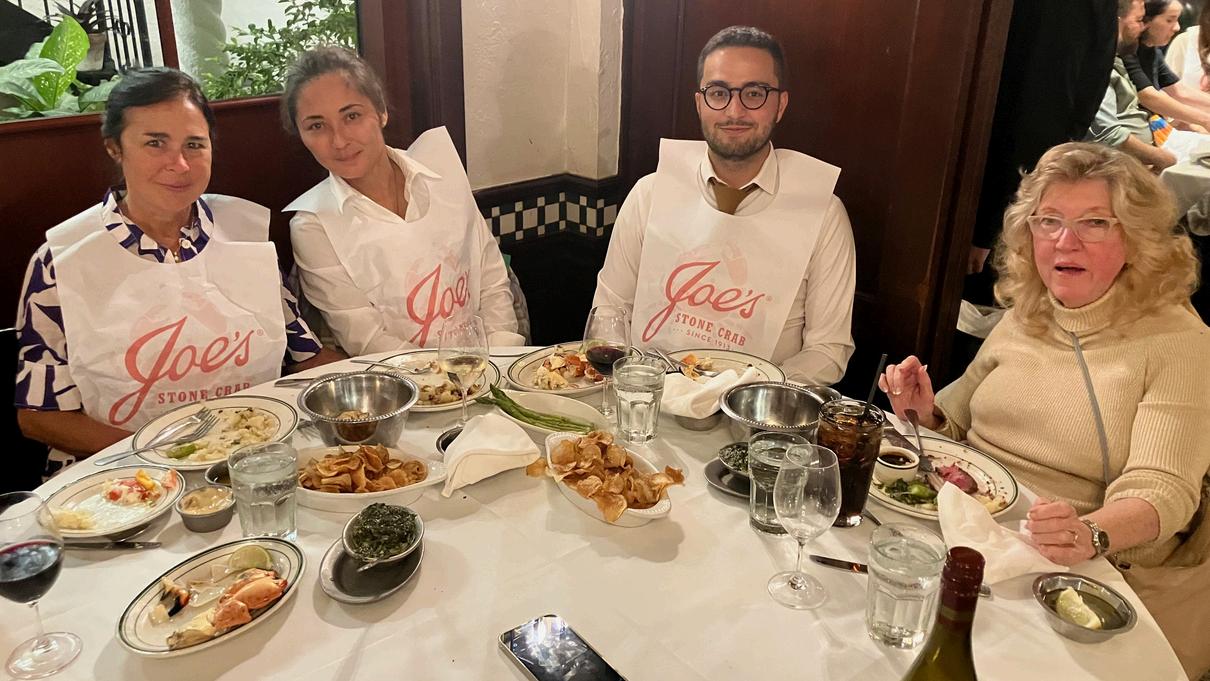
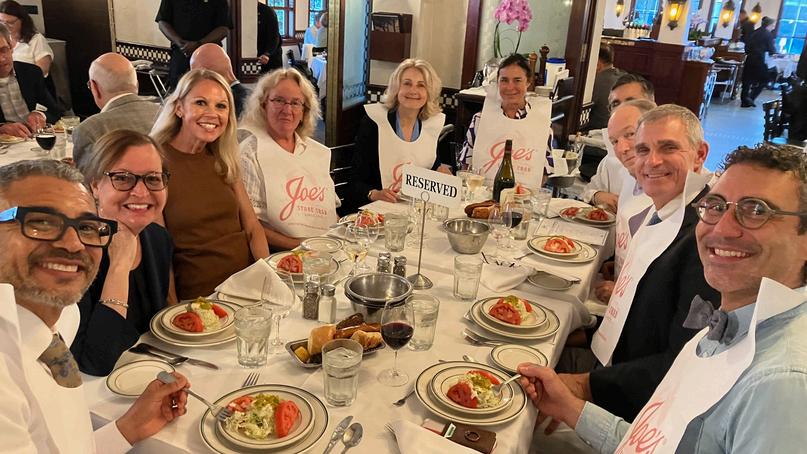
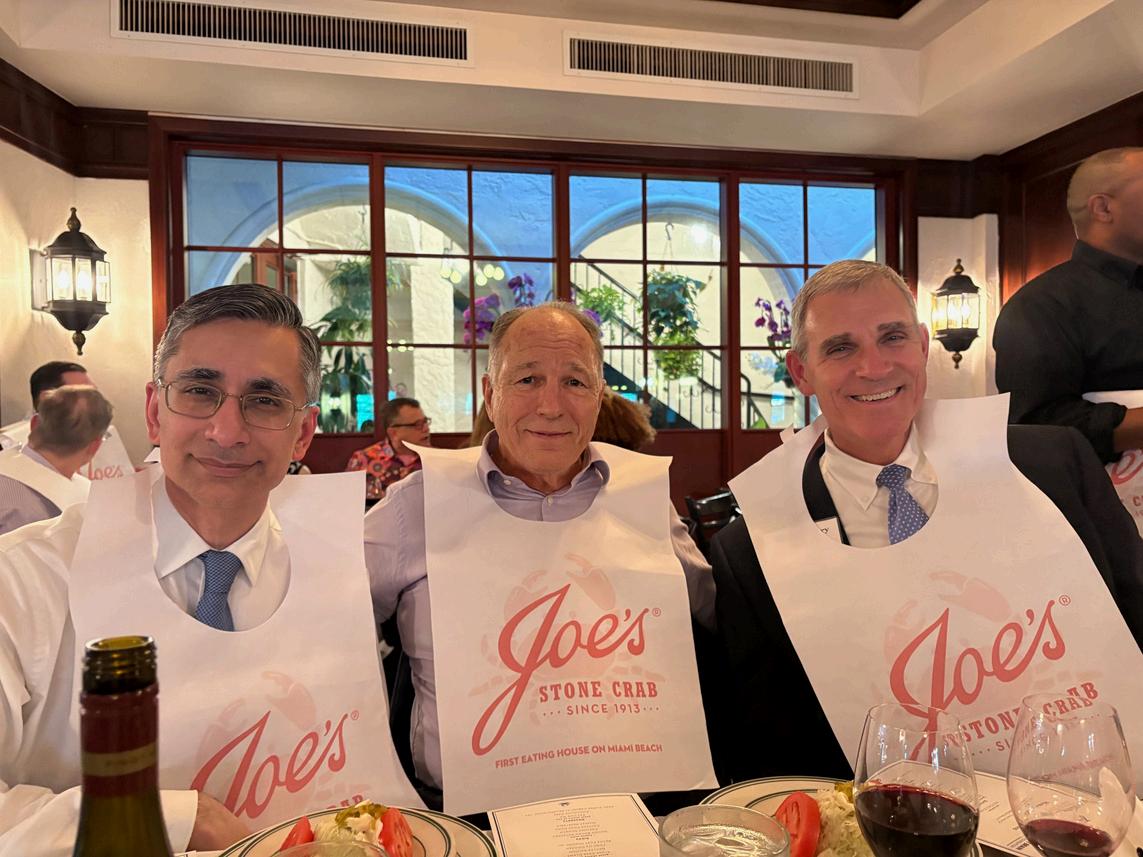
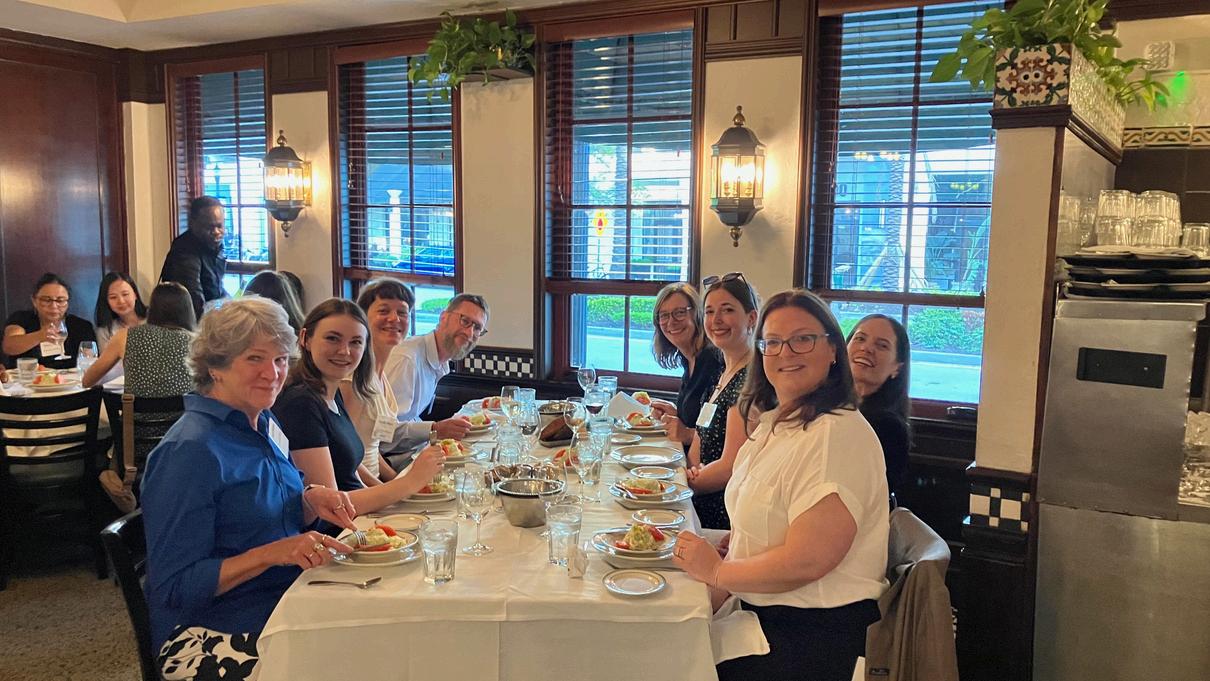
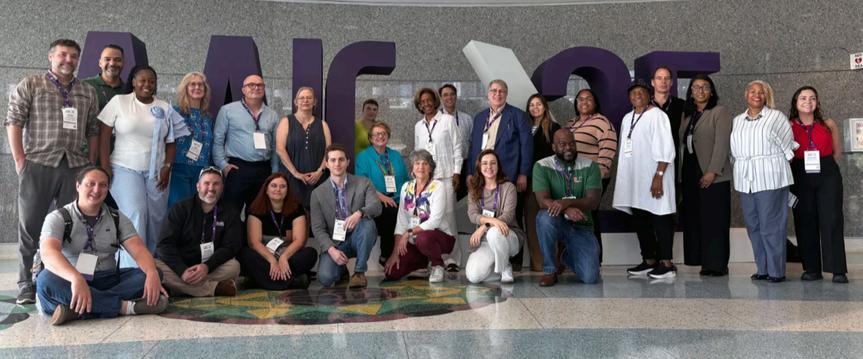
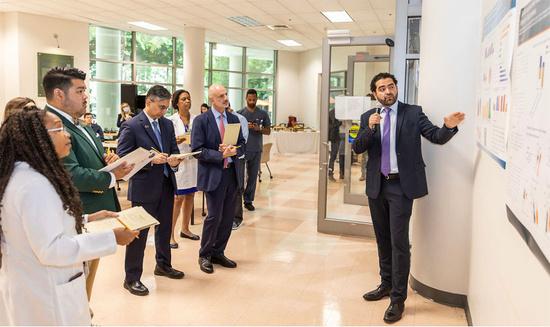
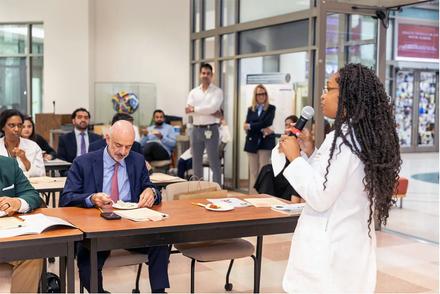
Our main scientific event was hosting the 16th Annual Inter-Institutional McKnight Brain Research Foundation Meeting BRAIN HEALTH: From Discoveries to Community, at the University of Miami, May 14 - 16, 2025. Our leadership team met weekly for a year to plan and coordinate meeting aspects such as the location including an unexpected change in meeting location/hotel, the meeting theme, session topics, presentations and presenters, keynote speaker, pre-meetings, opening evening entertainment, dinner at the iconic Miami establishment Joe’s Stone Crab, and all the various logistics that resulted in a successful event
The EMBI Leadership team planned a new style of pre-meetings so attendees could attend all sessions and be involved in discussion on the different topics Dr. Rundek coordinated and led the Young Investigator Session: Future Research Directions Dr. Haq co-chaired the first AI and Neuroimaging pre-meeting group, moderated the Machine Learning and Big Data Approaches to Cognitive Aging session, and led the panel discussion. He also co-moderated the Brain Health: Action and Implementation session to translate pre-meeting outputs into co n im
progress across institutes, create new collaborations, and strengthen a shared agenda for understanding and treating cognitive aging. Based on the feedback from trustees and attendees, the meeting accomplished those goals.
DURING THE MEETING
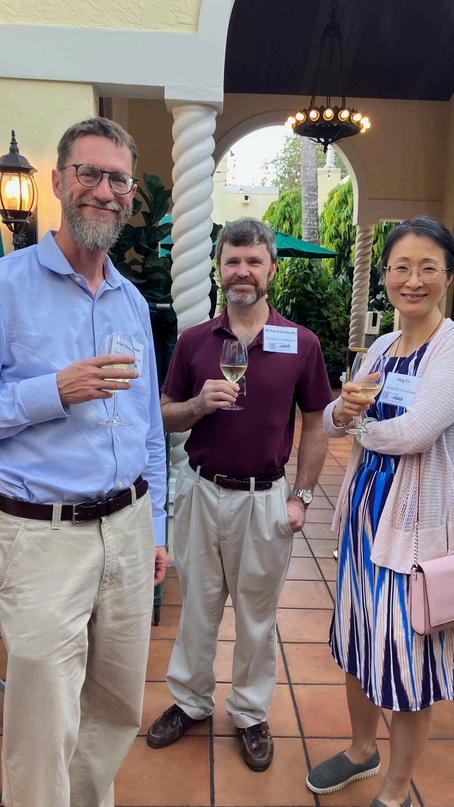
RECEPTION AT JOE’S
DINNER AT JOES'S STONE CRAB
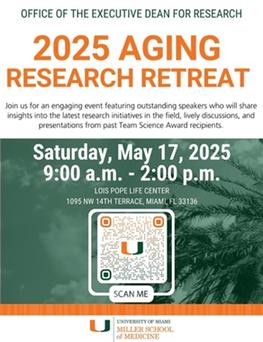
The University of Miami (UM) held its 2025 Aging Research Retreat May 17, 2025, and Neuroscience Retreat July 1, 2025 featuring speakers and sessions on aging and neuroscience
These events were hosted by UM’s Office of the Executive Dean for Research (OEDR), Dr. Nimer and focused on connecting researchers and thought leaders on the latest aging and neuroscience research and creating strategies for collaborative initiatives and proposals. Both retreats resulted with pilot programs funded by the OEDR, and formation of the Neuroscience Institute with an initial $20M investment by the UM
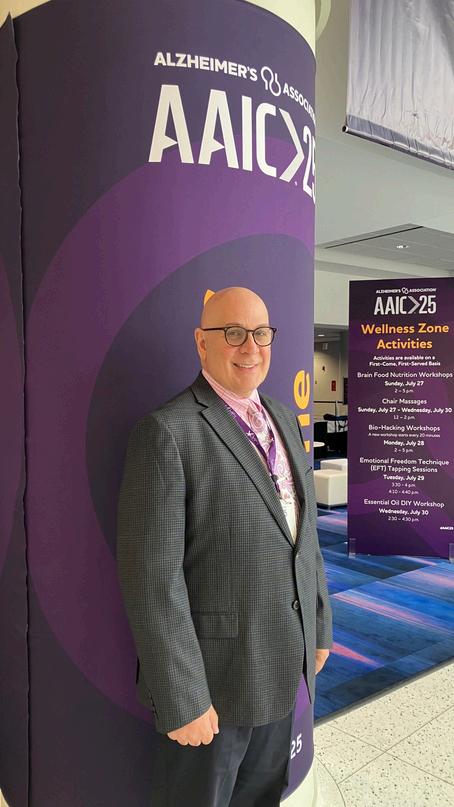
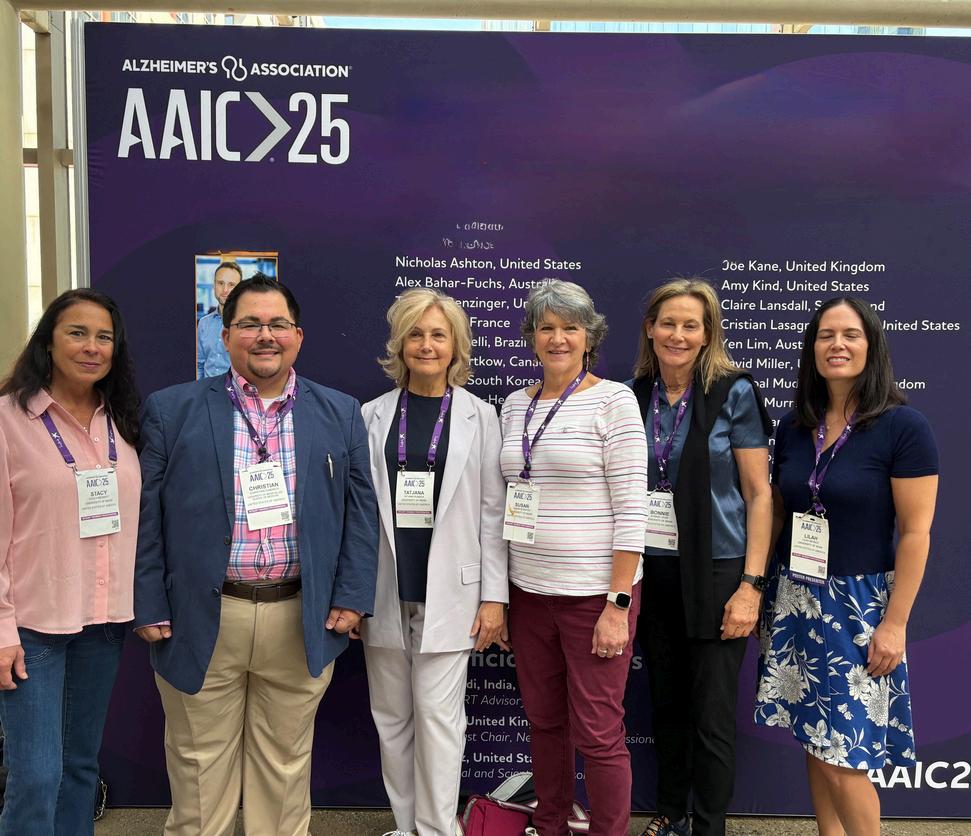
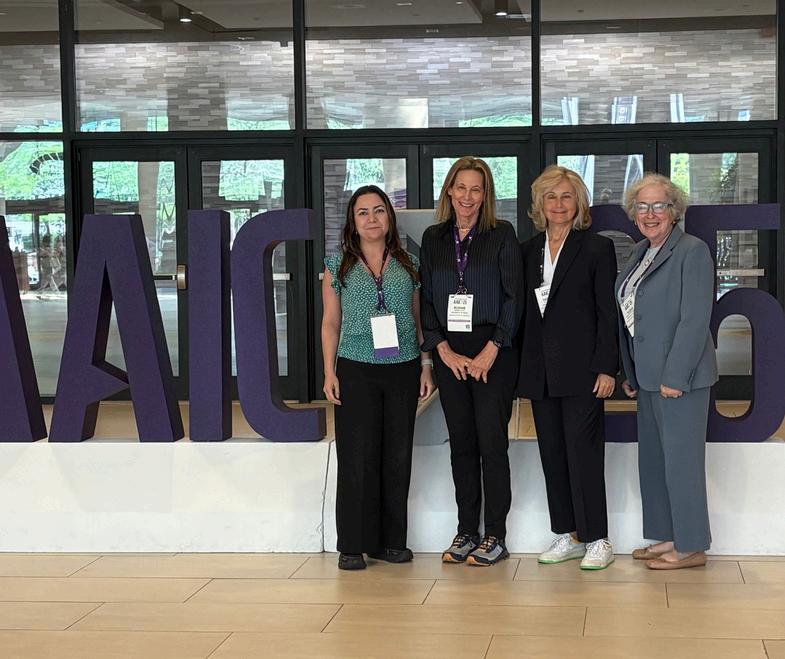
Our EMBI researchers attended the AAIC in Toronto, Canada this summer, July 27–31, 2025
The AAIC provides a forum for our researchers to exchange ideas and for our trainees to present their work to and network with international experts, scientists and other trainees, and to meet with other McKnight Brain Institute affiliates and attend presentations highlighting the most recent research and breaking news on cognition and memory.
Dr. William Scott chaired the session “Roles of Genes and Environment in Risk and Resilience of Alzheimer’s and Related Disorders.”
Dr. Christian Camargo was a UM Principal Investigator in the clinical research for Lecanemab in which six talks for the session “Lecanemab Two Years Post-Approval: RealWorld Case Series and Patient Pathway Learnings from Diverse US Clinical Settings” was based on
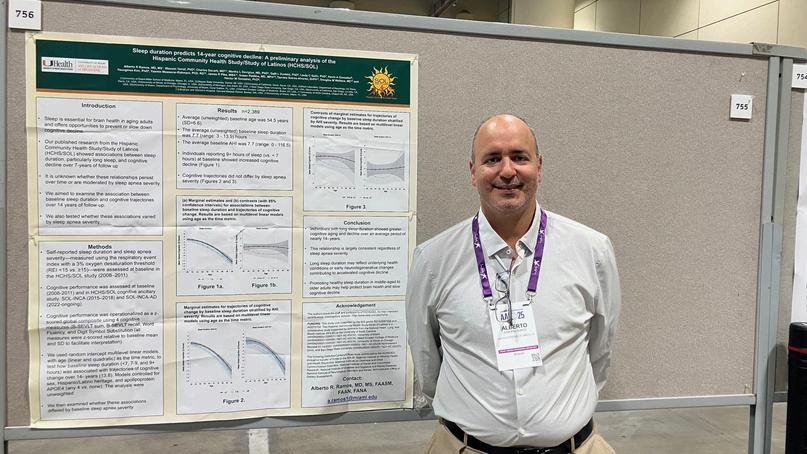
Dr. Alberto Ramos presented the poster “Sleep Duration Predicts 14-year Cognitive Decline: A Preliminary Analysis of the Hispanic Community Health Study/Study of Latinos” and co-authored the poster with his trainee from UC San Diego “Sleep Phenotypes and Self-reported Cognitive Decline in the Hispanic Community Health Study/Study of Latinos ”
Dr. James Galvin’s role at the AAIC included:
The presentation in which he was also a session leader “Baseline Characteristics and Results of the Phase 2 COG1201 SHIMMER Study of Zervimesine (CT1812)”
Poster presentation “The Healthy Brain 9 (HB9): A New Instrument to Characterize Subjective Cognitive Decline”
Poster presentation “The Dementia Literacy Assessment (DeLA): A Novel Measure of Alzheimer’s Disease and Related Disorders Health Literacy in Diverse Populations”
Poster presentation “Cognitive Performance and Biomarkers in Puipui Malu Manatu (Preserving Memory) – a Population-Based Prevalence Study of ADRD in American Samoa”
Poster presentation “Assessing the Relationship of APOE SNPs and Dementia in Native Hawaiians and Pacific Islanders”
Dr. Jean-Louis’s team co-authored 2 posters that his trainees presented.
Brittany Larsen presented “Longer Sleep Duration is Linked to More Severe Cognitive and Functional Impairments in Older African Females Who Are APOE-ε4 Non-carriers.”
Rachel McCray presented “Associations of Sleepiness Scores and Cognitive Performance in Cognitively Normal Non-Sleepy Older Adults – Examining for Race and Sex-specific Differences ”
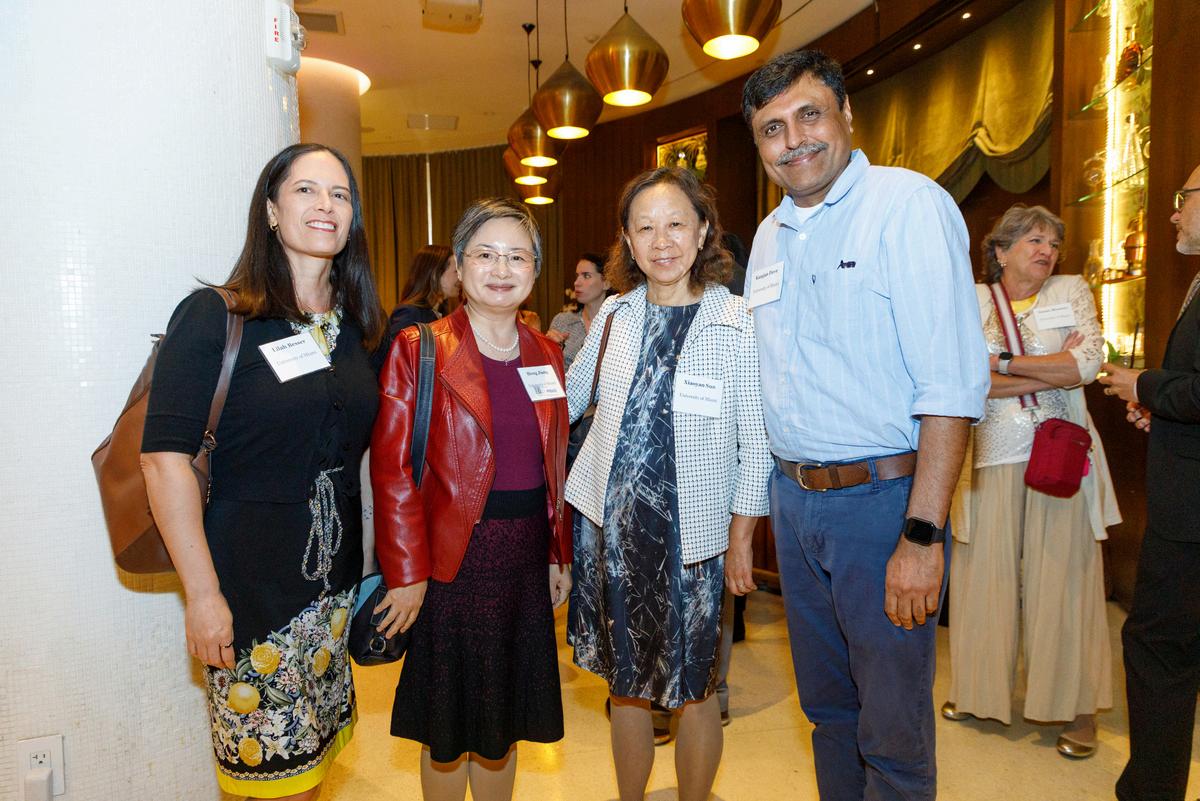
Dr. Lilah Besser’s role at the AAIC included:
Co-author of poster presented by her trainee Christine Williams “Relationships Among Cognitive Function, ADRD Risk and Sociodemographic Characteristics in a Diverse Rural Setting in South-Central Florida”
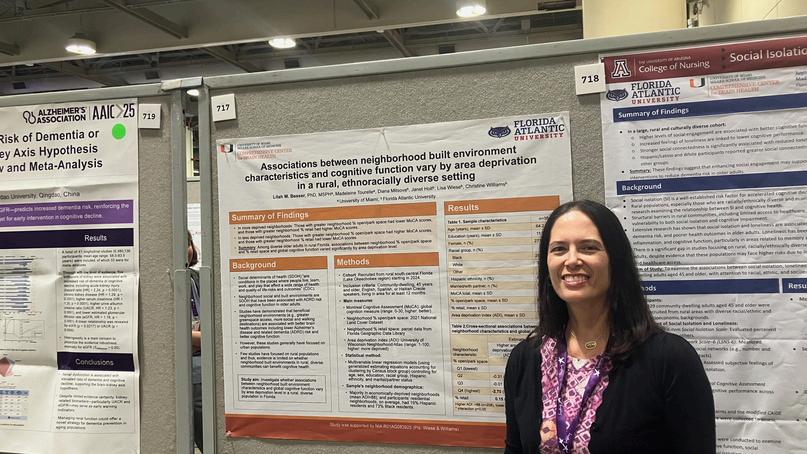
Poster presentation “Associations Between Neighborhood Built Environment Characteristics and Cognitive Function Vary by Area Deprivation in a Rural, Ethnoracially Diverse Setting”
Poster presentation “Association of Lifetime Discrimination with Cerebral Small Vessel Disease and amyloid PET: the Multi-Ethnic Study of Atherosclerosis (MESA)”
Poster presentation “Neighborhood Greenness in Midlife Associated with Cognitive Decline in Later Life: The Multi-Ethnic Study of Atherosclerosis”
Dr. Hannah Gardener presented the abstract “The PFAS VasCog Longitudinal Study: Pilot Data ”
Dr. Katalina McInerney co-authored this abstract “African-origin Protective Haplotype for Alzheimer’s disease in APOEε4 carriers” with EMBI collaborators Drs. Regina Vontell and David Davis in the UM Biobank along with 11 posters/abstracts.
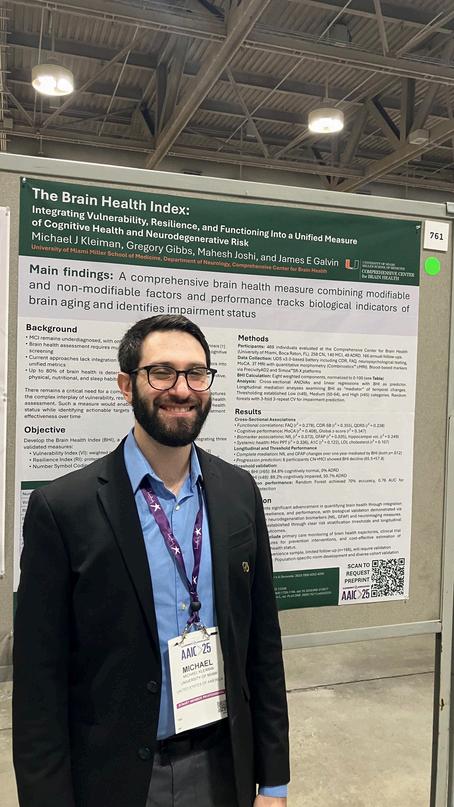
Dr. Michael Kleiman presented these 3 posters:
“Puppy Escape - A novel Narrative Recall Task Leveraging Multimodal Analysis and Weighted Scoring”
“The Brain Health Index: Integrating Vulnerability, Resilience, and Functioning Into a Unified Measure of Cognitive Health and Neurodegenerative Risk”
“Automated Scoring of Narrative Recall Assessments Using Large Language Models Enables Exploration of Alternate Scoring Criteria”
Dr. Magdelena Tolea presented the abstract “Life-Course Behavioral Changes: Impact on Cognitive Performance, Resilience, and Disease Biomarkers in Late-Life.”
T32 CrossROADS Scholars presented at the AAIC
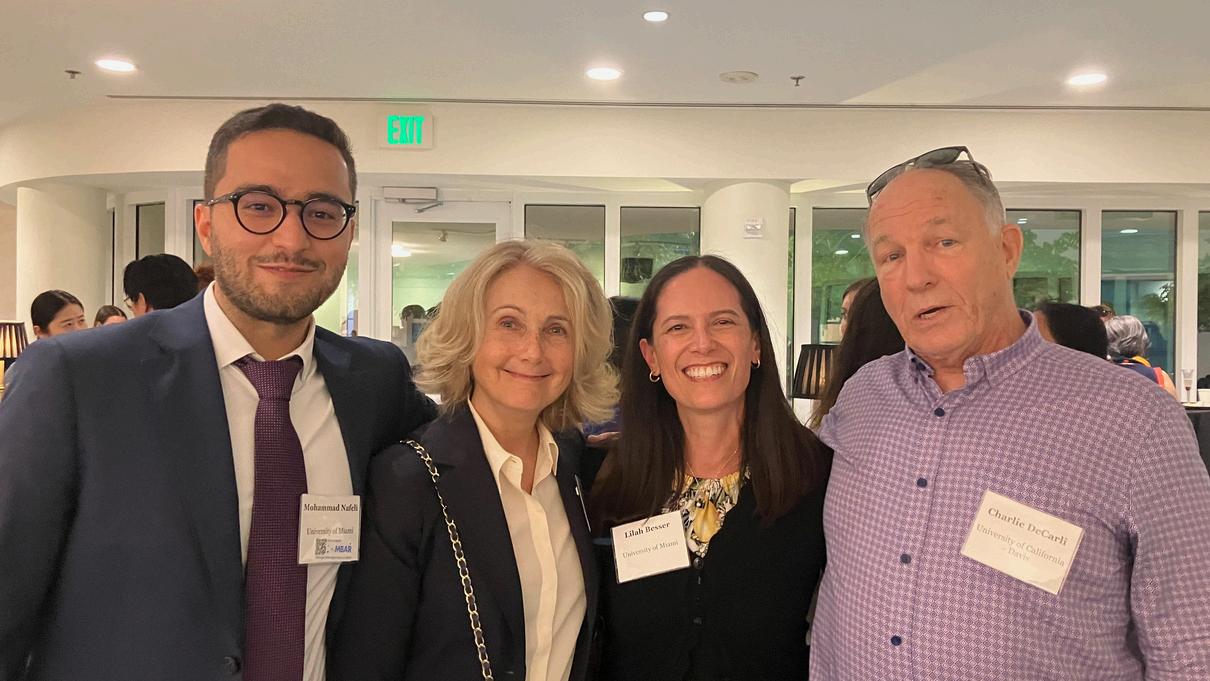
Dr. Mohammad Nafeli presented the abstract “Race/Ethnicity Disparities in the Association of CXCL9 and CCL2 with the Burden of White Matter Disease: The Northern Manhattan Study.”
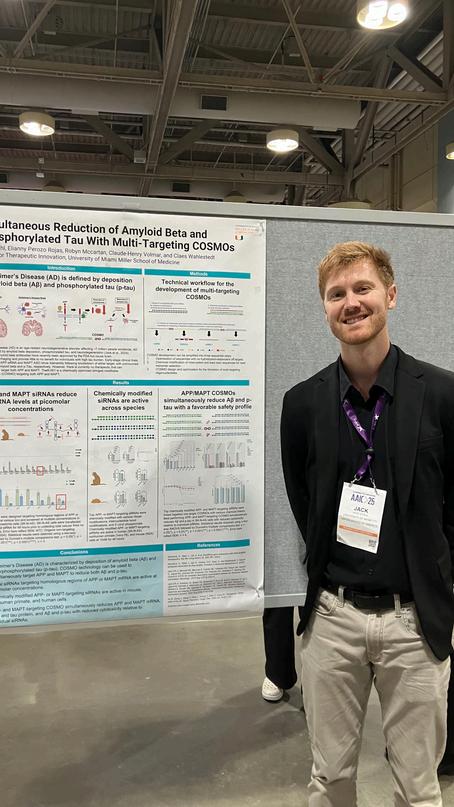
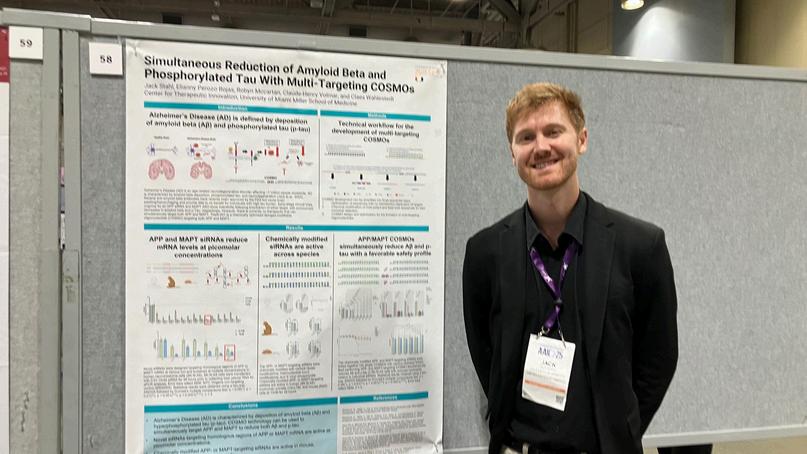
Dr. Jack Stahl presented the poster “Simultaneous Reduction of Amyloid Beta and Phosphorylated Tau for Alzheimer’s Disease with Chemically Optimized Stringed Modifiable Oligonucleotides (COSMOs).”
Dr. Rundek’s PhD student trainee Saurabh Kalra presented the abstract “Investigating the Mediating Role of Paranoid Delusions in Depression and Cognitive Decline ”
Dr. Loewenstein’s trainees Giuseppe Cucchiara and Tan Abascal presented the abstract “Plasma Biomarkers in Diverse Populations.”
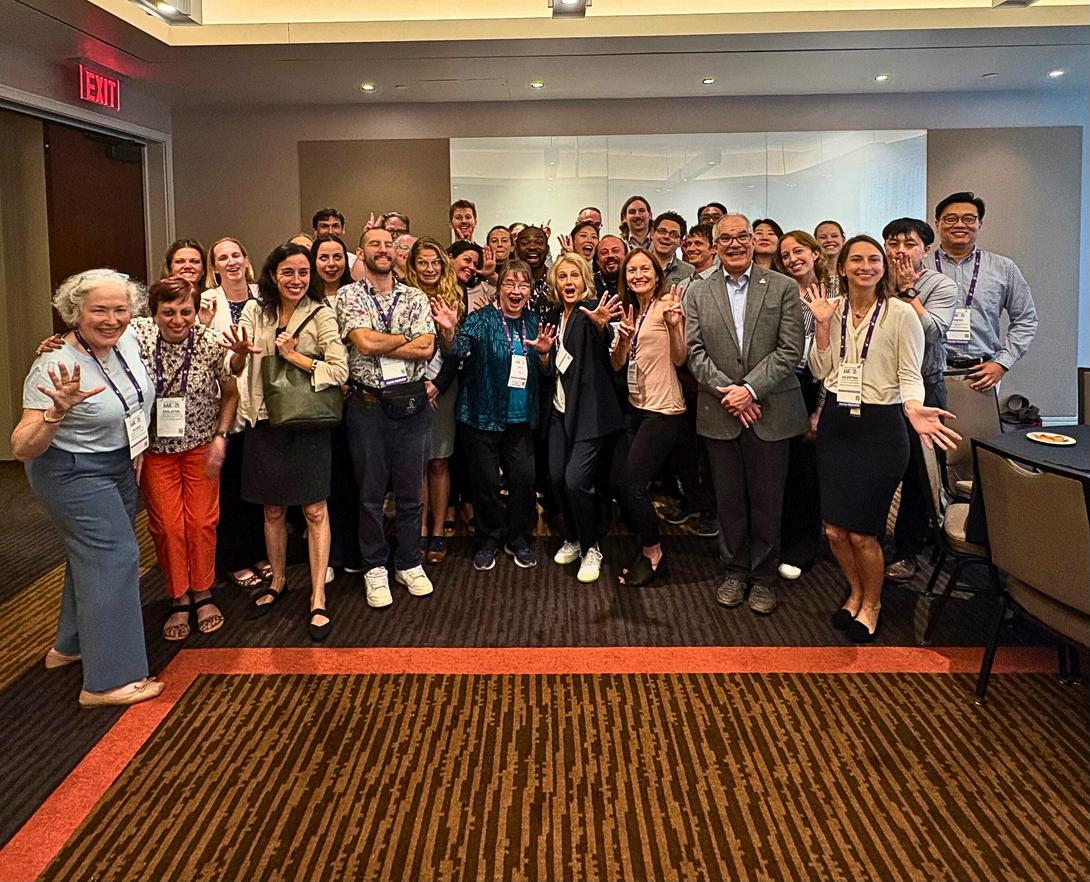
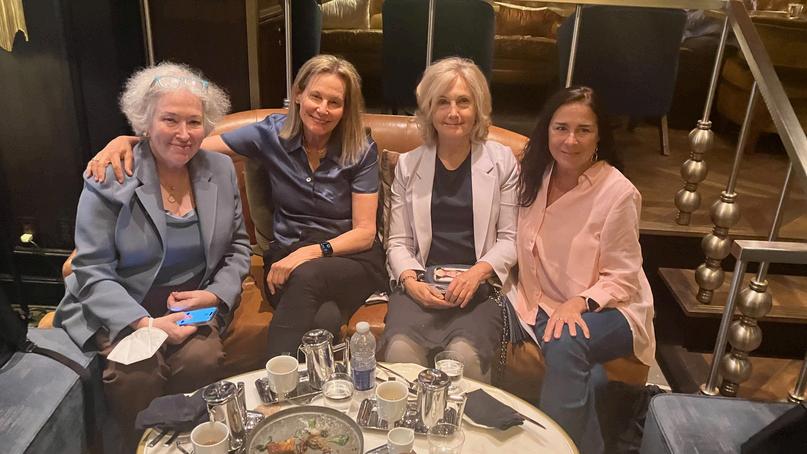
The National Alzheimer’s Coordinating Center (NACC) Research Education Component (REC) and Alzheimer’s Disease Research Center (ADRC) held a dinner and social event during the AAIC 2025 in Toronto Dr. Rundek now leads the ADRC REC Steering Committee.
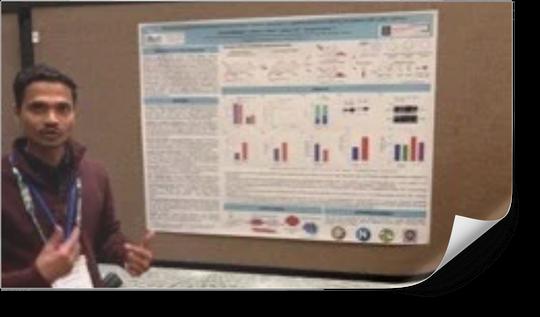
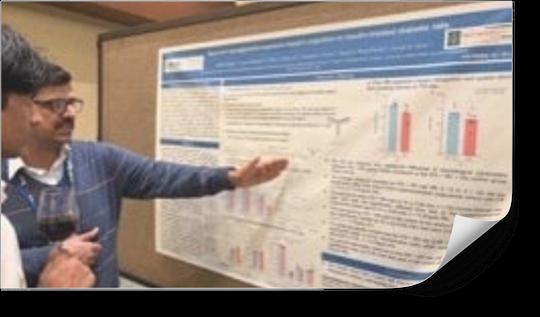
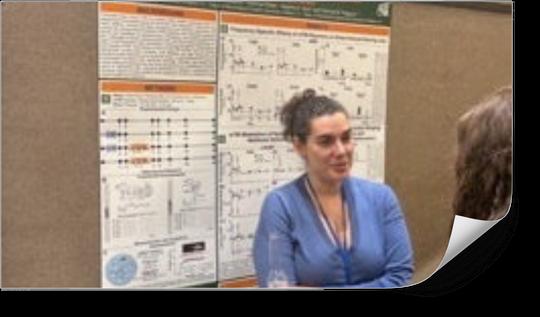
MCKNIGHT BRAIN RESEARCH FOUNDATION POSTER RECEPTION
At the 2025 Society for Neuroscience Meeting
November 16, 2025, 5:00 - 7:00 PM San Diego Gaslamp Quarter
Suresh Mallepalli presented - “Recurrent Hypoglycemia Exposure to Insulin-treated Diabetic Rats Leads to Cognitive decline by altering the platelet LIMK-cofilin pathway ”
Federica Raciti presented - “Sensory and Cognitive Effects of High-Intensity Noise Exposure Following Mild Traumatic Brain Injury.”
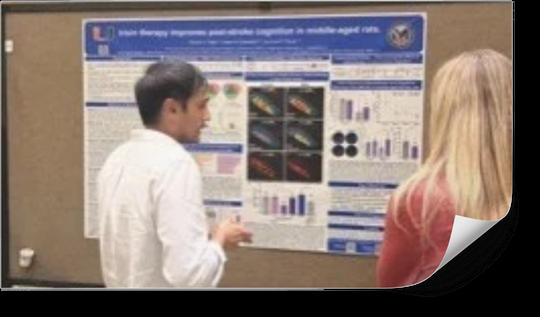
Shahil Patel presented - “Irisin therapy improves post-stroke cognition in middle-aged rats” and was awarded 3rd prize for the poster presentation based on the publication below.
AP Recombinant Irisin Therapy Alters Brain Transcriptome and Protects Against Ischemic Damage in Middle-Aged Rats Stroke 2025 Nov 5 doi: 10 1161/STROKEAHA 125 053168
Epub ahead of print. PMID: 41190441.https://pubmed.ncbi.nlm.nih.gov/41190441/
COLLABORATIVEINTERGRATIVE T R LANOITALSNATYRANILPICSID-SNAR
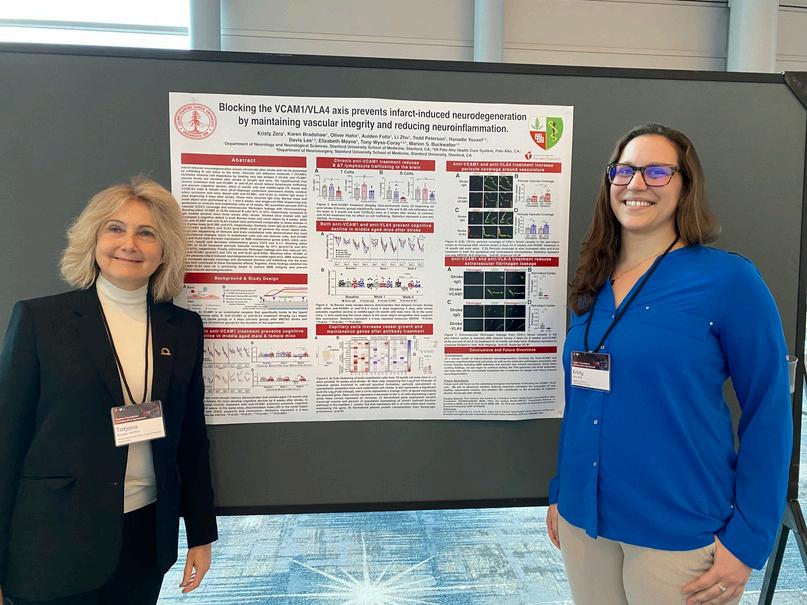
We continue to run a Collaborative Integrative Translational Trans-disciplinary Institute (CITTI) of over 100 clinical and translational scientists and growing who are translating discoveries into interventions to reduce age-related memory loss and improve brain health in partnership with communities.
Evelyn F. McKnight Brain Institute (EMBI)
Our EMBI had a successful year, with the scientific achievements highlighted throughout the report. EMBI places an emphasis on the strengths of our research training and clinical team in close integration with our programmatic clinical activities partnering with the following:
Schoninger Neuropsychology program with Dr. Bonnie Levin, Director
The Cornfeld Neuroimaging program with the Dr Ihtsham Haq, Lead
Sleep Program with Dr Christian Agudelo and Dr Alberto Ramos, Director
Clinical Cognitive Division with Dr. James Galvin, Director
Memory Clinic with Dr Barry Baumel, Lead
Comprehensive Center for Brain Health (CCBH) with Dr Galvin as Director
Department of Psychiatry’s Center for Neurocognitive Science and Aging (CNSA) with Dr. David Loewenstein, Director, and Drs. Elizabeth Crocco and Rosie Curiel as Co-Directors
OneFlorida ADRC (1FL ADRC) Dr David Loewenstein, Leader and Dr Rundek, REC Director
Endowed Brain Bank, with Dr Xiaoyan Sun, Executive Director
Bascom Palmer Eye Institute and Department of Neurology and EMBI Collaborators Drs. Hong Jiang and Jianhua Wang
Miami Project to Cure Paralysis, Dr Dalton Dietrich and Dr Juan Pablo de Rivero Vaccari
UM CTSI that integrates our EMBI trainees and mentors into CTSI education and mentoring activities led by Dr. Rundek including NCATS K12, Master of Science in Clinical Translational Investigation, Mentorship Academy and the Connection - a K to R club
Translational Sleep and Circadian Sciences (TSCS) Program with Dr. Girardin Jean-Louis, Director
Frost School of Music with our Collaborator Dr. Theresa Lesiuk
Hussman Institute for Human Genomics (HIHG) Dr Margaret Pericak-Vance, Director
The Peritz Scheinberg Cerebral Vascular Disease Research Laboratories, Dr. Miguel PerezPinzon, Director
SchoningerNeuropsychologyProgram
The Schoninger Neuropsychology Program is led by Dr. Bonnie Levin, also our EMBI CoAssociate Director, and has a clinical and research component. The clinical program provides a full range of interventions designed to mitigate age-related memory loss and other cognitive changes associated with the aging process Used in conjunction with neuropsychological testing to identify areas of cognitive weakness, patients are offered a uniquely tailored program to address their specific needs in areas that offer potential for intervention. This precision-based delivery of services focuses on developing realistic goals and practical, accessible plans of action. A major strength of the program is that nearly all of the interventions can be administered on either a virtual platform or face-to-face meeting The program now includes six faculty members, four postdoctoral fellows, seven advanced PhDlevel practicum students, and two undergraduate volunteer assistants. It offers 2-year training fellowshipsinclinicalneuropsychology.
A main research focus of the Schoninger Program is to investigate and mitigate frailtyassociated risk of cognitive decline through the Frailty research program that collects information for the McKnight Registry The McKnight Registry database includes over 500 participants followed at our cognitive neurology clinics. Research accomplishments this year by Dr. Levin and the Schoninger Program include one new project with the Department of Otolaryngology, that emphasizes the associations between aging, vestibular decline, and cognition Dr Levin has been working with Dr Hannah Gardener (PI), this year on the project PFAS and Cognition to explore the role of PFAS in lipid-mediated vascular contributions to cognitive impairment and dementia She continued the DOD funded project examining the impact of directed energy on cognition (also known as Havana syndrome). She continued serving on a multi-site dementia adjudication project with Dr. Mike Cuccaro at the Hussman Institute for Genomics (HIHG), working on a study focused on the neural correlates of autobiographical memories tied to music, and the impact of yoga on retinal biomarkers associated with cognitive declineDr Levin is a serving committee member and a co-chair for threedissertationcommittees,andonemaster’s-levelthesis
Movement Disorders Division and Cornfeld Neuroimaging Program
Dr. Ihtsham Haq is Director of the Movement Disorder Division at UM Department of Neurology and our EMBI Co-Associate Director His overall research interest has been in improving the care of patients with movement disorders and Lewy Body Dementia with a focus on the use of technology in the understanding of brain circuitry One of his priorities is to take concrete steps to ensure historically underrepresented patients are provided an opportunity to participate in research at UM, including pipeline programs, advocacy and disparity research He has been leading the Cornfeld Neuroimaging Program with data science Core – advancing our neuroscience mission and computational infrastructure with the ML/AI program. This year, Dr. Haq has a new research professor on his team, Dr. Yusen Wu, who is working with him to successfully develop AI models that accurately differentiate between individuals with and without Parkinson’s disease, as well as a model capable of predicting degree of regional brain atrophy with high accuracy in patients with PD. They are using an AI algorithm which operates on smartphone videos to extract and grade movement metrics It analyzes hand movements from single smartphone video with high accuracy and requires only additional video ingestion to increase its capabilities and remain on pace with and ahead of their competitors He was instrumental as a mentor to our EMBI PhD student Taylor Ariko who is now a UM faculty member as well as other junior faculty He is mentoring Dr Jose Alfredo Santiago who joined EMBI as a T32 research scholar who will collaborate on data analysis and cross-disciplinary project coordination in neurology and neurodegeneration He has been meeting with the AI and Neuroimaging pre-meeting working group to continue the momentum and work towards producing a white paper with the collaborative MBI team.
Dr. Agudelo, our EMBI Educational Director who works directly with Dr. Ramos and the EMBI sleep program received a NCATS K12 award and a StrokeNet scholarship. He contributed to the Editorial Board of Frontiers in Neurology, the Journal of Alzheimer’s Dementia and Precision Sleep Research. He completed manuscript reviews for Brain Circulation and Sleep Medicine. He participated in Aging Like a Pro community presentations, he mentored 2 under graduate students and one post-doctoral fellow Dr Agudelo also maintained an active sleep medicine and general neurology clinic at the Miami VA Hospital.
The State-of-the-art EMBI Sleep Program serves to educate, mentor and work to develop and translate effective research translation strategies involving sleep, for early diagnosis, treatment and prevention of age-related memory loss and cognitive decline Dr. Ramos leads the NIH-funded Sleep in Neurocognitive Aging and Alzheimer’s Research (SANAR) project and research program. Partnering sites are: Albert Einstein Medical Center in the Bronx, San Diego State University and the University of Illinois in Chicago In 2025, SANAR advanced its scientific goals with major progress across recruitment, multimodal data collection, and interim analyses. Enrollment reached 2,419 participants, keeping the study on schedule toward the target of 3,000 The SANAR analytic team established a unified interim analysis pipeline Successful execution of SANAR milestones, include near-complete repeat HSATs, complete
ABPM phenotype derivation, and initiation of multimodal interim analyses. These advances establish the foundation for testing persistent OSA burden, long-term vascular injury modeling, and cognitive decline pathways in one of the largest and most diverse aging cohorts in the U S He published 26 papers in 2025, in which 3 he was first author and his trainees were first authors on 3 papers.
Cognitive Division in the Department of Neurology
Dr. James Galvin is the Alexandra and Bernard Schoninger Endowed Chair in Memory Disorders and Director of the Cognitive Division The clinicians are Dr. Bernard Baumel, Lead of the UM Memory Program, Dr. Xiaoyan Sun, (also Executive Director of the UM Brain Endowment Bank), Dr. Christian Camargo our former McKnight Cognitive Fellow and AAN/MBRF Scholar, and Dr. Michelle Marrero, a former EMBI Clinical Fellow. Our EMBI clinical training and educational program in aging and age-related cognitive impairment is housed in the Cognitive Division of the Department of Neurology. Isabella Ferando, MD is our newest clinician. She is an Assistant Professor and a cognitive neurologist, epileptologist and neuroscientist
Comprehensive Center for Brain Health (CCBH)
Dr. Galvin is Director of the Comprehensive Center for Brain Health (CCBH) at the University of Miami Miller School of Medicine It is a research and clinical unit in the Department of Neurology located in Boca Raton, FL The overall objective of CCBH is to provide comprehensive clinical care, conduct cutting edge research, and offer outstanding educational, training and outreach programs on healthy brain aging and neurodegenerative disease. In 2025, the CCBH has grown from 13 to 43 staff members and from 3 to 7 faculty members, expanded scope from 8 to 24 grants currently totaling $8,666,554 and received 39 philanthropic gifts totaling $62,16,048 Their total grant portfolio is $30,907,462 and total gift balance is $2,265,000 The Center has submitted 19 grant applications in 2025
Dr. Ketlyne Sol, a health psychologist, joined the CCBH in March of 2025. She comes from the University of Michigan and her expertise is in gerontology, cognitive aging and health disparities. She is PI for the K01 Risk and Resilience Mechanisms Underlying Race Disparities in ADRD: An Examination of Neighborhood Resources, Social Networks, Brain Integrity, and Cognition Dr Sol has authored 42 manuscripts and has an R01 application under review
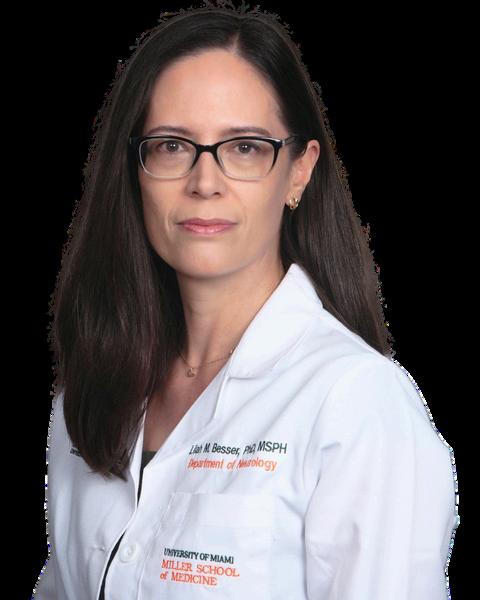
Dr. Lilah Besser is a research professor, epidemiologist and social scientist at the UM Comprehensive Center for Brain Health (CCBH). Her current research centers on the intersections between neighborhoods and social environments, healthy aging and brain health. She continues to work on her R01 project The Role of Air Quality and Built Environment in Social Isolation and Cognitive Function among rural, racially ethnically diverse residents at risk for Alzheimer’s disease and on her R21 project on neighborhood social determinants of health including built and social environments and brain health outcomes
In 2025, she was awarded a $3,685,491 R01 grant to study the research project Urban heat island exposure and its impact on Alzheimer’s disease and related dementia outcomes among older adults in South Florida. She was author on 8 publications, (first author on 3), she was an invited speaker at Rutgers University and at an NIA grantee meeting. She gave an oral presentation and was a symposium chair at the 2025 Gerontological Society of America Conference (GSA) She presented 2 posters at this year’s AAIC gave a community talk for
Comprehensive Center for Brain Health (CCBH) and is a past 1FL ADRC REC scholar Her current research focuses on the intersect between physical dysfunction and cognitive impairment, more specifically on sarcopenia and its role as a potential predictor of cognitive decline and dementia in later life. This year, she presented at the AAIC and at the Gerontological Society of America (GSA). She received two sub-awards, one for an investigational drug study and an implementation science observational study She was first author on two papers (one in print), co-authored four papers, and presented her research at two scientific meetings. Lastly, she submitted four grant applications, three as PI and one as Co-I.
Dr. Michael Kleiman is a Data Scientist at the UM Comprehensive Center for Brain Health (CCBH) His area of focus is on the intersection between neurology, cognitive psychology and data science He has developed tools and machine learning models that use neurobehavioral markers as well as health records, cognitive exam scores and neuroimaging data for assessing current impairment and predicting future risk of impairment. He is a former AAN/McKnight scholarship awardee. He presented several posters at the 2025 AAIC.
Center for Neuroscience and Cognitive Aging (CNSA)
Led by Dr. David Loewenstein, the CNSA includes Dr Rosie Curiel, a recognized minority leader in AD clinical research and Diversity Core Lead of the 1FL ADRC, and the CNSA Medical Director, Dr. Elizabeth Crocco, a recognized clinical AD investigator and Chief of Geriatric Psychiatry This Center’s mission is to be a leader in understanding the aging brain and a hub to develop and implement the most state-of-the-art techniques for the study of brain disorders. The CNSA is grounded upon three pillars: research, clinical care and education. Their scientists are leaders in the development of cutting-edge methodologies to diagnose and treat cognitive disorders. In 2025, the CNSA and EMBI continued their collaborations on the 1FL ADRC’s competing renewal application with 3 FL sites: UF, UM and Mt. Sinai in Miami Beach (currently pending review at NIA) Dr Loewenstein serves as a MPI, together with Dr Smith at UF and Dr Duara at Mt Sinai, and Dr Rundek serves as 1FL ADRC REC Director and a site investigator.
Brain Endowment Bank (BEB)
The Department of Neurology Brain Endowment Bank™, led by Dr. Xiaoyan Sun, is one of six NIH designated NeuroBioBank brain and tissue biorepositories in the nation with a large AD/ADRD and control brain repository from diverse populations. This year, they secured the renewal of the NIH NeuroBioBank and all major brain banking contracts. The Brain Endowment Bank encourages brain donation to support medical and scientific researchers who study the human brain in search of better treatments, and ultimately a cure for brain disorders EMBI and the Cognitive Division participate and support collaborations with this outstanding UM Program that also includes two neuroscientists Dr. Regina Vontell and Dr. David Davis. The BEB continued to have a strong collaboration with the Miami Project to Cure Paralysis group in which they’re looking at neuropathological conditions where the inflammasome plays an important role and may prove to be an important target using cutting edge technology with ample opportunities because of the large grant awarded. Dr. Sun coordinated a brain cutting session for EMBI members, collaborators and trainees to take place January 15, 2026.
Dr. Regina Vontell is Associate Director of the Department of Neurology Brain Endowment Bank and past 1FL ADRC REC scholar Her primary research has focused on the inflammatory mediators in the brain and their relation to complex diseases. She has been instrumental in studies that identify potential targets for neuronal inflammation. This year, she continued her strong collaboration between the BEB and Maimi Project to Cure Paralysis group. They are looking at neuropathological conditions where the inflammasome plays an important role and may prove to be an important target Her most important scientific accomplishment was to train in high sensitivity, multiplexing for gene expression profiling and multiomic research These skillsets and tools will help her hone in on specific biomarkers or targets for neurodegenerative disorders.
Dr. David Davis has participated in and supervised the dissection and allocation of more than 14,000 biospecimens for NIH NeuroBioBank investigators He has been developing a multidisciplinary research program involving the collaboration of environmental scientists, ethnobotanists, neurologists, pathologists and toxicologists all focused on investigating the effects of environmental exposures on brain health. This year, his seminal research was linking seasonal change and algal toxin exposure to Alzheimer’s disease transcriptional changes in brains of stranded dolphins, that resulted in a publication in Nature Communications Biology This research received a tremendous amount of media attention
UMBascomPalmerEyeInstitute
BPI is the world-renowned Institute that has been ranked the #1 eye hospital in the country by the US News & World Report’s Best Hospitals for the 24th time BPI faculty, Drs. Hong Jiang and Jianhua Wang train the next generation of aging researchers at BPI including fellows and medical students and are active EMBI members with a research focus on ocular biomarkers of cognitive aging and dementia. They collaborate with Dr. Rundek on microvasculature and microcirculation changes and with Dr. Galvin on retinal amyloid imaging in brain aging, MCI and AD/ADRD They are also Co-Investigators with Dr Signorile, Director of the Laboratory for Neuromuscular Research and Active Aging on the pilot study Circuit Resistance Training and RetinalVascularChangesinOlderPersons.
In 2025, they secured second and third year funding for the prestigious NIH Oculomics award, totaling 4.7 million dollars This project investigates the potential of the eye as the window to the aging brain. They received a new grant in 2025 from UM for the project Novel retinal capillary hemodynamics for monitoring vascular contribution to dementia, a pilot study in collaboration with Dr. Christian Camargo that will collect preliminary data on retinal capillary hemodynamics in patients with MCI in order to apply for further grants They presented at 8 scientificconferences,published7papersandreceived1newgrant
UMClinicalTranslationalScienceInstitute(CTSI)
The CTSI, led by MPIs (Drs Kobetz and Carrasquillo) is a university-wide institute dedicated to accelerating and transforming culturally informed clinical translational science (CTS) and serves as the Miami Hub of the national CTSI consortium to advance scientific discoveries into improved health and health equity. In 2025, it is in the third year of its funding renewal. With its programs (biostatistics, epidemiology and research design; informatics and data science; community and stakeholder engagement; team science; integrating special populations; regulatory, network capacity, translational workforce development, K12, and pilot program) it provides infrastructure and resources for CTSI and clinical trial readiness to address new pandemics or emergencies and support education, training and diverse translational workforce development. Our EMBI has a strong connection with the CTSI. Dr. Rundek serves ontheCTSISteeringcommitteeandleadsK12andaMasterProgram
CTSIK12Program
Dr. Tatjana Rundek is Director of the CTSI K12 Program and is Director of a MS Degree program in Clinical Translational Investigation (MCSTI), both highly integrated, crossdisciplinary programs to train and mentor the next generation of translational scientistsleaders. Currently, the K12 program (Dr. Rundek PI) is in its second year of CTSI renewal. This program builds upon the 10 years of success in her prior CTSI KL2 leadership, with 21 Scholars who graduated from KL2 grant programs and 4 with K12 grants, who had over 200 publications directly related to their KL2/K12 projects and successfully competed for R and K type awards with over $50M in research funding Consistent with the overall CTSI theme, half of the K12 scholar research projects were on minority health and health disparities The K12 award of $3.8 million for 4 years is building on the Miami CTSI’s highly successful KL2 program with a goal of training and mentoring promising early-stage investigators in cross-disciplinary clinical and translational science, team science, and community participatory research. Currently, the K12 program has (8) scholars with 4 from our EMBI: Drs. Christian Agudelo, SonyaKaur,DierdreO’Shea,andJacobMiller
Dr Girardin Jean-Louis, one of the world’s leading experts on advancing the science and practice of sleep and circadian sciences, directs the Translational Sleep and Circadian Sciences (TSCS) Program in the Department of Psychiatry and Behavioral Sciences at the UM Miller School of Medicine. He collaborates with Dr. Rundek on two T32 programs and NIH-funded R25 PRIDE. These programs focus on how interventions aimed at better sleep quality can improve the health of minority populations that are disproportionately affected by problems associated with sleep The TSCS research focus is on investigating how sleep deficiencies and circadian misalignment, or a misalignment of the body’s internal clock, impacts development of cardiovascular disease, dementia, and other chronic health problems The TSCS has three pillars: research, training and community engagement and empowerment. A major objective of the program is training and mentoring new generations of sleep and circadian scientists, including underrepresented minority investigators to attain the national mandate to achieve health equity in all US communities Dr. Jean-Louis was named in 2025 listing of world's top 2% Scientists Network from a ranking compiled by researchers at Stanford University in collaborationwithElsevierinthemainfieldofclinicalmedicineandthesubfieldofneurology & neuroscience. As a group, Dr. Jean-Louis and team had 34 poster/oral presentations at the AmericanAcademyofSleepMedicine.
Frost School of Music
The Frost School of Music at the University of Miami is one of the most highly acclaimed innovative music schools in the United States. It is a progressive school that fosters students to build themselves into self-assured music professionals Its award-winning faculty vigorously and effectively seeks to improve the world through ardent musical performances, impactful research and exceptional teaching. Drs. Theresa Lesiuk, Xiaoyan Sun and Roger McIntosh collaborate on the project The Neural Network Connectivity of Autobiographical Music in Adults with Mild Cognitive Impairment and Mild Alzheimer’s Disease, funded by the ML Pearce Foundation. The aims of the project are to investigate the activated neural networks of autobiographical versus novel music in patients with Mild Cognitive Impairment (MCI) and mild Alzheimer’s disease (mAD) The study uses a within-subjects and between-subjects design and has completed enrollment. The three conditions (i.e., recorded autobiographical music, novel music, white noise) are randomly counter-balanced. The study has met the projected timeline with the analysis of all MCI/mAD brain scans pending Another paper from this research was published in Frontiers of Neuroscience this year.
OneFlorida ADRC (1FL ADRC)
1FL ADRC continues to operate under the leadership of Dr. David Loewenstein, one of the 1FL ADRC Directors Dr. Tatjana Rundek now serves as Director of 1FL ADRC REC AlzSTARS (Alzheimer’s Science Training to Advance Research Success), after Dr. Glenn Smith from UF has been assuming the role of the 1FLADRC Contact PI. Two UM AlzSTARS graduates from EMBI, Dr. Magdalena Tolea, CCBH and Dr. Regina Vontell, UM Brain Endowment Bank have completed the program. Together with 1FL ADRC, UM has a strong national presence in AD/ADRD genetic research, particularly in minority populations through the Hussman Institute for Human Genomics (HIHG) With Dr Rundek as national ADRC REC Steering Committee Leader, our ADRC has additional national visibility and creates more opportunities for collaborations on clinical and educational programs for our EMBI.
Hussman Institute for
Human Genomics (HIHG)
Led by Dr. Margaret Pericak-Vance, the HIHG is leading a national initiative in the whole genome sequencing for ethnically diverse AD cohorts and the project on the origin of AD in people of African Ancestry. They have a new NIH award of over $7 million for a state of the art biorepository. It is 6,500-square-foot and greatly increases the center’s capacity to store millions of research samples and expand its laboratory capabilities Our EMBI has many scientific partnerships and collaborations with HIHG researchers and scientists, predominately on genetic and epigenetic markers of cognitive and brain aging funded by NIH and several non-profit organizations
The Peritz Scheinberg Cerebral Vascular Disease Research Laboratories
The laboratories continue to conduct research on cerebral circulatory control mechanisms in animal models which have evolved over the years into studying cerebral ischemia from molecular biology to physiology and behavioral testing, with the goal of finding novel therapies. Their scientists are constantly in search of novel findings, seeking to expand the knowledge of cerebrovascular disorders with the aim to treat and enhance qualityof life. Dr. Miguel Perez-Pinzon is the Scheinberg Professor of Neurology and Neuroscience, Vice-Chair for Basic Science in Neurology and Director of the Peritz Scheinberg Cerebral Vascular Disease Research Laboratories
Dr. Kunjan Dave is a Research Associate Professor whose research includes studying potential signaling pathways responsible for neuronal death in neurodegenerative diseases. He presented new research results at the Society for Neuroscience (SfN) conference and MBRF hosted poster reception this year. The presentations explained how diabetes is associated with cognitive decline, and antihyperglycemic therapy increases the risk of recurrent hypoglycemia (RH), which may worsen cognitive outcomes At the 2025 International Stroke Conference, he presented on how cerebral ischemia is worsened in diabetes, and recurrent hypoglycemia (RH) associated with insulin treatment exacerbates post-ischemic cerebral hypoperfusion and brain injury.
Dr. Ami Raval is a Research Associate Professor in the Department of Neurology in the basic science division Her research focuses on understanding the effects of estrogen on neuronal survival after ischemic episode, and the role of nicotine addiction on beneficial effects of estrogen on hippocampal neurons subjected to ischemia She received a grant from the Florida Department of Health (FL-DOH) and an American Heart Association (AHA) Transformational Project grant as well as a UM Neuroscience Graduate Program Excellence in teaching award. Four of her posters were presented at the UM Neuroscience Research Day event and 2 presentations at the VAHS research day by Dr. Raval’s trainees in 2025. She published 4 papers and gave 3 presentations at the International Stroke Conference Two of her trainees presented at the Society for Neuroscience (SfN) meeting and MBRF poster reception, as well as at the Eastern-Atlantic Student Research Forum (ESRF).
Dr. Oliver Bracko’s lab, fosters a highly collaborative environment that works with fellow UM labs to investigate vascular dementia models in the context of precondition, establishing the role of extracellular vesicles from neutrophils in Alzheimer's Disease mouse models and patients, and work on investigating glycosylation patterns of neutrophils and their impact on cerebral blood flow changes. In addition, he is collaborating with labs at Duke, Mayo Clinic and the University of Vermont to establish new models of VCID, investigate the impact of delirium on neuroinflammation, and determine the role of the mechanosensitive channel Piezo-1 on cerebral blood flow in Alzheimer's Disease This year, Dr Bracko and his team published their work on the mechanosensitive ion channel Piezo1, showing that it can slow down the progression of vascular contribution in Alzheimer’s Disease. He published another paper and one is in publication. as well as two other seminal papers. He received a Provost's Research Awards from the University of Miami to research Alzheimer’s Disease neutrophilspecific extracellular vesicles are drivers of microvascular damage He presented at the Society for Neuroscience (SfN) this year and was an invited speaker at 3 prestigious conferences including one in South Korea.
Dr. David Della-Morte is a Research Associate Professor of Neurology in EMBI. He is also an Associate Professor of Internal Medicine at University of Tor Vergata and the Director of the Geriatric Unit at Tor Vergata Hospital, Rome, Italy, and Co-Director of IC-LOC (Interdisciplinary Center for Advanced Studies on Lab-on-Chip and Organ-on-Chip Applications) He is involved in both basic and clinical science in the field of aging, metabolic, cardiovascular and cerebrovascular disease. His current research focus is to clarify the pathological pathways linking metabolic diseases with cognitive impairment typical of elderly patients and with genetic disorders and studies aimed to identify genetic factors influencing the development of vascular aging and cognition This year, he received 3 honors received 1 grant and published 5 papers He also participated in several prominent scientific, clinical, and institutional events, contributing his expertise in geriatrics, endocrinology, nutrition, public health, and longevity research.
1. Training
The Evelyn F. McKnight Brain Institute at the University of Miami (EMBI) under the leadership of Dr. Rundek, continued to prioritize training the future generation of scientists to research the aging brain She continues to serve as Training Director for both the StrokeNet and NeuroNEXT grant programs that recruit one scholar per year well as 1FL ADRC REC Director that recruits two scholars per year In addition, she leads the CTSI K12 program, 2 T32s and a R25 program.
Our most robust training outlet has stemmed from our McKnight funded training program From the inception of this program, 12 scholars have been trained and prepared for independent careers. All have tremendous success stories Three of them got their start as McKnight Fellows Two of our former trainees were awarded AAN/McKnight grants, 2 were MBRF pilot grant awardees and 2 of them were Evelyn F. McKnight Neurocognitive Scholars. Four are clinicians and 4 are UM faculty; 3 in the Department of Neurology and 1 in Radiology One is a clinical fellow at UCSF and 2 are working in the field of aging and cognition in private practice.
Past Trainees
Our most recent and notable trainee success in 2025
Taylor Ariko, PhD (Mentors: Drs. Rundek, Zhao and Haq) was previously awarded the Dean’s Fellowship from the Graduate School at the University of Miami and has been an Evelyn F McKnight Brain Institute (EMBI) McKnight PhD Student She defended her PhD dissertation on Sociodemographic Variation in Cerebral Microstructure Across the Cognitive Decline Spectrum Using Advanced Diffusion MRI Modeling in patients from the 1Florida Alzheimer’s Disease Research Center She received her PhD in Biomedical Engineering from the University of Miami, graduating with the Award of Academic Merit. Dr. Ariko is now an Assistant Professor at the Miller School of Medicine at University of Miami, where she works as an MRI Physicist in the Department of Radiology Under the mentorship of Dr Pradip Pattany, PhD, she provides clinical and technical expertise to support the operation and advancement of MRI technology for clinical applications and research protocols. As an EMBI Collaborator, she continues to research microstructural markers of brain health, aging, and cognitive decline using MRI and multi-modality neuroimaging and ML computation methods.
Jose Alfredo PhD
Sonya Kaur PhD
Carla Gibbs PhD
Jack Stahl PhD
Karlon H Johnson Jr PhD
Jacob Miller PhD
NIH/NIA T32 Cross-disciplinary research opportunity for training in AD/ADRD scienceCrossROADS Training Program
The CrossROADS program is in the second year of NIA funding. The first 3 CrossROADS scholars enjoyed a year of steadfast training including completing classes in team science, ADRD and related disorders, professional development and research planning, manuscript writing and presentation skills. They will begin their second year of the program in 2026. A major goal to search for and hire a second cohort of CrossROADS scholars was met, also, as a result of the second year of funding being renewed
1st CrossROADS Cohort of T32 Program Scholars
Mohammad Nafeli Shahrestani, MD (Mentor: Dr Rundek) is our first CrossROADS T32 scholar Dr. Nafeli was born in Iran, and moved to Rome, Italy at age 19 to pursue medical education. Driven by his keen interest in the study of the aging brain and neurodegeneration, in his last year of medical school, he was a research scholar at the University of Maryland, Baltimore, where he completed his MD graduation thesis on Alzheimer’s Disease. After graduating summa cum laude from Tor Vergata University of Rome, he joined the Neurology Department at the University of Miami as a postdoctoral T32 research scholar His research is largely based on the Northern Manhattan Study (NOMAS), a population-based, multi-ethnic, longitudinal cohort with detailed clinical, imaging, cognitive, and biospecimen data. His work focuses on a well-characterized NOMAS MRI sub study of 1,179 stroke-free participants in whom 60 immune-related serum biomarkers were measured using multiplex immunoassays These analyses evaluate how circulating immune markers relate to age-related brain disorders. This work led to his primary scientific achievement in 2025: the completion and acceptance of his first-author manuscript, “Chemokines CXCL9 and CCL2 in Relation to Cerebral White Matter Disease, Cognitive Decline, and Dementia: The Northern Manhattan Study,” accepted for publication in Neurology® Open Access. Work on his project was presented in a poster at the Alzheimer’s Association International Conference (AAIC) Two abstracts were accepted to the International Stroke Conference (ISC) and one to the American Academy of Neurology (AAN) conference in 2026.
Carla Gibbs, PhD (Mentors: Drs. Jean-Louis, Rundek) is the second CrossROADS scholar. Dr. Gibbs is from Miami, FL She received her PhD in Biomedical Sciences with an emphasis in Biochemistry from Meharry Medical College in Nashville, Tennessee, in May 2023 She is trained in a broad scope of science immunology techniques, and contemporary molecular biology research methods. She completed her graduate training in the Laboratory of Cancer Biology and Genetics (LCBG) at the National Cancer Institute, National Institutes of Health (NCI-NIH) in Bethesda, Maryland. Dr. Gibbs has many years of experience in scientific outreach and as a scientific policy advocate. Her expertise is in inflammatory and epigenetic pathways, which now include novel pathways in neurodegenerative diseases Through identifying bio-
markers at the intersection of inflammation and sleep disturbances, Dr Gibbs uses bioinformatic tools and artificial intelligence to develop our understanding of neurodegenerative disease by mining data retrieved from NIH-R01 funded studies, ESSENTIAL and MOSAIC. This year she had many accomplishments including attending the 3-day Harvard Dementia Comprehensive Update course, completed University of Miami CTSI Team Science and Entrepreneurship, gave the presentation “Inflammatory Biomarkers and Sleep: Insights into Neurodegeneration and Alzheimer's Disease in Diverse Populations” at the2025 American Academy of Sleep Medicine (AASM) and co-authored the paper DNA Methylation Signatures of Life’s Essential 8 and their Implications for Dementia in Alzheimer's Research & Therapy.
Jack Stahl, PhD (Mentors: Drs. Wahlestedt, Rundek) is the third CrossROADS scholar. Dr. Stahl is from Detroit, Michigan and spent much of his childhood wondering how the mind works With a strong early interest in neuroscience, he moved to Miami at the age of 17 to pursue undergraduate studies in biochemistry and psychology at the University of Miami He did scientific training in the lab of Dr. Claes Wahlestedt at the University of Miami’s Center for Therapeutic Innovation where he completed a PhD in neuroscience. With a personal motive to develop a disease-modifying therapeutic for Alzheimer’s Disease, Dr. Stahl’s dissertation work was focused on developing multi-targeting oligonucleotide therapeutics for Alzheimer’s Disease and other neurological disorders His work resulted in the formation of a biotechnology company, Tinker Therapeutics, which was awarded the first-place prize in Eli Lilly’s Genetic Medicine Grand Challenge in 2024. He is continuing his work on therapeutic development as a CrossROADS T32 postdoctoral scholar under the mentorship of Dr. Wahlestedt, and Dr. Rundek with an ongoing focus on treatments for Alzheimer’s Disease and other neurological disorders
2 CrossROADS Cohort of T32 Scholars nd
Jose Alfredo Santiago, MD (Mentors: Drs Haq, Rundek) Dr Santiago was born in Puerto Rico and completed his undergraduate training in Chemical Engineering at the University of Puerto Rico-Mayagüez He pursued his medical sciences education at Touro College of Medicine in New York and earned his MD from the American University of the Caribbean. Before joining the University of Miami, Dr. Santiago served as a Research Associate at the Chicago Medical School, where he identified novel RNA blood-based biomarkers for Parkinson’s disease and atypical parkinsonian syndromes His discoveries led to the founding of NeuroHub Analytics, a company dedicated to high-throughput genomic analysis, biomarker discovery, and therapeutic target identification for neurodegenerative diseases He is recognized for his work on diagnostic biomarkers for Parkinson’s disease and for elucidating molecular pathways that link Parkinson’s and diabetes. His current research project involves investigating the contribution of arterial stiffness in cognitive decline in Parkinson’s disease. The research aims are as follows Aim 1 Examine the association between ePWV and cognitive status in PD
Aim 2 Assess sociodemographic modifiers of the ePWV–cognition relationship Aim 3 Evaluate the role of comorbidities in the ePWV–cognition relationship His recent journal article “GLP-1 agonists in neurodegeneration: A multimodal biomarker-guided approach,” was accepted for publication in Trends in Molecular Medicine.
Karlon Johnson, PhD (Mentors: Dr Rundek, Tsinoremas) is a CrossROADS T32 scholar He is the second scholar of the second T32 cohort He earned a PhD in Epidemiology from the University of Miami Miller School of Medicine, Department of Public Health Sciences His doctoral work focused on the intersection of vascular health, social determinants of health, and patient-centered outcomes, culminating in a dissertation examining how patient perceptions of discharge communication influence post-stroke behavior change and readmission risk His long-term goal is to become an independent epidemiologist leading an interdisciplinary research program focused on post-stroke transitions of care and the design of patient-centered interventions that improve outcomes across the continuum from stroke to dementia. His project aims to advance AD detection and understanding by leveraging largescale EHR data, applying advanced analytical techniques, and incorporating novel risk factors and populations. There are 3 aims. Aim 1: Develop a more precise operational definition of Alzheimer’s disease using EHR data Aim 2: Identify and characterize temporal trajectories of traditional and non-traditional risk and protective factors linked to AD Aim 3: Evaluate how risk factor trajectories contribute to AD detection and prediction across different demographic groups.
Fernando Ferrier, PhD (Mentors: Drs. Perez-Pinzon, Rundek) completed his undergraduate training in Neuroscience at the University of Miami, graduating magna cum laude, and went on to earn his PhD in Neuroscience from the University of Miami Miller School of Medicine He conducted his doctoral research in the laboratory of Dr Miguel Perez-Pinzon His research focuses on mechanisms of cognitive recovery following cardiac arrest and stroke, with particular emphasis on neural circuit dynamics, neuromodulation, and oscillatory activity. Using a multidisciplinary approach that includes electrophysiology, behavioral analyses, and histological methods, his work examines how interventions such as physical exercise and resveratrol promote neural resilience and functional recovery after ischemic brain injury
Dr. Ferrier will continue his research as a postdoctoral scholar in the CrossROADS program in January of 2026 in the laboratory of Dr. Perez-Pinzon, where he aims to further investigate circuit-level mechanisms underlying neuroprotection and cognitive restoration.
Evelyn F. McKnight Neurocognitive Scholar
Botagoz Aimagambetova, MD (Mentors: Drs. Rundek and Tulay) completed an MD degree and a residency in medicine/cardiology in Kazakhstan. She studied ultrasound and functional evaluation of cardiovascular diseases and is trained in a full range of noninvasive diagnostic cardiac exams. Her primary research interest is the determination of cardiovascular risk factors in the etiology of neurodegenerative processes in elderly populations In 2025, she completed 12 manuscript peer reviews for international journals, including Alzheimer’s & Dementia, Scientific Reports (Nature Portfolio), Clinical Epigenetics, BMC Neurology, BMC Endocrine Disorders and Blood Pressure. She also received a Professional Certificate in Computer Science for Data Science Program from Harvard University this year completing these two courses: Introduction to Computer Science (CS50) and Introduction to Programming with R (CS50R).
Together with her mentors, Dr Aimagambetova has prepared and agreed to work on a research project during her EMBI scholarship that includes investigations of the effect of arterial stiffness on brain and cognitive outcomes. She has already started the analyses using data from the Northern Manhattan Study (NOMAS), a longitudinal cohort of 1290 stroke-free and cognitively normal individuals at enrollment. In her preliminary analyses, arterial stiffness, as measured by an indirect and estimated clinical measure, was associated with incident MCI and dementia over the average of 7 year follow up She also showed that about one-third of this association is mediated by the burden of cerebral white matter disease on MRI, which supports the vascular etiology of cerebral small vessel disease. However, the association that remains independent of white matter disease suggests additional mechanisms, including neurodegenerative, metabolic, or genetic, underscoring the multifactorial pathways linking arterial stiffness to late-life cognitive outcomes in about a third of apparently healthy adults over age 65 She has submitted these results in abstract form to the 2026 AAIC
Sonya Kaur, PhD (Mentors: Drs. Rundek, Levin and Ramos) is a psychologist and an Assistant Professor in the Department of Neurology Division of Neuropsychology Schoninger Neuropsychology program. Her research focuses on mechanistic pathways that mediate cognitive impairment in aging She has a special interest in examining the impact of lifestyle interventions (e g exercise, sleep) on markers of disease progression in a variety of neurodegenerative processes. In 2025, she continued working on her K12 project. She completed analysis for the first aim of her K12 examining metrics of sleep and Alzheimer’s Disease biomarkers. She was awarded the NIH NCATS funded AIM AHEAD consortium fellowship, which is a year long training program targeted at training promising young investigators in the use of artificial intelligence for clinical science research She was also elected for the competitive NIA R25 funded Neurostatistics Bootcamp in April 2025 She has been collaborating with Dr. Kristina Visscher and Dr. Porges (UAB and UF) to analyze actigraphy and cognitive resilience data from the MBAR cohort. This year, she resubmitted a
K08 grant She received a favorable review but wasn’t funded She also submitted and received an NIH NCATS AIM AHEAD training fellowship Lastly, she prepared an AASM Bridge to Success grant in 2025 that will be submitted in 2026.
Deirdre O’Shea, PhD (Mentors: Drs. Galvin and Rundek) is an Assistant Professor and Clinical Neuropsychologist in the Department of Neurology Her research investigates risk and resilience factors that contribute to variability in cognitive aging and predisposition to Alzheimer’s disease and related dementias (ADRD) She is currently working on developing novel DNA methylation (DNAm) biomarkers for predicting ADRD risk. These epigenetic markers offer a quantifiable metric of the interplay between genetic and environmental factors over the life course. She is the PI of a study titled Developing a DNAm Biomarker for Cognitive Aging: Addressing Disparities and Promoting Community Engagement and is supported by a two-year CTSI K12 career development award. This year, she successfully completed her K12 project aims She co-authored 7 publications (first author on 1) and has 3 publications under review. She also submitted 3 grants. A funding decision is pending for the K01 and R03 submissions. She continues as Co-Investigator on an a R21 and R01.
Nicole Dueker, PhD (Mentors: Drs Wang, Blanton, and Rundek) is a research scientist at UM and is an EMBI trainee She performs statistical and genetic epidemiological analyses in various datasets, including the Northern Manhattan Family Study, UK Biobank, ADNI and others. Her primary work focuses on performing analyses on and investigating the relationship between epigenetic age acceleration and stroke intermediate phenotypes as well as epigenetic changes and their association with aging in a large sample of extended families from the Dominican Republic Currently she is completing analyses and a paper on the impact of biological age on brain health using different epigenetic clocks She is currently relocating and serves as a part time genetic scientist-analyst under supervision of Drs Blanton and Rundek.
Jacob Miller, PhD (Mentors: Drs. Rundek and Loewenstein) is an Assistant Professor in the Department of Psychology (Cognitive & Behavioral Neuroscience Division) at U-Miami Previously, he was a Wu Tsai Institute postdoctoral fellow at Yale University, working with Professors John Murray and Amy Arnsten He completed his PhD in 2021 with Mark D’Esposito at the University of California, Berkeley. He is the recipient of a K12 award, and his research focuses on how the architecture of the prefrontal cortex supports a remarkable array of flexible cognition and memory behavior in humans. To do this, his lab uses the tools of functional and anatomical neuroimaging to peer into the human brain, combined with computational modeling of neural circuits and behaviors, and analyses of large-scale neurophysiological data From this work, his lab aims to deepen our understanding of memory circuits as a critical step in developing next-generation, targeted interventions and in broadly advancing human cognitive and brain health.
2. Professional Education
Scientific Education and Training for Professionals in the Community
The University of Miami 58th Annual Neurology Update and Stroke Intensive Review 2025 provided clinicians with a comprehensive review of the most recent developments in the diagnosis and management of neurologic disorders, including stroke, cognitive neurology/brain health, epilepsy, multiple sclerosis (MS), movement disorders, neuromuscular disorders, headache/migraine, neuropsychology, sleep disorders and general neurology.
The University of Miami 58th Annual Neurology Update and Stroke Intensive Review 2025 featured the Inaugural Ralph Sacco Distinguished Lecture Dr Ashkan Shaomanesh, Associate Professor of Medicine in the Division of Neurology and stroke neurologist at McMaster University where he holds the Marta and Owen Boris Chair in Stroke Research and Care, presented the inaugural Ralph Sacco distinguished lecture as a keynote speaker. He presented “Anti-Thrombotic Therapies Post Intracerebral Hemorrhage.”
EMBI Contributions to the Neurology Update & Stroke Intensive Review
Ihtsham ul Haq, MD moderated the Movement Disorders session
James E. Galvin, MD, MPH moderated the Cognitive Neurology session
Christian Agudelo, MD presented – “Sleep Disruption and Cognitive Disease”
Christian J. Camargo, MD presented – “Advances in the Treatment of Alzheimer’s Disease”
James E. Galvin, MD, MPH presented – “Advances in the Diagnosis of Alzheimer’s Disease and Lewy Body Dementia”
Nicole Sur, MD presented – “Embolic Stroke of Unknown Origin: A Construct Worth Reconstructing“
Elizabeth Crocco, MD gave the following presentations to healthcare professionals in the community at The Aging Brain: Navigating Cognition, Mental Health, and Pharmacological Treatment event in Miami Beach, FL in March of 2025.
“New Emerging and Promising Agents for Alzheimer’s Disease”
“Pharmacological and Non-Pharmacological Management of Alzheimer’s and Related Dementias”
“Geriatric Psychopharmacology:Navigating Common Treatment Challenge”
“Treating the Family Constellation in Geriatric Psychiatry and Dementia”
Ihtsham Haq, MD was a panelist on the session ‘Leveraging AI to Improve Disease Detection’ at the eMerge Americas 2025 meeting eMerge Americas is a strategic convener and catalyst for innovation, bringing together global enterprises, startups, investors, and government leaders to accelerate advancements in AI, Finance, Health, and National Security.
American Heart Association (AHA)/Bugher Foundation
Collaborative Symposium February, 2025 in New Orleans, Louisiana
In addition to a scientific program on brain health, this symposium provided a speed mentoring event where Dr. Rundek participated as a mentor and session lead
The conference focus was on well-being, happiness and quality of life in aging, blending practical strategies with innovative ideas Dr. James Galvin represented the UM Department of Neurology Cognitive Division as a panelist It was attended by over 300 healthcare and aging professionals
EMBI Education and Training for Residents, Fellows, Trainees, Scientists at UM
EMBI Research Seminars
Each year, we hold research seminars on new discoveries, treatments, novel research being published and current research being conducted by EMBI members, trainees and collaborators. In 2025, we held 12 seminars with about 300 attendees. Some of the most attended seminars were "A mathematical theory of learning and knowledge acquisition" and "Rhythms of the Brain and the Shaping of Cognition ”
Cognitive Neurology Residency
Dr. Agudelo leads the cognitive neurology program for neurology residents The unique collaboration between the UM Cognitive Division and EMBI is a 2-week cognitive neurology mandatory rotation program for neurology residents and has become an integral and successful core compulsory feature of the neurology residency. Residents have been immersed in cognitive neurology and engage in EMBI activities which serves to create a pipeline of neurologists interested in careers in cognitive neurology It included clinical rotations in cognitive clinics under supervision of cognitive neurologists, assigned cognitive neurology readings and participation in EMBI activities. This year, there were 8 residents and they met with Drs. Rundek and Agudelo to discuss brain aging, cognitive and brain health, cognitive neurology career options as well as EMBI scholarships. We received positive feedback from their evaluations regarding the importance of the cognitive neurology rotation In surveys before the cognitive neurology rotation, 67% of residents “strongly agreed” and 33% “agreed” that a cognitive rotation was important After completing the rotation, 86% “strongly agreed” and 14% “agreed.” This rotation has attracted the interest of our newest cognitive neurology assistant professor and EMBI faculty, Dr. Isabella Ferando, who will assist with the management of this cognitive neurology rotation.
Resident EMBI Journal Clubs
The first McKnight Resident Neurocognitive Journal Club was held 03/21/2025 The article presented was “Effects of intensive lifestyle changes on the progression of mild cognitive impairment or early dementia due to Alzheimer’s disease: a randomized, controlled clinical trial.” The article was presented by Fernanda Jacinto P. Teixeira, MD, a PGY-3 neurology resident in the Research Track The second McKnight Resident Journal Club was held 04/18/2025 The article “Care transitions intervention reduces ED revisits in cognitively impaired patients” was presented by Sopiko Jimsheleishvili, MD, a PGY-3 neurology resident Both presentations were a hybrid in-person/virtual format. Over 35 attended each and robust discussion was led by Dr. Agudelo, our EMBI Education Director. The neurology residents were interested in the opportunity to learn about these current and relevant cognitive topics.
Other Highlighted Educational/Training Activities by our EMBI Members
Dr. Besser was an invited speaker presenting “New studies of social and built environments & brain health” at Rutgers University’s Center for Healthy Aging Research on June 23, 2025.
Dr. Besser presented “Associations between neighborhood environments across the life course” and “Alzheimer's disease and related dementia outcomes among Hispanic older adults born in and outside the US” as an invited speaker at an NIA grantee meeting on Behavioral and Social Research on the Role of Immigration on Life Course Health and Aging, Including AD/ADRD on July 28, 2025.
Dr. Della-Morte participated as a speaker in the TEDx Link Campus University event with a talk titled “The Longevity Algorithm ”
Dr. Della-Morte was a speaker at the Longevity Geriatric International Summit Laboratory presenting on “The New Challenges of Longevity: Innovation, Healthy Aging, Care and Dignity in Older Age” in November, 2025 in Viterbo, Italy
Dr. Della-Morte took part in a Osteoporosis and Bone Fragility Event and the CNR workshop “Communicating Healthy Eating Habits with LO-VEg”, addressing nutrition-related health challenges in aging.
Dr. McInerney presented “Functional Neurological Disorder: A High-Prevalence, UnderRecognized Condition and How We Can Do Better” at the Department of Neurology Grand Rounds in December, 2025
Dr. McInerney was Co-lead on the training of research coordinators across various sites within the United States (e.g., Columbia University, Wake Forest University, Case Western University), and Latin America (e g , Peru, Bolivia, Colombia) involved in ADRD investigations led by the John P Hussman Institute for Human Genomics (HIHG) at the University of Miami Miller School of Medicine
Dr. Kaur was a guest lectured at the University of Miami College of Engineering as part of the McKnight group of speakers teaching college aged students about brain health.
Dr. Crocco our EMBI collaborator from the CNSA has extensive involvement in the training of the Jackson Memorial and UM fellows and residents each year She provides training specializing in aging, which is especially important as there is a great need for clinicians in this field. Her case conferences and other training offerings are organized for psychiatry residents and fellows, and EMBI neurology trainees are invited. She hosts quarterly neurologypsychiatry collaborative educational sessions and grand rounds Here is an overview of her trainings
She holds Weekly Case Conference for the JMH Geriatric Psychiatry Training Program and Coordinates and supervises all geriatric psychiatry fellows’ weekly presentations of patient’s case history, including biological, psychological and sociological data and formulates an integrated treatment plan
She leads JMH Geriatric Psychiatry Residency Training Program Weekly Journal Club consisting of weekly coordination and supervision of all geriatric psychiatry fellows with the objective of critical evaluation of peer-reviewed, original research articles and learning to apply knowledge to the care of their geriatric patients.
She leads the Geriatric Psychiatry Seminar consisting of weekly developing and implementing basic, core curriculum-focused conference that covers knowledge and skill areas necessary to the successful completion of the geriatric psychiatry training program and commonly seen diagnoses in geriatric psychiatry
She directs the JMH General Psychiatry Residency Training Program and develops and implements comprehensive geriatric specialty lectures in all 4 years of general psychiatric residency training Topics include: normal aging, late-life schizophrenia, late-life depression, ECT, bereavement, neurodegenerative disorders, Alzheimer’s, Vascular, Lewy body disease, neuroimaging and caregiving issues She also leads the Geriatric Psychiatry Training Program for Jackson Memorial Hospital and led the Geriatric Psychiatry Lecture Series.
3.Community Education and Outreach
Since last year’s report, we have standardized the program and developed new partners. In Broward County, our new partners are the Sunrise Senior Center, the YMCA, and the Urban League. In Miami Dade County, the Coconut Grove branch library, Contemporary Independent Living Center, and Key Biscayne and Coral Gables Senior/Community Centers are our new partners
We continue to use a ‘Lunch and Learn’ format, with 30-minute talks followed by Q&A and ending with lunch. All programs are in person to encourage community members to socialize which helps to avoid social isolation and loneliness. Research continues to reinforce how healthy behaviors and active lifestyles impact healthy aging and mitigates chances for cognitive decline
The Aging Like a Pro (ALP) program includes 4 basic pillar topics (expanding to 6 in 2026 with vision and hearing) and a summary lecture:
Secondary lectures on music, frailty, heat and, scams and schemes are presented as add-ons All lectures also continue to offer information on research projects with about 30% of participants volunteering
All pillar lectures can be accessed on our new website www.aginglikeapro.org. Fitness and Nine Necessities along with Music were added this year. Podcasts for each of our Aging Like a Pro talks are hosted on our website in video formats and audio on www HealthPodcastNetwork com making them accessible on all podcast channels
Participants continue to fill out questionnaires after each talk which provides valuable feedback about our program and its effectiveness. Over the 2 years of offering the program, we have conducted 63 lectures, 24 in 2024 and 39 in 2025. We have reached more than 1,500 participants and 1,350 questionnaires have been completed
Questionnaire demographics:
Questionnaire
These results support the effectiveness of community-based educational programs in promoting health literacy and fostering sustainable lifestyle changes among older adults
Division of Neuropsychology and Cognitive Neuroscience Outreach
The Division of Neuropsychology and Cognitive Neuroscience led by Dr. Levin, expanded their network of ambassadors in the community, especially with the Latino Center on Aging They were a highlight of the important conference listed below that is widely attended by aging Latinos in South Florida. Drs. Annelly Bure, Marina Sarno and Katalina Fernández McInerney are regular speakers at community gatherings and on radio talk shows that address a wide range of topics on brain health. Dr. Sonya Kaur and Katalina McInerney provide community education via the EMBI community outreach program. Dr. Mitchell Slugh provides education to younger audiences about brain health and preventative measures
Buré-Reyes, A., Pacheco-Colon, I. & Gomes-Osman, J. was a panelist for the “Una Vida Sin Memoria: Latinos, Alzheimer y Parkinson” session at the Latino Center on Aging 13th Annual Conference, May 2025.
The Cornfeld Neuroimaging Program Education and Outreach
Dr. Haq recorded the podcast “Parkinson’s disease: Can AI and stem cells transform treatment?” Inside U Miami Medicine Miami: University of Miami Miller School of Medicine Aug 6, 2025 Available from: https://podcasts apple com/us/podcast/parkinsons-disease-can-aiand-stem-cells-transform/id1653458353?i=1000720873559
Dr. Haq presented “Redefining Parkinson’s Disease diagnosis to find a cure” at the South Florida Annual Parkinson’s Symposium (APDA), April 26, 2025.
Dr. Haq presented “DBS, a panel discussion” at the Parkinson’s Association of Southwest Florida Annual Parkinson’s disease symposium, April 24, 2025
Comprehensive Center for Brain Health (CCBH) Outreach, Recruitment and Education (ORE) Core Activities
The CCBH has significant community impact reaching over 2,500 community members as part of 28 community programs. The Center hosts participant events twice per year with the most recent event drawing almost 500 attendees. They also host 2 support groups (mindfulness, DLB) on a monthly basis
Presentation topics include:
Studying Brain Health and Risk of Dementia
Advances in Cognitive Neuroscience and Brain Health
Advances in Brain Health Research
Finer Body, Finer Soul, Finer Brain
Brain Health Research and Clinical Trials
How to Participate in a Clinical Trials
Dr. Besser was an invited speaker, presenting “Living in a 20-minute neighborhood and brain health in older adults: The Healthy Brain Initiative” for AARP Florida Age-Friendly Communities on September 5, 2025
"Before I Forget" Art and Brain Health Event
June 17 and June 28, 2025 Armory Art Center, West Palm Beach
CCBH presentations on “Brain Health and its Connection to the Arts” and “Meet Artist Kristin M. Beck and Experience Her ‘Before I Forget’” exhibition, which was created in response to her caregiving experience with her father to represent memories and declining cognitive with portraits, 3D objects, and interactive elements
The Center for Neuroscience and Cognitive Aging (CNSA) provides mandated training to professionals who care for aging people in facilities in South Florida.
Alzheimer’s disease Initiative (ADI) Caregiver Training Seminars in Dementia Miami-Dade County and Monroe County, FL.
State mandated 4-hour training to caregivers, ADI respite and Day Care professionals and paraprofessionals for CEU accreditation on an annual basis provided in both English and Spanish.
ADI Caregiving Training Program in Dementia, Monroe County ADI Respite Care and Day Care Centers, Florida Keys
The Comprehensive Center for Brain Health’s Third Annual Fall Conference Hot Topics in Brain Health
OutreachbytheUMBrainEndowmentBank
Led by Executive Director, Drs. Xiaoyan Sun, Regina Vontell and team, they worked to educate the community about the Brain Endowment’s Bank’s brain acquisition and the importance of the science involved with post-mortem brain pathology holding over 10 major outreacheventsthisyear.
Some of our most relevant scientific achievement for our EMBI are the important results published in 2025 Some especially noteworthy are listed here with brief descriptions
1. Sleep and brain health
Dr Ramos’ major publication in Neurology demonstrated that sleep-disordered breathing is associated with white-matter hyperintensities, reduced white-matter integrity, and altered brain structure in Hispanic/Latino adults from the Hispanic Community Health Study/Study of Latinos (HCHS/SOL), a community-based prospective cohort multisite study These results underscore the complex relationships between sleep health and brain aging and warrant longitudinal follow-up, starting in middle age or earlier. This is the strongest evidence to date supporting vascular brain injury as a pathway linking OSA to cognitive decline. (Ramos AR, Agudelo C, Gonzalez KA, et al. Sleep Disordered Breathing and Subsequent Neuroimaging Markers of Brain Health in Hispanic/Latino Adults. Neurology. 2025;104(1):e210183. doi:10.1212/WNL.0000000000210183)
2. Epigenetics of age-related vascular risk factors
An epigenome-wide association study (DNAm) performed in 273 stroke-free, self-identified Hispanic adults aged 40 and older from a community-based urban cohort study identified CpGs associated with Life Essential 8 score LE8 is a composite score on eight health metrics including diet quality, physical activity, nicotine exposure, sleep health, body mass index, blood lipids, blood glucose, and blood pressure. After adjusting for age, sex, APOE ε4, immune cell composition, and ancestry, 11 CpGs showed suggestive evidence of association with LE8 (p < 1 × 10 ) and 37 differentially methylated regions that passed multiple-testing correction. In comparison with published results, a number of LE8-associated DNA methylation sites associated with dementia highlights the link between cardiovascular health and dementia risk and pointing to potential actionable targets for dementia prevention. Moreover, DNAm biomarkers have clinical potential as objective measures to identify individuals at elevated risk, stratify participants based on biologically informed risk profiles, and monitor epigenetic responses to lifestyle interventions in dementia prevention trials. (Lukacsovich D, Wang L, Young JI, Zhang W, Gomez L, Schmidt MA, Gardener H, Agudelo C, Dueker N, Elfassy T, Gibbs C, Scott SS, Martin ER, Kunkle BW, Chen XC, Blanton S, Rundek T, Wang L DNA methylation signatures of Life's Essential 8 and their implications for dementia. Alzheimers Res Ther. 2025;17(1):266. Published 2025 Dec 29. doi:10.1186/s13195-025-01903-7) -5
3. Algal blooms as neurotoxin
Climate warming is a factor increasing the severity of harmful algal blooms (HABs) Our Brain Bank team has conducted innovative exposure studies to understand how HABs affect brain health. HAB exposure on the brain transcriptome was measured in stranded dolphins. The neurotoxin 2,4-diaminobutyric acid (2,4-DAB) was 2900 times more concentrated in dolphin brains during bloom seasons compared to non-bloom seasons The study shows disproportionate seasonal exposure to 2,4-DAB increases AD signatures in the brain transcriptome As our climate warms, HABs will continue to intensify Understanding the impact of HAB exposures will help to identify populations at risk for neurological illnesses. This publication (Durden W, Stolen M, Garamszegi S, Banack S, Brzostowicki D, Vontell R, Brand L, Cox P, Davis D. Alzheimer’s disease signatures in the brain transcriptome of Estuarine Dolphins Communications Biology 2025;8:1400 https://doi org/10 1038/s42003-025-08796-0) is in the 99 percentile (ranked 305 ) of the 341,392 tracked articles of a similar age in all journals and the 99 percentile (ranked 1 ) of the 317 tracked articles of a similar age in Communications Biology. th th th st
4. Delayed brain aging in cognitively normal 85+ individuals
Using data from the MBRF funded McKnight Brain Aging Registry (MBAR) study, associations between established aging-related risk factors and brain-predicted age difference (brainPAD) was evaluated in a cross-sectional cognitively-intact oldest-old sample An approximately 8-year delay in brain aging was observed in the sample of 180 individuals enrolled in MBAR, suggesting that cognitively-intact oldest-old adults are resistant to risk factors associated with aging in younger samples, consistent with survivorship effects in aging. BrainPAD may have limited explanatory value for cognitive performance in cognitively-intact oldest-old adults, potentially due to high cognitive reserve These findings highlight the potential impact of population and study-level selection effects on observed associations in aging research More research is needed to identify factors that contribute to the survival and resilience of cognitively-intact oldestold individuals, as these factors may shed light on personalized approaches to the deceleration of brain aging. (Britton MK, Hoogerwoerd H, Juhasz J, Johnson K, Stewart P, Bharadwaj P, Merritt S, Levin B, Rundek T, et al. Your brain doesn't look a day past 70! Cross-sectional associations with brain-predicted age in the cognitively-intact oldest-old Geroscience Published online December 11, 2025 doi:10 1007/s11357-025-02027-4)
5. Music evoked memories in cognitive impairment
Music-evoked autobiographical memories (MEAMs) can stimulate long-term memory mechanisms while requiring little retrieval effort and may therefore be used in promising non-pharmacological interventions to mitigate memory deficits. Our group has shown that listening to familiar music compared to unfamiliar music results in greater fractional amplitude of low frequency fluctuations and activation patterns on fMRI, particularly in the right parahippocampal gyrus, controlling for age and gray matter volume. These findings for the MEAM condition have implications for cognitive aging as persons experiencing age-related memory decline, are particularly susceptible to volumetric reduction in the parahippocampal cortex. The findings suggest that MEAN-related activation of the parahippocampal cortex is evident in normative older adults Such brain states may be attainable in older adult populations diagnosed with mild cognitive impairment and/or prodromal Alzheimer’s disease and this part of research continues in collaboration of our EMBI and the UM Frost School of Music (Lesiuk T, Dillon K, Ripani G, Iliadis I, Perez G, Levin B, Sun X, McIntosh R. Fractional amplitude of low-frequency fluctuations during music-evoked autobiographical memories in neurotypical older adults Frontiers in Neuroscience 2025;18, 1479150)
6. PFAS and brain health
The pervasive population‐wide exposure to Per- and polyfluoroalkyl substances (PFAS) has emerged as a public health priority over the past decade. In the review article on PFAS and cognitive impairment, a rationale for and overview of the PFAS VascCog Longitudinal Study was provided The study conducted by Drs Gardener and Rundek (NIA R01) aims to provide new knowledge on the relationship between PFAS and risk of dementia and MCI in a high‐risk population. It leverages data from the population‐based Northern Manhattan Study (NOMAS) to prospectively examine serum concentrations of 13 PFAS in relation to lipids, carotid atherosclerosis, cognitive impairment, and dementia. It hypothesizes that PFAS deleteriously impact cognition through a pathway involving hyperlipidemia and atherosclerosis Rigorous examination of PFAS exposure in relation to dementia is needed to inform public health policies on PFAS‐containing products, support regulations to reduce community exposure, and provide new avenues to protect cognitive health and impact dementia at the individual and community levels. The findings can inform environmental health policies and recommendations regarding the avoidance of PFAS‐containing products, support regulatory efforts to reduce community‐wide PFAS exposure, and identify communities at high risk of dementia, particularly in vulnerable adult populations (Gardener H, Levin B, Kannan K, Rundek T. The role of per- and polyfluoroalkyl substances in cognitive impairment and dementia. Alzheimers Dement. 2025;21(5):e70226. doi: 10.1002/alz.70226. PMID: 40346447; PMCID: PMC12064343)
7. Retinal signatures in Parkinson’s Disease
Our group has investigated retinal neurovascular signatures in patients with Parkinson's disease (PD) using multimodal neurovascular imaging and was the first to conduct such a study. The retinal microvasculature and microstructure were assessed non-invasively using advanced techniques such as optical coherence tomography and Retinal Function Imager
The significant reductions in retinal blood flow, retinal tissue profusion, and retinal capillary function was observed, underscoring the importance of neurovascular health in PD. The absence of correlation between retinal tissue volume and retinal vessel density both in PD and in the healthy control group supports the hypothesis that vascular and structural retinal changes may be uncoupled, regardless of disease status. These parameters offer insight into the interplay between retinal microstructure, vasculature, and microcirculation in PD Multimodal retinal imaging may offer a valuable window into the disease mechanism of PD. Future research is needed with larger and longitudinal studies to investigate whether interventions targeting vascular dysfunction could improve retinal and cerebral health in PD. (Zhu W, Hoover A, Wan L, Dai Y, Virgets A, Martinez KJ, Haq I, Signorile J, Jiang H, Wang J. Retinal Neurovascular Signatures in Parkinson's Disease. Invest Ophthalmol Vis Sci 2025;66(11):10 doi:10 1167/iovs 66 11 10)
8. Inflammation and brain health
Pro‐inflammatory cytokines and chemokines play a critical role in neurodegenerative diseases though the specific immunological pathways driving such pathology, and whether these are influenced by race or ethnicity, is unclear. Among 60 inflammatory markers examined, CXCL9 (C‐X‐C Motif Chemokine Ligand 9) and CCL2 (C‐C Motif Chemokine Ligand 2) were the cytokines associated with the increased burden of cerebral white matter disease, measured by white matter hyperintensity volume (WMHV) on structural MRI, which is an important risk factor for cognitive dysfunction. In fully adjusted models, CXCL9 was significantly associated with WMHV, with the strongest effect in Hispanic participants. CCL2 showed a weak association with WMHV and had no significant differences across racial/ethnic groups.
These results suggest interferon‐γ‐induced, angiostatic CXCL9 may be involved in the immune networks underlying cerebral white matter disease. This association may be modified by ethnicity and may help explain the strong link between CXCL9 and cognitive impairment seen in this population (Nafeli M Chemokines CXCL9 and CCL2 in Relation to Cerebral White Matter Disease, Cognitive Decline, and Dementia: The Northern Manhattan Study. Neurology® Open Access. In press.)
COLLABORATIVE PROGRAMS
WITH MCKNIGHT INSTITUTES WITH OTHER INSTITUTES
New Collaboration with McKnight Institutes
Effect of Alcohol Reduction and Probiotic Interventions on Cognition and Brain Glucose
Metabolism in Normal Aging Adults who are High-Risk Alcohol Drinkers is a McKnight Brain Research Foundation grant. Collaborators: UM - Drs. Salan, Govind, Camargo; UFDrs. Porges, Merrit, Williamson, Defeis
Ongoing Collaborations with McKnight Institutes
Feasibility of a Timed Bright Light Exposure Therapy to Improve Circadian Function is a McKnight Inter-Institutional Interventional Core Pilot Grant to examine if a circadian rhythm intervention to correct delayed sleep phase in older adults can be done and can lead to changes in cognition over time Collaborators: UM - Dr. Kaur; UAB - Dr. Gamble
Cued High-speed Multidirectional Yoga: Impact on Retinal Vascular and Cognitive Measure is a McKnight Brain Research Foundation grant. This study aims to examine the impact of cued high-speed multidirectional yoga on retinal vascular and cognitive measures in healthy older adults. Collaborators: UM - Drs. Jiang, Wang, Signorile; UF - Dr. Ebner
Precision Aging Network (PAN) a U19 grant funded by the NIA is a partnership with University of Arizona EMBI focused on sustaining healthy minds for life by discovering personalized solutions to improve brain health Dr Rundek and team have continued their dedication to the overall success of the study at all sites via the ultrasound core as well as by elevating the recruitment rate Collaborators: UM - Drs Rundek Levin; UA -
The Florida Consortium to Reduce Misinformation and Exploitation in Alzheimer’s Disease grant funded by the Florida DOH Ed and Ethel Moore Alzheimer’s Disease Research Program. The consortium will utilize joint efforts to fight the burgeoning health crisis of misinformation and exploitation in Florida target in older adults at risk for Alzheimer’s Disease The project builds on research showing parallel disease and fraud vulnerability trajectories rendering older individuals with cognitive impairments, particularly those from underserved racial/ethnic backgrounds, most vulnerable to deception. Findings will be used to design interventions in concert with community partners. Collaborators: UMDr. Levin; UF - Dr. Ebner; UCF Dr. Lighthall
OneFLorida ADRC REC Alzheimer’s Science Training to Advance Research Success (AlzSTARS) is a program to train diverse, multidisciplinary early-stage Investigators Collaborators: UM - Dr. Rundek; UF - Dr. Smith
Improving Age-Related Cognitive Decline with Exercise in Hypertensive Older Adults: A Pilot Study to Investigate A Retinal Microvascular Biomarker and the Role of IGF-1 is a MBRF Cognitive Aging and Memory Intervention Core Grant Collaborators: UM - Drs. Jiang, Wang; UAB - Dr. Lazar
The McKnight Brain Aging Registry (MBAR) study is a collaboration between all four McKnight Institutes has a working group continues to meet regularly in to review and approve ideas for manuscript submissions. Representative from all 4 EMBIs participate in this working group
The MBRF Cognitive Aging and Memory Intervention Core award to collaborations among McKnight Brain Institutes on a pilot-study that researches interventions to reduce agerelated memory loss and cognitive decline. MBRF Cognitive Aging and Memory Int
New Collaboration with Other Institutes
Michael J. Fox Foundation (MJFF) PPN Using Directional Sensing. (Main PI: Cajigas, Site PI: Luca) This study connects brain stimulation signals with walking and attention, which are closely tied to later-life cognitive change in PD
Ongoing Collaborations with Other Institutes
NHLBI/NIH Hispanic Community Health Study – Miami Field Center (PI: Panedo, Co-I: Rundek) This longitudinal, epidemiological, multi-center study will identify health status, chronic disease risk factors and protective health behaviors in 16,000 Hispanic/Latino participants, of whom 4,000 primarily Cuban participants will be examined in Miami-Dade County, FL
NIH/NIA Multimorbidity 3-City Alzheimer’s Disease EHR Study - M3AD Study (Contact PI: Moise Desvarieux, Site PI: Rundek) The project will focus on looking for cerebrovascular co-morbidities and AD/ADRD phenotypes and their outcomes.
NIH Novel Retinal Higher-order Capillary Hemodynamics Imaging for Detecting Cerebral Small Vessel Disease (PI: Wang, Co-I: Rundek) Major goals are (1) To develop a new highspeed wide-field AONCO capable of precisely assessing higher-order flow dynamics in retinal vessels of various sizes, from the largest arterioles to the smallest capillaries; (2) Demonstrate AONCO-measure retinal capillary pulsatile hemodynamics as a sensitive biomarker of CSVD; and (3) Develop a novel machine learning (ML) approach for fully automated analysis of flow dynamics using AONCO and compare the ML measurements to conventional measurements
NIA R01 Neighborhood Greenness, Cognitive Performance and Vascular Outcomes in the Northern Manhattan Study: NOMAS-Greenness (MPIs: Tom, Rundek, Brown) This study examines the healthcare-built environment in relation to health and increasing physical activity opportunities through built environment policy
NIA/NIA R01 FDA Approved IND 29644: Multicenter Phase 1 Trial to Evaluate Safety and Immunogenicity of Preventive Tau Vaccine, AV-1980R/A in Cognitively Unimpaired Preclinical AD Participants (MPIs: Agadjanyan, Galvin, Schneider, Turgut) The major goals of this project are to manufacture cGMP adjuvanted AV-1980R/A vaccine, complete testing in mouse and non-human primate models, submit an IND, and complete a Phase 1 clinical trial in cognitively unimpaired preclinical AD participants
NINDS U19 The Clinical Significance of Incidental White Matter Lesions on MRI Amongst a Diverse Population with Cognitive Complaints (Diverse VCID) (Lead PI: DeCarli, Site PI: Rundek) This project’s goal is to examine predictors of progression in a large, diverse, well-characterized, longitudinally followed population with evidence of small vessel vascular disease
NIH/NIA R01 Sleep in Neurocognitive Aging and Alzheimer’s Research (SANAR) (PI: Ramos) Latinos have up to a fourfold risk of ADRD compared to non- Hispanic whites and onset occurs earlier and is often accompanied by vascular risk factors. This research focuses on two vascular risk factors never studied in Latino ADRD prevention studies: obstructive sleep apnea (OSA) and non-dipping of blood pressure (NDBP) Most studies are limited by the use of self-reported data, measured OSA at a single time point or studied older adults, which do not preclude the possibility of reverse causation. There is an imperative to examine whether OSA in midlife is causal to late life cognitive decline in Latinos, the largest U.S. minority group.
NIH R01 Ecological Momentary Assessment of a Psychosocio-neuro-immune Mechanism for Atherosclerotic CVD Risk in Persons Living with HIV (PI: McIntosh, Co-PI: Rundek) The major goals of this project are to (1) characterize the relationship among threat-sensitive brain areas during a social rejection fMRI task and corresponding change in proinflammatory cytokine expression with CP burden; (2) characterize the associations among naturalistic discrimination experiences using EMA and corresponding proinflammatory cytokine expression with CP burden; and (3) to evaluate the HRV index of vagal tone as a moderator of the associations of neural activation.
NIH/NIA R01 Innovative Deep Phenotyping of African Americans (AAs) at Risk for Alzheimer’s Disease (PI: Loewenstein, Co-PI: Rundek) The project will deeply phenotype AAs using novel cognitive and biomarker assessments that consider the multiple comorbidities identified in this population The study leverages our vast expertise in neuroimaging and conducting home-based assessment to evaluate clinical and neuropsychological status with equipment that we place within the home.
NIH/NIA R01 Phenotyping of African Americans at Risk for Alzheimer’s Disease (MPIs: Rundek, Crocco, Curiel, Loewenstein) The goal of the project is to accelerate efforts to gain critically needed knowledge of AD and ADRD in a seriously underrepresented AA group by obtaining innovative cognitive and biomarker data for participants, using in home assessment, blood-based bio markers, MRI, and amyloid imaging
NIH R01 Study of Latinos-Investigation of Neurocognitive Aging-Alzheimer’s Disease (Main PI: Gonzalez, Site PI: Rundek) The major goals of this project are to study the neurocognitive assessment, MRIs, and PETs among HCHS/SOL participants with cognitive decline and impairment and those meeting MCI and ADRD research criteria. CVD risk factors emerge early in midlife among Latinos, thereby increasing exposures to exquisitely sensitive and highly vascularized brain tissue Yet, to-date there has not been any study of Latinos with sufficiently deep CVD phenotyping and genotyping to adequately address this significant public health question. This scientific knowledge gap is a significant impediment to the field and public health given rapid Latino population growth projections, particularly for older adults.
NIH U19 DISCOVERY (Determinants of Incident Stroke Cognitive Outcomes and Vascular Effects on Recovery) (Site PI: Sur) The study investigates susceptibility and resilience mechanisms for post-stroke cognitive impairment and dementia
HONORS & AWARDS & NEW GRANTS
HONORS AND AWARDS
Clinical and Translational
This year, Tatjana Rundek, MD, PhD was asked to serve on the Futures of Neurological Research Presidential Task Force, by the President of the AAN, Dr Natalia Rost, and charged to guide the development of a strategic plan to shape the future of AAN research priorities. She transitioned into a board director position at the Intersocietal Accreditation Commission (IAC), placing her in the position to directly influence the development and implementation of national standards for diagnostic imaging and procedural accreditation
Dr. Rundek received a New Investigator Award Program (NIAP) award which is a mentorship and funding program run by the Alzheimer’s Association. An NIAP mentor is connected with the Alzheimer’s Association and the National Alzheimer’s Coordinating Center (NACC) and is part of a program designed to support and train researchers and clinicians working in Alzheimer’s and dementia research The NIAP is awarded to experienced mentors in Alzheimer’s or dementia research who guide early-career investigators, provide scientific, career and grant-writing mentorship, and help trainees to navigate research design, data analysis, publications, NIH and foundation funding and career development in academia or clinical research.
James Galvin, MD, MPH was selected by The Society for Equity Neuroscience (SEQUINS) Program Planning Committee as an inductee into its (inaugural) 2025 Hall of Fame Cohort He is being recognized for preceding transformative career contributions to equity neuroscience research. His contributions include 1) being a PI on 9 active NIH grants; 2) having received over $100 Million in research funding and 3) being Internationally recognized for research, experience, mentoring, and leadership in the area of Alzheimer’s disease and related dementias, brain health and resilience, and recruitment and research efforts in health disparities in underserved populations including American Indian/Alaska Native (AI/AN) and Native Hawaiians/Pacific Islanders (NHPI) communities
Lilah Besser, PhD
Was promoted to Associate Professor in 2025
Was nominated to be standing member of NIH’s Community Influences on Health Behavior (CIBH) study section (appointment starting Fall 2026)
Was nominated for UM’s Ralph Sacco Mentorship Award
Sonya Kaur, PhD was awarded the NIH NCATS funded AIM AHEAD consortium fellowship, which is a year long training program targeted at training promising young investigators in the use of artificial intelligence for clinical science research She was also selected for the competitive NIA R25 funded Neurostatistics Bootcamp in April 2025.
Elizabeth Crocco, MD received the General Psychiatry Training Program Didactic teaching award this year.
Hannah Gardener, PhD was promoted to Associate Professor in 2025.
Girardin Jean-Louis, PhD was listed in 2025 listing of world's top 2% Scientists Network from a ranking compiled by researchers at Stanford University in collaboration with Elsevier in the main field of clinical medicine and the sub field of neurology & neuroscience.
Basic Science
Miguel Perez-Pinzon, PhD received the prestigious 2025 Thomas Willis Lecture Award from the American Stroke Association’s Council on Stroke last year. As such, he was invited to present the Thomas Willis Lecture at the International Stroke Conference 2025 His presentation was “Thomas Willis Lecture Award: Nature’s Blueprint for Ischemic Tolerance: Pre- and Post-Conditioning Strategies.”
Ami Raval, PhD received The Neuroscience Graduate Program Excellence in Teaching award, The University of Miami, Miller School of Medicine, May 2025.
David Della-Morte, MD, PhD
Was elected President of the Italian Federation of Geriatric Medicine (FIMeG) for the Lazio Regional Section.
Was elected President of the Italian Society of Gerontology and Geriatrics (SIGG) for the Lazio Regional Section
Was appointed Scientific Consultant for the Special Force of the Health ServiceCarabinieri, Rome.
Delivered a presentation to the XIV Congress of FIMeG at Sapienza University of Rome, discussing neurological disabilities in geriatrics and the nutritional determinants of frailty in older adults.
Was invited to the European Parliament in Brussels for the Parliamentary Audition of the Observatory of Life and Birthrate (ONV), reflecting his engagement in broader demographic and health-policy discussions.
Regina Vontell, PhD was promoted to Associate Professor in 2025.
Shahil Patel (Mentored by Dr. Raval) presented at the McKnight Brain Research Foundation poster session at the 2025 SfN and received 3 place. rd
Clinical and Translational Grants
Ihtsham Haq, MD received 4 new grants this year.
Parkinson’s Foundation award to study AI Risk Stratification Project. This aims to help identify older adults at higher risk of cognitive decline and loss of independence so care can be adjusted earlier
Role: PI, $150k
CurePSP CARES award to study multisite interdisciplinary care models which will study whether team-based clinic care can better preserve thinking, daily function, and quality of life in PSP and related disorders
Role: PI, $50k
MJFF award to study PPN using directional sensing to connect brain stimulation signals with walking and attention, which are closely tied to later-life cognitive change in PD.
Role: MPI, $2.5M
AAN Med student scholarship grant award that supports training that improves recognition and care of cognitive aging syndromes
Role: PI, $3k
Christian Agudelo, MD received a K12 grant award to study Gray Matter Microstructure, a Sleep-related Marker of Preclinical Alzheimer’s Disease which will investigate whether reduced integrity of brain gray matter microstructure can serve as an early, preclinical marker of Alzheimer’s disease, and how sleep patterns relate to these microstructural changes.
Role: PI, 9/1/25-8/31/27
Christian Agudelo, MD received a StrokeNet scholarship to examine how both sleep apnea and cerebral small vessel disease together influence structural brain health and stroke risk.
NIH StrokeNet is a nationwide clinical trials infrastructure established in 2013 by the National Institute of Neurological Disorders and Stroke (NINDS). The primary goals of the StrokeNet Research Scholar Program are (1) to train and mentor future leaders in stroke research, (2) to provide structured mentored research experiences within a national clinical trials infrastructure, and (3) to foster cross-institutional collaboration and peer-to-peer learning
Hong Jiang, MD, PhD and Christian Camargo, MD received an award from UM for Novel Retinal Capillary Hemodynamics for Monitoring Vascular Contribution to Dementia This pilot study will collect preliminary data on retinal capillary hemodynamics in patients with MCI for further grant application.
Role: MPI, 1/1/2025-6/31/2026
Lilah Besser, PhD was awarded an NIH/NIA R01 grant to study Urban Heat Island Exposure and its Impact on Alzheimer’s Disease and Related Dementia Outcomes Among Older Adults in South Florida
Role: PI, 9/15/2025-4/30/2030, $3,685,491.
James Galvin, MD, MPH was awarded an NIA/NIH R01 for the study Multicenter Phase 1 Trial to Evaluate Safety and Immunogenicity of Preventive Tau Vaccine, AV-1980R/A, in Cognitively Unimpaired Preclinical AD Participants The major goals of this project are to manufacture cGMP adjuvanted AV-1980R/A vaccine, complete testing in mouse and non-human primate models, submit an IND, and complete a Phase 1 clinical trial in cognitively unimpaired preclinical AD participants.
Role: MPI, 4/1/25-3/31/27, $24,683,022
Magdalena Tolea, PhD was awarded grants in 2025 for these projects: A Single Arm, Open Label, Expanded Access Program to Provide 100 mg CT1812 Zervimesine) and to Collect Long Term Safety and Efficacy Data in Participants with Mild-to-Moderate Dementia with Lewy Bodies (DLB)
A Prospective Multi-site Observational and Implementation Science Study to Evaluate Use of Blood-based Biomarkers as Confirmatory Diagnostic Tools for Alzheimer’s Disease in Realworld Clinical Practice and a Retrospective Cost Analysis
Basic Science New Grants in 2025
David Davis, PhD is PI on 2 grants received this ye l and
Ami Raval, PhD received two new grants this year as PI and her trainee Shahil Patel received a grant
The first is funded by the FL DOH to study Electronic Cigarette Vaping Combined with Oral Contraceptive Exposure Exacerbates Stroke Outcomes in Female Rats. Role: PI, 10/01/2025 - 09/30/ 2028, $600,000
The second is funded by the American Heart Association (AHA) Transformational Project to study The Brain-Muscle Axis: Two-way Signaling for Ischemic Stroke Neuroprotection
Role: PI, 07/01/2025-06/30/2028, $300,000
Oliver Bracko, PhD received a Provost's Research Awards from the University of Miami to research Alzheimer’s Disease Neutrophil-specific Extracellular Vesicles are Drivers of Microvascular Damage
David Della-Morte, MD, PhD received a grant from the Italian Space Agency (ASI), Project SPACE-AGE for the project Use of Space-Related Technologies for the Discovery of Novel AntiAging Biomarkers. Role: PI, February 2025 - February 2027
Junior Scientist Grant
Shahil Patel (Mentor: Ami Raval, PhD) received a 2-year predoctoral fellowship from the American Heart Association (AHA).
TECHNOLOGY TRANSFER
APPENDIX 1 FACULTY AND TRAINEE TABLES
FACULTY (LEADERSHIP & MEMBERS)
FACULTY (COLLABORATORS)
TRAINEES
APPENDIX 2 PUBLICATIONS
Baig MM, Besser LM, Tolea MI, Kleiman M, O’Shea D, Chrisphonte S, Wiese L, Galvin JE. Correlates of post-COVID-19 pandemic worry and preventive practices in older adults in Florida Front Public Health 2025;13:1608352 Published 2025 Jul 9 doi:10 3389/fpubh 2025 1608352
Besser LM, Le E, Tourelle M, O’Shea DM, Mitsova D, Galvin JE. Living in a 20-minute neighborhood and brain health in older adults: The Healthy Brain Initiative. Health & Place. 2025;95:103502. doi:10.1016/j.healthplace.2025.103502
Britton MK, Jensen G, Edden RA, Puts NA, Nolin SA, Merritt SS, Rezaei RF, Forbes M, Johnson KJ, Bharadwaj PK, Franchetti MK, Raichlen DA, Jessup CJ, Hishaw GA, Van Etten EJ, Gudmundson AT, Murali-Manohar S, Cowart H, Trouard TP, Geldmacher DS, Wadley VG, Alperin N, Levin BE, Rundek T, Visscher KM, Woods AJ, Alexander GE, Cohen RA, Porges EC. "Surviving and Thriving": evidence for cortical GABA stabilization in cognitively-intact oldest-old adults Transl Psychiatry 2025;15(1):79 doi: 10 1038/s41398025-03302-w PMID: 40082416; PMCID: PMC11906729
Crenshaw K,Ortega A, CidCuriel R, Zheng D, Carrasquillo M, Crocco E, Ramirez S, Frydman A, Remedios S, Vazquez Morales Y, Vaillancourt D,... Loewenstein D. Detecting Cognitive Impairment in African American Older Adults Using the LASSI-L and Plasma PTau 217 Advances of Alzheimer’s Disease 2025;14(2), 23-37
Fowler NR, Partrick KA, Taylor J, Hornbecker M, Kelleher K, Boustani M, Cummings JL, MacLeod T, Mielke MM, Brosch JR, Lee J, Shobin E,Galvin JE, Fillit H, Udeh-Momoh C, Willis DR. Implementing early detection of cognitive impairment in primary care to improve care for older adults. J Intern Med. 2025;298:31-45. (PMCID: 12159721)
Heuer S, Besser LM, Dominguez B, et al 'See something, say something': a qualitative study of neighborhood perceptions and brain health.Aging Ment Health. Published online October 31, 2025. doi:10.1080/13607863.2025.2573073
Kleiman MJ, Gibbs G, Joshi MS,Galvin JE. The Brain Health Index: Integrating vulnerability, resilience, and cognitive function into a unified measure of cognitive health and risk of neurodegenerative disease Alzheimers Dement 2025;21(9):e70723 doi:10.1002/alz.70723
Nolin SA, Faulkner ME, Stewart P, Fleming LL, Merritt S, et al. Network segregation is associated with processing speed in the cognitively healthy oldest-old. Elife. 2025;14:e78076 Published 2025 Mar 26 doi:10 7554/eLife 78076
Pinheiro MM, Pinheiro FMM, Di Serio BF, Padilla N, Nwosu BU, Della-Morte D, Ricordi C, Infante M. Combined Use of Vitamin D and DPP-4 Inhibitors as a Potential Adjuvant Treatment Strategy to Enhance the Efficacy of Novel Beta-Cell Replacement Therapies for Type 1 Diabetes Med Sciences 2025;13(3):141 doi: 10 3390/medsci13030141 PMID: 40843763; PMCID: PMC12371964
Ramos AR, Agudelo C, Gonzalez KA, et al. Sleep Disordered Breathing and Subsequent Neuroimaging Markers of Brain Health in Hispanic/Latino Adults.Neurology. 2025;104(1):e210183 doi:10 1212/WNL 0000000000210183
Roberts JA, Elkind MSV, Liu M, Assuras S, Levin BE, Guzman V, Rundek T, Gutierrez J. The association of common infectious exposures with cognitive performance in communitydwelling older adults. Alzheimers Dement. 2025;21(10):e70457. doi: 10.1002/alz.70457. PMID: 41117375; PMCID: PMC12538643
Sama SR, Bhatia RG, Koch S, Dave KR Assessing the use of contrast CT in intracerebral hemorrhage. J Neurol Sci. 2025;475:123591
Santiago JA, Gutierrez-Silva JC, Hsu W-C, Sanchez K, Almanza C, Ramos W, Haq IU, Rundek T. GLP-1 agonists in neurodegeneration: a multimodal biomarker-guided approach Trends Mol Med Published online December 23, 2025 doi:10 1016/j molmed 2025 12 001
Seitz A and Raval AP. Menstruation: An Important Indicator for Assessing Stroke Risk and Its Outcomes. Stroke. 2025;56(2):533-542. (PMID: 39508108; IF 7.8)
Shah K, Davis DA, Xia A, Berenji M, Mandel S, Makhoul K Microplastics and Negative Neuroplasticity: An Emerging Topic in Clinical Neurology Practical Neurology SPECIAL REPORT, NOV 2025 ISSUE
Sweadner KJ, Arystarkhova E, Haq IU, Brashear A, Ozelius LJ. Pathogenic Variants inATP1A3: Why Is There So Much Confusion? Neurol Genet. 2025;11(6):e200320. Published 2025 Nov 7 doi:10 1212/NXG 0000000000200320
Tolea MI, Rosenfeld A, Roy SV, Besser LM, O'Shea DM,Galvin JE. Gait, balance, and physical performance as markers of early Alzheimer’s disease and related dementia risk. J Alzheimers Dis. 2025;108(1 suppl):S185-S199. doi:10.1177/13872877241313144 [Online ahead of print]
Wu Q, Dolui S, Taso M, Jiang H, Jiang YY, Pattany PM, Bhavsar R, Shakibajahromi B, Aguirre GK, Morgan JIW, Wang J, Detre JA. Associations Between Retinal Microvasculature, Orbital Blood Flow, and Cerebral Blood Flow in Healthy Adults Invest Ophthalmol Vis Sci 2025;66(14), 25 https://doi org/10 1167/iovs 66 14 25
Yoshida Y, Jin Z, Russo C, Homma S, Mannina C, Nakanashi K, Rundek T, et al. Sleep Duration and Subclinical Left Ventricular Dysfunction in Older Adults.J Am Soc Echocardiogr. 2025;38(5):443-445. doi:10.1016/j.echo.2024.11.002
Zheng DD, Lee DJ, Rundek T, et al Visual Impairment and Cognitive Function in Aging Adults: Sex and Age Differences in Mediating Effect of Social Isolation and Depression.Am J Ophthalmol. 2025;274:196-208. doi:10.1016/j.ajo.2025.02.043
APPENDIX 3 PRESENTATIONS AT SCIENTIFIC AND PUBLIC MEETINGS
Cabeda Diaz I, Dave K, Perez-Pinzon M, Raval A. “Estrogen Receptor-Beta Activation Reduces Cognitive Deficits After Stroke in Middle-Aged Female Rats.” Presented at the International Stroke Conference (ISC). February 2025, Los Angeles, CA.
Ferrier F, Saul I, Dave KR, Perez-Pinzon M. “Physical Exercise Post-Cardiac Arrest Mitigates Longand Short-Term Memory Deficits ” Presented at the International Stroke Conference (ISC) February 2025, Los Angeles, CA
Dillon K, Lobo J, & McIntosh R. “Functional connectivity and white matter microstructure in successful agers.” Presented at the 53rd Annual Meeting of the International Neuropsychological Society. February 2025, New Orleans, LA.
Qichao Wu, Sudipto Dolui, Manuel Taso, Geoffrey K. Aguirre, Jessica I.W. Morgan, Hong Jiang, Jianhua Wang, John A. Detre. “Associations between retinal microvasculature, ocular perfusion, and cerebral blood flow in healthy adults ” Poster presented at the International Society of Magnetic Resonance in Medicine and International Society of Magnetic Resonance Imaging (ISMRM & ISMRT) annual meeting May 2025, Honolulu, HI
Rithwik Narayandas, Kylie Martinez, Jianhua Wang, Hong Jiang, Natalie Ebner, Mary Weber, Joseph F. Signorile. “Comparative Impacts of Traditional Yoga and Cued, High-Speed Yoga on Older Adults’ Cognitive Performance.” Poster presented at the American College of Sports Medicine (ACSM) annual meeting. May 2025, Atlanta, GA.
Banafsheh Shakibajahromi, Sudipto Dolui, Shokufeh Sadaghiani, Rupal Bhavsar, Sipei Li, Qichao Wu, Hong Jiang, Christopher Favilla, David Wolk, Jianhua Wang, John Detre. “Segmental Cerebral Blood Flow Changes in Aging and Cerebral Small Vessel Disease.” Poster presented at the American Neurological Association (ANA) annual meeting. September 2025, Baltimore, MD.
The Society of Vascular and Interventional Neurology (SVIN) meeting is an annual event that brings together leading experts, researchers, practitioners and industry leaders in the field of vascular and interventional neurology. This conference offers a platform for the latest advancements, research findings, and innovative techniques in stroke and neurointervention. Dr. Rundek moderated a panel discussion on the future of clinical trials with stroke and interventional expert clinical trialists. November 2025, Orlando, FL.
Lilah Besser, PhD gave the presentation “Neighborhood Greenspace in Midlife and Late-Life Brain Imaging Outcomes: Multi-Ethnic Study of Atherosclerosis,” and was the symposium chair for the session “Advancing Studies on Neighborhoods and Brain Health: New Methodologies and Underrepresented Groups” as well as presented the poster “Associations between neighborhood built environment characteristics and cognitive function vary by area deprivation in a rural, ethnoracially diverse setting” at the Gerontological Society of America (GSA) Conference. November 2025, Boston MA.
Wiese L, Wilson C, King B, Tolea M. “The ORCHID Study: Optimizing Rural Community Health through Interdisciplinary Detection and Care” presented at the Gerontological Society of America (GSA) Conference. November 2025, Boston MA.
APPENDIX 4 NEWS, WEBSITE AND SOCIAL MEDIA HIGHLIGHTS
EMBI has continued ongoing partnerships with radio, television and print media to educate the public about cognitive health. Many media outlets have reached out to cover the work of our EMBI researchers.
Schoninger Neuropsychology Program
Annelly Bure-Reyes, PhD. Radio Segment (January 2025) “Para Mayores” on La Poderosa 670 AM- Alzheimer's Insights & The Role of Exercise in Brain Health Miami, FL
Annelly Bure-Reyes, PhD. Radio Segment (February 2025) “Para Mayores” on La Poderosa 670 AM- The Field of Neuropsychology: Training Pathways, Career Opportunities, and Clinical Relevance to Brain Health. Miami, FL.
Marina Sarno, Psy.D. Radio Segment (February 2025). Center on Aging “Para Mayores” Weekly Radio Show. “Trajectory to become a neuropsyschologist.” Invited Speaker on La Ponderosa 670AM, Miami, FL.
Bure-Reyes, A , Gomes-Osman, J , and Sarno, M (2025, July) “Keeping your mind sharp as you age ” Doral Family Journal
EMBI Educational Director Christian Agudelo, MD
Notably, National Public Radio (NPR) reported on the 2025 McKnight Brain Research Foundation (MBRF) Inter-Institutional Meeting hosted by the University of Miami. The NPR science correspondent Jon Hamilton did an interview with Dr. Agudelo titled “Scientists are finding ways to keep aging brains youthful” that was played on the radio nationally and highlighted on their website. July, 2025. https://www.npr.org/2025/07/14/nx-s15445210/scientists-are-finding-ways-to-keep-aging-brains-youthful
In June and July 2025, Dr. Agudelo was interviewed by WSUA America Radio about healthy sleep and Alzheimer’s disease. https://news.miami.edu/stories/2025/05/why-do-we-yawn.html
Why do we yawn?
By Barbara Gutierrez 05-22-2025
There are no definitive studies on why humans yawn. But Dr. Christian Agudelo, an assistant professor of clinical neurology at the University of Miami Miller School of Medicine and codirector of education for the Evelyn F McKnight Brain Institute, explored the possible reasons for this phenomenon
It is an instinct All animals do it Cats are particularly good at it We all yawn Whether we want to or not... But why do we do it? Is it because we need sleep, or are we hungry or bored? Some experts even say that fetuses yawn.
Yawning occurs prior to and in anticipation of a near immediate change from a low activity state to a high activity state It is likely that the magnitude of the anticipated change in activity, consciously or unconsciously, triggers it An example of this is drowsily watching TV on the sofa late at night. Yawning may occur then because your brain anticipates that you are going to get up and go to bed, which is a massive departure from the drowsy state you are in while passively watching TV on the couch. In this case, yawning is your brain telling you, "GO TO SLEEP!"
What about contagious yawning?
We can all agree that yawning is contagious. Contagious yawning is a concept written about in different cultures throughout history. Humanity has observed it independently at multiple times. I believe that contagious yawning is an empathic behavior. I define empathy, in this case, as the ability to approximate someone else's emotional state in ourselves We may be aware of empathy as it is happening and be able to use empathy to intellectually understand another person's emotional state But empathy need not be a conscious state Empathy is thought to be a way to learn.
How do we ruin sleep?
By Barbara Gutierrez 10-24-2025
Dr. Christian Agudelo, education director of the Evelyn F McKnight Brain Institute and assistant professor of clinical neurology at the University of Miami Miller Schol of Medicine, discusses ways to improve sleep hygiene and do away with bad habits “Our addiction to electronic devices, everyday worries, excessive uses of stimulants and alcohol are all contributors to a persistent problem among Americans About one in three adults do not get the recommended amount of sleep, according to the Centers for Disease Control and Prevention. These folks sleep about six hours or less. The recommended number of hours for an adult is seven hours, experts maintain. Sleep disorders such as sleep apnea, restless legs syndrome, and insomnia can compound the problem of sleeplessness. “
What are some of the habits we should have to encourage and promote sleep?
“Wake up at the same time every day Create a space that is comfortable and conducive to sleep A dark and cool room Make sure there are no artificial lights or overhead lights in the room. Do not stay up too late. We should go to bed when our bodies ask for sleep. Staying up beyond our biological bedtime can make it difficult to fall asleep.”
In November 2025, Dr. Agudelo was interviewed by Univision’s national Spanish news streaming platform (Vix) to discuss sleep apnea and cerebral microbleeds.
Comprehensive Center for Brain Health (CCBH)
In 2025, Dr. Galvin and the CCBH had 502 media mentions, with an audience reach of million, and an estimated advertising value $6 Million.
Research and Innovation
Living in “20-Minute Neighborhoods“ Good for Your Brain
By Josh Baxt | September 02, 2025
Researchers at the Comprehensive Center for Brain Heath at the University of Miami Miller School of Medicine have shown that 20-minute neighborhoods can have a positive impact on brain health. Living in a walkable neighborhood with easy access to groceries, medical care, public transit and other basic needs was associated with reduced white matter hyperintensity (WMH), which has been linked to
to increased stroke and dementia risk. The study looked at 352 older adults to determine whether neighborhood walkability impacted their brain health. The researchers found major reductions in white matter hyperintensity, a risk factor associated with dementia. The study was published in the journal Health and Place. https://news med miami edu/living-in-20-minute-neighborhoods-good-for-your-brain/
Brain Health Meets Urban Planning
Urban planners are always thinking about the elements that go into stronger communities,” said Lilah Besser, Ph.D., M.S.P.H, research associate professor in the Miller School’s Department of Neurology and first author on the study. “We have an aging population, and we’re going to have to adapt our living environments to that reality This provides a more direct measure of brain health and shows how evidence-based planning could potentially reduce dementia risk.”
Dr. Besser’s paper is part of the Healthy Brain Initiative (HBI), which investigates personalized approaches that could help people preserve their cognitive health HBI participants are 50 or older and have no cognitive impairment, slight impairment or mild dementia.
Besser LM, Le E, Tourelle M, O'Shea DM, Mitsova D, Galvin JE. Living in a 20-min neighborhood and brain health and resilience in older adults: The Healthy Brain Initiative Health Place 2025;95:103502 doi:10 1016/j healthplace 2025 103502
David Davis, PhD of the UM Brain Endowment Bank received a tremendous amount of far reaching media coverage. Below is a chart of local media coverage.
Christian Camargo, MD
Dr. Camargo received media attention for the poster he co-authored “Stability and Improvement in Early Alzheimer’s Disease with Lecanemab: Subanalysis from a United States Multicenter, Retrospective Real World Study” in 1) an Eisai press release and 2) via Medscape.
Eisai Inc Eisai to Present Data on Lecanemab Continued Treatment, Subcutaneous Initiation Dosing, and Real World Experience at the 18th Clinical Trials on Alzheimer’s Disease (CTAD) Conference. PR Newswire. November 18, 2025.
Real-World Data Support for Lecanemab in Early AD
Megan Brooks
December 05, 2025
Conference coverage from the 18th Clinical Trials on Alzheimer’s Disease (CTAD) meeting highlighting interim real world outcomes of lecanemab treatment, including data presented at CTAD 2025 from U.S. multicenter retrospective analyses coauthored by Christian J. Camargo, MD.
Dr. Camargo was a guest medical expert on Al Amanecer (Spanish-language morning television program) live on Univision in Miami–Doral, FL on May 14, 2025. He gave an Interview and did a live Q&A on dementia and related cognitive health topics.
David Della-Morte, MD, PhD was covered in various media including these.
https://www.youtube.com/watch?v=H6TCDk295a8 https://www.fanpage.it/stile-e-trend/benessere/healthy-ageing-i-suggerimenti-dellespertoper-invecchiare-bene-e-in-salute/ https://www raiplay it/video/2025/06/In-Mezzora---Puntata-del-15062025-bac12f76-d1a74a4e-88da-e6876a9cbe03 html
Alberto Ramos, MD received the following media coverage
143 news stories across the U S , Mexico, India, and other countries, reaching an estimated 184 million readers/viewers Coverage in U.S. News & World Report, MSN, HealthDay, Yahoo Noticias/EFE.
Healio Psychiatry News feature on his Neurology publication linking sleep apnea and brain injury.
Respiratory Therapy Magazine feature on hippocampal changes in sleep apnea. Health Central interview discussing newly approved therapies for obesity-related sleep apnea.
RESEARCH AND INNOVATION
Miller School Experts Present Eye-Opening Research at SLEEP 2025
By Joey Garcia | July 16, 2025
Multidisciplinary sleep teams from the University of Miami Miller School of Medicine introduced research breakthroughs and best clinical practices during this year’s Associated Professional Sleep Societies annual meeting (SLEEP 2025), the 39th annual SLEEP meeting and the 50th anniversary of the American Academy of Sleep Medicine
“While sleep may sound overly simplistic, it’s incredibly complex,” said Alberto Ramos, M.D., M.S.P.H., professor of neurology and research director of the Sleep Disorders Program at the Miller School. “That’s why meetings like this are so important, to share ideas and keep up with the latest developments Each layer of sleep, from neurophysiology to behavior, requires deep, specialized expertise Advancing the field truly demands a team science approach.”
Dr. Ramos served on the SLEEP 2025 event planning committee, creating a program that benefited a variety of medical disciplines through networking and learning His team discussed the impact of sleep apnea on neuroimaging markers pertaining to brain health.
Dr Ramos credits the Miller School’s notable discoveries to its investment in sleep programs. A single sleep clinic has grown into a research group of diverse medical disciplines, including pediatrics, psychiatry and behavioral sciences, pulmonology and cardiovascular medicine
RESEARCH AND INNOVATION
Miller School Among Most Represented Centers at World’s Largest Alzheimer’s and Dementia Meeting
By Lisette Hilton | August
29, 2025
With several dozen abstracts and multiple oral presentations, theJohn. P. Hussman Institute for Human Genomics(HIHG) andDepartment of Neurologyat the University of Miami Miller School of Medicine played a prominent role at the Alzheimer’s Association International Conference (AAIC).
Renowned for theirAlzheimer’s disease genetic research,Hussman Institute faculty, postdocs and global collaborators presented more than 60 abstracts and several oral presentations, making it one of the highest-profile institutes at the meeting.
Neurologists Share Data, Expertise
Miller School faculty from the UM Brain Endowment Bank, Evelyn F McKnight Brain Institute, Comprehensive Center for Brain Health (CCBH) and Center for Cognitive Neuroscienceand
Aging, shared novel findings and insight on new and investigational Alzheimer’s disease drugs and new ways to diagnose and assess cognitive decline and environmental impacts on cognitive health.
Dr. Galvin’s presentations featured topline results from a phase II study of the investigational drug zervimesine for treatment of dementia with Lewy bodies (DLB). He also presented initial results from a population-based study of Alzheimer’s disease in American Samoa.
New Data on Approved Drug for Early Alzheimer’s
AAIC 2025 offered a high-visibility venue for the Miller School Department of Neurology’s extensive research on the recently approved lecanemab for early Alzheimer’s disease A study on the real-world use of lecanemab in early Alzheimer’s disease suggests that most patients maintain their cognitive abilities without significant progression of the disease
“However, some patients experienced side effects, which were generally manageable,” according to Christian J. Camargo, MD, assistant professor of cognitive neurology at the Miller School and study co-author.
Miller School researchers also reported on studies showing potential disparities in the use of lecanemab in Black patients, findings that high-risk groups taking the drug, including those on blood thinners, experienced no severe bleeding events and data suggesting that neurologists using lecanemab report high satisfaction with the drug.
Environmental Impacts on Cognitive Decline
AAIC featured posters by Lilah Besser, PhD, MSPH research assistant professor of neurology at the Miller School and the CCBH, looking at topics such as neighborhood greenness in midlife and its association with cognitive decline in later life
“In this multi-site U S study, we found that individuals who lived in greener neighborhoods during midlife (from 45 to 54 years of age) had slower decline in processing speed over time in later life, or when 55 years and older,” Dr. Besser said.
In another poster looking at associations between neighborhood-built environment characteristics and cognitive function in a population of older adults living in south central Florida, Dr. Besser and colleagues found that the associations between neighborhood open/park space and retail space and global cognitive function varied significantly depending on neighborhood socioeconomic status.
And in a “Healthy Brain Initiative” poster, Dr Besser and her team shared that middle- to olderage adults in South Florida with higher systemic inflammation who had greater neighborhood tree canopy access, tended to have better brain health
Novel Approaches to Brain Health Assessment
Michael Kleiman, PhD, research assistant professor of neurology at Miller School and the CCBH, presented three posters this year, including “The Brain Health Index: Integrating Vulnerability, Resilience, and Functioning Into a Unified Measure of Cognitive Health and Neurodegenerative Risk ”
“This examines a new index we created that combines measures of modifiable and nonmodifiable risk factors of pathology-independent cognitive impairment,” he said. “I also presented ‘Automated Scoring of Narrative Recall Assessments Using Large Language Models Enables Exploration of Alternate Scoring Criteria,’ which summarizes my study on large language models (LLMs), which scored neuropsych assessments as accurately as humans. It demonstrates a method to test new scoring criteria using LLMs to quickly test the accuracy of each scoring criteria strategy ”
RESEARCH AND INNOVATION
Hussman Institute Opens Cutting-Edge Biorepository, Clinical Research
By Lauren Comander | January 27, 2025
The advanced biorepository reinforces the university’s commitment to research and team science by linking its physicians and scientists to colleagues around the globe and attracting business partners looking to collaborate and securely house their samples in the automated, temperaturecontrolled facility. Funded by a $7.6 million grant from the National Institutes of Health (NIH), the Miller School’s biorepository is one of only a handful of academic institutions nationwide that are employing this type of biobanking automation and technology in a facility of such size and capacity
Lab
The John P Hussman Institute for Human Genomics at the University of Miami Miller School of Medicine now has a new, state-of-the-art, 6,500-square-foot biorepository that greatly increases the center’s capacity to store millions of research samples and expand its laboratory capabilities. The site officially opened at a Jan. 24 event with faculty and donors, including John P. Hussman, Ph.D., M.S.Ed., whose generous gift of $20 million named the institute in 2009.
The facility can hold 5 million samples (up from 500,000), which allows the Miller School to conduct more studies, analyze more samples and ultimately generate more findings for conditions like Alzheimer’s disease, cancer and heart disease. In fact, the school expects to double the 215 independent research studies it currently supports.
RESEARCH AND INNOVATION
Challenging Alzheimer’s Disease
By Jodie Nicotra
| February 14, 2025
Part of the work in addressing the Alzheimer’s public health issue lies in fast, accurate diagnosis according to researchers from The Center for Cognitive Neuroscience and Aging (CNSA) at the University of Miami
“We want to look at the cognitive markers for Alzheimer’s disease that are more sensitive than existing neuropsychological measures, which will give us an idea that there’s something going on years before traditional tests that are given in regular centers,” said David Loewenstein, PhD, the director of CNSA and a professor of psychiatry and behavioral sciences and neurology at the Miller School.
Dr. David Loewenstein
The CNSA has already developed a critical tool for detecting Alzheimer’s, called the Loewenstein-Acevedo Scales for Semantic Interference and Learning test or LASSI-L. Unlike other cognitive tests, which are given under optimal conditions with no distractions, the LASSIL zeroes in on the types of memory issues specific to patients with Alzheimer’s.
GRANTS AND AWARDS
Emphasizing
Neurology
Research: Ralph L. Sacco Resident Research Day 2025
By Kimberly Bobson Feldman | April 18, 2025
Named after the former professor and chair of the Miller School’s Department of Neurology, the day invites residents and fellows to connect with esteemed department faculty members.
As a third-year resident, Gillian Gordon Perue, MD took a five-minute walk with the late Ralph L. Sacco, M.D., then professor and chair of the University of Miami Miller School of Medicine’s Department of Neurology. She wanted to increase the emphasis on research and mentorship for neurology residents and fellows, so she pitched a day dedicated to collaboration, discussion and knowledge sharing Dr Gordon Perue’s proposal came at an opportune moment Dr. Sacco, a prominent stroke neurologist, noted that 80 percent of trainees were entering clinical practice rather than pursuing careers in research In conjunction with Tatjana Rundek, MD, PhD a Miller School professor of neurology, the Evelyn F. McKnight Chair for Learning and Memory in Aging and scientific director of the Evelyn F. McKnight Brain Institute, Dr. Sacco established a neurology clinician research track. They both agreed a day devoted to research would effectively complement the research track.
Emphasizing Neurology Research
Dr. Gillian Gordon Perue (with microphone) speaking to residents, fellows and faculty at Ralph L. Sacco Resident Research Day.
Ralph L. Sacco Resident Research Day invites residents and fellows to connect with those from whom they are learning. By inviting nationally recognized neurology experts as guest speakers, trainees gain exposure to new research trials while Miller School faculty members establish potential collaborations. Dr. Sacco established an endowment, a gesture that fortified the department’s reputation for research excellence and ensured his legacy and vision endure.
“Supporting the research of our neurology residents and fellows is so important because, after being a point of focus during medical school, research tends to fall by the wayside once residency starts,” said Jose Romano, MD, professor and chair of neurology at the Miller School and chief of service for Jackson Health System’s neurology program “Continuing to foster research skills and providing residents and fellows with resources and mentorship can help them determine their next steps and encourages research-based careers to start much earlier ”
RESEARCH AND INNOVATION
FOREVER CHEMICALS: THE LINK BETWEEN PFAS AND DEMENTIA
BY EMMA YASINSKI | JUNE 02, 2025
The Miller School’s Dr. Hannah Gardener is studying the impact of PFAS on brain health. Dr. Gardener and team published a literature review in Alzheimer’s and Dementia highlighting the gap in knowledge regarding how exposure to PFAS in adulthood affects cognition and dementia risk.
Hannah Gardener Sc D , an epidemiologist and research assistant professor in neurology at the University of Miami Miller School of Medicine, has been thinking about studying the effect of per- and polyfluoroalkyl substances (PFAS) on dementia risk for a decade
“I’ve been really passionate about the impacts of environmental toxicants, plastic exposures and, in particular, PFAS on brain health for over 15 years now,” said Dr. Gardener. PFAS, also known as “forever chemicals,” have been a popular topic for the past decade. But existing research has focused primarily on impacts of the chemicals on early development.
“The health effects of PFAS exposure on multiple cancers, liver damage, reproduction, immune function, cardiometabolic disease and infant development have been well-evidenced, but there’s not a lot known about the impacts of PFAS on adult brain health,” she said. “The attention has been focused primarily on neurodevelopment and brain health in infants and children, and very little on how adult PFAS exposure impacts adult brains, especially cognitive changes late in life ”
Dr. Hannah Gardener says there is a knowledge gap about the impact of PFAS on adult brain health.
RESEARCH AND INNOVATION
SLEEP 2025 WAKES UP TO MILLER SCHOOL SLEEP RESEARCH
BY JOEY GARCIA | JULY 24, 2025
Grounded in a team science approach, the center’s investigators collaborate across disciplines to explore data-driven insights into the evolving science of sleep This spirit of collaboration was on full display at SLEEP 2025, where center researchers presented 34 posters.
Center for Translational Sleep and Circadian Sciences in the News
Dr. Girardin Jean-Louis (center) at SLEEP 2025 with researchers from the Center for Translational Sleep and Circadian Sciences.
“These groundbreaking studies shed light on how sleep disruption, chronic stress and social inequities converge to influence Alzheimer’s disease risk, particularly among Black and Hispanic communities,” said Girardin Jean-Louis, PhD, professor of psychiatry and behavioral sciences and neurology and director of the center “Their research calls for a new public health approach, one that integrates sleep health, social equity and early biomarker screening to reduce the disproportionate burden of Alzheimer’s disease in marginalized populations ”
EMBI WEBSITE REVIEW 2025
Miller School sleep researchers presented 34 scientific posters at SLEEP 2025.
In 2025 the McKnight Brain Institute website showed many sides of our work. We reported on 39 Aging Like a Pro events and 15 news items. Unfortunately, Google analytics malfunctioned so it did not capture our website traffic. We were not made aware of this until the end of the year It has been re-synced and the statistics will be captured going forward
Our two year old Aging Like a Pro community outreach and education program has been so successful the program has been spun off to its own url, aginglikeapro org
Interestingly, but not unexpected, most views on our EMBI website are still from organic searches either direct or referred
EMBI SOCIAL MEDIA REVIEW 2025
Again in 2025, we used Loomly to manage our social media activity Activity is not as robust as it was in 2024 across all channels because of limited staffing A total of 171 posts were published across all channels, with 753 followers and 9000 impressions We used Facebook for older consumers and predominantly Aging Like a Pro posts Twitter and LinkedIn have been focused on generating interest for our research and our expertise and Instagram seems to have become a more popular channel and we see more engagement across all areas
EMBI SOCIAL OUTREACH 2025
Aging Like a Pro
Developed in the 3rd Quarter of 2023, with funding from the Broward Community Foundation and the Ansin Foundation, we developed a community outreach program called Aging Like a Pro. In 2025, we rolled out the program to 6 new partners. The in-person lunch and learn presentations were conducted in Broward and Miami- Dade County Libraries and Community and Senior Centers.
In 2025, there were 39 in-person presentations on healthy aging to more than 850 individuals Six videos on You-Tube and 8 Podcasts called Aging Like a Pro Talks are on HealthPodcastNetwork
APPENDIX 5 SUMMARY CHART
APPENDIX 6 EMBI ORGANIZATIONAL CHART
DIRECTOR
Tatjana Rundek, MD, PhD, FANA
ASSOCIATE DIRECTORS
Bonnie Levin PhD
Ihtsham Ul Haq, MD
Executive Director
Brain Endowment Bank
Xiaoyan Sun MD PhD
EDUCATION DIRECTOR
Christian Agudelo MD
Cognitive Core Director
Bonnie Levin PhD
Neurocognitive Scholar Nicole Sur MD
Director of Research Administration
Stacy S Merritt
Executive Director Business Admin and Outreach
Susan Fox-Rosellini
Project Manager Digna Cabral
Research Scientist Botagoz Aimagambetova MD
Clinical Research Coordinator
Ashlynnette Feliciano
SCIENTIFIC ADVISORY BOARD
David Loewenstein PhD
James Galvin MD MPH
Olveen Carrisquillo MD
William Scott PhD
Phillip McCabe, PhD
Bonnie Levin, PhD
Miguel Perez-Pinzon, PhD
Tatjana Rundek, MD, PhD, FANA
Xiaoyan Sun, MD, PhD
Ihtsham Ul Haq, MD
Christian Agudelo, MD
Basic Translational Science
Miguel Perez-Pinzon PhD Kunjan R Dave PhD Ami Raval PhD
Clinical Research
Barry Baumel MD
Tatjana Rundek, MD, PhD
Christian Camargo, MD
MISSION
To accelerate discoveries of the causes and treatments of age-related memory loss and cognitive decline and to promote brain health through multi-disciplinary collaborations and partnerships; and to train new generations of skilled clinical and translational scientists specializing in age-related memory loss, cognitive decline and promotion of brain health
VISION
To become a leading center for clinical and translational research into the causes, treatments and prevention of age-related cognitive disorders and promotion of brain health.
Strategic Plan Goals and Objectives
GOAL 1: DEVELOP A SCIENTIFIC PROGRAM DIRECTLY RELATED TO UM-MBI AND THE MCKNIGHT BRAIN RESEARCH FOUNDATION MISSION
The UM-MBI focuses its efforts on age-related memory loss, brain health and translating research discoveries into clinical practice.
GOAL 2: EDUCATION AND MENTORSHIP
The UM-MBI provides education and mentorship in age-related memory loss, cognitive decline and brain health
GOAL 3: PROMOTE COMMUNICATION AND COLLABORATION
The UM-MBI promotes and provides a structure to share information and collaborate across clinical translational research, education and clinical landscapes at UM as well as between MBIs focusing on our clinical and translational research strengths and UM-MSOM strategic plan
GOAL 4: DEVELOP COMMUNITY OUTREACH
The UM-MBI leads community research in age-related memory loss and cognitive decline and provides information on cognitive decline in communities.
APPENDIX 7 EVELYN F. MCKNIGHT NEUROCOGNITIVE SCHOLAR REPORT
Scholar Background
Dr. Nicole Beaton Sur MD, MS
Assistant Professor of Clinical Neurology
Department of Neurology Stroke Division University of Miami Miller School of Medicine 1120 NW 14th Ave Miami FL 33136
nbsur@med.miami.edu
Dr. Sur is a board-certified vascular neurologist at the University of Miami Miller School of Medicine and serves as the 2023-2025 Evelyn F. McKnight Neurocognitive Scholar. She received her Bachelor of Science in Biology from Florida International University (2007) and her MD from Boston University School of Medicine (2013). Dr. Sur completed her residency in Neurology (2013-2017) and fellowship in Vascular Neurology at the University of Miami/Jackson Memorial Hospital (2017-2018) and joined the Stroke Division at UM in 2018 Her research focuses on sex and race/ethnic disparities in stroke treatment and prevention, particularly in patients with atrial fibrillation (AF), as well as vascular contributions to cognitive impairment and dementia Dr Sur was awarded the Miami CTSI Career Development KL2 Award (2021-2023), during which she received a Master of Science in Clinical and Translational Investigation from UM (2023) She has contributed significantly to stroke and AF research through the Florida Stroke Registry (FSR), with multiple publications and presentations at national and international conferences. As a McKnight Scholar (2023-2025), Dr. Sur is focused on promoting healthy aging in the Florida population. She is investigating the burden, determinants and disparities of post-stroke cognitive impairment and dementia (PSCID), with the overall goal of reducing the burden of stroke and cognitive impairment in the aging population. Additionally, Dr. Sur has been involved in community outreach and education on healthy aging in the greater Miami area.
Year 2 Progress: January to June 2025
Research. As a second-year McKnight Scholar, Dr. Sur continued her research related to stroke and post-stroke cognitive impairment and dementia, both of which are strongly associated with aging Dr Sur serves as sub-investigator in the NIH-funded Diverse VCID (Diverse Vascular Contributions to Cognitive Impairment and Dementia) study, actively enrolling study participants and performing baseline and follow up study procedures at the University of Miami Additionally, she continues to serve as the site PI for the NIH-funded DISCOVERY study (Determinants of Incident Stroke Cognitive Outcomes and Vascular Effects on Recovery; NCT04916210), which is a large multi center study which aims to investigate post-stroke cognitive outcomes and markers of susceptibility and resilience to cognitive impairment and dementia after stroke. Additionally, Dr. Sur has led a team of medical students on performing a
systematic review and meta-analysis on the burden and determinants of post-stroke cognitive impairment and dementia, which is in the final data extraction phase after screening over 10,000 abstracts and articles. In these roles Dr. Sur continues to work towards her goal of improving outcomes in patients with stroke and vascular dementia with the overarching goal of promoting healthy aging and reducing the burden of stroke and cognitive impairment in the aging population
Community Outreach Dr Sur continued to participate in the community outreach program “Aging Like a Pro” hosted at public libraries in Miami-Dade County To date this program has reached more than 500 participants using a lunch and learn format consisting of 30-minute talks on healthy aging to promote brain health, with time for Q&A discussion and active engagement with attendees. The focus is providing education on healthy aging and key determinants to promote brain health. Additionally, the program offers information on research projects for community members to participate in. Most recently, we have expanded our efforts to include talks at the University of Miami undergraduate campus to expand our reach to a younger and broader demographic, where health promotion and disease prevention is paramount.
Dr. Sur has directly given and will continue to give lectures below: What is New in Brain Health
AHA’s Life’s Essential 8 and Healthy Aging
Mindfulness and Healthy Aging
Nutrition and Healthy Aging
Brain Basics: Nutrition for Brain Health
Published & Submitted Manuscripts (2024-2025)
Sur NB, Desvigne-Nickens P, Kozberg M, et al. Improving Stroke Risk Factor Management Focusing on Health Disparities and Knowledge Gaps. Stroke. 2024;55:248-258
Pasqualotto E, Rodrigues FR, GB ESR, de Oliveira Almeida G, Kabariti JC, Ferreira ROM, Chavez MP, Clemente MRC, Sur NB, Di Luca DG. The effect of sodium-glucose transporter 2 inhibitors on stroke in patients with type 2 diabetes: A meta-analysis. J Stroke Cerebrovasc Dis. 2024;33:107730
Sur NB. Navigating Sex, Vascular Risk Factors, and Cognitive Impairment. JACC: Advances. 2024
Sposato LA, Sur NB, Katan M, Johansen MC, De Marchis GM, Caso V, Fischer U, Chaturvedi S Embolic stroke of undetermined source: New data and new controversies on cardiac monitoring and anticoagulation Neurology 2024;103:e209535
Sur, NB Stroke by stroke: The compounding burden of prior strokes on outcomes in atrial fibrillation J Am Heart Assoc 2025;14:e039646
Sposato LA, Cameron AC, Johansen MC, Katan M, Murthy SB, Schachter M, Sur NB, Yaghi S, Aspberg S, Caso V, Hsieh CY, M JH, Nucera A, Seiffge DJ, Sheppard MN, Martins SC, Bahit MC, Scheitz JF, Shoamanesh A Ischemic stroke prevention in patients with atrial fibrillation and a recent ischemic stroke, TIA, or intracranial hemorrhage: A world stroke organization (WSO) scientific statement. Int J Stroke. 2025;20:385-400
Sharashidze V, Ying H, Gardener HE, Gutierrez CM, Alkhachroum A, Yin R, Zhou L, Perue GG, Jameson A, Rose DZ, Sur NB, Del Brutto VJ, Hanel R, Mehta B, Yavagal DR, Rundek T, Romano JG, Asdaghi N, Florida Stroke R. Patterns and outcomes of endovascular thrombectomy among patients over age 80 years: The Florida Stroke Registry J Am Heart Assoc 2025;14:e033787
Shu L, Aziz YN, de Havenon A, Messe SR, Nguyen TN, Sur NB, Xiong L, Yaghi S Perioperative stroke: Mechanisms, risk stratification, and management Stroke 2025;56:2798-2809
Yaghi S, Johansen MC, Ghannam M, Kasner SE, Singh N, Sposato LA, Siegler JE, Sur NB, Khan F, Kamel H, Elkind MSV, Furie KL Proposal for the ischemic stroke phenotyping system 2025: ISPS25 Stroke 2025;56:3552-3562
Koch S, Eatz T, Shammassian BH, Zhou L, Sur N, Perue GG, Merenda A, Alkhachroum A. Hematoma expansion in intracerebral hemorrhage retrospective chart review: Who are the super-expanders? Clin Neurol Neurosurg. 2025;261:109256
Academic and Research Activities (2024-2025)
Evelyn F. McKnight Brain Institute Neurocognitive Scholar
Pathway Director, Neuroscience and Behavioral Science Pathway, University of Miami
World Stroke Organization Brain and Heart Task Force
Writing group, WSO Brain & Heart Task Force Position Statement on Ischemic Stroke Prevention in Patients Atrial Fibrillation and a Recent Ischemic Stroke, TIA, or Intracranial Hemorrhage
Writing group, Cardiac Workup in Stroke Patients, Recommendations from the International Neurocardiology Consensus for Advancing Cardiac Workup after Stroke
Writing group, New Devices for non-Atrial Fibrillation Stroke Prevention, Round Table of Academia and Industry for Stroke Prevention
Section Editor, CME/Highlights, Stroke
Consulting Editor, JACC:Advances
Junior Editor, Journal of Clinical and Translational Investigation
Acute Care Test Materials Development Committee for the USMLE, National Board of Medical Examiners
Conferences and Presentations (2024-2025)
Speaker, “Age Like a Pro” health education series
Invited Speaker, International Stroke Conference 2024
Invited Speaker, UM Neurology Update and Stroke Intensive, 2024 & 2025