
ADVANCING CARE DISCOVERY & EDUCATION





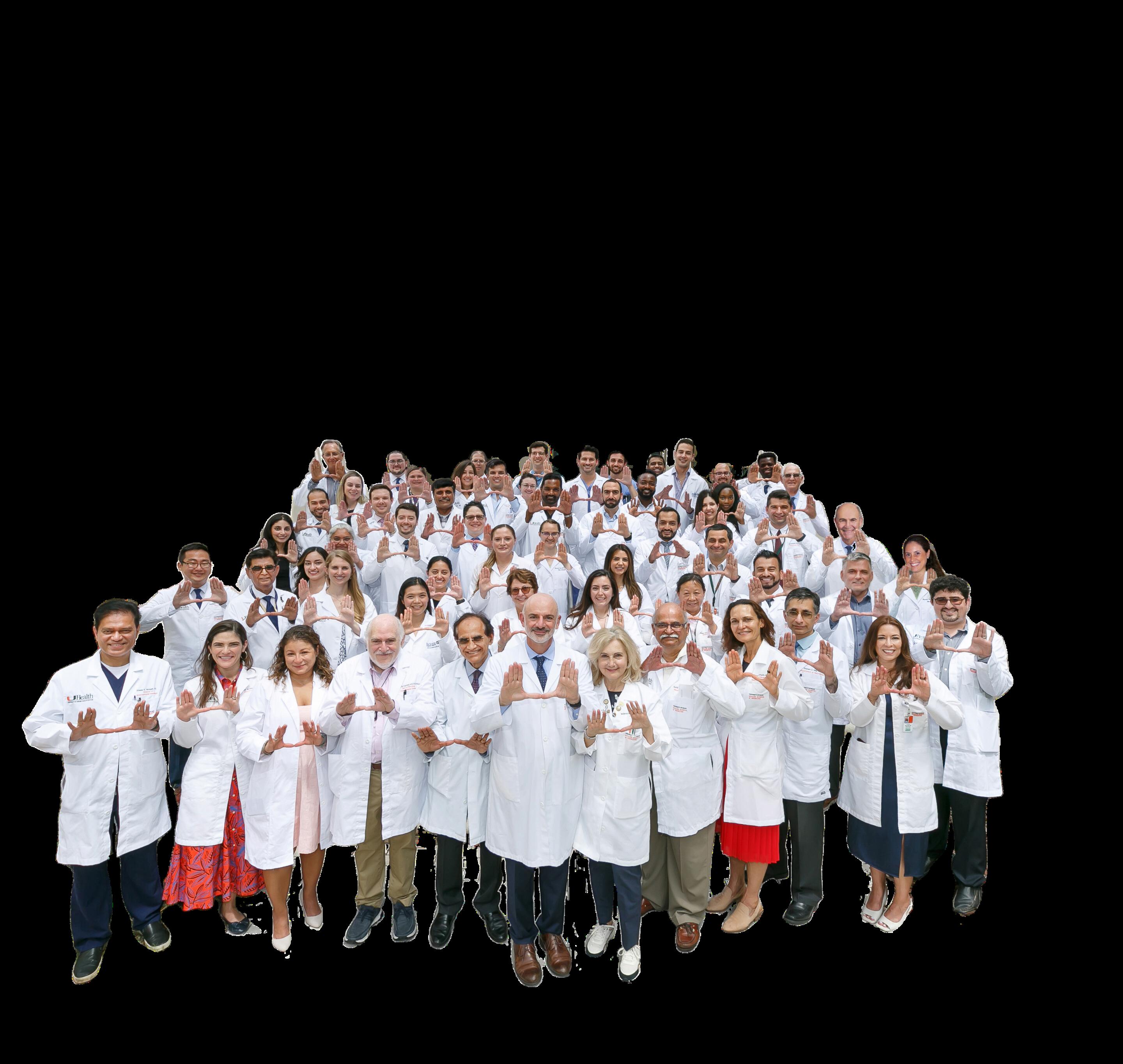
TABLE OF CONTENTS
W E L C O M E
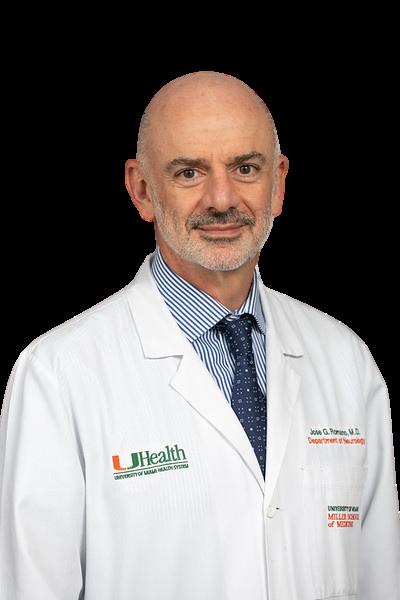
Welcome to the Department of Neurology at the University of Miami Miller School of Medicine I am honored to serve as its Interim Chair and continue our mission to offer excellent clinical care, comprehensive diagnostics, and novel treatments engineered through clinical and translational research. We are saddened by the passing of our dear friend, colleague, and leader, Dr. Ralph L. Sacco, our previous Chair, but know that he would be proud of the accomplishments of this Department of Neurology.
The Department, celebrating its 60th year, has more than 100 full-time clinical and research faculty encompassing all disciplines in Neurology. With 44 residents and 23 fellows, we are one of the largest Neurology training programs in the country.
This report features our faculty and staff who provide the most advanced neurological care in the region, recognized nationally through its 14 subspecialty Divisions and its Institutes and Centers of Excellence. Our researchers contribute to the development of cutting-edge advances in the understanding of neurological disorders through our dedicated discovery science laboratories and our large clinical research initiatives. Our faculty are some of the best teachers, training the next generation of expert neurologists and neuroscientists physicians to become skilled clinicians and innovative researchers
Whether you are a supporter, a patient, a referring physician, a researcher, or a future resident or fellow, I would like to invite you to learn more about the many outstanding programs at the Department of Neurology at the University of Miami.
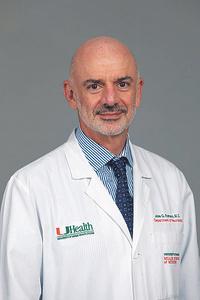
Jose G. Romano M.D., FAHA, FAAN, FANA Professor of Neurology
Interim
Chair, Department of Neurology
University
Interim
of Miami Leonard M. Miller School of Medicine
Chief of Service, Neurology, Jackson Health System Director, Comprehensive Stroke Program, Jackson Memorial Hospital
111 FACULTY
14 C L I N I C S
7 HOSPITALS
54.8
23 FELLOWS 15 TOTALDIVISIONS
#20 NEUROLOGY & NEUROSURGERY U.S. NEWS AND WORLD REPORT BEST HOSPITAL RANKINGS 2022-23 RANKED
44 RESIDENTS
226 STAFF
V E R V I E W
The University of Miami’s Department of Neurology is one of the top neurological Departments in the country. Its excellence is underscored by the faculty's unwavering commitment to this threefold mission: dedication to advancing clinical care and service, discovery science and education.
Clinical Care and Service: Neurological disorders affect us in different ways, and they account for the largest burden of permanent adult disability. Our faculty are improving how neurological illness is prevented and managed through multi-disciplinary approaches. We provide exceptional clinical care and service to all patients.
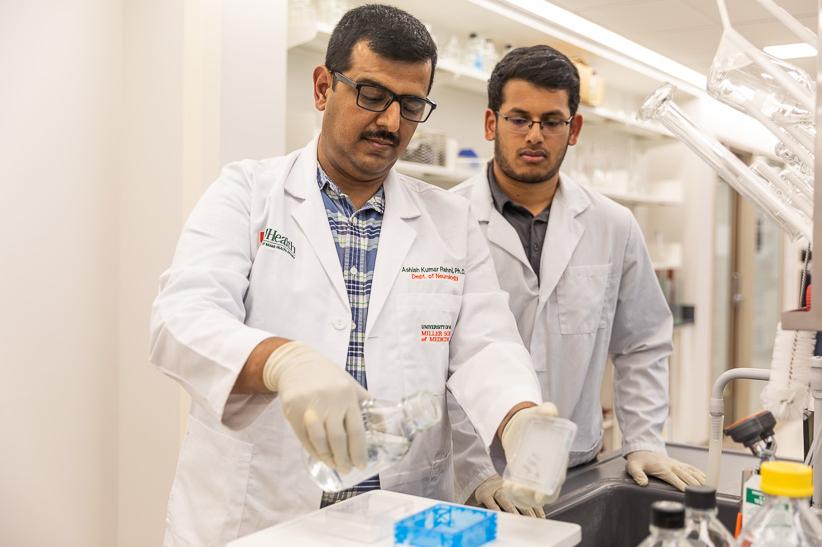
Discovery Science: We are actively engaged in pioneering research efforts. Our research initiatives aim to advance our understanding of neurological conditions, develop innovative treatments and improve patient outcomes We have advanced clinical and translational research in multiple areas and through multi-disciplinary centers of excellence. Discovery basic science research has gained a new home, new grants and continues its national recognition The Department currently hosts over 200 active grants/studies. O it t t h l t th f f t f neurological advancem
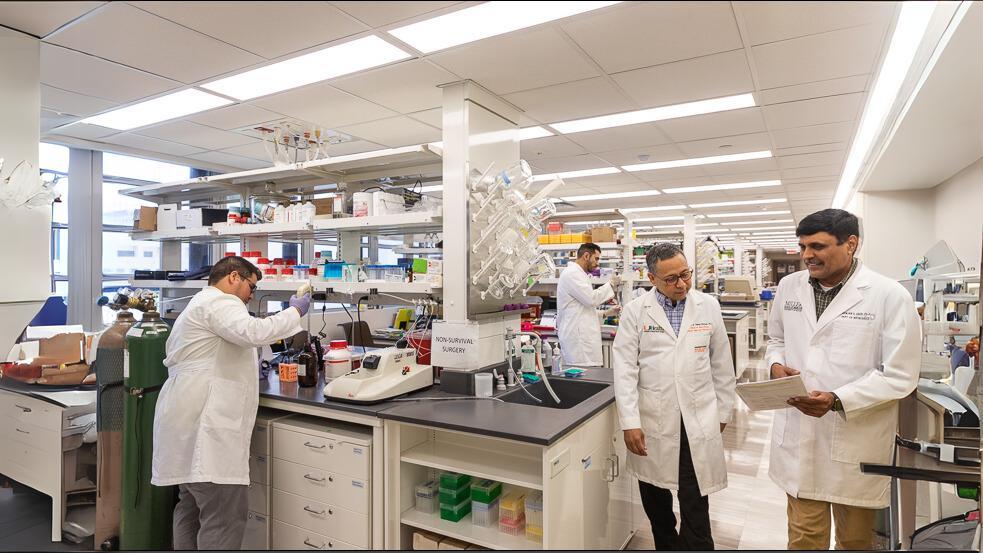
Education: Education is a cornerstone of the Department's mission. Our faculty are dedicated to training, educating and mentoring medical students, residents, fellows and post-docs. We are one of the largest and are increasingly recognized as one of the top neurology training programs in the U.S., graduating outstanding clinicians and leaders in neurological care Through comprehensive educational programs and handson experiences, we ensure that future medical practitioners are well-equipped to address neurological challenges.
Additionally, our community has recognized our value, with generous philanthropic support that has backed clinical care, disease discoveries and our physician-scientist leaders who are advancing neurological care and science.
Our faculty and staff continue to embrace diversity, equity and inclusion in all our missions Every day, our staff, faculty and trainees support the communities we serve through patient-centric care, cutting-edge research and educational initiatives to advance our Department’s impact.
0 Y E A R S O F H
I S T O R Y
THE BEGINNING AND EARLY YEARS
Peritz Scheinberg, M.D. – Chairman, 1962 - 1989
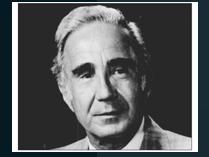
Dr Peritz Scheinberg came to Miami from Duke in 1950 He was in part-time private practice and obtained an NIH grant to support studies in human cerebral blood flow and metabolism His laboratories were in the University of Miami Medical Research Unit, in the old ballroom of the original Coral Gables Biltmore Hotel, which had been converted to a Veterans’ Administration Hospital. He was
appointed Assistant Professor of Physiology in that Unit, and his laboratory was active and productive for the next three years, publishing many major articles on cerebral
Neurology Becomes a Department
By 1961, it became evident that Neurology needed its own representation on the Executive Committee of the Faculty to grow and prosper. In 1962, the Department had recruited an outstanding cadre of house officers and had a large and thriving staff and private inpatient services It was providing consultative neurologic services for most of South Florida, the Caribbean area and Central and South America. The cerebral blood flow laboratories competed successfully for research grants, and the laboratory began to attract fellows from all over the U S., South America, Europe and Japan Therefore, after prolonged negotiations, in late 1962, Neurology was granted Department status and could compete for limited resources available on a more equitable basis
The 1960s and 1970s – A Period of Expansion
The 1960s and 1970s saw the expansion of clinical programs with the arrival of chiefs and heads for every major neurological specialty. The residency-training program was
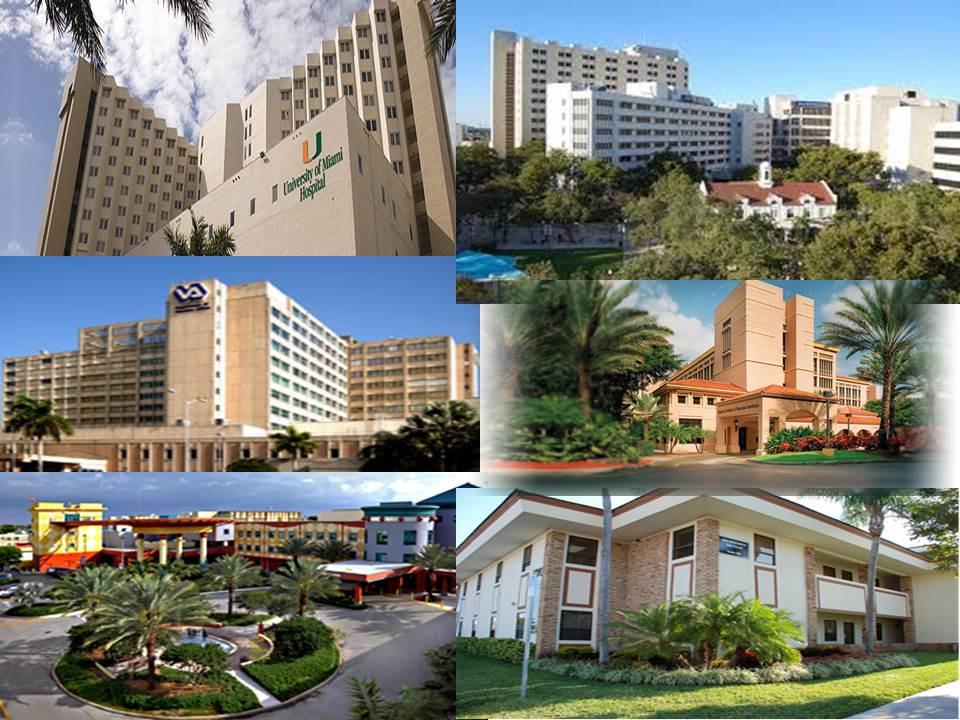
In 1978, the Department of Neurology relocated most of the clinical, administrative and research activities to the National Parkinson Foundation Building (NPF). This was the result of an agreement between the University and the NPF. The University gained much needed space and the NPF was afforded, for the first time, a true clinical and scientific presence
Continuing Growth in the 1980s
The 1980s saw additional specialty expansion and growth in NIH funding The addition of Neuro-Oncology, and the Sleep Center increased the breadth of the Department. Dr. Scheinberg retired as Chair in 1989 and, Dr Noble David served as Interim Chair After a short search, Dr. Walter Bradley, formerly Chair of the Department of Neurology at the University of Vermont, was appointed as Chair. Dr. Bradley received his neurological training in Great Britain (Oxford and Newcastle upon Tyne) and has had a distinguished career as a clinician and scientist, particularly in neuromuscular disorders.
THE 1990’S ONWARDS
Walter G. Bradley, D.M., F.R.C.P. – Chairman, 1989 - 2006
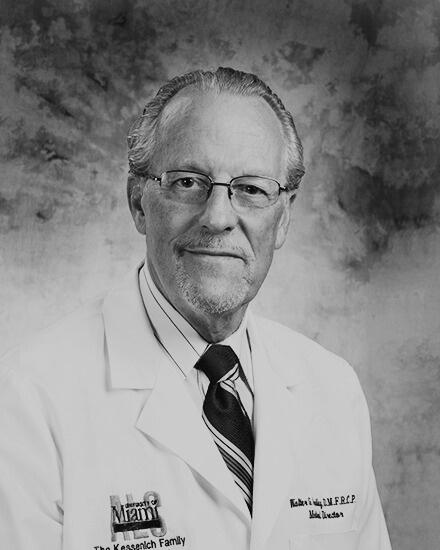
The 1990s, under Dr. Bradley, the full-time faculty of the Department had expanded to 45, a third of whom were basic neuro-science researchers. All were involved in teaching to a greater or lesser extent. In addition, 50 voluntary faculty assisted the full-time faculty in teaching and indigent patient care.
The clinical services covered the whole range of neurological diseases. The Department saw patients in the Professional Arts Center Clinic, the National Parkinson’s Foundation Clinic, Veterans Administration clinic and the Jackson Memorial Hospital Clinic The Department had 40 beds for acute neurological
Research extended over virtually the whole range of neurological diseases. A major area was in Cerebral Vascular Disease. The Cerebral Vascular Disease Research Center, started by Dr Peritz Scheinberg, with its continuous years of NIH funding, at that time was one of the longest continuously funded centers in the U.S. It still exists with his name Another strong research area was in Parkinson’s disease A strong clinical and research effort was created with proximity to the National Parkinson’s Foundation. This long time collaboration still continues today with the Parkinson’s Foundation, formerly the National Parkinson Foundation, who resides still in Miami
Additional major research groups included those in neurotransmitters, including Alzheimer’s disease, Neurovirology and Neurological Complications of AIDS, Spinal Cord Physiology, Neuronal Metabolism, Molecular Genetics, Neuromuscular Diseases, Physiology of Aging of the Nervous System, Epilepsy and Trauma of the Nervous System. What is the underlying principle of all of these research groups? Basic research is of crucial importance to advance our understanding of clinical diseases, and from the collaboration of basic research workers and clinicians comes an improvement in the understanding and treatment of those human diseases. Each of these research groups is responsible for continuing advances in our understanding of the cause and cure of
17YEARS of GROWTH
THE 2000 EXPANSION
Ralph L. Sacco M.D., M.S., FAAN, FAHA
– Chairman, 2007 - 2023
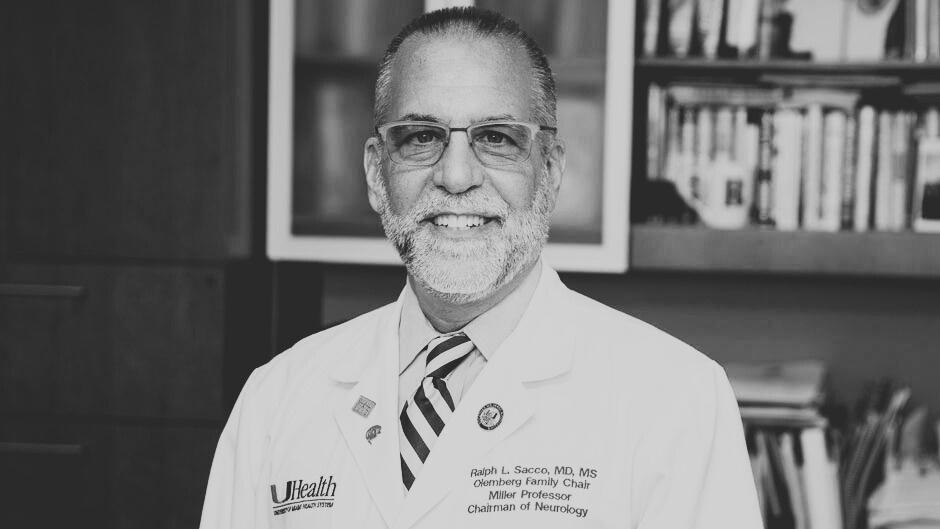
Dr. Ralph Sacco continued the development and expansion of the Department as a leader in the field, and one of the premier Departments of Neurology in the country. It grew to 100 renowned research and clinical faculty in most of the neurological sub-specialties, 44 residents and 23 fellows.
Under Dr. Sacco, the Department’s prestige increased. Widely recognized as an international referral center, neurologists from Latin America and all over the United States turn to Miller School faculty for expertise in solving complex neurological problems The Department has grown to 14 Divisions and the Miami Veterans Administration Neurology program.
CONTINUING THE SUCCESS STORY
THE DEPARTMENT TODAY
Dedicated to advancing the neurological health of our community, the Department has expertise in all neurological conditions, centered around our clinical Divisions:
CNS Autoimmune Disorders (including Multiple Sclerosis)
Cognitive Neurology (including Alzheimer’s)
Epilepsy
General Neurology
Headache Disorders
Interventional Neurology
Movement Disorders (including Parkinson’s)
Neurocritical Care
Neuromuscular Disorders (including ALS)
Neuro-Oncology
Neuropsychology
Pediatric Neurology
Sleep Disorders and Intra-Operative Neuro Monitoring
Medicine
Stroke
Veterans Administration Division of Neurology
With clinical presence in 14 offices, providing neurological care in 7 hospitals, and a number of centers of excellence across South Florida with vast expertise and major scientific advances to its credit, the Department of Neurology is committed to providing the highest quality and innovative care for neurology patients in Southern Florida and beyond.
Clinical Centers of Excellence:
ALS Association Center of Excellence
Charcot-Marie-Tooth Center of Excellence
National Association of Epilepsy Level 4 Epilepsy Center
Huntington’s Disease Center of Excellence
Lewy Body Dementia Center of Excellence
National Multiple Sclerosis Society Center of Excellence
Parkinson’s Foundation Center of Excellence
Spinal Muscular Atrophy Treatment Center of Excellence
UHealth Tower Primary Stroke Center
The Department is ranked 14th in NIH funding.
Total annual research expenditures are approx. $31 million.
Our basic, translational and clinical researchers are committed to being at the forefront of research of common neurological disorders. Its research institutes and centers advance and accelerate the progress towards finding a cure for neurological diseases in this generation.
University of Miami Neurology Institutes and Centers
Evelyn F. McKnight Brain Institute
Brain Endowment Bank
Comprehensive Center for Brain Health
University of Miami ALS Center
With
vast clinical exposure and strong mentorship, our 44 residents and 23 fellows are preparing to continue the Department’s mission.
With our large residency and fellowship programs, and being fully engaged in the education of medical students and master and PhD level neuroscientists, we are committed to training the next generation of clinicians and scientists who will advance neurological care.
A D V A N C I N G C L I N I C A L C A R E G R O W T H
CNS AUTOIMMUNE DISORDERS
( I N C L U D I N G M U L T I P L E S C L E R O S I S )
Chief
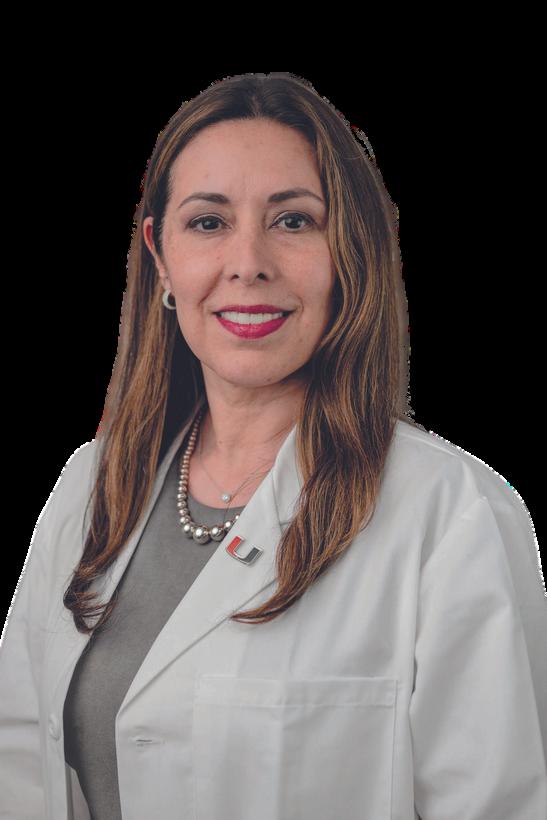
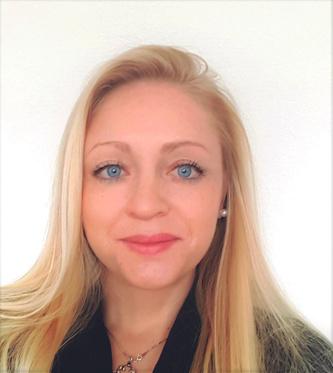
FlaviaNelson,M.D.
Thomas F. Whigham /Joseph Berger M.D. Endowed Chair In Neurology Director, Multiple Sclerosis Center of Excellence
The Multiple Sclerosis (MS) and CNS Autoimmune Division is led by Flavia Nelson, M.D., 7 additional neurologists and 2 nurse practitioners who serve patients with Multiple Sclerosis and other autoimmune disorders of the brain and spinal cord, such as Neuromyelitis Optica (NMO), Neuromyelitis Optica Spectrum Disorder (NMOSD), MOG Antibody disease (MOGAD), Neurosarcoidosis, CNS Sjogren’s syndrome, Behcet’s disease and Autoimmune Encephalitis. MS is a common chronic, sometimes disabling, disease affecting the brain, spinal cord and optic nerves Over 1,000,000 people in the United States are affected by the disease and it’s the number one cause of neurological disability in young adults, but it can also affect children. In MS, as in most CNS autoimmune disorders, myelin and the underlying nerves are damaged by inflammation caused by the immune system, which leaves scar tissue (sclerosis). These damaged areas are also known as plaques or lesions. When myelin or the nerves are damaged, their ability to conduct electrical messages to and from the brain is disrupted, and this produces the various symptoms of MS depending on where the
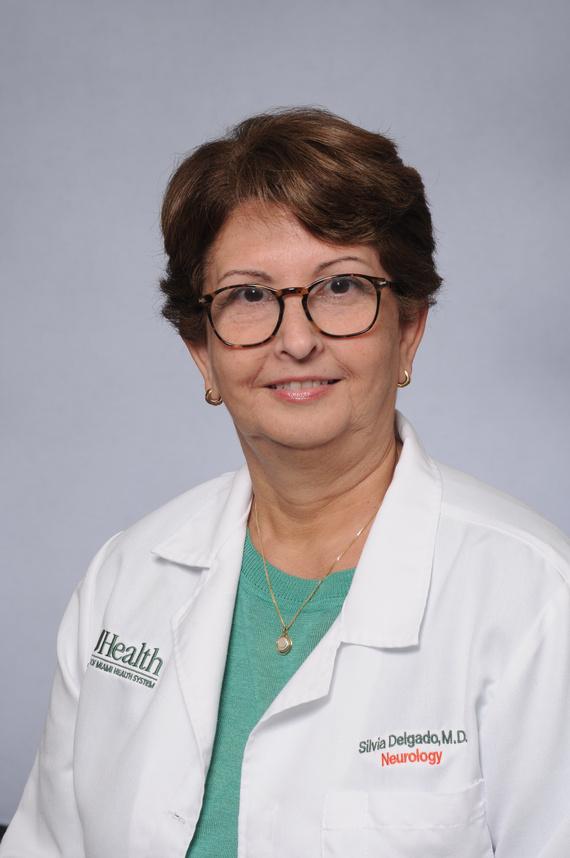
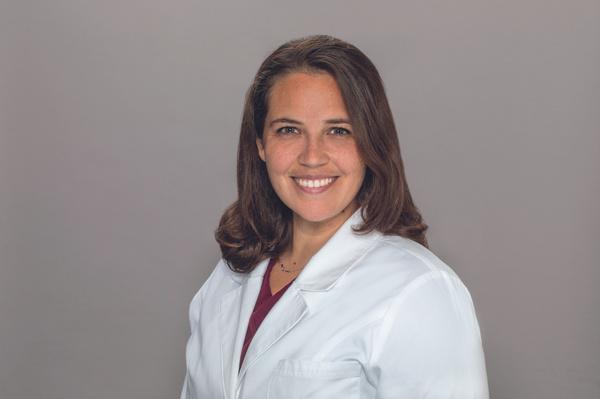
Silvia Delgado, M D DirectorofClinicalTrials
Crystal Dixon, M D Physician UHealthatBocaRaton
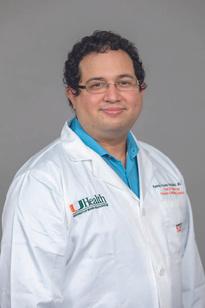
Ramon F Gonzalez, M D
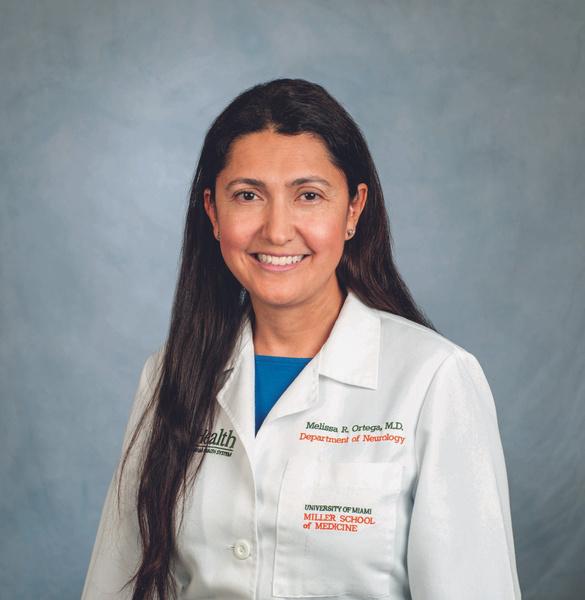
Melissa Ortega, M D Physician UHealthat BocaRaton
Stephanie Picon, M D Kottil Rammohan M D
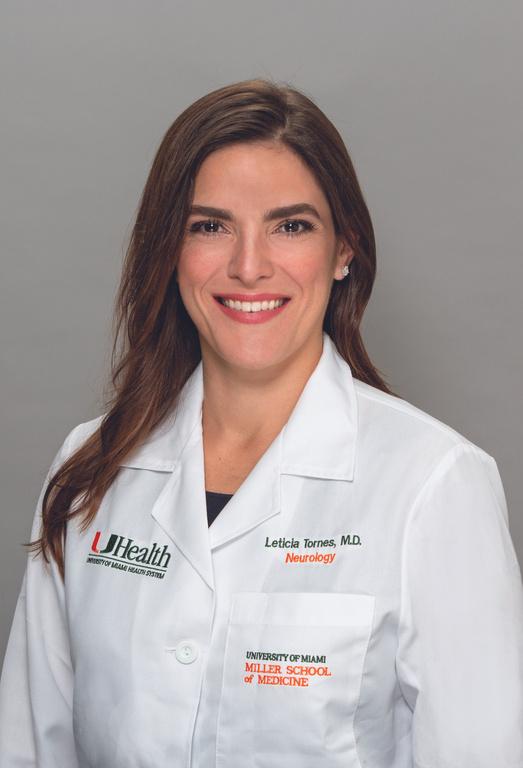
Leticia Tornes, M D, FAAN ChiefofNeurologyat MVAMC
Highlights
The Multiple Sclerosis Center of Excellence is a National MS Society affiliated program, which offers services in a state-of-the-art clinic Patients are seen by one of our MS neurologists by appointment. The Center provides multidisciplinary care including neuropsychological evaluations, physical, occupational and speech therapy, urology, OBGYN, neuro-ophthalmology and an onsite Infusion Center where patients receive intravenous drug therapy. We also provide MS specific MRI scanning for diagnosis and disease monitoring. Education in medication management, psychiatric wellness and counseling support is provided. An immunology and research laboratory that performs multiple-sclerosis blood tests is involved in developing new tests to detect multiple sclerosis activity and possible gene identifiers We provide services in downtown Miami (main center), Boca Raton, West Palm Beach, Plantation and Lennar Medical Center in Coral Gables.
Research
The Multiple Sclerosis Research Program at the University of Miami Miller School of Medicine is a leader in its field with advancements in such areas as genome research and the development of new medications. Additionally, we will soon start enrollment for a trial in Hematopoietic stem cell transplant in aggressive relapsing MS and bone marrow intrathecal transplant in secondary progressive MS Research into better diagnosis and treatment of the disease in the Hispanic population and on cognitive impairment in MS are ongoing as well.

COGNITIVE NEUROLOGY
Chief
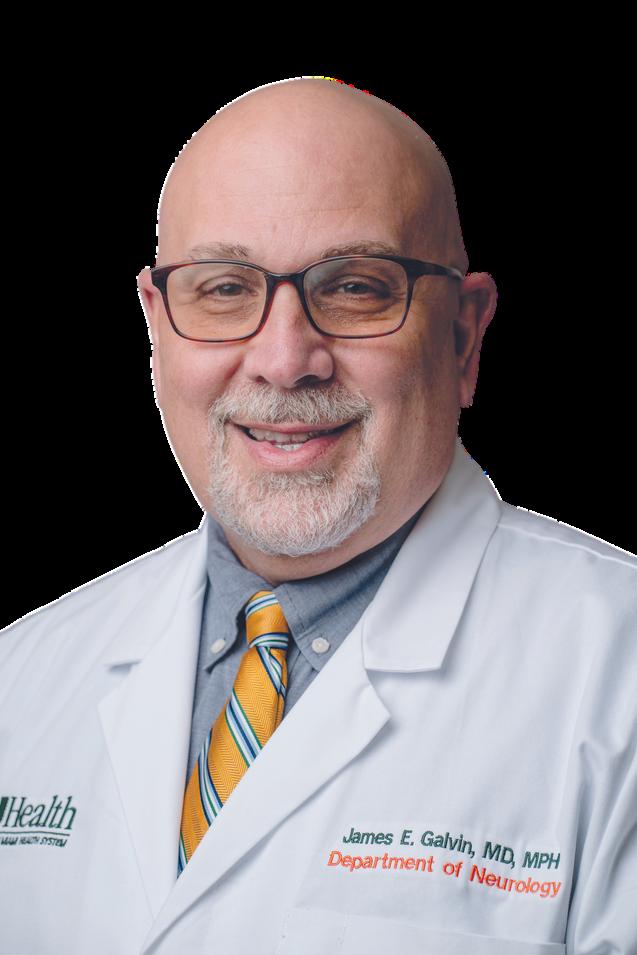
JamesE.Galvin,M.D.,M.P.H.
Alexandria and Bernard Schoninger
Endowed Chair in Memory Disorders
Director, Comprehensive Center for Brain Health
Bernard S Baumel, M D Director,Cognitive ClinicalTrials
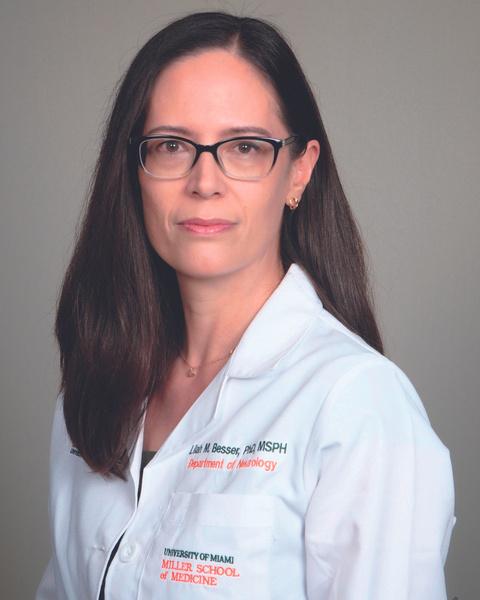
Lilah M Besser, Ph D
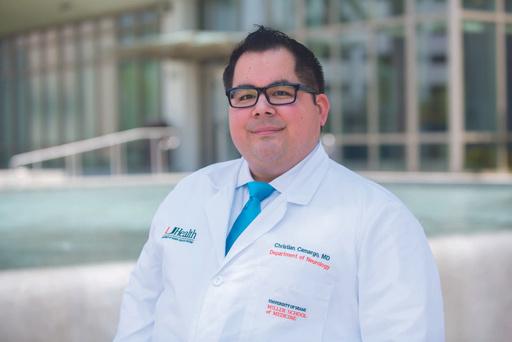
Christian J Camargo, M D
Stephanie Chrisphonte, M D
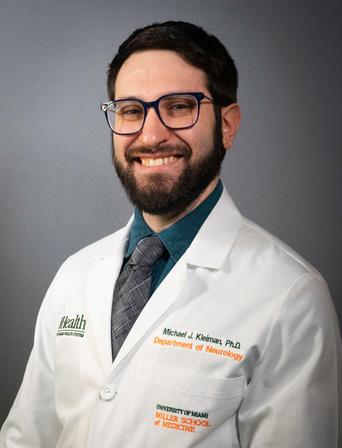
Michael J Kleiman Ph D
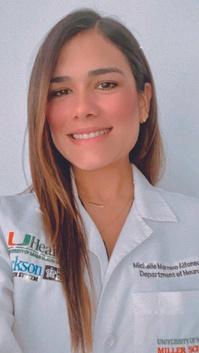
Michelle Marrero Alfonso M D
Deidre M O’Shea, Ph D
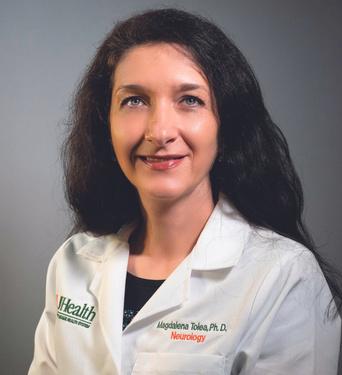
Magdalena I Tolea, Ph D
Xiaoyan Sun, M D , Ph D ExecutiveDirectorBrainEndowmentBank
Also led by Dr Galvin, the Lewy Body Dementia Research Center of Excellence (RCoE) is located in Boca Raton. The program uses a collaborative care model with a neurologist, nurse practitioners, a licensed clinical social worker, psychometricians and a physical therapist to provide cutting-edge personalized care for patients, families and caregivers affected by Lewy Body Dementia (LBD). Supportive services are provided to research participants, patients and their families and caregivers with LBD and other neurodegenerative disorders such as: monthly LBD caregiver support groups available in person or virtual, psychotherapy sessions to improve patient and caregiver mental health, and quality of life led by the licensed clinical social worker The RCOE is one of only 22 centers in the U.S. and the only center in South Florida.
Barry Baumel, M D provides patients with opportunities to take part in clinical trials for new medications and other treatments for preventing, curing or improving memory loss and other cognitive problems. Participants who qualify for these scientific research studies receive the following:
N A R
A C T I V E G R A N T S
Our research efforts revolve around four themes: T O T A L A W A R D S
Developing, testing and validating new medications and diagnostic tests to detect, diagnose, treat, prevent and eventually cure neurodegenerative diseases.
Studying the social and structural determinants of health such as race, ethnicity, socioeconomic status, geographic locale and multiple chronic conditions on the risk of cognitive impairment
Characterizing the clinical, cognitive, behavioral and biomarker features of neurodegenerative disorders.
Creating novel precision-medicine based interventions based on individual phenotypic, biomarker and genomic profiles aimed at Alzheimer’s disease and related disorders (ADRD) risk reduction and dementia prevention.
Chief
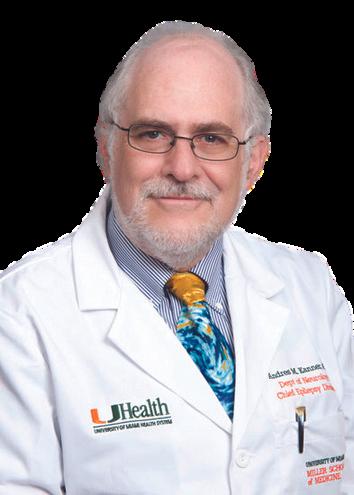
AndresM.Kanner,M.D,FAAN,FANA,FAES
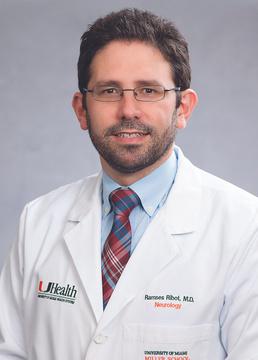
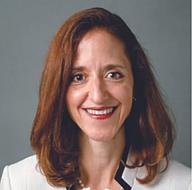
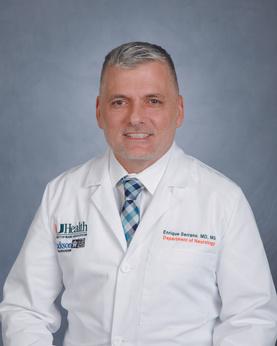
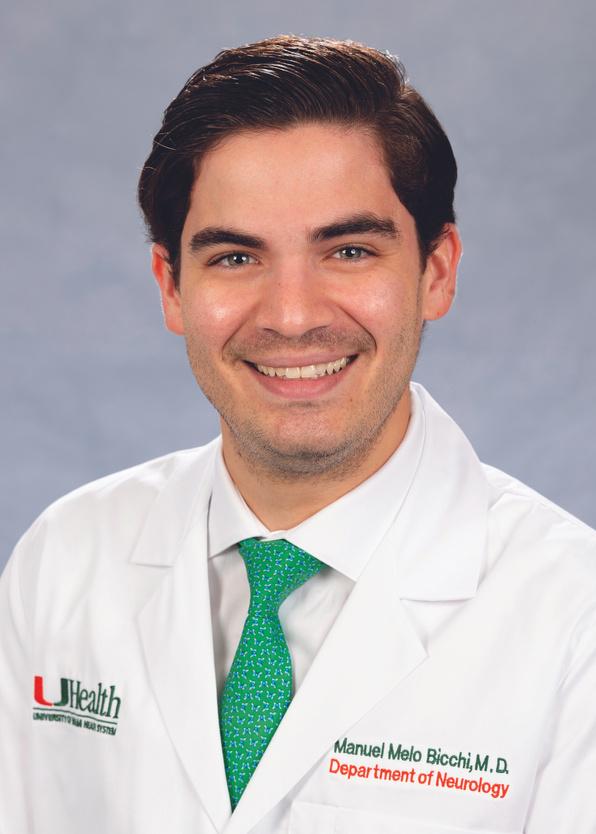
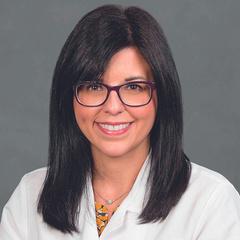
The Epilepsy Division is led by Chief, Andres M. Kanner, M.D. and six additional adult epileptologists In addition, pediatric epileptologists share with the adult epileptologists the interpretation of EEG studies in pediatric patients. Additionally, a Registered Nurse Practitioner, is a health care provider in the outpatient clinic at the International Comprehensive Epilepsy Center (ICEC), which is the oldest academic epilepsy center in Miami and the South Florida area.
Four adult epileptologists cover the inpatient and outpatient epilepsy services, EEG laboratories and epilepsy monitoring units at the University of Miami Hospital Tower, and Jackson Memorial Hospital, as well as the EEG laboratories of Jackson South and Jackson West Medical Centers. The other three adult epileptologists cover the inpatient and outpatient epilepsy service, EEG laboratory and epilepsy monitoring unit at the Miami VA Medical Center Additionally, a full time neuropsychologist is also a faculty member of the Neuropsychology Division.
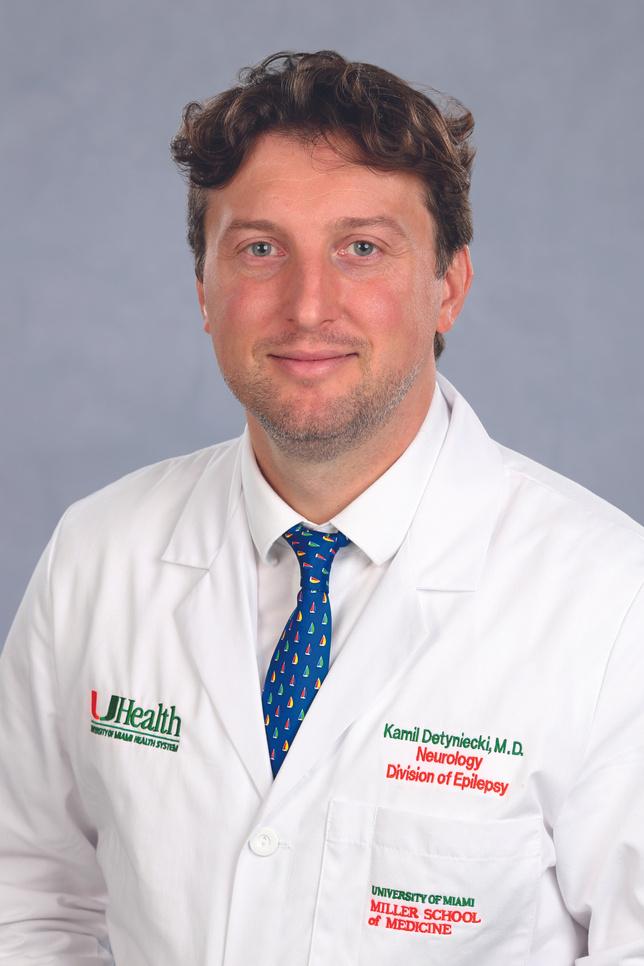
Kamil Detyniecki M D
Maria Raquel Lopez M D
Manuel Melo-Bicchi M D
Ramses Ribot M D
Enrique Serrano, M D
Naymee Velez-Ruiz M D
The University of Miami Epilepsy program at the UHealth Tower has been designated as level 4 (highest level of care) by the National Association of Epilepsy Centers, while the Epilepsy Center at Jackson Memorial Hospital was designated as a level 3 center
The Epilepsy Center at the Miami VA Medical Center has been designated as an Epilepsy Center of Excellence by the VA Administration. This is one of only 16 VA Epilepsy Centers of Excellence in the U S.
Clinical Activity Highlights
1 2 3 4
Comprehensive evaluation of patients with new-onset or established epilepsy and patients with paroxysmal events of undetermined nature
Presurgical evaluations of patients with treatment-resistant epilepsy
Inpatient consultations in medical, surgical units and Intensive Care Units
Interpretation of EEG studies performed in outpatient laboratories and inpatient monitoring units
Research Activity Highlights
GENERAL NEUROLOGY
Chief
The Division of General Neurology is led by Chief, Andrew Brown, M.D. and seven neurologists It provides expertise in the evaluation and treatment of the entire spectrum of neurologic diseases as well as for symptoms of unclear origin, which might have a neurologic basis. Patients can be seen on a consultative basis with recommendations made to the referring physician, or for ongoing continuing care We utilize the full range of specialty services when needed and work closely with our neurologic specialists. Spine and Sports Neurology services are included under general neurology.
Highlights
Our faculty have presented at a number of national and international meetings They are also actively involved in teaching our residents and fellows and have received a number of teaching awards and honors.
Xiaoyan Sun, M D , Ph D
HEADACHE DISORDERS
Chief
Highlights
All faculty are involved in presenting at national and international meetings. They are also actively involved in teaching. They have received a number of University of Miami and external awards and honors.
INTERVENTIONAL NEUROLOGY
DIVISION
Chief
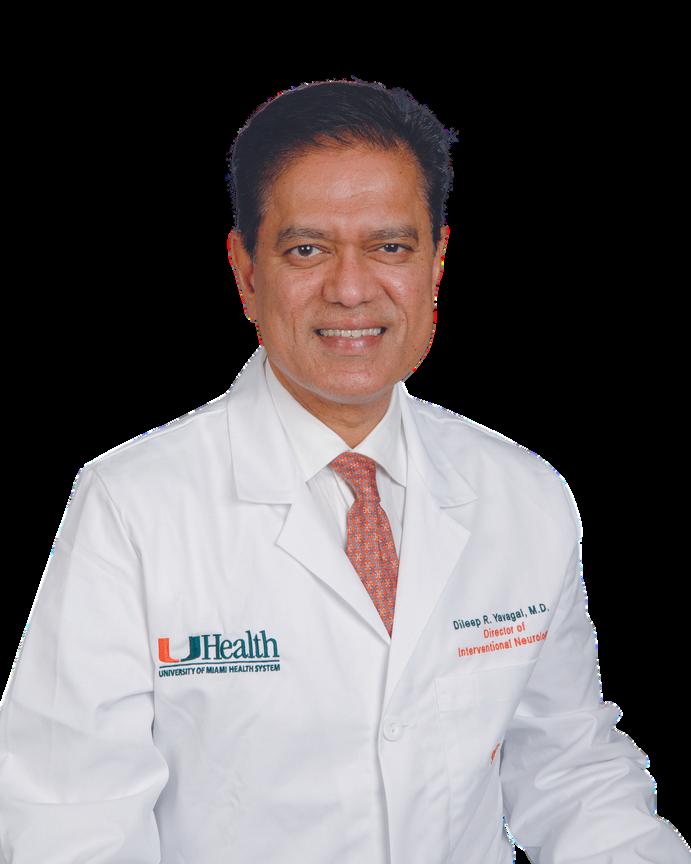
DileepYavagal,M.D.
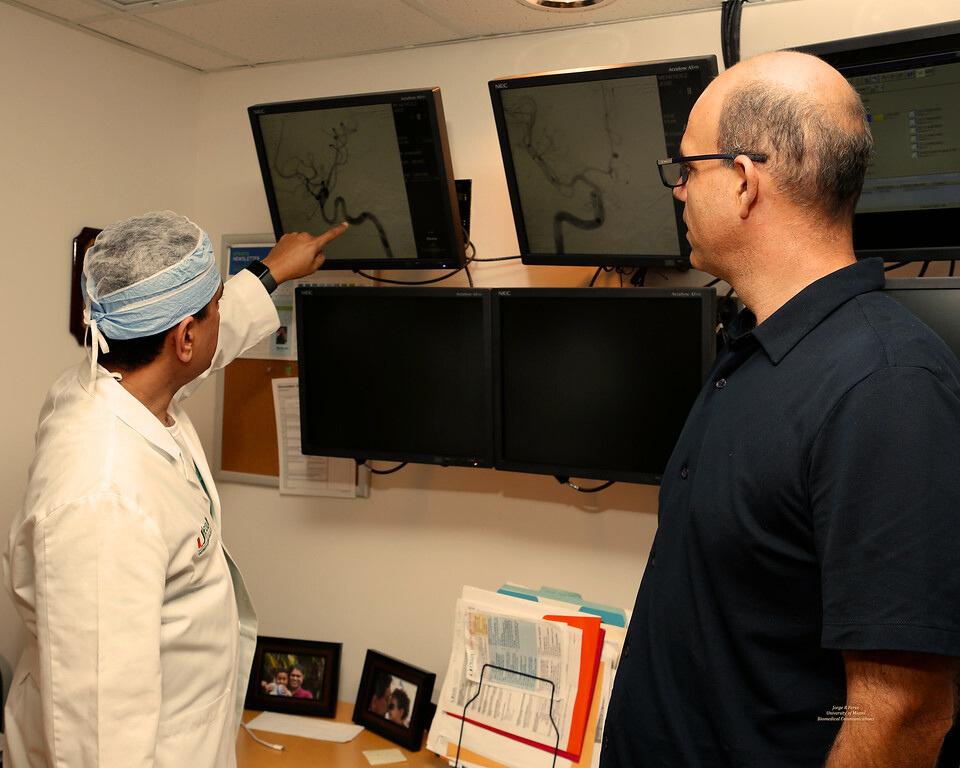
The Interventional Neurology Division is led by Chief, Dileep Yavagal, M D and works in collaboration with the Department of Neurosurgery’s Endovascular Surgery physicians to provide comprehensive care and treatment to patients with complex neurovascular diseases, including aneurysms, arteriovenous malformations and others. Our physicians are part of a cerebrovascular team that performs neuro interventional procedures such as stent placement for cervical or intracranial arteriosclerotic disease using balloon and stent technology to achieve the most favorable outcomes in the treatment of our patients
Our interventional neurology services, located at Jackson Memorial Hospital and UHealth Tower are equipped with state-of-the-art Neuro angiography suites. There is also three-dimensional imaging available Postoperative patients receive care in specialized Neuro Critical Care units.
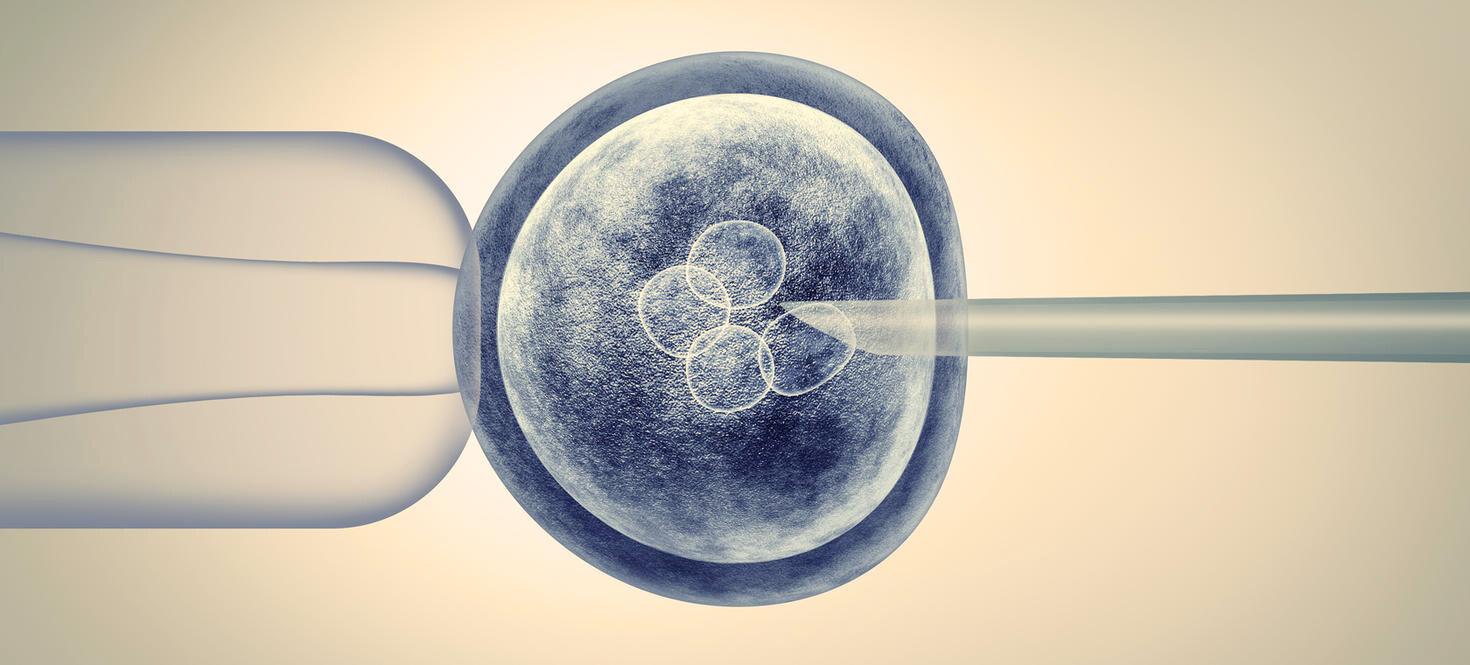
We conduct National Institutes of Health sponsored clinical research trials on acute stroke interventions and translational research in the area of intra-cranial and intravenous delivery of stem cell therapy for stroke.
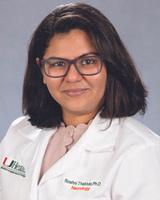
Roshni Thakkar, Ph D
The main goal of our research team is to develop stem cell therapies for stroke and vascular cognitive impairment Our work is primarily divided into two main branches: 1) Pre-clinical research and 2) Clinical research. The pre-clinical research is the first step in doing translational research and forms the foundation to develop therapies that can be successfully taken to the clinic For clinical research, our team is the main site for several industry and NIH sponsored clinical trials for stem cell-based therapies for stroke, several endovascular device trials and NIH registries among others.
Highlights
We are in the process of unraveling novel mechanisms of how stem cells will help the brain heal and are working to practice this therapy in clinic. Our group has successfully shown the safety and efficacy of intra-arterial stem cell therapy for ischemic stroke. This holds the potential to revolutionize stroke treatment in the United States and the world at large.
MOVEMENT DISORDERS
( I N C L U D I N G P A R K I N S O N ’ S D I S E A S E )
Chief
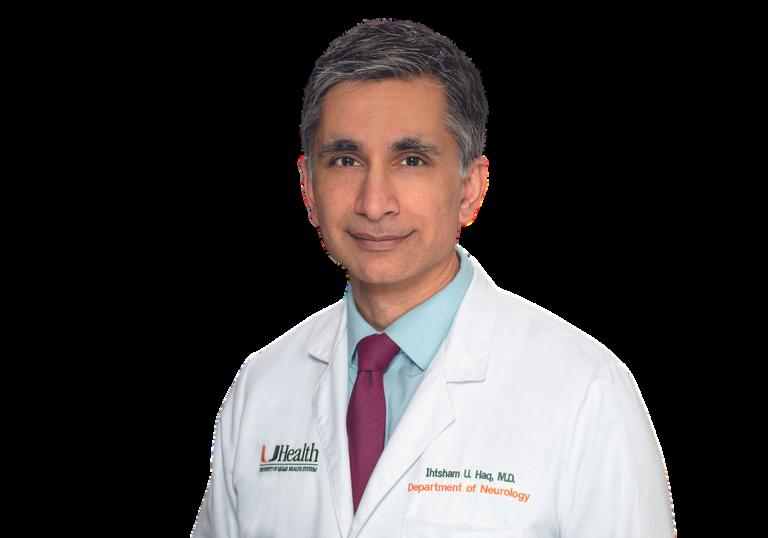
IhtshamulHaq,M.D.
Cornfeld Hurowitz Endowed Chair in Movement Disorders
Associate Director, Evelyn F McKnight Brain Institute
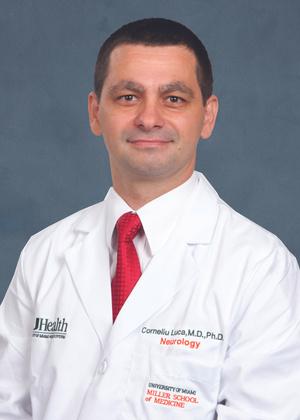
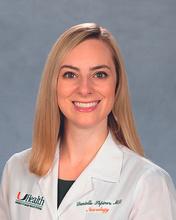
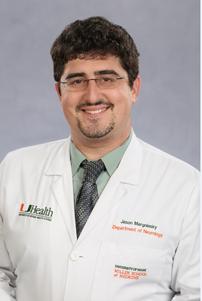
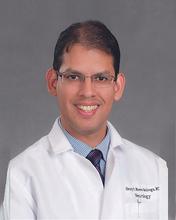
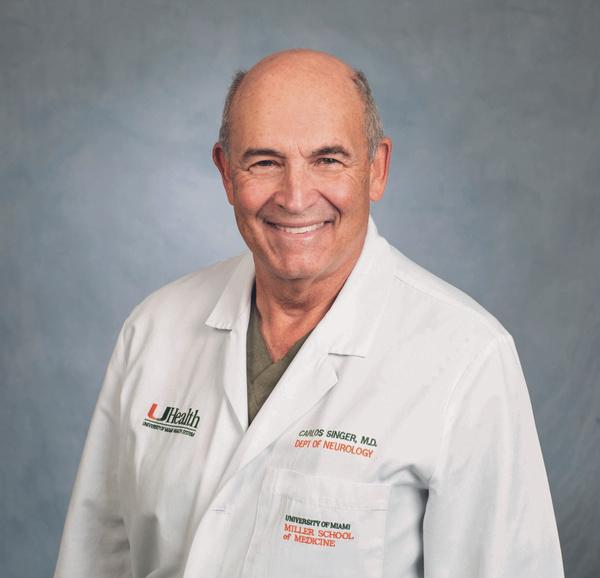
The Division of Parkinson’s Disease and Movement Disorders was founded in 1984 by Dr. William J. Weiner who served as Division Chief until 2000, followed by Dr. William Koller Carlos Singer served as Chief from 2002 to 2020 when the current Division Chief, Dr. Ihtsham Haq was appointed. The center has six movement disorders fellowshiptrained neurologists, Advanced Registered Nurse Practitioner, one Licensed Clinical Social Worker, four study coordinators and a support staff of eight The Center received the designation as a Center of Excellence from the Parkinson’s Foundation in 2007. Since then, additional designations have included the Huntington’s Disease Center of Excellence. The center also partners closely with the Department of Psychiatry’s Tourette Center of Excellence.
From the time of its inception, the Center’s mission has included patient care, research, education and community outreach. The Center’s core philosophy is patient and caregiver centered In the area of education, the center emphasizes the values of patient and compassion, a holistic approach to medical care and provision to future
Corneliu Luca, M D , Ph D
Jason Margolesky, M D
Henry Moore M D
Danielle S Shpiner, M D
Carlos Singer M D
Physician, UHealthatBocaRaton
health professionals of the basic clinical skills to care for patients with Parkinson’s disease. Additionally, a state-of-the-art neurosurgical program, including deep brain stimulation (DBS) is offered There is also a weekly Botulinum toxin clinic Participation in numerous clinical trials allows for the offering of cutting-edge potential new therapies.
S TIMULATIO N
Highlights
Drs Ayham Alkhachroum and Kristine O’Phelan participated in the Neurocritical Care Society’s Curing Coma Campaign that is focused on developing cutting-edge research in coma and recovery of consciousness. Several peer reviewed papers have been published from this project. Our Faculty have received several grants from the NIH who advance critical knowledge on consciousness and coma.
We collectively mentor many students and residents in several programs including neurology and emergency medicine at the University of Miami. Dr. O’Phelan mentors Neurocritical care fellows nationally through the Neurocritical Care Society mentoring program
Chief
NEUROMUSCULAR DISORDERS
( I N C L U D I N G A L S )
Chief
MichaelG.Benatar,M.D.,Ph.D.
Vice Chair, Clinical and Translational Research
Walter Bradley Endowed Chair in ALS Research
Executive Director, The ALS Center
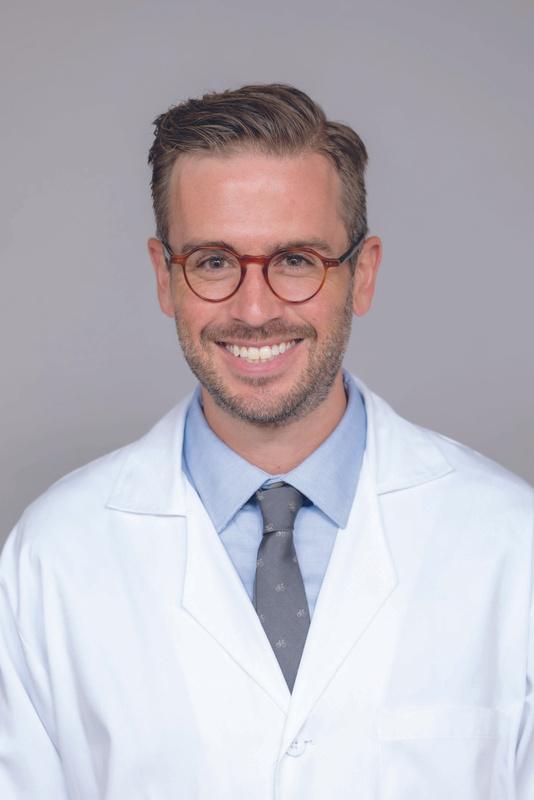
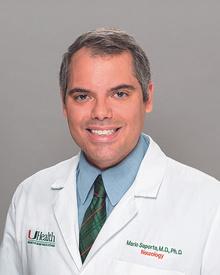
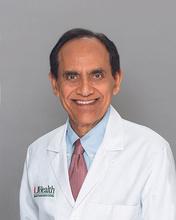
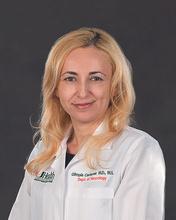
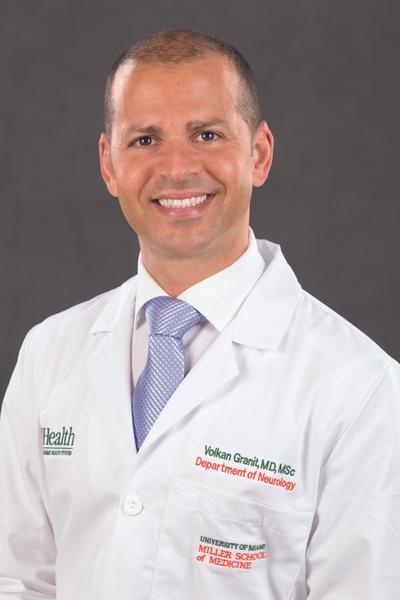
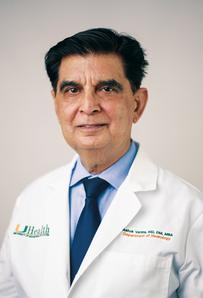
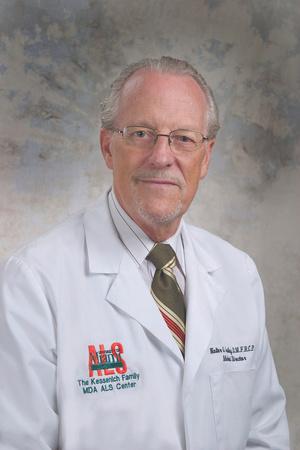
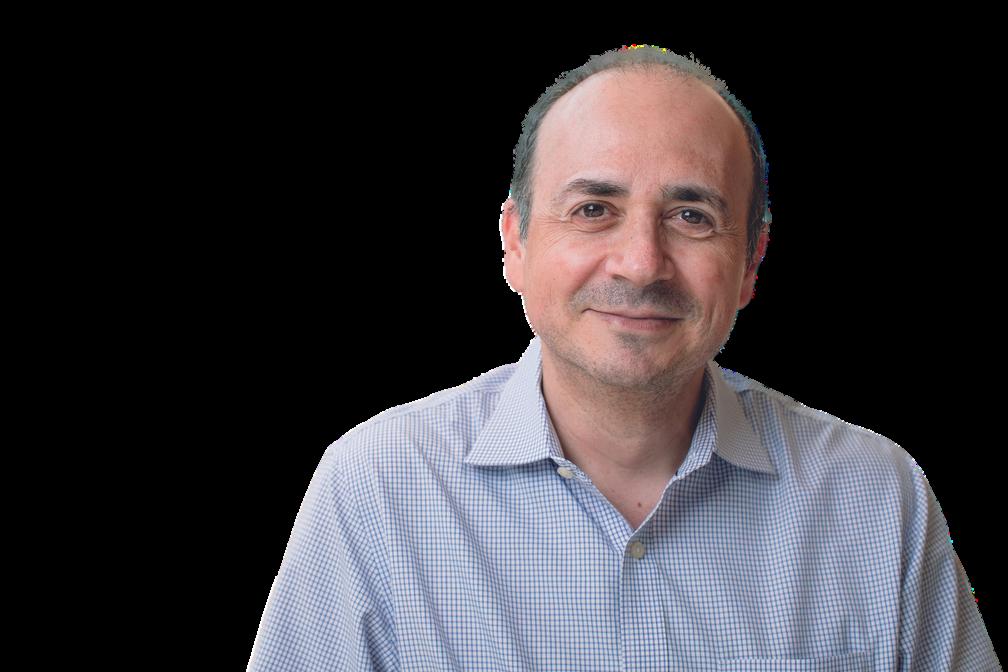
The Neuromuscular Division is led by Chief and prominent ALS researcher, Michael Benatar, M.D., who with 7 neurologists are committed to providing comprehensive care for patients with a broad range of neuromuscular diseases, while concurrently advancing research and developing more effective treatments for our patients. Through general, subspecialty and multi-disciplinary clinics, as well as electrodiagnostic and nerve-muscle pathology laboratories, they offer diagnostic and therapeutic services for patients with neuromuscular diseases such as muscular dystrophy, inflammatory muscle diseases, myasthenia gravis, amyotrophic lateral sclerosis (ALS), peripheral neuropathies and Charcot-Marie-Tooth. Additionally, all neuromuscular patients have access to specialized diagnostic procedures such as electrophysiology and muscle and nerve biopsies The Division has a significant clinical and basic research program in the areas of ALS, muscular diseases, mitochondrial diseases and molecular genetics. We are engaged in both investigator-initiated and multi-center clinical research studies in diseases such as ALS, myasthenia gravis and peripheral neuropathy. The clinical programs receive genrerous support from the ALS Recovery Fund, the Muscular Dystrophy Association (MDA), the ALS Association and the Kessenich Family.
Walter G Bradley, D M , FCRP
Nathan Carberry, M D
Olympia Carbunar, M D
Volkan Granit, M D Ph D
Mario Saporta M D , Ph D
Khema Sharma M D
Ashok Verma, M D D M
Xiaoyan Sun, M D , Ph D
The ALS Center provides comprehensive, coordinated care as well as research leadership in the diagnosis, treatment and understanding of Amyotrophic Lateral Sclerosis (ALS). The Kessenich Family ALS clinic provides multi-disciplinary expertise needed to care for ALS patients from the time of diagnosis through the course of the disease. The multi-disciplinary ALS team includes various health care professionals from a range of disciplines who work together to optimize care for patients and their families, all who have important roles in addressing various aspects of the disease. Additional clinical evaluations are available as needed.
Electromyography (EMG) Laboratory provides diagnostic information by measuring the electrical activity of muscles and nerves. It is an excellent tool to evaluate muscle diseases (such as muscular dystrophy) or nerve disorders (such as amyotrophic lateral sclerosis or peripheral neuropathies). EMG and nerve conduction studies are often done together to give more complete information
Neuromuscular Histology Laboratory works with the Muscle & Nerve Biopsy Center performing muscle and nerve biopsies This allows for the possibility of specific diagnoses in advance, instead of an open-ended search. The center performs 200 procedures annually.
Post-Polio Clinic provides multi-disciplinary care to patients and their families. The group of specialists educates polio survivors on special medical needs and tips on how to cope and continue to live independently.
MDA Pediatric and Adult Clinics supported by the Muscular Dystrophy Association offer an interdisciplinary approach for initial diagnosis and follow up care for pediatric and adult patients with neuromuscular disorders. Health care intervention is designed to assist individuals in maintaining the highest possible quality of life.
Neuropathy and Charcot-Marie-Tooth Clinics are outpatient clinics focused on the management of all aspects of neuropathies including Charcot-Marie-Tooth Disease (CMT).
Research
We advance and maintain active research programs focused on ALS, myasthenia gravis and CMT. Flagship components of this research include: the Pre-Symptomatic Familial ALS (PRE-fALS) study, the Clinical Research in ALS and Related Disorders for Therapeutic development (CReATe) Consortium and CMT stem cell laboratory. We are also part of the Inherited Neuropathies Consortium (INC). Our research enterprise is supported by the National Institutes of Health (NIH), the Food & Drug Administration (FDA), the ALS Association, the MDA, the ALS Recovery Fund and the Eloise Kimmelman Fund
Highlights
Our faculty have been honored for groundbreaking and innovative ALS, myasthenia gravis and CMT research. They are also involved in presenting at national and international meetings They have received international awards and honors
NEURO-ONCOLOGY
Chief
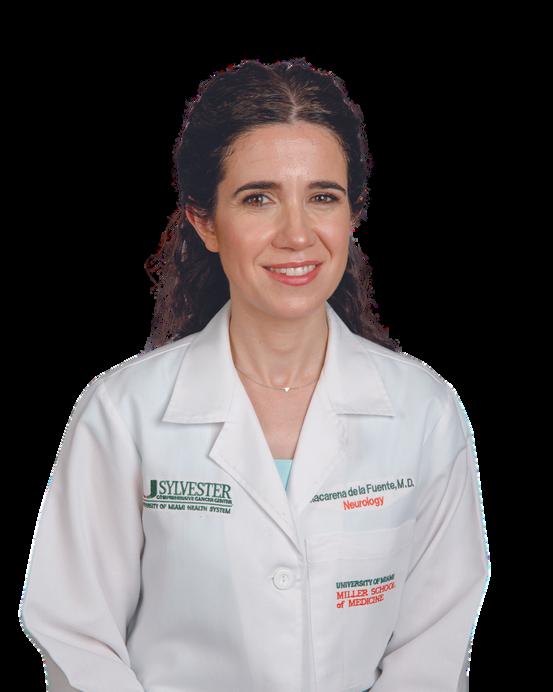
MacarenadelaFuente,M.D.
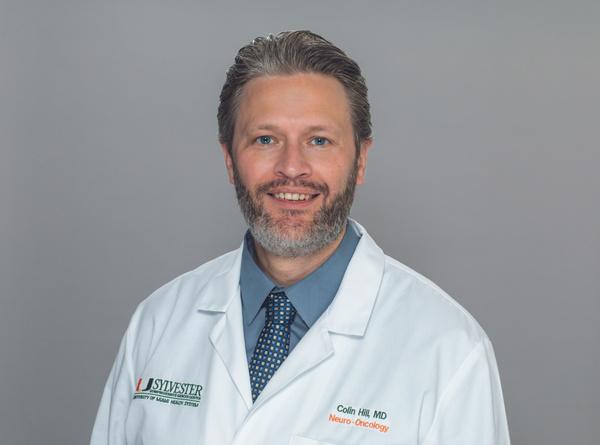
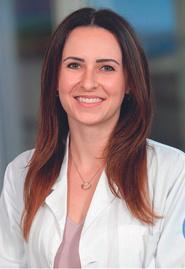
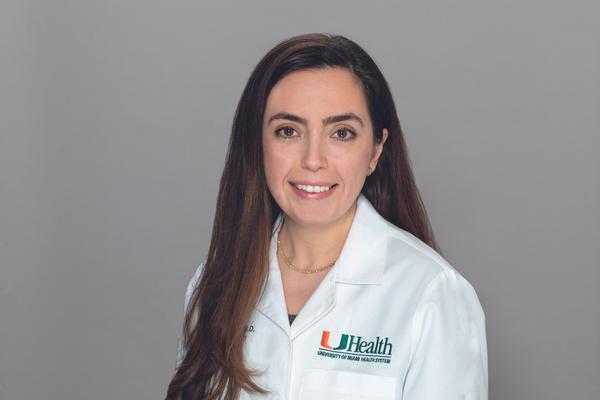
The Neuro-Oncology Division is led by Chief, Macarena de la Fuente, M.D. and 3 adult
Bradley Gampel, M D
Colin Hill, M D
Marina Kushnirsky M D Ruham Nasany M D
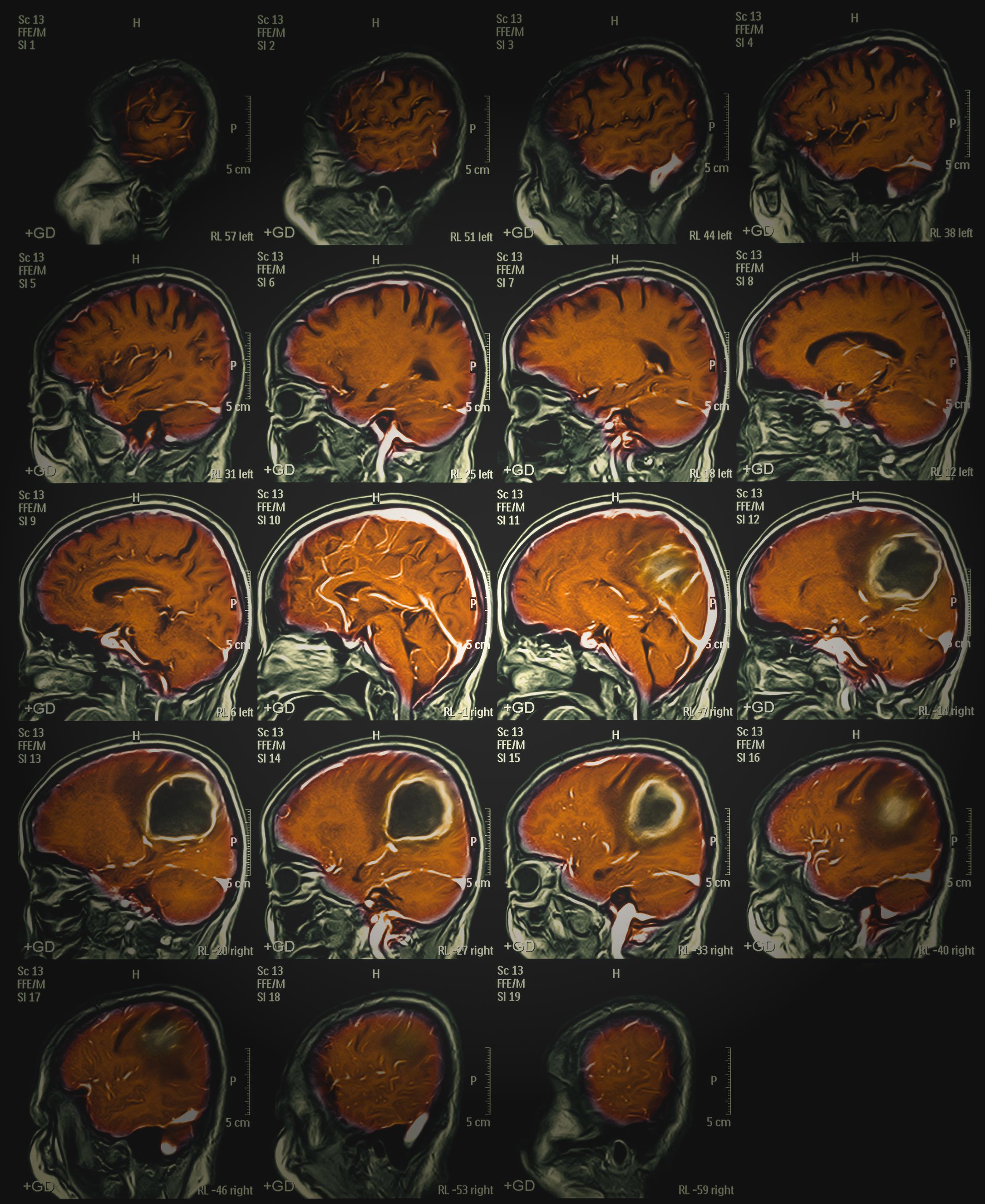
Since we are a National Cancer Institute (NCI) designated Center, patients have access to the latest clinical trials and studies designed to test the most promising new treatments. People participate in a clinical trial for a variety of reasons: to try a new and promising treatment method, to contribute to the development of future treatments or to help find a cure. Most clinical trials require a patient to qualify with certain medical criteria. Some trials can be joined before your first surgery, others during radiation and others at the recurrence time We can offer our patients access to a range of innovative clinical trials for various types and stages of brain and spinal cord cancers, including glioblastoma (newly diagnosed and recurrent), IDH-mutant gliomas and brain metastases.
Highlights
There is a mandatory rotation in Neuro-Oncology for Neurology Residents
The first Neuro-Oncology Fellow graduates in July, 2023.
Our faculty are involved in presenting at several national and international meetings
Dr. de la Fuente serves as one of the co-chairs of the Women and Diversity Committee of the Society for Neuro-Oncology (SNO) and as the Equity Focused Clinical Investigator (EfCI) for the University of Miami to North American Star Consortium (NASC). She also received the Dwoskin Research Award
NEUROPSYCHOLOGY AND COGNITIVE
NEUROSCIENCE
Chief
( N C N )
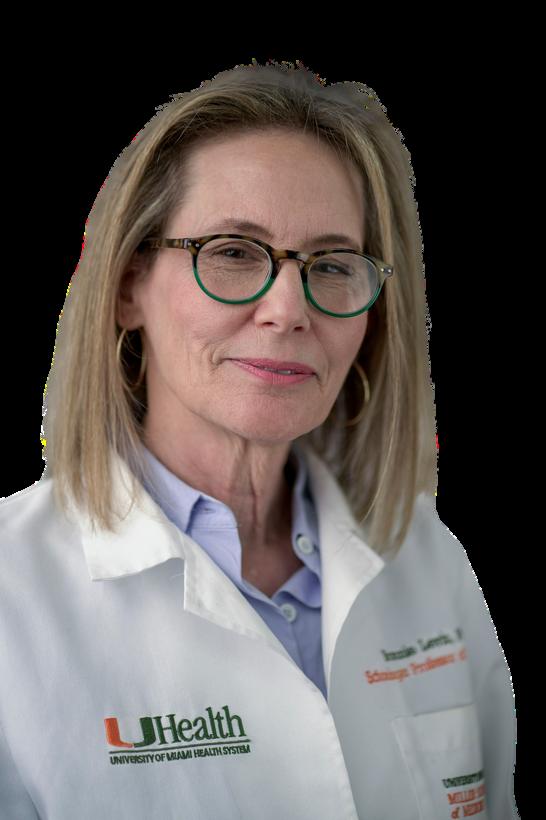
BonnieLevin,Ph.D.
Schoninger/Goldberg Professor of Neurology Associate Director, Evelyn F. McKnight Brain Institute
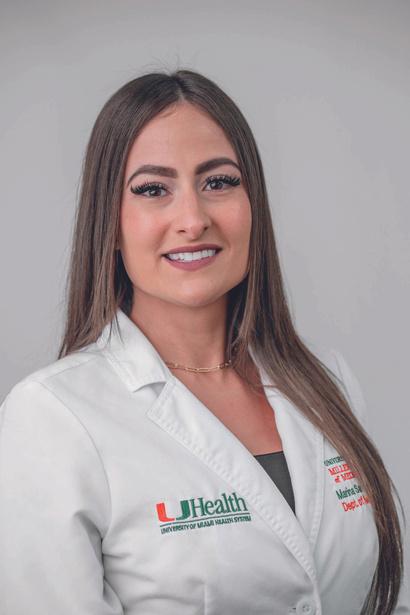
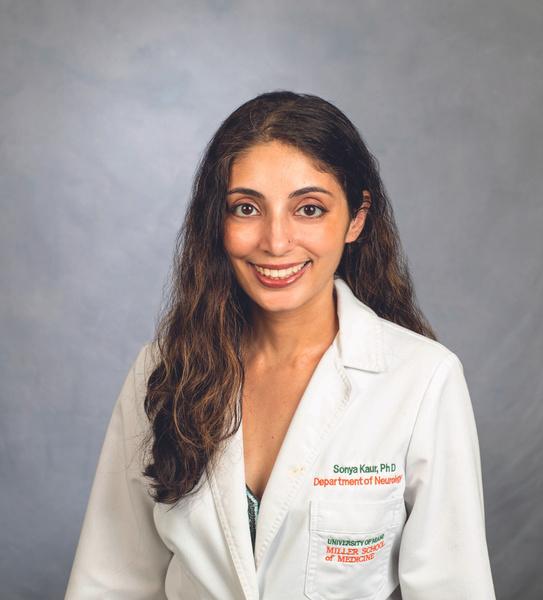
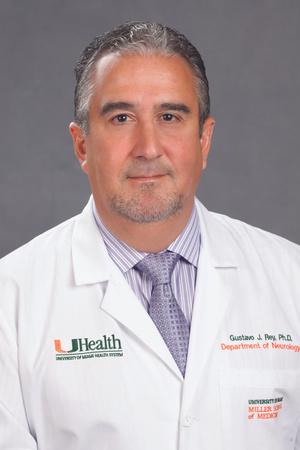
Katalina McInerney, Ph D
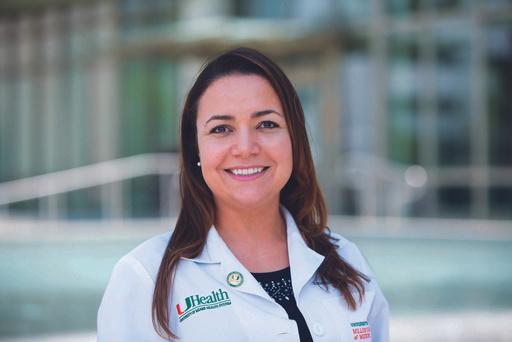
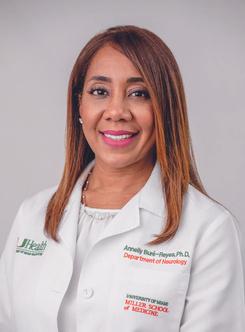
Annelly Bure, Ph D
Sonya Kaur, Ph D
Gustavo Rey Ph D
Marina Sarno, Ph D
Mitchell Slugh, Ph D
assessment to assess strengths and weaknesses focused on early cognitive change or an individualized management strategy for the patient and family addressing concerns about dementia and neurodegenerative decline, are provided. In addition to the medical campus, assessments are provided in Coral Gables (Lennar) and Boca Raton
Research:
Ongoing research projects include early biomarkers of cognitive decline, frailty and cognition, biomarkers of vascular cognitive impairment, predictors of DBS and epilepsy surgery outcome, sleep disorders, health disparities and neurocognition, susceptibility to deception among vulnerable populations, age related sensory decline and cognition, social determinants of aging among super-agers and genetic markers of dementia and related disorders. Grants are federally funded (NIH) as well as supported by the Evelyn F. McKnight Brain Institute and other foundations. We also have a strong presence with several multi-center research studies and encourage involvement with our collaborators in Florida, Arizona, Alabama, San Diego and Michigan
Education:
All members of the Division actively participate in teaching. Trainees participate in neuropsychology rounds, case conferences, DBS and epilepsy surgical conferences, journal clubs and fact-finding exercises to prepare for board certification. Fellows are encouraged to present at national and international meetings and participate in manuscript and grant writing based on their level of interest and experience Our training program follows the Houston Conference model for specialty training in clinical neuropsychology through the American Board of Professional Psychology (ABPP). To date, over 200 students and fellows have trained in the NCN Division.
200STUDENTS & FELLOWS
PEDIATRIC NEUROLOGY
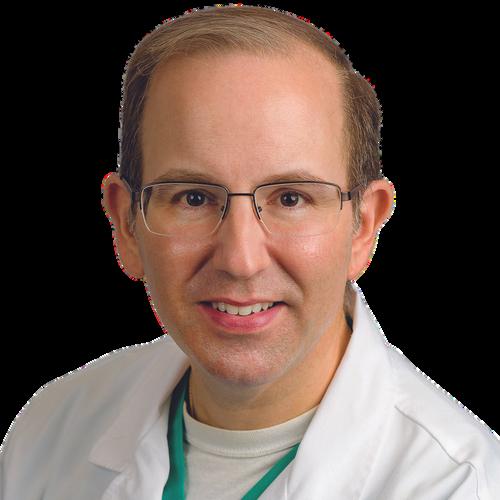
RobertoLopez-Alberola,M.D.
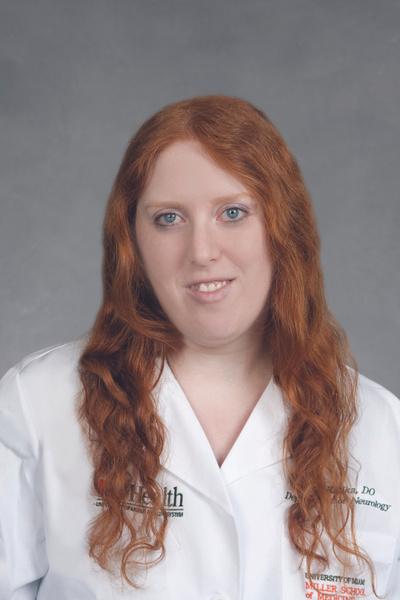
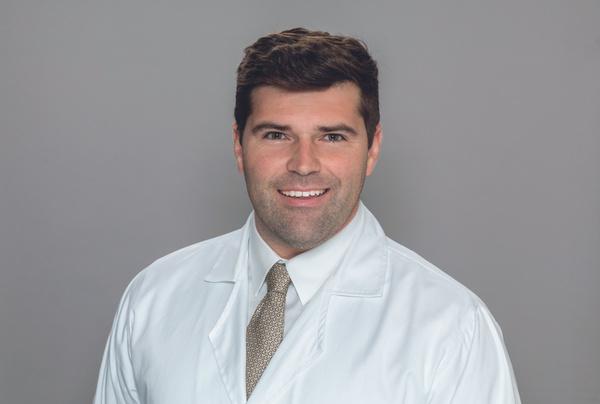
The Division of pediatric neurology is led by Chief, Roberto Lopez-Alberola, M.D. The Division is committed to the diagnosis and treatment of childhood-onset neurologic disorders.
Four board-certified pediatric neurologists care for children from South Florida and
Paige Kalika , D O
Alyssa Pensirikul, M D
Dayra Licer-Oquendo M D
Manuel Viamonte M D
Chief
SLEEP DISORDERS AND INTRAOPERATIVE NEURO MONITORING PROGRAM (IONM)
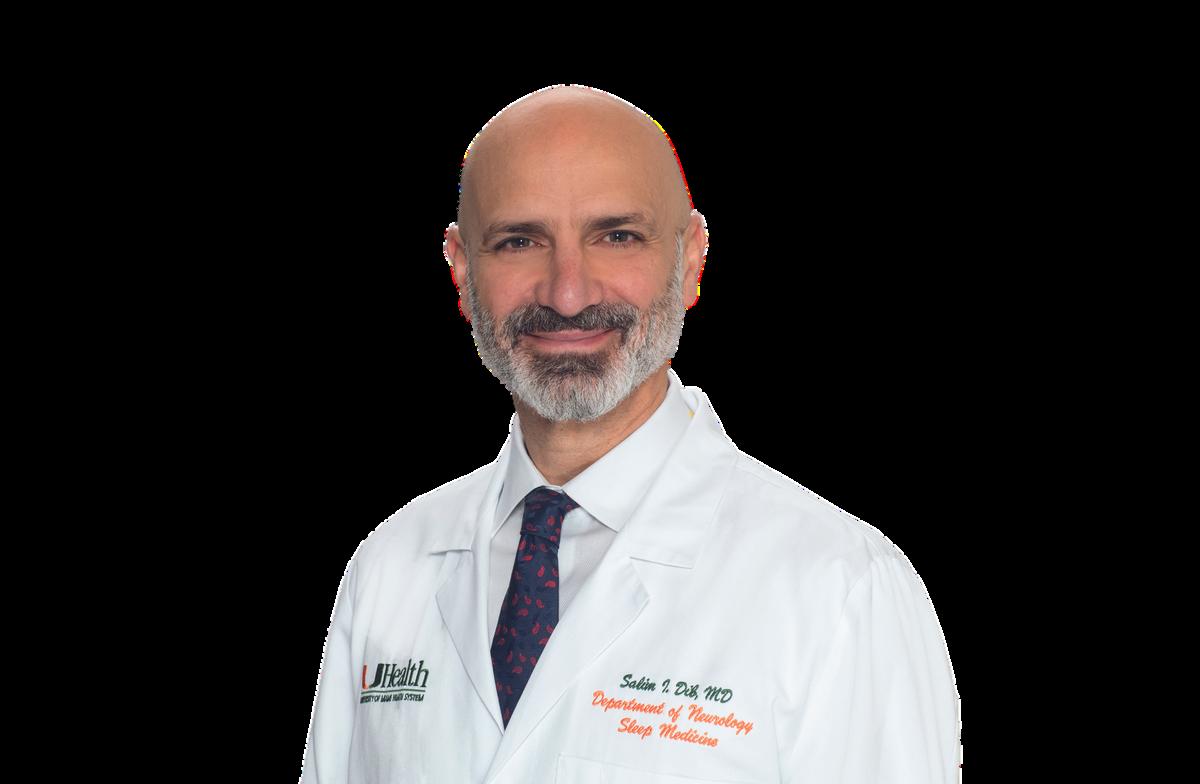
SalimDib,M.D.,FAAN,FAASM
Chief Neurology Chief, University of Miami Hospital and Clinics
Alberto Ramos, M D M S FAAN FAASM
Christian Agudelo, M D
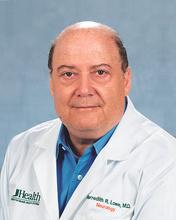
Merredith Lowe M D
Douglas Wallace M D FAAN FAASM
Additionally, 3 neurologists in our Division provide functional guidance using Intraoperative neurophysiological monitoring (IONM) to surgeons and anesthesiologists during surgeries to improve safety and outcomes, offer training for professionals and technologists and pursue research to advance the field. The purpose of IONM is to protect the integrity of the peripheral and central nervous systems during surgical manipulation through the use of electrophysiological methods such as electroencephalography (EEG), electromyography (EMG), and evoked potentials.
Research:
Sleep in Neurocognitive Aging and Alzheimer’s Research (SANAR) is a five-year, $13 million grant from the National Institute on Aging (NIA) to study the impact of obstructive sleep apnea and nocturnal blood pressure on the risk of Alzheimer’s disease and other dementias in Hispanic/Latino adults. www.sanarbrain.com.
The SANAR lab, directed by Dr. Alberto Ramos, is dedicated to understanding the mechanisms linking sleep health to later life cognitive and brain health. Its aims to trailblaze a sleep research program that advances knowledge and awareness on the causes and treatment of sleep disorders and related comorbidities and promote equitable sleep and circadian health through scientific discoveries, excellence in mentoring and career development
The research program also has collaborations with the Center for Translational Sleep and Circadian Sciences, in the Department of Psychiatry, directed by Dr. Girardin JeanLouis, the Evelyn F. McKnight Brain Institute, directed by Dr. Tatjana Rundek, the Media and Innovation Lab, directed by Dr Azizi Seixas and the Comprehensive Center for Brain Health, directed by Dr. James Galvin.
STROKE
InterimChief
SebastianKoch,M.D.
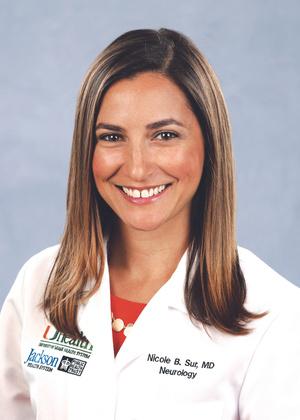
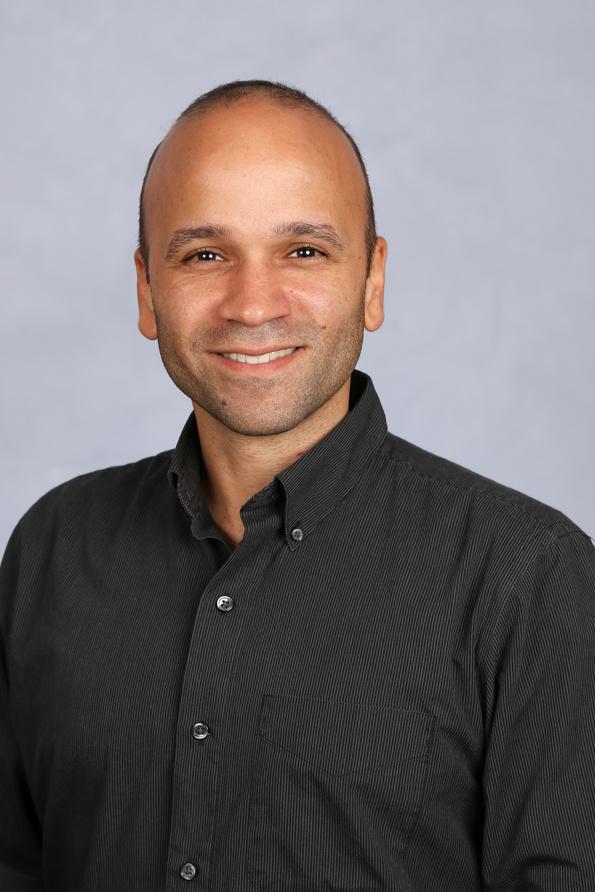
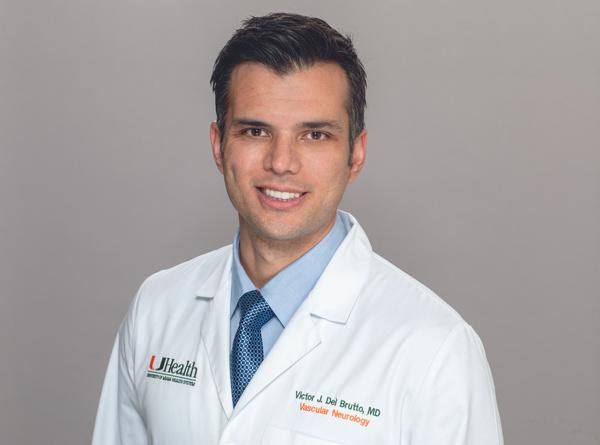
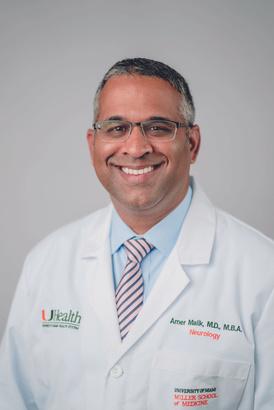
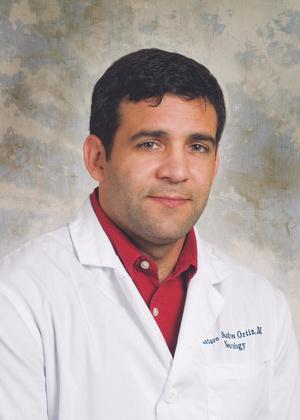
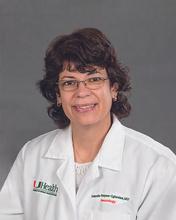
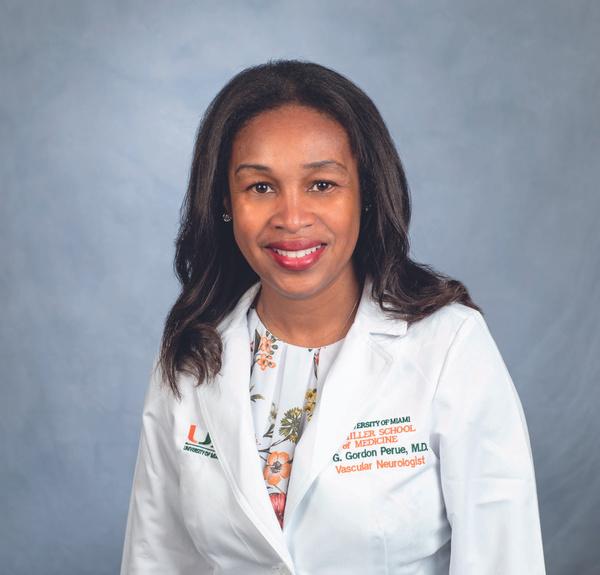
The Stroke Division is led by Interim Chief Sebastian Koch, M.D. and has 11 stroke trained neurologists dedicated to the acute treatment, prevention and rehabilitation of stroke patients. The stroke faculty manage and staff the Joint Commission Comprehensive Stroke Center at Jackson Memorial Hospital, as well as at the University of Miami Hospital, Jackson South Medical Center and Miami VA Medical Center, which all have primary stroke center designations. Acute stroke treatment with intravenous and endovascular approaches are available and patients are cared for in one of the largest and most advanced neuro-critical care units by neuro intensivists. The inpatient services consistently achieve the highest recognition by the American Heart Association for its high-quality care
In the outpatient stroke clinics, we evaluate patients with high complexity cerebrovascular problems, with the goal of preventing, treating and enhancing recovery after a stroke. Advanced diagnostics are available at UHealth including specialized testing at the Cesarano Neurovascular Laboratory.
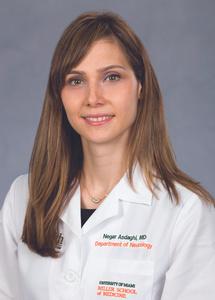
Negar Asdaghi, M D , FRCP
Victor Del Brutto Andrade, M D
Gillian Gordon Perue, M D
Erika Marulanda-Londono, M D
Amer Malik M D M B A
Gustavo Ortiz M D
Nicole Sur, M D
Yolanda Reyes-Iglesias, M D
Abiezer Rodriguez M D
Jose G Romano, M D
The Division is involved in cutting-edge stroke research to decrease the burden of stroke on patients and their families and is actively enrolling patients in acute stroke treatment, stroke prevention and stroke recovery trials, and has special interest in stroke in minorities
As stroke interventions progress and the care of stroke patients becomes more complex, we are committed to training the next generation of experts Our ACGMEaccredited vascular neurology program trains 4 stroke specialists each year; in addition, we provide stroke research training to one StrokeNet scholar each year.
Highlights
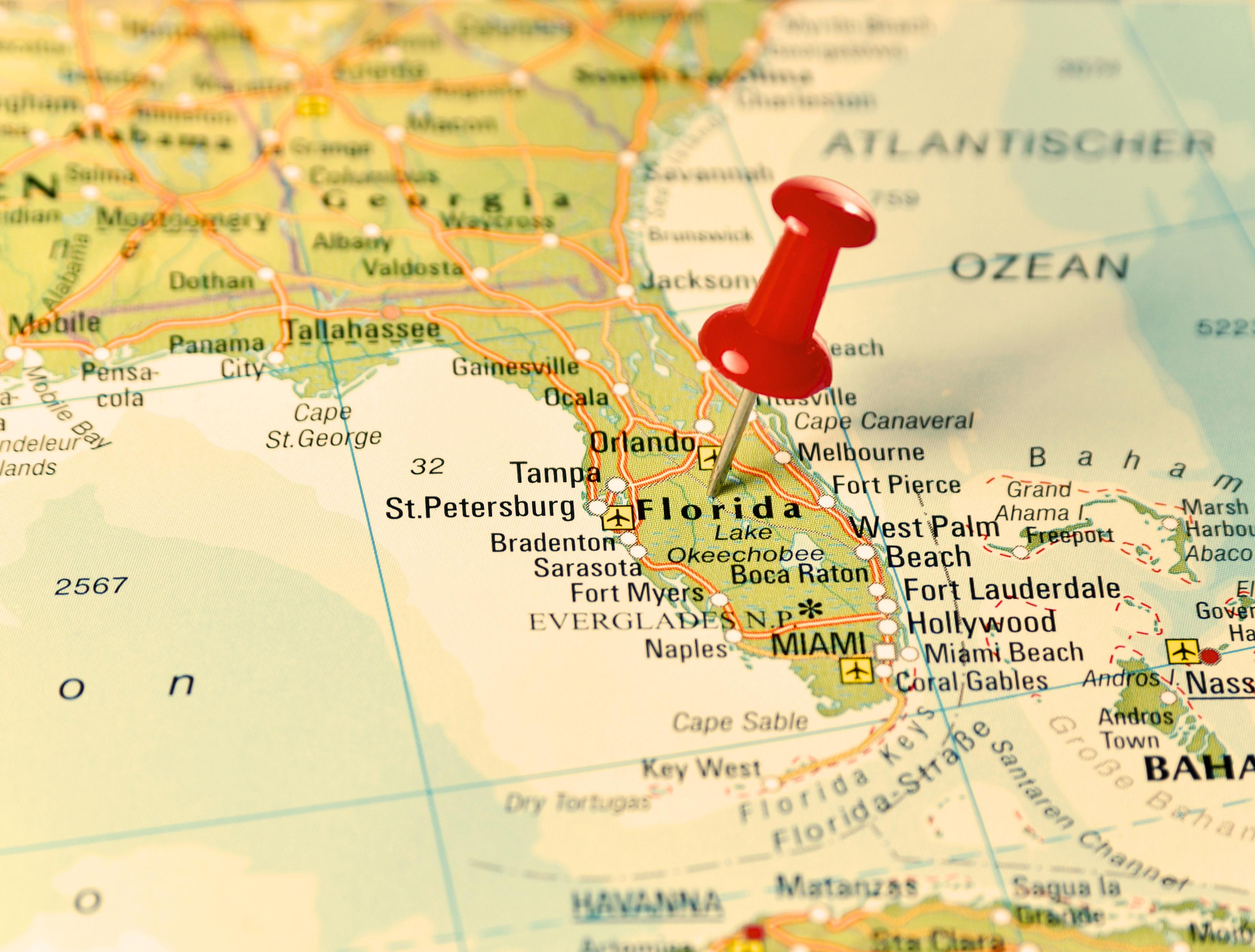
Our Faculty lead the NIH funded coordinating center for the Florida Stroke Trials Network, bringing cutting-edge trials in stroke treatment, prevention and recovery across 10 collaborating institutions in Florida.
We advance quality of stoke care and reduce stroke disparities through our leadership role in the Florida Stroke Registry Initiative collaborating with the Florida Department of Health, Florida stroke centers, EMS, and other stakeholders.
MIAMI VETERANS AFFAIRS HEALTHCARE SYSTEM - NEUROLOGY
Chief
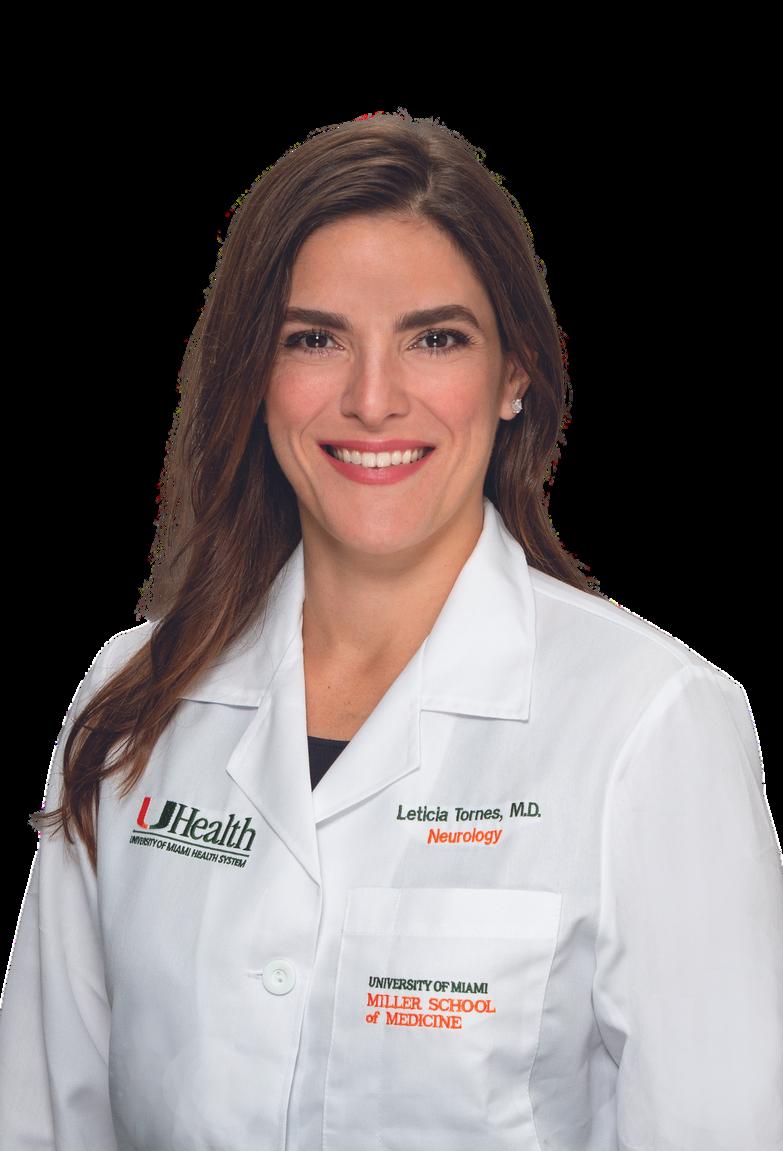
LeticiaTornesM.D.,FAAN,
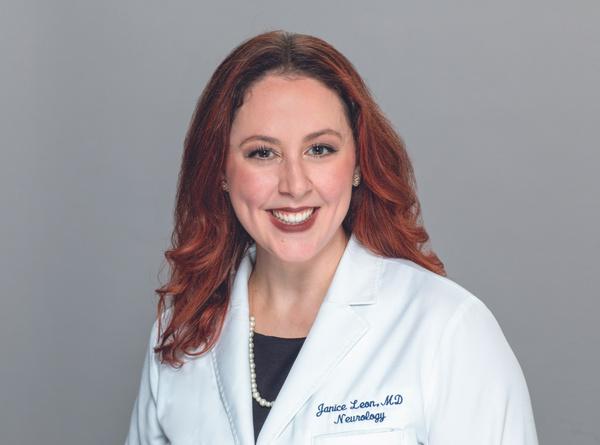
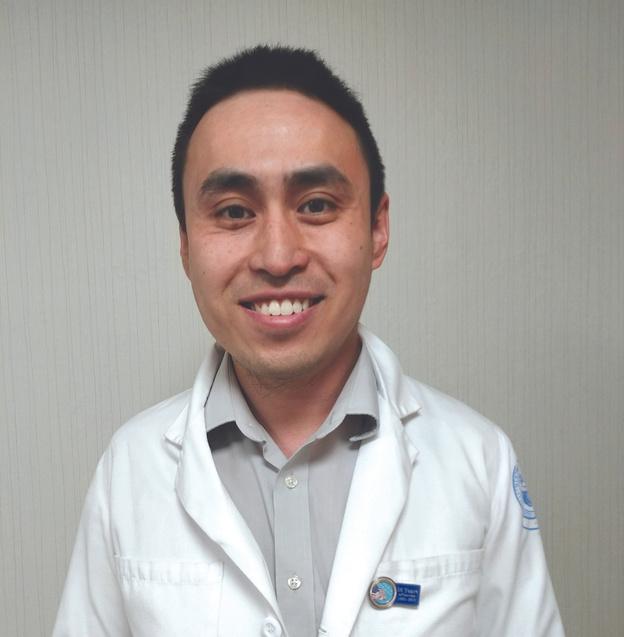
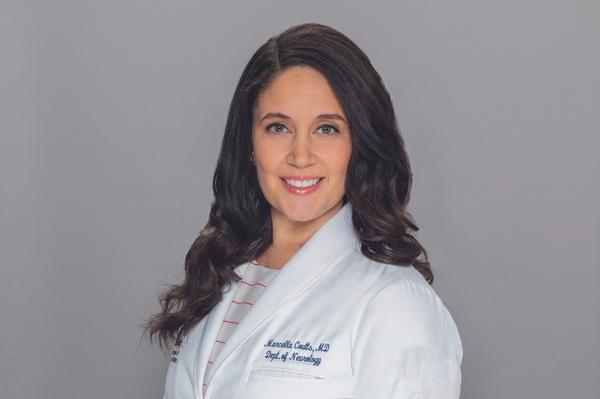
The Miami VA Healthcare System Neurology Service is led by Chief Leticia Tornes, M.D., who along with 9 neurologists provides efficient and high-quality neurological care to patients in the outpatient clinics, emergency room and the medical surgical, intensive care, psychiatric and extended care wards of the Medical Center. All neurological diseases are seen including stroke, brain tumors, peripheral nerve and muscle disease, multiple sclerosis, dementia, headache, movement disorders, traumatic brain injury and epilepsy. The Neurology service has an inpatient ward, a sleep laboratory and an EEG laboratory with capacity for inpatient video-EEG telemetry unit. The Miami VA Healthcare System has a Center of Excellence for Epilepsy Multiple sclerosis and Parkinson's Disease
The Neurology service is the busiest Neurology Department among the VA hospitals in the Florida area and the Caribbean. We also provide neurology telehealth services to Monroe and Broward counties.
Maria Raquel Lopez M D
Manuel Melo Bicchi M D
Jennifer Hislop, M D
Farah Dosani M D
Yolanda Reyes-Iglesias, M D
Janice Leon, M D
Hao Cheng M D
Marcella Coutts M D
Douglas M Wallace M D
Maria Raquel Lopez, M D
A D V A N C I N G D I S C O V E R Y
S C I E N C E
ADVANCING BASIC DISCOVERY
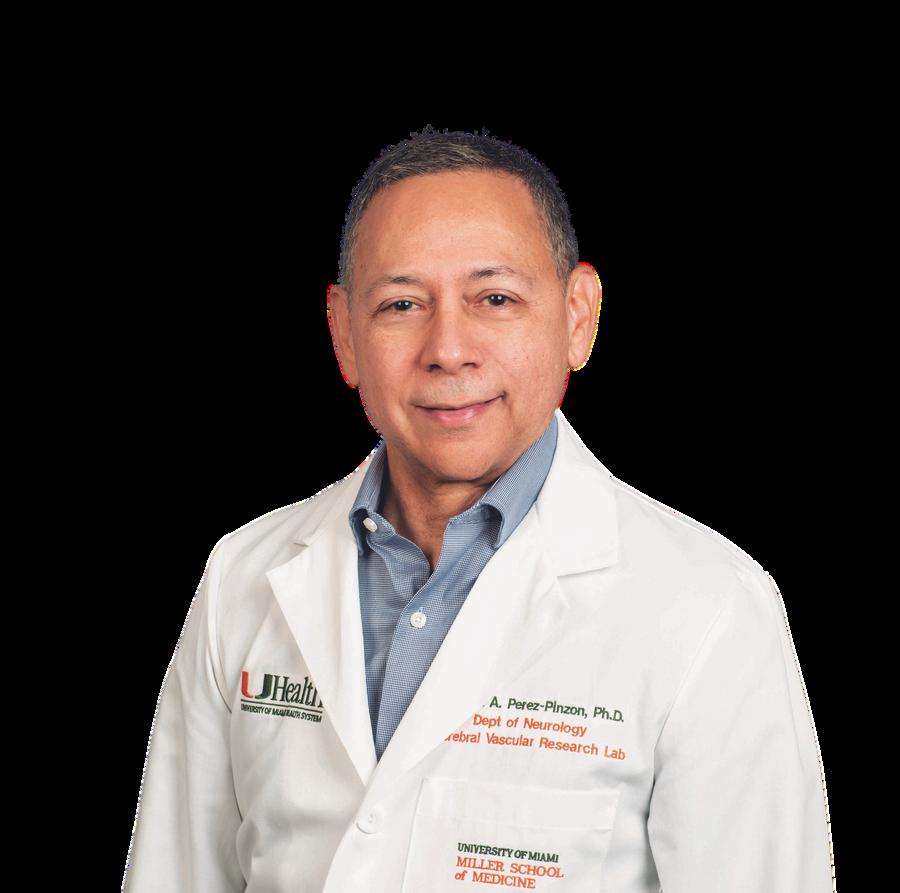
Chief
MiguelPerez-Pinzon,Ph.D.
Vice-Chair of Discovery Science
Peritz Scheinberg Endowed Chair in Neurology
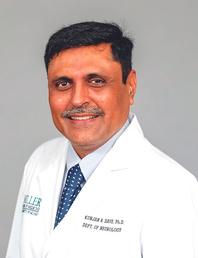
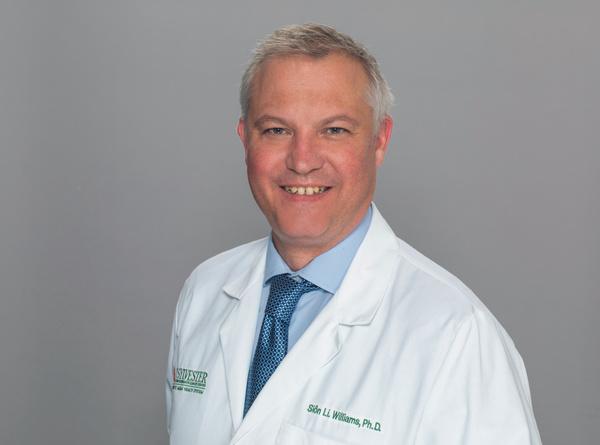
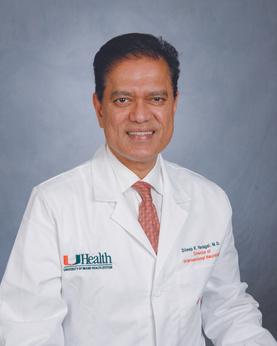
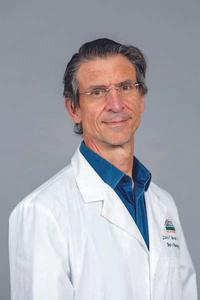
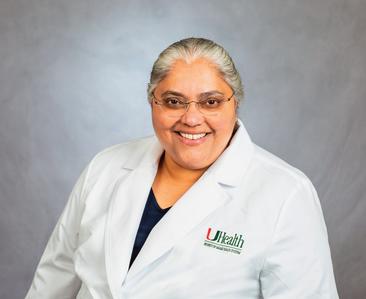
Dr Perez-Pinzon spearheads innovative research initiatives within the Division along with a team of 7 esteemed scholars. Since June 2022, the Division has been engaged in pivotal care, research and educational initiatives garnering numerous awards and producing significant publications that contribute to the advancement of neurological sciences.
The Department of Neurology's Discovery Science legacy began over six decades ago with Dr. Peritz Scheinberg, first Chair of Neurology at the University of Miami, who founded the Research Center for Cerebral Vascular Disease Research Center (CVDRC) at the University of Miami. The Center initially concentrated on cerebral blood flow measurement in various health conditions, evolving to include cerebral control mechanisms in large animal studies. Dr. Myron D. Ginsberg's leadership as Principal Investigator since 1981 has seen the recruitment of adept investigators, enhancing the Center's research capabilities
Antonio Barrientos, Ph D
Kunjan R Dave, Ph D
Carlos T Moraes, Ph D Lichtenstein Endowed Professor in Neurology
Ami P Raval, Ph D
Sion Williams Ph D
Dileep Yavagal Ph D
Roshni Thakar, Ph D
In 2005, Dr. Miguel A. Perez-Pinzon took the helm of the CVDRC, bringing his expertise in ischemic preconditioning, cardiac arrest, mitochondrial pathophysiology and organotypic slice culture preparation to the forefront The Department's expansion into Parkinson’s disease and spinal cord injury research was further propelled by clinical and basic scientists, including Drs. Carlos Moraes and Antonio Barrientos.
The Division is committed to exploring the pathophysiology, treatment and prevention of neurological diseases This pursuit is founded on the principles of understanding normal central nervous system functions, basing prophylaxis and therapeutic efforts on disease mechanisms and employing multidisciplinary investigative strategies.
Our faculty members are at the forefront of pioneering research, with their laboratories serving as incubators for the next wave of scientific talent The Division is further sub-divided by three major groups.
currently houses five faculty members investigating stroke, cardiac arrest and cognitive decline Dr Perez-Pinzon's work focuses on prophylactic treatments and the mechanisms of cognitive decline post-pathological conditions. Dr. Kunjan Dave's research evaluates the impact of hypoglycemia on cerebral ischemia in diabetes and explores strategies to mitigate bleeding in experimental intracerebral hemorrhage Dr Ami Raval's lab delves into the influence of hormonal fluctuations on post-stroke cognition and the efficacy of vibration therapy in stroke rehabilitation. Dr. Dileep Yavagal, a leader in clinical and pre-clinical stroke research, is pioneering stem cell therapy trials with the assistance of Dr. Roshni Thakkar.
The Molecular Bioenergetics Lab is under the leadership of Dr Moraes who is engaged in deciphering the molecular intricacies of mitochondrial disorders, which stem from defects in the cellular energy production system. Mitochondria, unique in housing their own DNA (mtDNA), are critical for ATP synthesis the energy currency of the cell Mutations in mtDNA or nuclear DNA can lead to a cascade of disruptions in this synthesis process, potentially resulting in a spectrum of diseases. The lab is dedicated to a dual-focused research approach analyzing the function of mitochondrial proteins that are integral to energy production and pioneering in their study of the
The Peritz Scheinberg Cerebral Vascular Disease Research Laboratories
broader role of mitochondrial function as it relates to the aging process. Dr. Moraes and team are are not only at the cutting-edge of understanding these complex systems but are also innovating in the development of both pharmacological and genetic therapeutic strategies to combat mitochondrial diseases
Highlights
The faculty are involved in presenting at many national and international meetings and conferences and serving on committees and boards for conferences and national and international societies.
They also actively participate in many university committees including the Scientific Advisory Committee, Programs in Biomedical Sciences (PIBS) Admission’s Committee, Institutional Animal Care & Use Committee (IACUC), Neuroscience Program Steering Committee, and many graduate student dissertation committees
ADVANCING CLINICAL TRANSLATIONAL SCIENCE
Chief
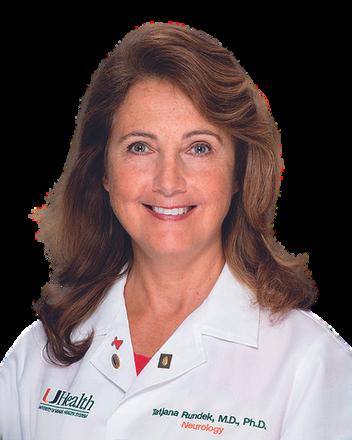
TatjanaRundek,M.D.,Ph.D.
Executive Vice Chair of Research and Faculty Affairs
Evelyn F McKnight Endowed Chair for Learning and Memory in Aging
Director, Evelyn F McKnight Brain Institute
The Clinical Translational Research Division provides infrastructure and resources to all in neurology who perform clinical translational research and research training. It provides data management, statistical and administrative infrastructure for patientoriented research of neurological disorders. Its scientists actively conduct research on
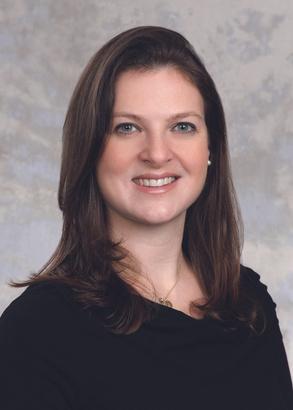
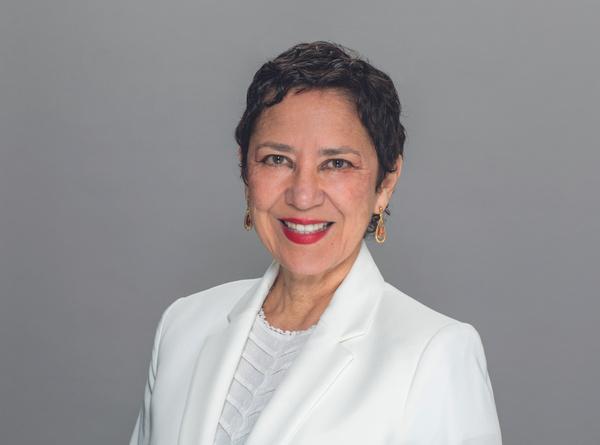
Hannah Gardner, Ph D
David Della Morte, M D , Ph D
Emir Veledar, Ph D
Carolina Gutierrez Ph D
LEADING COLLABORATIVE RESEARCH
The Florida Stroke Registry initially supported by an NIH’s NINDS grant, was enacted into law by the Florida Legislature in 2017 and is now supported by the State of Florida and managed by The University of Miami. It aims to improve the quality of stroke care statewide through the comprehensive data collection and analysis of stroke performance metrics, outcomes, and race, ethnicity, sex, and geographic disparities in stroke care. In close partnership with the Florida Department of Health, they coordinate initiatives to improve the quality of stroke care across 175 hospitals in Florida, working closely with paramedics, Florida Stroke hospitals, and community partners to ensure high-quality and equitable stroke care, education on stroke recognition, and treatment and implementation of stroke systems of care to professional and community partners.
CReATe - University of Miami is the lead site for Clinical Research in ALS and Related Disorders for Therapeutic Development (CReATe). Funded by the NIH's NINDS and NCATS, CReATe is a collaborative research initiative focused on improving our understanding of amyotrophic lateral sclerosis (ALS) and a group of related disorders including frontotemporal dementia (FTD), progressive muscular atrophy (PMA), primary lateral sclerosis (PLS), hereditary spastic paraplegia (HSP) and multisystem proteinopathy (MSP), with the goal of accelerating the development of effective treatments for these conditions by fostering research collaborations.
NeuroNEXT - Network for Excellence in Neuroscience Clinical Trials was created to conduct studies of treatments for neurological diseases through partnerships with academia, private foundations, and industry, and is funded by the NIH’s NINDS. NeuroNEXT was designed to increase the efficiency of clinical trials, expand stroke research capability, and test promising new treatments for people with neurological disorders.
StrokeNet - Florida Stroke Trials Network coordinating center, funded by the NIH, was created to conduct small and large clinical trials and research studies to advance acute stroke treatment, stroke prevention, recovery, and rehabilitation. The network of 27 regional centers across the U.S., involving about 500 hospitals in collaboration with international sites, serves as the infrastructure and pipeline for new potential treatments for patients with stroke and those at risk for stroke.
A D V A N C I N G
ADVANCING EDUCATION FOR THE NEXT GENERATION
ProgramDirector
JasonMargolesky,M.D.
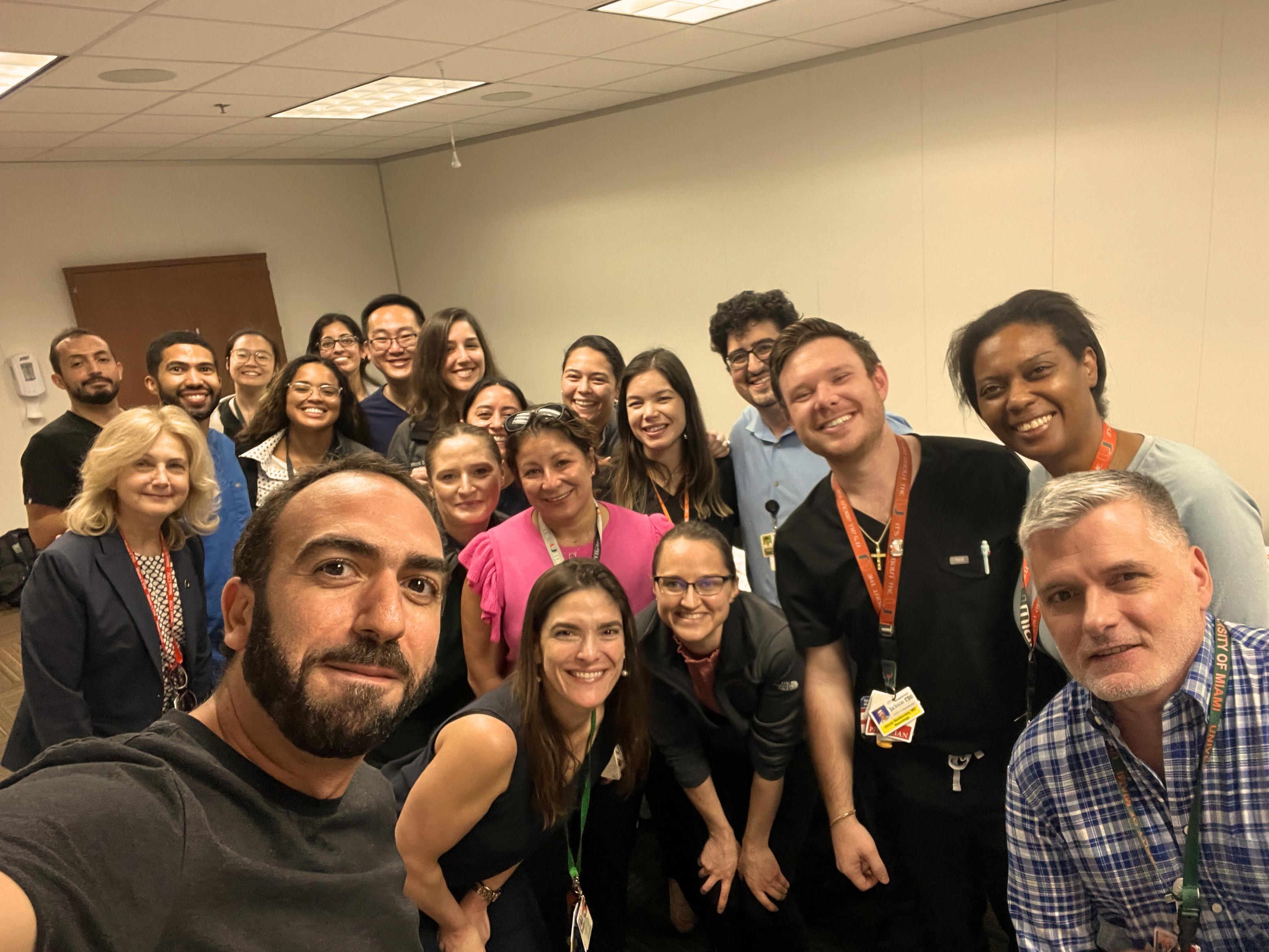
Educating neurology residents and medical students is one of the pillars of our program. We are recognized annually by the medical school and voted for by the students, for the quality of education provided by our medical student clerkship. Our residency program is one of the largest and most highly sought training programs in the U.S. We provide a formalized teaching curriculum, which includes a weekly “morning report” where residents are given the opportunity to present difficult cases to senior faculty renowned for their teaching style and clinical pearls, a bimonthly “neuromuscular conference” where a neuromuscular case is presented with the entire neuromuscular faculty in attendance for teaching and discussion, bedside teaching with incredible clinician-educators, a didactic academic half day paradigm where junior and senior residents have parallel lecture series throughout the year, plus numerous additional learning opportunities and conferences throughout the workweek. We are proud of the work our entire team contributes to the program, which shows in our consistent excellent board pass rate and fellowship match records.
Over the years, we have achieved remarkable accomplishments in education and trained some of the best leaders in neurological medicine. Through the strong partnership between UM and Jackson we offer opportunities in research, teaching and patient care Our program is proud to develop the best next generation of
Erika Marulanda-Londono M D
Leticia Tornes, M D , Associate Program Director
Associate Program Director
neurologists into knowledgeable, experienced and independent thinking practitioners and to offer research opportunities for expanded knowledge of neurological disease. Since 1965, when our humble beginning consisted of only six residents (five adult neurologists and one child neurologist), we have grown exponentially. As of 2023, we will have 44 resident and 23 fellow positions in 12 sub-specialties
Our commitment to diversity, equity, and inclusion is evident through projects facilitated by our IDEAS committee including the AAN anti-racism project and the DEI (diversion, equality and inclusion) symposium, which aims to foster an environment where everyone feels valued and respected, and where patients receive equitable care. We prioritize continuous learning through curated and up to date didactic and Department wide Grand Rounds, equipping our students with the tools they need to thrive in their future careers.
The excellence of our education programs has been recognized by esteemed education awards, including being recognized (for many years) as the Best Medical Student Clerkship and by Dr. Leticia Tornes M.D., FAAN, receiving the prestigious AB Baker Teaching Award at this year’s AAN Annual Meeting. These accolades serve as a testament to the dedication of our faculty to deliver top-tier educational experiences
Our clinical training sets the bar high with affiliations to three distinct hospital systems housed on the UM medical campus, namely Jackson Memorial Hospital, UHealth Tower and the Miami Veteran Affairs Hospital, providing our students with exposure to a broad array of subspecialties and diverse patient populations. The collaboration with institutions like Sylvester Comprehensive Cancer Center and Bascom Palmer Eye Institute further enriches the clinical experience and fosters a holistic approach to patient care
Research is also an integral part of our institution, offering numerous opportunities for exploration and growth Our Resident Research Track enables trainees to delve deeper into their areas of interest, while events like Resident Research Day celebrate the innovative work of our residents. This year marked the 12th Annual Resident Research Day, and the first to be named for Dr. Ralph L. Sacco. Five monetary awards will be given out each year
Mentorship lies at the heart of our educational philosophy. Our large and diverse faculty ensures that students have access to a wide range of mentors, each with unique perspectives and experiences to share. We take great pride in the new Dr. Ralph L. Sacco Faculty Mentor Award, named after the esteemed chairman, with Dr Alberto Ramos as the inaugural recipient, who exemplifies the impact that mentorship can have on shaping future leaders and clinician-researchers.
PROFESSIONAL EDUCATION
For 57 years the Department has offered the Neurology Update and Stroke Intensive Review providing more than 200 participants annually a comprehensive review of the most recent developments in the diagnosis and management of neurological disorders. Additionally, we also offer a number of clinical provider seminars, most recently in multiple schlerosis, parkinson’s and cognitive disorders.
I N S T I T U T E S & C E N T E R S
EVELYN F. MCKNIGHT BRAIN INSTITUTE
Established in 2007 by an endowment from the McKnight Brain Research Foundation, Evelyn F McKnight Brain Institute at the University of Miami is one of only 4 Institutes in the U.S. focusing on healthy brain aging. We unite a diverse group of more than 50 translational and discovery scientists and clinicians to drive groundbreaking research in age-related memory loss and cognitive impairment stemming from various brainrelated conditions, with the primary goal of expediting the translation of scientific findings into practical clinical applications.
Building on our breadth of private and NIH/NIA-funded research projects, we offer access for diverse populations to participate in more than a dozen healthy aging research studies
We also strive to promote healthy aging initiatives within our community, fostering a brighter future for cognitive wellness and healthy aging We create and offer a series of community programs through community centers, library systems, assisted living centers, municipalities and aging networks to educate the community on aspects of healthy aging, such as our ‘Age Like a Pro’ program in Miami-Dade, Broward and Palm Beach counties.
Building on our education and training experience, we have grants to educate and nurture the development of the upcoming generation of clinical translational investigators, empowering them to bridge the gap between research and real-world practices.
UNIVERSITY OF MIAMI ALS CENTER
The University of Miami ALS Center provides the highest level of compassionate care and multi-specialty support for patients and families living with Amyotrophic Lateral Sclerosis (ALS) from the time of diagnosis to the end stages of the disease Our multidisciplinary clinical team works alongside expert researchers in search of a cure for ALS This combined approach provides our patients with essential clinical care as well as opportunities for participation in groundbreaking research and clinical trials.
Our team of experienced neurologists and specialists with expertise in ALS provide diagnostic evaluations that patients can trust and communicate new diagnoses with great care and compassion. For patients with a confirmed diagnosis, additional counseling, answers to questions and a detailed management plan are developed and communicated at our Second Visit Clinic. Patients then benefit from specialized care and a unique clinical experience in our multi-disciplinary clinic and other specialized clinics.
Our patients and their families can also participate in ongoing clinical research studies and therapeutic trials. This type of research is essential for advancing our understanding of disease and making progress towards finding a cure for this disease. Our internationally recognized team of researchers has taken great strides toward a better understanding of ALS.
Our goals are for every patient and family to receive the best possible care, and to contribute to ending ALS through research.
COMPREHENSIVE
CENTER FOR BRAIN HEALTH
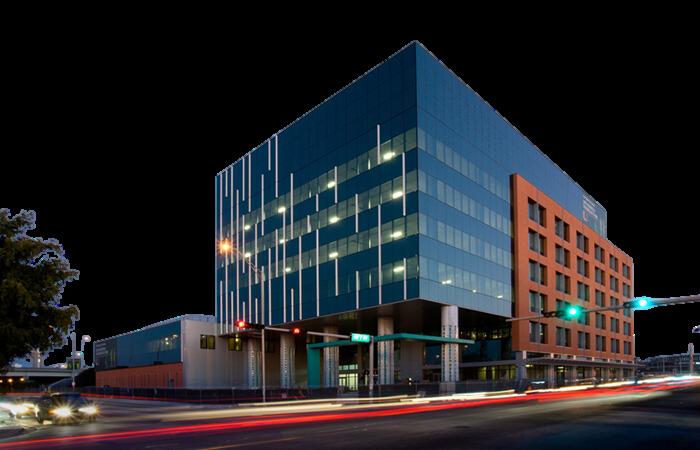
The Comprehensive Center for Brain Health integrates its innovative research, clinical, educational and community outreach work focusing on brain health and neurodegenerative disease Cutting-edge research can change the expectations of aging and neurodegenerative diseases. A comprehensive, customized focus on prevention and health, rather than disease, is at the heart of our work. The mission is to better understand how the aging brain works and design treatments and prevention plans that will result in longer, better lives The transdisciplinary approach to clinical research, clinical care, education and training and community outreach, can make a significant positive impact on the lives of individuals and families living in South Florida and beyond
We create an innovative trans-disciplinary collaborative care team comprised of neurologists, nurse practitioners, licensed clinical social workers, gerontologists, physical therapists, and an integrative nutritionist to evaluate, diagnose and treat Alzheimer’s Disease and Related Disorders (ADRD) and conditions.
We build upon and expand existing efforts to develop innovative lines of clinicaltranslational research into the cause, detection, prevention and cure of (ADRD)
We develop unique training opportunities for students, residents, fellows, staff and faculty to gain training, knowledge and expertise in brain health and neurodegenerative diseases We also work with community-service partners, organizations and associations to develop educational opportunities to increase knowledge, health literacy and research readiness.
Brain Endowment Bank
The University of Mi (NIH) NeuroBioBank nation The Brain End scientific researchers treatments, and ultim
The NeuroBioBank c and scientific resear privacy policies, the throughout the wor researchers searching
I D E A S
ADVANCING EQUITY AND DIVERSITY
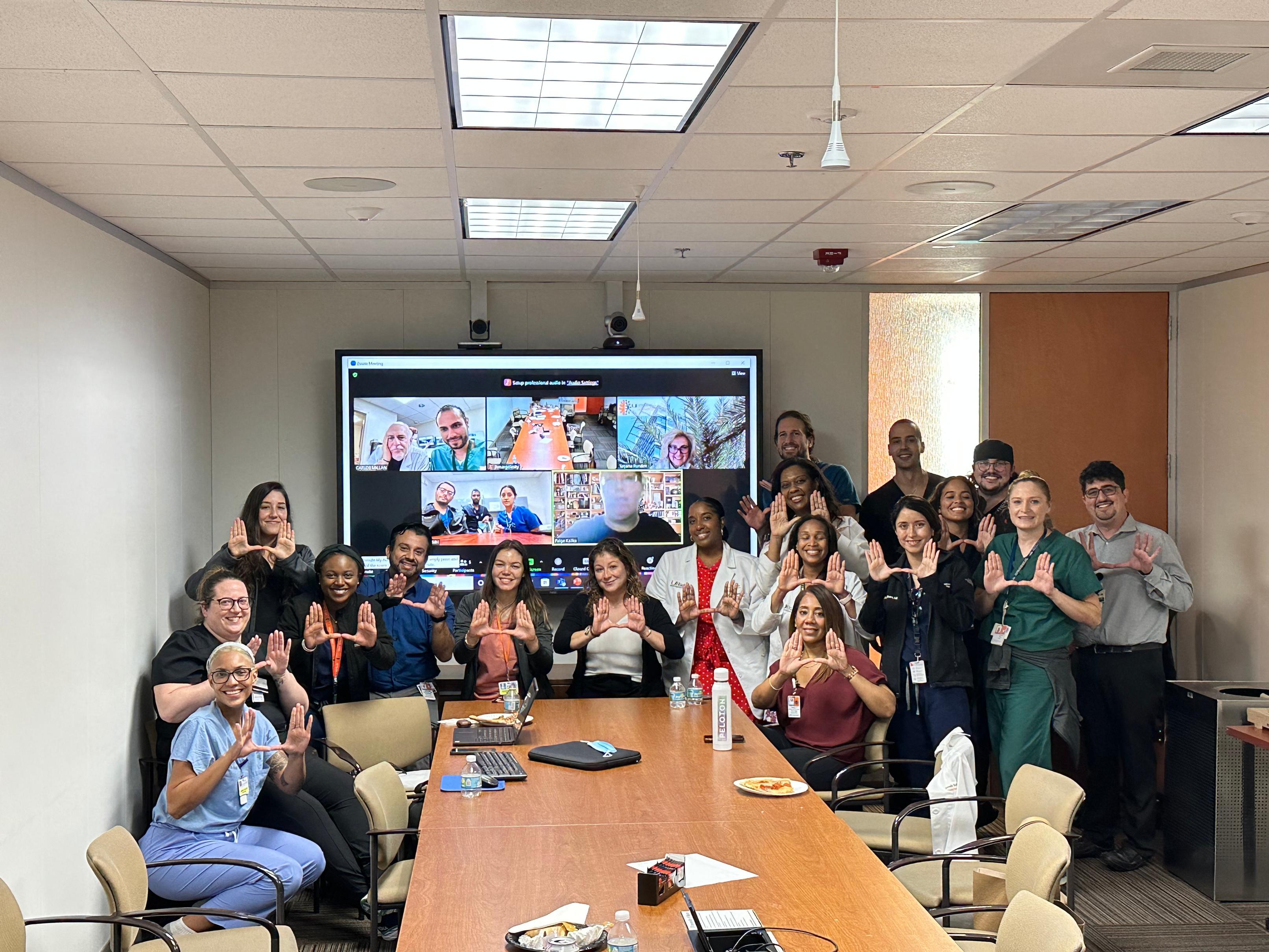
The Department has taken an active role in our commitment to equity and diversity excellence, since 2020. We were one of the first to create a pledge. The Inclusion, Diversity, Equity Anti-Racism and Social Justice (IDEAS) committee membership now includes faculty and staff from most Divisions and has added medical residents while serving as an exemplary role model across the University. All interview applicants are made aware of faculty diversity, mentorship and our IDEAS committee efforts. We have worked on communications that reinforce our values and observances to ensure a sense of belonging and an inclusive institutional culture.
Our faculty have served as panelists, participated in committee leadership and continue to present and publish and be recognized in this area. Dr. Erika MarulandaLondono received the Leonard Tow Humanism in Medicine Award, Dr Tatjana Rundek was recognized with the Dean’s Faculty Award for Excellence in Mentorship, and Drs. Kristine O’Phelan and Bonnie Levin received the Women in Academic Medicine Excellence in Mentorship awards. We have also led three major programs:
Inaugural Women’s Neurology and Brain Health Special Grand Rounds - focuses on the understanding of the role of gender and the impact of sex hormones in the evaluation and management of neurological disorders The first speaker, Professor Dr Gretchen Tietjen, spoke about ‘Migraine and Stroke in Women.’
First IDEAS Symposium - had 9 posters and 6 oral presentations. Topics included health disparities, access to care, research participation and community education.
AAN Anti-Racism Education Pilot - The Department agreed to be part of this AAN pilot which comprised of four modules Each module assigned, was to be completed individually prior to each of four group sessions, and then discussed. More than 10 residents and faculty attended each session, with a pre and post-survey
P H I L A N T H R O P Y
PHILANTHROPY
The Department of Neurology has $37.7 M in 19 endowed chairs and funds. Two chairs were awarded to inaugural holders in 2023 and one was presented to a secondary holder.
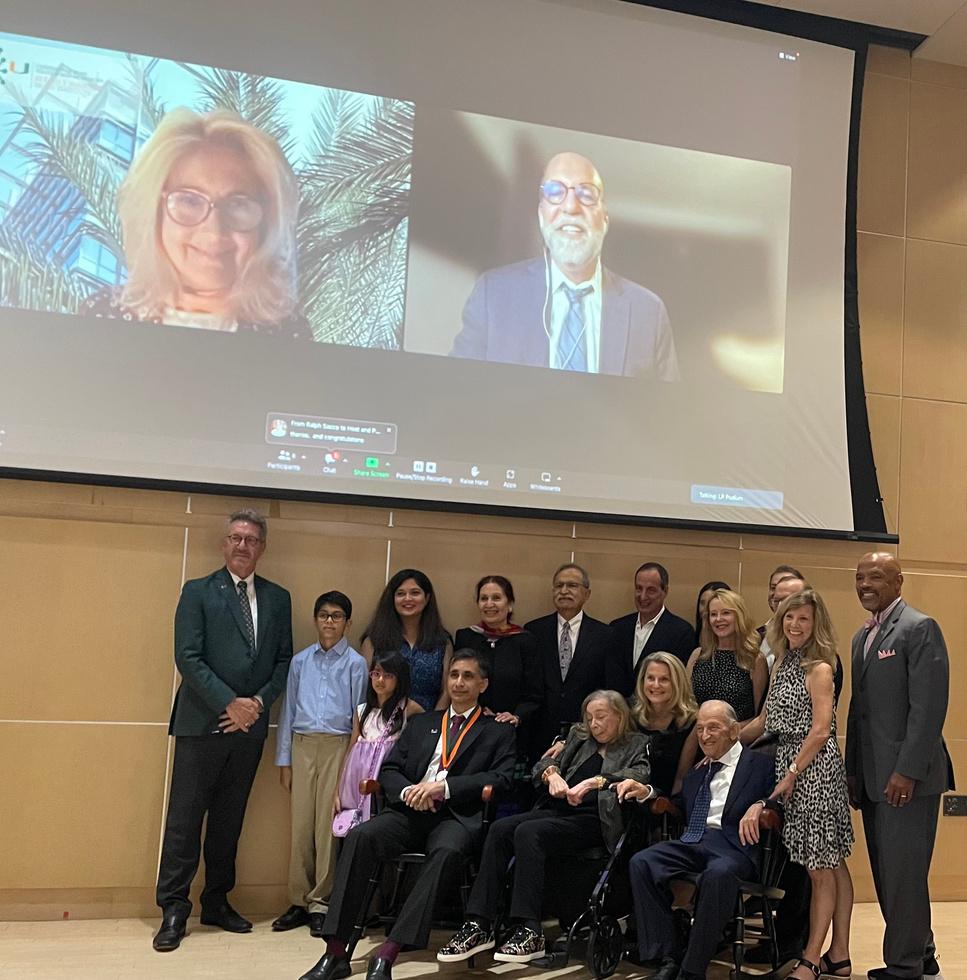
The Cornfeld-Hurowitz Endowed Chair in Movement Disorders was presented to Ihtsham ul Haq, M.D., professor and Chief of the Movement Disorders Division Dr Haq said, “I am truly honored, the Cornfelds’ support is invaluable to my work and your generosity will help impact the lives of patients for generations to come as, together, we will strive to make movement disorders a thing of the past.”
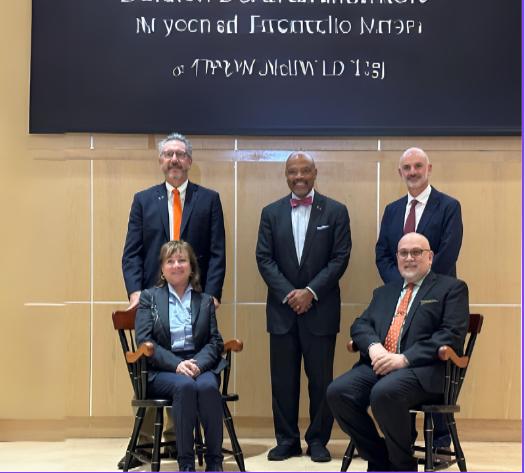
James E Galvin, M D, M P H , professor and Chief of the Cognitive Disorders Division and Director of the CCBH, was honored as the inaugural holder of the Alexandria and Bernard Schoninger Endowed Chair in Memory Disorders Dr. Galvin thanked Jane Marcus and her family for their commitment to brain health. He said, “As we move forward each day, we will continue to ask questions as we take care of patients who have memory disorders and try to make a significant and positive impact in their lives and the lives of their families.”
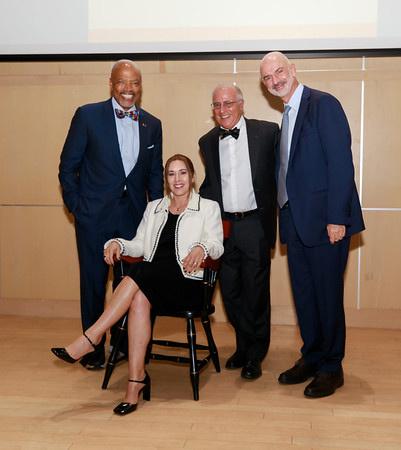
Flavia Nelson, M.D. was honored with the Thomas F. Whigham/Joseph Berger Endowed Chair in Neurology. Dr. Berger, Professor Emeritus who was the first chair holder, provided history and background on the family. Dr. Micheline McCarthy was the following occupant until she retired in 2022 Dr. Nelson thanked all and said, “I am thrilled and deeply honored to follow in the footsteps of these past eminent chair holders I am grateful to my family for their support and to Dr Sacco who brought me here. I look forward to making great strides in the future.”
T R I B U T E T O
R A L P H L . S A C C O , M . D . , M . S .
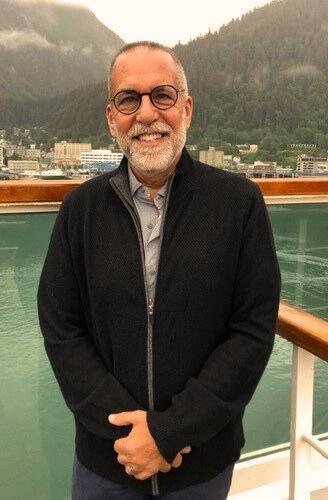
RALPH L. SACCO, M.D., M.S.
On January 17th, 2023, our illustrious Chair, Ralph L. Sacco, M.D., M.S. passed away from a glioblastoma He was a dedicated, nationally and internationally renowned stroke neurologist whose leadership for the last 15 years of this Department helped establish its reputation in discovery, education and treatment of neurological disorders focusing on stroke, vascular disease and brain health.
A REMARKABLE CAREER
Dr. Sacco’s career was marked by some of the highest awards and accolades. He was an elected member of the National Academy of Medicine. He served as President of the American Academy of Neurology (AAN) from 2017 to 2019 and was the first neurologist to serve as President of the American Heart Association (AHA), from 2010 to 2011 He was the only physician to have served as President of both the AHA and the AAN. He published more than 1,000 peer-reviewed articles, served on the editorial boards of several neurological and cardiovascular journals, and was Editor-in-Chief of the AHA’s peer-reviewed scientific journal Stroke
His outstanding achievements and contributions in research, teaching and mentorship, and patient care made a lasting impact on health care in South Florida, the nation and the world. His work was integral to advancements in overall brain health, stroke and cardiovascular disease prevention and treatment, and helped to advance health equity, create more targeted stroke prevention programs, improve outcomes and enhance quality of life for stroke patients. Dr. Sacco’s collaborative research advanced the understanding of stroke and cardiovascular and brain health, and helped elucidate the impact of modifiable behaviors, such as alcohol consumption and physical activity, on stroke risk
LEGACY
Dr Sacco will be remembered for his brilliance, his breadth of accomplishments and the warmth, kindness and compassion that distinguished his person and his career. He leaves an indelible mark and an enduring legacy, on this Department of Neurology and the Neurology community, particularly as a mentor of many members of the next generation of physician scientists.
He will be missed. His death is a tremendous loss to all he touched, but we know he will always be watching us from the other side, applauding our future accomplishments.
Life's not about all the steps you take or all the places you go. Lifes’s about the footprints you leave behind!