Patient Relations & Clinical Risk Annual Report


8:00 am4:00 pm
Please call to request an inperson meeting. Pager number: #1490
1.Introduction 2.Grievances
Claims 4.PRCR Broader Impact
5.Recognition
Chapter 1: Introduction
Dear Colleagues,
As we look back on the past year, I want to take a moment to recognize the extraordinary work of our Patient Relations & Clinical Risk (PRCR) team. Throughout 2025, this team has continued to play a vital role in advancing our commitment to safety, quality, and the patient experience across our health system.
Whenever I have the opportunity to attend PRCR meetings, I am struck by the team’s professionalism, thoughtfulness, and unwavering dedication. Their commitment to patient-centered care, thoughtful problem-solving, and collaboration is evident in everything they do. The impact of their work is felt not only in individual patient interactions but across our entire organization.
PRCR’s efforts remain central to our journey toward becoming the Safest Health System in the World. Through their proactive approach to addressing concerns, identifying risks, and driving meaningful improvements, they help bring our BASE pillars Belonging and Inclusion, Access, Safety and Quality, and Experience to life. Their work strengthens trust with our patients, families, and communities and helps ensure that every voice is heard and every concern is taken seriously.
As our health system continues to evolve, PRCR has demonstrated remarkable agility and leadership in keeping safety at the forefront during times of growth and change. Their ability to balance operational demands with deep compassion and accountability sets a powerful example for all of us.
I would also like to extend heartfelt thanks to Susan Anderson as she enters retirement. Susan’s leadership, integrity, and steadfast commitment to patient safety and advocacy have left a lasting mark on our organization. We are deeply grateful for her years of service and the foundation she helped build for PRCR and our broader health system.
To the entire PRCR team: thank you for your dedication, expertise, and tireless work. Your contributions continue to shape the future of our health system and elevate the care we provide every day. I am grateful for your partnership and inspired by the progress we will continue to make together.
Sincerely,

Dear Colleagues,
I am honored to step into the role of Chief Clinical Risk Officer for U-M Health and to lead PRCR. Since beginning this role on April 1, I have been warmly welcomed, and I am truly excited to work alongside such a dedicated and talented team.
I would also like to extend my sincere gratitude to Susan Anderson for her leadership and contributions as former Chief Clinical Risk Officer, as well as to Shelli Anuszkiewicz for her steady guidance and commitment while serving in the interim role. Their efforts have helped establish a strong foundation for continued success.
As you are aware, PRCR plays a vital role in advancing a culture of safety, transparency, and accountability across our organization. I look forward to building upon the strong foundation already in place, while continuing to evolve our approach to clinical risk management and patient relations in meaningful and impactful ways.
Throughout my career, I have focused on supporting providers and staff, addressing complex risk and litigation matters, and implementing proactive strategies to improve patient safety and outcomes. I am eager to bring this experience to PRCR and to work collaboratively in strengthening our systems, identifying e how we respond to and learn from patient concerns.
As we move forward, I am committed to fostering strong partnerships across the organization and supporting a datadriven, proactive approach to risk mitigation. Together, we have an important opportunity to continue advancing the quality, safety, and experience of care for our patients and families.
Sincerely,
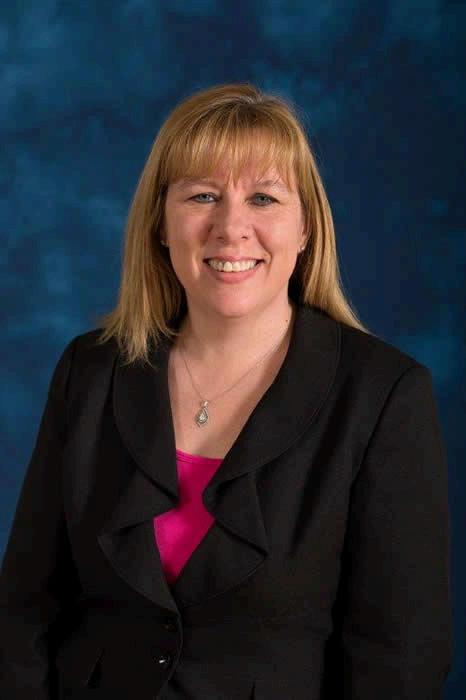
Denise L. Winiarski, JD, CPHRM, FASHRM Chief Clinical Risk Officer U-M Health

At Michigan Medicine, our goal is to provide the best healthcare experience possible. If we fall short of our patients expectations, it is vital for us to know. Our goal is always to provide quality patient care in a safe, efficient, and compassionate manner. While we obviously regret any dissatisfaction of a patient and/or family members, complaints are viewed as opportunities to review procedures and systems. The Executive Board of University of Michigan Health delegates oversight of the Complaint and Grievance Process, including the authority to review and resolve grievances with the UMH Grievance Committee.
When a patient contacts our office with concerns, we begin our robust grievance process. During this process, we conduct a review of the issues surrounding the patient’s care. We obtain internal reviews, speak with the care team involved, and thoroughly review the patient’s medical records to gain a better understanding of the scope of the issue. We also follow strict guidelines set by the Centers for Medicare and Medicaid Services (CMS) and Joint Commission that require us to respond to the patient in writing and to regularly update them on the status of our reviews. All work completed on a grievance is documented in the Patient Safety Reporting System (PSRS, aka RLDatix). Once we have concluded our review, we follow up with the patient verbally and in writing.
Grievance: A written or verbal complaint that is expressed to Michigan Medicine personnel by a patient or the patient’s representative, regarding the patient’s care (that is not resolved at the time of the complaint by staff present), abuse or neglect, issues related to the hospital’s compliance with the CMS Hospital Conditions of Participation, or a Medicare beneficiary billing complaint related to the rights and limitations provided by federal and/or state regulation.
Complaint: An expression of dissatisfaction regarding care, services, or a health care provider by a patient or patient’s representative that is brought to the attention of Michigan Medicine personnel. A complaint can be resolved timely by staff present.
Below and throughout this report you will find breakdowns of some important data points with their accompanying infographics. We pulled data from PSRS, also known as the Say Something (RL Datix) system in the regional network, to review specific events and identify trends related to grievances and potential early claims. Properly documented events provide a reliable foundation for continuous improvement and informed decision making across the organization Thank you to all those that have demonstrated their dedication to patient safety and high reliability by entering patient safety reports!
5,761 Grievances handled by PRCR from 1/1/25 - 12/31/25
1335 Grievances handledatUM
4,211 Grievances
111 Complaints
4,314 Complaints handled by PRCR from 1/1/25 - 12/31/25
215 Grievances handledatUM
4,075 Complaints handledat
128 Complaints
When a hospital-wide communication announces the arrival of a regulatory agency, it is natural for staff to feel a heightened sense of urgency. It is important to recognize, however, that by the time such a notification is distributed, the PRCR team is already actively engaged and working in close partnership with the Accreditation and Regulatory Readiness Team (ARRT) to coordinate an appropriate response.
When an agency such as the Joint Commission or CMS initiates an on-site visit, ARRT promptly notifies PRCR and provides details regarding the scope of the review and any specific concerns identified. The PRCR management team is briefed, and once sufficient information is available, Prasanna Aduri, IT Program Manager, retrieves the relevant data from PSRS related to complaints and grievances. This information is then shared with the requesting agency.
After the specific case under review is identified, the appropriate Patient Relations Specialist or Consultant is assigned. In collaboration with PRCR leadership, they prepare and review the case file with the surveyor, ensuring that information is accurate, complete, and responsive to the agency’s inquiry.
Throughout the process, PRCR maintains close coordination with Cecilia Sauter, Director of the Accreditation and Regulatory Readiness Team, to ensure timely, thorough responses to surveyor requests, including those that may extend beyond the on-site visit. Upon completion of the review, PRCR is informed whether the allegation was substantiated and whether any citations were issued.
Of the seven regulatory site visits at UMHealth AMC, all the allegations which prompted the onsite visits were found to be unsubstantiated. For all events, grievances had been appropriately managed per CMS regulations and concerns were thoroughly reviewed. PRCR successfully communicated this information with the surveyors.
This overview represents a high-level summary of PRCR’s role in regulatory agency visits and does not capture the many critical contributions of other departments involved in these efforts.
20 Regulatory visits in FY 2025
8 Regulatoryvisits atUMHealthSparrow
7 Regulatory visitsatUMHealthAMC
5 Regulatoryvisits atUMHealthWest
We extend our sincere appreciation to all teams who support regulatory agency visits, with special thanks to Cecilia Sauter and the Accreditation and Regulatory Readiness Team for their continued partnership, responsiveness, and expertise. For those seeking a refresher on managing surveyor interactions, we encourage you to visit the AART site. Thank you for your ongoing commitment to safety, quality, and excellence in patient care.
Throughout CY25, PRCR had the opportunity to work alongside several services, leveraging their expertise and partnerships to streamline operations and improve internal processes, as well as enhance interactions with our patients and families. We wanted to take the opportunity to highlight some of these departmental collaborations in this annual review.
PRCR partnered with the Rheumatology Department regarding patient scheduling and provider change requests. The PRCR’s Specialist Team worked closely with Dr. Puja Khanna, Rheumatology Service Chief, and Claudette Peterson from the Call Center to develop and refine standardized scripting that addresses common patient concerns.
By aligning messaging across departmental leadership, the Call Center, and PRCR, the team established a consistent and unified approach to responding to patient inquiries and complaints. This shared framework supports more clear communication at the point of contact, equips the Call Center with effective responses to frequent Rheumatology-related questions, and reduces the need for escalation to PRCR for issues that can be resolved at the frontline.
The initiative focused on key areas including referral approvals, explanations for referral denials, and limitations related to provider changes stemming from staffing constraints. As a result, patients now receive more clear, transparent information, staff have improved tools to manage complex conversations, and the organization has seen more efficient resolution of concerns.
This partnership demonstrates the value of cross-department collaboration in strengthening patient experience and operational efficiency. PRCR looks forward to continuing this work and expanding similar scripting and communication initiatives across additional service lines.
PRCR supported a time-sensitive inquiry regarding the status of a prior authorization for an upcoming procedure. The situation underscored the importance of clear communication and effective escalation pathways for concerns that do not rise to the level of a formal complaint but still require timely resolution.
PRCR collaborated with clinic leadership and the Centralized Authorization Team to confirm the authorization status and ensure appropriate next steps. In response, PRCR also partnered with Call Center and Centralized Authorization leadership to identify opportunities for process improvement Through these discussions, teams addressed a knowledge gap related to escalation processes and clarified roles and communication pathways among local leadership, centralized teams, and the contact center.
This work reinforces Michigan Medicine’s goal of resolving concerns at the local level whenever possible. By promoting consistent use of escalation pathways and improving communication practices, the organization is better positioned to address urgent concerns efficiently and enhance the experiences of our patients.
Additionally, Kathleen Lindsey and Tanisha Mittal met with Amy Chisolm, Rodney DuShane-Feliciano, and Emily Skinner from the Centralized Prior Authorization team to better understand their roles and scope of work related to prior authorization processing across various clinical services RL alerts were established to notify their team of prior authorization–related complaints and grievances in real time. These alerts enable timely patient outreach and follow-up documentation within 72 hours to support prompt resolution and service recovery.
The team also discussed opportunities for ongoing collaboration, including the development of patient-facing scripting to help set expectations regarding prior authorization timelines. We thank Amy, Rodney, Emily, and the Centralized Prior Authorization team for their partnership and continued commitment to improving the patient experience through the prompt resolution of patient concerns.
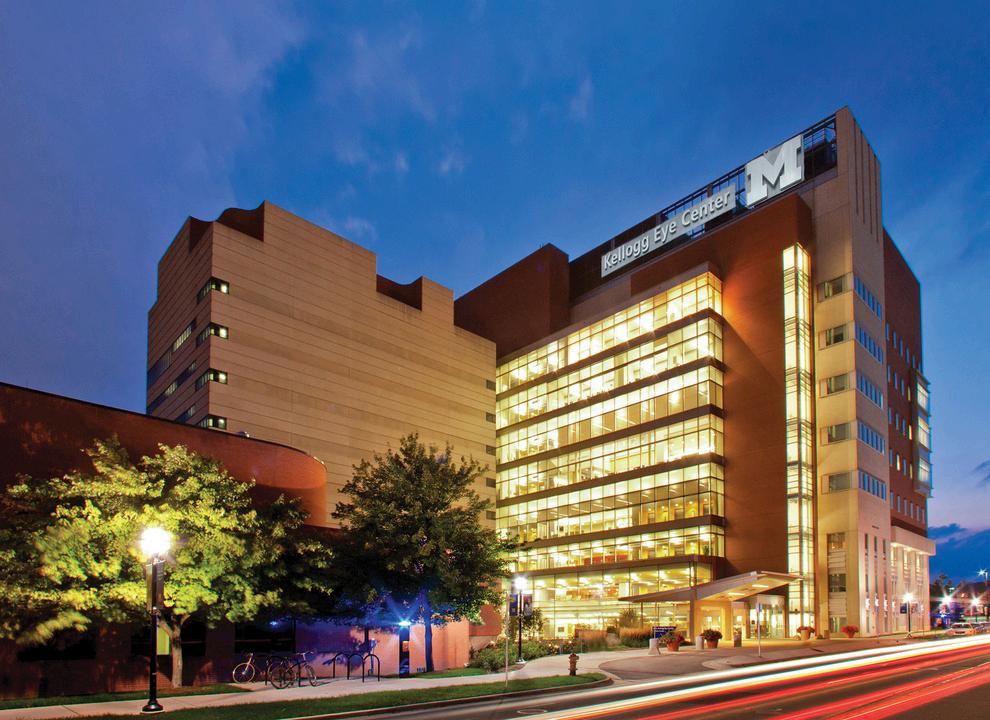
PRCR partnered with the Ophthalmology Call Center and local clinic leadership to strengthen communication processes and streamline support for patients. This collaboration focused on reinforcing clear escalation pathways and improving shared awareness of operational challenges, enabling teams to respond more effectively to emerging concerns.
By working closely with both the call center and clinic leadership, PRCR helped identify and address gaps in communication and workflow. These efforts reduced unnecessary handoffs, minimized delays, and improved coordination across teams, ultimately supporting more timely and effective resolution of patient concerns.
This initiative reflects PRCR’s broader commitment to reducing barriers within care delivery and ensuring that patient issues are addressed at the most appropriate level whenever possible.
The partnership also highlighted the value of proactive communication and cross-team collaboration in advancing continuous
improvement and enhancing the overall patient experience.
PRCR is grateful for the engagement and partnership of the Ophthalmology Call Center and clinic leadership and looks forward to continuing this collaborative work.
Contact Center:
Kathleen Lindsey and Tanisha Mittal met with Mehul Naik, Contact Center Director, to share themes identified in Scheduling and Staff/Appointment Availability–related patient complaints and grievances. The discussion provided valuable insight into which concerns should be routed to Contact Center managers versus ACU schedulers for clinic/surgery/procedure scheduling issues.
This meeting was an important step toward improving the accurate routing of concerns and identifying how PSRS (RL Datix) form fields can be leveraged to better categorize these issues. Strengthening this process will support clearer theme identification within the data and ensure the appropriate teams receive relevant insights.
The group also established plans for quarterly meetings to review trends, particularly given that access-related concerns continue to be among the most frequently reported patient issues. We thank Mehul and the Contact Center team for their engagement and collaboration in helping us better understand and address scheduling-related patient concerns.
2. CY25 CLAIMS DATA
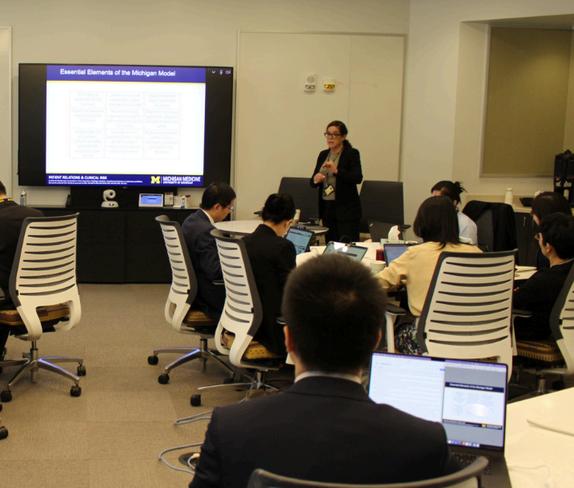
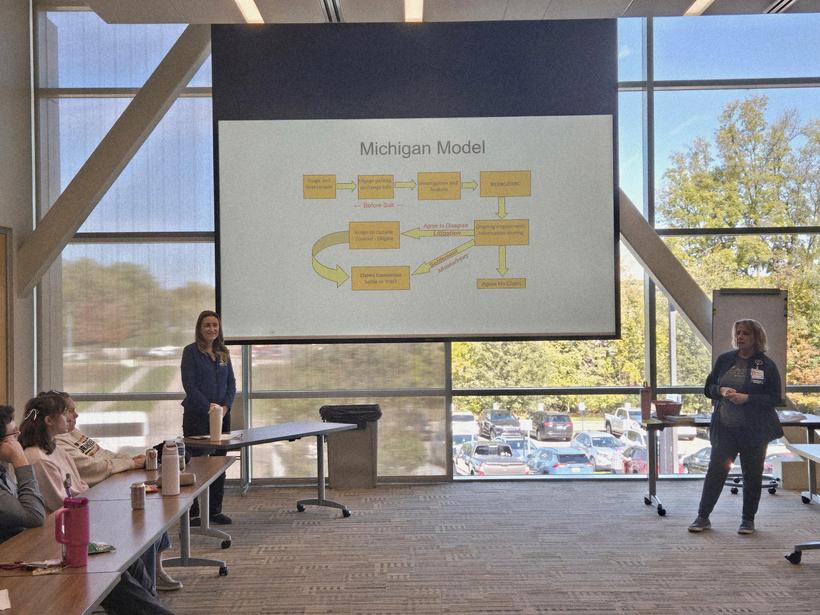
The University of Michigan Health was one of the first healthcare systems that embarked upon a robust Communication and Resolution Program (CRP), titled “The Michigan Model.” This model is a unique program that prioritizes honesty, transparency and accountability as pillars of clinical risk management when there are unexpected patient outcomes. Comprehensive communication, full disclosure of a known medical error, and learning from our experiences are vital to the process of mitigating clinical risk and improving patient safety.
PRCR are typically the “first responders” to situations in which patients are not satisfied with the outcome of their care. The team engages immediately to partner with care providers and care teams to develop a plan to address questions, obtain reviews, support our medical staff, and support the public interest. Clinical Risk Consultants are available 24/7 for consultation by medical staff for “just in time” disclosure support, advice for documentation in the medical record, and considerations for an acute adverse event.
U-M Health has long committed to being one of the safest health centers in America, and to continuously search for new ways to prevent errors, infections, patient and staff injuries, and near-misses. And when a mishap or near-miss occurs, we’re committed to confronting its causes in a blame-free way, and learning from it so that it doesn’t happen again.
We’re fortunate to be located in Michigan, a state that passed sensible medical malpractice reform in the 1990s and is not having some of the same crisis situations as other states Our state law, among other things, builds a six-month “cooling off” period into the malpractice lawsuit process. If a patient is thinking about bringing suit against a doctor or hospital for medical malpractice, the patient must first alert prospective defendants of their complaints with a “notice of intent,” and both parties then have six months to consider their cases before going to court. Michigan Medicine systematically uses that period to investigate complaints and establish a dialogue with our patients, and their attorneys if they are represented, which often eliminates their need to resort to litigation.
We’re self-insured for malpractice insurance All of the U-M Health employed physicians who treat patients at U-M Health locations are covered under the same insurance Policy. The U-M Office of the General Counsel (OGC) oversees all claims against our medical staff, through OGC staff and outside attorneys, and also oversees the pre-litigation claim work that is completed by Clinical Risk.
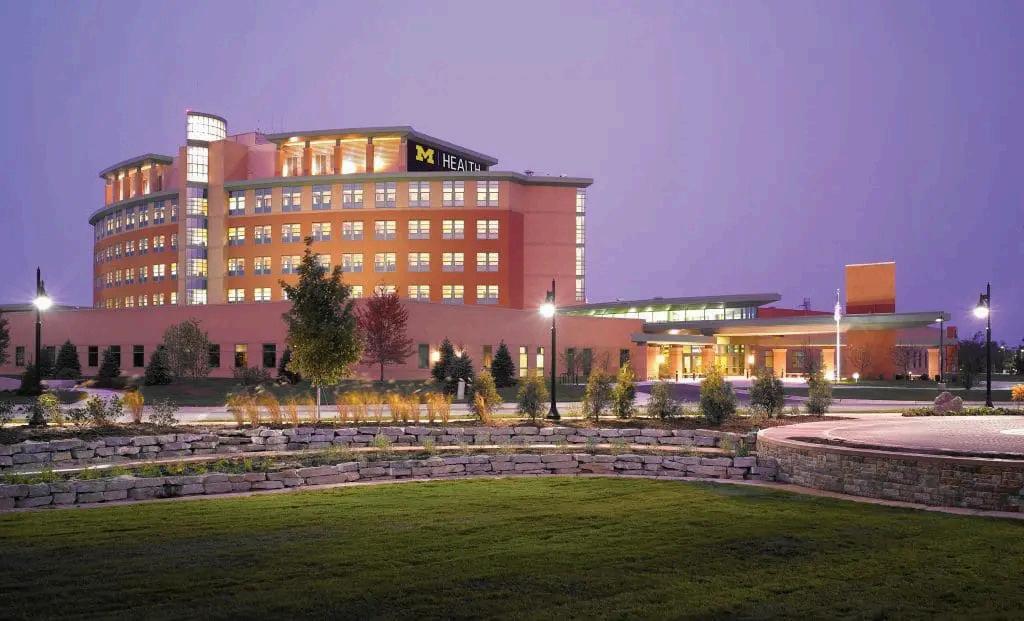
We have excellent faculty and staff who provide some of the most complex, advanced medical care in the United States, from transplantation of bone marrow and organs, to complex cancer regimens, to open-heart surgery on newborn babies. As a result, our patient population on the whole has more serious and more complex medical issues than the populations at other hospitals. And we’re attracting more patients than ever. This combination of factors means that we walk a high tightrope of risk every day. While independent measures show that our care is world-class, we face the reality that complications can happen despite our best efforts, that procedures and treatments carry risks, and that we must always search for ways to control factors that can affect our patients’ outcomes.
Our approach can be summarized as:
“Apologize and learn when we’re wrong, explain and defend when we’re right, and view court as a last resort.”

We care deeply about our patients, and we take it very seriously when one of them is injured, concerned or unhappy about the care we have provided. We also care deeply about our staff, and we want to support and protect them so they can continue to do great work. And, we want to create as safe an environment as possible for both patients and staff.
So, when a patient expresses questions or concerns, or a staff person realizes that a mishap or near miss has occurred, several things happen:
1 We follow our institutional policy of communicating openly and directly with the patient or their medical representative in the aftermath of the situation or complaint
2.We review the incident or complaint thoroughly and impartially, to assess what happened. This includes a peer review involving professionals in relevant fields. We also note any opportunities for improvement that might prevent similar situations in the future.
3.If the patient has engaged legal counsel, we offer to meet with both of them to review the care and answer their questions, whether or not they have sent us a notice of intent to sue.
4.If we have concluded that our care was unreasonable, we say so – and we apologize. If our care caused an injury, we work with the patient and his/her counsel to reach mutual agreement about a resolution. This doesn’t always mean a settlement, but if it does, we compensate quickly and fairly.
5. If our investigation convinces us that the care was medically appropriate, we still offer to meet with the patient and his/her counsel to discuss our findings. Often, a medical staff member involved in the patient’s care will participate in this discussion. Many patients are satisfied with full explanations, and may even drop their complaint or suit One important thing we have learned is that patients want an explanation of their care, and when they don’t get it, they frequently feel they were not treated appropriately.
6. If a patient persists in a suit over care that we think was medically appropriate, or declines to participate in a dialogue with us, we will vigorously defend our staff with the finest legal team we can assemble.
7.No matter what happens: We will seek to learn from the experience, educate our staff, and make changes to the systems and processes that were involved in the care that prompted the complaint. Even if our analysis convinces us that we provided medically appropriate care, the patient’s complaint teaches us that something has clouded his or her perception of our care. If we can do something to keep that from happening with another patient, we will.

PHONE CALLS
PRCR Annual Rounds are a cornerstone of Michigan Medicine’s approach to proactive risk management, organizational learning, and patient experience improvement. Rounds are a great opportunity for us to demonstrate successes of the Michigan Model and collaborate with the department on how we can strengthen our relationship moving forward, further supporting our principled approach to claims resolution while simultaneously upholding our commitment to improving patient safety and care quality through continuous learning.
In CY25, PRCR completed 37 Annual Rounds. These multidisciplinary reviews bring together department chairs, clinical and administrative leadership, senior hospital leaders, and partners from OGC to examine longitudinal trends in claims, grievances, complaints, and disclosure practices. By integrating clinical, operational, and legal perspectives, Annual Rounds provide departments with a comprehensive understanding of risk and opportunities for improvement at the service and departmental levels.
Each Annual Rounds presentation includes a detailed review of medical malpractice claims and patient relations data, typically spanning a 10-year period. Discussions of grievances and complaints focus on average monthly volumes, periods of increase or decrease, and the underlying factors contributing to these trends. Departments review how their data compares with other areas across the institution, identify best practices, and highlight examples of effective real-time resolution. Updates since the previous rounds are also shared, enabling teams to track progress on previously identified opportunities and interventions.
The preparation of Annual Rounds relies on robust data infrastructure and close collaboration across teams. Complex claims and patient relations data are translated into dynamic Tableau dashboards by PRCR staff members Yan Zhang and Tanisha Mittal that present trends and comparisons in clear, actionable formats. These dashboards are reviewed collaboratively to ensure accuracy and relevance before being shared with departments and leadership, and they remain available throughout the year to support real-time data review and informed decision-making. PRCR also works closely with OGC to provide departments with updates on litigation-related matters and cases involving outside counsel, ensuring a comprehensive view of both clinical and legal dimensions of risk.
Annual Rounds also feature an in-depth analysis of claims and legal trends. Departments review changes in claim volume and settlement activity, including shifts in case counts, settled case counts, total incurred costs, and settlement dollars. These discussions include department- and division-level settlement and expense allocation, comparisons with other departments, and identification of notable changes in activity. A deeper exploration of claims allegation groupings helps uncover recurring themes and emerging areas of risk, while updates on claims developments since the prior rounds provide timely insight into evolving patterns.
In addition, PRCR facilitates discussion of disclosure practices in partnership with department leadership, along with outcomes associated with the Michigan Model. These conversations support alignment between clinical practice, transparency, and patientcentered communication, and identify opportunities to strengthen disclosure processes and engagement with patients and families.
Ultimately, PRCR Annual Rounds serve as a strategic forum for reflection, accountability, and continuous improvement. By bringing together claims, grievances, complaints, and disclosure data in a unified narrative, the rounds help departments identify systemic risks, strengthen communication practices, promote real-time resolution, and align departmental performance with institutional goals. The preparation and delivery of Annual Rounds represent a collective effort across PRCR, clinical departments, legal partners, and operational teams, reinforcing Michigan Medicine’s commitment to transparency, learning, and excellence in patient care and risk management.
The PRCR Data Analytics, Technology and Project (DATP) Team has had a very productive year, including being actively engaged within the UMH-Region in addition to continuously supporting PRCR complaint/grievance and Medical Professional Liability (MPL) claim workflows, IT systems, data collection/codification/qualitization, visualization and dissemination at the AMC. This body of work now spans the UMH-Enterprise.
Over the course of 2025, Ellen McKeown (Senior Director, PRCR Data Analytics) and Prasanna Aduri (IT Program Manager) worked to strengthen partnerships with PRCR regional and enterprise leaders to align IT systems and workflow tools, driving consistency in processes across the organization. A key milestone for Prasanna was deploying the Sparrow Say Something (RLDatix) reporting database to Sparrow servers with the help of the Regional HITS team, enabling enhanced grievance and complaint reporting and analysis through Microsoft Power BI. A similar build was initiated for the UMH-West Say Something platform. While not yet fully transitioned to MS Power BI, we are grateful to our AMC HITS colleague LaSonia Patterson for her support in obtaining access with which our team has been able to learn and develop new skills in preparation for the transition of a large Tableau footprint to this new application. A VERY large thank you is also due to Madeline Lamb (IT Project Manager, UMH-Regional HITS) for her enduring support and guidance as we’ve attempted to navigate Regional IT processes and procedures, reconciling them against what we know at the AMC. By no means would we be where we are today without Madeline’s calm, methodical and strategic approach to this very complex and challenging situation
Much work has been done in partnership with Lucy Han (SaySomething, RL Datix) Regional System Administrator to align grievance workflows between UMH-Sparrow, UMH-West and UMH-AMC. This effort has required intimate communication and coordination with Regional PRCR leaders, Shelli Anuszkiewicz and Kathleen Lindsey, and incredible patience and understanding from Regional PRCR staff, both Patient Relations Specialists and Clinical Risk Managers as well as front line reporters and file managers. We are grateful for the processes that have been documented, the testing that has been done and the auditing completed to assure all that was intended has, in fact, been achieved One measure of success is the outcomes associated with multiple on-site State and regulatory visits, including the Joint Commission Triennial Survey at UMH-Sparrow, where grievance data was requested, reviewed and found to be in compliance with expectations – no citations received!
Lucy has also been actively engaged in meeting the system configuration and reporting needs of our Regional Patient Safety and Peer Review colleagues, encouraging collaboration and alignment across the Region where possible. Stacie Bommersbach (UMH-Regional Quality), Heather Githu (UMH-Regional Patient Safety), Brooke Cook (UMH-West Patient Safety), Bobby Johnson (UMH-Sparrow Medical Staff Services) and Juline Lloyd (UMH-West Medical Staff Services) have been incredibly supportive, collaborative and gracious colleagues. We are most appreciative of their partnerships.
Finally, PRCR Clinical Risk Managers transitioned to a service-aligned (vs Nursing department) model for their work. This was a heavy lift by Lucy Han and Prasanna Aduri to assess accessible data and information sources to identify which medical and clinical services aligned with which Campus, Department and Service Line designations previously existing in the SaySomething (RL Datix) system. The Clinical Risk Managers’ expertise was tapped into toward the end of the project to vet this work and flush out errors pre- and post-Go-Live. We are most grateful to Michelle Voss and Amy Nicholson (UMH-Sparrow Clinical Risk Managers) for keeping us honest by asking difficult questions and prompting us to make necessary modifications accordingly As we all are very aware, change is never easy. But, Lucy, Prasanna and our UMH-Sparrow Clinical Risk Managers made it appear that way! Thanks also to Shelli for her calm and unwavering support throughout this endeavor.
In order to accommodate Regional needs, Prasanna along with AMC PRCR Project Manager Sarah McAllister, updated the ServiceNow (SNOW) scoped application –supporting shared workflows between PRCR and OGC for MPL claims management - in partnership with the HITS Business Apps team. SNOW now contains designations, picklist selections and processes that more readily align with regional claims activity and data needs/interests.
In an “all hands on deck” effort to enter and begin to utilize nearly 800 UMH-Sparrow legacy claims for the purpose of conducting PRCR Rounds in the Region, Prasanna completed major updates to the XClaims application in order to receive the claims and many individuals – the entire PRCR DATP team, along with Meagan Kelley (Regional PRCR Administrative Specialist - Senior Insurance & Claims), Vicki Young (Retired PRCR Clinical Team Administrative Director) and Kelly Steyer (AMC Admin Specialist Senior) – joined forces to make the data available for visualization purposes. Given the multitude of data points entered and the need to access UMH-Sparrow’s EPIC system for each claim, this work was completed over a span of approximately 10 months.
With the above-mentioned UMH-Sparrow legacy data now being available via the XClaims platform, Yan Zhang has been able to partner with Prasanna Aduri (re: Regional RL data retrieval) to develop UMH-Sparrow ED, OB/Gyn and Orthopaedic Surgery Tableau Rounds dashboards. UMH-West ED and OB/Gyn Rounds dashboards have also been developed, less the relevant and necessary visit and wRVU denominator data which we’re hoping to access soon. Although technical limitations currently prevent an interactive user experience, like at the AMC, the dashboards are ready and waiting for Rounds to occur The next step is acclimating UMH-Sparrow Clinical Risk Managers to the data and Tableau, educating them regarding the goals of PRCR Rounds and getting these meetings scheduled with key stakeholders. We’re looking forward to getting this data-sharing activity off the ground in the first quarter of CY 2026.
The PRCR Newsletter was launched in 2024 and quickly became a consistent and effective communication tool for keeping hospital staff informed about current initiatives, ongoing projects, and key updates within PRCR. Lindsey Pryce (Admin Specialist Inter Health) successfully produced four editions of the newsletter, each of which was well received by hospital staff and peers. The newsletter served as a centralized source of timely information, highlighting process updates, departmental accomplishments, and important reminders, ultimately strengthening transparency and engagement across the organization
In 2025, PRCR launched its inaugural Annual Report, written and compiled by Lindsey Pryce, marking a significant milestone in documenting and showcasing the department’s impact. The report consolidated key data, workflows, and performance metrics from the previous year, while also featuring testimonials that highlighted the value of PRCR’s work from both internal partners and stakeholders. This publication provided leadership and staff with a comprehensive view of PRCR’s contributions, reinforced the department’s role in supporting patient safety and risk mitigation, and established a foundation for future reporting and continuous improvement
PRCR successfully maintained and regularly updated both its internal and external SharePoint sites. These sites served as critical resources for staff, ensuring easy access to up-to-date information, tools, and documentation. Ongoing enhancements improved usability, accuracy, and consistency of content, supporting efficient communication and reinforcing SharePoint as a reliable hub for PRCR-related resources. Check out the PRCR SharePoint site here.
The DATP team, specifically Tanisha Mittal, IT Project Manager has developed a strong partnership with our Patient Relations Specialists that began with a focus on evaluating our grievance process - assessing for efficiencies to be gained, especially related to supporting the letter demands associated with our greater than 4000 per year grievance handling. For every expression of dissatisfaction that meets grievance criteria, a minimum of one letter (often more for each 30 days the grievance remains open) is required in order to comply with internal policies and external (CMS and Joint Commission) regulations. Through this work, it became clear that many of the letter generation and other procedural challenges were technical in nature, leading to the exploration of a fully integrated customer relationship management (CRM) solution. The goal of this effort is to support a more modern, patient-centered experience comparable to what patients encounter in other industries while also providing staff with a single, user-friendly system that reduces duplicative work, limits reliance on email, and offers a consolidated view of information for collaborators and reviewers. Over the course of CY 2025, Tanisha and Prasanna partnered with Angie Nagy (Business Systems Analyst Senior/Product Specialist), Shirine Arzu (HITS Project Manager), and Joyce Dunlap (UMH-West HITS Business System Analyst) to complete the software vendor identification demand for acquiring a new, unified grievance and complaint tool across UM-Health, aiming to streamline resolution workflows, improve patient experience, and enhance efficiencies within PRCR.
Project management support was also offered by Sarah McAllister and accepted by the Chairs of the Clinical Care Review Committee (CCRC) to assist with data capture of improvement work stemming from MPL claims evaluated by the Committee. This work has always occurred however, the previous tracking system did not allow for comprehensive, aggregate reporting of the Committee’s impacts. Sarah continues to prepare monthly pre-CCRC summaries for Denise Winiarski, Chief Clinical Risk Officer, and Committee Chairs (Hitinder Gurm, MD and Mollie McDermott, MD) focusing on provider and claim trends identified via PRCR’s MPL claims data. This is done in conjunction with post-CCRC summaries prepared for Drs. Gurm and Miller highlighting, at a high level, case assessments made by the Committee. Sarah also partnered with the PRCR Clinical Risk Consultant teams to develop a Michigan Medicine resource that enables clinical and operational teams to better manage patient behaviors, improving staff safety and compliance. Finally, she partnered with Kelly Saran, Clinical Administrative Director, to modernize PRCR’s SharePoint education site, making it easier for departments to request training from PRCR staff and helping teams to reduce risks or address issues before they occur.
PRCR benefited from the assistance of a summer intern, a Northwestern University Quantitative Genetics PhD candidate, who assisted with use of a natural language processing (NLP) tool (BERTopic, known at Michigan Medicine as GrievanceTopic) to analyze and automatically summarize patient complaints and grievances free text data in the form of recurring themes, patterns and actionable insights This allowed for capturing the voice of the patient at scale The model developed was transitioned to our IT Project Manager, Tanisha Mittal, who has run it independently several additional times thus far. The results of these analyses have been shared with the Office of Patient Experience (OPE) supporting collaboration between our two departments and the goal of partnering with local leaders to identify upstream drivers of patient concerns and inform targeted improvement efforts across Michigan Medicine that will ultimately decrease grievance and complaint volumes by 10% over three years.
Early detection of clinical risk, in the form of Hypoxic Ischemic Encephalopathy (HIE), shoulder dystocia, cesarean hysterectomy and procedural positioning related nerve injuries continues via use of EMERSE, a clinical data mining tool developed at Michigan Medicine by David Hanauer, MD. We are particularly grateful to our OB/Gyn Quality Assurance Committee leaders, members and Clinical Risk Consultant, Kristina Bak, who receive these events from us upon identification and, if previously unknown to them, evaluate the care assessing for reasonableness and/or any gaps or opportunities with which to continuously improve the care rendered, preventing recurrences where possible
Additional work done by Prasanna Aduri to advance our XClaims application was the introduction of real-time custom search and tagging for deeper claims analysis and faster pre-CCRC provider and claim-related analytics.
Outside of Rounds dashboards, PRCR leverages Tableau to visualize metrics and information that supports timely grievance and early MPL claims resolution. Other dashboards support Committee work (i.e. Grievance Committee, Claims Management Committee, etc.) and require routine maintenance and enhancements, including assuring adding and removing permissions consistent with role changes and departures, on a need to know basis. An initiative is on-going at present to pare down on the volume of dashboards used/maintained by PRCR in anticipation of a transition to MS Power BI. Finally, PRCR is constantly seeking to compare itself to others nationally. To this end, work is on-going using AON/ASHRM Hospital and Physician Professional Liability Benchmark Analysis, October 2024, in an effort to meet this need Work has been underway by Yan Zhang to complete last year’s version with the inclusion of UMH-Sparrow’s data this year An assessment of comparative accuracy will need to occur prior to sharing this analysis more broadly
A claim history, sometimes referred to as a loss run report, is required of current and former doctors, nurses, physician assistants, advance practice nurses, medical students, and/or employees, for licensing and credentialing purposes depending on the clinician’s practice location. Katie Cochran and Jane Brehmer manage and fulfill all Veritas claim history requests spanning UM-Health, including but not limited to: UMHAcademic Medical Center, UMH-West, UMH-Sparrow, UM-Medical School, UM-Ann Arbor School of Nursing, UM-Flint School of Nursing, and UM-School of Dentistry.
For inquiries related to claim history requests, hospital re-credentialing applications, disclosure of medical malpractice claims, and/or questions regarding what should be reported when completing credentialing or licensing applications, please contact: Katie Cochran, Clinical Risk
Email: brehmerk@med.umich.edu
Phone: 734-936-9408
Our department manages two primary phone lines Patient Relations and Clinical Risk, ensuring that every incoming call is directed with purpose and care. Between January 1, 2025 to December 31, 2025, our phones staff answered 15,594 calls. Each interaction is either handled directly by our reception team or thoughtfully triaged to the appropriate staff member, allowing concerns to be addressed efficiently and by the right expertise
As the first point of contact for many patients and families, our phone staff play a vital role in shaping the overall patient experience. Their ability to lead with professionalism, empathy, and responsiveness sets the tone for every interaction that follows. These initial conversations are more than just information exchanges they are opportunities to build trust, provide reassurance, and guide individuals through often complex or sensitive situations within the healthcare system.
Over the past year, our team has continued to expand its support, strengthening accessibility and consistency in how we respond to patient needs. In addition to managing high call volumes, our phone staff are responsible for monitoring and responding to the PRCR shared email inbox, reviewing and triaging Press Ganey reports involving allegations of abuse, neglect, or harm, and assessing RL reports that indicate potential patient safety concerns. They also support a variety of additional operational and communication workflows critical to departmental function

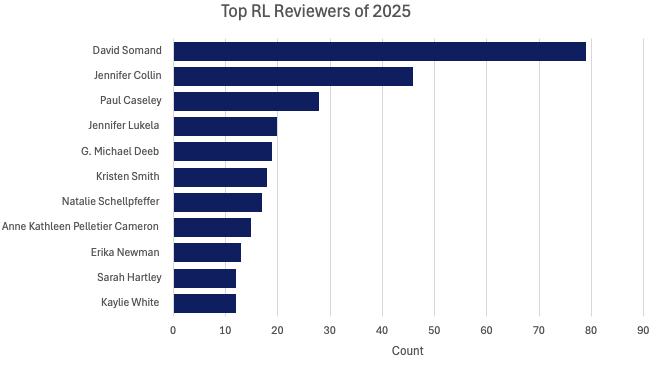
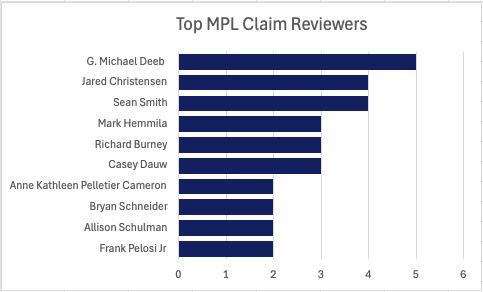
We would like to extend our heartfelt gratitude to all the dedicated staff members who have meticulously reviewed patient cases over the past year. Your commitment to thoroughly assessing each complaint whether you’re a doctor, nurse, PA, or part of our wider healthcare team has been invaluable. Your careful attention to detail and thoughtful consideration of each concern ensure that we continuously improve the quality of care we provide. Thank you for your time, expertise, and unwavering support in making sure that every patient’s voice is heard and addressed with the utmost professionalism and compassion.
PRCR wishes to recognize a few faculty/staff who went above and beyond in assisting with our work this year. The following services, groups and individuals partnered with PRCR on a variety of projects and process enhancements.
ACU Managers
Dr. Meghan Arnold
Christy Barnes
Shannon Bellers
Crystal Blank
Amy Blackwell
Dr. Richard Burney
Call Center Managers
Dr. Paul Caseley
Dr. Clifford Cho
Dr. G. Michael Deeb
Michele Derheim
Dr. Timur Dubovoy
ED Nursing Leadership
Dr. Kevin Furlong
Dr. Hitinder Gurm
Dr. Brian Hallstrom
Dale Hebert
Dr. Mark Hemmila
Dr. Jason Heth
Dr. Victor Hong
Jen Johnson
Brooke Johnson
Dr. Daniel Kaul
Dr. Maeve Pascoe Kane
Dr. Joseph Kochan
Dr. Laura Lamps
Dr. Katherine Maturen
Dr. Mollie McDermott
Dr. Kimberly Monroe
Angie Nagy
Dr. Katie Schacht
Anita Simon, OGC
Dr. Roger Smith
Dr. Catherine Sobieski
Dr. Ashok Srinivasan
Dr. Eleanor Sun
Dr. Sarah Tehranisa
Dr. Nikhil Theyyunni
Dr. Rebecca Vartanian
Kate Veenstra
Dr. Chandu Vermuri
Dr. Jen Vredeveld
Dr. Emily Wilson
Corrie Ziegman
Dr. Erika Newaman
Nursing Supervisiors
Scarlet Patrick
Lasonia Patterson
Pediatric Surgery
Dr. Frank Pelosi
Dr. Erin Perrone
PICU
Plastic Surgery
Dr. Jeff Postlewaite
Dr. Mike Quasney
Ashley Quackenbush
Dr. Molly Rice
Dr. Michael Rice
Sara Ruffins, DPSS
Additionally, we would like to extend our sincere gratitude to the departments with whom we collaborate on nearly a daily basis in PRCR. Our thanks go to DPSS for their unwavering support in maintaining safety, to the Call Center for their prompt and effective assistance, to Compliance for their diligence in upholding standards, to OGC for their expert legal counsel, to Revenue Cycle for their consistent efficiency in managing financial processes, to Insurance and Claims Administration (formerly University Risk Management Office or URMO) for their essential operational coordination, to HITS for their invaluable IT support, to HIM for their assistance in all things medical record related, and to our CCRC dedicated members whose thoughtful expertise and careful reviews are integral to our work
We would like to extend our sincere gratitude to every member of the PRCR team for their dedication and exceptional work throughout 2025 Your commitment to supporting patients, providers, and one another continues to make a meaningful impact across our organization. Thank you for all that you do.
The following graphs show the top reviewers (by review volume) for our grievances and complaints in the Patient Safety Reporting System, and for medical malpractice claims. The work that PRCR does would not be possible without this input and direction and we are eternally grateful for the time taken to thoroughly review each case!