DEPARTMENT OF DERMATOLOGY
ANNUAL REPORT | FISCAL YEAR 2025
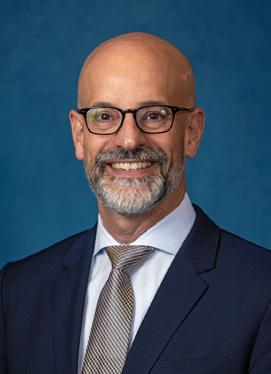
Christopher Bichakjian, MD Department Chair
Dear friends and colleagues,
It is a great pleasure to share this Annual Report with you, highlighting the exceptional accomplishments across Michigan Medicine Dermatology in 2025. We hope it will elicit a sense of pride and joy to read how our faculty, learners, and staff are advancing health to serve Michigan and the world.
Reflecting on the advances we made in 2025, the words impact and outreach come to mind. To make a meaningful impact on every person in need of dermatologic care in our local community, we expanded our clinical practice to the new Ypsilanti Health Center and increased our existing footprint at the well-established Domino’s Farms location. Concurrently, we have made great progress in our mission to advance dermatologic health globally among those most in need. In 2026 and beyond, we will remain steadfast in our commitment to health equity for all, whether in Washtenaw County or sub-Saharan Africa.
In anticipation of the uncertainties affecting the National Institutes of Health, our research teams are adapting by deftly diversifying their funding sources. As a result, we experienced robust growth in committed awards in 2025 while maintaining the same strong level of federal funding. Whether in the field of immunology, autoimmunity, immunogenetics, cancer biology, aging, or hair follicle biology, our teams continue to make a profound impact with groundbreaking basic and translational research. Simultaneously, clinical research is flourishing in the department, positioning investigators in Dermatology and throughout Michigan Medicine to participate in clinical trials that benefit our patients.
Educating the next generation of outstanding physicians and physician scientists is arguably the most impactful mission in academia. It is both gratifying and humbling to train such a remarkable group of intelligent, caring, ambitious, kind and diverse individuals highlighted in this report, whom we are fortunate to call our residents and fellows.
We remain deeply grateful for the generous support from donors, grateful patients and alumni. The accomplishments highlighted in this report would not be possible without their unwavering commitment. Finally, we are indebted to Stephanie Zaleski and Laura VanGoor for their skillful creation of this Annual Report.
In the fall of this year, we will host the third biennial Dermatology Alumni Reunion and tailgate in Ann Arbor - we hope to see you there!
Best wishes and Go Blue!
Chris
The mission of the Michigan Medicine Department of Dermatology is to advance dermatologic patient care, research, and education, grounded in an unwavering commitment to integrity, compassion and respect.
Our vision for the Michigan Medicine Department of Dermatology is to improve the health of our patients through advanced, compassionate care and support. We strive to increase our collective knowledge by furthering medical science through research and innovation. We aspire to train and empower future generations of insightful and passionate leaders in dermatology, ready to tackle the challenges in our field. At the core of our mission, we acknowledge the societal context in which our work occurs and will promote a welcoming environment that allows each and every individual to reach their full potential.
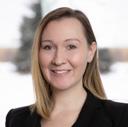
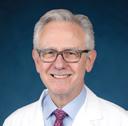
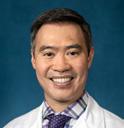
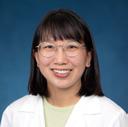
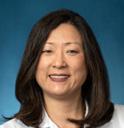
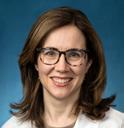
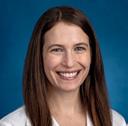
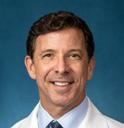
Christopher Bichakjian, MD Department Chair
Kristin Bernstein, MHA Department Administrator Andrzej Dlugosz, MD Associate Chair for Research
Frank Wang, MD Associate Chair for Medical Education
Severine Cao MD Assistant Chair for Community & Engagement
Kelly Harms, MD, PhD Cutaneous Surgery & Oncology Division Chief
Yolanda Helfrich, MD Medical Dermatology Division Chief
Jennifer Mancuso, MD Pediatric Dermatology Division Chief
Jeffrey Orringer, MD Cosmetic Dermatology Division Chief
FACULTY AFFAIRS
NEW FACULTY APPOINTMENTS
• Grace Osborne, MD, was appointed Clinical Assistant Professor of Dermatology and Pediatrics in July 2025.
• Kim Breglio, MD, was appointed Clinical Instructor in the Division of Cutaneous Surgery & Oncology in July 2025.
• Shih-Ying (Sibyl) Tsai, PhD, was appointed as a Research Investigator in the Wong Lab in February 2025.
FACULTY DISTINCTION
• Severine Cao, MD, was selected for the Health Equity/ Health Disparities (HEHD) Research Scholars Program at Michigan Medicine. In this role, she strengthened her expertise in advancing equity-focused research and practices.
• Trilokraj Tejasvi, MBBS, MD, received an AAD Presidential Citation Award. He was honored for his efforts as a leader in teledermatology and global digital dermatology.
• Andrzej Dlugosz, MD, was elected as a Fellow of the American Association for the Advancement of Science (AAAS), a prestigious recognition within the scientific community, for his pioneering cancer biology research.
• Jeffrey Orringer, MD, was named president of the Association of Academic Cosmetic Dermatology, where he is leading efforts to address the logistical and regulatory challenges facing faculty offering cosmetic dermatology services in an academic setting.
• Elisabeth Pedersen, MD, PhD, received an LSA Outstanding Research Mentor award, recognized for fostering an inclusive environment that empowers undergraduate researchers to grow as scientists and individuals.
• Johann Gudjonsson, MD, PhD, received the 2025 European Academy of Dermatology & Venereology International Award in September 2025.
PROMOTIONS
• Christina Angeles, MD, was promoted to Associate Professor of Surgery (with tenure) and Associate Professor of Dermatology.
• Olesya Plazyo, PhD, MS, was promoted to Research Assistant Professor of Dermatology.
• Mrinal K. Sarkar, PhD, was promoted to Associate Research Scientist of Dermatology.
• Lam Tsoi, PhD, MS, was promoted to Associate Professor of Dermatology (with tenure) and Associate Professor of Computational Medicine and Bioinformatics, Research Associate Professor of the Mary H. Weiser Food Allergy Center, Medical School and Research Associate Professor of Biostatistics, School of Public Health.
• Frank Wang, MD, was apromoted to Clinical Professor of Dermatology.
• Sunny Y. Wong, PhD, was apromoted to Professor of Dermatology (with tenure), and Professor of Cell and Development Biology.
RETIREMENTS
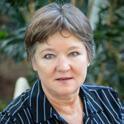
Marina A. Grachtchouk, PhD, Associate Research Scientist in the Department of Dermatology retired on July 1, 2025 after 28 years of dedicated service to the University of Michigan Medical School.
Dr. Grachtchouk earned her PhD in Molecular Biology from the Russian Academy of Sciences in 1992, continuing groundbreaking work there before joining U-M in 1997. She progressed through academic ranks, becoming an Associate Research Scientist in 2021.
A highly accomplished scientist, Dr. Grachtchouk’s innovative research established the pivotal role of Hedgehog (Hh) signaling in hair follicle development and its deregulation in basal cell carcinoma. She advanced the field by creating and validating genetically engineered mouse models, enabling fundamental insights into epithelial biology and cancer, and leading to publications in top-tier journals including Nature Genetics and Nature.
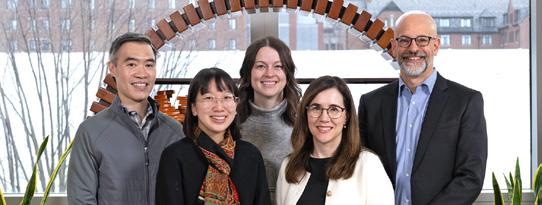
the U-M Distinguished Diversity Leaders Award for their efforts to create a welcoming and supportive learning and working environment.
Dr. Grachtchouk also pioneered techniques like serial intravital imaging for precise tumor investigation and played a key role in numerous NIH-sponsored projects exploring Hh signaling. Her incisive work has profoundly advanced our understanding of Hh signaling in normal biology and disease, providing invaluable tools to the broader research community.
Her seminal research achievements will continue to serve as a foundation for future studies. We extend our deepest gratitude for her contributions and wish her all the best in a well-deserved retirement.
The Dermatology Education Faculty Team—Frank Wang, MD, Severine Cao, MD, Yolanda Helfrich, MD, Sara Fossum, MD, and Julie Mervak, MD (not pictured) received
(Drs. Frank Wang, Severine Cao, Sara Fossum, Yolanda Helfrich, Chris Bichakjian)
PRIMARY DERMATOLOGY FACULTY
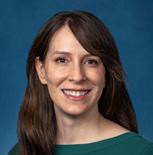
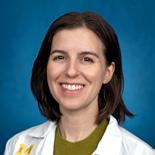
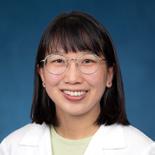
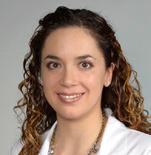
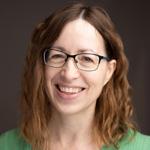
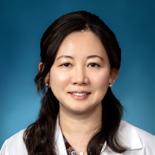
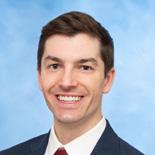
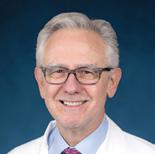
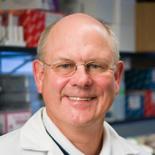
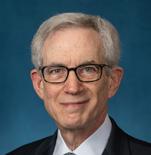
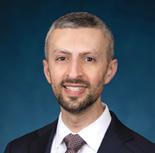
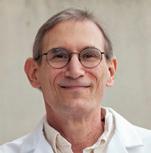
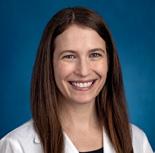
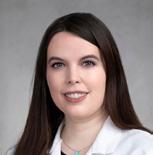
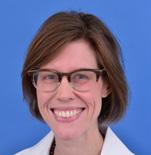
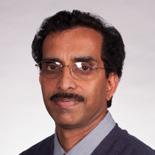
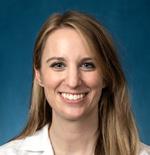
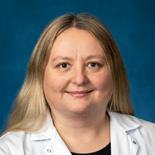
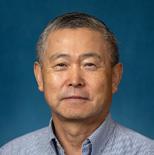
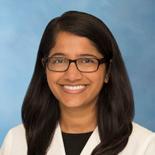
Christopher Bichakjian, MD Clinical Professor & Chair
Yilei Cui, PhD Assistant Research Scientist
Gary Fisher, PhD Professor
Blair Jenkins, MD, PhD Clinical Assistant Professor
Rajan Nair, PhD Associate Research Scientist Emeritus
Olesya Plazyo, PhD Research Assistant Professor
Allison Billi, MD, PhD Assistant Professor
Michael Davis, MD Clinical Assistant Professor
Sara Fossum, MD, PhD Clinical Assistant Professor
Mallory Joseph, MD Adjunct Physician Instructor
Mio Nakamura, MD Clinical Assistant Professor
Taihao Quan, MD, PhD Research Professor
Kimberly Breglio, MD Clinical Instructor
Andrzej Dlugosz, MD Professor
Michael Goldfarb, MD Adjunct Clinical Instructor
Kathryn Leonard, MD Adjunct Physician Instructor
Jeffrey Orringer, MD Clinical Professor
Sruthi Renati, MD Clinical Assistant Professor
Séverine Cao, MD Clinical Assistant Professor
James Elder, MD, PhD Professor
Johann Gudjonsson, MD, PhD Professor
Jennifer Mancuso, MD Clinical Assistant Professor
Grace Osborne, MD Clinical Assistant Professor
Mrinal Sarkar, PhD Associate Research Scientist
Mari Paz Castanedo Tardan, MD Clinical Assistant Professor
Charles Ellis, MD Professor Emeritus
Kelly Harms, MD, PhD Clinical Associate Professor
Bonita Mathai, MD Clinical Assistant Professor
Matthew Patrick, PhD, MEng Research Assistant Professor
Eric Schadler, MD Adjunct Physician Instructor
Maya Aravind, MD, MS Clinical Assistant Professor
Kelly Cha, MD, PhD Clinical Associate Professor
Milad Eshaq, MD Clinical Associate Professor
Yolanda Helfrich, MD Clinical Professor
Julie Mervak, MD Clinical Associate Professor
Elisabeth Pedersen, MD, PhD Assistant Professor
PRIMARY DERMATOLOGY FACULTY
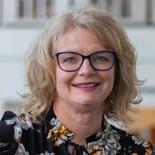
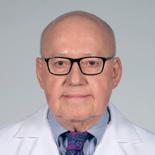
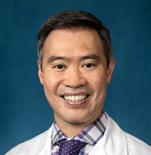
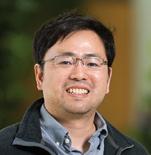
ASSOCIATED DERMATOLOGY FACULTY
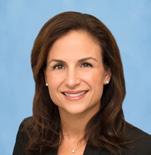
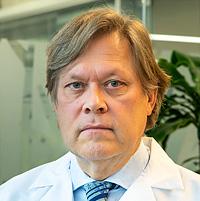
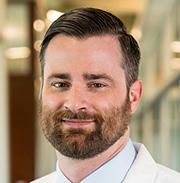
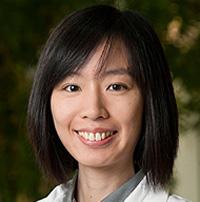

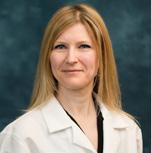
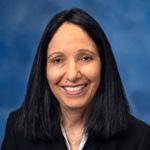
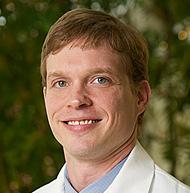
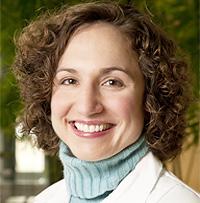

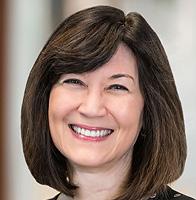
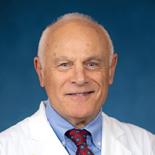
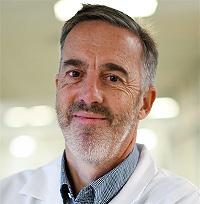
Jennifer (Jill) Schwartz, MD Clinical Associate Professor
Thomas Brenn, MD, PhD Clinical Professor Pathology
Vincent van Drongelen, PhD Assistant Research Scientist
Paul Harms, MD, PhD Clinical Professor Pathology
Erica Stevens, MD Adjunct Physician Instructor
Scott Bresler, MD, PhD Clinical Associate Professor Pathology
Natalia Veniaminova, PhD Research Investigator
Alexandra Hristov, MD Clinical Professor Pathology
Jennifer Swearingen, MD Clinical Instructor
May Chan, MD Clinical Professor Pathology
Monique Verhaegen, PhD Research Associate Professor
J. Michelle Kahlenberg, MD, PhD Professor Internal Med. (Rheumatology)
Li-Jyun Syu, PhD Assistant Research Scientist
Pierre Coulombe, PhD Professor Cell & Developmental Biology
John Voorhees, MD Professor
Lori Lowe, MD Clinical Professor Pathology
John Varga, MD Professor Internal Med. (Rheumatology)
Trilokraj Tejasvi, MBBS, MD Clinical Professor
Leslie Fecher, MD Clinical Professor Internal Med. (Medical Oncology)
Frank Wang, MD Clinical Professor
Simon Warren, MD Clinical Professor Pathology
Andrew Schuler, MD Adjunct Physician Instructor
Shih-Ying (Sibyl) Tsai, PhD Research Investigator
Christina Angeles, MD Associate Professor Surgery (Surgical Oncology)
Lam (Alex) Tsoi, PhD Associate Professor
Mehrnaz Gharaee-Kermani, DVM, MPH, PhD Assistant Resserch Scientist Internal Med. (Rheumatology)
Sunny Wong, PhD Professor
PATIENT CARE
In FY25, our department welcomed four new clinical faculty members: Dr. Blair Jenkins joined the Medical Dermatology Division, Dr. Grace Osborne joined the Pediatric Dermatology Division, and Drs. Michael Davis and Milad Eshaq joined the Mohs surgery team within the Cutaneous Surgery and Oncology Division.
Recognizing the continued growth of our pediatric dermatology programs across patient care, education and research, Dr. Jennifer Mancuso was appointed Chief of the Division of Pediatric Dermatology in January 2025, establishing our newest clinical division.
In June 2025, our Ypsilanti clinic moved into the newly renovated Michigan Medicine Ypsilanti Health Center (YHC) at 300 W. Michigan Ave. This ambulatory care center offers integrated primary and specialty care services for adult and pediatric patients, along with expanded M-Lab facilities—all in one location for enhanced convenience.
DIVISONS
Medical Dermatology
Cosmetic Dermatology
Cutaneous Surgery & Oncology
Pediatric Dermatology
CLINIC LOCATIONS
Brighton Center for Specialty Care
Dexter Health Center
Domino’s Farms
Mott Children’s Hospital
Northville Health Center
Rogel Cancer Center
Taubman Center
VA Ann Arbor Healthcare System*
Ypsilanti Health Center
The Department of Dermatology YHC location provides adult and pediatric medical dermatology care, including the Skin of Color clinic and a new pediatric dermatology/ rheumatology clinic, enhancing interdisciplinary care for children and families affected by chronic inflammatory disease.
Additionally, renovations at our Domino’s Farms office and the Dermatology Treatment Center creating four exam rooms. Our DF location now features a new oncodermatology program led by Dr. Sruthi Renati, as well as the expansion of our melanoma program.
Throughout the year, our clinical teams worked diligently to optimize workflows and scheduling to accommodate changes in dermatology staffing, facilities and services, while supporting the continued expansion of our subspecialty clinical model.
PATIENT VISITS
by Location
Taubman Center - Med Derm
Domino’s Farms - Med Derm
Rogel Cancer Center - Mohs
Brighton Center for Specialty Care
Mott Children’s Hospital
Taubman Center - CDLC
Northville Health Center
Dexter Health Center
Ypsilanti Health Center
CLINICAL PHYSICIAN ASSISTANTS
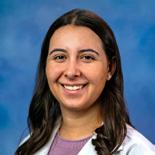
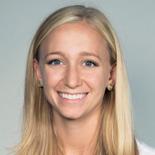
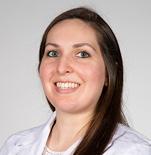
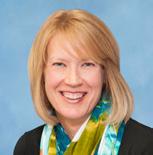
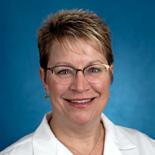
Roberta Misko, PA-C Cutaneous Surgery & Oncology
Kayla Jabs, PA-C Medical Dermatology
Kiley Bastien, PA-C Medical Dermatology
Lisa Pilley, PA-C Clinical Research
Lauren Allen, PA-C Medical Dermatology
EDUCATION
RESIDENCY PROGRAM PROGRAM LEADERSHIP
We strive to build comprehensive knowledge of dermatology in our trainees, shaping them as physicians who care for all patients with integrity and compassion. During the 24–25 academic year, we worked to expand our curriculum by integrating humanities and fine arts.
• Similar to the fine arts, Dermatology is fundamentally a visual discipline, wherein keen observational skills enable clinicians to differentiate among thousands of dermatologic conditions.
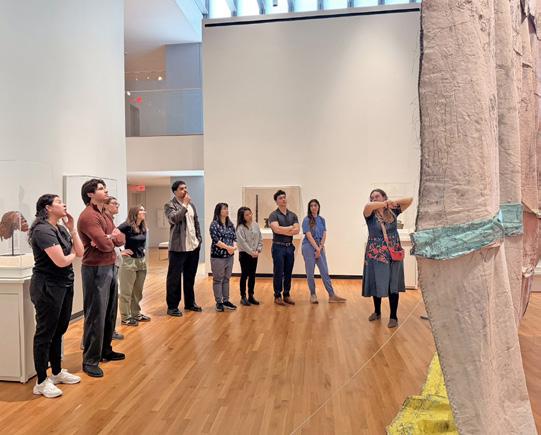
Derm Dialogue sessions at the UM Museum of Art (UMMA) used examination and discussion of artworks to explore themes of identity, culture, and the physician’s role in society.
• Dr. Tina Lasisi, UM assistant professor of anthropology, presented on the biologic variation of human hair and skin, highlighting the broader implications of human diversity at the intersection of human biology, biometric technology, and dermatology.
We also brought diverse perspectives to our department and trainees with virtual lectures supplied by dermatology experts on the West Coast and in France, and visiting faculty from Australia, Pennsylvania, Texas, and Taiwan.
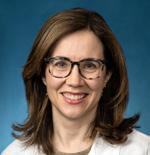
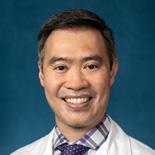
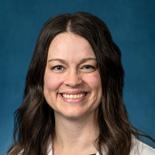
Frank Wang, MD Assistant Program Director
Sara Fossum, MD, PhD Assistant Program Director
Yolanda Helfrich, MD Program Director
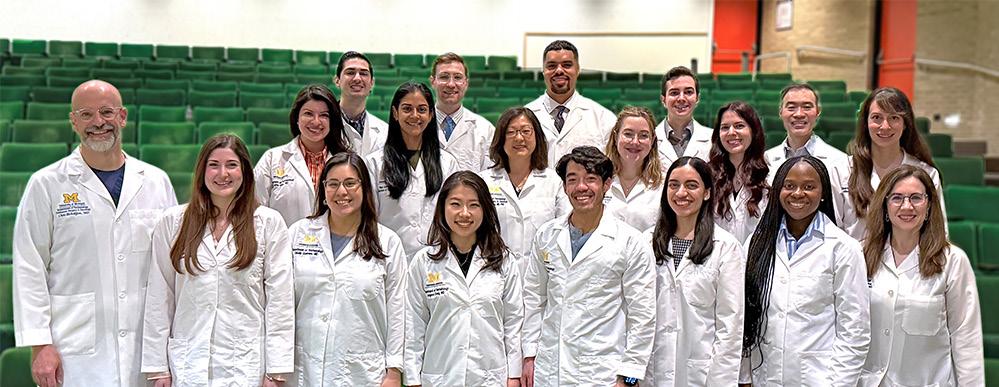
Back Row: Ramon Govea, Jacob Kingsley, Eric Bowman, Alex Gitin, Frank Wang; Middle Row: Kathie Velez, Maya Aravind, Kelly Harms, Grace Osborne, Rocio Oliva, Allison Billi; Front Row: Christopher Bichakjian, Camilla Cascardo, Giselle Guerrero, Jungsoo Chang, Albert Yang, Rama Godse, Roberta Buist, Yolanda Helfrich
Dermatology residents attend a Derm Dialogues session at the UM Museum of Art
VISITING PROFESSORS & GUEST LECTURERS FY25
Murray Cotter, MD, PhD, Associate Medical Director and Medical Executive Chair, Advanced Dermatology and Cosmetic Surgery: “Careers in Dermatology”
Jeffrey and Susan Callen Lectureship in Cutaneous Medicine: Mischa Rosenbach, MD, Paul R. Gross Professor of Dermatology, University of Pennsylvania Perelman School of Medicine: “Sarcoidosis (or “the sarcoidoses”)” and “Go Green Blue!: Climate Change, Medicine, and You”
Nicole Urman, MD, Chief Resident in Dermatology, Stanford School of Medicine: “Onco-Derm Cases”
Anna Cogen, MD, PhD, Assistant Professor of Dermatology, University of Washington School of Medicine: “Hematologic Malignancies, Stem Cell Transplants, and Rashes! Lessons Learned From an Inpatient Dermatology Consult Service”
Charles N. Ellis, MD, Lectureship for Resident Education in Clinical Dermatology: Dedee Murrell MA, BMBCh, MD, DSc, Professor, Faculty of Medicine, University of New South Wales Medical School, Sydney: “New Developments in Epidermolysis Bullosa” and “Solving Autoimmune Blistering Diseases: The Past, Present, and Future”
Tina Lasisi, PhD, Assistant Professor of Anthropology, University of Michigan: “How to Talk and Think About Biologic Variation in Human Hair and Skin”
Janine Luke, MD, Professor of Dermatology, Loma Linda University School of Medicine: “SOC Kodachromes” (virtual)
Luc Thomas, MD, PhD, Chairman and Professor of Dermatology, Université Claude Bernard Lyon 1 France: “Onychoscopy: Dermoscopy of the Nail Unit Tumors” (virtual)
Igor Puzanov, MD, Professor of Medicine, The State University of New York, University at Buffalo Jacobs School of Medicine and Biomedical Sciences: “Tumor Infiltrating Lymphocytes (TILs): Treatment Methods for Advanced Melanoma”
Martin Luther King Jr. Visiting Professor: Rebecca Vasquez, MD, Associate Professor of Dermatology, University of Texas Southwestern Medical Center: “Skin Cancer Among Individuals with Skin of Color” and “Challenging Pigmentary Cases”
Michigan Dermatological Society Visiting Professor: Jennifer Choi, MD, Professor of Dermatology and Chief of Divisions of Oncodermatology and Medical Dermatology, Northwestern Feinberg School of Medicine: “Immune Checkpoint Inhibitors: Dermatologic Side Effects to be Prepared For”
Arthur C. Curtis Visiting Professor: Jennifer Choi, MD, Professor of Dermatology and Chief of Divisions of Oncodermatology and Medical Dermatology, Northwestern Feinberg School of Medicine: “Common Dermatologic Reactions in Cancer Patients that Dermatologists Should Know”
Dermatology Pathways Program Visiting Professor: Meena Singh, MD, Medical Director, Skin and Hair Center, Kansas: “Advances in Non-Surgical Hair Restoration and Hair Therapies” and “Advances in Surgical Hair Restoration”
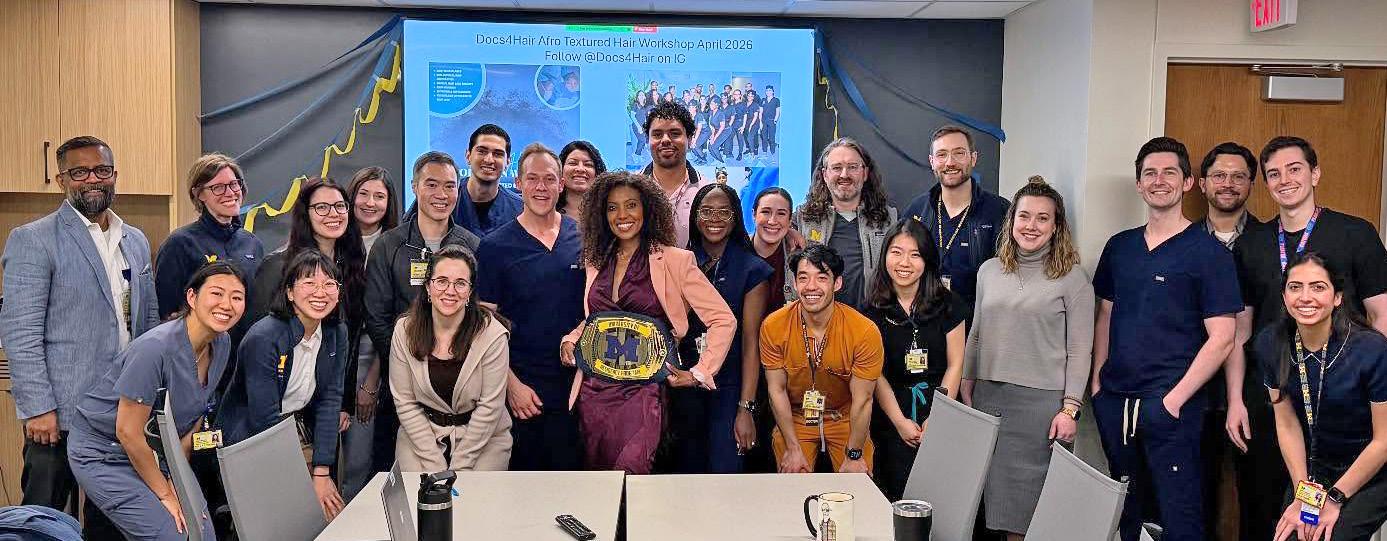
Dr. Meena Singh (center) with dermatology faculty and residents during her visit as the 2025 Dermatology Pathways Program Visiting Professor
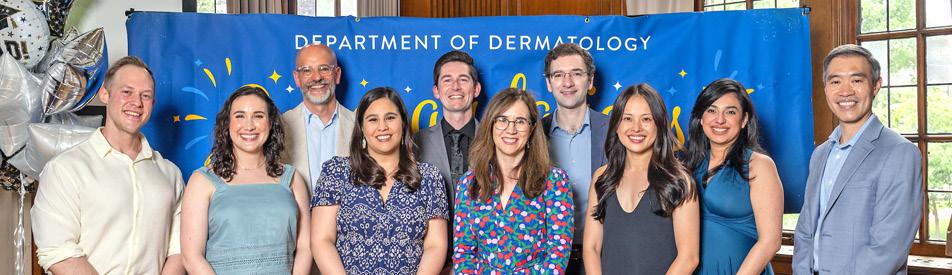
The University of Michigan Department of Dermatology held its annual Resident and Fellow Graduation Reception on Saturday, June 14 at the Michigan League in Ann Arbor. The event brought together U-M Dermatology faculty, residents, fellows, staff and family members to celebrate the graduates’ achievements.
Dr. Yolanda Helfrich, Residency Program Director, reflected on the hard work and growth of each graduate as they prepare for the next stage of their careers in dermatology. We extended our heartfelt congratulations to the Class of 2025 and offered best wishes for their future endeavors.
The Dermatology Residency Cass of 2025 honored Dr. Julie Mervak (pictured right) with the department’s William B. Taylor Resident Teaching Award for Best Resident Educator. This honor reflects Dr. Mervak’s commitment to education, particularly her expertise
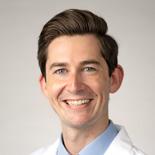
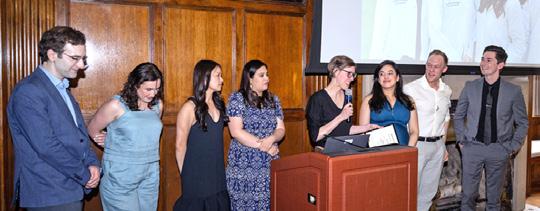
in nail disorders and nail surgery. Our senior residents commended her for the supportive learning environment she fosters and the confidence she instilled in each of them throughout their training.
The senior resident class also presented a “Dermatologic Luminary” award to Dr. Frank Wang. This award recognizes Dr. Wang’s dedication and commitment to resident education and lifelong mentorship.
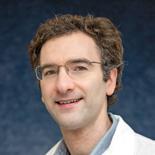
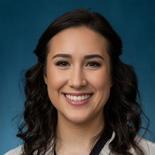
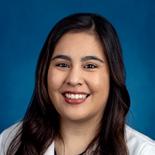
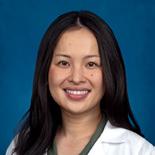
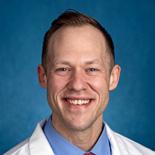
Back row: Chris Bichakjian, Thomas Hester, Joseph Durgin; Front row: Daniel Wenzel, Margaret Lang Houser, Giselle Guerrero, Yolanda Helfrich, Anne Ning, Amanda Arreola, Frank Wang
Amanda Arreola, MD Cutaneous Oncology Fellowship Oregon Health Science University Portland, OR
Thomas Hester, MD Clinical Teaching Faculty Trinity Health Ann Arbor, MI
Margaret Lang Houser, MD Dermatologist Wilmington Health Wilmington, NC
Joseph Durgin, MD Dermatopathology Fellowship University of Michigan Medical School Ann Arbor, MI
Giselle Guerrero, MD (Co-Chief Resident) Assistant Professor of Dermatology University of Texas Rio Grande Valley Edinburg, TX
Anne Ning, MD (Co-Chief Resident) Assistant Professor of Dermatology University of Cincinnati Cincinnati, OH
Daniel Wenzel, MD Micrographic Surgery & Dermatologic Oncology Fellowship University of California Los Angeles Los Angeles, CA
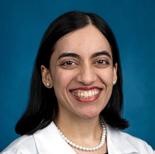
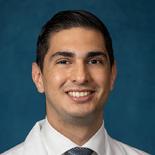
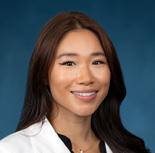
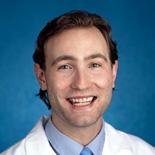
DERMATOLOGY RESIDENTS
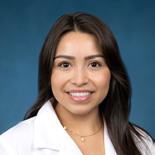
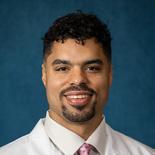
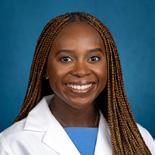
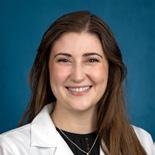
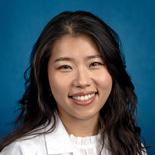
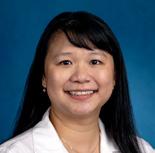
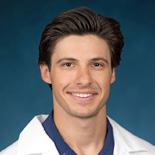
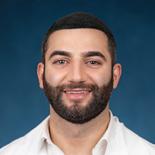
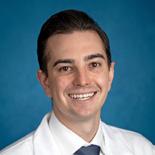
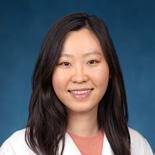
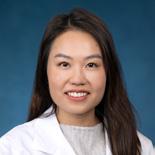
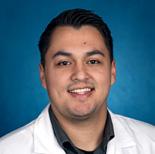
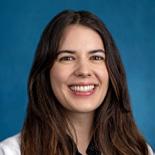
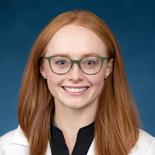
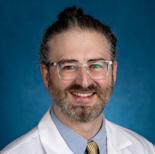
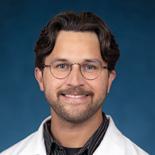
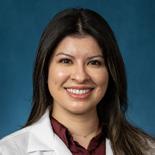
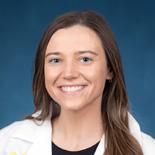
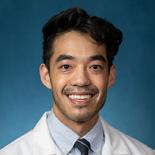
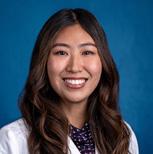
2025 RESIDENCY MATCH LIST
(Starting July 2026)
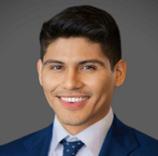
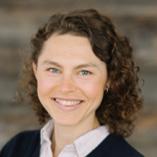
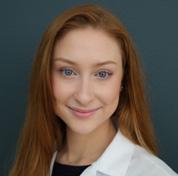
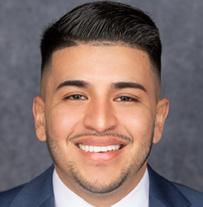
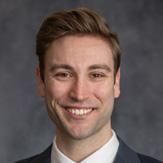
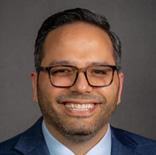
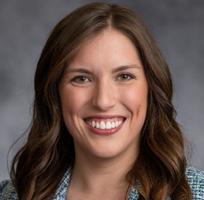
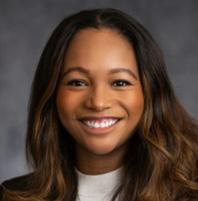
John Runge, MD, PhD PGY-4, Class of 2026
Eric Bowman, MD PGY-4, Class of 2026
Sarah Becker, MD Oregon Health & Science University
Djoni Elkady, MD PGY-2, Class of 2028
Reinie Thomas, MD University of Michigan Medical School
Olivia Lee, MD PGY-4, Class of 2026
Jeffrey Sobieraj, MD PGY-3, Class of 2027
Roberta Buist, MD PGY-3, Class of 2027
Kristen Curtis, MD Case Western Reserve University School of Medicine
Alexander Gitin, MD PGY-3, Class of 2027
Kelly Mai, MD PGY-2, Class of 2028
Kathie Velez, MD PGY-4, Class of 2026
Camilla Cascardo, MD PGY-3, Class of 2027
Kevin Puerta Durango, MD Dartmouth College Geisel School of Medicine
Rama Godse, MD PGY-3, Class of 2027
Orlando Martinez Luna, MD PGY-4, Class of 2026
Lauren Weinberg, MD PGY-2, Class of 2028
Jungsoo Chang, MD PGY-3, Class of 2027
Gabriel Rice, MD University of Michigan Medical School
Ramon Govea, MD PGY-4, Class of 2026
Rocio Oliva, MD, MS PGY-3, Class of 2027
Albert Yang, MD PGY-4, Class of 2026
Tran Do, MD, PhD PGY-4, Class of 2026
Mohammad Saffari Doost, MD University of California Davis School of Medicine
Emily Kim, MD PGY-2, Class of 2028
McKayla Poppens, MD PGY-2, Class of 2028
Kelly Young, MD PGY-3, Class of 2027
Stephanie Adame, MD PGY-2, Class of 2028
Devin Barzallo, MD Case Western Reserve University School of Medicine
Kareem Elhage, MD PGY-2, Class of 2028
Suzanne Shoffner-Beck, MD University of Michigan Medical School
Jacob Kingsley, MD PGY-3, Class of 2027
MEDICAL STUDENT EDUCATION
At Michigan Medicine Dermatology, we are committed to training and empowering future generations of thoughtful, skilled, and compassionate leaders in dermatology. Our clinical educators strive to deliver a robust and comprehensive curriculum across all levels of medical education:
• M1 students: The annual Skin Sequence introduces core dermatology concepts and morphology through a blend of lectures, skills training, and live patient grand rounds.
• M2 students: Dermatology-led training for the annual Transitions to Clerkships program guides medical students through a systematic approach to evaluating patients with severe rashes.
• M3/M4 students: Dermatology clerkship rotations offer exposure to inpatient and medical dermatology, pediatric dermatology, and dermatologic surgery, spanning conditions from common to rare.
CLINICAL FELLOWSHIPS
PROGRAM LEADERSHIP
MICROGRAPHIC SURGERY & DERMATOLOGIC ONCOLOGY
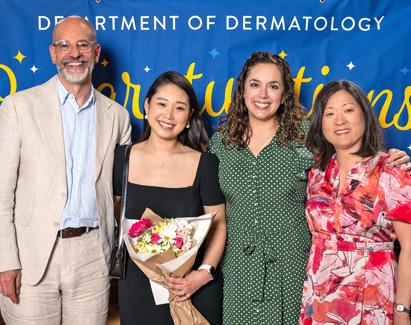
Our ACGME Micrographic Surgery and Dermatologic Oncology (MSDO) Fellowship provides in-depth training in the advanced treatment of melanoma and non melanoma skin cancers, as well as multidisciplinary management of complex disease.
Dr. Alison Lee completed her micrographic surgery and dermatologic oncology training as a Clinical Instructor in the Division of Cutaneous Surgery & Oncology (CSO) in FY25. She joined the Department of Dermatology at Emory University School of Medicine as an Assistant Professor.
Pictured above: Drs. Chris Bichakjian, Alison Lee, Mari Paz Castanedo Tardan, Kelly Harms
CURRENT FELLOWS
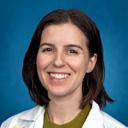
Dr. Kimberly Breglio transitioned to an appointment as a Clinical Instructor in the Division of Cutaneous Surgery & Oncology following the completion of her Micrographic Surgery & Dermatologic Oncology clinical fellowship in June 2025. As a member of the CSO faculty team, she performs skin cancer surgery for Michigan Medicine patients and offers teaching while gaining advanced experience.
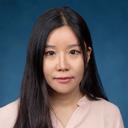
Dr. Ruby Kwak joined the department in July 2025 as a Micrographic Surgery & Dermatologic Oncology Fellow. She completed her dermatology residency at the University of Miami Miller School of Medicine.
Frank Wang, MD Scientific Trunk Director for Dermatology
Julie Mervak, MD M3/M4 Clerkship Director for Dermatology
CLINICAL FELLOWSHIPS (cont.)
PEDIATRIC DERMATOLOGY
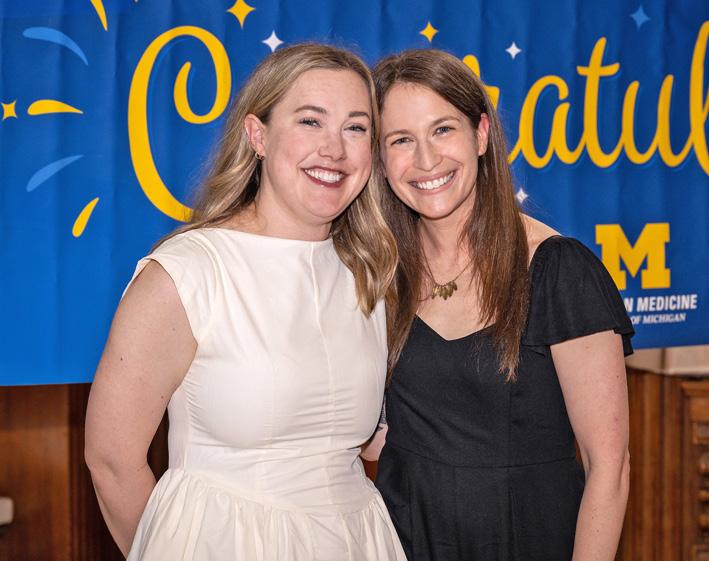
Dr. Grace Osborne completed her pediatric dermatology fellowship in June 2025. She subsequently joined the University of Michigan Department of Dermatology and Pediatrics as a Clinical Assistant Professor.
DERMATOPATHOLOGY
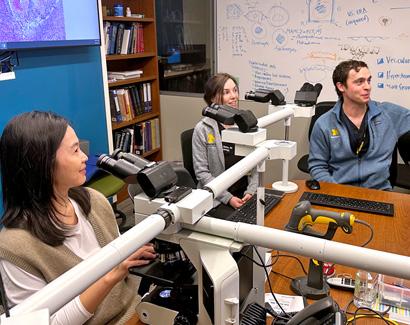
Drs. Daniel Cole and Taylor Novice completed their dermatopathology fellowship in June 2025. Dr. Cole has joined Hamzavi Dermatology in Canton, MI. Dr. Novice has joined Novice Group Dermatology in Bloomfield Hills, MI.
CURRENT FELLOW
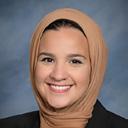
Dr. Reem Kashlan (left) joined the department in September 2025 as a pediatric dermatology fellow. Dr. Kashlan completed her dermatology residency at Wayne State University School of Medicine, where she served as Chief Resident in her final year.
Guided by Drs. Jennifer Mancuso, as Program Director, and Grace Osborne, our ACGME pediatric dermatology fellowship delivers comprehensive clinical training in inpatient, outpatient with opportunities to collaborate with other pediatric subspecialties.
CURRENT FELLOWS
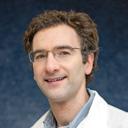
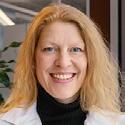
Dr. Joseph Durgin began his dermatopathology fellowship in July 2025. Dr. Durgin completed his dermatology residency traning at the University of Michigan Medical School.
Dr. Katharina Wiedemeyer began her dermatopathology fellowship in July 2025. Dr. Wiedemeyer completed her anatomical pathology residency at the University of Michigan Medical School.
This one-year ACGME-accredited dermatopathology fellowship is based in the Department of Pathology and is directed by Dr. Scott Bresler.
Pictured above: Drs. Grace Wang, Taylor Novice, Daniel Cole
Pictured above: Drs. Grace Hile and Jennie Mancuso
RESEARCH
The UM Department of Dermatology was ranked sixth among US dermatology programs for National Institutes of Health (NIH) research funding during federal fiscal year 2024 (FFY24), with 12 awards totaling more than $6.1 million dollars. During fiscal year 2025 (FFY25), the department again held 12 NIH awards with funding of $6.1 million, achieving ninth rank for total NIH dermatology funding.
In addition, our investigators held over $12 million in committed non-federal funding from industry and foundation partners, fueling innovative clinical and translational research programs.
(All Sponsors, Total Costs)
National Institute of Arthritis and Musculoskeletal and Skin Diseases
National Institute on Aging
National Institute of Allergy and Infectious Diseases
CLINICAL RESEARCH
All clinical research within the Department of Dermatology is now overseen by PCRiD, which has resulted in standardized training of research staff and research operations. All clinical trials now go through the UM Clinical Trials Support Unit (M-CTSU). PCRiD has streamlined various processes with CTSU, leading to faster trial activation and successful financial outcomes.
During 2025, PCRiD studies have grown to encompass new dermatological diagnoses, diversifying the treatment options offered to patients with rare dermatologic conditions (e.g., Gorlin syndrome, pyoderma gangrenosum, chronic pruritus of unknown origin, and systemic sclerosis), while continuing to investigate novel treatment options for conditions such as psoriasis and psoriatic arthritis, atopic dermatitis, prurigo nodularis, cutaneous lupus, and vitiligo.
PCRiD oversees several interdisciplinary studies, including a current trial involving psoriatic arthritis, with joint assessments and procedures performed by UM Rheumatologists. In addition, ongoing multicenter collaborative research is conducted with colleagues at Yale University and the University of California Davis.
As Director of PRCiD, Dr. Mio Nakamura has worked with a clinical research fellow to provide training in conducting clinical research from study start-up through execution. She is also focusing on recruiting early faculty members to become clinical trialists. As Associate Medical Director of the M-CTSU, she has also supported efforts to reduce clinical trial costs to departments, identifying which CTSU services are critical versus optional or perhaps unnecessary. In sum, this work is helping to better position our institution and investigators to participate in clinical trials that will benefit our patients.
Ongoing Studies
Industry Sponsored Studies
Investigator-Initiated Studies
NIH R01 Update
7— Studies in Startup
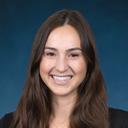
Megan Hauptman, MD
BASIC SCIENCE RESEARCH
T32 Training Grant in Cell and Molecular Dermatology
Drs. JT Elder and Sunny Wong successfully led the renewal of the NIH T32 grant that supports our Training Program in Cell and Molecular Dermatology. For more than 48 years, this postdoctoral program has provided rigorous, laboratory based training in translational investigative dermatology, preparing early career scientists for independent research careers in skin biology. Trainees also receive complementary instruction in bioinformatics, biostatistics, and systems biology, equipping them with the skills needed to analyze complex, large scale datasets.
Skin Cancer Biology
During FY25, the Dlugosz lab completed novel work utilizing a mouse model of basal cell carcinoma (BCC) in young and old animals. These investigators have shown that aging affects tumor-associated vasculature, but does not alter BCC tumor formation or regression. This work suggests that the higher incidence of BCC in older adults stems from the accumulation of cancer driving mutations, rather than from age related changes in skin biology (JID Innovations, 12/2025). Additional work in the Dlugosz lab, performed with collaborators from Biomedical Engineering, the College of Pharmacy, and the pharmaceutical industry, is centered on developing mouse models of Merkel cell carcinoma for basic research studies and preclinical trials on this deadly skin cancer.
Hair Follicle and Sebaceous Gland Biology
During FY25, the Wong lab investigated how secondary genetic mutations can modulate the progression of basal cell carcinoma (BCC), the most common cancer. His lab has also identified stem cells that maintain sebaceous glands, which secrete lipids that protect the skin, and his group has performed cutting edge spatial transcriptomics profiling of human acne. In their landmark publication in Cell Reports (Ford et al., 2024), they showed that hair follicles can exert multi-faceted control over the skin’s barrier, which has important implications for topical drug delivery.
Cellular Crosstalk in Skin Biology and Cancer
Dr. Beth Pedersen joined the dermatology tenure track faculty as Assistant Professor of Dermatology in September 2024. Supported by a Dermatology Foundation Career Development Award, Dr. Pedersen is exploring crosstalk between keratinocytes and melanocytes in both normal and malignant contexts.
Aging Skin
Recently published findings from the Fisher Lab reveal integrin α11β1 as the primary collagen binding receptor in the dermis and essential for maintaining normal skin architecture. Their work also demonstrated how reduced TGF β–driven expression of integrin α11β1 in both aged and collapsed fibroblasts leads to impaired fibroblast function. Taken together, these changes act as a self reinforcing cycle that accelerates skin aging. (Quan et al, J Invest Derm 2025).
Sex Discrepancy in Autoimmunity
In 2025, Dr. Allison Billi was awarded Rheumatology Research Foundation Innovation funding for research investigating VGLL3-mediated CCL20 signaling in the skin as a female-sex-biased driver of lupus. The Billi lab additionally investigates the immune biology of eczema and healthy skin across ancestries, in collaborative studies with dermatology colleagues and scientists at the U-M Mary H. Weiser Food Allergy Center.
Immunology, Autoimmunity and Immunogenetics in Skin
The Gudjonsson Lab is conducting research across a broad spectrum of immune mediated conditions, including psoriasis, atopic dermatitis, sclerotic skin diseases, systemic lupus erythematosus, preeclampsia, and food allergies. Supported by substantial NIH, industry, and foundation funding, Dr. Gudjonsson leads collaborative, multidisciplinary efforts that integrate clinical, translational, and basic science approaches. Together, these initiatives are advancing our understanding of skin immunology and the mechanisms driving autoimmunity and inflammatory disease.
Cutaneous Bioinformatics
Utilizing cutting-edge analytical technologies, the Tsoi lab is developing genetic and systems biology approaches that identify molecular drivers of disease at the cellular level. By analyzing diverse multi omics data—including genetic, epigenetic, single cell, and spatial sequencing datasets—their work is expanding our understanding of the factors that shape inflammatory signaling, disease heterogeneity, and treatment response.
Integrated Program for Cutaneous Immune Stromal Interactions in SLE (IPCISS)
Dr. Michelle Kahlenberg and Dr. Johann Gudjonsson serve as co principal investigators of the newly funded NIH P01, the Integrated Program for Cutaneous Immune Stromal Interactions in SLE (IPCISS). IPCISS brings together an interdisciplinary research community focused on the immunologic and rheumatologic mechanisms of skin disease. The program centers on two major scientific areas: 1) how stromal–immune interactions influence disease pathogenesis and treatment responses, and 2) how these interactions contribute to abnormal ultraviolet (UV) responses and the initiation of systemic lupus erythematosus.
IPCISS includes the Bioinformatics and Integrated Omics Pipeline for Stromal and Immune Interaction (BIOPSII), a state of the art scientific core directed by Dr. Lam (Alex) Tsoi. This core supports the program’s research aims and delivers advanced analytical services and training to project teams and collaborators.
SKIN RESEARCH CENTER
Completing its 6th year of funding during FY25, the Skin Research Center continues to facilitate independently funded research into skin biology and disease; to foster the development of team science, combining big-data approaches with functional studies in cell culture and genetically engineered mouse models; and to attract additional investigators into cutaneous research relevant to the National Institute of Arthritis and Musculoskeletal and Skin Diseases mission.
The UM-SRC research community comprises 83 members from 29 areas of expertise in multiple schools and colleges at the University of Michigan and at outside institutes and universities. The Center is advancing skin research and promoting new collaboration within the scientific community. These efforts are evidenced by more than 180 publications and numerous funded research awards that have benefited from UM-SRC resources.
Visiting Scholar Series
Our Center regularly hosts researchers who are engaged in outstanding cutaneous research, developing novel technology or developing other approaches of interest to Center members for our Visiting Scholar Series:
• Erez Cohen, PhD, Research Fellow, Cell & Developmental Biology (Coulombe Lab), University of Michigan Medicine School: “Keratin-Dependent Regulation of Interferon Signaling in Stressed Keratinocytes”
• Katja Lakota, PhD, Department of Rheumatology, University Medical Centre, Ljubljana, Slovenia: “Integrative Approach to the Diagnostic and Treatment of IgA Vasculitis”
• Wen-Hung Chung, MD, PhD, Professor & Director, Department of Dermatology, School of Medicine, Chang Gung Memorial Hospital, Taiwan: “Recent Advances in Severe Cutaneous Adverse Drug Reactions”
• Kathleen Green, PhD, Joseph L. Mayberry, Sr., Professor of Pathology and Toxicology, Northwestern University Feinberg School of Medicine: “Desmosomes in Epidermal Development”
• Peggy Myung, MD, PhD, Vice Chair of Research, Associate Professor of Dermatology and of Pathology, Yale University School of Medicine: “Coordinating Cell Cycle Exit with Molecular Differentiation During Hair Follicle Formation by Intersecting Morphogen Gradients”
Annual Symposium
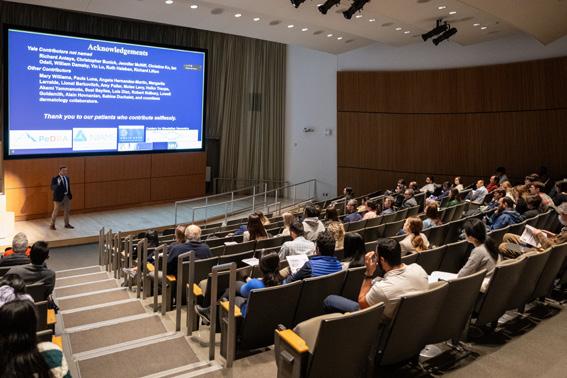
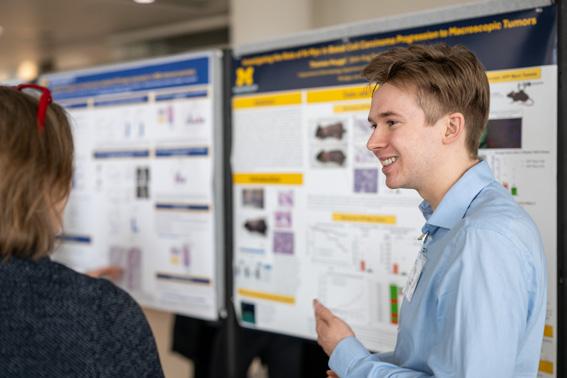
The UM-SRC hosted it’s 6th Annual Smyposium on February 27, 2025. Held as a hybrid event, over 180 faculty, trainees, and research staff attended either inperson at Kahn Auditorium or on Zoom.
Keith Choate, MD, PhD, delivered the keynote address on: “Genetic investigation of rare inherited and mosaic skin disorders reveals novel pathways for disease pathogenesis and treatment.” Dr. Choate is the Aaron B. and Marguerite Lerner Professor and Chair of Dermatology and Professor of Genetics and Pathology at Yale University School of Medicine.
The symposium also highlighted ongoing research supported by the UM-SRC Pilot & Feasibility funding, as well as other research initiatives, with presentations from:
• Alex Tsoi, PhD & Rachael Bogle: “Genomic analytics in FAC”
• Nazy Gharaee-Kermani, DVM, MPH, PhD: “The Role of Vgll3 in Autoimmunity, Fibrosis and Cancer”
• Mrinal Sarkar, PhD: “Expanding Genetic Insights: Creating Diverse Immortalized Keratinocytes for Enhanced Skin Disease Research”
• Carole Parent, PhD & Pierre Coulombe, PhD: “Keratinocyte-dependent regulation of innate immune responses in inflamed skin”
• Andrzej Dlugosz, MD: “Animal Modeling Core Advances”
Dr. Keith Choate delivers the keynote address at the 2025 Annual Symposium
researcher presents during the poster session at the 2025 Annual Symposium
COMMUNITY & ENGAGEMENT
The Department of Dermatology has remained committed to creating a more welcoming and supportive environment within our teams and daily work during FY2025.
To further these efforts, our teams organized numerous opportunities for dermatology trainees, faculty, students, and staff to engage in outreach and community-building activities throughout the year:
Community Support:
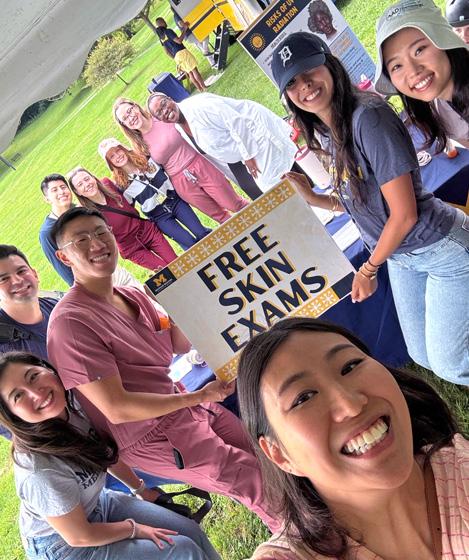
• Parkridge Summerfest (raising skin and hair health awareness, and free skin exams)
• Free dermatology and skin cancer detection clinics (offered through the Hope Clinic and local outreach events)
• Martin Luther King Service Day: “Lunches of Love” (preparing brown bag lunches for families and individuals in need)
• Food Gatherers Community Kitchen (meal prep volunteer team)
• Chinese Community Senior Center (educated senior citizens on skin cancer and sun safety)
Educational Outreach:
• Dermatology Pathways Program (supporting medical student interest in dermatology)
• Michigan Medicine SimFest at AMEC/SNMA annual meeting (National networking event with medical students from various backgrounds)
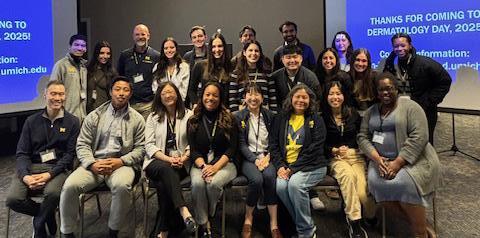
• Dermatology Day at U-M Dearborn (regional high school students)
• Youth Summit at the Big House (regional middle school students)
Department Engagement:
• Dermatology department-wide Potluck (building community and connection within our department)
• Dermatology Dialogues (physician and provider discussion of current issues impacting medical practice)
• Gold Service Program relaunch (focus on the department’s commitment to service, wellness, and engagement)
• Hat Donation Drive for the unhoused

University of Michigan Board of Regents
Effective May 8 2025 through January 1, 2027
Jordan B. Acker, Michael J. Behm, Mark J. Bernstein, Paul W. Brown, Sarah Hubbard, Denise Ilitch, Carl J. Meyers, Katherine E. White, Domenico Grasso (ex officio)
Nondiscrimination Policy Statement
The University of Michigan, including the Ann Arbor, Dearborn, Flint campuses as well as Michigan Medicine, as an equal opportunity employer, complies with all applicable federal and state laws regarding nondiscrimination. The University of Michigan is committed to a policy of equal opportunity for all persons and does not discriminate on the basis of race, color, national origin, age, marital status, sex, sexual orientation, gender identity, gender expression, disability, religion, height, weight, or veteran status in employment, educational programs and activities, and admissions.
Inquiries or complaints may be addressed to the Equity, Civil Rights and Title IX Office (ECRT), 2072 Administrative Services Building, Ann Arbor, Michigan 48109-1432, 734-763-0235, TTY 734-647-1388.
© 2026 Regents of the University of Michigan
Produced by the University of Michigan Department of Dermatology
Mailing Address
University of Michigan Department of Dermatology 1910 Taubman Center 1500 E. Medical Center Drive Ann Arbor, MI 48109-5314
Visit us online at: medschool.umich.edu/departments/dermatology