ANNUAL RESEARCH REPORT 2025
Acknowledgments
Office of Research Administration
Office of Research Development
Office of the Provost
Office of Technology
Commercialization and Ventures
Data
Catherine Palmer
Designer
Liana DePillo
Benjamin Shiek
Photos courtesy
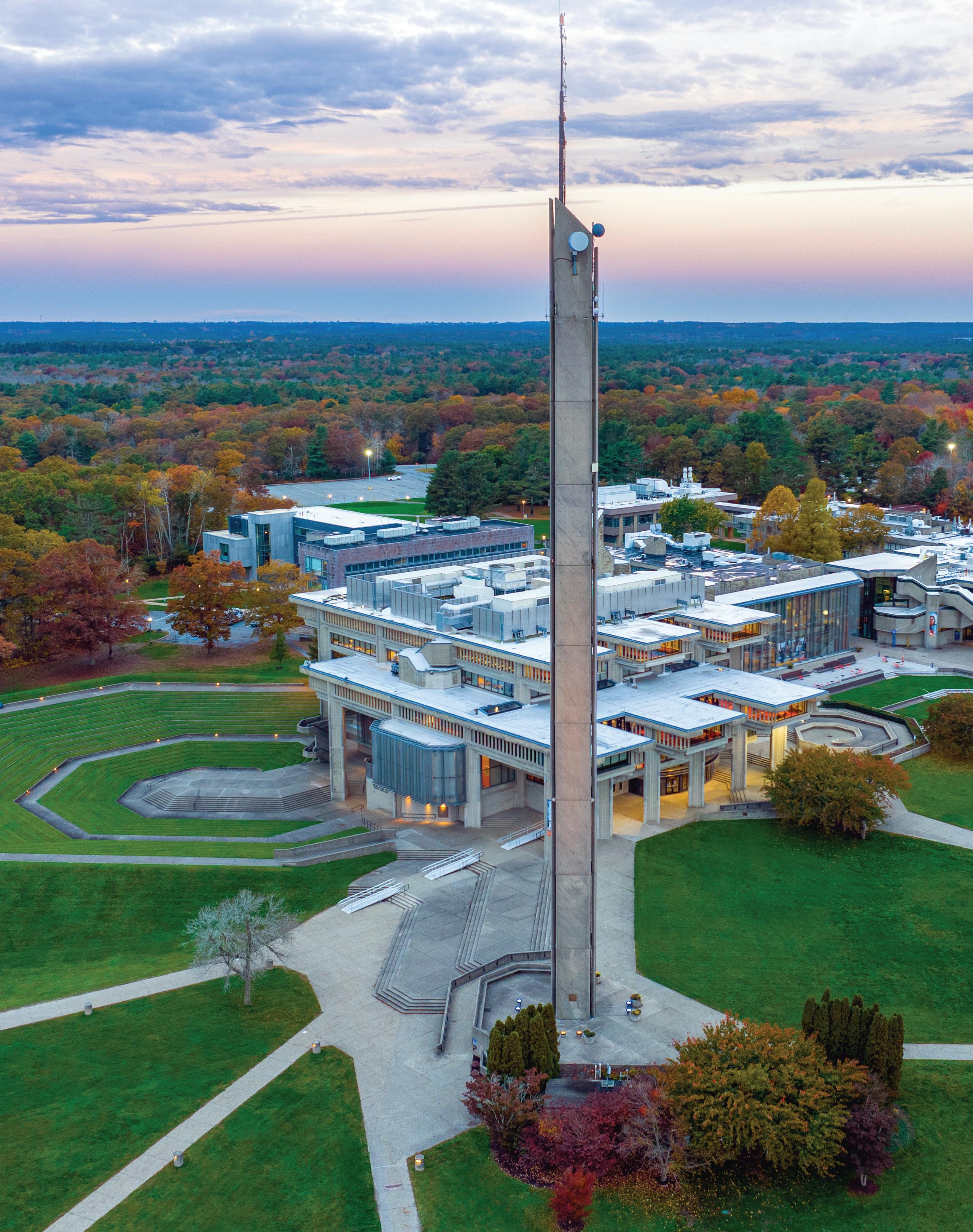
Aerial New England
Eric Anagnostis
Karl Dominey
David James
Leia Onofrey
Kei Tsuda
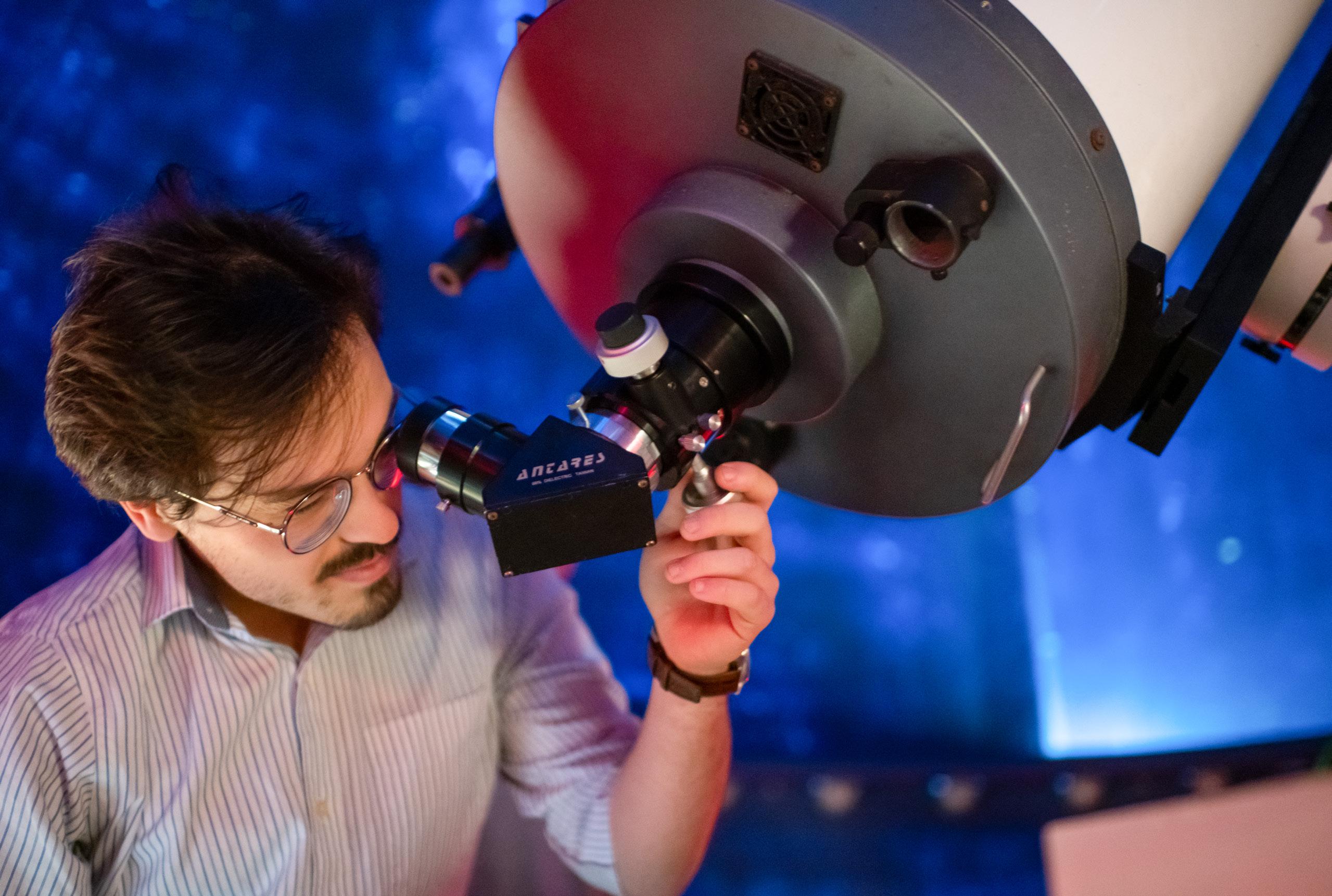
Simulating eXtreme Spacetimes
Writers
Kelsey Healey
David James
Kamryn Kobel
Ryan Merrill
At the University of Massachusetts Dartmouth, research is a central pillar of our academic mission and a defining feature of our institutional identity. We are proud to be among the 97 public universities nationwide with the Carnegie R2 designation, which recognizes our high level of research activity.
What distinguishes UMass Dartmouth, however, is our scale. According to U.S. News & World Report, the University ranks among the top 15 public research institutions in the nation with fewer than 10,000 students. Our unique combination of research excellence within an intimate academic environment enables students to work alongside accomplished faculty who are internationally recognized for their cutting-edge work.
UMass Dartmouth’s commitment to research excellence, innovation, and educational enrichment is evident in the nearly 20% growth in active research awards year over year for the past 5 years—a 112% increase since fiscal year 2020. While the University continues to grow its research enterprise, we stay true to our mission as a catalyst for socioeconomic mobility and intellectual advancement. UMass Dartmouth equips students with the knowledge, skills, and experiences needed to excel in an evolving world.
This annual report highlights UMass Dartmouth’s remarkable research achievements and the pivotal role they play in advancing knowledge, innovation, and societal impact. Through meaningful research engagement and hands-on learning—in the classroom, laboratory, studio, and field— students develop the confidence and skills to transform their ideas into reality. Their journey at UMass Dartmouth shapes them into emerging scholars, leaders, and innovative problem solvers dedicated to creating extraordinary impact.
Sincerely,
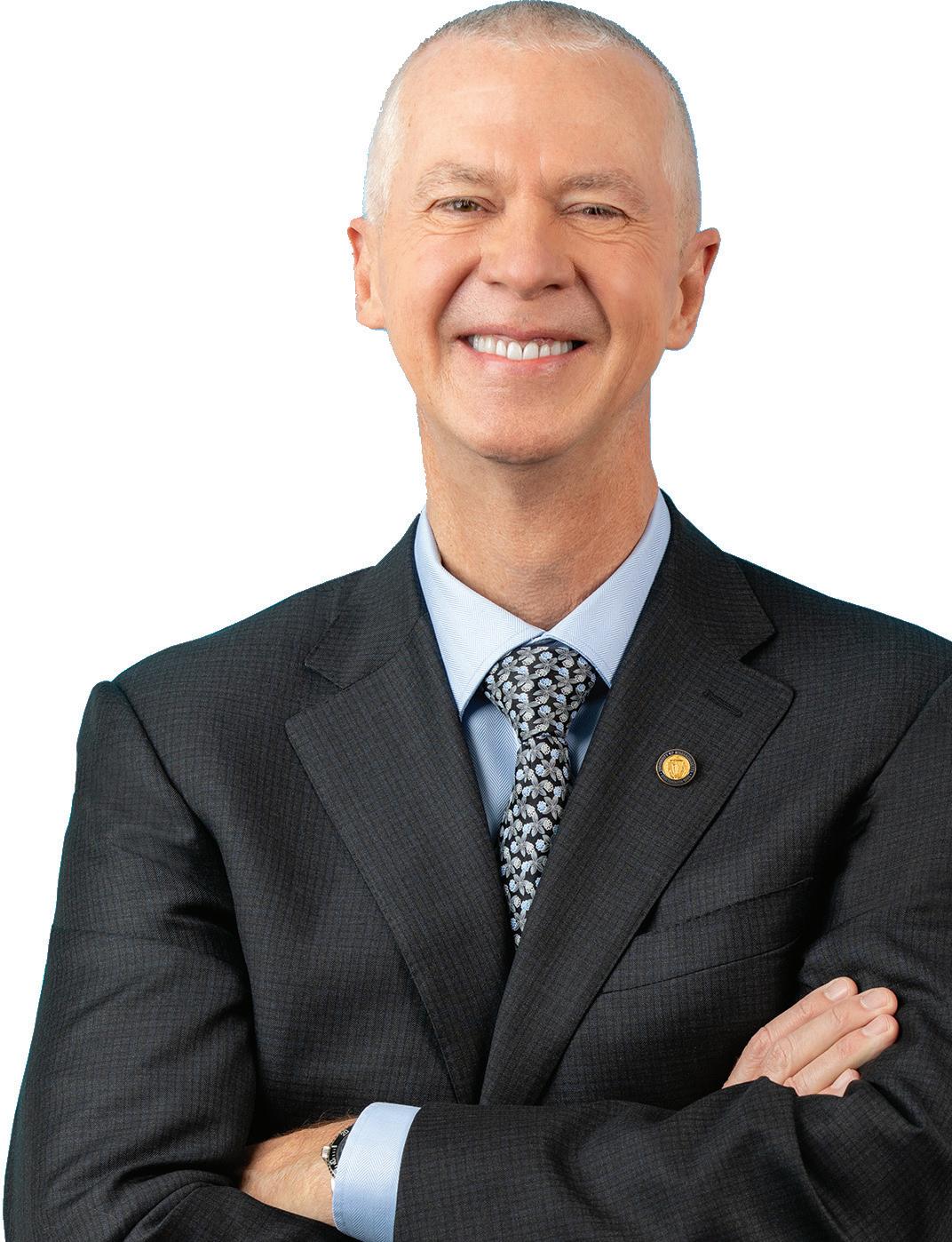
Mark A. Fuller, PhD Chancellor
Dear Colleagues,
It is with immense pride that I present this Annual Report on Research, Scholarship, and Innovation. This report celebrates the extraordinary contributions of UMass Dartmouth researchers, which have been instrumental in solidifying our status as a Doctoral Research University with high research activity. Our robust research enterprise remains a cornerstone of our overall success. This growth is directly attributable to our world-class faculty, who consistently drive discoveries and innovation.
In FY25, UMass Dartmouth’s research portfolio surpassed $127 million, a solid 10% increase from FY24 and more than double the volume of FY20. We secured nearly $27 million in new awards, while our research expenditures soared to an all-time high of over $27 million, marking a 19% increase over the previous year.
We have made significant internal strides to promote, recognize, and invest in scholarship across all disciplines, from STEM and Business to the Arts and Humanities. This includes investing hundreds of thousands of dollars in internal seed programs and optimizing research operations by standardizing procedures, streamlining core facilities management, and modernizing our sponsored program management systems.
At UMass Dartmouth, we are excited to address global challenges, harness emerging technologies, cultivate a sustainable future, and ensure a healthier community for the SouthCoast, the Commonwealth, and the world.
Sincerely,
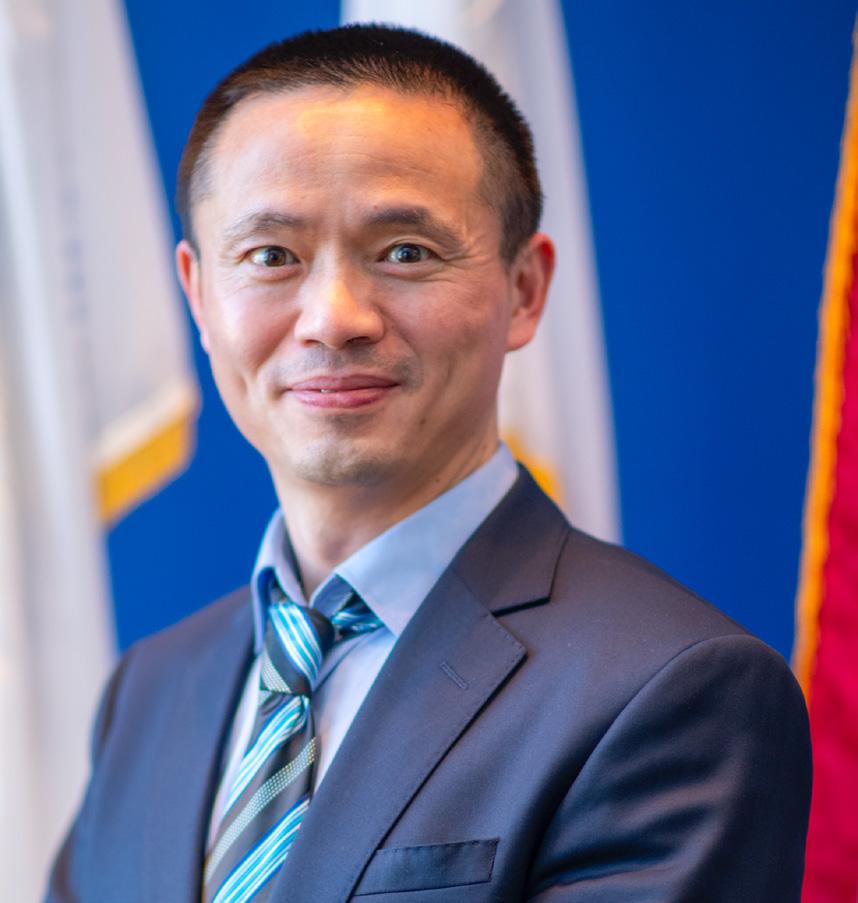
Yanlai Chen, PhD Chief Research Officer
Seven faculty listed among the 2025 World’s Top 2% of Scientists
According to rigorous bibliometric criteria analyzed by Stanford University, the following UMass Dartmouth faculty members represent the top echelon of global scholarship:
Mark Altabet, Meteorology & Atmospheric Sciences
Steve Cadrin, Fisheries
Changsheng Chen, Meteorology & Atmospheric Sciences
Sigal Gottlieb, Numerical & Computational Mathematics
Jefferson Turner, Marine Biology & Hydrobiology
Cheng Wang, Numerical & Computational Mathematics
Liudong Xing, Strategic Defense & Security Studies
Three faculty listed among the Top .05% Highly Ranked Scholars
Further elevating UMass Dartmouth’s research distinction, three faculty members have been named among the Top 0.05% Highly Ranked Scholars™ by ScholarGPS™.
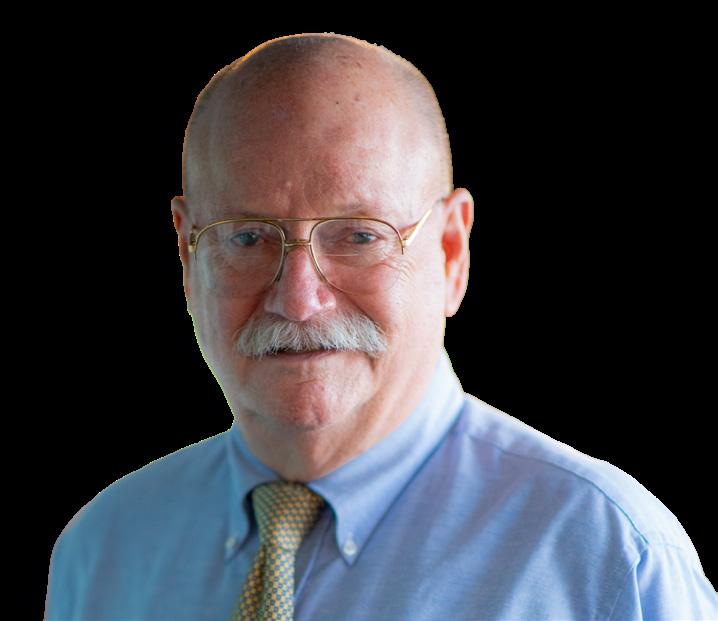
Jefferson Turner holds a Lifetime ranking of #1 in Zooplankton.
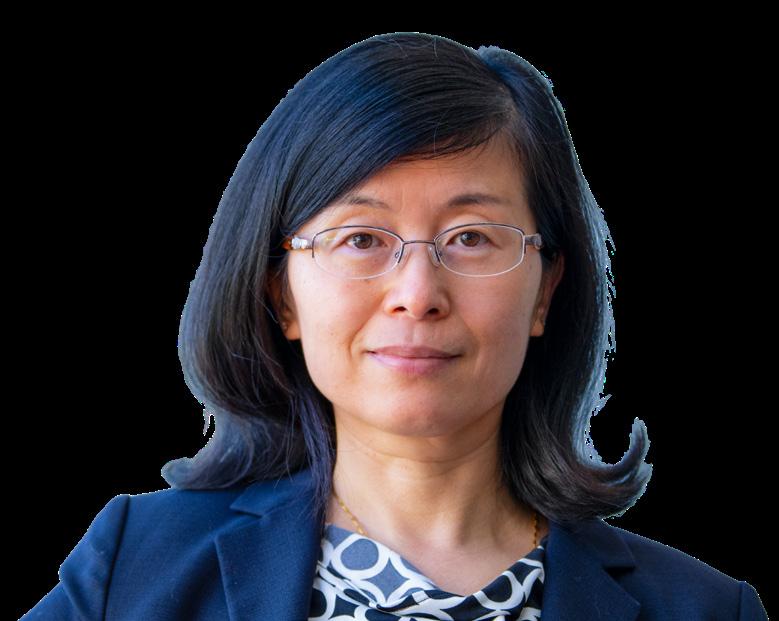
Liudong Xing ranks prominently across multiple engineering and reliability disciplines over the past five years.
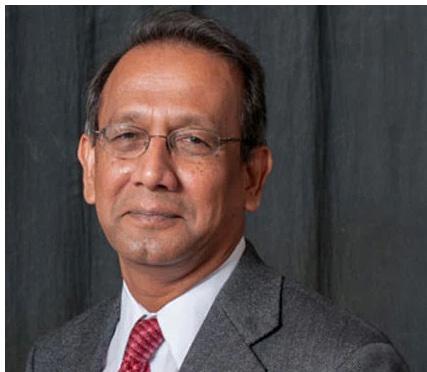
Mohammad Karim is ranked #18 Lifetime in Optical Engineering.
Center for Academic Excellence in Cyber Research designation renewed
The National Security Agency has renewed UMass Dartmouth's designation as a Center of Academic Excellence in Cyber Research through the academic year 2029.
To receive a Center of Academic Excellence in Cybersecurity (CAE-C) designation, institutions must meet the rigorous requirements set forth by the National Security Agency (NSA). The NSA awards these designations to institutions committed to producing cybersecurity professionals who will help safeguard our national infrastructure.

The Center of Academic Excellence in Cyber Research (CAE-R) designation indicates that an institution increases the understanding of robust cyber defense technology, policy, and practices that will enable our nation to prevent and respond to cyber-attacks.
UMass Dartmouth is also a recipient of a $3.5 million National Science Foundation (NSF) CyberCorps Scholarship for Service (SFS) Grant, which offers full funding for up to three years for students studying cybersecurity. UMass Dartmouth is one of only three institutions in New England to have received the CAE-R designation and the NSF CyberCorps SFS Grant.
Three UMass Dartmouth students win highly competitive SMART scholarship
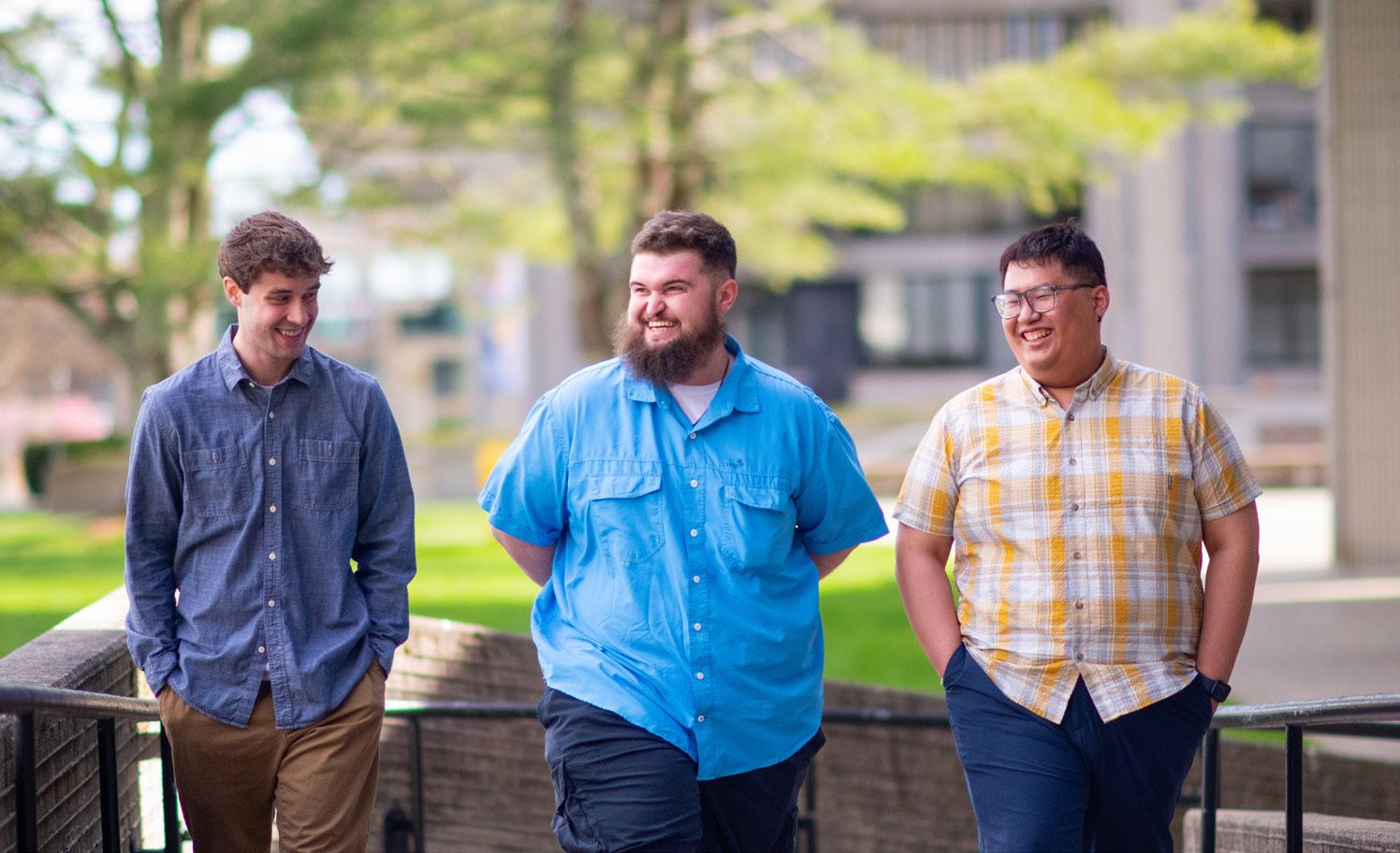
UMass Dartmouth produces the highest number of SMART Scholars
Three UMass Dartmouth students were awarded prestigious SMART scholarships from the Department of Defense in support of their research in underwater acoustics, machine learning, and cybersecurity. UMass Dartmouth leads the entire UMass system in producing SMART Scholars and is among the top 20% of institutions nationwide for SMART Scholar awardees.
Ocean research in top 5% nationwide
In the latest Higher Education Research and Development (HERD) Survey released in November 2024, UMass Dartmouth ranks 240th among 914 universities nationwide for total research expenditures, placing it in the top quarter of U.S. research institutions. The university performs strongly in engineering and computer science, but its most striking distinction is in ocean research, where UMass Dartmouth ranks #25 nationally, or in the top 5%. These numbers confirm UMass Dartmouth as a national leader in ocean and coastal research, underscoring its critical role in advancing knowledge of the marine environment and supporting the region’s blue economy.
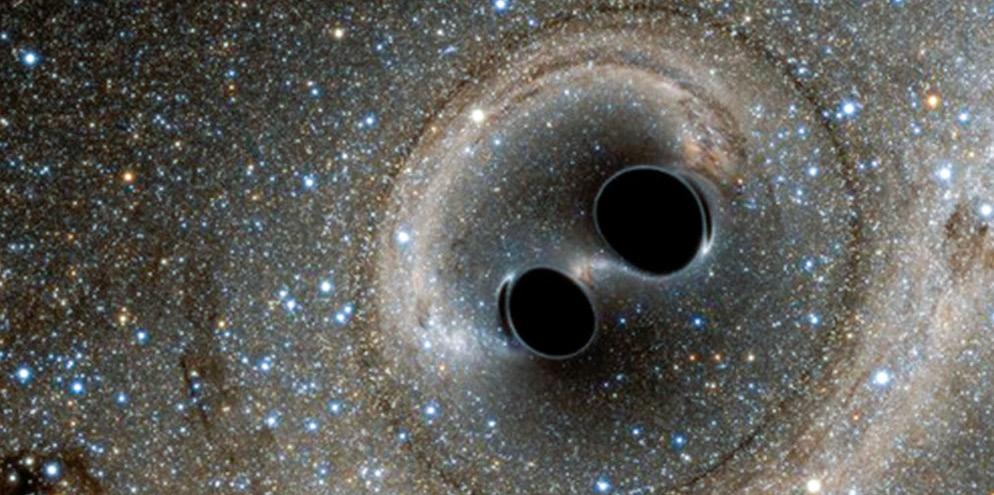
UMass Dartmouth faculty involved in discovery of the largest-ever black hole merger
UMass Dartmouth faculty help LIGO uncover signal that upends black hole formation theories
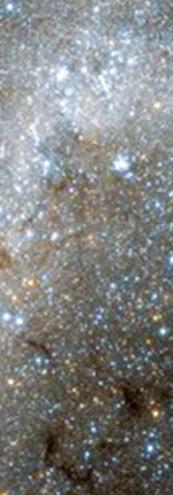
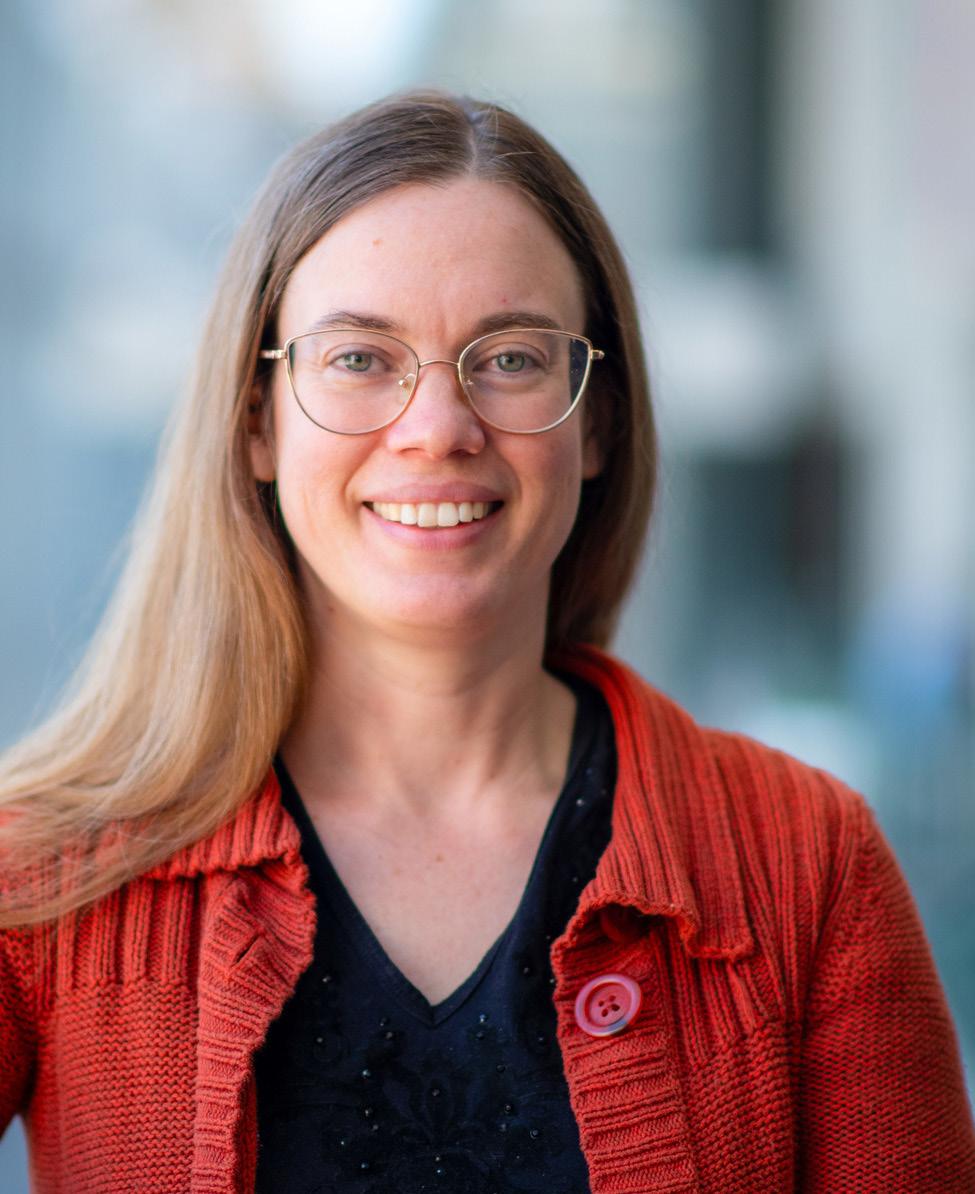
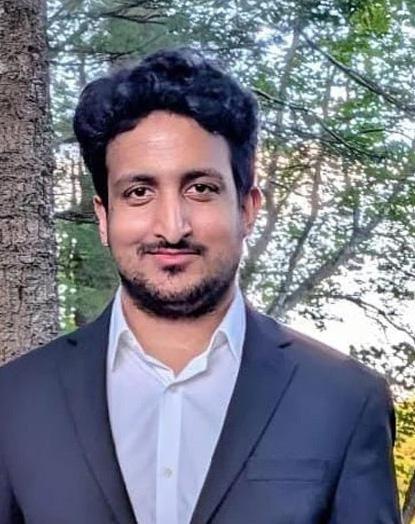
UMass Dartmouth Assistant Professors Sarah Caudill (Physics) and Vijay Varma (Data Science & Mathematics) helped the Laser Interferometer Gravitational-Wave Observatory (LIGO) detect the largest-ever black hole merger, challenging existing theories of black hole growth. The event, GW231123, produced a rapidly spinning black hole 225 times the mass of the Sun. Caudill contributed to the detection using LIGO’s GstLAL software, while Varma co-developed a key model, Numerical Relativity Surrogate, crucial to interpreting the signal. Their work underscores UMass Dartmouth’s leading role in gravitational-wave research alongside MIT, LISA, and the Simulating eXtreme Spacetimes collaboration.
At UMass Dartmouth, students can join one of the world's largest gravitational-wave research teams. By blending physics, computational mathematics, and machine learning, our interdisciplinary group is driving the next wave of discoveries in both ground- and spacebased gravitational-wave astronomy."
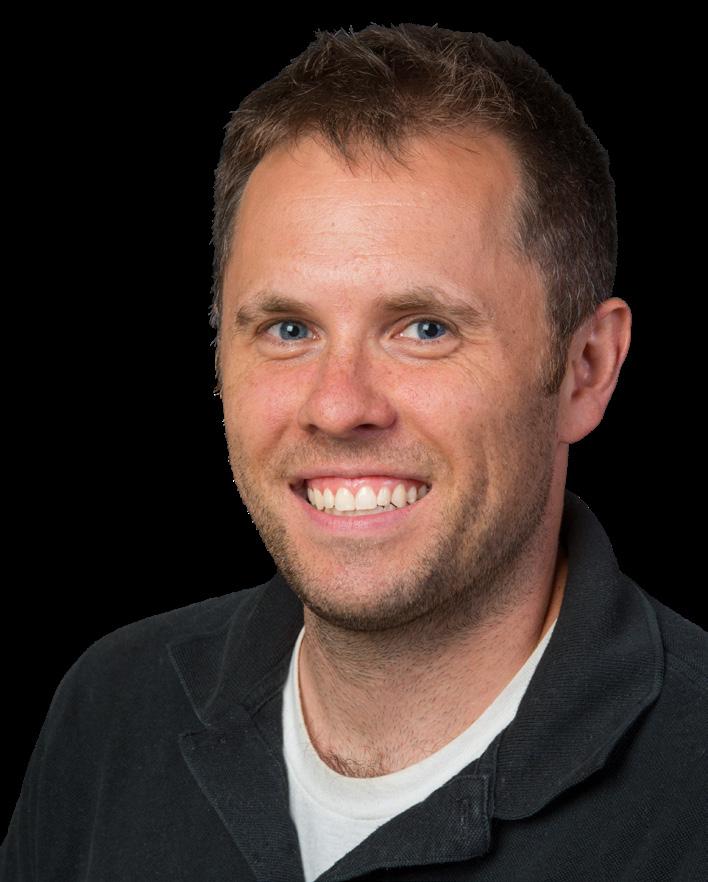
Scott Field Associate Professor
Machine Learning
Scott Field receives $189K NSF grant using machine learning to improve gravitational wave models
Grant funds project titled: Collaborative Research: CDS&E: Data-Driven Discovery of Neural ODE Dynamics, Astrophysical Models, and Orbits (Neural ODE DynAMO)
Scientists recently detected gravitational waves from black holes and neutron stars orbiting each other. These waves—ripples in space-time first predicted by Einstein—are caused by massive objects moving in distant galaxies. Current models focus on twobody systems like pairs of black holes, but don’t account for the complex environments around them. This project will fund a team of researchers using new machine learning tools to improve these models by including environmental effects.
The team previously developed gravitational waveform inversion (GWI), a machine-learning method that uncovers orbital models from wave data without considering outside influences. Now, they aim to advance GWI by adding those effects, creating new models that include features like dark matter halos and disk-embedded systems. These improvements could help scientists learn more from next-generation detectors like LISA, offering deeper insights into black hole collisions and their surroundings. Professor Field has 3 active NSF grants with total value of $745,000.
Associate Professor
above
Sarah Caudill Physics
right
Vijay Varma Data Science & Mathematics
Scott Field
BLUE ECONOMY
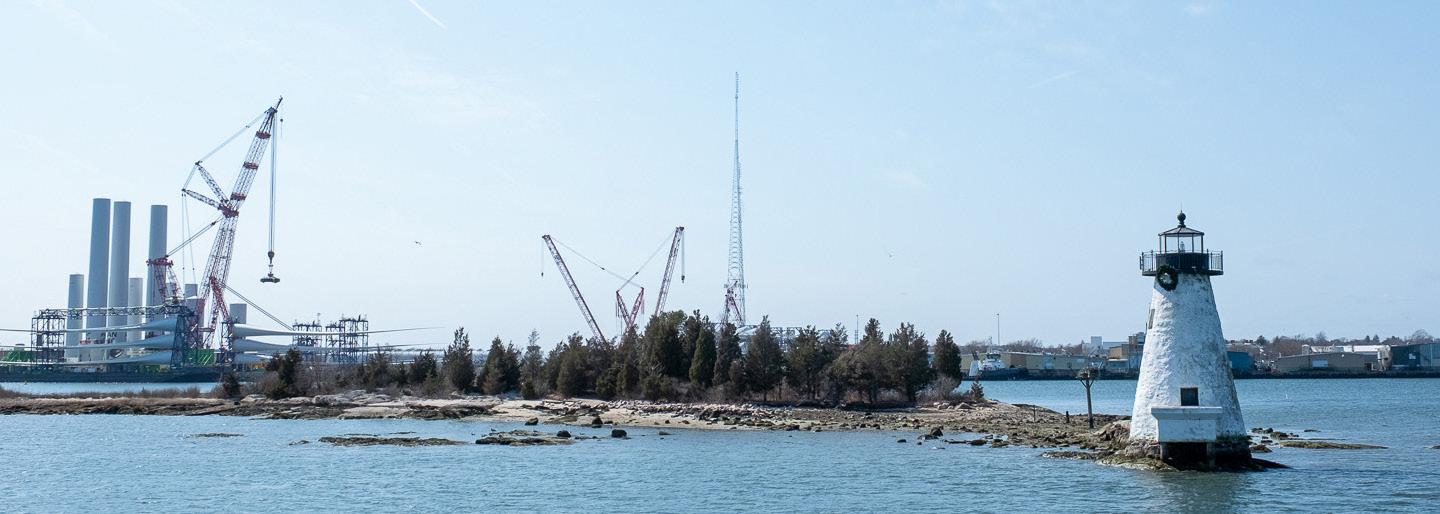
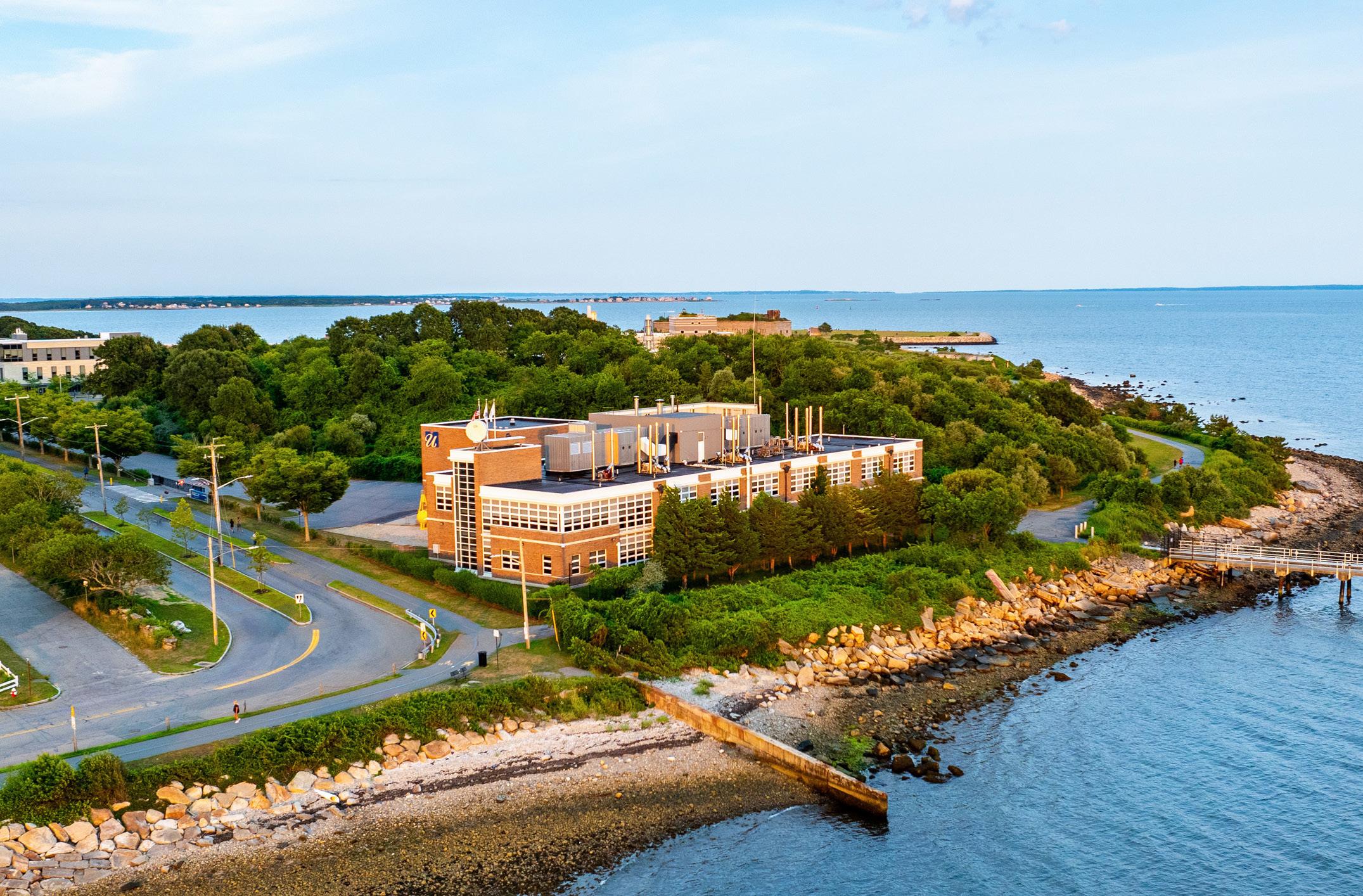
$8M deployed to support Blue Economy Initiatives
In collaboration with Senator Michael Rodrigues and the local legislative delegation, UMass Dartmouth secured $8M in state funding to support the University’s Blue Economy core research facilities, education and workforce development, and technology development and commercialization initiatives.
Blue Economy Initiatives capital funding of $5 million in awards include:
Blue SWELL Lab
Dr. Banafsheh Seyedaghazadeh, Mechanical Engineering
The Seawater Wind-Wave-Current Environmental Testing Laboratory (SWELL Lab) will directly support scientists, engineers, and diverse industry partners across commercial fishing, aquaculture, offshore wind, marine renewable energy, naval defense, and advanced materials by delivering specialized seawater-based environmental testing, research infrastructure, and collaborative innovation capabilities.
Marine Materials Fabrication Equipment
Dr. Vijaya Chalivendra, Mechanical Engineering
The project will acquire and deploy equipment and instrumentation to fabricate and characterize marine materials. The equipment will provide students with opportunities to engage in relevant interdisciplinary research spanning biology, chemistry, and engineering.
Instrumented Autonomous Underwater Vehicles
Dr. Pingguo He, Fisheries Oceanography
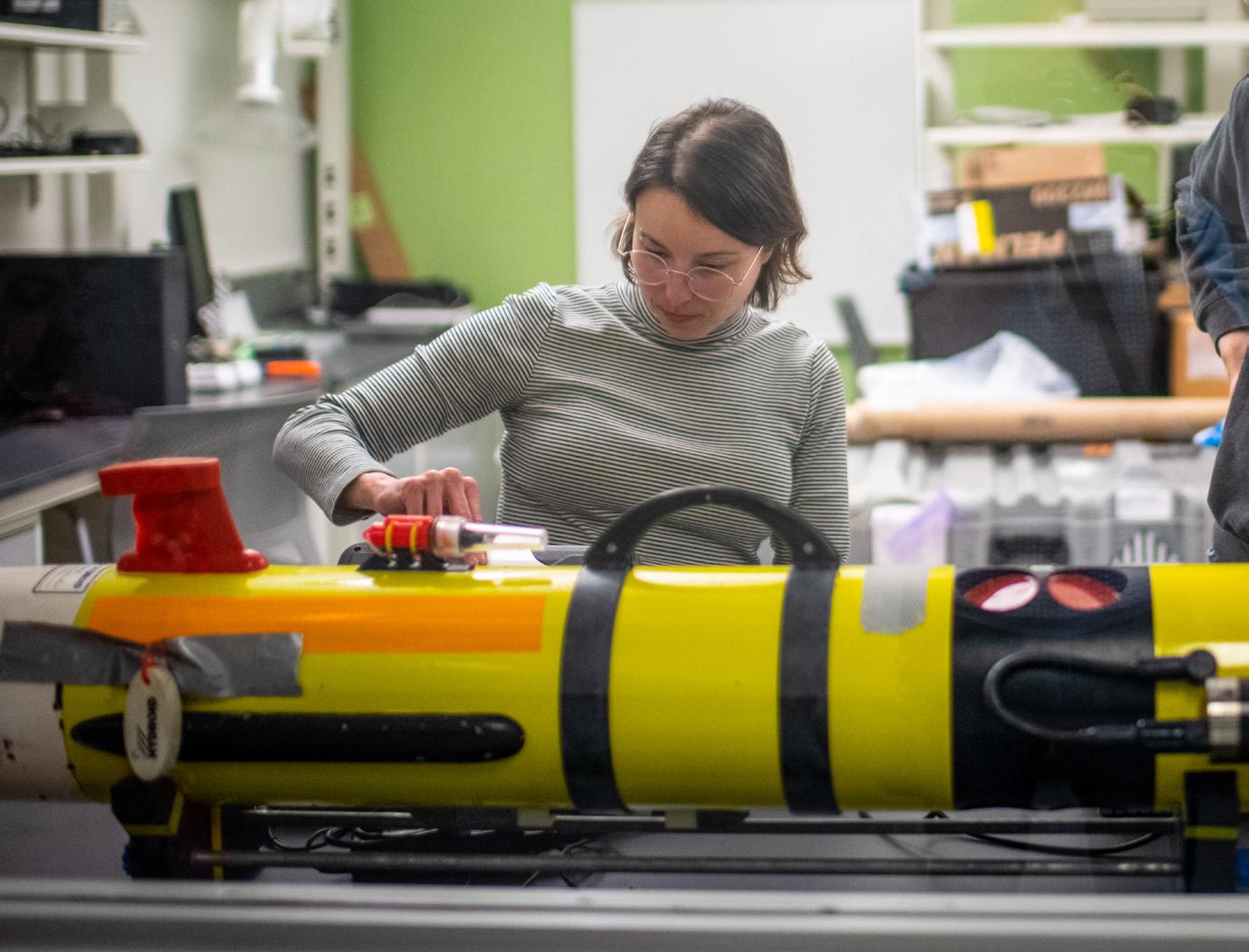
The project will deploy three state-of-the-art fully instrumented autonomous underwater vehicles (AUVs), which can be used to support sustainable capture fisheries, aquaculture, the impact of offshore wind energy development on ecosystem and fisheries, coastal environment monitoring related to river discharge and coastal pollution, seabed mapping, and plastic pollution, especially the impact of abandoned, lost or otherwise discarded fishing gear.
Biodegradability Lab Core Facility Expansion
Dr. Micheline Labrie, Estuarine and Ocean Sciences
An award to support the acquisition and deployment of expanded Columbus Instruments Micro-Oxymax respirometry systems to extend the capacity of the lab to provide marine/ freshwater sediment, wastewater, and household compost testing environments for industry partners and other internal and external users.
A further $3M in funding will support initiatives related to community and industry engagement, workforce development and career preparation, and commercialization and technology transfer.
PhD student Agata Piffer Braga '24 working on an autonomous underwater vehicle (AUV) at SMAST.
SMAST Dean Kevin Stokesbury receives $550K grant from the Schmidt Family Foundation
Grant will support testing the Katchi Net System against a traditional commercial trawl on U.S. fishing grounds
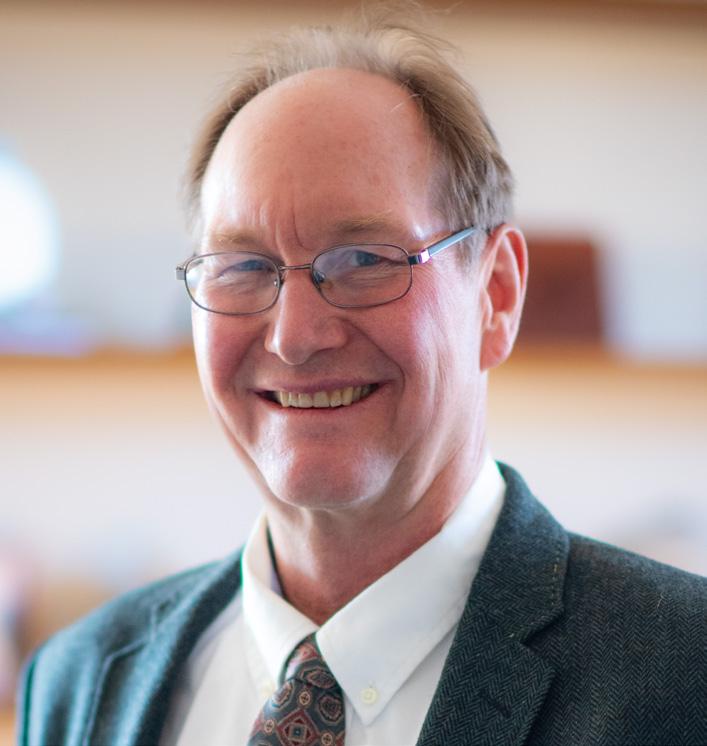
UMass Dartmouth Chancellor Professor and SMAST Dean Kevin Stokesbury received a research grant from the Schmidt Family Foundation and Marine Technology Partners to evaluate the Katchi Net System, an innovative, low-impact fishing technology, against traditional commercial trawls on U.S. fishing grounds. Developed to reduce bycatch and seafloor damage, the Katchi net uses cutting-edge sensors and design to improve sustainability in commercial fishing. Stokesbury and his team will test the net’s effectiveness in collaboration with industry partners, aiming to provide data that supports more responsible harvesting practices. Stokesbury also secured research awards totaling $403K and $350K for video trawl surveys that use a trawl-net-mounted camera to identify fish as they enter the net.
Gavin Fay receives two grants to analyze climate change effects and preparation
A $1.7M NSF project will explore the sustainability of fisheries
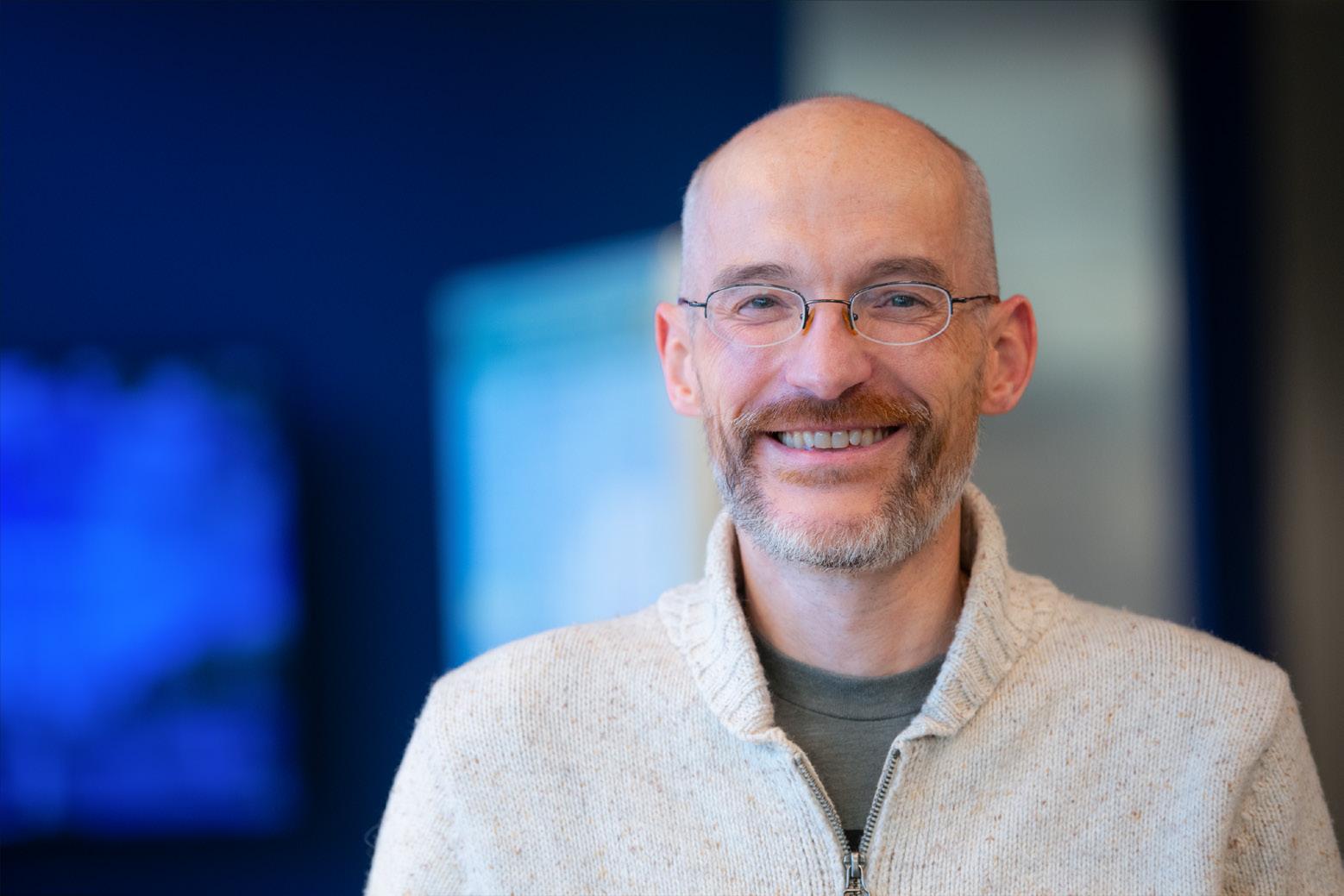
Associate Professor Gavin Fay is co-principal investigator on a $1.7 million NSF grant led by Virginia Tech’s Holly Kindsvater. The project, DISES: Dynamics of Socio-environmental Factors Driving Resilience of Coastal Fisheries, explores how climate change, natural conditions, and human decisions affect the sustainability of coastal fisheries. UMass Dartmouth’s team will add social and economic drivers to fishery models to test how aligning fishing activity with stock abundance improves long-term outcomes for commercial and recreational fishers. Engagement with policymakers and underserved groups will help ensure practical, broadly applicable guidance for resilient coastal fisheries.
A $345,395 initiative will update critical fisheries management documents to reflect climate science
Associate Professor Gavin Fay secured a $345,395 grant from the Mid-Atlantic Fisheries Management Council to lead a pivotal project entitled Developing Climate-ready Updates to the Essential Fish Habitat Source Documents in the Northeast. The project aims to update Essential Fish Habitat (EFH) source documents for federally managed species in the Northeast. These documents, which provide critical information on species’ life histories and habitats, have not been revised since the mid-2000s. Fay’s initiative will integrate the latest scientific data, including climate change impacts, to ensure that EFH designations and management decisions are informed by current, comprehensive science. This effort supports the development of climate-ready fisheries management practices across the region.
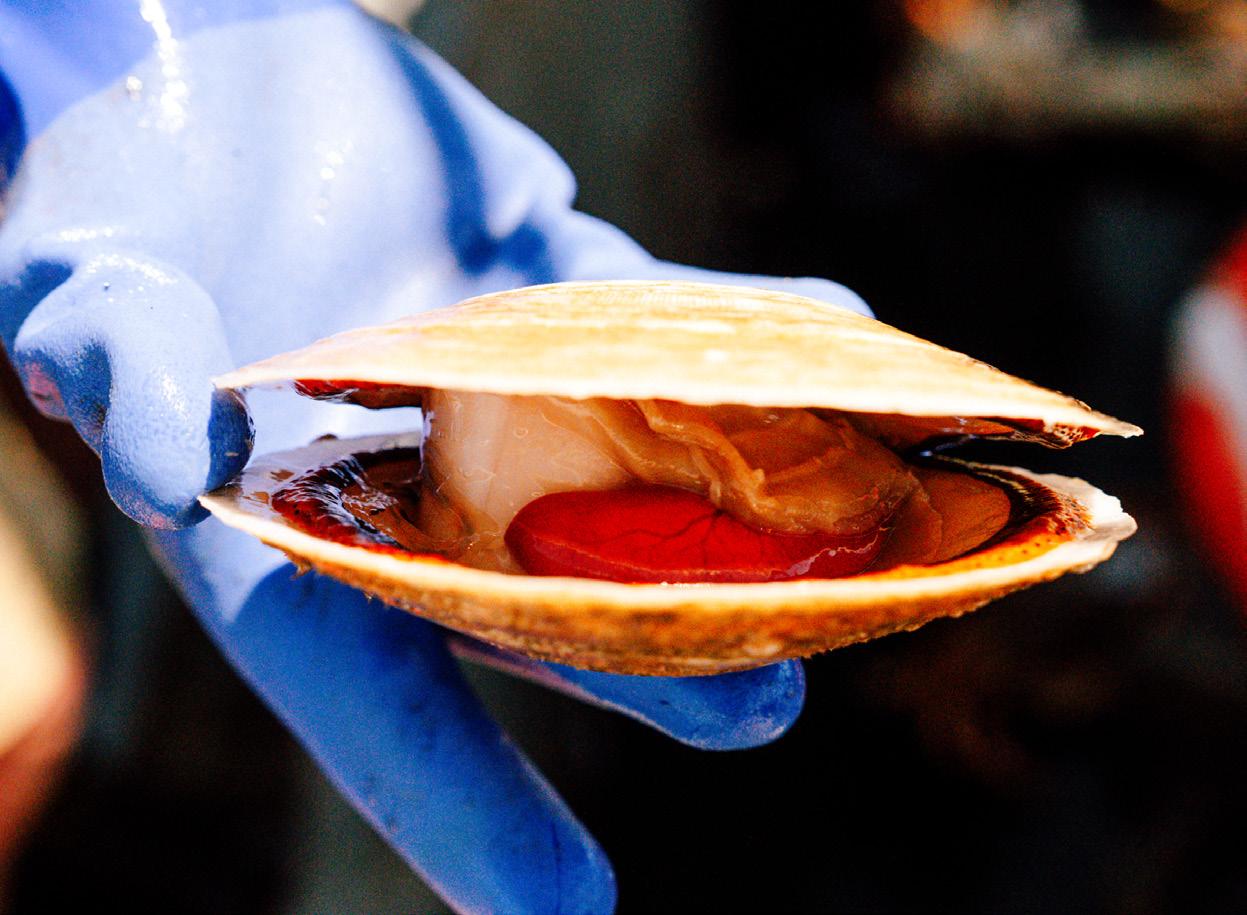
SMAST received the Outstanding Organization Award from the Southern New England Chapter of the American Fisheries Society
Research Set-Aside (RSA) awards
Through the Scallop RSA Program sponsored by the National Oceanic and Atmospheric Administration (NOAA), the New England Fishery Management Council “sets aside” scallop poundage to generate funds for scallop research projects. RSA awards provide funding for research and compensation for fishing industry partners who harvest the scallops. These programs support research that informs fishery management decisions, and foster collaboration between the fishing industry and scientific community, leading to more informed and effective management of scallop resources.
RSA Projects funded in FY 2025 include:
Adam Delargy
Project: Optical and Biological Sampling of the Sea Scallop Resource in the Gulf of Maine (RSA)
Amount: $248,005
Changsheng Chen, Kevin Stokesbury, Pingguo He
Project: Assessing Cumulative Impact of Offshore Wind Energy Development on Sea Scallop Larval Transport and Settlement in Southern New England Waters (RSA)
Amount: $481,850
Kevin Stokesbury
Project: Assessing the Temperature Tolerance of Atlantic Sea Scallop Early Life Stages (RSA)
Amount: $247,598

Micheline Labrie PhD ‘21 receives research funding for Coastal Systems Program
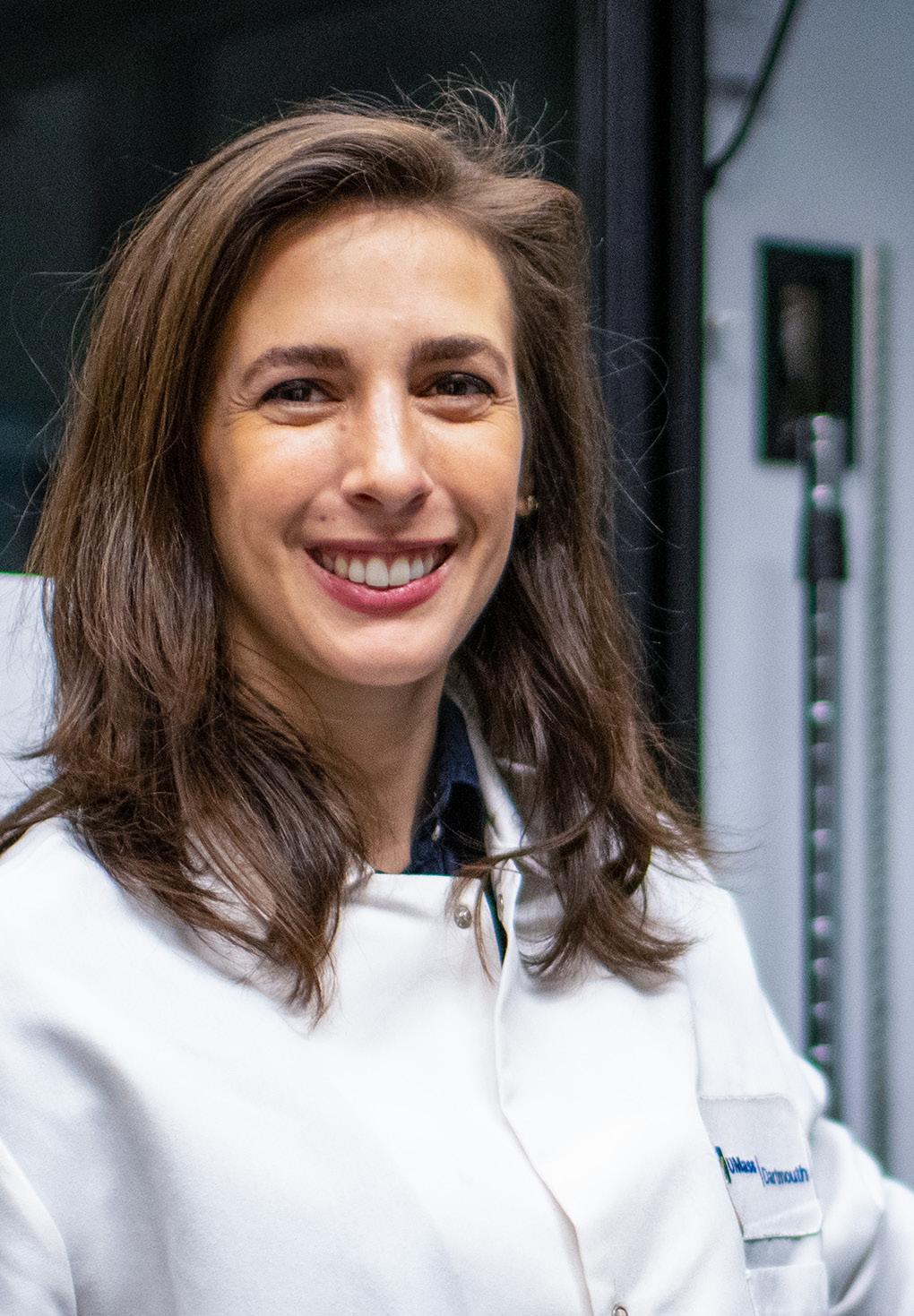
Labrie received 23 grants totaling more than $1.2M
A proud UMass Dartmouth/SMAST alumna, Micheline Labrie earned her PhD in Coastal Systems Science in 2021, under the mentorship of Brian Howes and Miles Sundermeyer, focusing on quantifying oyster aquaculture-mediated nitrogen removal from eutrophic MA estuaries. Labrie was named Director of the Coastal Systems Program (CSP) after her longtime mentor Brian Howes passed away in 2022. Continuing Howes’s legacy, Labrie leads the CSP in conducting water-quality testing and research across Cape Cod and southeastern Massachusetts. This year, she received 23 research grants totaling more than $1.2M. Labrie also helped establish the Biodegradability Lab at SMAST, a state-of-theart testing facility that supports the development of biodegradable and oceansafe plastics and other materials.
Adam Delargy receives funding for fisheries research
Delargy received two grants in his first year as a faculty member totaling more than $339K
Adam Delargy’s research focuses on statistical and mathematical analyses of fisheries data. His other areas of research interest include scallop fishery catch rates, survey design, stock assessment modeling, crab, lobster, whelk, groundfish, and coral reef fisheries, as well as the impacts of bottom-towed gears and offshore wind farm development. Delargy received 2 research grants in his first year as a faculty member, totaling more than $339K.
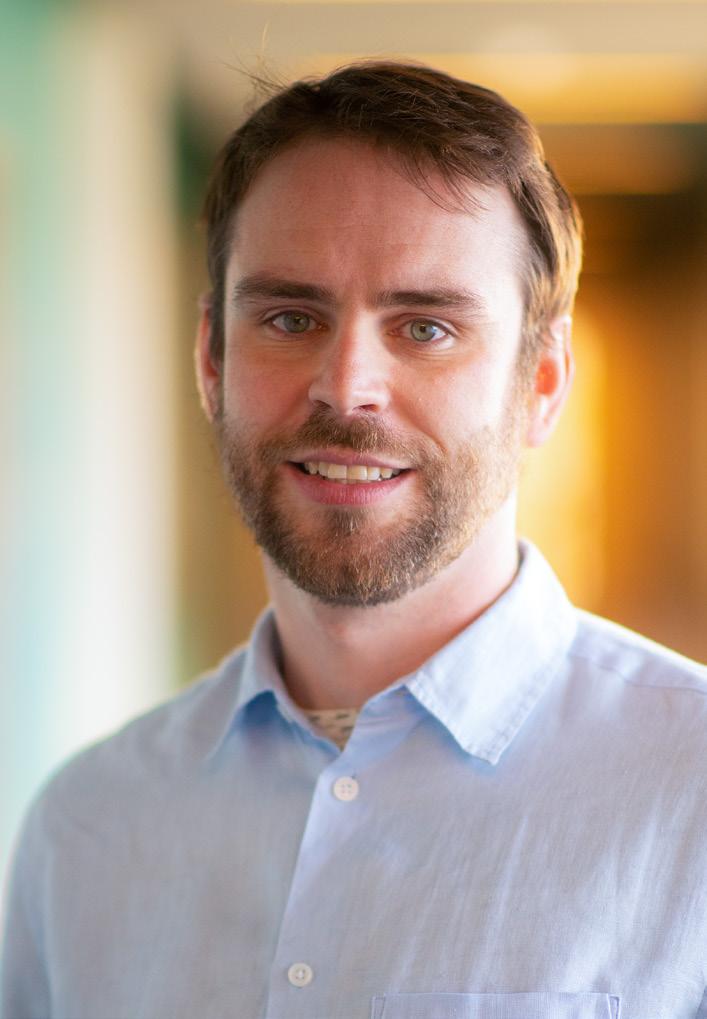
Changsheng Chen receives grant from NERACOOS
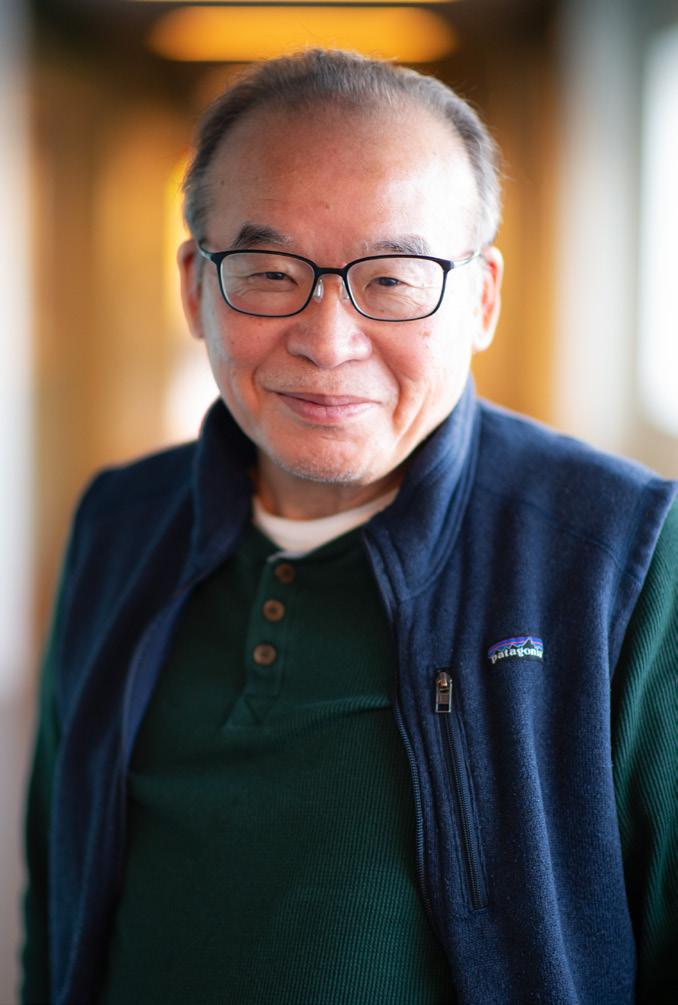
The grant is part of a two-year project totaling $458K and titled "Modernizing IOOS in the Northeast to Build Equity and Resilience in a Changing Climate"
Commonwealth and Montgomery Charter Chair Professor Changsheng Chen received $214,085 from the Northeastern Regional Association of Coastal Ocean Observing Systems (NERACOOS) for the project "Modernizing IOOS in the Northeast to Build Equity and Resilience in a Changing Climate." Led by Dr. Changsheng Chen, a joint UMass Dartmouth–WHOI team will advance the Northeast Coastal Ocean Forecast System (NECOFS), a 24/7 operational model in place since 2007. NECOFS delivers real-time forecasts of weather, waves, water levels, ocean conditions, and storm-driven coastal flooding across the Northeast.
Marine and Undersea Technology Research Program receives an additional $4.2M in funding
Grant advances research in sensing, materials, and AI-driven ocean technologies
The Marine and Undersea Technology (MUST) program at UMass Dartmouth received an additional $4,280,001 in funding from the Office of Naval Research. This marks the sixth round of MUST funding to date. Since its inception in 2019, MUST has funded 59 research projects, including 11 new projects. Projects range from bioinspired sensing, such as studying harbor seal whiskers to design next-generation hydrodynamic sensors, to advanced materials, such as superhydrophobic coatings that resist biofouling and high-entropy polymers for improved energy storage.
Teams are also pushing the frontiers of autonomous systems and AI, using large language models and machine-learning algorithms for smarter underwater vehicle navigation and signal detection. Other efforts tackle pressing environmental challenges, including lensless optical systems to track microplastics and highresolution modeling of ocean boundary layers and internal waves.
Walaa Mogawer receives subaward from the National Academy of Sciences National Cooperative Highway Research Program
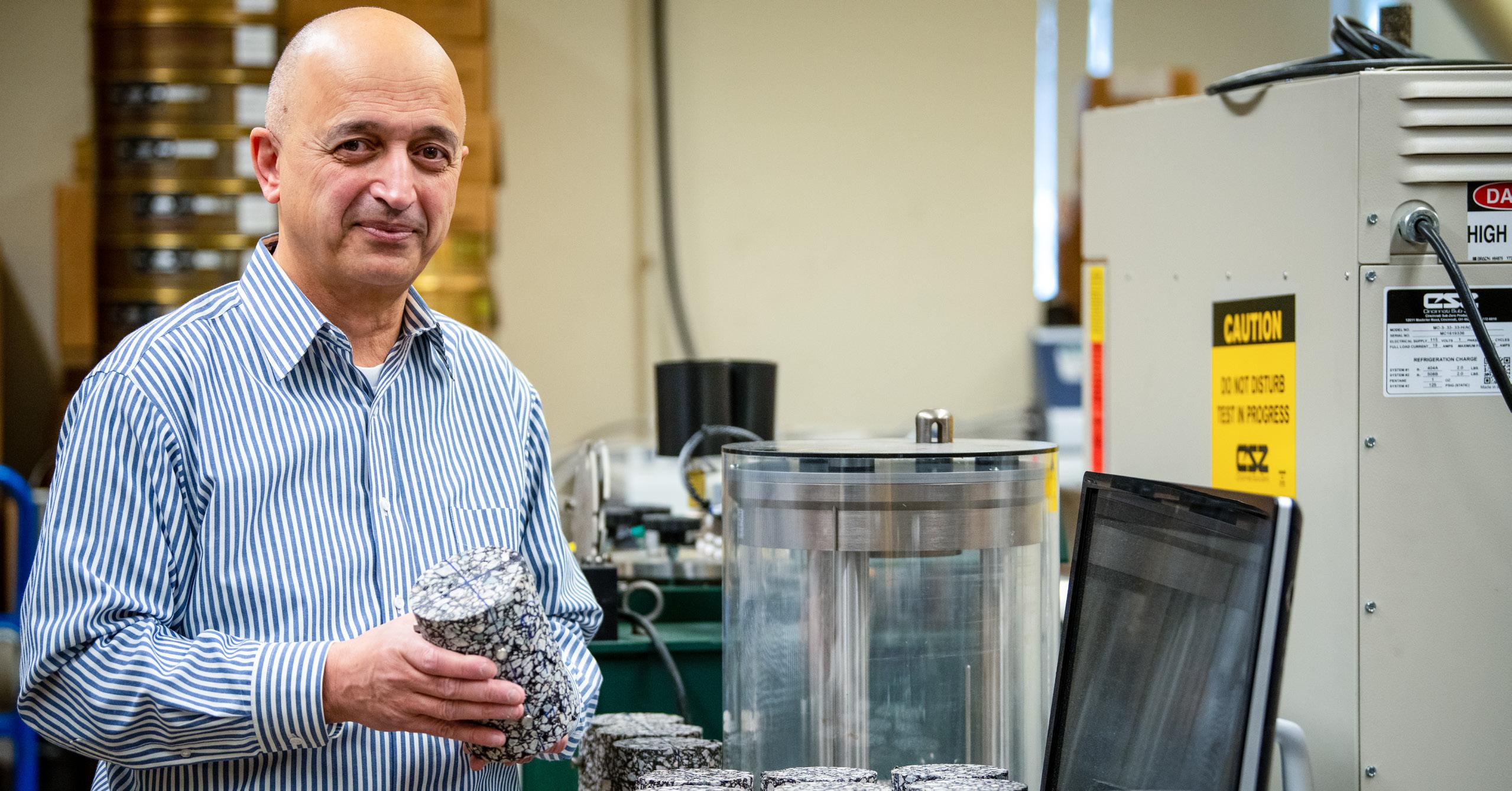
Dr. Walaa Mogawer, Commonwealth Professor of Civil and Environmental Engineering and Director of the UMass Dartmouth Highway Sustainability Research Center (HSRC), recently received a $649,942 grant from the National Academy of Sciences National Cooperative Highway Research Program (NCHRP). The grant will fund research to develop a framework for the design, production, and placement of balanced asphalt mixtures.
Mogawer is a leading expert in asphalt pavement design and performance, with over 35 years of research and practical experience in Hot Mix Asphalt (HMA), Superpave technology, and Polymer Modified Asphalt (PMA). His work focuses on improving the durability, safety, and cost-efficiency of roadways through advanced materials testing and pavement design strategies. He has been instrumental in implementing safer, longer-lasting, and more sustainable pavement solutions in Massachusetts and New England.
Kaput Center receives $1.6M grant from the National Science Foundation
UMass Dartmouth's Kaput Center for Research and Innovation in STEM Education and Principal Investigator Shakhnoza Kayumova have been awarded a $1.6M grant from the National Science Foundation.
This grant will fund a four-year professional development program, “Teaching for the Anthropocene,” for middle and high school science teachers. The program investigates how to best support local STEM teachers in addressing social and environmental justice issues with their students. This grant will equip teachers with the tools they need to integrate complex environmental topics into their science curriculum. It also examines local socioenvironmental conditions to help teachers address real-world challenges that their students face.
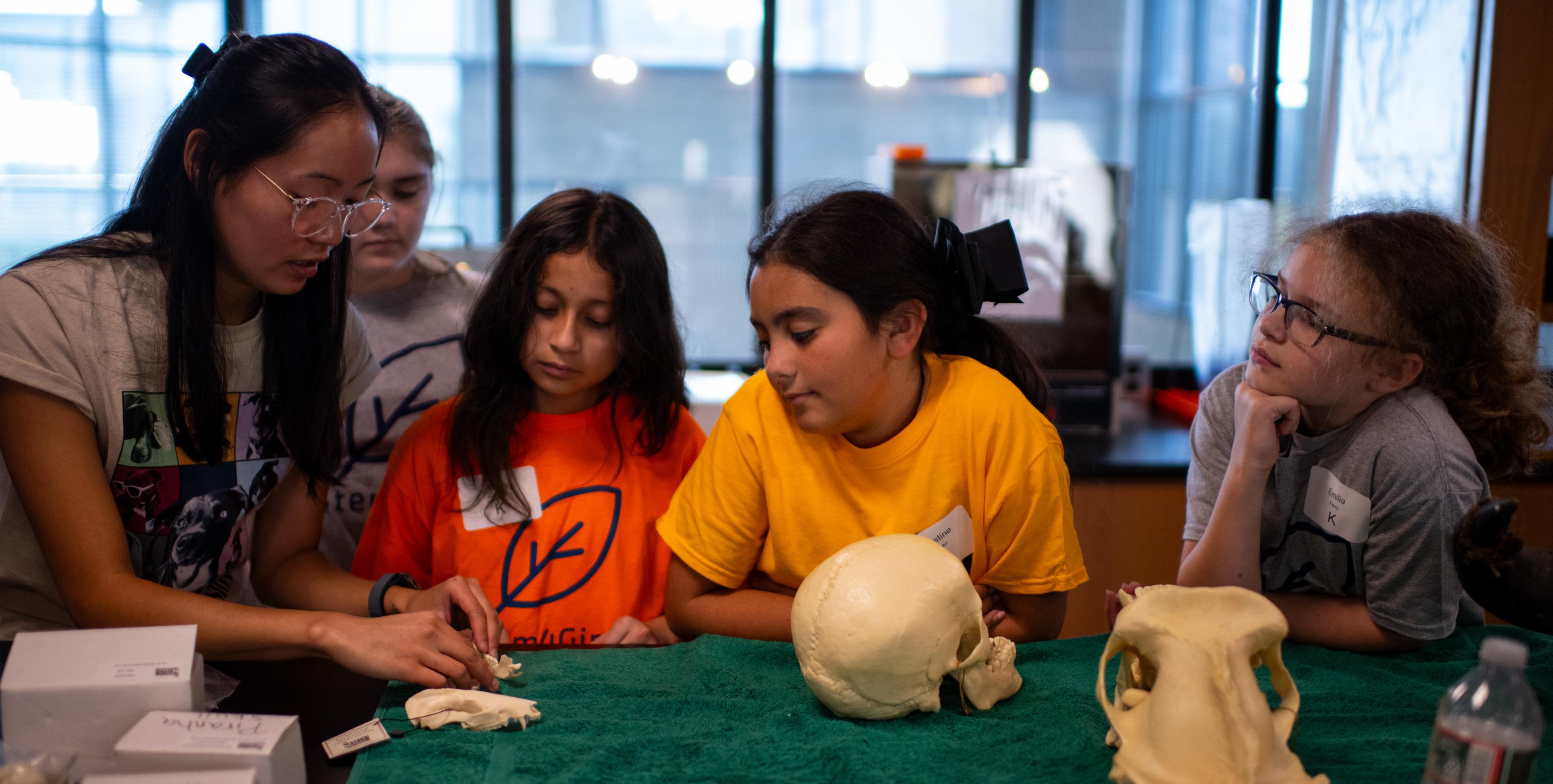
Kaput Center hosts STEM4Girls event
The Kaput Center continues to bridge the gender gap in science, technology, engineering, and math (STEM) through their signature event: STEM4Girls. Now in its thirteenth year, the annual event introduces girls in grades 3-8 from across the SouthCoast to careers in STEM through keynote speakers and hands-on learning activities. STEM4Girls is made possible by contributions from The Jacobs Family Foundation and the Blue Economy Initiative.
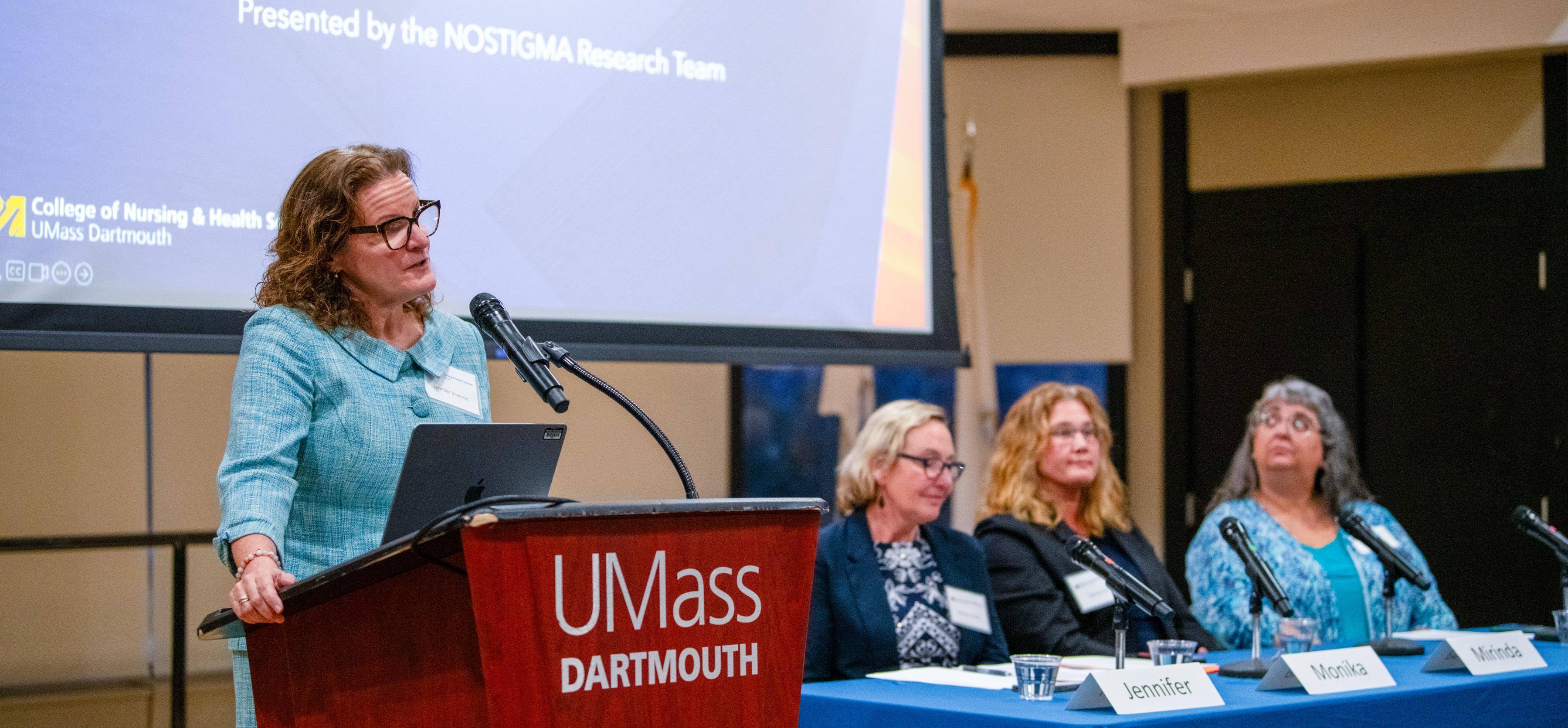
NO STIGMA Nursing team unveils findings, impact of $591K opioid research grant
Opioid use disorder care research funded by The Foundation for Opioid Response Efforts
Professors Mary McCurry, Monika Schuler, Mirinda Tyo, and Jennifer Viveiros recently completed 3 years of work funded by a 2022 grant from the Foundation for Opioid Response Efforts (FORE) to advance nursing education focused on compassionate, stigma-free care for individuals with opioid use disorder (OUD). The Novel Organizational Simulation Training to Improve Graduate’s Mastery & Attitudes (NO STIGMA) Nursing team was formed to transform nursing education by addressing and reducing the stigma associated with caring for individuals from marginalized communities and patients with chronic illnesses.
With the support of the grant, the team developed an evidence-based toolkit for nursing students featuring six high-fidelity simulations designed to reduce stigma and promote equitable care. The simulations produced statistically significant improvements in attitudes toward patients with OUD. The team recently concluded the project with a campus conference highlighting their findings and impact.
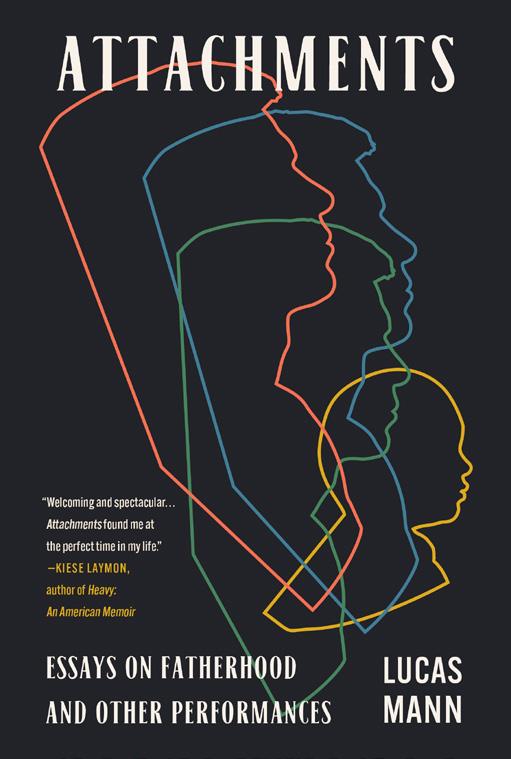
Associate Professor Lucas Mann’s (English & Communication) fourth book, Attachments: Essays on Fatherhood and Other Performances was named one of the best books of 2024 by The New Yorker, NPR, and Literary Hub. (lists published in January 2025)



Associate Professor Laurel Hankins (English & Communication) The Art of Retreat published May 2025
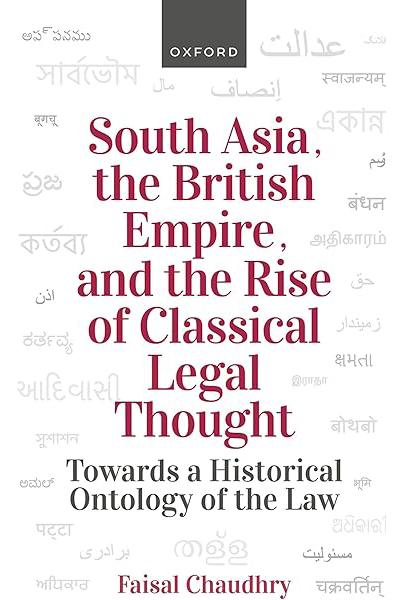
Assistant Professor Faisal Chaudhry (Law) published South Asia, the British Empire, and the Rise of Classical Legal Thought: Towards a Historical Ontology of the Law. The book considers the legal history of colonial rule in South Asia from 1757 to the early twentieth century.

Professor Bharatendra Rai (Decision and Information Sciences) published Business Analytics & Data Mining with R: Practical Applications. The book is an essential guide for students and professionals looking to use the power of data to make informed business decisions.
Professor Timothy Walker (History) was interviewed about how his research on whaling-ship logs can help us understand our changing climate. His research was also featured on PBS news.
Professor Brian Williams (History) was interviewed on the evolving nature of ISIS threats and how the Trump administration could impact FBI investigations.
Professor Brian Williams (History) was featured in an NPR story about Crimea.
Professor Mahzad Hojjat (Psychology) was interviewed by the Sydney Morning Herald regarding the nature of female friendship triangles, inspired by one of the storylines in The White Lotus.
Emeritus Professor Fahri Karakaya (Management & Marketing) was interviewed in an article about airline credit cards.
Associate Teaching Professor Christopher Jacobsen (Accounting & Finance) was interviewed for an article about personal finance, what a budget is, and how to create one.
Creative scholarship and recognition
This year UMassBRUT, a multidisciplinary campaign designed to reshape perceptions of the Brutalist architecture of the University of Massachusetts system was one of the recipients of the 2024 Boston Society of Architects (BSA) Commonwealth Award.
This included the following members from UMass Dartmouth on the Executive Committee:
Rose Mary Botti-Salitsky, Interior Architecture & Design
Allison Cywin, Librarian
Anna Dempsey, Art History
Viera Levitt, Art Gallery Director
Stephanie McGoldrick, Interior Architecture & Design


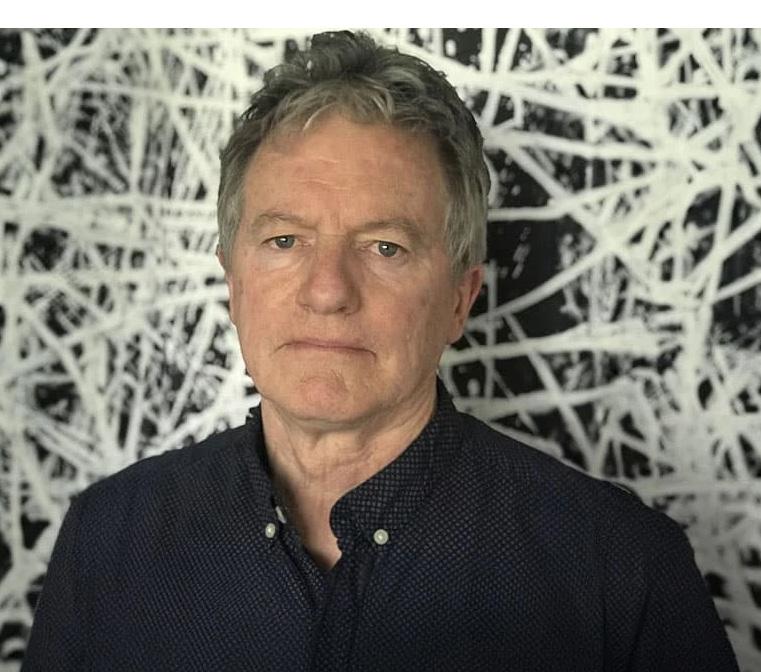
Anthony Fisher, Art
Solo Exhibition: Anthony Fisher: ReVisions, Provincetown Art Association and Museum, MA. 5/2/25 – 7/20/25
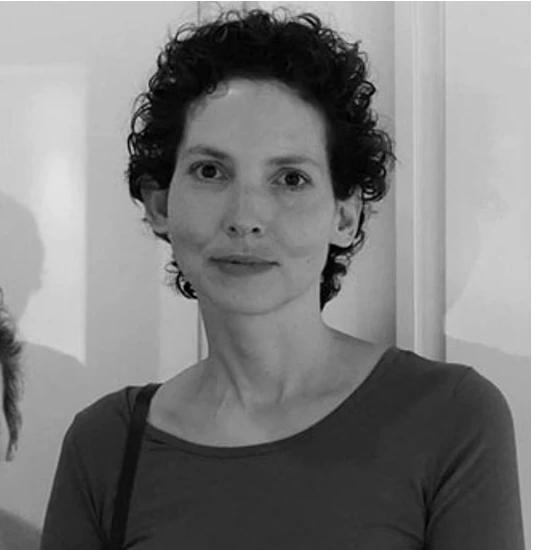
Elena Peteva, Art
Solo Exhibition: Elena Peteva: Of Ash and Light, Daura Museum of Art, Lynchburg, VA. 8/29 – 10/31/24.
International juried exhibition: Visual Culture 2024, CICA Museum, Gyeonggi-do, South Korea. 9/11/24 – 9/29/24
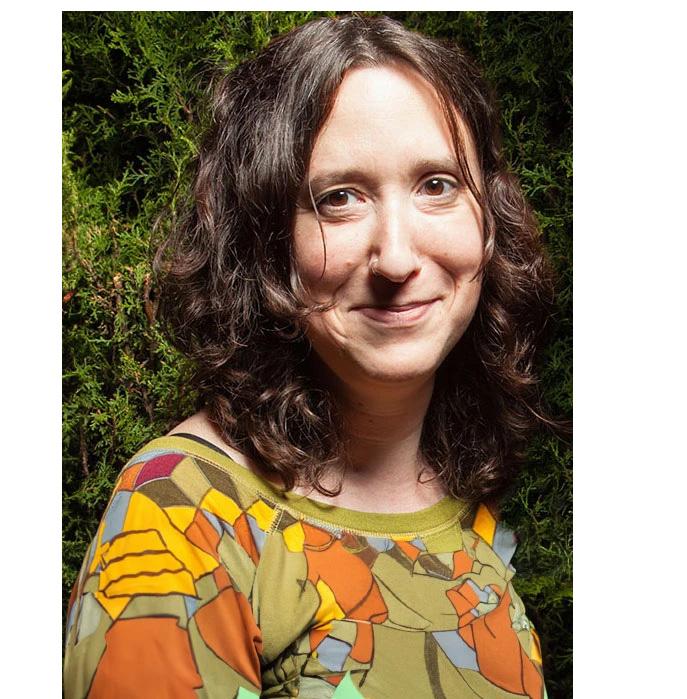
Sarah Malakoff, Media Arts
Invitational Exhibition: The Paula Tognarelli Collection, Maine Museum of Photographic Arts, Portland, ME. Curated by Denise Froelich, Director of Maine Museum of Photographic Art.
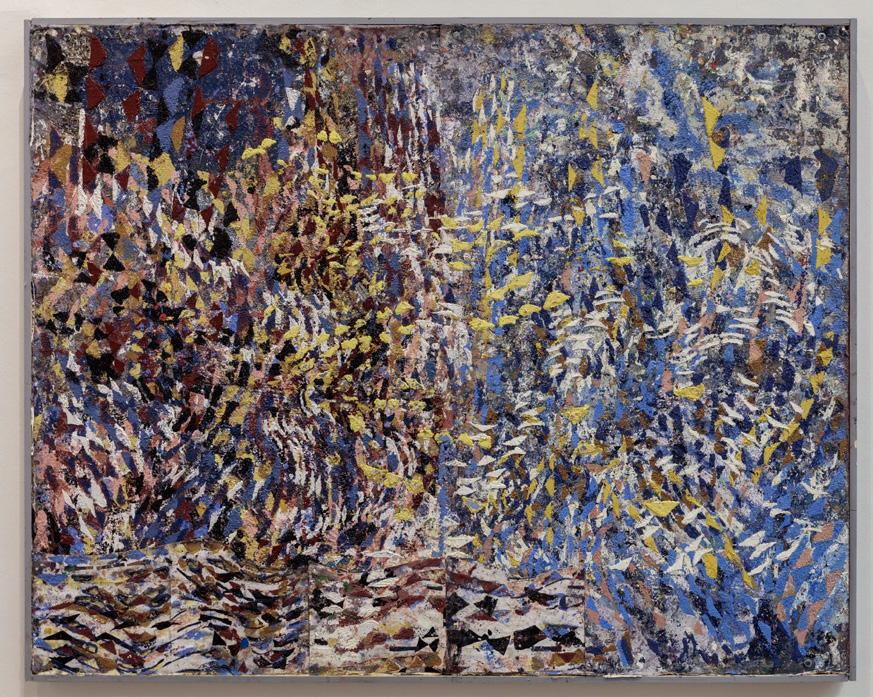
A Way to Get Out of My Way, oil and mixed media on cardboard panel

Of Smoke and Ash II, charcoal on paper
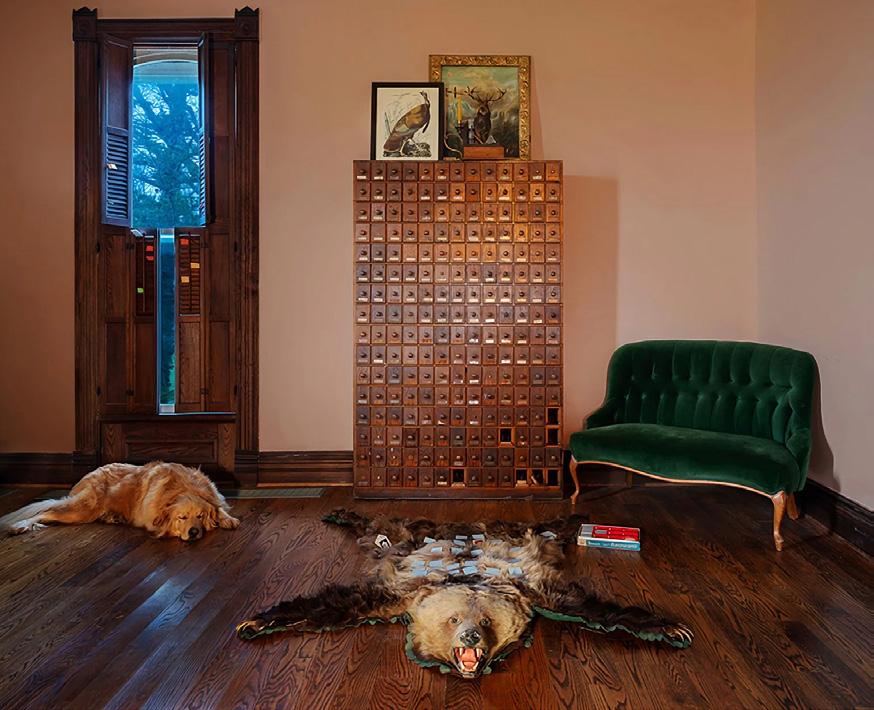
Bear rug, digital C print
UMass Dartmouth Research Metrics
A snapshot of the data, benchmarks, and performance indicators defining institutional excellence.
New Awards FY21 – FY25 (000’S)
Sponsored Research Expenditures FY21 – FY25 (000’S)