
By QA/QI Manager, Michael McAdams
In recent years, firefighters have experienced a high rate of occupational cancer. The International Association of Fire Fighters (IAFF) and numerous research studies have identified cancer as the leading cause of firefighter line-of-duty deaths. As the state’s leader in fire, rescue, and EMS training, the Maryland Fire and Rescue Institute (MFRI) recognizes the responsibility to address this risk head-on. One of the most effective frontline defenses is consistent, standardized gross decontamination immediately following live-fire training and realworld incidents.
MFRI’s gross decontamination process is designed to quickly remove harmful soot, particulates, and fireground contaminants before they can be absorbed into the skin or breathed into the lungs.
During a fire, cancer contaminants are produced in the smoke and soot. These particles strongly adhere to turnout gear and exposed skin.
Without proper decontamination, firefighters bring contaminants into vehicles, stations, and homes.
The MFRI decontamination procedure interrupts that chain of exposure, reducing long-term health risks while reinforcing positive habits future firefighters will carry into their careers.
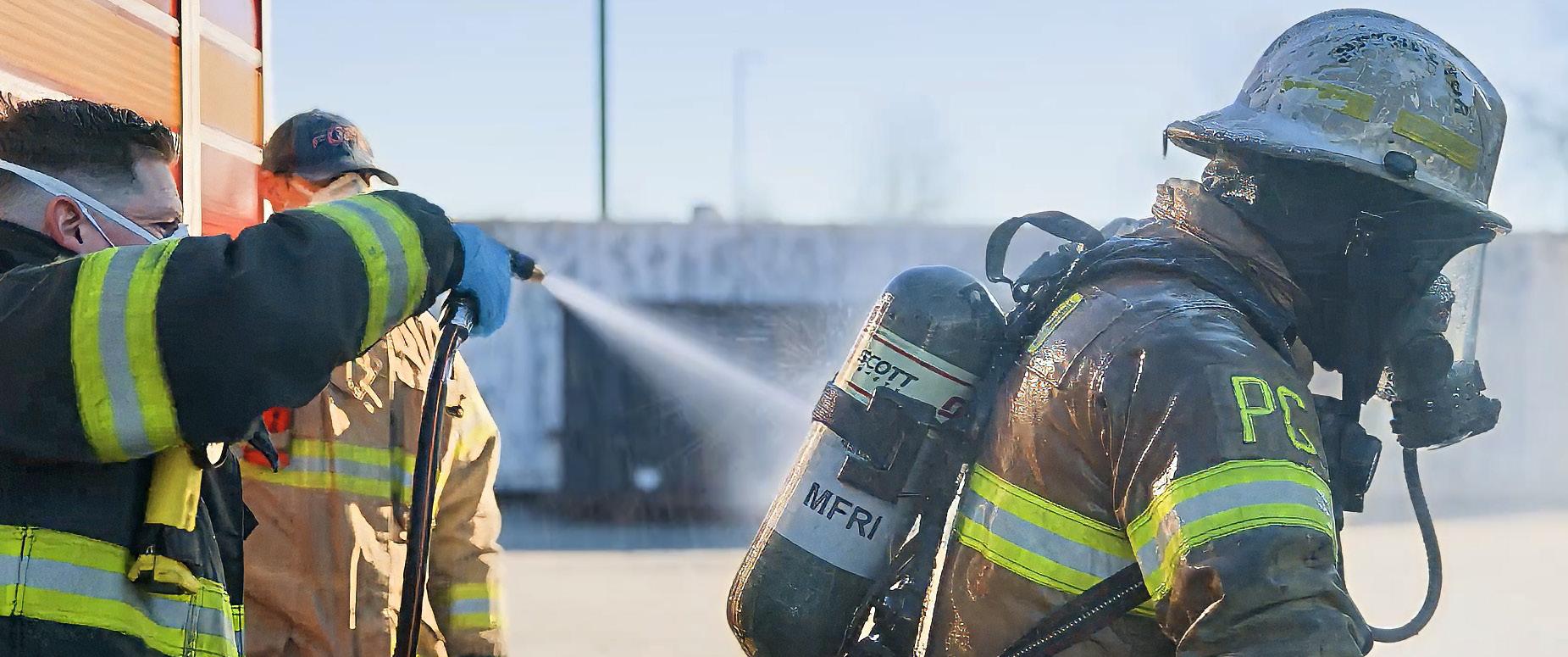
The process begins immediately after crews exit the fire area. Using a standardized gross decon line, designated crew members sweep away loose debris with a soft brush from head to toe. Next the crew
applies a low-pressure water rinse. This is followed by a wet-soap scrub using brushes and Dawn dishwashing soap. The combination of water, agitation, and detergent helps dislodge contaminants trapped in the gear.
After a thorough low-pressure rinse, firefighters carefully doff their gear in a controlled manner to prevent direct skin contact with contaminated surfaces.
Firefighters clean their hands, face, neck, and groin using wipes. This step is important because
continued on page 3
The Maryland Fire and Rescue Institute of the University of Maryland is the state’s comprehensive training and education system for all-hazard responses. The Institute plans, researches, develops and delivers quality programs to prepare agencies and individuals to protect life, the environment and property.
Bulletin Staff
Managing Editor: Jennifer Ginn
Graphics Manager: Ana Maizel
Assistant Editor: Jenna Robles-Leone
Contact MFRI
tel: 301-226-9921 fax: 301-314-0752 www.mfri.org bulletin@mfri.org
The Maryland Fire and Rescue Institute Bulletin (MFRI) University of Maryland (ISSN 1074-2298) is published quarterly by the Maryland Fire and Rescue Institute of the University of Maryland, College Park, MD 20742. Periodical postage paid at College Park, MD 20740. Postmaster: Send address changes to Maryland Fire and Rescue Institute, Bulletin, 4500 Campus Drive, University of Maryland, College Park, Maryland, 20742.
The MFRI Bulletin is distributed as a public service of the University of Maryland. The Bulletin is dedicated to the publication of information that will help educate its readers on the subjects of fire protection, emergency medical services, rescue, leadership and training. This publication may contain some articles and illustrations provided by readers. MFRI does not necessarily agree with information nor endorse any products depicted in the Bulletin. Address all communications to Editor at MFRI. For change of address, send mailing label and new address.
The MFRI Bulletin is produced entirely in house. We extend our sincere gratitude to our contributors who make this publication possible.
For organizations, public and private alike, remaining relevant requires a willingness to evolve. Success depends on recognizing change, adjusting course when necessary, and embracing new ideas that move an organization forward. Nowhere is this more critical than in today’s emergency services.
First responders face a complex mix of long-standing hazards and emerging risks. Traditional dangers remain ever-present, but today’s responders must also contend with evolving threats such as occupational cancer, mental and behavioral health challenges, cardiovascular events, structural collapse, toxic atmospheres, apparatus accidents, training-related injuries, and workplace or incident-scene violence. In response, new tactics, technologies, equipment, and behaviors unfold. Change is championed through strong leadership and healthy organizational adaptations.
The safety of the public and of our responding crews has always been our highest priority, whether on the training grounds or on the scene during an emergency. Over the past two decades, significant research and investigation have expanded our understanding of these risks. This growing body of knowledge has led to improvements in tactics, equipment, training methods, and operational practices that help make our work safer and more effective.
Today, members of the emergency services community have access to a wealth of information and best practices through professional research, industry publications, and shared experiences from across the field. The challenge is not simply finding this information, it is having the courage and willingness to apply it.
Organizations and leaders who fail to recognize the need for change risk falling behind. Progress requires an openness to new ideas and a commitment to adopting proven, evidence-based practices. Those who remain anchored in outdated approaches ultimately place their organizations and their people at risk.
Change is a natural and necessary part of growth. By embracing innovation, learning from research, and continually improving how we train and operate, we strengthen our ability to protect first responders and the communities we serve.

Michael E. Cox Jr.
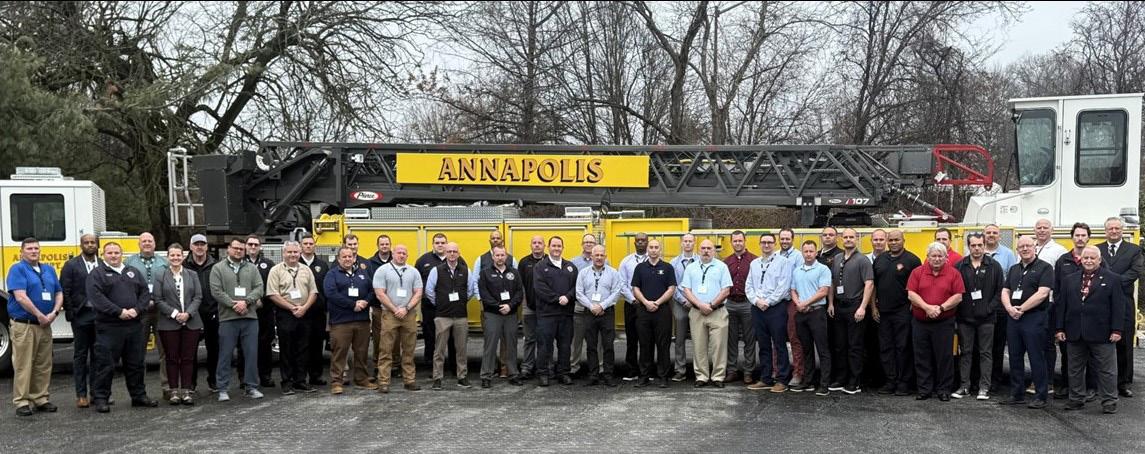
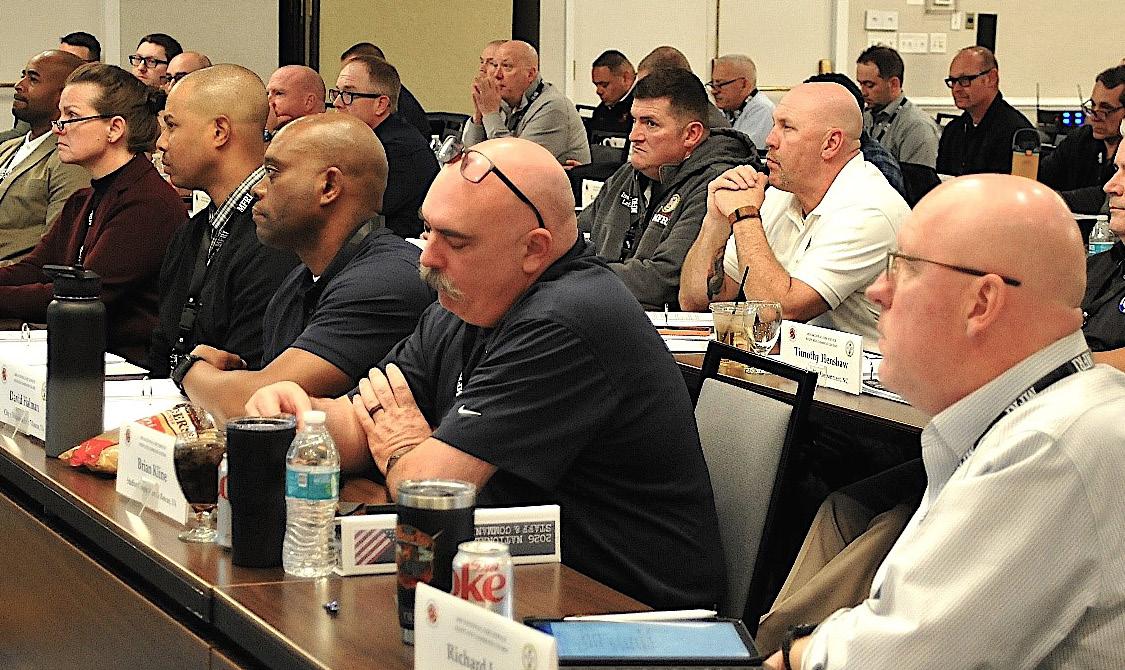
More than 40 fire leaders from 15 states converged on Annapolis, MD, in early March for the National Fire Service Staff & Command course hosted by MFRI.
During the weeklong seminar, fire leaders sharpened their knowledge as speakers focused on a wide range of topics ranging from situational awareness and fire dynamics to PIO best practices and homeland security.
While heightened security prevented a scheduled tour of the U.S. Naval Academy, participants visited the Fire Museum of Maryland and wrapped up the afternoon with Mission BBQ and volunteers from the museum.
The Staff & Command seminar was first established by MFRI more than 60 years ago to address current and emerging issues and provide networking for fire leaders across the country.
research shows these areas are major pathways for dermal absorption of carcinogens. Ensuring they are cleaned immediately helps decrease the internal dose firefighters receive during each exposure.
All firefighter personnel are directed to shower when they return to their station. Additionally, they should change into a fresh uniform. Finally, all personnel are directed to document the exposure in the department records or National Firefighter Cancer Registry.
Beyond the immediate health benefits, MFRI’s gross decontamination process builds a culture of safety and accountability. By integrating decon procedures into every live-fire course across all MFRI campuses, students learn that decontamination is a standard
operational practice. This practice ensures that new firefighters enter the field already committed to protecting themselves, their colleagues, and their families from preventable health hazards.
The benefits are clear: reduced exposure, cleaner environments, and a long-term decline in cancer risk. As Maryland’s fire service strengthens its commitment to health and wellness, MFRI remains steadfast in leading with research-supported practices and high-quality training. Gross decontamination is a life-preserving tool that helps firefighters return home safely today and for years to come.
To see the gross decontamination process in action, check out and share MFRI’s new instructional video: youtube.com/watch?v=6QAH7jPB4GU
Across Maryland, students and first responders are building the skills needed to protect life and property through hands-on training at MFRI. These training experiences allow participants to apply classroom knowledge, sharpen critical skills, and prepare for real-world challenges protecting their communities.
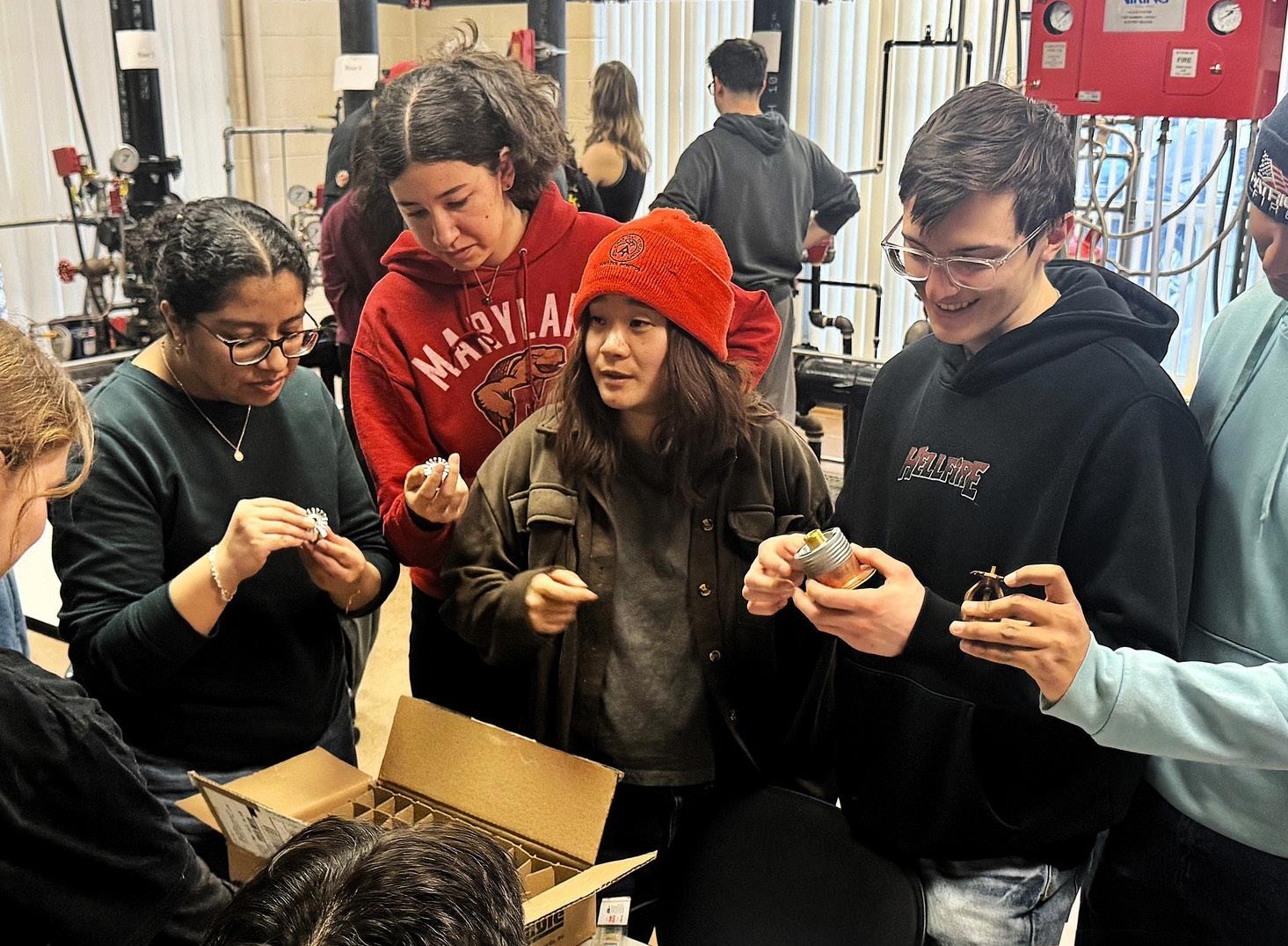
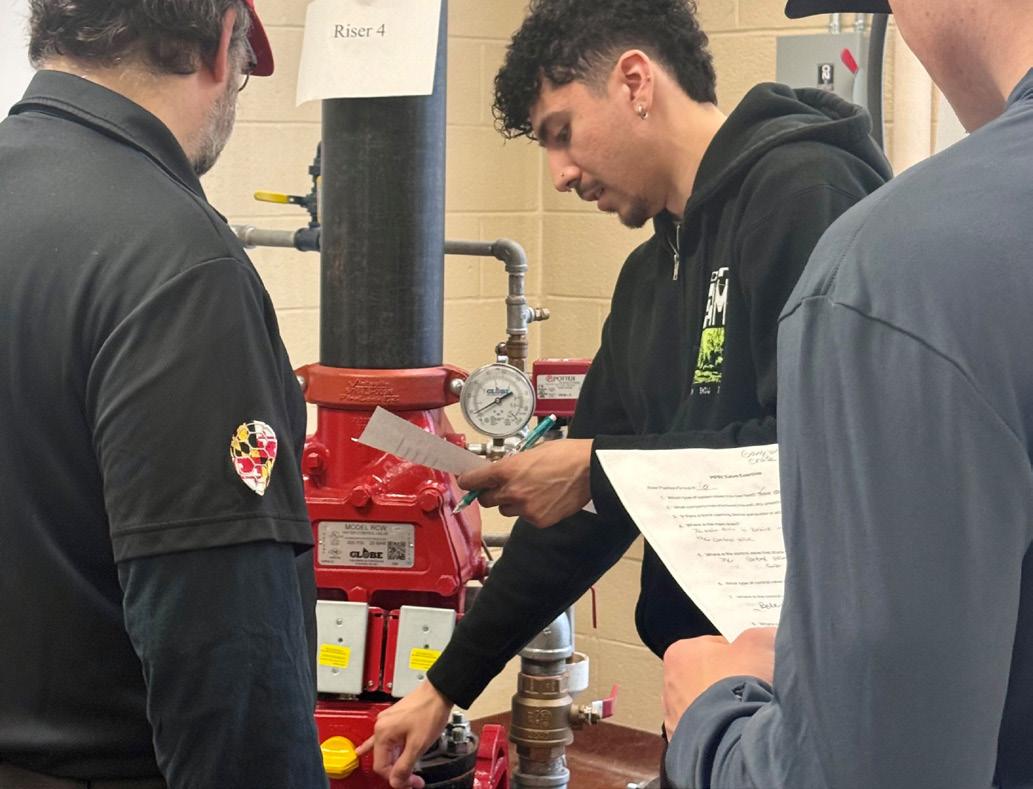
photos top left and right: Eighteen junior-year students from the University of Maryland Fire Protection Engineering program took a field trip to MFRI headquarters to study fire sprinkler and pumps systems up close as part of their Water-Based Fire Protection Systems Design course.
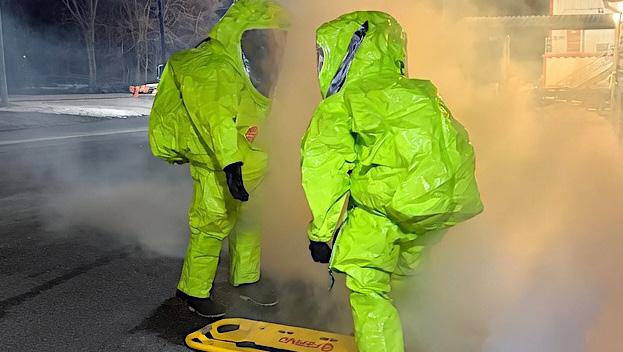
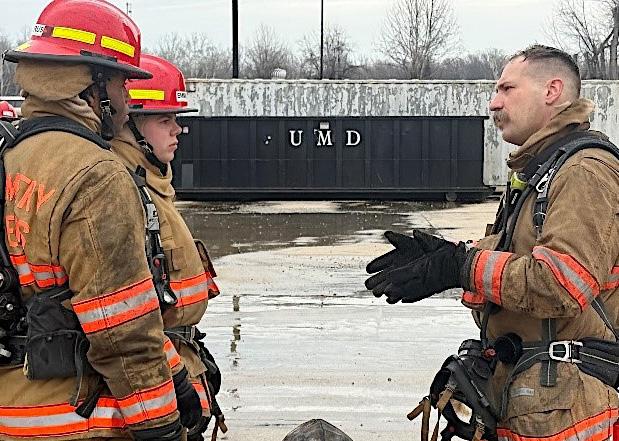
photo left: Students in MFRI’s Hazmat Operations course put training into action at the Howard County Division of Fire & Rescue Services Training Academy, tackling hands-on scenarios focused on managing, containing, and preventing the spread of hazardous materials.
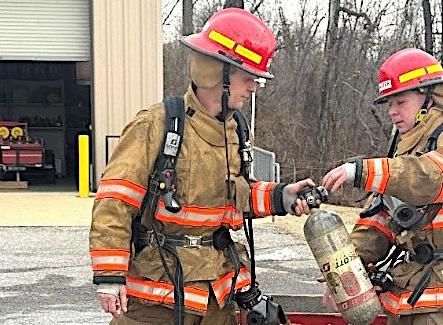
photos bottom left and right: Fifty-four Montgomery County recruits recently finished Firefighter II class with live-fire training at MFRI under the direction of Captain James Falise and Lieutenant Matt Hall. Training drills at the burn building focused on Firefighter II critical knowledge and skills, including incident command, building construction, coordinated rescue operations, and fire suppression.
Cadets training through the Maryland Corps/ServiceYear Option program took on vehicle extrication training in January at MFRI’s Lower Eastern Shore Regional Training Center.
Launched by Maryland Governor Wes Moore’s office, the program offers recent high school graduates a yearlong, paid opportunity to build professional skills and serve their communities.
Since September, the cadets have completed Emergency Medical Technician (EMT), Firefighter I, Traffic Incident Management Systems, and Emergency Vehicle Operations.
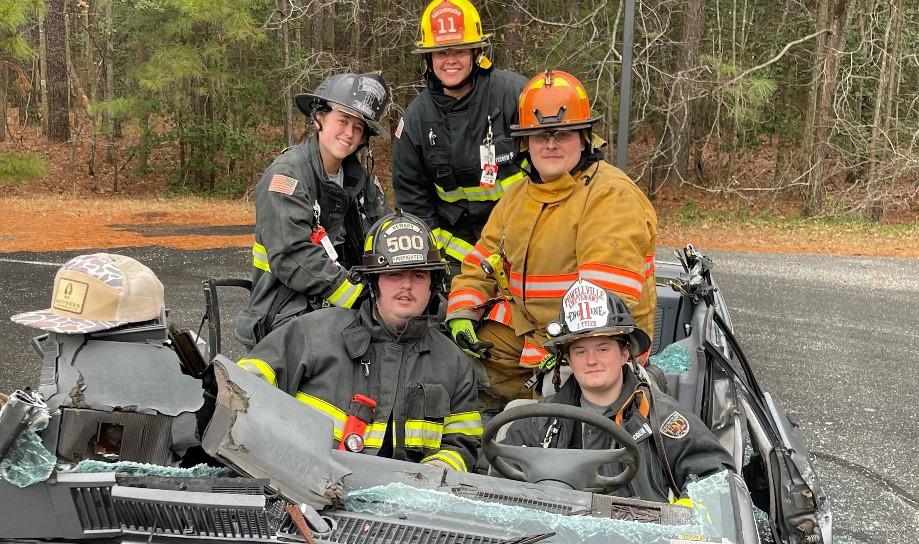
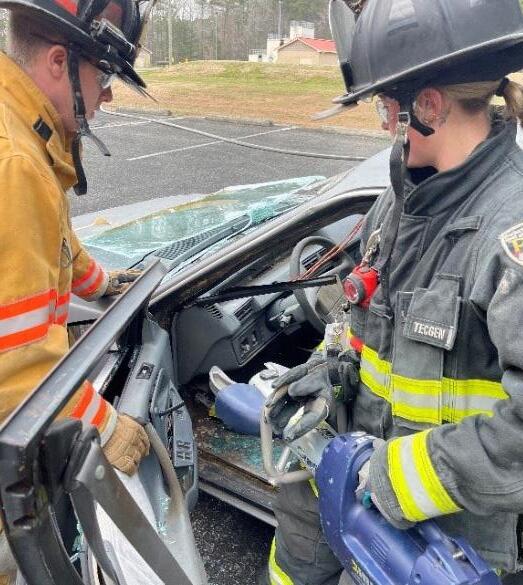
They are currently enrolled in Firefighter II training as they continue to prepare for their roles as Maryland firefighters and emergency medical technicians.

Wednesday, September 16, 2026 | 8 a.m.-12:30 p.m.
This program is for fire and rescue personnel and emergency medical technicians who want to better understand crash scenes and improve prompt decision making and patient care. Understanding the mechanism of injury is key to assessing its severity and guides early management of the injury.
Guest presenter Dr. Janet Bahouth will share an engineer’s perspective of car and occupant crash mechanics enhancing your on-scene decision making.
Register at https://www.mfri.org/course/seminars/SEM/152/S001/2027
For more information, contact: Mickey McBride | mickey@mfri.org | 301-226-9953

Wednesday, May 13, 2026 | 8 a.m. – 4 p.m.
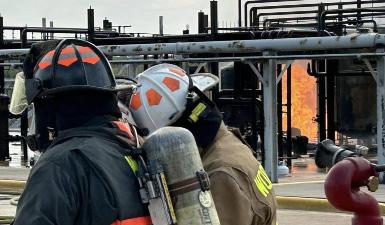
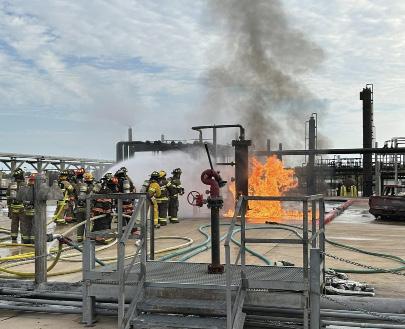
Designed for both fire service personnel and industry responders, this course equips participants with the knowledge and skills needed to manage pipeline incidents safely and effectively. The curriculum is grounded in nationally recognized engineering standards, recommended operating practices, and proven training methodologies.
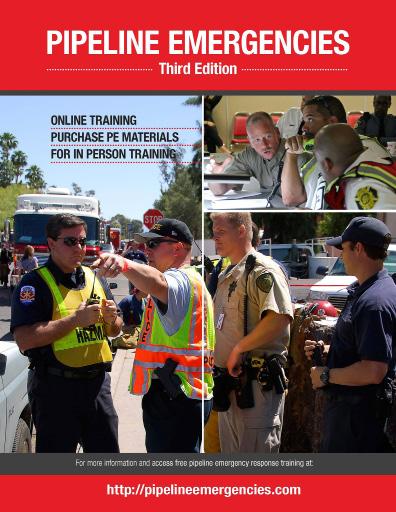
Content is drawn from the 3rd edition of Pipeline Emergencies, a widely respected resource used by first responders nationwide.
Participants will engage in classroom-based exercises that reinforce key concepts and provide opportunities to apply practical skills in realistic scenarios.
The seminar will be led by Fire Chief (Ret.) Philip Oakes, who brings more than 23 years of experience responding to oil field and energy-related emergencies. Chief Oakes has delivered this specialized training to emergency responders across the globe.
Registeronlinetoday:https://www.mfri.org/register/HMS-111-S001-2026

Dr. Linda Ellington joined MFRI in September as an instructional designer with the Planning Section. She previously worked in instructional design for Booz Allen Hamilton and Wayne State University School of Medicine in Detroit, MI.
Linda also worked for the Department of Defense and the Veterans Health Administration, designing, developing, and evaluating education and training products, with an emphasis on integrating human-
centered design principles into hybrid and point-of-site learning environments.
Linda earned her Doctor of Philosophy in Educational Evaluation and Research and her master’s degree in Education (Instructional Technology/Learning Design) from Wayne State University in Detroit, MI.
She also holds a bachelor’s degree in Psychology from the University of Michigan, Ann Arbor.
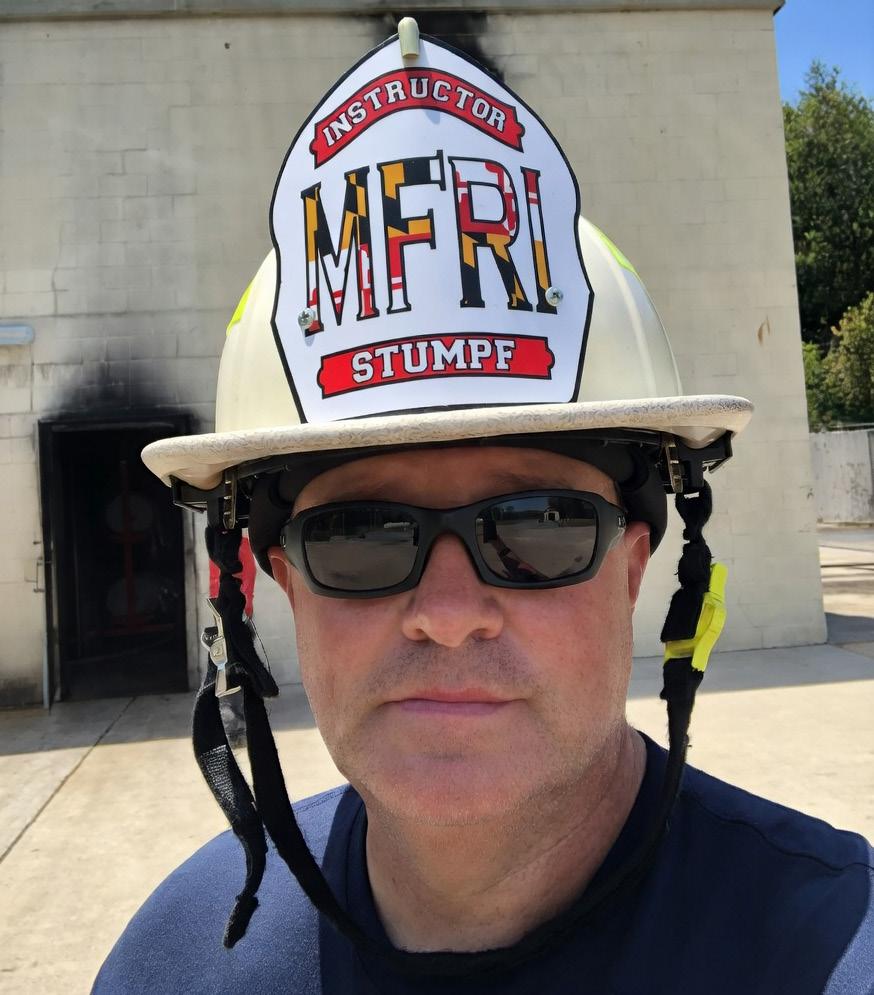
Inspired by coworkers who served as MFRI instructors, Keith Stumpf has dedicated more than 14 years to teaching at MFRI. His passion for instructing began when he served as training officer for the Community Fire Company of Rising Sun, where he led the department’s in-house, pre-basic program and mentored new fire service members.
Keith balances multiple roles within the fire service. He is a federal career firefighter at Fort George G. Meade, serves with the Abingdon Fire Company in Harford County, and is a life member of the Community Fire Company of Rising Sun.
At MFRI, he primarily teaches Firefighter I and II, Aerial Apparatus Driver Operator, and
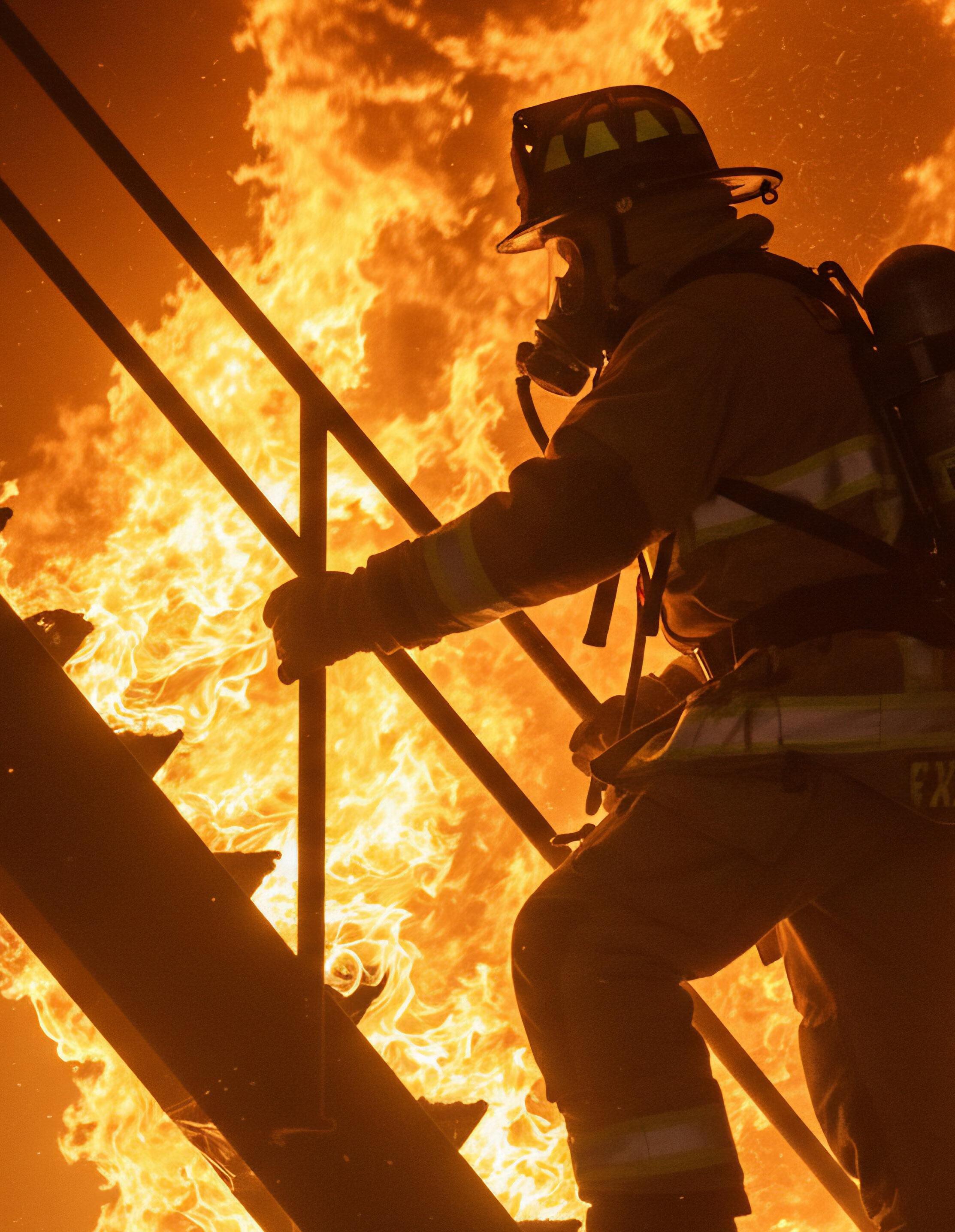
Pumps, while also supporting EMS, HazMat, and rescue classes.
“Students can expect a structured but engaging learning environment with emphasis on teamwork, safety, and real-world application,” Keith explained. “I encourage active participation, open communication, and understanding the ‘why’ behind the skills we teach.”
One of his most meaningful moments as an instructor came after completing a Firefighter I program. A student wrote each instructor a personalized thank you note for sharing knowledge and ensuring student success. In a later course, the same student presented Keith with a personalized pocket knife.
“To me, it demonstrated that we can truly make a difference in our students’ lives and serve as role
models to those we are entrusted to teach,” he said.
Keith takes particular pride in seeing the fire-service tradition continue across generations. “I especially enjoy seeing the children of those I have taught, worked with, or volunteered alongside follow in the same footsteps and come through our programs,” he shared.
Among Keith’s many milestones, being named “Department of Defense Firefighter of the Year” for the Northeast Region stands out as a testament to his professionalism and dedication.
Outside of the firehouse and classroom, Keith is an avid LEGO builder with an extensive collection. His creative pursuit reflects the same focus, patience, and attention to detail he brings to his work as an instructor.
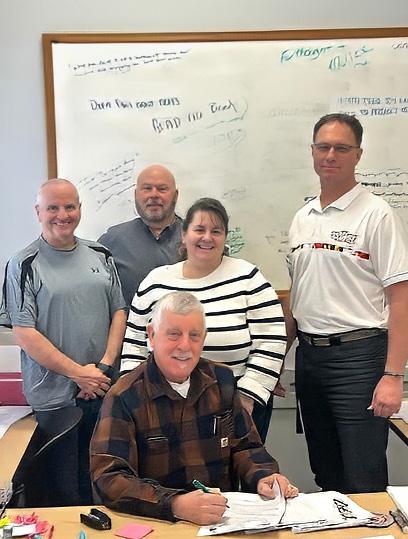
MFRI’s Southern Maryland Regional Training Center (SMRTC), in partnership with the State Certification Office and the Charles County Volunteer Firemen’s Association, hosted a large-scale certification event in late February.
Led by Certification Manager Robert “Bob” Rose, Tim Huntt, Eddie Goodwin, and SMRTC staff, the effort resulted in 87 Pro Board certifications for Charles County EMS personnel and 10 additional certifications for local instructors who live, volunteer, and serve in the county.
“The collaboration resulted in a productive certification day that provided essential credentials for local emergency services personnel,” said Ed Rachinskas, acting coordinator of SMRTC.
(left to right): Tim Huntt and Eddie Goodwin, Charles County VFA; Mary Ann Arhar and Edward “Eddie” Rachinskas, SMRTC; and Robert “Bob” Rose (seated), MFRI Certification Manager.
Join us on April 25, 2026, from 10 a.m. to 4 p.m. for Maryland Day at the University of Maryland College Park! Enjoy a FREE festive day of learning and discovery at our campus-wide springtime open house. There will be interactive demonstrations, performances, and workshops that celebrate community, discovery, and Terp pride. Don’t miss this chance to explore, learn, and have fun with the whole family!
Head to the MFRI booth for hands-on fire education! Attendees of all ages are invited to get into firefighter gear and learn how to extinguish fires. There will also be free souvenir fire hats.
For more details visit: www.marylandday.umd.edu


