
Fall Fund Performance Report (December 2025)
Executive Summary

The Investment Management Academy (IMA) is a student-led organization focused on managing a $1.6 million long-only, small-cap equity portfolio with the objective of outperforming the S&P 600. The portfolio typically holds 20 stocks, with minimal cash reserves and no use of margin.
IMA’s investment process is built on rigorous fundamental research and collaborative decision-making. Analysts work in pairs within sector-specific groups to screen for potential investments, conduct comprehensive financial analysis, and build three-statement models to support their recommendations. Each group is overseen by a Portfolio Manager who provides mentorship throughout the selection process. Recommendations are vetted through a director’s review and class voting to ensure alignment with the fund’s goals.
Letter from the Presidents
One of the defining strengths of the Investment Management Academy is that we never stop looking for ways to improve. Every year, with the support of our directors, the executive team, and the broader membership, we work to sharpen our processes, streamline our functions, and operate as a more disciplined organization. That mindset shaped the past year and explains the trajectory of the Academy today.
Currently, IMA has the greatest number of members it has ever had, and in our view, we are operating at a higher level and across more dimensions than at any point in our history. Socially, the program has built a real community. The Market Information Lab has continued to be a home base for our members. It is rare to walk in and not see students collaborating, studying, or discussing markets. That culture matters because it reinforces the idea that investing is something that extends beyond meetings and becomes a daily habit.
On the performance side, the Academy delivered some of the strongest results in recent years. The specifics are presented later in the report, but what stands out is the consistency of the work. Whether it involved equity selection, macro framing, or attribution analysis, the process was thoughtful and disciplined. Our analysts learned to build, refine, and defend their theses with a level of rigor that aligns with the expectations of a real investment team.
Much of this progress reflects intentional changes to the structure of the program. The two areas made a meaningful difference. First, we refined the pitch process for both written reports and presentations. Equity reports are now more concise, more focused on what drives an investment case, and more aligned with professional standards. Presentations have become clearer, with stronger emphasis on the variant view and the catalysts that matter. Second, we rebuilt the organizational framework of IMA. Instead of a loose set of overlapping committees, the Academy is now structured around three verticals: Portfolio Management,
Mentorship, and External. Each vertical has defined responsibilities and officers under vice-presidents, which has created a more cohesive and efficient operational model.
All these developments point to the same conclusion. The Investment Management Academy is stronger today than it was a year ago. The progress reflects the collective effort, discipline, and ambition of the students who dedicate themselves to this program. It has been a privilege to help guide that progress.
- Qemal Ramadani & Mark Gao
Fund Performance
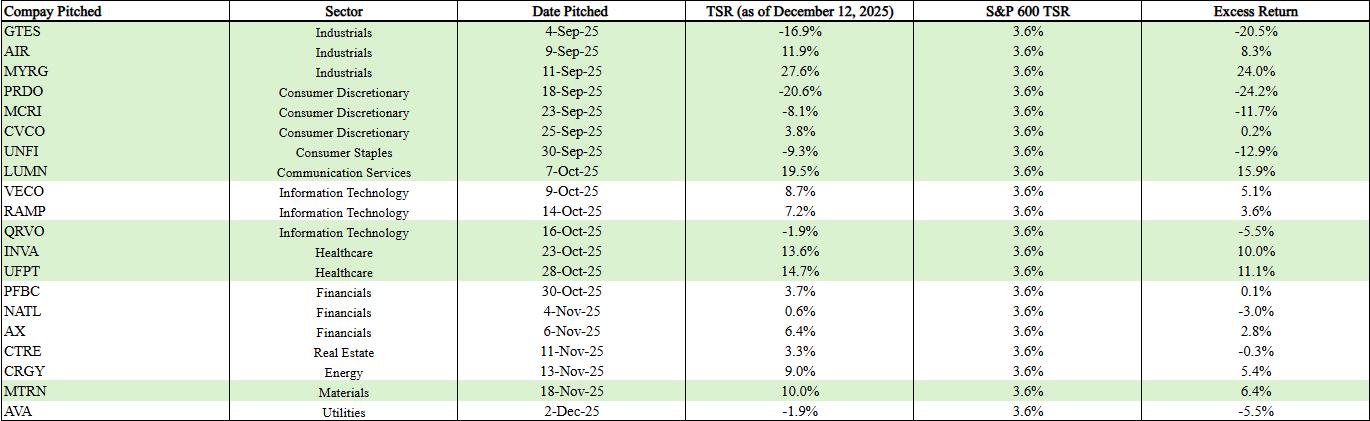
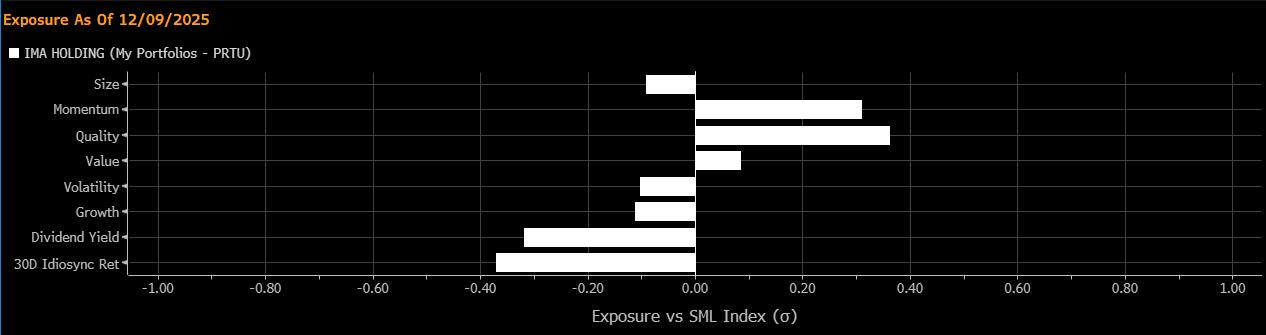
During the past semester of our tenure, from August 26th to December 12th, 2025, IMA returned 5.66%. This reflects a 2.06% outperformance to the 3.60% of our benchmark, the S&P 600. Our Sharpe ratio was 1.17 while our Sortino ratio was 0.439 against the benchmark. Looking forward, our portfolio primarily has a bias towards momentum and quality factors. The performance of every equity IMA holds (with new additions highlighted), as well as factor exposure are listed below:
State of the Economy & Sector Weights
The economic environment in 2025 was shaped by slowing inflation and a Federal Reserve that finally looked ready to start cutting rates. Even with that momentum, the year still felt uneven. The economy took on a K-shaped pattern, where higher-income consumers and tech-driven industries kept doing well, while
lower-income households and rate-sensitive sectors felt more pressure. You could see that split in spending data, hiring trends, and earnings across different parts of the market.
Tariffs were another big theme. Proposed increases on imports raised questions about input costs and supply chain stability, especially for companies tied to Asia. Investors paid close attention to which firms had enough pricing power or flexibility to handle those changes.
A lot of smaller companies struggled with higher financing costs, but the ones tied to AI infrastructure, data centers, and semiconductors stood out. These were some of the most interesting names to follow because they had real catalysts and clearer growth stories.
For IMA, this environment made macro awareness much more important. We had to think carefully about rate sensitivity, tariff exposure, and how a company’s balance sheet would hold up under different scenarios. It ultimately helped shape our portfolio decisions throughout the year.
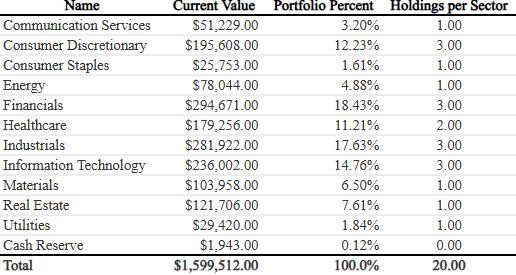
Sectors were proactively weighted to represent the outlook of the class, following extensive discussion of the macroeconomic environment, as well as the greatest beneficiary industries. The sector weights and their respective dollar value allocations can be found below:
Selection Effect
MYR Group Inc. (NYSE: MYRG)
Company Overview: MYR Group provides electrical transmission, distribution, and specialty construction services for utilities, commercial clients, and data centers. Its competitive position is supported by a strong balance sheet, specialized labor force, and long-standing utility relationships. The company plays a critical role in upgrading the U.S. electrical grid as power demand accelerates.
Investment Thesis: We invested in MYRG because the market overstated concerns around a temporary backlog decline and understated the scale of upcoming grid modernization. Rising AI-driven data center demand is creating a power deficit, pulling forward investment in T&D infrastructure. MYRG’s strong execution history and positioning in higher-margin T&D contracts offered an attractive risk-reward.
Performance Drivers: MYRG benefited from broad industry momentum tied to the “energy infrastructure boom” driven by data center growth. Backlog trends in the T&D segment improved, supported by major contract wins that reinforced execution strength. The company also delivered another earnings beat, helping restore investor confidence after earlier backlog concerns.
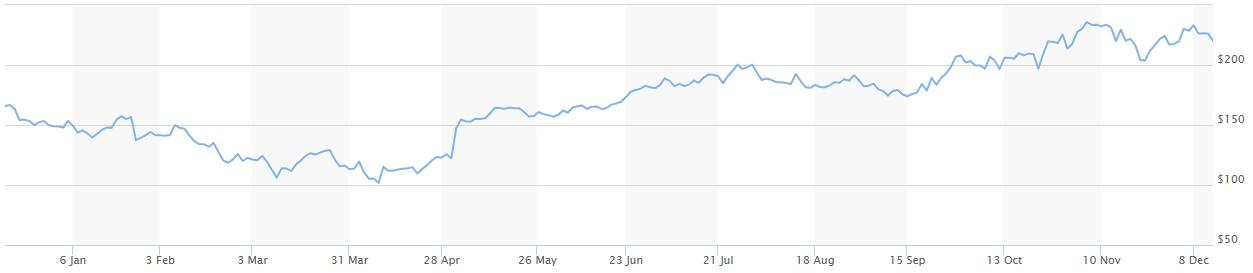
Gates Industrial Corp. (NYSE: GTES)
Company Overview: Gates Industrial is a global manufacturer of belts, hoses, and fluid-power components used across automotive, industrial, and high-growth technology end markets. The company generates most of its revenue from the replacement market, creating a recurring and resilient aftermarket base.
Investment Thesis: Gates benefits from rapid adoption of liquid-cooling systems in AI data centers and rising demand for personal mobility and EV thermal management, all of which require higher-performance hoses and belts. Management’s cost-efficiency initiatives, strong free cash flow, and leverage reduction create a path for multiple expansion as earnings grow.
Performance Drivers: GTES underperformed this semester due to a miss in data center–related revenue, reflecting slower-than-expected adoption of liquid cooling across hyperscalers. Guidance remains constructive, as external industry sources still project multi-year growth in liquid-cooling demand, suggesting a path for recovery as adoption normalizes.
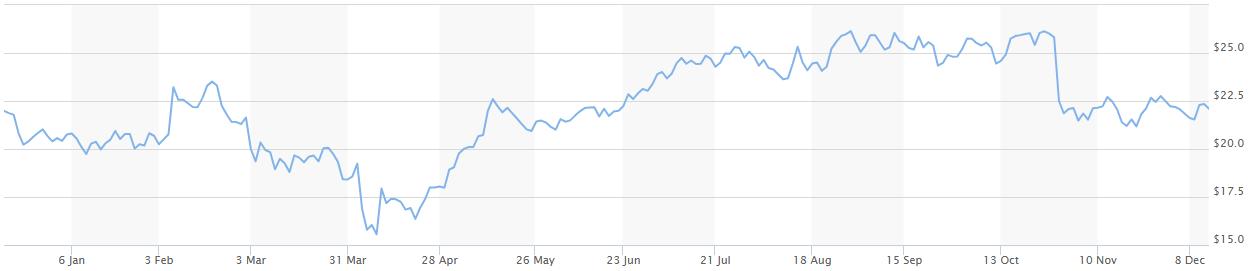
AAR Corp. (NYSE: AIR)
Company Overview: AAR Corp. is a leading independent provider of aviation aftermarket services, supplying aircraft parts, MRO support, and fleet solutions to commercial airlines and government agencies.
Investment Thesis: We invested in AAR based on the structural tailwinds created by record aircraft OEM backlogs and aging global fleets, which extend aircraft lifespans and increase demand for parts, repair, and used serviceable material. AAR’s scale advantages, exclusive OEM distribution agreements, and the integration of Trax software create a sticky customer base and support sustainable margin expansion.
Performance Drivers: AAR’s performance this semester was supported by strong aftermarket demand, improving gross margins, and meaningful contributions from recent acquisitions. Expansion of MRO capacity and continued growth in used serviceable material reinforced the company’s positioning as airlines extend aircraft life amid OEM bottlenecks.
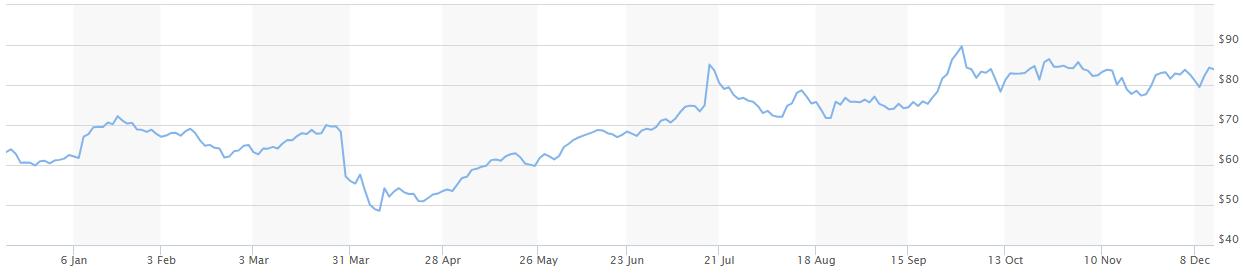
Materion Corp. (NYSE: MTRN)
Company Overview: Materion Corporation produces advanced materials with a core expertise in beryllium-based products used across semiconductors, aerospace, defense, and energy markets. The company is one of the only global suppliers of beryllium and operates a fully integrated supply chain anchored by its Utah mine, giving it a unique competitive advantage.
Investment Thesis: We invested in MTRN because its long-term growth drivers remain intact despite a minor earnings miss tied to production downtime. Rising demand for AI memory chips and continued strength in aerospace, defense, and next-generation energy markets create a durable pathway for revenue acceleration over the next several years.
Performance Drivers: The stock underperformed after a slight EPS miss, but external demand indicators such as rising HBM adoption and elevated defense spending reaffirm the company’s multi-year growth setup. New agreements like the partnership with Commonwealth Fusion Systems highlight MTRN’s expanding role in high-tech applications and support confidence in its long-term trajectory.
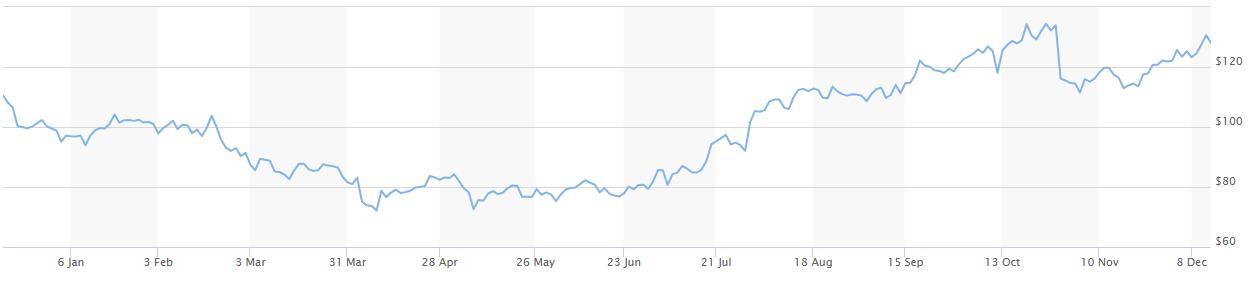
Crescent Energy Company (NYSE: CRGY)
Company Overview: Crescent Energy is an oil and gas exploration and production company with long-life, low-decline assets across the Eagle Ford Shale and Rocky Mountain regions. The company has grown primarily through acquisitions and generates stable cash flow from an asset base that is 80% oil.
Investment Thesis: We held CRGY because its shift from aggressive M&A toward operational efficiency and cash flow discipline offers stability, even as commodity prices remain volatile. Management continues to deliver strong free cash flow and divest non-core assets, while the Vital Energy acquisition adds scale, inventory depth, and basin diversification.
Performance Drivers: CRGY underperformed this semester due to revenue misses, softer oil prices, and market skepticism around recent acquisitions, which pushed the stock to new lows. A more constructive macro backdrop for natural gas and the integration of Vital Energy may provide support going forward, but sentiment remains cautious until execution and commodity trends improve.
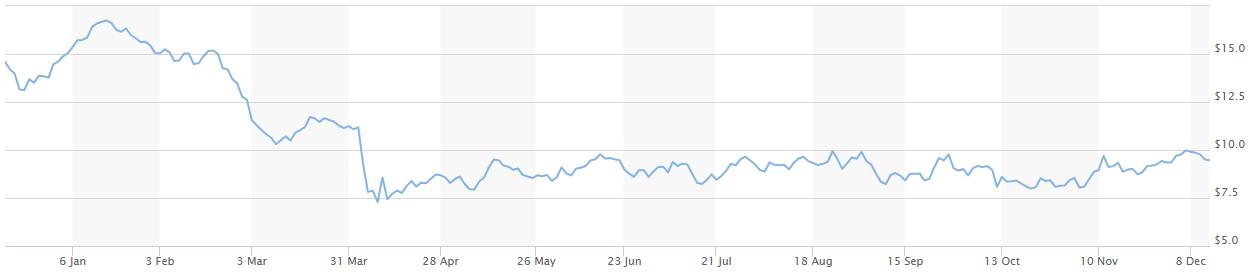
Avista Corporation (NYSE: AVA)
Company Overview: Avista Corporation is a regulated electric and gas utility serving customers across Washington, Idaho, Oregon, and Alaska, with operations spanning generation, transmission, and distribution. The company maintains one of the cleanest utility portfolios in the country, with nearly sixty percent of its energy coming from renewable sources.
Investment Thesis: We held AVA because its multiyear capital expenditure plan and favorable regulatory outcomes support predictable rate base growth and steady improvements in earnings. Population growth in Idaho and the broader Pacific Northwest has strengthened Avista’s case for rate increases, and regulators have already approved meaningful revenue relief tied to rising infrastructure needs.
Performance Drivers: AVA’s performance this semester was influenced by constructive rate case decisions in Idaho and Oregon, steady progress on its $1.7 billion capex plan, and improving earnings visibility. Wildfire mitigation investments and the deployment of AI-enabled grid monitoring lowered operational risk and bolstered regulatory goodwill
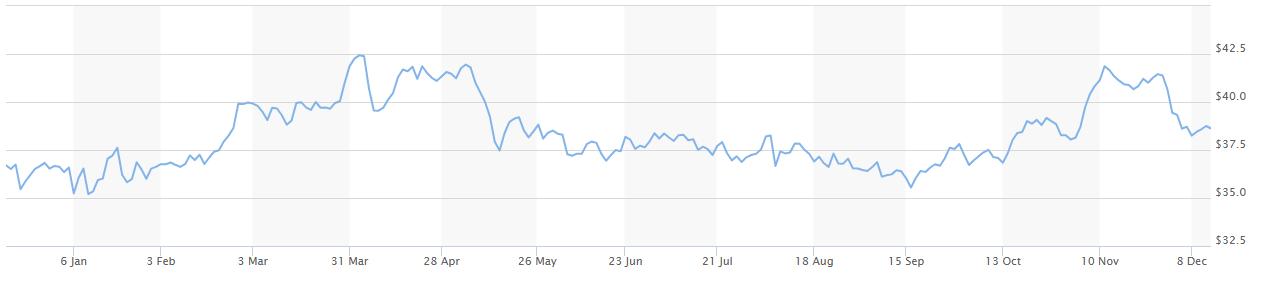
Axos Financial, Inc. (NYSE: AX)
Company Overview: Axos Financial is a bank offering retail, commercial, and securities services through a branchless, technology-driven model. Its loan portfolio spans single-family, multifamily, real estate, construction, and business lending, supported by income from Axos Clearing, Advisor Services, and Invest.
Investment Thesis: We held AX because the market continues to undervalue a bank with top-tier profitability, strong credit quality, and a uniquely efficient digital funding base. The acquisition of Verdant Commercial Capital diversifies Axos beyond real estate and provides immediate margin benefits through refinancing higher-cost loans with low-cost deposits.
Performance Drivers: Axos outperformed this semester due to resilient loan growth, strong net interest margins, and stable credit metrics despite broader CRE concerns. The stock reaction to the Verdant acquisition created a temporary pullback, but underlying fundamentals strengthened through rising fee income and early AI-driven efficiency gains.
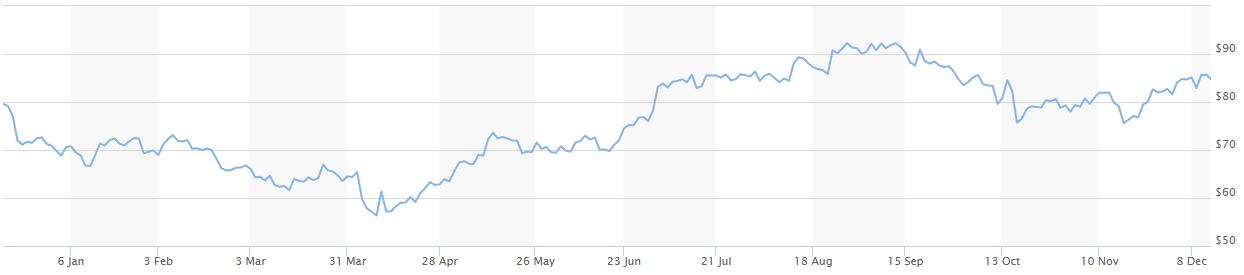
NCR Atleos (NYSE: NATL)
Company Overview: NCR Atleos is a global provider of ATM hardware, software, and managed services, generating revenue through equipment sales, recurring service contracts, subscription software, and network transaction fees. The long-term company strategy centers on shifting toward higher-margin recurring software and service revenue.
Investment Thesis: We held NATL because the market continues to overlook the company’s transition toward ATM-as-a-Service and recurring software revenue, which carries meaningfully higher incremental margins. Hardware performance has exceeded expectations, but software activation backlogs, platform onboarding improvements, and rising network usage provide a clear path to accelerating recurring revenue.
Performance Drivers: NATL outperformed this semester due to a surge in hardware demand, particularly in Europe, which contributed to roughly twenty percent growth in the Self-Service Banking segment and an earnings beat. Software adoption lagged, keeping recurring revenue slightly below expectations, but rising backlog and increased activation capacity signal an upcoming inflection in service revenue.
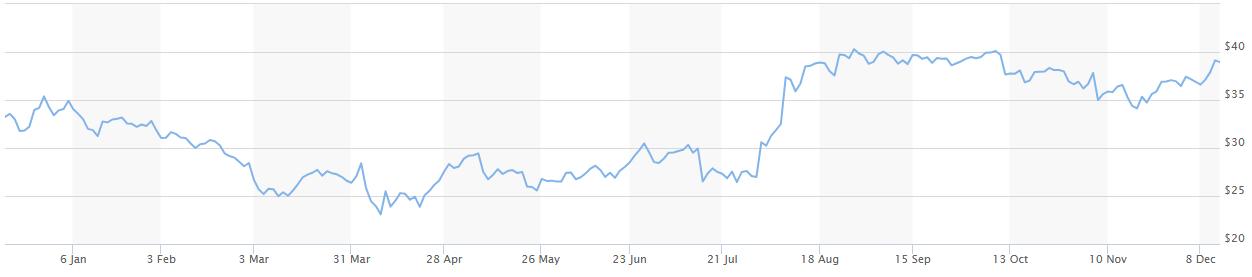
Preferred Bank (NASDAQ: PFBC)
Company Overview: Preferred Bank is a relationship-driven commercial bank. The bank specializes in commercial real estate, construction, and C&I lending, supported by long-standing ties to the Chinese American business community and disciplined underwriting.
Investment Thesis: PFBC has meaningfully reduced exposure to floating-rate loans and strengthened its balance sheet, enabling stable NIM and consistent ROE even as the Fed begins easing. With rising book value, strong community-based deposit retention, and an upcoming Silicon Valley branch opening, PFBC remains a high-quality operator.
Performance Drivers: PFBC has executed well since our initial investment, reducing NIM volatility, lowering market value sensitivity, and reinforcing balance sheet resilience while preserving top-tier profitability. The bank continues to post strong ROE and ROA alongside exceptionally low charge-offs
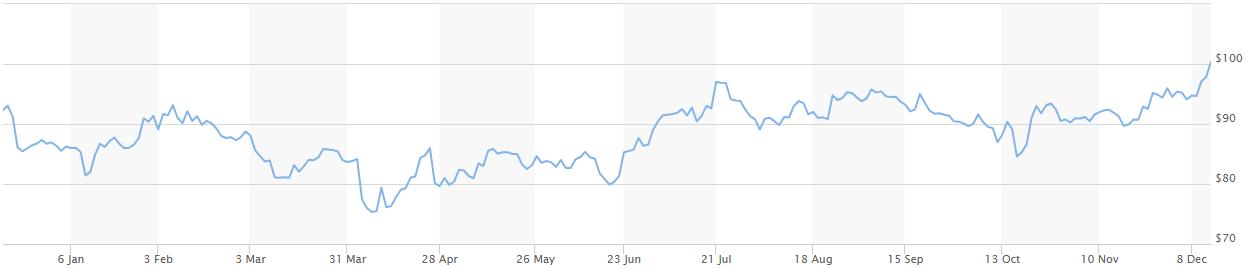
UFP Technologies (NASDAQ: UFPT)
Company Overview: UFP Technologies is a specialty plastics manufacturer with a differentiated position in robotic-surgery drapes, leveraging vertically integrated operations and low-cost manufacturing in the Dominican Republic to deliver customized, high-margin products.
Investment Thesis: UFPT remains a compelling buy because its long-term MedTech outsourcing tailwinds, vertically integrated operating model, and robotics-surgery exposure are intact despite temporary integration headwinds. We view the AJR acquisition and Intuitive Surgical softness as short-term disruptions rather than structural issues, especially as labor inefficiencies normalize, and new customers ramp.
Performance Drivers: UFPT’s stock decline has been driven by slower organic growth, delayed AJR revenue, and temporary margin pressure tied to workforce turnover, even as MedTech sales continue to grow at double-digit rates. As UFPT executes integration, expands its robotics customer base, and returns to normalized margins, the setup offers a clear path for outperformance.
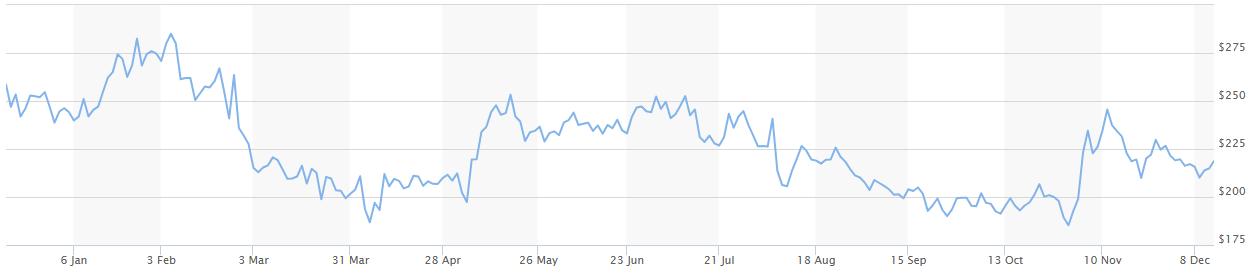
Innoviva, Inc. (NASDAQ: INVA)
Company Overview: Innoviva is a pharmaceuticals company built around a royalty stream from GSK respiratory drugs, an infectious disease and critical care franchise, and a strategic healthcare asset portfolio.
Investment Thesis: We bought INVA because the current enterprise value is largely covered by the royalty stream alone, leaving investors with the IST platform and SHAP portfolio at a steep discount. The market still values Innoviva primarily as a finite-life royalty vehicle and heavily discounts the earnings power of IST as it scales, despite double-digit growth and a conservative balance sheet that keeps financial risk low.
Performance Drivers: Innoviva’s performance during the holding period has been driven by steady royalty income alongside growing infectious disease product sales, including Xacduro and other hospital therapies. The stock has lagged as investors focused on patent expirations and early-stage IST margin pressure.
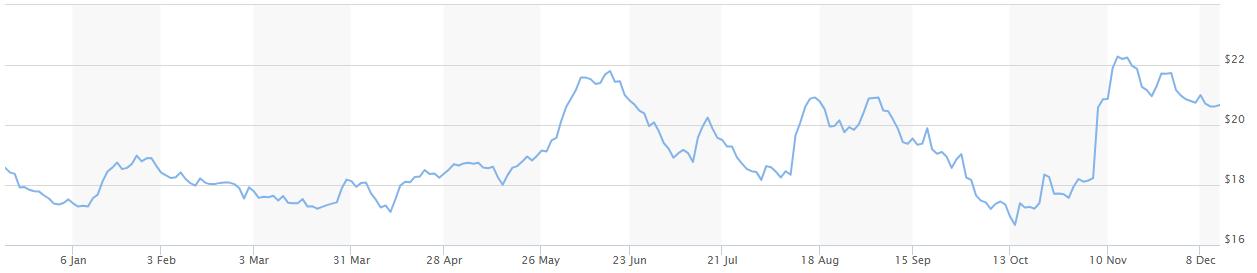
Lumen Technologies Inc. (NYSE: LUMN)
Company Overview: Lumen Technologies builds fiber infrastructure and provides cloud/internet connectivity, cybersecurity, and communication services. LUMN is executing a shift to a software-enabled fiber network targeting enterprise, wholesale, and government customers.
Investment Thesis: We believed the street was underestimating the value of LUMN’s low-latency network capabilities for the AI/ “hyperscaler” ecosystem, especially as data centers compute transitions from training to inference. We foresaw significant additional demand for PCF contracts, deeper cost-savings improving margins, and faster deleveraging through a consumer fiber sale.
Performance Drivers: LUMN’s announcements of expanded strategic partners with Palantir Technologies, QTS Data Centers, and Commvault brought increased validity to the value-add of their networking technology. Forward guidance/commentary reiterated cost-savings, stronger business demand, and momentum in development of their software offerings.
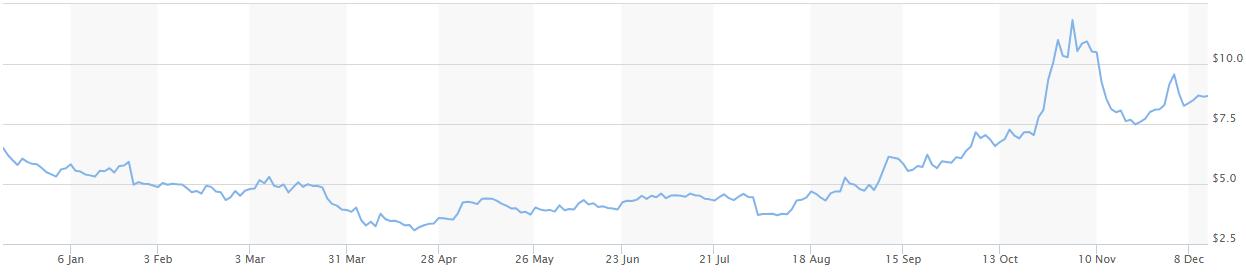
Caretrust REIT Inc. (NYSE: CTRE)
Company Overview: CareTrust REIT is engaged in the ownership, acquisition, financing and development and leasing of skilled nursing facilities (SNFs), senior housing, and other healthcare-related properties. CTRE primarily leases healthcare properties to operators responsible for the facility’s costs.
Investment Thesis: IMA priced out that high rent coverage across all facilities and strong financial fundamentals suggested little credit risk, and therefore potential outperformance. Additionally, the Care REIT UK acquisition close in Q2 would allow exposure to Europe, with increasing demand for long-term care services and zero Medicaid cut risk.
Performance Drivers: CTRE aggressively expanded their portfolio, partially through successful acquisitions. Additionally, CTRE entered the senior living community sector, providing additional growth runway for investors to look for.
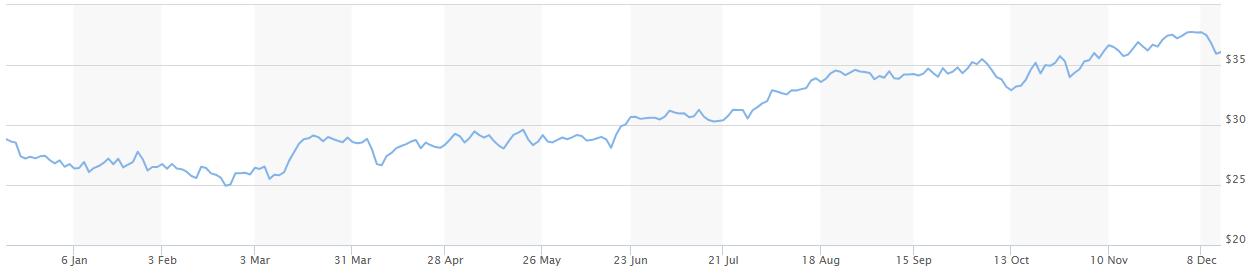
Perdoceo Education Corporation (NYSE: PRDO)
Company Overview: Perdoceo Education operates three accredited hybrid postsecondary institutions. CTU/AIUS (95% of enrollment) provide general programs, while USAHS (5%) focuses on health science. Investment Thesis: IMA expected rapid enrollment expansion within USAHS, given rising healthcare demand and strong growth amongst peers, as well as consistent share repurchases/dividend raises. We believed momentum would continue, allowing PRDO to outperform the consumer discretionary sector. Performance Drivers: Although PRDO posted an earnings beat, a catastrophic miss from peer Grand Canyon Education resulted in a pullback across education services equities. Looking forward, we believe PRDO still has strong positioning, given sandbagged expectations and unchanged fundamentals.
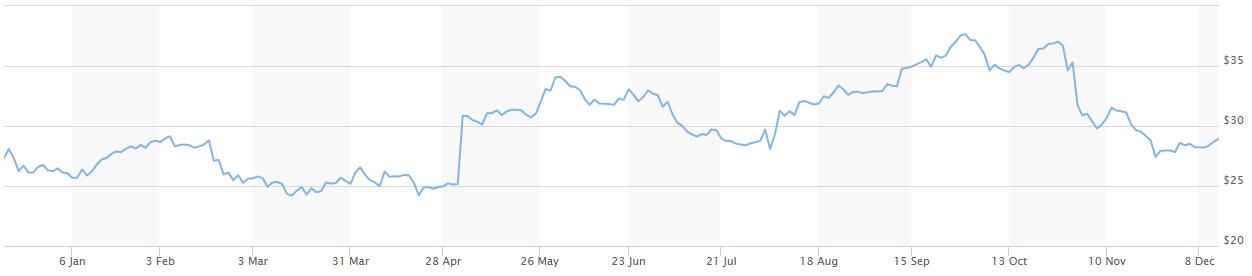
Monarch Casino & Resort Inc. (NYSE: MCRI)
Company Overview: Monarch Casino & Resort primarily operates hotels and casinos in Reno, Nevada and Black Hawk, Colorado. MCRI monetizes their rooms, spas, dining, and gaming, so they generally outperform through greater-than-expected booking volumes.
Investment Thesis: In response to a consumer stretched thin through inflationary pricing, we expected MCRI’s target customer to resist headwinds and continue to spend time at casinos. Market share gains in key geographies, a balance sheet enabling acquisitions, and a $100 million renovation supported our view.
Performance Drivers: MCRI reported a Q3 EBITDA beat but missed revenues. The street has acknowledged market share gains in Black Hawk, higher ADRs in Reno due to renovated rooms, and better control over operational expenses at both facilities.
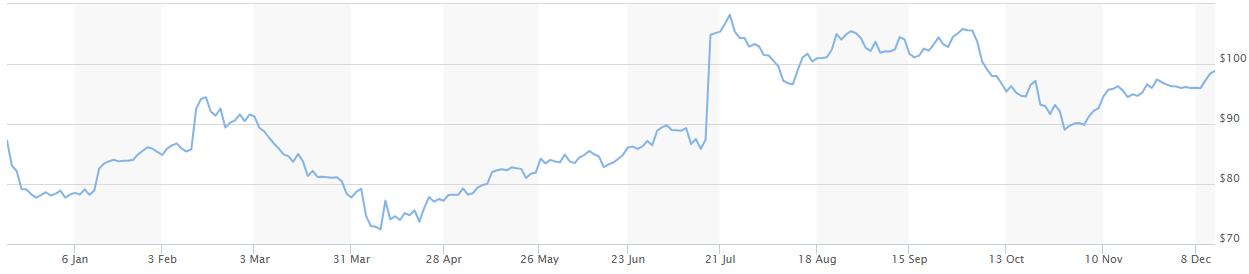
Cavco Industries Inc. (NYSE: CVCO)
Company Overview: Cavco Industries produces factory-built homes, both manufactured and modular. Most revenue comes from selling homes through a network of independent dealers and company-owned retail stores, with smaller, steady contributions from its in-house mortgage lender and homeowners’ insurer.
Investment Thesis: IMA expected eventual revenue beats from market-share gains from a cost-conscious home-buyer environment, capacity-based shipments, and disciplined backlogs. CVCO was favored over peers due to ownership of stores/financing touchpoints allowing for better price/mix control.
Performance Drivers: CVCO beat revenue, EPS, average selling price, and gross margin street outlooks, but missed expectations for the number of homes sold, causing the stock to rally. However, poor performance across homebuilder peers has dragged overall performance during our holding period.
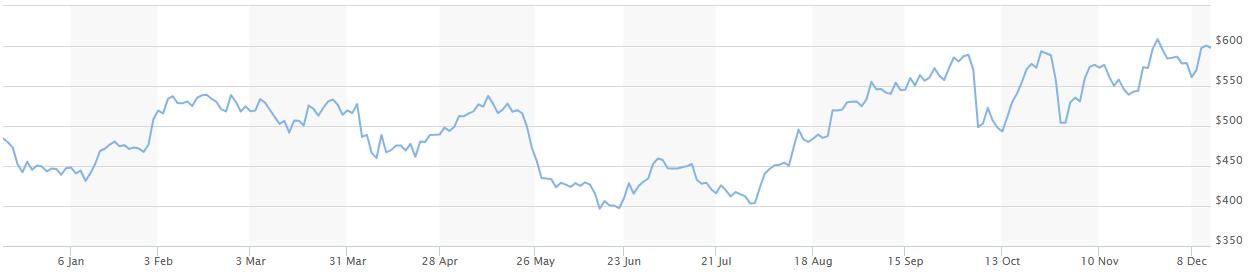
United Natural Foods (NYSE: UNFI)
Company Overview: United Natural Foods is a distributor of natural, organic, specialty, and conventional groceries across America and Canada. Most UNFI revenue is from wholesale operations, with small portions coming from higher margin private label goods and low margin retail operations
Investment Thesis: IMA viewed UNFI as a “mature” turnaround story, believing that lean management at distribution centers, better network optimization, and strong debt paydown would continue. Additionally, potential renegotiated supplier agreements and retail store divestitures represented additional upside.
Performance Drivers: Although UNFI posted an earnings surprise, with a lower EPS loss and higher revenues, a mixed guidance picture and poor results in the conventional segment caused UNFI to return its gains. Looking forward, opportunities for debt paydown and margin improvements add to our optimism.
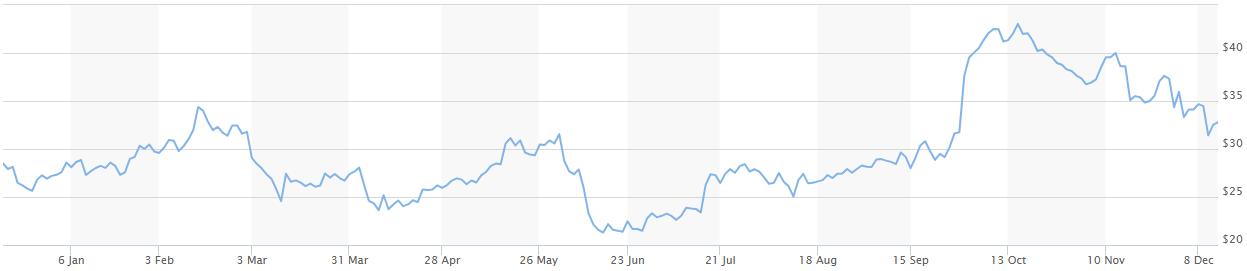
Veeco Instruments (NYSE: VECO)
Company Overview: Veeco Instruments is a specialized semiconductor manufacturing equipment and materials developer. VECO also serves markets like compound semiconductors and data storage.
Investment Thesis: As chips become smaller, VECO’s LSA technology is more valuable as precise heating technology is required, and DRAM suppliers consider adopting it for production. Additionally, demand for their best-in-class IBD technology will rise, as the end-user (EUV lithography) becomes the industry norm. Performance Drivers: VECO and peer Axcelis announced a merger in October 2025. After this announcement, VECO’s price has mostly moved sideways as they announced higher demand for advanced systems relevant to data centers, AI, and advanced packaging.
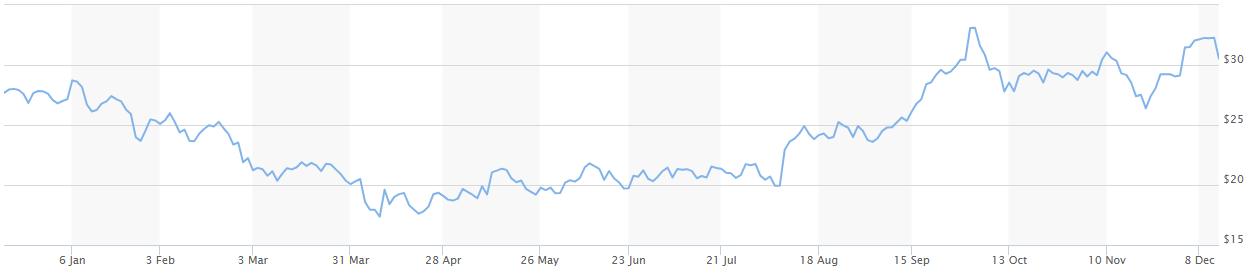
LiveRamp (NYSE: RAMP)
Company Overview: LiveRamp is a marketing technology company selling advertisers RampID, a product packaging user internet activity into individualized anonymized customer identities. RAMP generates revenues through fixed-fee contracts, allowing clients to access their secure data rooms.
Investment Thesis: IMA viewed the transition to a usage-based pricing model as a revenue driver supported by an improving product as RAMP collected more data.
Performance Drivers: During the semester, RAMP posted an earnings beat in the most recent quarter, raised revenue guidance, and a partnership with a commerce media group. The strong net revenue retention and annual recurring revenue demonstrate that adoption of RAMP’s platform is continuing.
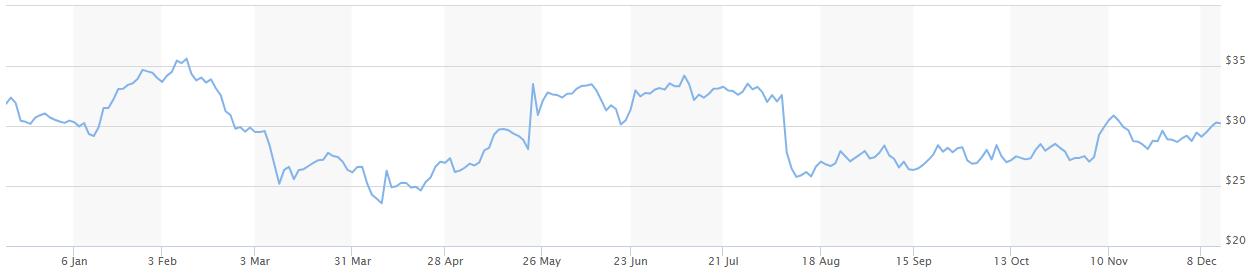
Qorvo, Inc. (NASDAQ: QRVO)
Company Overview: Qorvo is a leading RF semiconductor company supplying the core technologies that enable wireless connectivity across smartphones, defense systems, and IoT devices.
Investment Thesis: As Apple ramps its in-house modem and phases out Qualcomm by 2027, Qorvo stands to meaningfully benefit from increased RF content per device, especially in envelope tracking. With an activist investor pushing for cost reductions, Qorvo has a clear path toward margin stabilization as lowermargin Android exposure winds down.
Performance Drivers: Recent performance has been defined by stronger-than-expected Apple contributions, defense and GaN strength, and disciplined inventory reduction, offset by continued Android softness and a delayed automotive program. Consolidation efforts such as the Costa Rica plant closure have pressured near-term guidance but support long-term margin expansion.
Conclusion
The Investment Management Academy demonstrated resilience and adaptability in navigating an opportunity-rich market during the Fall 2025 semester. Looking ahead, IMA remains optimistic for its longterm performance, anticipating a favorable environment for small-cap equities as economic conditions stabilize and capital investments increase. By maintaining commitment to thorough analysis, collaborative decision-making, and strategic industry alignment, the fund is positioned to achieve its goal of outperforming the S&P 600.