CONSECRATED LIFE BETWEEN PROPHECY, DISCERNMENT AND RENEWAL

Number 189 - 2026
Marie-Anne Misenga Dituanya, SCJM
Number 189 - 2026
Marie-Anne Misenga Dituanya, SCJM
Consecrated life between prophecy, discernment and renewal
The reflections gathered in this issue of the Bulletin offer a broad and detailed overview of Consecrated life today, placing it within the dynamic intertwining of fidelity to its evangelical origins and creative openness to the challenges of our time. Although addressing different topics—biblical, theological, pastoral, educational, and cultural— the texts are united by a single fundamental question.: How can we discern the action of the Spirit today so that Religious Life continues to be a prophetic sign of the Kingdom of God?
The starting point is biblical memory. A reinterpretation of Miriam highlights a female leadership rooted in liberation and praise, capable of inspiring consecrated women today, especially in contexts marked by precariousness and injustice. Scripture thus reveals itself not only as a foundation, but as a living source that guides the prophetic commitment of religious women.
This is the context for reflection on ecclesial renewal in light of the Second Vatican Council, the thought of John Henry Newman, and the synodal journey currently underway. Formation emerges as a decisive space for personal and communal conversion, called to transform mentalities, structures, and practices so that religious communities become authentic places of listening, shared responsibility, and shared discernment.
The texts also realistically address the challenges of religious life in the Western context, marked by a decline in vocations and the risk of a purely “conclusive” interpretation of its history. This temptation is countered by an explicit invitation to return to the fundamental question: How is God calling us today to transform our lives and mission?
Finally, the contribution of pastoral theology and spiritual theology opens up reflection to new cultural and ecclesial scenarios, including the challenge of Artificial Intelligence, seen as a possible sign of the times. In this perspective, Consecrated life is called to integrate tradition and innovation, remaining faithful to the Gospel and at the same time capable of speaking with credibility to the humanity of today.
Sr. Marie-Anne Misenga Dituanya, SCJM
The women of the Bible are presented as courageous, unconventional, prophetic, and active in their struggle for justice and life. Despite unfavorable historical contexts, these women, even though they were not considered equal to men, were often leaders, using their intelligence and sensitivity to bring about change. Their commitment to the rights of the weakest continues to inspire consecrated women today. This article offers a theological and hermeneutical reinterpretation of the biblical figure of Miriam as narrated in Exodus 15:1–21, as an archetype of female leadership. It highlights her symbolic and spiritual impact on women engaged in religious life today, particularly in the African context, where consecrated women often assume prophetic and community roles in environments marked by precariousness and inequality.
Principles of Renewal in the Light of Vatican II Council and Saint John Henry Newman
Sr. Theresa Marie Chau Nguyen, OP, Ph.D.
The goal of this paper is neither to provide critical social analyses, nor to give an exhaustive account of the changes and challenges in religious life today. My very modest goal is merely to begin probing two resources of historical and systematic theology: namely, Pope St. John XXIII’s inspiration for the Second Vatican Council and St. John Henry Newman’s Essay on the Development of Christian Doctrine (1845) which is, to date, the most systematic and in-depth analysis of the idea of “development” of Christian dogma through the centuries.
‘Our
Sr. Dr. Margaret Beirne, RSC
Women Religious in an Australian Synodal Church
In 2012, I was invited to write the chapter on “the experience of Australian women religious in the wake of Vatican II” in a work that reflected on aspects of the Church in this country since Vatican II (1962-1965). Having explored the graces and struggles that accompanied those 50 years, my prediction, and that of many others, was that we would require vision, imagination, and above all prayer, if we were to discern how God might be calling us to move forward amid increasingly challenging signs of the times. Now, 12 years later, those challenges have not gone away, and in fact have intensified as is evidenced by the fact that much of the current conversation is around ‘coming to conclusion’, rather than discerning ‘how might God be calling us to transform our life and mission?’
in Formation
Sr. Dr. Rekha M. Chennattu, RA
The following reflections examine Religious Formation in the context of the Synod on Synodality, the FABC 50 Document, and the Jubilee Year. I begin by situating our discussion within the broader socio-ecclesial landscape that shapes contemporary formation. This contextual overview will be followed by an analysis of the principal calls
and challenges articulated in the Synod on Synodality, the FABC 50 Document, and the Jubilee Year. Finally, I will outline the paradigmatic shifts required in our approaches to formation—encompassing mindsets, programs, strategies, and the formation community environment—to foster genuinely synodal religious communities.
Sr. Cynthia Emeka, DDL
Religious life today stands at a crossroads, shaped by rapid cultural, social, and ecological change. The vows of poverty, chastity, and obedience while profoundly personal commitments to God are also public and prophetic signs of the Kingdom within the shifting realities of modern life. In this changing context, Pastoral Theology, as a discipline that integrates theological reflection with practical ministry, offers vital resources for renewing and sustaining religious life so that it remains relevant, credible, and transformative.
Sr. María Mercedes Méndez Siliuto, RA
The arrival of Artificial Intelligence (AI) in our lives cannot be considered solely a technological or cultural phenomenon; it is also a sign of the times that challenges consecrated life. While its development has been driven by human genius, its impact reaches dimensions that profoundly question our understanding of human beings, their consciousness, freedom, and responsibility.
Sr. Marie-Anne Misenga Dituanya, SCJM
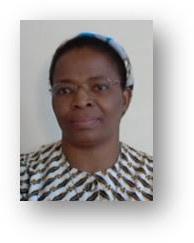
Sr. Marie-Anne Misenga Dituanya, SCJM, is a Sister of Charity of Jesus and Mary. She is a theologian and exegete, with a Doctorate in Theology (Biblical Sciences). Sr. Marie-Anne is a professor at the University of Notre Dame of Kasayi (UKA) in Kananga, DRC, and a visiting professor at various institutes and training programs.
Introduction: Context and Aim
The women of the Bible are presented as courageous, unconventional, prophetic, and active in their struggle for justice and life. Despite unfavorable historical contexts, these women, even though they were not considered equal to men, were often leaders, using their intelligence and sensitivity to bring about change. Their commitment to the rights of the weakest continues to inspire consecrated women today.
This article offers a theological and hermeneutical reinterpretation of the biblical figure of Miriam as narrated in Exodus 15:1–21, as an archetype of female leadership. It highlights her symbolic and spiritual impact on women engaged in religious life today, particularly in the African context, where consecrated women often assume prophetic and community roles in environments marked by precariousness and inequality.
God’s care for his people is a theme that runs throughout the book of Exodus.1 The story of this woman is often overlooked in favor of that of her brother, Moses. But who was this courageous woman, and how can she still inspire us today?
The name “Miriam” – gr. Maria(m) “Seer or Lady?” – has two meanings, both of which express her character traits. The first, derived from the Hebrew root mar, is “bitterness.” Indeed, Miriam was born at a time when the oppression of slavery was at its peak: “And they [the Egyptians] made their lives bitter [ vayemarrerou , from the root mar] with hard labor” (Exod. 1:4). Born of an enslaved people, witness to the massacres ordered by Pharaoh against newborn males, she carried the bitterness and collective pain of Israel from her earliest years. Her early years were marked by the heartbreaking reality of servitude, which was not sterile: it nourished in her a boundless hope for a better future. The other meaning of her name is “rebellion” (from the root meri). Despite the turmoil of her childhood, Miriam rebelled from an early age against the slave mentality that undermined her people. Although she shared the pain of her brothers and sisters, she did not give in to fear or despair. Although she was exposed to the most abject cruelty, she never gave in to despondency. Her method was to be a living example.
In the text of the Torah, the biblical figure we are examining is presented at the moment when the new Pharaoh ascends the throne of Egypt:
There arose a new king over Egypt… And he spoke to the Hebrew midwives, one of whom was named Shiphrah and the other Puah. And he said, ‘When you deliver the Hebrew women, you shall look upon the birth stool: if it is a son, kill him. If it is a daughter, let her live.’
Despite this decree,
the midwives feared God and did not do as the king of Egypt had told them… But because the midwives feared God, He dealt kindly with them (Exod. 1:8–17).
By refusing to commit murder, the midwives put their conscience before the tyrant’s orders. They respect God and join other characters in the Bible who, without being part of His chosen people, recognize God’s blessing on Israel. God’s concern for His people is a theme that runs throughout the book of Exodus.2 Rashi explains that the prophetess, although still a child, excelled in the art of whispering (from the root pa’ah) in the ear of the newborn and calming a crying baby with her soft voice. 3 Such was Miriam, the mother of rebellion. She rebelled against the apathy and cruelty of the king. Courageously, she and her mother ignored Pharaoh’s order to kill all male newborns, even taking care to provide them with care and food so that they would survive.4 Such positions could only be held by the descendants of these women, who were able to pass on their moral strength and convictions, enabling them to triumph over all injustices.
An event from Miriam’s childhood reflects her strength of character and her ability to stand up against the status quo and remain hopeful despite difficult circumstances. This event was the birth of her brother Moses.
And when Yocheved could no longer hide him, she made him a basket out of bulrushes… she placed the child in it and set it among the reeds on the bank of the river. His sister (Miriam) stood at a distance to see what would happen to him (Exod. 2:3–4).
Miriam stood by the river. She too felt the pain and bitterness of this situation in which her little brother was taken from them. But at the same time, she was driven by her rebellious spirit: she would not succumb to despair. She had this dual quality of feeling the pain in all its intensity while rebelling against its hold on her to discover a glimmer of hope and willpower deep within herself.
From the thicket where she had hidden, Miriam watched the turning point in her little brother’s fragile life. Suddenly, Pharaoh’s daughter came down to bathe in the Nile (Exod. 2:5). Discovering the basket on the riverbank and hearing the heart-rending cries of the infant inside, she decided to save him. Moses’ sister, full of confidence, approached the princess and suggested that she bring a Jewish nurse to feed the baby. Pharaoh’s daughter agreed. But unbeknownst to her, Miriam brought Moses back to his own mother (Exod. 2:7–9). Moses remained with his family, enjoying a nurturing environment both materially and spiritually during his early childhood, until he was weaned. It was only after receiving the love and teaching of his parents that the child was brought back to the royal palace (where he was given the name Moses, “Saved/ Removed from the Waters”) to fulfill his destiny as leader and liberator (v. 10ff.).
Many decades have passed, and here we are on the shores of the Red Sea. Moses has grown up and returned from Midian as the liberator of his people chosen by God. The ten plagues fell upon Egypt to punish it for the cruelty of its king and deliver the Israelites from his oppression. Moses left the country triumphantly. Then, as he was being pursued by a recalcitrant king and his army, God miraculously parted the sea, saving His people and drowning their enemies. The Hebrews thus experienced a miraculous and complete deliverance. Their suffering in Egypt was finally over. Their servitude had come to an end and their salvation was tangible (Exod. 2:11–14:31).
On the shores of the Red Sea, the Israelites, led by their leader Moses, sang the Shirat haYam , a song expressing their gratitude and thanksgiving to God (Exod. 15:1–19). But when Moses and his people finished their song, something inexplicable happened:
Then Miriam, Aaron’s sister, the prophetess, took a tambourine in her hand, and all the women followed her with tambourines and dancing. And Miriam answered them, ‘Sing to the Lord, for he has triumphed gloriously; he has thrown the horse and its rider into the sea’ (Exod. 15:20–21).
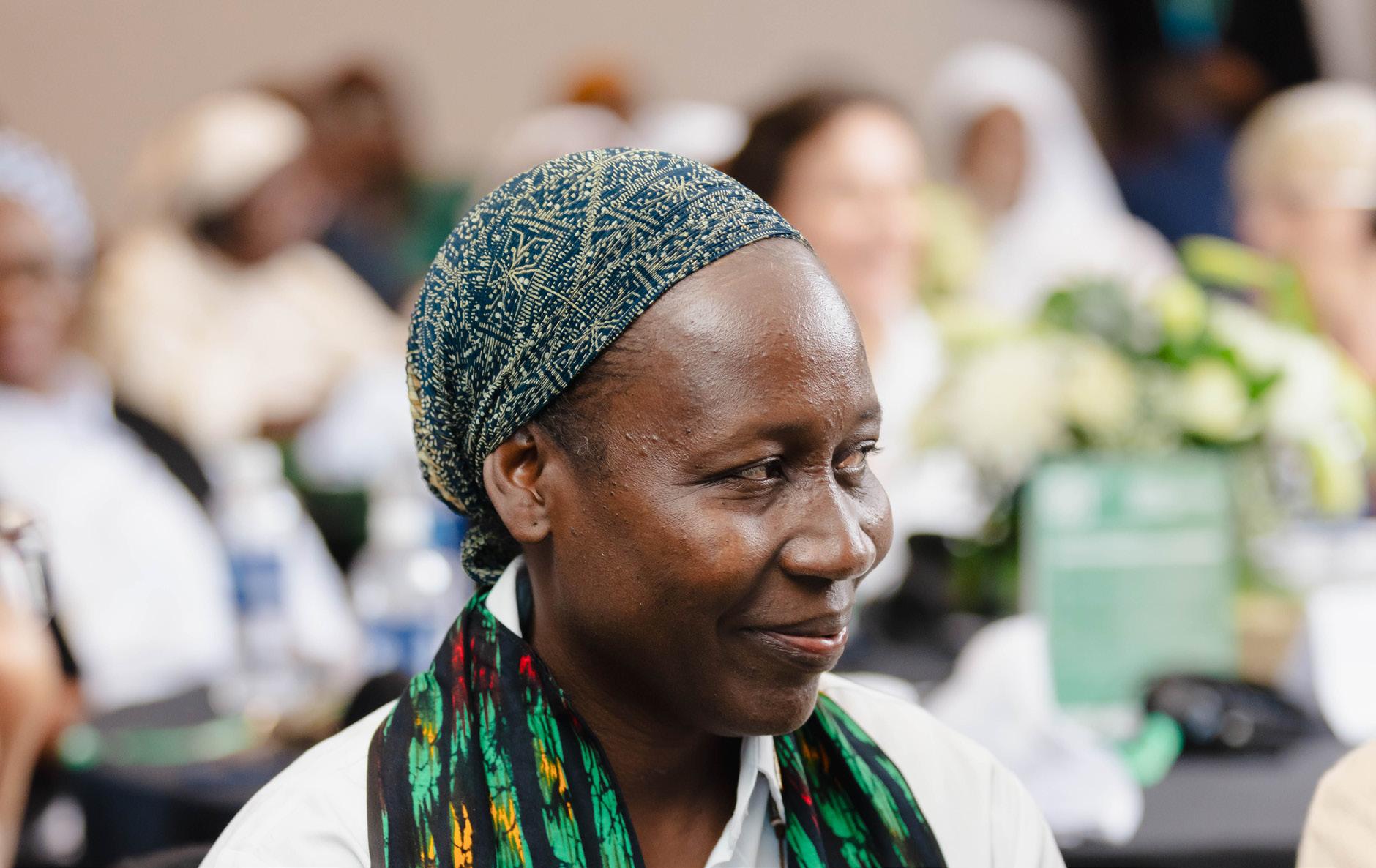
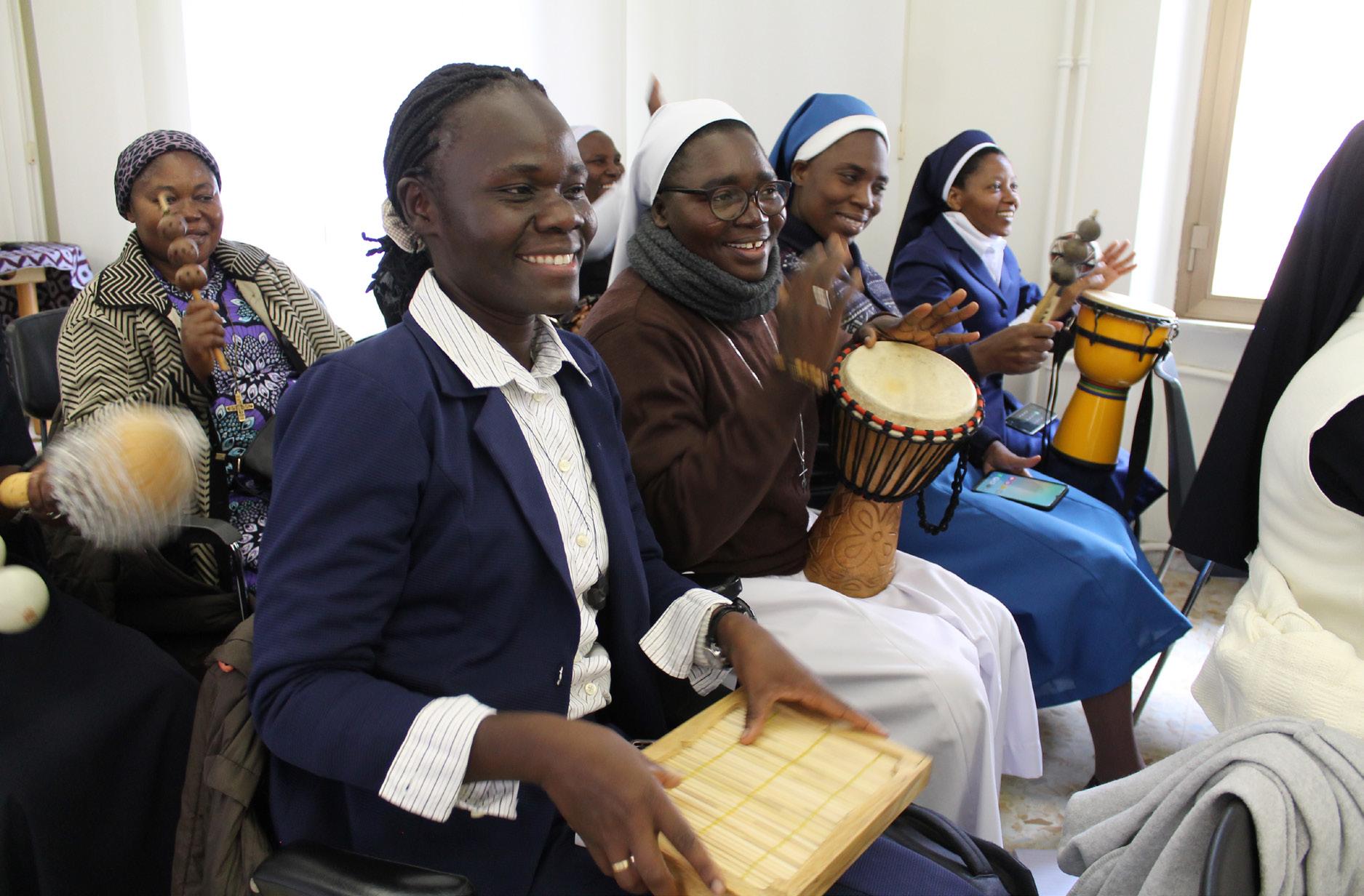
We can see that Moses and the men had sung their song. Then Miriam and the women rose to sing theirs. The men sang with their voices. But the women’s song was composed of voices, tambourines, and dancing. These are the tambourines for victory.5 Moses’ sister receives the title of prophetess. She is the first of the women to celebrate a victory of God’s people. She intones and the women repeat the song with a refrain that summarizes the theme of the previous song (vv. 1–8).6 The women’s hearts were filled with greater joy, and their song was also more complete. Rashi (on Exod. 15:20) explains why the women had these tambourines with them: “The virtuous women of that generation believed deeply that the Holy One, blessed be He , would perform miracles for them, and they had brought tambourines with them from Egypt.” When the Israelites left Egypt, it was in haste. But the women were not worried about their material needs, for they knew that God would provide. They lived in a higher dimension, beyond natural reality. Despite their haste, the women took the time to prepare in advance something that seemed essential to them.
How curious! After years of bitter slavery—after witnessing acts of utter barbarity, after shedding rivers of tears for the babies who had been torn from their arms, after seeing their children walled up alive in brick walls to meet construction quotas—what could these women have prepared while they were still slaves in Egypt? What was in the minds of these women who had experienced affliction beyond what any human being can bear? What was in their hearts, bruised by anguish? What did they clasp to their worn, weary, tortured bodies as they left Egypt? Tambourines. Instruments with which they would sing and praise their God for the miracle that would surely happen one day!
From the depths of their misery, these women did not lose sight of their ideal. Mourning their children, who would be slaughtered, with their feminine sensitivity more painfully, the women found the strength not to lose hope. They awakened within themselves the meri, the rebellious spirit of their leader. They rebelled against the depression
that should have naturally resulted from such misfortune. They rebelled against apathy and discouragement. In their suffering, the women prepared tambourines. They fanned the flame of hope deep within their souls until it became the consuming and unquenchable fire of faith. The more bitter their lives became, the stronger their faith grew. Convinced, without a shadow of a doubt, that their God would remember them, their only concern was to prepare themselves properly to sing His praises with expressions of joy appropriate for the miracles that would surely come!
Such is the strength of Miriam. A feminine strength that grows out of bitterness. A strength forged in the midst of despair. Such is the strength of the women who left Egypt, with their tambourines and their dances of joy and faith. And such is the strength of all women today.
On the shores of the Red Sea, the song of Moses (Exod. 15:1–19) followed by that of Miriam (15:20–21) constitutes, as Ska points out, the liturgical conclusion of the first major section of Exodus, fixing in the collective memory the founding experience of liberation.7
c. Fraternal Protection
Miriam offered the people threefold protection that supported the balance of leadership. Indeed, she was first and foremost a protector of Moses from childhood. In Exodus 2:4–8, she stands at a distance, watching her brother’s basket floating on the
2026
waters of the Nile. She acts with discernment, watching, waiting for the right moment, then intervening to offer Pharaoh’s daughter an Israelite nurse—their own mother. Her protective impact is that she saves her little brother from death and preserves his family ties, demonstrating active vigilance and relational intelligence. Then, the same book reveals that she is the protector of the memory and faith of the people. Miriam, prophetess and sister of Moses, effectively plays the role of living memory of God’s salvation.8 After crossing the sea, Miriam leads the women in praise (15:20–21). Her impact on the community is reflected in the fact that she protects the memory of deliverance and strengthens the cohesion of a people who are still fragile and exposed to fear and discouragement. Finally, Miriam is a protector through her critical vigilance in Numbers 12. Here, together with Aaron, she questions some of Moses’ decisions. Although this episode results in a temporary punishment for her—leprosy— it reveals a regulatory function, namely, to remind people of their limits, question authority, and prevent abuses. The regulatory impact highlighted here is that she acts as a counterweight, maintaining a balance in spiritual governance. Miriam therefore protects on several levels: individual (saving Moses as a child), community (preserving memory and faith), and institutional (regulating authority).9
However, in Numbers 20:1–13, the sister of Moses and Aaron dies at Kadesh. The aftermath of Miriam’s death leaves a great void that weakens her brothers. Immediately afterwards, the people complain of thirst. The Hebrew text is clear about what Moses does without Miriam. In verse 8, God says to Moses: Qach et-hamattèh, vehakhel etha’edah attah ve-Aharon achikha, vedibbartem el-hasela le’eineihem venatan meimav (“Take the staff, and gather the community, you and Aaron your brother, and speak to the rock before their eyes, and it will give its water…”). The verb used is ו ד ב ר ת ם (vedibbartem), a conjugated form of דבר (davar ), which means “to speak, to say.” Thus, the divine command is to speak to the rock. However, in v. 11, the narrator reports: Vayyach et-hasela bemattèhou pa’amayim (“And He[ Moses] struck the rock with his staff twice”). Here, the verb ו י ך (vayyach ) comes from the root נכה (nakhah ), “to strike, to hit.” Moses therefore acts differently from the command he received: instead of speaking, he strikes, and even twice! It is precisely this deviation that motivates God’s rebuke and punishment. Was Moses angry?
The absence of his sister, who until then had embodied a calming vigilance and a discreet reminder of proper obedience, leaves her two brothers (Moses and Aaron) without this regulating influence. A double impact is worth noting. On the one hand, Moses probably acts on impulse, mixing anger and frustration, and deviates from God’s specific command. On the other hand, Aaron, associated with the act, shares the responsibility and suffers the same punishment: neither of them will enter the Promised Land (vv. 7–13). Her death reveals the extent of her role: without her, even experienced leaders like Moses and Aaron can lose their discernment and precision in obedience. Protective vigilance is therefore not a secondary role; it is a condition for spiritual stability and right action.
In the African and ecclesial context, the “void of Miriam”—the absence of a vigilant and regulating female voice which, in the account of Numbers 20, had contributed to the balance of Moses and Aaron’s leadership—can be read as a powerful metaphor for the
effects of excluding women from decision-making bodies. In a patriarchal environment where women’s voices and expertise are marginalized, the Church and society deprive themselves of an essential capacity for discernment, mediation, and a call to order. Like Moses deprived of Miriam, exclusively male structures risk reacting to crises with haste, anger, or rigidity, lacking the precision and creativity that diversity of voices brings. This lack of shared vigilance can lead to incomplete or inappropriate decisions, weakening the mission and increasing the vulnerability of the most fragile, both within communities and within society. As with Moses striking the rock twice, the exclusion of such a voice can lead to decisions with serious consequences.
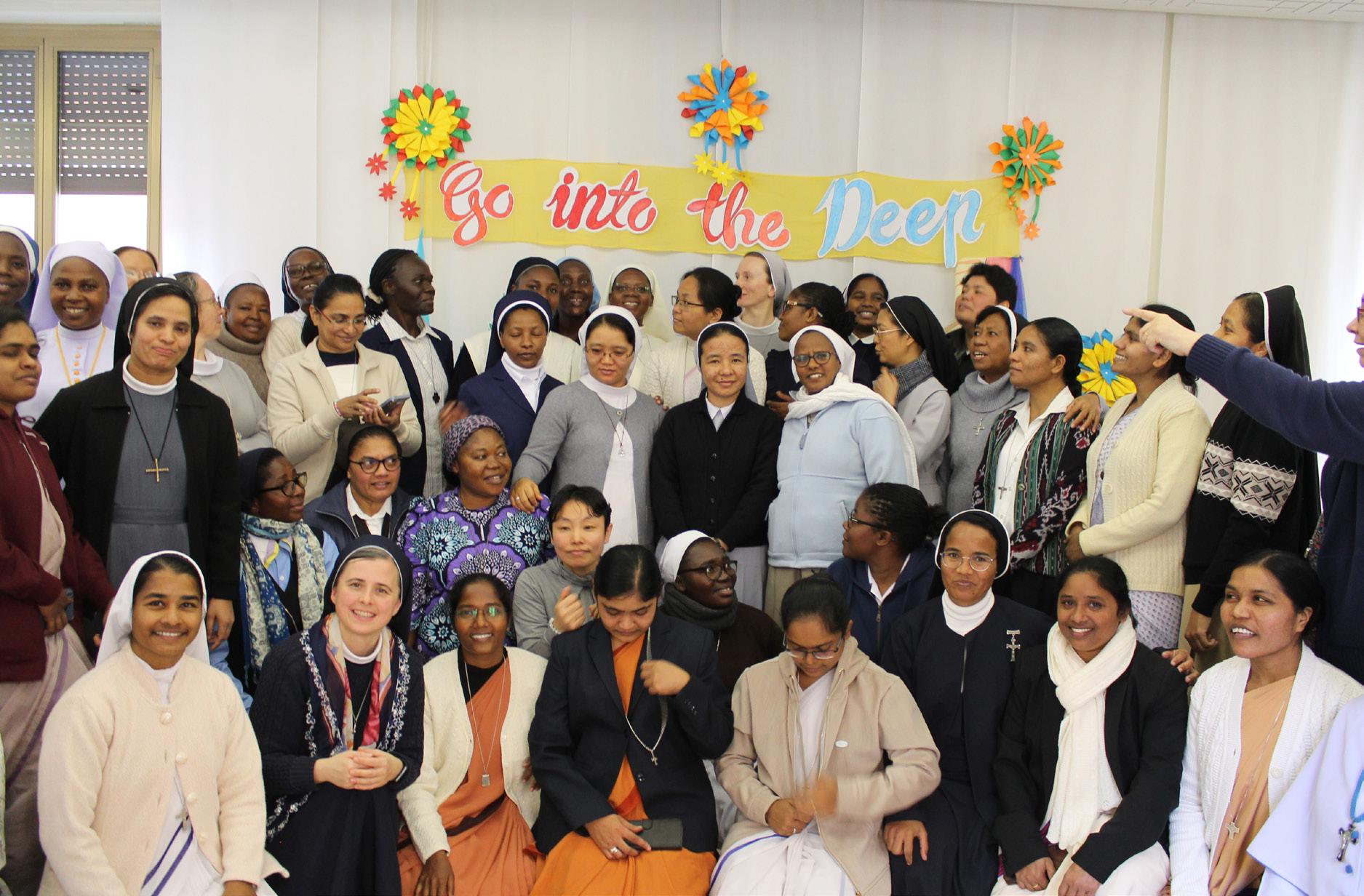
Myriam is an emblematic and committed biblical figure. The First Testament presents her in her family role, as the sister of Moses and Aaron, daughter of Amram and Yocheved, of the tribe of Levi (Num. 26:59 // 1 Chr. 5:29; cf. Exod. 2:1–8). From a young age, she took on a protective role. She watched over Moses when he was placed in a basket on the Nile, ensuring his safety (Exod. 2:4–8). Her family ties to Moses and Aaron positioned her as an influential figure among the Hebrew people. This woman prophet (Exod. 15:20–21) and spiritual leader (15:1–21) reflected her strength of character and ability to convey her convictions and vision. The title “prophetess” therefore underscores her essential role in transmitting the divine will. She celebrates the liberation of the Hebrews from
Egypt—as an act of divine salvation—guiding their women and celebrating the victory of the people through song and dance after crossing the Red Sea, a landmark event in the Exodus. Miriam’s song is an act of praise, faith, and collective inspiration. It fixes a founding event (the deliverance at the sea) in the national memory. 10 As Cross and Freedman point out, it is highly likely that this poem was performed in a cult setting, with a choir of women, under Miriam’s direction, responding to a soloist. In this sense, her training of women in praise is a sign that female spiritual leadership is ancient and recognized.11
Miriam is mentioned in Micah 6:4, alongside Moses and Aaron, as a leader of Israel during the exodus from Egypt.12 The Talmud comments on this: “Israel had three excellent leaders. They were Moses, Aaron, and Miriam.” While Moses and Aaron led the entire people, “Miriam was the leader of the women.”13 This character embodies leadership and community engagement. Indeed, Miriam is a figure of spiritual leadership, encouraging the Hebrews to maintain their faith in God in times of doubt and crisis. She acts as an advisor and mentor to Jewish women, strengthening the cohesion of the people on their march to freedom. Despite her leadership role, she shows human weaknesses, as in the episode where she criticizes Moses for marrying a Cushite woman and rebels against him with Aaron (Num. 12:1–15; cf. Deut. 24:9). Her punishment (temporary leprosy) and her reinstatement show divine grace towards those who repent. She dies at Kadesh (Num. 20:1).
The study of the relationships between Moses, Aaron, and Miriam reveals a model of pluralistic and complementary leadership. Each plays a distinct role in the mission entrusted by God (Moses as liberator, who will become mediator of the divine covenant; Aaron as his spokesman and future high priest or founder of the priestly line; Miriam as prophetess and figure of community support). This family dynamic can shed light on today’s synodality, where mutual listening, the sharing of responsibilities, and the recognition of each person’s charisms are essential. For consecrated women, this prototype invites us to view leadership not as a solitary and dictatorial power— as is often seen in certain congregations—but as a shared service within a synodal community.
The episode in which Miriam is struck with leprosy (Num. 12:1–15) illustrates a moment of crisis and questioning. This biblical passage can be read as a call to communal discernment, conversion, and repentance—essential steps in the spiritual journey of anyone called to leadership. From the perspective of consecrated women today, this dimension reminds us that authority is not based solely on charisma or experience, but also on the ability to recognize one’s mistakes, to allow oneself to be transformed, and to return to God.
Miriam embodies faith, courage, and community commitment, qualities that continue to inspire African religious women in their role as guides and protectors.
The sister of Moses and Aaron embodies feminine leadership and spiritual commitment that resonate in recent analyses of the role of African women in the Church, 14 the
biblical meditations of African women15 and the work of contemporary religious women. These consecrated women find in her a source of inspiration to perpetuate this biblical commitment by living their vocation with courage, faith, and prophetic commitment. In the biblical context, Miriam’s commitment is specific but decisive. She stands at the key moment to proclaim God’s victory. In contrast, in the current context, the commitment of consecrated women is often continuous and structured, but it retains the same purpose: to witness to and celebrate God’s action in the world. While Miriam’s example sheds particular light on the ministry of many consecrated women, it is important to recognize that each vocation unfolds in a specific cultural, ecclesial, and personal context. Thus, forms of women’s leadership in the Church are diverse, and not all necessarily identify with Miriam’s journey or characteristics. Let us note some of the main points of convergence between Miriam and the proponents of her ministry.
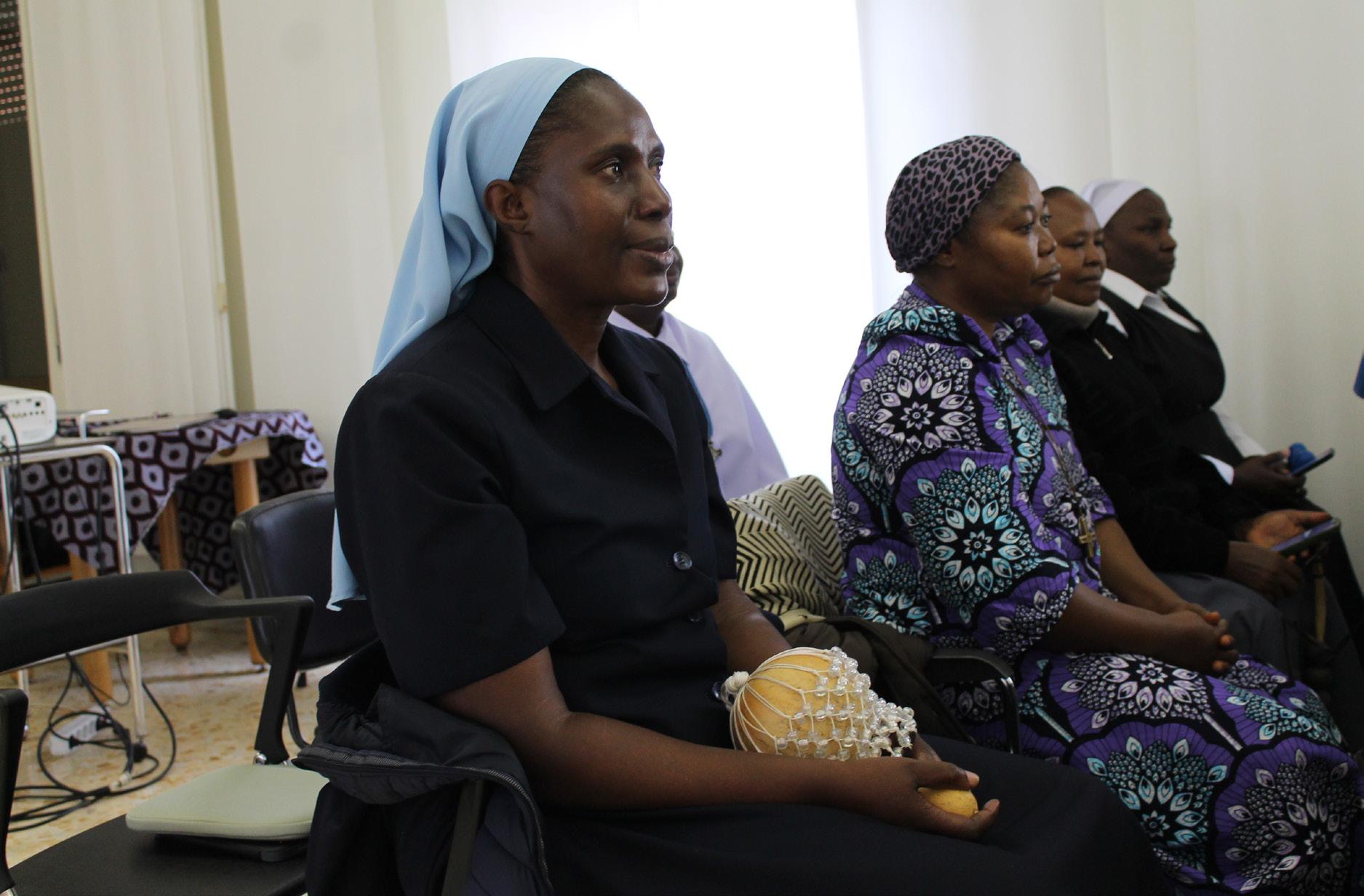
The figure of Miriam, “watchwoman” to her brother Moses and guardian of the faith of the people of Israel, offers a relevant hermeneutical framework for examining the commitment of contemporary African religious women. Without claiming uniformity, some of them take on a mission of vigilance and protection in their daily lives that is exercised on two levels: within their religious communities and in society at large.
2026
Indeed, in contexts marked by structural poverty, armed conflict, forced displacement, and health crises, these religious women stand alongside children, women, and vulnerable communities. Their work ranges from healthcare to caring for orphans, combating malnutrition, and protecting and supporting victims of violence. But this mission is not limited to the outside world: within their own congregations, they also try to care for members who are vulnerable due to age, illness, isolation, or community tensions, seeking to prevent abuse, internal injustices, and abuses of authority.
Like Miriam opposing Pharaoh’s decree of death, the sisters are committed to resisting violence against women, human trafficking, injustice, corruption, and abuse of power, thus extending the regulatory and protective function that Ska identifies as essential in the dynamics of the Exodus narrative. 16 This watchful stance often takes the form of public advocacy, community mediation, and awareness programs—discreet but decisive interventions—sometimes at the risk of their own safety. In the African context, the figure of Miriam inspires a commitment that combines protection and resistance. Nuns, as agents of peace and social transformation,17 continue her prophetic mission and invite us to rethink female leadership in the Church. 18 But they face ecclesial and social structures that hinder their full participation and safety.
The biblical account also highlights a dark side: when Miriam is no longer there, Moses is deprived of her watchful eye. He then commits a mistake by striking the rock twice (Num. 20:1–13), an act that earns him divine punishment. This passage invites us to reflect on the regulatory and preventive function of vigilance: the absence of a female voice to remind, advise, or temper can weaken even the most charismatic figures. Transposed to the African context, this raises questions about the lives of religious women: what happens when those who watch over others are silenced, removed from places of discernment, or prevented from exercising their critical role? The consequences can affect not only the religious community, but also the populations they serve and the Church.
Thus, the figure of Miriam illuminates both the necessity and the fragility of this mission of protection. In contemporary Africa, as in the history of Israel, vigilance is not a secondary role: it determines fidelity to the mission and the spiritual health of the people. Recognizing and supporting this role, including in its internal dimensions within religious life, is a major ecclesial and social challenge, whose impact extends beyond the borders of the continent.
Like Miriam, who was an influential figure among her people, some consecrated women today serve as spiritual guides, counselors, and community supporters. Indeed, like this biblical figure who plays a key role in the history of salvation, guiding women and celebrating Israel’s victory through song and faith, African religious women embody this memorial and liturgical function described by Ska,19 according to their charism, their mission, and the needs of their environment. They transmit the faith through catechesis, youth formation, and Christian education. They are counselors and trainers, strengthening the vitality of Christian communities. They offer spiritual
support to people suffering from trauma or marginalization, to the faithful through the direction of retreats, Bible and prayer circles, and pastoral counseling. They thus serve as spiritual guides, encouraging perseverance and dignity. Myriam’s example thus becomes a symbolic reference point that inspires, without standardizing experiences or leadership styles. However, there is a need for suitable spaces to carry out these activities!
Illustration : I am the diocesan coordinator of the biblical apostolate. The reality is that many people (including some consecrated persons) do not know the Bible. They easily resort to non-Christian practices and are at the mercy of Islam, revivalist churches, etc. We have a project to create a Bible Center to give them a solid spiritual and biblical formation. We are asking generous souls to help us realize this vital project.
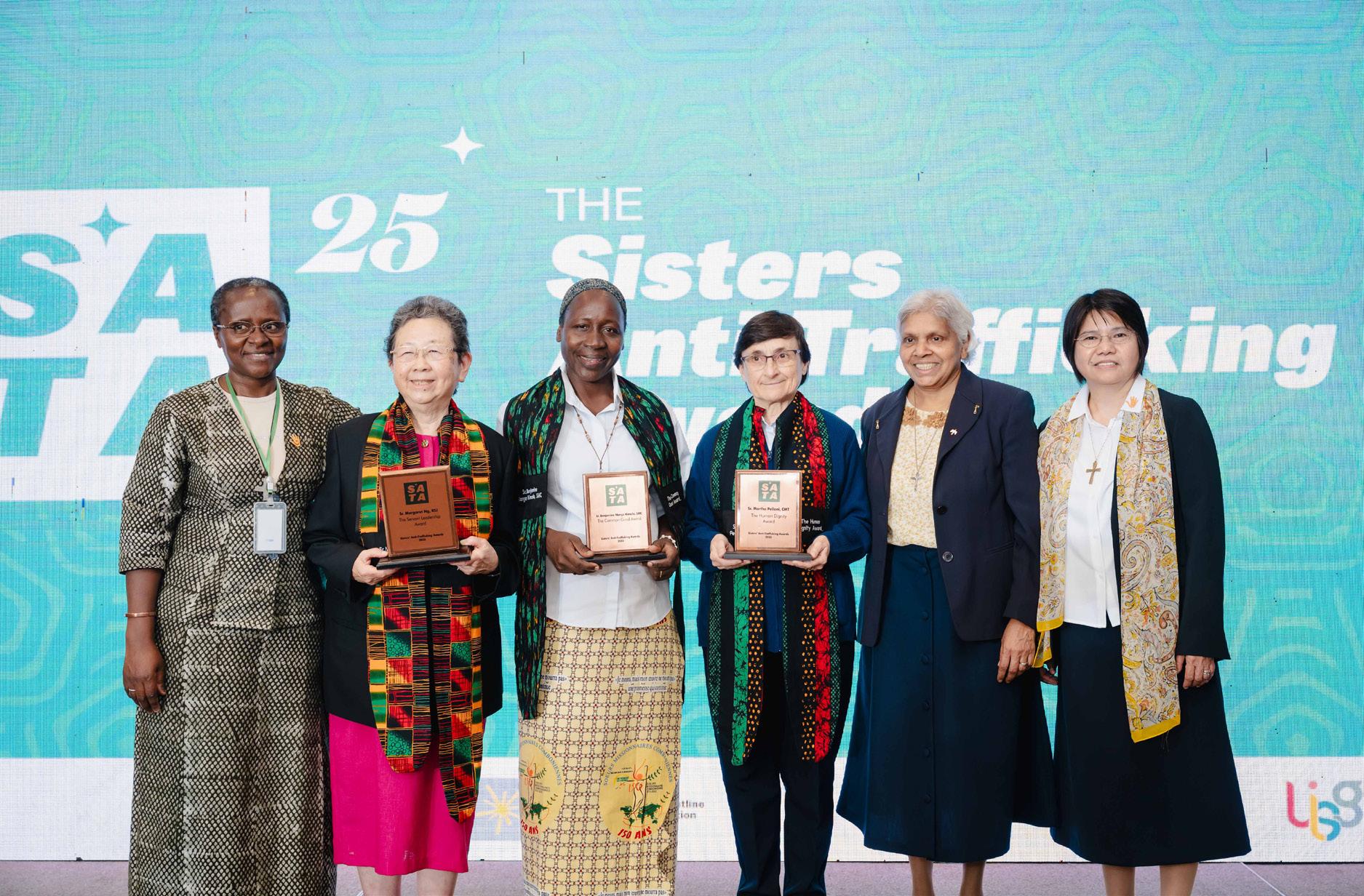
Miriam’s presence at the head of the singers highlights the recognized place of women in the celebration of divine victories, which exegetes interpret as a sign that female spiritual leadership is rooted in biblical tradition and participates in the collective memory of salvation.20
An influential figure among her people, Miriam embodied spiritual authority and the transmission of faith, a commitment similar to that of the religious sisters who guide
communities today. African religious sisters play an active leadership role in parishes and missions. They are often mediators in community conflicts and references for ethical and spiritual decision-making.
Examples of consecrated women who embody the values of the biblical figure of Miriam in Africa:
- During the political and military crisis of the 2000s in Côte d’Ivoire, Catholic nuns and Protestant Christian women leaders collaborated with Muslim women (Muslim leaders) to preach unity and organize interfaith meetings promoting peace.21
- In the Democratic Republic of Congo, several African nuns play a key role in mediating interethnic and political conflicts, contributing to reconciliation and dialogue. The Sisters of Charity of Jesus and Mary (SCJM) , in particular, are active in conflict-affected areas (in Greater Kasai: Kamwina Nsapu, e.g., 2016–2019), facilitating dialogue between communities and providing support to victims of violence; 22 The Sisters of Saint Joseph of Cluny are involved in reconciliation and mediation programs, particularly by supporting women and children affected by ethnic tensions.23 As for interfaith initiatives, some religious sisters collaborate with Muslim and Protestant leaders to promote peace and peaceful coexistence in crisis regions.24
This dimension of faith and perseverance in stories of liberation is also highlighted by Ska.25 In the African context, which is sometimes marked by the challenges of poverty, war, and injustice, whether in conflict zones or in the face of humanitarian crises, women religious do not limit themselves to a religious role. They embody the same determination, deep faith, and resilience as Miriam. Just as this prophetic voice accompanied the people in their exodus and guided Jewish women in times of crisis, African consecrated women remain present not only in communities even in difficult contexts (war, poverty, health crises), but also alongside vulnerable populations. They play the biblical role of spiritual leadership and courage in the face of challenges. They instill hope and courage in the faithful, helping them to endure trials with unshakeable faith.
Like Miriam, who guided other women, African religious sisters are committed to educating young girls to ensure a better future for them; to providing vocational training for women to empower them and break the cycle of poverty; and to implementing sustainable development s programs that ensure food and economic security. (Our association has projects in this area).
Far from being mere teachers or figures of prayer, these consecrated women are guardians of the faith, spiritual advisors, and protectors of the most vulnerable, fully embodying Myriam’s legacy. Their commitment continues to inspire and shape religious life in Africa today.26
In analyzing Miriam’s role as an inspiring biblical figure, it is important to note that not all African religious women necessarily share the same traits, backgrounds, or experiences as this figure. Miriam can serve as a symbolic and spiritual reference point, but each religious woman evolves in her own cultural, ecclesial, and personal context. This nuance helps to avoid essentialization and to recognize the diversity of vocations and forms of female leadership in the Church. Thus, these women, whether biblical or contemporary, embody feminine strength and spirituality. Their role goes beyond the simple transmission of faith: they are protectors of communities and models of resilience. Female leadership is therefore visible among African religious women, but it deserves to be revisited.
Biblical history and contemporary realities converge in the same call to serve, protect, and transform. The figure of Miriam, at once prophetess, leader, celebrant, and guardian of memory, embodies a spiritual and communal dynamic that spans the centuries. She is not limited to a narrative role: she becomes a living reference point for consecrated women today.
Drawing on a theological and contextual reading of Exodus 15:1–21, this study highlights the active role of this figure in resistance, praise, and transmission. Her example sheds light on contemporary practices of female religious leadership, particularly in the African context, where women religious assume prophetic responsibilities at the heart of societies marked by conflict, injustice, and imposed silence.
Their commitment, rooted in faith and oriented toward social transformation, bears witness to a bold and embodied spirituality that is essential for the future of Christian communities. Miriam can thus be considered a biblical archetype of female leadership, offering a spiritual and prophetic reference point for some African religious women working in fragile environments. This legacy is expressed in many ways, as each consecrated woman, according to her history and context, may or may not actualize the biblical Miriam in her mission. This diversity enriches our understanding of female leadership in the Church.
This reinterpretation invites us to revalue women’s voices in the Church and to promote a theology of celebration, resistance, and communion. May it raise ecclesial and social awareness and open a space of recognition and hope, where consecrated women can fully embrace their prophetic vocation to guide their communities toward a living, joyful, and transformative faith.
• How can you integrate and apply Miriam’s actions and qualities in your context so that you can respond to contemporary challenges?
• What are the current challenges facing consecrated women in your respective living environments?
• Discuss opportunities and possible roles for consecrated women in modern society.
• Engage in constructive debate on women’s leadership in your congregation and diocese.
• How could the Religious Theologians of the UISG contribute in a unique way to the spirituality and mission of the Church?
1. CROSS F.M. Jr. and FREEDMAN D.N., “The Song of Miriam,” in Journal of Near Eastern Studies, 14 (1955) 4, The University of Chicago Press, pp. 237–50.
2. DRIVER, S. R., The Book of Exodus in the Revised Version with Introduction and Notes, Cambridge Bible for Schools and Colleges, Cambridge: Cambridge University Press, 1911.
3. FOSTER E. A., Les catholiques africains. Décolonisation et transformation de l’Église, Paris: Karthala, 2022.
4. HOUSSOU GANDONOU F. H. (ed.), La Bible de méditation par les femmes d’Afrique, Paris: Alliance biblique universelle, 2024.
5. JOSEPH D., Le leadership féminin dans les Églises en Afrique, Casablanca: Guiguess Éditions, 2023.
6. The Bible Explained, Old and New Testaments, Villiers-le-Bel: Universal Bible Alliance, 2004. On Exod. 1:15–22.
7. Midrash Rabbah Shemot 1:13.
8. ODELAIN O. and SÉGUINEAU R., Dictionary of Proper Names in the Bible, Paris: Cerf / DDB, 1978.
9. RACHI on Exodus 1:15–22.
10. SKA, J.-L., Introduction à la lecture du Pentateuque, Brussels: Lumen Vitae, 2000; English edition: Introduction to Reading the Pentateuch, Winona Lake, IND: Eisenbrauns, 2006.
11. Idem, “ Le livre de l’Exode. Questions fondamentales et questions ouvertes,” in Nouvelle Revue Théologique, 133 (2011) 3, Brussels: Éditions NRT, pp. 353–73.
12. Talmud, Sotah 11b.
13. Talmud, Taanit 9.
14. Targum on Micah 6:4.
https://www.erudit.org/fr/revues/theologi/2015-v23-n2-theologi03341/1042749ar.pdf
https://comlibre.net/religions-et-reconciliation-en-afrique-quand-les-religions-tissent-la-paix-enafrique/
https://www.pressafrik.com/La-diplomatie-religieuse-en-tant-qu-outil-de-resolution-de-conflitsPar-Babacar-Biteye_a286397.html
https://comlibre.net/religions-et-reconciliation-en-afrique-quand-les-religions-tissent-la-paix-enafrique/
1 J.-L. SKA, “The Book of Exodus: Fundamental Questions and Open Questions,” NRT, no. 133/3, Brussels, 2011, p. 355.
2 The Bible Explained, Exod. 1:15-22.
3 Rashi on Exodus 1:15. See also Midrash Rabbah Shemot 1:13 and Talmud, Sotah 11b.
4 Rashi on Exodus 1:17.
5 Cf. S. R. DRIVER, The Book of Exodus in the Revised Version with Introduction and Notes (The Cambridge Bible for Schools and Colleges), Cambridge: Cambridge University Press, 1911, p. 131. The author describes Miriam’s song as a song of praise.
6 The Bible Explained, Exod. 15:20–21.
7 J.-L. SKA, op. cit., p. 356.
8 J.-L. SKA, Introduction à la lecture du Pentateuque, Brussels: Lumen Vitae, 2000, p. 215; English edition: Introduction to Reading the Pentateuch, Winona Lake, IND: Eisenbrauns, 2006
9 The public and spiritual role of this woman when she leads a liturgical song after an act of divine salvation (Exod. 15:20–21) illustrates a vocation: to carry the memory of God’s action and transmit it to the community. On this subject, see F.M. Jr. CROSS and D.N. FREEDMAN, The Song of Miriam in Journal of Near Eastern Studies, 14, 1955, pp. 237-250 (here, pp. 242-243).
10 J.-L. SKA, op. cit., p. 356.
11 See F.M. Jr. CROSS and D.N. FREEDMAN, The Song of Miriam, pp. 242-243 and p. 238.
12 O. ODELAIN and R. SÉGUINEAU, Dictionnaire des noms propres de la Bible, Paris: Cerf / DDB, 1978, pp. 244-245.
13 Talmud, Taanit 9; Targum on Micah 6:4.
14 E. A. FOSTER, Les catholiques africains. Décolonisation et transformation de l’Église, Paris: Karthala, 2022, p. 302.
15 F. H. HOUSSOU GANDONOU (ed.), La Bible de méditation par les femmes d’Afrique, Paris, Alliance biblique universelle, 2024, p. 214.
16 J.-L. SKA, op. cit., p. 355.
17 E. A. FOSTER, African Catholics, p. 302.
18 D. JOSEPH, Le leadership féminin dans les Églises en Afrique, Casablanca: Guiguess Éditions, 2023, p. 87.
19 See J.-L. SKA, op. cit., pp. 355–56.
20 J.-L. SKA, op. cit., p. 356; Cf. F.M. Jr. CROSS and D.N. FREEDMAN, The Song of Miriam, p. 245.
21 https://comlibre.net/religions-et-reconciliation-en-afrique-quand-les-religions-tissent-la-paix-en-afrique/
22 https://www.pressafrik.com/La-diplomatie-religieuse-en-tant-qu-outil-de-resolution-de-conflits-Par-Babacar-Biteye_a286397.html
23 https://comlibre.net/religions-et-reconciliation-en-afrique-quand-les-religions-tissent-la-paix-en-afrique/
24 https://www.erudit.org/fr/revues/theologi/2015-v23-n2-theologi03341/1042749ar.pdf
25 On this subject, see J.-L. SKA, op. cit., pp. 354–55.
26 This educational and communal function of the figures in Exodus is emphasized by J.-L. SKA, op. cit., pp. 359–60.