

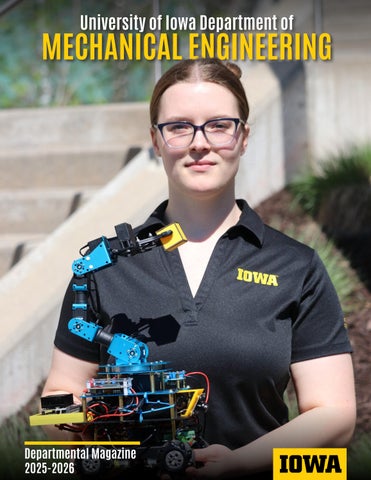

The Mechanical Engineering Department had an outstanding academic year in 2025–2026.
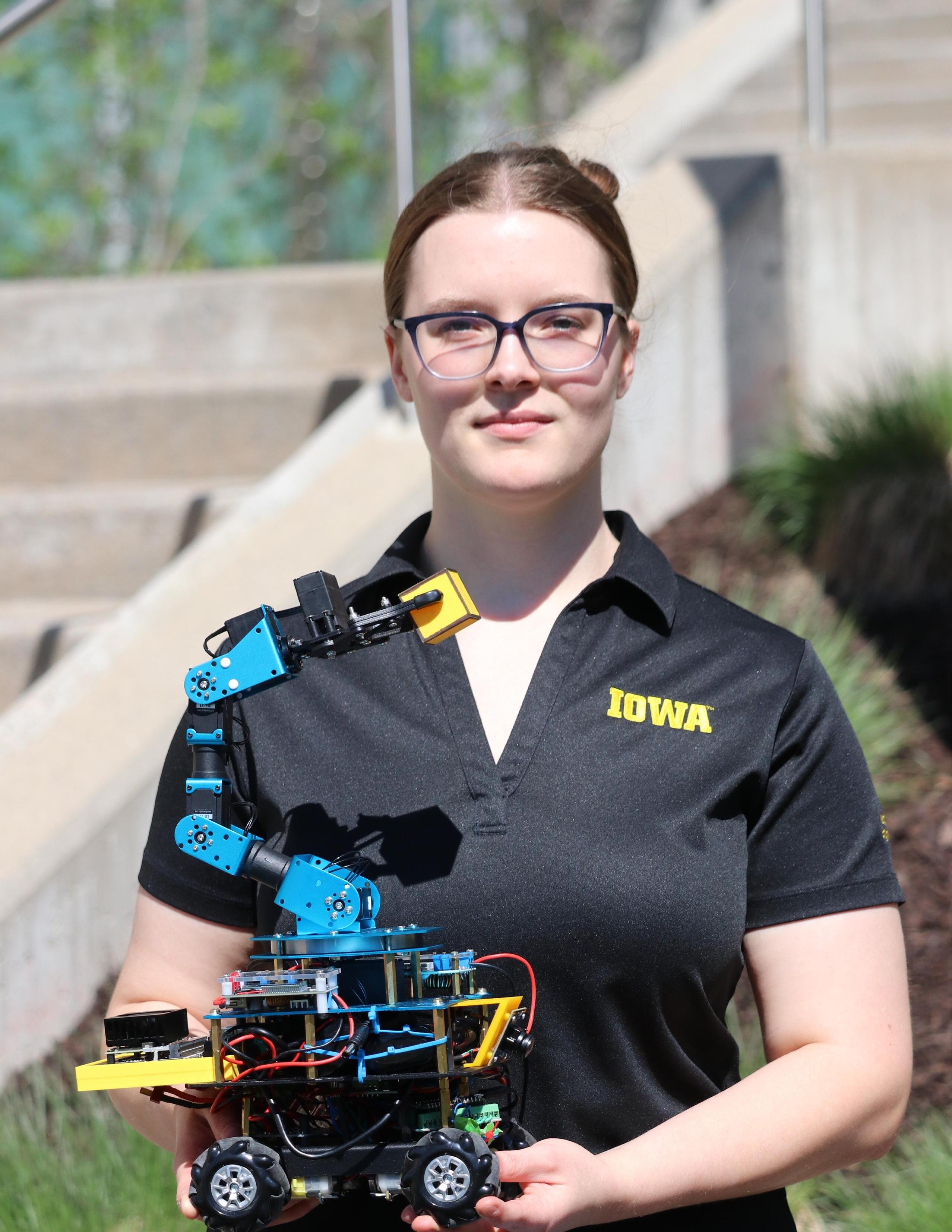
In curriculum development, Associate Professor James Buchholz and Associate Professor Casey Harwood developed and taught a new course, Hand-Built Robot: Mechatronics and Machine Learning for Mobile Robots, designed to bridge mechanical systems and artificial intelligence in support of our Artificial Intelligence, Robotics, and Autonomous Systems curriculum.
Our faculty’s accomplishments this year have been truly exceptional, reflecting a sustained commitment to excellence in research, teaching, and service. Professor Fred Stern received the Iowa Regents Award for Faculty Excellence, and Professor Sharif Rahman received the College of Engineering Faculty Excellence Award for Research. Associate Professor Caterina Lamuta was named the Robert and Virginia Wheeler Faculty Fellow. Associate Professor Venanzio Cichella continues to advance the research frontier in cooperative multi-vehicle (drone) systems, integrating safety maneuvers within humaninhabited airspace. Professor Hongtao Ding has also recently received several U.S. patents related to laser-based manufacturing technologies.
Among our students, alumni, and board members, the entrepreneurial spirit of our graduating senior, Mr. Keegan Fogarty, has been especially inspiring. Our senior design projects continue to address real-world engineering challenges, demonstrating the creativity and practical impact of our students’ work. It is also gratifying to hear the many success stories of our alumni. In addition, we are pleased to welcome three new members to our Advisory Board.
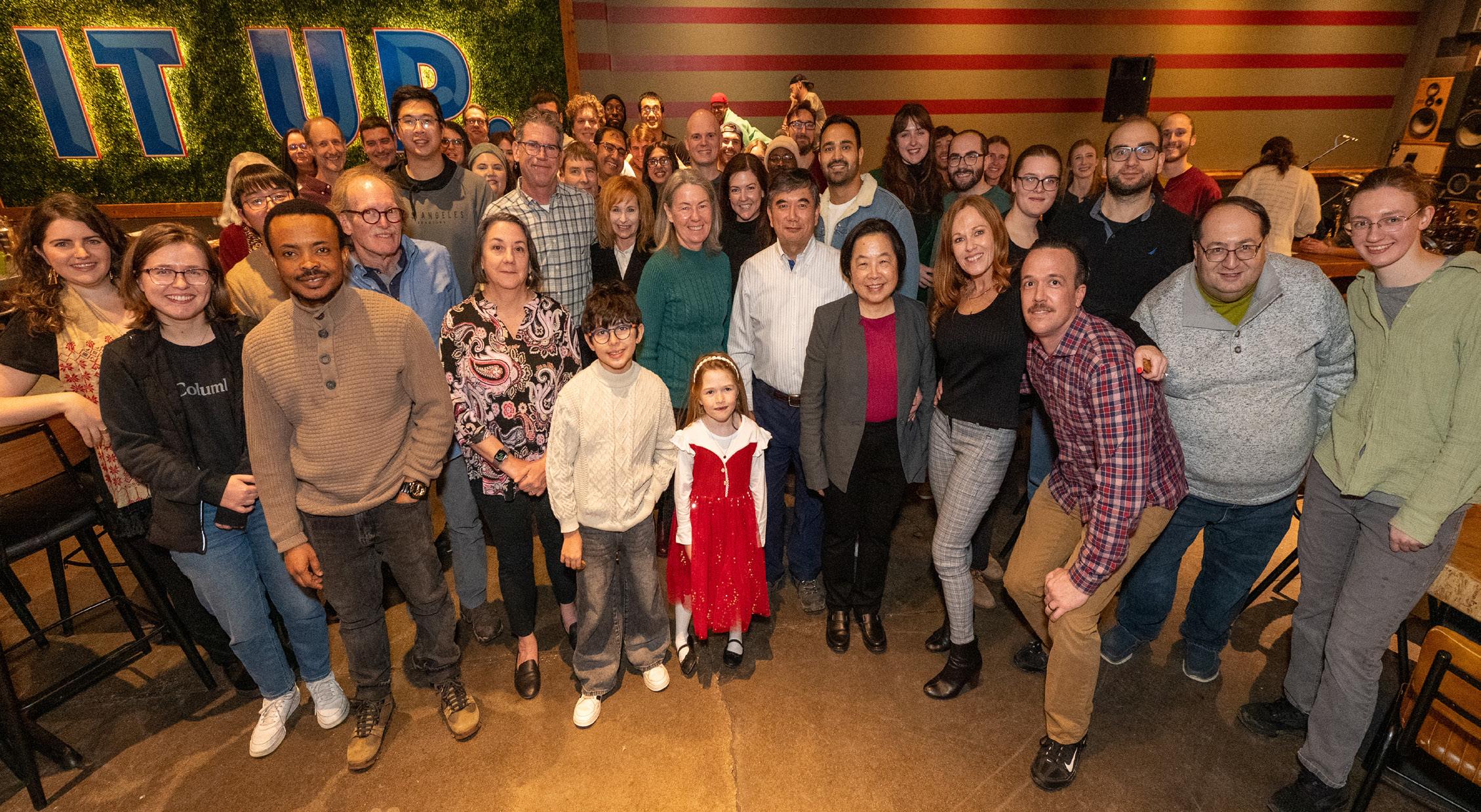
Finally, the departmental winter party remains a cherished annual tradition. Once again, we were honored to have Dean Ann McKenna join us for this special occasion. We sincerely appreciate your continued support and extend our very best wishes for your health, happiness, and well-being.
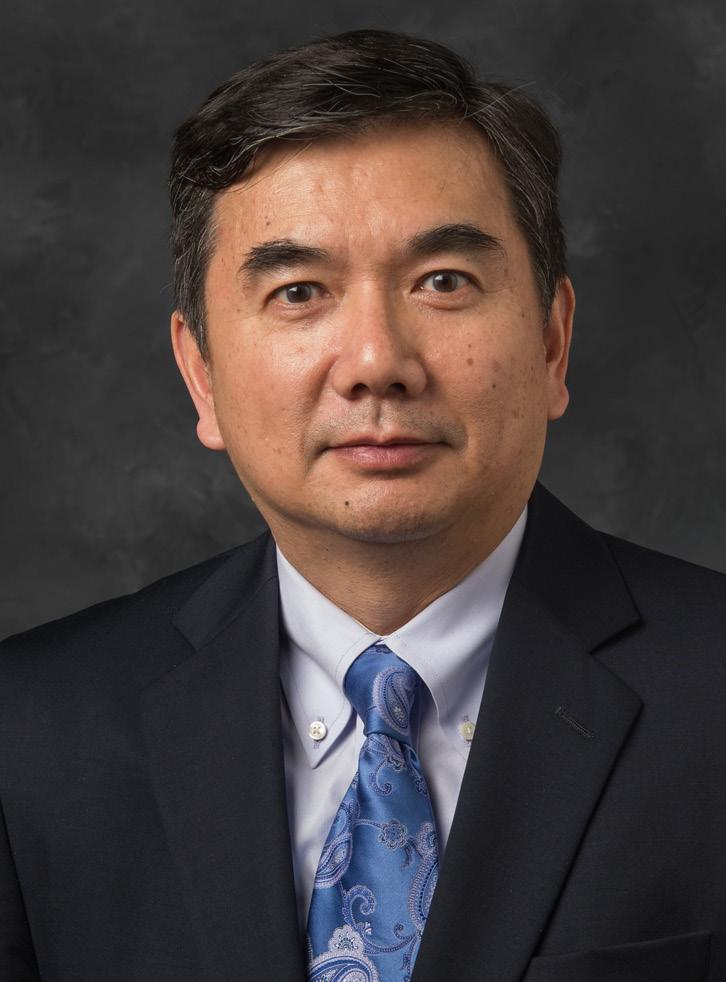
Edward M. Mielnik & Samuel R. Harding Professor of Mechanical Engineering Departmental Executive Officer for the Department of Mechanical Engineering

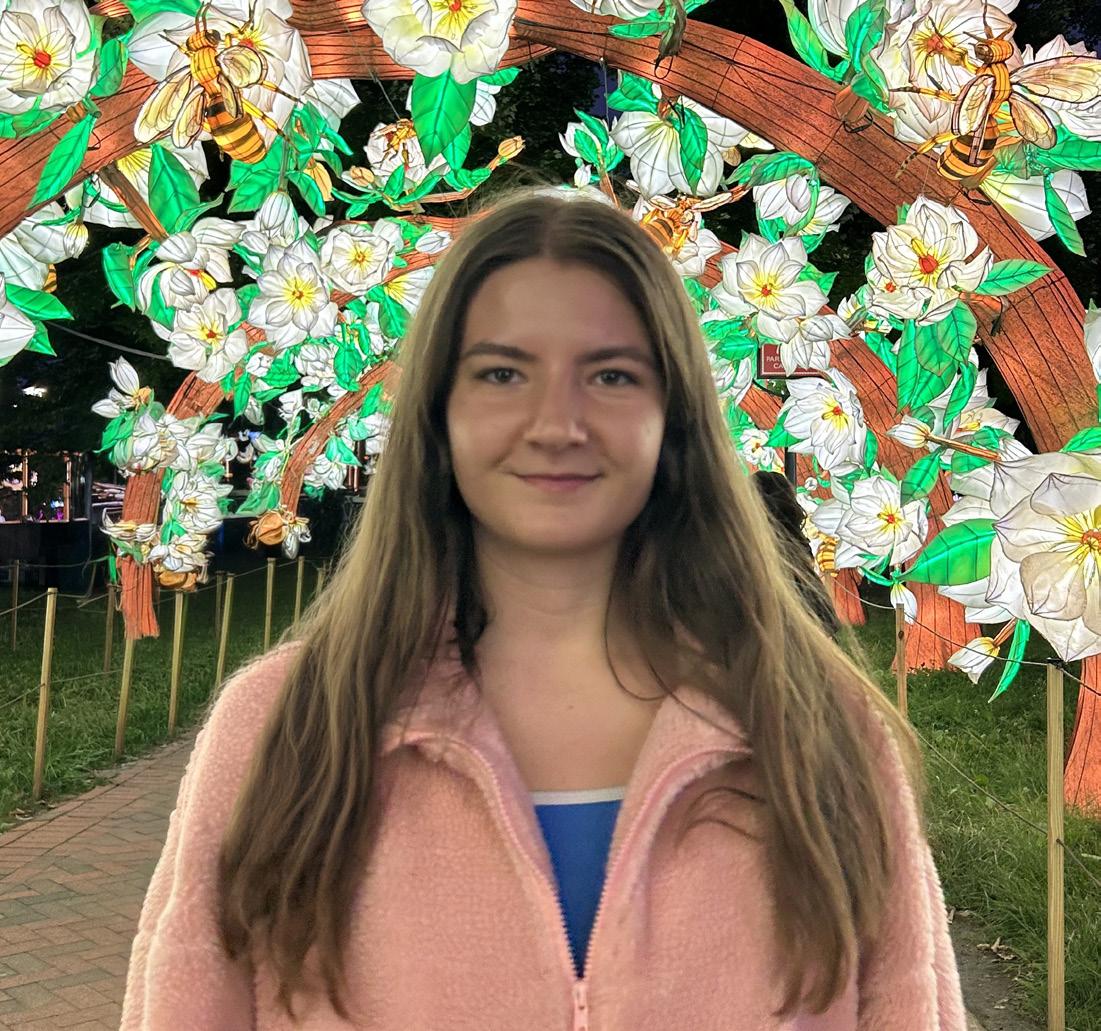
Natalie is the student communications associate for the Department of Mechanical Engineering. Joining the department this year, she is the lead designer and editor of this magazine. Natalie is a sophomore majoring in mechanical engineering with a focus area of design and striving for a Certificate in Naval Engineering. She views this role as a chance to apply her design skills and learn more about opportunities in industry.
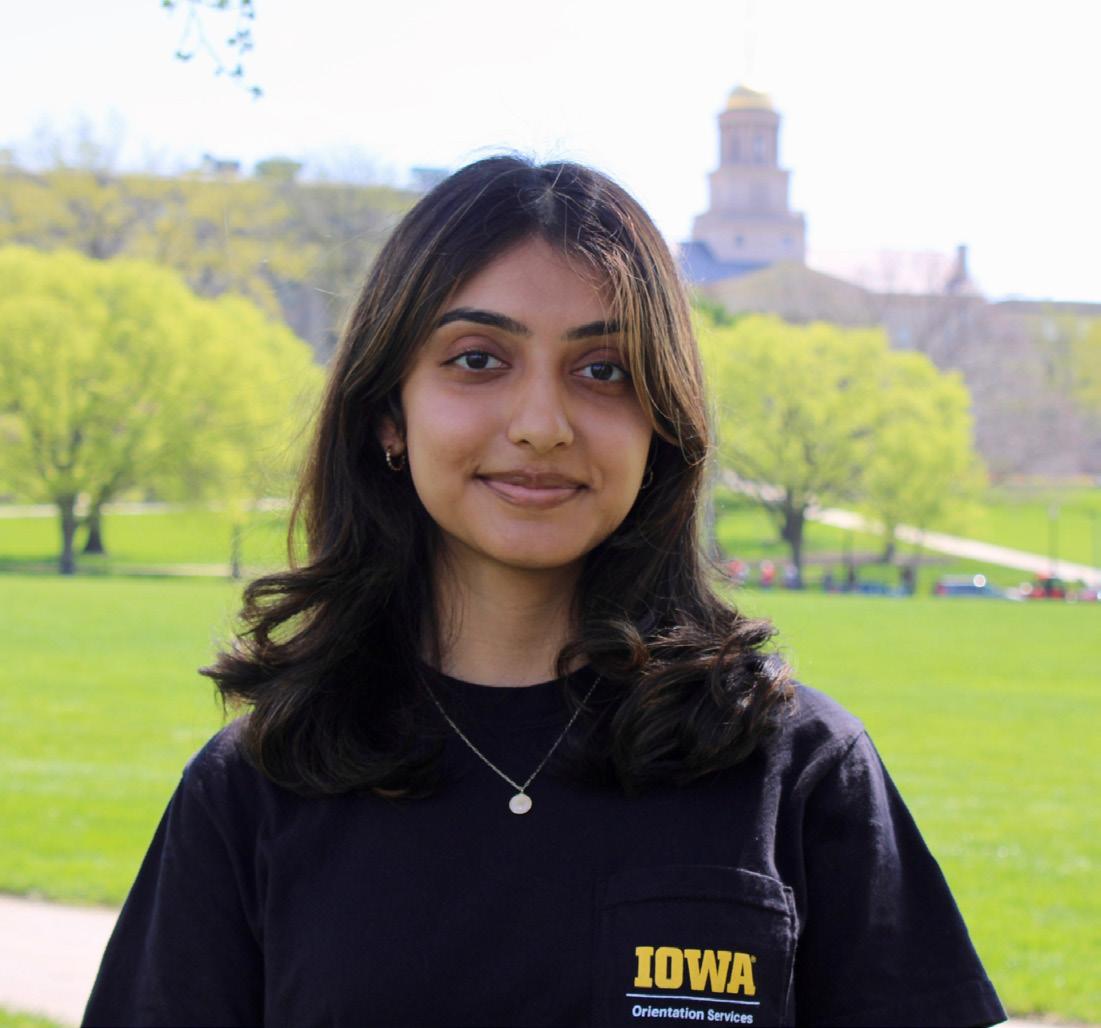
Disha is the student communications lead for the Department of Mechanical Engineering and has managed the department’s social media for two years. She is a junior majoring in journalism and mass communication while also getting a Certificate in Sustainability. She hopes to use the design, writing, and production skills she’s learned over the last two years to work in public relations and digital marketing.
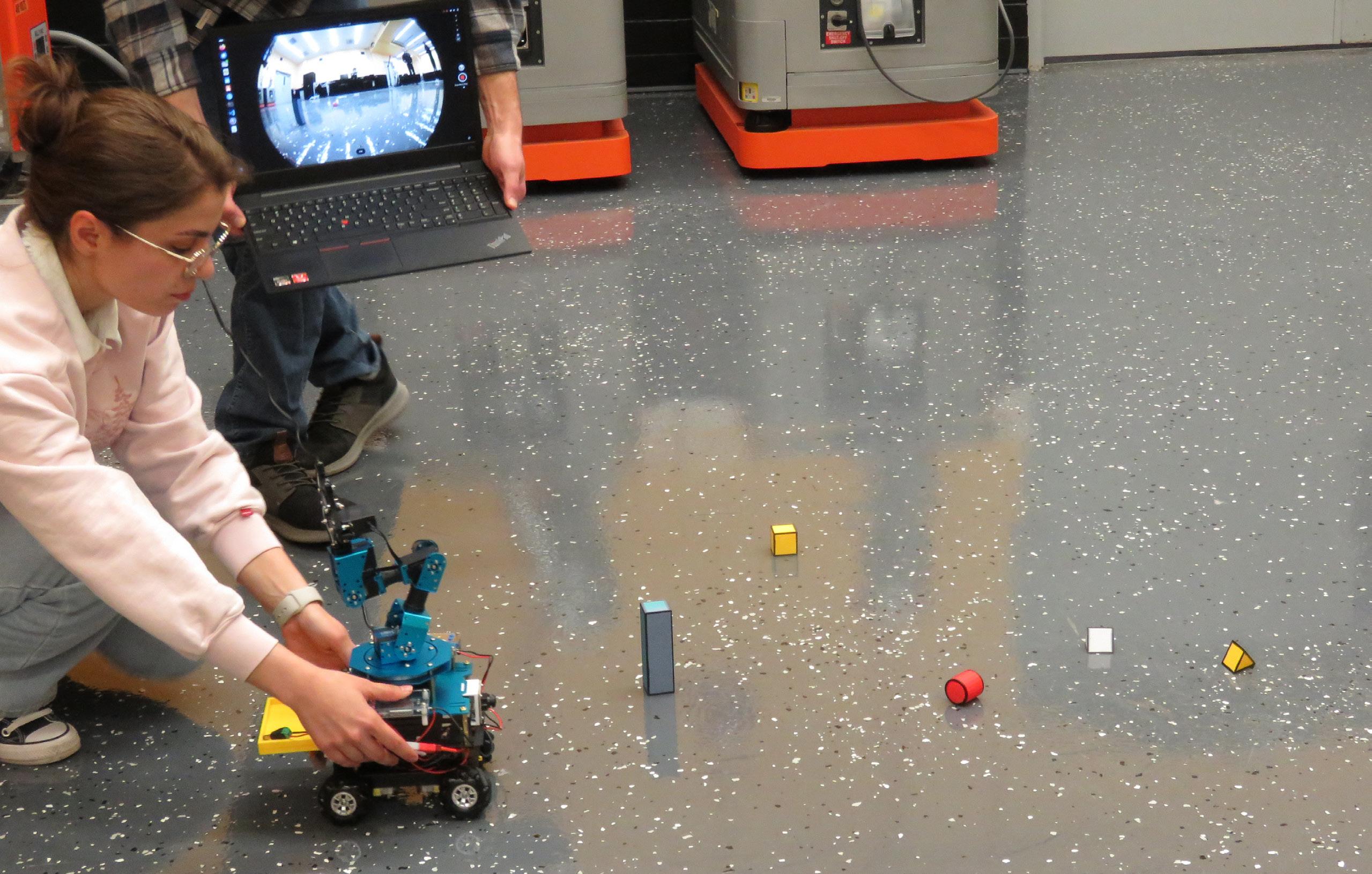
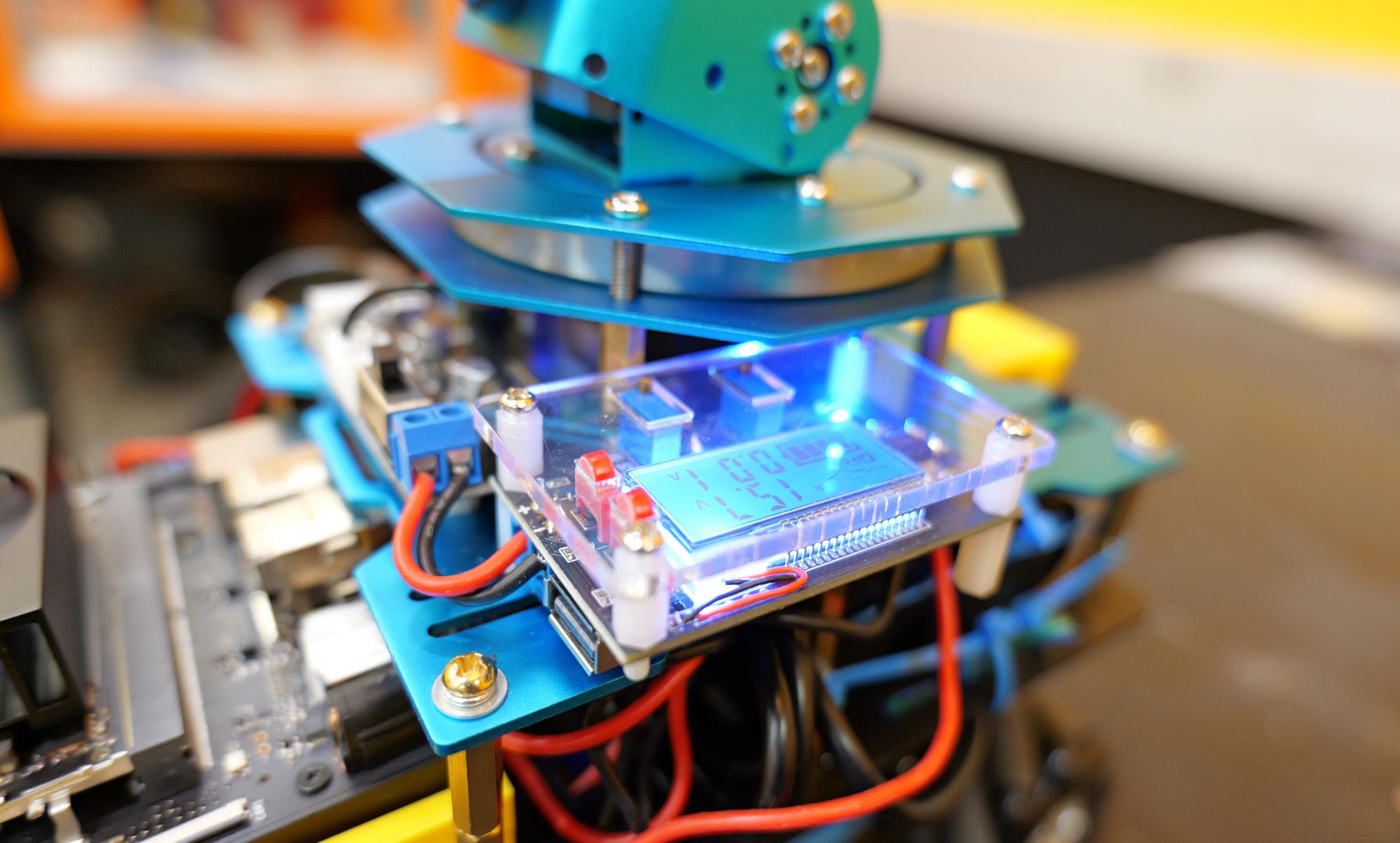
This year marks the launch of an exciting new course that takes hands-on learning to the next level. The Hand-Built Robot course (ME:5125 Hand Built Robot: Mechatronics and Machine Learning for Mobile Robots) offers students a rare opportunity to design, construct, and program a fully functional robotic system.
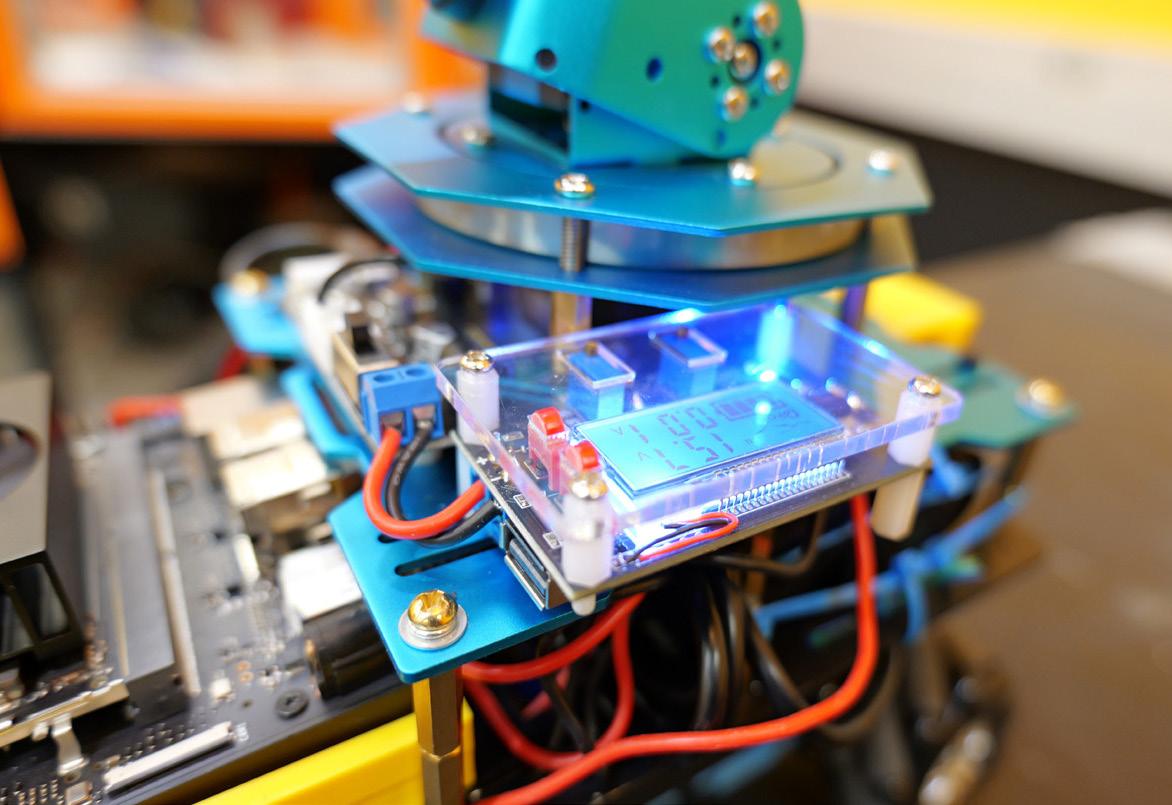
At the heart of the course, there is an ambitious goal: student teams develop a robot that can navigate around the room, using an arm, fisheye camera, and sensors to identify and pick up objects. These robots simulate real-world challenges, such as determining space and calculating the movements needed to advance toward objects. This end-to-end experience immerses students in every stage of the process, including hardware assembly, Python coding, machine learning, CAD modeling, and computer vision.
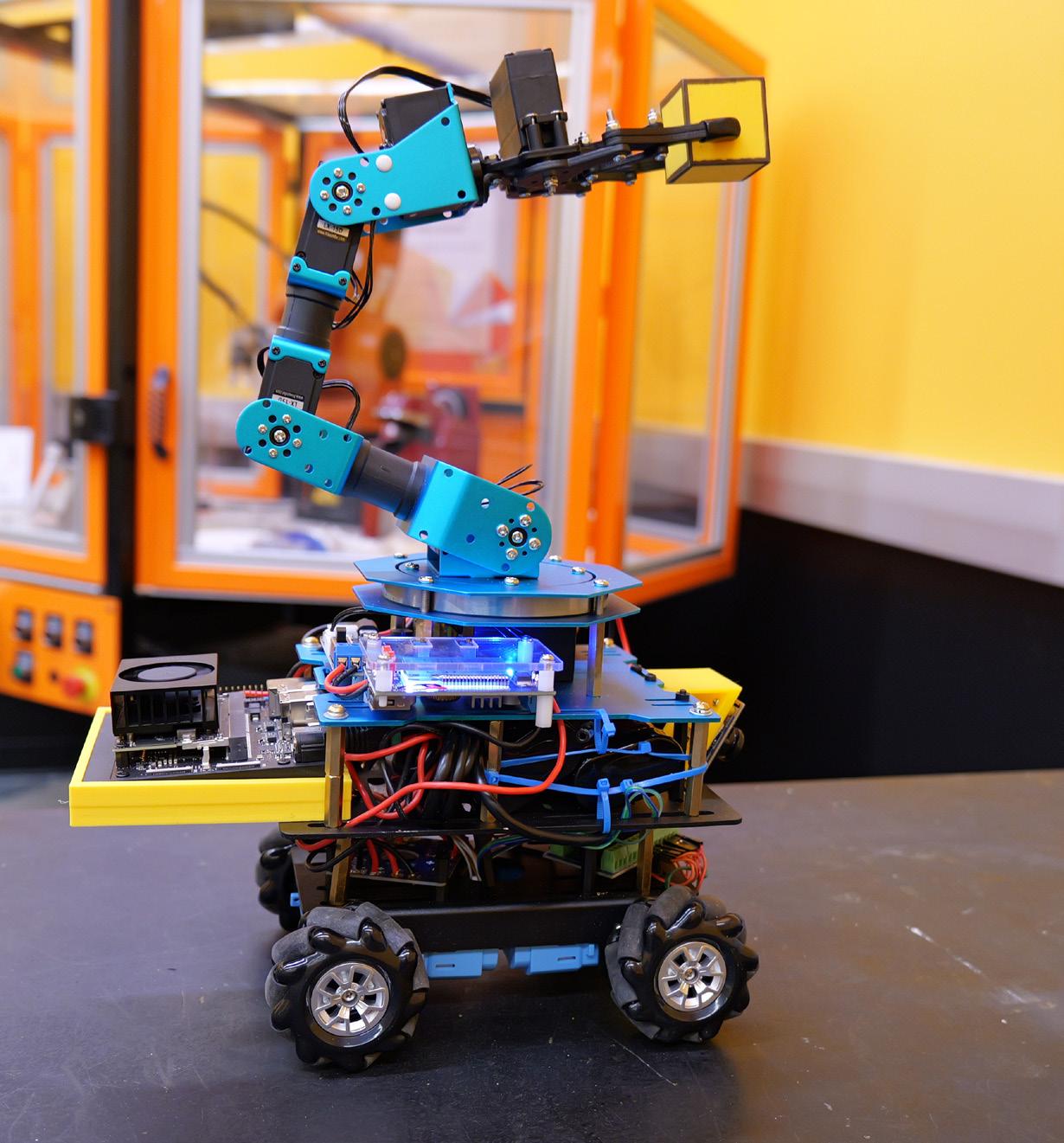
The course also introduces industry programming frameworks through the Robot Operating System (ROS2). Throughout the semester, teams complete construction goals set by the instructors, add their own interpretations of a successful robot, and test their adaptations. Finally, at the end of the semester, they compete against other teams’ robots in a demonstration of their systems’ effectiveness.
Sitting down to talk with Megan Michaud, a doctoral student and graduate TA, helped shine a light on the great work achieved by the students and instructors. In her words, “The students go through a comprehensive process of building a mobile manipulator from scratch. From the beginning, the course is broken into sections including mechatronics, vision, manipulator kinematics, and navigation that encompass the entire functionality of the robots. Students worked to build their robots and code them with a focus on using machine learning and AI during the process. In the end, the students are given an introduction and hands-on training with multiple different tools that are readily used in industry that may not be introduced in other Mechanical Engineering courses such as VSCode, GitHub, and Roboflow. Students also get the chance to train two different machine learning models: a
YOLO-based convolutional neural network (CNN) for object detection and a custom multi-layer perceptron (MLP) for obstacle avoidance and navigation. The use of AI to assist with coding is encouraged, giving students a chance to explore AI agents in coding and to learn the proper ways to work with AI while still maintaining responsibility for the final product, a skill that is becoming increasingly important.
“The process of developing a course like this was extensive, and working alongside the professors was a wonderful experience. I have massive respect for both Professor Harwood and Professor Buchholz, and it was incredible to see how well they worked together. Their teaching styles are complementary, and they managed to balance the development and delivery of the course extremely well. Both professors were supportive of the students during the course, and as the course moved through the semester, they were extremely receptive to feedback from the students and adapted when needed. The development of the course was no different. I learned a lot from them both as we had to adapt through the development process, and as of now, I would argue that our robot is at least on its third iteration as we have changed many things since the original design.”
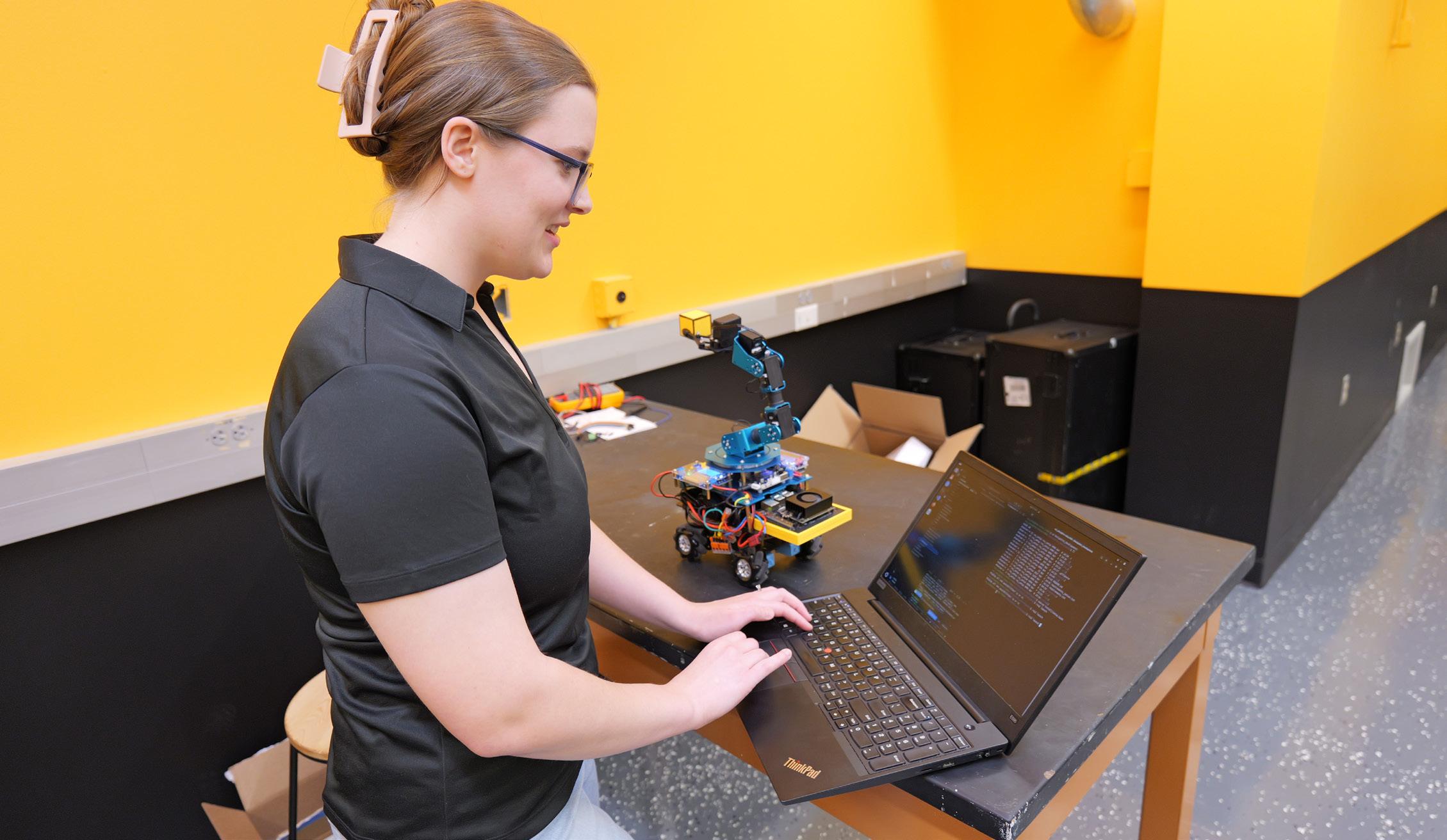
Noting that the students go above and beyond, Michaud remarks that since the robots use machine learning to examine the blocks they must pick up, each robot is trained on a different environment. Not only have robots developed different memories from the machine learning data, but students, with access to the library’s 3D printer, have developed different components to achieve the same goal. This unique feature within each robot gives students the right to say there is no other like theirs.
The course is hosted in a newly developed lab space designed specifically for handson robotics work. Reaching out to the department, the course developers outlined the need for space that fulfills the course’s expectations. By remodeling spaces in the lower level of the engineering building, the department created two rooms for the course: a working lab space for coding and construction, and a lab space designed to test the robots. Their work was greatly appreciated by students and instructors, who were hard at work, and the room stays true to Iowa’s black and gold theme.
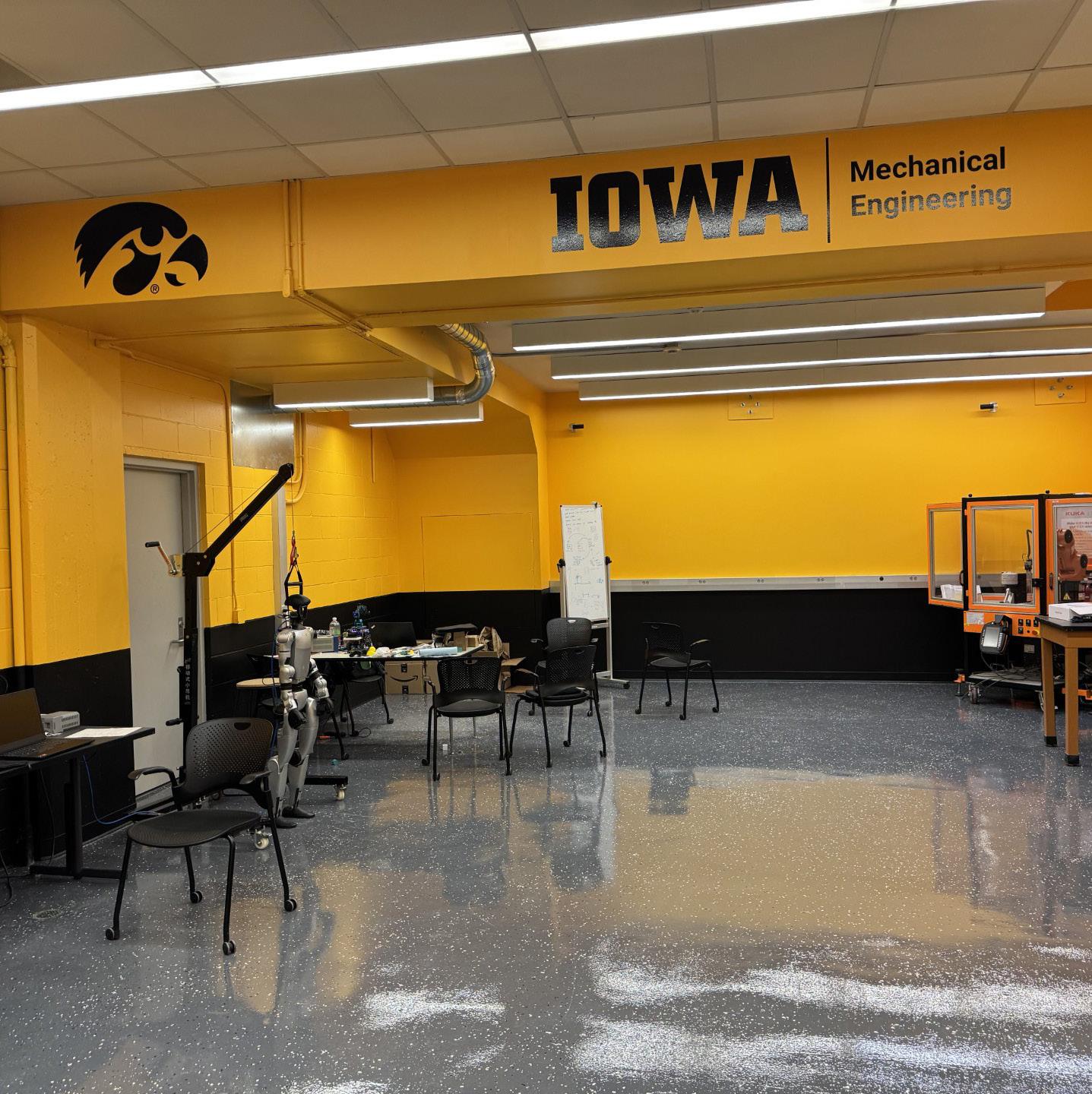
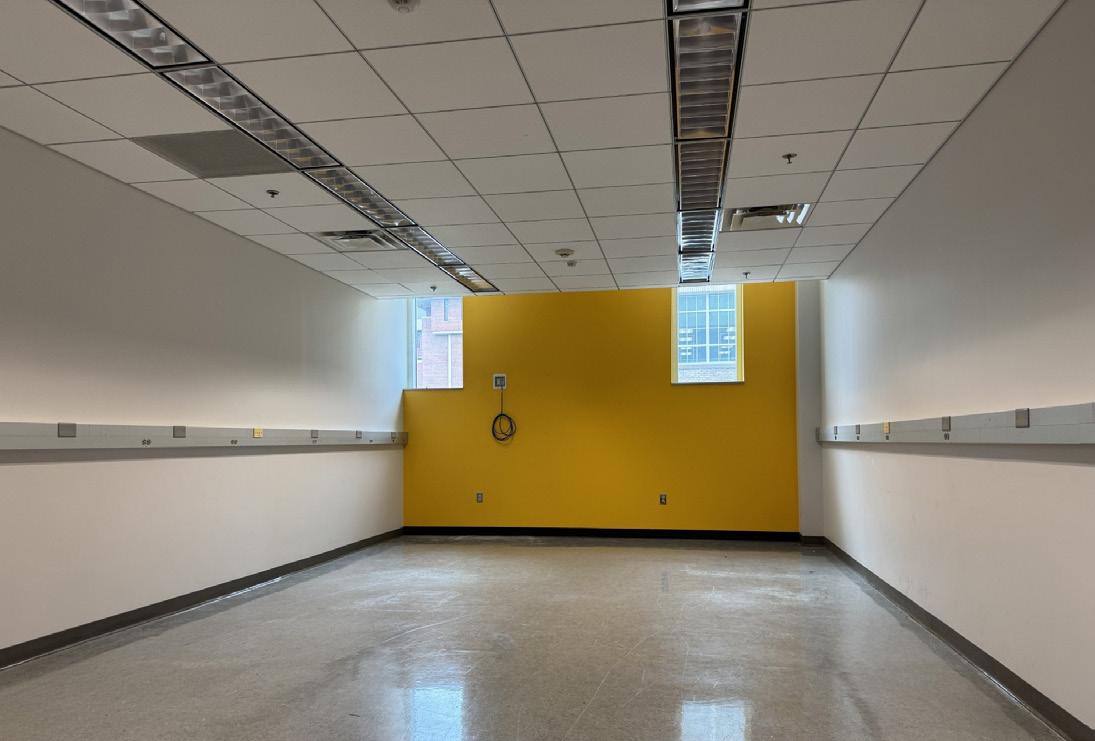
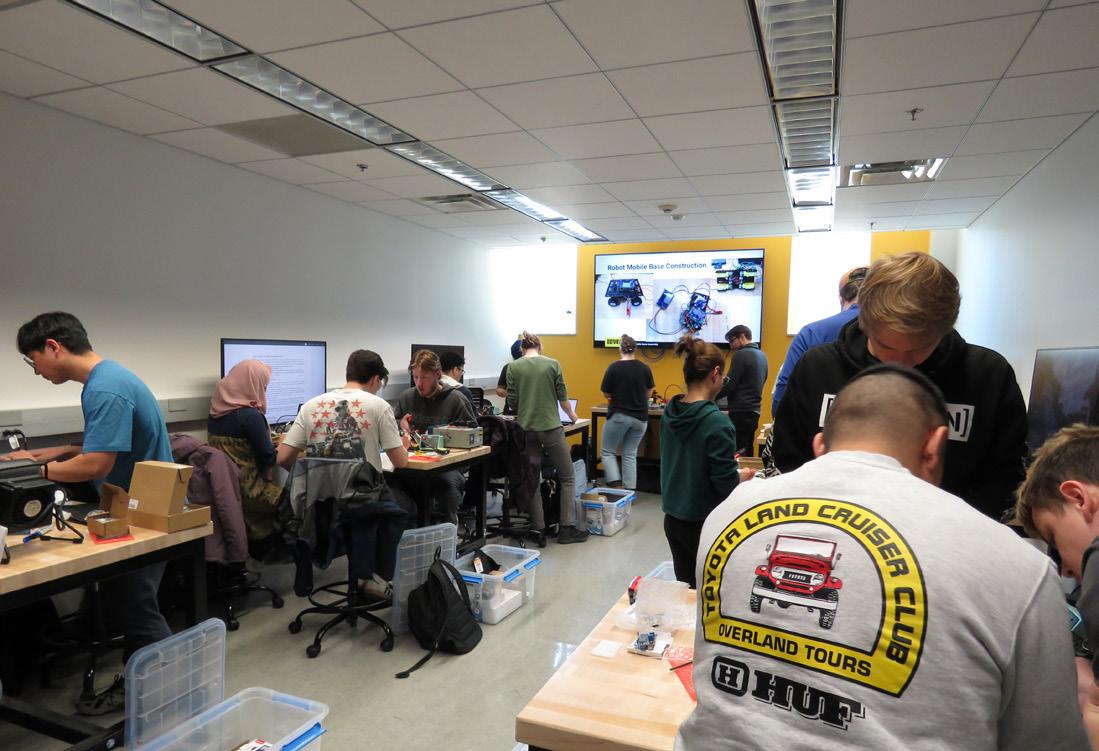
Because this course provides accessible lab resources and hands-on faculty guidance, available seats fill quickly. Limited enrollment ensures that every student receives immediate access to equipment, tools, and individualized instructor support, creating an environment where collaboration and innovation can thrive.
This course was made possible through the efforts of dedicated instructors and developers including James Buchholz, Casey Harwood, Kara Beauchamp, and graduate TA Megan Michaud. Their work reflects a broader vision: preparing students for a rapidly evolving field where autonomy and machine learning skills are becoming essential.
Focusing on real-world application and technical skills, this course equips students with the tools to thrive in advanced study and professional practice. More importantly, it fosters a mindset that the next generation of engineers will not just understand autonomous systems but build them.
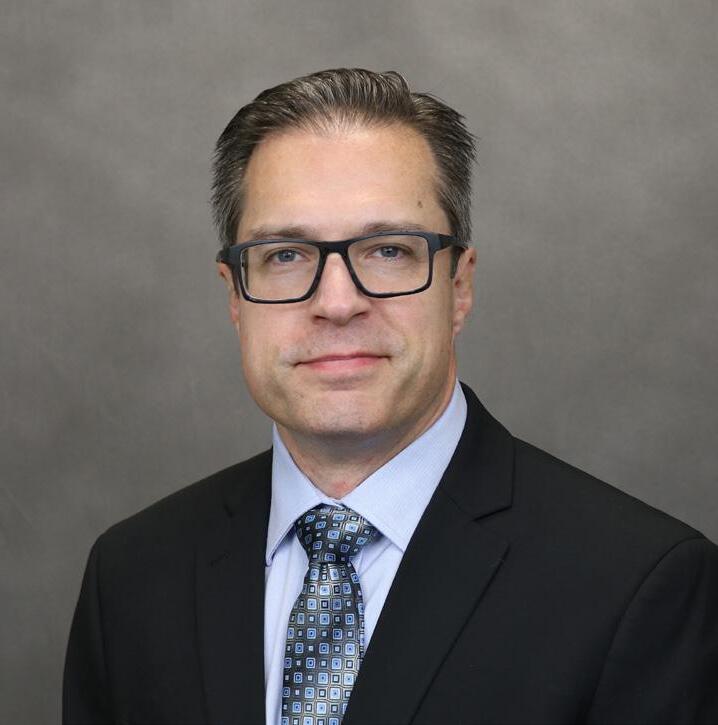
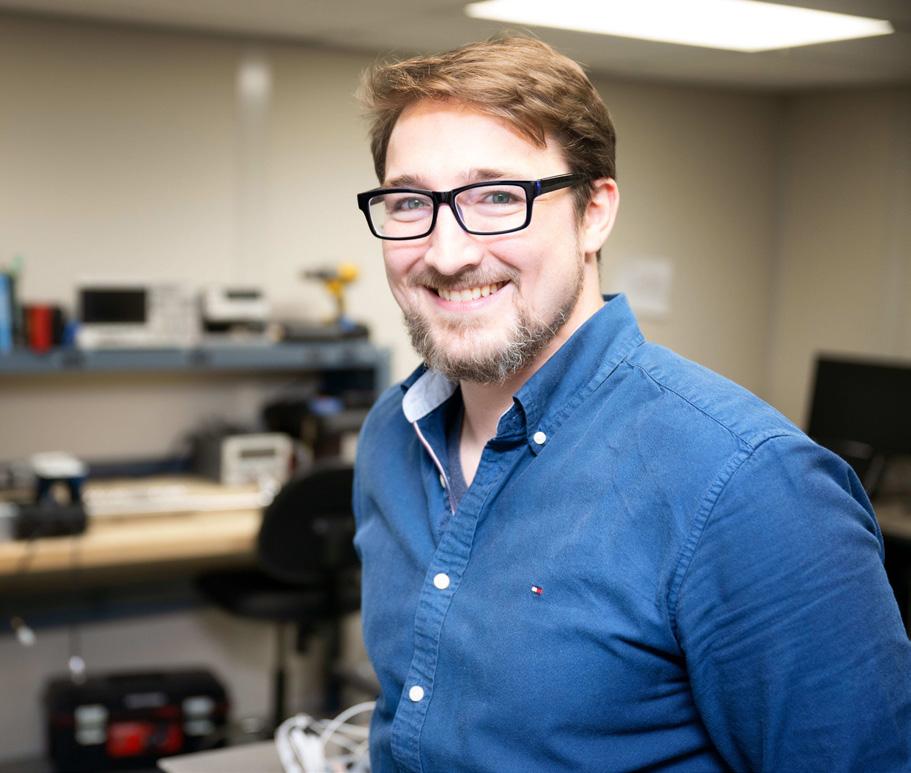
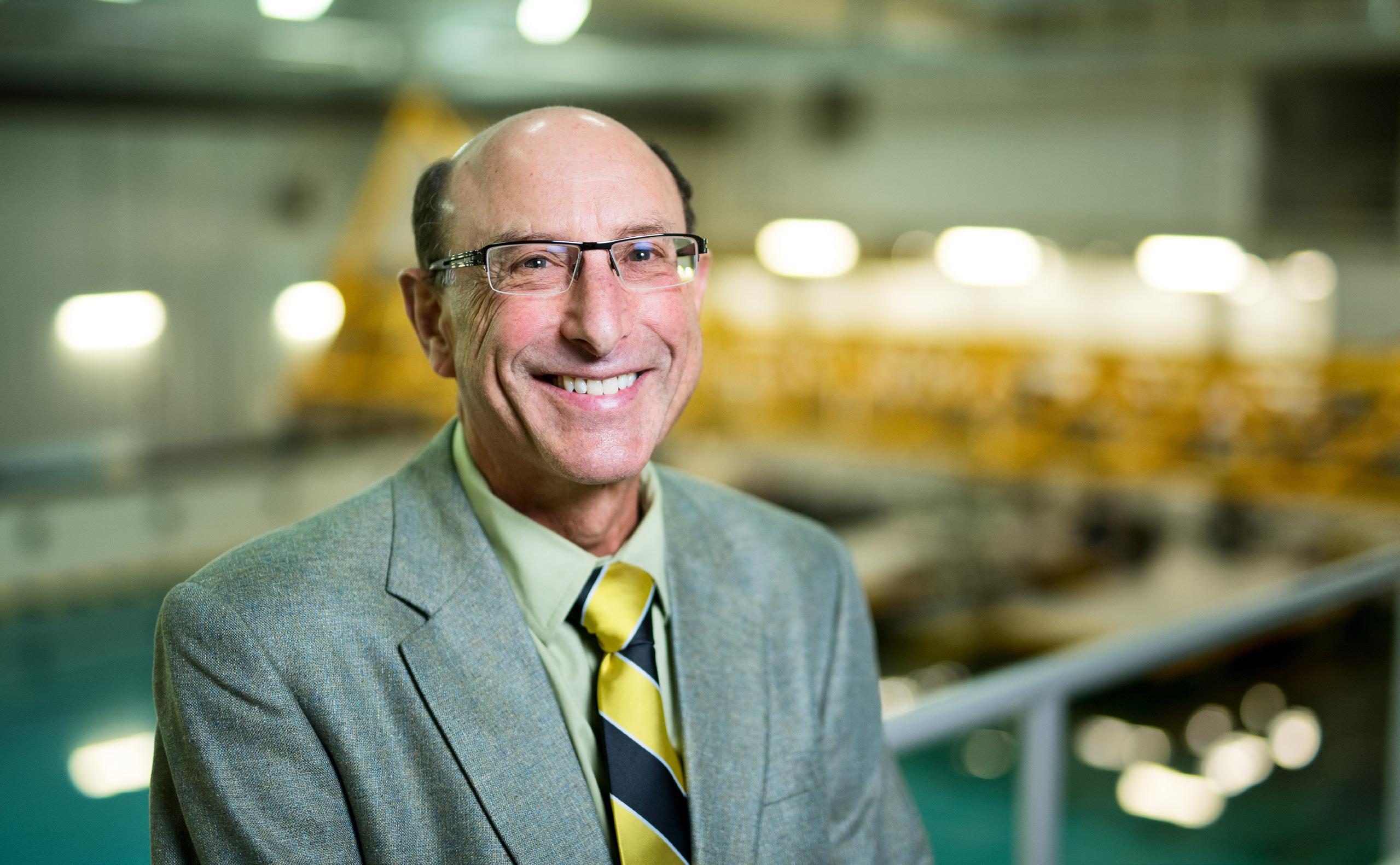
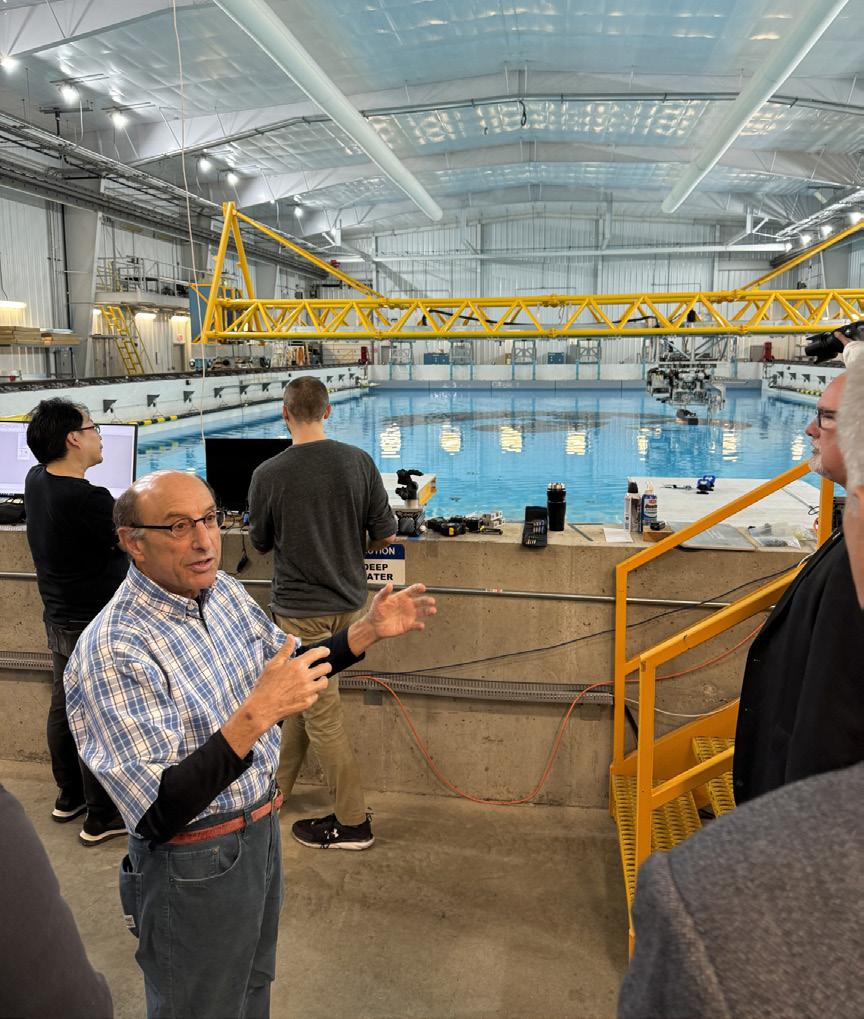
After more than 40 years of pushing the boundaries of knowledge, many scholars would be content to look back on a career well spent. Fred Stern is not one of them.
The internationally renowned pioneer in experimental and computational ship hydrodynamics has already left an indelible mark on the University of Iowa College of Engineering and the field of naval engineering.
Yet, Stern continues moving forward with the same focus and dedication that has defined his career.
“I see my work as a form of mental exercise, much like physical exercise,” said Stern, the George D. Ashton Professor of Hydroscience and Engineering, a professor of mechanical engineering, and a research engineer at IIHR—Hydroscience and Engineering.
“It keeps me engaged, curious, and energized. The interactions with students and collaborators, and the opportunity to keep learning and contributing, are strong motivations.”
In the past year, he has received five grants, extending his research portfolio through 2030. These projects span experimental and computational studies of transient ship maneuvering, next-generation digital naval design tools, and data-driven, multi-fidelity optimization of high-speed small craft.
He was also recognized with the 2026 Regents Award for Faculty Excellence, a tribute to sustained excellence in teaching, scholarship, and service.
This year, Stern is teaching Viscous Flow, an upperlevel course examining how fluids move with friction, from smooth boundary-layer flows to turbulence, using mathematical and computational analysis to predict behavior. Over his career, he has mentored 30 PhD and 25 MS students, hosted dozens of visiting scholars and postdoctoral researchers, and helped develop young faculty.
“Professor Stern has set exceptionally high standards and aspirations for generations of young faculty including me, having joined the University of Iowa nearly three decades ago,” said Ching-Long Lin, departmental executive officer and Edward M. Mielnik & Samuel R. Harding Professor of Mechanical Engineering. “He has played a pivotal role in attracting some of the brightest early-career scholars to carry forward his legacy.”
Stern joined the University of Iowa in 1983, recruited to build IIHR’s ship hydrodynamics program. The land-locked institution became a global center for ship hydrodynamics, uniquely combining high-fidelity simulation with scale-model experiments in IIHR’s Towing Tank and Wave Basin. A major outcome of this work is CFDShip-Iowa, a leading computational fluid dynamics tool for simulating air and water flow around ships, now central to U.S. Navy design and Office of Naval Research–sponsored research.
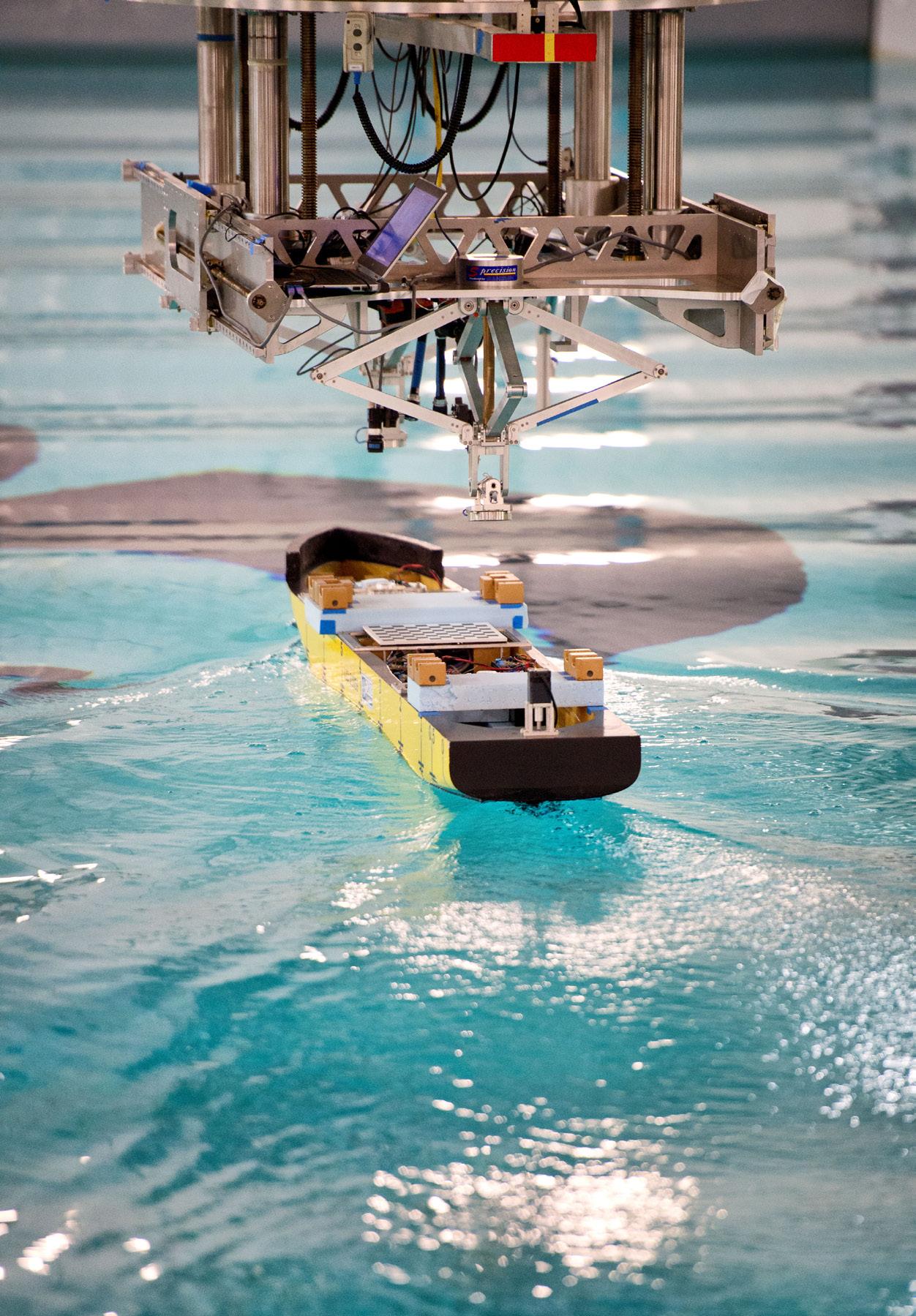
If Stern chose to retire today, his résumé would already be formidable with nearly $50 million in funded research, more than 220 journal articles, and some of the field’s highest honors, including the David W. Taylor Medal.
He’ll continue next-generation tool development. “Scholarship and self-development – through teaching, research, and service – have always been central to my life,” Stern said. “As long as I feel I’m still at the top of my game, and I’m intellectually and physically able, I don’t see a reason to slow down.”
“Laser technologies are uniquely positioned to shape the next generation of manufacturing,” Ding said. “Our goal is not only to invent new processes, but to develop methods that the world can actually use.”
Ding holds a laser-processed sample produced using the nHSN method.
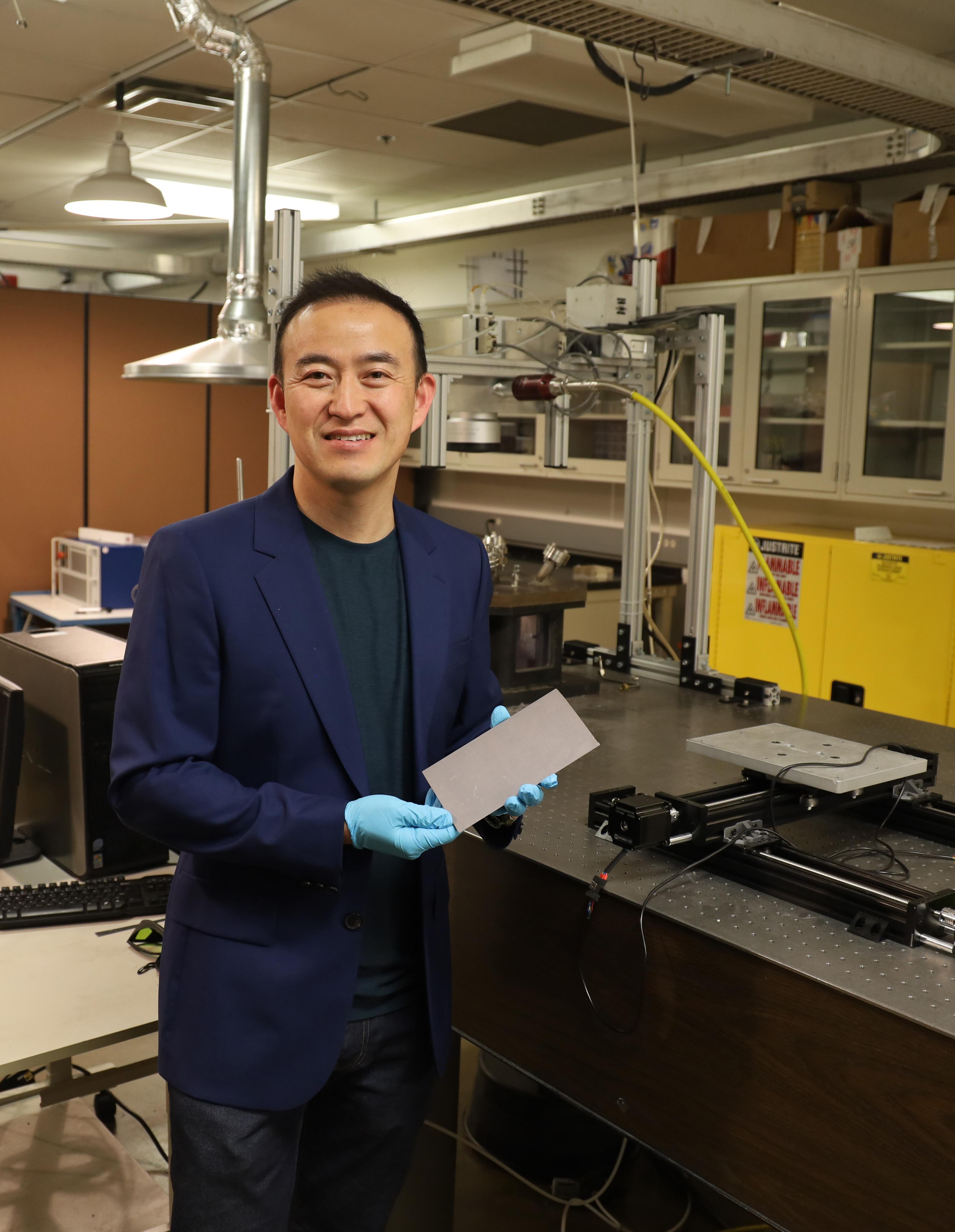
A University of Iowa professor’s research in laser-based manufacturing technologies – aimed at improving how materials are produced for industries such as aerospace, transportation, and automotive – has recently led to five newly issued or pending U.S. patents.
Over the past decade, Hongtao Ding, professor of mechanical engineering, has introduced several laser-based techniques designed to increase speed, efficiency, and flexibility in materials processing. Whether to improve a jet turbine blade, an electric vehicle battery, or metal produced on the Earth’s Moon, Ding is building technologies designed to move from laboratory demonstrations to real-world application.
One of Ding’s most recent patents is to protect a method called laser-based high-throughput surface nano-structuring (nHSN). The nHSN method generates large-area superhydrophobic surfaces, often referred to as “engineered dry skins,” which repel water and ice, and offers promise for aerospace, automotive, maritime systems, and transportation.
A key achievement in this method is the speed at which it occurs. The effective scanning rate can be up to 10,000 times faster than conventional laser surface texturing techniques, according to the research team.
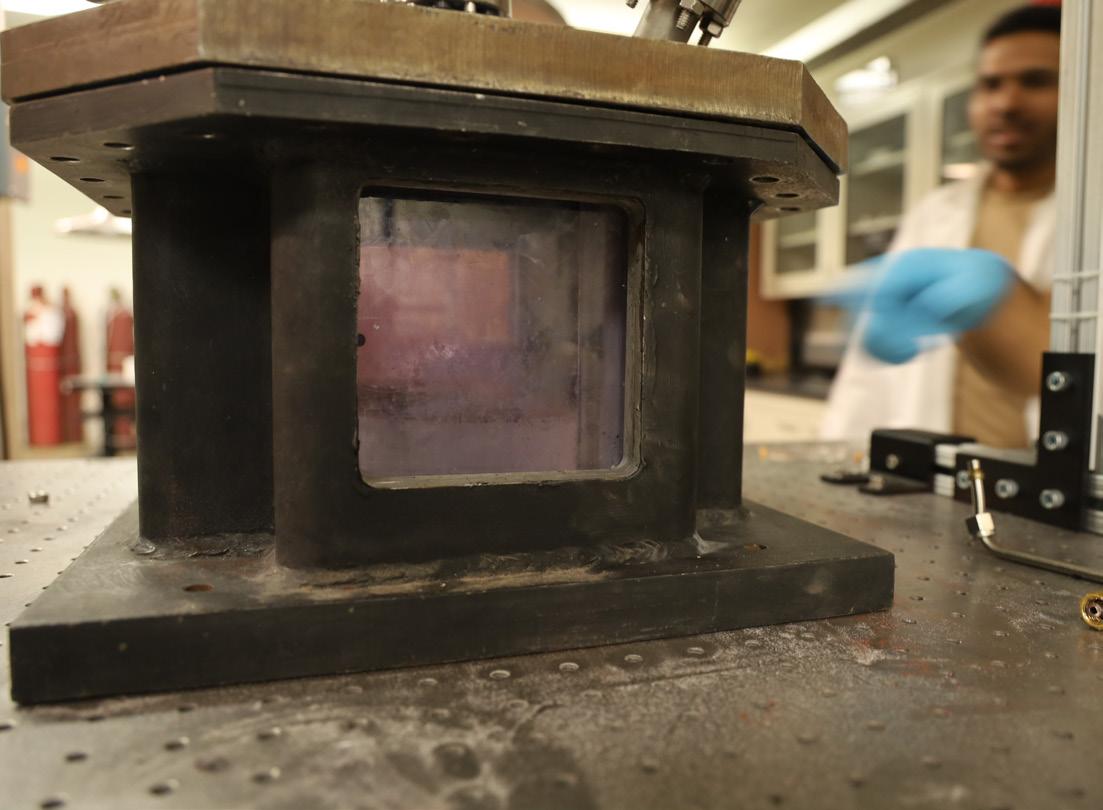
Ding’s team uses the lasers as a high-speed scanning system that sweeps across metal surfaces. When paired with chemical processing, the method forms dense nanoscale structures over large areas of metal, which could make this technique scalable and feasible for industrial use.
Avik Samanta, Ding’s former PhD student and now an assistant professor at the University of South Florida, led much of the research behind the discovery. Scott Shaw, a University of Iowa chemistry professor, helped uncover and explain the fundamental chemistry behind the process.
Three additional patents have been built off the laser processing platform.
Maskless patterning of metal alloys allows engineers to control how liquids interact with large-area metal surfaces. This laser-based approach can create areas that either attract water or repel it without using masks, lithography, or chemical coatings.
Transparent conducting terahertz metamaterials are structures designed to manipulate terahertz electromagnetic waves. These materials have the ability to support future technologies in sensing, imaging, and security applications.
Laser-enabled edge coating (LEEC) is a pending technology aimed at improving electric vehicle battery production. Battery components often require dielectric coatings along their edges, a process that can involve several coating and curing cycles. The LEEC approach uses a laser process that could complete the coating in a single step, reducing manufacturing time.
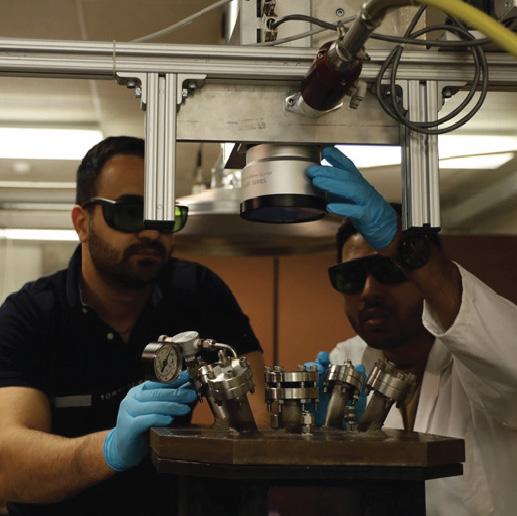
An ambitious patent-pending project called laser-assisted synthesis from ore reduction (LASOR) is a hydrogen-fueled, laser-driven process that enables 3D printing of metal parts directly from ore powders. The method integrates additive manufacturing with in situ reaction flows, allowing metal to form during printing. Conventional metal 3D printing machines typically avoid chemical reactions, making this a bold new direction in advanced manufacturing.
“This represents a major breakthrough for green steel and a transformative idea for in situ resource utilization on the Earth’s Moon or Mars, where raw ores are abundant and manufacturing tools must be compact, energyefficient, and chemically versatile,” Ding said.
Albert Ratner, UI professor of mechanical engineering, has contributed analysis of how hydrogen reduction reactions behave under intense laser heating.
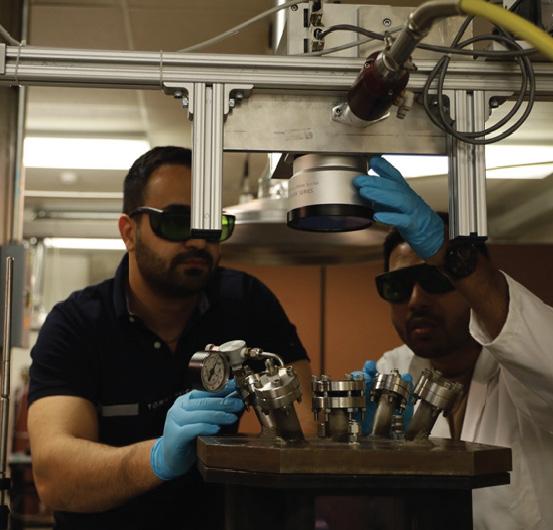
Mohammad Mohammadzadeh Sanandaji (left) and Rahat Molick (right) are PhD students in mechanical engineering working on the LASOR research. Both are co-inventors for the LASOR patent.
Ding’s work includes collaborations with national laboratories such as Pacific Northwest National Laboratory and Oak Ridge National Laboratory, as well as industry partners including General Motors, Samsung Electronics, and Tesla. His research has also received support from the U.S. Army, U.S. Navy, U.S. Department of Energy, and the National Science Foundation.
In addition to conducting research, Ding’s lab trains graduate students in advanced manufacturing and technology commercialization. Many of those students participate in prototype development, patent applications, and industry partnerships while completing their degrees.
Professor Venanzio Cichella is recognized for CAS Laboratory and accomplishments within his field.
In fall semester, Professor Cichella traded the wide skies of Iowa City for the terracotta rooftops of Bologna. On professional development leave, he returned to the city where he once studied, his alma mater, the historic University of Bologna, to immerse himself in different research topics and rhythms of academic life.
His days there were spent in front of chalkboards and in focused discussions on the internal model principle, output regulation, and disturbance rejection, core concepts that help ensure complex systems perform reliably in the presence of uncertainty. “It was a semester centered on strengthening new theoretical foundations,” he says. “The kind that forces you to slow down, think carefully, and rebuild your intuition from first principles.”
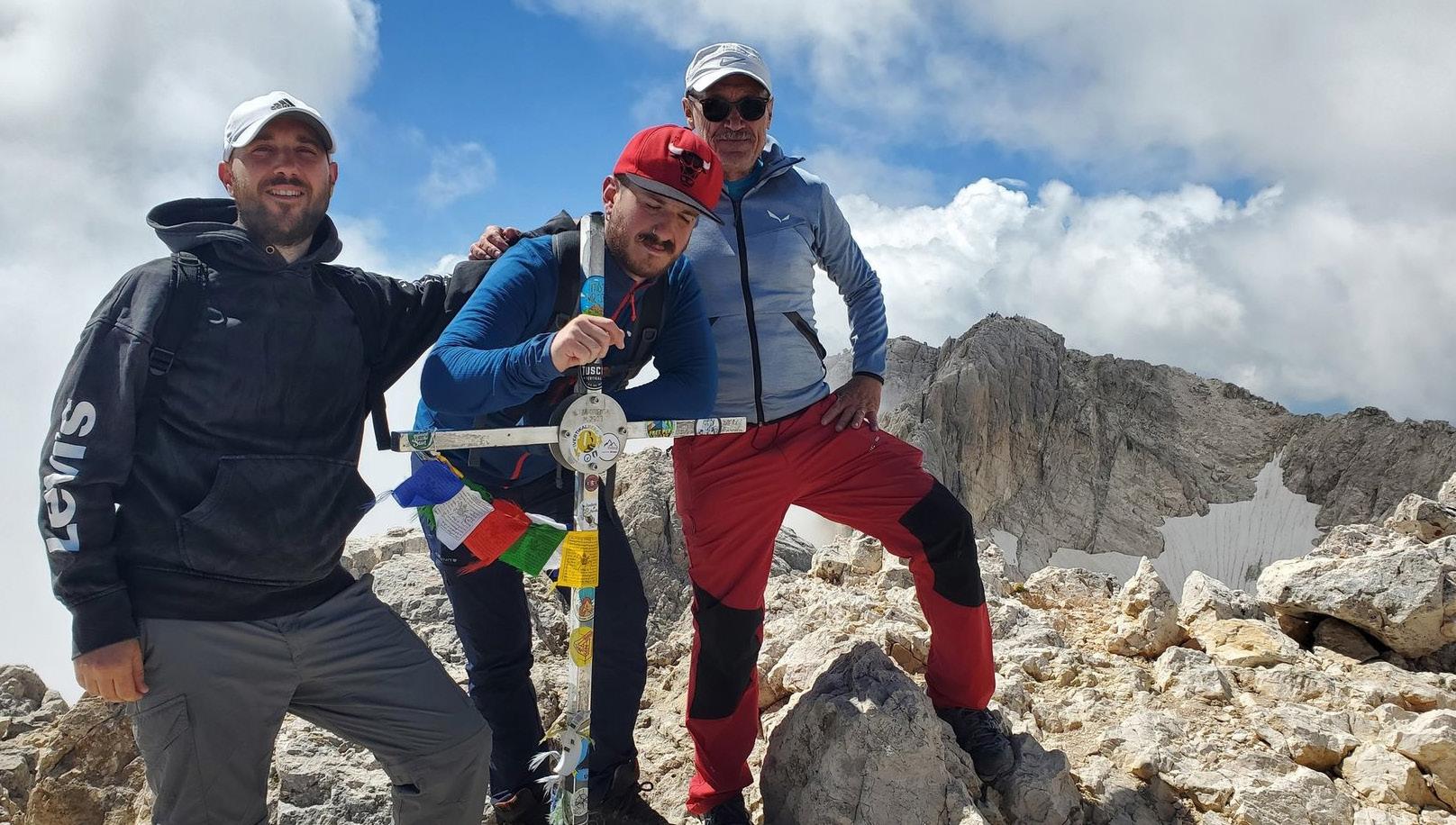
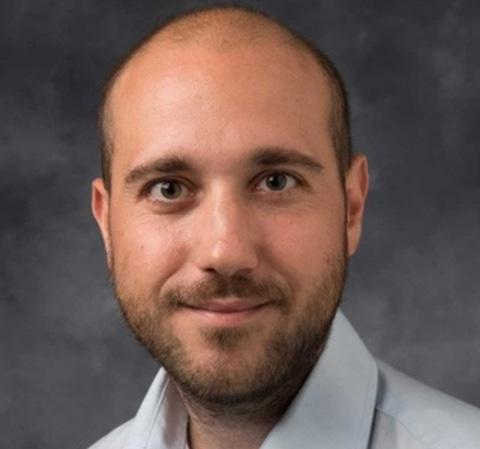
Now back in Iowa, he is eager to channel this new mathematical knowledge into ongoing research at home. The ideas he sharpened in Bologna connect directly to two major efforts in his lab: advancing multi-vehicle cooperation and enabling the safe integration of autonomous drones into human-inhabited airspace, particularly in complex environments near airports.
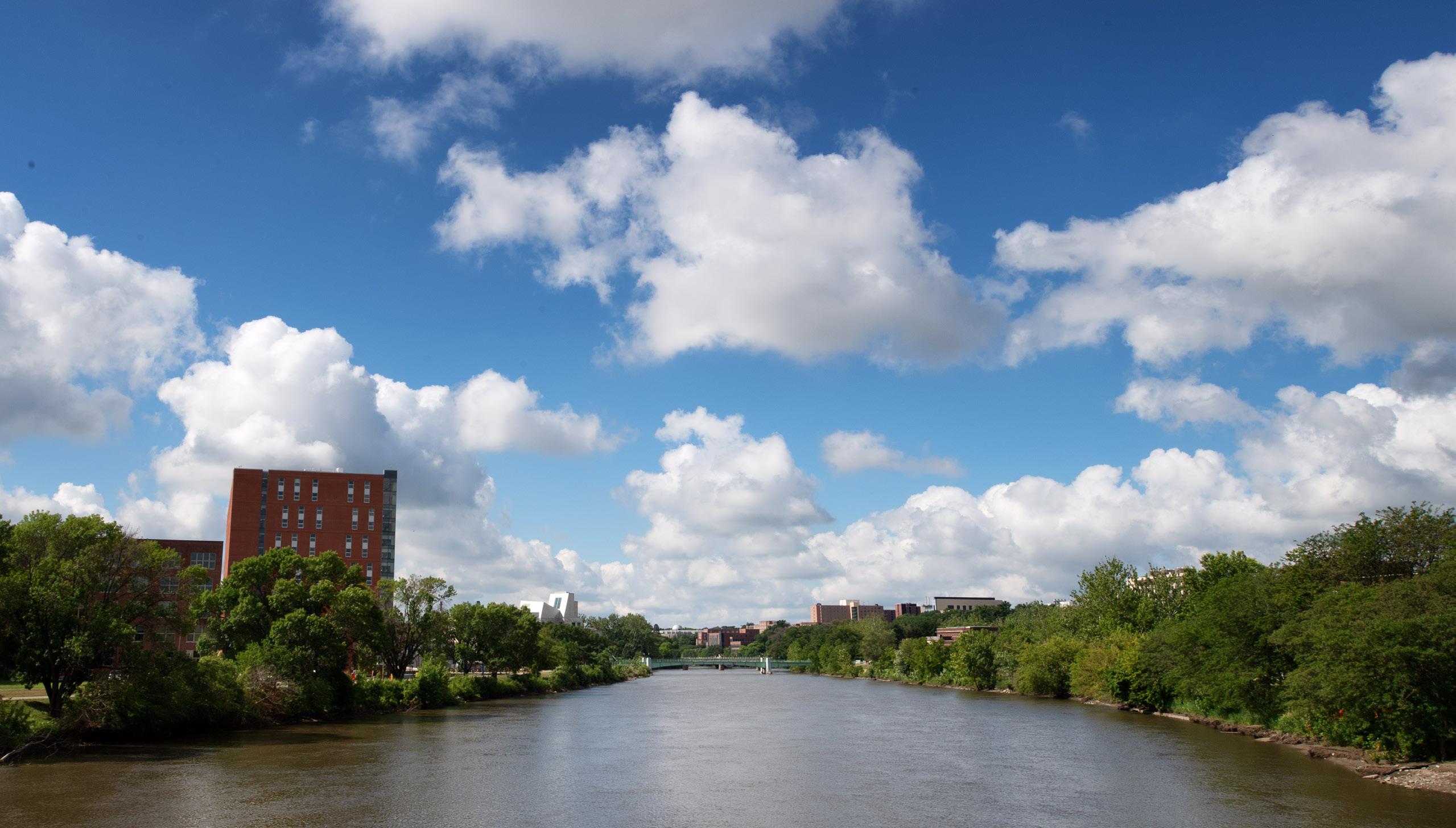
These projects, supported by the Office of Naval Research, the National Aeronautics and Space Administration, and the National Science Foundation, aim to ensure that increasingly autonomous systems can operate reliably, predictably, and safely alongside people.
At their core, both challenges are about coordination and trust: when many different vehicles occupy an area, how can they avoid conflict, what measures should drone pilots take, and what measures should airplane pilots take so they can coexist in airspace peacefully? The mathematical principles Professor Cichella studied abroad provide a rigorous foundation for addressing disturbances, uncertainties, and the inevitable surprises that arise in real-world systems. Just as importantly, his time in Bologna strengthened ties with colleagues there, particularly with the group of Lorenzo Marconi, opening the door to sustained collaboration. The partnership is expected to create new opportunities for joint projects, as well as exchanges that will allow students from Iowa to spend time in Bologna and welcome students from Bologna to Iowa City.
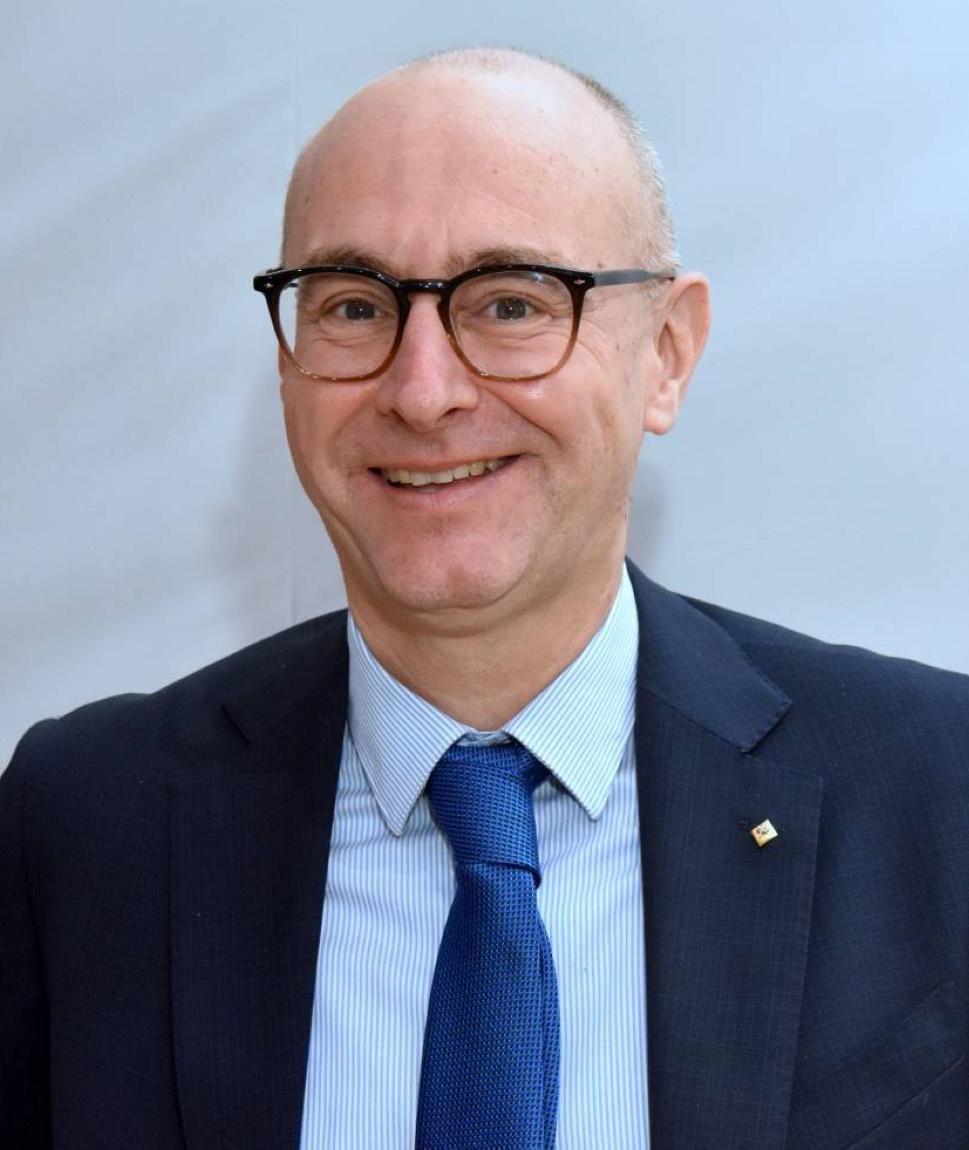
and
Returning to Bologna was not only a professional investment but also a personal one. Walking under Bologna’s endless porticoes each morning, Professor Cichella found himself retracing old paths, past lecture halls where he once sat as a student, cafés where ideals and ideas were debated over espresso, and trattorias where conversations stretched late into the nights. Returning years later as a professor offered a rare perspective: the joy of seeing how far he had come and how foundational those early experiences had been.
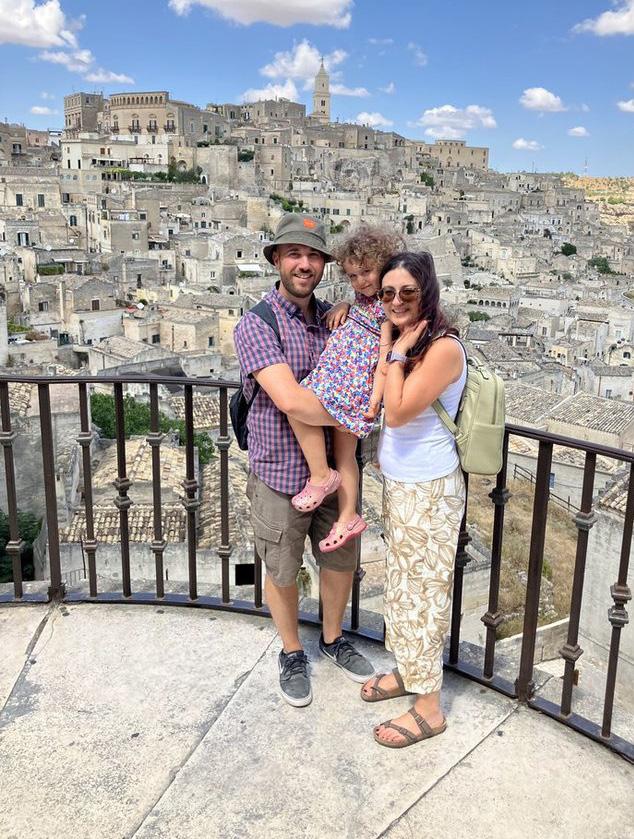
Cichella and family in Bologna
Of course, a semester in Bologna isn’t just about research. Along with new mathematical tools, Professor Cichella came back with a few other highlights: great plates of handmade tortellini, lively conversations over regional wines, and relaxed evenings spent catching up with colleagues. “There’s something about discussing control theory over a glass of Sangiovese,” he jokes. “The equations seem friendlier.”
For Professor Cichella, the semester was a reminder that stepping away can sometimes be the best way to move forward. By reconnecting with his academic roots in Bologna, he has returned with a fresh perspective, deeper tools, and renewed enthusiasm. As he settles back into life in Iowa City, he looks forward to translating hard-won theory into practical advances, continuing the work of building systems that are not only autonomous, but harmonious.
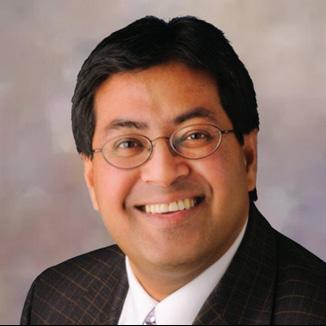
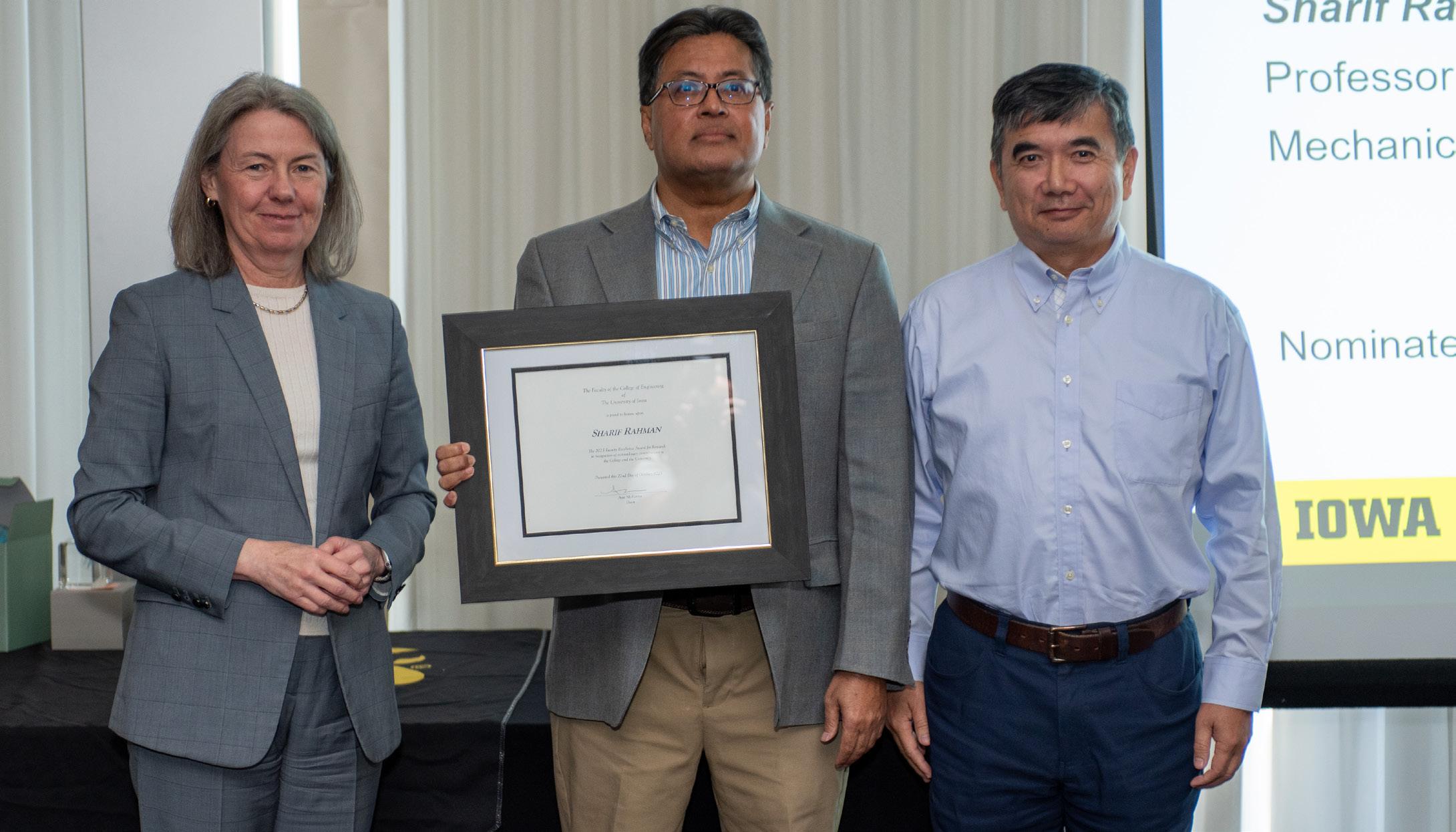
In 2025, Professor Sharif Rahman was honored with the College of Engineering Faculty Excellence Award for Research, one of the institution’s most prestigious recognitions. The award celebrates not only his outstanding scholarly achievements, but also the profound and lasting impact his work has had across the engineering community.
Since joining the university in 1995, Professor Rahman has built a distinguished career grounded in both depth and innovation. His research spans multiscale mechanics of heterogeneous media,
stochastic modeling of complex systems, uncertainty quantification, and reliability-based design optimization, fields that are as mathematically rigorous as they are essential to modern engineering challenges.
Professor Rahman emphasizes that the driving force behind his success is the commitment to advancing knowledge in ways that meaningfully improve how engineers understand and design complex systems under uncertainty. His research has consistently pushed beyond traditional deterministic approaches, introducing probabilistic and stochastic methods that better reflect real-world conditions.
Over the course of his career, Professor Rahman has secured more than $10 million in research funding, including 11 highly competitive National Science Foundation (NSF) grants as a sole principal investigator. A pioneer in uncertainty quantification within computational mechanics, Professor Rahman has made foundational contributions that have reshaped the field.
His work in stochastic mechanics and multiscale fracture analysis has transformed how engineers approach reliability and performance in complex systems. By integrating advanced computational techniques, such as mesh-free and isogeometric methods, with probabilistic analysis, he has enabled more efficient and accurate modeling approaches now widely adopted by researchers and practitioners alike.
In recent years, Professor Rahman has turned his attention to one of the most rapidly evolving frontiers in engineering: the intersection of uncertainty quantification and artificial intelligence. Since 2021, he has led efforts to apply these principles to AI, machine learning, and deep learning systems, focusing on improving model confidence, calibration, and data quality. His work in this space is helping to ensure that next-generation intelligent systems are not only powerful, but also reliable and trustworthy.
His scholarly output is equally remarkable. With more than 340 publications and an h-index of 43, Professor Rahman’s work is widely cited and consistently featured in top-tier journals. His contributions include journal articles, conference proceedings, technical reports, and edited volumes, reflecting both productivity and influence across multiple disciplines.
In recognition of his achievements, Professor Rahman has received numerous honors throughout his career. He is a Fellow of the American Society of Mechanical Engineers (ASME) and a recipient of the prestigious IASSAR Junior Research Prize, an award presented to a single researcher worldwide for groundbreaking contributions in structural safety and reliability. Additional accolades, including the NSF CAREER Award and recognition from the State of Iowa, further highlight the breadth of his impact.
His most recent accolade is the Faculty Excellence Award, presented during the College of Engineering Community Celebration. This award recognizes a career defined by innovation, leadership, and sustained excellence. As the field of engineering continues to evolve, Professor Rahman’s work stands as a testament to the power of rigorous research and its ability to shape the future.
With a legacy already spanning three decades, Professor Rahman shows no signs of slowing down. His continued pursuit of cutting-edge research promises to further elevate both his field and the institution he has long served, cementing his role as a faculty member and leader in engineering scholarship for years to come.
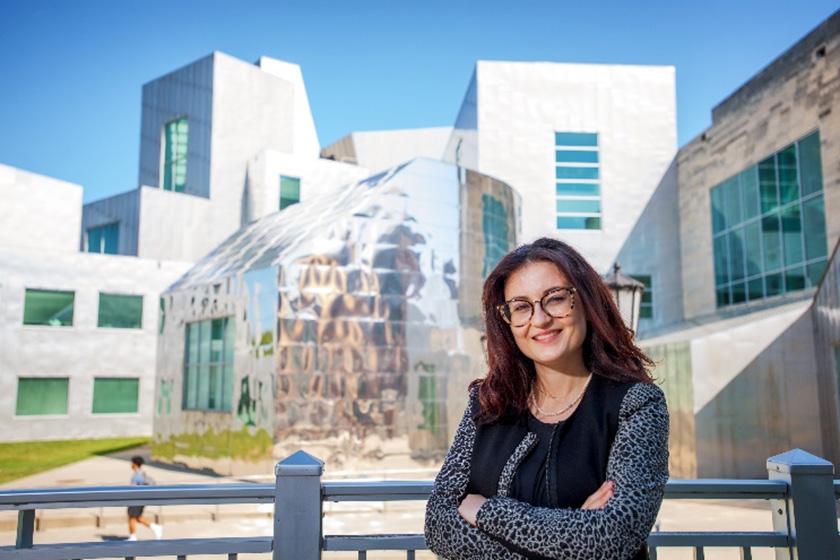
Caterina Lamuta, associate professor of mechanical engineering, has received the Robert and Virginia Wheeler Faculty Fellowship in Engineering. Established in 2003 through a gift from the estate of Robert and Virginia Wheeler, the permanent endowment provides annual support for the College of Engineering’s academic and research initiatives.
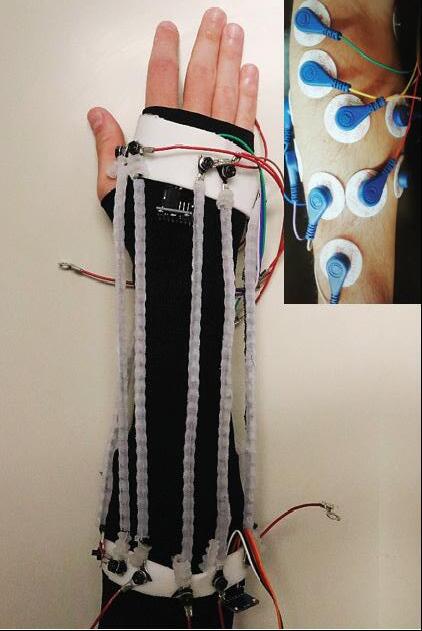
Lamuta’s research focuses on bio-inspired and smart materials, including artificial muscles, artificial camouflage, and the modeling and characterization of multifunctional materials. Since joining the university in 2018, she has led the Smart Multifunctional Material Systems Lab, advancing innovative research in her field. Within that lab she developed her work in artificial muscles (TCAMs), which can tune the stiffness and wearability of exoskeletons. With this adaptable design, she describes them as “like a soft glove, instead of a device made from rigid components.” Through this fellowship, she will continue to expand her cutting-edge work and make significant contributions to her field.
During her recent sabbatical, she worked on developing models to integrate different types of actuators and artificial muscles within exoskeletons for upper limbs. Current actuator technologies often present a challenge, as they tend to be either fast but bulky or compact but slow. Professor Lamuta addressed this issue by proposing a system that integrates two different types of actuators. Her previous work with artificial muscles such as TCAMs provides a compact solution, though they operate more slowly, while cable-driven actuators can reach desired speeds but are typically too bulky.
By combining the strengths of both systems, the design could reach peak optimization, allowing for both fast actuation and improved comfort. These models aim to advance current technology and improve the user interface for wearable exoskeletons. To further improve the performance of artificial muscles, Professor Lamuta collaborated with experts from Italy and Canada who specialize in muscle physiology. Such advancements in technology, led by a pioneer in the field who continues to educate herself to ensure success, make Professor Caterina Lamuta an exemplary individual, and the Department of Mechanical Engineering thanks and congratulates her for her achievements.

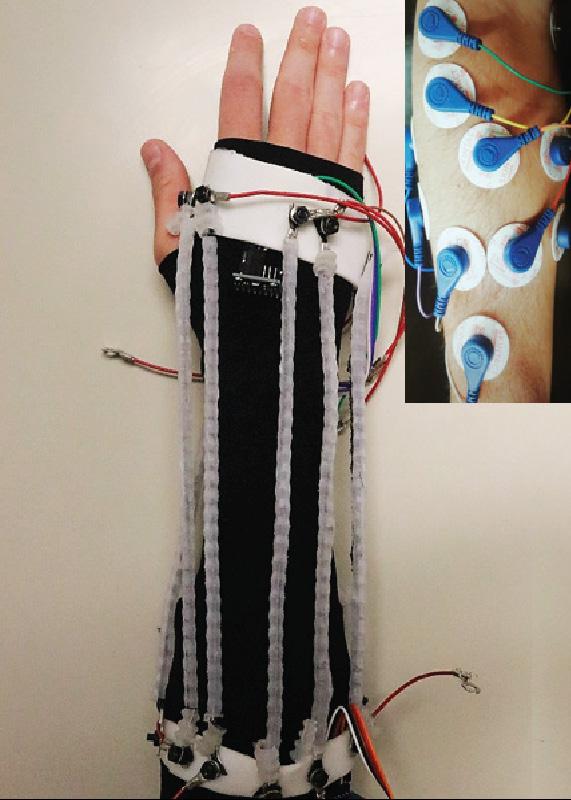
of an exoskeleton prototype using artificial muscles, which are encapsulated in the white rubbery tubes and controlled via EMG electrodes on the skin

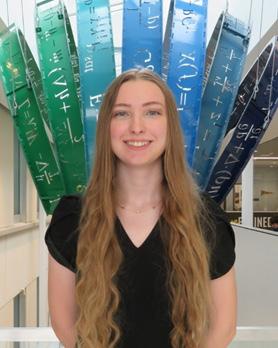
Xandra McGlasson has been awarded the NSF GLEAM Fellowship. The Graduate Leaders in Engineering and Advanced Manufacturing (GLEAM) Program is an interdisciplinary graduate training and fellowship initiative that supports doctoral education in engineering. The program brings together students from many engineering disciplines to address challenges in advanced manufacturing through collaborative, cross-cutting research while also affording them the resources they need to continue higher education. As a GLEAM Fellow, McGlasson will further develop her research while engaging in interdisciplinary collaboration and leadership training that will support her growth as a scholar and future engineering leader.
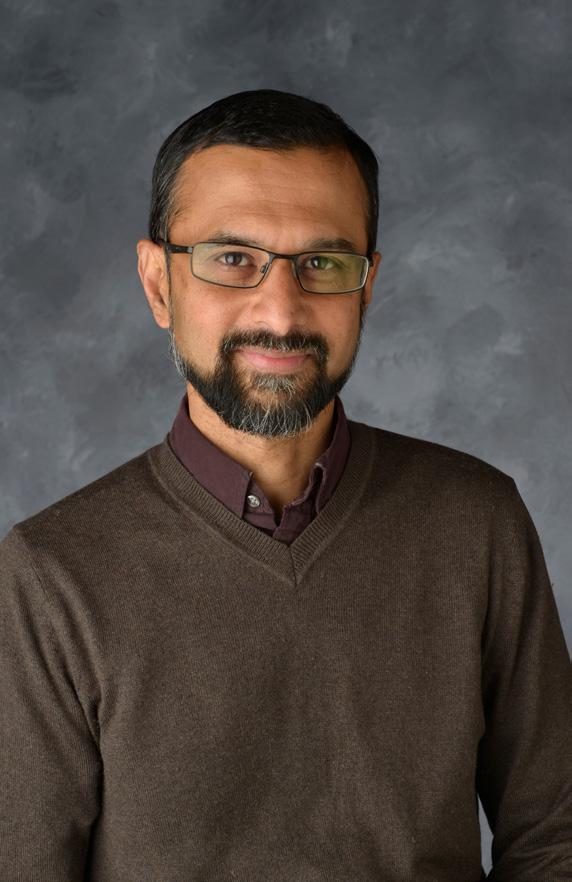
Associate Dean for Research and Faculty, Roy J. Carver Professor of Engineering, Professor of Mechanical Engineering
Professor H. S. Udaykumar is being recognized for his groundbreaking project, “Advancing Physics-Informed Machine Learning for the Discovery of Structure-PropertyPerformance Linkages in Multiphase Heterogeneous Energetic Compounds.” Funded by the U.S. National Nuclear Security Administration (NNSA) under its Stewardship Science Academic Alliances program, this research is a collaborative effort with the University of Virginia, aiming to revolutionize the way scientists understand the behavior of complex materials.
Energetic compounds used in applications ranging from propellants to explosives exhibit highly complex, multiphase microstructures that govern their performance under extreme conditions. Traditional machine learning models often struggle to predict their behavior, as these models are optimized for statistical patterns rather than the underlying physics of dynamic, high-energy events. Udaykumar’s project addresses this challenge by using physics-informed machine learning (PIML), a cutting-edge approach that embeds physical laws into data-driven models. By doing so, the research can capture critical phenomena such as shock propagation, hotspot formation, and energy localization, key factors in understanding and predicting material behavior.
The broader impact of this work is far-reaching. The project seeks to develop new PIML theories and algorithms that combine physical constraints with machine learning to accurately model shock and reactive processes in energetic materials. This will enhance predictions of structure-property-performance linkages, enabling safer handling, storage, and design of energetic compounds. Beyond energetic materials, these methods could transform research into a wide range of areas involving extreme physics and multiscale modeling, including hypersonic systems and other advanced materials.
Through this innovative collaboration between the University of Iowa and the University of Virginia, Udaykumar is not only pushing the boundaries of engineering and materials science but also mentoring the next generation of engineers who will lead the field in solving some of the most challenging problems in energy, safety, and technology.

When Robert Pohren returns to the University of Iowa, it won’t be as a student or club leader but as a new member of the Department of Mechanical Engineering Advisory Board. Pohren, now an industry professional, says he hopes to use his experience to help “prepare the next generation of engineers.” He credits the university with giving him “the skillset and knowledge to thrive,” and he aims to support the program as it continues to emphasize automation and robotics, areas he believes are increasingly critical for engineering graduates.
Pohren currently serves as the product owner for grade-management applications, including SmartGrade™, where he oversees the development of GPS-guided and automated construction technologies. His role requires him to balance the expectations of customers, sales teams, and internal stakeholders to ensure products meet performance standards and market needs.
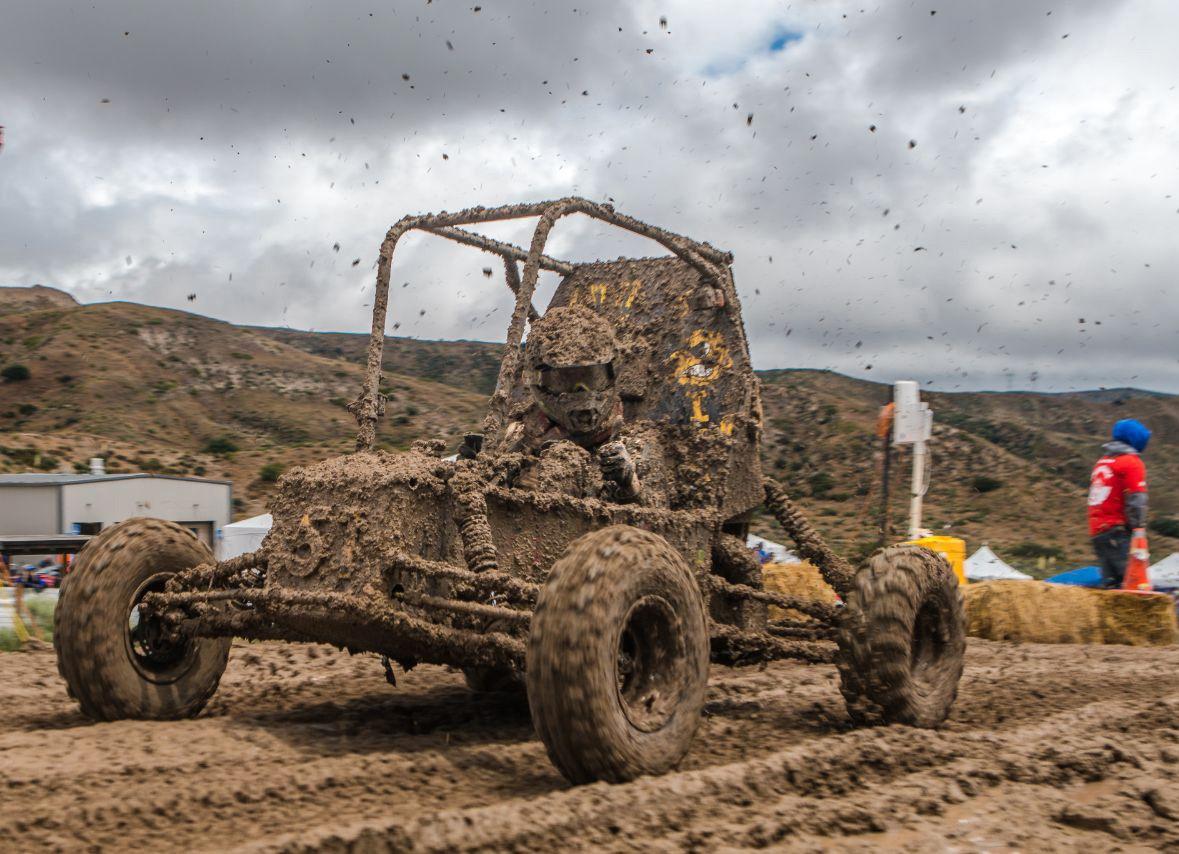
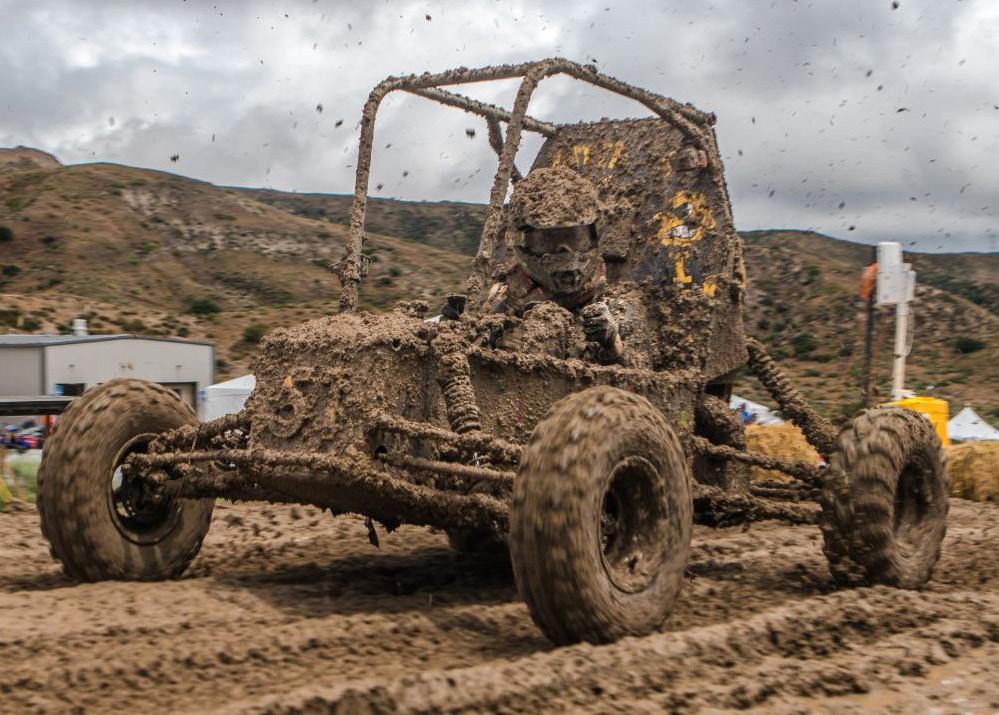
His ability to navigate those networks of communication was shaped partly through product-support roles early in his professional career and during his time at the University of Iowa. He recalls leading the college’s SAE Baja Racing Club to a 5th-place finish out of 96 competitors. In the mechanical endurance race, he relied on strong coordination skills to guide the vehicle through challenging terrain. Before the competition, he and his team applied their expertise to design, build, and rigorously test the cart, making the achievement a reflection of both their engineering skills and teamwork.
Pohren views his new role on the advisory board as an opportunity to give back.

It’s rewarding to know that my involvement can directly impact the education and career readiness of the next generation of Iowa engineers.”
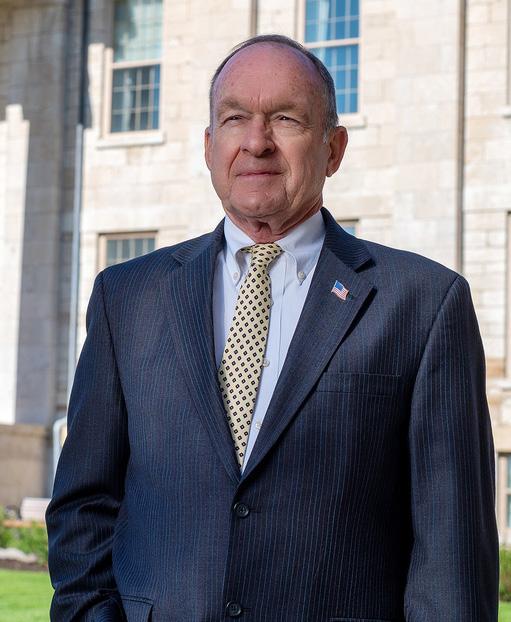

Retired Major General Stewart Wallace, a University of Iowa alumnus who spent 33 years in the U.S. Army and another 15 years in the private sector, has been named to the Mechanical Engineering Advisory Board. Wallace began his military career in 1968 after graduating from Iowa with a degree in finance and insurance. Over the course of his service, he held a wide range of command and staff positions, including two company commands in Vietnam and Europe.
Now joining the Mechanical Engineering Advisory Board, Wallace says he hopes to further strengthen the long-standing partnership between the University of Iowa and government agencies, a relationship he believes is essential for advancing technological innovation.
As technological trends accelerate, Matt Wilkey aims to stay at the forefront. Newly appointed to the University of Iowa’s Mechanical Engineering Advisory Board, Wilkey says the role offers “first-hand insight into what academic trends are being emphasized with the rapid evolution of technology,” as well as an opportunity to build connections with fellow board members. Collaboration, he notes, is a central value for him in this position, and he hopes to support the department’s continued emphasis on both a broad technical foundation and the development of essential soft skills such as communication.
Wilkey serves as a lead engineer at Alliant Energy, where he oversees a range of projects that, he says, “bridge technical expertise with strategic goals to deliver safe, efficient, and future-ready solutions.” He appreciates the diversity of the work, which continually expands his skillset and brings him into contact with professionals outside his organization. Each project, he says, offers a chance to learn something new.
Reflecting on his own experience, Wilkey describes Iowa Engineering as a uniquely personal program, one that encourages cross-disciplinary learning and is supported by accessible, knowledgeable faculty. As a member of a family deeply engaged with the Hawkeye community, he says the campus environment has remained meaningful long after graduation.
Now joining the advisory board, Wilkey looks forward to learning from the committee and building strong relationships within it.
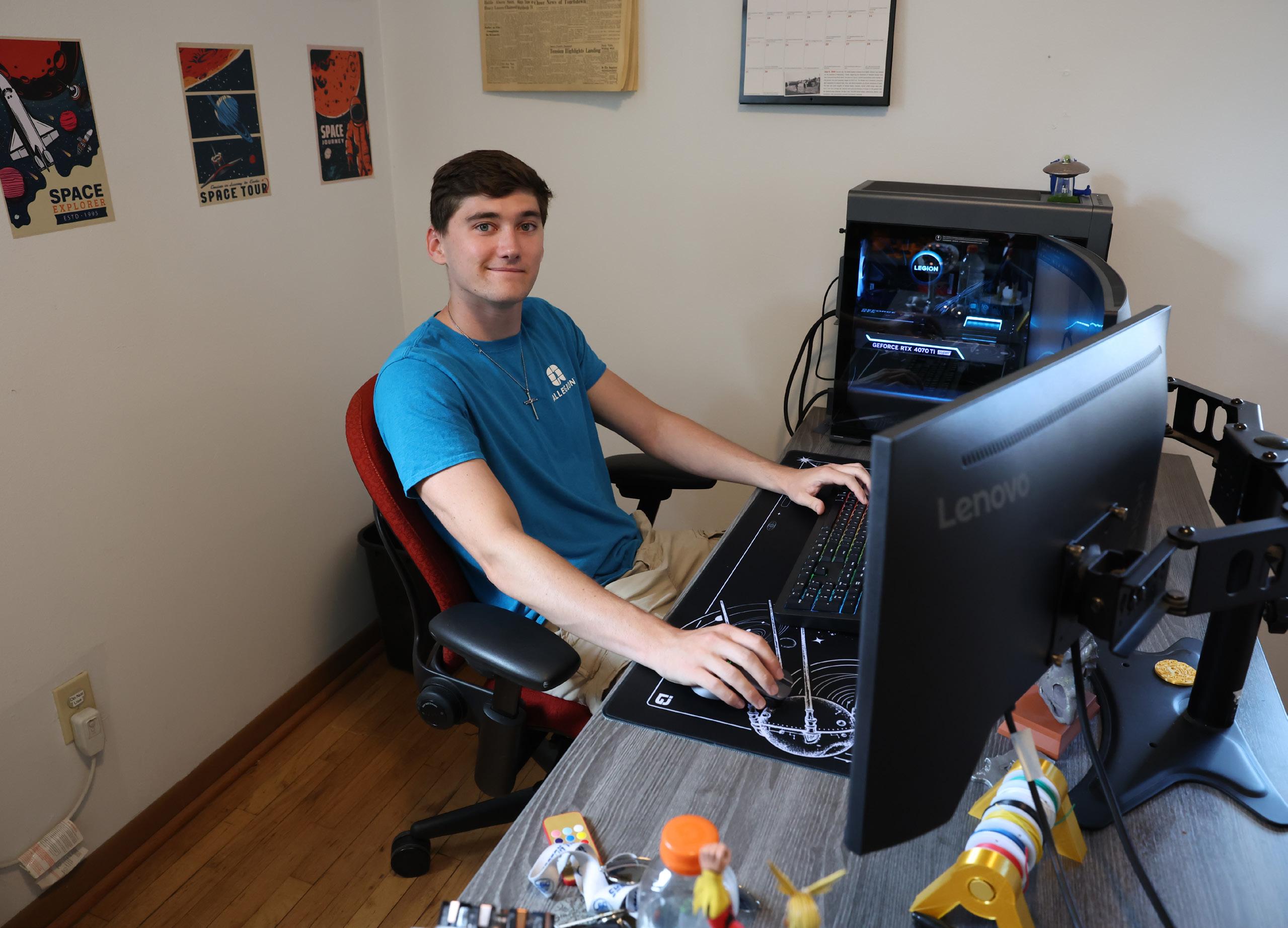
For Keegan Fogarty, becoming a mechanical engineer was inevitable. From watching his dad work as a mechanic to building Legos as a kid, Fogarty has always enjoyed building things with his hands. However, it wasn’t until Fogarty came to the University of Iowa that he found his passion for entrepreneurship – an interest that has shaped and expanded his idea of what a mechanical engineer can do.
Fogarty got the idea for his company through his experience as a process engineering intern for LCN, a small manufacturer that builds door closers. The company spent a lot of money on automation with robots and conveyors but had many issues with the technology, especially without a dedicated robotics
team. This experience sparked a curiosity in Fogarty, making him wonder how he could solve this issue and make automation easier for smaller companies like LCN.
With his idea for General Robotics, it was time to launch his company. Fogarty knew exactly where to go – the John Pappajohn Entrepreneurial Center (Iowa JPEC). Through the resources and support of Iowa JPEC, all students are empowered to create, launch, and grow their own business ventures. Fogarty was first introduced to Iowa JPEC when he was in high school through their Startup Incubator program. Using their resources, he and his friends launched his first startup, Solace Biotech. Since then, Fogarty narrowed his focus to General Robotics
and participated in multiple Iowa JPEC programs, like Idea Storm and Innovation Challenge, to refine his pitch. On April 30, 2025, Fogarty’s work paid off and he won $10,000 at the spring undergraduate Innovation Challenge.
Through his experience with Iowa JPEC, Fogarty has been able to dream big. “I never knew a lot about the business world,” he says. “JPEC has provided me with coaches, connections, and business advisors to talk about my ideas and how I can achieve my goals.” With General Robotics gaining traction, Fogarty is working on an alpha version of the software and speaking with potential users: engineers, engineering managers, and plant managers. But that won’t be the end. Fogarty hopes to build more companies and inspire a new generation of engineers that they too are capable of achieving their dreams and changing the world.
“If I can be someone or build something that people can look to, have hope in, and be inspired to do good by, then my dream has been achieved.”
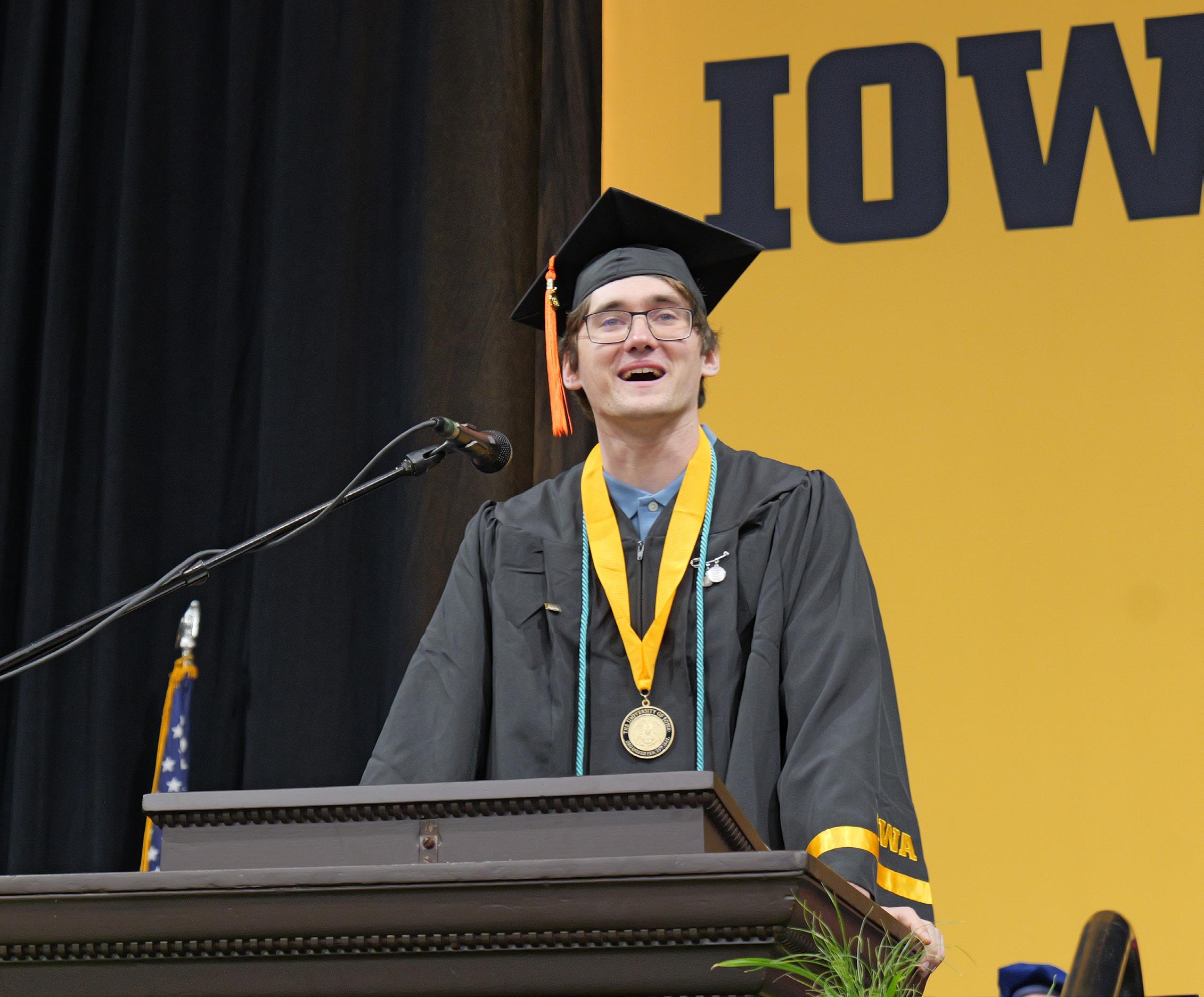
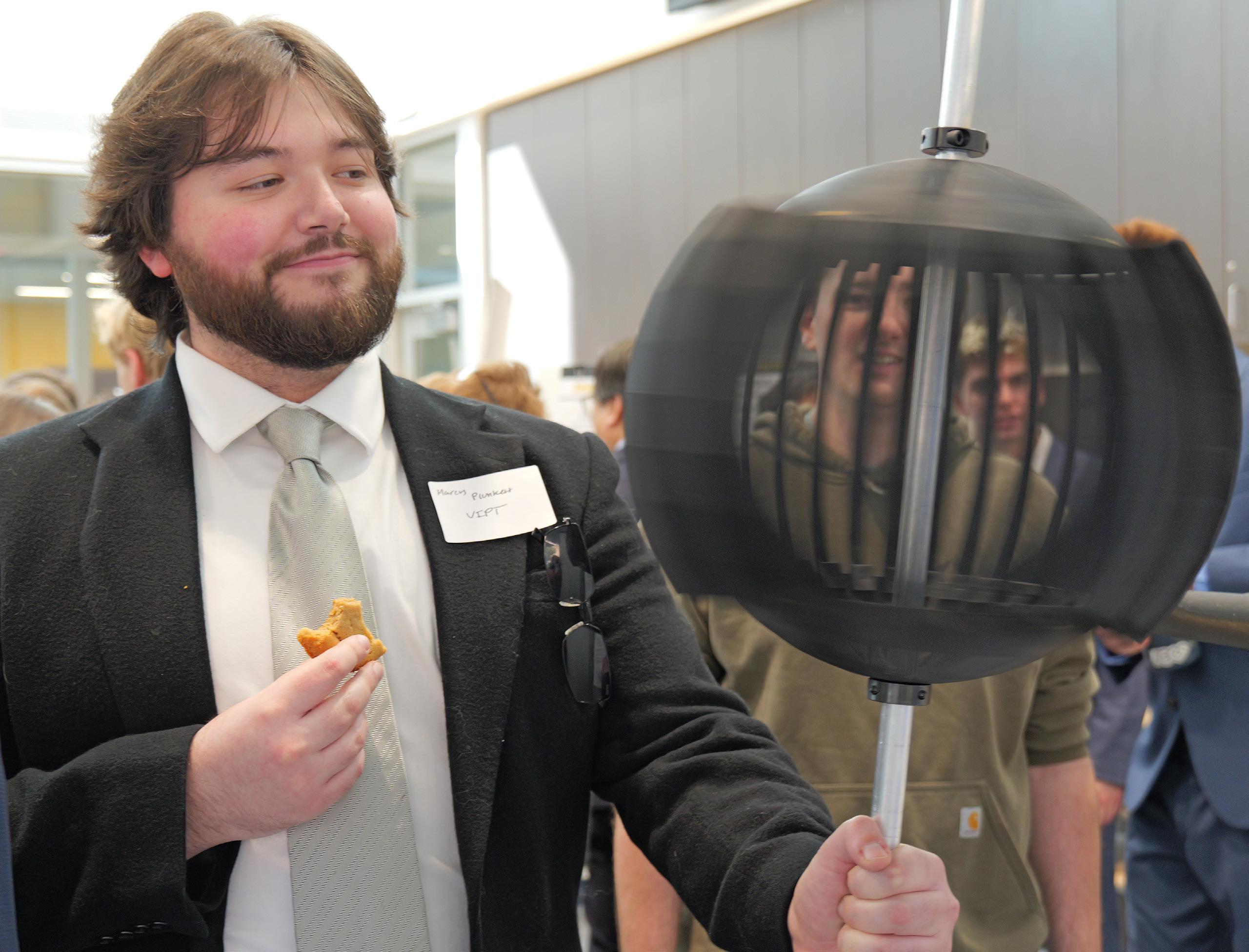
Each year since its conception in 1994, mechanical engineering students whose focus area is design are required to participate in a capstone project, where content from their courses can be applied in a “real-world” project. These projects are derived from companies, governments, or the University of Iowa faculty.
Intended to bridge the gap between the classroom and industry, this project guarantees experience in conceptualization, prototyping, testing, and evaluation. This year we are proud to write about the following groups.
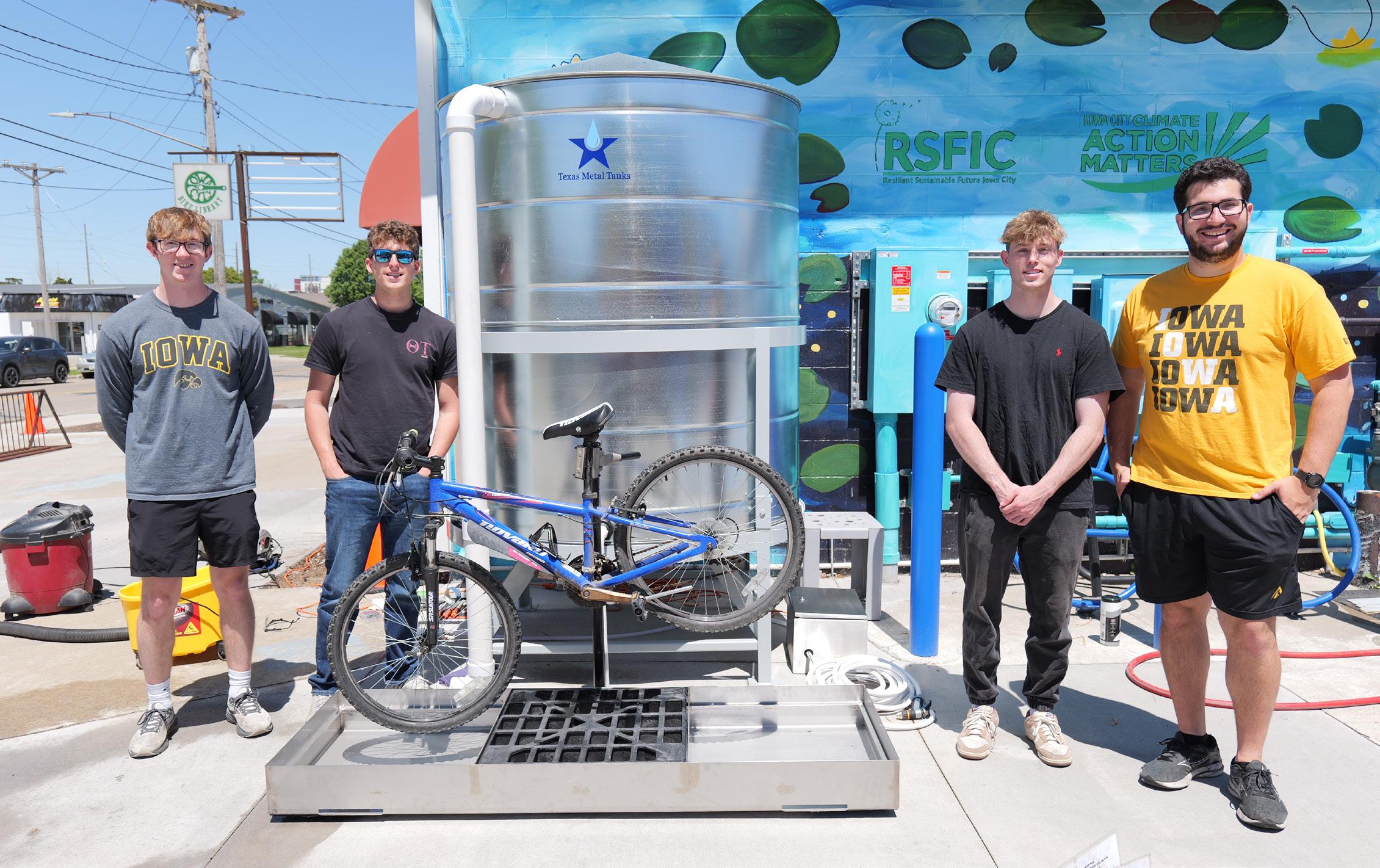
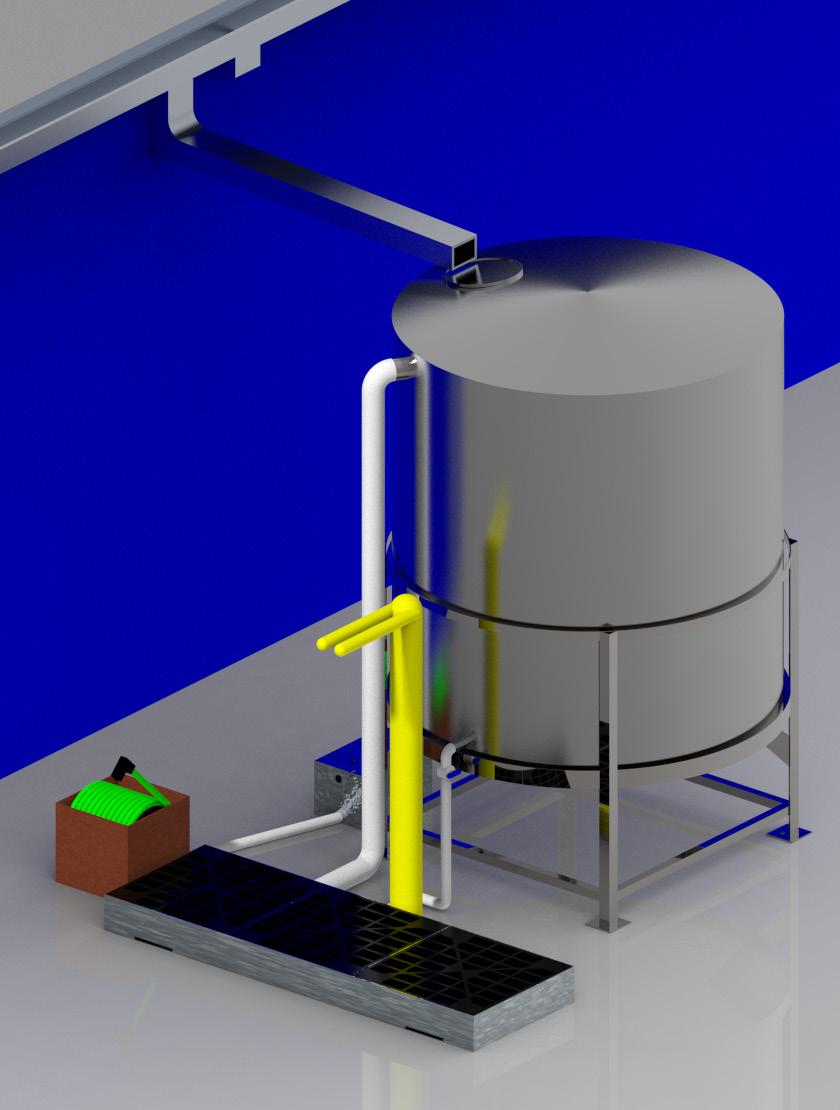
The scope of this project includes the design, development, and implementation of a rainwaterharvested bike wash system for the Bike Library. The system incorporated rainwater collection via existing gutters, a rainwater storage tank, filtration, and pressurization.
Students Lucas Dunlap, Michael Strahanoski, Jacob Chay, and Ethan Keeney developed the solution to the need for a self-contained wash station that utilizes harvested rainwater to clean community bicycles.
They offered the following project summary: “The Iowa City Bike Library seeks to enhance its facility with a reliable and sustainable bicycle cleaning solution. This project delivers a permanent outdoor wash station that utilizes harvested rainwater to reduce environmental impact while streamlining daily operations. Designed for both staff and public use, the station serves as a functional utility and an engaging addition to the south side courtyard.”

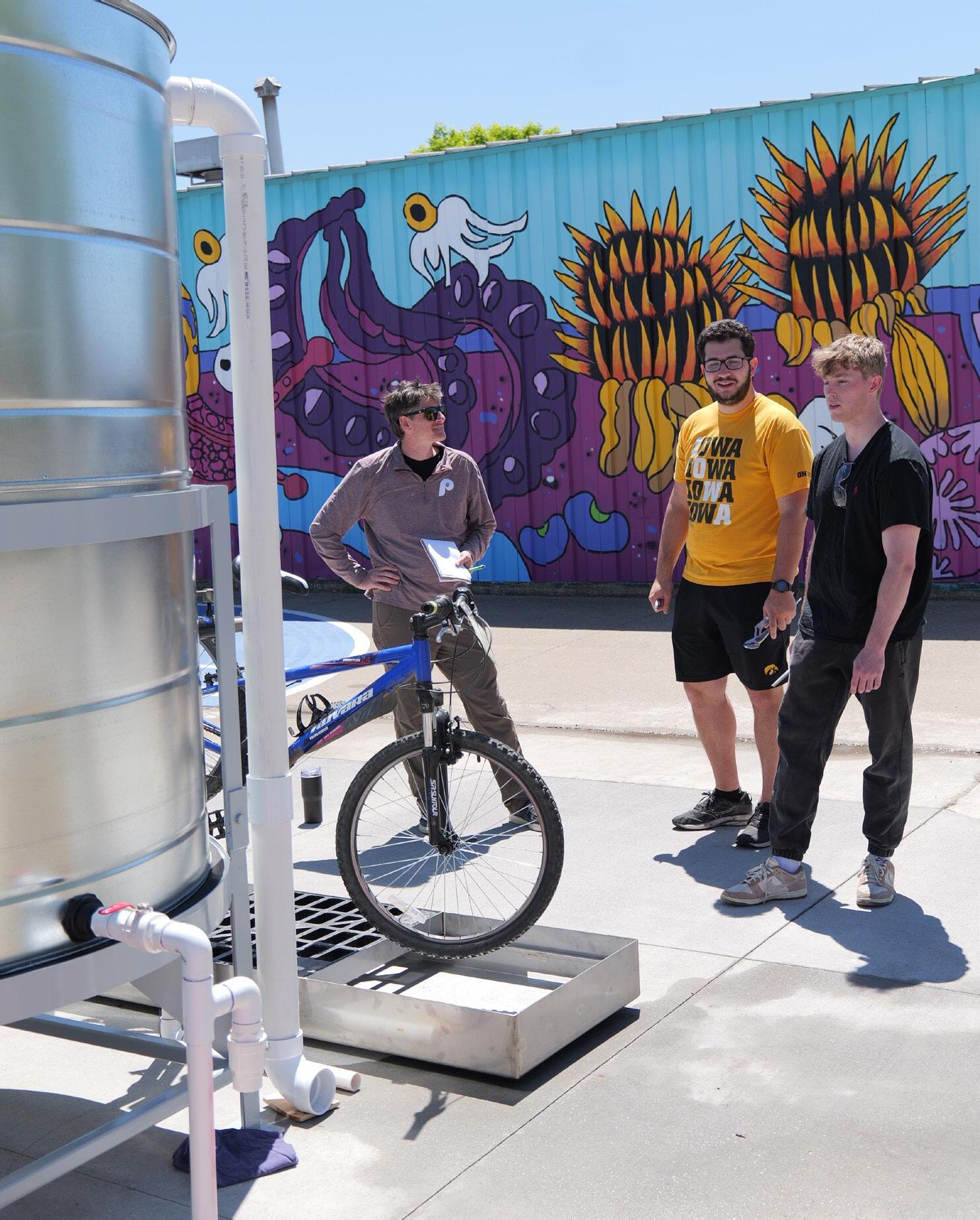
As a group, they said they felt a little overwhelmed starting the project last semester due to the large budget provided and its eventual public use. “We also knew we had high expectations because not only are we designing the wash system, but we are also responsible for manufacturing and implementing it.” Nevertheless, they were excited to work with the Bike Library and have the opportunity to give back to the community. Now that they have finalized their design, they are focused on implementing the system. “It’s been exciting to see the project move forward. We still have much to do this semester including site preparation, construction, configuring our pump system and testing, but we’re looking forward to seeing the finished product at the end of the semester.” The department is excited to see how this will clean bikes across the community.
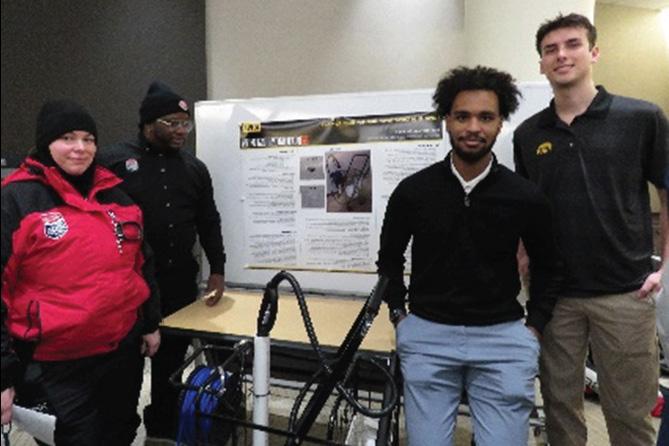
It’s a sticky situation when walking downtown and a piece of discarded gum decides to hitch a ride on your shoe. Students Chase Bernauer and Pasil Salih partnered with the Iowa City Downtown District (ICDD) and developed a cost-effective way to remove the gum from sidewalks. Gum buildup creates visible stains and negatively affects the downtown’s appearance, so the aim of this project was to design and build a device capable of meeting the goals of the ICDD. They developed a vacuum with a strong nozzle that can easily pick up discarded gum.

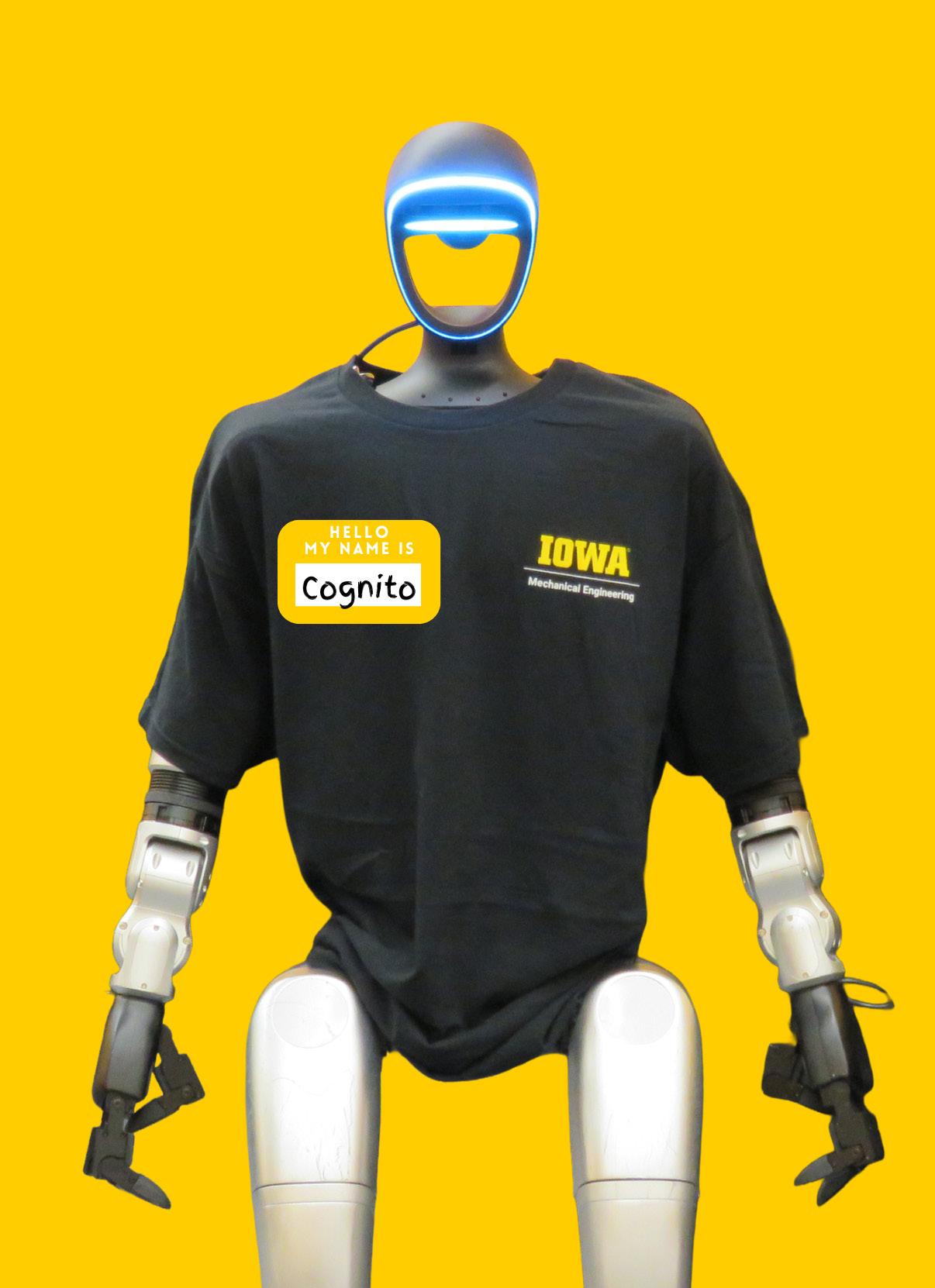
At the beginning of the spring semester, the Department of Mechanical Engineering organized the M.E. Robot Naming Contest to engage students across the College of Engineering in selecting a name for its humanoid robot.
The contest drew 108 submissions, which were narrowed to 90 unique entries after duplicates were removed. The volume and range of responses exceeded initial expectations, presenting the newly formed selection committee with a broader and more competitive pool than anticipated.
During the initial meeting, committee members found several recurring themes and similar names emerging. From this pool, 20 distinct options were identified and subsequently reduced to six finalists. Following a final vote, the name Cognito was selected.
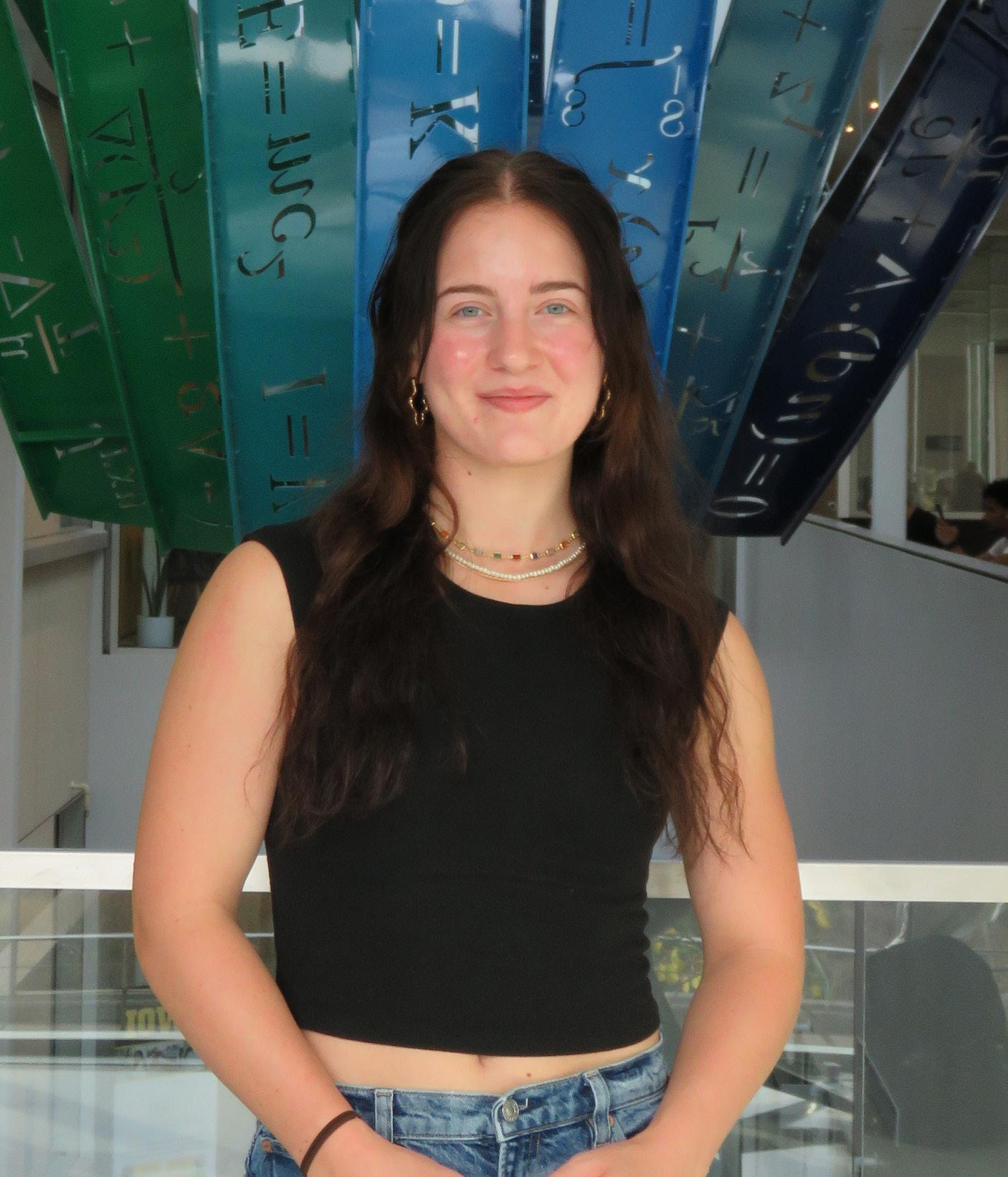
The winning submission came from Hayley Setrum, a civil engineering student. The selected name reflects themes of cognition and collective problem-solving, aligning with the broader context in which the robot contest was developed.
The contest itself served as a structured way to involve the engineering community in a shared decision-making process and expose students to projects they can look forward to tinkering with during their later years of education.
Special thanks to Hayley Setrum, the committee members, and the ME community. With their help we have given our humanoid robot a name!
I graduated from the University of Iowa with a BS in mechanical engineering in 2024. During my time at Iowa, I was actively involved in both engineering and the arts. I served as the lead design for the engineering club Iowa Baja Racing, where I gained hands-on experience in vehicle development. Outside of engineering, I played trumpet in Iowa’s top jazz band, Johnson County Landmark. Additionally, I built valuable industry experience working part-time at John Deere on their Construction Electric Drives team. One of my favorite courses was Product Design and Realization with Professor Phil Deierling, where I learned industry software and the iterative design process. I am currently in the Engineering Development Program at John Deere in Cedar Falls, Iowa. I’m able to develop my technical and leadership skills while exploring three different functional areas.
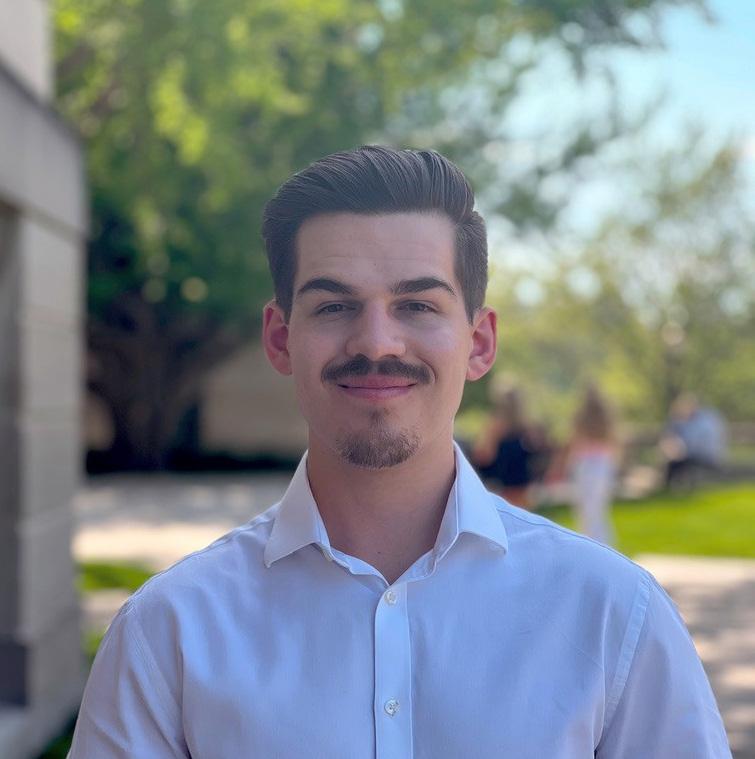
My first rotation was in diesel engine design, producing parts for the turbo and exhaust gas recirculation systems. My second rotation is in tractor product verification and validation, testing vehicle energy management and hydraulics. My third rotation will be in transmission software delivery. I am also finishing my MS in mechanical engineering and starting my MBA at the University of Iowa’s Tippie College of Business. The University of Iowa provided me with incredible opportunities to grow both academically and personally.
I encourage students to get involved on campus and take advantage of the experiences Iowa has to offer. Go Hawks!
I graduated in 2023 with a BS in mechanical engineering. In my time at Iowa, I was in the Hawkeye Marching Band, a frequent rock climber, and a member of several engineering student organizations, including AIAA, SWE, and ASME. I have spent my time since graduation as a mechanical design engineer at Tesla. I am on the Drive Inverter team, where I tackle projects on each of the vehicle platforms and work with electrical engineering and manufacturing teams, as well as suppliers across the globe to solve problems. Using what I learned at Iowa to collaborate across disciplines while advancing sustainable transportation has been an intense but gratifying experience.
My favorite advice to share with current engineering students is to connect with other Iowa students and especially Hawkeye alumni. As a student, I enjoyed reaching out to Iowa alums who were professionals in fields I was interested in to have conversations about their careers and backgrounds.
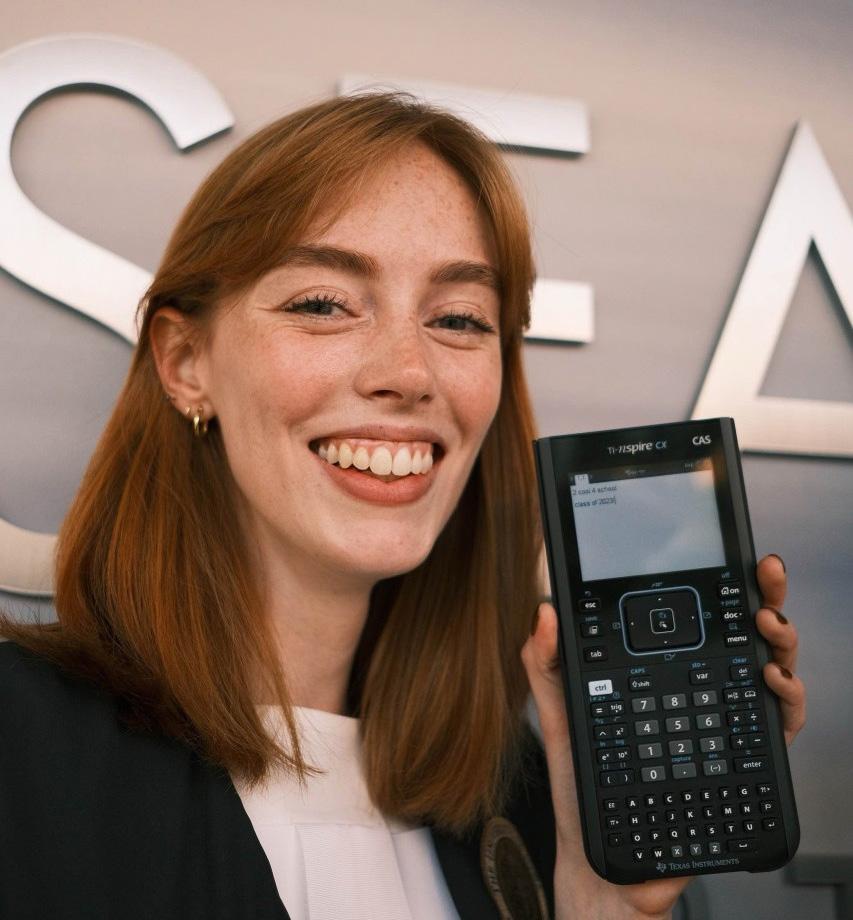
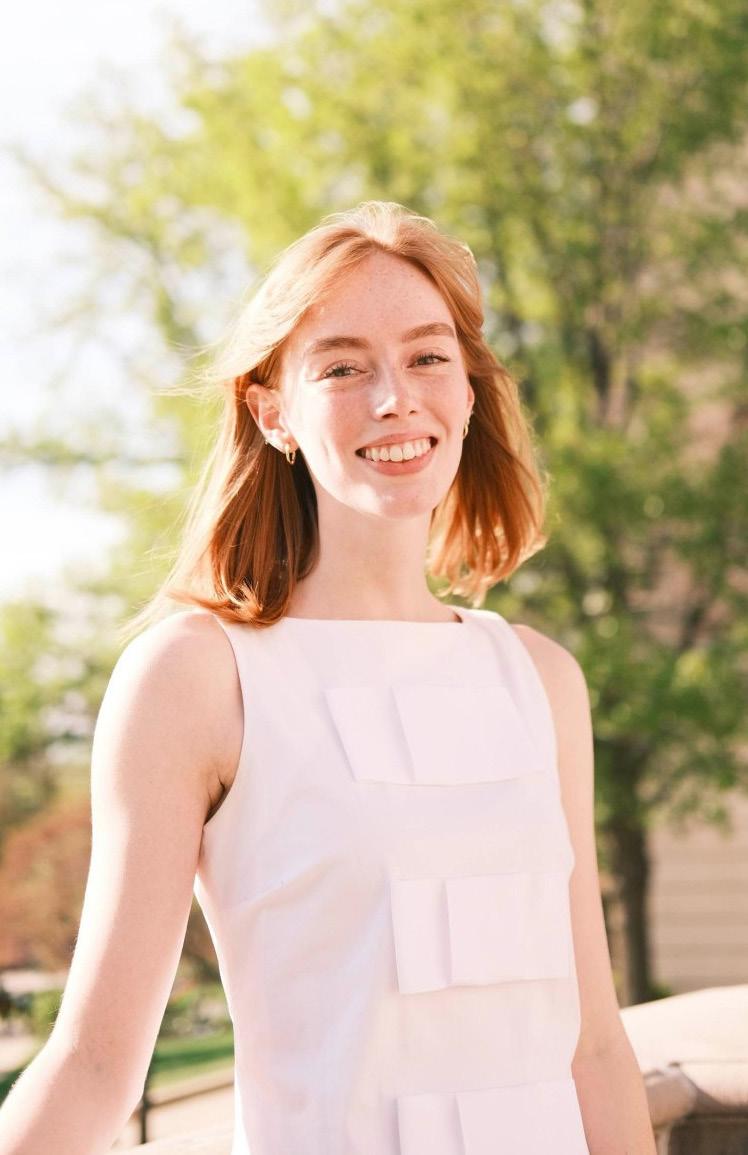
Hearing insights from people who had experience in a variety of professions helped me decide what I wanted to pursue after graduation. These connections, along with the resources the College of Engineering provided, helped me kickstart a career that has been nothing short of exciting so far.
Mechanical Engineering
The University of Iowa 103 South Capitol Street 3131 Seamans Center for the Engineering Arts and Sciences Iowa City, IA 52242
Please head to engineering.uiowa.edu/me or scan this QR code!

The University of Iowa prohibits discrimination in employment, educational programs, and activities on the basis of race, creed, color, religion, national origin, age, sex, pregnancy (including childbirth and related conditions), disability, genetic information, status as a U.S. Veteran, service in the U.S. military, sexual orientation, or associational preferences. The university also affirms its commitment to providing equal opportunities and equal access to university facilities. For additional information on nondiscrimination policies, contact the Senior Director, Office of Civil Rights Compliance, the University of Iowa, 202 Jessup Hall, Iowa City, IA 52242-1316, 319-335-0705, ui-ocrc@uiowa.edu.