
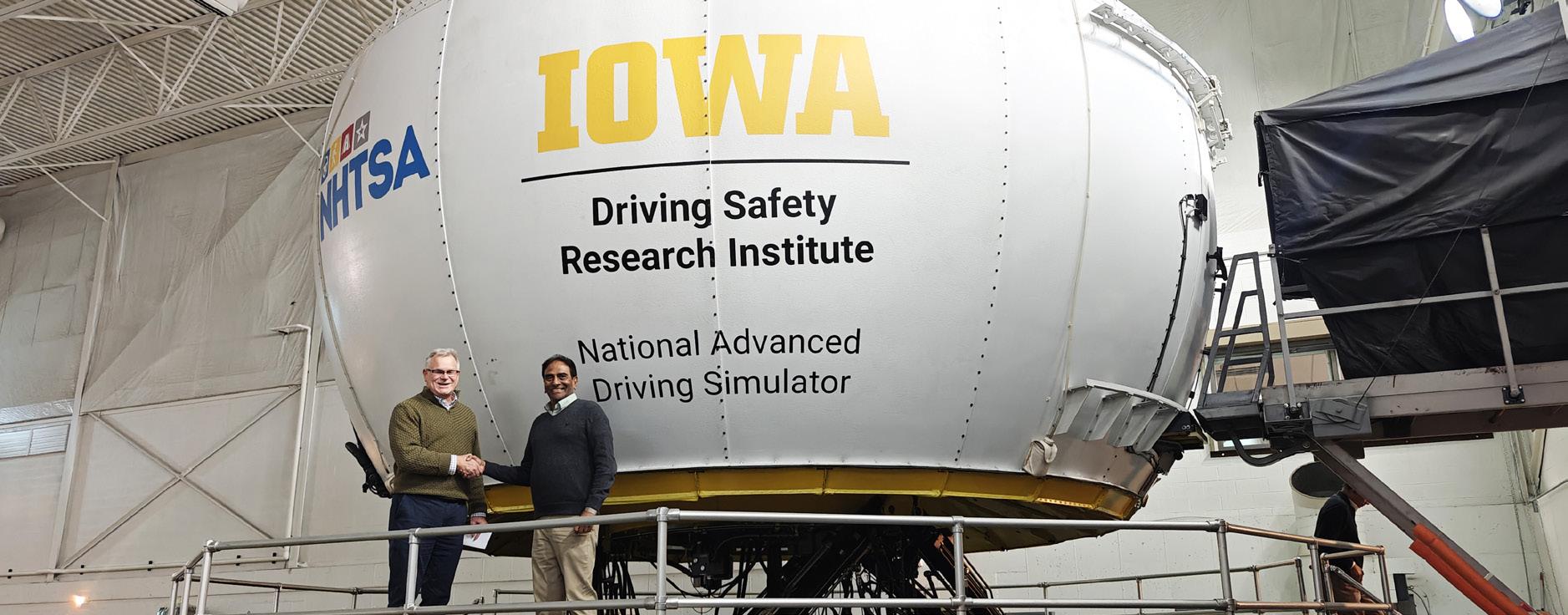
This past year, DSRI was honored to receive a transformative pledge of $250,000 from Mr. Raju S. Dandu (MS ’78), a distinguished alumnus of the College of Engineering’s electrical engineering program. His generous commitment will establish the Raju S. Dandu DSRI Strategic Initiative Fund , providing $50,000 annually over the next five years to support strategic opportunities that enhance innovation and global impact.
This flexible fund will empower DSRI to invest in cutting-edge technology, foster international collaborations, launch pilot projects, and strengthen infrastructure — critical areas that help us remain at the forefront of transportation safety research. We extend our deepest gratitude to Mr. Dandu for his visionary support and belief in our mission. His investment will help shape the future of safe mobility and ensure that DSRI continues to lead in research that saves lives.
At the heart of that mission is our focus on driver attention, the cornerstone of safe driving. Whether it involves distraction, fatigue, or impairment from alcohol or drugs, attention is the foundation that keeps all road users safe. We study attention in all its forms — examining how human factors and advanced vehicle technologies can work together to recognize, predict, and mitigate lapses in driver attention. Through this research, we aim to add context, intelligence, and ultimately certainty to the human–machine relationship on the road.
This year, we are proud to celebrate the outstanding accomplishments of our team. Omar Ahmad, our deputy director, received the Board of Regents Staff Excellence Award, one of the University of Iowa’s highest honors. Rose Schmitt , who leads our research logistics and study coordination, was awarded the Mary Sheedy Award for Excellence, the College of Engineering’s highest recognition for staff achievement, honoring her exceptional dedication, innovation, and leadership (pages 28 and 29).
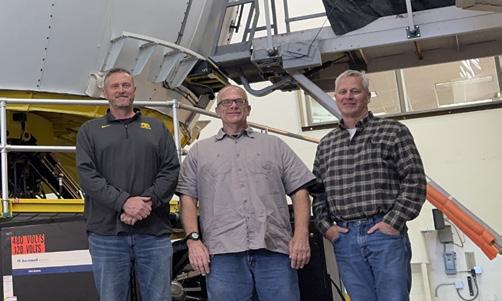
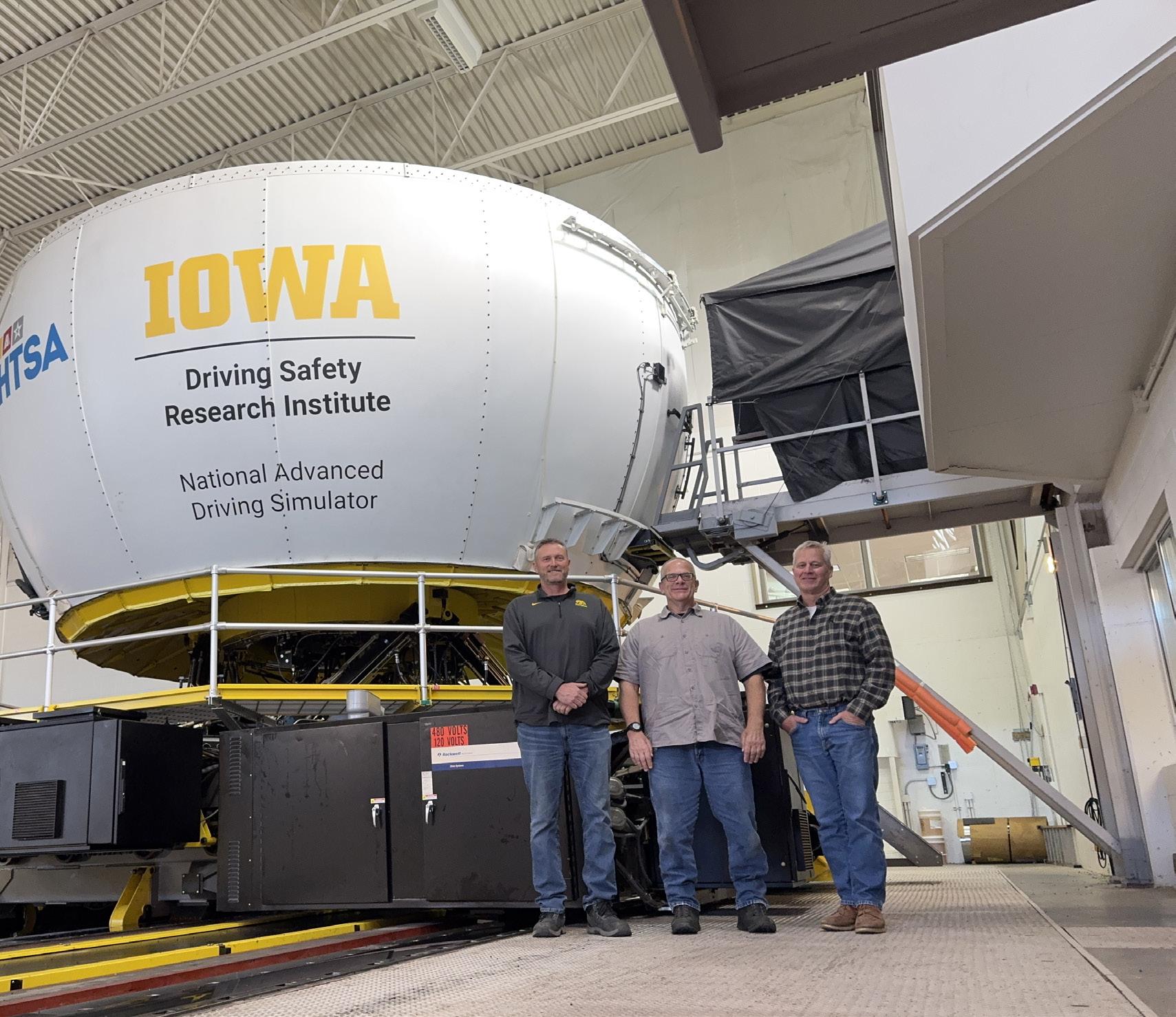
Equally vital to our success is the operation and maintenance of the complex hardware and software that power DSRI and the National Advanced Driving Simulator. Greg Wagner, who directs our instrumentation and engineering operations, along with Corey Kreutz and Jeff Gordon, perform the backbone work ensuring that our large-scale systems and instrumentation run smoothly, safely, and efficiently every day (page 24).
In the pages that follow, you’ll see examples of the innovative research, partnerships, and technological advances as we remain committed to advancing knowledge, saving lives, and shaping the future of safe mobility.
—Daniel V. McGehee Director, Driving Safety Research Institute Professor,
Industrial & Systems Engineering, Emergency Medicine, and Public Health
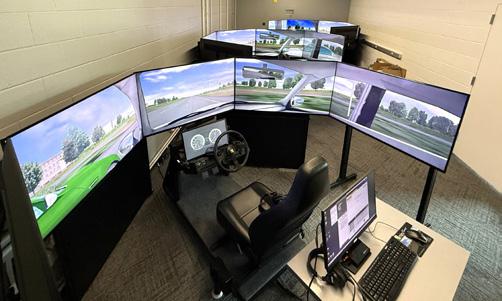
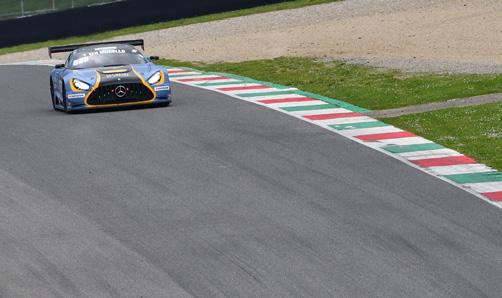
To make our roads safer by researching the connection between humans and vehicles
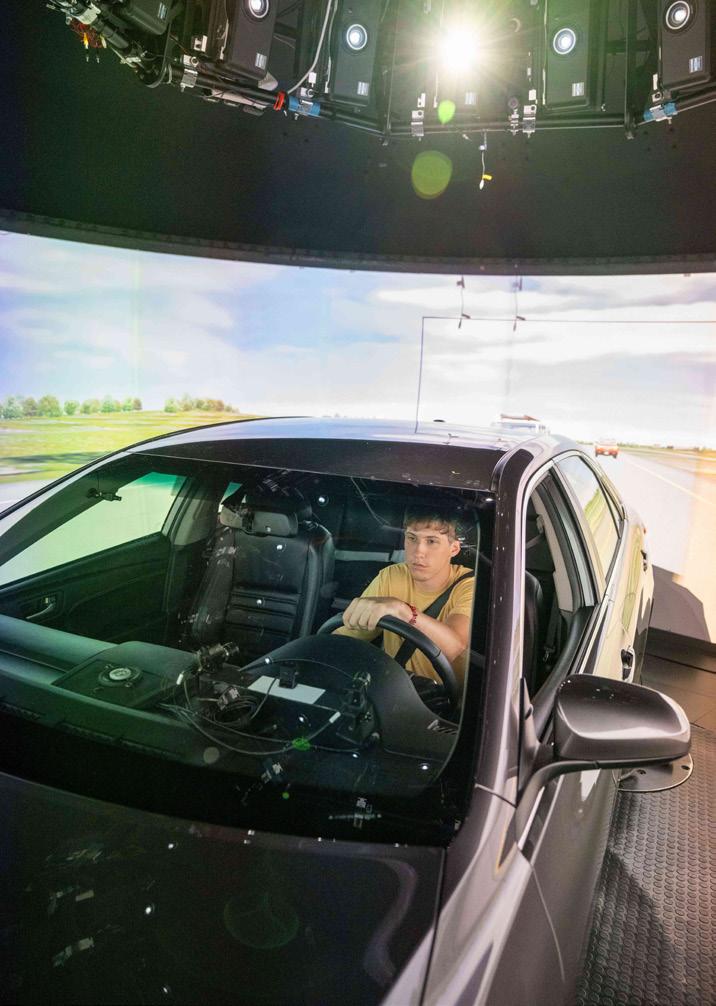
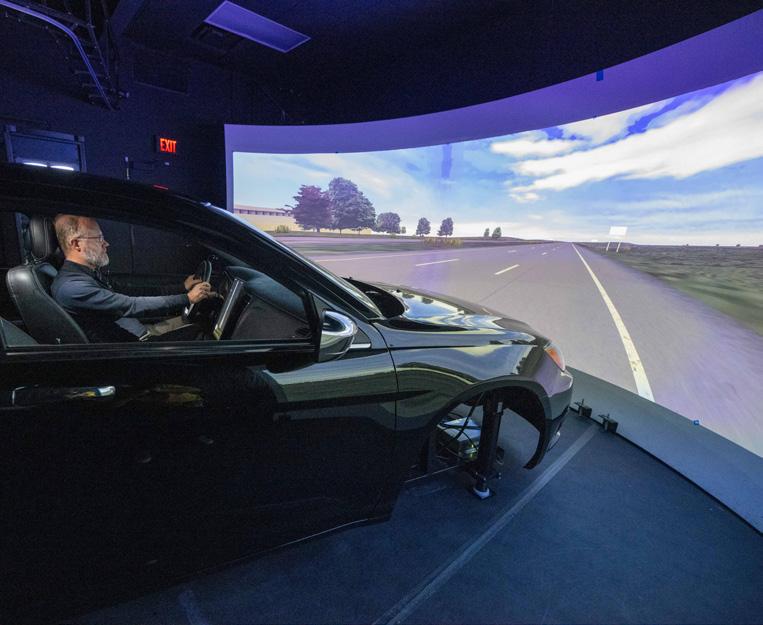
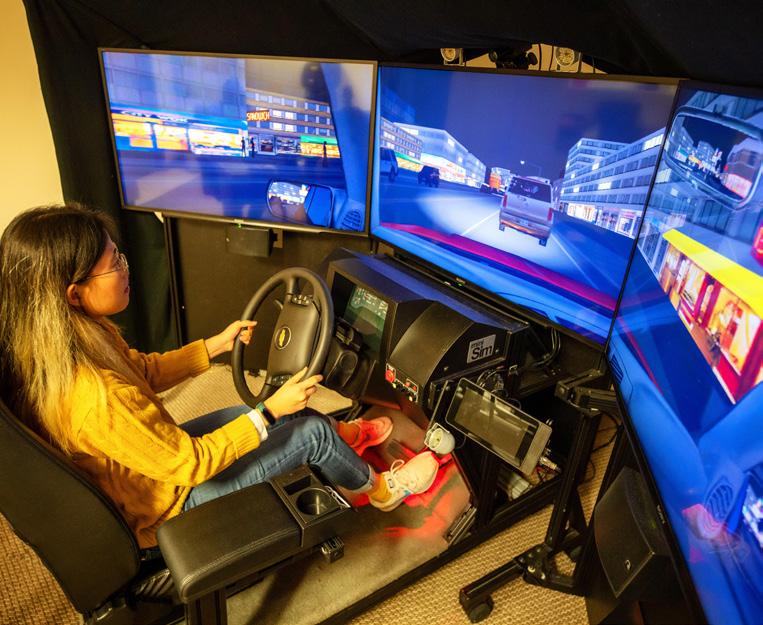
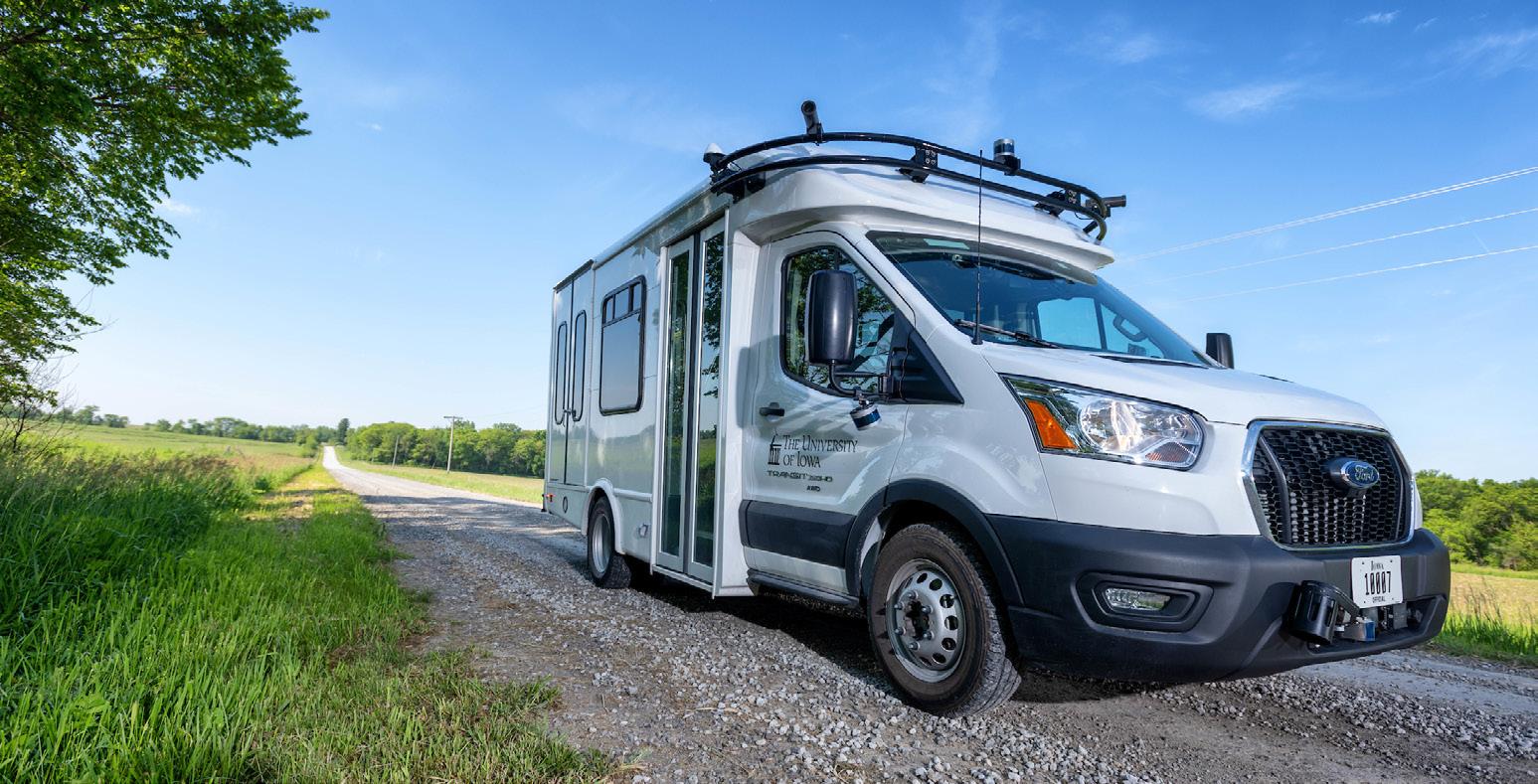
We conduct research with simulators and on-road vehicles. Funded by government and industry partners, our expertise includes:
• Human factors
• Distracted driving
• Drowsy driving
• Drugged driving
• Connected and automated vehicles
• At-risk populations (older and novice drivers)
• Safety and crash data analysis
• Simulation science and digital twins
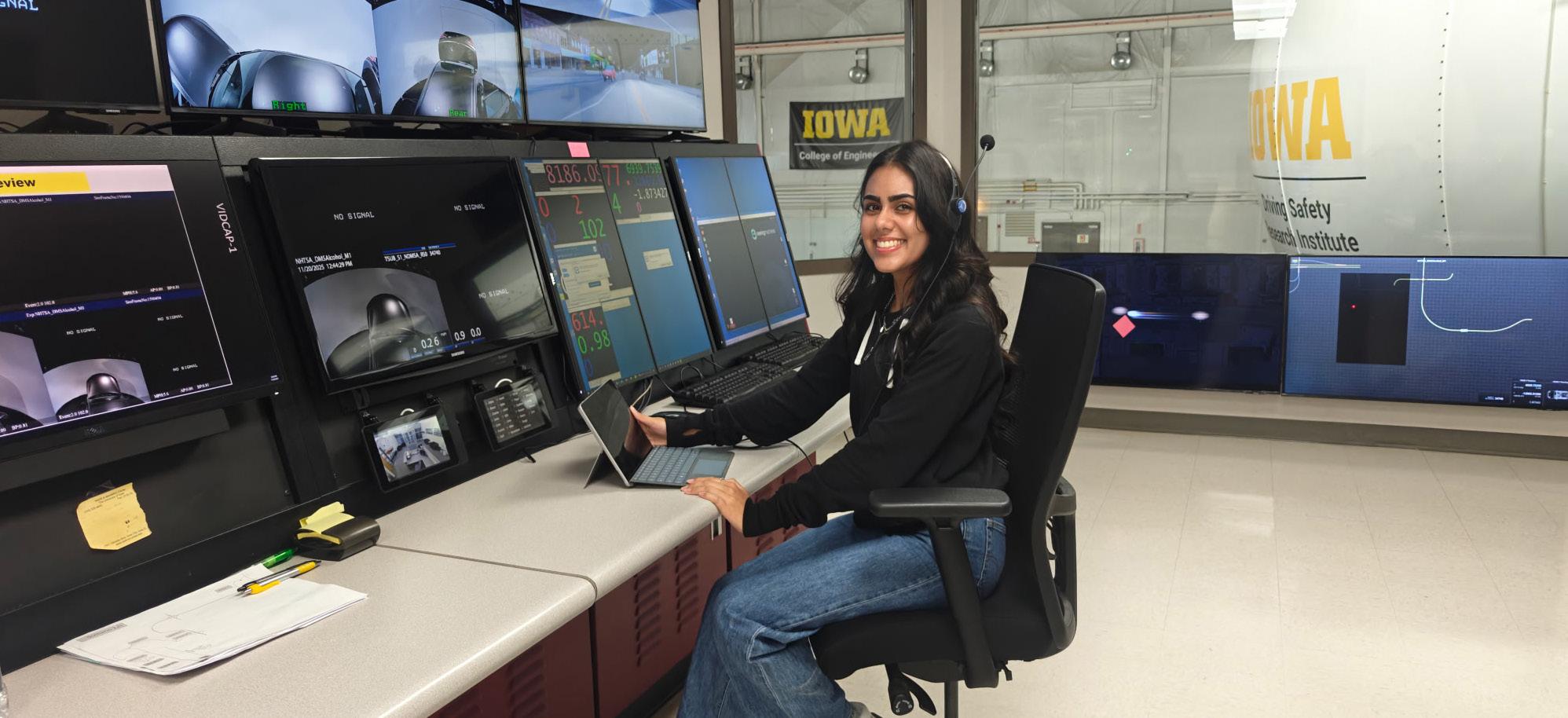
From programming to building miniSims and running participants through data collection, students are an invaluable part of our work, and they receive an experience that leads to a lifetime of success in a variety of fields.
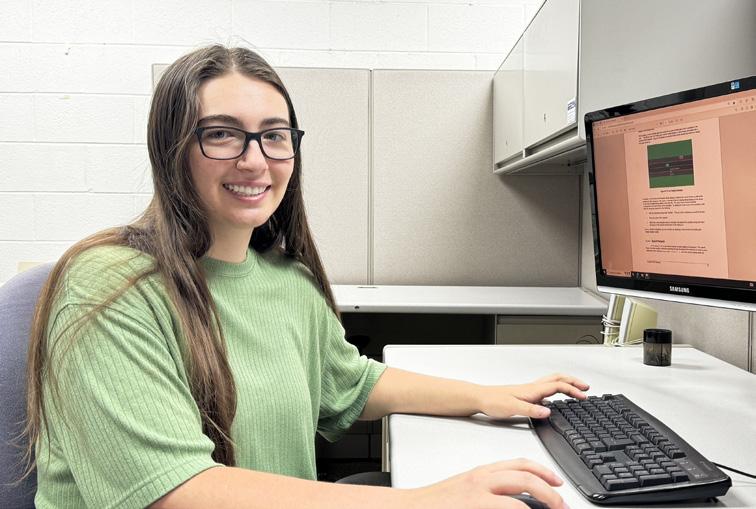
University of Iowa, criminology and pre-law
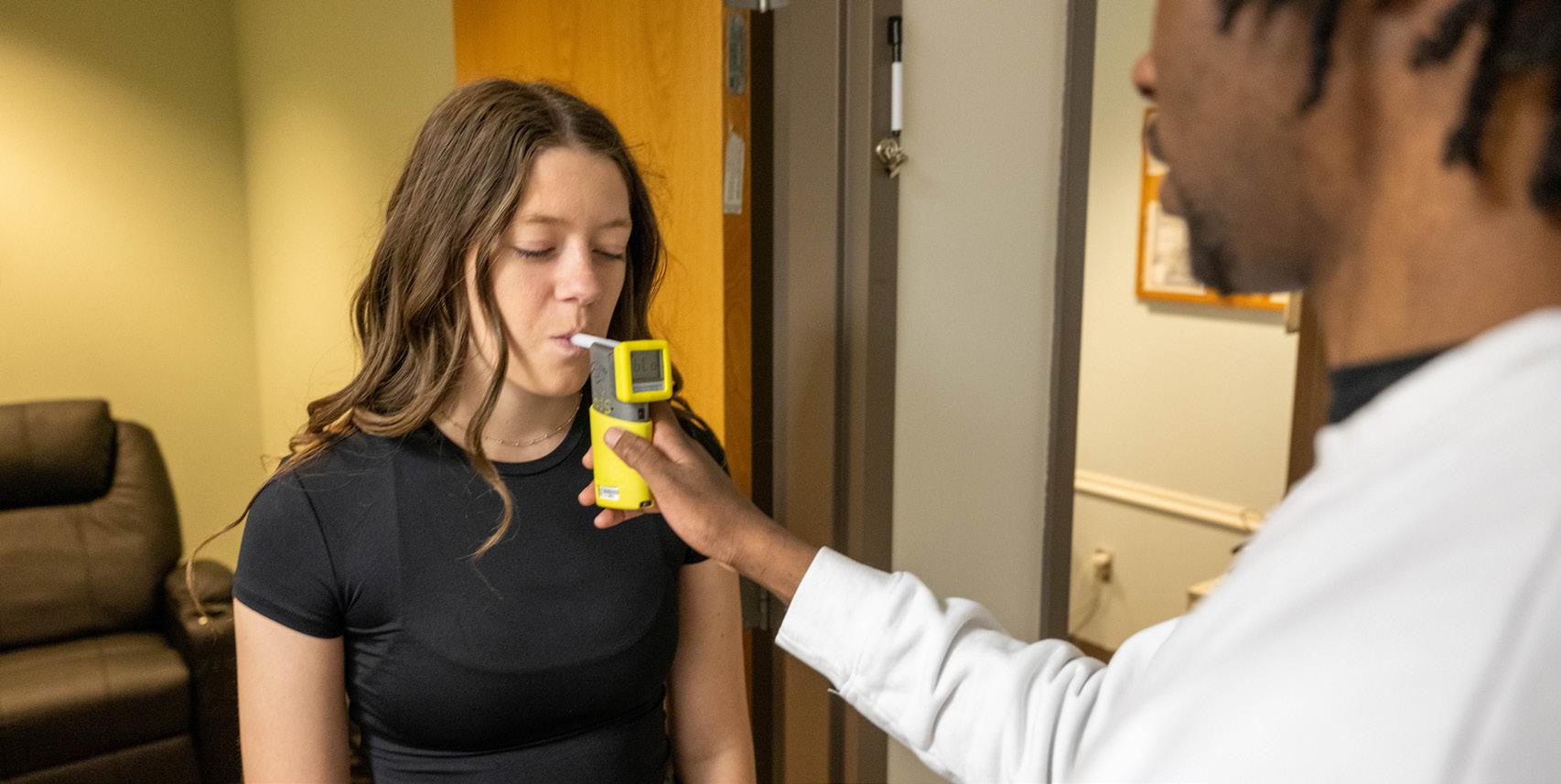
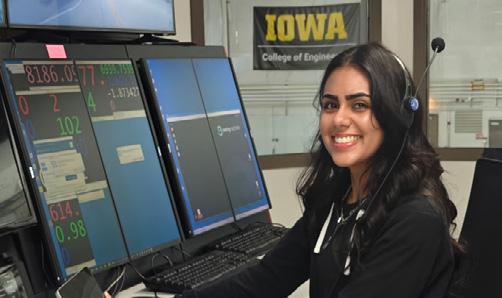
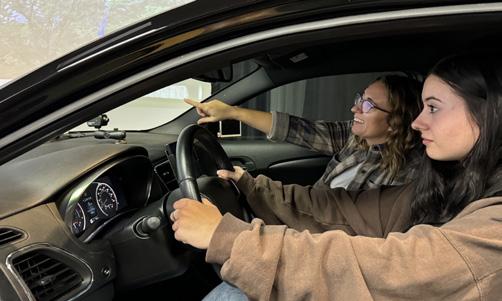
Ahmad (pictured above) is a temporary research assistant focused on data collection. She handles participant intake and pre-drive surveys, monitors participants from the control room, and coordinates with the research assistant in the cab during drives. Her tasks include logging notes, administering in-drive surveys, and performing post-drive breathalyzer tests to record breath alcohol concentration levels.
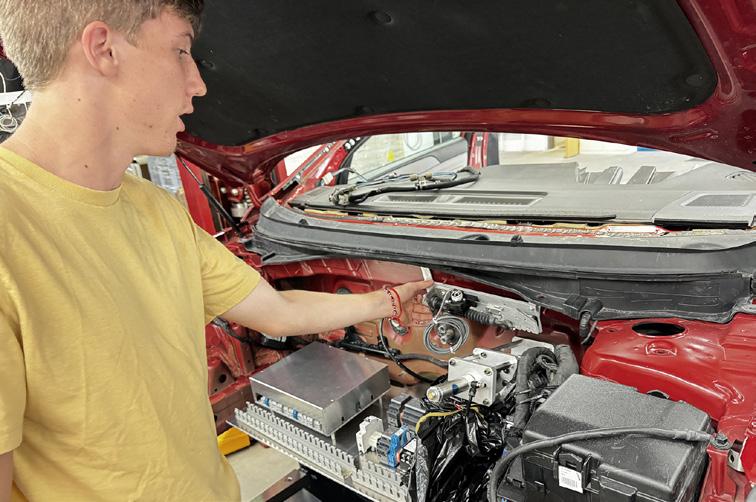
University of Iowa, mechanical engineering
Ernst is one of several engineering students who assist in the building and assembly of miniSims. He’s shown here working on a cab where he installed the braking system and made various electrical connections.
University of Iowa, clinical psychology
Evans, who graduated last spring, worked on building and troubleshooting simulator scenarios. She learned about our research process and how the study of psychology can be applied to human factors research in the context of driving safety.
Linn-Mar High School
Nguyen (right), a high school senior, developed a web interface to monitor simulator subsystems and their logging information. He learned new software design patterns and techniques and expanded his working experience with various web technologies (HTML, CSS, JavaScript, WebSocket, WebComponents, and Bootstrap).
“This internship has been a wonderful opportunity to explore software and integration with hardware systems. I have solidified my interest in pursuing a career in computer science and gained real-world experience in the field,” he said.
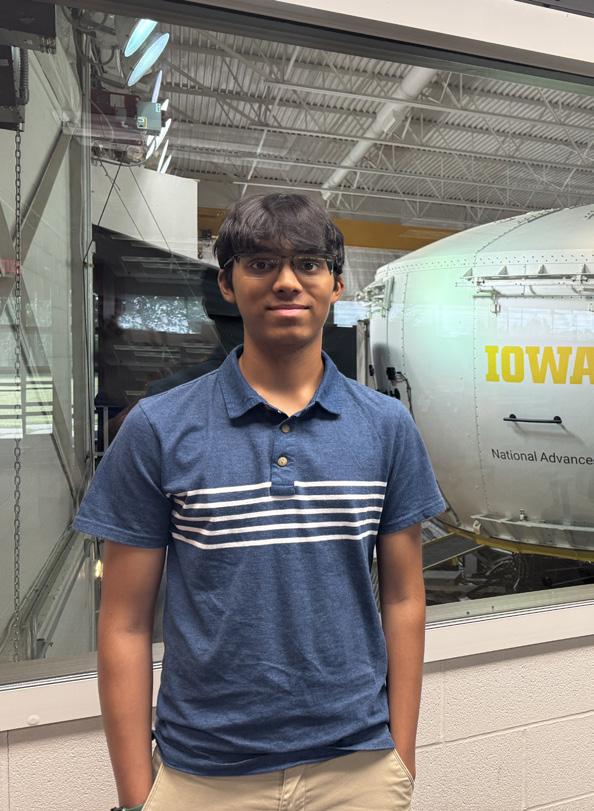

Linn-Mar
Kondiboyina (left), a high school senior, worked last summer on a machine learning model to classify and predict the drowsiness level of the driver, exploring the data and building the model.
Ness is a recent high school graduate helping expand our visual asset database and maps for our Unreal Engine renderer. He is learning about Unreal Engine, its various assets, and the Blueprint scripting language and is gaining workplace knowledge about how to create, port, and control visual assets and maps.
Ganesh, a Liberty High School student, edits and adds simulation code, optimizes simulation assets, remaps vehicle paths through a 3D map, and adds randomized vehicle assets.
Also, thank you to our recent temporary research assistants who help us run our studies. We couldn’t do it without them!
• Jace Bornsen
• Patrick Chileshe
• Darara Dawassa
• Nandjill Elola
• Connor Loudermilk
• Lexi Popken
• Jeannie Thao
• Alex Troxel
• Molly Schwarz
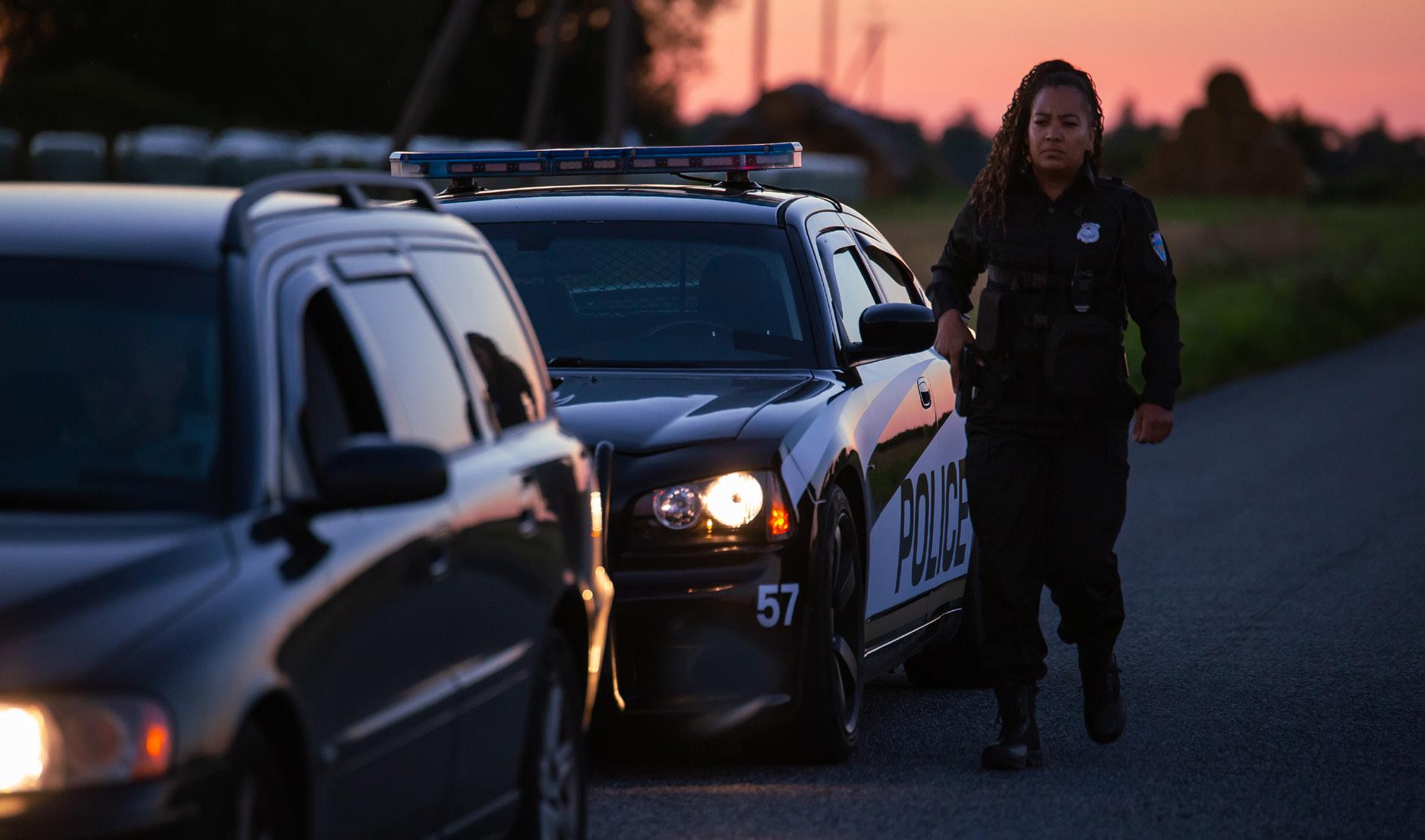
Sponsored by the National Highway Traffic Safety Administration (NHTSA), with partners Dunlap and Associates
DSRI, in partnership with Dunlap and Associates, Inc., of Cary, NC, is working on a NHTSA project exploring alternative tests for the Standardized Field Sobriety Test (SFST) — the set of tasks law enforcement officers currently use to detect impaired drivers.
The goal is to examine the feasibility of additional tests for determining whether a person is at or above the legal blood alcohol concentration (BAC) limit in atypical situations where the current tests comprising the SFST cannot be conducted as-is (e.g., due to weather, driver medical condition). Specifically, these tests will avoid the need to stand and will not involve tracking eye movement. The DSRI team is now collecting data.
Phase 1 involves participants performing these tasks at varying BACs. Half of the participants will first be tested while sober, and all will be dosed and tested at multiple stages:
1. Above 0.08 BAC
2. During the decline between 0.08 and 0.05 BAC
3. Between 0.02 and 0.05 BAC
4. Finally, at 0.00 BAC
Subsequent phases, scheduled for 2026, will further examine the most promising alternative tests and incorporate law enforcement officers to evaluate how practical these tasks are in real-world scenarios.
Data collection for this study wrapped up in late 2025. It enrolled more than 125 participants, each of whom took part in multiple driving conditions. It aimed to understand how driving-related metrics collected through modern vehicle instrumentation, including driver monitoring systems, can be used to detect and infer if a driver is impaired.
Researchers tested participants in the NADS-1 while participants were:
1. Alert and sober
2. Drowsy and sober
3. At a breath alcohol concentration (BrAC) of approximately 0.08
4. At a BrAC of approximately 0.12
Investigators collected data on driver performance, eye movements, head and body movements, heart rate, and respiration, among others. Data is currently being analyzed.
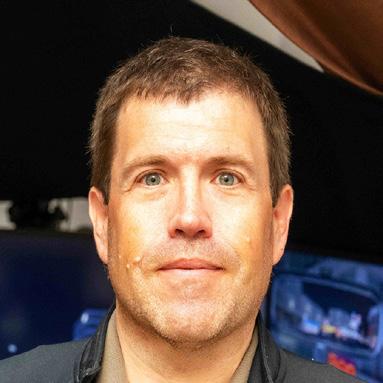
“We aim to determine the most promising metrics for detecting and differentiating between the sources of impairment,” said Tim Brown, director of drugged driving research at DSRI.
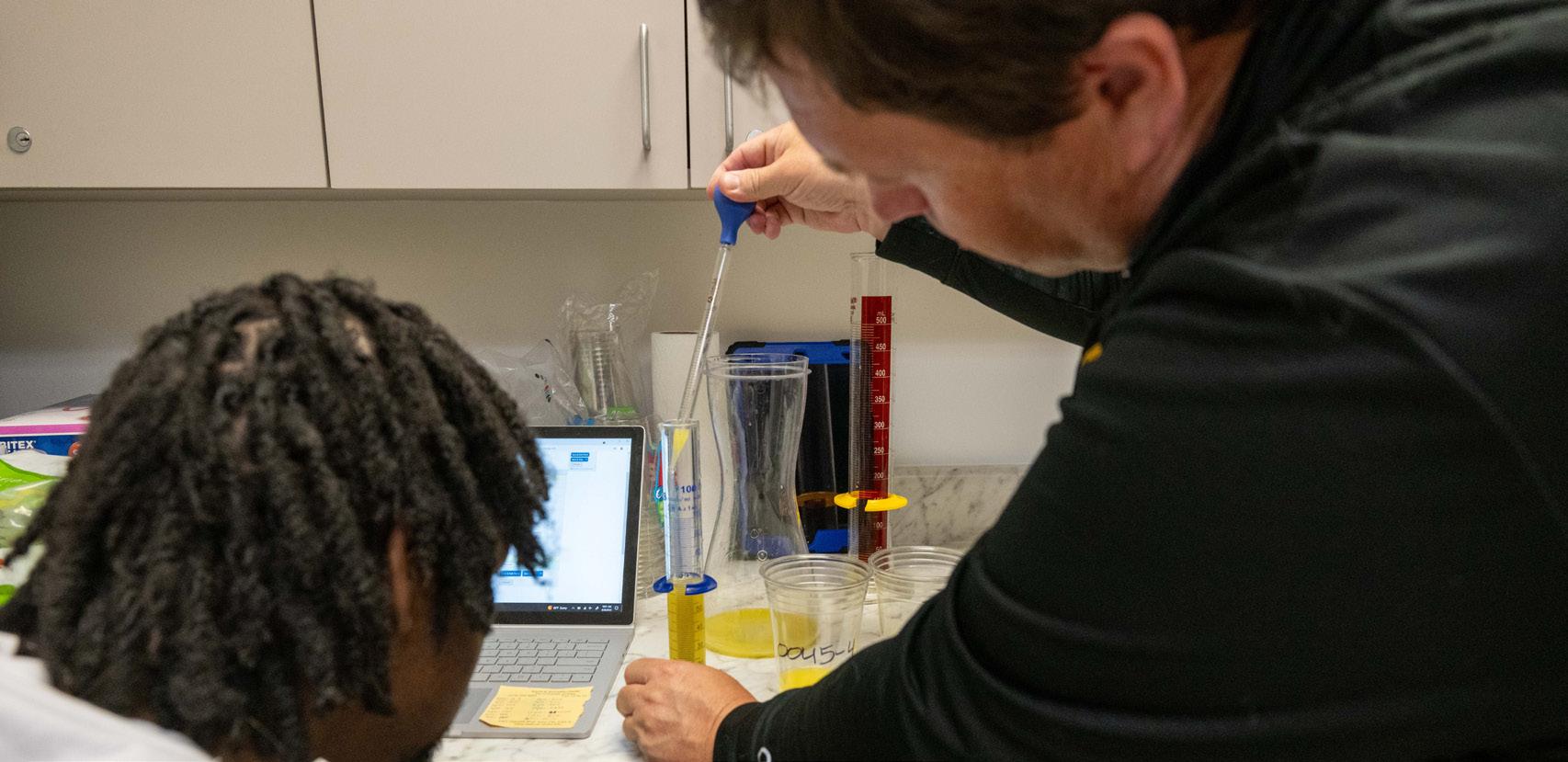
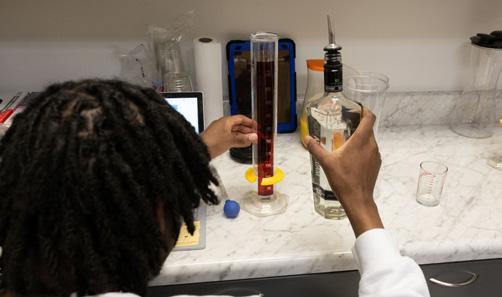
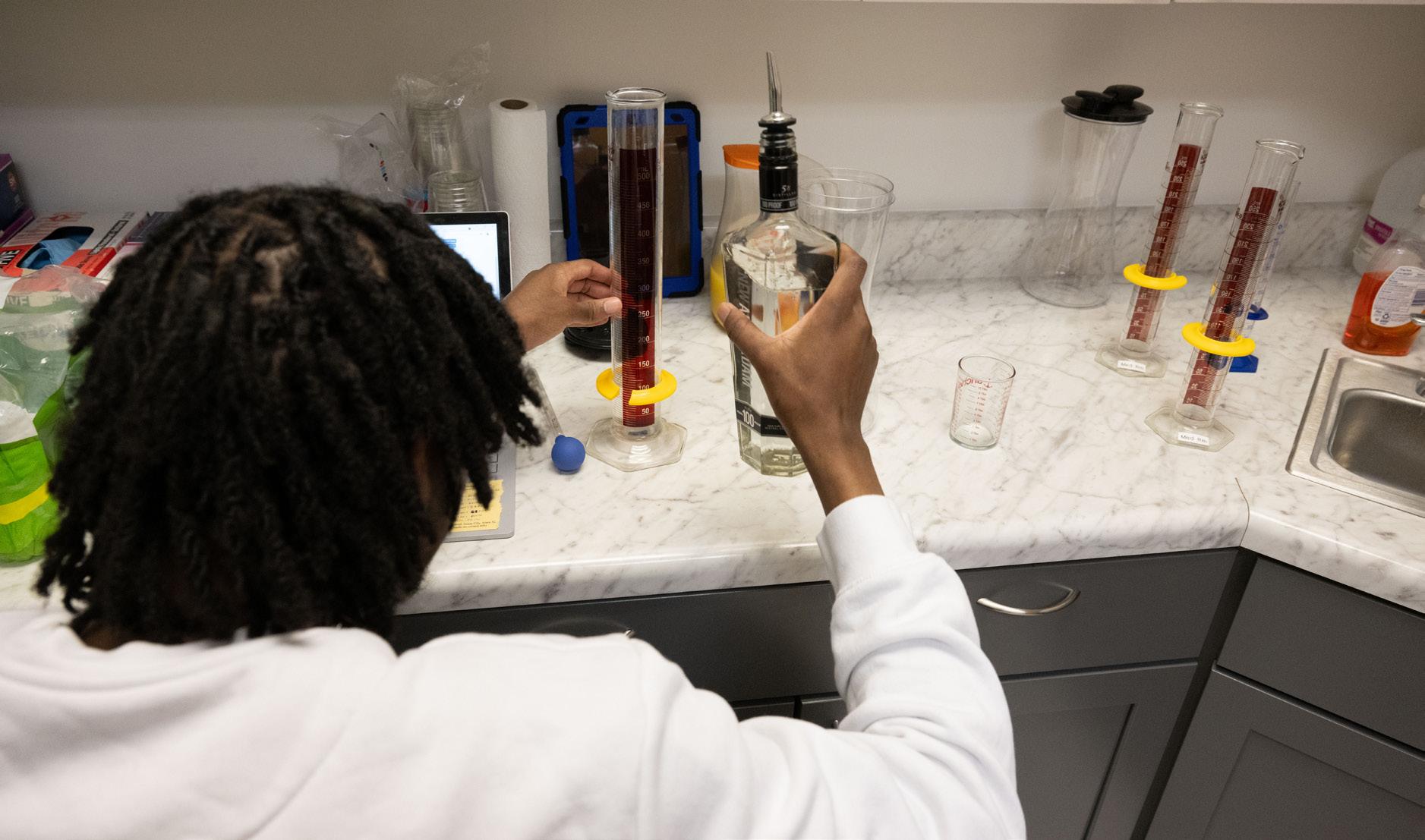
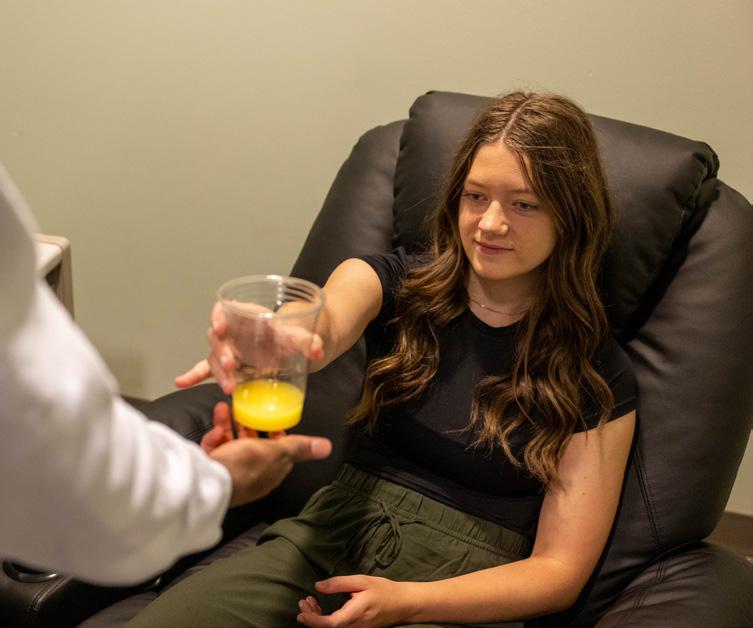
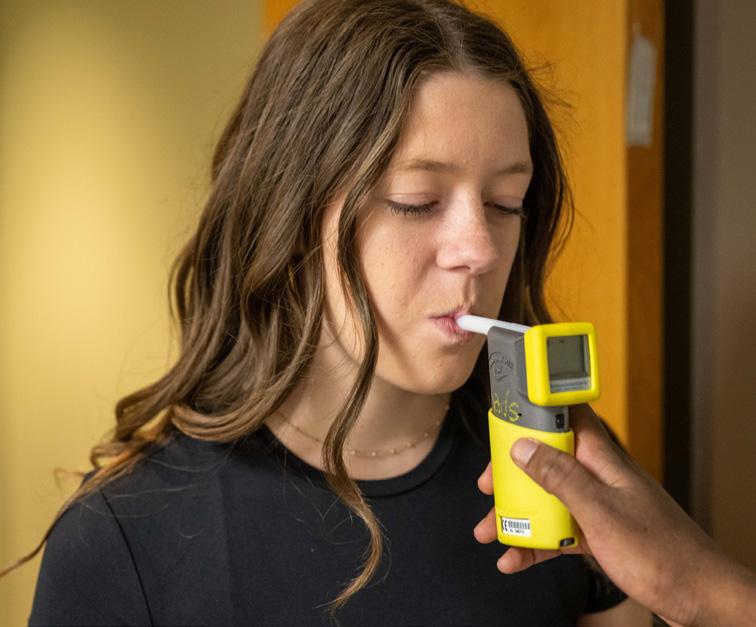
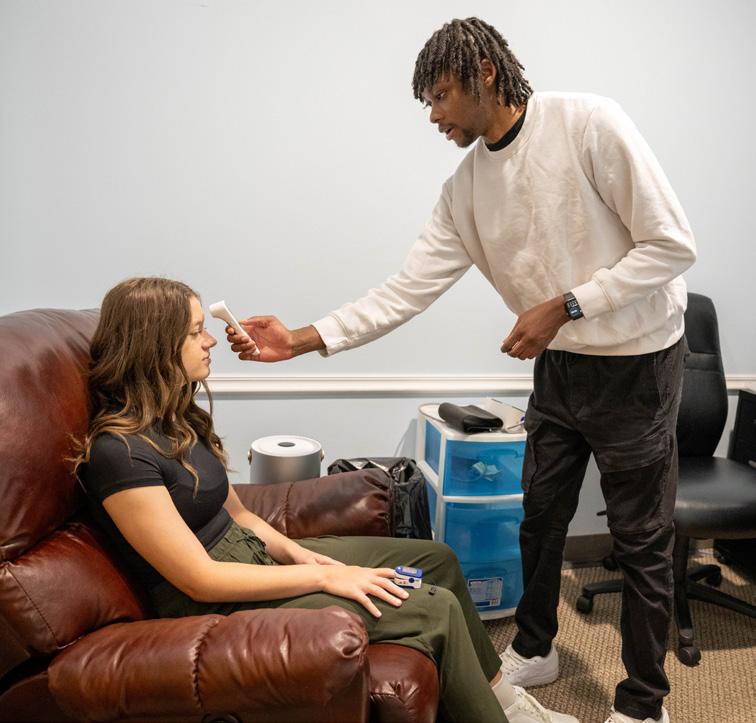
We often talk about our drugged driving studies, but have you ever wondered how we actually get our participants drunk? To withstand the rigors of scientific research, we deploy a method that involves careful safety precautions, precise measurements, consistent time frames, and continuous monitoring to obtain the most reliable data possible.
Here’s how we do it.
Verify participant eligibility, which can be done online, in person, or both, depending on the study.
• Review medications and medical history to ensure it’s safe for them to consume alcohol.
• Confirm they have a designated driver for drop-off and pick-up.
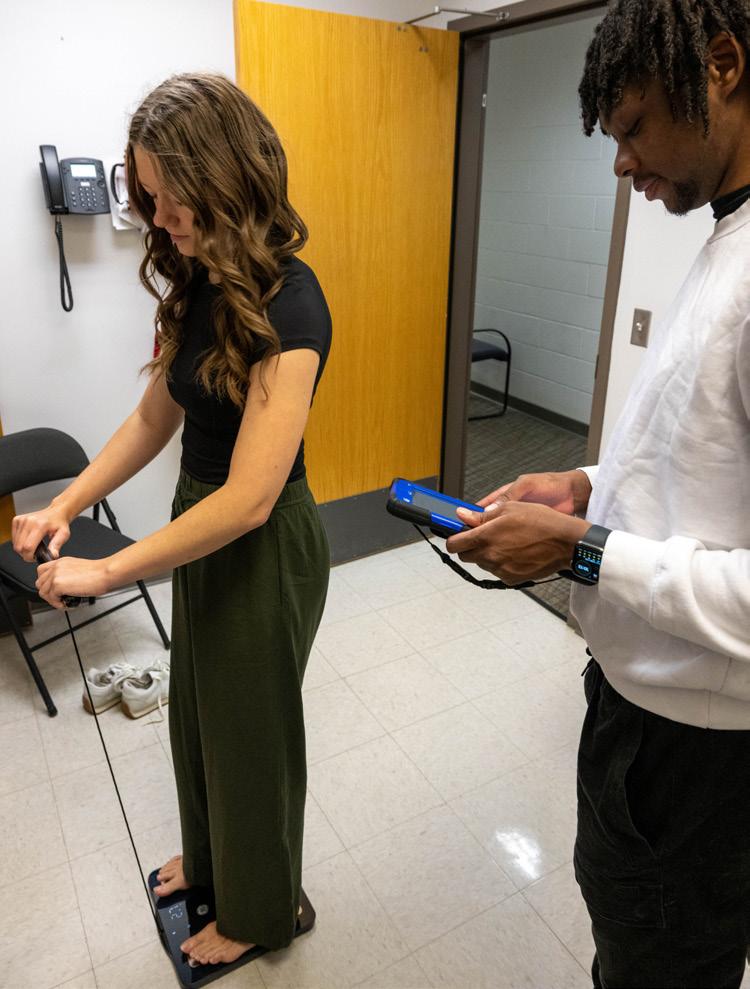
Collect participant baseline data:
• Weight
• Height
• Body water percentage
Use this data to calculate the alcohol dose required to reach the target breath alcohol concentration (BrAC) for that individual.
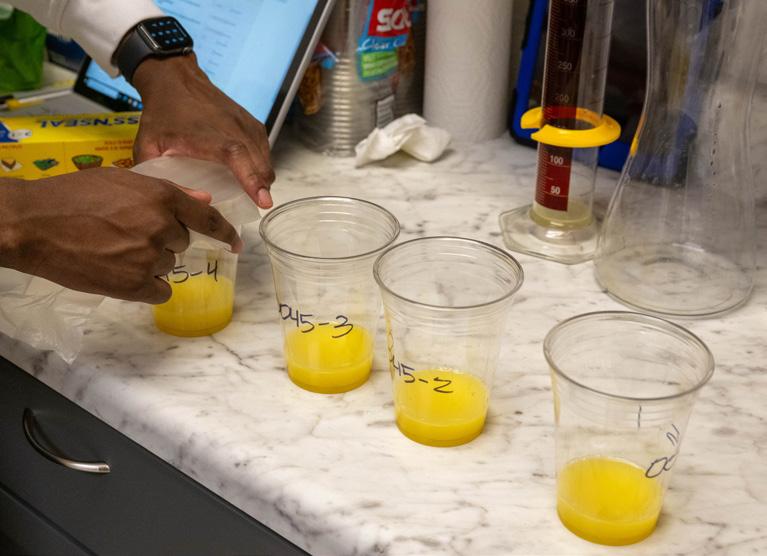
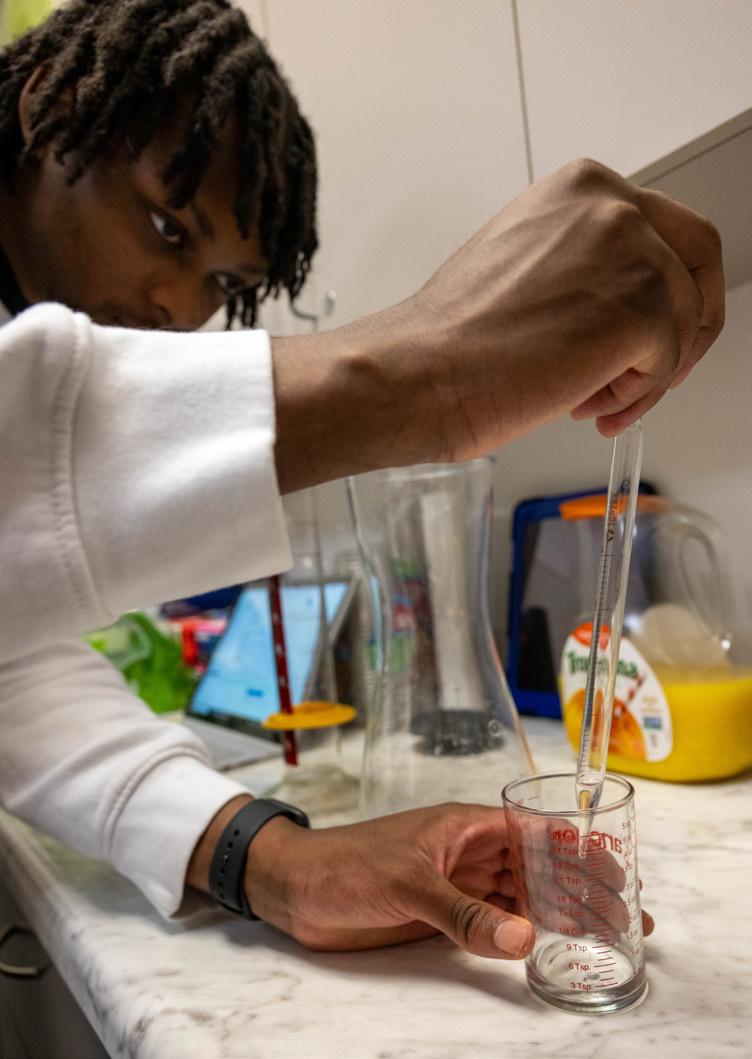
Measure and prepare the calculated alcohol dose:
• Vodka mixed with orange or cranberry juice
• Divide the mixture into 3 to 4 cups (depending on study design).
Participant consumes the cups in intervals: 10 minutes per cup, until all cups are finished.
• Wait 15 minutes after the last drink.
• Begin BrAC measurements using a breathalyzer: Take readings every 5 minutes.
• If BrAC is below target, administer a booster dose.
Research assistant:
• Records vital signs
• Administers questionnaires
Once BrAC peaks and begins to decline:
• Participant completes the main study task, which could involve driving in a simulator, cognitive testing, etc.
• Monitoring continues as BrAC decreases.
• Keep participant in the facility until BrAC is below 0.03.
• Ensure their designated driver picks them up for transport home.

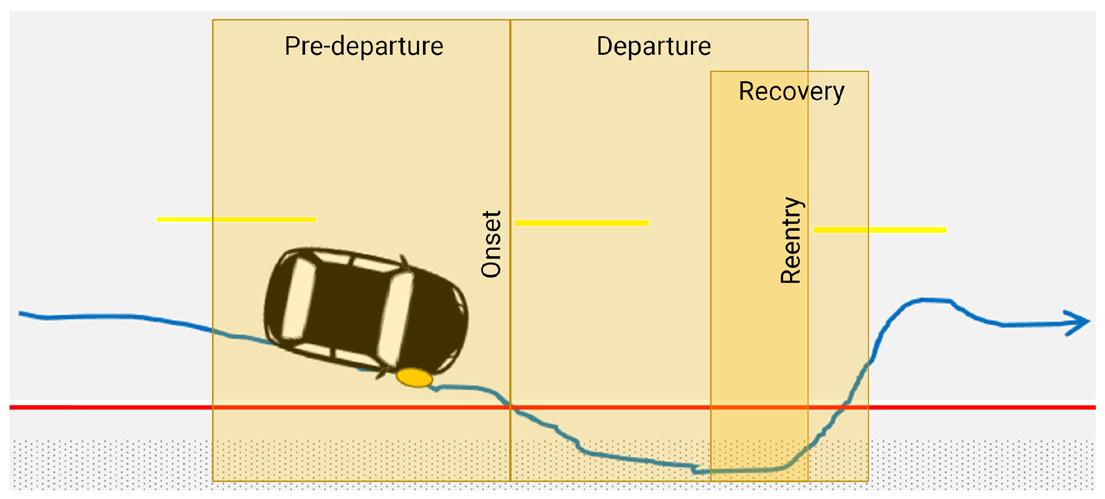
This project reexamined data from 13 simulator studies to better understand lane departure characteristics across four different impairment states: distraction, drowsiness, alcohol, and cannabis. The analysis segmented nearly 13,000 lane departures into three phases (pre-departure, departure, and recovery) and two transition points (onset and reentry) to detail driver behavior.
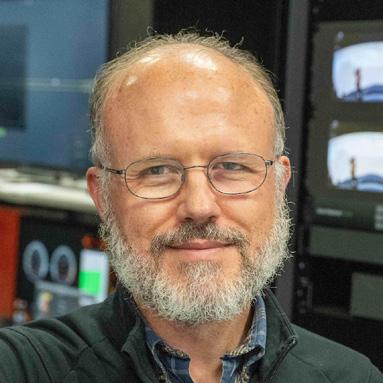
“The goal was to see how impairment influences the nature of lane departures and recovery, and to use that knowledge to inform test procedures for lane keeping technologies,” said Chris Schwarz, director of engineering and modeling research.
Findings are currently being analyzed for publication. These foundational insights support the development of performance standards for lane-keeping assistance systems. They highlight the value of simulator-based research for examining impairment effects in a controlled, reproducible environment.
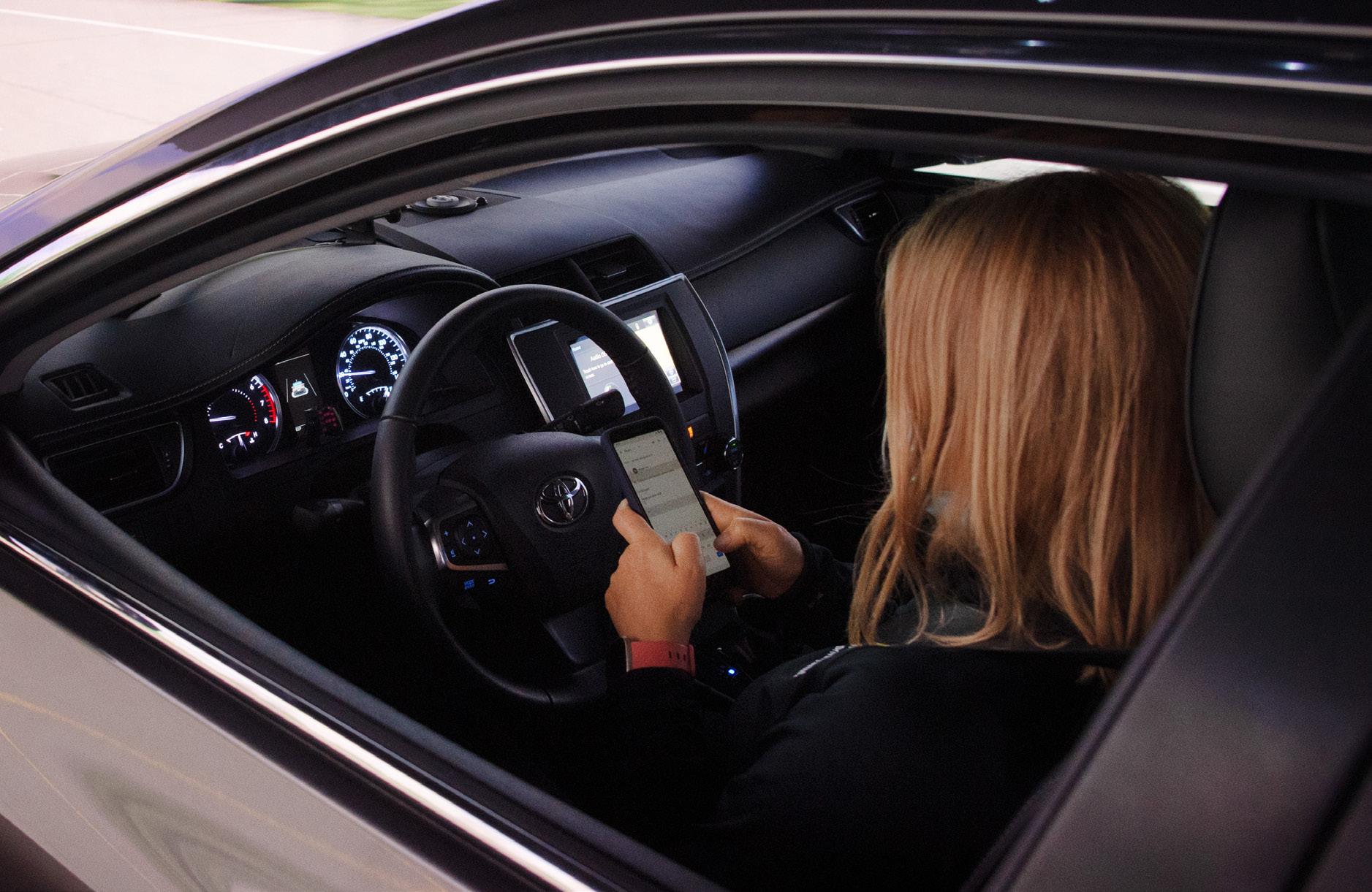
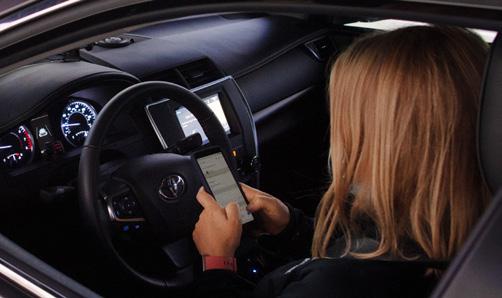
In the first year of a four-year project, researchers are investigating how drivers interact with secondary devices — such as smartphones and infotainment systems — while driving. The team has completed a literature-in-practice review and is now conducting a large-scale survey to capture the types of activities drivers engage in and the technologies they rely on.
Common distractions include accessing audio content, adjusting navigation, or interacting with apps through touchscreens or voice assistants — tasks that often require pressing buttons or looking away from the road.
“The aim is to better understand what technology is truly supporting people, and how to make the technology more useful and streamlined in the vehicle,” said Justin Mason, associate research scientist.

Justin Mason
Findings from this survey will guide future simulatorbased experiments, in which researchers will introduce distraction events and test potential solutions designed to minimize risk. The ultimate goal is to identify gaps in current technology and provide recommendations that make in-vehicle systems more intuitive and less distracting, helping drivers stay focused on the road.
Sponsored by NHTSA
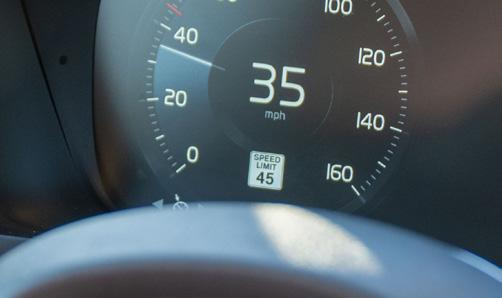
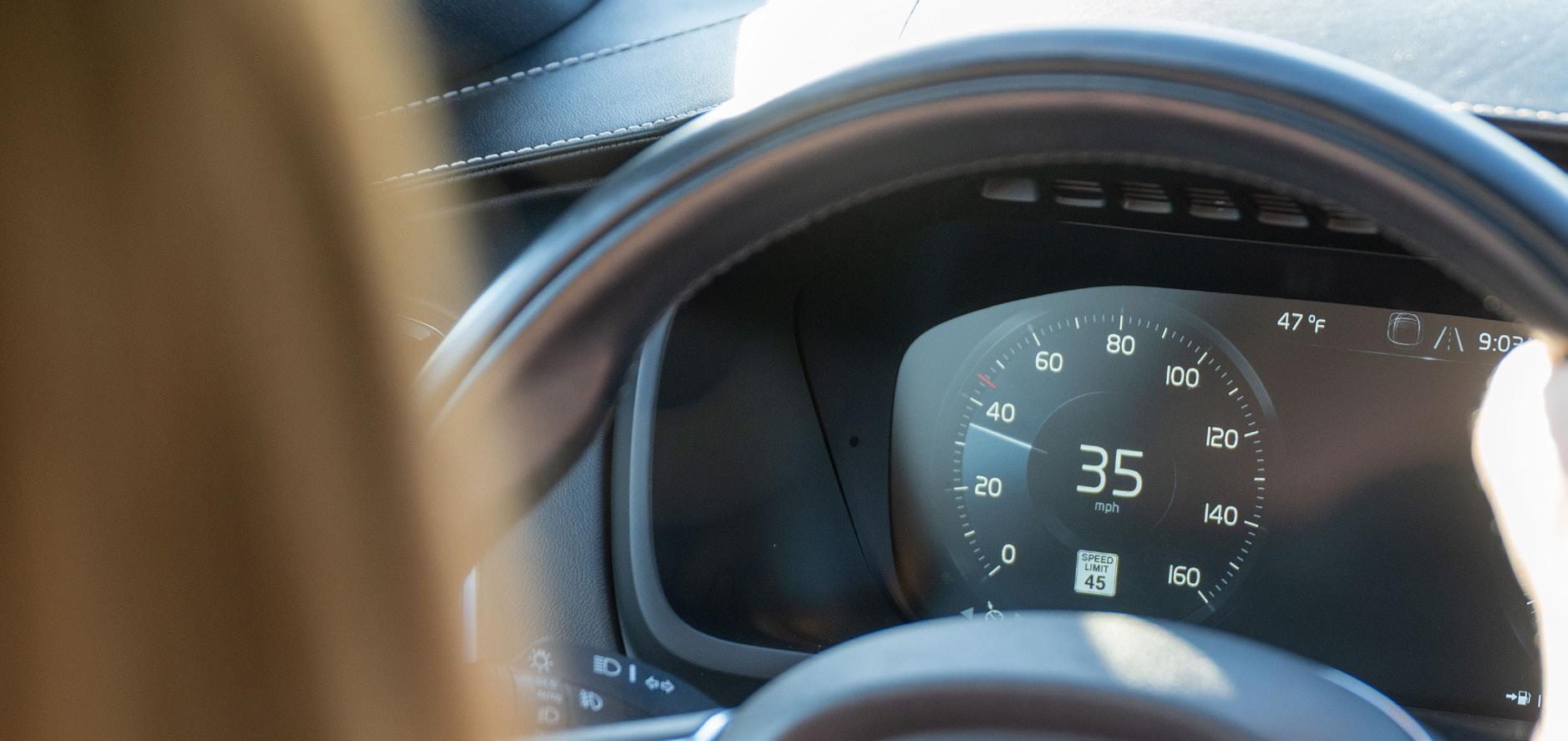
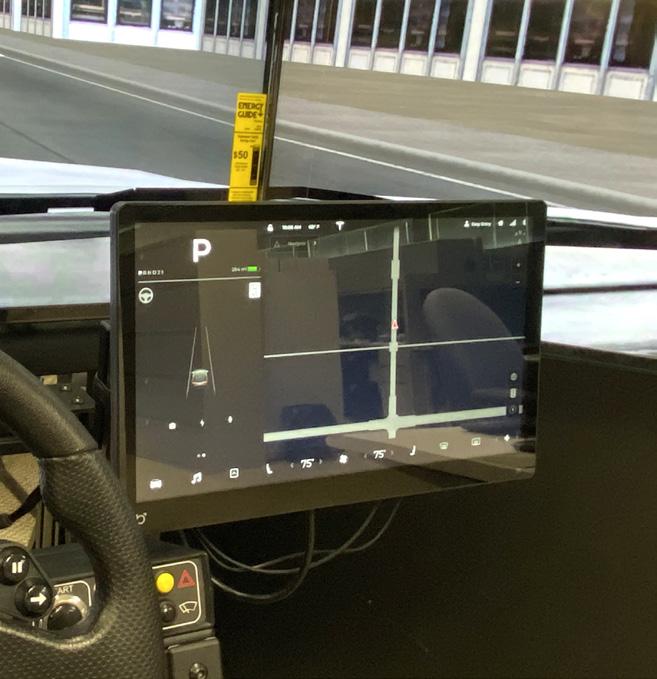
Intelligent speed assistance (ISA) systems range from simply displaying the current speed limit (as shown in the photo above) to systems that actively control the vehicle’s speed. As they become more common in the United States, more research is needed to optimize their effectiveness. This is where DSRI comes in.
The team is preparing for a study in the NADS-1 simulator that will alert the driver when they’re speeding. The driver can turn off the alerts at will, but different ISA systems, which provide visual, auditory,
and/or haptic warnings or actively limit the speed of the vehicle, will be tested to assess driver acceptance and the effectiveness of these systems.
“Our goal is to find that perfect balance between effectiveness and acceptance,” said Justin Mason, associate research scientist. “We want to find ISA system characteristics that prevent drivers from speeding while also being acceptable to drivers. If they shut it off, then it’s not effective.”
Sponsored by Toyota’s Collaborative Safety Research Center
In a multi-year project, researchers previously assessed consumer education content for ADAS comprehension after over-the-air updates. Most recently, they focused on how consumer education evolves over time, including where, how, and when drivers should receive training.
Participants attended multiple visits with simulator drives and received education at various stages. “We examined different training methods for teaching drivers about the limitations of an automated system,” explained John Gaspar, director of human factors research.
Results showed that:
• Training, particularly training that included pre-drive information about system limitations, could improve the safe use of advanced vehicle technology.
• Providing instructions during training drives about when to activate automation was a less successful training strategy.
• Even drivers without training learned a lot about the automation during their first few drives with the system.
The DSRI team, consisting of Justin Mason, Michelle Reyes, and Cheryl Roe, completed a two-phase project focused on the growing need for effective education about ADAS, as drivers must adapt to various features to operate their vehicles safely.
Phase 1 of the project reviewed existing materials, standards, and literature. Phase 2, completed in 2025, produced a Practitioner Guide — now in press — designed to help organizations such as DOTs and DMVs identify, create, and adapt ADAS educational materials to meet specific objectives. The guide outlines a structured process for defining learning goals, evaluating resources, selecting content, and planning how to share that information. It also includes two case studies demonstrating the application of the framework, using adaptive cruise control as an example.
“ADAS technologies are complex, and we identified the holes in the existing information,” said Reyes, senior research associate. “Then we determined how navigating those gaps would be challenging for practitioners.”
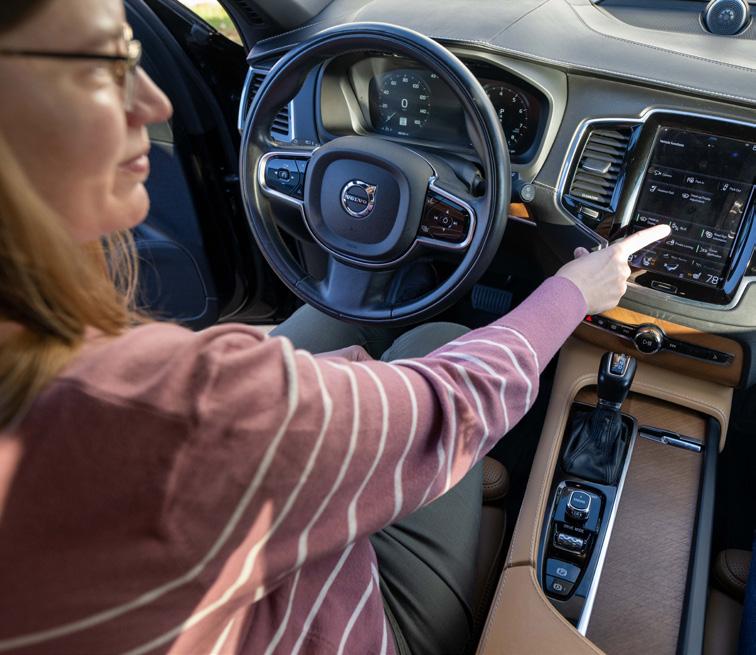
Their goal was to create a roadmap for organizations: where to start, how to assess materials, and how to align education with their objectives. The guide is expected to be published soon, offering actionable strategies for practitioners shaping the future of traffic safety education.
This project examines how drivers who acquire used vehicles — or temporarily use them through rentals or borrowing — understand the ADAS in their vehicles compared to those who purchase new vehicles. While most prior research has focused on new car buyers, little is known about the experiences of used car owners, and virtually nothing is known about renters or borrowers.
To address this gap, the research team conducted a large-scale national survey to explore awareness, understanding, and experiences with key ADAS features, such as adaptive cruise control and lane centering. The study investigated whether sellers or
rental agencies discuss these technologies, how much information is shared, and whether these interactions influence driver confidence and use.
Findings suggest that conversations about ADAS are limited — even among new car buyers — and are nearly absent in rental contexts. Borrowers, however, reported receiving more informal guidance from friends or family than renters did from agencies. Both new and used car buyers reported similar rates of use and familiarity with ADAS prior to the purchase of their primary vehicle and similar rates of using ADAS after purchase.
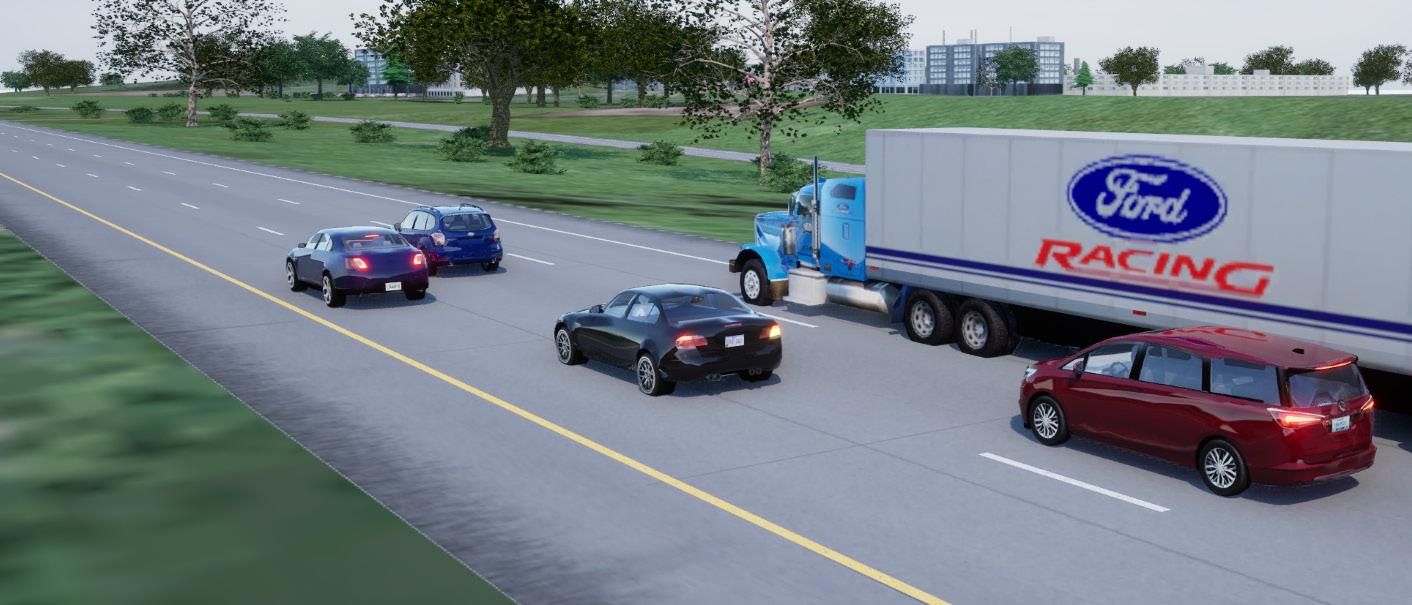
This multi-year project has completed the foundational work to link the NADS-1 and NADS-2 simulators within a shared virtual environment. This enables multiple human drivers to interact in the same simulation, creating more realistic traffic scenarios.
The project, called Human Interactions with Driving Automation Systems (HIDAS), has completed the first of three planned studies using this new capability. The first study looked at roadway interactions between human-driven vehicles: some with no automation and others with human drivers using varying levels of ADAS or automated features.
To explore these dynamics, researchers paired drivers in separate simulators and placed them in conflict scenarios involving automated features, such as having one driver merge onto the highway in front of the other, observing how they responded.
“This was one of the first studies to link multiple drivers across simulators in one virtual environment to study how humans interact with automation in mixed traffic,” said John Gaspar, director of human factors research. “This approach provides a useful tool for studying complex interactions in a safe yet highly realistic way.”

John Gaspar
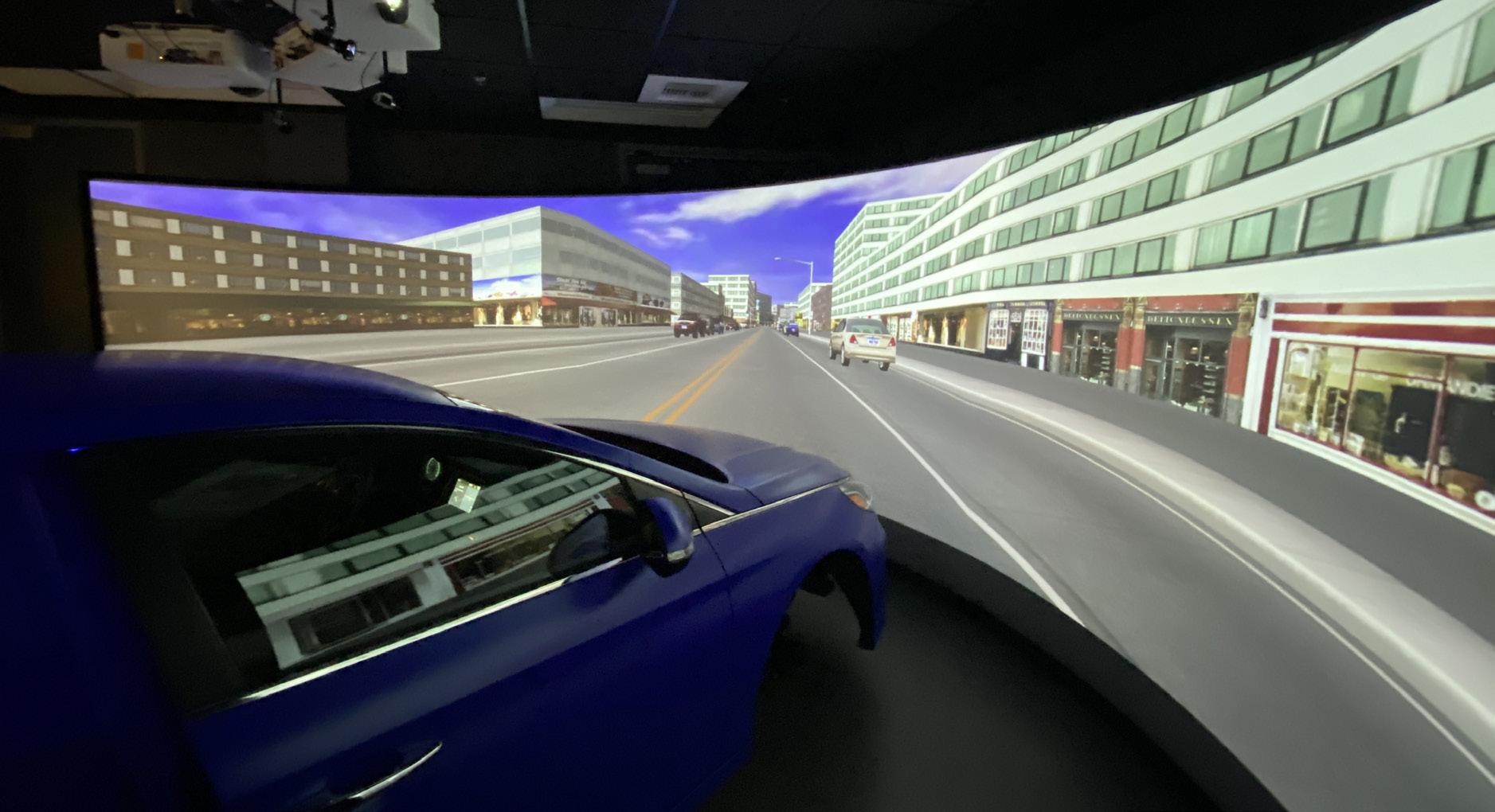
More realistic graphics were installed in the NADS-2 last year, while the updated graphics are now being installed in the NADS-1 — with all new computers, graphics cards, and software using Unreal Engine — set to be complete in early 2026. This includes more realistic lighting and shadows, surfaces, trees, brake lights, simulated vehicles, etc. Options are also being added for enhanced road networks and scenarios.
All of these features — including linking simulators — are also now available on miniSim systems.

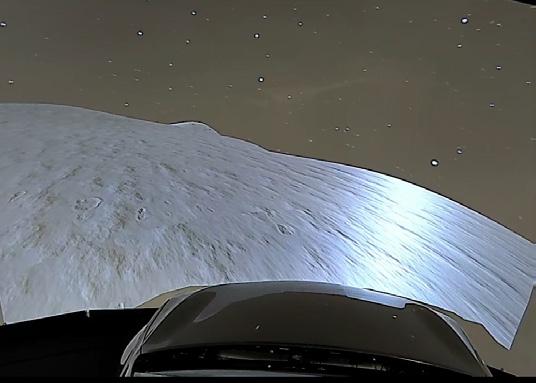
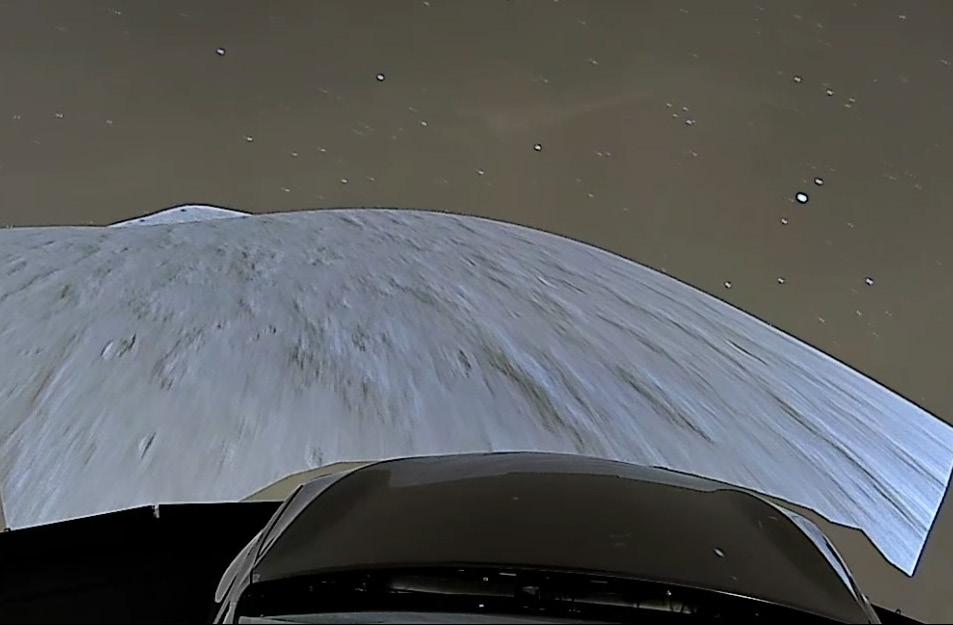
This past year, we drove on the moon. In simulation, anyway.
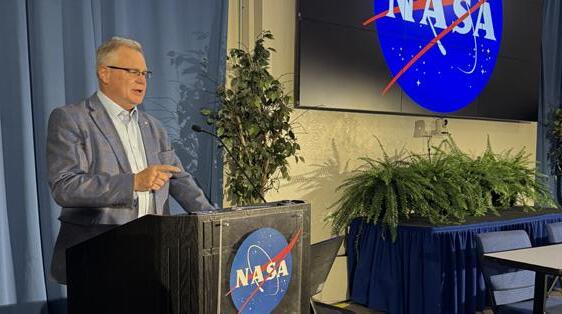
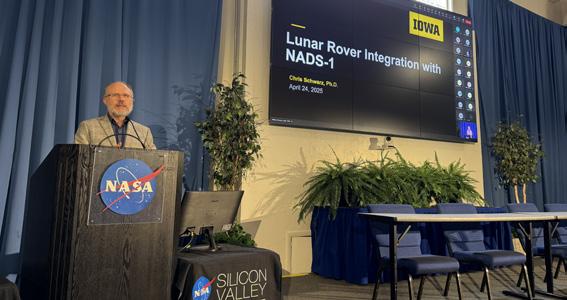
The University of Iowa’s longstanding leadership in driving simulation research was on full display at the NASA Ames Research Center at Moffett Field, California, last May where NASA hosted a workshop on “Lunar Autonomy Mobility” for the South Pole Pathfinder/Rover project.
The DSRI team — with help from the University of Wisconsin–Madison and the University of Leeds — presented to NASA about simulation capabilities, digital twins, and their experience turning the NADS-1 simulator into a moon rover simulation. They simulated the look and feel of driving across the surface of the moon.
Daniel McGehee, DSRI director, opened the workshop with a presentation on the University of Iowa’s
rich history in driving simulation and simulation capabilities for supporting advanced lunar rover studies. Other University of Iowa presenters included Chris Schwarz, director of engineering and modeling research at DSRI, and Hiroyuki Sugiyama, professor of mechanical engineering.
They were joined by two distinguished University of Iowa alumni: Dan Negrut from the University of Wisconsin–Madison, and Richard Romano, University of Leeds, who currently serves in a leadership role at General Motors’ lunar rover program.
“Having five senior engineers and scientists with such deep experience in vehicle dynamics, human systems engineering, and simulation highlights the global impact of the University of Iowa’s programs in this field,” said McGehee.

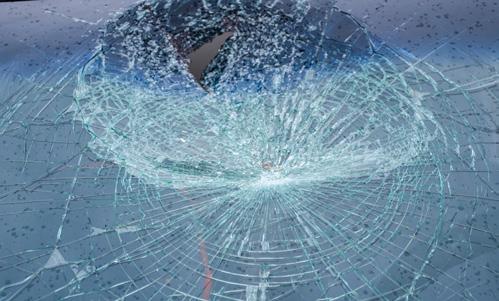
This study explored why light pickup trucks involved in crashes have disproportionate rates of fatal occupant injury relative to all types of occupant injury when compared to other types of passenger vehicles. Researchers analyzed national crash data from 2021 to 2022 to find factors associated with these outcomes, focusing on driver behaviors and crash circumstances.
The analysis revealed that drivers of light pickups involved in crashes had higher rates of risky behaviors than drivers of passenger cars. Four behaviors — sleep impairment, driving under the influence of alcohol or drugs, alcohol involvement, and not wearing a seatbelt — occurred at higher rates for pickup drivers in crashes that led to severe or fatal injuries. Wrong way driving and distractions outside the vehicle were also more frequent among pickup drivers.
“About 6 out of 7 pickup drivers in crashes were male, and males tend to engage in riskier behaviors. This could explain some of the findings,” stated Michelle Reyes, senior research associate.
However, other patterns emerged: among female drivers and drivers under 35 or over 55, rates of fatal injury were higher for pickups. Pickups were disproportionately involved in wintercondition crashes and single-vehicle incidents, both of which carried higher fatality rates. Many reviewed cases showed multiple risk factors combined, such as speeding while impaired and unrestrained.
Reyes noted, “Compared to passenger cars, pickups have lower crash involvement rates and tend to protect occupants from non-fatal injury. However, rates of fatal occupant injury are higher for pickups, especially when behaviors like impairment and lack of seatbelt use were reported.”

Michelle Reyes
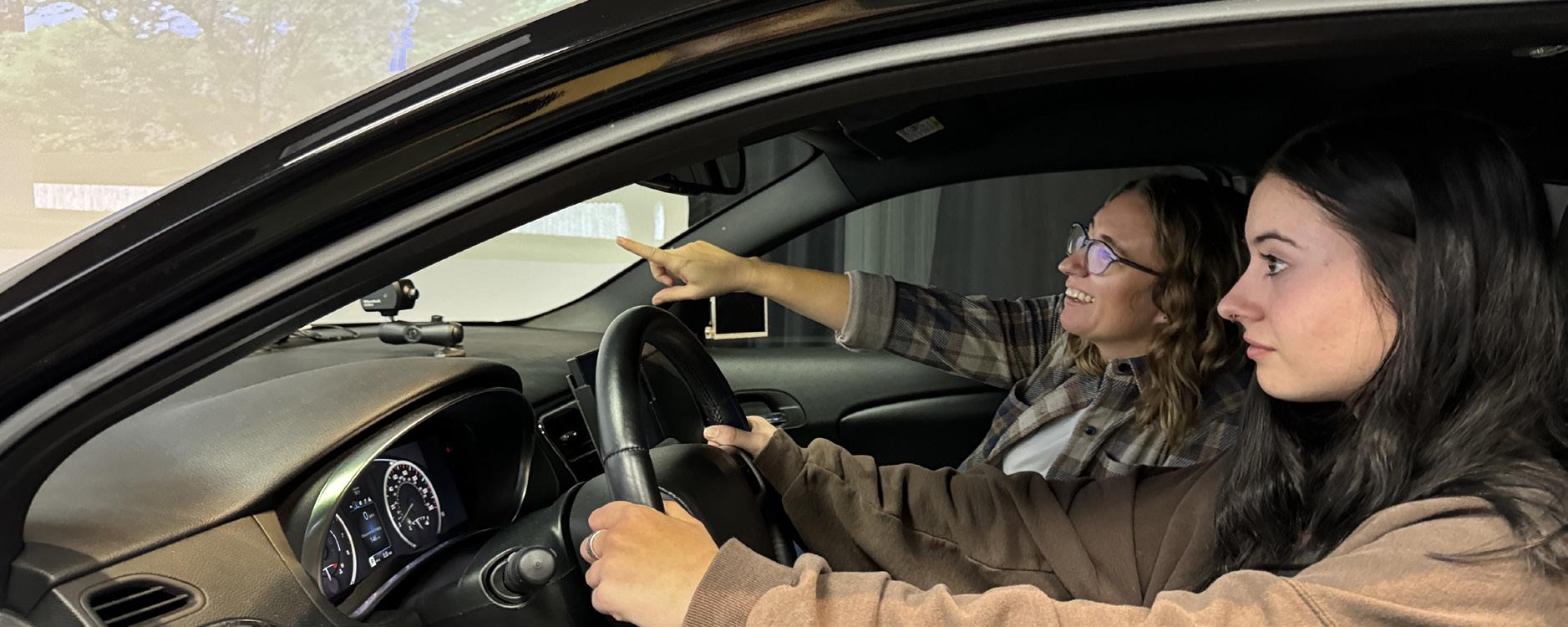
Researchers have spent the past year collecting data for a study on how parents can better teach their teens to anticipate hazards — a skill that could make a life-saving difference.
First, teens and parents take an acclimation drive in the NADS-2 simulator. Parents in the intervention group then complete an online training program at home, featuring real-world hazard scenarios and tips for discussing them with their teens. Both intervention and control groups use dash cams to record four drives in their own vehicles before returning for a hazard-rich simulator session.
Why does this matter? Crash rates spike dramatically when teens begin driving alone, even though they experience few crashes during supervised learning.
“Parents do a good job teaching basic driving skills, but they may not emphasize spotting and anticipating hazards,” explained Elizabeth O’Neal, assistant professor in the College of Public Health.
By analyzing how parents communicate and how teens respond, researchers hope to strengthen parental guidance and ultimately make the roads safer for young drivers.

Elizabeth O’Neal
The Transportation Research Board (TRB) Annual Meeting convenes in January each year as a gathering of the minds, and throughout the year our investigators are active on various TRB committees to learn from others in the industry, share expertise, collaborate on projects, and network. This year’s TRB committee members from DSRI include:
• Tim Brown: Standing Committee on Behavioral Safety (ACD13)
• Dawn Marshall: Standing Committee on Human Factors (ACD16)
• Justin Mason: Standing Committee on Mobility of Older Persons and Individuals with Disabilities (AQC13)
• Michelle Reyes: Standing Committee on Vehicle User Learning and Competency (ACD17)

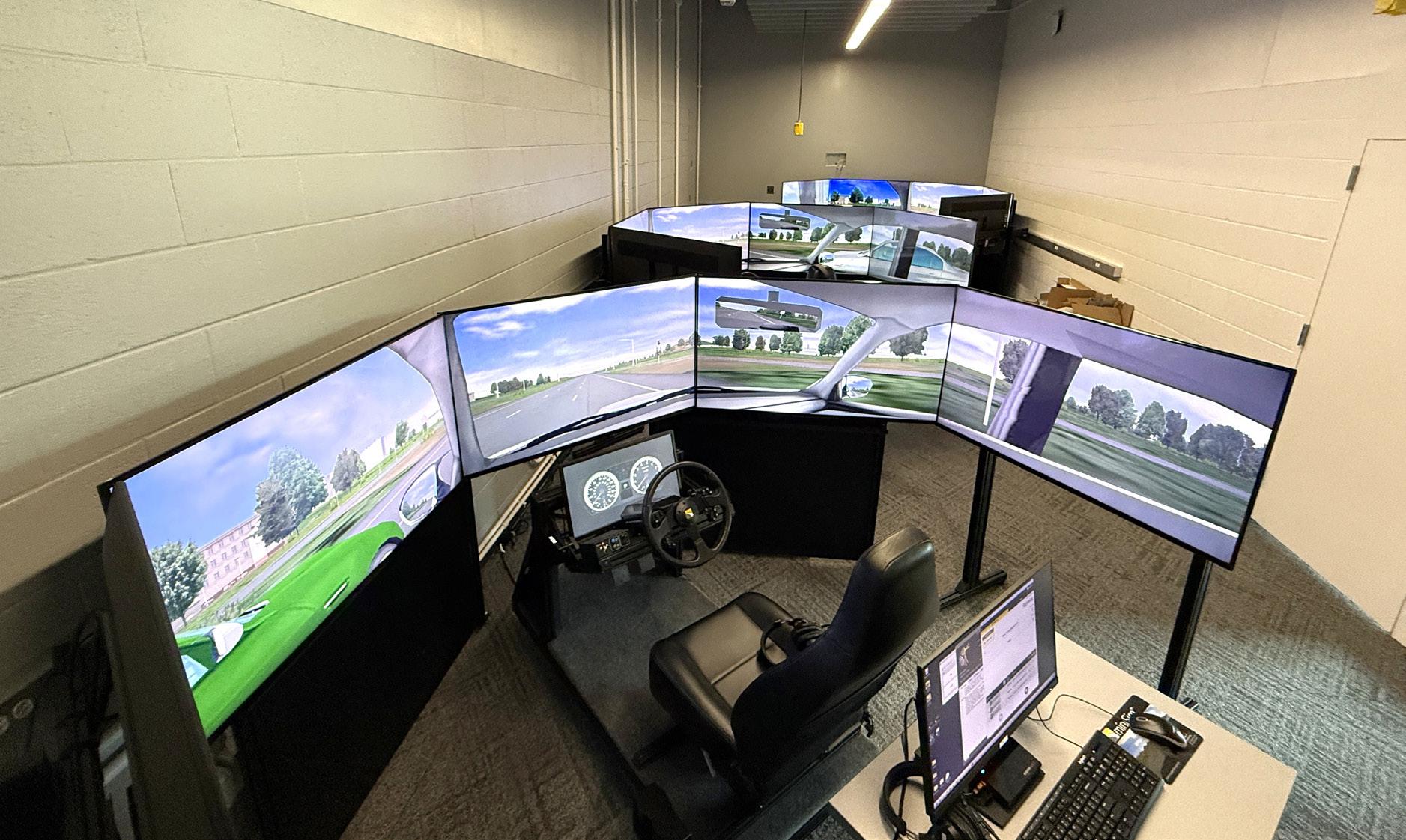

Linking simulators provides the ability for multiple drivers to interact in the same virtual environment. This capability is now available on miniSim(TM) driving simulators for three drivers on the same road network. The drivers all experience the environment from their own viewpoint and can interact with each other and with the other dynamic objects in the scenario.
This past year saw the installation of three linked miniSims at North Carolina State University (pictured above). The simulators can be used either individually or together to enable drivers to interact.
Other unique features on this setup include:
• A single, custom-designed interface to control all three miniSims from one operator station and
• A custom audio system for driver monitoring and communication. Using headphones, they experience the sounds inside their own car, but they are also able to speak with the other drivers and the operator.
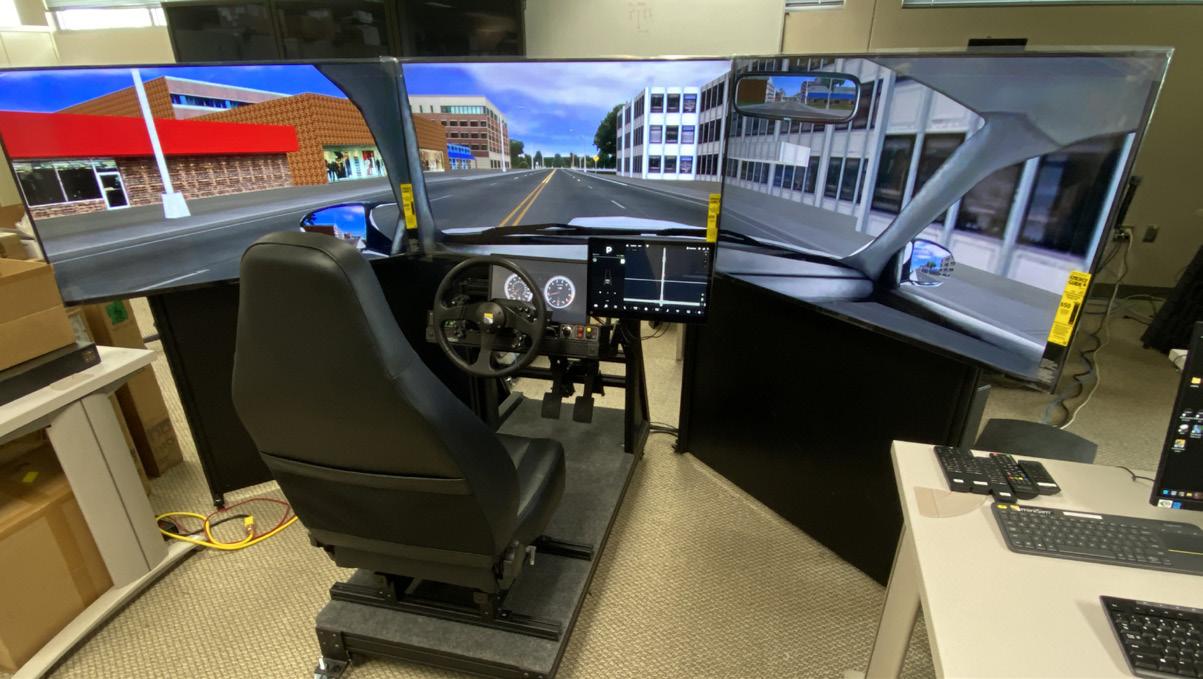
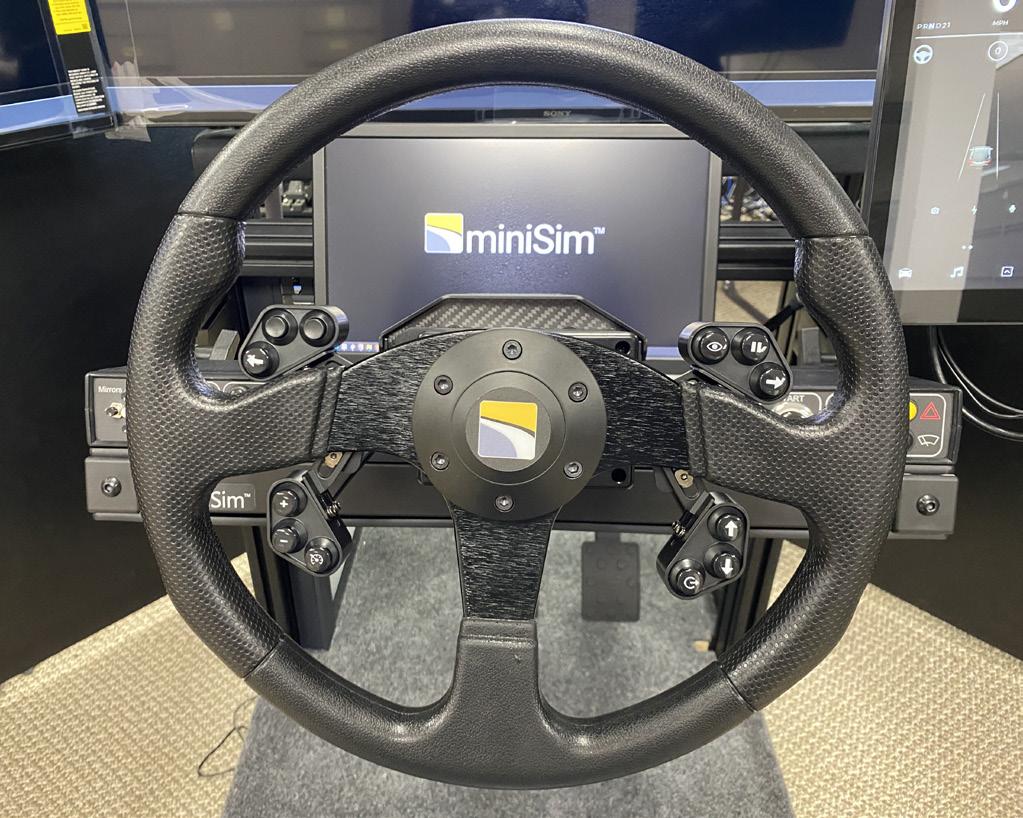
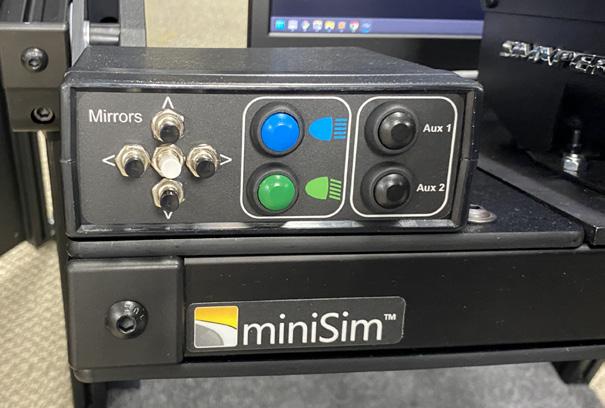
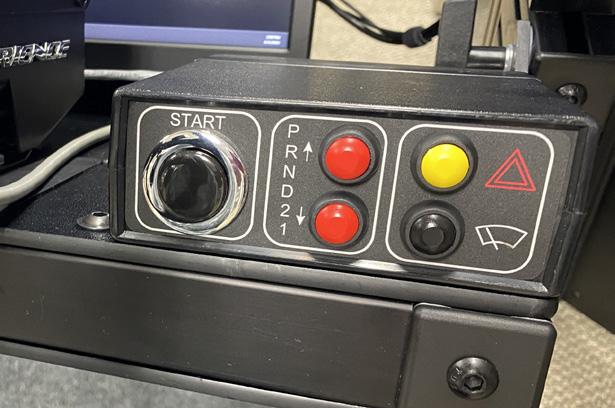
This year saw improvements to the miniSim simplified cabs. The DSRI team designed a robust solution to a vexing problem. The key is a slip-ring — a rotary joint for electronic signals — which allows for continuous rotation of the wheel without damage. The “button boxes” also received internal updates to simplify assembly. The team implemented these new features with Auburn University’s simplified cab miniSim, shown on this page.

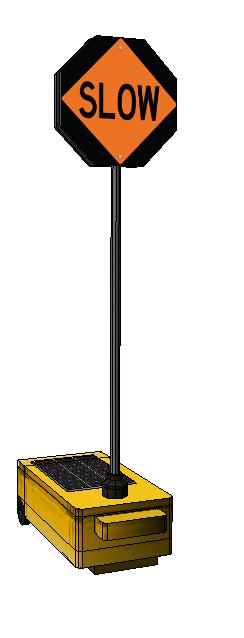
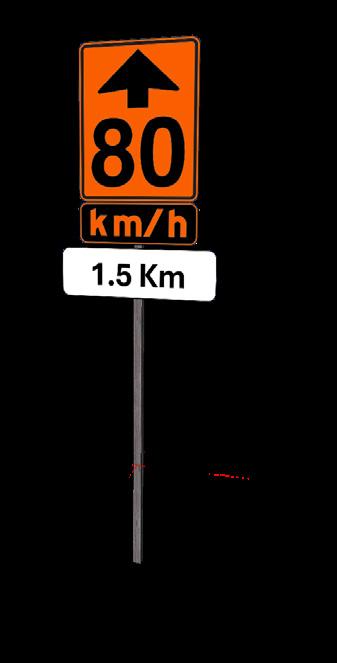
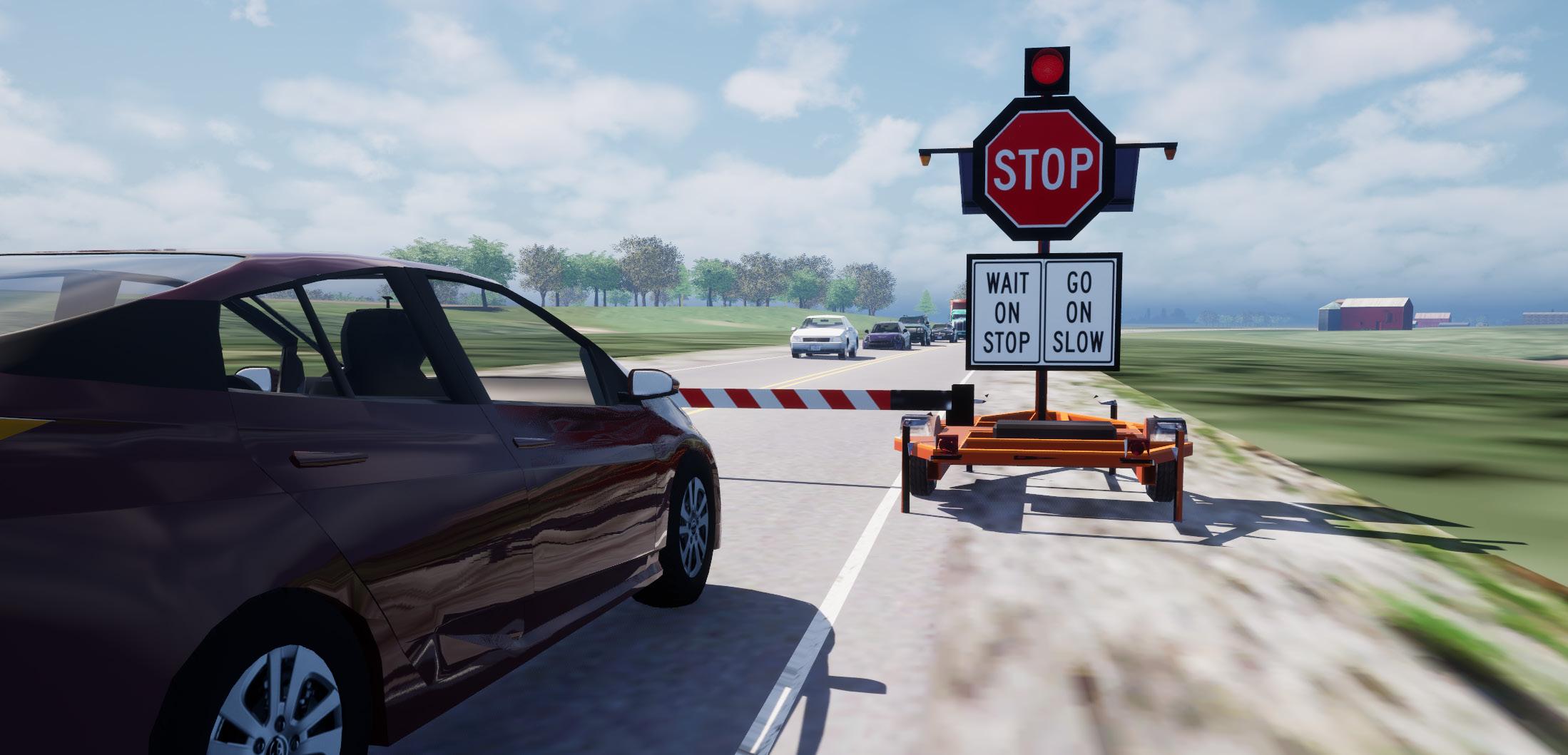
New models for work zone simulations and other signage are now available to add to miniSim environments.
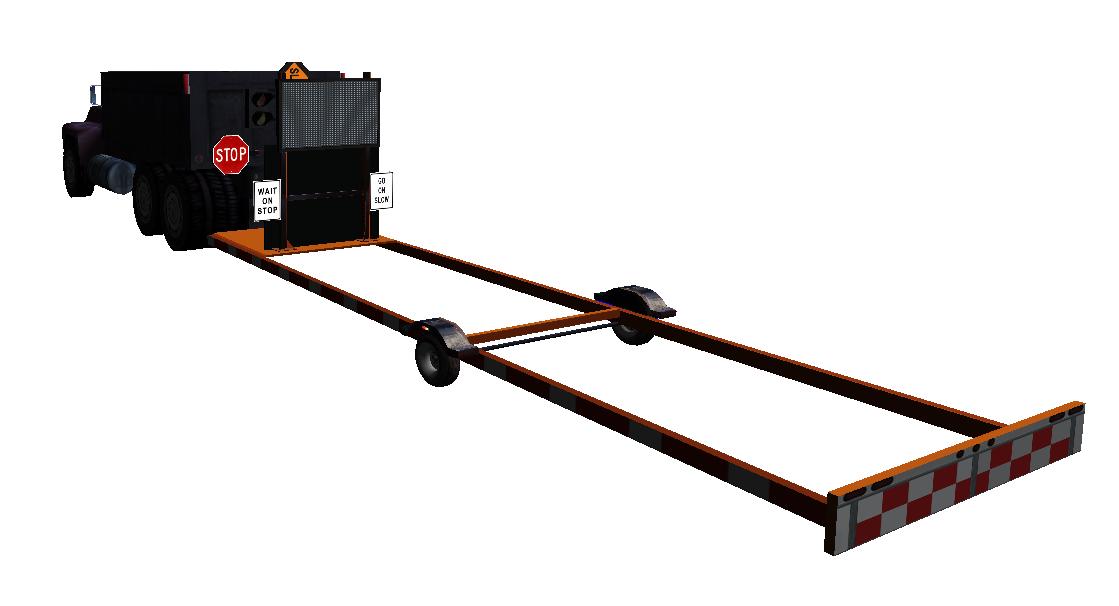
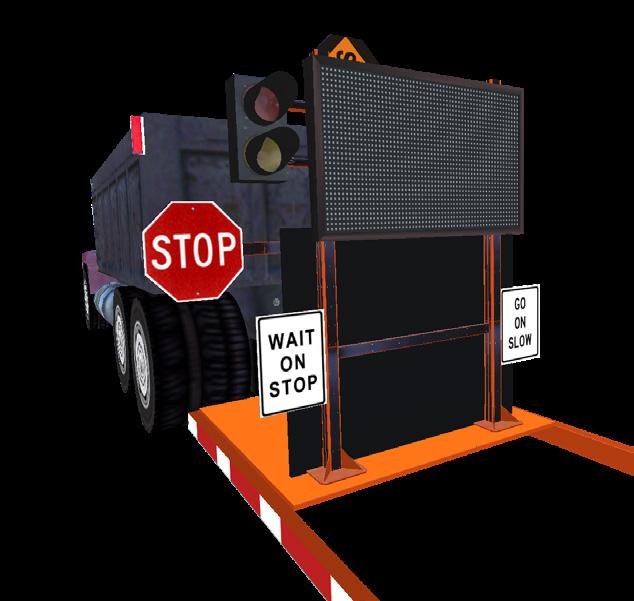
Truck-mounted auto flagger with rotating LCD panel

EU speed limit and work zone signs




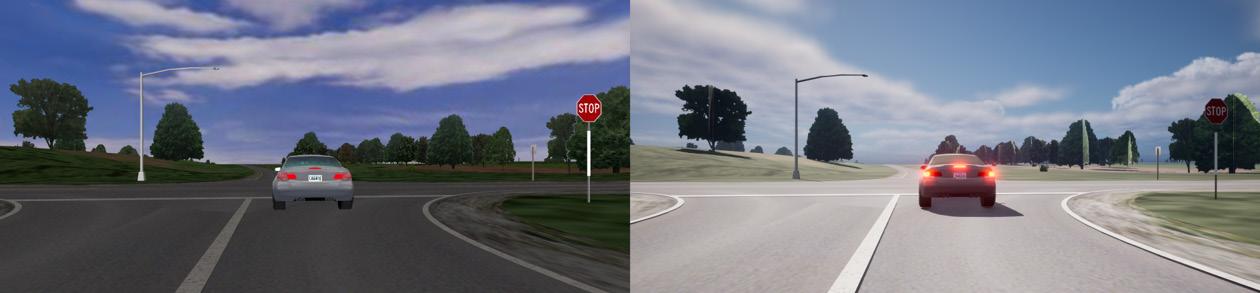
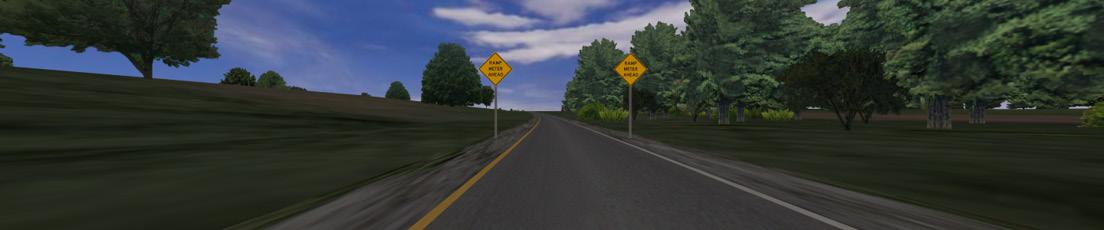
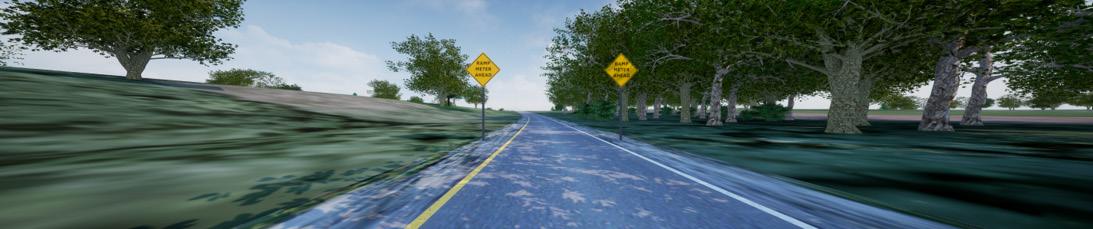
Enhanced graphics rendering using Unreal Engine — a 3D graphics game engine — is now available to miniSim users.
Visual enhancements include updated vehicles and vehicle models, more realistic surfaces, trees, shadows, reflections, and brake lights. Utilization of Unreal’s capabilities may require computer upgrades due to the increased processing requirements.
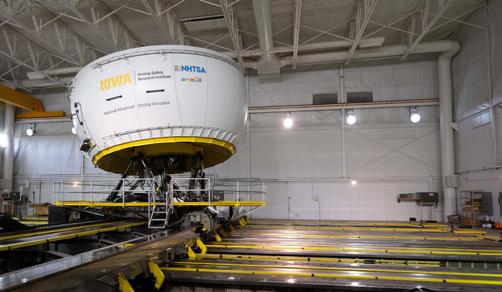
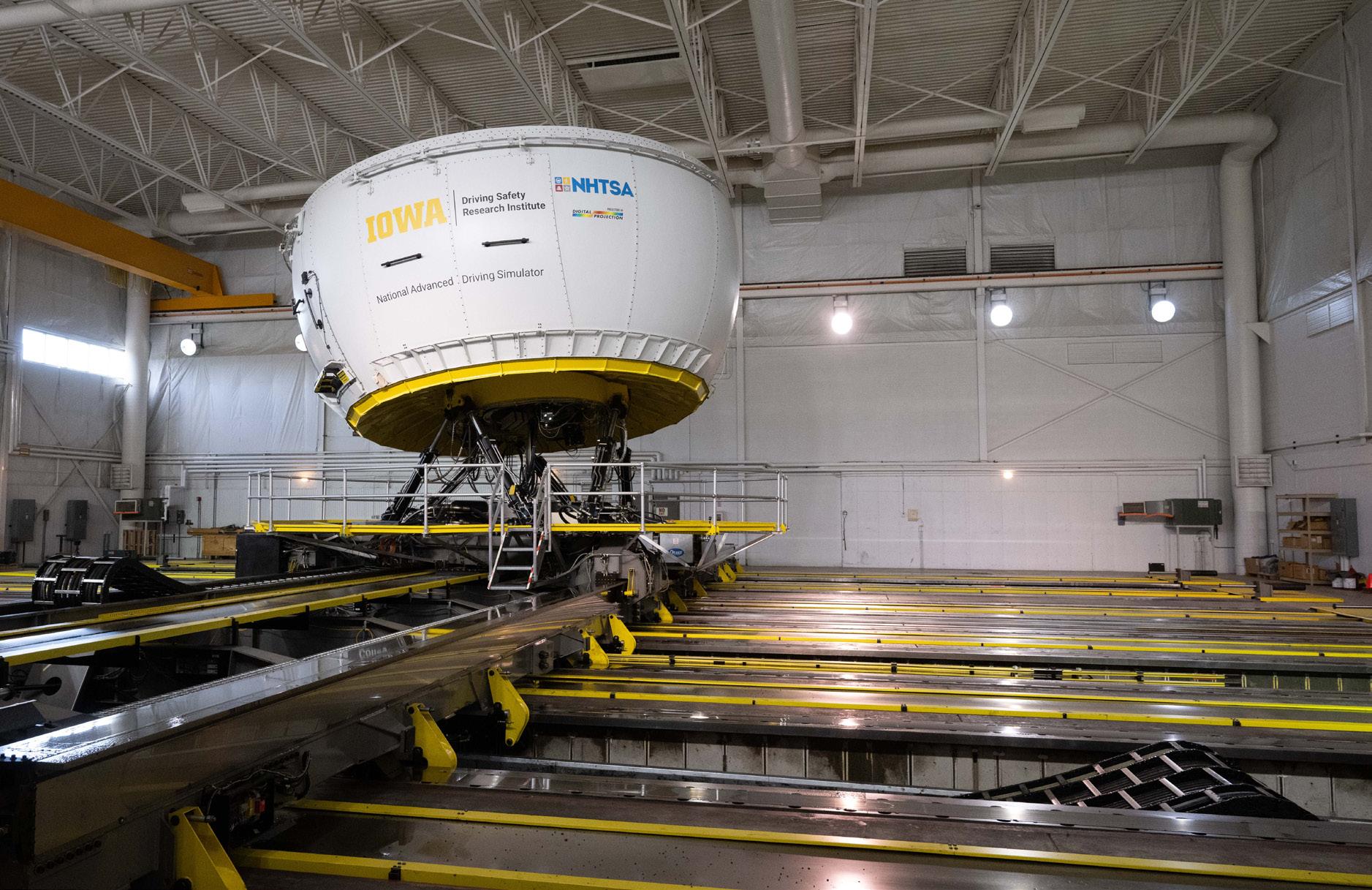
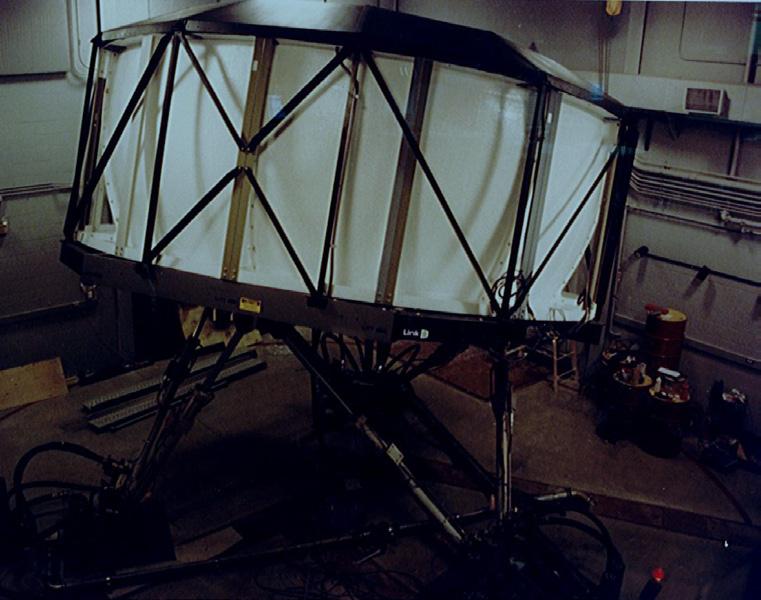
At the University of Iowa’s Driving Safety Research Institute, the NADS-1 simulator is a mechanical powerhouse — an immersive, full-motion driving simulator that helps researchers study everything from distracted driving to automated vehicle systems.
The NADS-1 simulator features a 24foot dome mounted on a yaw ring and a motion system that moves across a 64-by-64-foot bay, with hydraulic actuators that simulate acceleration, braking, steering, and realistic road vibrations.
But keeping this complex system running smoothly takes a special kind of expertise. That’s where Greg Wagner, Jeff Gordon, and Corey Kreutz come in.
Greg Wagner, DSRI’s director of instrumentation engineering, manages the electronics, sensors, and custombuilt simulator components. Wagner has led the design and development of simulator cabs packed with cuttingedge technology — think LiDAR, radar, haptic seats, and eye trackers. He also plays a key role in DSRI’s on-road automated vehicle research, helping bring projects like Automated Driving Systems (ADS) for Rural America to life. Whether it’s building a new system from scratch or troubleshooting a tricky issue, his work makes sure the simulator delivers reliable, high-quality data for researchers.
Jeff Gordon has been part of the DSRI team since 2001, and he’s one of the people who knows the NADS-1 inside and out. As an engineering coordinator and simulator operator, Gordon has supported countless research studies — sometimes working overnight shifts to help run drowsy driving experiments. He’s also deeply involved in maintaining and upgrading the simulator hardware, making sure everything is ready to go for each new study. With a background in mechanical design and years of hands-on experience, Gordon is a steady presence behind the scenes, keeping things running smoothly.
Corey Kreutz, also an engineering coordinator and simulator operator, has been maintaining and repairing the NADS-1 since its assembly in 2001. With deep knowledge of mechanical systems, hydraulics, and electrical components, Kreutz has designed in-cab climate control systems and improved mechanical subsystems to enhance reliability. His ability to manage multiple responsibilities while maintaining performance standards makes him an essential part of DSRI’s operations.
Together, the three form the backbone of DSRI’s technical team. Their work ensures that the NADS-1 remains a powerful platform for driving safety research: advancing knowledge, improving technology, and ultimately helping make roads safer for everyone.
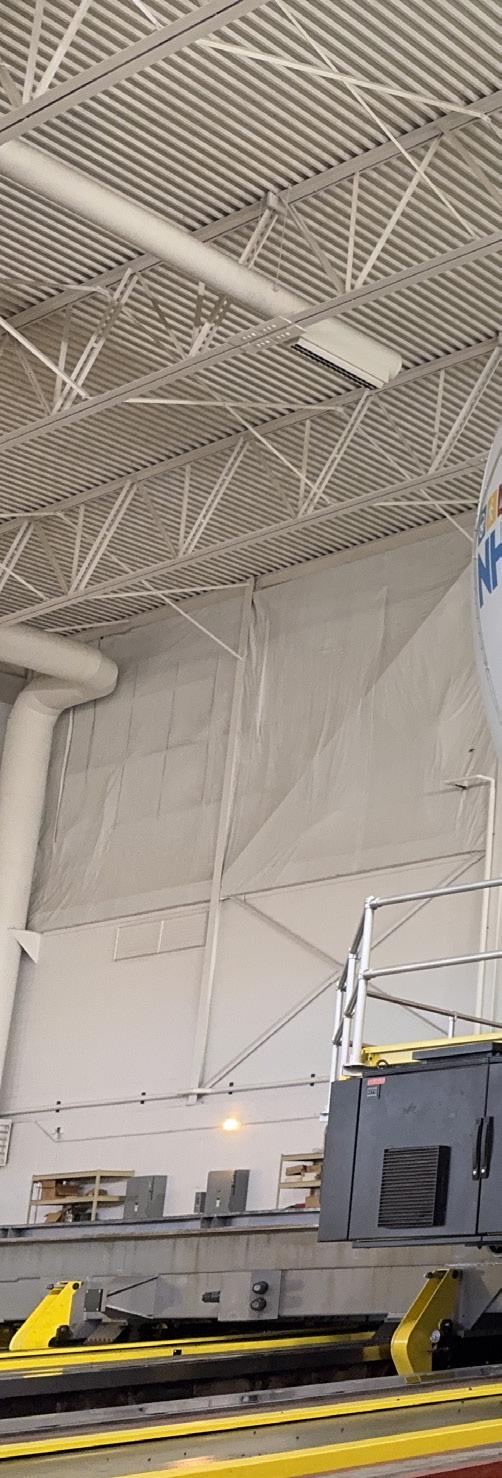
After 24 years of operation, the NADS-1 just had one its busiest years to date. From January 1 to November 30, 2025, there have been:
1,678+
HOURS OF USAGE
7.3 AVERAGE HOURS PER WORKDAY
How UI research paved the way for driving simulators around the world
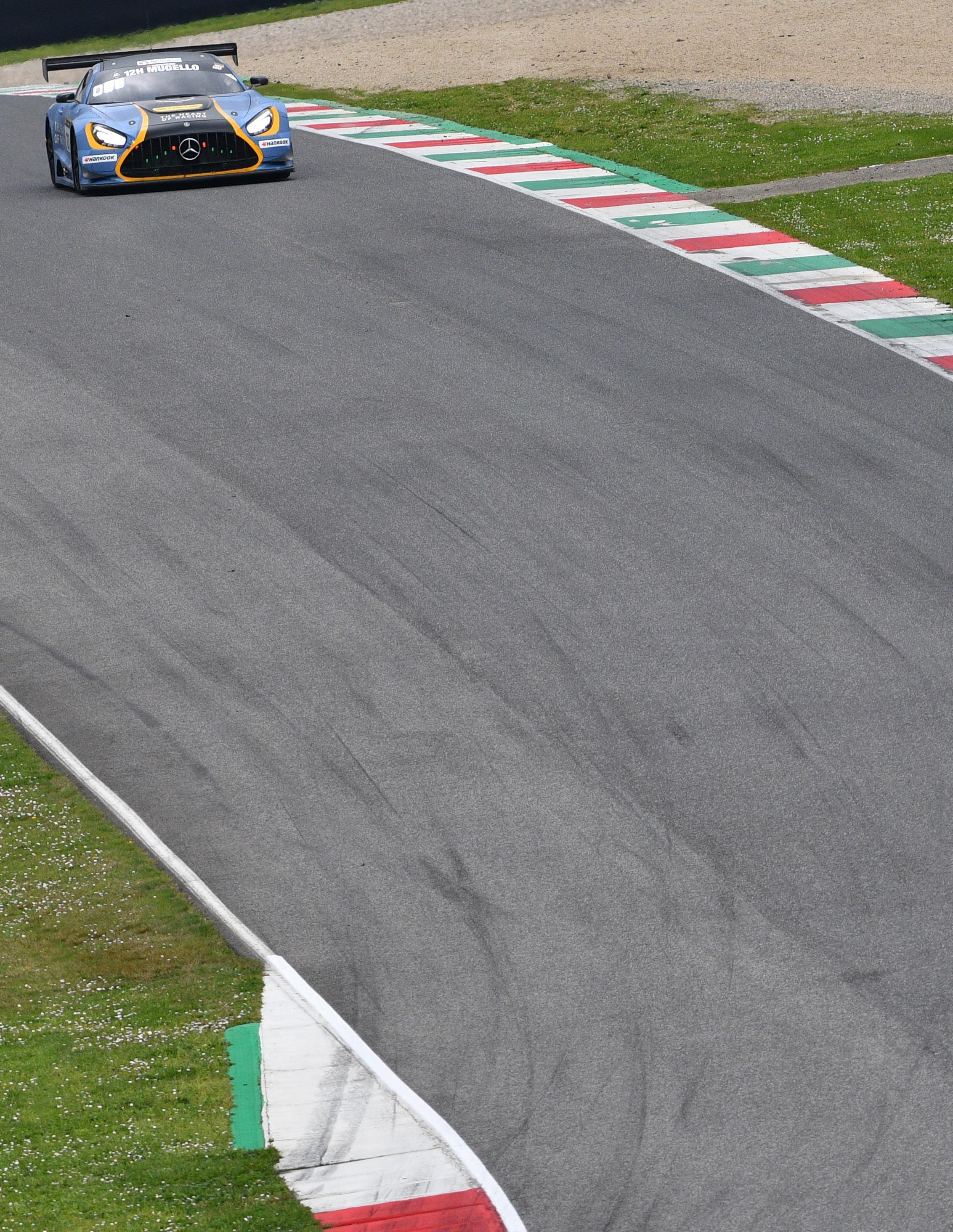
When audiences watch F1: The Movie, they’re seeing more than fast cars and a high-tech driving simulator. They’re witnessing the power of University of Iowa innovation: The vehicle dynamics research used in motion-based driving simulators around the world has roots at the University of Iowa.
The F1 movie team sought realism — not just CGI — and turned to real-world tools like high-fidelity driving simulators. Engineers and filmmakers used the results of decades of vehicle dynamics research to refine the feel, physics, and dynamics of the F1 car as portrayed on the big screen.
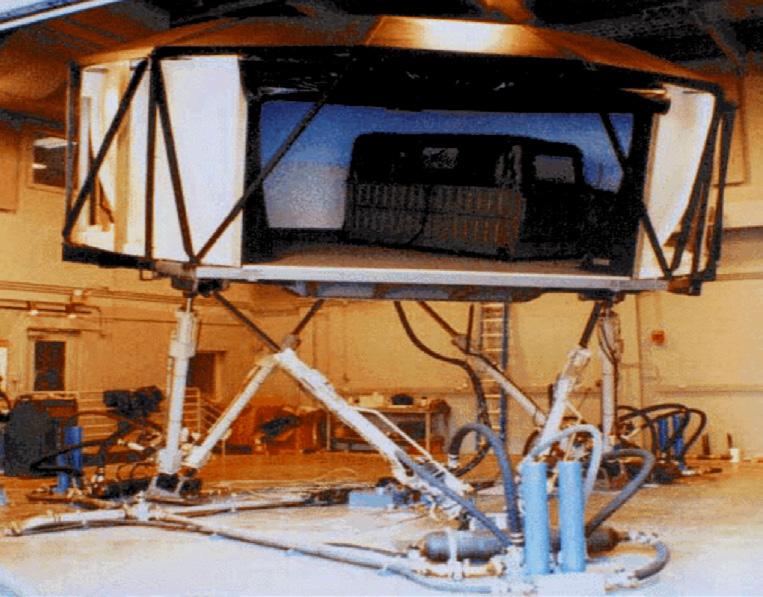
While most people associate racing tech with Germany, Italy, or Silicon Valley, Iowa has been home to not one, but two of the world’s most sophisticated driving simulators: first the Iowa Driving Simulator built in 1989; then the National Advanced Driving Simulator (NADS-1) in 2001 — still one of the
most advanced motion-based driving simulators in the world.
But the story starts earlier.
In the 1980s and 1990s, engineers and students at the UI’s Center for Computer-Aided Design led by Ed Haug, professor emeritus of mechanical engineering, laid the foundation for modern groundvehicle dynamics research and made significant progress toward developing tools for the virtual evaluation of vehicle design.
They extended previous work in multi-body dynamics and, in collaboration with others, developed tools for the forces acting on a vehicle traversing uneven terrain, and also for evaluating fatigue life and durability of components within the vehicle based on the calculated load history.
These systems linked mathematical models to calculate the forces on and the motion of moving parts — mass, tires, engine power, suspension, terrain interaction, and internal cabin forces on the driver.
Collaborating with other universities, Haug’s team created software that transformed these dynamics into code for realistic simulation models.
“We were the place where many of those ideas on virtual product design came to
fruition and were engaged in this work well ahead of others in the field,” said Andrew Veit, miniSim director.
This work led to the development of the Dynamic Analysis and Design System (DADS), which was used for many years by the U.S. Army in prototyping of military vehicles and commercialized by CAD Systems Incorporated, which is now part of Siemens’ PLM product Simcenter.
After DADS, Haug’s team developed the IDSDyna software, used to power the original Iowa Driving Simulator, one of the first motionbased driving simulators in the U.S.
The Iowa team’s innovations in simulation enabled engineers to simulate ground-vehicle stress responses before building physical prototypes. This included terrain modeling, load calculations, durability predictions, and tire modeling — one of the most complex aspects of vehicle dynamics. These advances led to the concept of the “virtual proving ground,” where engineers could test and refine designs entirely in simulation, changing how vehicle manufacturers designed vehicles.
By the 1990s, the University of Iowa had become a reference point for high-fidelity driving simulation. Their research extended into early studies on anti-lock braking systems, intra-ocular lens implants, airplane controls, and some of the world’s first automated driving simulations.
The university’s expertise in vehicle dynamics research was a key reason NHTSA selected Iowa to host the National Advanced Driving Simulator.
Early research on the NADS-1 included tire failure and loss of control, electronic stability control, hard braking maneuvers, driver distraction from early wireless phones, and agricultural applications with John Deere. The IDSDyna software evolved into NADSDyna, which now powers both the NADS-1 simulator and DSRI’s miniSimTM — custom driving simulators sold to research teams worldwide.
The NADS-1 simulator still features one of the world’s largest motion bases. Its dome-on-rails architecture allows for extensive lateral and longitudinal movement, surpassing the capabilities of most dome-on-sled systems. This design became a benchmark for motion fidelity (i.e., realism), attracting companies like Toyota and McLaren Racing to Iowa to test its motion capabilities and refine their own simulators.
Chris Schwarz, director of engineering and modeling research at DSRI, recalled a visit from McLaren Cars, a high-end sports car maker and F1 racing team visit: “They brought their vehicle dynamics software, and we put an F1 course into our system. Their drivers gave feedback on how it felt. That helped them tune their own simulator specification.” MTS Systems Corporation, which built the NADS-1, also constructed the Vehicle Dynamics Simulator (VDS) for McLaren.
“[Seeing F1: The Movie] is a reminder that some of the most influential automotive research in the world began right here at the University of Iowa.”
Although vehicle dynamics is no longer an active research focus at Iowa, its legacy lives on through human factors research in driving safety. The NADS-1 remains the crown jewel of the facility, supporting research on drowsy and
distracted driving, drugged driving, and connected and automated vehicles, among other topics.
F1: The Movie shows driving simulation technology rooted in Iowa’s pioneering work. While the simulator in the movie doesn’t use the same software, the principles behind it — accurate vehicle dynamics modeling, realistic motion systems, and human-inthe-loop testing — trace back to Iowa’s groundbreaking research. And it’s one example of how research investments ripple outward — influencing policy, industry, and even pop culture.
Daniel McGehee, DSRI director, reflected on the institution’s enduring impact: “The University of Iowa has been a pioneer in developing and testing advanced vehicle systems for decades, so seeing movies like F1: The Movie highlight the very technology we helped create is deeply gratifying,” McGehee said. “It’s a reminder that some of the most influential automotive research in the world began right here at the University of Iowa.”
So the next time you hear an F1 engine roar, know that part of that thrill was born right here in Iowa.
Rose Schmitt, research coordination specialist, was chosen for the University of Iowa College of Engineering’s 2025 Mary Sheedy Staff Excellence Award.
“She combines technical excellence with compassion, professionalism with mentorship, and steadfast dedication with creativity,” said Tim Brown.
Since joining DSRI in 2012, Schmitt has played a pivotal role in advancing the university’s nationally recognized research on impaired driving. Her work spans complex human subjects studies involving alcohol, cannabis, and prescription medications. She manages every logistical and compliance detail — from IRB applications and regulatory
approvals to biological sample handling and staff training — with precision and professionalism.
She also directs DSRI’s research logistics group, mentoring undergraduate and graduate students, research assistants, and temporary staff members.
Her colleagues describe her as a source of stability and encouragement, someone who fosters a respectful and inclusive environment for both participants and team members. One study participant shared, “She is wonderful, personable, compassionate, and makes you feel comfortable… She treats everyone with kindness and respect.”

Justin Mason, associate research scientist at DSRI, was honored with the Stephanie Binder Young Professional Award this past year from the Human Factors & Ergonomics Society (HFES).
“It’s an impressive group of individuals who have received that award, so it’s an honor to be grouped with them who are leading the field,” said Mason.
The Stephanie Binder Young Professional Award by the Surface Transportation Technical Group of the HFES confers an annual award to a young human factors professional who demonstrates outstanding contribution to transportation human factors. The award is in honor of Binder, a former human factors engineer at NHTSA, who died in 2011 at the age of 35.
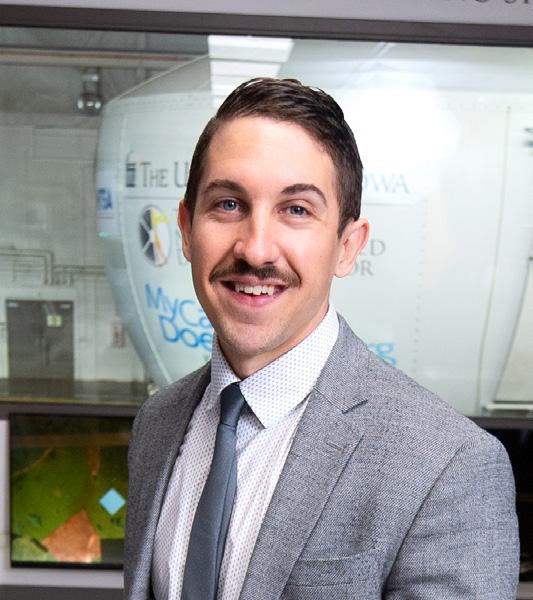
Omar Ahmad, deputy director of DSRI, was awarded the prestigious 2025 Board of Regents Staff Excellence Award, honoring staff at the three regents universities across the state of Iowa. He was recognized for his exceptional leadership, dedication, and contributions to the University of Iowa, the state, and the broader research community. Nationally, he recently chaired one of the premier committees focused on driver performance and vehicle
safety. Internationally, Ahmad is sought after by universities and government agencies to lead discussions on simulation technology and its applications.
Closer to home, he is an extraordinary problem solver with unmatched initiative and foresight. Beyond his technical acumen, Ahmad’s curiosity and drive to improve processes are inspiring, as he continually seeks innovative solutions and efficiencies.

Chris Schwarz, DSRI director of engineering and modeling research, has volunteered his time for the last few years now to judge a high school robotics competition called FIRST Tech Challenge. The
Iowa Championship takes place every year in Coralville, Iowa.
High school teams compete in head-to-head matches by getting their robot to complete a specified task before their opponent. Last
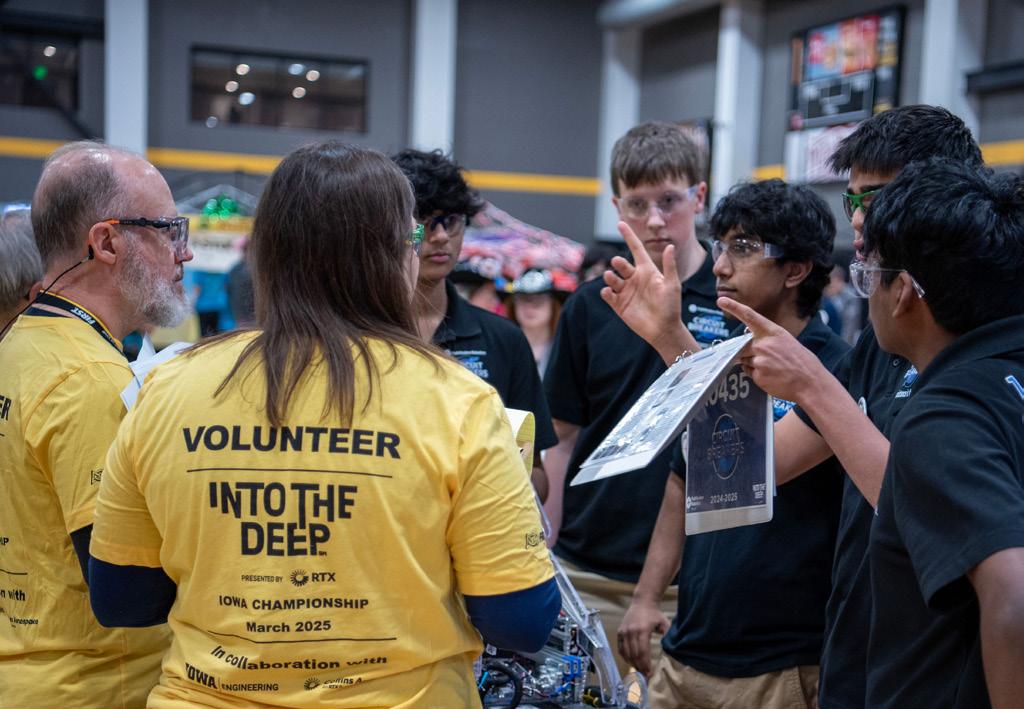
year, the task was to use their robot to move plastic pieces in a 12-footsquare playing field to different scoring locations on the field, lift pieces to higher rungs, and park the robot in a designated spot by the end of the game. Matches include a 30-second autonomous period, a 2-minute teleoperated period, and a 30-second endgame.


Ned Bowden College of Liberal Arts and Sciences Chemistry
Carri Casteel College of Public Health Injury Prevention Research Center
Alejandro Comellas Freymond Carver College of Medicine Internal Medicine
Soura Dasgupta College of Engineering Electrical and Computer Engineering
Jeffrey Dawson College of Public Health Biostatistics
Gary Gaffney Carver College of Medicine Psychiatry
Milena A. Gebska Carver College of Medicine Cardiovascular Medicine
Amanda Haes College of Liberal Arts and Sciences Chemistry
Cara Hamann College of Public Health, Epidemiology Injury Prevention Research Center
Loreen Herwaldt Carver College of Medicine Internal Medicine
Karin Hoth Carver College of Medicine Psychiatry
Gary Milavetz College of Pharmacy Pharmacy Practice and Science
Nicholas Mohr Carver College of Medicine Emergency Medicine
Elizabeth O’Neal College of Public Health Community and Behavioral Health
Jodie Plumert College of Liberal Arts and Sciences Psychological and Brain Sciences
Thomas Schnell College of Engineering Industrial and Systems Engineering
Steven Spears Graduate College School of Planning and Public Affairs
Deema Totah College of Engineering Mechanical Engineering
Ergun Uc Carver College of Medicine Neurology
Shaun Vecera College of Liberal Arts and Sciences Psychological and Brain Sciences
Chao Wang College of Engineering Industrial and Systems Engineering
Mark Wilkinson Carver College of Medicine Ophthalmology
Grinnell College
Ryan Miller
New York University
Linda Ng Boyle
Oregon State University
David Hurwitz
University of California, Irvine
Federico Vaca
University of Central Florida
Mohamed Abdel-Aty
Naveen Eluru
Zhaomiao (Walter) Guo
Samiul Hasan
Amr Oloufa
Omer Tatari
Yina Wu
Lishengsa Yue
Mohamed Zaki
University of Colorado Anschutz
Medical Campus
Ashley Brooks-Russell
Michael Kosnett
University of Leeds
Natasha Merat
University of Massachusetts–Amherst
Chengbo Ai
Eleni Christofa
Cole Fitzpatrick
Michael Knodler
Anuj Pradhan
Shannon Roberts
University of Puerto Rico–Mayagüez
Carla López
Alberto M. Figueroa Medina
Benjamin Colucci-Rios
Didier Valdés
University of Wisconsin–Madison
Madhav Chitturi
John D. Lee
Dan Negrut
David Noyce
Jon Riehl
Kelvin R. Santiago
Radu Serban
Volpe National Transportation Systems Center
Donald Fisher
Yale University
Barbara Banz
AAA Foundation for Traffic Safety
Acclaro Research Solutions, Inc.
Advanced Brain Monitoring
Aisin Technical Center of America, Inc.
American University of Sharjah
A.T. Still University of Health Sciences
Battelle Memorial Institute
Behavioral Traffic Safety Cooperative Research Program
Booz Allen Hamilton, Inc.
Charles River Associates
Cognitive Research Corporation
Colorado Department of Public Health and Environment
Colorado Department of Transportation
Colorado State University
Dunlap and Associates, Inc.
Exponent
Federal Law Enforcement Training Centers
Federal Transit Administration
Federal Highway Administration
Florida Gulf Coast University
General Motors Corporation
Georgia Institute of Technology
Hexagon | AutonomouStuff
Hyundai America Technical Center, Inc.
Insurance Institute for Highway Safety
Iowa City Area Development Group
Iowa Department of Transportation
Iowa Governor’s Traffic Safety Bureau
Iowa State University
ISBRG Corp.
Leidos, Inc.
Lenstec, Inc.
Loyola Marymount University
Mandli Communications
Marche Polytechnic University
Massachusetts Department of Transportation
Massachusetts Institute of Technology
MetroPlan Orlando
Michigan Technological University
National Highway Traffic Safety Administration
National Institute for Occupational Safety and Health
National Institute on Drug Abuse
National Science Foundation
NORC at the University of Chicago
Oakland University
Office of the Assistant Secretary for Research and Technology
Purdue University
San Jose State University
State Farm
Swinburne University of Technology
Tongji University
toXcel
Toyota Collaborative Safety Research Center
University of California, Irvine
Transport Canada
University of Hartford
University of Kansas
University of New Hampshire
University of Toronto
University of Windsor
U.S. Department of Transportation
U.S. Department of Homeland Security
Veterans Affairs
Volpe National Transportation Systems Center
Wisconsin Department of Transportation
Workplace Learning Connection
Westat, Inc.
University of Iowa
Driving Safety Research Institute
2401 Oakdale Boulevard
Iowa City, Iowa 52242
dsri-contacts@uiowa.edu dsri.uiowa.edu engineering.uiowa.edu


The University of Iowa prohibits discrimination in employment, educational programs, and activities on the basis of race, creed, color, religion, national origin, age, sex, pregnancy (including childbirth and related conditions), disability, genetic information, status as a U.S. veteran, service in the U.S. military, sexual orientation, or associational preferences. The university also affirms its commitment to providing equal opportunities and equal access to university facilities. For additional information on nondiscrimination policies, contact the Senior Director, Office of Civil Rights Compliance, the University of Iowa, 202 Jessup Hall, Iowa City, IA 52242-1316, 319-335-0705, ui-ocrc@uiowa.edu.