Well-Being Bulletin Board Kit








Emergency Hardship Fund



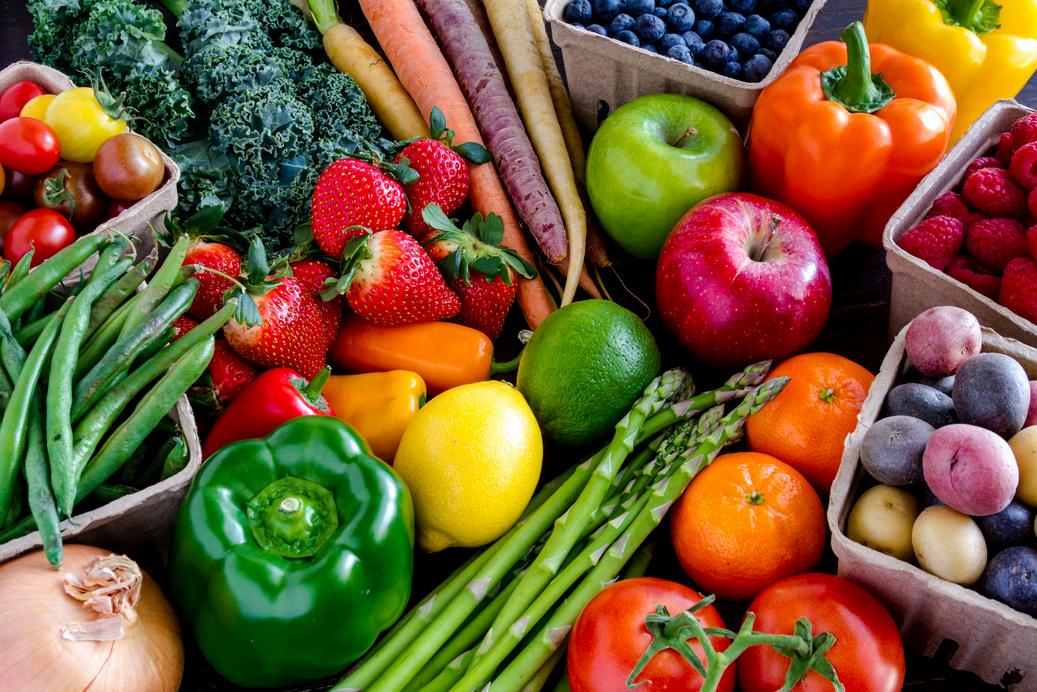
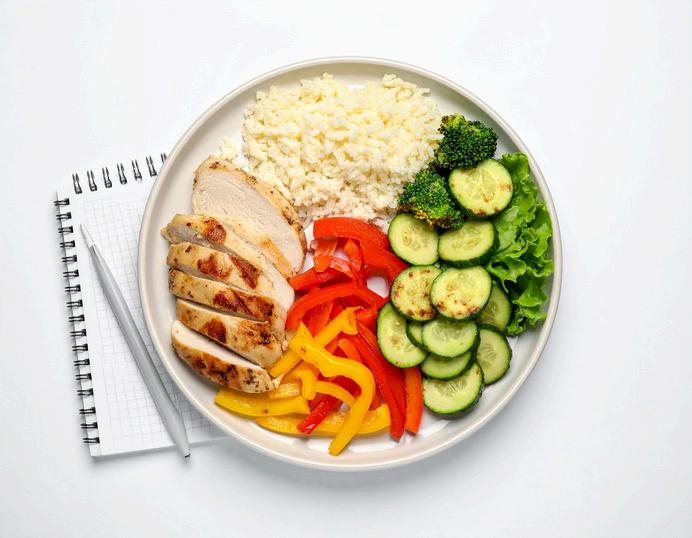

In celebration of National Nutrition Month®, liveWELL and UI HSHP students are hosting 30-minute vir tual food demonstrations throughout March. Join us on Zoom for simple, practical recipes and realistic strategies you can use right away.
Scan to Register Monday, March 2 12:00-12:30 PM Tuesday, March 10 12:00-12:30 PM Thursday, March 26 4:30-5:00 PM Monday, March 30 12:00-12:30 PM
Since 2006, liveWELL has been par t of your health benefits, helping create a healthier campus community. Take your Personal Health Assessment (PH A) to get connected to programs and tools that suppor t your well-being.

Digital Health Apps




Financial wellness with You Need a Budget ( YNAB)™
Nutrition tips with Fresh™
Stress suppor t with Recharge⁺™
Weight management with Wondr Health™
Live Suppor t





Movement with Personal Training
Mental well-being through Mindfulness-Based Stress Reduction
Chronic condition prevention with the Diabetes Prevention Program
Group health coaching for sleep, stress, movement, and nutrition
Individual health coaching for your goals, available in-person or vir tually

and access to the Recreation Membership Incentive Program.
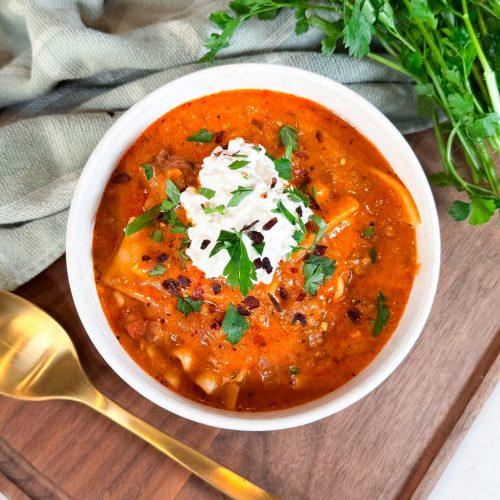
Ingredients and Directions Servings: 6 Time: 1 hour
1/2 Tbs olive oil
1 white onion, finely chopped
1/2 tbsp minced garlic
1 lb lean ground beef
1 23.5oz jar marinara sauce
1 14.5oz can diced tomatoes
1 32oz container beef bone broth
1 tsp onion powder
1 tsp Italian seasoning
1/2 tsp red pepper flakes, optional
1/2 tsp salt
1/4 tsp black pepper
1 cup cottage cheese
6 lasagna noodles, broken into pieces
Heat olive oil in a large pot. Add onion and garlic and cook for 3–4 minutes until softened. Add ground beef and cook until browned, breaking it up as it cooks.
Add marinara sauce, diced tomatoes, broth, and seasonings. Stir, cover, and simmer on low for 15–30 minutes.
Break lasagna noodles into small pieces and add to the pot. Cook for 30 minutes until noodles are soft.
Blend cottage cheese until smooth, then stir into soup before serving.
Serve warm and top with fresh basil or mozzarella if desired.
View the recipe!
Dietary ber is a nutrient to get more of.
Diets higher in dietary !ber can increase the frequency of bowel movements and can reduce the risk of developing cardiovascular disease.
Dietary !ber is a type of carbohydrate made up of many sugar molecules linked together. But unlike other carbohydrates, dietary !ber is bound together in such a way that it cannot be easily digested in the small intestine.
There are two types of dietary !ber:
• Soluble dietary ber dissolves in water to form a thick gel-like substance in the stomach. It is broken down by bacteria in the large intestine and provides some calories.
• Insoluble dietary ber does not dissolve in water and may pass through the gastrointestinal tract relatively intact and, therefore, is not a source of calories.
Naturally occurring dietary !ber is found in a variety of foods, including:
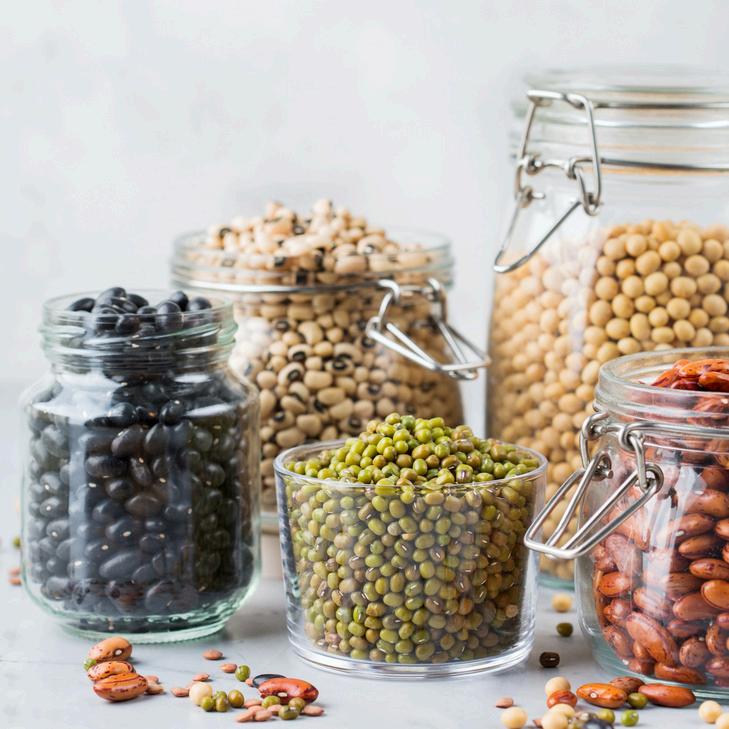
• Beans, peas, and lentils
• Fruits
• Nuts
• Seeds
• Vegetables
• Wheat bran
• Whole grains (such as whole oats, brown rice, popcorn, and quinoa) and foods made with whole grain ingredients (such as some breads, cereals, crackers, and pasta).
• Soluble dietary ber can interfere with the absorption of dietary fat and cholesterol. This, in turn, can help lower low-density lipoprotein (LDL or “bad”) cholesterol levels in the blood. Soluble !ber can also slow digestion and the rate at which carbohydrates and other nutrients are absorbed into the bloodstream. This can help control the level of blood glucose (often referred to as blood sugar) by preventing rapid rises in blood glucose following a meal.
• Insoluble dietary ber can speed up the movement of food and waste through the digestive system.
• Both soluble and insoluble dietary ber can make you feel full, which may lower your calorie intake by helping you eat less and yet stay satis!ed longer.
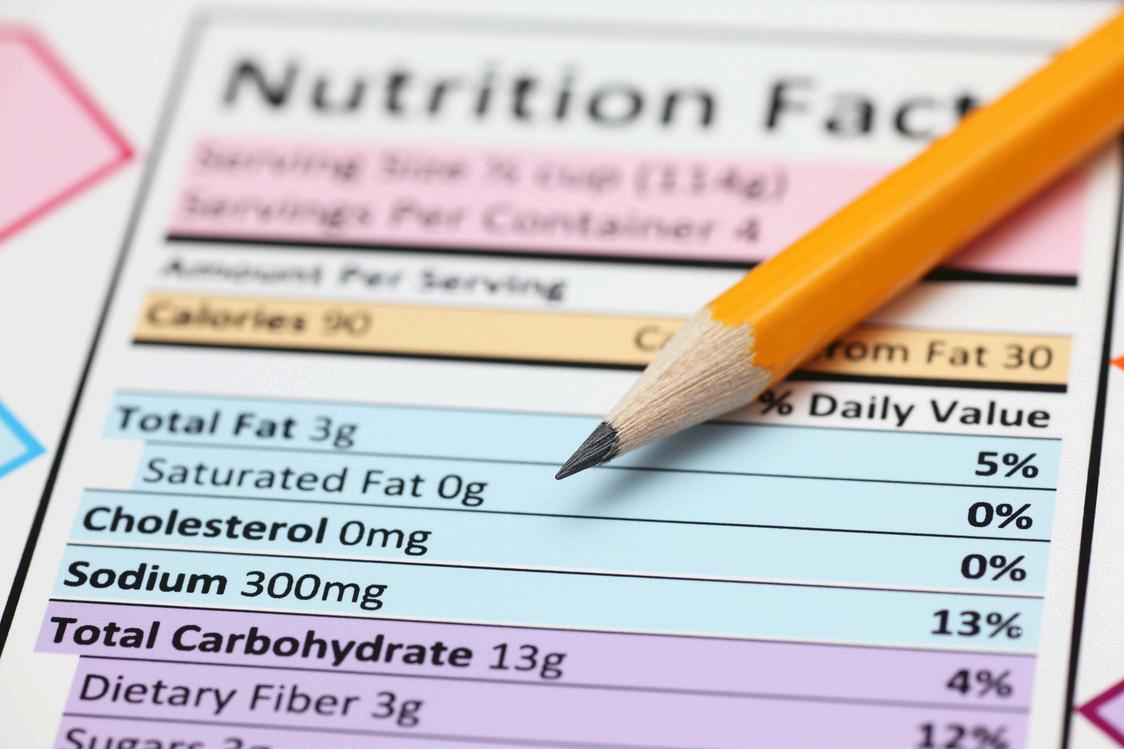
Use the Nutrition Facts label as a tool for increasing consumption of dietary !ber. The Nutrition Facts label on food and beverage packages shows the amount in grams (g) and the % Daily Value (%DV) of dietary !ber per serving of the food.
Food manufacturers may voluntarily list the amount in grams (g) per serving of soluble dietary !ber and insoluble dietary !ber on the Nutrition Facts label (under Dietary Fiber), but they are required to list soluble dietary !ber and/or insoluble dietary !ber if a statement is made on the package labeling about their health effects or the amount (for example, “high” or “low”) contained in the food.
The Daily Value for dietary ber is 28 g per day. This is based on a 2,000 calorie daily diet—your Daily Value may be higher or lower depending on your calorie needs.
o Compare and choose foods to get 100% DV of dietary !ber on most days. And remember:
• 5% DV or less of dietary !ber per serving is considered low
• 20% DV or more of dietary !ber per serving is considered high
o Look for whole grains on the ingredient list on a food package. Some examples of whole grain ingredients are barley, brown rice, buckwheat, bulgur, millet, oatmeal, quinoa, rolled oats, whole grain corn, whole grain sorghum, whole oats, whole rye, and whole wheat.
Tip: Ingredients are listed in descending order by weight—the closer an ingredient is to the beginning of the list, the more of that ingredient is in the food.
o Try whole grains (such as brown rice, bulgur, couscous, and quinoa) as side dishes and switch from re!ned to whole grain versions of commonly consumed foods (such as breads, cereals, pasta, and rice).
o Limit re!ned grains and products made with re!ned grains (such as cakes, cookies, chips, and crackers), which can be high in added sugars, saturated fat, and/or sodium and are common sources of excess calories.
o Start your day with a bowl of whole grain breakfast cereal (such as bran or oatmeal) that is high in dietary !ber and low in added sugars. Top your cereal with fruit for sweetness and even more !ber!
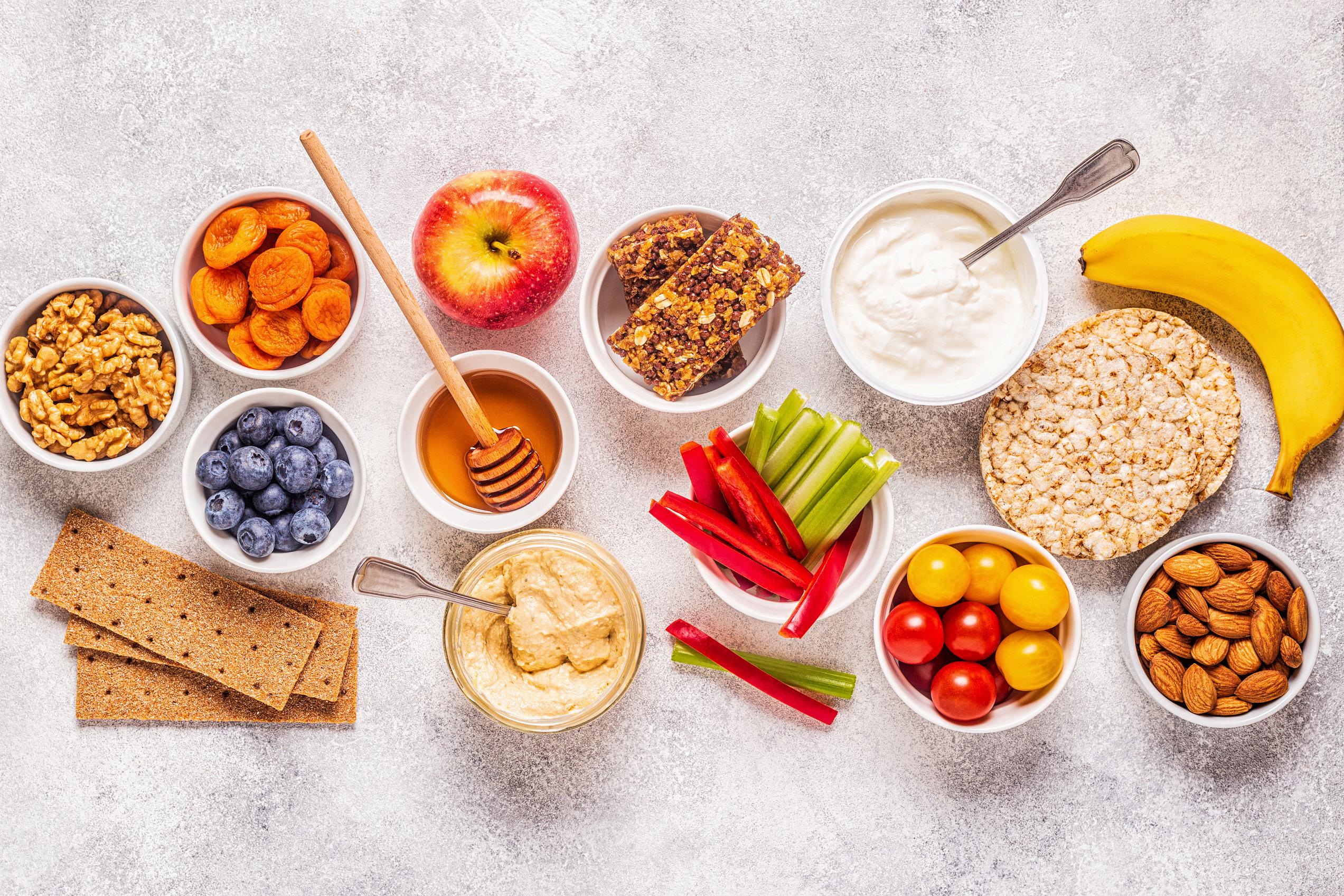
o Choose whole fruit (fresh, frozen, dried, and canned in 100% fruit juice) as snacks and desserts and add fruits to salads and side dishes.
o Keep raw, cut-up vegetables handy for quick snacks. Choose colorful dark green, orange, and red vegetables, such as broccoli orets, carrots, and red peppers.
o Add beans, peas, and lentils to salads, soups, and side dishes—or serve them as a main dish.
o Try plant sources of protein (such as beans, peas, lentils, and unsalted nuts and seeds) in place of some meats and poultry.