



Food, Nutrition and Health Tips from the Academy of Nutrition and Dietetics
1. Eat Breakfast
Start your day with a healthy breakfast that includes lean protein, whole grains, fruits and vegetables. Try making a breakfast burrito with scrambled eggs, low-fat cheese, salsa and a whole wheat tortilla or a parfait with low-fat plain yogurt, fruit and whole grain cereal.
2.Make Half Your Plate Fruits and Vegetables
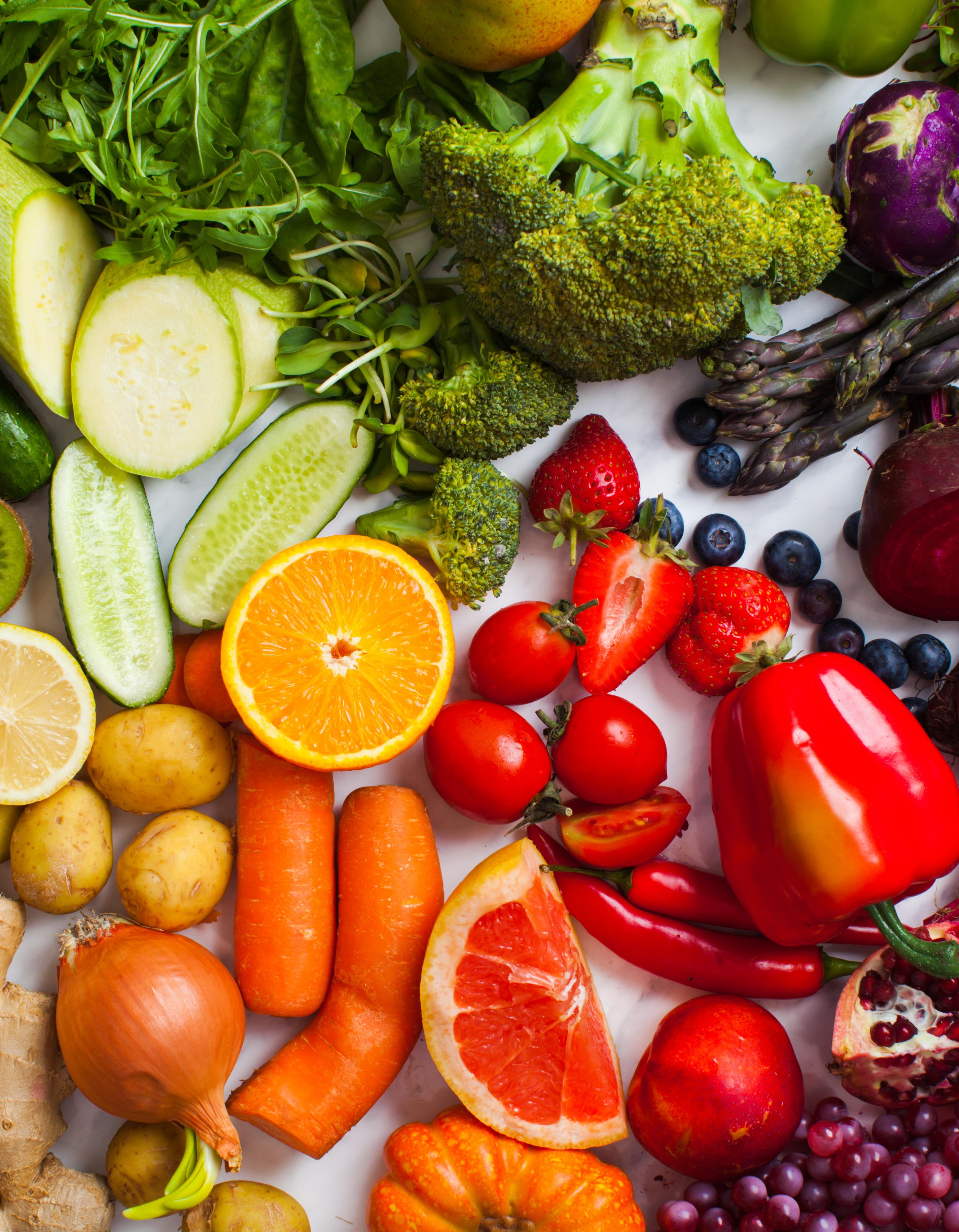
Fruits and veggies add color, avor and texture plus vitamins, minerals and dietary ber to your plate. Make 2 cups of fruit and 2 ½ cups of vegetables your daily goal. Experiment with di erent types, including fresh, frozen and canned.
3. Watch Portion Sizes
Use half your plate for fruits and vegetables and the other half for grains and lean protein foods. Complete the meal with a serving of fat-free or low-fat milk or yogurt. Measuring cups may also help you compare your portions to the recommended serving size.
4. Be Active
Regular physical activity has many health bene ts. Start by doing what exercise you can. Children and teens should get 60 or more minutes of physical activity per day, and adults at least two hours and 30 minutes per week. You don't have to hit the gym – take a walk after dinner or put on music and dance at home.
5. Get to Know Food Labels
Reading the Nutrition Facts panel can help you choose foods and drinks to meet your nutrient needs.
6. Fix Healthy Snacks
Healthy snacks can sustain your energy levels between meals, especially when they include a combination of foods. Choose from two or more of the food groups: grains, fruits, vegetables, dairy, and protein. Try raw veggies with low-fat cottage cheese or hummus, or a tablespoon of nut or seed butter with an apple or banana.
7. Consult an RDN
Whether you want to lose weight, lower your health-risks or manage a chronic disease, consult the experts! Registered dietitian nutritionists can help you by providing sound, easy-to-follow personalized nutrition advice.
8. Follow Food Safety Guidelines
Reduce your chances of getting sick with proper food safety. This includes: regular hand washing, separating raw foods from ready-to-eat foods, cooking foods to the appropriate internal temperature, and refrigerating food promptly. Learn more about home food safety at eatright.org.
9. Drink More Water
Quench your thirst with water instead of drinks with added sugars. Stay hydrated and drink plenty of water, especially if you are active, an older adult or live or work in hot conditions.
10. Get Cooking
Preparing foods at home can be healthy, rewarding and cost-effective. Master some kitchen basics, like dicing onions or cooking dried beans.
11. Order Out without Ditching Goals
You can eat out and stick to your healthy eating plan! The key is to plan ahead, ask questions and choose foods carefully. Compare nutrition information, if available, and look for healthier options that are grilled, baked, broiled or steamed.
1 . Enact Family Meal Time
Plan to eat as a family at least a few times each week. Set a regular mealtime. Turn off the TV, phones and other electronic devices to encourage mealtime talk. Get kids involved in meal planning and cooking and use this time to teach them about good nutrition.
1 . Banish Brown Bag Boredom
Whether it’s for work or school, prevent brown bag boredom with easy-to-make, healthy lunch ideas. Try a whole-wheat pita pocket with veggies and hummus or a low sodium vegetable soup with whole grain crackers or a salad of mixed greens with low-fat dressing and a hard boiled egg.
1 . Reduce Added Sugars
Foods and drinks with added sugars can contribute empty calories and little or no nutrition. Review the new and improved Nutrition Facts abel or ingredients list to identify sources of added sugars.
1 . Eat Seafood Twice a Week
Seafood – fish and shellfish – contains a range of nutrients including healthy omega-3 fats. Salmon, trout, oysters and sardines are higher in omega-3s and lower in mercury.
16. Explore New Foods and Flavors
Add more nutrition and eating pleasure by expanding your range of food choices. When shopping, make a point of selecting a fruit, vegetable or whole grain that’s new to you or your family.
17. Experiment with Plant-Based Meals
Expand variety in your menus with budgetfriendly meatless meals. Many recipes that use meat and poultry can be made without. Vegetables, beans, and lentils are all great substitutes. Try including one meatless meal per week to start.
18.Make an E ort to Reduce Food Waste
Check out what foods you have on hand before stocking up at the grocery store. Plan meals based on leftovers and only buy perishable foods you will use or freeze within a couple of days. Managing these food resources at home can help save nutrients and money.
19. Slow Down at Mealtime
Instead of eating on the run, try sitting down and focusing on the food you’re about to eat. Dedicating time to enjoy the taste and textures of foods can have a positive e ect on your food intake.
20. Supplement with Caution
Choose foods rst for your nutrition needs. A dietary supplement may be necessary when nutrient requirements can’t be met or there is a con rmed de ciency. If you’re considering a vitamin, mineral or herbal supplement, be sure to discuss safe and appropriate options with an RDN or another healthcare provider before taking.
For a referral to a registered dietitian nutritionist and for additional food and nutrition information, visit eatright.org.
The Academy of Nutrition and Dietetics is the world’s largest organization of food and nutrition professionals. The Academy is committed to improving health and advancing the profession of dietetics through research, education and advocacy.
This tip sheet is provided by:
Food, Nutrition and Health Tips from the Academy of Nutrition and Dietetics
Building a healthy plate is easy when you make half your plate fruits and vegetables. It’s also a great way to add color, avor and texture plus vitamins, minerals and dietary ber. Make 2 cups of fruit and 2 ½ cups of vegetables your daily goal. Try the following tips to enjoy more fruits and vegetables every day.
1. Variety abounds when using vegetables as pizza topping. Try broccoli, spinach, green peppers, tomatoes, mushrooms and zucchini.
2. Mix up a breakfast smoothie made with lowfat milk, and frozen fruit - try strawberries and banana, or mango with pineapple or peach.
3. Make a veggie wrap with roasted vegetables and low-fat cheese rolled in a whole-wheat tortilla.
4. Tr y crunchy vegetables instead of chips with your favorite low-fat salad dressing for dipping.
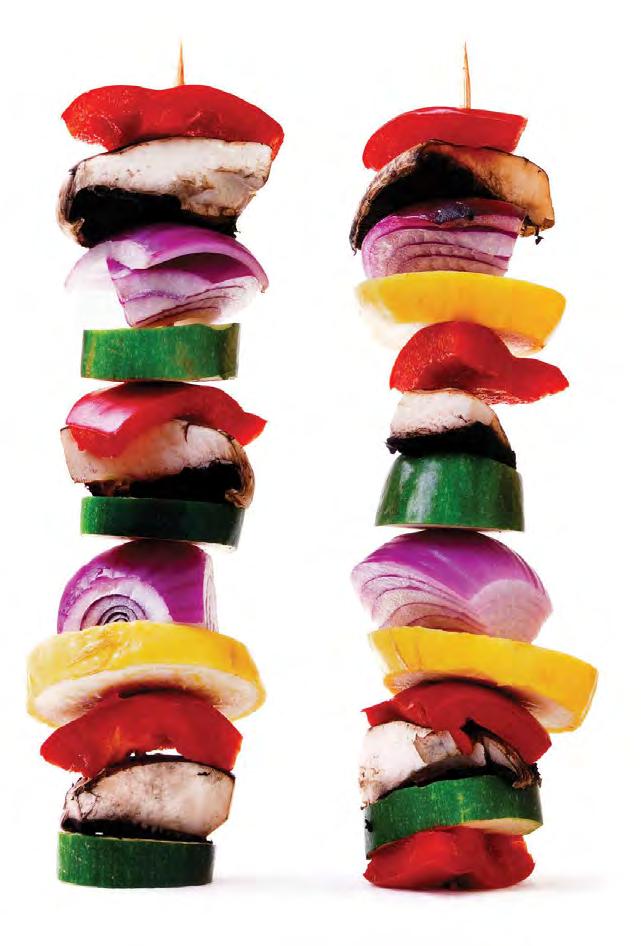
5. Grill colorful vegetable kabobs packed with tomatoes, green and red peppers, mushrooms and onions.
6. Add color to salads with baby carrots, grape tomatoes, spinach leaves or mandarin oranges.*
7. Keep cut vegetables handy for mid-afternoon snacks, side dishes, lunch box additions or a quick nibble while waiting for dinner. Readyto-eat favorites: red, green or yellow peppers, broccoli or cauli ower orets, carrots, celery sticks, cucumbers, snap peas or whole radishes.
8. Place colorful fruit where everyone can easily grab something for a snack-on-the-run. Keep a bowl of fresh, just ripe whole fruit in the center of your kitchen or dining table.
9. Get sauc y with fruit. Puree apples, berries, peaches or pears in a blender for a thick, sweet sauce on grilled or broiled seafood or poultry, or on pancakes, French toast or wa es.
10. Stu an omelet with vegetables. Turn any omelet into a hearty meal with broccoli, squash, carrots, peppers, tomatoes or onions with lowfat sharp cheddar cheese.
11. “Sandwich” in fruits and vegetables. Add pizzazz to sandwiches with sliced pineapple, apple, peppers, cucumber and tomato as llings. Add raw or cooked veggies to tacos on whole-grain corn tortillas and whole wheat wraps.
12. Wake up to fruit. Make a habit of adding fruit to your morning oatmeal, ready-to-eat cereal, yogurt or toaster wa e.
13. Top a baked potato with beans and salsa or broccoli and low-fat cheese.
14. Microwave a cup of vegetable soup as a snack or with a sandwich for lunch.
15. Add grated, shredded or chopped vegetables such as zucchini, spinach, eggplant and carrots to pasta dishes, casseroles, curries, soups, and stews.
16. Make fruit your dessert: Slice a banana lengthwise and top with a scoop of low-fat frozen yogurt. Sprinkle with a tablespoon of chopped nuts.
17. Stock your freezer with frozen vegetables to steam or stir-fry for a quick side dish.
18. Make your main dish a salad of dark, leafy greens and other colorful vegetables. Add chickpeas or edamame (fresh soybeans). Top with low-fat dressing.*
19. Fruit on the grill: Make kabobs with pineapple, peaches and banana. Grill on low heat until fruit is hot and slightly golden.
20. Dip: Whole wheat pita wedges in hummus, baked tortilla chips in salsa, strawberries or apple slices in low-fat yogurt, or graham crackers in applesauce.
*See “Smart Tips to Build a Healthy Salad” at for more tips on creating healthy salads.
To find a registered dietitian nutritionist in your area and get additional food and nutrition information, visit eatright.org
The Academy of Nutrition and Dietetics is the world’s largest organization of food and nutrition professionals. The Academy is committed to improving health and advancing the profession of dietetics through research, education and advocacy.
This tip sheet is provided by:
Food, Nutrition and Health Tips from the Academy of Nutrition and Dietetics
Getting the most nutrition for your food budget starts with a little extra planning before you shop. There are many ways to save money on the foods that you eat. Here are some budgetfriendly tips for eating right.
Cook more, eat out less
Eating out can be expensive. Many foods can be prepared for less money (and more healthfully) at home. Pre-packaged foods, like frozen dinners and packaged pasta or rice mixes can also add up when you calculate the cost per serving. Find a few simple, healthy recipes your family enjoys and save eating out for special occasions.
Plan what you’re going to eat
Deciding on meals and snacks before you shop can save both time and money. Review recipes and make a grocery list of what ingredients are needed, then check to see what foods you already have and make a list for what you still need to buy. When shopping with a list you will be less likely to buy things that are not on it.
Decide how much to make or buy
Making a large batch by doubling a recipe will save time in the kitchen later on. Extra portions can be used for lunches or meals later in the week, or frozen as leftovers in individual containers for future use. Plus, purchasing ingredients in bulk is often cheaper.
Determine where to shop
Check the local newspaper and online or at the store for sales and coupons, especially when it comes to more expensive ingredients, such as meat and seafood. While at the store, compare prices of different brands and different sizes of the same brand to see which has a lower unit price. The unit price is usually located on the shelf directly below the product.

Shop for foods that are in season
Fresh fruits and vegetables that are in season are usually easier to get and may be less expensive. Frozen and canned produce are also good options and may be more a ordable at certain times of the year. Look for fruit that is canned in 100% juice or water and canned vegetables that are labeled “low in sodium” or “no salt added”.
Watch portion sizes
Eating too much of even lower cost foods and beverages can add up to extra dollars and calories. Use smaller plates, bowls and glasses to help keep portions under control. Fill half your plate with fruits and vegetables and the other half with grains and protein foods such as lean meat, poultry, seafood or beans. This is an easy way to eat a balanced meal while controlling portions and cost. To complete the meal, add a glass of fat-free or low-fat milk or a serving of fat-free yogurt for dessert.
on nutritious, low-cost
Certain foods tend to be less expensive than others. Make the most of your food dollars by nding recipes that use the following ingredients: beans, peas, and lentils; sweet or white potatoes; eggs; peanut butter; canned salmon, tuna or crabmeat; grains such as oats, brown rice, barley or quinoa; and frozen or canned fruits and vegetables.
Make your own healthy snacks
Convenience costs money. Many snacks, even healthy ones, usually cost more when sold individually. Make your own snacks by purchasing large tubs of low-fat yogurt or cottage cheese and dividing them into smaller containers. For trail mix, combine unsalted nuts, dried fruit and whole grain pretzels or cereal; store small portions in airtight containers. Air-popped popcorn and whole fresh fruits in season also tend to cost less compared to pre-packaged items.
Start a garden or visit a Farmers Market
A garden can be a lot of fun, especially for kids. It’s also an a ordable way to eat more fruits and vegetables. Plants can be started from seed or purchased at a low price.
Another way to increase your family’s variety of produce is to visit a farmers market. Locally grown fruits and vegetables are often available for less money than at the grocery store. Check and see where the closest farmers market is in your area.
Quench your thirst with water
Water from the tap is a low cost way to stay hydrated. Substituting plain water in place of sweetened beverages not only saves you money but may also help you reduce extra calories from added sugars.
To find a registered dietitian nutritionist in your area and get additional food and nutrition information, visit eatright.org
The Academy of Nutrition and Dietetics is the world’s largest organization of food and nutrition professionals. The Academy is committed to improving health and advancing the profession of dietetics through research, education and advocacy.
This tip sheet is provided by:
Food, Nutrition and Health Tips from the Academy of Nutrition and Dietetics
You may eat out a lot – many Americans do. People are looking for fast, easy and good-tasting foods to t a busy lifestyle. Whether it’s carry-out, food court, o ce cafeteria or sit-down restaurant, there are smart choices everywhere. Here are 31 tips to help you eat healthy when ordering out.
1. Think ahead and plan where you will eat. Consider what meal options are available. Look for places with a wide range of menu items.
2. Take time to look over the menu and make careful selections. Some restaurant menus may have a special section for “healthier” choices.
3. Review and compare nutrition information if it’s available. Menu terms that may indicate an item is healthier include: baked, braised, broiled, grilled, poached, roasted, and steamed.
4. Menu terms that usually mean a food is higher in saturated fat and calories include: batter-fried, pan-fried, buttered, creamed, crispy, breaded. Choose these foods only occasionally and in small portions.
5. Think about your food choices for the entire day. If you’re planning a special restaurant meal in the evening, have a light breakfast and lunch.
6. Hold the bread or chips until your meal is served. Hunger may drive you to ll up on these foods before your meal arrives.
7. Limit the amount of alcohol you drink. No more than one drink for women and two for men. Alcohol tends to increase your appetite and provides calories without any nutrients.
8. Order the regular or child-size portion. Mega-sized servings are probably more than you need. For a lighter meal, order an appetizer in place of a main course.

9. Begin with soup or salad as a way to include more vegetables at mealtime. Follow up with a light main course.
10. Or choose a salad with grilled chicken or seafood as your main course.
11. It’s OK to make special requests, just keep them simple. For example, ask for a baked potato or side salad in place of French fries; no mayonnaise or bacon on your sandwich; sauces served on the side.
12. Ask for sauces, dressings and toppings to be served “on the side.”Then you control how much you eat
13. Split your order. Share an extra large sandwich or main course with a friend or take half home for another meal (some restaurants may not permit this or will charge for an extra plate).
14. Refrigerate carry-out or leftovers if the food won’t be eaten right away. Toss foods kept at room temperature for more than two hours (one hour if warmer than 90 degrees).
15. All-you-can-eat specials, bu ets and unlimited salad bars make it di cult to follow recommended serving sizes. Pass these up if you nd it di cult to listen to your hunger cues.
16. If you do choose the bu et, ll up on salads and vegetables rst. Use small plates, to encourage smaller portions, and limit your trips up to the bu et line.
17. At the salad bar, pile on the dark leafy greens, carrots, peppers and other fresh vegetables. Lighten up on mayonnaise-based salads and high-fat toppings. Enjoy fresh fruit as your dessert.
18. Load up your pizza with vegetable toppings. If you add meat, make it lean ham, Canadian bacon, chicken or shrimp.
19. Enjoy a variety of healthful foods from di erent cultures. Focus on dishes that emphasize vegetables and lean meats, seafood or beans.
20. Tempted by sweet, creamy desserts? Order a small portion or ask if it can be divided and shared with everyone at the table.
21. At the sandwich shop, choose lean beef, ham, turkey or chicken on whole grain bread. Ask for mustard, ketchup, salsa or low-fat spreads. And, don’t forget the veggies.
22. Boost the nutrition in all types of sandwiches by adding tomato, lettuce, peppers or other vegetables.
23. Look for a sandwich wrap in a soft tortilla. Fillings such as rice mixed with seafood, chicken, or grilled vegetables can be healthier options.
24. In place of fries or chips, choose a side salad, fruit or baked potato. Or, share a regular order of fries with a friend.
25. Build a better breakfast sandwich: replace bacon or sausage with Canadian bacon or ham and order your sandwich on a whole grain English mu n or bagel.
26. Be size-wise about mu ns, bagels, croissants and biscuits. A jumbo mu n has more than twice the calories of the regular size.
27. Try a smoothie made with 100% juice, fruit and low-fat yogurt for a light meal or snack.
28. For desk-top dining, keep single-serve packages of whole grain crackers, fruit, peanut butter, soup, or tuna around for a quick lunch.
29. Food items on your desk, like nuts or candy bowls, can lead to mindless eating. Keep all snacks and other food items in your desk to avoid the temptation to eat when you’re not hungry.
30. Grabbing dinner at the supermarket deli? Select rotisserie chicken, salad-in-a-bag and freshly baked bread. Or, try sliced lean roast beef, onion rolls, salad and fresh fruit.
31. Always eating on the go? Tuck portable, nonperishable foods in your purse, tote, briefcase or backpack for an on-the-run meal. Some suggestions are peanut butter and crackers, granola bars, a piece of fresh fruit, trail mix, single serve packages of whole grain cereal.
For a referral to a registered dietitian nutritionist and for additional food and nutrition information, visit eatright.org.
The Academy of Nutrition and Dietetics is the world’s largest organization of food and nutrition professionals. The Academy is committed to improving health and advancing the profession of dietetics through research, education and advocacy.
This tip sheet is provided by:
Food, Nutrition and Health Tips from the Academy of Nutrition and Dietetics
Preparing food at home can be a great way to save money, express creativity and stay on track with healthful eating. However, cooking can also be a challenge for many people. With a few tips and tools, cooking at home becomes a little bit easier for everyone!
If you don’t have time to plan meals some days or have unexpected guests, a well-stocked pantry can relieve some of the pressure when it comes time to make a meal. Keep the following on hand for quick, easy-to- x dishes.
Shelf Stable Products
• Dried or canned beans, peas and lentils (such as black, garbanzo, kidney, white and pinto beans; green, yellow or split peas and lentils)
• Canned vegetables with no added salt (such as diced tomatoes, peas, green beans and corn)
• Whole grains (such as brown rice, quinoa, oats, millet and whole-grain pasta)
• Pouches or canned sh and chicken
• Olive, canola or other vegetable oils
• Dried herbs and spices
Frozen Foods
• Vegetables (such as broccoli, cauli ower, carrots and brussels sprouts)
• Fruit (such as berries, cherries and bananas)
• Whole wheat pizza dough
• Frozen poultry or seafood
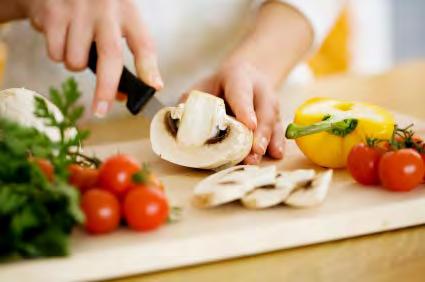
While you may be able to improvise, the following kitchen tools make working in the kitchen easier.
• Baking sheets and roasting pans
• Stock pot, sauce pans and skillets
• Tongs and spatulas
• Slotted and mixing spoons
• Potholders and towels
• Colander or strainer
• Mixing bowls in various sizes
• Separate cutting boards for raw and cooked foods
• Measuring cups and spoons
• Chef knives and vegetable peelers
You don’t need to be a master chef in order to whip up something tasty and nutritious.
You can create healthy and tasty meals without a recipe.
For example:
• Baked sh with sautéed veggies and rice
• Black bean and vegetable burrito
• Scrambled eggs with cheese, salsa and whole grain toast
If you don’t have an ingredient, try substituting with something similar:
• Making black bean burgers but running short on black beans? Try them with pinto beans instead.
• Having pasta but forgot the sauce? Toss together canned tomatoes, a drizzle of olive oil and season with herbs to provide that extra avor.
• If you’re missing sour cream, plain Greek yogurt can be used in its place in chili, on potatoes and in baked goods.
• Cauli ower can replace broccoli in casseroles and soups.

These easy combinations pair well and contain many items you may already have on hand:
• Whole grain pasta with garbanzo beans and canned tomatoes, seasoned with basil and served with a medley of microwaved frozen vegetables on the side.
• Quinoa with black beans, corn, and bell pepper, dressed with olive oil and lime juice.
• Salad with lettuce, hard boiled eggs, tuna, tomatoes and olives and dressed with a little olive oil and vinegar.
• Soup using grilled or baked chicken, low-sodium broth, veggies and brown rice.
For a referral to a registered dietitian nutritionist and for additional food and nutrition information, visit eatright.org.
The Academy of Nutrition and Dietetics is the world’s largest organization of food and nutrition professionals. The Academy is committed to improving health and advancing the profession of dietetics through research, education and advocacy.
This tip sheet is provided by: