PAYLOAD DESIGN TO EVALUATE BIOFILM RESISTANT COATINGS FOR SPACECRAFT WATER
SYSTEMS
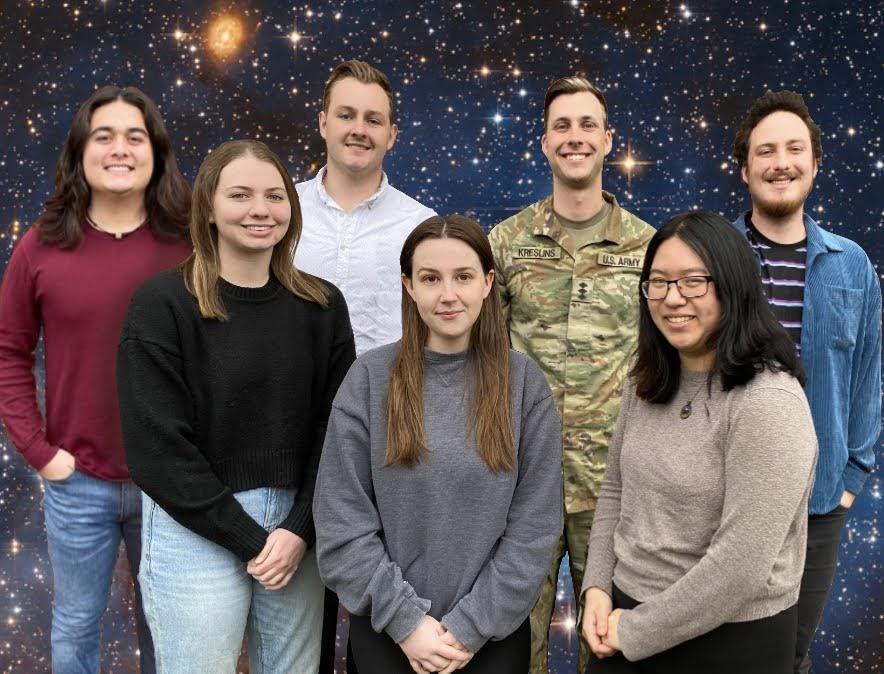
Taylor Booker, Abraham Brown, Sam Kreslins, Devan Naes, Gabriel Nelson, Melissa Phung, Lindsey Stachofsky
Sponsor: Dr. Matthew Bernards, NASA EPSCoR Instructor: Dr. Russell Qualls


EXPERIMENTAL BUILD
DATA ANALYSIS
Image Analysis

BACKGROUND
• Bacteria strains Ralstonia picketti and Burkholderia cepacia identified at concerning levels on the ISS water system
• Designed an experimental apparatus to be sent to ISS
• Testing the effectiveness of bacterial resistant polymer coatings on stainless steel for inhibition of bacterial attachment
REQUIREMENTS
• Maximum dimensions: 3.75” x 3.5” x 12”
• Experimental apparatus cannot exceed 3.8 kg
• Start operation on powerup without user interface
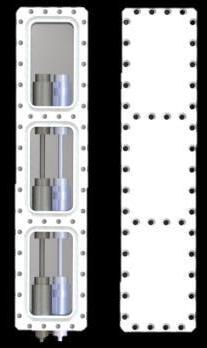
• Three chambers: R. picketti, B. cepacia, Co-culture
• Biosafety Level 2 requires three levels of containment


• Double redundancy in bacteria release system
POLYMER COATINGS
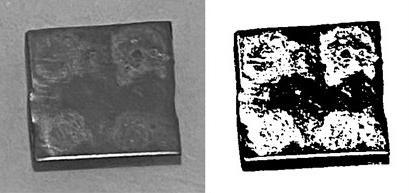
• Auto-analysis program that isolated biofilm growth on tested surfaces


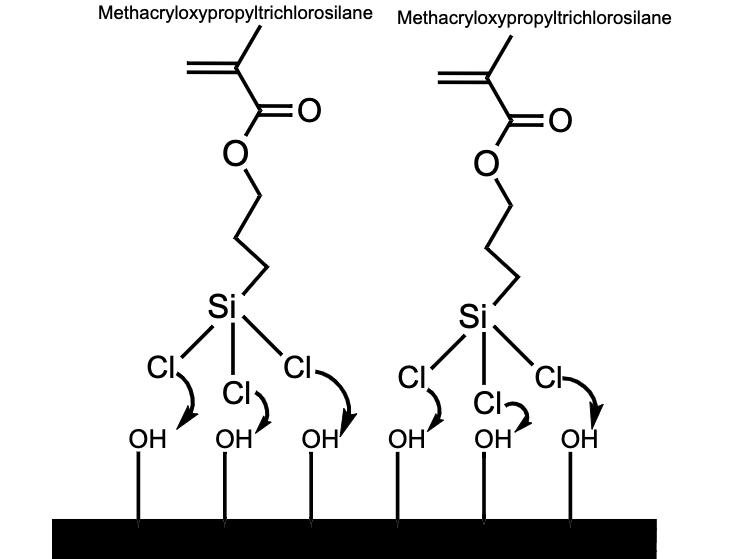
• Substrate surface initiated using methacryloxypropyltrichlorosilane
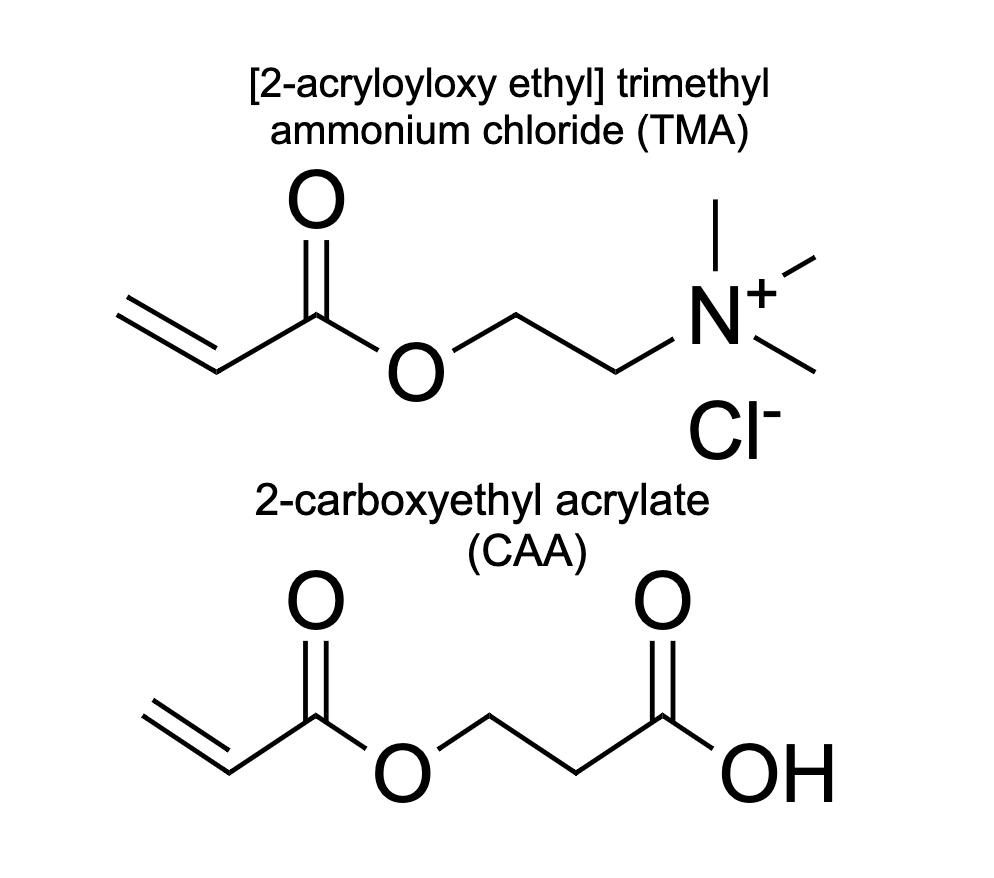
• Coatings synthesized with TMA and CAA monomers





• Studied effect of cross linkers and film thickness on biofilm adhesion
• Random copolymerization occurs due to natural charges of the monomer units and the zwitterionic crosslinker
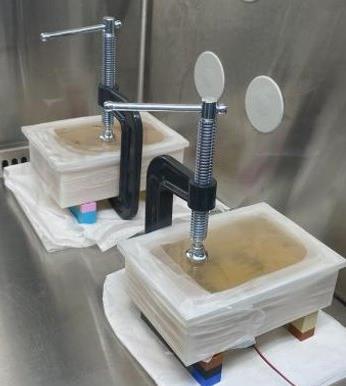
Assembly Test Chambers
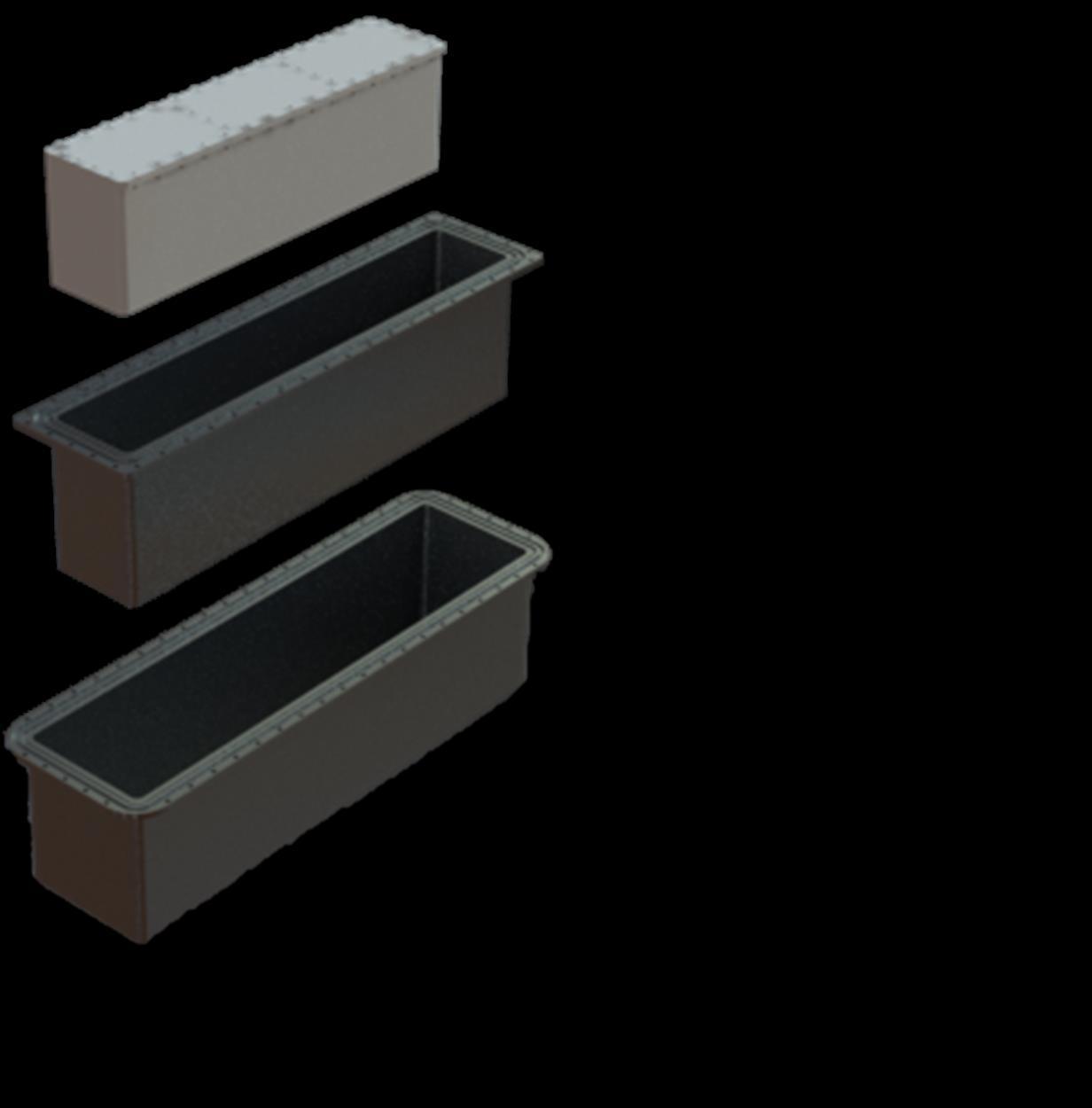
• “Nesting Doll” design allows for triple containment
• Two linear actuators dispense bacteria into chambers
• Media mixed by caged stir bar
• DC motor with attached magnets induces stirring
• Electronics controlled by Arduino Teensy 4.1
Contact Angle
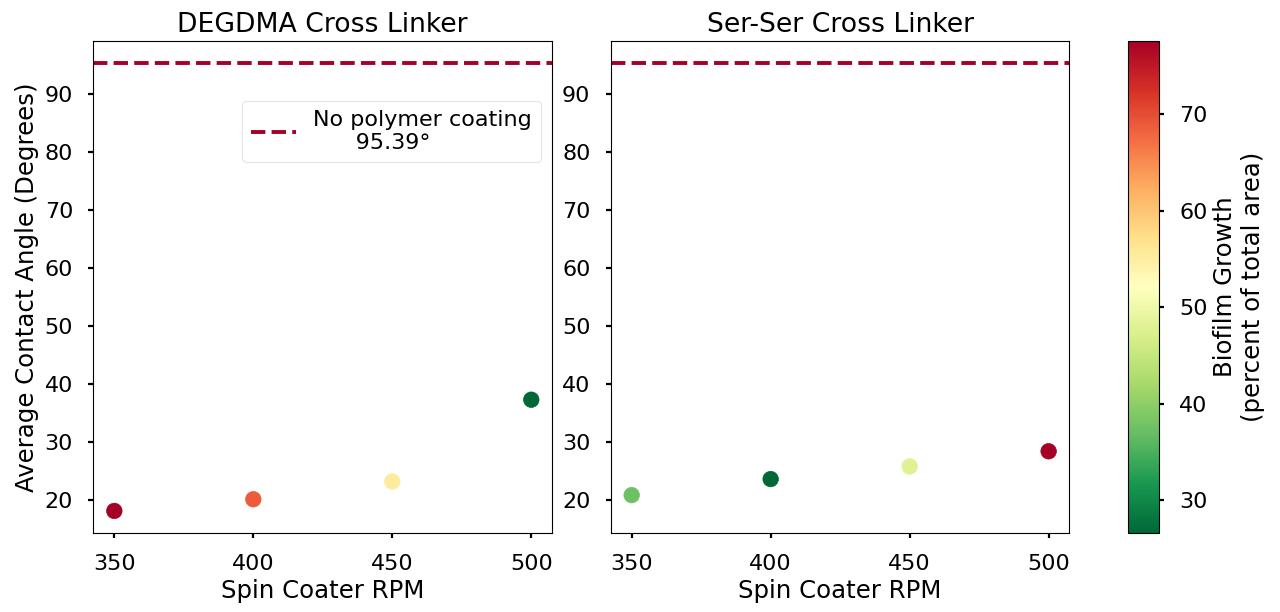
• Measured contact angle of polymers to quantify wettability
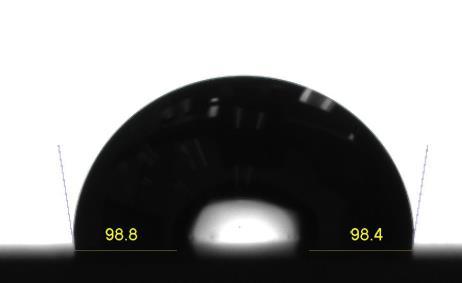
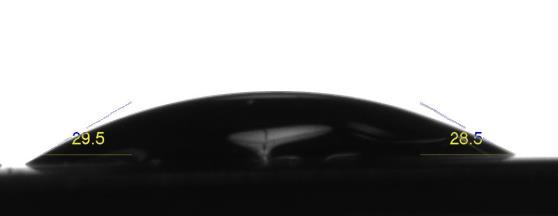
• Combined with biofilm area data to show relationship between hydrophobic character and bacteria resistance
TEAM BACTERIA TESTING
• Optimal growth medium determined to be Luria Broth
• Temperature and pH increased during growth phase
• Confirmed no off-gassing or pressure buildup in chambers
• Calculated total area of biofilm as a percentage Fig
Acknowledgements
• Adrienne Shea, mentor
• Zane Holliday, mentor
• Sharjeel Jokhio, mentor
• Charles Cornwall, machinist
Funding
Grant # 80NSSC22M0120
2023 Capstone Project
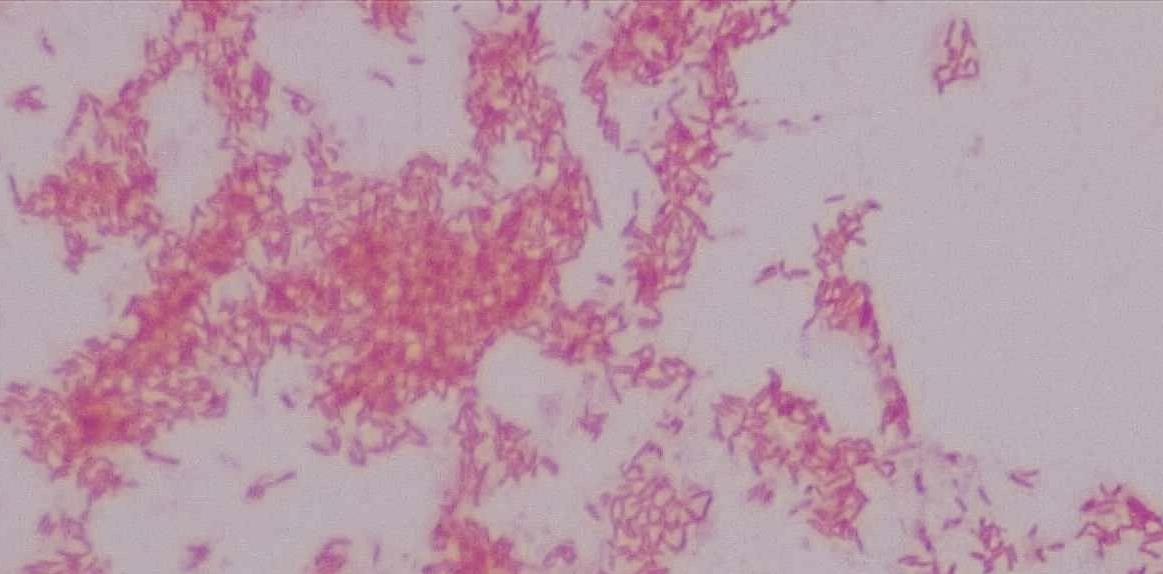
1: Microscopic Image of Burkholderia cepacia
Fig 3: Isolating Biofilm Growth
Fig 4: Contact angle of polymers compared to biofilm growth
Fig 2: Experimental apparatus to test biofilm growth conditions and polymer validation
Cleaned Stainless Steel Substrate
