
3D PRINTED FLEXIBLE SPINAL MODEL


Team: Sydney Inman, Anne Carper, Bruno Casino Remondo | Mentors: Goutham Burla, Colin Marchus, Dr. Russell Qualls, Dr. Dev Shrestha

OBJECTIVE
Drug injections in the lumbar area of the spine must be better understood to improve the future of medicine. To do so, a study on the cerebrospinal fluid flow via a 3D printed flexible spinal model was completed. This study will assist healthcare workers in understanding and developing safer drug delivery techniques for future procedures and applications.
BACKGROUND
Cerebrospinal Fluid (CSF)

• Generated in ventricles of the brain & flows throughout the spine
• Delivers essential nutrients
• Bypasses the blood brain barrier
Drug Delivery
• Delivery through CSF would lower drug dosage and toxicity
• Many diseases benefit
CONCEPT DEVELOPMENT
• 3D files, setup, and equipment inherited from Dr. Bryn Martin’s lab
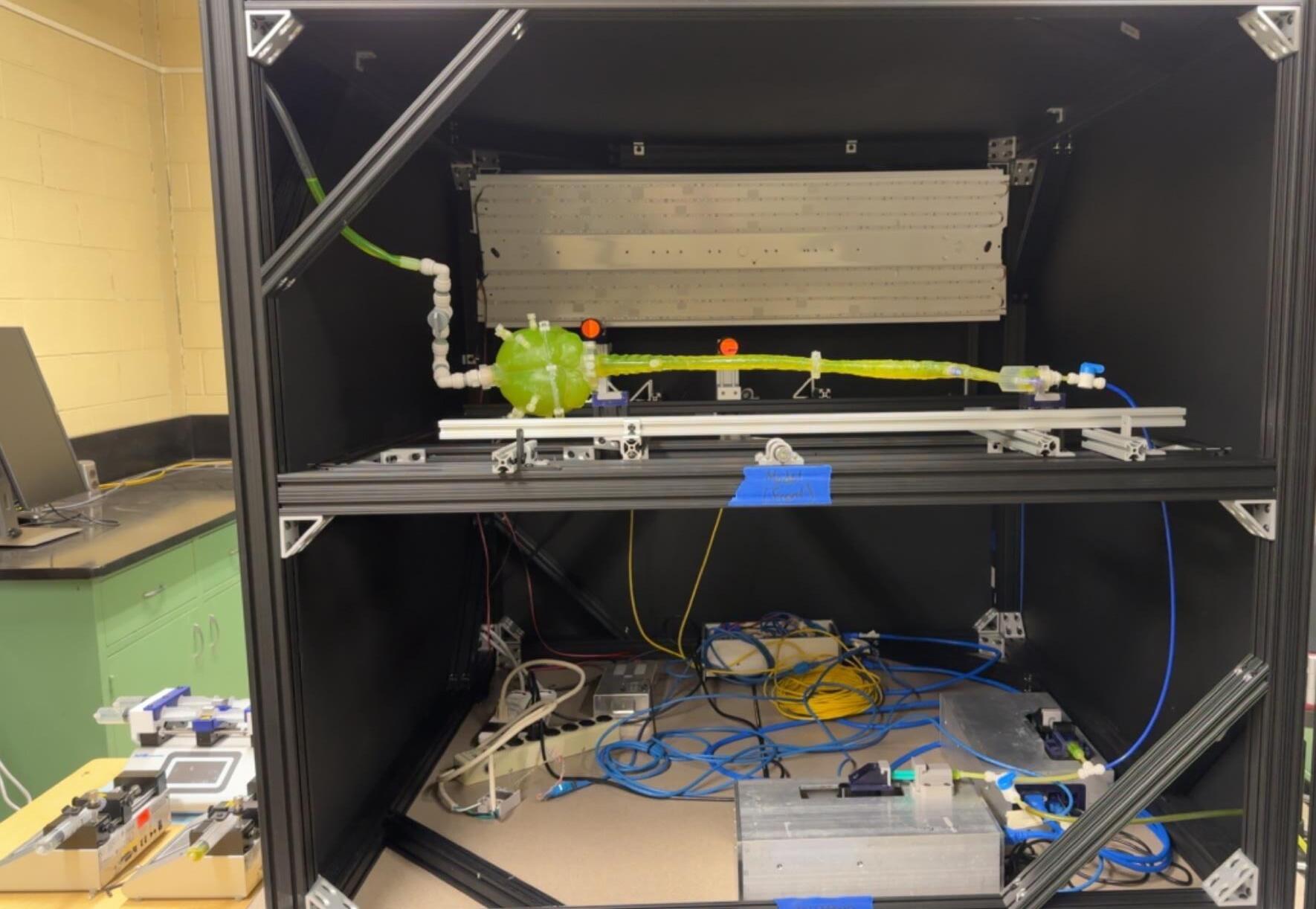
• MRI-derived design for prior rigid models was printed through Stratasys

• Goal to replace & test rigid model with flexible model similar to real human spine
• Flange was designed to connect to upper tubes in setup
REQUIREMENTS & VALIDATION
Adopted previous model configuration & protocol
Model flexibility and elasticity of human spine
Transparent for imaging
Can withstand necessary pressures
FINAL DESIGN

Spinal Model

• Split the two 3D files from Dr. Bryn Martin’s lab into 1/4 to fit in FormLabs Form 3 3D printer

• Added hexagon connectors to the split files to easily glue the pieces together
EXPERIMENT RESULTS
Utilized previous 3D files & setup
50A resin with 1.59 MPa
max stress
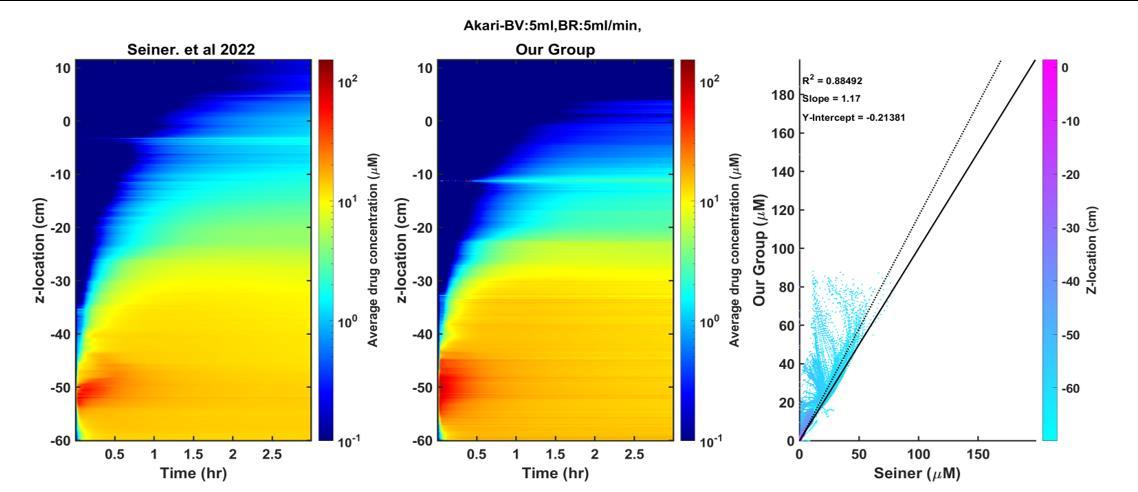
Compared to previous models
Setup and experiments
ACKNOWLEDGEMENTS
We thank our mentors, along with Charles Cornwall, Dave MacPherson, and the Department of Chemical and Biological Engineering for all the support with the project. Syringe supplies were donated by Nimiipuu Health Clinic.

FUTURE DIRECTIONS
Conclusion
• Experiment results line up with previous data, validating setup
• 3D printing a transparent spinal model with a flexible material is possible
Future Directions
• Complete additional experiments on flexible model

• Flange reprint
• Print the brain with flexible material to have full model to compare to rigid