THE JOHN A. BURNS SCHOOL OF MEDICINE, UNIVERSITY OF HAWAI‘I MANOA -
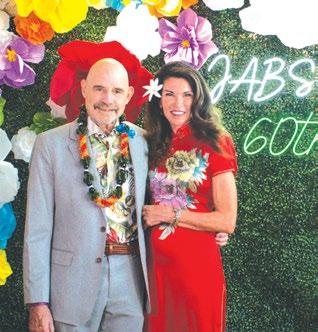
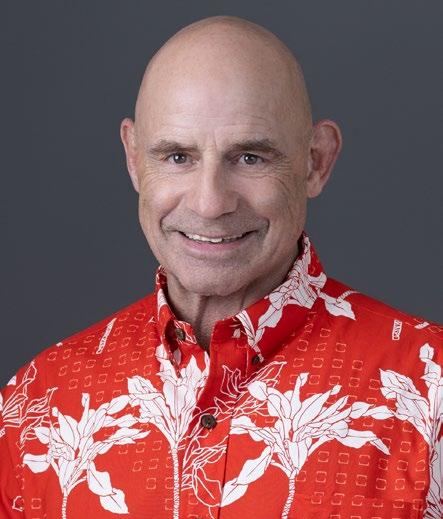
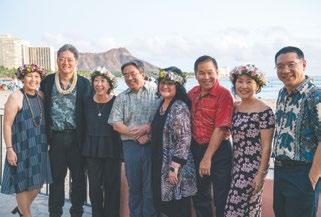
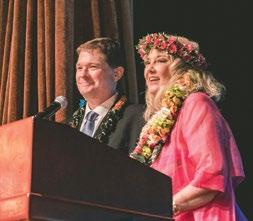
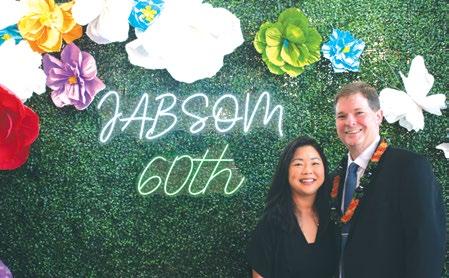
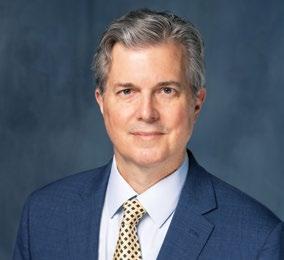
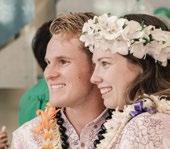
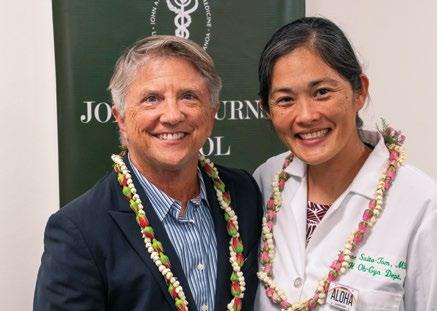
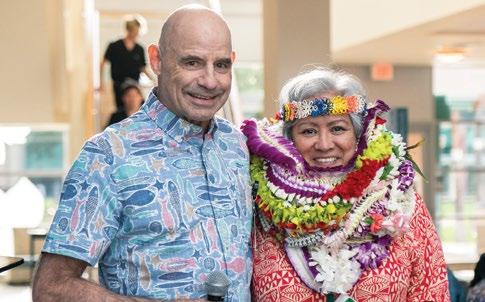
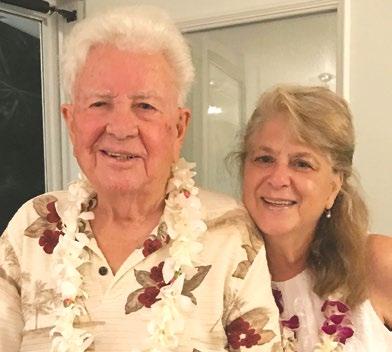
Dean Sam Shomaker with his wife Dr. Susan Yandow at the 60th Anniversary Celebration
MESSAGE FROM THE DEAN 60th ANNIVERSARY
SCIENCE MATTERS
RESIDENTS & FELLOWS
Co-Editors-In-Chief
Matthew Campbell Director of Communications
Deborah Dimaya
Associate Director of Communications
Julie Inouye
Executive Director of Development
Aaron Mandich
Associate Director of Development
Christie Leidholm, Corinne Ehara, Lahela Howell, Johanna Witt
Vina Cristobal
Multimedia Content Manager
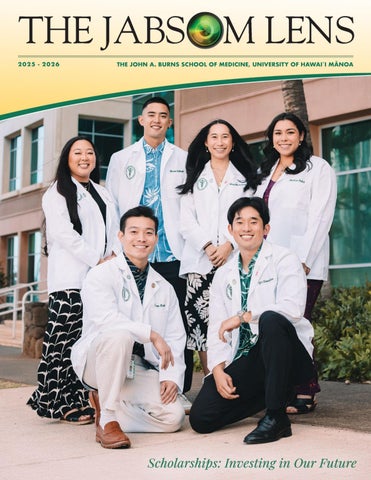
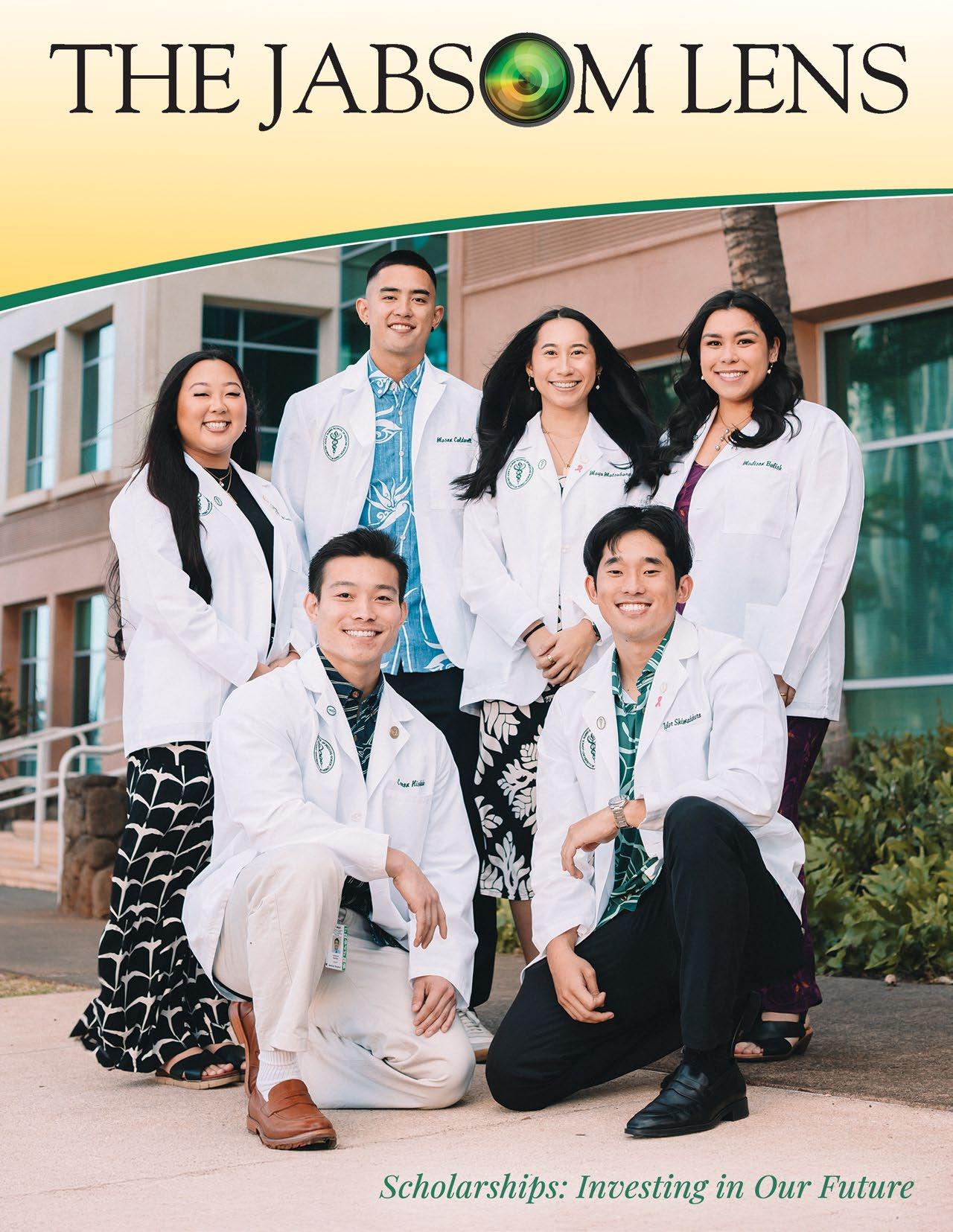
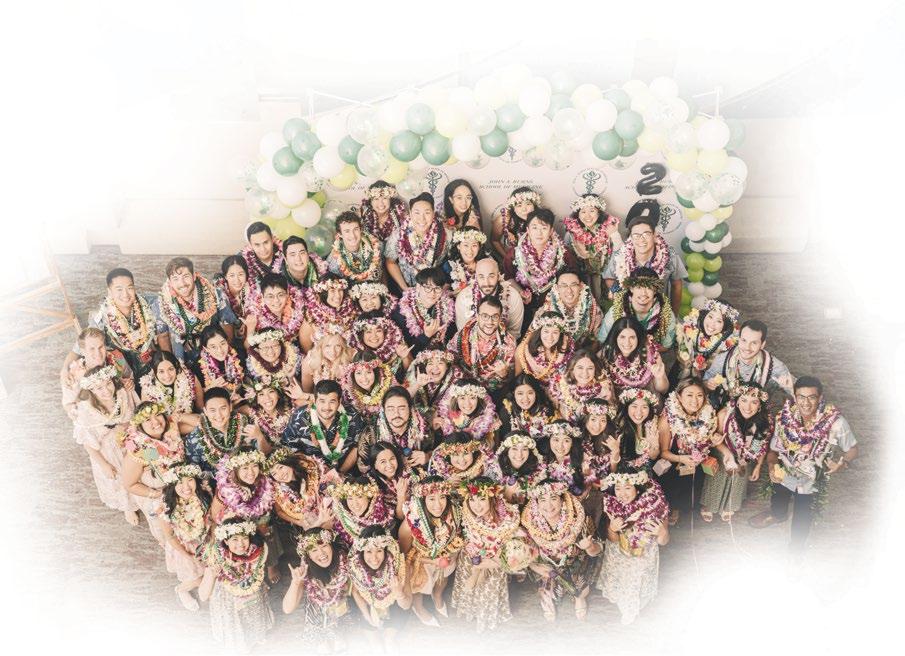
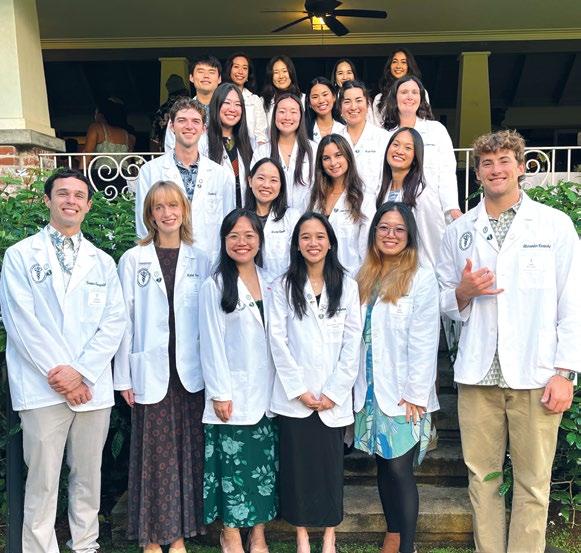
“Grateful Students” JABSOM students photographed on the steps of the Medical Education Building. By Deborah Dimaya
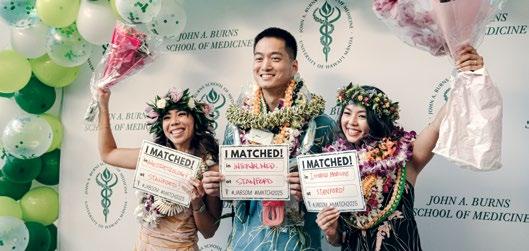
2025 Match Day
Message from the Dean
Asthe state’s only medical school, JABSOM bears the important responsibility of training the next generation of physicians. We recognize that Hawai‘i has a critical need for Primary Care physicians, and we have risen to meet that challenge. Today, we are proud to be consistently ranked as a Tier One Medical School for Primary Care, a distinction that validates our commitment to the health of our people.
This success is built on the shoulders of dedicated faculty and visionaries. Leaders like Dr. Ben Young, Dean Ed Cadman, and Dr. Lee BuenconsejoLum, among others, shaped our institution into what it is today. However, the fuel that sustains this engine of change is the generosity of our donors and healthcare partners.
Your belief in our mission has created a robust foundation for student success, and we wanted to dedicate the cover of the JABSOM Lens to the important role that scholarships play at our school. Because of your support, JABSOM now has 90 individual scholarships, 60 of which are fully endowed. In the past year alone, we awarded $6 million in scholarships.
This financial support is vital. It evens the playing field with the rest of the nation. If we can keep medical school affordable for students, we hope they won’t feel the need to leave home to take advantage of a lower cost of living in another state. As our state’s population continues to age, the demand for caring, compassionate physicians who practice with aloha becomes increasingly urgent. Your investments in keeping our students here are direct interventions in the future of healthcare in Hawai‘i.
We are seeing tangible returns on these investments: 22% of JABSOM’s scholarship dollars are tied to a service commitment to Hawai‘i. This places JABSOM above the 90th percentile compared to other medical schools nationwide. The Kaua‘i Medical Training Track serves as a prime example of this impact. As the inaugural cohort graduates this year, we eagerly anticipate the transformation they will bring to healthcare on the Garden Isle.
None of this would be possible without your belief in JABSOM. The investments you make through scholarships are literally propelling our students toward their dreams, ensuring that the future of Hawai‘i’s health is in capable, compassionate hands.
Mahalo for your continued partnership,
T. Samuel Shomaker, MD, JD, MSM, Dean Barry & Virginia Weinman Endowed Chair Class of 1986
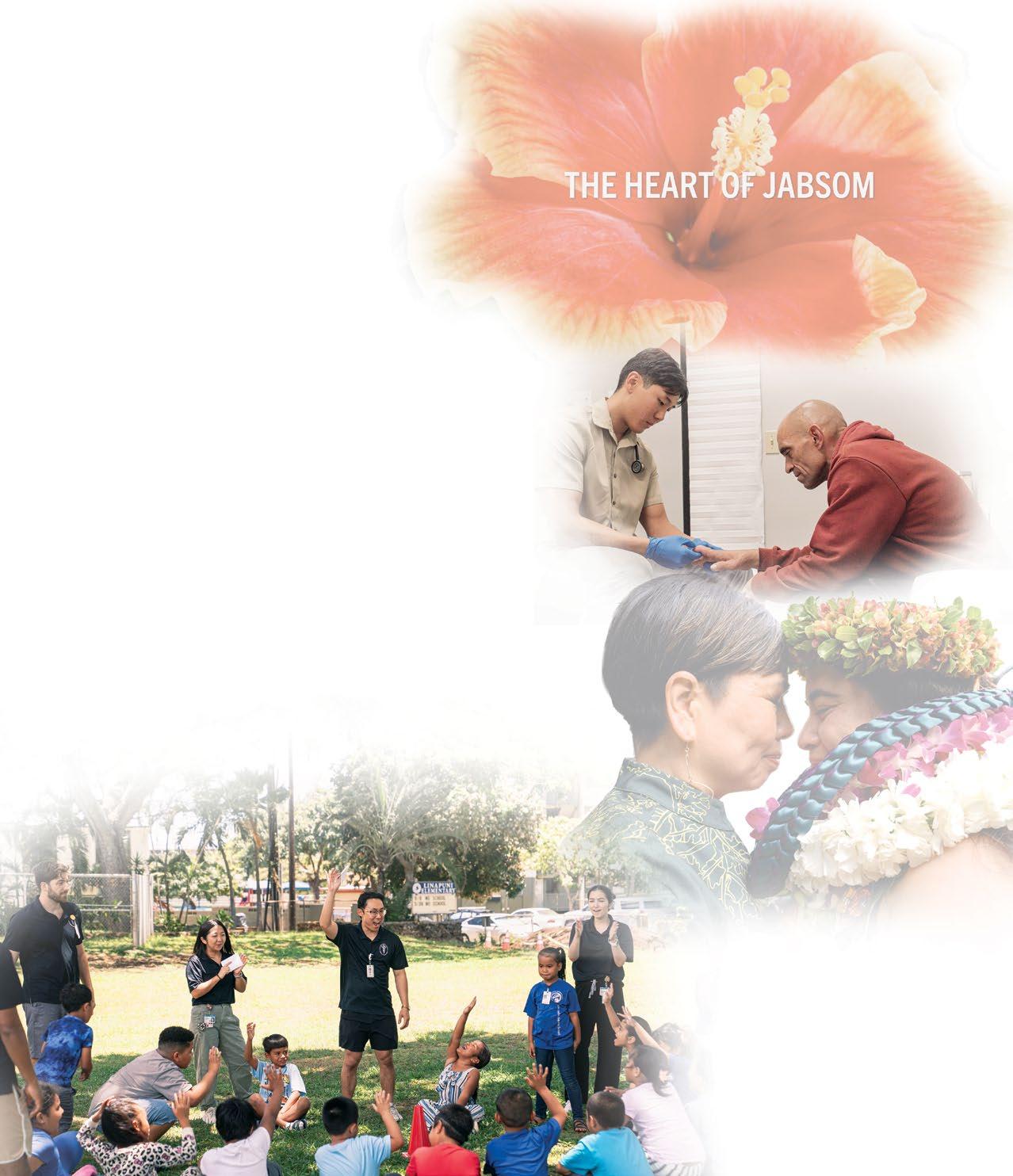
The Heart of JABSOM: Six Decades of Caring for Hawai‘i
During the 60th anniversary gala, JABSOM premiered “The Heart of JABSOM,” honoring the school’s commitment to the entire state of Hawai‘i. The video was composed of three vignettes capturing JABSOM’s influence on medical education, research, and rural health.
Third-year student Keli‘i Shontell represents the school’s commitment to hyperlocal research; inspired by his family’s history in Kohala, he focused on cancer disparities among Native Hawaiians and Pacific Islanders. Meanwhile, Dr. Geri Young’s 42-year career on Kaua‘i highlighted the lasting impact of rural medicine and the deep community bonds formed by neighbor island physicians.
The narrative comes full circle through Dr. Keolamau Yee, a former premature infant saved by neonatologist Dr. Venkataraman Balaraman. Now a JABSOM-trained physician herself, Dr. Yee currently mentors Dr. Balaraman’s daughter, Kalpana, who is a student at the school. These stories showcase a medical community dedicated to both academic excellence and the spirit of aloha. As JABSOM enters its seventh decade, it remains a vital cornerstone for the health of everyone in Hawai‘i and the broader Pacific.
Scan to watch the video
JABSOM Recognizes Drs. Reni Soon and Neal Palafox with Inaugural Distinguished Alumni Honors
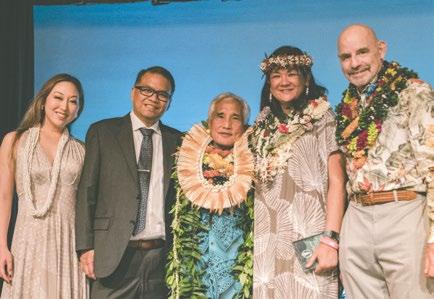
Incelebration of its 60th anniversary, the John A. Burns School of Medicine (JABSOM) announced the inaugural recipients of its Distinguished Alumni Awards, honoring Dr. Reni Soon (MD 2001) and Dr. Neal Palafox (MD 1980). Dr. Soon received the Hōkūho‘okelewa‘a Distinguished Alumni Award, an honor established for graduates from the classes of 2000–2025 who served as a “guiding star” for the school. She was recognized for her clinical excellence, leadership in family planning and reproductive justice, and her dedication to mentoring future physicians.
At the same time, Dr. Neal Palafox was honored with the Hie Distinguished Alumni Award, a distinction reserved for graduates from the school’s first quarter-century. Dr. Palafox earned the award for his pioneering work in reducing health disparities across the Pacific region and his long-standing
Scan to watch Dr. Soon video
Scan to watch Dr. Palafox video
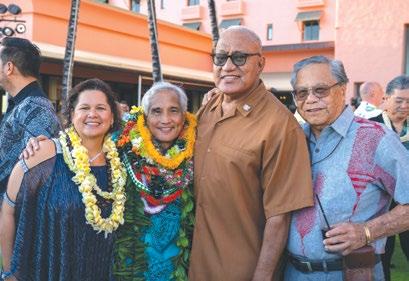
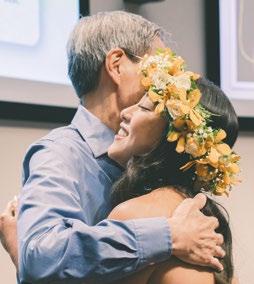
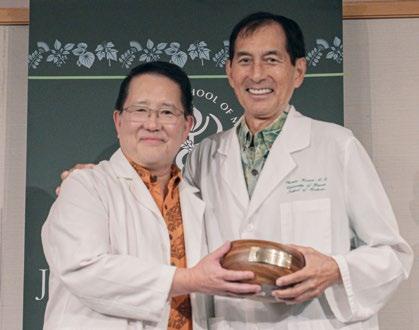
Drs. Neal Palafox and Reni Soon receive the inaugural JABSOM Distinguished Alumni Awards
commitment to medical education. Both physicians were formally recognized for their exceptional service during the JABSOM 60th Anniversary Gala held on October 11 at the Royal Hawaiian Hotel.
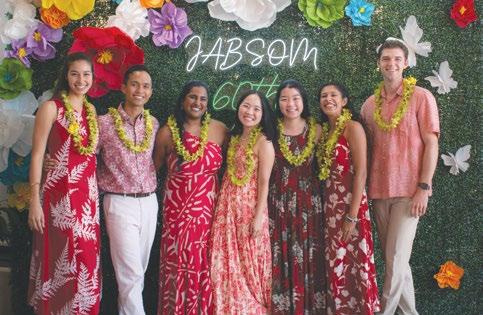
JABSOM Marks 60 Years of Excellence with Diamond Jubilee Gala
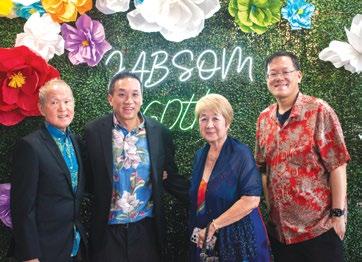
The John A. Burns School of Medicine (JABSOM) recently celebrated its 60th anniversary, marking six decades of transformative medical education and community service in Hawai‘i. Since its inception in 1965, the school has trained over 3,000 physicians, with nearly half of the state’s current medical workforce either
graduating from or teaching at the institution. To commemorate this milestone, more than 500 members of the JABSOM ‘ohana—including students, alumni, faculty, and community partners—gathered at the Royal Hawaiian for an evening of reflection and celebration.
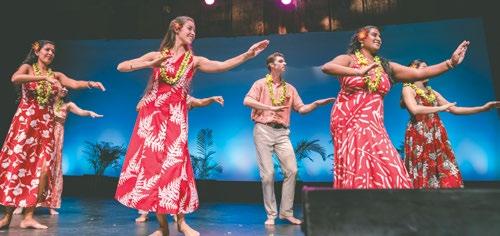
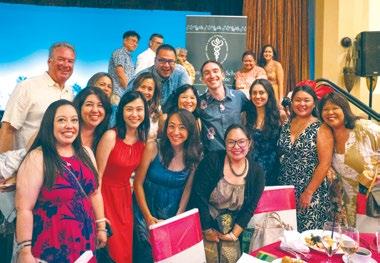
The gala featured the inaugural JABSOM Distinguished Alumni Awards, recognizing Dr. Neal Palafox for his vital cancer research in the Pacific and Dr. Reni Soon for her dedicated advocacy in reproductive health. Guests were treated to a hula performance by current medical students and a special musical appearance by Jake Shimabukuro.
Reflecting on the school’s growth, Dean Sam Shomaker noted that JABSOM now receives 2,400 applications for just 77 spots, a testament to the school’s national reputation and local impact. University of Hawai‘i President Wendy Hensel praised the school as a critical pillar of the state’s infrastructure, emphasizing that JABSOM’s influence reaches far beyond the islands. As the school looks toward the future, it remains dedicated to its founding mission: serving the people of Hawai‘i with clinical excellence and the spirit of aloha.
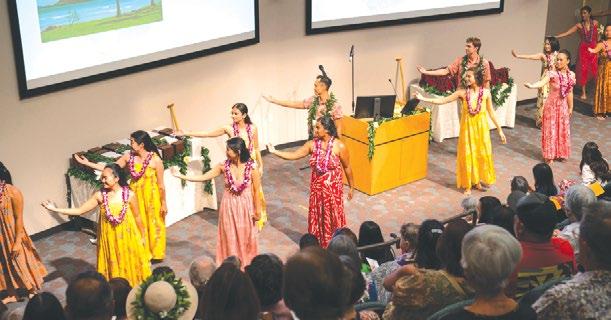
Second-year medical students perform a special hula at the gala
Celebrating 60Years!
Scan to view photos of past classes
Yearbook lookback
Scan to view slideshow
Maternal Obesity and Autism? JABSOM Researchers Discover a Link
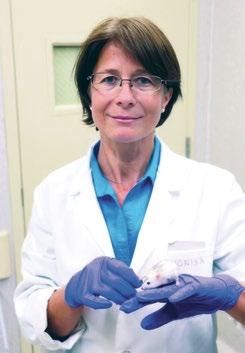
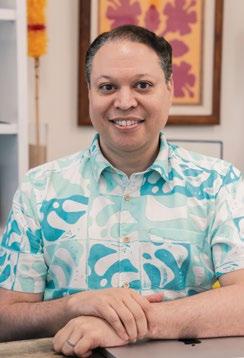
In a groundbreaking study conducted at the University of Hawai‘i at Mānoa, researchers from the John A. Burns School of Medicine (JABSOM) have uncovered a mechanistic link between maternal obesity prior to pregnancy and autism-related behavioral outcomes in offspring. The study, led by Professors Dr. Alika K. Maunakea and Dr. Monika Ward from the Department of Anatomy, Biochemistry & Physiology and the Yanagimachi Institute for Biogenesis Research (YIBR), sheds new light on how maternal health even before conception can program long-term neurodevelopmental trajectories in children.
“This work highlights how a mother’s health prior to pregnancy—not just during gestation—can shape her child’s brain development in profound ways,” said Dr. Maunakea. “We were surprised to find that even without direct maternal contact after conception, these epigenetic imprints from the egg carried enough weight to alter behavior.”
Nanobody Breakthrough in Cancer Immunotherapy
For nearly a decade, JABSOM researcher Stefan Moisyadi, PhD, has been chasing an idea he believes could change how we fight cancer. What he found could be a game-changer: a tiny molecule called a nanobody that may succeed where today’s immunotherapy drugs often fail.
“Antibodies won the Nobel Prize for immunotherapy,” Moisyadi said. “They work in some cancers, but not all. In colorectal cancer, they hardly work at all. But when we used nanobodies, bingo, it worked.”
Moisyadi and his colleagues at the UH Cancer Center and UH’s College of Tropical Agriculture and Human Resources have discovered a way to use mRNA to make the body produce tiny proteins called nanobodies that block a molecule known as PD-L1. This is a major breakthrough because tumors often use PD-L1 to hide from the immune system. Normally, immune cells called T-cells, can recognize cancer cells as foreign and attack them, but when a tumor produces PD-L1, it effectively “turns off” those T-cells, stopping them from doing their job.
By using nanobodies to block PD-L1, the immune system stays alert, recognizes the cancer cells, and attacks them, giving the body a better chance to fight the tumor.
Moisyadi’s team discovered that these nanobodies, unlike conventional monoclonal antibodies, are one-tenth the size, cheaper to produce, and tougher under stress.
“They don’t trigger an immune response in the patient,” Moisyadi explains. “They penetrate better because they’re small. They can even refold back to their original shape when the condition they find themselves in changes for the better. Basically, they’re indestructible — they work much better and they’re cheaper.”
Dr. Monika Ward
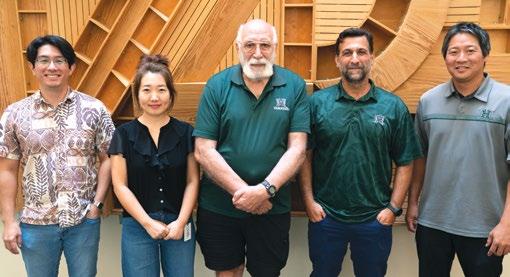
Dr. Stefan Moisyadi (center) and his research team
Dr. Alika Maunakea
Unmasking Cancer Disparities in Native Hawaiians
Keli‘i
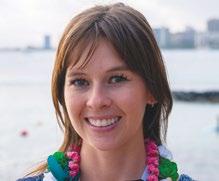
Shontell, a third-year JABSOM medical student, is making significant strides in health equity as a researcher in the Taparra Lab. Under the mentorship of Dr. Kekoa Taparra, Shontell recently served as an author of a high-impact study published in JAMA Network Open,
Bioprinting for Battlefield Safety
Dr.
focusing on cancer mortality and screening disparities among Native Hawaiian and Pacific Islander (NHPI) populations.
The Taparra Lab provides a unique “by-us-for-us” environment, empowering NHPI trainees to lead research that directly impacts their own communities. Shontell’s work is centered on the critical need to disaggregate NHPI data, uncovering specific health inequities that are often masked when these groups are bundled with larger Asian American populations.
For Shontell, a Native Hawaiian from Hawai‘i Island, the involvement is deeply personal.
“My father, my grandmother, great grandfather, grandfather—there’s tons, tons of cancer on my Hawaiian side,” he said, noticing a stark contrast in his family’s health compared to his Japanese side. “There’s just so little data available to improve outcomes. It’s one of my biggest goals—to fill these gaps so others don’t have to go through these family hardships with cancer.”
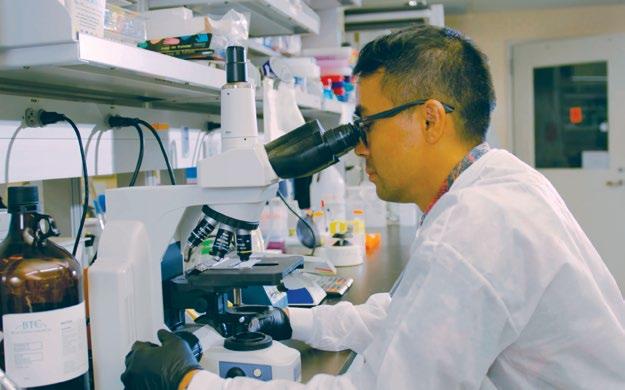
Jason Barnhill, a retired Army Colonel and JABSOM Associate Professor in Cell and Molecular Biology, is leveraging his military background to pioneer life-saving bioprinting technology. Through a partnership with the U.S. Army Combat Capabilities Development Command, known as DEVCOM, Barnhill’s lab creates “organ-on-a-chip” models—human tissue structures printed with specialized bio-inks.
These models provide a more accurate platform than animal testing for developing treatments against chemical exposure, burns, and antibiotic-resistant bacteria. This partnership was established on March 14, 2025, and will advance manufacturing capacity in Hawai‘i. Barnhill says this partnership will address the state’s geographic isolation while pursuing a specific passion for protecting ocular health.
“I’ve been tossing around the idea with some of my colleagues (at DEVCOM)… maybe being able to 3D print some type of contact lens or other thing that would be protective for the eye,” Barnhill said. “ Whether it’s something
that’s worn prior to a chemical exposure or something that could be applied after to treat chemical burns there are some interesting possibilities for future work.
Third-year medical student, Keli’i Shontell, Ph.D, in the lab
Dr. Jason Barnhill
A Half-Century of Healing: Honoring Dr. Marian Melish’s 50 Years of Service
As
JABSOM celebrated its 60th anniversary this year, a true pioneer in pediatric medicine celebrated 50 years at the state’s only medical school. Dr. Marian Melish, recognized globally for her groundbreaking research and locally as a cornerstone of the medical community, her career has been defined by a relentless pursuit of knowledge and an unwavering commitment to the health of Hawai‘i’s keiki.
Dr. Melish’s legacy is most famously cemented by her discovery of Staphylococcal Scalded Skin Syndrome. In the early 1970s, her research provided the definitive
understanding of the toxin responsible for this condition, a breakthrough that fundamentally changed how physicians treat infected newborns. Beyond this achievement, she has remained at the forefront of medical investigation for decades, contributing vital insights into Kawasaki disease and navigating the complexities of modern public health crises, including the COVID-19 pandemic.
Her influence extends far beyond the laboratory through her impact as an educator. Over the past five decades, Dr. Melish has mentored hundreds of medical students, residents, and fellows, many of whom now serve as leaders in the field.
“Mostly, I am a working doctor with her eyes open because all of my experiences have started from cases.” In fact, her advice to other up and coming physicians and scientists is quite simple: “ I think they should keep their eyes open.”
As an educator, Marian adds, “you want them to be the best doctors they can be, but you also want them to be curious about what they can do to further the science.”
As she reflects on her 50 years at JABSOM and her decades of service in medicine, it’s evident that she’s still very curious about the world.
“I’ve got papers that I need to write about rat lungworm. So I’ve spread myself in multiple directions, but that was my choice,” Melish said. “I like what I do and I am not that interested in stopping.”
$11M NIH Renewal to Advance Diabetes Research in Hawai‘i
JABSOM has secured an $11 million National Institute of Health renewal for Phase 2 of its Centers of Biomedical Research Excellence (COBRE) in Diabetes, continuing critical research into metabolic health disparities and mentoring junior faculty to improve treatments for Hawai‘i’s diverse populations.
“Living in Hawai‘i, many of us have diabetes or know someone who has it, so it is our obligation as researchers in Hawai‘i to investigate problems that affect the people of this state,” said Dr. Mariana Gerschenson, Director of the Diabetes Research Center. “The renewal of this grant allows us to continue to do this critical research, and we are excited about starting Phase 2 of this research, which will explore the impact diabetes has on other parts of the body.”
Drs. Mariana Gerschenson, Olivier Le Saux, and Marjorie Mau
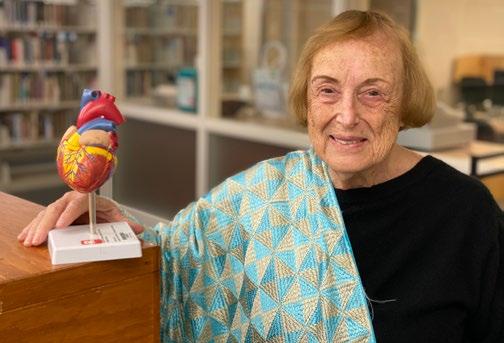
Dr. Marian Melish has been a leader in pediatric medicine for five decades
Inaugural One Health Conference Held at JABSOM
Global Mental Health Textbook Features JABSOM Expertise
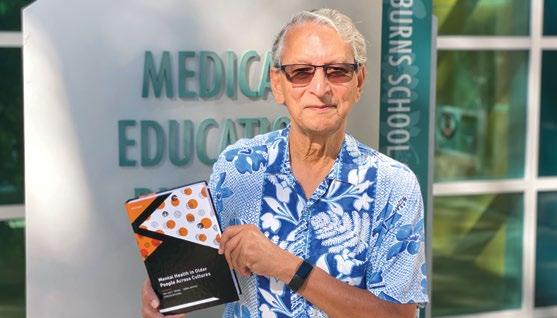
Dr. Iqbal Ahmed, Clinical Professor of Psychiatry and Geriatric Medicine at JABSOM, recently published a textbook titled Mental Health in Older People Across Cultures. Released in April 2025, the book offers a comprehensive global perspective on aging, examining how cultural and socioeconomic factors influence the diagnosis and treatment of mental health disorders in older adults across every continent.
With contributions from over 100 global experts, the textbook addresses the unique challenges of aging in both high-resource and developing regions. Dr. Ahmed emphasizes that the work is particularly relevant to Hawai‘i, which has one of the fastest-aging populations in the U.S. Designed for clinicians, educators, and policymakers, the book serves as a vital
OnApril 12, 2025, JABSOM marked a milestone by hosting its first annual One Health Conference. “One Health” is a collaborative approach that recognizes the vital connections between the health of humans, animals, plants, and our shared environment.
Founded by the student-led One Health Interest Group in 2023 and the Department of Tropical Medicine, Medical Microbiology, and Pharmacology, the event brought together a diverse range of experts from medicine, veterinary science, public health, and biomedical research. Keynote speaker Dr. Katey Pelican, Director of the UH Health Sciences Institute, shared her global experience working with the CDC and WHO to tackle urgent health issues through cross-sector collaboration. Attendees participated in interdisciplinary problem-based learning (PBL) sessions, working through real-world scenarios such as antimicrobial resistance and environmental toxin exposure. This inaugural event underscores JABSOM’s commitment to an integrated approach in solving the complex global health challenges of the 21st century.
resource for navigating the “global megatrend” of an aging world population and encourages a shift in focus from mere lifespan to “healthspan.”
“When we are born, we are all similar, but our lives and the aging process are shaped by the environments we grew up in, including some of the cultures we live in. So we wanted a book with that perspective,” Ahmed said.
Dr. Iqbal Ahmed
$500K Awarded to Advance Health Equity Through AI
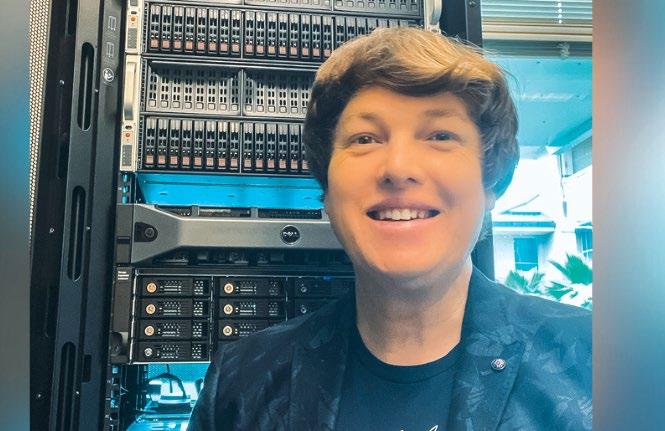
JABSOM has been awarded a $500,000 Phase II grant from the National Institutes of Health’s AIM-AHEAD program to support the ARCH Collaborative. Led by Dr. Alex Stokes, the AI Resource Concierge for Healthcare is designed to ethically and equitably advance medical care through the use of artificial intelligence. This new phase of funding allows the program to expand its impact from regional pilot projects in Hawai‘i and the Pacific Islands to a national scale, offering a concierge-style platform and customized tools to help providers and researchers overcome barriers to AI adoption.
By focusing on health equity and the reduction of disparities in underserved communities, the ARCH Collaborative aligns with federal initiatives for safe and trustworthy AI development. This initiative reinforces JABSOM’s role in driving forward-thinking research that integrates state-of-the-art technology with culturally responsive healthcare solutions. Ultimately, the program
PhD Student Secures Prestigious Fellowships for Cardiovascular Research
JABSOM grad students are making big waves as Anna Nilsson, a fourth-year PhD student in the Department of Cell and Molecular Biology, has earned a remarkable series of high-level research awards under the mentorship of Dr. Michelle Tallquist. Her list
of accolades includes a prestigious NIH F31 Pre-doctoral Fellowship, an American Heart Association Pre-doctoral Fellowship, and a spot on the NIH T32 cardiovascular training grant.
In addition to these federal grants, Nilsson was honored with the 2025 ARCS Foundation Award in Medicine and took first place for Best Poster at the 2024 Hawaii Pacific Neuroscience Symposium. Her success in securing these competitive national awards underscores her persistence and the high caliber of research training provided at JABSOM. Nilsson plans to continue her work at the intersection of cardiovascular and neurological health through a future post-doctoral position.
aims to ensure that AI advancements are accessible and transformative, improving health outcomes for diverse populations across the country.
MS3 Philip Lee Advocates for Integrated Geriatric Care in Nature Aging
JABSOM
MS3 Philip Lee is highlighting the need for a more coordinated, multidisciplinary approach to geriatric fracture care. In his publication in Nature Aging, Lee points to the “5 Ms” framework in geriatrics (Mind, Mobility, Medications, Multicomplexity, and What Matters Most) as a guide for improving recovery after fractures. The model emphasizes aligning treatment with a patient’s personal goals while addressing the fragmentation that often exists in the U.S. healthcare system.
The research is particularly relevant to Hawai‘i, where nearly one-third of the population will be over age 60 by 2035. With the state facing high rates of osteoporosis, Lee underscores the need for smoother transitions between surgery, rehabilitation, and primary care. His publication highlights JABSOM’s growing academic voice in aging research and the need to expand the geriatric workforce to support Hawai‘i’s rapidly aging population.
Dr. Alex Stokes will lead the AI initiative
Anna Nilsson
Third-year medical student Philip Lee
Family Medicine Residency Launches on Kaua‘i
In a landmark step toward addressing the physician shortage on the neighbor islands, JABSOM has officially received accreditation to launch the UH Kaua‘i Family Medicine Residency program. This new initiative, the first of its kind on the Garden Isle, is a collaborative effort between JABSOM, Wilcox Medical Center, and Hawai‘i Health Systems Corporation, aimed at growing a sustainable healthcare workforce directly within the community it serves.
Supported by a federal grant from the Rural Residency Planning and Development Program, the residency will welcome its inaugural class for the 2026–2027 academic year. Residents will complete their first year of training on O‘ahu before transitioning to Kaua‘i for their final two years, where they will be based at a new primary care clinic in Kapa‘a. Under the leadership of Program Director Dr. Cynthia Ohata, trainees will gain hands-on experience across the island, ensuring they are deeply rooted in the unique cultural and clinical needs of Kaua‘i.
Dr. Tumaini Rucker Coker Named Pediatrics Chair
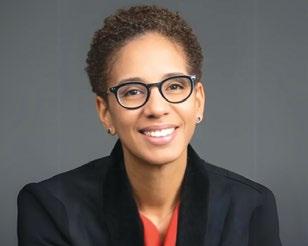
We’re excited to welcome Dr. Tumaini Rucker Coker as JABSOM’s new Pediatrics Chair! Joining us from the University of Washington, Rucker Coker made a name for herself as a leader in health equity and community research.
In her role as the Chief of Pediatrics for Hawaii Pacific Health, Coker will be based at Kapi‘olani Medical Center leading a team of over 200 faculty members and mentoring our students and residents. Her real passion is finding better ways to get healthcare to families in underserved areas.
She’s taking over for Dr. Ken Nakamura, who led the department for 14 years, and she’s already looking forward to working with local communities to keep our keiki healthy and thriving.
Dr. Thomas E. Read Named Surgery Chair
Dr. Thomas E. Read joined JABSOM as our new Surgery Chair last October. Dr. Read comes to us from the University of Florida, and he brings years of expertise in colorectal surgery—specifically for complex cases like rectal cancer.
This is a huge win for Hawai‘i because that kind of specialized care can be really hard to find locally. Besides leading the department at JABSOM, Dr. Read will also serve as the Chief of Surgery for the Queen’s University Medical Group. He’s a past president of the American Society of Colon and Rectal Surgeons and is incredibly passionate about mentoring the next generation of doctors.
The Kauaʻi Family Medicine Residency Program officially launches in 2026
Dr. Tumaini Rucker Coker
Dr. Thomas Read
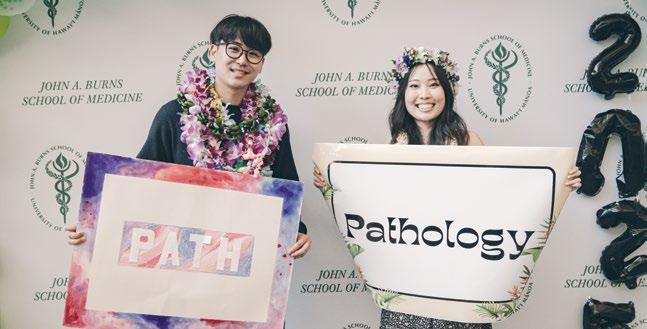
In Tune with Pathology: Dr. Jeffrey Hayashi’s Journey from Music to Medicine
For recent JABSOM graduate Dr. Jeffrey Hayashi, the precision required to repair a French horn is not unlike the attention to detail needed to diagnose a patient. Hayashi, who officially joined the University of Hawai‘i Pathology Residency Program at The Queen’s Medical Center last July, has found a perfect harmony between his love for art, music, and histology. A local boy committed to serving his home, Hayashi discovered his passion for understanding medicine at the cellular level during his third-year rotations, realizing that pathology offered the same fulfillment as his “niche” hobbies of brass instrument repair and patternrecognition games.
His entry into the field comes at a critical time; Hawai‘i currently faces a 43% shortage of pathologists. Alongside fellow alumna Dr. Carley Kida, Hayashi is helping to fill this gap. Moving beyond the historical stereotype of autopsies, modern pathology is a hightech, scientific field that drives other specialties forward through molecular markers and precise sequencing.
For Hayashi, the ability to see what others can’t—identifying cancers and clear margins to guide surgical teams—is a rare talent that makes the field both exciting and invaluable to Hawai‘i’s healthcare landscape.
Family Medicine Celebrates a Milestone
The JABSOM Family Medicine Residency Program recently marked three decades of transforming primary care in Hawai‘i, celebrating thirty years of dedication to the health of the islands’ families. Since its inception in 1994, the program has served as a vital solution to the state’s physician shortage, training more than 200 family physicians who are uniquely equipped to navigate the cultural and medical landscape of the Pacific.
Scan
The program’s impact is felt most deeply in its remarkable retention rate, with approximately 80% of its graduates choosing to remain in Hawai‘i to practice medicine. This success was highlighted during a milestone anniversary celebration that brought together generations of alumni, including Associate Dean for Academic Affairs, Lee Buenconsejo-Lum, a member of the program’s inaugural class. From its early roots in Wahiawa to its current home at Pali Momi Medical Center, the residency has evolved into a powerhouse of community-based care. As it enters its fourth decade, JABSOM Family Medicine remains steadfast in its mission to cultivate compassionate “homegrown” doctors who provide essential care to underserved and rural communities across the state.
“Over the last three decades, our Family Medicine Residency Program has made a tremendous impact on the state,” said JABSOM Dean Sam Shomaker. “FMRP provides the opportunity for our homegrown physicians to stay in Hawai‘i to practice and provide care for their communities.”
Drs. Jeffrey Hayashi and Carley Kida entered the UH Pathology Residency Program in 2025
Family Medicine physicians at the 30th Anniversary of the Residency Program
“It’s so important to me to stay home here in Hawaiʻi and take care of the patients I want to help in the future. I plan to stay home and hopefully move to a neighbor island.”
~ Amanda Tsuhako
6
6
A Return to Tradition for “Silent Teachers”
The sounds of bagpipes returned to Magic Island for JABSOM’s annual Willed Body Ceremony, marking the first time the community has gathered in person for the event since the COVID-19 pandemic. Students honored 124 “silent teachers” with a traditional paddle out, a poignant moment of gratitude for those who donated their bodies to medical science. This ceremony provided a rare opportunity for students to meet donor families and pay respects to those whose gift is foundational to their medical education.
For families, the in-person tribute was a vital chance to say goodbye. Jed Davis, a relative of a donor, shared that the care shown by students and staff “means the world to all of us,” noting there is no better program to honor such a selfless choice.
“Students know from day one that the silent teacher is
somebody’s aunt or uncle or brother or cousin, but to see the families and to see how impactful the service is for them, I think is rewarding to both ends,” said Willed Body Program Director Steven Labrash.
Dr. Kanoho Hosoda Honored for Trailblazing in STEM
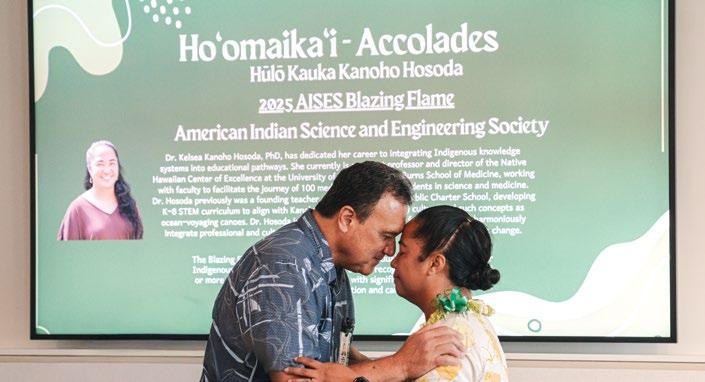
Dr. Kanoho Hosoda was recently named the recipient of the American Indian Science and Engineering Society’s (AISES) Blazing Flame Professional award, a prestigious honor recognizing her decades of dedication to mentoring Indigenous
students in STEM. This award marks a full-circle moment for Dr. Hosoda, who co-founded the first AISES student chapter at the University of Hawai‘i at Mānoa as an undergraduate and has since become a driving force for Native Hawaiian and Pacific Islander representation within the national organization.
Throughout her career, Dr. Hosoda has been instrumental in reshaping policy to ensure that scholarships, internships, and professional development resources are accessible to Hawaiian and Pacific Islander students. Her efforts over the last 12 years have impacted at least 100 students, many of whom have transitioned into successful careers in research and medicine. Today, she continues this mission through initiatives like the Kauhale Medical Scholars program, which supports pre-med undergraduates from Hawa‘i’s neighbor islands and public schools.
2025 Willed Body Ceremony
Dr. Keaweʻaimoku Kaholokula honors Dr. Kanoho Hosoda with the Hawaiian greeting, “ha”
Scholarships: Investing in Our Future
JABSOM is creating opportunities to ensure that a medical degree is an attainable dream for all.
When David Horio, MD, F(ACHI), ‘69 decided he wanted to become a doctor, he didn’t have to think about whether he could afford the cost of medical school. There were no financial barriers standing between him and his dreams. When he enrolled at JABSOM in 1965, the cost of tuition and fees was just $208. In today’s dollars, it would equate to $1,830.
That’s not the reality for students today. Educational costs have skyrocketed and a medical degree often comes with crippling debt. Many aspiring doctors have to grapple with whether they can afford their dreams. That same tuition and fees is now $37,444. And the cost-of-attendance for a first-year medical student is $73,950, if they live off campus. That number has jumped nearly $10,000 since 2018.
But JABSOM is committed to creating a path to medical school for any student in need, with the help of scholarships, financial opportunities, and donors like Horio, who want to ensure that a medical degree is attainable for all.
A whopping 93 percent of students at JABSOM receive some form of financial aid or scholarships - and JABSOM is equally committed to reducing the debt burden for graduates. 47 percent of JABSOM graduates leave school with no medical debt at all, which puts JABSOM in the 90th percentile for all medical schools. This a huge improvement over the last decade, as 76.5 percent of graduates left with medical education debt in 2018. Of the current students who do leave with some debt, the average amount of debt is $152,127 which is below the 20th percentile for medical school graduates.
Horio is now an assistant professor in JABSOM’s pathology department and established the Shigeru and May Horio Memorial Scholarship Endowment in 1976 to provide financial assistance to medical students so that no student was
shut out from medical school based on financial need. The scholarship fund honors his late parents, who were strong proponents of medical education.
“I understand how difficult it is for students to be able to pay for medical school,” he said. “And I want them to have the same opportunities that I had, especially if they don’t have the resources to attend medical school.”
Horio also hopes that scholarships enable JABSOM graduates to pursue less lucrative, but much-needed careers in medicine, like primary care in Hawai‘i.
“We really need primary care physicians here but unfortunately, that path is not as high paying as other specialties,” said Horio. “Having scholarships lessens the debt for recipients and makes it possible for them to do what they really want to do, without needing to think as much about a paycheck.”
Dr. David Horio
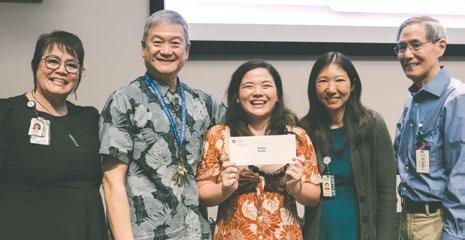
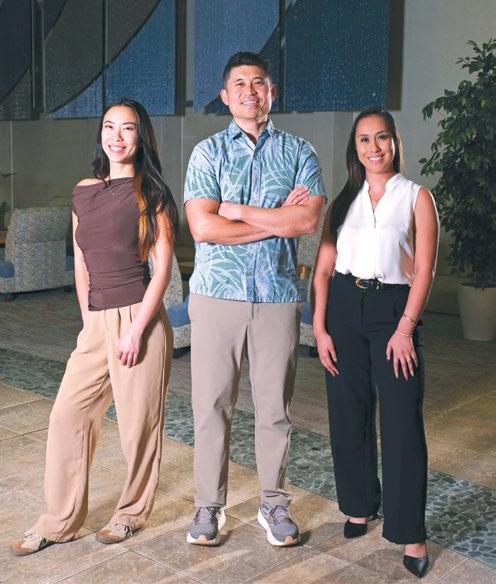
L to R: Medical students Mason Caldwell, Tyler Shimabukuro, Cameron Nishida, Christian Llantero, Madison Balish, Maya Matsubara, Jasmine Davis
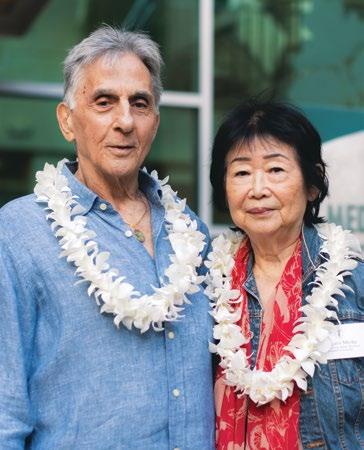
Margaret and Robert Mirsky also established a scholarship to help boost the number of medical providers in Hawai‘i. They’ve lived in the state since 1983 and wanted to honor their late daughter, who passed away in July 2023, by supporting talented students who could help boost the number of practicing physicians in the community.
“We love living here and feel that we really need doctors in our community more than anything else,” said Margaret Mirsky. “Illness touches so many of us and it can be such a mystery when people get sick and we need more people who can help families navigate that challenge. We want to give back and give a future to this community.”
Many of JABSOM’s financial assistance programs aim to serve the communities of Hawai‘i and to empower students to give back to the places and people they love. Several of the financial aid and scholarship programs at JABSOM are strategically designed to expand access to health care in Hawai‘i and ensure that graduates who want to serve their home communities can afford to do so.
“Scholarships are not only critical to keeping JABSOM affordable, but they also help retain the physicians we train. By reducing the financial burden on our students, we increase the likelihood that they will build their lives and careers here rather than relocate to the continent, where the cost of living is often lower,” said Sam Shomaker, MD, JD
The following is a sampling of some of the financial opportunities at JABSOM that are serving students - and the state of Hawai‘i.
Keeping Doctors in Hawai‘i
As Hawai‘i continues to grapple with a physician shortage, many of the financial opportunities at JABSOM are designed to address this challenge. Around 22 percent of JABSOM scholarships include a service commitment to Hawai‘i. In 2026, 70 scholarship or financial recipients have committed to practicing medicine in Hawai‘i. Less than ten years ago, that number was zero.
The Freeman Foundation is increasing the number of practicing doctors in Hawai‘i by offering financial support to JABSOM graduates who start their careers in Hawai‘i. The program has partnered with JABSOM since 2020 and has supported 18 graduates with a total of over $700,000 in awards towards their student loans if they practice medicine in Hawai‘i for at least two years following their residency or fellowship program. Like, JABSOM graduate Shelley Wong, MD, who was born and raised in Honolulu and wants to care for the people and communities who have shaped her medical career.
Wong is able to start her career in child and adolescent psychiatry in Hawai‘i thanks to a Freeman Foundation award.
The Nohara-Abaya Geriatrics Fellowship Award is removing the financial barriers for those seeking to care for kūpuna. This award supports young doctors who want to work with the elderly population. Hawai‘i’s aging population is outpacing that of the rest of the country - and is only continuing to grow. Today, around 21 percent of Hawai‘i’s population is 65 or older, but by 2035, nearly one-third of the state’s residents will be age 65 or older. This reality is rapidly increasing the need for specialized healthcare for the geriatric community. Trace “Kaimana” Kalei, MD, who grew up in Hawai‘i and graduated from JABSOM wants to care for the senior members of his community. This award has helped him offset the high cost of education, residency, and a fellowship so he can afford to pursue the career he wants and help fill this need for Hawai‘i’s aging population.
The Kaua‘i Medical Training Track aims to expand access to rural and underserved communities in Hawai‘i, where there’s a shortage of healthcare providers. Due to the lack of both primary and specialty healthcare providers on neighbor islands, seeking care is costly and the delayed
Robert and Margaret Mirsky
Dr. Shelley Wong
access to care results in poor health outcomes. The Kaua‘i Medical Training Track is tackling this problem by integrating our students into the Kaua‘i community. The majority of their medical education and training is done on Kaua‘i so they are ready to serve the population on the Garden Isle and other neighbor islands upon returning from residency. The program provides a full, four-year scholarship to JABSOM to six students who return to Kaua‘i for at least four years after residency to practice. In the near future, this program will have produced an estimated 30 JABSOM-trained physicians who will be ready to care for the people of Kaua‘i.
Expanding Health Care in Hawai‘i
To address the growing shortage of medical practitioners in Hawai‘i, JABSOM developed the the Healthcare Education Loan Repayment Program (HELP) in collaboration with the Healthcare Association of Hawai‘i and the Department of Health to repay student loan debt for health professionals who are licensed or certified to provide care to patients in Hawai‘i. The $30 million financial aid program is funded by the Hawai‘i State Legislature and provides loan repayments up to $50,000 for healthcare professionals who commit to practicing in Hawai‘i for at least two years.
Partn ering with Health Organizations to Make Dreams Come True
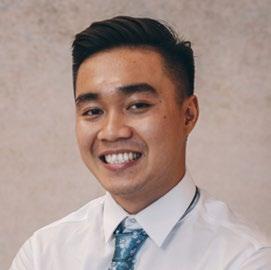
When Quan Lac’s grandmother got sick, an emergency room doctor talked his family through her condition and the treatment she would need. Despite the fact that some of his family members speak limited English, the doctor was able to deliver a clear explanation and ease the immense stress they were feeling. That was the moment Lac knew he wanted to go into medicine himself - so he could play that role for other families. He wanted to go to JABSOM and stay in Hawai‘i, because he wanted to serve the community that raised him. There was just one problem: the cost of tuition. Lac’s family moved to Hawai‘i from Vietnam when he was a toddler. His parents didn’t speak any English and neither had finished middle school. When he was accepted with a full-tuition scholarship from Kaiser Permanente, he knew he could make his dreams a reality. The scholarship from Kaiser Permanente is one of many scholarships that are making medical school a reality for students like Lac, who have all the talent, drive, and belief they need to succeed in the medical field and just need some financial assistance to make their dreams come true.
Scan to watch Quan’s video
Quan Lac
KMTT students on Kauaʻi
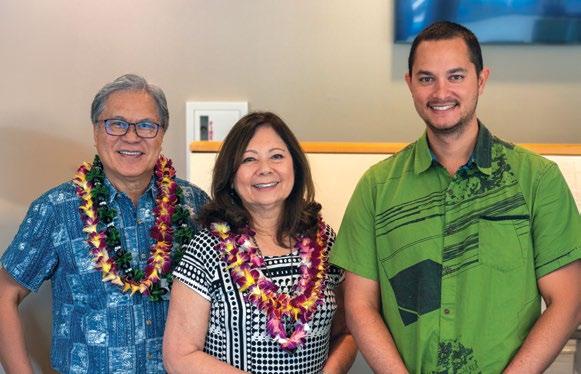
Anne and Allen Abaya with Dr. Trace Kaimana Kalei
Zoey Simmons and the Full-Circle Impact of JABSOM’s MDT Program
Adecade after first stepping onto the JABSOM campus as a high school senior, Zoey Simmons has returned to the Medical Diagnosis and Treatment (MDT) Summer Program, this time as a second-year medical student and mentor. Her journey from a Mililani High School participant in 2015 to a co-chair of the Neighbor Island Medical Scholars Program (NIMSP) in 2025 highlights the long-term success of JABSOM’s educational pipeline. The weeklong MDT program provides high schoolers with a comprehensive “mini medical school” experience, featuring simulated patient encounters, anatomy laboratory demonstrations, and problembased learning sessions that allow students to test their clinical skills and human interaction in a medical setting.
For Simmons, the program was a defining
moment that solidified her commitment to medicine and eventually led her back to JABSOM for her doctoral studies after completing her undergraduate degree at UH Mānoa. Now a medical student, she is dedicated to paying it forward by serving as a student guide for MDT students.
“One of the reasons why I want to go into medicine in the first place is to be able to leave long-lasting positive impacts on people’s lives,” said Simmons. “I feel like there are so many different things that brought me to be able to sit in this chair today– MDT definitely being one of them. I just believe that you should try and go back and pay it forward or pay it back.”
Scan to watch Zoey’s video
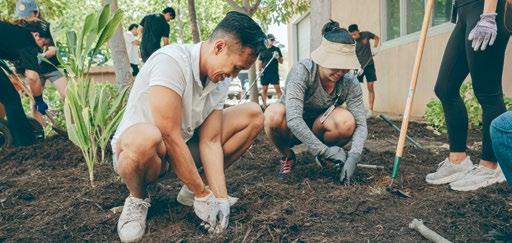
Students and Faculty Restore Campus
How often do you see medical school students getting their hands dirty by cleaning up the campus? Back in August, dozens of students did just that as they built on the lessons of the annual Climate Change Symposium, JABSOM students gathered for the hands-on campus cleanup and native replanting event. This initiative, led by the student interest group Medical Students for a Sustainable Future
and faculty mentors, transformed the Kaka‘ako campus through the collective effort of students working within their moku, or Learning Communities. By planting native species and restoring the grounds, participants put the principle of mālama ‘āina into practice, treating the campus as a “second home” that requires careful stewardship.
The hands-on work provided a unique opportunity for students to bond with their peers and mentors outside the traditional clinical setting while contributing to a more sustainable and functional campus environment.
“It’s so closely tied into who we are,” Dr. Martina Kamaka said. “We teach students about the importance of connection to the ‘āina. They heard today about how important it is to take care of our planet, not only for the future but also for themselves and their patients. This all just goes hand in hand.”
Organizers hope to establish this day of service as an annual tradition, further ingraining the spirit of community and cultural responsibility into the medical school experience.
Second-year students Aljay Carnate and Raelynn Chu participate in a campus-wide cleanup
Second-year student Zoey Simmons trains the next generation of healthcare workers at MDT
Expanding Rural Health Access on Maui
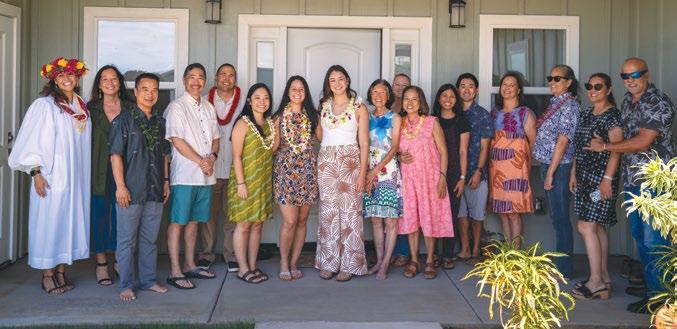
Adedicated housing initiative in Kahului is providing medical students and residents with rent-free accommodations while completing clinical rotations on Maui. Established through a broad collaboration with JABSOM, Maui County, Maui Health, the Hawai‘i Community Foundation, Kaiser Permanente, and the Maui Health Foundation, the four-bedroom home eliminates the financial and logistical barriers that previously prevented many students from training on the Valley Isle. The “Maui House” replaces a former patchwork system of informal host homes, offering a stable environment just minutes from Maui Memorial Medical Center for up to seven trainees at a time.
By providing affordable transitional living, the initiative serves as a critical tool for recruiting and retaining the next generation of healthcare providers in rural settings. The program allows students to fully immerse themselves in the Maui community, gaining firsthand understanding of local health challenges and the unique demands of neighbor island medicine. JABSOM leaders hope this early exposure will inspire more graduates to return to Maui as permanent physicians, ultimately
strengthening the island’s healthcare workforce. Supported by the Friends of the Medical School for upkeep and rent, the house is expected to host at least a dozen students annually, fostering a sustainable pipeline for rural healthcare excellence in Hawai‘i.
“If we didn’t have this house, I don’t think I would’ve been able to come to Maui,” said Angela Phillips, a
Inaugural Disability Day
JABSOM student living in the home. “It allows us to fully immerse ourselves in the community without the financial burden.”
Scan to watch video
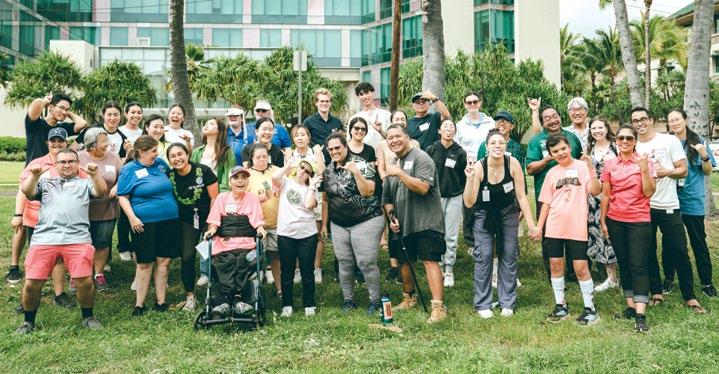
JABSOM recently held its first-ever Disability Day, a student-led initiative designed to integrate specialized disability education into the medical curriculum. Organized by MD students Lauren Sternberg, Michelle Kimura, and Riley Parks, the event connected second-year students with community partners like Special Olympics Hawai‘i and Assistance Dogs of Hawai‘i. Through interactive panels and activities like unified bocce ball, future physicians learned practical strategies for providing more inclusive, empathetic care. This milestone event reinforces JABSOM’s commitment to preparing graduates who can effectively serve and advocate for patients of all abilities throughout Hawai‘i.
Students and community partners at the Maui House dedication
JABSOM medical students with Special Olympics staff and athletes at the inaugural Disability Day
Endowed Professorship Honors
OB/GYN Pioneer
Anew chapter in Hawai‘i’s medical history has been written with the establishment of the John A. Krieger Endowed Professorship within JABSOM’s Department of OB/GYN and Women’s Health. Created by Linda Krieger to honor her father’s pioneering spirit, the professorship ensures that Dr. Krieger’s commitment to medical education will support generations of physicians to come.
Dr. Krieger arrived in Hawai‘i in 1963, a time when the state faced a critical shortage of OB/GYNs. Despite years of experience, he humbly re-entered residency training to meet local licensing requirements. He eventually became a cornerstone of JABSOM’s residency program, fostering a multicultural and community-focused approach to care.
“I wanted the memory of what my father set up here to be preserved,” Linda shared. “Of all the things I thought about making an endowment for, this really was the place that spoke to me.”
The inaugural honor was awarded to Dr. Lynne Saito-Tom, a Wahiawa native whose own journey reflects the transformative power of education. The first physician in her family, Dr. Saito-Tom views the professorship as a way to honor both Dr. Krieger’s legacy and her own family’s sacrifices.
“Dr. John Krieger developed a strong curriculum for residency training, and I plan to utilize this endowment to advance medical education,” said Dr. Saito-Tom. “I hope to create an innovative curriculum for learners, support trainees in their pursuit of medical education endeavors, and enhance faculty development.”
Dr. Kimberly Kho Receives New Advanced Gynecological Surgery Professorship
JABSOM’s Department of OB/GYN and Women’s Health has reached a new milestone in its mission to provide world-class care for women in the state. Following the department’s strategic investment of its clinical reserves, Dr. Kimberly Kho has been named the
inaugural recipient of the Advanced GYN Surgery Professorship.
While JABSOM has long excelled in GYN Oncology, a gap remained in specialized expertise for complex, noncancerous (benign) conditions.
Issues such as uterine fibroids, endometriosis, and chronic pelvic pain affect thousands of women across the islands, often causing significant morbidity.
Dr. Kho is a nationally recognized leader in Minimally Invasive Gynecologic Surgery and she will lead a new program designed to elevate resident training
by providing JABSOM residents with hands-on experience in advanced surgical techniques and chronic pain management. Dr. Kho’s appointment will also improve local access by ensuring patients can receive high-level specialized care in Hawai‘i rather than seeking treatment on the continent.
“This endowment is a step towards filling a major void in Hawai‘i’s health care system,” Dean Sam Shomaker said. “Having a nationally recognized expert in this area, right in our backyard, will improve clinical care and give OB/GYN residents the training they need to help Hawai’i’s women as they go into practice in our community.”
Dr. Kimberly Kho Named to New Advanced GYN Surgery Professorship
Dr. Linda Kreiger with Dr. Lynne Saito-Tom
Helmsley Charitable Trust Awards Over $1 Million to Elevate Medical Training
At the end of the year, JABSOM received a significant grant of just over $1 million from The Leona M. and Harry B. Helmsley Charitable Trust to transform medical education and simulation training across the state. This funding is part of a larger $2.2 million investment in the University of Hawai‘i aimed at strengthening the islands’ healthcare workforce and infrastructure.
At JABSOM, the grant will be utilized to upgrade state-of-theart equipment that ensures students and residents have access to the most advanced learning tools available, regardless of their location.
Starting from the Inside Out
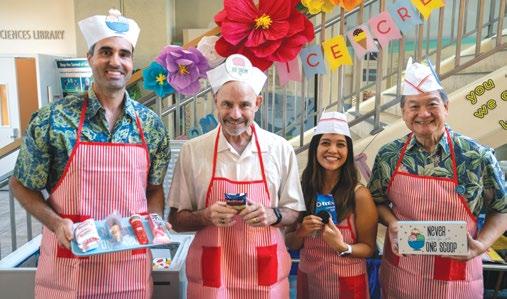
This year JABSOM’s Internal Giving Campaign achieved recordbreaking participation, raising $842,553 from 453 faculty and staff donors. Since launching 17 years ago, the campaign has raised more than $9.8 million in total. Faculty and staff continue to give to the areas of the school that matter most to them, supporting more than 110 unique funds across the medical school. Their generosity is further amplified through matching gifts from executive leadership, including Dean Sam Shomaker and 2025 IGC Co-Chairs Dr. Danny Takanishi and Dr. Scott Kuwada.
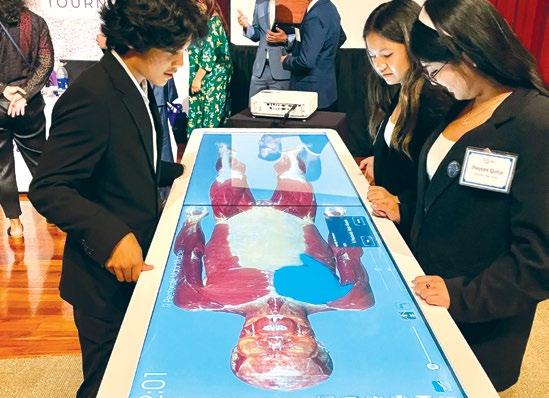
A primary highlight of this investment is the acquisition of Anatomage Tables, which provide virtual dissection systems based on real human anatomy. Because these tables are mobile, they allow our school to extend high-level anatomy education to trainees on the Neighbor Islands, ensuring equitable access to resources for those learning in rural areas.
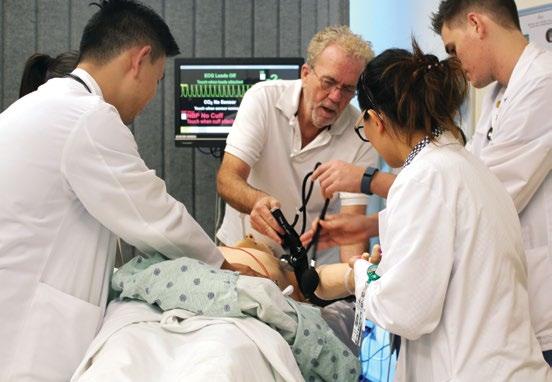
JABSOM’s SimTiki Simulation Center will also see new technology upgrades as the grant also funds portable ultrasounds and advanced procedural models, which are essential for hands-on training in complex tasks such as thoracentesis and paracentesis.
JABSOM holds simulation trainings for students and medical professionals
2025 IGC Ice Cream Kick Off event
An example of an Anatomage Table being used
‘Imi Ho‘o la founder Dr. Benjamin Young
In a moving tribute to a cornerstone of its history, JABSOM recently dedicated a classroom in the Medical Education Building to Dr. Benjamin Young. A founding faculty member of the ‘Imi Ho‘ōla PostBaccalaureate Program and a former Dean of Students, Dr. Young is widely recognized as a pioneer who shaped the school’s commitment to diversity and the health of Native Hawaiians.
The dedication ceremony brought together the JABSOM, ‘Imi Ho‘ōla, and Young ‘ohanas to celebrate a man who has mentored generations of physicians. As the first Native Hawaiian psychiatrist, Dr. Young’s influence extends far beyond the classroom; he was instrumental in creating pathways for underrepresented students to enter medicine and was a vocal advocate for integrating Hawaiian cultural values into clinical practice.
The newly named Dr. Benjamin Young ‘Imi Ho‘ōla Classroom serves as a permanent reminder of his “Medicine with Aloha” philosophy. By honoring his decades of service, JABSOM ensures that his legacy of compassion, cultural humility, and dedication to the underserved will
Program founder Dr. Benjamin Young looks at the plaque in the ʻImi Hoʻōla Classroom, which is dedicated in his honor
continue to inspire future medical students as they begin their own journeys toward healing the people of Hawai‘i. Osamu Fukuyama and Dr. Kosasa contributed to the first endowment for ‘Imi.
The H.O.M.E. Project Celebrates 20 Years
The Houseless Outreach and Medical Education (H.O.M.E.) Project is marking a significant milestone this year, celebrating two decades of delivering vital healthcare to Hawai‘i’s most vulnerable populations. Founded in 2005 by Dr. Jill Omori, the initiative began as a humble tent
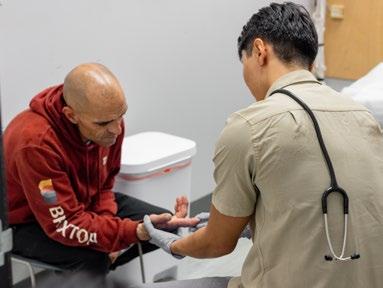
clinic and has since blossomed into a sophisticated operation featuring multiple mobile units and a permanent clinic in Iwilei. By bringing free medical services directly to shelters and streetside locations, the H.O.M.E. Project provides essential care while simultaneously reducing the strain on local emergency departments.
Beyond its clinical impact, the project serves as a cornerstone for medical education at JABSOM, offering students invaluable first-hand experience in treating underserved communities. Participants like thirdyear student Philip Lee emphasize that the program teaches to focus on the person rather than just the disease. From providing specialty wound
care and psychiatric services to organizing annual drives for school supplies and holiday essentials, the H.O.M.E. Project continues to prove that health is intrinsically linked to well-being, dignity, and community connection.
“For a long time we were the only ones that were providing truly free care,” Omori said. “I think the community health centers do a wonderful job in servicing our underserved population, but there’s always going to be patients that kind of fall through the cracks and that don’t receive the care that they need, so I think that our program fills a very big need in our community.”
Scan to view H.O.M.E. Gala photos
H.O.M.E. Project has turned into a seven-day operation
MILESTONES AND ACCOLADES
JABSOM Secures Elite National Ranking
AsJABSOM celebrated its 60th anniversary, we continue to solidify our reputation as a national leader in medical education. In the 2025 U.S. News & World Report “Best Medical Schools” rankings, JABSOM was once again placed in the elite Tier 1 category for Primary Care, a distinction shared by only 15 other prestigious schools across the country. This marks the sixth time in eight years that the school has landed in the top quartile of all ranked institutions, reinforcing its role as a premier destination for future physicians.
This national recognition reflects JABSOM’s unwavering commitment to addressing the critical healthcare needs of Hawai‘i. An impressive 66 percent of the Class of 2025 will enter primary care specialties this year, and data from the Association of American Medical Colleges (AAMC) shows that JABSOM graduates are significantly more likely to practice in underserved communities than the national average. On the research front, the school maintained a strong Tier 2 ranking, continuing its leadership in the Pacific with a focus on health disparities, aging, and infectious diseases.
Dr. Lee Buenconsejo-Lum Named 2025 Family
Physician of the Year
Dr. Lee Buenconsejo-Lum has been serving Hawaiʻi patients for more than 30 years
Dr. Lee Buenconsejo-Lum, Associate Dean for Academic Affairs, has been honored as the 2025 Family Physician of the Year by the Hawai‘i Academy of Family Physicians. This prestigious award recognizes a local physician
whose dedication to patient care and community leadership has made a profound impact on the islands. A Wahiawa native and a member of JABSOM’s inaugural Family Medicine Residency cohort, Dr. BuenconsejoLum has spent her career as a champion for rural health and medical education, previously serving as the school’s Designated Institutional Official.
Colleagues and former students describe her as a tireless mentor and an exemplary leader who has shaped the future of primary care in the Pacific. Upon receiving the award, Dr. Buenconsejo-Lum emphasized that family medicine remains her anchor.
“I’m humbled to receive an award for something that continues to bring me such joy. No matter how hectic life gets, I still enjoy seeing my patients, and they help center me,” Buenconsejo-Lum
said. “The work of Family Medicine is especially important during this time of rapid change. It’s critical that we provide continuity, stability, and a holistic approach to patient care because that’s what our patients deserve.”
“ “
I’m humbled to receive an award for something that continues to bring me such joy. No matter how hectic life gets, I still enjoy seeing my patients, and they help center me.
~ Dr. Lee Buenconsejo-Lum
JABSOM continues to rank in the Tier 1 category for Primary Care according to the U.S. News & World Report
Dr. Allen Hixon Named 2025 Physician of the Year at Pali Momi
Dr. Allen “Chip” Hixon, Chair of JABSOM’s Department of Family Medicine and Community Health, was recently honored as the 2025 Physician of the Year at Pali Momi Medical Center. This Hawai‘i Pacific Health award recognizes Dr. Hixon’s pivotal leadership in strengthening the partnership between JABSOM and Pali Momi. Under his guidance, the program has flourished as a cornerstone of primary care training, supported by a diverse network of specialists dedicated to mentoring the next generation of doctors.
Colleagues praised Dr. Hixon for his “steady hand” and his focus on
building individual relationships throughout a period of rapid growth for the department. As the residency prepares to expand to Kaua‘i next year, this honor highlights Dr. Hixon’s enduring commitment to primary care as the essential foundation of Hawai‘i’s healthcare system.
“Folks have come to know that primary care is really the foundation for the healthcare system and that we need to continue to work to train bright young doctors and family medicine residents to work not only here on O‘ahu but throughout the state to support the health of the people of Hawai‘i,” Hixon said.
Student Honored with National Public Health Award
U.S.
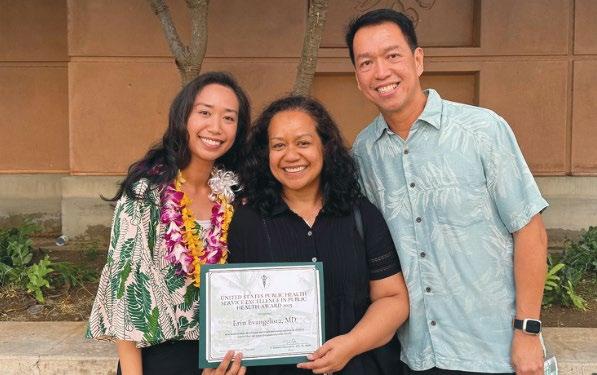
JABSOM 4th-year medical student Erin Evangelista was recently recognized with the prestigious Excellence in Public Health Award from the U.S. Public Health Service (USPHS). A member of the inaugural Kaua‘i Medical Training Track (KMTT), Evangelista was honored for her “visions
in optimizing health education” and her deep commitment to addressing healthcare disparities in rural communities.
While living and training on the Garden Isle through the KMTT—an immersive program funded by a $10 million gift from the Chan Zuckerberg Initiative, Evangelista identified a critical need for better health resources for local youth. This led her to launch the Kaua‘i Health Education Initiative, a program designed to provide high school students with the health education and career exposure often more accessible to students on O‘ahu. Her passion for rural medicine is shaped by her early life in the Philippines and her prior service with the USPHS in South Dakota, where she worked on Indian Health Reservations.
The award highlights Evangelista’s role as a bridge between medical training and community advocacy. As she nears the completion of her medical degree, her goal remains centered on the people of the Garden Isle: she hopes to remain on Kaua‘i to practice as an OB/GYN, continuing to build the local healthcare infrastructure and inspire the next generation of island physicians.
Erin Evangelista and her parents after she received the
Public Health Service Award
Dr. Allen “Chip” Hixon is the 2025 Physician of the Year at Pali Momi
MILESTONES AND ACCOLADES
UH Hyperbaric Treatment Center Celebrates 40 Years of Lifesaving Service
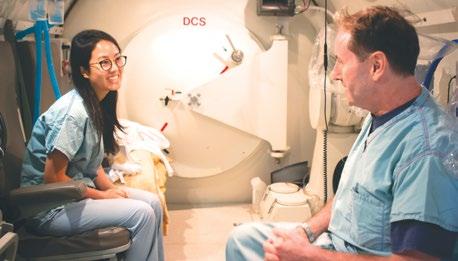
The University of Hawai‘i Hyperbaric Treatment Center (HTC) recently marked its 40th anniversary of providing specialized, life-saving care to Hawai‘i and the Pacific. Managed by JABSOM and located at Kuakini Medical Center, the HTC remains the only facility in the region capable of treating critically ill dive accident victims and carbon monoxide poisoning cases 24/7.
Beyond emergency decompression treatments, the center is a vital resource for hyperbaric oxygen therapy, helping patients recover from non-healing wounds,
Dr. Royce Shimamoto, president of the
8 Years:
The UH Hyperbaric Treatment Center has treated more than 40,000 patients in its 40 years of operation
radiation injuries, and thermal burns. Since its opening in 1983, HTC has treated well over 5,000 patients and has completed more than 40,000 individual treatments.
Dr. Thomas Kosasa honored at 2025 White Coat Ceremony
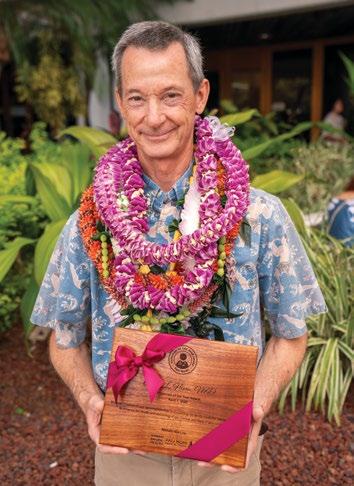
JABSOM recently honored Dr. Thomas Kosasa with the Honorable Judge James S. Burns Award during the annual White Coat Ceremony. This award, given by the JABSOM Friends of the Medical School, recognized a career dedicated to excellence in medicine and profound service to the people of Hawai‘i that spans more than five decades.
A Professor Emeritus and the past
The maximum accreditation period granted by the LCME
“No Gaps”: Zero gaps found in curriculum content
Strong Partnerships: Recognition of JABSOM’s deep ties with Hawai‘i health systems
Financial Health: Confirmation of sound institutional financials
The ‘Ohana Factor: National reviewers specifically noted that JABSOM feels like a family
Chief of Reproductive Endocrinology at JABSOM, Dr. Kosasa’s impact on the islands is immeasurable. During his illustrious career, he delivered over ten thousand babies, bringing hope and starting families for countless couples struggling with infertility. Beyond his clinical achievements, he was lauded for his commitment to education, mentoring generations of medical students and residents at JABSOM.
LCME Highlights
The Liaison Committee on Medical Education (LCME) has fully accredited us for the next eight years, indicating strong confidence in the quality of the state’s only medical degree program. The achievement was a massive undertaking as more than 125 faculty, staff, and community partners spent years in the self-study process and crafted thousands of pages of data. As a mahalo JABSOM Dean Sam Shomaker treated the campus to shave ice and doughnuts!
Friends of the Medical School, bestows the James S. Burns Award to Dr. Thomas Kosasa for his years of service
Growing a New Generation of Neurosurgeons to Serve Hawai‘i
Hawai‘i is currently grappling with a critical shortage of neurosurgeons, a specialty where time-sensitive care often dictates life or death. With an aging workforce and many specialists nearing retirement, JABSOM is spearheading a proactive effort to recruit and train the next generation of surgeons to ensure the state’s 1.45 million residents maintain access to essential care.
A Vision for Sustainability
The initiative was catalyzed by JABSOM alumnus and Clinical Assistant Professor Dr. Thomas Noh, who returned to the islands as a faculty member to find that no new neurosurgeons from JABSOM had entered local practice during his seven-year residency. Recognizing that the shortage would only worsen without intervention, Dr. Noh launched a dedicated mentorship program.
“It was very clear that if we didn’t do something, Hawai‘i wasn’t going to have reliable access to neurosurgeons,” says Noh. By inviting students into his surgical rotations, expanding their professional networks, and involving them in his research lab, he is actively demystifying one of medicine’s most rigorous fields.
Fostering a Sense of Belonging
A core pillar of this effort is increasing diversity. Janette Bow-Keola, a third-year medical student, initially doubted if there was a place for her in neurosurgery as a person from an underrepresented background. Through Dr. Noh’s mentorship, she moved past “imposter syndrome” to find her calling.
Bow-Keola’s passion is rooted in personal experience; diagnosed with Graves’ disease at 13, she saw firsthand how socioeconomic factors influence health outcomes. Today, she is a student leader in neurosurgery research and clinical training. “I want to serve the Native Hawaiian population by addressing disparities and increasing the standard of care,” she says. Like many in this new pipeline, she plans to return to practice in Hawai‘i after completing residency on the mainland.
Breaking Barriers: A Trailblazer in the Field
The program’s impact is already manifesting in historic milestones. Andie Conching, MD ’25, recently became the first known woman of Native Hawaiian descent to enter a neurosurgery residency. Currently training at the University of California, Davis, Dr. Conching’s journey was fueled by JABSOM’s commitment to Native Hawaiian health and the ability to collaborate with local specialists on high-level research.
During her time at JABSOM, she and Dr. Noh presented pediatric research to the Congress of Neurological Surgery, reaffirming her desire to combine specialized surgery with community advocacy. “I can’t wait to not be the first and only woman of Native Hawaiian descent in neurosurgery,” she shares.
The Path Home
Because Hawai‘i does not currently offer a neurosurgery residency, students must leave the state for their final years of training. However, JABSOM is instilling a “return home” ethos that promises a brighter future for the islands.
“That’s a special thing about Hawai‘i,” Dr. Noh explains. “We have an incredible network here. If we keep supporting one another and lifting each other up, it’s going to help us all find a way to come back and take care of each other.”
Dr. Andie Conching, Dr. Thomas Noh and third-year medical student Janette Bow-Keola
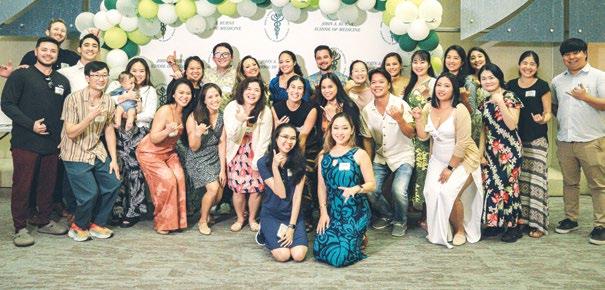
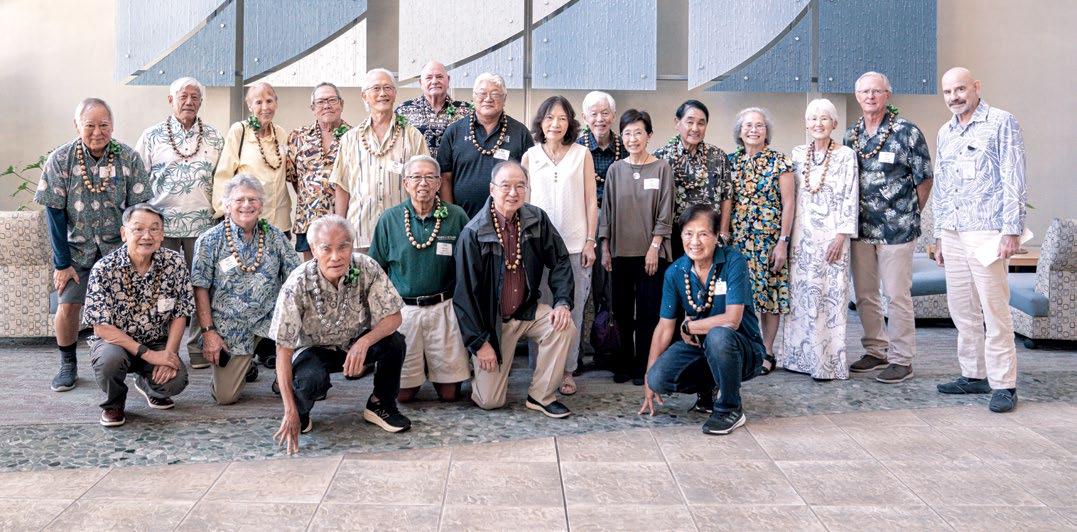
Go back in time with JABSOM’s Classes of 1970-1975, who gathered for a brunch and campus tour in October. Together, they broke bread and shared moʻolelo (stories) about their time as medical students while hearing the vision about JABSOM’s future.
Scan to see alumni photos
Scan to watch alumni video
Mahalo to the Veith History of Medicine Fund
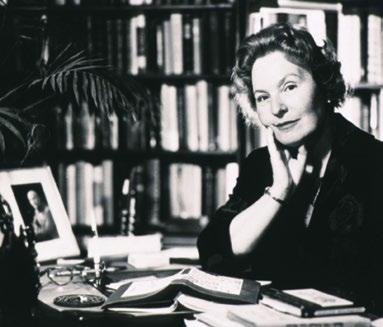
TheJABSOM Lens serves as a snapshot of everything that’s happened on our campus over the last 12 months. Whether you are a JABSOM alumni, faculty, staff or supporter, you are part of our ‘ohana and the Lens keeps us connected. The Lens and other JABSOM milestones would not be possible without the support of Ilza Veith, PhD.
Veith died in 2013 at the age of 101 and we’re celebrating her in the pages of the publication made possible by her contributions. Veith was friends
with some of JABSOM’s forefathers like Drs. Charles S. Judd, Jr., Kekuni Blaisdell and Yoshio Oda. Judd earned a master’s degree in medical history in 1969-70 after studying with Veith, and all three Hawai‘i physicians had a strong interest in medical history. Veith would often visit Hawai‘i and made a bequest in the memory of former JABSOM faculty Charles Sheldon Judd, Jr., MD to start the Veith History of Medicine fund.
Following Veith’s passions, this fund is used to bring JABSOM’s history of medicine come alive through lectures and media. It keeps her memory alive as we continue to chronicle the people and accomplishments that make our medical school so special and share these stories with an audience that extends beyond the walls of our school.
Dr. Ilza Veith
Mahalo and Aloha, Nancy Foster!
After 16 years of steering the financial ship at JABSOM, Nancy Foster retired from her role as Chief Financial Officer and Associate Dean. Joining in 2008, Nancy was instrumental in stabilizing the school’s Practice Plan just before the Great Recession, a move that shielded JABSOM from massive layoffs during a $10 million budget cut. From advocating at the state legislature for a separate budget line to navigating complex operations, she has been a true champion for the school.
Nancy is heading to the Pacific Northwest to be closer to family, but she leaves behind a legacy of resilience and a bright future for our medical students.
Health Sciences Library Welcomes a New Director
Carolyn Dennison is the new Director of JABSOM’s Health Sciences Library (HSL). A familiar face within the University of Hawai‘i system, Carolyn brings decades of expertise in medical and science librarianship, having previously served as the HSL’s interim director and as a longtime Science &
Technology Librarian at UH Mānoa’s Hamilton Library.
In her new role, Carolyn is focused on modernizing library services and ensuring that students, faculty, and researchers have seamless access to the critical digital resources and databases they need to excel.
Dr. Richard Allsopp Retires
After more than 22 years of groundbreaking research, Dr. Richard Allsopp retired last year, Dr. Allsopp has been a global leader in the study of aging and longevity since joining JABSOM in 2003.
Dr. Allsopp’s work focused on the molecular mechanisms of aging, specifically the role of telomeres and telomerase in stem cells.
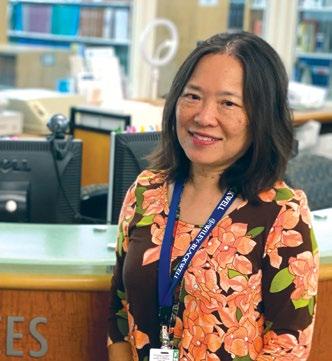
Carolyn Dennison
Dean Sam Shomaker with Nancy Foster
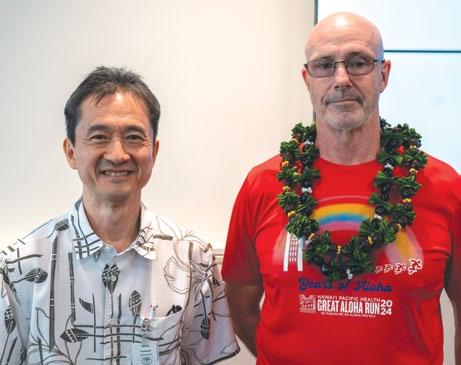
Dr. Takashi Matsui with Dr. Richard Allsopp
Dr. Danny Takanishi Named Director of Student Affairs
Dr. Danny Takanishi has officially stepped into the permanent role of Director of Student Affairs (OSA). After serving as the interim director for nearly a year, Dr. Takanishi is ready to lead the office that supports our students through every step of their medical journey.
A JABSOM graduate himself, Dr. Takanishi is no stranger to our halls. He’s spent over a decade giving back to the school in major ways—serving as the Chair of the Surgery Department for 11 years and most recently as the Interim Associate Dean for Academic Affairs. As a cancer surgeon with deep ties to both local and national medical boards, he brings a wealth of experience that Dean Sam Shomaker calls “the perfect choice” for our students.
UH Foundation Adds Johanna Witt to the Team
Johanna
Witt is JABSOM’s new Associate Director of Development with the University of Hawai‘i Foundation. Johanna joins us from Aloha United Way, where she previously served as a Business Development Manager.
A resident of Hawai‘i for 15 years, Johanna is deeply passionate about education and equity. She is particularly dedicated to her new role, where she will focus on scholarships and community initiatives that expand opportunities for future physicians.
New Leadership for the Department of Psychiatry
After 13 years of transformative leadership, Dr. Anthony Guerrero concluded his tenure as Psychiatry Department Chair. A JABSOM graduate and tireless advocate for mental health, Dr. Guerrero guided the department through a decade of immense growth. His impact was felt across both JABSOM and the community, where he served as the first Chief of the Psychiatry Clinical Program at The Queen’s Health Systems and as a dedicated mentor and Program Director for both the General Psychiatry Residency and Child and Adolescent Psychiatry Fellowship.
Stepping into the role of Interim Chair is Dr. Deborah Goebert, a distinguished tenured professor and a recognized expert in youth-centered suicide prevention. Previously the department’s Associate Chair for Research, Dr. Goebert has been instrumental in securing over $28 million in federal funding for behavioral health research over the last 25 years.
Johanna “Jo” Witt
Dr. Danny Takanishi
Dr. Anthony Guerrero concludes his tenure as chair of the Department of Psychiatry after 13 years
Honoring a Legacy of Discovery
The JABSOM community recently gathered for a memorial seminar to celebrate the lives and enduring legacies of Dr. Diane Wallace-Taylor and Dr. Gordon Wallace. Both esteemed faculty members in the Department of Tropical Medicine, Medical Microbiology and Pharmacology (T3MP), the pair dedicated their careers to advancing global health. Dr. Wallace-Taylor was an internationally recognized malaria researcher and devoted mentor, while Dr. Gordon Wallace conducted pioneering work on tropical diseases, including rat lungworm and toxoplasmosis, throughout the Pacific.
Their commitment to the next generation of scientists continues through the Wallace-Taylor Endowment, which they established to support graduate students in sharing their research at national and international conferences. The tribute highlighted their groundbreaking scientific achievements and their deep-seated belief in the importance of data sharing and mentorship, ensuring their influence will be felt at JABSOM for years to come.
In Memoriam: Dorothy Craven
JABSOM
mourns the loss of Dorothy Craven, former Associate Professor and Interim Chair of Communication Sciences and Disorders (CSD), who passed away at 99. For over 40 years, she shaped generations of speech-language pathologists and was a tireless advocate for state licensure and professional excellence. Her legacy as a compassionate mentor and educator continues through the many lives she touched and the annual Dorothy Craven Research Symposium, which honors her commitment to making effective communication a human right for all.
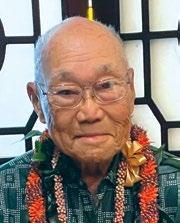
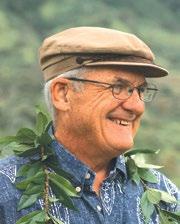
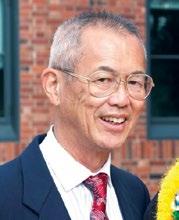
Dr. Walton Shim Dr. Thomas Steward Reppun
Dr. Joel Brown
Kurtis Murata
Dr. Roland F.S. Tam
Dr. Gordon Wallace and Dr. Diane Wallace-Taylor
Dorothy Craven
University of Hawai‘i Foundation
John A. Burns School of Medicine 651 Ilalo Street
Medical Education Building, 223J Honolulu, HI 96813
RETURN SERVICE REQUESTED
Non-Profit Org.
U.S. Postage Paid Honolulu, Hawai‘i Permit No. 9882
ALUMNI SEND US AN UPDATE! WE’D LOVE TO HEAR FROM YOU. Share your latest news and accomplishments and/or update your contact information. Contact Christie Leidholm at christie.leidholm@uhfoundation.or g to stay connected.