UEHIRO CENTER FOR THE ADVANCEMENT OF OCEANOGRAPHY
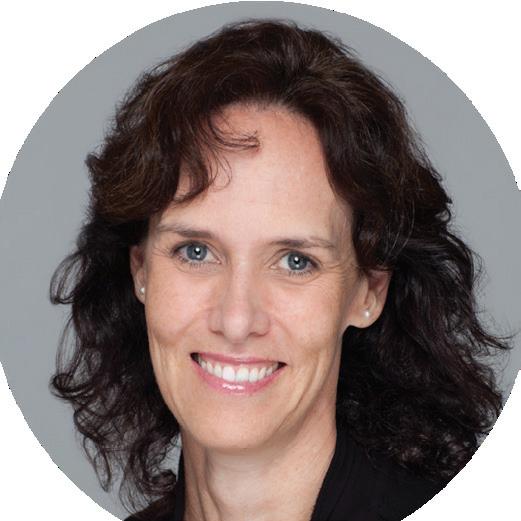
Professor Margaret Anne McManus Director
UEHIRO CENTER FOR THE ADVANCEMENT OF OCEANOGRAPHY
DEPARTMENT OF OCEANOGRAPHY
UNIVERSITY OF HAWAI'I - MĀNOA
HONOLULU, HI 96822 www.soest.hawaii.edu/oceanography/uc-ao
ADDRESSING
PEER-REVIEWED PUBLICATIONS
PUBLISHED
DISSERTATION
AWARDS
As we look back on 2024, the entire team at the Uehiro Center for the Advancement of Oceanography (UC•AO) is deeply grateful for the vision of the Uehiro Foundation on Ethics and Education. Thanks to their support, we have made significant and consequential contributions to oceanographic research and education.
This year, we welcomed two exceptional new faculty members, Dr. Nyssa Silbiger and Dr. Hyodae Seo. Their expertise expands our ability to effectively address the United Nations Sustainable Development Goals. We were also joined by Dr. Sachiko Yoshida, our new researcher and coordinator, whose contributions have already had a significant impact on the UC•AO.
We hosted several dynamic events—including lectures on how science informs policy, the Uehiro-Department of Oceanography graduate student annual symposium, as well as workshops on science communication and career pathways—that have supported the professional growth of our students, faculty, and staff. A major milestone this year was the first dissertation defense by an Uehiro graduate student fellow. Our team also participated in an educational tour of significant Native Hawaiian sites on the University of Hawai‘i at Mānoa campus, further strengthening our connection to the local culture and community.
Beyond our local initiatives, we launched exciting new partnerships with the Okinawa Institute of Science and Technology (OIST) and Hokkaido University. Members of our faculty visited OIST, and we welcomed representatives from Hokkaido University to our campus. These meetings marked the first steps in cultivating these important international partnerships that wil expand our global network and foster meaningful cross-institutional collaborations. Over the past year, our students and faculty have traveled internationally, engaging in oceanographic research and forging enduring alliances with institutions around the world.
It has been a remarkable, exciting, and productive year for the UC•AO, made possible by the unwavering support of the Uehiro Foundation on Ethics and Education. We are deeply grateful for their continued dedication, generosity, and belief in our mission.
Please enjoy the UC•AO Annual Report 2024, which highlights a year filled with scientific adventure, discovery, and accomplishment.
Sincerely,
Professor Margaret Anne McManus Director, Uehiro Center for the Advancement of Oceanography Chairwoman, Department of Oceanography University of Hawai‘i at Mānoa
In 2022, the Uehiro Foundation on Ethics and Education, chaired by Mr. Tetsuji Uehiro, established the Uehiro Center for the Advancement of Oceanography (UC•AO) in the Department of Oceanography at the University of Hawai‘i at Mānoa (UH Mānoa). The Uehiro Foundation on Ethics and Education is a public foundation that has as its mission the provision of moral education, international communication, research advancement, and other related services. The promotion of ethical research and education is at the heart of the Foundation's work.
The Uehiro Center for the Advancement of Oceanography is a nexus of consequential support, resources, and opportunity for faculty and students engaged in vital oceanographic research. The Center offers a venue where discourse and debate are encouraged as a means to advance research and inform policy.
The UC•AO facilitates the realization of research goals detailed in the Department of Oceanography's (2022–2027) Strategic Plan. The plan was prepared collaboratively through interviews, surveys, and three department-wide workshops, involving 123 department members.
The research questions the UC•AO members address are complementary to the United Nations Sustainable Development Goals (UN SDGs). The center director, Uehiro associate professors, department faculty, and Uehiro graduate student fellows meet regularly to discuss and advance their research. The team is integrated with established colleagues and existing partnerships of the Department of Oceanography.
The members of our team bring a wealth of experience and knowledge. They expand the expertise of the Department of Oceanography and integrate cutting-edge research with undergraduate and graduate education. They lead research programs that contribute to our department's strategic goals. As leaders within the UC•AO, our professors and researcher catalyze innovative, interdisciplinary research that addresses consequential scientific questions complementary to the UN SDGs. They are developing and sustaining vigorous, extramurally-supported, collaborative research programs that complement those of the Department of Oceanography. They teach and mentor students in both the graduate Oceanography and undergraduate Global Environmental Science programs, and provide services to our department, school, university, and the larger scientific community.
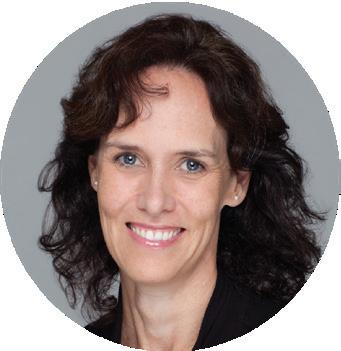
Dr. Margaret McManus is the director of the UC•AO and the chairwoman of the Department of Oceanography at UH Mānoa. Dr. McManus is a tenured, full professor, with 36 years of experience. She heads an established, internationally recognized research program, has received accolades for her excellence in research, teaching, and mentoring, and has held key leadership positions in the Department of Oceanography, and the School of Ocean and Earth Science and Technology (SOEST), UH Mānoa, and in the national and international oceanographic communities. Dr. McManus earned a BA in environmental science from the University of Virginia, an MS in oceanography from Old Dominion University, and a PhD in oceanography from the Center for Coastal Physical Oceanography, Old Dominion University.
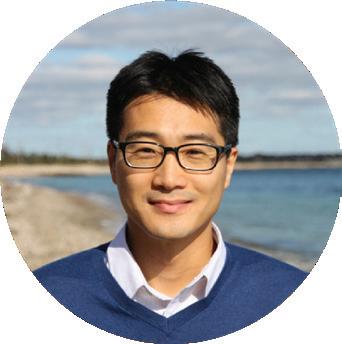
Dr. Hyodae Seo is an Uehiro associate professor in oceanography and associate director of the UC•AO. As a physical oceanographer and climate scientist, his research focuses on ocean-atmosphere interactions that influence ocean circulation and extreme weather and climate events. Using cutting-edge, high-resolution modeling, geophysical fluid dynamics theories, and observational analyses, he contributes to sustainable ocean observing and model improvement strategies, while also engaging with the public on issues related to ocean sciences, climate change, and ocean-based renewable energy. Dr. Seo holds a BS in atmospheric sciences from Yonsei University and a PhD from Scripps Institution of Oceanography. His achievements include the Office of Naval Research Young Investigator Award and NOAA Climate and Global Change Postdoctoral Fellowship.
” The UC•AO fosters collaborative knowledge exchange across diverse scientific disciplines, allowing me to extend the impact of my research beyond ocean and climate sciences. The Center's strong emphasis on outreach, education, and public engagement ensures that scientific discoveries from my work are effectively communicated to policymakers, educators, and the broader public. This engagement enables me to translate research findings into practical solutions that enhance climate resilience and drive sustainable ocean-based renewable energy development.
– Dr. Hyodae Seo
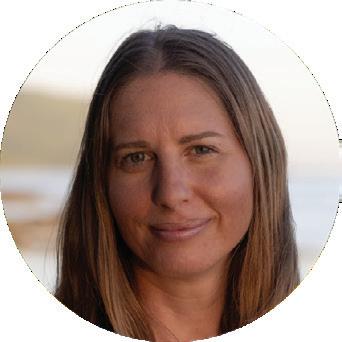
Dr. Nyssa Silbiger is an Uehiro associate professor in oceanography and associate director of the UC•AO. As a quantitative marine ecologist, she specializes in coastal ecology, oceanography, applied biogeochemistry, and global change ecology. An avid scuba diver, she conducts research on coral reefs and coastal ecosystems worldwide. Dr. Silbiger is dedicated to advancing data science literacy and fostering an inclusive scientific environment. She holds a BS in biological sciences from Florida State University, an MS in marine sciences from the University of North Carolina at Chapel Hill, and a PhD in zoology from the Hawaiʻi Institute of Marine Biology at UH Mānoa. Her distinguished accomplishments include the International Coral Reef Society Early Career Award, NSF CAREER Award, and CSU Northridge Outstanding Faculty Award.
”
Long-term studies are needed now more than ever to address the climate crisis. Because of the support for the UC•AO, we will be conducting transformative research related to the impacts of climate change on coral reefs. I am looking forward to both having a deeper understanding of climate change impacts and a greater ability to provide advice on how to protect one of our most valuable ecosystems.
– Dr. Nyssa Silbiger
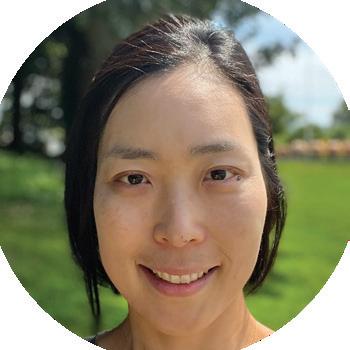
Dr. Sachiko Yoshida is an Uehiro associate researcher in oceanography and the coordinator of the UC•AO. As a physical oceanographer, her research focuses on understanding ocean dynamics, large-scale circulation systems, and the physical processes that contribute to the observed changes in water mass characteristics. Using extensive ocean observation data, she investigates longterm climate-related abyssal changes as well as cross-basin tracer transport over recent decades. Dr. Yoshida grew up in Fukuoka, Japan, and holds a BS in meteorology, and a PhD in oceanography from Kyushu University.
”Not only does the team at UC•AO conduct science for our own research goals, but we also recognize the importance of sharing our knowledge and findings in ways that connect with a wide range of other fields. The collaborations that we are building promote connections with people beyond our academic circle, broadening our perspective, and ultimately helping us achieve mutual goals to tackle complex climate issues.
– Dr. Sachiko Yoshida
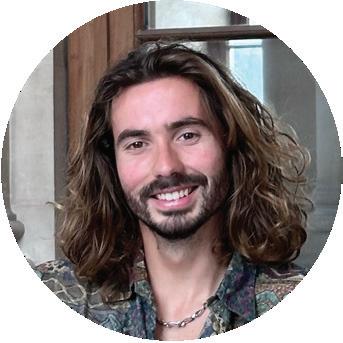
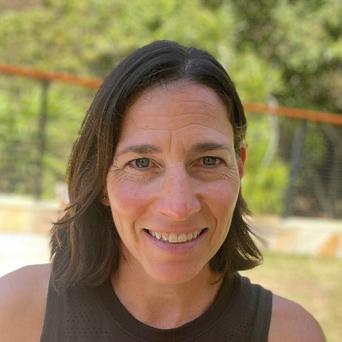
Axel Cejudo is an administrative and fiscal assistant. He has a strong background in finance, accounting, and auditing; he holds a License 3 (bachelor equivalent) from the University of Toulon, France and has managed the annual budget for the Minister of Justice in France. Axel was born and raised in France, and he is currently pursuing a Bachelor of Business Administration in Finance from the Shidler College of Business at UH Mānoa.
Amanda Toperoff is the creative outreach director. She has been creating graphics for science since 2003, working for individual researchers, several universities, non-profit organizations, and government agencies. She has worked for NOAA as a graphic designer and animator, and at UH Mānoa as a graphic designer and an outreach specialist. Her project experience includes logo design, web design, posters, figures for journal articles, animations, videos, event programs, and more. She holds a BS in zoology from the University of Wisconsin-Madison, an MS in marine science from Moss Landing Marine Laboratories, and a diploma with honors in 3D animation and visual effects from Vancouver Film School.
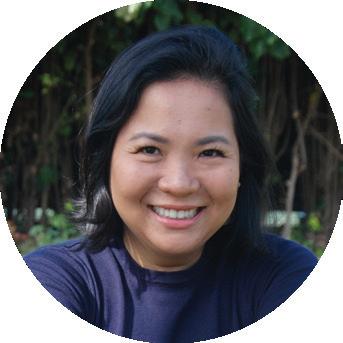
Lentina Villa is the administrative officer. Her background is a unique blend of global engagement and study abroad, hospitality management, and student services and advising. Prior to joining the Department of Oceanography in 2018 as the Student Services Specialist for the Global Environmental Science Program, she worked at the UH Mānoa Study Abroad Center where she helped develop the Faculty-Sponsored Study Tours. Lentina was born in Jakarta, Indonesia, and raised in Singapore, Singapore. She holds a BS in travel industry management and a MA in second language studies.
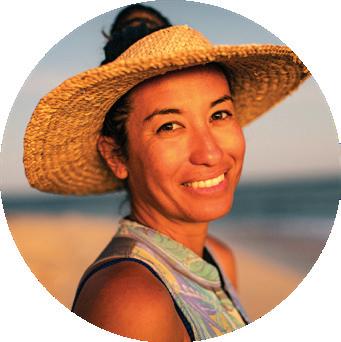
Dr. Haunani Hi‘ilani Kane is a scientist, surfer, and voyager from Kailua, Oʻahu, whose research combines coastal geomorphology, paleo-environmental reconstructions, and spatial analysis with indigenous perspectives to study climate impacts on islands, reefs, and island communities. Mentored since youth in traditional Hawaiian wayfinding by the Polynesian Voyaging Society, she has logged nearly 200 days at sea aboard both sailing and modern research vessels. Dr. Kane's work bridges traditional knowledge and modern climate science, reestablishing ancestral relationships to place while ensuring climate data reflect diverse cultural perspectives and stories. Her approach provides a more inclusive understanding of environmental stressors, integrating indigenous wisdom with contemporary scientific methodologies. Through this unique lens, she advances our understanding of island ecosystems while honoring the values and storied history of her kūpuna (ancestors).
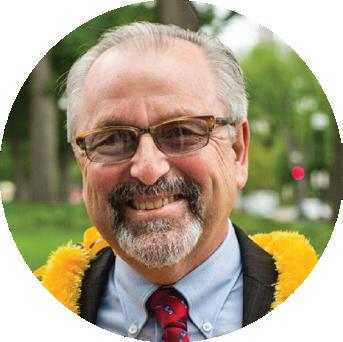
Dr. David Karl is the Victor and Peggy Brandstrom Pavel Professor of Microbial Oceanography and the director of the Daniel K. Inouye Center for Microbial Oceanography: Research and Education (C-MORE) at UH Mānoa. In 1988, he co-founded the Hawaiʻi Ocean Time-series (HOT) program, which has conducted sustained physical, biogeochemical, and microbial measurements at Station ALOHA for over 35 years. In 2006, he established C-MORE, an NSF-supported Science and Technology Center that conducts research on marine microorganisms from genomes to biomes, while training the next generation of microbial oceanographers. Dr. Karl has spent over 1,000 days at sea, including 23 Antarctic expeditions. His exceptional contributions to oceanography have been recognized with the Alexander Agassiz Medal from the U.S. National Academy of Sciences, the G. Evelyn Hutchinson Medal from the Association for the Sciences of Limnology and Oceanography, and the International Balzan Prize. He is a member of the U.S. National Academy of Sciences.
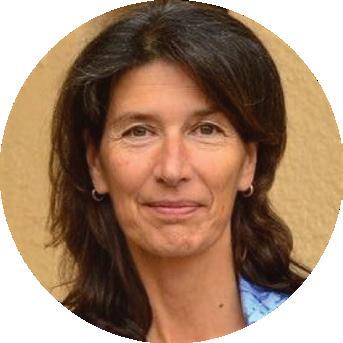
Dr. Roberta Marinelli is a senior advisor to the provost at Oregon State University (OSU). Previously, she was the director of the Office of Polar Programs at the National Science Foundation, and dean of the College of Earth, Ocean, and Atmospheric Sciences at OSU. Before joining OSU, Dr. Marinelli was the executive director of the Wrigley Institute for Environmental Studies at the University of Southern California and a program director at NSF, where she contributed to the development of major ocean programs, cross-directorate initiatives, and international partnerships that support Antarctic research. She was an early recipient of an NSF CAREER Award in Chemical Oceanography. Dr. Marinelli has served on several study committees of the National Academy of Sciences, Engineering, and Medicine (NASEM), most notably "Sexual Harassment of Women: Climate, Culture, and Consequences in Academic Sciences, Engineering and Medicine" and "Sea Change: A Decadal Survey of Ocean Sciences".
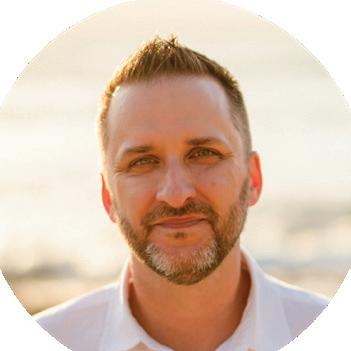
Mr. Chris Ostrander is an oceanographer and business development executive with 20 years of experience leading complex organizations and advancing mission-driven partnerships across academic, government, and private sectors. Currently at the Marine Technology Society, he previously held leadership roles at the University of Utah overseeing technology licensing, industry partnerships, corporate philanthropy, and research administration. As the former assistant dean of SOEST at UH Mānoa, he cofounded and directed the Pacific Islands Ocean Observing System. Throughout his career, Mr. Ostrander has launched multiple companies and helped secure over $450 million in research and philanthropic funding. He currently serves as co-chair of the U.S. Ocean Research Advisory Panel, supporting the White House's Ocean Policy Committee in advancing ocean research priorities, facilities, and domestic investment.
Eleanor Bates
Degree: PhD
Division: Marine Geology & Geochemistry
Advisor: Dr. Nicholas Hawco
Ms. Bates' research focuses on developing a monthly time-series of iron and other metal micronutrients in collaboration with the Hawaiʻi Ocean Time-series program. Her work will help broaden our understanding of seasonal and interannual drivers of variability in upper ocean trace metal cycling. She is particularly interested in understanding how iron released from human activities impacts marine iron cycling. Ms. Bates received a BA in chemistry modified with environmental studies from Dartmouth College, where she investigated platinum-group elements in seawater through the GEOTRACES program.
Kyle Conner
Degree: PhD
Division: Marine Geology & Geochemistry
Advisor: Dr. Shiv Sharma & Dr. Christopher Sabine
Mr. Conner's research focuses on generating and testing a calibration line that can reconstruct the calcifying fluid saturation state of Mg-calcite biominerals (i.e., shells and skeleton) using Raman spectroscopic measurements. He hopes this will lead to an important tool for analyzing calcifying organism responses to changing environmental conditions like ocean acidification. He received a BS in marine biology from the University of California, San Diego (UCSD), an MS in chemical oceanography from UH Mānoa, and has conducted research at several other institutions. He has received numerous honors including nominations to the Phi Beta Kappa national honor society and UCSD Muir College Caledonian Society. He is a recipient of the John and Anne Flanigan Award for Oceanography Research and the J. Watumull Merit Scholarship.
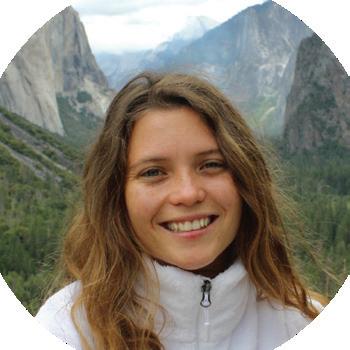
Degree: MS
Division: Biological Oceanography
Advisor: Dr. Andrea Jani
Ms. Cranston's research is focused on coral larval settlement enhanced by bacterial biofilms associated with crustose coralline algae. Ms. Cranston earned a BS in global environmental science from UH Mānoa, where she conducted her thesis work on human-induced disturbances to coral colonies in Hanauma Bay Nature Preserve. During her undergraduate studies, she was a recipient of the National Oceanic and Atmospheric Administration Ernest F. Hollings Scholarship, which supported her research on the role of the Columbia River Estuary for Chinook salmon smolts and potential changes in habitat with sea level rise. Ms. Cranston intends to use her acquired skills and knowledge base to re-establish coral colonies on local reefs and utilize bacteria as an active tool in coral restoration.
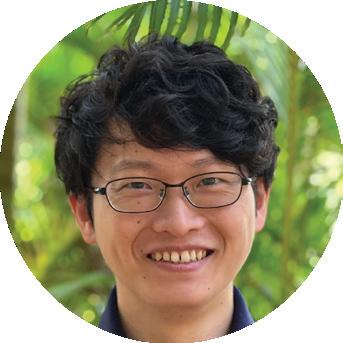
Ryo Dobashi
Degree: PhD
Division: Marine Geology & Geochemistry
Advisor: Dr. David Ho
Mr. Dobashi is interested in the ocean carbon cycle and is currently examining factors that control air-sea gas exchange in coastal and inland seas. Through air-sea gas exchange, concentrations of gases such as CO2 and dimethylsulfide change in the atmosphere. Because these gases affect the regional and global climate, an accurate estimate of air-sea gas exchange determined from Mr. Dobashi's research can contribute to the understanding and prediction of climate change. He received the Young Scientist Best Presentation Award for his presentation on the air-sea gas exchange in a seagrass ecosystem at the Japan Oceanographic Society Fall Meeting 2022. He was generously supported for two years of study at UH Mānoa by The Crown Prince Akihito Scholarship.
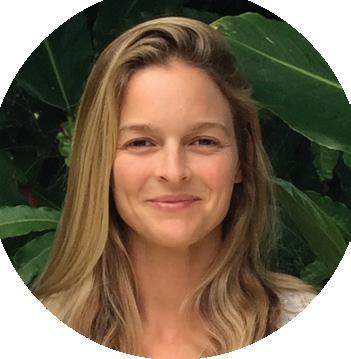
Kate Feloy
Degree: PhD
Division: Physical Oceanography
Advisor: Dr. Brian Powell
Ms. Feloy is passionate about conducting research that is beneficial to the wider community. Her research addresses important questions: How will climate change impact the coastal regions of Hawai‘i? And, what does this mean for the ecosystems we depend on? Using ocean models, she examines how ocean dynamics might shift due to climate change and the effect on key variables like temperature and nutrients. She seeks to better understand where, when, and why coastal changes occur—critical for managing marine resources in Hawai‘i and other Pacific islands vulnerable to climate change. Following her PhD, Ms. Feloy intends to continue working at the nexus of ocean science and sustainable development, advancing our understanding of the localized impacts of climate change on coastal communities.
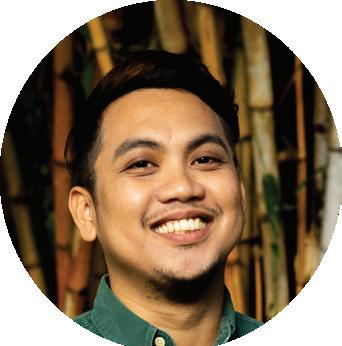
Andrian Gajigan
Degree: PhD
Division: Biological Oceanography
Advisor: Dr. Grieg Steward
Mr. Gajigan's research spans from molecular to ocean-scale processes, encompassing genomics, marine virology, plankton ecology, and microbial oceanography. He has a broad interest in the role of the ocean microbiome in planetary health. His previous work included monitoring coastal water chemistry to predict harmful algal blooms (red tides) and studying coral heat stress adaptation mechanisms. He earned a BS in biochemistry and an MS in marine science from the University of the Philippines. For his PhD, he is investigating phytoplankton-virus interactions through lab-based model systems and field studies, particularly in polluted and eutrophic coastal areas. Mr. Gajigan is committed to expanding community participation in coastal monitoring through low-cost tools like the FoldScope (foldable microscope) and PlanktoScope (flow camera).
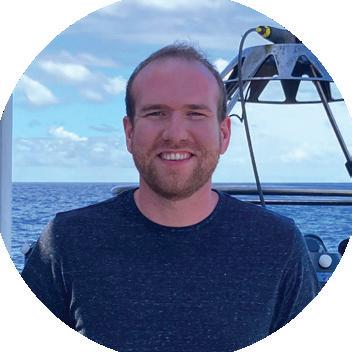
Jacob Gunnarson
Degree: PhD
Division: Physical Oceanography
Advisor: Dr. Malte Stuecker
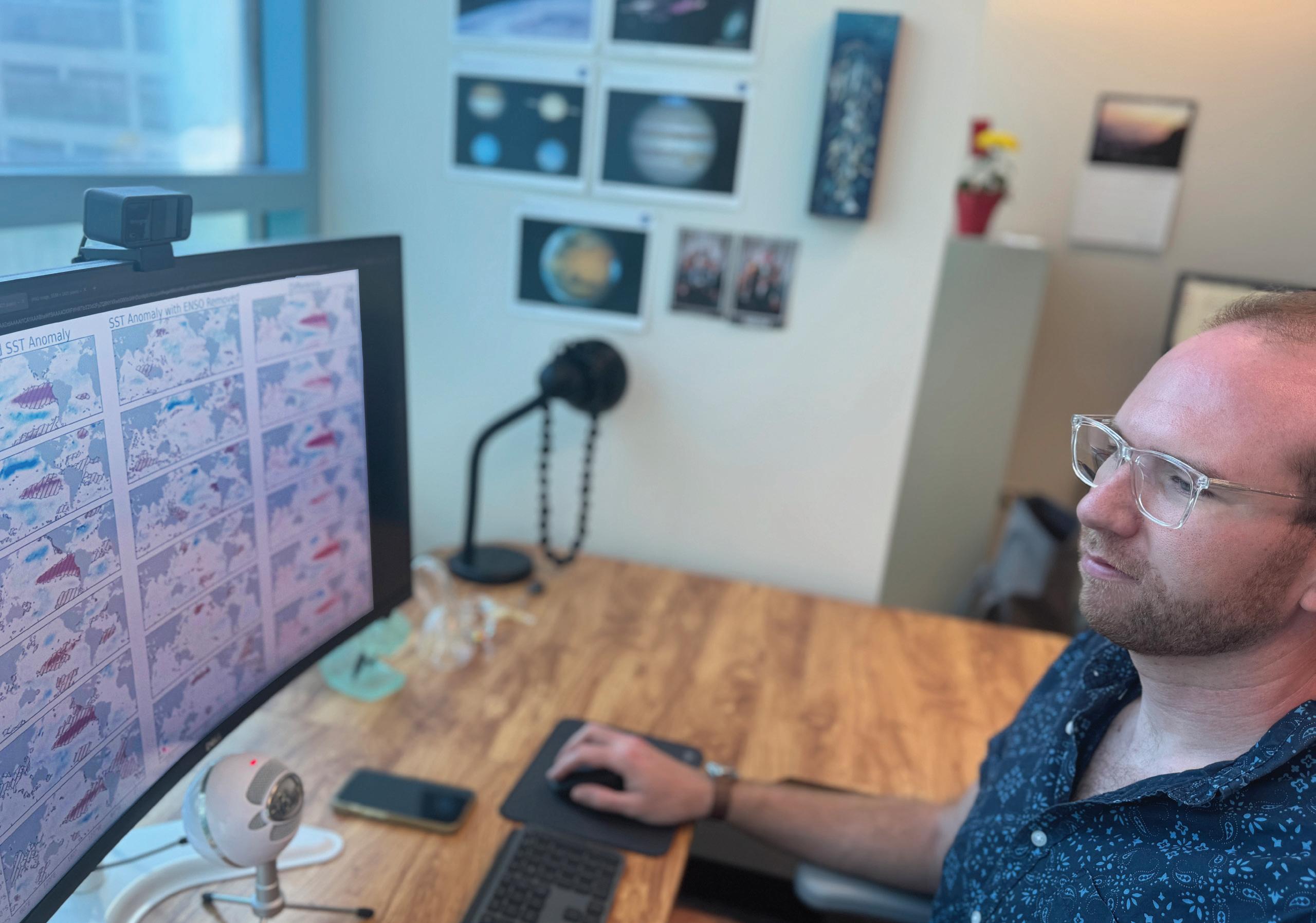
Mr. Gunnarson earned his BS in physics at the College of William & Mary and worked for two years at Hampton University researching the atmospheric dynamics of Venus, Jupiter, and Saturn. Mr. Gunnarson's current research focuses on the effect of greenhouse gas emissions on future climate variability. He is particularly interested in future changes to the variability of sea surface temperature, which could negatively impact marine ecosystems and fisheries. Mr. Gunnarson uses large ensemble climate models to investigate the physical mechanisms behind these changes in an effort to provide a better basis for understanding and adapting to climate change.
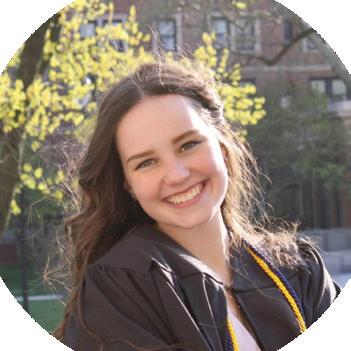
Amanda Laughlin
Degree: PhD
Division: Biological Oceanography
Advisor: Dr. Kyle Edwards & Dr. Grieg Steward
Ms. Laughlin earned her BS in biological sciences at the University of Pittsburgh and subsequently worked as a full-time research technician at the Center for Vaccine Research. As part of the Marine Viral Ecology Laboratory, Ms. Laughlin's current research focus is on viruses that infect marine phytoplankton. She is analyzing field samples and conducting laboratory experiments to determine how changes in environmental conditions select for different types and sizes of viruses.
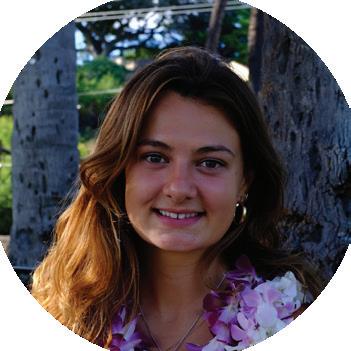
Rayna McClintock
Degree: PhD
Division: Biological Oceanography
Advisor: Dr. Craig Nelson
Ms. McClintock received her BS in global environmental science at UH Mānoa and worked as a laboratory assistant in Dr. Nelson's laboratory focusing on coastal oceanography and microbial community ecology. Her research is focused on understanding the effects of enhanced alkalinity on coral reef ecosystems through a biogeochemical, microbial, and physiological lens. This research combines her interest in the response of reef ecosystems to anthropogenic forcing, conservation ecology, and advancing carbon removal technologies.
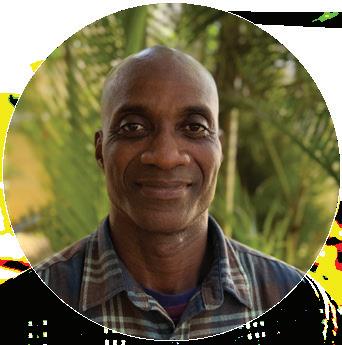
Gordon Walker
Degree: PhD
Division: Biological Oceanography
Advisor: Dr. Sloan Coats
Mr. Walker earned his BA degree in African American studies at the University of California, Berkeley, and his MS in oceanography at UH Mānoa. His current work combines high-resolution paleoclimate reconstructions of the common era with historical records. Using an interdisciplinary approach, Mr. Walker is investigating how regional-to-large scale climate variability may have influenced social and economic events during the Transatlantic Slave Trade. This investigation will be done within a climate dynamics framework to better understand how past, current, and future climate changes affect human activities.
The accomplishments of our Uehiro graduate student fellows and the Center as a whole, require the extraordinary support of our Department of Oceanography professors and cooperating graduate faculty. They are leaders in their fields and represent a range of subdisciplines including oceanography and ocean-atmosphere interactions. In their guidance and mentoring roles, they are essential partners in our success.
Dr. Sloan Coats
Dr. Kyle Edwards
Dr. Andrea Jani
Dr. Nicholas Hawco
Dr. David Ho
Dr. Craig Nelson
Dr. Brian Powell
Dr. Christopher Sabine
Dr. Shiv Sharma
Dr. Grieg Steward
Dr. Malte Stuecker
In our second year of operation, UC•AO forged meaningful relationships and established key collaborations to enhance the impact of oceanographic research. With support from the Uehiro Foundation on Ethics and Education, we have formed two new partnerships, creating active alliances with highly accomplished institutions across the Pacific.
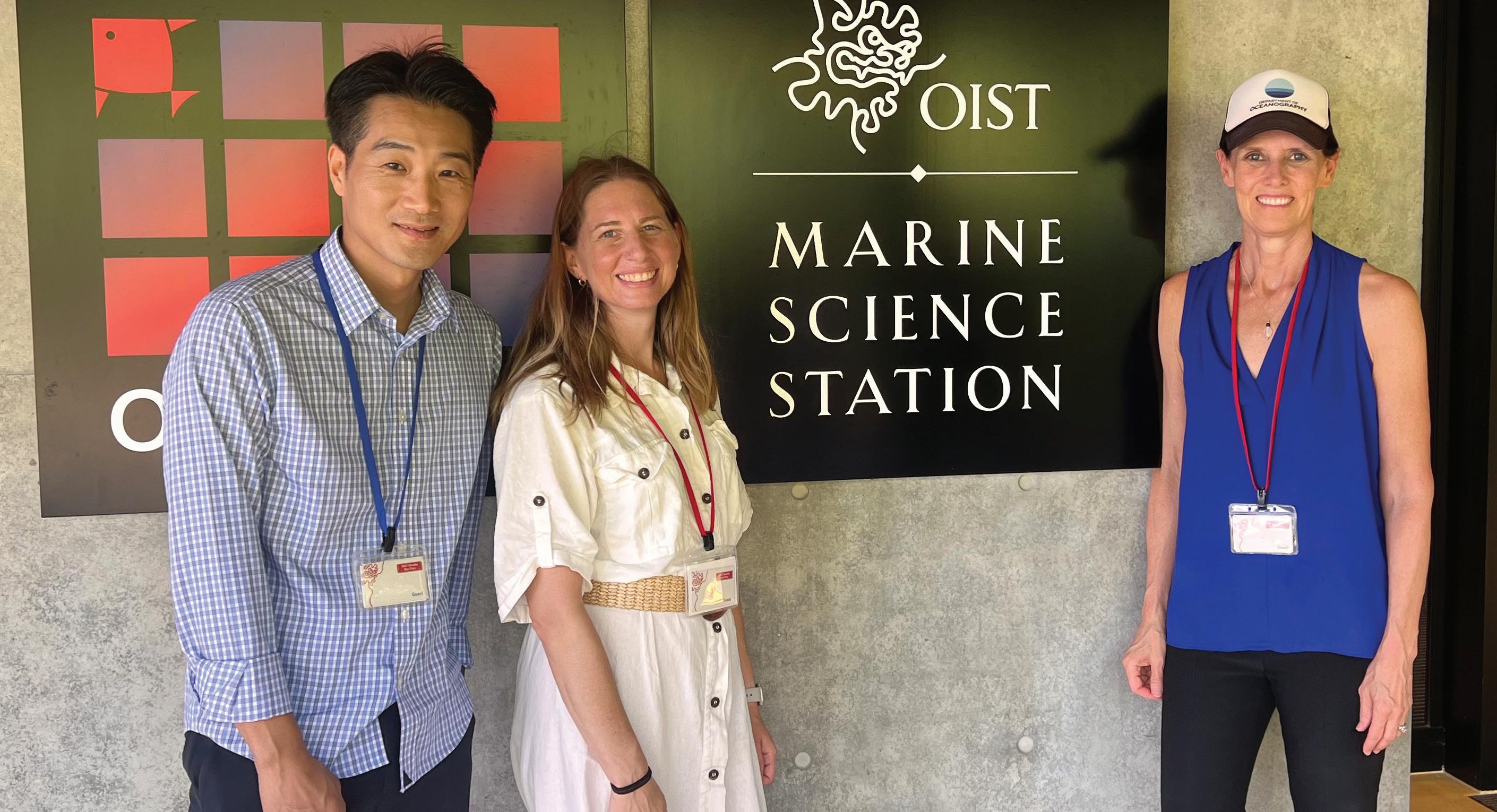
Our UC•AO director and associate directors traveled to Okinawa, Japan to visit the renowned Okinawa Institute of Science and Technology (OIST) to meet with UC•AO's new partners in scientific research and discovery. Our team engaged in enjoyable and productive meetings with the Institute's president, provost, dean, and other members of OIST. They discussed collaborations and strategies for making large-scale impacts that address climate change and other important oceanography-related issues. UC•AO members toured the impressive facilities and some explored nearby coral reefs in preparation for future fieldwork. Overall, it was an exciting and productive adventure as it laid the groundwork for a successful partnership.
The Uehiro Laboratory for Oceanography (ULO) was recently established at Hokkaido University. Members of the ULO leadership team, including the center chair, vice chair, and an associate professor, visited our UH Mānoa campus. This dynamic group toured our facilities and participated in a series of collaborative meetings, lunches, and a symposium. Over the three-day visit, the ULO and UC•AO teams worked tirelessly, brainstorming and developing innovative ideas for a fruitful partnership that promises to offer valuable opportunities for students and researchers from both universities. This collaboration is poised to advance the field of oceanography.
The 2030 Agenda for Sustainable Development represents a unified framework adopted unanimously by United Nations Member States. It establishes a comprehensive, global, long-term vision for wellbeing and environmental sustainability. At its core, the 17 United Nations Sustainable Development Goals (UN SDGs) serve as an imperative for developed and developing nations alike, acknowledging that ending poverty must be pursued concurrently with improvements in healthcare, education, equality, and economic development, while simultaneously addressing environmental conservation and climate change.
The breadth of UC•AO's work addresses the UN SDGs. We address Life Below Water (SDG 14) through research on marine ecosystem dynamics, species interactions, and ocean circulation patterns. We contribute to Climate Action (SDG 13) through studies on climate modeling, marine heatwaves, and ocean-atmosphere interactions, which enhance our understanding of climate change impacts and adaptation strategies. This work also contributes to Sustainable Cities and Communities (SDG 11), as information on extreme weather events is critical for urban resilience planning. These efforts are strengthened through our Partnerships (SDG 17), as evidenced by our work with multiple research institutions and agencies worldwide to address large-scale environmental challenges.
Our research also supports: Clean Water and Sanitation (SDG 6) through studies on water quality, circulation, and submarine groundwater discharge; Industry, Innovation and Infrastructure (SDG 9) through the development of advanced modeling techniques and monitoring technologies; Life on Land (SDG 15) through integrated coastal ecosystem research; and Affordable and Clean Energy (SDG 7) through environmental impact assessments related to coastal infrastructure. Through graduate student training, public outreach, and educational exchanges, our work advances Quality Education (SDG 4). The Center demonstrates a commitment to Gender Equality (SDG 5) through equity in salaries, support for female graduate students and faculty, and female-led research projects, and by fostering an inclusive environment. This integrated approach to research and education enhances scientific understanding of complex marine-terrestrial systems, supports evidence-based policymaking, and contributes to environmental resilience through innovative research approaches and knowledge sharing.
UC•AO PEER-REVIEWED PUBLICATIONS THAT ADDRESS EACH UN SDG
ELEANOR BATES
Sharma D, Menon VG, Desai M, Niu D, Bates E, Kandel A, Zinser ER, Fields DM, O'Toole GA, & Sharma M. (2024). Organoclay flocculation as a pathway to export carbon from the sea surface. Scientific Reports, 14(1), 1–16. https://doi.org/10.1038/s41598-024-79912-z
Karancz S, Uchikawa J, de Nooijer LJ, Wolthers M, Conner KA, Hite CG, Zeebe RE, Sharma S, & Reichart G-J. (2024). Constraining sulfur incorporation in calcite using inorganic precipitation experiments. Geochimica et Cosmochimica Acta, 381, 116–130.
Dobashi R, Ueno H, Kato R, Yan N, Mukai T, Yasuma H, Nomura D, Itoh S, & Kasai A. (2024). Impact of anticyclonic eddy on fish distribution in the Kuroshio‒Oyashio transition area. Bulletin of the Japanese Society of Fisheries Oceanography, 88(3), 178–189. (in Japanese with English abstract) https://doi.org/10.34423/jsfo.88.3_178
KATE FELOY
Feloy K, Powell BS, & Friedrich T. (2024). Remote impacts of cyclonic eddies on productivity around the main Hawaiian Islands. Journal of Geophysical Research: Oceans, 129(10), e2023JC020670.
Friedrich T, Powell BS, Gunnarson JL, Liu G, Giardina SF, Stuecker MF, Hošeková L, & Feloy K. (2024). Submesoscale-permitting physical/biogeochemical future projections for the main Hawaiian Islands. Journal of Advances in Modeling Earth Systems, 16(2), e2023MS003855.
Gunnarson JL, Stuecker MF, & Zhao, S. (2024). Drivers of future extratropical sea surface temperature variability changes in the North Pacific. npj Climate and Atmospheric Science, 7, 164. https:// doi.org/10.1038/s41612-024-00702-5
Friedrich T, Powell BS, Gunnarson JL, Liu G, Giardina SF, Stuecker MF, Hošeková L, & Feloy K. (2024). Submesoscale-permitting physical/biogeochemical future projections for the main Hawaiian Islands. Journal of Advances in Modeling Earth Systems, 16(2), e2023MS003855.
MARGARET ANNE MCMANUS
Moehlenkamp P, Franklin E, & McManus MA. (2024). Nuʻupia Ponds' water circulation characteristics: exploring water exchange and residence time for marine ecosystem management. Journal of Sustainability, 16, 7159. https://doi.org/10.3390/su16167159
Comfort C, Ostrander C, Nelson C, Karl D, & McManus MA. (2024). A 7-yr spatial time series resolves the island mass effect and associated shifts in picocyanobacteria abundances near Oʻahu, Hawaiʻi. Limnology & Oceanography, 69, 2830–2845. https://doi.org/10.1002/lno.12711
Hagedorn B, Becker MW, Silbiger NJ, Maine B, Justis E, Barnas DM, & Zeff M. (2024). Refining submarine groundwater discharge analysis through nonlinear quantile regression of geochemical time series. Journal of Hydrology, 645, 132145.
Bohnam B & Silbiger NJ. (2024). Exploring commensalism between rock wrasse (Halichoeres semicinctus) and round stingrays (Urobatis halleri) in southern California. Bulletin of the Southern California Academy of Science, 123 (1), 53–59.
Bates E & Hawco N. (2024, March 7–8). Upper ocean iron residence time and cycling at Station ALOHA [Oral presentation]. Breakthroughs: Uehiro-Oceanography Yearly Symposium. University of Hawaiʻi at Mānoa, Honolulu, HI, USA.
Bates E & Hawco N. (2024, December 9–13). Assessing the contribution and distribution of authigenic iron to the particulate iron pool at Station ALOHA [Oral presentation]. American Geophysical Union Annual Meeting, Washington DC, USA.
Conner K, Uchikawa J, Stauring G, DeCarlo TM, Dera P, Hawco N, Zeebe R, & Sharma S. (2024, March 7–8). Seawater element incorporation effects on calcite crystallography: implications for Raman-based geochemical proxies applicable to calcifying organisms [Oral presentation]. Breakthroughs: Uehiro-Oceanography Yearly Symposium. University of Hawaiʻi at Mānoa, Honolulu, HI, USA.
Karancz S, Uchikawa J, de Nooijer LJ, Wolthers M, Conner K, Hite C, Brummer G-JA, Lattaud J, Haghipour N, Rosenthal Y, Zeebe RE, Sharma S, & Reichart G-J. (2024, April 14–19). Sulfur incorporation in (foraminiferal) calcite [Oral presentation]. EGU General Assembly 2024, Vienna, Austria
Conner KA, Stauring G, Uchikawa J, DeCarlo TM, Shirai K, & Sharma SK. (2024, August 18–23). Calcite biomineralization insights from high-resolution Raman and element spatial analyses [Poster presentation]. Goldschmidt 2024, Chicago, IL, USA.
Conner K, Stauring G, Uchikawa J, Jiang P, DeCarlo TM, Hawco NJ, Shirai K, Sharma SK, & Zeebe RE. (2024, December 9–13). Quantifying calcite element contents through Raman spectroscopy: abiogenic vs. biogenic comparisons [Poster presentation]. American Geophysical Union Annual Meeting, Washington DC, USA.
Glazner J, Nelson C, Drury C, Falkinski K, Moreland-Ochoa C, Berg J, Murphy S, McClintock R, Falkenstein C, & Donahue M. (2024, July 29–31). From seabirds to sewage: investigating nutrient effects on coral bleaching [Oral presentation]. Hawaiʻi Conservation Conference – ʻAuamo Kuleana, Honolulu, HI, USA.
Glazner J, Nelson C, Drury C, Falkinski K, Moreland-Ochoa C, Berg J, Murphy S, McClintock R, Falkenstein C, & Donahue M. (2024, December 9–13). Restoration in response to climate change and environmental stressors [Oral presentation]. Reef Futures, Coral Restoration Consortium, Riviera Maya, Mexico.
Murphy S, Glazner J, Moreland-Ochoa C, McClintock R, Nelson C, Donahue M, & Jani A. (2024, March 7–8). Nutrient addition and stress tolerance experiment: evaluating gross primary production through coral respirometry [Oral presentation]. Breakthroughs: Uehiro-Oceanography Yearly Symposium, University of Hawaiʻi at Mānoa, Honolulu, HI, USA.
Dobashi R & Ho DT. (2024, November 10–14). Air-sea gas exchange in the Baltic Sea [Oral presentation]. The Surface Ocean–Lower Atmosphere Study (SOLAS). CSIR – National Institute of Oceanography, Goa, India.
Dobashi R & Ho DT. (2024, March 7–8). Air-sea gas exchange in the Baltic Sea [Oral presentation]. Breakthroughs: Uehiro-Oceanography Yearly Symposium, University of Hawaiʻi at Mānoa, Honolulu, HI, USA.
Feloy K, Powell B, & Friedrich T. (2024, March 7–8). Relief on the reef? Heat stress and temperature variability around Hawaiʻi [Oral presentation]. Breakthroughs: Uehiro-Oceanography Yearly Symposium, University of Hawaiʻi at Mānoa, Honolulu, HI, USA.
Feloy K, Powell B, & Friedrich T. (2024, December 9–13). Regional temperature variability and heat stress around the main Hawaiian Islands over the 21st Century [Poster presentation]. American Geophysical Union Fall Meeting, Washington DC, USA.
Feloy K, Powell B, & Friedrich T. (2024, February 18–23). Dynamically downscaled projections of 21st century coral bleaching around the main Hawaiian Islands [Poster presentation]. Ocean Sciences Meeting, New Orleans, LA, USA.
Gajigan AP. (2024, March 1). Insights on the molecular biology of phytoplankton-giant virus infection [Oral presentation]. Verena Institute (Viral Emergence Research Initiative), Georgetown University, Washington DC, USA.
Gajigan AP, Apego GCMB, Gianan ELD, Francisco RB, Tai JJ, Benico GA, Repollo CLA, Villanoy CL, Yñiguez AT, Conaco C, & Steward GF. (2024, April 22–25). Phytoplankton-giant virus dynamics during a toxic bloom in Bolinao, NW Philippines [Oral presentation]. 11th Intergovernmental Oceanographic Commission-Western Pacific (UN IOC WESTPAC), Bangkok, Thailand.
JACOB GUNNARSON
Gunnarson JL, Stuecker MF, & Zhao S. (2024, December 9–13). Changes to drivers of marine heatwaves in the future climate [Poster presentation]. American Geophysical Union Meeting, Washington, DC, USA.
Gunnarson JL, Stuecker MF, & Zhao S. (2024, March 7–8). Drivers of future sea surface temperature variability changes in the North Pacific [Oral presentation]. Breakthroughs: Uehiro-Oceanography Yearly Symposium, University of Hawaiʻi at Mānoa, Honolulu, HI, USA.
Gunnarson JL, Stuecker MF, & Zhao S. (2024, February 18–23). Future SST variability changes and drivers [Poster presentation]. Ocean Sciences Meeting, New Orleans, LA, USA.
AMANDA LAUGHLIN
Laughlin A, Edwards K, & Steward G. (2024, March 7–8). Viruses on the menu? A glimpse into a potential for giant virus predation by phagotrophic protists [Oral presentation]. Breakthroughs: Uehiro-Oceanography Yearly Symposium, University of Hawaiʻi at Mānoa, Honolulu, HI, USA.
RAYNA MCCLINTOCK
McClintock R, Sparagon W, Greenhill M, Donahue M, Silbiger N, & Nelson CE. (2024, March 7–8). Characterizing the effect of submarine groundwater discharge on coral reef planktonic microbial communities [Oral presentation]. Breakthroughs: Uehiro-Oceanography Yearly Symposium, University of Hawaiʻi at Mānoa, Honolulu, HI, USA.
Glazner J, Nelson C, Drury C, Falkinski K, Moreland-Ochoa C, Berg J, Murphy S, McClintock R, Falkenstein C, & Donahue M. (2024, July 29–31). From seabirds to sewage: investigating nutrient effects on coral bleaching [Oral presentation]. Hawaiʻi Conservation Conference – ʻAuamo Kuleana, Honolulu, HI, USA.
Glazner J, Nelson C, Drury C, Falkinski K, Moreland-Ochoa C, Berg J, Murphy S, McClintock R, Falkenstein C, & Donahue M. (2024, December 9–13). Restoration in response to climate change and environmental stressors [Oral presentation]. Reef Futures, Coral Restoration Consortium, Riviera Maya, Mexico.
GORDON WALKER
Walker G & Coats S. (2024, December 9–13). What can coral d18O tell us about regional-to-large scale climate?: Coral d18O, PSMs & iCESM [Oral presentation]. American Geophysical Union Annual Meeting, Washington DC, USA.
With support from the UC•AO, our graduate student fellows can attend prestigious, international conferences. These meetings represent excellent opportunities for scientific advancement, knowledge sharing, and professional growth.
Research dissemination is an opportunity to share recently completed and in-progress work with relevant audiences, receive valuable feedback prior to publication, increase visibility of findings and methodologies.
Knowledge exchange offers exposure to preliminary research and cutting-edge methods and technologies; and opportunities for learning directly from leaders in their fields.
Networking facilitates the development of collaborations in the form of joint grant proposals, multi-institutional research projects, subject-centered alliances, and future employment opportunities.
Global perspective is achieved through direct feedback from experts, identification of shared challenges and new/future research pathways, better understanding of larger-scale processes, and learning how different regions approach similar questions and challenges.
Career development and resume building are enhanced by opportunities to clearly present to, and communicate with, different types of audiences.
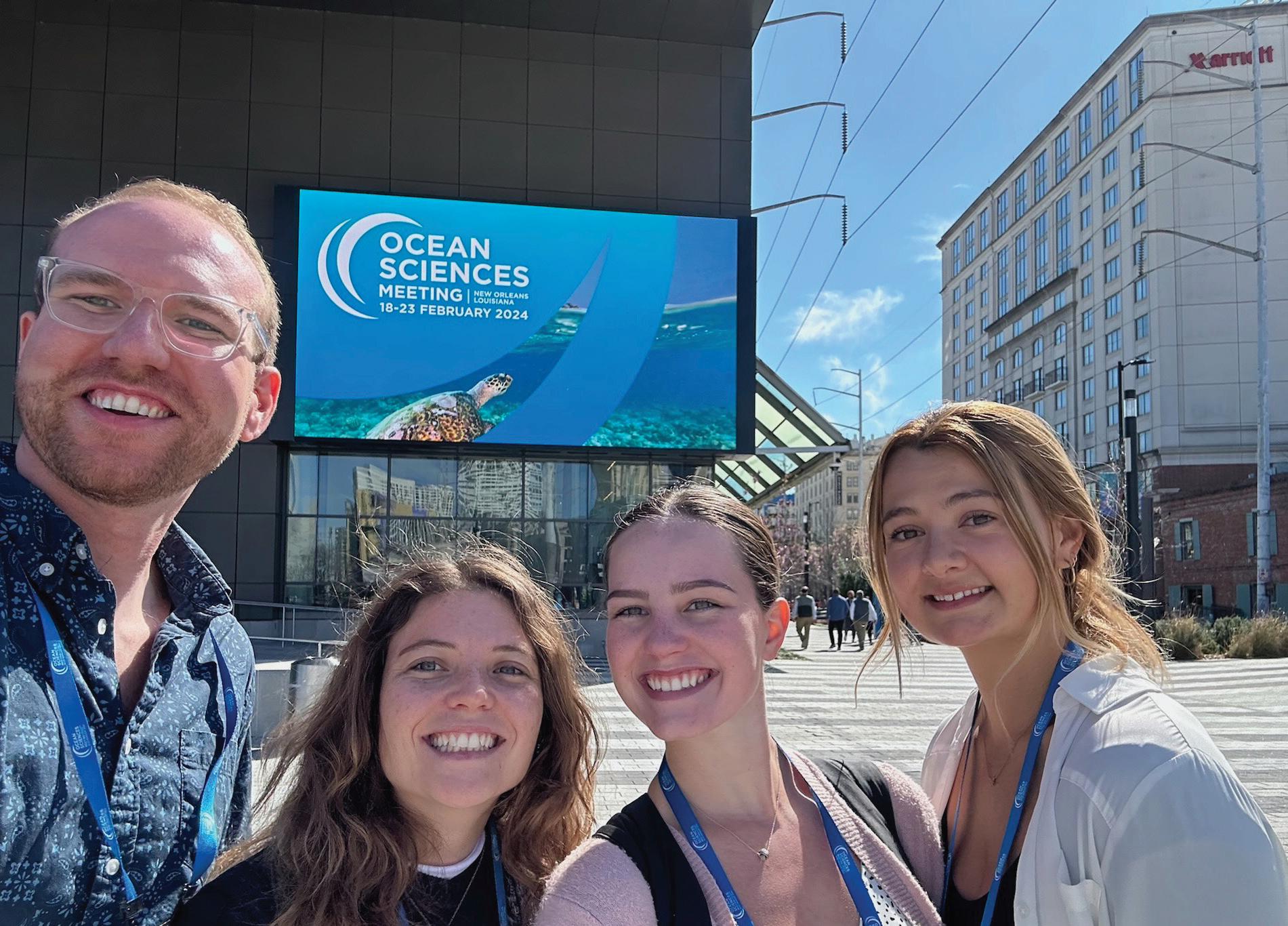
The Ocean Sciences Meeting is a joint conference organized by the American Geophysical Union (AGU), the Association for the Sciences of Limnology and Oceanography (ASLO), and The Oceanography Society (TOS). The Ocean Sciences Meeting is held every two years and attracts well over 5,000 attendees from over 60 countries. Scientists gather with the goal of advancing scientific knowledge and impacts. In 2024, the conference was held in New Orleans, LA, USA. Four of our Uehiro graduate student fellows participated.
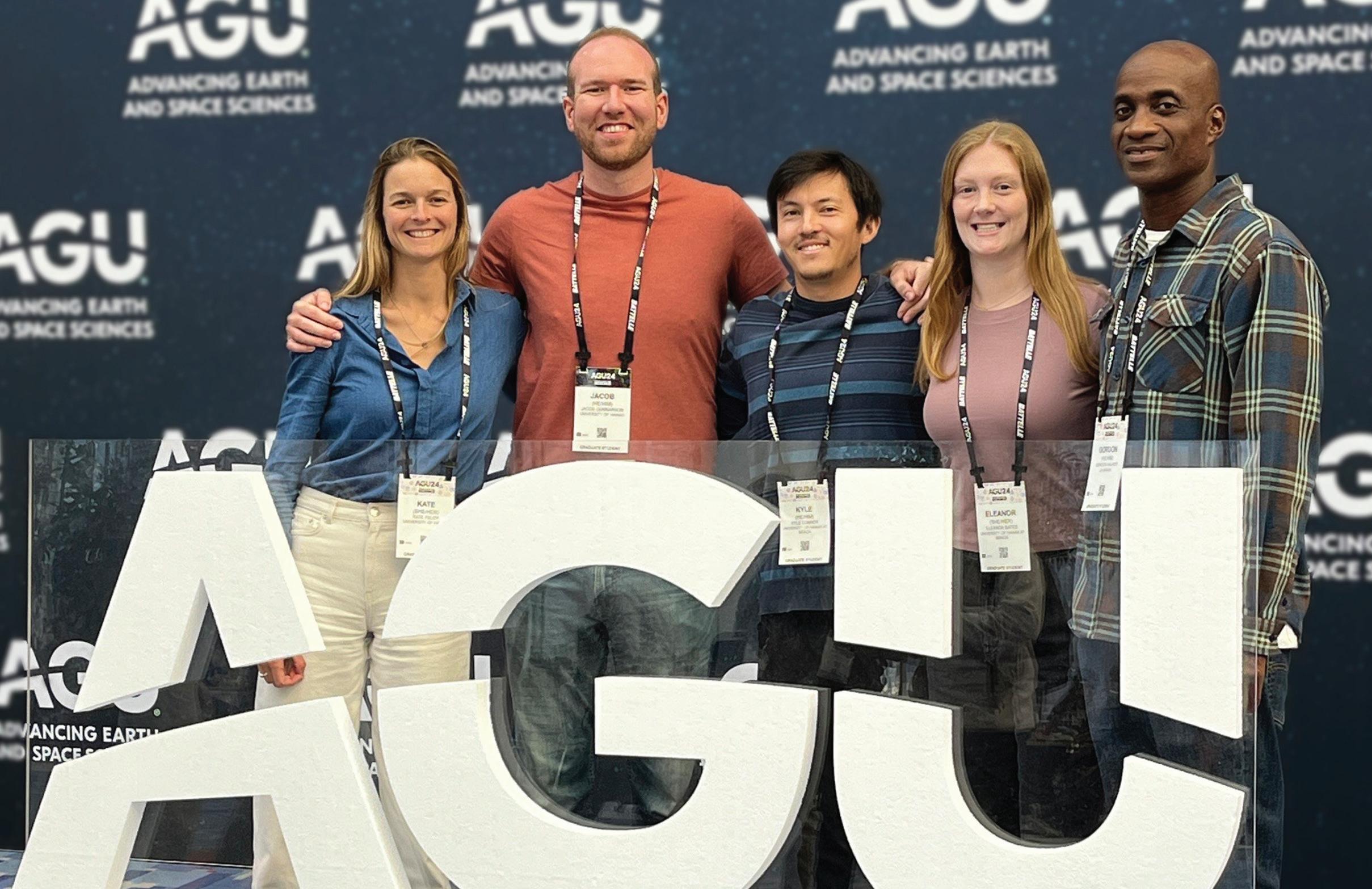
The AGU conference is one of the largest earth and space science conferences in the world, with tens of thousands of attendees from around the world sharing the latest research across a variety of fields. The 2024 AGU conference was held in Washington, DC, USA. Five Uehiro graduate student fellows participated. In addition to traditional oral and poster presentations, our students attended panel discussions and Q&A sessions with leaders from a variety of sectors. They also attended workshops that were relevant to where they are on their career trajectory. According to our students, these meetings were particularly meaningful because they highlighted multiple potential career pathways.
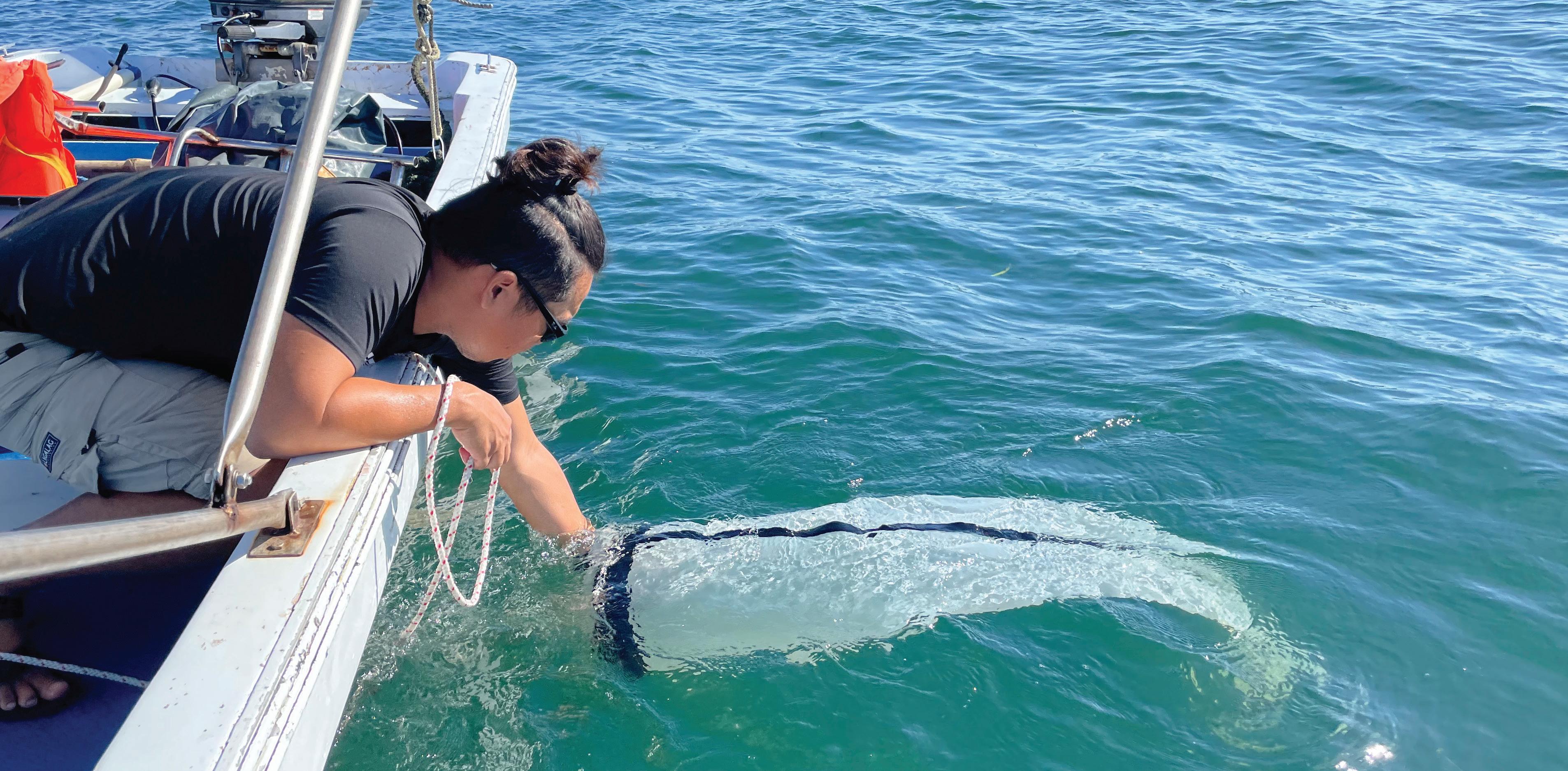
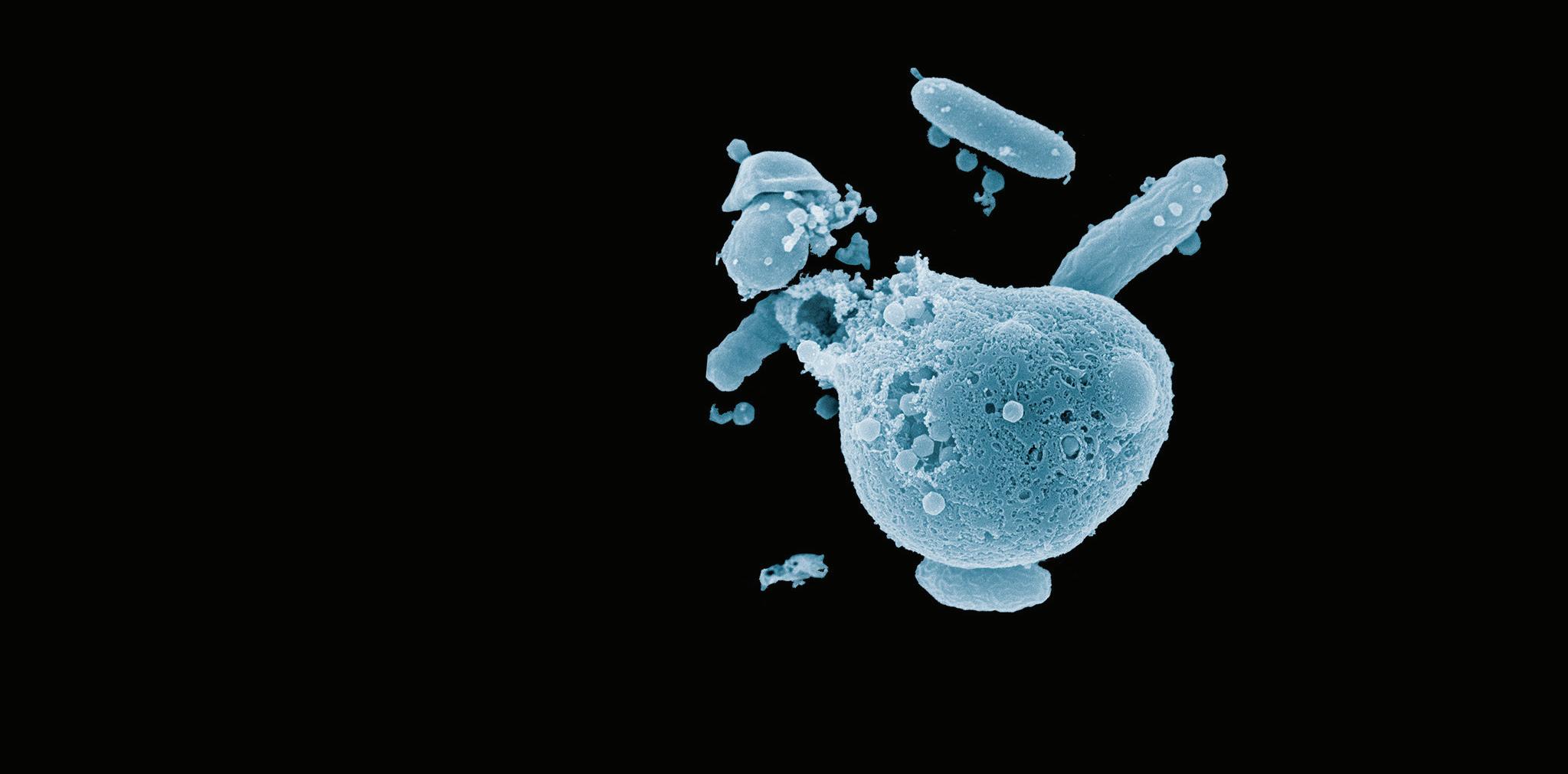
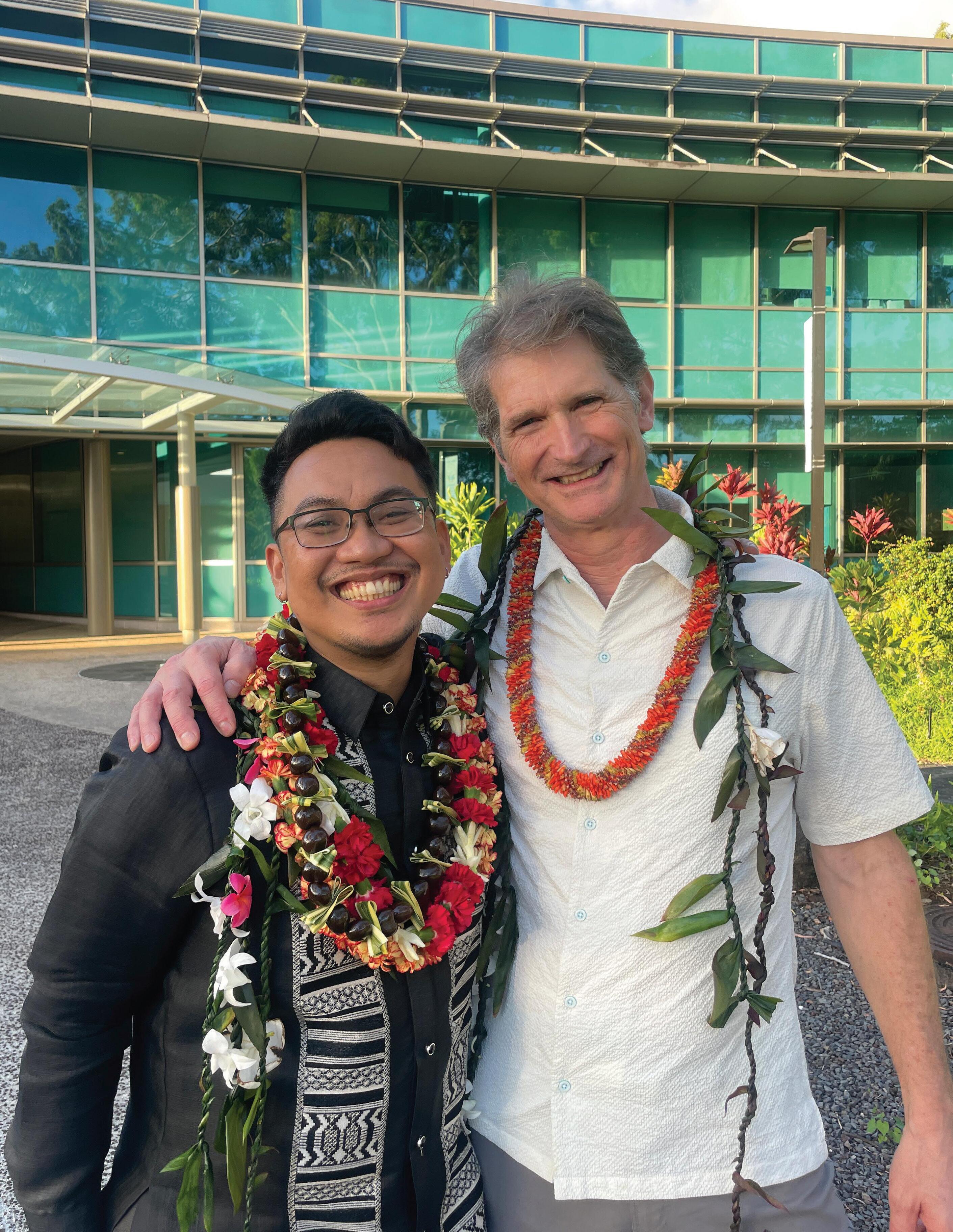
In 2024, we were proud to celebrate the first dissertation defense by an Uehiro graduate student fellow. Andrian Gajigan's PhD research focused on giant viruses that infect phytoplankton. He developed model systems in the lab and investigated their dynamics in coastal areas. Directly through UC•AO funding support, Mr. Gajigan conducted extensive field research to gather crucial data for his dissertation. He honed his technical skills by participating in specialized workshops focused on oceanographic and genomic data exploration and analysis. His findings were presented at multiple academic conferences, where expert feedback helped refine his research and strengthen his manuscripts.
Mr. Gajigan plans to pursue a postdoctoral fellowship in marine disease ecology. He has done an exceptional job of paving the way for the many Uehiro graduate student fellows to follow.
My defense was an exhilarating experience. It was several years of work condensed into a onehour presentation in front of colleagues, professors, family, and friends. In the end, I was so elated to share my research with everyone.
– Mr. Andrian Gajigan
ANDRIAN GAJIGAN
A highly competitive program through the Department of Energy and the Joint Genome Institute, the program trains and supports early career researchers motivated to engage with microbiome research communities and share knowledge.
Awarded for exceptional presentation of data through visualizations at the Breakthroughs: Uehiro-Oceanography Yearly Symposium (BUOYS), March 7, 2024, Honolulu, HI.
OUTSTANDING ORAL PRESENTATION
Awarded for delivering an outstanding oral presentation at the Breakthroughs: Uehiro-Oceanography Yearly Symposium (BUOYS), March 7, 2024, Honolulu, HI.
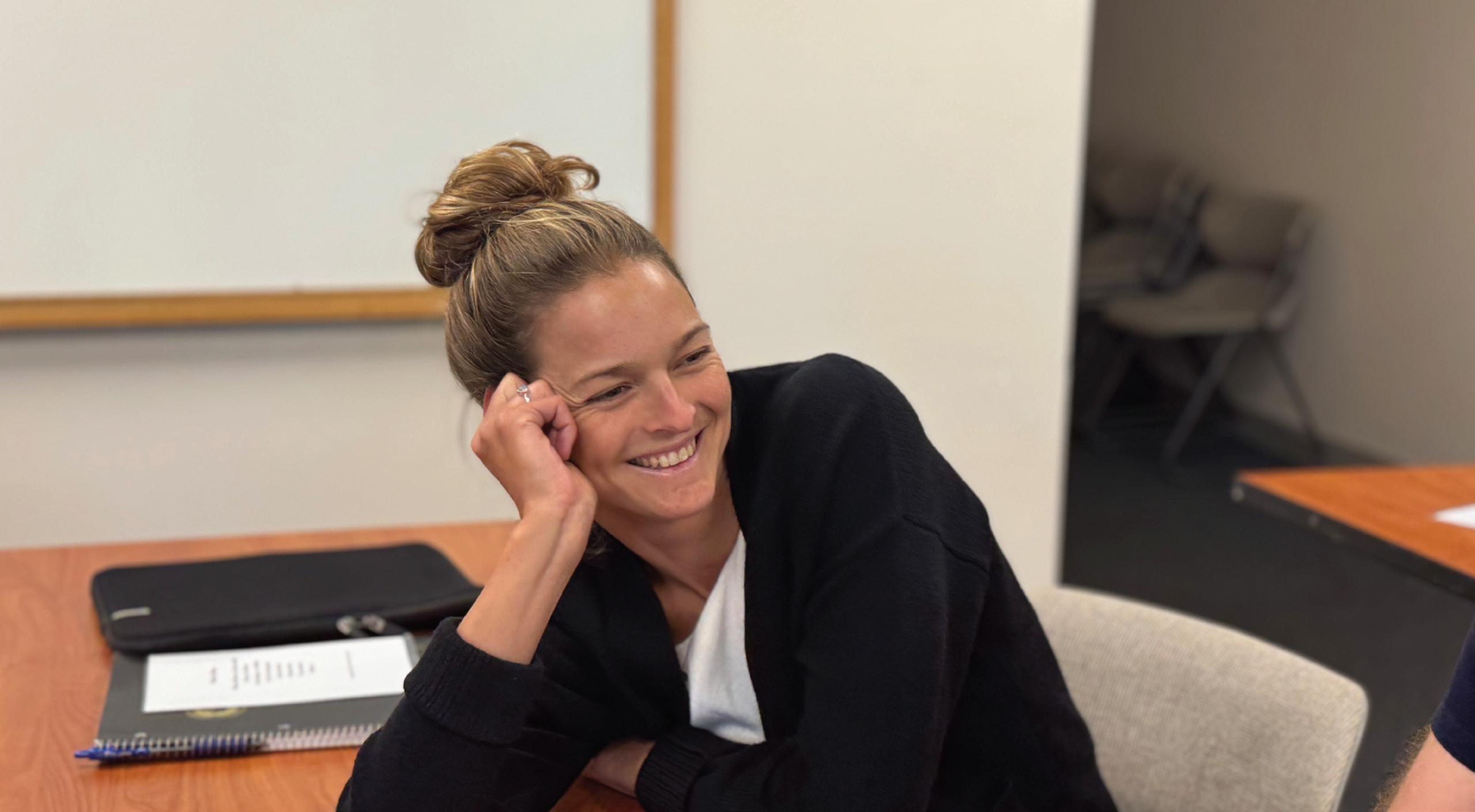
Uehiro graduate student fellow Kate Feloy has leveraged UC•AO support for a wide array of academic and professional development activities, and has earned several accolades along the way.
Ms. Feloy earned an Outstanding Oral Presentation award for the work she presented at the Breakthroughs: Uehiro-Oceanography Yearly Symposium held on March 7, 2024 at UH Mānoa, Honolulu, HI, USA. This annual event features the work of student researchers covering all aspects of oceanography. She was among several UC•AO graduate students to win awards.
FEATURED ARTICLE
Her recent manuscript was selected as a featured article by AGU's editorial board. Eddies on the leeward side of the Hawaiian Islands are known to upwell nutrients locally. Ms. Feloy's work showed that the nutrients upwelled by these eddies can also be transported around the islands, over 10s to 100s of miles. There they can stimulate blooms of phytoplankton, microscopic plant life that live in the surface ocean. Phytoplankton form the base of the food chain and phytoplankton blooms can have important impacts across the ecosystem. Her article was prominently featured on the AGU website and broadcast across social media platforms. It also appeared on the websites of several local news outlets. On this world stage, Ms. Feloy's work reached both scientific and general audiences across the globe.
Feloy K, Powell BS, & Friedrich T. (2024). Remote impacts of cyclonic eddies on productivity around the main Hawaiian Islands. Journal of Geophysical Research: Oceans, 129(10).
With UC•AO support, Ms. Feloy completed the UH Scientific Diver Qualification Course. This course covers first aid for professional divers; rescue and accident management; physics and physiology; equipment design, function, and maintenance; dive planning and air management; decompression theory; navigation; and more. The course included classroom and open water/ practical training. Completion means that Ms. Feloy demonstrated the necessary competencies to safely and effectively conduct field activities in support of scientific research.
INFO SESSION: NOAA JOHN A. KNAUSS MARINE POLICY FELLOWSHIP
feb 13
SEMINAR: HOW SCIENCE INFORMS POLICY
jan 23 apr 09
In 2024, the UC•AO hosted several events in the form of seminars, workshops, discussion groups, symposia, a campus tour, and more. The events covered a wide variety of relevant topics that both engaged and enriched all attendees.
mar 07–08
SYMPOSIUM: UEHIROOCEANOGRAPHY YEARLY SYMPOSIUM
WORKSHOP: CREATIVE SCIENCE COMMUNICATION
sep 06 sep 26–27 oct 09
SEMINAR: CAREER PATHWAYS
COLLABORATION: UC•AO-HOKKAIDO UNIVERSITY WORKSHOP: SCIENCE COMMUNICATION
oct 16 oct 21–24 nov 04
DEFENSE: GIANT VIRUS INTERACTIONS & DYNAMICS
COLLABORATION: UC•AO TO OKINAWA INSTITUTE OF SCIENCE & TECHNOLOGY TOUR: EDUCATIONAL TOUR OF UH MĀNOA CAMPUS
INFORMATIONAL SESSION ON THE NOAA JOHN A. KNAUSS MARINE POLICY FELLOWSHIP DR. EMILY YOUNG, DR. BETH LENZ, MS. MAYA WALTON
Dr. Young, Dr. Lenz, and Ms. Walton covered important information about the Sea Grant Knauss Fellowship. The Fellowship provides a unique educational and professional experience to graduate students who have an interest in ocean, coastal, and Great Lakes resources and in the national policy decisions affecting those resources. The Fellowship, named after one of Sea Grant's founders and former NOAA Administrator, John A. Knauss, matches highly qualified graduate students with "hosts" in the legislative and executive branch of government located in the Washington, DC area, for a one-year paid fellowship.
DR. KAWIKA WINTER
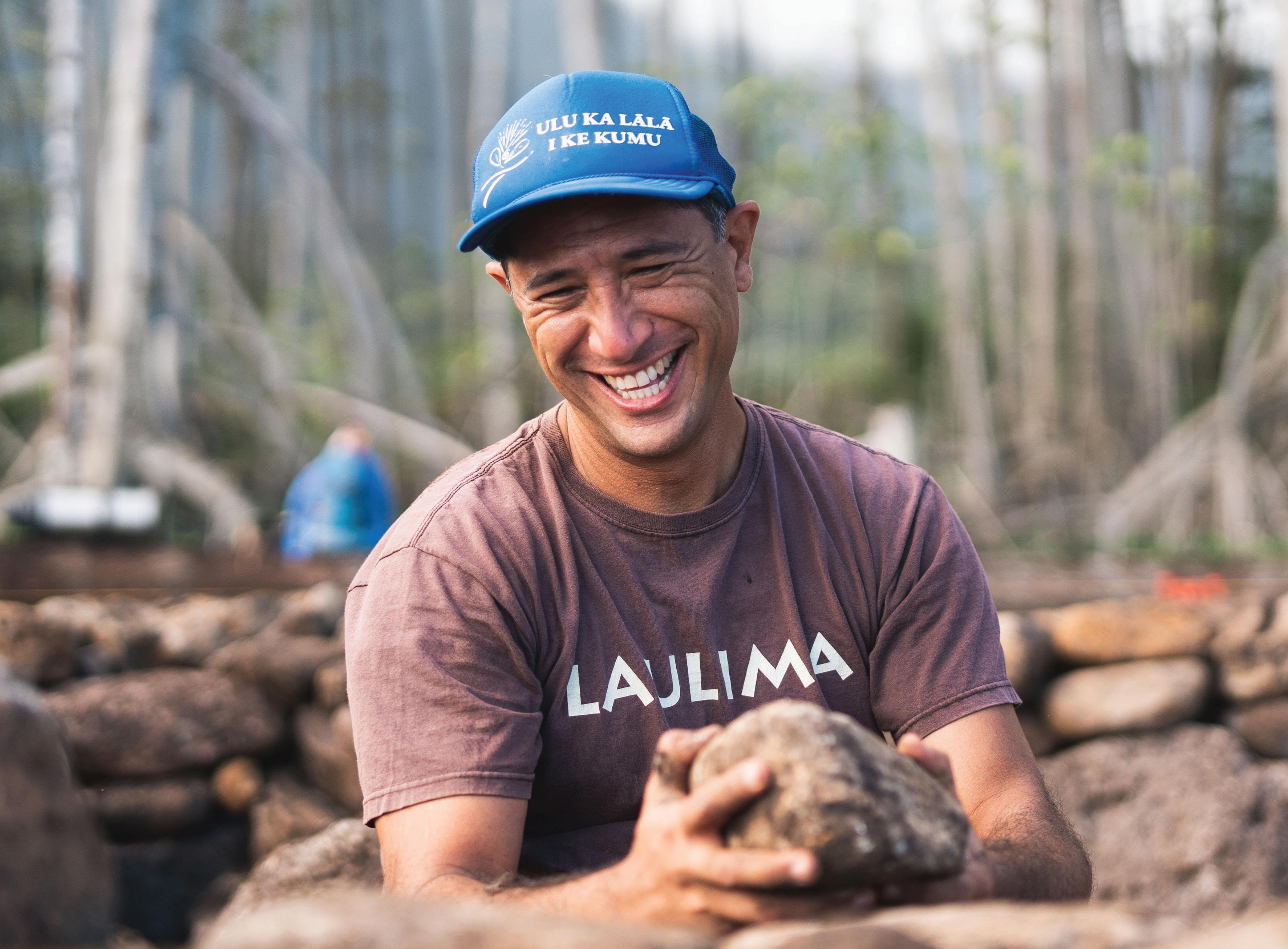
Dr. Winter shared how science informs policy. Dr. Winter, a trans-disciplinary ecologist and the director of the Heʻeia National Estuarine Research Reserve, bridges research, Indigenous stewardship, and policy in conservation and sustainability. Previously, as the director of Limahuli Garden and Preserve on Kauaʻi, he helped establish the Hāʻena Community-based Subsistence Fishing Area (CBSFA), the first fully functioning CBSFA in the world. He currently holds faculty appointments at UH Mānoa in Natural Resources and Environmental Management, and Botany. He is a strong advocate for reciprocal research between the University and People of Place. Dr. Winter serves on key policy committees including the White House's Ocean Research Advisory Panel, NOAA's Hawaiian Islands Humpback Whale National Marine Sanctuary Advisory Council, and the State's Endangered Species Recovery Committee.
UEHIRO-OCEANOGRAPHY YEARLY SYMPOSIUM
Breakthroughs: Uehiro-Oceanography Yearly Symposium (BUOYS) is an annual, two-day symposium featuring all graduate student research talks from the Department of Oceanography. The 2024 theme, "From Local to Global: Navigating the Scales of Oceanography", guided the symposium. The program includes professional development and community building workshops, in addition to daily pau hana networking sessions. Department of Oceanography postdoctoral fellows and undergraduate students from the Global Environmental Science program also participated in a poster presentation session. This annual event is made possible by support from the UC•AO.
DR. NYSSA SILBIGER
Dr. Silbiger led an interactive workshop on creative science communication through art-science collaborations. She discussed collaborative science communication projects involving fine artists and filmmakers. This type of interdisciplinary project could prove to be a blueprint for future science communication. She shared tips for getting buy-in from the public by engaging them in hands-on activities as a means of information exchange. UC•AO members experienced one of these projects first-hand as Dr. Silbiger facilitated a workshop resulting in a communal, coral reefthemed, clay mural.
MR. CHRIS OSTRANDER
Mr. Ostrander outlined diverse career pathways within ocean science and marine technology, emphasizing the growing demand for skilled professionals in these fields and highlighting the importance of interdisciplinary expertise and innovative thinking to address global challenges such as climate change, sustainable resource management, and ocean conservation. He shared insights, curated from personal experience and the inputs of the global Marine Technology Society community, on the professional skills and competencies needed to thrive in the modern blue economy workforce.
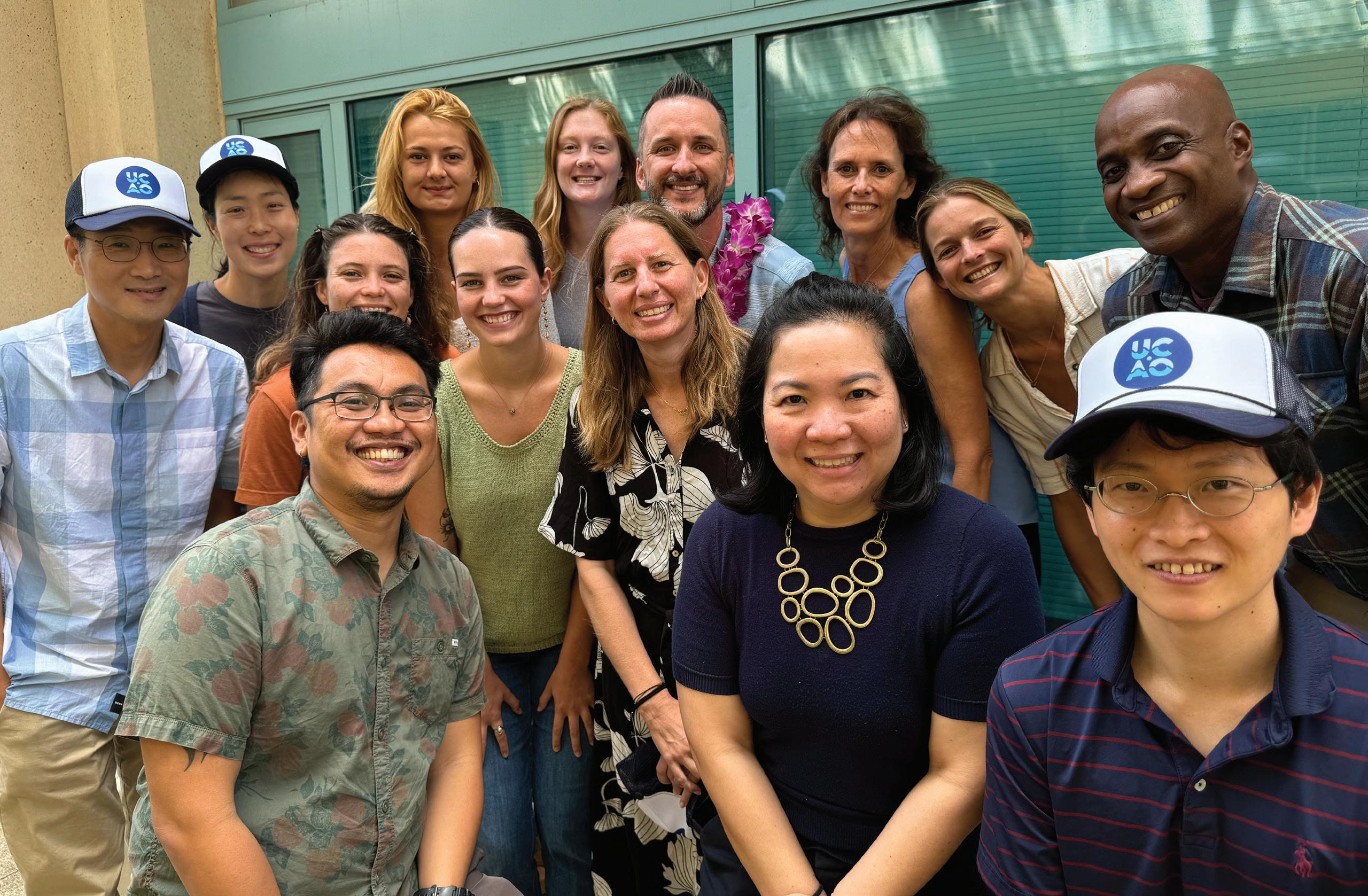
UC•AO welcomed three esteemed guests and colleagues from Hokkaido University. Their visit included a mini-symposium to showcase the mission, vision, and accomplishments of the UC•AO here at UH Mānoa. During the event, our students and faculty members presented their current research and contributions to the United Nations Sustainable Development Goals. It was an exciting opportunity to exchange ideas with our new partners. Learn more about this collaboration on page 18.
DR. BETH LENZ
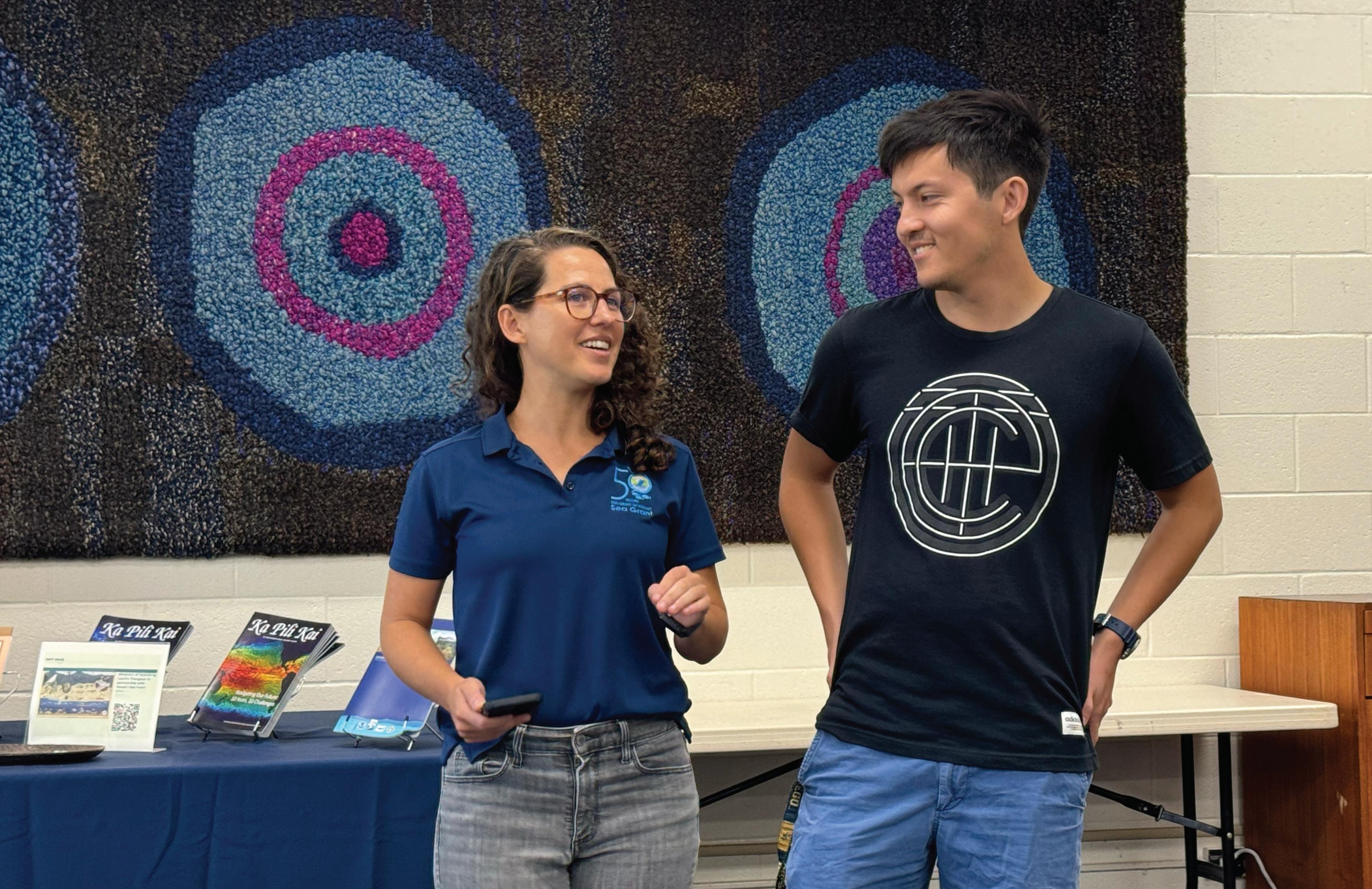
Dr. Lenz, Hawaiʻi Sea Grant's assistant director for strategic communications and engagement, led UC•AO members in an improvisational skills workshop to enhance public speaking and science communication skills. With over 20 years of improvisation experience alongside her extensive scientific background, she guides workshops in team building, science communication, and specialized programs for various groups. At this workshop, participants practiced improvisation and learned how it can help improve public speaking, research, and science communication skills.
MR. ANDRIAN GAJIGAN
Mr. Gajigan successfully defended his dissertation. He presented his research on giant virus interactions and dynamics. He is the first Uehiro graduate student fellow to complete his dissertation requirements. Please read more about Mr. Gajigan's laudable achievements on page 30.
Members of the UC•AO visited colleagues at the Okinawa Institute for Science and Technology in Okinawa, Japan. They had enjoyable and productive meetings with the Institute's president, provost, dean, and other members of the OIST team. Read more about this event under Collaborations on page 18.
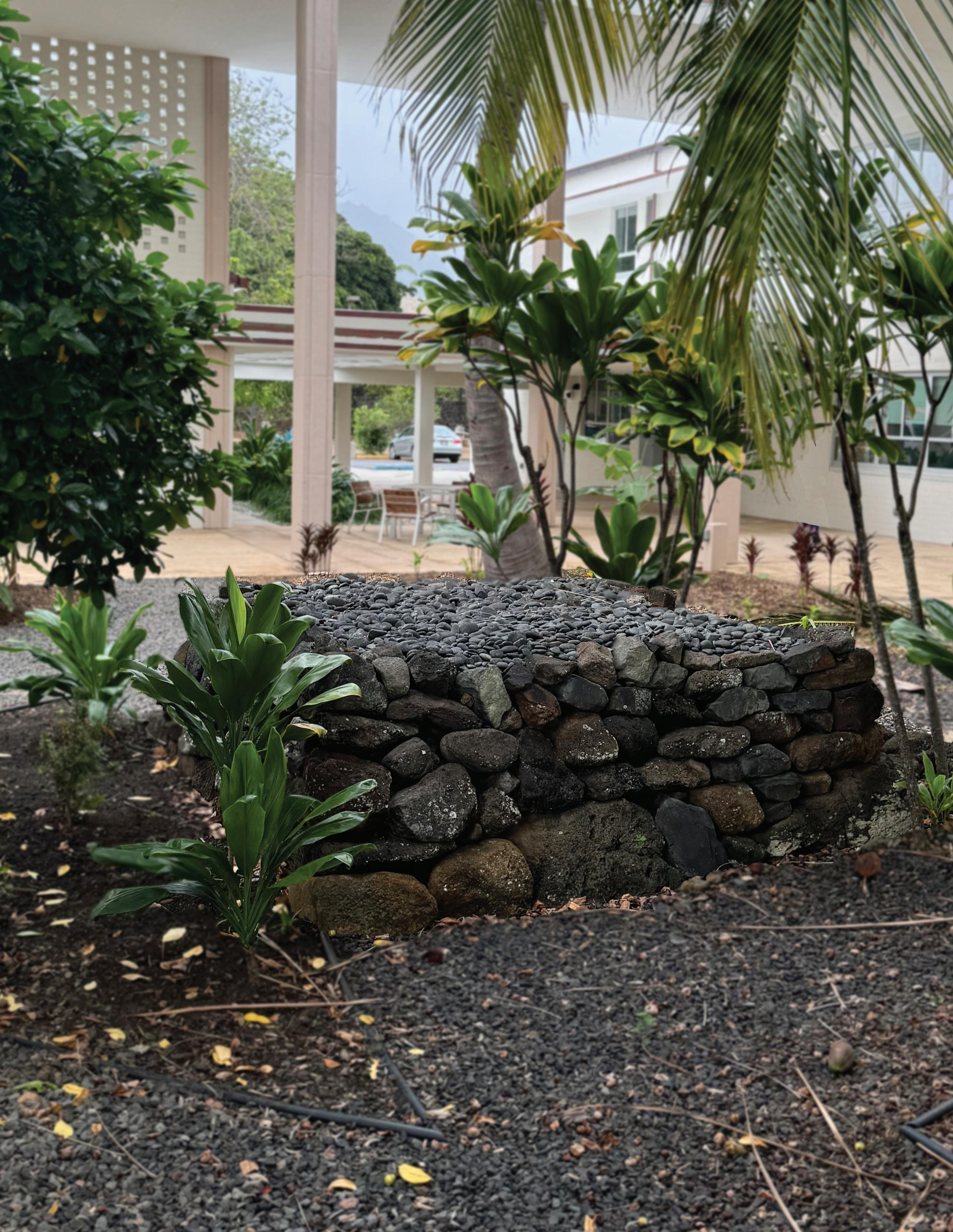
On this educational tour, or huakaʻi, participants learned about the Hawaiian geography, history, and people that shaped the place we now call UH Mānoa. They reflected on what it means to become a Hawaiian Place of Learning. The tour was led by Dr. Christina Higgins, chair of the Department of Second Language Studies, and two graduate students. The first huakaʻi began as a collaboration between the Multilingual Multicultural Initiative and Native Hawaiian Students Services. It was initially designed for the Pīkoʻokoʻo Conference, a conference honoring the importance of supporting our piko, which is grounded in Native Hawaiian traditions, customs, and practices. In 2019, Dr. Higgins began collaborating with Dr. Punihei Lipe at the Native Hawaiian Place of Learning Office to offer the tour more regularly.
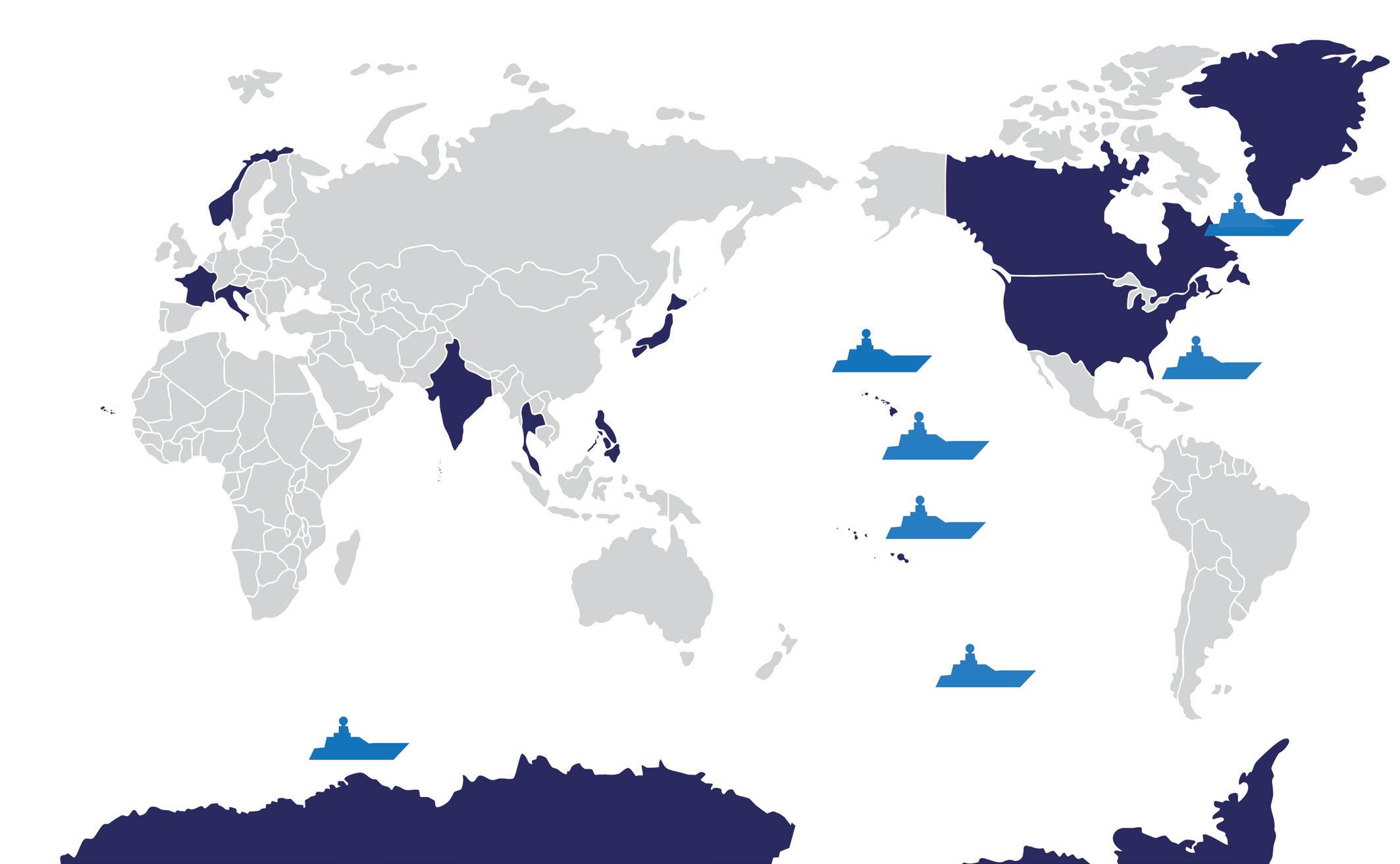
Our members conduct important research, participate in trainings, and attend meetings in unique places around the world. These opportunities facilitate advanced learning, exposure to the very latest techniques, engagement across cultures, and development of key collaborative partnerships. Through these experiences, our team members have also created lasting memories. See below for the exciting locations that our members have explored since the Center was founded.
We are incredibly proud of our Uehiro graduate student fellows who come from a range of backgrounds, cultures, and experiences. This diversity of perspectives leads to creative and innovative ideas, enriching our efforts in every domain. Our graduate students' diversity strengthens our work and ensures that our approaches are reflective of the needs of a wide array of communities.
AFRICAN DESCENT
PACIFIC ISLANDER
JAPANESE DESCENT OTHER
All of us at the Uehiro Center for the Advancement of Oceanography (UC•AO) express profound appreciation to the Uehiro Foundation on Ethics and Education for their belief in us, their unwavering support, and their inspiration. This has been an exceptionally productive year, and the Foundation's support has been essential to our success. Their recognition of the importance of our Center's programs and services has been the foundation of our achievements in these early years.
We have gained many additional benefits through new partnerships and international collaborations. These global experiences have brought world-renowned scientists to our shores and allowed us to send our representatives to some of the most advanced research centers worldwide. Our research in support of the United Nations Sustainable Development Goals continues without pause. Our efforts to find solutions to the climate crisis, threats to marine life, and access to clean water remain strong, thanks to the Foundation's support.
Throughout all of UC•AO's work, the themes of quality education and gender equality are central. The Foundation is a key partner in our mission to be innovative problem-solvers, driving positive change for our planet, and especially for our oceans. The investment in UC•AO further demonstrates the Uehiro Foundation on Ethics and Education's commitment to bringing global sustainability to life. We are deeply honored by their generosity, and on behalf of our team and the communities that benefit from our work, we are truly grateful.
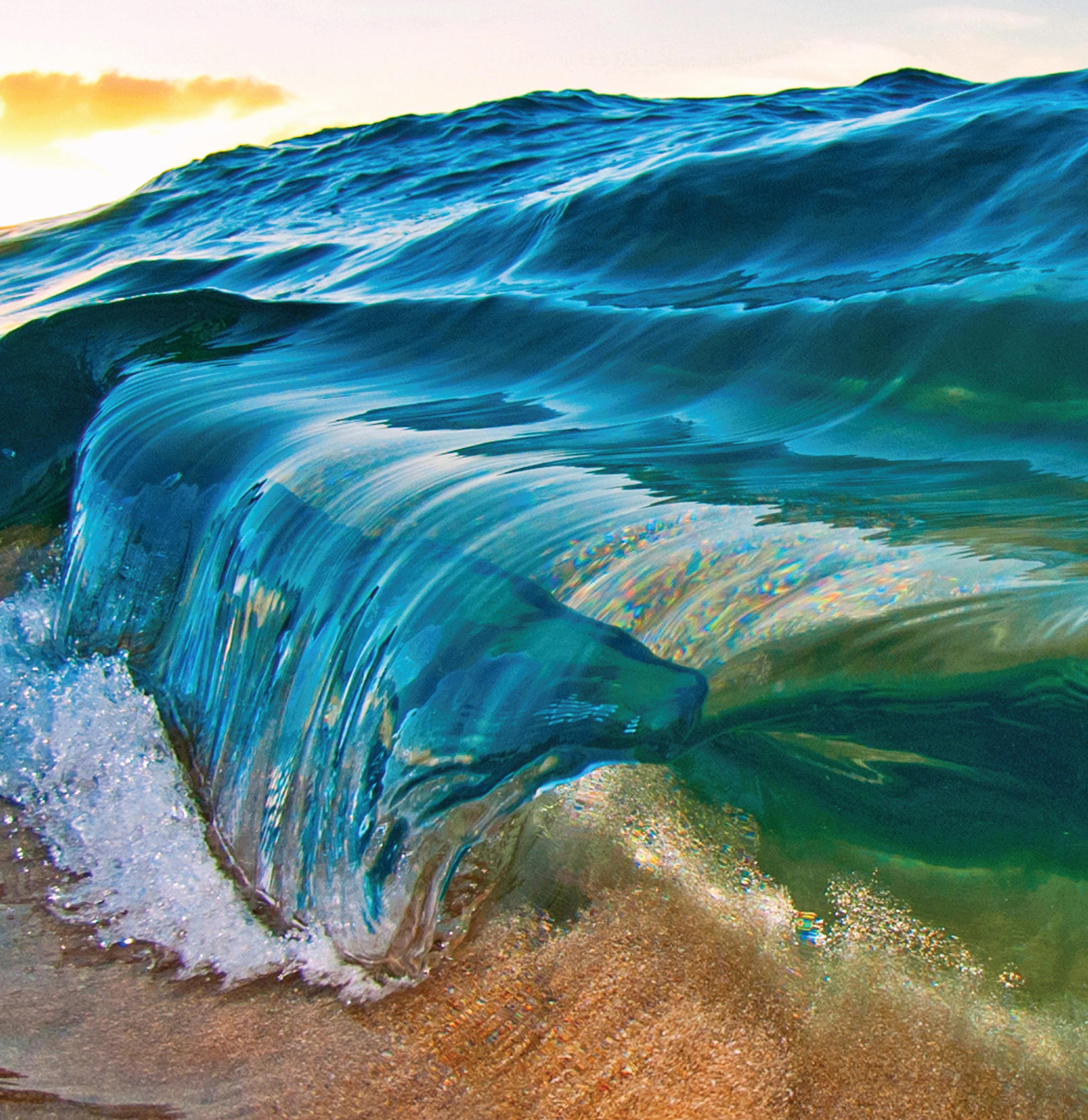
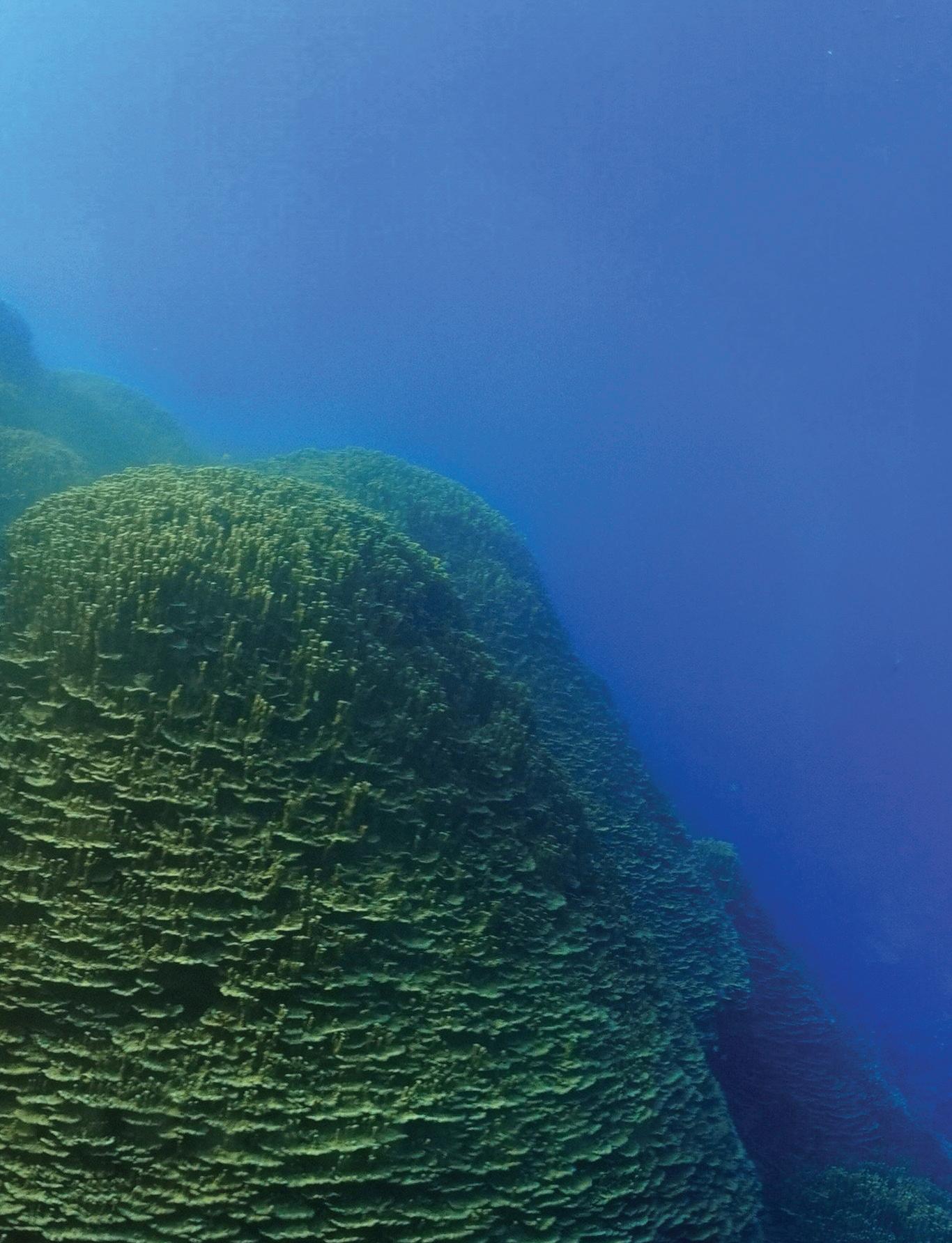
Cover Image courtesy of C. Little: The rolling surf at the end of a day, North Shore, Oʻahu, HI, USA. Inside cover Image courtesy of I. Knapp: Large coral heads in the blue water of the Pacific Ocean.
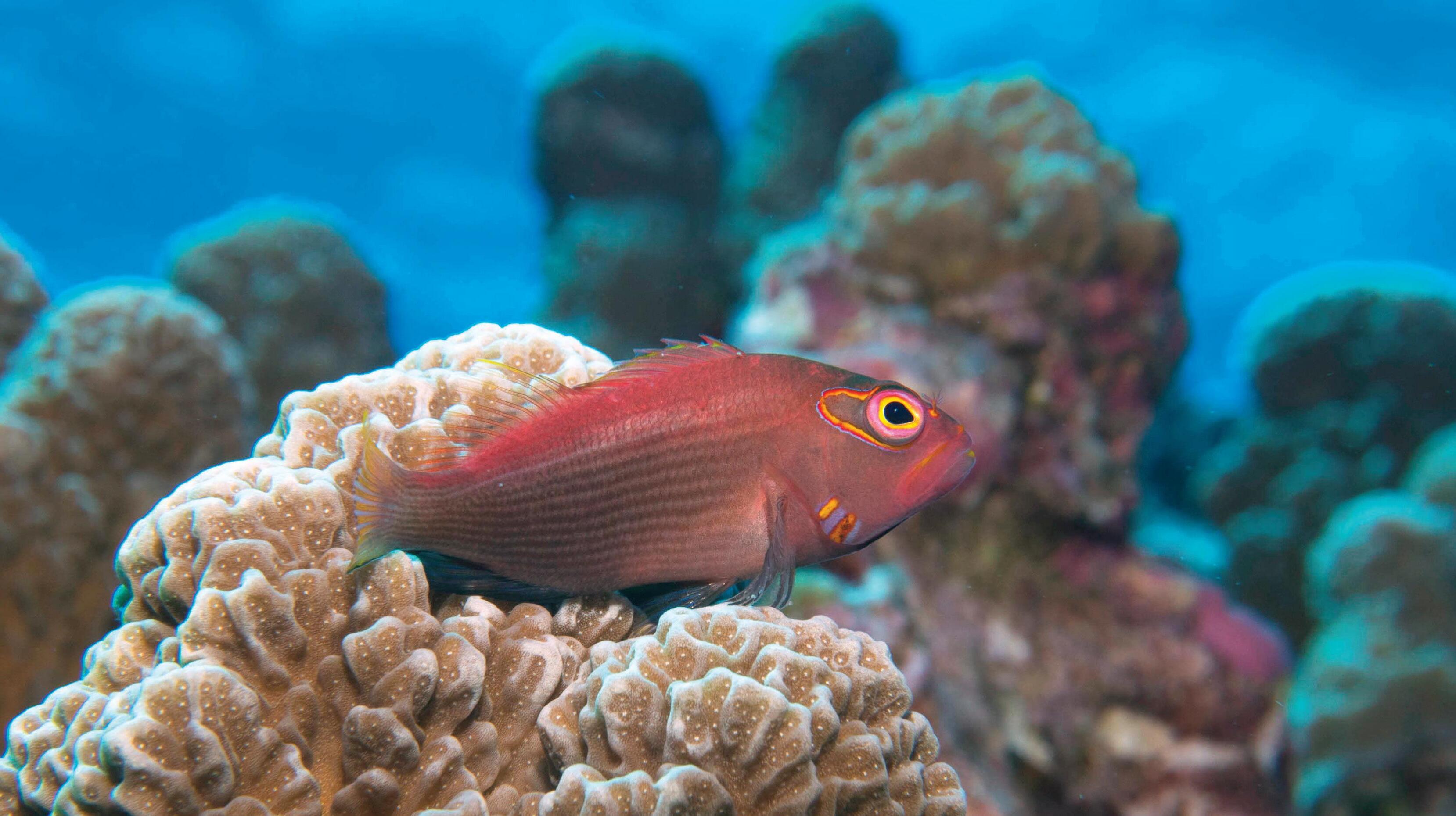
P02 Image courtesy of J. Glazner: Hawkfish on coral off the coast of Hawaiʻi, HI, USA.
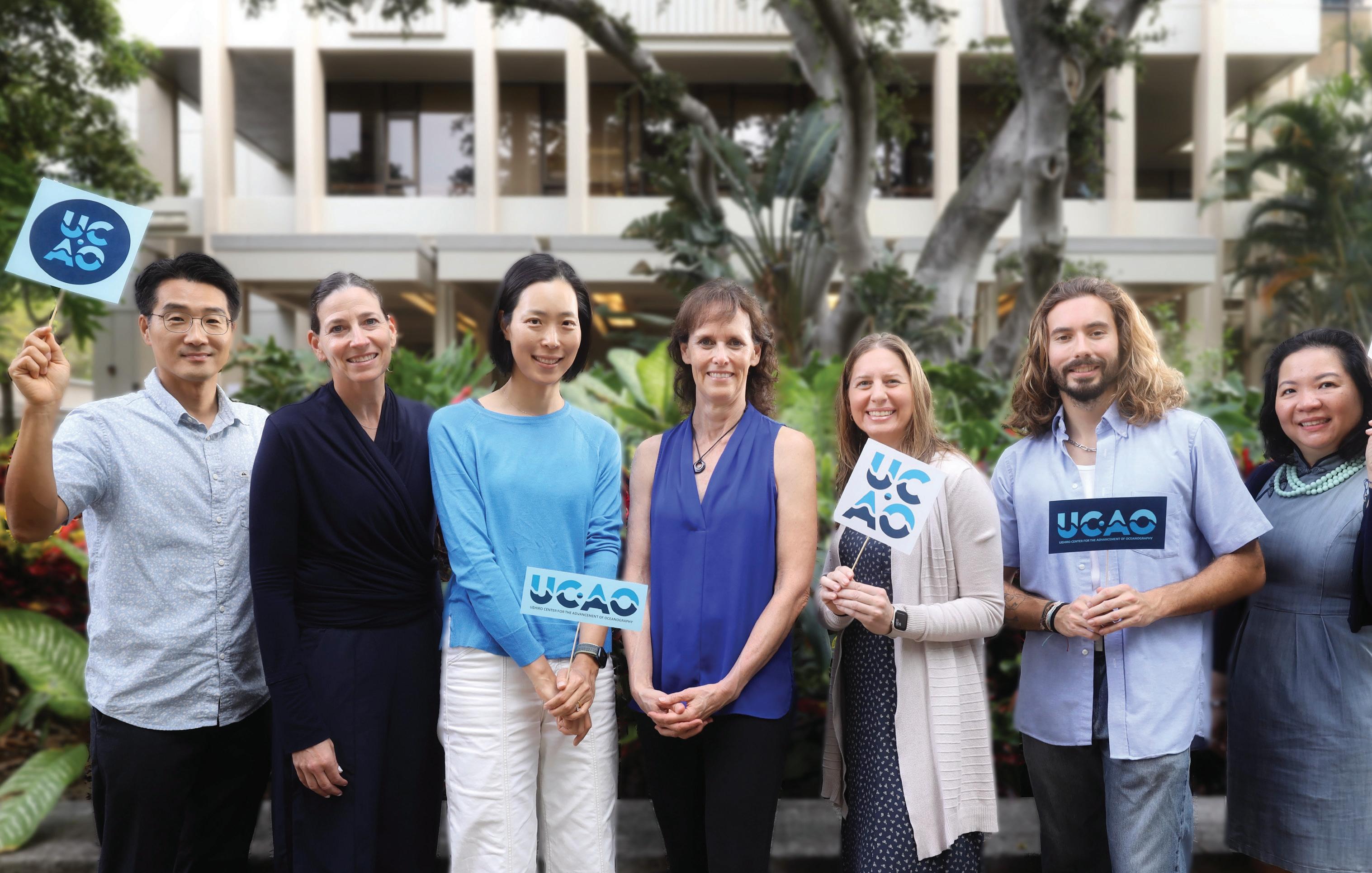
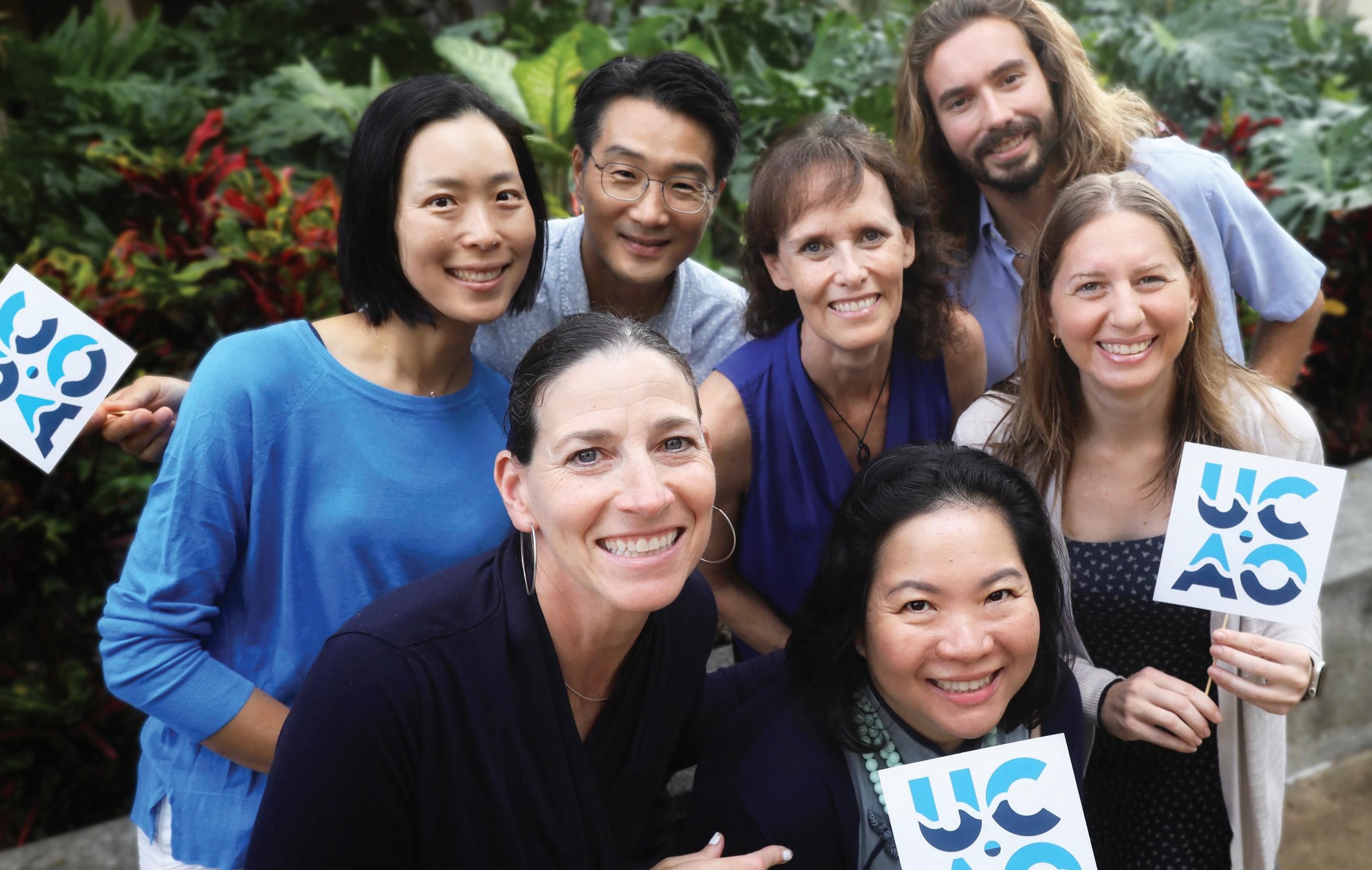
P05 Image courtesy of J. Wong: UC•AO leadership team and support staff.
(L to R, back) H. Seo, A. Cejudo. (L to R, middle) S. Yoshida, M. McManus, N. Silbiger. (L to R, front) A.Toperoff, L. Villa.
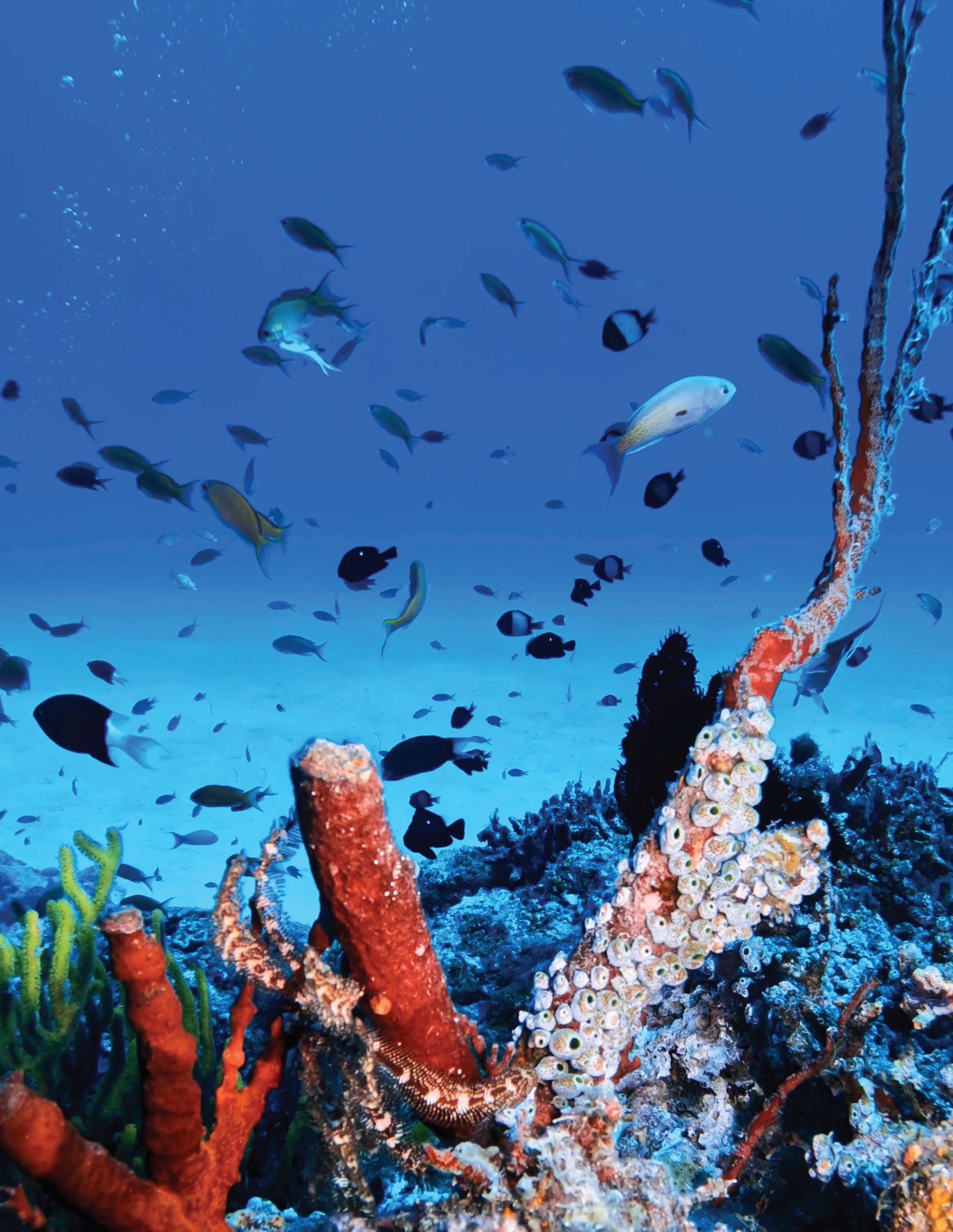
P07 Image courtesy of N. Silbiger: Vibrant coral reef off Okinawa, Japan.
P09
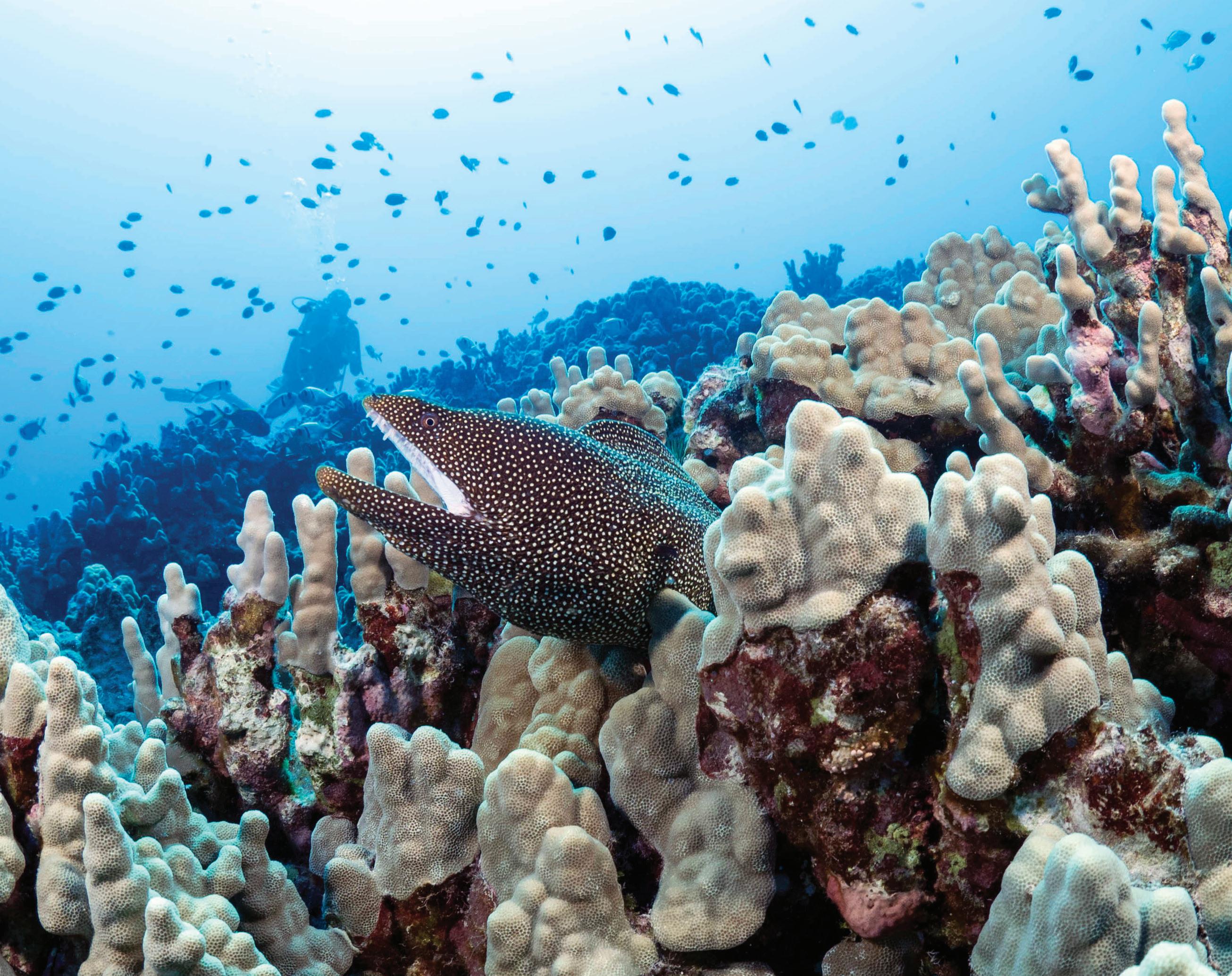
Image courtesy of J. Glazner: Eel on a reef near Kona, Hawaiʻi, HI, USA.
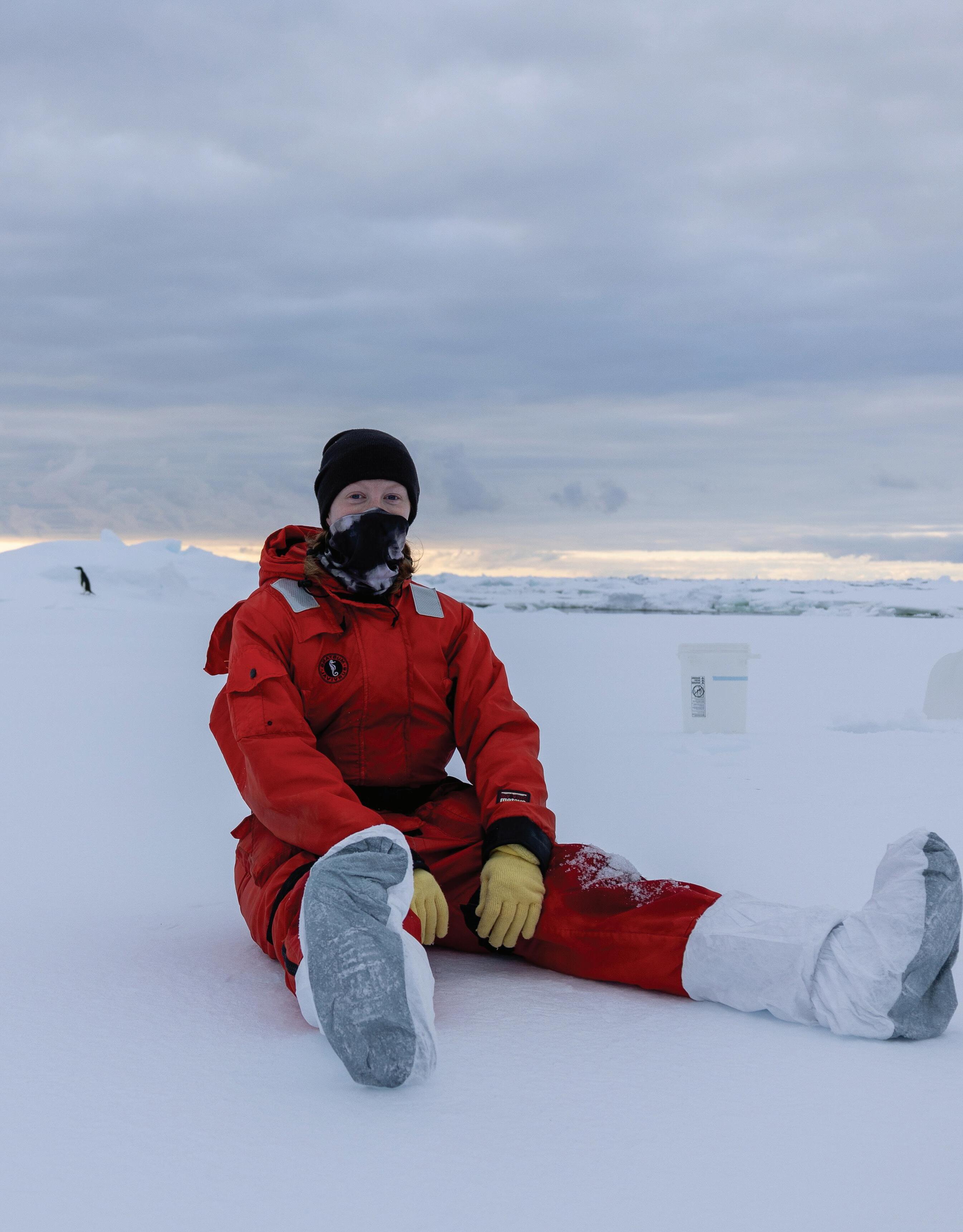
P10 Image courtesy of A. McBee: E. Bates samples sea ice in the Amundsen Sea, Antarctica with a penguin nearby.
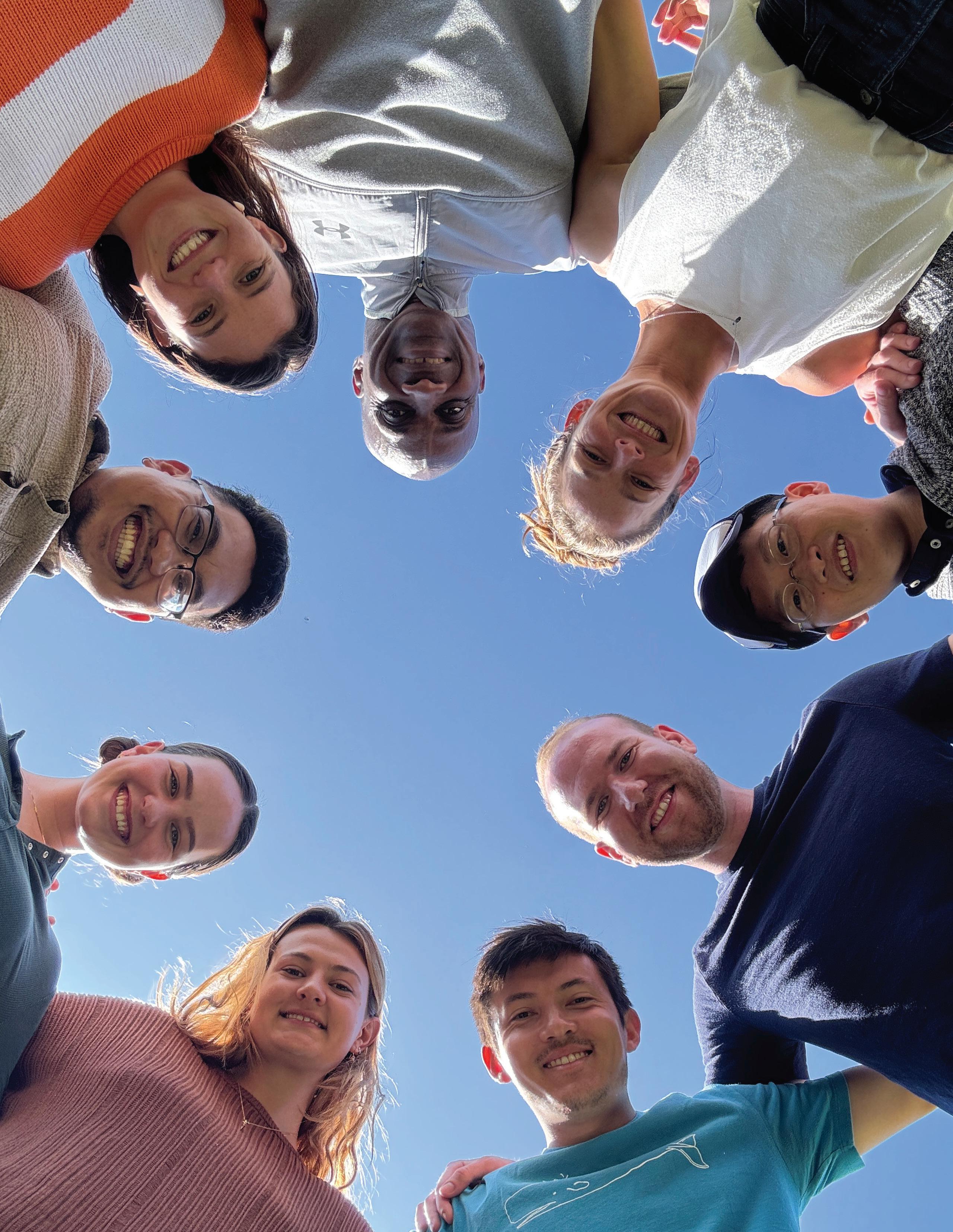
P13 Image courtesy of A. Toperoff: Uehiro graduate student fellows, Oʻahu, HI, USA. (Clockwise from the top) G. Walker, K. Feloy, R. Dobashi, J. Gunnarson, K. Conner, R. McClintock, A. Laughlin, A.Gajigan, S. Cranston.
P15 Image courtesy of A. Toperoff: J. Gunnarson examines the effect of El Niño on marine heatwaves.
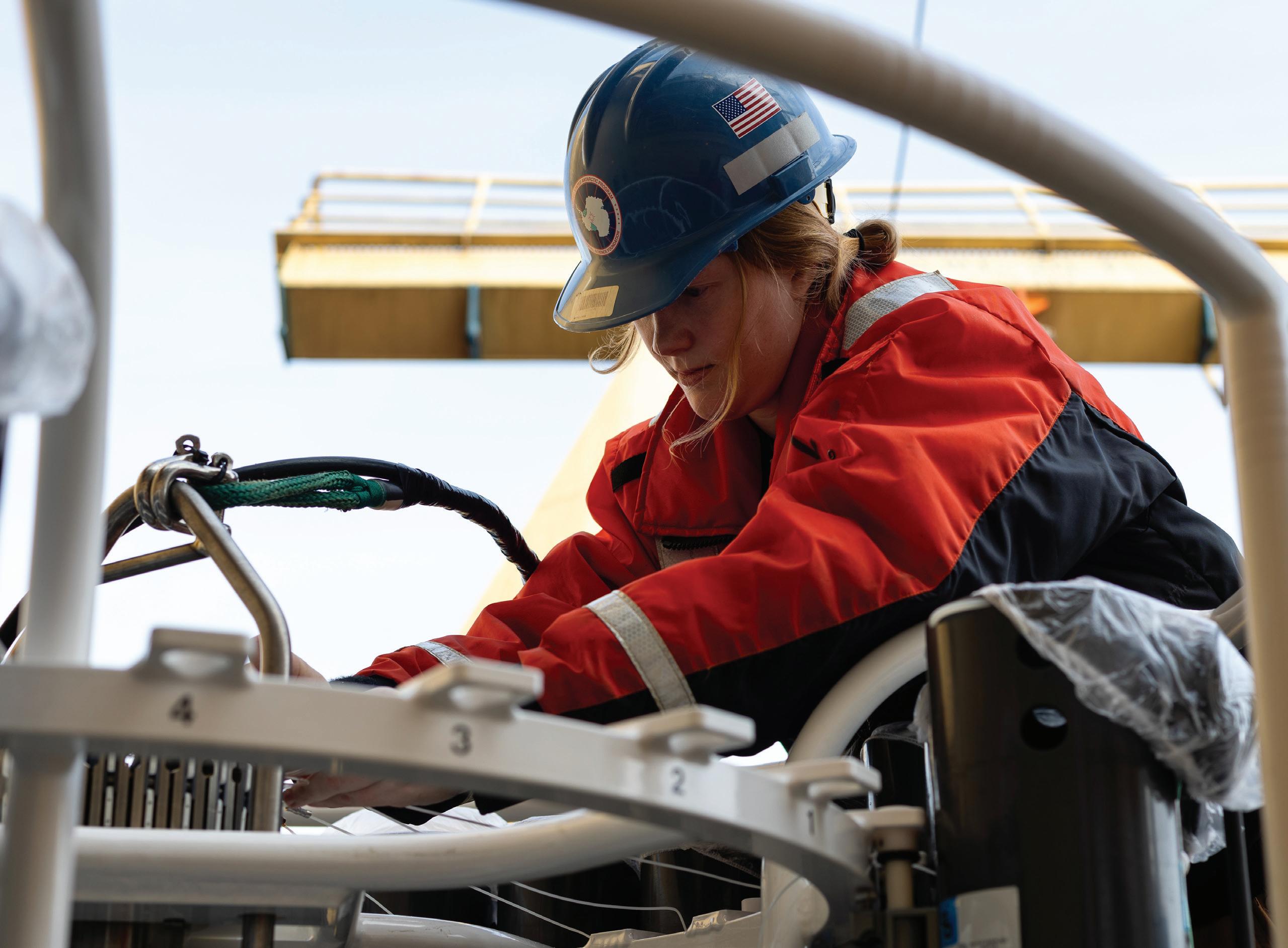
P17 Image courtesy of S. Moutinho: E. Bates prepares a CTD for deployment in the Amundsen Sea, Antarctica.
P19 TOP: Image courtesy of H. Seo: H. Seo, M. McManus, and N. Silbiger, outside OIST, Okinawa, Japan.
BOTTOM: Image courtesy of S. Garlach: UC•AO members and collaborators from Hokkaido University.
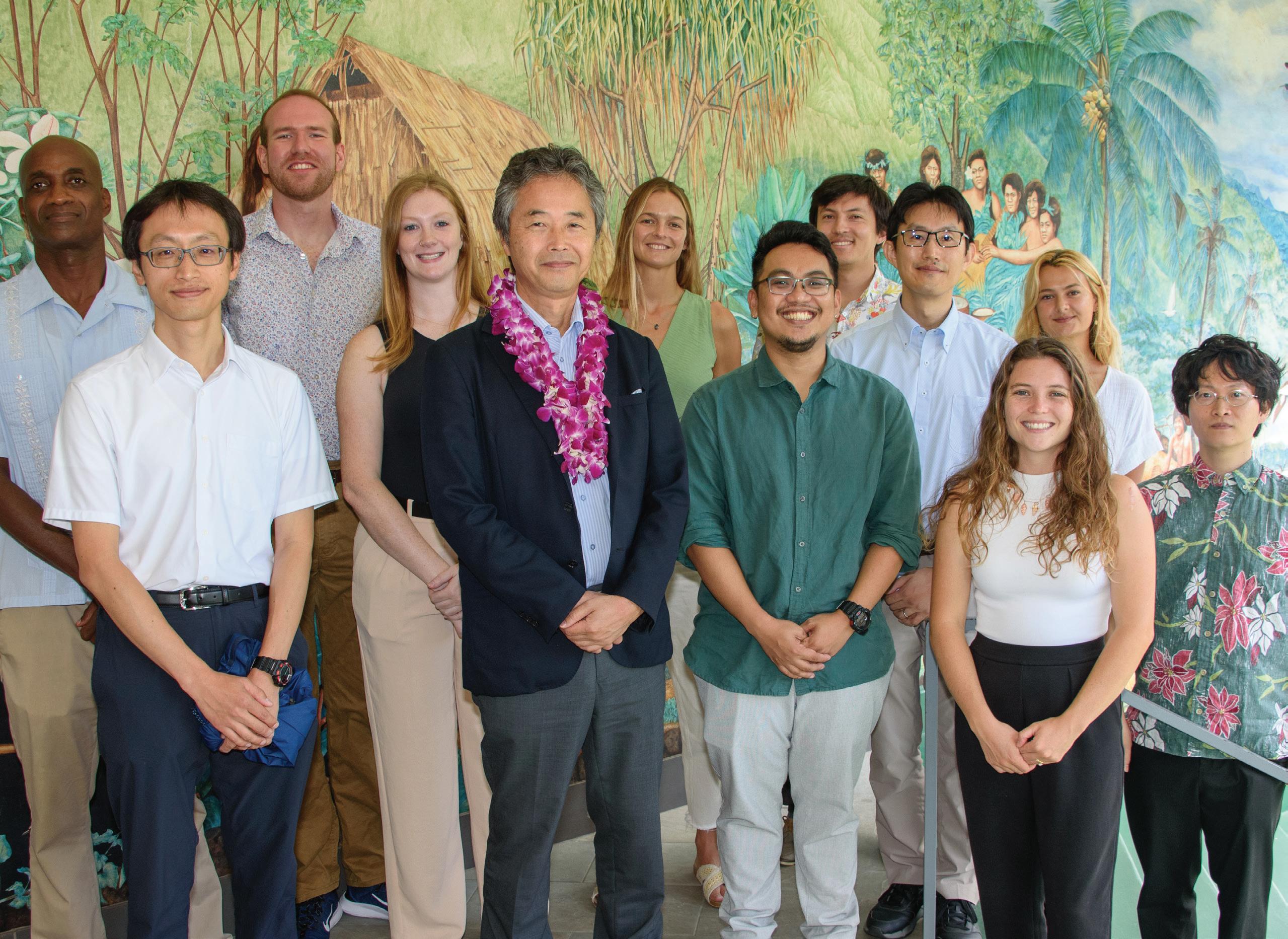
(L to R) G. Walker, K. Matsuno, G. Gunnarson, E. Bates, A. Kasai, K. Feloy, A. Gajigan, K. Connor, H. Ueno, S.Cranston, R. McClintock, R. Dobashi.
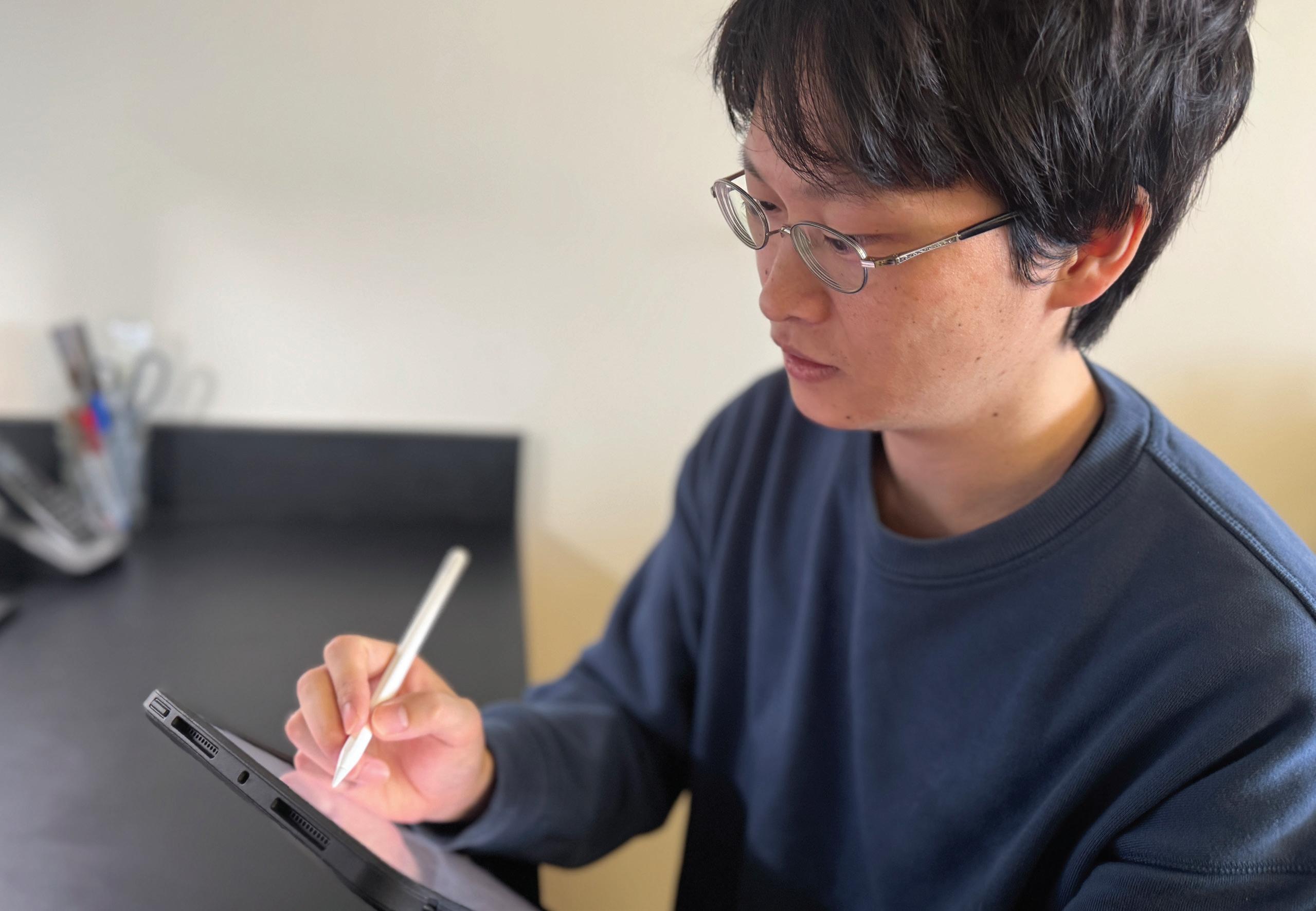
P23 Image courtesy of A. Toperoff: R. Dobashi takes notes for his research.
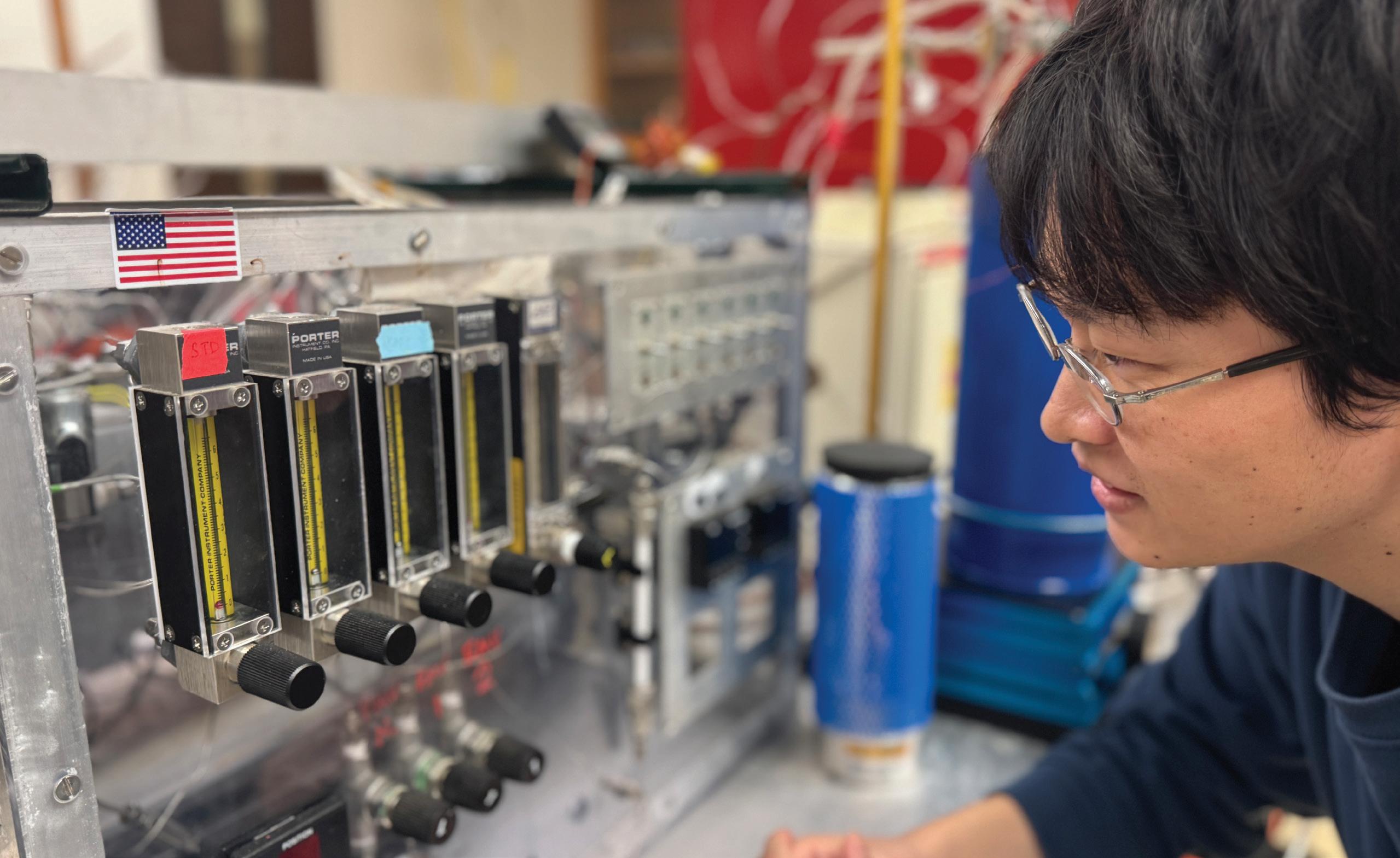
P26 Image courtesy of A. Toperoff: R. Dobashi examines a purge and trap SF6 system.
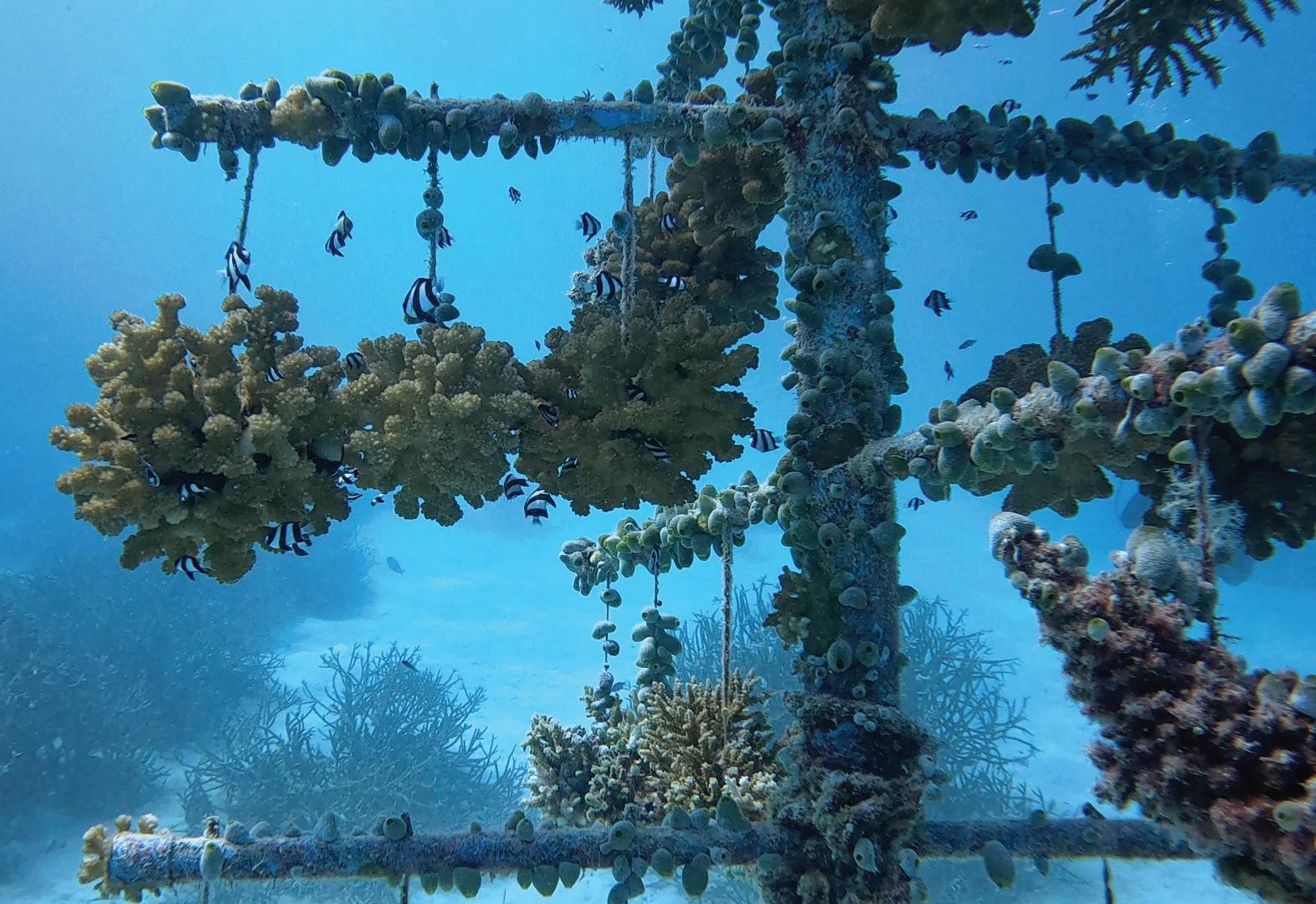
P27 Image courtesy of S. Cranston: A MaRHE Center coral restoration garden monitored in Magoodhoo, Faafu Atoll, Maldives.
P29 TOP: Image courtesy of C. Hite: Uehiro Graduate student fellows attend the American Geophysical Union
BOTTOM: Image courtesy of J. Gunnarson: Uehiro graduate student fellows attend the Ocean Sciences Meeting in New Orleans, LA, USA. (L to R) J. Gunnarson, S. Cranston, A. Laughlin, R. McClintock.
P30 Image courtesy of A. Gajigan, T.M. Carvalho, A. Culley, G. Steward: Electron microscopy image of a PelV-1 virus
lysing a phytoplankter. conference in Washington, DC, USA. (L to R) K. Feloy, J. Gunnarson, K. Conner, E. Bates, G. Walker.
P31 Image courtesy of J.D.L. Deauna: A. Gajigan and advisor G. Steward celebrate a successful dissertation defense.
P32 Image courtesy of A. Toperoff: K. Feloy participates in a UC•AO seminar.
P34 Image courtesy of A. Toperoff: An ahu, or stone temple, in the courtyard of Bachman Hall. This was a stop on the UH Mānoa campus educational tour.
P36 TOP: Image courtesy of S. Marrs: K. Winter, who led a UC•AO seminar on how science informs policy.
BOTTOM: Image courtesy of A. Toperoff: UC•AO team members after a seminar by C. Ostrander. (L to R, back) S.Yoshida, R. McClintock, E. Bates, C. Ostrander, M. McManus, K. Feloy, G. Walker, (L to R, middle) H. Seo, S. Cranston, A. Laughlin, N. Silbiger, (L to R, front) A. Gajigan, L. Villa, R. Dobashi.
P38 Image courtesy of A Toperoff: B. Lenz and K. Conner during a UC•AO improv workshop.
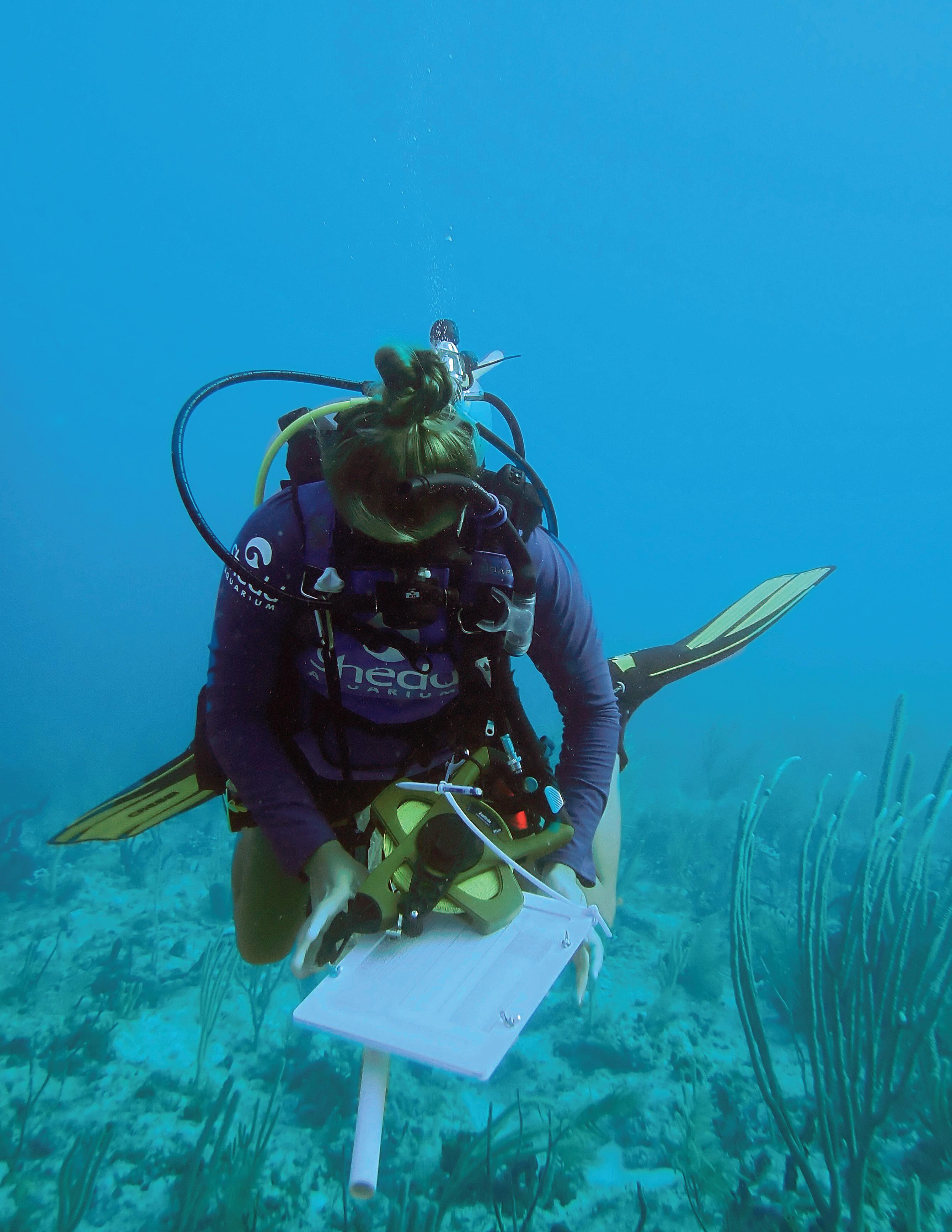
P40 Image courtesy of H. Wind: R. McClintock, in collaboration with Shedd Aquarium, surveys a coral reef off of Key Largo, FL.
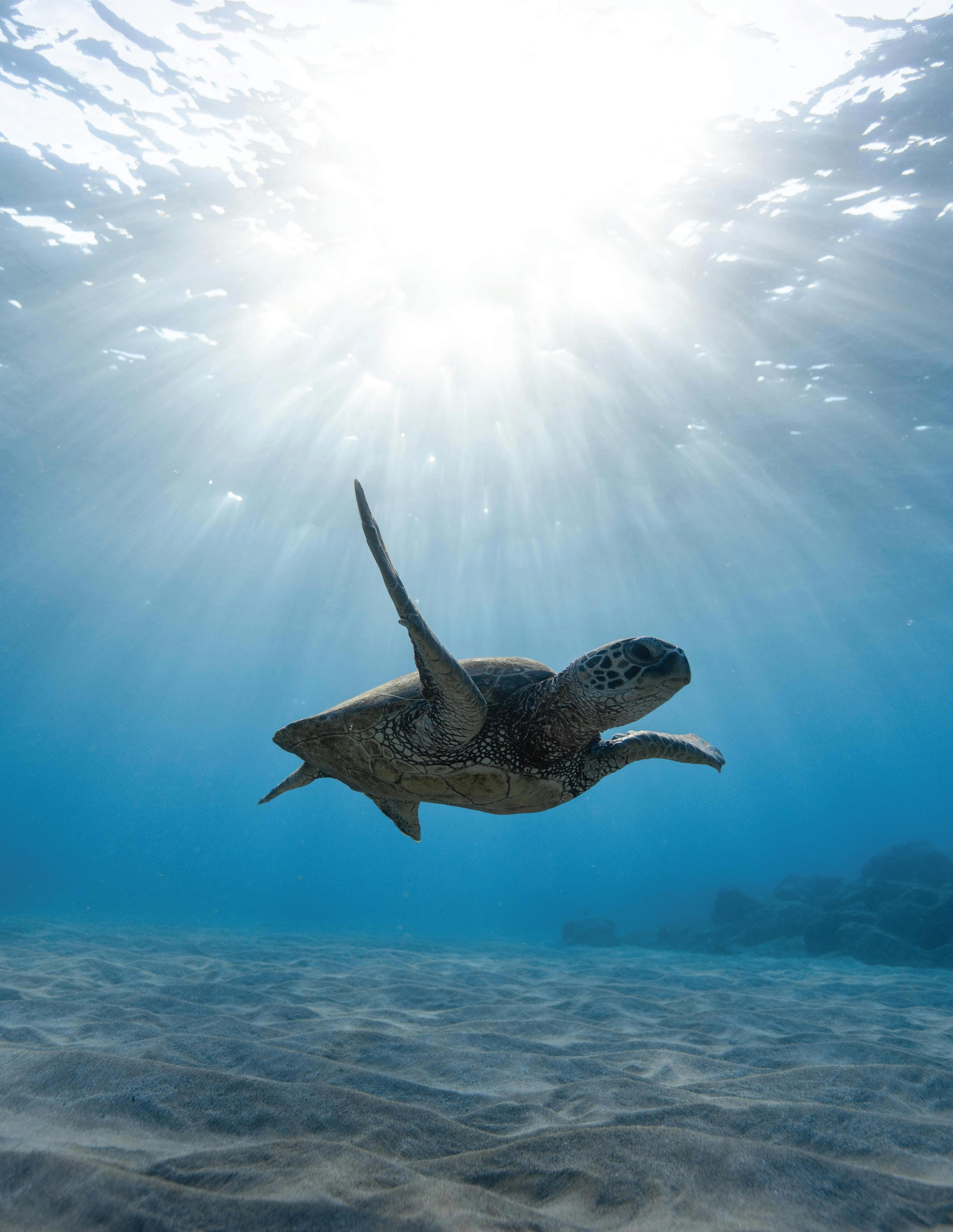
P42 Image courtesy of pexels.com, J. Bishop: Green turtle swimming below a shining sun.
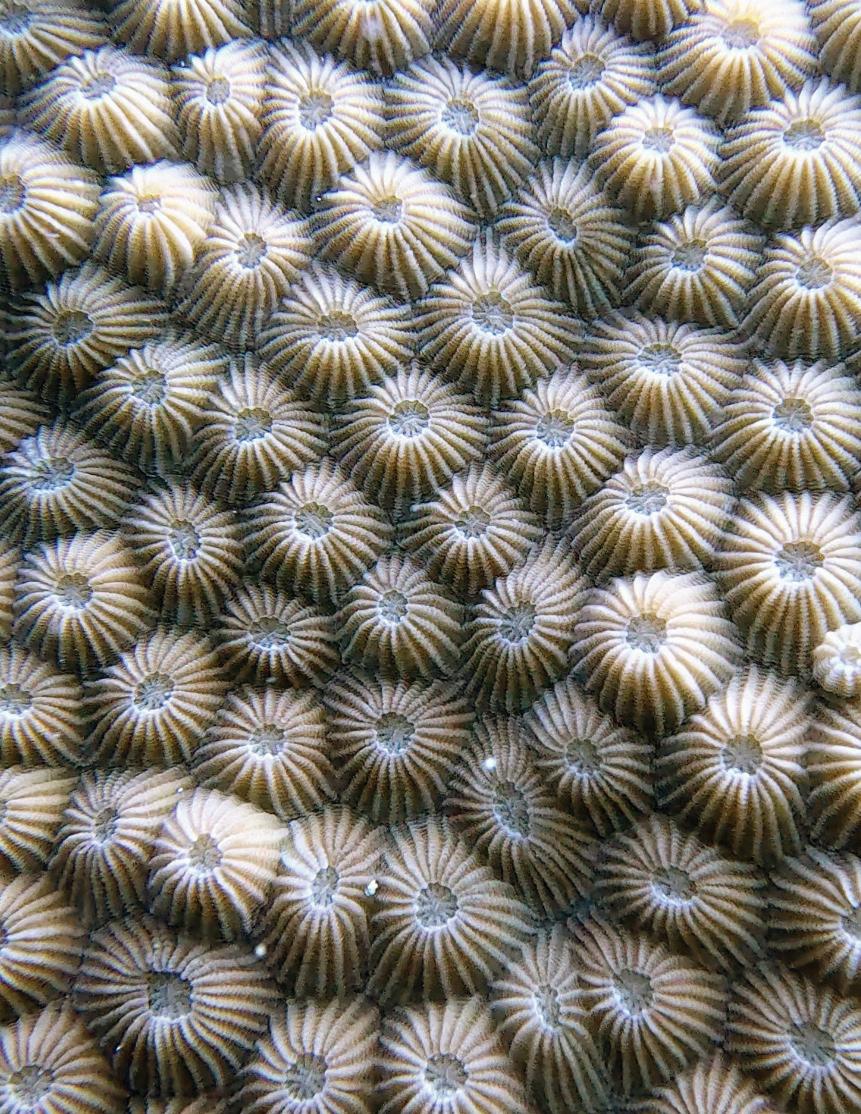
P45 Image courtesy of S. Cranston: Close up of diploastrea coral in Magoodhoo, Faafu Atoll, Maldives.
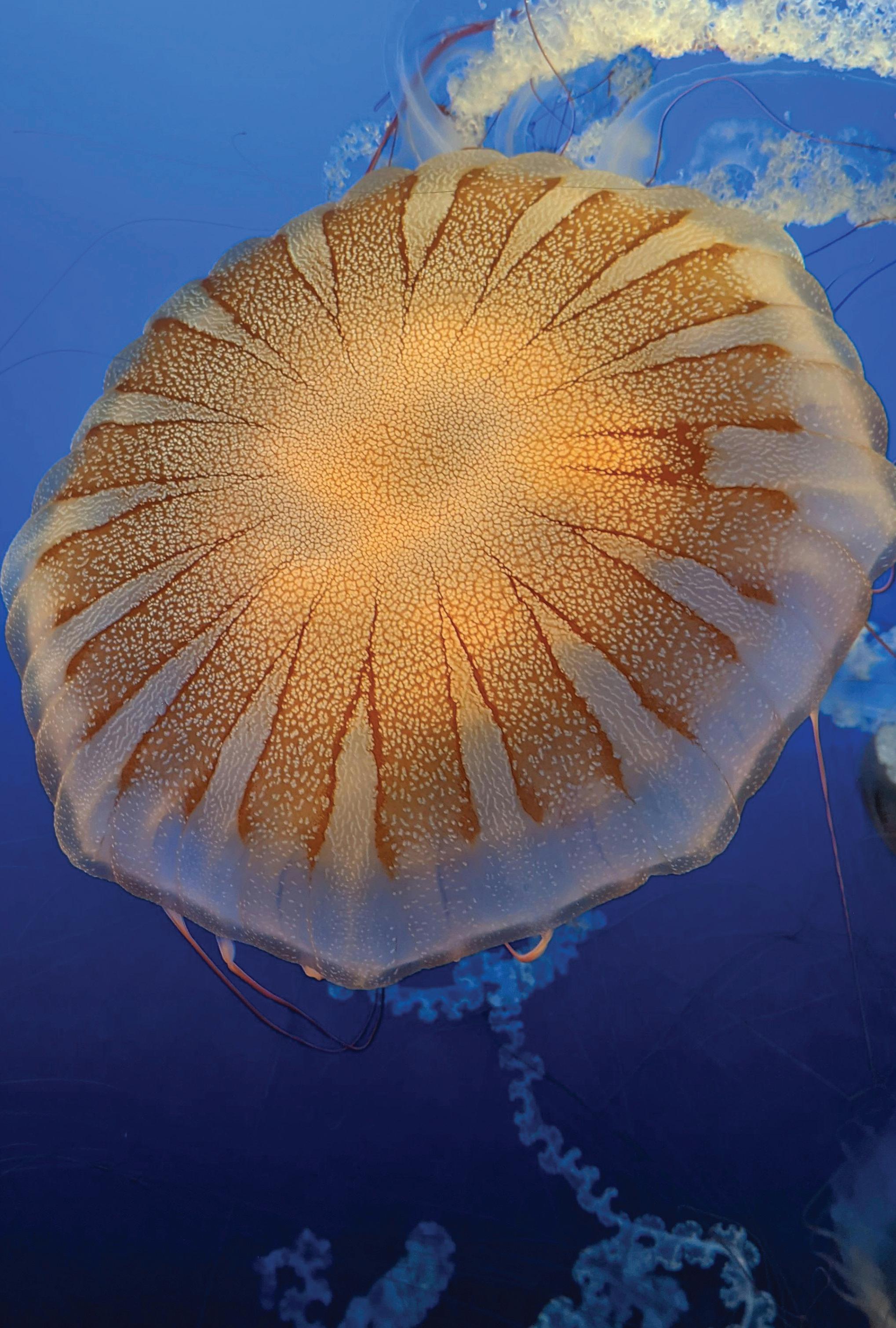
P46 Image courtesy of pexels.com, T. Youel: Compass jellyfish in the open ocean.
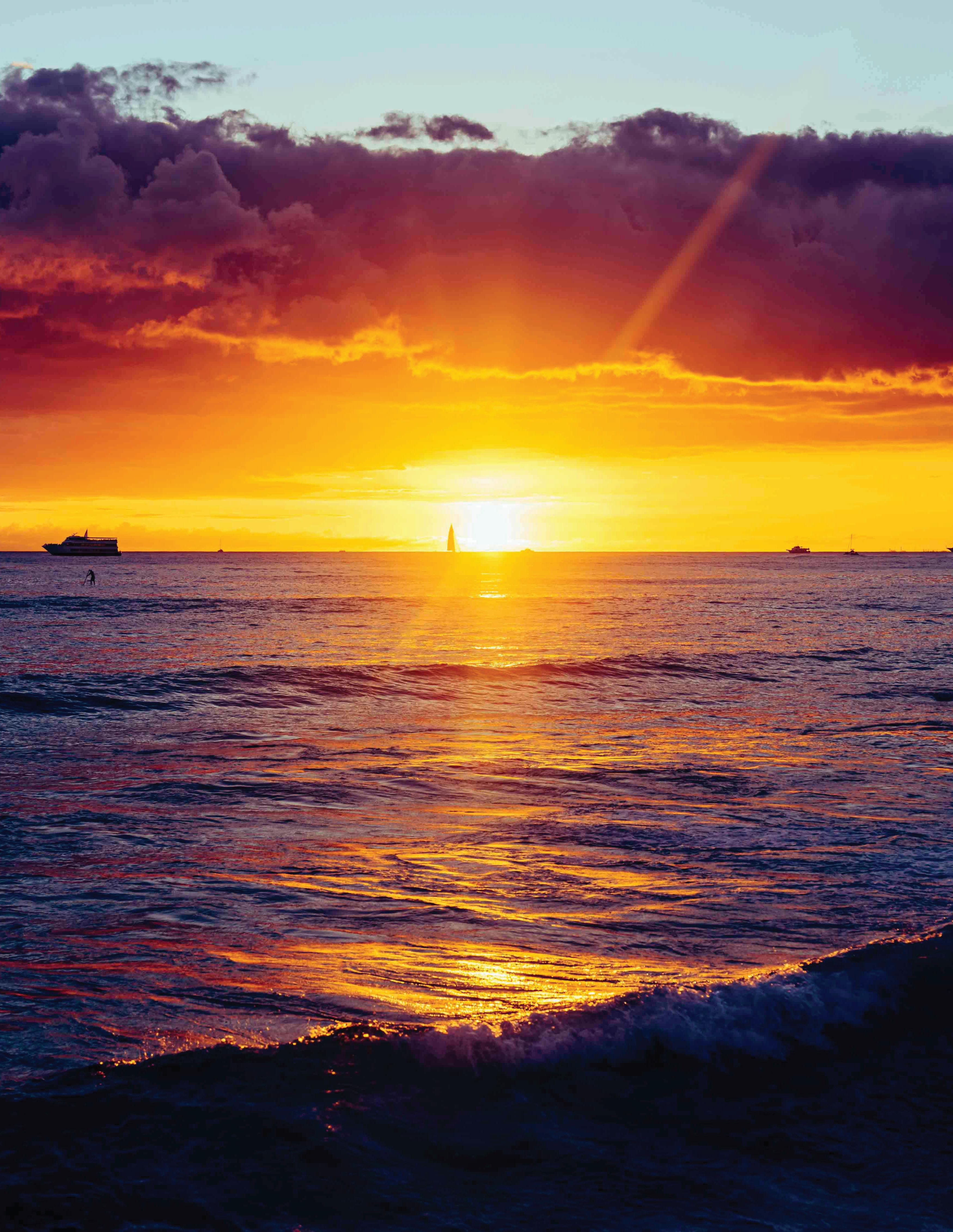
Back cover Image courtesy of Unsplash, D Johnson: Sunset over the Pacific Ocean.
Layout and design elements by A Toperoff, Creative Outreach Director, UC•AO.
www.soest.hawaii.edu/oceanography/uc-ao