Uehiro Center for the Advancement of Oceanography Annual Report 2023
UEHIRO CENTER FOR THE ADVANCEMENT OF OCEANOGRAPHY
Professor Margaret Anne McManus Director
UEHIRO CENTER FOR THE ADVANCEMENT OF OCEANOGRAPHY
DEPARTMENT OF OCEANOGRAPHY
UNIVERSITY OF HAWAI'I - MĀNOA
HONOLULU, HI 96822 www.soest.hawaii.edu/oceanography/uc-ao
MESSAGE FROM THE UC•AO DIRECTOR
During this, our inaugural year, the Uehiro Center for the Advancement of Oceanography (UC•AO) has experienced many successes. First and foremost, we want to extend our deepest gratitude to the Uehiro Foundation on Ethics and Education. Our shared vision of creating a center where rigorous scientific research, discourse, and debate are encouraged as a means to advance oceanographic research and inform policy, has been realized. The Uehiro Foundation on Ethics and Education’s partnership with the University of Hawai‘i and the University of Hawai‘i Foundation is a beacon of the best in community engagement and conscience. The UC•AO nurtures an environment of complexity, challenge, and collegiality. UC•AO members continue the important work of addressing topics that are complementary with the United Nations Sustainable Development Goals.
The UC•AO has recruited an amazing team of enthusiastic, gifted thinkers and doers whose belief in our mission is strong and demonstrable. The Center now includes a talented team of graduate students, professors, and a researcher who bring experience, accomplishment, and drive to our mission. We have an engaged and expert advisory council and a superlative support staff, all of whom have contributed immeasurably to our first year’s successes.
No overview of our first year would be complete without mentioning our special programs that delivered important learning experiences. Our speaker series featured presenters from a wide variety of fields and backgrounds. The range of topics, from ocean conservation to ocean policy, provided unique and valuable perspectives and learning opportunities for all attendees.
It was altogether thrilling to have achieved so much in our inaugural year. We look forward to continuing our efforts to build on this year’s successes and the big aspirations of all those who care about protecting and valuing our oceans and planet.
Professor Margaret Anne McManus Director, Uehiro Center for the Advancement of Oceanography Chairwoman, Department of Oceanography University of Hawai‘i at Mānoa
about UC•AO INTRODUCTION
In 2022, the Uehiro Foundation on Ethics and Education, chaired by Mr. Tetsuji Uehiro, established the Uehiro Center for the Advancement of Oceanography (UC•AO) in the Department of Oceanography at the University of Hawai‘i at Mānoa. The Uehiro Foundation on Ethics and Education is a public foundation that has as its mission the provision of moral education, international communication, research advancement, and other related services. The ascent of ethical research and education is at the heart of the Foundation’s work.
purpose
The Uehiro Center for the Advancement of Oceanography is a nexus of consequential support, resources, and opportunity for faculty and students engaged in vital oceanographic research. The Center offers a venue where discourse and debate are encouraged as a means to advance research and inform policy.
The UC•AO facilitates the realization of research goals detailed in the Department of Oceanography’s (2022-2027) Strategic Plan. The plan was prepared collaboratively through interviews, surveys, and three department-wide workshops, involving 123 department members.
The research questions the UC•AO members address are complementary to the United Nations Sustainable Development Goals (UN SDGs). The Center Director, Uehiro Associate Professors, Department Faculty, and Uehiro Graduate Student Fellows meet monthly to discuss and advance their research. The new team is integrated with established colleagues and existing partnerships of the Department of Oceanography.
UC•AO TEAM director
The members of our team bring with them a wealth of experience and knowledge. They expand the expertise of the Department of Oceanography and integrate cutting-edge research with undergraduate and graduate education. They lead research programs that contribute to our department’s strategic goals. As leaders within the UC•AO, our professors and researcher catalyze innovative, interdisciplinary research that addresses consequential scientific questions complementary to the United Nations Sustainable Development Goals. They are developing and sustaining vigorous, extramurally-supported, collaborative research programs that complement existing expertise in the Department of Oceanography and the School of Ocean and Earth Science and Technology (SOEST). They conduct outstanding teaching and mentoring of students in both the graduate Oceanography and undergraduate Global Environmental Science programs and provide service to our department, school, university, and the larger scientific community.
Dr. Margaret McManus is Director of the Uehiro Center for the Advancement of Oceanography and Chairwoman of the Department of Oceanography at the University of Hawai‘i at Mānoa. Dr. McManus is a tenured, full professor, with 34 years of experience. She heads an established, internationally recognized research program, has received accolades for her excellence in research, teaching, and mentoring, and has held key leadership positions in the Department of Oceanography, SOEST, University of Hawai‘i at Mānoa, and in the national and international oceanographic communities. Dr. McManus earned a BA in environmental science from the University of Virginia, an MS in oceanography from Old Dominion University, and a PhD in oceanography from the Center for Coastal Physical Oceanography, Old Dominion University.
advisory council
Dr. Haunani Hi‘ilani Kane is a scientist, surfer, and voyager from Kailua, O‘ahu. Dr. Kane’s life is guided by the values and storied history of her kūpuna (ancestors). Her research combines coastal geomorphology, paleo environmental reconstructions, spatial analysis, and the perspectives of a native islander to investigate how islands, reefs, and island people are impacted by changes in climate.
Dr. Kane has been mentored since her youth in traditional Hawaiian wayfinding and navigation with the Polynesian Voyaging Society. She has spent nearly 200 days at sea aboard both sailing and modern research vessels. As a voyager and climate scientist, Dr. Kane’s research and teaching rely upon reestablishing ancestral relationships to place. Through this process, she provides a more inclusive understanding of the impacts of environmental stressors and ensures that the best available climate science data is reflective of all stories of place and their people.
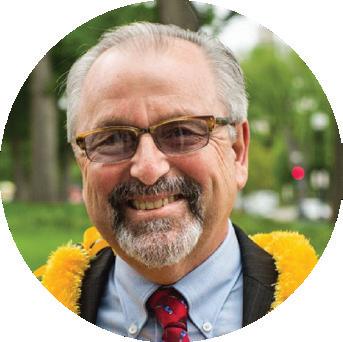
Dr. David Karl is the Victor and Peggy Brandstrom Pavel Professor of Microbial Oceanography and Director of the Daniel K. Inouye Center for Microbial Oceanography: Research and Education (C-MORE) at the University of Hawai‘i at Mānoa.
In 1973, Dr. Karl participated in his first oceanographic research expedition to the Cariaco Basin aboard the RV Eastward. Since that time, he has spent more than 1,000 days conducting research at sea including 23 expeditions to Antarctica. In 1988, he co-founded the Hawai‘i Ocean Time-series (HOT) program that has collected sustained physical, biogeochemical, and microbial measurements and conducted experiments at Station ALOHA at approximately monthly intervals for the past 25 years. In 2006, he led a team of scientists in the establishment of a new NSF-supported Science and Technology Center at the University of Hawai‘i. C-MORE conducts collaborative research on marine microorganisms from genomes to biomes, and has a vital training mission to help prepare the next generation of microbial oceanographers.
Dr. Karl has received several awards and honors including the G. Evelyn Hutchinson Medal from the American Society for Limnology and Oceanography, the Henry Bryant Bigelow Medal from Woods Hole Oceanographic Institution, the Alexander Agassiz Medal from the U.S. National Academy of Sciences, and an honorary DS degree from the University of Chicago. He is a Fellow of the American Geophysical Union and the American Academy of Microbiology, and a member of the U.S. National Academy of Sciences.
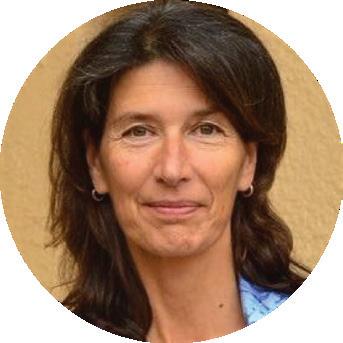
Dr. Roberta Marinelli is Director of the National Science Foundation’s (NSF) Office of Polar Programs. A recognized leader in the geoscience community, Dr. Marinelli previously served as Dean of the College of Earth, Ocean, and Atmospheric Sciences, and Executive Dean for the Earth Systems Science Division at Oregon State University (OSU). She was also Associate Director for the National Oceanic and Atmospheric Administration’s (NOAA) Cooperative Institute for Climate, Ocean, and Ecosystem Studies, a partnership between the University of Washington, OSU, and NOAA.
Dr. Marinelli served as Executive Director of the Wrigley Institute for Environmental Studies at the University of Southern California and as a program director at NSF, where she participated in the development of major ocean programs and cross-directorate initiatives, and advanced international partnerships that support Antarctic research capability. She was an early recipient of an NSF CAREER Award in Chemical Oceanography. Dr. Marinelli served on two committees of the National Academy of Sciences, Engineering, and Medicine (NASEM), "Sexual Harassment of Women: Climate, Culture and Consequences in Academic Sciences, Engineering and Medicine" and "Sea Change: A Decadal Survey of Ocean Sciences." Dr. Marinelli also served as Liaison to the NASEM committee that produced the report titled “A Strategic Vision and Implementation Plan for the U.S. Antarctic Program at the National Science Foundation.”
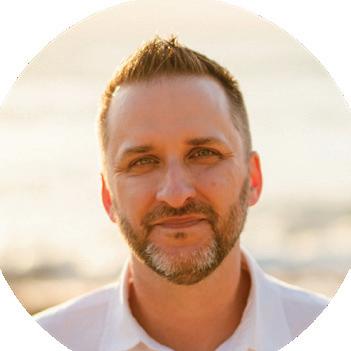
Mr. Chris Ostrander is an oceanographer and business development executive with more than 15 years of experience building and leading complex organizations, advancing mission-driven partnerships, and guiding durable growth for a range of academic, government, and private organizations.
Prior to joining the Marine Technology Society, Mr. Ostrander served in a range of leadership roles at the University of Utah spanning technology licensing and commercialization, industry partnerships, foundation and corporate philanthropy, and research administration. Before Utah, Mr. Ostrander served as Assistant Dean and Director of Strategic Initiatives for the School of Ocean and Earth Science and Technology (SOEST) at the University of Hawai‘i at Mānoa. While in Hawai‘i, he was Cofounder and Director of the Pacific Islands Ocean Observing System (PacIOOS). He has launched three companies and helped entrepreneurs and institutions raise more than $450 million in research and philanthropic capital.
Mr. Ostrander received his BA in political science from Johns Hopkins University and an MS in oceanography from the University of Hawai‘i at Mānoa.
associate professors
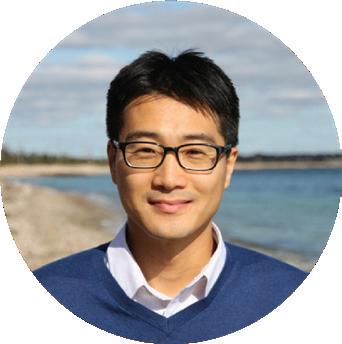
Dr. Hyodae Seo is an Uehiro Associate Professor in the Department of Oceanography and Associate Director of the Uehiro Center for the Advancement of Oceanography. He is a physical oceanographer and climate scientist with a broad range of research and teaching interests in ocean and atmospheric processes and their coupled interactions relating to weather and climate. He combines high-resolution coupled modeling with theories of geophysical fluid dynamics and analyses of in situ and satellite observations. These activities help to better understand the ocean-atmosphere coupled boundary layer processes, improve their representation in numerical models, and evaluate their influence on ocean, weather, and climate. Dr. Seo actively contributes to developing sustaining and sustainable ocean observing strategies and strives to engage the public around the issues related to ocean, extreme weather, climate, and ocean-based renewable energy research.
Dr. Seo earned a BS in atmospheric sciences from Yonsei University, Seoul, Korea in 2002 and a PhD in oceanography from the Scripps Institution of Oceanography at University of California San Diego in 2007. He received the Office of Naval Research Young Investigator Award in 2015 and the NOAA Climate and Global Change Postdoctoral Fellowship in 2008-2009.
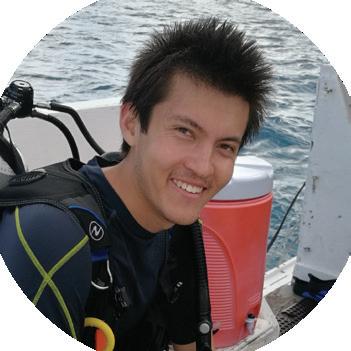
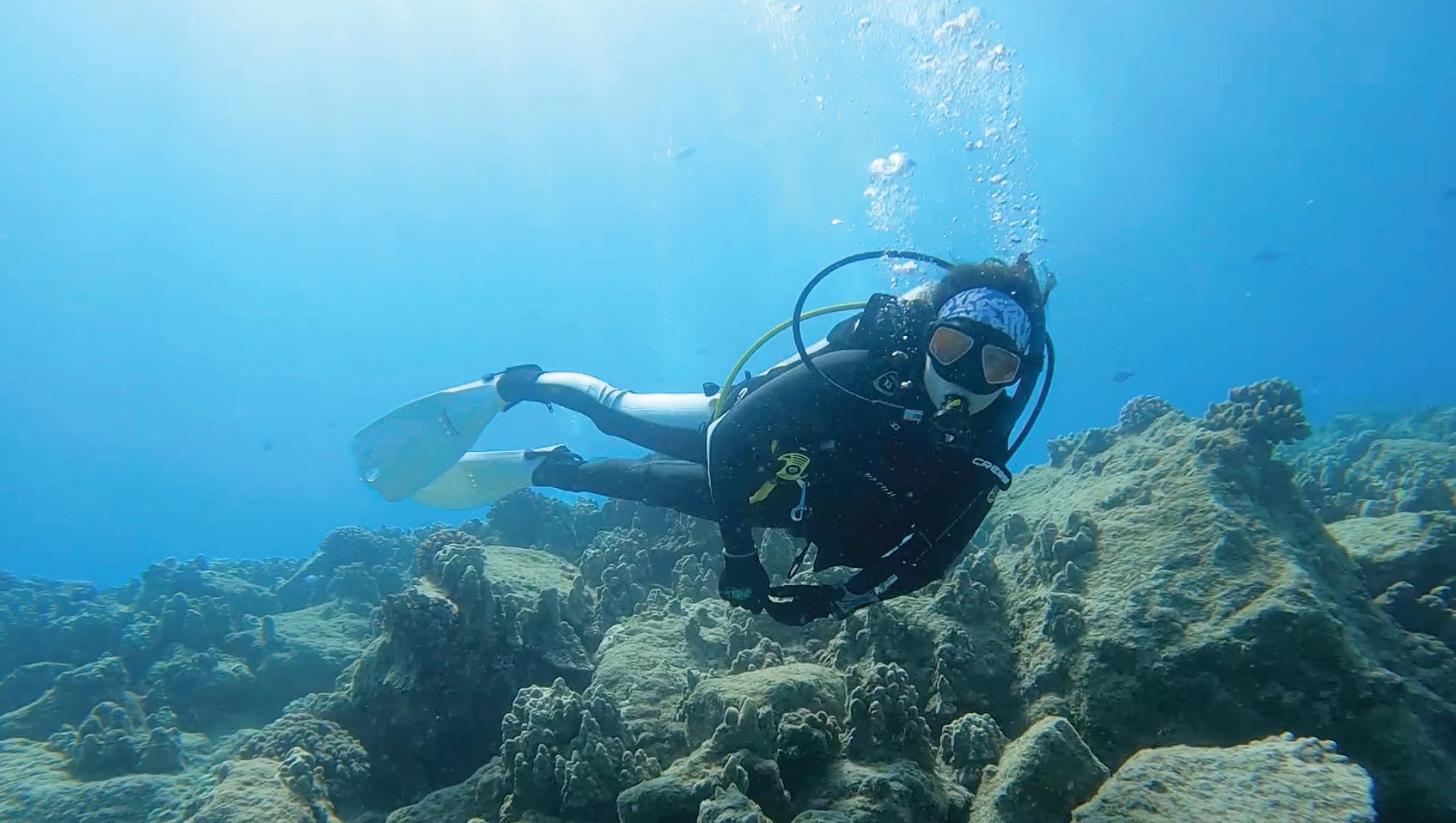
Dr. Nyssa Silbiger is an Uehiro Associate Professor in the Department of Oceanography and Associate Director of the Uehiro Center for the Advancement of Oceanography. She is a quantitative marine ecologist, with a major focus in coastal ecology and oceanography, applied biogeochemistry, and global change ecology. An avid scuba diver, Dr. Silbiger studies and explores coral reefs and other coastal ecosystems all over the world. In addition to her research, Dr. Silbiger is also passionate about promoting literacy in data science and working to create a safe and inclusive environment for all scientists.
Dr. Silbiger earned a BS in biological sciences with a minor in chemistry from Florida State University, an MS in marine sciences from the University of North Carolina at Chapel Hill, and a PhD in zoology at the Hawai‘i Institute of Marine Biology at the University of Hawai‘i at Mānoa. She has received many awards including the International Coral Reef Society Early Career Award, the National Science Foundation CAREER award, and the California State University, Northridge Outstanding Faculty Award.
associate researcher
Dr. Sachiko Yoshida is an Uehiro Associate Researcher in the Department of Oceanography and Coordinator of the Uehiro Center for the Advancement of Oceanography. She is a physical oceanographer and her research foci include ocean dynamics and large-scale circulation systems, as well as understanding changes in water mass characteristics in abyssal waters. She is a sea-going oceanographer who collects and analyzes real-time oceanographic data. Dr. Yoshida has extensive experience analyzing trajectory data to investigate how tracers are transported in the North Pacific Basin. She has been particularly focused on understanding the physical processes responsible for tracer distribution at surface- and mid-depths.
Dr. Yoshida earned a BS in meteorology from Kyushu University, Fukuoka, Japan in 2002 and a PhD in oceanography from Kyushu University, Fukuoka, Japan in 2007.
graduate student fellows
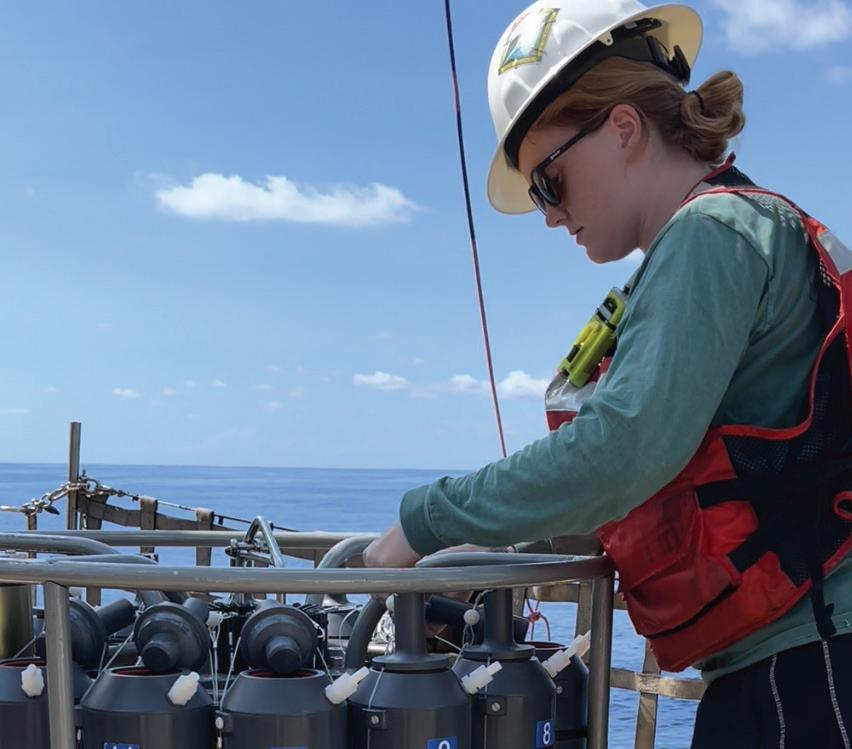
Eleanor Bates is a PhD student in Marine Geology and Geochemistry working with Dr. Nicholas Hawco. She received a BS in chemistry modified with environmental studies at Dartmouth College, where she investigated platinum-group elements in seawater through the GEOTRACES program. Ms. Bates’s current research focuses on developing a time-series of iron and other metal micronutrients at Station ALOHA. On cruises with the Hawai‘i Ocean Time-series program, she collects a variety of samples to look at trace metal export from the surface ocean, iron uptake by phytoplankton, anthropogenic iron sources to the ocean, and more.
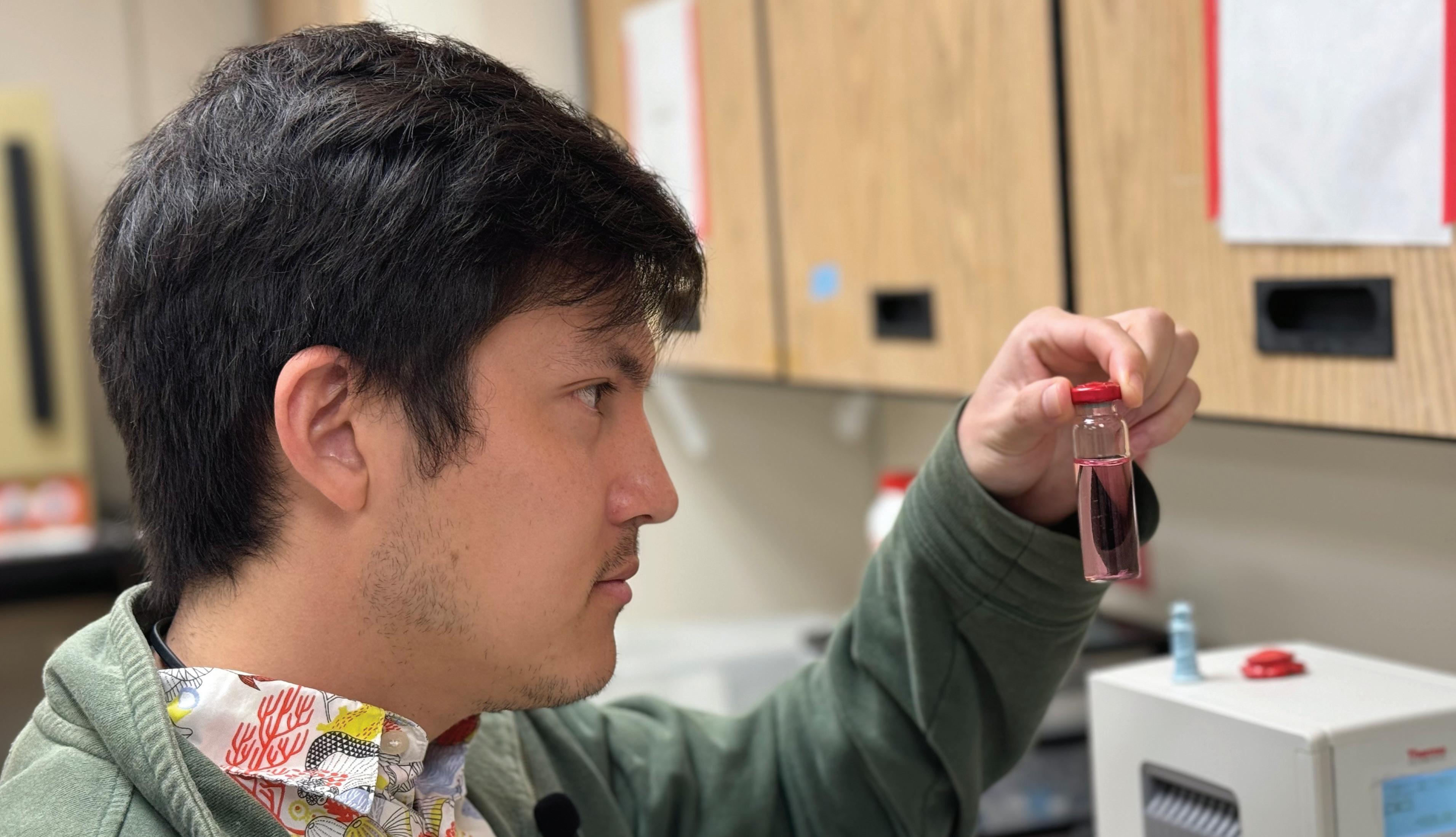
Kyle Conner is a PhD student in Marine Geology and Geochemistry working with Dr. Shiv Sharma and Dr. Christopher Sabine. The focus of his doctoral research is on generating and testing a calibration line that can reconstruct the calcifying fluid saturation state of Mg-calcite biominerals (i.e., shells and skeleton from calcifying marine organisms) using Raman spectroscopic measurements. He hopes that this calibration line will become a significant tool for analyzing past and present calcifying organism responses to changing environmental conditions like ocean acidification. He received a BS in marine biology from the University of California San Diego (UCSD), an MS in chemical oceanography from the University of Hawai‘i at Mānoa, and has conducted research at prominent oceanographic institutions such as Scripps Institution of Oceanography, Woods Hole Oceanographic Institute, Monterey Bay Aquarium Research Institute, and the University of Tokyo Atmosphere and Ocean Research Institute. He has received numerous honors over his academic career including nominations to the Phi Beta Kappa national honor society and UCSD Muir College Caledonian Society. He is a recipient of the John and Anne Flanigan Award for Oceanography Research and the J. Watumull Merit Scholarship.
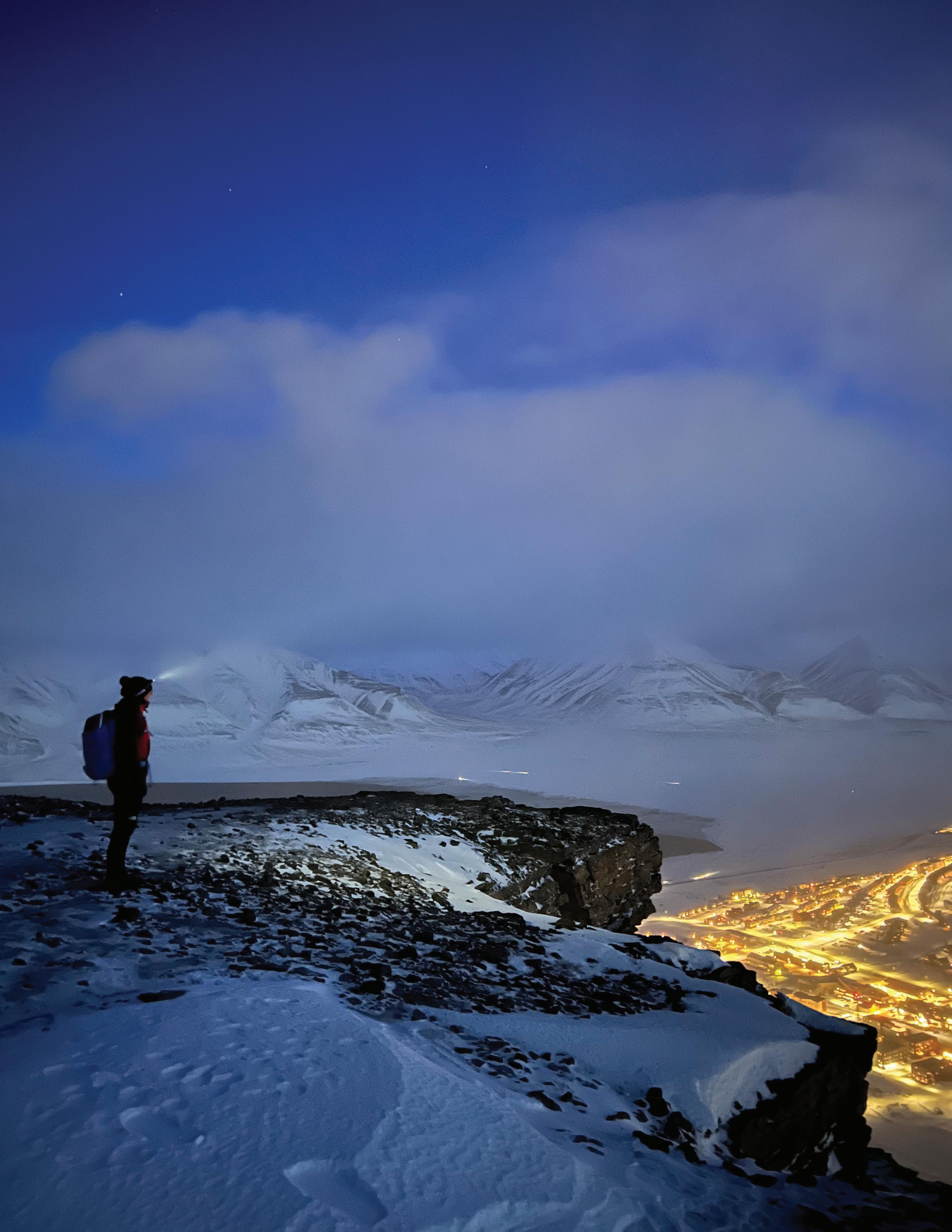
Bailey Donaldson is a PhD student in Physical Oceanography working with Dr. Brian Powell. She completed her MS in the Department of Oceanography at the University of Hawai‘i at Mānoa in August, 2022. She designed a PhD project in collaboration with the Institute of Low Temperature Science at Hokkaido University. Ms. Donaldson studies the feedbacks between glacier melt and water circulation. Her research spans from glacially formed lakes in Patagonia to fjords in northwestern Greenland. Her work incorporates numerical analysis and modeling, GIS, and field work into her research. She is interested in the reciprocal relationship between humans and nature, including how climate change impacts indigenous Arctic communities. Upon graduation, Ms. Donaldson hopes to study sea ice physics and ecosystems.
graduate student fellows (continued)
Ryo Dobashi is a PhD student in Marine Geology and Geochemistry working with Dr. David Ho. He is interested in the ocean carbon cycle, and is currently examining factors that control air-sea gas exchange in coastal and inland seas. Through air-sea gas exchange, concentrations of gases such as CO2 and dimethylsulfide change in the atmosphere. Since these gases affect the regional and global climate, an accurate estimate of air-sea gas exchange determined from Mr. Dobashi’s research can contribute to the understanding and prediction of climate change. He recently received the Young Scientist Best Presentation Award for his presentation on the air-sea gas exchange in a seagrass ecosystem at the Japan Oceanographic Society Fall Meeting 2022. He was generously supported for two years of study at the University of Hawai‘i at Mānoa by The Crown Prince Akihito Scholarship.
Kate Feloy is a PhD student in Physical Oceanography working with Dr. Brian Powell. She is passionate about conducting research that is beneficial to the wider community. Her work addresses important questions: How will climate change impact the coastal regions of Hawai‘i? And, what does this mean for the ecosystems we depend on? Using ocean models, Ms. Feloy’s research investigates how ocean dynamics may be altered by climate change and the impact this will have on important coastal ecosystem variables, such as temperature and nutrients. As an Uehiro Graduate Student Fellow, Ms. Feloy’s goal is to better understand where, when, and why change will occur in our coastal oceans. This information is essential to enable the effective management of marine resources in Hawai‘i and other Pacific islands that are acutely vulnerable to climate change. Following her PhD, Ms. Feloy intends to continue working at the nexus of ocean science and sustainable development, advancing our understanding of the localized impacts of climate change on coastal communities.
Andrian Gajigan is a PhD student in Biological Oceanography working with Dr. Grieg Steward. His research interests span from the molecular level to ocean-scale processes and include genomics, marine virology, plankton ecology, and microbial oceanography. More broadly, he is fascinated by the role of the ocean microbiome in planetary health. Previously, Mr. Gajigan contributed to monitoring coastal water chemistry as a component of an early predictive system for harmful algal blooms (red tides). He also detailed a microRNA-mediated mechanism that allows corals to adapt to heat stress. Mr. Gajigan earned a BS in biochemistry and an MS in marine science at the University of the Philippines. For his PhD he hopes to better understand phytoplankton-virus interactions using both labbased model systems and field investigations. He hopes to contribute to UN SDG 14 (Life Below Water) by examining plankton-virus dynamics in polluted and eutrophic coastal areas and by building robust model systems for studying these organisms in the lab. He aims to empower broader community participation in coastal water monitoring using low-cost tools such as the FoldScope (foldable microscope) and PlanktoScope (flow camera).
Jacob Gunnarson is a PhD student in Physical Oceanography working with Dr. Malte Stuecker. He earned his BS in physics at the College of William & Mary and worked for two years at Hampton University researching the atmospheric dynamics of Venus, Jupiter, and Saturn. Mr. Gunnarson’s current research focuses on the effect of greenhouse gas emissions on future climate variability. He is particularly interested in future changes to the variability of sea surface temperature that could negatively impact marine ecosystems and fisheries. Mr. Gunnarson uses large ensemble climate models to investigate the physical mechanisms behind these changes in an effort to provide a better basis for understanding and adapting to climate change.
Amanda Laughlin is a PhD student in Biological Oceanography working with Dr. Kyle Edwards and Dr. Grieg Steward. She earned her BS in biological sciences at the University of Pittsburgh and subsequently worked as a full-time research technician at the Center for Vaccine Research. As part of the Marine Viral Ecology Laboratory, Ms. Laughlin’s current research focus is on identifying size trade-offs of marine algal viruses. Her work examines selective pressures enforced by grazing, decay rate, and overall ocean conditions. She hopes to uncover if these selective pressures enforce viral size distributions in the ocean.
graduate student fellows (continued)
Rayna McClintock is a PhD student in Biological Oceanography working with Dr. Craig Nelson. Ms. McClintock received her BS in global environmental science at the University of Hawai‘i at Mānoa and worked as a laboratory assistant in Dr. Nelson's laboratory focused on coastal oceanography and microbial community ecology. Her research is focused on understanding the effects of enhanced alkalinity on coral reef ecosystems through a biogeochemical, microbial, and physiological lens. This research combines her interest in the response of reef ecosystems to anthropogenic forcing, conservation ecology, and advancing carbon removal technologies.
Shannon Murphy is an MS student in Biological Oceanography working with Dr. Andrea Jani. Her research is focused on coral larval settlement enhanced by bacterial biofilms associated with crustose coralline algae. Ms. Murphy recently earned a BS in global environmental science from the University of Hawai‘i at Mānoa, where she conducted her thesis work on human-induced disturbances to coral colonies in Hanauma Bay Nature Preserve. During her undergraduate studies, she was a recipient of the National Oceanic and Atmospheric Administration Ernest F. Hollings Scholarship which supported her research on the role of the Columbia River Estuary for Chinook salmon smolts and potential changes in habitat with sea level rise. Ms. Murphy intends to use her acquired skills and knowledge base to re-establish coral colonies on local reefs and utilize bacteria as an active tool in coral restoration.
support staff
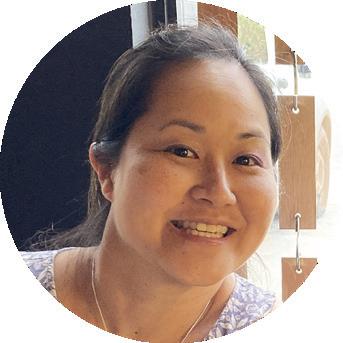
Roberta Hickey-Gomez is our administrative officer. She is an experienced nonprofit manager with a background in fine art museum management, government affairs, and fundraising. Ms. Hickey-Gomez has coordinated teams for cancer clinical trials and opioid epidemic solutions at the University of Hawai‘i, providing fiscal and administrative support. She has also managed initiatives addressing the needs of the Asset Limited Income Constrained Employed (ALICE) population at Aloha United Way. Her speciality is in project management with a focus in collective impact initiatives. She holds a BA in philosophy and art history from St. John's University and a JD from the William S. Richardson School of Law at the University of Hawai‘i at Mānoa.
Kristin Momohara played an important role in establishing the UC•AO. In 2023, she coordinated and recorded meetings with the Department of Oceanography Awards Committee, as well as with the director and an associate director of UC•AO to select an Uehiro Graduate Student Fellow. Ms. Momohara has been working in the Department of Oceanography since 2007. She earned a BA in both English and American studies at the University of Hawai‘i at Mānoa, and has published articles on various local websites and in newspapers.
Amanda Toperoff is our creative outreach director. She has been creating graphics for science since 2003 working for individual researchers and institutions including several universities, non-profit organizations, and government agencies. She has worked for NOAA as a graphic designer and animator, and at the University of Hawai‘i at Mānoa as a graphic designer and an outreach specialist. Her project experiences include logo design, web design, posters, figures for journal articles, animations, videos, invitation design, event programs, and more. She holds a BS in zoology from the University of Wisconsin-Madison, an MS in marine science from Moss Landing Marine Laboratories, and a diploma with honors in 3D animation and visual effects from Vancouver Film School.
UC•AO OPENING CEREMONY-DEC 8, 2023
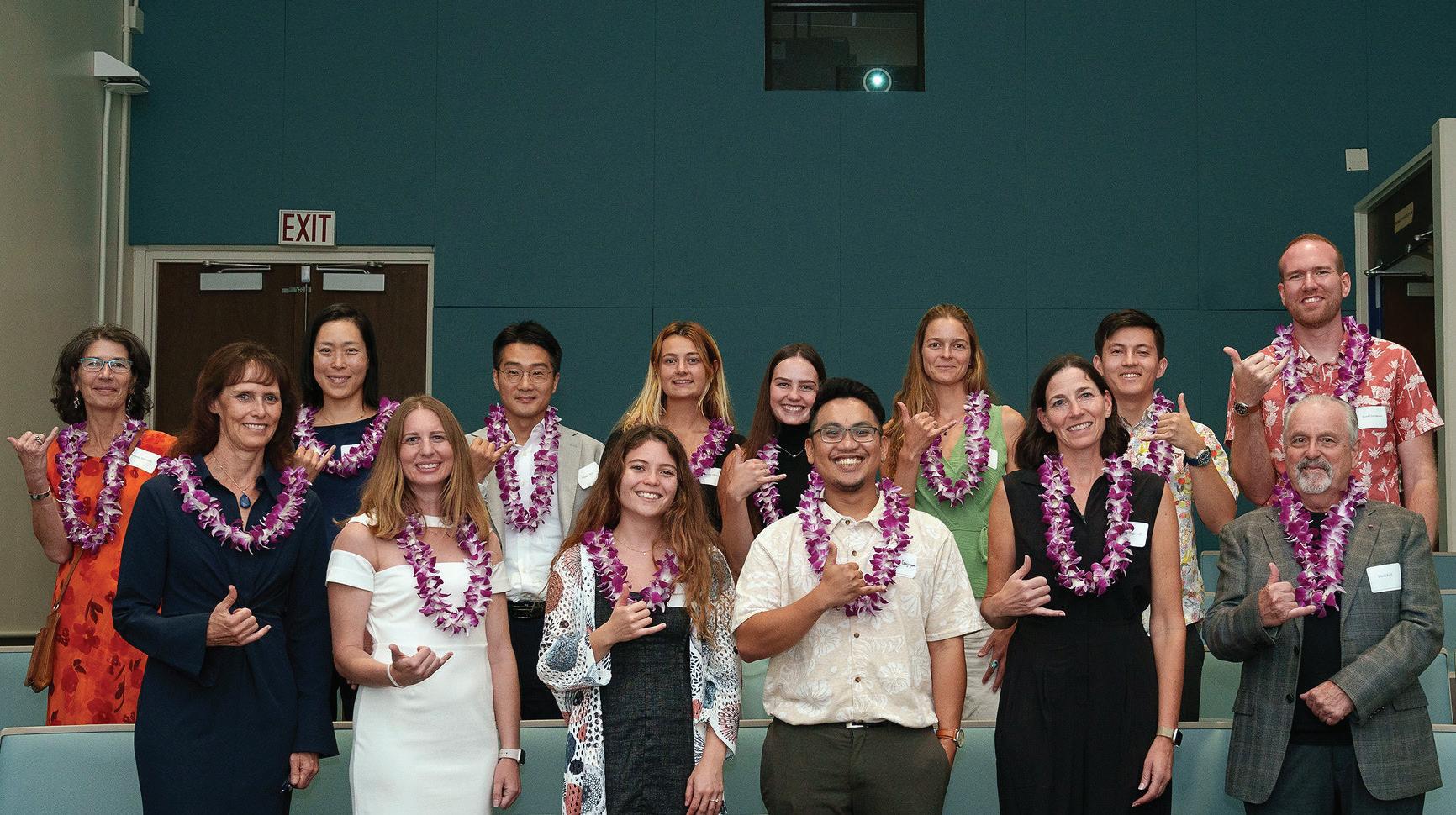
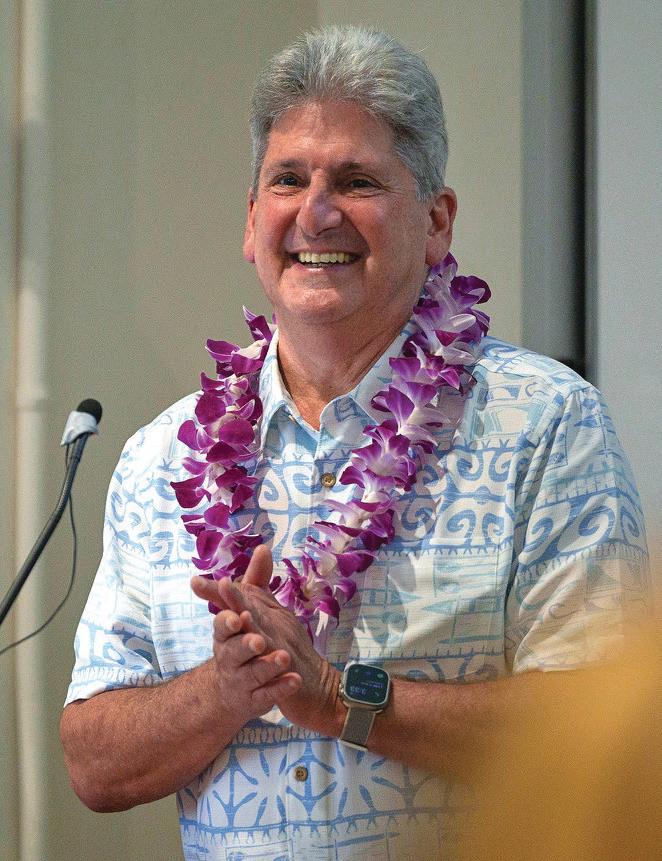
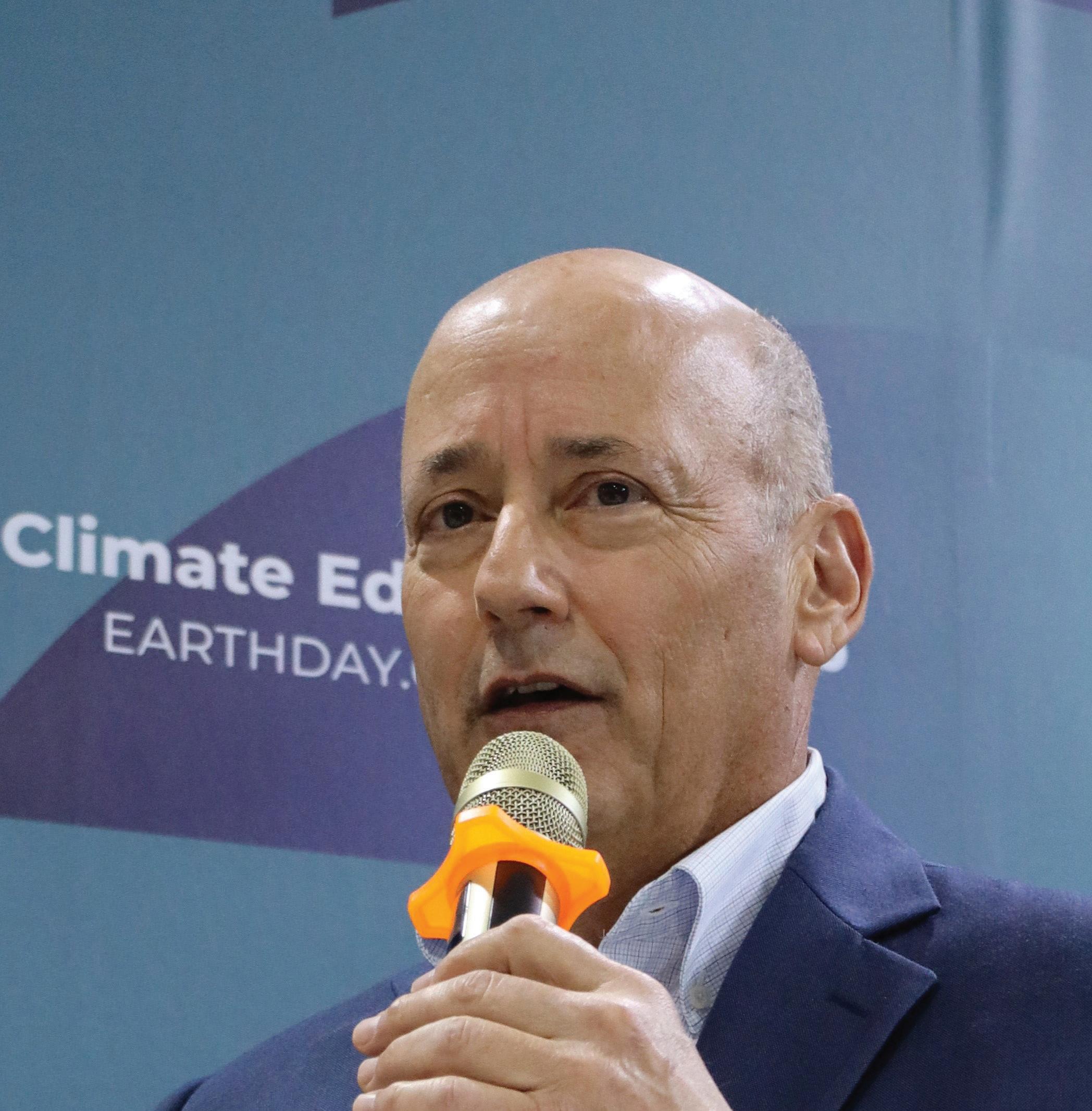
The Uehiro Center for the Advancement of Oceanography was officially launched with a oneday symposium. Faculty and graduate students shared research findings and future goals for UC•AO’s oceanographic research. The ceremony was attended by Mr. Tetsuji Uehiro, Mrs. Hiromi Uehiro, Ms. Mika Uehiro, and Dr. Noboru Maruyama from the Uehiro Foundation on Ethics and Education. UC•AO Director Margaret McManus, Dr. Noboru Maruyama, Dr. David Karl, and UH President David Lassner addressed the audience. Chancellor Lui Hokoana of the University of Hawai‘i Maui College, advisory council members, faculty, staff, graduate students, other members, and friends of the Department of Oceanography also participated.
UH Mānoa’s Department of Oceanography is one of the University’s premier departments and its researchers are renowned around the world for their innovative work.”
Private support makes such a difference for these programs in terms of accelerating important research. We’re grateful the Uehiro Foundation on Ethics and Education has been such a stable, strategic and generous partner for the University.”
- TIM DOLAN UH VICE PRESIDENT OF ADVANCEMENT UH FOUNDATION CEO
UC•AO EVENTS
In 2023, the Uehiro Center for the Advancement of Oceanography hosted several events in the form of guest lectures and workshops. The lecturers spoke on a wide variety of topics that both enriched and enlightened all attendees. Below is a list of the speakers and the topics covered during these valuable presentations and interactions.
JAN 27
UC•AO WELCOME MEETING
The initial meeting was led by UC•AO Director Margaret McManus. This meeting was an opportunity for all new Uehiro Graduate Student Fellows, the director, and support staff to meet and discuss the mission and vision of the new Uehiro Center for the Advancement of Oceanography.
FEB 23
MAR 29
DR. JOHN N. "JACK" KITTINGER - HOW, WHEN, AND WHY DOES OCEAN SCIENCE INFORM CONSERVATION? INSIGHTS FROM PRACTICE
Ocean science must play a vital role in informing how practitioners respond to the “twin” biodiversity and climate crises; yet the way in which science is mobilized, interpreted, and brought to the fore is anything but straightforward. Drawing on over a decade of experience as an interdisciplinary ocean scientist and conservation practitioner, Dr. Kittinger shared insights on what factors are associated with successful (and unsuccessful) science-to-policy initiatives, focusing on a set of “war stories” from conservation initiatives he has been involved in at local, regional, and global scales. He concluded with thoughts on how scientists and practitioners (of all kinds) can work better together to create a safer, more secure, and more equitable world for ocean dependent economies and communities.
MR. BRAD ACK - SOCIAL IMPLICATIONS OF OFFSHORE WIND, CARBON CAPTURE, DEEP SEA MINERAL EXTRACTION
Mr. Brad Ack is Chief Executive Officer at Ocean Visions. He has 35 years of experience working at the intersection of science, policy, and environmental innovation, focused on the preservation of nature and a living world. During his career he has designed and implemented innovative conservation and sustainability initiatives spanning from tropical forests and high deserts to estuaries and the global ocean.
MAR 29 (CONT.)
Ocean Visions is a non-governmental agency at the center of a collaborative network of research institutions and innovators, investors, and practitioners of ocean regeneration. Ocean Visions is advancing a new agenda for the ocean, focused on directly addressing the greatest cause of harm—greenhouse gas pollution that is driving existential threats to the ocean. Ocean Visions works across sectors and disciplines to unlock new intellectual and financial resources to source, develop, and scale cutting-edge innovation to regenerate critical components of the ocean-climate system.
Previously, Mr. Ack served as Senior VP of Oceans at World Wildlife Fund-US; Executive Director of the Puget Sound Recovery Program for the State of Washington; and Regional Director-Americas for the Marine Stewardship Council. He has led conservation programs at Grand Canyon Trust. Mr. Ack received his BS from Macalester College and an MS from Georgetown University.
APR 06 DR. SUSAN ROBERTS - ACHIEVING THE OCEAN WE WANT: CROSS-CUTTING THEMES FOR THE OCEAN DECADE
The ocean is central to the health of the planet and the well-being of human societies, but ongoing depletion, disruption, and pollution threaten its future. The United Nations proclaimed 2021-2030 the Decade of Ocean Science for Sustainable Development (UN Ocean Decade) in recognition of the need to sustainably manage the ocean. US participation in the Decade, guided by the US National Committee, included a call for “Ocean-Shots”—ambitious, transformational research concepts that draw from multiple disciplines. More than 100 Ocean-Shots were submitted.
MAY 02 DR. HYODAE SEO - OCEAN MESOSCALE AIR-SEA INTERACTION: PHYSICS, IMPACTS & ROLE OF SURFACE WAVES
Recent studies have identified a widespread regime of ocean-atmosphere-surface wave interaction mediated by ocean mesoscale variability. This presentation provided a broad overview of the current understanding of air-sea fluxes at ocean mesoscales and their influences on weather and short-term climate. A novel analysis was also presented that supports the finding that the current state-of-the-art air-sea flux parameterizations do not well-represent the latest observations of wave-wind and wave-current interactions. Various approaches were presented to mitigate the deficiencies in parameterized surface drag and upper ocean turbulence, offering a path forward to the improved regime-based understanding and representation of the air-sea-wave interaction physics in high-resolution Earth System models.
MAY 25
DR. NYSSA SILBIGER - BIOGEOCHEMICAL CASCADES IN COASTAL ECOSYSTEMS: CASE STUDIES FROM FOUNDATIONS SPECIES LOSS & SUBMARINE GROUNDWATER INPUT
Dr. Silbiger presented on the importance of “biogeochemical cascades” in coastal ecosystems. In brief, she discussed how the loss of foundation species, such as corals, mussels, and seagrasses, will change local biogeochemistry. She also shared how the input of new solutes such as nutrients, to a system, impacts the relationship between organisms and their biogeochemical environment.
SEP 14
MS. MARA DIAS - HOW SCIENCE INFORMS POLICY
With a background in marine biology and an MS in environmental policy, Ms. Dias is the Surfrider Foundation’s Water Quality Manager. She oversees the Blue Water Task Force and runs campaigns to promote clean water at the federal level. In addition to her work at Surfrider, Ms. Dias promotes Surfrider's mission by setting an example for her children through the three R’s and instilling in them an appreciation for the natural world. The Surfrider Foundation is dedicated to the protection and enjoyment of the world’s oceans, waves, and beaches, for all people, through a powerful activist network.
OCT 27 DR. MARK BRASHER - THE ETHICS OF SCIENCE
The ‘Iolani School in Honolulu, Hawai‘i has created a center for professional development that provides secondary school professionals with resources to guide students to raise questions, discuss, and take positions on ethical issues arising in scientific research and practice.
Dr. Brasher, an adjunct instructor at Chaminade University and full time faculty at ‘Iolani School, shared his expertise with the Department of Oceanography and the Uehiro Center for the Advancement of Oceanography.
DEC 08
UEHIRO CENTER FOR THE ADVANCEMENT OF OCEANOGRAPHY OPENING CEREMONY
The opening ceremony for the Uehiro Center for the Advancement of Oceanography provided a significant opportunity for members and supporters of the UC•AO to connect, gain insights into current research, and celebrate the establishment of what promises to be a pivotal hub for research, understanding, engagement, and problem-solving. For more details about the event, please refer to page 14.
UC•AO STUDENT PUBLICATIONS & ABSTRACTS
ELEANOR BATES
Bates E and Hawco N. (2023, July 16-21). Seasonal and interannual variability of trace metal cycling with the Hawai‘i Ocean Time-series [Poster presentation]. Gordon Research Conference on Chemical Oceanography, Manchester, NH, USA.
Bates E and Hawco N. (2023, July 9-14). Two years of iron and manganese cycling in the North Pacific Subtropical Gyre [Oral presentation]. Goldschmidt Conference, Lyon, France.
Bates E and Hawco N. (2023, May 4). Investigating the sources of lithogenic particles at Station ALOHA using trace metal elemental ratios [Oral presentation]. Department of Oceanography Graduate Symposium, Honolulu, HI, USA.
KYLE CONNER
Conner K, Uchikawa J, DeCarlo TM, Dera P, Hawco NJ, Sharma SK, and Zeebe R. (2023, December 11-15). Seawater ion incorporation effects on abiogenic calcite crystallography: implications for Raman-based geochemical proxies [Poster presentation]. American Geophysical Union 2023, San Francisco, CA, USA.
Karancz S, Uchikawa J, de Nooijer L, Conner K, Zeebe RE, Schouten S, and Reichart G-J. (2023, July 9-14). Constraining sulfur incorporation in calcite using controlled growth experiments [Oral presentation]. Goldschmidt Conference, Lyon, France.
Conner K, Uchikawa J, DeCarlo T, Hawco N, Zeebe R, Sharma S, and Sabine C. (2023, May 4). Data from disorder: Developing a Raman-based Calcifying Fluid Saturation State Proxy for Mg-calcite Organisms [Oral presentation]. Department of Oceanography Graduate Symposium, Honolulu, HI, USA.
Conner K, Sharma S, Uchiyama R, Tanaka K, Murakami-Sugihara N, Shirai K, and Kahng S. (2023). Raman analysis of octocoral carbonate ion structural disorder along a natural depth gradient, Kona coast, Hawai‘i. American Mineralogist, 108(5): 999-1013. https://doi. org/10.2138/am-2022-8406
RYO DOBASHI
Amei K, Dobashi R, Kitamura M, and Yamaguchi A. (2023) Diel, seasonal and vertical changes in the abundance, biomass and community structure of pelagic polychaetes at the subtropical station S1 in the western North Pacific: comparison with the results from the subarctic station K2. Journal of Plankton Research, 45(4), 661–676. https://doi.org/10.1093/plankt/fbad023
Dobashi R, Ho DT, and Schlosser P. (2023, September 21-28). Air-sea gas exchange in the Baltic Sea [Poster presentation]. The 2023 Fall meeting of the Oceanographic Society of Japan, Kyoto, Japan.
Dobashi R and Ho DT. (2023, June 5-16). Air–sea gas exchange in a seagrass ecosystem–results from a 3He ∕ SF6 tracer release experiment [Oral and poster presentations]. The SOLAS Summer School, Mindelo, Cape Verde.
KATE FELOY
Feloy K, Powell B, and Friedrich T. (2023, December 11-15). Remote impacts of cyclonic eddies on productivity in the Main Hawaiian Islands [Poster presentation]. American Geophysical Union 2023, San Francisco, CA, USA.
Feloy K, Powell B, Friedrich T, and Hošeková L. (2023, June 5-16). Using a regional model to understand local climate impacts in Hawai‘i [Poster and oral presentation]. The SOLAS Summer School, Mindelo, Cape Verde.
Feloy K, Gunnarson JL, Powell B, Stuecker MF, Friedrich T, and Hošeková L. (2023, February 7). Hawai‘i’s oceans in a changing climate [Poster presentation]. University of Hawai‘i Research Showcase at the Hawai‘i State Legislature. Honolulu, HI, USA.
ANDRIAN GAJIGAN
Gajigan AP, Apego G, Tai JJ, Benico GA, Yñiguez AT, Conaco C, and Steward GF. (2023, July 2022). Spatiotemporal dynamics of phytoplankton and their viruses during a toxic bloom in Bolinao, NW Philippines [Oral presentation]. The 17th Philippine Association of Marine Science Symposium, Batangas City, Philippines.
Gajigan AP, Schvarcz CR, Culley AI, Edwards KF, and Steward GF. (2023, May 23-27). A dinoflagellate-infecting mimivirus with an extremely long tail extending up to 2.3um [Oral presentation]. The 11th Aquatic Virus Workshop (AVW11), Université Laval, Québec City, Canada.
JACOB GUNNARSON
Gunnarson JL, Stuecker MF, and Zhao S. (2023, December 11-15). Drivers of SST Variability Change in the Future Climate [Poster presentation]. American Geophysical Union 2023, San Francisco, CA, USA.
Feloy K, Gunnarson JL, Powell B, Stuecker MF, Friedrich T, and Hošeková L. (2023, February 7). Hawai‘i’s oceans in a changing climate [Poster presentation]. University of Hawai‘i Research Showcase at the Hawai‘i State Legislature. Honolulu, HI, USA.
RAYNA MCCLINTOCK
Brown KT, Lenz EA, Glass BH, Kruse E, McClintock R, Drury C, Nelson CE, Putnam HM, and Barott KL. (2023). Divergent bleaching and recovery trajectories in reef-building corals following a decade of successive marine heatwaves. Proceedings of the National Academy of Sciences, 120(52). https://doi.org/10.1073/pnas.2312104120.
Silbiger N, Donahue M, Hagedorn B, Barnas D, Jorissen H., Kerlin J, McClintock R, Nixon E, Sparagon W, Zeff M, and Nelson C. (2023). Nutrient subsidies restructure coral reef dissolved carbon fluxes via biogeochemical cascades. Research Square. https://doi.org/10.21203/ rs.3.rs-3094340/v1.
McClintock R, Melendez M, Drury C, and Nelson CE. (2023, November 10-12). Alkalinity Addition Increases Coral Larval Settlement Rate [Poster presentation]. Western Society of Naturalists. Monterey, CA, USA.
UC•AO MEMBER HIGHLIGHT
international collaboration - andrian gajigan
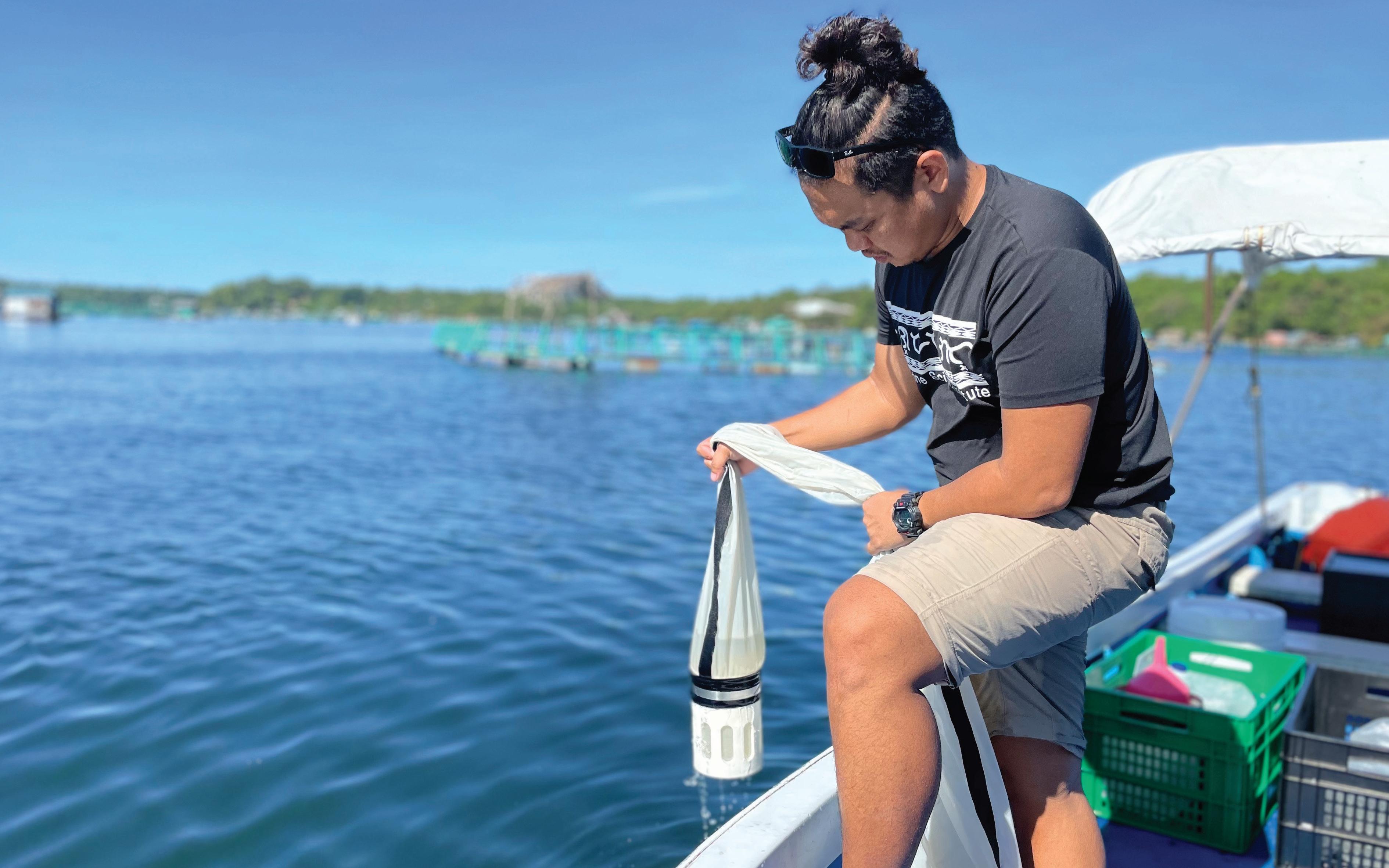
While pursuing his PhD at the University of Hawai‘i at Mānoa, Mr. Gajigan has established important collaborations with researchers and communities across the world. Mr. Gajigan’s work focuses on viruses associated with harmful algal blooms, colloquially known as red tides. He has teamed up with Professor Cecilia Conaco and Professor Aletta Yñiguez from University of the Philippines Diliman on a project investigating the viral controls of red tides. This international partnership increases the resources put toward the project, broadens the geographic scope of the work, and supports the exchange of ideas.
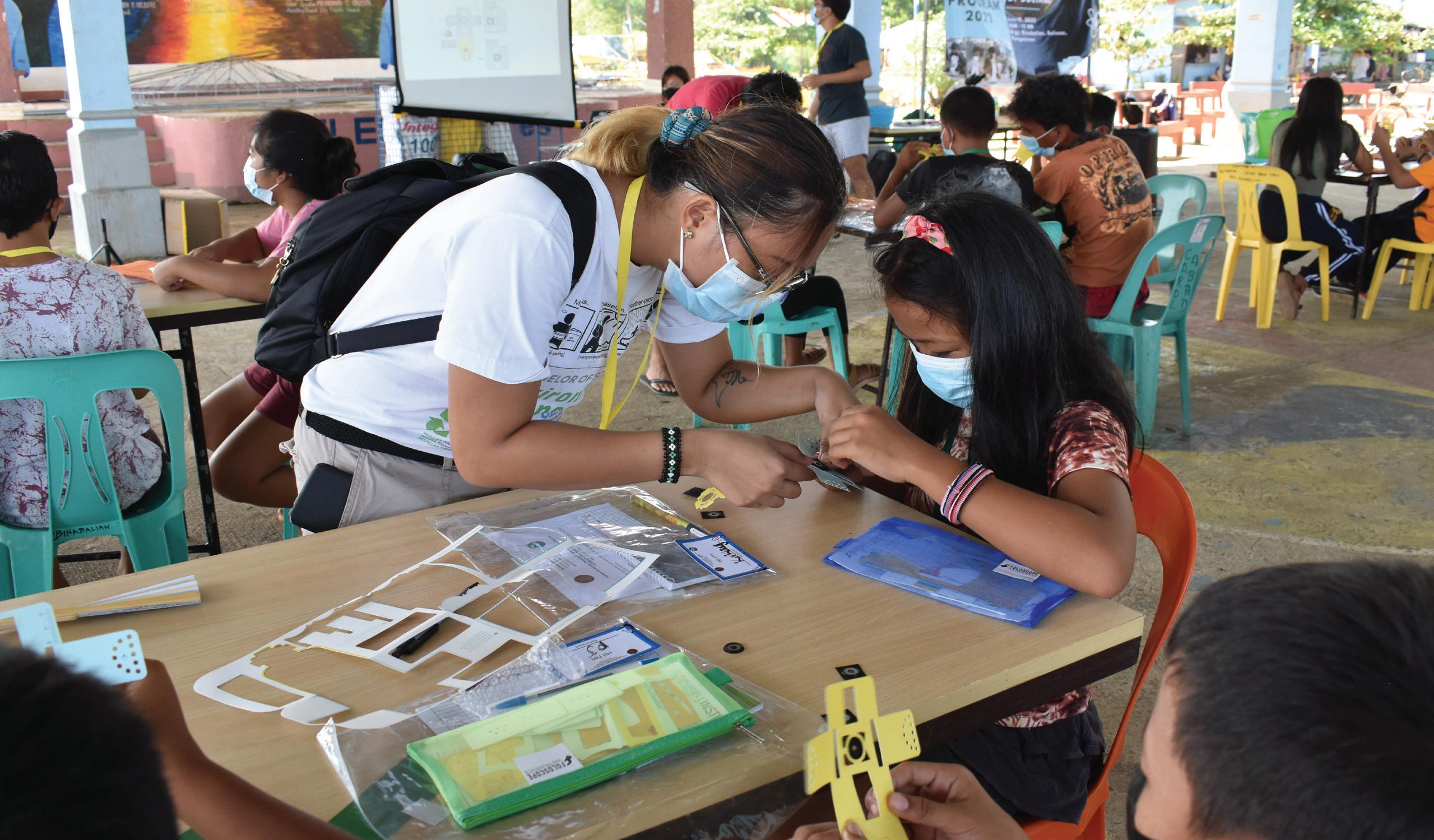
Mr. Gajigan’s work has led to further partnerships. These include working with the PlanktoScope and Foldscope teams at Stanford University. He is working with the PlanktoScope team to develop and deploy accessible, low-cost tools to his study site. With the Foldscope team, Mr. Gajigan led a workshop in Bolinao, Philippines for marine scientists and primary school students where participants learned to use foldable microscopes, fostering a citizen science approach to monitoring red tides. Mr. Gajigan also combined his talents with those of Professor Dennis Gupa of University of Winnipeg and artist Arjhay Babon from Tanghalang Pilipino, Cultural Center of the Philippines. Together they developed a workshop entitled Daloy/Fluid Knowledge: Creative Sound-Movement as a Window to Explorative Methods of Inquiry into the Marine Microbial World. They invited participants from a range of fields to a creative sound-movement class to gain a deeper understanding of marine microbial life. This partnership merges art and science through projects that engage local communities, expanding the impact of Mr. Gajigan’s research, and advancing marine science as a whole.
UC•AO AWARDS & ACHIEVEMENTS
YOUNG AUTHOR AWARD - SEPT 2023
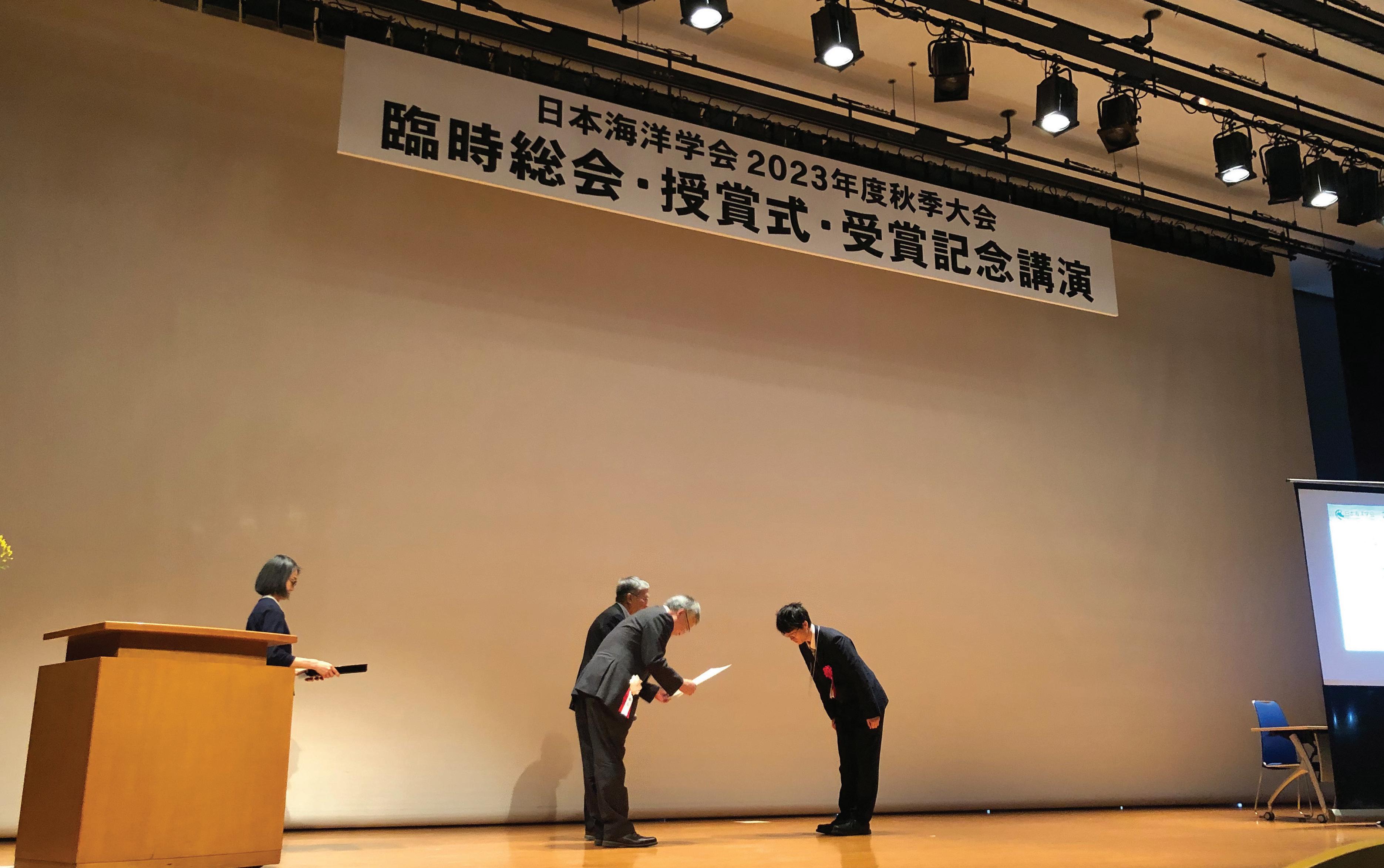
Ryo Dobashi was presented with the Young Author Award from The Oceanographic Society of Japan. Mr. Dobashi is a PhD student in Marine Geology and Geochemistry. His current research centers on the ocean carbon cycle and the factors that control air-sea gas exchange in coastal and inland seas.
The Young Author Award is presented to a young member of the Society who has published an outstanding scientific paper, and is the lead author in one of the two journals published by The Oceanographic Society of Japan (these include the Journal of Oceanography and Oceanography in Japan). Please see the citation below to learn more about the exciting work for which Mr. Dobashi won this award.
Dobashi R, Ueno H, Matsudera N, Fujita I, Fuijiki T, Honda MC, and Harada N. (2022). Impact of mesoscale eddies on particulate organic carbon flux in the western subarctic North Pacific. Journal of Oceanography. 78, 1-14.
PRINCIPAL INVESTIGATOR - JAN 2023
Andrian Gajigan was awarded the United States Department of Energy (DOE) Joint Genome Institute New Investigator Grant for his proposal, Genomics and metatranscriptomics profiling of a novel dinoflagellate-giant virus system. The grant covers all sequencing costs. Mr. Gajigan is working with Co-Principal Investigator Grieg Steward.
FELLOWSHIP - FEB 2023
Crustal Ocean Biosphere Research Accelerator (COBRA) Master Class at the Bigelow Laboratory for Ocean Sciences in Maine, USA. COBRA is an international network focused on the structure, function, resilience, and ecosystem services of the crustal ocean biosphere to inform decision-making for human uses of the deep sea.
VISITING SCIENTIST - SEPT 2023
Visiting Scientist for Lindblad Expedition and National Geographic Society. Mr. Gajigan's research topic was the phytoplankton diversity of the South Pacific. He was awarded ship time aboard the National Geographic Resolution, and funds for his research.
UC•AO STUDENTS AROUND THE WORLD
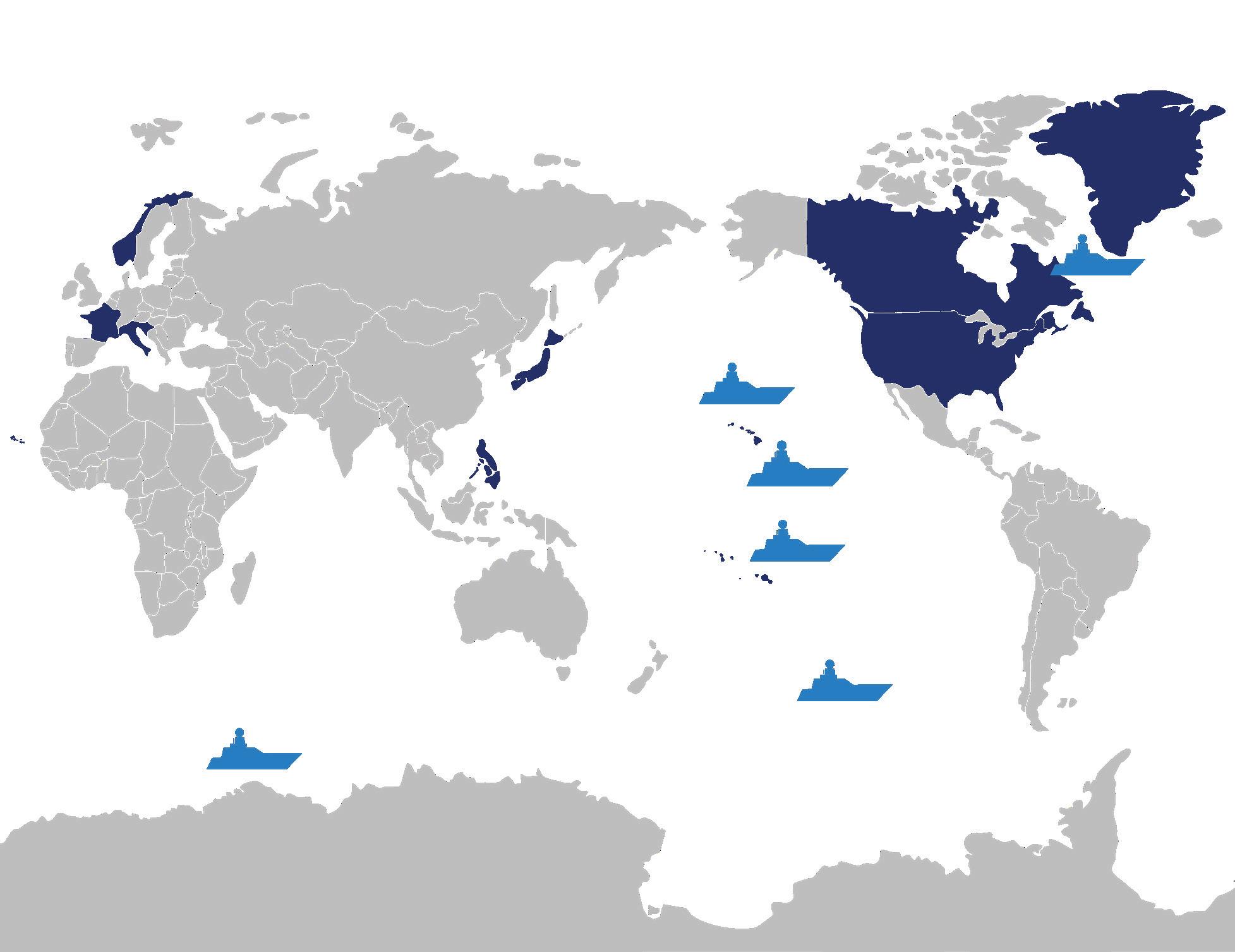
With support from the UC•AO, our team of Uehiro Graduate Student Fellows has had the incredible opportunity to conduct research, participate in trainings, and attend meetings in unique places around the world. These experiences have led to lasting memories, exposure to different cultures, and hands-on experience learning the newest techniques. These opportunities have also resulted in important and valuable collaborations with international partners.
THE FACES OF UC•AO
We are incredibly proud of our Uehiro Graduate Student Fellows who come from a range of backgrounds, cultures, and experiences. This diversity of perspectives leads to creative and innovative ideas, enriching our efforts in every domain. Our graduate students' diversity strengthens our work and ensures that our approaches are reflective of the needs of a wide array of communities.
FEMALE MALE
AFRICAN DESCENT
PACIFIC ISLANDER
JAPANESE DESCENT
UC•AO ADDRESSES THE UNITED NATIONS
SUSTAINABLE DEVELOPMENT
GOALS
The work of UC•AO students, faculty, researchers, and the Center as a whole, addresses several of the UN Sustainable Development Goals. This is accomplished through research, education, and opportunity.
"The 2030 Agenda for Sustainable Development, adopted by all United Nations Member States in 2015, provides a shared blueprint for peace and prosperity for people and the planet, now and into the future. At its heart are the 17 Sustainable Development Goals (SDGs), which are an urgent call for action by all countries— developed and developing—in a global partnership. They recognize that ending poverty and other deprivations must go hand-in-hand with strategies that improve health and education, reduce inequality, and spur economic growth—all while tackling climate change and working to preserve our oceans and forests."
- sdgs.un.org/goals
THANK YOU
We, at the Uehiro Center for the Advancement of Oceanography, extend our deepest gratitude to the Uehiro Foundation on Ethics and Education for the generous support in establishing our new oceanographic center. This contribution has been instrumental in enabling our journey towards addressing some of the most pressing challenges of our time.
With the support from the Uehiro Foundation on Ethics and Education, the UC•AO is dedicated to conducting research that directly contributes to many of the United Nations Sustainable Development Goals, including combating climate change, understanding and preserving life below water, and ensuring access to clean water. The UC•AO also addresses the United Nations Sustainable Development Goals of quality education and gender equality. We are working to develop innovative solutions and create positive change in these critical domains.
The Uehiro Foundation on Ethics and Education's investment in the UC•AO demonstrates their commitment to global sustainability and that commitment empowers us to make a meaningful impact on both local and global scales. We are honored by their partnership as we work towards a more sustainable and equitable future for all.
PHOTO CREDITS
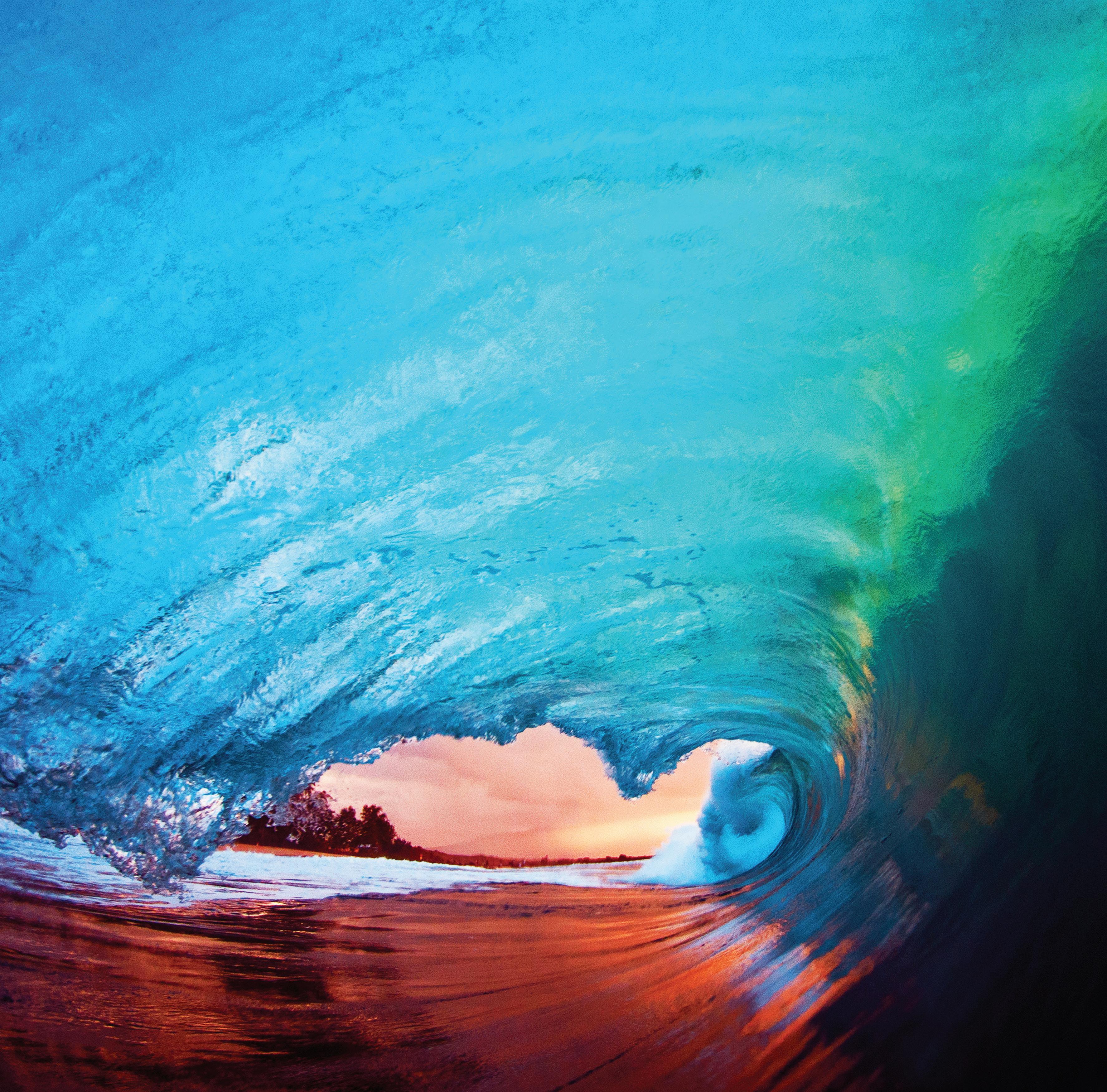
Cover Image courtesy of C. Little: A wave breaking during the sunset ignites colors similar to Independence Day
fireworks on the North Shore of O‘ahu, Hawai‘i.
Inside cover Image courtesy of pexels.com, I. Babydov: Purple sea anemone.
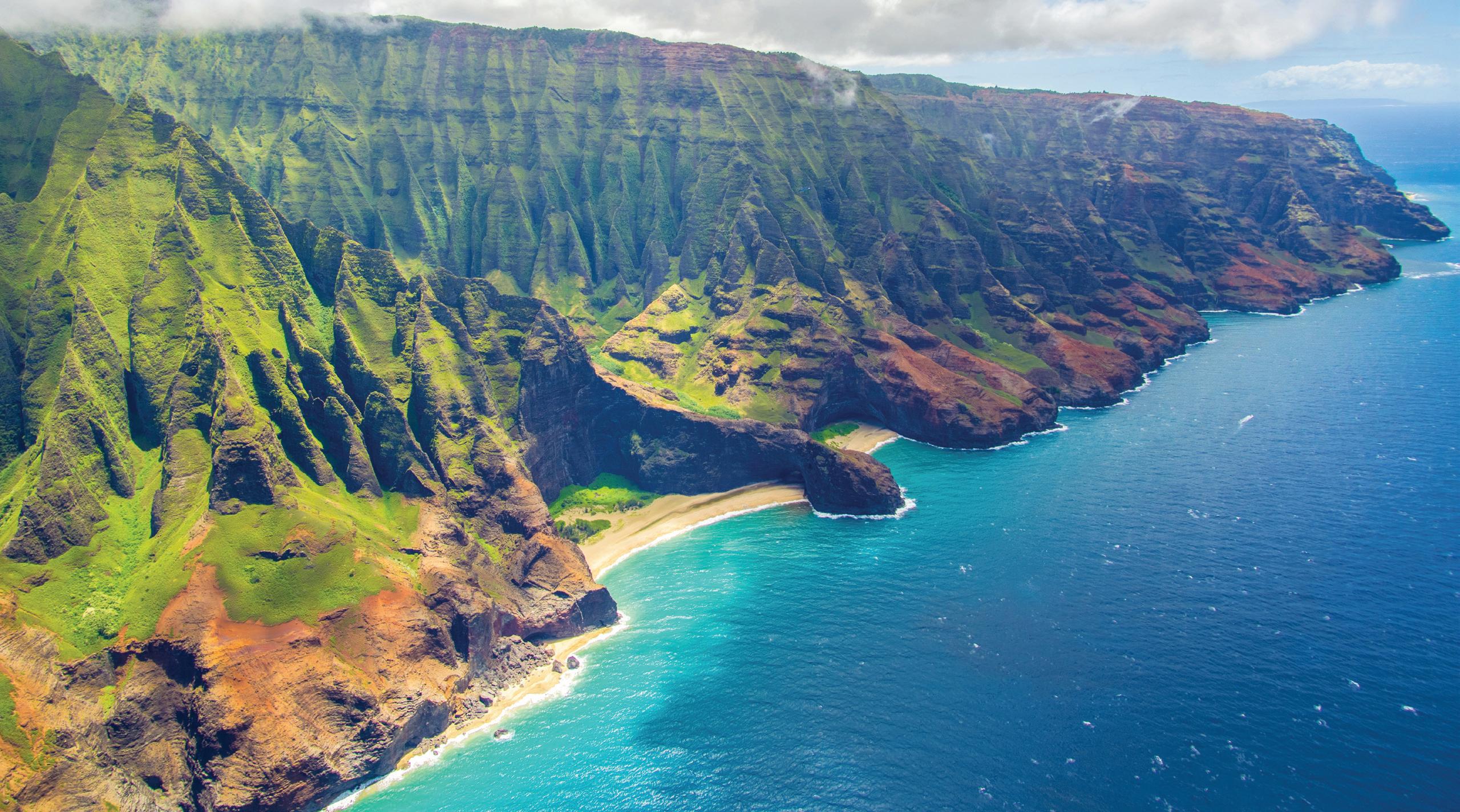
P02 Image courtesy of pexels.com, T. Squillaci: Mountain range and ocean in Hawai‘i.
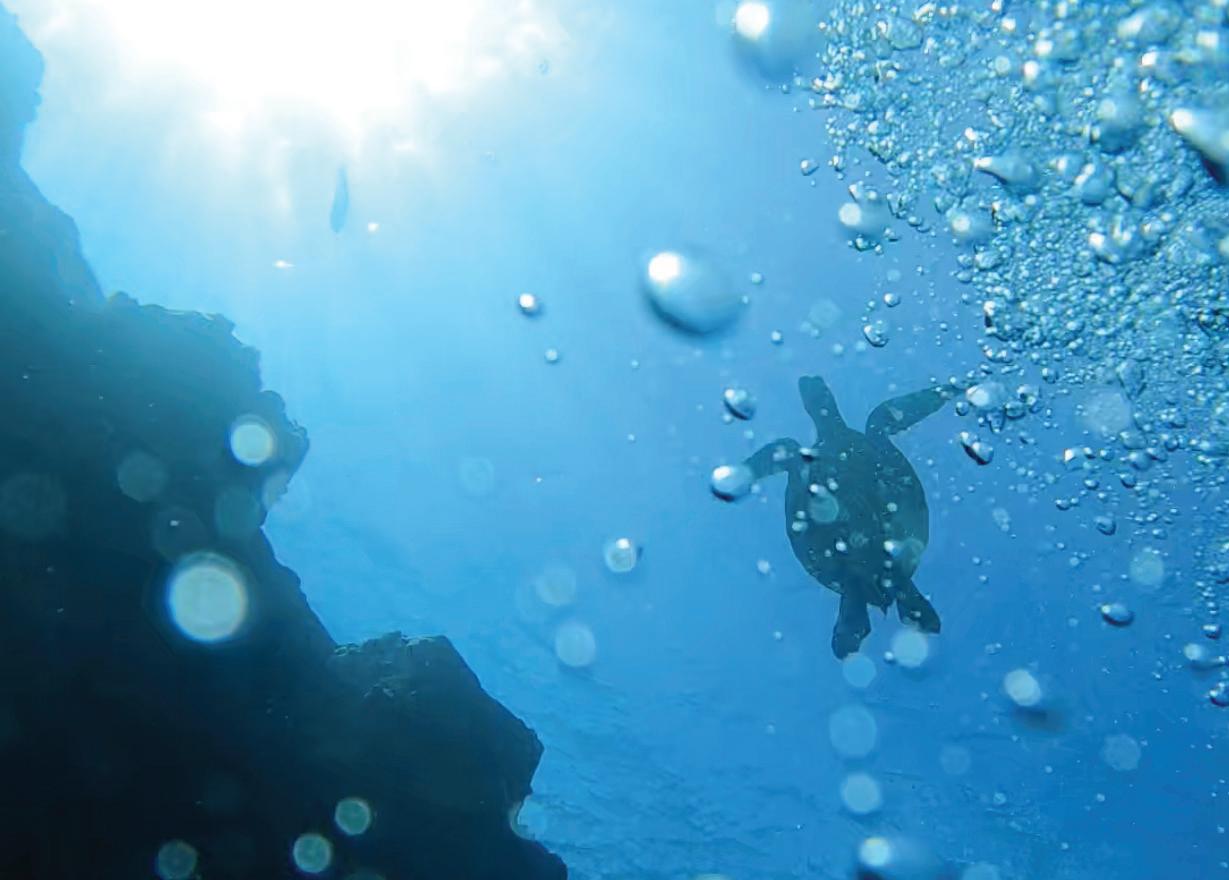
P07 Image courtesy of S. Cranston: Turtle swimming above a coral reef off Kahe Point, O‘ahu, Hawai‘i.
P09 Image courtesy of B. Donaldson: B. Donaldson looking out over Svalbard, Norway.
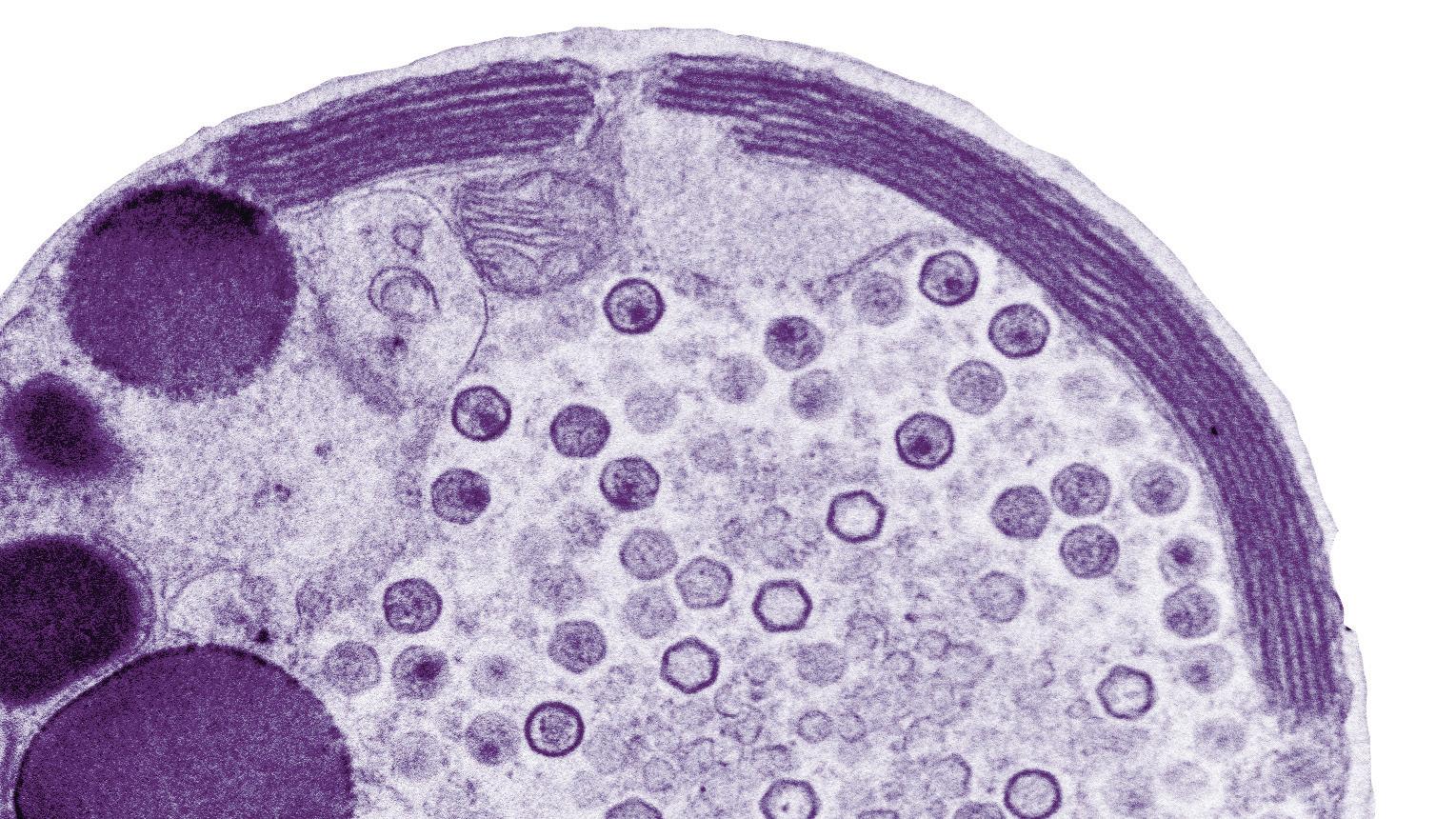
P12 Image courtesy of A. Gajigan: Cross-section of a phytoplankton cell infected with a giant virus, TetV-1
(Oceanusvirus kaneohense), isolated from Kāne‘ohe Bay, Oahu.
P14 Image courtesy of UH Foundation: UC•AO members attending the Opening Ceremony.
Front row (left to right): M. McManus, N. Silbiger, S. Murphy, A. Gajigan, A. Toperoff, D. Karl. Back row (left to right): R. Marinelli, S. Yoshida, H. Seo, R. McClintock, A. Laughlin, K. Feloy, K. Conner, J. Gunnarson.
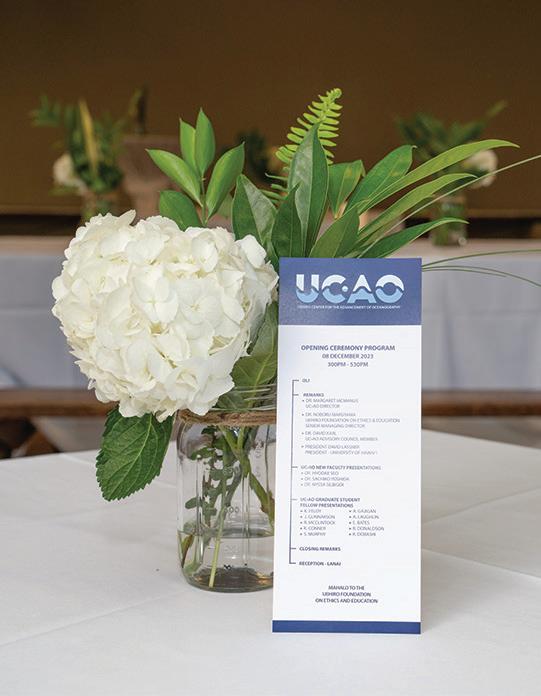
P15 Images courtesy of UH Foundation: Photos from the UC•AO Opening Ceremony.
TOP LEFT: Ceremony program; TOP RIGHT: D. Lassner, President, University of Hawai‘i, addressing the audience.
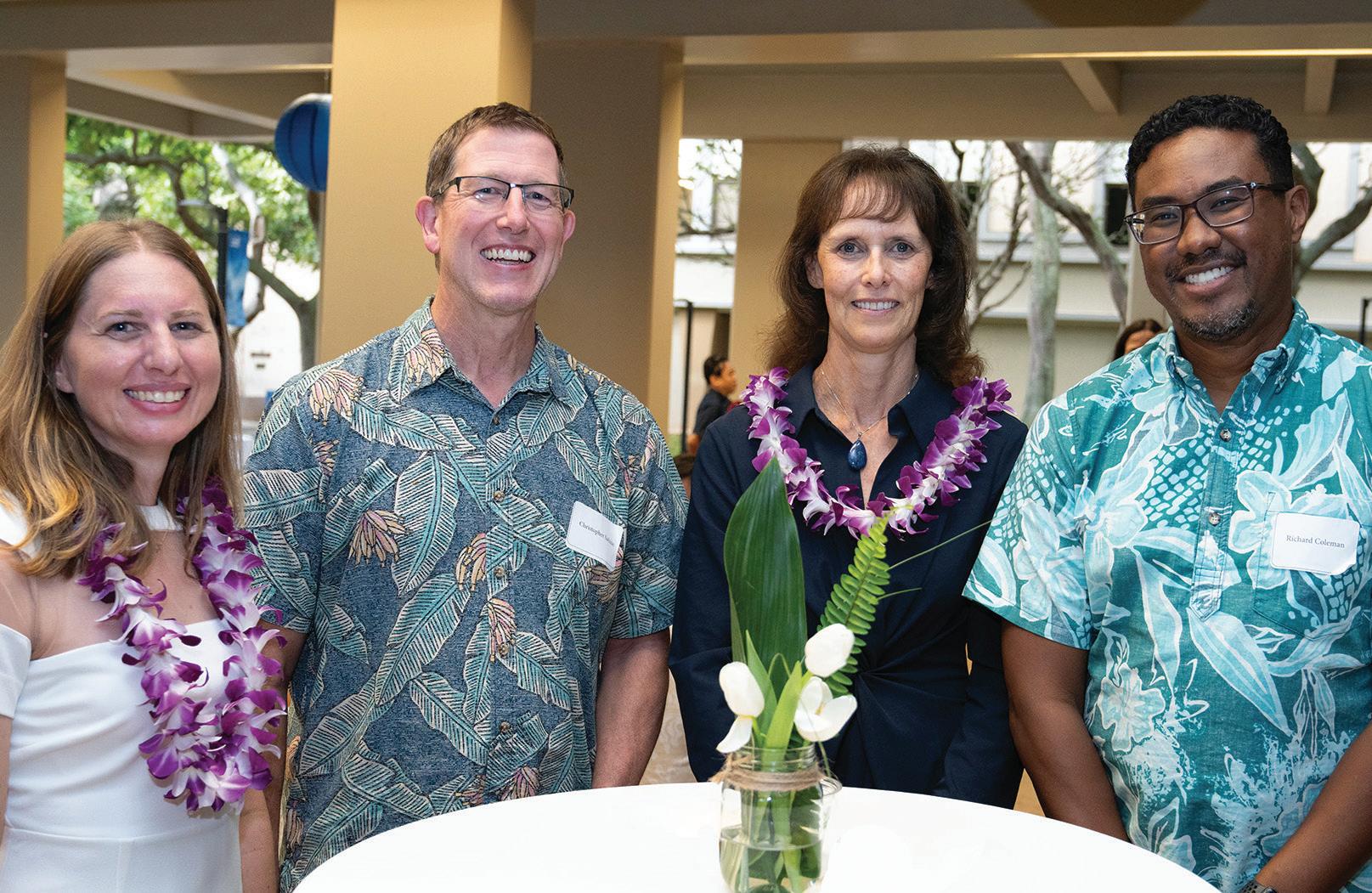
BOTTOM: N. Silbiger, C. Sabine, M. McManus, and R. Coleman enjoying the lanai after the symposium.
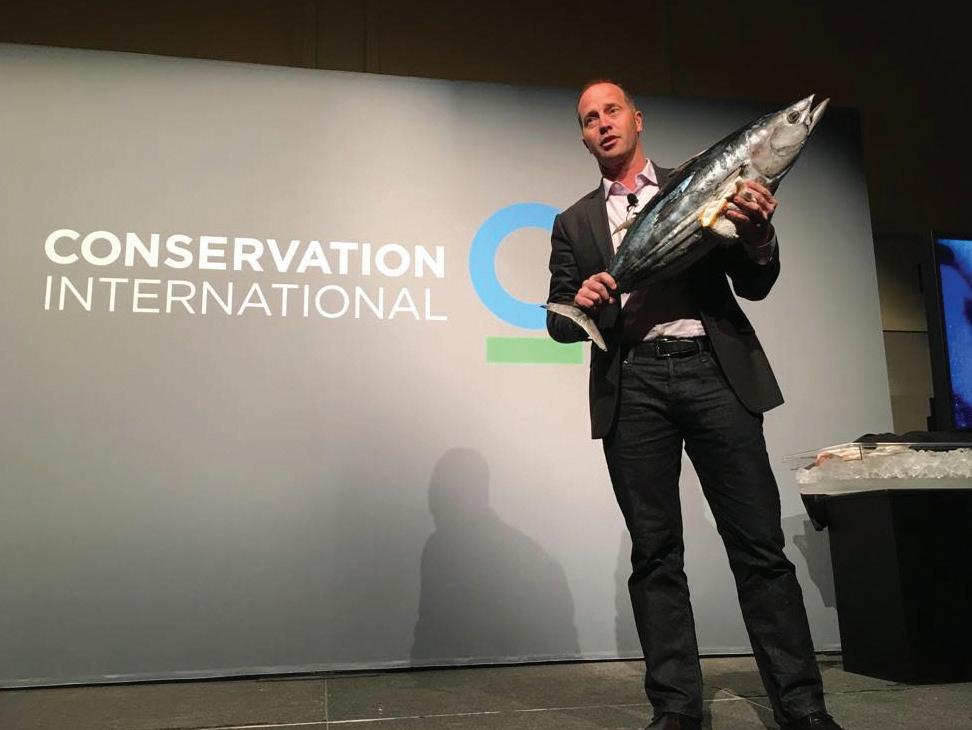
P18 TOP: Image courtesy of Conservation International: J. N. Kittinger, Vice President of the Global Fisheries and
Surfrider Foundation: M. Dias, Water Quality Manager, Blue Water Task Force, Surfrider Foundation.
BOTTOM RIGHT: Image courtesy of Ocean Visions: B. Ack, CEO, Ocean Visions.
P20 Image courtesy of C. Kollman: E. Bates aboard the R/V Kilo Moana preparing the CTD for sample collection at
Aquaculture program in Conservation International’s Center for Oceans. BOTTOM LEFT: Image courtesy of Station ALOHA, 100km north of O‘ahu, Hawai‘i.
P22 Image courtesy of A. Toperoff: K. Conner preparing chemical reagents for calcification experiments.
P23 Image courtesy of S. Cranston: S. Murphy at Kahe Point, O‘ahu, Hawai‘i surveying coral cover of larvae and
evaluating the survivorship of juvenile corals.
P24 Image courtesy of A. Gajigan: Members of the public and the marine science community learning to use
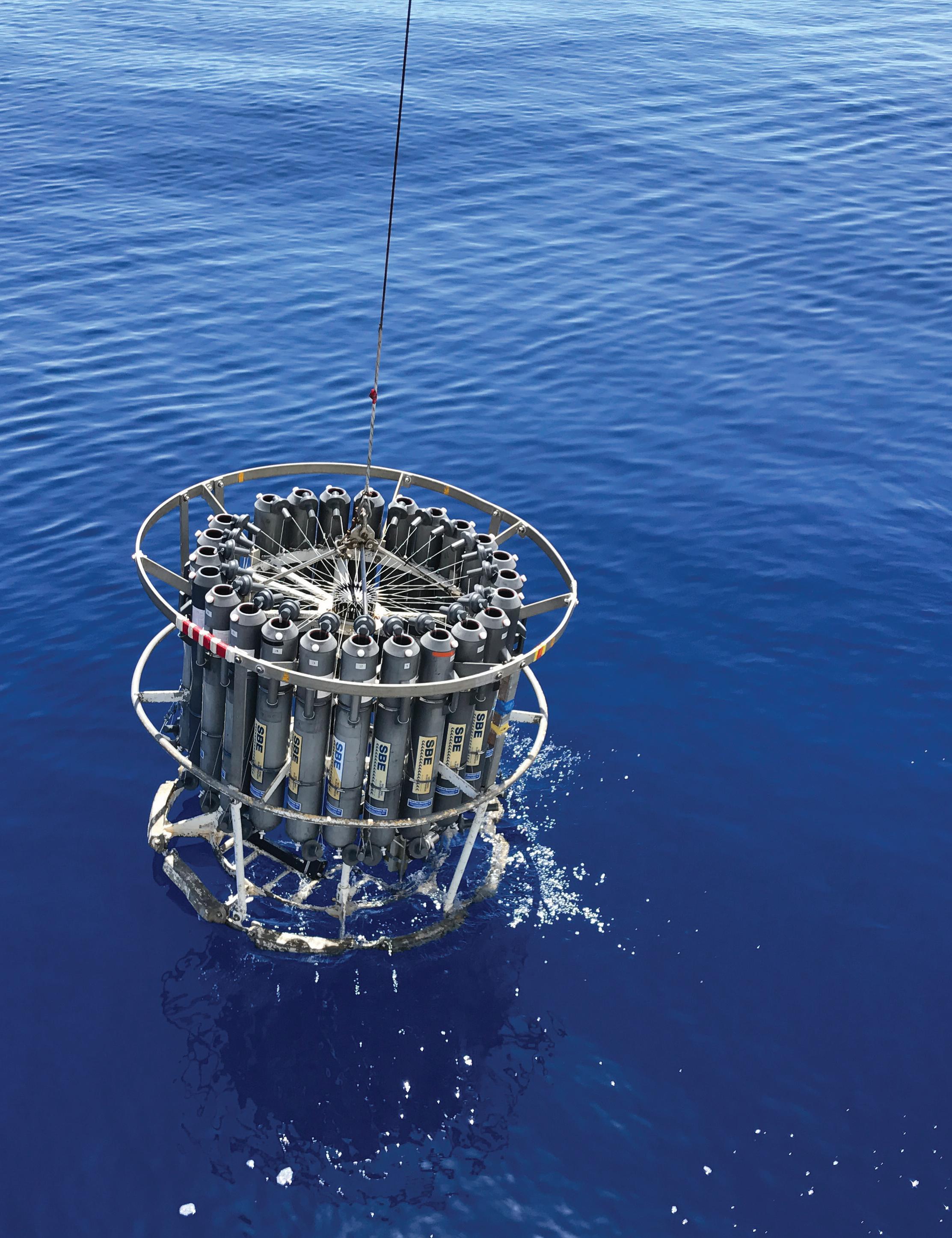
P25 Image courtesy of R. Tabata: Deployment of CTD rosette. An instrument used to measure salinity, tempera-
foldable microscopes during a workshop in Bolinao, NW Philippines. of Japan.
P27 Image courtesy of A. Doctor: A. Gajigan collecting plankton in Bolinao, NW Philippines.
P26 Image courtesy of H. Ueno: R. Dobashi receiving the Young Author Award from The Oceanographic Society
P28 World map adapted from www.vecteezy.com: Highlighted areas are locations that UC•AO Graduate Student Fellows traveled to for research, training, or conferences.
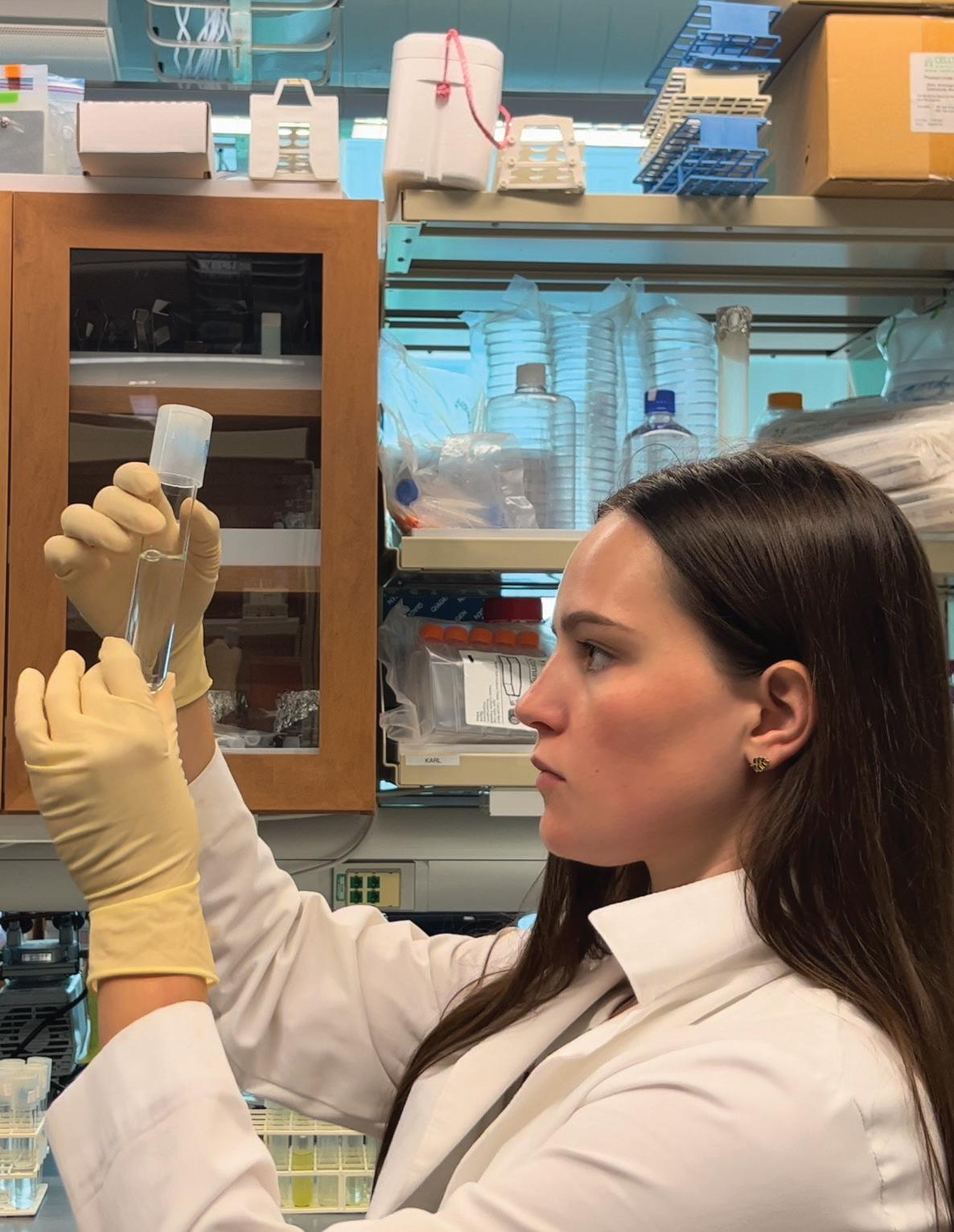
P31 Image courtesy of A. Laughlin: A. Laughlin determining the successful cultivation of plankton cultures.
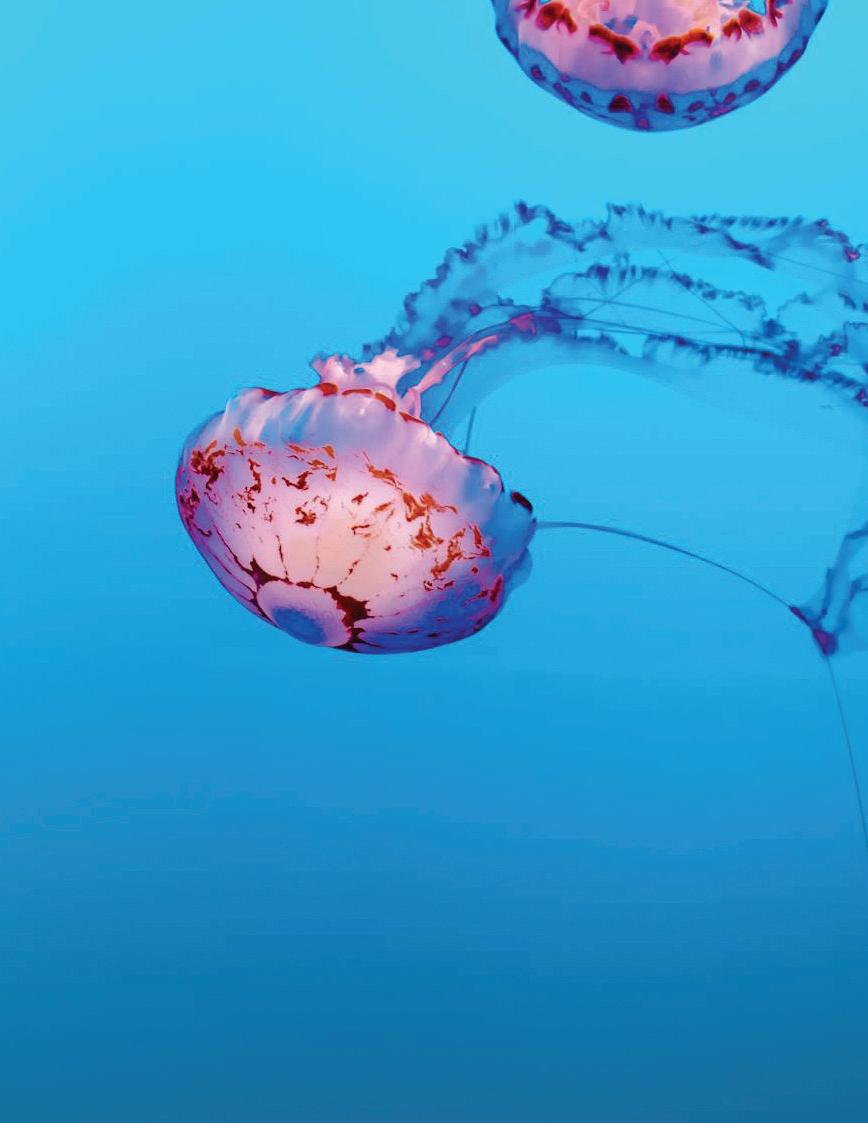
P33 Image courtesy of pexels.com, Tim Mossholder: Jellyfish in the Pacific Ocean.
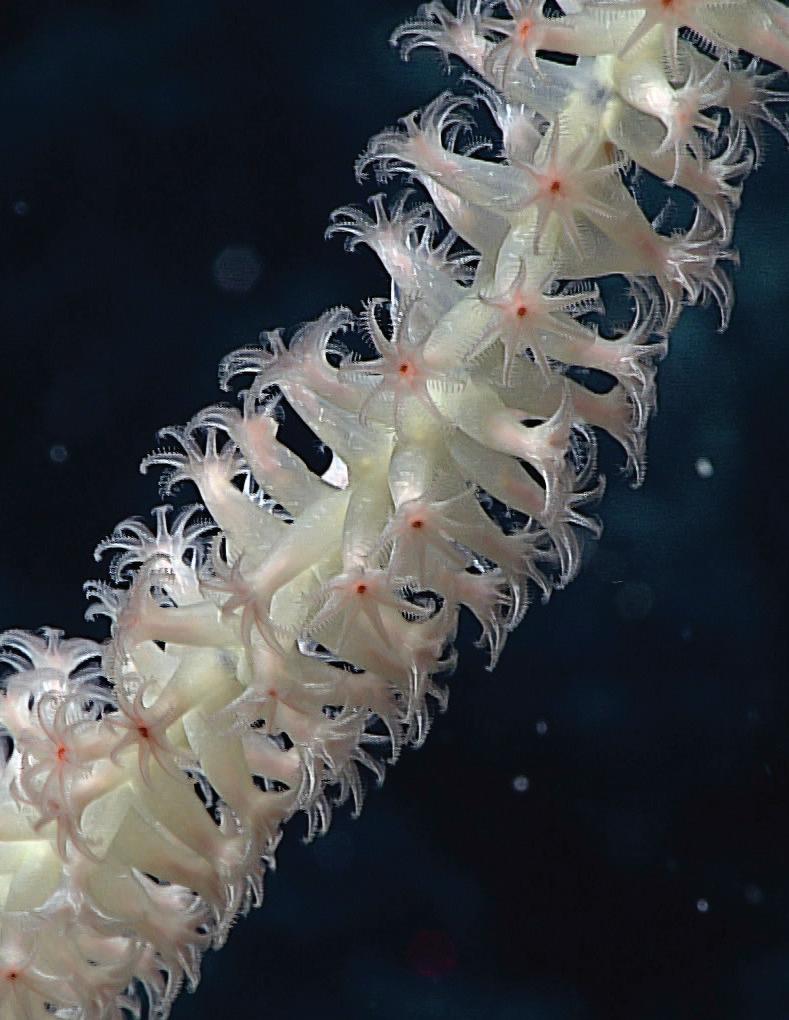
P35 Image courtesy of NOAA Office of Ocean Exploration and Research, Hohonu Moana 2016: Close-up shot of
Back cover Image courtesy of Upsplash, Jeremy Bishop: Underwater in the open ocean. ture, and depth. It also includes Niskin bottles used to retrieve water samples at multiple depths. bamboo coral on an unnamed seamount just outside Papahānaumokuākea Marine National Monument.
Layout and design elements by A. Toperoff, Creative Outreach Director, UC•AO.