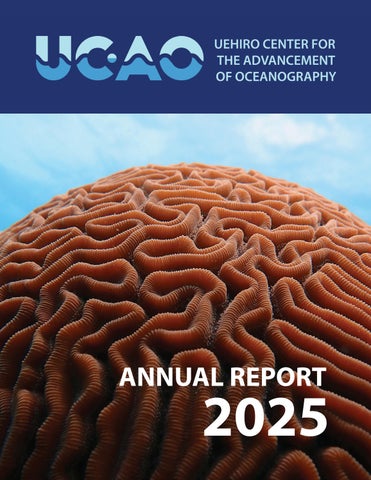
Uehiro Center for the Advancement of Oceanography Annual Report 2025
UEHIRO CENTER FOR THE ADVANCEMENT OF OCEANOGRAPHY
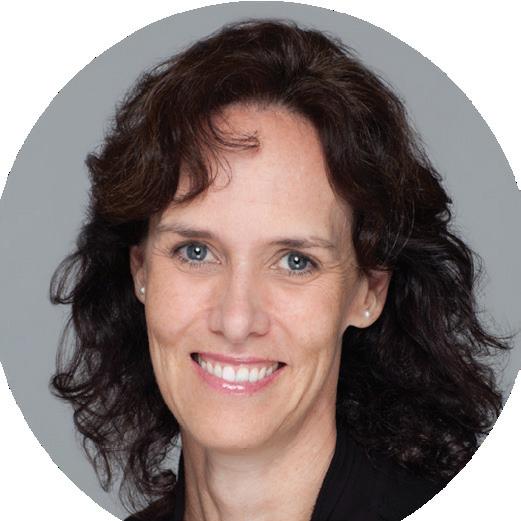
Professor Margaret Anne McManus Director
UEHIRO CENTER FOR THE ADVANCEMENT OF OCEANOGRAPHY
DEPARTMENT OF OCEANOGRAPHY
UNIVERSITY OF HAWAI’I - MĀNOA HONOLULU, HI 96822 www.soest.hawaii.edu/oceanography/uc-ao
MESSAGE FROM THE DIRECTOR
INTRODUCTION
ADDRESSING
MEETING
COLLABORATIONS
WORK
GRADUATIONS
AWARDS
MESSAGE FROM THE DIRECTOR
As we reflect on 2025, the entire team at the Uehiro Center for the Advancement of Oceanography (UC•AO) extends our deepest gratitude to the Uehiro Foundation on Ethics and Education for their vision, trust, and continued support. Their commitment enables us to pursue ambitious, ethical, and globally relevant ocean science and education.
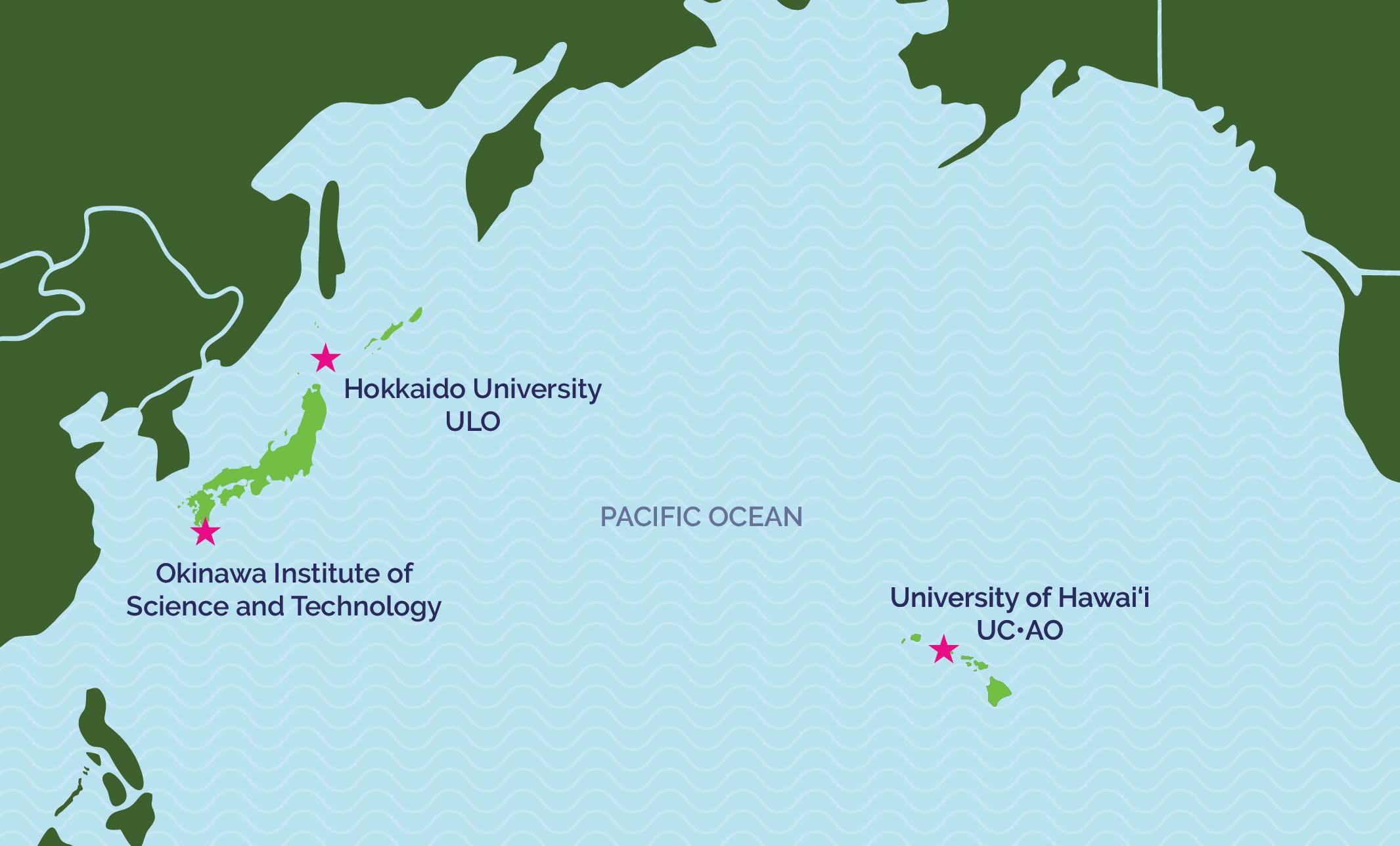
This year marked a significant expansion of UC•AO’s international presence and collaborative reach. We strengthened transformative partnerships with Hokkaido University and the Okinawa Institute of Science and Technology (OIST), advancing joint research, student exchanges, and coordinated field programs that link local coastal systems to global climate processes. The opening of the Uehiro Laboratory for Oceanography (ULO) at Hokkaido University represents a milestone in our shared mission to train the next generation of scientists and leaders through interdisciplinary, cross-cultural research experiences.
Our research efforts in 2025 advanced critical United Nations Sustainable Development Goals by addressing climate change, coral reef resilience, ocean circulation, and coastal ecosystem health. Highlights include expanded typhoon prediction and ocean monitoring in Okinawa, innovative coral reef observatory development, and major contributions to understanding how biological communities shape ocean chemistry and ecosystem function. These efforts reflect UC•AO’s commitment to solutions for ocean sustainability and societal resilience.
We are proud to celebrate the accomplishments of four outstanding graduate students who defended their theses this year. Their work demonstrates the real-world impact of the Uehiro Foundation’s investment in scientific excellence, mentorship, and leadership development. As our alumni community continues to grow, we remain committed to sustaining lifelong connections that strengthen our collective influence in ocean science and stewardship.
Complementing these achievements, 2025 was a year of meaningful global engagement. UC•AO members traveled worldwide to conduct fieldwork, build collaborations, share knowledge, and gain exposure to cutting-edge methodologies. We also hosted the Meeting of the Presidents, bringing together leadership from the University of Hawaiʻi at Mānoa, Hokkaido University, OIST, and the Uehiro Foundation, an inspiring gathering that reinforced our shared commitment to collaborative, forward-looking ocean science.
Throughout all our efforts, UC•AO remains guided by principles of quality education, equity, ethical leadership, and community engagement. None of this progress would be possible without the steadfast partnership of the Uehiro Foundation on Ethics and Education. Their vision continues to shape our Center’s growth and amplify our global impact.
We invite you to explore the UC•AO Annual Report 2025, which captures a year defined by scientific discovery, international collaboration, student success, and a deepened commitment to protecting our oceans in a changing world.
Sincerely,
Professor Margaret Anne McManus Director, Uehiro Center for the Advancement of Oceanography University of Hawaiʻi at Mānoa
About us INTRODUCTION
The Uehiro Foundation on Ethics and Education, chaired by Mr. Tetsuji Uehiro, established the Uehiro Center for the Advancement of Oceanography (UC•AO). The Center is part of the Department of Oceanography at the University of Hawaiʻi at Mānoa (UH Mānoa), one of the top ranked oceanography programs in the world. The Uehiro Foundation on Ethics and Education is a public foundation that has as its mission the provision of moral education, international communication, research advancement, and other related services. The promotion of ethical research and education is at the heart of the Foundation’s work.
Purpose
The Uehiro Center for the Advancement of Oceanography is a nexus of consequential support, resources, and opportunity for faculty and students engaged in vital oceanographic research. The Center offers a venue where discourse and debate are encouraged as a means to advance research and inform policy.
The UC•AO facilitates the realization of research goals detailed in the Department of Oceanography’s (2022–2027) Strategic Plan. The plan was prepared collaboratively through interviews, surveys, and three department-wide workshops, involving 123 department members.
The research questions UC•AO members address are complementary to the United Nations Sustainable Development Goals (UN SDGs). The center director, Uehiro associate professors, department faculty, and Uehiro graduate student fellows meet regularly to discuss and advance their research. The team is integrated with established colleagues and existing partnerships of the Department of Oceanography.
“The Uehiro Center for the Advancement of Oceanography is a place where science meets collaboration–where students, faculty, and global partners are advancing knowledge and informing smarter environmental stewardship.”
- Dr. Margaret McManus Director, UC•AO
UNITED NATIONS
ZERO HUNGER 2
The center explores marine food webs and sustainable fisheries to enhance ocean-based food security and nutrition for coastal communities.
GENDER EQUALITY 5
Our center promotes diversity and inclusion in oceanographic research, creating equal opportunities for all scientists to contribute to research.
GOOD HEALTH & WELL-BEING 3
We investigate how ocean health connects to human health by studying processes like deoxygenation and acidification that threaten marine food sources and coastal populations.
We explore renewable ocean energy sources including tides, waves, and offshore wind, contributing to sustainable energy solutions. 4
Ocean currents and marine ecosystems are integral to the global water cycle. Our research informs water management strategies and pollution prevention efforts mauka to makai (from the mountains to the ocean). 7 AFFORDABLE & CLEAN ENERGY
12
We lead innovative educational programs, training the next generation of ocean scientists and fostering public understanding of critical marine systems.
Ensuring people from all communities and backgrounds can participate in ocean research and governance is crucial. We explore pathways toward equitable, inclusive scientific research, fieldwork, and outreach.
At our core, we study and protect marine ecosystems, working to understand biodiversity, combat ocean acidification, and preserve marine habitats for future generations. QUALITY EDUCATION
Our cutting-edge research drives innovation in marine technology, data management, and sustainable ocean industries. SUSTAINABLE CITIES & COMMUNITIES 11
13
CLIMATE ACTION REDUCED INEQUALITIES 10
Our work supports coastal communities through research on sea-level rise, coastal protection, and sustainable marine resource management for coastal resilience.
RESPONSIBLE CONSUMPTION & PRODUCTION
We promote sustainable use of marine resources and reducing ocean waste. We examine pollutants in terrestrial and marine systems.
Oceans regulate the Earth's climate by absorbing heat and carbon dioxide. Our research provides crucial data for climate models and adaptation strategies.
Coastal and marine ecosystems are inseparable from terrestrial environments. Our research examines these connections, from watersheds to coral reefs. 17
Our center operates as an effective, accountable, and inclusive research institution that promotes ethical collaborations, informs policy, and advances scientific research. PEACE, JUSTICE & STRONG INSTITUTIONS
PARTNERSHIPS FOR THE GOALS 16
Ocean challenges require global solutions. Our important collaborations with international research institutions, government agencies, and communities maximize our impact.
ADDRESSING THE UNITED NATIONS SUSTAINABLE DEVELOPMENT GOALS
The United Nations Sustainable Development Goals (UN SDGs) represent a global blueprint for achieving a more sustainable and equitable future by 2030. The 17 interconnected goals address critical challenges ranging from poverty and hunger, to climate action and life below water. These goals provide a shared framework for organizations, governments, and communities worldwide to work collaboratively toward shared social, economic, and environmental priorities.
Our center advances many of these important goals directly and indirectly through education initiatives, collaborations, and cutting-edge oceanographic research. Through our commitment to understanding and protecting the ocean, UC•AO serves as a catalyst for advancing the global sustainability agenda.
The infographic to the left illustrates the breadth of the Center’s work advancing individual UN SDGs. Throughout this report, square indicators, like those shown below, pinpoint where specific initiatives contribute to these global goals.
MEETING OF THE PRESIDENTS
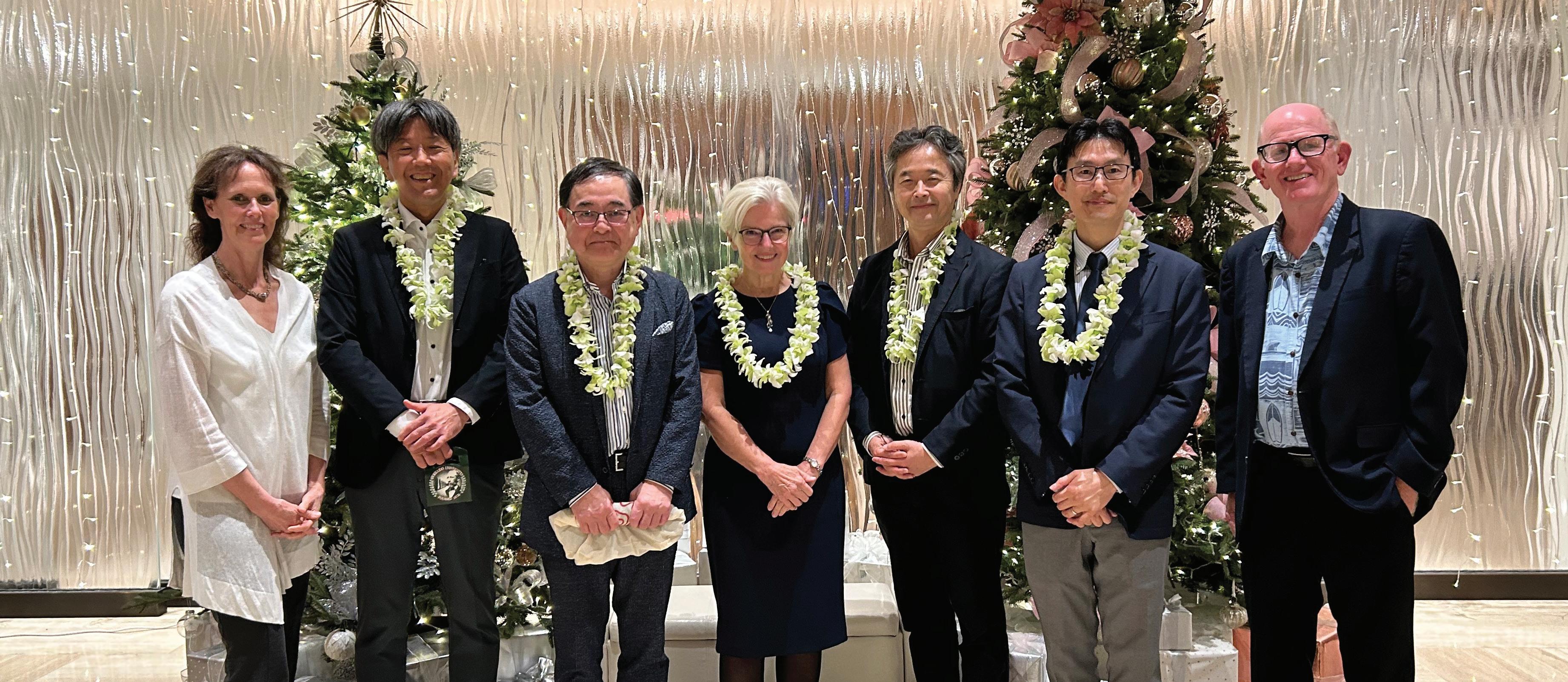
In December, we proudly hosted a meeting that brought together members of the Uehiro Foundation on Ethics and Education, University of Hawaiʻi at Mānoa, Hokkaido University, Okinawa Institute of Science and Technology (OIST), and University of Hawaiʻi Foundation. It was an exceptional opportunity to strengthen our partnerships and included the presidents of the University of Hawaiʻi at Mānoa, Hokkaido University, Okinawa Institute of Science and Technology, as well as leadership-team members from each of the oceanography research programs within those institutions.
Following an oli, the meeting opened with remarks from UC•AO Director Margaret McManus and an inspirational address by Uehiro Foundation on Ethics and Education Senior Managing Director Dr. Noboru Maruyama. Each president then shared the strengths and visions of their institution, underscoring the vital role of education and ocean sciences in shaping the future of our planet. Subsequent presentations highlighted the research, educational exchanges, and other program aspects at all three institutions. Participants then divided into smaller groups for focused discussion sessions on topics including future collaboration strategies and effective communication approaches. The groups reconvened to share ideas generated from these discussions before gathering for lunch at Ka Papa Loʻi ʻo Kānewai, a site of cultural and community significance. The official programming concluded with a tour that highlighted UH Mānoa’s campus.
Beyond the formal programming, several social events fostered deeper personal connections among participants, strengthening the foundation for lasting institutional partnerships. The meeting was transformative in scope and impact. Through candid dialogue and collaborative brainstorming, participants explored both immediately achievable objectives and ambitious longterm possibilities that could reshape oceanographic research and education across the Pacific. The gathering established concrete pathways for enhanced collaboration and knowledge-sharing that will amplify our collective impact. What began as a meeting of institutions evolved into a dynamic, committed partnership poised to address some of the most pressing challenges facing our oceans and our planet.
COLLABORATIONS
UC•AO is currently engaged in two key international collaborations that advance our understanding of oceanography and ocean-climate interactions across the Pacific through complementary research, education, and exchange programs. These partnerships bring together diverse expertise and geographic strengths to address oceanographic processes that transcend national boundaries.
By fostering sustained collaboration, UC•AO helps build an integrated framework for training the next generation of researchers and developing evidence-based strategies for climate mitigation and adaptation. The global, interconnected nature of the ocean system demands such coordinated efforts, where shared knowledge and collective action contribute meaningful solutions for ocean sustainability and social resilience.
Together we are addressing a wide range of UN Sustainable Development Goals.
UC•AO & Uehiro Laboratory for Oceanography at Hokkaido University
Preparing the next generation of scientists and leaders to address issues in oceanography and ocean-climate interactions through innovative, ethical, and interdisciplinary approaches is central to advancing priorities outlined in the UN SDGs.
Through our partnership with ULO, this academic exchange program brings undergraduate and graduate students from Hokkaido University to the University of Hawaiʻi at Mānoa for immersive, interdisciplinary research and educational experiences. Participants explore topics across oceanography, climate science, and data science, strengthening their analytical and problem-solving skills to address interconnected climate challenges.
This innovative educational exchange program fosters global partnerships and advances oceanographic research capabilities.
Hokkaido University students at UH Mānoa
Students from Hokkaido University will have multiple opportunities to engage in hands-on learning experiences.
Mauka to Makai (M2M): Introduction to Oceanography course: This two-week program combines oceanography lectures, labs, coastal cruises, and fieldwork with service-learning activities connecting students to Hawaiian resource management practices for preserving Oʻahu’s watersheds and coastal waters. Students develop skills in critical thinking, data analysis and visualization, introductory programming, and science communication.
Instructor-Led Research Experiences (ILRE): This four-week program offers students the opportunity to conduct oceanography research across physical, chemical, and biological oceanography by selecting a topic and working closely with UH faculty. Topics span physical oceanography (waves, currents, eddies, water transport), climate science, coastal coral reef ecology, and human-environment interactions such as offshore wind farm impacts.
Field courses offered through the Hawaiʻi Institute of Marine Biology (HIMB): These fiveweek immersive graduate training experiences take place at the Moku o Loʻe campus in Kāneʻohe Bay, where Hokkaido University students participate alongside UH Mānoa graduate students. Topics include mathematical ecology of marine systems, coral reef fish behavior, coral reef respiratory processes, marine remote sensing, coral reef structure and function, and marine mammal science and conservation.
UH Mānoa students at ULO
UH Mānoa students will gain intensive field research opportunities in Arctic and sub-Arctic marine environments that directly support UN Ocean Decade priorities. Students will participate in research cruises aboard the OSHORO MARU through the Bering Sea and Western North Pacific, a sea ice field course on Lake Saroma, and summer courses at Usujiri and Bifuka Fisheries Stations focused on coastal marine environments and sustainable aquaculture. These programs foster meaningful cultural exchanges while providing hands-on research experience in some of the world’s most rapidly changing polar ecosystems.
Uehiro Laboratory for Oceanography Opening Ceremony
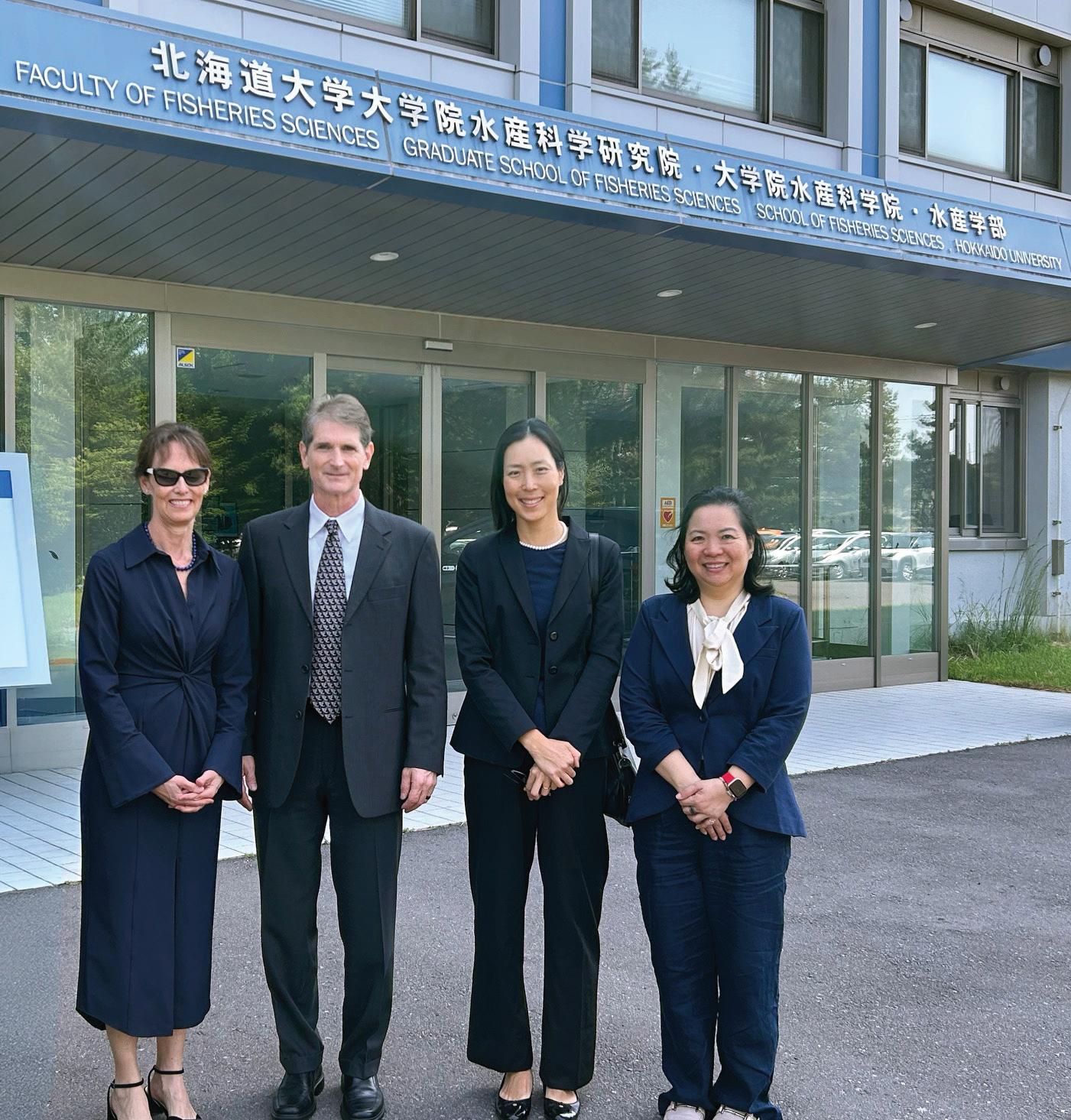
In 2025, members of UC•AO traveled to Hokkaido, Japan to celebrate the opening of the Uehiro Laboratory for Oceanography (ULO). Situated within the Faculty of Fisheries Sciences at Hokkaido University, ULO was established with support from the Uehiro Foundation on Ethics and Education. Members from ULO, UC•AO, and UH Mānoa faculty, together with the leadership team from the Uehiro Foundation on Ethics and Education, gathered to commemorate this milestone event.
During this visit, UC•AO members strolled Hokkaido University’s beautiful early-summer Sapporo campus and toured its historic buildings. In Hakodate, they visited one of the Fisheries Stations where UH Mānoa students are based during summer courses and spent time aboard the training and research vessel OSHORO MARU learning about its impressive capabilities. The stay proved to be very meaningful and informative, further strengthening ties between the partnering institutions.
UC•AO & Okinawa Institute of Science and Technology
Understanding the causes and consequences of climate change requires an integrative approach that connects coastal processes to global-scale oceanographic patterns. With our partners at OIST, our team is developing a coastal coral reef observatory and advancing research on typhoon prediction and air-sea interactions. By collecting and synthesizing physical, chemical, and ecological data, we can connect global-scale weather patterns to local-scale coral reef response.
This multi-disciplinary research collaboration addresses key challenges in oceanographic research through the integration of coral reef ecology, biogeochemistry, and physical oceanography.
Typhoon Prediction & Ocean Monitoring
Our research integrates targeted ocean observations with high-resolution coupled ocean-atmosphere-wave model simulations to advance our understanding of air-sea interaction processes in Okinawa’s unique island and reef-dominated geography. Our coordinated observational-modeling effort directly informs the parameterizations used in cutting-edge typhoon forecasting models, while revealing how extreme wind, wave, and ocean forcing affect upper ocean structure and the health and resilience of coral reef ecosystems. This year focused on laying the foundation for an observational network set for deployment during the summer 2026 typhoon season, and the necessary computational and logistical infrastructure to support concurrent modeling efforts.
Modeling Activities
Significant progress was made in establishing and evaluating a high-resolution coupled modeling framework for the Okinawa region.
Coupled model configuration: High-resolution atmosphere, ocean, and wave simulations were developed for the Okinawa island chain, evaluating choices in physical parameterizations, horizontal and vertical resolution, domain size, and boundary conditions. The goal is to identify an optimal set of model parameters suitable for extreme wind and wave regimes.
Case-study selection and system testing: A suite of historical typhoon events was identified to serve as idealized and realistic test cases for preliminary simulations. These simulations are being used to assess models’ numerical stability, computational efficiency, and performance of model physics for air-sea fluxes, wave-wind-current interactions, and upper-ocean response under typhoon forcing.
Benchmark typhoon simulation: Typhoon Khanun (2023) was selected as a primary modeling benchmark event prior to field deployment under similar storm conditions. Analysis focused on understanding environmental controls on storm intensity and track, and the coupled oceanic response, including cold-wake formation, wave growth, and coastal impacts.
Field Experiment Preparation
We also made extensive efforts to prepare the 2026 field experiments. We are acquiring instruments, including wave buoys and, in close coordination with OIST collaborators, finalizing site selection and deployment strategies.
Coral Reef Research
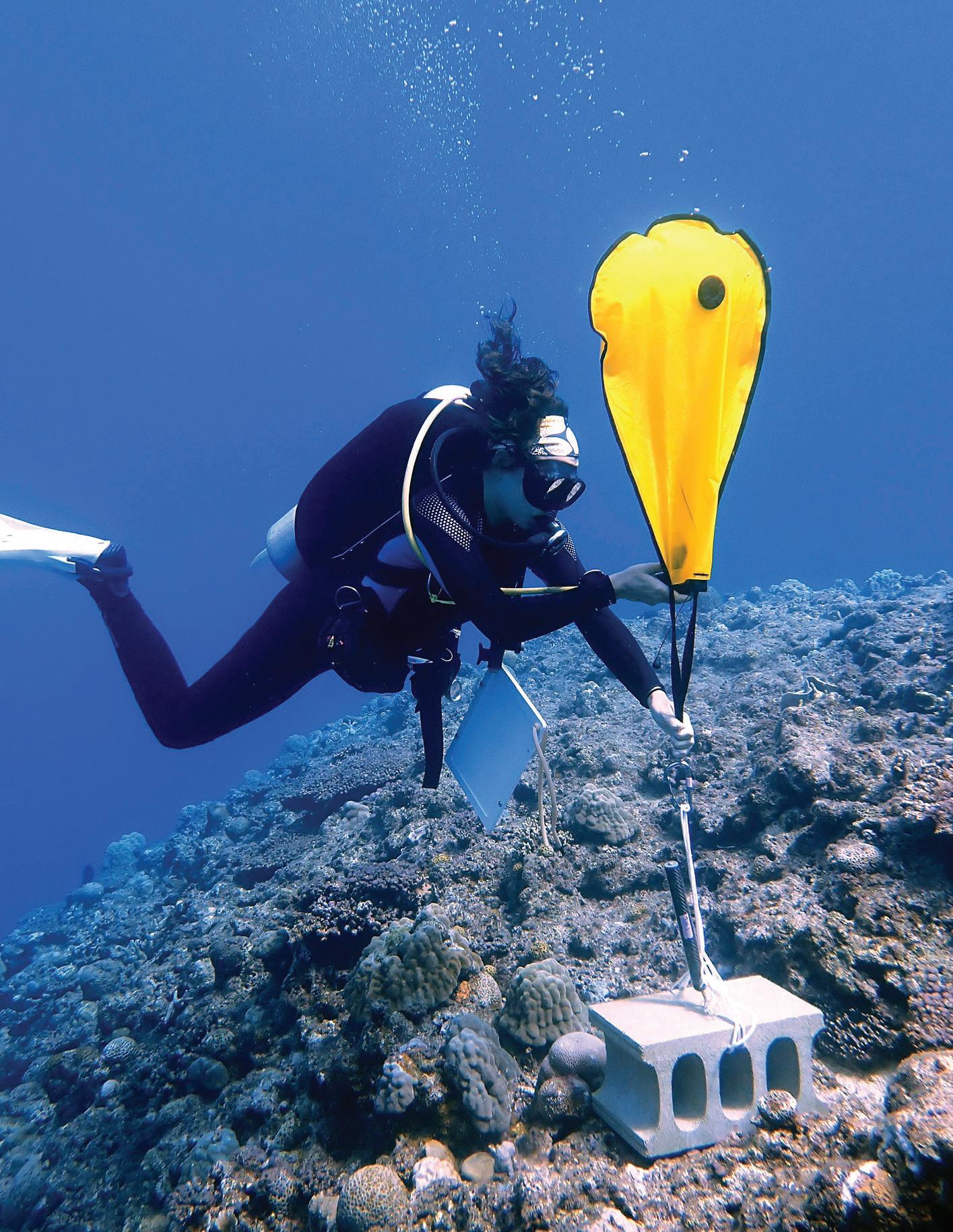
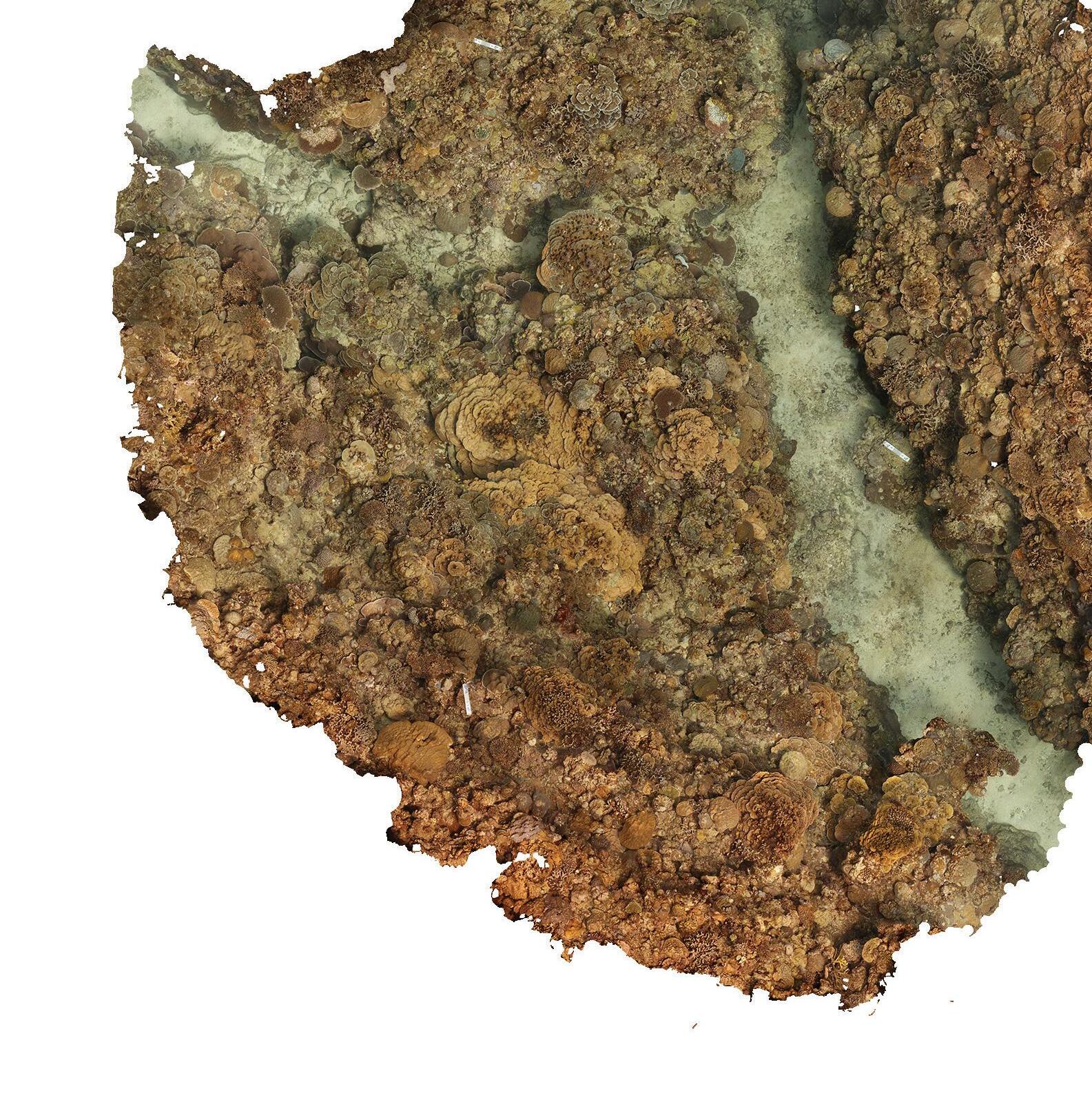
In the summer of 2025, UC•AO researchers conducted a five-week field campaign in Okinawa. They met with colleagues from OIST and collected data from nearshore coral reefs. The team acquired high-resolution images of coral reef cover, deployed instruments to measure temperature and current patterns, and conducted experiments on coral thermal performance across several locations. These efforts establish a baseline for annual monitoring, with future initiatives set to include measurements of coral reef ecosystem metabolism.
Photogrammetry/biodiversity monitoring: Using structure-from-motion photogrammetry, the team generates 3D reconstructions of reefs in Okinawa. This high-resolution data allows us to track changes in reef community composition and biodiversity and assess individual coral growth over time.
Thermal performance: Understanding how corals respond to rising ocean temperatures is key to predicting future coral reef assemblages. Using thermal performance curves of coral metabolism, our team can identify the more stress-resistant species as potential candidates for restoration.
Coral physiology: Physiological metrics such as chlorophyll a, the pigment that helps coral symbionts photosynthesize, and protein content, critical energy reserves for coral health, can act as predictors of coral resilience and vary among species. Pairing physiological data with measures of stress tolerance like thermal performance allows us to determine what factors contribute to coral health.
Community respiration: To investigate whether higher biodiversity promotes stress tolerance, the team measured the metabolism of both individuals and communities under heat stress. This research helps evaluate the performance advantages of complex community assemblages and the ecological importance of reef biodiversity.
DNA extraction: Tropical corals rely on the microscopic algae that live inside their cells for up to 90% of their energy, yet these symbiotic partners vary significantly in their ability to tolerate heat and stress. By identifying the specific species of algae each coral hosts, the team can better understand how these partnerships influence coral physiology and climate resilience. These molecular insights are critical for predicting which coral communities are most likely to survive in warming oceans.
Oceanographic measurements: Current meters are deployed to assess water velocity and flow patterns on coral reefs in conjunction with sensors for high-frequency measurements of temperature. These measurements are vital for understanding how water flow influences coral ecosystem metabolism, calcification, nutrient delivery, and larval dispersal across reef habitats.
EVENTS
UC•AO hosts monthly events designed to build a supportive community while advancing oceanographic research and the UN Sustainable Development Goals. These gatherings offer opportunities for professional and personal growth through scientific presentations, career development workshops, and community-building activities. These events foster meaningful dialogue between students and faculty while cultivating the next generation of ocean scientists.
Our programming directly advances multiple UN SDGs: Life Below Water (SDG 14) through investigations on coral resilience, iron cycling, and ocean dynamics; Climate Action (SDG 13) via climate impact investigations and disaster preparedness; Quality Education (SDG 4) through professional development and graduate training; and Partnerships (SDG 17) via collaborations with NOAA Fisheries, the National Academies, international partners, and Indigenous communities. Seminars on Aloha ʻĀina frameworks, biocultural management, and intersectionality address Reduced Inequalities (SDG 10) and Peace, Justice and Strong Institutions (SDG 16).
Additional contributions include Good Health and Well-Being (SDG 3) through mental health programming; Gender Equality (SDG 5) via intersectionality workshops; Clean Water (SDG 6) and Life on Land (SDG 15) through research on land-ocean connectivity; Innovation (SDG 9) through graduate fellowships; and Zero Hunger (SDG 2) and Responsible Consumption (SDG 12) through research on traditional food systems like loko iʻa and sustainable resource management. These activities demonstrate how the Center bridges scientific excellence with social justice, Indigenous rights, and community well-being.
This event is a Department-wide symposium supported by the Uehiro Center for the Advancement of Oceanography that showcases the work of graduate students in the Department of Oceanography. Postdoctoral fellows and undergraduate students also participate. Department faculty serve on the judging panel and deliver keynote and closing remarks.
This student-run symposium empowers graduate students to set the theme, develop programming, and present their research to peers, advisors, and the public. It serves as both a professional development and community-building experience. This year’s symposium featured eight sessions covering a wide range of topics in oceanography:
pH(un) with Carbonate Chemistry
Whatʻs New at Station Aloha Around the Islands
Corals in a Changing Ocean
Science on the High Seas Diving Deep Oceanography Beyond the Science Sensors at Work
Workshops providing additional learning opportunities included a career development workshop titled Reel in the Opportunity: Careers at NOAA Fisheries, and a community workshop titled Intersectionality and Reflexivity: Understanding and Developing New Perspectives.
UC•AO students participated in every aspect of the event—planning the meeting, moderating sessions, delivering presentations, participating in workshops, and more. Several earned awards from the judging panel (details on pg. 24).
Uehiro Graduate Student Fellows Eleanor Bates, Shannon Cranston, Kyle Conner, Ryo Dobashi, Jacob Gunnarson, Andrian Gajigan, Aaron Judah, Amanda Laughlin, Rayna McClintock, Zachary Nachod, and Gordon Walker presented their work and participated in or led workshops. Director Margaret McManus and Associate Director Nyssa Silbiger served on the judging committee, and Associate Director Hyodae Seo provided the closing remarks.
This event stands as a testament to the caliber and initiative of our Uehiro graduate student fellows, reflecting the collaborative spirit that defines both the Department of Oceanography and the Uehiro Center for the Advancement of Oceanography.
EVENTS (continued)
Dr. Gary Glauberman Disaster Preparedness & Planetary Health: Global Challenges & Local Impacts
Dr. Glauberman, chair of the Department of Nursing (UH Mānoa), gave an overview of planetary health, disaster preparedness, and their interconnection. He explained how unique social and environmental factors contribute to making Hawaiʻi highly vulnerable to climate-related disasters, and showed how the 2023 Maui Wildfire disaster demonstrates the severe local consequences that can arise from a global-scale phenomenon.
Forecasting the Ocean: The 2025-2035 Decade of Ocean Science
Participants viewed a prerecorded National Academies of Sciences, Engineering, and Medicine webinar on the recent report "Forecasting the Ocean: The 2025-2035 Decade of Ocean Science." Experts outlined approaches to guide investments in ocean sciences research, infrastructure, and workforce development. Dr. Yoshimi (Shimi) Rii of HIMB, who served on the report's committee, shared her experiences from the process and led an engaging student discussion.
Ms. Shannon Cranston Contrasting Metabolic Responses to Nutrient Enrichment and Thermal Stress in Hawaiian Corals: Insights from Net & Gross Primary Productivity
This workshop led by Dr. Le, chair of the Department of Family and Consumer Sciences (UH Mānoa), introduced students to mindfulness—present-moment awareness with openness and non-judgment—as a tool for enhancing well-being and professional effectiveness in academic environments. Participants learned how mindfulness develops emotional regulation, prevents burnout, fosters work-life balance, and supports ethical decision-making in research. The session provided practice tips and encouraged discussion about integrating mindfulness into daily life.
Ms. Cranston defended her thesis work that examined how different nutrient sources affect coral metabolism during heat stress. Her study compared the effects of sewage effluent, seabird guano, and inorganic nutrients on two Hawaiian coral species during a simulated marine heatwave. Results showed that Montipora capitata maintained higher photosynthesis rates with nutrient addition during heat stress, while Porites compressa showed no benefit and experienced metabolic impairment.
The UC•AO held its first fall 2025 gathering, bringing together faculty, staff, and graduate fellows. The center director outlined UC•AO's mission and strategic goals, followed by introductions from faculty and staff. Our graduate student fellows presented their research and paths into oceanography, showcasing the Center's diverse work. The event was a valuable opportunity to welcome new fellows and strengthen connections within the UC•AO team.
Dr. Eleanor Bates
Time-Series Observations of Upper Ocean Iron Cycling in the North Pacific Subtropical Gyre
Kate Feloy
Iron is an essential micronutrient for marine phytoplankton, with low concentrations limiting primary productivity in approximately one-third of the global ocean. Dr. Bates’ work presents the first multi-year, monthly-resolved time-series study of iron and trace metals at Station ALOHA in the North Pacific Subtropical Gyre. During her dissertation defense, she showed that iron enters through local winter inputs and springtime dust deposition, persists for five months, and is regenerated several times before export—highlighting how seasonal inputs and internal regeneration regulate iron dynamics.
The Hawaiian Islands are characterized by complex ocean dynamics that impact ecosystems but are poorly represented in global climate models. Using a regional model, Dr. Feloy’s dissertation work investigated local physical processes, their projected changes, and impacts on coastal ecosystems. Dr. Feloy found that internal tides may help buffer coral reefs from warming, while cyclonic eddies have far-reaching impacts on productivity. Without considerable emissions reductions, Hawaiian corals will face severe heat stress throughout the second half of the 21st century.
Sound land and water policy requires understanding the multiple ways people use, value, and care for these resources. Dr. Bremer, associate director for the Institute for Sustainability and Resilience and a faculty specialist with the UH Economic Research Organization (UHERO) and the Water Resources Research Center (WRRC), shared collaborative research on agroforestry transitions and groundwater dependent ecosystems as examples of incorporating biocultural values into policy in Hawaiʻi.
The Hawaiian concept of aloha ʻāina (love of the land) expresses a profound love, respect, and responsibility for the islands, their natural resources, and the communities they support. It is a culturally embedded worldview in which sustainable stewardship is our kuleana (sacred duty and privilege). In this seminar, Dr. Puniwai, of the Hawaiʻinuiākea School of Hawaiian Knowledge (UH Mānoa), framed aloha ʻāina as both a value and a methodology—one that demands ethical, decolonial science in indigenous landscapes and centers indigenous values and ancestral wisdom as essential to understanding and responding to climate change.
A screening of National Geographic's Ocean with David Attenborough was followed by a panel discussion featuring four experts from the Department of Oceanography. The film showcases the ocean's vital role in regulating climate, producing oxygen, and supporting biodiversity while highlighting marine protected areas as a solution to restore degraded ocean ecosystems. The panel discussion provided a space for exchanging views on the documentary, as well as the experiences of researchers and their perspectives on ongoing ocean and climate changes.
WORK AROUND THE WORLD
Center members pursue opportunities for research, trainings, collaborations, information sharing, and professional development throughout the world. These experiences advance scientific expertise, introduce cutting-edge methodologies, foster cross-cultural understanding, and build essential collaborative networks. Travel is a meaningful part of the UC•AO experience and has left lasting impressions on all our team members. The map below shows the many countries to which our members have traveled for work or study since the Center’s founding.
GRADUATIONS
This year marks a productive milestone for UC•AO, as we celebrate four graduate students who successfully defended their theses. Their research has made important contributions to addressing critical United Nations Sustainable Development Goals, demonstrating the real-world impact of their work. As these graduates embark on the next phase of their careers—whether continuing in academia or pursuing roles that advance oceanographic research and conservation—we are immensely proud of their achievements and the paths they are forging. The Center remains committed to maintaining these enduring relationships and nurturing our growing alumni community, recognizing that these connections strengthen both our mission and our collective impact on ocean science and stewardship.
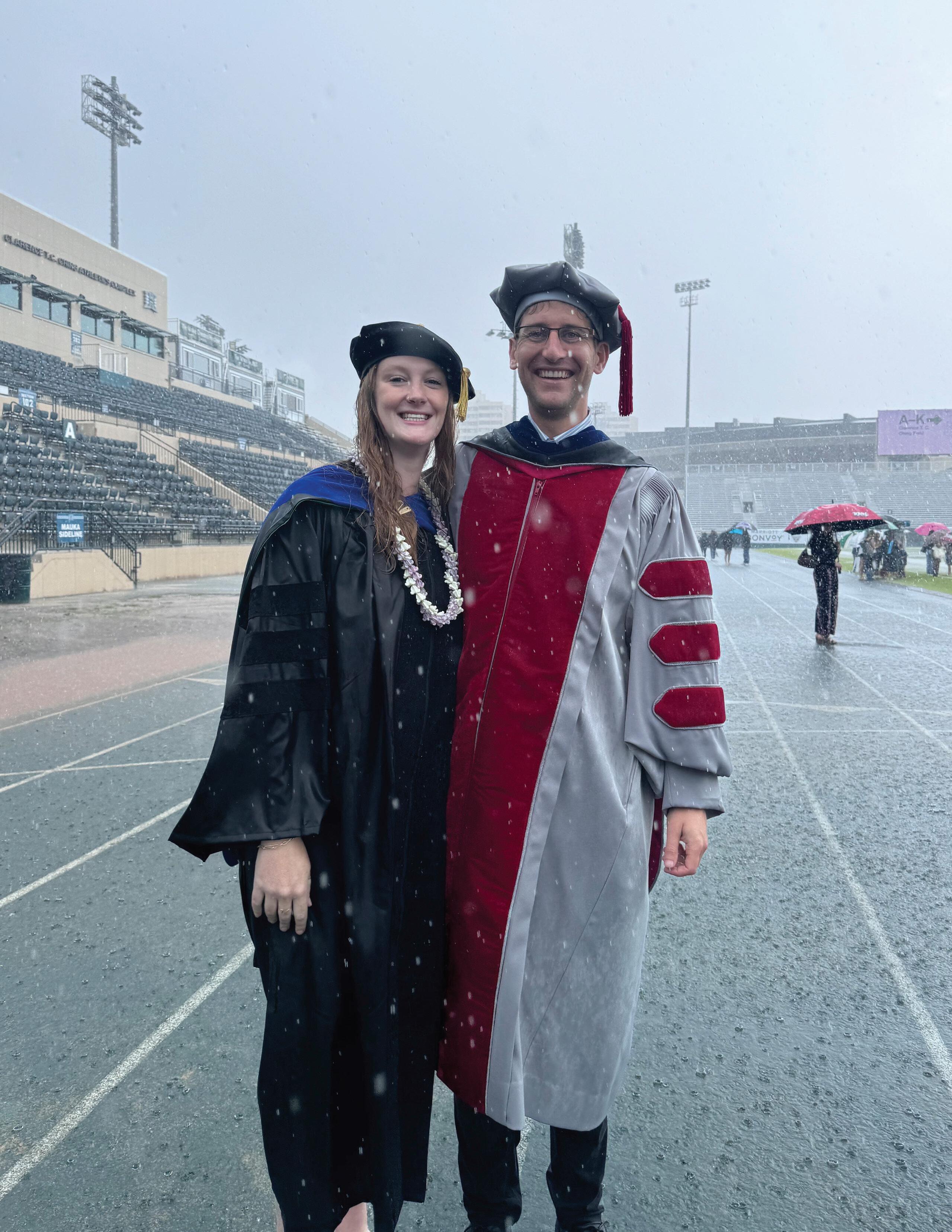
Eleanor Bates
Degree: PhD
Division: Marine Geology & Geochemistry
Advisor: Dr. Nicholas Hawco
13
Education: BA chemistry with environmental studies—Dartmouth College
As climate change progresses, the amount of iron entering the ocean is expected to increase, potentially relieving iron limitation for phytoplankton in some regions. Dr. Bates’ graduate work focused on seasonal changes in marine iron cycling, providing a baseline against which to assess natural variability versus that caused by climate change.
Dr. Bates is currently working in partnership with a professor at University of Alaska Fairbanks. Using samples she helped collect off the coast of Antarctica, she is investigating whether trace metals can be used as tracers of oceanic circulation patterns in the Southern Ocean.
Shannon Cranston
Degree: MS
Division: Biological Oceanography
Advisor: Dr. Andrea Jani
Education: BS global environmental science—UH Mānoa
Ms. Cranston’s graduate research focused on marine pollution and the impacts of local nutrient sources to reef functioning and performance in the face of climate change, including increasing marine heatwave frequency and duration.
Ms. Cranston is now working as an artificial reef biologist with the State of Hawaiʻi, Division of Aquatic Resources, a role that blends rigorous science with meaningful conservation work. A native of Oʻahu, Ms. Cranston is grateful for the opportunity to protect the coastal ecosystems and communities that have shaped her.
GRADUATIONS (continued)
Kate Feloy
Degree: PhD
Division: Physical Oceanography
Advisor: Dr. Brian Powell
Education: BS+MS Environmental Geosciences—University of Bristol, UK MS Physical Oceanography—UH Mānoa
Dr. Feloy ’s graduate work examined the physical processes acting in the oceans around Hawaiʻi to better understand present-day coastal ecosystems and how they may be affected in a changing climate.
Dr. Feloy plans to continue working to advance our understanding of the localized impacts of climate change on coastal communities. She is currently working on publishing manuscripts from her PhD research.
Andrian Gajigan
Degree: PhD
Division: Biological Oceanography
Advisor: Dr. Grieg Steward
Education: BS biochemistry—University of the Philippines MS marine science—University of the Philippines
Dr. Gajigan’s doctoral research focused on microbial oceanography and marine viruses, examining how anthropogenic disturbances and climate change affect marine systems to better predict and prepare for their negative effects.
After graduating in May 2025, Dr. Gajigan began a prestigious three-year Cornell Atkinson Postdoctoral Fellowship at Cornell University, where he continues to explore ocean sustainability through the lens of marine microbes and viruses. His work contributes to the management of diseases affecting seaweed, other key aquaculture species, and naturally occurring marine invertebrates.
AWARDS & ACHIEVEMENTS
KYLE CONNER
OUTSTANDING DATA VISUALIZATION AWARD
BREAKTHROUGHS:
UEHIRO-OCEANOGRAPHY
YEARLY SYMPOSIUM
RAYNA MCCLINTOCK
OUTSTANDING ORAL PRESENTATION AWARD
BREAKTHROUGHS:
UEHIRO-OCEANOGRAPHY
YEARLY SYMPOSIUM
ANDRIAN GAJIGAN
CORNELL ATKINSON
POSTDOCTORAL FELLOWSHIP
CORNELL UNIVERSITY
MARGARET MCMANUS
PROMOTION
CHIEF ACADEMIC
ADVANCEMENT OFFICER
OFFICE OF THE PROVOST
UNIVERSITY OF HAWAI I - MANOA
SHANNON CRANSTON
OUTSTANDING ORAL PRESENTATION AWARD
BREAKTHROUGHS:
UEHIRO-OCEANOGRAPHY
YEARLY SYMPOSIUM
RYO DOBASHI
YOUNG SCIENTIST BEST PRESENTATION AWARD
JAPAN OCEANOGRAPHIC SOCIETY FALL MEETING 2025
ELEANOR BATES
FEATURE ARTICLE
EOS MAGAZINE
NYSSA SILBIGER
COVER ARTICLE SELECTION
ECOLOGICAL MONOGRAPHS & RESEARCH NEWS FEATURE
ECOLOGICAL SOCIETY OF AMERICA
Research Highlights
TEAM MEMBER HIGHLIGHT DR. NYSSA SILBIGER
Dr. Nyssa Silbiger’s research revealed fundamental insights into how living organisms shape coastal ocean chemistry and function, with critical implications for ocean health under global change. Her work demonstrates that organisms don’t simply respond to their environment; they actively transform it, creating feedback loops that can stabilize or destabilize entire ecosystems.
Breakthrough Discoveries: Foundation Species as Ecosystem Engineers
Dr. Silbiger’s team showed that key habitat-forming species in rocky intertidal zones—mussels and surfgrass—actively control the connection between the seafloor and overlying waters (known as benthic-pelagic coupling). Mussels release nutrients that fertilize the surrounding water and benefit nearby macroalgal communities, while surfgrass produces organic compounds that support microbial populations. When these foundation species were removed, this system collapsed, leading to loss of microbial biomass in the water column, which can disrupt coastal food webs. The findings, published in Ecology Letters, carry urgent implications as these species disappear globally at alarming rates.
Breakthrough Discoveries: Land-Sea Connections on Coral Reefs
Dr. Silbiger discovered how nutrients from land trigger cascading effects on coral reef carbon cycling. Using groundwater inputs as a natural laboratory, she demonstrated that land-derived nutrients influence reefs both directly, by supplying carbon-rich freshwater, and indirectly, by changing how much reefs produce, respire, and build calcium carbonate skeletons. These biological changes then alter seawater acidity and carbon availability, creating feedback loops that reshape reef metabolism and stability. This work, published as the cover article in Ecological Monographs, clearly demonstrates how human activities on land can fundamentally alter coral reef health through interconnected biological and chemical pathways.
Research That Matters
Dr. Silbiger’s research focuses on understanding how coastal communities respond to converging human pressures: climate change, nutrient pollution, and coastal development. Working across Hawaiʻi; the west coast of North America; Okinawa, Japan; and French Polynesia, she brings an international perspective to coastal ecosystem processes and conservation.
Her work is especially significant because it moves beyond correlation toward process-based understanding of how ecosystems function. By explicitly linking community composition, metabolism, and biogeochemistry, Dr. Silbiger provides the mechanistic insights essential for predicting ecosystem responses and designing effective management, restoration, and conservation strategies.
This research directly supports multiple United Nations Sustainable Development Goals, including Life Below Water (SDG 14), Climate Action (SDG 13), Clean Water and Sanitation (SDG 6), Life on Land (SDG 15), and Partnerships for the Goals (SDG 17).
6 17 15 13 14
Sharing Knowledge
Throughout 2025, Dr. Silbiger and her team shared their research at national and international venues, including the Moʻorea Coral Reef Long-Term Ecological Research Program All Hands Meeting and the Western Society of Naturalists conference, both in California; the 5th Joint AORI/UH Symposium in Kashiwa, Japan; and a European Cooperation of Science and Technology workshop on marine benthic calcifiers. She also served as a panel member for "Aloha ʻĀina: He Huliau i Ka Pono," a climate change and health equity conference in Honolulu. Dr. Silbiger attended the UN Ocean conference alongside Reva Atea, a Tahitian community-based organization, where they shared the importance of science education with attendees.
Collaborative Science
Dr. Silbiger’s work exemplifies the power of collaboration. Her research in Okinawa relies on partnerships with Professor Satoshi Mitarai at the Okinawa Institute of Science and Technology alongside the broader UC•AO team in Hawaiʻi. Dr. Silbiger is also excited to welcome students from Hokkaido University into her lab for independent research learning experiences this August. These international partnerships are essential to advancing coastal sustainability science globally.
Celebrating Team Success
Dr. Silbiger’s research group had a remarkably productive year, publishing six peer-reviewed papers with six more submitted, each featuring student co-authors. Three graduate students successfully defended their theses and secured prestigious positions. Two current students received honorable mentions from the National Science Foundation Graduate Research Fellowship program. The team’s new postdoctoral researcher and joint research coordinator, along with Dr. McManus, were instrumental in establishing the Okinawa field program.
Looking Forward
In 2026, Silbiger is excited to expand her collaborations with OIST and Hokkaido University. She will soon begin coral reef ecosystem metabolism measurements in Okinawa, continuing to uncover the hidden processes that determine whether coastal ecosystems remain productive, resilient, and able to withstand the pressures of global change.
A DAY IN THE FIELD WITH DR. SILBIGER
We wake up at sunrise, eat breakfast as a team, and have a safety briefing. Then we pack our gear and head out to the field site.
Next, we drive to a designated meeting spot and initiate our first dive.
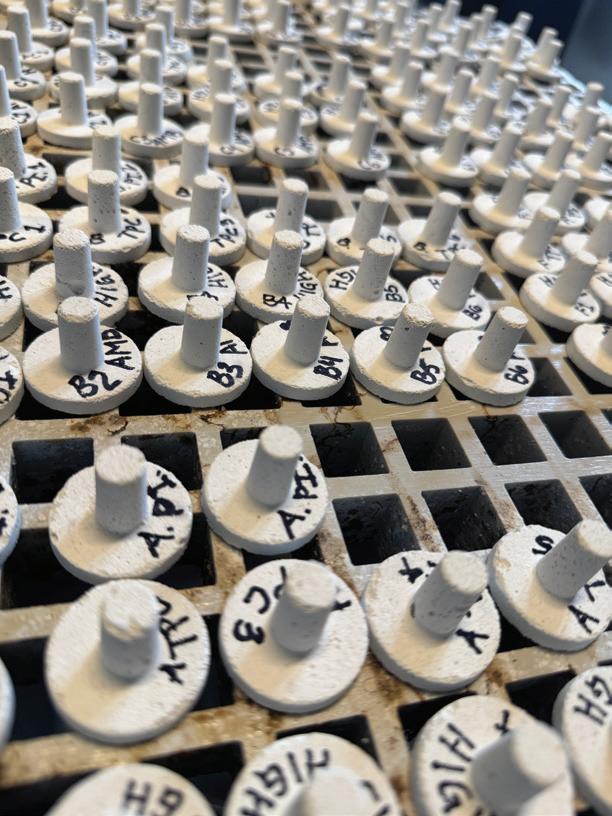
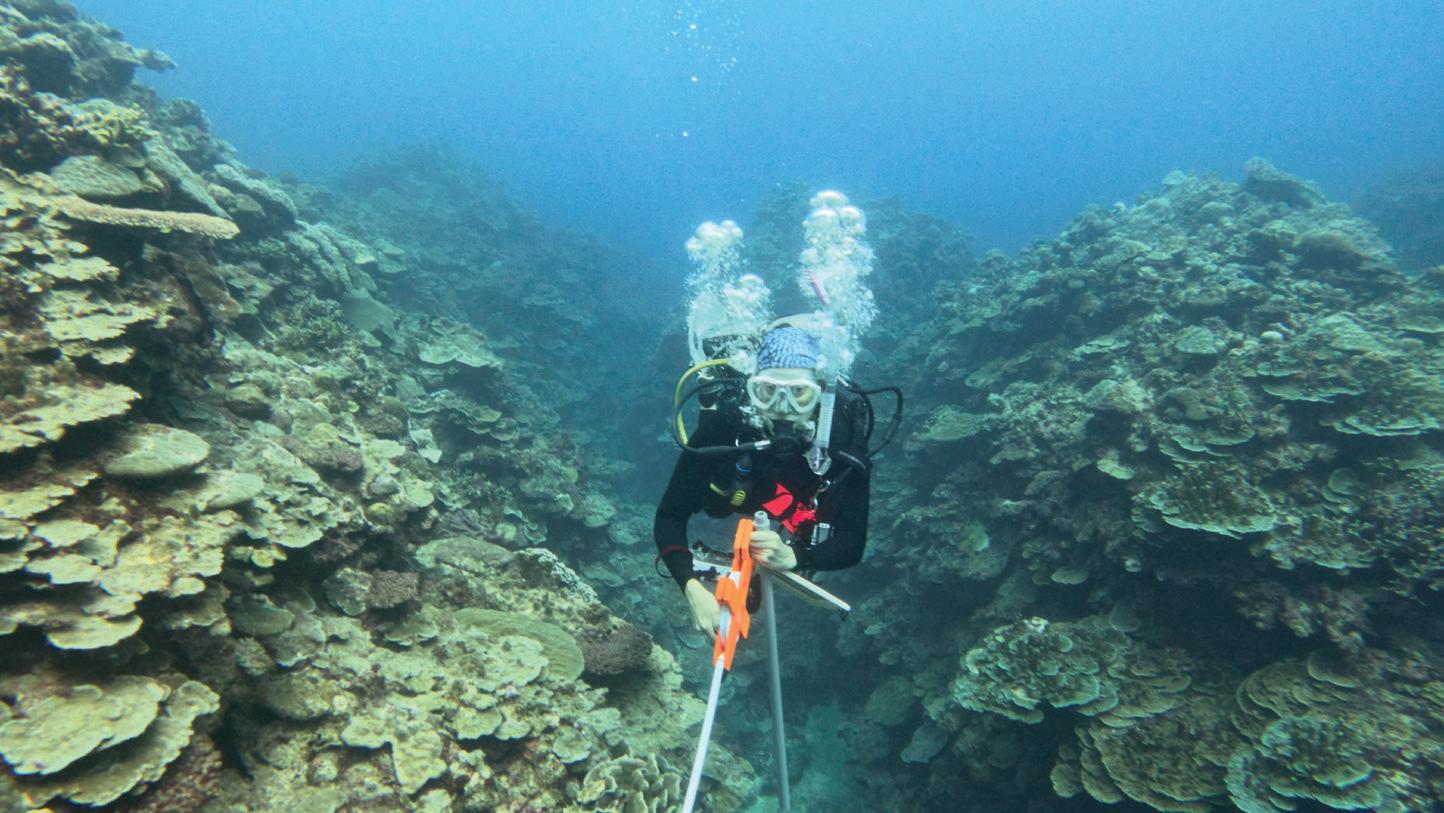
At depth, the team captures thousands of images to create 3D photomosaics of the reef floor, deploys and retrieves oceanographic instruments, and collects coral samples for lab experiments.
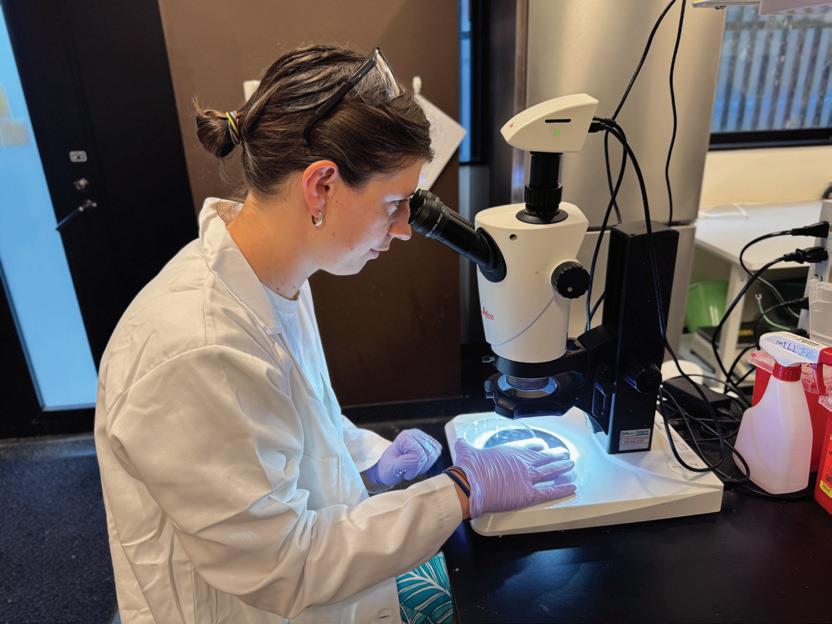
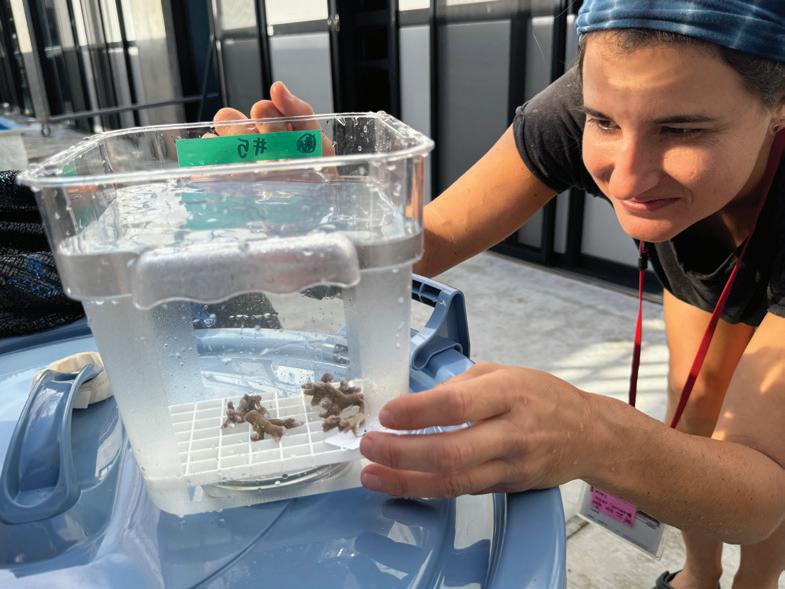
Back at the lab, the team cleans gear, processes data, and sets up new experiments or maintains those that are ongoing.
Details on the day’s activities and all new data are recorded. We confirm that safety protocols are followed and the lab is tidy before leaving for the night.
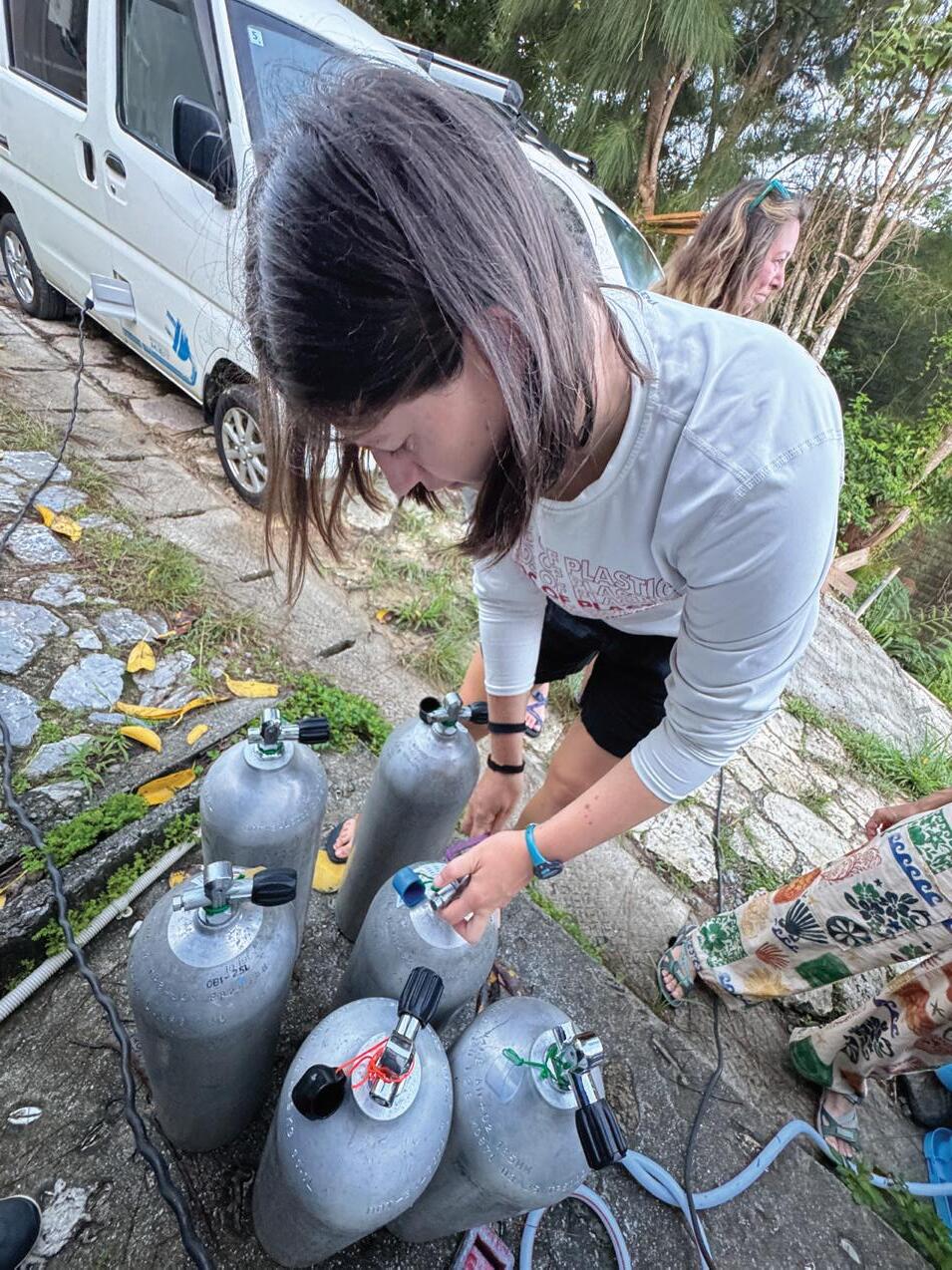
We stop at a local dive shop to fill our dive tanks, get dive weights, and finish gearing up.
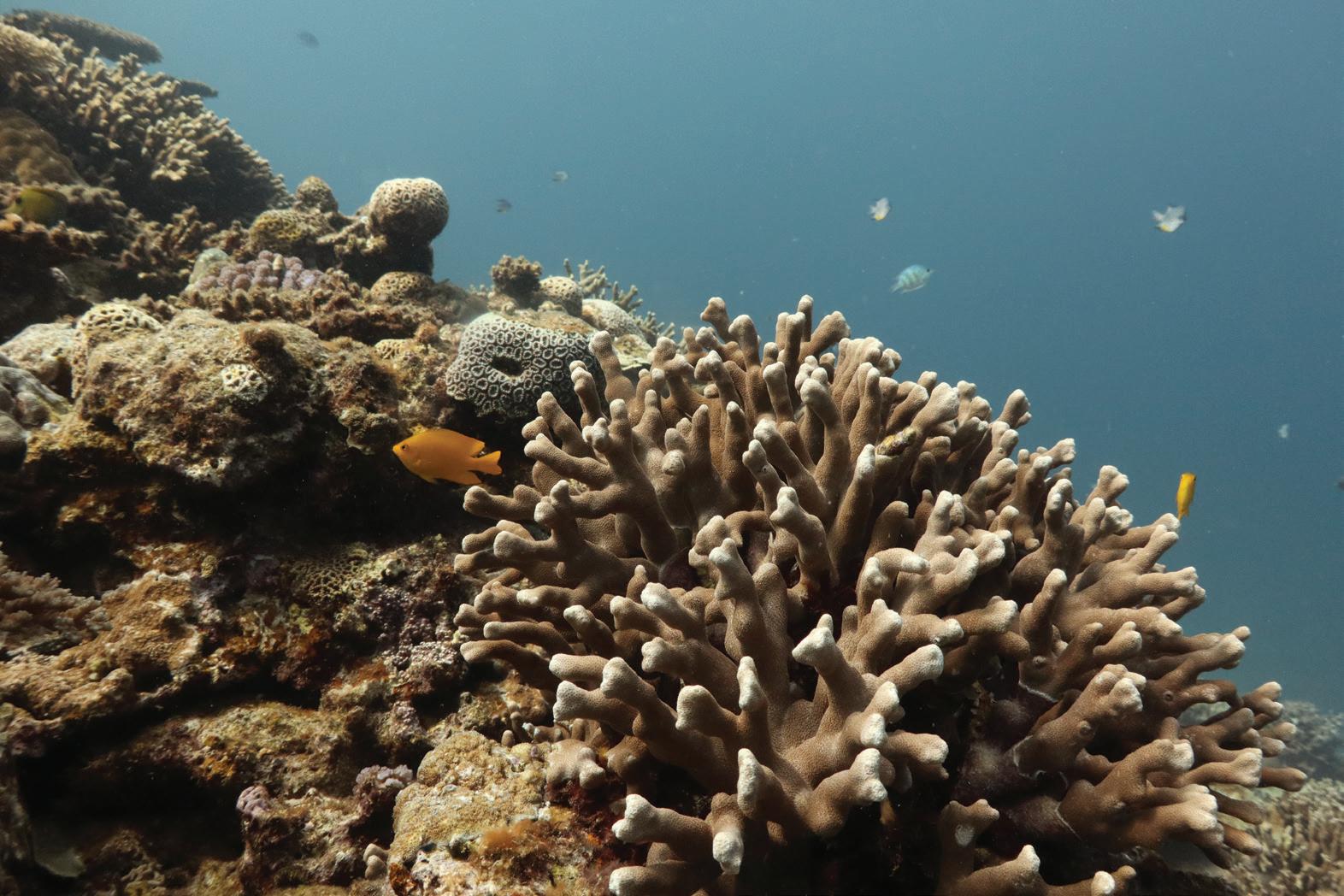
When we enter the water, we are immersed in an incredibly vibrant, diverse, and colorful reef.
After diving, we eat lunch and brainstorm the afternoon plan—whether designing, setting up, running, and/or taking down experiments, it is always action-packed.
Experiments run from a few minutes to several days. Preparing samples, maintaining ongoing experiments, and experiment deconstruction take up a large portion of the afternoon.
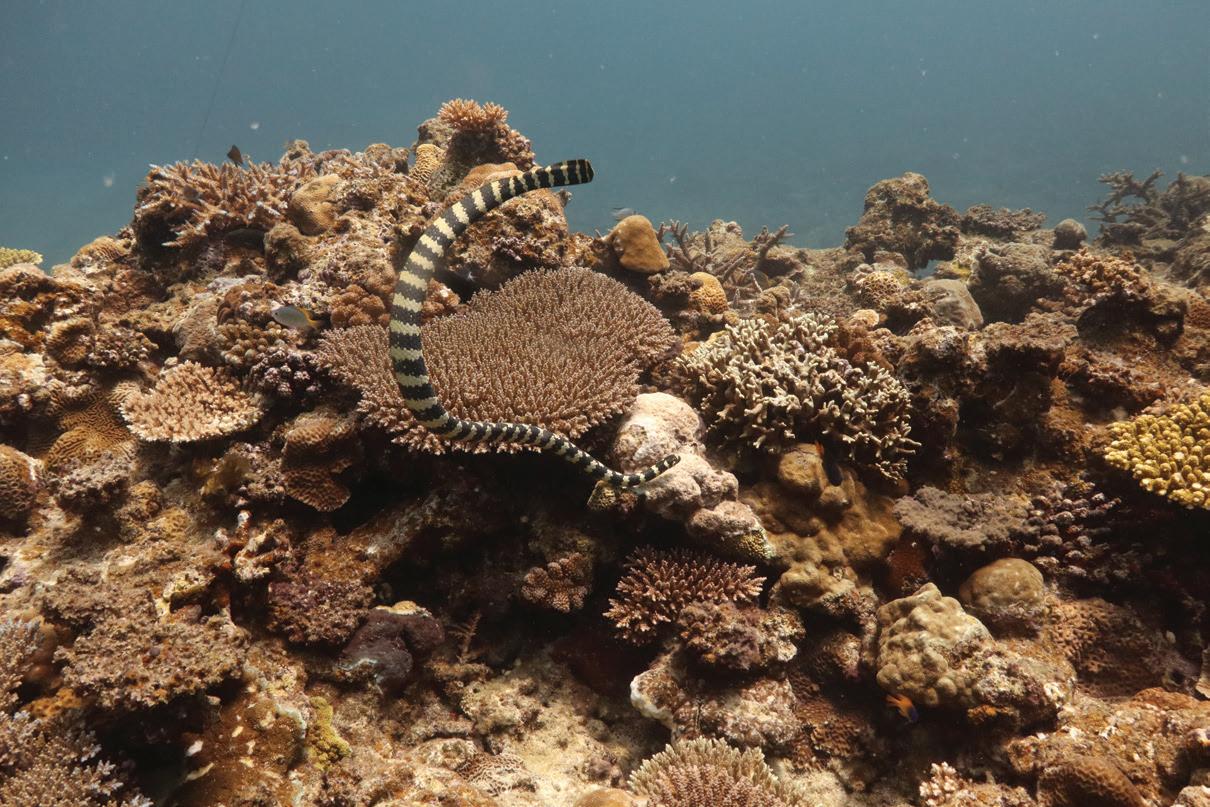
Days conclude with family-style dinners. The team shares photos of octopuses, sea snakes, and other incredible marine life encountered during dives. Then we plan the next day's work.
OUR TEAM
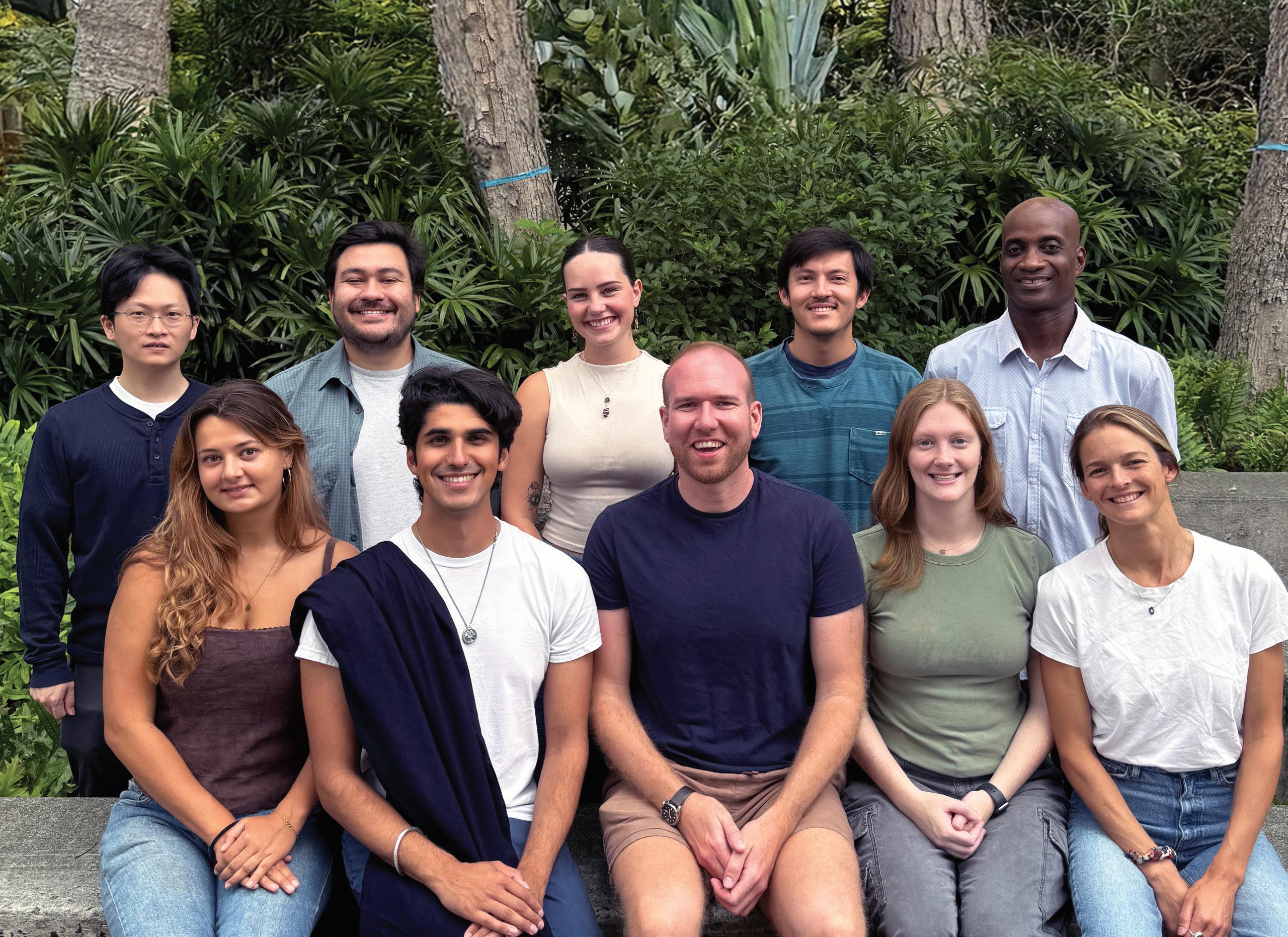
Our team brings diverse expertise that strengthens the Department of Oceanography and advances ocean science across local and global scales. UC•AO leadership drives interdisciplinary research tackling critical challenges aligned with the UN SDGs while training their students. Our graduate student fellows conduct fieldwork, analyze data, and produce publications that push the boundaries of ocean science. The advisory council provides strategic guidance and connects us to broader networks across academia, industry, and policy sectors. Support staff ensure seamless operations, manage effective communication and outreach, and enable our research and educational programs to thrive. Together, every role contributes to our Center’s mission and impact.
The canoe is a university. We learn from each other, from our elders, from the ocean and from the stars.
– Nainoa Thompson
Pwo
Navigator & CEO, Polynesian Voyaging Society
Director
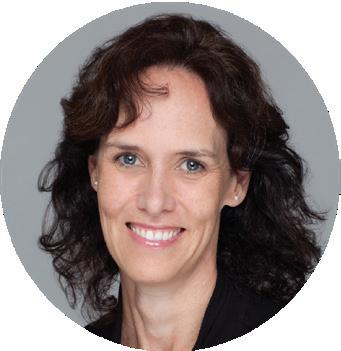
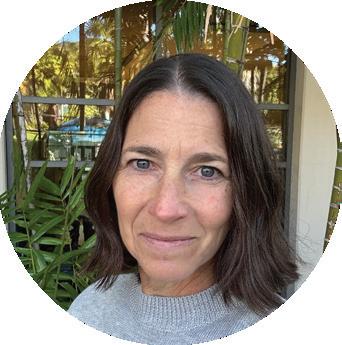
Dr. Margaret McManus is the director of the UC•AO and chief academic advancement officer at UH Mānoa. Dr. McManus is a tenured, full professor, with 36 years of experience. She heads an established, internationally recognized research program, has received accolades for her excellence in research, teaching, and mentoring, and has held key leadership positions in the Department of Oceanography, and the School of Ocean and Earth Science and Technology (SOEST), UH Mānoa, and in the national and international oceanographic communities. Dr. McManus earned a BA in environmental science from the University of Virginia, an MS in oceanography from Old Dominion University, and a PhD in oceanography from the Center for Coastal Physical Oceanography, Old Dominion University.
Associate professors/associate directors
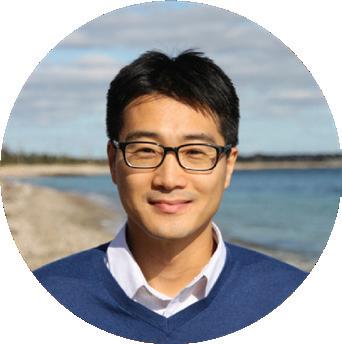
Dr. Hyodae Seo is an Uehiro associate professor in oceanography and associate director of the UC•AO. As a physical oceanographer and climate scientist, his research focuses on ocean-atmosphere interactions that influence ocean circulation, extreme weather, and climate events. Using cutting-edge, high-resolution modeling, geophysical fluid dynamics theories, and observational analyses, he contributes to sustainable ocean observing and model improvement strategies, while also engaging with the public on issues related to ocean sciences, climate change, and ocean-based renewable energy. Dr. Seo holds a BS in atmospheric sciences from Yonsei University and a PhD from Scripps Institution of Oceanography. His achievements include the Office of Naval Research Young Investigator Award and NOAA Climate and Global Change Postdoctoral Fellowship.
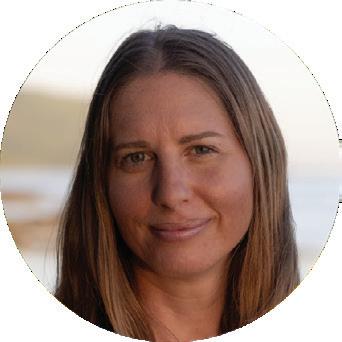
Dr. Nyssa Silbiger is an Uehiro associate professor in oceanography and associate director of the UC•AO. As a quantitative marine ecologist, she specializes in coastal ecology, oceanography, applied biogeochemistry, and global change ecology. An avid scuba diver, she conducts research on coral reefs and coastal ecosystems worldwide. Dr. Silbiger is dedicated to advancing data science literacy and fostering an inclusive scientific environment. She holds a BS in biological sciences from Florida State University, an MS in marine sciences from the University of North Carolina at Chapel Hill, and a PhD in zoology from the Hawaiʻi Institute of Marine Biology at UH Mānoa. Her distinguished accomplishments include the International Coral Reef Society Early Career Award, NSF CAREER Award, and CSU Northridge Outstanding Faculty Award.
Associate researcher/coordinator
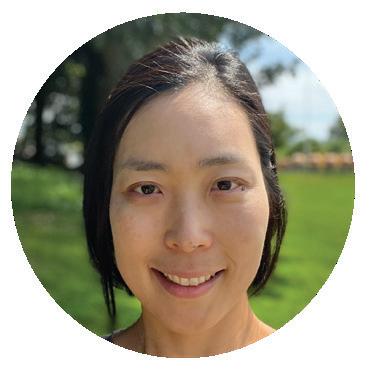
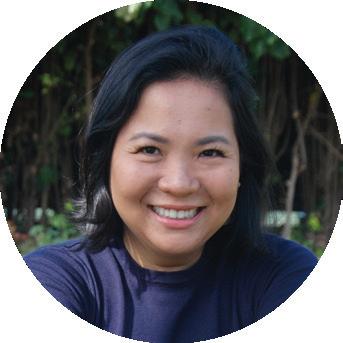
Dr. Sachiko Yoshida is an Uehiro associate researcher in oceanography and the coordinator of the UC•AO. As a physical oceanographer, her research focuses on understanding ocean dynamics, large-scale circulation systems, and the physical processes that contribute to observed changes in water mass characteristics. Using extensive ocean observation data, she investigates long-term climate-related abyssal changes as well as cross-basin tracer transport over recent decades. Dr. Yoshida grew up in Fukuoka, Japan, and holds a BS in meteorology and a PhD in oceanography from Kyushu University.
Graduate student fellows - new students
Degree: PhD
Division: Biological Oceanography
Advisor: Dr. Jeffery Drazen
Education:
BS marine biology—Dalhousie University
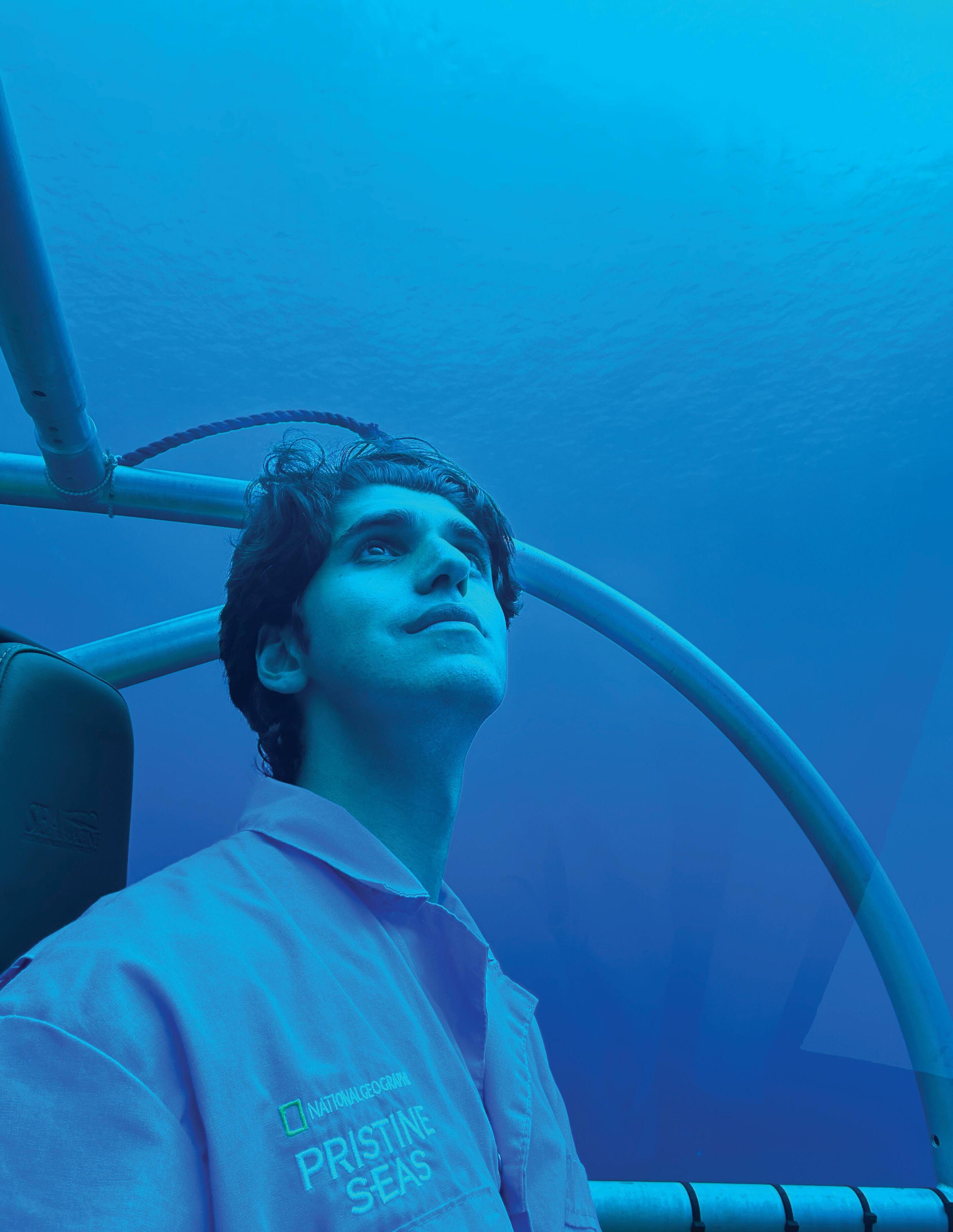
Mr. Judah’s interests center on the biodiversity and conservation of marine ecosystems, specifically the roles of species in supporting ecosystem functions and provisions to humanity. He previously studied coral reefs and now applies a reef-to-deep-sea perspective while exploring the ecosystem roles of deep-sea fishes across habitats and spatial scales. Through collaborations with National Geographic Pristine Seas, local communities, and other ocean exploration ventures, he applies a wide set of tools, ranging from baited cameras and submersibles to ecological modelling and lab-based work, to disentangle socio-ecological patterns and processes. A passionate science communicator, Mr. Judah incorporates collaborative community outreach and storytelling into his work.
Degree: PhD
Division: Marine Geology & Geochemistry
Advisor: Dr. Seth Bushinsky
Education:
BS oceanography—University of Washington
Minors in applied mathematics, data science, & Arctic studies
Mr. Nachod worked with Coupled Model Intercomparison Project (CMIP) climate models during his undergraduate studies to investigate differences in Pacific water column stratification and machine learning models trained with biogeochemical Argo float data to predict biogeochemical properties on Seaglider tracks in the Southern Ocean. In addition to research, he worked as a float technician in the UW float lab where he assembled, tested, and performed failure analysis on Argo floats. Mr. Nachod’s research currently focuses on identifying, quantifying, and correcting biases in biogeochemical Argo floats and further developing the corrected data into a new dataset. He will pursue future research that pairs satellite and float observations to explore ocean “greening” by determining if observed changes in surface ocean phytoplankton bloom phenology and magnitude are indicative of biogeochemical changes in the upper ocean and/or overall biological carbon export.
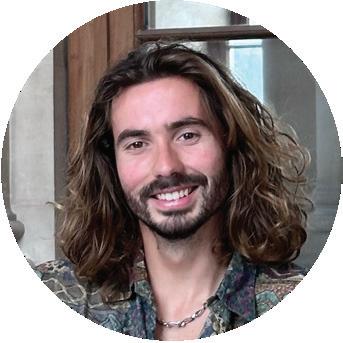
Aaron Judah
Zachary Nachod
Graduate student fellows - continuing students
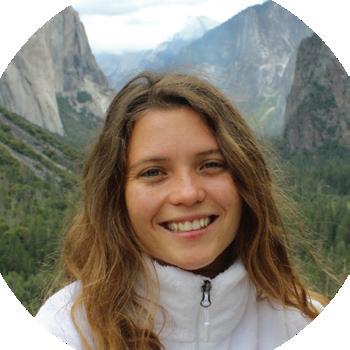
Kyle Conner
Degree: PhD
Division: Marine Geology & Geochemistry
Advisor: Dr. Shiv Sharma & Dr. Christopher Sabine
Education:
BS marine biology—University of California, San Diego
MS chemical oceanography—UH Mānoa
Mr. Conner’s research focuses on generating and testing a calibration line that can reconstruct the calcifying fluid saturation state of Mg-calcite biominerals (i.e., shells and skeleton) using Raman spectroscopic measurements. He hopes this will lead to an important tool for analyzing calcifying organism responses to changing environmental conditions such as ocean acidification and has conducted research at several other institutions.
Ryo Dobashi
Degree: PhD
Division: Marine Geology & Geochemistry
Advisor: Dr. David Ho
Education:
BS applied marine science—Hokkaido University
MS marine bioresource & environmental science—Hokkaido University
Mr. Dobashi is interested in the ocean carbon cycle and is currently examining factors that control air-sea gas exchange in coastal and inland seas. Through air-sea gas exchange, concentrations of gases such as CO2 and dimethylsulfide change in the atmosphere. Because these gases affect the regional and global climate, an accurate estimate of air-sea gas exchange determined from Mr. Dobashi’s research contributes to the understanding and prediction of climate change. He was generously supported for two years of study at UH Mānoa by The Crown Prince Akihito Scholarship.
Jacob Gunnarson
Degree: PhD
Division: Physical Oceanography
Advisor: Dr. Malte Stuecker
Education: BS physics—College of William & Mary
Mr. Gunnarson’s current research focuses on the effect of greenhouse gas emissions on future climate variability. He is particularly interested in future changes to the variability of sea surface temperature, which could negatively impact marine ecosystems and fisheries. Mr. Gunnarson uses large ensemble climate models to investigate the physical mechanisms behind these changes in an effort to provide a better basis for understanding and adapting to climate change.
Graduate student fellows - continuing students (continued)
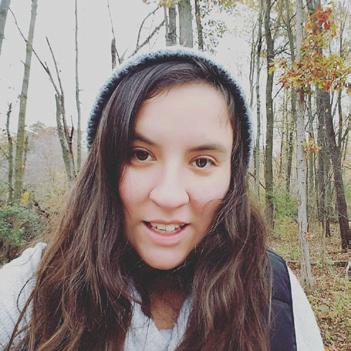
Laughlin
Degree: PhD
Division: Biological Oceanography
Advisor: Dr. Kyle Edwards & Dr. Grieg Steward
Education:
Ms. Laughlin’s current research focus is on viruses that infect marine phytoplankton. As part of the Marine Viral Ecology Laboratory, she analyzes field samples and conducts laboratory experiments to determine how changes in environmental conditions select for different types and sizes of viruses.
Degree: PhD
Division: Biological Oceanography
Advisor: Dr. Craig Nelson
Education:
Ms. McClintock’s research focuses on the microbial mediation of biogeochemical fluxes to coral reefs through studies on submarine groundwater discharge, coral spawning, and ocean alkalinity enhancement. Her work integrates the response of reef ecosystems to anthropogenic forcing, conservation ecology, and the development of carbon removal technologies.
Degree: PhD
Division: Biological Oceanography
Advisor: Dr. Sloan Coats
Education:
Mr. Walker’s work combines high-resolution paleoclimate reconstructions of the common era with historical records. Using an interdisciplinary approach, he is investigating how regional-to-large scale climate variability may have influenced social and economic events during the Transatlantic Slave Trade. His work uses a climate dynamics framework to better understand how past, current, and future climate changes affect human activities.
Rayna McClintock
Gordon Walker
Graduate student advisors
The achievements of our Uehiro graduate student fellows depend on the exceptional contributions of our Department of Oceanography faculty and affiliated graduate faculty. These distinguished experts span multiple subdisciplines of oceanography and serve as leaders in their fields. Through their mentorship and guidance, they function as critical partners in driving our success.
Dr. Sloan Coats
Dr. Seth Bushinsky
Dr. Jeff Drazen
Dr. Kyle Edwards
Dr. Andrea Jani
Dr. Nicholas Hawco
Dr. David Ho
Dr. Craig Nelson
Dr. Brian Powell
Dr. Christopher Sabine
Dr. Shiv Sharma
Dr. Grieg Steward
Dr. Malte Stuecker
This essential partnership offers an extraordinary learning opportunity. Feedback from our team of graduate student advisors indicates that the fellowships provide a wide range of benefits for our students, the Department of Oceanography, and the field of ocean research:
• Empowers students to be more independent in their research development.
• Builds international connections and broadens students’ professional networks through travel support.
• Benefits other graduate students by freeing up graduate student assistantships.
• Yields meaningful gains in career development, confidence, and maturity.
• Elevates students’ professional trajectory, providing a credential that carries weight with future employers and helps launch strong early-career opportunities.
Advisory council
Dr. Haunani Hiʻilani Kane is a surfer, scientist, voyager, and UH Mānoa assistant professor from Kailua, Oʻahu. She combines coastal geomorphology and climate research with indigenous Hawaiian perspectives to study climate impacts on islands and communities. Her work bridges traditional Hawaiian wayfinding knowledge with modern science to create more inclusive environmental research that honors ancestral wisdom while advancing our understanding of island ecosystems.
Dr. David Karl is the Victor and Peggy Brandstrom Pavel Professor of Microbial Oceanography and the director of the Daniel K. Inouye Center for Microbial Oceanography: Research and Education (C-MORE) at UH Mānoa. He co-founded the Hawaiʻi Ocean Time-series program. His groundbreaking contributions to oceanography have earned him prestigious honors including the International Balzan Prize, the Alexander Agassiz Medal, and membership in the U.S. National Academy of Sciences.
Dr. Roberta Marinelli is a senior advisor to the provost at Oregon State University (OSU). She previously served as director of the National Science Foundation’s Office of Polar Programs and dean of OSU’s College of Earth, Ocean, and Atmospheric Sciences. She has been instrumental in developing major ocean programs and international Antarctic research partnerships, and notably served on key National Academy of Sciences committees including "Sexual Harassment of Women" and "Sea Change: A Decadal Survey of Ocean Sciences."
Mr. Chris Ostrander is an oceanographer and business development executive with 20 years of experience. He cofounded the Pacific Islands Ocean Observing System as former assistant dean of SOEST at UH Mānoa and has helped secure over $450 million in research funding. He currently serves as co-chair of the U.S. Ocean Research Advisory Panel, supporting the White House’s Ocean Policy Committee in advancing national ocean research priorities.
Support staff
Mireya Inga administrative officer
BA sociology
MS public administration
Amanda Toperoff
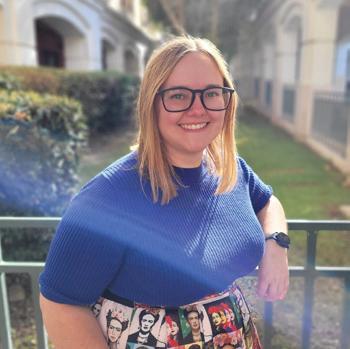
creative outreach director
BS zoology
MS marine science
Diploma 3D animation & visual fx
Lentina Villa administrative officer
BS travel industry management
MA second language studies
Nicole Wyatt administrative officer
BFA painting
MEd elementary education
Student assistant
Axel Cejudo student assistant
administrative & fiscal assistant
License 3 (bachelor equivalent)
BBA finance
Variability and export timescales of upper ocean particulate trace metals in the North Pacific subtropical gyre
Bates ES, White AE, & Hawco NJ. (2025). Global Biogeochemical Cycles, 39, e2025GB008657.
DOI: 10.1029/2025GB008657
Dissolved iron seasonal cycling and residence time in the North Pacific Subtropical Gyre
Calcite is an efficient and low-cost material to enhance benthic weathering in shelf sediments of the Baltic Sea
Fuhr M, Dale AW, Wallmann K, Bährle R, Kalapurakkal HT, Sommer S, Spiegel T, Dobashi R, Buchholz B, Schmidt M, Perner M, & Geilert SJ. (2025). Communications Earth & Environment, 6, Article 106. DOI: 10.1038/s43247-025-02079-6
Northbound movement of northern fur seal (Callorhinus ursinus) and their response to the oceanographic features
Li H, Dobashi R, Mitsudera H, & Mitani Y. (2025). Deep-Sea Research Part I: Oceanographic Research Papers, Article 104558. DOI: 9834697945792387403928040
Restoration and management of an Indigenous aquaculture system helps mitigate climate change impacts to estuarine fisheries
A high-resolution diel survey of surface ocean metagenomes, metatranscriptomes, and transfer RNA transcripts
Tucker SJ, Fuessel J, Freel KC, Kiefl E, Freel EB, Armfelt O, Sullivan CES, Gajigan AP, et al. (2025). Scientific Data, 12, 1913 https://doi.org/10.1038/s41597-025-06166-3
Removing ENSO’s influence from global SST variability, with insights into the record-setting marine heatwaves of 2023-2024
Gunnarson JL, Wang Y, Gagliardi A, Li Shing Hiung DLCY, Takahashi N, Wong J, Amaya DJ, & Deser C. (2025). Bulletin of the American Meteorological Society, 106(8), E1498-E1516. DOI: 10.1175/ BAMS-D-24-0023.1
13 14 6
Imputation of fisheries reference points for endangered data-poor fishes, with application to rhino rays
Horswill C, Kindsvater HK, Dulvy NK, Mull CG, Judah AB, DʻAlberto B, Mangel M, & Matthiopoulos J. (2025). Fish & Fisheries, 26, 848-865. DOI: 10.1111/faf.70003
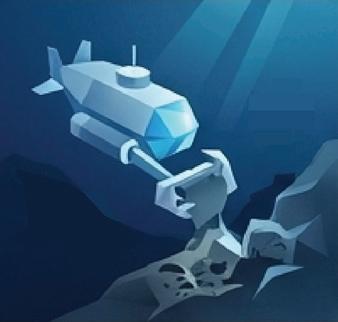
Deep-sea mining risks for sharks, rays, and chimaeras
Judah AB, Mull CG, Dulvy NK, Finucci B, Assad VE, & Drazen JC. (2025). Current Biology, 35, 1-10.
DOI: 10.1016/j.cub.2025.09.019
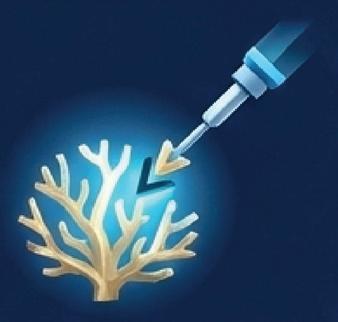
Minimally invasive coral biopsy technique for in-situ microbiome and metabolome sampling
Berg J, Moreland-Ochoa C, McClintock R, Matsuda S, Drury C, & Nelson C. (2025). Protocols.io DOI: 10.17504/protocols.io.eq2ly431mlx9/v1
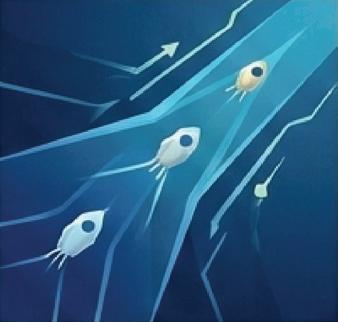
Direct observation and quantitative characterization of chemotactic behaviors in Caribbean coral larvae exposed to organic and inorganic settlement cues
Deshpande K, Gysbers D, Yus J, van Bendegom D, Nixon E, McClintock R, Quinlan ZA, Marhaver KL, Kelly LW, Espinosa-Marzal RM, Johnson AJ, & Juarez G. (2025) Scientific Reports, 15(1), 10173. DOI: 10.1038/s41598-025-93194-z
Intergenerational metabolomic signatures of bleaching resistance in corals
Roach TN, Drury C, Caruso C, Hancock JR, Martin C, Neugebauer K, Majerová E, Matsuda SB, McClintock R, Santoro EP, van der Geer A, Varela A, & Quinn RA. (2025). Nature Communications, 16(1), 5971. DOI: 10.1038/s41467-025-61102-8
Terrestrial nutrient inputs restructure coral reef dissolved carbon fluxes via direct and indirect effects
Silbiger NJ, Donahue MJ, Hagedorn B, Barnas DM, Jorissen H, Kerlin JR, McClintock R, Nixon E, Sparagon WJ, Zeff M, & Nelson CE. (2025). Ecological Monographs, 95(2), e70020. DOI: 10.1002/ecm.70020
15 14 13 12 6
Submarine groundwater discharge drives both direct and indirect effects on organismal and community metabolism on coral reefs
Barnas DM, Zeff M, & Silbiger NJ. (2025). Proceedings of the Royal Society B, 292, 20241554. DOI: 10.1098/rspb.2024.1554
Conspecific interactions between corals mediate the effect of submarine groundwater discharge on coral physiology
Terrigenous inputs link nutrient dynamics to microbial communities in a tropical lagoon
John C, Silbiger NJ, Adam TC, Barnas DM, Bisolas K, Carpenter R, Castañeda N, et al. (2025). Limnology and Oceanography, 9999, 1-14. DOI: 10.1002/lno.70240
15 14 13 6
Submarine groundwater discharges alters benthic community composition and functional diversity on coral reefs
Foundation species modulate microbial benthic-pelagic coupling in the rocky intertidal
Silbiger NJ, Fields J, Nelson CE, & Wegley Kelly L. (2025). Ecology Letters, 28(12), e70301 DOI: 10.1111/ele.70301d17030161
14
Dynamic and thermodynamic coupling between the atmosphere and ocean near the Kuroshio current and extension system
Cho A, Song H, Seo H, Sun R, Mazloff MR, Subramanian AC, Cornuelle BD, & Miller AJ. (2025). Ocean Modelling, 194, 102496. DOI: 10.1016/j.ocemod.2024.102496
Wind-stress misalignment in the presence of swells in the Bay of Bengal
Raj A, Kumar BP, Jampana V, Remya PG, Seo H, Sureshkumar N, & Rao EPR. (2025). Frontiers in Marine Science, 12, 1647849. DOI: 10.3389/fmars.2025.1647849
Sea spray effects on typhoon prediction in the Yellow and East China Seas: case studies using a coupled atmosphere-ocean-wave model for Lingling (2019) and Maysak (2020)
Yang S, Bae H, Bourassa M, Nam CC, Cocke S, Shin DW, Barr BW, Seo H, Cha D-H, Kwon M-H, Kim D, Park M-S, Jeong K-Y, & Kim B-M. (2025). Environmental Research Letters, 20, 054028. DOI: 10.1088/1748-9326/adc616
Sea surface warming and ocean-to-atmosphere feedback driven by largescale offshore wind farms under seasonally stratified conditions
Seo H, Sauvage C, Renkl C, Lundquist JK, & Kirincich A. (2025). Science Advances, 11, eadw7603. DOI: 10.1126/sciadv.adw7603
Fetch-dependent surface wave responses to offshore wind farms in the Northeast U.S. Coast
Seasonal shifts in upper ocean dissolved iron sources to Station ALOHA
Bates E, & Hawco, N. (2025, Jul 28-31). [Oral presentation]. Iron at the Air-Sea Interface Workshop, Asheville, NC, USA.
Implementing the coral bleaching automated stress system: A Maldivian reef case study
Cranston S. (2025, Feb 20-21). [Oral presentation]. Breakthroughs: Oceanography-Uehiro Yearly Symposium, University of Hawaiʻi at Mānoa, Honolulu, HI, USA.
Contribution of anthropogenic iron at Station ALOHA as determined by iron isotopes
Bates E, Yang SC, John S, Kollman C, Buck C, & Hawco N. (2025, Feb 20-21). [Oral presentation]. Breakthroughs: Oceanography-Uehiro Yearly Symposium, University of Hawaiʻi at Mānoa, Honolulu, HI, USA.
Towards a Raman-based proxy for calcite saturation state: addressing confounding effects from element impurities in biogenic samples
Conner K, Stauring G, Uchikawa J, Jiang P, DeCarlo TM, Hawco N, Shirai K, Zeebe R, & Sharma S. (2025, Feb 20-21). [Oral presentation]. Breakthroughs: Oceanography-Uehiro Yearly Symposium, University of Hawaiʻi at Mānoa, Honolulu, HI, USA.
Contrasting metabolic responses to nutrient enrichment and thermal stress in Hawaiian corals
Cranston S. (2025, Feb 20-21). [Oral presentation]. Master’s thesis defense, University of Hawaiʻi at Mānoa, Honolulu, HI, USA.
Development of a Raman spectral proxy for tracking calcite saturation state in marine biogenic calcification
Conner K, Stauring G, Uchikawa J, DeCarlo TM, Dera P, Hawco NJ, Sharma S, Sabine CL, Zeebe RE. (2025, Dec 1519). [Poster presentation]. American Geophysical Union Annual Meeting, New Orleans, LA, USA.
gas exchange in a shallow coastal environment
Dobashi R, Ho DT, Ranjan P, Pawlak G, & Veron F. (2025, Sep 21-25). [Oral presentation]. The 2025 Fall Meeting of the Oceanographic Society of Japan, Hokkaido, Japan.
in
Dobashi R, Ho DT, Ranjan P, Pawlak G, & Veron F. (2025, Feb 20-21). [Oral presentation]. Breakthroughs: Oceanography-Uehiro Yearly Symposium, University of Hawaiʻi at Mānoa, Honolulu, HI, USA.
How do local ocean dynamics impact Hawaiian ecosystems?
Feloy K. (2025, Oct 22). [Oral presentation]. PhD dissertation defense, University of Hawaiʻi at Mānoa, Honolulu, HI, USA.
The effect of alkalinity enhancement on coral metabolism at multiple life stages
McClintock R, Meléndez M, Quinlan Z, & Nelson C. (2025, Feb 20-21). [Oral presentation]. Breakthroughs: UehiroOceanography Yearly Symposium, University of Hawaiʻi at Mānoa, Honolulu, HI, USA.
Defining deep-sea mining impacts on microbial ecosystem services: A collaborative effort and talk story from an early career perspective
Gajigan AP, Bolton E, Erazo N, Bowman T, Harris M, Molari M, Jones R, Marlow JJ, Murdock S, Pachiadaki M, et al. (2025, Feb 20-21). [Oral presentation]. Breakthroughs: Uehiro-Oceanography Yearly Symposium, University of Hawaiʻi at Mānoa, Honolulu, HI, USA.
Circulation and environmental properties of coastal waters in Pōkaʻī Bay, Waiʻanae, Oʻahu
Comfort C, Felicijan P, Wriston S, Storie N, Nelson C, & McManus MA. (2025, Feb 20-21). [Oral presentation]. Breakthroughs: Uehiro-Oceanography Yearly Symposium, University of Hawaiʻi at Mānoa, Honolulu, HI, USA.
Drivers of marine heatwaves in the present and future climates
Gunnarson JL, Stuecker M, & Zhao S. (2025, Feb 20-21). [Oral presentation]. Breakthroughs: Uehiro-Oceanography Yearly Symposium, University of Hawaiʻi at Mānoa, Honolulu, HI, USA.
Nuʻupia ponds’ water circulation characteristics: Exploring water exchange and residence time for marine ecosystem management
Moehlenkamp P, EC Franklin, & McManus MA. (2025, Feb 20-21). [Oral presentation]. Breakthroughs: UehiroOceanography Yearly Symposium, University of Hawaiʻi at Mānoa, Honolulu, HI, USA.
Gunnarson JL, Stuecker M, & Zhao S. (2025, Oct 7-10). [Poster presentation]. 5th SOEST/AORI Joint Symposium, Kashiwa, Japan.
The climate crisis for coral reefs
Silbiger, NJ. (2025, Jan 11-12). [Oral presentation]. Aloha ʻĀina: He Huliau i Ka Pono, Climate Change and Health Equity, Honolulu, HI, USA.
Laughlin A, Edwards K, & Steward G. (2025, Jul 27- Aug 1). [Oral presentation].Breakthroughs: Uehiro-Oceanography Yearly Symposium, University of Hawaiʻi at Mānoa, Honolulu, HI, USA. Investigations into giant virus consumption by phagotrophic protists
Biogeochemical cascades in coastal ecosystems: Case studies from foundation species loss and submarine groundwater input
Silbiger, NJ. (2025, Sep 22-25). [Oral presentation]. Marine Benthic Calcifiers and their Contribution to the Oceanic Carbon Cycle, European Cooperation of Science and Technology, Remote.
Using time-series to uncover drivers of coral reef ecosystem functioning
What can a network of coral records tell us about regional-to-large scale climate variability and change as they relate to the Indian Ocean?
Walker G, & Coats S. (2025, Jul 27- Aug 1). [Oral presentation]. Asia Oceania Geosciences Society, Marina Bay Sands, Singapore.
North Atlantic subtropical high variability during the 16th to 19th centuries and its relevance to the transatlantic slave trade
Walker G, & Coats S. (2025, December 15-19). [Oral presentation]. American Geophysical Union Annual Meeting, New Orleans, LA, USA.
THANK YOU
For the Uehiro Center for the Advancement of Oceanography, 2025 was a truly remarkable year. Our growth and impact would not have been possible without the steadfast support of the Uehiro Foundation on Ethics and Education. Their confidence in our mission, ongoing partnership, and visionary guidance have been instrumental in driving the Center’s accomplishments.
With the Foundation’s support, UC•AO has expanded its reach through new partnerships and international collaborations with Hokkaido University and the Okinawa Institute of Science and Technology. Our research and programming continue to advance the United Nations Sustainable Development Goals, addressing climate change and protecting marine ecosystems. Our education programs are graduating scholars at the top of their fields, and preparing the next generation of scientists and leaders. The Foundation’s commitment enables us to pursue these initiatives with rigor, innovation, and a global perspective.
The Uehiro Foundation on Ethics and Education is an essential partner in our pursuit of solutions that create meaningful, positive change for our oceans and our planet. On behalf of our entire team and all those whose lives are touched by our work, we extend our deepest gratitude for their generosity, trust, and enduring support.
PHOTO CREDITS
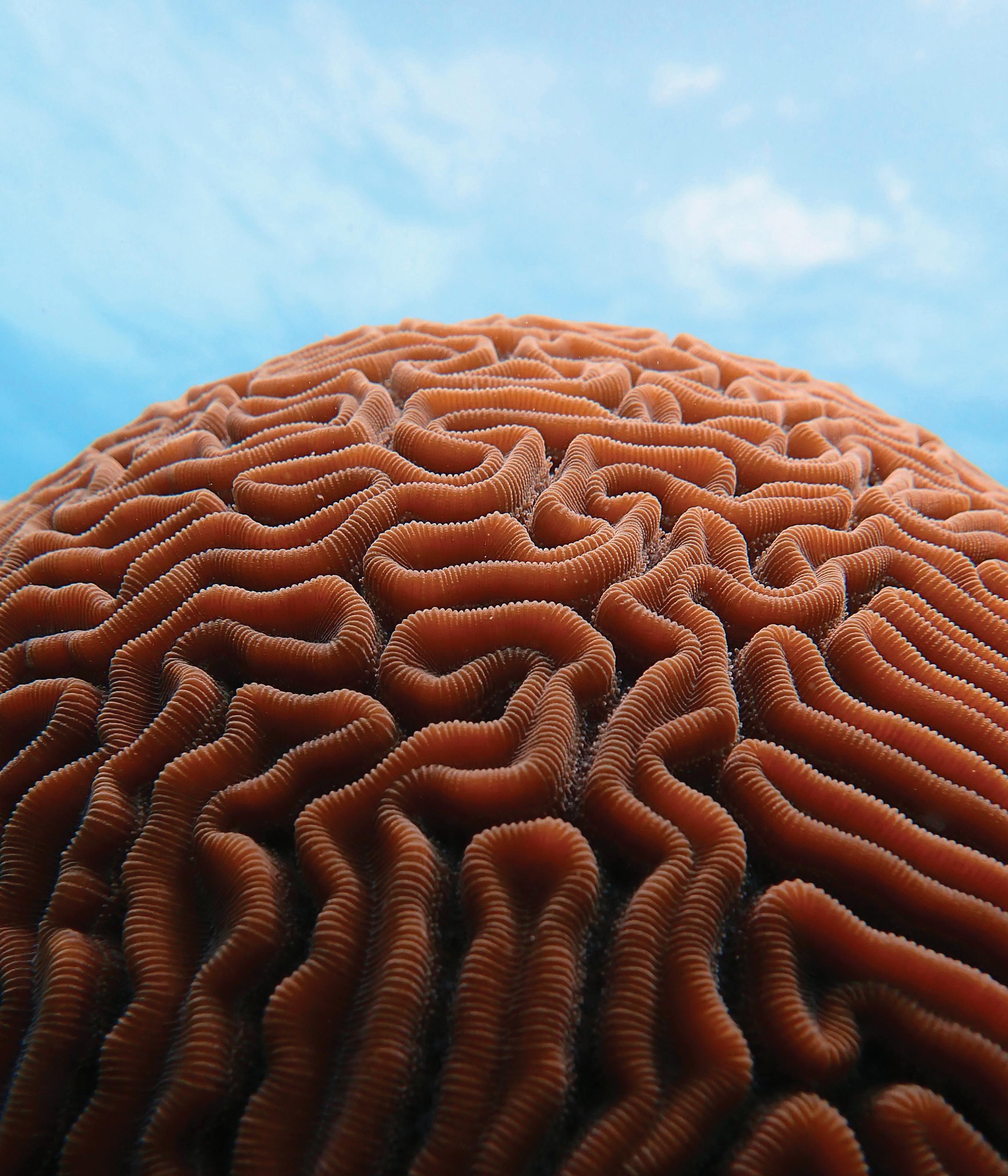
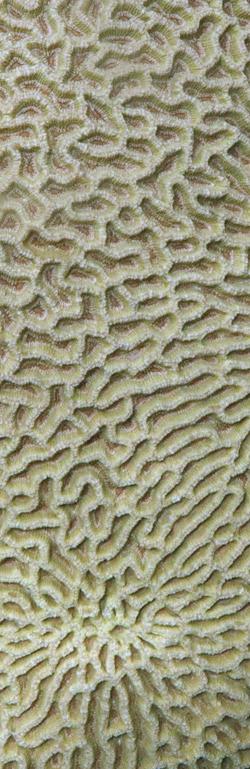
Cover Courtesy of R. McClintock: Brain coral (Diploria labyrinthiformis) in the Florida Keys National Marine Sanctuary.
Inside cover Courtesy of A. Toperoff: Close up of a palm leaf (Pritchardia minor) on UH Mānoa campus.
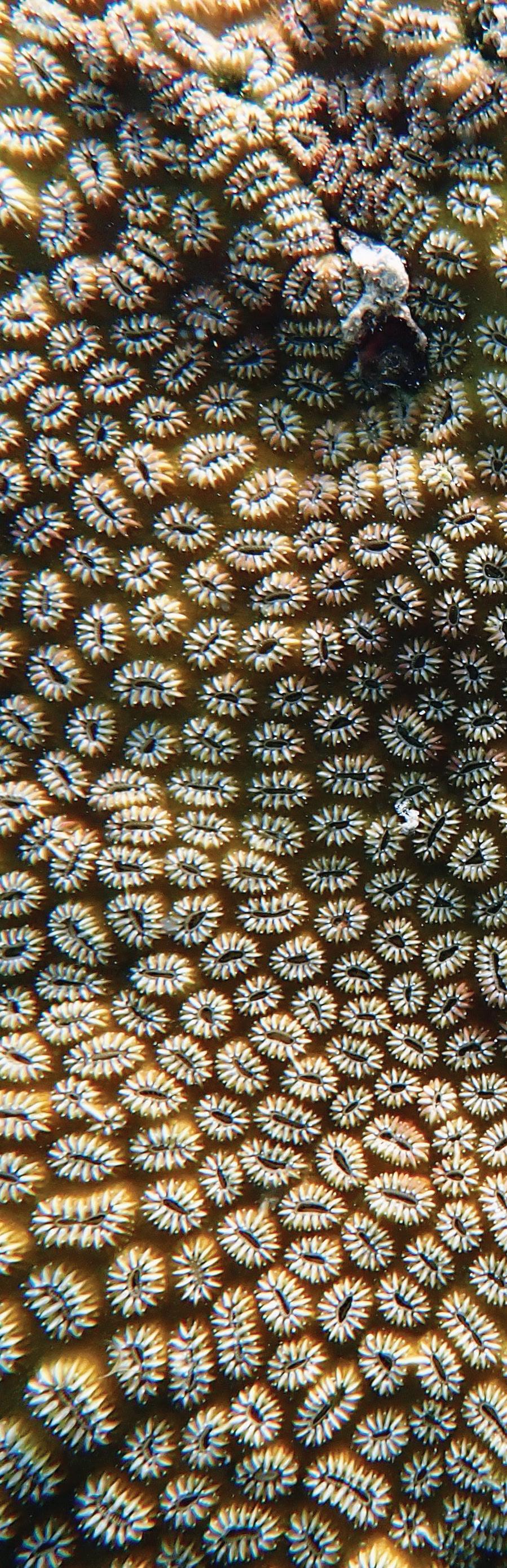
P02 Courtesy of R. McClintock: Coral with polyps (Dichocoenia stokesii) in the Florida Keys National Marine Sanctuary.
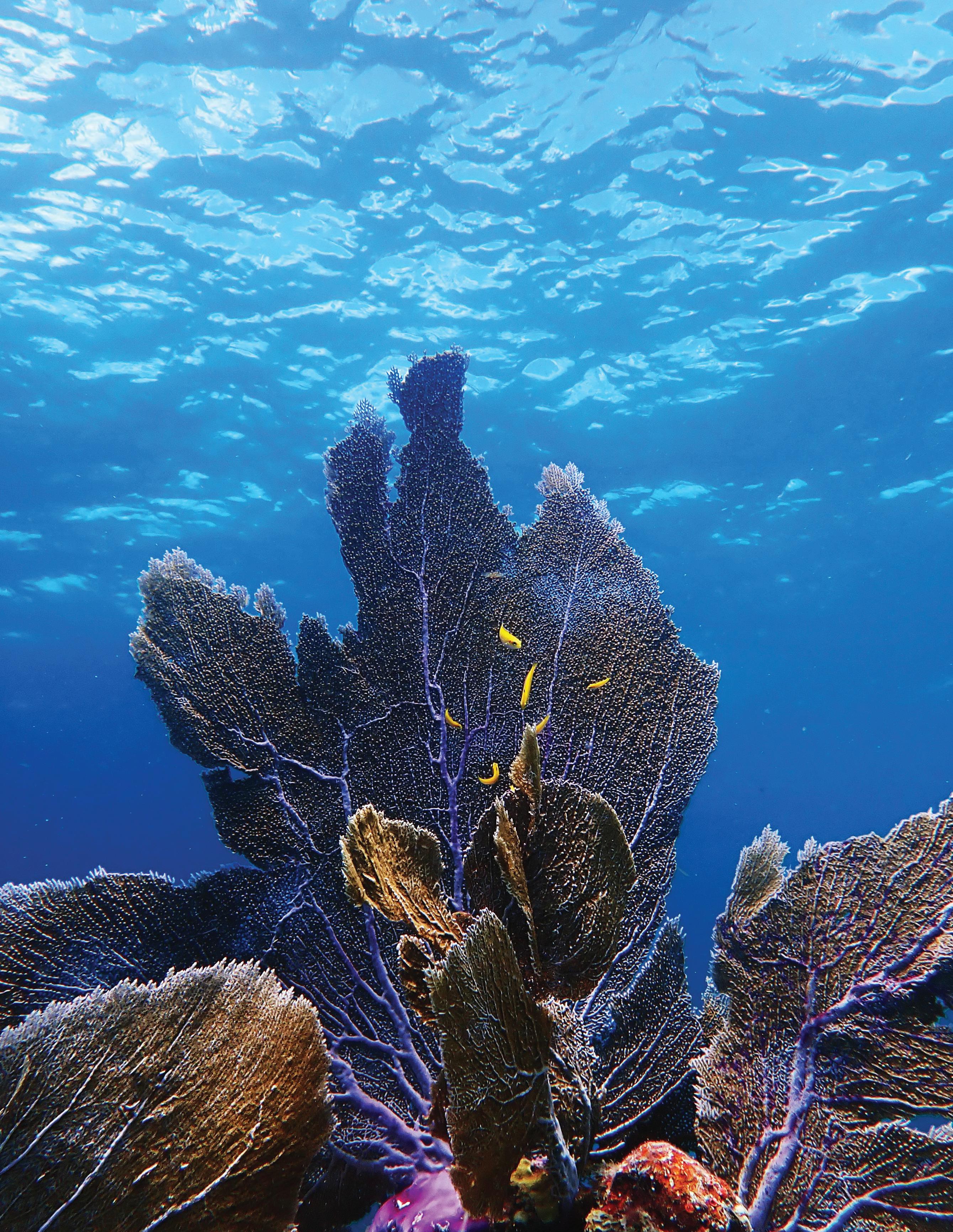
P03 Courtesy of R. McClintock: Purple fan coral (Gorgonia ventalina) in the Florida Keys National Marine Sanctuary.
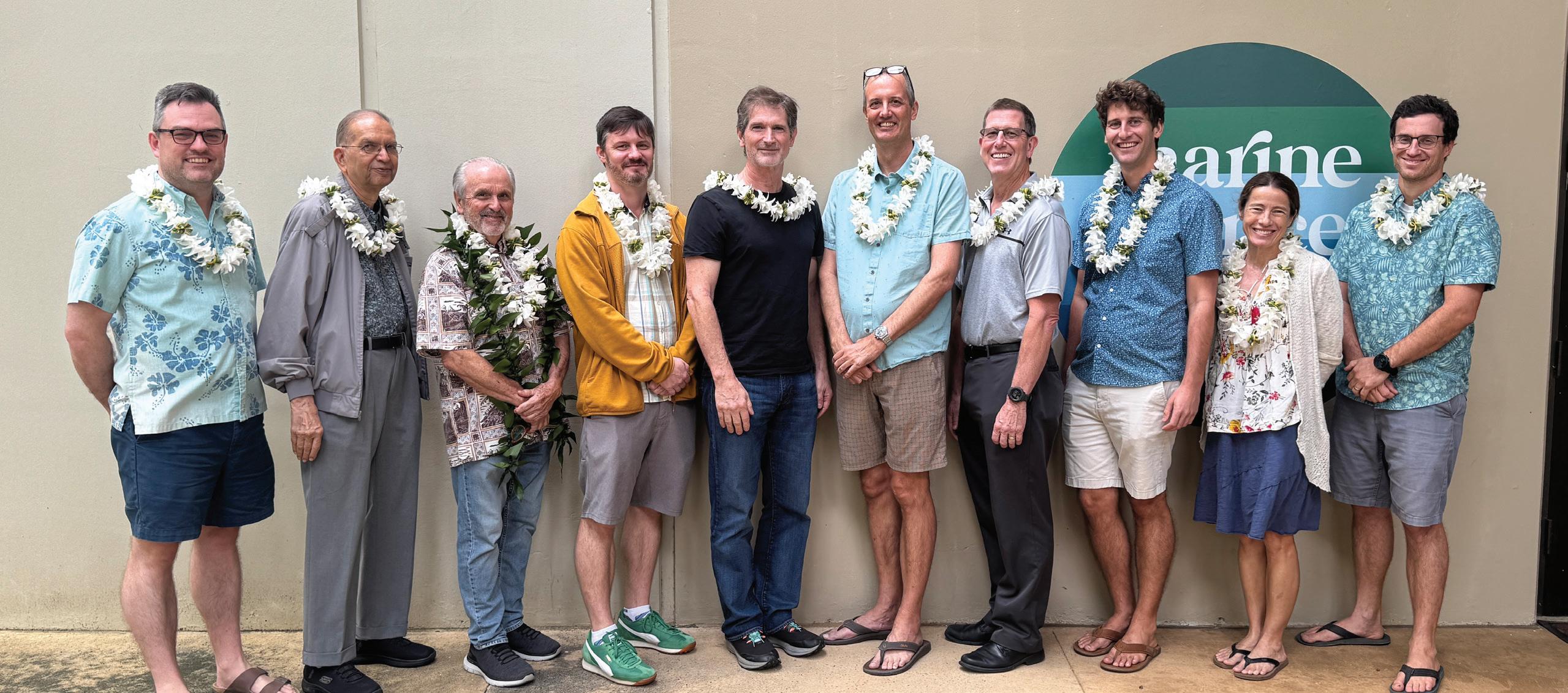
P06 Courtesy of M. McManus: Meeting of the Presidents attendees. (L to R) M. McManus, S. Mitarai, K. Houkin,
K. Markides, A. Kasai, H. Ueno, T. Dolan.
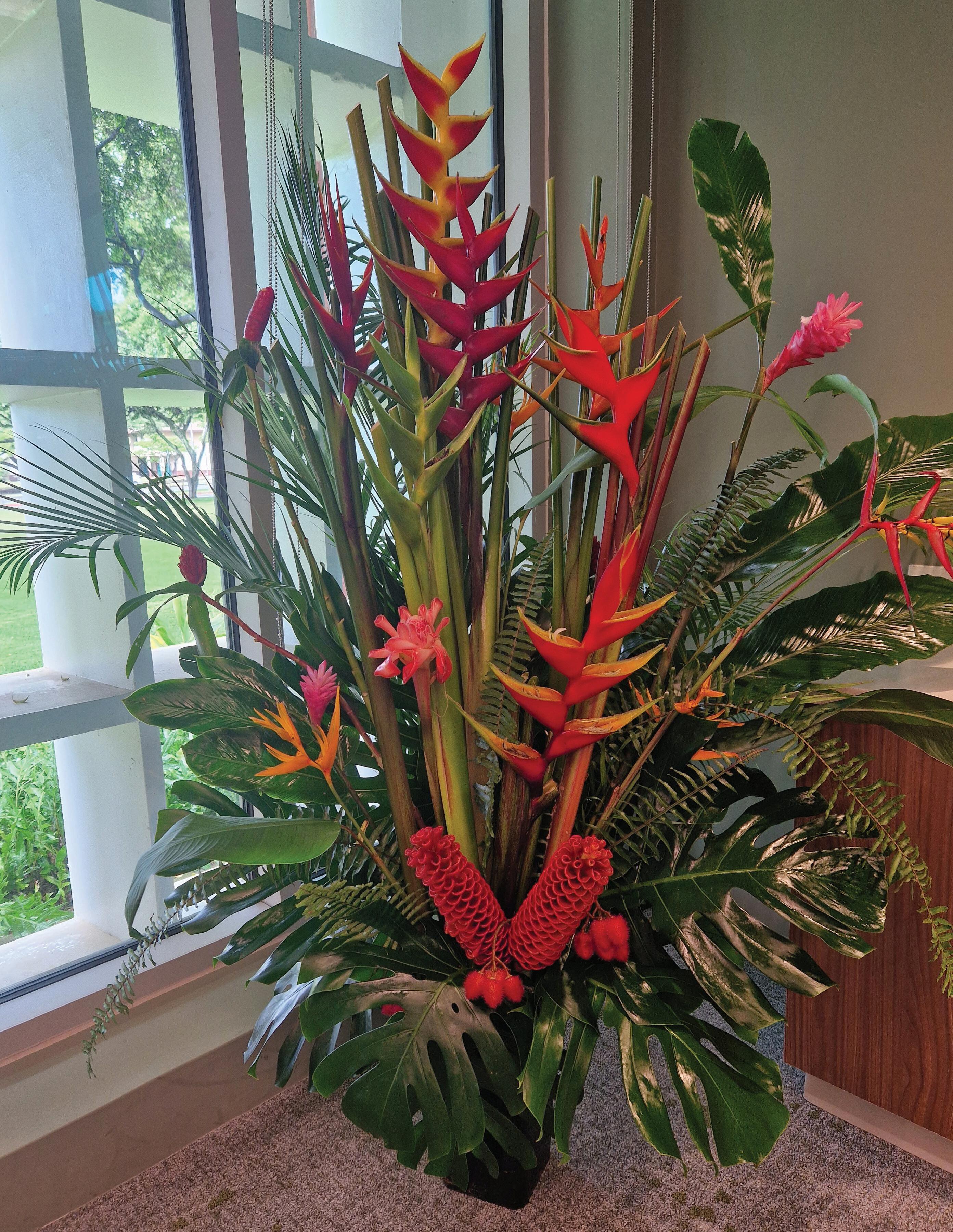
P07 Courtesy of N. Wyatt: Flower arrangement by Lyon Arboretum for the Meeting of the Presidents.
P09 Courtesy of D. Barnas: A. Carreiro, a research technician in the Silbiger lab, transporting a tiltmeter to a site
P11 Courtesy of M. Otsuki: UC•AO members attend the ULO opening ceremony (L to R) M. McManus, UH faculty
member G. Steward, S. Yoshida, and L. Villa. off of Okinawa, Japan.
P13 Courtesy of N. Silbiger, A. Carreiro: Photogrammetry of a coral reef off of Okinawa, Japan.
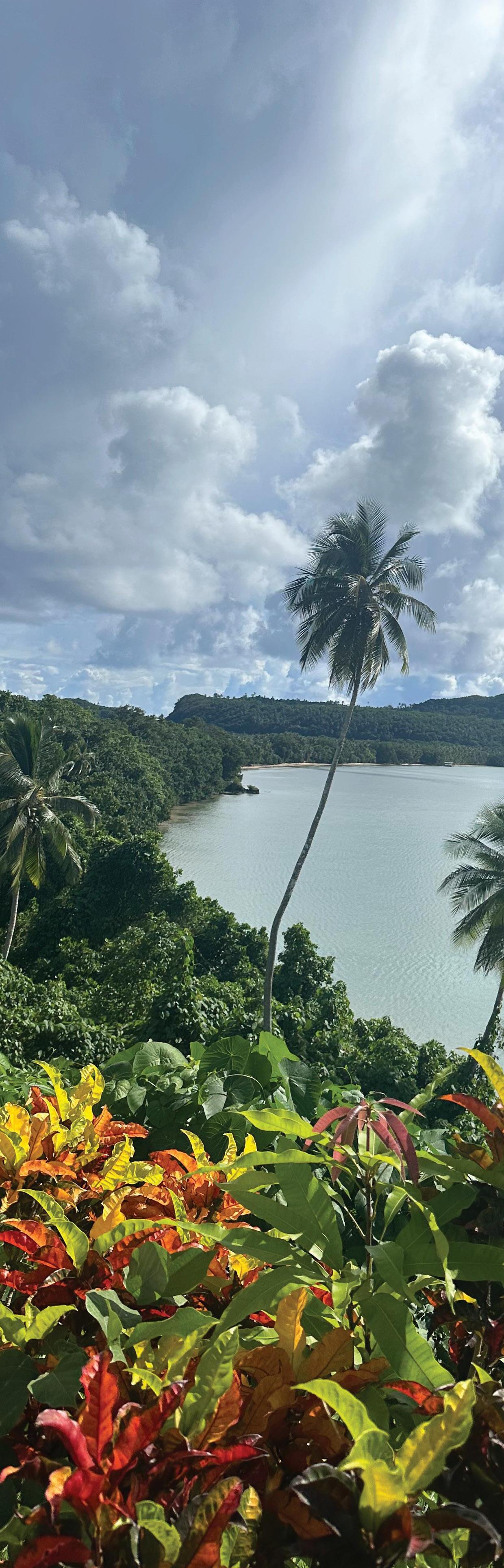
P14 Courtesy of A. Judah: Shoreline of Rotuma, Fiji, taken during fieldwork supported by the National Geographic
Pristine Seas Program.
P15 Courtesy of Pexels.com, Ahmed: Ocean surface with drops.
P19 Courtesy of Pexels.com, J. Withers: Colorful ocean surface around Hawaiʻi, USA.
P21 Courtesy of C. Radda: Uehiro graduate student fellow E. Bates during a rainy graduation ceremony.
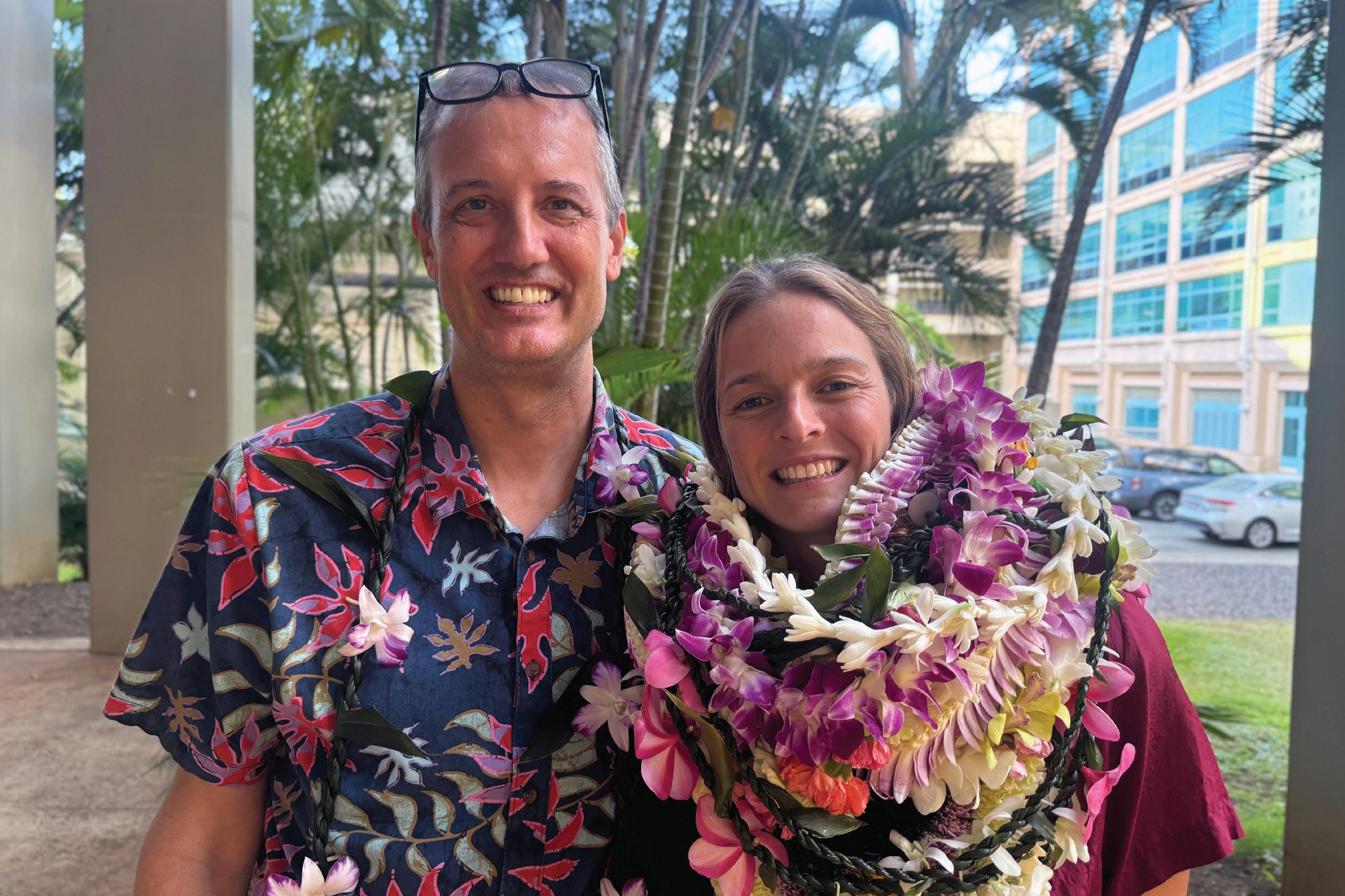
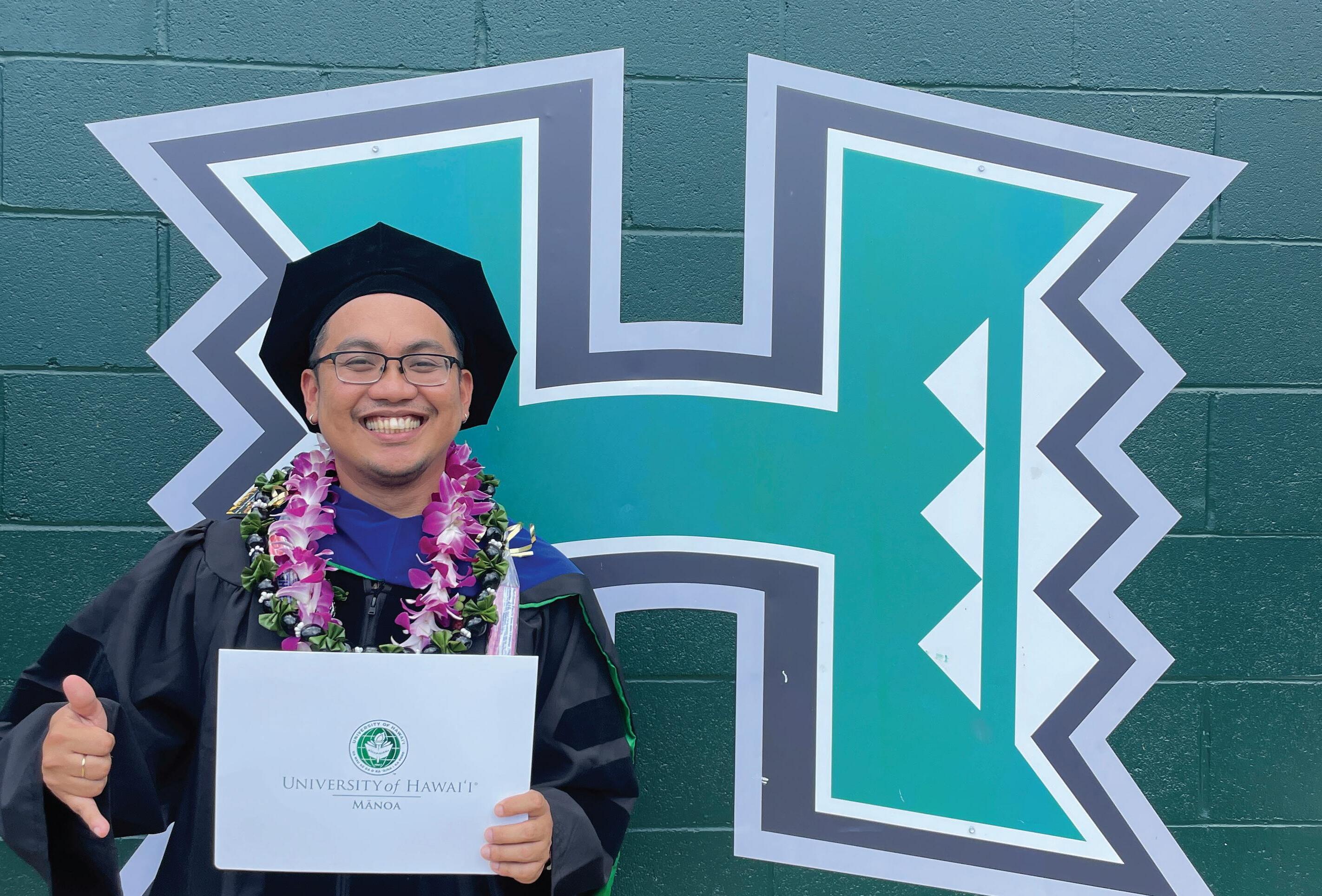
P23 TOP Courtesy of A. Toperoff: Uehiro graduate student fellow K. Feloy and her supervisor B. Powell. BOTTOM Courtesy of A. Gajigan: Uehiro graduate student fellow A. Gajigan in front of the UH logo.
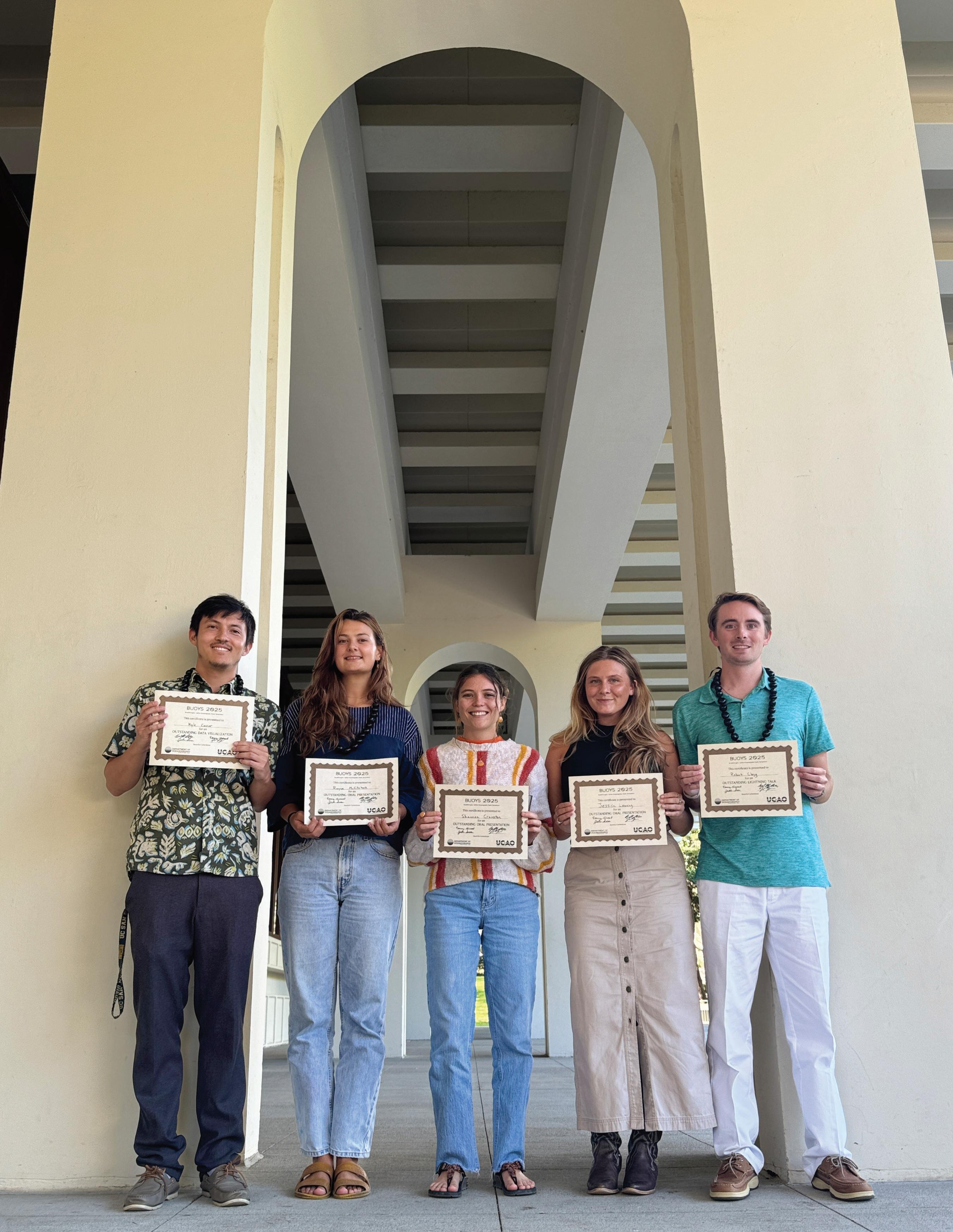
P25 Courtesy of A. Toperoff: Awardees from the Breakthroughs: Uehiro-Oceanography Yearly Symposium.
(L to R) K. Conner, R. McClintock, S. Cranston, J. Leaning, and R. Clegg.
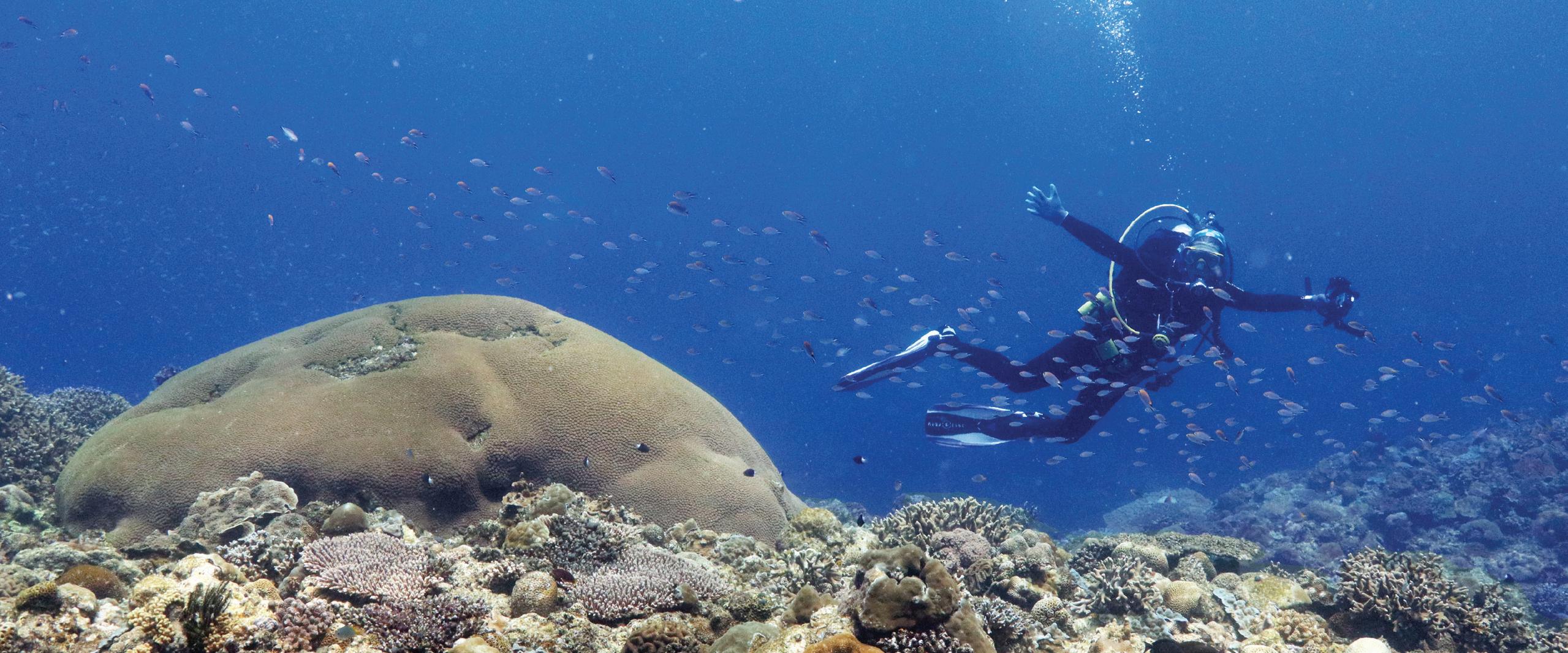
P27 Courtesy of A. Carreiro: N. Silbiger with a giant coral head (Diploastrea heliopora) off of Okinawa, Japan.
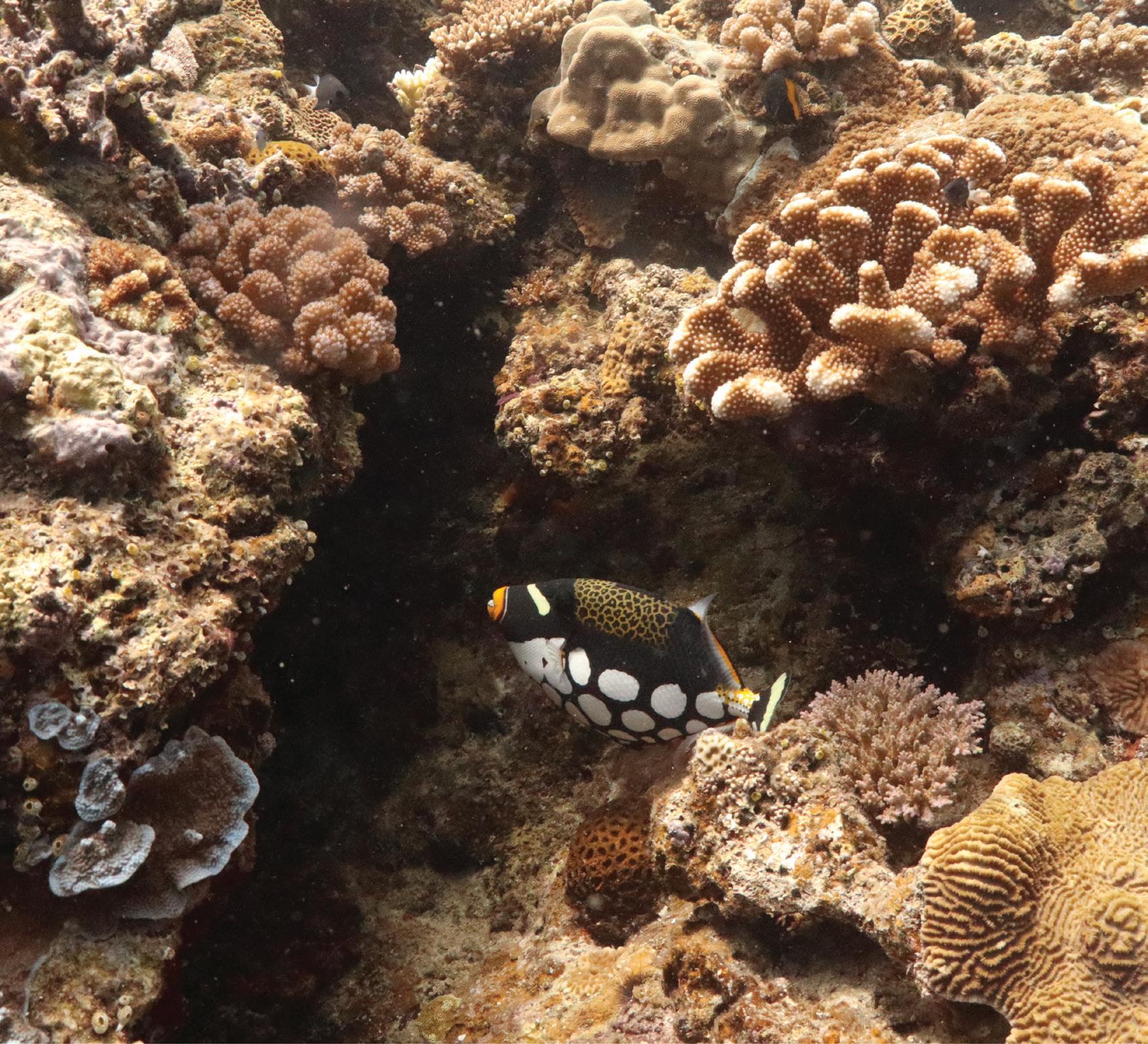
P29 TOP (L to R) Courtesy of M. Powell: Clown triggerfish (Balistoides conspicillum) off of Okinawa, Japan.
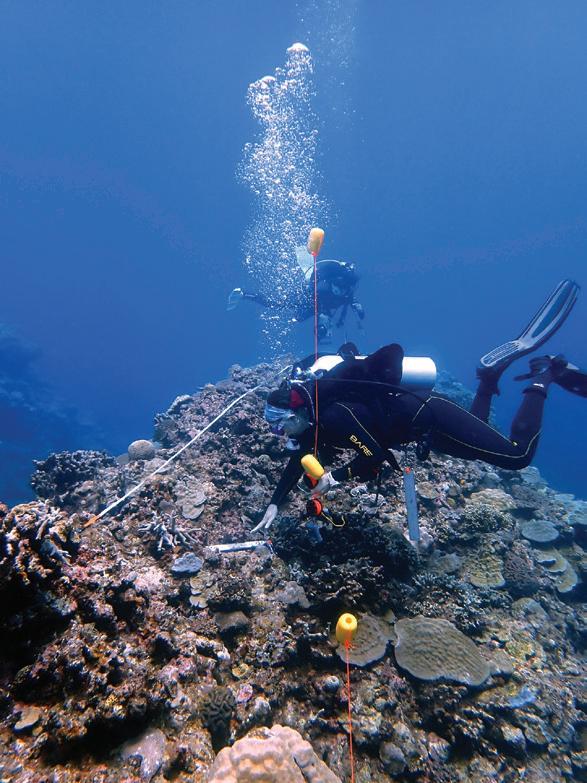
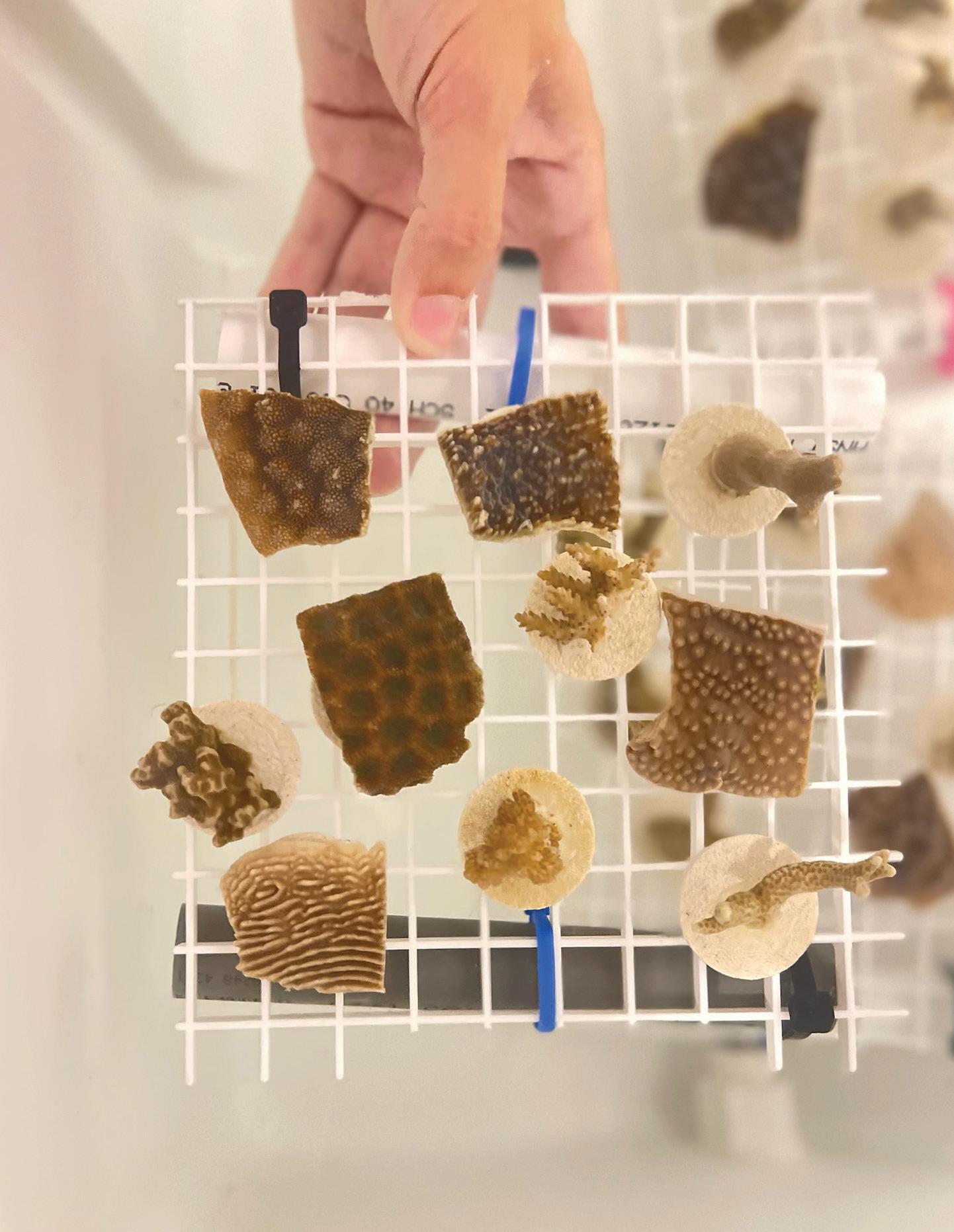
Courtesy of D. Barnas: M. Powell and A. Carreiro laying a transect off of Okinawa, Japan. Courtesy of A. Toperoff: Plugs used for coral samples.
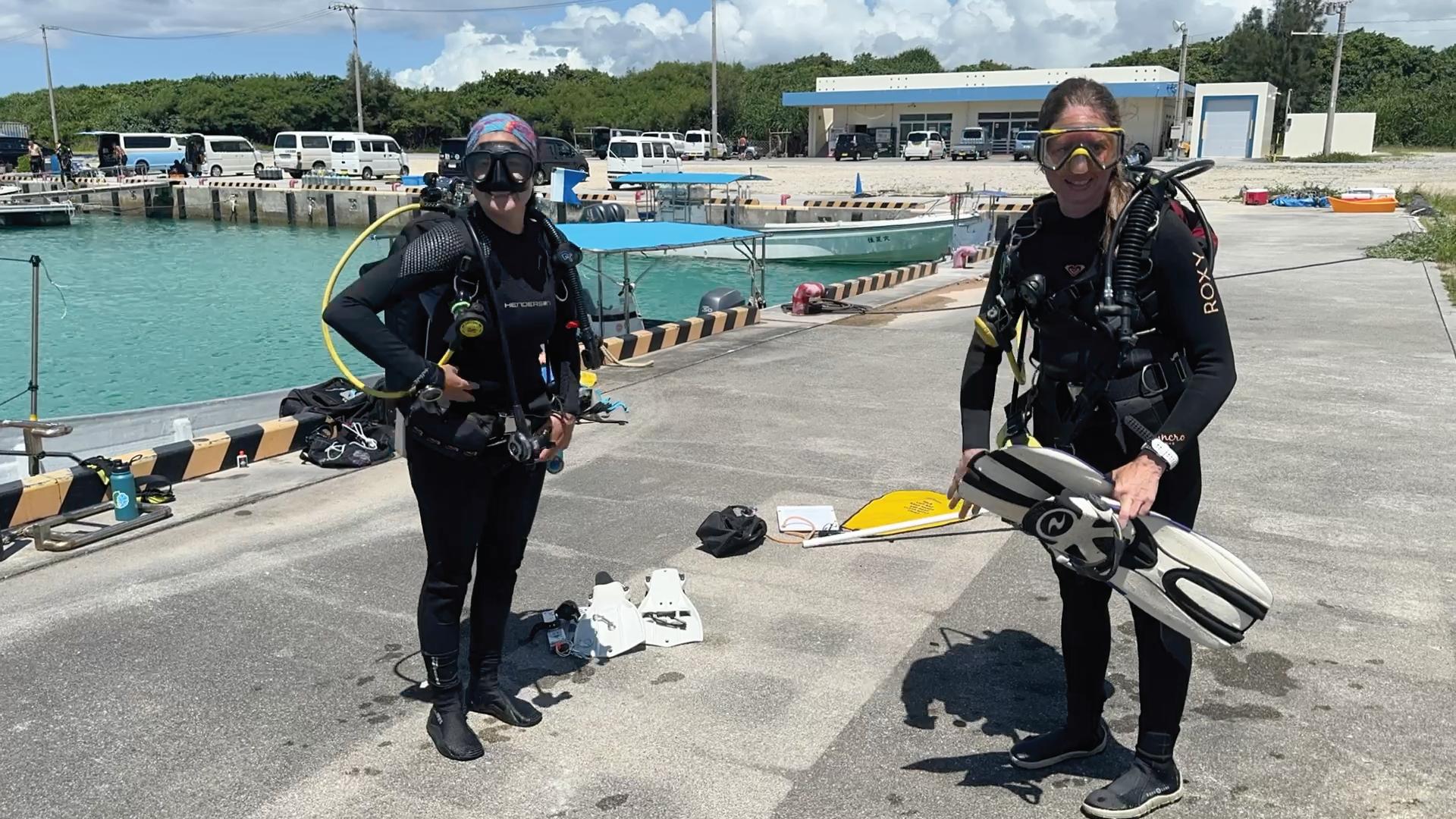
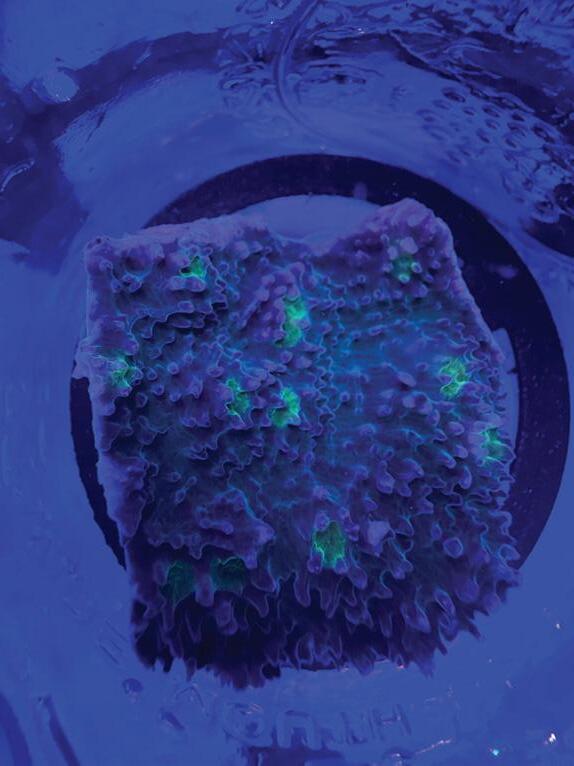
UPPER MIDDLE (L to R) Courtesy of A. Toperoff: N. Silbiger preparing gear for a dive. Courtesy of A. Toperoff: Larger star coral (Favites complanata) sample preparation. Courtesy of A. Toperoff: D. Barnas after transect sampling.
LOWER MIDDLE (L to R) Courtesy of A. Toperoff: M. Powell examining coral samples. Courtesy of N. Silbiger: Banded Sea Krait (Laticauda colubrina) off of Okinawa, Japan. Courtesy of A. Toperoff: Filling tanks before a day of research diving.
BOTTOM (L to R) Courtesy of A. Toperoff: Encrusting pore coral (Montipora aequituberculata). Courtesy of A. Toperoff: A. Carreiro checking coral samples.
Courtesy of M. Powell: Coral reef off of Okinawa, Japan.
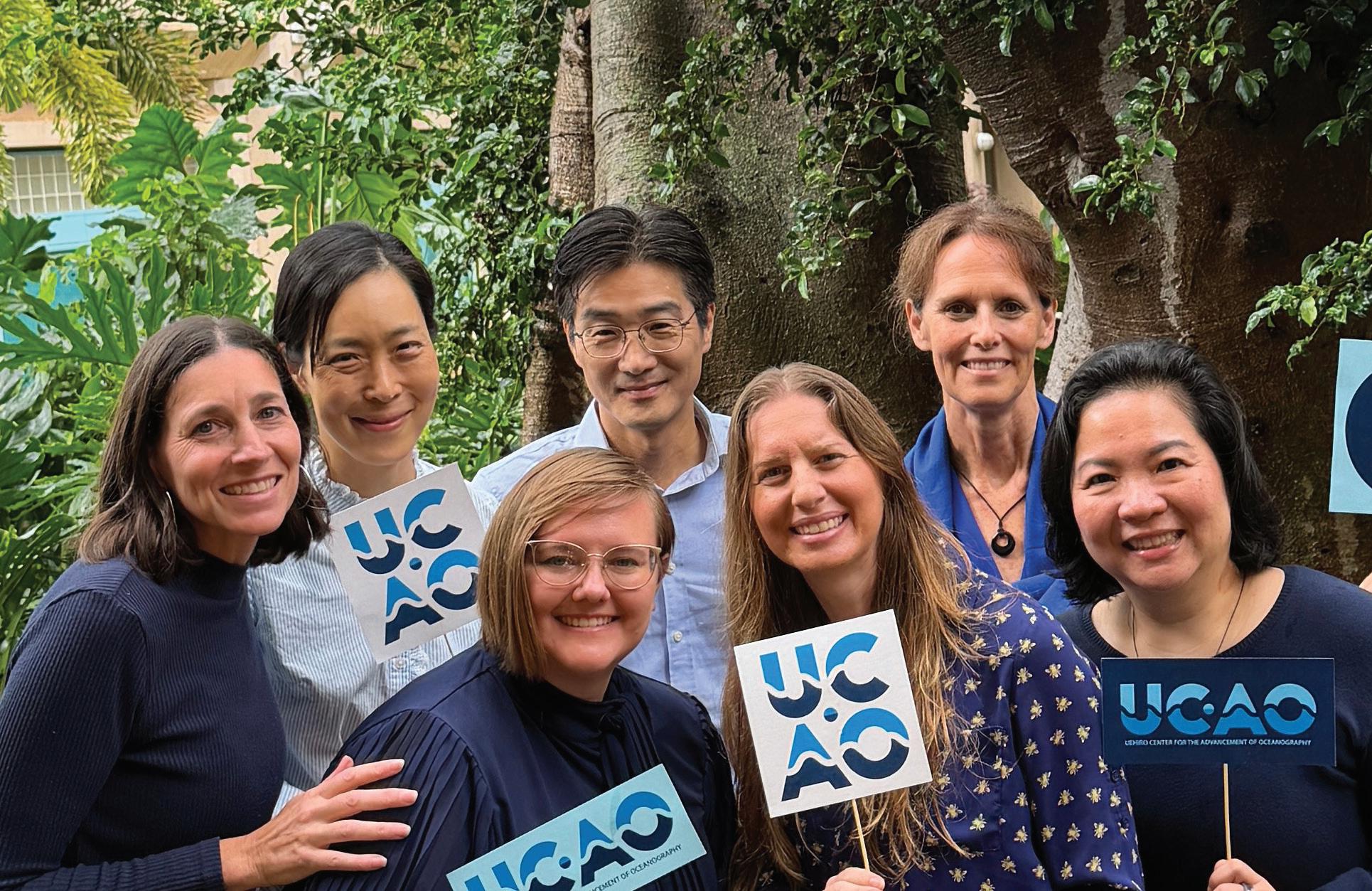
P31 Courtesy of A. Toperoff: UC•AO leadership and support staff. (L to R, back) A. Toperoff, H. Seo, S. Yoshida,
M. McManus. (L to R, front) N. Wyatt, N. Silbiger, L. Villa.
P32 Courtesy of National Geographic Pristine Seas: A. Judah in a submersible in Tuvalu as part of the National Geographic Pristine Seas program.
P35 Courtesy of A. Toperoff: (L to R, back) R. Dobashi, Z. Nachod, A. Laughlin, K. Conner, G. Walker.
(L to R, front) R. McClintock, A. Judah, J. Gunnarson, E. Bates, K. Feloy.
P37 Courtesy of A. Toperoff: UC•AO student advisors during an appreciation luncheon. (L to R) M. Stueker,
S. Sharma, D. Karl, K. Edwards, G. Steward, B. Powell, C. Sabine, N. Hawco, A. Jani, S. Bushinsky.
P39 Courtesy of A. Carreiro: Close up of a mounding coral in Okinawa, Japan.
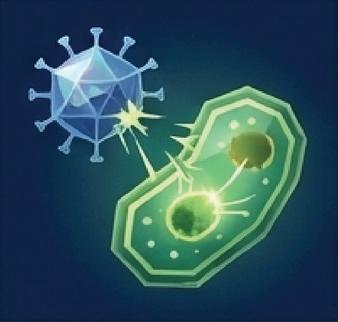
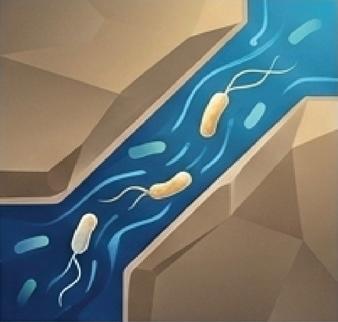
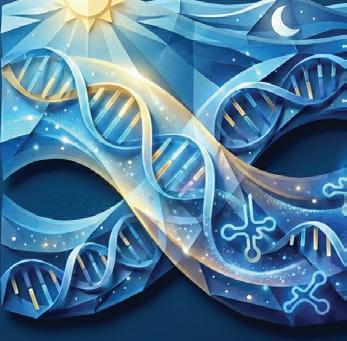
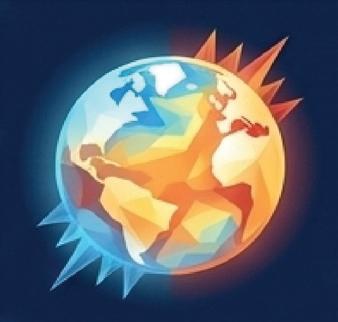
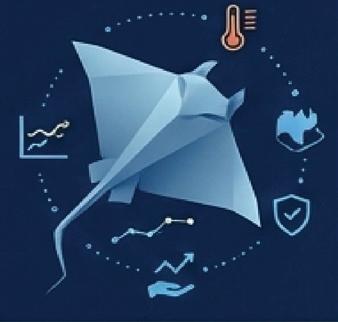
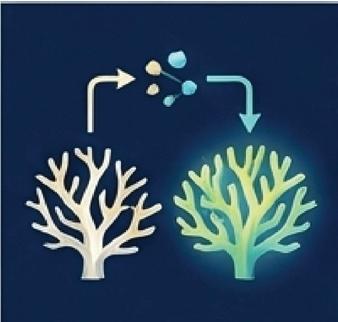
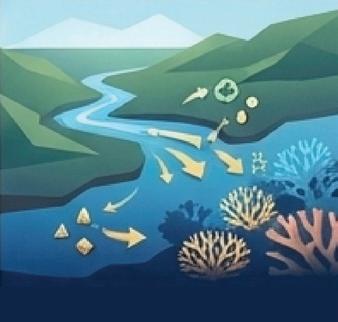
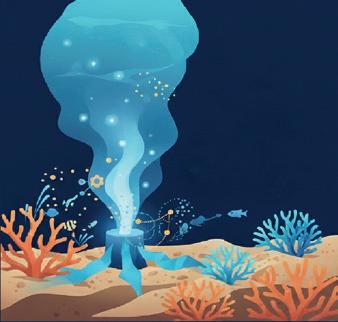
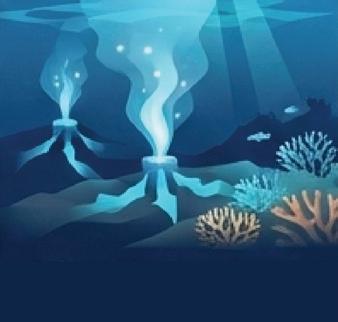
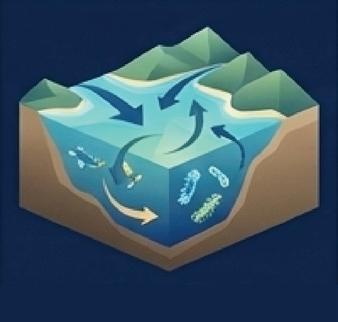
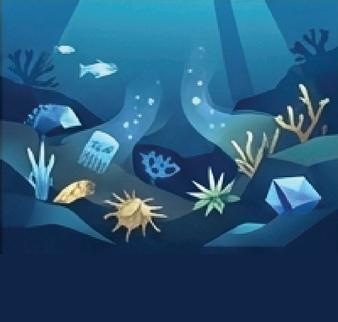
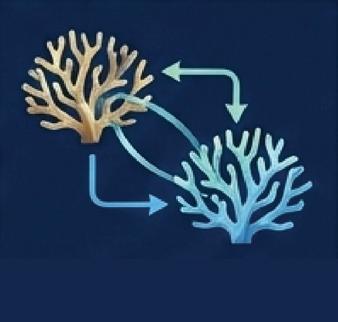
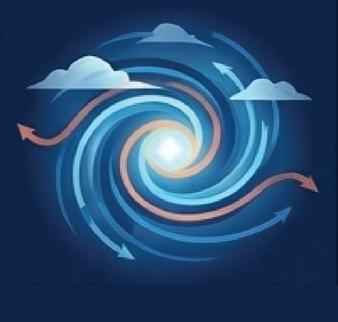
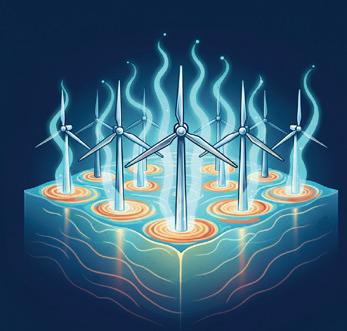
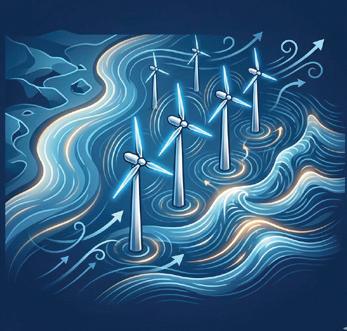
P40-44 Google. (2026, January). Series of visual abstracts representing UC•AO publications [AI-generated
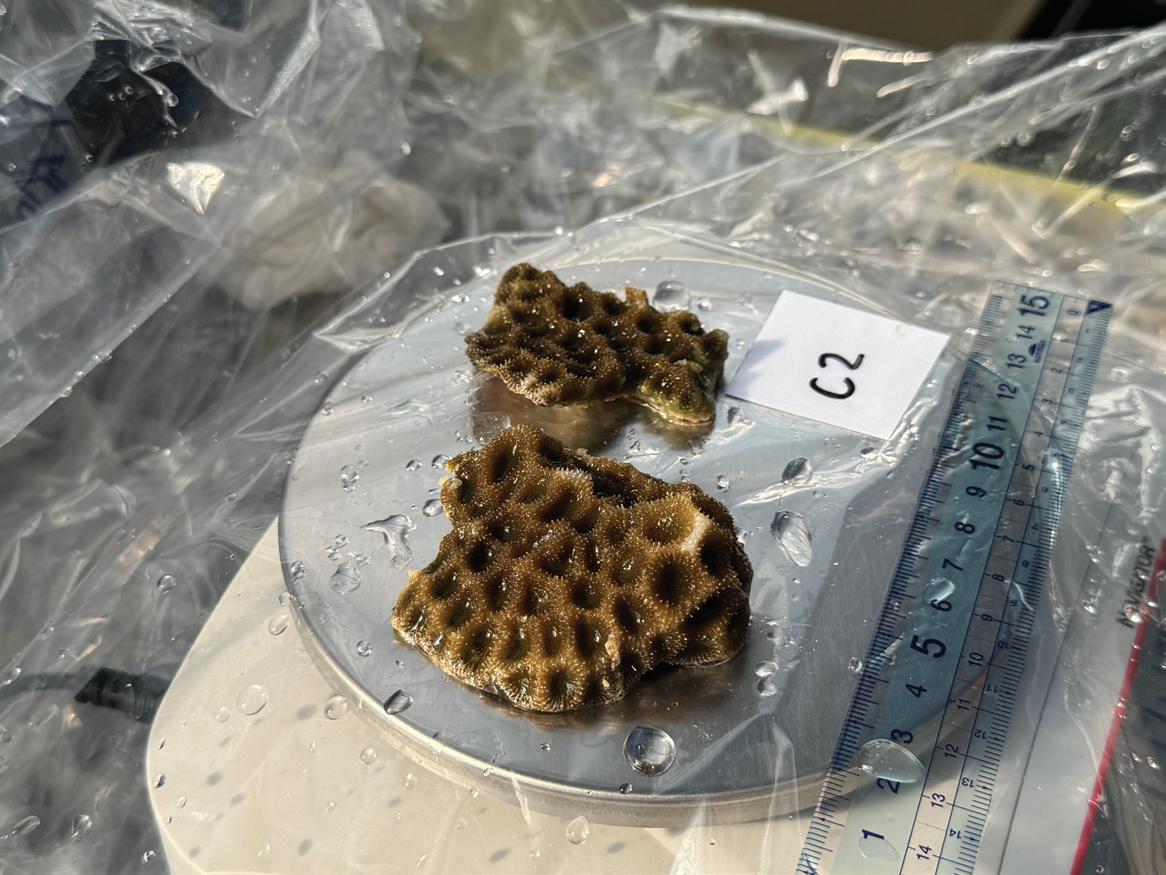
P45 Courtesy of D. Barnas: Coral samples from the reefs of Okinawa, Japan being prepared for experiments. images]. https://gemini.google.com
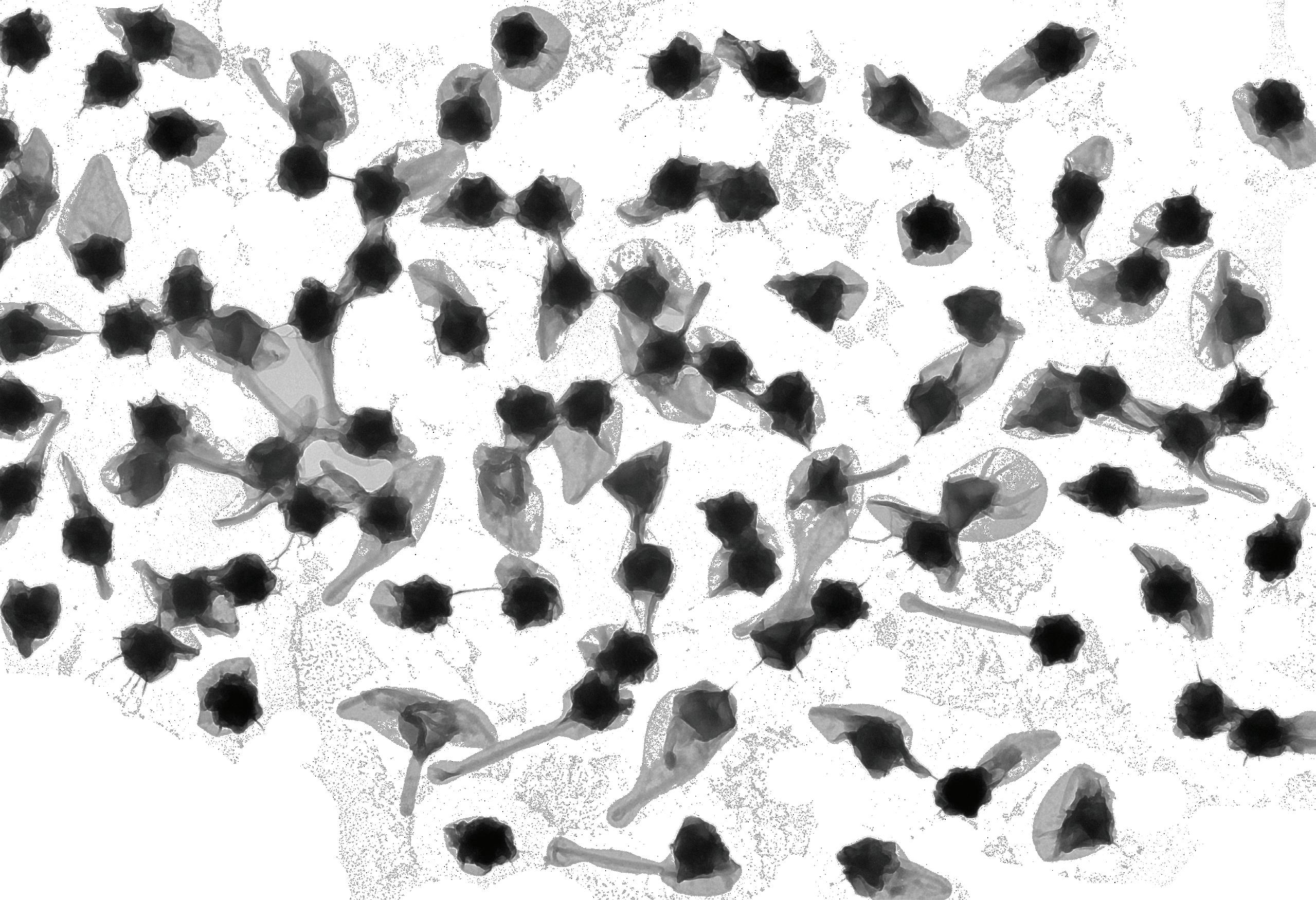
P48 Courtesy of A. Laughlin: Enveloped giant viruses (Florenciella virus Station Aloha isolate 1 (FloV-SA1)).
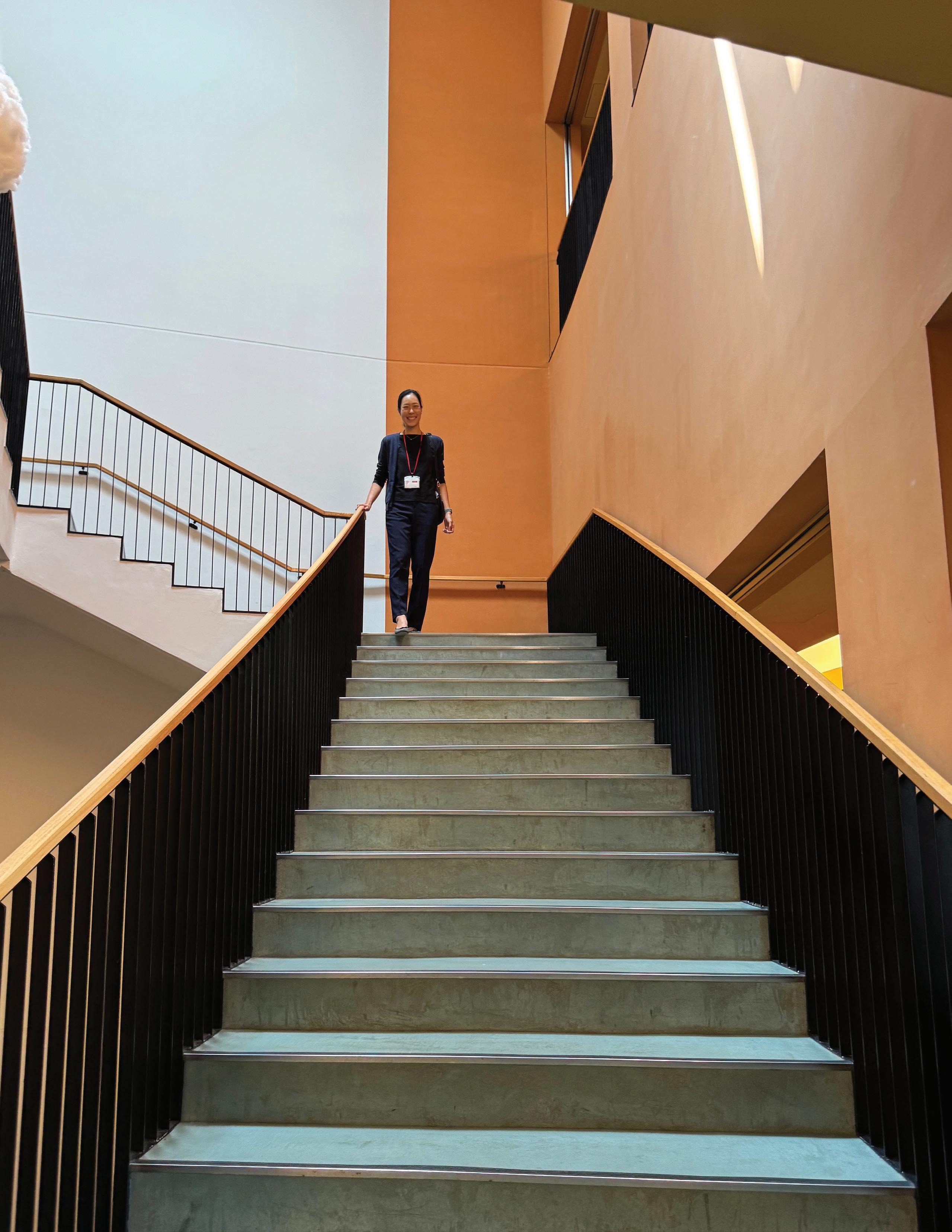
P49 Courtesy of A. Toperoff: S. Yoshida visiting Okinawa Institute of Science and Technology in Okinawa, Japan.
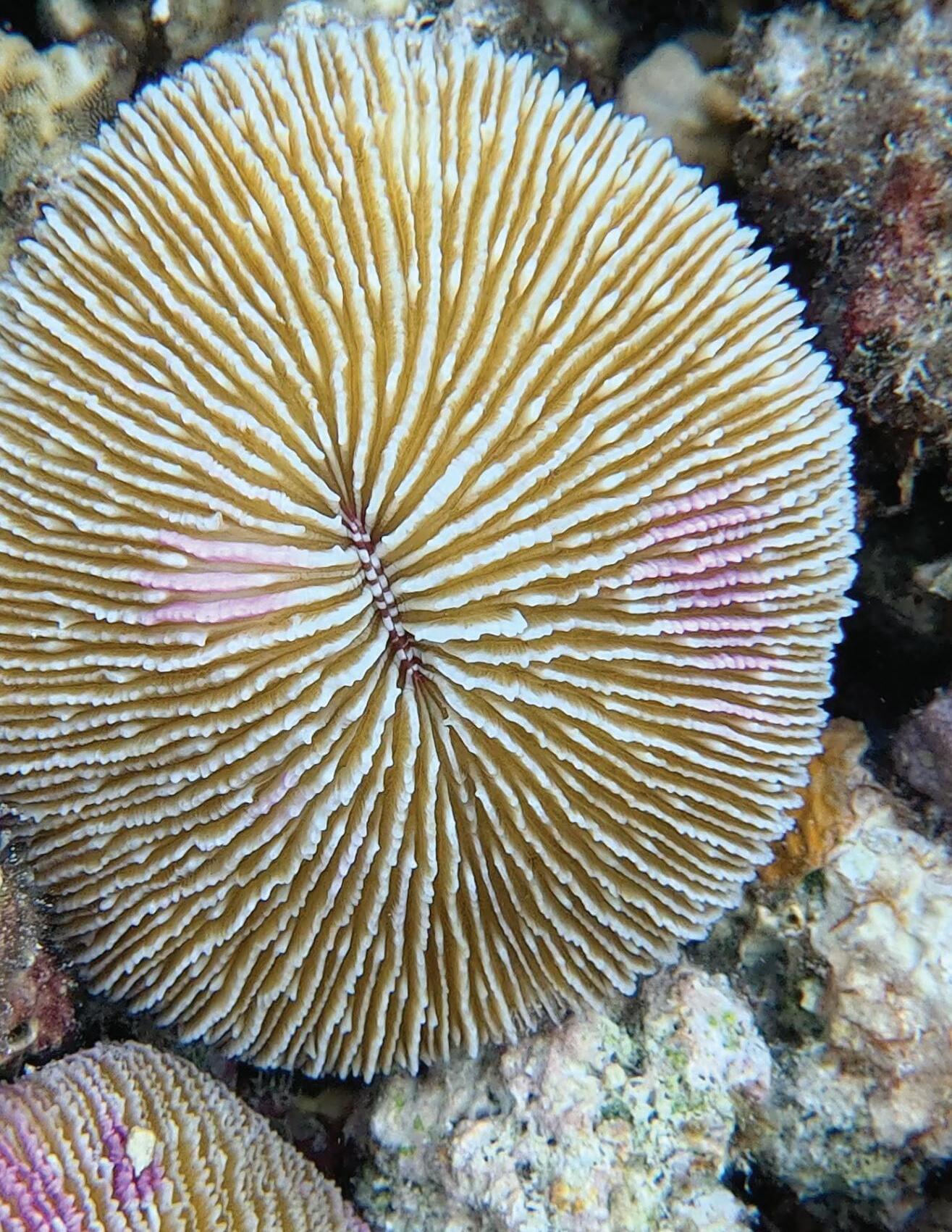
P51 Courtesy of S. Cranston: Mushroom coral (Lobactis scutaria) in the Faafu Atoll, Maldives.
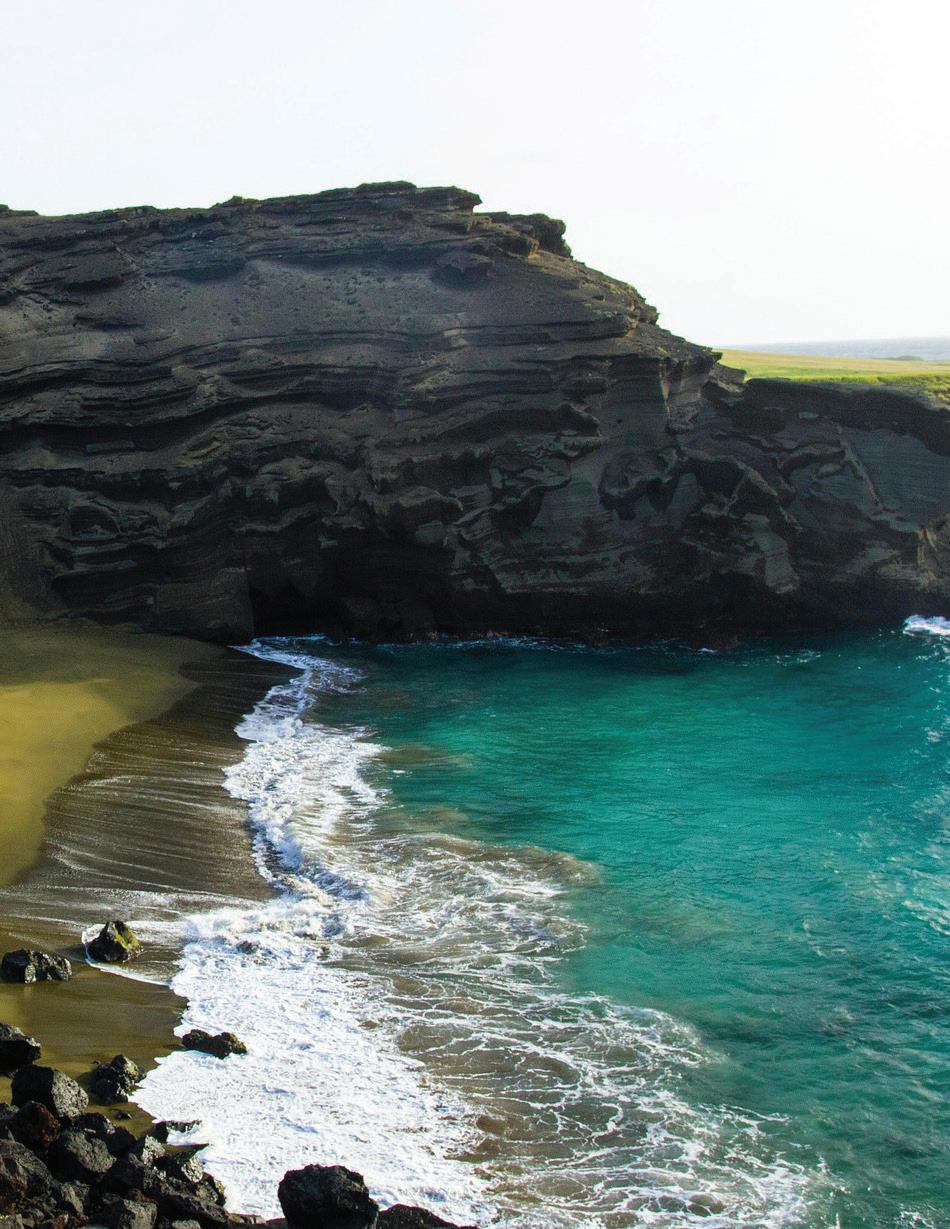
P52 Courtesy of Pixabay: Green sand beach in Hawaiʻi, USA.
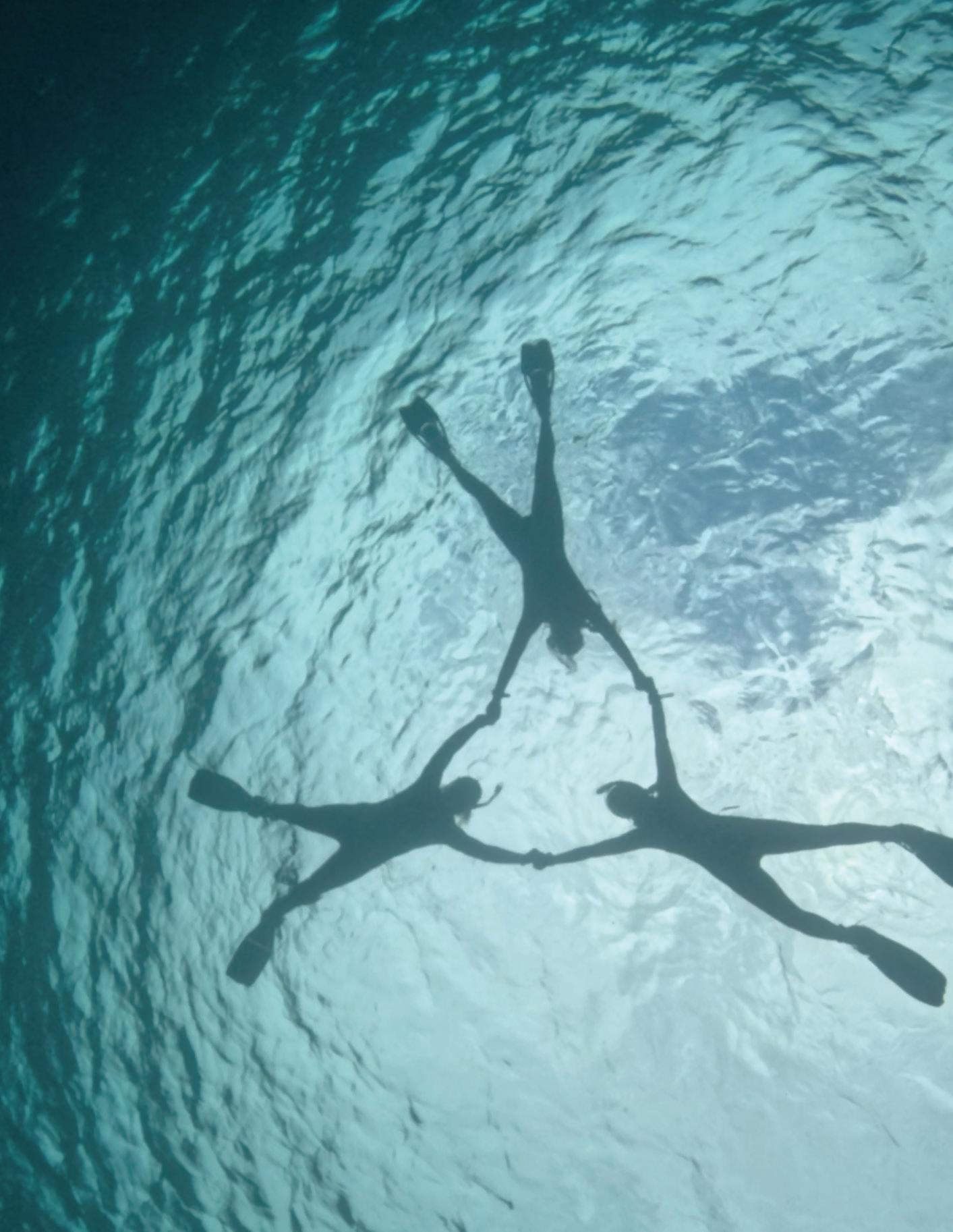
Back cover Courtesy of A. Toperoff: Silhouette of UC•AO and UH team members N. Silbiger, A. Carreiro,
C. Moreland-Ochoa after a research dive on the reefs of Okinawa, Japan.
Layout and design elements A. Toperoff, creative outreach director at UC•AO.