Read more about the faculty members named this year’s Regents’ Professors on Page 3.
Read more about the faculty members named this year’s Regents’ Professors on Page 3.
This award is given annually to one SEC faculty member whose record of teaching and research places him or her among the elite in higher education. Winners are selected by the SEC provosts from among the 16 SEC Faculty Achievement Award recipients.
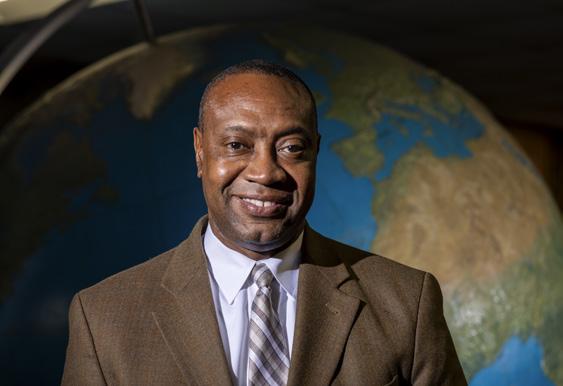
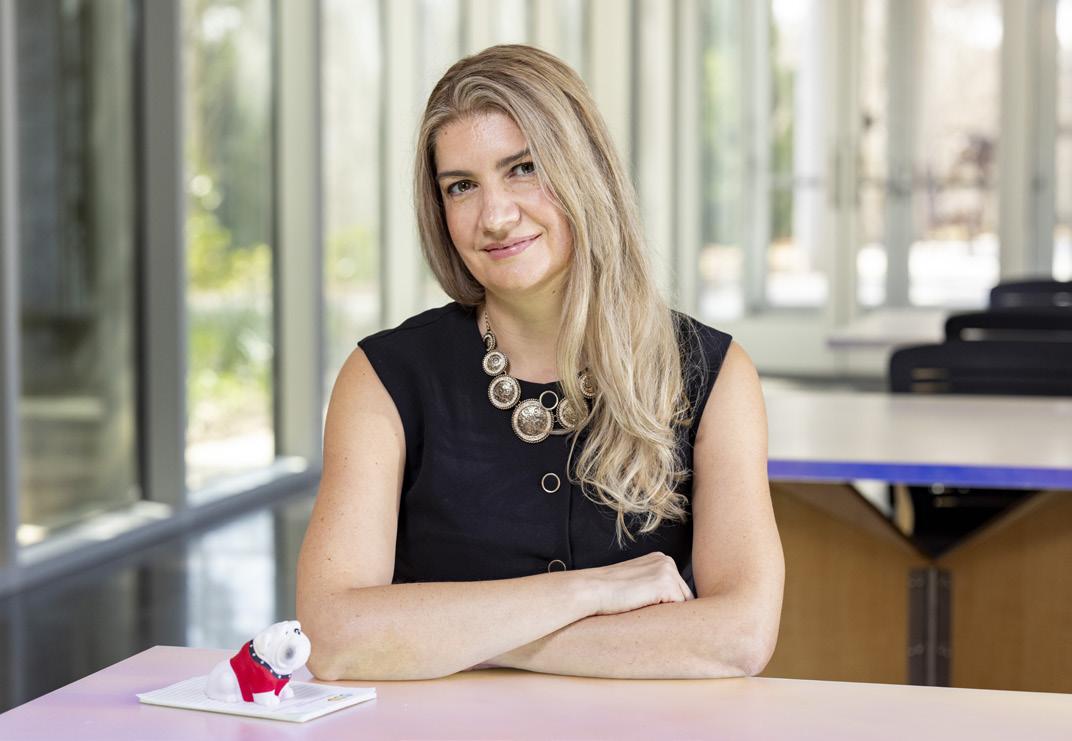
C. Robin Buell, Georgia Research Alliance Eminent Scholar Chair in Crop Genomics, has been named the 2026 Southeastern Conference Professor of the Year, its highest faculty honor.
Buell becomes the fourth UGA faculty member to receive this award, which recognizes scholarly excellence and transformational impact in teaching, research and service at SEC institutions.
A recognized leader in plant genomics, bioinformatics and computational biology, Buell is a professor of crop and soil sciences in the College of Agricultural
and Environmental Sciences. Her work has been instrumental in the development of massive genomic datasets that are used by scientists to improve crop resilience and productivity.
Buell’s pioneering contributions have reshaped her discipline. She was part of a team that mapped the first genome sequence in a plant species and later led national efforts to decode the genomes of rice and potato, two of the world’s most important food crops.
As director of the Plant Center, Buell leads interdisciplinary efforts to advance
plant science through biochemistry, genetics, genomics, synthetic biology and breeding innovation. Her research focuses on unlocking the full potential of plants to improve agricultural efficiency, develop sustainable biofuels and create crops that thrive in changing environments. Beyond her research, Buell is a devoted educator and mentor. She has guided more than 150 undergraduate, graduate and postdoctoral researchers, and many of her students have received pre-doctoral and post-doctoral fellowships and other national awards.
Three faculty members were named Meigs Distinguished Professors for 2026. The professorship is the university’s highest recognition for instruction at the undergraduate and graduate levels. Meigs Professors receive a permanent salary increase of $6,000 and a one-year discretionary fund of $1,000.
Mary Frances Early College of Education
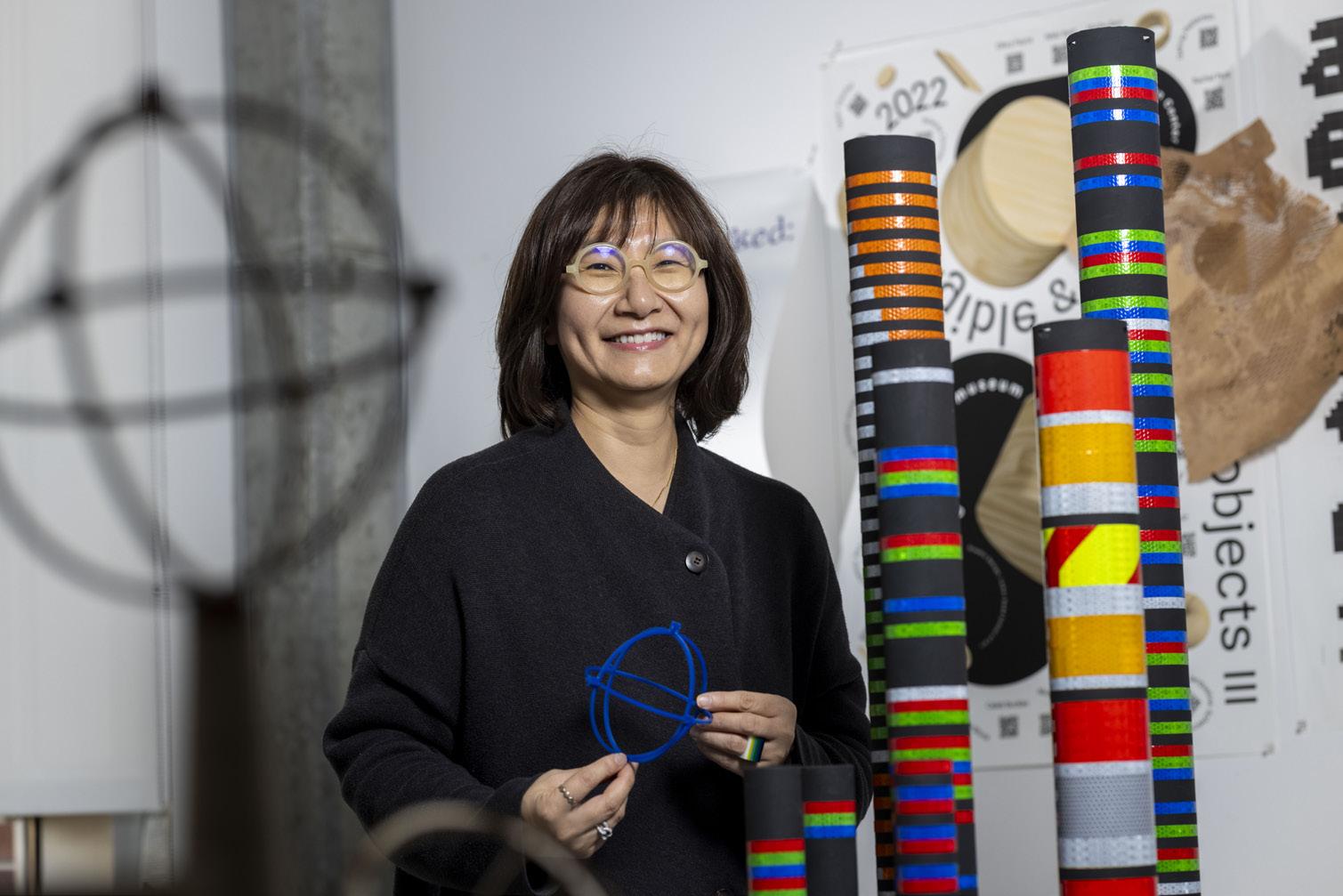
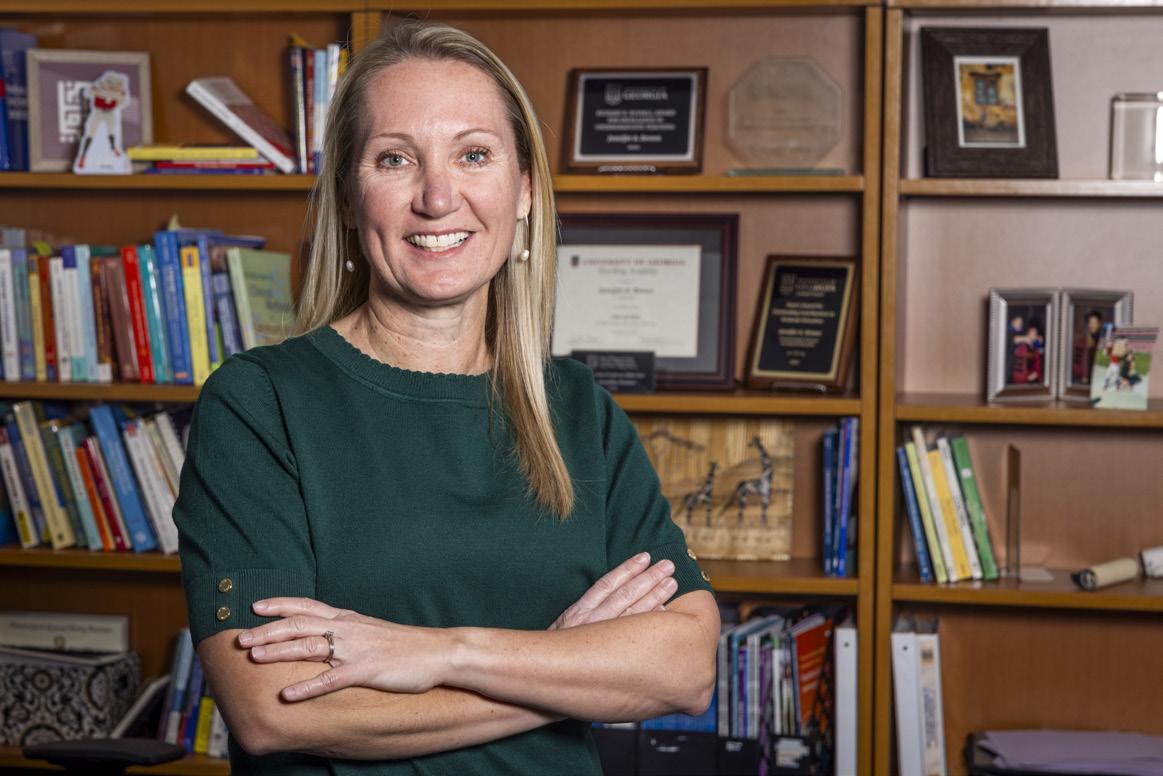
Jennifer Brown empowers students to engage in the learning process.
“They know what they are learning, they focus on how they are learning, they remember why they are learning, and they understand the impact their learning will have on others,” Brown said.
Brown’s foundational teaching and learning values center on interconnected shared experiences, problem-solving and critical thinking, and motivating and respectful learning environments. She provides rationale for her methods, evaluates and revises her teaching methods, finds ways to build up her students and encourages mentoring interactions.
In her time at UGA, Brown has taught more than 200 courses, including required undergraduate and master’s courses in communication sciences and disorders, FirstYear Odyssey seminars, GradFIRST seminars, experiential learning courses and undergraduate and graduate directed research courses.
Brown strives to integrate teaching, research and service in innovative ways. She’s mentored 94 students in language and literacy service learning, including 14 in CURO projects, and 64 students have engaged with her research in the Child Communication Lab. Her students have clocked more than 1,300 clinical hours in supervised community engagement experiences and simulated cases. She’s also
Moon Jung Jang understands that graphic design has become an ever-expanding and evolving discipline.
“Graphic design is no longer about simply making a logo or a poster,” Jang said. “In the last two decades, it has transformed into a discipline that contributes to the creation of innovative, new, visual cultures in all types of communication.”
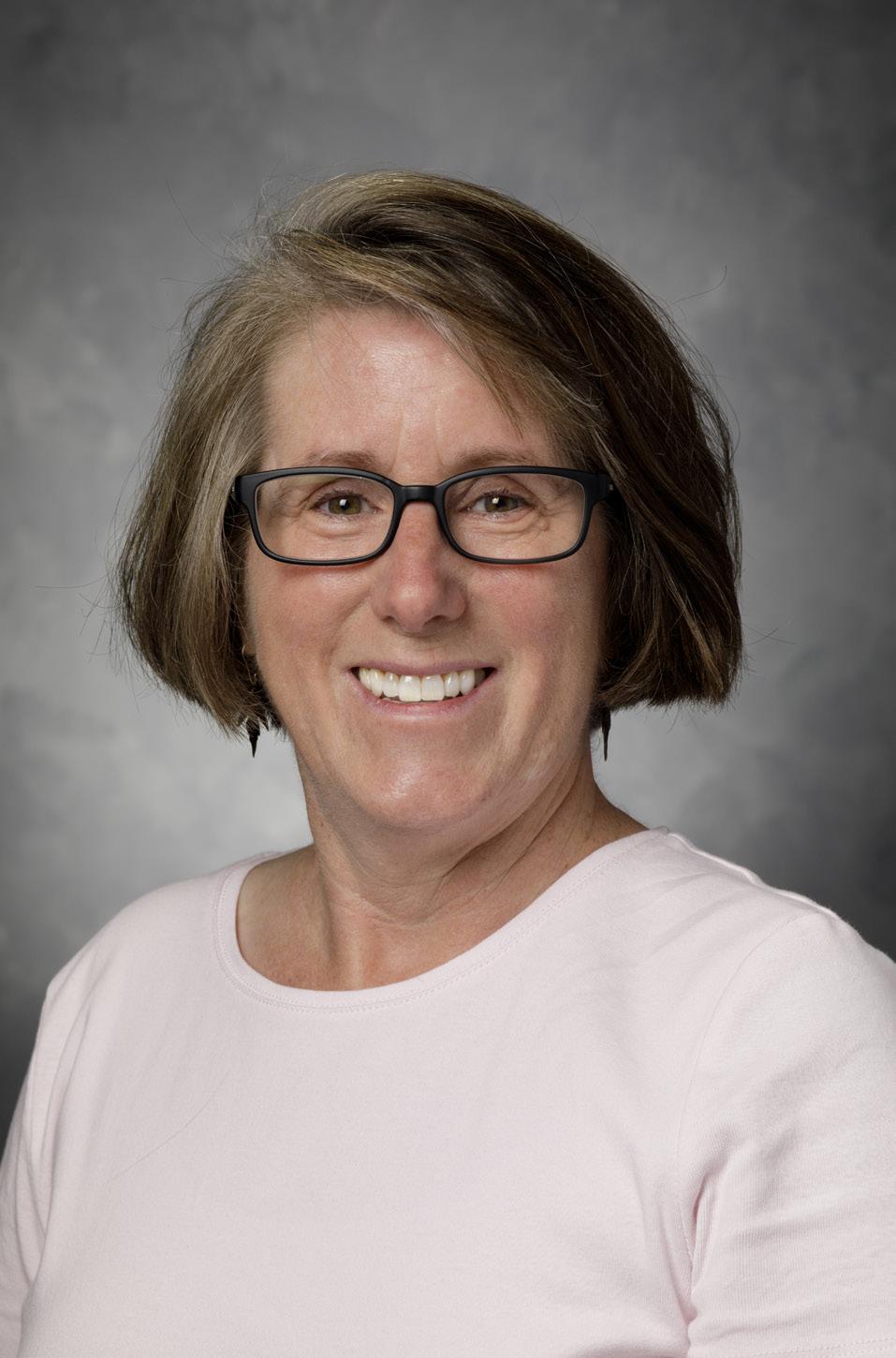
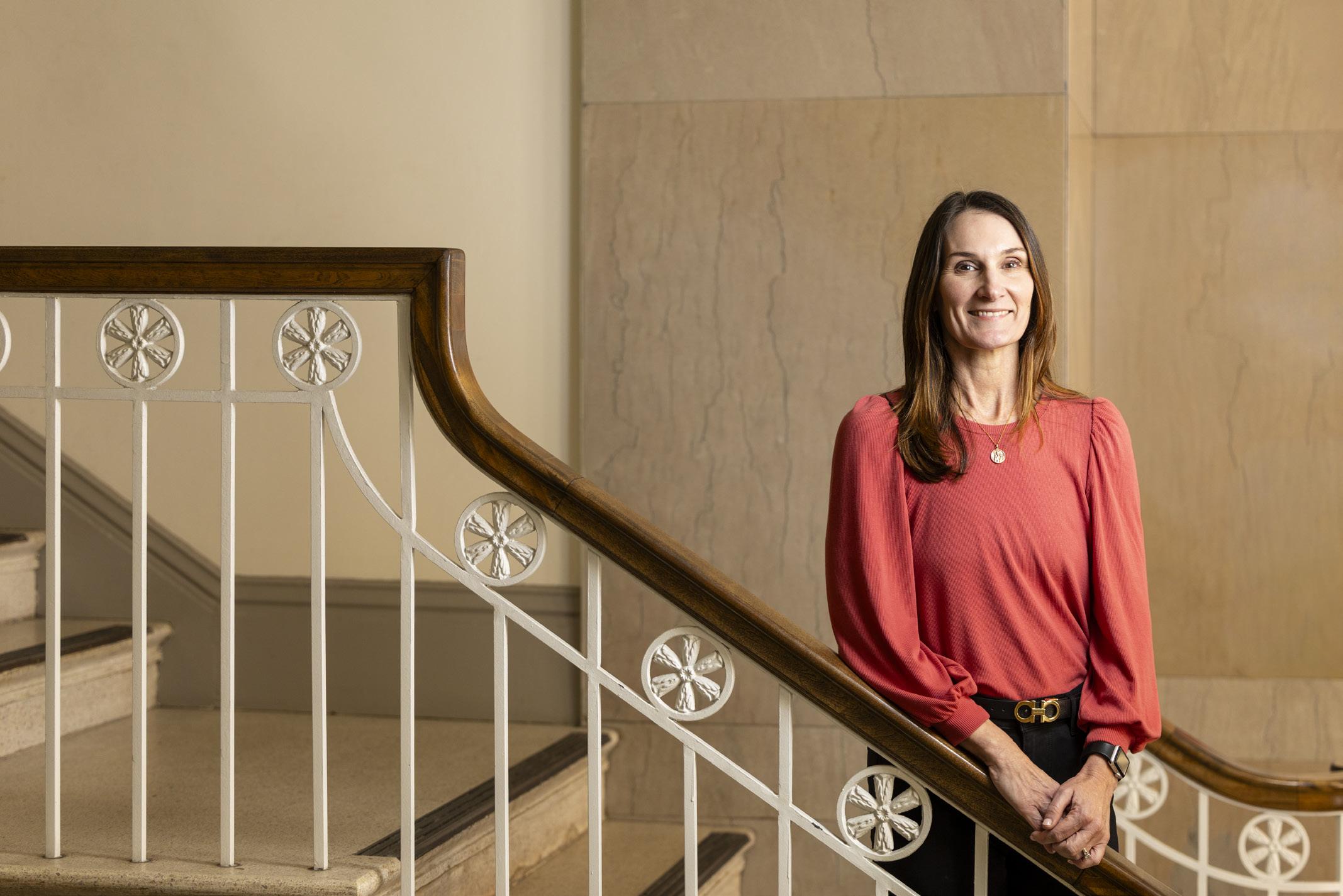
Jang’s teaching incorporates and reflects the aims of her research and design practice. She’s built a comprehensive design curriculum for graphic design education where students can thoroughly learn core design concepts and processes, experience real-world-oriented design practices, and explore experimental and interdisciplinary research.
She’s taught 17 different interdisciplinary and graduatelevel courses, including four new and 13 completely redesigned courses. In all of those courses, she fosters an innovative, design-centered learning culture where students can grow as multifaceted designers and maximize their professional experience.
“Through her creative and collaborative approach to design thinking and instruction, Moon engages students in stimulating exercises that prepare their minds for the challenges that lie beyond college. She teaches the visual narrative and design systems that are foundational to strong graphic communication while bringing contemporary research, technology and guest speakers to foster innovative ideas in her design lab,” one former student wrote. “Beyond the classroom, Moon
Associate Professor Department of Political Science School of Public and International Affairs
Teena Wilhelm helps her students learn in the classroom and in wide open spaces.
“My teaching philosophy is based on a core belief that the benefits of a positive learning experience can result in successful learning outcomes. Success in the classroom happens when students feel empowered to explore ideas and offer critical analysis of the world around them,” Wilhelm said.
Wilhelm’s teaching goals are to convince students that the subject matter at hand is worth engaging with and to develop strategies that meet students where they are without compromising expectations. She strives to make course content relevant through collaborative group work, simulations, partner projects and other active learning techniques.
Her students see the relevance for themselves during the UGA GLOBIS National Parks Program. Wilhelm developed the study away opportunity for students to explore political conditions that have an impact on public land policy by visiting national parks and monuments on a monthlong road trip. Besides camping, hiking and general exploration on federal public lands, students interact with park superintendents, elected policymakers, interest group representatives, lobbyists and academic policy specialists, in addition to the public itself. The immersive classroom curriculum also includes an intensive research component.
“I cannot emphasize enough how Dr. Wilhelm embodies the qualities of an exceptional educator,” one student wrote.
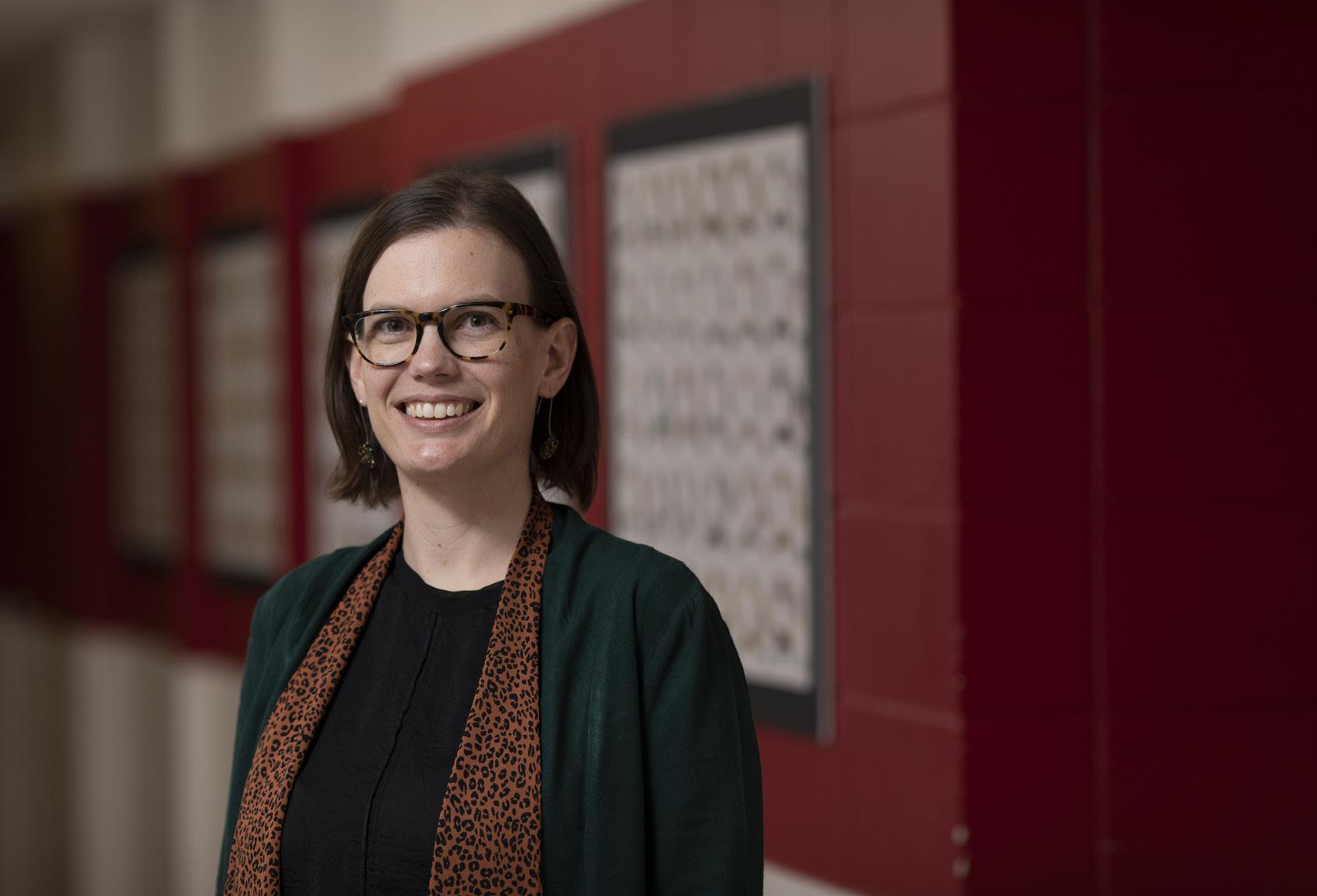
Three UGA faculty members received the Russell Award for Excellence in Undergraduate Teaching. Russell Awards recognize outstanding teaching by faculty early in their academic careers. Award recipients receive $10,000. The Richard B. Russell Foundation in Atlanta supports the program.
Department of Entomology College of Agricultural and Environmental Sciences
Gaelen Burke isn’t just teaching students. She’s creating future scientists.
“I am committed to the quality teaching of undergraduates inside and outside of the classroom and using novel approaches to engage students and facilitate their learning,” she said. “I believe it is critically important to pay attention to student needs and provide a supportive, flexible learning environment.”
To accomplish that, Burke has three goals for her classes. First, she hopes to increase her students’ enthusiasm for science and teach them to value and understand nature. Second, she uses evidence-based teaching strategies to engage students in the process of science through active learning and involvement in practical and research experiences. Third, she aims to teach students how to find and use resources to explore topics that are more specific or unfamiliar in addition to covering the key concepts of a particular discipline.
To meet those goals, Burke uses a variety of active learning techniques. For example, students in her “Insects and the Environment” class use M&M’s to learn about experimental design. Students use different sample sizes of M&M’s to calculate the frequency of each color of candy. Through this hands-on experience, they learn about the importance of experimental replication, how sample sizes can affect means and variation, and how to judge when one
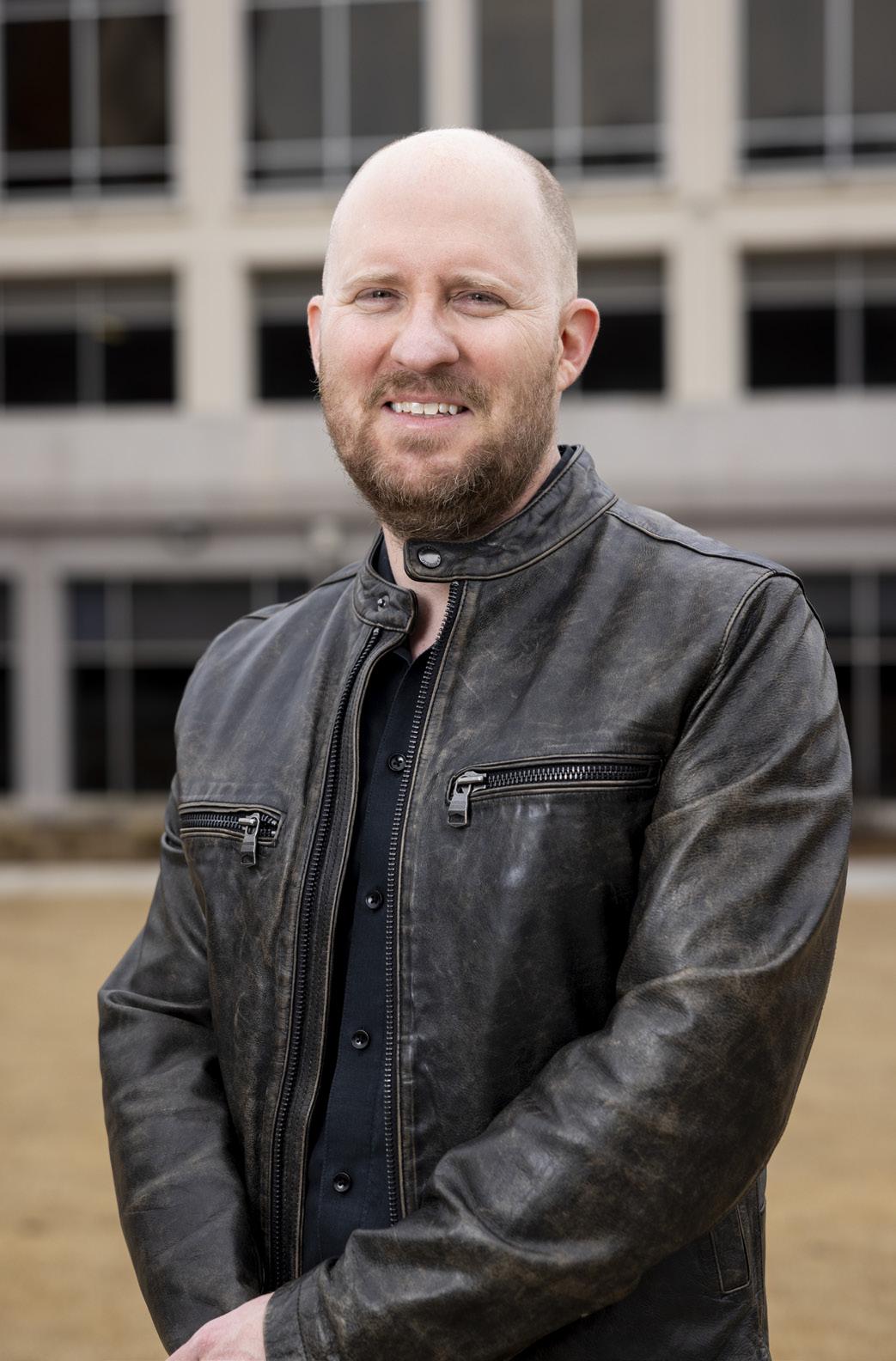
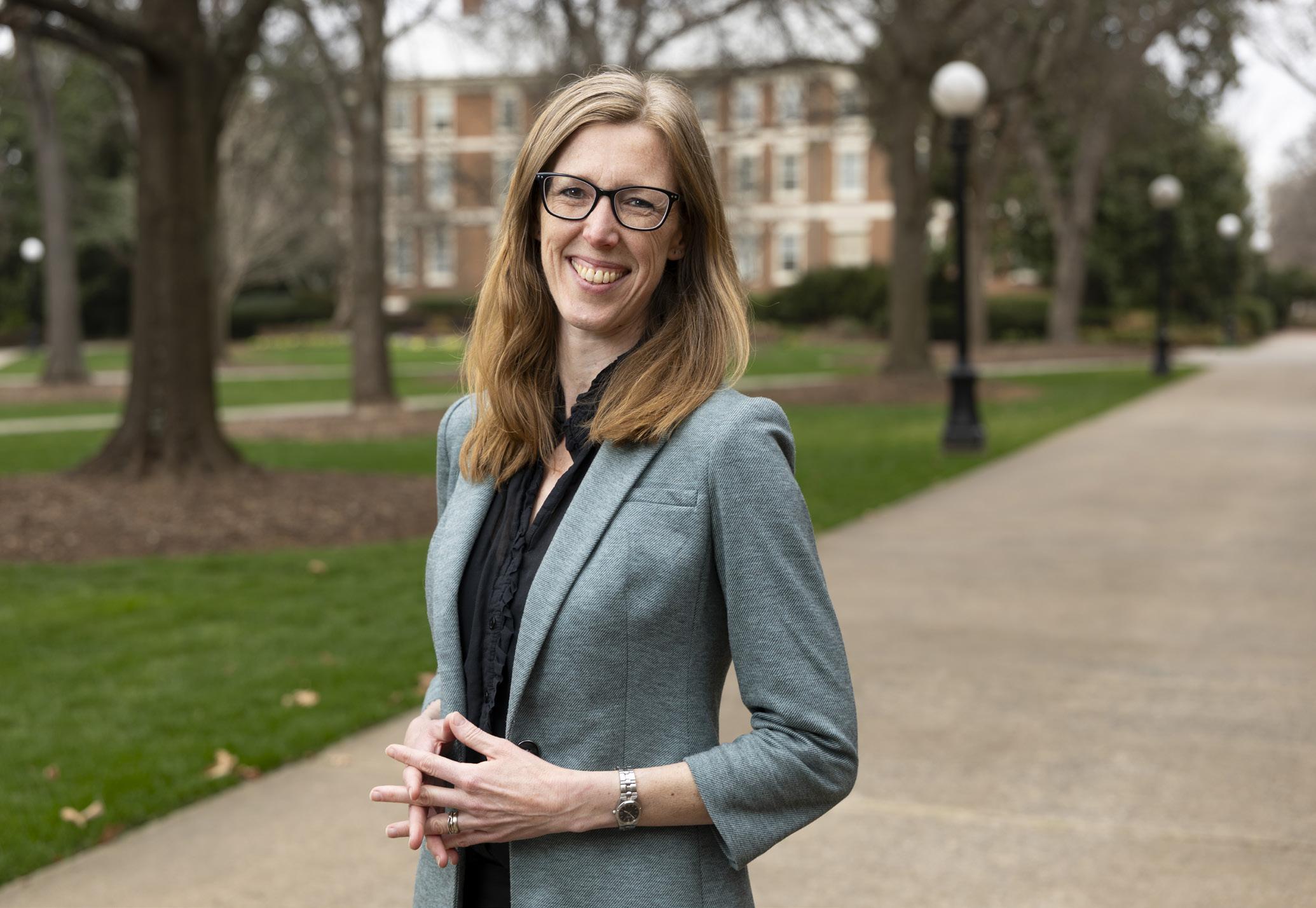
he said. “I want my students to have a strong foundation in the knowledge and skills of screenwriting for cinema and television, yes, but I also want them to emerge as more thoughtful, curious citizens of the world.”
Each faculty member in the Department of Entertainment and Media Studies has a specific area of expertise. They are challenged to teach introductory-level to advanced-level courses in their particular area, with each level requiring different approaches and pedagogies.
Evans’ area is screenwriting, where students learn the craft and structure of storytelling through intensive writing workshops designed to mirror a professional writers’ room. Students develop and revise original scripts while giving and receiving peer feedback, emphasizing discussion, iteration and creative collaboration. He developed new courses in this area, including “Writing for Television” and a FirstYear Odyssey Seminar, “From Script to Screen: Anatomy
having practiced the skills of advanced readers Having spent a semester regularly reading, carefully considering others’ perspectives and articulating their own, they are more able to respond thoughtfully to religion in the world.” Hovland uses a five-step method to build her students’ complex thinking and leadership skills. First is practicing those expert reading skills. She regularly asks her students to “make a map” of their readings to help them visualize it. Then, she begins classes by having students converse about their readings. Those conversations lead to a class-wide active learning activity. Hovland also has her students complete a written analysis, explaining their position on a topic. These analytical writing assignments show them that the concepts they read and talk about in class are relevant to their own ethical reasoning. All of that learning comes together in a final project that calls on them to ask deeper questions, to understand different perspectives, to think about complex human situations, to formulate an assessment of what is going on beneath the surface and to engage meaningfully in conversation with others.
University Professors receive a permanent salary increase of $10,000 and yearly academic support of $5,000.
Nominations from the deans of UGA’s schools and colleges are reviewed by a committee, which makes a recommendation to the provost.
Wayne Parrott
Distinguished Research Professor Department of Crop and Soil Sciences College of Agricultural and Environmental Sciences
Wayne Parrott takes advantage of educational opportunities when and where he finds them.
It was a study abroad trip of his own to a tea plantation that inspired an interest in expanding global learning opportunities. When his host asked why he wasn’t taking pictures, Parrott said it was because no one would believe the images were real — the landscape was just too spectacular. His host responded, “Then you’ll have to bring them here.”
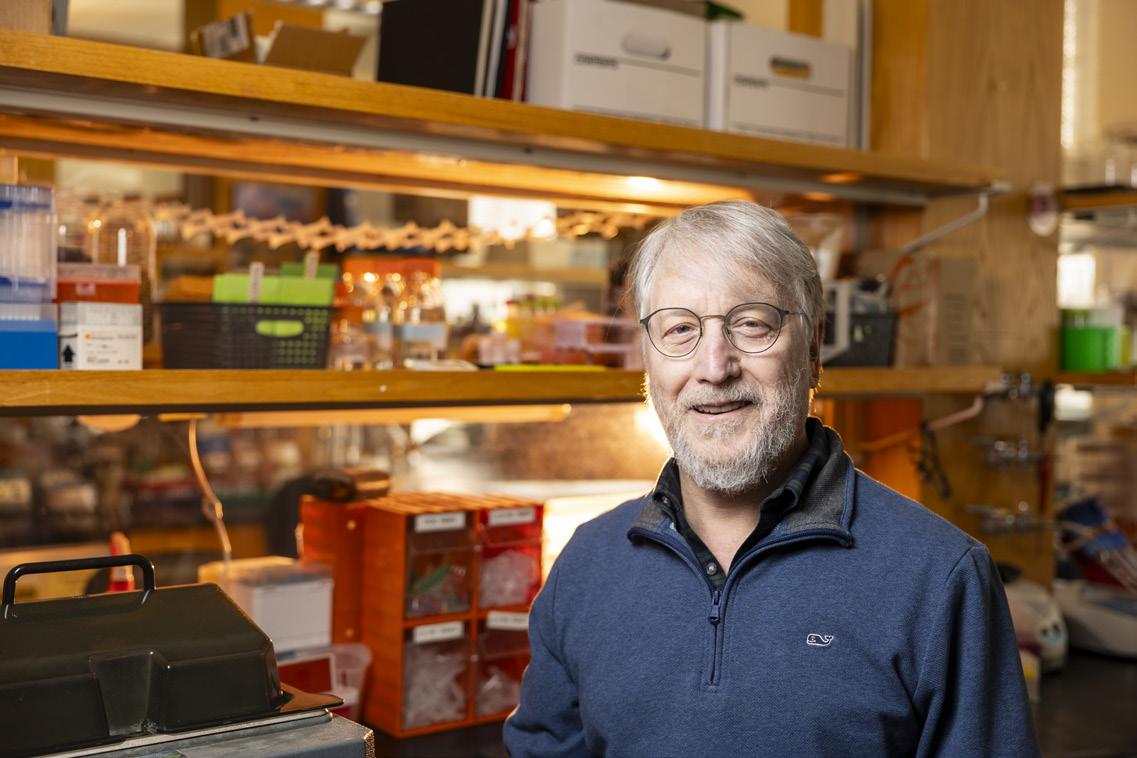
That moment eventually led to several years of working with the Office of Global Engagement to shape study abroad best practices. Parrott chaired the study abroad risk management board for seven years and served on the study abroad strategic planning board for four years. He’s been recognized with both the Study Abroad Director of the Year Award and the Richard Reiff Internationalization Award.
Parrott’s efforts to create new opportunities extend to the classroom, as well. When he first arrived at UGA, he spent two years helping design and secure approval for an applied biotechnology undergraduate major in the entomology department that continues to prepare
UGA Athletic Association Professor in Applied Ecology Odum School of Ecology
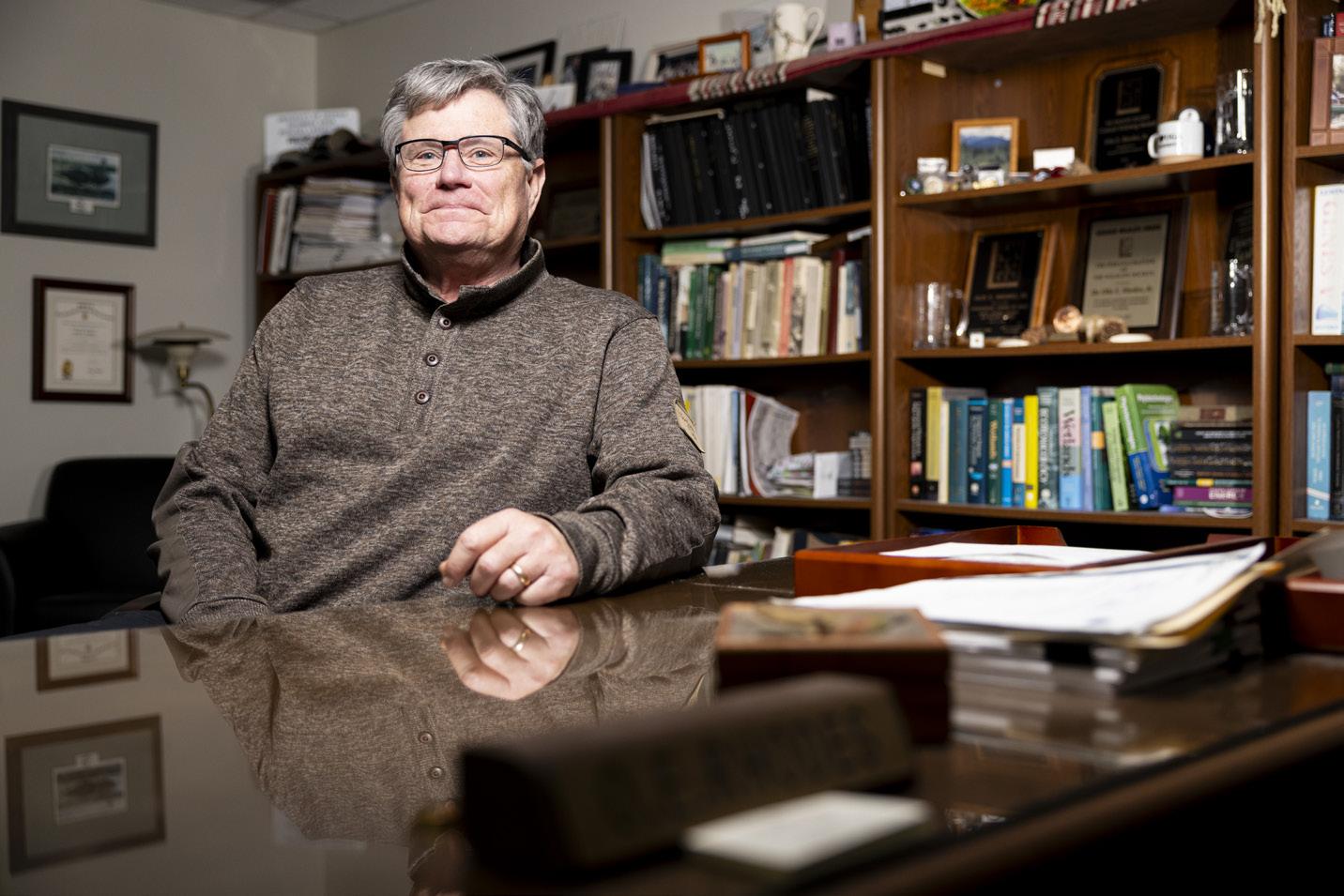
Gene Rhodes has strong ties to the University of Georgia and the Savannah River Ecology Laboratory.
He used SREL’s facilities during his master’s and doctoral studies and worked there as a postdoctoral fellow. In 2012, he returned as its director.
In his tenure as director, Rhodes has revitalized SREL into a productive and internationally recognized ecological research center. Specifically, he has increased the combined SREL staff by 339% — from 46 to 202 — while also growing the number of graduate students at SREL from 6 to 82 and the number of faculty from 7 to 19. Additionally, he has worked with his staff to increase external funding by 500%, leveraging $3 in external funding for every $1 invested by UGA and over $20 in external funding for every $1 of state funding invested in SREL by UGA.
All of this allows SREL to work toward its mission to provide an independent evaluation of the impact of the Savannah River Site’s operations on the environment to the public and to the U.S. Department of Energy.
His leadership was noticed. Rhodes and Larry Hornak, associate vice president for
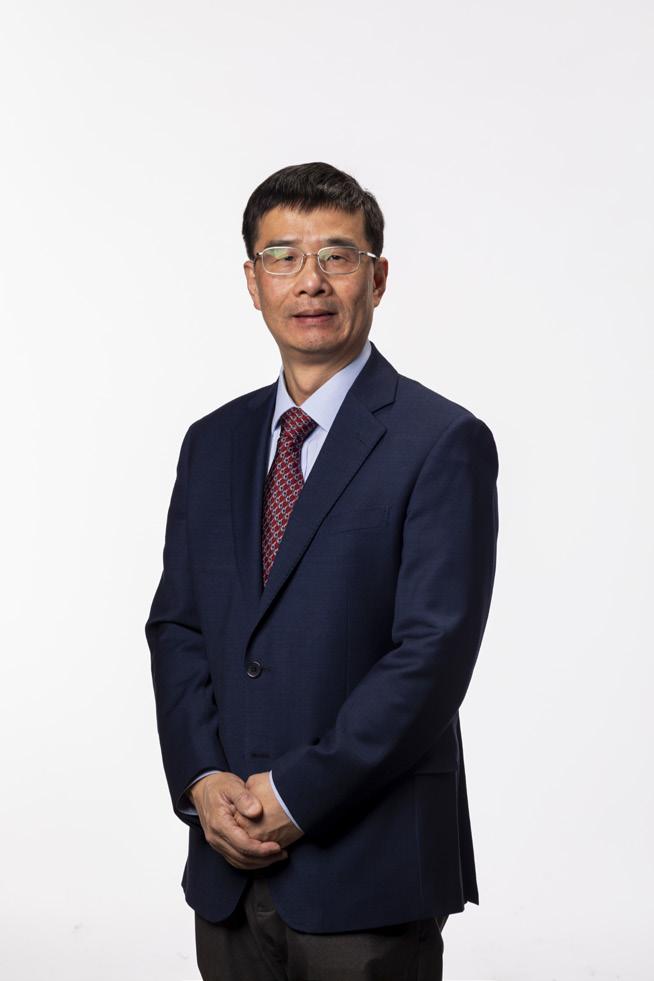
Two University of Georgia faculty members have been named Regents’ Professors in recognition of their innovative and pace-setting research. The honor is the highest professorial recognition bestowed by the University System of Georgia Board of Regents.
Elena Karahanna
C. Herman and Mary Virginia Terry
Distinguished Chair in Business Administration Department of Management Information Systems
Terry College of Business
Elena Karahanna is known for her work in technology adoption.
With over 48,000 Google Scholar citations, she is one of the most cited information systems scholars worldwide, and she has authored three of the 25 most cited papers in MIS Quarterly, the field’s premier journal. She has received the Association for Information Systems LEO Award, the discipline’s highest lifetime honor, and has been elected as both an AIS Fellow and an INFORMS Information Systems Society Distinguished Fellow.
Her research examines how individuals and organizations engage with and are impacted by digital technology. Her works spans critical areas such as technology adoption, algorithmic coordination, health care IT, human-AI collaboration and societal impacts of AI. What makes it unique is that her scholarship consistently anticipates where digital technology and organizations are headed and then provides a novel conceptualization and empirical base on which others build.
“I think it would be fair to say that very few colleagues (if any) in our global community can boast of accomplishments comparable to those of Professor Karahanna and the respect she gets from colleagues around the world,” one colleague wrote. “Not only is her research nationally/ internationally esteemed and considered innovative and foundational in multiple areas, but she also has a reputation for being an excellent editor, mentor and leader.”
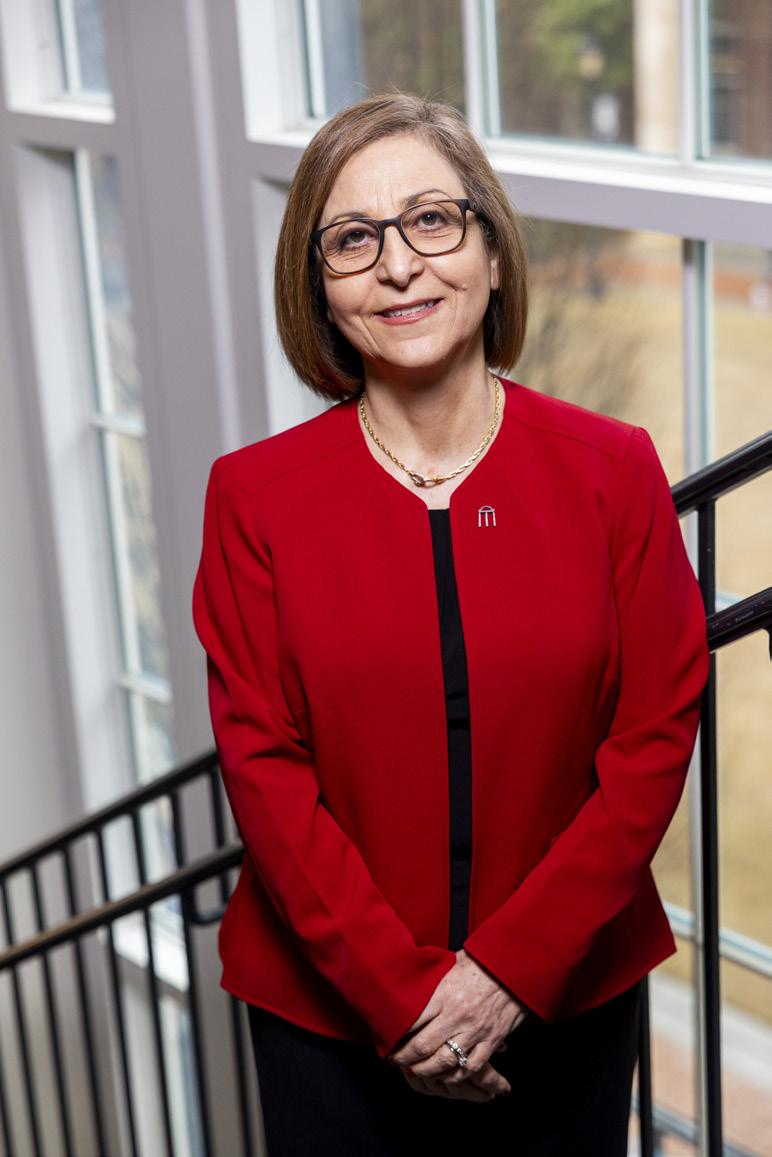
Karahanna has chaired 16 doctoral dissertations — from early graduates who now lead
See KARAHANNA on page 12
Georgia Athletic Association Distinguished Professor of Geography and Atmospheric Sciences
Director, UGA Atmospheric Sciences Program Department of Geography
Associate Dean for Research, Scholarship, and Partnerships
Franklin College of Arts and Sciences
Marshall Shepherd explores the physical, human and socioeconomic aspects of extreme weather.
His research examines the intersection of weather, risk, vulnerability and communication. He is viewed as one of the pioneering scholars advancing the understanding of how urban environments modify rainfalls, thunderstorms and flooding. His group’s recent studies have developed artificial intelligence/machine learning techniques to predict inland tropical intensification. That work led to a unique distinction — Shepherd was elected to the National Academy of Sciences, the American Academy of Arts and Sciences and the National Academy of Engineers in the same year. He’s earned numerous recognitions throughout his career, including SEC Professor of the Year in 2022. In addition, he served as president of the American Meteorological Society in 2013, among roles on other boards and committees.
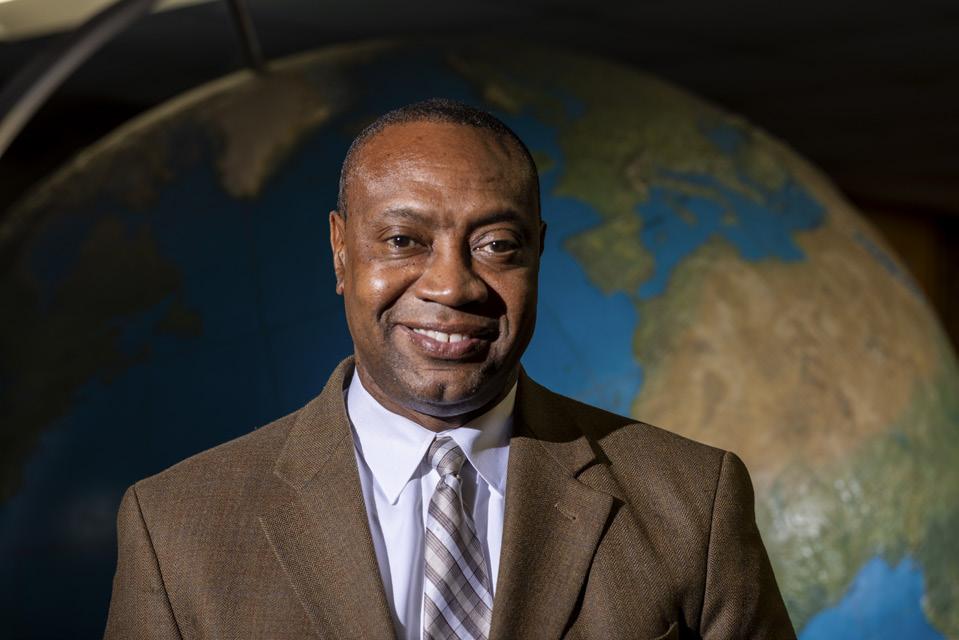
“Throughout Dr. Shepherd’s career, he has demonstrated exceptional capacity for innovative thought, visionary leadership and meaningful action. His extensive research fosters deeper understanding of the role of climate and how it relates to community impact and preparation,” one colleague wrote. “His work stands as a testament to the difference one person can make in the fight for a better, more sustainable world as well as the power of scientific inquiry.”
See SHEPHERD on page 12
The University of Georgia Award for Excellence in Teaching recognizes exemplary instruction by teaching faculty at the University of Georgia. These teachers show the strong commitment to UGA’s teaching mission, and the award recognizes the corps of teaching faculty that dedicate their time primarily to outstanding teaching endeavors, in and out of the classroom.
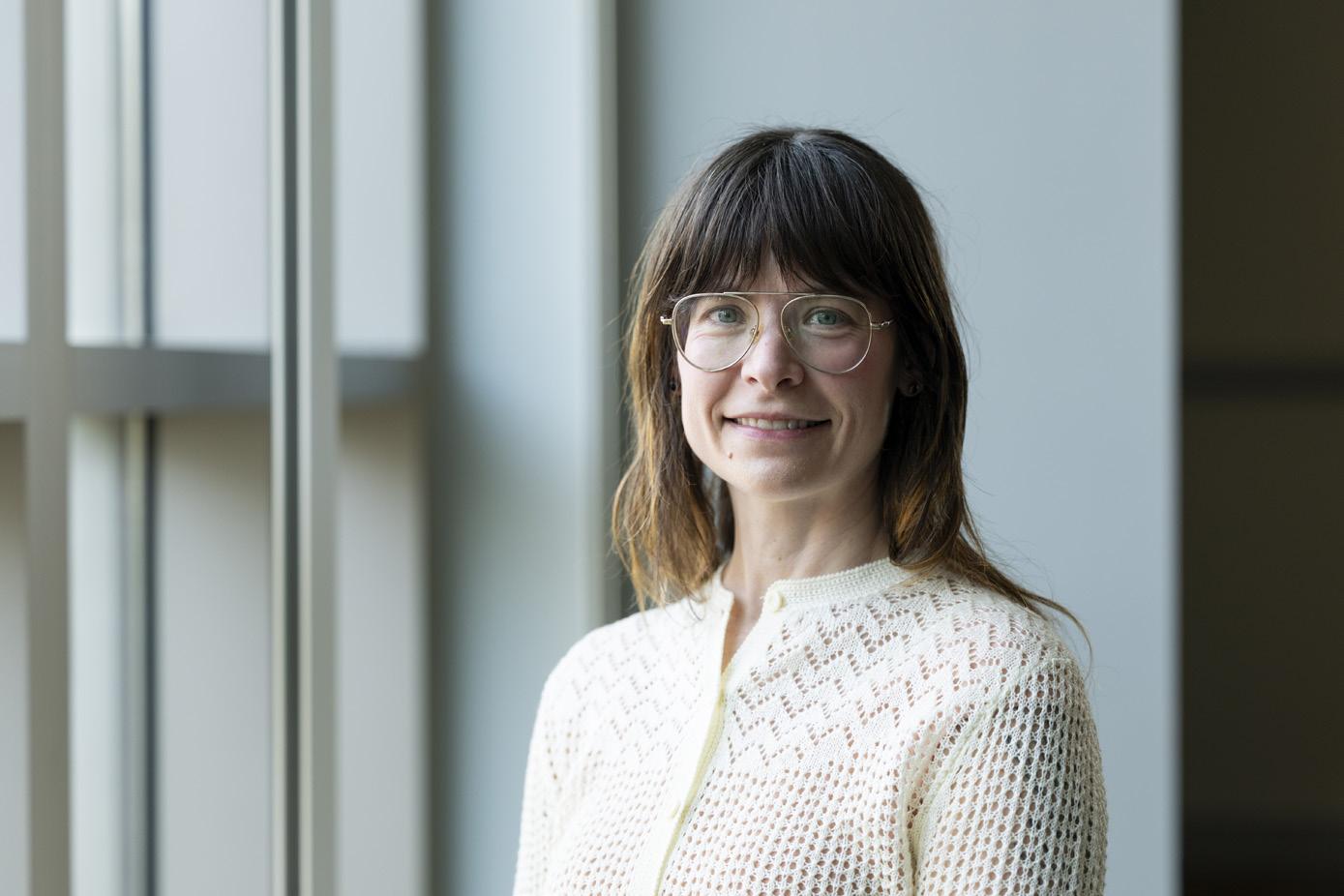
Melissa Scott Kozak Principal Lecturer
Department of Human Development and Family Science College of Family and Consumer Sciences
Melissa Scott Kozak truly is a lifelong learner.
“Learning is my goal every day,” Kozak said. “As a teacher, I am a learner first. To be a responsive teacher, it is critical that I learn about my students, my field and my teaching practice. This ongoing curiosity shapes how I think about learning itself — that it occurs in multiple ways, in diverse spaces.”
Those spaces are not limited to classrooms. Kozak transformed her Family Life Education Methodology course into a service-learning experience that partnered students with UGA Cooperative Extension agents across Georgia to implement community-based projects. Students applied their knowledge and skills to meet a community-identified need, issue or problem. This work earned Kozak a UGA Service-Learning Teaching Excellence Award in 2025. Kozak seeks out learning opportunities for herself, too. She has been selected to participate in the Writing Fellows, Special Collections Libraries Fellows, Service-Learning Fellows, Active Learning Summer Institute, Transformative Teaching Fellows and the FACS Faculty Fellows programs.
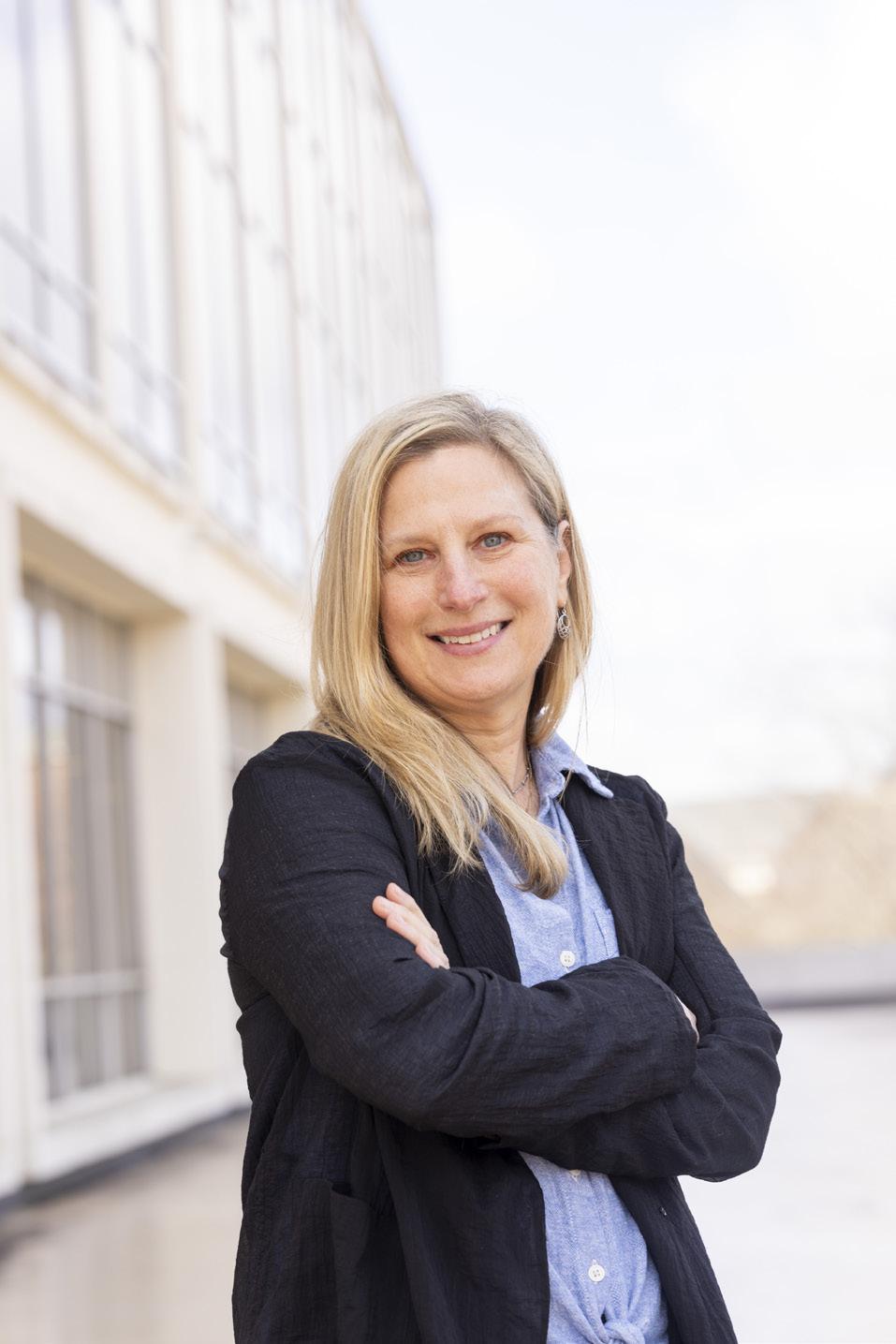
Department of Advertising and Public Relations
Grady College of Journalism and Mass Communication
Kim Landrum centers her teaching on three main pillars: curiosity, consistency and deliberate practice.
“These three pillars are key to developing confidence, and confidence is a necessary component in student success and longevity,” Landrum said. “If I can remind students that learning is empowering and mastery builds confidence, then perhaps this idea will stay with them through their own lives in the same way it has in mine. While I can’t teach confidence in the same way I can teach a student to utilize hierarchy in a design, I can encourage it by creating a safe environment to learn, providing feedback that supports but also corrects, and cultivating a meaningful desire to learn.”
Landrum has designed and implemented several new, high-demand courses that have become cornerstones of the AdPR creative sequence. Her Social Media Content & Production course, introduced in 2020, was quickly adopted as a permanent offering. Building on its success, she developed Podcast Branding & Production, which provides students with hands-on experience in Grady College’s podcast studio.
The Richard Reiff Award for Campus Internationalization, given annually by the Office of Global Engagement, recognizes full-time faculty members who have made exceptional contributions to global education at the University of Georgia.
Victoria Hasko
Associate Professor
Department of Germanic and Slavic Studies Department of Linguistics
Franklin College of Arts and Sciences
Victoria Hasko knows that transformative learning extends well beyond the classroom.
“Throughout my tenure, I have worked to expand access to exceptional global learning opportunities for UGA students through nationally recognized curricular innovation, high academic rigor and a sustained commitment to reducing financial barriers,” she said.
Hasko has served as the director of UGA’s Russian Flagship Program since fall 2018. To date, she has secured more than $7 million in federal funding for global educational initiatives from multiple agencies.
The Language Flagship is a national initiative designed to prepare future global professionals with advanced language proficiency and deep global expertise. Hasko has led the development of a four-year Russian Flagship curriculum that integrates intensive language study with disciplinary engagement across the university and has served students from more than 30 distinct majors. These collaborations inspire students from
The title of Distinguished Research Professor recognizes senior faculty members who are internationally recognized for their innovative body of work and its transformational impact on the field. The Professorship is awarded to individuals working at the very to as preeminent leaders in their fields of study.
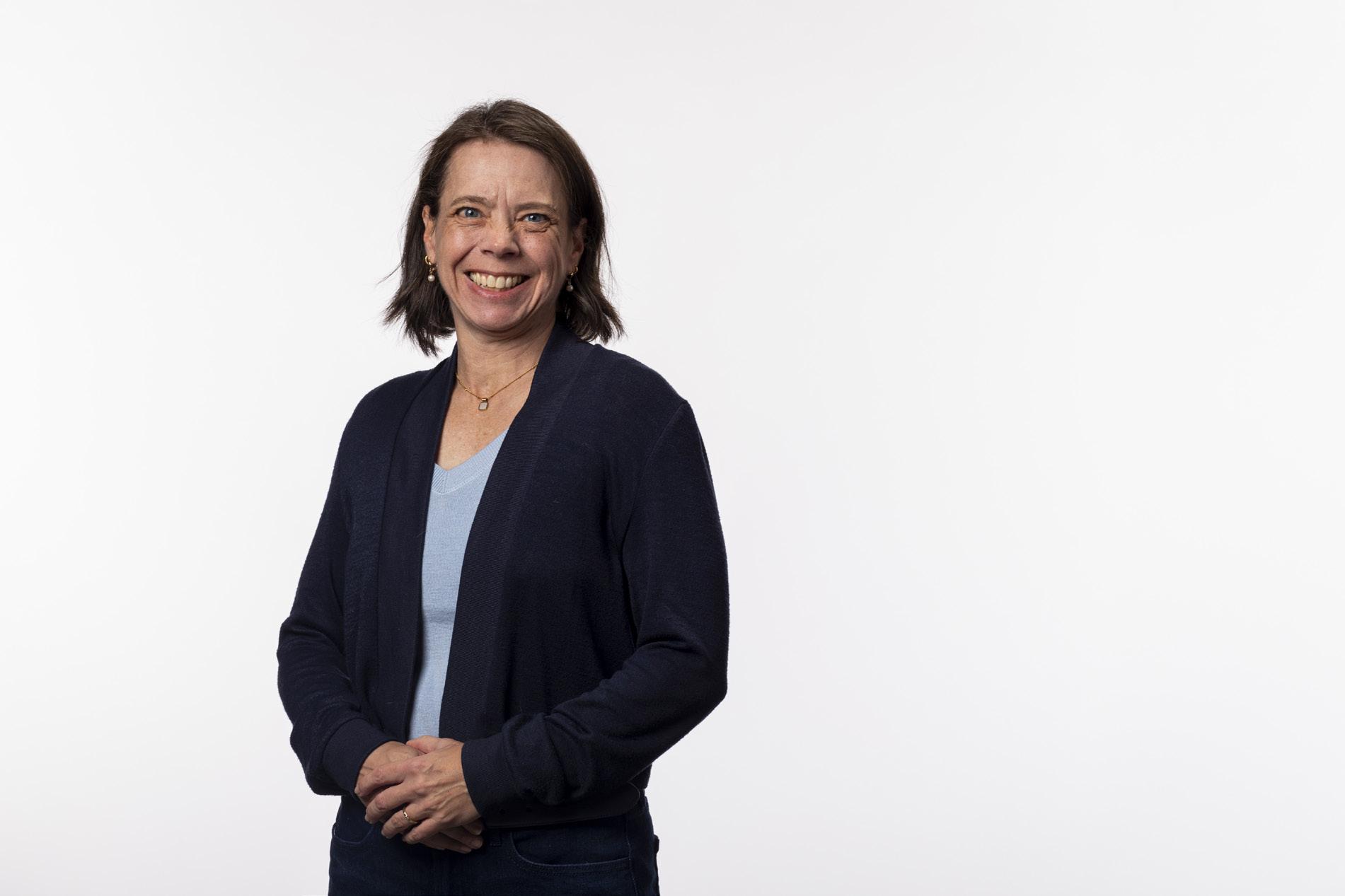
generalize, reason and construct mathematical meaning, producing theoretical frameworks that are now central to research and practice in the field. Her scholarship bridges cognitive theory and classroom application, influencing how algebra is taught in K-12 and undergraduate settings worldwide. Ellis’s work has appeared in the most selective journals in mathematics education and the learning sciences, including Journal for Research in Mathematics Education, Cognition and Instruction and Science. She has sustained continuous external funding for more than 20 years, securing nearly $10 million from federal agencies, and her research has informed national policy, curriculum design and teacher preparation by shaping how educators understand the development of algebraic thinking.
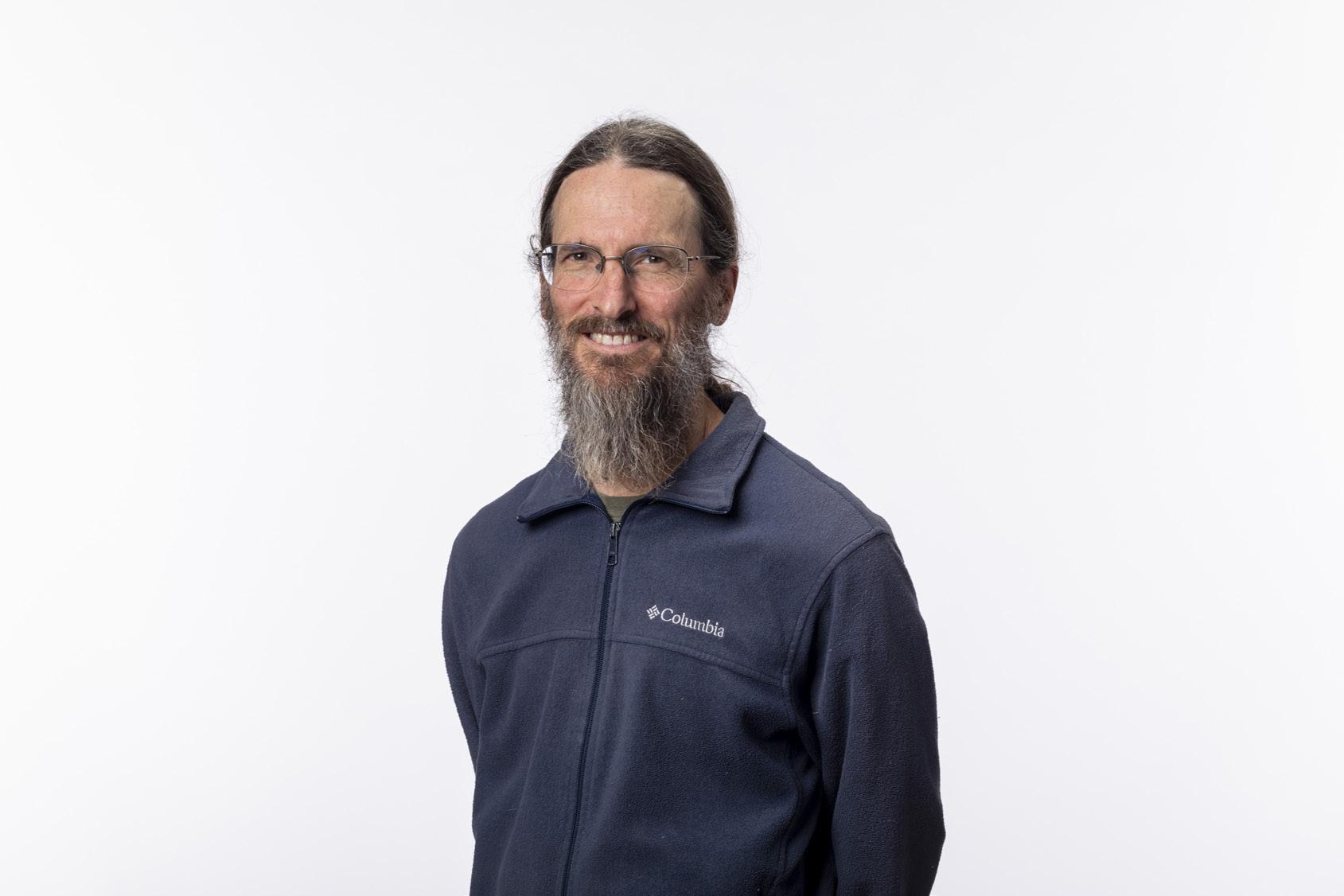
ematician whose research has transformed understanding of the structure of complicated geometric spaces. His work addresses fundamental questions about how multidimensional spaces can be broken down into simpler, more manageable pieces — questions that lie at the heart of modern topology and theoretical physics. Gay is best known for introducing “trisections,” a powerful new framework that provides a systematic way to decompose four-dimensional spaces into three interacting components. Developed in a landmark 2016 paper, this approach resolved long-standing obstacles in the field and has become a foundational tool used by mathematicians worldwide. It sparked extensive new research and enabled progress on problems that resisted solution for decades. Supported by sustained funding from the NSF and the Simons Foundation, Gay’s work has also led to major international leadership roles, including at the Max Planck Institute and the Centre International de Rencontres Mathématiques, reflecting the broad influence of his contributions.
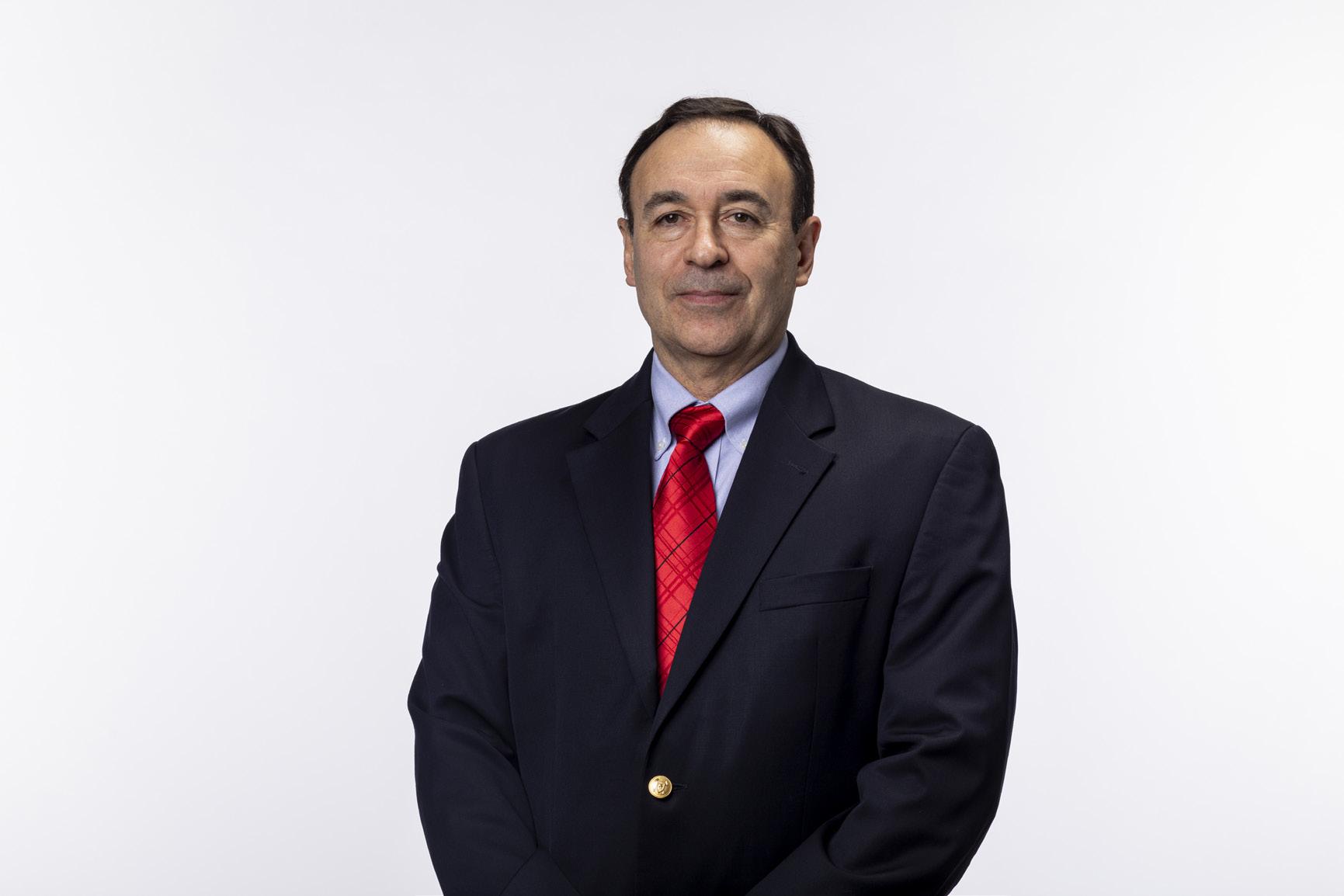
Daniel Perez in the College of Veterinary Medicine and Caswell S. Eidson Chair in Poultry Medicine, has built an in ternationally influential research career focused on the evolution, transmission and control of avian influ enza and other emerging viral diseases. His work has fundamentally advanced understanding of how in fluenza viruses adapt, spread and cross species barriers, providing critical insight into threats to animal agri culture, wildlife and human health. Perez is widely known for pioneering re search on live attenuated influenza vaccines and novel strategies to control highly pathogenic avian influenza in poultry. His studies have directly informed disease surveillance, biosecurity practices and outbreak response strategies in the U.S. and abroad. Consistent and significant support from federal agencies has enabled Perez to build a research program with clear translational impact, bridging molecular virology, immunology and applied disease control. Through extensive publication, international collaboration and leadership during major avian influenza outbreaks, Perez’s work has shaped both scientific understanding and practical approaches to managing infectious disease threats in animal health.
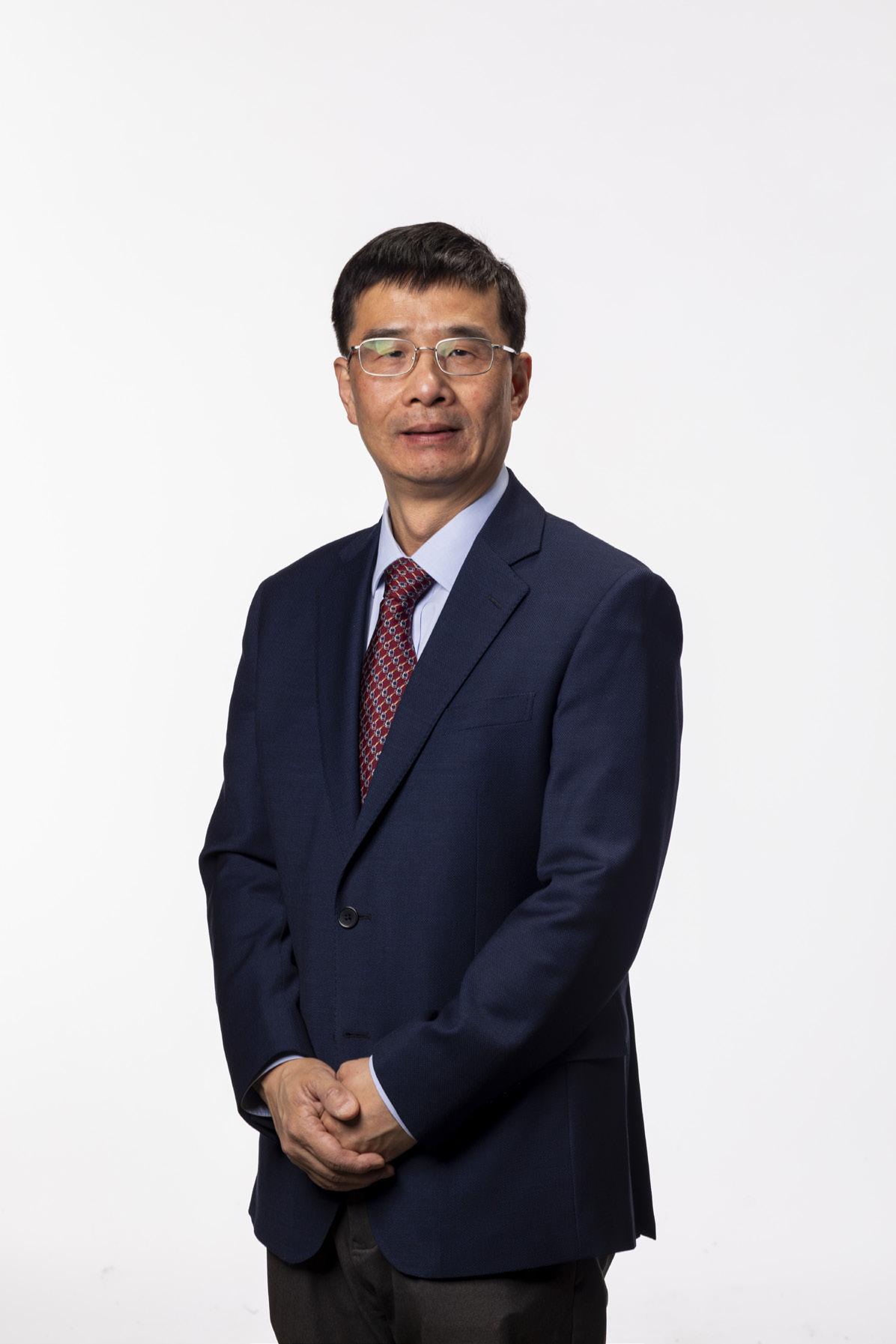
Qingguo (Jack) Huang, professor in the College of Agricultural and Environmental Sciences, has built a career defined by transformative contributions to environmental research and pollutant remediation. His work has reshaped how persistent contaminants are treated in water and soil, addressing compounds once thought to be nearly impossible to remediate. Over the course of his career, Huang has developed innovative catalytic technologies to break down highly stable pollutants, including per- and polyfluoroalkyl substances (PFAS), often called “forever chemicals.” His research integrates science with application, leading to practical solutions to urgent environmental and public health challenges. Most notably, Huang pioneered methods for degrading PFAS in contaminated water — work that has resulted in patented technologies now licensed and commercialized for real-world use. His discoveries have helped position UGA as a national leader in PFAS research and remediation. With more than 200 peer-reviewed publications, sustained federal funding and technologies adopted by industry partners, Huang’s career demonstrates how fundamental science can translate into impactful environmental solutions.
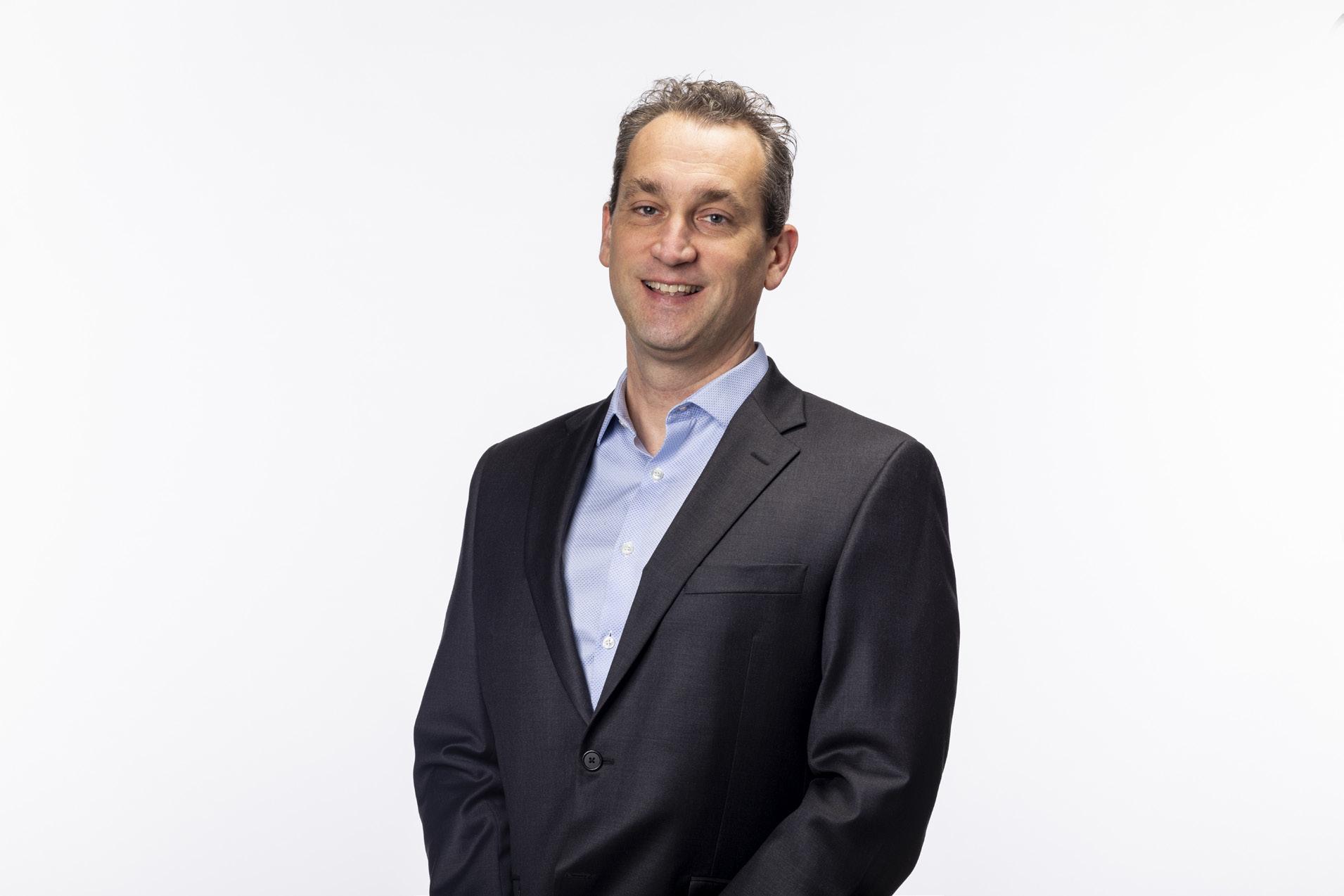
breeding and biotechnology. Supported by major federal funding and published in leading journals, Schmitz’s research has helped establish epigenomics as a central framework for understanding plant genome function.
The university established the Creative Research Medals in 1980 to recognize a distinct and exceptional research or creative project, performed by a mid-career faculty member, with extraordinary impact and significance to the field of study.
Sun Joo (Grace) Ahn professor in the Grady Col lege of Journalism and Mass Communication and direc tor of the Center for Ad vanced Computer-Human Ecosystems, is recognized for the Virtual Fitness Buddy Ecosystem, a multi-year research project addressing childhood physical inactivity through immersive technol ogy and personalized social support. The project inte grates affordable wearable sensors, mobile devices and a mixed-reality kiosk with an algorithmically driven virtual dog designed to motivate children to initiate and sustain physical activity. Grounded in behavioral sci ence and human–computer interaction, the Ecosystem adapts to each child’s pace and needs, encouraging long-term engagement. The project emphasizes accessibility and scalability, using off-the-shelf technologies to reach diverse popula tions. Supported by a five-year NIH R01 grant and extended through the COVID-19 pandemic, the research demonstrates how technology-mediated social support can pro mote healthier behaviors in real-world settings. Through this innovative project, Ahn advances evidence-based approaches to child health aligned with principles of precision and personalized intervention.
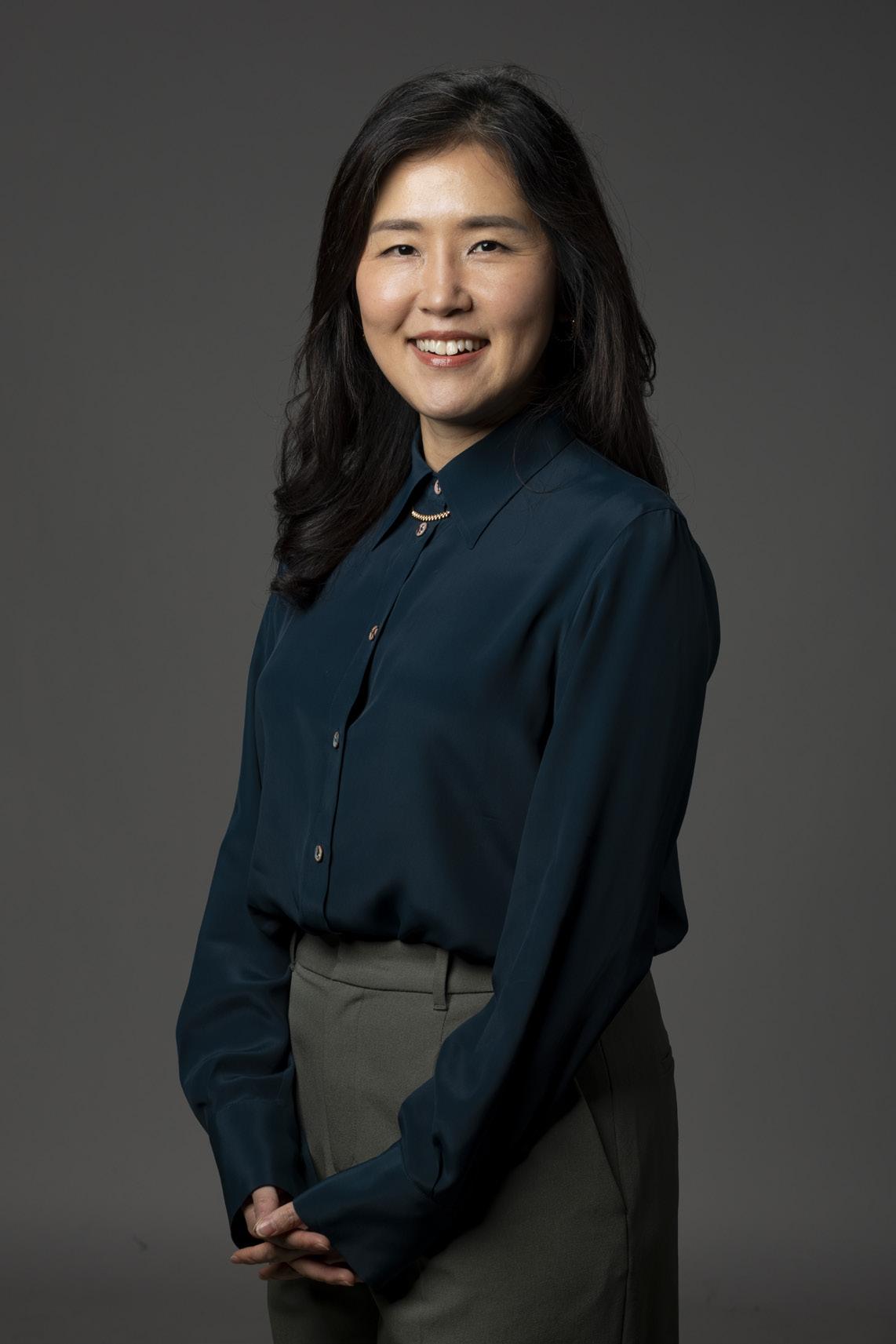
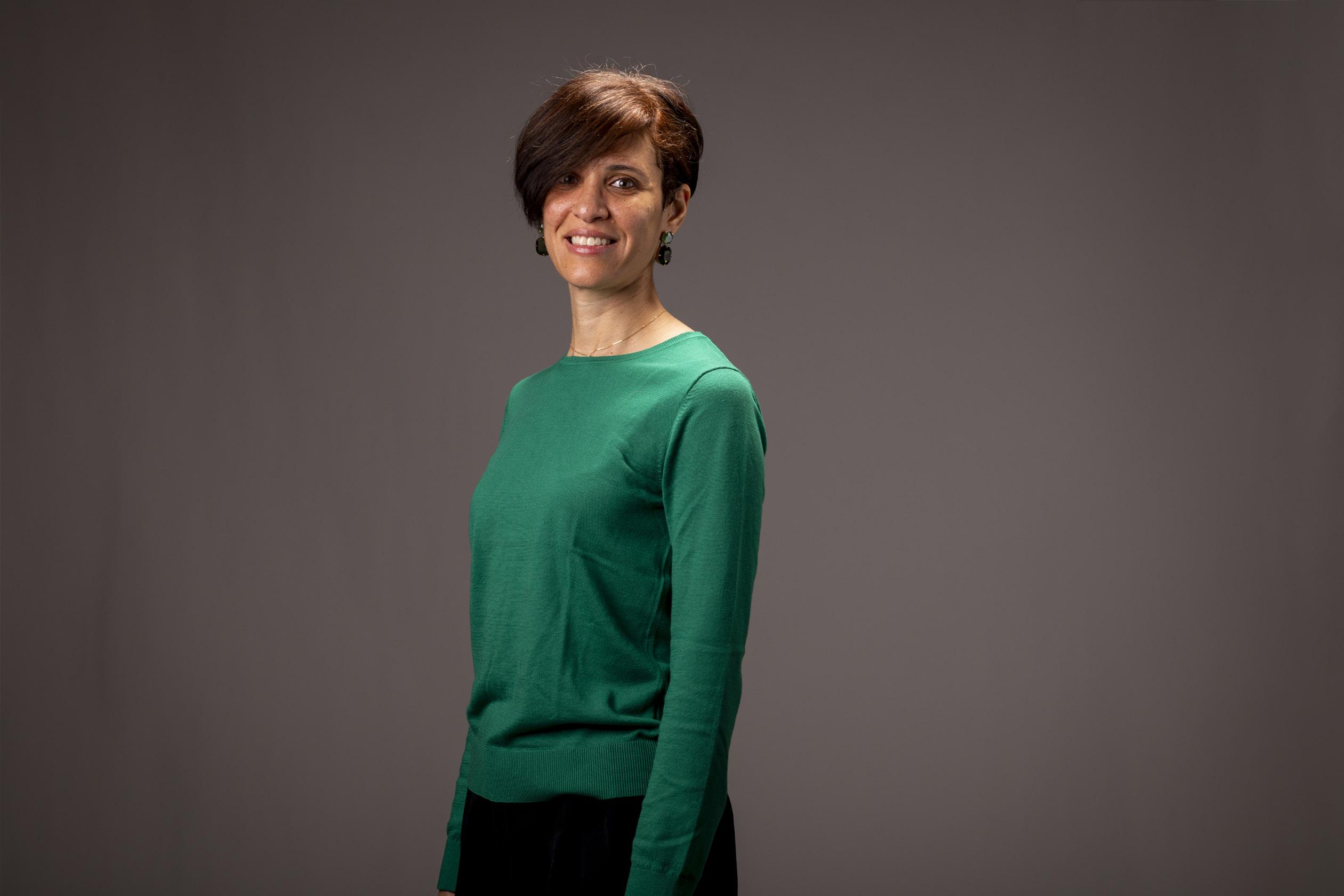
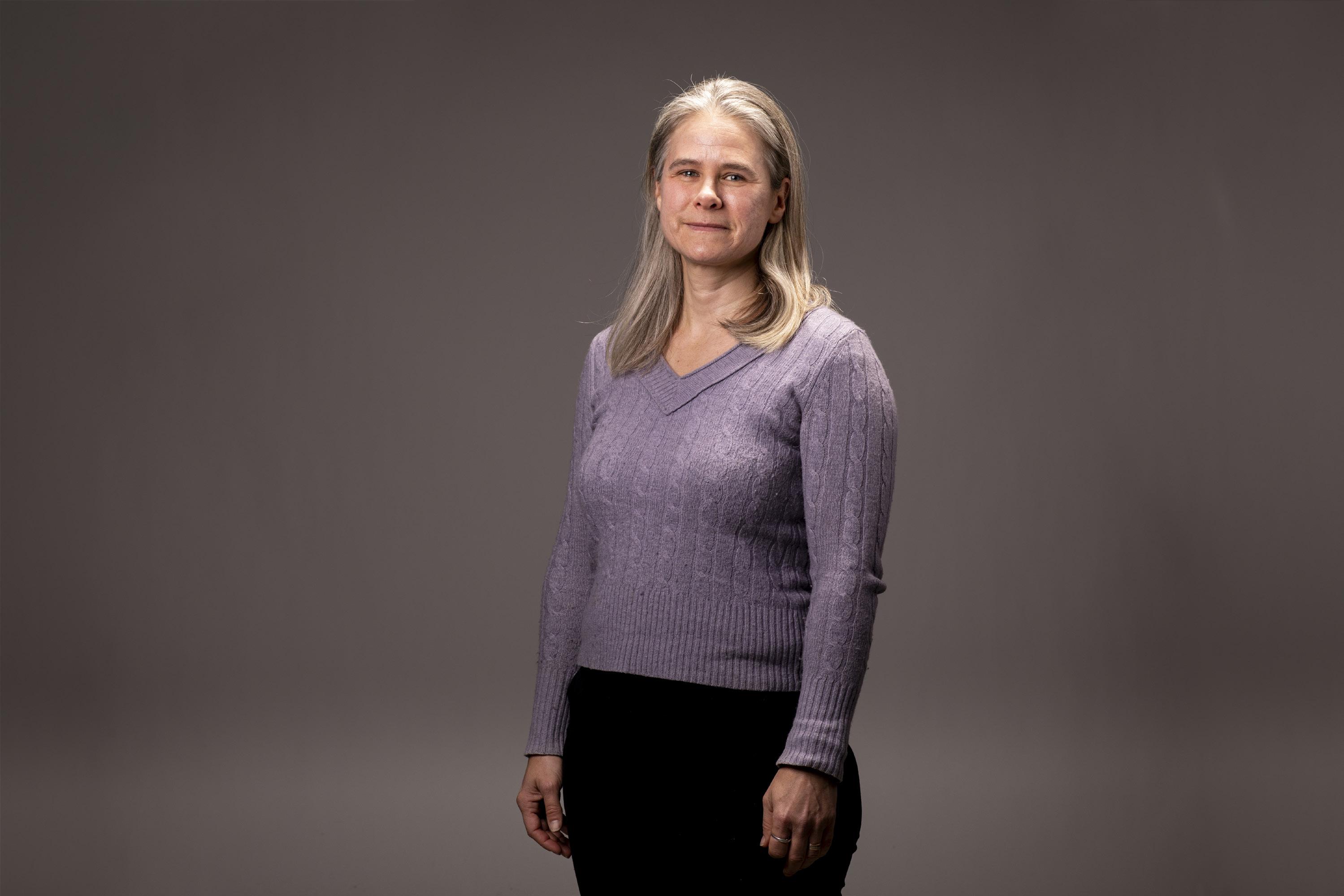
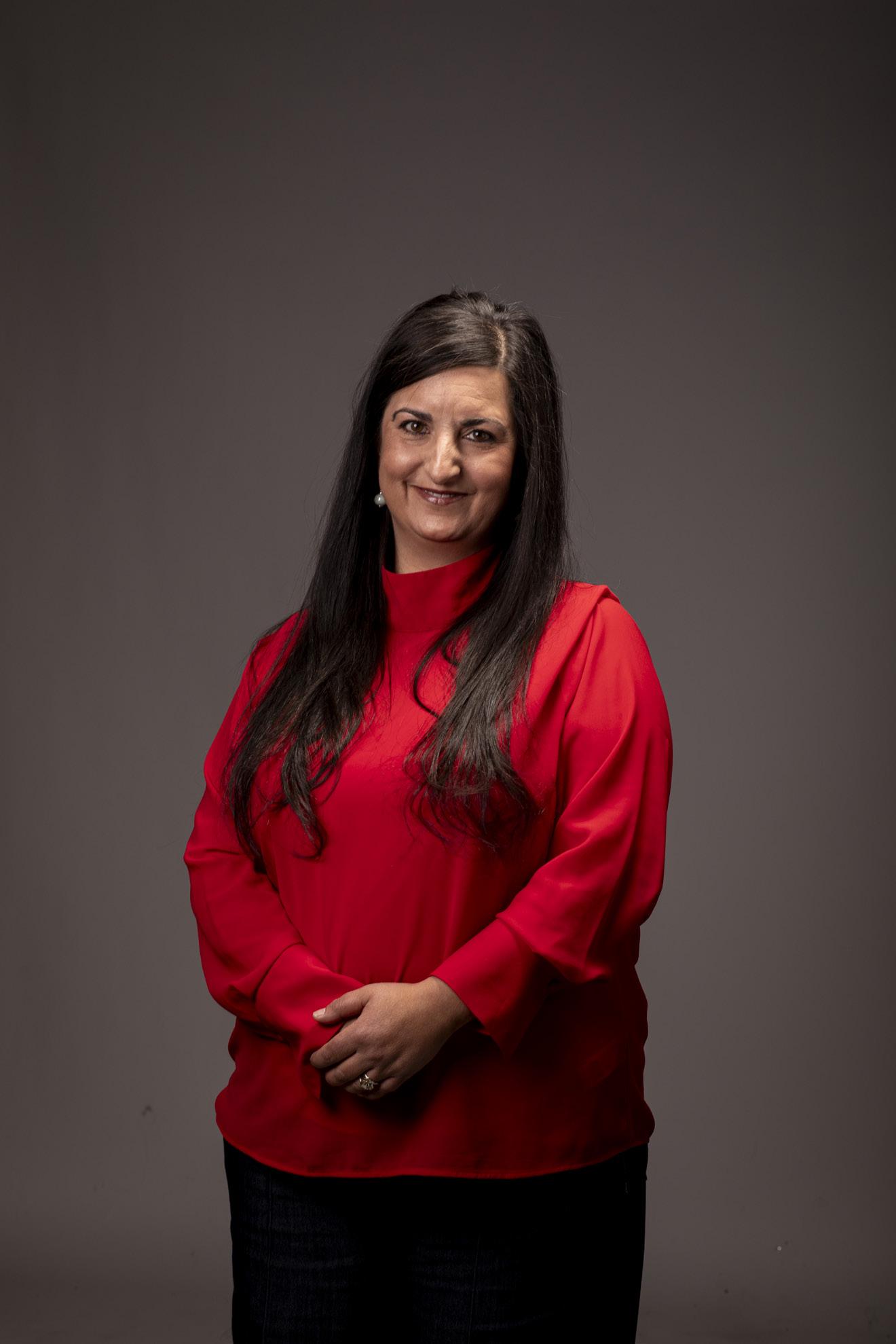
two islands — Hispaniola in the Caribbean and Manhattan in New York. Introducing the groundbreaking concept of “sonic literary texts,” she explores novels, poetry, music and performance that respond to political repression, migration and the complexities of transnational life. Praised by leaders in the field, Bridging Sonic Borders has earned national and international recognition, multiple award nominations and meaningful impact across Latinx, Caribbean and sound studies. Fueled by public engagement through news articles, social media events and public talks, Maíllo-Pozo invites scholars and broader communities to reimagine conversations about immigration, diaspora and belonging.
ing the need for time-consuming and costly traditional methods. Following national and international application in food animal production systems, the tool has made rapid impact by assisting stakeholders in characterizing Salmonella dynamics to improve public health. The project has generated high-impact publications, sustained external support and received broad recognition as a practical and transformative contribution to foodborne illness research. Through this focused effort, Shariat’s work strengthens national and global capacity to monitor and subsequently control Salmonella, with the outcome of improved food safety and enhanced public health.
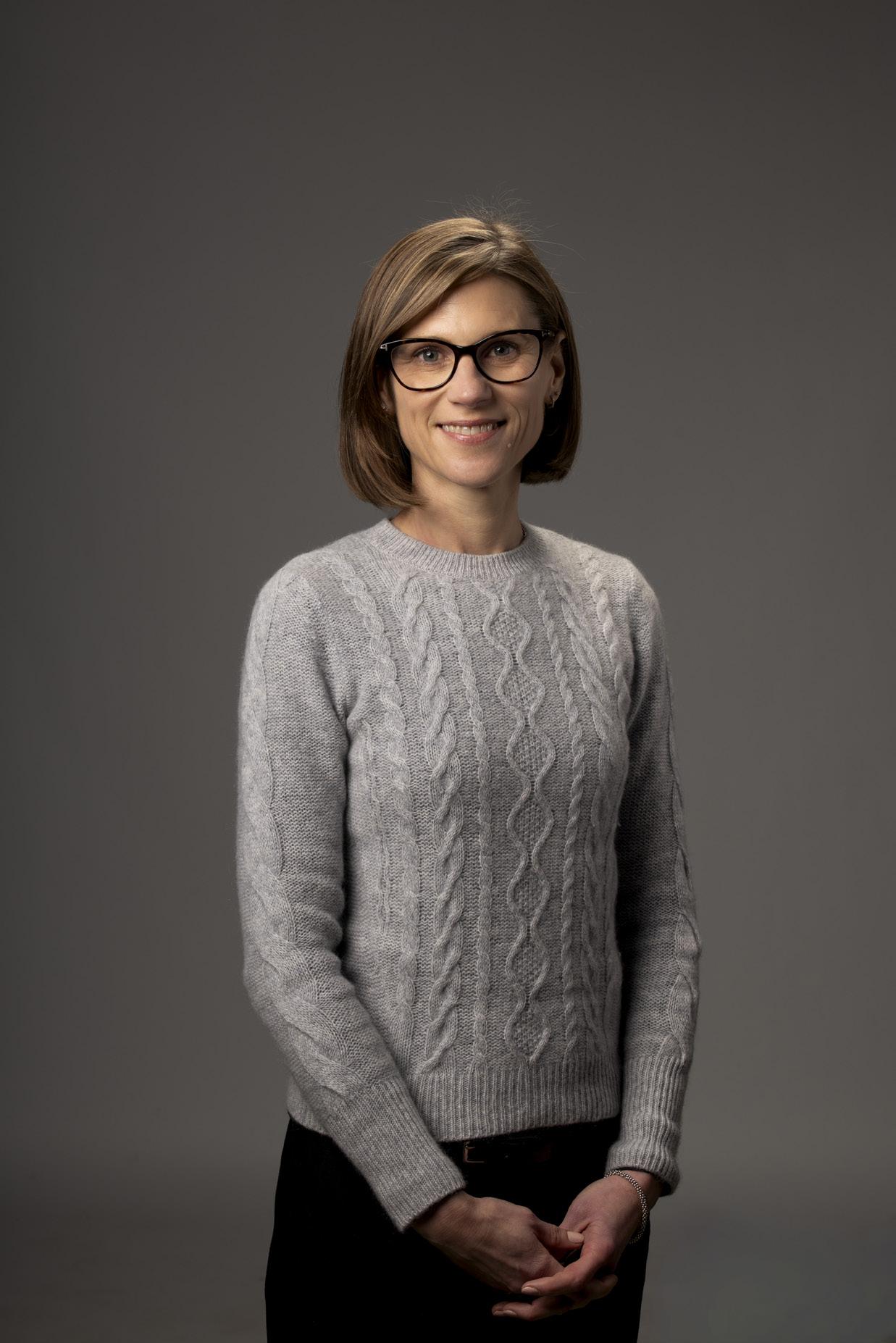
Amanda Spivak, professor in the Franklin College of Arts and Sciences’ Department of Marine Sciences, has advanced scientific understanding of estuaries and wetlands and how disturbances like nutrient pollution, sea-level rise and land-use change affect coastal resilience. Her interdisciplinary research combines ecosystem ecology with novel biogeochemical approaches to describe how molecular-scale processes can affect entire landscapes. This has yielded new insights into how natural, created and restored coastal environments function and change over time. As co-director of the NSF-funded Georgia Coastal Ecosystems Long-Term Ecological Research project, Spivak draws on collaborative research from the Georgia coast to translate complex ecosystem processes into clear, evidencebased narratives that connect local environmental conditions to broader climate dynamics. She has created accessible research products that reach policymakers, coastal managers, educators and community audiences, supporting environmental decision making with scientific knowledge. By grounding public engagement in sustained field science, Spivak’s work demonstrates how research-driven communication can inform stewardship of vulnerable coastal systems.
March 30, 2026
These awards recognize established investigators whose overall scholarly body of work has had a major impact on the field of study and has established the investigator’s international reputation as a leader in the field.
Albert Christ-Janer Creative Research
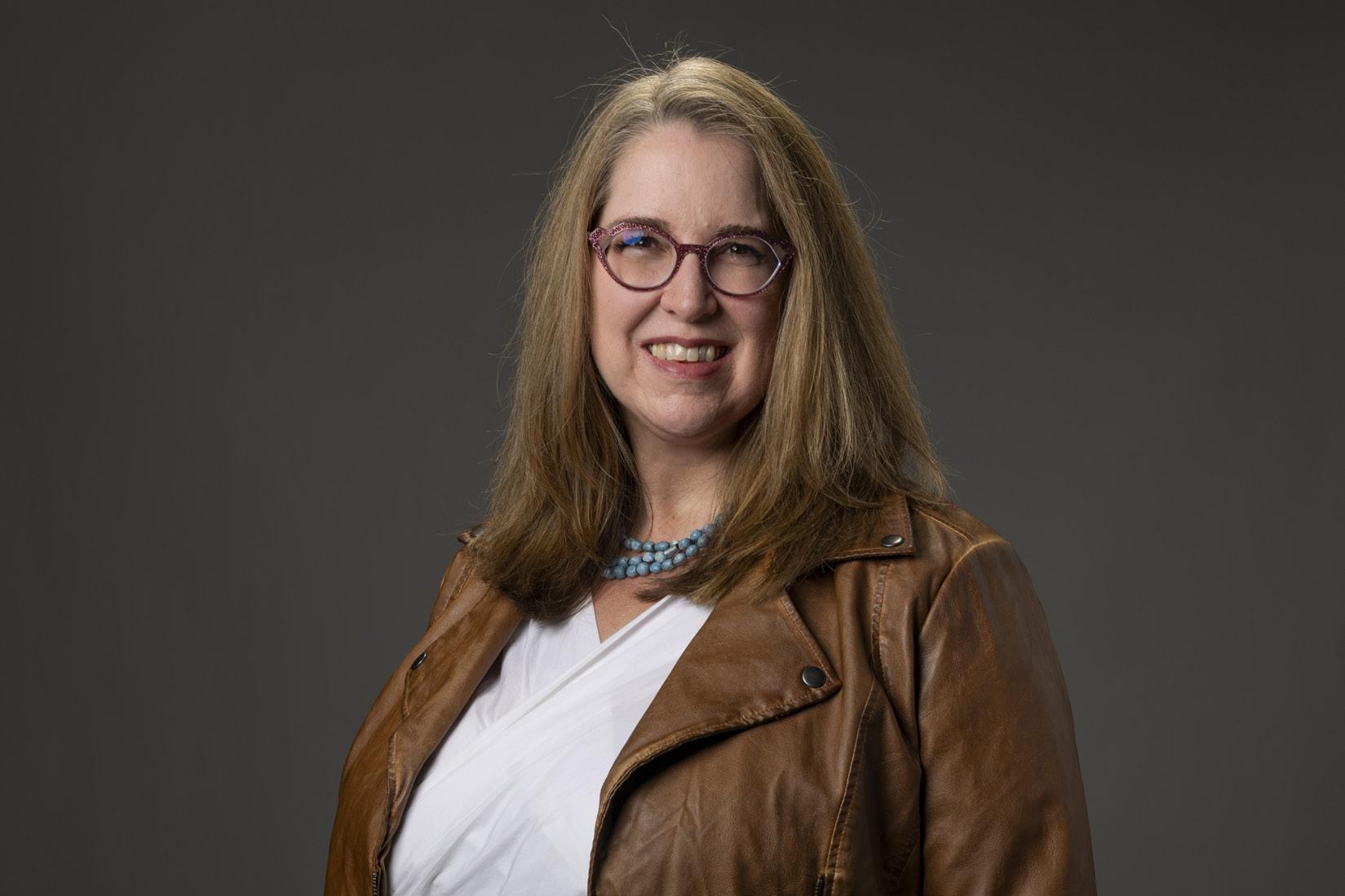
Jennifer Palmer associate professor in the Franklin College of Arts and Sciences’ Depart ment of History, is an internationally recognized historian whose schol arship reshapes under standing of race, gender and slavery in the French Atlantic world. Palmer’s research integrates legal, social and cultural history to examine how colonial subjects — particularly women and people of African descent — navi gated family, property and power across France and its Caribbean empire. Her prize-winning first book, “Intimate Bonds: Family and Slavery in the French Atlantic,” transformed the field by revealing how everyday relationships and household structures shaped racial and legal regimes on both sides of the Atlantic. Palmer’s current book project, “Possession: Gender, Race, and Ownership in the French Caribbean,” offers a new interpretation of property law by centering women’s legal and extralegal practices within imperial systems of exclusion. Through sustained archival innovation and conceptual rigor, Palmer has established lasting international impact in early modern Atlantic history.
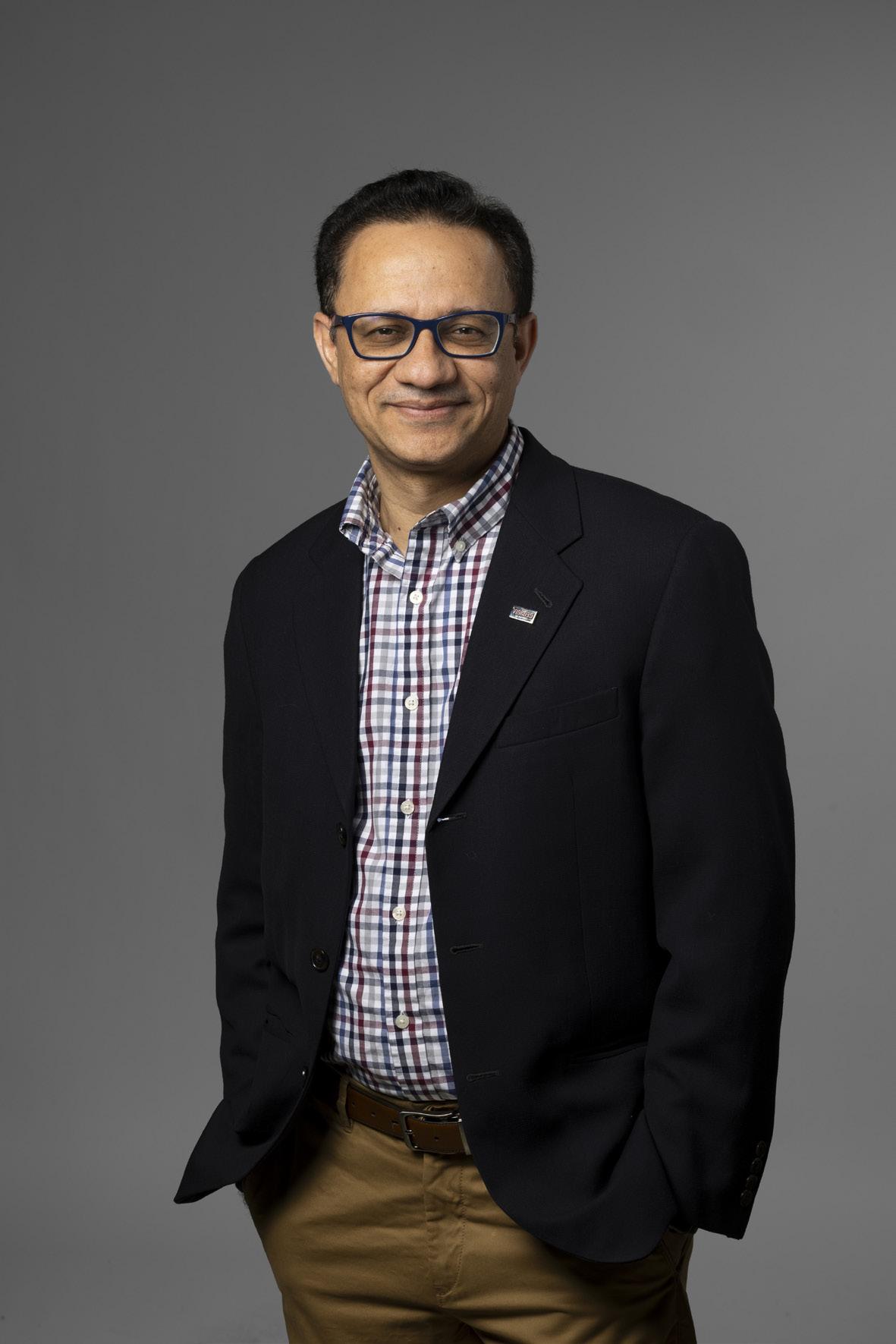
thrombosis and infection on blood-contacting medical implants. Drawing on fundamental materials design and clinically relevant animal models, his laboratory creates bioinspired surfaces that mimic the body’s natural nitric oxide production, improving hemocompatibility and antimicrobial performance. Handa’s influence is reflected in over 135 peer-reviewed publications and his reputation in biomaterials research. His collaborative projects have secured more than $25 million in funding from agencies including the NIH, CDC and the U.S. Department of Defense. Complementing his academic research, Handa has translated discoveries into practice through patents and startup companies focused on medical device innovation. Collectively, his achievements demonstrate sustained excellence with far-reaching scientific and clinical impact.
Lamar Dodd
John Drake , Regents’ Professor in the Odum School of Ecology, is recognized for a body of creative scholarship that has reshaped theoretical population biology and its applications to ecology, epi demiology and public health. Drake integrates mathemati cal theory, statistical innova tion and high-performance computing to explain how populations fluctuate, spread, persist or collapse. His foun dational work on ecological unpredictability, extinction thresholds and early warn ing signals established new frameworks for anticipating critical transitions, influencing research in conservation biol ogy and climate science. Drake has extended these insights to infectious disease dynamics, developing data-driven and mechanistic models that improve forecasting of epidemics, including COVID-19, influenza and zoonotic spillover. By uniting machine learning with ecological theory, his research has produced predictive tools adopted by scientists and public health agencies. With more than 200 publications in leading journals and sustained support from federal agencies such as the NSF, NIH and CDC, Drake’s work exemplifies creative research that advances theory while addressing urgent global challenges.
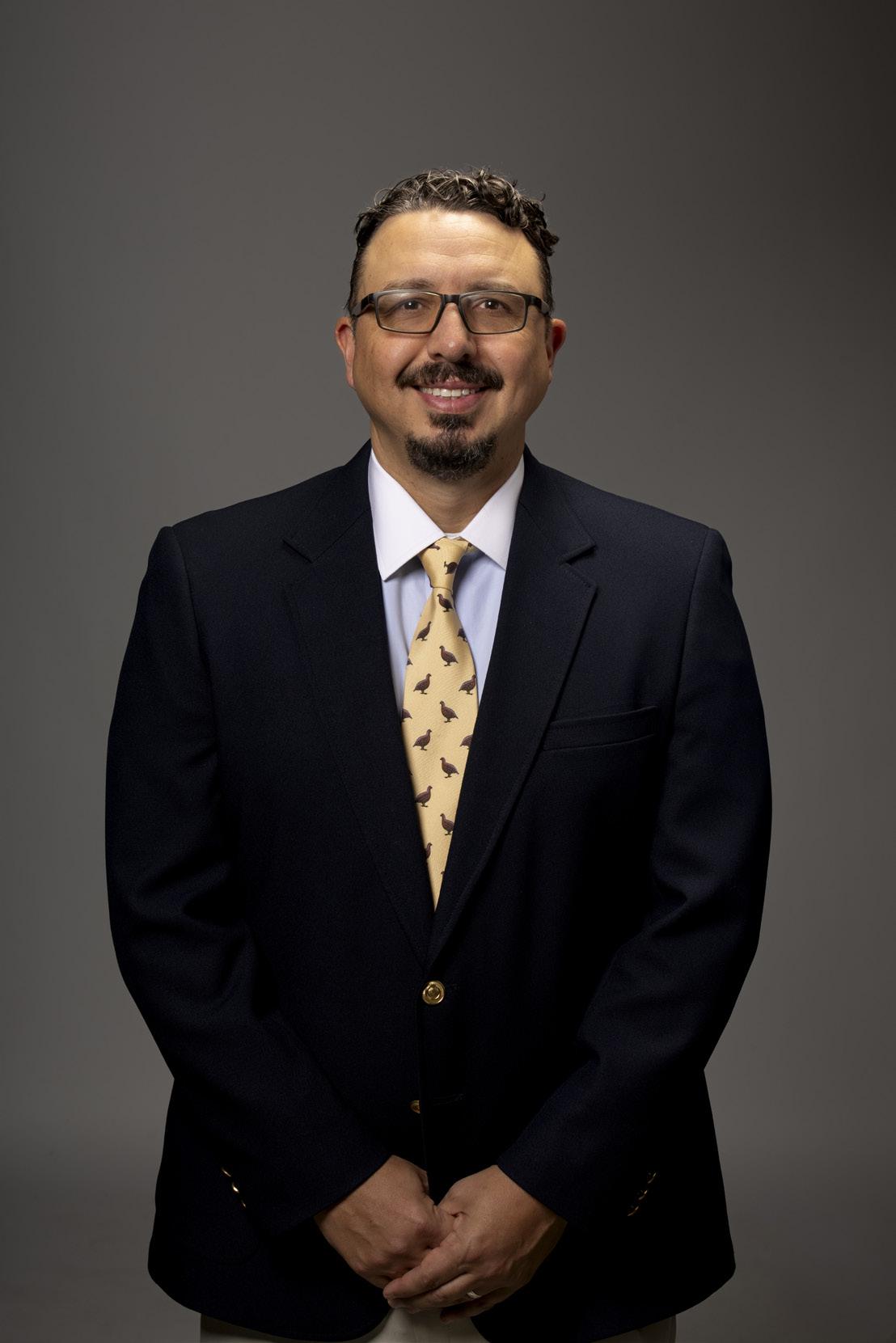
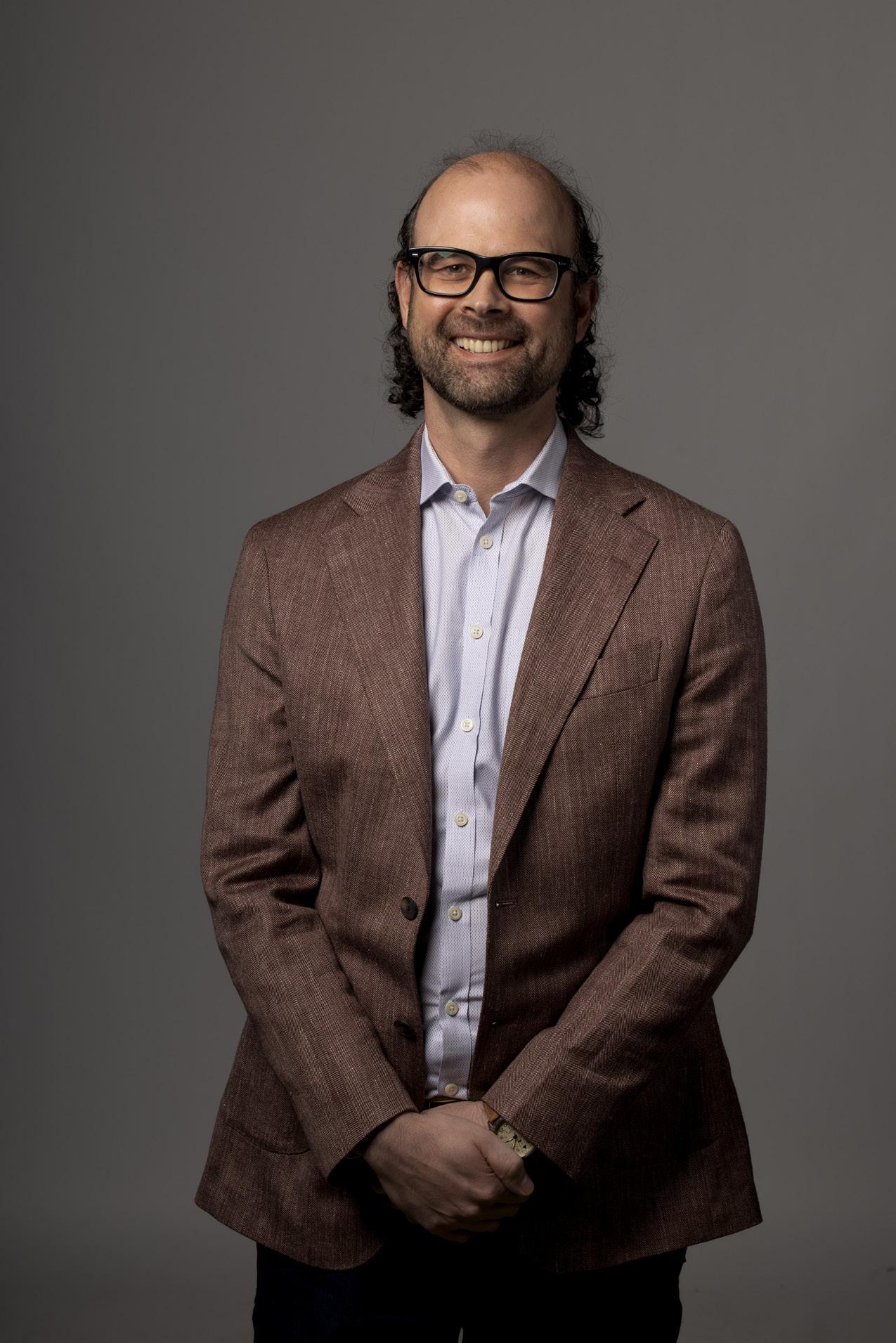
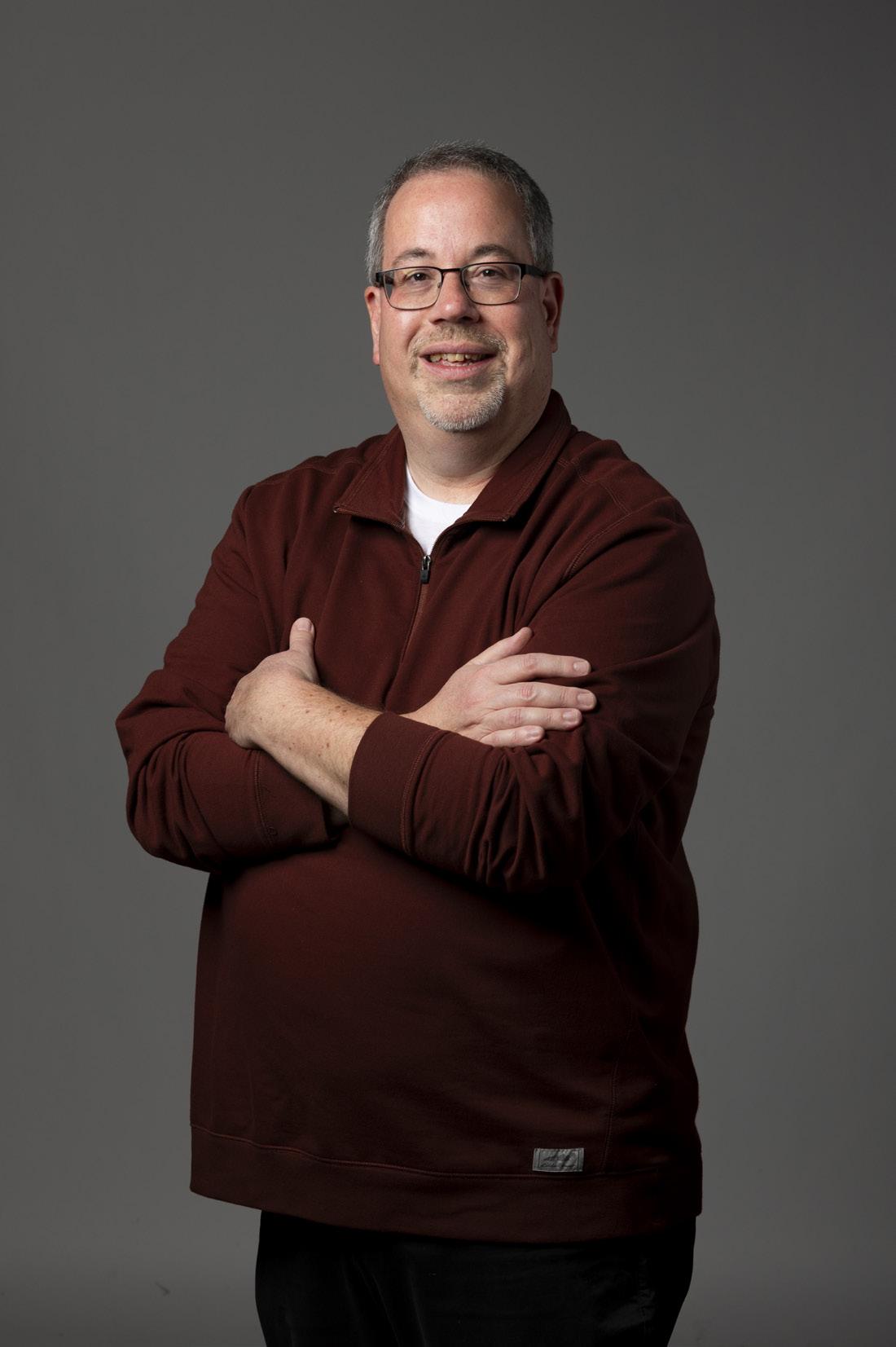
and large-scale field studies to address fundamental questions in wildlife population dynamics, harvest management and land-use decision making. His work on game birds, particularly the northern bobwhite, has transformed how scientists and agencies evaluate population responses to habitat management and harvest, while also informing conservation strategies for a wide range of species and ecosystems. Martin is a leader in policy-relevant conservation research, including landmark evaluations of Farm Bill conservation programs and national assessments of working-lands initiatives that guide federal investment decisions. His scholarship includes more than 125 peer-reviewed publications and has attracted more than $20 million in funding. Through research conducted across landscapes and borders, Martin advances ecological understanding and evidence-based conservation practice.
Jamie Carson, UGA Athletic Association Professor in the School of Public and International Affairs, is recognized for his work examining congressional behavior, electoral politics and the institutional dynamics of American democracy. His scholarship focuses on how legislators balance party pressures, constituency demands and electoral incentives, with particular attention to voting behavior, campaign strategy and political polarization. Carson’s work has produced a substantial and widely cited body of research published in leading political science journals and university presses. His analyses of congressional voting, party competition and electoral accountability have shaped core debates in the study of American political institutions and are regularly engaged by scholars across the discipline. Supported by sustained external funding, his research combines theoretical insight with rigorous empirical analysis, including large-scale quantitative data and collaborative research initiatives. Together, these contributions reflect a record of productivity and impact that has advanced understanding of how elections and legislative institutions function in contemporary U.S. politics.
Established by the UGA Research Foundation, these awards recognize junior faculty whose research, creative and scholarly achievements indicate a trajectory toward an exceptional, sustained research career and an imminent rise to international stature in their field of study.
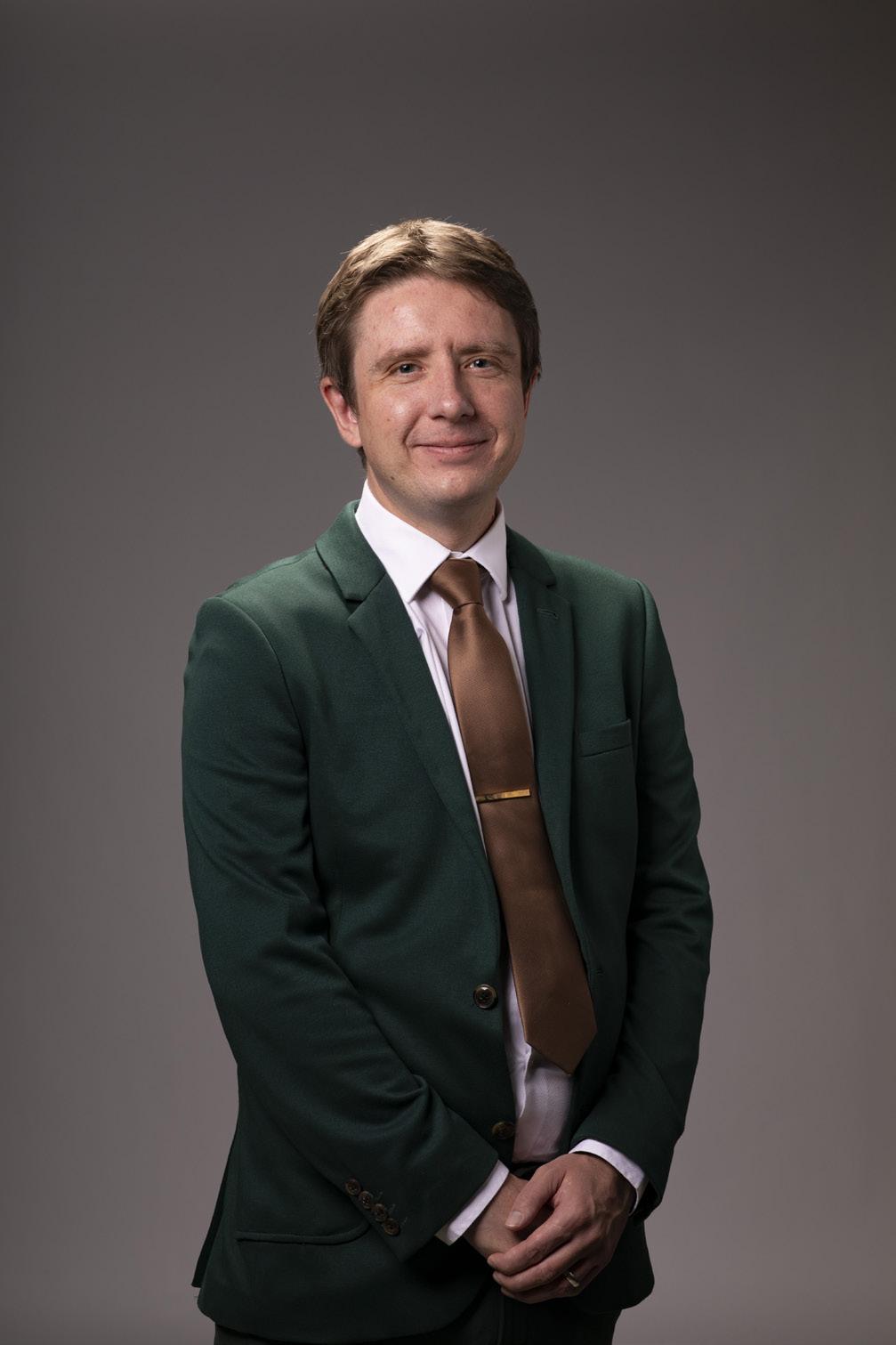
Alexander Fyfe, assistant professor in the Franklin College of Arts and Sciences’ Department of Comparative Literature and Intercultural Studies and the African Studies Institute, is recognized for his soon-to-publish book, “Writing the Noncolonial Self: Modern African Literatures and the Politics of Subjectivity” (University of Virginia Press, May 2026), a major contribution to African literary studies and postcolonial theory. The book examines how African writers articulate forms of political and ethical subjectivity within colonial frameworks, without simply reproducing nationalist or anticolonial paradigms. Through close readings of fiction, essays and political writing, Fyfe demonstrates how modern African literature theorizes noncolonial modes of selfhood grounded in relationality, responsibility and historical awareness. The book has been widely praised for its conceptual originality, archival depth and theoretical precision, and it positions Fyfe as an important new voice in global literary studies. Through this work, Fyfe has made a lasting contribution to debates about subjectivity, decolonization and world literature.
G-WISE (Georgia Wildland-fire Simulation Experiment) is an ambitious, interdisciplinary research program that has advanced understanding of wildland fire smoke and its implications for public health, environmental regulation and land management. Led by Rawad Saleh in the College of Engineering, the team integrates expertise from engineering, forestry and natural resources, chemistry and veterinary medicine to address a central challenge in fire science: how smoke from prescribed fires differs from wildfire smoke in quantity, composition and health impact. Through a tightly coordinated framework that combines
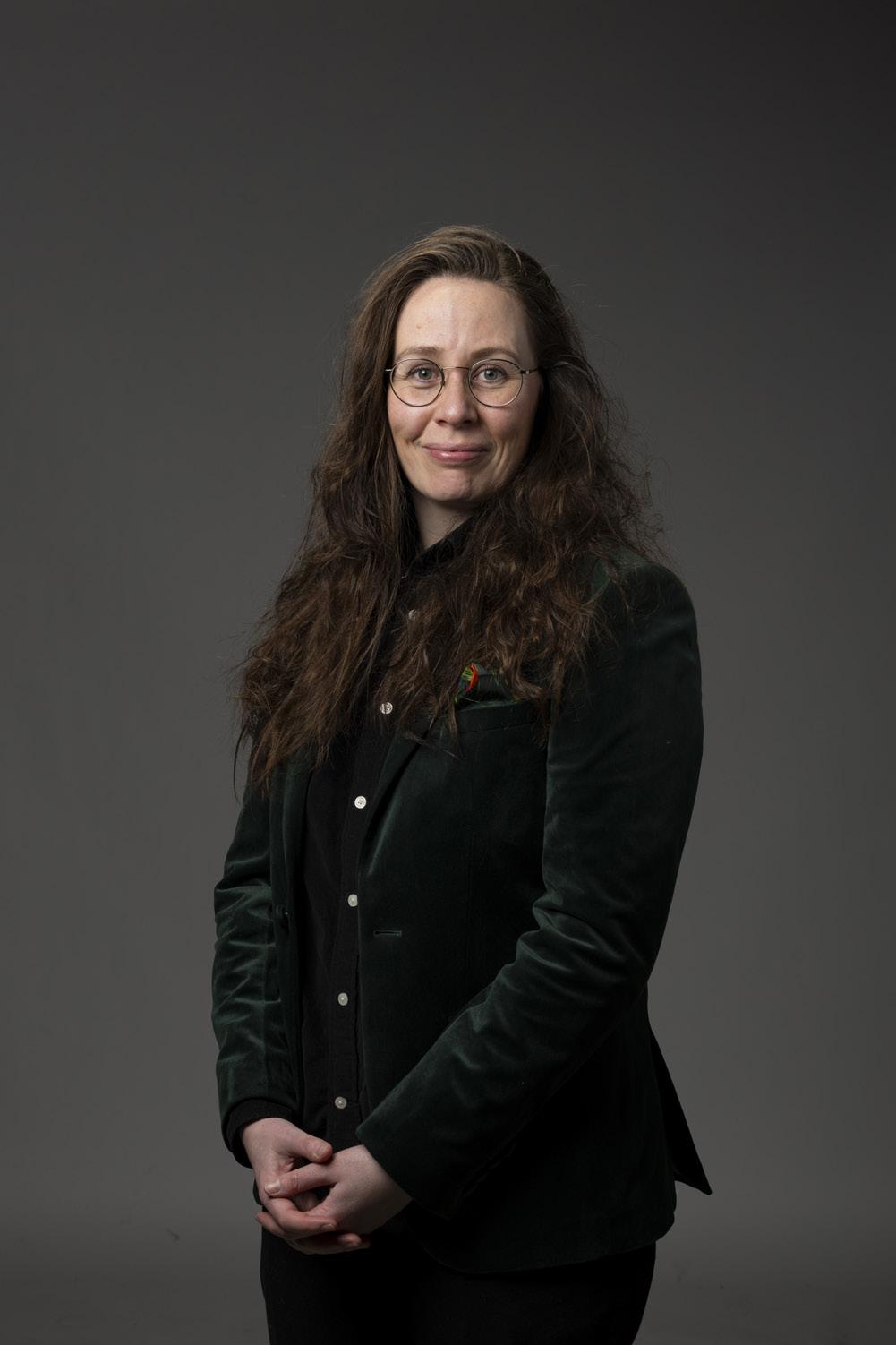
a long-debated process that has proven difficult to test ob servationally. Using high-resolution numerical simulations, Hall generated predictions for physical signatures produced through gravitational instability that were later confirmed by observations of the AB Aurigae system, providing some of the strongest evidence to date that gravitational instability can directly produce giant planets. She has published more than 60 peer-reviewed papers, including work in Nature, and her research has been featured in The New York Times. Hall has secured more than $1 million in funding as principal investigator and over $3 million in total research support. She is a National Geographic Explorer and the recipient of the Royal Astronomical Society’s Winton Early Career Award.
laboratory-scale fire simulations, smoke chemistry analysis, toxicological assessment and predictive computer modeling, G-WISE has generated insights that could not be achieved within any single field. The team’s work has clarified how smoke composition, exposure and toxicity interact to shape health outcomes, providing land managers and regulators with evidence-based guidance for the use and timing of prescribed fires. Supported by major federal funding and national collaboration, G-WISE demonstrates how interdisciplinary team science can inform policy-relevant decisions and address complex environmental challenges.
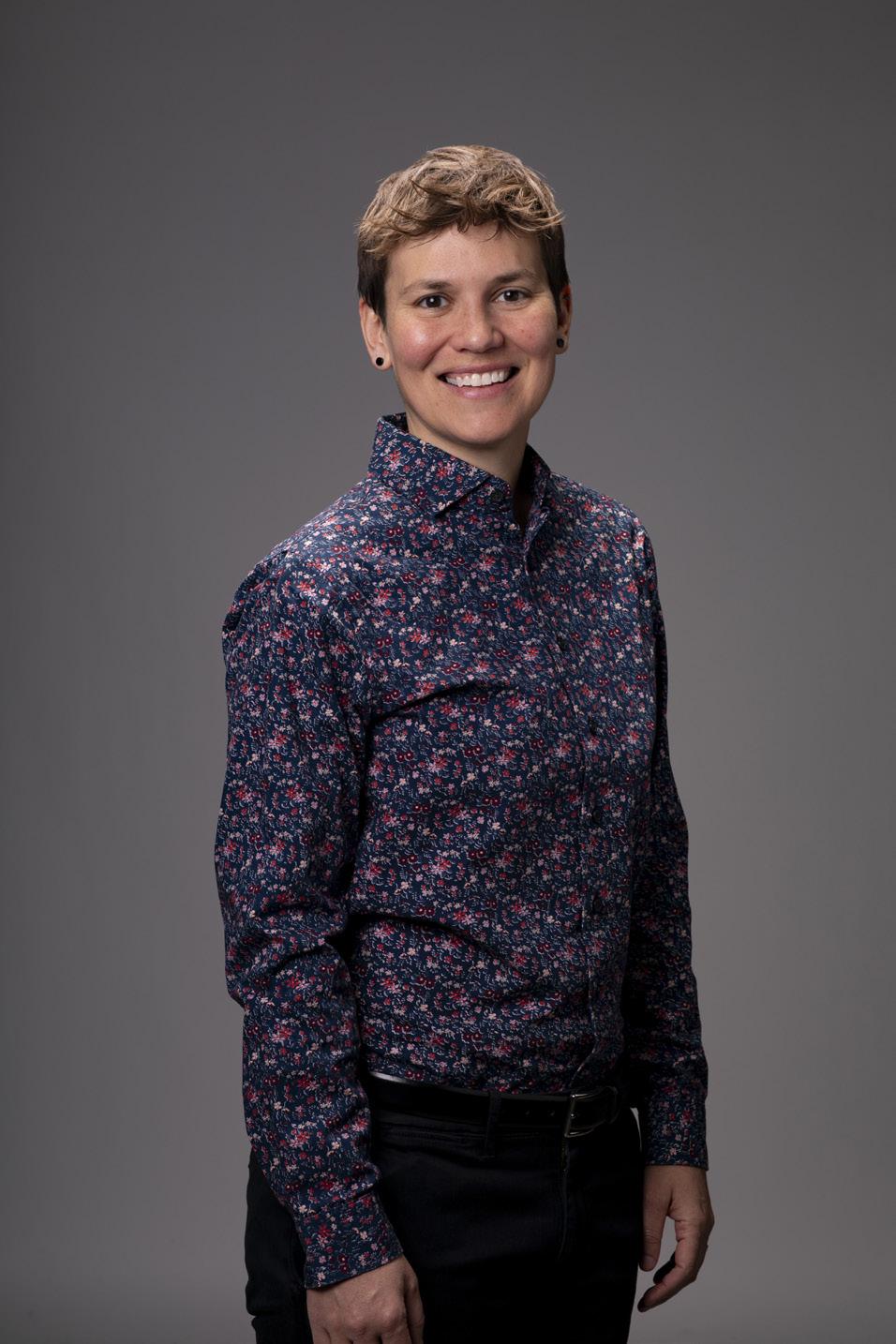
Amy Winter, assistant professor in the College of Public Health, is an epidemiologist whose research uses mathematical and simulation-based models to inform global vaccination policy. A central contribution of her research is analyses conducted through the Vaccine Impact Modelling Consortium, in which Winter evaluated rubella vaccine introduction scenarios across 19 countries. Her findings demonstrated that long-standing World Health Organization guidelines — requiring 80% measles vaccine coverage prior to rubella vaccine introduction — were unnecessarily restrictive. By showing that rubella vaccine introduction would not increase the burden of congenital rubella syndrome in these countries, her work provided strong evidence for expanding vaccine access. These results informed deliberations of the WHO Strategic Advisory Group of Experts on Immunization and contributed to revised global recommendations that will allow more than 200 million children access to the rubella vaccine. Achieving this level of policy impact at an early career stage reflects Winter’s exceptional research influence in infectious disease epidemiology.
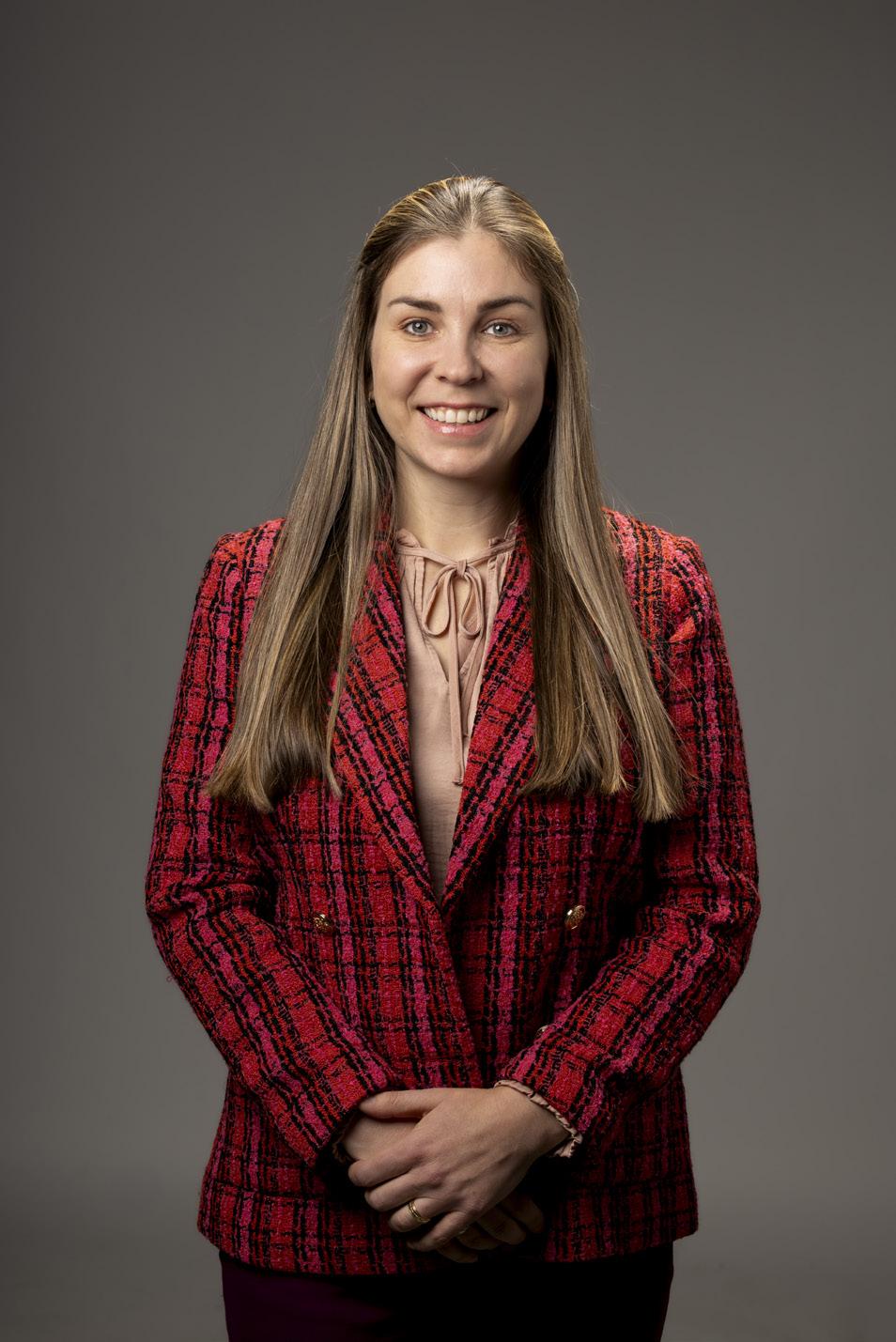
can carry significant health consequences. Since joining UGA in 2022, Schwan has authored 16 peer-reviewed journal articles, many as lead or senior author, in leading food safety journals. She has secured more than $1 million in competitive funding as principal or co-principal investigator from USDA-NIFA, the Extension Foundation and industry partners. Schwan’s work directly informs national food safety guidance and has achieved exceptional reach through her leadership of the National Center for Home Food Preservation, positioning her as a nationally visible scholar at an early career stage.
Kevin Mis Solval, associate professor in the College of Agricultural and Environmental Sci ences, demonstrates entrepreneurial leadership that translates food engineering research into sustainable commercial innovation. A specialist in sustainable food process engineering and blue proteins, Mis Solval co-founded JellyCoUSA to transform underutilized marine resources into high-value nutraceuticals. JellyCoUSA is built around a proprietary, environmentally responsible process developed at UGA to produce readily absorbed collagen peptides from cannonball jel lyfish — an abundant species along the Georgia coast historically viewed as a nuisance or limited to niche markets. The technology offers an alterna tive to mammalian collagen for health care and wellness applications while creating economic opportunities for coastal fishing communities.The company licensed its technology through a Georgia Startup License and secured significant financial support from the U.S. Department of Agriculture, the Georgia Research Alliance, UGA Marine Ex tension and Georgia Sea Grant, and Innovation Gateway. Through JellyCoUSA, Mis Solval has demonstrated how research-driven entrepreneurship can help create blue economies while advancing food innovation.
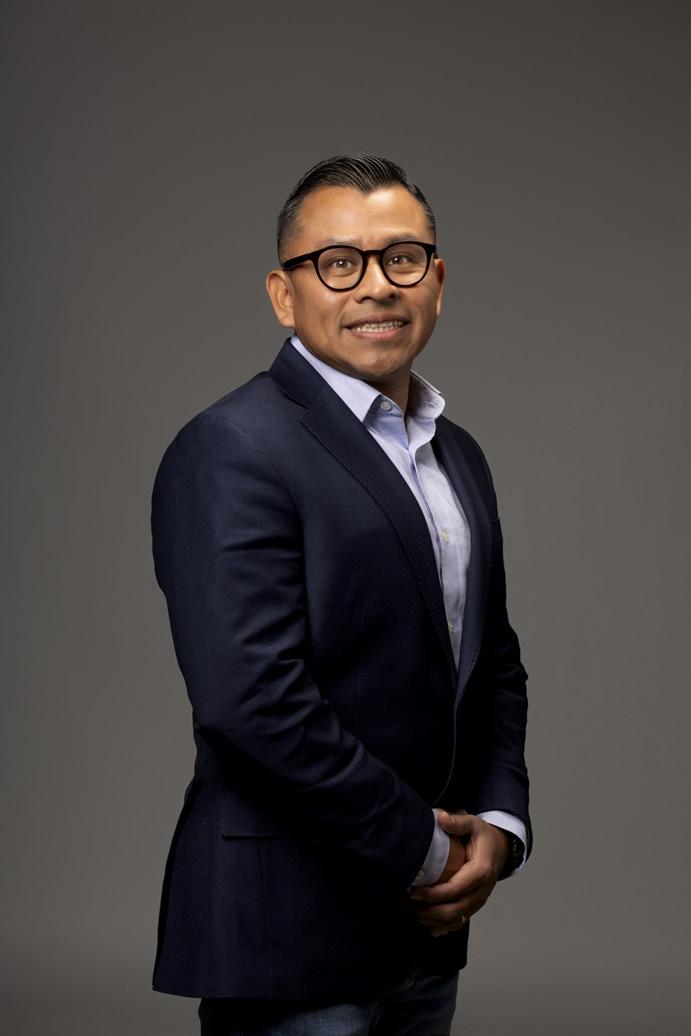
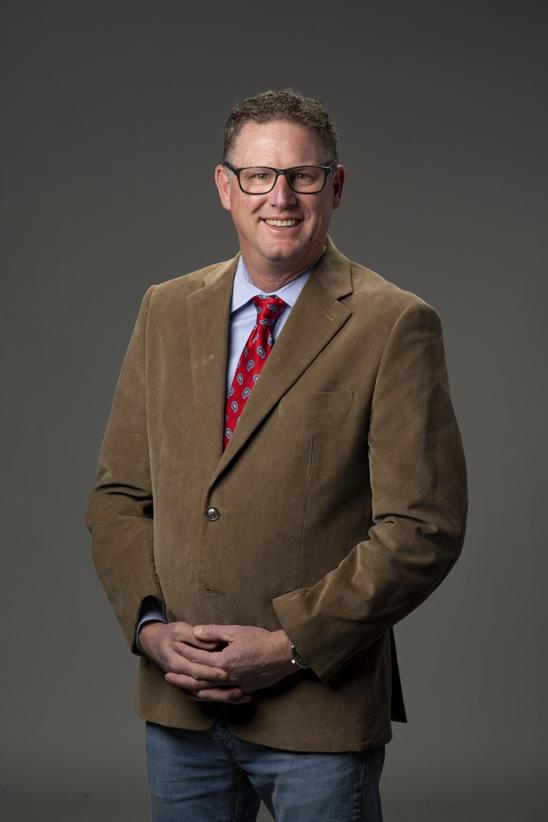
Brian Schwartz , professor in the College of Agricultural and Environmental Sciences, is recognized for exceptional success in developing commercially impactful turfgrass cultivars that have transformed industry practice. As lead turfgrass breeder at UGA’s Tifton campus, Schwartz plays a central role in one of the world’s premier public warm-season turfgrass breeding programs. Schwartz is co-developer of TifTuf hybrid bermudagrass, a drought-resistant cultivar that has become the most successful and highest revenue-producing release in the program’s history. TifTuf has generated more than $13 million in gross licensing revenue, is licensed to five companies worldwide and is supported by more than 110 sublicensed growers who have sold approximately 3 billion square feet of sod across the globe. Schwartz has also led the development of newer cultivars, including Tif3D bermudagrass, Australis zoysiagrass and TifShade zoysiagrass, and contributed to widely adopted varieties such as TifElite centipedegrass and SeaStar and SeaScape seashore paspalums. His work demonstrates how publicly developed intellectual property can drive large-scale agricultural innovation.
The Institute for Resilient Infrastructure Systems (IRIS) is redefining how infrastructure systems are designed to protect communities in a rapidly changing world. Directed by Brian Bledsoe in the College of Engineering, IRIS brings together engineering, ecology, forestry and natural resources, environmental design, business, public health, social sciences and related fields to develop integrative solutions in which natural and conventional infrastructure work together to reduce risk. IRIS research addresses urgent societal challenges including flooding, sea-level rise, extreme weather, drought and pollution, combining rigorous engineering and environmental science with social, economic and community-engaged approaches. The team’s work spans local flood mitigation efforts in Georgia, resilience planning for military installations across the U.S. and internationally funded projects in Latin America, Asia and the Middle East. Supported by major federal, state and philanthropic investment, IRIS has influenced engineering design standards, policy discussions and on-the-ground implementation of natural infrastructure. IRIS demonstrates how interdisciplinary team science can translate complex research into durable benefits for communities worldwide.
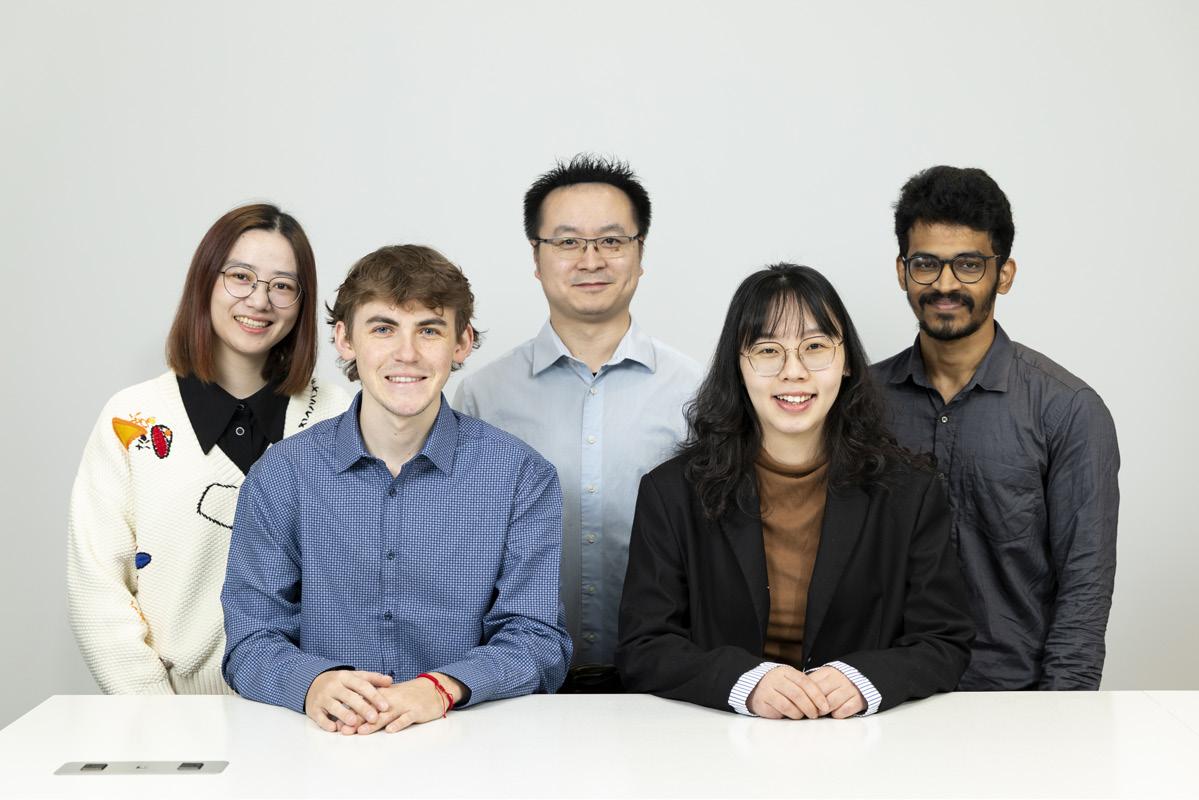
The M³X (Materials, Manufacturing & Machine Learning Nexus) International Team is an integrated research collaboration led by UGA’s Kenan Song (College of Engineering) in partnership with Qatar University. Bringing together expertise in advanced manufacturing, materials science, machine learning, environmental engineering and biomedical applications, the team advances solutions in circular economy materials, clean water technologies and health care manufacturing that could not be achieved by a single institution. M³X is built on complementary strengths: UGA researchers provide leadership in additive manufacturing, composite materials and data-driven design, while Qatar University partners contribute expertise in membrane technologies, polymer processing and water sustainability. Together, the team has produced high-impact, jointly authored research and secured competitive funding from U.S. and international agencies, translating fundamental discoveries into scalable technologies. M³X also supports graduate students and postdoctoral scholars through shared mentorship, international exchange and professional recognition. By integrating environmental, mechanical and biomedical perspectives, M³X demonstrates how international collaboration accelerates innovation and amplifies research impact.
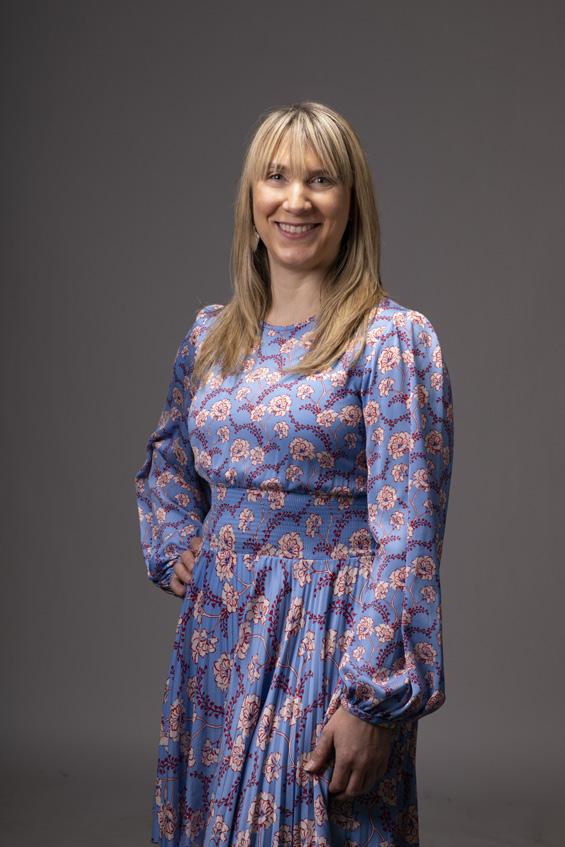
Holly Bik, associate professor in the Franklin College of Arts and Sciences’ Department of Marine Sciences, is a nationally recognized scientist-communicator whose work sets a high standard for research communication and public engagement. A marine biologist and bioinformatician, Bik studies the diversity and evolution of nematodes — micro scopic worms that play essential roles in ocean ecosystems — and has developed innovative ways to make this complex research accessible to broad audiences. Her most distinc tive communications effort accompanied a 2023 research expedition to East Antarctica, where her team collected nematodes from seafloor sediments to study adaptation in extreme environments. Confronted with limited internet connectivity, Bik pioneered the use of WhatsApp as a lowbandwidth outreach platform, sharing daily mini-blog posts that provided real-time insights into Antarctic science and life at sea. The project reached thousands of participants in more than 40 countries, engaged classrooms worldwide and drew coverage in Nature. Through creativity, rigor and reach, Bik transforms specialized research into shared discovery.
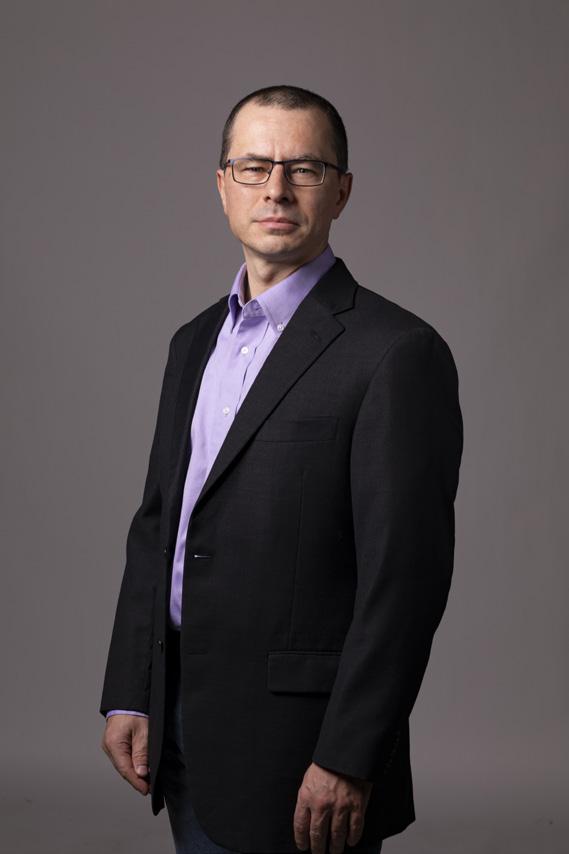
Rene Ranzinger, associate research scientist in the Complex Carbohydrate Research Center, is recognized for a sustained and influential research program advancing the analysis and interpretation of complex carbohydrate structures. His work focuses on developing computational tools and informatics frameworks that enable researchers to characterize glycans and glycoproteins — molecules essential to processes rang ing from cell signaling to immune response. Ranzinger has played a central role in the development of GlyGen, an integrated knowledgebase for glycan and glycoprotein data, and the GRITS Toolbox, a suite of analytical tools for interpreting glycomics mass spectrometry data. These projects provide critical infrastructure for the glycoscience community, supporting data integration, standardization, data sharing and large-scale analysis across laboratories worldwide. By translating complex experimental results into accessible, interoperable formats, Ranzinger’s work accelerates discovery across chemistry, biology and biomedical research. Through extensive collaboration, peer-reviewed publication and long-term external support, his contributions have strengthened the global research ecosystem underlying carbohydrate science.
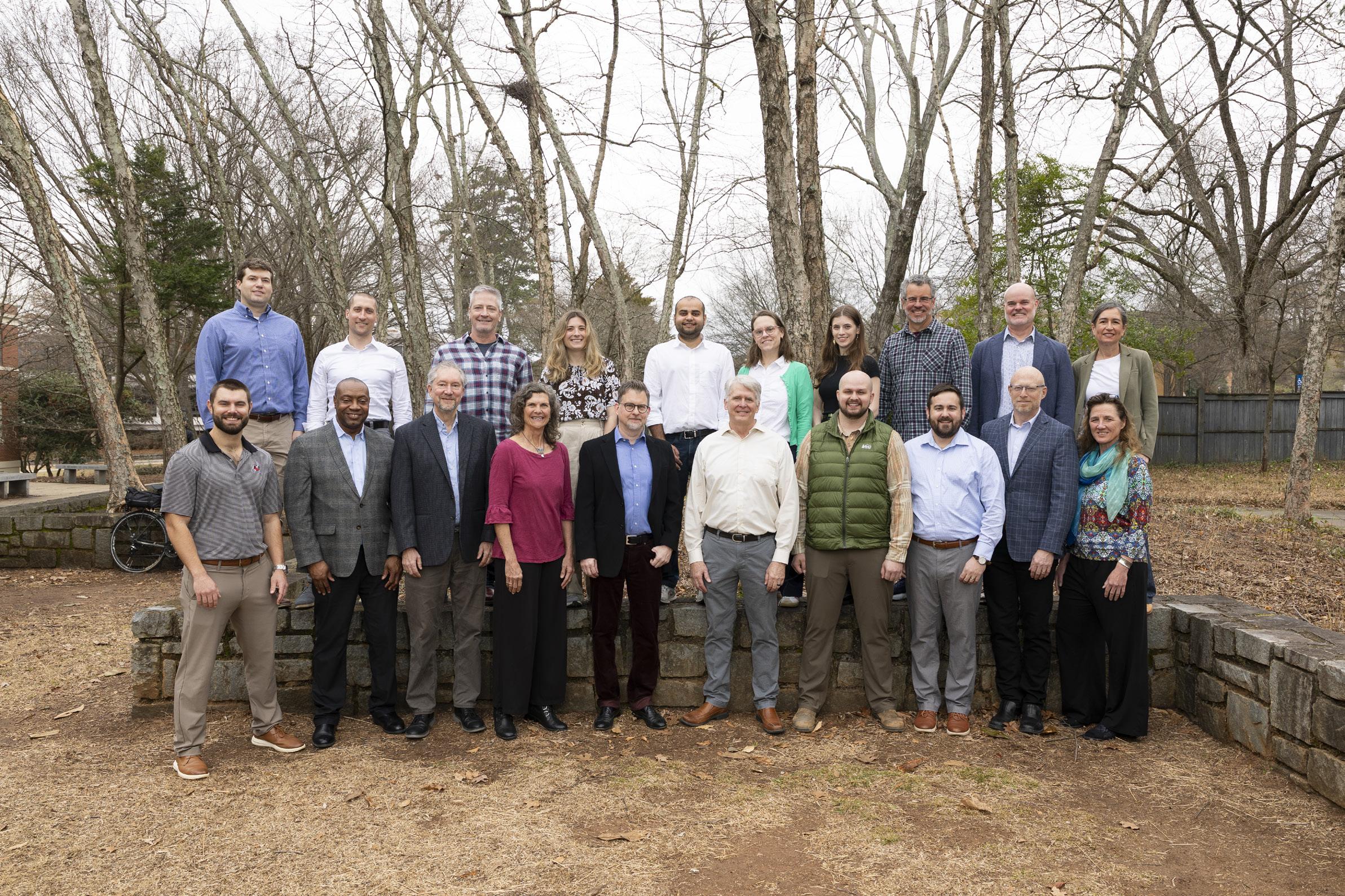
Comparable to a distinguished professorship, the Walter Barnard Hill Fellow Award for Distinguished Achievement in Public Service and Outreach is UGA’s highest award in public service and outreach.
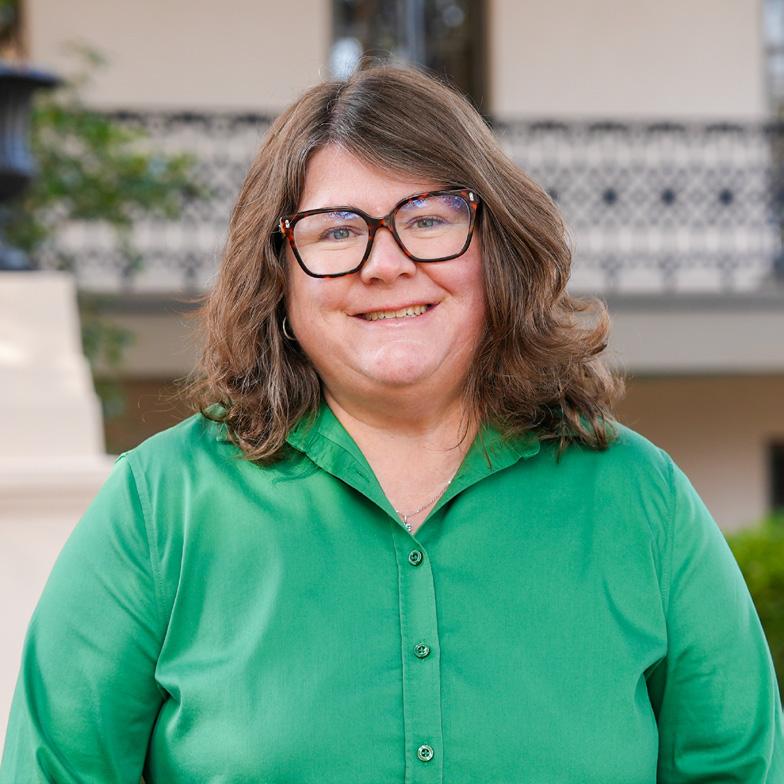
Senior Public Service Associate
Carl Vinson Institute of Government
Leigh Elkins is a senior public service associate and nationally recognized leader in community engagement, natural resource planning and asset-based development at UGA’s Carl Vinson Institute of Government. Since joining the institute’s Environmental Policy Program in 2012, she has helped Georgia communities integrate sustainability with economic progress using participatory planning, strategic visioning and public facilitation.
With a background that includes creating Georgia’s WaterFirst Community Program at the Department of Community Affairs and a key role in the statewide Water Management Plan through the Fanning Institute, Elkins bridges state-level policy with grassroots collaboration. Her expertise positions residents as the true experts in their communities, ensuring that development reflects local history, identity and values.
Elkins’ leadership in community-driven projects spans Georgia
and beyond. Following the 2022 fire at Tennessee’s Ocoee Whitewater Center, she led UGA’s effort to collect and synthesize over 7,000 public comments across 38 states, crafting a thorough redevelopment blueprint with cultural resonance based on stakeholder input. In Gainesville, Elkins spearheaded the “A Vision for the Athens Street and 129 South Corridors” plan and led the public input efforts for the Downtown Renaissance and Strategic Vision. Those combined efforts have secured $4.4 million in state funding and leveraged nearly $300 million in private investment to revitalize neighborhoods and bolster connectivity and green space. She brought deep local understanding and collaborative processes to ensure neighborhood voices shaped growth.
Beyond her project work, Elkins is deeply committed to mentorship. She engages UGA students in real-world planning and community-focused initiatives, providing hands-on experience in stakeholder facilitation, resilience planning and environmental policy. Through internships, applied research opportunities and leadership development programs, Elkins cultivates the next generation of public service professionals. Her mentorship extends to colleagues and emerging leaders across Georgia, where she shares best practices in collaborative planning and inclusive decision-making.
Five faculty members and service professionals are 2025-2026 recipients of the Walter Barnard Hill Award for Distinguished Achievement in Public Service and Outreach. The award recognizes their contributions to the improvement of the quality of life in Georgia and beyond.
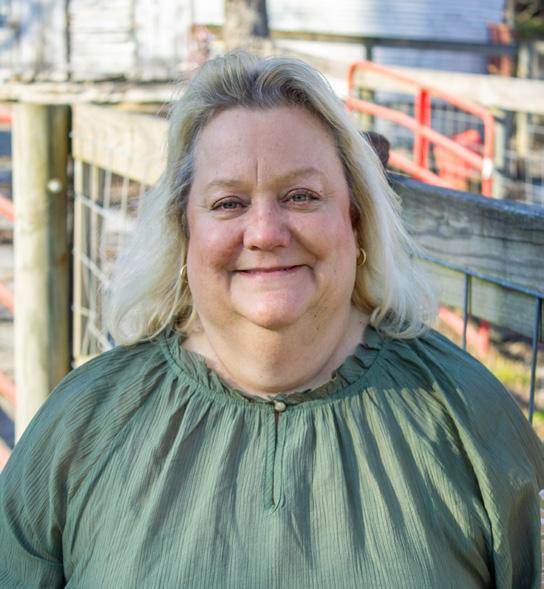
Tammy Cheely
Tammy Cheely has dedicated more than 30 years to advancing the University of Georgia’s land-grant mission through exceptional public service, innovative agricultural programming and community leadership.
She began her career at UGA in 1994 and serves as the County Extension Coordinator and Agriculture and Natural Resources Agent for Warren and Glascock counties, providing additional interim leadership in Hancock and Washington counties. Her ability to guide operations across multiple counties reflects
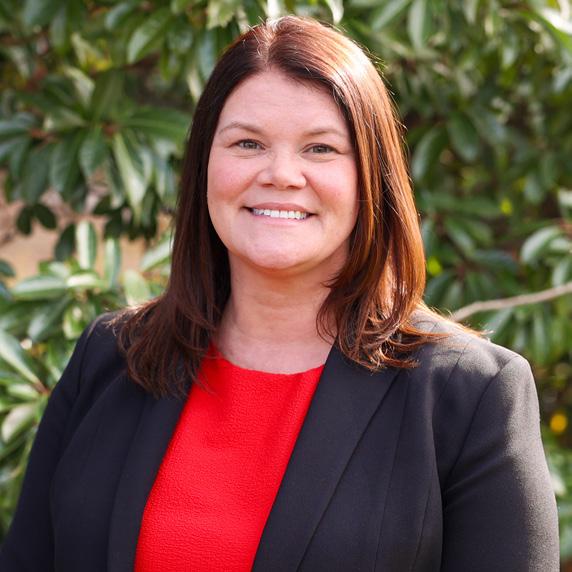
Karen DeMeester
Karen DeMeester is a faculty member in the Survey Research and Evaluation Support division at the Carl Vinson Institute of Government, where she collaborates with internal and external partners to improve program outcomes through impact-driven evaluation and research.
DeMeester writes evaluation plans for competitive grants and research projects, leads interdisciplinary teams and provides technical assistance and training.
She has partnered with more than 30 UGA academic
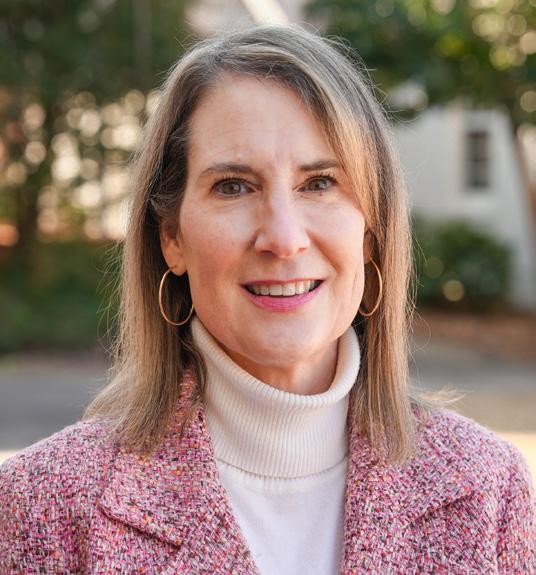
Lauren Healey has dedicated her career to advancing youth leadership and civic engagement, exemplifying the University of Georgia’s mission of service, outreach and scholarship. As a faculty member at the J.W. Fanning Institute for Leadership Development, she has transformed youth development through innovative programs that combine research-based principles with practical application.
A cornerstone of her work is the Youth Leadership in Action curriculum, which equips young people with leadership skills and fosters civic involvement. Since joining the Fanning Institute in 2014, Healey has led major updates to YLIA, expanded it to
See HEALEY on page 12
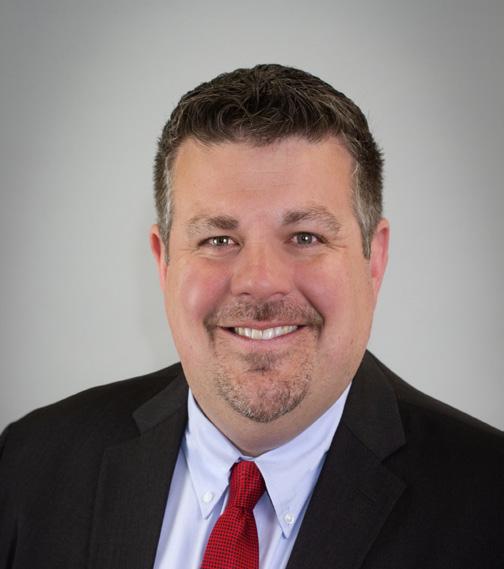
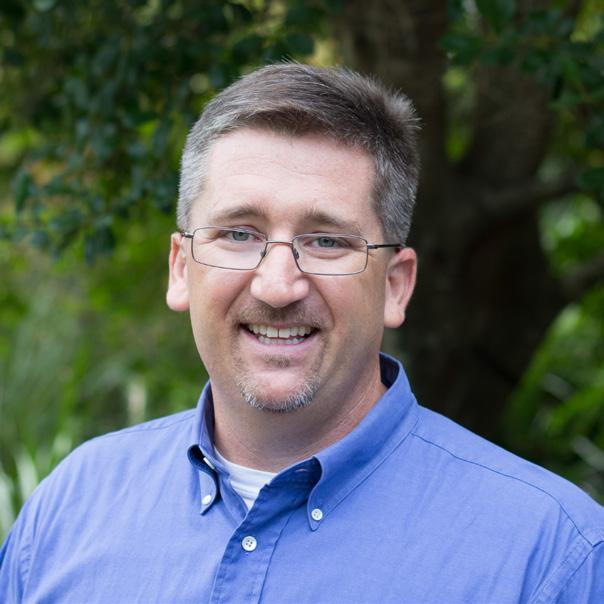
Bryan Fluech
Bryan Fluech is the associate director of extension at Marine Extension and Georgia Sea Grant, where he coordinates programs that address the needs of Georgia’s coastal communities. Based in Brunswick, he manages a multidisciplinary team focused on building community resilience, improving water quality, supporting sustainable fisheries and enhancing coastal ecosystem health. Since joining the unit in 2015, Fluech has emphasized faculty mentorship and fostering a collaborative, service-driven work environment.
Kyle Hensel, senior public service associate and director of continuing education for the Small Business Development Center, provides statewide leadership for the strategy, development and delivery of continuing education programs that serve thousands of entrepreneurs annually.
Hensel oversees more than 300 programs delivered through SBDC’s 18 offices, supporting small business growth that fuels local economies, job creation and long-term community vitality. A nationally recognized speaker and trainer, Hensel is frequently invited to present at conferences on strategic marketing, program development and external funding procurement for outreach
The Engaged Scholar Award recognizes a tenured associate or full professor who has made significant career-spanning contributions to the University of Georgia’s public service mission through scholarship, service-learning opportunities for students and campus leadership.
The awardee receives a $5,000 faculty development grant to sustain current engaged scholar endeavors or to develop new ones.
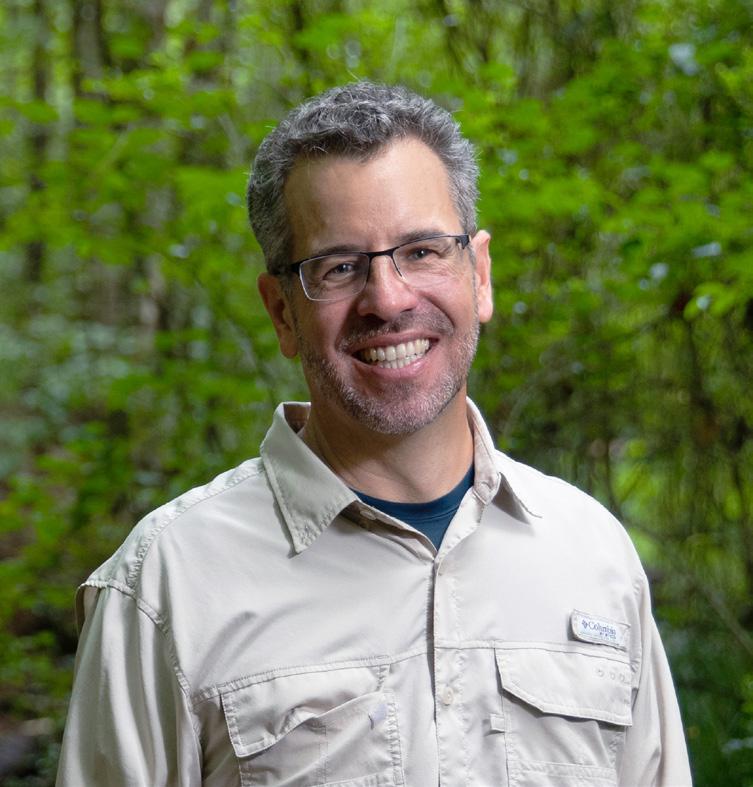
Jon Calabria Professor College of Environment and Design
Jon Calabria is a professor in the College of Environment and Design, specializing in ecological restoration, green infrastructure and the improvement of water quality across Georgia and the Southeast. He has built a distinguished career rooted in public service and community-engaged scholarship, consistently bridging academic expertise with
community needs while advancing environmental resilience and enriching student learning. Since joining UGA in 2010, Calabria has forged an impactful partnership with Public Service and Outreach. He has served as a design expert for faculty working with communities on downtown planning and regularly engages his studio students in PSO-supported site design projects. He also participated in the 2022 Rural Engagement Workshop for Academic Faculty and was a Service-Learning Fellow in 2011-12.
Calabria’s work with the Institute of Government and Marine Extension and Georgia
Sea Grant on the redesign of Bradwell Park in Hinesville exemplifies his community engagement. Calabria brought his studio class into the field, where students assessed site conditions, met with stakeholders and developed innovative design concepts. The designs also incorporated stormwater needs and became the foundation for the community securing more than $1 million in funding to implement the park’s redesign. The park reopened in 2022.
Calabria has delivered millions of dollars in built projects and secured over $4.7 million in grants. His sustained, community-focused scholarship has
See CALABRIA on page 12
The Creative Teaching Awards are presented annually on behalf of the Office of Instruction to faculty who have demonstrated exceptional creativity in using either an innovative technology or pedagogy that extends learning beyond the traditional classroom or for their creative course design or implementation of subject matter that improves student learning outcomes in their courses. This year’s winners exemplify creative instruction.
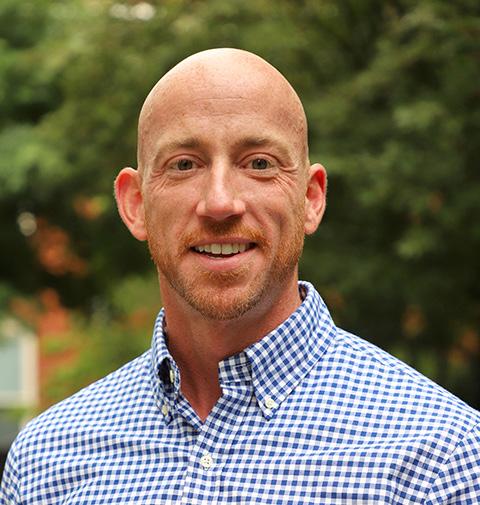
Teaching Professor Department of International Affairs School of Public and International Affairs
Andrew P. Owsiak earned the Creative Teaching Award for his work in INTL 3200: Introduction to International Relations and INTL 6010: Research Methods in International Policy. By replacing lectures with “laboratorylike” exercises, Owsiak bridged the gap between academic theory and the professional skills required to compete with top-tier policy schools.
In his Introduction to International Relations course, students participated in a UN Security Council game involving the 1994 Rwandan Genocide. By assuming historical roles, they navigated complex concepts while honing skills in negotiation, public speaking and policy writing.
In his Research Methods course, students collaborated with the U.S. State Department, moving beyond theoretical research to produce real-world deliverables on topics like maritime conflict and democratic backsliding.These findings were briefed to State Department officials, providing students with professional exposure. By shifting from passive learning to active application, Owsiak ensured his students didn’t just study international relations — they practiced it.
BROWN from page 1
co-authored 12 peer-reviewed publications with students and has received $2 million in instruction-focused grant funding.
“Her exceptional ability to engage and challenge students, her scholarly dedication to quality instruction, and her significant contributions to educational excellence have made a lasting impact on my academic career and personal growth,” one former student wrote. “She represents the very best of UGA’s teaching mission, consistently demonstrating the qualities that make teaching transformative.”
Brown’s efforts have been recognized with the Mary Frances Early College of Education Ira A. Aaron Award for Teaching Excellence and Collegiality, the UGA Graduate School
WILHELM from page 1
“She goes above and beyond, extending her influence well beyond the classroom walls. She represents the very essence of what it means to be a good teacher — one who is dedicated to the success and well-being of her students, who inspires a love of learning and who actively works to build a supportive academic community.”
Wilhelm’s work has been recognized on campus and nationally. She won the Teaching and Mentoring Award from the Law & Courts Section of the American Political Science Association and has received the J. Hatten Howard III Honors Teaching Award, the School of Public and International
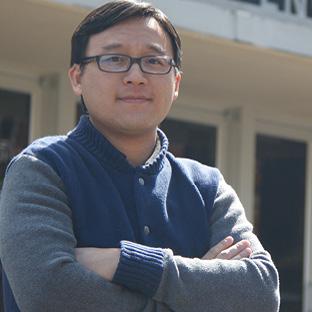
Award for his redesign of ECSE 2170: Funda mentals of Circuit Analysis and ELEE 3270: Electronics I. Rather than having students analyze circuits based on instructor examples, he had students create their own original, randomized circuits that met specified functional and analytical constraints. Several times throughout the semester, students were asked to design and submit original circuit diagrams aligned with concepts covered during lectures. They were encouraged to analyze their designs in small groups or in online discussion platforms.
This innovation shifted students from passive analysis to active design, enhancing their understanding of circuit concepts and exposing misconceptions often hidden in traditional homework and exams, allowing for targeted feedback and timely instructional adjustments. Yao’s approach is flexible and has been successfully implemented in courses with different enrollment sizes, ranging from small sections to higher-enrollment core courses.
Dean’s Award for Outstanding Contributions to Graduate Education and UGA’s Russell Award for Excellence in Undergraduate Teaching. She was selected for the UGA Teaching Academy and was a UGA Senior Teaching Fellow. Brown serves as a resource for teaching, mentoring and support for junior faculty through efforts like the UGA Faculty2Faculty program.
“Every opportunity she has to support the development of our students is approached with an eye toward excellence and a goal of maximizing opportunities for those she teaches,” one colleague wrote. “Her contributions to the development of our undergraduate and graduate students are second to none.”
Affairs Award for Excellence in Teaching, the Thomas P. Lauth Teaching Award and the Susette M. Talarico Excellence in Teaching Award. She is a member of the UGA Teaching Academy and served as a Center for Teaching and Learning Senior Teaching Fellow. She also received the Teaching in a Second Discipline Fellowship.
“Professor Wilhelm is deserving of this recognition for her consistent, creative and effective efforts to engage with students and to contribute to their education during their time at this university and as future citizens, professionals and leaders in our greater community,” one colleague wrote.
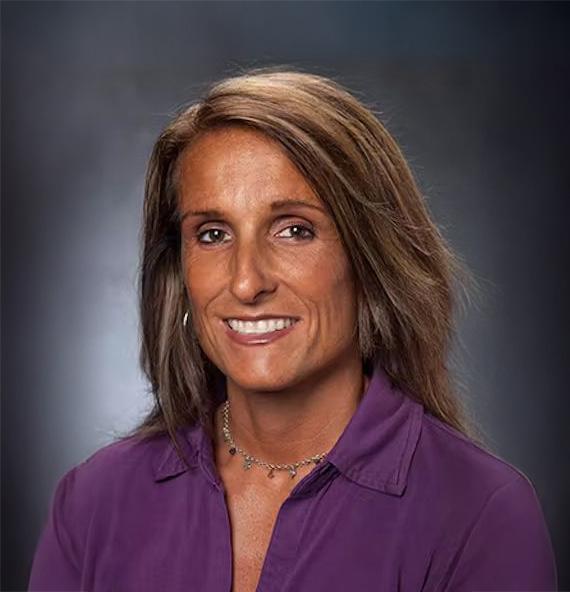
Clinical Professor
Department of Communication Sciences and Special Education
Mary Frances Early College of Education
Kimberly Viel-Ruma received the Creative Teaching Award for her use of mixed-reality simulation in EDSE 4030/6030: Inclusion of Students with Special Needs, Grades 6-12.
Using MRS gave teacher candidates the opportunity to teach in virtual learning environments using student avatars, helping to bridge the gap between theory and classroom practice.
Historically, candidates enrolled in EDSE 4030/6030 have limited to no field experiences, so embedding MRS in that course gave them an opportunity to instruct when previously there had been none. The simulations helped to develop core teaching skills such as lesson delivery and classroom management strategy; candidates were able to practice those skills in real time and receive immediate feedback from the instructor.
After the simulated experience, teacher candidates watched video recordings of their lesson delivery and analyzed their decisions, helping them become more reflective practitioners.
Viel-Ruma’s course design allowed candidates to practice handling complicated situations in a controlled setting, reducing anxiety and better preparing them for real classroom situations.
from page 1
encourages and provides opportunities for students to evolve their skills through mentorships, connect with design professionals at gatherings, and expand their potential with design internships and apprenticeships.”
Jang’s work extends across disciplines. She’s built a strong collaboration with David Gray, a professor in the college’s mathematics department, which led to a $2.5 million grant to educate graphic designers and advanced mathematicians to present innovative mathematical ideas in narrative forms in both 2- and 3-dimensional space. Their work on a course titled “Mathematics Outreach Design,” in which they worked with students from mathematics, design, art, computer
HASKO from page 3
diverse majors to pursue advanced scholarship and careers with international impact across public and private sectors, with a particular focus on national security and public service.
Under Hasko’s leadership, the Russian Flagship program currently supports more than 90 undergraduates currently pursuing professional-level proficiency in Russian. Alumni of the Russian Flagship Program include two recent Rhodes Scholars, a 2025 Truman Scholar and annual cohorts of Boren, Fulbright and other prestigious awards.
Hasko helped design and secure approval for the Double Dawgs pathway in Intensive Russian and International Policy, which combines graduate study, study abroad and
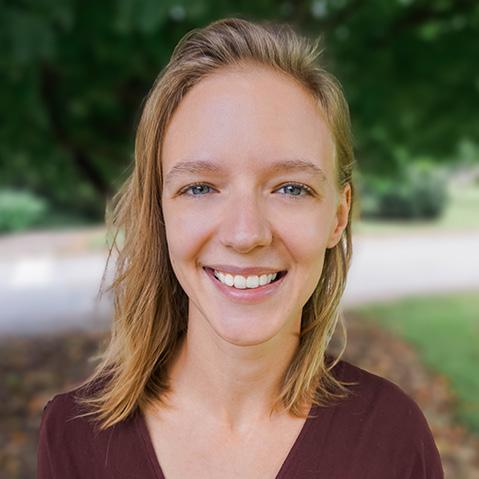
Michelle A. Ritchie
Assistant Professor Institute for Disaster Management College of Public Health
Michelle A. Ritchie earned the Creative Teaching Award for her innovation in DMAN 3200: Disaster Policy. Her course’s design helped connect the dots between disaster theory — mitigation, preparedness, response and recovery — and the often messy realities of governance.
Using active learning activities such as concept mapping, debates and peer-sharing, students were able to apply information from lectures, journals, podcasts and policy reports. Ritchie’s objective was for students to see policy not as static text, but as a dynamic process shaped by local history, resource constraints and institutional roles.
The course culminated in a Stakeholder Summit, where students moved from theory to impact. Using a multi-year campus survey dataset, students analyzed evidence to develop actionable hazard mitigation strategies. They then pitched these recommendations to university officials from Emergency Preparedness, Public Safety and Sustainability, where they had the chance to defend their ideas against real-world constraints and practice translating ideas into implementable action.
science and mathematics education to produce visual objects illustrating research-level topics in mathematics, earned UGA’s Creative Teaching Medal in 2020.
“Professor Jang is a teacher who brings both rigor and generosity to her work. Her classes are known for fostering critical thinking, experimentation and deep engagement with contemporary design practices. What stands out most about Moon’s teaching is her ability to empower students to find their own voice,” one colleague wrote. “Beyond the classroom, Professor Jang has played an instrumental role in curriculum development, departmental service and faculty mentorship.”
internships in Eastern Europe and Central Asia.
Additionally, Hasko designed, implemented and directed two federally supported summer study abroad programs: “Immersion in the Russian Languages, Cultures, and Communities in the Baltics,” which offers advanced coursework and internships, and an ROTC-serving “Project Global Officer in Russian Studies.”
“This was a fantastic program. It was academically tight, well-run and managed, had high-quality host families and great opportunities and excursions all across the board. When I think about where my Russian was before and after the program, the progress I see is immense,” one student wrote.
Four University of Georgia faculty members have been recognized by the Office of Service-Learning with the 2026 lty for outstanding service-learning instruction and advancing service-learning scholarship. Since 2011, 43 UGA faculty have received these awards.
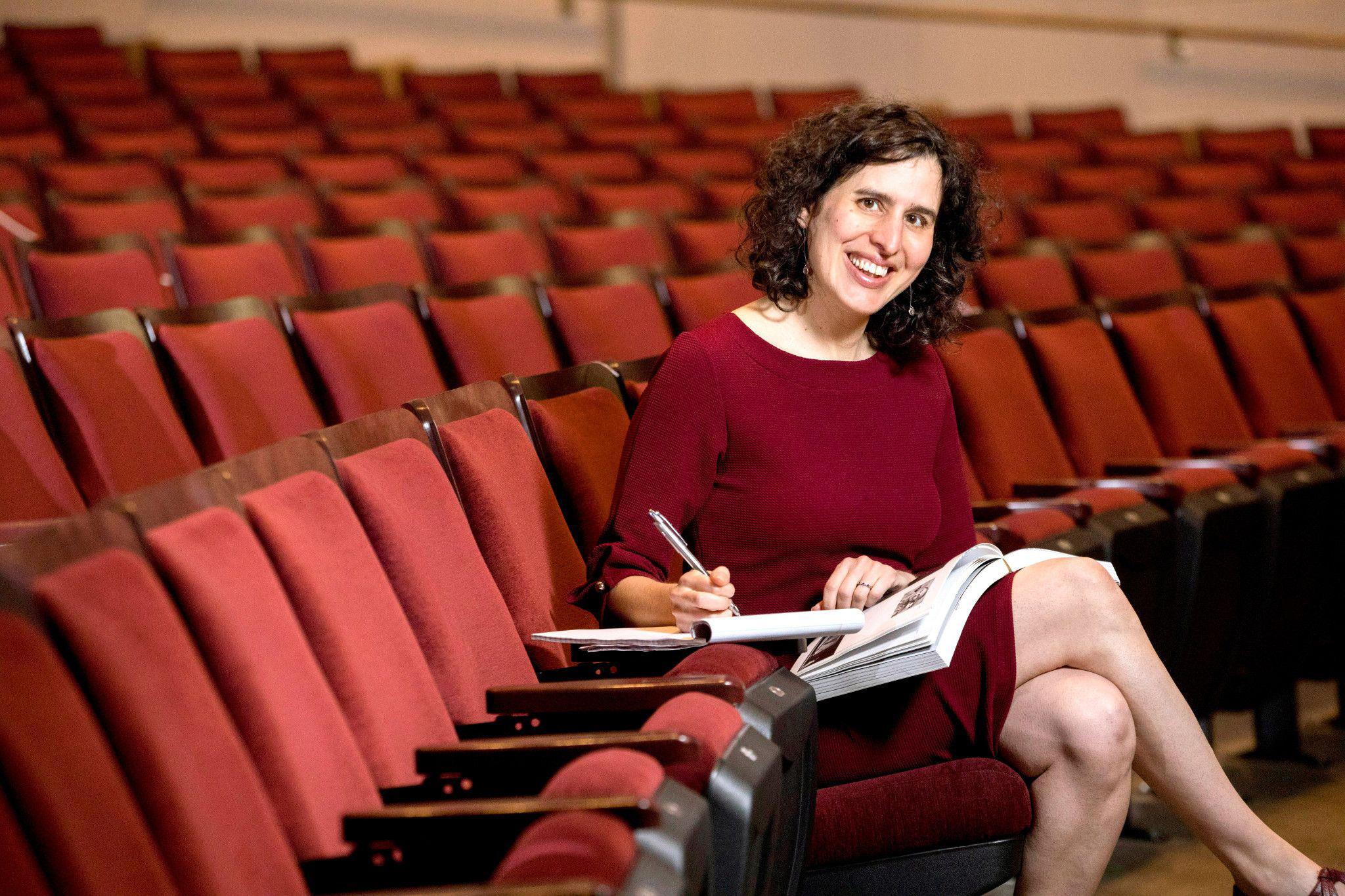
Assistant Dean for Student Success and Outreach and Juneau Construction Company Professor in Civil Engineering School of Environmental, Civil, Agricultural and Mechanical Engineering
College of Engineering
Civil and Environmental Engineering Capstone Senior Design Project (CVLE/ENVE 4910 and 4911)
Stephan A. Durham
complete real-world engineering projects that benefit communities. By collaborating with Archway Partnership, a Public Service and Outreach unit, Durham’s students connect with clients and take the lead on various community development projects. Students work in teams to assess challenges, design innovative solutions and present actionable plans to clients. From developing pedestrian safety proj ects to improving stormwater mitigation to enhancing public spaces, Durham’s students gain hands-on experience while also developing professional skills as effective leaders and communicators.
Anna S. Rogers Senior Lecturer and
Undergraduate Coordinator
Department of Sociology
Franklin College of Arts and Sciences
Media and Criminal Justice (SOCI 4020S)
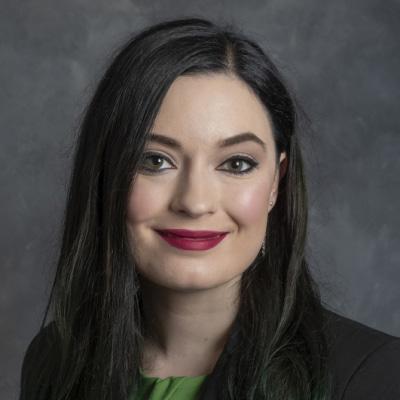
In her Media and Criminal Justice course, Anna Rogers, senior lecturer and undergraduate coordinator in the Department of Sociology in the Franklin College of Arts and Sciences, inspires her students to challenge criminal justice stereotypes surrounding both infamous and unfamiliar court cases. Rogers’ students review media coverage and reflect on pop culture’s lasting effect on these trials through a sociological lens. With this perspective, students then spend 25 hours volunteering with Project Safe and other local nonprofit organizations that support those affected by these cases, reflecting on the importance of becoming involved in their community and their personal growth as students of criminal justice.
“As a current student of this class, the course material, as well as participation in service events for Project Safe, has opened my eyes to the positive impacts college students can have on their community as well as their university,” one student wrote.
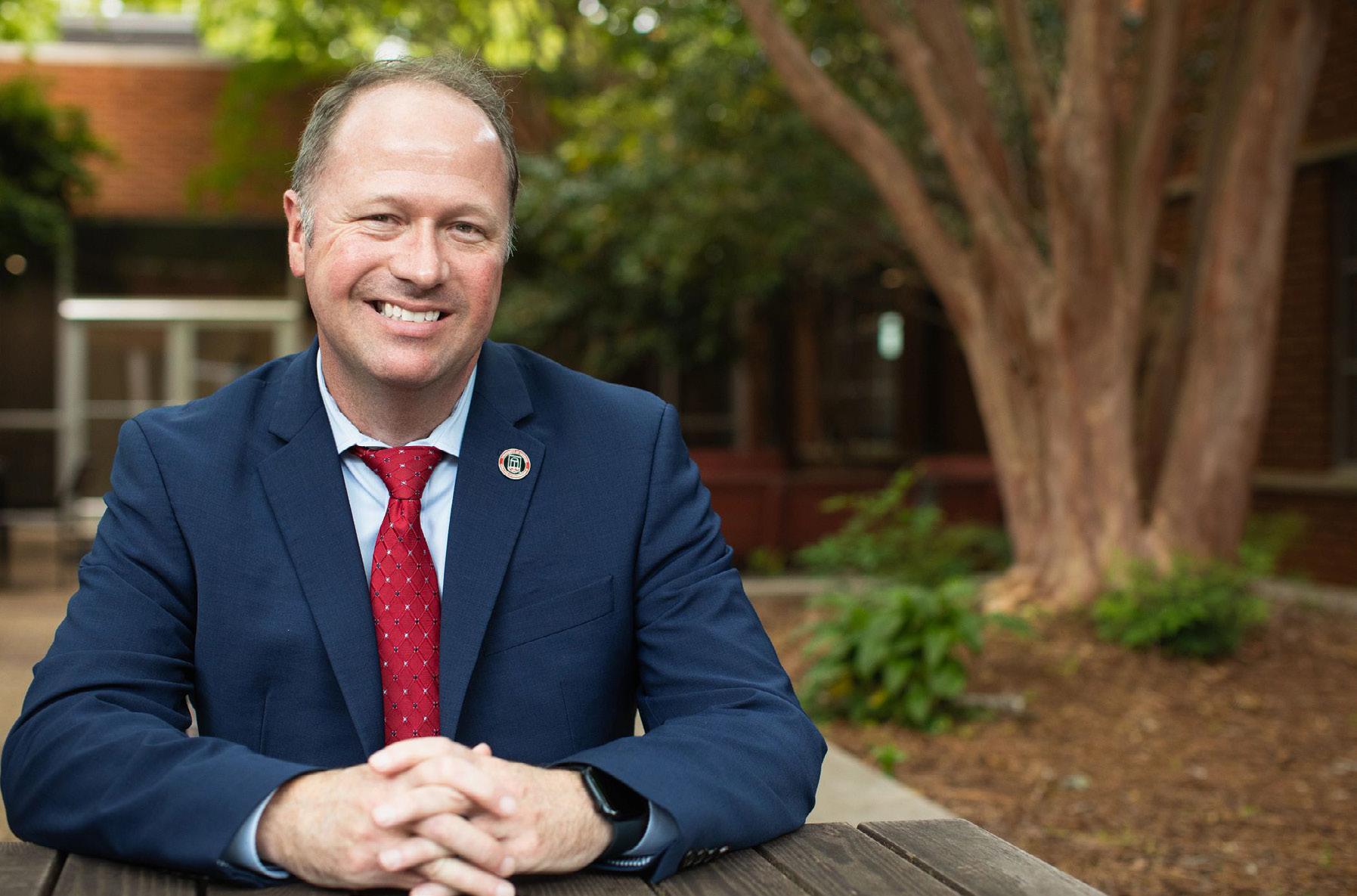
“These opportunities successfully integrate community service with academic coursework and enhance student learning while addressing community needs,” one colleague wrote.
Additionally, she was asked to serve on the Interdisciplinary Task Force on the Future of Teaching and Learning at UGA in 2021 and was inducted into the UGA Teaching Academy in 2024.
“Dr. Kozak exemplifies excellence in teaching. Her ability to combine knowledge, inclusivity and innovation has left a lasting impact on her students, myself included,” one former student wrote. “She not only teaches content, but also models the values of wisdom, justice and moderation in ways that prepare us to be thoughtful professionals and engaged citizens. Her influence extends beyond the classroom, shaping a culture of learning that will benefit future
LANDRUM from page 3
She also led the creation of the Summer Studio Creative Portfolio Program — an experiential learning initiative that brings together students from across disciplines to collaborate in a studio environment.
“Her genuine interest in her students’ growth reveals a commitment that goes beyond traditional education,” one former student wrote. “By fostering a sense of belonging and acceptance, she not only prepares students for the professional world but also equips us with the confidence to navigate life changes adeptly. In creating this inclusive and supportive atmosphere, she sets a standard for educators in the college, demonstrating the impact that mentorship can have on
Synovus Director of the Institute for Leadership Advancement
Terry College of Business Service-Learning Project Management (ILAD 5010S) / Organizational Leadership (ILAD 5100S)
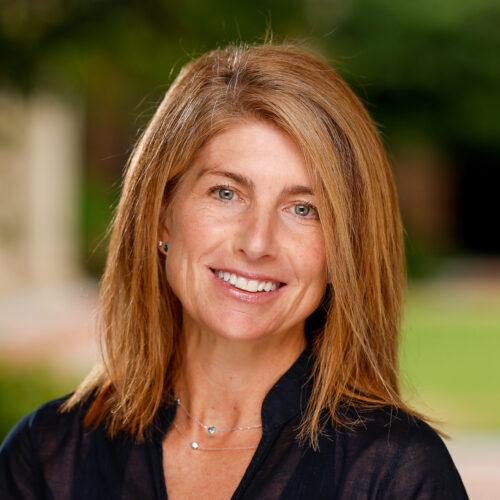
Stacy M. Campbell, Synovus Director of the Institute for Leadership Advancement (ILA) with the Terry College of Business, connects her students to partner organizations working to benefit the community. Students in the ILA have the opportunity to work as consultants to identify challenges and develop strategies to advance these organizations, whether that be through raising awareness, enhancing processes or strengthening volunteer and donor support. Campbell’s students work with dozens of organizations each year.
“Dr. Campbell’s dedication to service-learning excellence is evident in her courses, her commitment to developing student leaders, and her ability to facilitate impactful partnerships between students and the community. Through her mentorship, our team not only learned the principles of project management but also developed a deeper appreciation for the power of service to create a lasting impact,” two students wrote.
students and strengthen the university community.” Kozak’s fellow faculty members also acknowledge her efforts.
“Among a group of exceptional teachers in our unit, Dr. Kozak stands out,” one colleague wrote. “She has strong student relationships, a keen and agile style that brings out the best in students, and a wealth of experience, service and accomplishments that attest to her contributions to campus-wide excellence, as well as the field. A lifelong learner, she consistently seeks out and adopts cutting-edge pedagogical innovations.”
a student’s overall college experience and future success.”
Landrum continues to learn herself, participating in the Fellows for Innovative Teaching Program and the Active Learning Summer Institute. Those opportunities allowed her to discover additional ways of connecting students to the course material.
“Landrum embodies the University of Georgia’s highest ideals in teaching: intellectual curiosity, inclusive engagement and transformative mentorship. She teaches with a rare blend of artistry and authenticity, helping her students find their voices and their confidence,” one colleague wrote.
The Innovation in AI Teaching Award recognizes UGA faculty whose exceptional contributions to the integration of artificial intelligence in teaching and learning have had a profound impact on a course, program, the university or the larger academic community. This award, presented by the Office of Instruction, aims to celebrate outstanding faculty who have demonstrated creativity and innovation in leveraging AI technologies to enhance student learning outcomes and academic success.
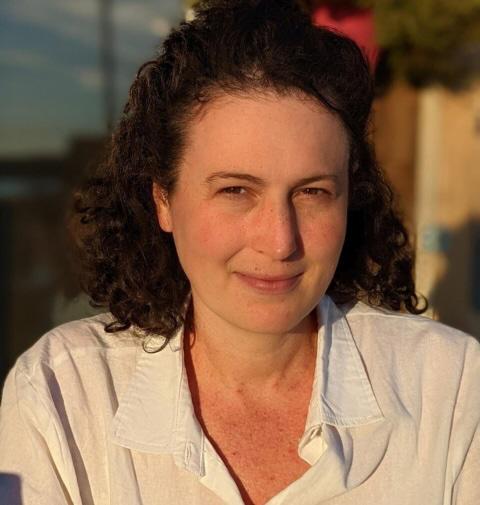
Assistant Professor School of Public and International Affairs College of Public Health
Bree Bang-Jensen received this year’s Innovation in AI Teaching Award for an assignment she designed for INTL 4210: International Law.
The two-part assignment transformed how students learn treaty drafting by strategically integrating generative AI tools grounded in documented professional trends: text reuse in treaty drafting (Arias 2023), legislative borrowing (Wilkerson et al. 2015) and AI adoption in legal practice (Couture 2025).
Student groups first drafted two- to four-page treaties addressing contemporary transnational issues such as cybersecurity, climate change or pandemic preparedness. This part of the assignment explicitly encouraged AI use. Students fed relevant sample treaties into a Large Language Model chat client to help it learn style and clause structure, then edited AI outputs for accuracy and consistency. Students were required to provide PDFs and screenshots of their initial AI prompts and subsequent feedback, creating transparency about the process. The draft treaties included a justification memo explaining their choices.
In the second part of the assignment, students independently wrote a ratification memo from a specific nation-state perspective, explaining which treaties they would join and why, using evidence from news articles, government statements and scholarly sources. AI tools were explicitly prohibited in this section, ensuring individual analytical accountability.
The assignment developed critical AI literacy by teaching students to use AI as a tool requiring expert oversight rather than a replacement for judgment. Students learned effective prompting strategies, how to evaluate AI-generated legal language and when human revision is essential.
By requiring students to explain and defend choices about obligation, precision, delegation and flexibility, the assignment also developed legal reasoning skills that extended beyond technical drafting.
“This assignment is a terrific example of AI-resilient assessment,” said Meg Mittelstadt, director of the Center for Teaching and Learning. “It incorporates generative AI in meaningful, disciplinary-appropriate ways that support students’ critical thinking, creativity and authentic engagement with real-world tasks.”
BURKE from page 2
can be confident in experimental results.
Burke is also a hands-on mentor. She has mentored more than 30 undergraduate students. Six undergraduates have authored peer-reviewed publications, six have won small competitive grants to support their research, and two won a total of four prizes at the CURO symposium.
“Truly, Dr. Gaelen Burke is an outstanding model for what it means to be a driven, enthusiastic, engaging educator,” one former student wrote. “Through her engaging class exhibits, hands-on demos and genuine connection with her students, she is one of — if not the best — professors I have ever had.”
Her approach has already earned Burke the CAES Undergraduate Research Mentor of the Year award and the CAES Early Career Teaching Award. She also participated in the Senior Teaching Fellows program.
EVANS from page 2 of a Screenplay.”
“Being able to analyze media has allowed me to fall even more in love with the craft and the dedication it takes to create stories worth telling. His instruction has fundamentally altered the way I critically engage with the world around me,” one former student wrote.
Mentorship is another important part of Evans’ work. He has mentored five students in credit-earning independent studies, several of whom have received honors at the Austin Film Festival and the Broadcast Education Association’s Festival of Arts, including a student who won the Atlanta Film Festival’s screenwriting competition. His former students now work across the entertainment industry, including positions at Disney, Creative Artists Agency, Netflix and on the writing staff of “The Simpsons.”
from page 2
“Dr. Hovland’s style of teaching relies on the students’ critical thinking skills. Rather than testing students on materials and facts, Dr. Hovland tailors course materials and discussions to evaluate concepts, abandoning the mere regurgitation of facts. By doing so, my peers and I learned to connect patterns and concepts and apply them in discussion and other issues outside the realm of class discussion,” one former student wrote.
Hovland has been invited to present on student reading at 19 workshops and panels at UGA, including Center for Teaching and Learning workshops,Writing Intensive Program workshops and the Active Learning Summit. She also twice co-led a Faculty Learning Community on student reading.
from page 3
programs of their own to recent alumni shaping scholarship on AI, cybersecurity governance and human-algorithm collaboration. Additionally, she has served as a faculty mentor at doctoral and faculty development consortia for the field’s major conferences and has been an invited faculty mentor at research workshops at a dozen universities across the globe. Her extensive editorial service also demonstrates her leadership in her field. She spent 11 years as senior editor at both MIS Quarterly and Information Systems Research. She also had long tenures as associate editor at Management Science and advisory senior editor at Information Systems Research. She is regularly invited to give scholarly talks and presentations around the world.
from page 3
His work extends beyond the academic world. He writes for Forbes and has authored or co-authored eight scholarly books, 25 book or monograph chapters and over 120 peer-reviewed journal articles. He’s also frequently sought as an expert on weather, climate and remote sensing, appearing on national media and hosting The Weather Channel’s “Weather Geeks” show and podcast. Additionally, he’s given three TED Talks that have a combined total of more than 3 million views.
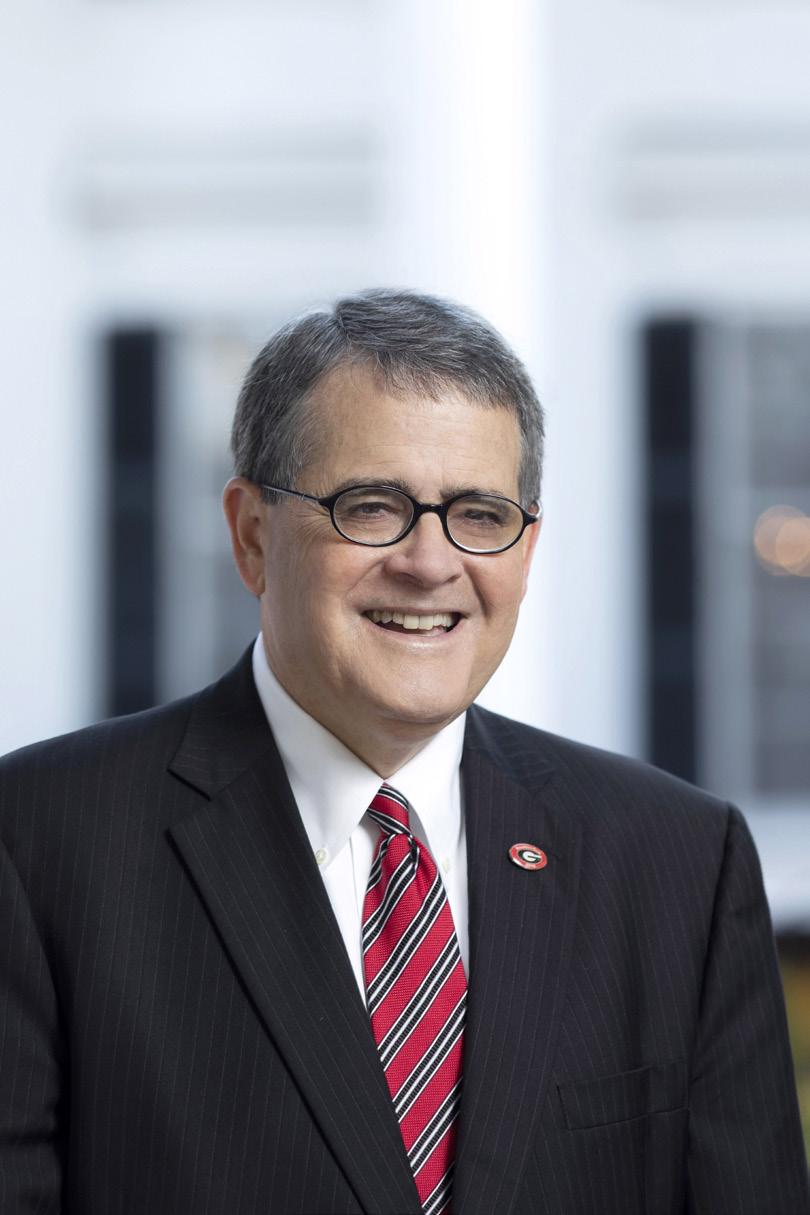
PARROTT from page 2
students for various work in biotechnology fields. He also helped develop MS and Ph.D. programs in plant breeding, genetics and genomics.
Those graduate offerings are now housed in the Institute of Plant Breeding, Genetics & Genomics, which Parrott has led since 2022. In the last decadal survey of plant breeding and genetics programs in the country, UGA’s program rose from No. 33 to No. 3 in size. Additionally, Parrott serves as the interim director of the Center for Applied Genetic Technologies.
“Over the course of his distinguished career, Dr. Parrott has made transformative contributions to the University of Georgia through visionary leadership in international
RHODES from page 2
research, were tasked with conceptualizing and creating the UGA Research Institute in 2022. The institute was designed to develop and facilitate opportunities for UGA faculty to work with mission-driven agencies such as the U.S. Department of Defense and U.S. Department of Energy.
“While I am proud of the impacts that my approach to scholarship have had on the success of faculty and students at UGA, I believe my most significant and transformative achievements at UGA have been in the area of academic leadership,” Rhodes said.
As a scholar, Rhodes continues his own research in wildlife ecology and genetics. His early use of modern genetic methods to evaluate the consequences of wildlife reintroductions and supplementation has had a lasting impact on
from page 9
her commitment to relationship building, problem solving and delivering impact in diverse rural communities.
Cheely has transformed beef cattle production through programs that strengthen local economies and enhance producer sustainability. Her Warren County Calf Network has facilitated the sale of more than 30,000 calves and generated over $991,000 in additional profits since it began 25 years ago, while her producer cooperative has saved members more than $1.8 million. Her program innovations, including genetic improvements that increased calf value by more than $649,000, have been replicated nationally and internationally.
Cheely’s Young Beef Producers Program has prepared the next generation of agricultural leaders. Through the program, Cheely has mentored 31 young producers.
from page 9
As fisheries program lead, Fluech addresses challenges facing Georgia’s commercial fishing industry, including competition from imported seafood, loss of working waterfronts and workforce shortages.
Despite these pressures, the industry remains vital, generating $51.4 million in sales in 2024. Collaborating with researchers, managers and commercial fishers, he has advanced the use of on-demand fishing gear to reduce entanglement risks for the endangered North Atlantic right whale, fostered workforce development initiatives and preserved Georgia’s fishing heritage through oral histories and waterfront assessments. His strong relationships with fishers have positioned UGA as a trusted and valued partner.
from page 9
organizations. He has delivered more than 40 presentations, training professionals on how to design high-impact education programs and attract private, corporate and federal funding. He has secured more than $3.7 million in private funding and over $6.8 million in federal funding for UGA SBDC’s initiatives.
Hensel is known for developing scalable education models that respond to real world business needs. Programs like the Maximum Marketing series, Digital Marketing Bootcamp, StartSmart and GrowSmart have generated over $5 million in grant funding, sponsorships and program income. Several have been replicated by SBDC programs in other states, extending UGA’s outreach impact well beyond Georgia.
“Honors Week celebrates the very best aspects of
education, curriculum innovation and strategic program development, advancing the university’s mission in teaching, research and service,” a colleague wrote. “His contributions have shaped UGA’s academic landscape, strengthened its global presence and positioned the university as a leader in plant sciences and biotechnology.”
In addition to teaching, Parrott has held several editorial positions, given numerous invited presentations, submitted more than 125 publications and mentored and supervised many graduate students, interns and visiting scientists.
“Being a member of the UGA faculty has been a deeply gratifying experience, especially as I’ve had the opportunity to see many of my efforts come to fruition,” Parrott said.
the management of wild species and widespread adoption of genetic data by fish and wildlife management agencies. He has published 260 scholarly works, including two edited books, and has given numerous invited presentations.
“Dr. Rhodes has exceptional credentials as a leader, administrator, faculty member and agent of change at the university. He has played an impressive and significant role over the past decade in advancing UGA’s mission in a transformative manner that is deserving of this designation,” a colleague wrote. “In his teaching, research, administrative duties, and service within and beyond the UGA community, he has seeded careers, advanced the state of his discipline, transformed UGA research units and catalyzed positive change in virtually every project he has touched.”
from page 9
and public service faculty on projects securing more than $20 million in grants. These initiatives address critical needs, such as natural disasters’ impacts, access to quality child care and workforce readiness.
DeMeester served as co-Principal Investigator and lead evaluator for UGA’s Project F.R.E.E. (Fostering Relationship and Economic Enrichment) and Elevate Couples Georgia, federally-funded research and service initiatives housed at the College of Family and Consumer Sciences and Cooperative Extension. Since 2015, these programs have had an impact on thousands of Georgia couples and families through research-based relationship and financial education.
Some of her other partners include Georgia Department of Transportation, the city of Decatur, and Marine Extension and Georgia Sea Grant.
from page 9
include a K-5 curriculum and trained more than 50 schools and organizations, reaching more than 22,000 individuals and generating more than 108,000 contact hours. Her efforts have positioned the Fanning Institute as a trusted resource for youth leadership development statewide.
Healey’s school-based enrichment programs have earned national recognition, including the 2019 Judges’ National Award of Excellence from the University Economic Development Association, for their impact on student success. In 2015 at Walnut Grove High School, she led a leadership initiative that contributed to a nearly 20% increase in graduation rates — from 78.3% to 93.6% — over a five-year period and inspired similar programs across Georgia.
CALABRIA from page 9
advanced landscape architecture and expanded its impact across Georgia, facilitating over $4 million in community improvements from rural downtown revitalizations to coastal resilience planning. His scholarly portfolio includes 15 published works and 70 conference presentations, underscoring his sustained engagement in advancing the field.
Calabria’s commitment to public service has been recognized through multiple honors, including the 2023 ServiceLearning Research Excellence Award from the Office of Service-Learning and the 2022 Team Impact Award from the Office of Research.
our dynamic University community, and it is a tremendous privilege to recognize so many of our talented faculty, staff and students, as well as the continued support of our loyal alumni. I am truly grateful for all you do to advance our mission and further solidify the University of Georgia as one of the very best public
institutions in the nation.”
—President Jere W. Morehead