
The Florida Nursery Growers and Landscape Association (FNGLA) just wrapped up its 2026 Convention at The Biltmore Hotel in Coral Gables, and it was buzzing. UF/IFAS was front and center and for good reasons. A lot of people don’t realize just how essential this industry is to Florida’s economy and quality of life and the contribution IFAS makes to the industry. We’re talking about an economic impact of roughly $42 billion and more than 279,000 jobs, with Florida ranking second in the nation for ornamental crop value and first for tropical foliage. On top of that, the industry delivers huge non-market benefits like carbon sequestration, wildlife habitat, and the lush landscapes that are at the heart of Florida’s tourism appeal.
What’s also not widely known is that Miami-Dade County is the top producer of ornamental plants in the entire United States, with the industry accounting for about 84% of the county’s agricultural sector. And here at UF/IFAS TREC, we’re proud to know this wasn’t always the case; and that decades of research, support, and collaboration helped the industry reach this milestone.
I like to think of it this way: just as red and white blood cells keep a person alive, TREC’s research keeps the Miami-Dade ornamental industry productive and resilient. Red blood cells deliver fuel; white blood cells defend against threats. In the same way, TREC provides both the fuel (better crops, improved practices) and the protection (pest and disease management) that keep growers thriving.
For instance, TREC hosts the only tropical Plant Diagnostic Clinic in the continental U.S., processing more than 1,200 samples a year, most from nursery operators. Our faculty don’t stay tucked away in labs — they’re out in nurseries, listening, observing, and shaping research around real-world needs. Their work is shared through workshops, field days, and publications, and it has saved growers thousands of dollars. Dr. Alexandra Revynthi’s leadership on Thrips parvispinus, and the hibiscus bud weevil, for example, even earned her the FNGLA Friend of the Industry Award, with CEO Talmadge Coley calling her collaboration “a model for others in academia”.
Our relationship with growers is truly symbiotic. Many serve on our advisory board, offer real-time insights, support our fundraising, and provide in-kind resources that strengthen our research. That trust is why local growers often say, “When something hits our crops, TREC is the first place we call.” We take that to heart; and we intend to keep it that way.

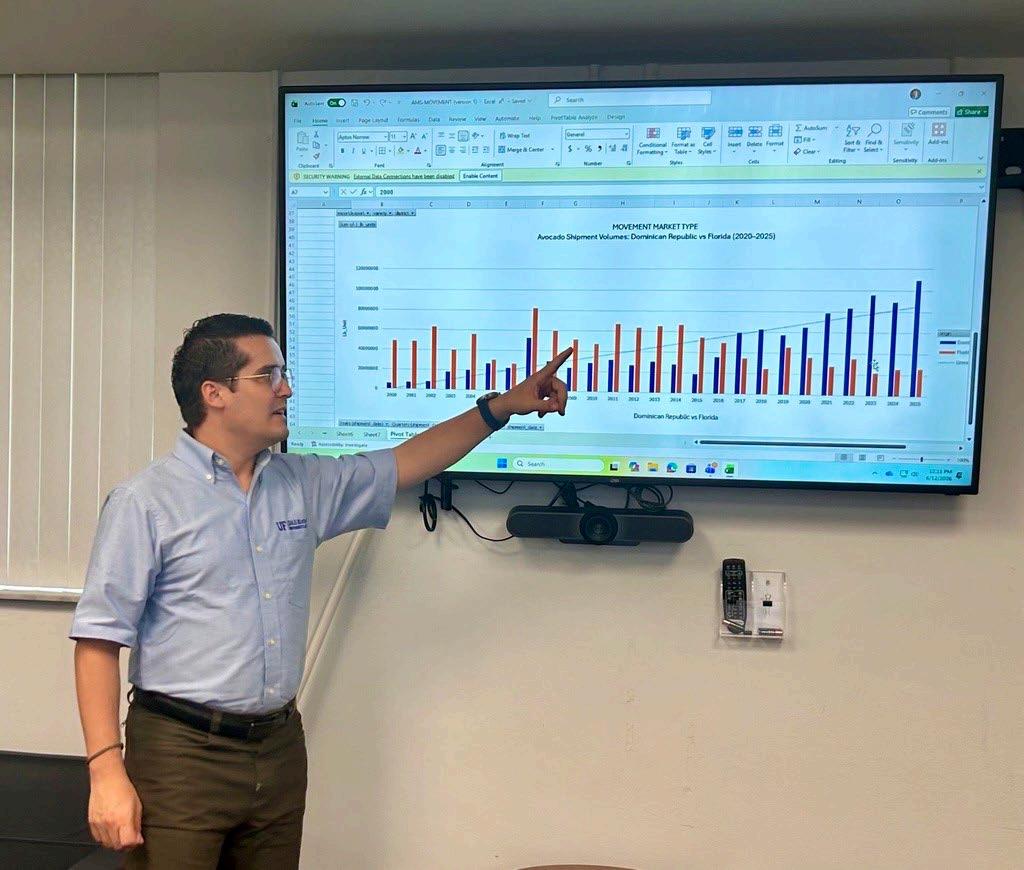
In this installment of The Science Behind, we’ll explore Dr. Malek Hammami’s research and extension efforts at the UF/IFAS Tropical Research & Education Center. Dr. Hammami’s research aims to understand how fruit, vegetable, and ornamental crops are grown and produced in south Florida to optimize farm budgets and allow growers to identify and capitalize on new market opportunities. What’s he working on now, you ask?
Dr. Hammami is working with Drs. Bruce Schaffer, Daniel Carrillo, and Romina Gazis to evaluate the economic efficiency of avocado production in south Florida. Accounting for the mitigation efforts of Laurel Wilt and other pressures, Dr. Hammami and his team can support farmers evaluate the economic efficiency of their farms. In addition to surveying growers, Dr. Hammami collaborates with the Avocado Administrative Committee to understand how Florida avocados are regulated.
With Florida’s avocado production area potentially expanding to the north, another operational challenge some growers face is cold temperatures and, if this year was any indication, multi-day freezes. While finding coldhardy avocados is not in the scope of work for Dr. Hammami, understanding the expansion of the industry, adaptability of markets to shocks, and the weather-related impacts is. Also of interest, would be how these factors allow avocado production to expand domestically and internationally. Avocados from Canada? Anyone? Ultimately, as with all UF/IFAS researchers, Dr. Hammami aims to help Florida growers stay competitive.
For stakeholders interested in investing in avocado and other specialty crops, the Food and Resource Economics (FRE) program at the UF/IFAS Tropical Research and Education Center (TREC) offers an interactive tool that helps startup growers simulate and evaluate basic production and profitability scenarios across several crops, just to get started.
Another way Dr. Hammami is helping Florida growers stay competitive is finding alternative means of income using their land. Agrivoltaics is defined by the U.S. Department of Energy as the practice of locating agricultural production, such as crops, livestock, or pollinator habitats, underneath solar panels or between rows of solar panels. At TREC, some of the crops being grown in a collaborative pilot study with FPL includes tropical hibiscus, vanilla, dragon fruit, and philodendron. By participating in this study, UF/IFAS aims to provide Florida’s farmers with science-based information to guide their decision-making as the available acreage for agriculture decreases.
Ali, H., Singh, Z., Vithana, M. D. K., Singh, J., Niscioli, A., Afrifa-Yamoah, E., Woodward, A., Hasan, M. U., Malik, A. U. (2026). Mango fruit set and drop: A comprehensive review. Scientia Horticulturae, 359, 1-22. DOI: https://doi.org/10.1016/j.scienta.2026.114763
Biondi, S., Pinton, S., Chu Chu, C., Dix, N., Smyth, A., Reisinger, A. J., & Canestrelli, A. (2026). Observed nitrogen accumulation during salinity and temperature surges in a coastal dam control led lake. Journal of Environmental Management, 405, 129590. DOI: https://doi.org/10.1016/j.jenvman.2026.129590
Carrillo, D. & Berto, M. (2026). Prospects for biological control of wood-boring insects using phoretic mites. Frontiers in Plant Science, 17. DOI: https://doi.org/10.3389/fpls.2026.1805145
Chen, S., Liu, Q., Velasquez-Hernandez, Y., Revynthi, A. M., Wilson, S., & Wu, X. (2026).
Morphological diversity and biotic stress evaluation of tropical hibiscus (Hibiscus rosasinensis L.). Scientia Horticulturae, 361, 1 April 2026, 114837. DOI: https://doi.org/10.1016/j.scienta.2026.114837
De Giosa, M., Ataide, L., & Revynthi, A. (2026). Comparing eriophyoid extraction methods: Assessing efficiency, advantages, and limitations. International Journal of Acarology, 1-6. DOI: https://doi.org/10.1080/01647954.2026.2628702
Jeong, J., Zhai, Y., Kim, D., Jeong, K. C., & Her, Y. G. (2026). Harnessing big data for climate-smart livestock systems: A perspective on resilient animal-source food security. Journal of Animal Science and Technology. DOI: https://doi.org/10.5187/jast.25.00442
Monteiro de Souza Barros, M., Revynthi, A. M., Smith, H. A. (2026). Evaluating predation of Megalurothrips usitatus (Thysanoptera: Thripidae) by Amblyseius swirskii (Acari: Phytoseiidae) and Neoseiulus cucumeris (Acari: Phytoseiidae). Journal of Economic Entomology, toag076. DOI: https://doi.org/10.1093/jee/toag076
Mudiyanselage, S., Lee, M., Huguet-Tapia, J. C., Gazis, R., & Martins, S. J. (2026). Genomic insights into a multispecies bacterial pathogen complex driving bacterial blotch in white button mushrooms. Microbiological Research, 309(128532). DOI: https://doi.org/10.1016/j.micres.2026.128532
Potts, J., Jiang, T., Michael, V. N., Huo, A., & Wu, X. (2026). Genome-wide identification and expression profiling of the GYF gene family in Vanilla planifolia: Insights into fruit development and Cymbidium mosaic virus response. Frontiers in Plant Science, 17. DOI: https://doi.org/10.3389/fpls.2026.1795375
Potts, J., Michael, V. N., & Wu, X. (2026). Metagenomic analysis reveals viral diversity of Vanilla planifolia in south Florida. Agronomy, 16(9), 881. DOI: https://doi.org/10.3390/agronomy16090881
Priti, Jangra, S., Chaudhary, V., Rehsawla, R., Taneja, A., Singh, J., Yadav, R., C., & Yadav, N. R. (2026). Biotechnological interventions in unraveling the genetic treasure of an orphan crop, cluster bean (Cyamopsis tetragonoloba L.). Cureus Journal of Agriculture and Food Science, May 20, 2026. DOI: https://doi.org/10.7759/s44497-025-00069-2
Suela, M. M., Castro, C. R., Ribeiro, W. R., Munoz, P. R., Singh, J., Sarkosh, A., Crane, J., Ferrao, L. F. V. (2026). First Assessment of agronomical performance of Coffea arabica in the southern US conditions. Crop Science, 66:e70270. DOI: https://doi.org/10.1002/csc2.70270
Taco, A., Potts, J., Schaffer, B., Moon, P., Wu, X., & Li, Y. (2026). Nitrogen rate optimization improves nitrogen partitioning, chlorophyll status, and vegetative growth in Vanilla x tahitensis. Nitrogen, 7(1), 29. DOI: https://doi.org/10.3390/nitrogen7010029
Thakur, S., Pareek, S., Prasad Dixit, G., Meru, G., & Das, A. (2026). Advances in gene editing for legume improvement: Technologies, progress, and prospects. Frontiers in Genome Editing DOI: https://doi.org/10.3389/fgeed.2026.1789952
Her, Y. G., Guzman, S., Smyth, A. R., Vasquez, L., Wang, Q., & Li. Y. (2026). “Agricultural and environmental implications of information-driven irrigation scheduling: Insights from a field-scale study with a gravelly loam soil in south Florida, AE615, 4/2026”. EDIS 2026(3). DOI: https://doi.org/10.32473/EDIS-AE615-2026
Kaylor, C., Reynolds, L., Baker, S., Collins, A., Sturner, L., & Smyth, A. (2026). “A comparison between the northern hard clam (Mercenaria mercenaria) and southern hard clam (Mercenaria campechiensis) for restoration in Florida, SL542, 04/2026”. EDIS 2026(3). DOI: https://doi.org/10.32473/EDIS-SS758-2026
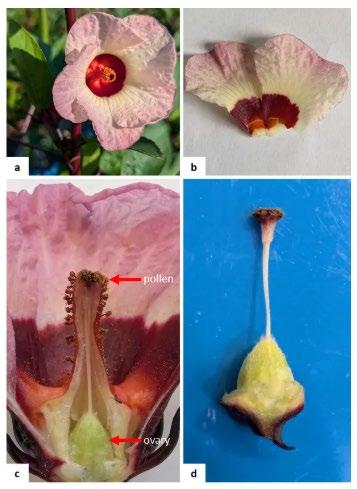
Samuel, N., Wu, X., Zimmerman, T. W., & Smith, M. T. (2026). “Hibiscus sabdariffa Botany” HS1517, 04/2026”. EDIS, 2026(3). DOI: https://doi.org/10.32473/EDIS-HS15172026
For anyone interested in growing sorrel, or Hibiscus sabdariffa, this publication offers an overview of the botanical characteristics of the plant. This will be helpful when reading publications on how to grow the crop.
Smith, H. A., Velasquez-Hernandez, Y., & Revynthi, A. M. (2026). “Two-spot cotton leafhopper Amrasca biguttula (Ishida) (Insecta: Hemiptera: Cicadellidae) EENY827, 3/2026”. EDIS 2026(3). DOI: https://doi.org/10.32473/edis-in1470-2026
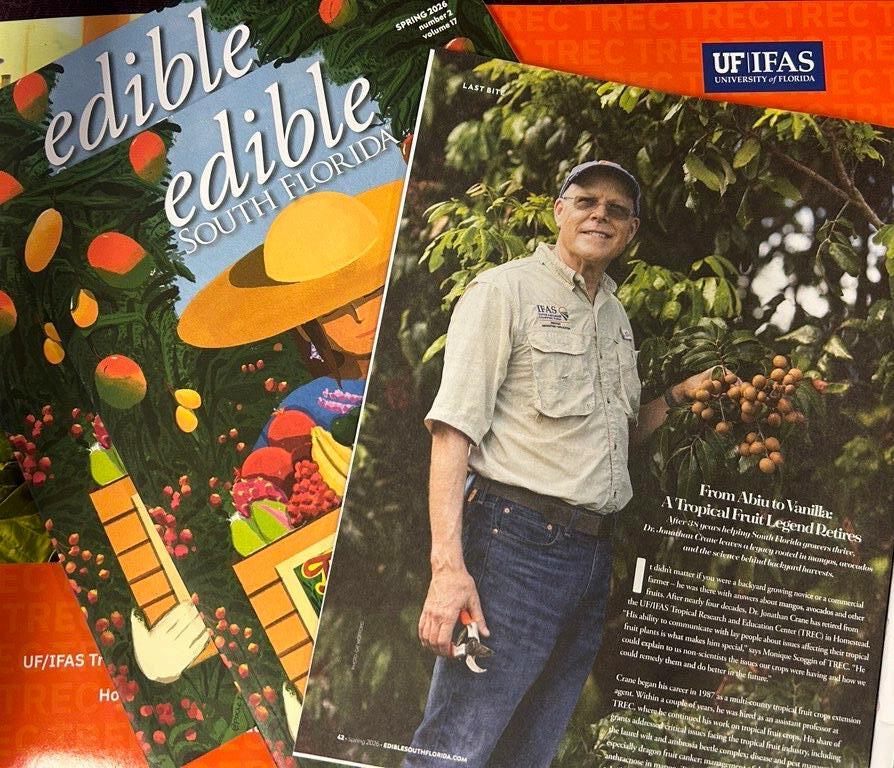
Edible South Florida explores our foods, our stories, and our community by season. As the trusted voice of the local food movement, they inspire readers to support and celebrate the growers, producers, chefs, restaurants, food and drink artisans and other culinary businesses in our community.
Edible South Florida frequently features articles written by UF/IFAS professionals including a regular column written by Jeff Wasielewski, for over a dozen years.
In their most recent issue, they highlighted Dr. Jonathan Crane and the impact he’s had across south Florida. If you’d like a copy of this publication, please contact Jeff or Monique.


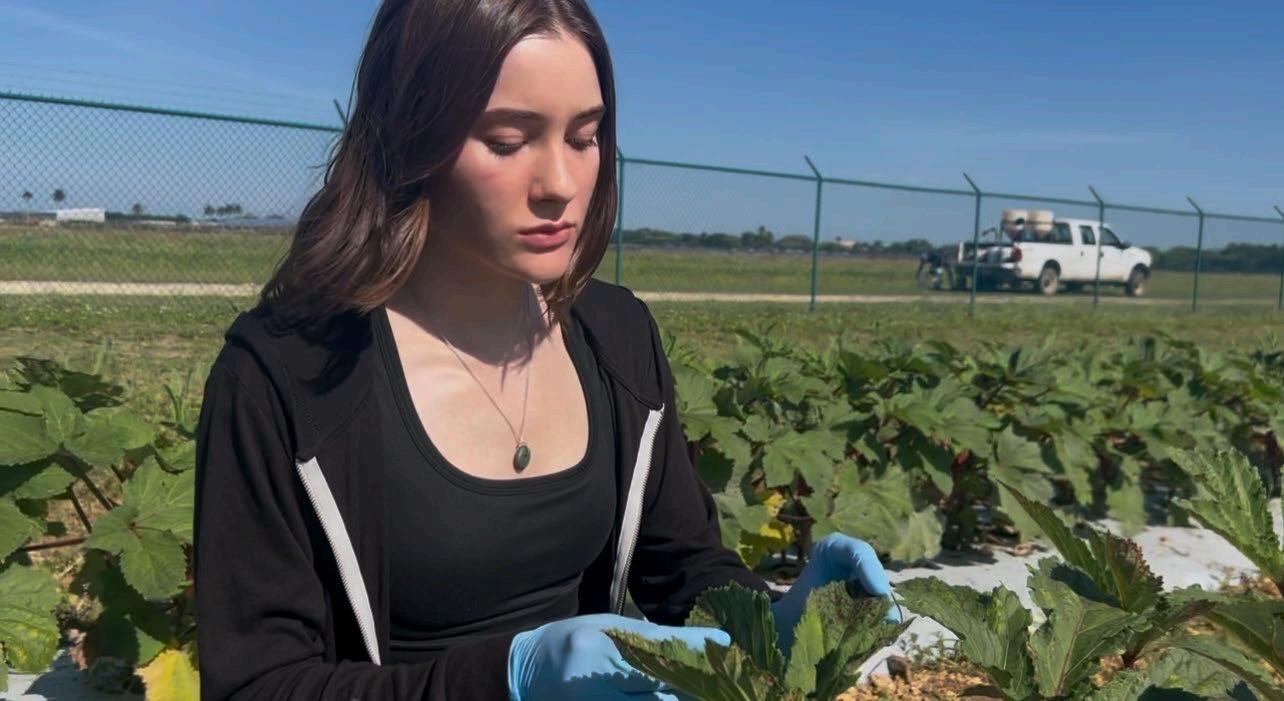
Peyton Ecklund graduated from high school in south Florida from BioTech @ Richmond Heights, specifically. Peyton’s interest in plant research was kindled through her school's collaboration with Fairchild Tropical Botanic Garden. She knew from her experiences in high school that she would continue researching plants. Despite being an average student with learning disabilities (yet to be diagnosed), Peyton was accepted to several universities, thus paving the way for her to continue her studies.
Presently, Peyton is working on her Masters of Horticultural Sciences with a minor in Plant Pathology, in Dr. Xiaoying Li’s horticulture vegetable crops lab. Peyton first joined Dr. Li’s lab in 2024 to screen okra seeds for seed-borne pathogens. That project included the development of rapid detection tests which, if successful, would allow seed distributers to test seeds prior to selling—potentially saving farmers money. Since okra is one of the few vegetables which can be grown in south Florida’s humid summers, Peyton’s project focuses on finding disease-resistant varieties adapted to the climate. To learn more about Peyton’s research, watch this video. Subscribe to get notifications when we upload new videos.

In this edition of
My father has had the greatest influence on my career. He spent his career working in agricultural research and crop production, and I grew up observing the challenges and rewards of improving crops in real-world farming systems. Those early experiences shaped my appreciation for agriculture and the impact that scientific research can have on growers and communities.
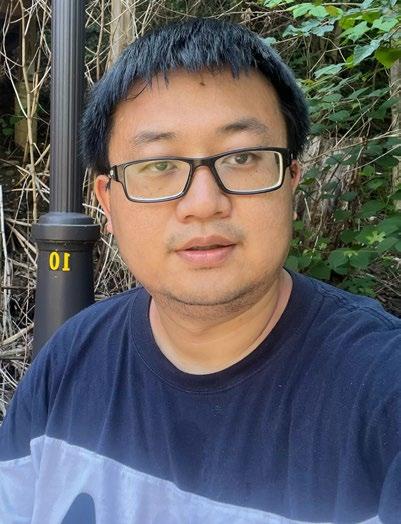
While his work focused on field-based crop improvement, I became fascinated by the genetic and molecular mechanisms underlying plant traits. His dedication, curiosity, and commitment to solving practical agricultural problems continue to inspire my work and motivate my efforts to bridge fundamental genomics with applied crop improvement. (continued on page 11)



The TREC Circle of Friends was established by Center Director, Dr. Edward “Gilly” Evans, as a way to encourage present, former, and future personnel at the Center to stay in touch. As Dr. Evans has mentioned on several occasions: “once a Trekian, always a Trekian.”

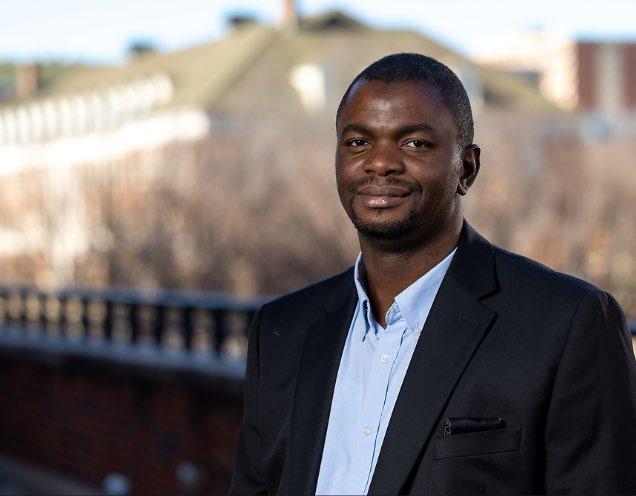
In this first installment of the Circle of Friends, we reconnect with Dr. Mustafa Jibrin. Dr. Jibrin worked as a post doc in Dr. Shouan Zhang’s lab while at TREC. Presently, he serves as an Adjunct Assistant Professor in the Department of Entomology and Plant Pathology at Oklahoma State University in Stillwater, Oklahoma.
What is a fond memory that you have of your time at TREC?
The friendly, supportive and collaborative atmosphere at TREC is my fondest memory.
How has TREC impacted you beyond your career?
My post-doctoral experience at TREC opened a whole new research area for my career bordering on discovery and evaluation of small molecules for plant disease management and how to characterize mechanisms of action of crop protection chemicals using advanced metabolomics and transcriptomics tools. Additionally, I received the Director’s “You make a difference” medal, which always reminds me that little things we do may not go unnoticed. Highlight 3 of your top academic moments.
a. Publishing my first paper on metabolomics, despite the covid19 lockdown.
b. Publishing my paper on “Surfactant in Plant Disease Management”, which today stands as the most cited paper on surfactant use in plant disease management.
c. Having a patient and supportive PI in Dr. Shouan Zhang, with whom I continue publishing. (Watch out for more publications soon!)
Who has had the greatest influence on your career?
Dr. Jeffrey B. Jones has had the greatest influence on my career. Dr. Jones is regarded as the global expert on bacterial spot disease of tomato and pepper, the disease that I have worked on during my much of my career. My MS and PhD studies, focused on bacterial spot and were carried out under the mentorship of Dr. Jones. He was also a co-PI on the grant focusing on small molecules for bacterial spot control that I worked on during my post doc with Dr. Shouan Zhang at TREC.
As an Assistant Professor at Oklahoma State University, I continue to work with Dr. Jones on the same disease system which recently led to a publication that identified a new bacterial species in Oklahoma. Dr. Jones played a significant role in laying my foundation for a career in Plant Pathology and continues to be a worthy mentor.


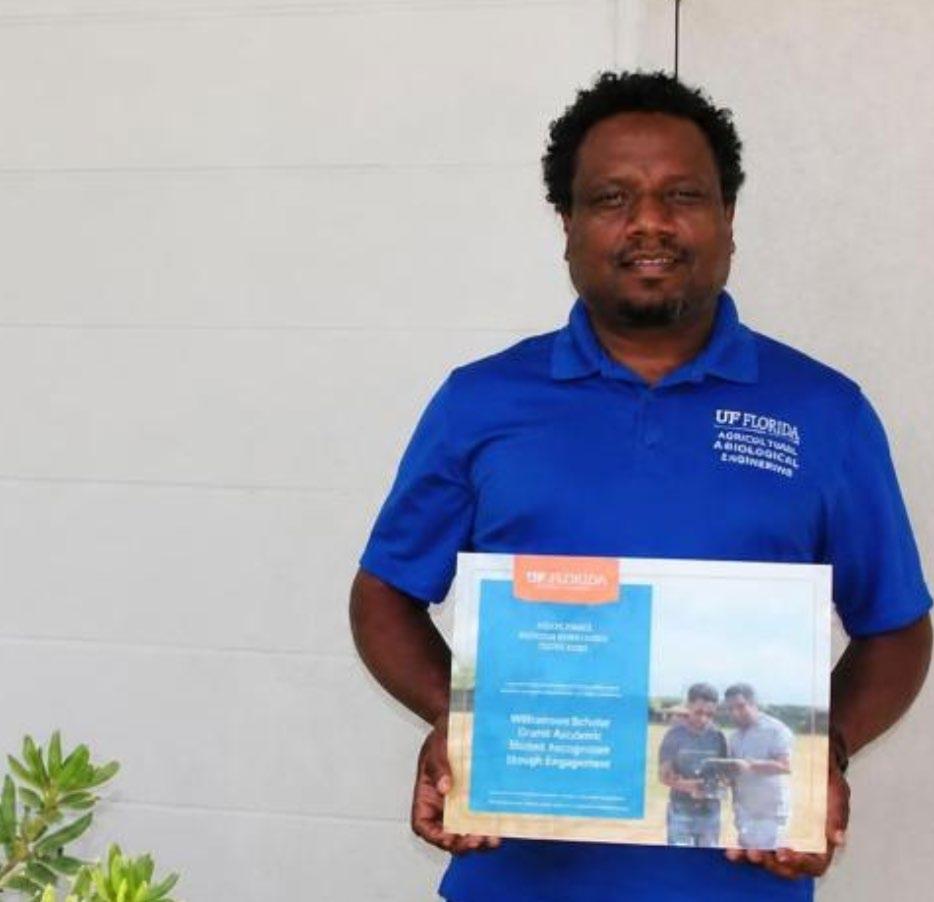
Drs. Fitsum Teshome, Haimanote Bayabil, and Bruce Schaffer were recognized at the 19th Annual Florida Agricultural Experiment Station Research Awards Ceremony at the Champions Club of the Ben Hill Griffin Stadium for their publication, “Improving soil moisture prediction with deep learning and machine learning models”. The publication was selected as a UF/IFAS High Impact Publication due to its strong influence and visibility within the research community. The study was published in ComputersandElectronicsinAgriculture , a top-tier Q1 Scopus journal with an Impact Factor of 8.9 and a CiteScore of 15.1. You can access the publication here.
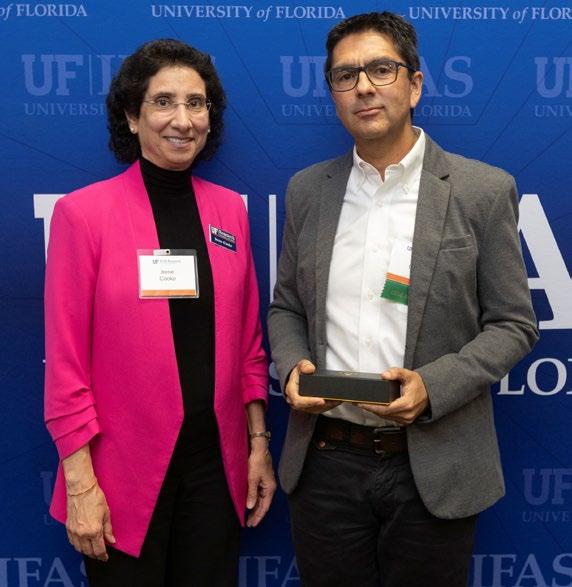

Dr. Daniel Carrillo was awarded the prestigious University of Florida Research Foundation (UFRF) Professorship. UFRF
Professorships are granted to tenured faculty who have demonstrated a distinguished and current record of research. These awards recognize outstanding recent contributions and encourage continued excellence. Selection is based primarily on (a) the faculty member’s performance over the past five years and (b) evidence of a strong, forward-looking research agenda that promises continued distinction in their field.
Help us celebrate the following team members for their dedication and service to the University of Florida:
Wanda Montas – 25 years
Dr. Fredy Ballen – 15 years
Dr. Geoffrey Meru – 10 years
Dr. Young Gu Her – 10 years
Monique Scoggin – 5 years
Yomiris Stephanie Reyes – 5 years
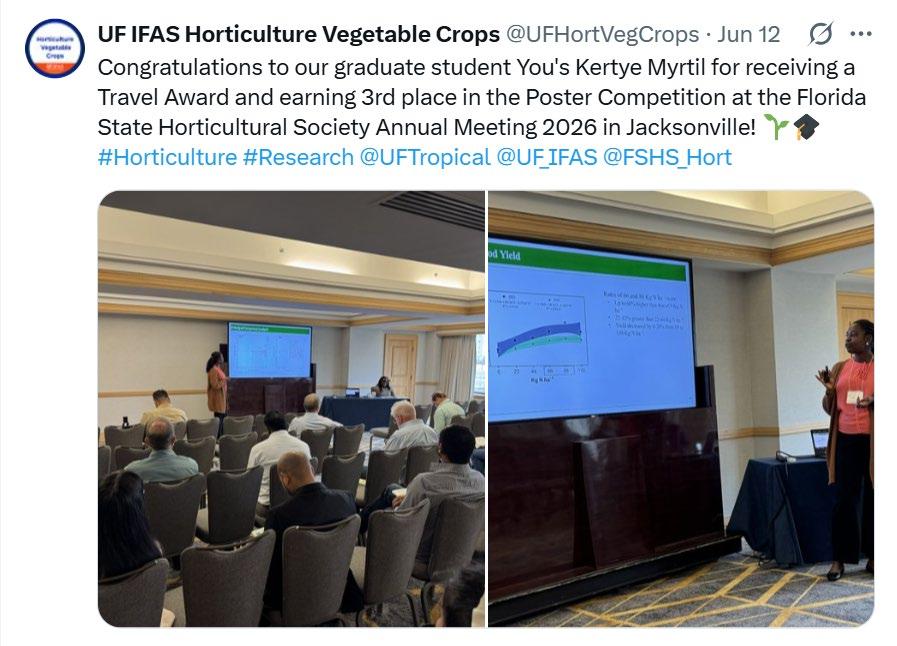
Congratulations to Kertye Myrtil for earning 3rd place in the Poster Competition at the recent FSHS Annual Meeting!
The South Florida Graduate Student Organization (SoFloGSO) and TREC Social Committee will be hosting the 9th annual south Florida Student and Post-Doc Research Symposium at the UF/IFAS Extension Miami-Dade County office in Homestead, Florida.
Registration for the event has been extended until July 2. For inquiries, please contact the hosts here.
Sponsorship opportunities
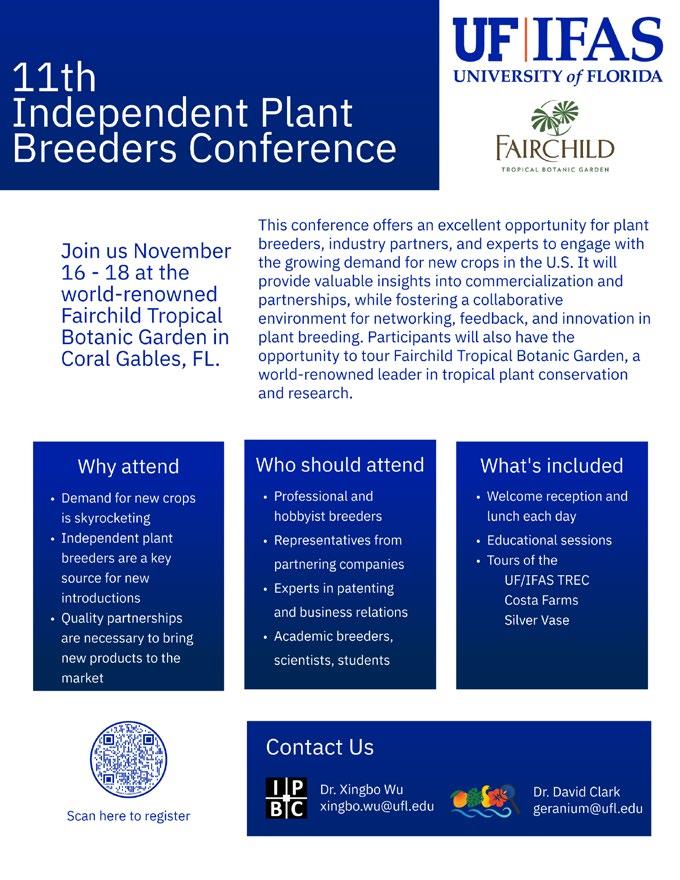
are still available!
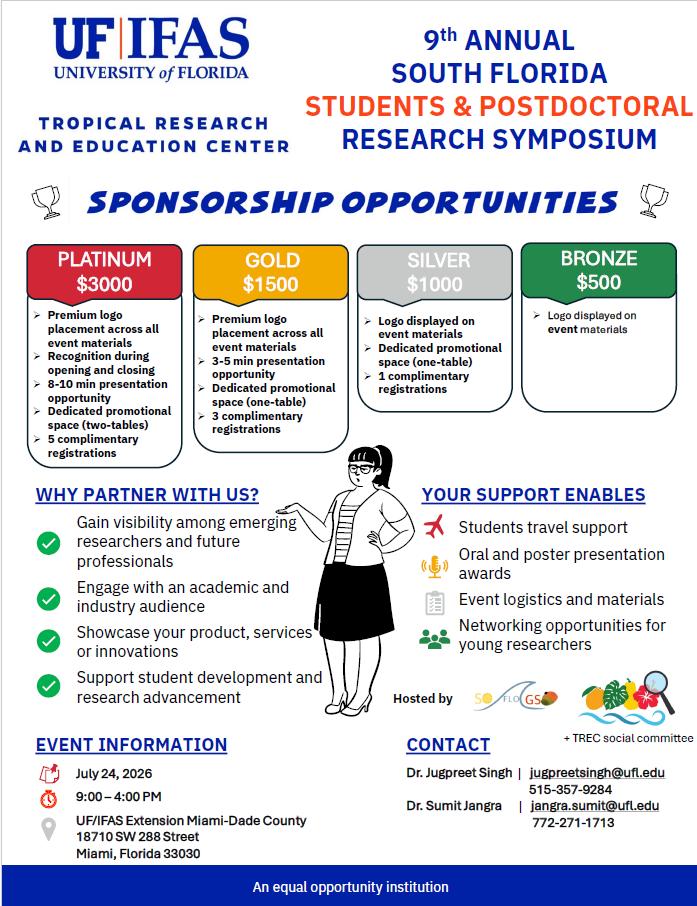
Dr. Xingbo Wu will host the 11th Independent Plant Breeders Conference in south Florida this year. This event will be held at the world-renowned Fairchild Tropical Botanic Garden. This conference offers an excellent opportunity for plant breeders, industry partners, and experts to engage with the growing demand for new crops in the U.S. Visit the IPBC page on the UF/IFAS TREC website for more information.
Contact Dr. Xingbo Wu for sponsorship opportunities.
Q: What is something unique to your role or your research here that you have not encountered before?
A defining feature of my role at TREC is the opportunity to pursue research questions with a high degree of scientific independence while having access to strong research support and resources. Compared with my graduate training, I now have access to diverse germplasm collections, extensive genomic resources, and large-scale sequencing datasets, which allow me to investigate biological questions at a broader scale and with greater depth. The availability of funding and research infrastructure also makes it possible to pursue more comprehensive and ambitious projects.
Another unique aspect is the breadth of research opportunities at TREC. I work across multiple tropical fruit crops and ornamental species, which has broadened my scientific perspective and enabled me to explore new biological questions. The strong culture of interdisciplinary collaboration both within the University of Florida and with external partners has further enriched my research by introducing new analytical approaches and complementary expertise. Together, these elements make TREC a uniquely stimulating and rewarding environment for advancing agricultural genomics.
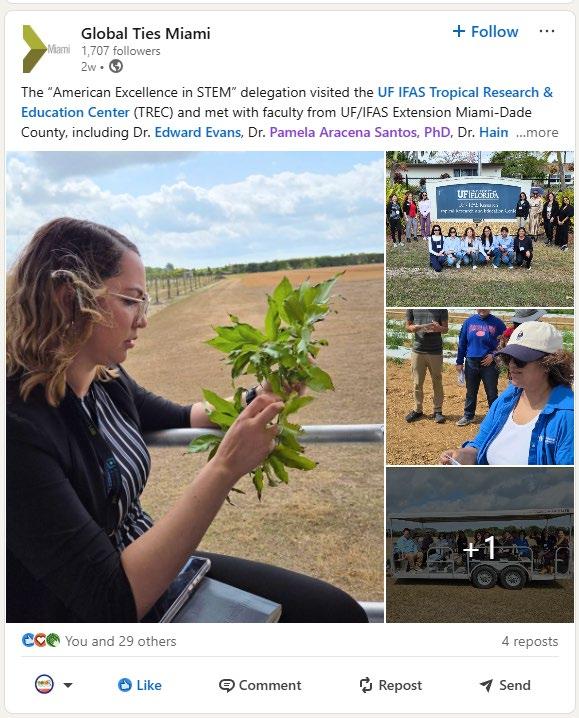
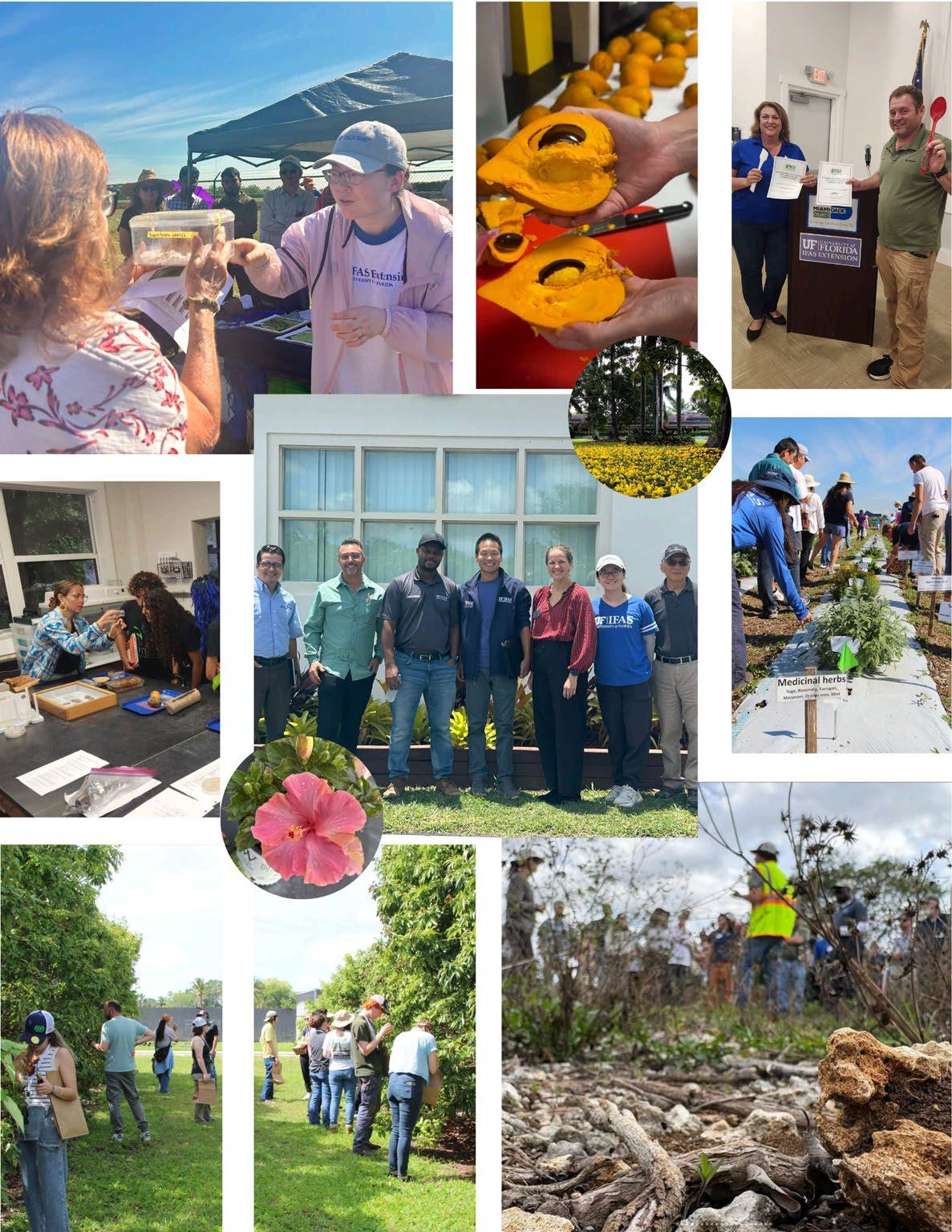
Some memorable moments from the last few months.

456 followers est 2025

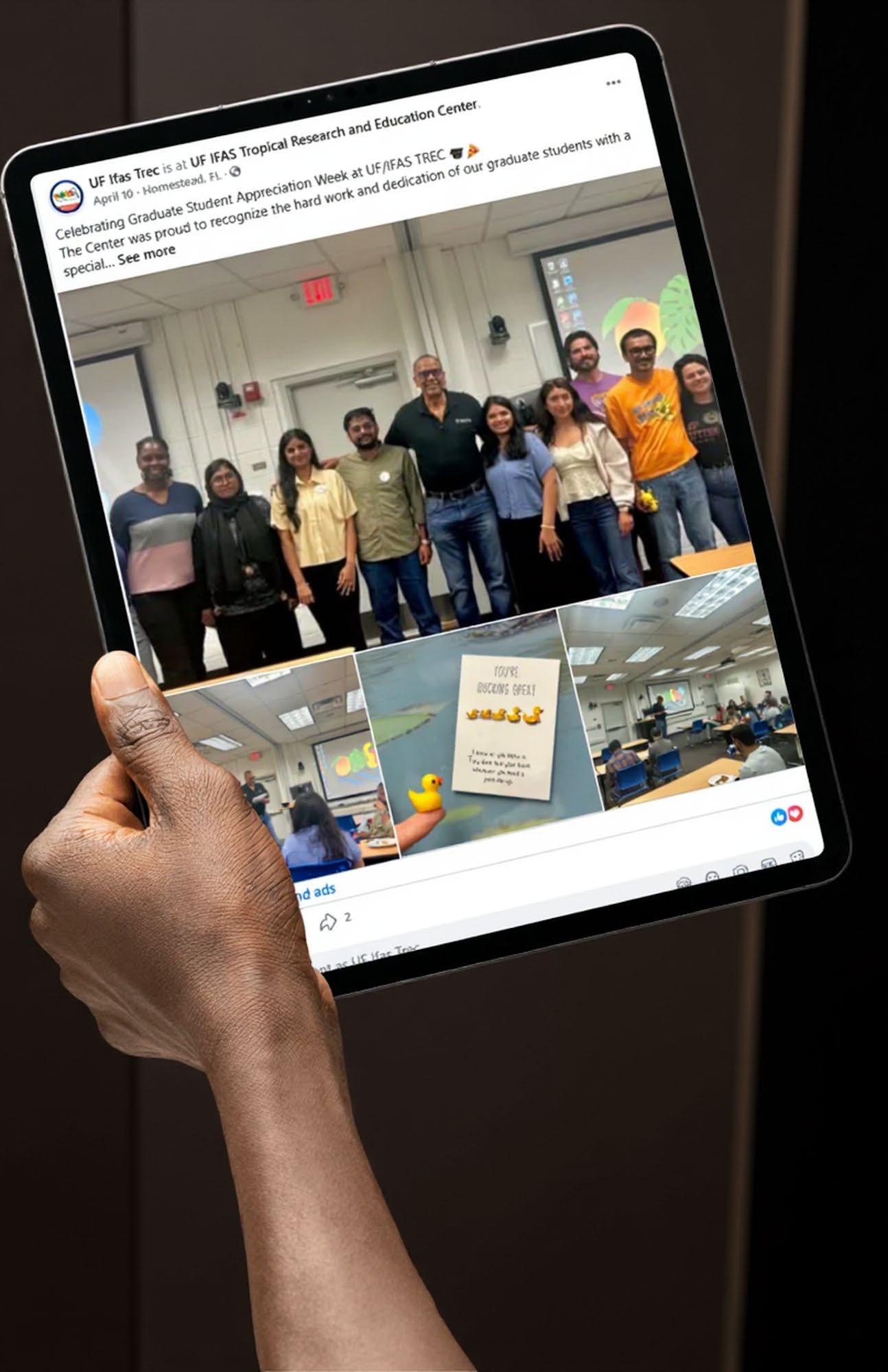

1,286 subscribers est 2018
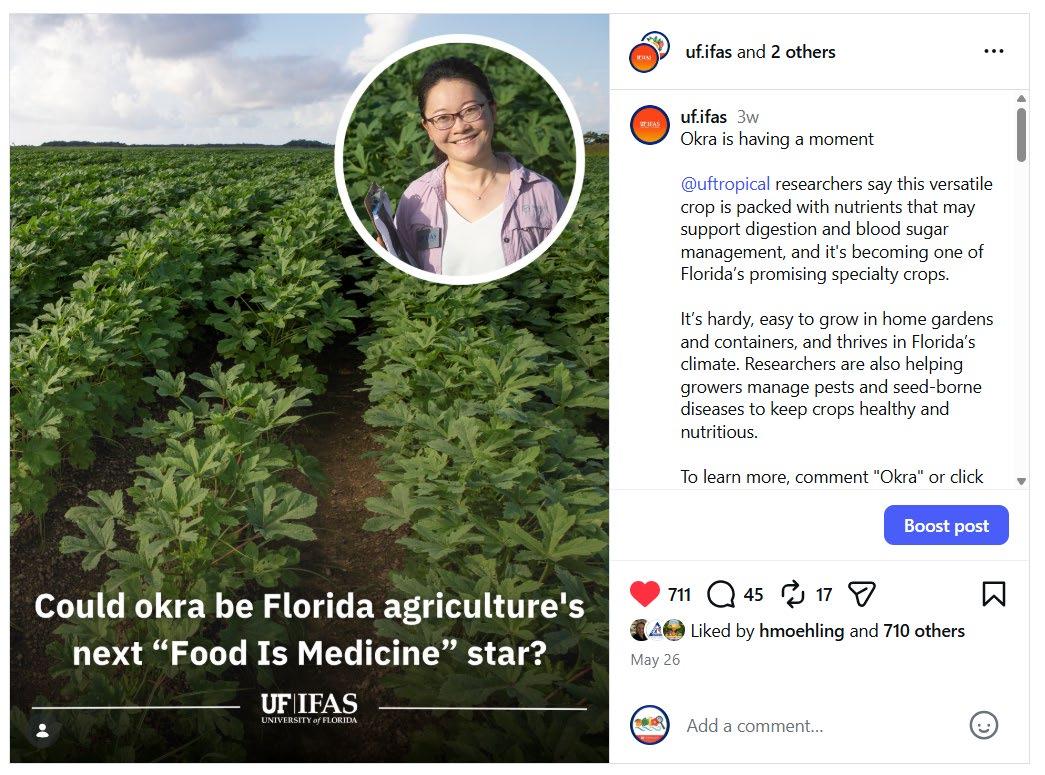

3,137 followers

1,757 followers est 2021
2,213 followers est 2017