• Master Gardener Volunteers in the Community … ➢ Herb and Bee Workshops Held … ➢ Helping Restore Oxbow’s Butterfly Garden … ➢
What’s Growing On at the Extension Campus!
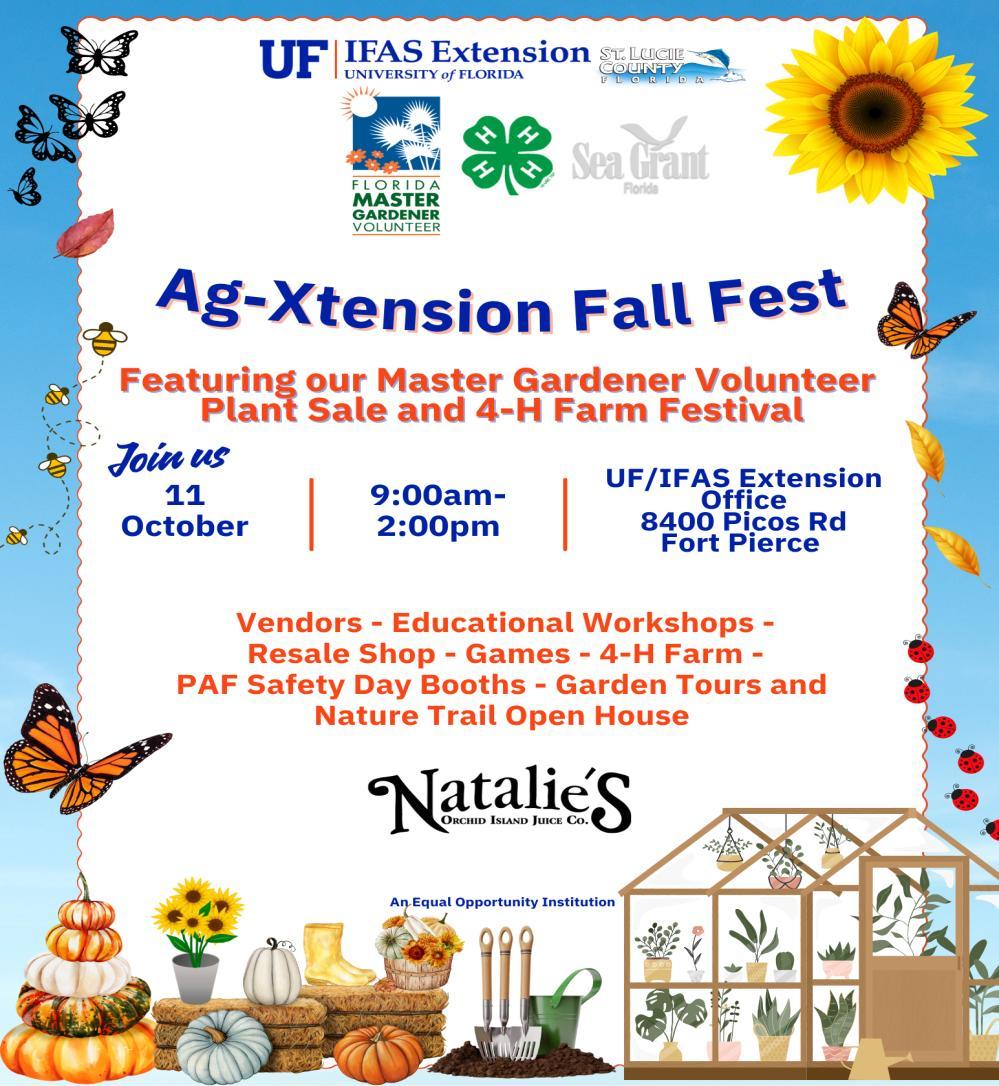
AG-Xtension Fall Fest and MGV Plant Sale
Saturday, October 11th 9:00 a.m. to 2:00 p.m.
Mobility Day MGV Plant Sale
Friday, October 10th 10:00 a.m. to Noon. Refer to page 5 in this newsletter!
• Nursery and Shade House Are Ready … • MGV Plant Sale – October 11th … Upcoming Events!
AG-Xtension Fall Fest, October 11th …
Nature Trail’s Make Over Transformation.
• Tranquility and Beauty Abounds on The Trail! …
Feature Article: We’re Still in Hurricane Season!
• Protecting Your Landscape Right Before a Hurricane …
Gardening Questions and Answers:
• Turf Varieties and Soil pH levels …
• September and October Plants of the Month …
Black-Eyed Susans and Crotons for Fall …
Culinary Delights – Tomatoes.
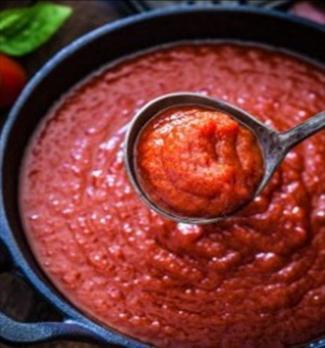
• Raw Tomato Sauce Recipe …
MGV Word Search.
• Florida – Lightning Capital of the United States! …
• Did You Know …
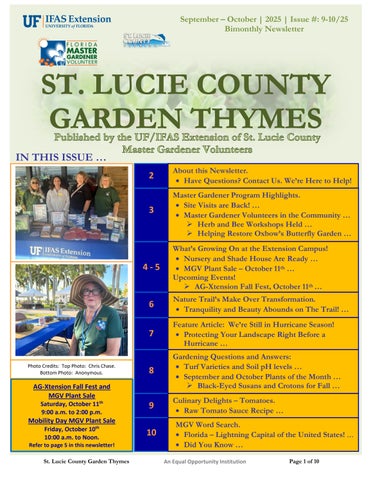
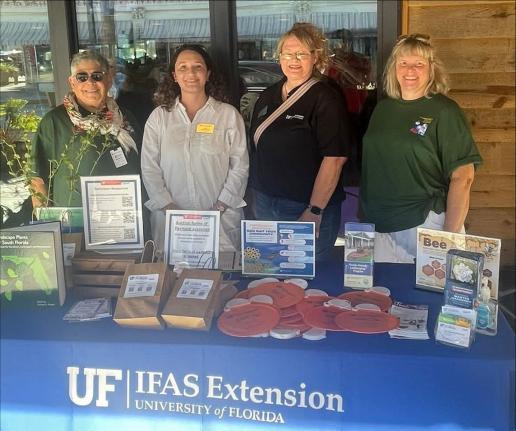
Photo Credits: Top Photo: Chris Chase. Bottom Photo: Anonymous.
By: UF/IFAS St. Lucie County Extension, Master Gardener Volunteers
The St. Lucie County Garden Thymes newsletter is a publication created and produced by the University of Florida/IFAS Master Gardener Volunteers of St. Lucie County. Our purpose is to provide an alternative way to support extension agents in delivering research-based horticultural information and education by sharing what Master Gardener Volunteers do and know with the community. Additionally, the goal of our newsletters is to share gardening information, successes, answer questions, and provide inspiration to fellow gardeners in our community.
All links and QR Codes are live in this publication for easy access to online information.
To view a website link, place your mouse over the web address. A hand will appear. Click your mouse pointer to access the website. When finished, click the back button on your Internet browser to return to this newsletter.
Editor-in-Chief:
Assistant Editor
Contributing
To use a QR Code, open your camera on your phone and place over the black and white QR Code image to view the website from your phone. We welcome any comments, suggestions, or personal gardening successes you’d like to share. Please email us at: sl-mg@ifas.ufl.edu. ~ Happy Reading – St. Lucie County Master Gardener Volunteers!
Promoting The 9 Principles of Florida–Friendly Landscaping™
By: Vivian Orlandi, UF/IFAS St. Lucie County Extension, Master Gardener Volunteer
On a sunny Tuesday morning, our St. Lucie County Extension Urban Horticulture Agent, Dr. Sara MacDonald and I, a Master Gardener Volunteer, conducted a site visit to a county resident’s backyard after they called for help. We explored the property, listened to their questions and discussed challenges like poor drainage. While we don’t provide full custom landscape designs, we do give residents guidance tailored to their space. The homeowner was enthusiastic about the suggestions and more residents are reaching out for guidance every week. We empower homeowners, share resources and research-based recommendations, and focus on teaching so informed decisions can be made. We make these site visits free of charge. Our hope is to inspire others to adopt the 9 Florida-Friendly Landscaping™ Principles to help make St. Lucie County more beautiful and environmentally friendly – one yard at a time. For more information, refer to the website below or the QR Code above: https://ffl.ifas.ufl.edu/about-ffl/9-principles/
Free Community Workshops from Herbs to Honey Bees …
By: Karen
Cartmill, UF/IFAS St. Lucie County Extension, Master Gardener Volunteer, and Danielle Shalginewicz, Master Gardener Program Specialist
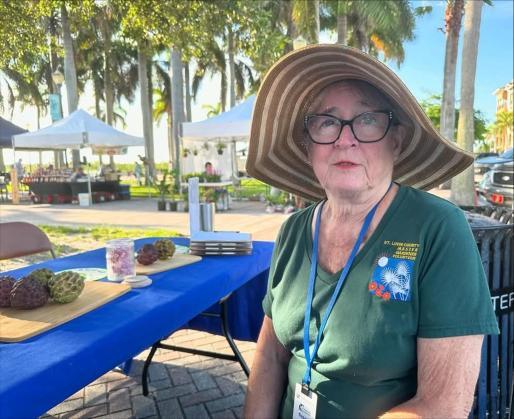
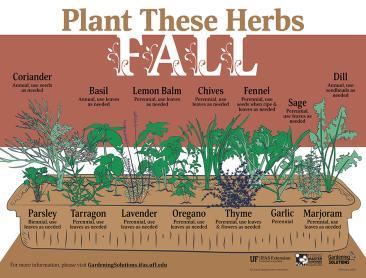
On September 12th , as a St. Lucie County Master Gardener Volunteer, I had the opportunity to present and collaborate with 35 residents of the county in an Herb workshop at Morningside Library. Participants learned how to plant herbs from seeds or starter plants, which herbs to plant by season, how to maintain an herb garden, how to dry and store herbs, and use them in recipes. Additionally, participants shared their experiences with herbs Everyone went home with an herb kit and valuable resources. Did you know that Fall and Winter are the best times to plant herbs in South Florida? There are so many varieties that do well in the cooler temperatures. For a list of herbs that do well in Fall Winter, refer to the following QR Codes at right or the UF/IFAS websites. ~HappyHerbGardening– Karen!
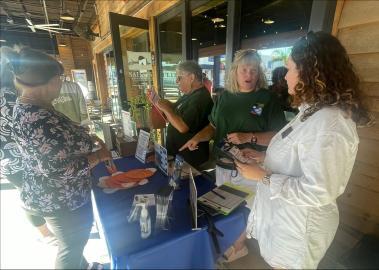
On August 16th , National Honey Bee Day, St. Lucie County Extension Urban Horticulture Agent, Dr. Sara MacDonald, Master Gardener Volunteers, Heather Bulkin and Andrea Distenfeld, Master Gardener Volunteer Program Specialist, Danielle Shalginewicz, along with Boogs Bees, and G’s Bees, held a workshop at Sailfish Brewing Company in Fort Pierce. Those who attended learned the importance of these pollinators, visually what a hive looks like, recommended pollinator plants to attract honey bees to your garden, and answered questions Everyone went home with a goody bag and valuable resources. For more information about gardening for bees, refer to the website or QR Code below: https://gardeningsolutions.ifas.ufl.edu/design/gardening-with-wildlife/gardening-for-bees/
QR Code: Bees
Did you know our Master Gardener Volunteers are available to speak at community events, library workshops, garden clubs, or other social groups on a number of horticulture topics. Please contact Danielle Shalginewicz, St. Lucie County Master Gardener Volunteer Program Specialist, at 772-462-1445 or email: dshalginewicz@ufl.edu. ~HappyGardeningforBees–Sara,Danielle,Heather,andAndrea!
Photo Credits: Top, Left: Herb Workshop, Erick Gill, Director of the Communications Division, St. Lucie County. Bottom, Left: Bee Workshop, Chris Chase. Bee: clipart-library.com Herbs for Fall Top Right: UF/IFAS
Helping to Restore the Butterfly Garden at Oxbow Eco-Center
By: Karen Cartmill, UF/IFAS St. Lucie County Extension, Master Gardener Volunteer
On Friday, September 4th , our St. Lucie County Extension Urban Horticulture Agent, Dr. Sara MacDonald, Katherine Westenhaver, Outreach Coordinator, Master Gardener Volunteers, Karen Cartmill and Susan Wise, Oxbow volunteers and staff gathered as a team to restore the Butterfly Garden. This garden is visited by many school children and residents throughout the year and provides education about pollinators, butterflies, insects, plants, and eco-systems. We encourage our residents to come and check out the garden’s transformation from time to time, enjoy its beauty, and the pollinators and that it brings.
News Flash … We’re Back! Our Nursery Is Ready for the October 11th Sale
By: Anne Mygatt, UF/IFAS St. Lucie County Extension, Master Gardener Volunteer
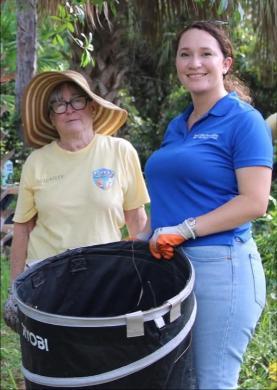
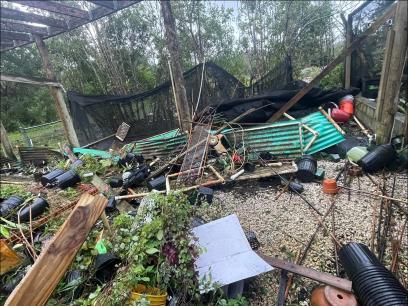
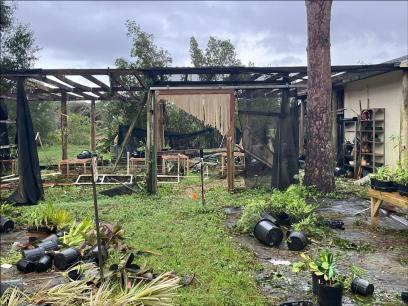
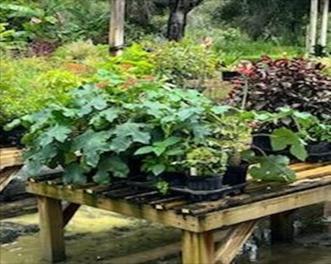
Our nursery is back up and running, and it’s better than ever. On the heels of Hurricane Milton, a deadly tornado struck the nursery on October 9th, 2024, which is a part of the UF/IFAS Extension Campus of St. Lucie County. This was a huge blow that profoundly affected our program in more ways than one. Not only did we lose hundreds of plants and trees that were ready for sale, but the tornadoes completely destroyed our propagation area and nursery The remaining plants that were not completely destroyed needed an extensive amount of tender, loving, care to nurse them back to health. Without the ability to hold plant sales, we lost our main revenue source that supports our various educational programs and scholarships Additionally, many events had to be cancelled, too
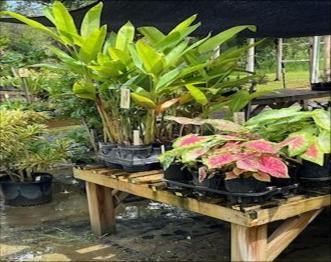
However, with the help of St. Lucie County, the UF/IFAS Extension staff, and our Master Gardener Volunteers, it took “rain barrels” full of determination, months of dedicated hard work and countless hours of cleanup, to restore the Nursery and Shade House back into operation. Not to mention, nursing the remaining plants back to selling condition, and good health. We’re ready and excited to report that our Nursery is abundant with hundreds of plants that will grow and thrive in our South Florida region (Zone 10a). We have a wide selection of native and Florida-Florida favorites, including, but … not limited to, Bromeliads, and everything in between For beautiful and healthy-grown plants, that have been lovingly tended to, successfully grown, and waiting for their own forever homes; our October 11th Master Gardener Volunteer plant sale is a must!
During the sale, our MGV’s and other experts will be on hand to answer your questions and provide information on choosing the “Right Plant for the Right Place” which is the 1st of the 9 Principles of Florida-Friendly Landscaping™ . During the sale, we also encourage you to tour the gardens on the grounds including the Butterfly, Courtyard, Discovery, Nature Trail, Salt-Tolerant, and Fern and Shade Gardens, and our Nursery / Shade House. All of these areas are designed and maintained by our volunteers While visiting, you might find some great ideas, themes, and plants that could work in your own landscapes. And, we may just have those plants ready to purchase in our Nursery!
Photo Credits: UF/IFAS, Betty Bianconi, and Danielle Shalginewicz
Photo Credit: UF/IFAS, Katherine Westenhaver
By: Danielle Shalginewicz, UF/IFAS St. Lucie County Extension, Master Gardener Volunteer Program Specialist
AG-XTENSION FALL FEST AND MASTER GARDENER VOLUNTEER PLANT SALE
Free Workshops - October 11th
UF/IFAS EXTENSION OFFICE – ST. LUCIE COUNTY
8400 Picos Rd., Fort Pierce
Register Using the Eventbrite links provided for each workshop on the right:
MGV PLANT SALE
FRIDAY, OCTOBER 10th - 10:00 a.m. to Noon
UF/IFAS EXTENSION – ST. LUCIE COUNTY
8400 Picos Rd., Fort Pierce
For more information call: 772-462-1660 or 772-462-1445
9:15 a.m.
Herb Drying
Learn how to dry the herbs you’ve grown! ~ with Josey Keener
https://www.eventbrite.com/e/herb-dryingtickets-1640868785709?aff=oddtdtcreator Registration limited to 20.
10:00 a.m.
The Basics of Microgreens
Do you want to learn how to grow your own Microgreens to use in salads and other recipes!
~ with Dr. Amir Rezazadeh https://www.eventbrite.com/e/the-basics-ofmicrogreens-tickets1640877782619?aff=oddtdtcreator Registration limited to 20.
Grow Your Own Vegetable Garden
Whether you’re a seasoned gardener or just sprouting your green thumb you can grow your own vegetables! ~ with Grantly Ricketts
https://www.eventbrite.com/e/grow-your-fallvegetable-garden-tickets1640880039369?aff=oddtdtcreator Registration limited to 20.
Insect Explorers: What’s That Bug?
10:45 a.m. 1:00 p.m.
Learn how to become an insect detective! ~ With Dr. Sara MacDonald
https://www.eventbrite.com/e/insect-explorerswhats-that-bug-tickets1640884151669?aff=oddtdtcreator Registration limited to 15. 11:30 a.m.
The Power of AI in Agriculture
Utilize AI interest in our 4-H Florida youth through engaging, hands-on learning! ~ with John Ferguson
https://www.eventbrite.com/e/the-power-of-ai-inagriculture-tickets1640963198099?aff=oddtdtcreator Registration limited to 20.
Nature Trail’s Make Over Transformation –
Tranquility
and Beauty
Abounds on The Trail!
By: Lisa Dietderich, UF/IFAS St. Lucie County Extension, Master Gardener Volunteer
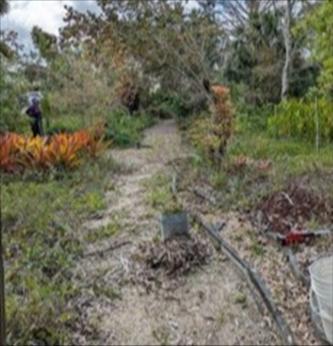
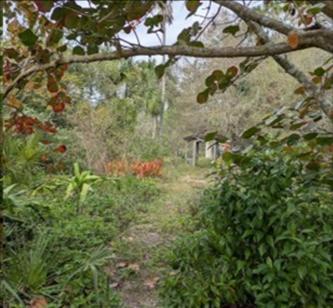
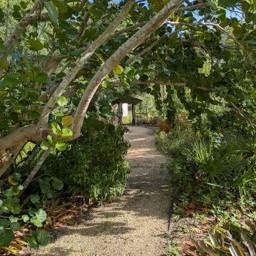
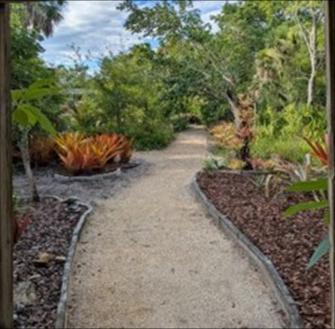
The original Nature Trail, referred to as the Trail, at our Extension office was carved out of natural woodlands sometime before 1995. It was designed as a Xeriscape project located on the west side of the Extension campus. It included the native plants present and some non-native species added to enhance the beauty and tranquility of this amazing site. However, due to the pandemic of 2020 and closure of the campus, the Trail, along with the other gardens became neglected. Time and nature itself had overtaken the Trail, which encompasses over 1/10 of a mile of aggregate paths, along with a picnic area, spillway, woods, a gazebo, and planted masses of crotons, bromeliads, and other flora
Not until 2023 was an attempt made at restoration by Master Gardener Volunteers, Mark Lewis (chair and lead MGV), myself, Lisa Dietderich (second chair), Veronica Dillingham, and Karen Bevis. In undertaking this task, we returned the area to a minimally managed retreat of hardy native and non-native, Florida-Friendly plants. The selection and usage of these plants is to attract and educate visitors to the possibilities that exist in a “natural” setting by utilizing the Florida-Friendly Landscaping™ principles, and creating a sense of peace and tranquility where visitors can enjoy both flora and fauna. Our hope in restoring this gem is to showcase the natural beauty of Florida’s native woodlands, to educate and inspire visitors as to the possibilities of a more naturally designed landscape plan; and demonstrate how this design allows access to the beauty of a natural setting.
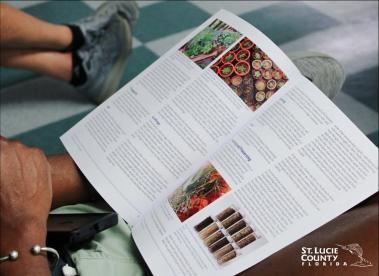
Brochures flank both entrances to the Trail so visitors have a handy access guide for identifying each tree, shrub, vine, wildflower, and other flora while transversing this natural area. Additionally, QR codes have been placed at each plant that will take you to EDIS (an Electronic Data Information Source) of the UF/IFAS (University of Florida/Institute of Food and Agricultural Sciences) database. This database provides an abundance of information on all the plants and flora seen on the Trail, along with their attributes. This helps to recognize the flora used while following the first principle, out of the 9 Principles of the Florida-Friendly Landscaping™ program, referred to as the “Right Plant, Right Place” . The emphasis is on choosing plants that are well-suited to an area by given its site’s soil, light, water, and climate conditions.
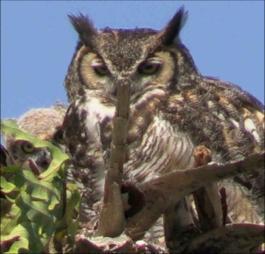
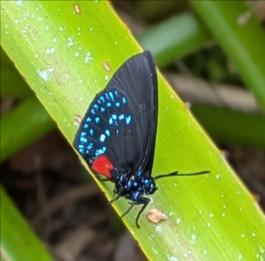
Stop by and tour the Trail next week during our MGV Plant Sale and Ag-Xtension Fall Fest on October 11th and hopefully it may provide ideas for your own landscape designs. As you travel the Trail, enjoy its tranquility and the beauty that abounds. You might also find a few visitors along the way, especially the Great Horned Owl and the many Atala Butterflies that flutter by. ~ HappyTrails!–Lisa,Mark,Karen,andVeronica!
Great Horned Owl: Photo Credit: UF/IFAS, Ken Gioeli. https://blogs.ifas.ufl.edu/sarasotaco/2020/04/03/be-athome-with-nature-series-great-horned-owls/
Atala Butterfly: Photo: UF/IFAS, Danielle Shalginewicz. https://edis.ifas.ufl.edu/publication/IN326
9 principles of the Florida-Friendly Landscaping™ https://ffl.ifas.ufl.edu/about-ffl/9-principles\
Photo Credits: Lisa Dietderich To
Great Horned Owl
Atala Butterfly
Feature Article:
Protecting Your Landscape Right Before a Hurricane …
Preparing Your Landscape for the Hurricane Season
By: Karen Cartmill, UF/IFAS St. Lucie County Extension, Master Gardener Volunteer
By: Karen Cartmill, UF/IFAS Extension St. Lucie County Master Gardener Volunteer
Stake newly planted or young tress and shrubs to prevent leaning or downfall.
The time to prepare your landscape is long before the risk of a hurricane. Hurricane season runs from June 1st to November 30th . If you haven’t already, now is the time to perform the following tasks.
• This will help hold the roots firmer in the soil during strong winds. Take care of potted plants, garden furniture and art, so they do not become airborne.
• Remove pots, garden furniture, garden art, trellises, small greenhouses and sheds, hanging baskets, hose reels, and other items that can become flying objects. Place them in the garage or lay them down between your home’s foundation and a row of shrubs or hedges.
• If it’s not possible to lay down pots between a hedge and your home’s foundation, group your pots under a covered area and use bungee cords or rachet straps to secure them together. Prepare Rain Barrels. Remove hoses from outdoor spigots. Store hose reels and rain barrels.
• Move empty rain barrels and hose reels to a secure location such as your garage.
• If your rain barrels are connected to a gutter, disconnect and check for the amount of water contained inside. If they are not attached, still check for the amount of water. Even if there is a significant amount of water in your detached rain barrels, fill them up completely; all the way to the top. This will help to secure them so they are less likely to blow away, or if possible, empty the water and store them elsewhere, such as your garage.
Clean your gutters and redivert the path of water from extended downspouts.
• Even if you cleaned your gutters and diverted extended downspouts during hurricane preparation, check to see if they need cleaning or if any downspouts need diverting right before a pending hurricane. Do not apply landscape chemicals or fertilizers right before a hurricane. – Remember the Fertilizer Ban.
• They will just wash into storm drains and waterways. This pollutes water areas and can add to the potential for toxic algae blooms and red tides. The Fertilizer Ban is in effect through September in St. Lucie County Turn your irrigation system off and remove hoses from spigots. Store hose reels in your garage if possible.
• Wait for the soil to dry out before starting your irrigation system up again. Store hose reels in a secure location. Take pictures and videos of your home, landscape, lanai, pool, and boat dock before and after.
• Pictures and videos will be very helpful if an insurance or FEMA claim is needed due to damages. Do not prune trees or shrubs, do yard work, go on ladders, or use power equipment to accomplish tasks.
• There isn’t time to have the debris removed off-site to prevent it from becoming airborne, damaging property, and hindering emergency response teams. If you do prune, store the debris in your garage during the hurricane. Additionally, as conditions worsen, becomes windy or raining, the time to perform these activities has passed, are very dangerous, and not recommended. It’s time to protect yourself, your family, and your pets instead.
Refer to the following websites for more information, or the QR Codes on the right.
Do not go outdoors during a hurricane to inspect your landscape and home. Wait until it passes and is safe to do so. Do not go near downed power lines or attempt any clean up until power has been properly restored and the all-clear has been given that it is safe for work to commence. The websites at left and the QR Codes below provide more information, including post hurricane clean-up.
~BeSafe!– Karen
Art Credit: University of Florida
By: Nancy Meyer, UF/IFAS St. Lucie County Extension, Master Gardener and Plant Clinic Volunteer
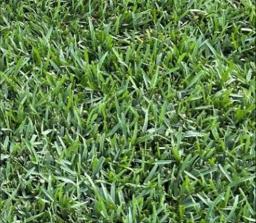
Question: What type of grass grows best in zone 10? When do I plant? What is the recommended mowing height? ~ Investigating
CitraBlue
St. Augustine, Bermuda, CitraBlue, Centipede grass, Zoysia, and Bahiagrass all grow well in zone 10 in South Florida. A variety of St Augustine called “Floratam” is the most commonly grown turf in Florida. Each have advantages and disadvantages depending on their sun/shade requirements, availability, amount of irrigation, foot traffic, and resistance to turf diseases. It’s best to search the UF/IFAS websites on turf grass varieties for South Florida, which describes the cultivars in detail, to help you make an informed decision. General mowing height is 3.5-4”. Refer to this website or the QR Code at top right for more information:
https://edis.ifas.ufl.edu/publication/EP646
Question: Additionally, we also did some pH testing this past year, which led to questions about what grass, perennials, shrubs, and trees grow best in our soil’s pH? ~ Wondering
Each type of plant/grass has a preferred pH, although many are highly adaptable and will grow in acidic or alkaline soils. Neutral pH is 6.5-7. Lower numbers are more acidic, while higher numbers are more basic or alkaline. The pH determines the uptake ability of certain nutrients that can be absorbed by the plant. It’s best to research the plants, turf, and trees you’d like to plant to ascertain their pH level and if they will grow in your soil’s current pH level. Type in the name of the plant, turf, or tree followed by the word IFAS to research the University of Florida’s database.
By: Karen Cartmill, UF/IFAS St. Lucie County Extension, Master Gardener Volunteer
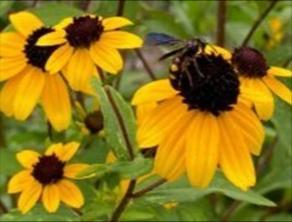
Black-Eyed Susan
Rudbeckia hirta floridana
A tough, Florida native, drought and salt tolerate, that also can handle moist areas. This Fall perennial spreads by its seeds, comes back every year, and attracts butterflies and bees. Out of Florida’s 9 native species of R. Hirta, Black-Eyed Susan, is the most commonly grown. Landscapers plant in mass groupings and containers for a stunning display of Fall color. Cut-flowers last upwards of 10 days or longer. Plant by October in South Florida. Grows in full sun with dappled shade in USDA Hardiness Zones 2-11. This plant comes in colors from red/orange, to its common color of yellow/golden petals with brown centers. Promote continual flowering by deadheading faded flowers. A clumpforming, mounding plant, growing 2-feet tall and wide. They’re considered non-toxic to pets and humans. Refer to the website below or the QR Code at right for more information: https://edis.ifas.ufl.edu/publication/FP512
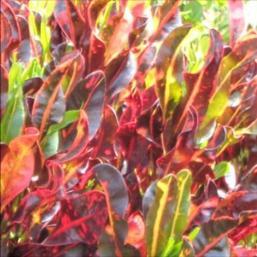
Crotons Codiaeum variegatum
A Florida-Friendly tropical plant that comes in many varieties, and one native, the Pineland Croton. Noted for their stunning, showy, bold, leathery, colorful leaves; with cork-screwed or other unique shapes, and sizes. Droughttolerant. Many plant them year-round in groupings Landscapers use as a “wow” factor to accent existing shrubs, as specimens, a hedge, or in containers to provide a pop of color. They make great houseplants; often used in tropical floral arrangements. Grows well in USDA Hardiness Zones 10 and 11. They’re coldsensitive; but will bounce back after a frost. Grown best in full sun, but some varieties need light shade. Crotons come in a wide variety of colors with leaves mostly variegated in color. Considered mildly toxic to pets and humans. Refer to the website below or the QR Code at right for more information: https://gardeningsolutions.ifas.ufl. edu/plants/ornamentals/crotons/
Photo Credit: UF/IFAS Marco Schiavon
Photo Credit: UF/IFAS, Mary Salinas.
Photo Credit: UF/IFAS
QR Code: Florida Turf Grass
By: Betty Bianconi, UF/IFAS St. Lucie County Extension, Master Gardener Volunteer
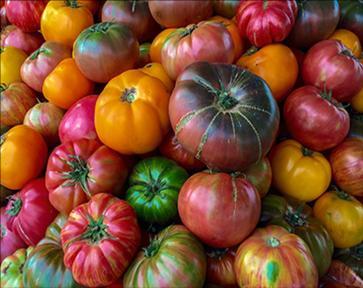
Although Fall has just started, it’s hard to tell with our current, hot, summer-like temperatures While most of the country is enjoying the sweet taste of the end of summer tomatoes in salads or that classic tomato sandwich smothered with mayo, growing tomatoes in Florida is starting to heat up here Fall is the best season to grow and cultivate tomatoes successfully. You just have to play by different rules. It’s essential to consider the best time for planting in Florida and what tomato varieties thrive in our area. The time to start is now. The ideal time to plant tomatoes is during the cooler months to avoid the extreme heat of summer. For a fall crop, plant tomatoes between late September and early November. For a spring crop, start planting from mid-February to early March. These time frames offer a good balance between avoiding frost and minimizing exposure to intense summer temperatures.
When looking through those seed catalogs, remember not all varieties do well in our growing zone. Selecting the right tomato varieties that are well-suited for Florida's climate is essential for a successful harvest. Look for varieties that are heat-tolerant, disease-resistant and love Florida’s conditions as listed on seed packages. Some recommended varieties include 'Better Boy', 'Celebrity', and 'Amelia'. Recommended heirloom varieties include 'Cherokee Purple', 'Green Zebra', and 'Mortgage Lifter'. To grow tomatoes in the hotter months of the year, pick a heat-tolerant cultivar like 'Heat Wave II'. On the plus side, most cherry tomatoes will also set fruit in the heat, including the variety 'Sweet 100' and it can be grown year-round. Growing tomatoes can be a rewarding experience with the right approach. By planting at the optimal time and selecting suitable tomato varieties, Florida gardeners can enjoy a bountiful harvest of delicious, sun-ripened tomatoes, while snowbirds up north are still having to shovel snow, shiver from the cold, and dream of that tomato sandwich! For additional tomato growing information, refer to the following website or the QR Code at right: Tomatoes – Gardening Solutions
Edited By: Betty Bianconi, UF/IFAS St. Lucie County Extension, Master Gardener Volunteer
• 2 pounds ripe tomatoes (regular or cherry), washed
• 3-4 garlic cloves, peeled and finely chopped or crushed
• ½ teaspoon salt
• 6 large fresh basil leaves, cut into thin strips (about 3 tablespoons) or 1 tablespoon dried basil
• ½ cup olive oil (extra-virgin)
• 1/8-1/4 teaspoon crushed hot red chili pepper flakes (optional)
Remove core from tomatoes. In a medium bowl, cut regular tomatoes into 1-inch chunks and/or cherry tomatoes in half making sure to catch their juices. Add garlic and salt; stir gently. Add basil and pepper; pour in oil. Gently stir to coat tomatoes and distribute seasoning. Tightly cover bowl; let marinate at room temperature for 1 to 2 hours. Refrigerate sauce until ready to use or cook with. Recipe makes 3-4 cups of sauce. Properly stored, this sauce will typically last in the refrigerator for 3-4 days
Photo Credit:
Brenda Marty-Jimenez, UF/IFAS and MyPlate.gov
NOTE: This makes enough sauce for 1-pound of dry pasta, cooked. When serving with hot, cooked pasta, if desired, add 1 cup or more of grated or shredded Parmesan cheese. ~Enjoy!–Betty
Photo Credit: University of Florida/IFAS
By: Karen Cartmill, UF/IFAS St. Lucie County Extension, Master Gardener Volunteer
Find the given words within this word search. Words can be forward, backwards, bent over, around a row and/or column. Once solved, the remaining 15 letters and the green (!) reveal the location of the Ag-Xtension Fall Fest. Hint: See location on page 4 and 5. All words can be found within this newsletter ~GoodLuck!
WORDS
1. Ag-Xtension
2. Fall-Fest-
3. October 11th
4. MGV-PlantSale
5. Vendors
6. Workshops
7. Plants
8. 4-H
9. Food-Trucks
10. Games
11. MobilityDay-Oct. 10th
12. Bahiagrass
13. Black-EyedSusan
14. CitraBlue
15. Crotons
16. Herbs
17. HurricaneReady
18. pH Levels
19. Site-Visits
20. Soil
21. Tomatoes
22. Turf
GARDENS AT THE EXTENSION CAMPUS:
23. ButterflyGarden
24. Courtyard
25. DiscoveryGarden
26. Nature-Trail
27. SaltTolerantGarden
28. Shade/FernGarden
29. Nursery
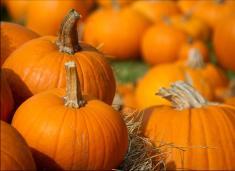
October 26
Is National Pumpkin
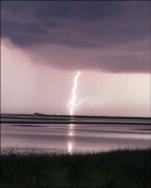
Florida Is the Lightning Capital in the United States … When Thunder Roars, Go Indoors!
Even if skies look blue, if you hear thunder, go indoors. You are within striking distance of getting struck. Stay inside for 30-minutes after hearing the last clap (close by) or roar (a distance away) of thunder. Every year more people die from lightning strikes in Florida than any other state. Refer to the following websites or the QR Codes at right for what to do and for more information: 1. https://www.weather.gov/mlb/lightning_rules 2. https://sfyl.ifas.ufl.edu/family-resources/lightning-safety/ 3. https://blogs.ifas.ufl.edu/news/2025/06/06/uf-experts-bust-lightning-mythsshare-life-saving-tips-for-florida-storm-season/ 4. https://blogs.ifas.ufl.edu/polkco/2021/08/02/lightning-safety-for-floridians/ 5. .
Photo Credits: Lightning: UF/IFAS. Pumpkins: UF/IFAS, Mary Stuart.