Erick R. Bandala González Desert Research Institute, EE. UU.
Benito Corona Vázquez udlap
Johanness Cullmann World Meteorological Organization Geneva
Carlos Díaz Delgado Instituto Interamericano de Ciencias del Agua, México
Carlos Escalante Facultad de Ingeniería, unam
Matthew Larsen Smithsonian Tropical Research Institute, EE. UU.
Alison Lee udlap
Benito Corona Vázquez udlap
Humberto Marengo Mogollón Instituto de Ingeniería, unam
Gabriela Moeller Chávez Universidad Politécnica de Morelos
Einar Moreno Quezada udlap
Carlos Patiño Gómez udlap
Sofía Ramos President Luminario Education Strategies, EE.UU.
José Ángel Raynal Villaseñor Consultant
José D. Salas Colorado State University, EE. UU.
Jim Thomas Desert Research Institute, EE. UU.
Juan Valdes University of Arizona, EE. UU.
Polioptro F. Martínez Austria udlap http://www.udlap.mx/catedraunesco/
3
Sendai Framework for Disaster Risk Reduction 2015–2030 José Alejandro Jano-Pérez, Polioptro F. Martínez Austria
9
Extreme Cold in Northern Mexico
David Eduardo Guevara-Polo
13
Foods that contribute to climate change: What to eat in a boiling world?
María Elena Cerecedo Arroyo
18
Children and water María de los Ángeles Areli Piña-Ramírez
21
News
- Collaboration with the University of Edinburgh and Universidad Iberoamericana
- International Conference on Climate Variability and Change
- XIV Meeting of National Committees and Focal Points of the IHP-LAC
SENDAI FRAMEWORK FOR DISASTER RISK REDUCTION 2015–2030
SUMMARY AND RELEVANT ASPECTS 1
José Alejandro Jano Pérez
Polioptro Fortunato Martínez Austria
I“THE FRAMEWORK IS THE RESULT OF A SERIES OF CONSULTATIONS BETWEEN THE INTERESTED PARTIES AND OF INTERGOVERNMENTAL NEGOTIATIONS. IT WAS APPROVED BY THE UNITED NATIONS IN 2015 IN SENDAI, JAPAN”.
ntroduction
The Sendai Framework for Disaster Risk Reduction 2015–2030 was adopted at the Third United Nations World Conference on Disaster Risk Reduction, held on March 14 to 18, 2015 in Sendai, Japan.
The Framework is the outcome of stakeholder consultations initiated in March 2012 and intergovernmental negotiations from July 2014 to March 2015 at the request of the UN General Assembly. This Framework also represents a unique opportunity for countries to adopt a concise, focused, forward-looking, and action-oriented post-2015 framework for reducing disaster risks, considering the completion of the assessment, and reviewing the implementation of the Hyogo Framework for Action 2005–2015 based on building the Resilience of Nations and Communities to Disasters as a point of departure. Hence, the present Framework strategy tends to assess the experience gained through the regional and national strategies/institutions and plans for disaster risk reduction and their recommendations, as well as relevant regional agreements for the implementation of the Hyogo Framework for Action; and to determine modalities of cooperation based on commitments and the periodic review of the post-2015 implementation of this framework for disaster risk reduction.
During the mentioned World Conference, states also reiterated their commitment to address disaster risk reduction and the building of resilience to disasters with a renewed sense of urgency within the context of sustainable development and poverty eradication, and to integrate, as appropriate, both disaster risk reduction and the building of resilience into policies, plans, programs, and budgets at all levels.
1 In Mexico, the government institution in charge of following up on Sendai Framework commitments is the National Center for Disaster Prevention (CENAPRED is the Spanish acronym), a department of the Ministry of the Interior.
Sendai Framework
Since the adoption of the Hyogo Framework for Action in 2005, as documented in national and regional progress reports on its implementation as well as in other global reports, before the COVID-19 pandemic, progress had been achieved in reducing disaster risk at local, national, regional, and global levels by countries and other relevant stakeholders, leading to a decrease in mortality in the case of some hazards. Overall, the Hyogo Framework for Action has been an important instrument for raising public and institutional awareness.
However, it is urgent and critical to anticipate, plan for, and reduce disaster risk to protect persons, communities, countries, their livelihoods, health, cultural heritage, socioeconomic assets, and ecosystems more effectively.
Enhanced work is required to reduce exposure and vulnerability, thus preventing the creation of new disaster risks, and increasing safety measures to protect against new disaster risks at all levels. Furthermore, more dedicated actions must be adopted, focusing on tackling underlying disaster risk drivers with a broader and a more people-centered preventive approach to disaster risk.
This means that there is a need for the public and private sectors and civil society organizations, as well as academia, and scientific and research institutions, to work more closely and to create opportunities for collaboration, and for businesses to integrate disaster risk into their management practices.
Against this background, and to reduce disaster risk, there is a need to address the existing challenges and prepare for the future ones by focusing on monitoring, assessing, and understanding disaster risk, as well as sharing such information and on how disasters occur.
While some progress in building resilience and reducing losses and damages has been achieved, a substantial reduction of disaster risk requires perseverance and persistence, with a more explicit focus on people and their health and livelihoods, and regular follow up.
Building on the Hyogo Framework for Action, the present Sendai Framework seeks to substantially reduce disaster risk and losses in lives, livelihoods and health, and in the economic, physical, social, cultural, and environmental assets of persons, businesses, communities, and countries over the next 15 years.
The pursuance of this goal requires the enhancement of the implementation capacity and capability of developing countries, as well as middle income countries facing specific
challenges, including the mobilization of support through international cooperation for the provision of means of implementation in accordance with their national priorities.
To support the assessment of global progress in achieving the outcome and goal of the present Framework, the following seven global targets have been agreed:
• Substantially reduce global disaster mortality by 2030, aiming to lower the average per 100,000 global mortality rates in the 2020–2030 decade compared to the 20052015 period.
• Substantially reduce the number of affected people globally by 2030, aiming to lower the average global figure per 100,000 in the 2020–2030 decade compared to the 2005-2015 period.
• Reduce economic loss caused directly by disasters in relation to global gross domestic product by 2030.
• Substantially reduce disaster damage to critical infrastructure and disruption of basic services, among them health and educational facilities, by developing their resilience by 2030.
• Substantially increase the number of countries with national and local disaster risk reduction strategies by 2020.
• Substantially enhance international cooperation to developing countries through adequate and sustainable support to complement their national actions for implementation of the present Framework by 2030.
• Substantially increase the availability of and access to multihazard early warning systems and disaster risk information and assessments to people by 2030.
The implementation of the Sendai Framework is already guided by principles, while considering national circumstances, and consistent with domestic laws as well as international obligations and commitments. These principles are based on the fact that each State has the primary responsibility to prevent and reduce disaster risk, which can be further enhanced through the provision of sustainable international cooperation. Furthermore, managing disaster risk is aimed at protecting persons and their property, health, livelihoods, and productive assets, as well as cultural and environmental assets, while promoting and protecting all human rights, including the right to development. In addition, disaster risk reduction requires the engagement and partnership of the entire society, especially for disaster response and during the postdisaster recovery, reha-
bilitation, and reconstruction phase. Here, it is critical to prevent the creation of and to reduce disaster risk by “Building Back Better” and increasing public education and awareness of disaster risk.
Considering the experience gained through the implementation of the Hyogo Framework for Action, and in pursuance of the expected outcome and goal, there is a need for focused action within and across sectors by states at local, national, regional, and global levels in the following four priority areas:
• Priority 3: Investing in disaster risk reduction for resilience.
• Priority 4: Enhancing disaster preparedness for effective response and to “Build Back Better” in recovery, rehabilitation, and reconstruction spheres.
Priority 1: Understanding Disaster Risk
Policies and practices for disaster risk management should be based on an understanding of disaster risk in all its dimensions of vulnerability, capacity, exposure of persons and assets, hazard characteristics and the environment. Such knowledge can be leveraged for the purpose of predisaster risk assessment, for prevention and mitigation, and for the development and implementation of appropriate preparedness and effective response to disasters.
To achieve this, there are national and local levels, wherein it is important to periodically assess disaster risks, vulnerability, capacity, exposure, hazard characteristics, and their possible sequential effects at the relevant social and spatial scale on ecosystems, in line with national circumstances.
In addition, location-based disaster risk information, including risk maps, for decision makers, the general public and the communities at risk of exposure to disaster must be developed, periodically updated, and disseminated, as appropriate, in an adequate format for the population of the area.
It is necessary to apply risk information in all its dimensions of vulnerability, capacity, and exposure of persons, communities, countries, and assets, as well as hazard characteristics, to develop and implement disaster risk reduction policies, to enhance collaboration among people at the local level to disseminate disaster risk information through the involvement of community-based and nongovernmental organizations.
On the other hand, at the global and regional levels, it is necessary to improve the development and dissemination of science-based methodologies and tools to record and share disaster losses, especially regarding risk-monitoring and multihazard early warning systems.
Moreover, it is important to promote and enhance international cooperation, including technology transfer, access to, and the sharing and the use of nonsensitive data and information, plus common efforts in partnership with the scientific and technological communities, to establish, disseminate, and share good practices internationally.
Another aspect to consider is supporting the creation of systems and services to reduce disaster risk, intensifying scientific and technical work on the subject, encouraging the availability of patented and copyrighted materials, even though negotiated concessions, as appropriate; and enhancing access to and support for innovation and technology, as well as in long-term, multihazard and solution-driven research and development in the field of disaster risk management.
Priority 2: Strengthening Disaster Risk Governance to Manage Disaster Risk
Disaster risk governance at the national, regional, and global levels is of great importance for an effective and efficient disaster risk management. Therefore, to strengthen disaster risk governance for prevention, mitigation, preparedness, response, recovery, and rehabilitation it is therefore necessary to foster collaboration and partnership across mechanisms and institutions for the implementation of instruments relevant to disaster risk reduction and sustainable development.
Hence, at the national and local levels, it is necessary to adopt and implement disaster risk reduction strategies and plans across different implementation timescales, with targets, indicators, and time frames, aimed at preventing the creation of risk, the reduction of existing risk, and the strengthening of economic, social, health, and environmental resilience.
In this way, mechanisms to follow up, periodically assess and publicly report on the progress of national and local plans are developed and strengthened by adding government coordination forums with the participation of relevant stakeholders at the national and local levels, such as national and local platforms for disaster risk reduction, and a designated national focal point for implementing the Sendai Framework for Disaster Risk Reduction 2015–20302, with the objective of raising
2 This text complies with the UN proposal to disseminate and foster the application of the Sendai Framework, and it is based on the “Sendai Framework for Disaster Reduction 2015–2030” document, available at https://www.unisdr.org/files/43291_spanishsendaiframeworkfordisasterri.pdf
awareness and increasing knowledge of disaster risk through sharing and dissemination of nonsensitive disaster risk information and data.
On the other hand, local authorities are responsible for supporting risk reduction measures by developing new or amending relevant legislation, promoting the development of civil society and its respective care in an emergency.
Derived from the previous points, efficient planning is required, which can be implemented at different levels throughout the regions to actively engage in the Global Platform for Disaster Risk Reduction, regional and subregional platforms for disaster risk reduction, and thematic platforms. This would promote mutual learning and exchange of good practices and information among interested states.
Likewise, promoting the strengthening of international voluntary mechanisms for monitoring and the assessment of disaster risks is necessary, benefiting from the expertise acquired from the Hyogo Framework for Action. Such mechanisms may foster the exchange of nonsensitive information on disaster risks, which is why it is important to enable policy and planning for the implementation of ecosystem-based approaches regarding shared resources to build resilience and reduce disaster risk, including epidemic and displacement risks.
Priority 3: Investing in Disaster Risk Reduction for Resilience
Public and private investment in disaster risk prevention and reduction through structural and nonstructural measures are essential to enhance the economic, social, health and cultural resilience of persons, communities, countries, and their assets, as well as the environment. Such measures are cost effective and instrumental to save lives, and prevent and reduce losses, etc. These can be drivers of innovation, growth, and job creation.
To achieve the objective set for priority 3, it is important to promote mechanisms for disaster risk transfer and insurance, risk-sharing and retention, and financial protection; properly allocating the necessary resources, including finance and logistics, as appropriate, at all levels of administration for the development and the implementation of disaster risk reduc-
tion strategies, policies, plans, laws, and regulations in all relevant sectors. Hence, the financial impact of disasters on governments and societies will be achieved in urban and rural areas.
In addition, the following will be done: strengthening disaster-resilient public and private investments, particularly in schools, hospitals, and physical infrastructures; retrofitting and rebuilding; nurturing a culture of maintenance; considering economic, social, structural, technological, and environmental impact assessments. Furthermore, protecting or supporting the protection of cultural and collecting institutions and other sites of historical, cultural heritage, and religious interest are relevant.
And the following is needed: strengthening the design and implementation of inclusive policies and social safety-net mechanisms, including through community involvement, integrated with livelihood enhancement programs, and access to basic health-care services, including maternal, newborn and child health, sexual and reproductive health. People with life-threatening and chronic disease, due to their particular needs, should be included in the design of policies and plans to manage their risks before, during and after disasters.
This would promote, as appropriate: the integration of disaster risk reduction considerations and measures in financial and fiscal instruments; increase the business resilience and the protection of livelihoods and productive assets throughout the supply chains; focusing on tourism as a key economic driver.
Priority 4: Enhancing Disaster Preparedness for Effective Response and to “Build Back Better” in Recovery, Rehabilitation, and Reconstruction Spheres
The steady growth of disaster risk, including the increase of people and assets exposure, combined with the lessons learned from past disasters indicates the need to further strengthen disaster preparedness for response, to take action in anticipation of events, to integrate disaster risk reduction in response preparedness, and to ensure that capacities are in place for effective response and recovery at all levels. Empowering women and people with disabilities to publicly lead and promote gender equitable and universally accessible response, recovery, rehabilitation, and reconstruction approaches is import-
ant. Regarding response, it is a critical opportunity to “Build Back Better,” including integrating disaster risk reduction into development measures, making nations and communities resilient to disasters.
With this, at the national and local levels, it is required to prepare or review and periodically update disaster preparedness and contingency policies, plans, and programs to maintain and strengthen people-centered, multihazard, and multisectoral forecasting and early warning systems, to develop such systems through a participatory process, and to tailor them to the needs of users, including social and cultural requirements.
Therefore, it is necessary to foster the resilience of new and existing critical infrastructure, including water, transportation and telecommunications infrastructure, educational facilities, hospitals, and other health facilities, adopting public policies and actions that support the role of public service workers. Hence, training existing workforce and voluntary workers in disaster response and strengthening technical and logistical capacities will ensure better response in emergencies and strengthen technical and logistical capacities, including social and economic recovery, and the provision of basic services in the postdisaster phase.
In addition, at a global or regional level, priority 4 seeks to support, as appropriate, the efforts of relevant United Nations entities to strengthen and implement global mechanisms on hydrometeorological issues and advance strategies for disaster risk reduction upon the request of different states. Its aim is also to train the existing workforce and volunteers in disaster response.
Role of Relevant Stakeholders
While states have the overall responsibility for reducing disaster risk, it is a shared responsibility between governments and relevant stakeholders. In particular, nonstate stakeholders play an important role as enablers in providing support to states, in accordance with national policies, laws, and regulations. When determining specific roles and responsibilities for stakeholders, states should encourage the following actions to be carried out by all public and private stakeholders:
1. Adequate capacity building measures need to be taken to empower women for preparedness as well as to build their capacity to secure alternate means of livelihood in postdisaster situations; children and youth are agents of change and should be given the space and modalities to contribute to disaster risk reduction, and older people have years of knowledge, skills, and wisdom, which are invaluable assets to reduce disaster risk.
2. Academia, scientific and research entities, and networks must focus on disaster risk factors and scenarios and support the interaction between policy and science for decision-making.
3. Business, professional associations, and private sector financial institutions, including financial regulators and accounting bodies, must share and disseminate knowledge, practices, and nonconfidential information, and become actively engaged.
4. With reference to General Assembly resolution 68/211 of 20 December, 2013, commitments by relevant stakeholders are important to identify the modalities of cooperation and implement this Framework.
Recommendations
International cooperation and global partnerships have drawn up general considerations based on the fact that they will be able to implement this Framework, developing countries require an enhanced provision of means of implementation, including adequate, sustainable, and timely resources, thanks to international cooperation and global partnerships for development. Disaster risk reduction includes a variety of sources and is a critical element in supporting the efforts of developing countries to reduce disaster risk.
Such vulnerability requires the urgent strengthening of international cooperation and ensuring genuine and durable partnerships at the regional and international levels in order to support developing countries to implement this Framework, in accordance with their national priorities and needs. The effects of disasters, some of which have increased in intensity and exacerbated by climate change, prevent the progress of these states toward sustainable development.
INTERNATIONAL COOPERATION AND GLOBAL PARTNERSHIPS HAVE GENERATED GENERAL CONSIDERATIONS THAT ARE BASED ON THE FACT THAT, TO THE EXTENT THAT THEY CAN IMPLEMENT THE PRESENT SENDAI FRAMEWORK, DEVELOPING COUNTRIES NEED TO BE PROVIDED WITH BETTER MEANS OF IMPLEMENTATION, INCLUDING ADEQUATE, SUSTAINABLE AND TIMELY RESOURCES. , THROUGH INTERNATIONAL COOPERATION AND GLOBAL PARTNERSHIPS FOR DEVELOPMENT.
Financing from a variety of international sources is needed, along with the public and the private transfers of reliable, affordable, appropriate, and modern environmentally sound technology on concessional and preferential terms, as mutually agreed.
To support the implementation of this Framework, the following is necessary:
1. The United Nations and other international and regional organizations are requested, as appropriate, to enhance the coordination of their strategies in this regard.
2. As required, in a timely manner, along with the follow-up process at the United Nations, support is need-
ed for the development of coherent global and regional follow up and indicators, in coordination, as applicable, with other relevant mechanisms for sustainable development and climate change, along with updating the existing web-based Hyogo Framework for Action Monitor, and participating actively in the work of the Inter-Agency and Expert Group on Sustainable Development Goal Indicators.
3. The United Cities and Local Government organization and other relevant bodies of local governments have to continue to support cooperation and mutual learning among local governments for disaster risk reduction and the implementation of this Framework.
EXTREME COLD
IN NORTHERN MEXICO
David Eduardo Guevara-Polo
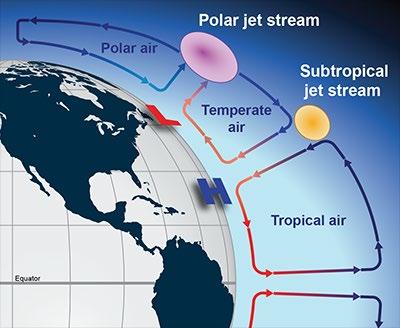
Recently extreme temperatures were experienced on the east coast of the United States and in the northern Mexican states. As it was one of the factors that contributed to rolling blackouts in Mexico, this extreme weather is both relevant and worthy of discussion. This extreme climate can largely be explained by two weather phenomena: the polar jet stream and the polar vortex. Jet streams are bands that carry winds at high speeds, and their occurrence has been documented not only on Earth, but also on other planets such as Jupiter and Saturn (NASA, 2018; NASA, 2012). Still, within the terrestrial context, they occur in polar and tropical latitudes. This article places special emphasis on the northern polar jet stream. This jet stream travels in the tropopause, which is the area between the troposphere (0–10,000 m above sea level) and stratosphere (10,000–45,000 m above sea level), and it is hundreds of kilometers wide and a few kilometers thick. (UIUC). Its winds blow at speeds that range from 129 km/h to 225 km/h (National Geographic) and it is driven by the temperature differences recorded in the atmo -
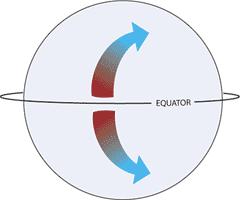
sphere. Indeed, Figure 1 denotes how the jet stream appears at the border between the polar and warm-air cells. Here jet stream wind speed is directly proportional to the temperature difference recorded at cell borders. Hence, a big difference means higher wind speeds, and, conversely, as the difference becomes smaller, wind speeds decrease. For example, during the boreal winter, polar temperatures decrease, which causes greater temperature differences and, in turn, higher wind speeds. However, during the summer, polar temperatures increase, thus reducing temperature gaps, and, consequently, wind speeds as well.
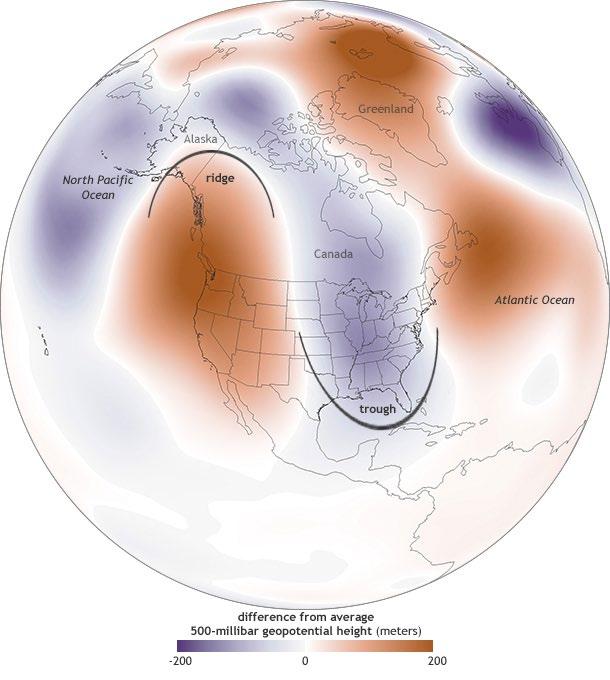
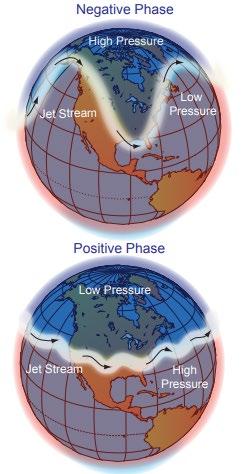
Furthermore, according to the National Office of Oceanic and Atmospheric Administration (NOAA) of the United States, the polar vortex is a large circulation of low pressure and cold air that forms over the Earth’s poles and, in particular, above the north pole. This phenomenon is illustrated in the left image of Figure 2. As mentioned above, during the boreal winter, the strength of the jet stream increases, and the polar vortex extends southward, as depict-
ed in the right image of Figure 2. In addition, Figure 3 denotes how the polar vortex covers a large part of the eastern United States, causing cold climate, while causing warm climate in the west coast.
Now, an interesting aspect of this phenomenon is the appearance of meanders within the polar jet stream. That is, the zigzag path generated as the current approaches the Equator. This is mainly due to three processes: the Coriolis effect, Rossby waves, and the Arctic Oscillation (AO). The first one refers to the deviation experienced by the currents due to the Earth’s rotation, which circulates clockwise and counterclockwise in the northern and southern hemispheres, respectively (Figure 4).
Rossby waves are atmospheric waves that seek to redistribute temperature throughout the planet as it is uneven due to its curvature, as well as the heterogeneous distribution of the continental mass and terrestrial relief. Finally, according to NOAA, the AO is a climate variability characterized by winds circulating counterclockwise around the Arctic. In their positive phase, jet stream winds strengthen and confine the polar air mass; while in their negative phase, winds weaken, allowing cold air to move southward. This phenomenon is illustrated in Figure 5.
As it may be observed, the exceptional temperatures recorded last week were caused by the interaction among multiple variables, thus reflecting the systemic nature of climate. Still, we must ponder whether the occurrence of this particular event is indeed attributable to climate change. Here, we must
clarify that this cannot be categorically confirmed or denied. In other words, it is not possible to determine whether any given event has been caused by climate change or, at least, not in absolute terms. In fact, this is a matter of probabilities. Indeed, it has been suggested that with climate change and the subsequent melting of the north pole, polar temperatures will increase, reducing the difference in temperature with warmer tropical regions and favoring the instability of the polar vortex. (UCDavis). Hence, the probability of extreme events, such as the one experienced last week, can be expected to increase.
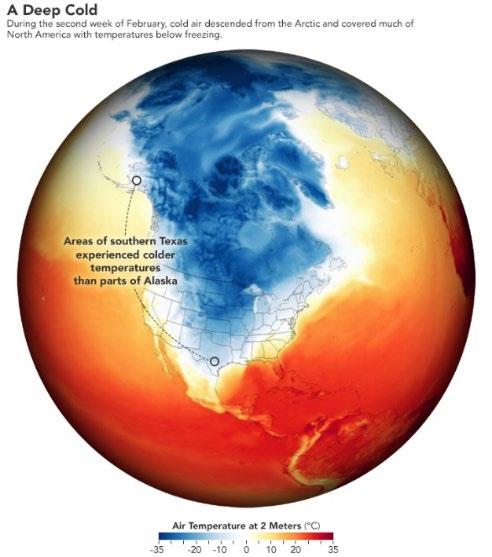
Finally, even when the news has recently focused on the northern part of Mexico and the southern part of the United States, these phenomena exert a global influence as they trigger meteorological conditions throughout the entire northern hemisphere. As illustrated in Figure 6, some regions in Texas experienced lower temperatures than parts of Alaska at the same time. In addition, the extreme weather affected natural gas, electricity, and drinking water services. This unveils the need for developing infrastructure that may be resilient to this type of phenomenon, drawing up protocols for these circumstances, and effectively communicating risks to the population. Properly managing these hydrometeorological risks is critical for achieving water security in Mexico.
Figure 1. Jet Stream Cross Section. Recovered from (NOAA)
Figure 2. Jet Stream and Polar Vortex Illustration. Adapted from (NOAA)
Figure 3. Effects from the Polar Vortex on US Climate. Recovered from (Lindsey)
Figure 4. Coriolis Effect. Recovered from (NOAA)
References
Lindsey, Rebeca. U.S. temperature extremes and the polar jet stream. 16 September 2014. 22 February 2021. <https://www.climate.gov/news-features/event-tracker/us-temperature-extremes-and-polar-jet-stream#:~:text=The%20polar%20jet%20is%20a,at%20mid%2D%20and%20polar%20 latitudes.&text=The%20places%20where%20the%20jet,to%20the%20 south%20to%20stagnate.>.
—. Extreme Winter Weather Causes U.S. Blackouts. 2021. 22 February 2021. <https://earthobservatory.nasa.gov/images/147941/ extreme-winter-weather-causes-us-blackouts>.
—. NASA Juno Findings - Jupiter’s Jet-Streams Are Unearthly. 2018. 22 February 2021. <https://solarsystem.nasa.gov/news/347/ nasa-juno-findings-jupiters-jet-streams-are-unearthly/>.
National Geographic. Jet stream. 2021. 22 February 2021. <https:// www.nationalgeographic.org/encyclopedia/jet-stream/#:~:text=Jet%20 streams%20travel%20in%20the%20tropopause.&text=Jet%20streams%20 are%20some%20of,(275%20miles%20per%20hour).>.
NOAA. NWS JetStream. 2021a. 22 February 2021. <https://www.weather. gov/jetstream/jet>.
—. State of the climate in 2010. 2010. 22 February 2021. <https://www1. ncdc.noaa.gov/pub/data/cmb/bams-sotc/2010/bams-sotc-2010-brochurehi-rez.pdf>.
—. The Coriolis Effect. 2021b. 22 February 2021. <https://oceanservice. noaa.gov/education/tutorial_currents/04currents1.html#:~:text=Because%20the%20Earth%20rotates%20on,is%20called%20the%20Coriolis%20effect.&text=But%20because%20the%20Earth%20rotates%2C%20 circulating%20air%20is%20deflected.>.
—. The science behind the polar vortex: You might want to put on a sweater. 2020. 22 February 2021. <https://www.noaa.gov/multimedia/infographic/ science-behind-polar-vortex-you-might-want-to-put-on-sweater>.
UCDavis. What Is the Polar Vortex? 2021. 22 February 2021. <https://climatechange.ucdavis.edu/climate-change-definitions/what-is-the-polar-vortex/#:~:text=How%20Is%20the%20Polar%20Vortex%20Affected%20by%20 Climate%20Change%3F&text=The%20change%20is%20warming%20 higher,bringing%20polar%20air%20farther%20south.>.
UIUC. Jet Stream. 2010. 22 February 2021. <http://ww2010.atmos.uiuc. edu/(Gh)/guides/mtr/cyc/upa/jet.rxml>.
Figure 6. Differences in U.S. Temperatures. Recovered from (NASA)
Figure 5. Arctic Oscillation. Recovered from (NOAA)
FOODS THAT CONTRIBUTE TO CLIMATE CHANGE: WHAT TO EAT IN A BOILING WORLD?
Even when, as citizens of this planet, we might evidence some interest in climate change, we cannot deny our continued participation and responsibility in its increase. Having said this, we must also remember that our diet plays an important role in fostering the progress of climate change. Hence, we must be informed about the foods that contribute most to global warming due to the greenhouse gas (GHG) emissions they generate from their production to their storage.
In fact, as a critical concept in our daily life, our carbon footprint invites us to reflect on our current consumption and eating habits. Basically, it is an environmental indicator that helps us to quantify and verify the environmental impact from GHGs directly or indirectly emitted by given individuals, organizations, activities, processes, or products. The carbon footprint is calculated at each stage (i.e., production, development, transportation, storage) as GHGs are released in different amounts. Therefore, the carbon footprint is a very useful tool for assessing behaviors or habits that increase emissions in some manner, and measuring it helps to plan strategies on how these emissions can be improved (reduced), as well as to raise awareness among users of their generation when consuming different products (Ministerio del Medio Ambiente).
Impact from Animal Products:
It has been scientifically proven that shifting our diet away from meat or animal products would be a significant contribution to curbing this issue. The production of animal products currently accounts for almost 78% of global agricultural emissions, a situation that constantly continues to worsen (Drayer).
This demand for food from the animal industry is a situation that, among other things, often causes increased GHG emissions, and exerts pressure on land use and water resources. However, in some contexts, meat production may be essential for alleviating poverty, increasing the nutritional status of some children and vulnerable populations, or contributing to grassland ecosystems. For this reason, some authors suggest strategies that lead to the use of animal-based food according to the social and environmental contexts of a given region to determine actual needs without further damaging the environment, thus achieving a more conscious consumption (Willet, Rockström y Loken).
At this point, we must remember the disorders caused by excessive meat consumption: coronary artery disease, heart disease, type 2 diabetes, cancer, and respiratory diseases. Furthermore, there are also environmental impacts from GHG emissions, use of crop land, use of fresh water, and the exces-
María Elena Cerecedo Arroyo
sive emission of phosphorus and nitrogen. To prevent the effects from meat consumption, a diet that emphasizes the intake of fruits, vegetables, legumes, nuts, seeds, whole grains, and fish is recommended, emphasizing the reduction of the consumption of sugar, and red or processed meats.
Shifting from a meat-based to a diverse plant-based diet can actually reduce GHG emissions. In “Food in the Anthropocene: the EAT–Lancet Commission on Healthy Diets from Sustainable Food Systems,” the authors also suggest that a plant-based diet helps reduce the use of fertilizers and water consumption.
For instance, cows require lots of feed, which is ultimately related to a large consumption of water required to increase their body weight. Likewise, these animals are large emitters of methane. Cows emit approximately 10 times more GHG per kilogram of meat than pigs and chickens, which, in turn, emit approximately 10 times more than legumes. Still, it is undeniable that plants also use water and soil to grow, but in a significantly lesser amount (Drayer).
According to estimations, adopting a plant-based diet will reduce environmental impacts, such as the ones caused by extensive fertilizer use, and can save up to 25% in both agricultural land and fresh water use (Willet, Rockström y Loken).
Environmental Impact and Carbon Footprint:
The food supply chain is a complex process frequently involving at least seven steps: changes in land use, farm, feed, processing, transportation, retail, and packaging. These stages are important and harmful —in terms of their carbon footprint—in their own scale. For example, feeding animals increasingly consumes more resources, which implies more damages. Due to its high demand, transportation also produces large amounts of emissions, etc., but they all increase or decrease depending on the different animals involved. For this reason, it is important to discuss, at least in a general manner, the emissions produced at the different food supply chain stages:
derived from the production, transportation, and the disposal of packaging materials.
Changes in Land Use
Changes due to deforestation (e.g., biomass or soil carbon).
Farms
Methane emissions from cows; emissions from fertilizers, manure, and agricultural machinery.
Feed
Emissions due to livestock feed crop production.
Processing
Emissions derived from using energy to convert agricultural raw materials into processed foods.
Transportation
Emissions derived from using energy in food transportation (national and international).
Retail
Emissions derived from using energy in refrigeration and retail processes.
Packaging
Emissions
Table 1 Possible Emissions in the Production, Storage, and Distribution of Products. Prepared by the Authors with Information from (Poore y Nemecek).
As differences in emission quantities go hand in hand with demand sizes, what we eat exerts a significant impact on GHG emissions to the environment.
In fact, the food supply chain emits around 13.7 billion metric tons of carbon dioxide equivalent (CO2e) in the world. In addition, several studies have
already determined that beef and other animal products cause an exponential effect on emissions (Poore y Nemecek; Neufeld).
Here are some types of products and their corresponding emissions:
It is clear that emissions substantially differ depending on the type of food. However, the emissions from plant-based food are 10 to 50 times lower than food from animal origin.
Alternative Diets:
It is evident that many people are implementing changes to their daily diet and seeking plant-based alternatives. Hence, in the future, there could be significant changes in the damages derived from the food supply chain.
The more aware and engaged the population is in climate change issues, the more significant reductions in meat consumptions will be reported.
The diets discussed below are listed as good alternatives to drastically reduce GHG emissions and, consequently, our carbon footprint:
• Flexitarian: the term is derived from “flexible” and “vegetarian.” This type of diet is based on plants, fruits, seeds, etc., but poultry, red meat, fish, milk, and eggs can also be moderately consumed. Even when this diet is extremely flexible, permissible, and not strict, it contributes to mitigating gas emissions and excessive
water usage.
• Vegetarian: the vegetarian diet mainly excludes all types of animal protein, i.e., beef, pork, poultry, seafood, fish, etc. However, the consumption of animal byproducts, such as eggs and dairy, is acceptable.
• Vegan: veganism is stricter because it excludes all animal products, including eggs, milk, and honey. It is the ideal diet to curb gas emissions or reduce water usage. When practiced, it must be reinforced with supplementary vitamins and vegetable proteins to avoid decompensation.
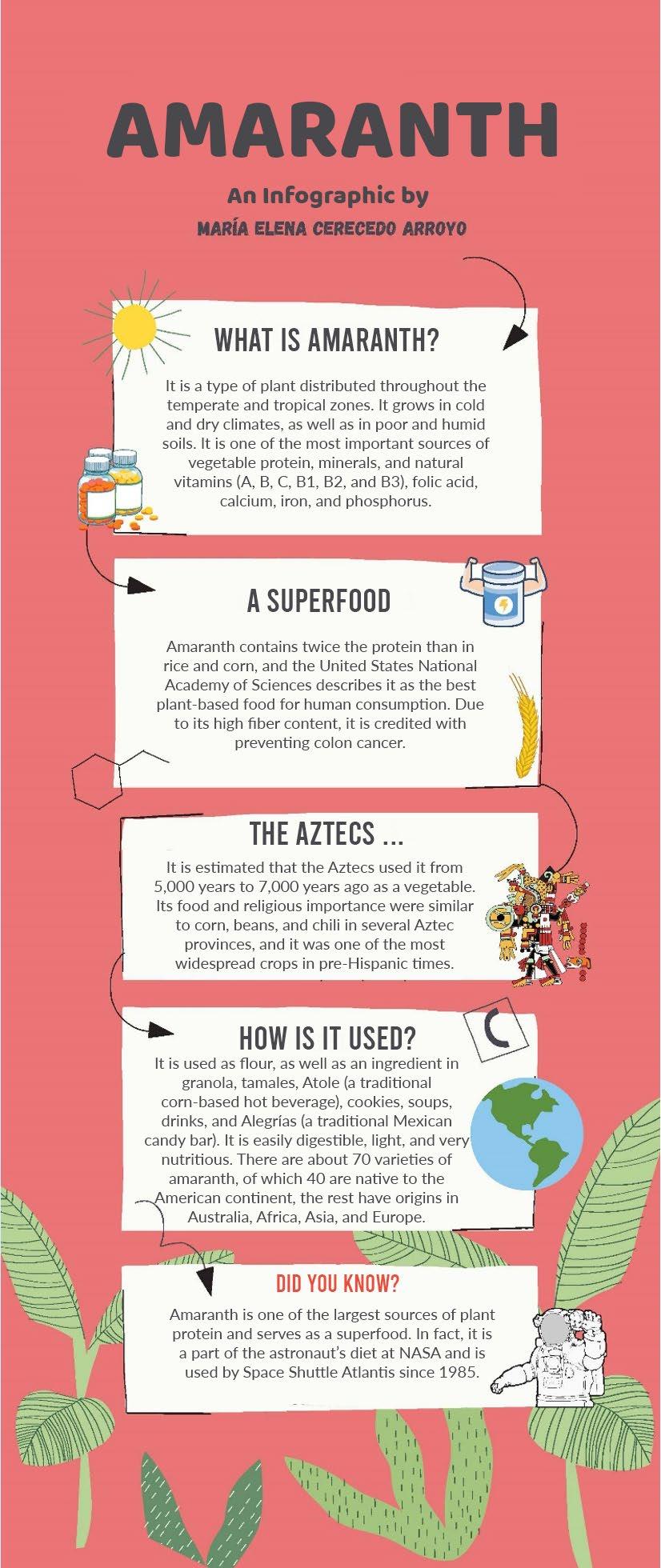
The basic grains from Mexico (corn, beans, rice, and wheat) are considered essential to guarantee the country’s food security. Nevertheless, an extremely important food since ancient times is often overlooked: amaranth.
Amaranth has been cultivated and consumed since pre-Hispanic times by different central Mexico cultures. In fact, its consumption dates back to approximately 5,000 years
Table 2 Food Products and GHG Produced per 1 kg of Food. Information Compiled from (Neufeld).
ago. It can be used as a vegetable on its own or as an ingredient in the preparation of tamales and tortillas. Its protein content is extremely high, and it can provide 2 to 3 times more nutrients than other vegetables. The following infographic summarizes the most salient benefits from amaranth:
Although the ideal would be to follow a strictly vegetarian or vegan diet, if people at least tried flexitarian diets, it would help reduce emissions. In addition, people would only have to reduce and not completely give up the consumption of meat and animal byproducts.
Conclusions:
Continuing with our current nonconscious eating practices will accelerate climate change, generate an increase in extreme meteorological phenomena, contribute to the disappearance of entire ecosystems, damage biodiversity, and worsen the contamination of water bodies, among others. Therefore, we must stop eating products with a high carbon footprint, especially meats, and start being more flexible with our diet. We do not need large amounts of protein because we no longer walk long distances every day to hunt and gather food for our family. Today, we must understand that we do not require as much protein as we did in the past and that plant-based food provides us with enough protein.
Legumes, beans, lentils, etc., are the most sustainable protein sources on the planet. They do not
require much to grow, and they are easily cultivated in difficult environments. In addition, they can provide food security for countries in need and be used as a natural fertilizer; hence, their frequent use is recommended.
We must change our belief that eating meat is a synonym of strength, energy, and power, often associated with masculinity. We must also remember that we all know someone young with cardiovascular afflictions, a situation that implies diseases from high triglyceride, cholesterol, or uric acid levels, which can lead to gout or even certain types of cancer. Disseminating new recipes and the high nutrient content of foods, such as amaranth, is the key to fostering diet changes and, in turn, improving our planet.
Everyone should be concerned about following a healthier diet and, in turn, bringing about a healthier world. The information on protein contributions is found on endless web pages and it will always be advisable to see a nutritionist whenever changing diets.
Changing your diet could significantly reduce GHG emissions, curb excessive water use, and contribute to improving health to a great extent thanks to a new eating style.
References
Biodiversidad Mexicana. Biodiversidad Mexicana. 25 March 2021. <http://www2.biodiversidad.gob.mx/usos/alimentacion/amaranto.html#:~:text=El%20amaranto%20o%20%E2%80%9Calegr%C3%ADa%E2%80%9D%2C,la%20planta%20como%20la%20 semilla.>.
Capital Digital. Capital México. 16 September 2017. 20 March 2021. <https:// www.capitalmexico.com.mx/sociedad/amaranto-alimento-astronautas-nasa-fuente-proteinas-minerales-dieta-espacial/>.
Drayer, Lisa. CNN. 12 Enero 2020. 11 March 2021. <https://cnnespanol.cnn. com/2020/01/12/la-dieta-ideal-para-combatir-el-cambio-climatico/>. Ministerio del Medio Ambiente. Ministerio del Medio Ambiente. Nd 10 March 2021. <https://mma.gob.cl/cambio-climatico/cc-02-7-huella-de-carbono/>.
Neufeld, Dorothy. Visual Capitalist. 10 February 2020. 17 March 2021. <https://www.visualcapitalist.com/ visualising-the-greenhouse-gas-impact-of-each-food/>.
Poore, J. and T. Nemecek. “Reducing food’s environmental impacts through producers and consumers.” Science 360.6392 (2019): 987-992. 16 March 2021. <https://science.sciencemag.org/content/360/6392/987/tab-pdf>.
Secretaría de Agricultura y Desarrollo Rural. Gobierno de México. 26 September 2018. 18 March 2021. <https://www.gob.mx/agricultura/es/articulos/ amaranto-al-infinito-y-mas-alla#:~:text=El%20amaranto%20es%20un%20 pseudocereal,%2C%20B1%2C%20B2%20y%20B3.>.
Willet, Walter, et al. “Food in the Anthropocene: the EAT–Lancet Commission on healthy diets from sustainable food systems.” The Lancet Commissions 393 (2019): 447-492. 10 March 2021. <http://dx.doi.org/10.1016/>.
CHILDREN AND WATER
María de los Ángeles
Areli Piña-Ramírez
SWHEN YOU WAKE UP AND FEEL THE FIRST RAYS OF THE SUN IN THE MORNING, THE FIRST SUBSTANCE NECESSARY TO START THE DAY ENERGETICALLY IS AN INVIGORATING GLASS OF WATER.
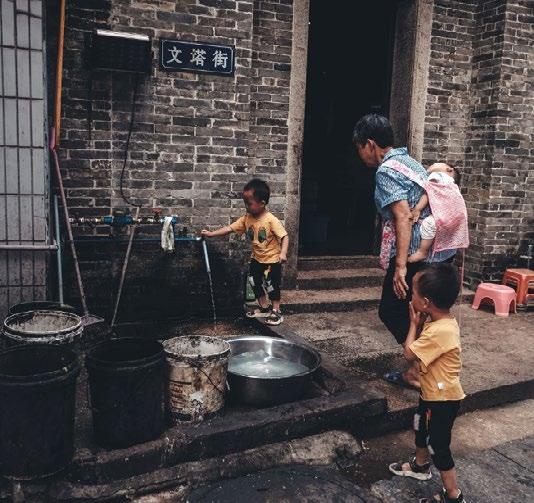
pring is one of the favorite seasons for children as it has ideal weather conditions for flowers to bloom and paint the landscape with colors. Likewise, during this time, we celebrate Children’s Day in Mexico (April 30) and Earth Day (April 21). For this reason, the author hereof thought it would be appropriate to discuss the relationship between children and water.
In the first place, childhood, as a stage of life, is commonly believed to be decisive in many ways for the following phases of human growth. Therefore, children must be properly taught on the care, importance, and everything that water resources represent for humanity and all living beings on the planet.
When you wake up and feel the first rays of the sun in the morning, the first substance required to start the day energetically is an invigorating glass of water. As the body of children is approximately 65% water (Helmenstine, 2021), proper hydration is critical to maintain adequate regulation of all the daily functions of the little human machine. In this regard, Sadhguru (Indian yogi) denotes that “water is not a commodity, but a
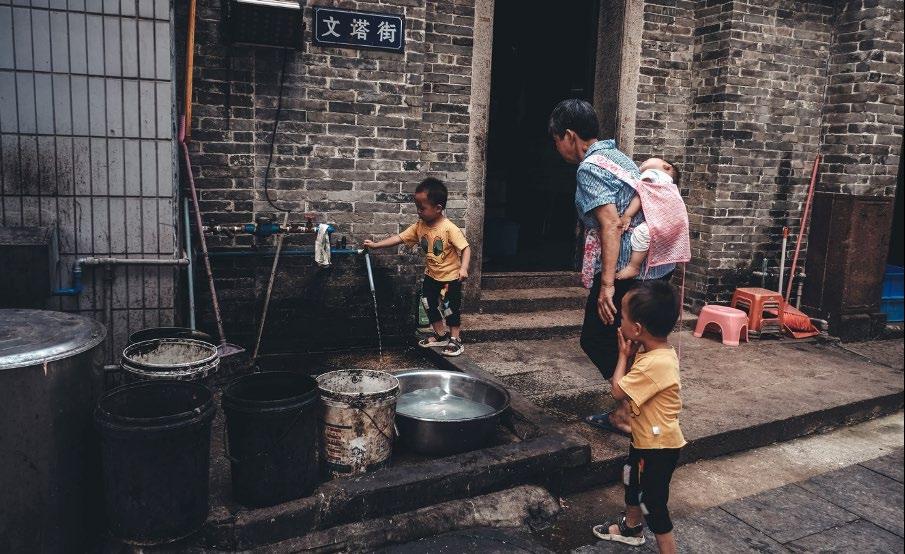
Source: Image by ORIENTO at Unsplash
life-making material. Two thirds of your body is water. Being aware of this fact is vital for survival.” However, some statistics sadly report that seven out of ten children living in Mexican rural communities drink soda pop at breakfast (Delgado, 2019).
The water balance in our body is defined as the amount of water entering our organism minus the amount of water that exits it. The daily intake of liquids and food represents gains, and losses are perceived through urine and perspiration, in addition to the regulatory intestine and lung processes (Rowntree, 1922). Providing adequate hydration to children will help sustain the energy their brain needs to perform essential functions and reduce fatigue. This way, they can maintain their focus on school work, which is more relevant now when studying from home. Proper hydration will also help regulate the temperature of our bodies on days of intense heat and during sports activities (Hydration for Health, n.d.).
A good approach to understanding that water is a limited resource for humanity is explaining to children that drinking water represents only a small amount of the water available on the planet. While the Earth is about 71% water, more than
96.5% of this water is found in the oceans, and it is salt water (USGS, n.d.). However, the remaining water, while fresh, is mostly found in glaciers and aquifers, making it less reachable. Together, the water cycle and its components are important topics that can be easily explained through the processes of evaporation, transpiration, infiltration, and precipitation. This topic can provide an important opportunity for children to develop their critical thinking skills on the interconnectedness of all its elements and the complexity of their relationships.
Something else that children often ignore is that the fourth article of the Mexican constitution mentions that the human right to water (sufficient, healthy, acceptable, and affordable) is guaranteed by the Mexican government, as amended through a Constitutional Decree in 2012 (Wilder et al., 2020). In the world, one in five children lacks sufficient access to water to satisfy basic needs, and many children fail to attend classes as they spend time fetching water instead (UNICEF, 2021). Growing up being aware of the human right to water, to which we are all entitled by law, not only will encourage children to fight for their rights but will also provide them with the responsibility
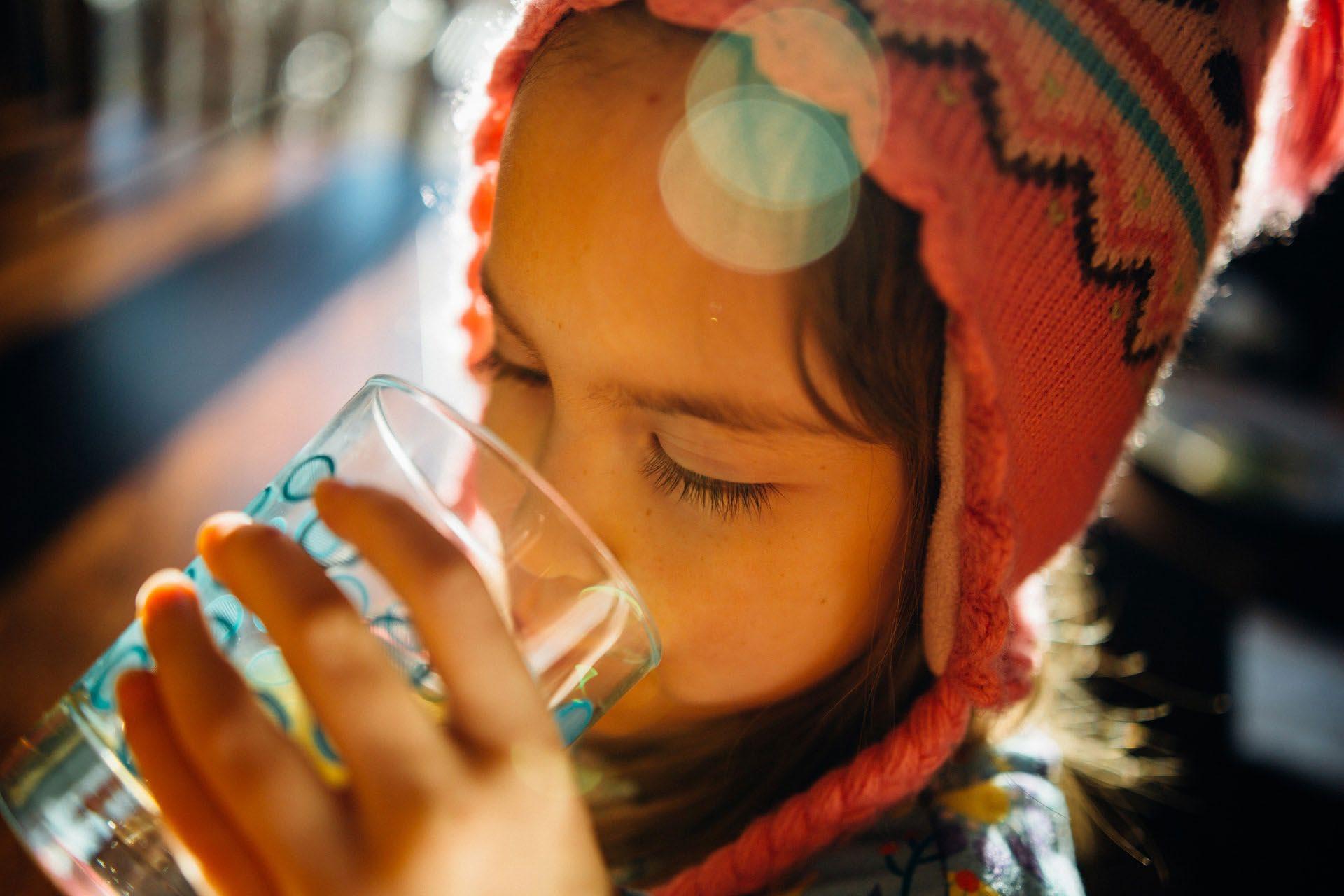
Source: Image by Johnny McClung in Unsplash
of safeguarding and supporting equitable and sustainable water resource uses.
Finally, the best way to plant the importance of water for life in these wonderful little minds is probably by teaching through example, taking proper care of water bodies, holding casual conversations with the children, giving them the opportunity to ponder water issues, and encouraging them to reflect and learn more on the importance of water.
Engaging children in the water scarcity situation currently experienced in some parts of the country, as well as caring for our water resources, is becoming even more decisive in their future. As, at this stage in life, they have open and insightful minds, they will form a fundamental conception of protection of the perfect molecular compound inherent in life: water.
Referencias
Delgado, S. (20 de octubre de 2019). México, primer consumidor de refrescos en el mundo. Gaceta UNAM. Recuperado de https:// www.gaceta.unam.mx/mexico-primer-consumidor/
Helmenstine, A. M. (16 de febrero de 2021). How Much of Your Body Is Water? Recuperado de https://www.thoughtco.com/ how-much-of-your-body-is-water-609406
Hydration for Health (s. f.). Water intake and hydration physiology during childhood. Recuperado de https://www. hydrationforhealth.com/en/hydration-science/hydration-lab/ water-intake-and-hydration-physiology-during-childhood/
Rowntree, L. G. (1922). The water balance of the body. Physiological Reviews, 2(1), 116-169.
UNICEF (18 de marzo de 2021). Water Security for All. Recuperado de https://www.unicef.org/press-releases/one-five-childrenglobally-does-not-have-enough-water-meet-their-everydayneeds#:~:text=NEW%20YORK%2C%2018%20March%202021,to%20 meet%20their%20everyday%20needs.
THE INVOLVEMENT OF CHILDREN
IN THE CARE AND THE CURRENT SITUATION OF THE SCARCITY OF WATER RESOURCES IN SOME PARTS OF THE COUNTRY BECOMES MORE AND MORE DECISIVE IN THE FUTURE THAT THEY WILL HAVE.
USGS. (s. f.). How Much Water is There on Earth? Recuperado de https://www.usgs.gov/special-topic/water-science-school/science/ how-much-water-there-earth?qt-science_center_objects=0#qtscience_center_objects
Wilder, M., Martínez-Austria, P. F., Hernández-Romero, P. y CruzAyala, M. B. (2020). The human right to water in Mexico: Challenges and opportunities. Water Alternatives 13(1), 28-48
Collaboration with the University of Edinburgh and Universidad Iberoamericana
The UNESCO Chair has initiated a joint project with the University of Edinburgh and the Universidad Iberoamericana Puebla to conduct a comprehensive study of the social, environmental, and hydrological problems of the Atoyac river basin, one of the most polluted river basins in Mexico reporting increasing water stress.
As part of this project, the Chair will develop a geographic information system containing all the information available from the basin in terms of surface and underground hydrology and water usage. In addition, the Chair will generate a dynamic management simulation model of water within the basin.
THE UNESCO CHAIR HAS INITIATED A JOINT PROJECT WITH THE UNIVERSITY OF EDINBURGH AND THE UNIVERSIDAD IBEROAMERICANA PUEBLA TO CONDUCT A COMPREHENSIVE STUDY OF THE SOCIAL, ENVIRONMENTAL, AND HYDROLOGICAL PROBLEMS OF THE ATOYAC RIVER BASIN
First International “Water and Your City” Conference
The Chair collaborates with the UNESCO regional office, in particular with the Intergovernmental Hydrological Program (IHP) for Latin America and the Caribbean, as well as with the Mexico City Water System, organizers of the International “Water and Your City” Conference. The director of the UNESCO Chair on Hydrometeorological Risks, Dr. Polioptro F. Martínez Austria, spoke on “water resilience” in its 10th session.
International Conference on Climate Variability and Change
Universidad Nacional de Colombia, with sponsorships from the Sura insurance company, the Colombian Air Force, the Colombian Institute of Hydrology, Meteorology and Environmental Studies (IDEAM), and the Multi-Scale Comprehensive Water Management Model (MEGIA), held the International Congress on Climate Variability and Change from April 21, 2021 to April 23, 2021. On this occasion, Dr. Polioptro F. Martínez of Austria was invited as the closing keynote speaker to discuss “Water and Climate Change: Main Impacts in Latin America.”
XIV Meeting of National Committees and Focal Points of the IHP-LAC
At the XIV Meeting of National Committees and Focal Points of the UNESCO Intergovernmental Hydrological Program for Latin America and the Caribbean (IHP-LAC), the IHP Secretariat reported on recent IHP-related, the implementation of the IHP-VII in Latin America and the Caribbean, and the application of the decisions and recommendations adopted at the XIII Meeting of the National Committees and Focal Points of the IHP-LAC.
Likewise, a report was presented on Aqua-LAC, the UNESCO IHP journal for Latin America and the Caribbean, which con-
tinues to strengthen its quality. Furthermore, the reports also discussed IHP participation in the 2030 Agenda, the Sustainable Development Goals and other international commitments, such as the participation of the IHP in the 9th World Water Forum and the participation of the IHP in the 2nd and 3rd Open Science Forum for Latin America and the Caribbean (CILAC). The meeting documents are available at
New FAO Water Report on Real Water Savings with Crop Water Productivity Interventions.
The Food and Agriculture Organization of the United Nations (FAO) launches a new Water Report “Guidance on Realizing Real Water Savings with Crop Water Productivity Interventions,” which includes how to implement “real” water savings in agriculture through interventions to improve crop water productivity.
According to the guidelines provided, the management of the crop water system can be improved by introducing sustainable interventions to achieve real water savings.