UNESCO Chair on Hydrometeorological Risks, Universidad de las Américas Puebla
CHAIR MEMBERS
MEMBERS Director
Polioptro F. Martínez Austria udlap
Víctor Hugo Alcocer Yamanaka Comisión Nacional del Agua
Erick R. Bandala González Desert Research Institute, EE. UU.
Benito Corona Vázquez udlap
Johanness Cullmann World Meteorological Organization Geneva
Carlos Díaz Delgado Instituto Interamericano de Ciencias del Agua, México
Carlos Escalante Facultad de Ingeniería, unam
Matthew Larsen Smithsonian Tropical Research Institute, EE. UU.
Alison Lee udlap
Benito Corona Vázquez udlap
Humberto Marengo Mogollón Instituto de Ingeniería, unam
Gabriela Moeller Chávez Universidad Politécnica de Morelos
Einar Moreno Quezada udlap
Carlos Patiño Gómez udlap
Sofía Ramos
President Luminario Education Strategies, EE.UU.
José Ángel Raynal Villaseñor consultor
José D. Salas Colorado State University, EE. UU.
Jim Thomas Desert Research Institute, EE. UU.
Juan Valdes University of Arizona, EE. UU.
http://www.udlap.mx/catedraunesco/
Chaac and his Torch: The Mayans and Climate Uxmal Rodríguez Morales 3 Climate Change and Hydrometeorological Risks New book from the Chair 6 13 17
Book Presentation: Water Water Resources of Mexico Deforestation in Mexico: Reaching the Future With Shame Pedro Andrés Sánchez Gutiérrez Call for a PhD Degree in Water Sciences
MORE THAN 75% OF ALL NATURAL DISASTERS ARE WATER- AND WEATHERRELATED, MAINLY, SEVERE STORMS, FLOODS, OR DROUGHTS.
he unesco Chair on Hydrometeorological Risks focuses primarily on conducting research, training human resources, and disseminating knowledge on this important field, particularly within the Latin American region. Associations and collaborations between institutions and researchers from different countries is also one of the most productive traditions of unesco A few global statistics can account for the importance of hydrometeorological risks affecting humans year after year. More than 75% of all natural disasters are water- and weather-related, mainly, severe storms, floods, or droughts. From the number of people affected by natural disasters, 78% are affected by floods or droughts, owing to hydrometeorological extremes. Therefore, It is not surprising that, the World Economic Forum’s
global risk report identifies extreme weather as the most likely natural disaster and fourth most severe in terms of impacts.
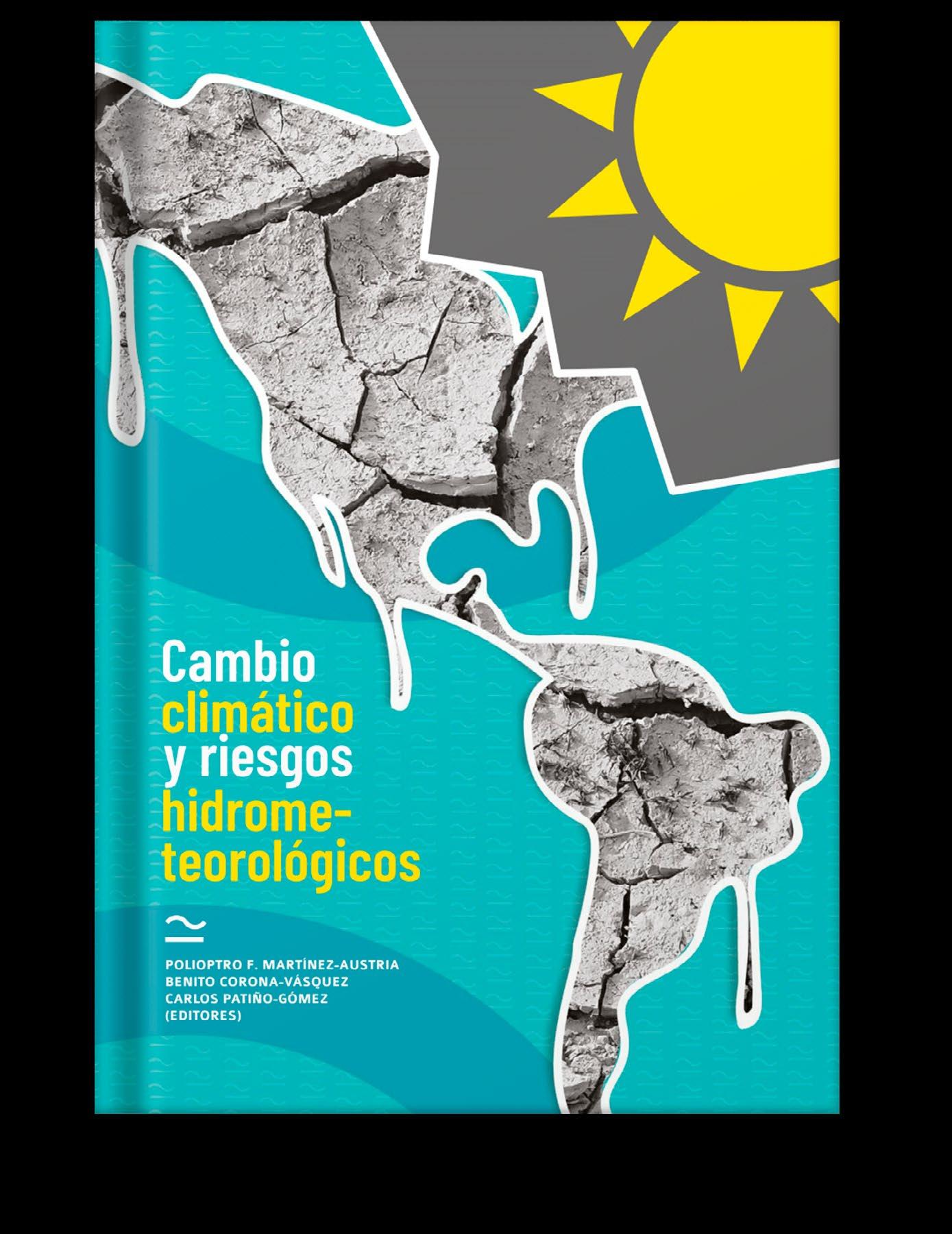
Despite the evident extent of hydrometeorological risks and their effects in Latin America and number of researchers and research groups dedicated to their study, forecasts and the mitigation of such phenomena are quite scarce. Fostering the study of the abovementioned phenomena and disseminating the research conducted in the region are the main drivers of the UNESCO Chair on Hydrometeorological Risks for the publication of the book, “Climate Change and Hydrometeorological Risks,” which compiles some of the most promising works on the subject from research groups in different Latin American countries.
The book starts with a chapter prepared by one of the most recognized research groups on hydrometeorological risks in the region. This chapter reports the activities and results from recent advanced studies initiatives at the University of Costa Rica, where the research group is based. From the other end of Latin America, Miguel Lovino, from Universidad Nacional del Litoral in Argentina, in Chapter 6, discusses future climate change impacts and scenarios within the region and assesses a case study in climate variability and change in the northeast region of Argentina.
Regarding Mexico, this publication includes chapters written by some of the most recognized specialists in the field. For example, Dr. Cecilia Conde and her research group at the Universidad Nacional Autónoma de Mexico provide examples of hydrometeorological extremes linked to climate change in Mex-
FROM THE NUMBER OF PEOPLE AFFECTED BY NATURAL DISASTERS, 78% ARE AFFECTED BY FLOODS OR DROUGHTS, OWING TO HYDROMETEOROLOGICAL EXTREMES.
ico. Dr. Ricardo Prieto, distinguished researcher and manager of National Weather Service, analyzes the main hydrometeorological risks that Mexico is facing. In addition, the research group at the Inter-American Institute of Water Science and Technology includes in this book original and relevant results on food safety issues in one of the main Mexican basins as a result of seasonal changes in the 1960–2010 period.
Extreme temperatures are also a growing hydrometeorological risk because of their effects on health and for the increased water demands they generate. Within this context, a research group from the Desert Research Institute in the United States assesses, in Chapter 8, extreme temperatures, heat waves, and their effects. This topic is complemented with a study of the maximum temperature trends observed in northwest Mexico presented in Chapter 4.
Hydrometeorological risks have implications and consequences on a wide range of human activities. In the book, three of the most relevant interactions are addressed: economic aspects, dam safety risks, and gender implications. These aspects are discussed in Chapters 9–11.
It is impossible to cover a topic as broad and important as hydrometeorological risks in a single publication for a region as large and with so much climate variety as Latin America. We are confident that the book will draw the attention of a large number of specialists and the public interested in the hydrometeorological risks phenomena. We also expect this book to be the first in a series of publications on the subject.
The contents of the book and corresponding authors of each chapter are as follows.
1. Hydrometeorological Risks in the Central American Dry Corridor. Research, Social Action and Teaching Within the Advanced Studies Space at the University of Costa Rica.
Eric J. Alfaro, Paula M. Pérez-Briceño, Hugo G. Hidalgo, Yosef Gotlieb, Jorge García y Andrey Rodríguez
2. Hydrometeorological Risks in Mexico
Ricardo Prieto González
3. Climate Change and Hydrometeorological Extremes. Examples in Mexico
Cecilia Conde, Fanny López-Díaz, Gabriel Balderas y Elda Luyando
4. Observed Trends in Maximum Temperatures in Northwest Mexico
Polioptro F. Martínez Austria
5. Seasonal Changes in Climate Variables (1960-2010) and Their Implications for Food Safety in the Lerma-Chapala-Santiago Basin
Raymundo Ordoñez-Sierra, Ricardo Manzano-Solís, Miguel Angel Gómez-Albores, Carlos Alberto Mastachi-Loza y Carlos Díaz-Delgado
6. Vulnerability of Latin America to Climate Change and Climate Variability
Miguel Lovino
7. Hydrological Modeling and Climate Change
Carlos Patiño Gómez, Paul Hernández Moreno
8. Temperature and Heat Waves
Bianca Isla, Ahdee Zeidman y Erick R. Bandala
9. Seismic Risk in Dams, Failures and Consequences
José A. Alcalá Hernández y Humberto Marengo Mogollón
10. Water and Inflation in Mexico
Einar Moreno Quezada
11. A Gendered Experience of Climate Change and Water Management
Sofía Ramos
BOOK PRESENTATION: WATER
RESOURCES OF MEXICO
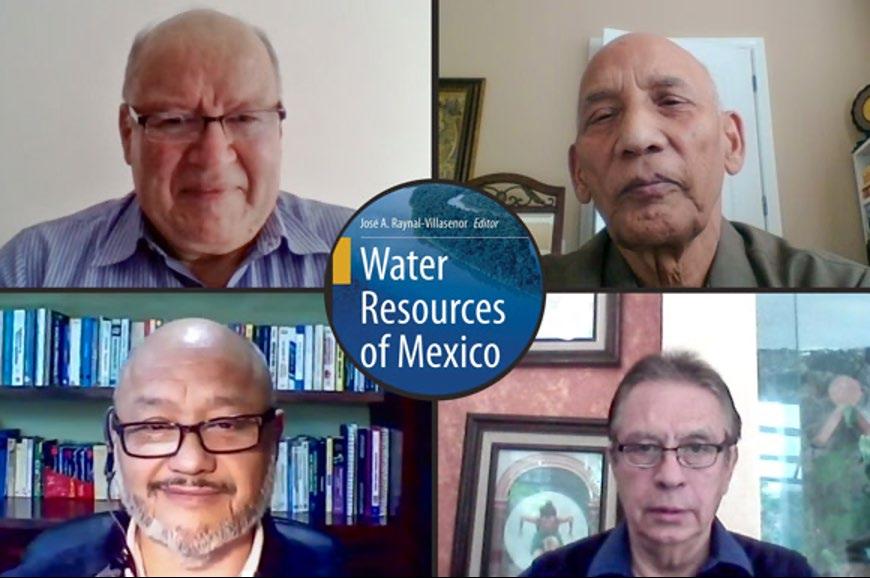
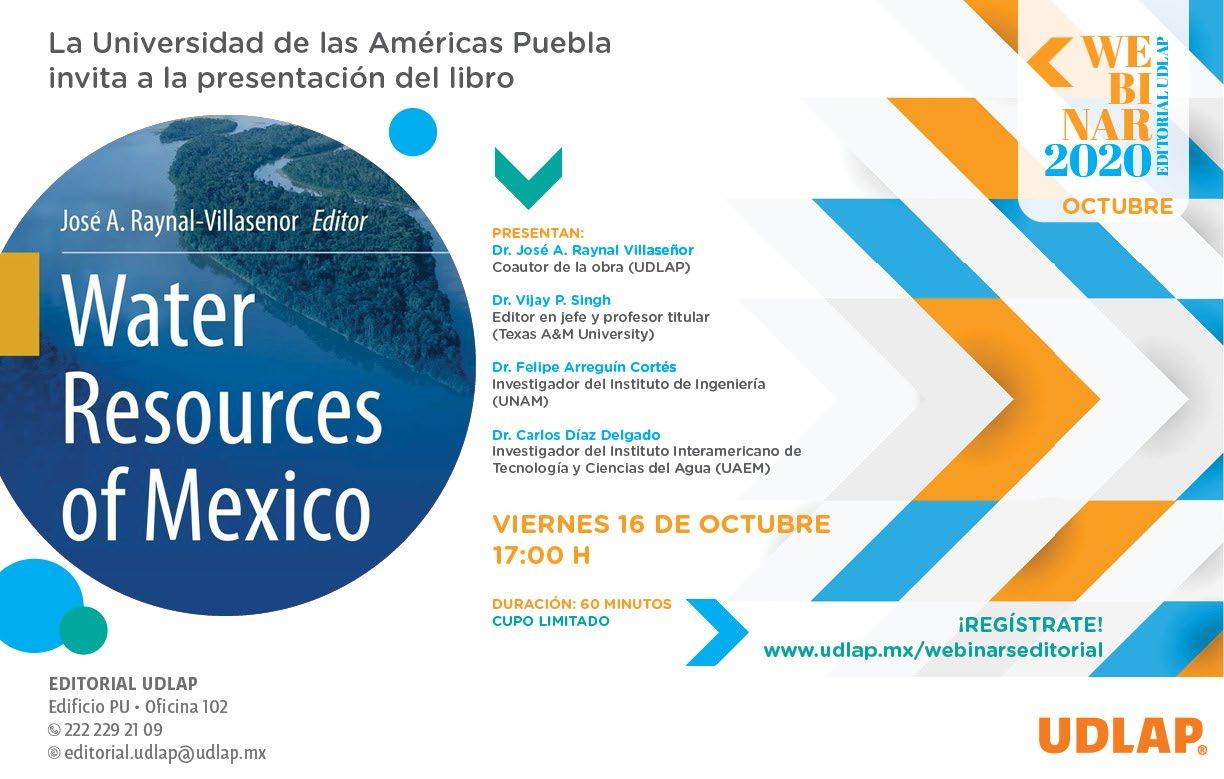
Through the webinars organized by the Universidad de las Américas Puebla ( udlap ) publishing house, the “Water Resources of Mexico” book by Dr. José A. Raynal Villaseñor, professor at the Universidad de las Américas Puebla and member of the unesco Chair on Hydrometeorological Risks, was presented. This new publication is a reference for scholars and decision makers since it unites renowned specialists and experts regarding the water problems of the country.
such, to achieve water sustainability, water safety had to be addressed from three essential perspectives: environment, economy, and society. Then, he explained that, by addressing these topics, each book in the series seeks to contribute to the abovementioned change and foster the development of water sciences, particularly, in each region as in the case of the edition dedicated to Mexico.
Dr. Felipe Arreguín Cortés, a researcher at the unam’s Engineering Institute and a co-author, also participated in the event. He emphasized that the book is well focused and offers current solutions. Therefore, it is a well-prepared book. “The first three chapters carefully review the surface and underground hydrological issues in Mexico, including aspects we need to solve the large problem we face regarding the overconcession of surface waters and overexploitation of aquifers. There is another very important chapter on the water–energy–food chain, which
is currently necessary as we need more food and energy supplies. In fact, this chapter is addressed at a high level with technical precision.” The preceded part in quotes is the argument of Dr. Felipe Arreguín Cortés. Dr. Carlos Díaz Delgado, a researcher at the uaem ’s Inter-American Institute of Water Science and Technology and co-author of the chapter on the water–energy–food chain, stated that the mentioned publication could be considered a masterpiece on water science in Mexico “for its magnificent content and treasures for supporting strategic decision-making aimed at building a more sustainable nation. The book has been enriched by the knowledge cultivated and accumulated over many years by a team of 31 authors carefully selected by the editor. The knowledge contained in the book has been compiled within the boundaries of 15 chapters in just 288 pages,” as asserted by Dr. Carlos Díaz Delgado.
This book is part of a series entitled “World Water Resources” edited by Dr. Vijay P. Singh, a tenured professor at Texas A&M University, who during this presentation shared that the series was developed after realizing that water safety is one the challenges of the 21st century. As
This comprehensive volume, edited by Springer, presents the topic of water resources of Mexico from a different angle. During the webinar introducing this work, Dr. Raynal Villaseñor stated that this book is the summary of two and a half years of work by the authors of the 15 chapters included in the publication. Besides covering geohydrology, “Water Resources of Mexico” also offers a brief account of ancient water resource works such as the chapter written by Dr. José Raynal on hydrological and hydraulic works of the Aztec civilization. In addition, other academic researchers from udlap discuss topics such as data models for river basin management in Mexico, climate change and hydraulic sources, and the possible scenarios created by the impact of global warming on evaporation in Mexico.
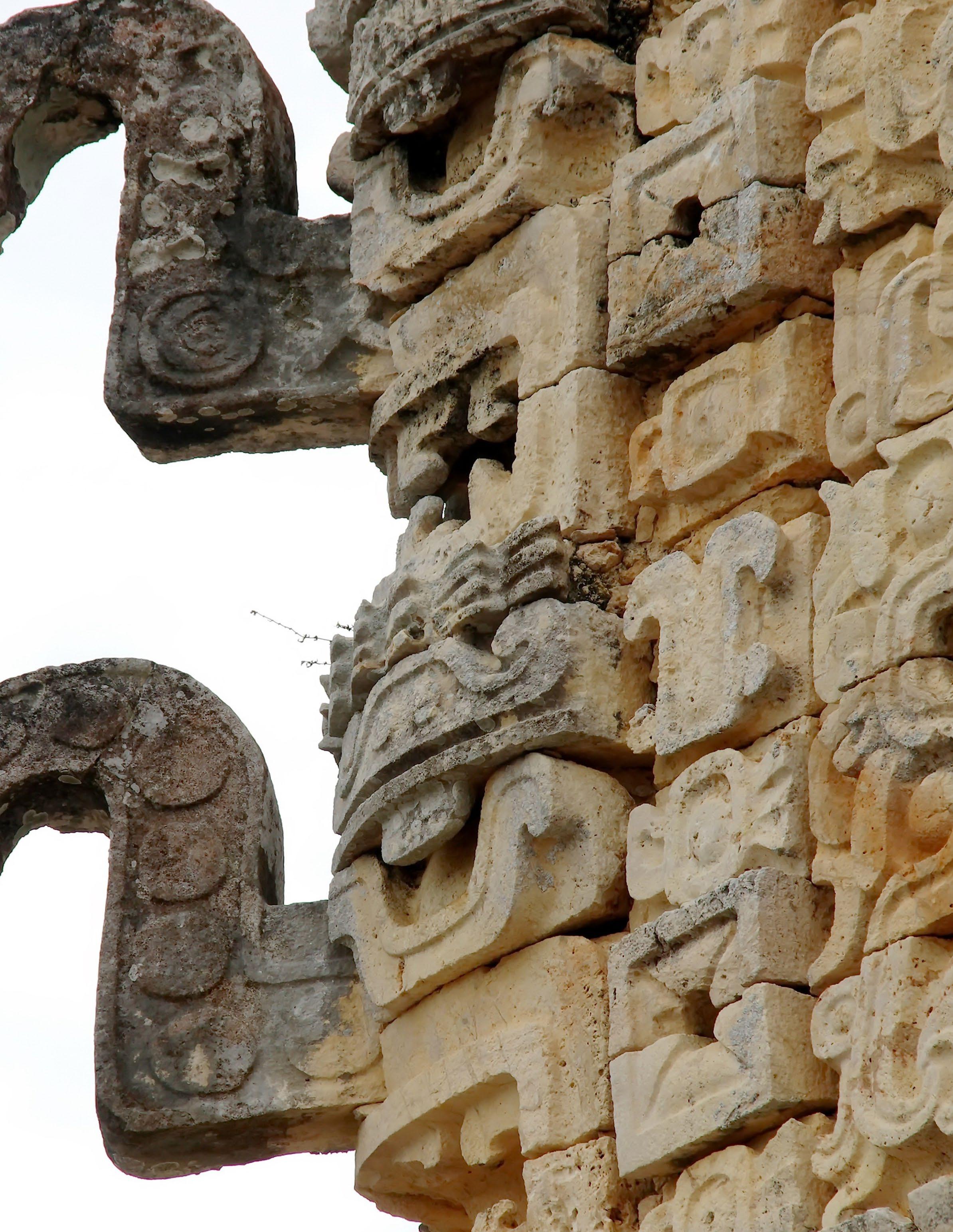
reat builders, inventors of the number zero, exceptional astrologers, maiden sacrificers, and predictors of one of the many ends of the world etc. This is how the pre-Columbian Mayans are recognized, one of the American cultures that most fascinates mankind. The interest in this ancient civilization has flourished, especially, but not only motivated by everything related to its calendar and the year 2012. One of the mysteries surrounding the ancient Mayans is the enigma of their so-called disappearance.
THE INTEREST IN THIS ANCIENT CIVILIZATION HAS FLOURISHED, ESPECIALLY, BUT NOT ONLY MOTIVATED BY EVERYTHING RELATED TO ITS CALENDAR AND THE YEAR 2012.
Although the Mayans did not really disappear, this denomination refers to the drastic population reduction in their main cities, decrease and ceasing of the construction of large buildings and stelas, and abandonment of powerful cities in their time. This event is known as the Classic Mayan Collapse, and it took place during the period denominated as Terminal Classic by Mayan archaeologists, approximately between the years 750 and 1050. However, these limits vary according to different authors and approaches. This event happened gradually and unevenly, both temporally and spatially, in the territory occupied by the Mayans. For this reason, some history experts and archaeologists avoid using the term collapse and refer to this event as the decline or abandonment of the Classic Mayans. The pre-Columbian Mayans inhabited a wide territory within the Mesoamerican region, mainly from the Yucatan Peninsula to El Salvador. This area is extremely heterogeneous and exhibits large differences in terms of orography, soil type, vegetation, and climate, especially rainfall. Although approximately 70% of the rainfall typically occurs during a 5-month period between June and September, there is a south–north gradient in terms of the total amount. Rainfall is heavy in the southern areas in the Central American mountains called the Mayan highlands and decreases as one moves northward from the Yucatan Peninsula, a region known as the northern Mayan lowlands.
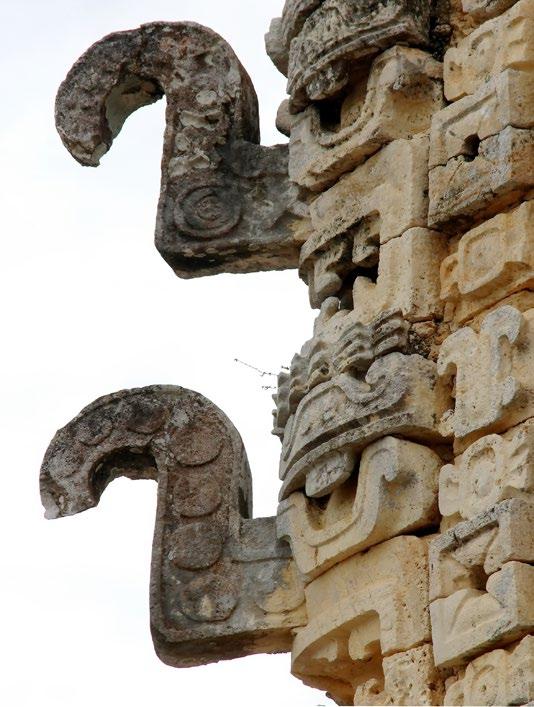
Being a sedentary agricultural civilization, which settled in a region with very few large rivers, most of the Mayans depended mainly on the presence of springs and rain for agriculture and on their water storage capabilities for domestic use. This can be seen in the development of structures such as the cisterns or chultuns of the Puuc area, Palenque aqueduct, and different-sized reservoirs in Tikal, Calakmul, and Caracol. All are clear examples of the systems used by the Mayans to adapt to their natural environment. However, they were still susceptible to rainfall changes. For this reason, one of their main gods in their pantheon was Chaac, a one and manifold god, lord of the rain and of the four cardinal points, represented in various forms and with different costumes, especially with a torch during droughts.
Many hypotheses about the factors prompt the Mayan decline: armed conflicts of different kinds such as social uprisings, internal wars for dynasty succession, army invasions from rival cities, plagues, environmental degradation, and weather variations. The last two options have been gaining strength in recent years as reflected in the increased number of general publications about the events, especially in those that associate them to weather events. In addition to the renowned 2012 prediction, the renewed interest in Mayan civilization is surely owing to an increased awareness of our relationship as a civilization with nature and the role we are playing in the anthropogenic climate change.
Another factor that has reinforced the idea of climatic events as triggers of the Mayan decline, specifically droughts, are the diverse paleoclimatological reconstructions that have taken place in the zone inhabited by the Mayan and other surrounding regions. These reconstructions consist in estimating past rainfall amounts and temperature values from various sources such as the study of variations in the chemical composition of lake, channel or fluvial deposition sediments at river mouths. In addition, these estimates can also be made using stalactites, studying the pollen of the different soil layers or by the well-known method of analyzing growth rings in trees.
From the abovementioned studies, it has been possible to determine that the Late Classic period featured more precipitations, which also coincides with the boom of the Mayan civilization. In this period, the population increased, influence areas from large rival city states like Tikal and Calakmul expanded, and construction of the great monuments that represent the maximum splendor of these important metropolis exploded. There is also evidence of several drought and arid periods during the Terminal Classic and Early Post Classic, matching the period when the population declined and large cities were abandoned. In some reconstructions, a more precise temporal analysis can be done, so it allowed to establish a dry period approximately between the years 760 and 910 CE when recurrent 3-to-9-year droughts took place over a period of 50 years. This period is consistent with the decline of the Mayan civilization,
which, according to several historians, was a gradual process that could have lasted for about 200 years.
These coincidences have led some advocates of the climate catastrophe thesis to emphasize the role of droughts in triggering the decline of the Mayan civilization. Despite the undeniable contribution of these extreme hydrometeorological events, other archaelogical hints display a much more complex history. In fact, there is enough evidence to suggest that the decline of the Mayan civilization underwent different processes in the mountain highlands associated than in the north and south of the Yucatan lowlands. The decline of the Mayan civilization was an extremely complex, multifactorial, and heterogeneous process in time and space. This process started during the Classic period, continued through the post Classic period, and lasted until Nojpetén, the last pre-Columbian Mayan site in Lake Peten, succumbed in 1697, many years after the conquest began with the arrival of the Spaniards.
Indeed, the complexity of this process lends credibility to the theory that several factors were involved, and a number of continuous droughts triggered the decline of the Mayan civilization. Even though this integrationist hypothesis is reinforced by several data, it would be better to focus on the specific relevance of each factor in individual sites before generalizing. Some of these clues come from scientific fields that we would never suspect, such as hydrological and dynamic modeling. Using several models, we may simulate the evolution timeline of the Mayan society fairly well, even with positive coincidences in the period in which intensive agriculture started to be practiced and the Mayan society flourished. One of these results reveals that even without droughts, the Mayans would have faced serious soil depletion problems owing to the widespread practice of intensive agriculture, which was required to feed the growing population that inhabited the large cities of the Classic period. A decreasing capacity in food production always results in malnutrition, diseases, and social discomfort, which could aggravate existing public health conditions due to overcrowding and decreasing public hygiene. In fact, this seems to have happened at least in two important Classic period sites, Copán and Palenque.
In other cases such as Palenque (Lakam ha’), hydrological simulations in the basin around the city suggest that droughts did not exert a significant impact on their water resources. However, land use changes seem to have altered the impacts
from climate changes on the basin, perhaps increasing its sensitivity to droughts as denoted by climate reconstructions. In this case, we would have to look for other concomitant causes, probably of a sociopolitical nature, to completely explain the abandonment of this site since archaeological studies suggest that the deterioration of the environment and decrease in natural resources do not seem to have played a significant role on Palenque’s final decline.
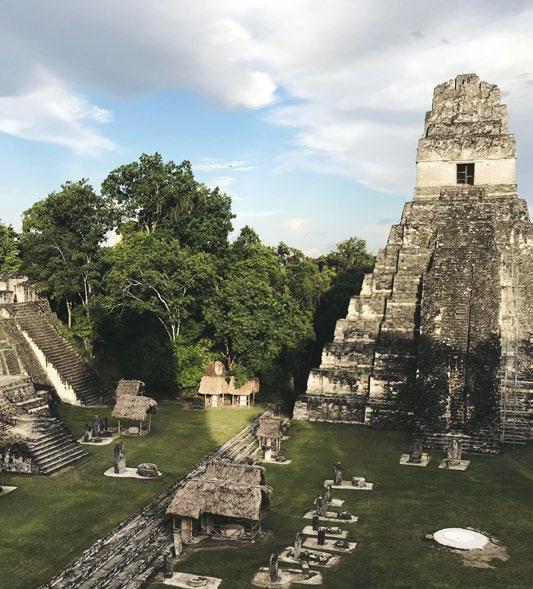
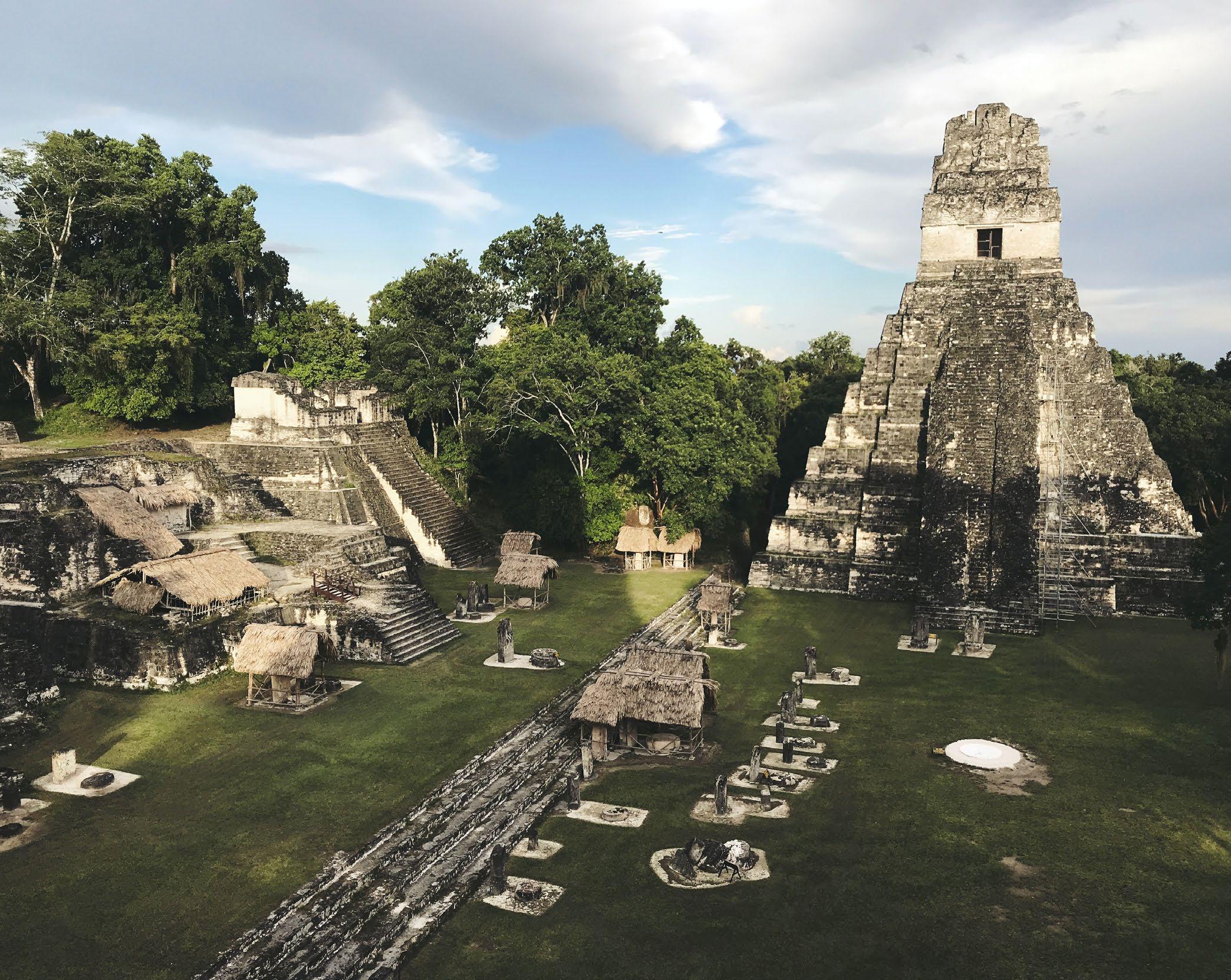
One site for which much information is available is Tikal (Figure 1). In this city there were several reservoirs and a system of channels that helped the Mayans collect water for a number of uses. Although the quantities stored do not seem to have been enough for irrigating the entire agricultural area needed to feed all of the city’s inhabitants with corn, the contents of some peripheral reservoirs do seem to have been used for this purpose on some occasions. Even when the total amount of water could not have irrigated all crops, it does seem that a year of intense drought may not have brought many water supply issues, at least for public use, as it may be observed in urban demand modeling studies. Despite these conclusions, it is reasonable to assume that periods of recurrent drought may have limited water resources far beyond what was previously anticipated.
Another specific event that worsened the situation of Tikal was the contamination of the water reservoirs. By analyzing the sediment deposits, the presence of mercury was detected in the sediments of two of the main reservoirs located in the central area, where the main palaces, temples, and squares were located. Mercury came from cinnabar (mercury sulfide), an ore widely used for prepering the red colorant used in ceramics, buildings, and ritual practices such as burials.
Similarly, an increase of phosphate concentrations was detected in these reservoirs during the above mentioned periods, which, coupled with high temperatures and decrease in water supplies as a result of droughts, favored the proliferation of cyanobacteria. In addition to the above, a genetic material from Plantothrix and Microcystis and two cyanotoxin-producing genera were also found. These substances can be toxic at low concentrations (2 nM), and some of them are resistant to cooking. All these elements were found in sediment layers corresponding to the Late Classic and Terminal Classic periods.
The recurrent droughts came at a crucial time. The Mayan leaders of that period were increasingly cutting down a large
number of the surrounding forests to devote those lands to intensive farming and producing the food required to feed growing populations. All this led to excessive deforestation, loss of vegetation cover, and ultimately, erosion and soil degradation.
The land, dry and exhausted, ceased to cultivate. The water storages that came from the Chaac’s pitchers diminished and became poisonous and famine bloomed. The kings had lost the favor of the gods. From the wars that once brought wealth, prisoners, glory, and power, only exhaustion remained the end.
This dramatic and overloaded image could have happened in Tikal more than a thousand years ago, but it would be unwise to think that it could not happen again. Today’s world moves with an extremely consumption-oriented socioeconomic model
that has been sustained by excessive consumption of many natural resources; destruction of ecosystems; and pollution of soil, water, and air, leading to the exploitation and death of many of our own kind. Because of anthropogenic climate changes, an increase in extreme hydrometeorological events is predicted, especially droughts. This will occur in a technological world but the one ridden with poverty and millions of dissatisfied and vulnerable human beings.
As a society, society, we still have time to remember the wisdom and humaneness remaining whitin us. We can still see ourselves in the mirror of the ancient Mayans, peek into the sacred sink hole, and see in the depleted surface of the waters, unavoidably, coming from no far, the torch of Chaac.
Figure. 1: Great Plaza and Pyramid, Tikal
Bibliography
- Carrillo-Bastos, A., Islebe, G. A. y Torrescano-Valle, N. (2013). 3800 Years of Quantitative Precipitation Reconstruction from the Northwest Yucatan Peninsula. Plos One, 8(12), e84333.
- Ertsen, M. W. y Wouters, K. (2018). The drop that makes a vase overflow: Understanding Maya society through daily water management. WIREs Water, 5, e1281.
- French, K. D. y Duffy, C. J. (2014) Understanding ancient Maya water resources and the implications for a more sustainable future. WIREs Water, 1, 305-313.
- Gallareta, T. (2000) Sequía y colapso de las ciudades mayas del Puuc. I’inaj (INAH Yucatán), 11, 13-18.
- Haug, G.H., Günther, D., Peterson, L.C., Sigman, D.M., Hughen, K.A. y Aeschlimann, B. (2003). Climate and the Collapse of Maya Civilization. Science, 299,1731-1735.
- Instituto Nacional de Antropología e Historia. (2017). Boletín N° 393. Recuperado de https://www.inah.gob.mx/attachments/article/6660/20171108_boletin_393.pdf
- Lentz, D. L., Hamilton, T. L., Dunning, N. P., Scarborough, V. L. Luxton, T. P., Vonderheide, A., Tepe, E. J., Perfetta, C. J., Brunemann, J., Grazioso, L., Valdez, F., Tankersley, K. B. y Weiss, A. A. (2020). Molecular genetic and geochemical assays reveal severe contamination of drinking water reservoirs at the ancient Maya city of Tikal. Scientific Reports, 10, 10316.
- Luzzadder-Beach, S., Beach, T. y Dunning, N. P. (2012). Wetland fields as mirrors of drought and the Maya abandonment. Proc. Nat. Acad. Sci., 109(10), 3646-3651
- Nalda, E. (2005). Clásico terminal (750-1050 d. c.) y posclásico (1050-1550 d. c.) en el área maya. Colapso y reacomodos. Arqueología Mexicana, 76, 30-39.
- Márquez Morfín L., Hernández Espinoza P. O. (2013) Los mayas del clásico tardío y terminal. Una propuesta acerca de la dinámica demográfica de algunos grupos prehispánicos: Jaina, Palenque y Copán. Estudios de Cultura Maya, 42, 55-86. -Marx, W., Haunschild, R. y Bornmann, L. (2017). The role of climate in the collapse of the Maya civilization: a bibliometric analysis of the scientific discourse. Climate, 5(4), 88.
- Reindel, M. (2002). El abandono de las ciudades Puuc en el norte de Yucatán. Estudios de Cultura Maya, 22, 125-136.
- Roman, S. Palmer, E. y Bredea, M. (2018). The dynamics of human–environment interactions in the collapse of the classic Maya. Ecological Economics, 146, 312-324.
- Stahle, D. W., Villanueva, J., Burnette, D. J., Cerano Paredes, J., Heim, R. R., Fye, F. K., Acuna Soto, R., Therrell, M. D., Cleaveland, M. K. y Stahle, D. K. (2011). Major Mesoamerican droughts of the past millennium. Geophysical Research Letters, 38, L05703.
- Turner B. L. (2010). Unlocking the ancient Maya and their environment: Paleo-evidence and dating resolution. Geology, 38, 575-576.
- Turner, B. L. y Sabloff, J. A. (2012). Classic Period collapse of the Central Maya Lowlands: Insights about human-environment relationships for sustainability. Proc. Nat. Acad. Sci., 109(35), 13908-13914.
Gutiérrez DEFORESTATION IN MEXICO: REACHING THE FUTURE WITH SHAME
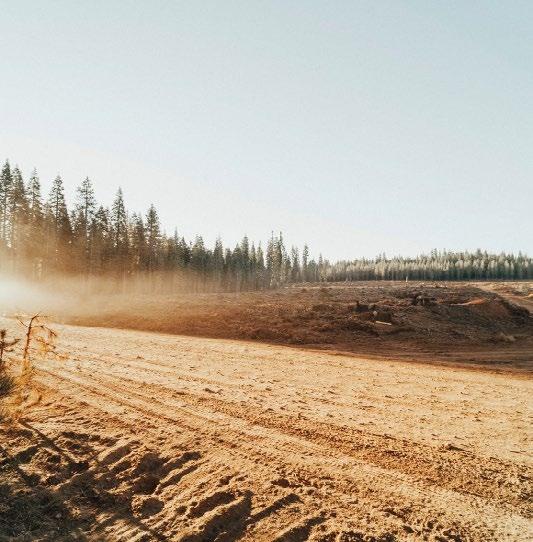
Forests are more than just trees; they are a source of food, water, and livelihood and are essential to the global ecosystem. When managed sustainably, forests can increase resilience and provide economic services, a variety of environmental services, and employment opportunities. In addition, forests absorb and store carbon dioxide and provide habitats for a large number of species (Food and Agriculture Organization of the United Nations, 2016). Forests play a comprehensive role in water cycle management. In a healthy ecosystem, rain is absorbed by the soil and surrounding trees. Some of the absorbed water returns to the atmosphere through transpiration, the release of water from plant leaves during photosynthesis. Transpired water contributes to the formation of rain clouds that distribute the water back to the forest. When trees are removed from an ecosystem, less water is released into the atmosphere, and less rain falls in the surrounding areas (Mongabay, 2020).
CLIMATE CHANGE MAY INTENSIFY MANY OF THE THREATS THAT FORESTS ARE FACING. FOR EXAMPLE, DROUGHTS MAKE FORESTS MORE SUSCEPTIBLE TO FIRES AND INCREASE THE CHANCE OF SUCH EVENTS BEING INTENSE AND LONG-LASTING (UNION OF CONCERNED ARTISTS, 2020).
Pedro Andrés Sánchez
Climate change may intensify many of the threats that forests are facing. For example, droughts make forests more susceptible to fire and increase the chance of such events being intense and long-lasting (Union of Concerned Artists, 2020).
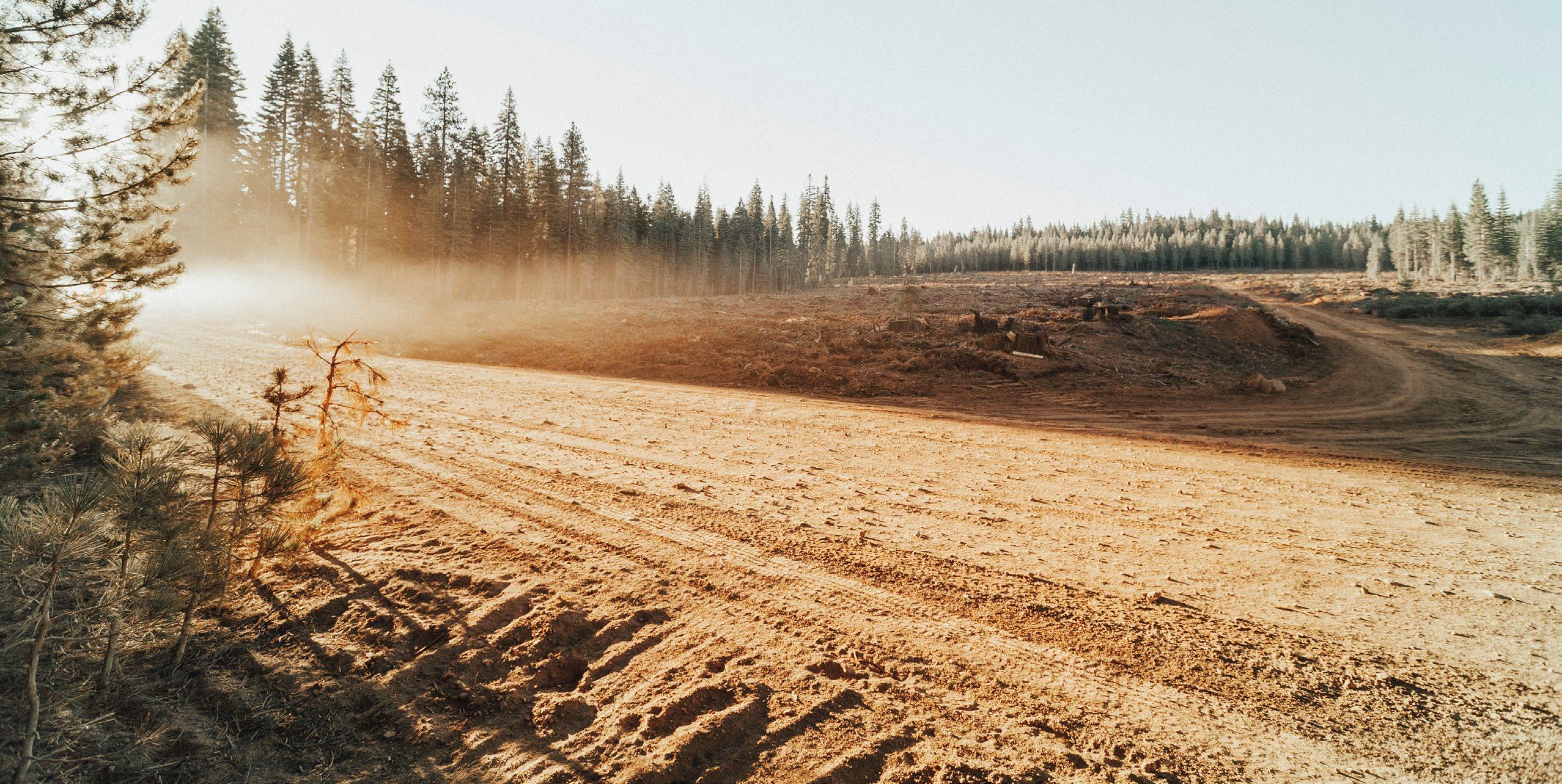
Deforestation is one of the main drivers of desertification or transformation of fertile land into a desert. While humans are the biggest driver of deforestation -- most often from cutting down trees to increase grazing or allowing over-grazing to take place by farm animals -- climate change exacerbates this process. Increasing air temperatures and decreasing rainfalls can lead to longer and more intense droughts, preventing the growth of vegetation (Intergovernmental Panel on Climate Change, 2019).
The Intended Nationally Determined Contributions (indc) constitute the efforts of each member country of the United Nations Framework Convention on Climate Change seeking to meet the global goal of reducing greenhouse gas emissions to a level that will not increase the Earth’s surface temperature above 2°C. This was adopted at the Conference of the Parties (COP) No. 21 held in Paris, France, in December 2015 (United Nations Framework Convention on Climate Change, 2015).
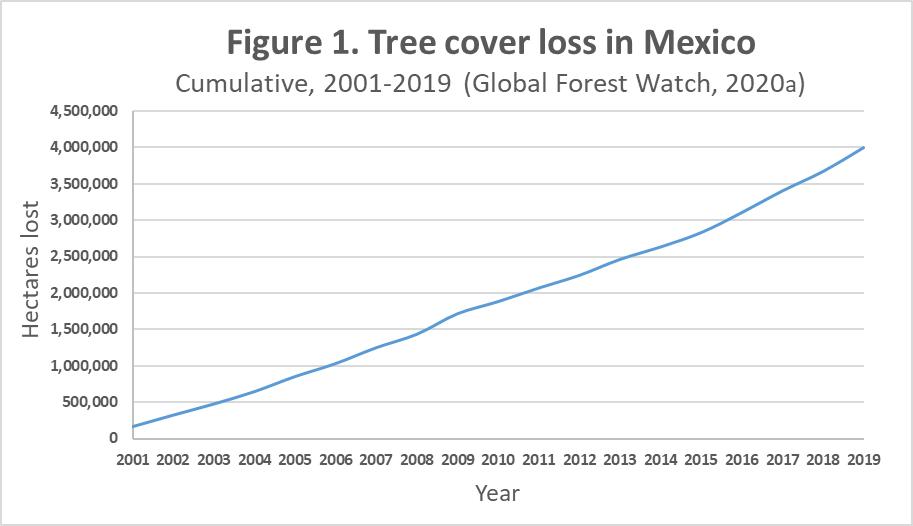
As part of its INDC, Mexico is committed to reaching zero deforestation by 2030 (Government of the Republic, 2015). However, during the last 19 years, the country has lost has lost 4 million hectares of forests, with a recent marked acceleration as 29% of the total loss occurred just in the last 4 years. (Fig. 1 (Global Forest Watch, 2019)).
Another tragic aspect is that out of the total amount of deforestation in Mexico, in 2001, the deforestation of primary forests accounted for 5%. However, by 2019, this percentage rose to 20% (Global Forest Watch, 2019) (Global Forest Watch, 2020).
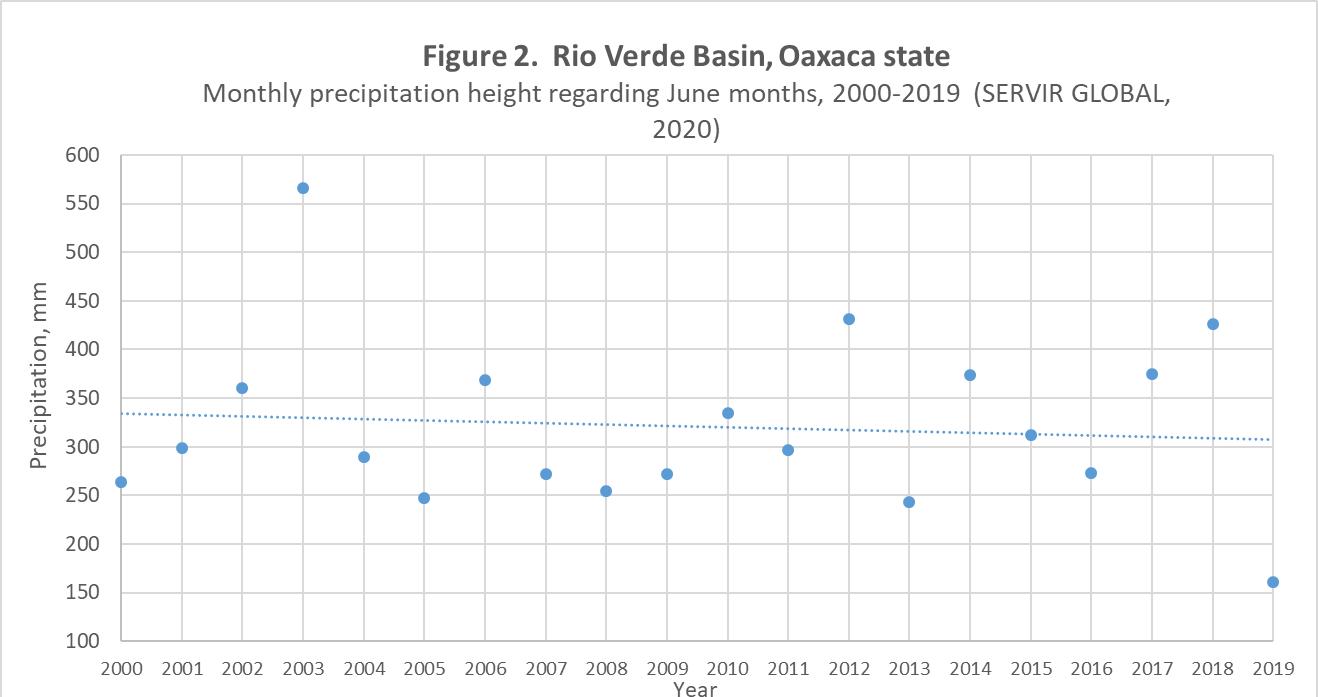
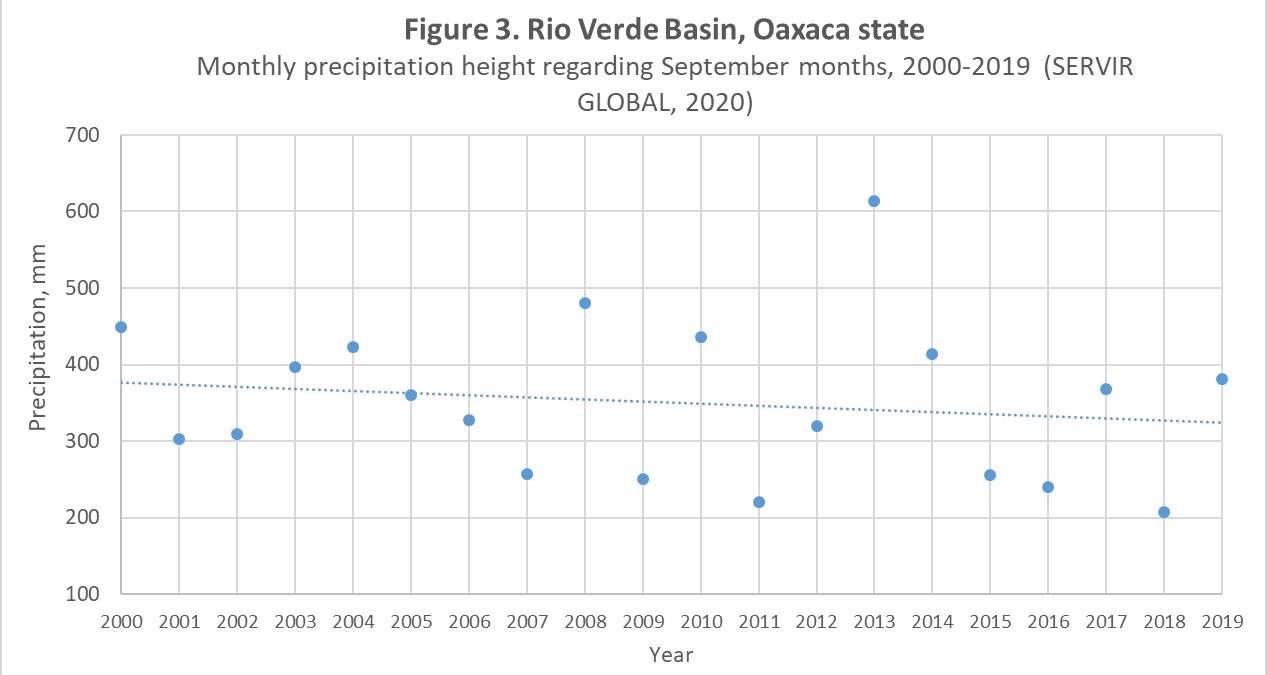
The states with the greatest forests’ cover in the country (the Southeastern states and Yucatan Peninsula) are also those that have experienced the greatest deforestation in the last two decades (Global Forest Watch, 2017) (Global Forest Watch, 2019). Among them, for example, Oaxaca ranks 6th in forests’ loss during the 2001–2017 period (Global Forest Watch, 2017) with an accumulated loss of 288,000 hectares. Thus, it is not surprising that in the RIo Verde Basin (south of Oaxaca), which accounts for 1,100 km2 (National Water Commission, 2017), the lowest June rainfall levels were recorded in 2019 since the last 40 years (SERVIR GLOBAL, 2020). A similar case is observed for the month of September, where the second-lowest rainfall levels in the last 40 years were reported in 2018 (SERVIR GLOBAL, 2020). It is worth mentioning that June and September are the rainiest months in the basin. In fact, the rainfall trends for both months have been decreasing in the last 20 years, as denoted in Figures 2 and 3.
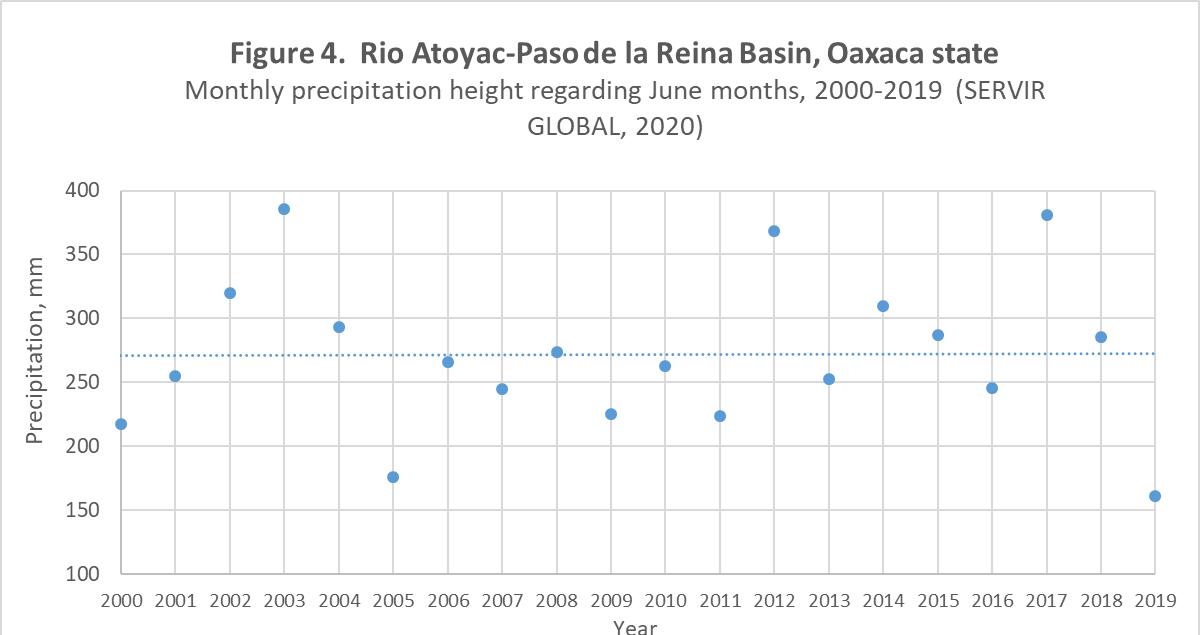
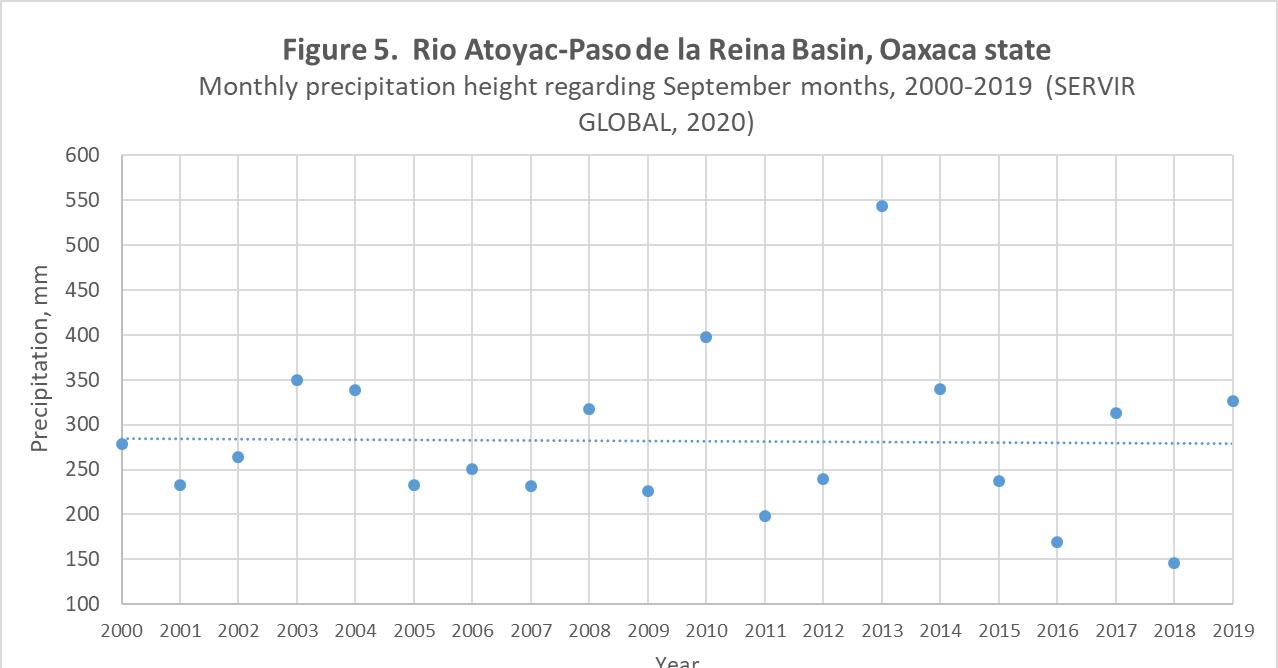
On the other hand, in the adjacent Rio Atoyac-Paso de la Reina Basin, with an area of 5,800 km2 (National Water Commission, 2017), it may be observed that, the second lowest rainfall levels for the month of June in the last 40 years were reported in 2019, and the lowest rainfall levels for the month of September were recorded in 2018 (SERVIR GLOBAL, 2020). In addition, trends for both months have been decreasing in the last 20 years, as denoted in Figures 2 and 5.
With 10 years remaining to meet the deadline of having a zero rate of deforestation at the national level, it is necessary to reinforce compliance with the corresponding regulations and incentives for greater protection of forests in Mexico. It is not just a matter of accordance with international treaties: biodiversity and the livelihood of the next generation of Mexicans are being put at risk
References
- Comisión Nacional del Agua. (4 de septiembre de 2017). Acuerdo por el que se dan a conocer los resultados del estudio técnico de las aguas nacionales superficiales en las cuencas hidrológicas pertenecientes a la Región Hidrológica número 20 Costa Chica de Guerrero. (S. d. Gobernación, ed.). Diario Oficial de la Federación. Recuperado de http://dof.gob.mx/nota_detalle. php?codigo=5496053&fecha=04/09/2017
- Food and Agriculture Organization of the United Nations. (2016). Forests and Climate Change. Recuperado de http://www.fao.org/3/a-i6374e.pdf
Global Forest Watch. (2017). Ubicación de la pérdida de cobertura arbórea en México. Cambio forestal (México). Recuperado de https://www.globalforestwatch.org
- Global Forest Watch. (2019). Pérdida de cobertura arbórea en México. Cambio forestal (México). Recuperado de https://www.globalforestwatch.org
- Global Forest Watch. (2020). Pérdida del bosque primario en México. Cambio forestal (México). Recuperado de https://www.globalforestwatch.org
- Gobierno de la República. (2015). Compromisos de mitigación y adaptación ante el cambio climático para el periodo 2020-2030. Ciudad de México.
- Intergovernmental Panel on Climate Change. (2019). Climate Change and Land. Summary for Policymakers. Recuperado de https://reliefweb.int/sites/reliefweb.int/files/resources/4.-SPM_Approved_Microsite_FINAL.pdf
- Mongabay. (16 de julio de 2020). Rainforests Help Maintain the Water Cycle. Mongabay . Recuperado de https://kids. mongabay.com/elementary/404.html#content
- Servir Global. (2020). ClimateSERV. (N. O. V3.15.0, Recopilador) Recuperado de https://climateserv.servirglobal.net/
- Union of Concerned Artists. (11 de marzo de 2020). The Connection Between Climate Change and Wildfires. Recuperado de https://www.ucsusa.org/resources/climate-change-and-wildfires#.Wuc83dPwbBI
- United Nations Framework Convention on Climate Change. (2015). Paris Agreement. Recuperado de http://unfccc. int/files/meetings/paris_nov_2015/application/pdf/paris_ agreement_english_.pdf
La U n i v e rs id ad d e l as A m é ri cas P ue b l a co nv oc a
A los egresados de Instituciones de educación superior nacionales y extranjeras interesados en ingresar, en agosto 2021, en los siguientes programas académicos pertenecientes al Programa Nacional de Posgrados de Calidad:
Doctorado en Ciencia de Alimentos
Doctorado en Ciencias del Agua
Doctorado en Creación y Teorías de la Cultura
Doctorado en Sistemas Inteligentes
Doctorado en Biomedicina Molecular
requisitos generales:
*Además de los que cada programa solicite
A presentar junto con la Solicitud de Admisión al proceso de selección, en copias simples: 1
Certificado oficial de estudios o documento oficial en el que se dé constancia de haber obtenido un promedio mínimo de 8.5 en la licenciatura.
Copia simple de Título y Cédula Profesional de Licenciatura (En caso de no contar con estos documentos, tendrá que acercarse al área de Servicios Escolares para revisar la situación académica y poder continuar con el proceso).
Currículo en extenso, con fotografía reciente.
Carta de intención, en la que se argumenten las razones por las que ha elegido la institución, el programa de doctorado y el área de estudios.
Tres cartas de recomendación emitidas por profesores o autoridades vinculadas con el desempeño académico y/o profesional del aspirante, escritas en hojas membretadas y entregadas en sobre sellado. (máximo un año de antigüedad).
Comprobante de resultados del examen GRE https://www.ets.org/gre/ con puntaje mínimo de 150 en razonamiento verbal, 130 en razonamiento cuantitativo y 3.5 en redacción analítica. (La vigencia del comprobante no debe ser mayor a 5 años).
Comprobante del examen TOEFL Institucional (puntaje mínimo 550). Para dudas consultar al correo o al teléfono abajo indicado). Comprobante del examen DELE para estudiantes cuya lengua materna no sea el español con nivel mínimo de B2. https://examenes.cervantes.es/es La vigencia de los comprobantes no debe ser mayor a 2 años.
Los interesados que hagan su solicitud por vía remota, deberán enviar en un solo correo la documentación completa en formato digital (PDF). Todos los interesados que hayan aprobado las evaluaciones deberán realizar los trámites de ingreso y los trámites relativos a su beca requeridos por la Universidad ante las instancias correspondientes. Una vez que los interesados hayan completado satisfactoriamente todos los trámites, su status será de admitido al Doctorado correspondiente y deberán dedicar tiempo completo a sus estudios y actividades de investigación previstas en su plan de estudios.
requisitos adicionales
Los siguientes requisitos son necesarios para aquellos interesados en ingresar al Doctorado en Creación y Teorías de la Cultura:
1 Certificado oficial de estudios de maestría o su equivalente con un promedio mínimo de 8.5 y constancia de título de grado que muestre el promedio.
2. Copia simple de Título y Cédula profesional de Maestría (En caso de no contar con estos documentos, tendrá que acercarse al área de Servic os Escolares para revisar la situación académ ca y poder cont nuar con el proceso)
3. Tesis de maestría o en su defecto un trabajo extenso escrito (35 págs).
4. Presentación del protocolo del proyecto de Investigación a desarrollar durante el doctorado.
procedimiento (consta de 3 etapas)
Etapa Inicial Presentar su Solicitud de Admisión y documentación mencionada en Requisitos
Generales y Requisitos Adicionales, de acuerdo al doctorado de interés, en la:
Dirección de Investigación y Posgrado
Oficina NE 201
Universidad de las Américas Puebla
Ex Hacienda Santa Catarina Mártir
Cholula Puebla · C.P. 72810
El formato de Solicitud de Admisión se puede obtener en esta liga o también se puede solicitar directamente al correo electrónico antes señalado.
1. Una vez analizada la solicitud y los documentos que la acompañan, la Dirección de Investigación y Posgrado procederá a informar al Coordinador del Doctorado correspondiente, quien agendará una cita directamente con el solicitante.
Etapa Académica
1. El solicitante acudirá el día y la hora fijada con el Coordinador del Doctorado, quien le informará las líneas de investigación y tutores disponibles, así como el procedimiento a seguir.
2. Al finalizar la etapa académica los aprobados, serán notificados por la Dirección de Investigación y Posgrado para continuar con la etapa administrativa.
Etapa Administrativa
1. Los candidatos presentarán ante la Dirección Escolar la documentación complementaria que esta área les indique.
2. Una vez que esta Dirección apruebe toda la documentación, el candidato cambiará su status a admitido y será notificado por Dirección Escolar.
becas
Todos los candidatos admitidos contarán con una Beca Académica UDLAP Investigación que cubre la co egiatura y manutención mensual durante todo el programa, esta ú tima en caso de no contar con otra beca que la cubra No existe la posibilidad de ingresar o permanecer en el doctorado sin contar con a Beca Académica UDLAP Invest gación En el caso de estudiantes extranjeros que hayan sido aceptados a alguno de los doctorados, deberán contar con visa de estudiante tramitada en su país de origen En el caso de los so ic tantes a Becas de Excelencia del Gobierno de Méx co para Extranjeros, estos deberán apegarse a los ineamientos de la convocatoria vigente de la Secretaría de Relac ones Exteriores, así como a los t empos y formas del proceso de admisión descrito en la presente convocatoria
fechas
Inicio de clases
Fecha indicada en el Calendario Escolar Semestral UDLAP
BOLETÍN DE LA CÁTEDRA UNESCO EN RIESGOS HIDROMETEOROLÓGICOS
NEWSLETTER OF THE UNESCO CHAIR ON HYDROMETEOROLOGICAL RISKS
EDITORIAL COORDINATIONS
Editor Polioptro F. Martínez Austria
Style correction
Aldo Chiquini Zamora Andrea Garza Carbajal
Editorial design
Andrea Monserrat Flores Santaella
United Nations Educational, Scientific and Cultural Organization
UNESCO Chair on Hydrometeorological Risks, Universidad de las Américas Puebla
The unesco Chair on Hydrometerological Risks Newsletter is a quarterly publication which reports on the activities of the Chair and its members, unesco news related to it, as well as general information on disasters and hydrometeorological risks. It is elaborated by the Universidad de las Américas Puebla. Ex hacienda Sta. Catarina Martir s/n. C. P. 72810, San Andres Cholula, Mexico.
The authors are responsible for the choice and presentation of the opinions contained in this newsletter. Likewise, of the opinions expressed therein, which are not necessarily those of UNESCO and do not commit the Organization.