liberal feminism
liberal feminism
liberal feminism
liberal feminism liberal feminism
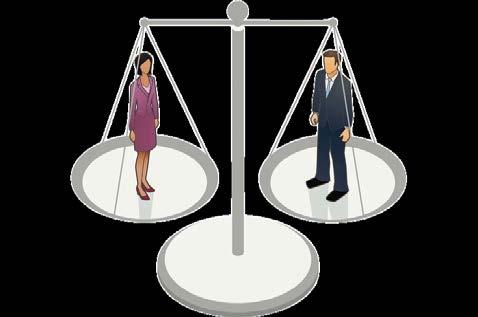

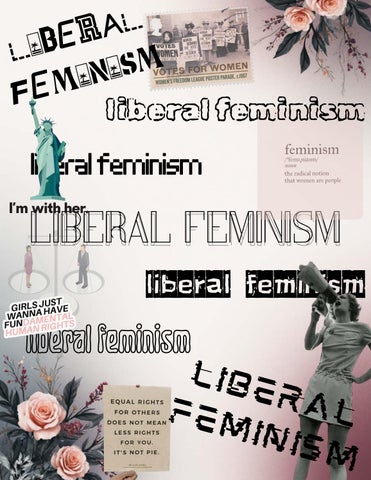
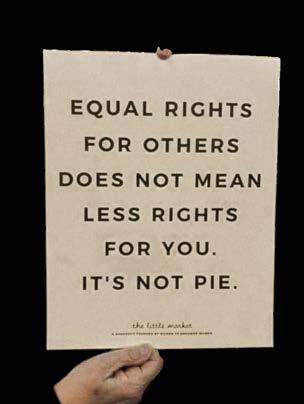

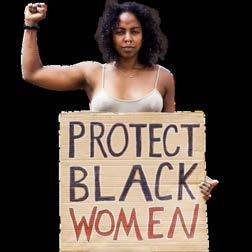
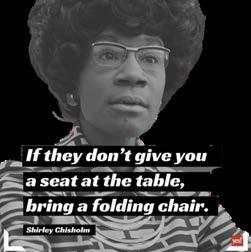
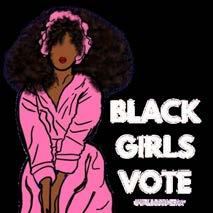
It is our distinguished honor to embark on a journeyexploring various topics of the most well-known perspective shared amongst feminists around the globe, Liberal Feminism. Throughout popular scriptures of liberal feminisms, there is a common theme of being reduced to a singular role in society, frequentlythat role is that of a housekeeper. Women would be forced into these positions, locking awayanydistaste or their true thoughts. That is why, throughout this zine, you will observe a common theme of flowers being scattered around the pages of text, representing the patriarchyattempting to suppress the thoughts and stories of women throughout this expansive time period. The topics of the zine are in order: a short storytitled “The Darker Side Theydon’t See,” a look into a woman of color’s perspective on feeling unnoticed, highlighting feminists like Rosa Parks, Sojourner Truth, and Shirley Chisholm. Next is a collection of poems on liberal feminisms titled “Shelled In,” “Republican Motherhood,” “Glowing Red,” and “False Vows.” After that, you will read a letter written bya member of a women’s rights organization in the 1970s to her mother, with information on the marches and reassurance that the organization's goal is peace. Then, there is another short storybased on the revolutionarypiece titled “The Problem with No Name.” Last, an essaywith a detailed summarization of the entire women’s suffrage movement. We hope you learn and enjoyour Zine on Liberal Feminism!
-Anna
Houpt, Alekhya Veeramachineni, Hannah Zeitler, HarryJacob, and Kam Moses

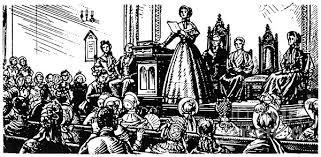
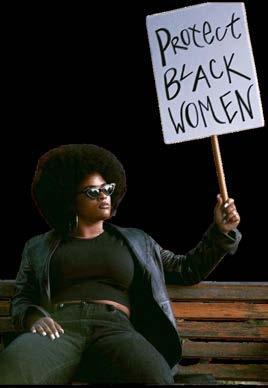
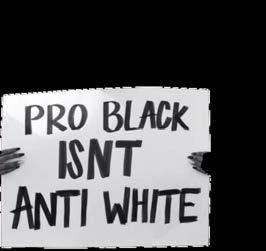
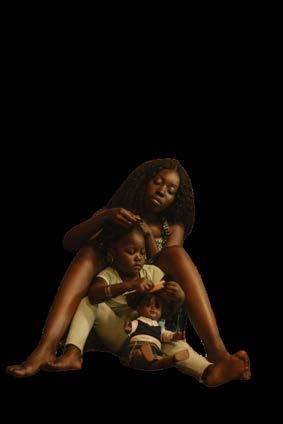
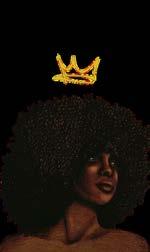
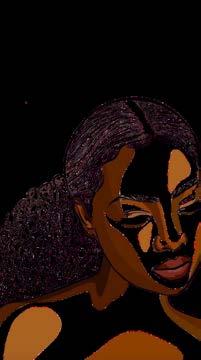
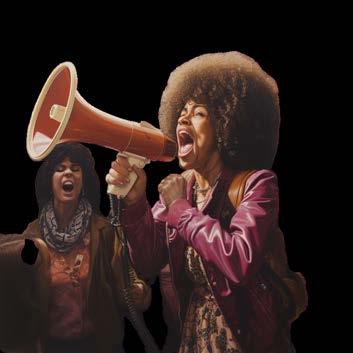
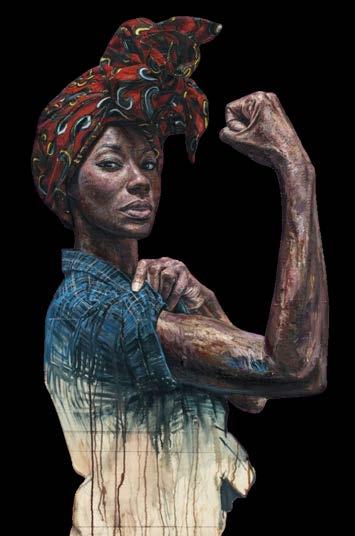
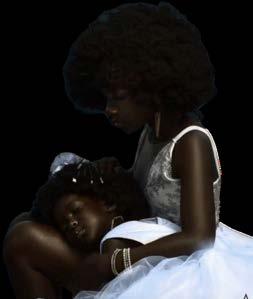
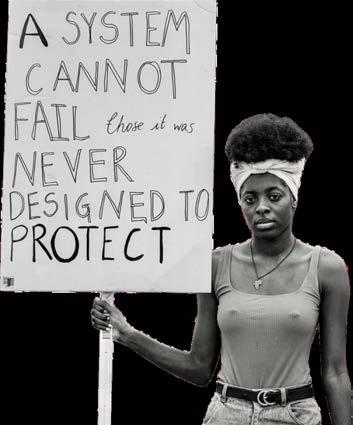
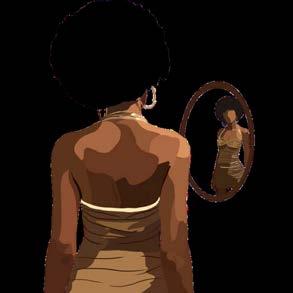
Sometimes, I feel like a ghost. I’m here, yet no one’s eyes seem to perceive me. My existence is only acknowledged when I give them a little spook or when I’m stitching up their clothes. They use me like they did my daddy in the 60s before they freed us from them folk. I don't think they’re quite fond of this emancipation if President Cleveland is any indication. They look at me like an extraterrestrial being while wearing that crooked smile: the kind White women wear when they want credit for being nice, but don’t actually want to be around you. Being a Black woman in New York, the birthplace of the Women’s Rights Movement, is no easy feat. Ever since the Seneca Falls Convention in ‘48, they have made us feel like the hated background character in a silent movie. My mama grew up listening to her mama and auntie talk about how them folk in Seneca Falls forgot us in their fight for rights. Now, here I am, decades later, people free, yet still forgotten in the fight for women’s suffrage.
“I’m sorry, but I don’t think they want Negroes marching with us. It could hurt the movement and makes us look bad.”
Just the other day I helped Suzanne stitch a banner for a suffrage march, asked where we’ll be marching from, trembled as she replied
Look bad? We make you look bad?
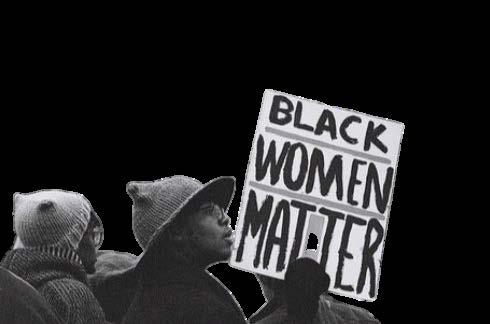
We all want the same rights, but apparently theirs bruises if it gets too close to ours.
I still remember the grim looks older my family when I was younger, especially my daddy. Daddy used to always say,
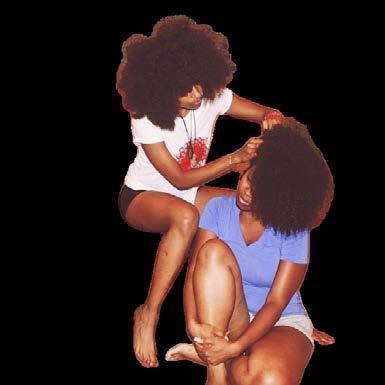
“Don’t worry ‘bout them Little Bit. They’re just upset we finally gettin’ treated like people for once.”
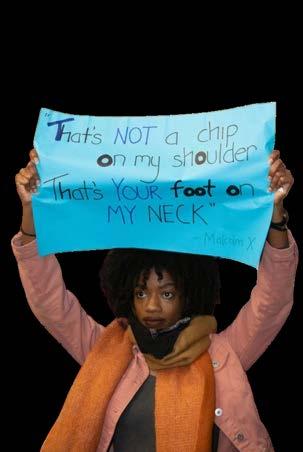
They’ve been complaining for twenty years about how our men got suffrage, but fail to realize how White men are still the only people with real power on the ballot. I used to watch my daddy come home, jaw tight, after the White man at the registration office asked him yet another trick question to deny him his constitutional right. Or hear my daddy’s brother tell him about how he failed his registration test because he couldn’t read some absurd clause from a legal document. It’s unfair since my daddy and uncle learned to read when they were young from the poor white kids on the street in exchange for a slice of bread.
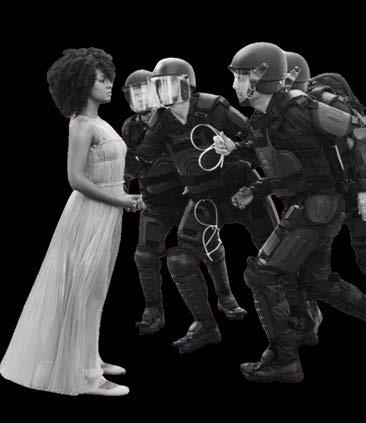
Don’t get me wrong, I support the movement. But I just wish when these women said sisterhood, they included sistahood too. I wish the fight for women’s suffrage was for all women and not just the sun-sensitive ones. But like so much of Black history in young America, it feels like nothing but a dream. A dull, unachievable dream.
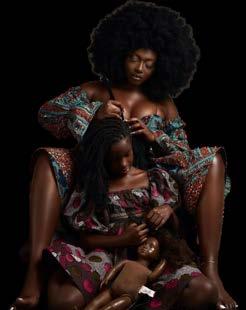
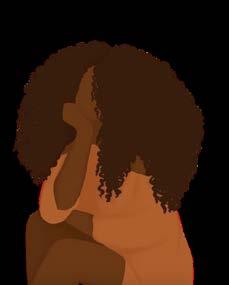
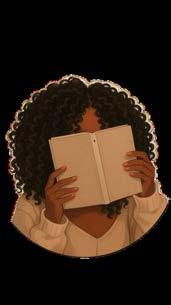
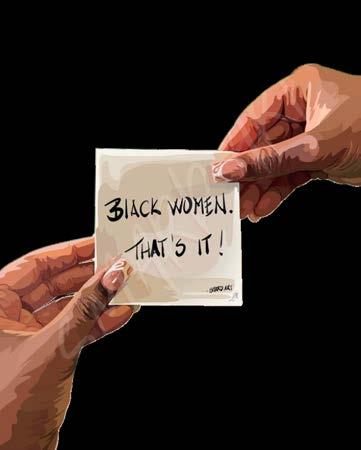
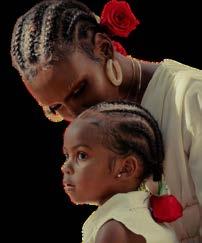
Yet, we keep going. They don’t want Negroes at their table? We’ll build our own. They won’t include the melanated in their pursuits of suffrage? Fine–we’ll make path.
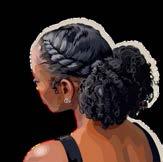
And maybe that's the part nobody will write in history books: that some of us were invited to the table but still kept showing Waiting our turn and hoping that one day, would be seen. Until that day, I remain not because I’m without a body, but because refuse to acknowledge the one I have.
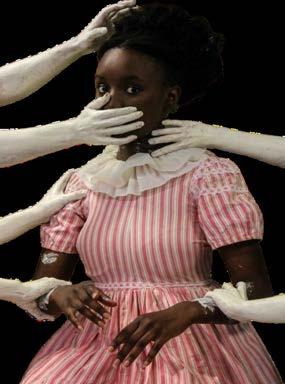
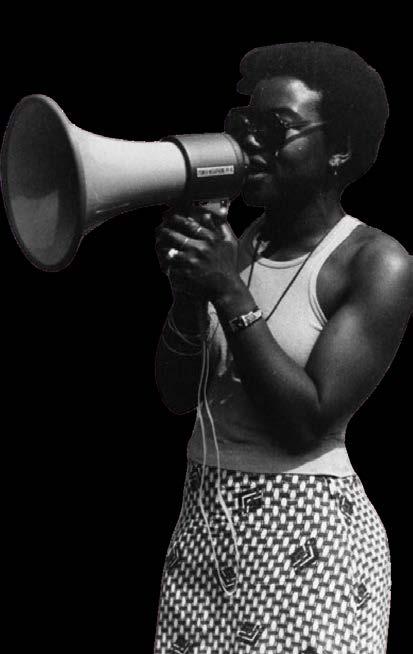
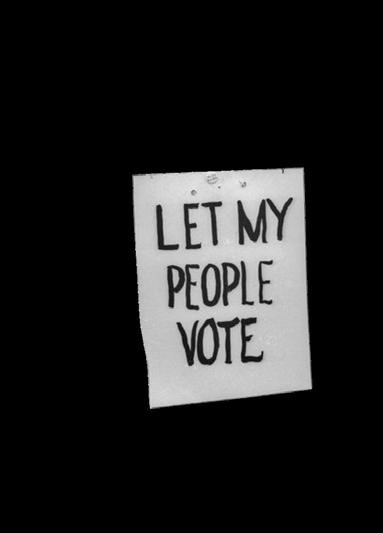
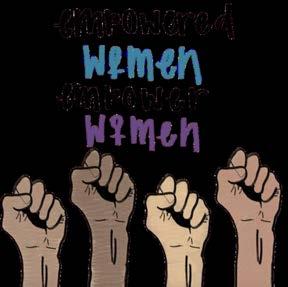
And if this movement has room for every woman but me, then maybe haunting them is the only way to prove I was ever here.
DearMom,
July13,1971
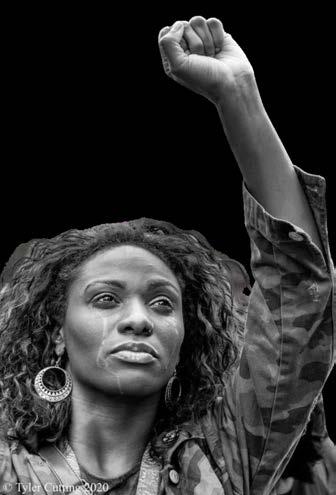
Ihopethisletterfindsyouwell.Asyouknow,Ihavebeenattendingmeetingswith localwomen’sgroupsandevenjoinedthematamarchsupportingtheEqualRights Amendment.Thisamendmentissoimportantbecauseitworkstopreventthe happeningofdiscriminationagainstpeoplebasedontheirsex.Beforeyouworry,this marchwasverypeacefulandIwalkedamongmostlyteachers,officeworkers,and youngmothers.Therewerealsoagoodamountofolderwomenwhohavebeenfighting thesebattlesfarlongerthanIhave.ThethingIenjoyedthemostwashowdetermined everyoneseemedandhowsureofthemselvestheywere.Ithinkitiscrazythat somethingassimpleaswantingequalrightsisseenascontroversialwhenitshould notatallbe.
IhavebeenthinkingaboutthevaluesyouhaveinstilledinmefromwhenIwas youngerandamgratefulthatyouhavedoneso.WithoutyouIwouldnothavethe couragetostandupforwhatIthinkisright.Evennow,in1971,womenstillfaceso manybarriersandnotenoughisbeingdoneaboutit.Ihaveseentalentedwomenbeing passedoverforpromotionsbecauseemployersassumetheywilleventuallyleaveto startafamily.Ihavewatchedsmartwomenstudentsbeingdiscouragedfromstudying lawormedicinebecause“itisbettersuitedformen”.Liberalfeministsoftensaythat lawsandinstitutionsmustguaranteethesamefreedomsforeveryone,andIam realizinghowrighttheyare.Onlyfairlegislationcanmakeequalityreal,havingjust goodintentionsisnotenough. Thereisalsothequestionofreproductiverights.IknowitisadelicatesubjectbutI wantyoutounderstandwhyitmatterssodeeplytome.Theabilityforwomentomake decisionsabouttheirownbodieswithoutinterferencefrompoliticiansisessentialifwe aretoparticipatefullyinsociety.Youdonotseepoliticianseverpolicingmen,sowhy mustitonlybeforwomen?Whyisanyonepolicingpeople’sbodies?Withoutthat control,everyfreedombecomeslimited.Iamnotfightingforanythingrecklessor radical;Iamfightingfortheabilitytochoosemyownpath.Limitingaccessto abortionsdoesnotcauselessabortionstooccur.Ratheritcauseslesssafeabortionsand increasesthenumberofunsafeonesthathappen.Womenareactivelydyingbecauseof theseoppressivelawsandwillcontinuetodieunlesssomethingchanges. SometimesIhearpeoplecriticizethemovementIamapartof.Theysaythatliberal feminismistoofocusedonlawsandindividualrights.Iunderstandwheresomeof theseconcernscomefrombutIthinkfocusingonwantinglegalequalitydoesnot diminishtheimportanceoffocusingondeeperproblemsinsociety.Obviouslyno movementisperfectbutthatiswhytherearemultipleinsteadofjustone.One movementcannotsolvealltheproblemswomenfacewhichiswhywehavesomany differentbranchesforsuchacomplexissue.
Withlove, Yourdaughter

A short story inspired by the works of Betty Friedan

As a child, she moved through life with a curious mind and a hunger to strive for something greater than herself. She loved to draw, play music, read short stories with her mother, but most of all, she loved to look at the sky, yearning for the answer to the question, “What is out there?” As more years went by, her mother worried that her ambitions were radical and “unfeminine,” deciding that what was best for her was to be placed into an all-girls school, to re-ignite her womanhood. She would give up her hobbies and passions to focus on school. Instead of learning math, she would learn how to bake, instead of chemistry, she would learn home nursing, and instead of space, she would learn budgeting.

Graduating is supposed to be an immense satisfaction, but all she felt was an empty pit in her stomach. Confiding to her mother, the one person she trusted the most, she hoped to get answers to what she was feeling. Her mother was lost for words, but not as if she did not relate to what she felt, but as though there were no words to describe the pain her daughter was going through. In her mind, there was no recognition of this problem, so a solution for it was hopeless. However, this did not stop her mother from sharing her version of wisdom. “I felt the same dissatisfaction you did when I was your age, wanna know what helped me?” she said, with an inviting tone. “I met your father.”

Though she did not feel any better from this advice, she believed it made the most logical sense, as every “happy” woman in her life had a happy husband. She would then meet a man, and start her family, to her mother and friends excitement. Though she cherished every memory she shared with her children, the same problem came back. She went about her normal chores, mopping the wooden floors, re-aligning the insignificant paintings on the beige walls, dusting the staircase and cleaning the soulless furniture. Inside of a mundane cell of man’s creation, she would think,
“Is this all I am? Is this all I have? Is this all
life can offer?”
During the summer of 1969, her husband was in the living room sitting in the corner in the barcalounger he would always reserve. She brought him a chilled glass of lemonade, intrigued in what he was watching. It was the news, showing a pivotal moment in the history of science, and an exploration into a new frontier, scientist Neil Armstrong landing on the moon. It strikes a core memory of the curious little girl inside of her. The one that had the highest of ambitions, whose question was “What is out there?” is finally answered. She could control all but one, small tear streaking down the side of her cheek, as the astronaut placed the American flag on the satellite. The husband asked, “What’s wrong sweetheart?” she replied, “I have no idea.”

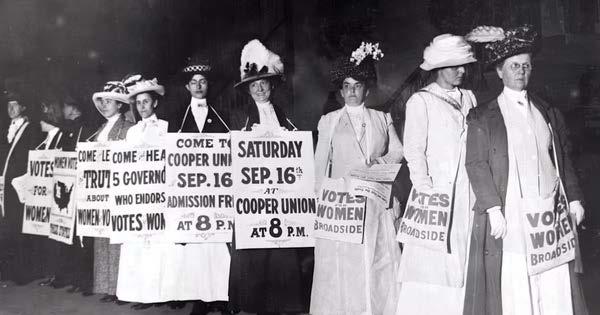
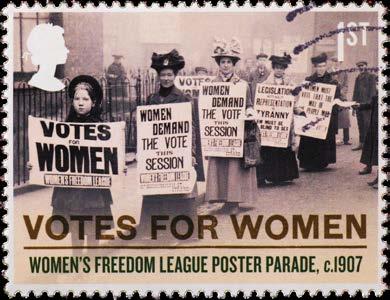
Women have been fighting for equal rights for hundreds of years, facing struggles related to marriage inequality, unequal pay, limited opportunities related to things like education and property ownership, and many others. Over the course of history, the battle for women’s right to vote has remained notably prominent. Liberal feminism emerged as a way for reform to happen through politics and different legislative and judiciary processes. The women’s suffrage movement was led by different influential liberal feminists such as Susan B. Anthony, Elizabeth Cady Stanton, Lucretia Mott, and Alice Paul. The movement really kickstarted in 1848 with the Seneca Fall Convention, which was led by Stanton. Her “Declaration of Sentiments” reflecting on the Declaration of Independence highlighted the changes women wanted to see in regards to voting and other inequalities women faced in society. Over time, Stanton, Anthony, and other liberal feminists fought for women to be included in the voting legislation using different methods. There was some disagreement over the right tactics that should be used to achieve voting rights. This caused two different organizations to be formed in 1869. The National Woman Suffrage Association (NWSA) was formed by Stanton and Anthony and worked towards changing federal law. The American Woman Suffrage Association (AWSA) was also formed, focusing at the state level and worked more with former abolitionists. Suffragists soon realized that they needed to work together in order to achieve more progress and support. In 1890, the National American Woman Suffrage Association (NAWSA) was formed and combined the approaches of both groups. While women were fighting for their right to vote, the Fourteenth and Fifteenth Amendments were passed. This caused some discourse, and many women like Stanton argued that women should have the right to vote before African Americans. These comments and ideas about race and gender were a major setback for African American women and affected their fight for rights well into the 1900s.
There was also heavy opposition to this movement at first, whether it be from the president, many men, or even some women. People argued that it would affect gender roles and the “traditional family,” or that women were too emotional or uninformed to be involved in politics. At the same time, women in support of the movement were trying to expand their “sphere” and pushed the women’s rights movement forward. Women were no longer accepting their current expected position of staying at home and were more determined than ever to fight for equality economically and socially. Women eventually began to gain the right to vote in select states as suffragists and the NAWSA continued their efforts. As the movement gained momentum, even more reformers and organizations emerged. Alice Paul formed the National Women’s Party (NWP) in 1913, which picked up more strategies like marches/rallies, picketing, and civil disobedience. Finally a shift in the political climate surfaced. Eventually women won the right to vote in 1920 with the 19th amendment. The women’s suffrage movement truly showed how reform can happen through political activism and liberal feminist approaches.
resources: https://history.house.gov/Exhibitions-andPublications/WIC/Historical-Essays/NoLady/Womens-Rights/ https://en.wikipedia.org/wiki/Anti-suffragism
https://www.masterclass.com/articles/liberal-feminism
https://ijemh.com/issue_dcp/Liberal%20Feminism.pdf
https://youtu.be/Ix1Cdk2qDyY?si=fYqzWyrkBBQ2MfRa
SenecaFallsConvention(1848)
https://www.gilderlehrman.org/history-resources/essays/seneca-fallsconvention-setting-national-stage-womens-suffrage
NationalAmericanWomanSuffrageAssociation
https://www.crusadeforthevote.org/nawsa-united
NationalOrganizationforWomen
https://www.britannica.com/topic/National-Organization-for-Women