CLINICAL Ψ SCIENCE DIGEST
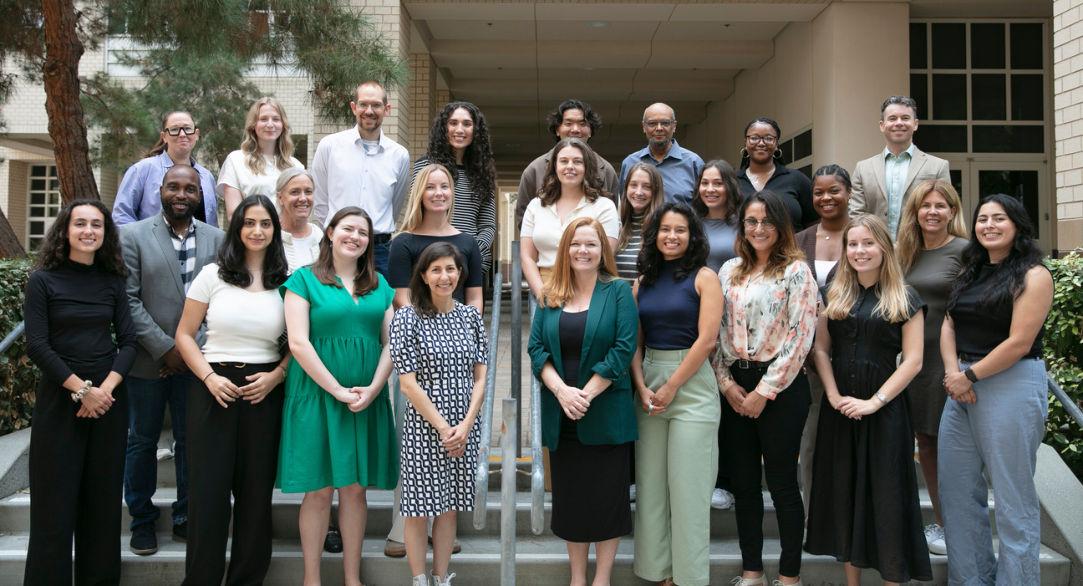
It’s hard to believe that our program has been running full steam ahead now since 2021! Our most senior cohort is in their 5th year and have been busy applying for predoctoral clinical internship. Similar to residency in medicine, the internship year is dedicated to training in the practice of psychology, with our students immersing themselves in providing highquality care in hospitals, academic medical centers, schools, and other settingsacrossthecountry.Learnmoreabouttheapplicationprocesstothis capstone clinical training experience here. We are now in the middle of the internship“match,”wherestudentsinterview,ranksites,andarematchedin a national process. Our students have collected multiple interviews from some of the most competitive and prominent internship sites across the country.RemembertomarkyourcalendarsforMatchDay,February20,2026, when our applicants will learn where they will be next year. Internship is a formative time for our clinical psychologists-in-training, and we couldn’t be more excited for our students… and for the sites lucky enough to recruit them.
From a programmatic standpoint, the internship application process also signals a new phase of the doctoral program’s development. Upon our first students’ graduation from internship and, subsequently, our program, we will be eligible for full accreditation from the American Psychological Association.Althoughwereachedanimportantaccreditationstatusafterour site visit in fall of 2024, our status remains on contingency until our first student graduates, and removal of the contingency moniker makes for a meaningfulmilestone.
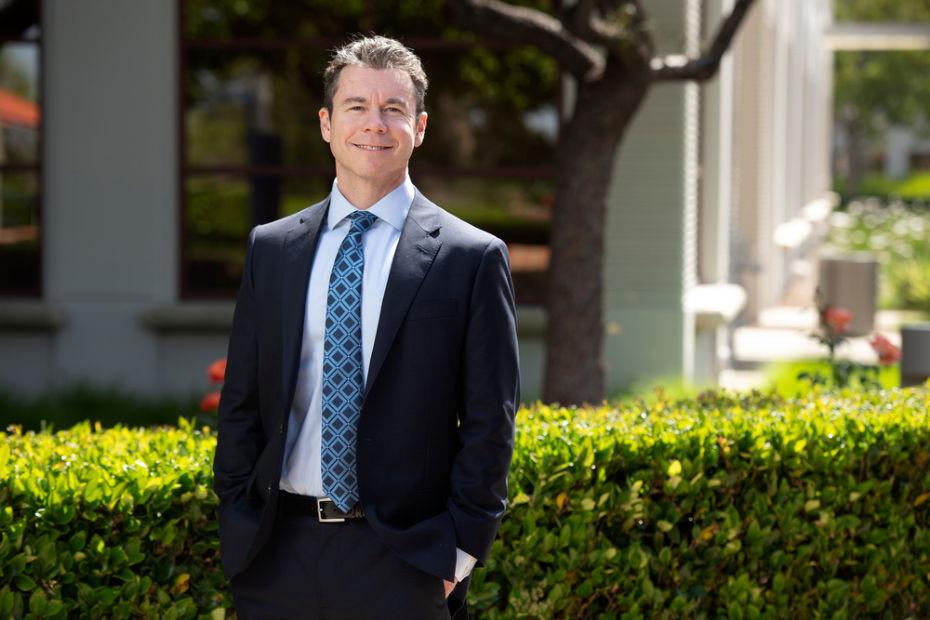
“I couldn’t be more optimistic about the future of our program and the emerging leadership of clinical psychology as a whole.”
In addition to our accreditation milestones, the amazing work our students continue to do on a daily basis is really whatmakesourprogramspecial.Scoresofscientificpublicationsandpresentations(seepages20and25),mentorship ofundergraduateresearchers,teachingclassesthroughouttheuniversity,andrunningdepartmentcommitteesthrough positionsofleadershiparejustafewofthecontributionsourstudentsmake.UndertheleadershipofDr.NaomiTabak, thePsychologicalServicesCenter(PSC)continuestoprovidethehighestqualitytrainingforour2ndyearstudents,and thehighestqualityofcareforourcommunity.CheckoutsomeofwhatthePSChasaccomplishedthisyearonpage15. Additionally, through the coordination of our Associate DCT, Dr. Jessie Borelli, and the generous expertise and time of our community partners, our more advanced students flourish in local, external practicum placements throughout the region(seepage16foralist).AstrongclinicalprogramisnotpossiblewithoutthesupportofastrongDepartmentand School. We continue to thrive under the leadership of our Chair, Dr. Nicholas Scurich; our Department Manager, Diane Enriquez;ourSeniorAssistantDean,JenniferDayDosSantos;ourDirectorofGraduateAffairs,Dr.JenniferWelti;andour visionaryDean,Dr.JonGould.
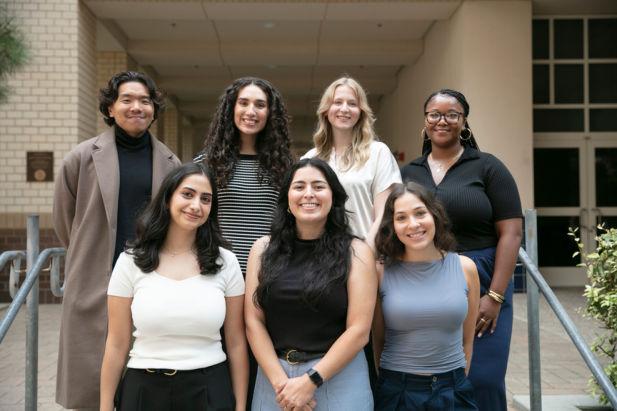
Perhapsourmostexcitingandimpactfulnewsthisyearwastherecruitmentofsevenofthemosttalented,passionate, brilliant, driven, and kind graduate students from across the country and world. Karen Coronado, Haley Dveirin, Juelle Ford, Sono Lee, Ghazal Naderi, Alexandra O’Neill, and Lucy Tomlinson are exceptional and join some of the most outstandingstudentsanywhereasourmostrecentrecruits.Youcanlearnmoreabouteachofthembeginningonpage 4.Withthesesevenjoiningthecohortsbeforethem,Icouldn’tbemoreoptimisticaboutthefutureofourprogramand theemergingleadershipofclinicalpsychologyasawhole.
Despitetheoptimismourstudentsfillmewith,itwouldbedisingenuousnottoacknowledgeheadwinds.Forthefirst timeinourDepartment'shistory,duetofundingconstraintsthatareaffectinguniversitiesacrossthecountry,wehadto makethedifficultdecisiontopauserecruitmentforfall2026.
Tobeclear,thisisaone-yearpause.Iamconfidentthatthispausewillgiveusthetimeneededtoreinforceourability tofundstudentsandtodosoinawaythatissustainableandtruetoourvalues.Whilethebroaderfundinglandscapefor higher education continues to evolve, we are actively planning and innovating to ensure our program remains strong andwell-resourced.
Ifyouarereadingthisasapotentialapplicant,pleaseknowthatourprogramremainsstrong,ourcommunityremains intact,andourmissionremainsunchanged.Thisone-yearpauseinrecruitmentisaboutsolidifyingourstrengthfornext year,notashiftinprioritiesormomentum,andwelookforwardtoreceivingyourapplicationinthefallof2026for2027 admissions.
(Continuedonthenextpage)
Additionally,andIknowIambiased,butIfirmlybelievethatifyouwantto changetheworld,investinhighereducation.Thisistheplacewhereideas are born, and leaders are forged. I also believe that the University of CaliforniasystemisTHEpreeminentcollectiveofhighereducation.Thereis no greater educational force than the UCs, with UC Irvine hand-in-hand withourpartnersupanddownthestate.
IfyouarereadingthisasaUCIalumorsomeoneinthecommunitywho caresaboutus,others,andtheworld,knowthatweareeagertohaveyou in our corner and need your support in many ways, financially and otherwise.Ifyou’veeverwonderedwhetheryoursupportcanmakeareal, immediate difference, this is one of those moments. Philanthropic investment in graduate student support, clinical training infrastructure, and community-facing care has a direct line to the next generation of clinical scientists and to the lives of the people we serve. Supporting graduate student funding and clinical training infrastructure is among the highest-impact investments you can make in the mental health of our community.Ifyou’dliketoexploresupportingagraduatestudent,thePSC, or practicum partnerships, please check out page 32 and reach out. We wouldlovetoconnect.
One thing we know for sure is that we go farther together than on our own. While we face challenges, we recognize that challenge brings opportunity, and we are looking forward to finding opportunities for growth and connection as we persevere in our mission to improve the mentalhealthofindividualsandcommunitiesweserve.
Reminder: APPIC Match Day is February 20, 2026 Mark your calendars!
Whoisyourgraduatementorandwhatareyoulooking forwardtolearningfromthem?
MygraduatementorsareJasonSchiffmanandElizabeth Cauffman,bothshareacommitmenttoconnectingresearch withtangiblesolutions.Ilookforwardtolearningmoreabout theirapproachestodesigning,implementing,andadapting theirresearchmethodstomeaningfullyengagecommunitiesin anever-changingworld.
Wheredidyoucompleteyourundergraduatedegree?What wasyourmajor?IgotmyB.S.inSocialPsychologyfromUCSan DiegoandmyM.AinLegal&ForensicPsychologyfromUCIrvine. Whatwasyourfavoritecourseincollege?Adolescenceand Family&theLaw
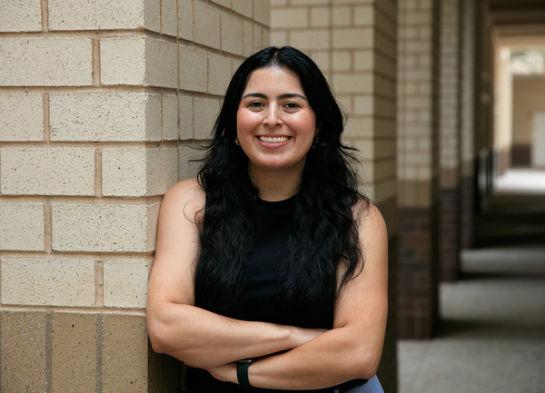
WhyareyougettingyourPhDinClinicalPsychology?Whatmadeyoupursuethiscareerpath?I'm pursuingaPhDinClinicalPsychologybecauseIwanttocontributetoresearchthatadvancesequitableand culturally-informedmentalhealthcare.Thispathstemsfromobservinghowcommunitiessuchasimmigrants andjustice-involvedindividualscanbeoverlookedandmisunderstoodinsociety.Thesegapsofunderstanding canreinforcestigmatizingbeliefsandhinderthedevelopmentofeffectiveandcompassionatecareforsomeof ourmostmarginalizedpopulations.Asachildofimmigrantswhowitnessedthesedisparitiesfirsthand,I believeitisessentialtoincludetheverycommunitiesweseektounderstandintheresearchprocess,ensuring thatourmethodsandfindingsgenuinelyreflecttheexperiencesandneedsofthosedirectlyimpacted. Whatwasyourdreamjobasachild?Iwantedtobeadirector,writer,andactresswhomaybewenttospace oneday.NowI’mmulti-hyphenatedinotherways.
Howdoyoudestress/relax?Goingtothemovies,bingingTVshows,soakingupthesun,spendingtimewith family,cuddlingmycatsorfindingfunthingstodowithfriends!
IfyoucouldturnanyactivityintoanOlympicsport,whatwouldyouwintheGoldmedalfor?Porch sitting,I’vehadalotofpracticeintheartofdoingnothing.
IfyourlifewasaTVshow,whatwoulditbecalled?SoYouThinkYou’llGettoIt
What'syourdreamvacationspot?Ihavetoomanydreamvacationspots!Ultimately,I’dliketotraveltoevery continentandvisitasmanycountriesasIcan.NextonmylistisVietnam,NewZealand,orThailand.
What'syourfavoritethingaboutUCI/Irvine/OrangeCountysofar?Ilikehowclosetohomeitis,ifI’mever inneedofsomefamilytimeI’mjustashortdriveaway.Ialsolovethebeaches,OrangeCountyhassomeofthe mostbeautifulbeachesinthestate.
What’syourgo-tocomfortfood?Anythingnoodlebased,nomatterthecuisine.Ialsowon’teversaynotoa bagofchips.
Whoisyourgraduatementorandwhatareyoulooking forwardtolearningfromthem?Dr.KateKuhlman.Iam excitedtolearnmoreaboutpsychoneuroimmunologyand otherbiologicalmechanismsthatlinkearlylifeadversityto thedevelopmentofdepressioninadolescence.Iamalso lookingforwardtolearningfromherhowtothinkmorelikea scientistbygroundingmyresearchquestionsinstrong theoreticalframeworks.Lastly,Iameagertolearnfromthe wayshebalancesconductingrigorousresearchwithproviding dedicated,hands-onmentorship.
Wheredidyoucompleteyourundergraduatedegree?
Whatwasyourmajor?IgraduatedfromUCLAwithaB.S.in psychobiology
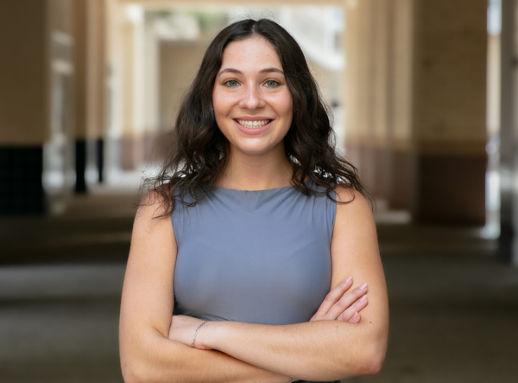
Whatwasyourfavoritecourseincollege?MindOverMatter:TheHistory,Science,andPhilosophyofthe Brain
WhyareyougettingyourPhDinClinicalPsychology?Whatmadeyoupursuethiscareerpath?Ihave alwayslovedlearningandknewIwantedacareerthatwouldallowmetokeeplearningandgrowing throughoutmylife.PursuingaPhDinClinicalPsychologyalignswiththispassionandmylong-termgoalof becomingaprofessor,whereIcansharethisloveoflearningwiththenextgenerationofpsychologists.This degreewillalsoallowmetoconducttheresearchIaminterestedin,workone-on-onewithindividualsina clinicalsetting,anddevelopmyskillsinteachingandmentorship,everythingIcouldwant! Whatwasyourdreamjobasachild?Ihadmanybutthebiggestonesweredoctor,baker,andOlympic gymnast.
IfyoucouldturnanyactivityintoanOlympicsport,whatwouldyouwintheGoldmedalfor? Completinga2,000piecejigsawpuzzleinonesitting. Howdoyoudestress/relax?Workingoutorgoingonwalksisdefinitelymyfavoritewaytodestressand clearmyhead.TorelaxIhavealonglistofcomfortshows(e.g.,NewGirl,ModernFamily)thatIloveto rewatchwhilepaintingordoingapuzzle.Alsoscrollingontiktokismyguiltypleasure:) IfyourliferightnowwereaTVshow,whatwoulditbecalled?TheRealGradStudentsofOrangeCounty What'syourdreamvacationspot?SkiingintheSwissAlps. What'syourfavoritethingaboutUCI/Irvine/OrangeCountysofar?Theamazingfoodandhugediversity incuisine. What'syourgo-tocomfortfood?PizzaandPadThai(sometimestogether).
Whoisyourgraduatementorandwhatareyoulooking forwardtolearningfromthem?Dr.JessicaBorelliismy mentor.Iamlookingforwardtolearninghowattachment basedinterventionsmayaddresssystemichealthdisparitiesin mentalhealthoutcomes.Iamalsolookingforwardtolearning aboutherexperienceandexpertiseworkingasapracticing clinicianandscientist. Wheredidyoucompleteyourundergraduatedegree? Whatwasyourmajor?IcompletedmyBachelorofSciencein PsychologyfromtheUniversityofCalifornia,Riversidein2022. Whatwasyourfavoritecourseincollege?Myfavoritecourse incollegewasanabnormalpsychologycourseItookduringmy senioryearwhichfocusedonElynSaks’memoirTheCenter
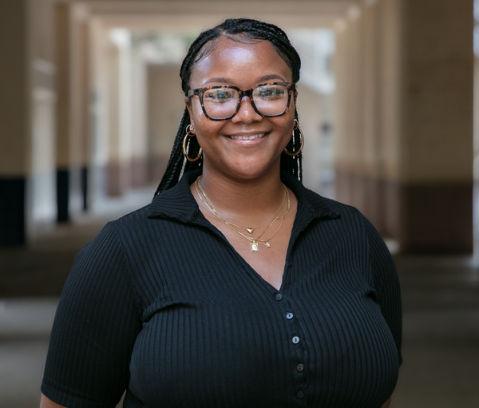
CannotHold.ItisamovingstoryaboutDr.Saks'experiencelivingwithschizophrenia,navigatingtreatment, andbuildingasuccessfulacademiccareer.
WhyareyougettingyourPhDinClinicalPsychology?Whatmadeyoupursuethiscareerpath?Iam pursuingaPh.D.inclinicalpsychologytocombinemypassionforappliedresearchwithmycommitmentto supportingunderrepresentedandunderservedcommunitiesinpromotingoverallwell-being.Myinterestin theearlycaregivingenvironmentandattachmentrelationshipsstemsfrompersonalexperiencesasasibling ofaneurodivergentindividualandagrandchildofsomeonewithaseverementalillness.Fromanearlyage,I witnessedhowstigmaandlimitedaccesstoculturally-responsivecareaffectedmylovedonesandshaped ourfamilydynamics.Theseexperiencesdeepenedmycommitmenttounderstandingandimprovingfamily systemsandmentalhealthequity.Throughmyresearchexperiences,Istrengthenedmyskillsasascientist byexamininghowearlycaregivingenvironmentsinfluenceattachment,parent–childrelationships,and mentalhealthoutcomes.Thiscombinationofpersonalexperienceandscientifictrainingledmetopursuea Ph.D.inclinicalpsychologytobecomebothaclinicianandresearcherdedicatedtodevelopinginterventions thatstrengthenfamilyrelationshipsandadvanceequityinmentalhealthcare.
Whatwasyourdreamjobasachild?Mydreamwastobecomeajournalistandnewsreporter! IfyoucouldturnanyactivityintoanOlympicsport,whatwouldyouwintheGoldmedalfor?Playing spades.
Howdoyoudestress/relax?Igooutsidetodestressandrelax,whetherthatisawalkintheparkoratripto thebeach,Imakesuretogetoutinsomesunlight. IfyourliferightnowwereaTVshow,whatwoulditbecalled?TheMindfield What'syourdreamvacationspot?Negril,Jamaica What'syourfavoritethingaboutUCI/Irvine/OrangeCountysofar?Ilovetheproximitytothebeach! What'syourgo-tocomfortfood?Anykindofsoup,likephở!
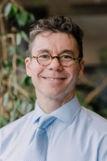
SonoLee
Whoisyourgraduatementorandwhatareyoulooking forwardtolearningfromthem?
MygraduatementorisDr.RoxaneCohenSilver.I’mexcitedto continuedevelopingmyresearchskillsunderherguidance, particularlyintheareasoftraumaandtheroleofmedia exposure.Ilookforwardtodeepeningmyunderstandingofhow mediainfluencespsychologicalresponsestocollectivestressors andapplyingthatknowledgetoimprovementalhealthcare utilizationandmentalhealthoutcomes. Wheredidyoucompleteyourundergraduatedegree?What wasyourmajor?ArizonaStateUniversity,Kinesiology. Whatwasyourfavoritecourseincollege?IreallyenjoyedDr. AlysonZalta’sClinicalPsychologycourse.Havingpreviously
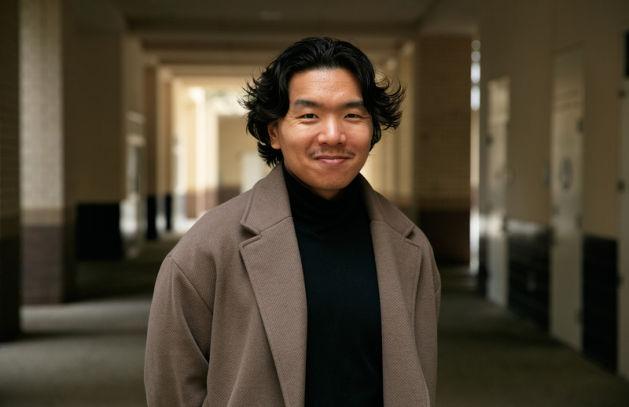
workedasapersonalservicecoordinator,Ioftenreliedonpractical,hands-onapproachestosupportclients. Thisclassgavemetheopportunitytoconnectthatreal-worldexperiencewiththetheoreticalframeworksof assessmentandtreatment.Ithelpedmebetterunderstandwhycertaininterventionswereutilizedinthe workforce.
WhyareyougettingyourPhDinClinicalPsychology?Whatmadeyoupursuethiscareerpath?Itaught EnglishinSouthKoreaforeightyears,workingwithbothchildrenandadults,andIwasstruckbyhowlittle emphasiswasplacedonmentalhealth.IrealizedIdidn’tyethavethetoolstosupportpeopleinthatarea, whichinspiredmetoreturntoschool.PursuingaPhDinClinicalPsychologyallowsmetogaintheknowledge andskillstomakeameaningfulimpactonmentalhealthcare,especiallyforunderservedpopulations. Whatwasyourdreamjobasachild?Abusdriverand/orconveniencestoreowner. What'syourdreamvacationspot?I'dliketogotoItalytoeatpizzaandgelato.
If you could turn any activity into an Olympic sport, what would you win the Gold medal for? Walking fasterthanthegroupI’mwith.Iliketocallitefficiency,somecallitimpatience. How do you destress/relax? I enjoy going to the gym, trying new restaurants, eating good food, watching sports,andhangingoutwithfriends. IfyourliferightnowwereaTVshow,whatwoulditbecalled?CrashLandingonGradSchool What'syourfavoritethingaboutUCI/Irvine/OrangeCountysofar?Peoplelooklikeme. What'syourgo-tocomfortfood?Busan-styleporkricesoup.
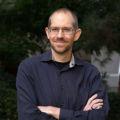
GhazalNaderi
Whoisyourgraduatementorandwhatareyoulooking forwardtolearningfromthem?MygraduatementorisDr. AlysonZalta.Iadmireherconciseandimpactfulwritingstyle, andIlookforwardtostrengtheningmywritingunderher guidance.Beyondherresearchexpertise,Ivaluethewayshe fostersmentorshipinourlab,creatingopportunitiesfor undergraduates,post-baccalaureatestudents,andgraduate studentstogrowateverystageoftraining.Iamexcitedtolearn notonlyfromherresearchapproach,butalsofromher commitmenttocultivatingasupportiveandrigorousresearch environment.
Wheredidyoucompleteyourundergraduatedegree? UniversityofTehran.ImajoredinPsychology.
Whatwasyourfavoritecourseincollege?PsychopathologyandCognitivePsychology. Why are you getting your PhD in Clinical Psychology? What made you pursue this career path? I am interested in understanding the impact of trauma on women’s health across the lifespan, particularly how intergenerational trauma impacts outcomes for both mothers and their children. Since research in this area is limited, I hope to contribute to filling this gap. I also want to explore how individual, cultural and contextual differences may influence the effectiveness of interventions for post-traumatic stress disorder. Pursuing a PhD in Clinical Psychology will provide the training I need to help develop and evaluate more effective,culturally-responsiveinterventions. Whatwasyourdreamjobasachild?Iwantedtobeateacher. Howdoyoudestress/relax?Irelaxbyreadingortryingnewrestaurantsandcoffeeshopswithmyfriends. If you could turn any activity into an Olympic sport, what would you win the Gold medal for? Multitasking
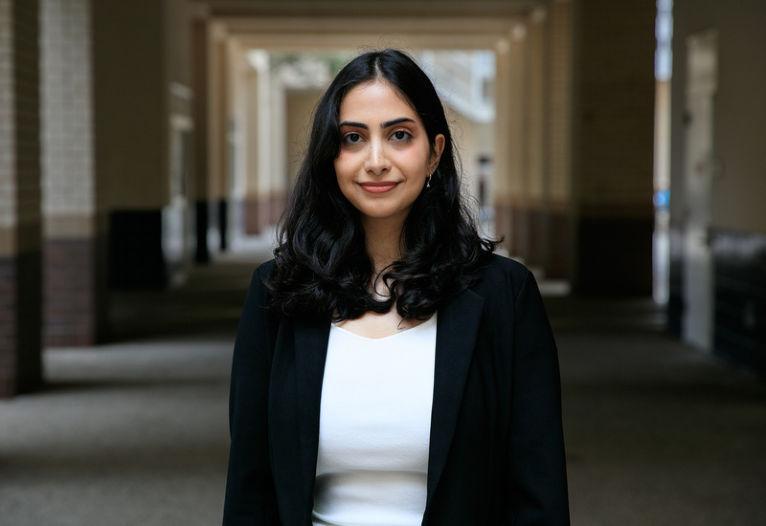
IfyourlifewasaTVshow,whatwoulditbecalled?Bedazzledandimprovising. What'syourdreamvacationspot?EgyptorJapan! What'syourfavoritethingaboutUCI/Irvine/OrangeCountysofar?Thefoodandtheweather. What’syourgo-tocomfortfood?Ghormesabzi!It’smyfavoritePersianfood.
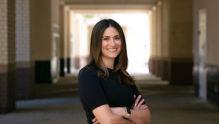
Alexandra“Zand”O’Neill
Whoisyourgraduatementorandwhatareyoulookingforwardtolearningfromthem?Dr.ElizabethMartin ismymentorandI’mveryexcitedtolearnfromherhowwecanemployvariousneuroimagingandbehavioral methodstostudythepsychosisspectrum.I’malsolookingforwardtolearningfromherexampleasamentor becauseIhopetomentormyownstudentssomeday.
Wheredidyoucompleteyourundergraduatedegree?IwenttoManhattanCollege(nowManhattanUniversity) formyundergraduatedegreeandwasadoublemajorinmathematicsandpsychology. Whatwasyourfavoritecourseincollege?PsychologicalTesting. Whatwasyourdreamjobasachild?AnOB/GYN,orasIcalleditthen,a“babydoctor.”
IfyourlifewasaTVshow,whatwoulditbecalled?KeepingUpWiththeQuarterSystem Howdoyoudestress/relax?Walking,baking,listeningtopodcasts,andtalkingwithmysweetbabynephews. What'syourfavoritethingaboutUCI/Irvine/OrangeCountysofar?Thepeopleinmycohort!
WhyareyougettingyourPhDinClinicalPsychology?What madeyoupursuethiscareerpath?Ibegancollegeasa mathematicsmajor,confidentthatIwouldpursueacareerin datascienceoranalyticsaftergraduation.Butaftersometime andafewpsychologycourses,Istartedtoreconsidermypath. Ilearnedhowdeeplymentalillnesscanaffectnotonlyone person’slife,butalsothelivesofthosearoundthem—across generationsandthroughoutsociety.Withtheguidanceof wonderfulmentorsinbothmathematicsandpsychology,Ihad theopportunitytoexplorehowthesefieldsintersect.Ifound thatwhatmostinterestsmeisusingmathematicaland analyticaltoolstoinvestigatethehumanquestionsthatdrive
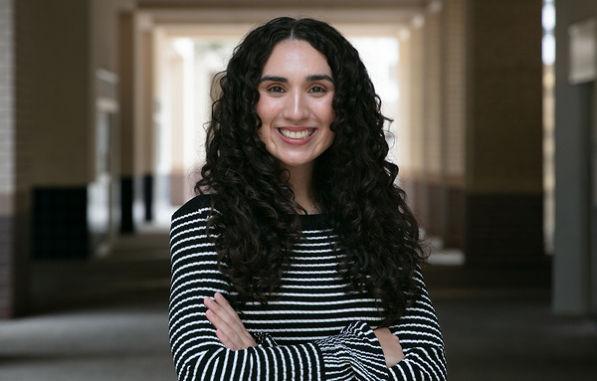
psychologicalresearch.PursuingaPhDinClinicalPsychologyallowsmetobringtogetherthisloveofresearch withmycommitmenttounderstandingandimprovingmentalhealthoutcomes,andI’mgratefuleverydayfor theopportunitytodothiswork. IfyoucouldturnanyactivityintoanOlympicsport,whatwouldyouwintheGoldmedalfor?Enthusiasm duringkaraokeperformances. What'syourdreamvacationspot?IwouldlovetovisitmultiplecountriesinEuropeandtravelonlybytrain. What’syourgo-tocomfortfood?Icecream!!
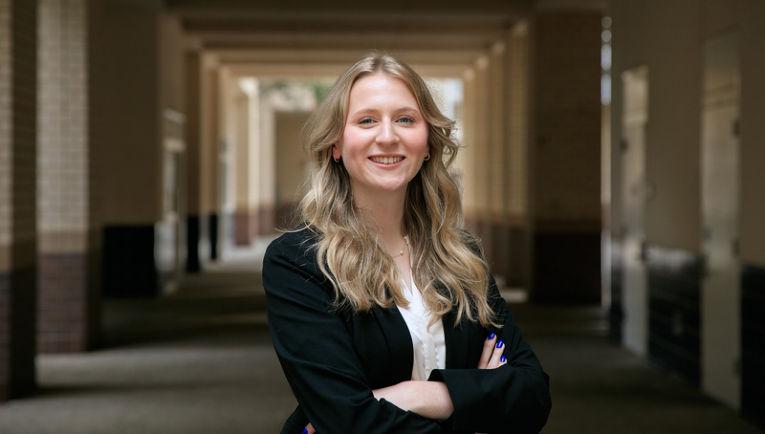
Whoisyourgraduatementorandwhatareyoulooking forwardtolearningfromthem?MygraduatementorisDr.Jodi Quaswhoisdedicatedtoimprovingthelivesandexperiencesof childrenandadolescentsinthelegalsystem.Underher guidance,Iamexcitedtogainagreaterunderstandingofthis populationandexplorehowwecanuseourresearchtoinform practicesthatbettersupportyouthinthelegalsystem. Wheredidyoucompleteyourundergraduatedegree? Arizona StateUniversity.ImajoredinPsychologyandJusticeStudies. Whatwasyourfavoritecourseincollege?CrimeandForensic MentalHealth.Itwastaughtbyapsychologistwhowasableto discusshisreal-worldexperienceinthecontextofthecourse. WhyareyougettingyourPhDinClinicalPsychology?What madeyoupursuethiscareerpath?IamgettingmyPhDinClinicalPsychologybecause,throughmy undergraduatestudies,Igainedapassionforresearchandtheimpactourfindingscanhaveontheworld aroundus.APhDofferstheuniqueopportunitytogaininvaluableandcomprehensiveexperienceinresearch, clinicalpracticeandteaching.Iamparticularlyinterestedinresearchingadolescents’involvementinthelegal system-apopulationthatisoftenunderservedandmisunderstood.Iwouldlovetoonedayintegratethis passionintomyclinicalpracticetoensureyouthreceivethesupportandservicestheyneed. Whatwasyourdreamjobasachild?MyparentsalwaysthoughtIwouldgrowuptobealibrarianbecauseI wasveryquietandalwaysreading! Howdoyoudestress/relax?Throughbuyingmycomfortfoodandre-watchingmycomfortshows(TheOffice, NewGirl,ModernFamily).
IfyoucouldturnanyactivityintoanOlympicsport,whatwouldyouwintheGoldmedalfor?Being mediocreatthemostamountofhobbies. IfyourlifewasaTVshow,whatwoulditbecalled?TheGreatBritishBurnout. What'syourdreamvacationspot?Tokyo,Japan. What'syourfavoritethingaboutUCI/Irvine/OrangeCountysofar?Theweather!AfterlivinginbothLondon andArizonatheweatherhereissuchaniceinbetween...I’vebeenwalkingEVERYWHERE! What’syourgo-tocomfortfood?Thaifoodorsushi!
By:AllieEngstromandEllieAntici
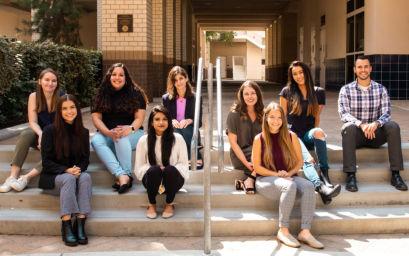
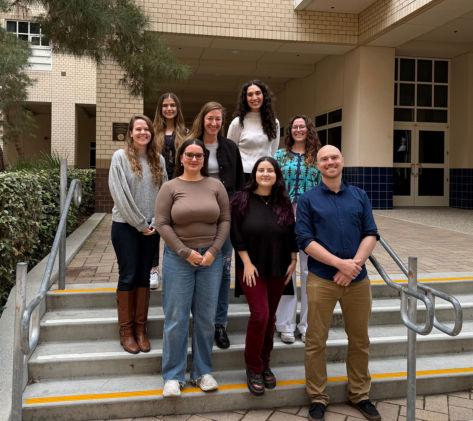
Licensedclinicalpsychologistsaretrainedtoprovidecompetentcaretoanyclientwhoseekstheirservices.What islessvisibleistheextensivetrainingprocessthatpreparesthemforthatresponsibility:severalyearsofcoursework anddiverseclinicalpracticumexperienceswhichculminateinacapstoneclinicaltrainingexperienceknownasthe predoctoral internship. Each fall, thousands of clinical psychology doctoral students embark on a key part of that process: the Association of Psychology Postdoctoral and Internship Centers (APPIC) application and match. This year, several members of the the inaugural cohort of UCI’s clinical psychology Ph.D. program–the fifth years (pictured below)–joined the pool of APPIC applicants. This transition from training to professional readiness is formalizedthroughastructuredandcompetitivenationalsystem.
WhatisAPPIC,whydoestheapplicationandmatchprocessinspireanxietyamongclinicalpsychologydoctoral students,andwhatmakesastrongapplicant?Thisarticleanswersthesequestions,demystifyingtheAPPICprocess foraspiringclinicalpsychologistsandcolleaguesacrossdisciplines.
Simplyput,APPICisaprofessionalorganizationthatstandardizesandoverseespsychologyinternshiptraining. APPICinternshipsarecompletedinthefinalyearofdoctoraltraining—typicallythesixth—andfollowseveralyears of coursework and supervised clinical training through practicum placements, with minimum clinical hour requirements determined by individual internship sites (often around 500 intervention hours, though this varies). Internships comprise full-time, supervised clinical work and are housed in a variety of settings including medical centers,hospitals,communitymentalhealthsystems,VeteransAffairs(VA),anduniversityclinics.
Asshowninthefigurebelow,mostUCIclinicalfacultycompletedtheirinternshipsatacademicmedicalcenters, hospitals, or VA systems: settings that remain among the most common APPIC placements for trainees pursuing academic careers. Completing a predoctoral internship is required for licensure, and APPIC internships are often comparedtomedicalresidenciesasstructuredtrainingyearsthatbridgetrainingandindependentpractice.
Similarly,thenationalAPPICMatchparallelsthemedicalresidencymatch.Studentsapplytointernshipsitesin the fall before their internship year, with a median of 15 applications submitted per student in 2024. APPIC sets uniform application requirements, and applicants and programs are paired through mutual rankings. The next sectionwillexaminetheapplicationprocessfromstarttofinish.
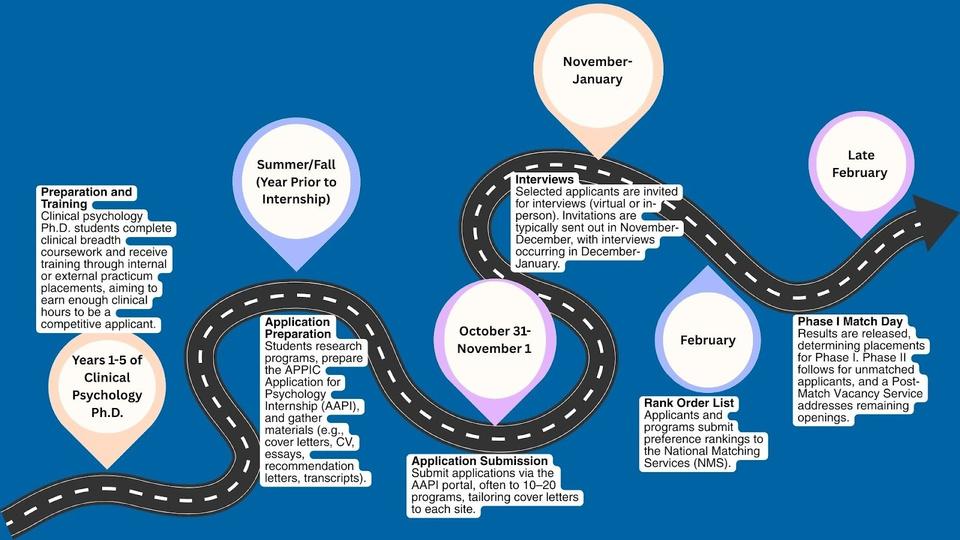
Much like graduate school and medical residency applications, the APPIC process requires months of focused effort and years of earlier coursework and clinical training. Applicants typically begin their application journey in earnestduringthesummerorfalloftheyearbeforeinternship.
Where did the UCI clinical faculty complete their predoctoral internships?

However,studentsareurgedtothinkstrategically about internship as early as their second year of graduate training, when they first begin accumulating clinical experiences. Because internship sites differ in the types of clinical experiences they expect from applicants (e.g., individual or group therapy, assessment volume, pediatric or adult populations), backwards design is encouraged when selecting clinical placements in years two through five. Strategic applicants begin with a rough idea of their desired type of clinical training from the beginning of graduate school, learnwhatthoseinternshipsitesgenerallyseek,and select clinical placements in years two through five to meet those requirements. See page 15 for more information on the practicum sites where UCI’s clinicalstudentsarecurrentlyplaced.
Theapplicationandmatchprocessitselfistime-andresource-intensive,requiringnumeroushoursresearching sites, readying application materials, tailoring cover letters to specific sites, and participating in mock interviews. Applications are typically submitted in late October to early November, often to 10–20 sites, with tailored cover letters. Selected applicants are invited to interview in November and December. Interviews then occur between December and January and may be virtual or in-person. In February, applicants and sites submit their rank order lists to National Matching Services (NMS), and Match Day follows shortly after. Unmatched applicants may participateinPhaseIIorusethePost-MatchVacancyServicetoidentifyremainingopenings.
TheworkloadassociatedwithAPPICapplications—oftenexceeding100hoursofpreparationfortheapplication process alone—makes organization, mentorship, and financial and social support especially important. Students areencouragedtotrackclinicalhourscarefully,maintainstrongrelationshipswithsupervisors,andcultivateaclear clinicaltrainingnarrativestartinginYear1.
To complement this overview of the APPIC process, we invited UCI clinical faculty to share brief reflections on what distinguishes strong applicants, what is often overlooked, and what endures beyond the match itself. Their responseshighlightseveralconsistentthemes:
“Internship is a predoctoral training year—sites are not looking for fully formed clinical psychologists, but for strong trainees who demonstrate foundational skills and are eager to learn and grow.” - Naomi T. Tabak, PhD
“The strongest applicants combine diverse clinical experiences with a strong research record. Some applicants don’t realize how much a strong research record signals overall productivity.” - Elizabeth A. Martin, PhD
“Learn how to track your hours correctly and stay on top of it. By the summer before you apply, you’ve already done most of the work.” - Kate R. Kuhlman, PhD
“Start working on your statements and cover letters early so you have time for multiple rounds of feedback. You want your personality and point of view to come through.” - Alyson K. Zalta, PhD
“Clinical students are doing many extra hours in preparation for APPIC— often 15+ hours per week—on top of coursework, teaching, and scholarship.”- Kate R. Kuhlman, PhD
“The application and interview process is very time-consuming. Interviews are typically a full workday with minimal breaks, and applicants must balance them with other responsibilities.” - Naomi T. Tabak, PhD
“I made personal and professional connections during my internship year that have sustained over the last 12 years. I didn’t anticipate how much one year would shape my career.” - Elizabeth A. Martin, PhD
“Being one of the only science-oriented trainees pushed me to grow from different perspectives and step outside my training bubble.” - Jason E. Schiffman, PhD
Quotes edited lightly for length and clarity.
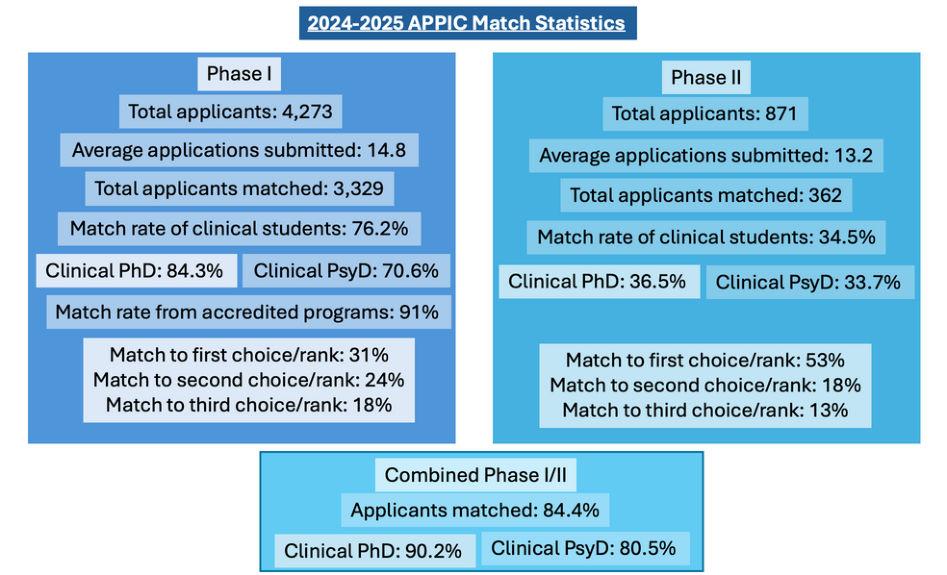
TheAPPICmatchprocessishighlycompetitive,especiallygivenanincreasingsupply-demandissuewith thousandsofqualifiedcandidatesvyingforalimitednumberofpositions.Despitethis,theoverallcombined matchrateofapplicantsinPhaseIandPhaseIItypicallyrestsaround80-85%withthosecomingfromPhD programsataround90%.ForthosethatdonotmatchinPhaseIorPhaseII,thereisapost-matchvacancy servicethatreflectsongoingplacementtoremainingspots.Unsurprisingly,thisprocesstakesanemotionaltoll onapplicants,whohavespentfiveyearspreparingforthiscapstoneprocess.Giventhis,supportfromfaculty andclinicalsupervisorsisparamounttostudents'successandwell-beingduringthisprocess.Throughoutthis stressfulprocess,clinicalstudentscontinuetocompletetheirdissertationsandotherindependentresearch, workasaTAorGSR,andassessandtreatclients/patientsintheirexternalpracticumsites.
AcompetitivePhDapplicanttotheAPPICMatchistypicallycharacterizedbyastrongbalanceofresearch productivityandbreadthofclinicaltraining,consistentwiththescientist–practitionerorclinicalsciencemodel. DatafromAPPICmaterialssuggestthatsuccessfulPhDapplicantsoftenreportapproximately500–800total practicumhours,withsubstantialvariabilityacrossprogramsandspecialtyareas.Withinthisrange,many competitiveapplicantsaccrueroughly300–500directinterventionhours,complementedbymeaningful assessmentexperience,particularlyforapplicantspursuingneuropsychology,forensic,orspecialty-focused internships.Importantly,APPICdoesnotimposeuniversalminimumhourrequirements;instead,individual internshipsitesestablishtheirownthresholds,commonlyatleast500totalhoursand250–500intervention hours.Beyondquantitativebenchmarks,researchengagementisadefiningfeatureofcompetitivePhD applicants.Progresstowarddissertationcompletion,peer-reviewedpublications,andconferencepresentations arestrongindicatorsofreadinessandareoftenviewedascomparableinvaluetoextensiveclinicalhours.Also criticalarediversepracticumexperiences,cleararticulationoffitwithinternshiptraininggoals,andstrong lettersofrecommendationthatspeaktotheapplicant’sscholarlyrigor,responsivenesstosupervision,ethical practice,andabilitytointegrateempiricalevidenceintoclinicalwork.Additionally,oneofthebestpredictorsof asuccessfulAPPICmatchiscomingfromanAPA-accreditedprogram,anaccomplishmentUCI’sprogram achievedlastyearthathighlightedthehardworktheprogramhasdonetopreparetheinauguralcohortfor successthisyear!
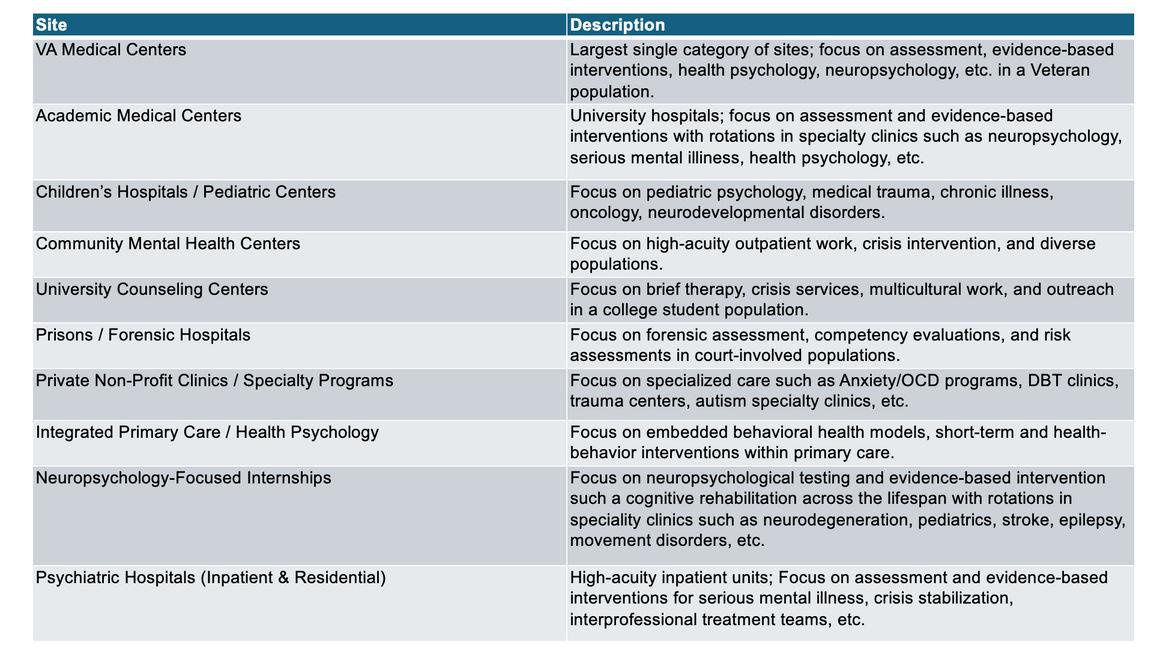
Thefollowingtablerepresentsthedifferenttypesofinternshipsitesavailableforclinicalstudenttoapplyto.Different typesofinternshipsites androtationswithininternshipsitesmayrequireavaryingnumberofhoursandexperiences.
TheAPPICMatchrepresentsacriticalcapstoneinclinicalpsychologytraining,integratingyearsofacademic, clinical,andprofessionaldevelopmentintoahighlystructuredandcompetitiveapplicationprocess. Successfullynavigatingthisprocessrequiresnotonlystrongclinicaltrainingandresearchexperience,butalso earlyplanning,mentorship,andinstitutionalsupport.Studentsarebestpositionedwhentheytrackclinical hoursproactively,seekguidancefromfacultyandsupervisors,anddevelopaclearprofessionalnarrativeover time.Withthoughtfulpreparationandcollaborativementorship,theAPPICprocessbecomesnotmerelya hurdle,butameaningfultransitiontowardcompetent,ethical,andfulfillingcareersinclinicalpsychology. Astheprogram'sinauguralcohortiscurrentlyinthemidstoftheapplicationprocess,weencourageeveryoneto marktheircalendarsforFebruary20th,2026aswecelebratethismonumentalmilestoneforthesestudentsand theprogram!
Help us celebrate APPIC Match Day for the program’s inaugural cohort! Friday February 20, 2026! th
By:JuelleFord&MaggieCanady
Each year, the newsletter features an interview with a member of our faculty. This year, we interviewed Dr. Elizabeth Martin, a member of the clinical area faculty who was promoted to full professor as of July.
Each year, the newsletter features an interview with a member of our faculty. This year’s Clinical Psychology Area Newsletter highlights Dr. Elizabeth Martin, who was promoted to full Professor earlier this spring. A founding member of UCI’s clinical faculty, Dr. Martin has played a central role in shaping the program from its earliest planning stages into the collaborative, mentorship-driven training environment it is today. Her promotion reflects not only her impactful research in schizophrenia and dimensionalapproachestodiagnosis,butalsoher long-standing leadership and mentorship in the department.
In our conversation, Dr. Martin spoke candidly about her path into psychology, her experience launchingtheclinicalprogramfromitsprospectus stage, and the values that guide her approach to mentorship and training. Her reflections offer a window into the work behind the title, and the warmth, generosity, and passion for teaching, research, and community that continue to drive hercareer.
WhenweaskedDr.Martinhowshefirstfoundher way into psychology, she laughed and admitted that it wasn’t part of her original plan. Dr. Martin beganheracademicjourneyattheCollegeofNew Jersey, a small liberal arts institution, initially planningtomajorinbiology.However,duringher lastsemesterofhersenioryearofhighschool,she tookaBehavioralSciencescoursethatcompletely shifted her trajectory. She recalled “I loved that class so much. It was by far my favorite class ever in high school…that's when I changed my mind.” Her excitement about the content of the class guided her decision to major in psychology as an undergraduate.
Committedtobecomingapsychologist,Dr.Martin began working in research during her senior year ofcollege.
After graduating, she strengthened her research training by working full-time for three years in a schizophrenia lab within the neuropsychiatry department at the University of Pennsylvania’s Medical School. She went on to complete her Ph.D. at the University of Missouri and her clinical internship at McLean Hospital in Boston. Dr. Martin then completed a nine-month postdoctoral fellowship at the University of Pittsburgh/VA before accepting a tenure-track positionatUCIrvinein2014.
Dr. Martin discovered her passion for schizophrenia research during her time at the University of Pennsylvania, setting the course for herresearchcareer.Reflectingonthatperiod,she emphasized how exposure to individuals with vastly different life circumstances, but the same diagnosis, shaped her thinking about psychopathology:
“Hearing the different stories of people with the same diagnosis, how different their trajectories were…We had the people that were unhoused, and then we had undergrads at Penn. So it can affect anyone. Their symptoms can be so different, but they have this same diagnosis. I feel very strongly about dimensional diagnosis over categorical diagnoses. I think that's what really kept me in the schizophrenia world, that the lived experiences were so different, even for people with the same diagnosis."
Today,Dr.MartindirectstheBehaviors,Emotions, andAffectiveNeuroscience(BEAN)lab,whereshe and her team explore how early mechanisms contribute to social functioning difficulties across psychopathology. She also serves as a chair and board member of the Hierarchical Taxonomy of Psychopathology (HiTOP), a data-driven effort aimed to improve the measurement and assessmentofmentalhealthdisorders.
As part of this work, Dr. Martin leads a workgroup responsible for developing a youth version of the HiTOP by adapting adult items, conducting cognitive interviews, and preparing for pilot data collection. This effort reflects her long-standing interest in dimensional models of diagnosis. Dr. Martinisalsoexcitedforseveralupcomingprojects, including the development of an intervention targeting affective forecasting and savoring. After taking a COVID-related pause, she is excited to restart EEG research with new equipment and trainedgraduatestudents!
This past spring, Dr. Martin was promoted from Associate Professor to full Professor. She described this milestone as “surreal,” noting that imposter feelings are something she has carried “like a backpack,” lighter on some days and heavier on others. Reaching this stage has encouraged her to reflectintentionallyonherresearchtrajectory.
Acentralpartofthattrajectoryismentorship,which she describes as one of the greatest joys of her work:
“I really like mentoring. I love meeting with my students. I hope that I help them think about things in different ways, but they certainly influence the way I think about things. It's not just bringing a new paper to me or something like that, but talking with people really spurs ideas. When my mentees feel proud of themselves, I feel warm all over… it just makes me feel really happy for them.”
She emphasized the value of working closely with graduate students, how their collaboration mutually shapes each other’s thinking, and how meaningful it is to witness her students celebrate boththebigandsmallwinsalongtheway.
Dr. Martin also finds deep fulfillment in teaching. Graduate seminars offer fresh perspectives and serve as a natural extension of her mentorship, while undergraduate courses, such as her class on Personality Disorders (PSCI 168C), allow her to be creative and deeply engage with students at an earlierstageintheirtraining.
Wearing many professional hats has strengthened the flexibility and resilience Dr. Martin first began cultivating as a graduate student. And just as she encourages students to embrace learning at each newstage,Dr.Martinhasappliedthatphilosophyto theevolutionoftheClinicalProgramitself.
Dr. Martin has been part of the clinical area since before its inception, watching it grow from an idea to a formal prospectus and, ultimately, to APA accreditation. Being present at each stage of this process has deepened her appreciation for the collective effort required to build a program from the ground up and reinforced her pride in what the clinicalareahasbecome.
In reflecting on the area’s growth, Dr. Martin noted how the training program’s development has been intertwinedwithherownlifeandcareer:
"From that initial prospectus to now being accredited, I have had my child go from being 2 to 12. It has been such an evolution. I think seeing it from the beginning until now has just been so fulfilling. We already had a lot of great faculty, which was the driving force, but then bringing on all of these wonderful people who came to help build a program, [and] getting to work with really amazing people has been an incredible experience. Seeing it come to fruition…might be the ultimate of my career.”
Dr.Martin’sdistinguishedservicetoboththeclinical area and the department at large has been central to the program’s success. Currently serving as vice chairofthedepartment,shehasbeeninstrumental in championing the creation of the clinical training program, from helping guide it through the approval process, recruiting exceptional students, andbuildingoutarigoroustrainingcurriculum.
As she looks ahead, Dr. Martin expressed deep gratitude for the genuine connections among her colleagues and students. That sense of shared purpose and community was palpable throughout our conversation, and it left us inspired by the care and commitment she brings not only to the program,buttothepeoplewithinit.
Since February 2024, the UCI PSC has been providing evidence-based mental health services to the community under the leadership of Dr. Naomi Tabak. Check out the exciting impacts the PSC has made over the past year!
For more information please visit the UCI PSC website: https://sites.uci.edu/psychologyclinic/
Treatments Offered
Cognitive Behavioral Therapy
Dialectical Behavior Therapy
Skills Training
Exposure Therapy
Trauma-Informed Care ...and more!
Clients Served: 78
Total Sessions: 844
News & Announcements!
The PSC’s CHR Clinic provides psychosis risk assessment and individual therapy for youth and young adults with early warning signs of elevated risk for developing psychosis. This includes experiences like confusion about what is real or imaginary, unusual ideas or thoughts, seeing or hearing things that others don’t, and other extraordinary experiences. Referrals and self-referrals may be made through the PSC’s website: simply indicate “CHR” in the New Client Interest Form.
In collaboration with the UCI Counseling Center, the PSC co-hosted a Law & Ethics Training, led by Daniel Taube, JD, PhD, that covered topics such as updates to California laws, judgment and bias in clinical decisionmaking, privacy, and the importance of consultation.
The PSC hosted the Be Well OC Mobile Response Team to discuss crisis intervention and stabilization services.
Age Range: 14-77 years old, Average Age: 37.3
Gender: 56% female, 33% male, 6.4% transgender or non-binary, 3.8% other
After completing training at our in-house clinic (UCI PSC), clinical psychology students at UCI have the opportunity to apply for a number of external sites within the Orange, San Diego, and Los Angeles County communities. These sites provide students an excellent opportunity to gain clinical experience and training that is specific to their individualized goals and interests!
ADR Wellness
allcove*
Alzheimer's Family Center*
Casa Colina
CBT California
Cedars Sinai Reproductive Psychology Program Center for Autism and Neurodevelopment Disorders (CAND)
Chapman Counseling Center
Child Guidance Center
Children’s Hospital of Orange County (CHOC)*
Community for Wellbeing Advocacy
Compass Behavioral Health*
COPE Psychological Center*
The Craig School*
Headspace Training Institute*
OC Anxiety Center*
OMID Multicultural Institute for Development
Patton State Hospital
Ronald McDonald House
The Sterling Institute for Autism*
St. Margaret’s Episcopal School*
Theo Lacy Facility - Road to Reentry*
UCI Institute for Memory Impairments and Neurological Disorders (UCI MIND)
UCI Neurology*
UCI Psychiatry iEDAPT Clinic*
UCI Samueli Institute*
UCLA Semel Institute*
VA Long Beach
Wings Recovery Center
2e4Me Academy
*Sites where students are currently placed for the 2025-2026 training year
What would you say has been the highlight of your practicum training experience this year?
“At St. Margaret's, it's been amazing working with kids of all ages (preK-12th grade) to really see child development in action. I love getting to observe and interact with kids outside the therapy room, like at recess, lunch, club fairs, etc.”
“Headspace has allowed me to maintain flexibility in my clinical schedule alongside the most amazing and supportive supervisors, didactic training opportunities, and case consultation. Beyond these factors, Headspace has afforded me the opportunity to see a diverse set of clients--ethnically, geographically, and in terms of presentation due to being able to practice across state lines.”
“I love how the team/staff at The Craig School is super collaborative, supportive, and warm, creating a strong sense of community and showcasing how passionate they are about their students' well-being. It is so inspiring to see how much they care for the kids and how much they genuinely love the work that they do.”
“At UCI Neurology, I received specialized training in neuropsychological assessment and cognitive rehabilitation therapy for a wide variety of conditions, including Alzheimer's Disease, Parkinson's Disease, Neuro-oncology, TBI, Epilepsy, and psychiatric conditions.”
“One of the highlights of my practicum at UCI Neurology has been the opportunity to conduct comprehensive neuropsychological evaluations in an academic medical center with a diverse patient population. I have especially loved that the practicum is rotation-based, which has given me broad exposure across several specialty clinics (e.g., epilepsy, TBI, general neurology) and the chance to work with patients across the lifespan.”
“At OC Anxiety Center, I received specialized training in CBT and ERP and get to go out to do exposures with patients!”
“Working at the UCLA Psychosis Clinic has been a wonderful opportunity to provide psychotherapy to individuals across the psychosis spectrum. This clinic prioritizes person-centered, recovery-oriented care that meets clients where they are. As an extern at this site, I have also gained valuable experience collaborating with psychiatrists, which has strengthened my understanding of interdisciplinary care and the importance of integrating medication management with psychosocial interventions.”
“I believe COPE Psychological Center provides very high-quality training to help trainees to grow both professionally and personally. I get to work with clients with a wide variety of clinical presentations and have been familiarized with different treatment modalities (e.g., CBT, DBT, ACT, and others). My supervisors are very hands-on and supportive. COPE is a purely virtual practicum placement that provides a lot of flexibility in the clinical days/hours.”
BY DAVID CENKNER
The clinical area in the Department of Psychology at UCI has 8 core faculty members (+ 1 active Emeritus). Each clinical faculty member directs their own lab, specializing in research from neurons to relationships and from early childhood to late adulthood.
The core clinical faculty members are:
Jessica Borelli, PhD
Susan Charles, PhD
Kate Kuhlman, PhD
Elizabeth Martin, PhD
Ray Novaco, PhD (Professor Emeritus)
Jason Schiffman, PhD, Director of Clinical Training
Stephen Schueller, PhD
Julian Thayer, PhD
Alyson Zalta, PhD
Learn about clinical area research labs in this Clinical Labs Spotlight!
The Psychosis-Risk Evaluation, Early Intervention, and Treatment (PREVENT) Lab, directed by Dr. Schiffman, conducts research surrounding the assessment, prevention, and treatment of attenuated symptoms of psychosis in adolescents and young adults, with a particular interest in social determinants and contextual factors associated with psychosis-risk. The PREVENT Lab collaborates closely with the BEAN Lab, and together they form the LEAPS team!
Featured articles:
Bridgwater, M. A., Petti, E., Savill, M., Oh, H., Lucas, K., Nguyen, T., Schiffman, J., & Karcher, N. R. (2025). Mental healthcare decision making, barriers to care, and psychotic-like experiences: Findings from a nationwide sample of Mental Health America respondents. Schizophrenia Research, 284, 41–47. https://doi.org/10.1016/j.schres.2025.07.021
Giljen, M., Healey, L., Bridgwater, M., Ceccolini, C. J., Friedman-Yakoobian, M., Horton, L., Lichvar, E., Mayanil, T., Mittal, V.A., Petti, E., West, M. L., & Schiffman, J. (2025). Clinical High-Risk for Psychosis in Sexual and Gender Minority Populations: Considerations for Assessment and Treatment. Journal of the American Academy of Child and Adolescent Psychiatry. https://doi.org/10.1016/j.jaac.2024.12.009
Learn more about the PREVENT Lab here!
The Behaviors, Emotions, and Affective Neuroscience (BEAN) Lab, directed by Dr. Martin, conducts research surrounding emotional and social functioning in schizotypy, social anhedonia, and schizophrenia-spectrum disorders across the lifespan. The BEAN Lab employs a multi-method approach to research, using a wide range of techniques such as self-report questionnaires, behavioral tasks, neuroimaging, and electromyography. The BEAN Lab also collaborates with the PREVENT Lab on the ProNET and ProCAN studies, international multi-site studies of psychosis-risk trajectories.
Featured articles: Blank, J. M., Kotov, R., Jonas, K. G., Lian, W., & Martin, E. A. (2025). Emotional intelligence as a predictor of functional outcomes in psychotic disorders. Schizophrenia Research, 276, 97-105. https://doi.org/10.1016/j.schres.2025.01.005 Snyder, M. E., Fung, C. F., Blank, J. M., Schiffman, J., & Martin, E. A. (in press). Associations of detachment and social contributions with affect and social connectedness in trait and state contexts. Personality and Individual Differences.
Learn more about the BEAN Lab here!
The Trauma & Resilience Lab, directed by Dr. Zalta, conducts translational research exploring factors that impact the development of trauma-related psychopathology and intervention strategies aimed at mitigating the impact of trauma. The lab focuses on research that can inform scalable treatment interventions and takes particular interest in working with vulnerable populations, including veterans. The lab is connected to UCI’s Institute for Interdisciplinary Salivary Bioscience Research (IISBR), and Dr. Zalta is one of the core IISBR faculty.
Featured articles:
Cenkner, D. P., Dent, A. L., Zhou, A., Wislocki, K. E., Stevens, S. K., Lee, S., Amindari, K., Sereno, M., Lu, D., Chang, M., Uwadia, H., Smith, E. G., Woo, R., Nip, H., Serrano, B. N., & Zalta, A.K. (2025). Posttraumatic stress disorder symptoms and suicide ideation, attempt, and risk among active-duty service members and veterans: A systematic review with three meta-analyses of associations and moderators. Clinical Psychology Review, 122: 102652.
Wislocki, K.E., Sami, S., Liberzon, G., & Zalta, A.K. (in press). Clinical decision-making with trauma-exposed populations: A comparison of generative artificial intelligence and mental health professionals. JMIR Mental Health.
Learn more about the Trauma & Resilience Lab here!
The Health, Relationships, and Interventions (THRIVE) Lab, directed by Dr. Borelli, researches the connections between relationships, emotion regulation, and health, focusing on children, adolescents, young adults, parents, and families. The THRIVE Lab conducts both basic and applied research, does research in several different cultural contexts, and aims to design and test interventions to improve relationships and, in turn, improve health.
Featured articles:
Borelli, J.L., Russo, L.N., Kazmierski, K., Zhou, E., Rowley, C., & Garcia, J. (2025). Navigating Shared Stress: Dyadic Links Between COVID-19 Stressors and Mental Health in Low-Income Latine Youth and Mothers. Journal of Latinx Psychology. Li, F., Zhou, E, Oh, H., & Borelli, J.L. (2025). Systemic Intervention through Relational Savoring: Cultural Considerations for Working with Asian American Families. Journal of Marital and Family Therapy. https://onlinelibrary.wiley.com/doi/10.1111/jmft.70080
Learn more about the THRIVE Lab here!
The Technology and Mental Health (TEAM) Lab, directed by Dr. Schueller, focuses on increasing access to and accessibility of mental health services through technology. Their work draws on theories and methods from clinical science, human-computer interaction, and implementation science. The TEAM Lab strives to leverage technologies to help improve access, quality, and equity in mental health service delivery.
Featured articles:
Bautista, J. R., Wong, N., Reddy, M., & Schueller, S. M. (2025). Healing through stories: Co-designing digital mental health with Asian Americans. In Proceedings of the 2025 CHI Conference on Human Factors in Computing Systems (pp. 1-19). https://doi.org/10.1145/3706598.3714142
Kaveladze, B., Ghosh, A., Funkhouser, C. J., Schueller, S. M., & Schleider, J. L. (2025). Longer Single-Session Interventions May Not Be Better: Evidence From Two Randomized Controlled Trials With Online Workers Facing Mental-Health Struggles. Clinical Psychological Science
https://doi.org/10.1177/21677026251358836
Learn more about the TEAM Lab here!
Fun Fact: Clinical students can have advisors outside of the clinical area
The Teen Resilience Lab (TRL), directed by Dr. Kuhlman, conducts research at the intersection of developmental psychopathology and psychoneuroimmunology. Their work examines how early experiences alter the communication between the brain and the immune system, and whether those alterations contribute to the development of stress-related diseases such as depression. The TRL is connected to UCI’s Institute for Interdisciplinary Salivary Bioscience Research (IISBR), and Dr. Kuhlman is one of the core IISBR faculty.
Featured article:
Kuhlman, K. R., Tan, E. N., Cole, S. W., & Rao, U. (2025). Differential immune profiles in the context of chronic stress among childhood adversity-exposed adolescents. Brain, Behavior, and Immunity, 127, 183-192. https://doi.org/10.1016/j.bbi.2025.03.004
Learn more about the TRL here!
The Emotion Research Lab, directed by Dr. Charles, has a health psychology orientation and focuses on healthy aging and emotional well-being across the life span. The Emotion Research Lab studies social stress and well-being; physical, cognitive, behavioral, and psychosocial health in older adults; motivation; activity diversity; social experiences; and pain, sleep, and stress.
Featured articles:
Charles, S. T., Brown, C. J., & Kircher, J. A. (2025). Positive Emotions and Health. The Palgrave Handbook of Positive Psychology and Health. https://doi.org/10.1007/978-3-031-89095-6_2
Elliot, M. R., Charles, S. T., Holman, E. A., Garfin, D. R., & Silver, R. C. (2025). Psychological distress across 2 years of the COVID-19 pandemic differs by age and by race/ethnicity. Journal of Traumatic Stress. 38(4). 606-617. https://doi.org/10.1002/jts.23169
Learn more about the Emotion Research Lab here!
The Emotions & Quantitative Psychophysiology Lab, directed by Dr. Thayer, employs health psychology and neuroimaging research approaches to studying psychopathology, health disparities, heart rate variability, emotions, stress, and psychophysiological aspects of self regulation. Dr. Thayer’s lab collaborates closely with Dr. DeWayne Williams in the Department of Psychology.
Featured article:
Fagioli, S., Watanabe, D. K., Koenig, J., Free, M., Fazio, R. H., Vasey, M. W., & Thayer, J. F. (2025). Heart Rate Variability Predicts Therapy Outcome in Anxiety Disorders: The Role of Inhibitory Learning. Applied Psychophysiology and Biofeedback , 50, 235-245. https://doi.org/10.1007/s10484-025-09686-1
Learn more about Dr. Thayer’s work here!
The Institute was established through a transformative $55 million gift from the estate of Audrey Steele Burnand. The Institute’s creation reflects a strategic commitment to accelerate discoveries that move from mechanism to realworld benefit—faster, more precise treatment and more effective prevention—through coordinated effort across campus strengths in biology, engineering, medicine, and psychology.
The Institute is led by Diego A. Pizzagalli, Ph.D., who joined UCI in 2025 as the founding director and holds appointments spanning Psychiatry & Human Behavior, Neurobiology and Behavior, and Biomedical Engineering.
For UCI faculty, the Institute offers a natural home for cross-disciplinary grant teams, shared measurement platforms, and translational pipelines that integrate clinical phenotyping with biological and computational approaches. For UCI trainees, the Institute’s explicit training goals signal a strengthened ecosystem for mentorship, collaborative research experiences, and exposure to cutting-edge approaches spanning prevention, diagnostics, and intervention development. For the broader community, the Institute aims to expand outreach reflecting a commitment that aligns with community-engaged care.
The Institute has been hosting a speaker series and collaborative campuswide events throughout 2025. Learn more about upcoming events at https://depressioninstitute.uci.edu/ or email depressioninstitute@uci.edu to join the listserv!
Activities of the institute will focus on these scientific priorities:
Activities of the institute will focus on these scientific priorities:
Preclinical models relevant to depression
Preclinical models relevant to depression
Biomarkers of depression risk, resilience, & treatment response
Biomarkers of depression risk, resilience, & treatment response
Biomedical enigineering (BME) solutions to assess & treat depression
Biomedical enigineering (BME) solutions to assess & treat depression
Personalized treatments & novel treatment strategies
Personalized treatments & novel treatment strategies
Social & environmental determinants of depression risk & maintenance
Social & environmental determinants of depression risk & maintenance
Prevention strategies
Prevention strategies
Depression across the lifetime
Depression across the lifetime
Big data to classify, characterize, & treat depression
Big data to classify, characterize, & treat depression
Blank, J. M., Kotov, R., Jonas, K. G., Lian, W., & Martin, E. A. (2025). Emotional intelligence as a predictor of functional outcomes in psychotic disorders. Schizophrenia Research, 276, 97-105. https://doi.org/10.1016/j.schres.2025.01.005
Borelli, JL., Wang, Y., Li, FH., Yamashita K., Tironi, M., Russo, LN., Zhou, E., Lai, J., Nguyen, B., Azimi, I., Marcotullio, C., Labaff, S., Jafarlou, S., Dutt, N., & Rahmani, A. (2025). Depression Detection in College Students Using Multi-Modal Passive Sensing Data and Light. GBM. https://doi.org/10.2196/67964
Bridgwater, M. A., Petti, E., Klaunig, M., Snyder, M. E., Giljen, M., Hegwood, C., Healey, L, Rakhshan Rouhakhtar, R., Jones, N., Oh, H., Martin, E. A., Schiffman, J. (2025). The Impact of PsychoticLike Experiences on Perceived Need for Care, Interest in Care, and Barriers to Care in the United States. Psychiatric Services. https://doi.org/10.1176/appi.ps.20240419
Bridgwater, M. A., Petti, E., Savill, M., Oh, H., Lucas, K., Nguyen, T., Schiffman, J., & Karcher, N. R. (2025). Mental healthcare decision making, barriers to care, and psychotic-like experiences: Findings from a nationwide sample of Mental Health America respondents. Schizophrenia Research, 284, 41–47. https://doi.org/10.1016/j.schres.2025.07.021
Cenkner, D. P., & Zalta, A. K. (2025). Risk and protective factors that distinguish United States veterans with a history of suicidal ideation and suicide attempt. Journal of Psychiatric Research, 188, 126-132. https://doi.org/10.1016/j.jpsychires.2025.05.059
Cenkner, D. P., Boucher, W., Smith, E. G., & Zalta, A. K. (2025). Consequences of encountering potentially morally injurious events among child protective workers. Traumatology. https://doi.org/10.1037/trm0000575
Cenkner, D. P., Burton, C. W., Jenkins, D., Chan, G. K., & Zalta, A. K. (2025). Guilt, not shame, mediates the longitudinal relationship between moral distress and suicidal ideation among frontline nurses during COVID-19. Journal of Clinical Psychology. https://doi.org/10.002/jclp.70056
Cenkner, D. P., Dent, A. L., Zhou, A., Wislocki, K. E., Stevens, S. K., Lee, S., Amindari, K., Sereno, M., Lu, D., Chang, M., Uwadia, H., Smith, E. G., Woo, R., Nip, H., Serrano, B. N., & Zalta, A. K. (2025). Posttraumatic stress disorder symptoms and suicide ideation, attempt, and risk among active-duty service members and veterans: A systematic review with three meta-analyses of associations and moderators. Clinical Psychology Review, 122, 102652. https://doi.org/10.1016/j.cpr.2025.102652
Cenkner, D. P., Stevens, S. K., Lee, S., & Zalta, A. K. (2025). A daily diary study of how affective states are associated with and predict suicidal ideation in adults seeking intensive outpatient treatment. Archives of Suicide Research. https://doi.org/10.1080/13811118.2025.2573839
Chen, P.R., Artime, C.A., Sheth, S.A., Pedroza, P., Ortega-Gutierrez, S., Wolfe, S., Sitton, C., Kan, P., Tanweer, O., Chebl, A., Schirmer, C., Morrow, J.T., Alderazi, Y., Bohnstedt, B., Erkmen, K., Samaniego, E., Garrido, E., Savitz, S., Engstrom, A.C., Aguilar, E., Nguyen, T., & Barreto, A. (2025). Sedation versus General Anesthesia for Endovascular Therapy in Acute Ischemic Stroke – a Multicenter Randomized Comparative Effectiveness Trial (SEGA). JAMA Neurology. https://jamanetwork.com/journals/jamaneurology/fullarticle/2839838
Dveirin, H., Acuna, V., Tran, M., Antici, E., & Kuhlman, K. R. (2024). Salivary Cortisol and Affective Responses to Acute Psychosocial Stress Among Adolescents Psychoneuroendocrinology https://doi.org/10.1016/j.psyneuen.2024.107265
Elliott, M. R., Charles, S. T., Holman, E. A., Garfin, D. R., & Silver, R. C. (2025). Psychological distress across 2 years of the COVID‐19 pandemic differs by age and by race/ethnicity. Journal of Traumatic Stress. https://doi.org/10.1002/jts.23169
Engstrom, A. C., Alitin, J. P. M., Kapoor, A., Dutt, S., Lohman, T., Sible, I. J., Marshall, A.J., Shenasa, F., ... & Nation, D. A. (2025). Spontaneous cerebrovascular reactivity at rest in older adults with and without mild cognitive impairment and memory deficits. Alzheimer's & Dementia, 21(1), e14396. https://doi.org/10.1002/alz.14396
Engstrom, A. C., Dutt, S., Alitin, J. P. M., Kapoor, A., Lohman, T., Sible, I. J., Marshall, A. J., Shenasa, F., ... & Nation, D. A. (2025). Age differences in spontaneous cerebrovascular reactivity at rest. GeroScience, 1-14. https://doi.org/10.1007/s11357-025-01935-9
Giljen, M., Healey, L., Bridgwater, M., Ceccolini, C. J., Friedman-Yakoobian, M., Horton, L., Lichvar, E., Mayanil, T., Mittal, V., Petti, E., West, M. L., & Schiffman, J. (2025). Clinical High-Risk for Psychosis in Sexual and Gender Minority Populations: Considerations for Assessment and Treatment. Journal of the American Academy of Child and Adolescent Psychiatry. https://doi.org/10.1016/j.jaac.2024.12.009
Hotchkin, C. M., Bellet, B. W., & McNally, R. J. (2025). Why do some trauma survivors compulsively seek reminders of trauma? A mixed methods analysis. Journal of Traumatic Stress. http://doi.org/10.1002/jts.70002
Kapoor, A., Dutt, S., Engstrom, A. C., Alitin, J. P., Lohman, T., Sible, I. J., Marshall, A. J., Shenasa, F., ... & Nation, D. A. (2025). Association of medial temporal lobe cerebrovascular reactivity and memory function in older adults with and without cognitive impairment. Neurology, 104(1), e210210. https://doi.org/10.1212/WNL.0000000000210210
Kapoor, A., Dutt, S., Nguyen, A., Lohman, T., Gaubert, A., Alitin, J. P. M., ... & Nation, D. A. (2025). Endothelial progenitor cells and cerebral small vessel disease in APOE4 carriers. Cerebral Circulation-Cognition and Behavior, 8, 100378. https://doi.org/10.1016/j.cccb.2025.100378
Kapoor, A., Jang, J. Y., Engstrom, A. C., Lohman, T., Dutt, S., Alitin, J. P., Sible, I. J., Marshall, A. J., Shenasa, F., ... & Nation, D. A. (In Press) Elevated Vascular Endothelial Growth Factor A is Associated with Disruption of Default Network Connectivity in Older Adults. Brain Imaging & Behavior, 19(2), 379-383. https://doi.org/10.1007/s11682-025-00969-z
Kapoor, A., Mather, M., & Nation, D. A. (2025). Emotional enhancement of memory in Alzheimer’s disease dementia: a systematic review. Nature Mental Health, 3(9), 1078-1087. https://doi.org/10.1038/s44220-02500470-y
Kiosses, D. N., Ravdin, L. D., Banerjee, S., Wu, Y., Henderson, C. R., Jr., Pantelides, J., Petti, E., Maisano, J., Meador, L., Kim, P., Vaamonde, D., & Reid, M. C. (2025). Problem Adaptation Therapy for Older Adults with Chronic Pain and Negative Emotions in Primary Care (PATH-Pain): A Randomized Clinical Trial. The American Journal of Geriatric Psychiatry. https://doi.org/10.1016/j.jagp.2024.12.008
Kuhlman, K. R., Antici, E.E., Dveirin, H., Tran, M., Hall, N.A., Delacruz, P., & Bower, J.E. (2025). Sex, early life adversity, and negative self-evaluation shape the association between negative life events and depressive symptoms in adolescence. Nature Scientific Reports. https://doi.org/10.1038/s41598-025-29337-z.
Kuhlman, K. R., Delacruz, P., Lopez, S., Tran, M., Rodgers, E.L. (2025). Barriers to mental health services among at-risk symptomatic adolescents in the community. Child and Adolescent Psychiatry and Mental Health, 19, 125. https://doi.org/10.1186/s13034-025-00978-2
Lee, J. Y., Arcos, D., Chan, D., Karabedian, C., & Mayorga, J. (2025). Pharmacy Students’ Perceptions of Receiving Hands-On Continuous Glucose Monitoring (CGM) Education as Part of Their Core Curriculum: A Pre-Post Study. Pharmacy, 13(3), 78. https://doi.org/10.3390/pharmacy13030078"
Li, C. J., Tao, T. J., Tang, J., Bonanno, G. A., & Hou, W. K. (2025). Comparing psychiatric symptom networks between individuals in resilience and non-resilience trajectories of adaptation amid the global pandemic. Journal of Affective Disorders, 376, 386–397. https://doi.org/10.1016/j.jad.2025.01.102
Li, FH., Froidevaux, NM., Kerr, M., Smiley, PA., Hastings, PD., & Borelli, JL. (2025). Maternal Emotion Regulation and Parenting: A Physiological Perspective. Developmental Psychobiology, 67(3), e70044. https://doi.org/10.1002/dev.70044
Li, FH., Zhou, E., Oh, H., & Borelli, JL. (2025). Systemic Intervention through Relational Savoring: Cultural Considerations when Working with Asian American Families. Journal of Marital and Family Therapy, 51(4), e70080. https://doi.org/10.1111/jmft.70080
Lohman, T., Shenasa, F., Sible, I., Kapoor, A, Engstrom, A.C., Dutt, S., ... & Nation, D.A. (2025) Blood Pressure Dynamic Instability and Neurodegeneration in Older Adults. Journal of Alzheimer’s Disease, 108(3), 1276-1286. https://doi.org/10.1177/13872877251386443
Lohman, T., Sible, I., Engstrom, A. C., Kapoor, A., Shenasa, F., Head, E., ... & Nation, D. A. (2024). Beat-tobeat blood pressure variability, hippocampal atrophy, and memory impairment in older adults. GeroScience, 47(1), 993. https://doi.org/10.1007/s11357-024-01303-z
Lohman, T., Sible, I., Kapoor, A, Engstrom, A.C., Shenasa, F., Alitin, J.P.M., Gaubert A., Rodgers, K.E., Bradford, D.R., Mather, M., Han, D., Head, E., Sordo, L., Thayer, J.F., & Nation, D.A. (2025) Impaired parasympathetic network function confers susceptibility to neurodegeneration and memory impairment in older adults with elevated beat-to-beat blood pressure variability. Journal of Alzheimer’s Disease, 108(1), 411420. https://doi.org/10.1177/13872877251376715
Lopez, M., Fulton, J., Kristinsson, H., Kim, S., Stuart, E., Chen, P., Thomas, A., Hussey-Zommers, M., Roy, R., Kapoor, A., & Conrad, A. (2025). Development of the KeyStrokes test: An online neuropsychological assessment for attention, processing speed and executive function. Journal of Neuropsychology, 19(3):559575. https://doi.org/10.1111/jnp.12426
Luna, G., Hartshorn, M., Harlow, A., Wong, MK., Whaley, RC., Jafarzadeh, NS., Canady, M., Klemm, G., Unger, JB., Barrington-Trimis, J. (2025). International Journal of Adolescent Medicine and Health. Associations Between COVID-19-related Stress and Obsessive-Compulsive Disorder Symptoms among Adolescents in Southern California. International Journal of Adolescent Medicine and Health. https://doi.org/10.1515/ijamh-2025-0186
Martin, E. A., Blank, J. M., Jonas, K. G., Lian, W., & Kotov, R. (2025). Personality in psychosis decades after onset: Tests of models of the relations between psychopathology and personality. Journal of Psychopathology and Clinical Science, 134(3), 251–261. https://psycnet.apa.org/doi/10.1037/abn0000971 Pappas, I., Lohman, T., Dutt, S., Kapoor, A., Engstrom, A. C., Alitin, J. P. M., ... & Nation, D. A. (2025). Cerebral hypoperfusion, brain structural integrity, and cognitive impairment in older APOE4 carriers. GeroScience, 1-14. https://doi.org/10.1007/s11357-025-01642-5
Perzolli, S., Arcos, D., Kerr, M. L., Smiley, P. A., & Borelli, J. L. (2025). Adult attachment as a predictor of savoring quality in mothers of toddlers: Results from a 4-week randomized trial. Journal of Social and Personal Relationships. https://doi.org/10.1177/02654075251342712
Petti, E., Bridgwater, M. A., Snyder, M. E., Giljen, M., Rakhshan Rouhakhtar, P., Akouri-Shan, L., Kuhney, F. S., Hegwood, C., Martin, E. A., Karcher, N. R., Ellman, L. M., Mittal, V. A., & Schiffman, J. (in press). Social Determinants of Mental Health Care Utilization Among Individuals at Clinical High Risk for Psychosis. Psychiatric Services.
Sarpas, S., Ng, D. Q., Arcos, D., & Chan, A. (2025). Pharmacist-led interventions associated with symptoms identified by electronic patient-reported outcome battery: A descriptive study. Journal of Oncology Pharmacy Practice. https://doi.org/10.1177/10781552251340922
Snyder, M. E., Fung, C.F., Blank, J. M., Schiffman, J., & Martin, E. A. (in press). Associations of Detachment and Social Contributions with Affect and Social Connectedness in Trait and State Contexts. Personality and Individual Differences. https://doi.org/10.1016/j.paid.2025.113535
Stiles, B. J., Kuczynski, A. M., Shepard, V., Blank, J., & Kopelovich, S. L. (2025). Evaluating response to a Cognitive Behavioral Therapy for psychosis-informed family intervention at variable duration of a psychotic illness. Early Intervention in Psychiatry, 19(2), e70003. https://doi.org/10.1111/eip.70003
Tao, T. J., Estes, K. D., Holman, E. A., Vahedifard, F., & Silver, R. C. (2025). Understanding climate change anxiety and anticipatory climate disaster stress: A survey of residents in a high-risk California county during wildfire season. BMJ Mental Health, 28(1), e301331. https://doi.org/10.1136/bmjment-2024-301331
Tao, T. J., Liang, L., Liu, H., Li, T. W., Bonanno, G. A., & Hou, W. K. (2025). Trajectories of daily routine disruptions as functions of depressive and anxiety symptom trajectories and social determinants: A multiwave population survey in Hong Kong. Journal of Psychiatric Research, 190, 302–311. https://doi.org/10.1016/j.jpsychires.2025.07.004
Tao, T. J., Saral, A. T., Li, C. J., Liu, H., & Hou, W. K. (2025). Earthquake exposure, cognitive integration, and psychiatric symptoms in bereavement: A moderated mediation with fulfilling daily activities. British Journal of Clinical Psychology, 64(4), 1043–1059. https://doi.org/10.1111/bjc.12553
Tran, M., Rao, U., Bower, J., Fuligni, A., & Kuhlman, K. R. (2025). Reward-seeking behaviors moderate the association between early life adversity and anhedonia 12months later. Frontiers in Behavioral Neuroscience, 19 – 2025. https://doi.org/10.3389/fnbeh.2025.1672103

Academic Fellowship, School of Social Ecology, University of California, Irvine Conference Grant, University of California, Irvine, Associated Graduate Students
Maggie Canady
UCI Community-Engaged Research Fellowship
UCI Graduate Dean’s Dissertation Fellowship
David Cenkner
UCI David Busse and Hyeja Busse Memorial Fellowship
Arunima Kapoor
UCI Law Graduate Fellowship, Initiative to End Family Violence
Developmental Psychobiology Hennessy-Smotherman-Wiley Best Student Paper Award
UCI Joe C. Wen School of Population & Public Health Pilot Research Grant
UCI School of Social Ecology Community Engagement Grant
Frances Li
UCI Biomedical Engineering and Social Science Training NRT Fellowship
Katie Lord
American Psychological Association Dissertation Research Award
Center for Neural Circuit Mapping Conference Support Award
NIMH F31 Ruth L. Kirschstein National Research Service Award
Madeline Snyder
David Busse and Hyeja Busse Memorial Fellowship
Tiffany Tao
UCI Clinical Psychology students presented at more than 18 different conferences throughout the year. The most frequently attended this year are listed below. Make sure to mark your calendars for their 2026 meetings!
International Society for Traumatic Stress Studies (ISTSS)September 23-26, 2026 (San Antonio, TX)
Alzheimer’s Association International Conference (AAIC) - July 1216, 2026 (London, UK)
Anxiety and Depression Association of America (ADAA) Annual Conference - April 9–11, 2026 (Chicago, IL)
Psychoneuroimmunology Research Society (PNIRS) Annual Meeting - June 22-25, 2026 (New Orleans, LA)
Society for Research in Psychopathology (SRP) - October 8-11, 2026 (Columbus, OH)
Antici, E.E., Bower, J.E., & Kuhlman, K.R. (2025, June). Latent trajectories of adolescent depression: Exploring the role of inflammatory reactivity to acute psychosocial stress in saliva. Poster presented at the Psychoneuroimmunology Research Society Conference, Bordeaux, France.
Antici, E.E., Mousavi, Z.A., & Kuhlman, K.R. (2025, April). Early Life Adversity Moderates the Daily Association between Inflammation and Feelings of Social Disconnection in Adolescents. Poster presented at the Anxiety and Depression Association of America Conference, Las Vegas, NV. "
Arcos, D., Jensen, O., Rowley, C., Zhou, E., Espejo, G., Espinoza, D., Russo, L. N., Kazmierski, K. & Borelli, J. L. (2025, November). Agency as a Protective Factor in the link between Discrimination and Burnout Among Latine Community Health Workers. [Emerging Scholars Theater presentation]. American Public Health Association Annual Meeting, Washington, DC, United States
Blank, J. M., Snyder, M. E., & Martin, E. A. (2025, September). Examining the Test-Retest Reliability of the Newly Developed HiTOP Self-Report Measure (HiTOP-SR). Poster presented at the Society for Psychological Research Annual Meeting, Los Angeles, CA.
Canady, M., & Zalta, A. (2025, February). Childhood Trauma and Neighborhood Safety as Predictors of Subjective and Objective Adolescent Sleep Disturbance [Data Blitz Talk]. Diversifying Scholarship Conference Program.
Canady, M., & Zalta, A. (2025, February). Childhood Trauma and Neighborhood Safety as Predictors of Subjective and Objective Adolescent Sleep Disturbance [Data Blitz Talk]. Conte Center at University of California, Irvine’s 12th Annual Symposium, Irvine, CA.
Canady, M., & Zalta, A. (2025, September). Childhood Trauma Load and Neighborhood Safety as Predictors of Adolescent Sleep Disturbance Two Years Later: an ABCD Study [Flash Talk]. 41st Annual Meeting of the International Society for Traumatic Stress Studies 2025, Baltimore, MD, United States.
Cenkner, D. P., Dent, A. L, & Zalta, A. K. (2025). Posttraumatic Stress Disorder Symptoms and Suicidal Ideation, Attempt, and Risk among Active-Duty Service Members and Veterans: Three Meta-Analyses. Presentation at the 4th annual Suicide Research Symposium Conference
Dveirin, H., Antici, E. E., Tran, M.L., Hall, N.A., Delacruz, P., & Kuhlman, K. R. (2025, April). Stress and Depression in the Teen Resilience Project: Disaggregating within and between person variability and symptom domains. Poster presented at the Anxiety and Depression Association of America 2025 Annual Conference, Las Vegas, NV.
Engstrom, A.C., Dutt, S., Alitin, J.P.M., Kapoor, A, Lohman, T., … & Nation, D.A. (2025, July) Age differences in spontaneous cerebrovascular reactivity at rest. Poster presented at Alzheimer’s Association International Conference, Toronto, ON.
Hegwood, C. M., Healey, L. V., Vargas, J, Soto, N. M., Schiffman, J. E. (2025, September) Racial and Familial Influences on Perceptions of Psychosis: Examining Stigma, Awareness, and Cultural Beliefs. Presented at the Society for Research in Psychopathology. Los Angeles, CA.
Kapoor, A., Dutt, S., Alitin, J. P. M., Engstrom, A., Lohman, T., … & Nation, D. A. (2025, February).
Orbitofrontal cortex cerebrovascular reactivity supports memory function in older adults. Poster presented at International Neuropsychological Society Annual Meeting, New Orleans, LA.
Kapoor, A., Dutt, S., Alitin, J. P. M., Engstrom, A., Lohman, T., … & Nation, D. A. (2025, July). Cerebrovascular reactivity in older adults with enlarged perivascular spaces and white matter hyperintensities. Poster presented at Alzheimer’s Association International Conference, Toronto, ON, Canada.
Kapoor, A., Joyce, J. L., Nguyen, A. D., Gaubert, A., Han, S. D., … & Nation, D. A. (2025, July). Evaluating angiogenic biomarkers in Alzheimer’s disease: A systematic review and meta-analysis. Poster presented at Alzheimer’s Association International Conference, Toronto, ON, Canada.
Lee, S., & Garfin, DR. (2025, September). Associations between Emotion Dysregulation, Loneliness, and Negative Life Events and Moral Injury among Women Experiencing Homelessness. Presentation at the 41st Annual Meeting of International Society of Traumatic Stress Studies, Baltimore, MD.
Li, FH. (2025, September). Community-Engaged Fellows Showcase. The Social Ecology Social Impact Hub, University of California, Irvine, CA.
Li, FH. (2025, September). Stress Reactivity in Youth: The Growing Together Study. Lab Meeting at the Psychology of Active, Healthy Living group (PAHL), James Cook University, Australia."
Li, FH., Lord, KM., Arcos, D., Yang, L., Borelli, JL., (2025, May). Maternal Attunement to Child Emotions. [Data Blitz]. Southern California Meeting on Investigations in Developmental Science (SoCal MInDS). San Diego, CA.
Li, FH., Lord, KM., Borelli, JL. (2025, May). Maternal Affective Understanding and Affective Synchrony: The Moderating Role of Maternal Childhood Adversity. [Symposium talk]. Society for Research in Child Development. Minneapolis, MN.
Lord, K. Borelli, J.L. (2025, September). Increasing Parental Well-Being After the NICU through Relational Savoring [Symposium presentation]. ISTSS 41st Annual Meeting, Baltimore, MA, United States.
McCune, T., Elliott, M.R., Estes, K.D., Holman, A.E., Silver, R.C. (2025, November). When Time Stands Still: Age Differences in Temporal Disintegration During the COVID-19 Pandemic. Poster. Gerontological Society of America Conference 2025, Boston, MA.
Naderi, G., Wislocki, K., Cenkner, D. P., Canady, M., Borelli, J. L., & Zalta, A. K. (2025, September). Impact of maternal and paternal posttraumatic stress disorder symptom severity on child psychopathology. [Poster presentation]. 41st Annual Meeting of the International Society for Traumatic Stress Studies 2025, Baltimore, MD, United States.
Snyder, M. E., Nelson, B., Jonas, K., Kotov, R., & Martin E. A. (2025, September). Relations of Delta-Band and Theta-Band Activity with Dimensional Symptoms and Traits among Individuals with and without Psychosis-Spectrum Disorders [Poster session]. Society for Research in Psychopathology Annual Meeting, Los Angeles, CA.
Snyder, M. E., Nelson, B., Jonas, K., Kotov, R., & Martin E. A. (2025, August). Relations of Blunted Reward Positivity with Dimensional Symptoms and Traits among Individuals with and without Psychosis-Spectrum Disorders [Poster session]. 2025 Center for Neural Circuit Mapping Conference, Irvine, CA."
Tao, T. J., Estes, K. D., Holman, E. A., Vahedifard, F., & Silver, R. C. (2025, September). Understanding climate change anxiety and anticipatory disaster stress: A survey of residents in a high-risk California county during wildfire season. In D. R. Garfin (Chair), The mental health effects of climate change across diverse, global settings [Symposium]. International Society for Traumatic Stress Studies (ISTSS) Annual Meeting, Baltimore, MD.
Taylor, M.E. (2025, August). The Reach and Effectiveness of Digital Mental Health Interventions (DMHIs) for College Students. [Conference presentation]. 13th biannual meeting for the International Society for the Study of Behavioral Development. San Diego, California, United States.
Tran, M., Kuhlman, K. R., Cole, S., & Rao, U. (2025, June). Immune-Related Gene Expression Moderates the Association Between Fronto-Striatal Connectivity and Reward Processing in Adolescents With and Without Depression. Oral presentation at the Psychoneuroimmunology Research Society 2025 Annual Meeting, Bordeaux, France.
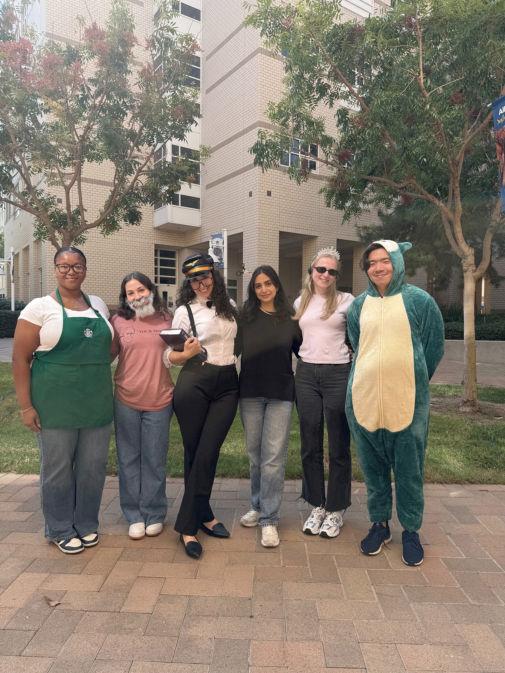



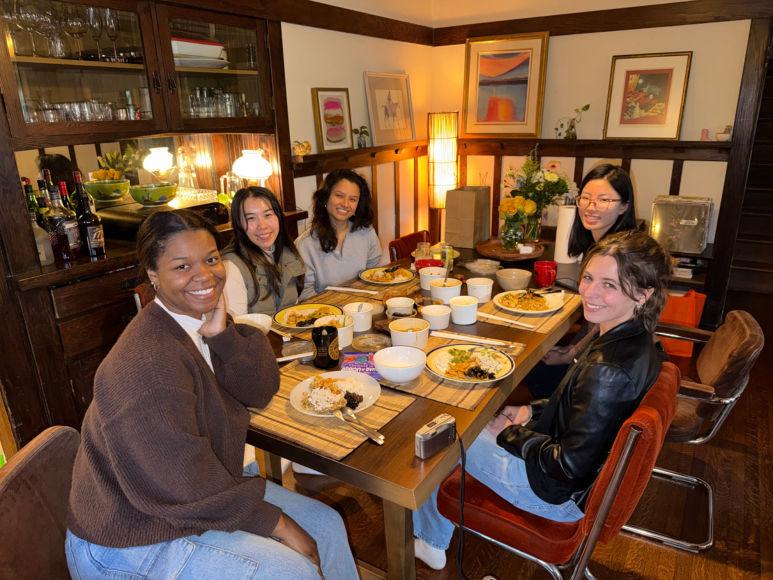
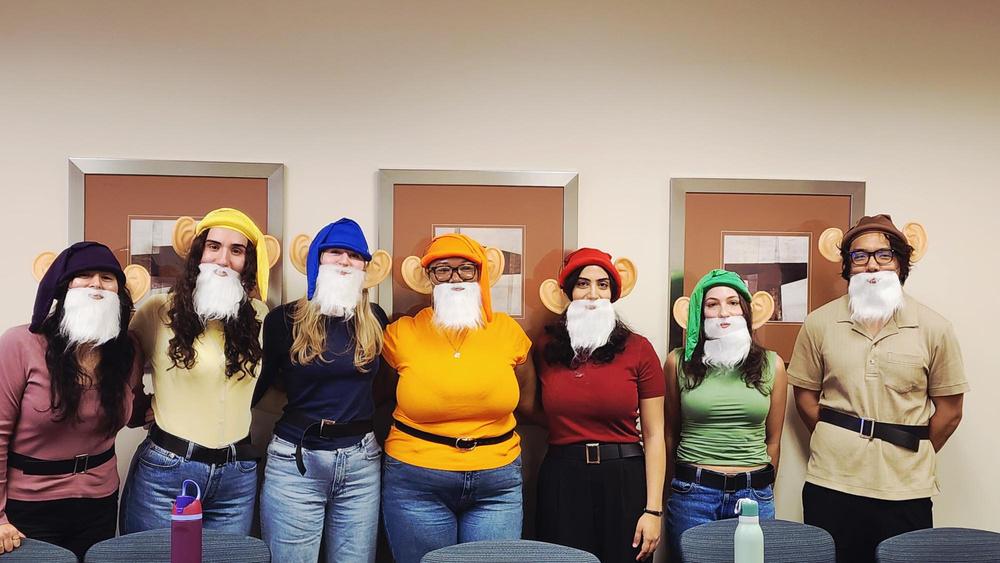
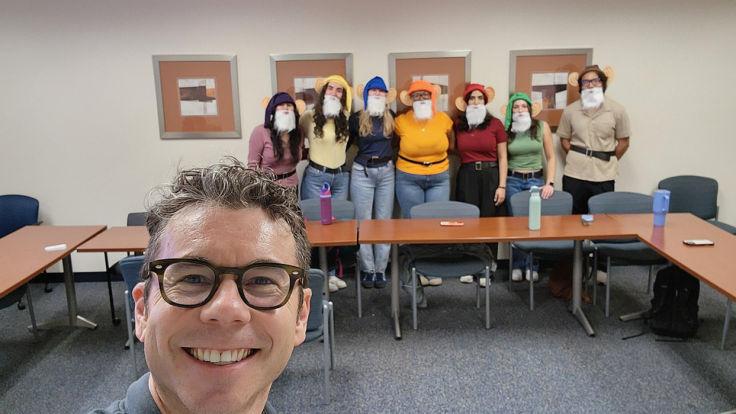
First Year Clinical Students at the Annual Department Halloween Party
First Year Clinical Students attheAnnualDepartment Halloween

Third Year Clinical Students Friendsgiving ThirdYearClinical Friendsgiving
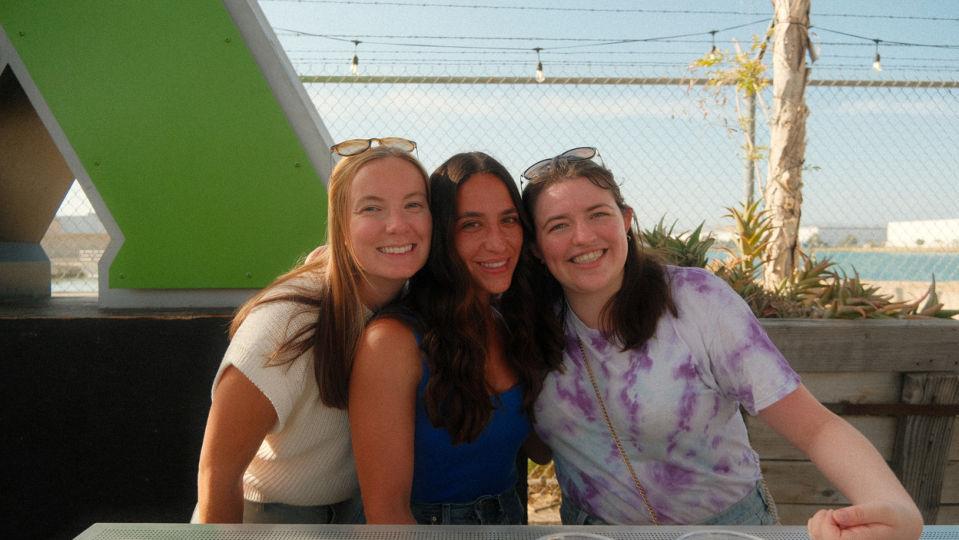
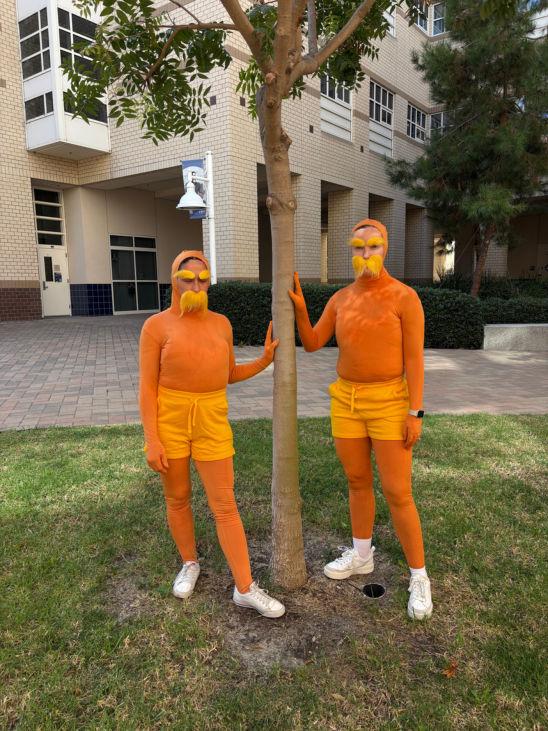
Allie and Meghan win Department Halloween Costume Contest! Allie Meghan win Department Halloween Contest!
Fourth Year Clinical Students hanging out! Year Students hanging

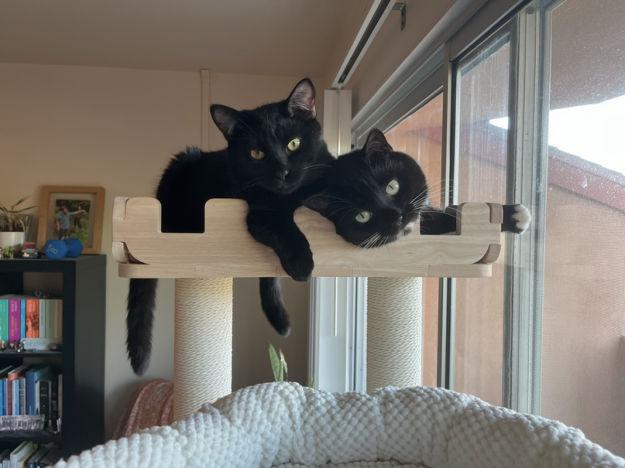


Meghan’s dog Toby dressed as the Lorax for ...with furry friends! ...with furry friends!
Emily adopted her second cat named Rigatoniadoptednamed
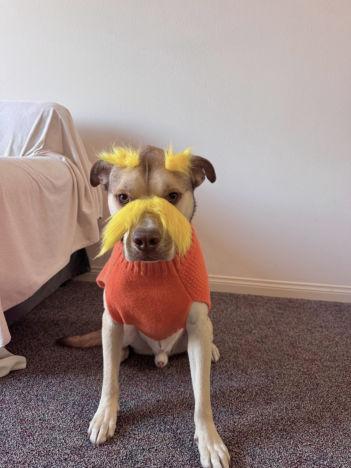
Meghan ’s dog Toby dressed as the Lorax for Halloween

Ellie got a puppy in July, his name is August.
Ellie got a puppy in July,
David welcomed his Son Michael in July!
David welcomed his Son Michael in July!
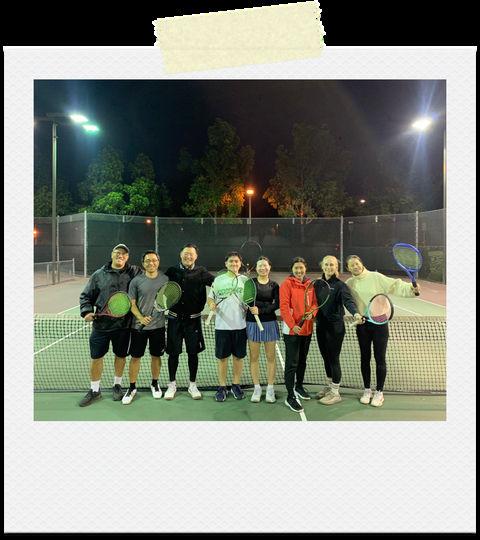
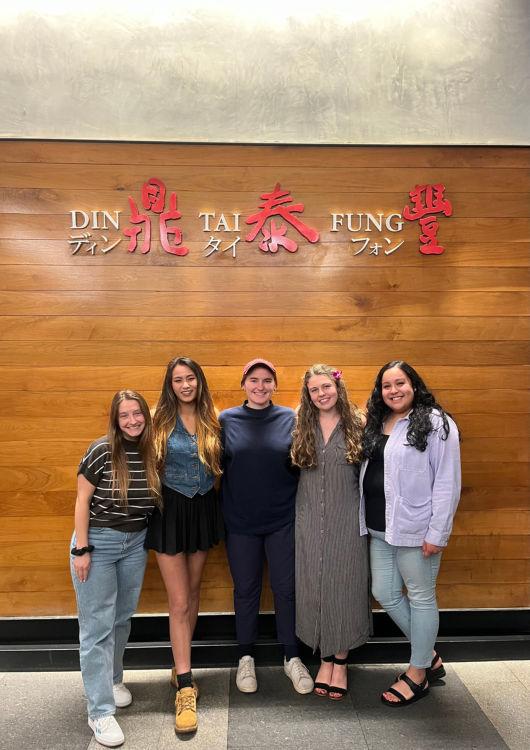
Emily got engaged in Big Sur!!Emily got engaged Sur!!


Fifth years celebrating Miranda ’ s birthday!
Fifth years celebrating Miranda’s birthday!



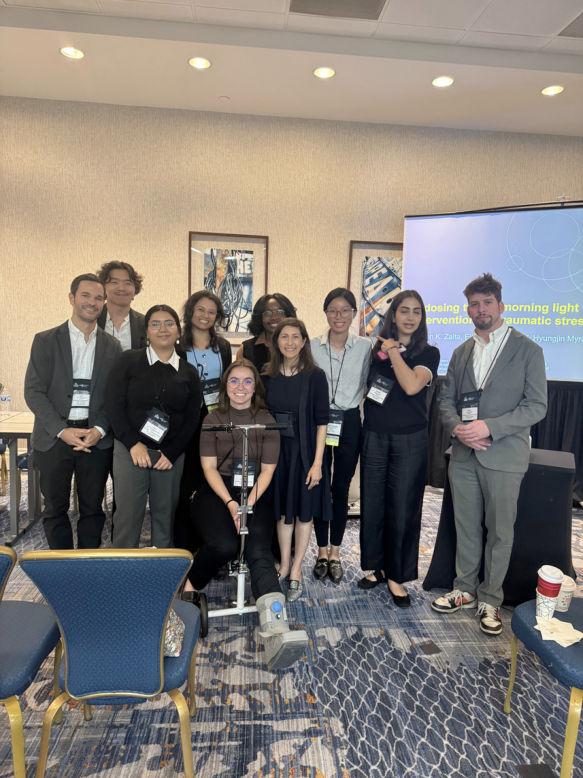
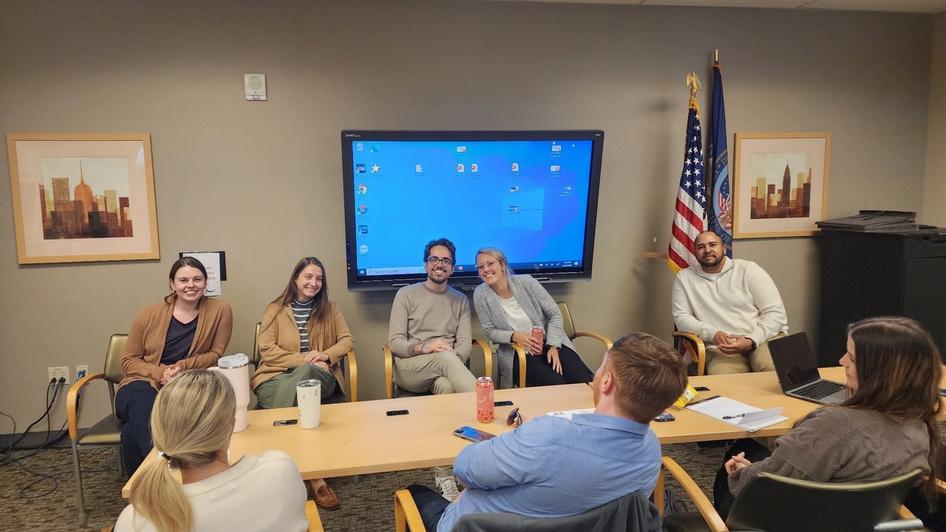



Did someone say PARTY?!
Did someone PARTY?!

Annual Department End of Year Celebration!Annual Department End of Year Celebration!
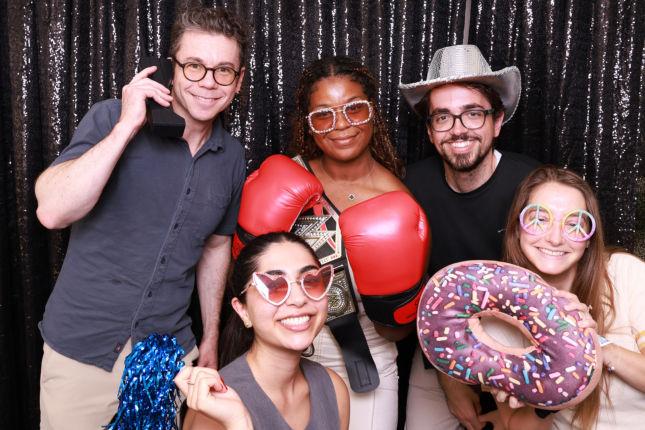

AllieandMeghantraveled toNorwayandcompleted Trolltunga
Allie and Meghan traveled to Norway and completed the Trolltunga hike
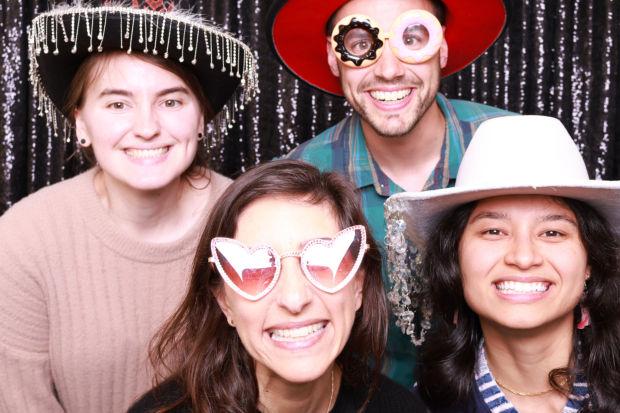
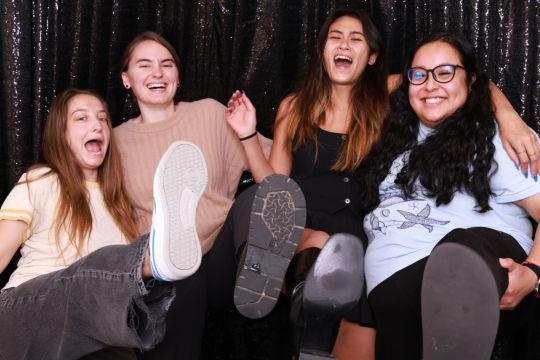
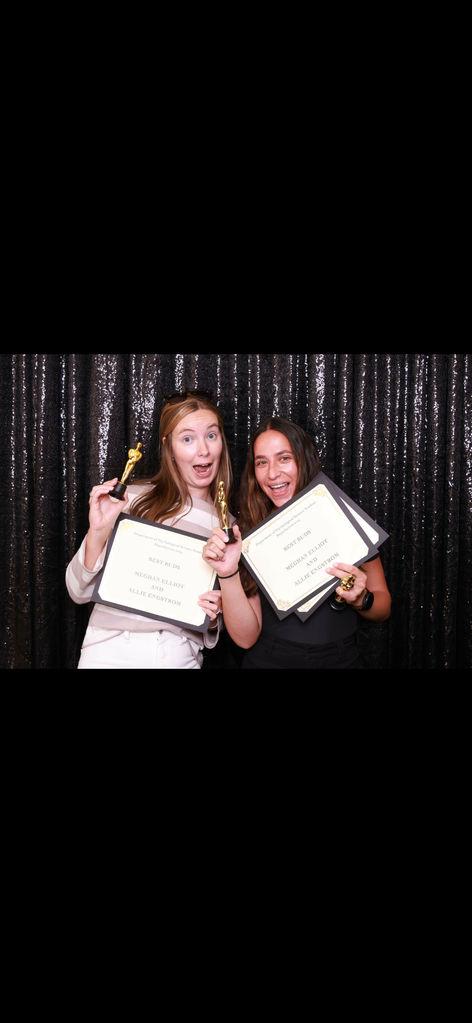
At any given moment, at least 20% of the population is suffering from a psychiatric disorder such as depression, anxiety, insomnia, substance use, or a neurodevelopmental disorder. These conditions decrease both healthspan and lifespan, as well as place a costly but preventable burden on society and public services. For example, individuals with a psychiatric disease account for at least 20% of all emergency department visits. Yet, there remains a paucity of affordable, evidence-based mental health care in Orange County and sizeable disparities felt by vulnerable and marginalized communities. In response to this need, the UCI Department of Psychology launched a new doctoral training program in clinical psychology in 2020. This will provide Orange County with a new infrastructure that will add trained clinicians to the workforce and leadership to disseminate affordable, evidence-based care that is tailored to the dynamic needs of the local community.
Our primary goal is to rigorously train clinical scientists in the development, evaluation, and dissemination of psychological science. These trainees will then be capable of serving the community with the most advanced and effective approaches to mitigating psychiatric symptoms and improving mental well-being, developing the next generation of effective and inclusive mental health services, and training the next generation of clinical psychologists. This doctoral training typically spans 6 years and involves a combination of formal coursework, practical training in clinical settings, and completion of independent research projects.
All donations will be used to recruit, retain, and support the exceptional training of doctoral students in clinical psychological science. Recruitment of these students will enhance our mission of inclusive excellence in training and leadership.
Get all of the latest updates about our area by visiting our website! https://ps.soceco.uci.edu/pages/clinical-psychology-graduate
Increase access to affordable, evidencebased mental health services in the local community by clicking here and making a donation today!
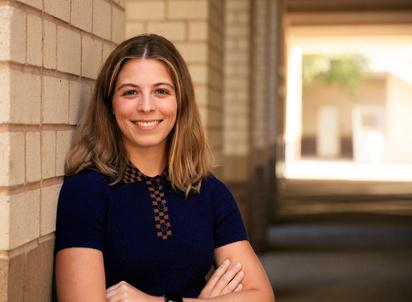
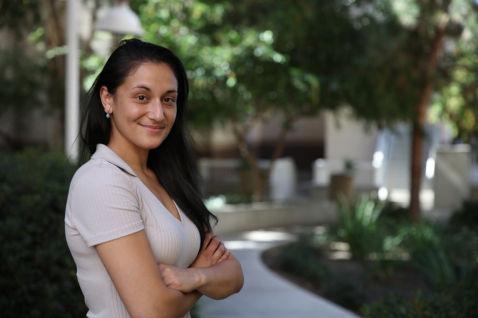
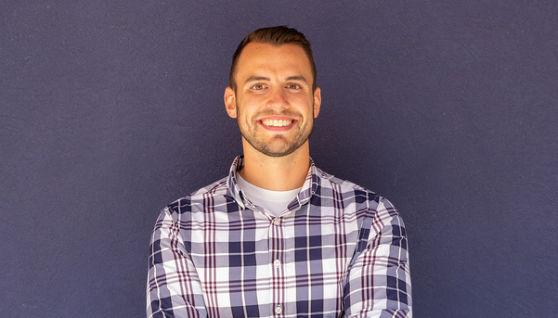
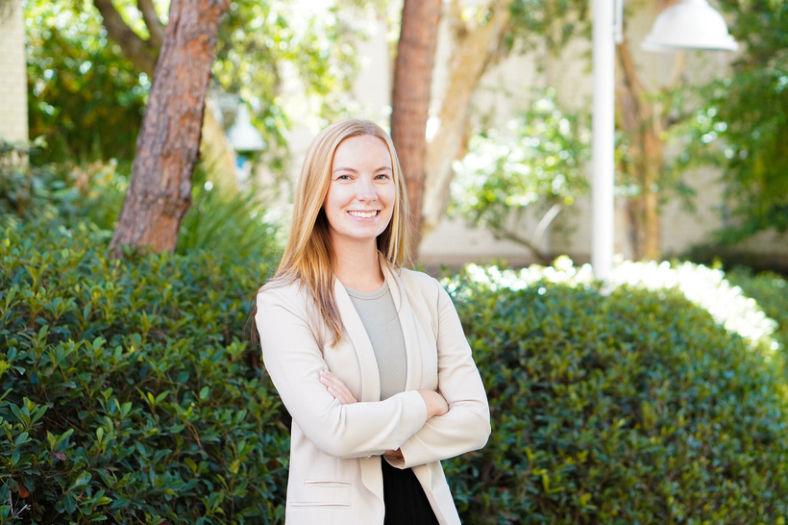
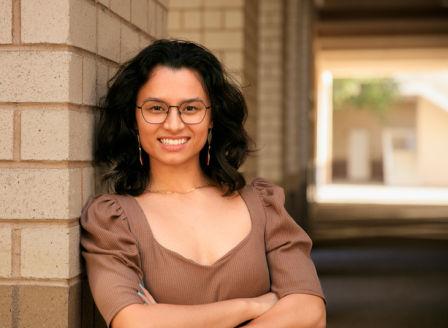
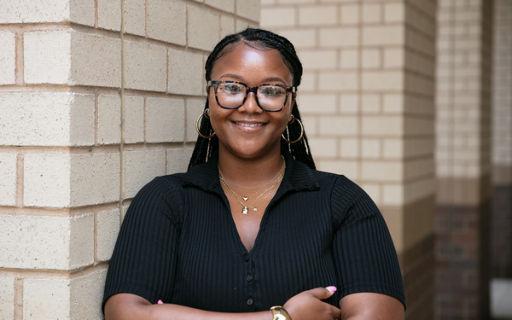
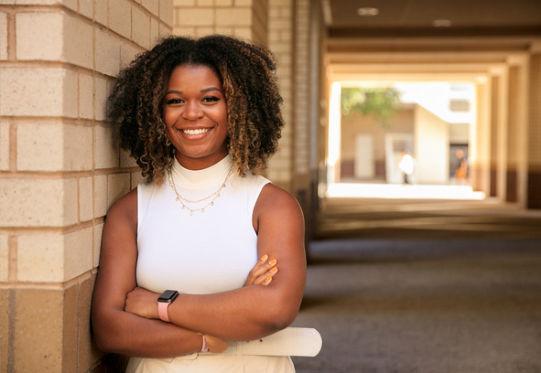
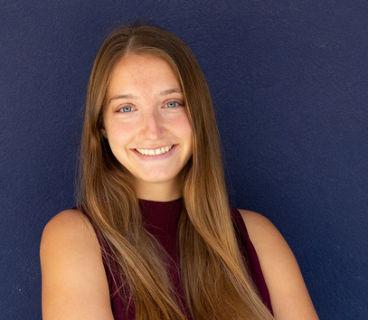
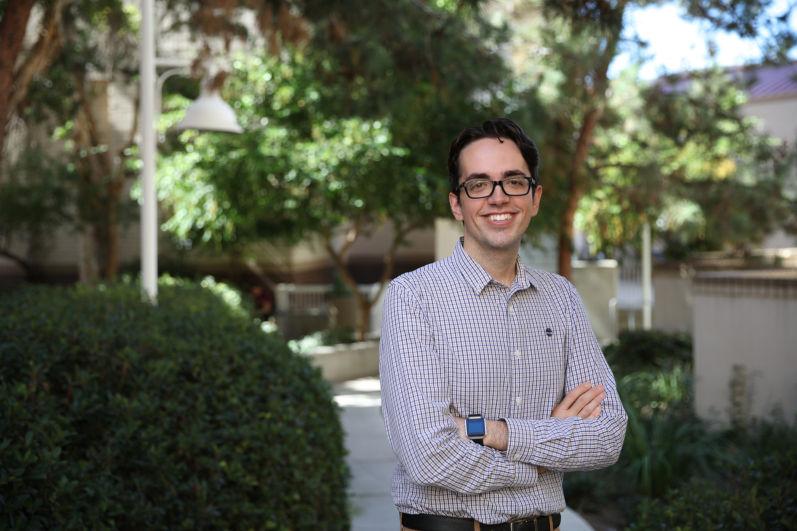
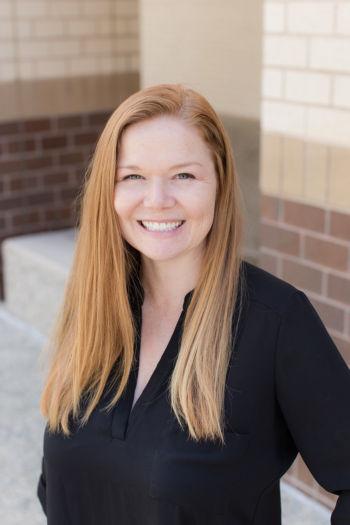
Ellie Antici, Julia R. Birenbaum, Maggie Canady, David Cenkner, Allie Engstrom, Juelle Ford, Maksim Giljen, Ceouna Hegwood, Emily Petti, & Kate R. Kuhlman
We’d