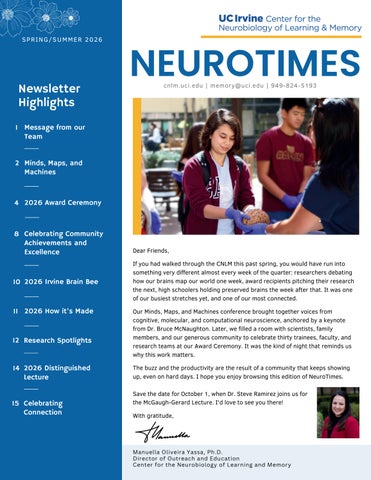
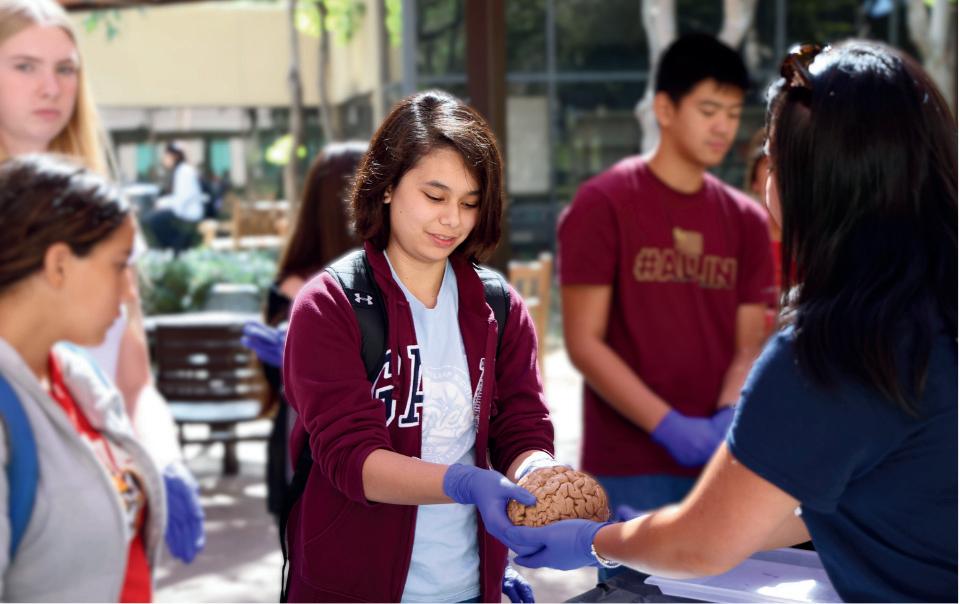
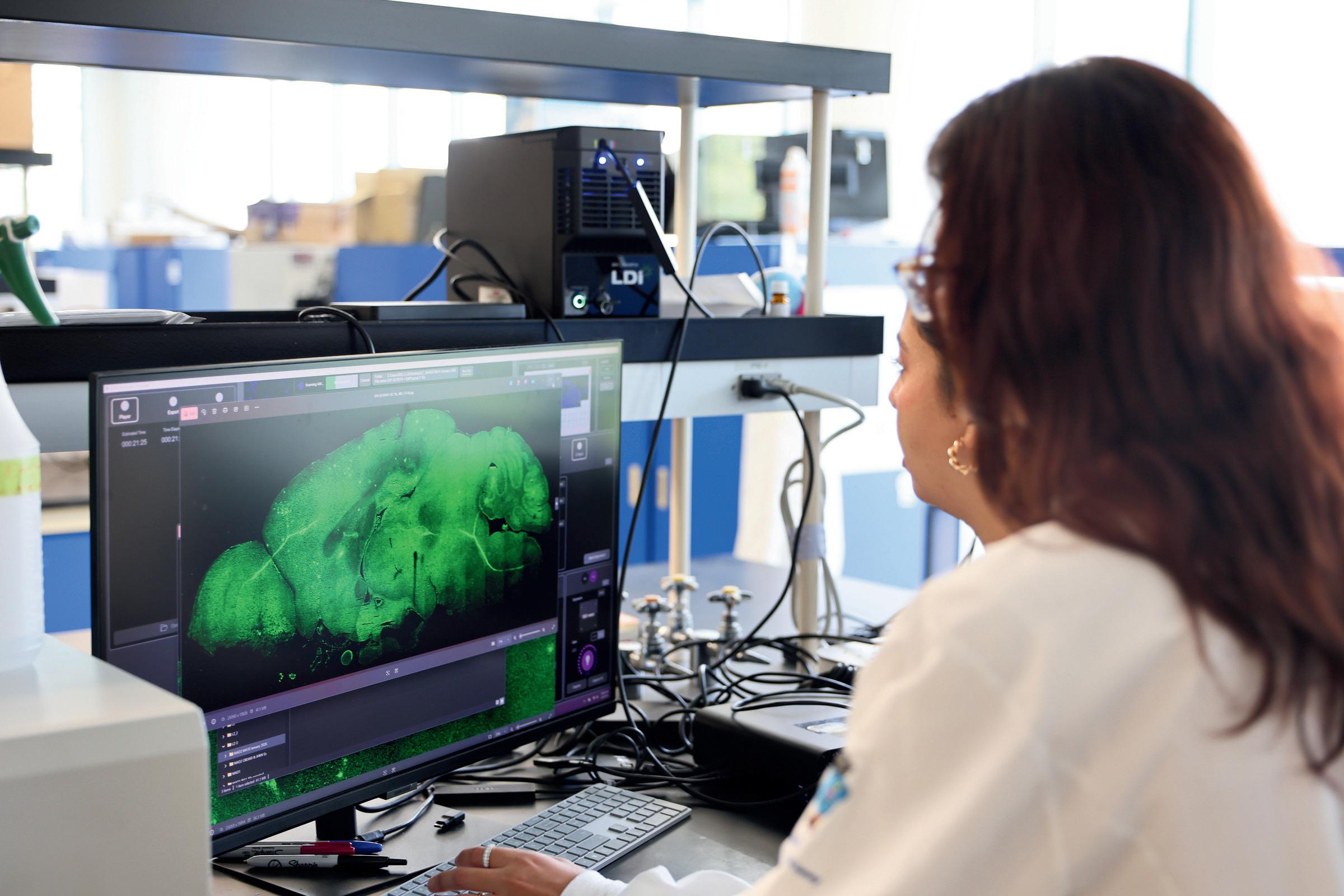
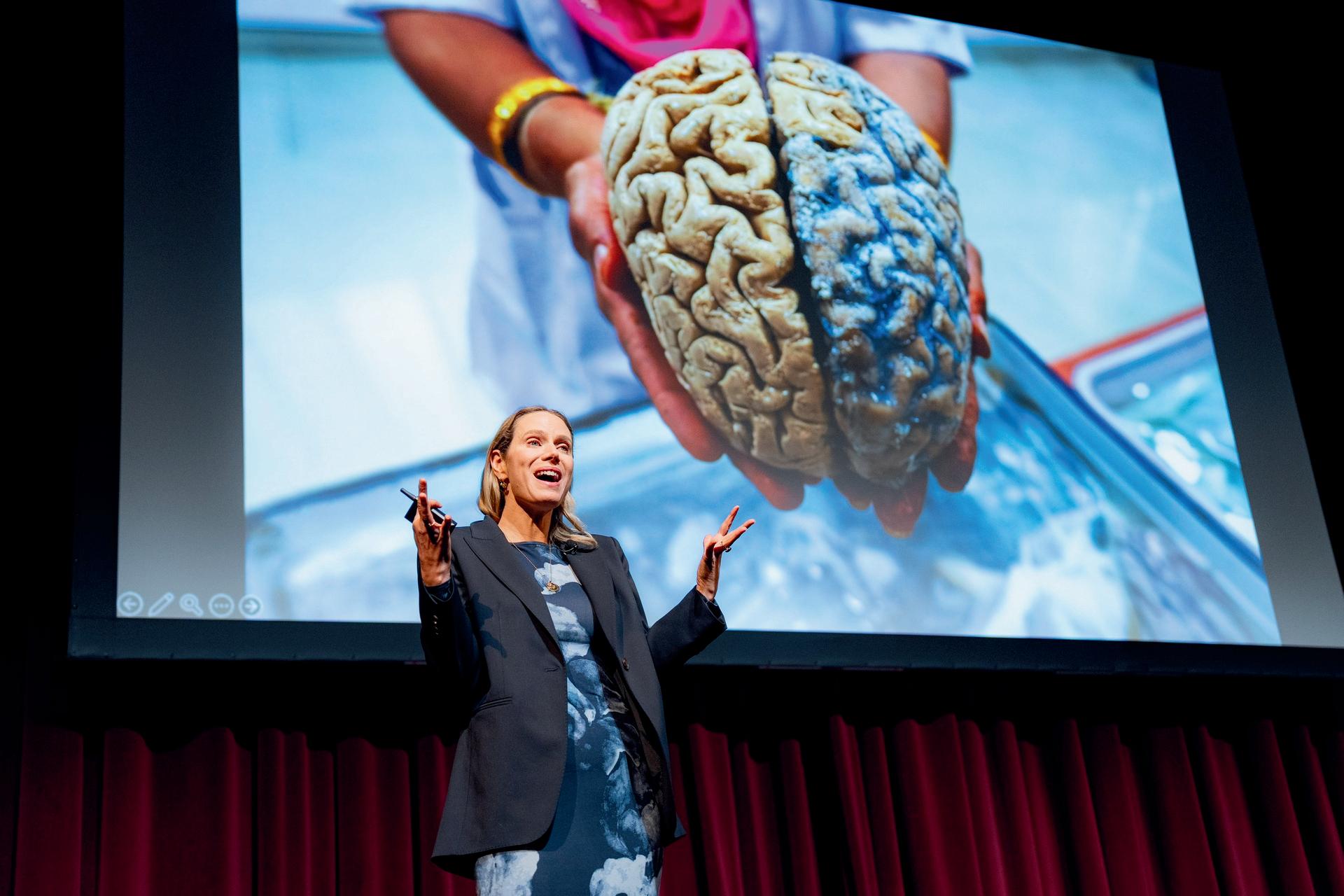
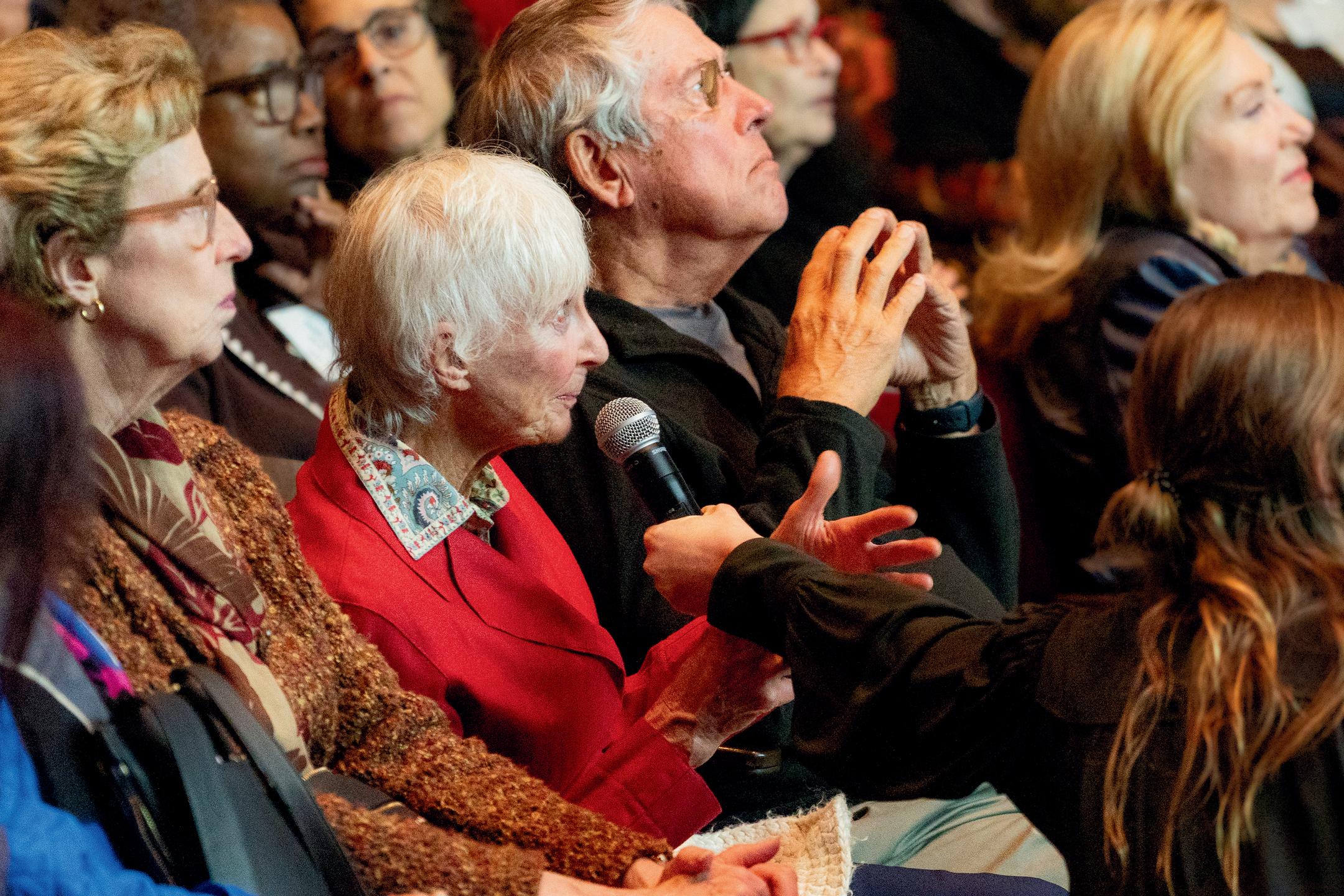
If you had walked through the CNLM this past spring, you would have run into something very different almost every week of the quarter: researchers debating how our brains map our world one week, award recipients pitching their research the next, high schoolers holding preserved brains the week after that. It was one of our busiest stretches yet, and one of our most connected.
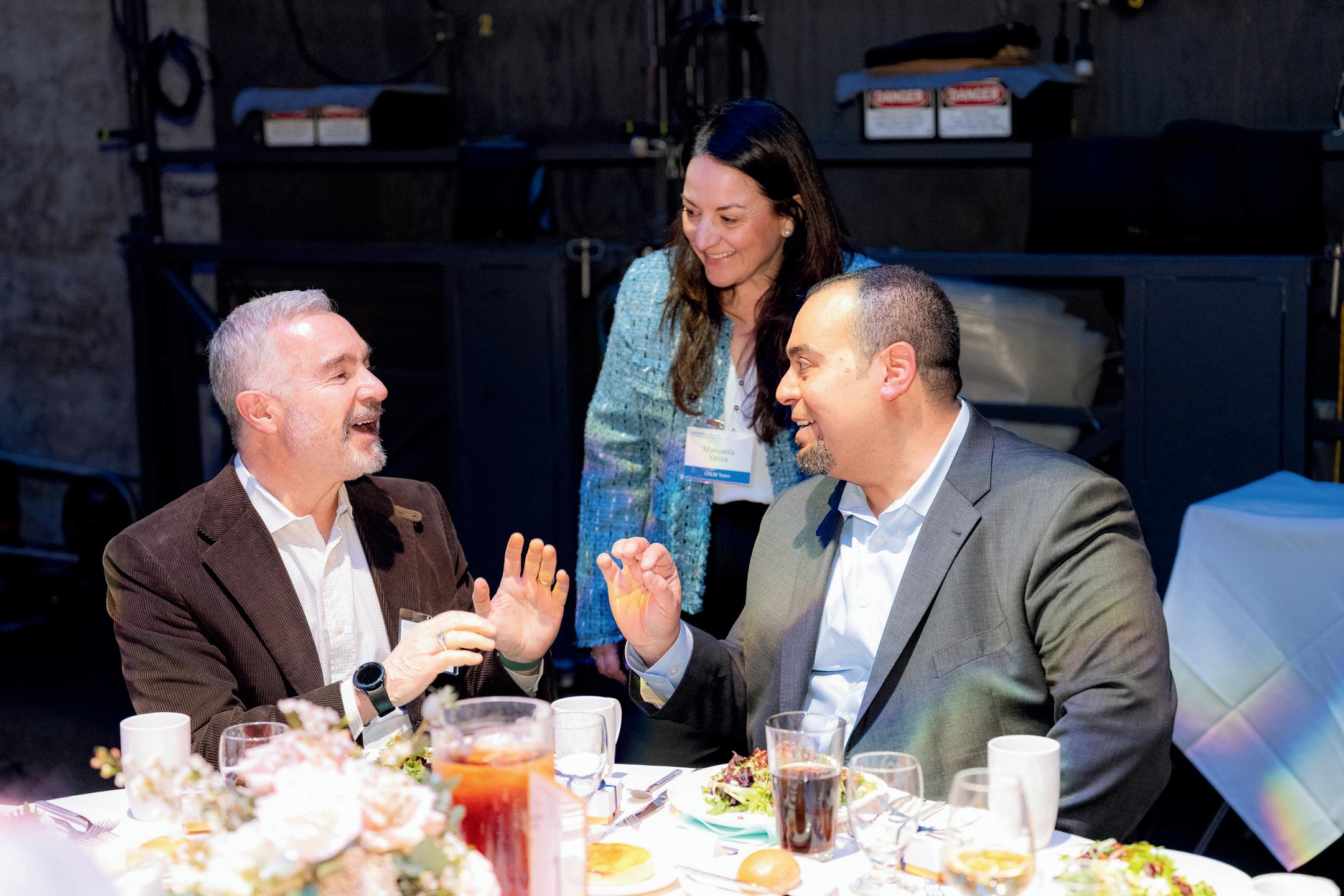
Our Minds, Maps, and Machines conference brought together voices from cognitive, molecular, and computational neuroscience, anchored by a keynote from Dr. Bruce McNaughton. Later, we filled a room with scientists, family members, and our generous community to celebrate thirty trainees, faculty, and research teams at our Award Ceremony. It was the kind of night that reminds us why this work matters.
The buzz and the productivity are the result of a community that keeps showing up, even on hard days. I hope you enjoy browsing this edition of NeuroTimes.
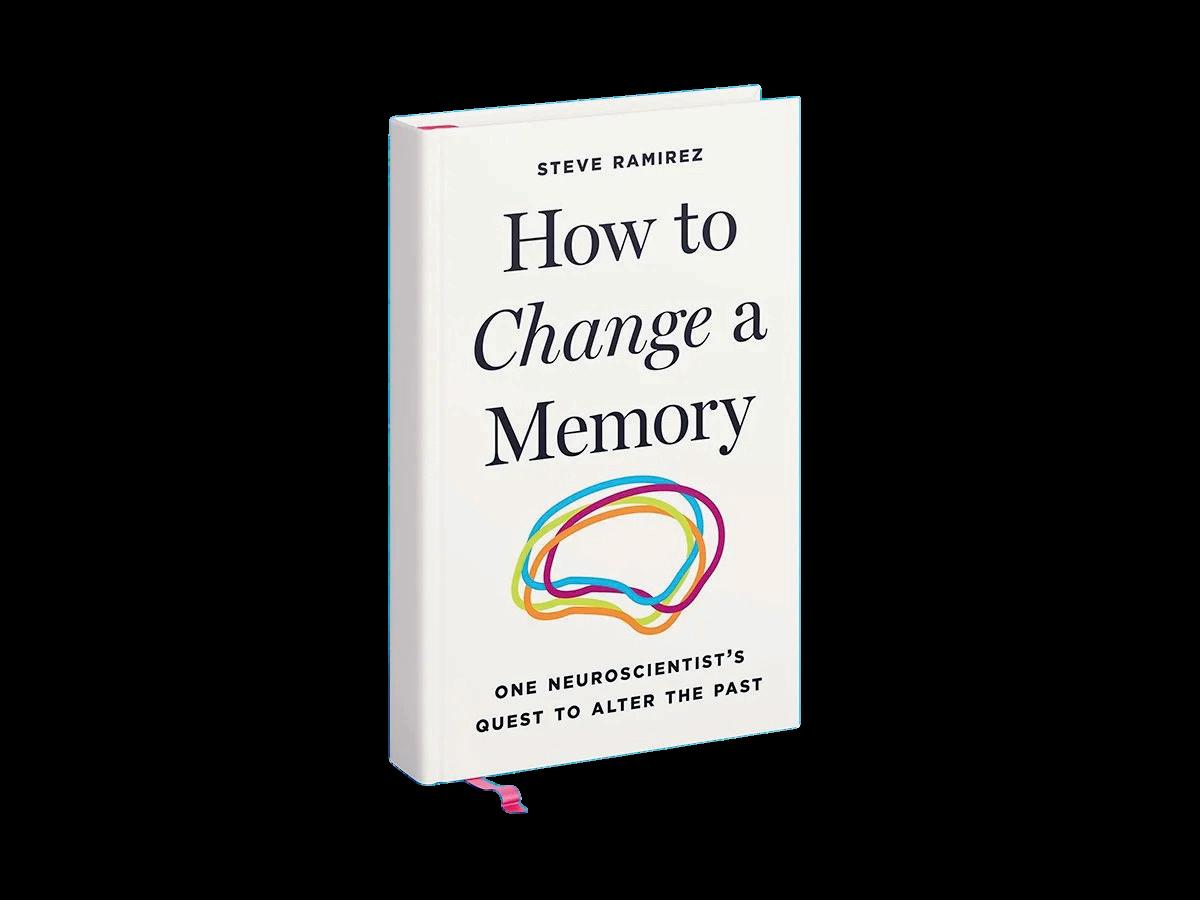
Save the date for October 1, when Dr. Steve Ramirez joins us for the McGaugh-Gerard Lecture. I'd love to see you there!
With gratitude,
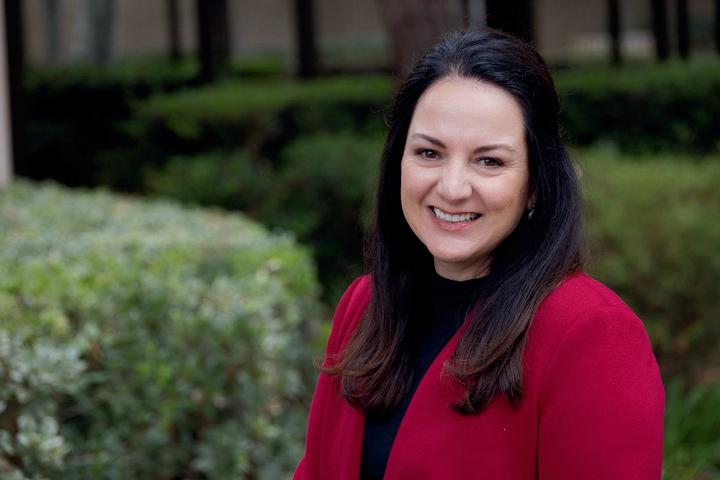
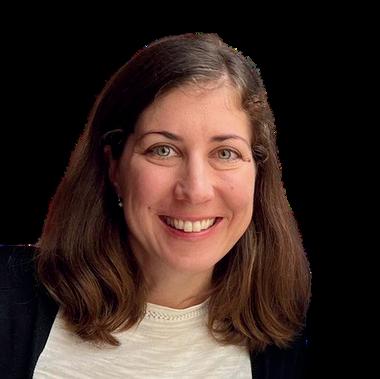
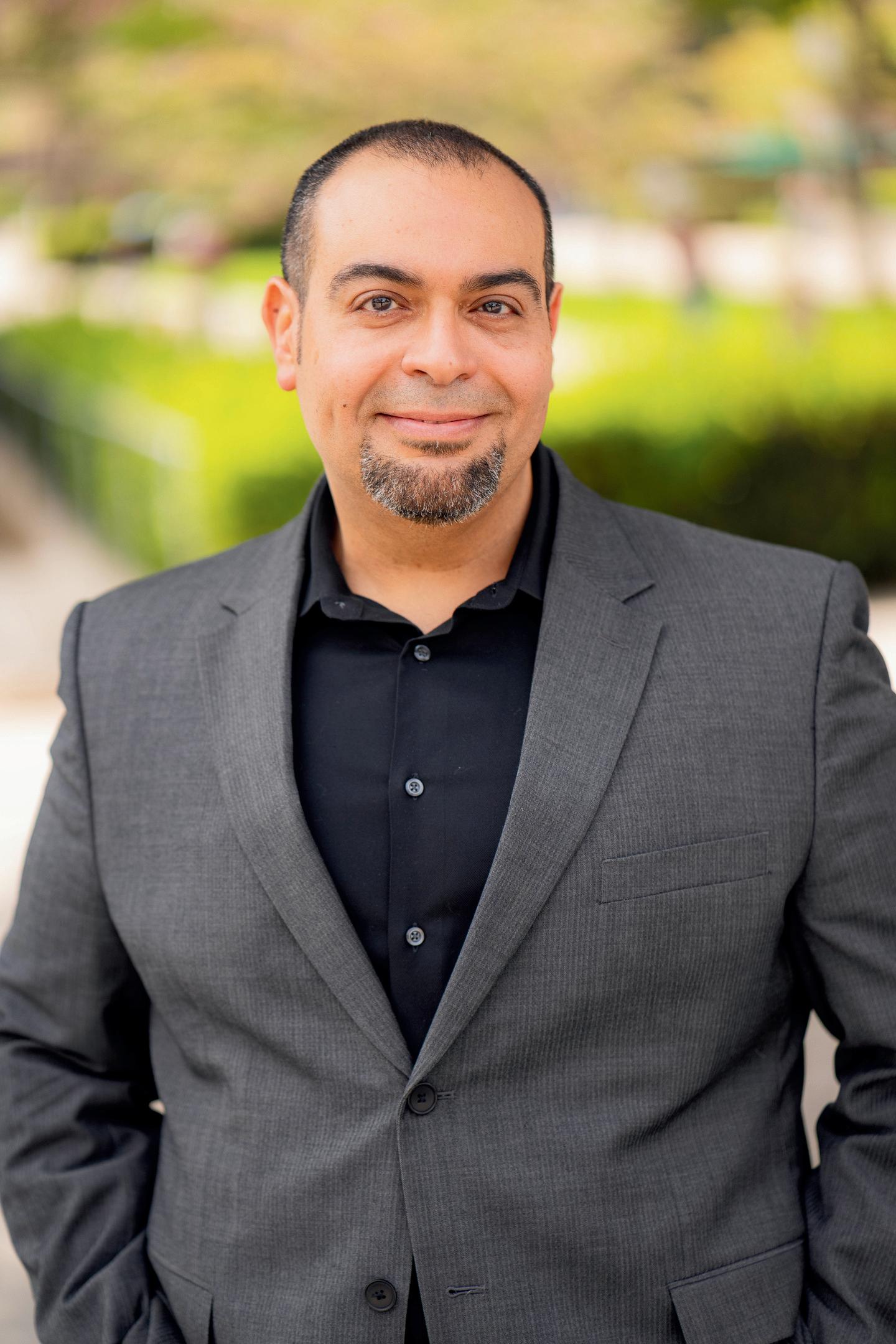
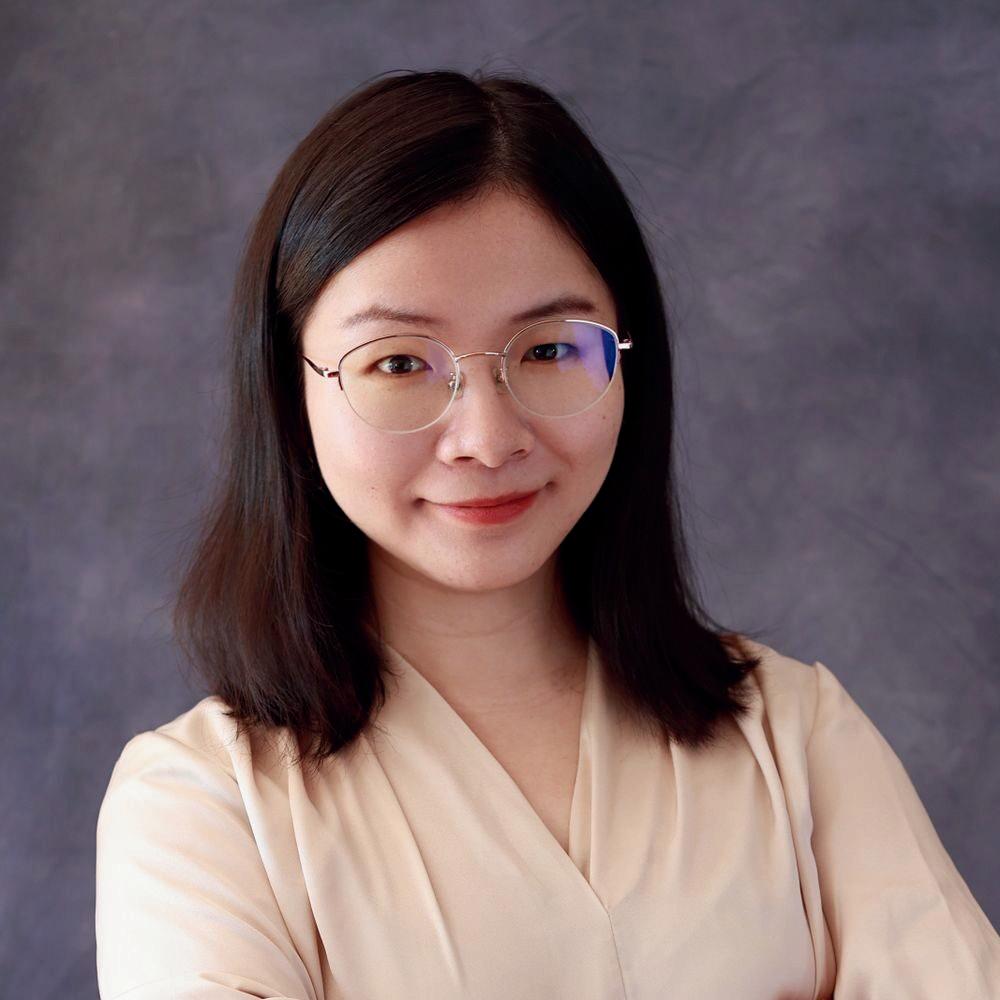
Manuella Oliveira Yassa, Ph.D. Director of Outreach and Education Center
MINDS,MAPS,ANDMACHINES
2026CNLMSPRINGMEETING|APRIL9-10
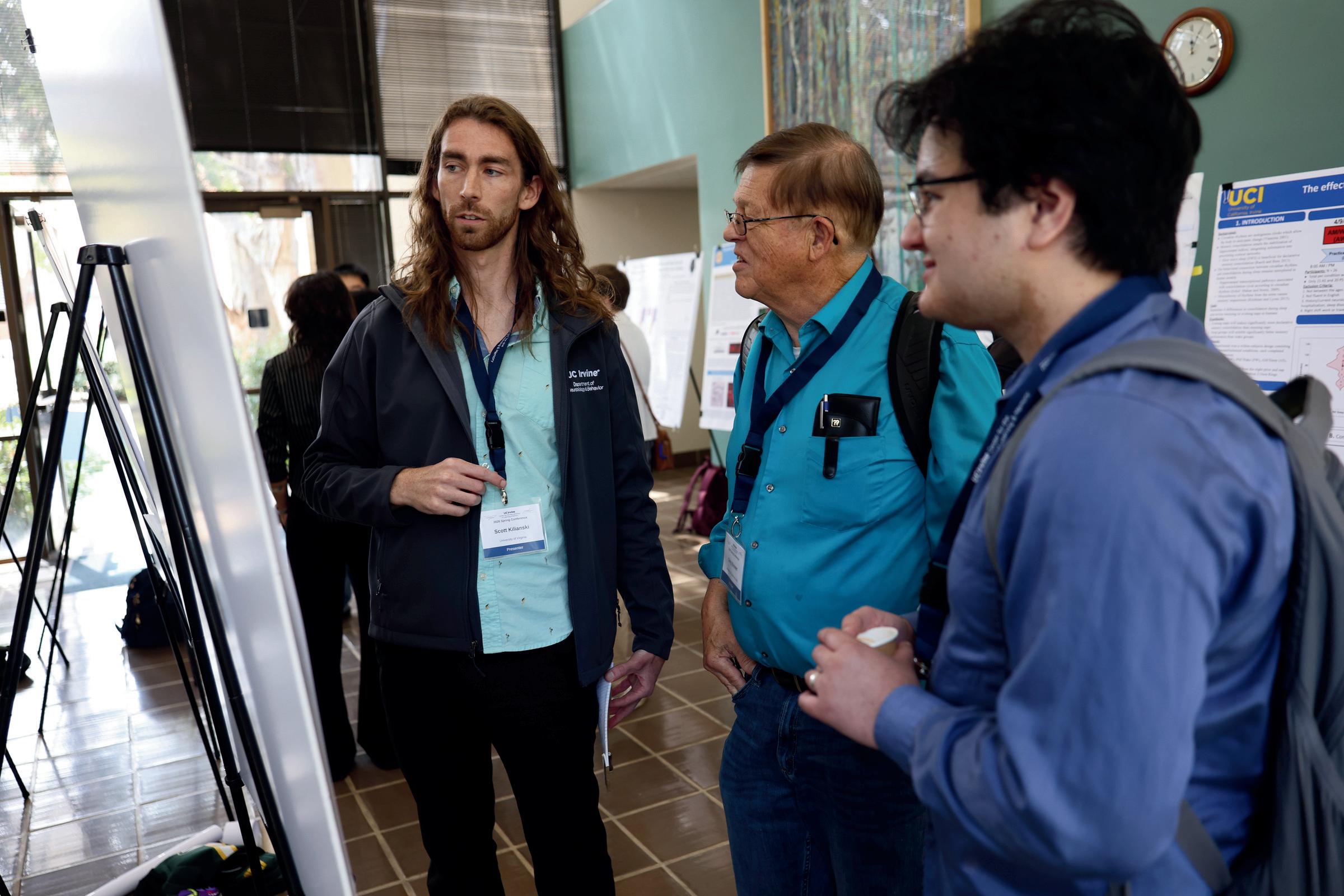
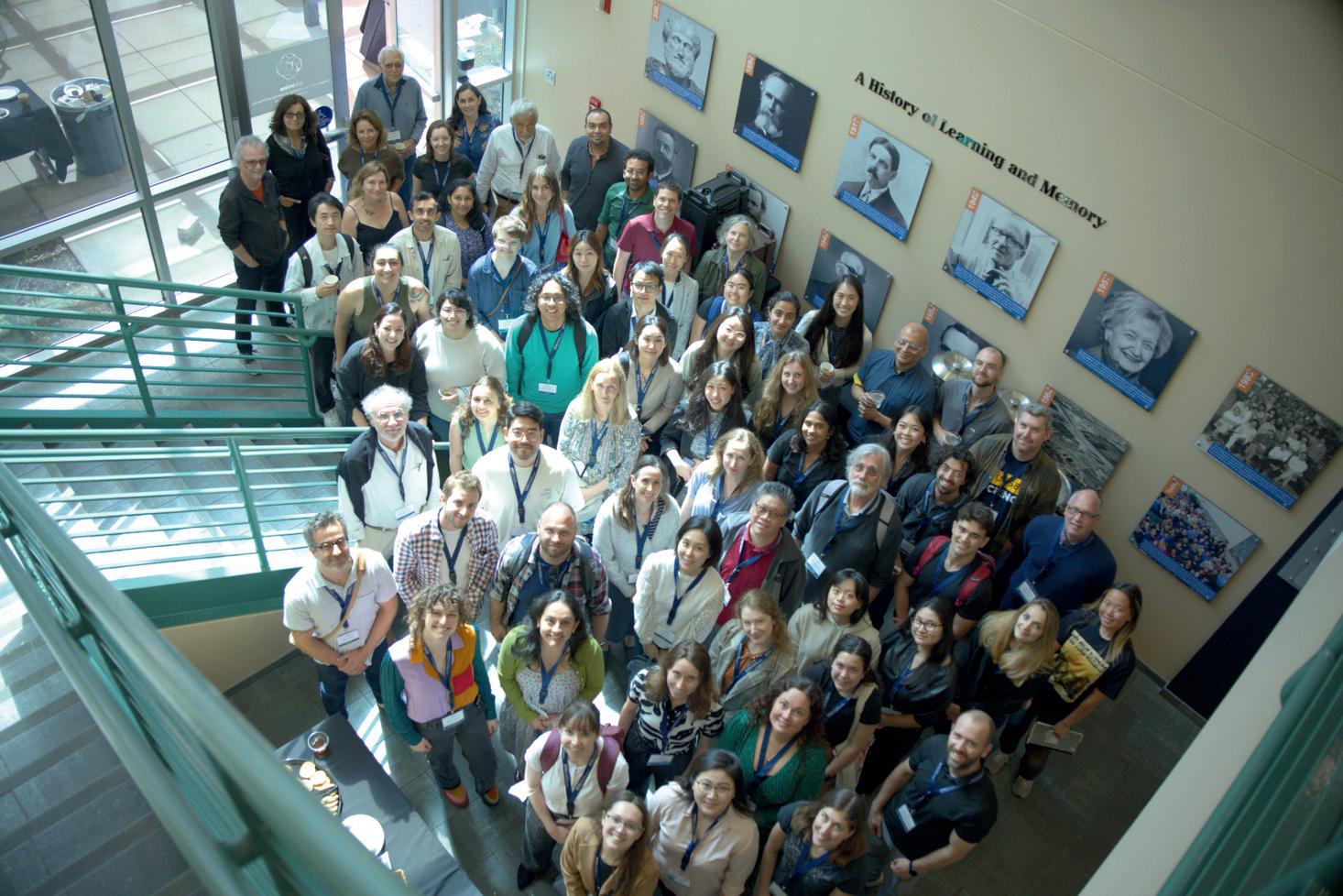
The 2026 CNLM Spring Conference was held at UC Irvine, with the theme Minds, Maps, and Machines. Over 150 attendees from within and beyond the CNLM community gathered for the conference, bringing together keynote speakers, faculty, presenters, and students from undergraduate to graduate levels.
This year’s theme reflected a shared effort to bridge perspectives across cognitive, molecular, and computational neuroscience, inspired by the collaborative work of this year’s conference committee: Dr. Elizabeth Chrastil, Dr. Jeffrey Krichmar, and Dr. Douglas Nitz. Together, these efforts captured what makes the CNLM Spring Conference distinctive: a space where ideas actively connect to move the field forward.
Throughout the conference, symposium sessions brought together speakers from interdisciplinary fields across multiple schools to explore different dimensions of the cognitive map and the mechanisms that support learning and memory. Guided by the conference’s emphasis on collaboration and deep scientific discussion, attendees engaged in conversations that bridged perspectives across cognitive, molecular, and computational neuroscience.
KeynoteSpeaker
Bruce McNaughton, Ph.D.
UC Irvine
SymposiumSpeakers
Andrew Alexander, Ph.D.
UC Santa Barbara
Helen Elizabeth Davis, Ph.D.
Arizona State University
Jean-Marc Fellous, Ph.D.
UC San Diego
Michael Goard, Ph.D.
UC Santa Barbara
Lucia Jacobs, Ph.D.
UC Berkeley
Caitlin Mallory, Ph.D.
UC Berkeley
Mayank Mehta, Ph.D.
UC Los Angeles
Georg Striedter, Ph.D.
UC Irvine
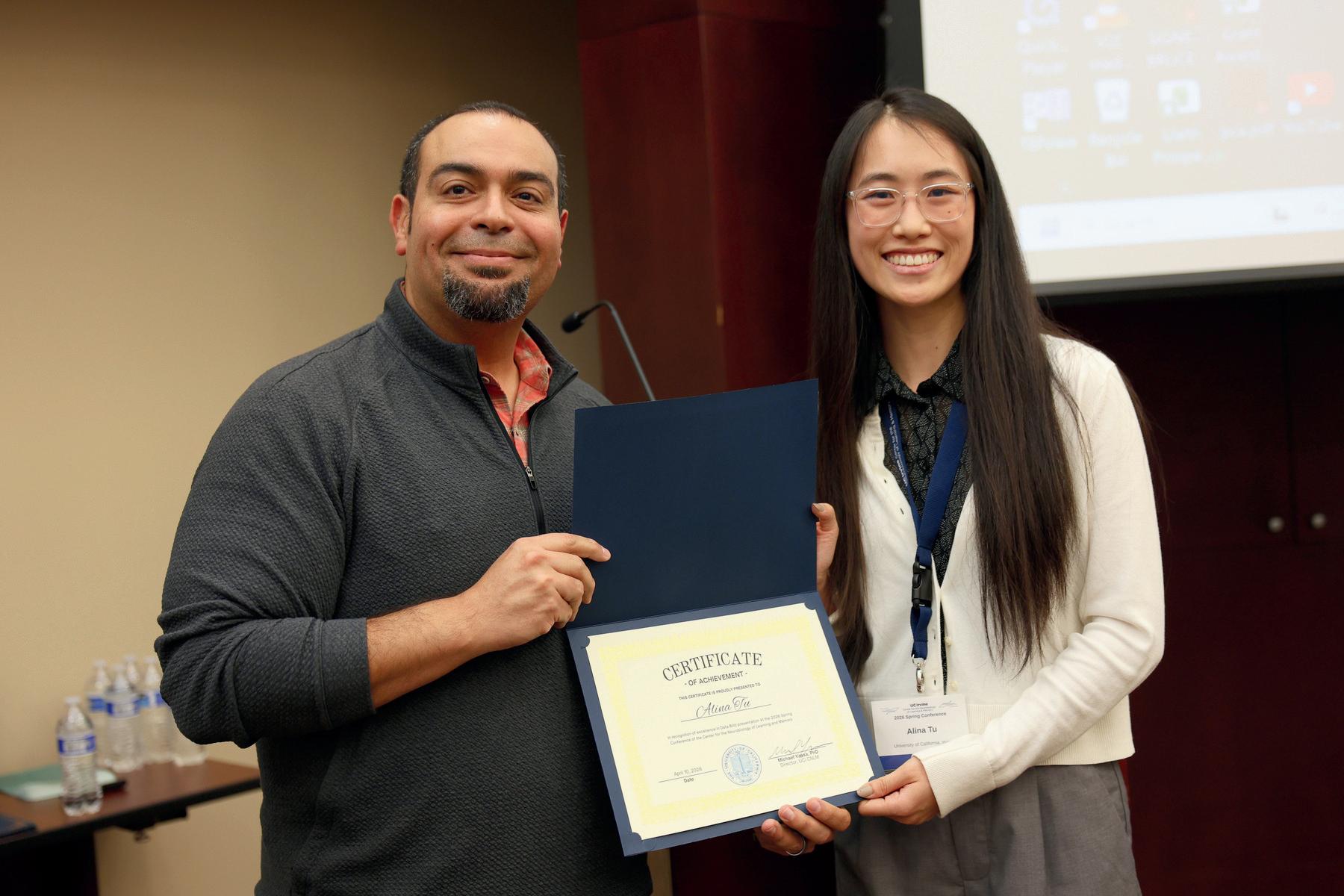
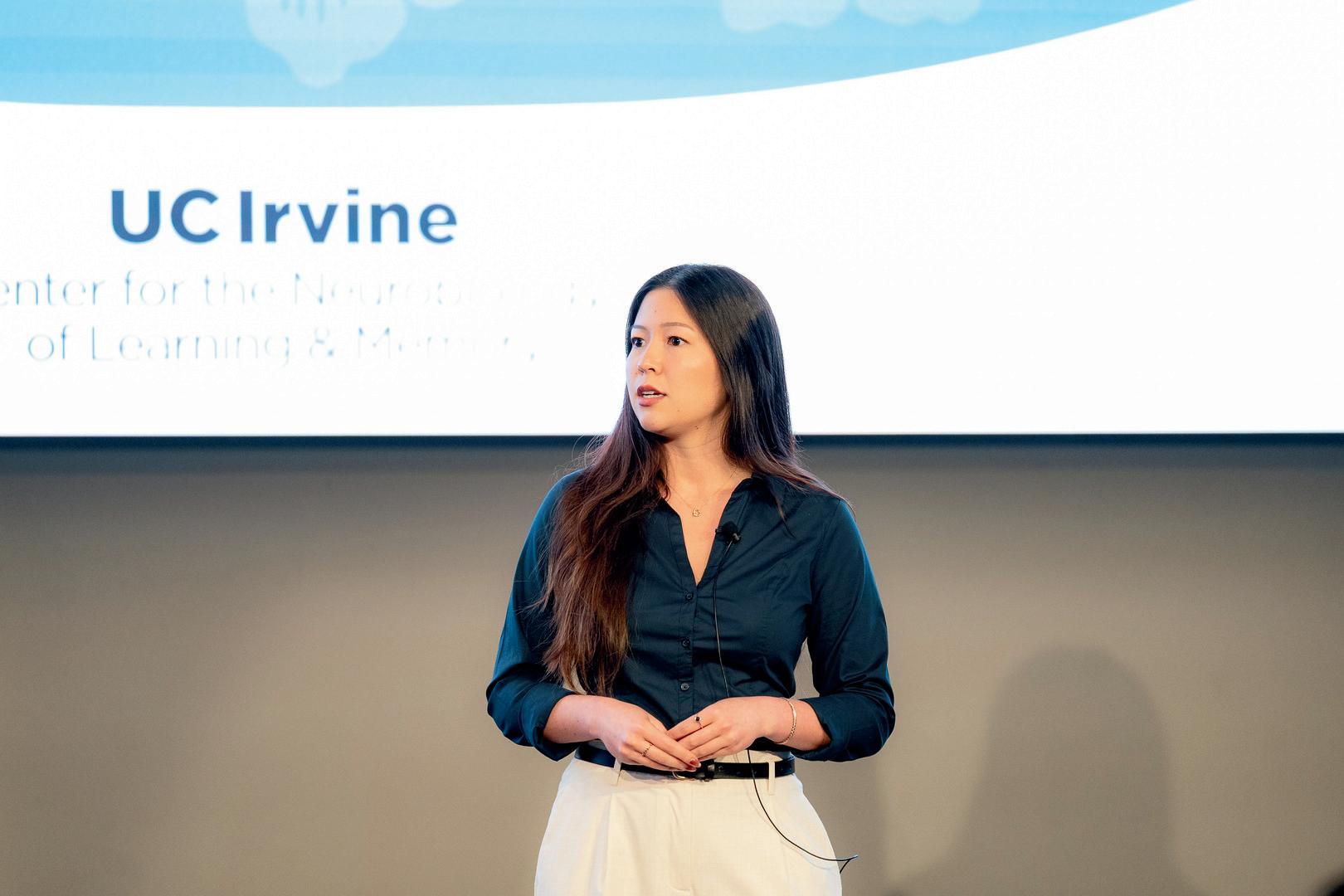
Dr. Michael Yassa and graduate student Alina Tu following the Data Blitz session, recognizing excellence in research and presentation.
Beyond the symposium sessions, the conference featured Data Blitz, Open Paper, and Poster presentations that created additional opportunities for attendees to engage with emerging research, exchange ideas, and expand their perspectives.
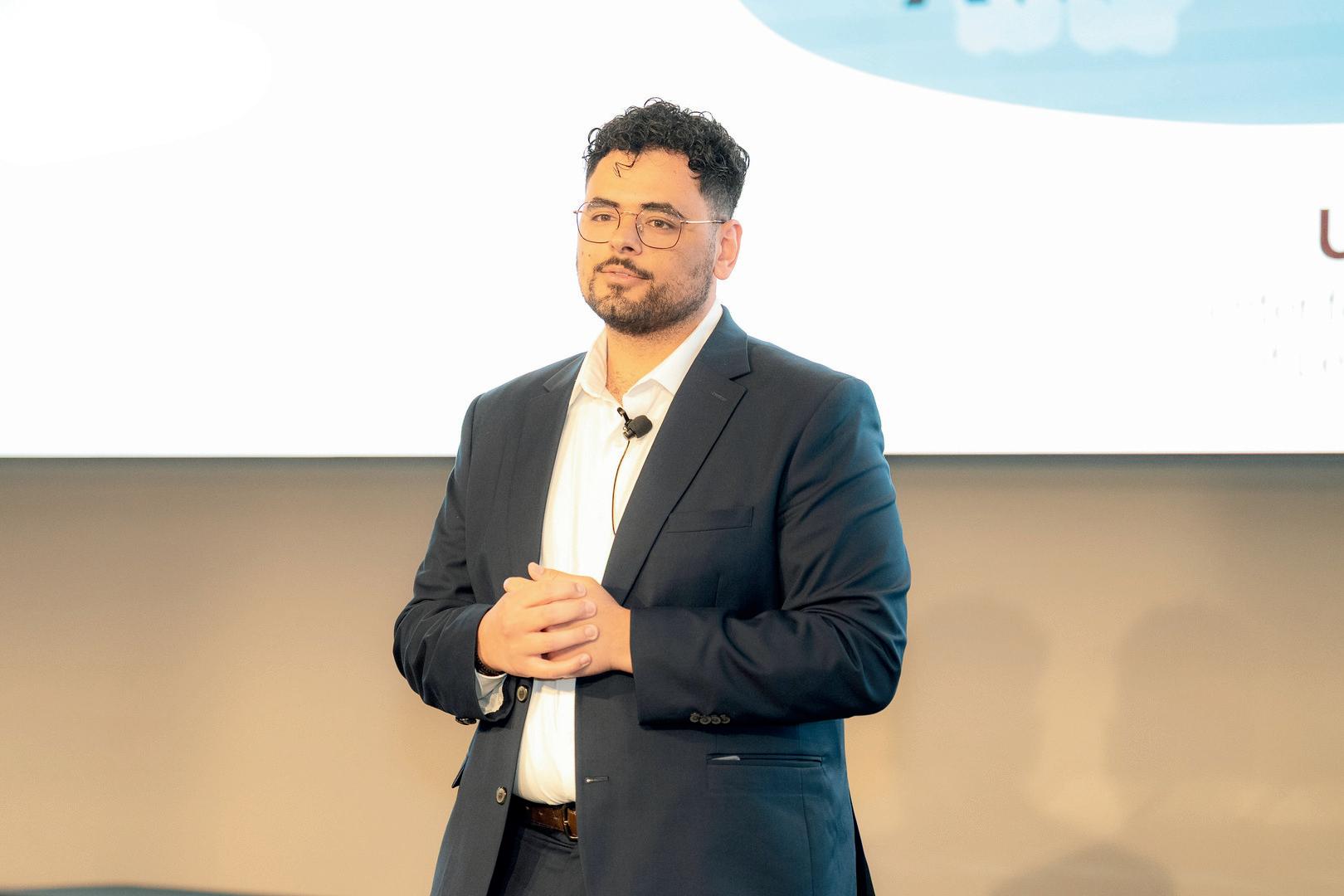
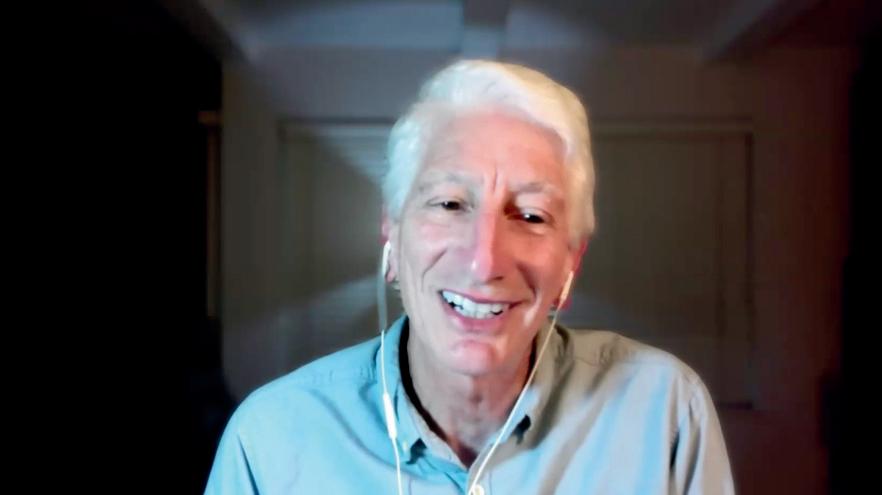
This year’s keynote speaker was Dr. Bruce McNaughton, Distinguished Professor of Neurobiology and Behavior, who shared insights into how memory is represented and consolidated across the cortex and hippocampus. His talk explored interconnected memory networks and the role of cortical representations in learning and spatial navigation.
The 2026 Spring Conference highlighted the power of collaboration across disciplines, model systems, and perspectives to drive innovation in neuroscience. These two days fostered meaningful interdisciplinary connections that continue to expand how we think about learning, memory, and the brain. As these conversations spark new ideas and partnerships, the CNLM looks forward to the discoveries and collaborations that will grow from this community in the years ahead.
BridgingFutures inNeuroscience
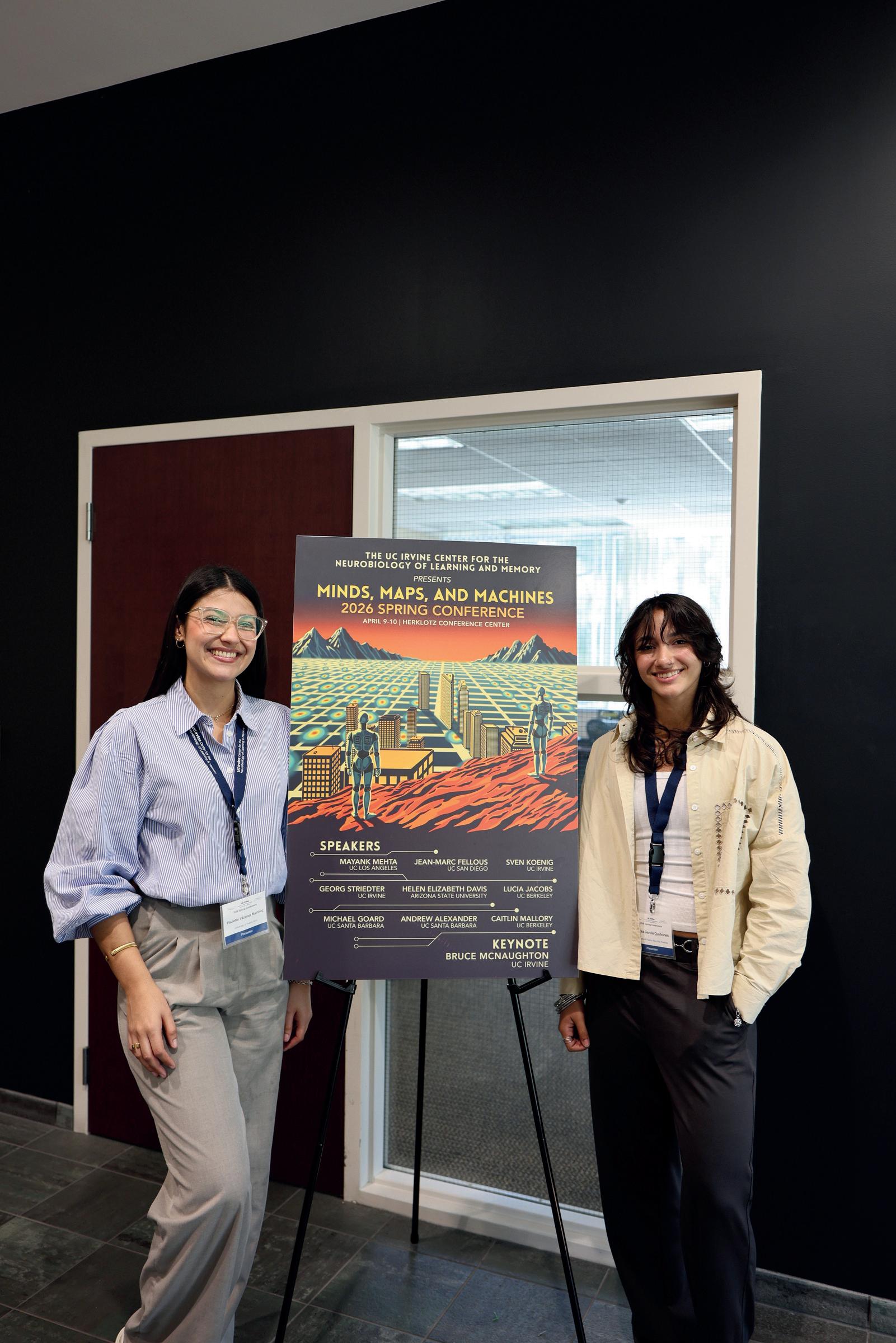
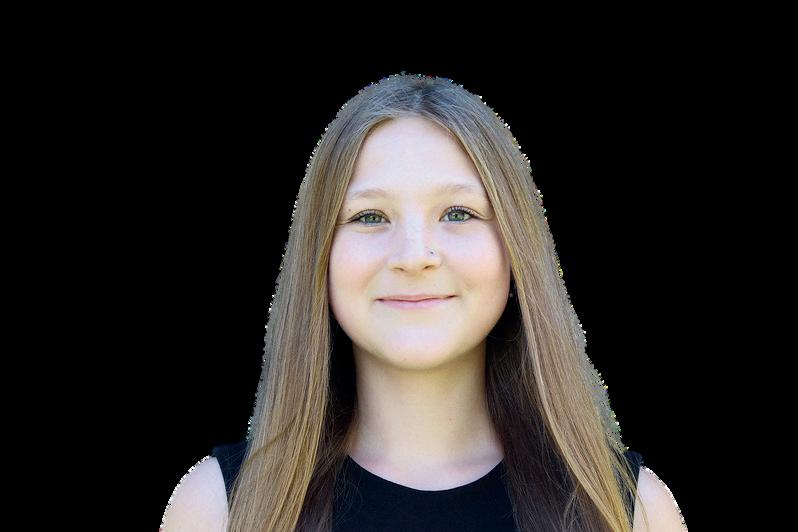
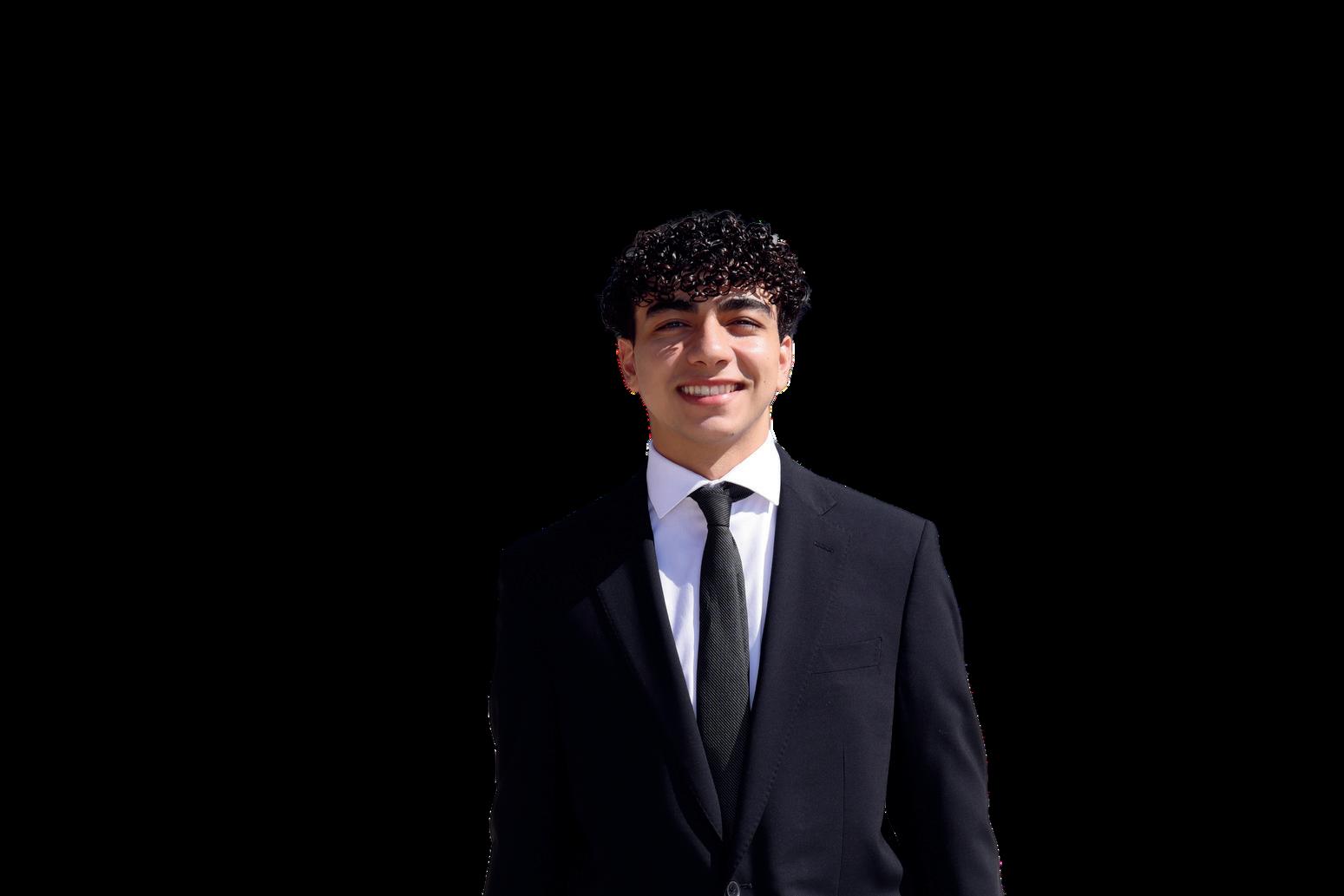
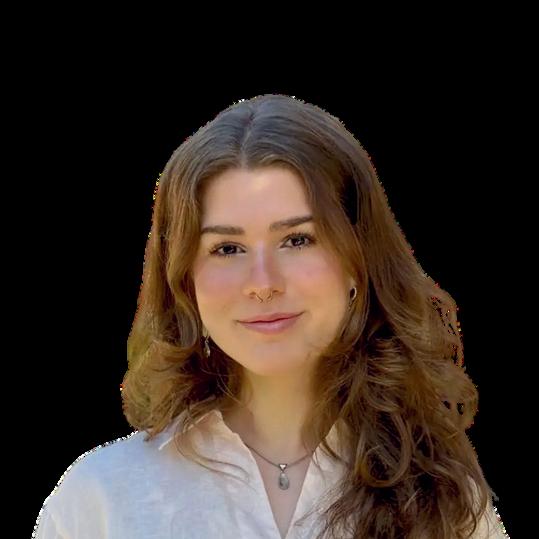
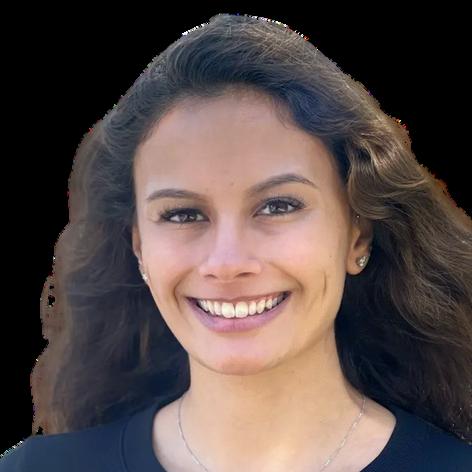
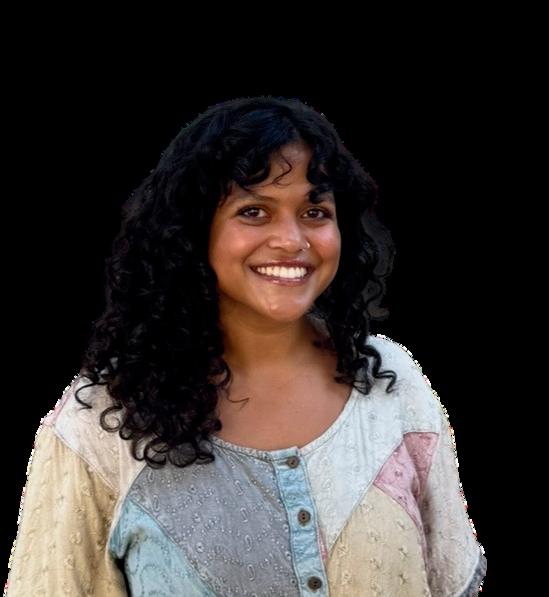
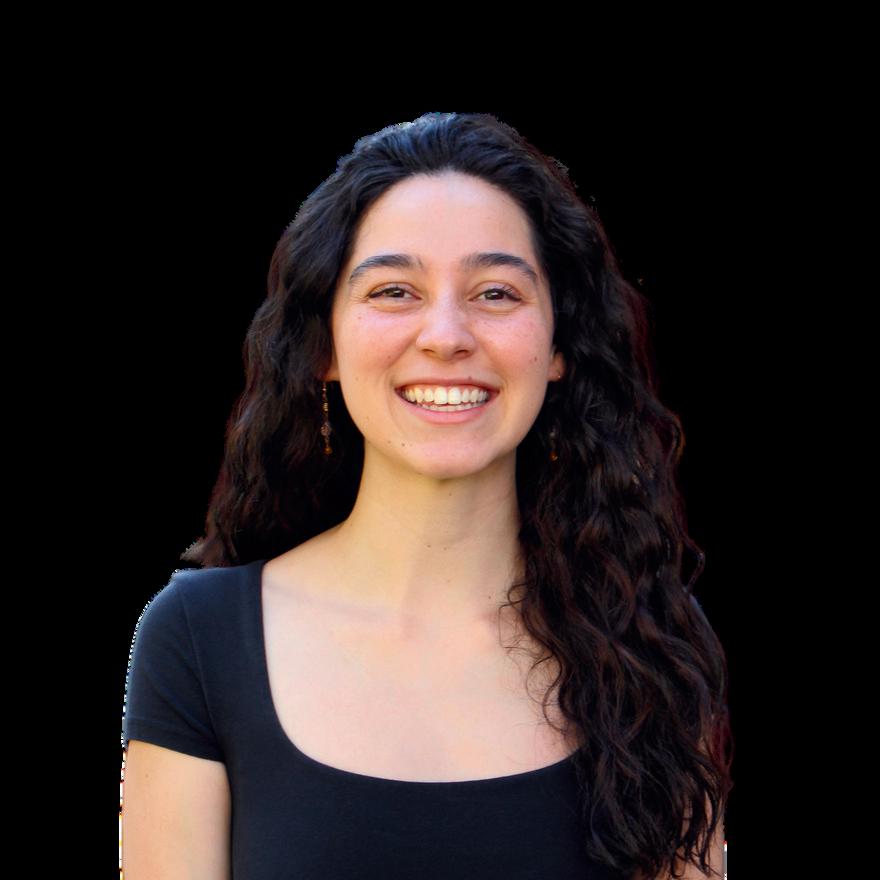
Neurobridges is a collaboration between the CNLM and NeuroBoricuas, a nonprofit organization dedicated to empowering young Puerto Ricans in science. Neurobridges supports the CNLM Travel Award which enables two Puerto Rican undergraduate students to attend the spring conference. The two recipients of the award this year were Paulette Vazquez Martinez (left) and Andrea Garcia Quinones (right).
“Special thanks to our organizers
Elizabeth Chrastil, Jeffrey Krichmar, Douglas Nitz, Michael A. Yassa, Manuella Oliveira Yassa, Morgan Coburn, and Erin Purvis Conway
Receiving this travel award is really meaningful as a Puerto Rican student. Sometimes resources are limited, so it’s really important for us to make our voices heard and seen in other places outside of the island.
Andrea Garcia Quinones
ANEVENINGCELEBRATING
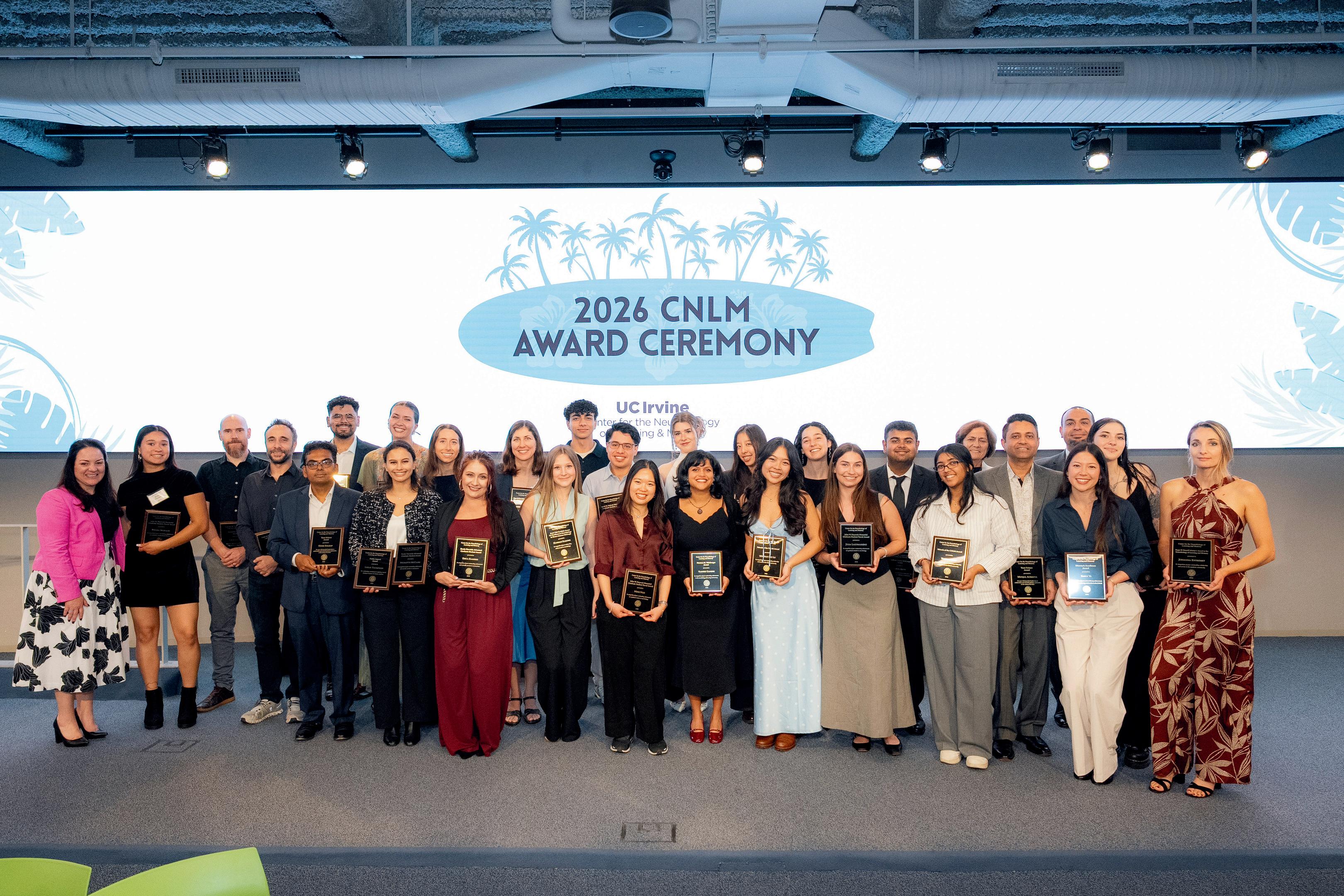
On May 20, 2026, members of the CNLM community gathered at the UCI Beall Applied Innovation Center to celebrate the accomplishments of this year’s award recipients. This year’s awardees consisted of thirty individuals, including undergraduates, graduate trainees, postdoctoral scholars, faculty fellows, alumni, and interdisciplinary research teams.
The annual awards ceremony recognizes the contributions of these individuals through their research, leadership, and community engagement. Their achievements reflect the CNLM’s mission to advance neuroscience through innovation, collaboration, and scientific discovery. The event highlights the collaborative spirit of the CNLM community and celebrates the impact these individuals continue to make across the field.
During the ceremony, recipients were presented with a plaque and a $1,000 stipend. Graduate trainees and postdoctoral scholars took the stage to deliver a brief Elevator Pitch about their research, while faculty and Team Science Award recipients were honored with a plaque and invited to share remarks.
“
To our faculty, our students, their families, their colleagues, and friends, your dedication is what enables this work to actually happen in the center. It enables us to change lives and change the future of brain science.
Michael A. Yassa, Ph.D.
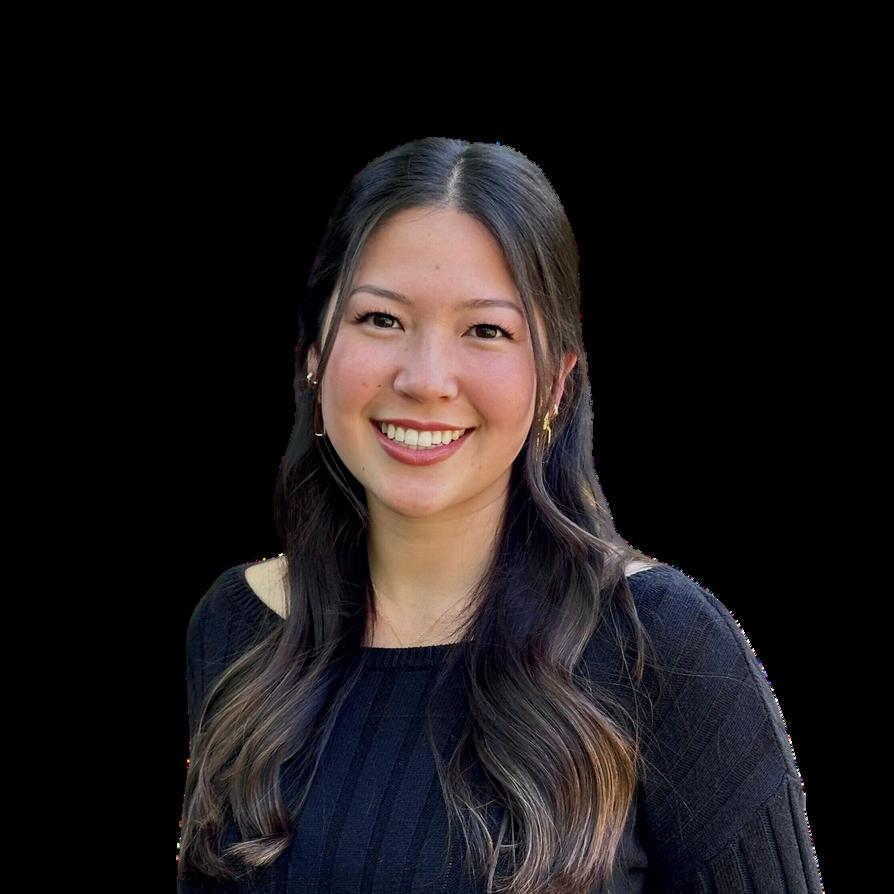
Emily Yi, Director’s Excellence Award Recipient No Woman Left Behind: Understanding FemaleSpecific Alzheimer’s Disease Risk
The menstrual cycle, pregnancy, and menopause are all key biological events that affect women's bodies and their brains. And we know so little about what that looks like.
Johnny Boutros, John W. Haycock Award Recipient – Brain Drain or Brain Clog? Mapping the Amyloid Traffic Jam
“It's important as researchers we really get stuck in the weeds of what we're doing. And it means a lot to know that people care about what we do.
InspiringtheFutureofNeuroscience
The annual awards are made possible thanks to our wonderful community of supporters. Through their generosity, the center is able to recognize trainees, faculty, and alumni whose work is advancing the field of neuroscience. These awards empower recipients to drive groundbreaking research and accelerate their career growth.
This recognition honors the recipients' hard work and demonstrates the value of their contributions. The generosity of the CNLM community plays a fundamental role in shaping the next generation of leaders, creating a lasting impact on both the awardees and the field of neuroscience.
It’s so awesome that there are donors out there who care about undergraduate researchers such as myself. We get the validation of being recognized for research, allowing us to keep contributing to the field.
Morgan Sky Lu Friends of the CNLM Award Recipient
Scan here to learn more about the award recipients’ research and community impact
CONGRATULATIONSTOTHE 2026CNLMAWARDWINNERS
UNDERGRADUATERECIPIENTS
JAMESTAITGOODRICHAWARD
FRIENDSOFTHECNLMAWARD
CAROLBECKERMCGAUGHAWARD
CAROLANDJAMESMCGAUGHAWARD
GRADUATEANDPOSTDOCTORALRECIPIENTS
JOHNW.HAYCOCKAWARD
W.RUSSELLAWARD
Muhanad Hilal
Allison Jian Hannah Karowe
Morgan Sky Lu
Vaidehi Shah
Varun Ajith
Johnny Boutros
Julia Lagomarsino
Briana Morales
Minh Ngo
Tracy Uzoigwe
ROGER
Natalie DiProspero, Ph.D.
Johanna Extremet, Ph.D.
Zaneta Navratilova, Ph.D.
JAREDM.ROBERTSAWARD NORMANWEINBERGERAWARD
RENÉEHARWICK
AWARD
FACULTYRECIPIENTS
DIRECTOR’SEXCELLENCEAWARD
RISINGSTAR AWARD PUBLIC IMPACTAWARD
EXCEPTIONAL MENTORAWARD
TEAMSCIENCEAWARD
DISTINGUISHED SCHOLARAWARD
Vaidehi Gandhi
Kendyl Laumann
Selen Dirik
Jorge Mendoza
Nicolette McClure
Erica Ramirez
Kristen Vallejo
Emily Yi
Leslie Thompson, Ph.D.
Gyorgy Lur, Ph.D.
Andrea Tenner, Ph.D.
Eitan Schechtman, Ph.D.
Kate Tsourmas, Ph.D.
Kim Green, Ph.D.
Vivek Swarup, Ph.D.
Munjal Acharya, Ph.D.
CELEBRATINGACHIEVEMENTS STUDENTEXCELLENCE
Matthew Sandoval
Matt Sandoval, a third-year graduate student researcher in the Diaz Alonzo Lab, has been selected as a Neuroscience Scholars Program (NSP) Fellow. This two-year training program provides graduate students and postdoctoral researchers with professional development funds, travel support, complimentary SfN membership, and dedicated mentorship and virtual networking opportunities.
Driven by a desire to understand his own experiences with depression and anxiety, Matt turned to neuroscience to study the molecular mechanisms underlying neuropsychiatric disorders. His research manipulates microscopic molecules to see how they affect brain function and behavior, aiming to inform future treatment targets for mental illness. This fellowship accelerates Matt's career by providing diverse mentorship and opening doors to vital collaboration, outreach, and networking within the NSP community.
Julia Lagomarsino
Julia Lagomarsino, a second-year PhD student in the Fowler lab, has received the Tobacco-Related Disease Research Program (TRDRP) predoctoral fellowship. This fellowship supports doctoral research training under the mentorship of an established investigator within TRDRP priority areas. The award will support Julia’s research for three years while advancing TRDRP’s mission to reduce commercial tobacco use and tobacco-related disease, and to inform public policy that benefits Californians..
Julia’s research addresses a critical public health gap by evaluating unregulated synthetic nicotine analogs in e-cigarettes, a focus driven by her personal family history of nicotine dependence. The TRDRP fellowship will support her development into an independent scientist dedicated to shaping California's tobacco policies.
CELEBRATINGACHIEVEMENTS FACULTYEXCELLENCE
Fei Xia, Ph.D.
Dr. Fei Xia, an Assistant Professor of Electrical Engineering and Computer Science at UCI and a newly appointed CNLM Fellow, has received the University of California Early Career Faculty Research Excellence Award for her project, "Live Biopsy Microscope: LabelFree, Real-Time Disease Diagnosis for Accessible Precision Medicine." Selected as one of only six UCI faculty members from 100 applicants system-wide, Dr. Xia is recognized by this inaugural award as an outstanding early-career scholar demonstrating exceptional research impact.
Dr. Xia leads an interdisciplinary research team at the intersection of optics, computation, and biomedicine, co-designing smart hardware and software systems to tackle critical biomedical challenges. Her groundbreaking work in translational imaging has been recognized by prestigious honors, including the Optica Foundation Challenge Award and the Rising Star in Light.
Michael A. Yassa, Ph.D.
Dr. Michael A. Yassa, Professor of Neurobiology and CNLM Director, has been selected as an American Association for the Advancement of Science (AAAS) fellow. The AAAS is the world’s largest general scientific society. The organization selected seven UC Irvine researchers, working in disciplines as diverse as chemistry, civil and environmental engineering, neurobiology, and physics, as 2026 fellows. These scholars are honored for their efforts to advance science or its applications.
Dr. Yassa is being recognized for groundbreaking discoveries about the hippocampus that provide a basis for understanding cognitive decline in dementia and for developing a visionary model for training the next generation of neuroscientists. His broader research focuses on the neural mechanisms of learning and memory, with a particular emphasis on how these processes are altered by aging and neuropsychiatric disease.
2026IRVINEBRAINBEE
INSPIRINGTHENEXTGENERATIONOFNEUROSCIENTISTS
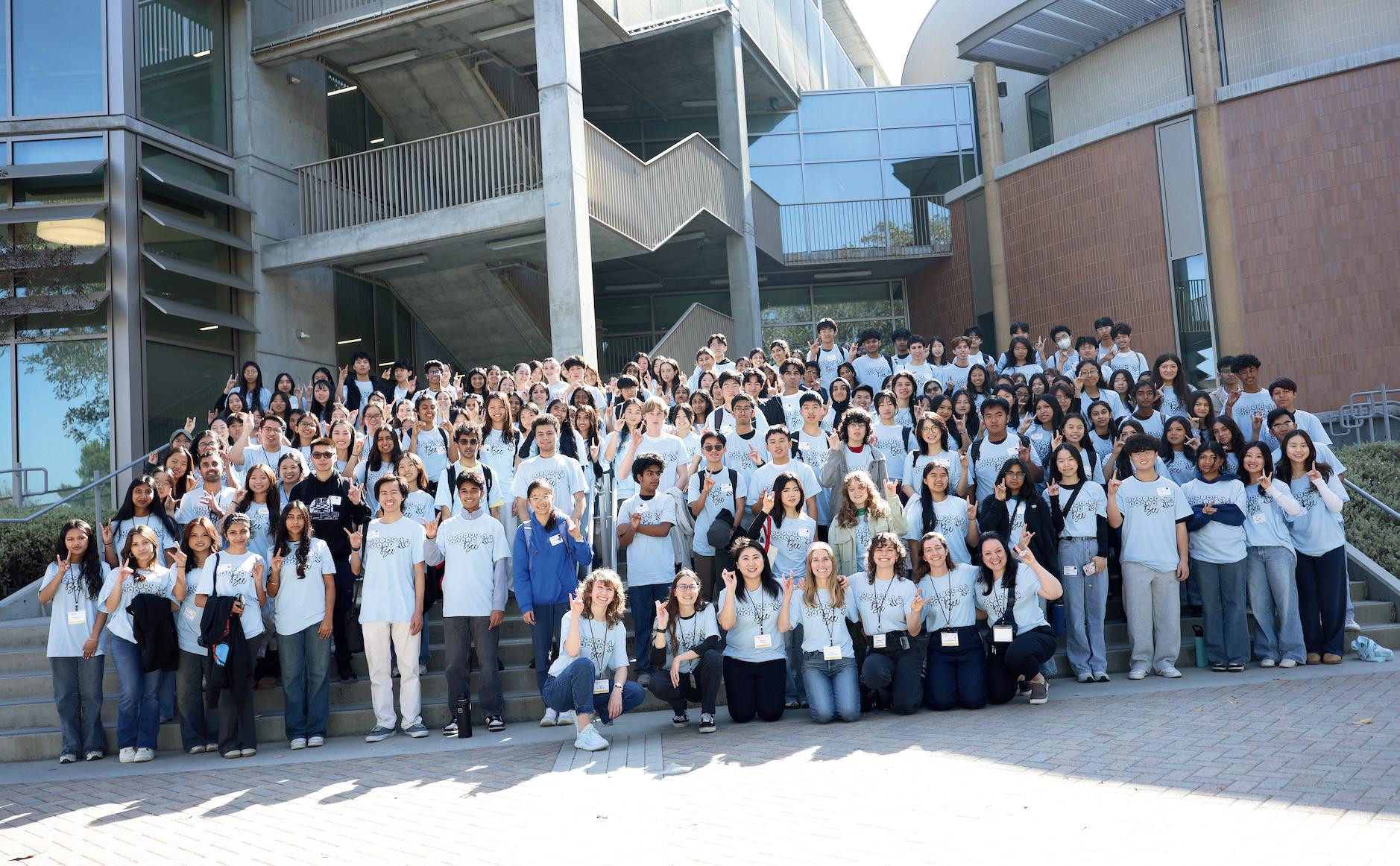
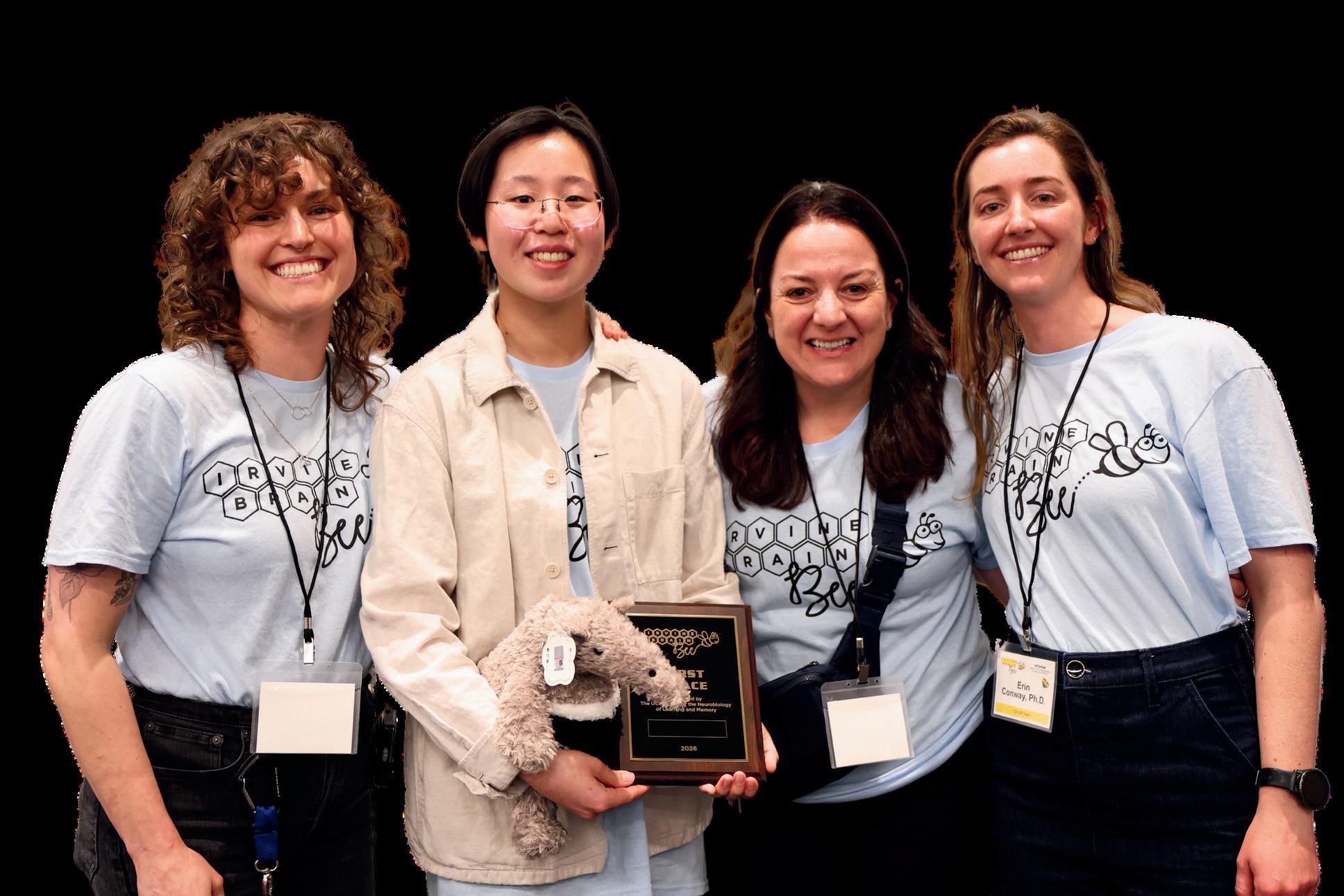
On February 7, 2026, the CNLM hosted the 8th annual Irvine Brain Bee, welcoming a record 143 high school students from across Southern California for a full day of neuroscience learning, discovery, and competition. The Irvine Brain Bee is made possible through the generous support of the Friends of the CNLM and the remarkable dedication of CNLM Ambassadors, who organize and lead the day’s activities and hands-on learning experiences.
Dr. Manuella Oliveira Yassa, CNLM Director of Outreach and Education and Director of the USA National Brain Bee, continues to lead the Irvine Brain Bee. This year’s event was made possible by the organizing committee: Dr. Rachael Hokenson, Winny Ning, Allison Morehouse, and Julie Loritsch, whose months of planning and coordination shaped this year’s program.
I see the Irvine Brain Bee as an entry point into the scientific community... These experiences help them see that a future in neuroscience is truly within reach.
Dr. Manuella Oliveira Yassa
The program featured a keynote by Dr. Christie Fowler, titled “Before the Clinical Trial: The Scientific Research That Makes Medicine Possible.” Her talk introduced students to the foundational research that underlies medical advances and showed how discoveries in basic neuroscience move toward realworld treatments.
Congratulations to the 2026 Irvine Brain Bee Winners: 1st place: Kayla Roh
2nd place: Justin Liu
3rd place (tie): Mahima Wuppalapati and Ashley He
To learn more, visit: https://cnlm.uci.edu/irvinebrainbee
NEUROTIMES
HOWIT’SMADE:NEUROSCIENCE
EVERWONDERHOWNEUROSCIENCE RESEARCHREALLYWORKS?
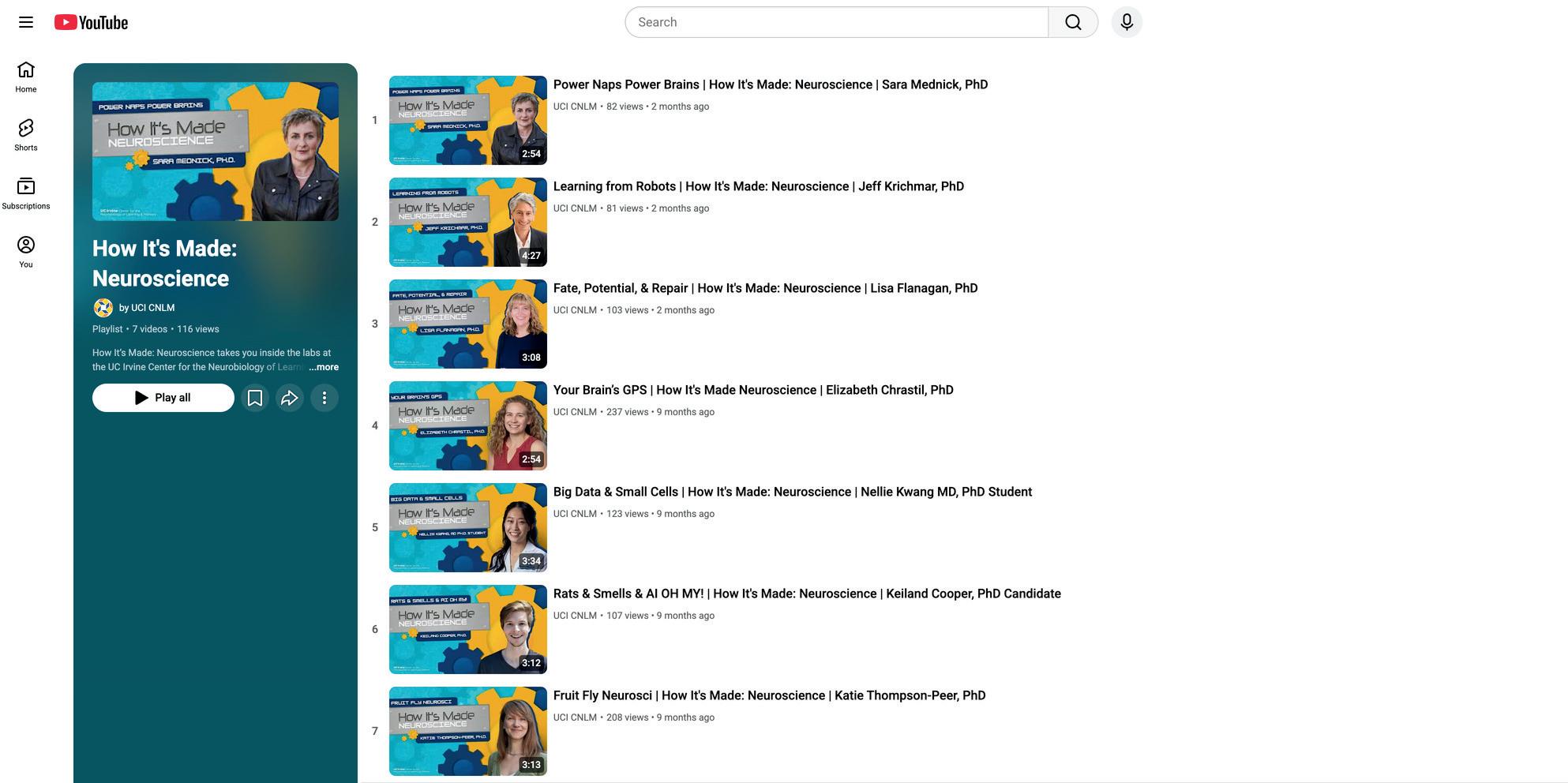
This ongoing virtual public panel series explores the process of neuroscience research in different model systems. Each panel is accompanied by a special video to take the audience behind the scenes and into the lab.
One of the center’s goals is to expand outreach across all ages and strengthen connections between science and the public. This series aims to make neuroscience more accessible and engaging, with a particular focus on adult audiences.
“
I've been interested in bridging the gaps between the scientific community and members of the public pretty much as long as I've been interested in science. And right now, I think transparency in science feels more important than ever.
Dr. Kate Inman Tsourmas
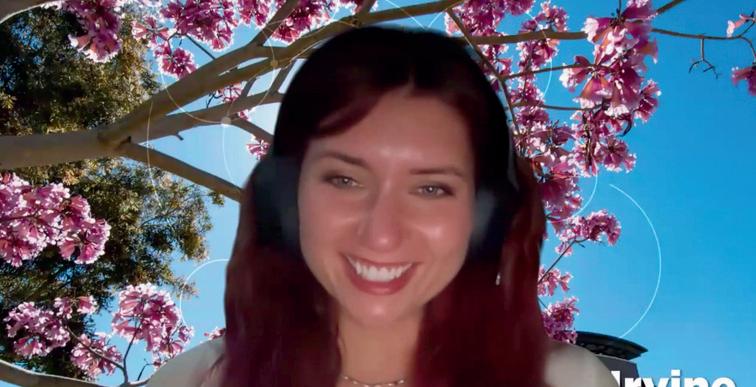
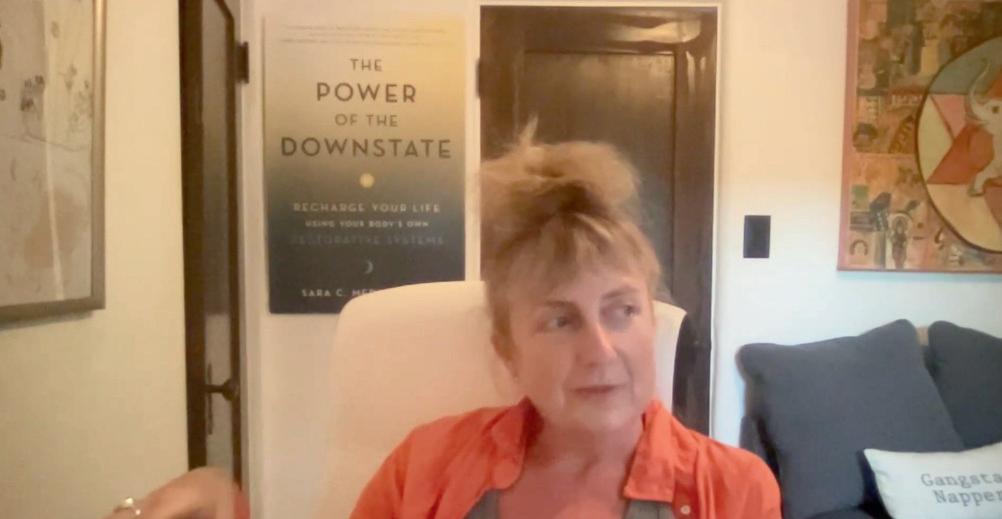
This year’s second annual panel brought together more than 150 attendees, with a focus on sleep, robotics, and neural stem cells. Coorganized by Adult Outreach Co-Chairs Dr. Kate Inman Tsourmas, Kristen Vallejo, and Tracy Uzoigwe, the panel brought together Dr. Lisa Flanagan, Dr. Jeff Krichmar, and Dr. Sara Mednick to share insights into their research and scientific journeys.
Scan the QR code to watch the full series and explore the fascinating research, discoveries, and stories behind the science.
Jeff Krichmar
Sara Mednick
Kate Inman Tsourmas Lisa Flanagan
RESEARCHSPOTLIGHT
NEWHOPEFORRAREBRAINDISORDERS
A new study led by researchers at the UC Irvine CNLM has uncovered a critical role for the brain’s immune cells, known as microglia, in maintaining neuronal health and preventing neurodegeneration in Sandhoff disease, a rare and fatal genetic disorder. Published in Nature Communications in August 2025, the study demonstrates that replacing dysfunctional microglia in a mouse model of the disease restored key cellular functions, improved behavior, and reduced damage in the brain.
This research, led by Dr. Kate Tsourmas, focused on how defects in microglia contribute to neuronal damage in lysosomal storage diseases. The researchers found that healthy microglia supply neurons with β-hexosaminidase, an enzyme required for proper lysosomal function. In Sandhoff disease, loss of this enzyme causes toxic materials to accumulate inside neurons, leading to neurodegeneration. To test whether healthy immune cells could reverse these effects, the team replaced diseased microglia with healthy donor-derived cells in a mouse model of Sandhoff disease.
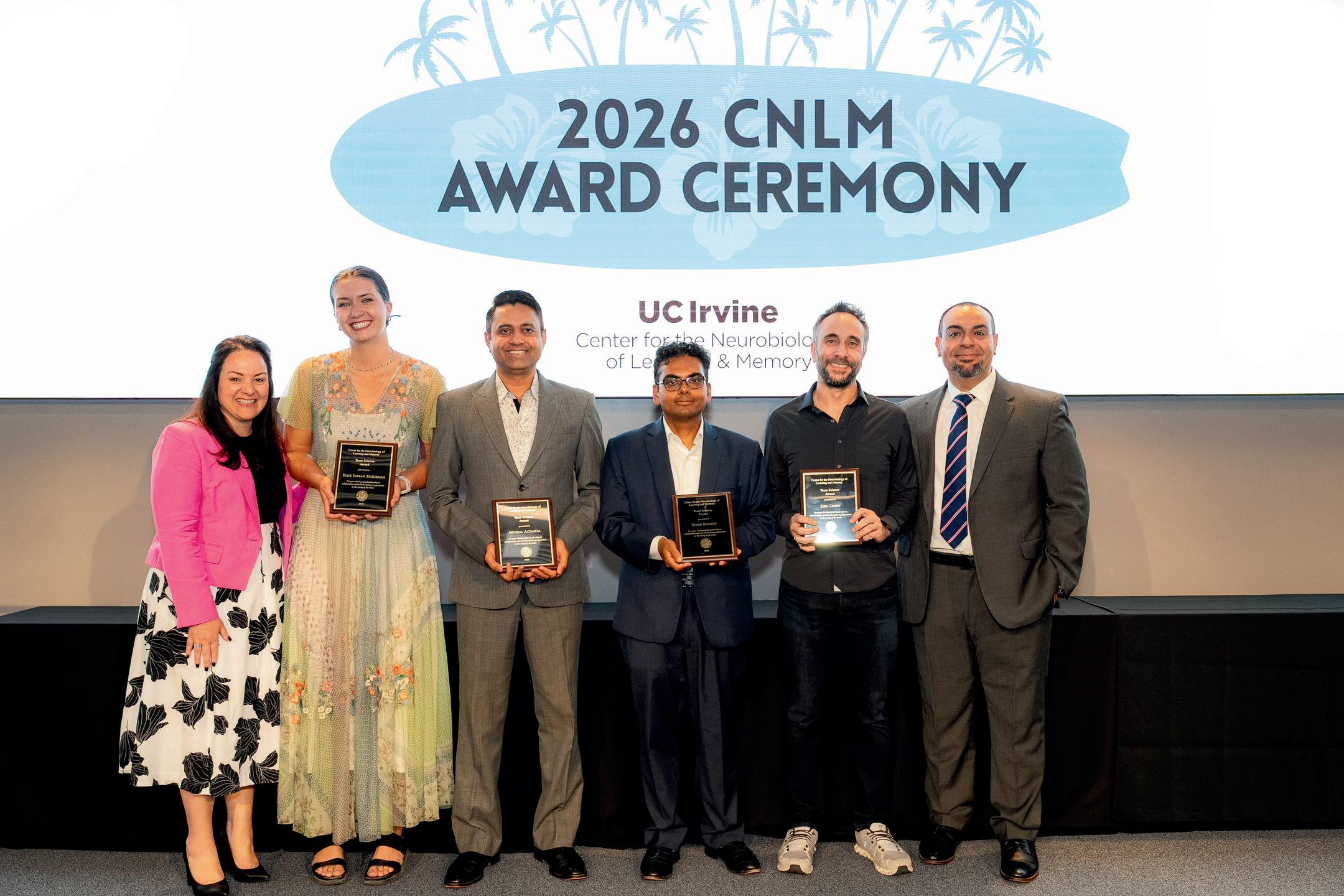
“This year’s Team Science Award recognizes an exceptional interdisciplinary collaboration between Drs. Kate Tsourmas, Kim Green, Vivek Swarup, and Munjal Acharya. Together, this team advanced our understanding of a critical partnership between the brain’s immune cells and neurons that is essential for brain health.
Manuella Yassa,
PhD
The treatment restored enzyme activity, reduced toxic buildup, improved neuronal health, and led to behavioral improvements. The findings suggest that microglia play a much more direct role in supporting neuronal function than previously understood and highlight microglial replacement as a promising therapeutic strategy for neurodegenerative disorders involving lysosomal dysfunction. The researchers believe these findings may have implications beyond Sandhoff disease, including for other neurological disorders in which inflammation and lysosomal dysfunction contribute to brain degeneration.
This collaborative research is a powerful example of team science in action. Dr. Kate Tsourmas began with a scientific question she wanted to tackle as part of her doctoral work and brought together the laboratories of Drs. Kim Green, Vivek Swarup, and Munjal Acharya to help answer it. This outstanding interdisciplinary research team was awarded the 2026 CNLM Team Science Award.
To discover more work from the CNLM community visit
Persistent changes in gene expression with homeostatic functions in resident brain cells following SARS-CoV-2 infection argues that peripheral infection with respiratory viral pathogens may prime the brain for longerterm neurodegeneration.
Thomas Lane, PhD
New research from UC Irvine, published in Alzheimer’s & Dementia in April 2026, investigated the impact of SARS-CoV-2 infection on Alzheimer’s disease pathology in the mouse brain. Researchers discovered that while SARS-CoV-2 did not impact brain pathologies associated with Alzheimer’s disease, it did result in altered gene expression across multiple cell types within the mouse brain.
SARS-CoV-2 is the infectious agent causing COVID19. In addition to severe respiratory problems, patients with COVID-19 also frequently experience neurological symptoms. Some of the most vulnerable populations were older individuals presenting symptoms of dementia and Alzheimer’s disease. This study builds on a growing field of research investigating the significant role of neuroinflammation in how Alzheimer’s disease occurs in the aging brain.
In this new study, the research team used a mouseadapted strain of SARS-CoV-2 to infect both healthy and Alzheimer’s disease mice.
Researchers found that while infection induced acute viral pneumonia, there was no detectable viral RNA found in the brains. Additionally, infection did not appear to affect neuroinflammation levels, amyloid plaque pathologies, or loss of neurons in the mouse model of Alzheimer’s disease. However, they identified key gene expression changes induced by SARS-CoV-2 infection across specific cell types, most notably inhibitory neurons and glial cells.
“We initially expected to find overt pathology changes,” said first author Dr. Susana Furman. “Instead, we found that even mild infection that never entered the brain triggered widespread changes in gene expression across multiple brain cell types, revealing subtle molecular and cellular reprogramming that could influence long-term neurological function.” While this study is limited in its correlation between infection and consequential genetic changes within several types of brain cells, this work adds to growing evidence that even peripheral viral infection has the capacity to impact the brain, especially as it ages.
On January 28, 2026, the UC Irvine Center for the Neurobiology of Learning and Memory hosted the Distinguished Lecture on Brain, Learning, and Memory, presented by Dr. Emily G. Jacobs.
Dr. Emily Jacobs was named one of the “Top 10 Scientists” to watch around the globe by Science News. She is a professor of psychological and brain science at UC Santa Barbara, and serves as the director of the Ann S. Bowers Women's Brain Health Initiative. Her research explores the structural and functional changes in the brain that occur in response to changing hormonal conditions.
Women’s health and its effects on the brain have been understudied and underfunded for decades. In her lecture, titled “New Frontiers in Women’s Brain Health,” Dr. Jacobs explored the longstanding gaps in our knowledge of how women’s health influences the brain, and the pioneering research that is advancing the field.
Over 50,000 neuroimaging articles have been published since 1995, shedding light on the most complex organ in the human body. Of those 50,000 articles, about half of the test subjects are women. Yet, only half of 1% center on matters specific to women's bodies.
Through groundbreaking imaging studies and largescale collaborative initiatives, Dr. Jacobs demonstrated how hormonal transitions such as menstruation, pregnancy, and menopause shape the brain across the lifespan. She emphasized that women’s brain health remains one of the most understudied areas in neuroscience, despite the fact that women make up the majority of Alzheimer’s disease cases and experience unique neurological changes throughout life.
Her lecture highlighted how understanding these overlooked aspects of brain function is critical to advancing neuroscience research and deepening our understanding of how the brain adapts, changes, and supports learning and memory across different stages of life.
CELEBRATINGCONNECTION
Dear Friends,
Morgan Sky Lu, this year's Friends of the CNLM Award recipient, put it better than I could: "It's so awesome that there are donors out there who care about undergraduate researchers such as myself. We get the validation of being recognized for research, allowing us to keep contributing to the field." That's the plainest description I know of what your membership does — it turns years of careful, unseen lab work into something recognized and supported.
This spring alone, that support carried thirty trainees, faculty, and research teams across our Award Ceremony stage, sent Puerto Rican undergraduates to our spring conference through NeuroBridges, and brought 143 high schoolers into the Irvine Brain Bee — some holding a human brain for the first time. It also seeds our High-Risk, High-Reward research program, giving faculty and trainees room to chase bold, early-stage ideas that traditional grants won't fund until there's already preliminary data behind them. None of it runs on grant funding alone.
If you're not yet a Friends of the CNLM member, or your membership has lapsed, now's a good time to join or renew. And save the date for October 1, when Dr. Steve Ramirez joins us for the McGaugh-Gerard Lecture.
Warmly,
Michael A. Yassa, PhD CNLM Director
JOIN OR RENEW YOUR FRIENDS OF THE CNLM MEMBERSHIP TODAY!
NeuroSilver - $500
Patrons at this level are acknowledged at public lectures and events, receive our quarterly newsletter, and VIP admission to the annual Distinguished Lecture on Brain, Learning and Memory at the Irvine Barclay Theatre including an exclusive opportunity to meet the distinguished speaker.
NeuroGold - $1000
Patrons at this level receive all of the thank you gifts of NeuroSilver PLUS invitation to our exclusive Evenings to Remember series.
NeuroPlatinum - $2000
Patrons at this level receive all of the thank you gifts of NeuroGold PLUS a choice between a personal meeting for two with the CNLM scientist of your choice or an exclusive guided tour of a CNLM laboratory.
NeuroDiamond - $5000
Patrons at this level receive all of the courtesies of NeuroPlatinum PLUS invite a CNLM scientist of your choice to give a lecture at a dinner party at a location of your choosing.