Market Analysis
An investigation upon minority markets and their place within the sport business landscape

The Current Sports Landscape
Sport, along with the population of the United States of America, is in a constant state of evolution. Professional sport is an all encompassing designation; one which includes the likes of leagues, teams, players, and perhaps most importantly, fans. And, much like the world in which these entities reside, professional sport is (and always has been) in a constant state of flux. Flux and evolution however, should not be looked upon with a negative connotation; rather, the various changes the sports world has witnessed (changes in rules, structure, player and fan representations, for example) should be embraced, perhaps celebrated. Yet, what may be a possible concern is the fact that, while certain changes are taking place in the sports landscape, these changes may either be going unwitnessed by the greater sports workforce, or may be underemphasized by the greater societal narrative.
The Current Sports Landscape
Of particular note in this study is the ever changing landscape of sports’ most important stakeholders - the fans. Sport fans, particularly those within the United States, are mirroring the country in which they live. That is to say, sports fans are growing and evolving - taking on new personas, backgrounds, characteristics, and personal descriptors. And while certain changes in the sports landscape have allowed professionals to focus on how to properly market sport to its fans, there is perhaps a lack of focus on who their marketing efforts should be directed upon. That is, while sport marketers have been directing their attentions towards new and innovative marketing agendas amidst a post-pandemic sports realm (and rightfully so), there also seems to be a lack of emphasis upon attaining and understanding new and/or additional sport consumers. Highlighted in this exploration then, is the lack of awareness towards the power of minority sport consumers. And, while such an inquiry should be intriguing from a sociological perspective, it perhaps takes upon a more prominent emphasis when considering the business/market prowess of these consumers.
On the whole, it is becoming widely understood that minority market divisions (e.g., African American, LatinX, and Asian American communities) are both a valuable and esteemed market segment in the United States. These segments not only represent markets which are both sizable and economically stable, but these demographics also possesses a great degree of purchasing power. Take for example, the African American consumer, the Hispanic/Latin X consumer, and the Asian American consumer - all of which represent a growing population in the United States, and (as can be seen in the three following pages), all of which are ripe for for sport marketing pursuits.
African Americans

Economic Influence
Have accounted for a 114% increase in the country’s overall buying power since the year 2000 [1].
Account for $60 million of the $385 million in overall spending on luxury items (e.g., watches [3]). 13%
Buying Power
Economic buying power expected to exceed $1.7 trillion by 2030 [2].
Luxury Items
Hispanic/LatinX
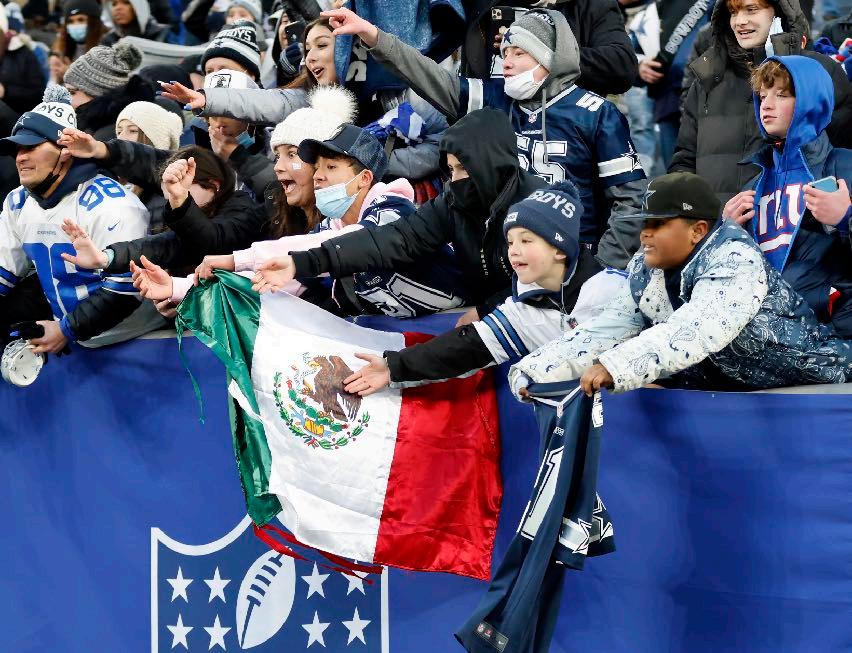
New Annual Growth
Nearly 20% of America’s population; accounting for 51% of all new population growth [4].
U.S.A. GDP
> $4.1 Trillion - equating to the fifth largest GDP in the world [5].
Consumption
Economic consumption > $2.7 Trillion [6].
Asian Americans
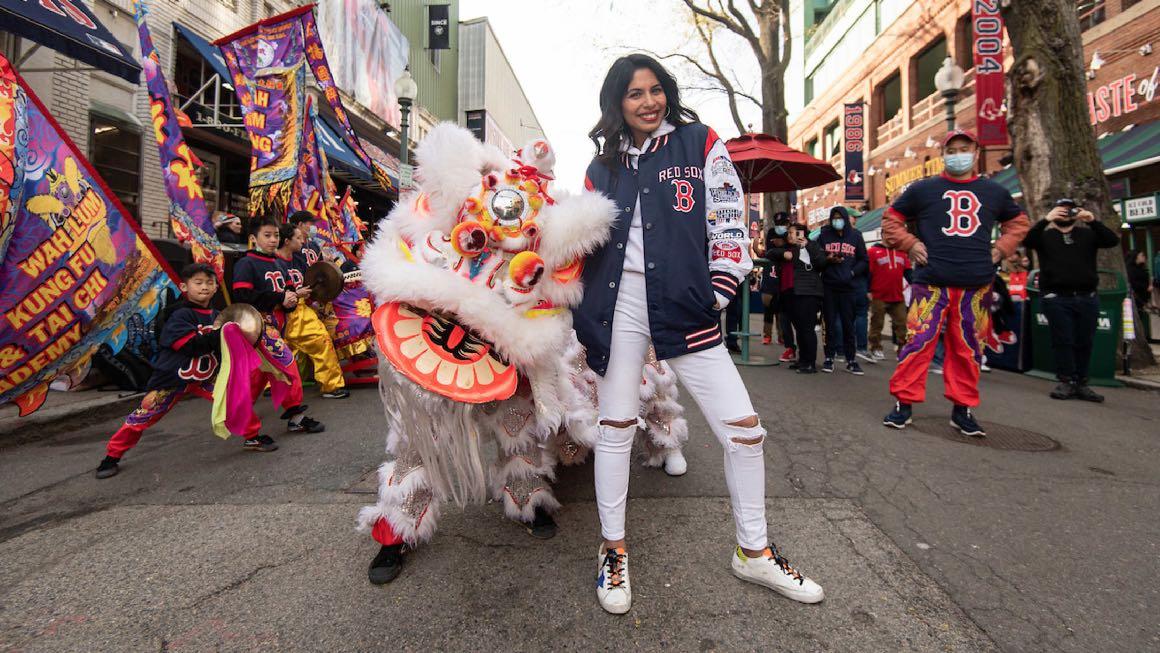
7% OF THE U.S. POPULATION
Buying Power
Currently a buying power equal to $1.3 Trillion (and growing [7]).
Growth
Buying power has grown 314% over the past two decades [8].
Household Income
A median household income of $104,646 [7].
The MinorityMarket
In seeing these statistics (and adhering to statistics which are readily available, yet not present in the current study), it is no wonder there have been calls to perform further examinations upon these markets and their interactions with sport. The current investigation seeks to not only answer these calls, but to bring to light a great number of findings which can aid the greater sport marketing landscape.
The following study is an up-to-date, wide-ranging, comprehensive examination upon consumption patterns - particularly exploring minority consumption habits and/or behaviors within the realm of the professional sports world. The investigation entails a wide-ranging, comprehensive sample (n = 8,003), featuring demographic data representative of the United States censes (i.e., equal racial and gender comparisons, as well as age, and regional provinces).
The Current Study
United States Census
The VARIABLES
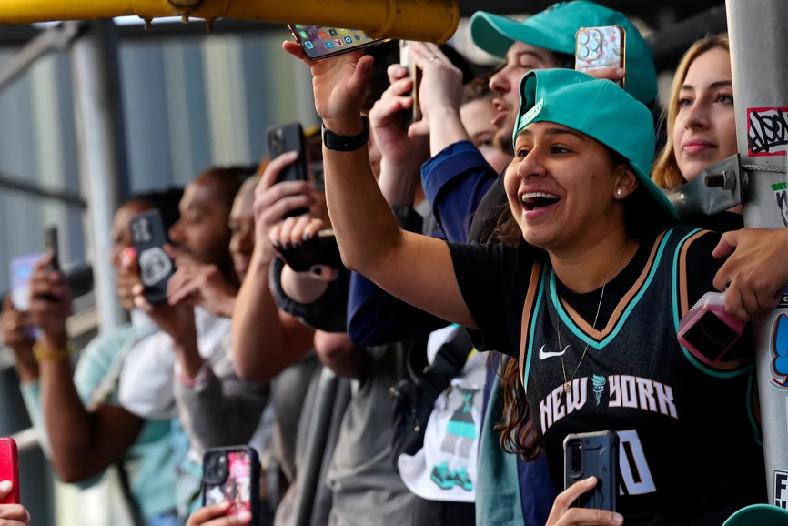
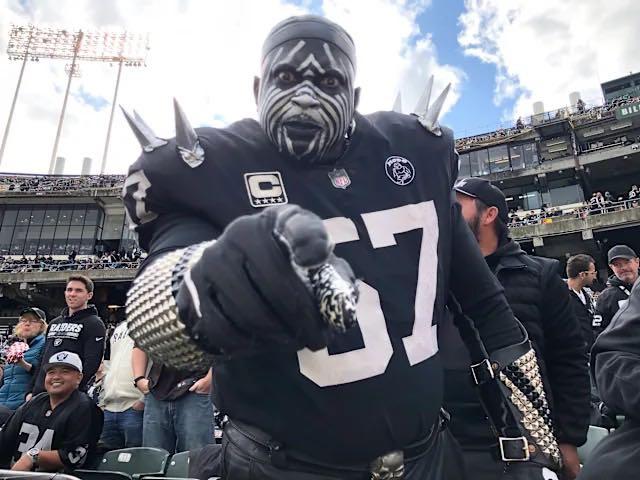
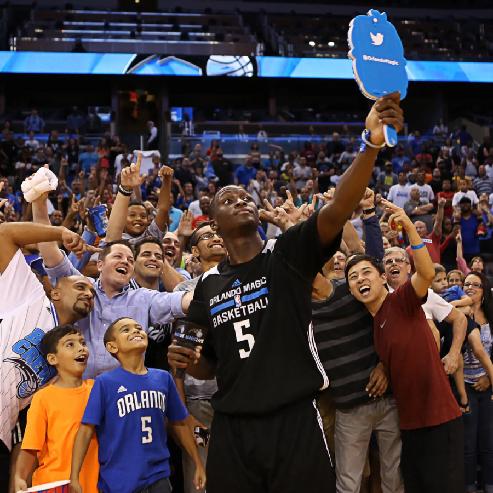
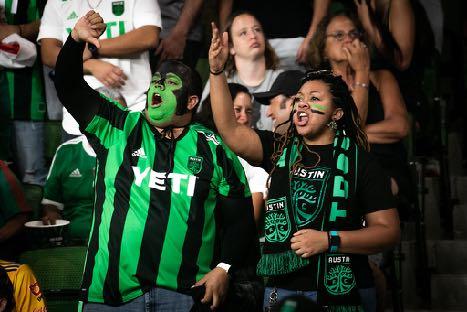
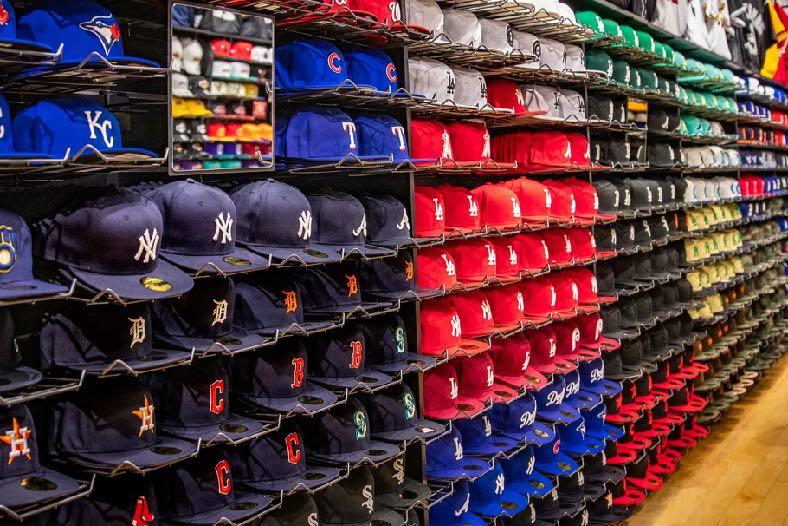
The current study sought to investigate fandom from a holistic perspective, taking into account factors which have been proven through literature to denote fandom, while also measuring the frequency of particular fandom behaviors. Specifically, the following variables (derived from academically valid examinations) were utilized in the current study: Team identification, league identification, passion, and brand image; while the additional following factors were measured through a self-reported frequency scale, whereas participants indicated the frequency in which they consumed/took part in the following: Live sporting events via television, live sporting events via a device, highlights via television, highlights via a device, purchasing team-related merchandise, listening to sports via radio broadcast, consuming a podcast related to their favorite team, visiting their favorite team’s website, consuming video on demand sport content such as documentaries (e.g. 30 for 30), consuming sport content that is not part of the game itself such as sport shows (e.g. Around the Horn), and attending a live sporting event.

The VARIABLES
The subsequent pages will outline these variables at a high level as a means to familiarize these concepts with the reader. Further, the following pages will showcase high-level insights into particular categories that were not only relevant to the current study, but which can be applicable for various social insights and/or marketing strategies.
Team IDENTIFICATION
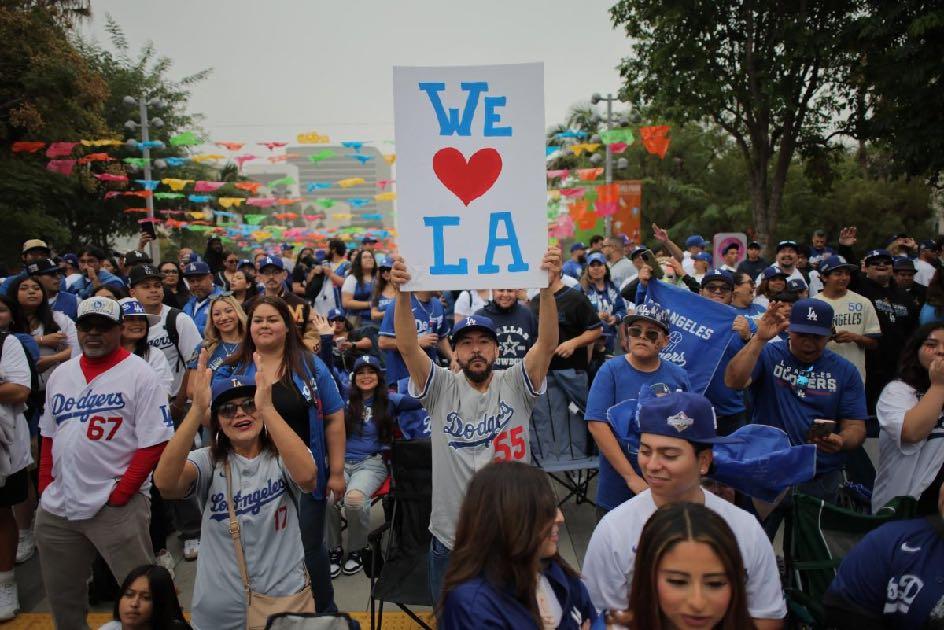
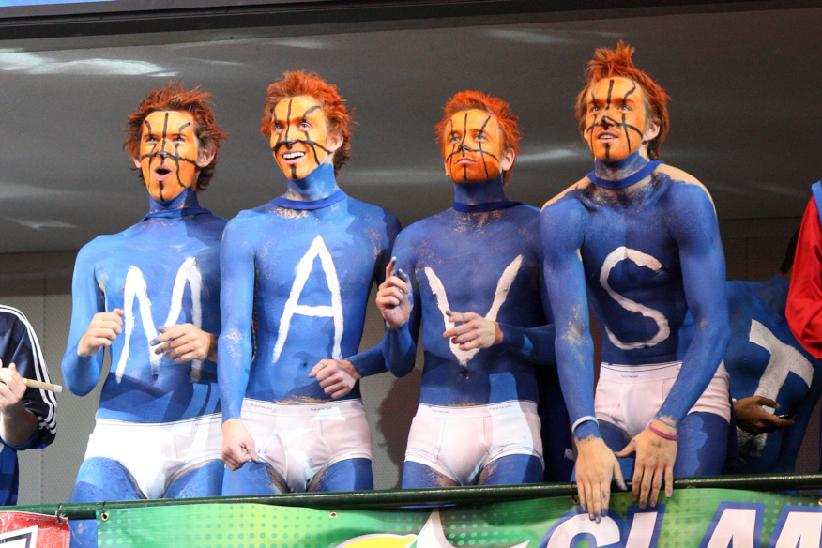
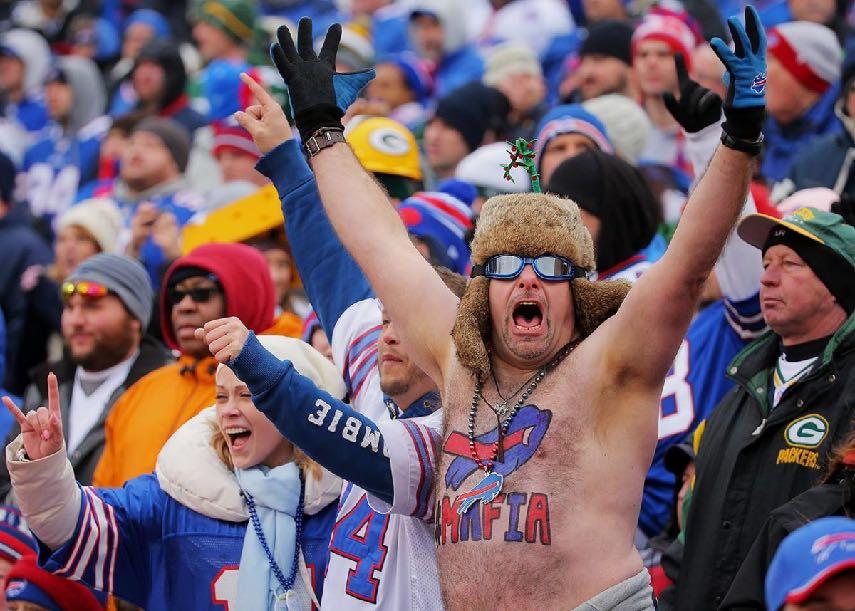
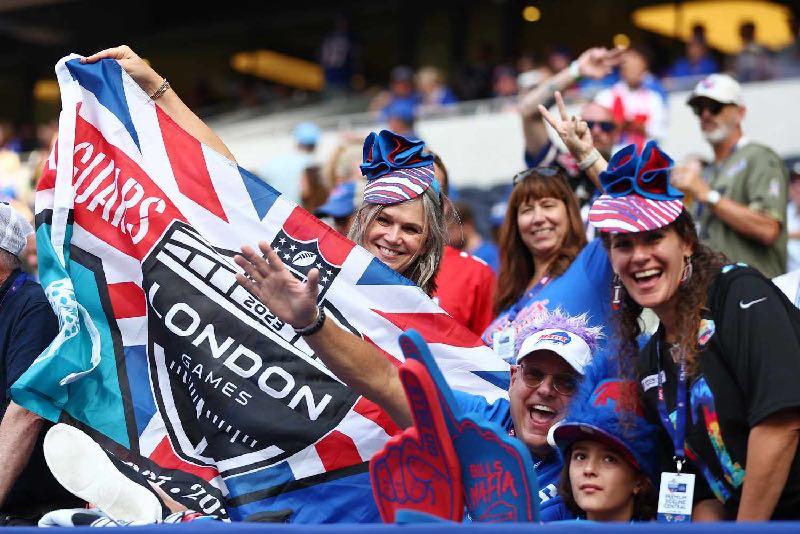
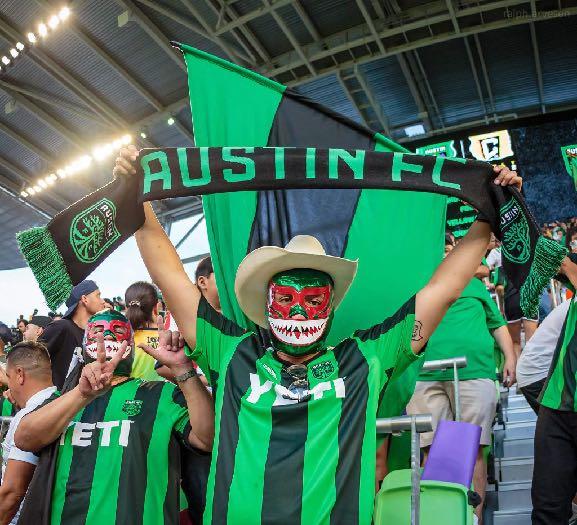
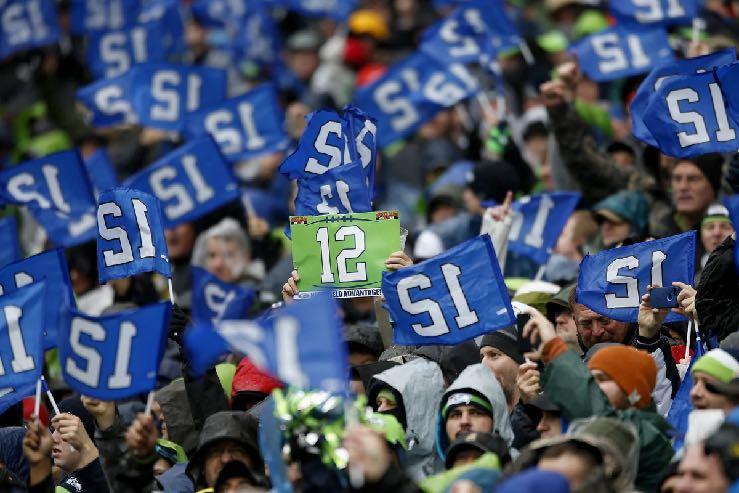
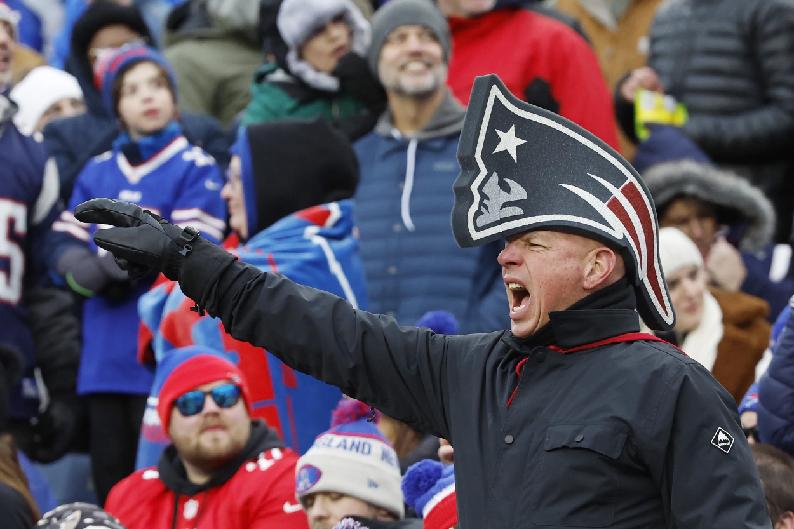
The term ‘team identification’ refers to an individual’s ability to consider themselves as “part of the team.” Within the confines of this concept, a given person will not only attribute characteristics of their favorite team to themselves, but will also personalize particular attributes of their favorite team [9]. For example, if a given sports team is known as vivacious and tech-savvy, then an individual who is highly identified with this team will personally adopt the characteristics of vivacious and tech-savvy for themselves (outside of sport). Further, if for example, an individual with high levels of team identification heard something negative about “their” team, then this individual would perceive this as a personal attack. It is therefore common for those with high levels of team identification to use “we” when describing their favorite sports team or athlete.
IDENTIFICATION
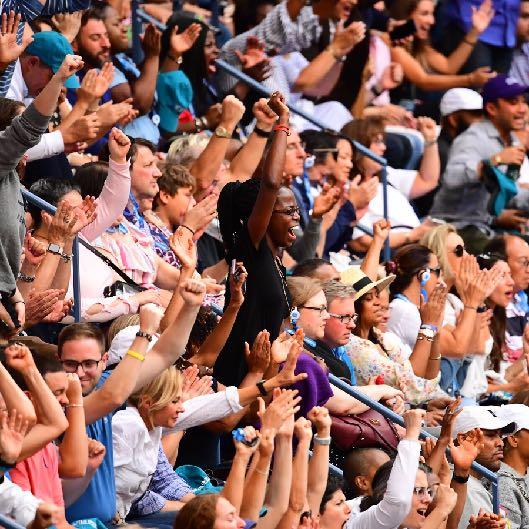
Similar to team identification, ‘league identification’ refers to one’s ability to identify with their favorite sports league. Instead of personally taking on characteristics of a given team, individuals will take on characteristics and/or attributes of a given league. Both team identification, and league identification are associated with consumption patterns [10]. That is to say, as levels of team identification and/or league identification increase, the more likely an individual is to take part in various modes of consumption (e.g., attending games, watching games, or purchasing merchandise).
PASSION
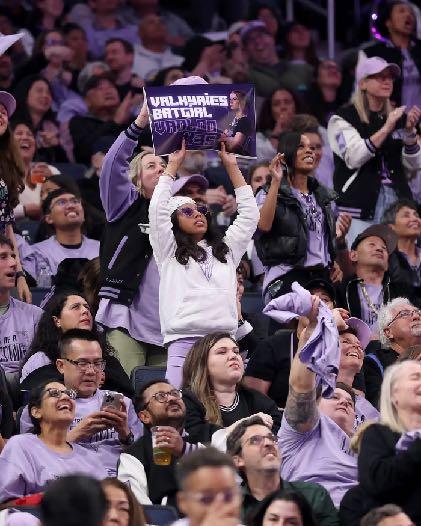
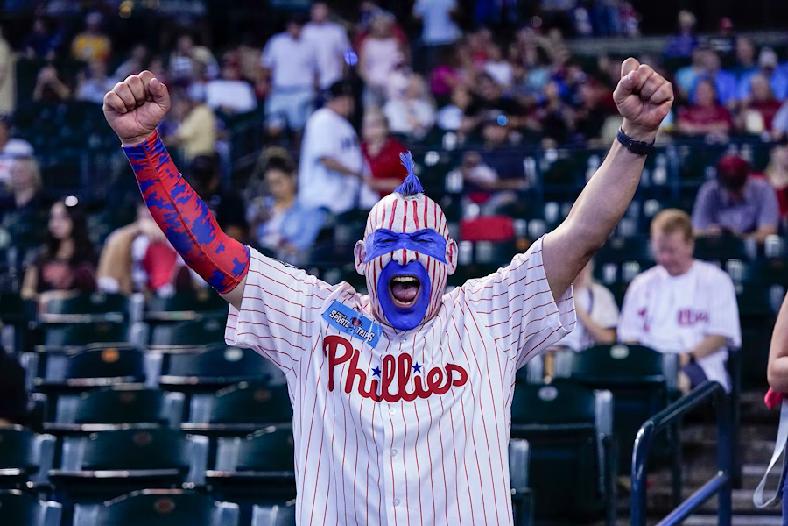
The current study intends to measure passion by examining how an individual’s favorite team influences their emotions, thoughts, and time and/or energy. Measuring all three of these aspects (i.e., heart, mind, and body), allows the study to take on an all encompassing understanding of fandom. As with identification, those with high levels of passion are more likely to take part sport consumption behaviors [11].
Brand IMAGE
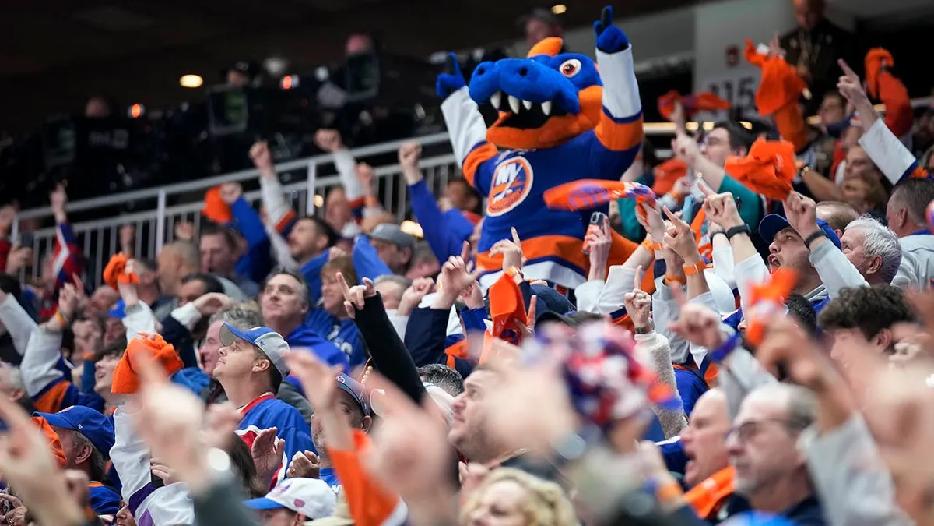
In order to fully comprehend consumption patterns, it is essential to examine known consumption antecedents. One of the most common antecedents for sport consumption is that of brand equity and brand image. The more a given individual finds a (sport) brand to be attractive, appealing, or relatable, then the more likely this individual is to consume said brand [12]. Here, brand image refers to the associations a given brand possess in the one’s mind. Understanding this, and understanding how much a given consumer cares for these associations, allows for sport organizations to concentrate on something non-volatile. That is to say, in that sport teams are often unpredictable and their outcomes volatile, marketing through a brand offers the sport organization a way to attract consumers to something stable and controllable.
TEAM & LEAGUE IDENTIFICATION
The following graph showcases the outcome of the study’s investigation upon Team Identification levels and League Identification Levels across race. Results of the investigation indicate the Hispanic/LatinX segment and the Asian American segment have the highest rated levels of team identification (both scoring 5.13), while the Hispanic/LatinX segment has the highest rated levels of league identification (scoring 4.92).

PASSION
The following graph showcases the outcome of the study’s investigation upon Passion levels across race. Results of the investigation indicate the Hispanic/LatinX segment and the Caucasian segment have the highest rated levels of passion (both scoring 5.14). In total then, it is seen that the LatinX/Hispanic segment have scored highest in all of the three aforementioned categories: team ID, league ID, and passion.

*measured on a 7-pt likert scale
19%

THE U.S. POPULATION


LatinX &
IDENTIFICATION
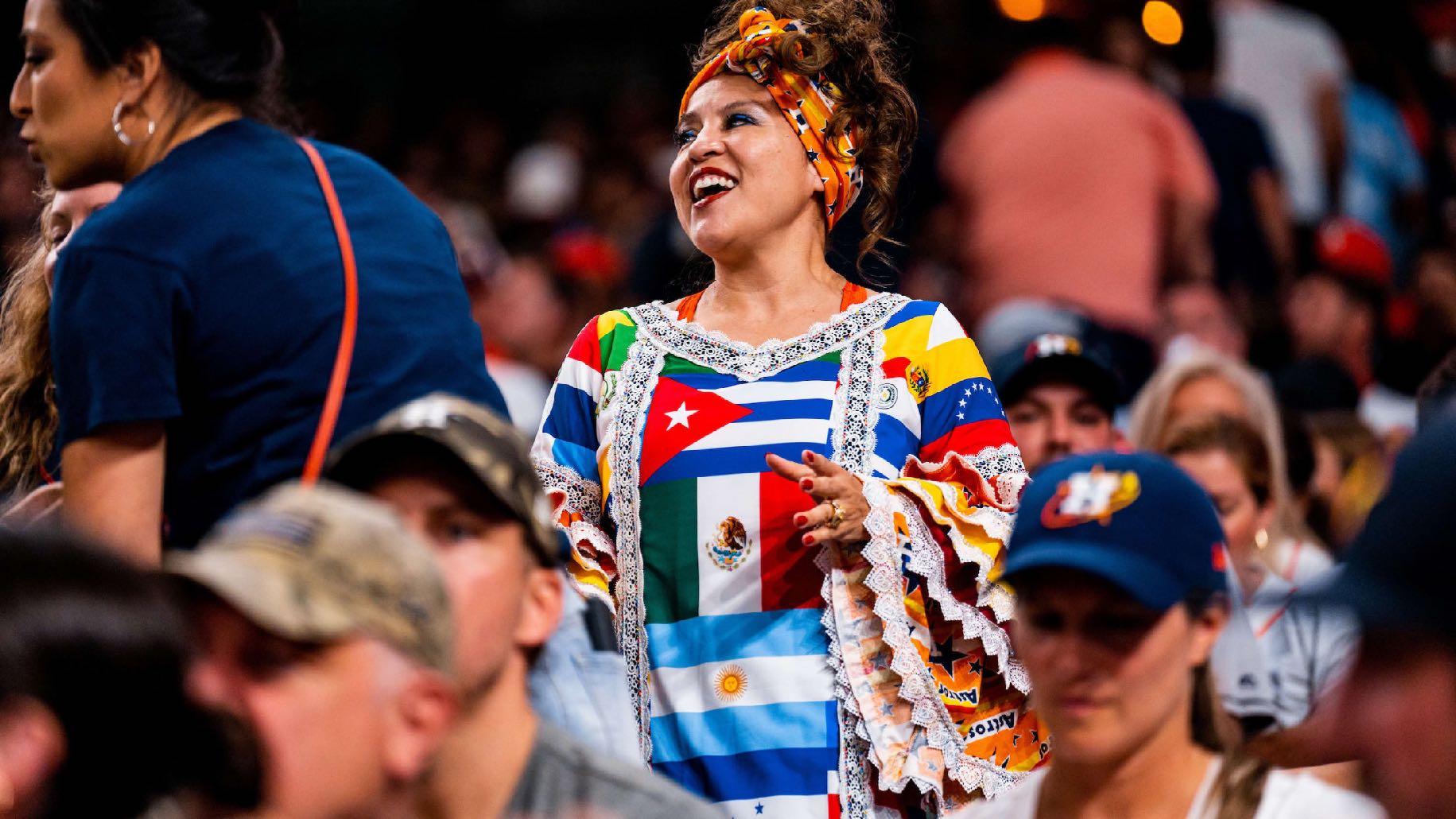
Identification seems to be a particularly important aspect of a given minority’s social make-up. As the American landscape continues to evolve, it is ever more important for those who claim multiple nationalities (e.g., Mexico and America) to have a firm grasp of their identity. It is interesting then that sports can serve as a mediator for which an individual can find a place for identity. That is, in many cases, sport (or a given prominent sports team) can act as a means to establish a personal identity when trying to navigate a complex social landscape. It is no wonder then that several sport management studies have linked identification with passion (another variable in this study in where Hispanic/LatinX scores were pronounced).
In that the current investigation reveals the Hispanic/LatinX segment as having the highest levels of team ID, league ID, and passion, further examination is merited. The following page will therefore display team identification, league identification, and passion levels for the Hispanic/ LatinX segment only, but will segment the group by self-designated “favorite sports league”.
The following graphic showcases the outcome of the study’s investigation upon team Identification levels, league Identification levels, and passion levels for the Hispanic/LatinX segment only, whereas this group was further segmented by favorite sports league. The graph therefore shows team ID, league ID, and passion levels for this segment across the six most prominent sports leagues in North America - Major League Baseball (MLB), Major League Soccer (MLS), National Basketball Association (NBA), National Football League (NFL), National Hockey League (NHL), and Women’s National Basketball Association (WNBA). Findings of the study indicate that, for the Hispanic/LatinX segment, team ID levels were highest amongst those who considered themselves MLB fans (5.3), league ID levels were highest amongst those who considered themselves MLB fans (5.05) and passion levels were highest amongst those who considered themselves MLB and NFL fans (5.32 for both leagues).









*measured on a 7-pt likert scale
* Passion levels for LatinX NFL fans are highest amongst any demographic for any variable
LatinX Across League
Brand
IMAGE
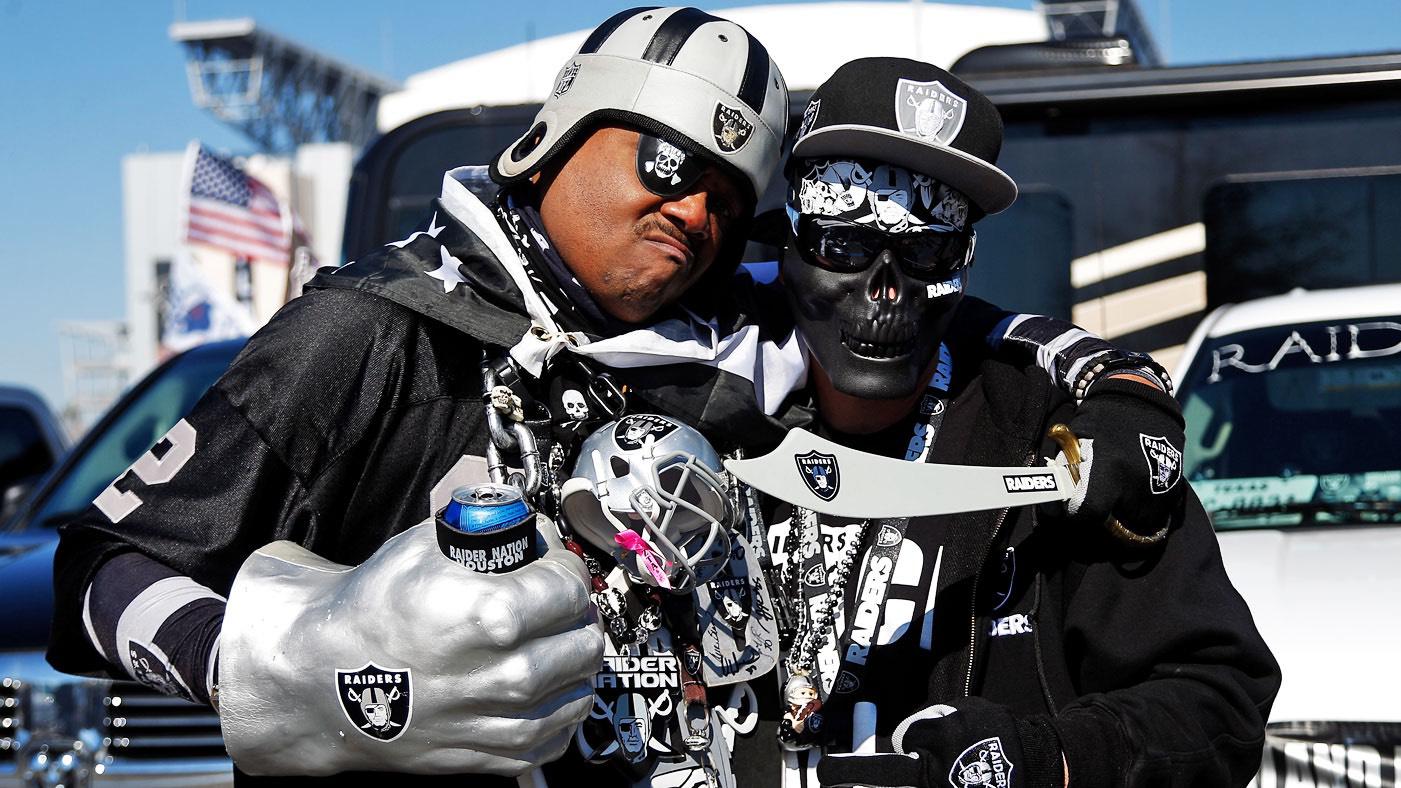
As mentioned previously, one of the most common antecedents for sport consumption is that of brand equity and brand image. As an individual finds a (sport) brand to be attractive, appealing, or relatable, the individual will be more inclined to consume the respective brand [12]. Nonetheless, brand image can take shape in a number of ways. In particular, a brand’s image can relate to a given consumer in the way of showing product-related attributes (e.g., star player, or head coach), non-product related attributes (e.g., logo design, or tradition), or can express to the consumer its symbolic, yet personal benefits. (e.g., nostalgia, or escape).
In the current study, individuals were asked to rate how they favored (or did not favor) of their favorite team’s product-related brand attributes, non-product-related brand attributes, and personal brand benefits. The following page showcases these results for the current study across race.
The below graph showcases the outcome of the study’s investigation upon brand image across race. As seen below, the African American segment ranks highest in the non-product related brand attributes category, while the Asian American segment ranks highest in the remaining two categories (product-related brand attributes, and personal brand benefits).

Consumer
ACTIVITES
The current study not only accounted for variables which have been embedded in the greater sport management literature, but also accounted for various real-world activities which can account for and often indicate levels of fandom. As such, participants of the study were asked about their sport consumption activities. Specifically, the study captured participants’ self-proclaimed frequency in which they partake in the following sportrelated activities: watching live sporting events via television, watching live sporting events via a device, watching highlights via television, watching highlights via a device, purchasing team-related merchandise, listening to live sporting events via radio broadcast, consuming a podcast relating to their favorite team, visiting their favorite team’s website, consuming video on demand (VOD) sport content such as documentaries (e.g. “30 for 30”), consuming sport content that is not part of the game itself such as sport shows (e.g. "Around the Horn”), and attending a live sporting event. The frequency in which individuals took part in said activities was measured utilizing a 7-pt likert scale.
Notable results are displayed in the following pages, showcasing the sample broken down in the form of noteworthy demographic highlights/comparisons.
AFRICAN AMERICANS AND TELEVISION
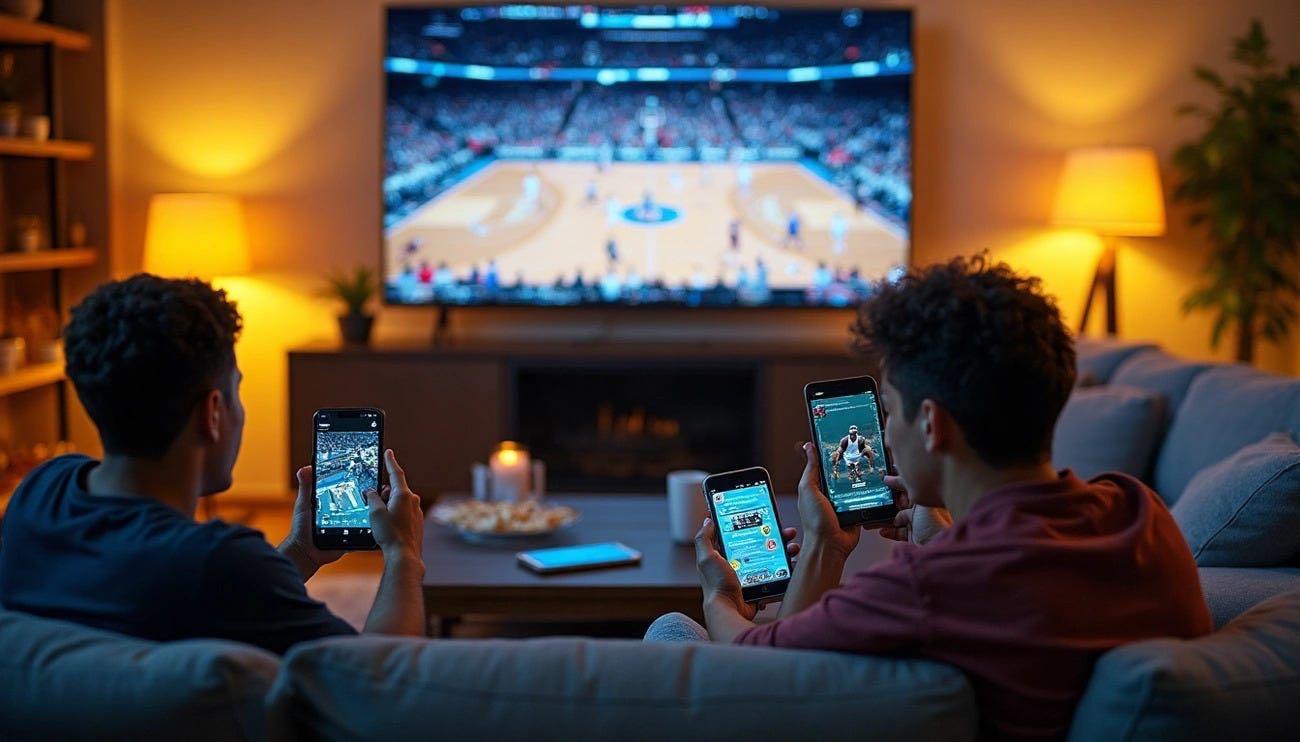
When comparing across race, African Americans scored highest in terms of the frequency in which they participated in any consumer activities involving television. Specifically, when comparing across race, this segment scored highest in: live-game consumption via television, highlight consumption via television, and watching sport-centric shows.
Live-game consumption via TV
Of any consumption activity, African Americans scored highest in this category in comparison to other groups within this category (5.47).

Highlight consumption via TV
African Americans scored 4.95 in this category, making African Americans the highest rated group amongst race in this category.

Sport-centric shows
African Americans scored 3.77 in this category, making African Americans the highest rated group amongst race in this category.

LATINX & DIGITAL
Live Game via Device
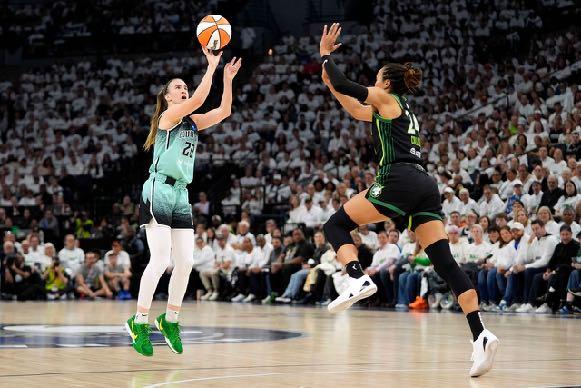
When comparing across race, the Hispanic/LatinX segment scored highest in terms of the frequency in which they participated in any consumer activities involving the digital space. As seen in the first graph, the LatinX segment consumes live sporting events through a device more frequently than their racial counterparts (4.46). The second graph showcases the same categorical scores amongst LatinX consumers , but compares across age groups. The results indicate that, amongst LatinX sport consumers, the GenZ age group consumes livegames through a device more frequently than any other age group (4.68).
Live game consumption through device - Across race


LATINX & DIGITAL
Highlights via Device
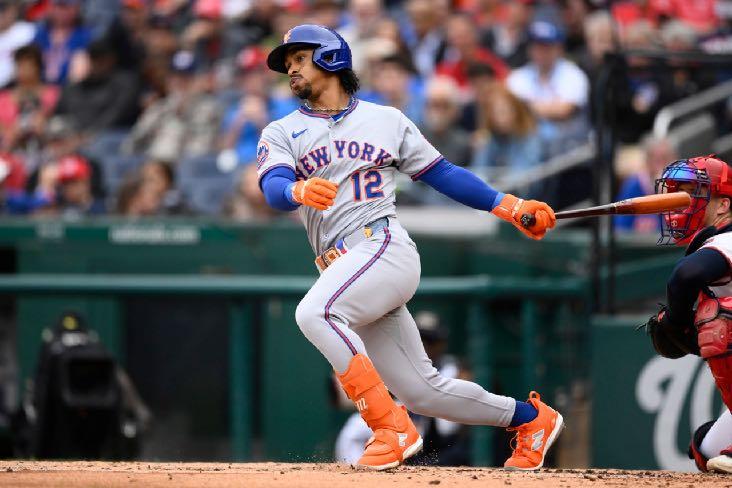
When comparing across race, the Hispanic/LatinX segment scored highest in terms of the frequency in which they participated in any consumer activities involving the digital space. As seen in the first graph, the LatinX segment consumes sport highlights through a device more frequently than their racial counterparts (4.64). The second graph showcases the same categorical scores amongst LatinX consumers, but compares across age groups. The results indicate that, amongst LatinX sport consumers, the GenZ age group consumes sport highlights through a device more frequently than any other age group (4.81).
Highlight consumption through device - Across race

Highlight consumption through device - LatinX across age
LATINX & DIGITAL
Website Visitation
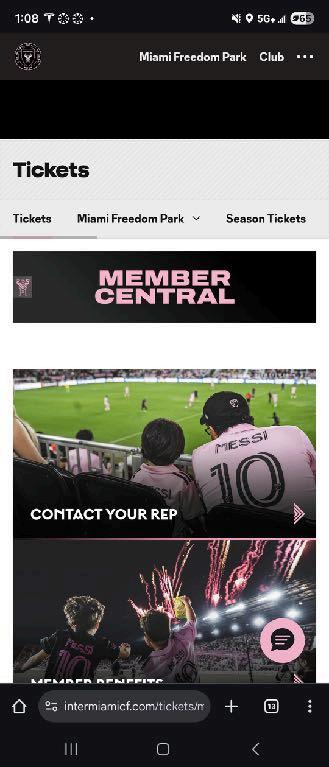
When comparing across race, the Hispanic/LatinX segment scored highest in terms of the frequency in which they participated in any consumer activities involving the digital space. As seen in the first graph, the LatinX segment visits their favorite team’s website more frequently than their racial counterparts (3.82). The second graph showcases the same categorical scores amongst LatinX consumers, but compares across age groups. The results indicate that, amongst LatinX sport consumers, Millennials visit their favorite team’s website more frequently than any other age group (3.92).
Website visitation - Across race

LATINX BUYS
In terms of the frequency in which sport consumers buy merchandise of their favorite team, and the frequency in which consumers intend to attend a live sporting event, Hispanic/LatinX consumers score highest in comparison to their racial counterparts.

Merchandise
Results indicate LatinX sport fans are significantly more likely (p <.001) to purchase merchandise of their favorite team than all of their racial counterparts.


Intention to attend live
Results indicate LatinX sport fans are significantly more likely (p <.001) to attend a live sporting event than all of their racial counterparts.
LATINX FEMALE FANS
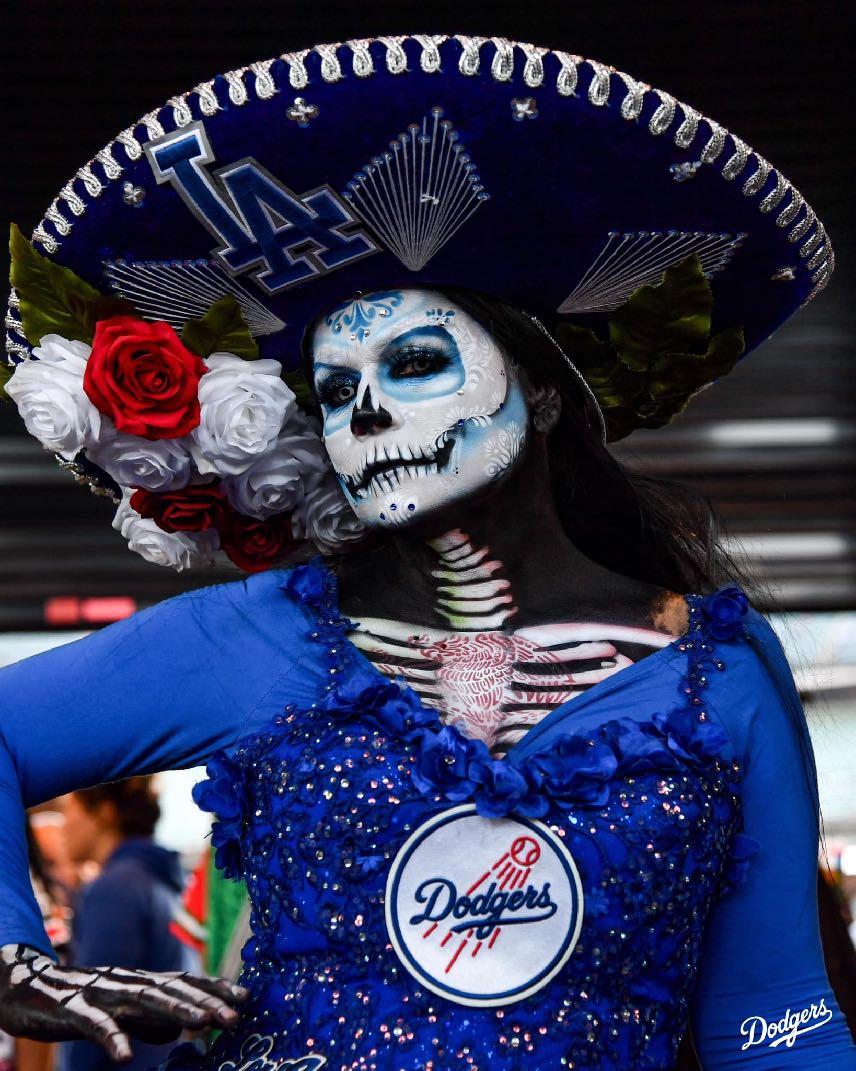
The current study indicates that LatinX female sport fans scored higher than Caucasian Males in the following categories: intentions to purchase favorite teams merchandise, intentions to attend a live sporting event, frequency of consuming a live sporting event via a device, and frequency of consuming highlights through a device.
As it relates to intentions to purchase a favorite team’s merchandise, LatinX female sport fans scored a 4.05, whereas Caucasian Male sport fans scored a 3.61.
As it relates to intentions to attend a live sporting event, LatinX female sport fans scored a 3.19, whereas Caucasian Male sport fans scored a 3.07
As it relates to the frequency of consuming live sporting events via a device,, LatinX female sport fans scored a 4.34, whereas Caucasian Male sport fans scored a 3.86.
As it relates to the frequency of consuming sport highlights via a device,, LatinX female sport fans scored a 4.40, whereas Caucasian Male sport fans scored a 4.16.
Purchasing Merchandise Attend Live
Live Games via Device
via Device
Across Age Groups
Via the lens of consumer age groups (classified as Gen Z, age 18-28; Millennials, age 29-44; Boomers, 45-60; Seniors 61+), the highlights below indicate the outcomes of the study’s investigation upon the 17 major variables measured:
Get Z and Caucasians
Age Group Comparisons & Millennials
The current study indicates that millennials score higher than all other age groups, in 15 of the 17 categories *
Millennials and African Americans
Amongst millennials, African Americans scored higher than their racial counterparts in 12 of the 17 categories


Amongst gen Z, Caucasians scored higher than their racial counterparts 9 of the 17 categories*
Boomers and African Americans
Amongst boomers, African Americans scored higher than their racial counterparts 9 of the 17 categories*
Seniors and LatinX
Amongst seniors Hispanic/LatinX scored higher than their racial counterparts 15 of the 17 categories*
Key Variables
ACROSS LEAGUE
The graphic on the following page showcases each of the prominent professional sport leagues within North America, and the fan group (categorized by race) which scored highest in the following categories: intentions to watch sport via live television, intentions to attend a live sporting event, and intentions to purchase merchandise of a favorite team..






High-LevelConclusions
Of the many take-aways from the current study, a clear highlight is that minority sport consumers should be considered a valuable target market for the greater sports landscape. Not only was their prowess displayed independently, but in highlighting the study’s fandom variables through comparisons, the reader can gain further insight into the ripe nature of their capability as sport consumers.
Overall, the current study suggests Hispanic/LatinX consumers are not only the most highly identified sport fans, but are also the most passionate. Further, the study suggests Asian Americans favor their favorite team’s product-related brand attributes and personal brand benefits more than their racial counterparts. The study illuminates the fact that African Americans favor their team’s non-personal-related brand benefits more than their counterparts, but also show the highest proclivity to interact with television-related consumption behaviors. Further, in that millennials were found to take part in sport consumption behaviors more frequently than other age groups, it should be of note that within this group, African American millennials scored higher than their age/race counterparts in 12 of the 17 sport consumption categories. Lastly, the current study suggests Hispanic/LatinX fans interact with sport through their devices more than their counterparts, and are more likely to purchase merchandise and have a higher intention to attend live sporting events than their counterparts.
In sum then, Hispanic/LatinX fans, African American fans, or Asian American fans rank highest in all of the variables which were showcased in the current study. And, while this study does not claim to be the definitive assessment of fandom, it can at least be a starting point towards further dialogue. Seeing the aforementioned economic prowess of these demographics, coupled with the results of the current study can shed light upon the possibility of new frontiers for the sport business landscape.
REFERENCE
1. Brown, B, Valenta, B., Sikorjak, D. (2023). Re-visiting the Black market: Re-examining African American Sport Consumers in the 21st Century [White Paper]. NYU School of Professional Studies. https://www.sps.nyu.edu/content/ dam/sps/pdfs/Re-visiting_the_Black_Market.pdf
2. The state of Black consumers: An opportunity for growth and equity (2025). McKinsey & Company. Retrieved from https:// www.mckinsey.com/institute-for-economic-mobility/our-insights/black-consumers-and-the-opportunity-for-growth-and-equity
3. Black impact: Consumer categories where African Americans move markets (2018). Nielsen. Retrieved from https:// www.nielsen.com/insights/2018/black-impact-consumer-categories-where-african-americans-move-markets/#
4. Key facts about U.S. Latinos (2025). Pew Research Center. Retrieved from https://www.pewresearch.org/short-reads/2025/10/22/ key-facts-about-us-latinos/
5. U.S. Latino GDP hits high of $4.1 trillion, marking ‘growth spot’ for the nation (2025). UCLA Newsroom. Retrieved from https:// newsroom.ucla.edu/releases/us-latino-gdp
6. ‘Latinos have once again powered major growth for the U.S. economy,’ study shows (2025). America’s Voice. Retrieved from https://americasvoice.org/blog/latinos-have-once-again-powered-major-growth-for-the-u-s-economy-study-shows/
7. Reaching Asian American Audiences (2024). Nielsen. Retrieved from https://www.nielsen.com/insights/2024/reaching-asianamerican-audiences-2024-diverse-intelligent-series-report/
REFERENCE (cont.)
8. Significant and fast(est) growing (2019). Asian American Advertising. Retrieved from https://asianamericanadvertising.com/ consumers
9. Wann, D. L., Waddill, P. J., Polk, J., & Weaver, S. (2011). The team identification–social psychological health model: Sport fans gaining connections to others via sport team identification. Group Dynamics: Theory, Research, and Practice, 15(1), 75.
10. Brian Greenwood, P., Kanters, M. A., & Casper, J. M. (2006). Sport fan team identification formation in mid-level professional sport. European Sport Management Quarterly, 6(3), 253-265.
11. Wakefield, K. (2016). Using fan passion to predict attendance, media consumption, and social media behaviors. Journal of Sport Management, 30, 229-247.
12. Bauer, H. H., Stokburger-Sauer, N. E., & Exler, S. (2008). Brand image and fan loyalty in professional team sport: A refined model and empirical assessment. Journal of sport Management, 22(2), 205-226.

- As it relates to the information on Age Groups and Millennials on page 25, millennials scored higher than their counterparts in the following categories: team identification, league identification, passion, product-related attributes, non-product-related brand attributes, personal brand benefits; and the frequency in which they partake in/consume the following: highlights via television, purchasing team-related merchandise, listening to sports via radio broadcast, consuming a podcast related to their favorite team, visiting their favorite team’s website, consuming video on demand sport content, consuming sport shows, and attending a live sporting event.
- As it relates to the information on millennials and African Americans on page 25, African American millennials scored higher than their counterparts in the following categories: league identification, non-product-related brand attributes; and the frequency in which they partake in/consume the following: live sporting events via television, live sporting events via a device, highlights via purchasing team-related merchandise, listening to sports via radio broadcast, consuming a podcast related to their favorite team, visiting their favorite team’s website, consuming video on demand sport content, and
- As it relates to the information on gen Z and Caucasians on page 25, gen Z Caucasians scored higher than their counterparts in the following categories: team identification, league identification, passion, product-related attributes, non-product-related brand attributes, personal brand benefits; and the frequency in which they partake in/consume the following: live sporting events via television, purchasing team-related merchandise, and attending a live sporting event.
APPENDIX A (cont.)
- As it relates to the information on boomers and African Americans on page 25, African American boomers scored higher than their counterparts in the following categories: passion; and the frequency in which they partake in/consume the following: live sporting events via television, live sporting events via a device, highlights via television, highlights via a device, consuming a podcast related to their favorite team, visiting their favorite team’s website, consuming video on demand sport content, and
- As it relates to the information on seniors and LatinX on page 25, senior LatinX scored higher than their counterparts in the following categories: team identification, league identification, passion, product-related attributes, non-product-related brand attributes, personal brand benefits; and the frequency in which they partake in/consume the following: live sporting events via television, live sporting events via a device, highlights via television, highlights via a device, purchasing team-related merchandise, listening to sports via radio broadcast, visiting their favorite team’s website, consuming video on demand sport content, and