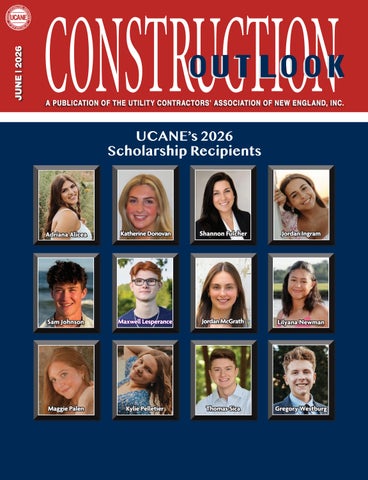
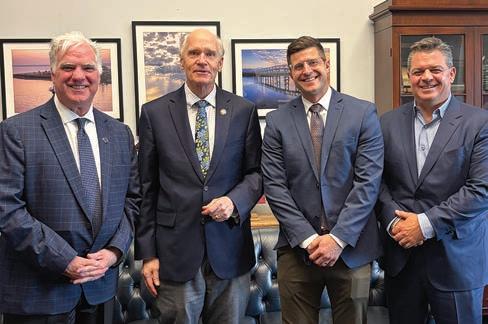
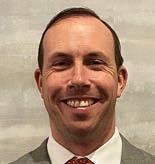
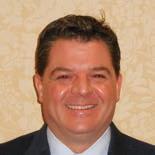
Maxwell Lesperance Jordan McGrath Lilyana Newman Sam Johnson
Adriana Alicea
Shannon Fulcher Jordan Ingram
Katherine Donovan
Thomas Sica Gregory Westburg
Kylie Pelletier Maggie Palen
OFFICERS
President
CHRIS
GVC Construction, Inc.
President
QUERINO
RJV Construction Corp.
Treasurer
LISA FRENCH
W. L. French Excavating Corp.
Secretary
JUSTIN
J. F.
BOARD
MARCELLA
DIRECTORS
Albanese Brothers, Inc.
GERRY CARNEY, JR.
C. N. Wood Company, Inc.
BRIAN COONEY
C. C. Construction, Inc.
JULIA D’ALLESSANDRO
D’Allessandro Corp.
JERRY GAGLIARDUCCI
Gagliarducci Construction, Inc.
MARCO GIOIOSO
P. Gioioso & Sons, Inc.
MARK LANGEVIN
Phoenix Communications, Inc.
WILLIAM LEONARD
Aqua Line Utility, Inc.
KARIN MARSHALL
Boston Concrete Corp.
MIKE McCARTHY
J. Derenzo Co.
RYAN McCOURT
McCourt Construction Company
JOHN McGRATH
Methuen Construction Co.
MICHELE NORTON
HUB International New England
RICHARD PACELLA, JR.
R. M. Pacella, Inc.
FRED ROGERS
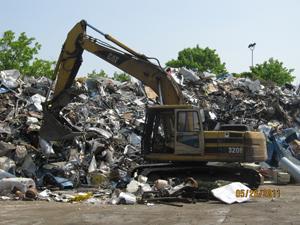
Scrap It, Inc./Minichiello Bros., Inc.
MARK SZELA
Insituform Technologies LLC
CHRISTOPHER WALSH
W. Walsh Company, Inc.
JOSEPH NOLAN
Executive Director
Chris Valenti, Querino Pacella, Lisa French Kelley, and Justin Goodheart 3 President’s Message: UCANE’s Commitment to Our Industry and the Communities We Serve Remains Stronger Than Ever in Our Fourth Generation 5 Legislative Update:
• Senate Passes FY27 Budget; Conference Committee Aims to Meet July 1 Target • MassDEP Recognizes and Honors Public Water Systems and Operators on 40th Drinking Water Awards Day
• EPA Announces $18.6 Million for Massachusetts to Address PFAS in Drinking Water
News in Brief
Writer: Brandon
Chris Valenti
JOINING FORCES TO BETTER SERVE YOU
The Jack Farrelly Company, Putnam Pipe and HR Prescott have united, as part of the Core & Main family.
• W. Boylston, MA 508-835-4431
• Bloomfield, CT 860-769-6760
• East Lyme, CT 860-739-5457
• New Britain, CT 860-826-0517
• Hopkinton, MA 508-435-3090
• North Haven, CT 203-777-5548
• Westbrook, ME 207-464-0585
• N. Billerica, MA 978-459-6701
• Norwood, MA 781-407-9133
• Taunton, MA 508-880-8736
• Worcester, MA 508-752-7473
• Loudon, NH 603-263-7350
• New Milford, CT 860-210-6262
• Springfield, MA 413-732-8400
• Johnston, RI 401-725-0140
We’re still the dependable experts you’ve always known, but now as one team, continuing to handle all your water, wastewater, fusible, and storm drainage material
UCANE’s Commitment to Our Industry and the Communities We Serve Remains Stronger Than Ever in Our Fourth Generation
I am always humbled when I reflect on the fact that UCANE is now in its 73rd year. Over that time, the Association has played an important role in supporting its members and helping strengthen the communities we serve across Massachusetts.
What makes our association truly special is the strong sense of continuity, collaboration, and shared purpose that has endured over the decades. That foundation has brought together contractors, suppliers, engineers, and industry professionals in support of the water, sewer, utility, and energy infrastructure that keeps our communities functioning every day.
One of the values that has sustained UCANE throughout those 73 years is our commitment to giving back. We strive to support our members, strengthen our industry, and make a positive difference in the communities where we live and work.
This issue of Construction Outlook highlights the 12 students selected to receive UCANE scholarships in 2026. These awards represent more than financial assistance—they are an investment in the future. Whether these students pursue careers in construction, engineering, public service, or other fields, helping them achieve their educational goals is one of the many ways UCANE invests in the next generation.
At the same time, we remain a tireless advocate for investment in critical infrastructure throughout Massachusetts and across the nation. Through our ongoing #InvestInWaterMA campaign, we remind policymakers and the public that water infrastructure may be out of sight, but it must never be out of mind. Continued investment in our aging underground systems is essential to protecting public health, supporting economic growth, and ensuring our communities have the utility networks needed for the future
Advocacy is only one part of what makes UCANE strong. Equally important are the opportunities we create to bring members together, strengthen relationships, and build the friendships that have always been the foundation of this association.
This summer offers several opportunities to do just that. On July 15, we will gather at Pinehills Golf Club for our Annual Golf Tournament, which has expanded to two courses and nearly doubled in size thanks to tremendous member support. In August, we will head west for our annual Western Massachusetts Meeting at GreatHorse, bringing together members, public officials, and industry leaders from across the Commonwealth.
We will conclude the summer on September 10 at Topgolf in Canton. Beyond the camaraderie and networking, this year's event will support both the Brain Aneurysm Foundation and the Gavin Foundation, helping two outstanding organizations that improve lives throughout our region.
As we move through another busy construction season, I encourage every member to participate in these events and continue strengthening the relationships that make UCANE so unique. For 73 years, members have stood shoulder-to-shoulder in support of one another, our industry, and our communities. Together, we will carry that proud tradition forward. n
Senate Passes FY27 Budget; Conference Committee Aims to Meet July 1 Target
In late May, the Massachusetts Senate approved its fiscal year 2027 (FY27) budget proposal, totaling approximately $63.37 billion. Over four days of debate, senators adopted 518 amendments, adding approximately $70.5 million in new spending to the Senate Ways & Means Committee’s budget recommendation. According to the Massachusetts Taxpayers Foundation (MTF), the Senate rejected 317 amendments and withdrew an additional 313 amendments during the deliberative process. The Senate's final spending plan is approximately $2.3 billion (3.8%) above FY26 spending levels, approximately $4.2 million above the Governor’s original proposal, and approximately $49.6 million below the House budget.
The Senate budget also included approximately 100 outside sections and continued the Legislature’s recent trend of incorporating limited policy language into the annual budget process. While the final Senate budget remains closely aligned with the Governor’s overall spending framework, it reflects the Senate’s priorities in areas such as education, housing, transportation, environmental programs, and local aid.
Of note for UCANE’s areas of interest, the Senate budget proposal provided:
• Level funding of $63.3 million for the Clean Water Trust’s contract assistance program.
• No funding included for the Commonwealth Sewer Rate Relief Fund. (Note: The House provided $1.5 million for this program.)
• $5.9 million for the Underground Storage Tank Petroleum Product Cleanup Fund administrative program.
• Approximately $51.7 million in funding for the Department of Environmental Protection (MassDEP).
UCANE, in addition to reviewing the over 1,100 budget amendments offered to the FY27 budget plan, the association weighed in with support on one of the proffered amendments (increasing the MassDEP’s administrative line-item) and in opposition to two amendments (applying prevailing wage to offsite fabrication and transparency in private construction).
In supporting an increase to the amendment increasing the MassDEP line-item, UCANE wrote that:
“With increased funding for its operating line-item (2200-0100), the MassDEP can do incredible work in maximizing the SRF program and address the many water infrastructure issues facing the Commonwealth. This not only benefits the Commonwealth but directly assists municipalities and their residents who rely on the MassDEP’s expertise in navigating the SRF process. From UCANE’s perspective, any increase in municipalities utilizing the SRF program means more construction work and, accordingly, the creation of more good paying jobs. As the Commonwealth tries to continue its economic growth in the light of softening revenues, programs that create job growth while improving our infrastructure are vitally important.” (Note: The Senate adopted the amendment relative to increasing the MassDEP’s line-item.)
In opposition to an amendment trying to apply prevailing wage to offsite fabrication, UCANE again joined with the Associated Builders and Contractors (ABC), Associated General Contractors, Massachusetts (AGCMA), Associated Industries of Massachusetts (AIM), Associated Subcontractors
continued on page 7
Mark Molloy, Esq.
of Massachusetts (ASM), Construction Industries of Massachusetts (CIM), and the National Association of Industrial and Office Properties, Massachusetts (NAIOPMA) in successfully defeating the amendment. Proponents of the measure continue to offer their language to extend the prevailing wage law across state lines for certain items fabricated offsite in the various omnibus bills being considered by the Massachusetts legislature.
Finally, UCANE offered written testimony in opposition to an amendment that would require private utility companies to report on the process and payments made to contractors for work done on behalf of the utilities. In opposition to the same, UCANE wrote:
“While framed as a “transparency” measure, the proposal does not address any demonstrated problem involving public safety, consumer protection, or misuse of ratepayer funds. Instead, it inserts the Commonwealth into the private contracting decisions of regulated utilities and their construction partners, despite the fact that these companies already operate under extensive oversight by the Massachusetts Department of Public Utilities and are required to manage costs prudently in the interest of ratepayers. Further, the amendment would undermine the flexibility utilities may need to select contractors based on a broad range of legitimate considerations, including technical expertise, safety record, specialized equipment, responsiveness during emergencies, workforce availability, and past performance. Lowest price is only one component of a prudent contractor selection process. Utilities frequently rely on contractors with whom they have longstanding relationships and proven track records in performing highly specialized and safety-sensitive work on critical infrastruc -
ture.” Note: the amendment was not adopted as part of the final Senate budget.
The Massachusetts Senate and Massachusetts House of Representatives have now formed a six-person Conference Committee to reconcile differences between the House and Senate versions before the July 1 deadline marking the start of FY27.
For more details on the Senate FY27 budget, visit: https://malegislature.gov/Budget/SenateBudget.
MassDEP Recognizes and Honors Public Water Systems and Operators on 40th Drinking Water Awards Day
The Massachusetts Department of Environmental Protection (MassDEP) recently celebrated National Drinking Water Week by hosting its 40th annual Drinking Water Awards Day, recognizing more than 200 public water systems and operators for their commitment to delivering safe, reliable drinking water across the Commonwealth. Held in Shirley, the event honored 42 water systems, four operators, two municipalities, and two childcare advocates for excellence in water quality, conservation, and public health protection. The MassDEP also presented a Special Recognition Award to former Drinking Water Program Director Yvette DePeiza in acknowledgment of her exceptional leadership and more than 46 years of service to the Commonwealth’s drinking water programs.
The awards highlighted outstanding achievements across a diverse range of public water systems, including non-transient non-community systems, small community systems, medium and large community systems, and consecutive systems. Several communities
were also recognized as Consistent Performers for earning awards in three consecutive years. In addition, Concord and Georgetown received Water Conservation Awards for their efforts to promote efficient water use and sustainable resource management. These recognitions underscore the importance of proactive stewardship and continuous improvement in maintaining high-quality drinking water services.
The MassDEP also recognized municipalities that have successfully integrated energy efficiency and environmental sustainability into their water infrastructure operations. The Towns of Orleans and Essex received Energy Conservation Awards for projects that modernized critical equipment, reduced energy consumption, lowered operating costs, and decreased carbon emissions. The STAR L Award was presented to the Amherst Department of Public Works Water Division for its leadership in identifying and addressing potential sources of lead in schools, while childcare advocates
continued on page 11
Claudia Vega and Gloria Jackson were honored for their efforts to reduce lead exposure risks in childcare facilities through participation in the Water-Smart Program. Regional recognition awards highlighted water systems and operators that have demonstrated exceptional leadership in addressing complex infrastructure and water quality challenges.
Honorees also included East Brookfield Water Department for significant investments in treatment and system reliability, Bedford Water Department for exemplary regulatory compliance and preparedness, Middleborough Water Department for its extensive PFAS response efforts and regional cooperation, and the Springfield Water and Sewer Commission for advancing major treatment upgrades to ensure longterm drinking water safety. Distinguished Operator Awards were presented to Thomas Cutler, Paul Provost, Michael and James Poitras, and Richard Kilhart in recognition of their outstanding professionalism and dedication to protecting public health through effective water system management.
To find more information about awardees of the 2026 Public Water System Awards, please visit: https://www.mass.gov/lists/communications-to-public-water-suppliers.
continued on page 13
Stronger projects start with the right team.
F.W. Webb Water Works is with you every step – from planning, ordering, delivery and all the way through to your project’s completion. Providing the expertise, products and support you need to keep your project moving forward.
Full-Service Approach
PRODUCT • SERVICES • EXPERTISE
Our end-to-end project support saves you time, money & effort
Pre-project material assessment
Trusted partners & personalized service
Rapid support with extensive supply chain
Equipment training & repairs
Custom fabrication
EPA Announces $18.6 Million for Massachusetts to Address PFAS in Drinking Water
According to a press release issued by the agency, the United States Environmental Protection Agency (EPA) announced $18.6 million in new Emerging Contaminants in Small or Disadvantaged Communities (EC-SDC) grant funding to address PFAS and emerging contaminants in Massachusetts communities that need it most.
The EC-SDC grant program is a $1 billion national investment that helps communities address PFAS and other emerging contaminants. In Massachusetts, $18,607,000 is available for communities, drinking water systems, and private well owners to help with testing, planning, and infrastructure projects addressing PFAS and other emerging contaminants included on EPA’s Contaminant Candidate Lists (e.g., manganese, perchlorate, 1,4 dioxane).
With this grant allotment, the agency has made $5 billion in EC-SDC funding available through this
program over five years. More than $6.5 billion in low-interest financing is currently available through EPA's Water Infrastructure Finance and Innovation Act (WIFIA) Loan program, which can also be used to address PFAS. Sustained investment of this scale helps drive down the per-system cost of treatment, generates real-world performance data that better informs utility decision-making, accelerates innovation in destruction and disposal technologies, and helps mitigate PFAS across the many forms in which it appears in source water.
Additionally, EPA’s new PFAS OUTreach—or PFAS OUT—initiative is accelerating progress in addressing PFAS in drinking water. This new program proactively works with communities and water systems to reduce exposure to per-fluorooctanoic acid (PFOA) and per-fluorooctane sulfonic acid (PFOS) in
continued on page 15
HUB’s dedicated insurance and risk management specialists will work to help you build on your success and protect what matters most.
o Business insurance and Risk Services
o Employee Benefits
o Personal insurance
o Retirement and Private Wealth Management
HUB International New England
Michele L. Norton, AAI, CRIS (978) 761-5488
michele.norton@hubinternational.com
hubinternational.com/construction
Update continued from page 13
drinking water. Recognizing that small, rural, and disadvantaged water systems often have fewer resources, PFAS OUT is specifically designed to ensure these communities are not left behind. PFAS OUT will help every drinking water system dealing with PFOA or PFOS to effectively understand the challenge and reduce exposure as soon as possible while positioning them for successful compliance with enforceable drinking water standards.
Within the EPA’s press release on this issue, the agency highlighted its multifaceted approach to reducing exposure to PFAS in drinking water through two proposed rules for public comment that are relative to the National Primary Drinking Water Standards for PFOA and PFOS. The proposed rules may be reviewed at: https://www.epa.gov/sdwa/proposedpfas-rescission-rule and https://www.epa.gov/sdwa/ proposed-pfoa-and-pfos-compliance-extension-rule.
For more information on the Emerging Contaminants – Small or Disadvantaged Communities grant program information, please visit: https://www.epa. gov/dwcapacity/emerging-contaminants-ec-smallor-disadvantaged-communities-grant-sdc.
continued on page 17
BRAINTREE 150 Grossman Drive Suite 200
Braintree, MA 02184 (617) 773-9200
LEXINGTON 238 Bedford Street Lexington, MA 02420 (781) 861-1800
We improve the lives of our partners, and our family by going beneath the surface to build America’s essential infrastructure.
While we’re capable of taking on any trenchless construction project across the U.S., we’re bestsuited for the hard jobs no one else wants to touch.
We are proud to offer an array of trenchless construction methods to choose from to perfectly fit every job. Partner with us on your next project.
Jack and Bore
Hand Mining
Micro-tunneling
Conventional Tunneling
Horizontal Directional Drilling
Rehabilitation
Bettering lives from the ground up
Proud UCANE Member since 1954
Lou Tonry | Commercial Insurance Kris Bibbo | Personal Insurance
Kristin Erickson | Bonds
• Revenue Continues to Exceed Benchmarks. Massachusetts tax collections remained strong in May 2026, with preliminary revenues totaling $2.767 billion, an increase of $140 million (5.3%) over May 2025 and $231 million (9.1%) above benchmark expectations. Year-to-date collections reached $40.809 billion, exceeding the prior fiscal year by $1.663 billion (4.2%) and running $1.823 billion (4.7%) ahead of benchmark. Growth was driven primarily by higher withholding and non-withholding income tax collections, supported by stronger finance and insurance sector payrolls, increased estimated tax payments, and lower refund outflows, as well as modest gains in sales tax receipts. These increases were partially offset by a significant decline in corporate and business tax collections due to higher refunds and lower estimated payments. Income tax collections totaled $1.733 billion, up 11.7% from May 2025, while sales tax collections increased 2.0% to $796 million. DOR noted that May is typically a midsized revenue month, with collections influenced by the tail end of the individual income tax filing season and related refund activity.
• Healey Administration Awards Targeted Ipswich PFAS Grant Funding . In May, the Healey-Driscoll Administration awarded nearly $900,000 in grants to five communities within the Ipswich River Basin to improve drinking water quality, strengthen water infrastructure, and reduce contamination from PFAS. Administered by the MassDEP, the region-specific funding will support projects in Lynn, Peabody, Ipswich, and Hamilton/Wenham, including leak detection efforts to reduce water loss, testing and design of PFAS treatment technologies, and advancement of a new water treatment plant. State officials emphasized that the investments will help ensure long-term access to clean, safe drinking water while protecting public health and preserving the Ipswich River ecosystem for future generations. More information about these grants may be found at: h ttps://www.mass.gov/info-details/water-management-act-grant-programs-for-public-watersuppliers#ipswich-water-supply-and-pfasgrant. n
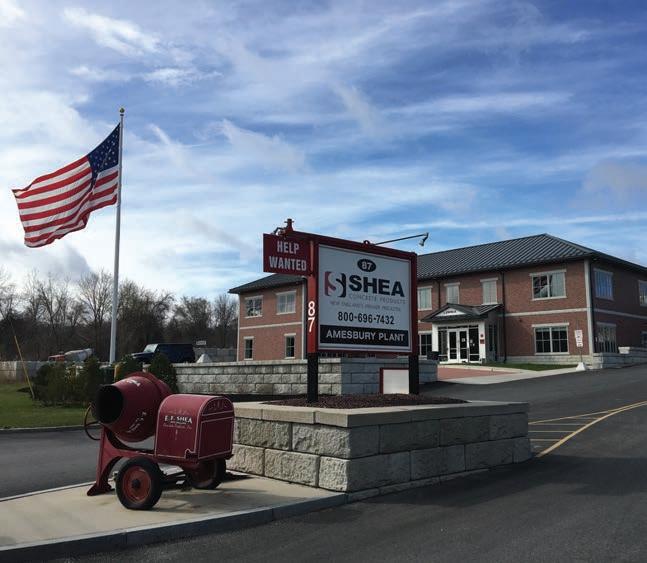
For over 75 years, Shea Concrete Products has proudly served the New England construction market by providing industry leading product quality and service to our customers and industry partners. Our robust product line of precast concrete products provides solutions for all project types and our truck fleet ensures on-time delivery.
R epR esentative Ca R los Gonzalez
(D-10th hampDen)
Representative Carlos Gonzalez’s journey into government began with a deep commitment to community service and advocacy. After building a TV station and radio station he was offered the opportunity to work as an aide to the Springfield Mayor, making him the first Latino to serve in that role. After leaving that role, He started the Massachusetts Latino Chamber of Commerce in 2004 and in 2014 ran for elected office. Inspired by his personal experiences growing up with a single mother and five siblings in public housing, he realized that engaging in public service was the best way to effect change for so many Springfield residents and represent the needs of his constituents.
Q:
As costs continue to rise and federal aid decreases, please give your thoughts on how the state will continue to support local aid to cities and towns to help support basic municipal services, specifically water, wastewater, and underground utility infrastructure.
A:
To support local aid amidst rising costs and decreasing federal assistance, the state must prioritize funding for essential services and seek innovative partnerships with local governments. By leveraging state resources and pursuing grants, we can help ensure that municipalities maintain critical infrastructure like water and wastewater systems, especially our Springfield Water Department.
the need for investment in infrastructure. Addressing these issues is crucial for fostering sustainable economic growth and improving the quality of life for residents.
Q:
The #InvestInWaterMA campaign, sponsored by UCANE, highlights the importance of water infrastructure to a wide variety of industries. Can you share a sampling of some of the specific industries in your district that benefit from our investments in water infrastructure?
A:
A: Q:
Representing the 10th Hampden District in the City of Springfield, what are the biggest challenges for your district and the accompanying region with regard to continued economic growth?
The biggest challenges for the 10th Hampden District revolve around economic inequality, job accessibility, and
In my district, industries like healthcare, such as hospitals/medical facilities, small manufacturing, and tourism significantly benefit from investments in water infrastructure. Reliable water services are essential for these sectors to thrive and contribute to the local economy.
Q:
Can you share your thoughts on how the construction industry might be able to meet its growing workforce needs as older members of the industry retire?
continued on page 21
Are there opportunities to diversify the workforce and grow new businesses?
As older members of the construction workforce retire, the industry can meet its workforce needs by investing in trade schools, paid training programs, and partnerships with educational institutions. There are significant opportunities to diversify the workforce by attracting underrepresented groups and promoting careers in construction.
Can you share some of your legislative or regulatory priorities for the 20252026 legislative session?
My legislative priorities for the 20252026 session include advancing initiatives for Student Opportunity Act, affordable housing, enhancing public transportation, and bolstering support for micro businesses. These efforts aim to create a more equitable and prosperous environment for all residents. n
• Project Safety Staffing • Medical Trailers and Wellness Programs • Drug /Alcohol Screening
TRAINING & DEVELOPMENT
• CPR/First Aid/Narcan/Pathogens
• Competent Person
• Reasonable Suspicion
REGULATORY COMPLIANCE EXAMS
• Pre-Employment Physicals
• DOT/FMCSA Exams
• Respiratory Fit Testing & Training CONFINED SPACE & HIGH ANGLE RESCUE
• Highly Specialized and Trained Team Members
• On-Site making sure your employees are safe
Construction & Public Contracts Group, Hinckley Allen, LLP
The United States Department of Justice Announces First “Civil Rights Fraud Initiative Resolution”
In May of 2025, the United States Department of Justice (“DOJ”) launched a new “Civil Rights Fraud Initiative.” The stated purpose of this initiative is to “utilize the False Claims Act to investigate and, as appropriate, pursue claims against any recipient of federal funds that knowingly violates federal civil rights laws.” At the time, the DOJ stated unequivocally: “[t]he days of using federal funds to further discrimination are over.” A year later, in May of 2026, the DOJ announced its first settlement under this new initiative.
The settlement related to allegations that a national company “violated the False Claims Act by failing to comply with anti-discrimination requirements in federal contracts . . . .” The DOJ noted that “[m]ost federal contracts contain provisions that require contractors to comply with anti-discrimination requirements as to employees and applicants for employment.” The DOJ added that contractors must certify compliance with anti-discrimination requirements. The DOJ’s press release stated that the company allegedly “failed to comply with these requirements and knowingly maintained practices that the United States contends were discriminatory employment practices.”
Among other things, the DOJ alleged that the company made employment decisions based on factors such as race, color, national origin, or sex, and used “a diversity modifier that tied bonus compensation to achieving demographic targets.” The company also allegedly “altered interview criteria based on race or sex” to “identify[] ‘diverse’ candidates for hiring, transfer, or promotion.” The DOJ also alleged that the company offered certain “training, partnerships, mentoring, leadership development programs, and educational opportunities only to certain employees, with eligibility, participation, access, or admission limited on the basis of race or sex.”
According to the DOJ: “[r]acial discrimination is illegal, and government contractors cannot evade the law by repackaging it as DEI [i.e., diversity, equity, and inclusion].” The DOJ added that “[w]hen a company accepts federal funding while engaging in practices that sort, prefer, or disadvantage employees on the basis of race or sex, the company is stepping outside the conditions under which the government agreed to contract with them, and we will hold them accountable.” In this case, the company agreed to pay the United States more than $17 million to settle the alleged violations, comprised of more than $8 million in “restitution.”
continued on page 25
Christopher Morog Partner
Robert T. Ferguson Partner
The DOJ acknowledged that the company took “significant steps entitling it to credit for cooperating with the government in its investigation.” Among other things, the company undertook an independent investigation and “made early disclosures of facts” relevant to the government’s investigation. The company also undertook “voluntary remedial measures” which included “termination and/or modification of various programs and practices at issue.”
This case example did not involve a construction contracting company. However, contractors performing public construction contracts in Massachusetts must be sure to comply with applicable anti-discrimination laws. This can present a challenge to contractors, particularly when the requirements of state contracts may arguably conflict with federal requirements. For example, in December of 2024, the Governor of Massachusetts issued Executive Order No. 638 creating a “Diverse and Equitable Construction Workforce Participation Committee.” Among other things, the Executive Order includes a section titled “Promoting Equitable Workforce Participation in Construction Through Good Labor and Equity Practices.” This section requires that state offices and agencies “shall embed in their construction procurements re -
YOUR TRUSTED PARTNER IN QUALITY & CONVENIENCE
We are proud to offer solutions for utility contractors, sitework and road builders, as well as municipalities across the region.
Recycled gravel
Sand bedding & crushed stone
Delivery services
Mobile crushing
Accepting excavated materials
On-site credit card payments
quirements that promote job-quality and inclusion, including, for example, provisions that . . . encourage contractors to provide supportive services . . . to facilitate the participation of women and underrepresented groups in construction.”
Compliance with Massachusetts Executive Order No. 638 could raise questions as to whether a given contractor is also in compliance with applicable federal anti-discrimination laws. For example, assume a Massachusetts contractor is performing work under a state construction contract that contains provisions consistent with Massachusetts Executive Order No. 638. To comply with these provisions, the contractor implements programs or services “to facilitate the participation of women and underrepresented groups in construction.” The contractor certifies compliance with applicable contractual requirements in its monthly applications to the state for payment. At the same time, the contractor is performing work under another state contract that involves federal funding and therefore requires compliance with applicable federal including anti-discrimination laws. Can the contractor validly certify compliance with federal antidiscrimination laws if it has implemented programs and provides services consistent with Massachusetts Executive Order No. 638?
continued on page 27
PIPE RENEWAL OR REPLACEMENT, MANHOLE REHAB
• Geopolymer Lining
• Pipe Bursting
• Manhole Rehabilitation
PIPE RELINING
• CIPP Lining
• UV CIPP Lining
• Slip Lining
• Clean & CCTV
Serving the municipal and industrial markets, you can count on Vortex Services Northeast for end-to-end trenchless rehabilitation services!
INSPECTION, CLEANING & ASSESSMENT
• Multi-Sensor Inspection
• Specialty Cleaning
GROUTING
• Leak Stoppage
• Soil Stabilization
• I&I Prevention
The answer will likely depend on the specific facts and circumstances, including the details of the programs and services that the contractor is offering. However, this scenario illustrates the potential tension between state and federal requirements. This situation can create a trap for the unwary for contractors that perform work on state projects as well as federal projects or state projects involving federal funding. Contractors must be vigilant to avoid practices that could give rise to potential liability under the state or federal False Claims Act. In the construction context, such liability is often premised on certifications made in connection with applications for payment.
Contractors should know that the government is taking enforcement of anti-discrimination laws seriously. Policies and programs that may not have been questioned just a few years ago may give rise to potential liability now. Contractors are encouraged to review their policies and programs for compliance with applicable anti-discrimination laws and update them as may be necessary. There is likely no one-size-fits-all approach. Because each project may be subject to differing requirements, contractors should review the specific terms of their contracts and understand project funding sources, in order to determine what adjustments ought to be made to their policies and programs, if any. n
Cerbo
MSFS
Advocating for Infrastructure: UCANE Takes Its Voice to Washington
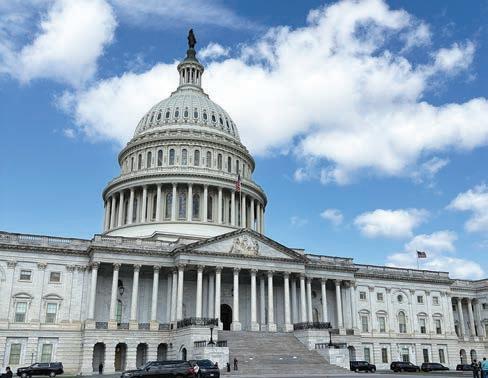
In mid-May, UCANE leadership traveled to Washington, D.C. to ensure the priorities of New England’s utility construction industry remain front and center in federal policymaking. Representing the Association were Board President Chris Valenti, Executive Director Joe Nolan, and Legislative & Membership Administrator Brandon Ward, who joined construction industry leaders from across the country to engage directly with members of Congress, congressional staff, and regional policy organizations. This annual Infrastructure Week advocacy trip is an important opportunity to elevate the concerns of utility contractors on issues ranging from infrastructure funding and permitting reform to workforce shortages and road safety.
National Industry Coordination
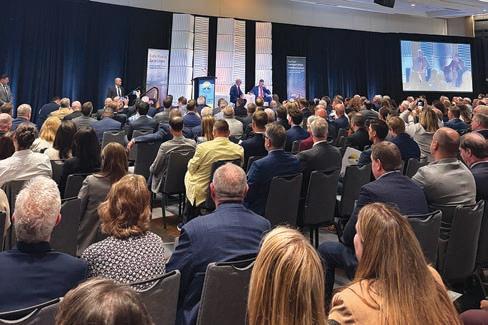
UCANE’s advocacy efforts began on Tuesday, May 12, with participation in the Transportation Construction Coalition (TCC) Legislative Briefing on Capitol Hill. The TCC is a national alliance of transportation construction organizations that advocates for robust federal investment in infrastructure and public works projects.
The briefing provided updates on federal transportation funding, congressional priorities, and the outlook for infrastructure investment heading into future budget discussions. For utility contractors, these conversations are especially important because water and sewer improvements are often coordinated alongside roadway reconstruction and other federally supported infrastructure projects. The program included remarks by Transportation Secretary Sean Duffy and House Transportation & Infrastructure Ranking Minority Member Rick Larsen.
The evening concluded with the TCC Fly-In Reception, where UCANE representatives connected with national construction leaders and coalition partners from the Utility & Transportation Contractors Association of New Jersey and Construction Industries of Massachusetts.
continued on page 31
Congressional Engagement and New England Priorities
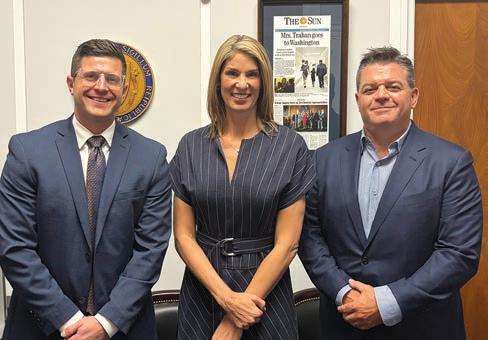
Wednesday’s agenda focused on direct engagement with Congressional and policy stakeholders, starting with a meeting with Congresswoman Lori Trahan and her Legislative Assistant Alex Eliasen. UCANE used the meeting to discuss the importance of federal investment through programs such as the State Revolving Fund (SRF), which provides essential financing for water and wastewater infrastructure projects nationwide, a topic of specific importance given Representative Trahan’s seat on the House Energy & Commerce Committee. CSOs, workforce shortages, permitting challenges, and long-term infrastructure funding also remained central themes
Infrastructure Week continued from page 31
underground utility systems and ensuring communities have the resources needed to modernize aging infrastructure and address nitrogen pollution.
Wednesday concluded with the New England Council’s Capitol Hill Reception, bringing together lawmakers, congressional staff, and business leaders from across the region to strengthen relationships and discuss issues affecting New England’s economy at large.
Leadership Meetings on Capitol Hill
Thursday’s schedule featured several particularly meaningful meetings with congressional leaders and policymakers.
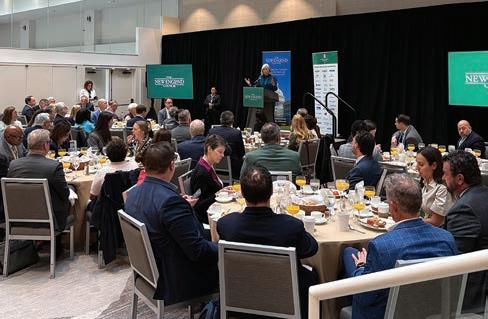
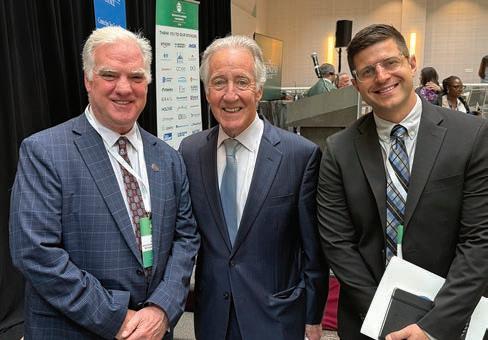
The morning began with the New England Council Congressional Breakfast featuring Democratic Whip Katherine Clark and Congressman Richard Neal. As House Democratic Whip, Congresswoman Clark serves in one of the highest-ranking leadership positions in Congress, making her an influential voice in legislative negotiations and federal funding priori ties. Congressman Neal, one of Massachusetts’ most senior lawmakers, continues to play an important role in shaping fiscal and economic policy given his role
Your trusted partner in construction
For over a decade, we’ve proudly supported UCANE, and our commitment to protecting what matters most.
We partner with construction professionals to navigate risk and build with confidence:
Owners
Developers
General contractors
Designers
Subcontractors
At The Baldwin Group, we’re not just protecting projects — we’re Protecting the Possible.
as Ranking Democratic Member on the House Ways & Means Committee.
Later that morning, UCANE met with Congressman Jake Auchincloss, who serves with Representative Trahan on the House Energy and Commerce Committee. His committee assignment makes him particularly influential on issues related to energy, environmental policy, and drinking water infrastructure. Discussions centered on infrastructure investment, economic resiliency, and the need to modernize aging underground systems throughout Massachusetts.
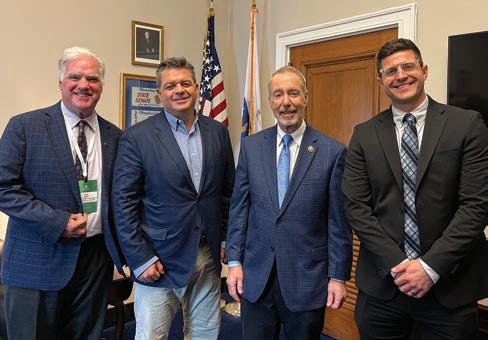
The trip concluded with a meeting with Congressman Stephen Lynch, a longtime supporter of organized labor and public infrastructure investment. Workforce challenges, project delivery, and the importance of sustained federal investment in public works were key themes of the conversation.
As UCANE representatives returned to Boston, the importance of the trip remained clear: advocacy in Washington is essential. The federal decisions made on Capitol Hill directly affect the contractors building New England’s water, sewer, and underground infrastructure systems. By maintaining a strong presence in Washington, UCANE continues to ensure the industry’s voice is heard where critical decisions are made. n
COMPONENT
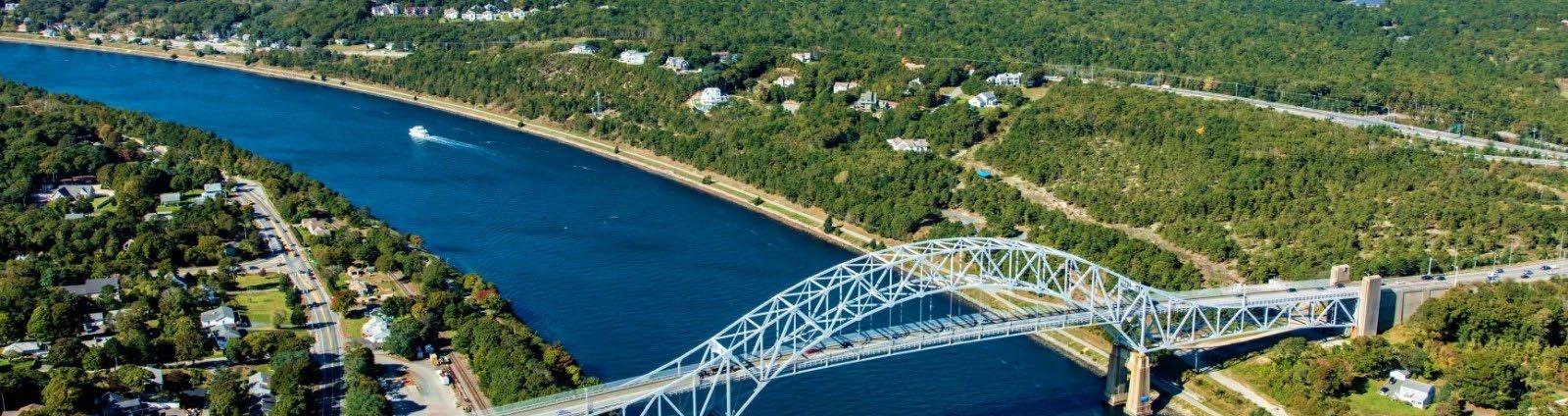
Cape Cod Canal Bridges
VITAL LIFELINE TO THE CAPE & ISLANDS
THE PROBLEM WITH THE BRIDGES
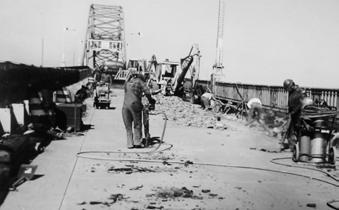
Built in 1935, the Bourne and Sagamore bridges span the Cape Cod Canal and connect residents, businesses, and visitors on the Cape and Islands to the mainland. The bridges are essential for general transportation, freight, and tourism, and in an emergency are critical routes for evacuation. The bridges are the only connection to and from Cape Cod for vehicular traffic.
The nearly 90-year-old bridges are both considered “functionally obsolete” while the Bourne Bridge is rated in poor condition and the Sagamore Bridge rated in fair condition by the U.S. Army Corps of Engineers, who owns and maintains both bridges. The Army Corps 2020 Cape Cod Canal Bridges Major Rehabilitation Report (MRER) concludes that replacement of the bridges is the most reliable, fiscally responsible solution
Critical Connection for Residents, Businesses, and Millions of Visitors
The Bourne and Sagamore Bridges provide the only roadway connections for:
229,000
Year-round residents
8,600 Businesses 50,000
Daily commuters
6,600 122
Daily truck trips over the canal bridges
Impacts of Closure
Daily school bus crossings over the bridges, splitting students and schools 5 Million Annual Visitors
The canal bridges impact emergency services, health care access, transportation of goods & services, commute times, school access, retail tourism, disaster management, recreation access, air quality, pedestrian access, safety, and overall perceptions of the region.
The following economic impacts have been estimated if there was a superstructure failure on just one of the bridges (resulting in a required 60-month bridge closure):
Traveler Delay Cost $10
of Short-term
Estimates do not include other monetizable impacts such as real estate impacts and impacts of export of local goods.
Bridge Replacement Is Needed
38 Million
This is nearly as much traffic as the Golden Gate Bridge.
Traffic today far surpasses the design of the bridges. The Army Corps MRER report outlines that major rehabilitation or bridge replacement is required and recommends replacement as the best path forward.
Cape Cod when the bridges opened for vehicle travel…
Federal government purchases the Canal and places under management of the U.S. Army Corps of Engineers 1928
Population: 36,650 people & 1,500 cattle
Peak summer Sunday traffic: 4,700 trips
Average daily winter trips: 1,200
Estimated annual crossings: <1 million
The current Bourne and Sagamore Bridges open to vehicle traffic, replacing older drawbridges 1935
Construction of the Mid-Cape highway begins 1950s
Canal Bridges
Bridges closed
1962
Bridge traffic crosses 10 million trips per year
Mid-Cape Highway expansions completed 1971
CAPE COD BRIDGES PROGRAM
The Cape Cod Bridges Program is overseen by MassDOT and will include the replacement of the Bourne and Sagamore bridges, provide and improve multimodal accommodations within the Cape Cod Canal area.
What’s included in the new bridge design?
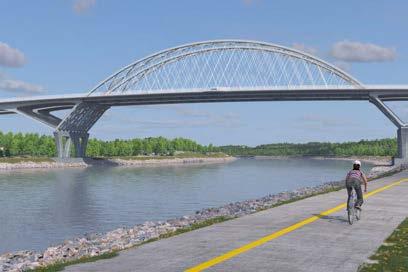
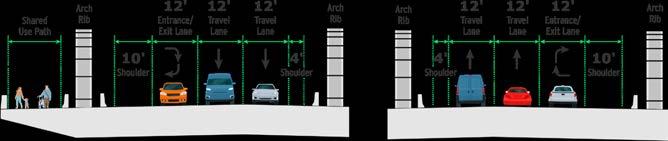
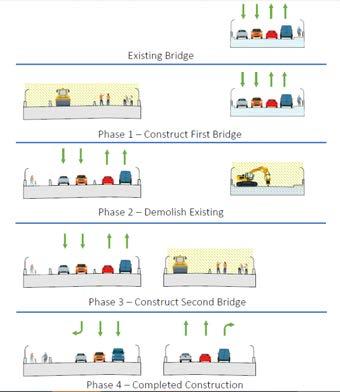
The preferred design includes two bridges at each crossing because they are more cost effective, structurally efficient structures. This approach allows for staged construction while keeping two lanes of traffic operational in both directions and allowing all existing roadway connections to be maintained. The proposed new lanes will be wider to meet current highway standards and include two travel lanes in each direction with an additional entrance/exit lane to help maintain the flow of traffic. The new bridge design also includes for a shared use path and shoulders that will allow for emergency vehicle access.
Updated sketches of the preferred design alternatives presented as part of the public outreach process. maintain the iconic curved look of the existing bridges while allowing for required modernizations and safety measures.
CONSTRUCTION SEQUENCING
Bridges Timeline
& 1981
Major Rehabilitation Projects completed on both bridges
Bridge traffic crosses 25 million trips per year
Cape Cod today…
Average daily trips: 105,000
Population: 230,000
Peak summer Sunday traffic: 165,400 trips
Average daily off season trips: 80,000
Estimated annual crossings: 38 million
Significant steel repairs made to both bridges
ide new connections to the local roadway network
Where will the new bridges be located?
The new bridges will be built adjacent to the current bridges to allow traffic to continue to flow during construction. The exact location is still being finalized, but the current plan indicates the new bridges to the east of the Bourne Bridge and to the west of the Sagamore Bridge.
Sagamore Flyover project completed, replacing the Sagamore Rotary
MassDOT initiates process to replace bridges (Cape Bridges Program) 2021
MassDOT and Army Corps of Engineers complete studies and enter agreement to replace the bridges
Bridge Program Funding
$4.5 Billion is the estimated cost to replace both bridges including design, permitting, property acquisitions, construction, and contingencies for inflation. The state has allocated funding to support this project and are actively pursuing a number of federal grants to cover the bulk of project costs.
The state maintains a commitment to replace both bridges and has secured funding for replacement of the Sagamore Bridge as Phase 1 of the Canal Bridges Program. It continues to pursue federal grant opportunities for the replacement of the Bourne Bridge as Phase 2.
2
Billion Sagamore Bridge
$2.4 Billion Bourne Bridge
plan under development
Based on information available as of March 2025.
Sagamore Bridge Funding
How will the new bridges connect to existing roads?
MassDOT now has recommended alternatives for the four approaches to the new bridges. Latest designs and a virtual 3D fly-over can be found on the MassDOT website (mass.gov/cape-bridges).
Next Steps: Project design, permitting, and community outreach will continue for the replacement of both bridges The study team submitted initial environmental permit applications in early 2023, and more detailed analysis and federal permitting documents in 2025
Phase 1 – Sagamore Bridge ($2.3 Billion secured)
$372M Federal Grants: Mega Grant Funds
$993M Federal Grants: BIP Grant Funds
$350M Federal Appropriation
$571M State Bond Funds
continued on page 41
Built on Experience, Focused on Results.
With a track record of excellence and positive outcomes, our nationally recognized Construction & Public Contracts practice is committed to delivering results for you and your business. We understand construction and our clients’ needs and businesses. Our experienced attorneys thrive on addressing complex challenges by leveraging their extensive industry knowledge, partnering with industry leaders, and participating in a vast network of professional affiliations.
Our comprehensive suite of services includes contract analysis, drafting, negotiation, procurement and bid protest issues, strategic project advice, crisis management, claims preparation, prosecution and defense, and all forms of dispute resolution, such as mediation, arbitration, litigation, and appeals. We also assist with compliance and investigations, OSHA investigations, insurance recovery, and risk management.
We can help you navigate any phase of your project and protect your interests through practical advice and effective legal strategies.
What is the Condition of the bridges?
The Bourne Bridge is functionally obsolete and, as of 2022, was rated in “Poor” condition. The bridge is considered structurally deficient. Inspections have revealed concerns - deterioration of the concrete T-beams, deterioration of gusset plates, and broken anchor bolts at truss expansion bearings.
What is the Condition of the Sagamore Bridge?
The Sagamore Bridge is functionally obsolete and, as of 2021, was rated in “Fair” condition. The bridge was considered structurally deficient as recently as 2011. Inspections have revealed concerns such as gusset plates that exhibit significant section loss and/or deformation due to pack rust.
What other options have been explored?
The alternatives analysis considered multiple options including tunnels, adding a third bridge, and filling in the canal. These and other options were eliminated based on higher costs, increased property impacts, and/or significant environmental impacts.
What will happen to the current bridges after the new ones are built?
Roles and Responsibilities
The U.S. ARMY CORPS OF ENGINEERS owns and maintains the Cape Cod Canal, Canal Pathways, and Bourne, Sagamore, and Rail bridges. The Army Corps is responsible for ensuring safe navigation of all these federally owned assets, including all construction and maintenance activities.
The MASSACHUSETTS DEPARTMENT OF TRANSPORTATION (MassDOT) owns and maintains most of the transportation infrastructure approaching the bridges. A series of agreements between the Army Corps and MassDOT names as the lead project delivery agency to complete the feasibility study and alternatives analysis, preliminary design and environmental permitting process, and construct the new bridges. Once completed, ownership of the new bridges will be transferred to MassDOT and they will assume operations and maintenance responsibilities.
Resources and Additional Info
BRIDGES PROGRAM PHASES
Phase 1
Phase 2
Phase 3
Current phase
Phase 4
Data collection and public outreach/involvement efforts
Based on public input, MassDOT develops and refines bridge and roadway options
MassDOT identifies preferred options. Environmental documentation process begins. Design development.
MassDOT completes preliminary design and environmental permitting
Phase 5 Construction underway
The existing Bourne and Sagamore Bridges will be demolished as it has been determined that it would not be cost effective to maintain these aging structures even for lighter loads such as use as a pedestrian bridges. Where to Find the Latest Information About the Canal
MassDOT Cape Cod Canal Transportation Study (2019)
MassDOT’s conceptual planning study identified existing and future multimodal transportation deficiencies and needs around the Cape Cod Canal area and offers recommendations cccom.link/Canal-Study
U.S. Army Corps of Engineers Cape Cod Canal Bridges Major Rehabilitation Evaluation Study (2020)
This study looked to identify the most reliable, fiscally responsible solution for the future of the bridges. The Study culminated in the Major Rehabilitation Evaluation Report (MRER) that recommended the replacement of the Bourne and Sagamore bridges with two entirely new structures. cccom.link/Canal-Bridges-MRER
Delivery The Cape Cod Bridges Program is completed
The federal government will continue to play a role in the bridge replacement project. In particular, the FEDERAL HIGHWAY ADMINISTRATION (FHWA) has been designated the lead federal agency responsible for the oversight of permitting.
REGIONAL AND LOCAL INVOLVEMENT plays an important role in the process, including stakeholders in the public and decision-making processes. Public meetings and other outreach activities will continue to occur over the duration of the program to ensure the public is informed and has the opportunity to provide input.
ABOUT: This factsheet was prepared by the Cape Cod Commission. The Cape Cod Commission is member of the Cape Bridges Program Advisory Group, a Concurring Party to the Section 106 Programmatic Agreement for the Cape Bridges Program, and staff to the Cape Cod Metropolitan Planning Organization. The information presented in this factsheet does not represent views of the Massachusetts Department of Transportation, the United States Army Corps of Engineers, or the Federal Highway Administration.
UCANE Returns to Washington for NUCA Summit
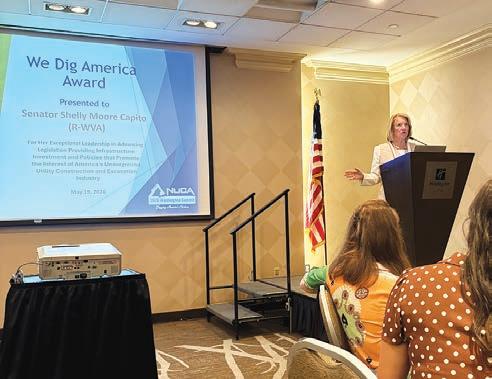
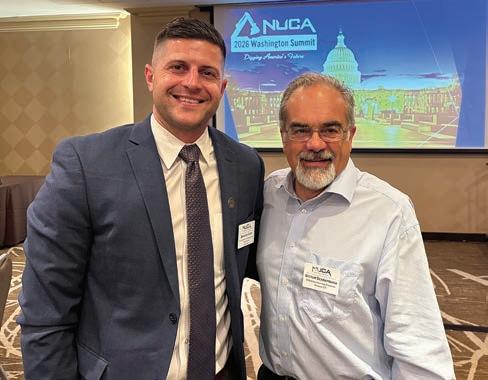
Just one week after UCANE’s annual Infrastructure Week advocacy trip, Legislative & Membership Administrator Brandon Ward returned to the nation’s capital to participate in the 2026 National Utility Contractors Association (NUCA) Washington Summit, held May 19–20. The annual summit brings together utility contractors from across the country to advocate for federal policies critical to the underground utility construction industry.
The two-day event featured government affairs meetings focused on both federal and state legislative policies, remarks from Senator Shelley Moore Capito (Chairwoman of the Senate Committee on Environment & Public Works), and discussions with industry partners from the American Road & Transportation Builders Association, the American Council of Engineering Companies, and the Associated Equipment Distributors.
The timing of the summit proved particularly important as Congress was actively engaging in its annual budget appropriations process, discussing broad permitting reform legislation, and deliberating the next federal surface transportation reauthorization bill – all of which carry significant implications for utility contractors. These federal legislative decisions influence the availability of resources for water and wastewater infrastructure, roadway reconstruction tied to underground utility work, and long-term project certainty for contractors and municipalities alike.
While in DC for the summit, UCANE organized Capitol Hill meetings with staff from the offices of Congressman Seth Moulton, Congressman Jake Auchincloss, and Congresswoman Chellie Pingree to directly discuss issues impacting utility construction. This included the need for strong federal support for water and underground infrastructure programs, most importantly the reauthorization of the drinking water and clean water state revolving funds.
This was UCANE’s third DC advocacy trip in the past two months (Water Week, Infrastructure Week, and NUCA Washington Summit), a fact that underscores the Association’s commitment to ensuring utility contractors have a voice in federal policymaking. As Congress continues to consider funding priorities and major infrastructure legislation, maintaining strong relationships with lawmakers and their staff remains essential to protecting the interests of the underground utility construction industry, as well as the communities our industry serves.n
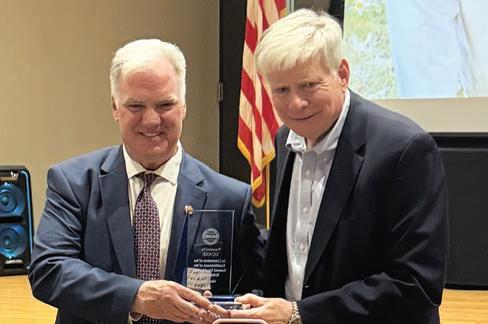
UCANE Joins Industry Leaders in Celebrating the Retirement of Fred Laskey
Members of the Utility Contractors’ Association of New England, Inc. (UCANE) joined hundreds of colleagues, friends, industry partners, and public officials recently to celebrate the remarkable career and retirement of Fred Laskey, whose leadership of the Massachusetts Water Resources Authority has helped shape the future of water infrastructure throughout the Commonwealth for more than a quarter century.
Representing UCANE at the event was Executive Director Joseph Nolan, who was joined by numerous UCANE member companies, including representatives from RJV Construction Corp., P. Gioioso & Sons Construction, Inc., E. J. Prescott, Inc., and many other contractors, suppliers, engineers, and utility industry professionals who have worked alongside Fred throughout his distinguished career. The evening served not only as a celebration of Fred's accomplishments but also as an opportunity to reflect on the tremendous impact his leadership has had on public health, environmental protection, and infrastructure investment across Massachusetts.
For generations, UCANE contractors have partnered with the MWRA to construct, maintain, and modernize the critical water and wastewater systems that serve millions of residents and businesses throughout the Greater Boston region. Throughout that time, Fred earned the respect and admiration of contractors, engineers, labor leaders, municipal officials, and policymakers alike for his unwavering commitment to long-term planning, sound investment, and collaborative problemsolving.
Under Fred's leadership, the MWRA became nationally recognized for its stewardship of some of the country's most important water and wastewater infrastructure assets. His tenure was marked by a willingness to tackle complex challenges, invest in aging infrastructure, and champion projects that protected public health, while preparing the region for future growth. Many of the underground water, sewer, and treatment system improvements completed over the last 25 years were made possible through the vision and leadership Fred brought to the agency.
During the evening's program, Joseph Nolan had the honor of announcing a special initiative on behalf of UCANE and its Board of Directors: the creation of the Annual Fred Laskey Scholarship. Beginning in 2026, the scholarship will be awarded annually to students pursuing careers in water infrastructure, engineering, construction management, and the skilled trades.
The announcement was met with enthusiastic support from those in attendance and reflects UCANE's commitment to investing in the next generation of industry professionals. The scholarship was created not only to recognize Fred's extraordinary contributions to the Commonwealth but also to ensure that his legacy continues by helping young people pursue careers dedicated to building and maintaining the infrastructure that communities depend upon every day.
Speaking after the event, Nolan noted that few public servants have had a greater impact on the quality and reliability of Massachusetts' water systems than Fred Laskey. He praised Fred's ability to bring together public agencies, contractors, engineers, and community leaders in pursuit of shared goals that benefit ratepayers and residents alike.
As the evening concluded, attendees celebrated not only a successful and distinguished career, but also a legacy of leadership, partnership, and public service that will continue to influence the water infrastructure industry for years to come. UCANE is proud to join the many organizations and individuals honoring Fred Laskey's contributions and looks forward to carrying that legacy forward through the Annual Fred Laskey Scholarship for generations to come. n
Dagle Electrical Construction Corp.
Each year, the Utility Contractors’ Association of New England, Inc. (UCANE) is proud to invest in the future of our industry and our communities through its Scholarship Program. In 2026, that commitment continues as we recognize and celebrate 12 outstanding scholarship recipients whose academic achievements, leadership, and dedication exemplify the values that define our association.
This year’s scholarship awards carry added significance with the introduction of two new scholarships established to honor individuals whose impact on the water and utility industry has been profound. The newly created Fred Laskey Scholarship recognizes the remarkable career and enduring partnership of Fred Laskey, former Executive Director of the Massachusetts Water Resources Authority (MWRA),
whose decades of leadership helped shape the region’s water infrastructure and foster a strong collaboration with UCANE. In addition, the Robert “Bob” Benard Memorial Scholarship pays tribute to the late Bob Benard of C. N. Wood Company, Inc., a respected industry leader and longtime supporter of UCANE whose generosity, professionalism, and commitment to others left a lasting legacy.
As we congratulate this year’s recipients, we are equally proud to celebrate those whose names these scholarships bear. Their dedication to the industry and to the next generation makes these awards especially meaningful, ensuring that their contributions will continue to inspire students for years to come. (Please see the following pages to learn more about the scholarship recipients.)
continued on page 50
Your full-line Case dealership.
Sales. Rentals. Parts. Service.
Aa driana a liCea
Frank MCCourt M eMorial sCHolarsH
driana Alicea has distinguished herself through academic achievement, hands-on career preparation, and a strong dedication to serving her community. A graduating senior at Bay Path Regional Vocational Technical High School, Adriana has demonstrated a passion for helping others while building the skills and experience needed to pursue a meaningful career in healthcare.
Adriana has excelled academically, earning a 4.0 GPA while ranking 49th in a class of 273 students. Throughout high school, she consistently achieved Honor Roll and High Honors recognition and earned distinction as a Dental Assisting Student of the Month. She is also a member of the National Honor Society, has taken honors and Advanced Placement coursework, and has demonstrated a commitment to academic excellence.
Outside the classroom, Adriana has embraced leadership opportunities through her role as Chief Editor of the Yearbook Club, where she developed confidence, communication skills, and meaningful connections within her school community. As a senior in Bay Path’s Dental Assisting program, she also gained valuable real-world experience through cooperative education opportunities in the field. Adriana is deeply committed to community service, volunteering through the Causabon Senior Center and numerous events at Saint John Paul II Parish, including the Fish Fry, Bazaar, Vacation Bible School, Catechism, and the Festival of Giving Trees.
This fall, Adriana will attend Quinsigamond Community College, where she plans to pursue an Associate in Science degree in Dental Hygiene. Adriana is the daughter of Daniel Alicea, who works for UCANE member company United Construction & Forestry.
Kk atH erine donovan
Fred l askey sCHolarsH i P
atherine Donovan has built an impressive foundation for success through academic dedication, hands-on industry experience, and a commitment to serving others. With a clear vision for her future, Katherine has already taken meaningful steps toward a career that will allow her to make a lasting impact in the construction industry and the communities it serves.
Katherine’s passion for civil engineering was shaped by a summer internship at P. J. Keating Company, where she gained valuable experience across multiple departments, including quality control, sales, and construction. Through time spent visiting jobsites and working alongside project managers, she discovered a strong interest in the field and developed a deeper appreciation for the role infrastructure plays in everyday life.
In addition to her academic and career pursuits, Katherine is deeply committed to community service. She has volunteered with programs supporting students with special needs and currently serves as Director of Community Services within her sorority at Worcester Polytechnic Institute (WPI), helping organize service initiatives and outreach efforts.
Katherine plans to earn both her bachelor and master‘s degrees in Civil Engineering, with the goal of becoming a project manager and eventually obtaining her Professional Engineer (PE) license. She is the daughter of William Donovan, who works for UCANE member company P. J. Keating Company, whose example and work ethic inspired her interest in the construction industry.
sH annon FulCH er
robert b . o ur M eMorial sCHolarsH i P
Shannon Fulcher exemplifies perseverance, determination, and a commitment to creating a better future for her family through education and service. As a student at Springfield Technical Community College (STCC), Shannon has balanced the demands of college coursework, employment, and raising two children while maintaining an impressive 3.8 GPA and earning a place on the Dean’s List for both the 2024-25 and 2025-26 academic years.
Pursuing a degree in Health Science, Shannon is working toward her goal of becoming a certified radiology technician. Her passion for healthcare began at a young age and was strengthened through her experience working as a Certified Nursing Assistant. She is motivated by a desire to help patients while building a stable future for her family. One recommendation letter described her as “a role model not only to her children but to everyone around her,” recognizing the resilience, discipline, and compassion that define her journey and make her a deserving UCANE Scholarship recipient.
Beyond academics, Shannon is actively involved in her community, volunteering at Chaffin Church, Burgess Elementary School, WCAC/Head Start, and Elevate Nutrition. She also participates in TRIO Student Support Services, demonstrating her commitment to personal and professional growth. Shannon is the daughter of Fred Rogers, who works for UCANE member company Scrap It, Inc./Minichiello Bros., Inc.
Jordan i ngra M
williaM ZoPPo M eMorial sCHolarsH i P
Jordan Ingram has established herself as a dedicated student leader whose commitment to service, inclusion, and advocacy has left a lasting impact on her school community. A senior at Middleborough High School, Jordan has consistently demonstrated academic excellence while embracing leadership roles that help others succeed.
Jordan has earned a remarkable 4.32 GPA and ranks 28th in her class of 168 students, while also achieving membership in the National Honor Society, Rho Kappa National History Honor Society, English National Honor Society, and Spanish National Honor Society. Her involvement extends far beyond the classroom through participation in field hockey, track and field, unified track, student council, class council, and as yearbook editor.
One of Jordan’s most meaningful accomplishments has been serving as a StartSTRONG Coordinator, where she helped design and lead a program welcoming incoming freshmen and easing their transition into high school. Her passion for ensuring every voice is heard has shaped both her leadership style and future goals.
This fall, Jordan will attend Penn State University, where she plans to major in Political Science before pursuing law school and a career as a criminal defense attorney. Jordan is the daughter of Michelle Monteiro, who works for UCANE member company Roadsafe Traffic Systems, Inc.
Ssa M JoH nson
robert d esanCtis M eMorial sCHolarsH i P
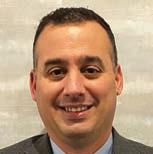
am Johnson has distinguished himself as an entrepreneurial-minded student, accomplished athlete, and emerging leader who understands the value of teamwork, perseverance, and community. Throughout his time at Concord-Carlisle High School, Sam has embraced opportunities both inside and outside the classroom that have prepared him for future success in business and leadership.
Academically, Sam has earned a 4.09 weighted GPA, achieved Honor Roll recognition, and was inducted into the National Honor Society. His passion for business led him to participate in the prestigious Wake Forest Summer Immersion Program, where he collaborated with fellow students to develop a startup concept and ultimately won the program’s entrepreneurship competition.
Additionally, Sam has excelled as a varsity football and a baseball player, developing the discipline and resilience that have become hallmarks of his character. He also helped launch ConcordCarlisle High School’s first DECA Club, serving as Vice President and growing membership to more than 70 students. Through DECA, Sam discovered a passion for leadership, organization, and business innovation. This fall, Sam will attend Wake Forest University, where he plans to study Business and Enterprise Management. He is the son of Oscar Johnson, who is a Principal at UCANE member company World Insurance Associates, LLC.
MMaxwell l es PeranCe
PH il Jasset M eMorial sCHolarsH i P
axwell Lesperance has combined exceptional academic achievement with a passion for science, leadership, and service, establishing himself as one of the top students in his graduating class at Wilmington High School. Driven by both intellectual curiosity and personal experience, Maxwell has set his sights on a future dedicated to advancing cancer research and improving patient care.
Ranked in the top 10 percent of his class with a 4.24 GPA and a 1490 SAT score, Maxwell has earned numerous honors, including the Rensselaer Polytechnic Institute Medal in Mathematics and Science, the Merrimack Valley Harvard Prize Book Award, AP Scholar with Distinction, the Massachusetts Seal of Biliteracy in Italian, and induction into the National Honor Society.
Maxwell’s leadership extends beyond the classroom. He serves as President of the Art Club, Science Club, and USA Biolympiad Club, while also mentoring fellow students and volunteering in both his parish and community. Through fundraising initiatives, tutoring, and religious education instruction, he has demonstrated a strong commitment to helping others succeed.
This fall, Maxwell will attend Brown University, where he plans to major in Biochemistry and Molecular Biology before pursuing a career as an oncologist. Inspired by his father’s courageous battle with cancer, Maxwell hopes to contribute to breakthroughs in cancer treatment and research. He is the son of Michael Lesperance, who works for UCANE member company Massachusetts Ready Mix LLC.
Jordan MCg ratH
H er M an snyder M eMorial sCHolarsH i P
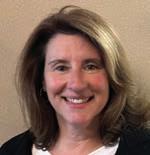
Jordan McGrath has developed a strong reputation as a compassionate mentor, dedicated volunteer, and academically driven student whose experiences helping others have shaped both her character and future aspirations. A senior at Londonderry High School, Jordan has consistently balanced academic achievement with meaningful service to her school and community.
Jordan ranks 51st in a class of 303 students and has earned membership in Mu Alpha Theta, the school’s Mathematics Honor Society. She has also been actively involved in a variety of extracurricular activities, including Big Buddies, Math Team, and Unified Soccer, where she volunteered to support students with special needs. Through these experiences, she has demonstrated a commitment to inclusion, leadership, and personal growth.
Among her many activities, Jordan considers her participation in the Big Buddies mentoring program to be the most meaningful. Working with elementary school students who benefit from additional support has shown her the positive impact that encouragement and guidance can have on a young person’s life. This fall, Jordan will attend Bentley University, where she plans to major in Finance and pursue a career as a financial advisor. She is the daughter of John McGrath, who works for UCANE member company Methuen Construction Co., Inc.
l ilyana n ew M an
uCane Future l eaders sCHolarsH i P
Lilyana Newman is a graduating senior at Marshfield High School where her academic excellence, leadership, athletic involvement, and dedication to service have distinguished her as an exceptional student. Lilyana has earned a 3.98 GPA while ranking in the top 30% of her class. Her academic achievements include membership in the National Honor Society and earning the National Biliteracy Seal, recognizing both her scholastic success and commitment to learning.
A dedicated student-athlete, Lilyana participated in field hockey and softball throughout high school while also staying actively involved in Student Council, the Future Medical Professionals Club, Healthy Connections, the Prom Committee, and serving as a Rambassador. Beyond school, Lilyana has demonstrated a strong commitment to helping others through her involvement with the Lion of Juda Youth Group, volunteering with efforts such as Operation Christmas Child, food packaging initiatives, serving meals at shelters, and supporting individuals experiencing homelessness.
This fall, Lilyana will attend UMass Lowell, where she plans to study Biomedical Sciences on a Pre-Med track. Inspired by her younger sister’s experience with cystic fibrosis, Lilyana hopes to pursue a career as a pediatrician, helping children and families facing medical challenges. Lilyana is the granddaughter of Jaime Contreras, who works for UCANE member company P. A. Landers, Inc.
MMaggie Palen
r iCH ard MCCourt M eMorial sCHolarsH i P
aggie Palen has built her high school experience around caring for others, demonstrating a remarkable combination of empathy, leadership, and dedication to service. A student at Essex North Shore Agricultural & Technical School (Essex Tech), Maggie has pursued opportunities that reflect her passion for helping people and her commitment to making a positive impact in her community.
Academically, Maggie has earned a 4.3 GPA, maintained Honor Roll and High Honor Roll status, and was inducted into the National Honor Society. She also earned her Certified Nursing Assistant (CNA) license, gaining valuable hands-on healthcare experience while preparing for a future career in nursing.
Outside the classroom, Maggie serves as a peer mentor, peer mediator, and tutor, while also dedicating countless hours to community service. A competitive dancer at North Shore Dance Academy, she assists dancers with disabilities through the studio’s inclusive dance program, helping participants build confidence and develop new skills. She has also volunteered at Camp Sunshine, supporting children and families facing medical challenges.
This fall, Maggie will attend Emmanuel College, where she plans to study Nursing. Inspired by her grandmother’s nursing career and her father’s experience recovering from heart surgery, Maggie is determined to provide compassionate, patient-centered care. She is the daughter of Joshua Palen, who works for UCANE member company McCourt Construction Company.
kylie Pelletier
tony and a ntHony u M bro M eMorial sCHolarsH i P
Kylie Pelletier has turned her passion for helping others into a clear and purposeful path toward a career in healthcare. Through academic achievement, leadership involvement, and hands-on patient care experience, she has demonstrated a commitment to serving others that extends far beyond the classroom.
Currently enrolled in the Bachelor of Science in Nursing program at the University of Maine at Fort Kent, Kylie has maintained a 3.4 GPA while earning a place on the Dean’s List every semester of college. Her accomplishments also include membership in the National Honor Society, receiving the President’s Education Award, and earning recognition through numerous leadership and athletic activities.
Throughout high school, Kylie was actively involved in varsity soccer, basketball, and softball, serving as a team captain and holding leadership positions in Student Council, Athletic Club, and the National Honor Society. She also volunteered extensively through healthcare and community service initiatives, including nursing home visits, local outreach programs, and support efforts for families in need.
Kylie’s career aspirations have been shaped by both personal and professional experiences. Working as a Certified Nursing Assistant (CNA) has reinforced her desire to become a registered nurse and eventually a nurse practitioner. She is the daughter of Jeff Pelletier, who works for UCANE member company United Construction & Forestry.
tHoM as s iCa
robert b enard M eMorial sCHolarsH i P
Thomas Sica has transformed his passion for fitness, physical wellbeing, and helping others into a future career in healthcare. His academic excellence, hands-on clinical experience, and leadership in both athletics and community service have enabled Thomas to develop the skills and determination needed to one-day become a licensed Physical Therapist.
A student at Merrimack College, Thomas has maintained an impressive 3.92 GPA while earning recognition as a member of the Merrimack College Honors Program and consistently achieving President’s List status. His academic success builds upon a strong foundation established at Wilmington High School, where he was inducted into the National Honor Society and earned several scholarships recognizing his leadership, character, and commitment to health sciences.
Thomas’s experiences extend well beyond the classroom. He has worked extensively at Fitzgerald Physical Therapy, progressing from Rehab Aide to Patient Care Coordinator and Director of Internship Operations, while also serving as a strength coach and personal trainer. These roles have provided valuable real-world experience in patient care, rehabilitation, and exercise programming. Thomas is currently pursuing a degree in Exercise Science at Merrimack College. He is the son of Steven Sica, who works for UCANE member company C.N. Wood Company, Inc.
g regory westberg
ronald PaCella M eMorial sCHolarsH i P
Gregory Westberg has distinguished himself as an innovative thinker, accomplished student, and emerging engineer whose curiosity and determination have fueled success both inside and outside the classroom. A senior at Taunton High School, Gregory has combined academic excellence, technical skill, and leadership to pursue ambitious goals in engineering and business.
Ranked 39th in a class of 185 students with an outstanding 4.69 GPA and a 1380 SAT score, Gregory has challenged himself through a rigorous course load that includes numerous Advanced Placement and honors classes. His accomplishments extend beyond academics through leadership roles in the school’s robotics program, where he serves as team captain and has helped guide projects that earned regional recognition and competition success.
Gregory’s interests span far beyond engineering. He is an accomplished track and cross-country athlete, a published school newspaper staff writer, a volunteer camp counselor, and a dedicated advocate for expanding opportunities in language education. His teachers and mentors consistently praise his perseverance, generosity, and willingness to support others.
This fall, Gregory will attend Purdue University to study Mechanical Engineering. He hopes to combine engineering and business expertise to develop innovative technologies, launch future ventures, and create practical solutions to real-world challenges. Gregory is the son of Sarah Rosalie Westberg, who works for UCANE member company Milton CAT.
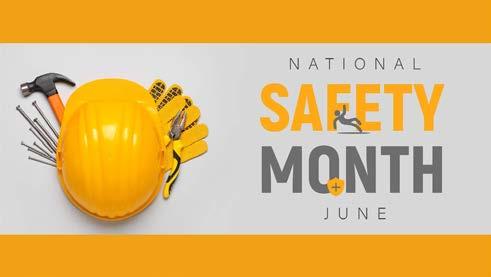
June is National Safety Month: A Critical Reset for Underground Construction in New England
Every June, National Safety Month serves as a timely reminder: safety is not seasonal—but attention to it should be intentional. For underground construction contractors across Massachusetts and New England, this observance arrives at the most critical time of year—when workloads increase, crews expand, and jobsite risks intensify.
As excavation, utility work, and confined space operations accelerate, so does exposure to hazards. National Safety Month is more than a campaign—it’s a strategic opportunity to reset expectations, reinforce best practices, and align teams before the most demanding stretch of the construction season.
June marks the beginning of peak construction activity across New England. Longer daylight hours and favorable weather conditions drive productivity— but they also introduce new challenges. Crews often work extended shifts, project timelines tighten, and new or less experienced workers enter the field. This combination creates a perfect storm for increased risk exposure:
• Increased excavation and underground utility work
• Seasonal workforce expansion and onboarding challenges
• Fatigue from longer workdays and accelerated schedules
• Rising temperatures contributing to heat stress
Without proactive planning, even routine tasks can quickly escalate into serious incidents. National Safety Month provides a structured opportunity to get
ahead of these risks rather than reacting to them.
Underground construction and industrial environments share a common reality: high-risk, highconsequence work where preparation and response capability determine outcomes. Whether it’s a confined space in a wastewater facility or a trench on a municipal utility project, the hazards—and the solutions—are often the same.
Industrial safety practices have long emphasized structured systems and redundancy to control risk. When applied to underground construction, these practices can significantly elevate safety performance.
continued on page 59
100 Wales Avenue-Rear Avon, MA 02322
Office: 508-583-2029 Plant: 508-587-6953
Nicks Rock Road Plymouth, MA 02360
Scale House: 508-732-9148
Asphalt Plant: 508-732-9140
South Plainfield, NJ: 908-753-8080
Introducing the most powerful Ditch Witch truck vac to ever hit the open road — the Warlock Series W12. With a 2,800 PSI water system, 12 cubic yard debris tank capacity, and a 5,000 CFM, 27″ Hg vac system, this beast-of-a-machine easily devours jobs of all shapes and sizes.
Shrewsbury, MA: 508-719-0200 Lumberton, NJ: 609-534-7477 Beacon, NY: 845-831-1800 Deer Park, NY: 631-392-2605 Middletown, DE: 302-376-0784 Baltimore, MD 410-687-1700
Key industrial practices that translate directly to construction include:
• Continuous atmospheric monitoring in confined or below-grade environments
• Permit-required confined space entry systems
• Lockout/tagout procedures to control hazardous energy sources
• Pre-staged rescue equipment and trained standby rescue personnel
• Routine emergency response drills and scenario-based training
Contractors who adopt these industrial-level controls move beyond minimum compliance and toward a more predictable, controlled work environment.
This
National Safety Month provides a ready-made framework for engagement, with weekly themes that can be directly applied to construction environments:
• Moving Safety Forward: Focus on proactive hazard recognition, planning, and continuous improvement.
• Staying Safe on the Roads: Address fleet safety, work zone traffic control, and operator awareness.
• Preventing Slips, Trips, and Falls: Reinforce housekeeping, access control, and fall protection practices.
By aligning jobsite activities and training with these themes, contractors can create structured, consistent messaging throughout the month—while still tailoring content to underground-specific risks.
One of the most common pitfalls of safety campaigns is passive participation. Posters and emails alone do not change behavior. For National Safety Month to be effective, employees must be actively engaged.
Practical ways employers can drive participation include:
• Conducting weekly toolbox talks tied directly to current jobsite conditions
• Facilitating hands-on training such as rescue drills, trench protection setup, and gas monitor use
• Encouraging workers to identify hazards and contribute solutions
• Recognizing employees who demonstrate strong safety practices
• Incorporating safety discussions into daily pre-task planning meetings
Engagement creates ownership. When workers feel involved
Safety Corner continued from page 57 continued on page 61
in the safety process, they are more likely to take responsibility for both their own safety and that of their coworkers.
To maximize the impact of National Safety Month, contractors should prioritize the highest-risk activities associated with underground work:
Confined Space Entry
• Continuous gas monitoring and ventilation
• Dedicated attendant and rescue planning
• Strict permit-required entry procedures
Trenching and Excavation
• Use of protective systems such as sloping, shoring, or shielding
• Daily inspections by a competent person
• Immediate correction of unsafe conditions
Struck-By and Caught-In Hazards
• Clear communication protocols between operators and ground crews
• Use of spotters and defined exclusion zones
• Equipment awareness and visibility controls
Heat Stress and Fatigue
• Hydration programs and scheduled breaks
• Shaded recovery areas
• Work/rest cycles based on environmental conditions
New Worker Safety
• Structured onboarding programs
• Mentorship and supervision
• Frequent check-ins during the first months on the job
Bringing industrial safety practices into construction is not just theoretical—it’s practical. One of the most effective strategies is the use of dedicated safety professionals or standby rescue technicians on high-risk jobsites.
These roles provide:
• Continuous monitoring of hazardous conditions
• Immediate response capability in emergency situations
• Reinforcement of safety procedures in real time
• Reduced reliance on reactive emergency services
For confined space work and complex underground operations, having trained rescue personnel on-site can be the difference between a controlled incident and a catastrophic outcome.
John Hoadley and Sons Inc.
John Hoadley and Sons Inc. Water Works Specialist
Water Works Specialist
Fax:781-878-5298
Tel: 781-878-8098 Fax: 781-878-5298
“Our Products Are the Most Trusted Names in the Industry”
� U.S. Pipe
“Our Products Are the Most Trusted Names in the Industry”
● Cultec Chambers
• U.S. Pipe
� Mueller Fire Hydrants
• Mueller Fire Hydrants
� Mueller Tapping Sleeves & Valves
• Mueller Tapping Sleeves & Valves
� Smith Blair Clamps & Couplings
John Hoadley and Sons Inc.
Water Works Specialist
Tel:781-878-8098 Fax:781-878-5298
The benefits include:
“Our Products Are the Most Trusted Names in the Industry”
� U.S. Pipe
• Cultec Chambers
� Mueller Fire Hydrants
● National Pipe & Plastics
• National Pipe & Plastics
● ADS Pipe & Chambers
• Smith Blair Clamps & Couplings
Mechanical Services
Mechanical Services
Safety is often viewed as a cost—but in reality, it is a measurable investment. Contractors that prioritize safety consistently outperform those that do not.
• Reduced injuries and associated downtime
� Mueller Tapping Sleeves & Valves
� Smith Blair Clamps & Couplings
• ADS Pipe & Chambers
● General Foundry Castings
• General Foundry Castings
� Tapping Sleeves & Gates Installed / Cut
• Tapping Sleeves & Gates Installed / Cut
● Cultec Chambers
● National Pipe & Plastics
● ADS Pipe & Chambers
● General Foundry Castings
Mechanical Services
• Lower insurance premiums and liability costs
� Tapping Sleeves & Gates Installed / Cut
� Line Stop / EZ Valves
• Improved workforce morale and retention
� Cutting of Chilled Water Lines & Steam Lines
Pressure Testing & Disinfection of New Mains
Installation & Testing of Backflow Preventers
• Line Stop / EZ Valves
� Line Stop / EZ Valves
� Cutting of Chilled Water Lines & Steam Lines
• Cutting of Chilled Water Lines & Steam Lines
• Pressure Testing & Disinfection of New Mains
� Pressure Testing & Disinfection of New Mains
Large Diameter Hydraulic Pipe Cutting
Hydrant Installation & Repair
Electronic Leak Detection
• Installation & Testing of Backflow Preventers
� Installation & Testing of Backflow Preventers
• Large Diameter Hydraulic Pipe Cutting
� Large Diameter Hydraulic Pipe Cutting
• Hydrant Installation & Repair
� Hydrant Installation & Repair
• Electronic Leak Detection
� Electronic Leak Detection
“Water-Sewer-Drain Supplies at a Competitive Price” www.hoadleyandsons.com 672 Union Street Rockland, MA 02370
“Water-Sewer-Drain Supplies at a Competitive Price”
www.hoadleyandsons.com 672 Union Street Rockland, MA 02370
• Stronger client relationships and repeat business
Conversely, a single incident can result in:
“Water-Sewer-Drain Supplies at a Competitive Price” www.hoadleyandsons.com 672 Union Street Rockland, MA 02370
• Project delays and financial penalties
• Regulatory fines and increased scrutiny
• Damage to company reputation
• Loss of skilled workers and operational disruption
Safety Corner continued from page 59 continued on page 62
Safety Corner continued from page 61
In a competitive New England market, where reliability and reputation are critical, safety performance is a key differentiator.
National Safety Month is not about checking a box—it’s about setting the tone for the months ahead. For underground construction contractors in Massachusetts and across New England, June represents a critical inflection point.
The hazards are known.
The solutions are available.
The equipment and training exist.
What separates high-performing contractors from the rest is execution—day after day, job after job.
By integrating industrial safety practices, actively engaging employees, and aligning efforts with National Safety Month, contractors can turn awareness into action—and action into results. n
TRENCH SAFETY PREVENTS CAVE-INS SAVES LIVES
Lawrence-Lynch Corp.
P.O. Box 913 • Falmouth, MA 02541 396 Gifford Street • Falmouth, MA 02540
PH 508-548-1800 • FX 508-457-1825
White Bros. – Lynch Corp.
P.O. Box 155 • Oak Bluffs, MA 02557 20 Vineyard Ave. • Oak Bluffs, MA 02557
PH 508-693-0845 • FX 509-693-0312
Visit our website @ www.lawrencelynch.com
Christopher Clark World Insurance Associates, Inc.
Overlooked Gap on the Jobsite
An often-overlooked gap in construction risk management can quietly expose your company to liability — and the fix is simpler than you think.
The Overlooked Gap in Your Construction Operations
Contractors are no strangers to risk management. You negotiate subcontract agreements with downstream parties, you carry workers' compensation and general liability insurance, and you work within the tight risk-transfer frameworks that project owners, engineers, and government agencies demand. But there is a common blind spot that catches even experienced operators off guard: the absence of written agreements with material suppliers.
Most construction companies execute formal subcontract agreements with the parties who perform work on their jobsites — and rightly so. What many do not do is extend that same contractual discipline to the vendors who deliver rented equipment, building materials, aggregate, and other materials directly to the site. These suppliers are not employees, and they are not subcontractors in the traditional sense, but their drivers and representatives are physically present on your jobsite on a regular basis. That physical presence creates exposure. Until a written agreement is in place, the legal and financial consequences of an incident involving a supplier can land squarely on your company in ways you may not anticipate.
Delivery Drivers, Slip-and-Falls, and the Subrogation Trap
Consider a scenario that is more common than most contractors realize: a delivery driver from one of your material suppliers slips and falls on your jobsite.
Workers' compensation insurance will respond to that driver's injuries—but it is the supplier's workers' comp carrier doing the paying, not yours. That distinction matters enormously for what happens next.
When a workers' compensation carrier pays out a claim, it does not simply absorb the cost. It actively looks to recover those dollars through a legal process called "subrogation"—the right of an insurer to step into the shoes of the injured party and pursue any third party whose negligence may have contributed to the loss. In the scenario above, that third party is you. The supplier's workers' comp carrier can place a lien on your company or bring a liability claim against you to recoup what it paid out on the driver's behalf. Without contractual protection in place, your company has little defense.
This is precisely where a waiver of subrogation becomes a critical risk-transfer tool. A waiver of subrogation is a contractual provision that prevents
continued on page 64
Insurance continued from page 63
one party's insurance carrier from pursuing a claim against another party to recover losses already paid on a covered claim. In the construction industry, waivers of subrogation are standard practice — they are even built into the American Institute of Architects' widely used AIA A201 General Conditions form. But those standard AIA provisions are written for the owner-contractor-subcontractor chain. They do not automatically protect you from claims originating with your material suppliers unless you have executed a written agreement that includes the waiver language. An annual supplier agreement that requires a mutual waiver of subrogation closes this gap and keeps your loss experience from taking a hit over an incident that was not truly your fault.
Commercial Auto: Another Exposure You May Not Be Tracking
Slip-and-falls are not the only supplier-related risk on a jobsite. Commercial auto incidents represent a separate and equally overlooked exposure. Delivery vehicles coming onto your site — and sometimes personal vehicles driven by supplier representatives — interact with your equipment, your workers, and your jobsite conditions every day. An incident
involving a delivery truck on your property, whether a collision with a piece of equipment, a pedestrian near-miss, or damage to the project itself, can generate a commercial auto claim that points back to your operation as a contributing party.
Similarly, suppliers' employees who access parking areas associated with your jobsite are operating in a gray zone. If a personal vehicle is involved in an incident in a parking area that your company controls, liability questions can get complicated quickly. The absence of a written agreement means there is no contractual framework defining each party's responsibilities, no insurance requirements you can point to, and no waiver provisions protecting your company from claims that flow through the supplier's auto carrier. Underground utility contractors already face elevated auto liability exposure given the nature of their operations—fleet vehicles, heavy equipment, and roadway work create significant risks.
The Case for an Annual Supplier Agreement
The solution is straightforward: execute a written annual agreement with your regular material suppliers. This does not need to be an elaborate construc -
continued on page 65
Let us review your programs and recommend improvements to ensure you are fully protected should the unexpected happen.
RISK MANAGEMENT SOLUTIONS
• All forms of liability and property coverages
• Bonds including Express Bond Program • Competitive terms
• Personalized service
• Highly experienced with Construction programs
• Employee and executive benefits
• Retirement planning services
• Investment advisory services
• Private wealth management
CLARK, PRINCIPAL, CLIENT ADVISOR World Insurance Associates LLC, 50 Prospect Street, Waltham, MA 02453 O 781-642-9000 | D 781-398-9318 | M 508-400-4010 | christopherclark@worldinsurance.com worldinsurance.com
tion contract. It is a relatively simple document that accomplishes several important things. It establishes the terms under which the suppliers access your jobsites. It defines the insurance requirements a supplier must maintain — general liability, auto, and workers compensation coverage at specified limits. It includes mutual waiver of subrogation language so that neither party's insurer can subrogate against the other following a covered loss. And it may include an indemnification clause that allocates responsibility for incidents to the party whose actions caused them.
An annual agreement is particularly practical because it covers all deliveries and site visits across a full policy year, regardless of which specific project is involved. Rather than scrambling to add protective language to a purchase order after a material is already on-site, you establish the framework once, and
it applies continuously throughout the relationship. This approach mirrors what sophisticated contractors already do with their subcontractor base—requiring certificates of insurance, additional insured endorsements, and hold harmless agreements as a condition of doing business. Applying the same standard to material suppliers is simply good operational discipline.
For underground utility contractors specifically, whose projects often involve significant material volumes — pipe, precast structures, conduit, and more — the supplier relationship is not incidental to the work. It is central to it. The vendors who deliver those materials are regular fixtures on your sites. They deserve the same contractual attention you give your subcontractors, both to protect your company and to maintain a healthy, dispute-free business relationship with the suppliers you depend on. A claim that goes unaddressed contractually does not just cost money — it strains relationships, drives up insurance costs, and can create the kind of distraction that pulls your attention away from running your projects.
Practical Steps to Get Started
If your company does not currently use written agreements with material suppliers, here is a practical path forward:
1. Identify your regular suppliers. Start with the vendors who make the most frequent deliveries to your jobsites—pipe suppliers, equipment delivery, aggregate suppliers, precast manufacturers, and similar recurring relationships.
2. Work with your insurance broker and legal counsel. A qualified construction insurance broker can help you identify the coverage requirements that make sense for your exposure, and an attorney familiar with construction contracts can draft or review the agreement language, including the waiver of subrogation and indemnification provisions.
3. Request certificates of insurance As part of the annual agreement, require suppliers to provide a current certificate of in -
Insurance continued from page 65
surance confirming they carry general liability and commercial auto coverage, and workers’ comp at agreed limits, with your company listed as an additional insured where appropriate.
4. Build it into your procurement process. Make the executed supplier agreement a prerequisite for approved vendor status. This normalizes expectations and prevents new suppliers from accessing your sites before the paperwork is in place.
5. Review annually. Set a calendar reminder to renew agreements and collect updated certificates each year. Insurance policies change, coverage limits can lapse, and your supplier roster may shift over time.
The risk landscape for underground utility contractors is complex, and no single document eliminates all exposure. But an annual written agreement with your material suppliers addresses a genuine and underappreciated gap in your risk management program. The cost of implementing it is minimal. The cost of ignoring it— measured in subrogated workers' comp claims, commercial auto disputes, and strained supplier relationships—can be significant. Getting this piece in place is a small investment that quietly protects everything else you have built. n
National Leaders Advocate for Infrastructure Protection as Senate Passes PIPELINE Safety Act
National infrastructure experts gathered on Capitol Hill last month to address the ongoing challenge of protecting America’s vital underground utilities. This advocacy comes as the U.S. Senate recently passed the bipartisan PIPELINE Safety Act of 2025, marking a significant step forward in ensuring the safety and reliability of the Nation’s extensive network of buried utilities. Experts are urging the U.S. House to pass its related PIPES Act of 2025, reconcile in conference with the Senate, and advance final legislation to the President.
According to Common Ground Alliance (CGA) data, there are nearly 200,000 reported instances of damage to buried utilities each year, impacting power, water, internet, and natural gas lines. These incidents pose a threat to American communities, leading to service disruptions, outages, injuries, and in some cases, fatalities. Leaders from the Damage Prevention Action Center (DPAct) – the national, non-partisan, non-profit advocacy organization working to protect buried utilities – spent several days engaging with 42 Members of Congress, staff members, and agency officials to highlight solutions and urge further legislative action.
“Every three minutes on average, a buried utility is hit, creating risks for workers and communities nationwide. While contacting 811 before digging is paramount, the 811 system only functions when supported by robust damage prevention policy,” noted Sarah K. Magruder Lyle, Executive Director of the Damage Prevention Action Center. “We commend the Senate for passing the PIPELINE Safety Act, and we strongly urge the House of Representatives to follow suit with the PIPES Act. We thank the Members of Congress, agency officials and their staff who met with us to discuss this vital legislation, which supports the Nation’s energy dominance agenda while protecting the tens of millions of miles of underground infrastructure that Americans rely on every day.”
“With the rapid expansion of broadband being a national infrastructure priority, we see firsthand the dangers posed by utility strikes,” added Ariane Schaffer, Head of U.S. Federal & State Policy for GFiber and Co-Chair of DPAC’s Government Affairs Committee. “The PIPELINE Safety Act represents a significant step toward a safer environment for the
public and those who work around buried utilities. It reinforces the need for clear regulations, effective enforcement, and the continuous adoption of best practices across all buried utility stakeholders. This legislation, along with the PIPES Act in the House, will help better protect the vital energy, water, and communication lifelines that serve every American.”
The PIPELINE Safety Act of 2025 is designed to reauthorize the Pipeline and Hazardous Materials Safety Administration’s (PHMSA) pipeline safety program for five years. The legislation includes key provisions intended to strengthen excavation damage prevention efforts, such as limiting exemptions to participation in the 811 system, encourage GIS mapping of facilities, and require training and education for utility contractors.
Reprinted from Utility Contractor magazine. n
• 1” MINUS PROCESSED GRAVEL
• ¾” & 1½” CRUSHED STONE
• SCREENED LOAM
• SCREENED SAND
MATERIALS ACCEPTED:
• BROKEN ASPHALT
• NON & REINFORCED CONCRETE
• CONCRETE WITH WIRE MESH
• ROCK
• BL ASTED LEDGE
UCANE’S Employee Safety Manuals
Your Company Must Have a Comprehensive Safety Program!
This year’s Safety Manual includes information on:
• Updated DOL Drug Testing information and Updated CDL information
• Massachusetts Safety Standards - COVID-19
• OSHA’s Final Rule on Silica Exposure Limits
• OSHA’s Final Rule on Improved Tracking of Workplace Injuries and Illnesses
• OSHA’s Final Rule on Confined Space in Construction
• OSHA’s New Requirements for Reporting Severe Injuries
Promote a Safe Working Environment
It should be your company’s policy to provide a safe place to work, with the prevention of accidents being your ultimate goal. Your Insurance/Bonding carrier requires a Safety Program. State and Federal Agencies require a Safety Program.
OSHA Inspectors Will Be Enforcing:
• Overall Construction Safety (29 CFR 1926)
• Excavating Standards
• Written Safety and Health Plans
• Hazard Communications Programs
• Drug Free Workplace
• OSHA 10-Hour Training Requirements
Examine the UCANE Pocket Directory
When ordering Company Safety Manuals, the Safety Manual section only, in the back of UCANE’s Pocket Directory, will be made up into an individual Employee Pocket Safety Manual with Your Company Name and Logo printed on the cover. Employee signature cards verifying compliance with safety manual procedures are included. When signed, these cards should be placed in each employee’s file.
Employee Pocket Safety Manual Order Form
Company Name:___________________________________ Authorized By:________________________
Pocket Manuals w/Signature Cards: Qty.:____________ x $4.75 Ea. = $_________________________
Printing and Set Up Charge for Personalized Covers: $_________________________
Company Logo enclosed Company Logo to be mailed My check is enclosed
Employee Pocket Safety Manuals are available to UCANE members only. PAYMENT MUST ACCOMPANY ORDER. Utility Contractor’s Association of New England, Inc. • 300 Congress Street, Suite 101 • Quincy, MA 02169
Turn fragmented workflows into total project visibility. With Trimble, you’re not just managing data— you’re mastering the job site from estimate to execution.
Turn to Trimble
John Sheedy Trimble
5 Steps to Modernize Performance Tracking for Utility Contractors
For utility contractors, performance tracking is one of the most effective ways to protect schedules, control costs, and keep crews productive. Yet many teams still rely on outdated processes such as paper logs and spreadsheets that delay reporting and analysis, making it harder to catch problems early and respond quickly.
The five steps below emphasize how utility contractors can modernize performance tracking by replacing outdated tools, improving field data capture, connecting key workflows, and turning timely insight into better project outcomes.
The strongest performance tracking happens daily or even in real time, where the work is taking place. When supervisors and project managers can compare actual production to the plan each day, they gain a clearer view of labor efficiency, equipment use, material consumption, and overall job progress. That visibility allows teams to make faster adjustments before small setbacks turn into costly delays.
Today’s mobile tools, electronic field logs, and connected software platforms make that level of control easier to adopt and use more than ever. Data can be captured in the field, shared instantly, and used to improve utility contractor decisions across operations, payroll, estimating, and scheduling.
Just as important, contractors can move beyond generic logs, broad averages for production quantities, and static reports by customizing field logs, setting daily production targets based on actual project plans, and tailoring reporting to their needs. Clear expectations help crews stay aligned and give managers a more accurate picture of performance.
The five steps to modernize performance tracking include:
1. Replace Paper and Spreadsheets with Performance Tracking Software
Many utility contractors still rely on paper field logs, spreadsheets, or accounting reports to track job performance. Those tools have value, but they can restrict the
effectiveness of daily field production. By the time data is collected, re-entered, and reported, it may already be outdated, making it harder to fix issues before they affect your schedule and/or profitability.
A specialized performance tracking application is built for field operations, where labor, equipment, and material costs are accrued. Supervisors can capture production data easily and accurately and compare actual costs to the plan each day, giving managers a clear view of where the project stands now – not last week.
Daily cost-versus-plan reporting supports faster, data-driven decisions. Crews can be adjusted, equipment reassigned, and resources shifted before minor issues become bigger problems.
A field-centric system also gives crews and supervisors clear expectations. They know the targets, understand performance goals, and can respond quickly when
continued on page 72
Technology in Const. continued from page 71
conditions change. For utility contractors operating on tight margins and demanding schedules, that kind of timely insight can be a real advantage.
2. Customize Daily Field Logs for Your Business
Daily field logs are a key source of jobsite performance data, but generic templates, paper forms, and spreadsheets often create extra work and inconsistent information. They can be difficult to adapt to different crews, project types, and reporting needs.
The most effective electronic field logs offer a better option because they can be customized to fit how a contractor operates. Teams can show or hide sections, reorder fields, and use familiar terms for crews, cost codes, and work activities. Built-in controls can also re -
duce entry errors by limiting choices to valid employees, equipment, or cost items.
The result is cleaner data, faster reporting, and better field decisions.
3. Integrate Payroll and Performance Tracking
Labor is one of the largest costs on utility construction projects, so accurate hour tracking is essential. Yet many contractors still manage payroll separately from performance tracking.
When payroll is integrated with performance tracking, hours entered through daily field logs can flow directly into payroll and cost reports – reducing paperwork, minimizing errors, and giving office teams and managers in the field faster access to labor spending.
The bigger benefit is context. Managers can view labor costs alongside production, equipment use, and materials, helping them spot issues early and make faster adjustments. It turns labor data into a management tool, not just an administrative task.
4. Set Daily Production Targets –Not Averages
Construction projects often fall behind or go over budget because small setbacks add up over time. Daily production targets help utility contractors catch those issues early by creating short-term benchmarks that keep crews focused and projects on pace. Instead of relying on broad average production rates for the full job, daily targets reflect the actual plan and conditions for specific days.
These targets give managers a more accurate view of progress and allow faster adjustments to labor, equipment, or materials when work begins to slip. Clear daily goals can also improve accountability and motivation by giving crews measurable objectives each shift.
Over time, tracking actual performance against daily targets creates better data for future estimating and planning. For contractors looking to improve schedule control and profitability, making progress tracking a daily habit can deliver lasting results.
5. Connect Estimating and Performance Tracking
The handoff from winning a bid to starting work is a critical stage for utility contractors. Too often, it still depends continued on page 73
Technology in Const. continued from page 72
on manual data entry to move information into schedules, field logs, and cost systems, creating delays and opportunities for errors.
When estimating and performance tracking are connected, bid data can flow directly into operations. Cost codes, labor plans, and production assumptions are shared across field and office teams without duplicate entry, helping align projects from day one.
The value also flows back to estimating. Actual field production data improves future bids, leading to more accurate pricing, better schedules, and stronger resource planning.
Turning Insight Into Action
Performance tracking is no longer just an administrative task. For utility contractors, it can be a practical advantage that improves schedules, controls costs, and strengthens decision-making in the field. By replacing outdated processes, connecting key workflows and using timely data to guide daily execution, contractors can respond faster and operate more efficiently. The companies that treat performance tracking as a core operational strategy – and support it with modern software technology – will be better positioned to protect margins and deliver successful projects. n
• Pre-mark the location of intended excavation using white stakes, paint or flags.
• In MA, ME, NH, RI and VT, notify Dig Safe® at least 72 hours in advance, not including weekends and holidays.
• Notify non-member facility owners.
• Maintain the marks placed by underground facility owners.
• Use caution and dig by hand when working within 18” of a marked facility.
• If a line is damaged, do not backfill. Notify the affected utility company immediately if the facility, its protective coating, or a tracer wire is damaged.
• Call 911 in the event of a gas leak, or if a damaged facility poses a risk to public safety.
• Know your state’s excavation requirements.
• Go to digsafe.com for educational material and current laws.
DGS UCANE COM.indd 1
UCANE’s Member Testimonials
“C.C. Construction, Inc. has been a member of UCANE for over 10 years now and we continue to see benefits each year. Whether it’s being introduced to new associate members, vendors, or subcontractors that can support our company goals, or keeping us deeply informed of legislative items that will affect our business operations. It’s a unique group of competitors who come together for the greater good of the Utility Industry and work together to make our industry thrive for generations to come. UCANE is an invaluable resource.”
~ BRIAN COONEY, C. C. Construction, Inc.
“Like the generations before me, I take great pride in supporting this Association, which has tirelessly championed our industry. UCANE’s dedication helps ensure a strong, thriving sector that provides a stable livelihood for my family, my employees, and countless others.”
~ QUERINO PACELLA, RJV Construction Corp.
“Building a strong network of trusted industry peers opens the door to fresh ideas, innovative solutions, and new perspectives. By exchanging insights and experiences, construction professionals can tackle challenges more effectively, stay ahead of industry trends, and drive success together.”
~ CHRIS VALENTI, GVC Construction, Inc.
“The information that UCANE provides to us about our industry is timely and invaluable. I find UCANE members to be committed and passionate about keeping the construction industry strong and well-respected, and our company is proud to be a part of that.”
~ LISA FRENCH KELLEY, W. L. French Excavating Corp.
“As a longtime member from Western MA, I can say that UCANE does a tremendous job keeping all members informed and being a strong advocate for our industry throughout the state and region.”
~ JERRY GAGLIARDUCCI, Gagliarducci Construction, Inc.
“Being part of a respected organization like UCANE creates valuable opportunities for networking, collaboration, and professional growth. It connects industry professionals, fosters strong partnerships, and helps drive success in the underground construction sector.”