News from the UA Psychology Department’s Clinical Psychology PhD Program
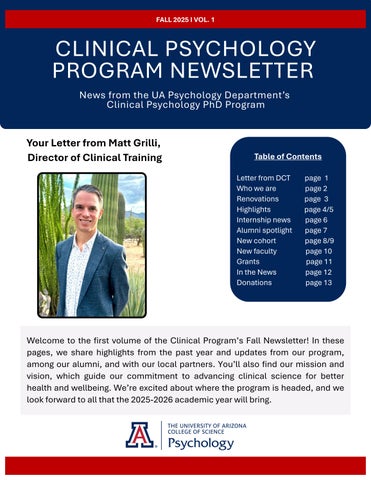
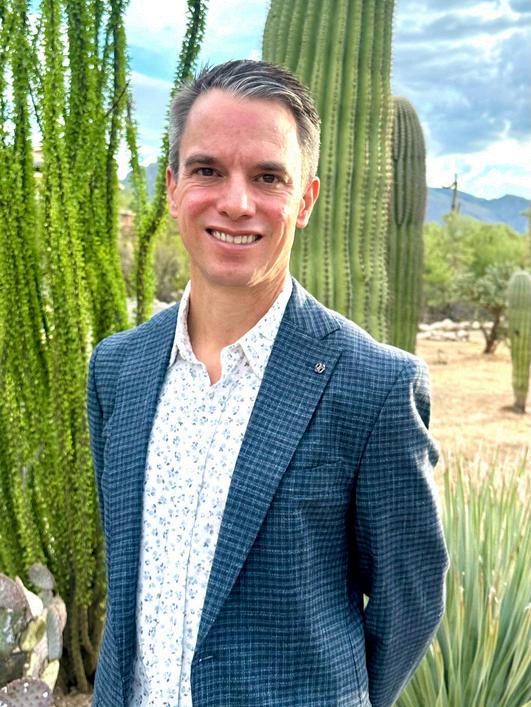
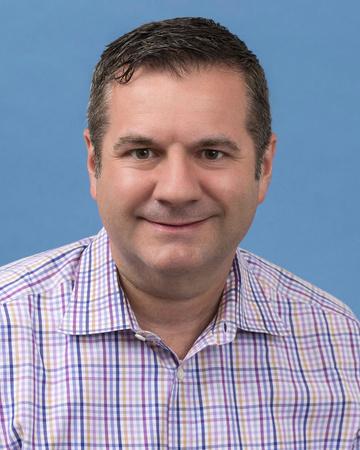
Your Letter from Matt Grilli, Director of Clinical Training
Welcome to the first volume of the Clinical Program’s Fall Newsletter! In these pages, we share highlights from the past year and updates from our program, among our alumni, and with our local partners. You’ll also find our mission and vision, which guide our commitment to advancing clinical science for better health and wellbeing. We’re excited about where the program is headed, and we look forward to all that the 2025-2026 academic year will bring.
Our Mission:
The University of Arizona Doctoral Program in Clinical Psychology is dedicated to investigating the origins, nature, diagnosis, amelioration, and prevention of mental and behavioral health problems. We specialize in discovery, development, and effective implementation of assessments and interventions for mental and physical health, social, and neuropsychological problems that reduce wellbeing and longevity. We are committed to training future generations of psychological clinical scientists who will pursue careers in academic and health service settings.
Our Vision:
We believe that to understand and improve mental and physical health, as well as wellbeing and longevity, we must discover, refine, and disseminate evidence-based clinical psychological assessments and interventions. Central to our program’s vision is the pursuit of psychological clinical science that is rigorous, reproducible, contemporary, and representative of the people and issues of our community. We believe we can achieve this vision not only through our program’s research, but also by training students through a clinical psychological science lens, ensuring the continued scientific advancement of our field and the development of future leaders and innovators in psychological clinical science.
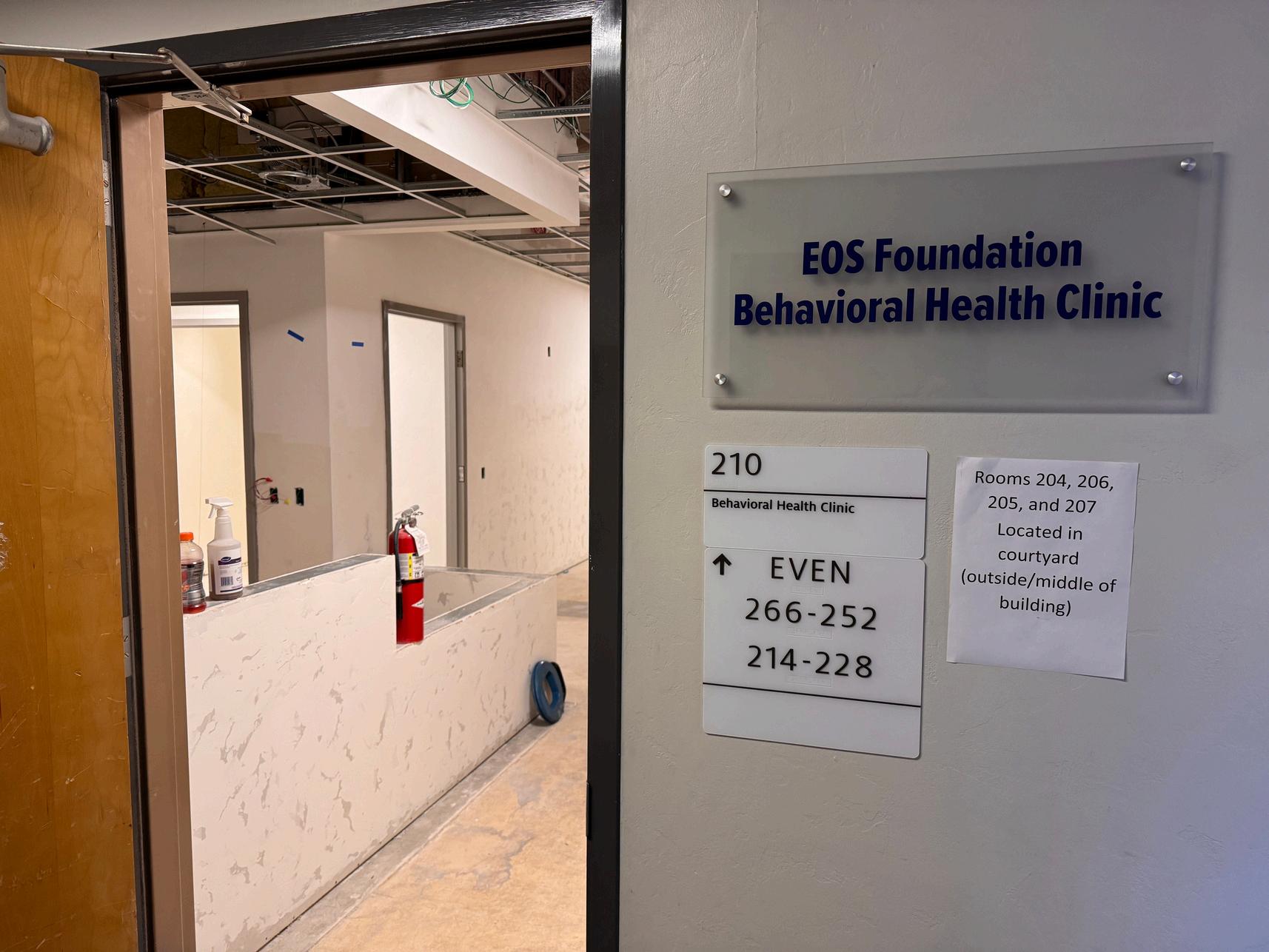
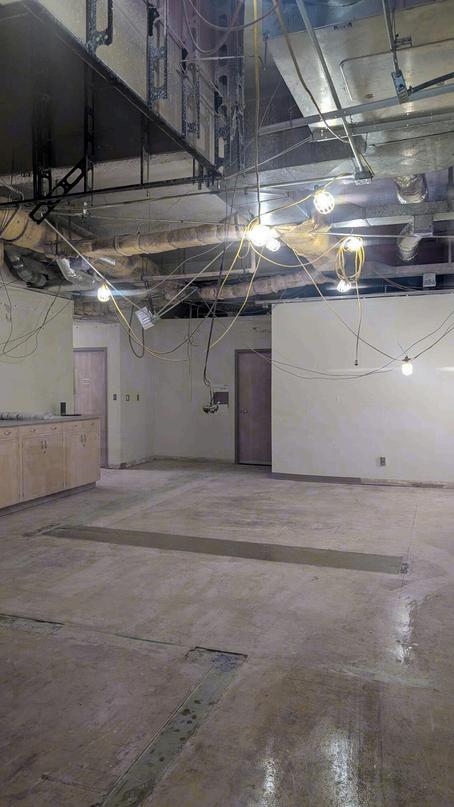
RENOVATION In Progress
With the generous support of the EOS Foundation, we broke ground this summer on a $500,000 renovation and expansion of our Behavioral Health Clinic. The new clinic will increase our capacity to serve the community both in person and through telehealth, while also providing a state-of-the-art space for supervision and training. We can’t wait to receive the keys and officially open later this fall!
Highlights from the 2024-2025 Academic Year
Cl ce Forum
LeBeau
Clinical Event Topic: Evidence-Based Practice for Psychotherapy with LGBTQ+ People
In the spring, we held an all-day clinical training event led by Dr. Richard LeBeau from UCLA, with generous support from the Gerber Endowment. Both the morning and afternoon events were a tremendous success, drawing strong attendance from faculty, staff, and students in the clinical area, as well as from the broader department and Tucson community. The sessions complemented each other well— the morning focused on clinical practice, while the afternoon highlighted clinical science dissemination. Together, they addressed timely and important issues in the field. We look forward to continuing to use the Gerber Endowment to support clinical science events that advance our vision of ensuring psychological science serves all members of our community.
Starting in Fall 2024, we now offer clinical training in bicultural and bilingual psychotherapy, under the supervision of Dr. Fernanda Martinez. This new training opportunity directly supports our program’s Strategic Plan, advancing our goal of strengthening community service and ensuring that our students develop the skills they need to lead the future of clinical science.
Dr. Fernanda Martinez Bicultural and Bilingual Psychotherapy
Dr. Richard LeBeau
Additional
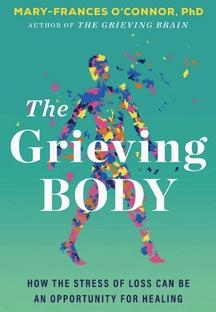
The follow-up to celebrated grief expert, neuroscientist, and psychologist Dr. Mary-Frances O’Connor’s The Grieving Brain focuses on the impact of grief—and life other major stressors—on the human body.
Coping with death and grief is one of the most painfu human experiences. While we can speak to the psychological and emotional ramifications of loss an sorrow, we often overlook its impact on our physical bodies. Dr. Mary-Frances O’Connor specializes in the study of grief, and in The Grieving Body she shares vita scientific research, revealing imperative new insights its profound physiological impact. As she did in The Grieving Brain, O’Connor combines illuminating studie and personal stories to explore the toll loss takes on o cardiovascular, endocrine, and immune systems and the larger implications for our long-term well-being.
Read More about Dr. O’Connor’s Book in Maria Shriver’s Sunday Paper: mariashriversundaypaper.com/grief-and-its-toll-on-our-health
Listen/Watch Her Interview with the Acclaimed Andrew Huberman: hubermanlab.com/episode/healing-from-grief-loss-dr-mary-frances-oconnor
Available Everywhere Books are Sold and Comes in E-book and Audiobook Format: maryfrancesoconnor.org/books/the-grieving-body
Clinical Predoctoral Internship
This last year, eight students from our program matched for their predoctoral clinical psychology internship. Our program continues to send students all over the U.S., and to exceptional clinical and research-oriented training sites.
Savannah Boyd
Harvard Medical School Massachusetts General Hospital Boston, MA
Sydney Friedman
Dartmouth-Hitchcock Medical Center Lebanon, NH
Alison Luongo
Penn State Milton S. Hershey Medical Center Hershey, PA
Katelyn McVeigh
Ohio State University-Behavioral Health Columbus, OH
Samantha Nagy Rush University Medical Center Chicago, IL
Colin Tidwell VA Medical Center, Washington DC
Tara Torres
University of Washington-Psychiatry Seattle, WA
Diheng Zhang
University of Kansas Medical Center Kansas City, KS
We also had one student, Dr. Justin Palmer, complete his internship and his Ph.D. in clinical psychology, with an emphasis in neuropsychology.
Congratulations, Justin!
a
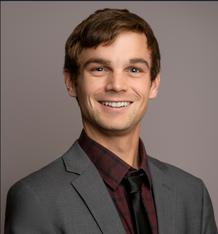
Justin Palmer
I am beginning my postdoctoral training with Dr. Scott Hayes (a former U of A graduate!) and the Buckeye Brain Aging Lab at Ohio State University. I am planning to continue researching pattern separation within the aging brain as well as the impacts of APOE e4. I am excited to extend my research interest by examining the additional impacts of physical activity and fitness on cognition and hippocampal integrity. These are promising modifiable lifestyle factors that may help mitigate age-related cognitive decline and reduce risk for Alzheimer's disease. Dr. Hayes has an ongoing longitudinal study that will allow me to assess potential changes over time as well. Go Bucks!
Postdoctoral Fellow Highlight
When our students graduate, we don’t forget about them! Many take postdoctoral positions, pursuing exciting clinical and research careers. Here, we are proud to highlight the work of Dr. Emily Van Etten.
Emily is currently a postdoctoral fellow with the Translational Research Center for TBI and Stress Disorders (TRACTS) lab at VA Boston. Her fellowship research focuses on examining biological health risk factors (i.e., hypertension, high cholesterol, kidney and liver dysfunction) on brain structure and function within Veterans. She is currently applying for research and training grants (i.e., Career Development Award), examining how these biological health risk factors impact myelin content and dynamic functional connectivity and the integration of these neuroimaging measures. Her overarching career goal is to become a fully independent VA investigator, aiming to develop a research program characterizing and refining assessment of neural mechanisms that contribute to cognitive vulnerability in Veterans.
Expanding our Program
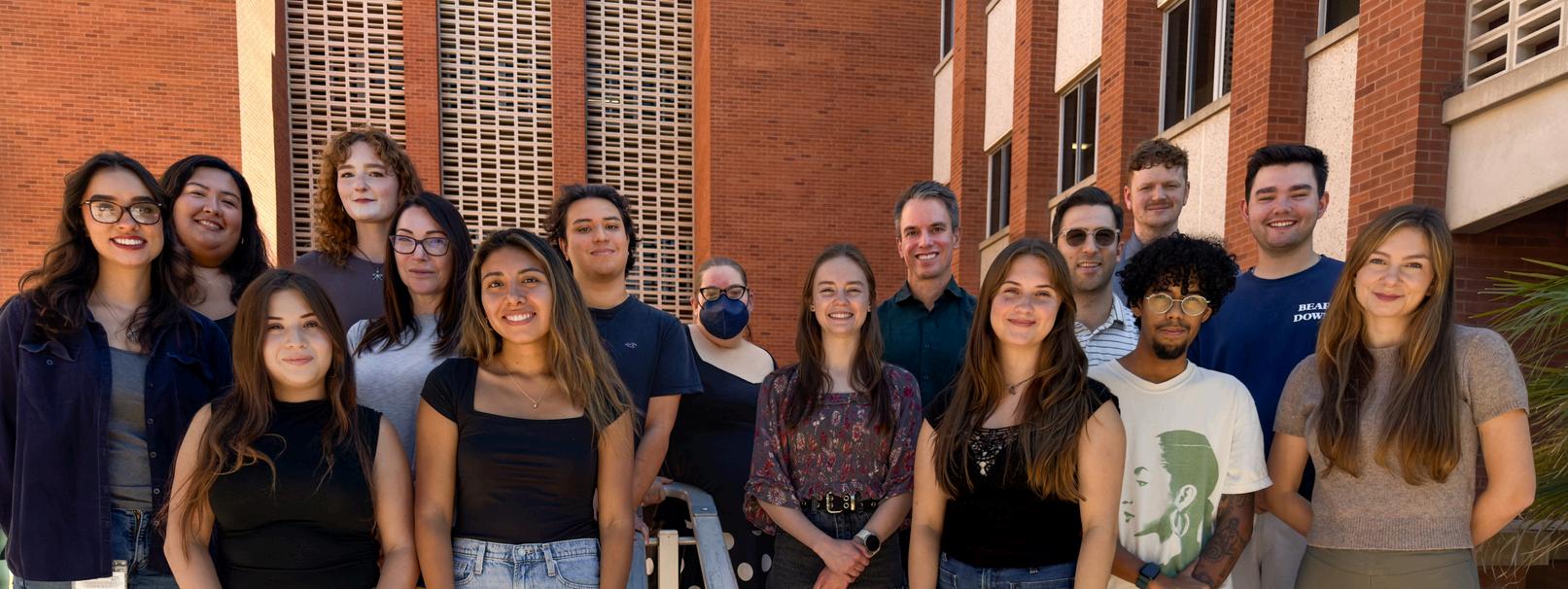
Along with celebrating students transitioning out of the program, we’re excited to welcome our newest members — seven first-year graduate students!
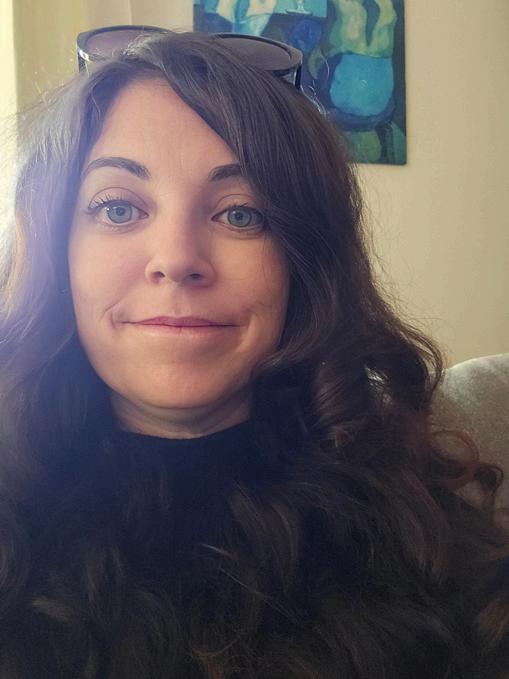
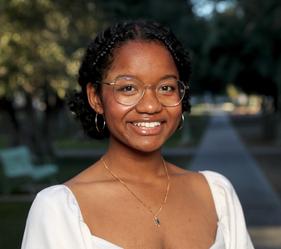
Hanna Nkulu
Mentor: Lee Ryan
I love memory and aging! I am interested in the use of neuroimaging techniques to explore structural and functional evidence supporting compensatory mechanisms for cognitive resilience and reserve through neurodegenerative disease and aging. I also enjoy episodic and semantic memory and exploring how these concepts reorganize and interact with each other throughout the lifespan.
Mentor: Dave Sbarra
Dawson Haddox
Mentor: Zach Cohen
I’m broadly interested in using data science methods and intensive longitudinal data to improve how we conceptualize, measure, model, and predict psychopathology and treatment outcomes. I hope this line of research can contribute to more dynamic, personalized digital interventions that adapt to the unique trajectories of individuals over time.
My primary research interests focus on close relationships, with a particular passion for adult romantic attachment. I’m especially interested in the neural and physiological correlates of attachment and the clinical and health impacts of different attachment orientations. I hope to incorporate MRI data into my clinical research in order to expand implications and understanding of findings.
Rebeca Jimenez
Mentor: Melissa Flores
My research interests focus on applying community based research methods to develop and evaluate culturally sensitive evidence-based interventions. I am interested in exploring social determinants of health and psychosocial factors to better understand and mitigate health disparities, particularly concerning depression and chronic cardiometabolic diseases while increasing access to healthcare for underserved populations.
Victoria Rueda
Mentor: Melissa Flores
I am interested in the relationship between sociocultural influences on cardiometabolic health and disease among Hispanic/Latino individuals across the lifespan. I am particularly excited to work with the structural aspects of social support. I hope to create interventions that utilize family systems theory to improve cardiometabolic outcomes, particularly in the Latino community.
Rubí Carpio
Mentor: Matt Grilli
My research interests primarily focus on cognitive aging and memory and their interactions with social/language processes such as bilingualism and hearing loss. I am also highly interested in general brain and cognitive health and adapting neuropsychological assessments to diverse populations.
Alexis Marshall
Mentor: Ashley Huggins
My primary research interests are the cognitive effects of prolonged exposure to traumatic stressors. I would love to investigate how stressors that threaten physiological needs (housing & food instability etc) impact executive unctioning. I’m also interested in how PTSD symptom clusters impact the cognitive domains of first responders. In essence, I would like to create a comprehensive cognitive profile for trauma disorders using multimodal neuroimaging and neuropsychological testing. This profile could then be used for personalized therapeutics, such as TMS, for PTSD.
Not only are we welcoming new graduate students, but we are fortunate to add Dr. Rina Fox to our clinical faculty, as an Assistant Professor of Clinical Psychology.
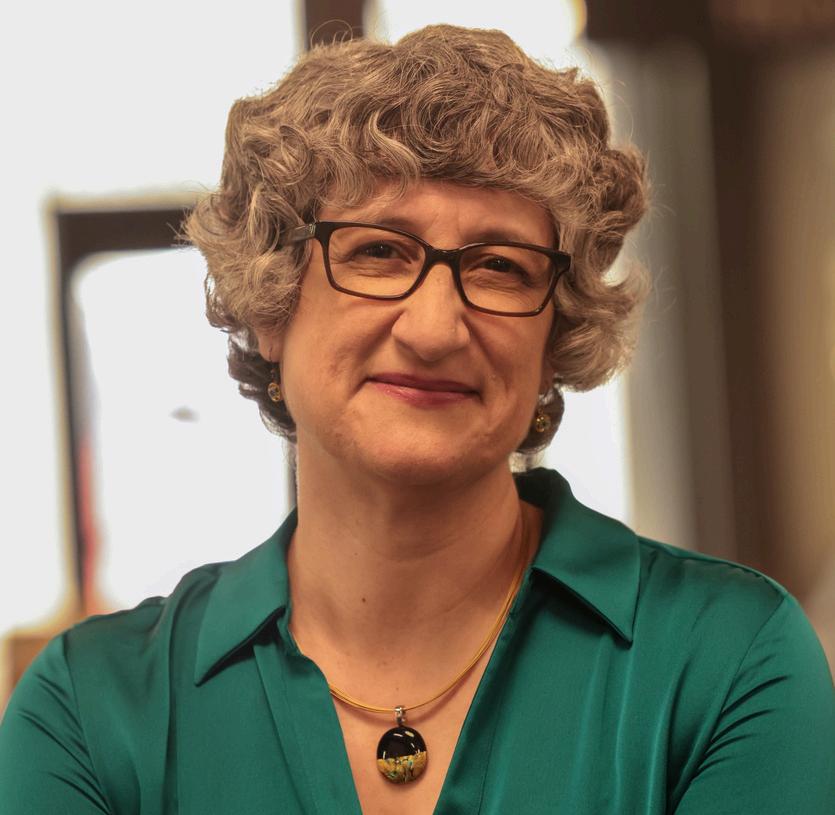
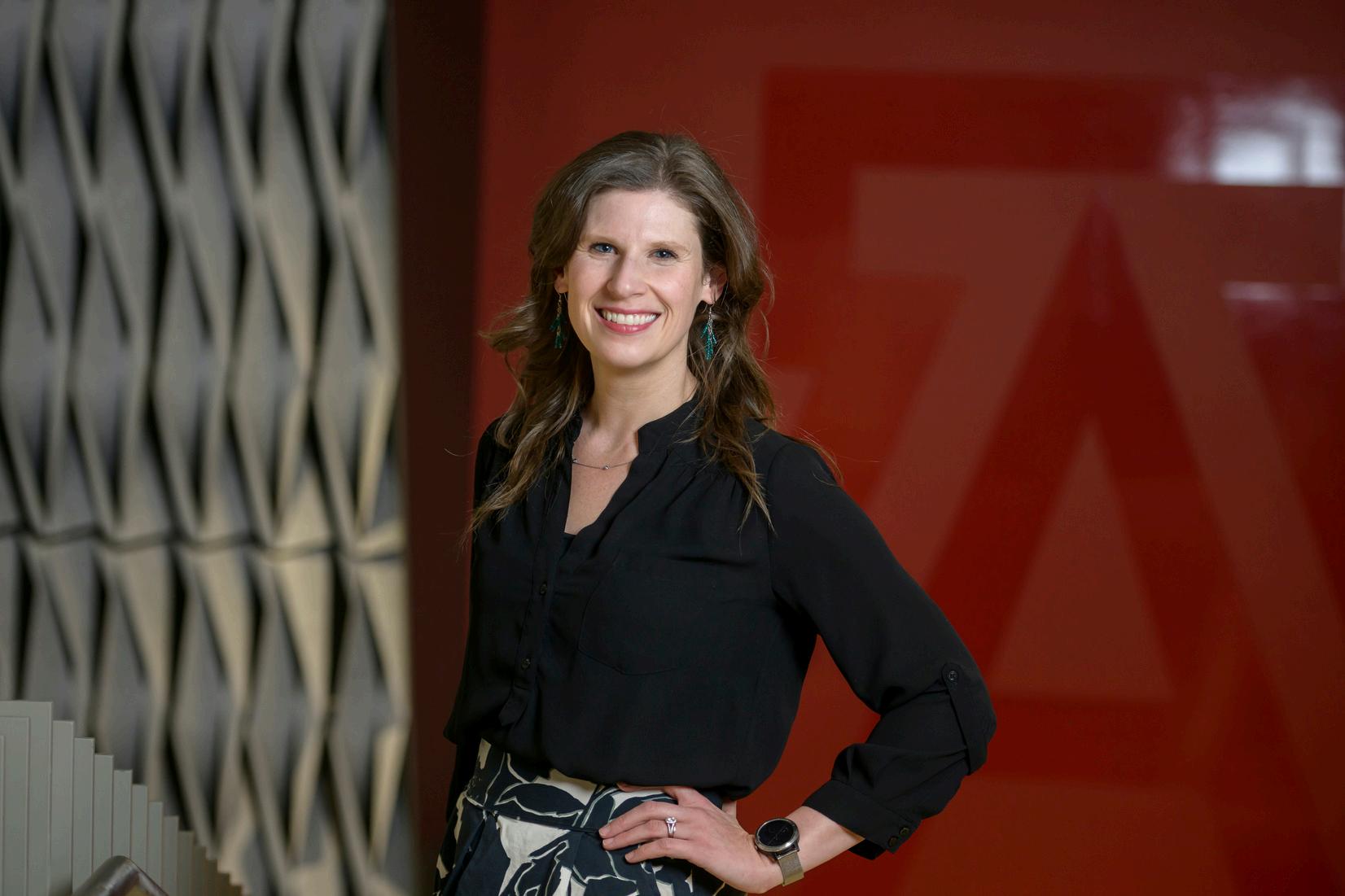
Getting to Know Rina Fox
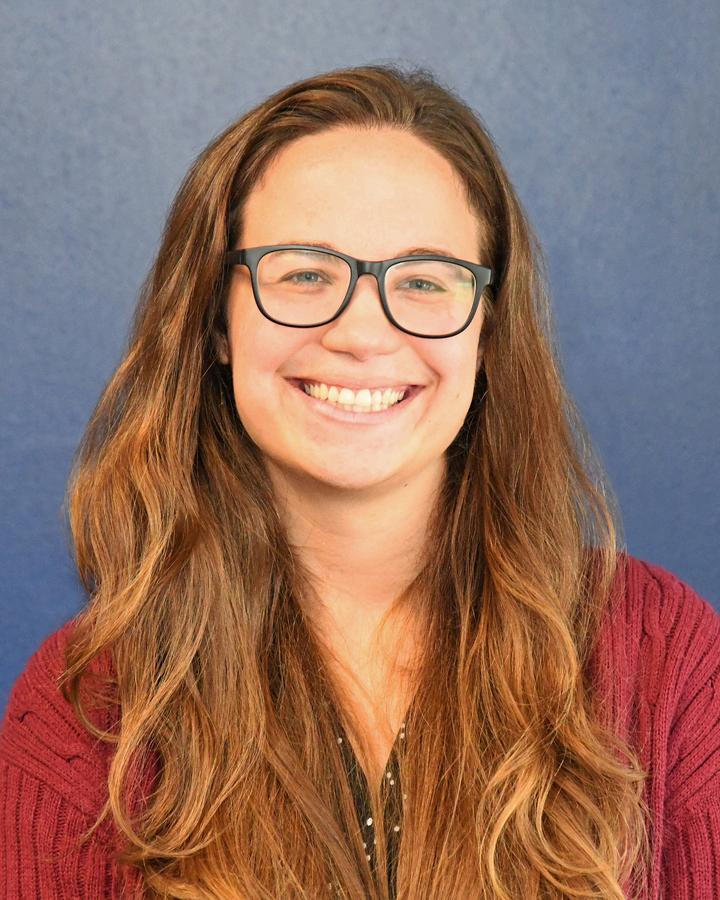
I am a clinical health psychologist and Co-Director of the University of Arizona Cancer Center's Behavioral Measurement and Interventions Shared Resource. Much of my research focuses on developing and testing behavioral interventions to improve symptom management and health related quality of life (HRQOL) among cancer survivors. I am particularly interested in the role of sleep in HRQOL and in the unique needs of adolescent and young adult cancer survivors (i.e., those diagnosed between the ages of 15 and 39). In my research, I use digital intervention delivery strategies to improve access to psychosocial care and intervention optimization methods to decrease the burden of engaging with psychosocial interventions. I am extremely pleased to be joining the Department of Psychology this fall and am very much looking forward to working with the incredible students, staff, and faculty here.
Getting to know Rina Fox
NEW GRANTS
Despite a difficult grant climate, the clinical program continues to secure new federal, state, and private foundation grants to support our clinical science
Flores, Melissa Convergent Digital Health for Remote Access (CoDiRA). Big Idea Challenge, UA Research Development Services
Flores, Melissa Open science for and from the majority world: Expanding knowledge and building new networks. Catalytic Award, Open Research Community Accelerator (ORCA).
Flores, Melissa Pilot test of“Su Corazon, Su Vida”among Mexican-origin adults with confirmed MASLD. CHERC-MSI, ACS.
Flores, Melissa Toward accurate cardiovascular disease prediction in Hispanic/Latinos: Modeling risk and resilience factors. R00, NHLBI/NIH.
Taylor, Daniel Arizona Psychology Training Consortium: Increasing Access to Integrated Health, Substance Use Prevention & Treatment, & Trauma-Informed Care, through Telehealth, for Native American Youth & Adults
Taylor, Daniel Psychiatric Service Dogs and Prolonged Exposure Therapy for Military-Connected PTSD: A Randomized Clinical Trial
Taylor, Daniel Accelerated Treatment for Co-Occurring Insomnia, Nightmares, and PTSD
Taylor, Daniel Effectiveness of Transcranial Magnetic Stimulation of the Default Mode Network to Improve Sleep
Fox, Rina Development of a Behavioral Intervention for Young Adults with Advanced Cancer. Department of Defense
Grilli, Matt Examining autobiographical memory integration in older adults: social functions and neural dynamics, Arizona Alzheimer's Consortium Project Grant
Grilli, Matt Optimizing semantic memory measures of Alzheimer’s disease biomarkers. R01, NIH/NIA.
In The News
Cohen, Zachary In their latest issue, the APA Monitor interviewed Dr. Zach Cohen on the promise of new tools for personalized mental health care.
Story linked here
Allen, John UA News recently covered the latest ultrasound-based clinical science coming from Dr. John Allen’s laboratory.
Story linked here
Grilli, Matt NPR/AZPM: Last spring, Dr. Matt Grilli discussed amnesia, and what this clinical condition tells us about how the brain works, with Arizona Public Media/NPR
Story linked here
Support clinical psychology at
The University of Arizona!
We are very thankful for the generous donations that we’ve received over the past few years. Without this support, we would not be on the cusp of opening a newly renovated and expanded Behavioral Health Clinic, nor would we be able to offer our annual Gerber Endowment–supported clinical training events. This past year, through donations, we were also able to award numerous scholarships to graduate students in the clinical program—funds the students used to support their research and advance their careers. For these donations, we say thank you! Get all the latest updates about our program by visiting our website https://psychology.arizona.edu/clinical
endowments, and named faculty chairs which can help secure our future.