
Tyler Eugenio Works
photography work
The VAULT
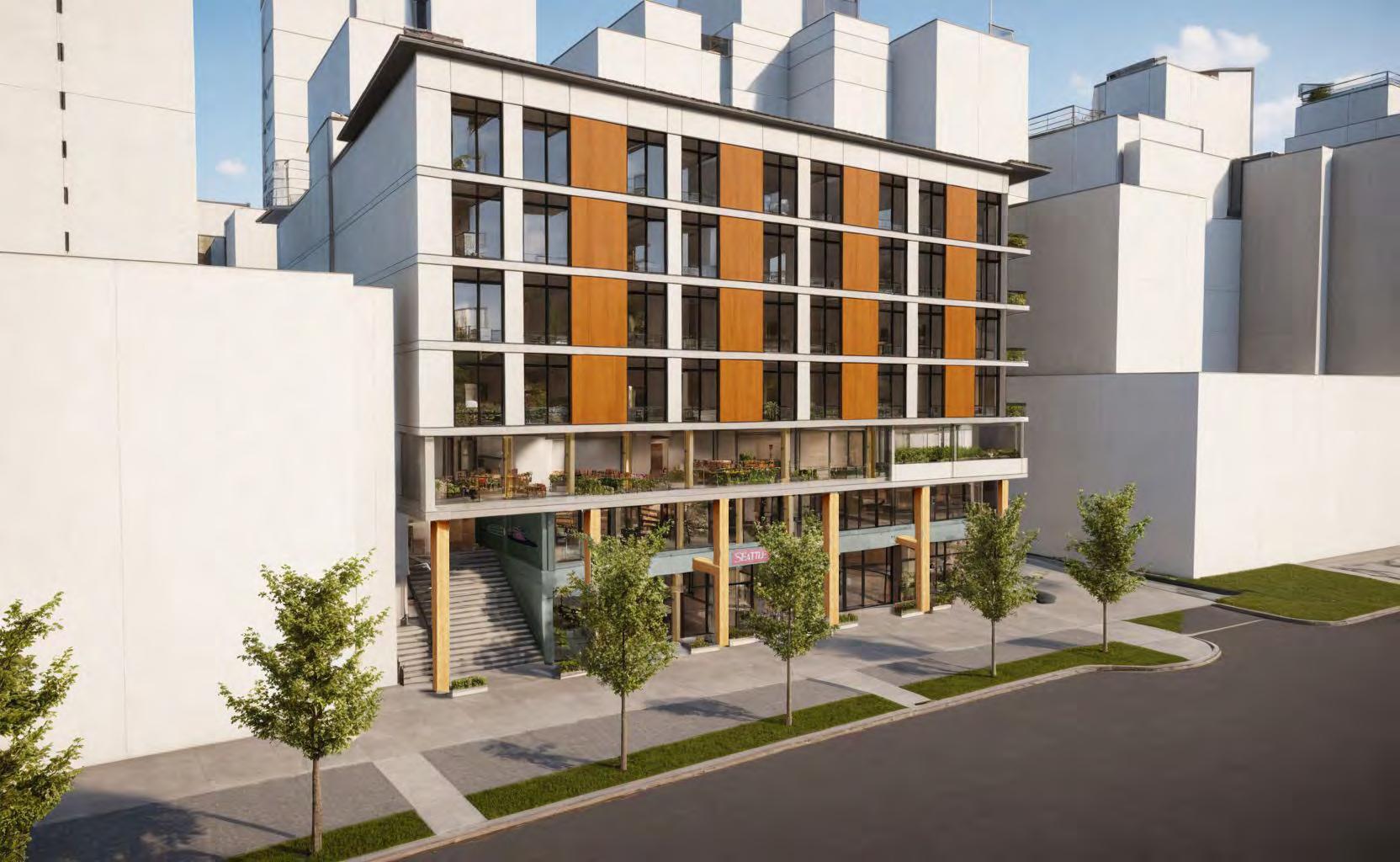
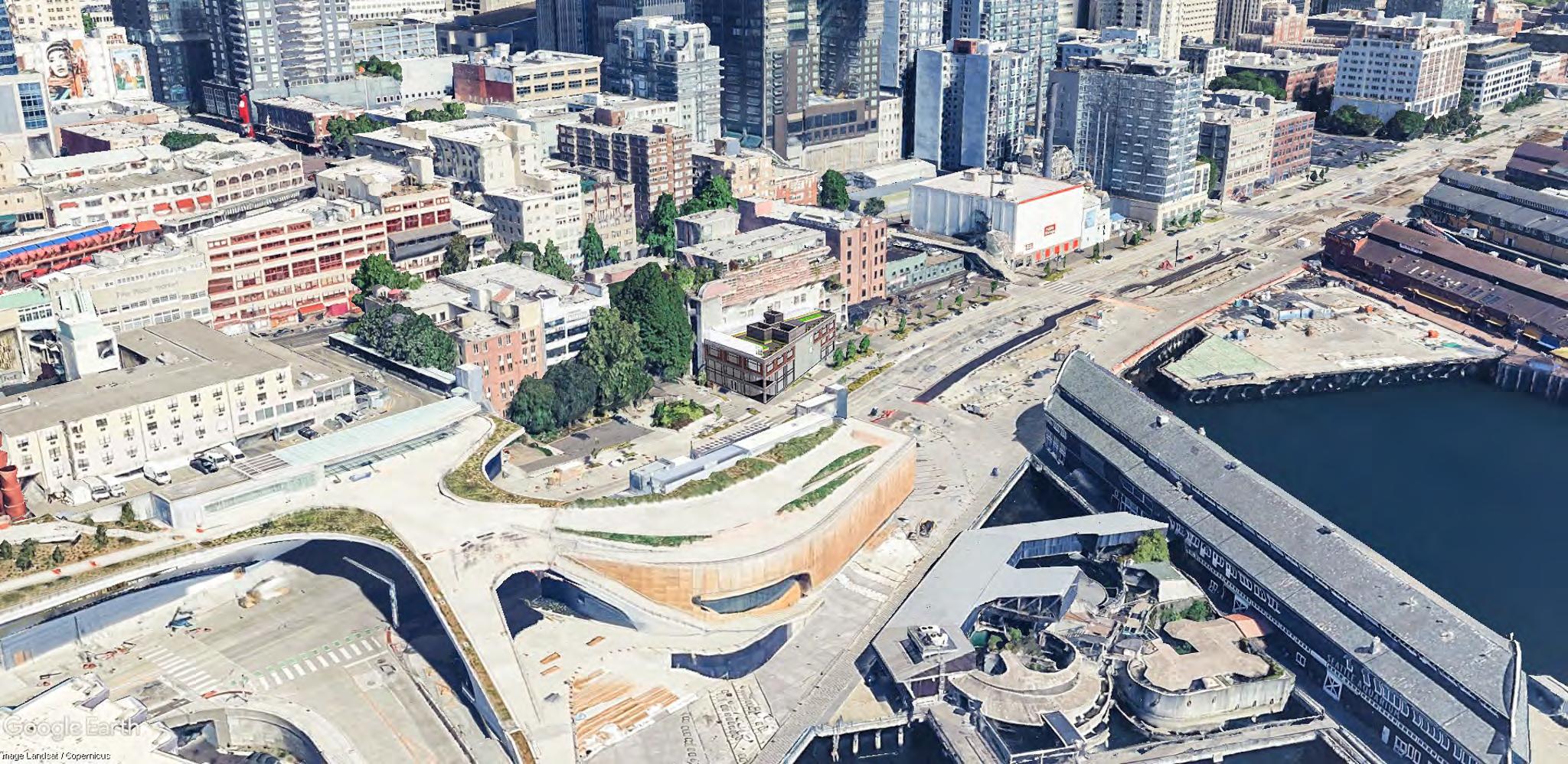
The Vault Hotel was designed to revitalize an existing site as part of the larger Seattle Waterfront renovation project.
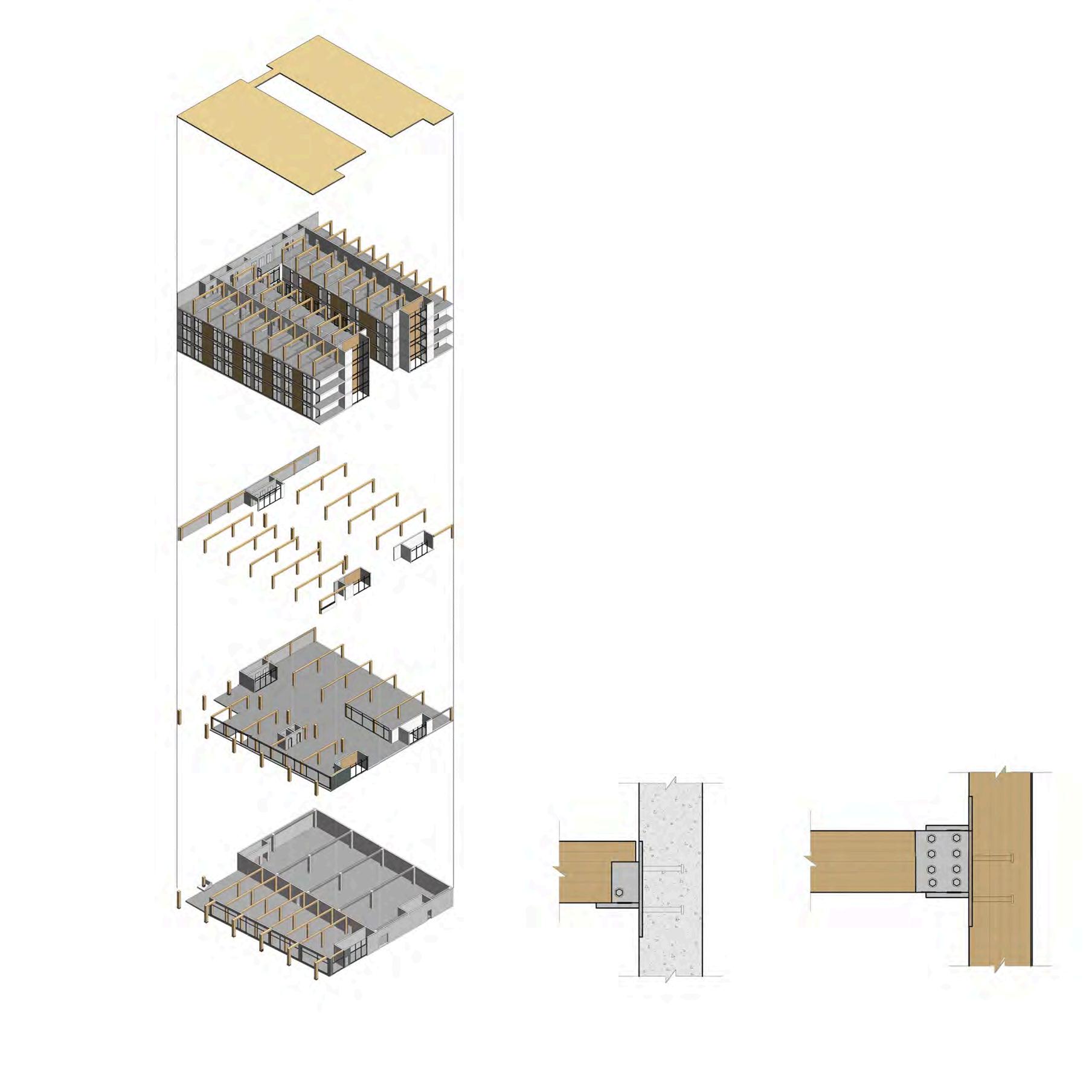
The structure was a hybrid base and a CLT structure for the main floors allowing for exposed wood members.
The hotel features two floors of retail space, a parking garage, a restaurant, and a range of hotel units. Each unit is thoughtfully oriented to provide optimal views of both the city and the water.
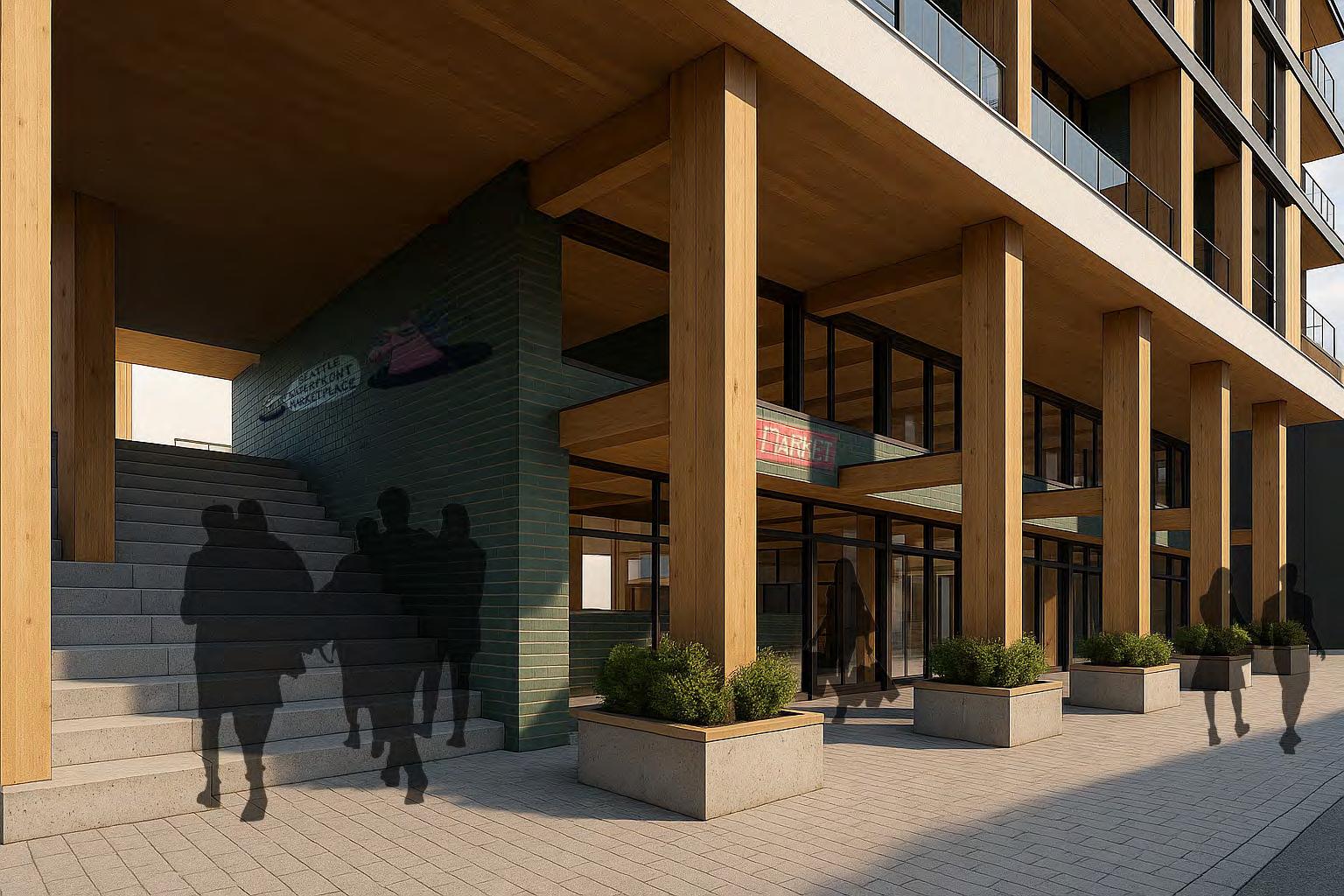
The proposal reclaims the current location of the Seattle Antique Market, which was rehoused and reuses original materials from the historic character.
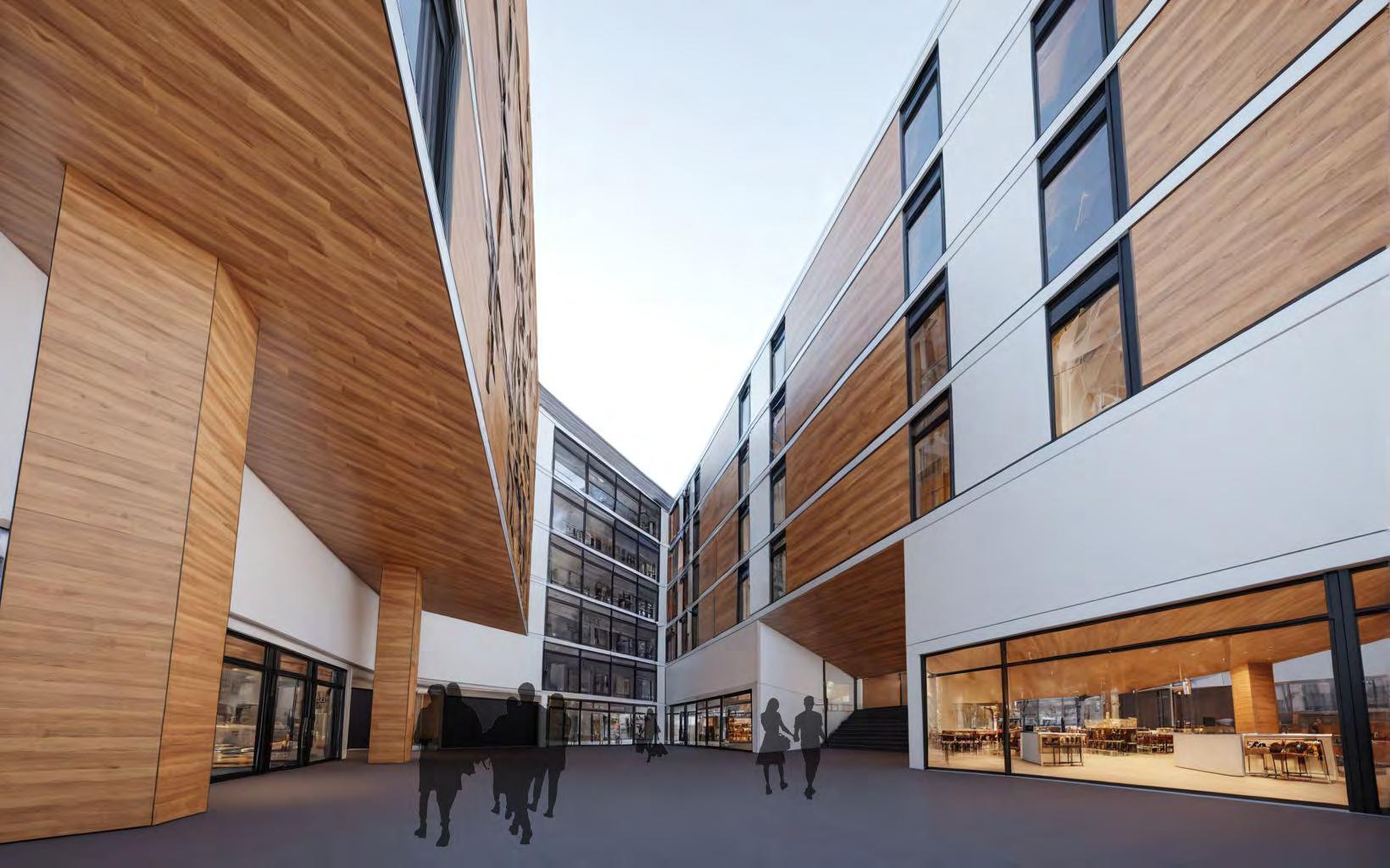
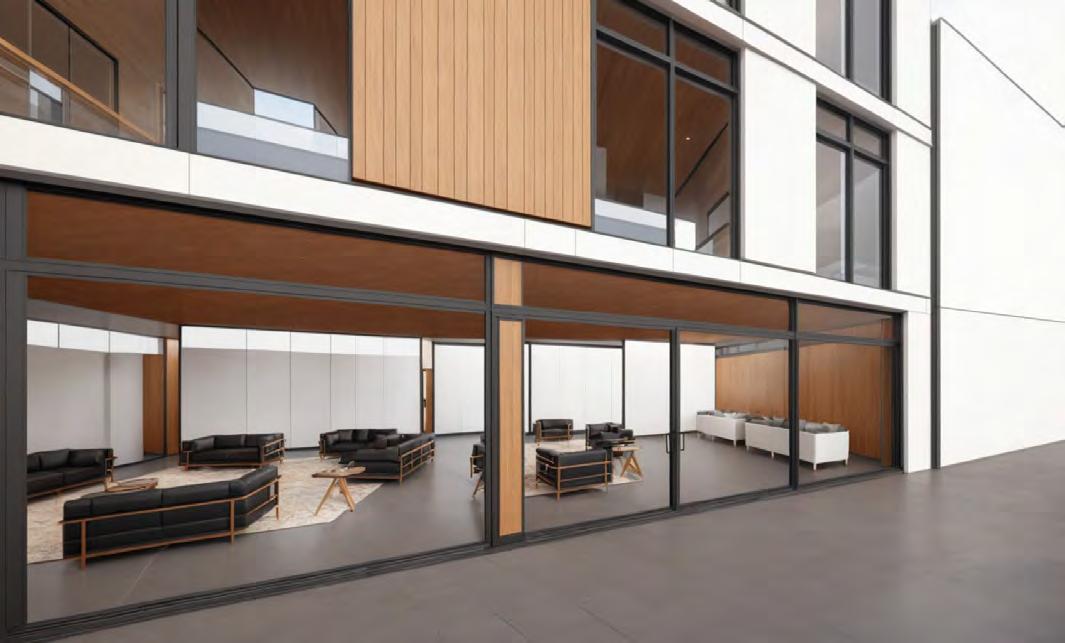
The building was designed with a strategic cut and pathway to accommodate the site’s grade change while maintaining access to both adjacent roads.
Dual entries on the northeast and southwest sides ensure convenient circulation and connectivity throughout the site. Designed retail spaces and restaurants were placed to activate the space in between the grades.
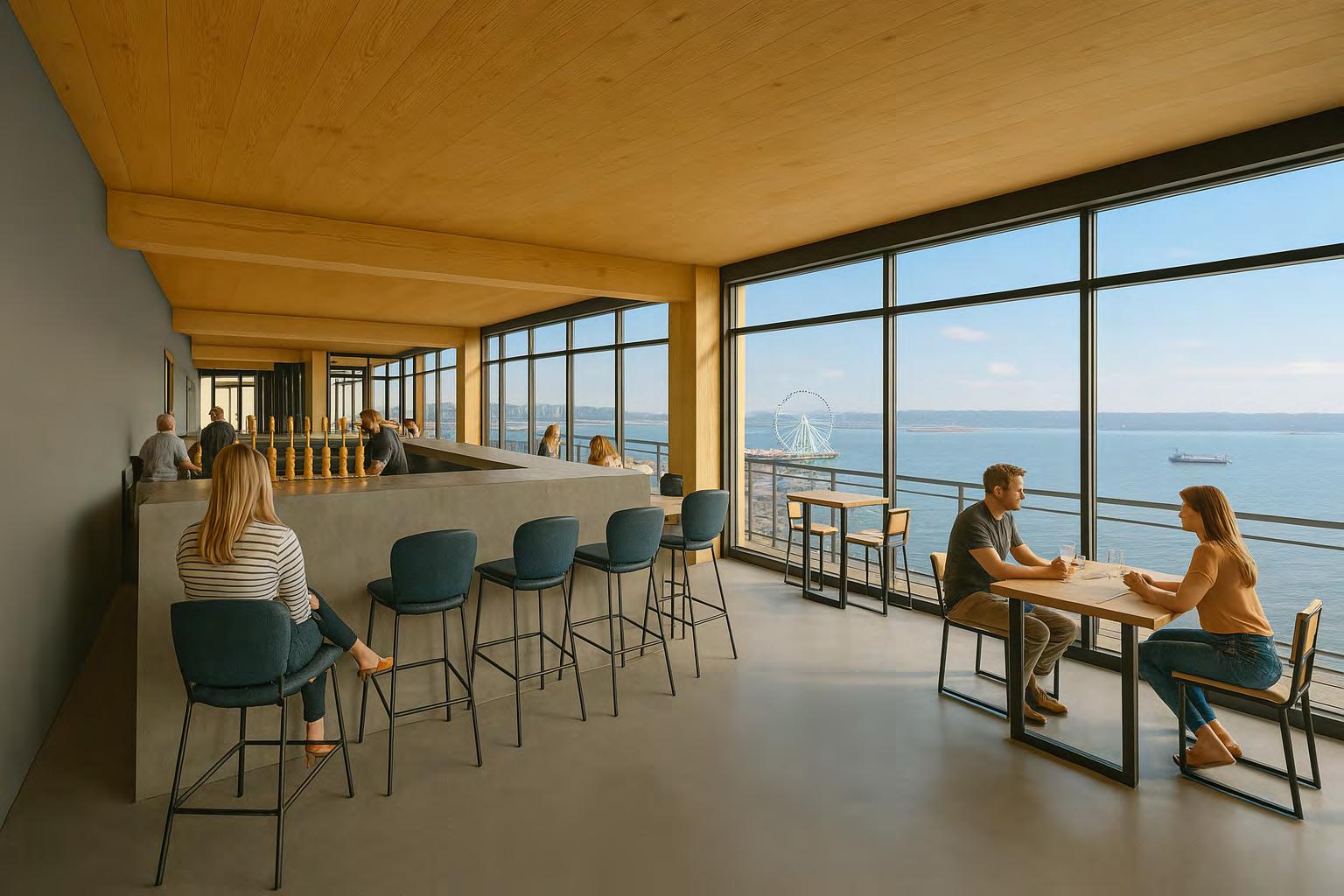
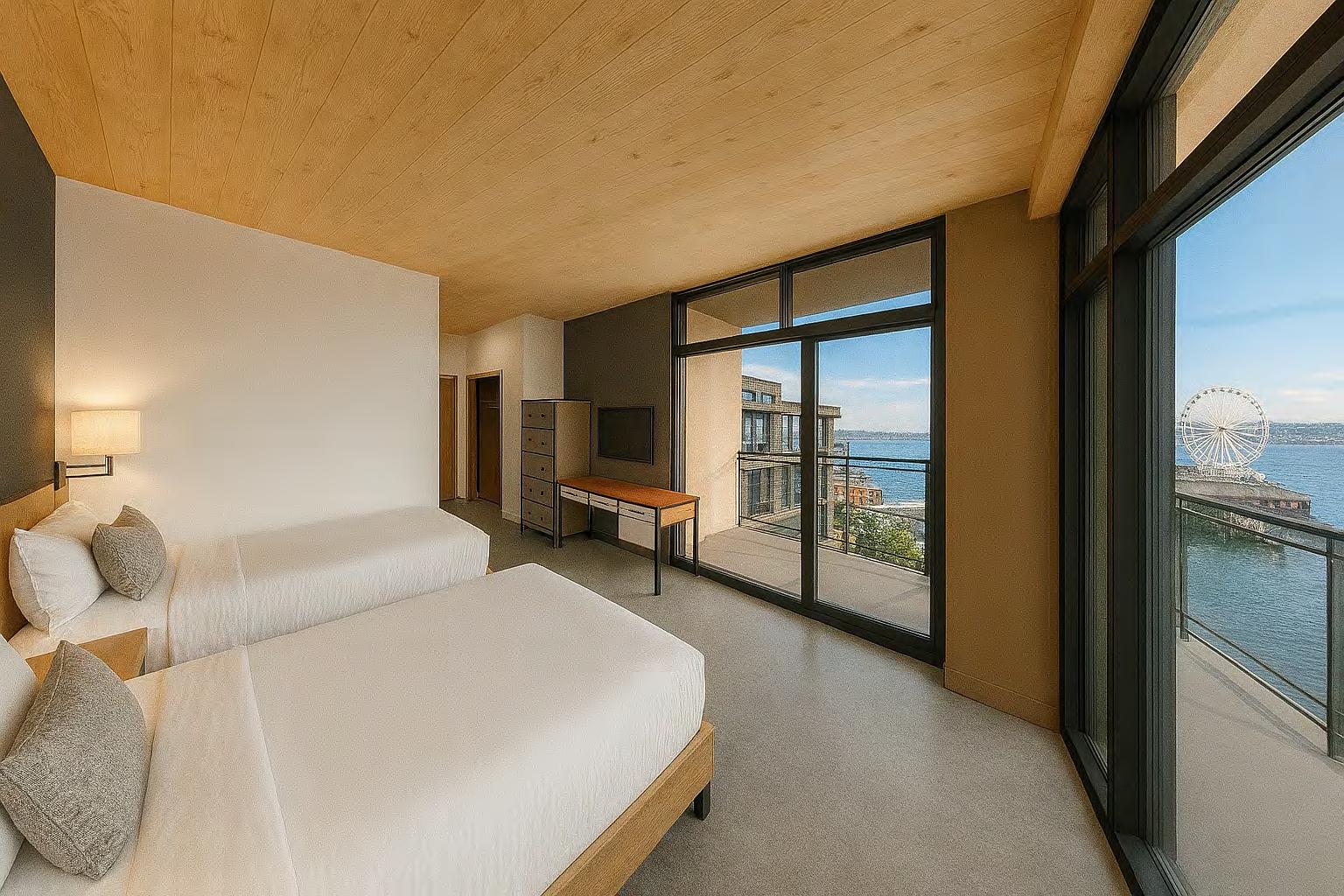
Views towards the ocean were taken into account with both the restaurant and the hotel units throughout the space. Additionally exposed CLT members were used to enhance the biophilic experience throughout the design.
OPEN ARMS CLINIC
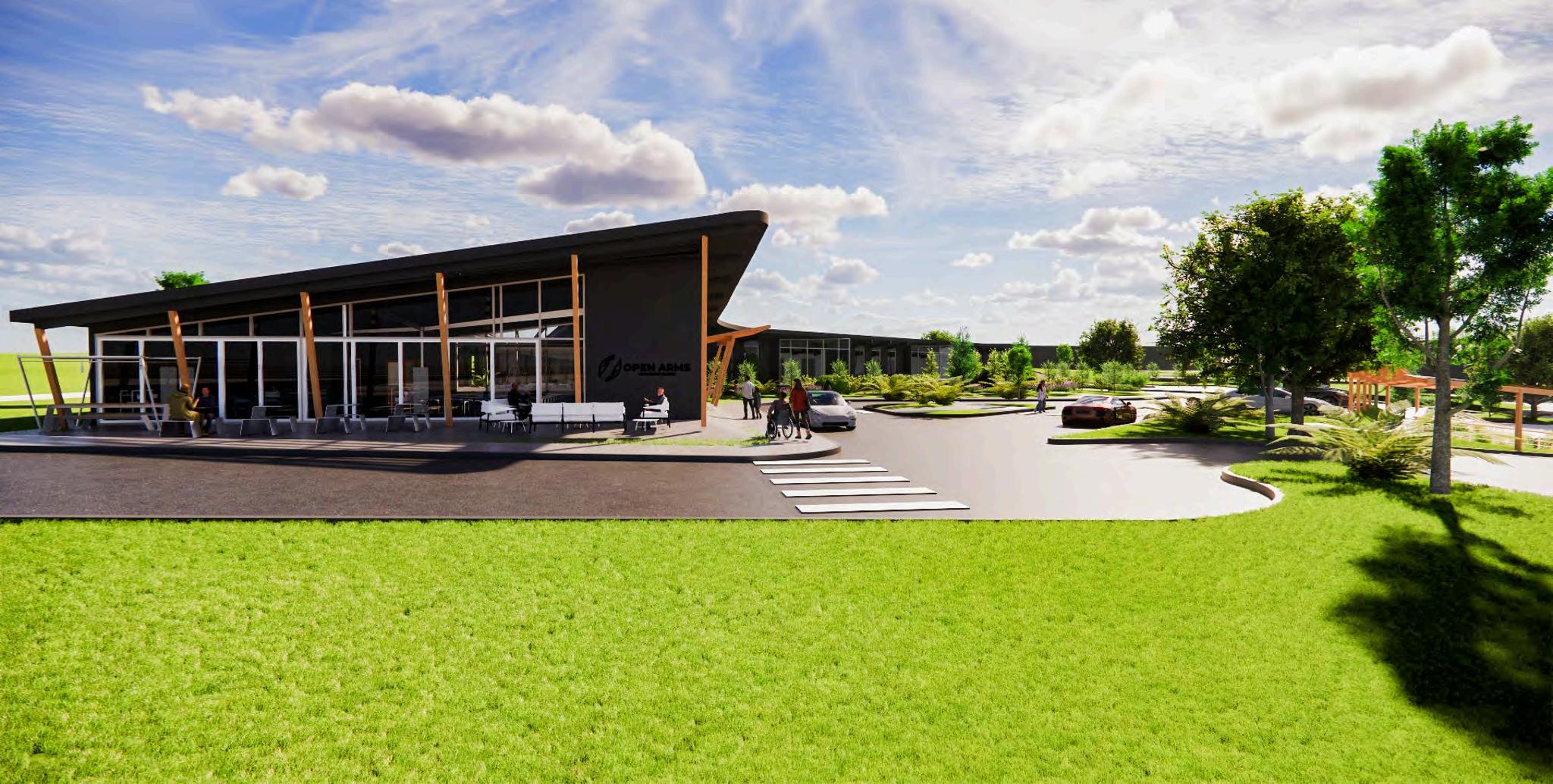
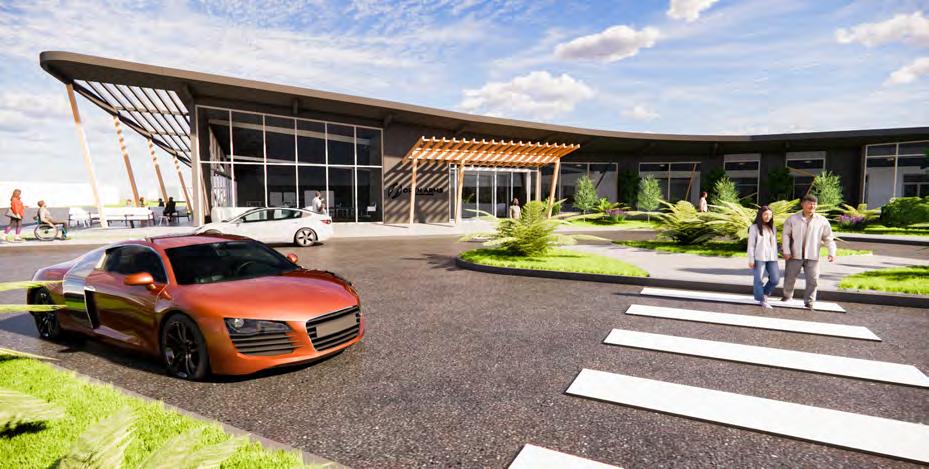
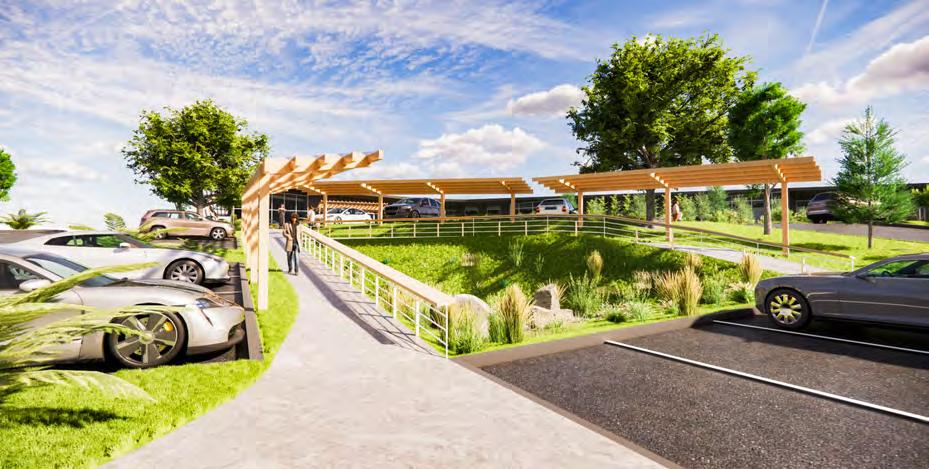
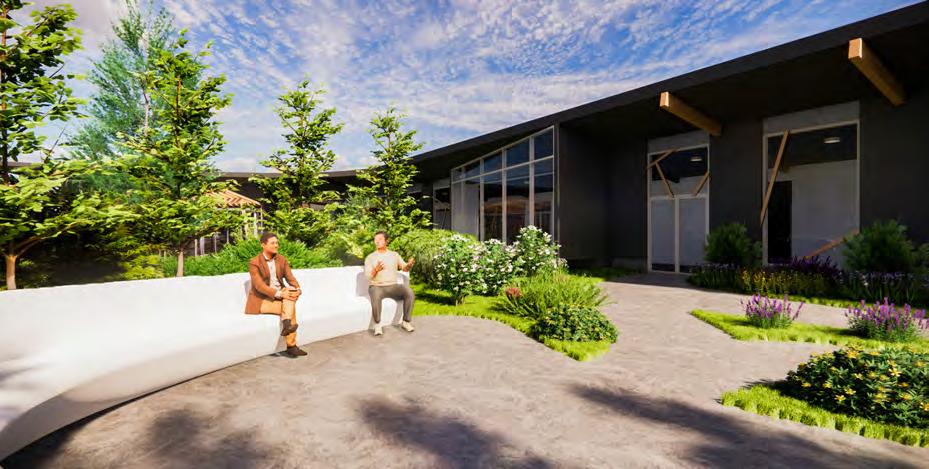
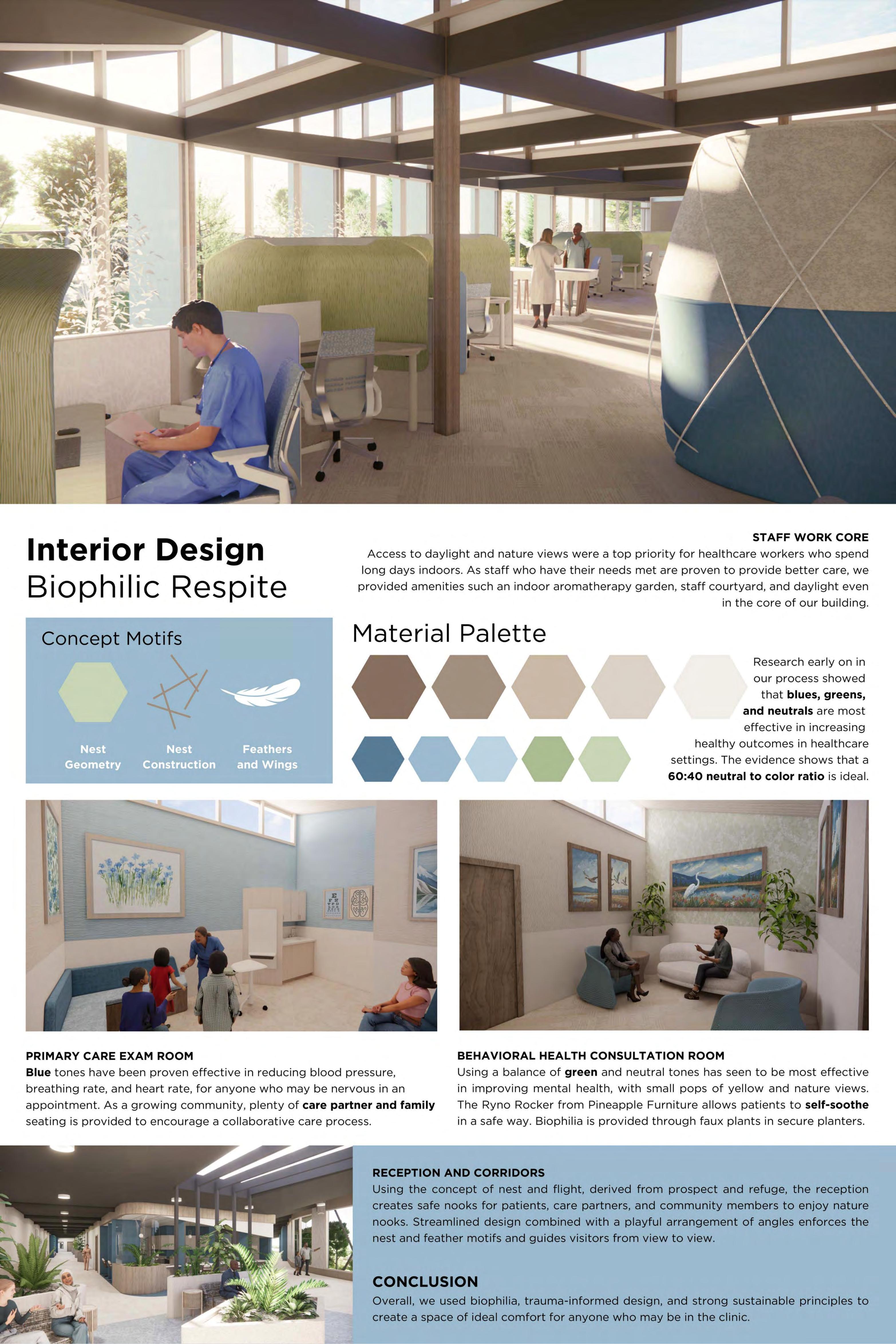
Open Arms was designed to integrate with the emerging developments in Ridgefield, serving as a healthcare clinic focused on holistic wellness through both primary care and behavioral health services. The design places strong emphasis on the positive effects of biophilic design, promoting a healing connection between people and nature.
Our team envisioned a structure inspired by natural forms — with a wing-shaped roof that guides and welcomes visitors into the clinic. The roof design allows generous daylight to filter into workspaces and patient rooms, creating a warm and uplifting environment. Locally sourced and reclaimed materials were also incorporated to reinforce the project’s commitment to sustainability.
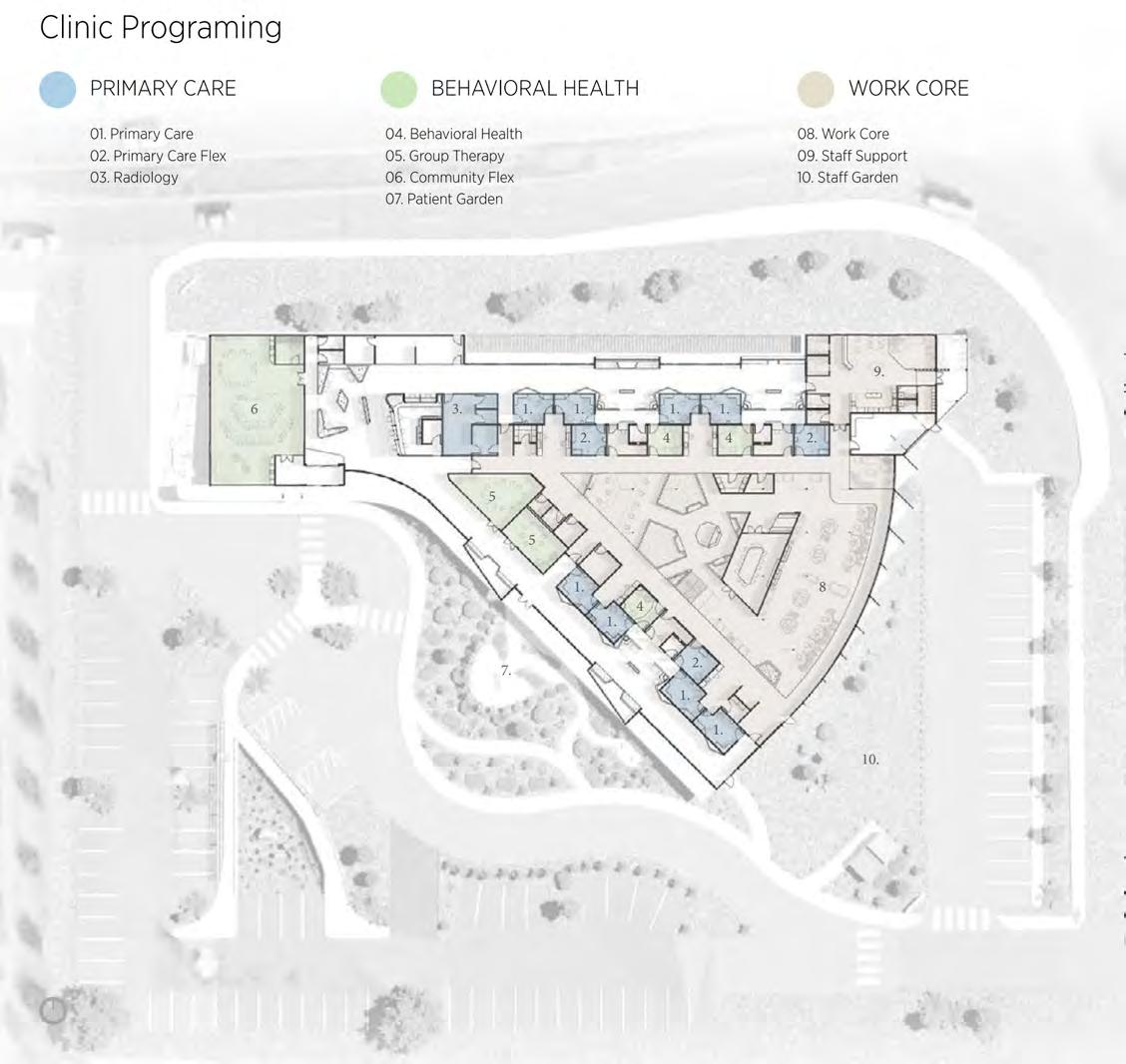
The client and working spaces were separated by hybrid-structure and allowed for proper daylight in both spaces without compromising client safety.
Both spaces were designed with biophilia impacts in mind though the color pallet and material selections.
The roof was designed with clerestory windows to introduce abundant natural daylight and support passive cooling through operable openings in both the work core and client areas.
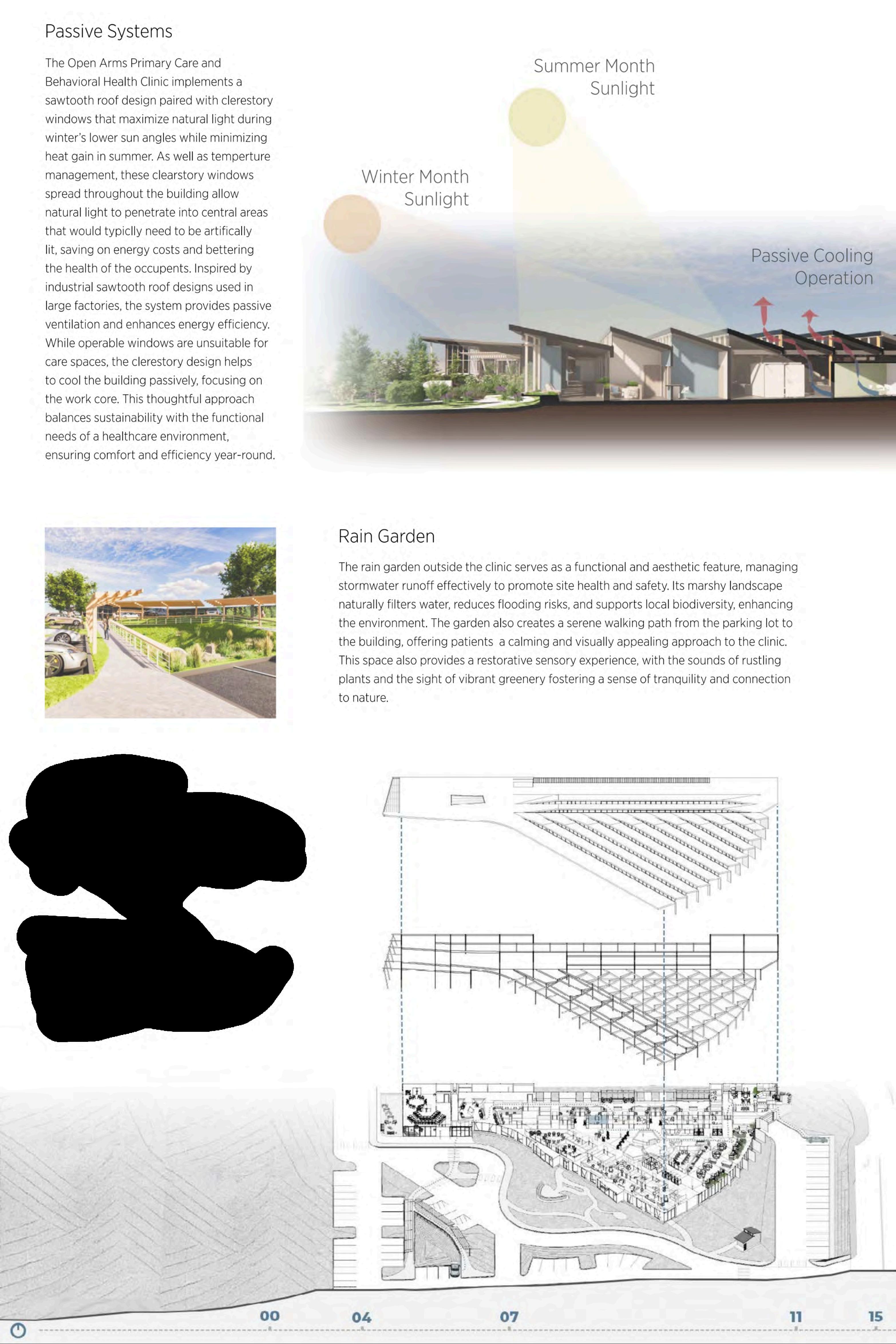
The structure utilizes a hybrid wood-and-steel grid system, featuring exposed wood elements that reinforce biophilic design principles and create a warm, natural atmosphere throughout the space.
bia gREENHOUSE
The Seattle research project aimed to design BIA (Building Integrated Architecture) in Seattle with the system of roof top green houses. The project aimed to see the feasibility and gain potential to use unused spaces in the rooftops of Seattle.
I designed a full rooftop design for a chose site with different design schematics with its potential yields of agriculture for the designed space. Allowing for this project to be used as a case study for potential rooftop gardens in Seattle.
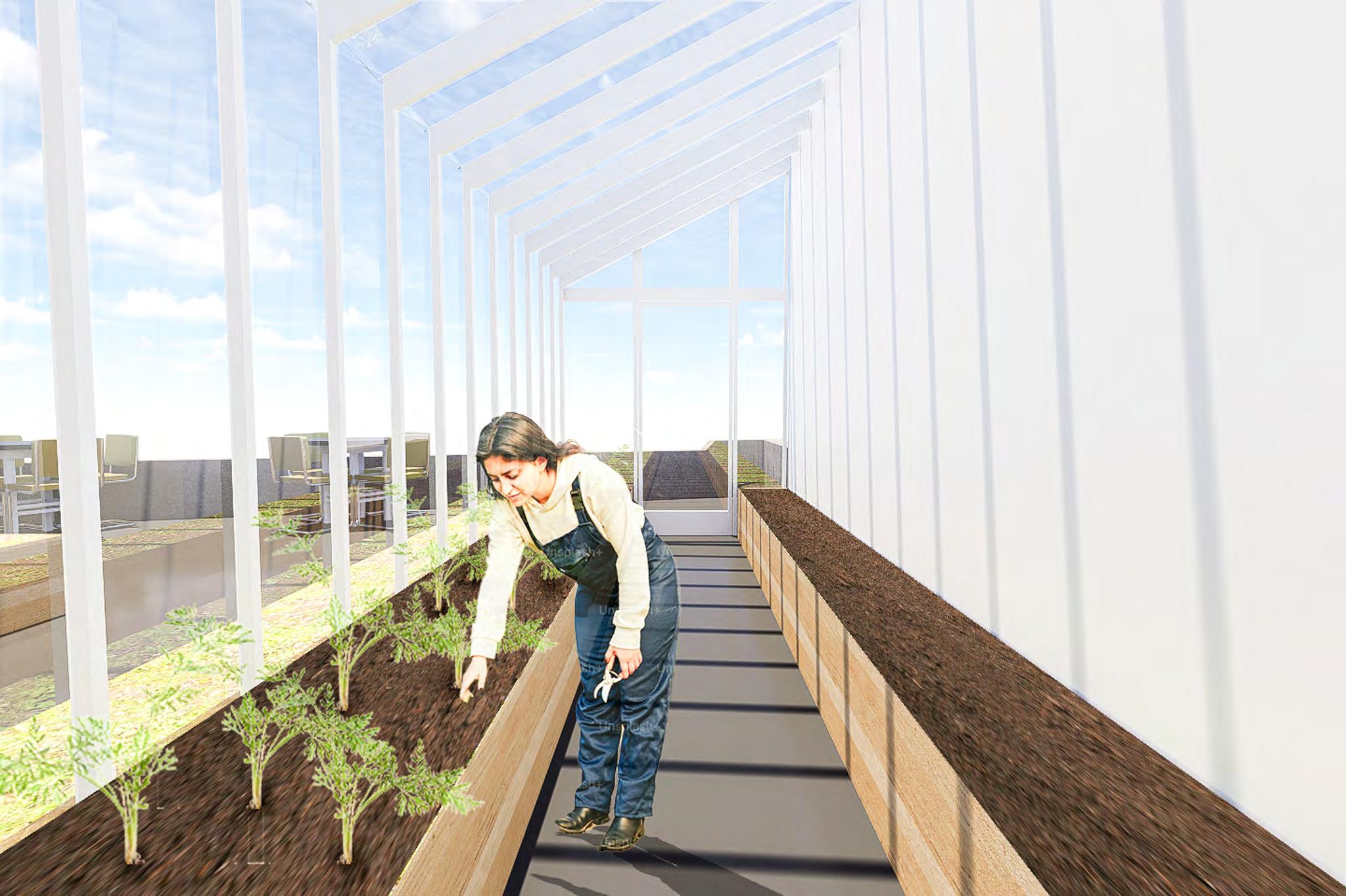
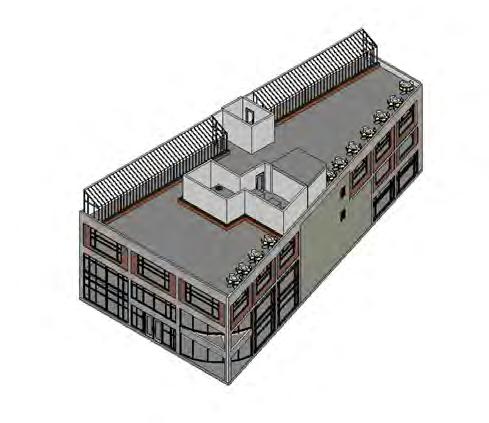
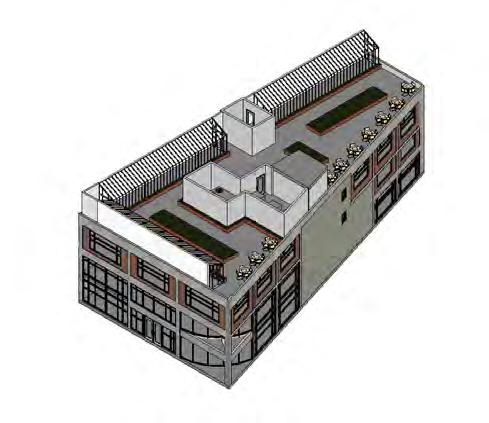
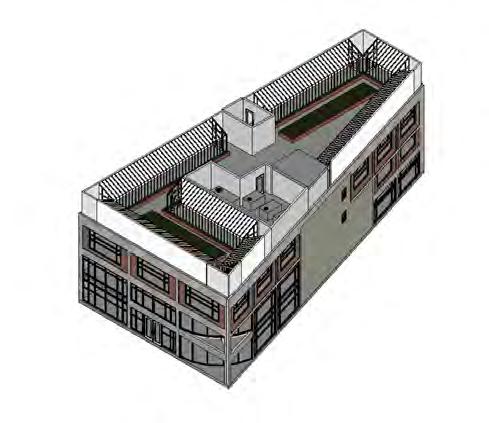
These three design schematics were developed to explore the potential agricultural yield of the rooftop.
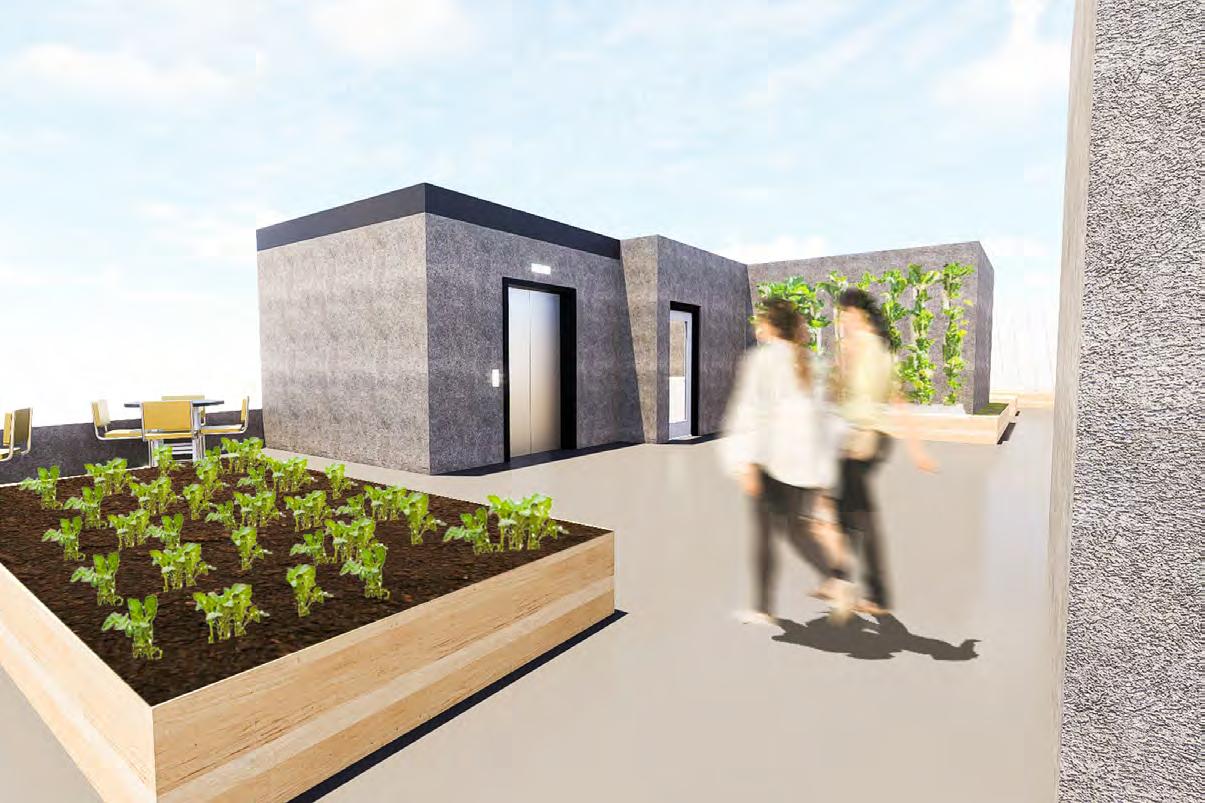
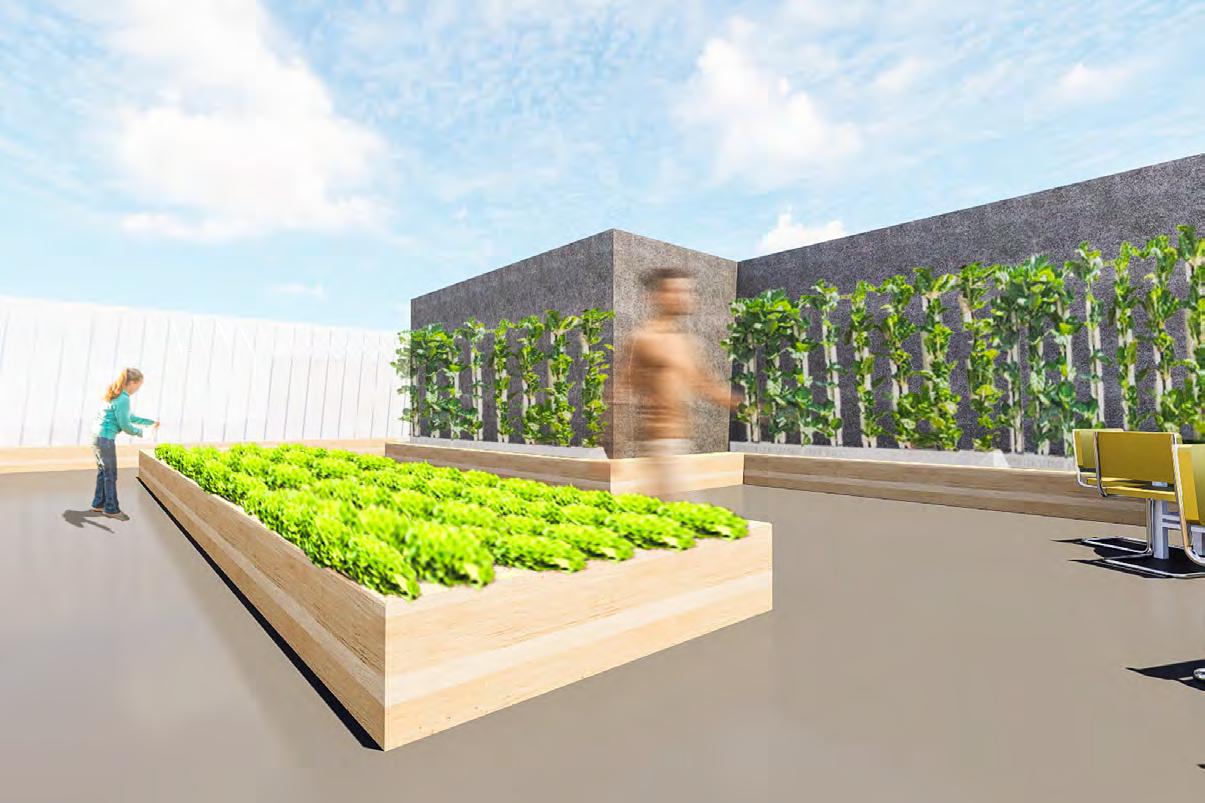
The system incorporates both greenhouses and planters, with greenhouse placement strategically determined to maximize daylight exposure while preserving key sight lines.
gateway project
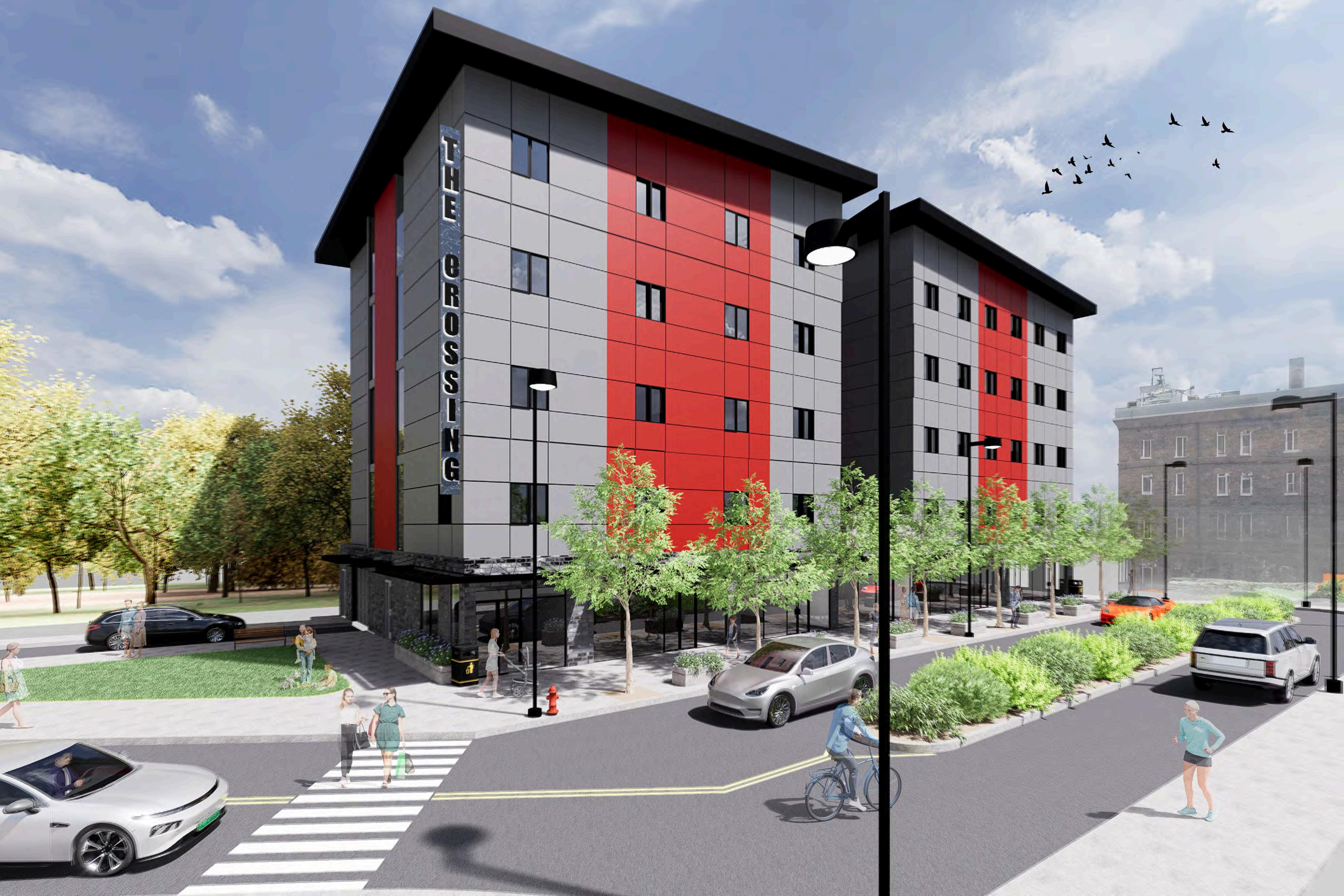
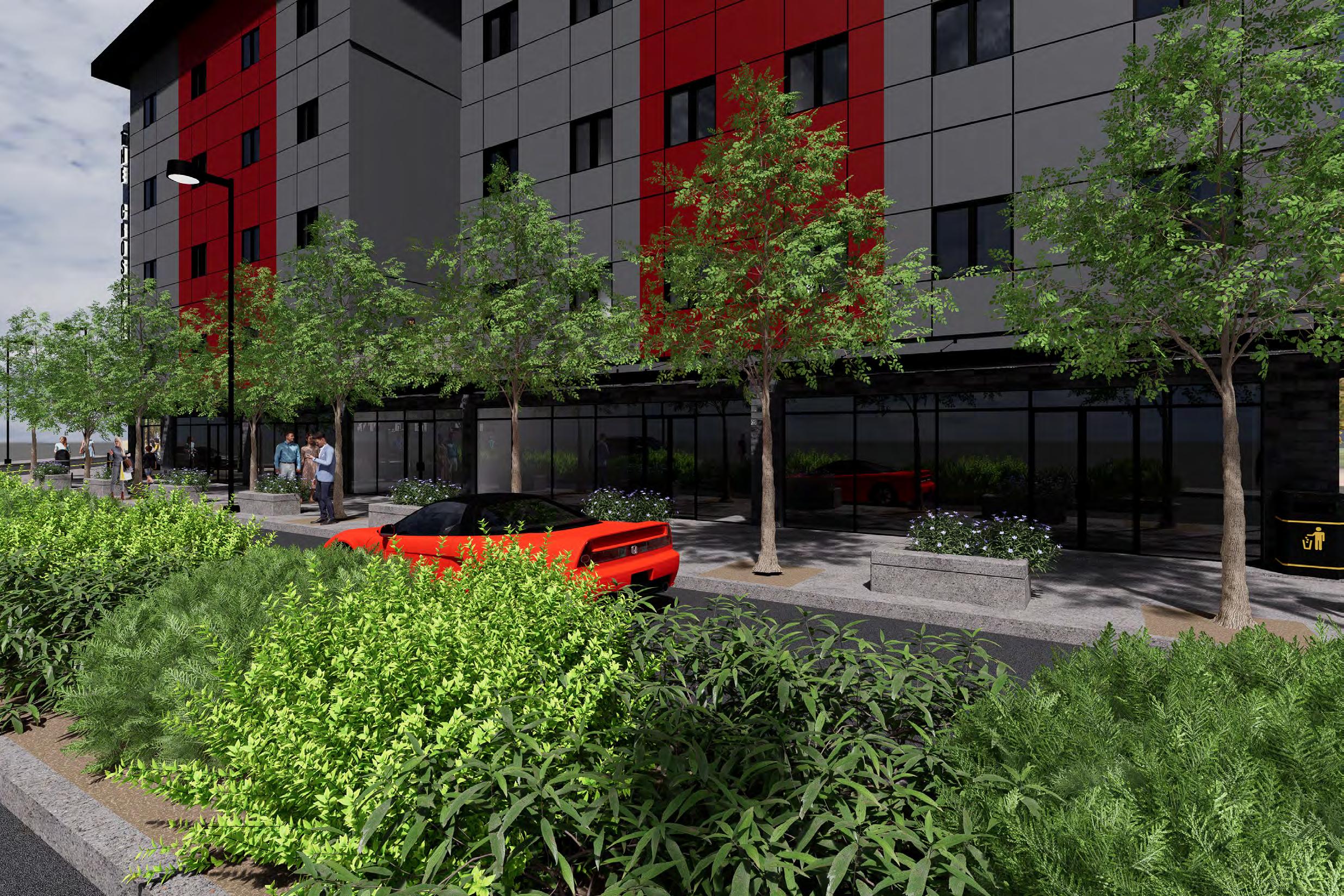
The Pullman Gateway project was designed to allow multi-disciplinary collaborative work to develop a site in Pullman, WA. Although the project was multi-disciplinary, the final design was a solo project.
Mixed-use hybrid apartment-hotel complex named The Crossing to incorporate the most amenities for my occupants. My design emphasized the need for community and places to gather.
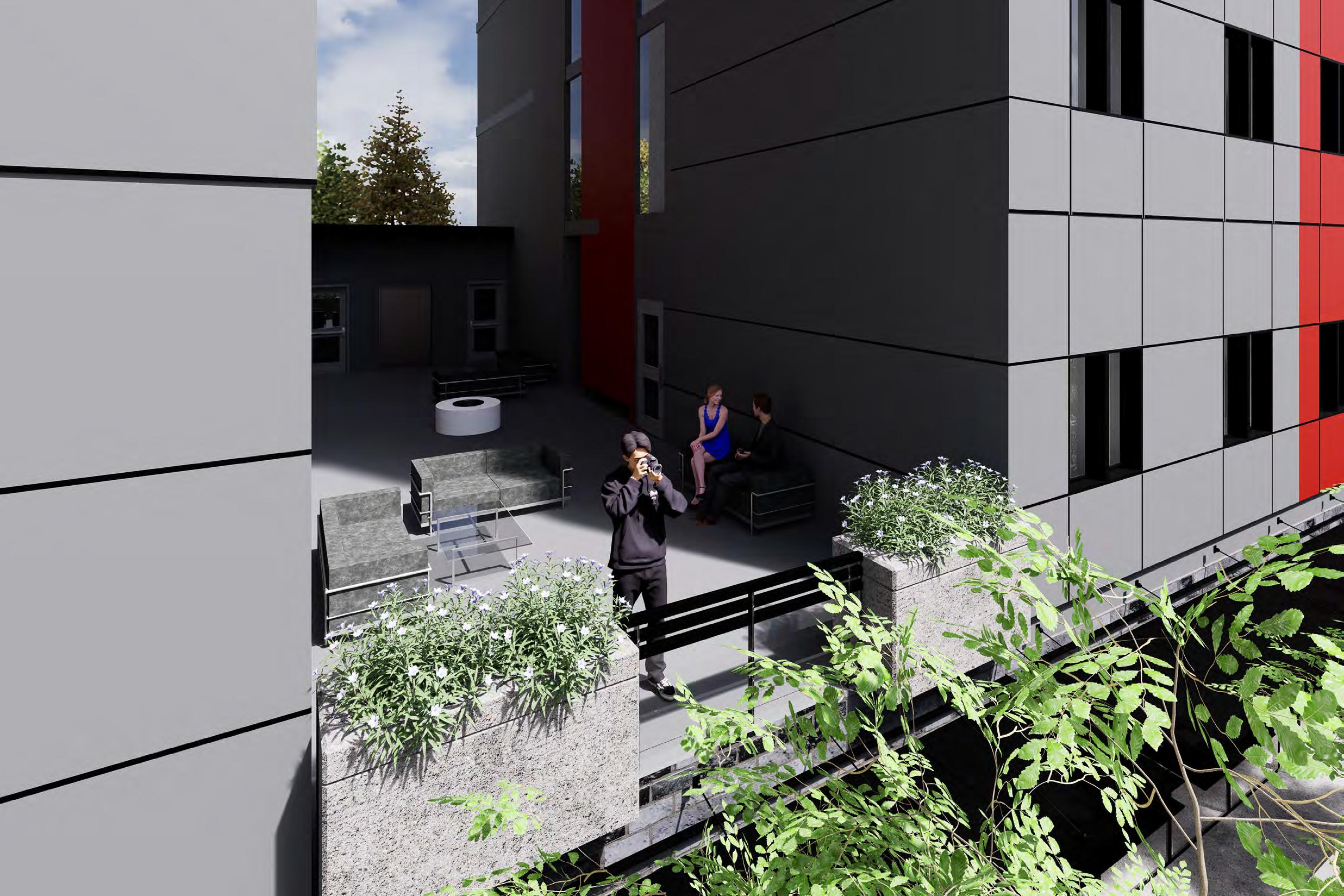
The hybrid system was designed to support flexible use of the space throughout the year. Shared public areas encourage interaction between the permanent residents of the apartments and the temporary guests of the hotel, fostering a sense of community within the development.
Photography
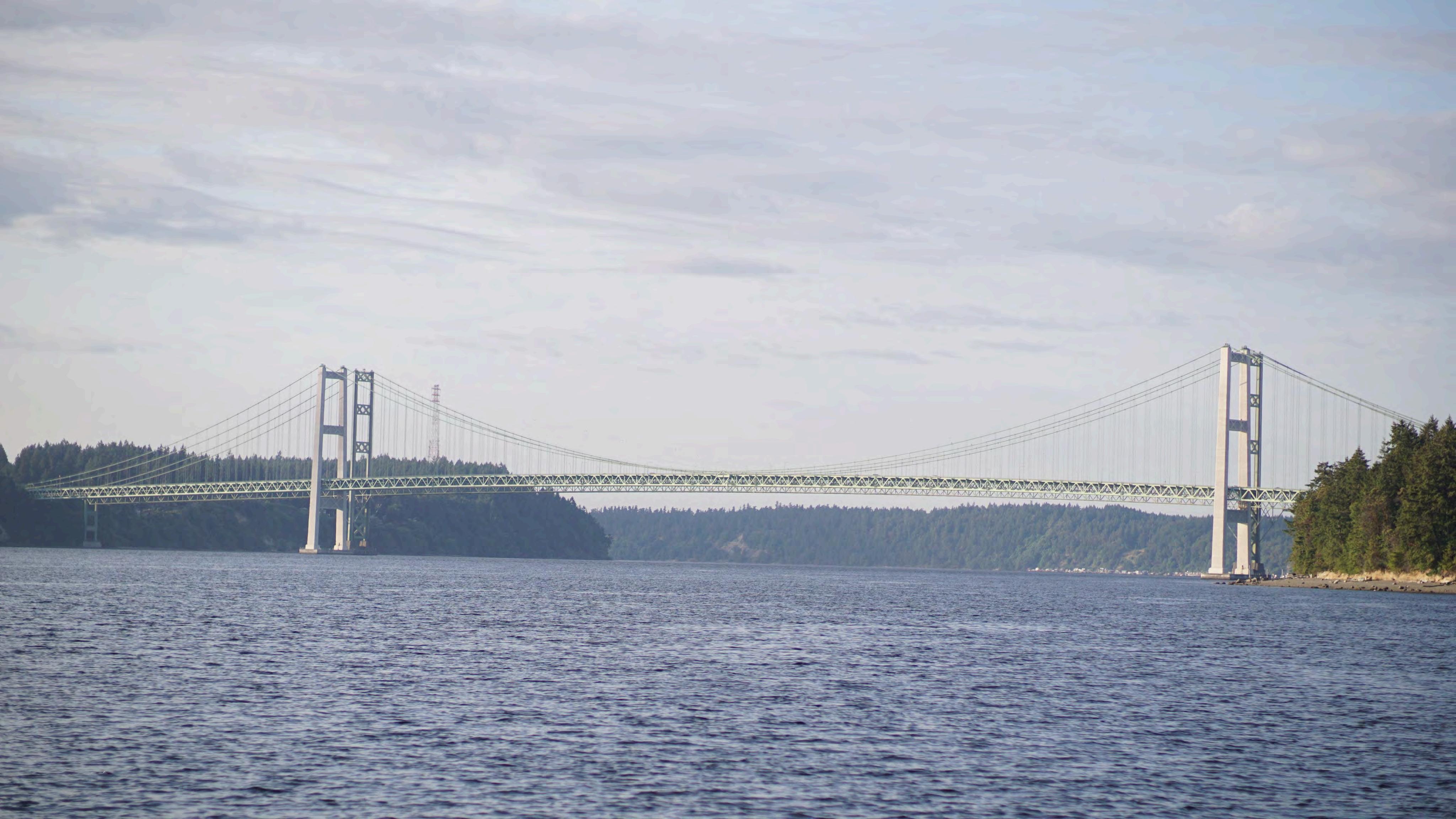
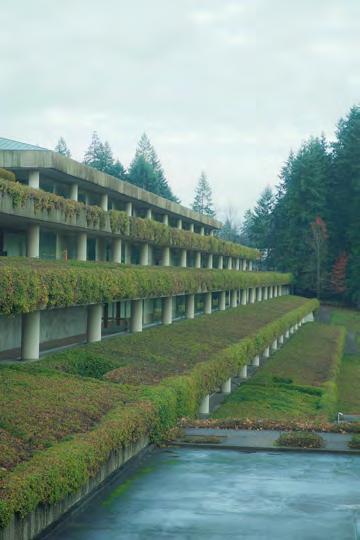
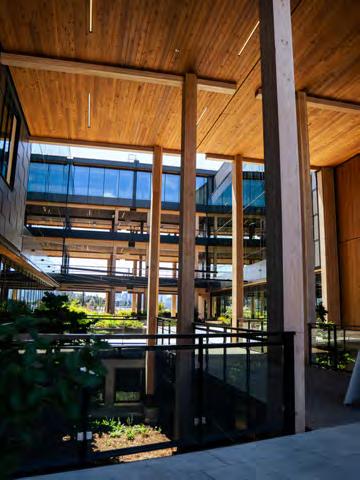
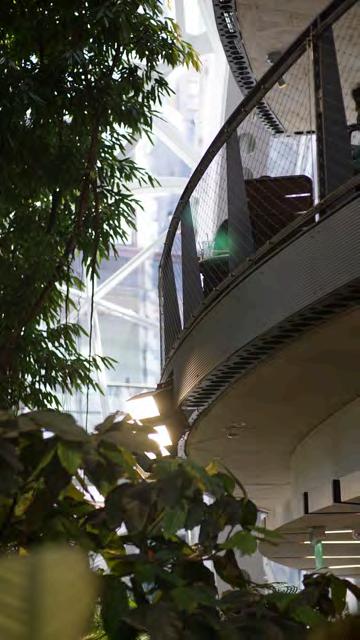
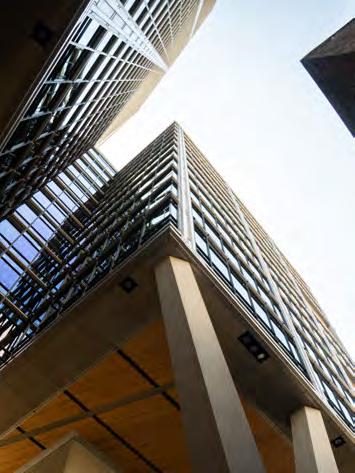
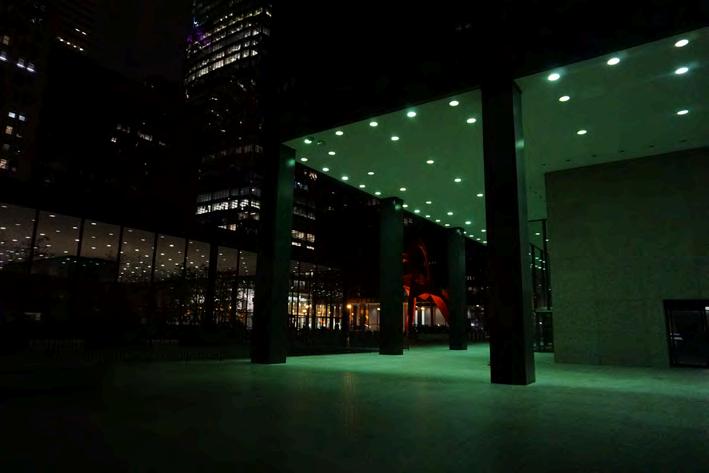
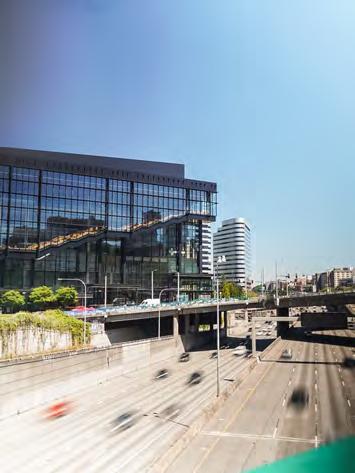
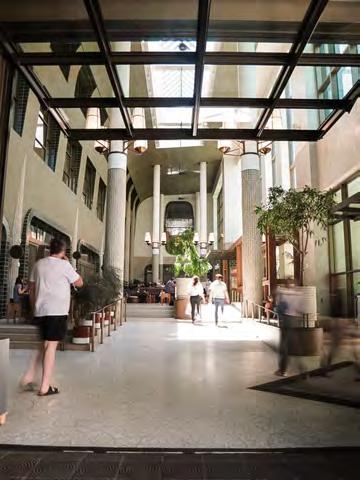
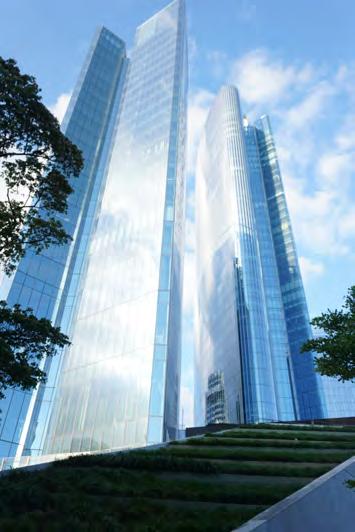
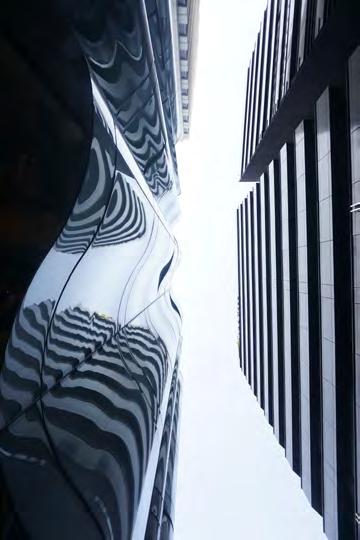
I first discovered my passion for photography in high school after being introduced to it through a class. Over the years, I have continued to refine my skills, often taking my camera with me to capture new perspectives and environments. Through this practice, I’ve developed a deeper appreciation for how architecture can be experienced and interpreted through the lens. I aim to carry this creative perspective forward and integrate it into my growth as a designer.
Tyler Eugenio Works